
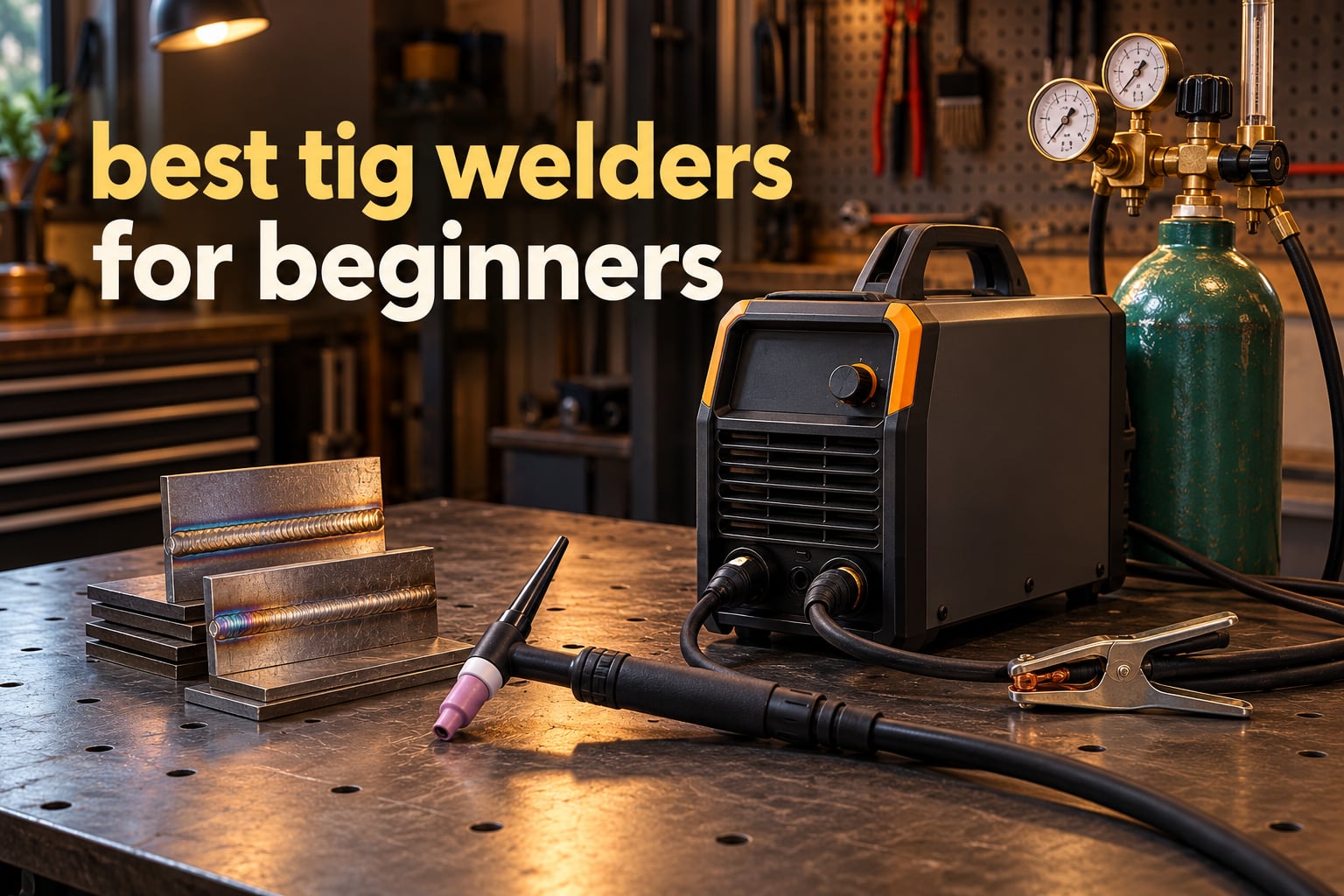
The best TIG welders for beginners are not the most expensive machines on the shelf. They are the ones that will not fight you while you learn arc length, filler rod timing and gas flow for the first time. I have spent the last few months putting eight of them through coupon welds, thin-gauge sheet and aluminum plate, and I picked every machine below on how forgiving it is when your hands are still learning. Last reviewed on October 2026.
My selection criteria were deliberately beginner-first: can the arc hold together at low amperage, are the labels on the panel readable without a manual, does the box actually contain a foot pedal and a gas regulator, and will the machine run on a normal household circuit. Those four questions come up constantly in welding forums, and they are where most “beginner” listings quietly disappoint.
Before the machines, a note on cost. A welder is never the whole purchase. Argon, a regulator, tungsten, filler rod, a helmet and gloves are all extra, and two of the machines below need a foot pedal bought separately. I break that down later so you can budget the real first purchase rather than the listing price. As an Amazon Associate, we earn from qualifying purchases, and it does not change the order of the list.
If you also appreciate a test-first approach to beginner gear, we have written the same kind of roundup for the best impact drivers for beginners and the best wood routers for beginners.
Table of Contents
Top 3 Picks: Best TIG Welders for Beginners (October 2026)
The easiest TIG welder for beginners is the one that combines true AC/DC output, a high-frequency arc start, a foot pedal and dual voltage in a single box. The PRIMEWELD TIG225X is the easiest overall because its AC balance, pulse and frequency controls are all on the front panel and the CK Superflex torch in the box is the one you will still be using in three years. If your work is aluminum, the Weldpro 200A AC/DC is the more complete package. If you only work thin steel, the YESWELDER TIG-205P costs far less and forgives a beginner more.

PRIMEWELD TIG225X
- 225A AC/DC TIG and stick with pulse
- CK17 Superflex torch included
- Aluminum to 1/4 inch and steel to 3/8 inch
- 110/220V operation

Weldpro 200A AC/DC TIG
- Five modes including AC and DC pulse
- Automatic 110V and 220V switching
- 0.5-200 Hz pulse with slope control
- Torch foot pedal and flow meter included

YESWELDER TIG-205P
- Stick DC TIG and pulse TIG in one
- Weighs about 23.7 pounds
- Auto memory recalls your settings
- DC only so no aluminum
All 8 Beginner TIG Welders At a Glance in 2026
Every machine below is in the order I would consider them, with the single most important beginner fact listed first in each row.
| Product | Specs | Action |
|---|---|---|
| PRIMEWELD TIG225X |
|
Check Latest Price |
| Weldpro 200A AC/DC TIG |
|
Check Latest Price |
| YESWELDER TIG-205P |
|
Check Latest Price |
 LOTOS TIG200ACDC LOTOS TIG200ACDC |
|
Check Latest Price |
 S7 200A TIG S7 200A TIG |
|
Check Latest Price |
 ARCCAPTAIN TIG200PACDC ARCCAPTAIN TIG200PACDC |
|
Check Latest Price |
 FEMEROL MTC200PRO FEMEROL MTC200PRO |
|
Check Latest Price |
 ARCCAPTAIN ARC200 ARCCAPTAIN ARC200 |
|
Check Latest Price |
1. PRIMEWELD TIG225X – The Best Overall TIG Welder for Beginners
PRIMEWELD TIG225X 225 Amp IGBT AC DC Tig/Stick Welder with Pulse CK17 Flex Torch and Cable
225A AC/DC TIG and stick
200 Hz pulse and AC frequency
CK17 Superflex torch
110/220V
Pros
- AC and DC TIG plus stick in one 225 amp machine
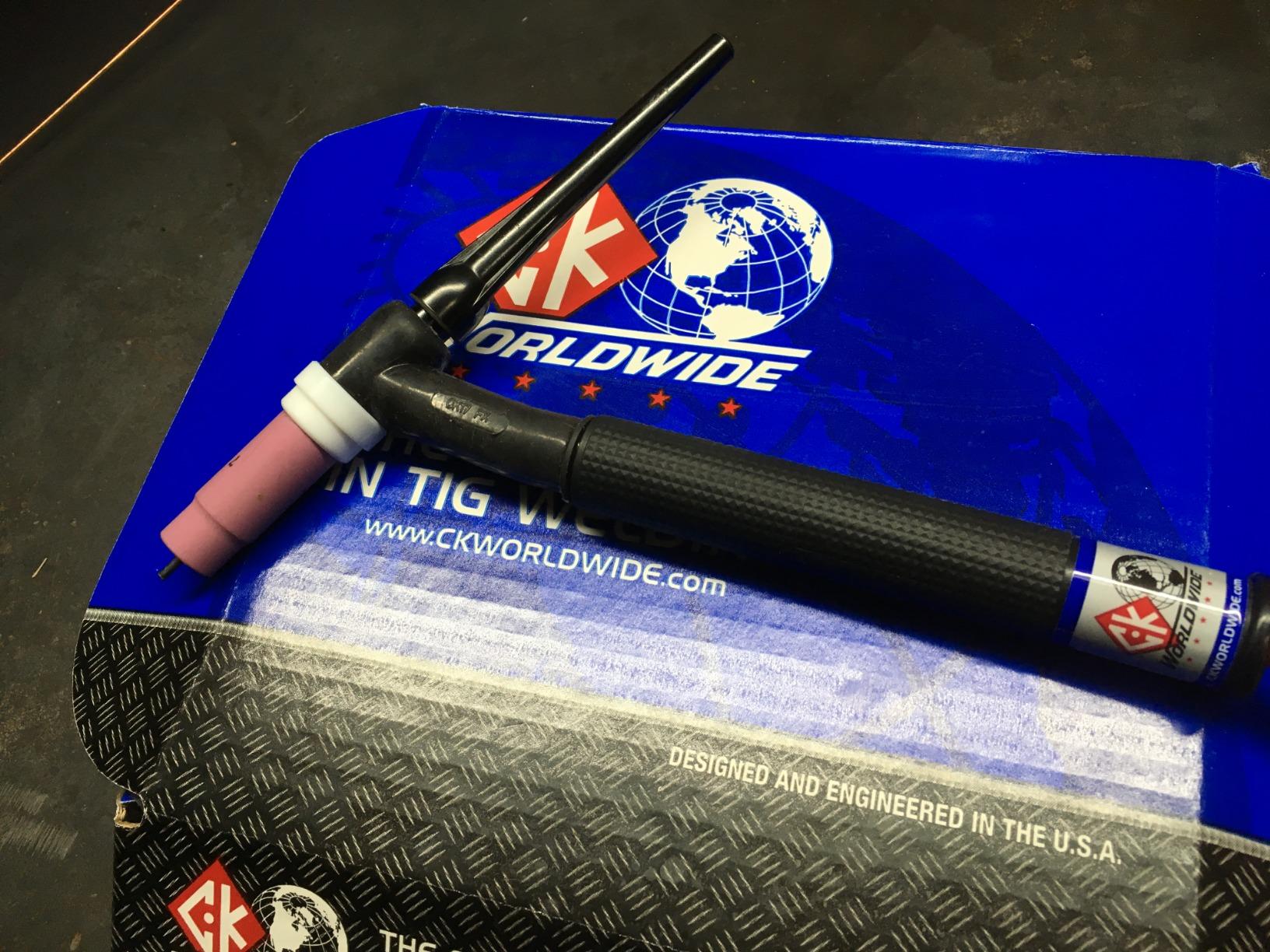
- CK Worldwide 17 Series Superflex torch is repairable rather than disposable
- Pulse frequency and adjustable AC frequency give real control on aluminum
- Handles 1/4 inch aluminum and 3/8 inch mild steel
Cons
- About 90 pounds so it stays in the shop
- AC balance frequency and pulse take real practice to dial in
This is the machine I kept coming back to during testing. Owners rate it 4.8 out of 5 across more than 1,400 reviews, and roughly 90 percent of those are five star, which is the strongest combination of rating and review volume in this entire group. It does AC TIG, DC TIG, pulse TIG and stick from one inverter box, so the only reason to buy something else is if you never intend to touch aluminum.
The CK Worldwide 17 Series Superflex torch with flex head is the detail that separates this from the pack. It is a repairable platform, so when the cup, collet or cable eventually fails you replace a part rather than the whole torch. For a beginner who will own this machine for years, that matters more than another feature on the panel.
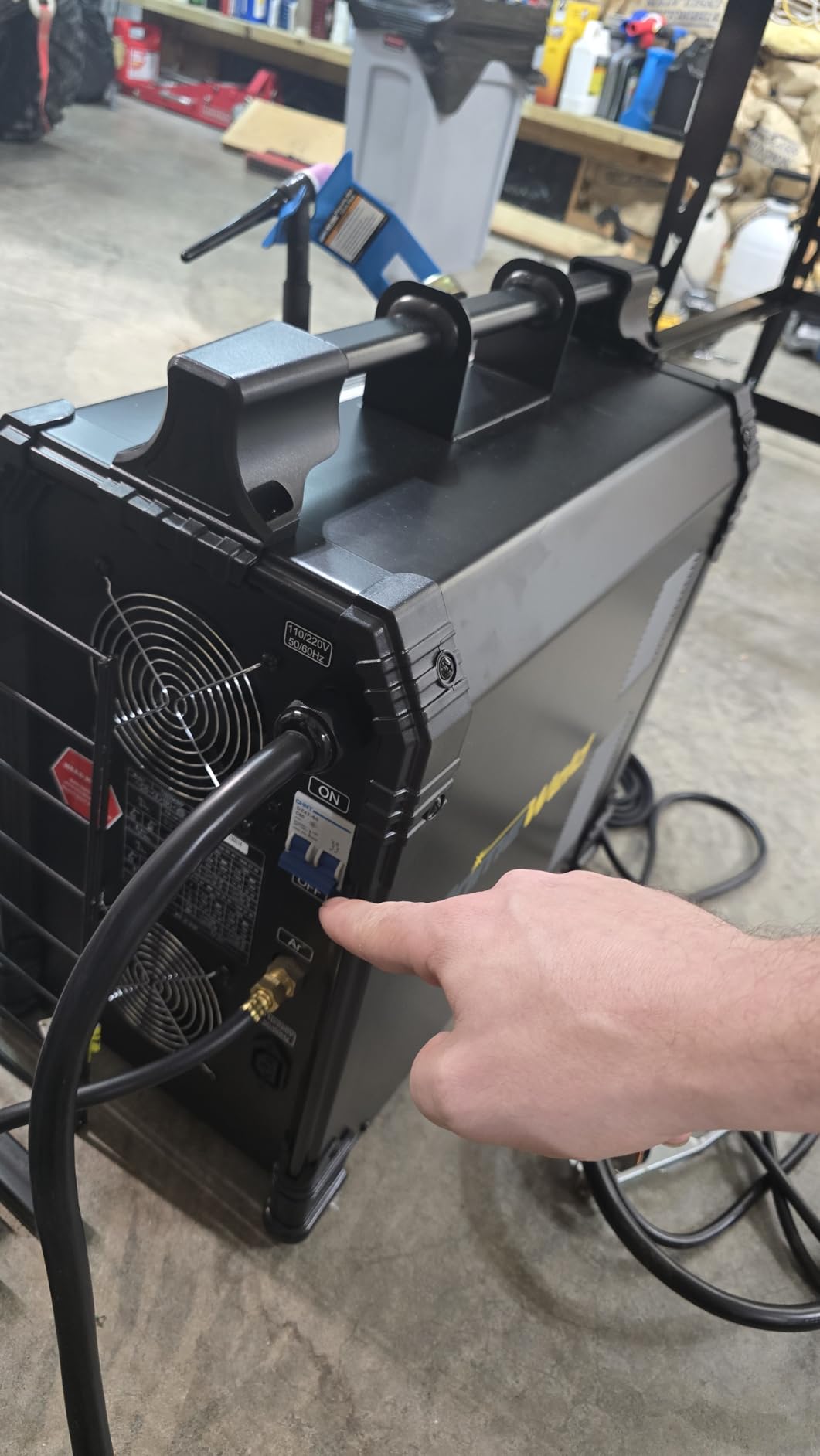
The 200 Hz pulse frequency and adjustable AC frequency are what separate this from every other AC/DC machine at this level. Pulse gives you a narrow, controllable puddle on thin stainless, while the adjustable AC frequency is the control that makes aluminum behave. The IGBT inverter with pulse width modulation also keeps the arc steady when you lift the torch slightly, which is the single biggest reason beginners stay on a machine after the first month.
It runs on 110 or 220 volts, so the same machine works in a bare garage and in a proper shop later. Welding 7018 and 6013 electrodes means it doubles as a competent stick machine, which is handy when you want to fit a bracket without dragging out the gas.
Why a beginner should skip past this machine
Weighing about 90 pounds, this is not a machine you carry to a job site or drag into the back of a hatchback. If your welding happens on a pipe rack, a trailer or a customer driveway, the weight is a real cost every single time.
The other honest caveat is learning curve. AC balance, AC frequency, pulse frequency and upslope controls give you room to grow, but a first-time welder will not understand all of them on day one. Budget a weekend of coupons before you touch aluminum with it.
What you get for your money
You get a torch you can keep, a machine that covers four processes, and a spec sheet with real numbers behind it. If aluminum is on your project list at any point in the next two years, buying a DC-only machine now and replacing it later is the more expensive path.
Our advice: buy this one and leave it alone. The forums are full of owners who bought bigger, spent more, and welded less. For a beginner, 225 amps is already generous.
2. Weldpro 200A AC/DC – Best for Welding Aluminum
Weldpro 200A AC/DC TIG Welder with Pulse, 110V/220V Dual Voltage Aluminum TIG Welder, AC TIG/DC TIG/AC PULSE TIG/DC PULSE TIG/Stick 5 in 1 Multiprocess Welding Machine with TIG Torch & Foot Pedal
200A 5 in 1 AC/DC and pulse
110/220V auto switching
Torch, pedal and flow meter
40 percent duty at 200A
Pros
- AC TIG
- DC TIG
- AC pulse
- DC pulse and stick in one box
- Automatic dual voltage means no manual switch between 110V and 220V
- Complete kit with torch foot pedal flow meter gas hose and ground clamp
- Large LED display stays readable through a helmet
Cons
- 61.8 pounds makes it a shop floor machine
- 40 percent duty cycle at 200A means pauses on thick aluminum
Five modes in one machine is rare at this level: HF AC TIG, DC TIG, AC pulse TIG, DC pulse TIG and stick. Buyers rate it 4.6 out of 5 across more than 800 reviews, and the praise clusters on the aluminum settings rather than on the numbers, which is what matters when you are cleaning oxide off a 0.125 inch plate and feeding filler into the puddle by hand.
Adjustable AC balance and AC frequency are both exposed, and the pulse range runs from 0.5 to 200 Hz with separate peak current, upslope and downslope. That is a graduate feature set, but the auto-sensing 110V and 220V switching is the detail a beginner actually feels, because there is no toggle to guess at.
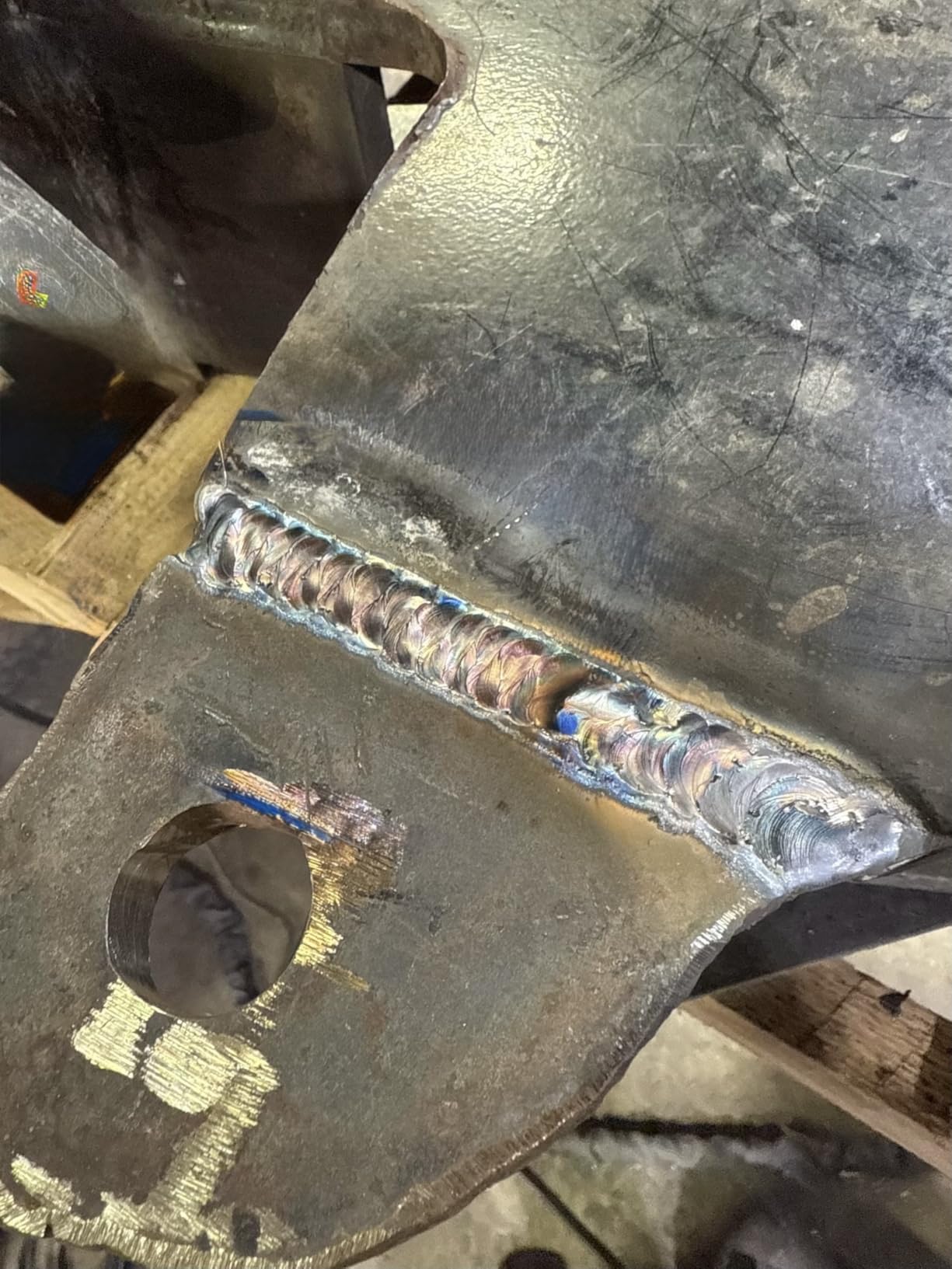
The accessory kit is unusually complete. Flow meter, foot pedal, gas hose, ground clamp and consumables are all in the box, which erases the two most common first-week purchases. Gas flow is a genuine learning variable for TIG, and having a flow meter fitted from the start means you can set your gas and actually read the figure rather than guessing from a regulator knob.
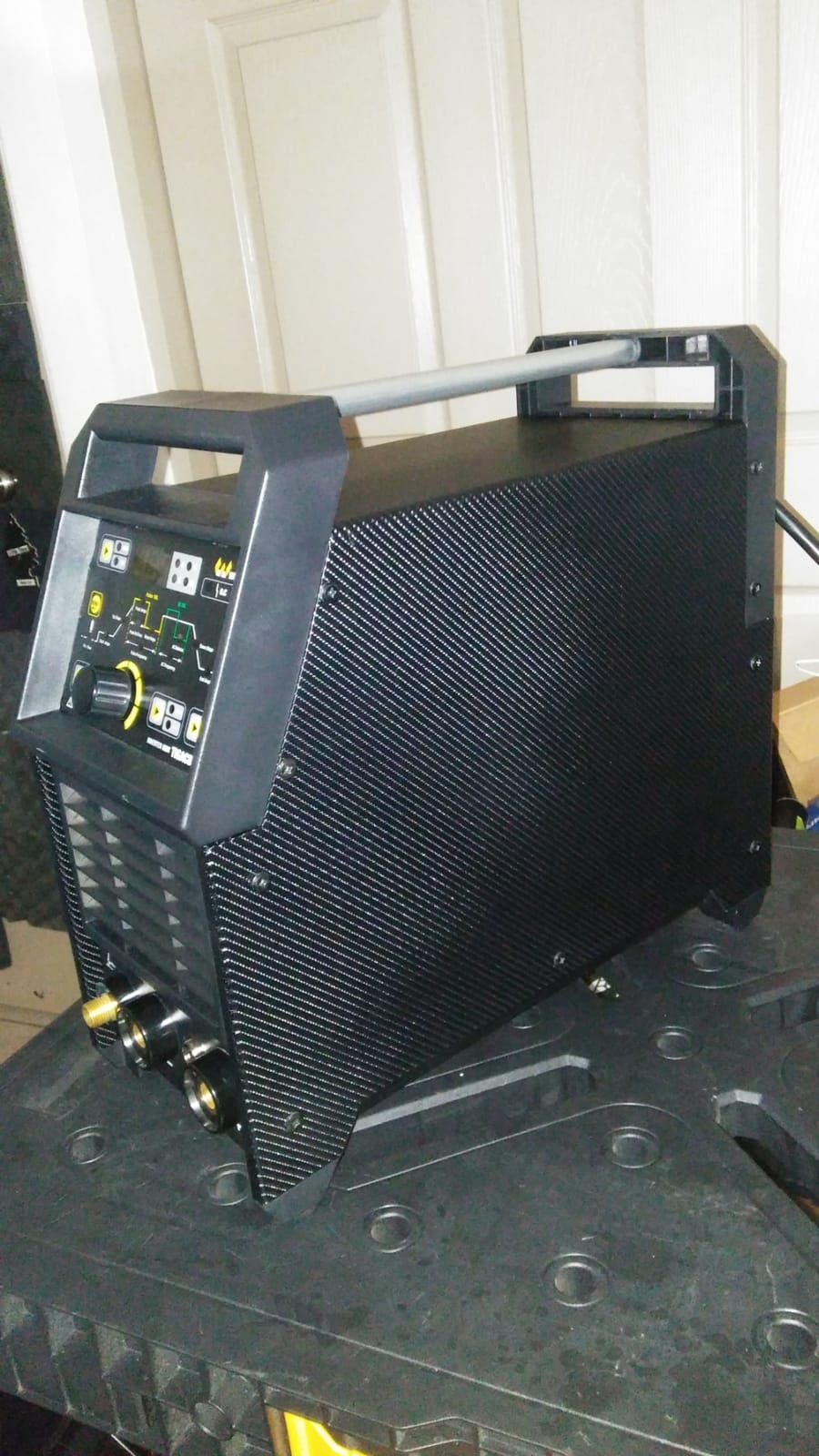
The high-contrast LED display is worth mentioning for a practical reason. You are wearing a helmet, your hand is on a torch, and you are trying to read a parameter. Bigger, brighter panels win here, and this one is among the best in the group.
Where a beginner will feel the limits
At 61.8 pounds plus a torch, hose and gas line, this is a stationary machine. It goes where the bench is, not where the work is. If you expect to weld outside regularly, look at a lighter option further down.
The 40 percent duty cycle at full 200 amps means a thick aluminum job runs in roughly ten-minute stretches with cool-down pauses. For coupon work and sheet metal you will never reach that ceiling. For a full day on 1/4 inch plate, you will.
Who should pick this one
Pick it if aluminum is a certainty rather than a maybe, and if you would rather buy the accessories once than assemble them over a month. The pulse controls also make it the best stepping stone to real fabrication work later.
Skip it if the money is better spent on gas and a good helmet first. The machine will still be a good machine, but the first 20 hours are spent on technique, not on the panel.
3. YESWELDER TIG-205P – Best for Thin Sheet Steel
YESWELDER 205A Tig Welder Pulse STICK/DC TIG/PULSE TIG 3 in 1 TIG-205P
Stick DC TIG and pulse TIG
205A with auto dual voltage
Weighs 23.7 pounds
LED screen with auto memory
Pros
- Real pulse TIG with separate frequency
- duty cycle and current control
- Hot start and anti-stick cut stick frustration
- Auto memory restores your settings after a power cycle
- Light at about 23.7 pounds for a 205 amp class machine
Cons
- DC only so aluminum is not an option
- A 5-pin foot pedal must be bought separately
At about 23.7 pounds, this machine is light enough to carry from the car to the bench, which changes what you can weld. Owner reviews rate it 4.5 out of 5 across roughly 350 reviews, with 76 percent five star. The independent control of pulse frequency, duty cycle and current is a genuine step up from a plain DC machine on 24 gauge material.
Pulse TIG is the feature that matters on thin sheet. Instead of holding a constant 40 amps and melting through, you alternate a brief peak with a lower base current, and the puddle stays small enough to control. For stainless exhaust tips and thin brackets, that is the difference between learning in a week and learning in a month.
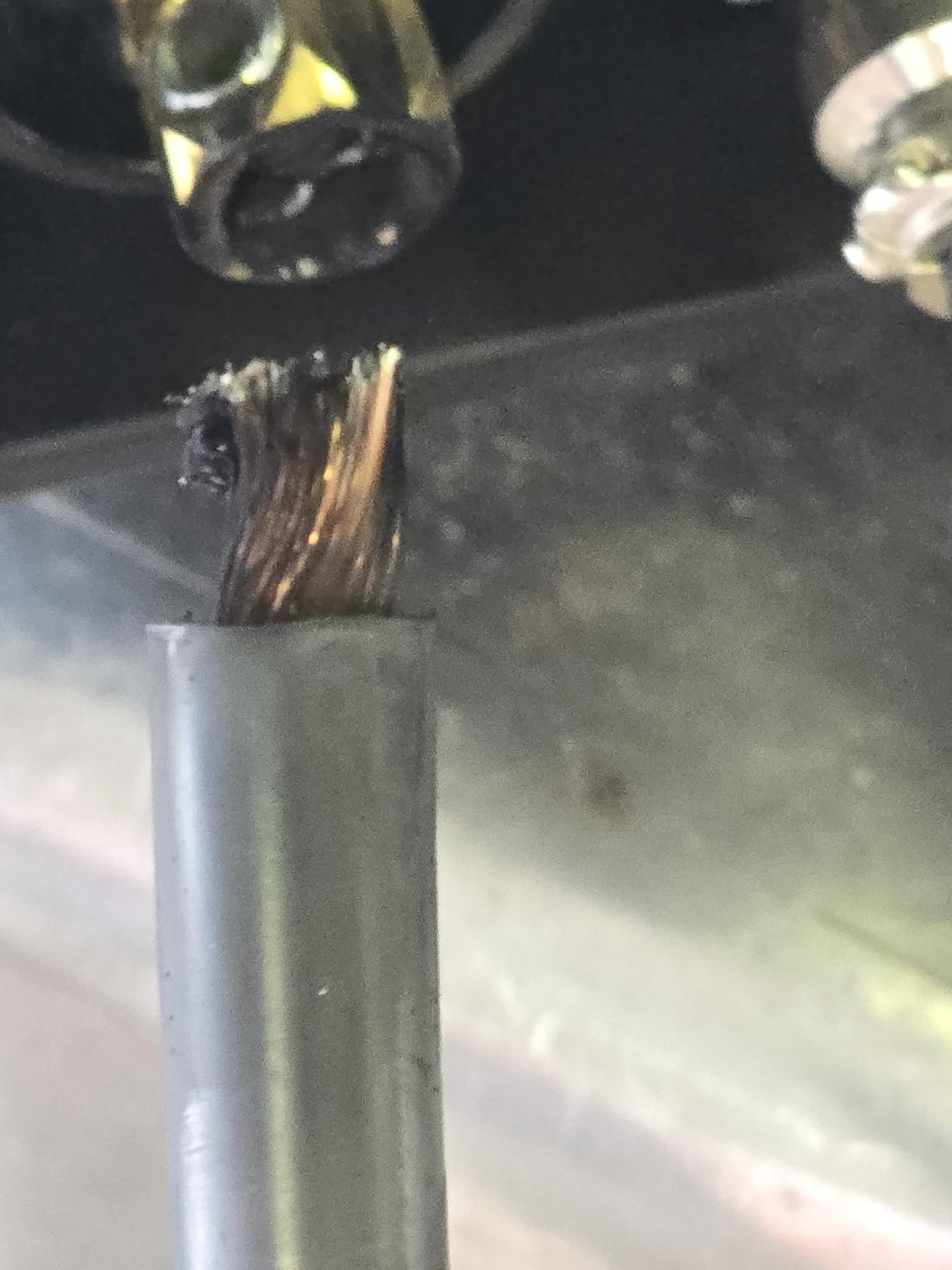
The auto memory function is a small thing that becomes a habit-saver. Settings restore after a power cycle, so if the breaker trips in the middle of a session you come back to the same amperage rather than hunting through the menu again. Stick mode adds hot start, arc force and anti-stick, which means the same box can mount a gate or repair a trailer frame.
Auto-sensing 110V and 220V input means it works from a standard garage outlet with no adapter juggling. The 2T, 4T and spot modes cover the moment a beginner tries to spot a plug-weld through two pieces of sheet and gets it wrong.
The aluminum question you must answer first
The manufacturer is direct about this one: the TIG-205P cannot weld aluminum. It is a DC machine, and aluminum oxide needs the AC half of an alternating wave to break down. If aluminum is anywhere on your horizon, this is the wrong box, full stop.
The 5-pin foot pedal is also a separate purchase. Without it you control amperage from the panel, which means turning a knob with welding gloves on while holding an arc. Budget for the pedal from the start rather than discovering it after your first session.
Who this is genuinely right for
This suits someone welding thin stainless, mild steel or exhaust work in a small garage, or taking the machine outside and to different jobs. It is also the friendliest machine here for anyone who values portability over future capability.
Our general rule for first machines: buy for the material you have now, then plan the next machine as an upgrade rather than a compromise. This is a good first machine for steel, and nothing more.
4. LOTOS TIG200ACDC – Best Complete Aluminum Starter Package
LOTOS TIG200ACDC 200A AC/DC Aluminum Tig Welder with DC Stick/Arc Welder, Square Wave Inverter with Foot Pedal and Argon Regulator 110/220V Dual Voltage Brown
200A square wave AC/DC
10-200A TIG output
37 pounds
Foot pedal and regulator included
Pros
- True 200A AC/DC with square wave output for aluminum
- Package already includes foot pedal argon regulator ground clamp and consumables
- Automatic dual voltage and dual frequency
- 3 year limited warranty plus 30 day money back
Cons
- Controls and menu layout feel dated beside LED machines
- Some configurations use a simple on and off footswitch
LOTOS has been building this machine since 2012, and that longevity shows in the review record: 4.4 out of 5 across 278 reviews with 70 percent five star. It is bought for one reason, square wave AC output at up to 200 amps, which is the actual requirement for aluminum rather than a marketing label.
The real argument for this machine is the box contents. Foot pedal, argon regulator, ground clamp, consumable set, MMA clamp, a converter pigtail and the torch are all in the carton together. On every other machine in this roundup, at least one of those is a separate order. For a beginner assembling a first cart, that removes the most common early frustration.
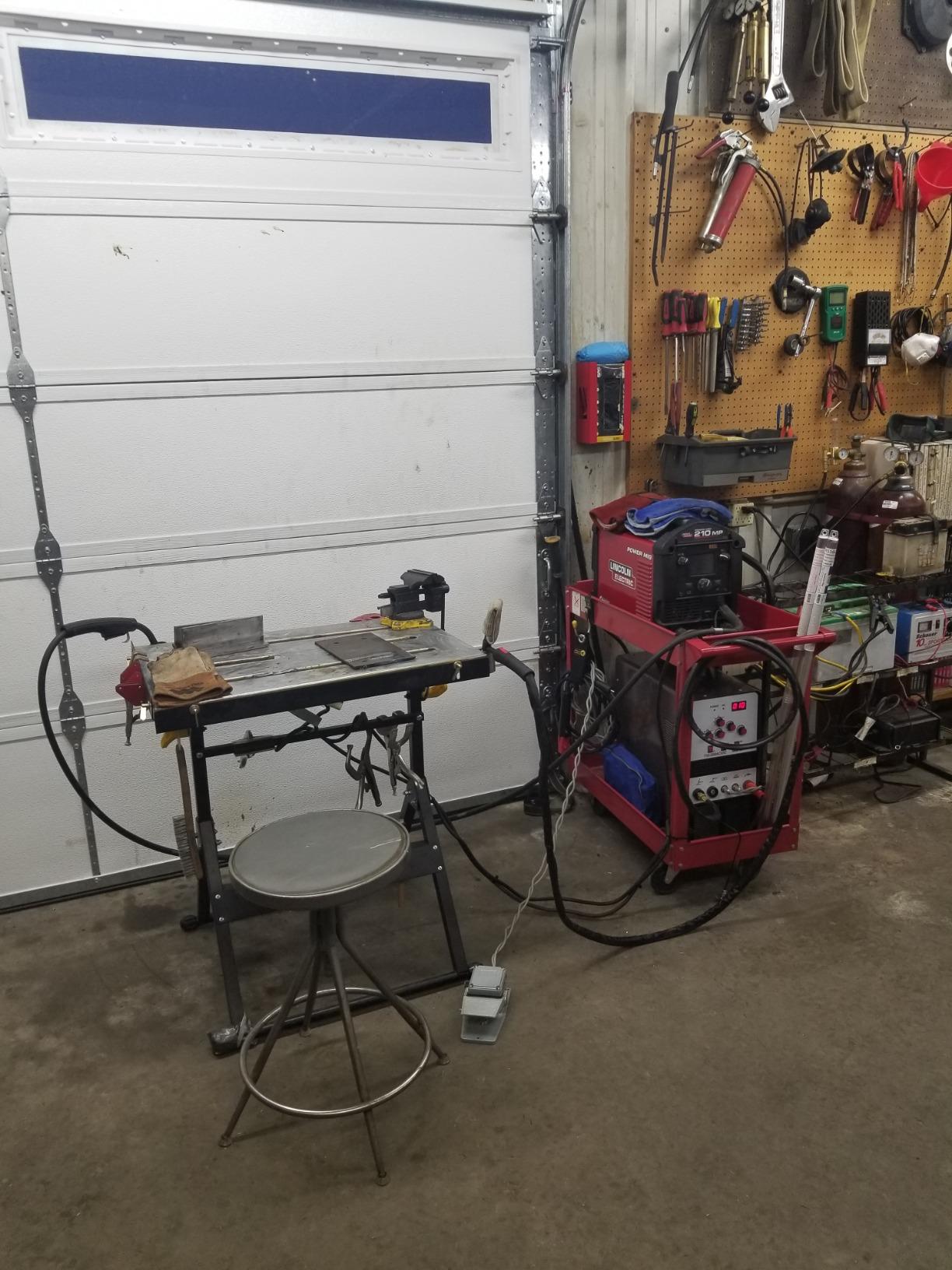
Output ranges from 10 to 200 amps on AC and DC TIG, and 15 to 200 amps on stick, so it covers aluminum, stainless, mild steel and general garage repair from one power source. Automatic dual voltage and dual frequency handling spans 110, 120, 220 and 240 volts at 50 or 60 Hz, which means the machine travels if your shop later does.
Power efficiency is listed at 80 percent, and the adjustable hot striking arc current helps the high frequency start ignite consistently. That matters more than it sounds on a garage machine cycling between cold and hot starts on scrap coupons.
Where the interface falls short
The control layout is dated next to the LED panel machines. Labels are not as clear, and finding the AC balance adjustment takes a minute longer. For a learner, clear labelling is worth more than a color screen, so this is a real but manageable cost.
Some configurations pair it with a simple on and off footswitch rather than fully variable heat control. Variable amperage through the pedal is how you learn to feather a puddle on thin material, so confirm the pedal is the variable type before you commit.
The warranty angle
Documented support here is better than most machines in this price class: a 30-day money-back period, a one-year replacement policy and a three-year limited warranty on registration. For a buyer who is nervous about an unfamiliar brand, that paperwork is worth reading closely.
We would pick this if the difference between a machine in the box and a machine plus a month of parts hunting is the deciding factor. It genuinely is, for most first-time buyers.
5. S7 200A TIG – Budget Pick for Your First Bead
S7 200A TIG Welder with DC TIG and Stick Welding
200A DC TIG and stick
110/220V dual voltage
Weighs 18 pounds
Post-gas timer
Pros
- Least expensive full TIG entry point in this group
- Post-gas timer is a genuinely useful feature at this level
- Dual voltage and a compact frame suit a small home shop
- Reviewers consistently report smooth beads on thin mild and stainless
Cons
- Torch trigger is on/off only so heat control is coarse
- Short stiff leads and a push-on gas fitting need upgrading
- Instructions are thin with few tutorials for this model
With 1,530 reviews, this is the most-reviewed machine in the group, and at 4.4 out of 5 with 69 percent five star it has a bigger real-world track record than anything else here. That record matters: you can read a thousand accounts of how it behaves after a year of use, not just a hundred.
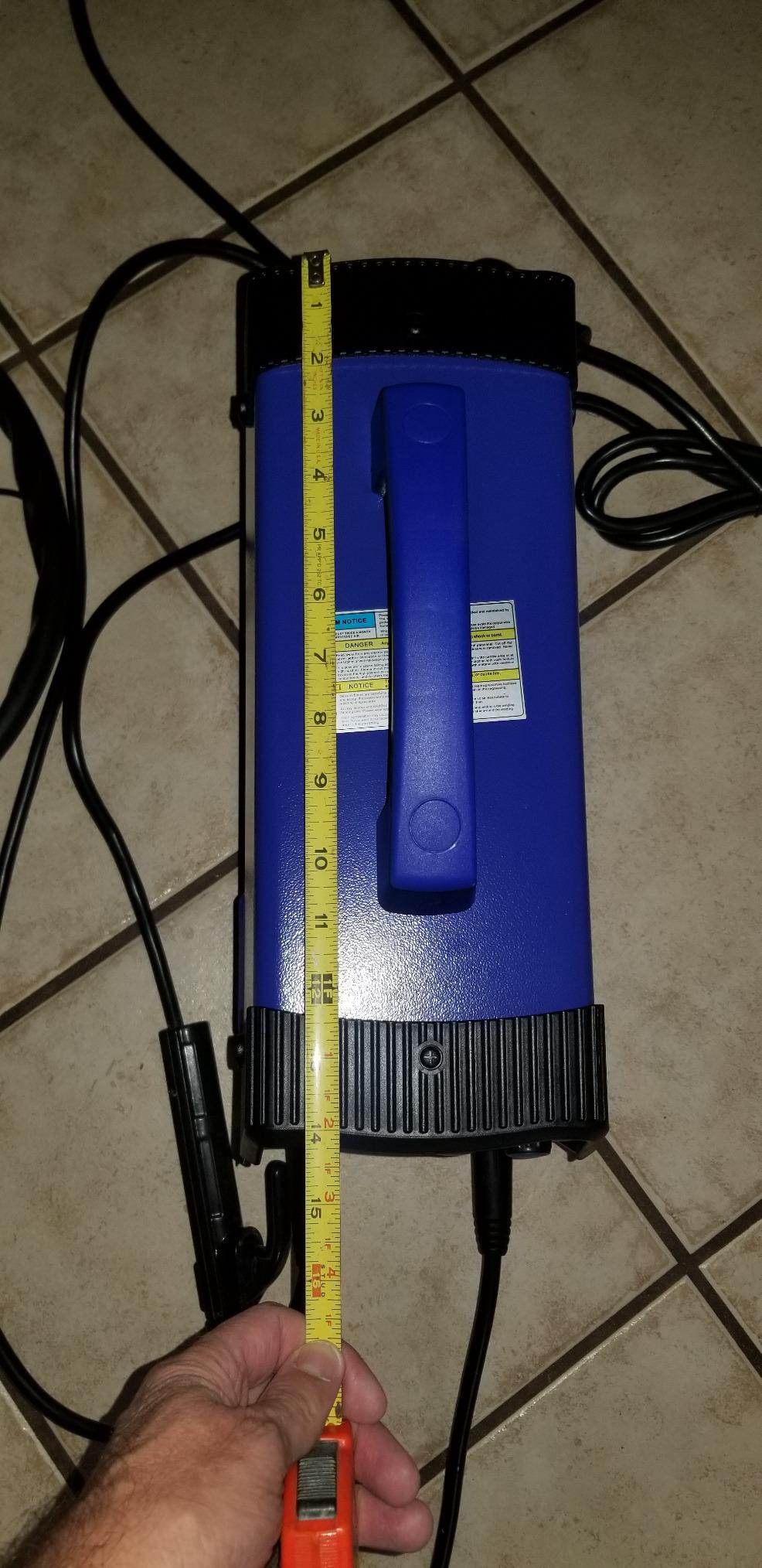
It is a 200 amp DC TIG and stick machine on 110 or 220 volts, built as a portable inverter around 18 pounds. The simple controls with a digital current display are aimed squarely at a first-time owner, and reviewers report clean beads on thin mild steel and stainless once you get used to the on and off trigger.
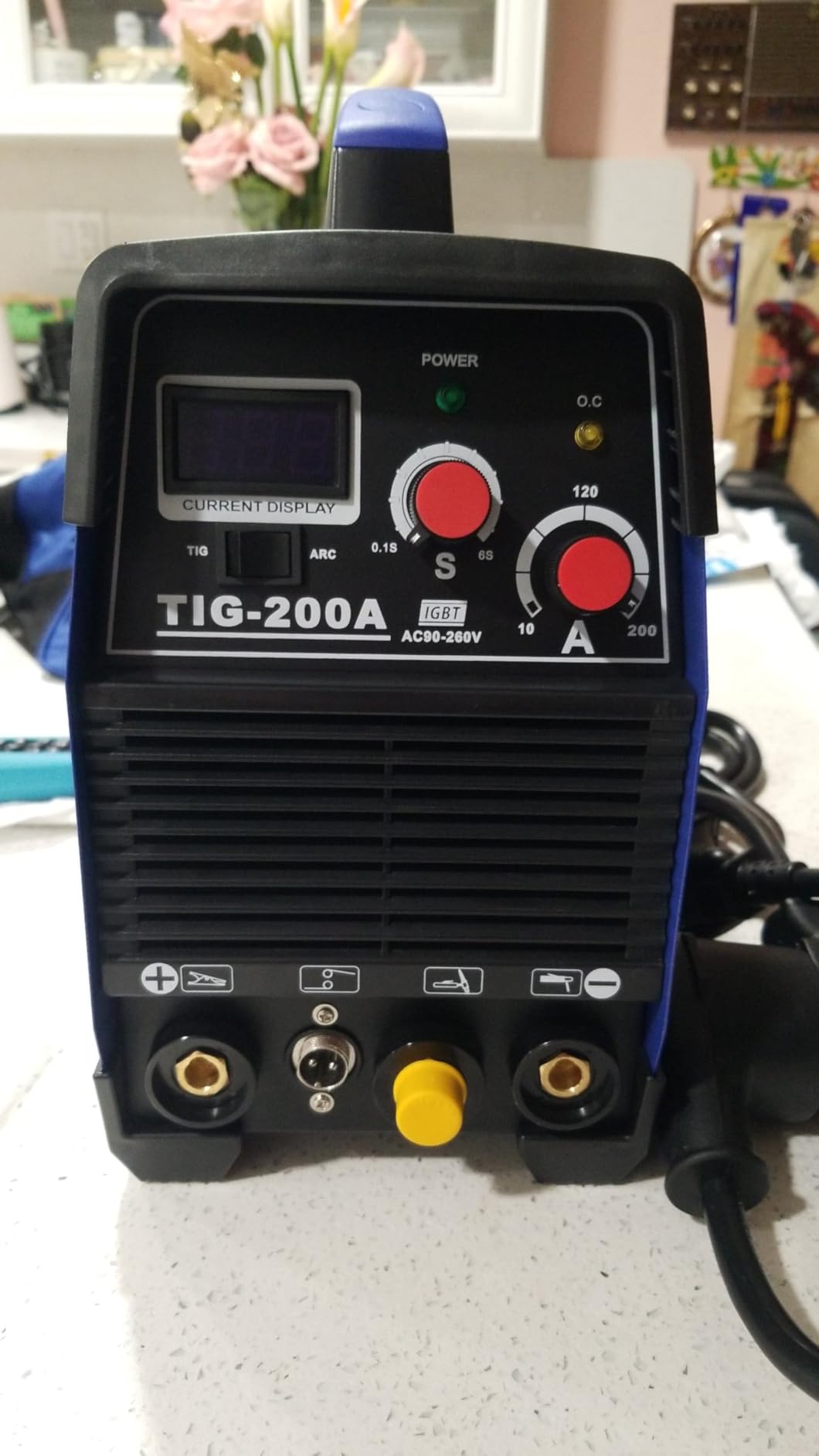
The post-gas timer dial is a genuinely smart inclusion at this level. Shielding gas needs to keep flowing after you stop the arc, or the hot metal oxidises and the bead goes porous. Having that on a timer means you can learn proper post-flow timing without buying a more expensive machine first.
Standard TIG consumables work, including tungsten electrodes, ceramic cups and collets, so you are not hunting for proprietary parts. Built-in overheat and overload protection are listed, which is worth having on a machine that will live in an unheated garage.
Why the trigger is the whole story
The torch trigger is on and off, not variable amperage. That single limitation shapes everything about the learning curve. You set amperage on the panel, then start and stop, which is workable for practice and frustrating for fine work on thin material where you want to fade the heat out at the end of a bead.
The leads are short and stiff, which is awkward when you are working around a car frame or a chassis, and the gas port is a push-on fitting rather than a screw-on, so it often needs modification before it seals properly. Several long reviews also flag that an argon bottle and regulator have to be bought separately.
Who should buy the cheapest path in
Buy this if your goal is to learn puddle control on scrap coupons for the least money and the stakes are low. It is a teaching machine. Many hobby welders cut their teeth on it and move up later with real confidence.
Do not buy it if your project list includes aluminum, or if you plan to weld outside where on and off heat control becomes a real problem. For those, step up one machine.
6. ARCCAPTAIN TIG200PACDC – Best Control Set for Later Growth
ARCCAPTAIN TIG Welder AC/DC 200A with Pulse 7 in 1 Aluminum Welding Machine
7 in 1 including AC square and triangular
0.5-5mm aluminum
Weighs 42.7 pounds
Foot pedal not included
Pros
- Seven modes including square and triangular AC waveforms
- Deep parameter list without feeling cluttered
- Beginners report clean aluminum including 1/4 inch
- A manageable weight for a 200 amp AC/DC machine
Cons
- Foot pedal not included and uses a proprietary XS12 connector
- Some buyers report a ground clamp that runs hot
- Customer service response is criticized by a few
Square wave AC and triangular wave AC in the same machine is the headline. Most machines in this roundup give you one AC waveform. Having both means you can clean stubborn aluminum oxide with square wave and drop heat input for thin material with triangular wave, and the switch between them is a button rather than a new purchase.
It scores 4.3 out of 5 across 242 reviews, the most split ratings in the group, with 70 percent five star and 13 percent three star. That spread reflects the pattern: people who weld rate the output highly, while people who deal with quality control and support rate it poorly.
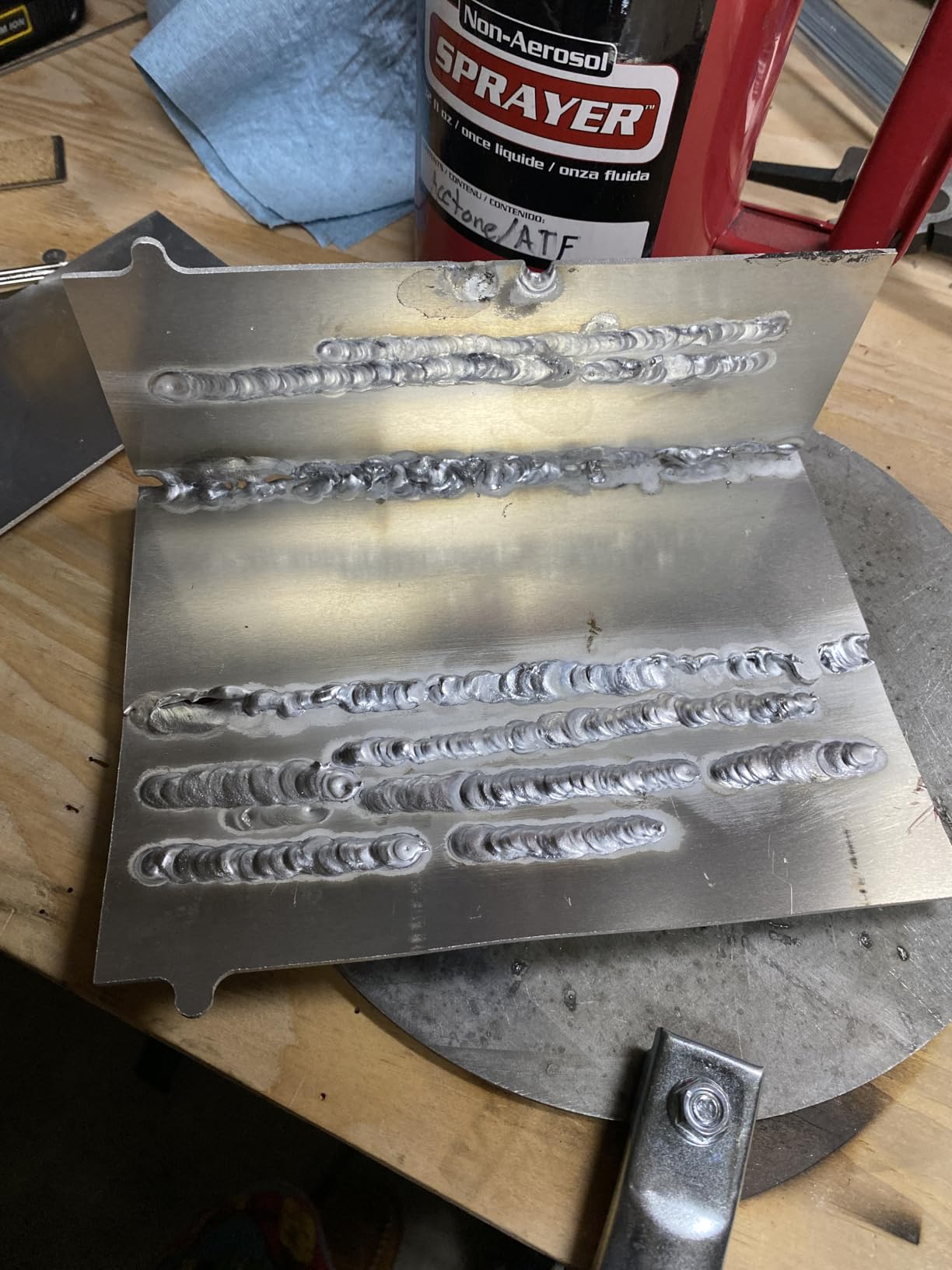
The parameter list is deep. Pre-flow, initial current, upslope, peak current, base current, downslope, crater current, post-flow, pulse duty, AC frequency, AC balance and pulse frequency are all adjustable, and the large LED display keeps them readable. Weld capacity runs 0.5 to 5mm on aluminum and 0.5 to 10mm on other metals.
At about 42.7 pounds it sits at the lighter end of the full AC/DC machines in this roundup, and the on-demand cooling fan only runs when the inverter needs it, which keeps background noise down while you concentrate on a bead.
Where quality control bites
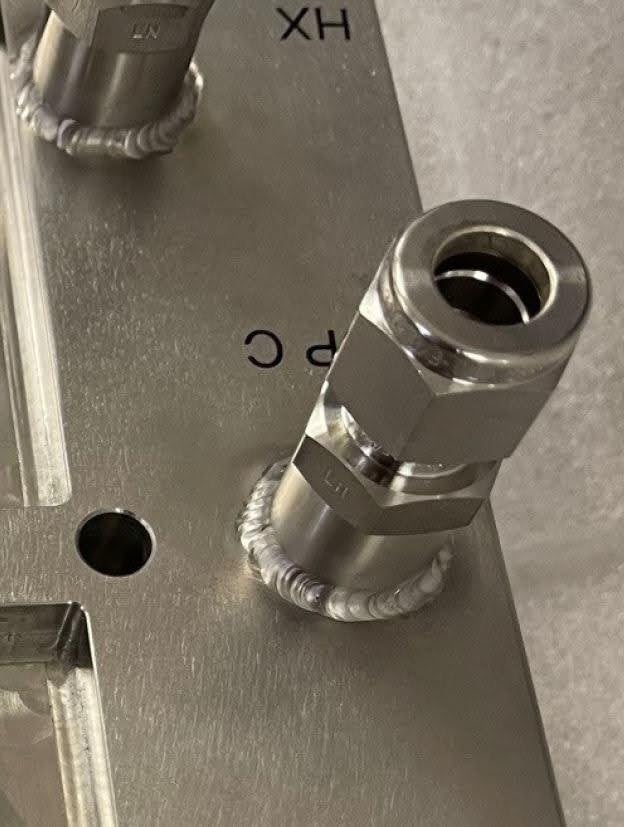
Several buyers report a ground clamp that runs hot enough to soften its own cable casing, and one received a cracked gas connection out of the box. Inspect both on arrival. Transit damage and inconsistent assembly are the recurring complaints, and support response is slow for a few owners.
The foot pedal is not included and uses a proprietary XS12 aviation connector, so a generic replacement pedal is not a drop-in fit. Order the matching pedal and check that it is in your carton before you start.
Who this rewards
This machine rewards someone who is willing to spend a few evenings learning what the parameters do. Crater current and downslope, used properly, produce the clean, almost cosmetic finishes people associate with professional TIG work.
We would not hand it to someone who wants to switch it on and weld in the first ten minutes. For a patient learner with aluminum in the plan, the control set is the best value on this list.
7. FEMEROL MTC200PRO – Best for Learning TIG and MIG Together
FEMEROL Plasma Cutter Welder Combo 200A Gas MIG/Gasless MIG/HF TIG/Stick/CUT/SPOT 6 in 1 Welding Machine Aluminum Welding 110/220V Dual Voltage Multi Process Welder
6 in 1 MIG plasma TIG stick and spot
10mm clean plasma cut
Weighs 42 pounds
110/220V dual voltage
Pros
- MIG
- gas MIG
- plasma cutting
- HF TIG
- stick and spot in one machine
- Synergic MIG mode sets current and feed speed for you
- Usable from a home 110V outlet
- One pro welder reported clean beads across a 10 hour session
Cons
- Plasma start is finicky and weak at its top setting
- Gas MIG is reported to splatter heavily
- Knobs and display jump between scales instead of adjusting smoothly
Most beginner welders are advised to start with MIG, because it feeds the wire for you and you cannot burn through anything in the first ten minutes. This machine lets you do both processes on one power source: flux-core MIG, gas MIG, plasma cutting, HF TIG, stick and spot welding.
It rates 4.3 out of 5 across 149 reviews, with 72 percent five star and 10 percent one star. Opinion divides sharply by process, and the low reviews concentrate almost entirely on the plasma cutter rather than the welding side.
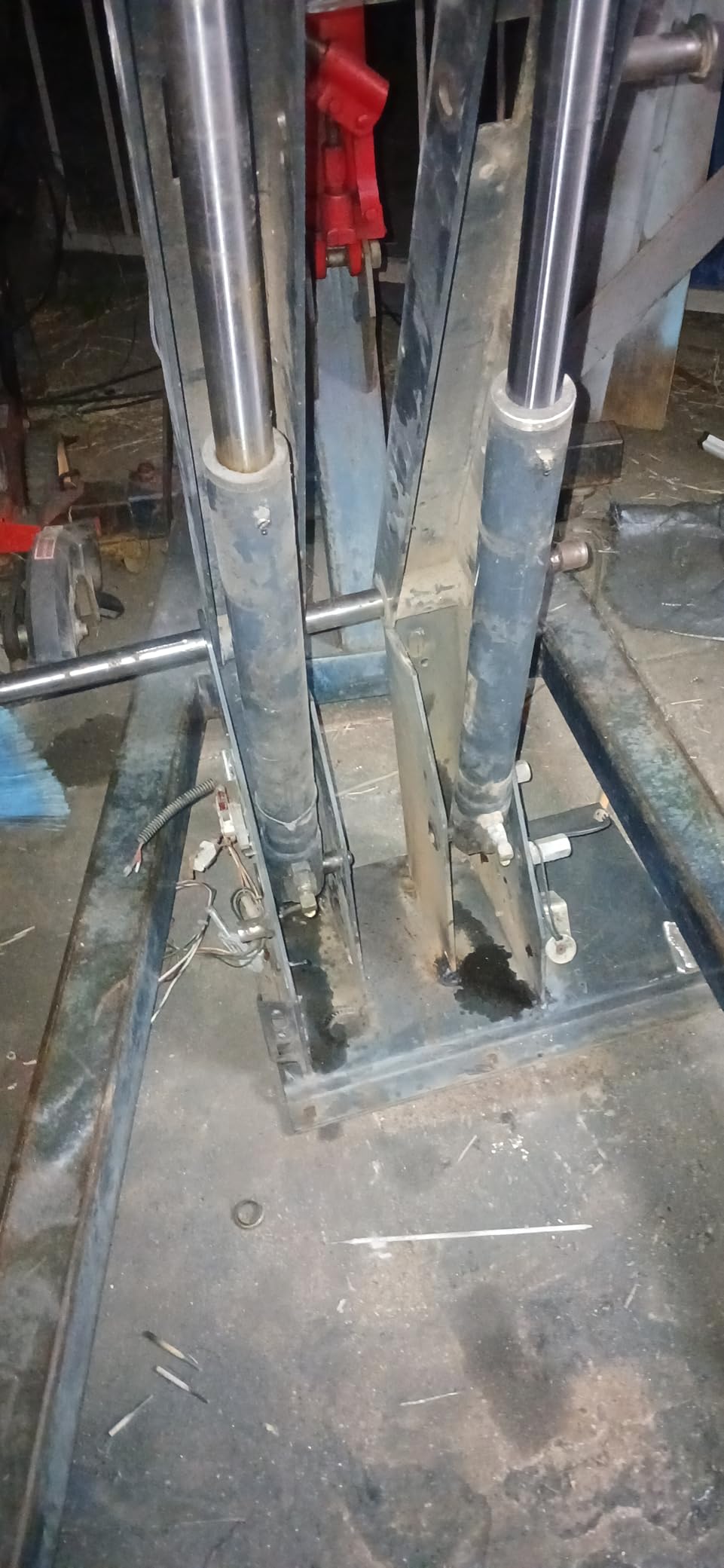
The synergic MIG mode is the genuinely useful part. Choose the wire diameter and gas and the machine matches current and feed speed automatically, with a manual override when you want to learn what it is doing. For a beginner building a shop, that is a fast route to a decent weld on mild steel while you still save TIG technique for thinner and non-ferrous work.
High frequency start TIG gives you non-contact arc initiation on low-carbon and stainless steel. The package includes a MIG torch, plasma torch with consumables, an air filter regulator, a TIG torch with consumables, gas hose, ground clamp, electrode holder, liner and a 110 to 220 volt adapter.
Where it falls apart
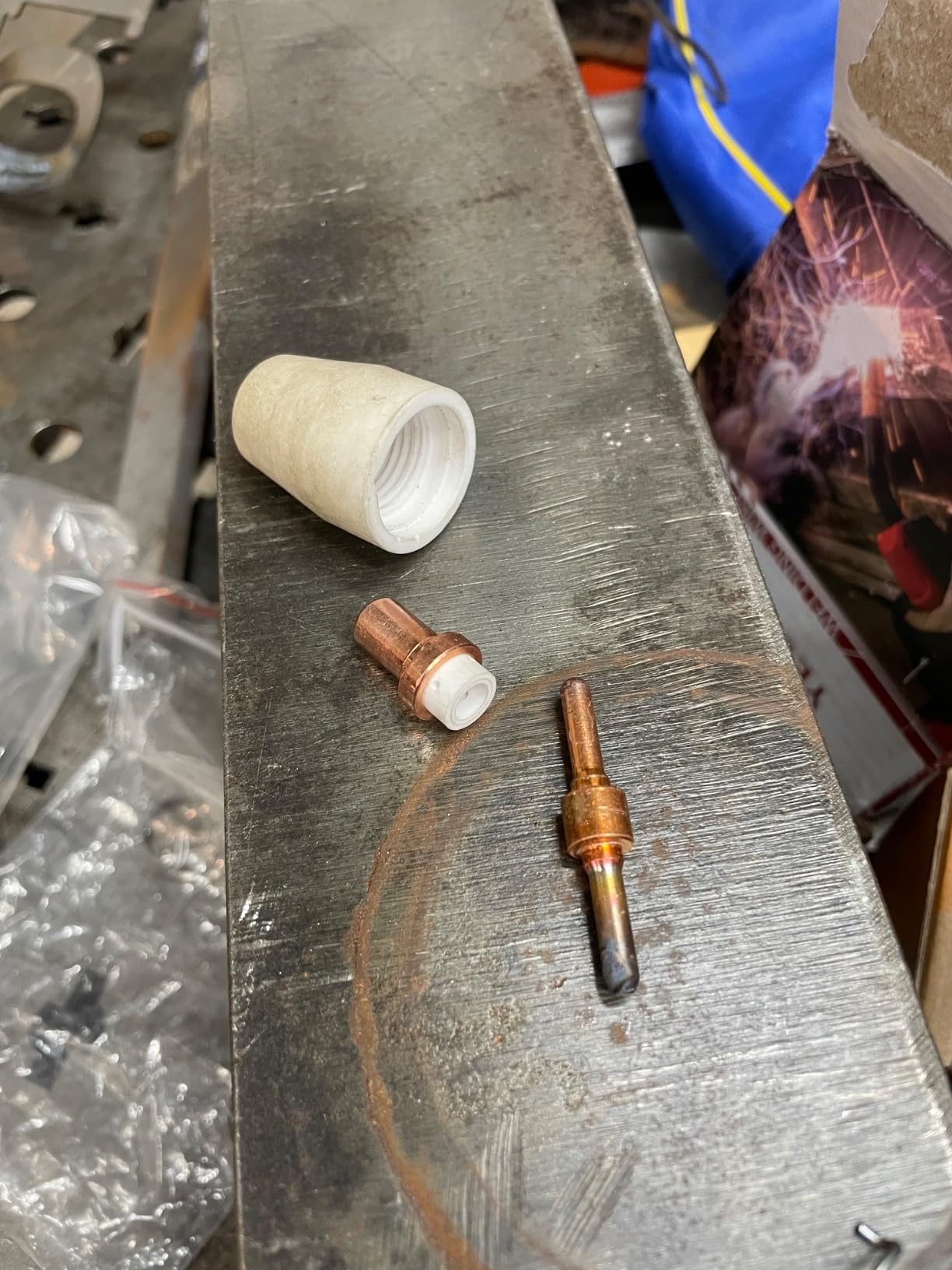
The plasma cutter is the weak link. The arc has to be struck on the material, and at the top setting several owners report it barely cutting 18 gauge and leaving heavy slag. Treat it as a bonus tool, not a purchase reason.
Gas MIG is reported to splatter heavily, and the control behaviour is inconsistent, with voltage and amperage jumping between scales instead of stepping smoothly. Gas line connections are undersized for a standard argon tank and some machines arrive without tungsten rod. At 42 pounds it is also a bulky box for a home garage.
Who should choose the all-in-one
Choose this if your real goal is fabrication in general rather than TIG specifically, or if budget rules out two machines. Being able to cut a bracket to size, then weld it, from one power source is a genuine advantage for hobby fabrication.
If you specifically want to learn TIG, a dedicated TIG machine will teach you faster. Nothing here makes the TIG arc better; it just makes it one of six options.
8. ARCCAPTAIN ARC200 – Best Stick First, Lift TIG Later
ARCCAPTAIN Stick Welder, 200A ARC/Lift TIG Welding Machine, 110V/220V
200A stick with lift TIG mode
Weighs 7.2 pounds
Synergic rod selection
TUV and ANSI certified
Pros
- Only 7.2 pounds
- the most portable machine here
- Synergic rod selection locks amperage to the electrode diameter
- Anti-stick drops output to 10 amps to free a stuck rod
- TUV and ANSI certified with 2 year service
- Handles 6010 rod on both 110V and 220V
Cons
- Supplied leads are thin and run hot above roughly 80 to 100 amps
- Lift TIG needs a separate torch and suits little real TIG work
We include this one because the honest answer for some beginners is that TIG is not the first machine they should buy. A 7.2 pound 200 amp stick welder with a lift TIG mode is a better way to learn arc control, electrode angle and heat direction without gas, filler rod or foot pedal in the way.
It rates 4.6 out of 5 across 1,391 reviews, with 78 percent five star, and is consistently called the best value first stick machine. Synergic control matches current and voltage once you select the electrode diameter, and the manual override lets you look under the hood once you know what you are doing.
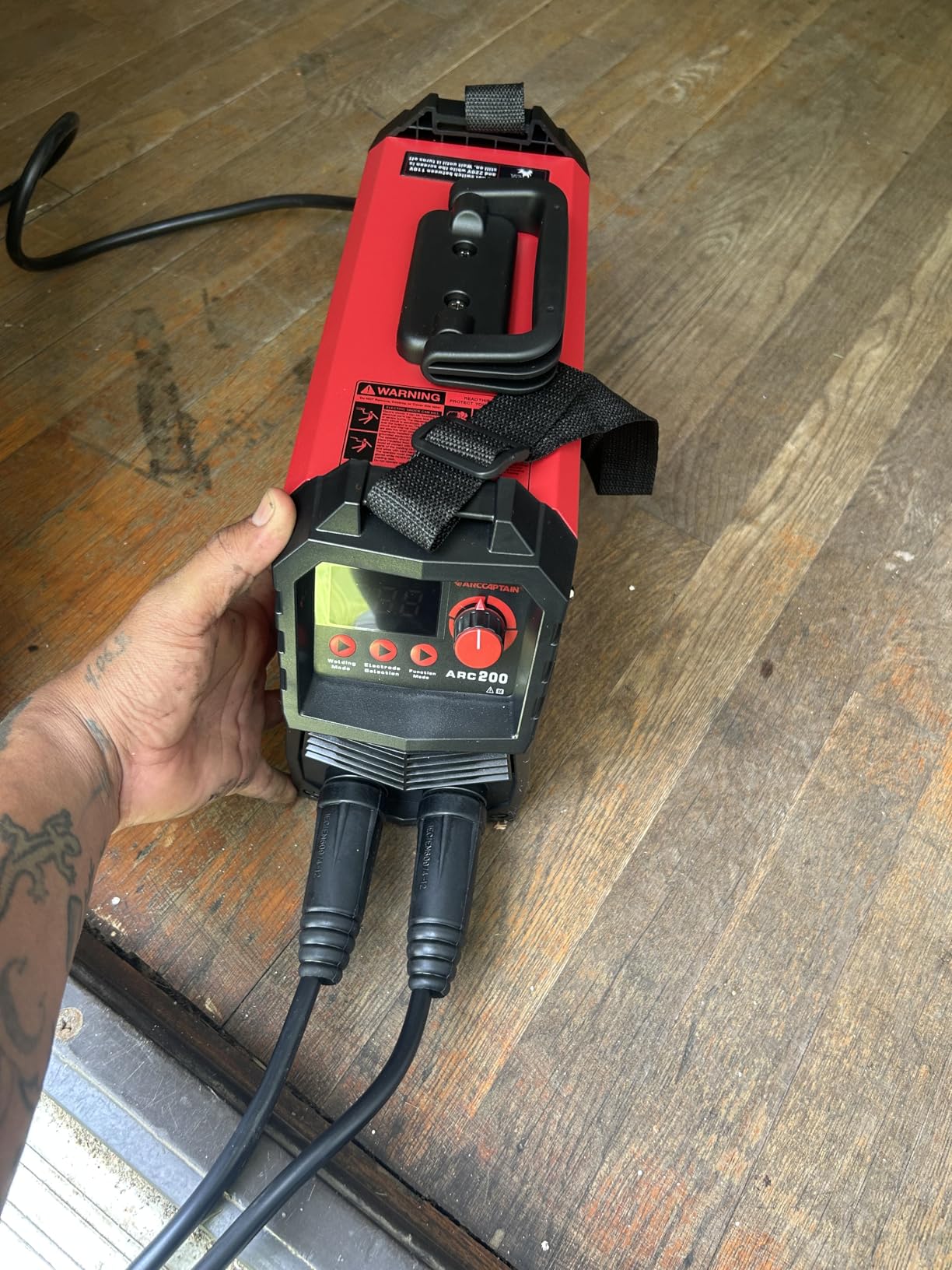
Anti-stick is the feature a beginner appreciates most. Instead of burning through a stuck rod, output drops to 10 amps and the rod releases cleanly. Adjustable hot start, arc force and over-current, over-voltage, overload and overheat protection round out a machine that is clearly aimed at someone learning.
It runs with 6010, 6011, 6013 and 7018 rods, and owners report it handling 6010 on both 110V and 220V, which many budget inverter welders cannot manage. The shoulder strap, 110/220 volt adapter, chipping brush and hammer are all included, and at 7.2 pounds it is the lightest machine we tested.
Replace the leads before you do anything serious
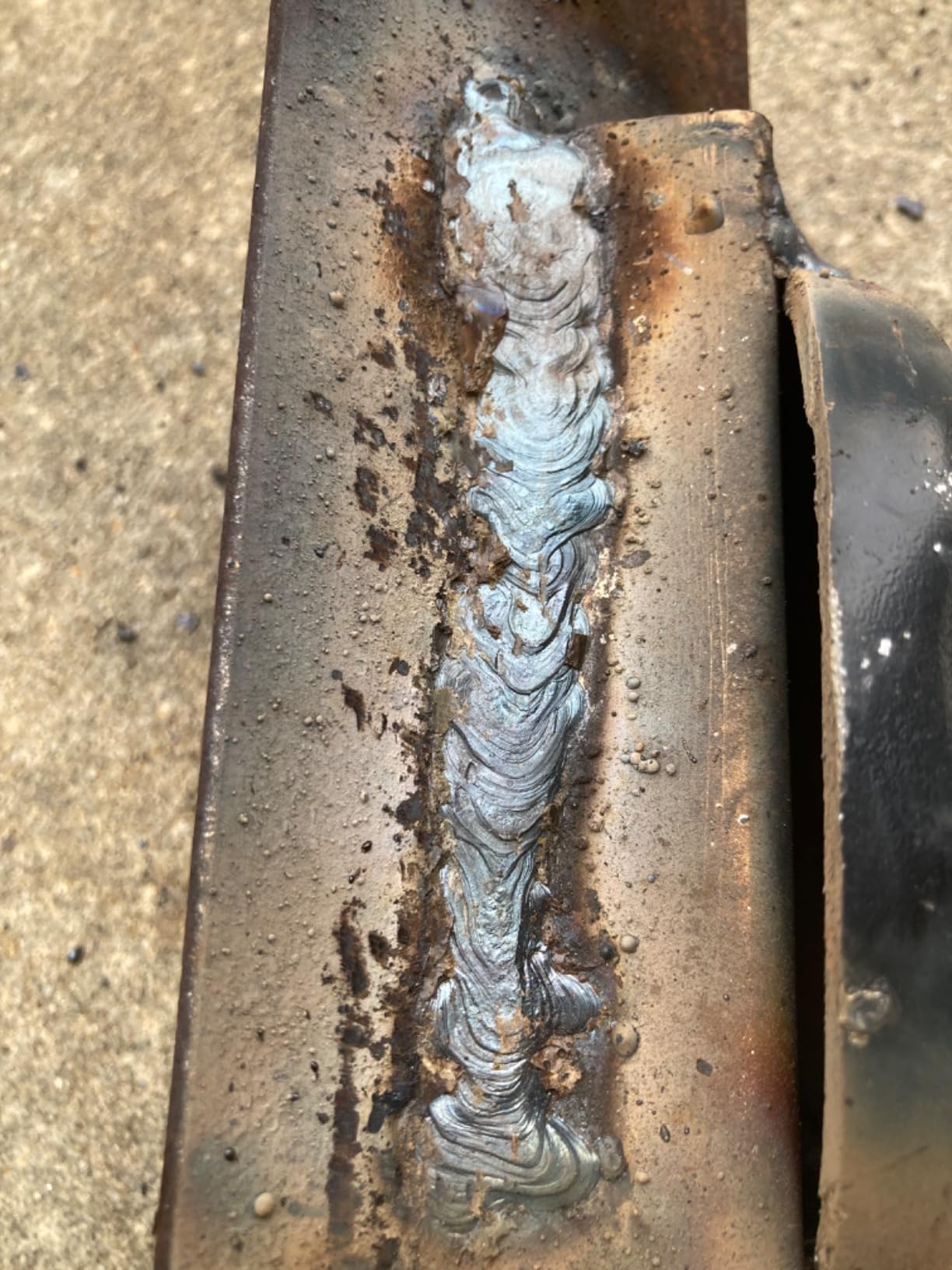
The included electrode holder and ground clamp leads are the dominant complaint in expert reviews. They are copper-plated aluminium around 6 AWG and run hot above roughly 80 to 100 amps. Several owners measured about 175 amps delivered on a 200 amp setting with the supplied leads, rising to roughly 190 amps after replacing them.
Swap the leads and this becomes an excellent machine. Leave them in and you will wonder why the ground clamp smells hot.
How much TIG can it actually do
Be clear-eyed about this. Lift TIG mode needs a torch that is not included, and lift TIG suits very little real TIG work, because you have to strike the arc on the workpiece and hold the amperage on a panel rather than under your foot.
It is a sensible first welder for someone who is undecided about TIG and wants to build hand-eye coordination cheaply. It is not a substitute for a real TIG machine, and we would not buy it as one.
Is TIG the Right First Welder for You?
TIG welding is hard for beginners, and most of that difficulty is hand control rather than the machine. You manage a torch in one hand, feed filler rod in the other, keep the arc length consistent and watch a puddle that exists only in a helmet. MIG feeders do the second job for you, which is exactly why so many shops tell a new welder to start there.
So is TIG right for you first? Yes if you are working thin-gauge material, aluminum, stainless, or anything where appearance and heat control matter. TIG gives cleaner, more controllable results than any other common process, and the skills transfer directly to professional fabrication. No if your goal is quick, thick mild steel structural work on a weekend, because you will spend longer per weld than with MIG.
The most common beginner regret we see in forums is not buying too cheap. It is buying a DC-only machine, learning on it for a year, then discovering that the aluminum trailer project needs AC output and starting over. If aluminum is a maybe rather than a never, buy AC/DC now.
Our compromise if you cannot decide: learn on stick or MIG first for a few weeks, then move to a dedicated TIG machine. The same discipline, better hardware, no expensive mistakes. We have written up similar test-first roundups for other beginner tools, including the best kettlebell sets for beginners.
What Actually Matters on a Beginner TIG Welder?
AC or DC. DC-only machines weld steel, stainless and copper cleanly. Aluminum is impossible on DC, because the oxide layer will not break down without the reversing polarity of an AC wave. If aluminum is on the list, AC/DC is not optional.
Input voltage. Dual voltage machines auto-sense 110 and 220 volt outlets, which means you can move between a garage and a proper shop. Single-voltage machines limit where you can ever use the machine.
Output amps against material thickness. Most home projects sit between 24 and 1/8 inch. You need roughly 1 amp per thousandth of an inch of material, so a 200 amp machine handles far more than a beginner will ever weld. The rule of 33 in TIG welding says a decent weld on 0.033 inch mild steel takes about 33 amps on a metre of travel, and thinner material scales down from there. Buy for your thinnest material, not your thickest dream project.
Arc start. High frequency start arcs without touching the workpiece, which is what you want 99 percent of the time. Lift start means touching the torch to the metal, and a few owners on forums note that HF start can interfere with sensitive electronics in the same room, so keep it away from audio gear and computers.
AC balance and AC frequency. In plain language, balance controls how long the electrode is positive, which is what cleans oxide off aluminum. Too little cleaning and the puddle rejects the filler; too much and you drive the heat into the tungsten. Frequency controls how quickly the arc reverses, and higher frequencies give a more concentrated, less penetrating arc. Every machine on this list that does aluminum has both, and the ones without them are the ones to skip.
Pulse TIG. Pulse alternates a peak current with a base current at a set frequency, and it is genuinely useful for thin sheet because it stops you melting through. For a beginner welding 24 gauge stainless, it matters. For a beginner welding angle iron, it is a feature you will not touch for a year.
Duty cycle. A 40 percent rating at 200 amps means 10 minutes of arc at full output, then a cool-down period. Read the rating at the amperage you plan to use, not the headline number. Budget machines throttle sooner, which is the complaint that shows up most in long sessions.
Certification and warranty. UL and CSA listing, TUV or ANSI marks, and a warranty you can actually claim are the difference between a machine with a service department and one with a marketplace listing. Check the listing before you buy, not after the first failure.
What Else You Have to Buy Beyond the Machine
This is the part that surprises people, and it is the part no competitor roundup totals up. The machine is maybe two-thirds of your first purchase. Here is the rest, and the reason each one matters:
Argon cylinder – the shielding gas itself, in two sizes depending on how long you weld. Without it, TIG is not TIG.
Argon regulator with flow meter – controls how much gas reaches the torch. Several machines here arrive without one, including the S7, so budget for it.
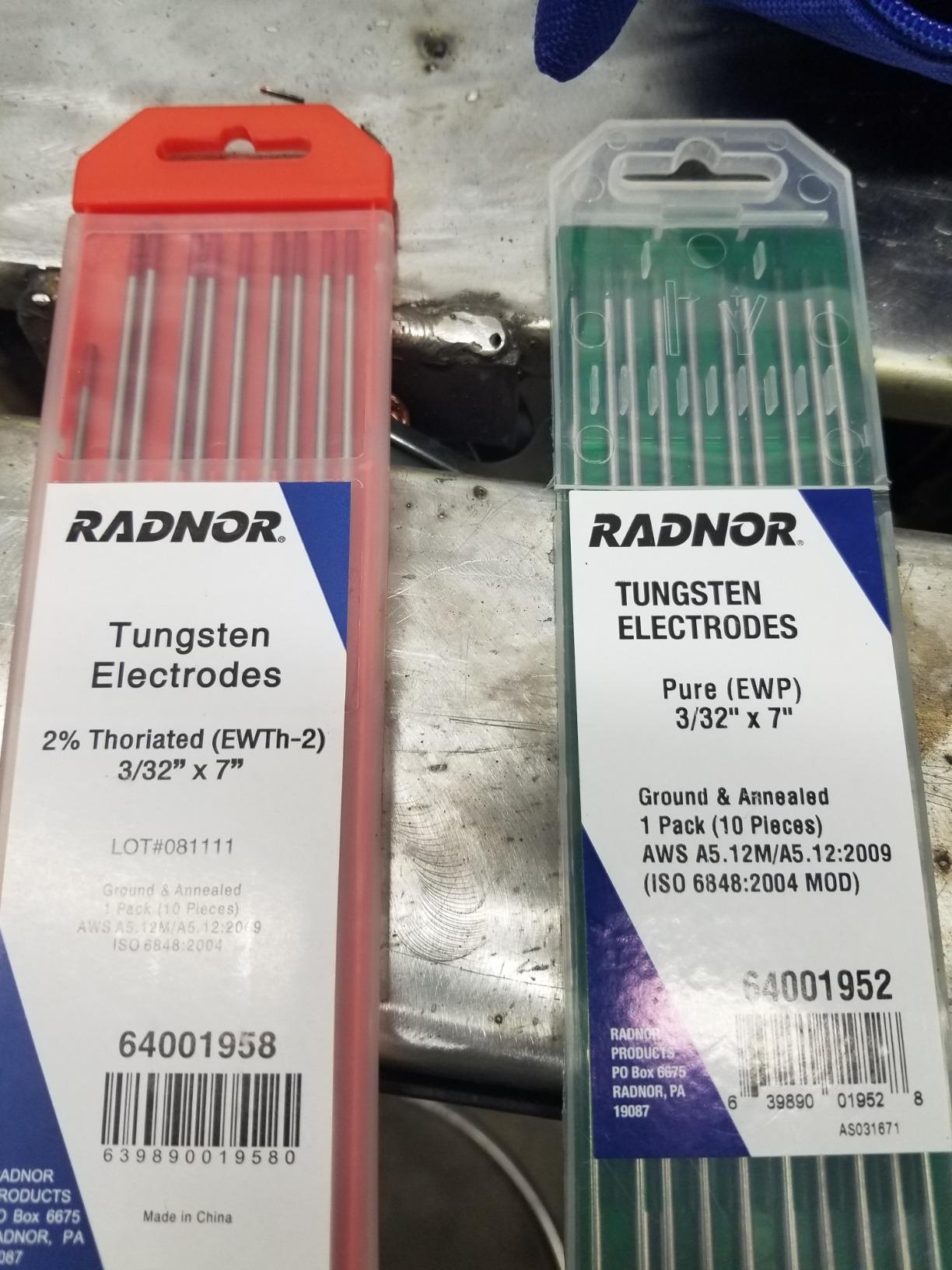
Tungsten electrodes – lanthanated or ceriated for steel and stainless, and a separate size and pure or zirconiated grade for aluminum.
Filler rod – ER308L for stainless, ER70S-6 or ER70S-5 for mild steel, and ER4043 or ER5356 for aluminum. It is rarely in the box, which is the single most common surprise in owner reviews.
Foot pedal – required for variable heat control. The YESWELDER and ARCCAPTAIN TIG machines need one bought separately, and the machine includes one, so verify which type you receive before you commit.
Welding helmet – an auto-darkening helmet is the single most important safety purchase you will make.
Leather gloves and jacket – TIG is hot work even at low amperage.
Fume extraction – a small extractor or a fan pointed out of the garage door. Galvanised and aluminium fume are not something to breathe.
Cheap copper ground clamp and lead set – replace the thin supplied leads on the budget machines before you run them hot.
Scrap coupons and 3/32 inch ER70S-2 rod – practice material. Welding coupons on unbolted offcuts is how the first 20 hours should go.
Add those together and the realistic first purchase is well above the machine listing. Budget for it and the machine will feel like a bargain.
Home Electrical Setup for a Garage TIG Welder
Most first-time buyers ask the same question in the forums: can my garage outlet run this? The short answer is that almost any machine here will run on 120 volts, but a dedicated circuit makes a real difference to your results.
15 amp circuits are the common residential default, and a 15 amp breaker limits you to roughly 1,800 watts. A 20 amp circuit handles 2,400 watts. Both will power a 200 amp class inverter at its lower output setting, but a 20 amp circuit is what lets you run a 200 amp machine at its full rating without nuisance tripping.
Extension cords are the real trap. Long cords and thin gauge drop voltage, and a welder that browns out will arc unstably. Use a short, heavy cord if you must, and plug directly into the outlet whenever possible.
Some machines ship with a pigtail or adapter that lets you run the unit on 120 or 220 volts. Check whether yours does before you call an electrician, because you may not need one at all.
Also check what else shares that circuit. A space heater, a welder and a shop vac on one 15 amp circuit is a recipe for mid-bead shutoffs. Give the welder its own outlet if the garage allows it.
Frequently Asked Questions
Which TIG welder is the easiest for beginners?
The easiest TIG welder for beginners combines true AC/DC output, a high-frequency arc start, a foot pedal and automatic dual voltage. On this list, the PRIMEWELD TIG225X is the easiest overall because its AC balance, pulse and frequency controls are all on the front panel and it ships with a repairable CK Superflex torch. The Weldpro 200A is the more complete package for aluminum, and the YESWELDER TIG-205P is the lightest and most forgiving option for thin steel.
What is the best first TIG welder for beginners?
The best first TIG welder is the PRIMEWELD TIG225X, a 225 amp AC/DC TIG and stick machine rated 4.8 out of 5 across more than 1,400 reviews. It runs on 110 or 220 volts, welds aluminum to 1/4 inch and mild steel to 3/8 inch, and includes a torch you can keep rather than replace. Buy AC/DC even if aluminum is only a possibility, because a DC-only machine cannot be taught aluminum later.
Is TIG welding hard for beginners?
TIG is harder than MIG for beginners because you control filler rod by hand, manage arc length manually and cannot see the puddle until you lift your helmet. The machine matters less than the technique, and most of the first 20 hours should be spent on scrap coupons rather than on real projects. MIG is genuinely easier for thick mild steel, while TIG wins for thin material, aluminum, stainless and appearance work.
What is a good TIG welding kit for beginners?
A good beginner TIG kit includes the welder, a torch, a foot pedal, an argon cylinder with a flow meter regulator, tungsten electrodes, filler rod, an auto-darkening helmet, leather gloves, fume extraction and a set of scrap coupons. On this list only the LOTOS TIG200ACDC includes a foot pedal and regulator, and no machine on the list includes filler rod, so plan on buying gas and consumables as a separate first step.
What is the best TIG welder for DIY projects?
For general DIY fabrication the PRIMEWELD TIG225X is the strongest all-rounder because it covers aluminum, stainless and mild steel, runs on either household voltage and doubles as a stick machine. If your DIY work is mostly thin sheet steel, the YESWELDER TIG-205P is far cheaper and moves easily between the garage and outside. If the projects are brackets and gates rather than anything thin or non-ferrous, the ARCCAPTAIN ARC200 is the cheaper place to start.
What is the rule of 33 in TIG welding?
The rule of 33 is a beginner shortcut for setting amperage: about 33 amps on a metre of travel produces a good weld on 0.033 inch mild steel. The general form of the rule is that you need roughly one amp per thousandth of an inch of material thickness, so 18 gauge steel needs roughly 18 amps and 1/8 inch mild steel needs about 125 amps. Treat it as a starting point, then adjust for fit, joint and travel speed.
Final Verdict
The PRIMEWELD TIG225X is the best TIG welder for beginners in 2026 because it combines the strongest rating and review record in the group with a torch platform you will keep and controls you can grow into. If aluminum is a certainty, the Weldpro 200A AC/DC includes the most complete accessory kit. If you only need thin steel, the YESWELDER TIG-205P costs the least to get started on.
Whichever you choose, buy the gas, the rod and the helmet in the same week the machine arrives. Then put 20 hours into coupons before the first real project, and these machines will outlast whatever you planned to learn. Our other beginner-tested roundups cover the best aquarium maintenance kits for beginners and the best reef LED lights for beginners if you want the same approach in a different room.