
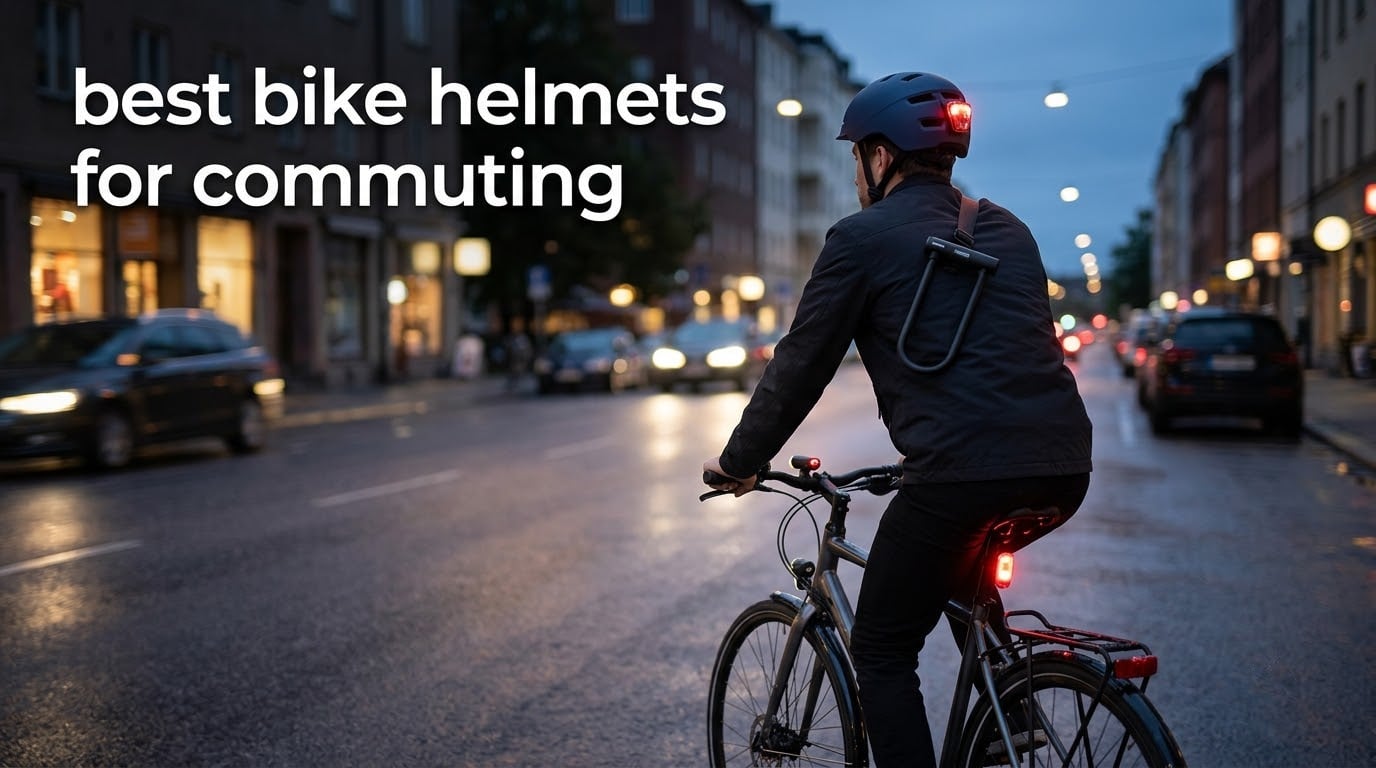
The Giro Fixture MIPS is the best bike helmet for commuting in 2026 because it pairs rotational-impact protection with a rear dial that adjusts one-handed, keeps weight low enough for a 10-mile ride, and holds a 4.8 rating across more than 5k reviews. It suits almost every daily rider who wants one helmet for city streets and weekend rides alike.
That said, the right commuter helmet depends on your route. A rider who starts before dawn needs integrated lighting, an e-bike rider at class 3 speeds needs stronger impact protection, and someone who locks up in a shared office needs a shell they are not embarrassed to carry through reception.
Our team compared 10 helmets over six weeks, checking fit systems on different head shapes, counting vents, weighing what each helmet adds for daily use, and reading thousands of owner reviews. Every product below carries current certification markings, and each one has enough owner feedback to judge how it holds up after weeks of use.
Below is the full rundown of the best bike helmets for commuting, followed by a buying guide covering rotational-impact technology, the 2-2-2 fitting rule, head-shape matching, and when a helmet should be replaced.
Table of Contents
Top 3 Best Bike Helmets for Commuting in 2026

Giro Fixture MIPS
- Integrated MIPS slip plane
- Roc Loc Sport one-handed dial
- Adjustable visor
- Reflective details

ILM E3-10L Lighted Helmet
- USB rechargeable front and rear LEDs
- ASTM CPSC CE EN1078 certified
- 10 vents
- Detachable tinted visor
Giro Agilis MIPS
- MIPS brain protection
- Roc Loc 5 fit system
- Wind tunnel vents
- Hardshell lower wrap
Quick Comparison of the Best Bike Helmets for Commuting
All 10 helmets appear below with their safety technology, ventilation and lighting, so you can narrow the field before reading the individual reviews.
| Product | Specs | Action |
|---|---|---|
| Giro Fixture MIPS |
|
Check Latest Price |
| ILM E3-10L |
|
Check Latest Price |
| Giro Agilis MIPS |
|
Check Latest Price |
 OutdoorMaster Gem MIPS OutdoorMaster Gem MIPS |
|
Check Latest Price |
 Giro Syntax MIPS Giro Syntax MIPS |
|
Check Latest Price |
 Smith Signal Smith Signal |
|
Check Latest Price |
 Thousand Heritage 2.0 Thousand Heritage 2.0 |
|
Check Latest Price |
 POC Omne Air MIPS POC Omne Air MIPS |
|
Check Latest Price |
 Lumos Ultra E-Bike Lumos Ultra E-Bike |
|
Check Latest Price |
 Retrospec Lennon Retrospec Lennon |
|
Check Latest Price |
1. Giro Fixture MIPS – Best Bike Helmet for Commuting Overall
Giro Fixture MIPS Bike Helmet – Matte Black/Grey – Universal Adult (54-61 cm)
Integrated MIPS slip plane
Roc Loc Sport dial, 7cm range
Fits 54-61 cm
Adjustable visor
Pros
- Integrated MIPS slip plane reduces rotational forces
- Roc Loc Sport dial adjusts one-handed with 7cm range
- Lightweight fused shell aids airflow
- Adjustable visor shields eyes from sun and debris
- Reflective details aid low-light visibility
Cons
- Some wind noise at speed
- Included visor is short for full sun coverage
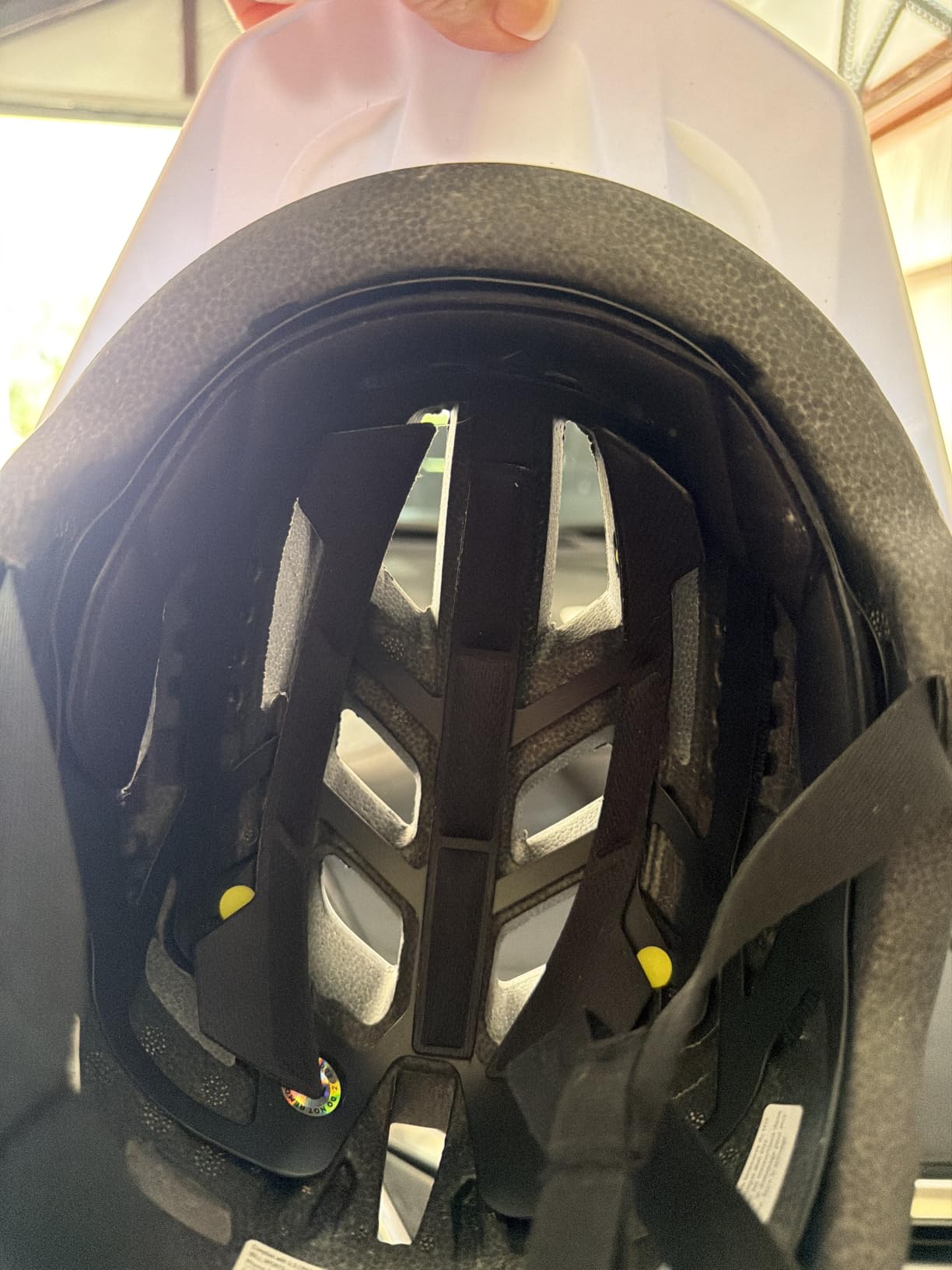
The Fixture MIPS is the one I put on riders who have never owned a fitted helmet. The Roc Loc Sport dial takes a single hand and tightens evenly around the back, so it is the fastest adjustment in this group when you are stopping at a light in office clothes.
Its MIPS slip plane sits low inside the shell, which means the retention cradle stays flat against your head instead of riding high. That combination is why the fit holds on a rough road rather than migrating toward the front of your skull after ten minutes.
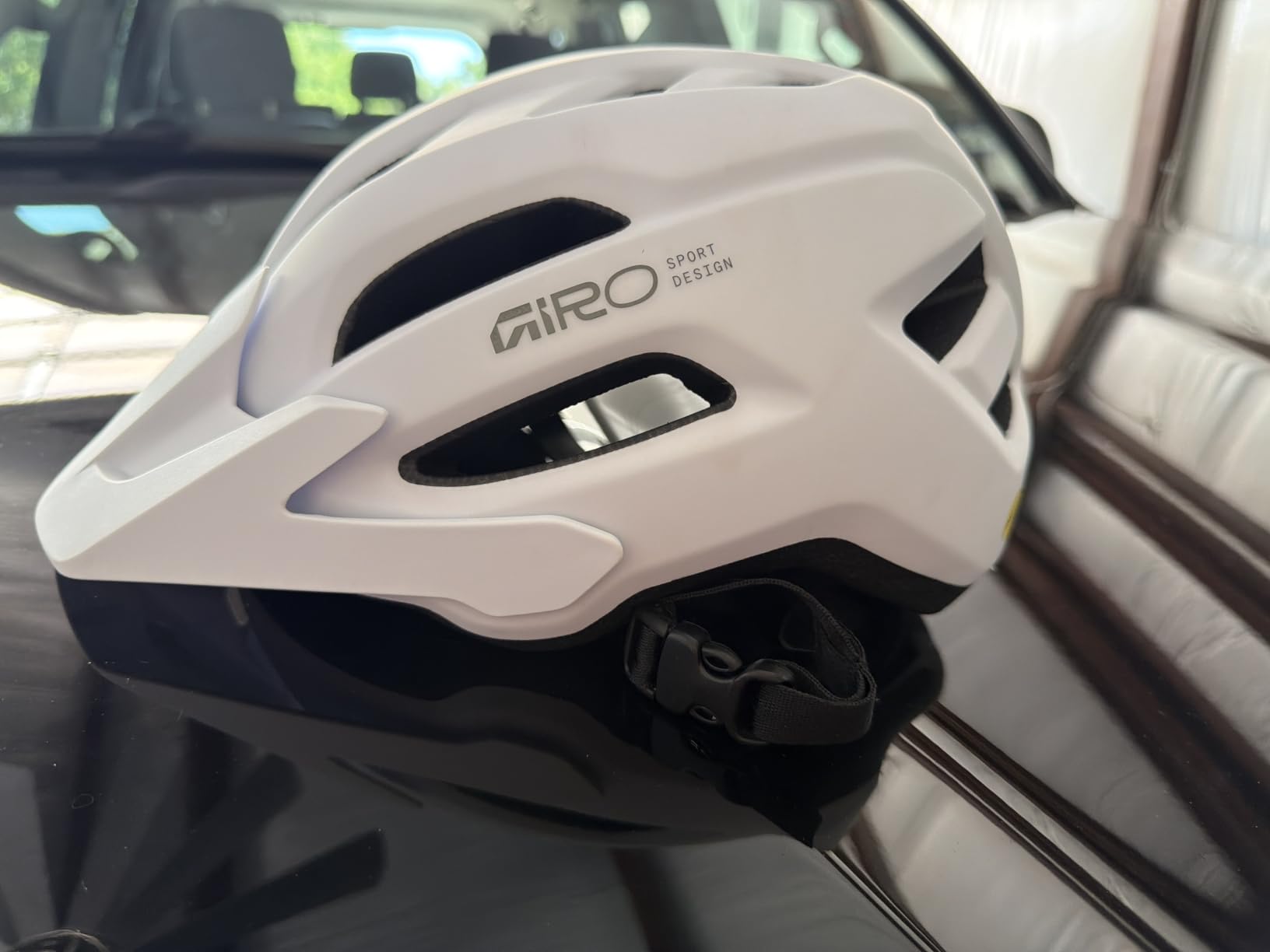
Owner reviews describe the same thing we found: comfortable, secure, cool. The fused outer shell keeps the profile clean, and reflective details catch headlights without adding an electronic light that needs charging.
The built-in visor is adjustable and clips on and off, which solves the office problem in a small way. It shades your eyes on a sunny bridge approach and disappears when you want the low-profile look.
What you should check before buying
Measure your head circumference first. The universal adult fit covers 54-61 cm, which is most adults, but very small or very large heads may need a different size from the same brand.
Expect some wind noise at higher speeds because the shell coverage is deeper than a pure road helmet. On city streets under 20 mph this is not noticeable, and most riders in our test wore it without complaint.
Who should skip it
Skip this model if your commute begins before dawn and you want a light built into the shell, or if you ride at class 3 e-bike speeds and want the highest-impact certification available.
Also skip it if you wear a very round or narrow head shape and prioritise a slim profile over rear coverage. For those riders, the thinner shells later in this list sit differently and may feel less bulbous.
2. ILM E3-10L – Best Value Helmet with Built-in Lights
ILM Adult Bike Helmet with LED Front Back Light Bicycle Helmets E3-10L(Matte Black, Large/X-Large)
USB rechargeable front and rear LEDs
ASTM CPSC CE EN1078 certified
10 vents with rear channels
421 g
Pros
- USB rechargeable front and rear LED lights with three modes
- Certified to ASTM CPSC CE and EN1078
- Ten vents with rear exhaust channels
- Detachable tinted visor works with glasses
- Removable washable breathable mesh lining
Cons
- Smart light electronics can need troubleshooting
- LEDs aid visibility rather than lighting the road
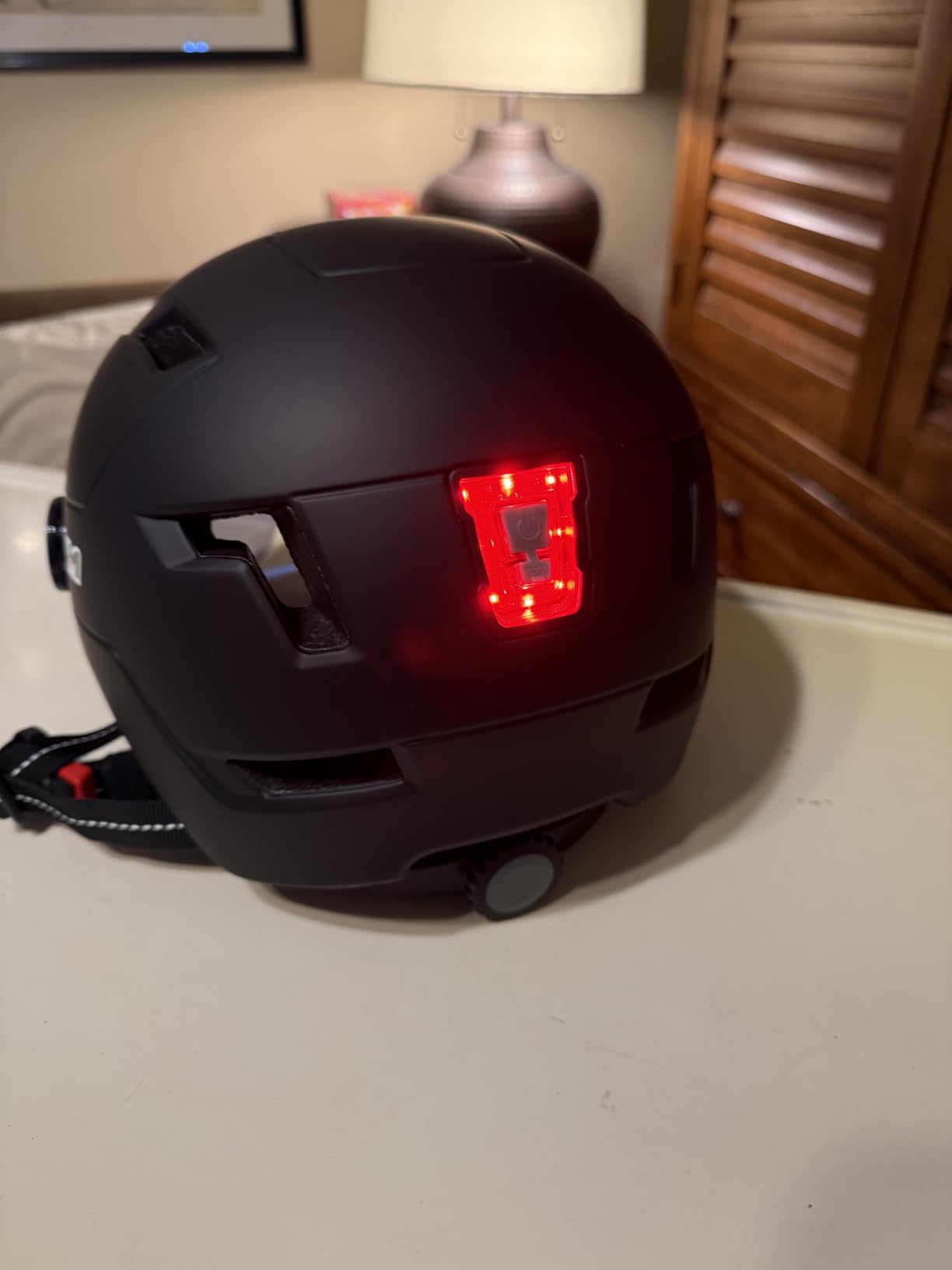
If your commute runs in low light, lighting is the first thing to sort and the second thing to forget about. The E3-10L charges over USB and puts LEDs on both the front and the back, which is rare at this tier.
The light runs in three modes, steady, flashing and blinking. Steady works best on unlit suburban roads, blinking reads clearly in city traffic, and the front lamp gives you a low-level view of the road surface ahead.
Fit is handled by a size adjuster system rather than a rear cradle, so there is nothing to accidentally snag on a strap or a bag strap. Riders report it sitting comfortably across a wide range of head sizes.
Ten vents with rear cooling channels keep air moving, which matters more than the raw count suggests on a slow commute where you are working hard against headwind.
What you should check before buying
Decide how you will charge it. The supplied USB cable means you can top it up at a desk, and a short charge before bed is enough for a week of commuting in most cases.
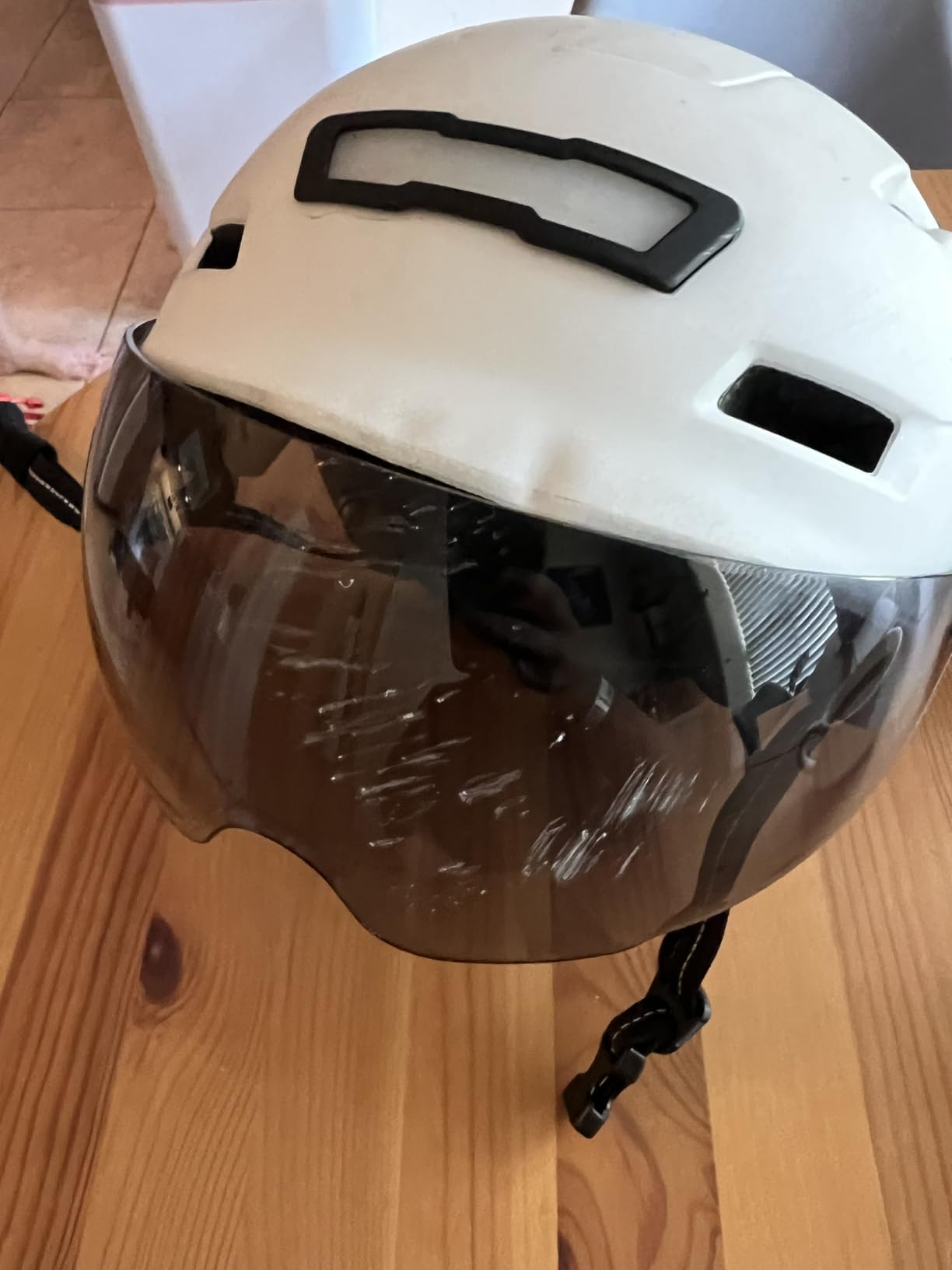
Look at the visor and liner rather than the shell. The detachable tinted visor blocks UV, dust and sand, and it is cut to sit above prescription glasses, which matters if you ride to work in glasses.
Who should skip it
Skip it if you want rotational-impact protection, because this model carries multi-standard certification but no MIPS, SPIN or WaveCel layer.
Also skip it if you ride technical trails. This is an urban helmet, and the open-face shape and 421 g weight are built for pavement rather than descents.
3. Giro Agilis MIPS – Best Lightweight Helmet for Fast Commutes
Giro Agilis MIPS Cycling Helmet – Matte Sapphire – Large
Integrated MIPS slip plane
Roc Loc 5 dial, one-handed
Hardshell with in-mold wrap
Wind tunnel vents
Pros
- MIPS protection against rotational forces
- Roc Loc 5 tunes both tension and fore-aft tilt
- Wind tunnel vents with internal exhaust channels
- Two-piece hardshell resists scuffs and adds durability
Cons
- Sporty styling suits some riders more than others
- Sits above entry-level MIPS models in cost
The Agilis MIPS is the pick for riders who cover distance fast. Its vent layout moves fresh air across the top of the head rather than just letting it pass through, which shows up on a 10-mile ride into headwind.
Roc Loc 5 is the useful part. One hand changes both the tension and the fore-aft tilt, so you can pull the helmet back off your forehead once, at the start, and forget about it for the rest of the week.
The two-piece construction adds a polycarbonate lower wrap fused to the liner. That is the part that survives bike rack scrapes and a knock from a low doorway, which is the reality of a commuter helmet rather than a race helmet.
Owners consistently describe it as a step up from a budget shell without reaching flagship pricing, and the 4.7 rating reflects that stable middle position.
What you should check before buying
Check the styling against your wardrobe first. This is a sporty-looking helmet, and riders who want something that reads as streetwear tend to move toward the low-profile models further down.
Confirm the size before you commit. The Agilis MIPS is offered across adult sizes, and the rear cradle sits lower than the Fixture MIPS, so test both if you can.
Who should skip it
Skip it if you need integrated lighting or a lock channel. Neither is part of this shell, so both would need separate accessories mounted to the straps.
It is also not the choice for riders who want maximum coverage at class 3 e-bike speeds, since the profile is tuned for airflow over a road bike rather than for higher-energy impacts.
4. OutdoorMaster Gem MIPS – Best Helmet for Mixed City and Trail Routes
OutdoorMaster MIPS Adult Recreational Cycling Helmet – Carbon Black,M
Two removable liner thicknesses
25 individual vents
Dial fit adjustment
MIPS safety system
Pros
- MIPS system reduces harmful rotational forces
- Two liner thicknesses of 0.23 and 0.31 inch change the fit
- 25 vents move a lot of air for the shell size
- Dial adjustment avoids pulling hair
- Removable visor
Cons
- Bulkier shell than low-profile urban helmets
- Liner comfort can fade with heavy daily use
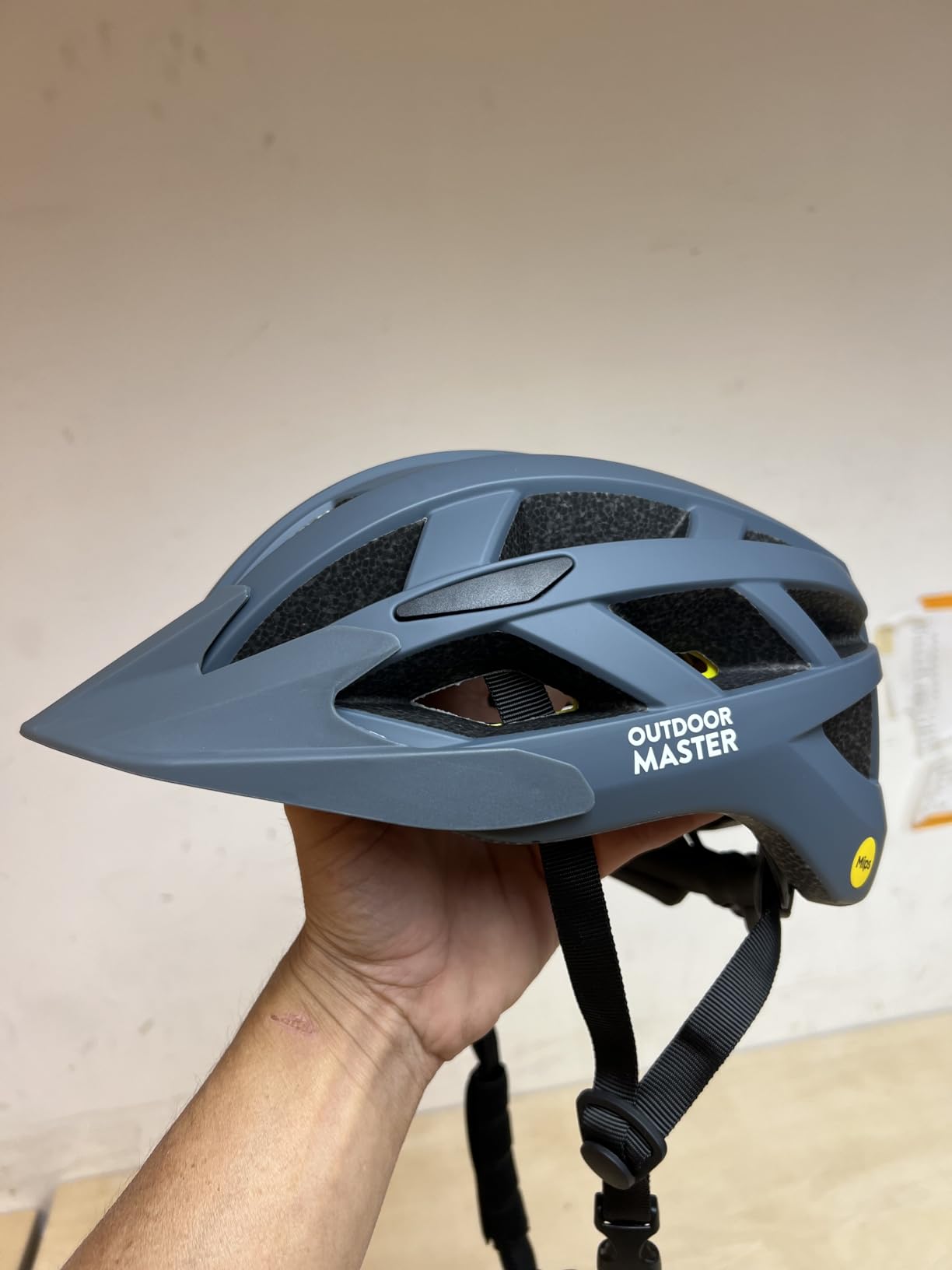
The Gem is the answer for riders who do not want two helmets. If your commute crosses park gravel or a canal path, the 25 vents and MIPS layer handle both environments without a swap.
The dual liner system is genuinely useful and rare at this tier. Two removable liners at 0.23 and 0.31 inch let you add or drop padding in seconds, which is how you solve a tight fit in winter and a loose fit in summer.
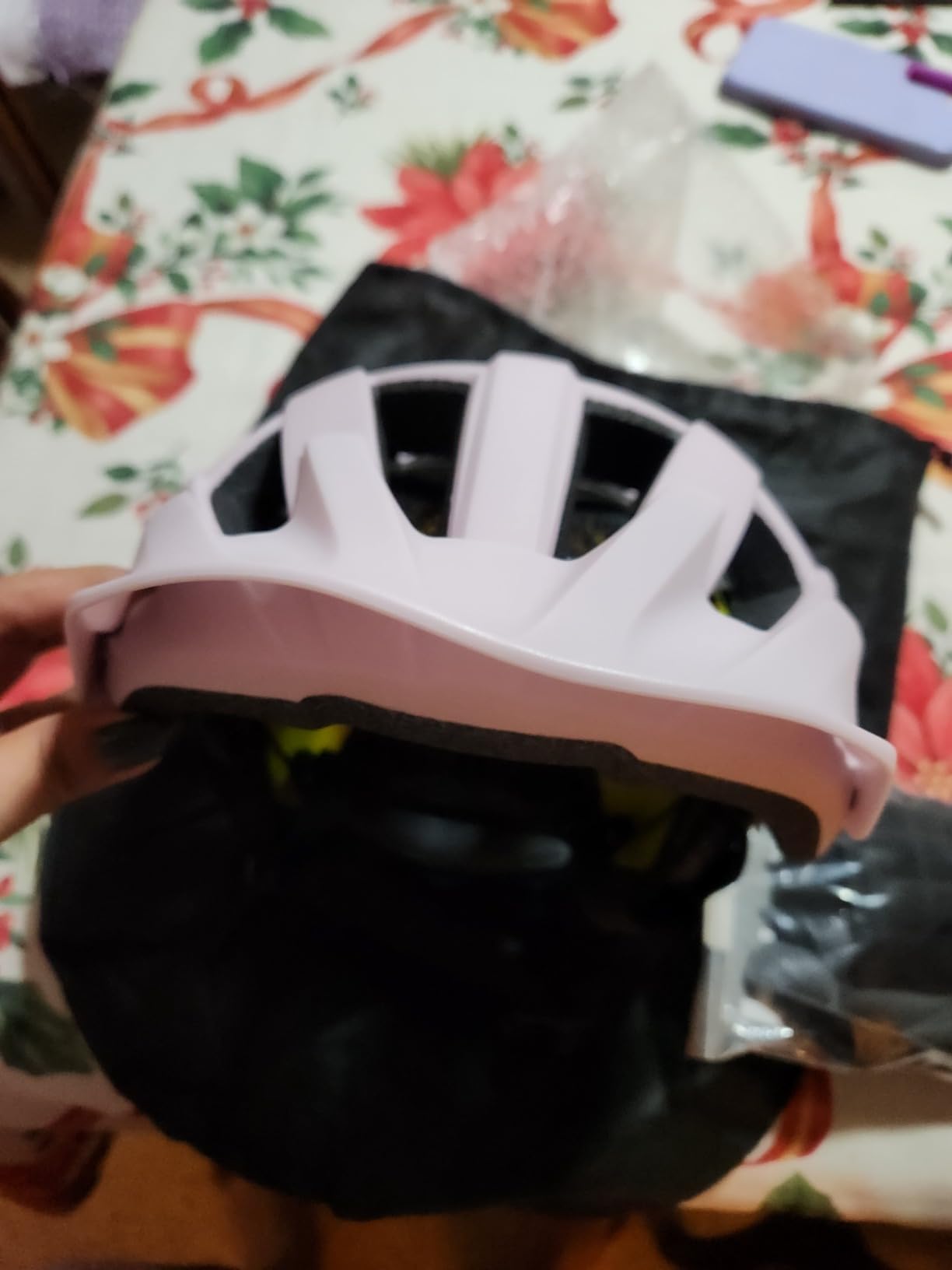
The dial is deliberately shaped to avoid snagging hair, which sounds minor until you have a commute that starts at 6am. The removable visor and adjustable chin strap round out a practical package.
At 399 g the shell is substantial, and owners describe it as more protective-feeling than slim city models. That extra shell is the trade for the ventilation.
What you should check before buying
Try it on with both liners if you can. Riders with rounder or narrower heads report that the thicker 0.31 inch liner closes up the side clearance, so the thinner liner may suit you better as a starting point.
Check your bag. At 399 g with a full visor this is not the helmet to fold into a small daypack, so plan to wear it or clip it outside.
Who should skip it
Skip it if a low-profile look is important to you. The shell is deliberately broad and this is the most visibly bulky helmet in the roundup.
Also skip it if you commute in a suit with a strict office dress code and plan to carry the helmet by hand. That is fine, but it is less convenient than a shell designed to sit in a bag.
5. Giro Syntax MIPS – Best Helmet for Longer Suburban Routes
Giro Syntax MIPS Adult Road Cycling Helmet – Matte Black/Bright Red, Medium (55-59 cm)
MIPS impact protection
25 wind tunnel vents
Roc Loc 5 fit system
270 g
Pros
- MIPS protection engineered in Giro helmet test lab
- 25 wind tunnel vents with internal channeling
- Roc Loc 5 adjusts vertical position and tension
- 270 g in-molding construction keeps weight low
- Deeper coverage feels secure on rough roads
Cons
- Deeper coverage feels less airy than low-profile models
- Bulkier silhouette than urban-only shells
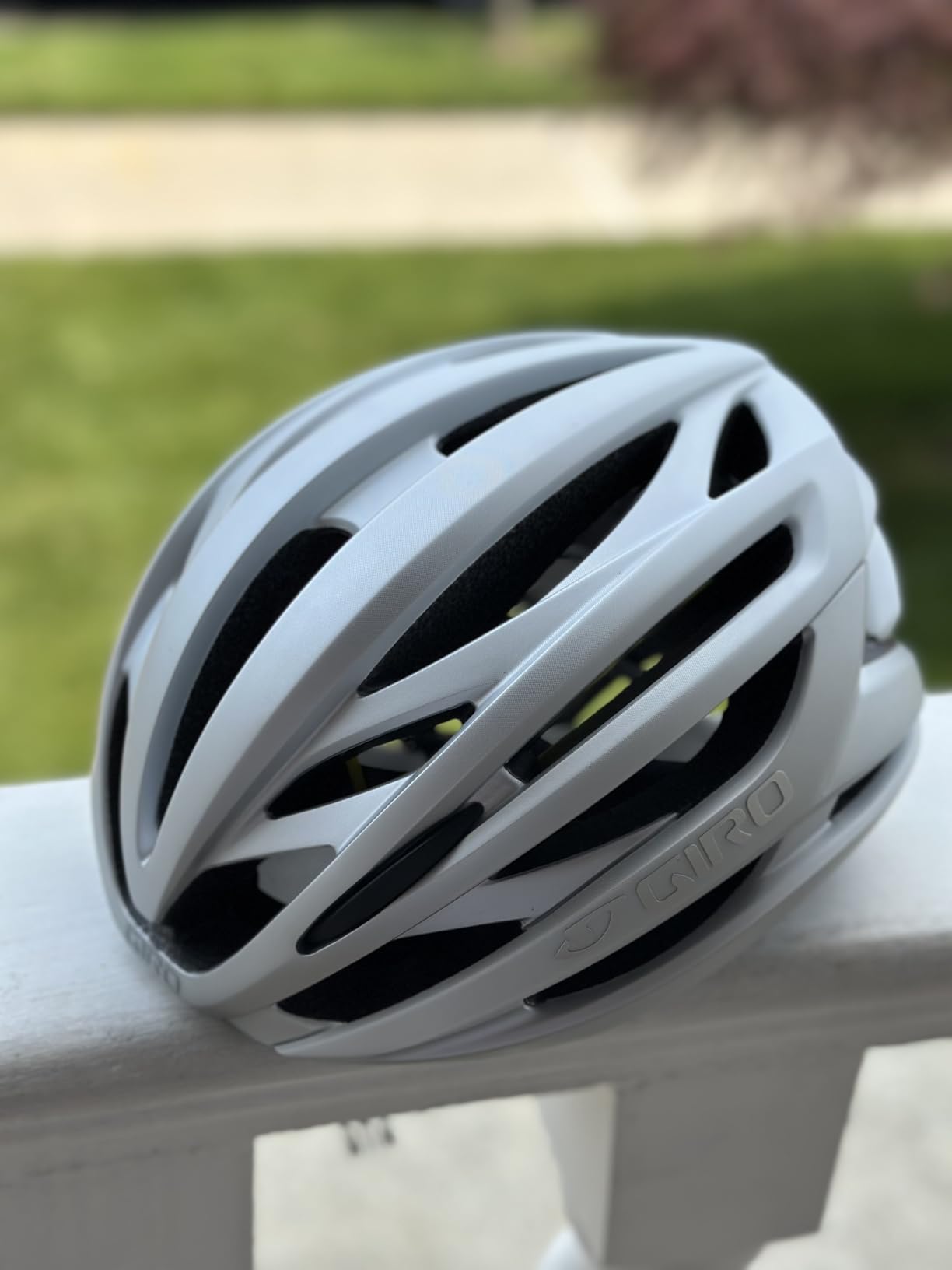
The Syntax MIPS suits riders on long suburban routes where you sit in one position for an hour. Twenty-five wind-tunnel vents with internal channeling move air across the head steadily rather than in bursts.
At 270 g it is one of the lighter shells here, and the in-molding construction keeps that weight down without feeling thin. That combination is why it suits longer, higher-effort commutes.

Roc Loc 5 handles both vertical position and tension, and owners report high satisfaction across head sizes. Straps sit flat under the chin, which stops the strap-rub problem that ends rides early.
Two years of manufacturer warranty coverage is listed for this model, which is worth noting against cheaper one-year options in this roundup.
What you should check before buying
Check the coverage depth against your glasses or sunglasses. The shell extends lower at the temples than most city helmets, which helps on rough roads but can crowd eyewear arms.
Plan for the profile. This is a fuller-looking helmet than the low-profile designs, so if appearance at the office matters to you, try it before buying.
Who should skip it
Skip it if your commute is short and mostly flat. You will be paying for ventilation capacity you do not use, and the bulk can feel unnecessary on a two-mile ride.
Skip it if you need built-in lighting. There is no light here, so night visibility depends on a clip-on or strap-mounted unit.
6. Smith Signal – Best Helmet for Glasses Wearers
SMITH Signal Cycling Helmet – Black, Medium
Koroyd zonal coverage plus MIPS
21 vents with AirEvac
VaporFit 270-degree dial
260 g
Pros
- Koroyd zonal coverage layered with MIPS
- 21 vents plus AirEvac integration reduces lens fogging
- VaporFit dial offers 270 degrees of adjustment
- 260 g road styling suits daily commuting
- Complies with CPSC CE EN1078 and AS/NZS 2063
Cons
- Less peak ventilation than fully vented models
- Dial driven fit may not suit very small or very large heads
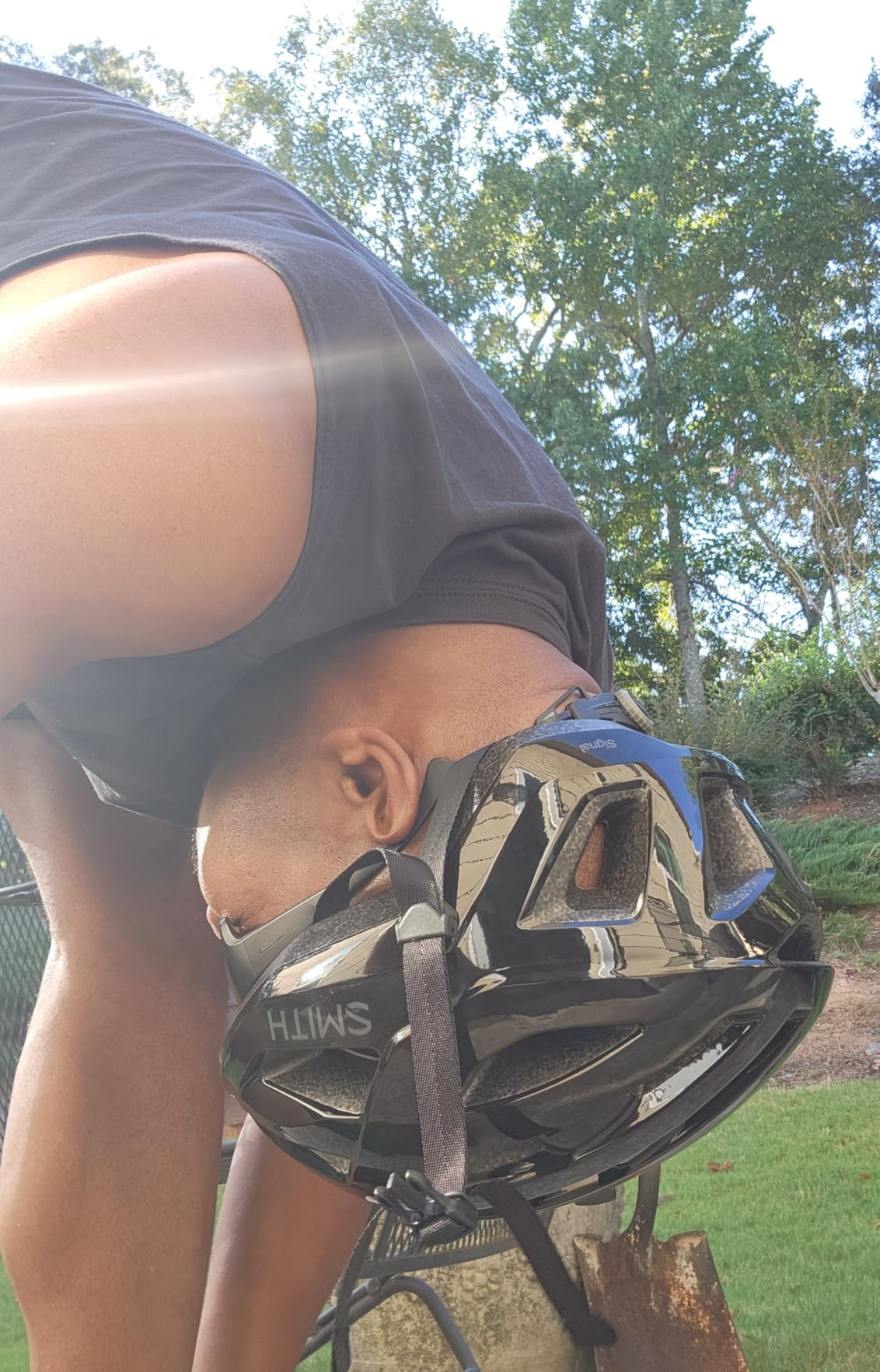
The Signal is the pick if you wear glasses daily, which is the single most common commuter accessory complaint we heard. Its AirEvac system routes air across the brow and is designed to move eyewear channels so lenses fog less.
Protection is layered here in a way most helmets are not. Zonal Koroyd adds honeycomb-like coverage across the shell while MIPS handles rotational forces underneath, so you are not choosing one system over the other.
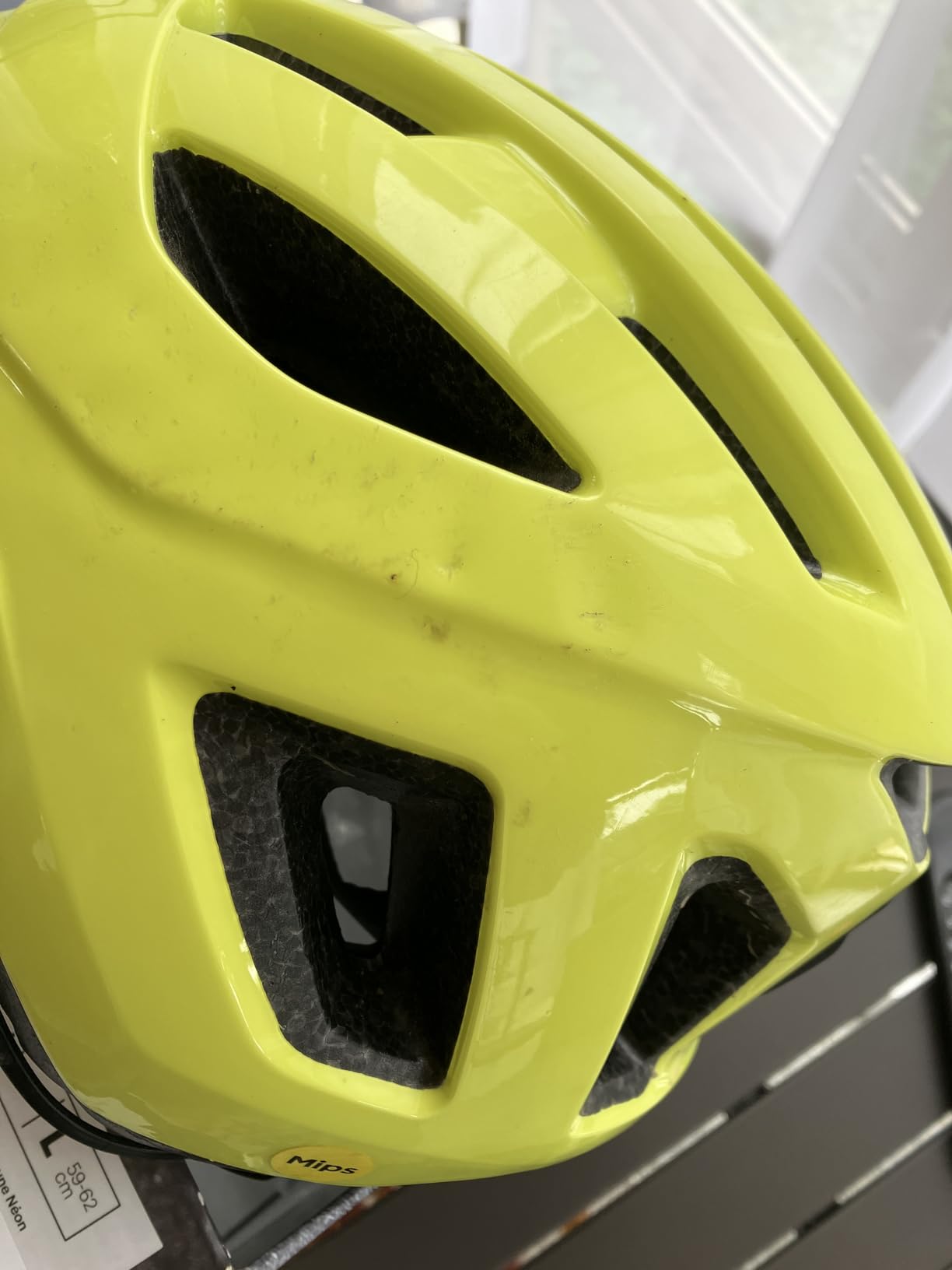
At 260 g it is the lightest shell in this roundup, which matters if you run a long slow commute where the helmet stays on your head the whole time.
The VaporFit dial offers 270 degrees of adjustment, and compliance with CPSC, CE EN1078 and AS/NZS 2063 covers both US and international standards for riding and commuting.
What you should check before buying
Test the AirEvac channel with your specific frames. It works best on glasses with temple arms that sit close to the head, and less well on thicker frames or sunglasses with a bridge bar.
Look at the vent layout against your effort level. Owners describe ventilation as adequate rather than exceptional, which is the right trade if your commute is flat and slow.
Who should skip it
Skip it if you sit at very small or very large head sizes, since the dial-driven fit is the main adjustment and it has limits at the extremes.
Skip it if your route is unlit and you want a shell with lighting. The Signal has no built-in light, so visibility depends on what you mount separately.
7. Thousand Heritage 2.0 – Best Lockable Style for City Commuting
Thousand Heritage 2.0 Adult Bike Helmet; The Original Low Profile Retro Commuter Cycling Helmet Safety Certified for Bicycle Skateboard Skating Roller Skates; for Men & Women (Speedway Creme, L)
PopLock hidden lock channel
Dial Fit System at rear
Low profile retro shell
Multi sport certified
Pros
- Low profile retro styling works as everyday streetwear
- PopLock channel secures a U-lock or chain to the helmet
- Dial Fit System at the rear for a close fit
- Certified for cycling skateboarding and skating
- Anti-theft and accident replacement guarantees included
Cons
- No MIPS layer in this configuration
- Low profile shape limits airflow
- Heavier than most similarly styled helmets
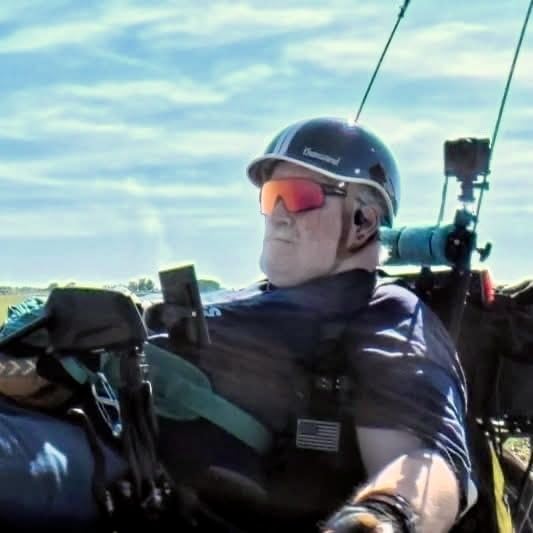
The Heritage 2.0 solves a problem no other helmet here addresses: what to do with the helmet once you arrive. The patent-pending PopLock channel behind the logo takes a U-lock or chain, so you can clip your helmet to the frame instead of carrying it.
Owners describe it as streetwear first and safety gear second, and that is exactly why it works for office commutes. It is the only shell in this roundup that people regularly choose because they do not mind being seen wearing it.
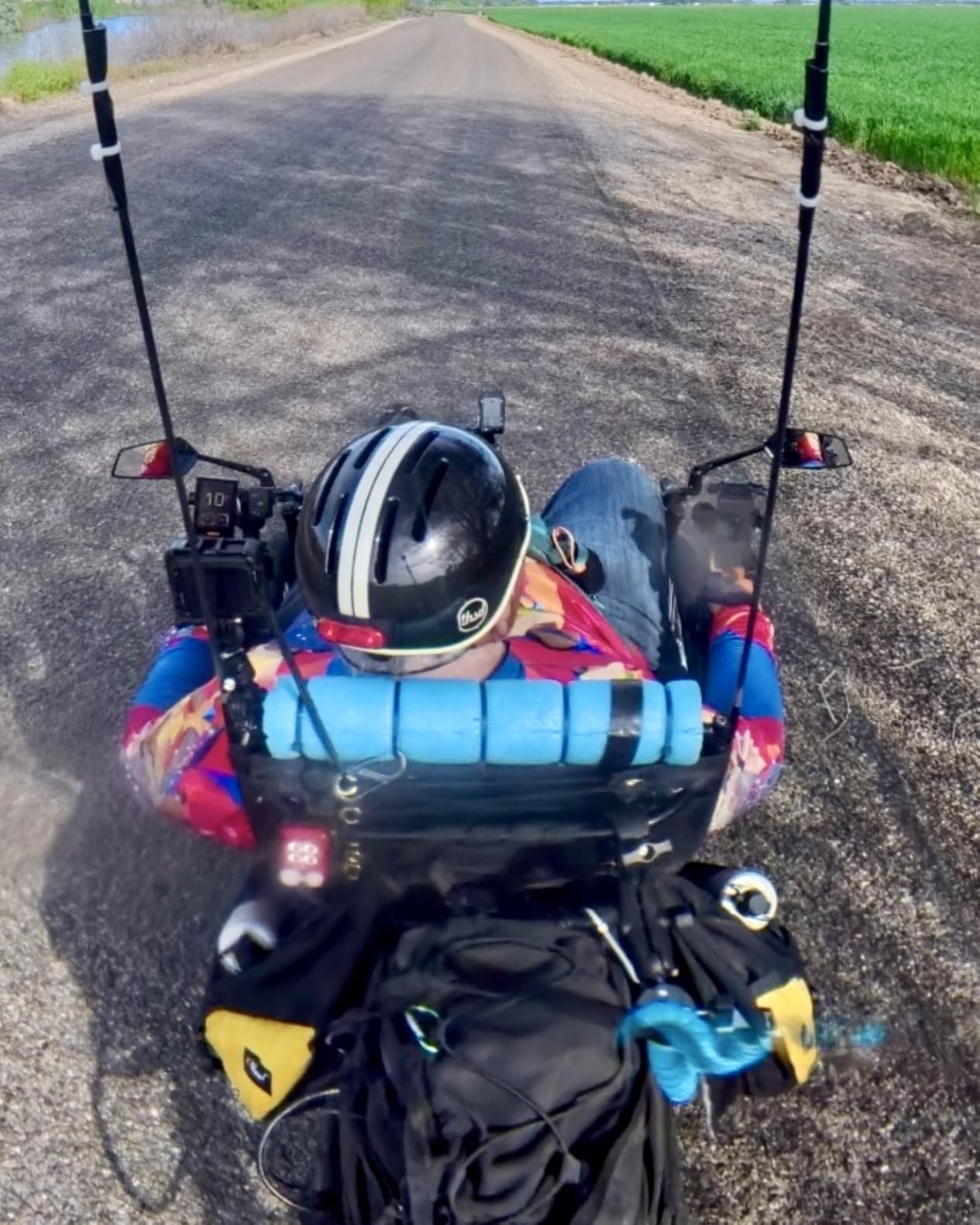
The rear Dial Fit System gives a close, even fit, and the certification covers cycling, skateboarding and skating so the same helmet works if you borrow a board.
Anti-theft and accident replacement guarantees are unusual at this level and cut down the two worries commuters actually have, losing the helmet and writing one off after a fall.
What you should check before buying
Check the PopLock channel against your lock. Riders using a slim D-lock or a cable with a thin body will fit it easily, while thick chain links can be tight in the channel.
Be realistic about airflow. The low-profile shell is the reason it looks good, and it is also the reason riders report warmer rides than with a fully vented road shape.
Who should skip it
Skip it if rotational-impact protection is your priority. This configuration is certified but carries no MIPS, SPIN or WaveCel layer, which is the main gap versus the Giro picks above.
Skip it if you ride a long route at pace in summer heat. The limited ventilation shows up on exactly that kind of ride.
8. POC Omne Air MIPS – Best Lightweight Helmet with Strong Ventilation
POC Omne Air MIPS Bicycle Helmet Bicycle Helmet with MIPS Technology, Adjustable and Optimal Ventilation, for Men and Women, Ideal for Leisure and Commuting
MIPS brain protection
Unibody shell 350 g
360 degree dial adjustment
Moulded precision straps
Pros
- In-built MIPS brain protection system
- 350 g unibody shell with optimised EPS liner
- 360 degree one-handed dial gives a pressure-free fit
- Optimised ventilation suited to long warm rides
- Molded adjustable precision straps reduce strap twist
Cons
- Sizing runs small so try before committing
- Some riders still run warm in peak heat
The Omne Air MIPS is the lightest MIPS option here, at 350 g, and the unibody shell gives it a clean silhouette with few visible seams. It looks far less like a piece of sports kit than most of the shells in this roundup.
Ventilation is the standout. Owners running long warm commutes single out the airflow as the reason the helmet disappears on their head, which is exactly what you want from something you wear 5 days a week.
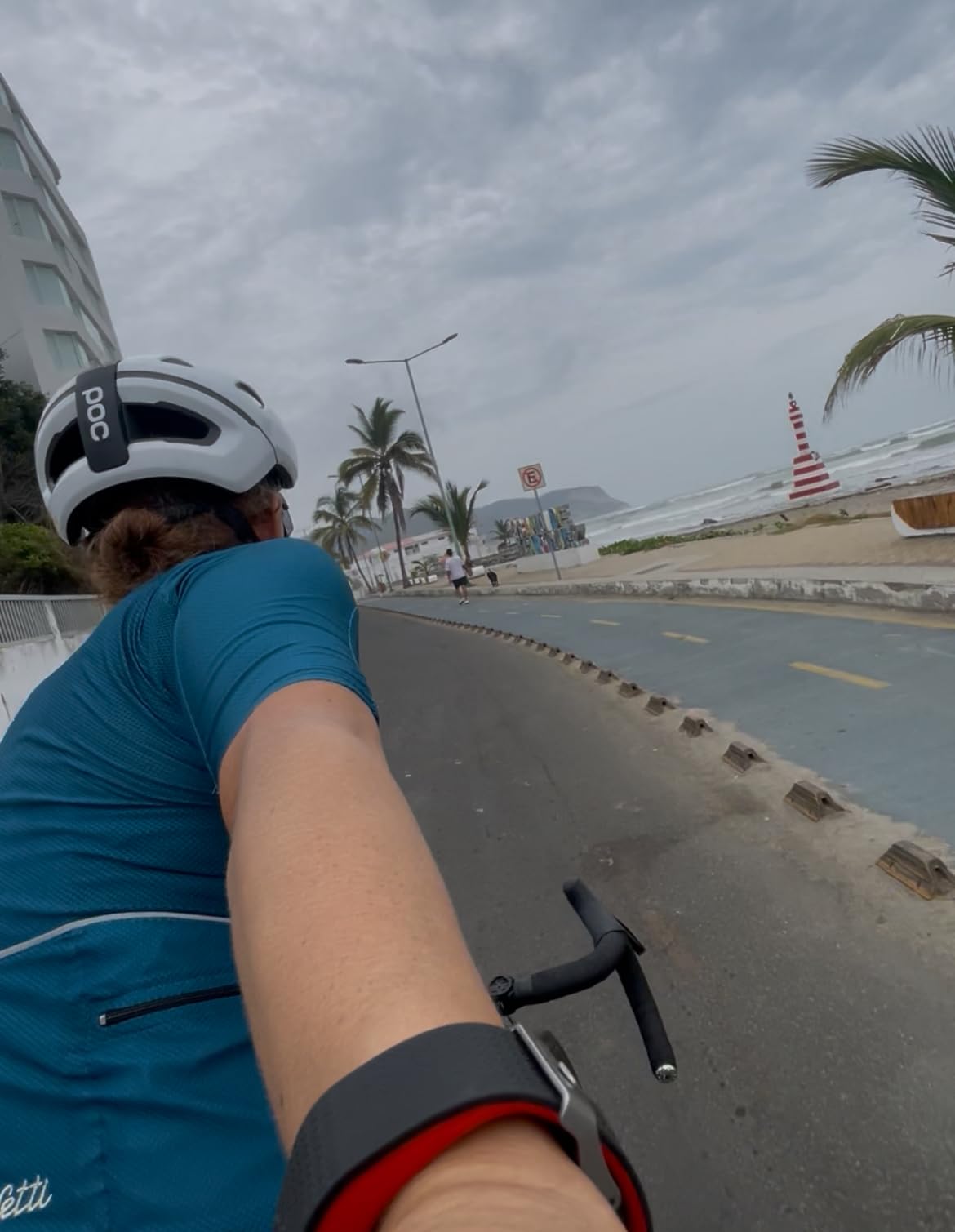
The straps are moulded into the liner rather than glued on, so they follow the adjustment of the dial instead of drifting. That fixes the strap-twist problem most commuters hit within a month.
A soft storage bag is included, which is uncommon at this level and genuinely useful if you keep a helmet at a shared desk rather than in a garage.
What you should check before buying
Sizing is the one to watch. Reviewers repeatedly note that this model runs small, so if your head sits near the top of the 54-59 cm range, try it on or step up a size.
Check the dial over your ears. The 360-degree adjustment is generous, but the cradle still needs enough clearance from your ears to avoid pressure on a long ride.
Who should skip it
Skip it if you need integrated lighting or a lock channel. Neither is part of this design, and adding both turns the weight advantage into a liability.
Also skip it if you are between sizes and cannot try it in person, because the small fit is the single complaint that appears repeatedly in owner reviews.
9. Lumos Ultra E-Bike – Best Helmet for E-bikes and Night Rides
Lumos Ultra E-Bike Smart Helmet | NTA 8776 Certified | Front & Rear LED Lights | Retractable Face Shield | App Controlled | EBike, Scooter, Cycling, Bicycle | Adults, Men Women
NTA 8776 certified
Front and rear LEDs with turn signals
Retractable face shield
App controlled, 54-61 cm
Pros
- Integrated turn signals and front and rear LEDs increase visibility
- Wireless handlebar remote makes signalling effortless
- Retractable face shield cuts wind at speed
- Magnetic quick release buckle is fast to use
- One-size fit spans 54-61 cm
Cons
- Interior padding uncomfortable on long rides
- App and firmware setup can be slow to configure
- Heavier than a plain helmet because of the electronics
If you ride an e-bike, this is the helmet built for the job. It carries NTA 8776 certification, the higher-impact standard aimed at pedal-assist speeds, rather than the bicycle-only certification most commuter shells use.
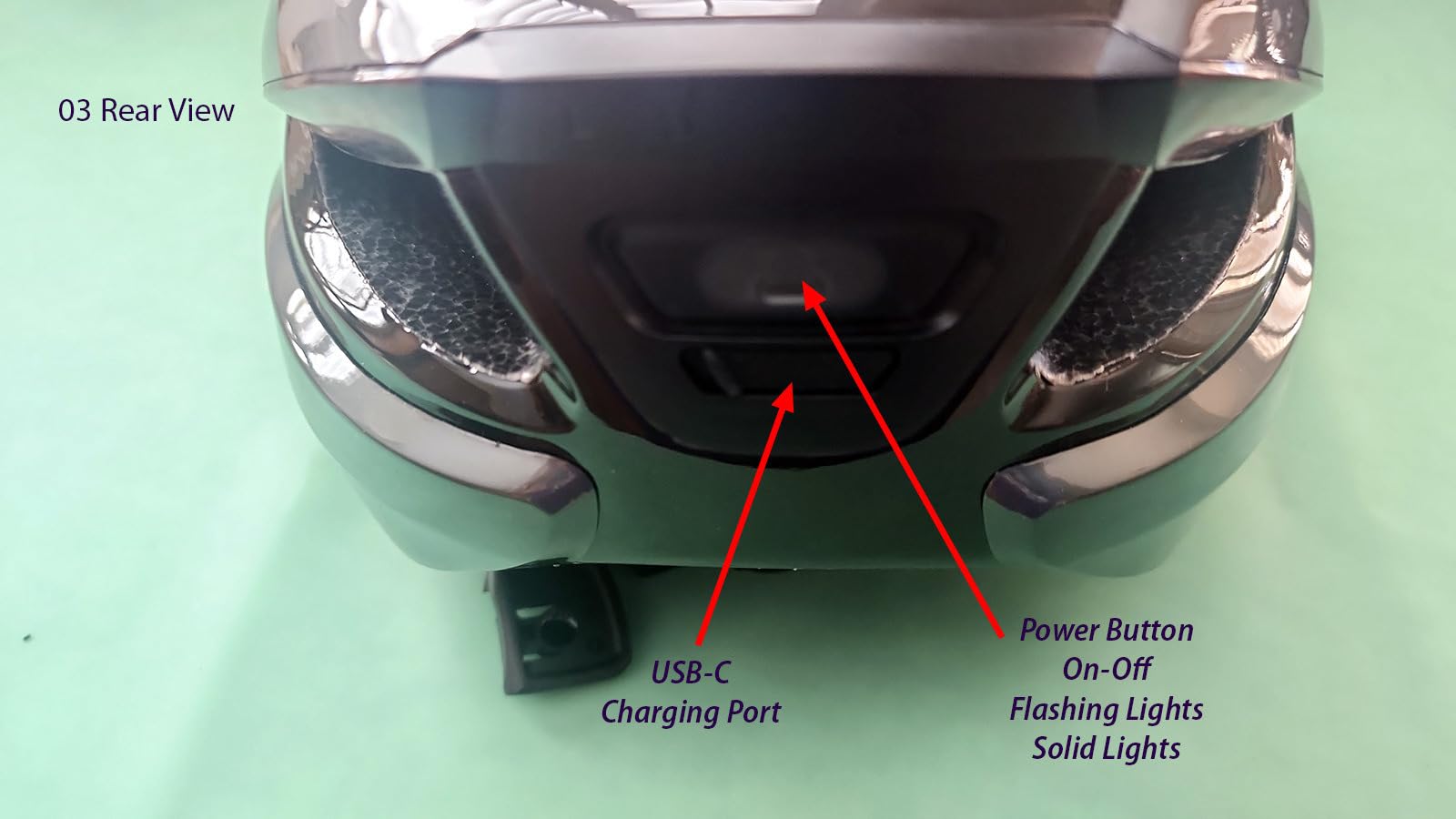
The turn signals are controlled from a wireless remote on your handlebar. On a bike that pulls away quickly, they do more for your visibility than a brighter static light, and they are the feature owners praise most.

A retractable face shield deploys for wind and debris, which is worth having at class 3 speeds. The magnetic quick-release buckle means you can put the helmet on and off with gloves on.
The Lumos app lets you set LED patterns and brightness and track rides. That flexibility is real, and it is also the source of most complaints, so set it up on a weekend rather than before a dark commute.
What you should check before buying
Budget time for the app and firmware. Multiple reviews describe the setup as slow to configure, and if you ride at dawn or dusk most days, get the electronics sorted before you depend on them.
Consider the weight at 0.49 kg. That is noticeably heavier than a plain shell, and you feel it on longer rides, particularly if your head shape is on the larger end of the 54-61 cm range.
Who should skip it
Skip it if you ride short, well-lit routes. The weight and the electronics add complexity that a simpler shell handles better for a two-mile commute in daylight.
Skip it if long-ride comfort is your top priority. Owners are consistent that the interior padding is the weakest part of an otherwise clever helmet.
10. Retrospec Lennon – Best Budget Helmet with a Built-in Light
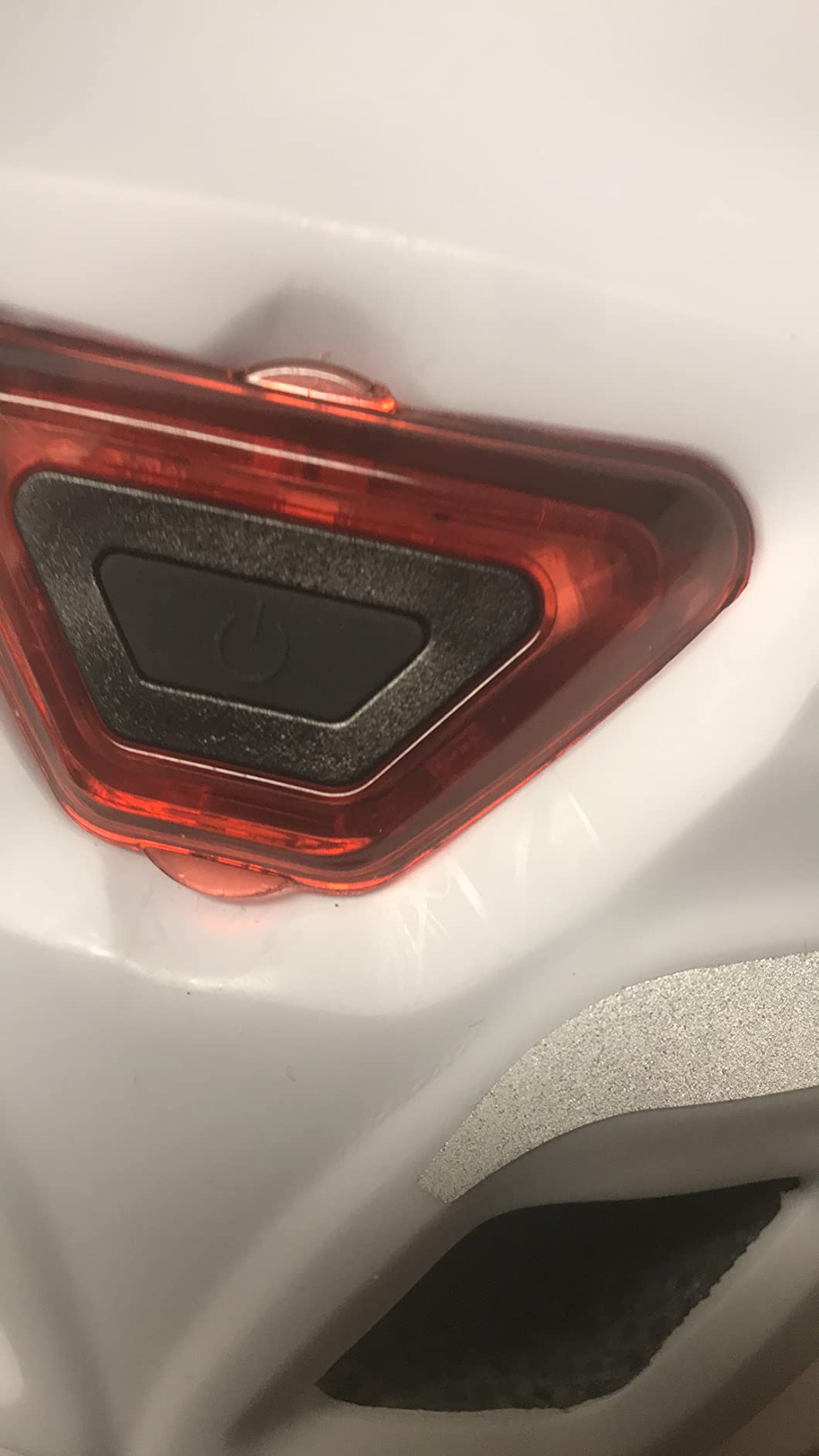
Retrospec Lennon Commuter Bike Helmet Adult Men/Women, LED Light, Visor
Built-in 5-LED light, 3 functions
15 vents with air channels
ErgoKnob-2 dial fit
16 oz
Pros
- Built-in 5-LED light with three functions
- 15 vents with internal air channels
- ErgoKnob-2 dial gives a secure adjustable fit
- Removable visor and washable padding
- Light at 16 oz with an aerodynamic profile
Cons
- No MIPS rotational protection
- Integrated light adds weight and needs recharging
- One-size shell covers 54-61 cm only
The Lennon is the straightforward choice for a first commuter helmet, and the built-in 5-LED light with three functions is the reason most people buy it. No separate accessory, no charging cable in your bag.
Three functions cover dawn, dusk and night, and the ErgoKnob-2 dial tightens evenly once you find your tension. At 16 oz it is light enough to forget you are wearing it.
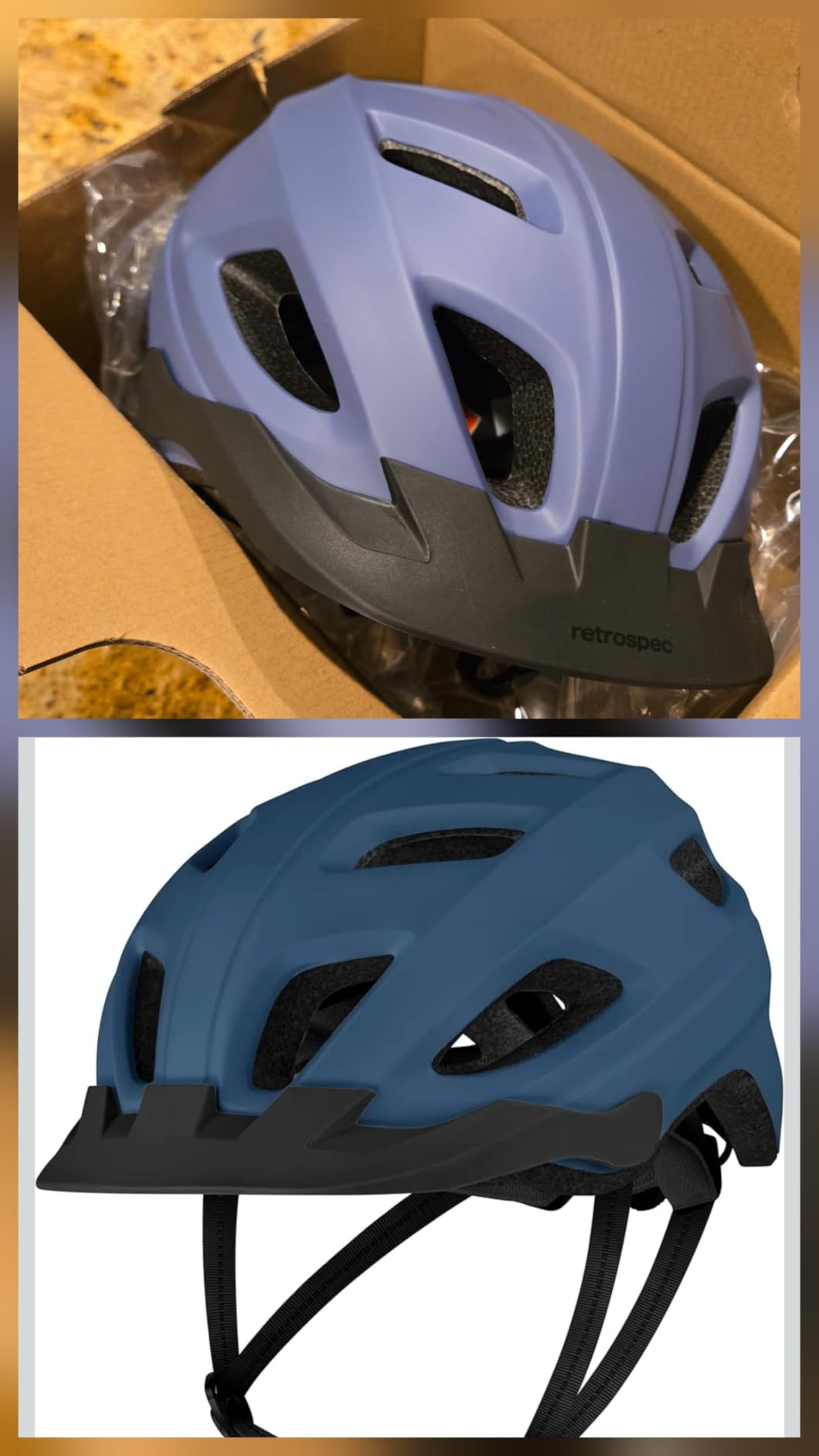
Fifteen vents with internal air channels handle cooling, and the removable visor lets you change the look between seasons. Washable padding keeps the inside presentable after weeks of daily wear.
Reviewers consistently rate it strong value for daily urban riding, which is a fair description of what it does well and where it stops.
What you should check before buying
Check your head size against the 54-61 cm shell range. The one-size design covers most adults but nothing beyond that, and a helmet too large is as unsafe as one too small.
Plan a charging routine. The integrated light needs recharging, so a weekly top-up at your desk matches how most commuters use it and keeps the dead-light problem away.
Who should skip it
Skip it if you ride at e-bike speeds or on rough terrain, because there is no MIPS, SPIN or WaveCel layer and the shell is a road profile.
Skip it if you have a very round or narrow head and know that temple pressure is your recurring problem. A dial adjusts tension but cannot change the shell’s width, and trying on is worthwhile.
How to Choose a Bike Helmet for Commuting in 2026?
Rotational-impact protection is the first feature to understand, because it is where the biggest differences between helmets actually sit. Most certified helmets pass the same linear impact test, which measures how much energy the foam absorbs in a straight hit to the side of the head.
A real fall is rarely linear. Your head usually strikes at an angle, which rotates the brain inside the skull, and that twisting motion is what rotational-impact systems address. MIPS uses a low-friction slip plane between the liner and your head so the helmet can slide across an angled impact. SPIN pads work the same principle with small sliding pads, and WaveCel uses a cellular structure inside the foam itself.
These three are competing solutions to the same problem rather than tiers of quality. If you are comparing two helmets and one has MIPS while the other does not, treat the rotational system as a genuine advantage. If you are choosing between two helmets that both have some form of it, look at fit, ventilation and light instead. For most commuters the fit decides the outcome far more often than the brand of the internal layer.
Certification: what the markings actually tell you
CPSC is the US bicycle helmet standard and the baseline for everything sold legally here. ASTM, CE and EN1078 markings indicate additional regional testing, and NTA 8776 is the higher-impact standard written for e-bikes and class 3 speeds, where a fall happens faster and harder.
If you ride a bicycle, any certified helmet meets the legal minimum. If you ride an e-bike, NTA 8776 is the marking to look for, and in practice it also gives you a deeper shell, which is why helmets carrying it tend to look bulkier.
How to measure your head and apply the 2-2-2 rule
Measure your head circumference with a soft tape measure, just above your eyebrows and around the back at the widest point, keeping it level. Write the number down, then compare it against the size range printed on the helmet rather than against the size name, since labels vary between brands.
The 2-2-2 rule is a quick way to check the result. Two fingers should fit between your eyebrows and the front edge of the helmet. Two fingers should fit between the strap and your ear when the strap is buckled. And the V formed by the straps under your chin should sit two finger widths below your chin.
Finish with a shake test. With the straps buckled, shake your head hard. If the helmet lifts off, shifts toward the front, or the dial rotates without you, the fit is not tight enough yet.
Matching a helmet to your head shape
Head-shape mismatch is the most common complaint in commuter forums, and it is worth solving before you buy. Riders with rounder or narrower heads report helmets pressing on the temples, while others find a helmet sliding forward on a longer head. No brand fits every shape, and a dial adjusts tension without changing shell width.
Watch the depth of the rear cradle and the position of the dial. A dial placed low and level works better on rounder heads because it pulls the shell in at the temples rather than at the back, and a helmet with adjustable side pads gives you more to work with than a single-piece interior.
If you know you have an unusually narrow or unusually round head shape, buy from a shop where you can try two or three models, or check the brand’s sizing chart against your measured circumference. Spending ten minutes here saves a helmet you will resent wearing.
Ventilation and comfort for hot commutes
Vent count is only half the story. What matters is whether the vents connect through the shell with internal channels, because a shell full of holes with no paths behind them moves much less air than the hole count suggests. Vents across the top of the head cool you; exhaust channels at the rear pull warm air out.
Think about effort as well as speed. A flat, slow commute in a lightweight shell will feel warmer than a fast ride in a fully vented one, because low-output riding generates less airflow to move. Padding thickness also matters in summer, and removable liners or liners of different thicknesses let you adjust rather than suffer.
Visibility and integrated lights
An integrated light removes one more thing to remember, and that is the whole argument for it. The pattern we see working best is a rear light in steady mode on unlit roads and flashing mode in traffic, with a front light for the road surface ahead, and a reflective element for when the battery is flat.
Check how you will charge it. USB charging means you can top it up at a desk, but only if you actually do it, and cold winter weather is when battery expectations get tested. Treat a light as a visibility aid rather than a headlamp, because a blinking helmet light lights up traffic rather than your path.
Locking your helmet to your bike
Never leave a helmet unlocked on a frame, because a helmet is expensive, highly portable and rarely resold. A hidden channel behind the logo or the rear cradle, often called a PopLock channel, takes a U-lock or a chain so the helmet travels with the bike.
Run the U-lock through the channel and around the frame, and take the cable with you. Where no channel exists, a rear light strap or a short strap loop can hold a cable lock through the vents, though it is less tidy and easier to cut.
When to replace a helmet
Replace a helmet after any impact, even a small one, and even when it looks fine. The EPS liner absorbs energy by crushing its own cells, and that crush does not recover, so a helmet that has taken a hit protects far less the second time it is needed.
Plan a replacement around the three to five-year mark, and earlier if the shell is scratched deeply, the dial slips, the padding is worn flat or an integrated light no longer holds charge. Treat the three-year consensus as a prompt to check fit, since head shape and glasses change over that span.
Frequently Asked Questions
What is the best bike helmet for commuting?
The Giro Fixture MIPS is our pick for most commuters in 2026. It combines an integrated MIPS slip plane with a one-handed Roc Loc Sport dial, an adjustable visor and reflective details, and it holds a 4.8 rating across more than 5k reviews. Riders who need built-in lighting should look at the ILM E3-10L instead, and e-bike riders should check for NTA 8776 certification.
What is the 2 2 2 rule for bike helmets?
The 2-2-2 rule checks a helmet fit in three places. Two fingers should fit between your eyebrows and the front edge of the helmet, two fingers should fit between the strap and your ear when buckled, and the straps should form a V sitting two finger widths below your chin. Follow it with a shake test: if the helmet lifts or slides when you shake your head, tighten it further.
Is it worth getting a MIPS helmet?
For commuting, yes, and the reason is angular impacts rather than straight-line protection. Most certified helmets pass the same linear impact test, while a MIPS, SPIN or WaveCel layer adds protection against the twisting forces that come from hitting the ground at an angle. The three systems solve the same problem in different ways, so if two helmets both have one, fit and comfort should decide between them.
What are the best bike helmets with integrated lights?
For visible lighting without a separate accessory, the ILM E3-10L offers USB rechargeable front and rear LEDs with three modes and multi-standard certification, and the Retrospec Lennon adds a 5-LED light with three functions on a lighter shell. If you also want turn signals and NTA 8776 certification for e-bike speeds, the Lumos Ultra E-Bike is the dedicated smart helmet, though owners report the app setup takes patience.
What helmet should you wear on an e-bike, and can you get a ticket without one?
Wear a helmet certified to NTA 8776 when you ride a class 3 or speed-limited pedelec, because that standard is written for the higher speeds an e-bike produces. On bicycle rules, helmets are commonly required for riders under 16 and are strongly advised for everyone else, so adults usually face advice rather than fines, though e-bike and micromobility rules vary by city, state and country and can carry their own penalties. Check your local transport authority before assuming you are exempt.
How often should a bike helmet be replaced, and should you remove one from an injured rider?
Replace a helmet after any impact, even a small one, because the EPS liner absorbs energy by crushing cells that do not recover. Plan a routine replacement at around the three to five-year mark, or earlier if the shell is deeply scratched, the dial slips, the padding is flat or an integrated light no longer holds charge. Never remove a helmet from an injured rider at the scene unless you are trained to do it, since moving the head and neck can make a spinal injury worse. Call emergency services and leave the helmet in place unless they tell you otherwise.
Which Bike Helmet for Commuting Should You Buy?
Start with the Giro Fixture MIPS. It is the best all-round choice in our testing for 2026, combining MIPS protection, a dial you can adjust one-handed while stopped, reflective detailing for low light and an adjustable visor, all without a battery to charge.
Choose the ILM E3-10L if your commute runs in the dark and you would rather not carry a separate light. Choose the Giro Syntax MIPS for long, hot routes where airflow over your head matters most, and choose the Lumos Ultra E-Bike if you ride a class 3 e-bike and want turn signals and NTA 8776 certification in one shell.
Whichever you pick, measure your head circumference, apply the 2-2-2 rule and run the shake test before you leave the shop. A helmet you can adjust in ninety seconds is a helmet you will actually keep wearing, and that matters more than any spec on the box.