
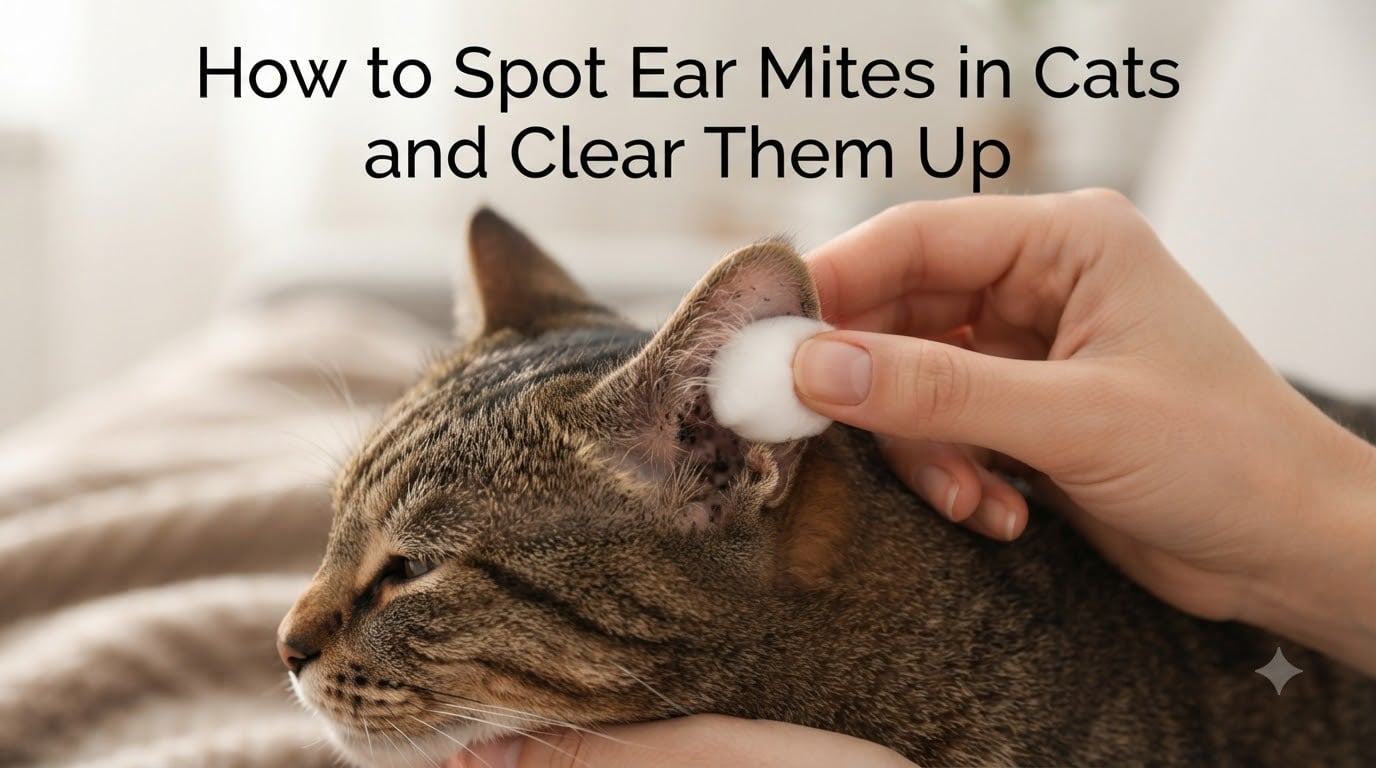
If your cat has been scratching at their ears relentlessly or shaking their head like something is stuck inside, ear mites might be the culprit. Ear mites in cats are one of the most common parasitic infections feline owners deal with, and catching them early makes treatment far easier. In this guide, I will walk you through exactly how to spot ear mites in cats and clear them up, from the first visual signs to a full recovery timeline.
We will cover what ear mites look like, how to tell them apart from normal earwax, and the step-by-step process for checking your cat at home. You will also find treatment options ranging from vet-prescribed medications to home remedies, plus handling tips for cats that hate ear drops. By the end, you will have a clear action plan to get your cat’s ears back to healthy.
This information matters because untreated ear mites can lead to painful secondary infections, ear damage, and even hearing loss. They are also highly contagious, so one infected cat can quickly spread mites to every pet in your household. Let us get into the details so you can act fast.
Table of Contents
What Are Ear Mites in Cats?
Ear mites in cats are tiny, spider-like parasites that live inside the ear canal and feed on skin debris and oils. The scientific name for the most common species is Otodectes cynotis, and it accounts for the vast majority of feline ear mite infections. These mites are barely visible to the naked eye but cause intense irritation and inflammation.
A single adult female mite can lay eggs daily, and the entire life cycle from egg to adult takes about three weeks. That means a small infestation can balloon quickly if left untreated. The mites burrow into the delicate skin of the ear canal, which triggers your cat’s immune response and leads to the dark, crusty discharge you see.
Kittens and outdoor cats are the most frequent carriers, but cats of any age can pick them up. Shelter cats and recently adopted feral cats often bring mites with them. Even strictly indoor cats are not immune, since mites can hitch a ride on humans, other pets, or shared bedding.
How to Spot Ear Mites in Cats: Symptoms Checklist
The symptoms of ear mites in cats usually appear gradually, but they intensify quickly as the mite population grows. Most owners first notice behavioral changes before they ever see anything inside the ear. Here is a checklist of the most common signs to watch for.
Behavioral symptoms include:
Excessive scratching at one or both ears, often to the point of rawness
Frequent head shaking or tilting
Pawing at the ears repeatedly throughout the day
Restlessness or irritability, especially at night
Vocalizing or crying when the ears are touched
Physical signs inside and around the ear include:
Dark, crumbly discharge that looks like coffee grounds
Strong, unpleasant odor coming from the ear
Redness and inflammation of the ear flap and canal
Scabs, hair loss, or crusty skin around the base of the ear
Ear drooping or the ear feeling warm to the touch
If you notice three or more of these symptoms together, ear mites are a strong suspect. The coffee grounds ear discharge is the most recognizable tell, and it is what most veterinarians look for first during an exam.
Ear Mites vs Earwax: How to Tell the Difference?
One of the biggest sources of confusion for cat owners is distinguishing ear mite discharge from normal earwax. I see this question constantly in cat care forums, and it is the number one reason people delay treatment. The two look similar at first glance, but they have distinct characteristics once you know what to look for.
Here is a quick comparison to help you tell them apart:
Color: Normal earwax is light brown or amber. Mite discharge is dark brown to black.
Texture: Earwax is smooth and waxy. Mite discharge is dry, crumbly, and granular, like coffee grounds.
Amount: A healthy ear has a thin film of wax. Mites produce large volumes of crusty buildup.
Odor: Normal wax has little to no smell. Mite discharge often carries a strong, foul odor.
Itching: Normal wax does not cause itching. Mites trigger intense scratching and head shaking.
Ear mites are not the only thing that can be mistaken for earwax problems. Yeast infections produce a dark, pasty discharge but usually without the coffee-ground texture. Bacterial infections often create pus-like discharge with swelling. Allergies can cause general ear inflammation without much discharge at all. If the ear looks infected rather than just waxy, a vet visit is the safest call.
How Do Cats Get Ear Mites?
Ear mites spread through direct contact with an infected animal. The mites crawl from one cat to another, which is why they spread so fast in multi-pet households and shelters. When one cat gets mites, every cat and dog in the home is at risk until all pets are treated simultaneously.
Outdoor cats pick up mites from encounters with other cats, feral colonies, or contaminated environments. Kittens often catch them from their mothers in the first few weeks of life. If you recently adopted a cat from a shelter or rescue, assume they may carry mites until a vet confirms otherwise.
Many indoor cat owners are surprised when their cat develops mites. The truth is that indoor cats can get ear mites when another pet brings them in, or when mites travel on human clothing and hands after contact with an infected animal. The risk is lower for indoor-only cats, but it is not zero. Shared bedding, grooming tools, and even furniture can transmit mites between pets.
How to Check for Ear Mites at Home?
You can do a preliminary ear mite check at home before deciding whether to call your vet. The process is simple, but you need to be gentle since infected ears are sore. Here is how I recommend doing it step by step.
Step 1: Choose a calm moment when your cat is relaxed, ideally after a meal or play session. Have a small flashlight and a cotton ball or tissue ready.
Step 2: Gently fold back the ear flap and look inside with the flashlight. A healthy ear canal looks pale pink with a thin layer of light wax. An ear with mites will show dark, crusty buildup, redness, and possibly visible debris deep in the canal.
Step 3: Take a cotton ball and gently wipe the outer area of the ear. Do not push anything deep into the canal. Look at what comes out on the cotton ball. If it is dark, granular, and resembles coffee grounds, mites are likely.
Step 4: For a closer look, place the debris on a dark surface under a bright light. With sharp eyes, you may see tiny white specks moving slowly. Those are the mites. Most are under half a millimeter, so do not worry if you cannot see them.
Step 5: Note any odor, warmth, or sensitivity. If your cat pulls away sharply or cries, the ear is inflamed and needs veterinary attention.
This home check gives you a strong indication, but it does not replace a vet diagnosis. Your veterinarian uses an otoscope and ear cytology to confirm mites and rule out secondary infections.
Treatment Options: How to Treat Ear Mites in Cats?
Once you have identified ear mites, treatment needs to address three things: killing the live mites, breaking the egg cycle, and soothing the inflamed ear canal. Most treatment plans take two to three weeks because new mites hatch from eggs after the initial dose. Skipping follow-up doses is the most common reason treatments fail.
Over-the-Counter and Prescription Medications
Prescription medications are the fastest and most reliable option. Topical drops like selamectin (Revolution), moxidectin (Advantage Multi), and milbemycin are applied to the skin and absorb systemically, killing mites throughout the body. These products also protect against fleas and other parasites, which makes them a popular all-in-one choice for vets.
Over-the-counter ear mite drops are available at pet stores and online. These typically contain pyrethrin or similar compounds. They can work for mild cases, but they often require daily application for several weeks and may not penetrate deep enough to kill eggs. If symptoms persist after two weeks of an over-the-counter product, switch to a vet-prescribed treatment.
Regardless of which medication you use, you must treat every pet in the household at the same time. Treating only the symptomatic cat almost guarantees reinfection from an asymptomatic carrier.
Home Remedies: What Works and What to Avoid
Many cat owners ask about home remedies, especially when cost is a concern. Forum users frequently report success with mineral oil, which can suffocate live mites when applied to the ear canal daily. Mineral oil also softens crusty debris, making it easier to clean out. It is affordable and widely available at pharmacies.
To use mineral oil, warm a small amount to body temperature and place a few drops in the ear. Gently massage the base of the ear, then let your cat shake out the excess. Repeat daily for at least three weeks to cover the full mite life cycle.
Avoid using water, alcohol, peroxide, or vinegar in your cat’s ears. These can sting raw tissue, disrupt the natural pH, and in some cases damage the eardrum. Essential oils are also dangerous for cats and should never be used in or around their ears. When in doubt, stick to products formulated specifically for cats.
How to Safely Clean Your Cat’s Ears (Step by Step)
Cleaning the ears before applying medication helps the treatment penetrate and removes debris where mites hide. Here is a safe cleaning method I recommend based on standard veterinary guidance.
Step 1: Gather a cat-safe ear cleaner, cotton balls, and treats. Never use cotton swabs inside the ear canal because they can push debris deeper or puncture the eardrum.
Step 2: Hold your cat securely in your lap or wrap them gently in a towel. Apply a few drops of ear cleaner into the canal, then fold the ear down and massage the base for 20 to 30 seconds. You will hear a squishing sound as the cleaner breaks up debris.
Step 3: Let your cat shake their head. This brings loosened debris to the outer ear.
Step 4: Use a cotton ball to gently wipe the visible part of the ear. Repeat once if there is heavy buildup.
Step 5: Apply the prescribed ear mite medication according to the product instructions. Reward your cat with a treat immediately.
Clean the ears once or twice before starting medication, then follow the medication schedule without over-cleaning. Excessive cleaning can irritate the canal and slow healing.
Cat Handling Tips During Treatment
If your cat fights ear drops, you are not alone. This is one of the most common complaints I see in cat care forums. The key is creating a calm routine so your cat knows what to expect each time.
Wrap your cat snugly in a soft towel with only their head exposed. This burrito technique prevents scratching without causing harm. Sit on the floor with your cat in your lap and speak calmly throughout the process. Keep sessions short, under two minutes, and always end with a high-value treat like a lickable cat treat.
If you have a second person, have them gently hold the cat’s head still while you handle the ears. Consistency matters more than perfection. Doing the treatment at the same time each day builds a predictable routine that many cats accept within a week. For extremely aggressive cats, ask your vet about a single-dose systemic medication applied to the back of the neck, which avoids the ears entirely.
How Long Does Treatment Take? Recovery Timeline
Most ear mite treatments take two to three weeks to fully clear the infestation. The first application kills adult mites, but eggs survive and hatch days later. That is why follow-up doses are critical, even if the ears look better after the first few days.
Within the first three to five days, you should notice less scratching and head shaking. The discharge may continue for a week as the ear clears out old debris. By the end of the second week, the ears should look noticeably cleaner and the odor should fade.
How do you tell if cat ear mites are gone? The ear canal should return to a healthy pale pink with minimal wax. No new dark discharge should appear, and your cat should stop scratching and shaking entirely. If symptoms persist beyond three weeks, the mites may be resistant to your current treatment, or a secondary infection has developed.
Reinfection is a real risk if you do not treat all pets in the home and clean bedding thoroughly. Wash all pet bedding in hot water during treatment and vacuum areas where pets sleep. A single overlooked carrier pet can restart the cycle for everyone.
When to See a Vet?
Home treatment works for straightforward cases, but certain signs mean you should skip the DIY approach and call your vet. If the ear is bleeding, swollen shut, or producing pus, your cat likely has a secondary bacterial or yeast infection that requires prescription medication.
A vet visit is also necessary if your cat seems to be in pain, has a tilted head, or is losing balance. These can indicate a middle ear infection or a ruptured eardrum, both of which need immediate professional care. Ear mites themselves are rarely dangerous, but the complications they cause can be.
The cost of a vet visit for ear mites typically includes an exam fee and the prescription medication. Many owners find that a single vet visit with an effective systemic prescription is cheaper and faster than weeks of over-the-counter products that may not work. If cost is a concern, ask about telemedicine options or low-cost clinic days in your area.
How to Prevent Ear Mites in Cats?
Prevention comes down to two strategies: keeping your cat on a regular parasite preventive and checking ears routinely. Monthly topical preventives like Revolution and Advantage Multi kill ear mites before they establish, along with protecting against fleas and other parasites. If you live in a multi-pet household or your cat goes outside, a monthly preventive is worth every penny.
Check your cat’s ears weekly as part of your grooming routine. You do not need to clean them unless there is visible debris. Just fold back the flap and look for changes in color, odor, or discharge. Early detection means easier treatment.
If you adopt a new cat, keep them separated from other pets until a vet has cleared their ears. Quarantine new arrivals for at least a week and treat preemptively if they came from a shelter or outdoor environment. Clean shared bedding, bowls, and grooming tools regularly to limit transmission.
For multi-pet households, remember that ear mites spread between cats and dogs. If one pet shows symptoms, treat them all at the same time even if only one is scratching. This is the single most effective way to prevent a frustrating cycle of reinfection.
Frequently Asked Questions
How to flush out ear mites in cats?
To flush out ear mites, first clean the ear with a cat-safe ear cleaner to remove debris. Then apply a vet-prescribed mite medication like selamectin or milbemycin according to the label directions. Repeat the full treatment course over two to three weeks to kill newly hatched mites. Mineral oil can help suffocate mites as a supportive home remedy.
How to tell if cat ear mites are gone?
Ear mites are gone when the ear canal returns to a healthy pale pink color with no dark coffee-ground discharge, no foul odor, and no scratching or head shaking. Your cat should be completely comfortable when their ears are touched. If symptoms persist beyond three weeks of treatment, consult your vet.
Can you treat cat ear mites without going to vet?
Mild cases of ear mites can be treated at home with over-the-counter mite drops or mineral oil applied daily for three weeks. However, if the ear is swollen, bleeding, or producing pus, a vet visit is necessary to rule out secondary infections. Vet-prescribed systemic medications are faster and more reliable than home options.
What can be mistaken for cat ear mites?
Yeast infections, bacterial infections, allergies, and foreign objects like grass seeds can all mimic ear mite symptoms. Yeast produces a dark pasty discharge without the coffee-ground texture. Bacterial infections create pus and swelling. Allergies cause inflammation with minimal discharge. A vet can confirm the cause with an ear cytology exam.
What kills ear mites in cats instantly?
No treatment kills ear mites instantly because eggs survive the first application. Prescription systemic medications like selamectin (Revolution) kill adult mites within hours, but you must repeat the dose to catch newly hatched mites. The full life cycle takes about three weeks to break completely.
Can indoor cats get ear mites?
Yes, indoor cats can get ear mites. Mites spread through direct contact with infected animals, but they can also travel on human clothing, hands, or shared bedding after exposure. If another pet in the home goes outside, they can bring mites indoors. The risk is lower for indoor-only cats but not zero.
Conclusion
Ear mites in cats are common, uncomfortable, and highly contagious, but they are also very treatable when you catch them early and follow through on the full treatment course. The key is recognizing the coffee-ground discharge, distinguishing it from normal wax, and acting quickly before secondary infections develop. Whether you choose a vet-prescribed medication or start with home remedies, consistency over two to three weeks is what clears the infestation for good.
Remember to treat every pet in your home at the same time and clean bedding thoroughly to prevent reinfection. Now that you know how to spot ear mites in cats and clear them up, your next step is to check your cat’s ears today. If anything looks unusual or your cat is in clear discomfort, schedule a vet visit to get a confirmed diagnosis and the right medication.