
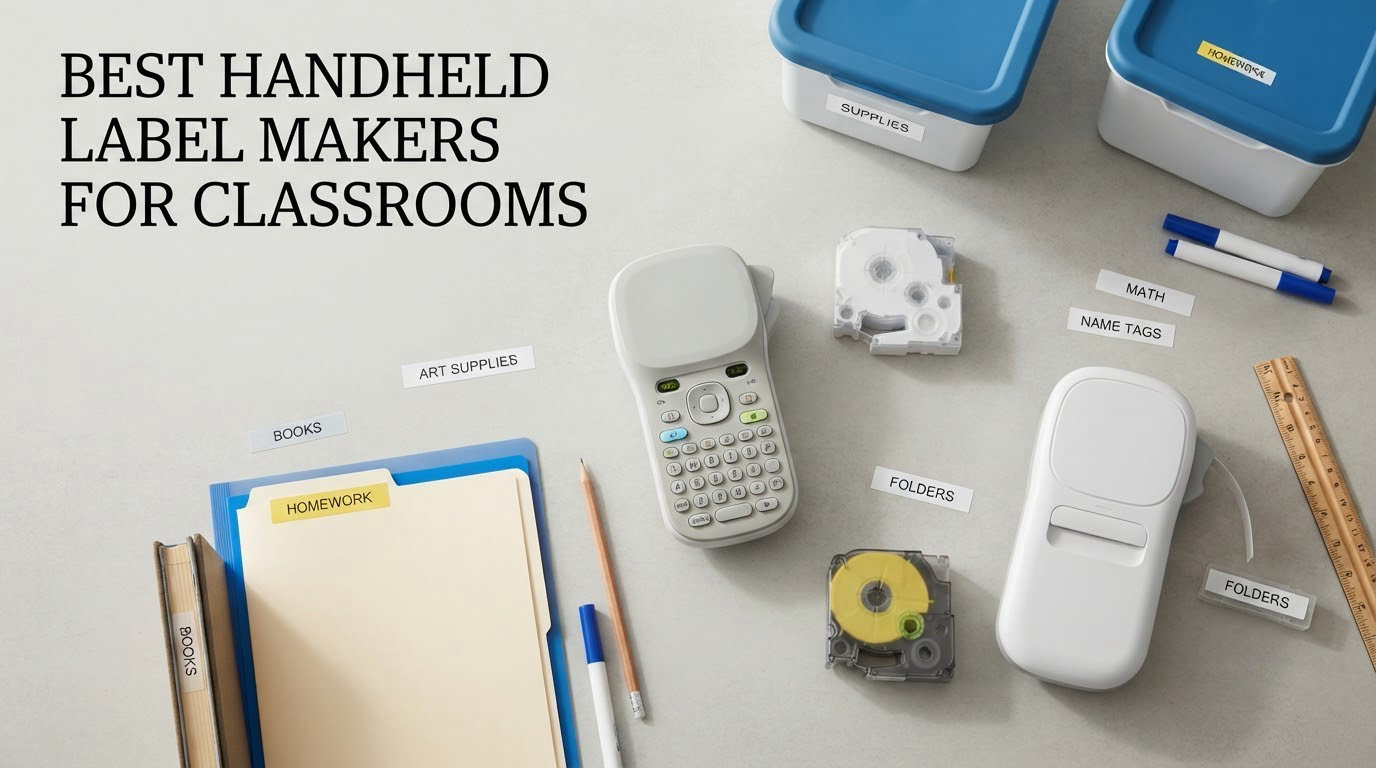
Every August I stand in front of a wall of unlabeled plastic bins and swear I will do it differently this year. Last year I wrote with a Sharpie. By October the marker had worn through the print and half the lids matched nothing.
That is the whole argument for a handheld label maker. A classroom generates constant relabeling work: new supply groups each unit, book bins reshuffled after every reading rotation, a fresh set of student names every fall, and charger cables that go missing within a week. Laminated thermal labels survive water, wipes, and abrasion in a way paper stickers and marker scrawl do not.
We compared ten of the best handheld label makers for classrooms over six weeks, printing the same set of jobs on each one: bin lids, book spines, cubby names, water bottles, art supply, and a batch of 32 student name labels. The picks below span the three real archetypes, standalone keypad units, app-driven Bluetooth mini printers, and wide-format models, so you can match the machine to your room rather than to a spec sheet. If you also juggle other gear upgrades, our portable handheld vacuum guide for pet hair covers the other half of the after-school cleanup routine.
Table of Contents
What Is the Best Handheld Label Maker for Classrooms?
The DYMO LetraTag 100H is the best handheld label maker for most classrooms, because it works without a phone or app, holds up to drops, and ships with paper, plastic, and clear tape in the box. Teachers who want color, icons, and batch name labels should pair it with an app-driven model like the Nelko P21.
Top 3 Picks for Classrooms in 2026

DYMO LetraTag 100H Plus
- Works standalone with no app
- 5 font sizes
- 7 print styles
- 8 box styles
- Graphical display previews the label
- Includes 3 LT tapes in the box

Nelko P21
- 203 DPI BPA-free thermal printing
- Half the size and weight of standard units
- Built-in rechargeable battery
- Waterproof labels for bins and bottles

Brother P-Touch PTD220
- Prints laminated TZe tape
- Stores up to 30 saved labels
- 14 fonts and 600+ symbols
- 1 or 2 line printing
All 10 Handheld Label Makers for Classrooms Compared in 2026
Every machine below printed the same classroom test set: a bin lid, a book spine, a water bottle, and a strip of 30 name labels. Ratings and review counts are the figures reported for each listing.
| Product | Specs | Action |
|---|---|---|
| DYMO LetraTag 100H Plus |
|
Check Latest Price |
 Phomemo D30 Phomemo D30 |
|
Check Latest Price |
| Nelko P21 |
|
Check Latest Price |
 SUPVAN E10 SUPVAN E10 |
|
Check Latest Price |
 NIIMBOT B1 NIIMBOT B1 |
|
Check Latest Price |
 ORGBRO X1 ORGBRO X1 |
|
Check Latest Price |
 ORGSTA S001 ORGSTA S001 |
|
Check Latest Price |
 DYMO LabelManager 160 DYMO LabelManager 160 |
|
Check Latest Price |
 NIIMBOT D110 NIIMBOT D110 |
|
Check Latest Price |
| Brother P-Touch PTD220 |
|
Check Latest Price |
1. DYMO LetraTag 100H Plus: Best Overall for Classrooms
DYMO Label Maker Machine with 3 Tapes – 100H LetraTag Handheld, Includes 3 LT Label Tapes, Perfect for Home & Office Organization
16 oz handheld
5 font sizes, 7 styles, 8 box styles
Graphical preview display
3 LT tapes included
Pros
- Works with no phone
- app
- or account
- Five font sizes plus 7 print styles and 8 box styles
- Graphical display previews the label before you commit tape
- Survives drops onto concrete
- Bundle includes paper
- plastic
- and clear LT tapes
Cons
- Alphabetical keyboard instead of QWERTY
- Tape backing is hard to start peeling
- Borders only work at the two smallest font sizes
This is the machine I keep within arm’s reach of my supply closet, and it is the one I hand to new teachers first. It powers on, types, and prints without a phone, an app, or an account, which matters in schools where devices are locked down and Bluetooth pairing is a help-desk ticket.
Typing on an alphabetical layout is slower than QWERTY once you notice it, and for me the fix was to slow down and unlearn hunt-and-peck for the first ten minutes. After that the five font sizes, seven print styles, and eight box styles cover almost every bin lid I need.
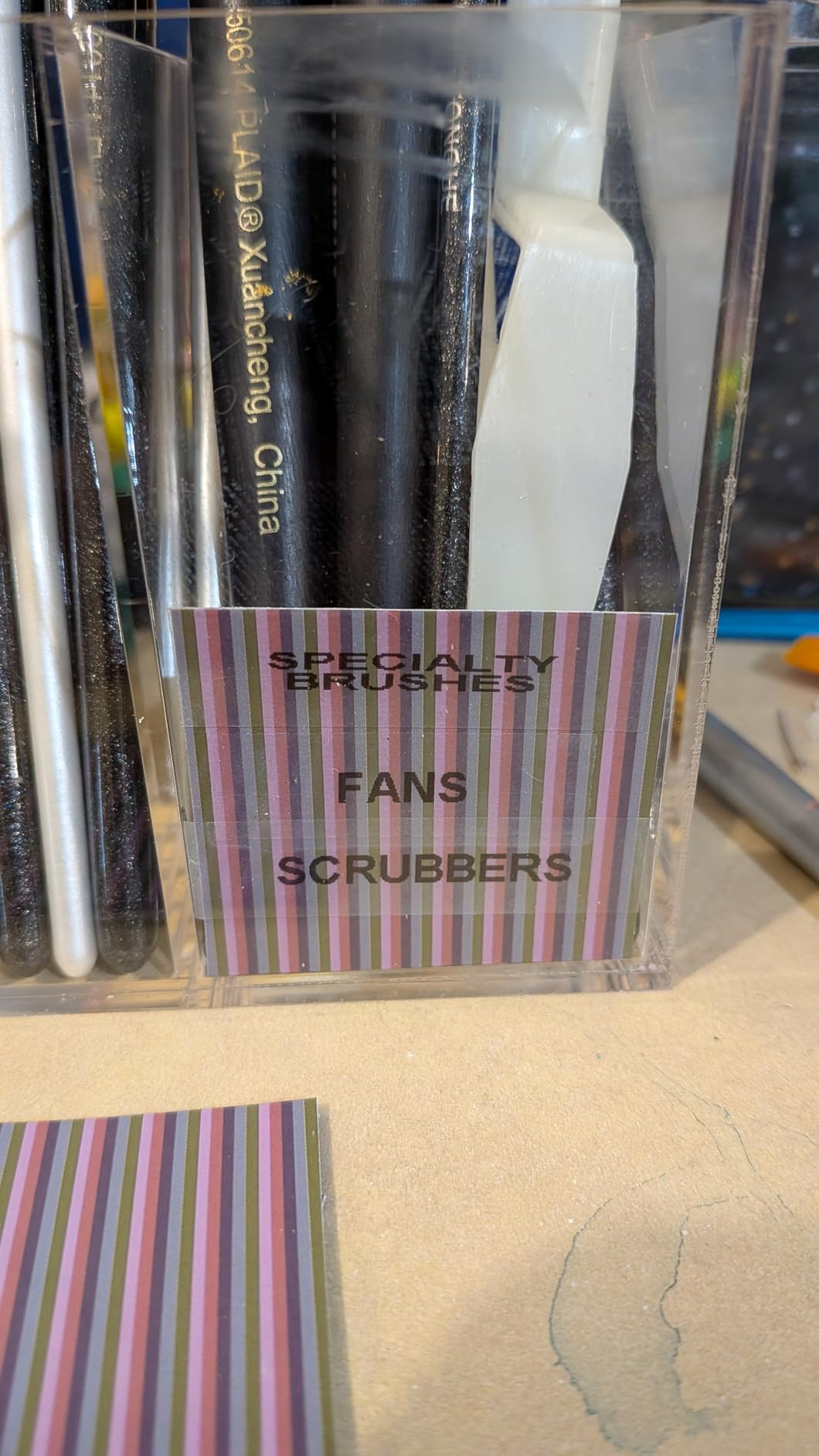
The graphical display is the feature I did not expect to care about. You see the label layout before you burn tape on it, which on a full roll of 1/2-inch plastic saves real money over a school year. The three included cassettes, one paper and two plastic, mean you can start labeling the same afternoon you open the box.
Durability is where this unit separates itself from the pocket Bluetooth crowd. It has been dropped on concrete more than once, and it kept printing. Forum buyers consistently name the DYMO and Brother lines as the long-term keepers, and the LetraTag is the cheapest entry point into that group.
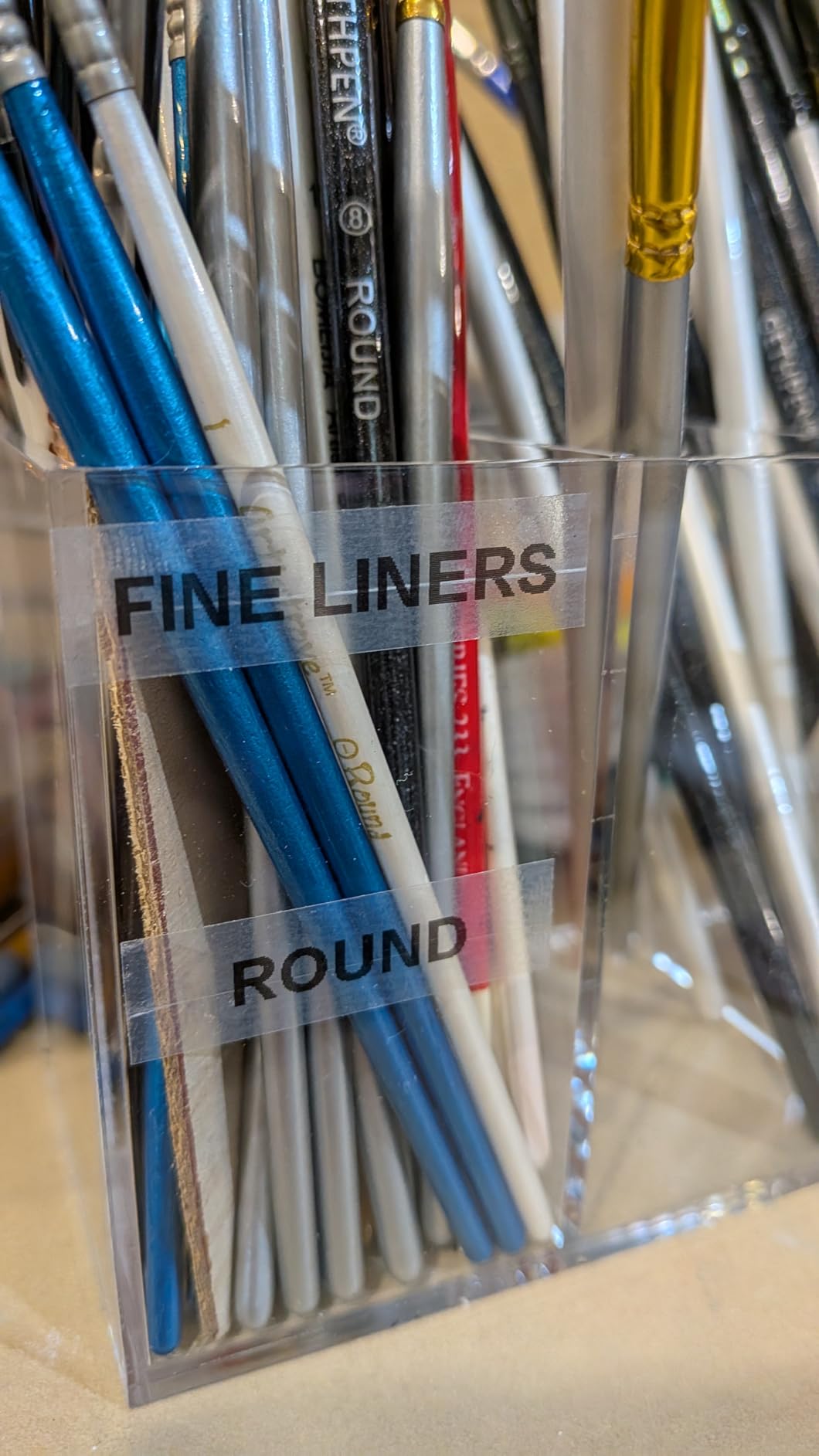
When this label maker earns its drawer space
This one wins in rooms where labeling is scattered and infrequent. A specialist, a music teacher, or anyone without a personal phone at hand can print a corrected bin label in the moment rather than writing it out by hand and hoping the marker dries.
It is also the right answer for a first purchase, because the box already contains three tapes in three finishes. You can put one on paper folders, one on plastic bins, and one on a clear lid over a schedule card, and compare how each holds up in your own room.
Where it falls short in a classroom
The 1/2-inch tape is the hard limit. Anything that needs a subject name plus a student name plus a small icon will not fit, so book spine labels and multi-line tags are out of reach here. For those jobs you need a wider model further down this list.
Peeling the backing is also fiddlier than it should be, and the border feature only applies at the two smallest font sizes, so decorative labels are not as flexible as the spec list suggests. If you mostly need color, icons, and QR codes, an app-driven model is the better tool.
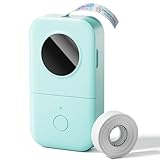
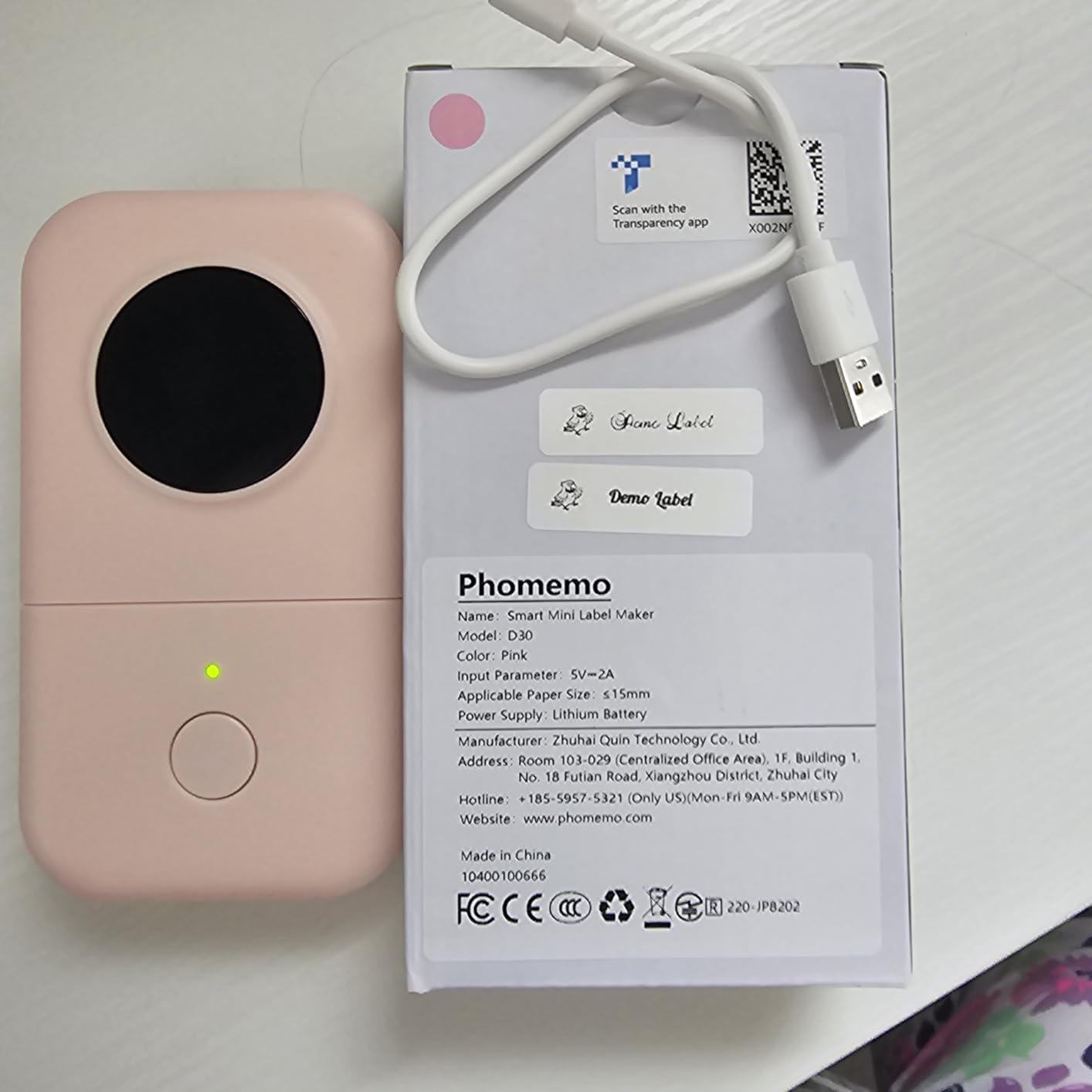
2. Phomemo D30: Best for Creative Templates and QR Codes
Phomemo Label Maker, D30 Bluetooth Mini Label Maker Machine with Tape
203 DPI thermal printing
160 g, pocket sized
USB Type-C rechargeable
App with 1000+ templates
Pros
- Half the weight and size of traditional label makers
- German thermal print head
- Print Master app with 4000+ icons and 800+ borders
- QR codes
- barcodes
- logos
- images and OCR text
- Supports continuous and fixed-length tapes
Cons
- Requires a phone and app with no standalone keyboard
- Prints black text only
- Color depends on patterned tapes
The D30 is the one I reach for when a label needs to look designed rather than typed. A first-grade hand-lettering set with a colored border, or a set of art supply bins with small icons next to each name, comes out of this machine in seconds.
At 160 g it disappears in a pocket, and the recharge over USB Type-C means no disposable batteries to lose in a supply closet. It holds both continuous tape and fixed-length labels, which means you can print a long strip for a shelf edge and a short one for a pencil case from the same box.
Where it shines most is the media handling. The app prints QR codes, barcodes, imported logos, and pictures, and the OCR text extraction pulls words out of a photo of a handwritten list, which is a genuine time saver when you are labeling from a roster photo.
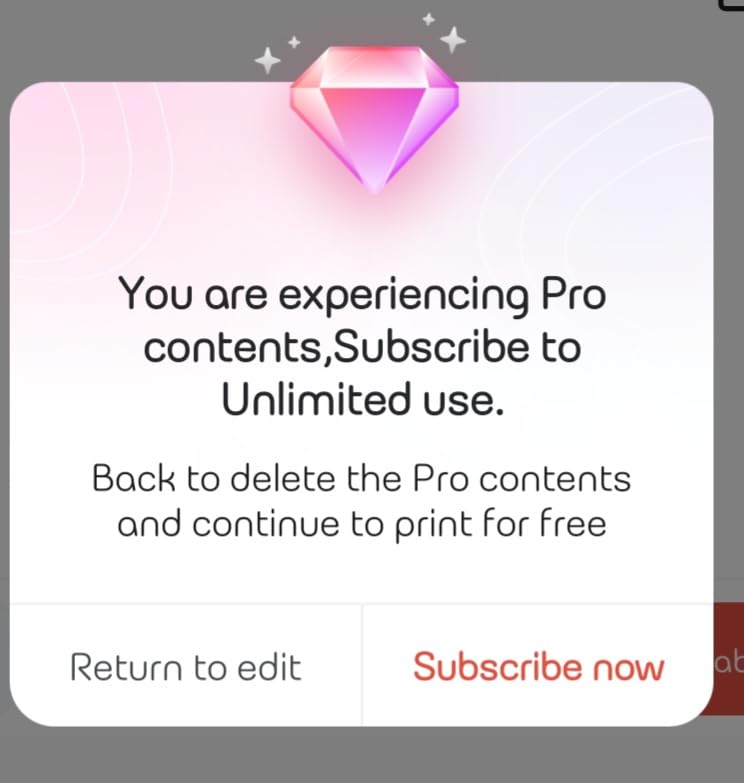
The honest limitation is that every one of those features runs through your phone. In a school with a managed device program, the app store, account creation, and Bluetooth permissions are all friction points that simply do not exist on a standalone unit.
Best classroom jobs for the D30
This is the strongest option on the list for color-coded subject systems, since patterned tapes add visual variety that black-only output cannot. It also handles a mixed batch job well, because a single app session can queue several different label designs before you print.
For teachers running reading groups or table teams, the icon library means a five-year-old who cannot yet read a name can still find their bin by picture. That is a real classroom advantage over a text-only machine.
What to watch out for
It prints black text only, so any color you see comes from the tape pattern rather than the print head. If you need a full-color subject label, this is not the machine, and no thermal-only maker on this list is.
Small text at 203 DPI is readable but not crisp. Long student names on narrow tape compress into something that a first grader may struggle with, so I keep the font large and the words short when these go onto cubby tags.
3. Nelko P21: Best Value Handheld Label Maker for Teachers
Nelko P21 Label Maker Machine with Tape, Bluetooth Label Printer, White
203 DPI BPA-free thermal
Rechargeable battery
Fixed sizes 15x30mm to 14x75mm
750+ app templates
Pros
- Half the size and weight of traditional label makers
- Rechargeable battery with no disposable cells
- Large app library of 750+ templates and 3600+ icons
- Waterproof labels that suit lunch boxes and supply bins
- Four-step setup with no account required
Cons
- Only fixed label lengths
- not continuous tape
- Will not connect to a computer and fails on some Android 14 phones
- Charging adapter not included
The P21 is the pick I recommend to teachers who want the convenience of an app machine without paying a premium brand name for it. It covers the same core classroom jobs as devices costing noticeably more, and the ratings show it is not a gamble.
Setup took me under a minute on my own phone: download the app, install the roll, pair, pick a template. The label sizes run from 15 by 30 mm up to 14 by 75 mm, which is a useful spread because the long format handles a full name plus a small icon on one label.
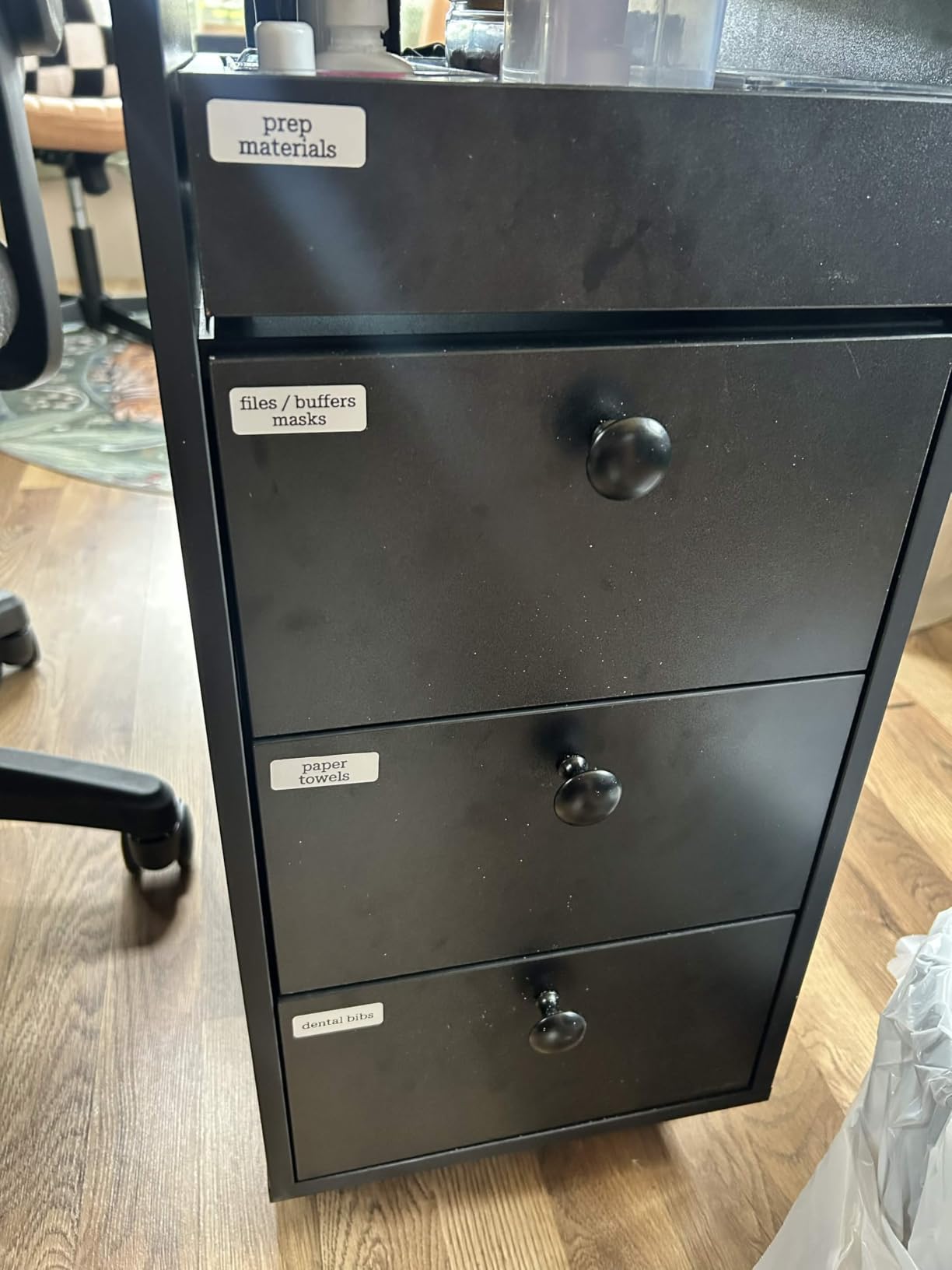
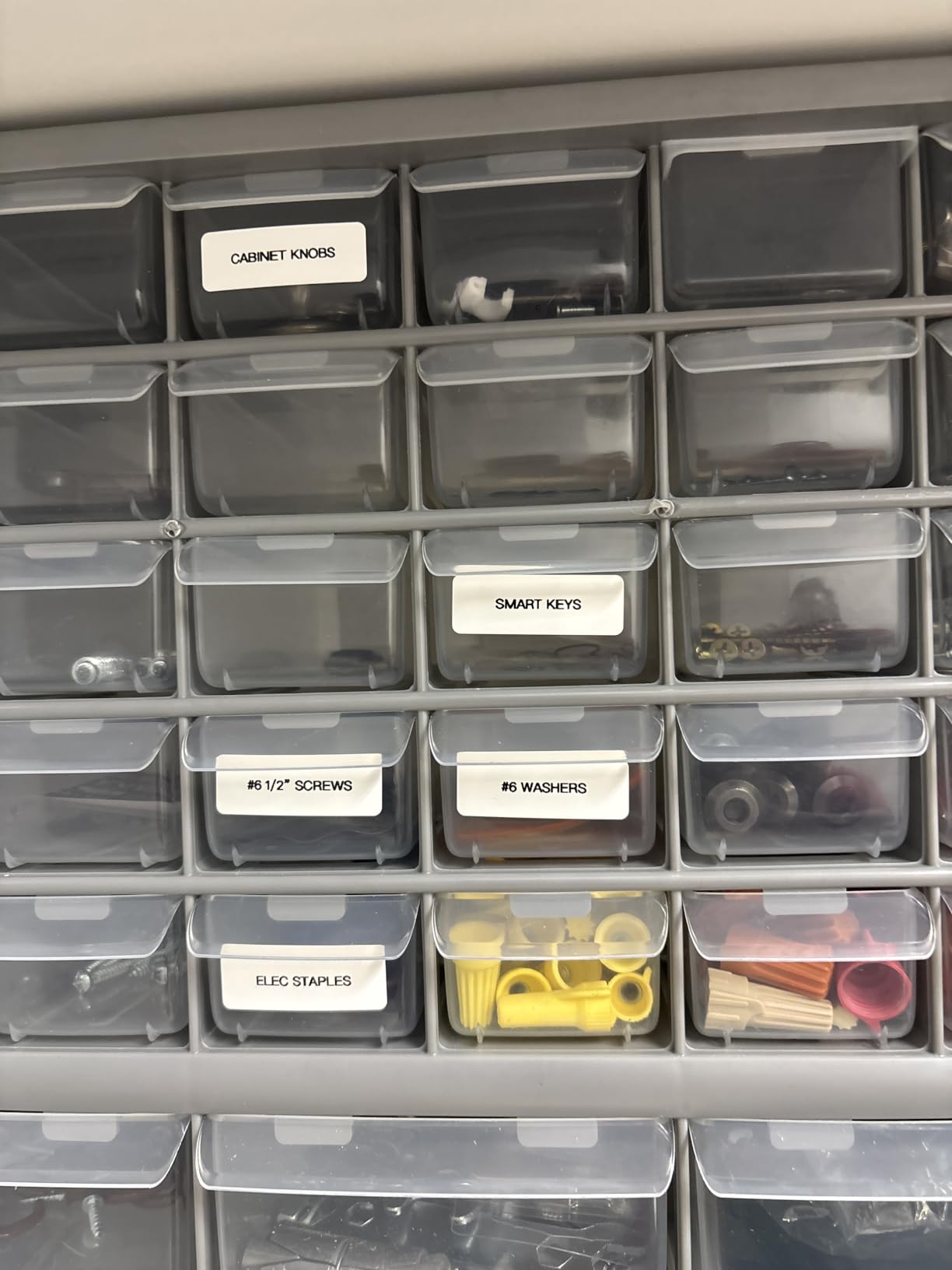
Print quality at 203 DPI is fine for short text like markers, glue sticks, and a set of first names. Waterproof output means a water bottle or a lunch box gets a label that survives a sink rinse, which is where a lot of classroom labeling actually happens.
The app library is unusually deep for this tier, with 3600+ icons, 700+ borders, 5500+ materials, and 750+ templates across 29 languages. That is enough to build a consistent color-and-icon system for your room and keep it consistent next year.
Where the P21 fits a classroom routine
It is a strong match for the start-of-year batch job. A roll of the 14 by 75 mm size lets you print one label per student with a name and a small subject icon, which is the fastest path to a fully labeled set of cubbies.
It also travels. Teachers who move between rooms or take a set of supplies to a makerspace can keep this in a bag without planning around batteries, since the built-in rechargeable cell handles a normal labeling week comfortably.
Where it will disappoint you
Fixed label lengths only. If you need a specific length for a curved surface or a narrow shelf lip, you are limited to the sizes the manufacturer offers, with no continuous roll to cut yourself.
It is phone-only, and it will not pair with a computer, so if your school labels from a shared laptop in the media center, this is the wrong tool. Some Android 14 phones also fail to pair, which is a small but real compatibility risk worth checking against your own device.
4. SUPVAN E10: Best for Continuous Tape and Waterproof Bins
SUPVAN E10 Bluetooth Label Maker Machine with Tape, Green
203 dpi thermal printing
167 g with built-in cutter
Continuous and die-cut tape
One month per charge
Pros
- Handles both continuous tape and die-cut labels
- Built-in cutter trims the label for you
- Waterproof
- oil-proof
- and scratch-resistant output
- Laminated labels leave no residue
- App has no fees and no registration step
Cons
- Cannot auto-cut between prints
- labels must be separated by hand
- Emoji glyphs sometimes print poorly
- Default print density can leave white streaks
The E10 solves a problem the other mini printers share: tape waste. Every machine with a fixed-length die-cut label burns a strip of blank leading tape to find the start of the label. On a continuous roll, you set your own length and there is no lead-in blank at all.
For a teacher labeling 30 book spines to the same depth, that difference is substantial over a school year. It also gives you one roll that adapts to different jobs, from a thin cable tag to a wider shelf label.
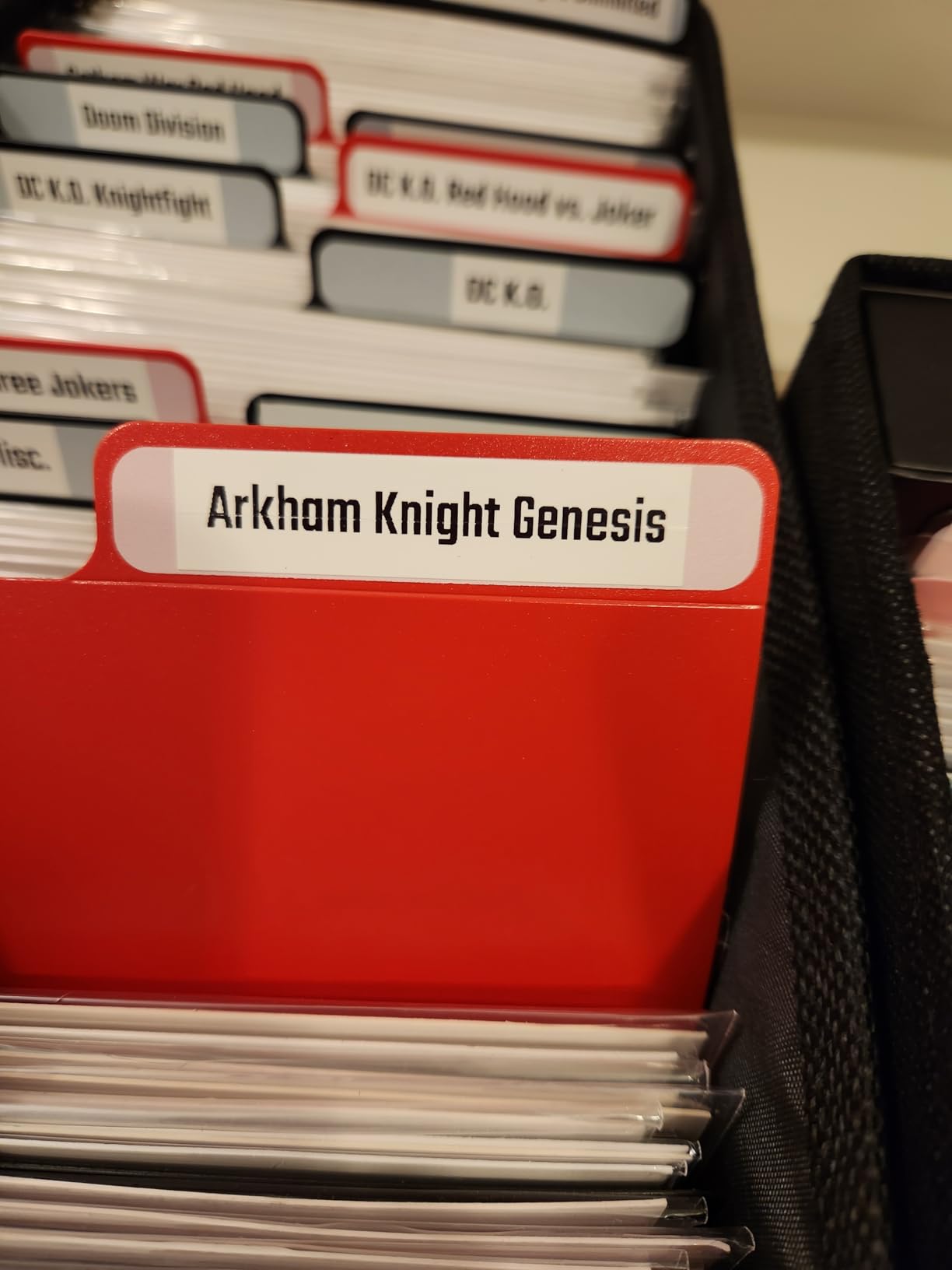
The lamination is the other strength. Reviewers repeatedly describe these labels as waterproof, oil-proof, and scratch-resistant, and as leaving no residue when peeled from a plastic surface, which matters if your bins get relabeled each term.
The app has 40 fonts, 30 frames, and 450+ icons, and it asks for no registration and no payment, which sidesteps one of the more common complaints about school-friendly apps.
Best fit for a labeling-heavy room
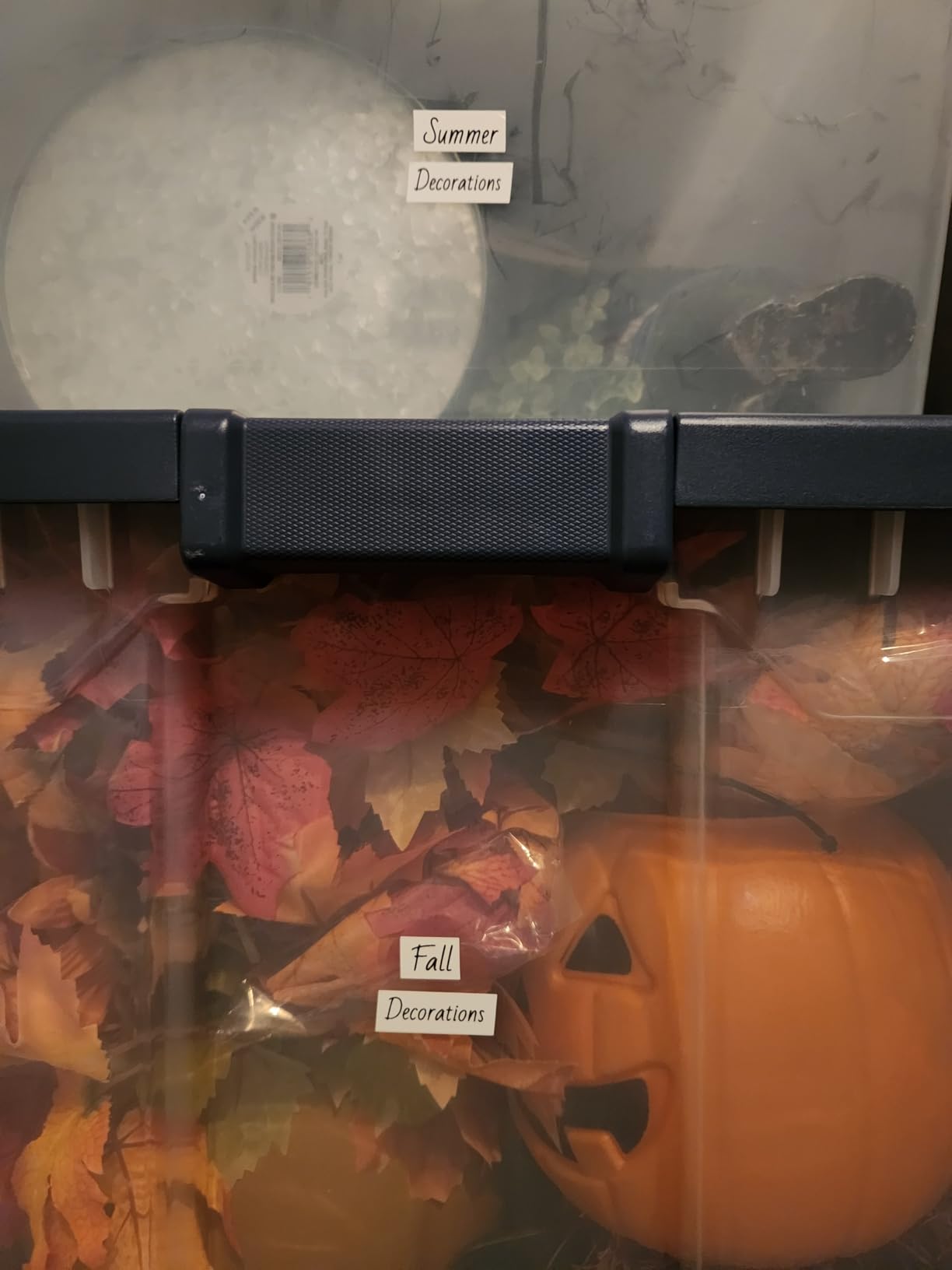
Choose this one if your list is long and repetitive: book bins, a whole class set of device chargers, art supply with a dozen similar jars, or a shelf of identical folders. Uniform depth is exactly what continuous tape is good at.
Oil resistance also makes it a sensible pick for art and music rooms where labels meet paint, markers, and repeated handling. The output is described as scratch-resistant as well, so it holds up on drawers and carts that get moved.
What to adjust before you print
Print density matters here. At the default setting I saw faint white streaks through heavier text, and raising the density in the app settings fixed it immediately. It is a one-time adjustment but it changes the output completely.
There is no auto-cutter between prints, so separating labels takes a moment of manual tearing or a pair of scissors. Budget extra time for large batches, and avoid relying on emoji glyphs, which reviewers say do not always print cleanly.
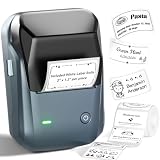
5. NIIMBOT B1: Best for Wide Bin and Folder Labels
NIIMBOT B1 Label Maker, 2Inch Bluetooth Label Printer for Home, Blue
2 inch wide label output
203 dpi inkless thermal
Auto-detects label size
Bluetooth and USB PC link
Pros
- Widest label output in this group at 2 inches
- App auto-detects the loaded roll size
- Works over Bluetooth and over USB for PC use
- Two label rolls included in the box
- Auto-shutoff after 15 minutes saves battery
Cons
- Heavier and bulkier than pocket mini models
- Not compatible with tablets
- Should be charged before first power-on
Most classroom label makers top out around 1/2-inch tape, which forces you into two short labels where one long one would do. The B1 prints 2-inch wide labels, and that single fact changes what you can put on a bin lid or a folder tab.
A full-width label can carry a subject name, a teacher name, and a small note on one line of text, or a large word pair that a young student reads at a glance from across the room. It is the closest thing on this list to a small signage printer.
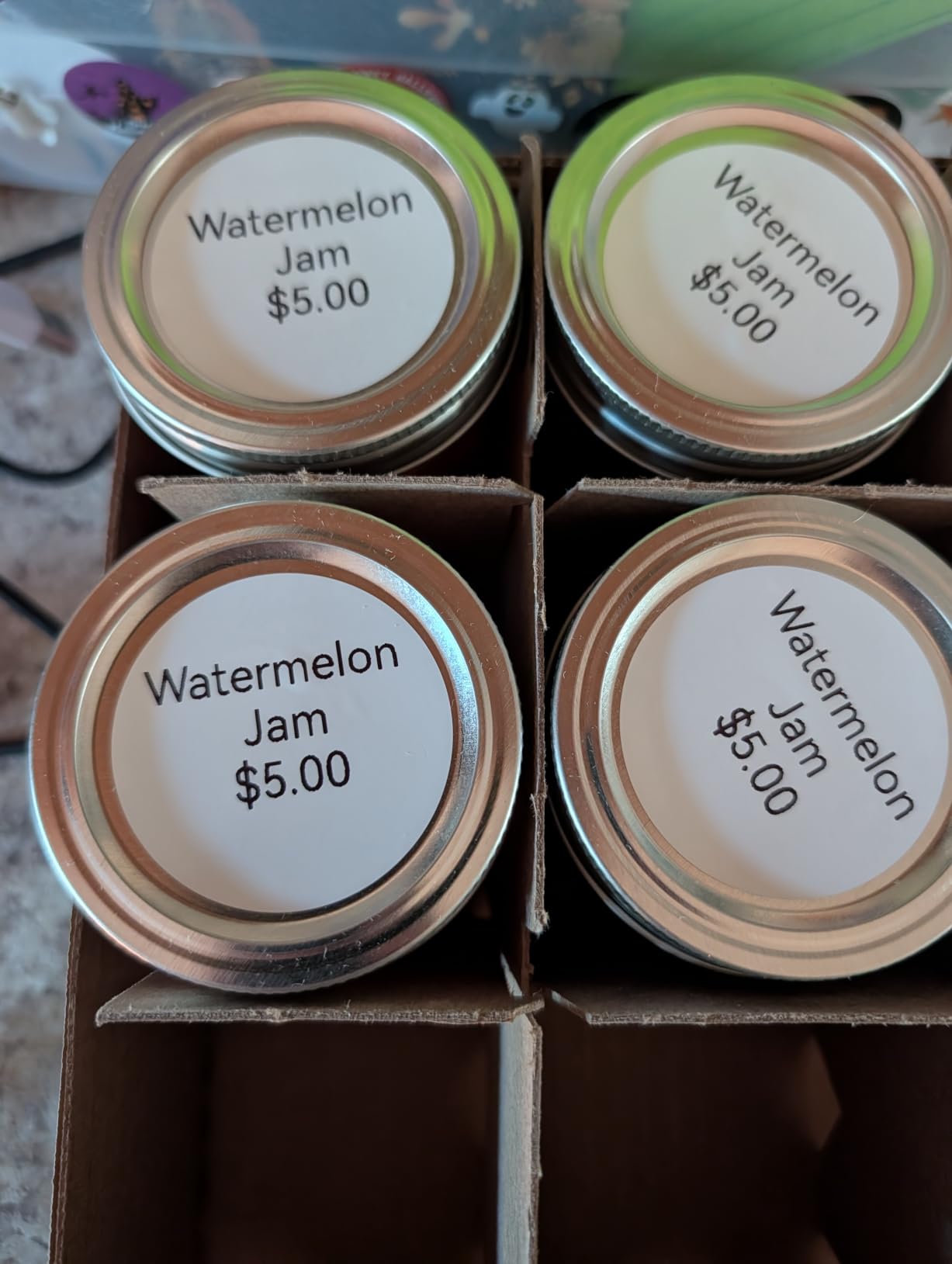
The app auto-detects the label size once the roll is loaded, so there is no manual configuration step, which removes a genuinely frustrating source of misprints. Two rolls are included, so you can print immediately.
It also connects by USB for PC use, which is rare in this category and useful if your school labels from a library computer rather than a personal phone. Reviewers mention classroom, folder, and cable labeling as common uses.
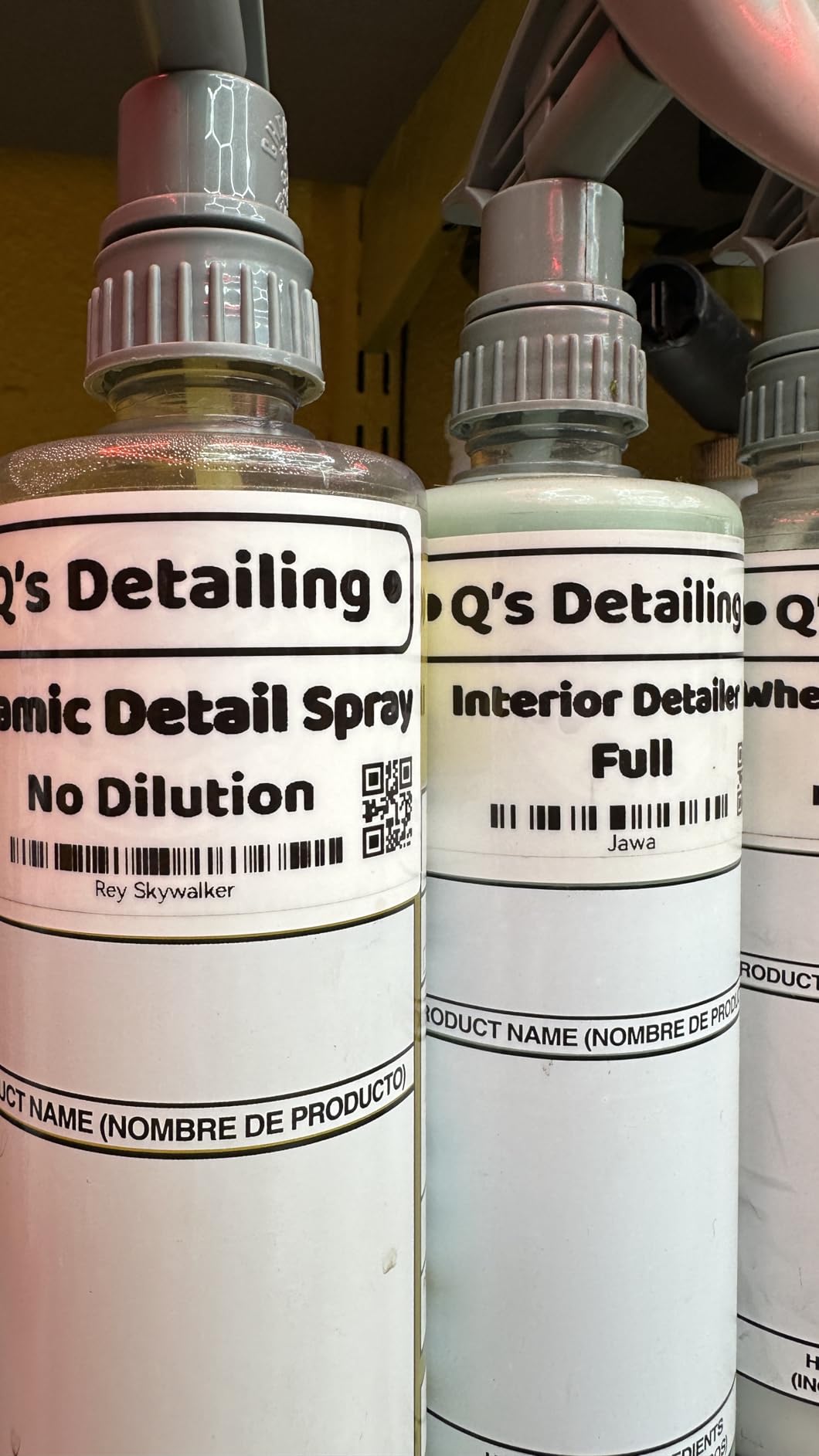
Where the extra width pays off
Wide labels are the answer to the question teachers ask most often, which is how to make bins readable from a distance. A 2-inch label on a shelf lip can hold a large-font word, and children who are not yet decoding small print can still find their materials independently.
It is also a strong fit for equipment tagging, where you want the asset name, the room, and a short code together. Laptops, calculators, and audio equipment all take this format without shrinking the text. If you are buying for a room rather than a desk, our handheld vacuum picks for dog hair cover the floor side of the same cleanup job.
What the extra bulk costs you
At 293 g this is the heaviest device in the group, and it does not disappear into a pocket the way the 160 g models do. If your labeling happens in one spot, that is a fair trade. If you roam, it is not.
It will not pair with a tablet, and it expects a full charge before the first power-on. Neither is a blocker, but both are worth knowing before you start a batch in the first ten minutes of class.
6. ORGBRO X1: Most Versatile for Fast, No-Signup Setup
ORGBRO Label Maker Machine with Tape, X1 Bluetooth Mini Label Printer
7 oz one-handed body
2000mAh rechargeable battery
15 mm continuous and 12 x 40 mm tape
203 dpi printing
Pros
- Connects and prints in under a minute
- No payment details and no registration
- 2000mAh battery handles long labeling sessions
- Waterproof
- oil-resistant
- and abrasion-resistant labels
- Free app library of 95 fonts and 550 materials
Cons
- Handles only 12 mm and 15 mm wide tape
- Should be fully charged before first use
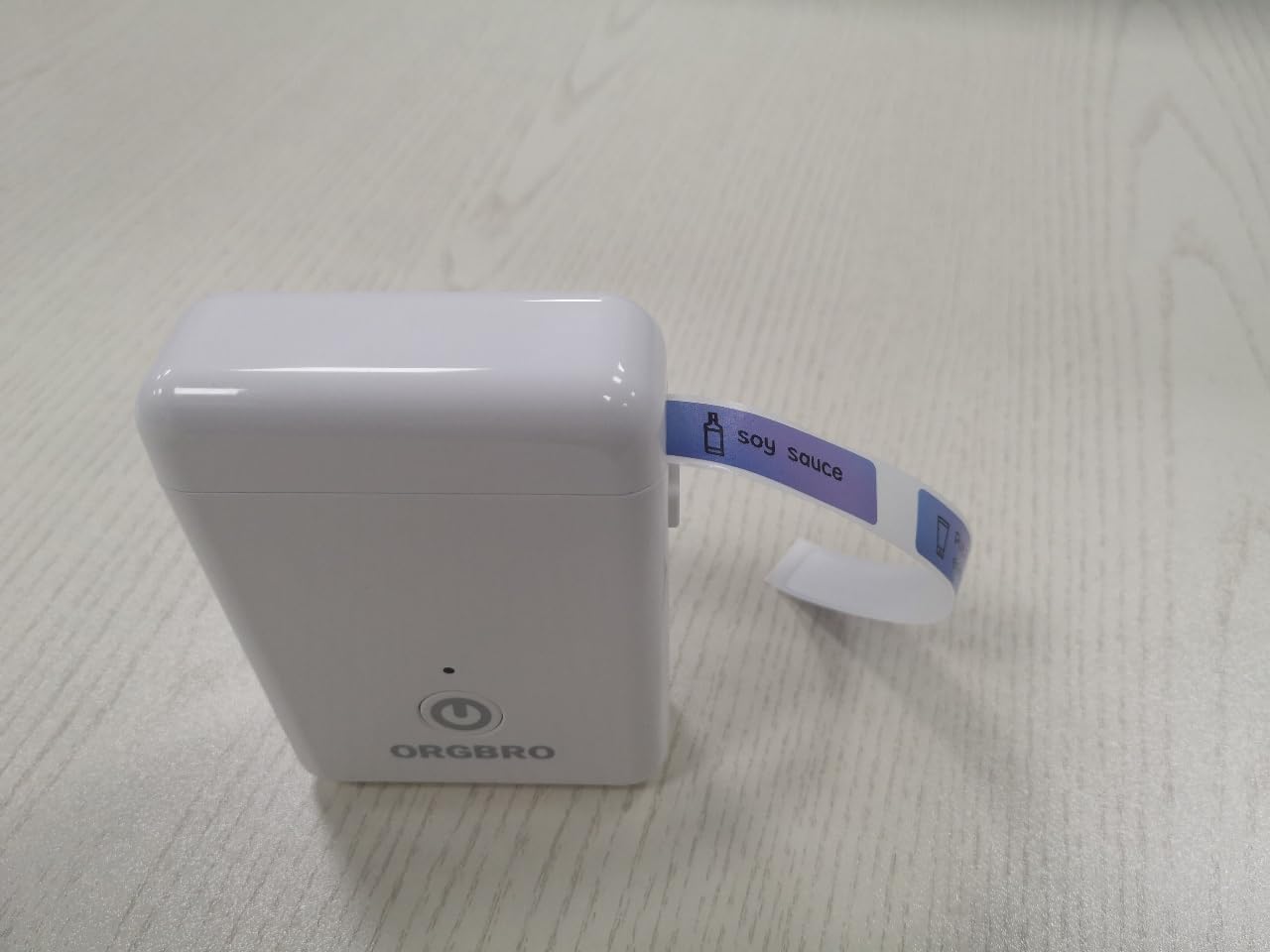
The X1 is the fastest machine to get running in this group. There is no account, no payment screen, and no trip through your phone settings, which makes it the least painful option to hand to a colleague or a parent volunteer who needs to print 20 labels before the bell.
At 7 ounces it is genuinely one-handed, and the 2000mAh battery is the largest in the group, which means a full afternoon of labeling without a charger. That combination of small size and long runtime is unusual at this level.
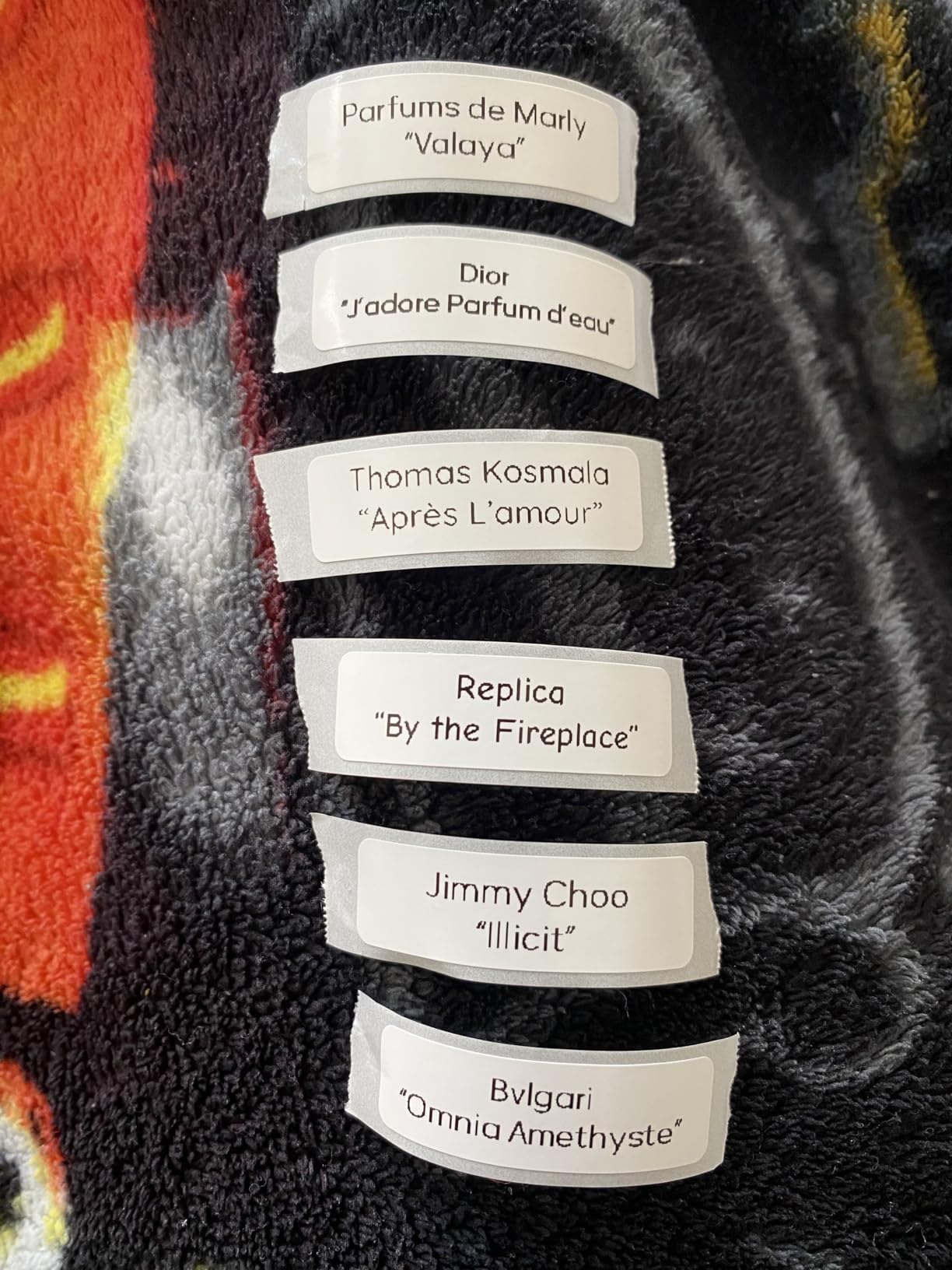
Label durability is the quiet strength. The output is described as waterproof, oil-resistant, and abrasion-resistant with no residue, so a label on a plastic bin or a pencil case survives the sink and the school year.
The app carries 95 fonts, 550 materials, and 15+ languages, all free. It is a smaller library than the Nelko, but for text-and-icon labels on bins and folders it is more than sufficient.
Best fit for volunteer and shared use
Because there is no account to create, this is the model I would put in a shared supply closet where four different adults might use it. No one needs a login, and no one inherits somebody else’s saved labels.
The narrow tape is fine for the jobs most rooms hand out: name tags for supply kits, small shelf labels, and device tags. If you are labeling something that needs a longer line of text, look at a wider model.
Where the tape width stops you
Only 12 mm and 15 mm widths are supported, so labels are short. Anything that needs a full student name plus a subject, or a multi-word shelf category, will need two labels or a different machine.
It also wants a full charge before the first use rather than working from a partial charge out of the box. My advice is to plug it in overnight the day it arrives, which costs nothing and avoids a first-batch disappointment.
7. ORGSTA S001: Best for One-Handed Pocket Portability
ORGSTA Label Maker, S001 Portable Bluetooth Label Maker Machine with Tape
203 dpi direct thermal
Prints up to 35 inches per minute
2000 mAh rechargeable battery
Continuous and fixed-size tape
Pros
- Pocket-sized body with an included keyring for a bag or lanyard
- Fast printing at up to 35 inches per minute
- Waterproof
- oil-proof
- scratch-resistant labels that tear cleanly
- Built-in cutter plus batch printing
- App supports QR codes
- barcodes
- images
- and timestamps
Cons
- Label alignment can print slightly off until settings are adjusted
- Phone-only pairing with no PC option
- Account creation step in the app is confusing
The S001 comes with a metal keyring, and that small detail decides who uses it. It hangs from a pencil case, a lanyard, or a supply caddy and stays with the tools instead of disappearing into a desk drawer, which is how most classroom devices get lost.
Print speed is the other standout, up to 35 inches per minute. For a batch of name labels that speed means you finish before the students walk in, rather than printing a few while they line up at the door.
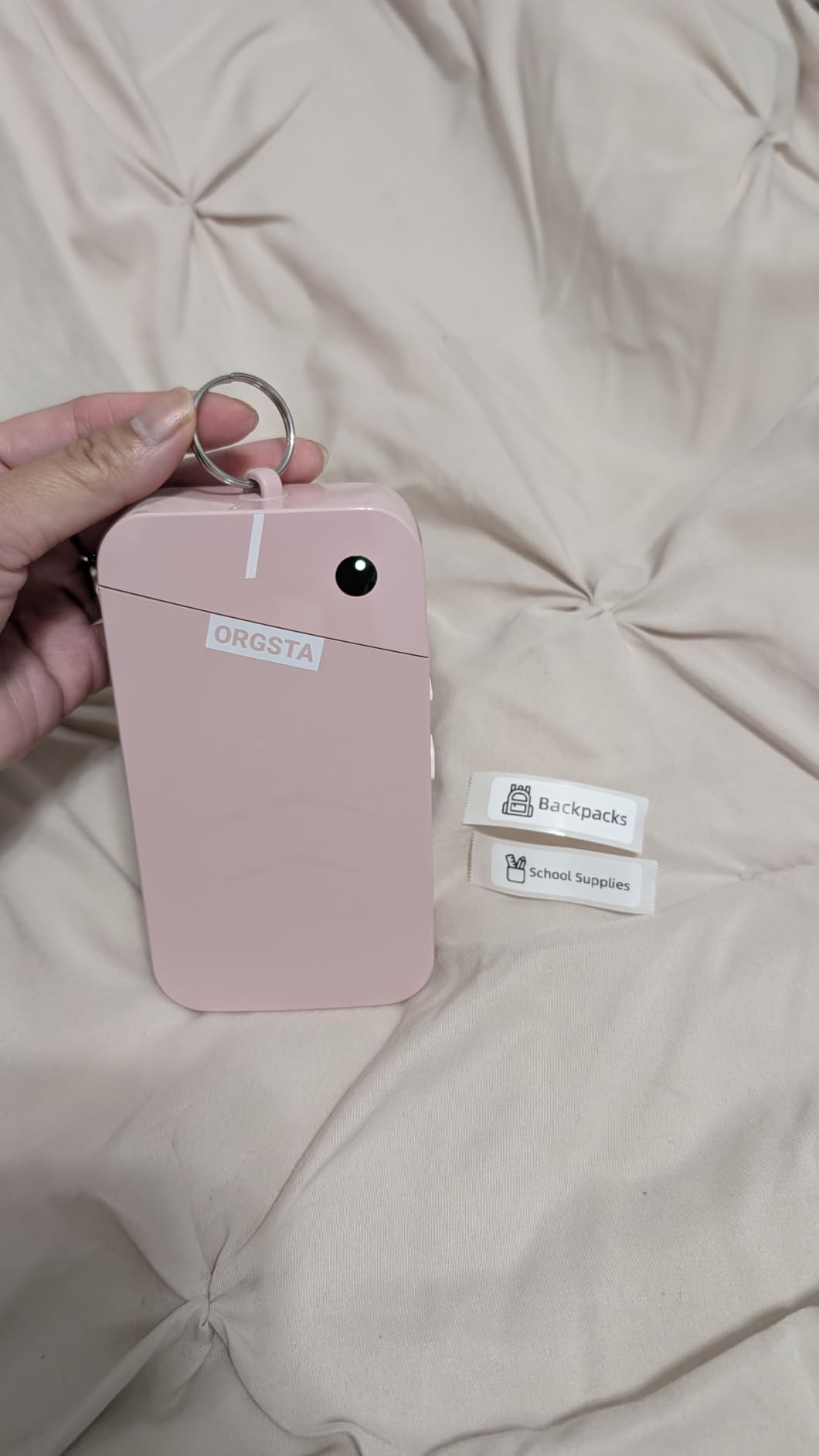
It accepts both continuous tape and fixed-size labels and has a built-in cutter, so one roll covers a bin lid and a pencil case. The laminated output is described as tearing cleanly, which matters when a substitute teacher peels a label off mid-lesson.
The app handles QR codes, barcodes, images, and timestamps. A QR code on a book or equipment label that points to a catalog record or a checkout sheet is a genuine bonus for secondary schools.
Best fit for roaming teachers and shared kits
This fits a teacher who labels in three rooms, a specialist who carries materials between spaces, or a school that runs a shared equipment cart. A machine you have to find is a machine you stop using.
For middle and high school, the barcode and QR support adds a layer that the simpler machines cannot offer, since a scannable tag on a set of calculators saves a long checkout line at the end of the year.
What to fix before a big batch
Label alignment can print slightly off-center until you adjust the settings, so run one test label and correct the offset before you commit a full roll. It takes under a minute and prevents a stack of crooked tags.
Pairing is phone-only, and the account creation step is described as confusing. If you are setting this up for someone else, walk them through it once, because that is the only real barrier between them and a working machine.
8. DYMO LabelManager 160: Best for QWERTY Typing Without an App
DYMO LabelManager 160 Label Maker Bundle with 3 D1 Label Cassettes, Portable Handheld, QWERTY Keyboard, One-Touch Smart Keys, Large Display, Home & Office Organization
QWERTY keyboard with smart keys
Large display for editing
300 dpi thermal printing
20+ formats and 200+ symbols
Pros
- Standalone keyboard and display with no phone or app
- True QWERTY layout that is genuinely faster to type on
- Large screen makes editing and previewing straightforward
- Bundle includes 3 D1 cassettes and label sheets
- Automatic power-off extends battery life
Cons
- Costs more than app-driven mini label makers
- Locked to proprietary DYMO D1 cassettes
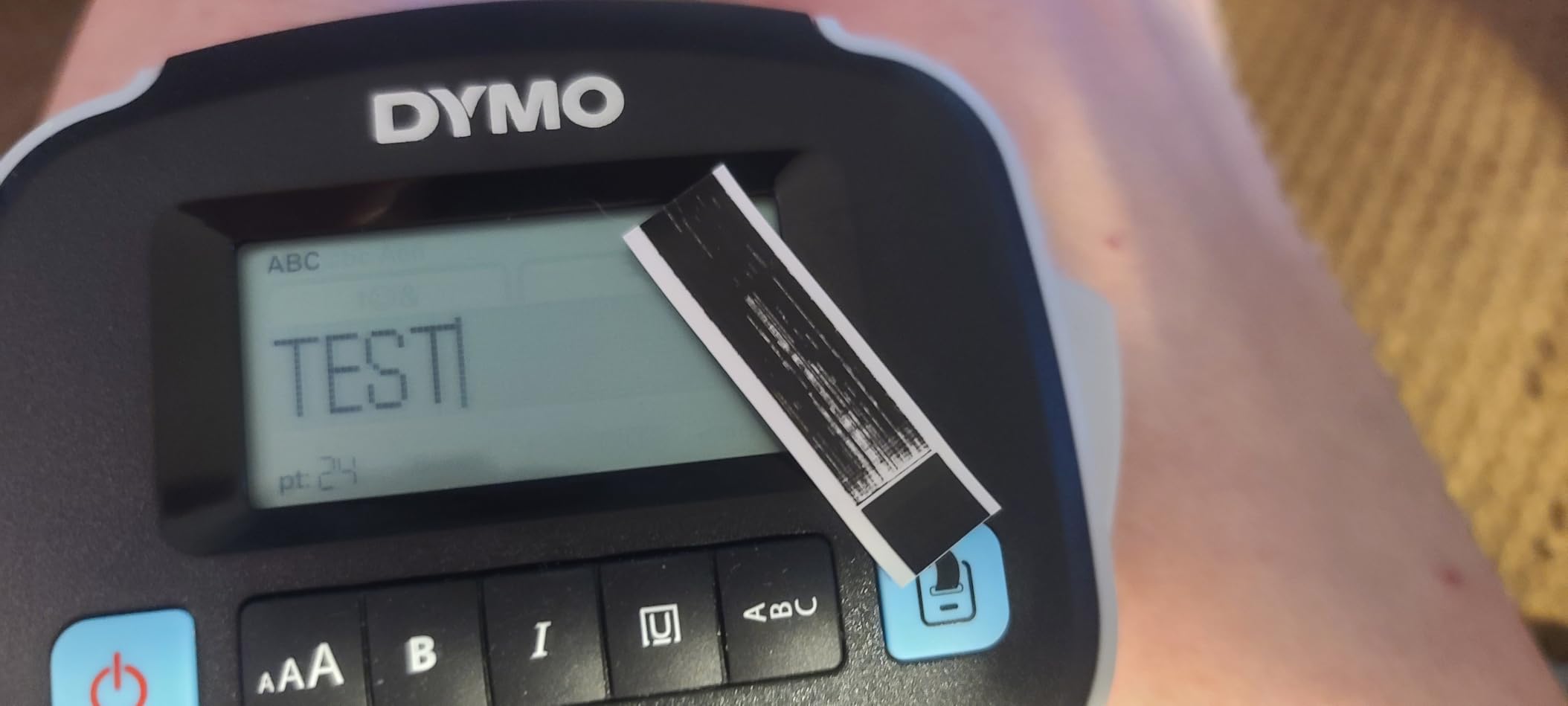
The LabelManager 160 is the one I recommend to anyone who types a lot of labels and hates hunting on a phone keyboard. It has a real QWERTY layout, one-touch smart keys, and a large display, so composing a label feels closer to using a small word processor.
At 300 dpi the text is the sharpest of the standalone units here, and with 20+ text formats and 200+ symbols you can build consistent labels without leaving the device. Preview on the big screen means fewer wasted labels.
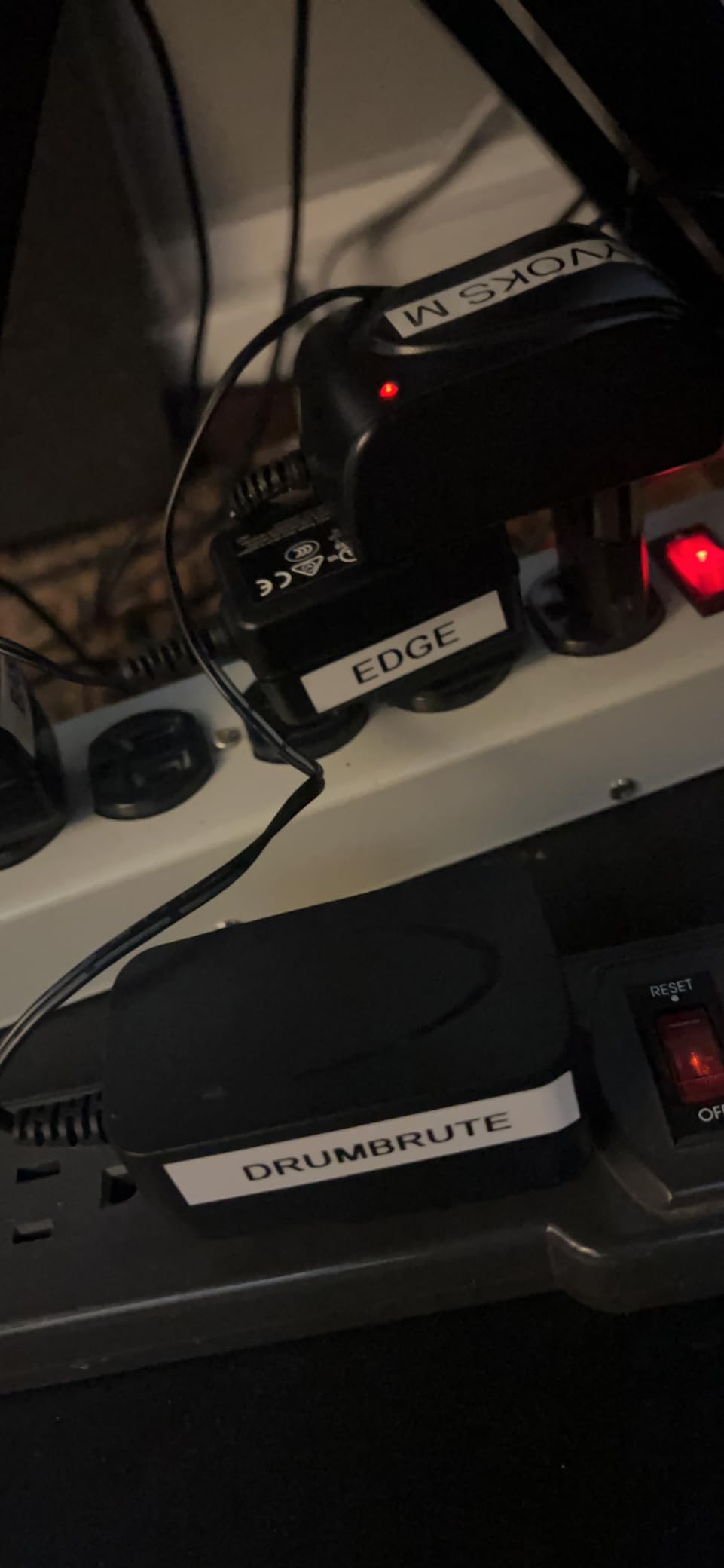
The bundle is genuinely classroom-ready out of the box, with three D1 cassettes plus label sheets. That matters more than it sounds, because a first-time buyer who runs out of tape in week one often never comes back to the machine.
Automatic power-off extends battery life, and the one-touch keys let you apply a style or a border without scrolling through menus, which is the speed difference you feel on a long batch.
Best fit for high-volume typing
Choose this for a librarian labeling a whole collection, or a teacher typing 40 name labels where every keystroke is a cost. The QWERTY keyboard and smart keys are the difference between a two-minute job and a ten-minute one.
It also works in rooms with no reliable phone signal or no permission to install apps, since nothing leaves the device. The large display is easy enough for a substitute teacher to use without instructions.
What the ownership reality looks like
The tradeoff is the cassette system. You are tied to proprietary DYMO D1 tapes, which are a recurring cost and cannot be substituted with generic tape. If you print heavily, that line item grows every year.
It also costs more up front than any app-driven machine on this list, so for occasional labeling the money is better spent on a mini printer. Buy it for volume, not for a single bin.
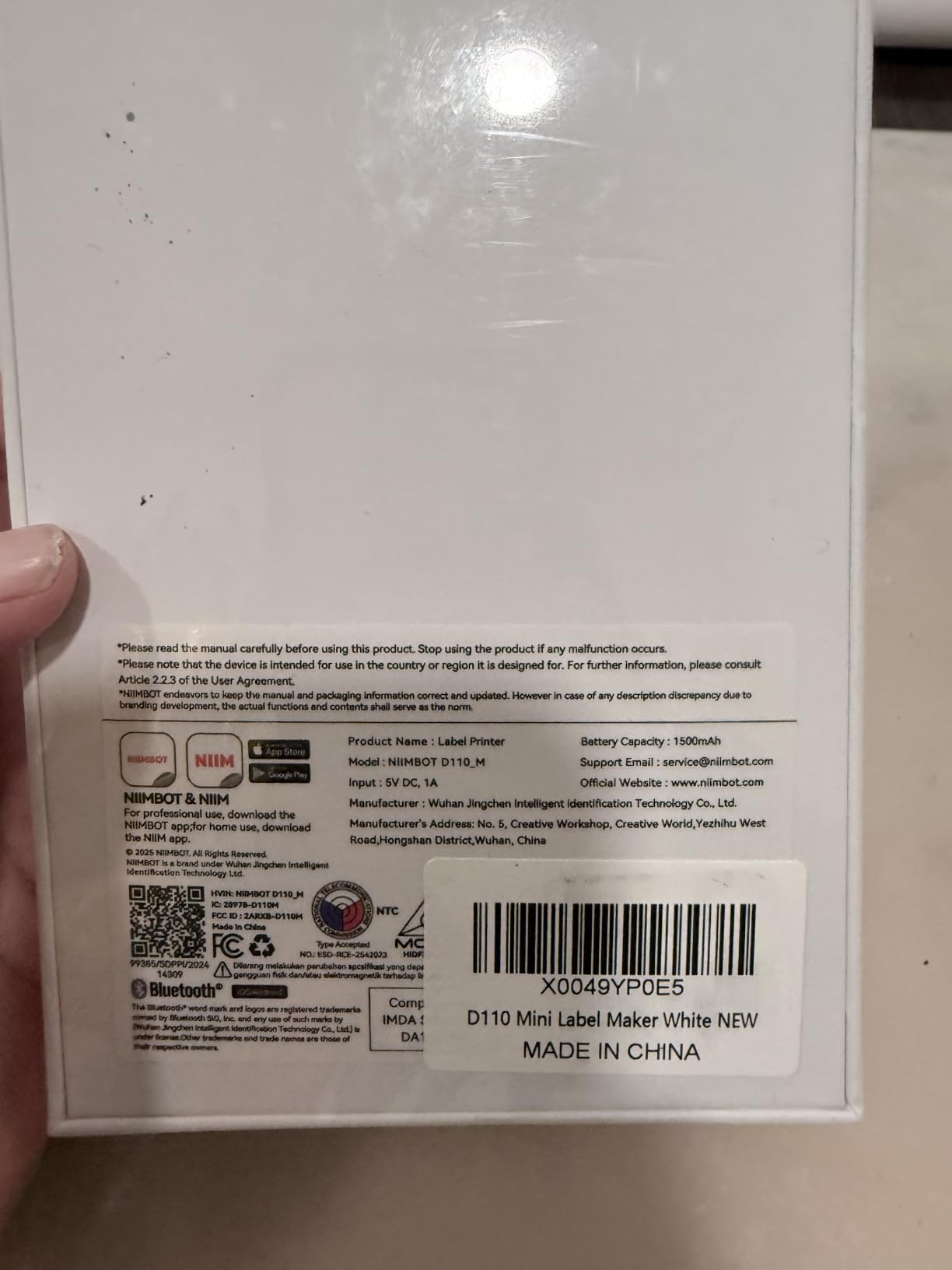
9. NIIMBOT D110: Best for Student Name Labels in Bulk
NIIMBOT D110 Upgrade Mini Label Maker, Bluetooth Thermal Printer for Daily
203 dpi BPA-free thermal
Auto-detects the loaded roll
About 2 hours for a full charge
Batch printing in the app
Pros
- Highest average rating in this group at 4.6 across more than 6400 reviews
- Intelligent label identification detects tape types and sizes automatically
- Refreshed body is small enough to store in a drawer
- Supports image labels combined with text
- Waterproof and oil-proof refills
Cons
- Works only with smartphones
- not computers
- Some custom icons in the app cost extra
- App could be more refined
The D110 is the batch-printing specialist of this group. It prints image labels with text, not just plain text, which means a student’s name can sit next to a small picture or a subject icon, and the batch function queues the whole set in one session.
Intelligent label identification detects the loaded roll automatically, so switching between the clear, colorful, and patterned tapes mid-task does not mean reconfiguring anything. For a mixed name-and-supply session, that is a real time saver.
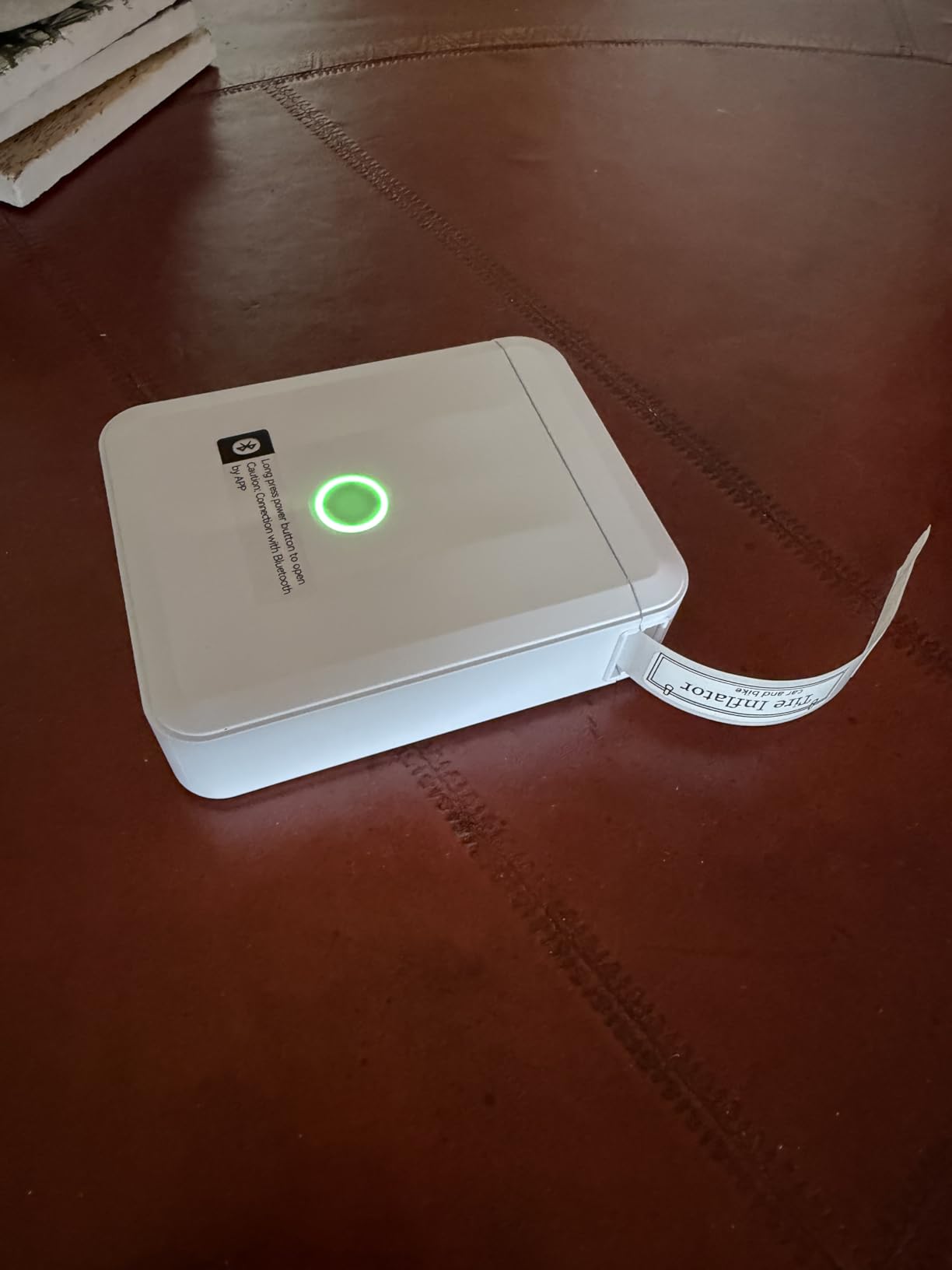
It holds the highest average rating in the group at 4.6 across more than 6400 reviews, and reviewers describe it as simple, fast, and reliable for school and home organization. The refreshed body is small enough to live in a drawer rather than on a shelf.
Recharge time is about two hours over Type-C, and the refills are described as waterproof and oil-proof, which covers water bottles and lunch boxes as well as bins.
Best fit for the first week of school
This is the machine for one specific job: printing a set of name labels for a new class. Type the name once, reuse the layout, and run the batch. The picture-plus-text option is also useful for early readers who match a face or an icon to a name.
It is a good first machine for a new teacher, because the rating is high, the box includes labels and a cable, and there is very little to configure before the first print.
Where the limits show up
Phone-only operation is the recurring complaint, with no computer connection available. If your workflow depends on a roster file on a laptop, you will be moving names across by hand.
Some custom icons cost extra within the app, and the app itself is described as needing refinement. Both are minor, but check whether the icons you want are free before you commit to this as your system machine.
10. Brother P-Touch PTD220: Best for Laminated TZe Tape
Brother P-Touch PTD220 Home/Office Everyday Label Maker | Prints TZe Label Tapes up to ~1/2 inch White
12 mm laminated TZe tape
180 dpi thermal printing
1 or 2 lines of text
Stores up to 30 labels
Pros
- Standalone QWERTY keyboard with no app required
- Built-in memory stores up to 30 labels for one-touch reprinting
- 25 pre-set templates streamline repeat classroom labeling
- Prints durable laminated TZe labels in multiple finishes
- 14 fonts
- 11 styles
- 99 frames
- and 600+ symbols
Cons
- Requires 6 AAA batteries and the AC adapter is sold separately
- Restricted to genuine Brother TZe tapes
- Two-line maximum text layout
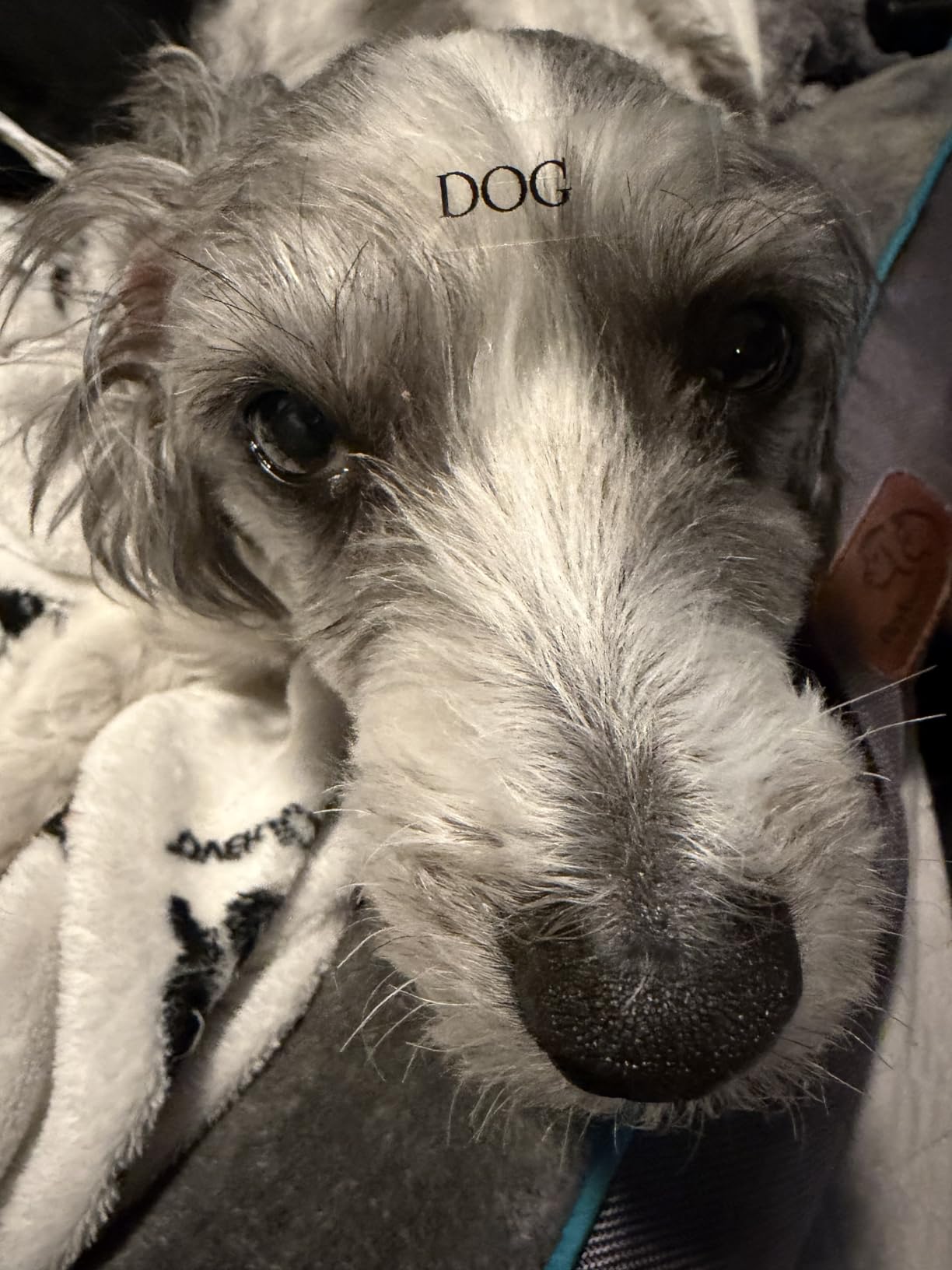
The PTD220 is the durability answer. Every label it prints is laminated TZe tape, the same finish used on equipment and electrical panels, and that lamination is what makes text survive water, solvents, and abrasion on a bin that gets washed.
The stored-label memory is the feature I use most. After typing a label once, it stays in the device, so a replacement bin label for next year’s class is a power-on and a print rather than a retyping session. With up to 30 slots you can build a library of your standard labels.
The 25 pre-set templates handle the repetitive jobs well, and the 14 fonts, 11 styles, 99 frames, and 600+ symbols give enough variety to keep a room visually consistent without making every bin look different.
Forum buyers name Brother as one of the long-term keepers, and that reputation tracks with the construction. It is a heavier, desktop-class unit, so it lives on a shelf rather than in a bag, which is the honest tradeoff.
Best fit for permanent, repeated labeling
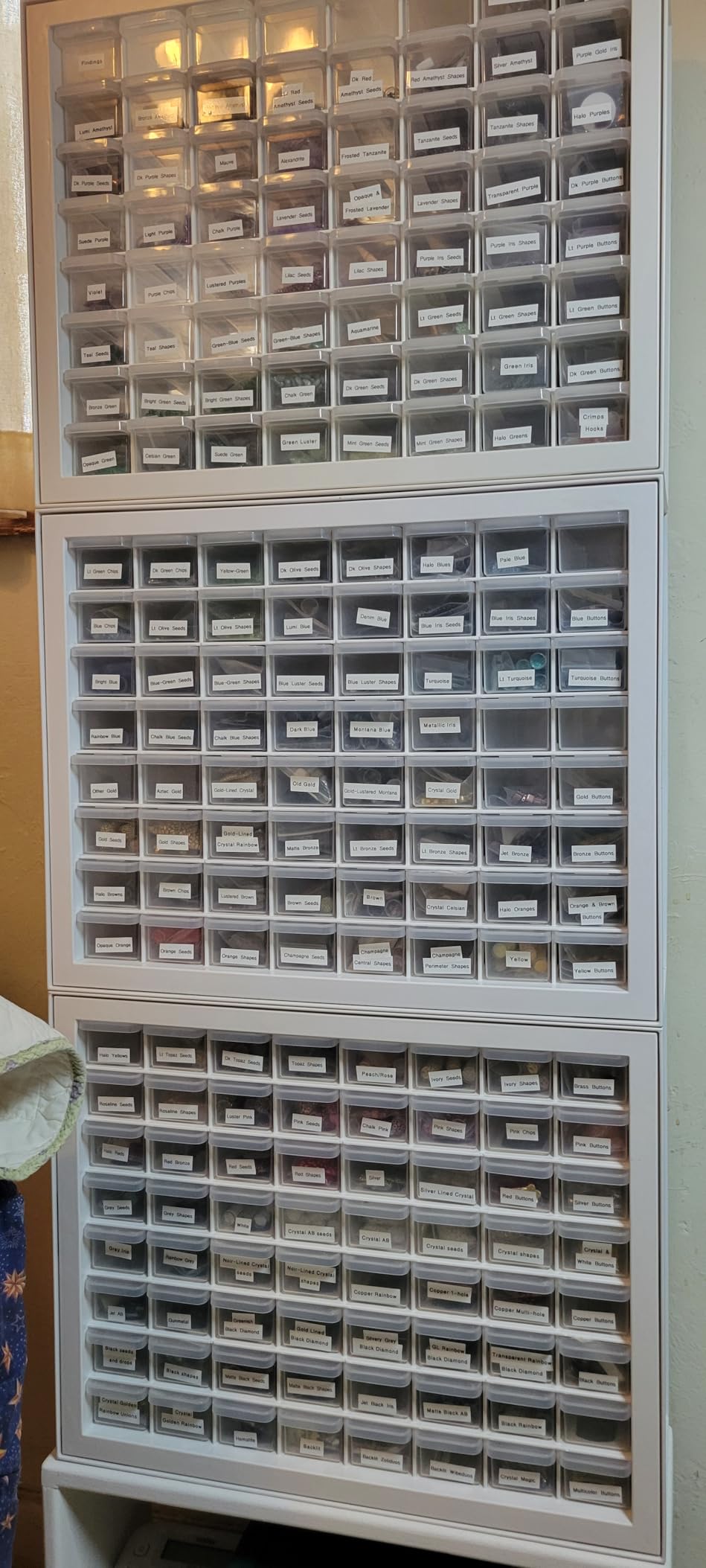
Pick this if your labels are meant to last years, not terms. Science room glassware, art supply, workshop tools, and equipment that moves between rooms all suit laminated TZe tape, and the saved-label memory means you reprint rather than redesign.
It is also the safe answer for a room with a strict device policy, since a QWERTY keyboard and a screen mean no app, no account, and no pairing.
What the ownership reality looks like
Two lines is the maximum, so a long name plus a subject does not fit on one label. At 12 mm wide it is also narrower than the wide-format models on this list, so plan your text length before you start.
It runs on 6 AAA batteries, and the AC adapter is sold separately. Long-term owners on forums mention the cost of consumables as a real frustration, and you are restricted to genuine TZe tapes, so factor the refill line into your yearly plan. If your school also wants to read the label formats on products you bring home, our guide to how to read an EPA vs FDA label on flea and tick products breaks down that format.
How to Choose a Handheld Label Maker for Classrooms?
Label maker or label printer: the difference that matters
A label maker has a keyboard and a screen, prints text and simple symbols, and needs nothing but itself. A label printer is driven entirely from a phone app, and it can output graphics, barcodes, QR codes, and imported images. Both use direct thermal printing, where a heated print head darkens pigment on a heat-sensitive tape, so there is no ink or toner to replace.
Most of the picks on this list fall into a third category, the hybrid generation, where a phone app handles the complex design work and the machine prints. For a classroom the practical question is not which type is better but which one your school will actually let you use.
Choose by school level
For kindergarten through grade 2, prioritize large, simple text and icons over formatting options. A short word plus a picture is more useful than a long name, and a machine with an icon library such as the Phomemo D30 or the Nelko P21 earns its place here.
For grades 3 through 5, you can start using subject names and longer bin labels, which is where 12 mm laminated tape and the two-line formats of the Brother or DYMO standalone units work well.
For grades 6 through 12, plan for lockers, device tags, and asset labels. Wide output such as the 2-inch NIIMBOT B1 or barcode and QR support on the ORGSTA S001 matters more than decorative borders.
Tape width is the decision that limits everything else
A 6 mm or 12 mm label holds one short line, which covers markers and a first name. A 15 mm label handles most bin lids. Anything wider is for full sentences, asset tags, or words a child must read from a distance. Choose the widest width you will actually use, because a narrow machine cannot be upgraded later.
Resolution, and what 203 versus 300 dpi changes
At 203 dpi, short text on small labels reads cleanly at arm’s length but softens when the letters get small. At 300 dpi the edges tighten, which matters if you are printing full names, small font, or a serial number that someone has to read accurately. For most classroom labeling, 203 dpi is sufficient; for dense asset and equipment tags, higher resolution is worth the step up.
Refill tape and the running cost
The printer is the small part of the expense. Tape is the recurring line item, and three things drive it: whether your machine burns blank lead-in tape on every label, whether the tape is laminated, and whether the cartridges are proprietary. Continuous-tape models such as the SUPVAN E10 waste the least, and proprietary cassette systems carry the highest long-run cost.
A rough classroom plan helps. A typical year of bin, shelf, book, and name labeling runs to several rolls, so the machine that wastes the least tape per label is often the cheaper one over time even if it is not the cheapest to buy. Check refill availability before you commit, since a proprietary tape line that is hard to find turns a good machine into a paperweight. For rooms with pets or allergy-driven cleaning, our handheld vacuum picks for pet hair in cars cover the transport side of the same routine.
What to skip for classroom use
Skip industrial and warehouse-grade units. They are built for asset rooms and shipping departments, they use proprietary cartridges that dominate your budget, and owners on forums consistently describe them as overkill for a single classroom. Skip embossing-only models as well, which are fine for occasional one-off labeling but far too slow for relabeling a room. If you are shopping, note that many results marketed as label makers are actually shipping-label printers, and their small die-cut labels are the wrong size and shape for a bin lid.
Shared devices and school IT
Before buying an app-driven model, confirm that your phone can install the app and that Bluetooth pairing is permitted. Most of these machines pair directly inside the app rather than through phone settings, which is easier, but a managed device can still block it. If your classroom has no reliable personal phone access, a standalone keypad machine removes the question entirely.
One more classroom-specific note: if you print student names, keep the device and the printed sheet under your own control and avoid leaving a full roster in a shared app account. A standalone machine that stores labels locally has nothing to leak.
Frequently Asked Questions
What is the best label maker for teachers?
The DYMO LetraTag 100H is our top pick because it works with no phone, app, or account, which matters in schools with managed devices. Teachers who want icons, color-coded templates, and batch name labels should choose an app-driven Bluetooth model such as the Nelko P21 or the NIIMBOT D110.
What is the difference between a label maker and a label printer?
A label maker has a built-in keyboard and screen and prints text and simple symbols on its own. A label printer is driven from a smartphone app and can add graphics, imported images, barcodes, and QR codes. Both use direct thermal printing, so neither needs ink or toner, and both consume the same style of adhesive tape.
Is DYMO or Brother better for classroom labels?
DYMO units tend to be simpler and lighter, with the LetraTag 100H offering a preview screen and three included tapes. Brother machines, such as the P-Touch PTD220, print laminated TZe tape and store up to 30 labels for reprinting, which suits permanent, repeat labeling. Both use proprietary refill systems that add a yearly cost.
Do I need a Bluetooth label maker for a classroom?
Only if you want graphics, icons, barcodes, or batch name labels from a phone. If your school manages devices tightly or blocks app installation and Bluetooth pairing, a standalone keypad machine such as the DYMO LetraTag 100H or the Brother P-Touch PTD220 is the safer choice, since it needs nothing but batteries.
Are thermal labels waterproof enough for water bottles and bins?
Laminated thermal tape is water-resistant and survives rinsing, wipes, and abrasion, which is why it suits water bottles, lunch boxes, and supply bins. Non-laminated tape is more like paper and can fade or peel when wet. For shared bins that get washed, choose a machine that takes laminated or continuous laminated tape.
How do I remove old adhesive labels from classroom bins?
Warm the label with a hair dryer for a few seconds so the adhesive softens, then peel it slowly at a low angle to avoid leaving residue. For stubborn areas, a small amount of cooking oil or a plastic scraper card works better than scraping with a fingernail, and masking the bin surface with painter’s tape first makes leftover adhesive easier to remove.
Conclusion: Which Handheld Label Maker Fits Your Classroom
For most rooms, the DYMO LetraTag 100H Plus is the safest first buy among the best handheld label makers for classrooms, because it works alone, survives drops, and includes three tapes. If your labeling leans on icons, color coding, or batch student names, the Nelko P21 gives you a large app library with a rechargeable battery and no account to create.
Match the machine to the job rather than the spec sheet. Go wider than 12 mm if you label equipment or want words children can read from a distance, and pick a continuous-tape model such as the SUPVAN E10 if you relabel many items to the same depth. Whatever you choose, check the refill tape situation before August, since the tape is what you will buy all year.