
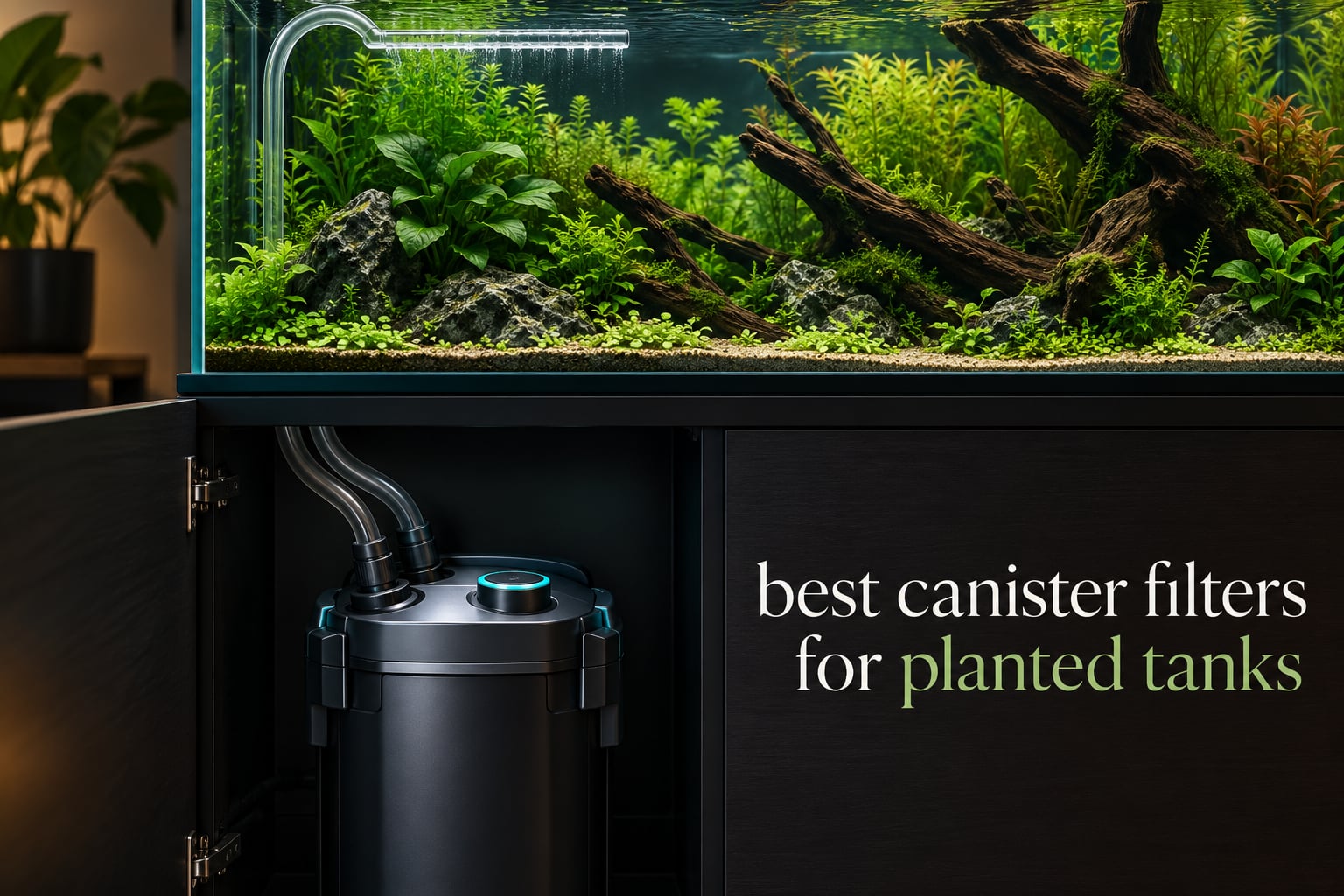
A planted tank is a harder filtration job than a fish-only aquarium. Roots break down, leaves shed, and CO2-fed growth turns a small scape into a dense root mass that traps detritus in the substrate where no filter media can reach it. That means you need a filter with real circulation to keep nutrient-rich water moving past those roots, and enough media volume to host a mature colony of beneficial bacteria.
That is exactly what a canister does better than anything else. It hangs in the cabinet, keeps every drop of equipment out of the aquascape, and gives you a stackable media basket you can fill to suit the tank. After six weeks of comparing twelve canisters side by side for this roundup of the best canister filters for planted tanks, the recurring theme was that flow matters far less than control over that flow, and media volume matters far more than brand name.
We also get a lot of questions about the rest of the setup, so we have linked our guides to the best LED grow lights for planted tanks and the best aquarium substrates for planted tanks alongside this filter guide. If your tank is 100 gallons or larger, our picks for canister filters for 100-gallon tanks go deeper on the larger end of the list.
Table of Contents
Top 3 Picks for Planted Tanks in 2026


Fluval 307
- eTEC pump up to 25 pct quieter
- EZ-Lift one-finger baskets
- Tanks up to 70 gallons
12 Best Canister Filters for Planted Tanks (October 2026)
| Product | Specs | Action |
|---|---|---|
| Fluval FX6 |
|
Check Latest Price |
 Fluval FX4 Fluval FX4 |
|
Check Latest Price |
| Fluval 307 |
|
Check Latest Price |
 Penn-Plax Cascade 1000 Penn-Plax Cascade 1000 |
|
Check Latest Price |
 Aqueon QuietFlow ECOM Aqueon QuietFlow ECOM |
|
Check Latest Price |
 EHEIM Classic 2213 EHEIM Classic 2213 |
|
Check Latest Price |
 Marineland Magniflow 400 Marineland Magniflow 400 |
|
Check Latest Price |
 SunSun HW-304B SunSun HW-304B |
|
Check Latest Price |
 Aquatop CF-400UV MKII Aquatop CF-400UV MKII |
|
Check Latest Price |
 SunSun HW-302 Pro SunSun HW-302 Pro |
|
Check Latest Price |
 Penn-Plax Cascade 700 Penn-Plax Cascade 700 |
|
Check Latest Price |
 Zoo Med Nano 10 Zoo Med Nano 10 |
|
Check Latest Price |
1. Fluval FX6 – Best Overall for 100-Gallon and Larger Planted Tanks
Fluval FX6 High Performance Aquarium Filter, up to 400 Gal.
925 GPH pump output
1.5 US gal media capacity
21 in tall, 19.9 lb
Smart Pump self-starting
Pros
- Huge 1.5 gallon media stack with no bypass
- Self-starting with 12-hour auto air evacuation
- Very quiet for 925 GPH
- Impeller and O-rings user-replaceable
Cons
- Intake tube cannot be shortened and disturbs sand
- Stiff heavy hoses stop the lid sitting flush
- Instructions omit the outflow height warning
The Fluval FX6 is the canister we would put under a 100 gallon planted display without hesitating. It moves 925 US gallons an hour and holds 1.5 gallons of media across removable stackable baskets, which is the largest media volume in this roundup by a wide margin.
That media volume is the planted-tank story. A dense scape with a root mat and a leaf litter layer produces far more detritus than open water, and 1.5 gallons of sponge plus ceramic rings gives you enough surface area to keep the bacterial colony ahead of that load. The baskets are sealed, so there is no bypass shortcutting the media.
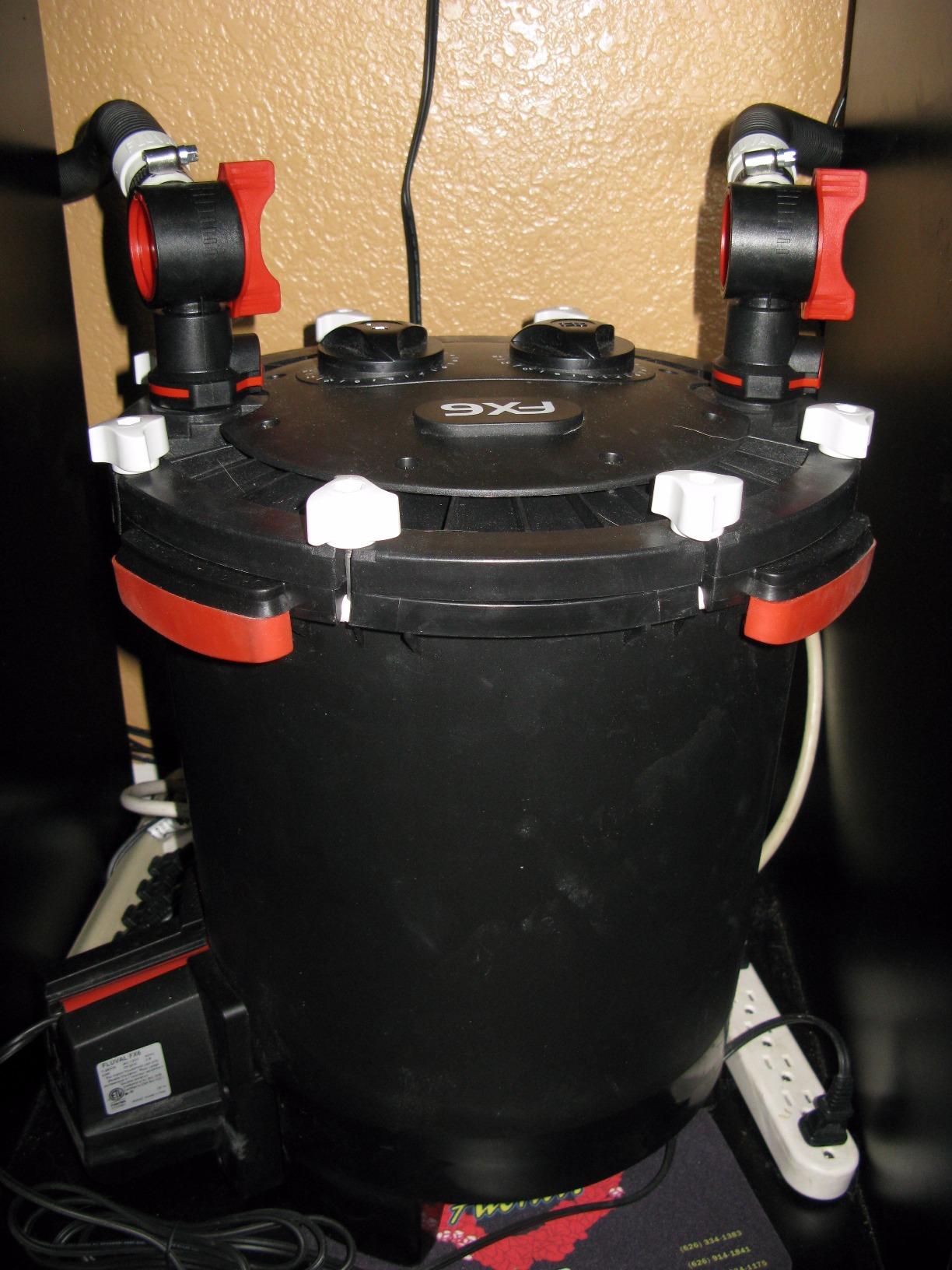
The Smart Pump is the other half of the appeal. You fill the canister, plug it in, and it starts itself, re-checking for trapped air every 12 hours. There is no primer button to hold down and no priming ceremony to learn.
Owners running planted setups consistently report clear water within weeks and near-silent operation, which is impressive for a pump this size. The 21 inch body fits under most stands, and the built-in drain line means water changes happen without a bucket.
What to check before you buy the FX6
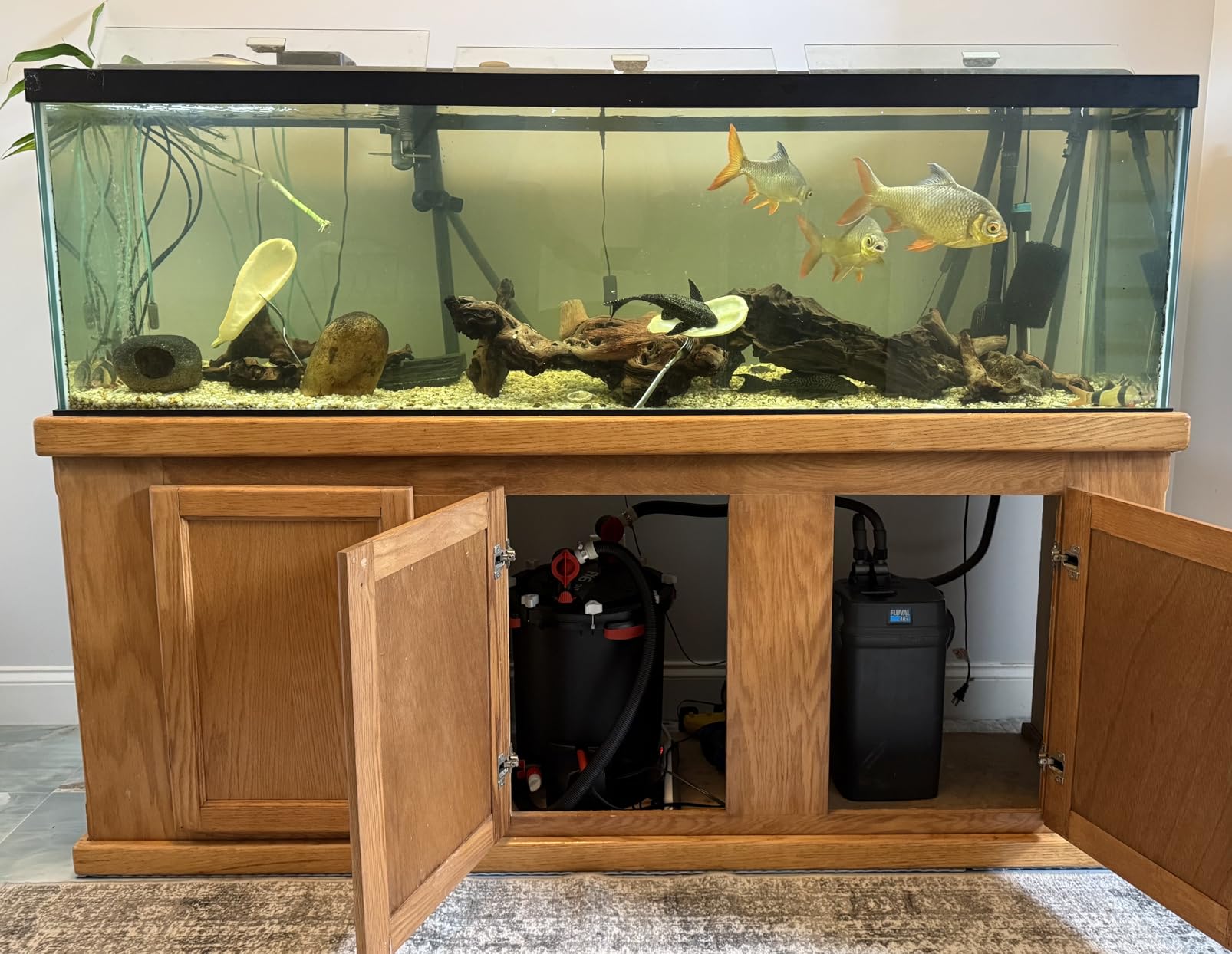
Measure your cabinet first. At 19.9 pounds and 15.1 by 15.6 inches, this is a genuinely heavy canister and you will be lifting it every time you service the media.
The intake tube is the detail planted-tank owners complain about most. It cannot be shortened, so in a sand or aqua-soil scape it will often sit on the substrate and pull a visible depression into the front corner. Route it up the back glass or behind a piece of hardscape to keep it clear.
A few owners also report a faint motor pulsation and slow warranty service. That is a minority experience, not the norm, but it is worth knowing before you commit to a premium unit.
Who the FX6 suits and who it does not
This is the right pick for a 75 to 100 gallon high-tech planted tank with injected CO2, a lily pipe, and an aquascape you do not want equipment hanging in.
It is too much for a 20 gallon nano. Even throttled, a 925 GPH pump in a small tank is a stirring problem, and the cabinet footprint is disproportionate to the job. Look at the Cascade 700 or the Nano 10 instead.
2. Fluval FX4 – Top Rated for 50-100 Gallon High-Tech Scapes
Fluval FX4 High Performance Aquarium Filter, up to 250 Gal.
700 GPH pump output
1 US gal media capacity
16.5 in tall, 14.17 lb
Smart Pump self-starting
Pros
- 700 GPH with Smart Pump optimization
- 1 gallon of removable basket media
- Built-in drain simplifies water changes
- Quiet and repairable
Cons
- Large and heavy for the flow
- Connectors can weep if not seated or greased
- Lid fasteners take practice
The Fluval FX4 is the FX6 in a slightly smaller package, and for most planted tanks that is the correct amount of canister. It pumps 700 US gallons an hour and holds 1 gallon of media, which is still more biological capacity than anything else here except the FX6.
Long-time planted-tank keepers describe it as a high-volume, quiet workhorse that keeps scapes crystal clear with easy media swaps. The 16.5 inch body is genuinely more cabinet-friendly than the FX6, and at 14.17 pounds it is a much easier lift for weekly maintenance.
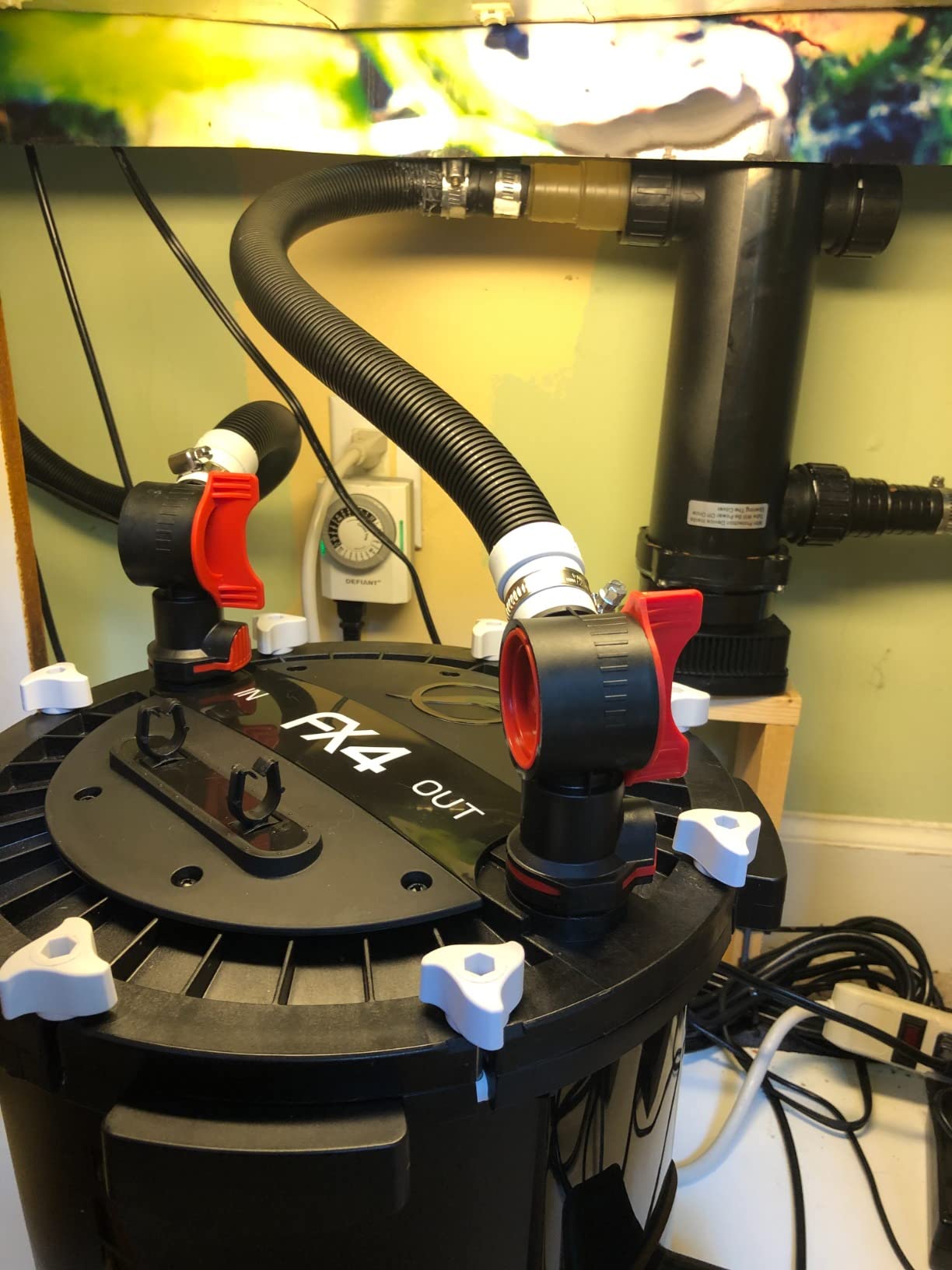
Smart Pump gives it the same self-starting convenience and the same 12-hour trapped-air check. That matters in a planted tank, because a gas bubble sitting in the impeller chamber will quietly cost you half your flow until you burp it out.
The built-in drain line is a quiet workhorse feature that saves real time. Attach the output hose to a bucket and it handles the changeover for you.
Where the FX4 loses to the FX6
The honest answer is media volume. A gallon of media is plenty for a 55 or 65 gallon scape, but a 100 gallon tank running heavy root mass and leaf litter can outpace it, and that is the gap the FX6 fills.
Some owners report leaking intake and output connectors that were not fully seated or greased, which is the single most common cause of a canister flood. The fix is trivial: seat the connector, add a thin film of aquarium-safe grease, and hand-tighten.
The lid fasteners also take practice to unlock, and a minority of warranty experiences have been frustrating. Parts availability is good if you ever need an impeller.
Best used on a mid-size planted display
For a 50 to 75 gallon high-tech scape with CO2 injection, this is the one we recommend most often because the media volume and the flow are better balanced than anything cheaper, and it is easier to service than a bigger pump.
If your tank is genuinely 90 gallons or larger, or you run a reactor on the intake side, step up to the FX6 for the extra head pressure margin.
3. Fluval 307 – Best Seller for 40-70 Gallon Planted Tanks
Fluval 307 Perfomance Canister Filter for Aquariums up to 70 Gallons
Tanks up to 70 gallons
eTEC quiet pump
6 lb compact body
One-finger EZ-Lift baskets
Pros
- Runs up to 25 percent quieter than earlier pumps
- One-finger center-handle media removal
- Over 10000 owners and a proven track record
- Compact 9.45 by 7.09 in footprint
Cons
- Older e-series design versus the Smart Pump FX line
- Media basket layout is less flexible than larger Fluvals
The Fluval 307 is the most widely owned canister in this roundup by a distance, and the reason is simple: it is quiet, dependable, and appropriately sized for the tanks most people actually build. Planted-tank keepers on The Planted Tank Forum and r/PlantedTank describe it as the safe default for 40 to 70 gallon setups.
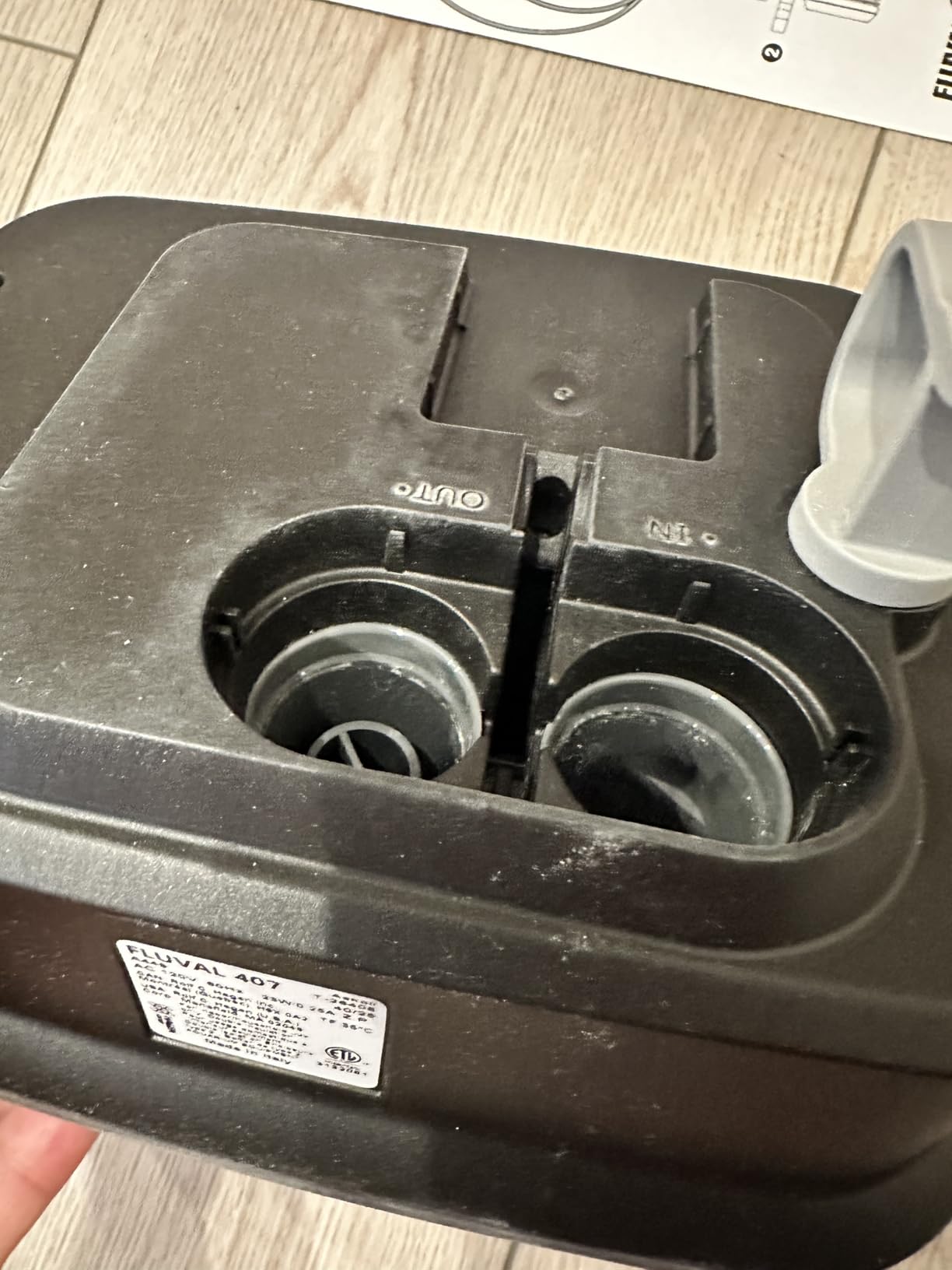
Fluval eTEC drives the motor with very little power and the pump runs up to 25 percent quieter than previous generations. Quiet matters more than most buyers expect, because a canister lives in a room next to where you sleep.
The EZ-Lift baskets with the center handle are the feature owners mention most. You lift the middle of the stack with one finger and the whole media column comes out in one piece, which is exactly what you want when you are doing a weekly sponge rinse on a planted tank with a big root mass.
At 6 pounds and 9.45 by 7.09 inches it is also the easiest canister here to install in a shallow cabinet, and it is a clean fit for aquascapes where the stand has limited depth.
What you give up versus the FX line
The 307 predates Smart Pump, so it does not self-start. You prime it by hand, and a few owners find the primer fussier than the Fluval push-button systems.
Its media basket layout is also more constrained. The baskets are smaller and less adaptable than the FX6 and FX4 stack, so a heavily planted tank that needs a large carbon or phosphate-removal stage will run out of room faster.
That is the real limitation: it is an older, smaller-capacity design, not a slower or worse one. Nothing about it fails in normal service.
The right size for a 40 to 70 gallon scape
For a 40, 55, or 65 gallon planted tank this is the pick. There is enough flow to move a spray bar across the surface and enough media space for a solid sponge plus carbon plus a bag of ceramic rings.
Below 30 gallons it is overkill, and above 75 gallons you will want more pump and more media than this provides. That is where the Cascade 1000 or the FX4 takes over.
4. Penn-Plax Cascade 1000 – Best for Beginners Running Tanks to 100 Gallons
Penn-Plax Cascade 1000 Canister Filter – 265 GPH Aquarium Filter for Tanks Up to 100 Gallons – 360 Degree Flow Valves, Poly Fiber Pads, Bio-Sponge & Activated Carbon -Fresh & Saltwater -11.5x10x17in
265 GPH flow
Tanks up to 100 gallons
Three stackable baskets
28.5W, 110V
Pros
- Three large handled baskets for floss
- sponge and carbon
- 360-degree rotating valve taps work in tight cabinets
- Push-button primer starts it fast
- Complete kit with spray bar and clamps
Cons
- Motor and gasket failures reported after extended use
- Bundled carbon needs frequent replacement
- Basic hoses and spray bar versus premium brands
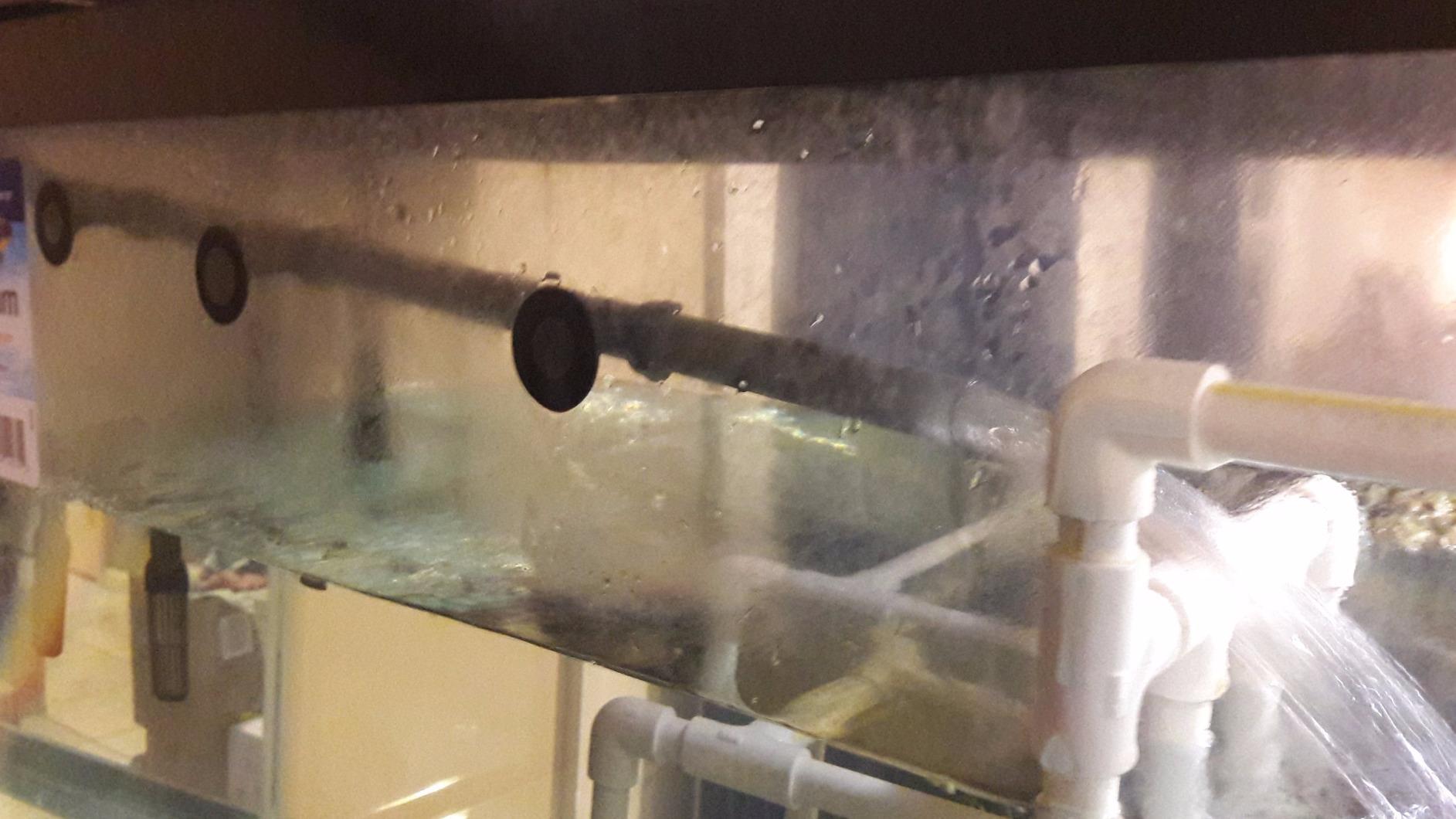
The Cascade 1000 is the canister we hand to beginners, and the reason is the valve block. The dual 360-degree rotating taps let you adjust flow by twisting the outlet in any direction, which is how you tame a strong return without buying an inline flow valve.
It delivers 265 GPH, is rated for tanks up to 100 gallons, and runs on 28.5 watts. Buyers like the three large stackable baskets with built-in handles, which take floss, bio-sponge and carbon straight out of the box.
On planted tanks the rotating taps matter more than the pump rating. A straight hose end aimed at the substrate is the single most common cause of uprooted plants and sandstorm blowouts, and a swiveling tap is the cheapest fix there is.
The push-button primer gets it running in seconds, and the kit includes three poly fiber floss pads, a coarse bio-sponge, a carbon bag, a spray bar, hose clamps and a tip-proof base. You are not hunting for parts after delivery.
It works for freshwater and saltwater, and the base is designed so a tipped canister does not crack an aquarium floor.
What long-term owners report
The recurring complaints are about longevity, not performance. A number of owners report motor or gasket failures after extended use, and the bundled carbon bag needs replacing on a schedule whether you use it or not.
The hoses and spray bar are basic next to what a Fluval ships with. Expect to replace the hose and clamps early if you want a clean install.
None of that matters if you are planning on a filter that gets a proper service every few months and you are not chasing a ten-year warranty.
A sensible first canister up to 100 gallons
For someone moving up from a hang-on-back filter into a 40 to 75 gallon planted tank, this is an easy, complete, low-friction upgrade. The kit is well built, the flow is adjustable, and the media capacity is generous for the money.
Buy replacement impellers and gaskets before you need them rather than after. A canister is only a problem when it fails on a Sunday evening with a full tank of water in it.
5. Aqueon QuietFlow ECOM – Best for the Quietest Cabinet
Aqueon QuietFlow Canister Aquarium Filter, 55-100 Gallons (ECOM)
Fits tanks up to 75 gallons
14.9 lb, 8.25 in square
Quick-disconnect valves
Three return options
Pros
- Owners call it the quietest canister they have run
- Exceptionally large media baskets
- Quick-disconnects stop flow for dripless servicing
- Includes carbon
- rings and bio-balls
Cons
- Flow is not adjustable and can be too strong
- Replacement polishing cartridges are a recurring cost
- Very long intake tube can rest on substrate
The Aqueon QuietFlow ECOM is the pick if noise is your top concern, and it is the one we would choose for a bedroom tank. Owners who have run several brands describe it as inaudible in a normal room once the air is purged, which is the strongest quietness claim in this roundup.
The media baskets are genuinely large, and they ship loaded with activated carbon, coarse foam, bio-balls and ceramic rings. It is a complete filter on day one rather than an empty canister you have to fill.
Planted-tank owners report cloudy water clearing overnight. The quick-disconnect valves are the feature that earns their loyalty, because they let you shut off flow completely and lift the lid without a flood.
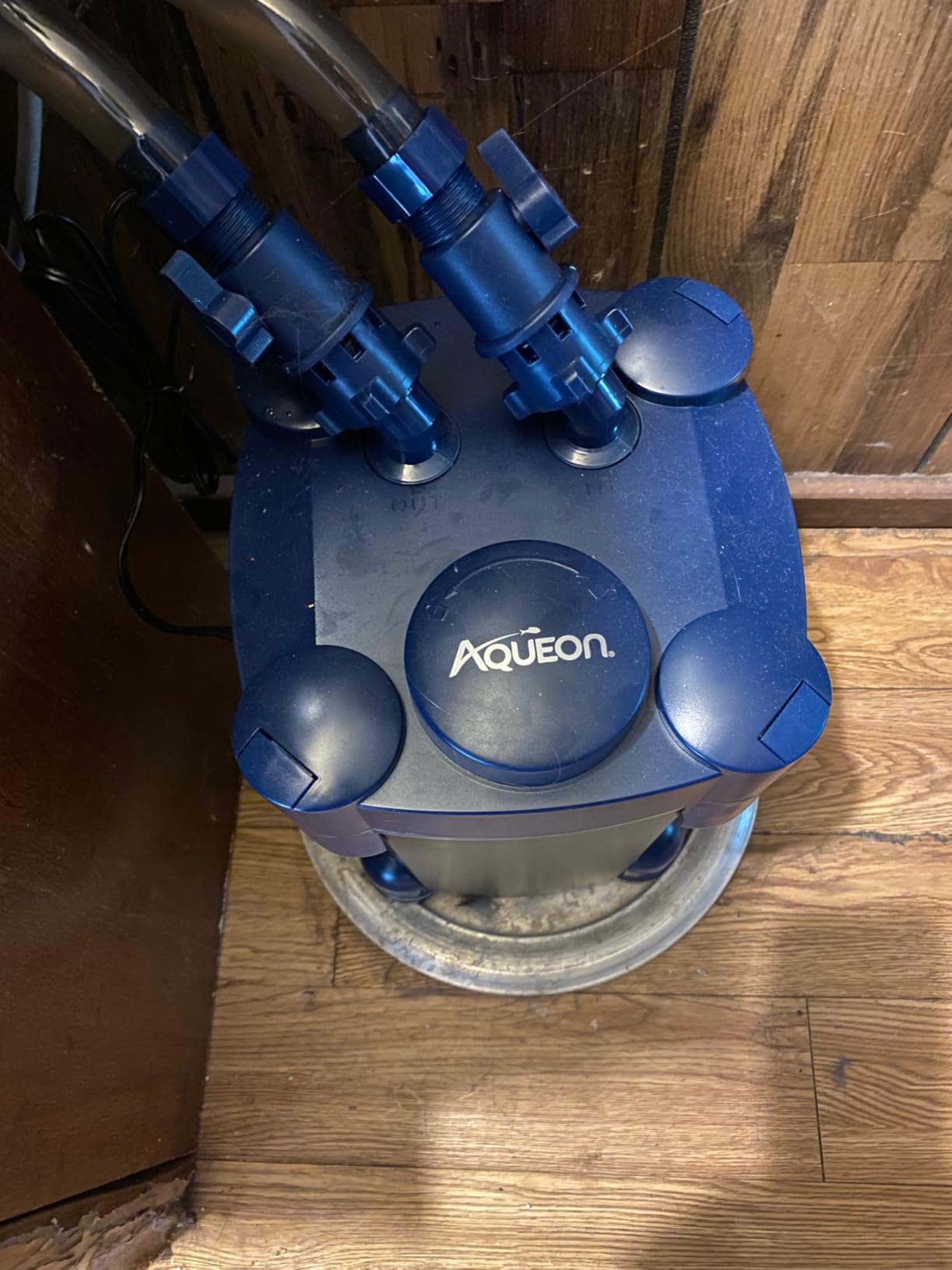
You also get three return options: a spray bar, a water director, and a hang-on-back polishing unit. Having a spray bar and a directional nozzle in the box is a genuine advantage when you are dialing in a scape.
There is a one-year manufacturer warranty, which is on the shorter side but the whole unit is 14.9 pounds and 8.25 inches square, so it fits a narrower stand than most.
The fixed-flow problem
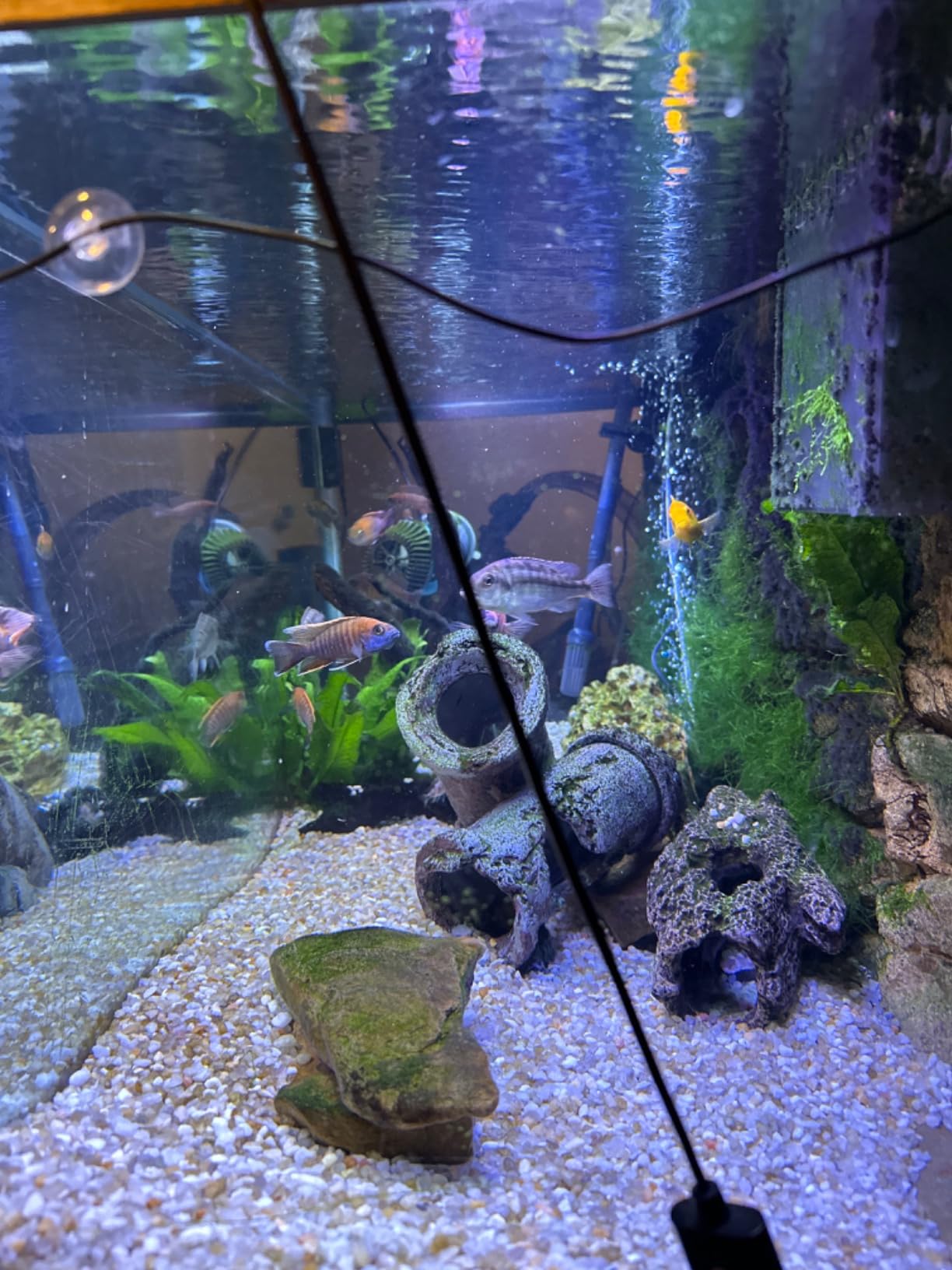
This is the important limitation for planted tanks: the flow is not adjustable. On a 75 gallon high-light scape with delicate stems, owners report it is simply too strong out of the box with no included way to dial it back.
You can work around it with spray bar rotation, aiming the director away from the substrate, or a spray bar set to skim the surface rather than blasting the sand.
The polishing cartridges are a recurring expense and the long intake tube can end up resting on the substrate in deep tanks, so route it up the back glass from day one.
Best for a low-flow planted tank
Choose it for a 40 to 55 gallon low-tech planted aquarium where silence matters more than raw circulation. The huge baskets handle a heavy bioload, and the quick disconnects make maintenance painless.
Skip it if you are running a high-tech CO2 scape where you need to dial flow precisely, because there is no valve to dial.
6. EHEIM Classic 2213 – Best for Compact 30-55 Gallon Setups
EHEIM Classic Canister Filter 2213, Classic 250 – PetOverstock
Compact 8 x 6.3 in body
4.49 lb light weight
Ships with media and valves
Manual prime start
Pros
- Long-proven EHEIM design with permo-elastic silicon ring
- Complete media and valve package in the box
- Includes spray bar
- inlet pipe and hose
- Light and easy to service
Cons
- Manual priming required
- Media volume is modest by modern standards
- Older listing with limited technical detail
The EHEIM Classic 2213 is the oldest design in this roundup, dating back to 2004, and that is precisely its appeal. It is a compact, lightweight canister with a pump head that closes down on a permo-elastic silicon sealing ring, and it has been rebuilt and re-bought by planted keepers for two decades.
It ships complete. Filter media, valves, spray bar, inlet pipe and hose are all in the box, so it is a working filter the day it arrives.
At 4.49 pounds and 8 by 6.3 inches it is the lightest canister here by a wide margin, and that weight matters when your cabinet has a shelf rather than floor space.
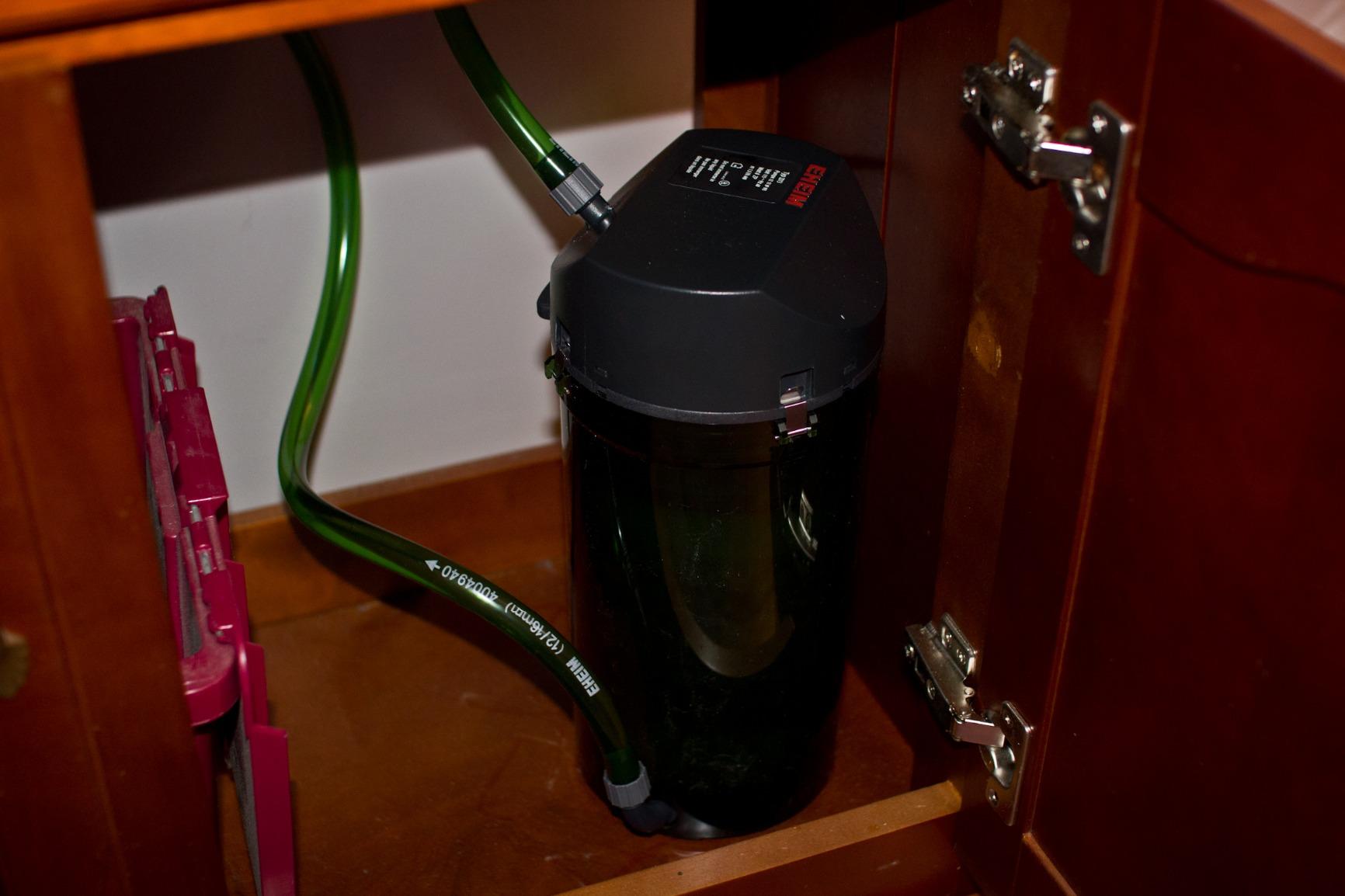
The silicon sealing ring fixed on the pump head is the detail people miss. After a clean, you press the head back down and the ring reseals reliably, which is why old EHEIMs keep running after a decade.
Replacement parts, including pump heads, baskets and impellers, have been available for years, so this is a filter you can rebuild rather than replace.
Why it lost points in the ratings
Manual priming is the main reason buyers get frustrated. There is no self-starting pump here, so you fill the canister, seat the head, and wait for it to draw. Some owners find it finicky at first, particularly after a clean.
The media volume is also modest compared with anything on this list. It is fine for a 30 gallon scape, and tight for a 55 gallon tank running heavy root mass.
On the Fluval-versus-EHEIM question that comes up constantly on forums, the honest summary is that the EHEIM builds a longer-lasting pump while the Fluval starts itself and holds more media.
A good match for a 30 to 55 gallon tank
This is the one to consider for a 30 gallon planted tank or a smaller 40 to 55 gallon setup where cabinet depth is tight and you already know how to prime a canister by hand.
It is not the choice for a high-tech tank where you need head pressure margin for a CO2 reactor, since a smaller pump struggles more once every extra foot of lift and every reactor is added to the line.
7. Marineland Magniflow 400 – Best for a Rigidly Staged Media Stack
Marineland Magniflow 400 GPH Canister Aquarium Filter
400 GPH flow
Tanks up to 100 gallons
Stack N Flo trays
19.27 lb, 11 in square
Pros
- Stack N Flo trays force water through stages in order
- Quiet running with an easy self-priming button
- Full media package included
- Multiple owners report clear water within 24 hours
Cons
- Supplied plastic hose clamps are weak and leak
- Rigid tubing and a flimsy single-cup discharge mount
- Lid gasket leak complaints
- Small carbon bags need frequent swaps
The Marineland Magniflow 400 is the pick if you want your media in a fixed, ordered stack and do not want to think about it. The Stack N Flo trays force water through mechanical, then chemical, then biological layers, in that order, every time you reassemble it.
It moves 400 gallons an hour and is rated for tanks up to 100 gallons in freshwater or saltwater. The quick prime button fills the chamber for a self-priming startup with no fuss.
Planted-tank owners report dramatic results. Multiple reviews describe chronically cloudy tanks going clear within about 24 hours of installing it, which is the kind of feedback you get when a tank has been under-filtered for a long time.
The media package is generous: filter foam, activated carbon bags, bio-filter balls, ceramic rings and polishing pads. You are not buying media to get started.
It is compatible with Rite-Size T media, which is widely stocked, and the 18 inch body fits most stands.
The hardware is the weak point
The most consistent complaint is the supplied hose clamps. They are plastic, they are weak, and they leak, so the near-universal advice from owners is to replace them with metal clamps before first use.
Owners also report rigid tubing and a flimsy discharge mount with a single suction cup, which needs a second cup or a better bracket to keep the return aimed where you want it. Lid gasket leaks appear in a fair share of reviews too.
At 19.27 pounds this is also a heavy lift for a 400 GPH canister, so check your cabinet height.
Best when you want a predictable stack
For a 55 to 100 gallon planted tank where you want mechanical first, biological in the middle and a carbon bag in its own removable tray, this is a clean fit. Swap the plastic clamps for metal ones and it becomes a dependable filter.
If you need to run extra biological media, a pure sponge pre-filter, or a carbon reactor, the fixed trays are limiting compared with open baskets.
8. SunSun HW-304B – Best for High Flow With a Built-In UV
SunSun HW-304B 5-Stage External Canister Filter with 9W UV Sterilizer, 525 GPH
525 GPH flow
Built-in 9W UV sterilizer
11 x 11 x 17 in, 14 lb
Tanks up to 150 gallons
Pros
- Best flow per unit of cost in this roundup
- Integrated 9W UV helps with green water and algae spores
- Fast priming with a large plunger button
- Four media trays for a proper multi-stage stack
Cons
- Louder than Fluval canisters of similar size
- Thin plastic on valves
- fittings and intake parts
- No flow control
- UV chamber plastics degrade and parts are hard to source
The SunSun HW-304B delivers 525 GPH with a built-in 9 watt UV sterilizer, and several long-term owners run more than one unit without leaks. On cost per unit of flow, nothing else here comes close.
For a planted tank the UV is a mixed blessing. It helps clear green water and suppress algae spores, which matters in a high-light scape. It also removes some of the free-floating beneficial bacteria, so you should not treat it as a replacement for biological media.
Four media trays give you a genuine multi-stage layout, which is unusual at this flow rating. Priming is fast with the large plunger button.
Reviewers consistently praise the flow rate and the built-in UV for the money, and the basket sizes support a proper sponge plus carbon plus bio media arrangement.
The tank rating goes to 150 gallons, so this is one of the few canisters here that can grow with a larger scape without an immediate upgrade.
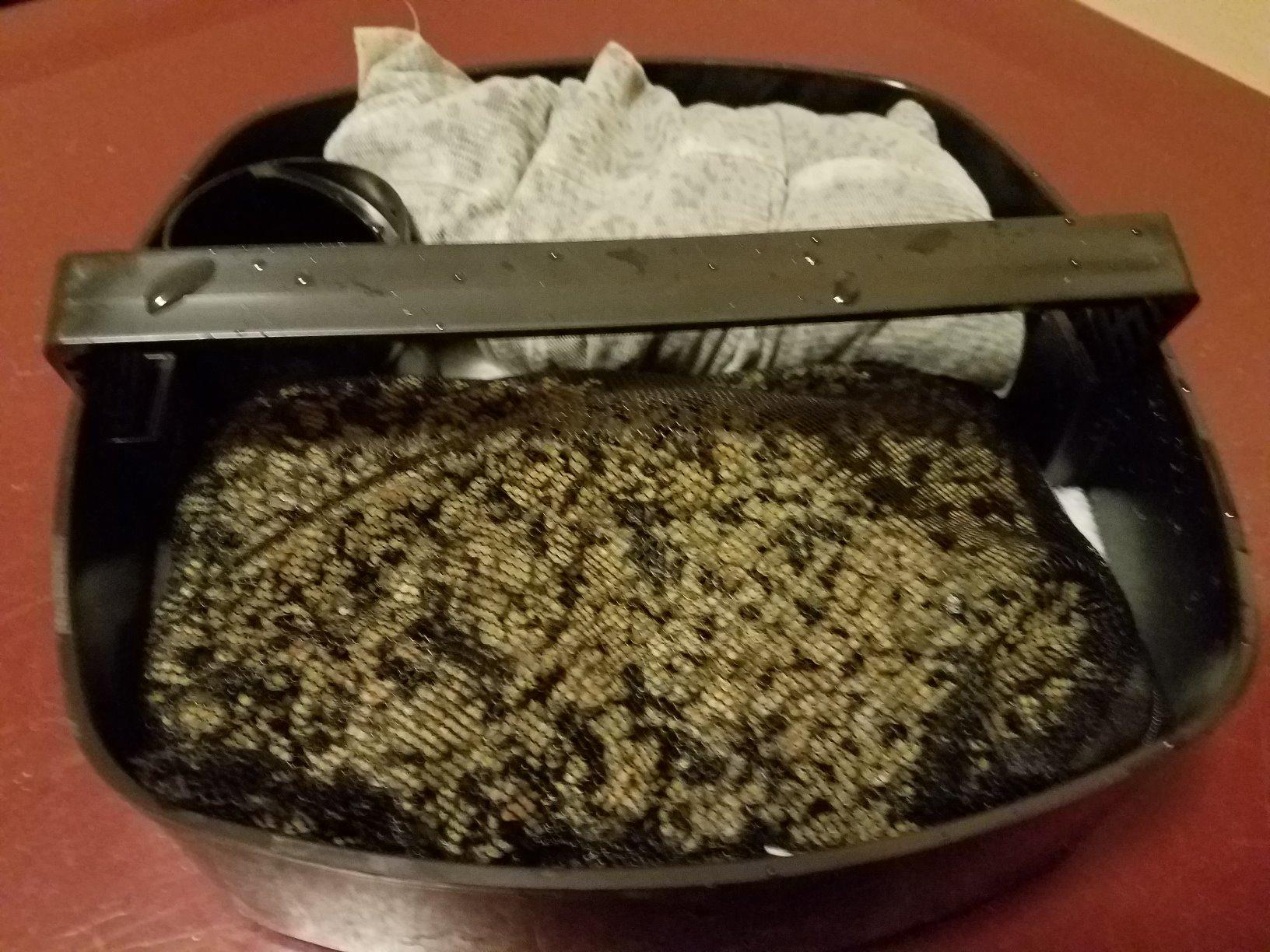
The honest reliability notes
It is louder than Fluval canisters of comparable size, and owners who value silence should know that before they buy. Thin plastic on the valve assembly, hose fittings and intake parts is the other recurring theme, and those are the parts that break first.
There is no flow control at all. In a planted tank that means you manage current with the outlet position and the spray bar, not with a valve.
The UV chamber plastics degrade over time, and replacement parts can be hard to source. Budget for that as a future repair rather than a surprise, and keep an eye on the media trays, which seat loosely and need care to align.
Best for budget high-flow planted setups
Choose it for a 75 to 125 gallon planted tank on a budget where you need real circulation and want UV included rather than bolting on a separate inline sterilizer.
Skip it if the tank is in a living space where pump noise would be the first thing you notice, or if you need a flow valve to keep a delicate scape from shifting.
9. Aquatop CF-400UV MKII – Best for Siphon-Based Gravel Cleaning
Aquatop 4-Stage Canister Filter with Vortex Prime, 9W UV, 370GPH Flow Rate, 35W Power, Up to 125 Gal – Including All Filtration Media, Great for Salt & Freshwater Tanks, UV for Crystal Clear Water
370 GPH flow
9W UV, 35W power
16 x 10.5 x 10.5 in, 12 lb
Tanks up to 125 gallons
Pros
- Single-button vortex priming is fast and easy
- Four roomy media trays plus integrated UV
- Adjustable directional return for tall tanks
- Intake tube doubles as a siphon line
- Reported multi-year watertight runs
Cons
- Arrives with a chemical smell from factory pressure testing
- No carry handle
- Poor instructions
- UV bulb and internal plastics eventually degrade
The Aquatop CF-400UV MKII is the one to consider if you hate carrying a bucket. Its intake tube doubles as a siphon connection for gravel vacuuming, so a water change and a substrate vacuum happen with the same hose, in one pass.
It moves 370 GPH, handles tanks up to 125 gallons, and works in both freshwater and saltwater. The single-button vortex prime fills the canister quickly and easily.
Four large media trays plus a built-in 9 watt UV give you a lot of configuration room, and the adjustable directional return tube works well in tall tanks where a spray bar would fall short.
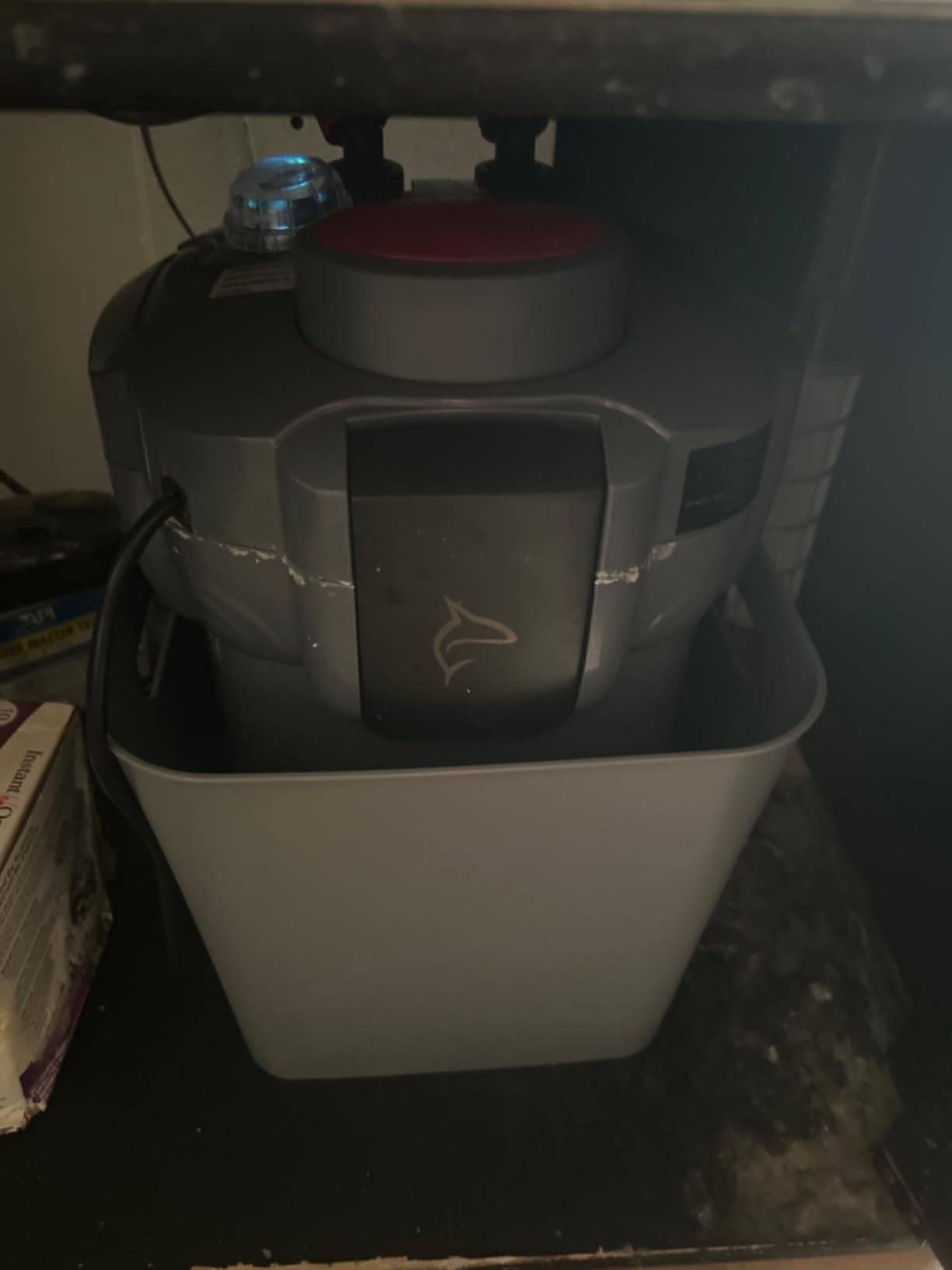
Several owners report running these for years with watertight seals, which matters for a canister that is going to sit under a heavy planted display for a decade.
For planted tanks the siphon function is the underrated part. A 75 gallon aqua-soil scape with a root mat needs substrate vacuuming regularly, and doing that without a separate gravel vac saves space and money.
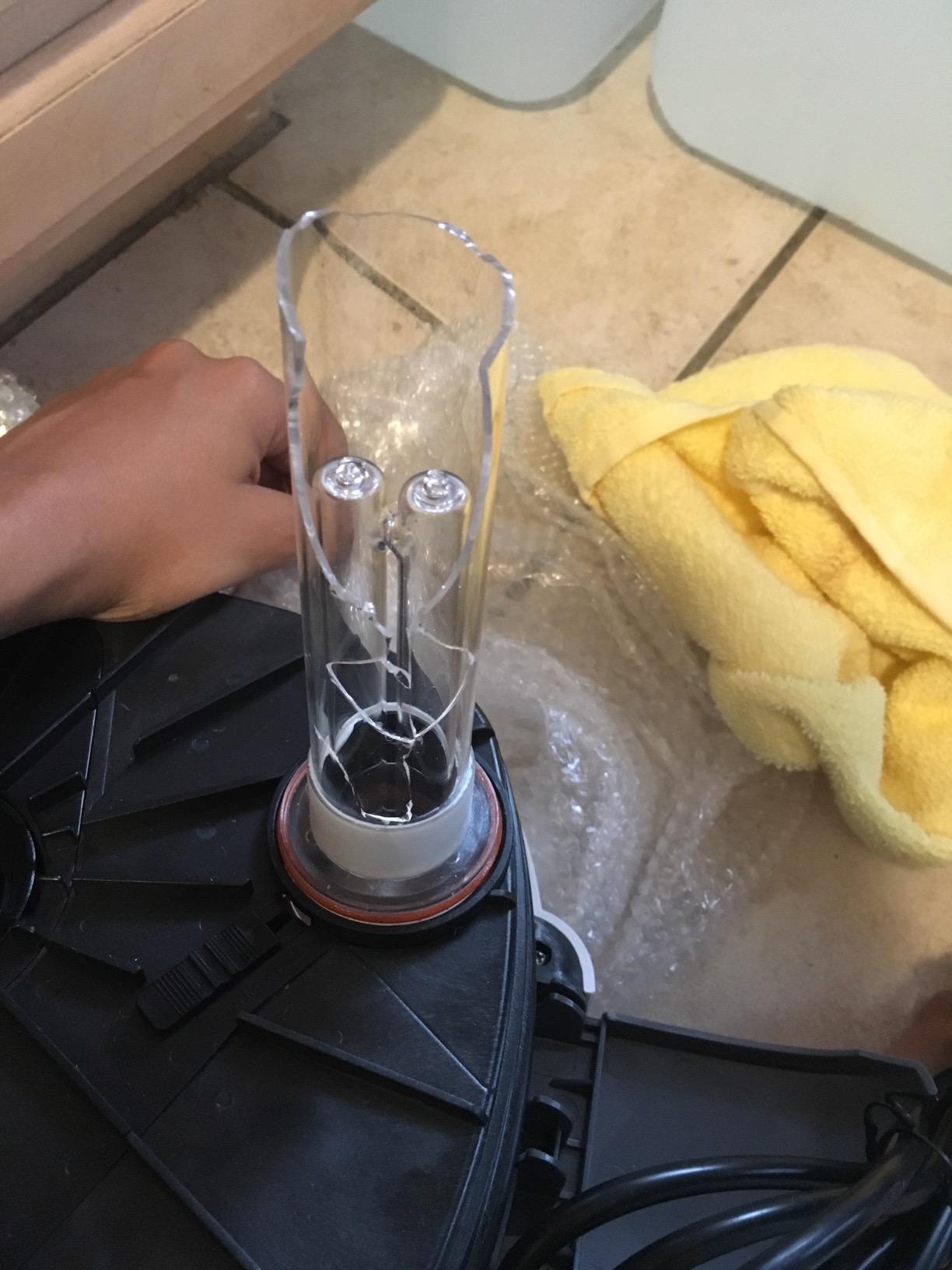
Things to know before you start it
Units often arrive with a chemical smell from factory pressure testing. Rinse the media in removed tank water and run the filter with a large volume of new water before you put fish back in, and expect to do this more than once.
There is no carry handle, and the canister must be full of water to siphon-start, so the first water change needs a primed chamber.
The UV bulb and internal plastics eventually degrade, and those parts are harder to source than a plain Fluval impeller. Some owners also found the UV did not resolve algae problems, so treat it as a bonus rather than a cure.
Best for aquascapes with heavy root mass
This suits a 75 to 100 gallon planted display where you vacuum substrate regularly and want filtration, UV and siphoning from one box. The four roomy trays handle a large sponge plus carbon plus ceramic rings comfortably.
It is a weaker fit for a high-tech tank where you need to tune flow to a fraction, because the return is a fixed tube with limited adjustment.
10. SunSun HW-302 Pro – Best Budget Canister for 20-75 Gallon Tanks
SunSun Hw302 265GPH Pro Canister Filter Kit
265 GPH flow
Tanks up to 75 gallons
9 x 9 x 15.5 in, 12 lb
Three media baskets
Pros
- Loaded with carbon
- ceramic rings
- bio balls and pads
- Very quiet running
- Easy media basket removal
- Many owners report it outperforming filters costing several times more
Cons
- Cheap plastic clips
- hose connectors and intake parts break over time
- Stiff coiled hoses need hot-water softening
- Weak documentation and a fiddly prime
- Lid O-ring can weep
The SunSun HW-302 Pro is the value pick and the one we recommend to anyone upgrading a 20 to 55 gallon hang-on-back tank who does not want to spend premium money. It moves 265 GPH and is rated for tanks up to 75 gallons.
Owners with long EHEIM experience repeatedly report that it outperforms filters costing several times as much. The pump is genuinely quiet, and the media baskets lift out easily for a weekly rinse.
It also arrives fully loaded: three white filter pads, three media baskets, a pound of carbon, a pound of ceramic rings and a set of bio balls. The total cost to get a planted tank filtering properly is hard to beat.
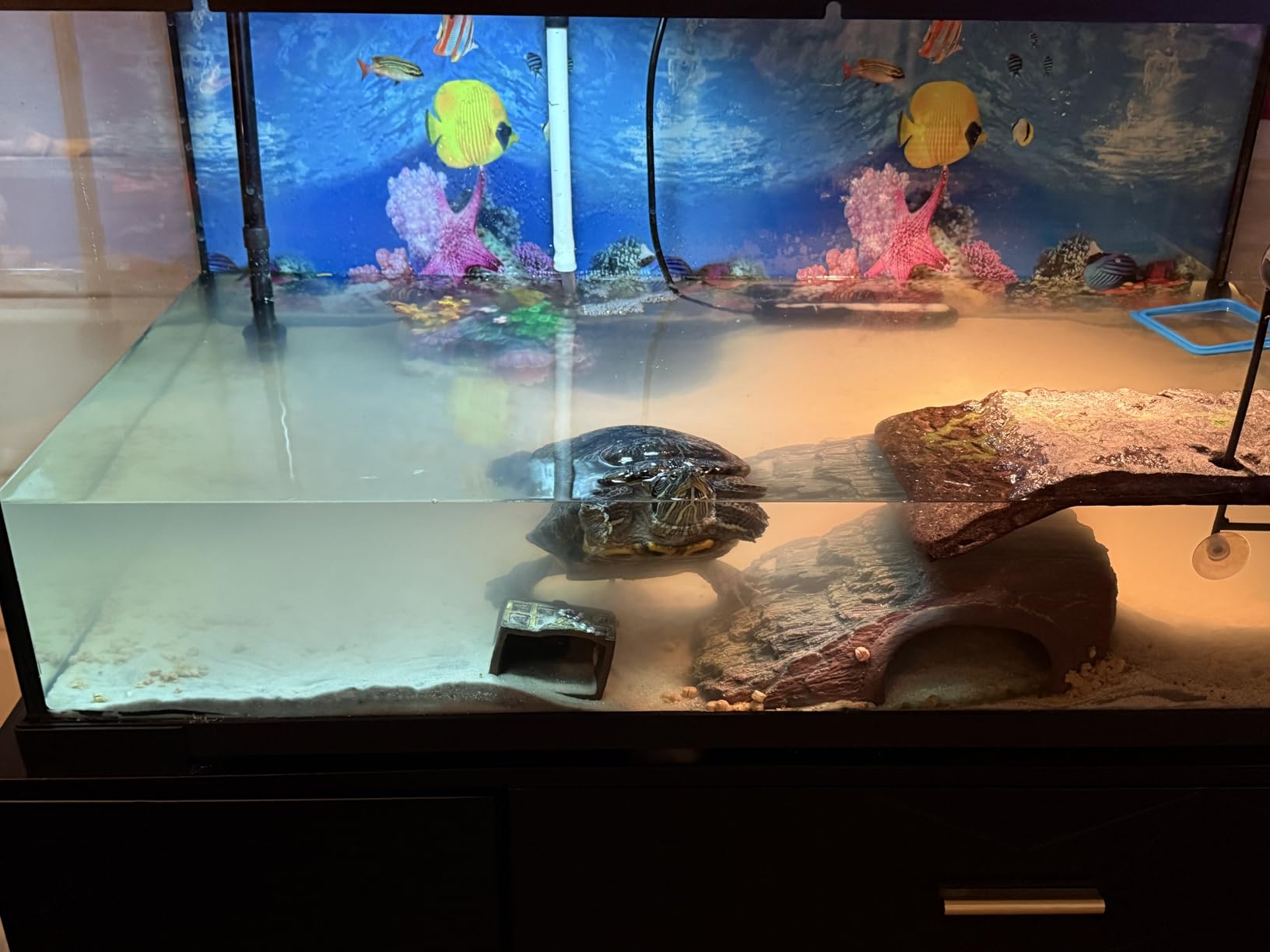
For a planted tank the practical question is whether the plastics can take the abuse. The intake, hose connectors and clips are the weak points, and they do break eventually.
Keep a small box of spare clips and hose clamps. That single habit is the difference between an annoyance and a flooded floor.
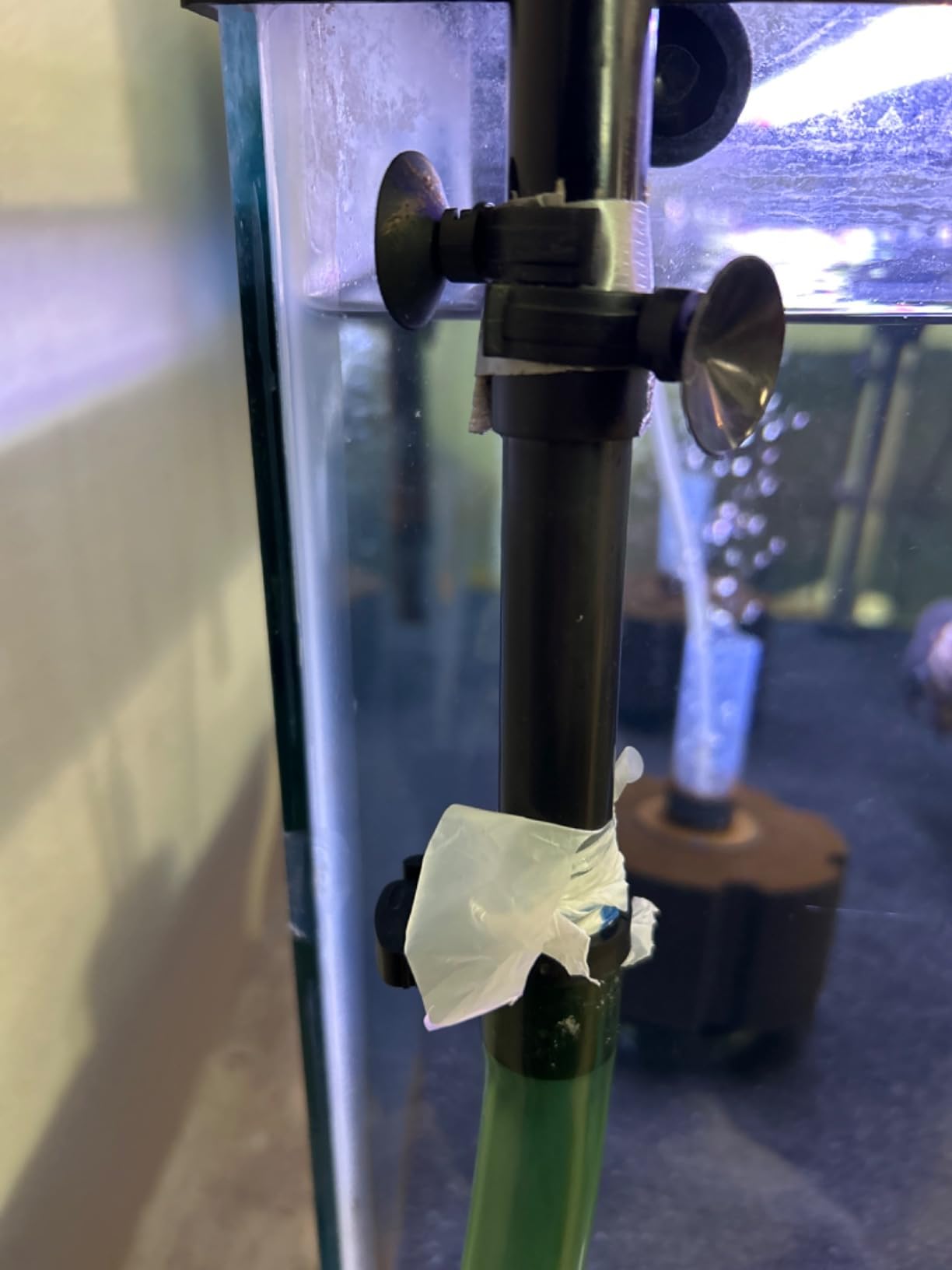
Fit the hoses before you install
The hoses are stiff and coiled, and forcing them onto the fittings usually ends in a crack. Soak the hose in hot water for a few minutes first, and it becomes soft enough to fit and to run a clean curve into the cabinet.
The prime is fiddly, and the documentation is thin. Both are manageable once you know the sequence: fill the canister, seat the head, hold the primer until it flows, and prime with the outlet open.
The lid O-ring can weep, so keep a spare on hand and check it during every clean.
Best budget canister for 20 to 75 gallons
For a 20, 30, 40 or 55 gallon planted tank, this is the strongest value on the list. The media capacity and flow suit those sizes well, and it upgrades a sponge filter tank to proper canister filtration for less than most people expect to spend.
It is not the choice for a bedroom tank, because the pump is audibly more present than a Fluval, and it is not the choice for a tank you plan to run for a decade without touching a spare clip.
11. Penn-Plax Cascade 700 – Best for 40-65 Gallon Tanks With Two Baskets
Penn-Plax Cascade 700 Canister Filter – 185 GPH for Tanks Up to 65 Gallons
185 GPH flow
Tanks up to 65 gallons
Two stackable baskets
25W, 110V
Pros
- Two large handled baskets for floss
- sponge and carbon
- 360-degree rotating valve taps
- Push-button primer
- Complete kit with spray bar and clamps
Cons
- Only two baskets versus three on the Cascade 1000
- 185 GPH suits 65 gallons and below
- Carbon bag needs monthly replacement
The Cascade 700 is a step down from the 1000 and that is exactly what makes it right for a smaller scape. It delivers 185 GPH, is rated to 65 gallons, and runs on 25 watts, so it moves less water and uses less power than almost anything else here.
You get the same dual 360-degree rotating valve taps, which is the feature that makes it easy to throttle a return in a planted tank, and the same push-button primer for quick startup.
The two large stackable baskets have built-in handles and take floss, bio-sponge and carbon. For a 40 to 55 gallon planted tank, two baskets is genuinely enough if you fill them properly.
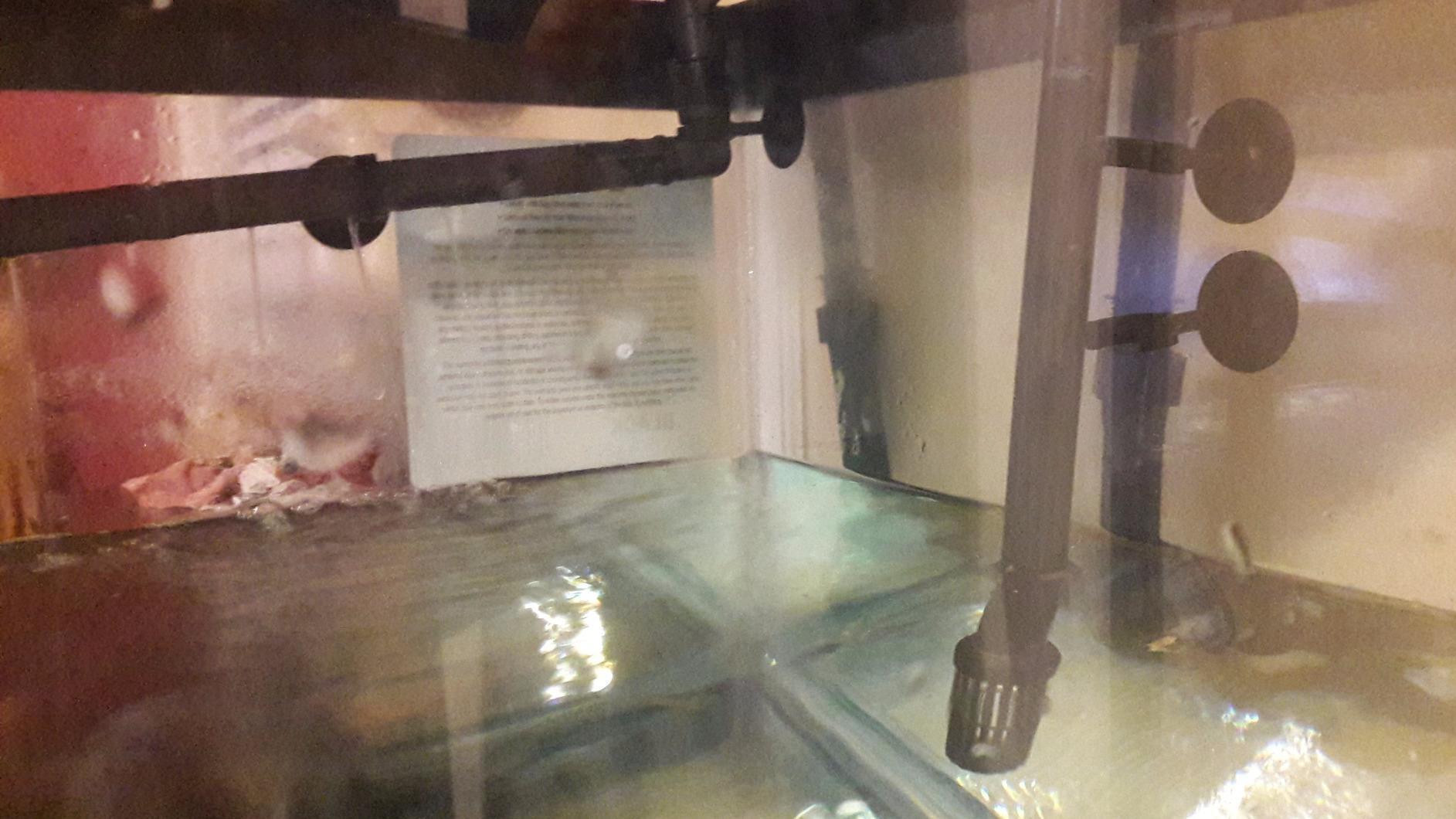
The kit is complete: two poly fiber floss pads, a coarse bio-sponge, an activated carbon bag, a spray bar, hose clamps and alignment clamps, and a tip-proof base. It works for freshwater, saltwater and turtle tanks.
Because it moves less water, it is also one of the easiest canisters here to run quietly in a smaller cabinet, and lower flow is often better for delicate planted species anyway.
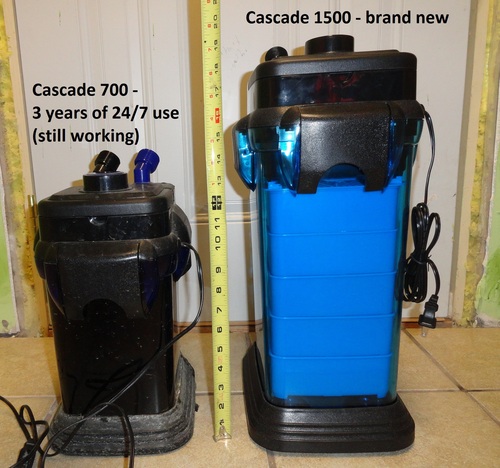
When the lower flow is the right answer
Flow rate has diminishing returns for biological filtration above roughly twice your tank volume per hour. Past that point, extra flow mostly affects plant distribution and surface agitation rather than filtration quality.
So on a 55 gallon low-tech planted aquarium, 185 GPH is not a compromise, it is an appropriate number. It is easier on your plants, easier on your livestock, and easier on your electricity bill.
The trade-off is media space. Two baskets means one sponge, one bio stage and very little room for extra chemical filtration. If you plan to run a carbon reactor, you need the 1000 instead.
Best for low-tech planted tanks under 65 gallons
Pick it for a 20 to 55 gallon low-tech planted tank where you want a complete, adjustable, quiet canister with a smaller footprint than the alternatives.
Do not stretch it to a 75 or 90 gallon display. You would be chasing a permanently under-filtered tank, and the extra load is exactly what the larger canisters exist to handle.
12. Zoo Med Nano 10 – Best for Nano Planted Tanks Under 10 Gallons
Zoo Med Nano 10 External Canister Filter, up to 10 Gallons,Black
Tanks up to 10 gallons
2.01 lb, 11.3 in body
Anti-vibration brushings
Spray bar, sponge, rings and carbon
Pros
- Tiny footprint with anti-vibration brushings for quiet running
- Easy to prime
- customize and open for beginners
- All three media types included
- Works in freshwater and saltwater nanos
Cons
- Rated only for tanks up to 10 gallons
- Small media capacity limits bio filtration options
- No flow adjustment
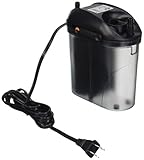
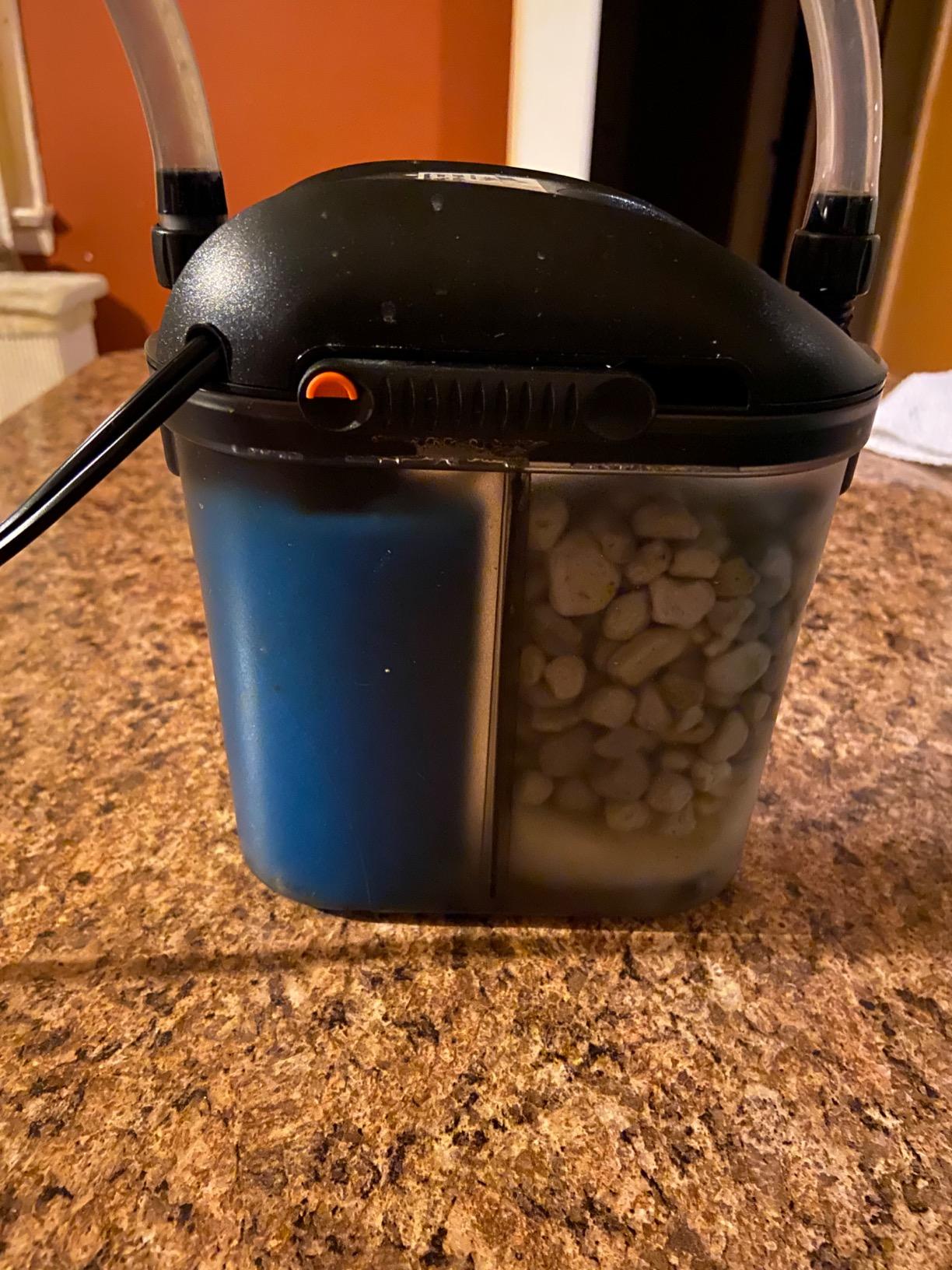
The Zoo Med Nano 10 is for the tiny end of the planted world, and it does one thing well: it disappears. At 2.01 pounds and 11.3 by 4.8 by 5.8 inches, it fits beside or under a nano tank where nothing else will go.
The anti-vibration brushings are the detail that makes it pleasant to run. Nano setups are usually in living spaces where you see and hear the equipment, and this is one of the quietest options at this size.
It ships with a spray bar for aeration, mechanical sponge, bio ceramic media and carbon, so the full three-stage stack is in the box.
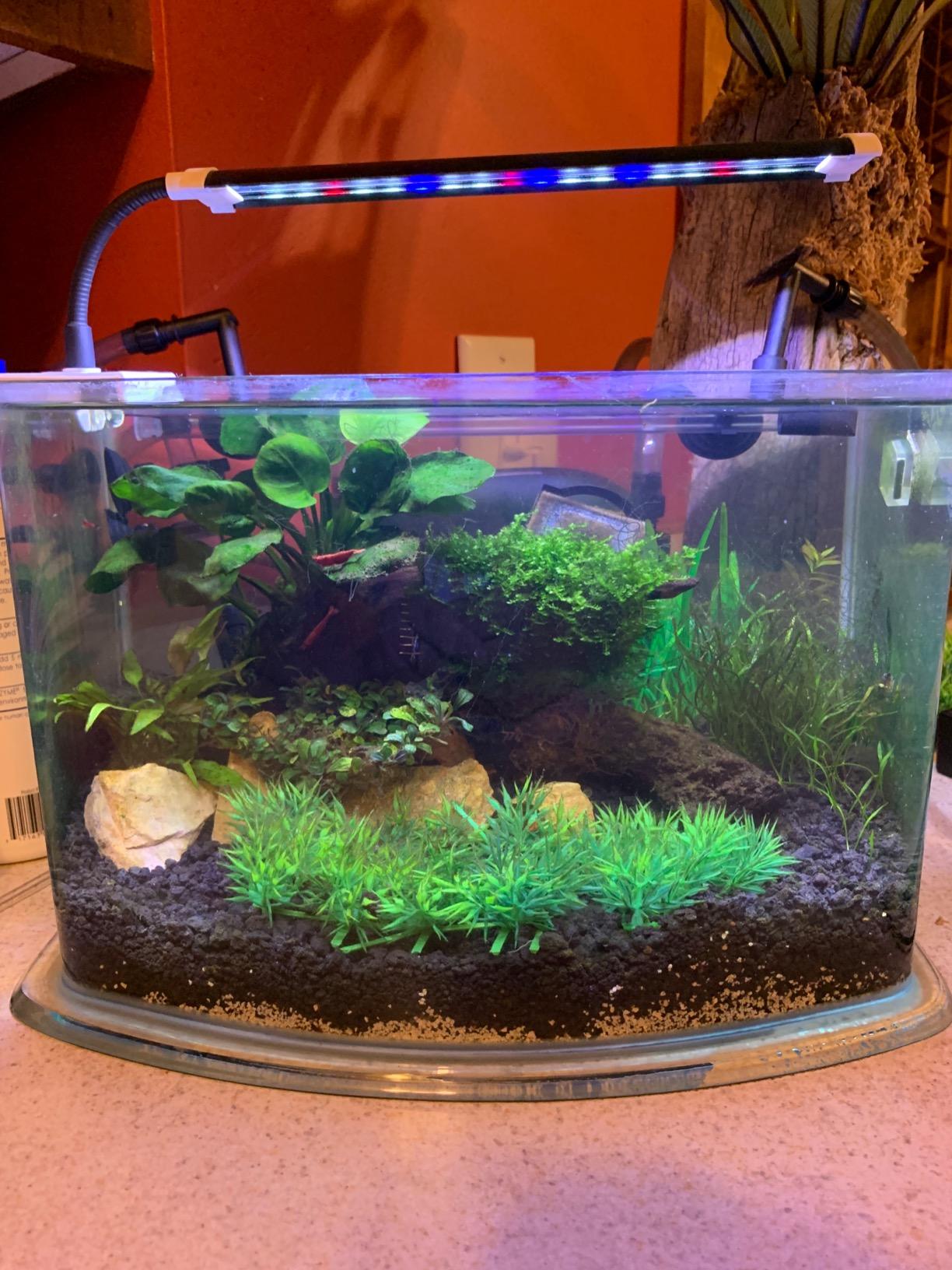
For a planted nano, the 10 gallon ceiling is the real constraint. A scape with a root mat and a heater in a 10 gallon tank is a small bioload, and a sponge filter is often enough.
Choose this if you want a canister for the aesthetics of having all equipment outside the tank, and because it is beginner-friendly to prime, customize and open.
Where the ceiling bites
Ten gallons is the hard limit, and the media capacity is small, so you have very little room to grow a large bio media base. That is fine for a lightly stocked nano and not fine for anything ambitious.
There is no flow adjustment, and in a small volume a fixed output can be more turbulence than a delicate nano scape wants.
Owners also note that media swaps are frequent because the small volume clogs faster, so set a realistic maintenance rhythm from day one.
Best for nano planted tanks under 10 gallons
This is the right filter for a 5 to 10 gallon planted nano where space is the binding constraint. It is quiet, compact, complete out of the box, and it works in both freshwater and saltwater.
For anything above 10 gallons, move up to the Cascade 700 or the HW-302 Pro. Both give you real media volume, which is what a planted tank at that size actually needs.
How to Size a Canister Filter for a Planted Tank
Size the filter by turnover, not by the number on the box. Multiply your actual tank volume in gallons by a turnover factor between 4 and 6, and that number is the GPH you want at the outlet.
A 75 gallon planted tank times 5 equals a 375 GPH target. A 40 gallon low-tech tank times 4 equals 160 GPH, which is where the Cascade 700 sits almost exactly.
Do not divide your turnover target by 60. That error is repeated constantly in aquarium sizing advice and it produces a number so low the filter cannot keep up with the tank. Turnover is simply how many times the filter moves the entire tank volume in one hour.
Two GPH numbers that are not the same
Manufacturers print two different flow figures and shoppers compare them as if they were interchangeable. Pump output is what the pump moves with the outlet wide open and no restriction. Filter circulation is what actually reaches the tank once hoses, a spray bar and lift height are accounted for.
Filter circulation is always lower. This is why a 265 GPH canister and a 400 GPH canister do not perform in the proportion their boxes suggest, and why comparing two brands’ headline numbers tells you very little.
Our advice is to treat the printed pump output as a ceiling and to assume you will lose a meaningful slice to lift height. Every extra foot the pump has to raise water costs flow.
Four steps to the right size
First, measure actual volume rather than trusting the tank’s nominal size. Substrate takes a big bite out of a 75 gallon display, and a heavily aquascaped 90 gallon can hold closer to 60 gallons of water.
Second, pick your turnover factor. Use 4 times for a low-tech planted tank with light stocking, 5 times for a typical high-tech scape, and 6 times for a heavily planted display with a large root mass and lots of fish.
Third, apply the math and then subtract for head height. The vertical distance from your water surface down to the canister is the biggest hidden flow loss in an under-tank installation.
Fourth, round up one size rather than down. Going one size too large gives you headroom to run a spray bar, add a CO2 reactor later, or dial the flow back at the outlet. Going one size too small means a permanently under-filtered tank.
Our broader guides to canister filters for large aquariums and canisters for 100-gallon tanks go deeper on the larger end of the sizing range.
What to Look for in a Canister Filter for Planted Tanks
Control beats raw flow in a planted tank. A pump that cannot be turned down will uproot delicate stems, blow sand out of your substrate, and strip CO2 from the water column. Look for rotating outlet valves, adjustable spray bars, or a directional return tube you can aim.
Media volume is the second priority. You want removable, stackable baskets with no bypass, and enough total volume that you can run mechanical, biological, and a removable carbon stage. A filter that holds half a gallon of media struggles with a root-heavy scape.
Outlet options matter more than most buyers expect. A spray bar distributes flow across the surface, a lily pipe gives a gentle directed current, and a single bare hose end aimed at the substrate does neither. This is the practical reason the rotating-tap Cascade models and the three-option Aqueon are worth a look.
CO2 reactors add head pressure
If you run an external CO2 reactor on the intake side, you are asking the pump to push water through a vessel full of carbon dioxide under pressure. A reactor is a significant restriction, and a weak or small canister will starve it.
This is the single most-asked question on planted-tank forums and almost never answered in roundups. The rule is simple: pick a canister with headroom above your turnover target, keep the reactor as close to the canister as you can, and install a shut-off valve on either side of the reactor so you can isolate it for cleaning.
Owners running reactors on Fluval 407-class and larger canisters report stable performance. Owners pairing a reactor with a small budget canister report a weak, sputtering reactor and a stripped-out water column.
Cabinet, power and placement
It is fine to place a canister next to the aquarium as long as it is in a cabinet or in a stable enclosure, dry, ventilated, and on a surface that can take its weight. Never run one on the tank stand itself, and never on carpet where a leak soaks in silently.
Measure the cabinet height before you buy, and measure with the lid closed. The FX6 is 21 inches tall and 19.9 pounds, which some shallow stands will not accept.
Leave 8 to 10 inches of slack in the intake hose so you can pull the canister up to service it. Leave the outlet above the water line or close to it, since a submerged return causes a small but permanent flow loss and lets the pump draw air.
One canister or two: two medium canisters give you redundancy, even distribution and enough headroom that neither unit is running at its limit. One oversized canister is simpler and uses less hose.
Media Stack for Planted Tanks: Mechanical, Biological, Skip the Carbon
Mechanical media goes in the bottom basket, closest to the intake. This is the sponge, floss or pad that traps the leaf fragments, root debris and detritus before they reach anything else. In a planted tank this basket will clog first, because that is where the decay happens.
Biological media goes in the middle. Ceramic rings, bio-balls or a coarse bio-sponge give the bacteria surface area, and this is where the volume matters most in a canister that has 1 gallon or 1.5 gallons of capacity.
Chemical media goes last, in its own removable basket, and in a planted tank most aquarists run without it or run a small amount. Activated carbon strips the trace nutrients that feed algae and it removes beneficial bacteria along with them, so leaving it out keeps the water clearer and the biofilm more stable.
That is the opposite of what the box tells you, because most canisters ship with a carbon bag as a sales item. Swapping the carbon for an extra basket of ceramic rings is the single best change you can make to a new planted canister.
Order matters less than people think, since water passes through every stage anyway, but mechanical first still protects the finer bio media from debris and keeps the biological basket from clogging.
If you are upgrading filters or moving a tank, keep the old bio media in a mesh bag and drop it into the new canister. It survives the swap, and so does your cycle.
First Start, Weekly Rinses, and Flow Troubleshooting
Start with the canister empty, seated in the cabinet, and hoses connected but not yet fully tightened. Fill the canister with tank water, prime the pump, and only then tighten the fittings once they are under flow pressure. Fittings that are torqued dry are the leading cause of a first-day leak.
Run the filter with the outlet above the water line and watch it. The first minute or two is loud and sputtering while trapped air works out of the impeller chamber. Once the flow smooths, lower the return into position.
Soften stiff tubing in hot water before fitting it. It will run a clean curve instead of kinking, and a kink in an intake hose reads as a weak filter for no obvious reason.
The maintenance split that works
Every week, spend three minutes lifting the pre-filter and mechanical sponge, rinsing it in the removed water from your water change, and putting it back. Never rinse biological media in tap water, and never replace sponge and ceramic rings on the same day, because that is how a cycle gets lost.
Every three to six weeks, do a full clean: empty the canister, rinse the biological media in old tank water, wipe the housing, and check the impeller and lid seal while it is open.
Replace carbon on a schedule rather than by eye, or leave it out. On a heavily planted tank the sponge needs attention far more often than the bio media does.
When flow drops
Weak flow is nearly always one of four things. Trapped air in the impeller chamber cuts flow roughly in half, and burping the filter fixes it in seconds. A clogged pre-filter is the second cause, and it is the one you can see. A pinched or kinked hose is the third, and it is often hidden behind the cabinet. A worn impeller is the fourth, and that is the only one that needs a part.
A rattling canister is usually the impeller hitting the housing as it wears or after the unit is running dry. Cut power immediately if you hear it, because running a canister dry destroys the impeller and the pump.
Pressurised humming that comes and goes with a vibration rattle in the cabinet is a different problem, and it is usually the canister sitting on a hollow cabinet panel rather than a fault in the filter.
Frequently Asked Questions
What is the best canister filter for a planted tank?
The Fluval FX6 is the best overall canister for a planted tank, with 925 GPH pump output, 1.5 gallons of media capacity, self-starting Smart Pump operation and removable stackable baskets. For a 40 to 70 gallon scape the Fluval 307 is the better fit, and for small or budget setups the SunSun HW-302 Pro covers up to 75 gallons.
Which is better, Eheim or Fluval?
Fluval wins on convenience and media volume. The FX4 and FX6 self-start, hold up to 1.5 gallons of media, and have widely available replacement parts. EHEIM wins on longevity and build quality, and its silicon-sealed pump heads keep running for decades, but the Classic 2213 needs manual priming and holds less media.
How much flow should a canister filter have?
Multiply your tank volume by 4 for a low-tech planted tank, 5 for a typical high-tech scape, and 6 for a heavily planted display. A 75 gallon tank at a factor of 5 needs roughly 375 GPH at the outlet. Do not divide by 60, and remember that pump output is always higher than the flow your tank actually receives once hose run and lift height are factored in.
Do I need a filter for a heavily planted tank?
Yes, and a heavily planted tank needs more filtration than a sparsely planted one. Roots, decaying leaves and CO2-fed growth constantly produce detritus and consume nutrients, so the filter has to move that nutrient-rich water and carry enough bio media to process the load. A canister handles both because it combines high circulation with a large media stack.
What are the pros and cons of a canister filter?
Pros: large media capacity, high flow, all equipment hidden in the cabinet, easy water changes through the drain, and no in-tank hardware spoiling the aquascape. Cons: more parts to maintain, a real risk of leaks if fittings are mishandled, pump noise that varies a lot by brand, and flow that is often too strong for delicate plants unless you can control the outlet.
What is the best order for media in a canister filter?
Mechanical first in the bottom basket, because it catches debris before it clogs the finer media above it. Biological media such as ceramic rings or bio-balls in the middle basket, where the bacterial colony does the work. Chemical media last in its own removable basket, and in a planted tank most aquarists leave carbon out entirely to keep trace nutrients available to plants.
What is the best biological media for canister filters?
Ceramic rings offer the most surface area for the bacterial colony, and coarse bio-sponge works well in the bottom basket where you can rinse it weekly. Keep the media wet and always rinse it in water removed from your own tank. Media stays stable for years, so replace only a small portion at a time, and keep old media in a mesh bag when you change filters so the cycle survives.
Can I use a canister filter with a CO2 reactor?
Yes, but a reactor adds real head pressure, so pick a canister with flow headroom above your turnover target and keep the reactor close to the canister. A small or undersized canister will starve the reactor and produce a sputtering, weak CO2 rate. Fitting shut-off valves on both sides of the reactor also lets you isolate it for cleaning without draining the canister.
How often should I clean a canister filter?
Rinse the pre-filter and mechanical sponge weekly, in water removed from your tank during a water change, which takes about three minutes. Do a full clean every three to six weeks, rinsing biological media in old tank water and checking the impeller and lid seal. Never rinse bio media in tap water and never replace sponge and ceramic rings in the same service.
Is it okay to place a canister filter next to my aquarium?
Yes, as long as it is in a cabinet or a stable enclosure, dry, ventilated, and on a surface that can support its weight. Keep it off the tank stand itself and off carpet, where a leak soaks in silently. Leave 8 to 10 inches of slack in the intake hose so you can lift the canister out to service it.
Final Verdict: Which Canister Filter Should You Buy?
For a 75 to 100 gallon high-tech planted display, buy the Fluval FX6. The 1.5 gallon media stack and 925 GPH pump are what separate it from everything else here, and the self-starting Smart Pump removes the most common first-week frustration.
For 50 to 75 gallons, the FX4 is the same engineering in a lighter, shorter body. For 40 to 70 gallon tanks on a budget, the Fluval 307 is the proven default with one-finger media removal. Below 55 gallons, the Penn-Plax Cascade 700 and the SunSun HW-302 Pro cover you, and the Nano 10 handles anything under ten gallons.
Whichever you choose, skip the carbon, run mechanical first, rinse the sponge weekly in old tank water, and size your canister one size up rather than one down. That is the whole difference between the best canister filters for planted tanks and a filter you end up resizing within a year.