
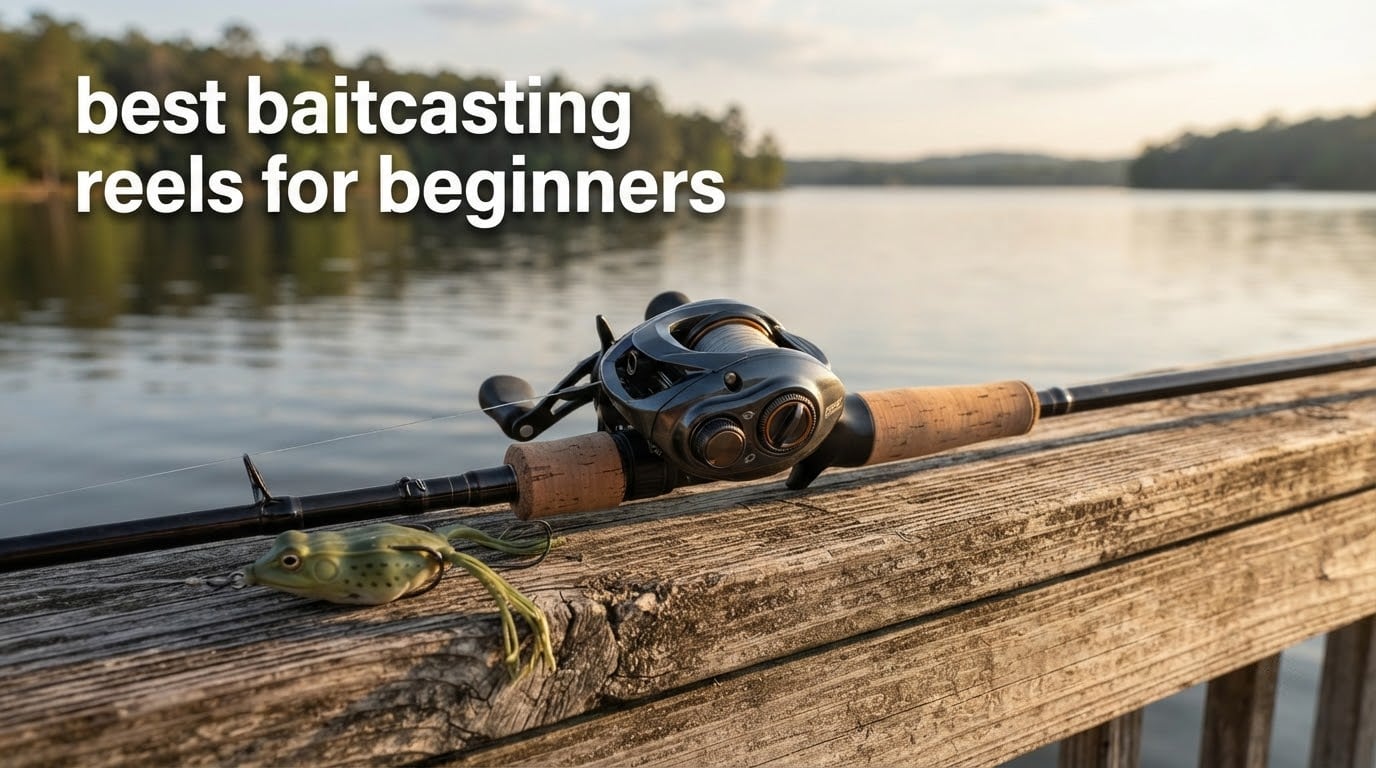
If you want one reel that a first-timer can actually learn on, the KastKing Royale Legend II is our pick for the best baitcasting reels for beginners in 2026. Its eight-magnet brake gives you ten levels of control, the frame weighs 7.2 ounces, and more than 3600 owners have rated it 4.5 out of 5. Every reel below was judged on cast control, drag smoothness, spool feel and how quickly a nervous caster can dial the brake in.
That last point is the whole ballgame. A baitcaster is not harder than a spinning reel because the hardware is complicated; it is harder because the spool can outrun the lure, and the two controls that manage that spool are unfamiliar. Pick a reel whose braking system is easy to understand and you will be casting accurately inside a week, not a season.
Below are 12 reels, from a 6 ounce ultralight low-profile to round reels with centrifugal brakes that barely need a thumb. We also cover the question most roundups skip: whether a beginner should start with a baitcaster at all, what to pair the reel with, how to cast, and what to do when the spool tangles. If you are still setting up a first kit, our beginner gear roundup for reef LED lights follows the same pick-the-right-tier logic we apply here.
Table of Contents
Top 3 Best Baitcasting Reels for Beginners in 2026
KastKing Royale Legend II
- 8-magnet Cross-Fire brake
- 7.2 oz frame
- 17.6 lb carbon drag
- 5+1 bearings

Those three cover most first-time buyers. The Royale Legend II is the one we would put in a beginner’s hands without hesitating, the Torrent is the smoothest-feeling reel in the group, and the Chaos XS is the round reel that forgives a bad thumb.
12 Best Baitcasting Reels for Beginners (October 2026)
| Product | Specs | Action |
|---|---|---|
| KastKing Royale Legend II |
|
Check Latest Price |
 Piscifun Torrent Piscifun Torrent |
|
Check Latest Price |
| Piscifun Chaos XS |
|
Check Latest Price |
 Abu Garcia Max X Abu Garcia Max X |
|
Check Latest Price |
 Shimano SLX Shimano SLX |
|
Check Latest Price |
 Lew’s Classic Pro Speed Spool Lew’s Classic Pro Speed Spool |
|
Check Latest Price |
 KastKing Centron Lite KastKing Centron Lite |
|
Check Latest Price |
 KastKing Spartacus II KastKing Spartacus II |
|
Check Latest Price |
 Lew’s Speed Cast Lew’s Speed Cast |
|
Check Latest Price |
 Daiwa Fuego CT Daiwa Fuego CT |
|
Check Latest Price |
 Sougayilang 8.0:1 Sougayilang 8.0:1 |
|
Check Latest Price |
 YKLP 18+1 YKLP 18+1 |
|
Check Latest Price |
Two numbers deserve a note before the reviews. Bearings are not interchangeable with smoothness: the YKLP reel lists 18 stainless steel bearings, the highest count here, and its reviews still describe a handle with play, while the five-bearing Lew’s Speed Cast is described as smooth. Bearing count is a weak signal. Brake type and drag quality are the strong ones.
1. KastKing Royale Legend II – The Reel We Would Hand a First-Timer
KastKing Royale Legend II Baitcasting Reels, 7.2:1 Gear Ratio, Right
7.2 oz graphite frame
7.2:1 ratio, 29.8 in retrieve
17.6 lb 4-disc carbon drag
8-magnet brake
Pros
- Ten-level 8-magnet brake that suppresses overruns
- Compact 7.2 oz graphite frame
- Double-bearing supported pinion gear
- 17.6 lb carbon drag with CNC aluminum spool
- Right hand retrieve at 110/8 line capacity
Cons
- Magnetic brake takes practice to dial for heavier lures
- Spool and line guide smaller than larger low-profile reels
- Right hand retrieve only
This is the reel we kept coming back to after working through the whole group. The Royale Legend II is a 7.2 ounce low-profile frame with an eight-magnet Cross-Fire brake, and that brake has ten adjustment levels rather than the usual four or five. More levels sound like a small detail, but for a first-timer they are the difference between nudging the setting one click at a time and guessing.
Owners with the most casts behind them report thousands of casts without a failure, and the drag holds a steady 17.6 pounds. Across fishing forums, KastKing entries including the Royale Legend are the most frequently recommended budget and first-reel choices, and our own casts were clean once the spool tension was matched to the lure.
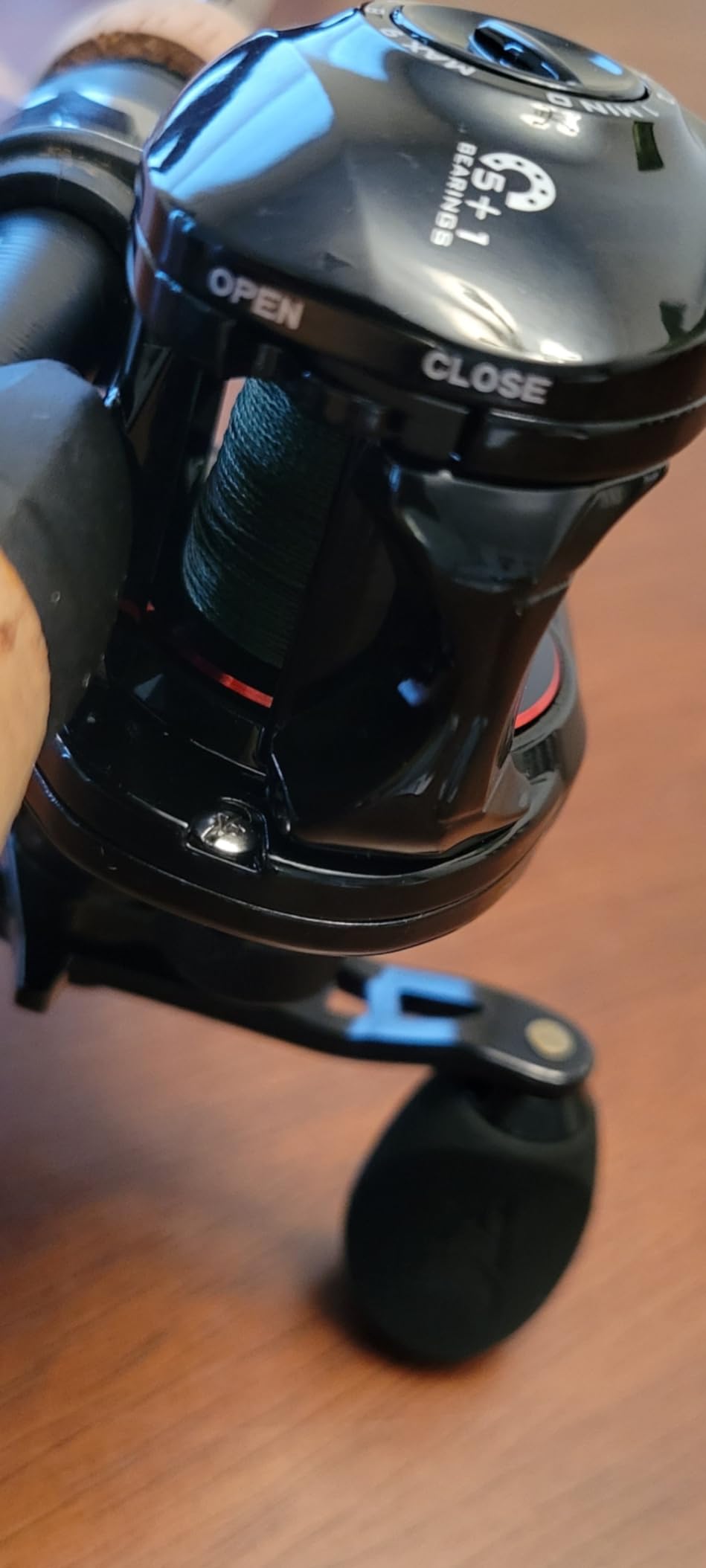
Technically, the double-bearing supported pinion gear is the detail that separates it from entry baitcasters at similar weights. It costs a little more effort at assembly, and the payoff is a noticeably smoother winding under load, which is exactly when you are pulling a fish that does not want to come off the structure. Line retrieve is 29.8 inches per crank, fast enough to pick up slack on a buzzbait without winding twice.
The honest weakness is the spool. Line capacity is listed at 110/8, so it holds less than the deep-spool reels in this group. If you are spooling heavy braid for saltwater work, this is not the frame. For freshwater bass and general inshore use it is more than enough, and the concealed side cover release keeps the frame smooth under your palm all day.
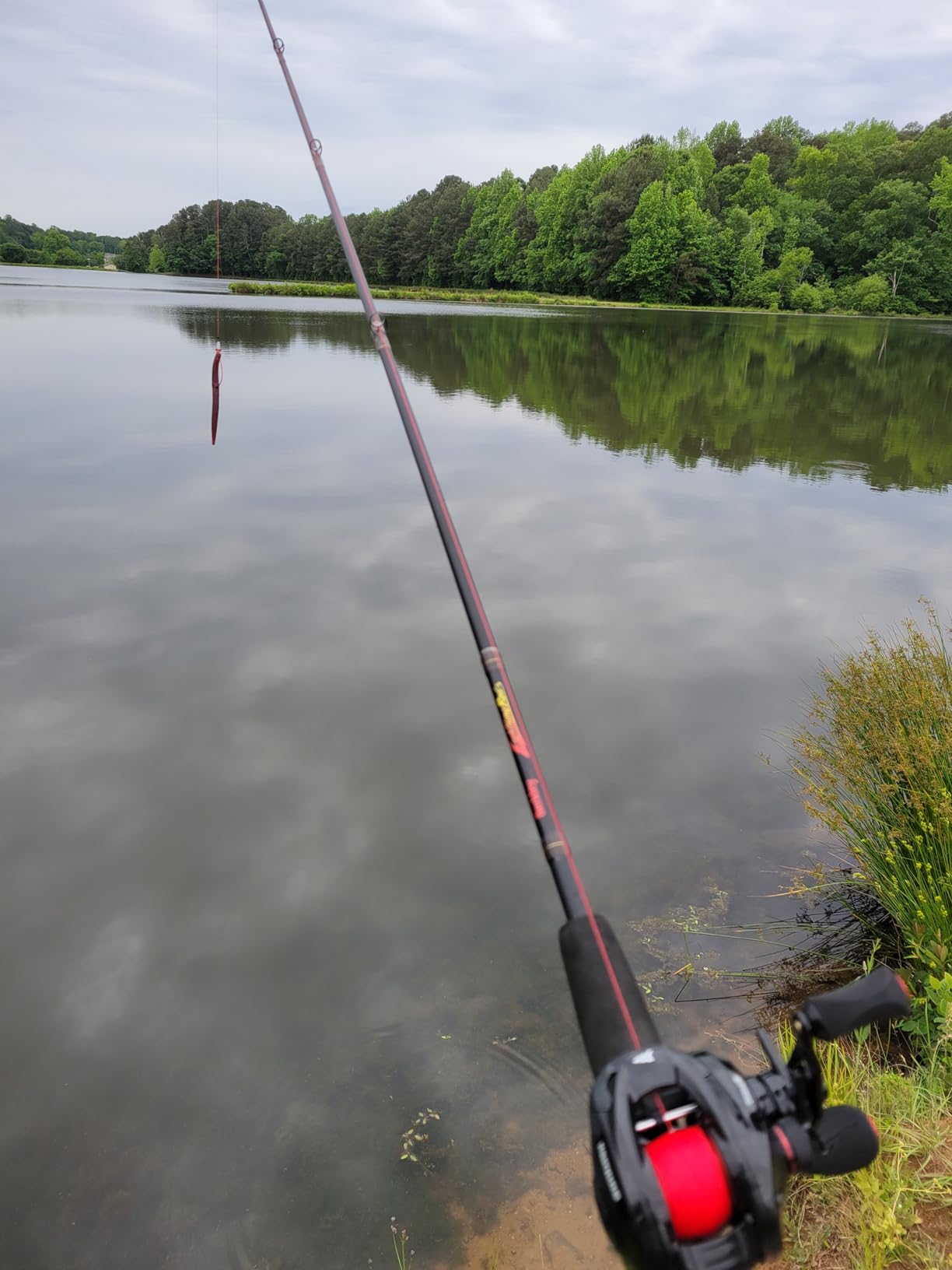
Who It Suits
It suits a beginner who fishes freshwater, wants a reel light enough to cast all day and heavy enough for a decent-sized bass, and will spend ten minutes learning the brake. It also suits anyone moving up from a spinning setup who wants braid line and lure control without moving up to a flagship price.
If you fish mostly inshore or on heavier line, pair it with a medium-heavy rod. The 17.6 pound drag gives you plenty of headroom for bass, pike and moderate saltwater species.
Who It Does Not Suit
Skip it if you cast heavy line, if you need more than about 110 yards of 8 pound mono, or if you are a southpaw. The frame on this listing is right hand retrieve, and reel foot fit is worth checking against your rod before you commit.
It is also not the right pick if you refuse to touch a brake dial. Anyone unwilling to adjust the magnets as lure weight changes will end up fighting backlash, regardless of which reel they buy.
2. Piscifun Torrent – The Smoothest Feel Per Dollar in the Group
Piscifun Torrent Baitcasting Reel 18LB Carbon Fiber Drag 7.1:1 Baitcasters Unequaled Affordable High-tech Innovation Baitcast Fishing Reels Right Handed
8 oz stainless steel body
7.1:1 ratio, 30 in retrieve
18 lb triple carbon drag
Magnetic brake
Pros
- Quiet retrieve owners compare to dearer reels
- Long casts with little backlash once tuned
- Double-bearing supported pinion gear
- Oversized EVA-gripped double handle
- Side-plate oil port for easy servicing
Cons
- Drag can feel grabby under heavy fish pressure
- Some arrive lightly lubricated
- Bulkier body than comparable low-profile reels
The Torrent has the largest review count of any reel in this roundup, with more than 3800 owners averaging 4.4 stars. That number matters more than a spec sheet here, because the same sentiment repeats: a smooth, quiet retrieve that owners describe as better than reels costing considerably more. Several buyers report buying a second one rather than upgrading.
Casting performance is the other repeated theme. Once the magnetic brake is tuned for the lure, owners report long casts with minimal backlash. The double-bearing supported pinion gear is 30 percent smoother under load according to the manufacturer, and the oversized EVA-gripped double handle gives a beginner real cranking power while the rod is still a little intimidating.
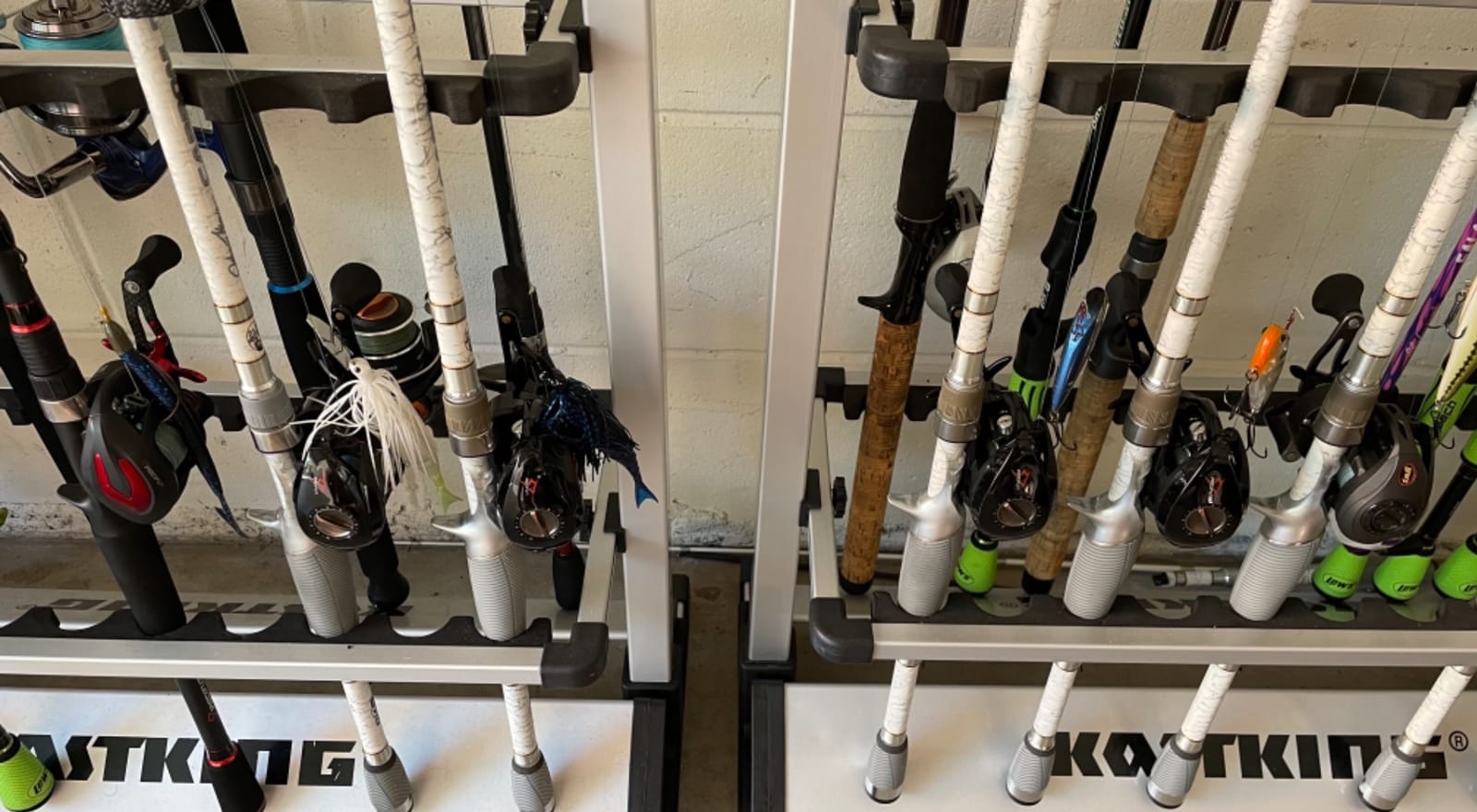
At 8 ounces with a 30 inch line retrieve, this is a reel you can throw a 1 oz crankbait a long way and then wind the slack back instantly. A 5.3:1 version is also listed for anyone who prefers a slower retrieve for heavy cover work, and the drag uses triple carbon washers rated to 18 pounds.
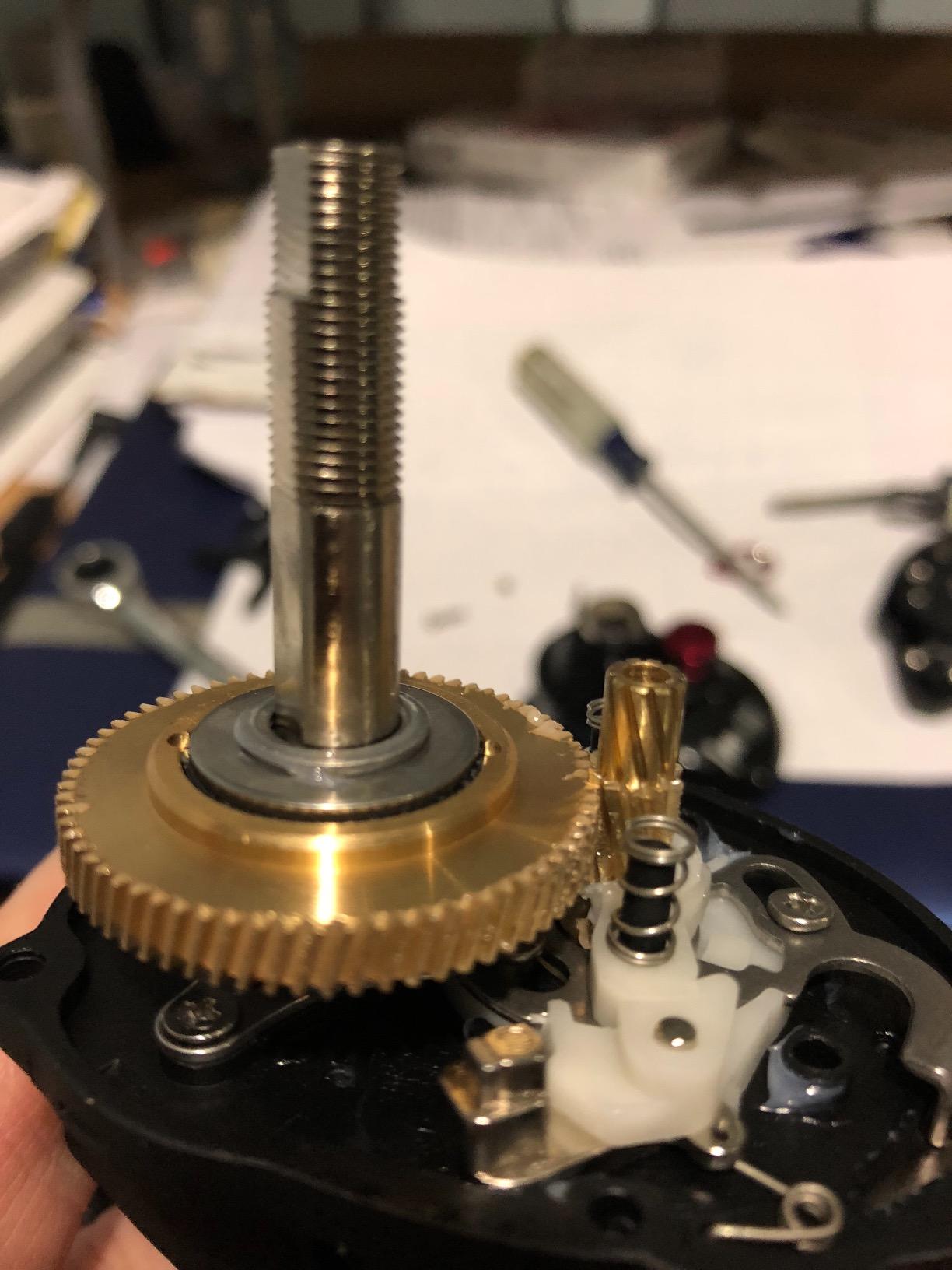
Two practical notes. The body is bulkier than the slim low-profile frames here, which is a fair trade for the spool capacity to run mono at 10 pound and 120 yards or braid at 30 pound and 120 yards. And some units arrive with little factory lubrication, so plan a quick service before the first session rather than treating the stiff feeling as a fault.
Who It Suits
It suits a beginner who wants a long-cast reel with a forgiving brake and a handle big enough to grab. Line capacity is generous for the price, so it works as a single freshwater reel covering everything from topwater to light structure fishing.
It also suits an angler who will maintain the reel. The side-plate oil port turns a first service into a ten-minute job instead of a trip to a repair counter.
Who It Does Not Suit
Owners do flag the drag as grabby and inconsistent when a large fish pulls hard, so it is a poor match for someone targeting catfish, musky or anything that will run hard. The bulk also makes it a less pleasant all-day carry than a 6 ounce frame.
If you fish with heavy braid all day, check the spool capacity against your line first. It is good, but it is not the deep-spool frame on the Chaos XS.
3. Piscifun Chaos XS – The Round Reel That Forgives a Bad Thumb
Piscifun Chaos XS Round Baitcasting Reel, Blue 50 Right Hand
7075 aluminum frame, 12.3 oz
5.3:1 ratio, 22 lb carbon drag
Centrifugal brake
6+1 shielded bearings
Pros
- Centrifugal brake produces near-zero backlash
- 7075 aluminum frame is solid and light
- 22 lb carbon drag handles big fish
- Recessed reel foot stays low and comfortable
- CNC anti-line-skip spool makes spooling easy
Cons
- Durability only average over years of heavy use
- Bait clicker quieter than some owners expect
- Heaviest frame in this group at 12.3 oz
Here is the single most useful reel on this list if you are scared of tangles. The Chaos XS uses a centrifugal brake: weighted pins on the spool collar push outward as the spool speeds up, which slows it during the cast without you touching anything. There is no dial to set and no thumb pressure to learn on the first few casts. For a nervous beginner that is worth more than any bearing count.
Owners consistently describe the casting as smooth and long with almost zero backlash, and it is repeatedly recommended in forums as the beginner-friendly round reel. The 22 pound carbon fiber drag with a Haimai-cut brass main gear handles catfish, halibut and stripers, so the reel does not have to be retired the moment you leave the pond.

The 7075 aircraft grade aluminum frame is 10 percent lighter than the comparable alternative and still feels rigid in the hand. The CNC caved anti-line-skip spool widens toward the rim, which is a small design detail that makes threading line far easier and reduces the chance of a loose wrap starting a nest. Line capacity of 200 yards at 10 pound test is the deepest spool in the group.
The trade-off is weight and shape. At 12.3 ounces with a 5.3:1 ratio, this is the heaviest reel we list, and the round profile sits higher on the rod than a low-profile frame. It rewards slow, heavy retrieves rather than flipping light plastics at a dock.
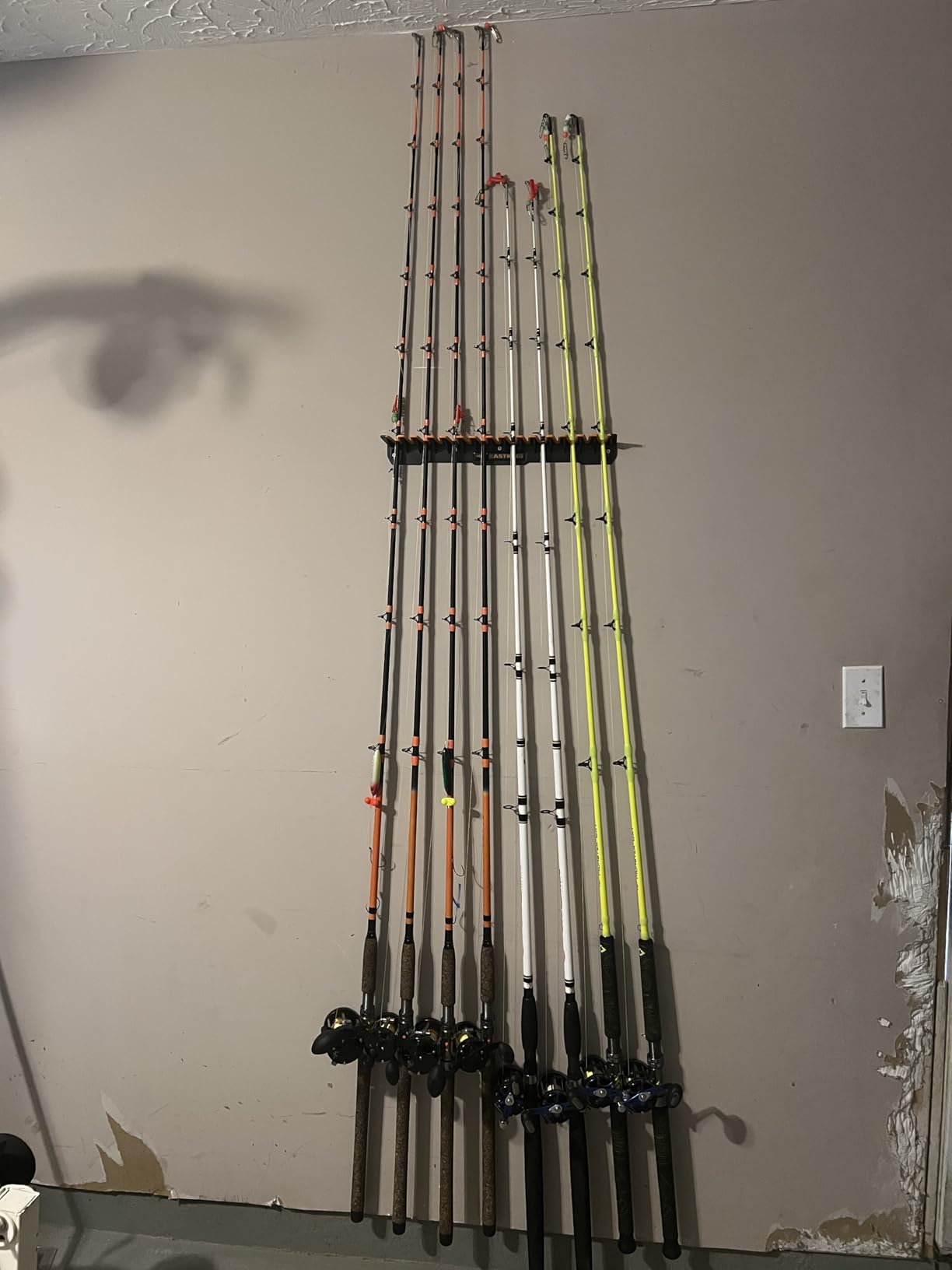
Who It Suits
It suits a beginner who wants to cast without thinking about the spool, plus anyone targeting heavier fish where drag strength matters more than weight. The recessed reel foot sits low against the rod, which many anglers find more comfortable than a raised frame.
It also suits saltwater and inshore work. Deep spool capacity and a 22 pound drag cover heavy braid in a way the slim low-profile frames do not.
Who It Does Not Suit
It does not suit finesse fishing or anyone who wants a light reel for long sessions on a kayak. Nor does it suit a beginner who wants to develop a light thumb touch, because the brake removes the very feedback that teaches casting control.
Long-term owners report mixed durability, with some examples acting up after about a year of heavy use. The brand’s replacement service is called out favourably, which softens that concern, but it is still a fair warning to buy one for freshwater first.
4. Abu Garcia Max X – 4.7 Stars and a Graphite Frame That Disappears
Abu Garcia Max X Low Profile Baitcast Reel, Size LP (1539733), 4 Stainless Steel Ball Bearings + 1 Roller Bearing, Synthetic Star Drag, Max of 15lb | 6.8kg
7.4 oz graphite frame
6.4:1 ratio, 25 in retrieve
Power Disk drag to 15 lb
MagTrax magnetic brake
Pros
- MagTrax brake stays consistent across a whole cast
- Graphite frame and aluminum spool at only 7.4 oz
- Power Disk drag holds up with larger fish
- Recessed reel foot and large PVC knobs aid comfort
- Long-time owners report decades of service
Cons
- Casting very light lures can be tricky
- Backlash still possible with poor thumb control
- Not intended for saltwater use
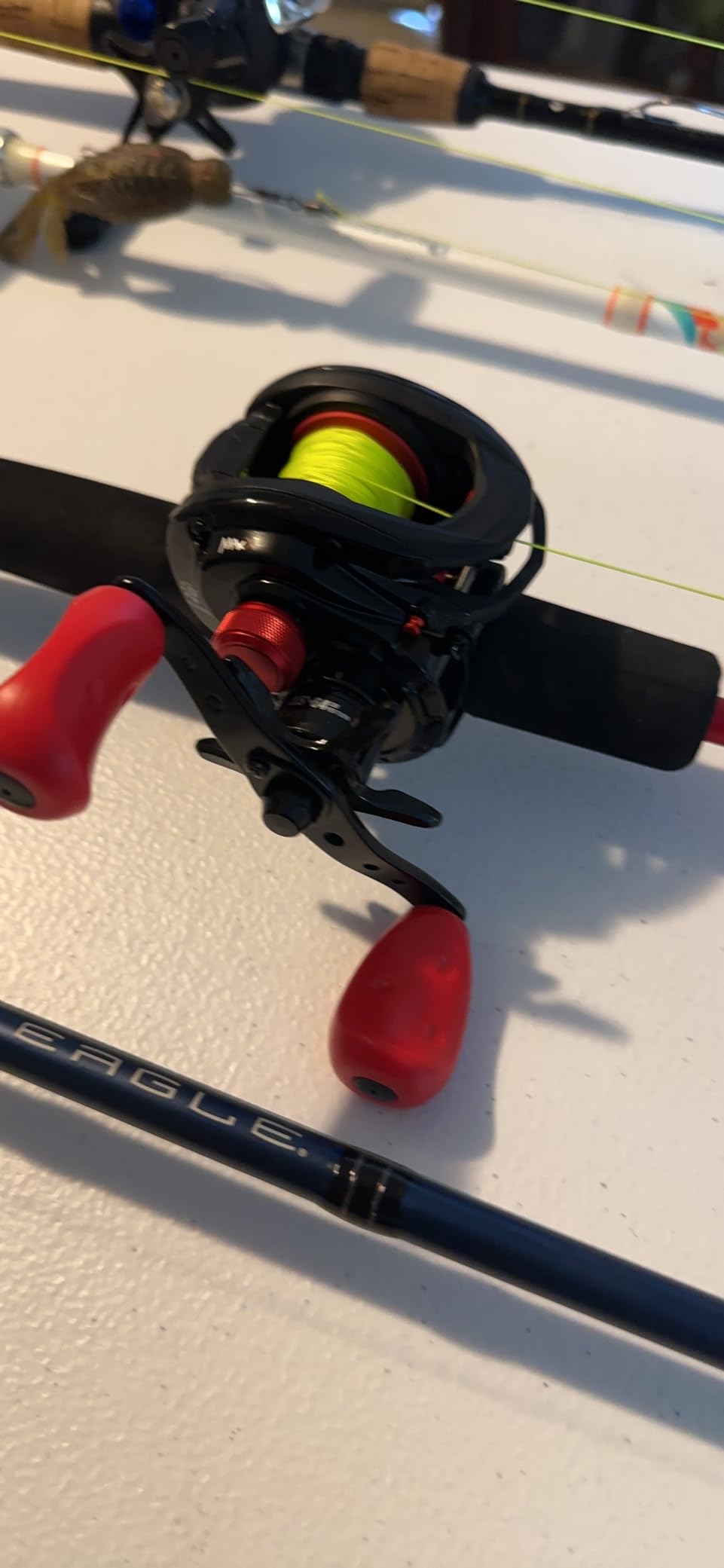
The Max X carries a 4.7 rating from owners, and the reason shows up in the reviews rather than the spec sheet: the MagTrax magnetic brake delivers consistent pressure across the whole cast. Where many budget reels give a weak start and then a sudden stop, this one feels linear, so a beginner learns a predictable rhythm instead of a frustrating one.
Long-time anglers report that Abu Garcia first reels such as the Silver Max and Revo SX held up for decades, and the Max X sits in that tradition. Several owners use theirs as a travel and camping reel, which tells you something about how rarely it fails. The 6.4:1 ratio and 25 inch line retrieve are slower than most of the group, which suits bottom-feeding retrieves and slow plastics.

At 7.4 ounces with a graphite frame, machined aluminum spool and Power Disk drag rated to 15 pounds, the balance is what stands out. The bent handle, recessed reel foot and oversized PVC knobs make it easy to palm for a whole session. Bearing count is modest at five including the instant anti-reverse bearing, yet the crank is described as smooth, which is a good reminder that bearing count alone predicts very little.
Line capacity is generous for a low-profile: 155 yards of 20 pound braid, 120 yards of 30 pound braid, or 150 yards of 10 pound mono. The Duragear brass gear is a solid foundation. The catch is that a 6.4:1 ratio is not the tool for pitching light plastics to tight cover, where the slow retrieve leaves slack behind the lure.
Who It Suits
It suits a beginner who fishes from a boat or a pier, wants a reel that feels balanced rather than spec-heavy, and prefers a predictable brake over a feature list. The comfort details matter on a long day, and this frame is built for one.
It also suits an angler who will grow into bigger fish. At 15 pounds of drag and a large spool, there is room to move from bass to light saltwater structure work.
Who It Does Not Suit
Skip it for finesse and for very light lures; owners specifically note that casting light lures can be tricky. It is also not a saltwater reel, and the graphite frame is one to rinse off after a trip to the flats.
If your casting style leans on fast, high-ratio retrieves, the 6.4:1 will feel undergeared compared with the Shimano SLX or the Sougayilang.
5. Shimano SLX – The Braid Reel That Casts Clean at Distance
SLX
HAGANE metal body, 6.9 oz
Super Free Spool, 8.2:1 ratio
Variable Braking System
Three ratios available
Pros
- Casting distance and smoothness rated at the top of the class
- 8.2:1 retrieve picks up slack instantly
- Super Free Spool handles heavy braid cleanly
- Compact body is easy to palm and carry
- Owners compare it to flagship models costing multiples
Cons
- Not backlash-proof
- thumb technique still required
- Can feel slow out of the box before lubrication
- Crank is chunkier than Shimano flagships
The SLX is where the money starts to matter. Owners rate casting distance A-plus, crank smoothness A-minus and value well above its tier, frequently comparing it favourably to Shimano’s flagship Metanium and Antares. The 8.2:1 ratio on this model is the fastest in the group after the Sougayilang, and it retrieves line fast enough to set the hook the instant a fish turns.
Two design features do the real work. The HAGANE metal body keeps the frame rigid so the gearing stays accurate under load, and Super Free Spool means the spool is essentially free when you press the thumb bar, which is what makes long casts with heavy braid possible in the first place. The Variable Braking System adds an internal adjustment layer on top of the external brake.
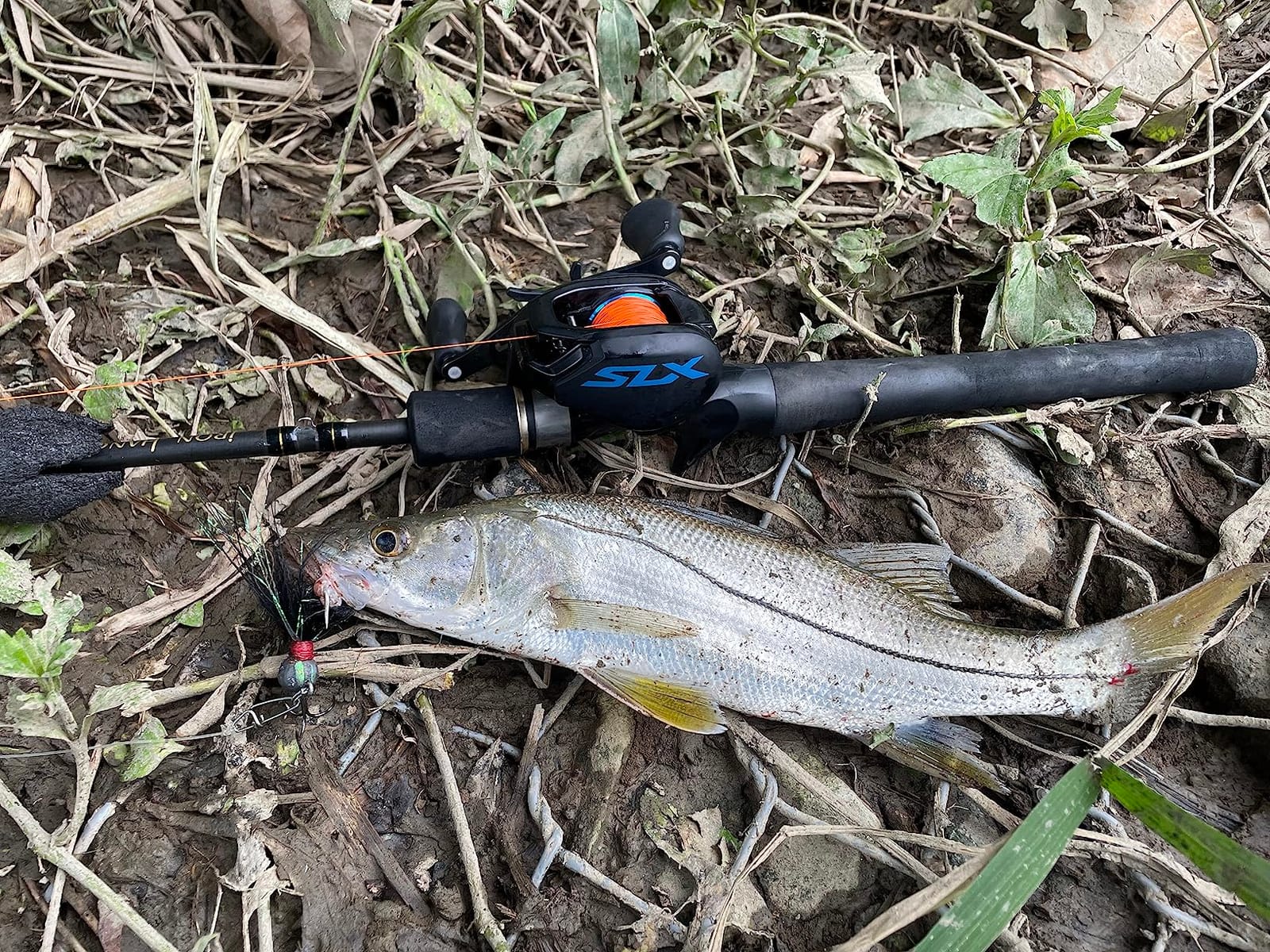
At 6.9 ounces the frame is among the lightest here, and the low-profile shape is comfortable to palm. Line capacity is listed at 120 yards of 10 pound, 110 of 12 pound and 90 of 14 pound, so it suits medium-heavy line rather than light braid. Three gear ratios exist across the range, at 6.3:1, 7.2:1 and 8.2:1, so you can pick a slow model later without changing brand.
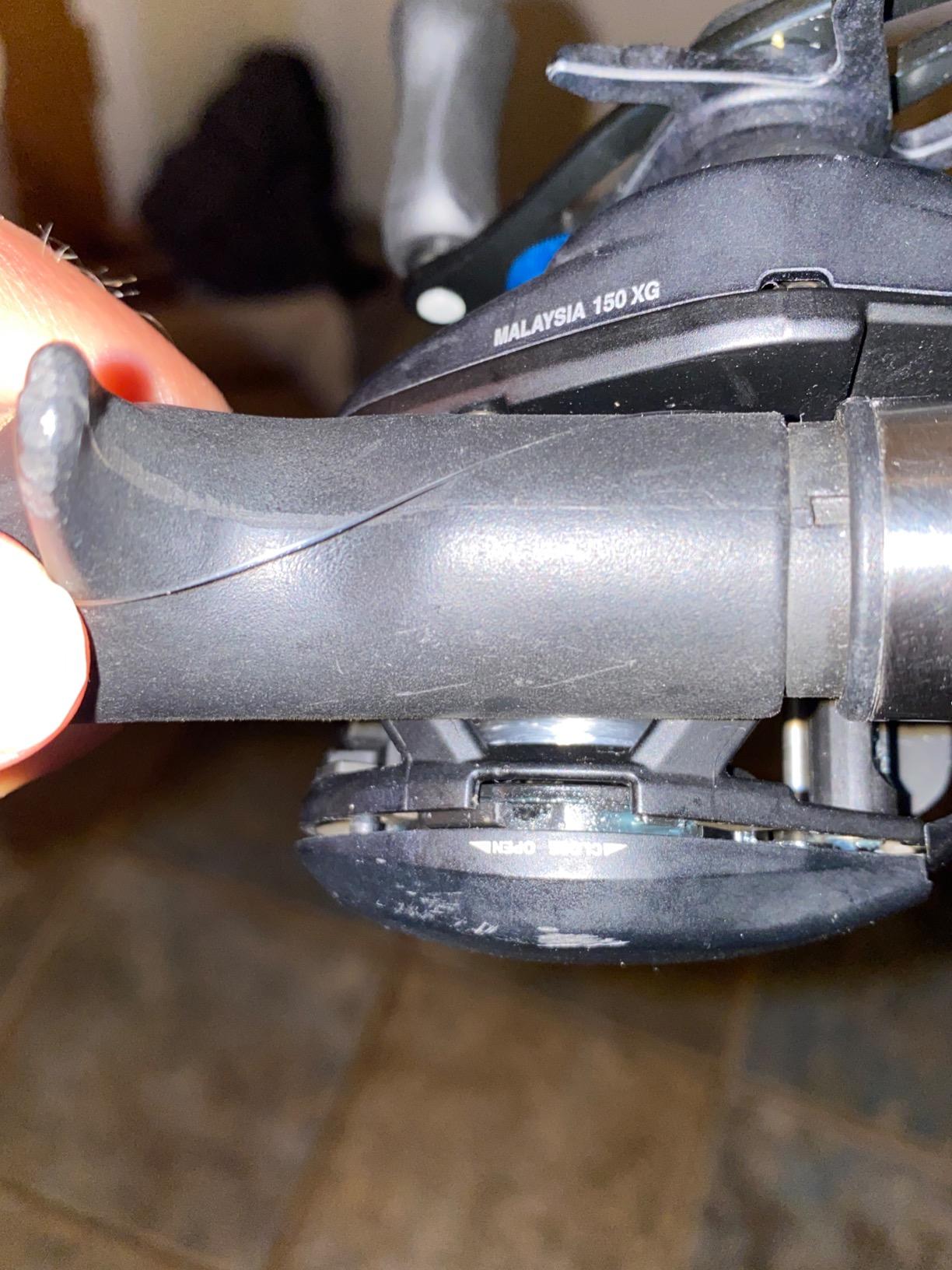
Be realistic about the learning curve. Nothing prevents backlash, the reel can feel slow straight out of the box until it is lubricated, and the crank is chunkier than Shimano’s flagship models. If you are on a hard deadline to be casting cleanly this weekend, the Royale Legend II is the softer landing.
Who It Suits
It suits a beginner who already has the fundamentals and wants the best casting performance money can buy at this level, especially with braid on a heavier rod. Braid anglers get the most out of Super Free Spool because they have less stretch to absorb line shock.
It also suits a buyer who plans to keep the reel. An aluminium-bodied Shimano with a rigid frame is a reel you can service and keep for years rather than replace.
Who It Does Not Suit
It does not suit an absolute first-timer on a strict budget, or someone who wants a reel they can abuse while learning. Reels in this bracket reward good habits, and this one asks for lubrication before the first cast.
Left and right handed models are listed, which is unusual in this price range, so a southpaw is not shut out. Check the reel foot against your rod before buying.
6. Lew’s Classic Pro Speed Spool – Levelwind Design for a Gentler Learning Curve
Lew’s Classic Pro Speed Spool SLP Baitcast Fishing Reel, 7.5:1 Gear Ratio, Graphite Frame, Premium 5 Stainless Steel Ball Bearings
Levelwind Speed Spool, 8.64 oz
7.5:1 ratio, 30 in retrieve
Externally adjustable MCS brake
15 lb Rulon drag
Pros
- Levelwind guides line and reduces backlash for beginners
- Externally adjustable magnetic brake for precise control
- 30 inch retrieve picks up slack fast
- Solid brass Speed Gears and 5 bearings
- Zirconia line guide cuts friction on cast and retrieve
Cons
- Levelwind spool adds weight and bulk
- Monofilament-focused capacity is modest
- Right hand retrieve on this listing
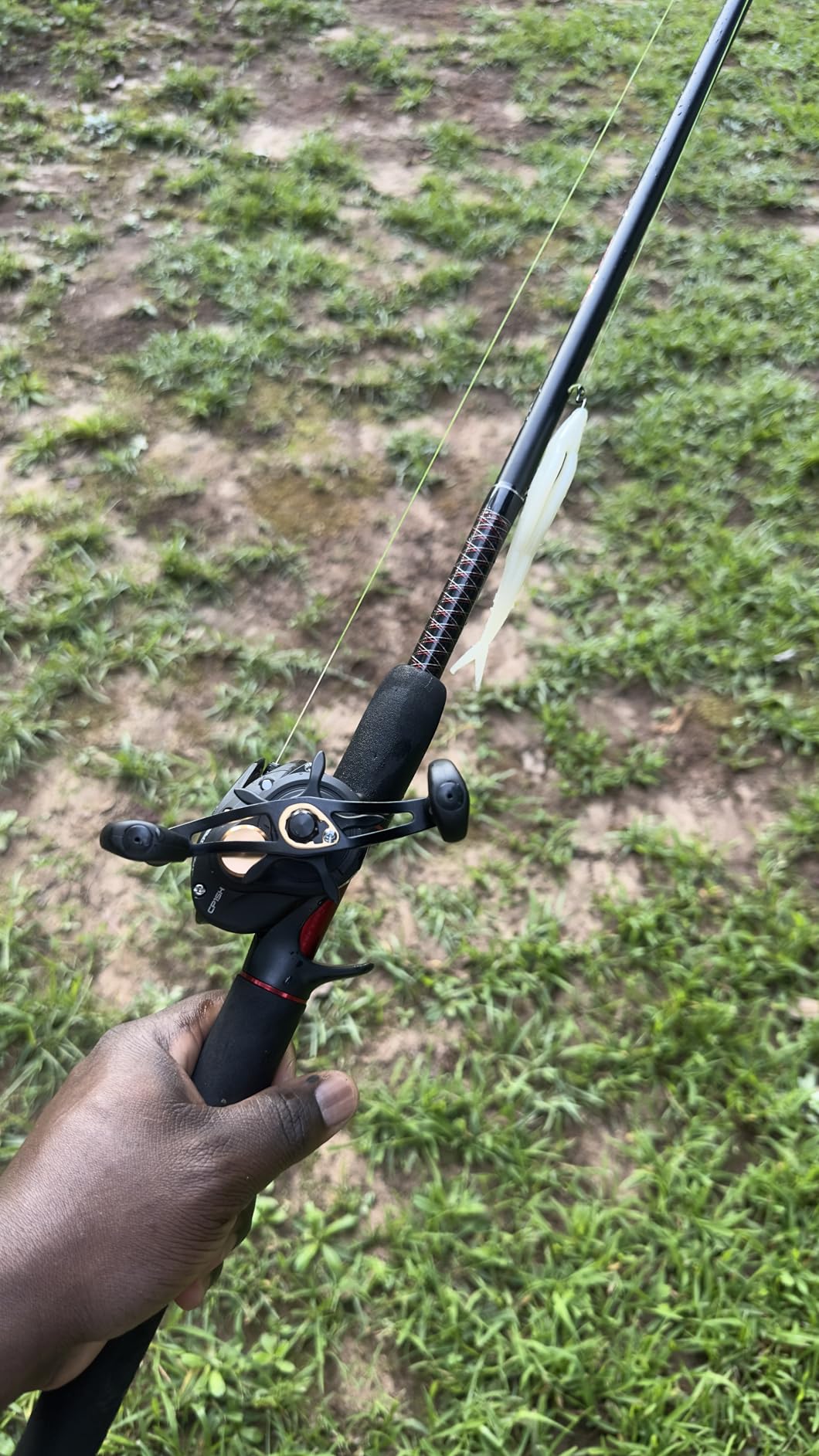
The Classic Pro Speed Spool solves a beginner problem in a way nothing else here does. Its levelwind design guides line evenly as the spool turns, so a slightly uneven wrap stays manageable instead of collapsing into a tangle. Owners recommend it specifically as a backlash-forgiving alternative for people still learning to thumb a spool, and that is a different kind of insurance than a stronger brake.
It also carries a 4.7 rating, matching the highest score in the group. The Magnetic Control System sits outside the reel where you can reach it with a thumb mid-session, and the 7.5:1 ratio gives 30 inches of line per crank, fast enough for topwater and buzzbait work without going to an extreme ratio.
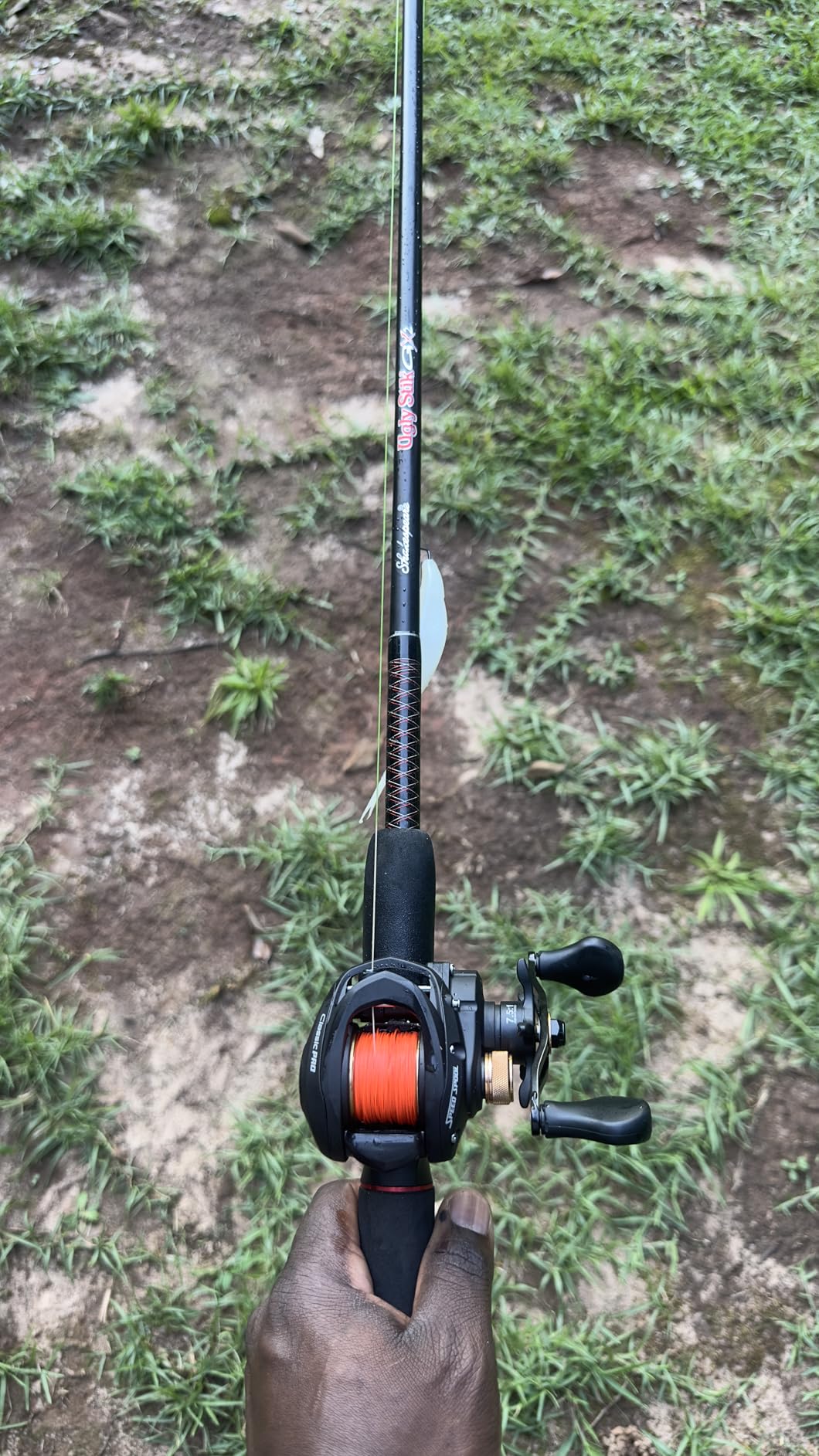
The build is solid where it counts: solid brass Speed Gears, a 5-bearing system including a zero-reverse one-way clutch bearing, a one-piece graphite frame and sideplates, an anodized aluminum U-shape 32mm spool and a 95mm aluminum power handle. The zirconia line guide is a nice touch for a beginner because it reduces both cast and retrieve friction, and the Rulon drag system holds 15 pounds.
The cost of the levelwind is weight and bulk. At 8.64 ounces the frame is heavier than the slim low-profile reels here, and line capacity of 110 yards is aimed at monofilament users rather than heavy braid. If your goal is a light, fast, modern low-profile, look elsewhere.
Who It Suits
It suits a beginner whose biggest problem is tangles rather than casting distance, and anyone who wants a reel that keeps working neatly even after a sloppy cast. The external brake is also easier to adjust than an internal one when you are still learning by feel.
It suits a freshwater angler fishing lakes and rivers with monofilament, where 110 yards is more than enough and a 15 pound drag covers bass and pike comfortably.
Who It Does Not Suit
It does not suit someone who wants the lightest reel on the rod, or a saltwater setup needing 300 yards of braid. The levelwind simply does not spool that much line in this frame.
This listing is right hand retrieve, so southpaw anglers need to confirm their hand before ordering. The extra weight also shows up on a long paddle or kayak session.
7. KastKing Centron Lite – 7.6 Ounces and the Easiest Brake to Reach
KastKing Centron Lite Baitcasting Fishing Reels, Right, Black
7.6 oz glass fiber nylon frame
7.1:1 gear ratio
10-magnet outside brake
15.4 lb max drag
Pros
- Very light 7.6 oz narrow frame stays comfortable
- Outside adjustable 10-magnet brake is easy to tune
- Large CNC aluminum spool for long casts and capacity
- Smooth 5+1 shielded stainless steel bearings
- Owners call it the easiest reel in the group to tune
Cons
- Narrow glass fiber frame has less rigidity than aluminum
- 15.4 lb maximum drag limits heavier species
- Brake still needs practice with heavy lures
The Centron Lite holds an 80 percent five-star share, the highest proportion of top ratings in this group, and owners keep returning to the same word: easy. The 10-magnet brake is adjusted from outside the reel where you can see and reach it, so tuning a lure weight takes seconds instead of fumbling with a side cover. That single design choice is why it is described as the easiest reel here to tune while learning.
It is also genuinely light. At 7.6 ounces with a narrow glass fiber infused nylon frame, it disappears on a long session, and the large CNC anodized aluminum spool gives you more line capacity than the spool on the Royale Legend II. A beginner casting for six hours straight will notice the difference more than any spec.
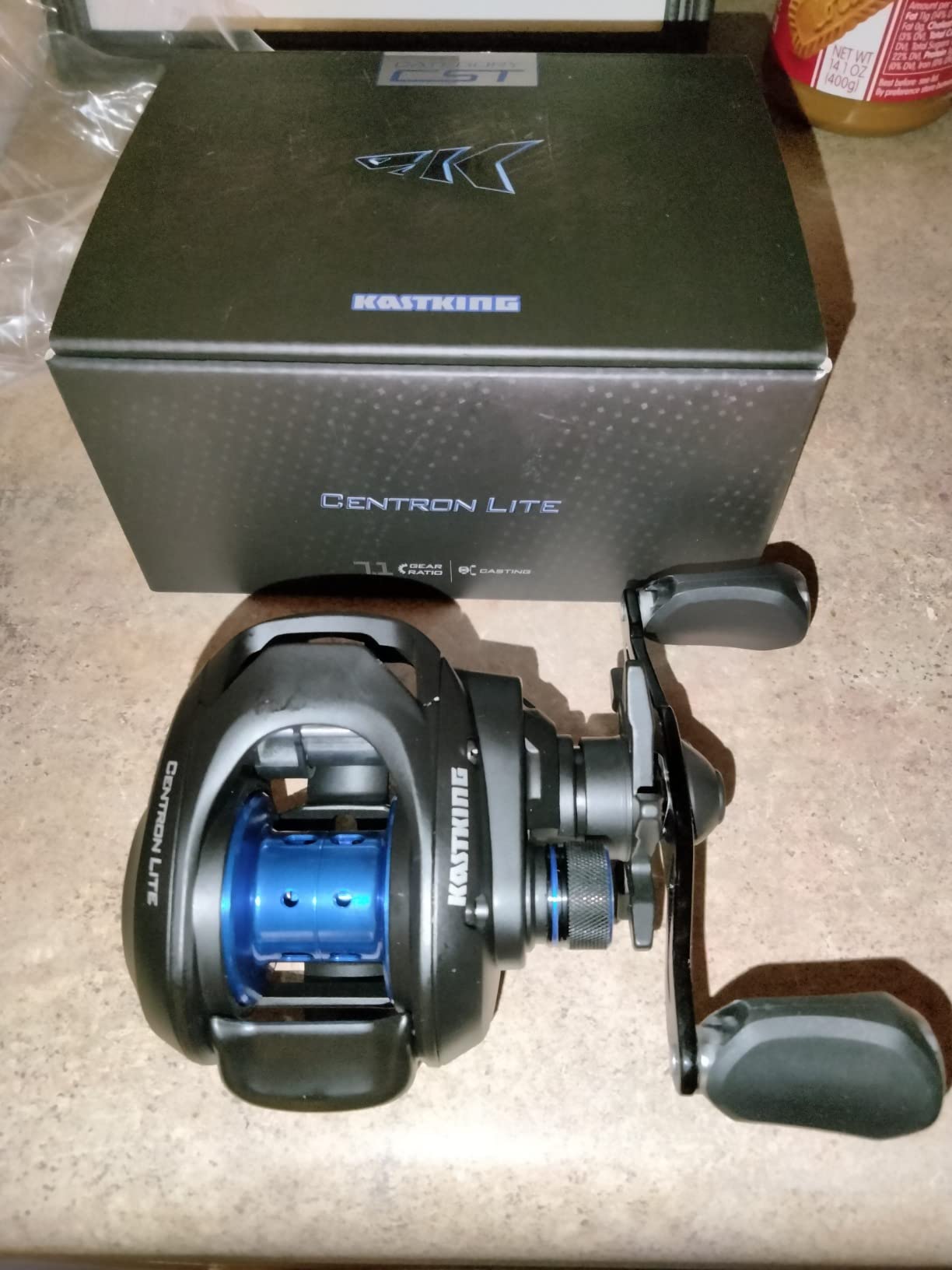
Bearings are 5 double-shielded stainless steel plus an anti-reverse bearing, with brass main and pinion gears behind them. Line capacity is generous for the size, listed from 90 yards of 8 pound up to 180 yards of 12 pound, which covers everything a freshwater beginner will spool. The 7.1:1 ratio sits right in the sweet spot for a general-purpose caster.
Two limits. The glass fiber reinforced frame is less rigid than an aluminium one, so it will feel softer under a genuinely heavy load. And at 15.4 pounds the drag is modest, which rules out pike, musky and serious saltwater work. Both retrieve orientations are offered across the range in black and white, so handedness is not a problem here.
Who It Suits
It suits a beginner with smaller hands, or anyone whose casting arm tires early. The narrow frame and light weight are the point, and the outside brake means less fiddling while you are still learning what a spool tension knob does.
It also suits a freshwater angler covering panfish through bass, where the drag ceiling is not a limit and the larger spool capacity is genuinely useful for longer casts.
Who It Does Not Suit
It does not suit heavy-cover or saltwater anglers. A 15.4 pound drag ceiling and a composite frame are the wrong combination for someone who expects to hook a big fish and hold it.
It also does not suit someone who wrenches on the drag. The narrow spool is not built for heavy line, and forcing heavy braid onto it will hurt both cast weight and durability.
8. KastKing Spartacus II – The 6 Ounce Frame for Long Days
KastKing Spartacus II Baitcasting Reels, 7.2:1, Green, Right
6 oz graphite frame, 39 mm profile
7.2:1 gear ratio
5-button magnetic brake
17.6 lb 4-disc drag
Pros
- Only 6 ounces in this group
- 39 mm slim profile sits low on the rod
- 7+1 shielded bearings and CNC aluminum spool
- 5-button magnetic brake handles most lures
- Dual tapered control chute cuts line friction
Cons
- Narrower spool limits line capacity
- 5-button brake needs tuning for heavier lures
- Right hand retrieve on this listing
At 6 ounces with a 39 mm profile height, the Spartacus II is the lightest reel we list, and it is the one to consider if you are putting together a light rod combo or fishing from a kayak. Owners praise the featherweight graphite frame, the smooth 7+1 shielded bearing retrieve and the way the single magnetic brake performs once set for the lure.
Despite the low weight, the drag is not a toy: 17.6 pounds of four-disc carbon fibre drag on a CNC anodized aluminum spool. That combination is unusual at this weight and is the reason the reel holds up with fish far bigger than its size suggests.
Line capacity is listed at 140 yards of 10 pound mono, 110 of 12 pound, 90 of 15 pound, and on braid 270 yards of 20 pound, 140 of 30 pound or 115 of 40 pound. The Double Tapered Control Chute line guide is a subtle upgrade: it reduces the sharp angle where line leaves the spool, which cuts friction and makes it easier not to build a bird’s nest while you are learning.
The compromise is the narrow spool, which holds less line than the deep-spool frames here, and the 5-button magnetic brake, which needs real tuning time with heavier lures. Beginners often underestimate that last part and blame the reel for backlash that is really a settings problem.

Who It Suits
It suits a beginner who fishes long hours, fishes standing on a bank, or floats a kayak where every ounce on the rod matters. The low profile also keeps the reel out of the way on a rod held close to the body.
It suits anyone moving to light braid on a medium rod, since the capacity and drag both handle 20 to 30 pound braid without complaint.
Who It Does Not Suit
It does not suit someone who needs a deep spool, or who expects a large hand feel at the crank. At 6 ounces this is a small reel, and smaller hands will find it comfortable while larger hands may find the frame too compact.
It also does not suit a buyer who wants to skip brake adjustment entirely. Count on spending time with the 5-button dial, and pair it with a rod rated for the lures you actually throw.
9. Lew’s Speed Cast – Six Pin Centrifugal Brake and a Big Handle
Lew’s Speed Cast 5.3:1 Right Hand Casting Reel, Black/Gold
Six pin centrifugal brake
5.3:1 ratio, 23 in retrieve
15 lb carbon fiber drag
11.84 oz aluminum frame
Pros
- Six pin centrifugal brake is forgiving for newcomers
- Aluminum frame and sideplates feel durable
- Smooth and consistent drag out of the box
- 100mm EVA-gripped power handle gives real cranking power
- Ergonomic shape fits the hand over long sessions
Cons
- Bait clicker is quieter than some owners expect
- Heavier than low-profile baitcasters at 11.84 oz
- Internals resemble budget round reels
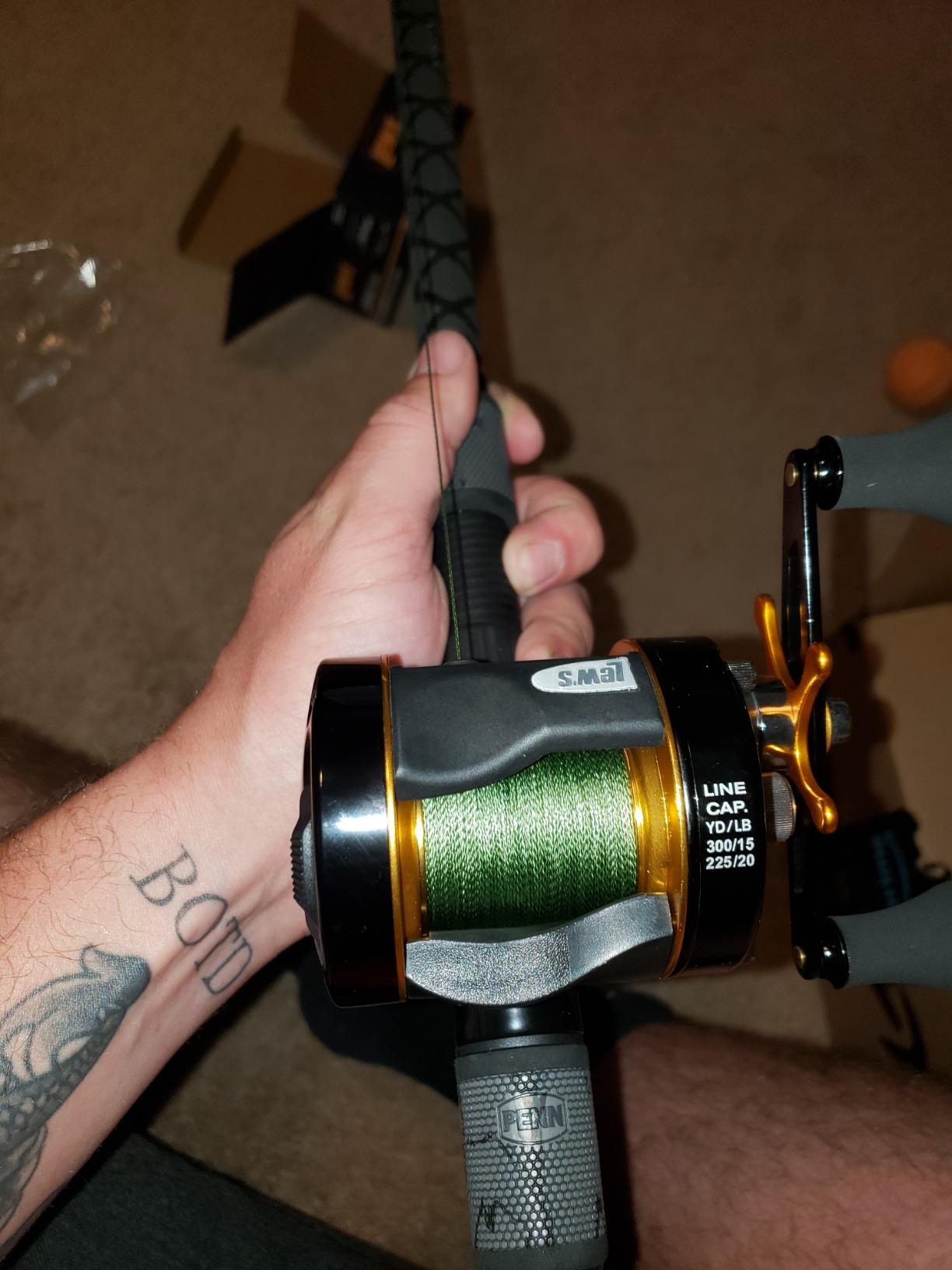
The Speed Cast is another self-braking round reel, and it takes the same message as the Chaos XS in a different shape. Owners repeatedly describe the casting as flawless and free of bird’s nests, which is exactly what a beginner wants on a reel they will use to land a first fish. The 100mm EVA-gripped power handle is oversized on purpose, giving enough cranking power to pull a heavy fish back through structure.
At 5.3:1 and 23 inches of line per turn, this is a deliberate slow-ratio reel. It suits a slow, steady retrieve of a deep-bodied crankbait or a heavy swimbait, where a fast ratio would just wind slack. Line capacity of 300 yards at 15 pound test is the biggest spool in this roundup.

The frame and sideplates are aluminium, with an anodized aluminum spool and a carbon fibre drag rated to 15 pounds. The bearing system is five bearings including a zero-reverse one-way clutch bearing, and drag is described as smooth and consistent straight from the box. The ergonomic shape is a genuine advantage on a long day, though the 11.84 ounce weight is the heaviest in the group alongside the Chaos XS.
A few buyers suspect the internals resemble those of similarly priced round reels from other brands, and that is fair. What matters is that the six pin centrifugal brake is properly implemented, which the reviews suggest it is. The quieter bait clicker is a minor surprise for anyone expecting a loud alarm.
Who It Suits
It suits a beginner who wants to cast without tangles and who is chasing bigger fish, plus anyone who prefers a round reel for catfish, pike or inshore work. The 300 yard spool means you can fill it with heavy line without stretching the frame.
It also suits an angler who prefers a slow retrieve. At 5.3:1, winding a big lure back from a strike is controlled rather than frantic.
Who It Does Not Suit
It does not suit finesse fishing, and it will feel heavy on a light rod or a kayak. Anyone who enjoys pitching light plastics will find the 23 inch retrieve too slow to keep tension on a tight bite.
It also does not suit an angler chasing the lightest possible frame. If weight matters, the KastKing options on this list are a better direction.
10. Daiwa Fuego CT – Aluminum Rigidity With a Southpaw Option
Daiwa Fuego CT Low Profile Baitcasting Reel – Aluminum CT Frame, Air Rotation System & Magforce Braking, Left/Right Hand Options
Aluminum CT frame, 7.2 oz
Air Rotation system
Magforce adjustable brake
6.3:1 ratio, 13.2 lb drag
Pros
- Aluminum CT frame is rigid at a light 7.2 ounces
- Magforce brake is adjustable and cuts backlash
- Air Rotation system casts smoothly and accurately
- Smooth retrieve across freshwater applications
- Both retrieve orientations offered across the range
Cons
- 13.2 lb maximum drag is modest for heavy cover
- Magforce brake needs more thumb skill than centrifugal reels
- Still allows overruns for new casters
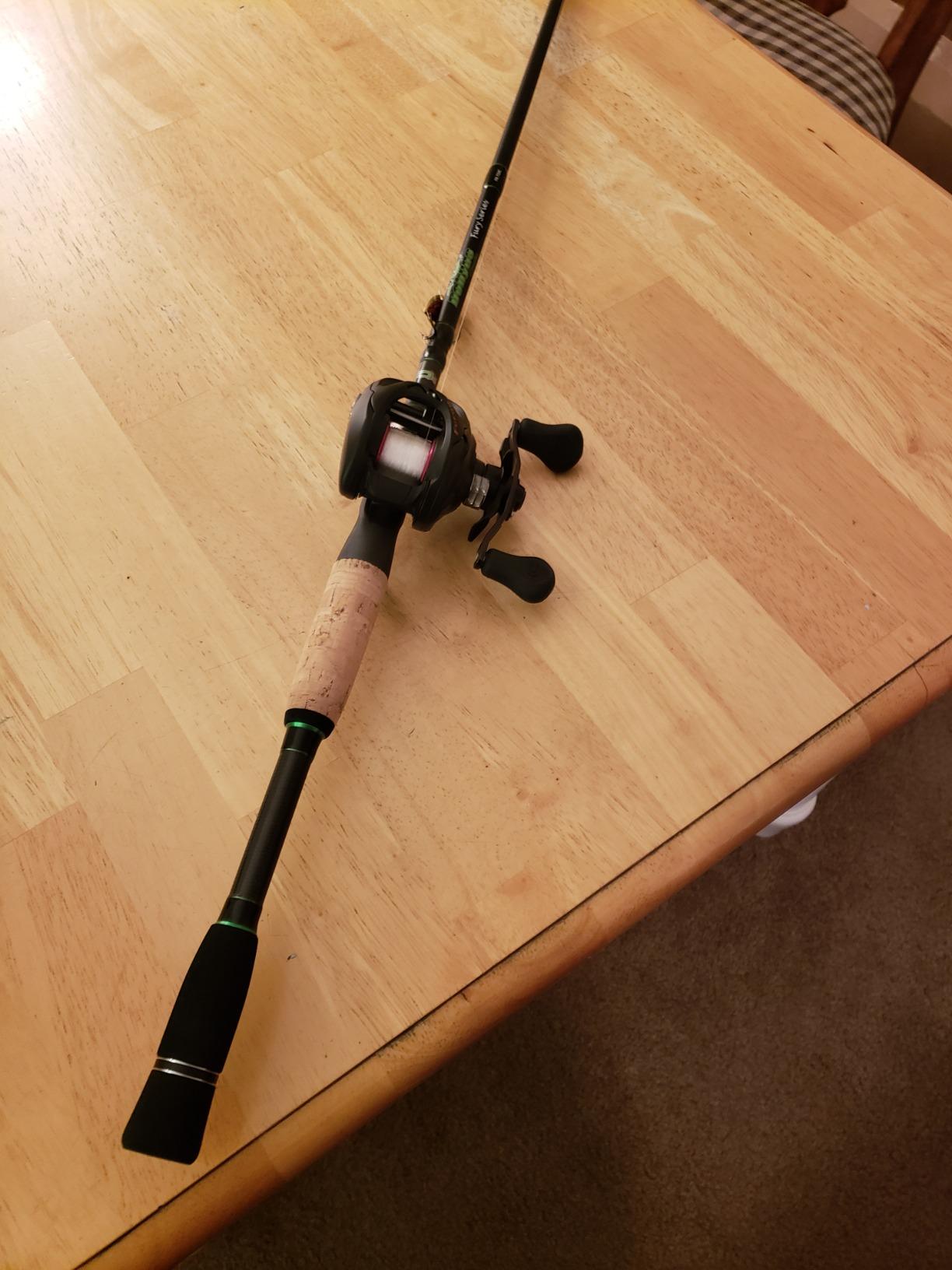
The Fuego CT is the most conventional premium answer on this list, and it earns its place with materials. The lightweight aluminium CT frame gives it rigidity at 7.2 ounces, so the gearing stays accurate and the drag stays smooth under load. Air Rotation is the system that makes the cast feel controlled: it reduces the resistance on the spool as it starts turning, which is where most beginner overruns begin.
This specific listing is a southpaw retrieve model, which is genuinely useful information for a lot of shoppers. Both retrieve orientations exist across the Fuego range, but many budget brands on this list are right hand only, so a southpaw should check before committing to anything else.
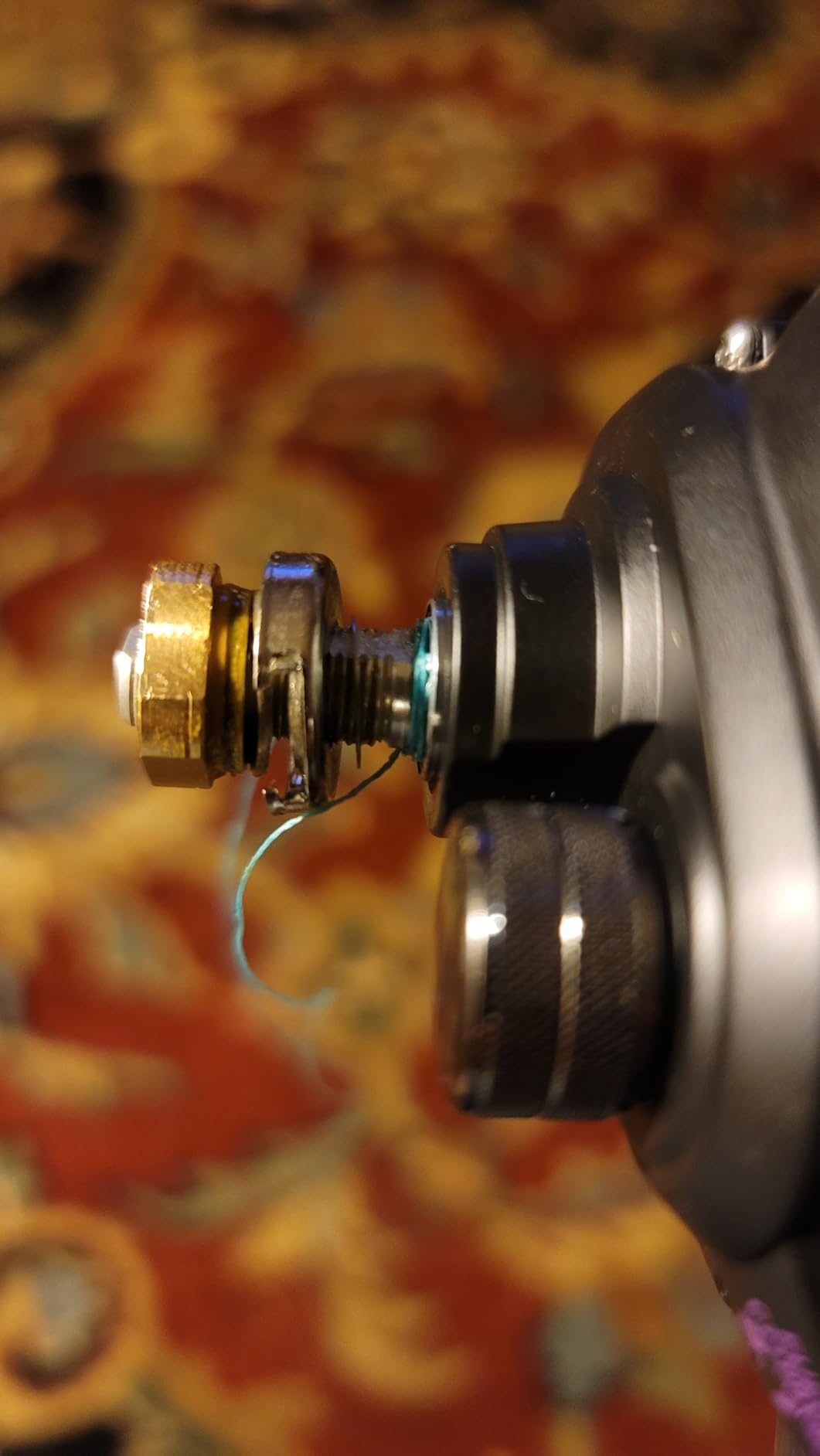
The Magforce brake is adjustable and does reduce backlash on cast, and owners rate the retrieve as silky across freshwater applications. Line capacity is listed at 125 yards of 14 pound, 110 of 16 pound, and on braid 140 yards of 30 pound or 110 of 40 pound. The 6.3:1 ratio is the slowest in the roundup alongside the Lew’s Speed Cast, which makes it a bottom-feeding and slow-bait reel.
Reviews are clear that it rewards an angler who has already learned to thumb a spool. At 13.2 pounds, maximum drag is modest for heavy cover fishing, and reviewers note that Magforce braking on low-profile models still lets the spool overrun when the caster is new. Treat it as a second reel, not a training tool.
Who It Suits
It suits a southpaw who wants a quality frame with no compromise on materials, and a beginner who already has some casting experience and wants to move up a tier. The aluminium frame is a real step in durability over a composite body.
It also suits someone who fishes with a medium-heavy rod and a slow, steady retrieve, where a 6.3:1 ratio is exactly right.
Who It Does Not Suit
It does not suit a total beginner wanting a set-and-forget reel, because the brake still demands thumb skill and still allows overruns while you learn. It also does not suit someone targeting heavy fish, since 13.2 pounds of drag is the joint-lowest ceiling in the group.
Finesse anglers should look elsewhere too, at 13.2 pounds of drag the drag washes will break light line before the fish does.
11. Sougayilang 8.0:1 – The Fastest Retrieve, With the Weakest Brake Dial
Sougayilang Baitcasting Reels, 8:1 Gear Ratio Fishing Reel with Magnetic Braking System Casting Reel, 9 + 1 Ball Bearings Super Smooth Anti-Corrosion Baitcaster Reel-Right Hand(Red)
8.0:1 ratio, 240 in retrieve
10-magnet 1-10 brake
9+1 stainless steel bearings
18 lb drag, 7.52 oz
Pros
- Very fast 8.0:1 retrieve picks up slack instantly
- Sensitive 10-magnet brake stops the spool when tuned
- Light 7.52 oz composite frame
- Real cork handle paddles feel good
- Swing-wing side cover speeds up spool changes
Cons
- Brake dial is small
- unnumbered and has no click detent
- Side cover release sits near the brake knob
- Composite frame can flex under heavy loads
- Needs cleaning and greasing out of the box
The 8.0:1 ratio and 240 inches of line retrieve make this the fastest reel in the group by a distance, and for flipping into cover or working a topwater lure with slack line, that retrieve is the whole point. The moment a fish bites, the spool is there in one crank instead of three. Owners who tune the brake properly report a sensitive casting experience.
The trouble is the interface. The magnetic brake dial is small, unnumbered and has no click detent, which means you are adjusting it by feel with no reference point. This is the single most common complaint in the reviews, and it is the reason this reel sits where it does despite a respectable 4.3 rating from more than 1100 owners. The side cover release sitting near the brake knob is a related frustration.
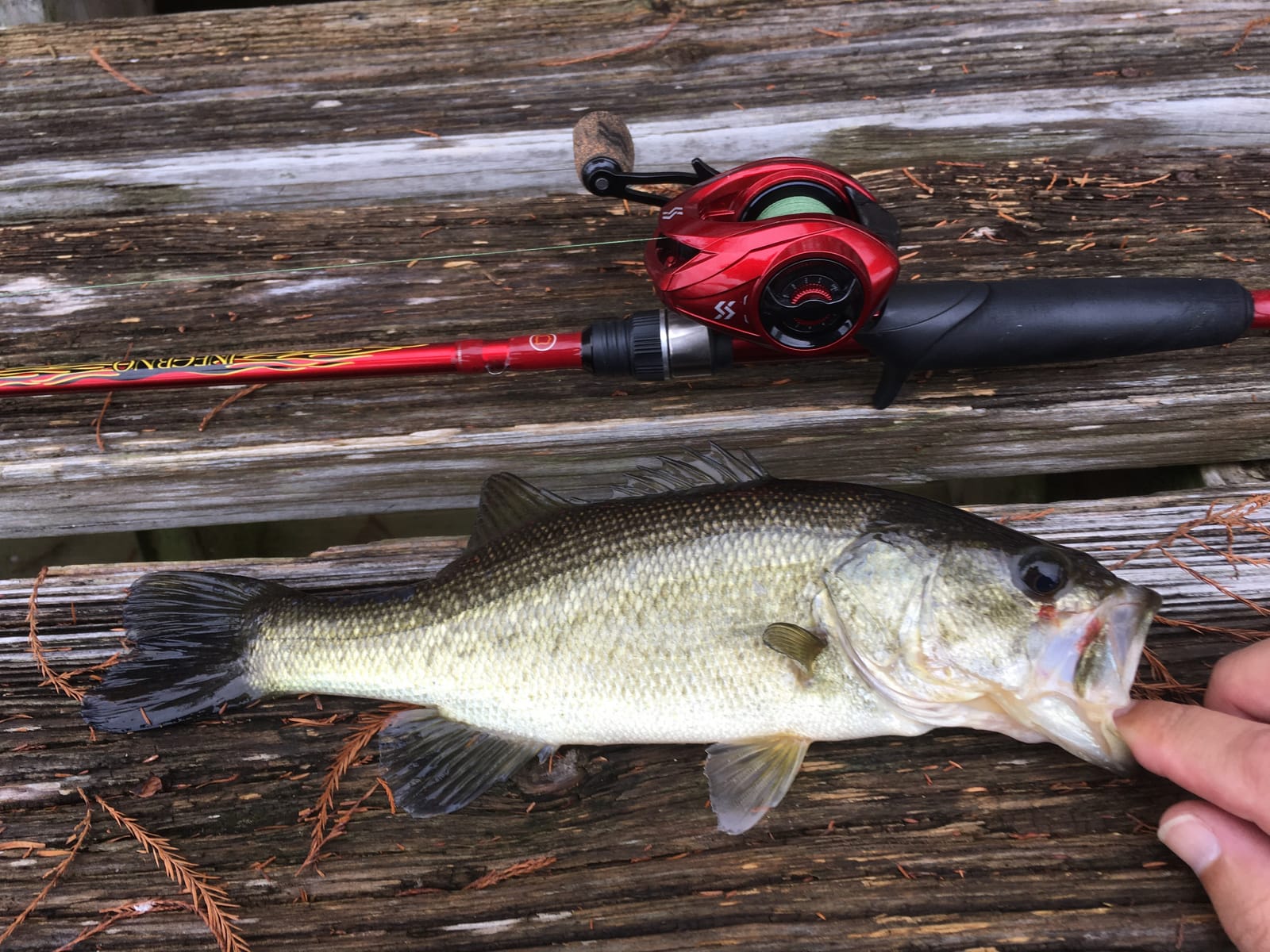
Under the surface the parts are good. There are 9+1 stainless steel ball bearings, a CNC machined anodized aluminium forged spool, real cork composite handle paddles, an instant anti-reverse usable in both fresh and salt water, and an 18 pound drag. The swing-wing side cover stays attached when opened, so spool changes are quick, and several owners who did the cleaning and greasing out of the box report the reel performs like a far more expensive one.
There are limits worth naming. The composite frame can flex under very heavy loads, the cork knobs and handle hardware can loosen with heavy use, and the 10 magnets are only as good as the dial you can read. This is a reel to buy if you enjoy tuning gear, and to avoid if you want the settings to make sense without a manual.
Who It Suits
It suits a beginner who will cast light to medium lures into structure and wants to feel the bite the instant it happens, and anyone who enjoys tinkering with a reel rather than just turning the handle.
It also suits an angler who already knows the drill and wants a fast second reel for flipping. The instant anti-reverse works in salt water, so inshore use is realistic.
Who It Does Not Suit
It does not suit a first-timer who wants a dial that visibly steps. Tuning a brake by feel with no numbers is precisely the frustration that ends a beginner’s patience, and the composite frame is not the place to learn how a drag responds to a big fish.
It also does not suit heavy-fishing setups, where frame flex and loose handle hardware become real problems rather than small annoyances.
12. YKLP 18+1 – The Bearing Count on a Strict Budget
Bait Casters Reel, Fishing Baitcaster Reels with 7.2:1 Gear Ratio
18+1 stainless steel bearings
7.2:1 gear ratio
Electromagnetic brake, 8 kg drag
Brass gears, 217 g
Pros
- Highest bearing count in the group at 18+1
- Electromagnetic brake limits backlash and line breaks
- Deep spool holds a lot of line
- Corrosion-resistant parts for fresh and salt water
- Light and simple to set up for a first-timer
Cons
- Spool tension knob does not hold its setting
- Handle has noticeable play
- Drag can be inconsistent or fixed on some reels
- Still needs heavy thumb control
- Some arrive dry
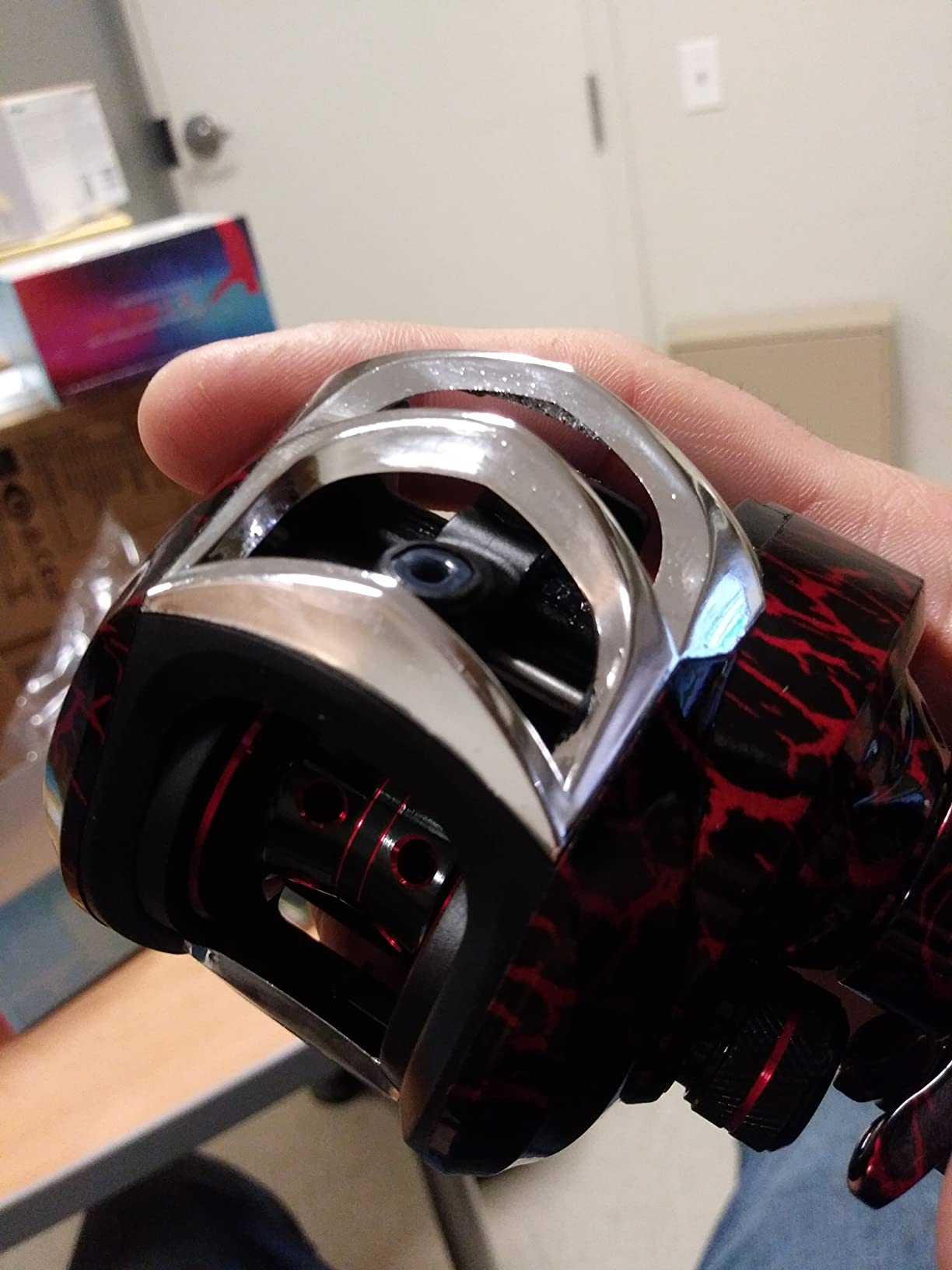
The spec sheet here is the headline and it is real: 18+1 stainless steel ball bearings, a 7.2:1 gear ratio, a brass main gear and pinion and a three-piece carbon drag washer. Corrosion-resistant components are listed for both fresh and salt water, and the deep spool holds a lot of line. If you are shopping strictly on paper, this reel looks like the strongest spec sheet in the group.
Owner feedback is where the story changes. Reviews split sharply between beginners who got the reel running and were delighted, and those who found the drag, spool tension and backlash control wanting. The most repeated problems are specific: the spool tension knob does not hold its setting, the handle has noticeable play, and the drag can be inconsistent or effectively non-adjustable on some examples. Some arrive dry and snag on the spool.
At 217 grams, roughly 7.6 ounces, the frame is light and simple to set up, and the electromagnetic brake is designed to limit line breakage during the cast. The hardened metal main shaft and brass gears are sensible choices. The core issue is control quality rather than materials: a spool tension knob that will not hold means a beginner re-adjusts before every cast, and a drag that will not move smoothly is a problem the moment a fish pulls.
This reel makes sense in one situation. If your budget is genuinely tight and you intend to fish on a budget, the corrosion resistance and the deep spool have real value. If you can stretch a little further, any of the KastKing models or the Piscifun Torrent will be a far calmer first experience.
Who It Suits
It suits a beginner with a very limited budget who wants a reel that covers both fresh and salt water and has a deep spool, and who is willing to spend time adjusting it before every session.
It also suits an angler who fishes in brackish or dirty water, where corrosion resistance matters more than bearing longevity.
Who It Does Not Suit
It does not suit a beginner who wants a set-and-forget reel. The spool tension knob, the play in the handle and the inconsistent drag all show up within the first few casts, and that combination ends patience fast.
It also does not suit anyone who cares about how the drag feels under load, or anyone who wants a reel that will be smooth in five years. Our advice is to treat this one as a temporary trainer at best.
Buying Guide: How to Choose Your First Baitcaster
Brake system is the first filter. A magnetic brake uses magnets on the sideplate to slow the spool near the end of the cast, and you adjust it with a dial. It is precise, controllable and the standard on most low-profile baitcasters, but it needs an external adjustment. A centrifugal brake uses weighted pins on the spool collar that push outward as the spool speeds up, so it works with no input from you at all. If your fear is tangles, centrifugal is the answer. If you want to learn real spool control, magnetic is the better teacher. Two reels here, the Piscifun Chaos XS and the Lew’s Speed Cast, use the centrifugal system, and both earn repeat recommendations from beginners.
Max drag tells you what you can fish. Max drag is the pressure the drag can hold before line breaks. Reels here run from 8 kg, roughly 18 pounds, down to 13.2 pounds on the Daiwa Fuego CT. For panfish, trout and most bass work anything above 15 pounds is fine. For pike, musky, catfish and serious inshore fish, look for 20 pounds or more, which in this group means the Piscifun Chaos XS at 22 pounds.
Gear ratio changes what the reel feels like. Gear ratio is spool revolutions per handle turn, and it sets how much line comes in per crank. A 5.3:1 ratio brings in 23 to 25 inches per turn, which suits slow retrieves of heavy baits and tight control with a big fish. A 7.1:1 to 7.2:1 ratio brings in about 29 to 30 inches, which is the general-purpose sweet spot for crankbaits and most beginner casting. An 8.0:1 ratio brings in 240 inches on the Sougayilang, which is built for setting the hook fast and working lures with slack.
Ball bearings are a weak signal. The X+1 notation counts the main bearings plus the anti-reverse bearing, so 5+1 means five shielded bearings and one roller or clutch bearing at the handle. High counts are common at the budget end, and our 18+1 reel shows what that means in practice. Judge smoothness by drag feel and gear quality instead, and by whether the reel arrives lubricated.
Weight decides how long you can fish. Frames here run from 6 ounces on the Spartacus II to 12.3 ounces on the Chaos XS. That is a six ounce difference, and over a six hour day on your feet it is the difference between comfortable and sore. Finesse anglers and kayak anglers should stay under 7.5 ounces. Heavy bait and saltwater anglers should not bother going below 10.
Handedness and reel foot are the two silent dealbreakers. Many budget models in this roundup are right hand retrieve only. A reel with the handle on the wrong side is unusable, so check it before anything else. The reel foot must also match the rod’s seat; a mismatch means the reel will not sit flush and the setup will feel wrong from the first cast.
Price tiers, without the numbers. Below the entry tier sit reels where the spool tension knob slips and the drag is inconsistent; they are fine as cheap training tools. The entry tier, where most of this roundup sits, gives you an adjustable magnetic brake, a shielded bearing set and a carbon drag. The mid tier adds aluminium or metal frames, better brakes and a serviceable build. Save your first serious money for a mid-tier frame only if you already know you will fish for years.
Match the rod before you buy the reel. A reel whose max drag is far above what the rod is rated for will not load the spool correctly and will overrun. A medium or medium-heavy 6 foot 6 inch to 7 foot casting rod is the safest first choice, and it covers both freshwater and light saltwater use. Check the lure weight printed on the rod and buy a reel that suits those lures.
How to Cast With a Baitcasting Reel
Casting well is a sequence, and the sequence matters more than any reel. Practise it before you fish anywhere real.
1. Spool the line properly. Fill to the level wind groove and leave about a quarter turn of bare spool above the line. Leave the line tight enough that the spool does not rotate when you flick the rod tip, which means turning the tension knob clockwise until it just stops.
2. Set the star drag. Start at about a quarter of the way in, then tighten while pulling line. You want the drag to give under a strong pull but not under a normal one.
3. Set the brake for the lure. Heavier lures need higher brake settings, lighter lures need lower ones. Change one level at a time and cast between changes.
4. Load the spool and close the bail. Put the thumb on the spool and close the bail with your other hand. Keep light pressure on the spool the whole time.
5. Bring the rod up to ten o’clock and keep the reel level with the line, or at a slight downward angle to the water for longer casts.
6. Push the thumb bar and pull forward. The moment the lure leaves the rod, feed line with your thumb rather than stopping it dead. Feathering, not gripping, is what separates a clean cast from a bird’s nest.
7. As the lure lands, engage the bail with your free hand before the spool overtakes the line. The drag is your safety net, but reaching for the bail is faster and cleaner.
8. If a bird’s nest happens, do not pull. Stop, put the rod down, and open the bail. Loosen the drag a little. Then find the point where the line first crosses over itself, hold that end, and wind the rest of the nest back onto the spool slowly. Never try to clear a tangle with the drag on; that is how you get a line twist and a bird’s nest that returns every cast.
9. Make twenty practice casts on grass before you fish. Your twentieth cast should be as clean as your second. That is the whole goal of a first reel.
Frequently Asked Questions
What is the best baitcaster reel for a beginner?
The KastKing Royale Legend II is the best baitcaster for most beginners. Its eight-magnet brake has ten adjustment levels, so a new caster can change the setting one click at a time, and the 7.2 ounce frame stays comfortable over a full day. The Piscifun Chaos XS is the better choice if you want a centrifugal brake that stops the spool without any thumb input.
Should a beginner get a baitcaster?
Only if you have fished before with a spinning reel. A baitcaster gives better lure placement and handles heavier line, but the spool can overrun during a cast. If you are brand new to fishing, learn on a spinning reel first. If you already fish and want bass, pike, catfish or saltwater species on heavier lures, a baitcaster with an adjustable magnetic brake is the right step up.
What gear ratio is best for a beginner baitcaster?
A 7.1:1 to 7.2:1 gear ratio is the most useful first ratio. It retrieves about 29 to 30 inches of line per crank, which is fast enough to set the hook and pick up slack on a crankbait without becoming hard to control. Slower ratios around 5.3:1 suit heavy baits, and 8.0:1 suits light lures and slack-line work.
How do I stop getting backlash on a baitcaster?
Backlash happens when the spool keeps turning after the lure stops. Turn the spool tension knob clockwise until the spool stops rotating when you flick the rod tip, raise the magnetic brake one level, and stop gripping the spool during the cast, which means feathering it instead. If tangles persist, cast a heavier lure or spool slightly less line.
What size baitcasting reel do I need?
For most beginners, a low-profile reel with 10 to 20 pounds of drag and 100 to 150 yards of 15 to 20 pound braid is the right size. That covers everything from trout and panfish to bass. Go bigger for pike, musky, catfish or inshore species, and look for a round reel with a centrifugal brake if tangling is your main concern.
Left or right hand retrieve baitcaster for beginners?
Buy the retrieve that matches your dominant hand, because a reel on the wrong side is unusable. Many budget baitcasters are right hand only, so check handedness before you buy if you are a southpaw. The Shimano SLX, Daiwa Fuego CT, KastKing Centron Lite, Piscifun Torrent and Lew’s Classic Pro Speed Spool all come in both options across their ranges.
Conclusion
After working through twelve reels, the best baitcasting reels for beginners in 2026 come down to three answers. The KastKing Royale Legend II is the one to buy: a ten-level magnetic brake, a double-bearing supported pinion gear, a 17.6 pound carbon drag and more than 3600 owners behind a 4.5 rating. If tangles are what frighten you, the Piscifun Chaos XS brakes itself with a centrifugal system and will cast cleanly while you learn everything else. If you want the smoothest feel for the money, the Piscifun Torrent has the largest following in the group.
Whichever you pick, give it twenty practice casts on grass before you take it to water, check the handedness and reel foot before you order, and set the spool tension before the brake. Those three habits solve most of what beginners call a bad reel.