
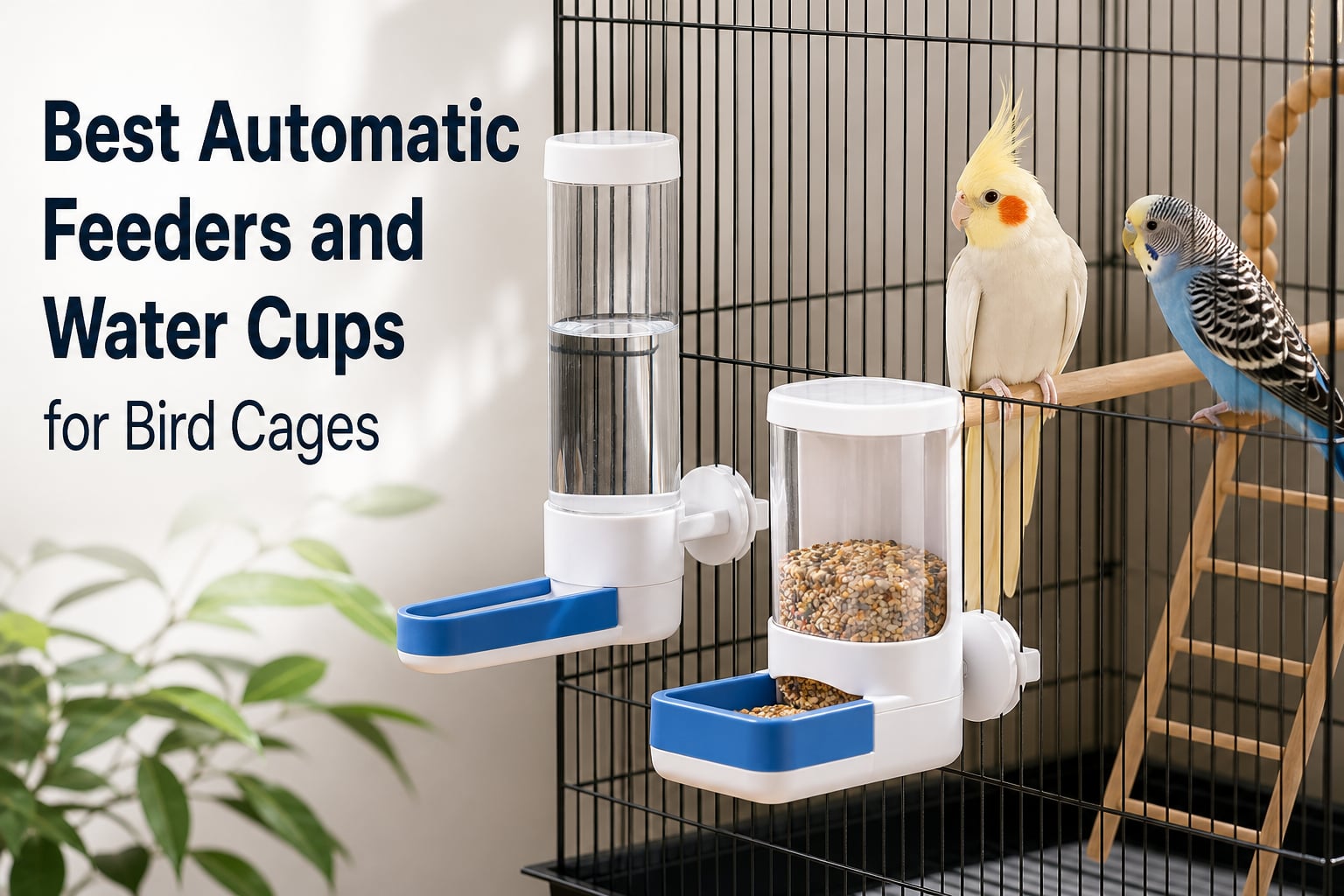
Every bird owner knows the morning routine: refill the water dish that got tipped overnight, sweep the seed hulls off the cage floor, and fish out the droppings that landed in the drinking bowl before your bird decided to sip anyway. We kept up that routine for years with our own flock of two parakeets and a cockatiel, and it got old fast. That is exactly why we started testing automatic feeders and water cups for bird cages in our own home, and why we put this guide together.
An automatic bird waterer or feeder is a gravity-fed or valve-based system that continuously supplies fresh water or seed to your bird without manual top-ups, cutting mess and keeping hydration steady while you are at work or away for a weekend. Instead of an open bowl that collects hulls and droppings, a reservoir releases water or food only as your bird consumes it. The result is cleaner water, less wasted seed, and fewer frantic refills.
We spent several months running eight of the most popular options on real cages with real birds, logging leak incidents, cleaning time, and how quickly each flock member adapted. Some models impressed us right away, and a couple earned a permanent spot in our cage setup. Here is what we found, starting with our top three picks.
Table of Contents
Top 3 Picks for Automatic Feeders and Water Cups for Bird Cages

TOKAYIFE 27oz Hanging Autom…
- 27oz large capacity
- Adjustable food flow knob
- Chew-resistant ABS plastic

Our editor’s choice went to the TOKAYIFE hanging feeder because it simply refused to fail us. The Prevue winged cups took best value for being the cheapest way to upgrade a basic cage, and the BWOGUE twin pack won budget pick for delivering two working gravity waterers at a starter price. Any of these three will make your daily routine easier on day one.
Automatic Feeders and Water Cups for Bird Cages in 2026
| Product | Specs | Action |
|---|---|---|
| TOKAYIFE 27oz Hanging Automatic Feeder |
|
Check Latest Price |
 Kenond No-Mess Feeder and Waterer Set Kenond No-Mess Feeder and Waterer Set |
|
Check Latest Price |
| Prevue Winged Bird Feeding Cage Cups |
|
Check Latest Price |
| BWOGUE 2-Pack Automatic Water Dispenser |
|
Check Latest Price |
 Pawfly Bird Water Dispenser Pawfly Bird Water Dispenser |
|
Check Latest Price |
 Hamiledyi No-Mess Parrot Seed Feeder Hamiledyi No-Mess Parrot Seed Feeder |
|
Check Latest Price |
 BAGHPBM No-Mess Automatic Bird Feeder BAGHPBM No-Mess Automatic Bird Feeder |
|
Check Latest Price |
 Mcage Clear Feeding and Watering Cups Mcage Clear Feeding and Watering Cups |
|
Check Latest Price |
The table above covers all eight products we tested so you can compare capacity, mounting style, and design at a glance. Capacity matters most if you are away often, while mounting style decides whether a product will even fit your cage bars. Keep both in mind as you read the individual reviews below.
1. TOKAYIFE 27oz Hanging Automatic Feeder – Best Overall Pick
Hanging Automatic Food Dispenser, 27oz Large Capacity Hanging Pet Cage Feeder for Rabbit Bird Chinchilla Hedgehog Guinea Pig Ferret Kitty Puppy (Gray)
Capacity: 27oz
Mount: Hanging
Material: Chew-resistant ABS
Flow: Adjustable knob
Pros
- Adjustable food flow with knob control
- Large 27oz capacity lasts several days
- Chew-resistant and durable
- Easy to refill and clean
- Transparent box shows food levels
Cons
- Small door behind release mechanism tricky to clean
- Light pets can knock food out
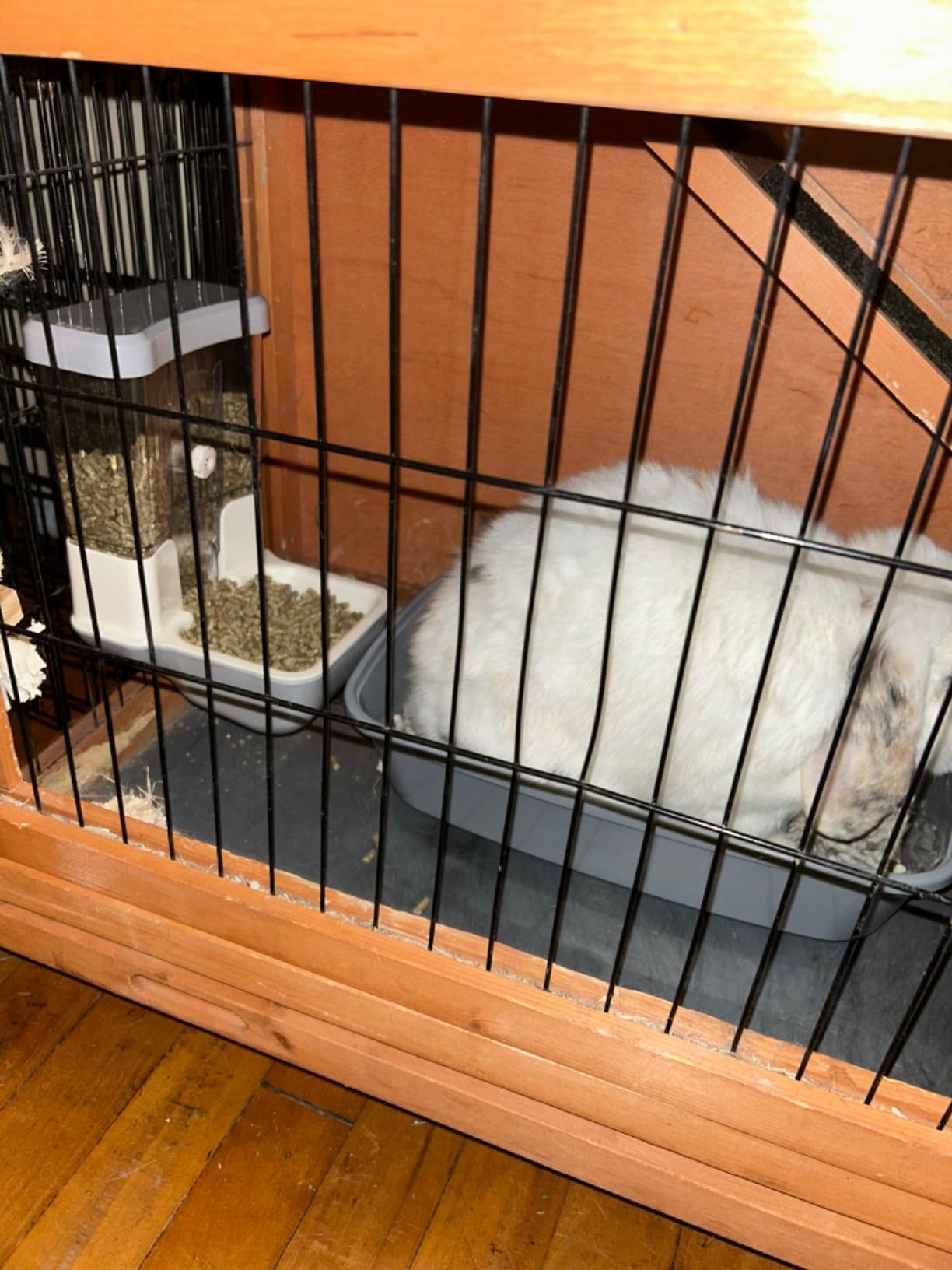
This is the feeder we still use every single day, and it earned the top spot on our list. Our cockatiel is a determined chewer who destroyed two cheaper feeders within weeks, but the ABS plastic on the TOKAYIFE shows barely a scratch after months of beak contact. The adjustable outlet knob let us dial the flow down for small seed and open it up for pellets, which no other feeder in our test could do.
Installation took under two minutes with the enhanced hanging system, and it stayed rock solid on our cage without sliding or rattling. Our parakeets figured out the deep bowl design within an hour, and the spillage on our cage floor dropped noticeably in the first week. The transparent food box means we never have to open the cage to check levels anymore.
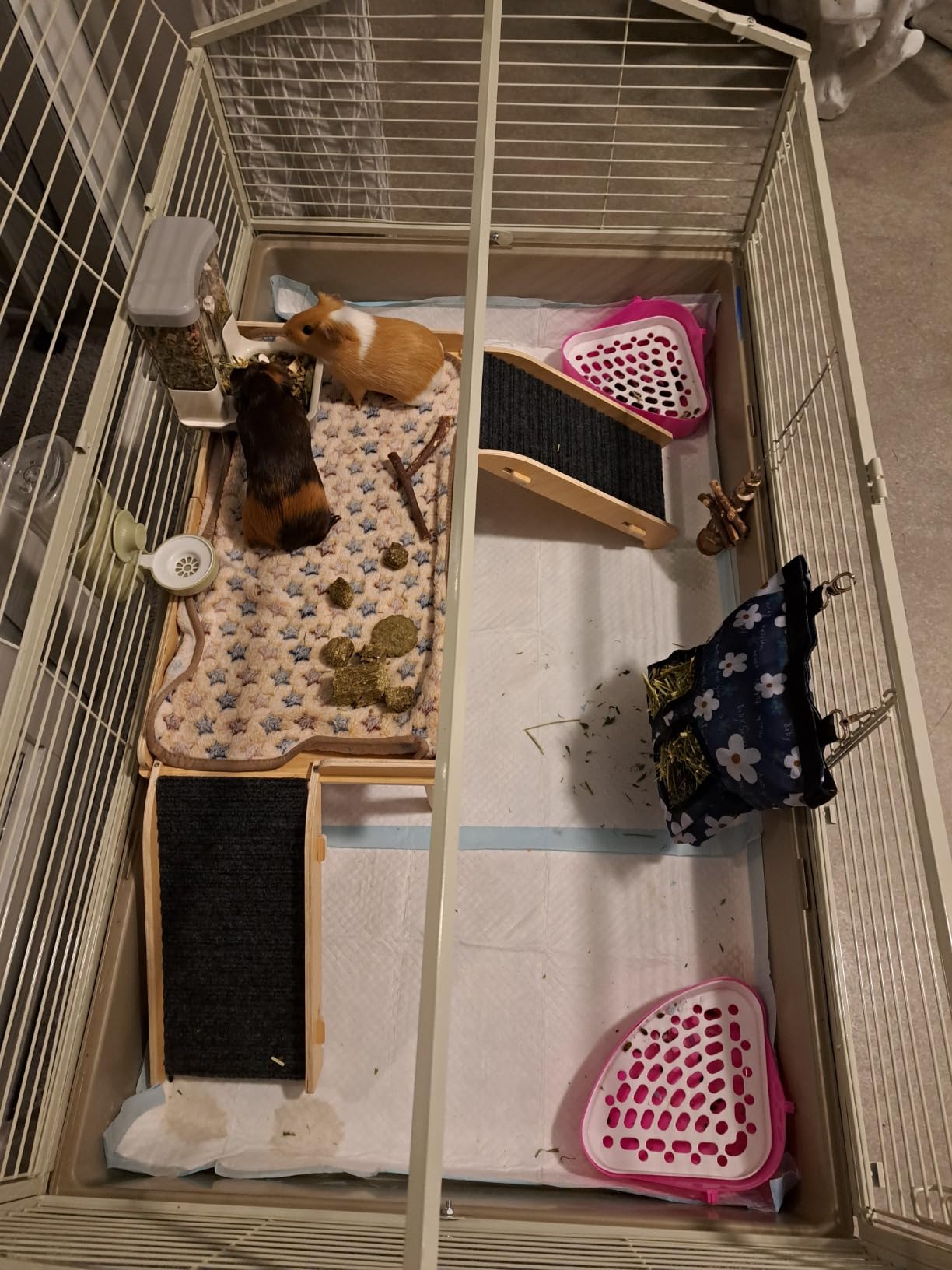
Technically, this is a pure gravity system with a twist most competitors skip. Food sits in the transparent upper box and feeds down through an adjustable outlet into a deep bowl, and the flow rate knob controls how fast seed reaches the trough. The food box detaches completely for refills, so you can top it up at the kitchen counter instead of fumbling inside the cage. The deep bowl geometry is what keeps spillage low, since seed has to travel upward to escape.
The weak point is the small door behind the release mechanism, which collects fines and needs a brush to clean properly. We found an old toothbrush solves it in about a minute during the weekly wash. Reviewers with rabbits mention some pets knock food out of the bowl, though that behavior never appeared with our birds.
How Long the 27oz Capacity Actually Lasts
With two parakeets and one cockatiel eating from it, a full load kept our flock fed for roughly five to six days. Single-bird households report stretches closer to a week or more. That is enough coverage for a long weekend away without asking a neighbor to stop in.
Will It Fit Your Cage
The hanging system wraps around horizontal or vertical bars and tightens by hand, so it fits most standard wire cages. Measure your bar spacing before ordering if you run an aviary-style cage with wide gaps. The unit sits inside the cage, so confirm you have about ten inches of vertical clearance.
2. Kenond No-Mess Feeder and Water Dispenser Set – Best Two-in-One Setup
Kenond No Mess Bird Feeders Water Dispenser Set,Automatic Feeders for Cage
Set: Seed feeder plus waterer
Capacity: 500g seeds
Mount: Exterior screws
Material: Rigid acrylic
Pros
- No mess design keeps cage clean
- Holds 7-15 days of seed
- Transparent for level monitoring
- Includes feeder and waterer
- Resists bird chewing
Cons
- Water spout can crust with hard water deposits
- May fit awkwardly through narrow bar gaps
The Kenond set is the closest thing to a complete feeding station in one purchase, and we liked it enough to keep it mounted on our second cage. You get a clear acrylic seed feeder and a matching water dispenser, both designed to sit outside the cage so your bird eats through the bars. That exterior placement is what makes the no-mess claim actually hold up, because hulls drop into an independent drawer instead of your cage floor.
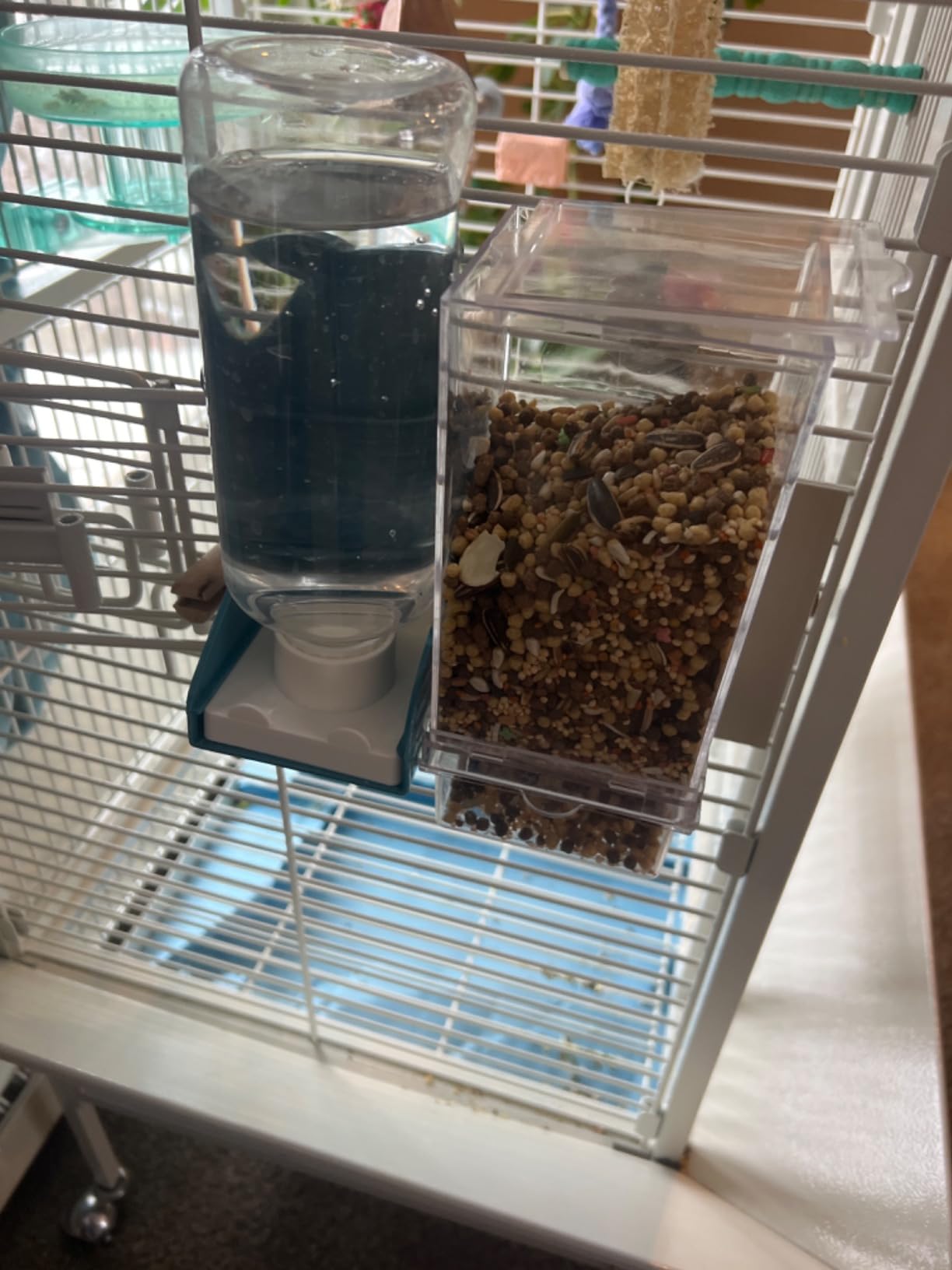
Filling the seed side took seconds through the top, and the 500g capacity genuinely lasted our lovebird nearly two weeks. Watching the food level drop through the clear acrylic became part of our morning routine. The rigid acrylic shrugged off beak marks far better than the thin polycarbonate we have seen on cheaper no-name feeders.
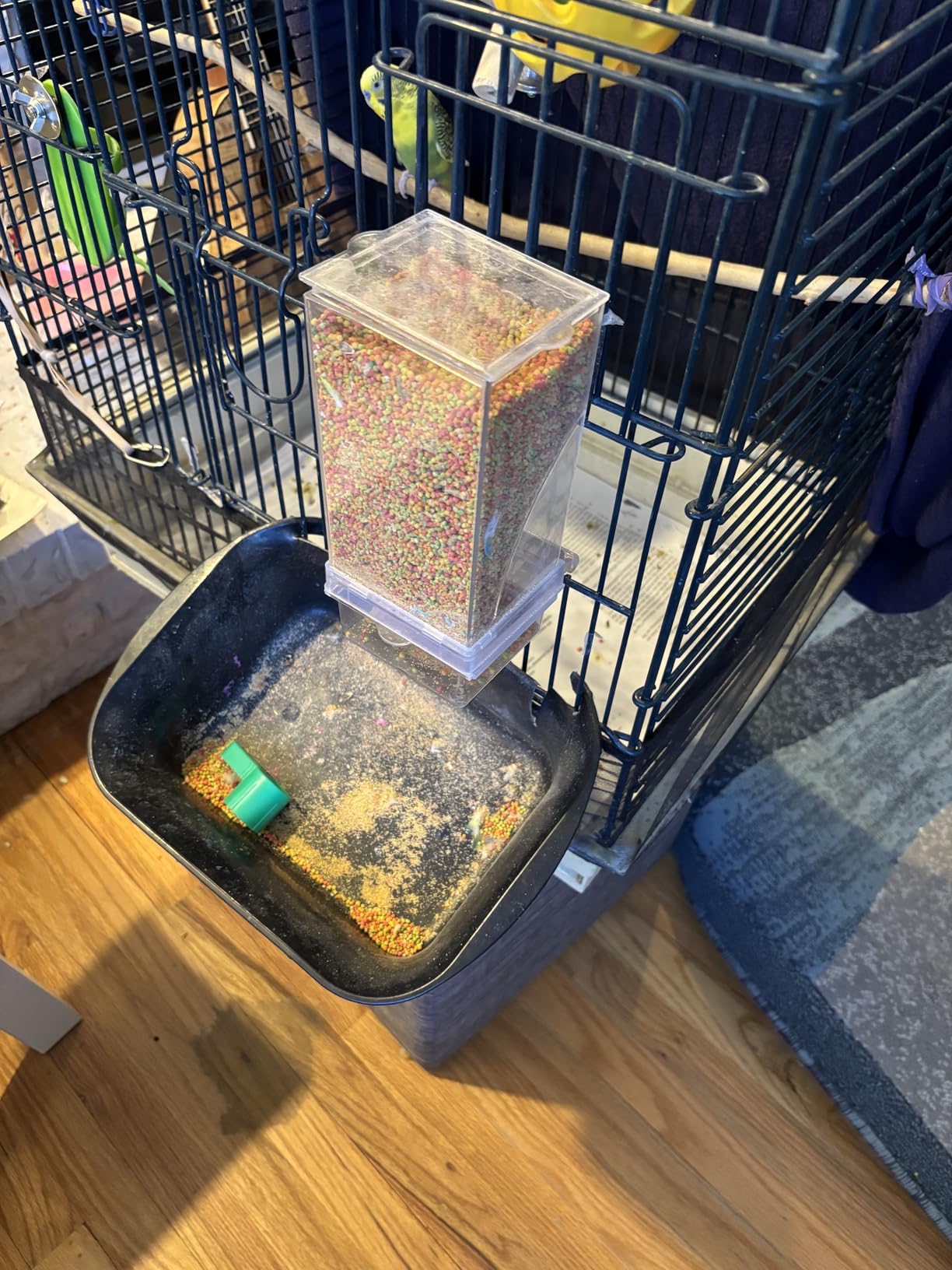
On the technical side, this is a classic gravity-fed exterior box feeder with a waste drawer at the base. Seed slides down to the feeding slot as your bird eats, and hulls fall into the removable drawer that you empty every few days. The water dispenser uses the same inverted gravity principle, releasing water into a small trough as the level drops. Included matching screws hold both units flush against the outside of the cage.
The main frustration in our testing was hard water crusting around the water spout after a few weeks, which needed a vinegar soak to clear. We also had to fiddle with placement on a cage with narrow bar gaps, matching what several reviewers reported about fit. The drop drawer fills fast if your bird goes through a picky-eating phase and shells seed everywhere.
How Much Seed and Water It Holds
The seed feeder holds about 500g, which the manufacturer translates to a 7 to 15 day supply for a single small bird. Realistically, plan on the shorter end of that range for cockatiels and the longer end for budgies and canaries. The water dispenser is smaller, so expect to rinse and refill it every few days even with the seed side untouched.
Cage Bar Spacing and Fit Check
The feeding slot is sized for standard half-inch to five-eighths inch bar spacing, which covers most parakeet and cockatiel cages. Cages with very tight or very wide bars will need creative mounting or a pass. Measure the gap before you buy, because the fit issue is the most common complaint in otherwise positive reviews.
3. Prevue Winged Bird Feeding Cage Cups – Best Value Water Cups
Prevue Pet Products BPV1218 2-Pack Winged Bird Feeding Cage Plastic Cup, Large, Colors Vary
Set: 2 winged cups
Mount: Outside access doors
Material: Sturdy plastic
Cleaning: Dishwasher safe
Pros
- Sturdy and durable construction
- Dishwasher safe cleaning
- Generous food capacity
- Secure fit in cage doors
- Two cups per pack
Cons
- Only fits outside access doors
- Perch width too wide for some parakeets
Sometimes the best upgrade is the simplest one, and the Prevue winged cups proved that in our test. These are the classic twist-lock cups that fit into exterior access doors, letting you swap food and water without ever reaching inside the cage. After two decades on the market, they remain one of the highest-rated feeding accessories we have ever tried, and our pair survived daily use with zero cracks.
We dedicated one cup to water and one to seed, which is exactly what the two-pack is designed for. The winged edges twist and lock securely into the door opening, so even our most acrobatic cockatiel could not dislodge them. Tossing them on the top rack of the dishwasher made cleanup the easiest of any product in this entire roundup.
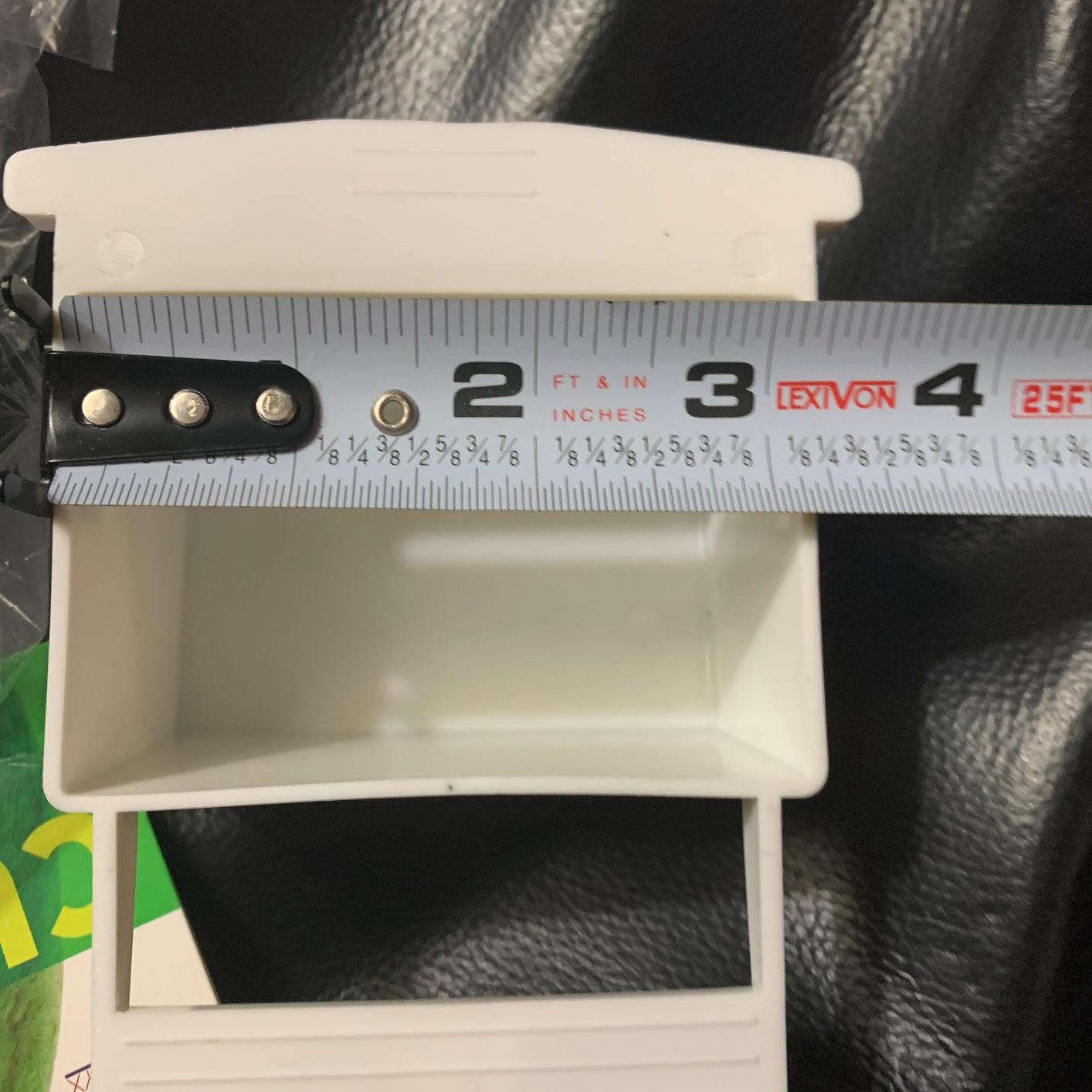
The technical story here is all about the mounting system rather than any gravity mechanism. The wings on each cup rotate past the access door frame and lock behind it, holding the cup flush against the cage wall. Your bird eats and drinks through the door opening, which keeps mess contained and prevents the cup from being tipped. The plastic is thick enough to resist chewing and the assorted colors arrive as a surprise.
The limitation is real though, and you need to know it before buying. These cups only work if your cage has exterior access doors, and they will not mount on plain bars. A few reviewers also noted the molded perch area runs wide for smaller parakeets, though our birds perched without trouble.
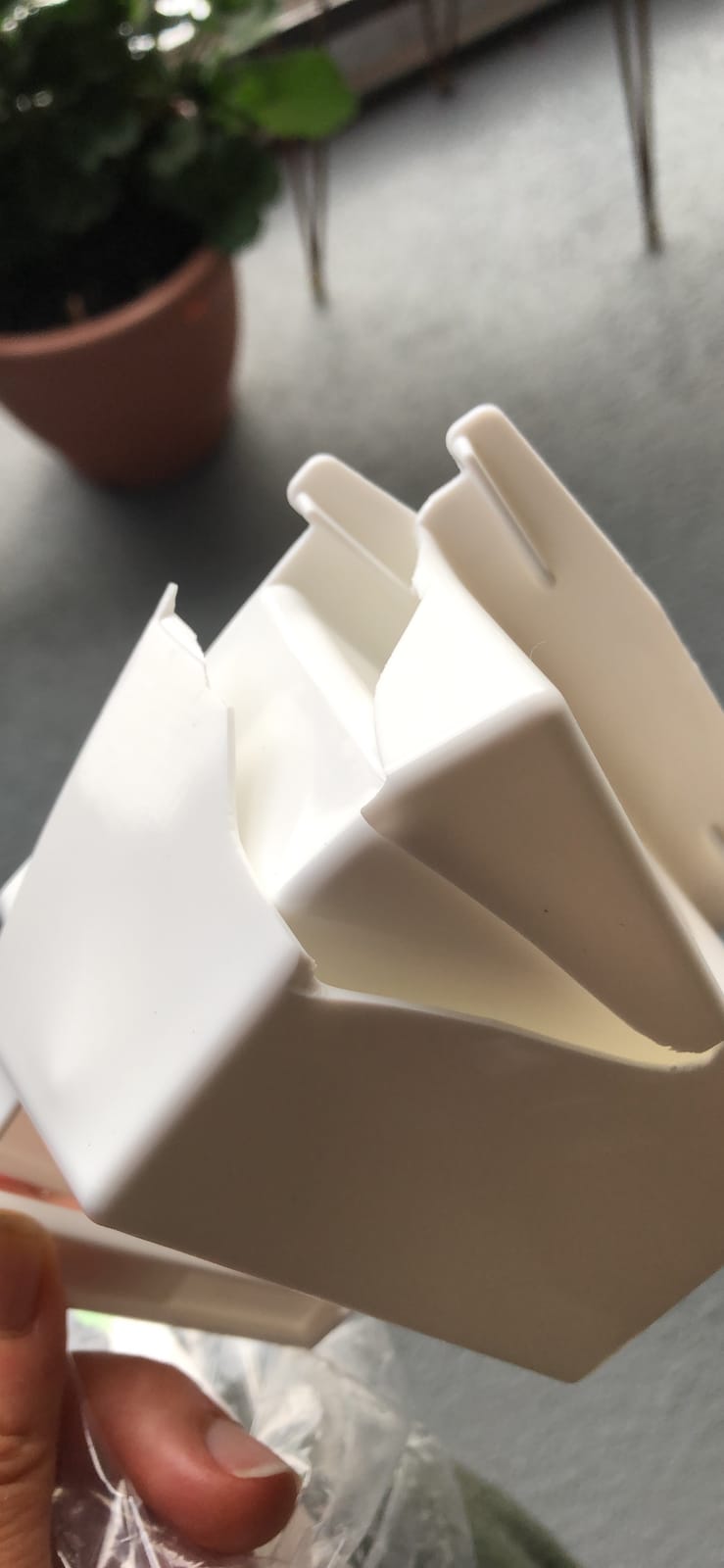
Which Cage Doors These Cups Fit
They fit standard exterior access door openings found on most Prevue, A&E, and mid-size wire cages. The large size suits cockatiels, conures, and similar medium birds, while parakeet owners with small doors should confirm their opening size first. If your cage has no access doors at all, choose a bar-mounted option from earlier in this list instead.
Cleaning and Daily Care
The smooth interior has no crevices to trap slime, and dishwasher cleaning on the top rack takes the chore off your hands entirely. A quick rinse and refill each morning is all the daily attention they need. That ease of cleaning is a big part of why these cups have stayed popular for over twenty years.
4. BWOGUE 2-Pack Automatic Water Dispenser – Best Budget Waterer Pair
2 Pack Automatic Bird Cage Water Dispenser, 4.73 oz Parakeet Water Feeder
Set: 2 water dispensers
Capacity: 140 mL each
Mount: Rotating clip
Material: Food-grade PVC
Pros
- Two dispensers per pack
- Gravity flow lasts 3-5 days
- Leak-proof keeps cage dry
- Rotatable clip mounts inside or outside
- Removable parts for easy cleaning
Cons
- Cage fixture hardware can rust
- Holder may break after extended use
- Birds need adaptation time
Getting two functional gravity waterers in one pack for this little money felt almost too good, so we went in skeptical. Both units held water for days without dripping, and the transparent PVC body made water levels readable from across the room. One went inside our cockatiel cage and the second became our travel backup, which is exactly the dual-use scenario this pack is built for.
The gravity flow design keeps a small trough topped up as your bird drinks, and ours stayed supplied for about four days per fill. The food-grade PVC is odorless, which mattered to us since some budget plastic smells strongly out of the box. Installation with the rotatable fixing clip took a few minutes per unit and worked on both the inside and outside of the bars.
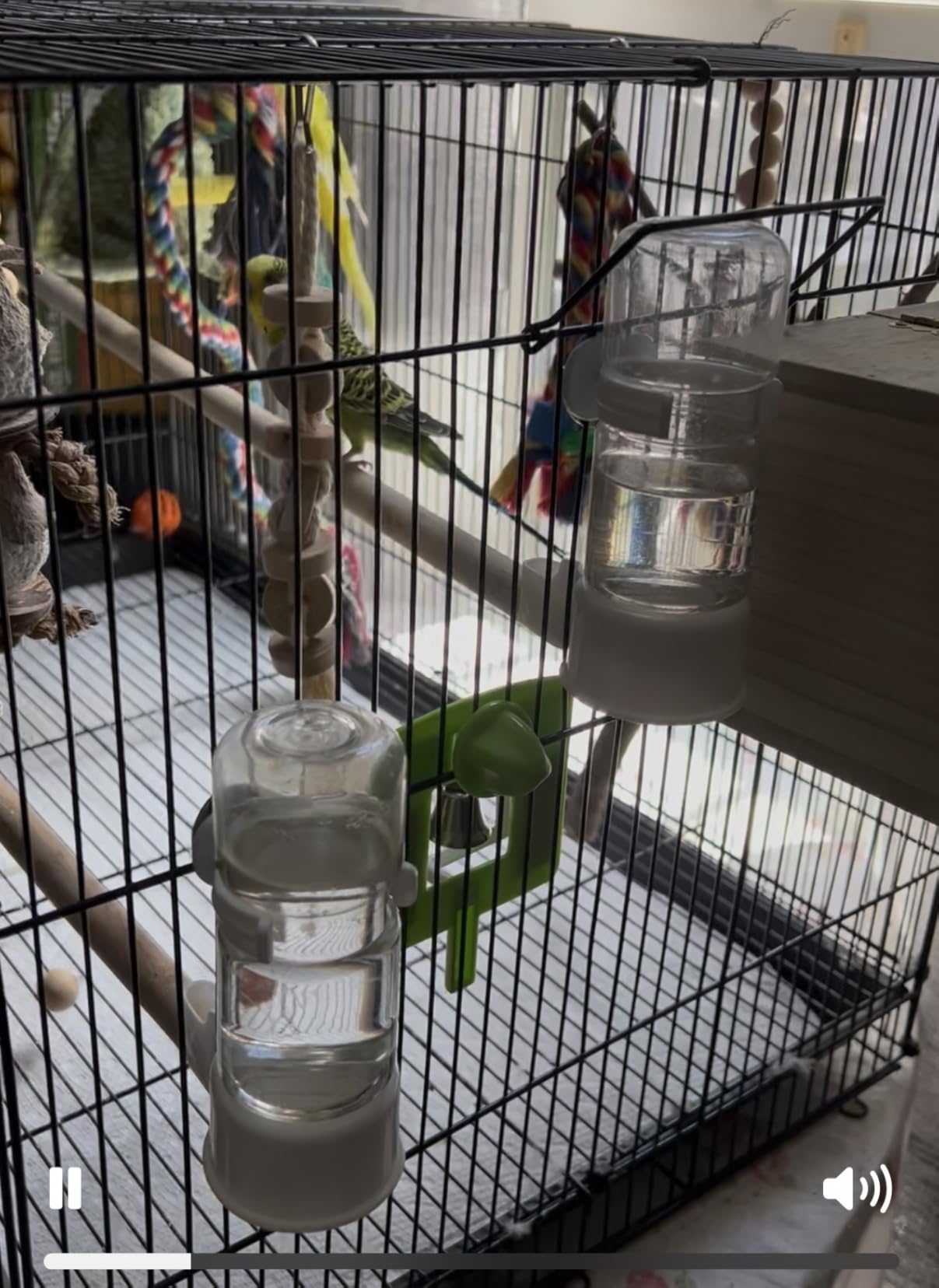
Mechanically, each dispenser is an inverted bottle with a gravity-controlled outlet that refills a small drinking trough as the level drops. The outlet design prevents overflow, which is what keeps the cage floor underneath dry. Because the reservoir seals around the outlet, water stays fresher longer than in an open dish that collects hulls and droppings all day.
Two warnings from our long-term use and from reviewer reports. The washer and nut on the cage fixture can rust over time, so consider swapping in stainless hardware if you live in a humid area. Also, plan on adaptation time, since our cockatiel ignored the new waterer for two full days before switching over from her old dish.
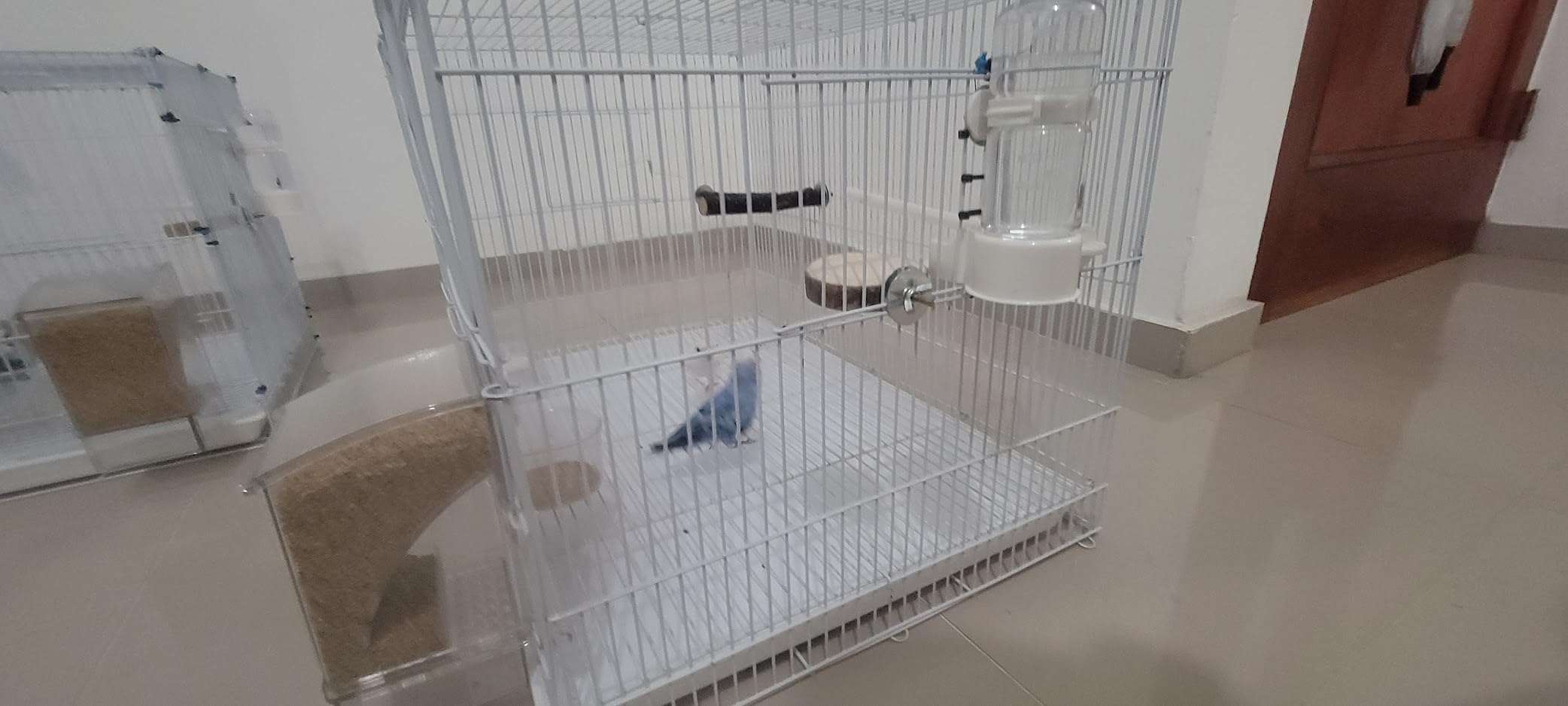
Training Your Bird to Use a New Waterer
Birds do not instinctively recognize new water sources, and forum owners report the same delay we experienced. Keep the old dish in place for the first week and let both options coexist. Once you see your bird drinking from the new dispenser, remove the dish and monitor for a couple of days to confirm the switch stuck.
Installation Inside or Outside the Cage
The rotatable fixing clip lets you mount the dispenser inside the cage or through the bars to the outside. Outside mounting protects the reservoir from droppings and chewing. Just confirm the outlet trough can still reach your bird from a natural perch position before you tighten everything down.
5. Pawfly Bird Water Dispenser – Best Leak-Proof Waterer
Pawfly Bird Water Dispenser, Automatic Water Feeder, Plastic Cage Water Dispenser, White Parrot Waterer for Small Parakeet Cockatiel Budgie Lovebirds (Not Fit for Food Feeding)
Capacity: 140 mL
Mount: Screw and clip
Material: Thick PP plastic
Fit: Vertical bars only
Pros
- Threaded outlet prevents leakage
- 140 mL lasts 3-4 days
- Thick bite-proof PP material
- Odorless and safe plastic
- Simple screw and clip install
Cons
- Tricky to remove for cleaning
- Reassembly takes patience
- Only fits vertical cage bars
Leaks are the number one dealbreaker in bird waterer reviews, and the Pawfly is the model that solved them for us. The threaded outlet screws snugly into the reservoir, creating a seal that never dripped once during our entire test period. Every other waterer we tried left at least a small wet patch under the cage at some point.
We ran this on our parakeet cage where bar space is tight, and the compact footprint fit without crowding the perches. The 140 mL capacity kept our budgie supplied for close to four days per fill. The thick PP plastic shrugged off investigating beaks without a single mark, and the white body stayed looking clean between washes.
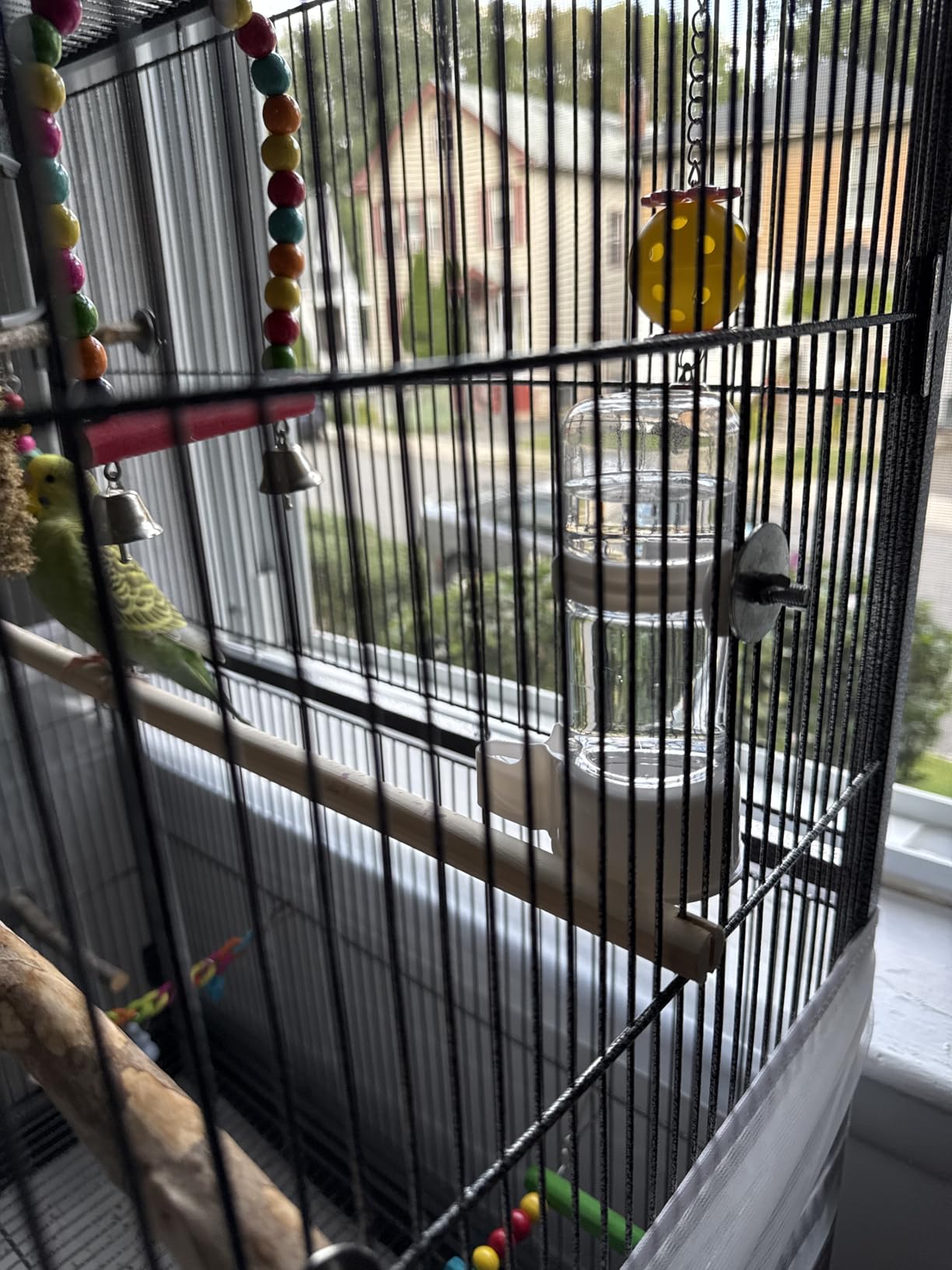
The design is an inverted bottle with a threaded outlet, which is the key difference from push-fit waterers that slowly seep at the joint. Water flows into the small drinking basin only as your bird drinks, keeping the supply fresh and contained. The adjustable screw and clip mounting system clamps onto the cage bars and holds the bottle at the correct drinking angle.
The honest downside is maintenance. Removing the bottle for a wash means unscrewing the outlet and pulling the clip apart, and reassembly takes a bit of patience the first few times. It is also strictly for vertical bars, so owners of cages with horizontal wire will need to look elsewhere.
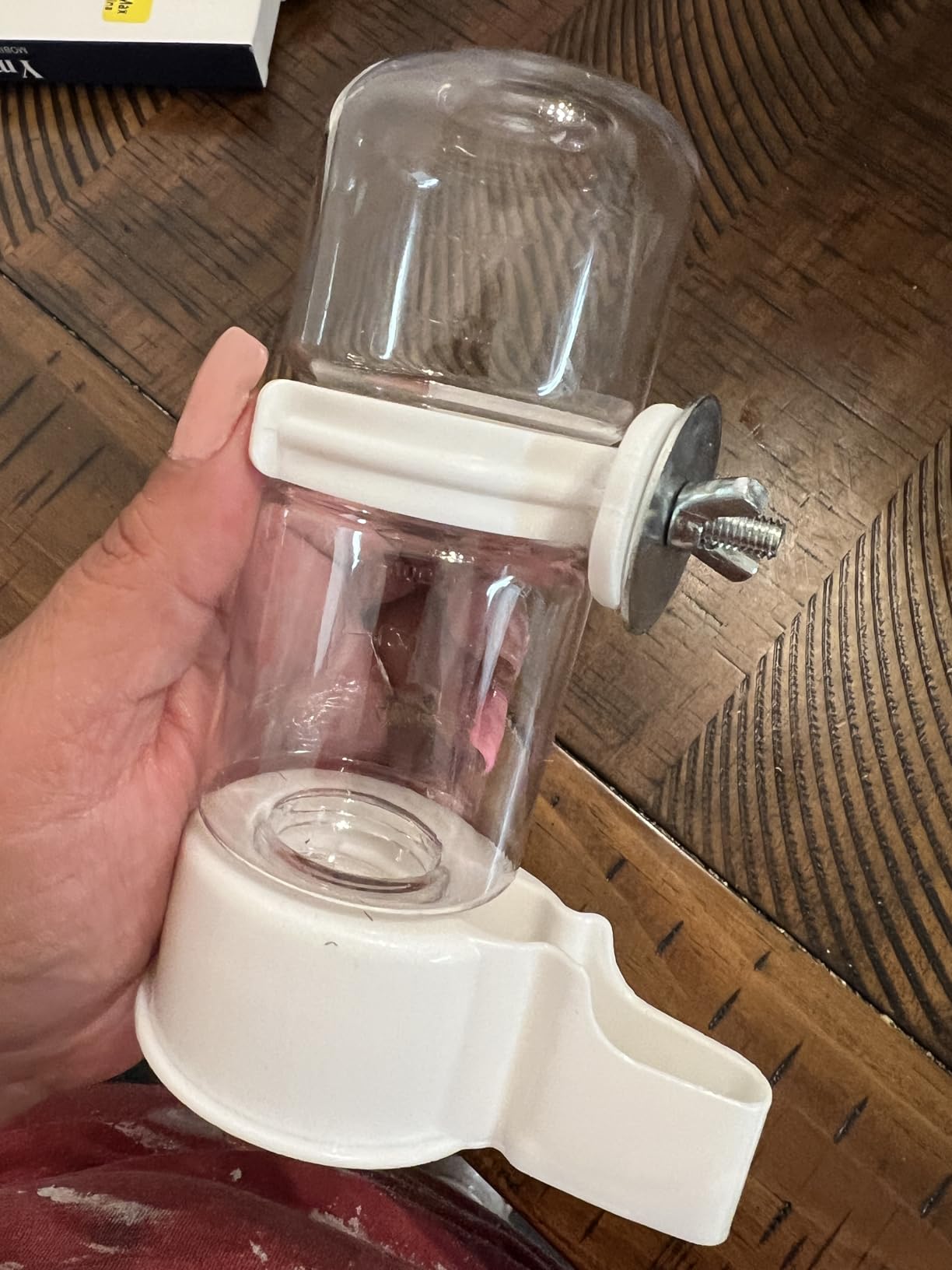
Vertical Bars and Mounting Limits
The clip and screw assembly is designed to grip vertical cage bars, which covers most standard parakeet and cockatiel cages. It will not grip horizontal wire runs properly no matter how much you tighten. Check your cage construction before ordering, because this is the single most common reason for returns on this model.
Cleaning and Hard Water Tips
Plan a weekly wash with warm soapy water and a bottle brush to keep the outlet clear. If you have hard water, a soak in white vinegar dissolves mineral crust before it can block the thread. Rinse thoroughly afterward, since birds are sensitive to residue.
6. Hamiledyi No-Mess Parrot Seed Feeder – Best Mess Control
Hamiledyi No Mess Bird Cage Feeder Automatic Parrot Seed Feeders with Perch Acrylic Transparent Seed Food Container Cage Accessories for Small and Medium Parakeets Lovebirds
Type: Gravity seed feeder
Extras: Built-in perch and hull box
Mount: Cage exterior
Material: Clear acrylic
Pros
- Dramatically reduces floor mess
- Transparent food level monitoring
- Built-in perch for comfortable eating
- Removable hull collection box
- Top-fill without cage removal
Cons
- Plastic can be brittle
- Hull box fills quickly
- Small for multiple birds
If seed hulls on your floor are the problem you are trying to solve, the Hamiledyi is the strongest answer we tested. Our weekly vacuum sessions around the cage dropped from daily nuisance to almost nothing after a week with this feeder mounted. The design catches hulls in a dedicated bottom box instead of letting them rain onto the floor.
The built-in perch was a nice touch, giving our lovebird a comfortable stance instead of gripping bars while eating. Filling through the top cover meant we never had to detach the feeder from the cage, which kept the routine quick. The transparent acrylic body made seed levels obvious at a glance from anywhere in the room.
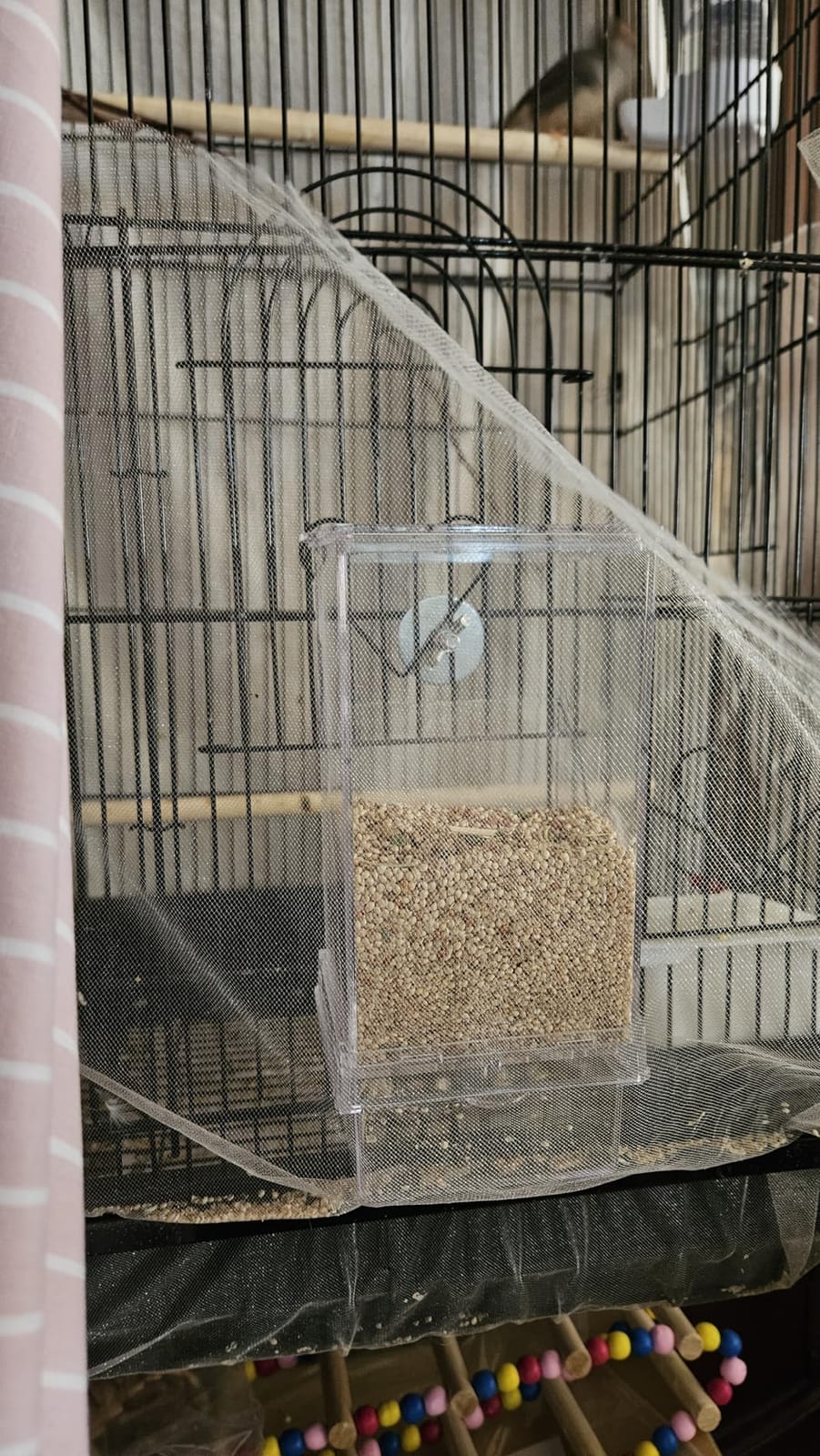
Functionally, seed slides down a slanted interior surface to the feeding slot as your bird eats, which is what makes it automatic. Hulls and rejected seed drop into the removable bottom collection box that unclips for emptying. The whole unit mounts to the outside of the cage, with your bird accessing food through the bars, which doubles down on the mess control.
Durability is the fair criticism here. The acrylic is on the brittle side, and our first unit arrived with the screw and washer rattling loose inside the box, a complaint echoed in other reviews. Treat it gently during cleaning and it holds up fine, but it is not the feeder for a large parrot with a destructive streak.
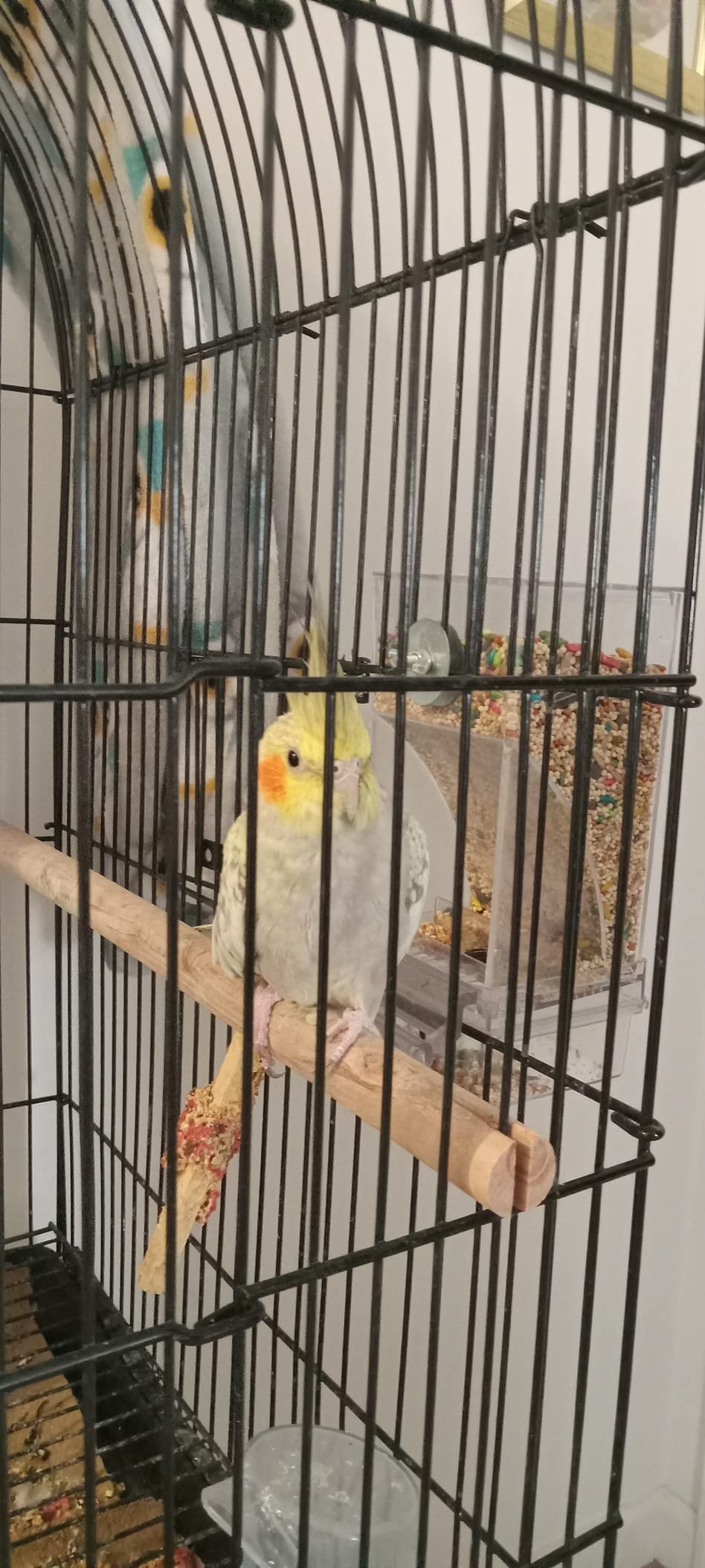
One Bird or Multiple Birds
The single feeding slot suits one small to medium bird, which is how we used it. Two budgies can share with some squabbling, but a multi-bird flock will need more than one unit. Owners of larger parrots should skip this one entirely due to the acrylic construction.
Refilling and Hull Management
The lift-off top cover lets you pour seed straight in without unmounting anything. Empty the hull box every two or three days, because it is smaller than the food chamber and fills faster than you expect. The whole feeder disassembles for a full wash in about five minutes.
7. BAGHPBM No-Mess Automatic Bird Feeder – Best Feeder and Bath Combo
No Mess Automatic Bird Feeder for Cage,Parakeet Seed Catcher,Food Container
Capacity: 27oz
Extras: Doubles as bird bath
Positions: Two feeding slots
Material: PC and PP plastic
Pros
- Feeder and bird bath in one
- Two feeding positions reduce spillage
- Large capacity lasts days
- Fully disassemblable for washing
- Sturdy three-hook install
Cons
- Cannot empty base without removing insert
- Hooks may not fit all cages
- Very tight lid
The BAGHPBM caught our attention for doing something no other feeder in this test attempts, which is working as both a gravity feeder and a bird bath. Our cockatiel is an enthusiastic bather, and having one unit handle both jobs freed up space in her cage. In feeder mode it dispenses grain automatically to two separate feeding positions.
The 27oz capacity is genuinely large, easily holding several days of seed for a small flock. The two feeding positions meant our birds were not fighting over a single slot, and both could eat at the same time. Installation used three hooks that hung securely over our cage bars in under a minute.
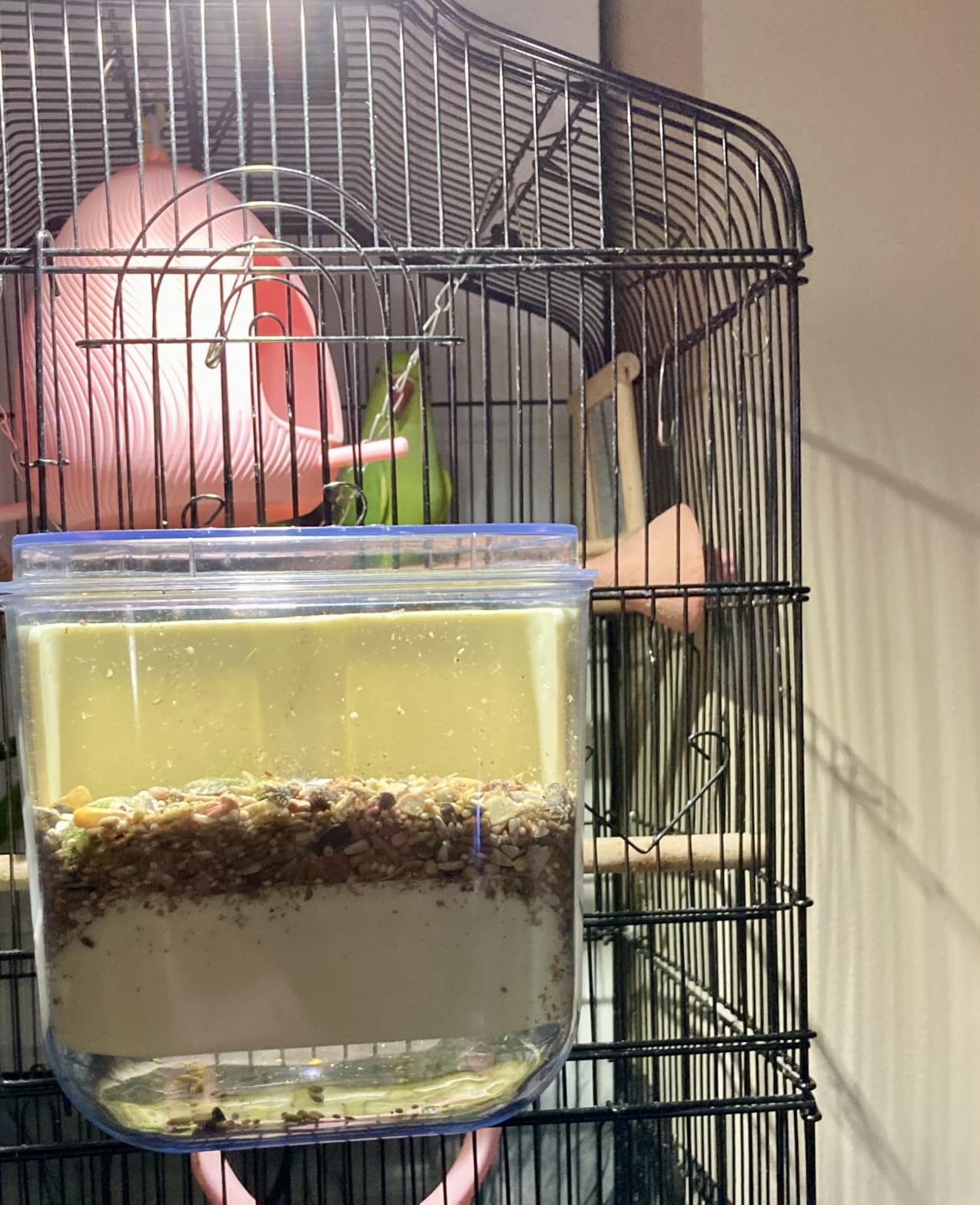
Technically this is a gravity-fed grain dispenser with a top-loading lid for quick refills, built from PC and PP plastic that the maker describes as non-toxic and corrosion-resistant. In bath mode, the unit converts into a shallow bath box with an automatic shower feature that trickles water. Every component disassembles, which makes thorough washing far easier than sealed one-piece designs.
The annoyances are small but real. The lid fits extremely tight, which is great for security but requires firm pressure every time. You also cannot empty the base without first removing the interior insert, so plan for that step during cleaning. A few reviewers reported the hooks did not fit their particular cage, so check your bar layout.
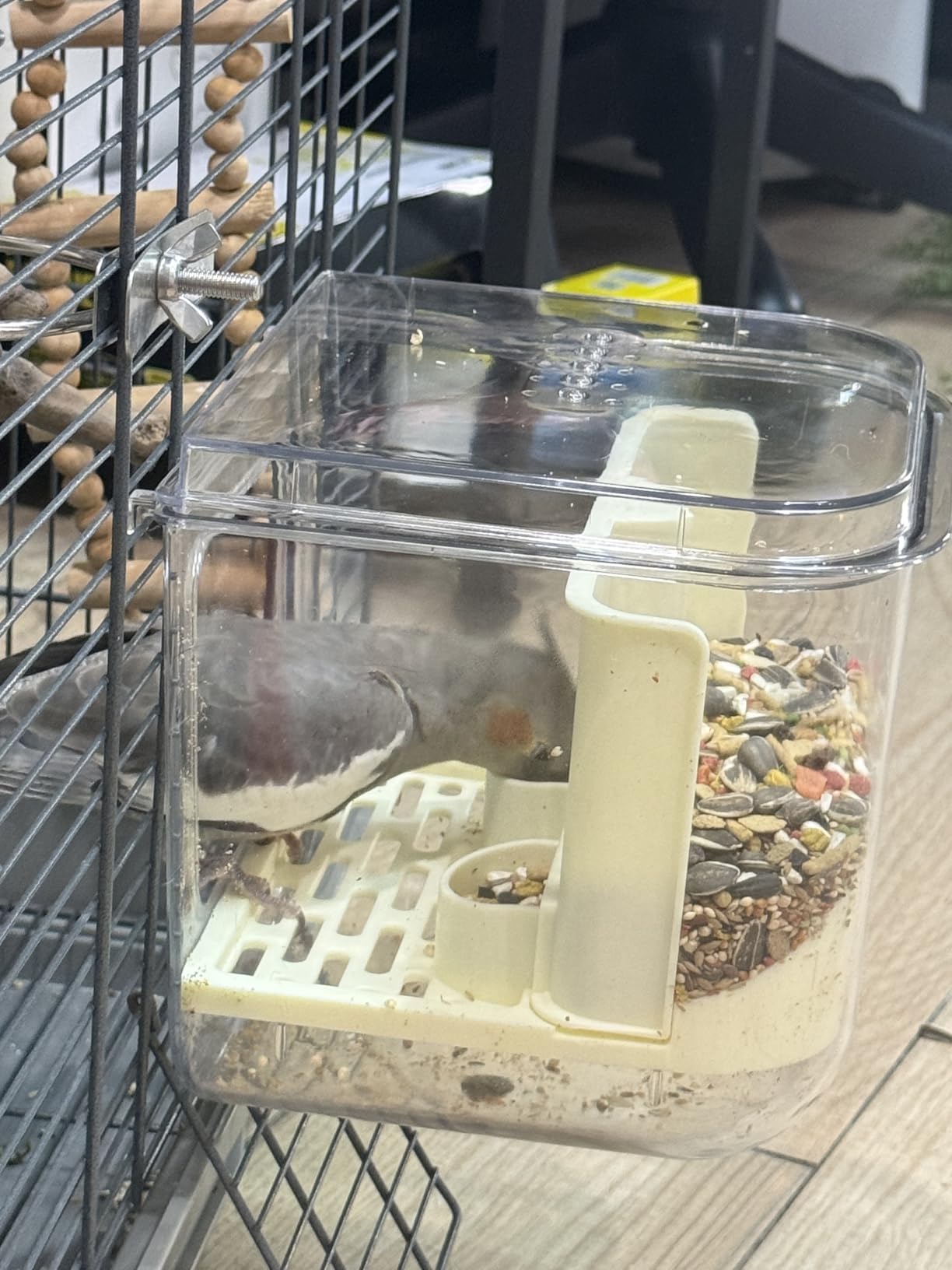
Feeder Mode Versus Bath Mode
In feeder mode it holds seed and dispenses to the two feeding positions automatically. In bath mode it becomes the splash zone, which cockatiels and budgies in particular will use daily. Swapping between modes takes under a minute, but you cannot run both functions at once.
Hook Fit and Cage Compatibility
The three-hook hanger is designed for standard horizontal cage bars. Cages with vertical bars or unusual spacing may need you to bend a hook slightly or pick another model. Confirm your bar orientation before ordering to avoid a return.
8. Mcage Clear Feeding and Watering Cups – Best Replacement Cups
Lot of 4 Clear Transparent Bird Cage Birds Feeding & Watering Feeder Cups
Set: 4 clear cups
Size: 3.5 x 3 x 2 inches
Use: Food or water
Cleaning: Easy wash smooth walls
Pros
- Clear walls show food and water levels
- Sturdy quality construction
- Easy to clean
- Flat top doubles as a perch
- Perfect size for small birds
Cons
- May run smaller than original cups
- Occasional reports of cracks
Sometimes you do not need automation, you just need your old cracked cage cups replaced with something decent, and that is exactly where the Mcage four-pack shines. These are straightforward clear cups sized at three and a half inches high and three inches wide, and we used them to refresh an older cage that had lost two original cups over the years. The clarity is the standout feature, since you can check food and water levels without walking up to the cage.
The flat top turned out to be an unexpected bonus, because our birds started using the cups as an extra perch between meals. We set up two cups for seed, one for water, and kept the fourth as a spare. After months of use, all four washed up clean with no clouding.
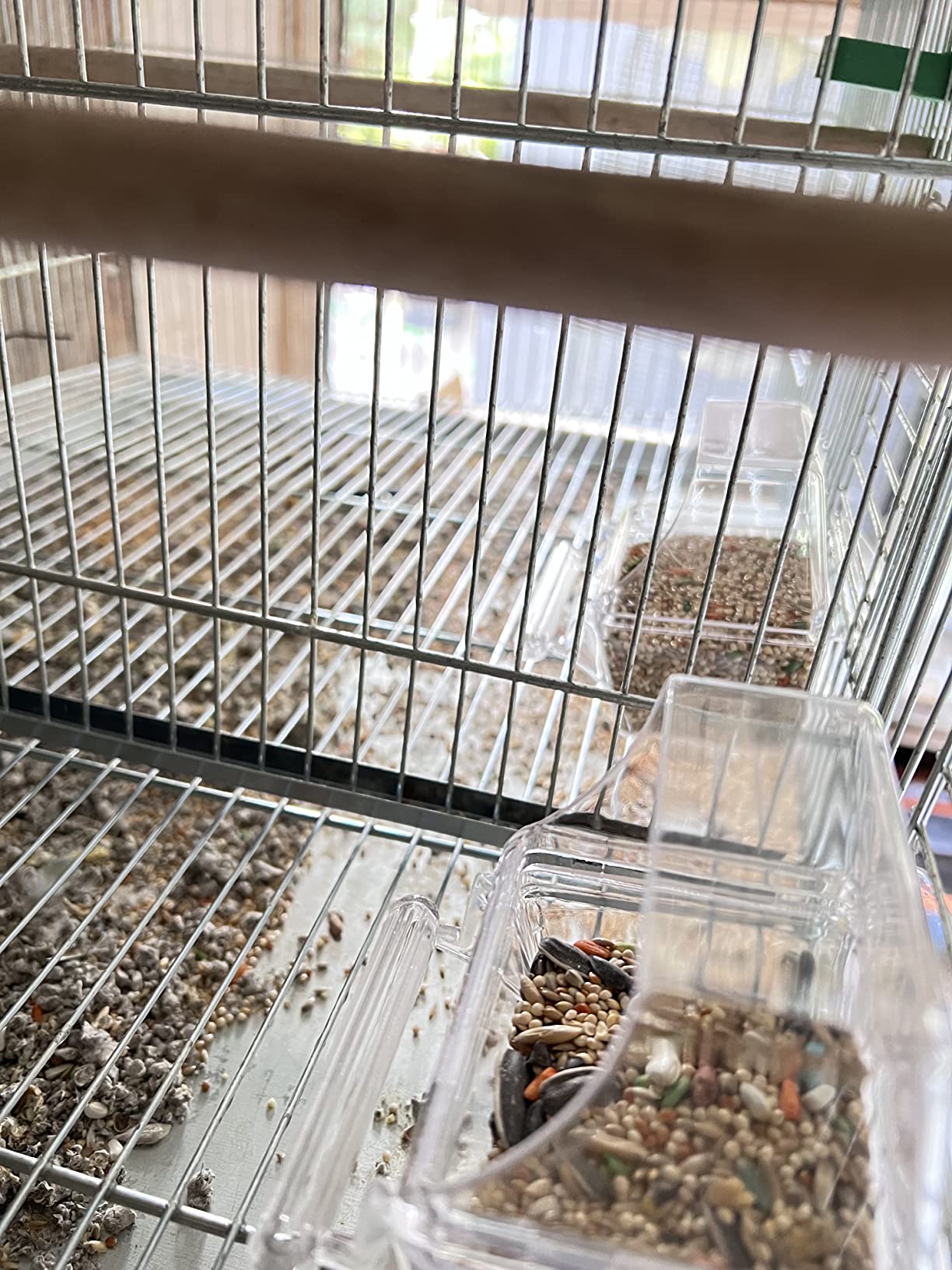
These are not gravity-fed units, so set expectations accordingly. They are traditional open cups that slide into standard cage cup holders and ring openings found on most classic cages. The smooth walls clean in seconds with a sponge, and the transparent plastic lets you spot contamination before it becomes a health issue. With four in a pack, you always have a clean spare ready during wash days.
The sizing caveat matters. Several reviewers found these ran slightly smaller than the cups they were replacing, so measure your originals before ordering. There were also occasional reports of cracks in individual units, which is a quality-control miss at this price tier.
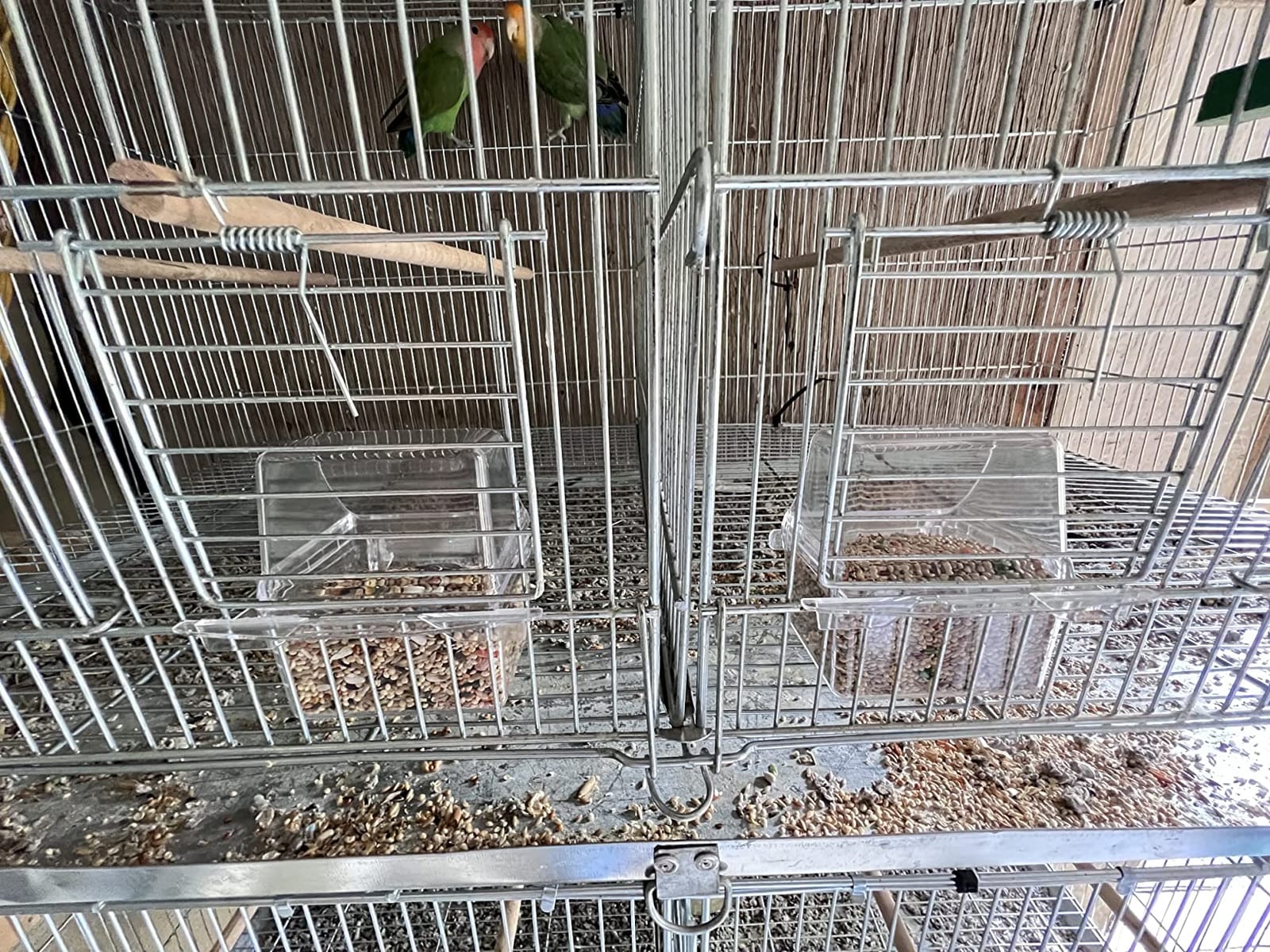
Sizing Against Your Original Cups
Each cup measures three and a half inches high, three inches wide, and two inches deep. Compare those numbers against your cage’s existing cups before buying, since they run a touch small against some brands. They suit parakeets, lovebirds, and cockatiels best.
Durability Over the Long Term
Our set held up to daily washing without clouding or cracking. The transparent plastic does scratch if you scrub with abrasive pads, so stick to sponges. Given that you get four cups, even a rare failed unit still leaves you with a working set.
Buying Guide: How to Choose Feeders and Water Cups for Your Bird Cage
Choosing between automatic feeders and water cups for bird cages comes down to five factors, and getting them right the first time saves you a return shipment. Here is what we learned from months of daily use with these eight products.
Capacity: Plan Around Your Flock
A single budgie drinks far less than a cage of three cockatiels, so match reservoir size to your actual headcount. The 140 mL waterers in our test lasted one small bird three to five days, while the 27oz feeders stretched close to a week for a pair. Multi-bird households should either size up or run duplicate units, because a single small outlet becomes a bottleneck and a squabbling point.
Mounting: Match the Mechanism to Your Cage
Check three things before ordering anything: your bar orientation, your bar spacing, and whether your cage has exterior access doors. Clip-mount waterers like the Pawfly need vertical bars, hook-on feeders like the BAGHPBM want horizontal bars, and twist-lock cups like the Prevue only work with access doors. Measuring takes two minutes and prevents the single most common return reason we saw in reviews.
Refill and Monitoring: Transparent Wins
Every forum owner we read valued transparency, and our testing agreed completely. Clear reservoirs let you confirm from across the room that your bird has water and food, which matters most when you are heading out the door. Top-fill designs are the next tier of convenience, since you can refill without unmounting or reaching into the cage.
Mess Control Features That Actually Work
The features that genuinely reduced floor mess in our test were exterior mounting, dedicated hull collection boxes, and deep bowl geometry. Exterior feeders keep the mess outside the cage entirely, hull boxes catch the debris that does escape, and deep bowls stop seed from being flicked over the edge. Open cups, for all their simplicity, offer none of this.
Material and Bird Safety
Look for food-grade PVC, PP, or acrylic, and give anything a sniff test when it arrives, because strong chemical odors are a red flag. Chew-resistance matters more than you think if you own a parrot, as our cockatiel demonstrated by shredding two budget feeders. Stainless hardware beats plated steel in humid homes where rust becomes a real issue.
How Does a Gravity Bird Waterer Work
A gravity bird waterer uses an inverted reservoir that releases water into a small drinking trough only as the level drops, keeping a steady supply available without overflow. Air enters the bottle as water exits, which holds the trough at a constant level until the reservoir runs low. No power, no timers, and almost nothing to break, which is why the design has dominated for decades.
Training Your Bird to Accept a New Feeder
Reddit cockatiel owners report birds ignoring unfamiliar waterers for days, and our own cockatiel took two full days to switch. Run the new unit beside the old dish for at least a week so your bird can investigate on their own schedule. Once you witness drinking from the new source, retire the old dish and keep watch for another day or two.
Frequently Asked Questions
What is the best water dispenser for a bird cage?
The best water dispenser for a bird cage is a gravity-fed model with a threaded, leak-proof outlet like the Pawfly Bird Water Dispenser, which held water for days without dripping in our testing. Look for a transparent reservoir, a capacity matched to your flock size, and a clip mount that fits your cage bars. For most parakeets and cockatiels, a 140 mL unit refreshed every few days is the sweet spot.
What is the 5 7 9 rule for bird feeders?
The 5 7 9 rule is a spacing guideline for outdoor bird feeding stations: keep feeders at least 5 feet off the ground, 7 feet away from nearby shrubs or cover where predators can hide, and 9 feet from windows to reduce collisions. It applies to wild bird feeding setups rather than indoor cage accessories. Indoor cage feeders should instead be matched to your bar spacing and mounted away from perches directly above them.
What are some good automatic bird feeders for a cage?
Good automatic feeders for a cage include the TOKAYIFE 27oz Hanging Feeder for adjustable flow and chew resistance, the Kenond No-Mess Set for a combined feeder and waterer, the Hamiledyi feeder for hull control, and the BAGHPBM feeder that doubles as a bath. Each one uses gravity to dispense seed as your bird eats, holding several days to two weeks of food.
What is the best automatic water dispenser for parrots?
For small to medium parrots, the best automatic water dispenser is a gravity unit with a bite-proof body, and the Pawfly with its thick impact-resistant PP plastic and leak-proof threaded outlet fits that brief. Larger parrots do best with heavy-duty stainless steel cups or ceramic bowls, since their beaks can crack thin plastic reservoirs. Parrot forum users generally favor cups over bottles for easier drinking and easier intake monitoring.
What is the best thing to put water in for birds?
The best containers for bird water are shallow, smooth-walled, and easy to scrub daily, which makes stainless steel cups, ceramic dishes, and dishwasher-safe plastic cups the top choices. Automatic gravity waterers are the best upgrade when you are away often, because they keep water fresher than an open bowl that collects hulls and droppings. Whatever you use, wash it daily, since birds often dunk food and soil their own water within hours.
Final Verdict on the Best Automatic Feeders and Water Cups for Bird Cages
After months of daily use across two cages, our top recommendation stays with the TOKAYIFE 27oz Hanging Feeder for its adjustable flow, chew-proof build, and week-long capacity. The Prevue winged cups remain our value pick for anyone with access-door cages, and the BWOGUE two-pack is the smartest budget entry into gravity watering. Owners focused purely on mess control should look hard at the Hamiledyi or the Kenond exterior set.
The best automatic feeders and water cups for bird cages are the ones that match your bar spacing, your flock size, and your schedule, so measure first and buy once. Any of the eight options above will cut your cleaning time and keep fresher water in front of your bird. Your mornings, and your vacuum, will thank you.