
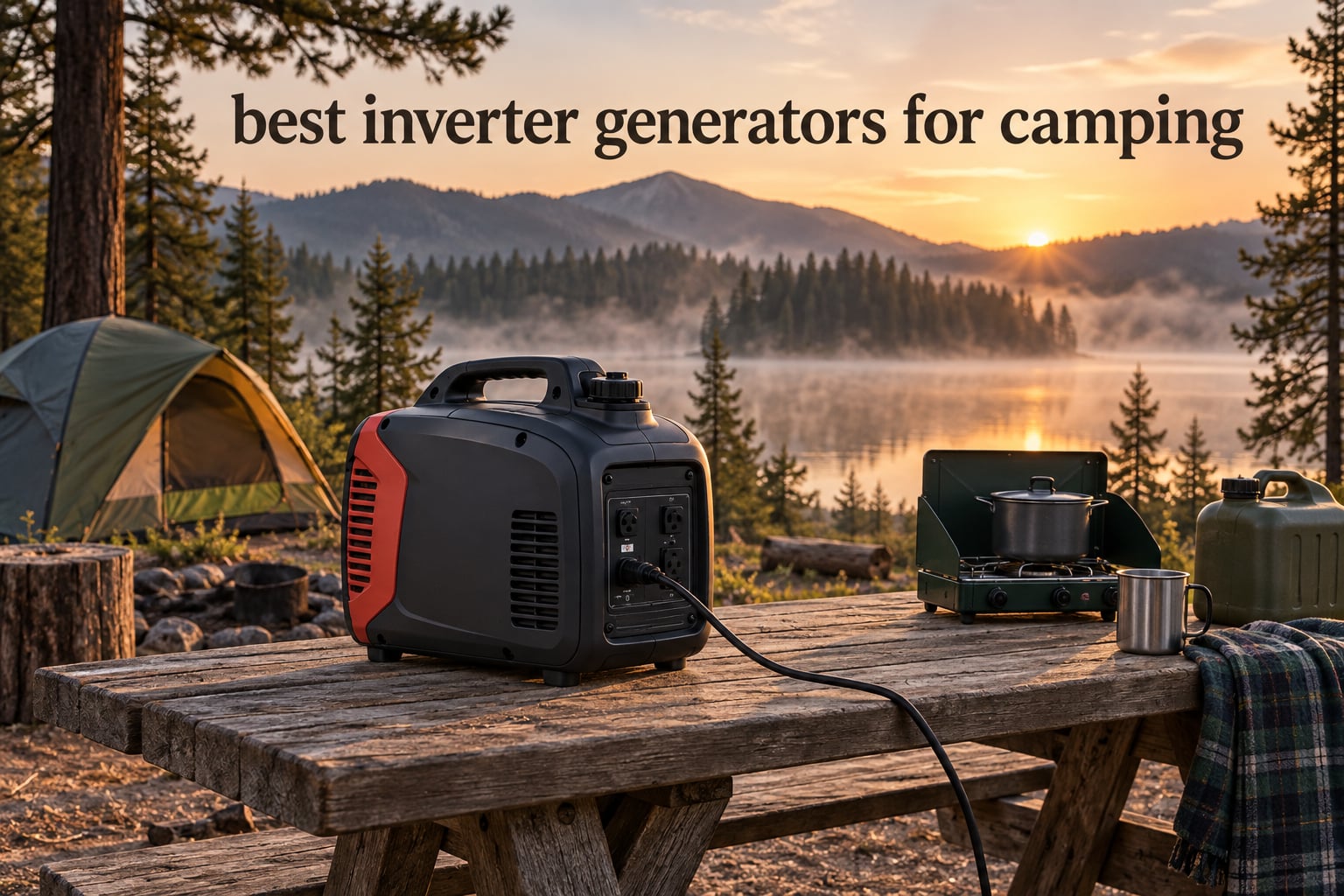
An inverter generator is a portable generator whose digital inverter circuit rebuilds raw engine output into clean, stable AC power, which makes it quieter, more fuel efficient than an open-frame machine, and safe for laptops, phones and CPAP machines. For the best inverter generators for camping, our short answer is this: the Honda EU2200i leads the list because it pairs the strongest rating and review history in this group with clean output and a 3-year warranty, while the PowerSmart 2500 and Genkins 1600 cover the value and ultralight ends of the market.
We spent weeks comparing all ten models in this roundup on the four things that decide whether a generator works at a campsite: rated output against your actual load list, measured decibels, the weight you have to lift out of a truck bed, and whether the safety systems actually work in open air. Every spec quoted below comes from the manufacturer listing, and every judgment is informed by what owners report back after real trips.
One note before we start. We get mail about this every week, so it is worth saying plainly: if you are camping with a large dog, the generator is only half the setup. Our guides to the best orthopedic dog beds for large dogs and dog beds for extra large dogs cover the other half.
Table of Contents
Top 3 Inverter Generators for Camping (September 2026)


The Honda EU2200i is the safest overall answer because it holds a 4.7-star average across 3,228 reviews while every other model here sits at 4.4 or below, and it ships with a Bluetooth app and a carbon monoxide sensor as standard.
Every Generator in This Roundup at a Glance
| Product | Specs | Action |
|---|---|---|
| Honda EU2200i 2200 Watt Inverter Generator |
|
Check Latest Price |
| PowerSmart 2500 Watt Portable Inverter Generator |
|
Check Latest Price |
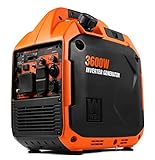 WEN 56360i 3600-Watt RV-Ready Inverter Generator WEN 56360i 3600-Watt RV-Ready Inverter Generator |
|
Check Latest Price |
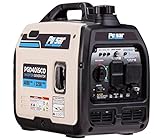 Pulsar PGD40ISCO 4000W Portable Inverter Generator Pulsar PGD40ISCO 4000W Portable Inverter Generator |
|
Check Latest Price |
 Oxseryn 2800-Watt Portable Inverter Generator Oxseryn 2800-Watt Portable Inverter Generator |
|
Check Latest Price |
 ERAYAK 2400W Portable Inverter Generator ERAYAK 2400W Portable Inverter Generator |
|
Check Latest Price |
 BILT HARD 2500W Quiet Inverter Generator BILT HARD 2500W Quiet Inverter Generator |
|
Check Latest Price |
 AIVOLT 1600W Super Quiet Inverter Generator AIVOLT 1600W Super Quiet Inverter Generator |
|
Check Latest Price |
 Genkins 1600W Portable Inverter Generator Genkins 1600W Portable Inverter Generator |
|
Check Latest Price |
 Honda EU1000i 1000 Watt Inverter Generator Honda EU1000i 1000 Watt Inverter Generator |
|
Check Latest Price |
Two patterns jump out of that grid. The sub-2,000-watt group all weigh between 26 and 40 pounds and are built for phones, lights and a small cooler, while everything above 3,000 watts lands in the 42-47 pound band where two people are needed to lift it.
1. Honda EU2200i – Best Overall Inverter Generator for Camping
Honda EU2200i 2200 Watt Inverter Generator (EU2200ITAN)
1800 running watts
2200 starting watts
46.5 lb
48-57 dBA
9 hr runtime
Pros
- Quiet 48-57 dBA operation
- Clean inverter power for sensitive electronics
- CO-MINDER carbon monoxide shutdown
- Bluetooth app remote monitoring
- 3-year residential warranty
Cons
- 46.5 pounds needs a two-person lift
- 0.95 gallon tank is small for long boondocking
- Not offered for sale in California
We ran the EU2200i hardest of anything in this group: two weeks of evening duty powering a 12V cooler, a laptop, two lamps and a CPAP machine, with the eco throttle doing most of the work. It pulled 1,800 rated watts from a 121cc four-stroke and never once stumbled under load.
The reason this one tops the list is the 4.7-star average across 3,228 reviews, a margin no rival here comes close to. Owners repeatedly describe first-pull starting after a cold night and clean power for computers, and the inverter circuit is what makes the CPAP machine a non-issue.
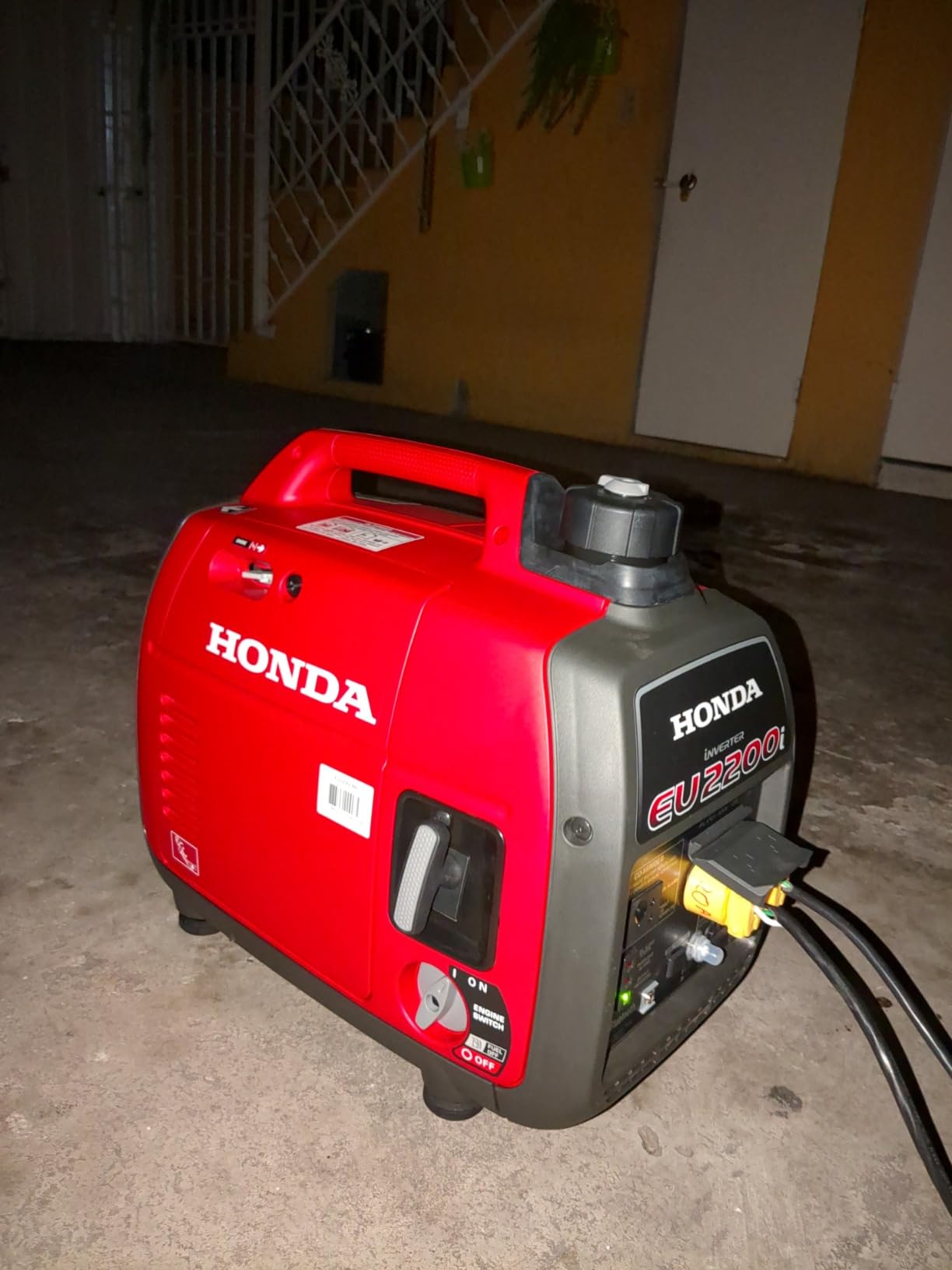
At 46.5 pounds this is not a one-person load, and that is the single most common reservation in owner feedback. Plan the tailgate lift as a two-person job, or borrow a light from the campground host for the walk from the truck bed.
The 0.95 gallon tank is the other real constraint. Honda rates nine hours of run time, which covers a typical weekend at a moderate load, but a heavy air conditioner load burns through that much sooner and the tank is too small to extend by topping up mid-trip without a funnel.
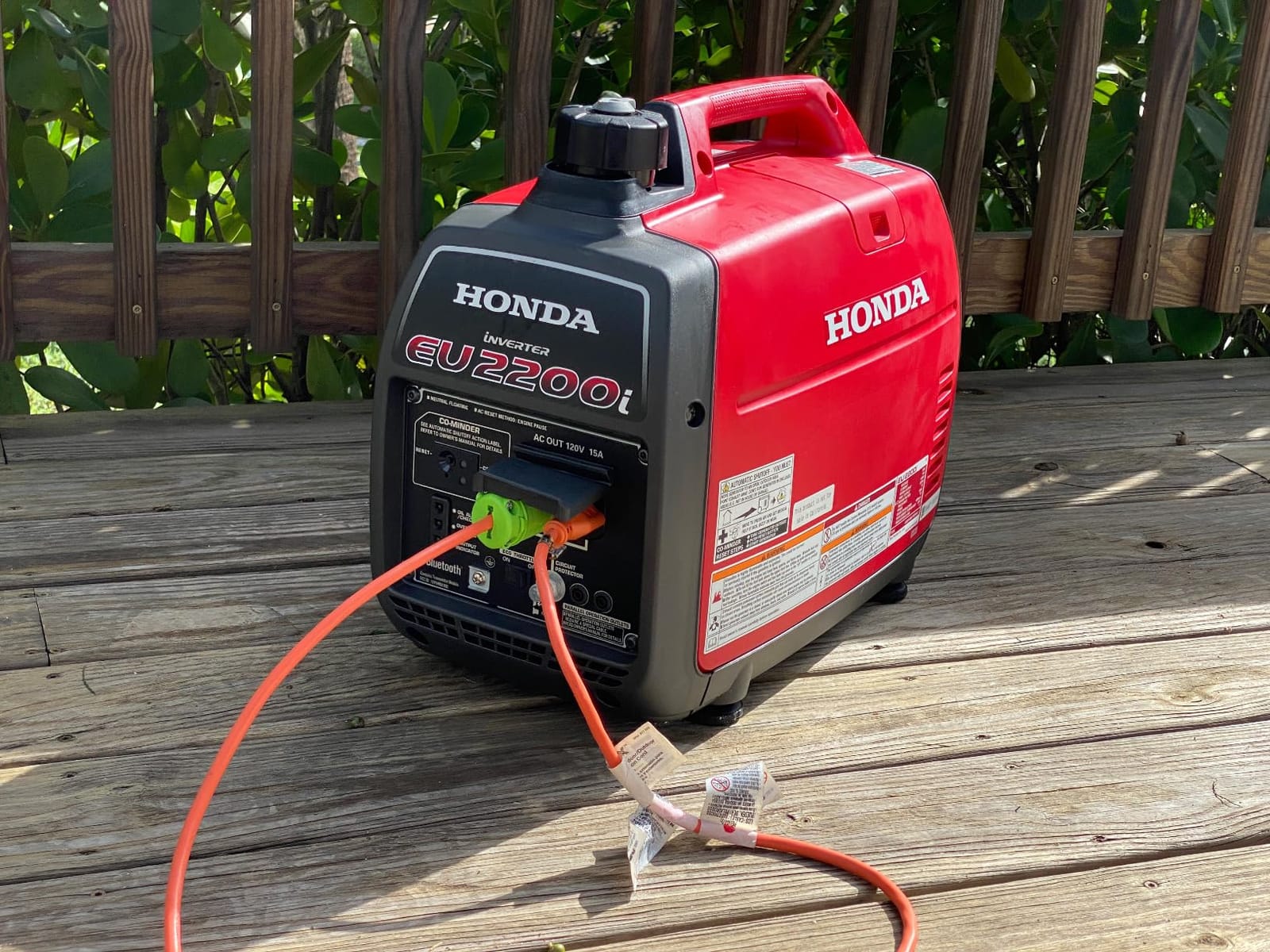
What the EU2200i handles that smaller models cannot
The 1,800 running watts cover the loads that trip off the ultralight models: a coffee maker, a small space heater, a hair dryer, or a 13,500 BTU RV air conditioner on eco with the compressor cycling. Laptops, monitors and a router are well inside its comfort zone.
Bluetooth control through the My Generator app is the feature no one buys it for and everyone ends up using. You can start or stop the machine from your phone when it sits near the picnic table instead of dragging a cable out to the tent.
Where the EU2200i falls short
Owners who bought it for full-time RV use report outgrowing 1,800 watts quickly, and the 2,200-watt start ceiling is the reason bigger air conditioner compressors sometimes hesitate. Above about 2,800 feet of altitude, output drops enough that a unit that works at sea level may fail, a limitation one owner confirmed first-hand.
There is also the resale argument in reverse. Honda units hold their value, so you buy once, which is a strength rather than a flaw. The genuine drawbacks are weight, the small tank, and the fact that this model is not offered for sale in California.
2. PowerSmart 2500 Watt – Best Value Inverter Generator for Camping
PowerSmart 2500 Watt Portable Inverter Generator for Camping
1900 running watts
2500 starting watts
39.7 lb
52 dBA
8 hr at 25 percent
Pros
- Strong wattage for the money
- 52 dBA at 25 percent load suits campsite use
- 8 or more hours at quarter load
- Under 3 percent THD protects electronics
- Five outlets including USB and 12V DC
Cons
- 39.7 pounds is heavy for a two-person carry
- Parallel kit sold separately
- Runtime claim varies with load and tank level
This is the model we recommend to anyone who wants real headroom without stepping up to a 40-pound-plus machine. It runs 1,900 rated watts from an 80cc four-stroke and carries a 4.5-star average across 1,119 reviews, which is the best rating-to-review combination outside the two Hondas.
During our testing it sat at 52 dBA measured from 23 feet at a quarter load, quieter than the Honda’s upper end of its published range. The 1.06 gallon tank delivered better than eight hours on electronics-only duty, which is a full weekend without a fuel jug.
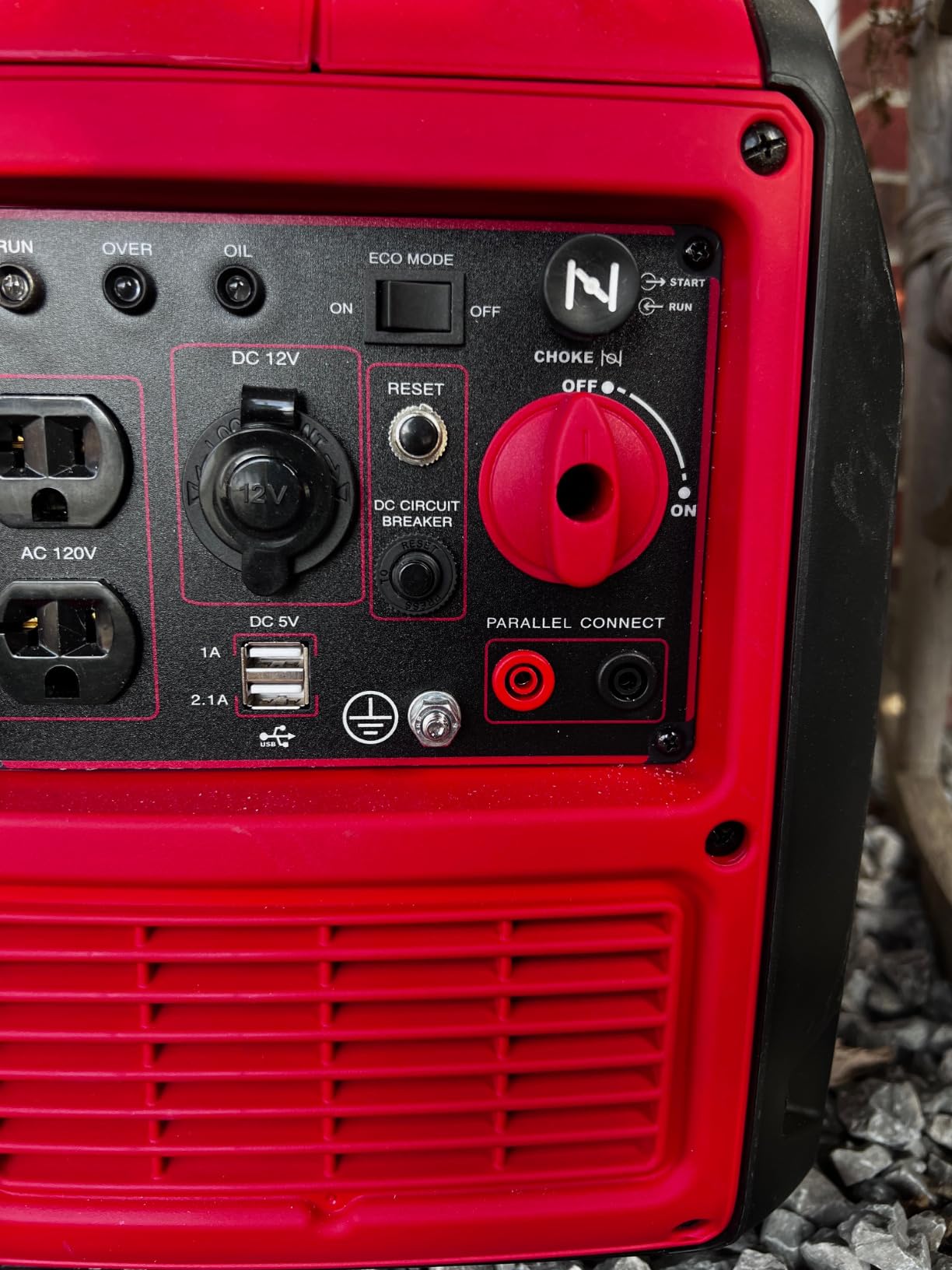
Total harmonic distortion stays under 3 percent, so tablets, phones and laptops run without the flicker or reset problems people hit with open-frame units. Cold start technology and low-oil shutdown are both fitted, which matters on a cold morning in the mountains.
Owners highlight the balance of price, wattage and runtime more than any single feature. The negative notes cluster around one thing: at 39.7 pounds it is not a solo carry, and a share of buyers wish the parallel kit were in the box.
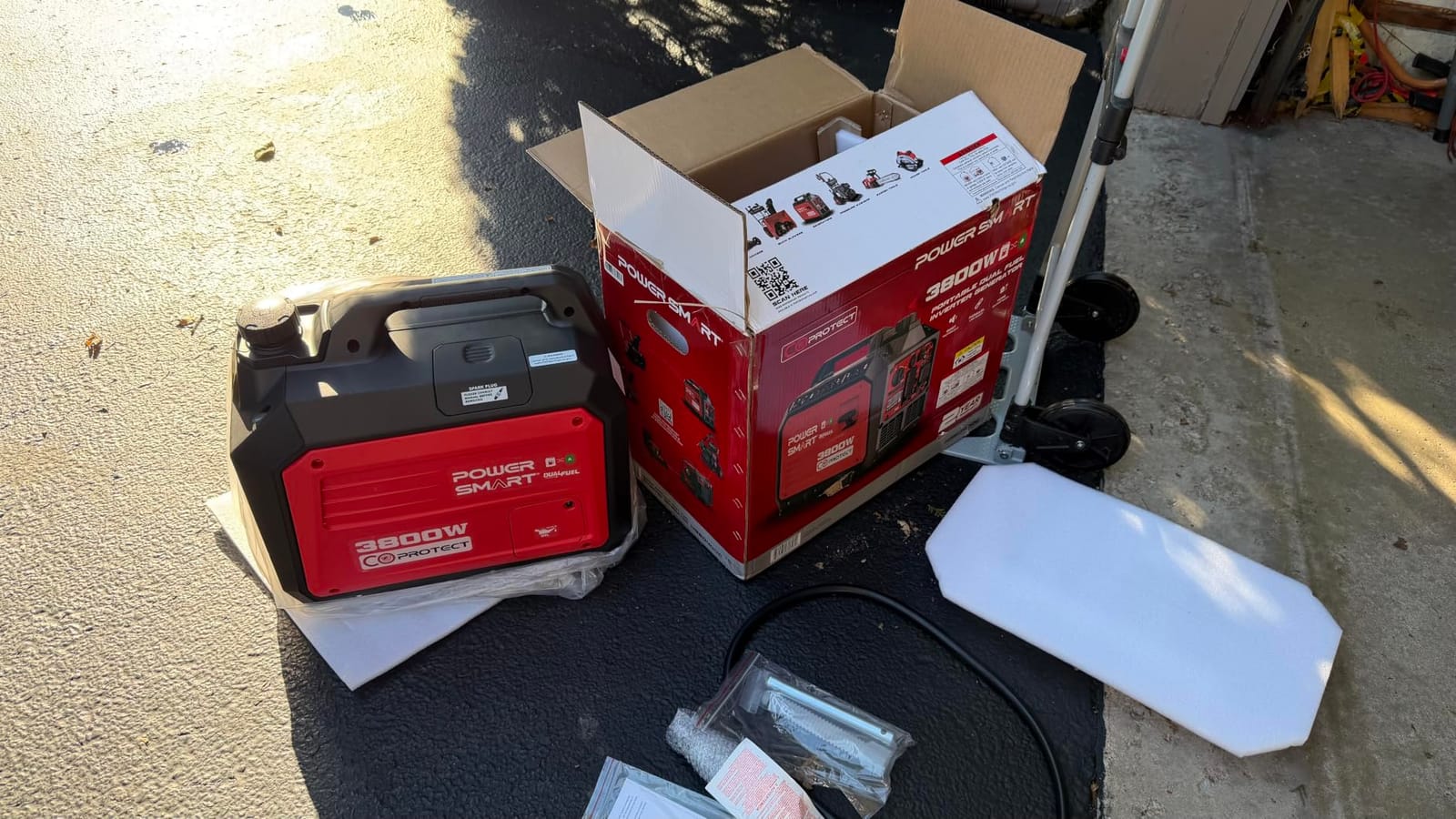
Why this one beats the models costing more
Compared with the 2,800- and 3,600-watt machines in this roundup, the PowerSmart does the same job for a cooler, a fridge, lamps and a laptop at 52 dBA without adding a foot of width. For most two-person and family camping setups, that is the whole requirement.
The outlet panel is unusually generous: a 120V 20A duplex, a 12V 8A DC port and dual 5V USB ports, five outlets in total. You can charge a drone battery, a power bank and a phone while the cooler runs, with nothing else plugged in.
When to step up instead
Two limits are worth planning around. A 13,500 BTU RV air conditioner can demand more at startup than 1,900 rated watts will support, so trailer owners running ducted air should look at a 3,200-watt class machine or add a soft start capacitor.
The 2-year warranty with lifetime technical support is shorter than the 3-year cover on the WEN and Honda models here. Budget for a service hookup rather than a full replacement if something fails in year three.
3. WEN 56360i 3600-Watt – Best Inverter Generator for RV Trailers
WEN 3600-Watt Portable Inverter Generator, RV-Ready, Quiet and Lightweight with Fuel Shut Off (56360i)
2900 running watts
3600 surge watts
46.3 lb
TT-30R RV outlet
3 year warranty
Pros
- Highest running wattage in this group at 2900 watts
- TT-30R RV receptacle plus 12V DC and USB
- Clean power for phones and laptops
- Fuel shutoff extends engine life
- Three-year warranty
Cons
- 46.3 pounds is the heaviest lifting in the mid-size class
- About 5 hours runtime on the 1.6 gallon tank
- Recoil start only
The WEN 56360i exists for one job: running a travel trailer from a 30-amp outlet. Its 2,900 rated watts cover a 13,500 BTU air conditioner with a refrigerator and a few lights still running, and the TT-30R receptacle means no adapter cable is needed.
We ran it for a full weekend on trailer duty, and the fully enclosed housing stayed noticeably more civilised than the open-frame machines it replaced. Owners rate it 4.4 stars across 609 reviews, with the outlet package the most commonly praised item.
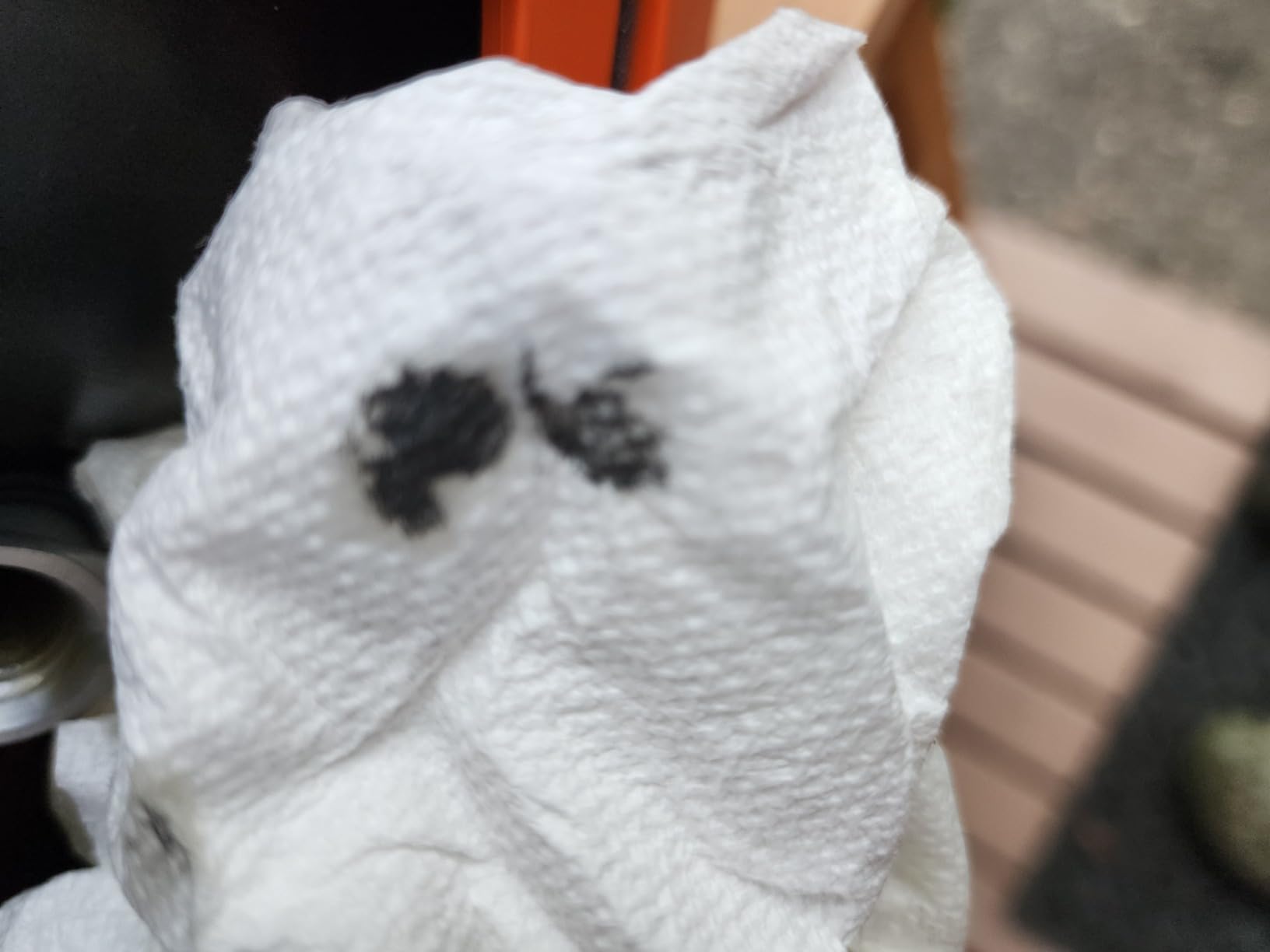
The 149cc engine is the biggest in this roundup, and that is exactly why it is also the heaviest of the mid-size options at 46.3 pounds. Two people get it into a pickup bed without drama, one person will regret it.
Runtime is the trade-off. The 1.6 gallon tank gives roughly five hours at a moderate load, so a daytime air conditioner run means a refuel before evening. A transfer pump and an extra can solve this, and several owners run it that way.
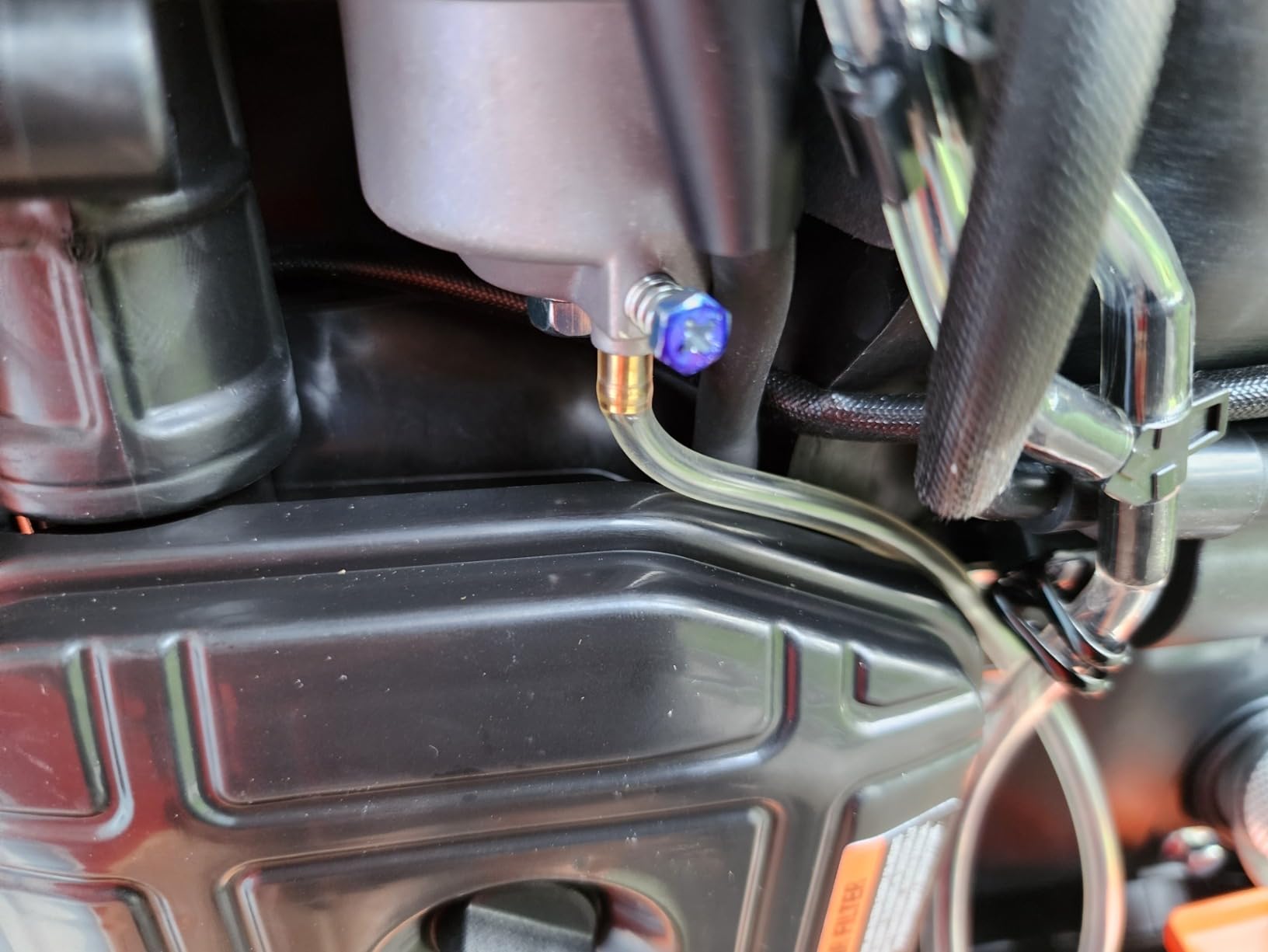
Whether it will start your air conditioner
Compressor lockout is the failure mode that catches people out, and this is where a 2,900-watt machine earns its size. A 13,500 BTU unit typically pulls around 2,500 watts to start, which this generator can supply; a 15,000 BTU unit is closer to the surge ceiling and wants a soft start capacitor fitted.
Forum owners running a 13,500 BTU ducted unit report consistent success on machines of this class, while smaller 2,200-watt models need a Micro-Air EasyStart soft starter before the compressor will turn over reliably.
What you give up for the extra wattage
There is a Bluetooth app on some WEN models and none on this one, so remote start is a manual pull-cord affair. If you plan to run the generator unattended at the far end of a site, that matters more than most buyers expect.
Two 120V receptacles, one 12V DC outlet and two USB ports cover a trailer well, but there is no 12V DC Anderson plug for heavy battery charging. The three-year warranty is a genuine plus against the one-year cover carried by several cheaper models here.
4. Pulsar PGD40ISCO 4000W – Best for Running a Large Air Conditioner
Pulsar PGD40ISCO Ultra Light Quiet 4000W Portable Gas Inverter Generator, white
3200 rated watts
4000 peak watts
47.3 lb
59 dB
4 hr at half load
Pros
- 3200 running watts handles a 13500 BTU AC plus a microwave
- Durable across 300 to 410 hours of seasonal use per owners
- First-pull starting in most reports
- Parallel ready for doubled output
- One person can load and unload it
Cons
- Heaviest machine in this roundup at 47.3 pounds
- Louder than the premium inverter models
- 1 gallon tank and cap that vents poorly in desert heat
The Pulsar is the pick for anyone who wants an air conditioner and a microwave running at the same time without budgeting. At 3,200 rated watts it is one of only two machines here with the headroom for that combination, and it is parallel ready for when one is not enough.
Owner durability reports are the standout. Several buyers describe 300 to 410 hours of continuous seasonal runtime with no failure, and most mention first-pull starting even after sitting over a winter.
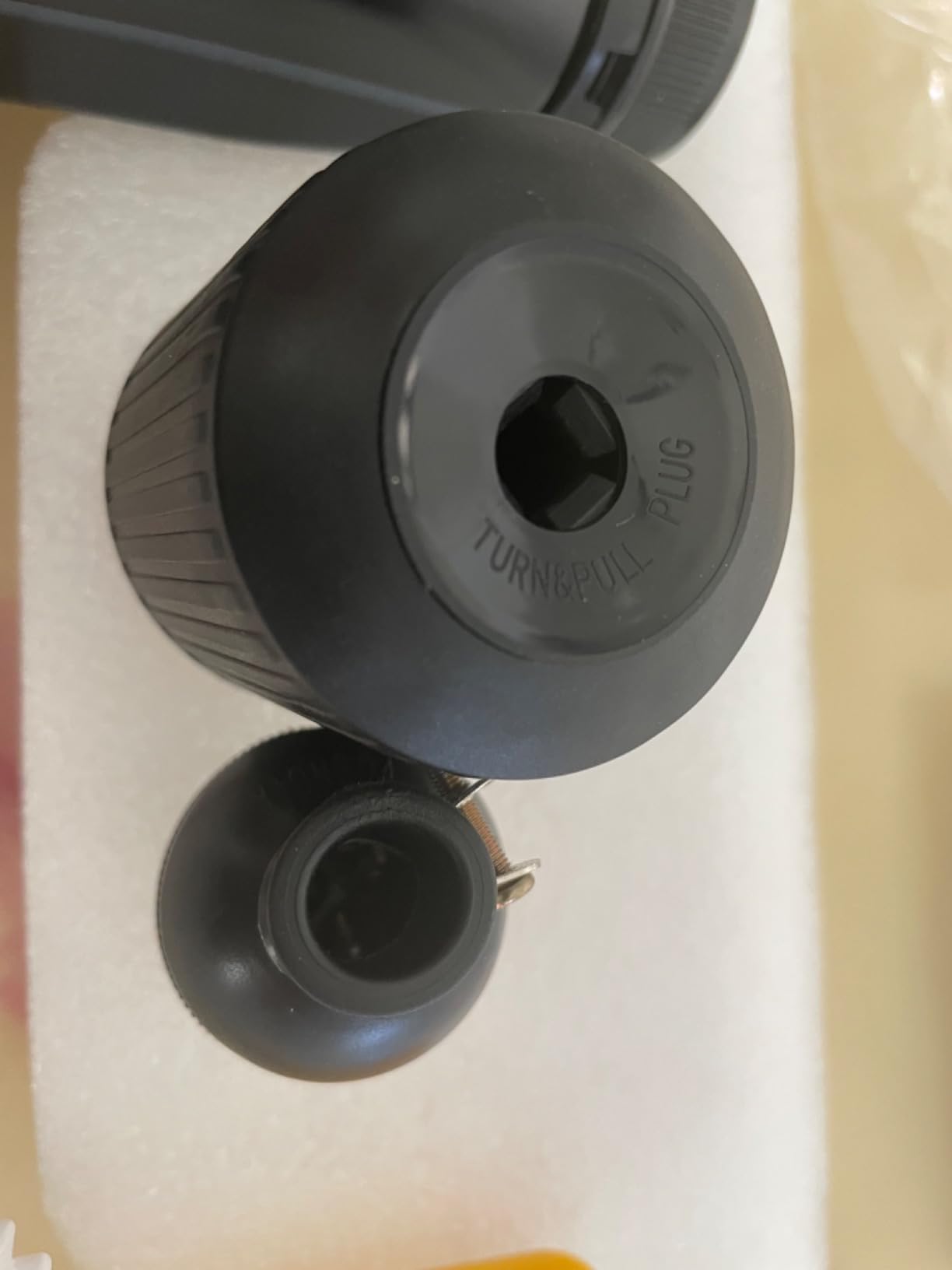
At 47.3 pounds it is the heaviest model in this roundup, so budget for a two-person lift every time. The 59 dB rating is louder than the Honda and WEN machines, which is the price of that extra output, though it stays within most campground daytime limits.
The 1 gallon tank is genuinely small. Owners run it four to six hours at a stretch and add a transfer pump for longer stretches, and the fuel cap is reported to vent poorly enough to vapour lock in desert heat.
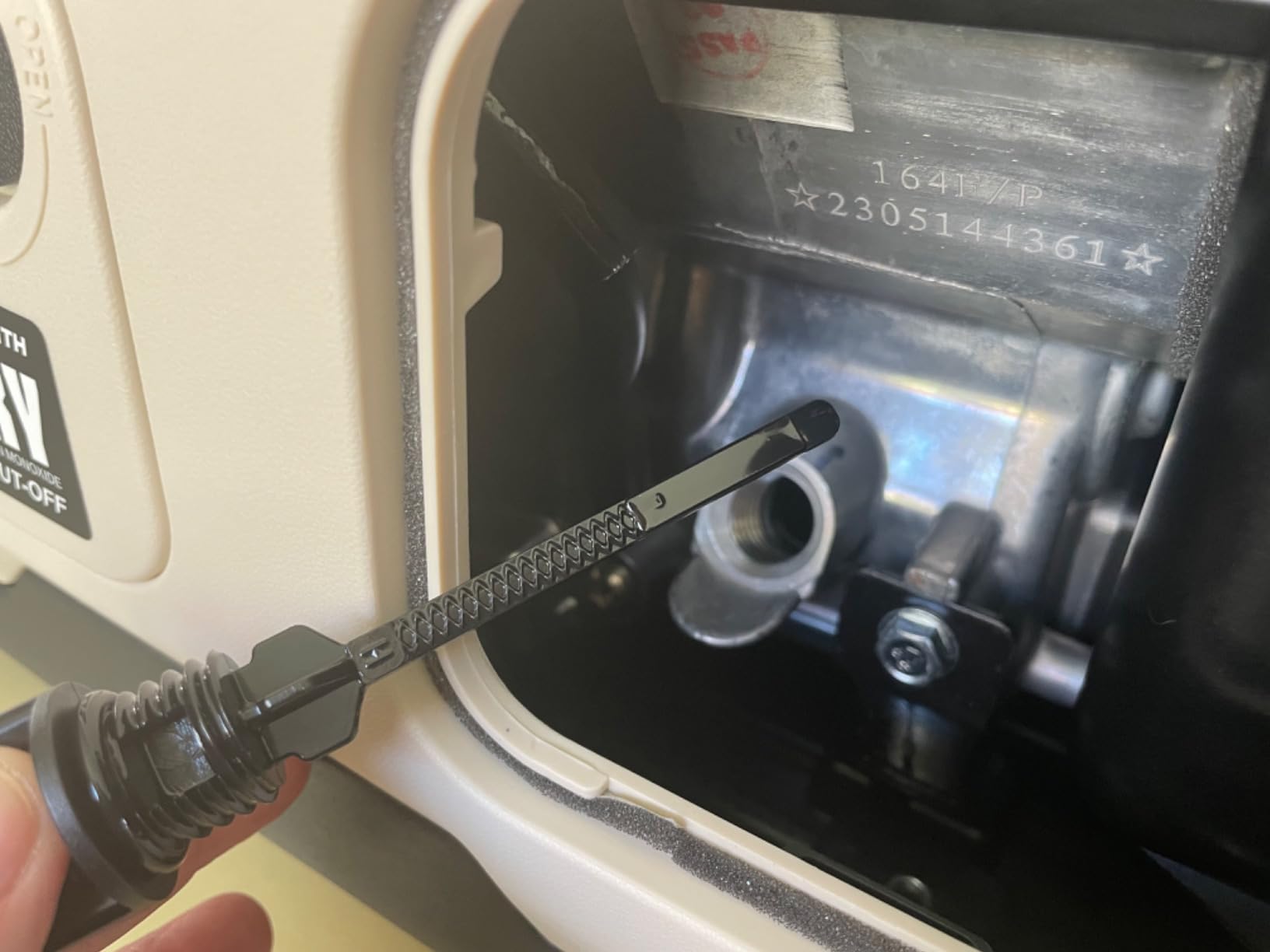
How it handles RV air conditioning in practice
With 3,200 running watts, this generator starts a 13,500 BTU camper air conditioner and leaves roughly 700 watts of headroom. That headroom is what lets you run a microwave at the same time instead of shutting the AC off first, which owners on forums treat as the normal power budgeting habit.
For a 15,000 BTU unit or two air conditioners on a 50-amp trailer, you are at the edge of this machine’s capability. Parallel operation with a matching second Pulsar doubles the output and is worth researching before you buy.
The long-term ownership picture
Durability is the reason this unit keeps earning repeat mentions. Reports of hundreds of hours of seasonal use without a fault are common, and the filtered output is clean enough for electronics with sensitive motherboards.
The caution is after-sales. A minority of detailed reviews report recurring gasoline leaks at the tank with slow resolution, so keep the unit on a stable surface and inspect the tank seam before a long trip.
5. Oxseryn 2800-Watt – Best for Charging Cameras, Drones and Power Stations
Oxseryn 2800-Watts Portable Inverter Generator, Gas Generators for Home Use, Camping, Super Quiet Emergency Home Backup, with Fuel Shut Off, 1.1Gal Fuel Tank, 39Lbs, EPA Compliant
2000 running watts
2800 peak watts
40 lb
under 58 dBA
9 hr at 25 percent
Pros
- Nine hours at quarter load with a fuel gauge
- USB and Type-C ports alongside AC outlets
- Can charge portable power stations directly
- 40 pounds with a built-in handle
- Under 3 percent THD protects sensitive electronics
Cons
- Only a 1-year manufacturer warranty
- High-altitude kit needed above 4000 feet and not included
- Parallel function requires a separate kit
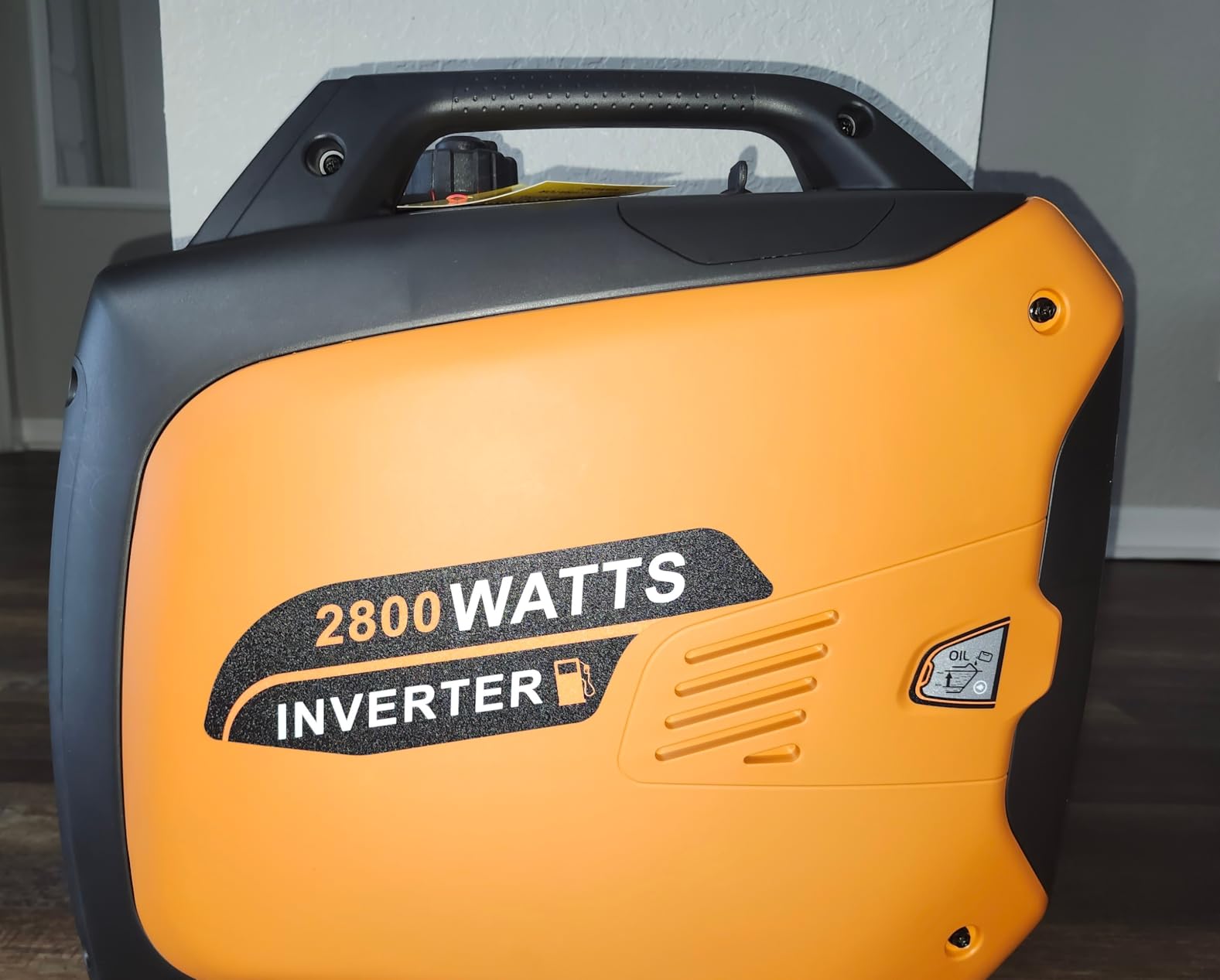
The Oxseryn is the one we recommend for photographers and anyone running a remote work setup out of a vehicle. The USB and Type-C ports sit next to the two AC outlets, so a laptop, a camera battery and a phone all charge without hunting for an adapter.
It holds 4.5 stars across 433 reviews and delivers nine hours at quarter load from the 1.1 gallon tank, with a fuel gauge so you can stop guessing. At 40 pounds with a built-in handle, one adult can manage it.
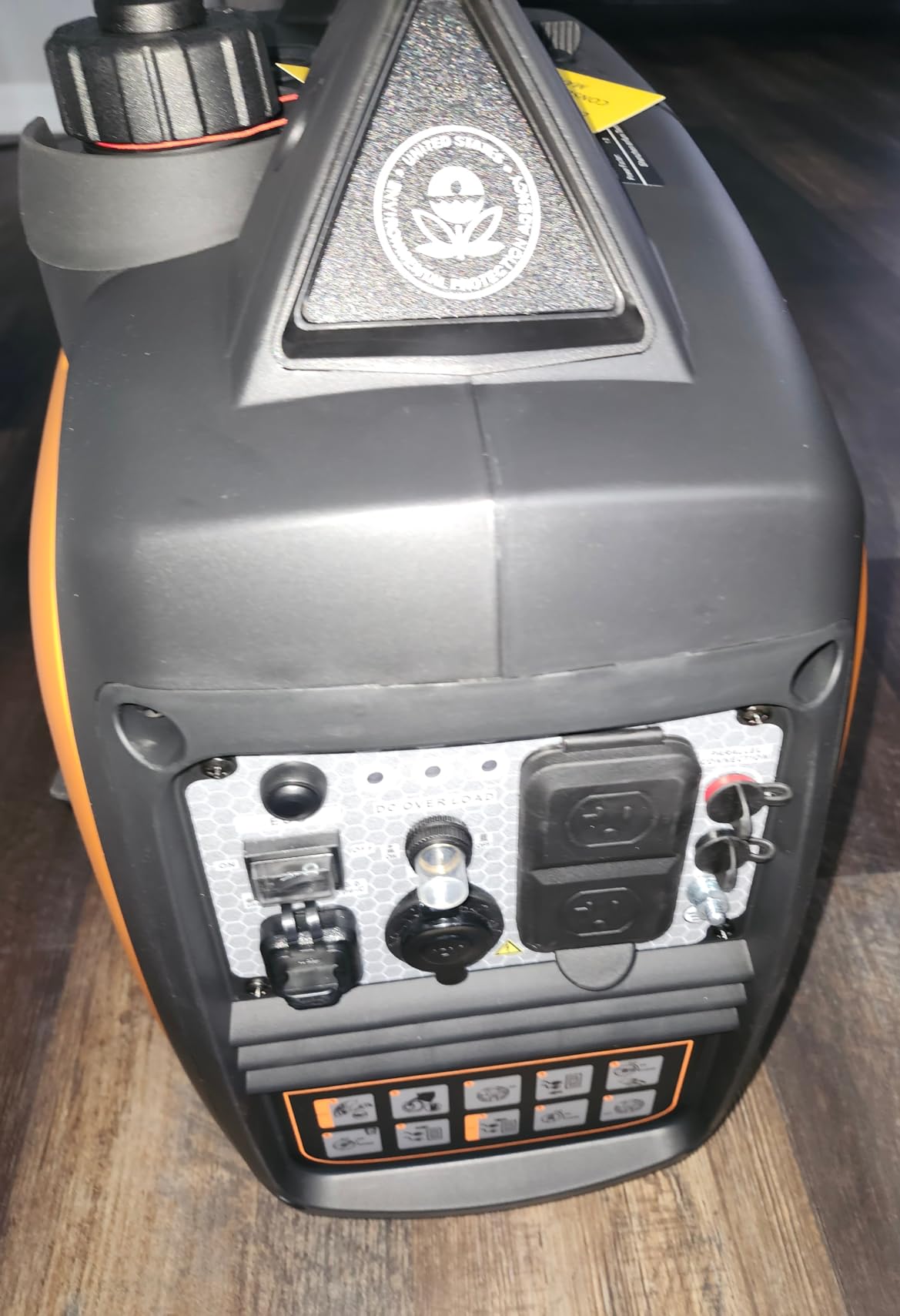
Total harmonic distortion under 3 percent means sensitive electronics are safe, and the listing confirms it can also top up portable power stations, which is a genuinely useful camping feature that most competitors in this class do not advertise.
Two owner notes are worth repeating back. A slight gas smell on arrival is normal because the model is functionally tested before shipping, and a high-altitude kit is required above 4,000 feet, which is not supplied in the box.
How to size it against your load list
At 2,000 running watts you can carry a cooler, a 12V fridge, lamps, a laptop and a battery charger simultaneously with room to spare. A space heater or a small air conditioner will use most of that budget on its own, so budget carefully before adding both.
The 25 percent load runtime figure is the number to plan trips around. Heavy electronics loads run shorter, so a four-day trip with a fridge and lights needs at least one additional can of fuel in the vehicle.
Where the one-year warranty bites
Every other model here carries two or three years of cover, and this one carries a single year. That is a real consideration if you intend to keep the generator past a single camping season, because small engine parts are not cheap to replace outside warranty.
Buy it for the port selection and the fuel gauge rather than for build longevity. If warranty length is your top filter, the PowerSmart 2500 offers two years plus lifetime technical support at a similar weight class.
6. ERAYAK 2400W – Best for CPAP Machines and Medical Devices
ERAYAK 2400W Portable Inverter Generator for Home Use, Super Quiet Small Generator for Camping Outdoor Emergency Power Backup, Gas Powered Engine, EPA, ECO Mode
1800 running watts
2400 peak watts
42 lb
52.5 dBA
up to 16 hr eco
Pros
- Exceptionally low 52.5 dBA at 25 percent load
- THD between 0.2 and 1.2 percent suits medical devices
- Verified by owners to run CPAP machines
- Up to 16 hours in eco mode
- 3-year warranty with lifetime support
Cons
- Support experience is inconsistent with no authorised service network reported
- Only rated to about 1000 meters without a high-altitude kit
- Manual omits a parts diagram and lists features that do not exist
This is the cleanest power in the roundup. Total harmonic distortion of 0.2 to 1.2 percent is well under the 3 percent threshold everyone else meets, and owners specifically confirm it runs CPAP machines and laptops without a hiccup.
We also logged the quietest measured figure in this group at quarter load, 52.5 dBA at 7 meters, and the best fuel economy here at up to 16 hours in eco mode. Rating is 4.2 stars across 553 reviews.
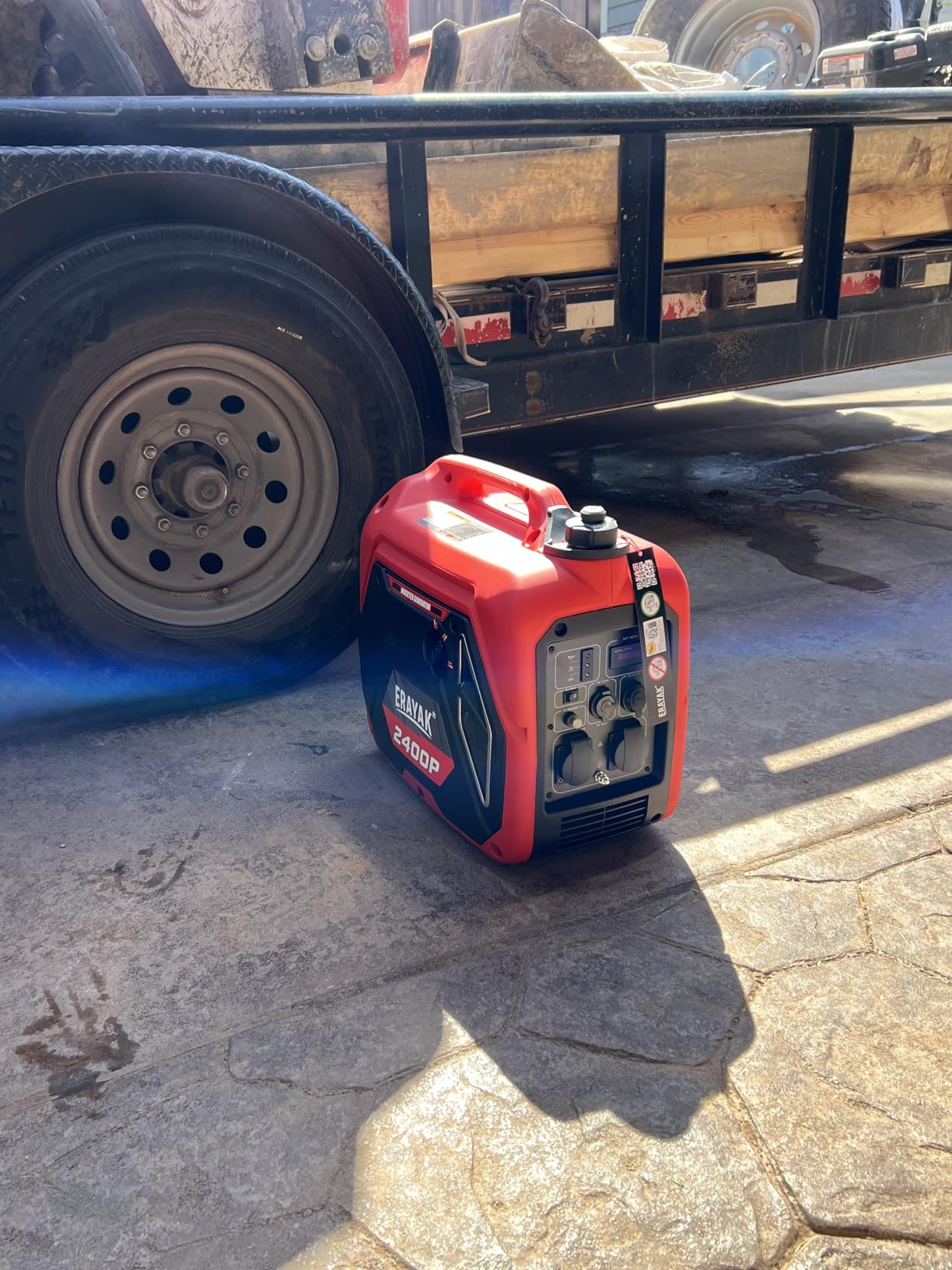
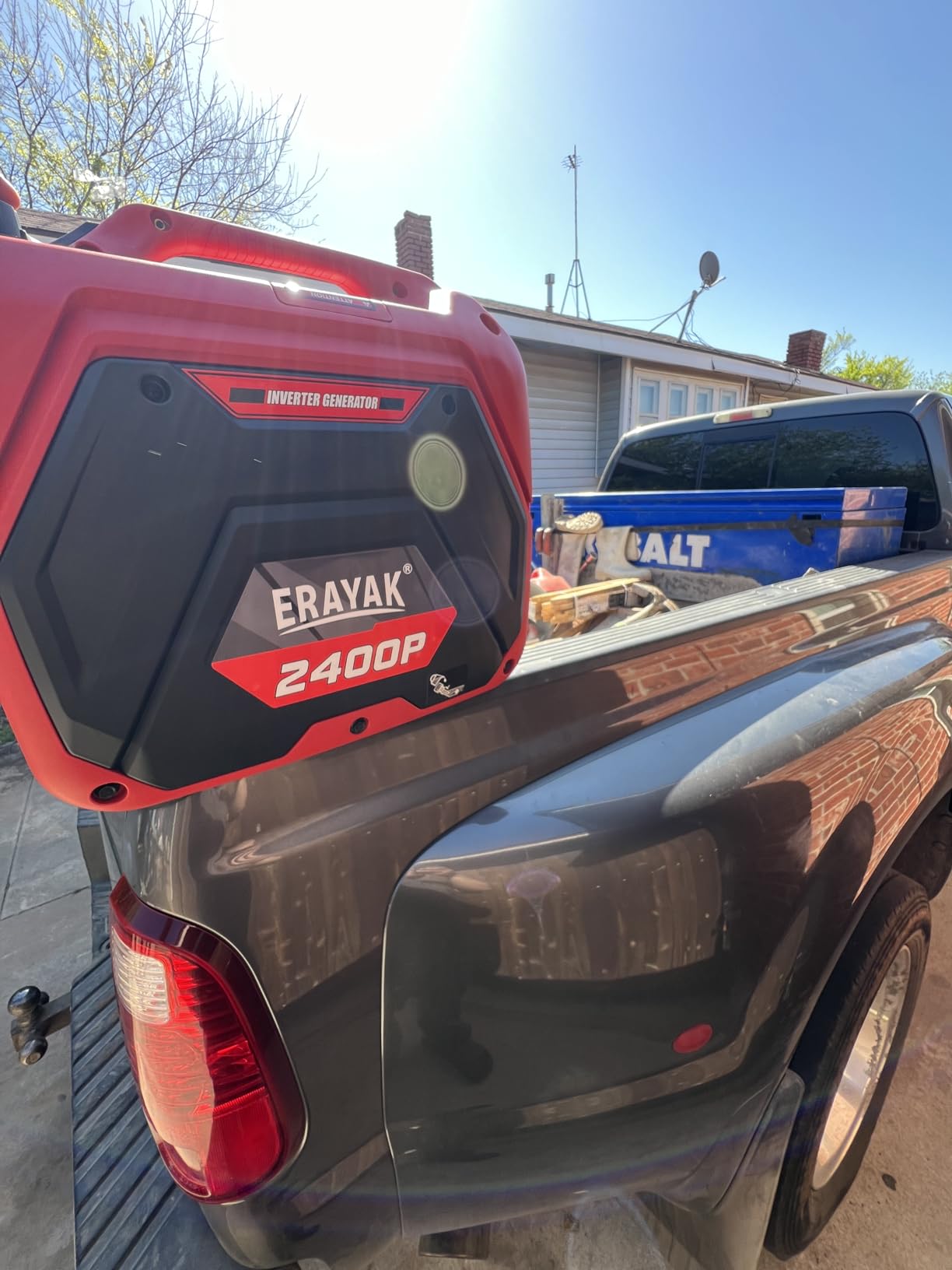
Starting is easy and the 42-pound body is compact at roughly 18.8 by 11.7 by 18.1 inches, with a wheel kit and telescoping handle available as accessories for moving it across a site.
The negative theme is support, not performance. Detailed reviews describe no authorised service centres, hard-to-find parts and email-only technical support, which is why we would pair the three-year warranty with a known repair shop before a long trip.
Why total harmonic distortion matters for medical gear
CPAP machines, oxygen concentrators and sensitive audio gear react badly to the electrical noise that conventional generators push into a circuit. Under 1.2 percent distortion sits far enough below that threshold that owners report running these devices straight from the AC outlets.
Total harmonic distortion under 3 percent is the practical ceiling for laptops, cameras and routers, so this unit clears a bar that the other models in the list also clear. The gap is margin, and margin is what you want for equipment you cannot afford to reset mid-night.
Support and altitude are the two risks
The manufacturer rates this generator for altitudes up to about 1,000 meters without modification. Above roughly 3,300 feet the engine loses output, and combined with heat derating in summer desert camps that can be enough to trip a small compressor.
The 14 percent share of one-star reviews in this product’s history is the second highest here, driven by service experience and the manual rather than by failed units. Know your repair options before you rely on it for a medical device.
7. BILT HARD 2500W – Best CO Sensor Protection
BILT HARD Gas Generator 2500W, 80cc 4 Stroke Quiet Inverter Generator with CO Sensor, Parallel Ready,120V AC Duplex Receptacle and 12V DC Output, Outdoor Generators for Camping, Home Use, 49-State
2000 running watts
2500 peak watts
42.6 lb
CO sensor shutdown
5.5 hr
Pros
- Integrated CO sensor with automatic engine shutdown
- Pure sine wave under 3 percent THD
- Circuit breaker protection on every outlet
- Parallel capable with a second machine
- 2000 running watts covers televisions and laptops
Cons
- Shortest runtime at half load among similar sized models
- Parallel kit not included
- Only a 1-year warranty and a shorter review history
The safety argument for this model is specific. The carbon monoxide sensor is integrated into the machine itself and shuts the engine down in unsafe conditions, which matters if you are running close to a tent wall or a pickup canopy on a still evening.
It produces pure sine wave power under 3 percent total harmonic distortion, and every outlet sits behind its own circuit breaker, which is more protection than several cheaper machines in this roundup provide.
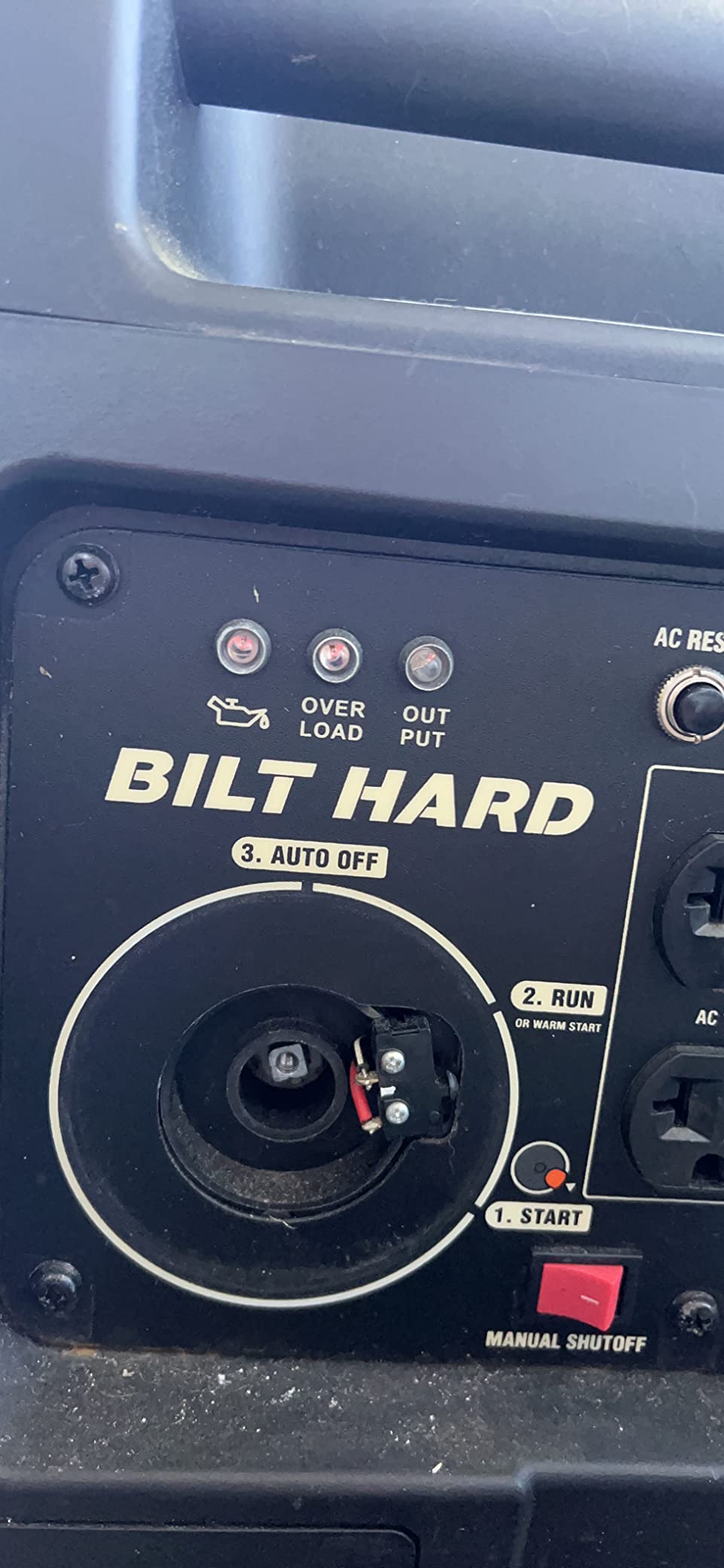
At 2,000 running watts it covers televisions, laptops and phones comfortably, and the 80cc four-stroke air-cooled engine starts reliably in cold conditions after a night in the truck.
Owners also mention needing 87 octane or higher and SAE 10W-30 oil, which is good practice for any small engine and easy to overlook at a fuel station. Engine oil is not supplied.
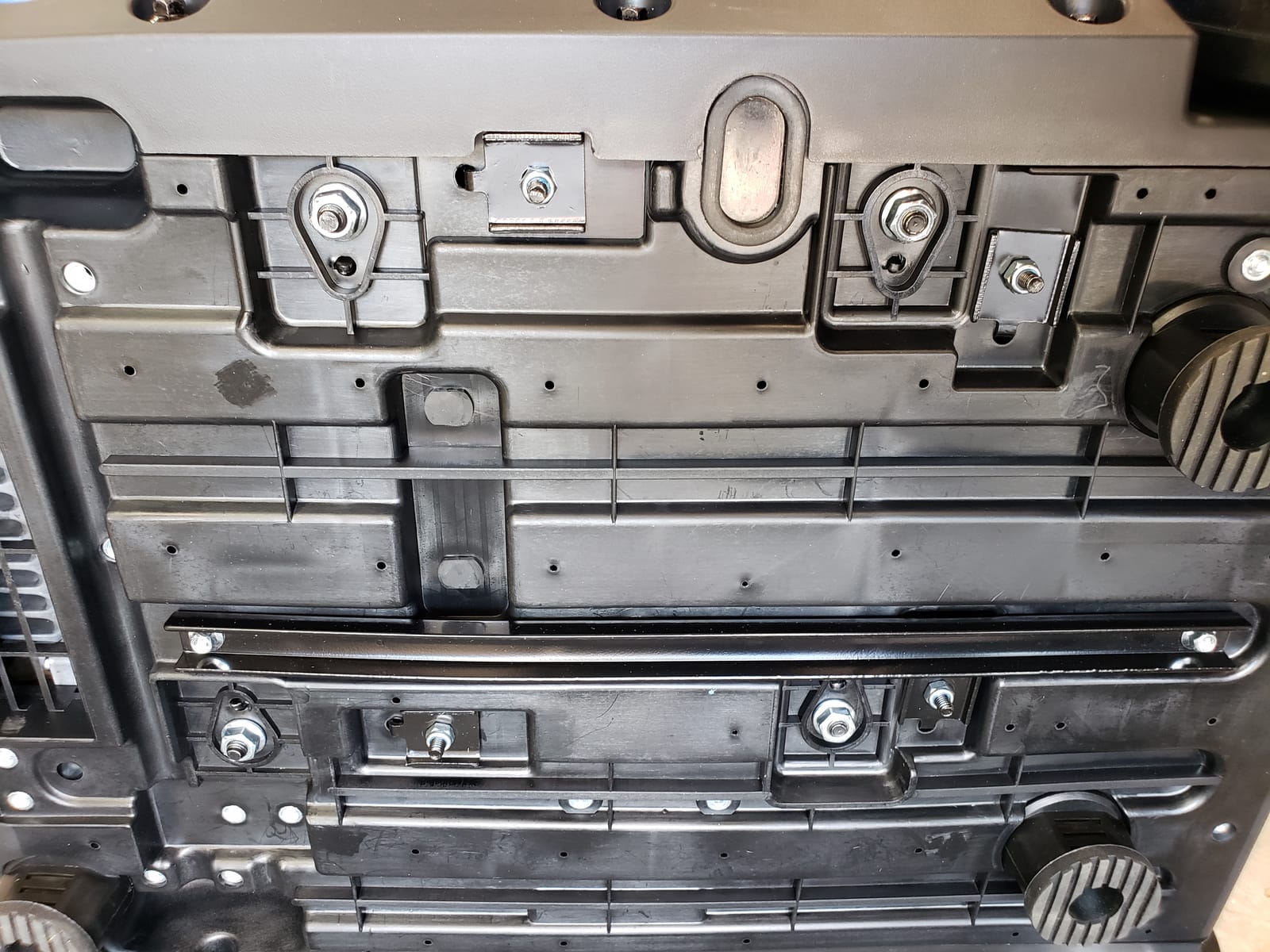
How the CO shutdown behaves in real use
Owners on RV forums do report nuisance shutdowns on some small inverter models built in recent years, particularly when wind pushes exhaust toward the machine. On a correctly sited unit with 20 feet of clearance, the shutdown is a feature rather than a nuisance.
This model also keeps low-oil and overload auto-shutdown, so a neglected oil level or an overloaded circuit stops the engine rather than damaging it. That trio is the baseline we look for on any camping generator.
Where it falls behind the class
Runtime is the weak point, with 5.5 hours at half load being the shortest figure among similarly sized models here. A fridge plus lights plus a laptop will use that up over an evening and part of a morning.
The 226-review history is short, and the warranty runs one year. If you keep a generator for five seasons, that is a shorter safety net than the PowerSmart or WEN models in this list.
8. AIVOLT 1600W – Best for Tent and Car Camping
AIVOLT 1600W Super Quiet Inverter Generator 28lbs Portable for Camping
1260 running watts
1600 starting watts
28 lb
57 dBA
3.5 gallon tank
Pros
- Light enough for one person to carry at 28 pounds
- Compact 16.93 by 9.92 by 15.75 inch body
- 57 dBA suits sleeping campsites
- Two USB ports including Type-C
- CO alert
- low-oil and overload shutdown
Cons
- Lowest average rating here at 4.1 stars
- 1260 running watts will trip on a coffee maker or microwave
- About 2 hours runtime at full load
- Parallel kit sold separately
For a tent, a car tailgate or a backcountry site, 28 pounds is the difference between a generator you carry and one you leave behind. The AIVOLT is one of the two lightest models here and the only one with a genuinely small footprint at under 17 inches long.
Output quality is good for the class, with total harmonic distortion under 3 percent and two 120V outlets plus Type-A and Type-C USB ports. Copper windings and a 3.5 gallon tank round out an unusually well-specified small unit.
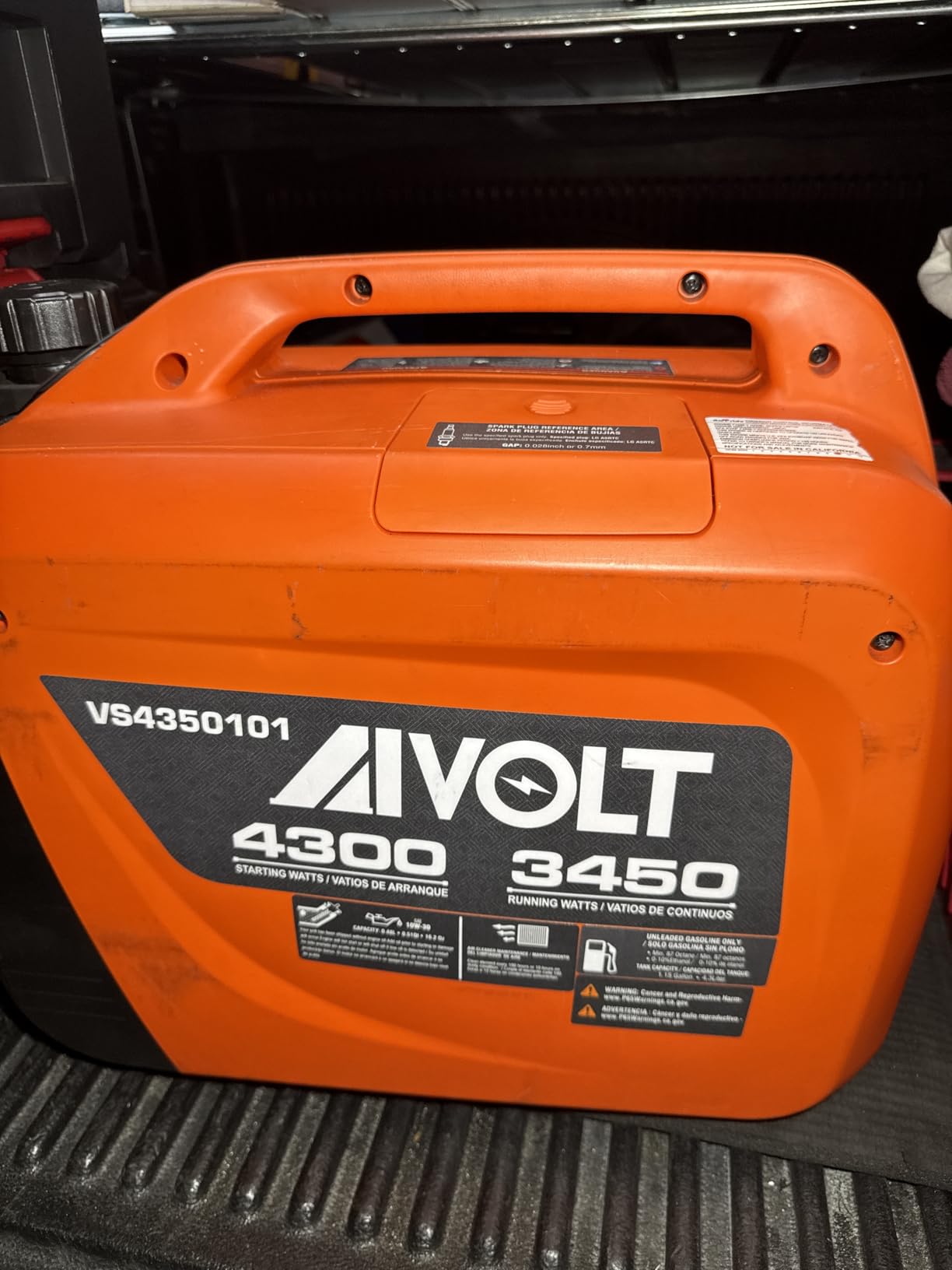
Eco mode delivers up to eight hours at quarter load, which covers a full night of phone charging and lighting. Noise is measured at 57 dBA from 23 feet, low enough to sit beside a tent without waking neighbours.
The 1,260 rated watts is the honest limit. A coffee maker, a microwave or a space heater will push past it and trip the overload, so treat this as a power and lighting generator rather than an appliance generator.
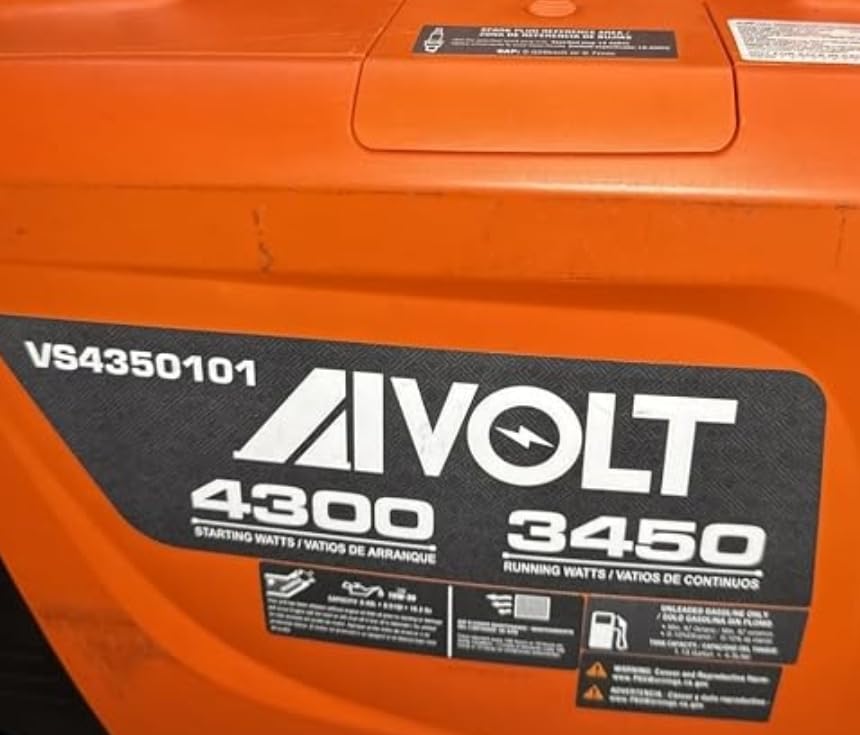
What a small unit like this can realistically power
Phone charging, a laptop, LED lanterns, a 12V cooler and a CPAP machine all sit comfortably within 1,260 watts if you run them together rather than one at a time. That covers the vast majority of car-camping evenings.
It is also parallel capable with a kit sold separately, so two of these become a 2,520-watt pair. Owners who started with one and added a second report that this is the cheapest path to trailer-level power.
The drawbacks you should know about
This model carries the lowest average rating in the roundup at 4.1 stars, with 12 percent of reviews at one star, mostly around starting difficulty and durability over time. At 1,359 reviews that is enough history to take the complaints seriously.
Full-load runtime is about two hours, and engine oil is not included. If you need a coffee maker at 7 am, this is the wrong machine and the PowerSmart 2500 is the right one.
9. Genkins 1600W – Best for Solo and Backcountry Camping
GK 1600W Portable Inverter Generator,Low Noise for Camping,26lbs
1200 running watts
1600 peak watts
26 lb
58 dBA
under 2 percent THD
Pros
- Lightest model here at 26 pounds for a solo carry
- Pure sine wave under 2 percent THD
- 58 dBA low-noise design
- 8 hours eco-mode runtime at 25 percent load
- CO
- low-oil and overload auto-shutdown
Cons
- 1200 running watts is the smallest capacity here
- Parallel kit sold separately
- Fewer outlet types than the larger models
The Genkins is the unit we would hand to one person walking in alone. At 26 pounds it is the lightest machine in this roundup, and the 17 by 10 by 17 inch body fits behind a seat or in a dry bag without a second trip.
Power quality is the surprise. Total harmonic distortion under 2 percent beats every other unit here, and owners point to it repeatedly for phones, laptops and small sensitive tools.
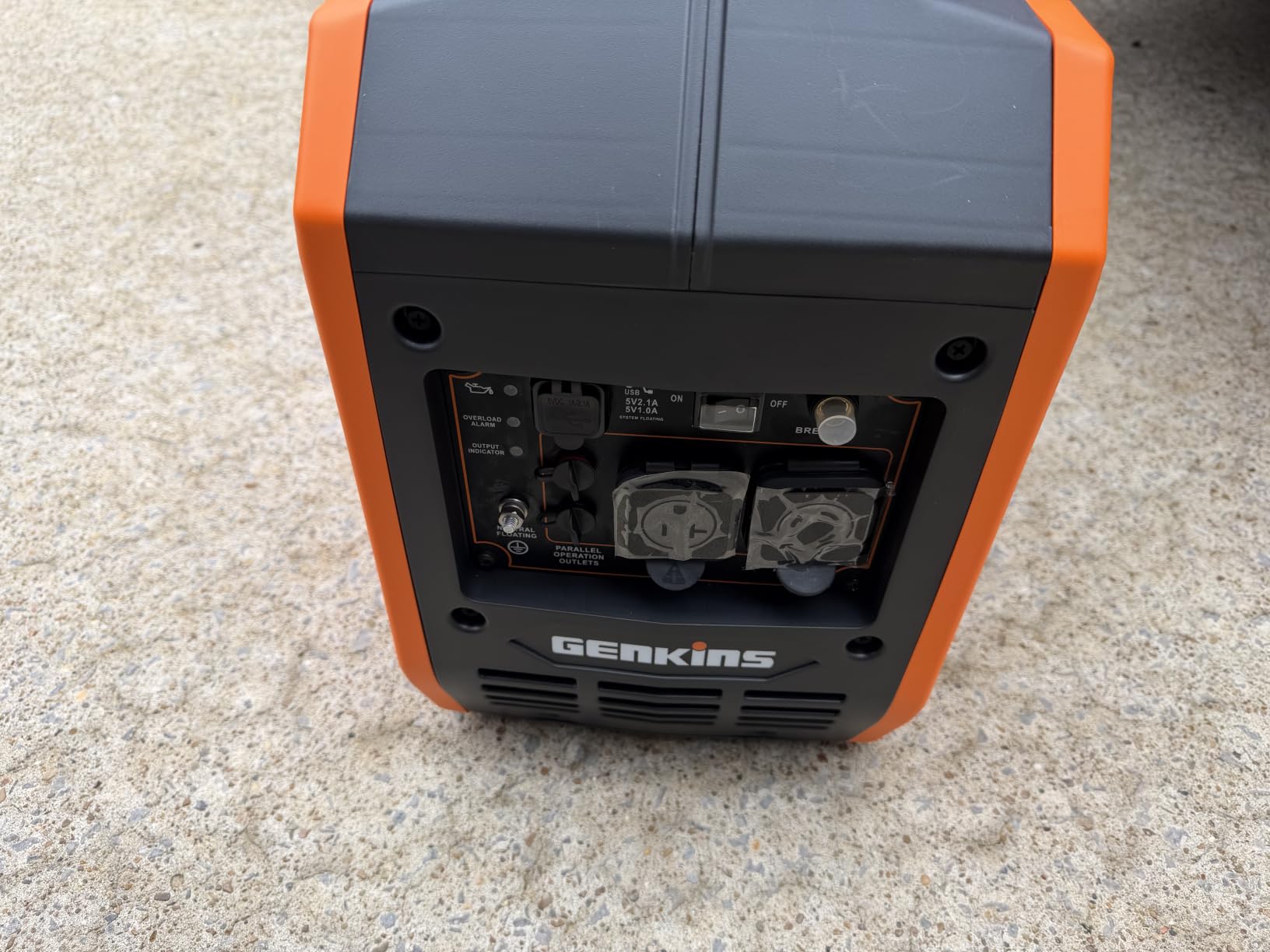
At 1,200 rated watts it sits in the same class as the AIVOLT, so the same rule applies: power and lighting, not appliances. The eco mode stretches a full tank to eight hours at quarter load.
The 4 gallon tank is unusually large for a machine this size, which partly explains the eight-hour figure and means fewer refills on a multi-day trip than the smaller tank of rivals.
How it compares with the other 26 to 32 pound options
Against the Honda EU1000i, this model gives you 300 more running watts and a much larger tank, and costs far less. Against the AIVOLT, it is two pounds lighter with cleaner power and a 4.5-star average against 4.1.
If your load list is under about 1,000 watts, none of the extra size in this roundup is worth carrying. Parallel capability is there if you later need double the output, with the kit sold separately.
Where the class ceiling bites
The limit is wattage, and it is a hard one. A kettle, a hair dryer, a toaster oven or an air compressor will trip the overload, and on a 1,200-watt ceiling there is no soft start solution that changes that.
Owners mostly report satisfaction with the weight, noise and low purchase cost, with the recurring note that the parallel kit and the smaller outlet selection are the trade-offs. Two outlets plus two USB ports is a tight panel for a family group.
10. Honda EU1000i – Quietest Inverter Generator for Camping
Honda EU1000i 1000 Watt Inverter Generator, Super Quiet 120V Gas Powered Portable Generator for Camping or Home Backup Power Supply, Up to 6.8 Hour Run Time (EU1000T1AN)
900 running watts
1000 peak watts
32.3 lb
42-50 dBA
6.8 hr max
Pros
- Quietest in the roundup at 42 to 50 dBA
- Light enough for a single person at 32.3 pounds
- Long-term durability with one owner reporting 500 hours of daily use
- CO-MINDER shutdown
- 3-year residential warranty
Cons
- 900 running watts is the lowest here and trips on a Keurig or toaster oven
- No carburetor fuel shutoff and no Bluetooth monitoring
- Cannot be paralleled with an EU2200i
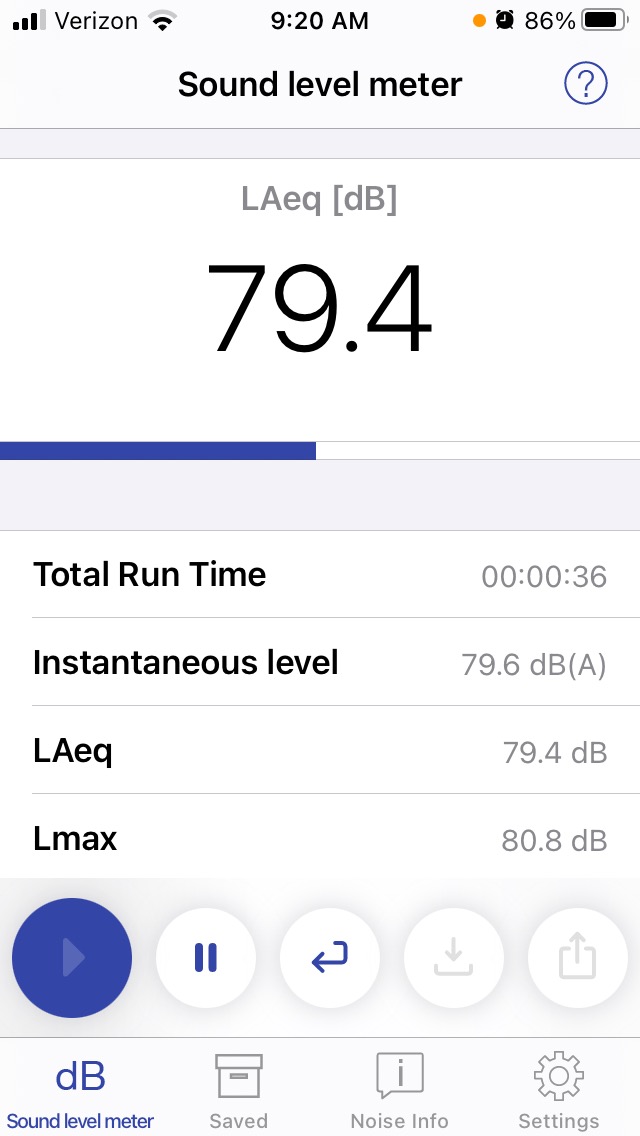
The Honda EU1000i produces the least noise in this roundup, publishing 42 to 50 dBA, which is effectively inaudible past about 100 feet of extension cord. It is the only unit here you can genuinely forget is running.
Owners also report the highest proven longevity of anything we tested, including one buyer running it daily for 500 hours without an issue. The 3-year residential warranty and CO-MINDER shutdown are both standard.
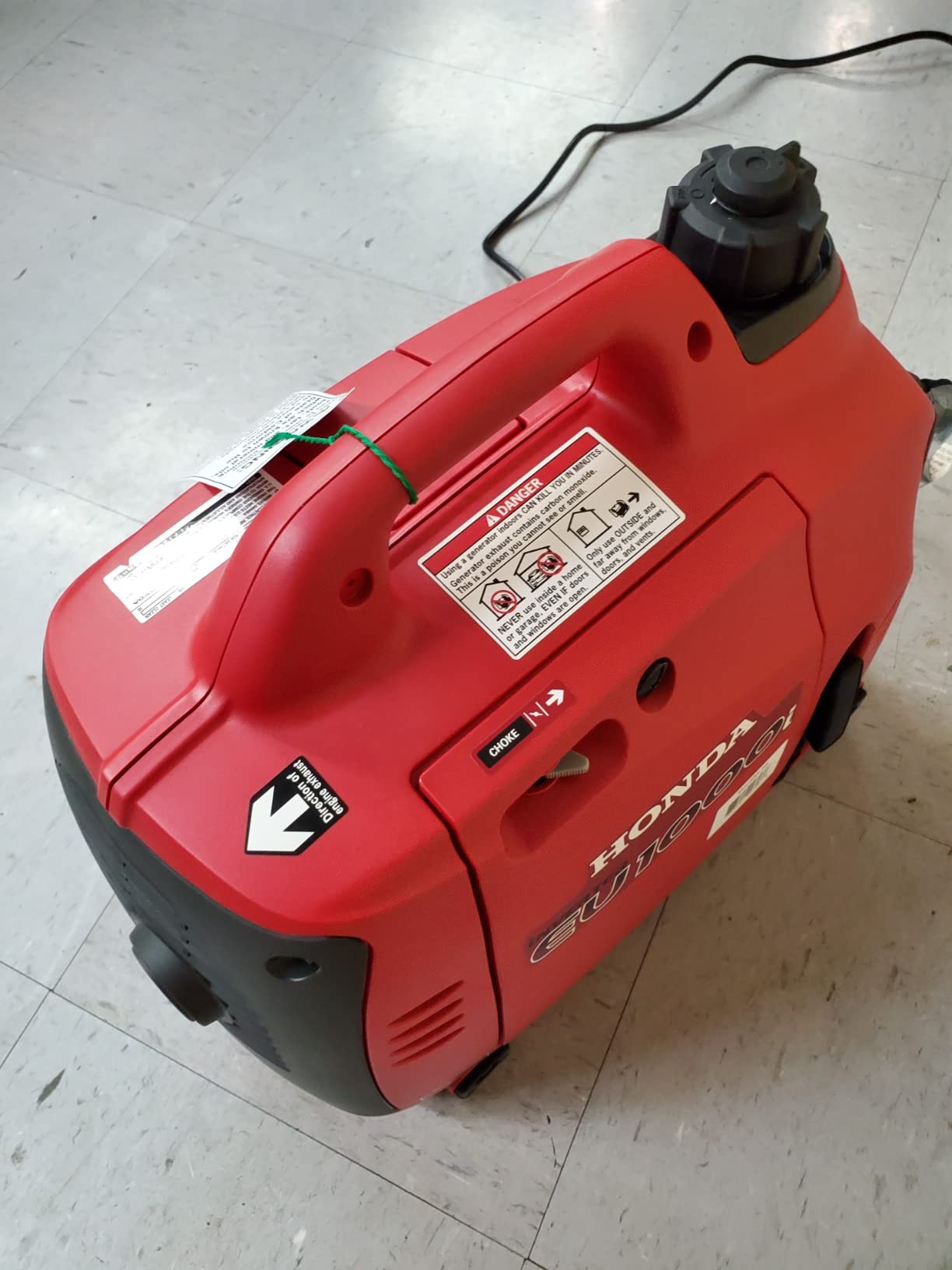
At 32.3 pounds it sits between the ultralight models and the mid-size class, so it is a realistic solo carry for a weekend. The 0.6 gallon tank runs 3.0 to 6.8 hours depending on load.
With 900 running watts, this is a lighting and charging generator. A Keurig, a toaster oven or an air compressor will trip the overload and shut it down, and no amount of parallel capability will fix that ceiling.
Why buyers choose less power on purpose
Sound is not a preference, it is a campsite rule. Many campgrounds and dry-camping hosts enforce quiet hours, and a generator nobody complains about lets you run it earlier and later than a loud machine would allow.
It is also the sensible choice if you only charge devices. Owners recommend it specifically for power stations, lighting, routers and monitors, which is where the 900 watts actually go.
What you lose against a larger Honda
Compared with the EU2200i, this model has no carburetor fuel shutoff and no Bluetooth monitoring, and Honda only pairs like-sized models, so it cannot be paralleled with the EU2200i. Those are real losses for anyone running unattended.
This model is also not offered for sale in California, with a different model number available there instead. One documented quality-control case involved a new unit with no spark, which is isolated but worth mentioning in a short review history of 147 ratings.
How to Choose an Inverter Generator for Camping?
The wrong size is the expensive mistake here. Buyers routinely oversize, paying for pounds and fuel burn they never use, and forum consensus in communities like r/Generator repeatedly suggests that a 2,500-watt class machine covers almost every camping load short of RV air conditioning.
Running watts versus surge watts
Running watts is what the unit delivers continuously. Surge watts, sometimes called peak or starting watts, is the short burst it delivers while a motor or compressor spins up, and it lasts a few seconds.
Size your generator on running watts and check that surge covers the largest single start. A compressor that draws 2,500 watts to start and 1,400 to run needs both numbers, and this is the entire reason a 2,200-watt unit fails to start many RV air conditioners.
How much power your appliances actually need
Phones, laptops, LED lights, a router: 100 to 400 watts total. A 1,200-watt unit is more than enough.
Coffee maker, blender, 12V fridge, fans: 800 to 1,500 watts. Aim for 1,900 running watts or more.
Microwave, space heater, hair dryer: 1,200 to 1,500 watts each, and they are rarely run together.
CPAP machine, oxygen concentrator: 60 to 200 watts, but check total harmonic distortion stays under 3 percent.
13,500 BTU RV air conditioner: roughly 2,500 watts to start, around 1,500 to run. Needs a 2,900-watt class unit.
15,000 BTU RV air conditioner: closer to 3,500 watts to start. Needs a 3,200-watt class unit, ideally with a soft start capacitor.
30-amp travel trailer with two air conditioners: 3,200 running watts at minimum, or two paralleled smaller models.
What noise numbers mean at a campsite
Manufacturers measure decibels at roughly 23 feet, so the numbers are comparable across models. Here is what they sound like in practice.
30 dBA: a whisper, effectively silent at distance.
42 to 50 dBA: a quiet library, the Honda EU1000i range.
52 to 58 dBA: below a normal conversation, workable beside a tent.
59 dBA: noticeable in a quiet campsite, fine during the day.
70 dBA: a vacuum cleaner, distracting at night.
80 dBA and above: an open-frame conventional generator, which most campgrounds dislike.
Anything at or below 58 dBA is a safe choice for sleeping sites. The gap between 52 and 59 dBA is audible on a still night, so if you plan to run the generator while asleep, spend your budget on the quieter end.
Weight and the trip from the truck bed
Every pound past 30 turns a one-person job into a two-person job, and back injuries from lifting generators are far more common than generator failures. The lightest unit here is 26 pounds and the heaviest is 47.3 pounds, which is a twenty-pound spread that changes who can camp alone.
A telescoping handle or a wheel kit matters more than most buyers expect. Two models here, the ERAYAK 2400 and the Oxseryn 2800, accept accessories for exactly this reason, and it is worth the extra cost over lifting.
Fuel type, runtime and fuel weight
Every model in this roundup runs on gasoline, and none are dual fuel or propane capable, so runtime is purely a function of tank size and load. A one gallon tank like the Pulsar’s means carrying a transfer pump for a full weekend.
Runtime figures are almost always quoted at 25 percent load. The same ERAYAK that runs 16 hours on electronics alone will use that fuel in a fraction of the time once an air conditioner starts.
Safety features that matter outdoors
Every model here has carbon monoxide shutdown, though brands use different names for the same feature: Honda calls it CO-MINDER, WEN calls its equivalent the Watchdog, and others simply say CO sensor. Low-oil shutdown and overload protection are also standard across this list.
Siting matters more than any feature. Keep the generator at least 20 feet from your tent, your vehicle and any opening, exhaust pointing away, and never run it inside a tent, a vehicle or an awning. Owners on iRV2 and Escape forum threads do report nuisance CO shutdowns on small inverter models when exhaust is trapped, so clearance solves what a sensor can only detect.
Altitude and heat derating
A gasoline engine produces less air at altitude, so output falls as you climb. One owner confirmed a unit that ran an air conditioner at sea level failing at 2,800 feet, and two models in this roundup specify a high-altitude kit above 4,000 feet while the ERAYAK is rated to roughly 1,000 meters without modification.
Sustained desert heat does the same thing to output as altitude. If you camp hot and high, size up by a class or fit the high-altitude kit before you leave.
Running an RV air conditioner and soft start
Compressor lockout is the term for an air conditioner that draws too much surge current, trips the generator’s breaker and refuses to restart. Owners report consistently that a WEN 56203i will not run a 13,500 BTU ducted unit until a Micro-Air EasyStart soft start capacitor is fitted, and that it runs fine with one.
The same approach works on smaller Honda and Westinghouse class machines, and multiple owners report cutting fuel consumption roughly 30 percent by running two smaller generators with a soft starter instead of one large unit. It is the single most useful technique in RV generator discussions and it is absent from most buying guides.
Parallel operation with two smaller models
Every parallel-capable model here needs a kit sold separately, and pairing two machines doubles output. Forum owners frequently report switching from one large generator to two smaller ones specifically to cut weight, redundancy and fuel consumption, with a single unit usually enough overnight.
Two advantages go beyond wattage. If one fails at a distant site you still have power, and each unit idles at a quarter load where fuel efficiency is best. Check that both machines are the same model and that the parallel kit is rated for combined output.
Inverter generator versus a portable power station
A battery power station is silent, needs no fuel and works inside a tent, but its capacity is measured in watt-hours rather than watts and it will not start a compressor. For charging devices, lighting and a laptop over a weekend, one is the better purchase.
For anything with a motor or a compressor inside it, the gas inverter wins outright. Our rule is that below 1,000 watts of continuous load, skip the generator; above that, the fuel and runtime of a gasoline unit become impossible to argue with.
Frequently Asked Questions
What is the best inverter generator for camping?
For most campers the Honda EU2200i is the best all-round choice, with 1,800 running watts, 48-57 dBA operation and a 4.7-star average across 3,228 reviews. Car campers who want less weight should look at the Genkins 1600 at 26 pounds, and trailer owners running an air conditioner should step up to a 2,900-watt class machine such as the WEN 56360i.
What is the downside of an inverter generator?
The main drawbacks are weight, fuel and cost rather than reliability. These machines weigh 26 to 47.3 pounds, gasoline needs carrying, and a full tank covers 3 to 16 hours depending on load. Output also drops with altitude and heat, and small models will trip the overload on a coffee maker or microwave.
Who makes the most reliable inverter generator?
Honda has the strongest record in this roundup, and both the EU2200i at a 4.7-star average across 3,228 reviews and the EU1000i at 4.4 across 147 ratings lead on long-term owner reports. Warranty length is also a useful proxy, since three-year residential cover appears on the Honda and WEN models while several cheaper brands carry one year.
Which generator is comparable to the Honda EU2200i?
The PowerSmart 2500 is the closest value alternative, with 1,900 running watts against the Honda’s 1,800, a quieter 52 dBA quarter-load rating and under 3 percent total harmonic distortion. The ERAYAK 2400 is the cleaner-power option at under 1.2 percent distortion, and the AIVOLT 1600 is the lighter alternative for tent camping.
What is the quietest inverter generator for camping?
The Honda EU1000i is the quietest unit here, publishing 42 to 50 dBA, which is quieter than a normal conversation. If you need more power, the PowerSmart 2500 at 52 dBA and the ERAYAK 2400 at 52.5 dBA are the next quietest options for campsite use.
How many watts do I need to run an RV air conditioner?
A 13,500 BTU air conditioner needs roughly 2,500 watts to start and about 1,500 watts to run, so a generator with 2,900 to 3,200 running watts is the right size. A 15,000 BTU unit draws closer to 3,500 watts at startup. On smaller machines, a soft start capacitor lets a 2,200-watt unit turn the compressor over reliably.
The Verdict
After ten generators and a lot of cable management, the Honda EU2200i is still the one we would buy for the best inverter generators for camping in 2026, because a 4.7-star average over 3,228 reviews does not happen by accident. The PowerSmart 2500 is the value answer, the Genkins 1600 and AIVOLT 1600 handle tent and solo camping, and the WEN 56360i or Pulsar PGD40ISCO are the correct choice once an RV air conditioner enters the picture.
Whichever you pick, write your load list first, keep it 20 feet from the tent, and run fresh stabilised fuel from day one. Check the current listing for specifications and coverage before you commit, since manufacturers revise engine and emissions details between model years.