
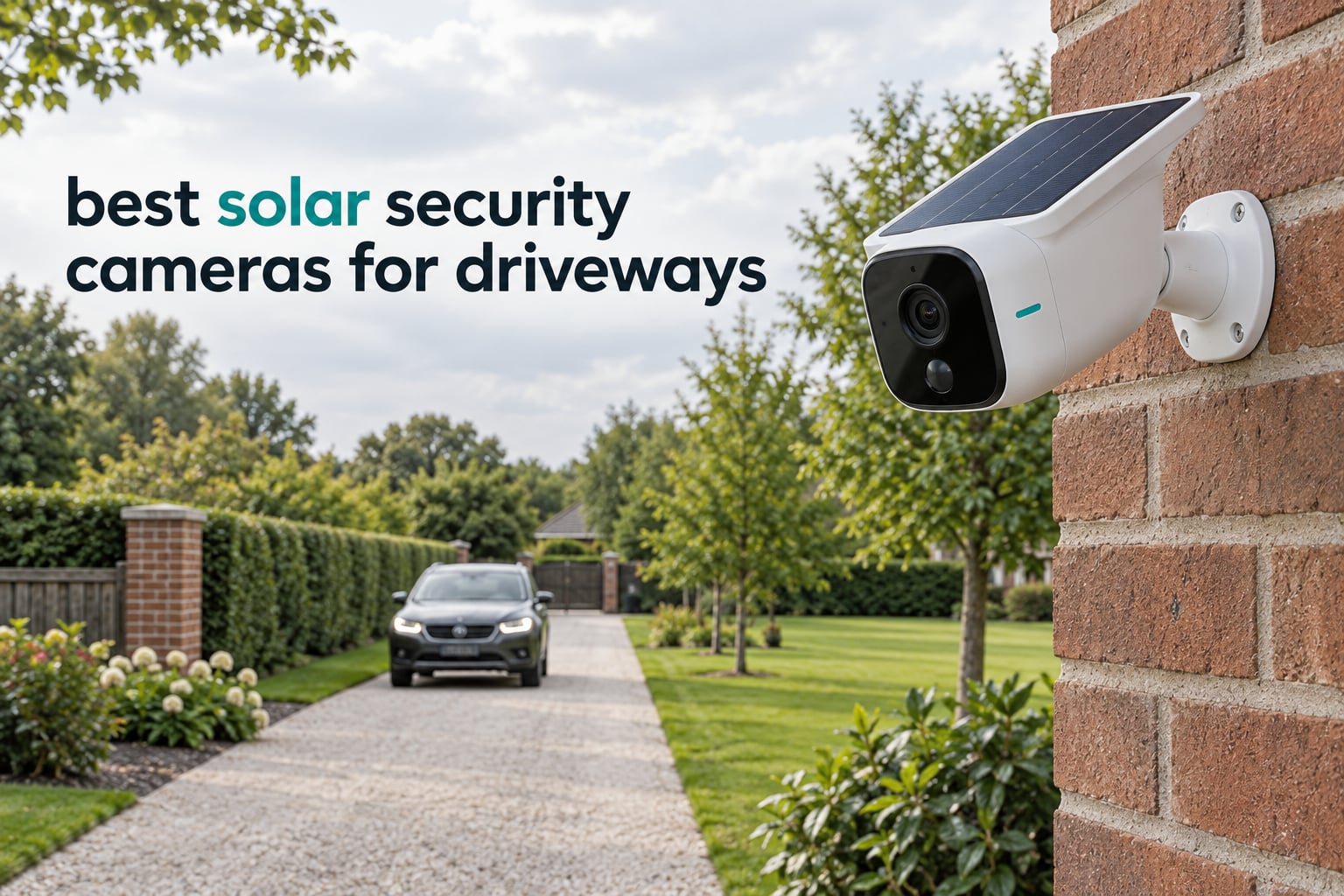
Most driveway cameras do not fail on image quality. They fail because there is no outlet at the mount, no WiFi signal where the drive ends, or a panel that sees no sun between November and February. The best solar security cameras for driveways in 2026 are the ones that solve those three problems before you buy, and after comparing ten models on sunlight, connection, storage and night range, our pick for most driveways is the ZEEPORTE 2K Pan/Tilt Solar Camera.
We compared all ten against the same filters: how the camera is powered, how it connects, how much footage you can keep without paying anyone, how far the night vision reaches, and which complaint owners keep repeating. Every camera here records motion events to a microSD card, so none of them paywall the footage you already own. Six run on WiFi only, three run on 4G LTE with no WiFi at all, and one works with either.
Read the connectivity section before the product list, because that one decision rules out half of these cameras. If you also need to watch pets while you cover the drive, our picks for the best security cameras for pets handle that job on a different power and sensor budget.
Table of Contents
Top 3 Best Solar Security Cameras for Driveways in 2026

ZEEPORTE 2K Pan/Tilt Solar…
- 355° pan and 120° tilt
- 2K 2304x1296
- 5200mAh battery with 2W panel
- microSD to 256GB
Tapo C660 4K Solar Kit
- 4K with 8MP stills
- 24/7 capture at 1-60s intervals
- 10000mAh battery
- microSD to 512GB

SEHMUA 4G LTE Solar Camera
- 2K color night vision
- 360° pan and tilt
- 10400mAh battery with 6W panel
- built-in 4G SIM
The ZEEPORTE takes the top slot on evidence rather than novelty: it carries more owner reviews than any other camera in this guide, and the pan and tilt head means one unit can cover a gate and a side path. The Tapo C660 is the specification outlier, the only model here that records continuously rather than only on motion, and the SEHMUA 4G is the most straightforward answer when the mount has no WiFi coverage at all.
Quick Overview: Every Solar Driveway Camera We Looked At
| Product | Specs | Action |
|---|---|---|
| ZEEPORTE 2K Pan/Tilt Solar Camera |
|
Check Latest Price |
| SEHMUA 4G LTE Solar Camera |
|
Check Latest Price |
 Cinnado 2K Solar 2-Pack Cinnado 2K Solar 2-Pack |
|
Check Latest Price |
 SEHMUA 2K Solar 2-Pack SEHMUA 2K Solar 2-Pack |
|
Check Latest Price |
 Xega 4G LTE Solar Camera Xega 4G LTE Solar Camera |
|
Check Latest Price |
 HOSAFE 4G LTE Solar Camera HOSAFE 4G LTE Solar Camera |
|
Check Latest Price |
 eufy 4G LTE Cam S330 eufy 4G LTE Cam S330 |
|
Check Latest Price |
| Tapo C660 4K Solar Kit |
|
Check Latest Price |
 GNCC Solar Security Camera GNCC Solar Security Camera |
|
Check Latest Price |
 LITYMOL 2K Solar Camera LITYMOL 2K Solar Camera |
|
Check Latest Price |
1. ZEEPORTE 2K Pan/Tilt Solar Camera: Best Overall for Driveways
Solar Security Cameras Wireless Outdoor, 2K Pan/Tilt 360° View Solar/Battery Powered WiFi Cameras for Home Security with AI Motion Detection, Spotlight, 2-Way Audio, Siren, IP65, SD/Cloud Storage
2K 2304x1296
355° pan and 120° tilt
5200mAh battery with 2W panel
microSD to 256GB, IP65
Pros
- Wire-free install with the panel built into the body
- 355° pan and 120° tilt for a wide driveway
- 2K video with color night vision
- AI detection for people vehicles pets and packages
- Two-way talk plus siren and flashing LED
Cons
- 2.4GHz WiFi only with no 5GHz support
- Event clips only with no continuous recording
- AI recognition and extended cloud history need a plan
- Basic app compared with Ring or Nest
This is the camera we would put on a typical suburban drive first, and the reason is unglamorous. It carries more owner reviews than anything else in this list, the sensor records 2304×1296, and the head rotates 355° horizontally and 120° vertically, so one unit can watch a gate and a side path without a second mount.
The install is genuinely wire-free. The panel and the 5200mAh cell arrive attached to the camera body, which matters when the nearest outlet is a hundred feet back toward the house.
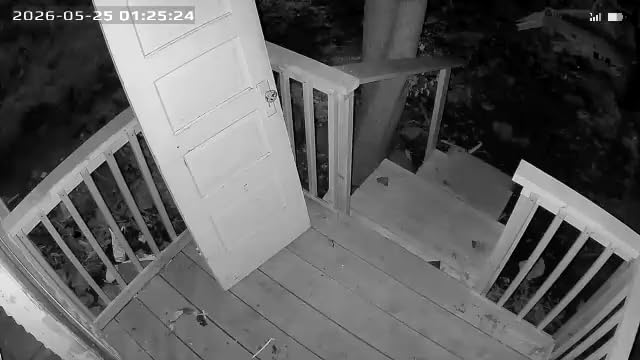
Storage is more generous here than the category usually manages. A microSD card up to 256GB records locally, and 7-day rolling cloud is there if you would rather not manage a card at all, so nothing forces a paid plan just to review today’s events.
Owners credit the AI detection for people, vehicles, pets and packages, and the siren with its flashing LED gets called out as effective at turning away a casual approacher. Night vision is listed as starlight with a 33-foot range, which is the first thing to check against the length of your drive.
The body is IP65, so rain and snow are covered, and dimensions of 6.7 by 4.85 by 5.9 inches make it small enough to hide under an eave. It weighs 0.88 kg, which matters if you are mounting high on a pole rather than on siding.
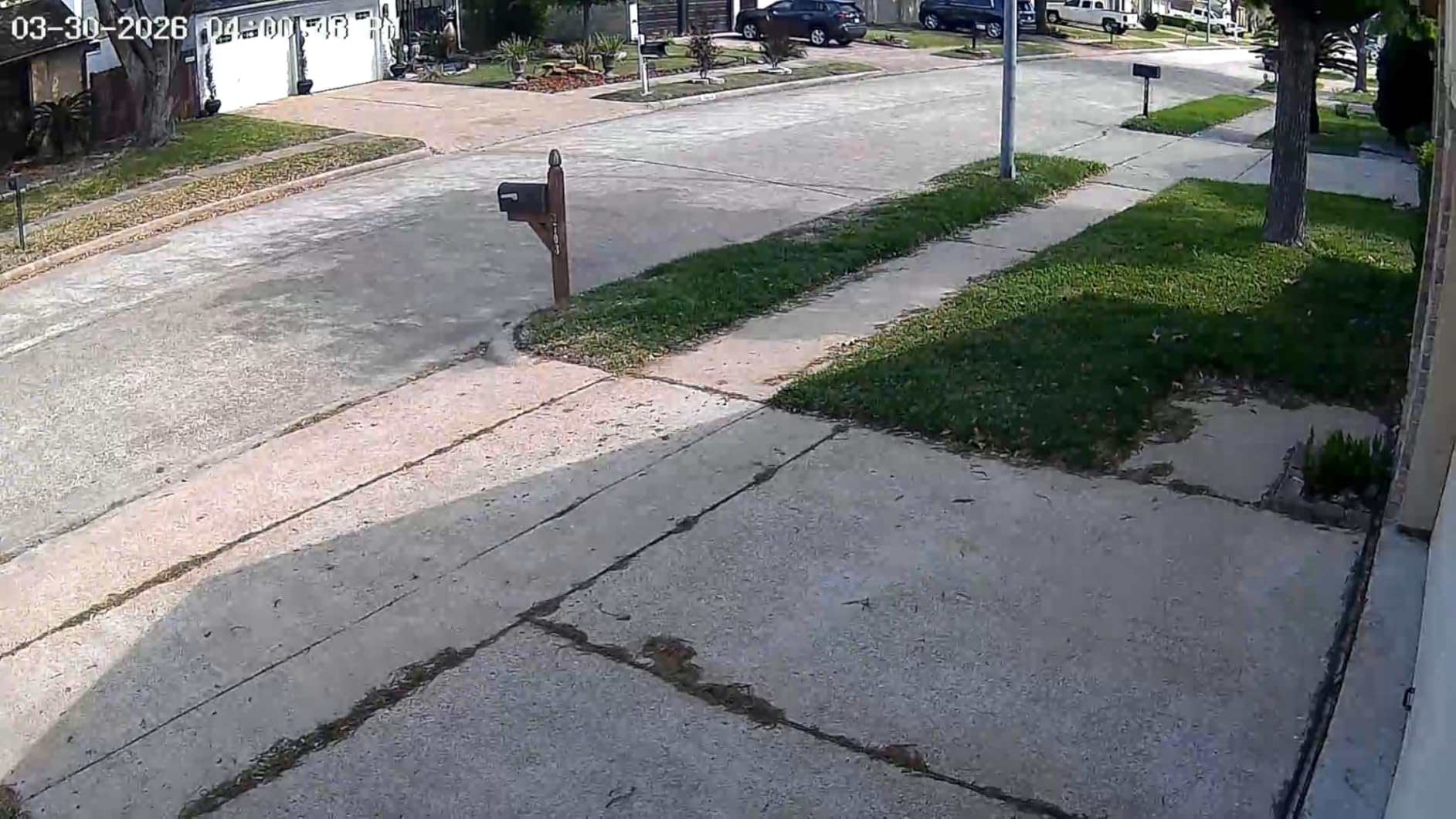
How to check the 2.4GHz-only limit before you mount
This camera connects on 2.4GHz only, so on a dual-band router it will land on the 2.4GHz network and will not get the longer reach of 5GHz. Park a phone forced onto the 2.4GHz band at the exact mount point before ordering.
If the bars there are thin, a mesh node or range extender at the house end is a far cheaper fix than switching to a cellular model. It also costs you nothing in monthly fees later.
What the 5200mAh battery and 2W panel mean for winter
A 2W panel topping up a 5200mAh cell is comfortable for event-only recording in a normal sunny month. In a low-sun winter it becomes a trickle, and the camera drops non-essential work to protect the charge.
Live viewing drains noticeably faster than event clips, and AI recognition plus extended cloud history sit behind a subscription. If you plan to check the app constantly, budget for that in how you choose the camera.
2. SEHMUA 4G LTE Solar Camera: Best When the Drive Has No WiFi
SEHMUA 4G LTE Cellular Solar Security Camera Wireless Outdoor, No Wi-Fi Solar Powered Camera, 360° Live View, 2K Color Night Vision, PIR Motion Sensor, Two-Way Talk, Built-in SIM Card
2K color night vision
360° pan and tilt
10400mAh battery with 6W panel
Built-in 4G SIM, IP65
Pros
- Runs with no WiFi and no mains power
- Built-in SIM compatible with major US carriers
- 6W panel with a 10400mAh battery
- 2K video with 4x digital zoom
- Two-way talk for visitors and couriers
Cons
- Monthly data plan needed after the trial
- No WiFi support at all
- Spotlight must be enabled in the app
- Requires a full cable charge before first use
If your router sits inside the house and the drive is out past the gate, a cellular camera removes the guesswork entirely. This one carries a 6W solar panel and a 10400mAh battery, the largest power reserve among the cellular models here, so it can sit on a gate post or a farm lane marker with no cable and no access point.
The SIM is built in and works with major US networks, with a trial period before you commit to a plan. That data plan is the ongoing cost of this approach, and it is the number to weigh before ordering rather than after.
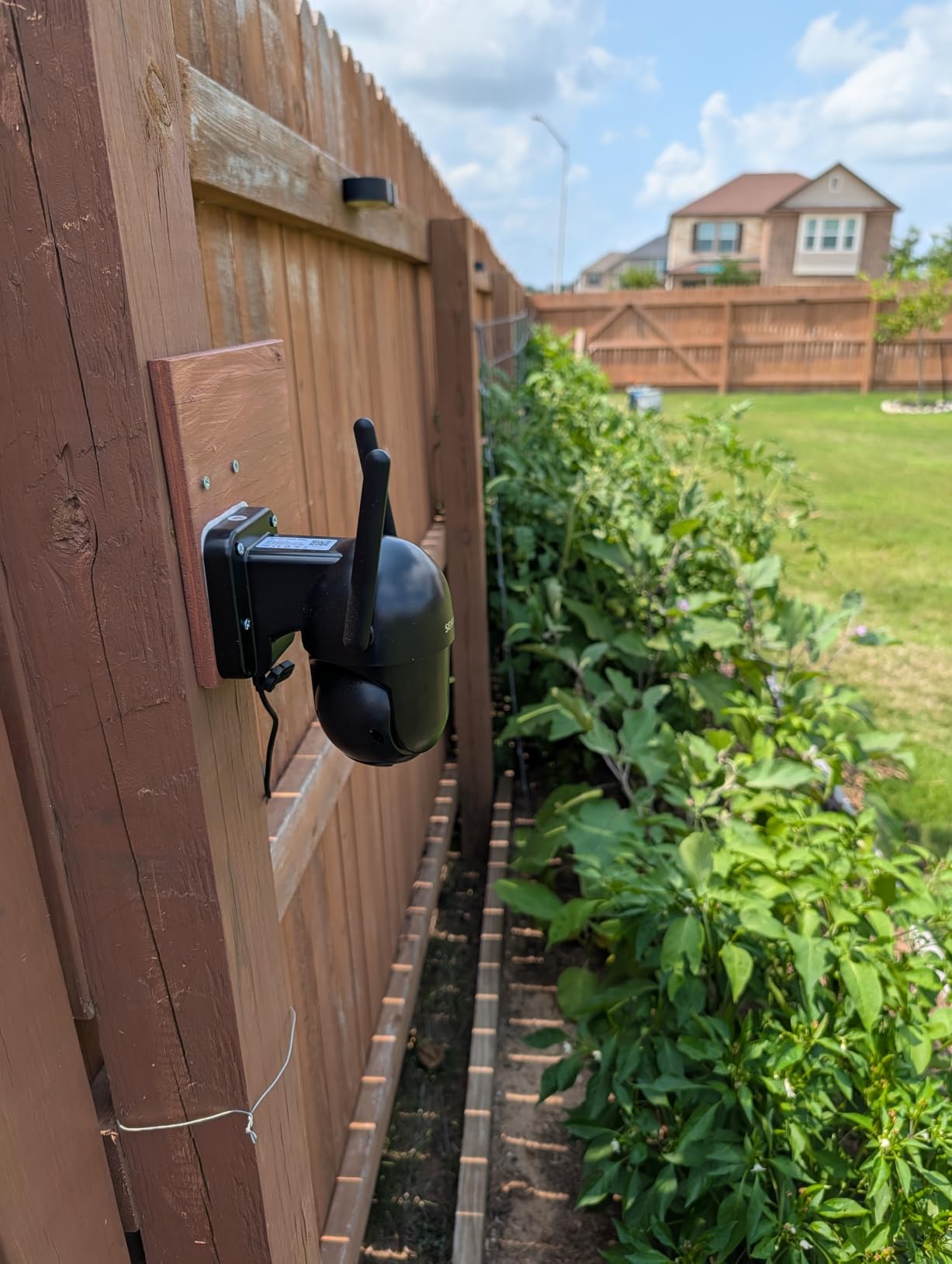
Video is 2K with 4x digital zoom and full-color night vision, and the 360° pan and tilt plus PIR detection cover a wide approach. Two-way talk lets you speak to a courier at the gate, which on a long drive is often the whole point.
Owners rate it 4.2 out of 5 across more than six thousand reviews. The recurring notes are practical: charging the battery fully from the cable before first use, and switching the spotlight on in the app rather than expecting it automatically.
Dimensions are 7.68 by 6.57 by 5.35 inches at 1.06 kg, and the housing carries an IP65 rating. It is a bullet form factor, so the mount is straightforward on a post or under a soffit.
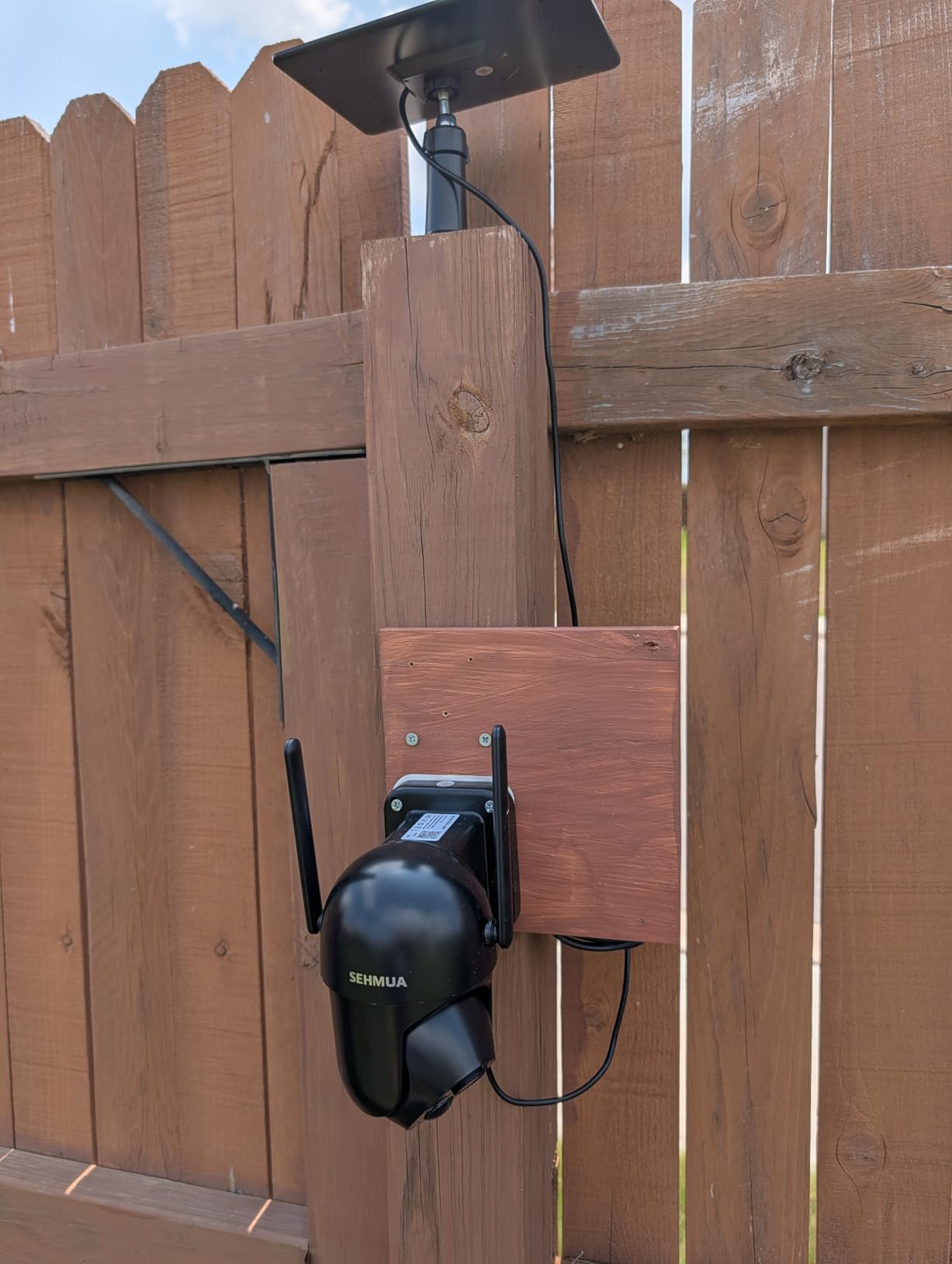
What the built-in SIM means for the second camera
The SIM is integrated rather than a slot you supply, which keeps the install simple and keeps the weather seal intact. It also means a second camera needs its own line rather than sharing one plan across the property.
Check coverage at the mount on your phone before ordering. A strong bar on your handset is a reasonable signal that the camera will hold an uplink, and it costs nothing to confirm.
How the 10400mAh reserve handles a gray week
A 6W panel is larger than most competitors here, and combined with the 10400mAh cell it is the combination most likely to ride through several overcast days on one driveway. Record volume still matters, since a camera facing a busy road wakes far more often than one facing an empty drive.
Trim detection range and exclude the road if you can. Every wake-up costs charge, and on a cellular model those wake-ups also cost data.
3. Cinnado 2K Solar 2-Pack: Best for Two-Point Coverage
Cinnado 2K Solar Wireless Outdoor Cameras for Home Security White B6 2Pack
2K 2304x1296
Two cameras with solar panels
5000mAh battery each
IP65 with 360° pan-tilt
Pros
- Two cameras with a solar panel each
- 5000mAh batteries hold charge through cloudy days
- Three night modes including color
- Auto-tracking follows moving subjects
- Works with Alexa and can feed an NVR
Cons
- 2.4GHz WiFi only
- No 24/7 continuous recording
- microSD clips fixed at short 10-second length
- Two-way audio has a slight delay
Most driveway problems are really two-point problems: the gate and the house, or the drive and the side path. This pack gives you two cameras with a panel each, so one order covers both angles.
Each unit records 2K, carries a 5000mAh battery, and pans through 360° with tilt from the app. Auto-tracking follows a subject across the frame, which is the feature that turns a fixed view into something closer to an operator watching the drive.
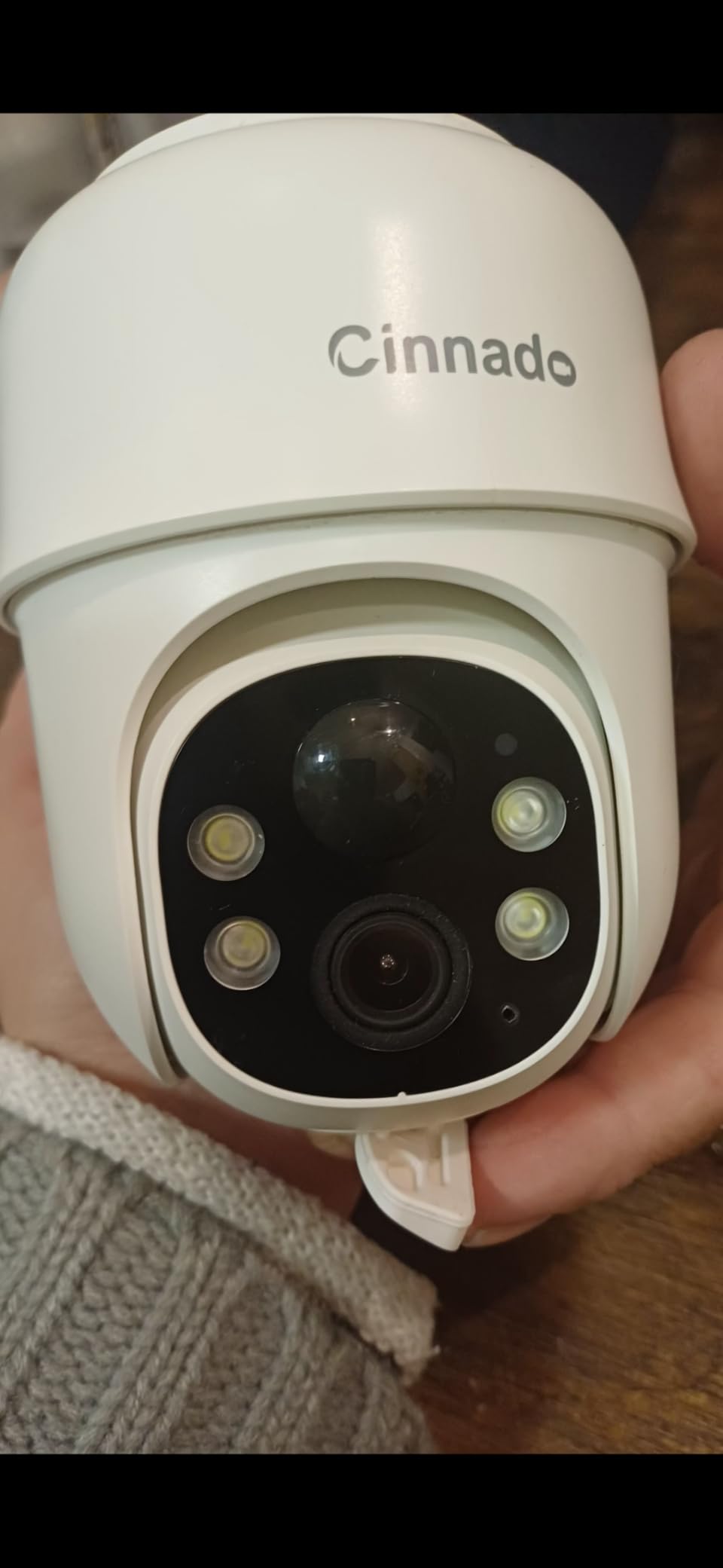
Night handling is unusually flexible, with full color, intelligent light and auto infrared modes. The PIR range is adjustable between roughly 16 and 29 feet, which is how you keep a passing road out of the frame without losing the approach.
Storage runs to 128GB on a card, with optional cloud and a 30-day trial. Owners also report good results feeding the feed into an NVR for centralized viewing, and Alexa support for voice control.
At 5.09 by 3.8 by 5.8 inches each, these are compact enough to sit under eaves without looking like surveillance equipment from the street.
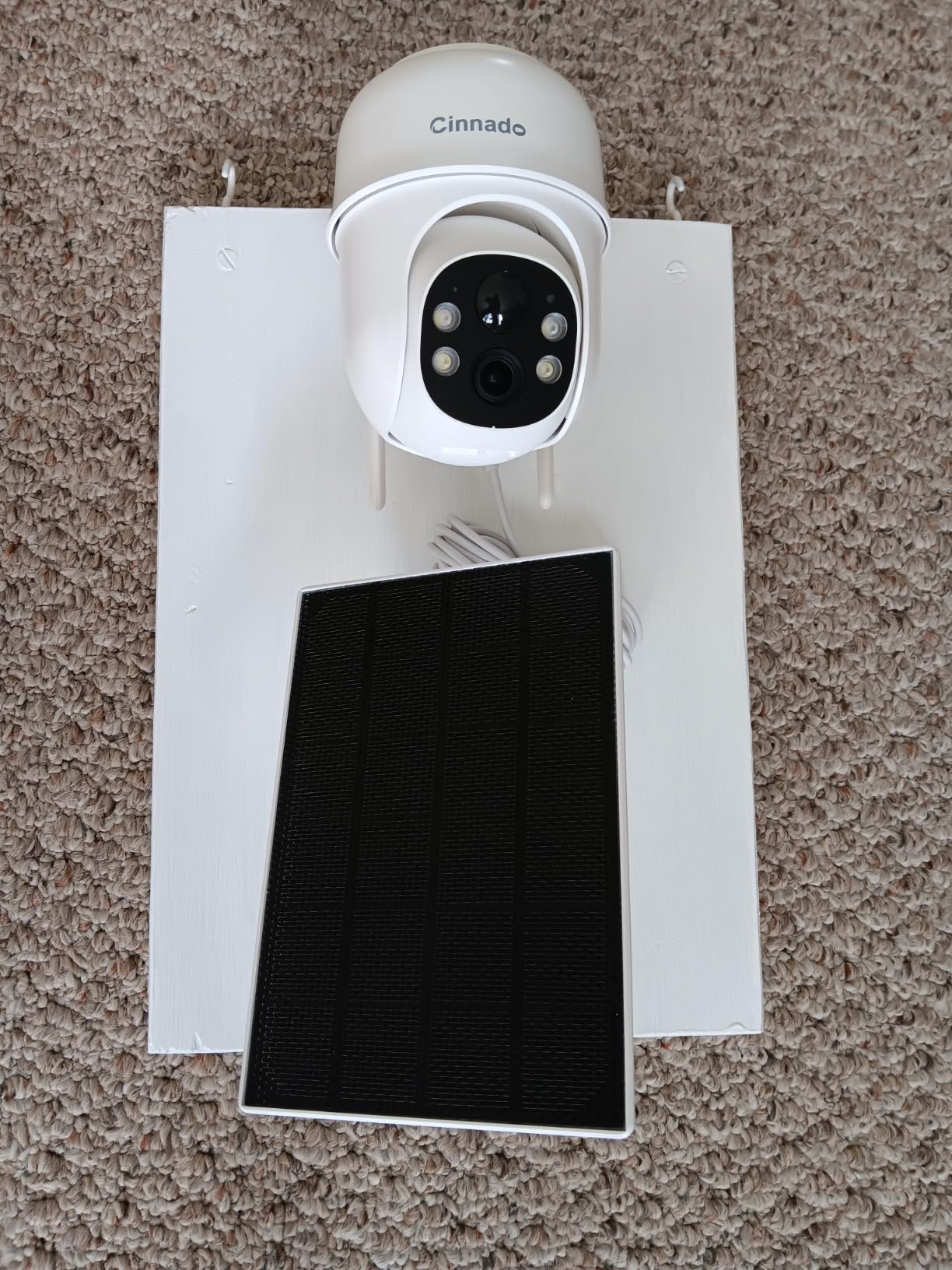
Running two cameras on one network
Two 2.4GHz cameras on one router is a normal load, but both need clean 2.4GHz signal at their own mount points rather than at the house. Test each position separately, because a camera that works near the router and struggles at the gate is the common failure.
If one mount is marginal, put the mesh node in the middle of the property rather than beside the router. That single placement usually rescues the far camera.
Where the 10-second clip limit bites
Card recording is fixed at short clips rather than a length you set, so someone walking a slow approach may produce a few short files instead of one continuous event. For a gate camera watching a stop and a turn, that is usually enough.
For a vehicle driving fully through, set motion sensitivity lower and narrow the zone to the stopping point. Fewer wake-ups also stretch the 5000mAh battery further into winter.
4. SEHMUA 2K Solar 2-Pack: Best for Long-Range Night View
SEHMUA 2K Solar Security Cameras Wireless Outdoor, 2 Pack 360° View Pan/Tilt WiFi Security Camera Outside with Color Night Vision,Easy to Install, PIR Alarm, 2-Way Audio
2K with 98ft night range
355° pan and 90° tilt
6000mAh battery with removable panel
IP65, two cameras
Pros
- Removable panel keeps 6000mAh topped up
- 355° pan and 90° tilt from the app
- 2K clarity with spotlight and IR night
- Holds connection at weak WiFi signal
- Adjustable PIR reduces animal and wind alerts
Cons
- 2.4GHz pairing can be fiddly on dual-band routers
- PIR is over-sensitive by default
- No SD card included
- No auto-patrol between preset views
The 98-foot night range is the standout number on this camera, and for a long drive lit only by a headlight that is the figure that matters. Owners also report it holding a connection at marginal signal, which is the other thing a long driveway demands.
The solar panel is removable rather than molded on, so you can mount the panel where the sun hits and keep the camera where the view is best. That flexibility is the argument for this model over a cheaper integrated-panel design.
Two cameras come in the pack, each with a 6000mAh battery, 355° pan and 90° tilt, and 4x digital zoom. The white spotlight alongside infrared LEDs is what produces color video after dark rather than a grey wash.
Installation is reported at about five minutes for either wall or ceiling mounting, and the pack weighs 2.8 pounds. Owners rate it 4.3 out of 5 across more than three thousand reviews.
Storage is a card up to 128GB, or an optional 30-day cloud trial. Be aware no memory card is included, so budget for one or plan to use the trial.
Weak-signal performance and the pairing routine
Reports of holding up at one bar across a larger property are encouraging for anyone with a long drive. The tradeoff is the pairing routine, since 5GHz networks are not supported and a dual-band router needs the 2.4GHz band enabled during setup.
Move the phone next to the camera during setup rather than walking away, and complete the pairing before you mount anything. It removes most of the friction.
What the removable panel changes in practice
A detachable panel lets you put the sun-facing surface somewhere clear while the camera body sits under an eave or behind a post. On a shaded north-facing mount, that single change does more for battery life than any setting in the app.
Check the cable reach from the panel to the body before you settle on a position. If the run is too long, choose the integrated-panel design instead and pick a brighter mount.
5. Xega 4G LTE Solar Camera: Best for Budget 4G LTE
Xega 4G LTE Solar Cellular Security Camera with SIM Card, No WiFi Needed
4G LTE with no WiFi
9000mAh battery with 5W panel
IP66 rated 14F to 140F
355° pan and 90° tilt
Pros
- Works where 4G reaches with no WiFi
- 9000mAh battery and 5W panel
- 2K/3MP imagery with 4x zoom
- Color night vision with four IR LEDs
- Support replies the same day
Cons
- Built-in SIM is not replaceable
- Monthly data plan and cloud are extra cost
- No auto tracking or exclusion zones
- Several reports of early hardware failures
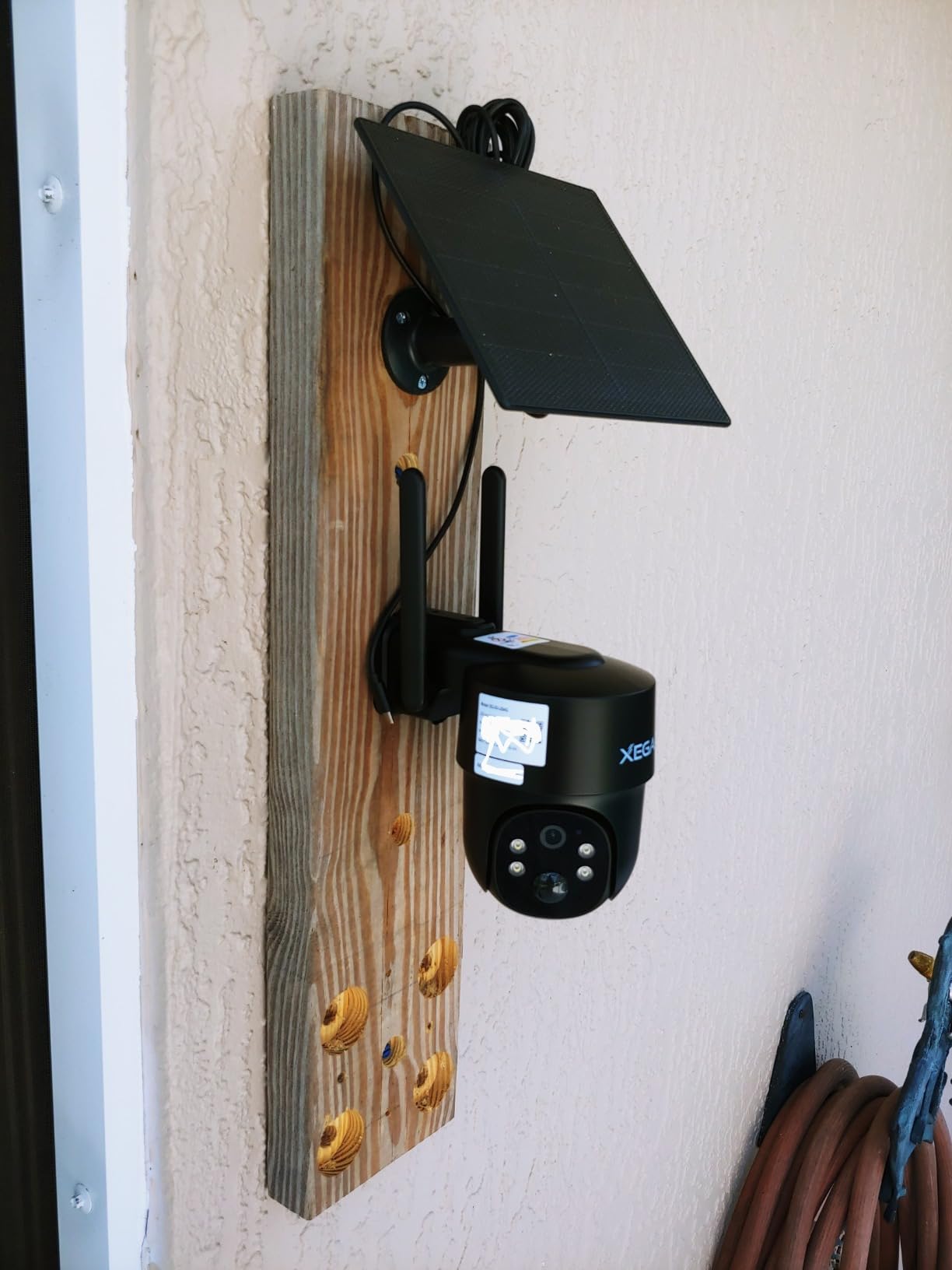
This is the cellular option to look at when the budget is the deciding factor and the location has signal. It runs on 4G LTE with no WiFi requirement, a 9000mAh battery and a 5W panel, and owners report roughly a day of use from about three hours of sun.
Imaging is 2K and 3MP with 355° horizontal and 90° vertical movement plus 4x digital zoom, and the night performance is color night vision backed by four IR LEDs. The app supports clear two-way audio through the Ubox platform.
The 3.9 rating is the lowest in this group and the reason is visible in the reviews. There are multiple reports of hardware failing within a year, and the motion detection has no auto-tracking and no zones to exclude, so a road in frame means a road in frame.
There is a genuine temperature story here, though, with an IP66 rating and a stated operating range from 14F to 140F. That covers a wide range of climates and is worth more in a cold driveway than a higher resolution would be.
At 1 kg and 7.09 by 6.69 by 5.12 inches, it is a solid wall-mount dome with an ABS housing.
SIM choice and coverage outside US networks
The prepaid SIM is bundled with trial data, and a monthly plan follows. One real limitation to check before ordering is that the built-in SIM is tied to US carrier networks, and using it elsewhere needs a separate data SIM and an APN change.
If your property is outside the US, that extra setup erodes the value of a budget pick. Confirm the carrier and the region before you commit.
What IP66 and the temperature range really buy you
IP66 is dust-tight and protected against strong water jets, which is the right level for an exposed gate post in driving rain. The 14F to 140F range means it will keep working through a cold snap rather than shutting down.
It will not solve a shaded mount. A panel with three hours of direct winter sun cannot outrun physics, and no weather rating changes that.
6. HOSAFE.COM 4G LTE Solar Camera: Best for Included Storage
HOSAFE.COM 4G LTE Cellular Security Camera No Internet Needed, 2K Solar No WiFi Security Camera Outdoor Wireless with SIM Card Jobsite,360 Live View, Motion Detection,Free Cloud Storage(Need Apply)
4G LTE with pre-installed SIM
2K sensor with four spotlights
64GB card included
IP66 rated -4F to 122F
Pros
- SIM pre-installed with a 7-day trial
- 64GB microSD card included in the box
- 270° pan and 90° tilt with 4x zoom
- Four spotlights for color night
- IP66 rated from -4F to 122F
Cons
- Monthly and annual data plans are ongoing
- Free cloud storage needs an application
- 237° field of view is narrower than some rivals
- Some connection and charging faults reported
Most cameras here ship without storage and leave you to buy a card on top of the purchase. This one arrives with the SIM pre-installed and activated plus a 64GB microSD card already fitted, which makes it the least frictionful cellular install of the group.
Power is solar with a rechargeable battery, so the whole unit is wire-free for a jobsite, a rental or a rural drive. The sensor is 2K with 4x digital zoom across a 110-degree lens.
Coverage comes from 270° of pan and 90° of tilt, with four spotlights that produce color night footage rather than infrared grey. PIR detection covers people, vehicles and animals with instant phone alerts through the Ubox app.
Owners rate it 4.1 out of 5, and the recurring complaints are the cost of the data plan, the fact that free cloud storage requires an application, and a small number of connection and charging faults.
At 1.15 kg and 7.68 by 6.57 by 5.35 inches, it suits both wall and ceiling mounting. Its -4F to 122F rating ties for the coldest low-end figure in this group.
What you still pay for after the box is open
The included card covers local recording for a good while, and the pre-activated SIM gives you a trial window. After that, cellular data and optional cloud are the recurring lines, and neither is optional in the sense that you can ignore the bill.
For a property where WiFi is genuinely unreachable, those costs buy something real. For a driveway within range of your own router, the same money is better spent on a WiFi model with a bigger battery.
Reading the 237-degree field of view honestly
The stated 237-degree view across a 110-degree lens is narrower than a full 360-degree pan, and the pan movement makes up most of the difference. In practice it means the camera reaches a bit less of the far side of a wide apron without manual adjustment.
If your driveway curves, the reduced lens angle can be an advantage because less of the surrounding road sits in the frame. Straight wide drives are the harder case.
7. eufy 4G LTE Cam S330: Best for Dual-Mode Connectivity
eufy Security 4G LTE Cam S330, 4K Cellular Solar Security Cameras Wireless Outdoor, Pan and Tilt, 4G and Wi-Fi Duo-Mode, AI Tracking, with SIM Card and 32GB SD Card, No WiFi, No Problem
4K color day and night
4G LTE and WiFi dual mode
9400mAh battery with solar
32GB card included, IP55
Pros
- 9400mAh battery that rarely drops below three quarters
- Dual 4G and WiFi with automatic failover
- 4K color video with 100-lumen spotlight
- AI tracking follows people and vehicles
- SIM roams across three US carriers
Cons
- Activity zone editing is clumsy
- Motion sensitivity is limited at long range
- Clips sometimes need a refresh in the app
- No 24/7 continuous recording mode
This is the only camera here that can use both connections. If the WiFi at the mount is strong it behaves like a normal WiFi camera, and if the signal drops it switches to 4G and keeps the feed live, which removes the single most common driveway failure.
The video is 4K color at 30 frames per second with a 100-lumen spotlight reaching about 26 feet. AI tracking follows people and vehicles across a 360° pan-and-tilt view, so an arrival is followed rather than merely recorded.
Battery life is the quiet strength. Owners of the 9400mAh cell with the upgraded panel report rarely seeing it fall below three quarters, and a stated average battery life of three years is the kind of figure most competitors in this list do not publish.
A 32GB card is included, though some owners report receiving 64GB. The SIM roams across the three major US networks, which is a meaningful advantage over fixed-SIM rivals when the drive sits in a weak-signal pocket.
Owners also report strong, responsive support for setup and warranty, and eufy owners report the brand holding up in tough winters on outdoor forums.
Why dual mode beats picking one connection
Connectivity is the first filter on any driveway camera, and this one removes the gamble. Put it in reach of WiFi to run on WiFi alone, and it falls back to cellular when the signal is poor without you touching a setting.
The cost of that insurance is a SIM and a data plan you may not use much. If the drive is always within WiFi range, a WiFi-only model with a larger panel will serve you better.
Battery life and the app playback quirks
Streaming live from the app drains the battery faster than motion events, so owners who leave the feed open report shorter runtimes than the figures above. Review clips occasionally rather than watching continuously.
Some owners hit clips that will not play until the app is refreshed, and the activity zone editor shifts the whole shape when you move a single point. Both are frustrating workarounds rather than dealbreakers.
8. Tapo C660 4K Solar Kit: Best Value
Tapo 4K Outdoor Pan/Tilt Wireless Security Camera, Solar Charging, C660 KIT
4K with 8MP stills
10000mAh battery with 13ft panel cable
24/7 capture at 1-60s intervals
Dual-band WiFi, microSD to 512GB
Pros
- 4K clarity that picks up plates and faces
- 24/7 continuous capture at adjustable intervals
- Free people vehicle and pet detection
- Local microSD up to 512GB with no fees
- Dual-band 2.4GHz and 5GHz support
Cons
- Bundled solar panel is underpowered
- Plastic bracket and clips feel loose
- Local SD playback can be choppy
- Misses slow-moving objects at distance
This is the specification standout in the guide and the best value if you want a driveway on record around the clock. It is the only model here that captures continuously at intervals you set, between one and sixty seconds, rather than only saving short motion clips.
The sensor records 4K with 8MP stills, and it pans 360° with 98° of tilt plus auto-patrol. Smart motion tracking follows a subject, and a card up to 512GB keeps everything local with no monthly fee.
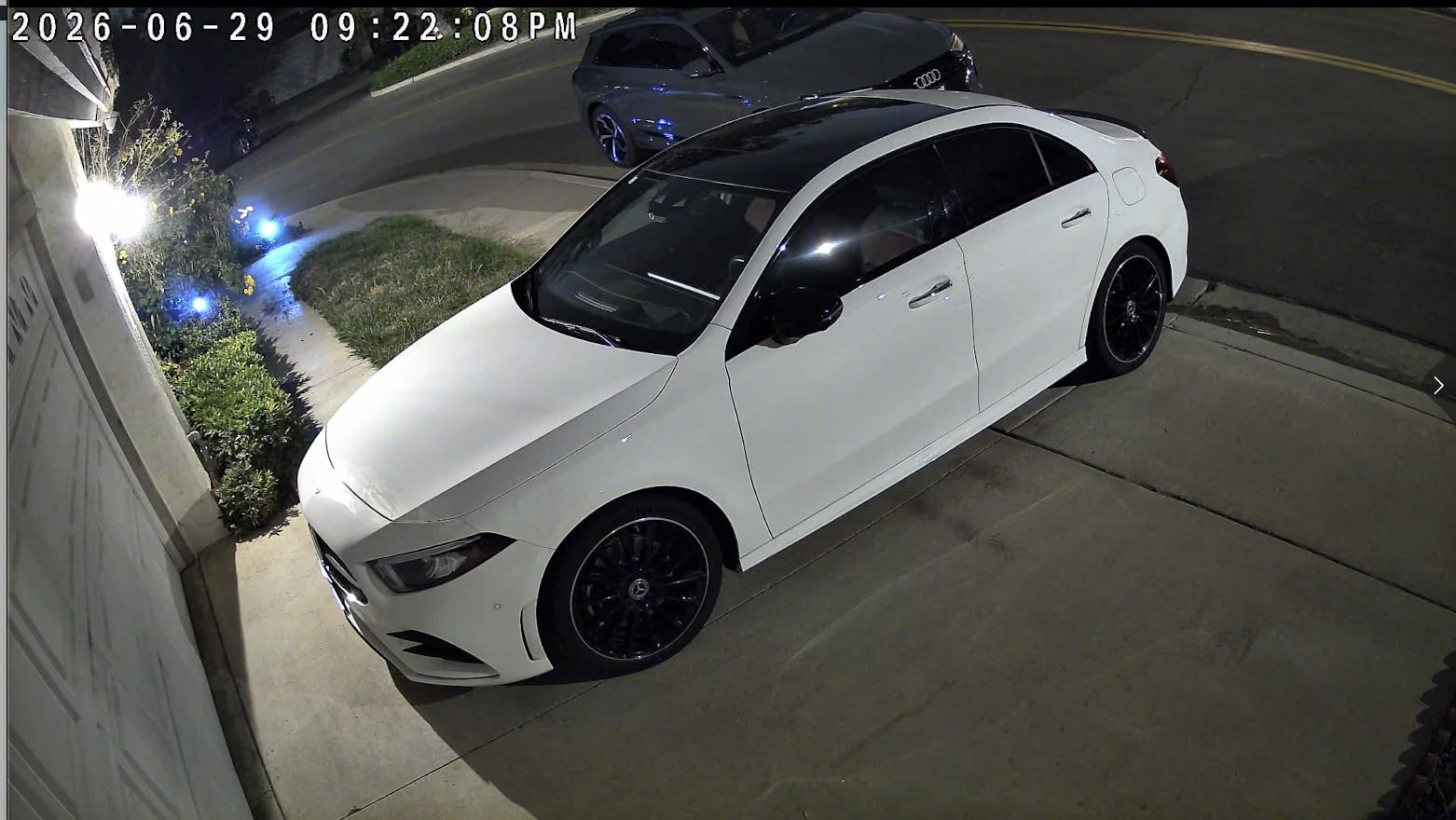
Detection of people, vehicles and pets is free with no subscription attached, which removes the paywall that other ecosystems apply to the most useful AI features. Dual-band 2.4GHz and 5GHz support also means it can hold a connection where the 2.4GHz-only models on this list would struggle.
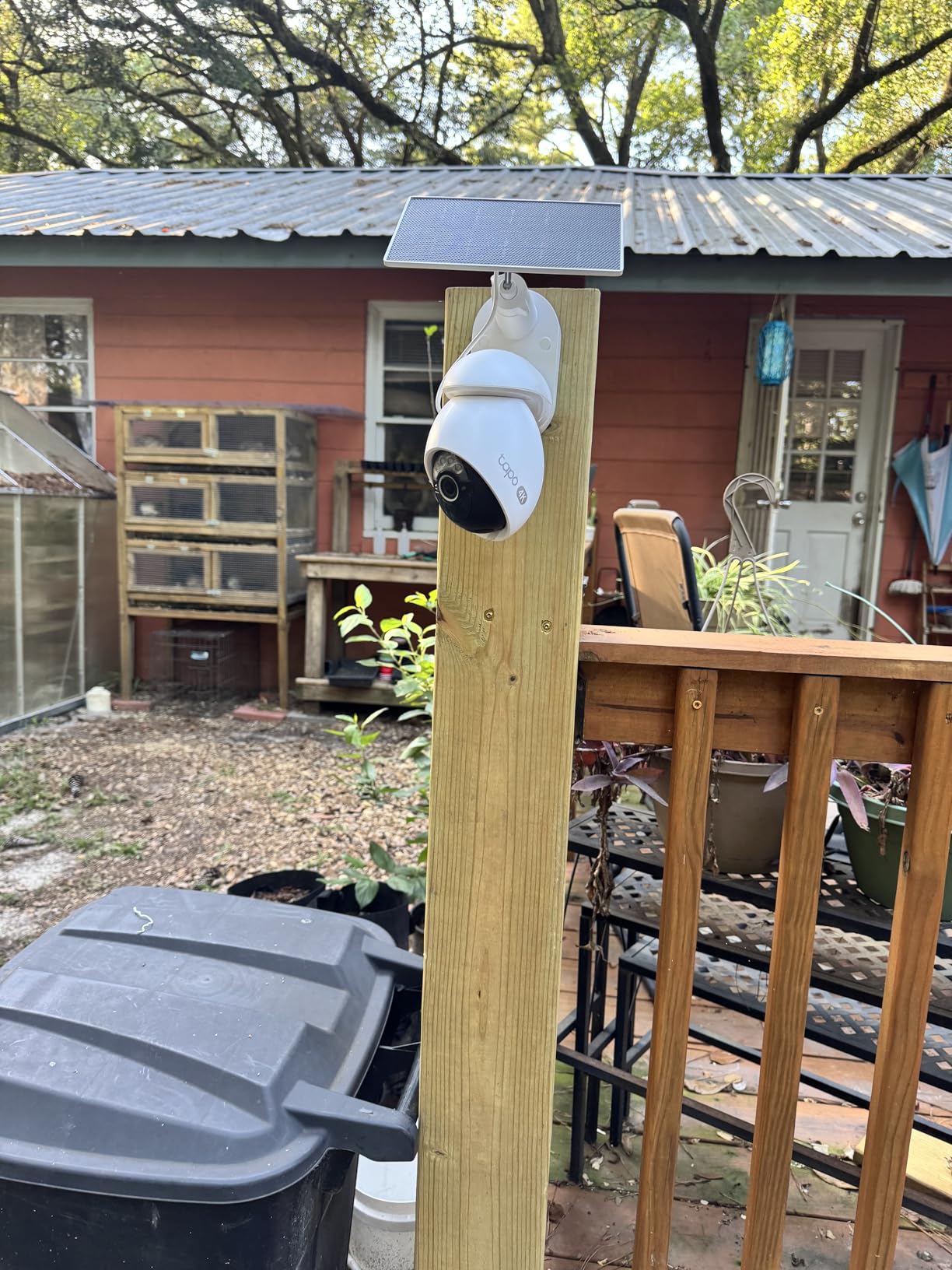
Power is a 10000mAh lithium battery with a solar panel on a 13-foot cable, so the panel can sit in the sun while the camera sits in the shade. Owners report staying at full charge for months.
The catch is the panel itself. Reviewers describe it as underpowered, gaining only four or five percent a day in some placements, and the plastic mounting bracket and clips are described as cheap and prone to working loose.
What 4K detail and continuous capture actually buy you
Continuous capture removes a real problem with the other nine cameras on this list. Because the camera is awake on a schedule rather than waiting on a trigger, a slow approach or a vehicle creeping through at night still lands on the card.
The 4K resolution is what makes the stored frames useful. A wide driveway shot in 2K at night rarely holds a plate, while 4K gives the crop something to work with, though headlight glare still defeats many attempts.
Panel size and mounting hardware
Four or five percent of charge a day is plenty for a moderate event load and marginal for 24/7 capture. If you want continuous recording, plan on a separate larger panel feeding this camera, or accept shorter winter runtimes.
At 1.3 pounds and IP65, the body handles weather well, but the plastic bracket is the part most likely to need a second tighten after the first season. Mount into timber or masonry rather than thin vinyl if you can.
9. GNCC Solar Security Camera: Budget Pick
GNCC Solar Security Cameras Wireless Outdoor 2.4G WiFi, SD/Cloud Storage
1080p
355° pan and 90° tilt
5200mAh battery with 3W panel
IP65 from -10C to 45C
Pros
- 355° rotation clears driveway blind spots
- 5200mAh battery with up to 6 months standby
- Three-level adjustable PIR cuts false alerts
- Siren spotlight and two-way talk
- Installs in about five minutes
Cons
- 2.4GHz WiFi only
- Event clips only with no motion tracking
- AI object detection needs a paid plan
- 1080p and 26ft night range trail higher rivals
This is the entry point if the goal is simply having a camera at the end of the drive with no wiring and no monthly fee. It records 1080p, rotates 355° horizontally and 90° vertically, and the 5200mAh battery with a 3W panel is rated for months of standby.
Color night vision keeps useful detail in low light, and the siren, spotlight and two-way talk give you something to respond with. Installation is reported at about five minutes for a wall or roof mount.
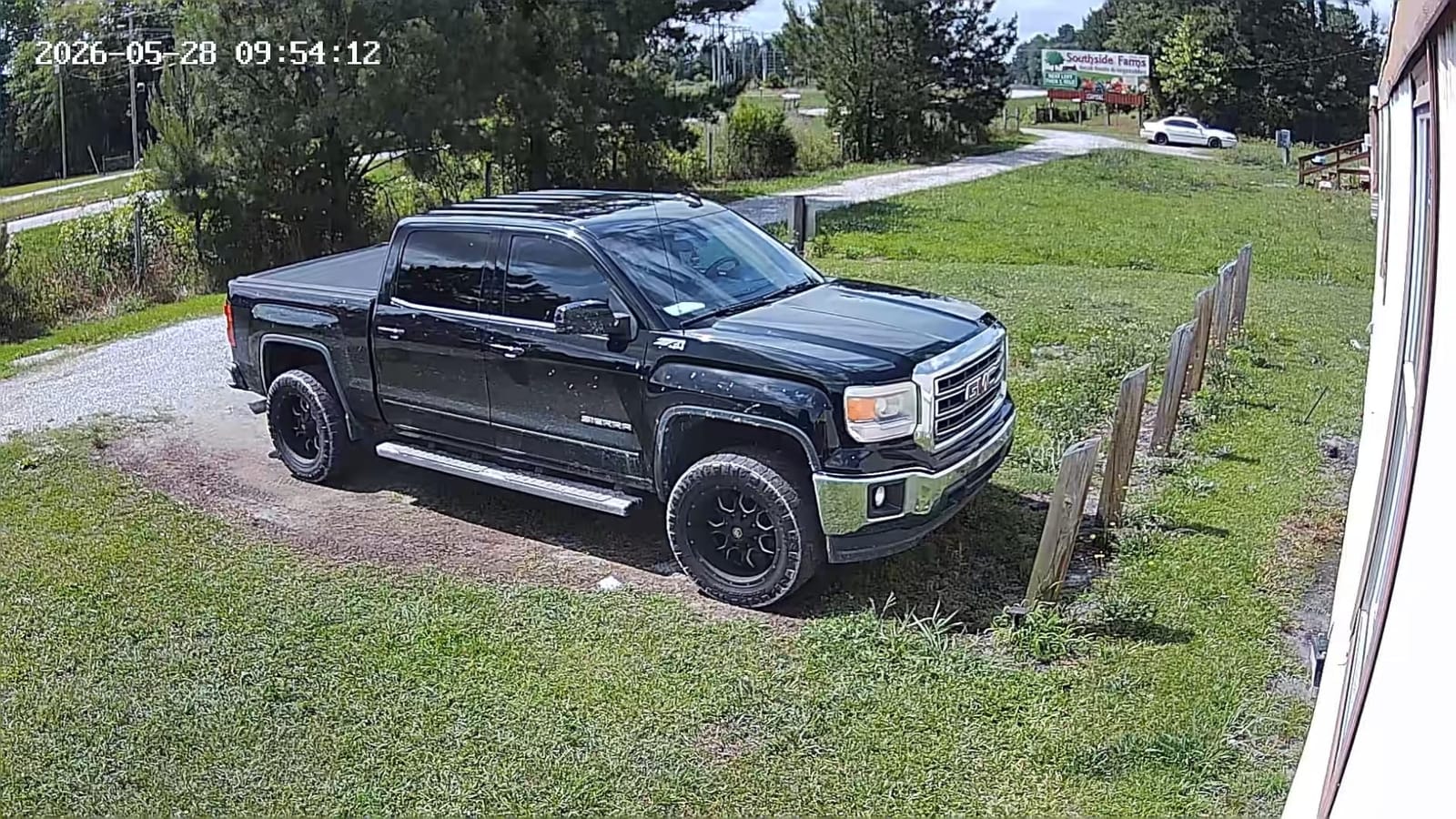
Three-level adjustable PIR is the feature driveway owners care about most here. Turning sensitivity down removes wind, branches and passing traffic, and every avoided wake-up stretches the battery and shortens the list of clips you have to check.
Recording runs 8 to 16 seconds automatically on motion, stored on a card up to 128GB or on cloud with 30-day playback. The operating range is -10C to 45C with an IP65 rating.
Owners rate it 4.1 out of 5 across 852 reviews, and the honest limit is the image tier. A 26-foot night range and 1080p resolution will not identify a face across a long drive.
When 1080p is enough and when it is not
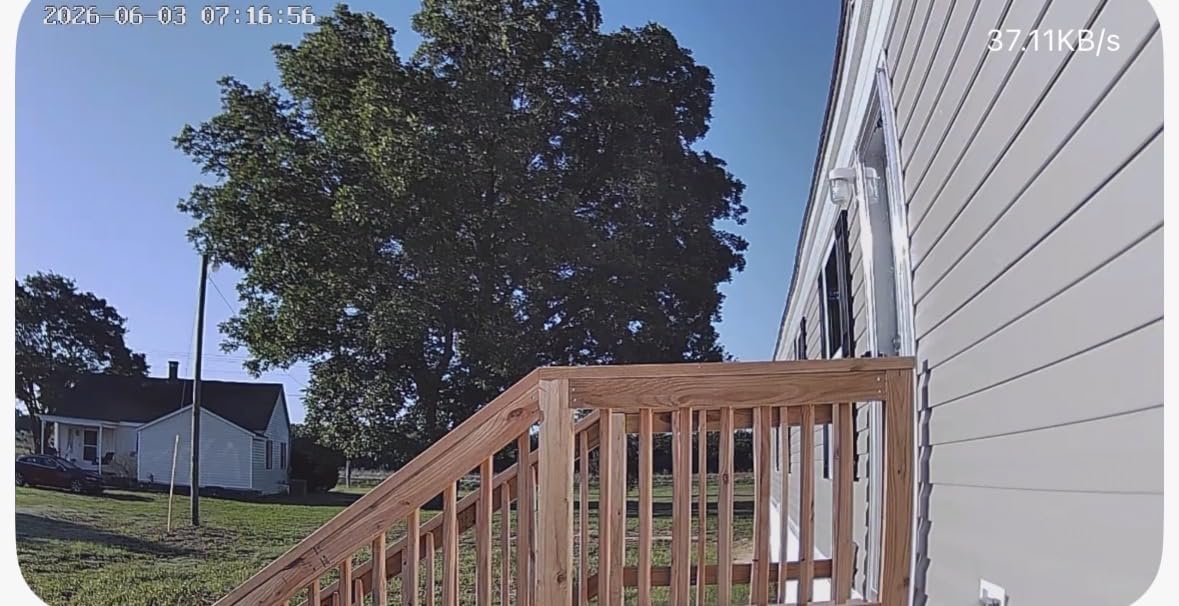
For a short drive, a gate or a yard corner, 1080p with color night vision is genuinely sufficient and the wide rotation covers blind spots a fixed camera would miss. For identifying a visitor at 60 feet in the dark, it is not.
If identification matters to you, this is the point where the extra spend on a 4K or longer-range model earns its place. Match the tier to the distance you actually need to read.
Standby time and PIR tuning
Up to six months of standby is a headline figure that assumes very few events. On a busy drive with a road in frame, expect the effective figure to be far shorter, which is why PIR tuning matters more here than on a quieter mount.
Set sensitivity low, accept a short fixed clip length, and the panel keeps up. Leave it at maximum on a road-facing camera and you will be servicing it all winter.
10. LITYMOL 2K Solar Camera: Best for Cold-Weather Installs
LITYMOL 2K 2.4g WiFi Security Cameras Wireless Outdoor, 360° View Solar Cameras for Home Security, Color Night Vision, Motion Detection, 2-Way Audio, Spotlight Siren Alarm, SD/Cloud Storage
2K with 355° pan and 120° tilt
5200mAh battery with 3.2W panel
IP65 rated -20C to 50C
33ft color night, microSD to 256GB
Pros
- Integrated panel self-sustains for months
- 2K clarity with 355° pan and 120° tilt
- 10-level adjustable PIR filters wind and plants
- Color night vision reaching 33 feet
- All-in-one body installs in about 5 minutes
Cons
- 2.4G WiFi only limits effective router range
- No 24/7 continuous recording
- SD card not included and cloud needs a plan
- Solar needs direct sun to perform
The temperature rating is the reason this camera sits where it does. It is rated from -20C to 50C, matching the coldest low-end figure published in this group, which makes it a sensible choice for a northern drive where the housing sits in shade for months.
Everything else is a solid mid-tier package. It records 2K, pans 355° and tilts 120°, and the 5200mAh battery with an integrated 3.2W panel self-sustains for months according to owners, including in partial shade.
Ten-level adjustable PIR is the most granular sensitivity control in this guide, and on a driveway with trees it earns its place. Optional AI recognition of people, vehicles, pets and packages is claimed to cut false alarms substantially, though it is a paid feature.
Color night vision with a spotlight reaches 33 feet, two-way audio is built in, and storage runs to a card up to 256GB. The card is not included, and cloud access requires a plan.
At 0.79 kg and 8.58 by 7.27 by 5.55 inches it is the largest-bodied unit here, so check the mount surface before drilling.
What a cold rating does and does not promise
An operating range of -20C to 50C means the electronics will keep working in a hard freeze. It says nothing about charging, and a lithium cell in deep cold charges slowly no matter what the housing is rated for.
Expect the panel to deliver less in a low winter sun and the battery to recover slower after a cold snap. If the drive is your primary concern all winter, give the panel the sunniest position you can find.
Subscription-gated features and app reports
Local card recording up to 256GB is free, so the footage you own stays accessible without a plan. The AI object recognition and cloud history are the parts that sit behind a subscription, and some buyers report those features not working as advertised.
Buy it for the local recording and the wide view, not for the AI layer. That way the subscription is an optional add-on rather than something the purchase depends on.
Solar Driveway Camera Buying Guide: Eight Decisions That Matter
Connectivity is the first filter, not the second
Stand at the mount point with your phone and check the network there, not in the house. Roughly half the cameras in this guide are 2.4GHz only, which halves their usable range compared with a dual-band model, and a camera that records but cannot upload is the failure driveway owners complain about most.
If the signal is weak, an extender or a mesh node is a small fix compared with re-running cable. If there is no signal at all, or the property has no WiFi by design, the cellular group is the right answer, and you should price in a data plan rather than treating the camera as a one-off purchase.
How to test WiFi at a long driveway mount before you buy
Park a phone at the exact height and position of the planned mount.
Force the phone onto 2.4GHz if the camera does not support 5GHz, and read the bars there.
Watch the bars for a minute, since a momentary reading is not a reliable one.
Test at the end of the drive, not at the house wall, and again in the evening when other devices are competing.
If the reading is poor, add a mesh node at the midpoint of the property before shopping.
Local storage versus a cloud subscription
Every camera in this guide records to a microSD card, which means none of them paywall footage you already have. That is the single biggest difference from the subscription-first ecosystems that dominate this category, and it is worth checking before you buy rather than after the first missed clip.
What subscriptions do buy is cloud history beyond what the card holds, and AI features on several models here. Decide which of those you will actually use, because paying for cloud on a camera that already records locally is the most common ongoing waste in this product category.
Where the solar panel should sit
The panel is the camera, and the panel is what decides whether it works in February. Give it the sunniest position you can find, away from eaves, tree canopies and the shadow of the house, and check the seasonal sun angle rather than judging the site in July.
Integrated panels need a bright mount because the camera and the panel are the same object. Detached panels with a longer cable let you split the job, which is why the 13-foot cable on the Tapo C660 matters on a shaded drive. If no position on the property gets reliable sun, running mains power is the better engineering answer, and our picks for the best solar generators for off-grid cabins cover the power side of that decision.
The three moments a driveway camera must capture
A driveway camera is not a general outdoor camera, and the useful footage arrives in three specific moments. First, the arrival as a vehicle crosses into frame, which tells you whether the camera is angled wide enough. Second, the pause beside the house or at the gate, which is when a face is closest and clearest. Third, the departure, which reveals whether the view was too tight to follow a vehicle out.
Record all three on an ordinary day and review them before you trust the install. If the arrival is missing, the camera is aimed too low or the motion zone is too small. If the pause is unreadable, you need more resolution or a closer mount, not a different brand.
False alerts on driveways and how to reduce them
Driveways generate four kinds of junk motion: passing road traffic, branches in wind, wildlife crossing, and vehicles idling at the kerb. Each one wakes the camera, writes a clip, and drains charge you will want in winter.
Use motion zones to draw a box over the drive and the stopping point only, use the lowest PIR sensitivity that still catches a person walking, and aim so the road is out of frame rather than relying on settings to ignore it. If your camera supports person or vehicle detection, turning it on removes most of the remaining noise, and on several models here that feature is free rather than paid.
Night video and license plates
Expect a face to be readable at night, and expect a license plate only in favourable conditions. Headlight glare, a moving vehicle and a wide scene all defeat plate capture, and a 2K sensor on a long drive will rarely resolve a plate where a 4K sensor sometimes can.
Color night vision with a spotlight gives better detail than plain infrared, and the night range figures on the spec sheet are the best guide you have. The 98-foot figure on the SEHMUA 2K pack is the longest listed here, and the 26 feet on the GNCC sits at the short end. Match that number to the distance from your mount to your gate.
What to do when the battery runs out
A drained camera stops recording until it charges again, so the reserve matters more than the headline standby time. Standby figures assume very few events, and a camera facing a road wakes constantly compared with one facing an empty drive.
Two habits extend reserve more than any setting. Trim the motion zone so the road is excluded, and check the battery level after the first week rather than the first month. If your climate gets little winter sun, our guide to the best solar panels for portable power stations covers sizing a supplementary panel.
Frequently Asked Questions
What is the best solar-powered outdoor security camera?
For most driveways the ZEEPORTE 2K Pan/Tilt Solar Camera is the strongest all-round choice, because it carries the largest review base in this group and its 355-degree pan and 120-degree tilt cover a gate and a side path from one mount. If you need continuous recording rather than motion clips, the Tapo C660 4K Solar Kit is the better answer, and if the mount has no WiFi coverage, a 4G LTE model such as the SEHMUA 4G is the practical answer.
Do solar-powered security cameras really work?
They work well when the panel gets dependable direct sun and the camera records motion events rather than continuous video. Panel size and battery capacity together decide how many overcast days you can ride out, and a camera facing a busy road drains far faster than one facing an empty drive. Trim the motion zone to exclude the road, avoid leaving the live feed open in the app, and expect a solar camera to hold a steady charge rather than one that never needs attention.
Do solar-powered security cameras work without Wi-Fi?
Yes. Four models in this guide can run on 4G LTE with a SIM card instead of WiFi, and three of them never need a WiFi network, which is why they suit gate posts, farm lanes and rural driveways with no signal. You trade the free WiFi connection for a monthly data plan and a SIM, and you need real coverage at the mount rather than coverage at the house. Off-grid and trailer users on forums describe solar plus cellular as a workable no-power, no-WiFi combination.
Do solar security cameras need a subscription?
Not for local recording. Every camera reviewed here writes to a microSD card, so the footage you record stays accessible without a plan, which is the main difference from subscription-first camera brands. Subscriptions are used for cloud history beyond what the card holds and for AI features such as person, vehicle and pet detection, which are free on some models and paid on others. Decide which of those you will actually use before choosing a camera.
Can a solar camera read license plates?
Sometimes, and the conditions are narrow. A moving vehicle, headlight glare and a wide scene all defeat plate capture, so most clips will show a vehicle without a readable plate even on a 4K sensor. A higher resolution tier, a spotlight, and a mount close enough to the gate improve the odds more than any brand name. For a long drive, expect to identify that a vehicle arrived rather than to read its registration, and treat plate capture as a bonus rather than a specification.
Final Verdict: Which Solar Driveway Camera Should You Buy in 2026
For most driveways in 2026, the ZEEPORTE 2K Pan/Tilt Solar Camera is the pick: the largest review base in this group, a genuinely wire-free install, and a rotating head that covers more of a drive than a fixed view. The Tapo C660 4K Solar Kit is the value choice for anyone who wants continuous recording, and the SEHMUA 4G LTE Solar Camera is the answer when the mount has no WiFi and no plan to add one.
Check the signal at the mount before you order, not after, and give the panel the sunniest position on the property. Those two decisions decide whether a solar camera works in your driveway or merely works in the listing.