
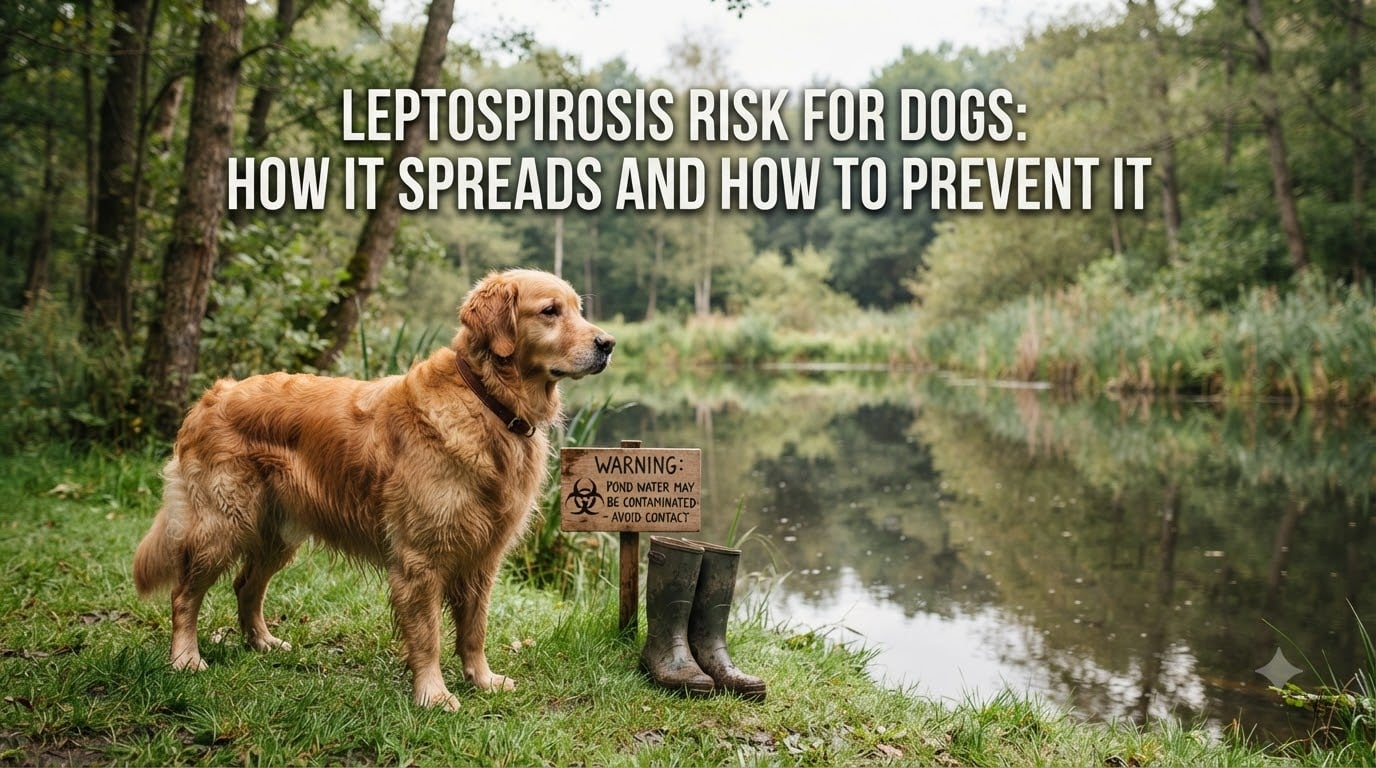
Leptospirosis in dogs is a bacterial disease that can destroy the kidneys and liver in a matter of days. Our team has spent years researching canine health topics, and leptospirosis consistently ranks among the most misunderstood preventable diseases dog owners face.
If your dog swims, hikes, drinks from puddles, or even sniffs around the backyard where rodents travel, they have some level of exposure risk. The good news is that leptospirosis is preventable when you understand how it spreads and take the right precautions.
This guide covers the leptospirosis risk for dogs, how the disease spreads, the symptoms to watch for, and the prevention steps that actually work. Everything here is based on veterinary research from sources like the AVMA, CDC, and Cornell University College of Veterinary Medicine.
Table of Contents
What Is Leptospirosis in Dogs?
Leptospirosis in dogs is an infectious disease caused by spiral-shaped bacteria called Leptospira interrogans. These bacteria live in soil and water worldwide and can infect dozens of mammal species, including dogs, livestock, wildlife, and humans.
There are over 250 known strains of Leptospira called serovars, and each tends to be carried by a specific animal host. Rats, raccoons, skunks, opossums, deer, and farm animals like cattle and pigs are common carriers. The bacteria multiply in the kidneys of infected animals and shed continuously in their urine.
Leptospirosis is classified as a zoonotic disease, which means it can transmit from animals to humans. This is one reason veterinarians take it so seriously. An infected dog is not just a sick pet but a potential health risk to everyone in the household.
Without treatment, leptospirosis can cause irreversible kidney damage, liver failure, and death. Roughly 90 percent of symptomatic dogs develop some degree of kidney injury, and the mortality rate even with treatment is around 20 percent according to clinical data shared by veterinary professionals.
How Leptospirosis Spreads in Dogs?
The most common way dogs get leptospirosis is through contact with urine-contaminated water or soil. Leptospira bacteria thrive in warm, wet environments and can survive in stagnant water or moist soil for weeks to months.
Dogs typically become infected when the bacteria enter through mucous membranes. That means the nose, mouth, eyes, or an open wound on the skin. A dog does not need to swim in a contaminated pond to pick up the bacteria. Simply sniffing wet grass where an infected raccoon urinated the night before can be enough.
Primary Transmission Routes
Direct contact with infected urine is the leading cause. If your dog encounters a sick animal or drinks from a shared water source with infected wildlife, transmission is possible.
Indirect contact through contaminated environments is actually more common. Standing water, muddy soil, flooded areas, and even wet leaves can harbor viable bacteria long after the infected animal has moved on.
Bite wounds from infected animals and consumption of infected tissue or carcasses represent another route. Hunting dogs and dogs with high prey drive face elevated risk through this pathway.
Transmission from mother to puppies through the placenta has been documented but is less common than environmental exposure.
Can My Dog Get Leptospirosis by Licking the Grass?
Yes. Grass that has been urinated on by infected wildlife can carry live Leptospira bacteria, especially when damp. When your dog licks the grass and then licks their nose or mouth, the bacteria can enter through the mucous membranes. This is why even suburban and backyard dogs are not fully safe from exposure.
Signs and Symptoms of Leptospirosis in Dogs
The incubation period for leptospirosis in dogs is typically 4 to 12 days from exposure to the onset of symptoms. Some dogs carry the bacteria without showing signs, while others become severely ill very quickly.
Early signs are vague and easy to miss. Most owners first notice fever, lethargy, loss of appetite, and reluctance to move. These overlap with many other illnesses, which is why leptospirosis often goes undiagnosed in the early stages.
Mild to Moderate Symptoms
Fever is usually the first sign, often exceeding 103.5 degrees Fahrenheit. Dogs may shiver, seem stiff, or show tenderness when touched. Increased thirst and urination can appear early if the kidneys are affected.
Vomiting and diarrhea are common, sometimes with blood. Eye inflammation, particularly uveitis, can occur as the infection progresses.
Severe Symptoms and Organ Damage
As the bacteria attack the kidneys and liver, symptoms escalate. Acute kidney failure is the hallmark of severe canine leptospirosis. Dogs may stop urinating entirely, become profoundly dehydrated, and develop a chemical smell on the breath.
Liver damage produces jaundice, a yellowing of the whites of the eyes, gums, and skin. Bleeding disorders can develop because the diseased liver stops producing clotting proteins. Some dogs develop spontaneous bruising or nosebleeds.
In the most severe cases, dogs experience respiratory distress, seizures, and collapse. Multiple dog owners on forums like r/DogAdvice have shared stories of their pets requiring seven or more days in intensive care on IV fluids, with some needing blood transfusions. Leptospirosis makes dogs extremely sick, and rapid veterinary intervention is critical.
Risk Factors: Which Dogs Are Most at Risk?
All dogs are susceptible to leptospirosis, but certain lifestyles and environments dramatically increase exposure risk. Understanding where your dog falls on this spectrum helps you make smart prevention decisions.
High-Risk Lifestyles
Hiking and hunting dogs face some of the highest exposure rates. These dogs encounter wildlife, drink from streams and ponds, and travel through contaminated soil in wooded areas.
Rural property dogs with access to fields, barns, and pastureland are constantly exposed to wildlife urine. Farm dogs that have contact with livestock face additional risk from cattle and pigs, both of which can carry Leptospira serovars.
Dogs that swim or wade in lakes, rivers, ponds, and puddles are at elevated risk, particularly in warm climates where bacteria survive longer in water.
Backyard and Urban Exposure
Suburban and city dogs are not immune. Rats, raccoons, opossums, and skunks travel through backyards, parks, and alleyways at night. Any grassy area where these animals urinate becomes a potential contamination zone for your dog the next morning.
After heavy rain or flooding, the risk increases because standing water spreads contaminated urine over a wider area. Several forum members reported that their dogs contracted leptospirosis after their yards flooded during storms.
Geographic and Seasonal Patterns
Leptospirosis is reported in all 50 states, but incidence is highest in warm, humid regions. The Southeast, Midwest, and Pacific Coast see the most cases. Hawaii has historically reported high rates due to its tropical climate.
Late summer through early winter is peak season in most of the United States. Warm temperatures and wet conditions create the ideal environment for Leptospira survival. Cases spike after hurricanes and major flood events.
How Leptospirosis Is Diagnosed in Dogs
Diagnosis requires veterinary testing because the symptoms mimic many other diseases. If you suspect leptospirosis, tell your veterinarian about your dog’s recent outdoor activities, water exposure, and travel history.
The microscopic agglutination test, or MAT, is the most common diagnostic tool. It measures antibody levels against different Leptospira serovars in the blood. Veterinarians typically run two tests two to four weeks apart to look for a rising antibody titer, which confirms active infection.
Polymerase chain reaction testing, or PCR, can detect Leptospira DNA in blood or urine during the early stages of infection. This test is most useful in the first 7 to 10 days before antibodies reach detectable levels.
Blood work also reveals kidney and liver function. Elevated creatinine, BUN, liver enzymes, and bilirubin all point toward organ involvement. Urinalysis may show abnormalities consistent with kidney damage.
Treatment Options for Leptospirosis in Dogs
Leptospirosis is treatable, but early intervention makes a dramatic difference in outcome. The standard treatment combines antibiotics with aggressive supportive care for affected organs.
Veterinarians typically prescribe doxycycline for at least two weeks to clear the bacteria from the kidneys and prevent the dog from becoming a chronic carrier. In severe cases, penicillin-based antibiotics may be used initially before switching to doxycycline.
Hospitalization and Supportive Care
Most symptomatic dogs require hospitalization for IV fluid therapy. Aggressive rehydration helps flush the kidneys and correct electrolyte imbalances. Dogs with acute kidney failure may need dialysis, which is available at specialty and university veterinary hospitals.
Anti-nausea medications, gastric protectants, and pain management improve comfort during recovery. Blood transfusions are sometimes necessary if bleeding disorders develop. Multiple owners on Reddit have described hospital stays of seven to ten days with bills ranging from $5,000 to $10,000 or more.
Recovery Timeline
Most dogs show improvement within 48 to 72 hours of starting appropriate antibiotics. Full recovery from kidney and liver damage takes weeks to months. Some dogs are left with chronic kidney disease that requires lifelong management with special diets and regular blood work.
Post-treatment care includes follow-up blood work to monitor organ function, a complete course of antibiotics to prevent shedding, and protective handling by family members until the dog is no longer shedding bacteria in urine. Your veterinarian will advise when it is safe to resume normal activities.
How to Prevent Leptospirosis in Dogs
Prevention is far easier and cheaper than treatment. A combination of vaccination and environmental management dramatically reduces your dog’s risk of contracting leptospirosis.
1. Vaccinate Your Dog
The leptospirosis vaccine is the single most effective prevention tool available. Modern vaccines protect against the four most common serovars that infect dogs: canicola, icterohaemorrhagiae, grippotyphosa, and pomona.
The initial vaccine series requires two injections separated by two to four weeks. After that, an annual booster maintains immunity. Today’s vaccines are well-tolerated, with mild soreness at the injection site being the most common reaction. Discuss any breed-specific concerns with your veterinarian, particularly with small breeds.
2. Avoid Stagnant Water
Do not let your dog drink from puddles, ponds, lakes, or slow-moving streams. Carry fresh water and a collapsible bowl on walks and hikes. After heavy rain or flooding, avoid walking your dog in low-lying areas where water has collected.
3. Control Rodents Around Your Property
Rats and mice are among the most common carriers of Leptospira. Secure garbage cans, eliminate standing water in your yard, seal entry points to sheds and crawl spaces, and address any rodent problems promptly. Removing attractants reduces the chance that infected animals travel through your dog’s environment.
4. Manage Wildlife Exposure
If you live in an area with heavy raccoon, skunk, or opossum activity, take steps to limit access to your yard. Fencing, motion-activated lights, and removing food sources all help. Clean up fallen fruit, secure compost bins, and avoid leaving pet food outdoors overnight.
5. Practice Good Hygiene After Outdoor Activities
Rinse your dog’s paws and belly after hikes or swims in unfamiliar areas. Wash your own hands thoroughly after handling your dog following outdoor adventures, especially before eating or touching your face.
Protecting Your Family from Leptospirosis
Because leptospirosis is zoonotic, an infected dog poses a real risk to people in the household. Children, elderly family members, and immunocompromised individuals are most vulnerable to severe illness.
While your dog is being treated, wear gloves when cleaning up urine. Disinfect any areas the dog has soiled with a bleach solution, since Leptospira bacteria are sensitive to standard disinfectants. Wash your hands after every interaction with your dog during the treatment period.
Avoid letting your recovering dog lick family members, and keep them away from shared sleeping areas until your veterinarian confirms they are no longer shedding bacteria. Most dogs stop being infectious within a few days of starting antibiotics, but follow your vet’s specific guidance.
Frequently Asked Questions About Leptospirosis in Dogs
Can my dog get Lepto from my backyard?
Yes. If wildlife such as raccoons, rats, skunks, or opossums travel through your yard and urinate on the grass or in standing water, the Leptospira bacteria can survive for weeks. Your dog can become infected by sniffing, licking, or walking through contaminated areas. Even suburban dogs with no off-leash wilderness access contract leptospirosis this way.
Why do breeders not recommend Lepto?
Older leptospirosis vaccines had higher rates of adverse reactions, particularly in small breeds, which gave the vaccine a poor reputation among some breeders. Modern four-way vaccines are significantly safer and better tolerated. Talk to your veterinarian about the current vaccine formulation rather than relying on outdated breeder advice.
How to avoid a dog from getting leptospirosis?
The most effective steps are vaccinating your dog annually, preventing access to stagnant water and puddles, controlling rodents around your property, limiting wildlife access to your yard, rinsing your dog after outdoor activities, and avoiding walking in flood-affected areas. Combining vaccination with environmental management provides the strongest protection.
Can my dog get leptospirosis by licking the grass?
Yes. Grass that has been urinated on by infected wildlife can carry live Leptospira bacteria, especially when damp. When your dog licks contaminated grass and the bacteria enter through the mouth or nasal passages, infection is possible. This is one reason veterinarians recommend vaccination even for dogs that primarily stay in yards.
Is leptospirosis fatal in dogs?
Leptospirosis can be fatal in dogs, with a mortality rate of approximately 20 percent even with treatment. Early diagnosis and aggressive veterinary care significantly improve outcomes. Dogs that survive may recover fully or be left with chronic kidney disease requiring ongoing management.
Can humans get leptospirosis from dogs?
Yes. Leptospirosis is a zoonotic disease, meaning it can transmit from infected dogs to humans. Transmission typically occurs through contact with infected dog urine. Practice strict hygiene during your dog’s treatment, wear gloves when cleaning up accidents, and disinfect contaminated areas with bleach.
Conclusion
Leptospirosis in dogs is a serious but preventable disease. By understanding how it spreads, recognizing the early symptoms, and taking practical prevention steps, you can dramatically reduce your dog’s risk and protect your family at the same time.
If your dog has any outdoor exposure, talk to your veterinarian about the leptospirosis vaccine at your next visit. The cost and effort of prevention are a fraction of what treatment requires, and the peace of mind is worth every bit of it.