
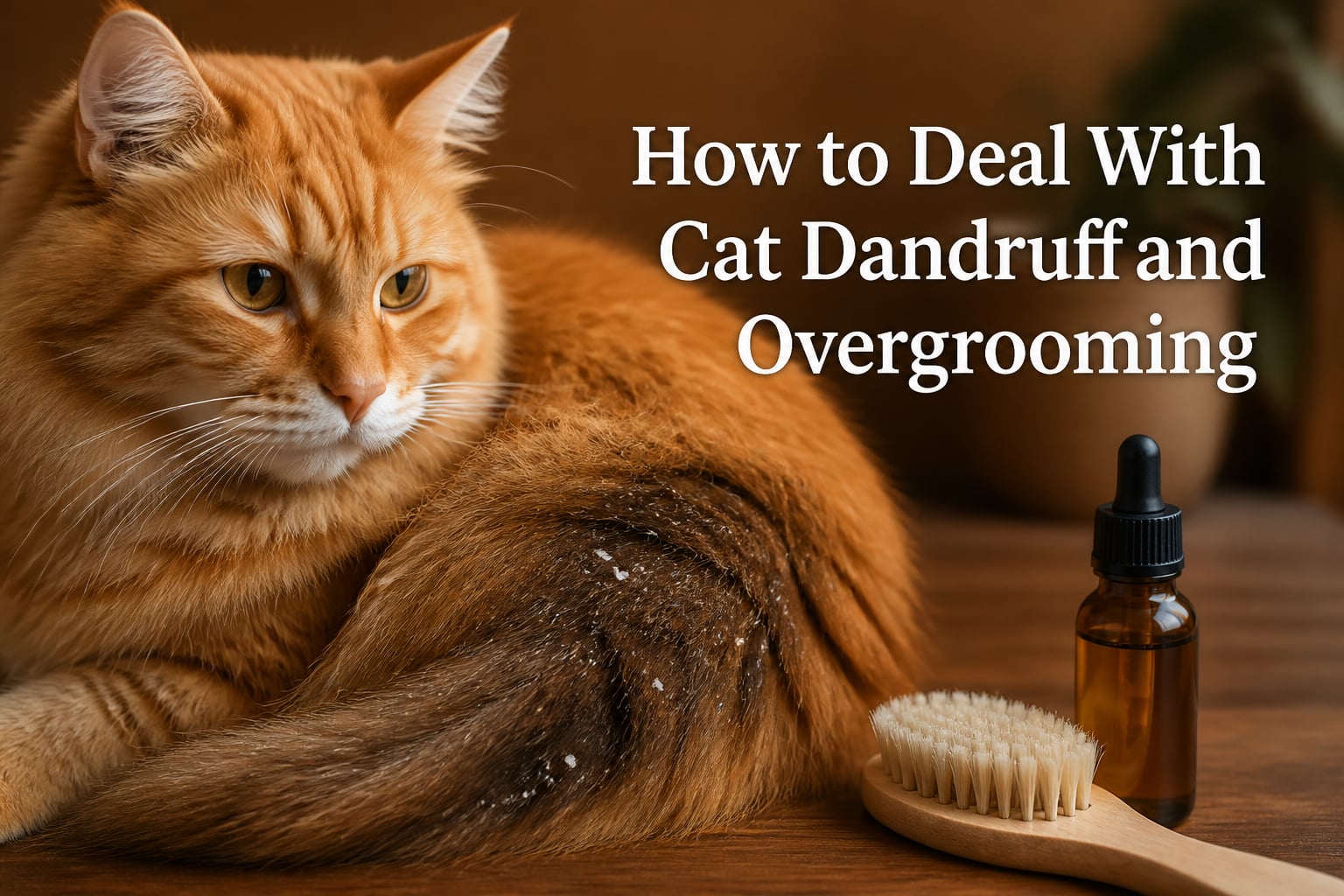
Seeing white flakes on your cat’s favorite sleeping spot or noticing a bald patch on their belly can stop you in your tracks. Cat dandruff and overgrooming are two of the most common skin and behavioral issues cat owners face, and they often show up together. The good news is that both are treatable once you understand what is causing them.
In this guide, we will walk through everything you need to know about how to deal with cat dandruff and overgrooming. You will learn what triggers these conditions, practical home remedies you can start today, and clear warning signs that mean it is time to call your veterinarian.
Whether your cat has a few flaky patches or has been licking their fur off in clumps, this article gives you a step-by-step action plan. We have pulled together insights from veterinary resources, real cat owner experiences from community forums, and proven treatment strategies that actually work.
Table of Contents
What Is Cat Dandruff?
Cat dandruff refers to small, white flakes of dead skin that accumulate in your cat’s fur. It happens when skin cells shed faster than normal, creating visible flakes that often collect along the back, near the base of the tail, and around the shoulders. Dandruff is not the same thing as dander, which is a common source of confusion.
Cat dander consists of microscopic skin particles that all cats shed naturally. It is so small you cannot see it, but it is what triggers allergies in humans. Dandruff, on the other hand, is visible to the naked eye and usually signals that something is irritating your cat’s skin.
You will most often notice dandruff on your cat’s lower back near the tail. This area is hard for cats to reach during grooming, so flakes tend to accumulate there. If you part the fur and see white, flaky skin underneath, your cat likely has dandruff.
What Is Cat Overgrooming?
Cat overgrooming happens when a cat licks, bites, or chews themselves far beyond what is needed to stay clean. Normal cats spend up to 30 to 50 percent of their waking hours grooming. Overgrooming goes beyond this, often creating thinning fur, bald patches, or even open wounds.
The medical term for stress-driven overgrooming is psychogenic alopecia. When a cat grooms excessively, the act releases endorphins that calm them. Over time, this can become a compulsive habit that persists even after the original trigger is gone. The cat essentially grooms to self-soothe, and the behavior reinforces itself.
Some breeds are more prone to overgrooming than others. Siamese, Abyssinian, and Himalayan cats have higher rates of compulsive grooming behaviors. These Oriental breeds tend to be more sensitive to environmental changes and stress, which makes them more vulnerable.
You can tell the difference between normal grooming and overgrooming by watching for specific signs. Symmetrical fur loss on the belly, inner thighs, or lower back is a hallmark of overgrooming. You may also see short, stubbly hairs where the cat has chewed off fur, or notice your cat grooming in a repetitive, trance-like pattern.
Common Causes of Cat Dandruff and Overgrooming
Both cat dandruff and overgrooming can have multiple overlapping causes. Sometimes dry skin triggers itching, which leads to overgrooming. Other times, a medical condition causes both problems at once. Understanding the root cause is the first step toward effective treatment.
Dry Air and Low Humidity
One of the most common causes of cat dandruff is simply dry air. Indoor heating during winter months dramatically lowers humidity levels in your home, which pulls moisture from your cat’s skin. Many cat owners on community forums report that their cat’s dandruff flares up every winter when the heat turns on.
If your cat’s dandruff appears seasonally, dry air is a likely culprit. The skin loses its natural moisture barrier, causing cells to flake off at a faster rate. Running a humidifier can make a noticeable difference, and multiple cat owners report this as one of the most effective and affordable fixes.
Poor Diet and Dehydration
Your cat’s skin and coat health depends heavily on nutrition. Diets low in essential fatty acids, particularly omega-3 and omega-6, can lead to dry, flaky skin. Cats that eat mostly dry food and drink little water are also at higher risk for skin problems, since chronic mild dehydration affects skin elasticity and moisture.
Cats are notoriously poor water drinkers. In the wild, they get most of their hydration from prey. Indoor cats fed a dry-only diet may be chronically underhydrated without showing obvious signs. Adding wet food to their diet or using a cat water fountain can significantly improve their fluid intake.
Parasites and Walking Dandruff (Cheyletiella)
If your cat’s dandruff seems to be moving, you might be dealing with walking dandruff, also known as cheyletiellosis. This condition is caused by Cheyletiella mites that live on the surface of the skin. The mites are large enough to see without magnification, and they create flaky, scaly skin that looks just like regular dandruff.
Walking dandruff is highly contagious between animals and can even temporarily affect humans. The mites cause itching, which can trigger overgrooming as your cat tries to relieve the irritation. If you suspect walking dandruff, you will see large, white flakes that appear to shift position on your cat’s skin over time.
Only a veterinarian can confirm cheyletiellosis by examining a skin scraping under a microscope. Treatment requires prescription medication, so this is not something you can treat at home. All pets in the household typically need treatment simultaneously because the mites spread so easily.
Allergies and Skin Infections
Flea allergies are one of the most common causes of intense itching in cats. A single flea bite can trigger a severe allergic reaction that lasts for weeks. The itching drives overgrooming, especially around the base of the tail and lower back. Food allergies and environmental allergies can also cause skin inflammation and dandruff.
Bacterial and fungal skin infections can develop secondarily when a cat’s skin barrier is compromised. Ringworm, a fungal infection, creates circular patches of hair loss with flaky, scaly skin. Bacterial infections often produce redness, pustules, and crusting that require veterinary treatment.
Stress, Anxiety, and Boredom
Stress is the number one behavioral cause of overgrooming in cats. Changes in routine, new pets or people in the home, moving to a new house, or even construction noise can trigger anxiety-driven grooming. Indoor cats are particularly vulnerable to stress from boredom and lack of stimulation.
What makes stress grooming so tricky is that the original trigger may not be obvious. Many cat owners report that their cat started overgrooming with no clear environmental change. Cats are masters at hiding distress, so the overgrooming itself may be the first sign that something is bothering them.
Forum discussions reveal that anxious cats can develop compulsive grooming even in stable, loving homes. The behavior becomes self-reinforcing through endorphin release, making it hard to break even after the stressor is removed. This is why addressing overgrooming often requires a combination of environmental changes and behavioral support.
Underlying Medical Conditions
Several medical conditions can cause both dandruff and overgrooming. Hyperthyroidism, common in older cats, increases metabolism and can lead to a poor, greasy coat with flaky skin. Diabetes can cause dehydration and skin problems. Arthritis or other sources of chronic pain can trigger overgrooming as cats lick the painful area for relief.
Autoimmune skin diseases and, rarely, cutaneous lymphoma can also present as scaly, flaky skin. These serious conditions require prompt veterinary diagnosis. If your cat is older and develops sudden skin changes, a thorough veterinary workup is essential to rule out systemic disease.
Home Remedies for Cat Dandruff
Many cases of cat dandruff can be improved at home with simple, affordable interventions. Here is a step-by-step approach to reducing flakes and restoring your cat’s skin health.
Step 1: Brush your cat regularly. Daily brushing distributes natural skin oils through the coat and removes loose flakes. For short-haired cats, use a rubber curry brush or fine-toothed flea comb. For long-haired cats, a wide-toothed comb followed by a pin brush helps prevent mats that trap dead skin. Focus extra attention on the lower back near the tail, where dandruff accumulates.
Step 2: Run a humidifier. Increasing the moisture in your home air directly hydrates your cat’s skin. Aim for indoor humidity between 40 and 50 percent. Multiple cat owners report that running a humidifier near their cat’s favorite sleeping area produced visible improvement in dandruff within two to three weeks.
Step 3: Add omega-3 fatty acids to their diet. Fish oil supplements rich in EPA and DHA support skin barrier function and reduce inflammation. Many cat owners on forums ask whether cod liver oil or fish oil is better for cat dandruff. Fish oil is generally recommended because it provides higher concentrations of the omega-3s most beneficial for skin, without excess vitamin A. Always check with your vet on dosing.
Step 4: Increase hydration. Switch some of your cat’s meals to wet food, or add warm water to dry kibble. A cat water fountain can encourage more drinking, since cats are drawn to moving water. Proper hydration keeps skin supple and less prone to flaking.
Step 5: Bathe only when necessary. Most cats do not need regular baths, and bathing can actually stress them enough to worsen dandruff. If your veterinarian recommends a medicated bath for a specific condition, use a cat-specific shampoo and follow instructions carefully. Never use human dandruff shampoo on cats, as the active ingredients can be toxic.
How to Stop Cat Overgrooming?
Stopping overgrooming requires patience and a multi-pronged approach. You need to address both the underlying cause and the behavioral habit. Here is what works.
Step 1: Identify and remove the trigger. Think carefully about any recent changes in your home. Did you get a new pet, move furniture, change your work schedule, or start a renovation? Even small disruptions can upset sensitive cats. If you can identify the trigger, removing or reducing it is your first priority.
Step 2: Use a calming pheromone diffuser. Multiple cat owners in forums recommend Feliway diffusers as a first-line intervention for stress grooming. These plug-in devices release synthetic facial pheromones that signal safety to cats. While they do not work for every cat, many owners report noticeable reduction in anxious grooming within a few weeks.
Step 3: Increase environmental enrichment. Bored indoor cats groom excessively simply because they have nothing else to do. Add interactive toys, puzzle feeders, vertical climbing spaces, and rotate activities daily. Aim for at least two 10-minute play sessions per day using wand toys or laser pointers. A tired, engaged cat grooms less.
Step 4: Maintain a consistent routine. Cats thrive on predictability. Feed at the same times each day, keep litter boxes in the same location, and avoid rearranging furniture frequently. If you travel or have guests, try to keep your cat’s core routine intact.
Step 5: Consider a physical barrier temporarily. If your cat has created open wounds from grooming, a soft recovery cone or donut collar can physically prevent licking while the skin heals. Introduce it gradually to avoid adding more stress. Some owners find donut-style collars less stressful than traditional cones. Never use a cone as a long-term solution without addressing the underlying cause.
Step 6: Ask your vet about anxiety medication. If environmental changes and calming products are not enough, medication may be appropriate. For cats with severe compulsive grooming, drugs like fluoxetine or gabapentin can break the cycle. Many owners feel hesitant about medication, but it can dramatically improve quality of life. Talk to your veterinarian about whether it is the right choice for your cat.
How long does it take for fur to grow back after overgrooming? This is one of the most common questions in cat care forums. In most cases, fur begins regrowing within 4 to 8 weeks after the grooming stops. Full regrowth can take 3 to 6 months depending on coat length and whether the hair follicles are damaged. If follicles have been scarred from chronic grooming, some patches may never fully regrow.
When to See a Veterinarian
Knowing when to stop home treatment and see your veterinarian can save your cat from prolonged discomfort. Some skin issues look minor but signal serious underlying conditions. Here is how to tell the difference.
Schedule a vet visit if you notice any of these warning signs:
Dandruff is severe, spreading rapidly, or getting worse despite home treatment
The flakes appear oily, have a foul odor, or look yellowish rather than white
Your cat has open wounds, red and inflamed skin, or bleeding from overgrooming
Fur loss is sudden, patchy, or accompanied by weight loss, increased thirst, or behavioral changes
You suspect fleas, mites, or ringworm, which require prescription treatment
Overgrooming has been ongoing for more than 2 to 3 weeks despite environmental changes
Your cat is older and develops new skin issues, which could indicate thyroid disease or diabetes
Normal signs that may not need an immediate vet visit:
A few flakes during winter when indoor air is dry
Mild seasonal shedding with minor flaking
Brief grooming increase after a minor routine change that resolves in a few days
The cost of a vet visit is a real concern for many cat owners, and this comes up frequently in forum discussions. If cost is a barrier, many veterinary clinics offer payment plans, and some areas have low-cost clinics. Keep in mind that early treatment is almost always less expensive than treating an advanced skin infection or a chronic behavioral problem.
Be prepared for the possibility that your vet may not find an obvious cause right away. Skin and behavioral issues can require trial and error. Your vet may start with a skin scraping, flea comb test, blood work for thyroid function, or a food trial for allergies. This process takes time, but it is the most reliable path to a real solution.
Prevention Tips for Healthy Skin and Coat
Preventing cat dandruff and overgrooming is easier than treating them. Building good daily and weekly habits goes a long way toward keeping your cat’s skin and coat in excellent condition.
Groom your cat based on coat type. Short-haired cats benefit from a quick brush two to three times per week with a rubber curry brush or soft bristle brush. Long-haired cats need daily combing with a wide-toothed comb to prevent mats, which trap dead skin and oil against the surface. For cats that hate brushing, start with short sessions and offer treats to build positive associations.
Feed a skin-supporting diet. Look for cat foods that include high-quality protein sources and added omega-3 and omega-6 fatty acids. Fish-based formulas and foods supplemented with salmon oil are particularly good for coat health. If you feed primarily dry food, consider adding a spoonful of wet food daily to boost hydration.
Manage your home environment. Keep indoor humidity between 40 and 50 percent, especially during heating season. Avoid bathing your cat unless a veterinarian recommends it. Use flea prevention year-round, since flea allergy dermatitis is one of the most common and preventable causes of skin problems.
Reduce stress proactively. Provide climbing spaces, hiding spots, and daily interactive play. Maintain a consistent feeding and play routine. If you know a change is coming, such as a move or new pet, introduce calming products like pheromone diffusers beforehand rather than waiting for problems to develop.
Watch for seasonal changes. Many cats develop dandruff in winter when indoor heating dries the air, and some shed more heavily in spring and fall. Adjusting humidity, grooming frequency, and omega-3 supplementation seasonally can prevent flare-ups before they start.
Frequently Asked Questions
How do I get dandruff off my cat’s fur?
Brush your cat daily with a fine-toothed comb or rubber curry brush to remove flakes and distribute natural skin oils. Focus on the lower back near the tail, where dandruff accumulates. Run a humidifier, add omega-3 supplements to their diet, and increase hydration with wet food. If dandruff persists after 2 to 3 weeks of home care, consult your veterinarian.
How do you treat overgrooming in cats?
First identify and remove the underlying trigger, whether it is stress, pain, fleas, or allergies. Use calming pheromone diffusers like Feliway, increase environmental enrichment with daily play sessions, and maintain a consistent routine. For cats with open wounds, a soft recovery collar can prevent further licking. If overgrooming continues beyond 2 to 3 weeks, ask your vet about anxiety medication or allergy testing.
What can I put on my cat’s fur to stop licking?
A soft recovery cone or donut collar physically prevents your cat from reaching the area being overgroomed. Introduce it gradually with treats to avoid adding stress. Bitter apple spray applied to the fur may deter some cats from licking, though results vary. Never use human anti-chew products on cats. For a long-term solution, address the underlying cause of the licking rather than relying on barriers alone.
Why does my cat have so much dandruff all of a sudden?
Sudden dandruff is most commonly caused by dry indoor air from heating, a change in diet, fleas or mites (including walking dandruff), or an underlying condition like hyperthyroidism or allergies. Check for fleas first, evaluate whether your home humidity has dropped, and review any recent diet changes. If dandruff appeared suddenly and does not improve within a week or two of home care, schedule a veterinary exam to rule out parasites or medical conditions.
Conclusion
Dealing with cat dandruff and overgrooming can feel overwhelming, especially when you love your cat and want them comfortable. The key is to approach both issues methodically: identify the cause, start with simple home interventions, and seek veterinary help when things do not improve within a couple of weeks.
For dandruff, start with regular brushing, a humidifier, omega-3 supplementation, and better hydration. For overgrooming, focus on reducing stress, increasing enrichment, and using calming products while you work to identify the trigger. Both conditions often improve significantly within a few weeks of consistent, targeted care.
Remember that cat dandruff and overgrooming are common problems, and they are not a reflection of your care as an owner. Many cats develop these issues at some point in their lives. With patience, the right information, and your veterinarian’s guidance, your cat can get back to a healthy, comfortable, flake-free coat.
If you take away one thing from this guide, let it be this: do not wait. Small skin issues can become chronic problems if left alone. Start a grooming routine today, check your home humidity, and schedule a vet visit if you see warning signs. Your cat will thank you for it.