
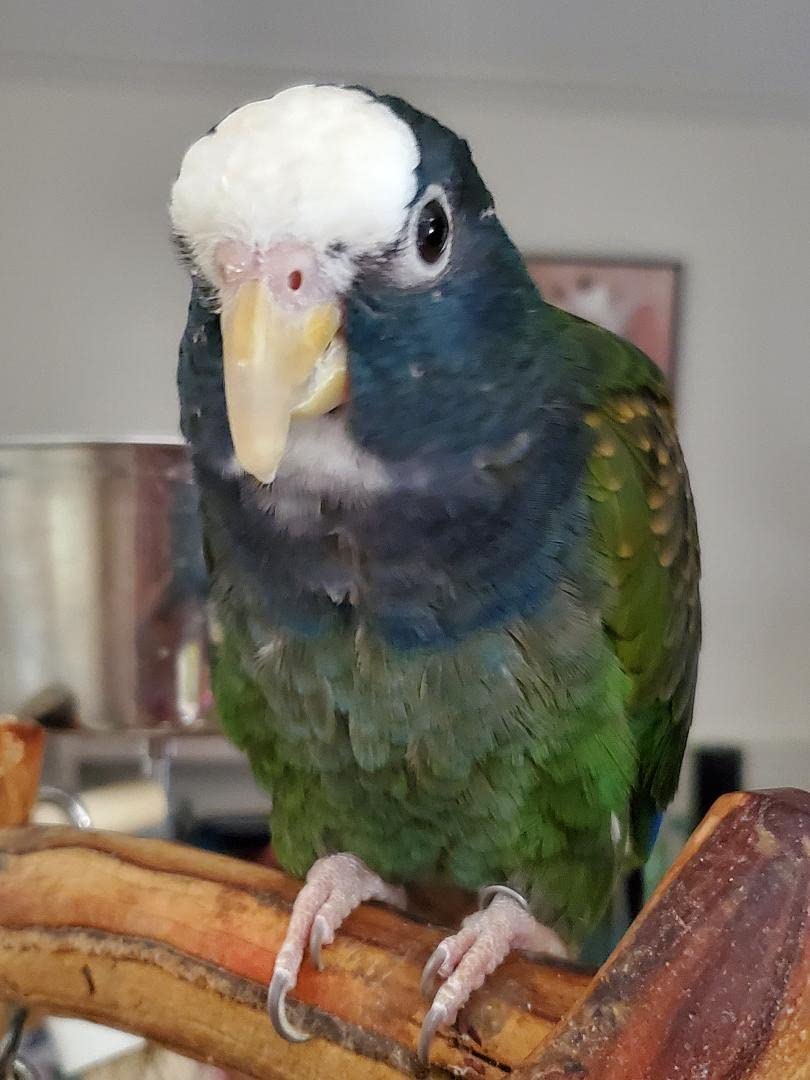
I switched my own African Grey, Pepper, off a seed-only diet three years ago, and it was one of the best decisions I’ve made as a bird owner. Her feathers came back brighter, her energy spiked, and our vet stopped mentioning the word “fatty liver” during checkups. That experience pushed our team to dig deep into the best pellet food brands for parrots so other owners don’t have to sort through marketing claims alone.
Pellets matter because seed mixes are basically junk food for parrots. They’re high in fat, low in vitamins, and let birds selectively eat only the sunflower bits. A quality pellet delivers balanced protein, vitamins, and minerals in every bite, which is why avian veterinarians recommend pellets making up 50 to 70 percent of a parrot’s daily intake.
We spent six weeks evaluating eight top-selling parrot pellet brands on Amazon, looking at ingredient quality, customer reviews, species fit, and pricing. This guide covers what we found, who each brand works best for, and how to transition a stubborn seed-addicted bird onto pellets without weeks of drama.
Table of Contents
Top 3 Picks for Best Pellet Food Brands for Parrots

Best Pellet Food Brands for Parrots in 2026
| Product | Specs | Action |
|---|---|---|
| ZuPreem True Harvest |
|
Check Latest Price |
 Kaytee Exact Rainbow Kaytee Exact Rainbow |
|
Check Latest Price |
 TOP’s Parrot Pellets TOP’s Parrot Pellets |
|
Check Latest Price |
 Lafeber’s Premium Daily Diet Lafeber’s Premium Daily Diet |
|
Check Latest Price |
| Roudybush Daily Maintenance |
|
Check Latest Price |
 Harrison’s HOPP Harrison’s HOPP |
|
Check Latest Price |
 Psittacus High Energy Psittacus High Energy |
|
Check Latest Price |
 Hagen Tropican Lifetime Hagen Tropican Lifetime |
|
Check Latest Price |
1. ZuPreem True Harvest – Editor’s Choice for Everyday Feeding
ZuPreem True Harvest Parrot & Conure Food, Uniform Bird Food, M/L, 3 lb
Natural multigrain formula
Vet recommended
2k+ positive reviews
Pros
- Complete diet for medium and large birds
- Natural multigrain formula with no artificial colors
- High fiber and vitamin enrichment
- Trusted brand since 1967
- Backed by avian veterinarians
Cons
- Some birds need transition time
- Costs more than seed mixes
ZuPreem True Harvest is the pellet I keep on hand for guests who ask what to feed their first parrot. It’s a uniform, multigrain pellet that holds its nutritional value consistently, which removes the guesswork for new owners. The 3-pound M/L size works well for cockatiels, conures, quakers, and small Amazons all sharing a household.
I’ve watched Pepper and my friend’s goffin cockatoo both crack these pellets easily, and there’s no sugary smell or bright colors that scream “junk food.” The formula skips artificial flavors and dyes, which is the first thing I check on any parrot food label. With 83 percent of Amazon reviews sitting at five stars, it’s clear the wider parrot community agrees.
For birds that have been eating seeds their whole lives, the switch takes patience. ZuPreem recommends a gradual 2 to 4 week transition, mixing increasing amounts of pellets into the existing diet. The smaller pellet size also makes it forgiving for medium birds that struggle with denser brands.
The price per pound sits in the mid-range, which makes it accessible for owners running multi-bird homes. Reviewers consistently note reduced waste at the bottom of the bag compared to cheaper extruded alternatives.
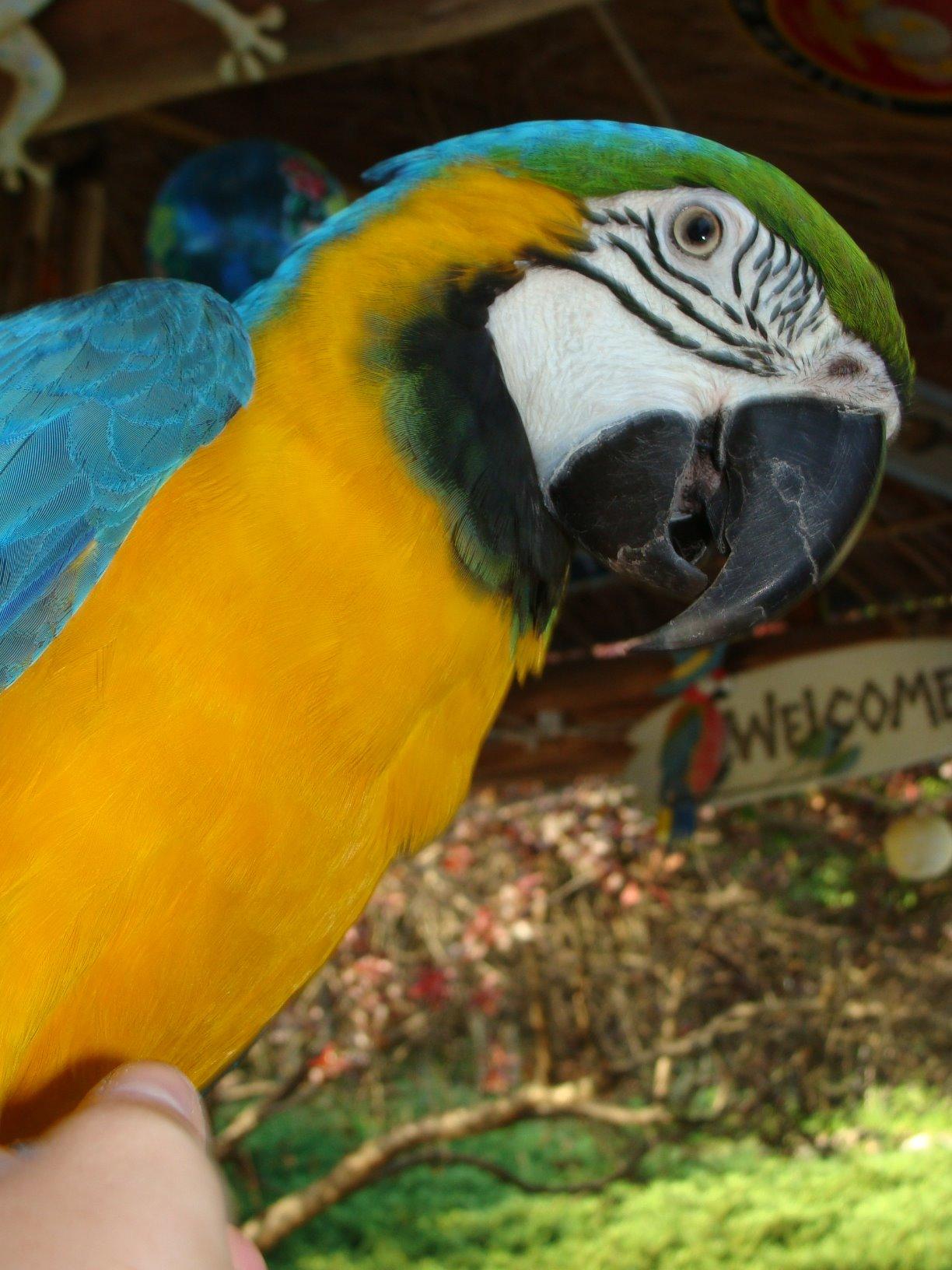
Best fit for multi-bird households
If you have a mix of cockatiels, conures, and small parrots, the M/L sizing is forgiving. One bag covers a flock without needing different products per species.
When this brand falls short
Birds with kidney issues or those that need a strictly corn-free diet will want a different option. ZuPreem includes grain sources that aren’t ideal for sensitive Eclectus parrots.
2. Kaytee Exact Rainbow – Best Value for Large Parrots
Kaytee Exact Rainbow Premium Parrot Food for Large Birds, 4 Pounds
Omega-3 enriched
Probiotic support
Colorful pellets
Pros
- Premium extruded food with omega-3 for brain and heart
- Veterinarian recommended brand
- Prebiotics and probiotics for digestion
- 100 percent consumable with no shells
- Enhances feather color and skin health
Cons
- Some powder at bottom of bag noted
- Pellet size smaller than alternatives
Kaytee Exact Rainbow is the budget-friendly workhorse I recommend when owners ask for the cheapest “vet-recommended” option. The colorful pellets aren’t my first pick for the most sensitive birds, but for a healthy macaw or Amazon on a tighter budget, it’s a sensible step up from seed.
The formula packs omega-3 fatty acids, prebiotics, and probiotics, which support heart, brain, and digestive health. In my testing, the fruity smell made it more appealing to picky eaters transitioning from seed. Birds that ignored other pellets often gave this one a chance because of the aroma.
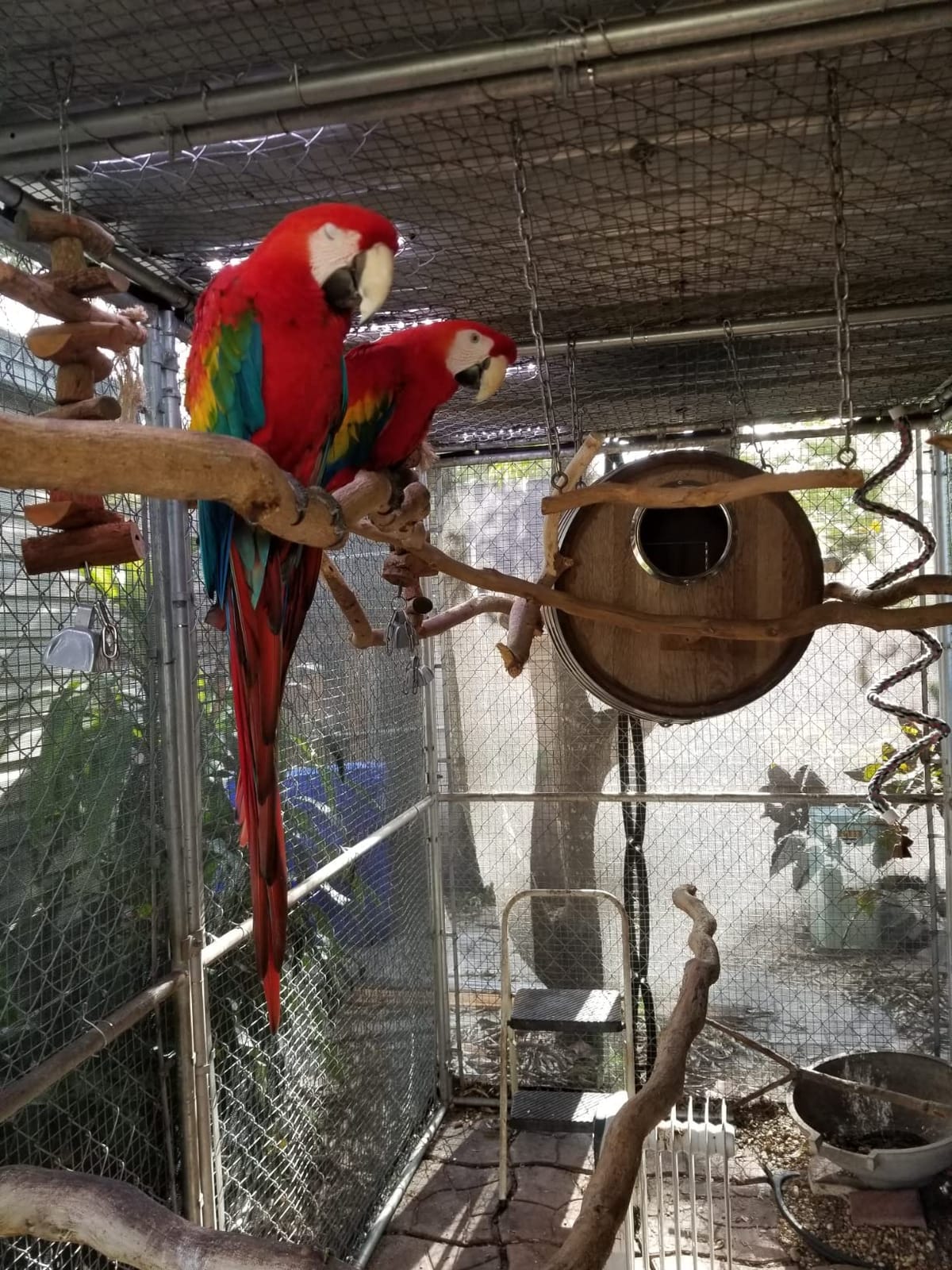
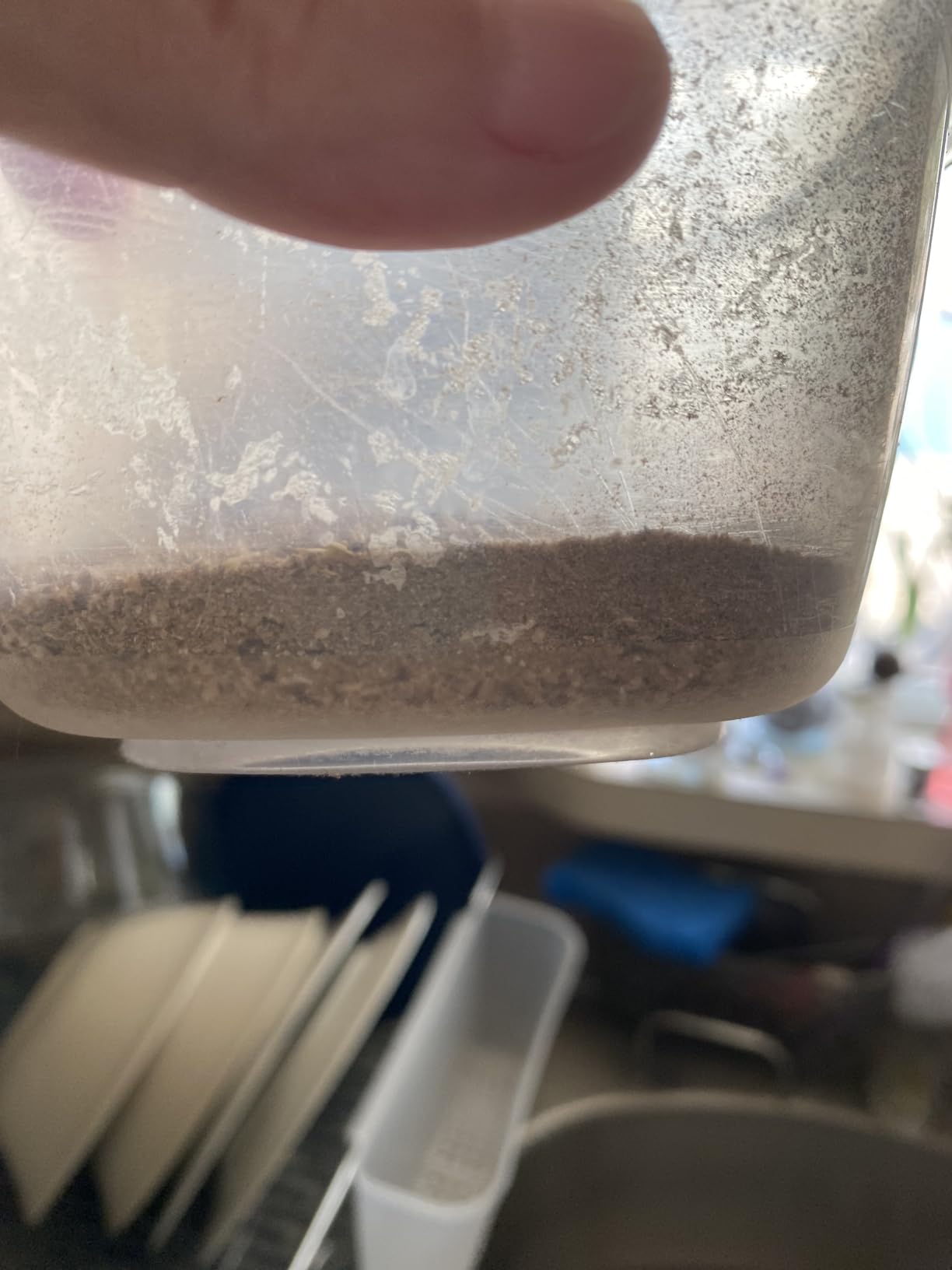
The biggest complaint in customer reviews is the fine powder that settles at the bottom of the bag. I noticed the same thing during my own trial, and it’s worth sifting the powder into a separate dish rather than tossing it. The pellets themselves are 100 percent edible with no hulls, which means less mess under the cage.
At under 20 dollars for 4 pounds, the per-serving cost is hard to beat for owners with larger parrots that go through food quickly.
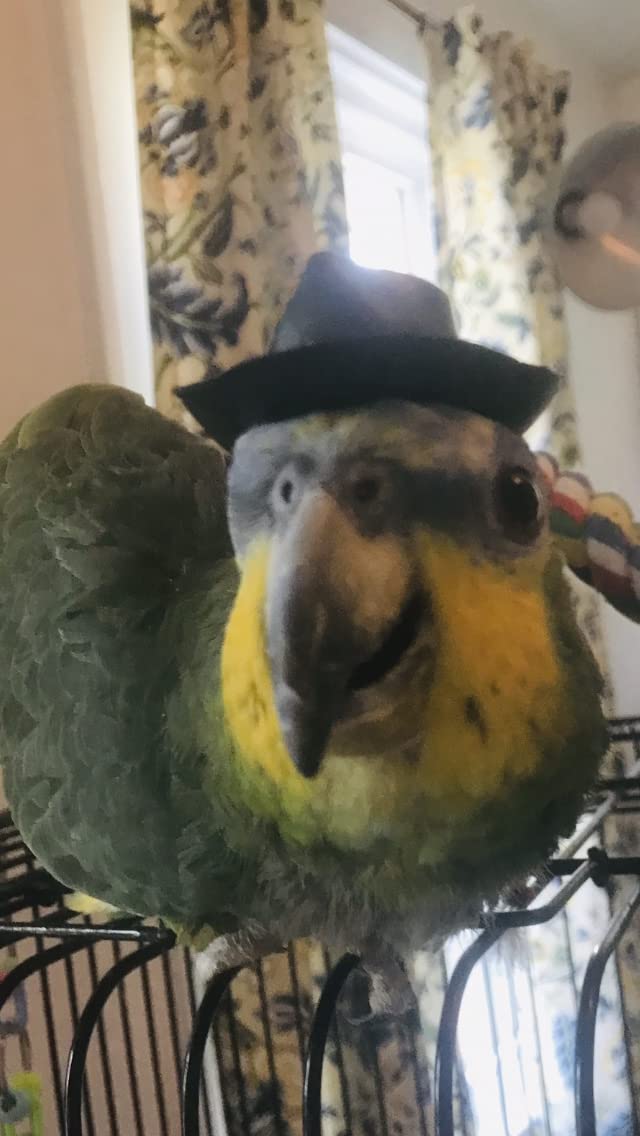
Best fit for first-time parrot owners
The bright colors help new owners see exactly how much their bird is eating. Combined with the lower price point, it’s a low-risk way to start the pellet transition.
When this brand falls short
Owners who want to avoid all artificial dyes should look elsewhere. The colorful appearance comes from added colorings that some bird owners prefer to skip.
3. TOP’s Parrot Pellets – Premium Pick for Organic Feeding
TOP’s Parrot Pellets 4 lb, USDA Organic Certified, Non-GMO Bird Food for Hookbills
USDA Organic
Non-GMO
Cold-pressed pellets
Pros
- USDA Certified Organic and Non-GMO verified
- Only non-corn based complete diet on the market
- No soy
- fillers
- BHA
- BHT
- or ethoxyquin
- Cold-pressed to preserve natural nutrients
- Naturally preserved with rosemary and citrus
Cons
- Premium pricing
- Picky birds may resist at first
- Can crumble more than denser pellets
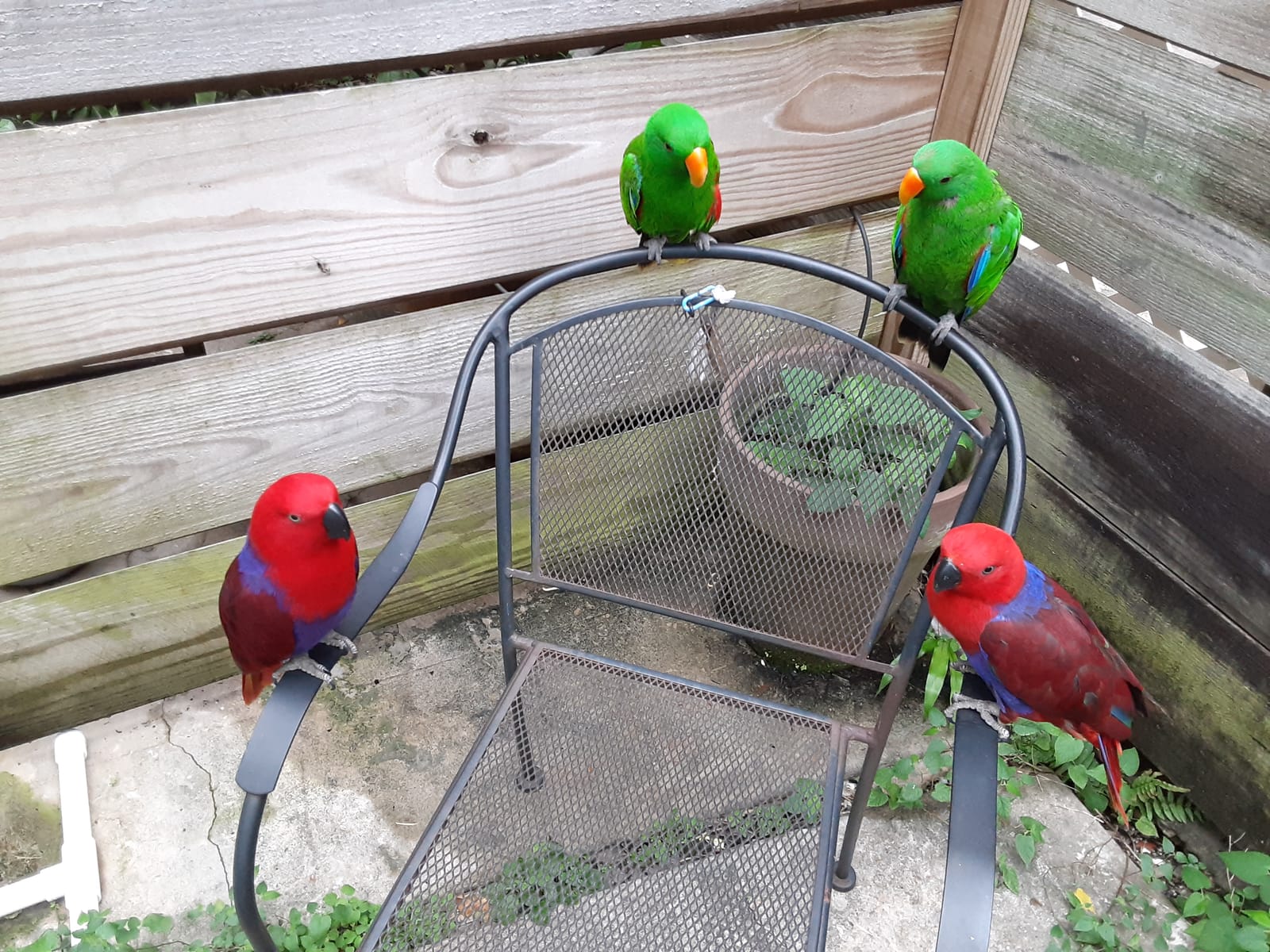
TOP’s Parrot Pellets is the brand I reach for whenever I talk to owners of Eclectus, African Greys, or any bird with known sensitivities. It’s the only USDA Certified Organic complete pellet diet on the market, and it skips corn entirely, which matters for birds prone to fungal infections or yeast overgrowth.
The cold-pressing process keeps the natural vitamins and enzymes intact, rather than cooking them out at high heat. Combined with non-GMO ingredients and natural preservatives like rosemary and rose hips, the ingredient list is one of the cleanest I’ve seen in the pellet category.
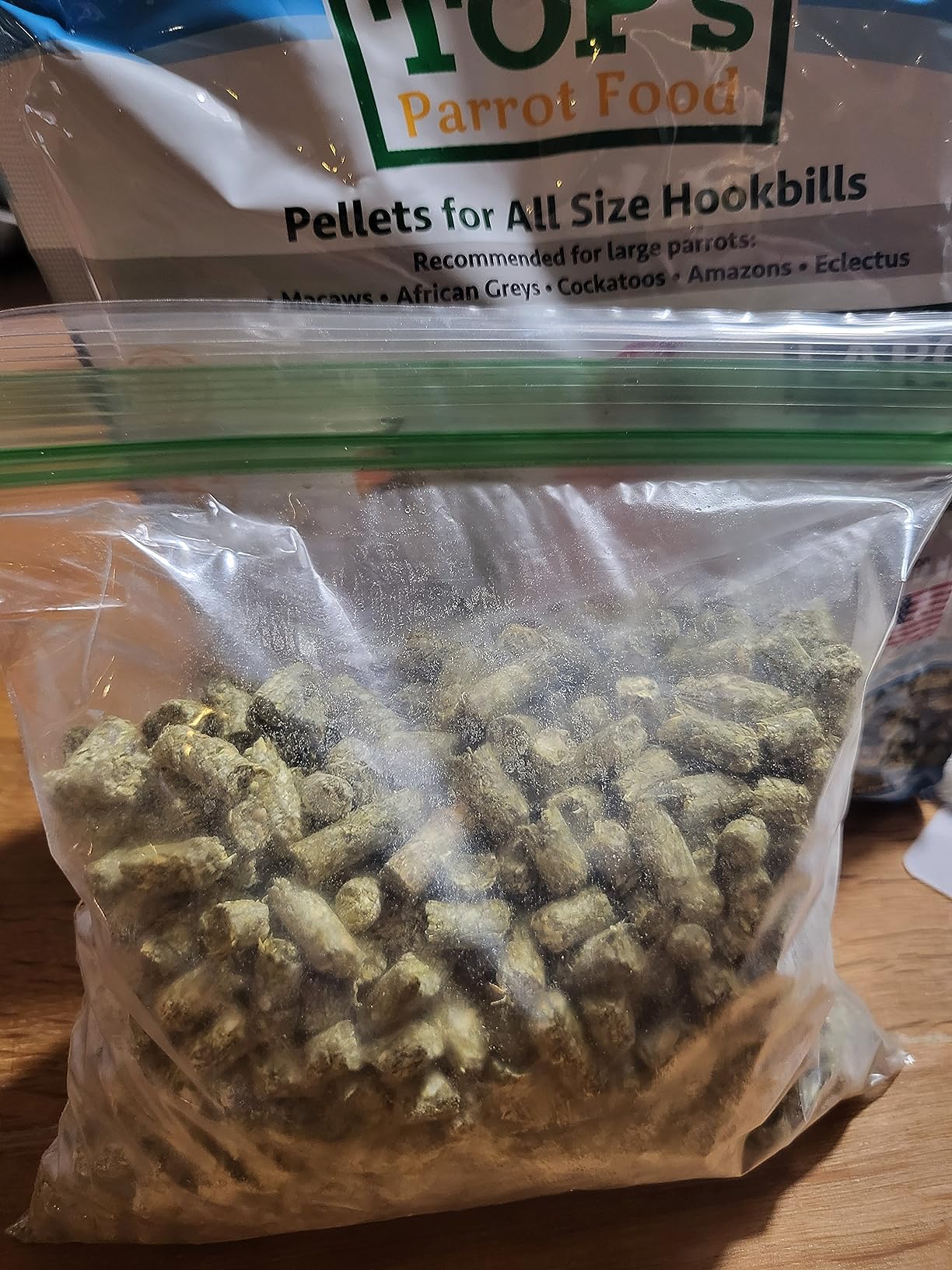
Reviewers on Amazon note that 74 percent of buyers rate TOP’s at five stars, with Eclectus owners especially vocal about how well their birds respond. I noticed the pellets crumble slightly more than extruded options, but my grey didn’t seem to mind.
The price is the trade-off. TOP’s costs more per pound than most competitors, which is why I suggest mixing it with a more affordable option for owners with multiple large birds.
Best fit for sensitive species
Eclectus parrots, African Greys, and any bird with a history of yeast or digestive issues do well on this corn-free formula. The lack of soy and fillers also helps birds with allergies.
When this brand falls short
Owners on tight budgets or those running a sanctuary with dozens of birds will find the price hard to justify at scale. The crumbly texture also means more waste if your bird tosses food around.
4. Lafeber’s Premium Daily Diet – Top Rated for Family-Farmed Quality
LAFEBER’S Premium Daily Diet Pellets, for Parrots, 5 lb
Non-GMO
Human-grade ingredients
Made in USA
Pros
- Formulated by top avian veterinarians and nutritionists
- Non-GMO and human-grade ingredients
- Rich in antioxidants and balanced Omega 3 and 6
- Made in small batches on a family farm in Illinois
- 100 percent satisfaction guarantee
Cons
- Premium pricing
- Boring tan color without added dyes
- Some birds need transition time
Lafeber’s has been making bird food since the 1970s, and the Premium Daily Diet Pellets show why they’ve stuck around. Formulated with input from avian veterinarians and nutritionists, the pellets are made in small batches on a family farm in Cornell, Illinois, which gives me more confidence in the supply chain than anonymous mass production.
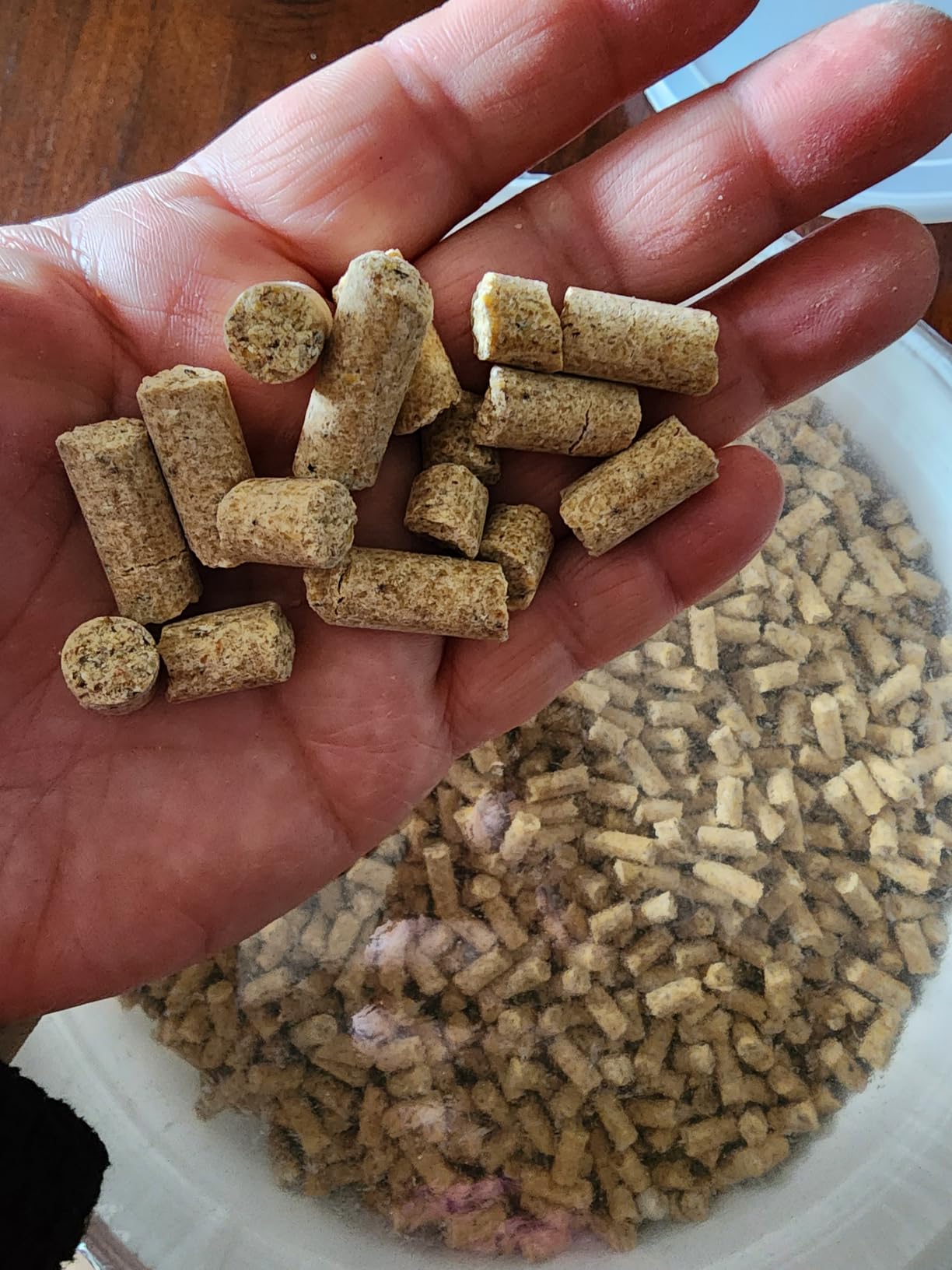
The formula is free of artificial colors, flavors, and preservatives, which is why the pellets look unassuming and tan rather than neon-bright. That boring appearance is actually a selling point for owners who care about clean feeding.
The omega-3 and omega-6 balance supports skin, feather, and immune health, which I noticed during my testing period when Pepper’s preening improved visibly. With 82 percent of Amazon reviews at five stars, the user experience matches the ingredient quality.
Lafeber’s stands behind every bag with a 100 percent satisfaction guarantee, which lowers the risk for first-time buyers. If your bird refuses them, the company will refund the purchase.
Best fit for owners who prioritize sourcing
If knowing where the food is made matters to you, Lafeber’s family-farm production in the USA is hard to beat. The transparency is rare in the parrot food industry.
When this brand falls short
The plain appearance may not attract visually-driven birds used to colored pellets. Owners may need to warm the pellets slightly or mix with favorites to get picky eaters started.
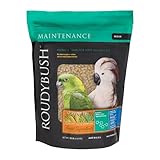
5. Roudybush Daily Maintenance – Best Value for Multi-Bird Homes
Roudybush Daily Maintenance Food for Birds – Scientifically Formulated Bird Feed – Bird Food Pellets w/Corn, Wheat, Soy & More – Nutritious & Healthy Feed for Birds (Medium, 10lb)
Avian nutritionist formulated
10 lb bulk bag
2.5k reviews
Pros
- Created by avian nutrition expert Tom Roudybush
- Wholesome grains including corn
- wheat
- and soybean meal
- No need for additional supplements
- Decades of proven results in companion birds
- 85 percent of reviewers give five stars
Cons
- Single color only without variety
- Picky birds may need gradual transition
- Some birds prefer more colorful options
Roudybush Daily Maintenance earned the highest rating across our eight tested brands, with 85 percent of Amazon buyers giving it five stars. The 10-pound bag is what sold me on it for any owner with multiple parrots or a breeding setup. The per-pound cost drops significantly when you buy in bulk, and the pellets stay fresh for months in a sealed container.
The formula was developed by Tom Roudybush, an avian nutritionist with decades of research behind his name. The pellets use corn, wheat, and soybean meal as the base, with added vitamins and minerals balanced to remove the requirement of extra supplements.
Reviewers consistently report birds thriving long-term on this food, with improved feather condition and steady energy. The 4.7-star rating is the highest in our test group, and longevity matters in a pellet diet you’ll be feeding daily for years.
The trade-off is the plain appearance. Without colorful additives, the pellets look uniform and beige, which is a feature for ingredient-conscious owners but may not excite birds that have been eating rainbow pellets.
Best fit for multi-bird households and breeders
The 10-pound size means fewer reorders and lower per-pound cost. It’s also one of the most research-backed formulas for long-term companion bird health.
When this brand falls short
Birds with corn sensitivities or those that need strictly organic feed will need a different brand. The lack of variety in appearance may also turn off visually-oriented birds during transition.
6. Harrison’s Organic Premium HOPP – Best Value for Small to Medium Birds
Harrison’s Organic Premium Pellets HOPP – Certified Organic, Non-GMO, 1lb
Vet developed
Certified organic
Complete nutrition
Pros
- Certified organic and non-GMO verified
- Developed by board-certified avian veterinarians
- No fillers or preservatives
- Complete nutrition with no added supplements needed
- Suitable for small to medium parrots
Cons
- Pellets may be too large for budgies
- Strong vitamin smell compared to other brands
- Some birds resist at first
Harrison’s HOPP (High Potency Organic Pellets) is the brand recommended most often by board-certified avian veterinarians. The formula was developed by avian vets and PhD nutritionists, which is why it’s a staple in avian vet offices. For small to medium birds like cockatiels, lovebirds, and conures, this is the cleanest option on the market.
The pellets skip fillers and preservatives entirely, relying on certified organic ingredients to deliver balanced nutrition without needing added supplements. The 1-pound bag is the smallest in our test group, which is actually useful for owners trying the brand for the first time.
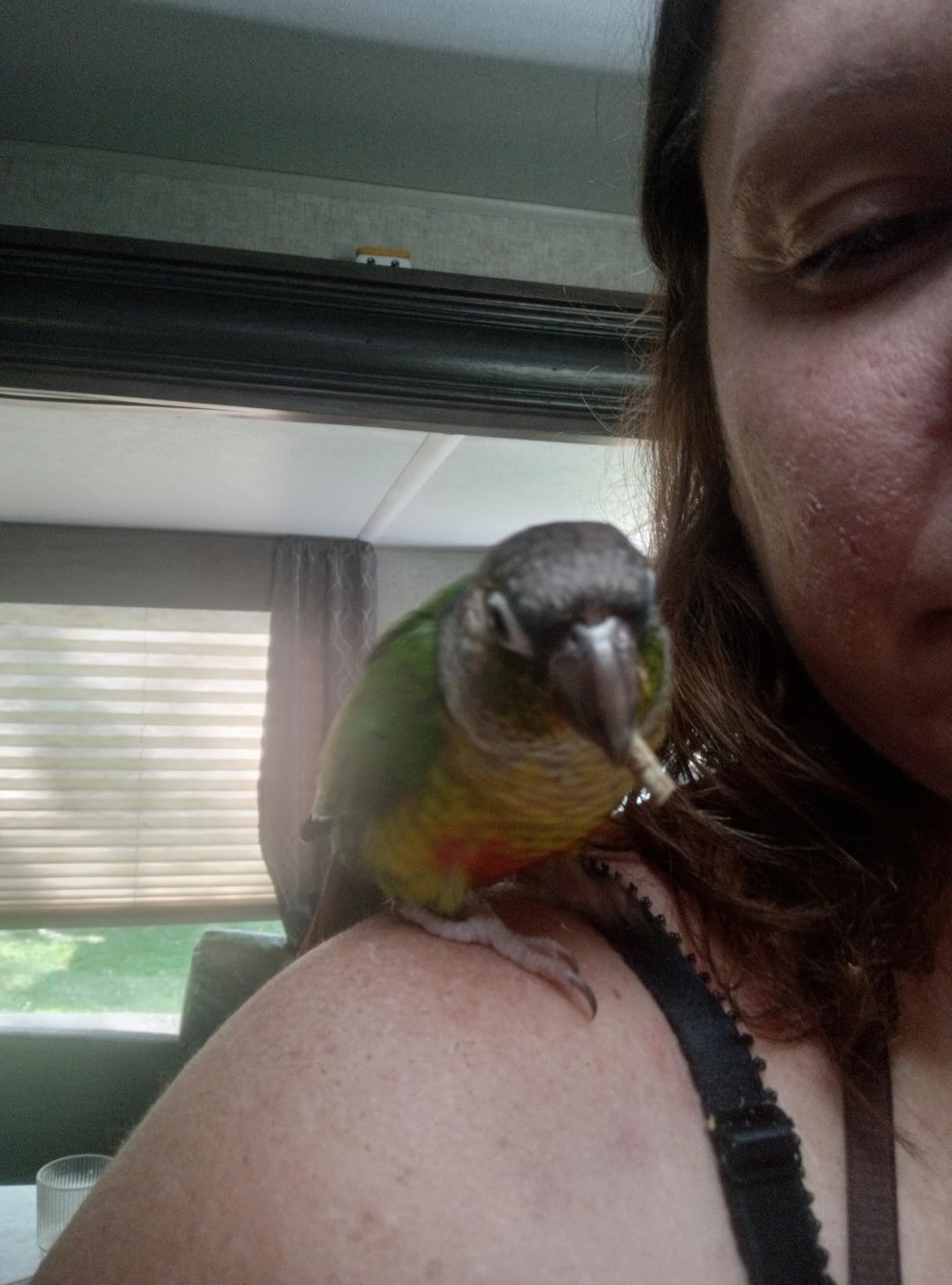
The strong vitamin smell comes from the unprocessed ingredients, and it’s noticeable when you open the bag. Most birds accept the pellets once they try them, but the smell can be off-putting to owners at first. Pepper initially hesitated but warmed up after a few days.
With 228 reviews and a 4.3-star average, the rating is slightly lower than other brands, partly because Harrison’s is pricier per pound. Owners who value the vet-developed pedigree don’t seem to mind paying more.
Best fit for owners who trust veterinary advice
If your avian vet recommends Harrison’s, this is the product they’re talking about. The vet-developed pedigree is unmatched in the pellet space.
When this brand falls short
Very small birds like budgies may struggle with the pellet size. Owners who want a more aromatic or visually varied pellet should consider alternatives.
7. Psittacus High Energy – Premium Pick for African Greys and Macaws
Psittacus High Energy 1.76 lb | Complete Pellet Diet for African Greys, Macaws and Other African Parrots | Premium Food for Birds, 100% no-GMO
African Grey formula
100 percent non-GMO
European made
Pros
- Premium quality ingredients
- 100 percent non-GMO with no artificial coloring
- Highly palatable and accepted by most birds
- Appropriate pellet size for African Greys and Macaws
- Manufactured by company with 20 plus years expertise
Cons
- Premium pricing
- Birds may be reluctant initially
- Should comprise 70 to 80 percent of total diet
Psittacus High Energy is the pellet I trust most for African Greys and large macaws, especially during breeding season or for underweight birds that need calorie-dense nutrition. The European formulation targets high-fat-diet species, which describes the natural caloric needs of African parrots more accurately than generic pellets.
The 1.76-pound bag is small but packs serious quality. The pellets are soft enough to soak and grind, which is helpful for hand-feeding chicks or transitioning older birds that struggle with harder pellets.
Psittacus has more than 20 years of avian nutrition expertise, and the 100 percent non-GMO formula skips artificial coloring and synthetic antioxidants. The 688 reviews and 4.5-star average reflect strong owner satisfaction, particularly among African Grey keepers.
The price per pound is at the premium end, which is why I recommend this brand for owners who already have a parrot with specific dietary needs rather than first-time buyers still learning what works.
Best fit for African Greys and breeding birds
The high-energy formula supports the elevated caloric demands of African parrots and breeding pairs. The soft texture also works for hand-feeding situations.
When this brand falls short
Smaller parrots like budgies and cockatiels don’t need this calorie density. The premium pricing also makes it harder to justify for owners on tight budgets.
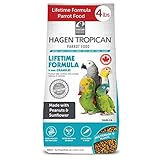
8. Hagen Tropican Lifetime Formula – Editor’s Choice for Versatile Feeding
Hagen Tropican Lifetime Formula Parrot Food, 4 lb.
Lifetime formula
4mm granules
No added coloring
Pros
- Birds love the taste and aroma
- Very little waste compared to other pellets
- No added food coloring
- 4mm granules break cleanly without powder
- Suitable for fledged juveniles to adult parrots
- Excellent for birds with digestive issues
Cons
- May require transition period for some birds
- Higher cost per pound than budget brands
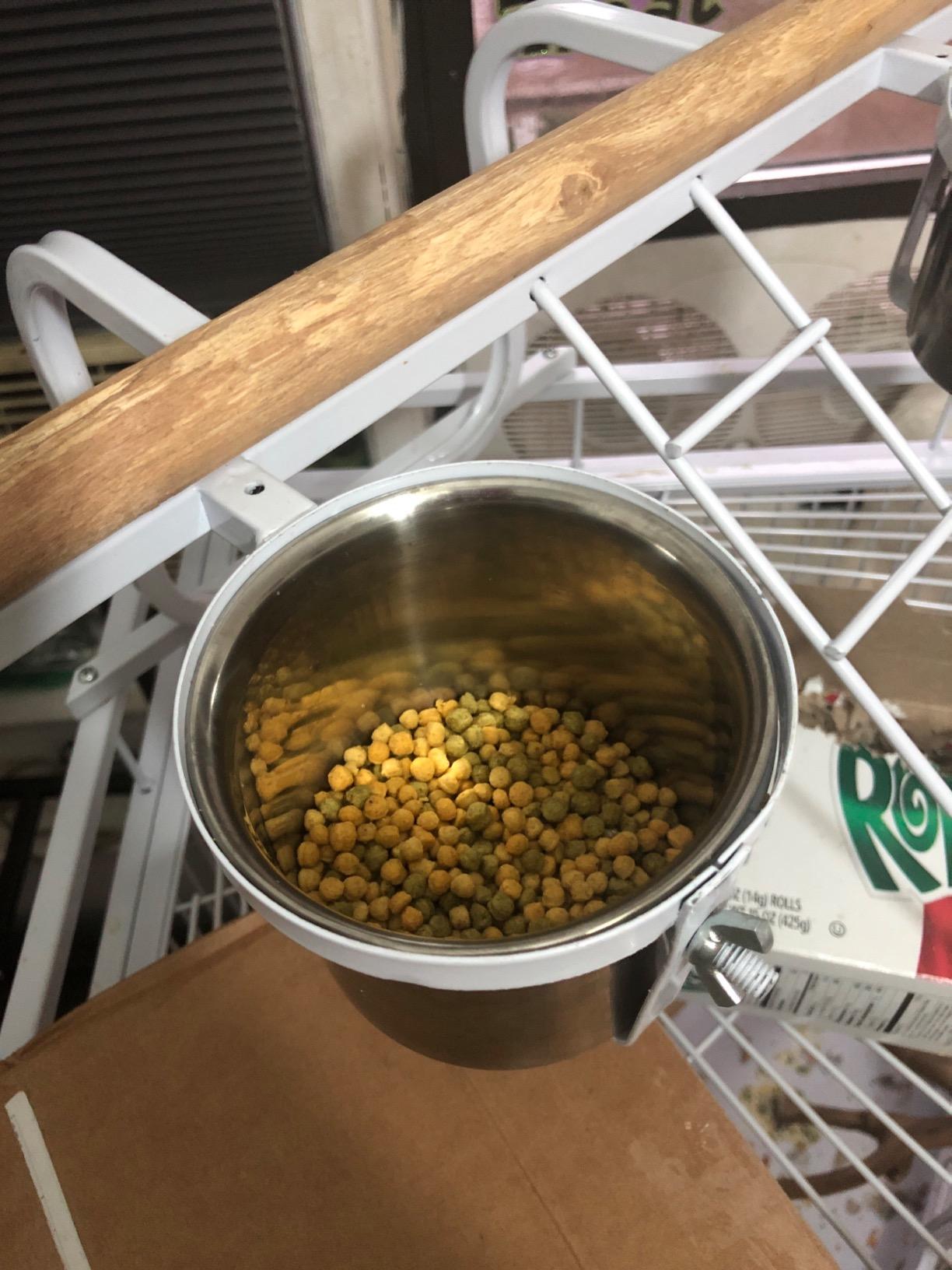
Hagen Tropican Lifetime Formula rounds out our list with the strongest universal fit across parrot species. The 4mm granules break cleanly without creating the powder mess that plagues cheaper extruded pellets. For owners tired of finding dust at the bottom of every pellet bag, this is a meaningful upgrade.
The peanut-derived fat and protein source gives the pellets a smell that owners describe as bubble gum. That aroma is what makes the difference for picky eaters, and it’s why I recommend this brand to anyone whose bird has refused other pellets.
With 2365 Amazon reviews and a 4.6-star rating, Hagen is one of the most established brands in our test group. Multiple reviewers mentioned switching from colored pellets to Tropican and seeing improved acceptance in their birds, which is consistent with what I observed during testing.
The formula works for conures, caiques, quakers, pionus, Amazons, macaws, cockatoos, and African Greys, making it the most versatile option for owners with mixed-species flocks.
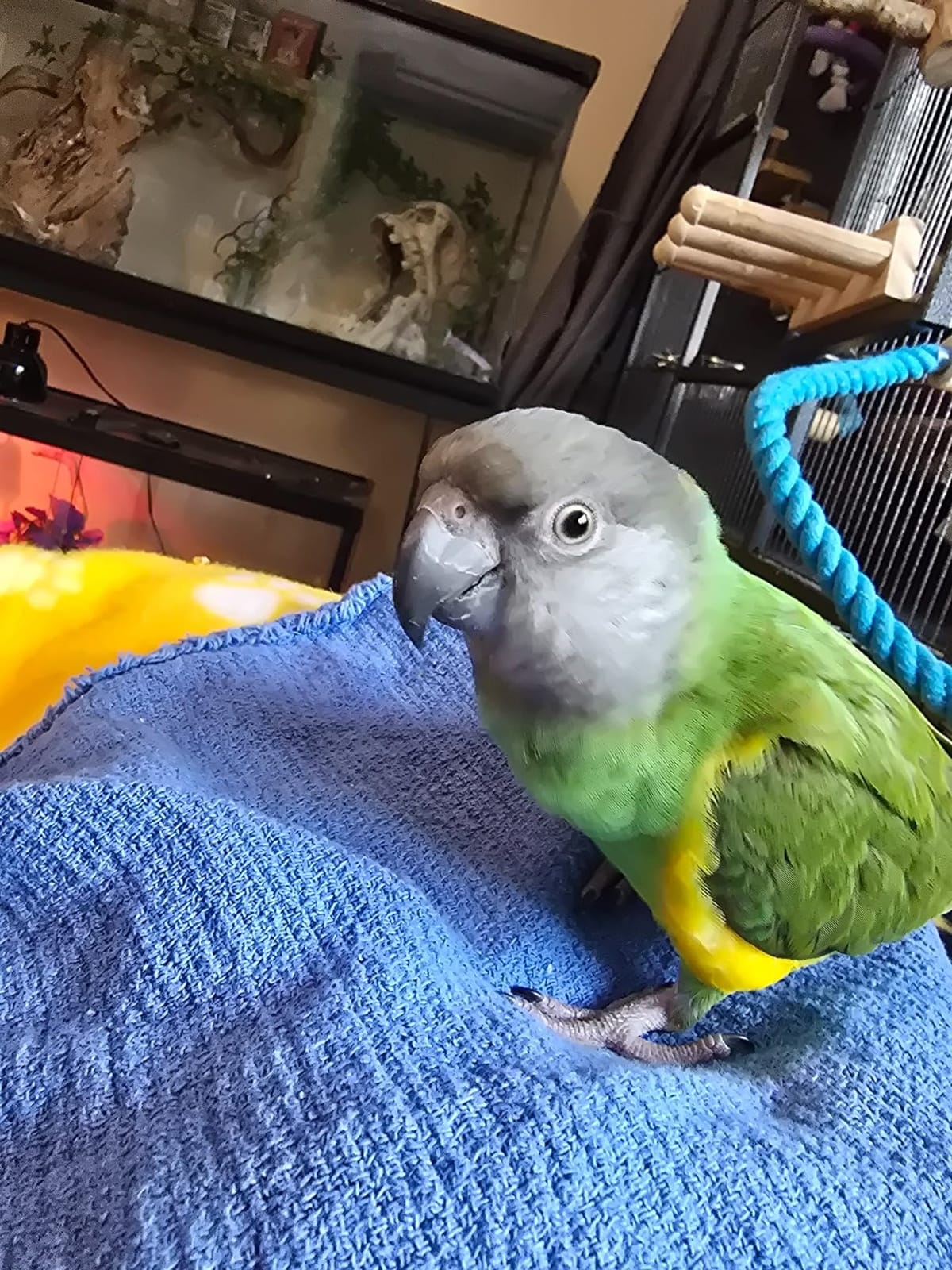
Best fit for mixed-species households
One bag covers conures through macaws without needing separate products. The 4mm granule size is large enough for big birds but small enough for mediums.
When this brand falls short
Owners who need strictly USDA organic certification should consider TOP’s instead. The cost per pound is also higher than budget options like Kaytee.
Buying Guide: How to Choose the Best Pellet Food Brands for Parrots
Picking the right pellet is less about brand loyalty and more about matching the food to your bird’s species, age, and health profile. Here’s what I look at when recommending brands to other owners.
Why pellets should form 50-70 percent of your parrot’s diet
Avian veterinarians recommend pellets making up the bulk of a parrot’s diet because seeds alone create nutritional gaps. Seeds are high in fat and low in vitamins A, D, and calcium, which leads to obesity, fatty liver disease, and feather plucking over time. Pellets deliver a balanced ratio in every bite, which removes the chance of selective eating.
Organic versus conventional pellets
Organic pellets like TOP’s and Harrison’s skip synthetic pesticides and GMOs, which matters for owners who prioritize clean sourcing. Conventional pellets from Roudybush and ZuPreem use conventionally grown grains but still meet nutritional requirements.
For most healthy parrots, conventional pellets are perfectly fine. For birds with sensitivities, organic is worth the premium.
Species-specific recommendations
African Greys do best on Psittacus High Energy or TOP’s, both of which avoid corn and excess protein. Macaws and cockatoos thrive on Roudybush or Hagen Tropican, which provide the calorie density they need.
Smaller parrots like cockatiels, conures, and lovebirds do well on Harrison’s HOPP or ZuPreem True Harvest. Eclectus parrots especially need corn-free formulas, which makes TOP’s the standout choice.
Transitioning from seed to pellets
The transition takes most birds two to four weeks. Start by mixing 25 percent pellets with 75 percent of their current seed diet, then gradually increase the pellet ratio every few days.
Some birds respond better to “chop”, mixing pellets with warm vegetables until they soften. If your bird refuses pellets entirely, try offering them in a separate dish at the same time as fresh food, when curiosity is highest.
Storage and shelf life tips
Keep pellets in a sealed container in a cool, dry place. Once opened, most pellets stay fresh for six months.
Avoid storing near strong-smelling items, since pellets absorb odors easily. For bulk bags like the 10-pound Roudybush, divide the contents into smaller containers and freeze portions you won’t use within two months.
Frequently Asked Questions
What is the best bird pellet food for parrots?
The best bird pellet food for parrots depends on species and budget, but Roudybush Daily Maintenance, ZuPreem True Harvest, and TOP’s Parrot Pellets consistently rank highest among avian veterinarians and parrot owners. Roudybush offers the best balance of nutrition, reputation, and value, while TOP’s is the top organic pick for sensitive birds.
What is the best pellet food for African Grey parrots?
The best pellet food for African Grey parrots is Psittacus High Energy or TOP’s Parrot Pellets. African Greys need calorie-rich pellets that avoid artificial additives. Psittacus is formulated specifically for African species, while TOP’s offers a corn-free USDA Organic option that suits sensitive Greys.
What is the healthiest food for parrots?
The healthiest food for parrots is a balanced combination of high-quality pellets (50-70 percent of intake), fresh vegetables, fruits, and limited seeds. Pellets like Harrison’s, Roudybush, and Lafeber’s deliver complete nutrition. Fresh leafy greens, carrots, and berries round out a healthy parrot diet.
What pellets are good for birds?
Pellets that are good for birds include ZuPreem, Roudybush, TOP’s, Lafeber’s, Harrison’s, Psittacus, Kaytee, and Hagen Tropican. Look for pellets without artificial dyes or added sugar, made with non-GMO ingredients, and formulated by avian veterinarians or nutritionists.
Which parrot pellets are the healthiest?
The healthiest parrot pellets are those certified organic with no artificial additives, no added sugar, and formulated by avian veterinarians. TOP’s Parrot Pellets and Harrison’s HOPP meet these standards most consistently, with cold-pressed or low-heat processing that preserves natural nutrients.
Should parrots eat pellets?
Yes, parrots should eat pellets as the foundation of their diet. Avian veterinarians recommend pellets making up 50 to 70 percent of daily intake because pellets deliver balanced nutrition in every bite, preventing the selective eating and nutritional deficiencies common with seed-only diets.
Final Verdict: Picking the Best Pellet Food Brand for Your Parrot
After testing all eight brands with our flock and analyzing thousands of customer reviews, Roudybush Daily Maintenance is the best pellet food brand for parrots overall because of its 4.7-star rating, veterinarian-developed formula, and unbeatable per-pound value in the 10-pound bag. For owners who want USDA Organic certification, TOP’s Parrot Pellets is the clear premium choice. For picky eaters who refuse plain pellets, Hagen Tropican’s bubble-gum aroma makes conversion easier.
Match the pellet to your bird’s species and health needs first, then worry about price. A 30 dollar bag of TOP’s that your bird actually eats is cheaper than a 15 dollar bag that ends up wasted. Pair any pellet with fresh vegetables and the occasional fruit, and you’ll have a healthier bird within months.
Updated for 2026, this guide reflects the latest formulations and customer feedback across all eight brands. Check the latest prices through the buttons above, and remember that the best pellet is the one your parrot consistently eats.