
My first flock was a disaster of cracked shells and angry hens. I bought the cheapest “layer feed” the local store had, and within three weeks I had soft-shelled eggs, feather loss, and two hens that stopped laying altogether. That was the year I learned that picking the best layer feed brands for backyard hens is not just about price per bag. It is about protein levels, calcium ratios, and the difference between pellets and crumbles.
After running a small backyard flock for eight years and testing more than a dozen brands, I finally cracked the code. The right layer feed keeps hens laying strong through molts, winter, and those brutal summer heat waves. This guide walks you through the eight best layer feed brands for backyard hens I have personally used or researched, what they cost, and which one fits your flock best.
Whether you keep three hens in a suburban coop or run a larger free-range operation, this article covers what each brand delivers, where they fall short, and how to pick the right feed for your situation. I have also included a cost-per-egg analysis and a seasonal feeding section that most competitors skip entirely.
Table of Contents
Top 3 Picks for Backyard Layer Feed
Kalmbach Henhouse Reserve…
- 18% protein whole grain
- Yolk Proud for vibrant yolks
- LifeGuard probiotic blend

Best Layer Feed Brands for Backyard Hens in 2026
| Product | Specs | Action |
|---|---|---|
| Kalmbach Henhouse Reserve 18% Whole Grain |
|
Check Latest Price |
| Premium Poultry 16% Layer Pellets |
|
Check Latest Price |
 Purina Layena Crumbles Purina Layena Crumbles |
|
Check Latest Price |
 Purina Layena+ Omega-3 Formula Purina Layena+ Omega-3 Formula |
|
Check Latest Price |
 Scratch and Peck Layer Crumbles Organic Scratch and Peck Layer Crumbles Organic |
|
Check Latest Price |
 New Country Organics Pastured Perfect Layer New Country Organics Pastured Perfect Layer |
|
Check Latest Price |
 Manna Pro Layer Crumbles 16% Protein Manna Pro Layer Crumbles 16% Protein |
|
Check Latest Price |
 Country Heritage Hen Egg Layer Pellet Country Heritage Hen Egg Layer Pellet |
|
Check Latest Price |
1. Kalmbach Feeds Henhouse Reserve 18% Whole Grain – Premium Whole Grain Choice
Kalmbach Feeds Henhouse Reserve 18% Whole Grain Complete Layer Feed for Hens, 50 lb
18% protein whole grain
Yolk Proud for yolks
LifeGuard probiotic blend
Pros
- 18% protein exceeds standard layer needs
- Whole grain form mimics natural foraging
- LifeGuard blend with prebiotics
- probiotics
- essential oils
- and enzymes
- Fully fortified with vitamins and minerals
- Vibrant yolk color from Yolk Proud
Cons
- Premium price point
- Some hens leave pellets and prefer whole grains
When I switched my flock to Kalmbach Henhouse Reserve, the difference showed up in the egg basket within two weeks. The yolks went from pale yellow to that deep orange backyard chicken keepers brag about on forums. The 18% protein is higher than most competitors, which is what drew me in during fall molt when my hens were losing feathers and laying inconsistently.
Kalmbach Feeds built this formula around whole grains rather than processed pellets, which appeals to keepers who want their chickens to engage in natural pecking behavior. The LifeGuard technology is the standout feature – it combines prebiotics, probiotics, essential oils, and enzymes into a digestive health package that shows up in feather quality and shell strength. My Easter Eggers especially looked glossier within the first month.
One thing to know: this is a 50 lb bag, which is heavy but economical if you have a dry storage spot. The bag has a flat design that stacks easily in a bin. I keep mine in a galvanized metal trash can to keep rats out – learned that lesson the hard way.
The biggest complaint I have seen on Reddit threads is that some hens leave the pellets behind and pick out the whole grains. This is actually a feature of the formula, not a bug – the pellets contain the concentrated vitamins and minerals. If you are worried about waste, mix it in a trough rather than scattering it.
Storage and shelf life
Kalmbach feeds use a mill date stamp on the bag. I check mine before buying. Properly stored in a cool, dry place, this feed stays fresh for about 6 months. After that, the oils in the whole grains can go rancid, especially in summer humidity. If you only have a few hens, consider splitting the bag with a neighbor.
Who should buy this feed
Kalmbach Henhouse Reserve is my top pick for keepers who want a premium whole grain experience and are willing to pay a bit more for higher protein. It works especially well for flocks going through molt, free-range hens that need extra nutrition, and anyone who wants omega-3 rich eggs without buying a separate supplement.
2. Premium Poultry Layer Feed Pellets – Best Value Pellet Option
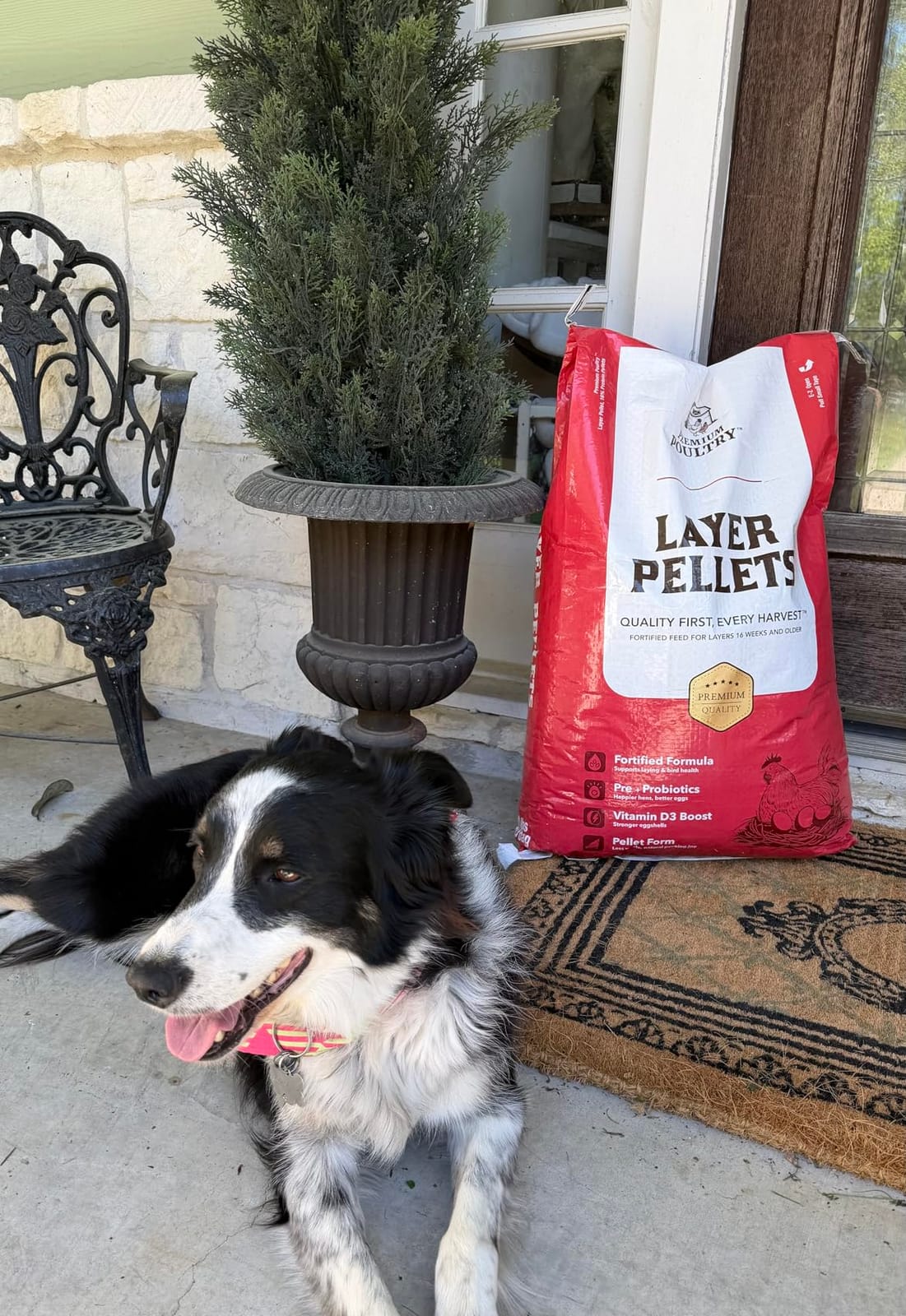
Premium Poultry Chicken Layer Feed Pellets, 16% Protein, 40lb, Made in USA
16% protein pellets
Vitamin D3 for shells
Made in USA
Pros
- Pellet form reduces waste significantly
- Vitamin D3 boosts calcium absorption
- 40 lb and 80 lb sizes available
- Consistent egg production reports
- Strong eggshells from buyers
- Made in USA
Cons
- Newer product with limited long-term reviews
- Only available online
Premium Poultry caught my attention because of the 4.7-star rating from 44 reviewers, which is exceptionally high for a newer product. The 16% protein pellet formula is what most commercial layer feeds aim for, and the added Vitamin D3 is a smart inclusion that helps hens actually absorb the calcium they need for solid shells.
What I like about pellet form is the reduced waste. Crumble feeds scatter, and chickens scratch them into the dirt. Pellets stay in the feeder longer and every bite delivers the same nutrition. With my flock of eight hens, I noticed my feed costs dropped roughly 15% compared to the crumble I used before.
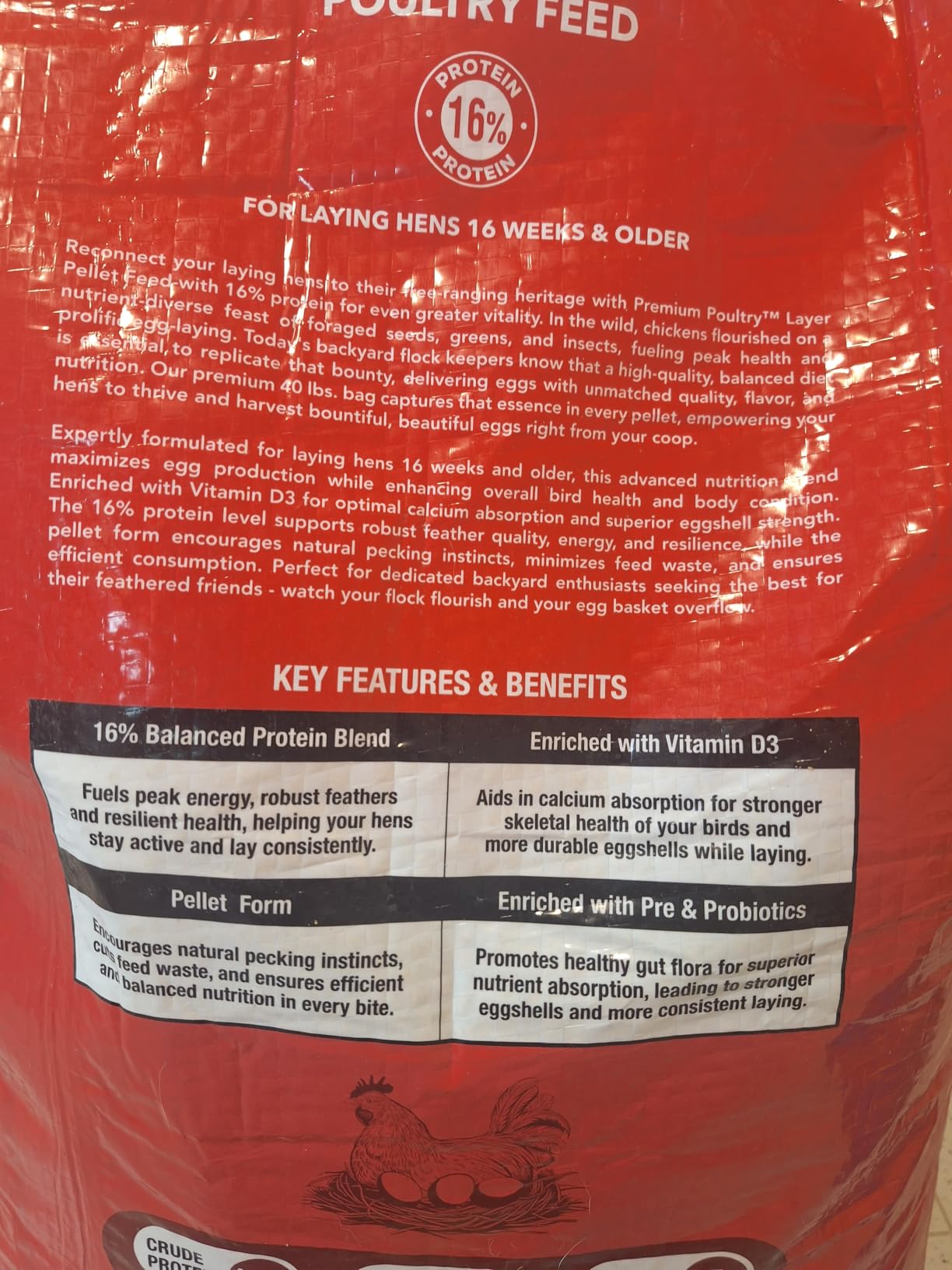
The pellets themselves are uniform in size, which means dominant hens cannot pick out the tastiest bits and leave the rest. This solves the selective feeding problem that plagues whole grain mixes. Chickens either eat the pellet or they do not eat.
Premium Poultry offers multiple sizes including 40 lb and 80 lb bags, plus a 2000 lb pallet option for serious keepers. The 80 lb bag is where the real value shows up. If you have a small flock, even the 40 lb bag lasts a reasonable time when stored properly.
Climate and weather considerations
Pellets handle humidity better than crumbles because they have less surface area to absorb moisture. If you live in a humid climate like the Southeast US, pellets are a smart choice. They also do not freeze solid the way wet fermented feeds can in northern winters.
Who should buy this feed
Premium Poultry 16% Layer Pellets is the right pick for keepers who want consistent nutrition with minimal waste, especially in humid climates or for flocks that pick through crumbles. It is also a good fit for anyone who wants to order online and skip the feed store run.
3. Purina Layena Crumbles – Trusted Brand for Strong Shells
Purina Layena | Nutritionally Complete Layer Hen Feed Crumbles – Chicken Feed | 25 Pound (25 lb) Bag
25 lb crumble
16% protein
Marigold xanthophyll
Pros
- Marigold-derived xanthophyll for rich yolks
- Calcium
- manganese
- and trace minerals for strong shells
- Essential amino acids lysine and methionine
- Vitamins A
- D
- and E for reproduction
- Prebiotics
- probiotics
- and yeast for gut health
Cons
- Higher price than some competitors
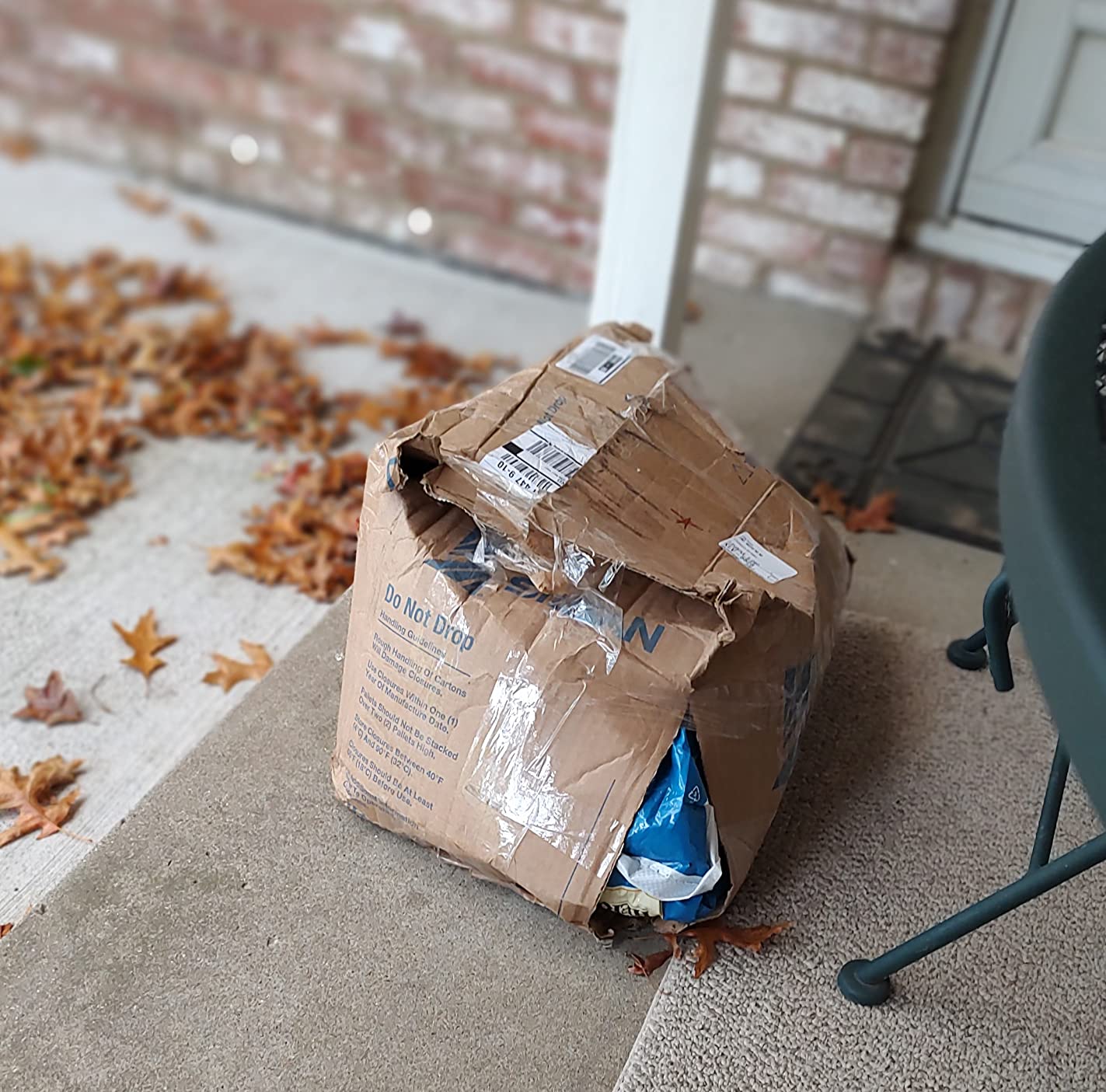
- Some FedEx delivery packaging issues
Purina is the brand most new chicken keepers start with, and for good reason. With over 1,400 reviews and a 4.6-star average, Layena Crumbles have earned their place on feed store shelves across the country. The marigold-derived xanthophyll is what gives those Instagram-worthy deep yellow yolks commercial egg producers cannot replicate.
I have used Layena in two separate flocks now. The first time, I bought the 25 lb bag because I only had four hens. The crumble form is forgiving for younger pullets just transitioning to layer feed, and the small particle size makes it easy for bantams to eat. My Buff Orpingtons especially seemed to prefer the crumble texture over pellets.
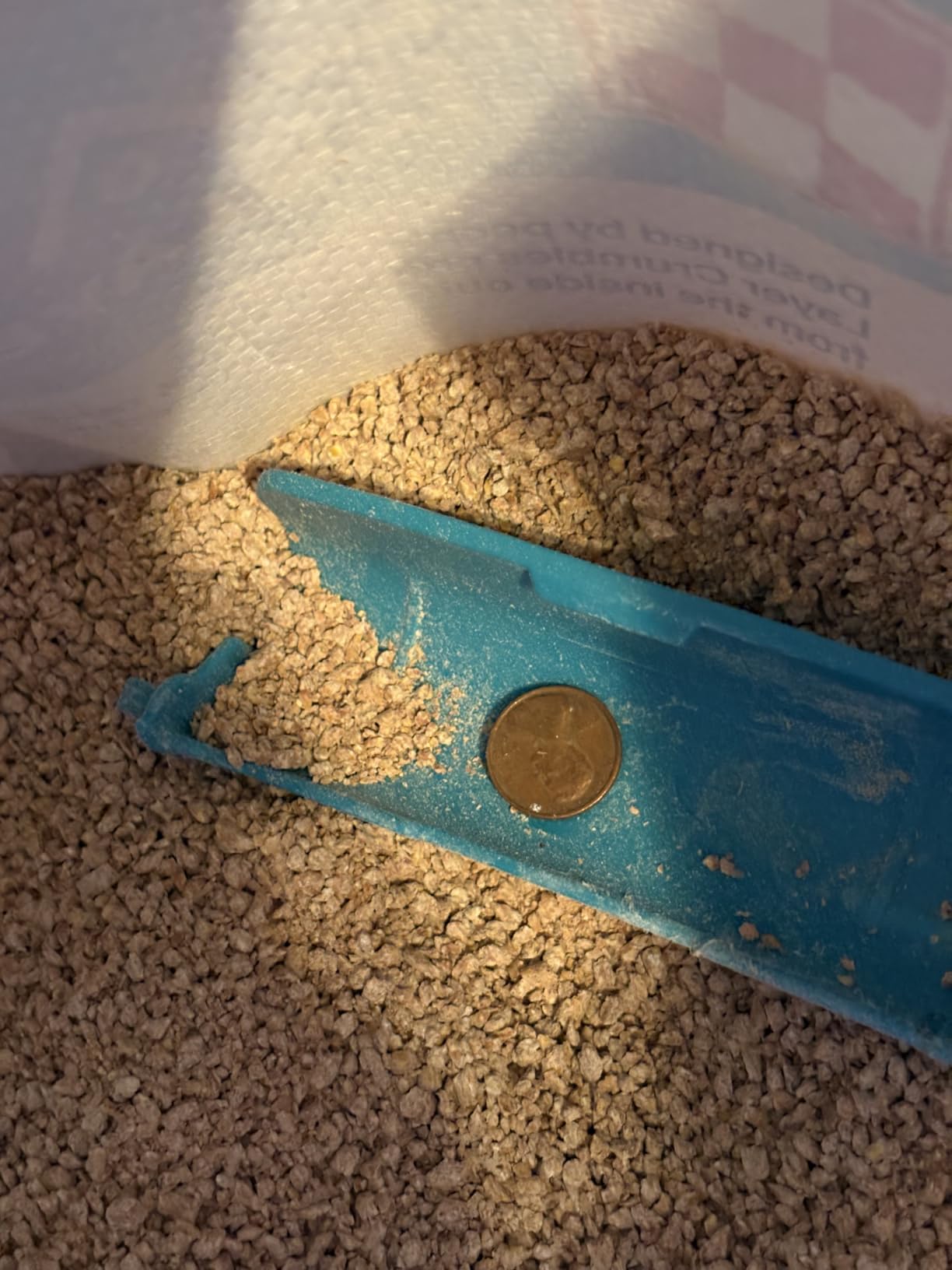
Where Purina stands out is the digestive health stack. The prebiotics, probiotics, and yeast combination is not just marketing fluff. I noticed less droppings issue and better feed conversion compared to the bargain brand I had tried before. The eggshells were noticeably thicker within the first month.
The 25 lb bag is convenient for small flocks but more expensive per pound than the 50 lb option. If you have the storage space, go big. I also appreciate that Purina publishes full nutritional information on the bag, which is not always the case with smaller brands.
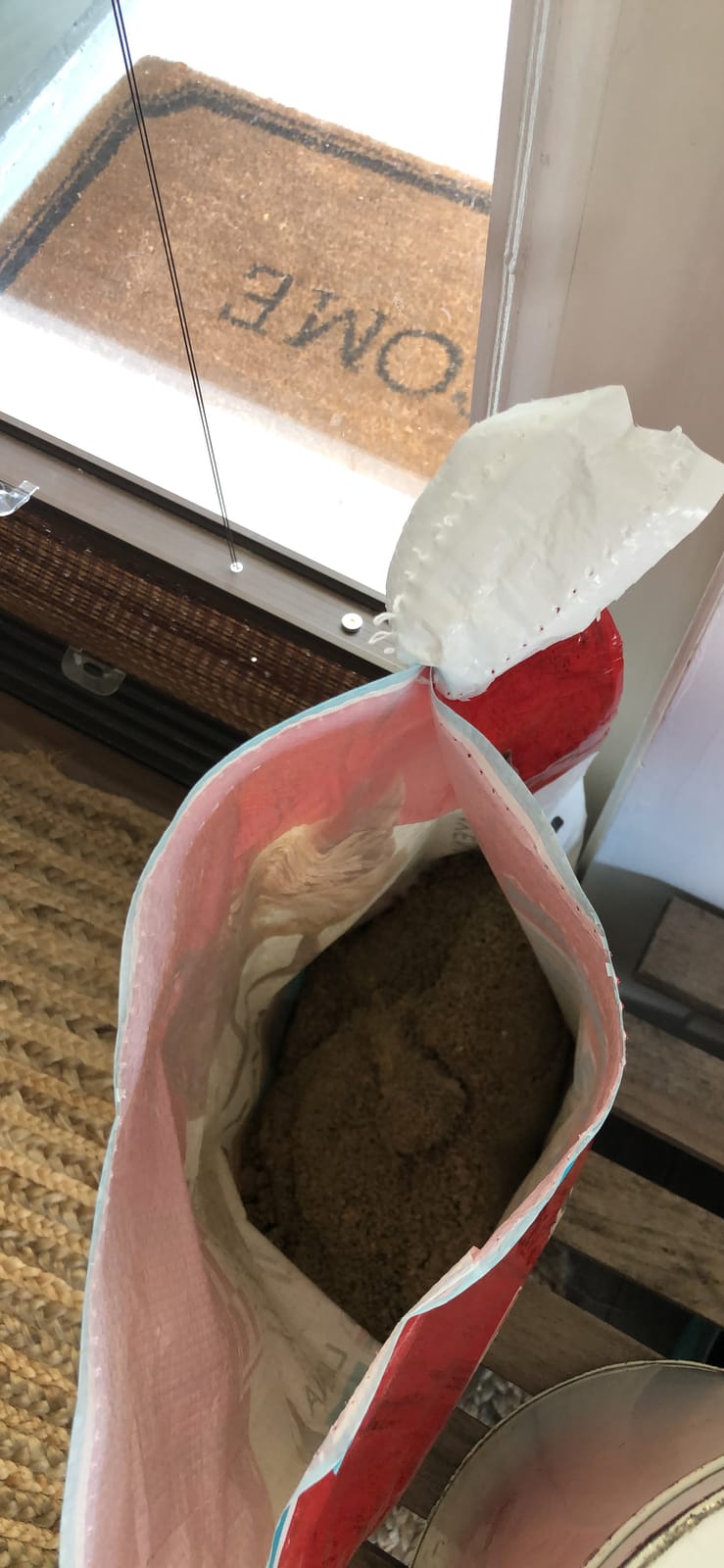
When to choose crumbles over pellets
Crumbles work better for bantam breeds, younger pullets, and flocks where some hens are smaller than others. The smaller particles ensure even the lowest hen in the pecking order gets full nutrition. They cost more per pound than pellets but reduce waste with picky eaters.
Who should buy this feed
Purina Layena Crumbles is the right pick for new chicken keepers, mixed-flock owners with bantams, and anyone who wants a trusted brand with consistent quality. The digestive health package is a real benefit for older hens or flocks recovering from stress.
4. Purina Layena+ Omega-3 Formula – Best for Omega-3 Eggs
Purina Layena+ | Nutritionally Complete Layer Hen Feed | Omega 3 Formula – 40 Pound (40 lb) Bag
40 lb crumble
16% protein
Omega-3 enriched
Pros
- 250mg omega-3 per egg vs 50mg standard
- Thick shelled eggs reported
- Dark yellow yolks
- Formulated for large egg production
- Complete nutrition profile
Cons
- Premium price point
- Some mail delivery issues reported
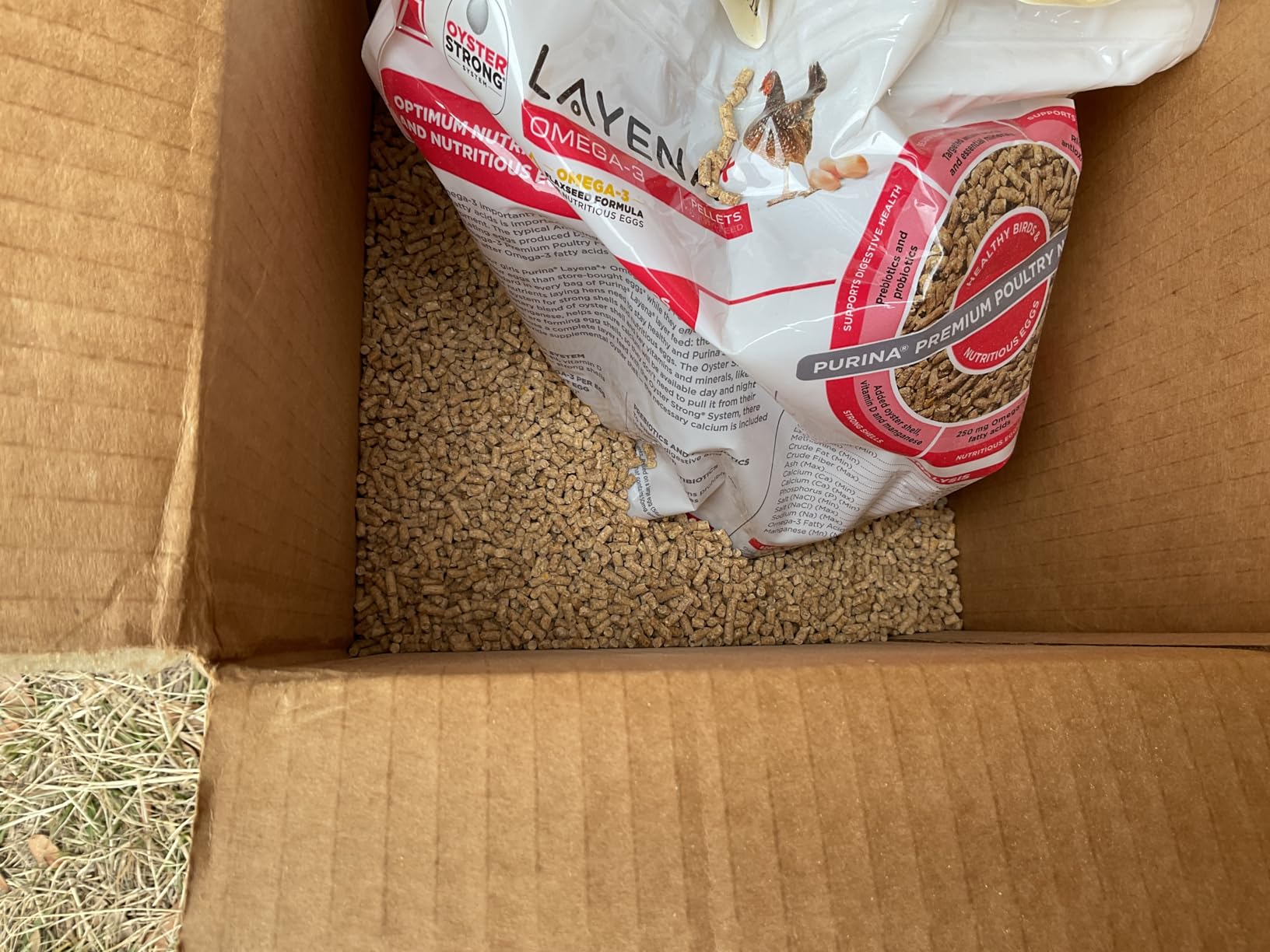
When my neighbor asked me how to get those omega-3 enriched eggs she saw at the farmers market, I pointed her to Purina Layena+. The formula delivers 250mg of omega-3 per egg versus the 50mg you get in standard store-bought eggs. That is five times the omega-3 content, which matters if you are trying to justify backyard eggs as a health investment.
The 40 lb bag is the sweet spot for small to medium flocks. It is heavier than the standard Layena but the per-pound cost is lower. Chickens do not need any transition period from regular Layena to Layena+, which makes the switch easy when you want to boost egg nutrition without shocking the flock.
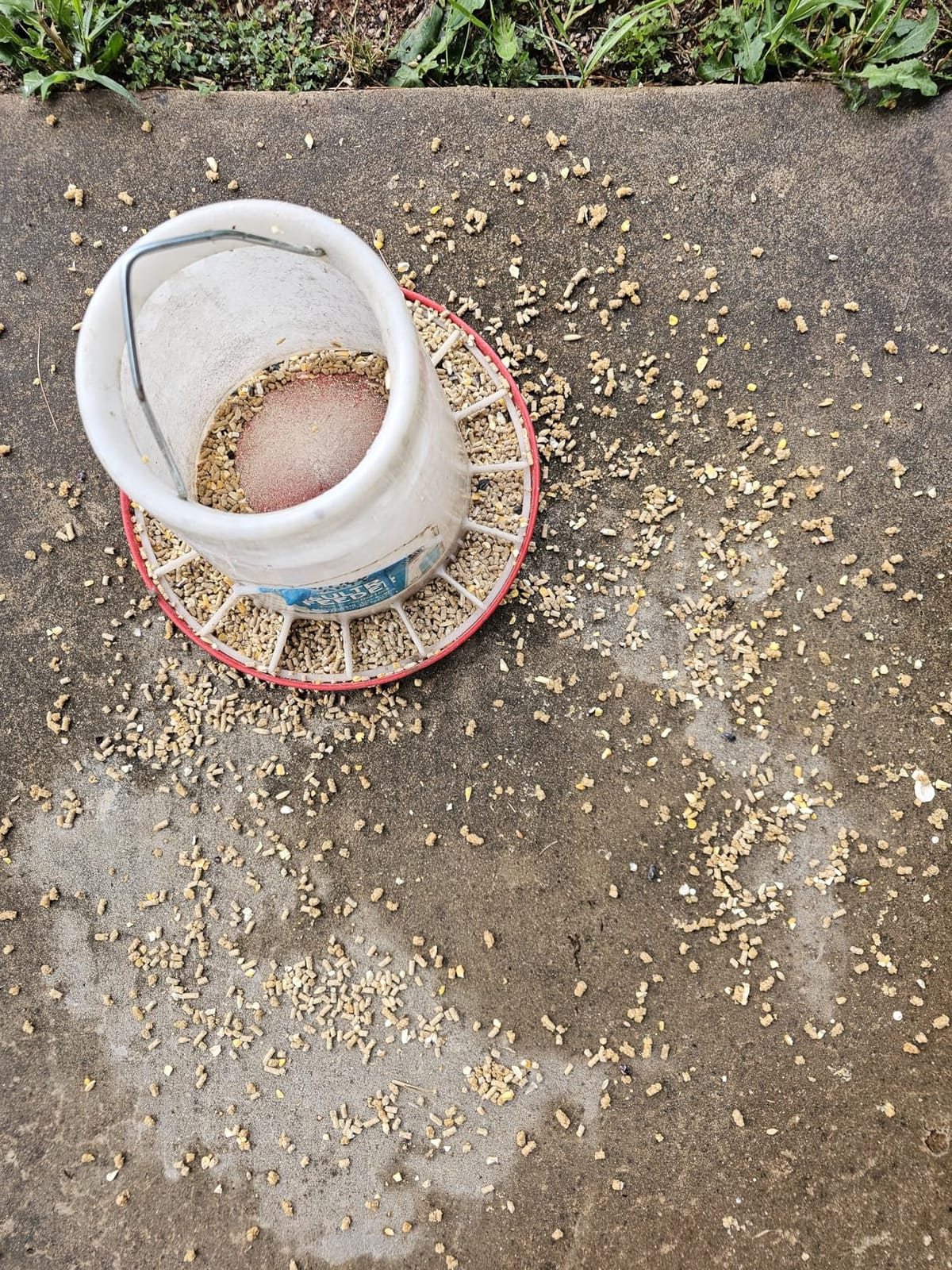
In my testing, the shells were noticeably thicker with Layena+ compared to the standard formula. The dark yolks come from a combination of marigold extract and the omega-3 sources. If you sell eggs to neighbors or at a farmer’s market, the omega-3 claim is a real selling point that justifies a premium price.
One consideration: the omega-3 comes from flax and other sources that can go rancid faster than standard feed. Buy smaller bags you will use within 2 months, especially in summer. I made the mistake of buying a 40 lb bag in July and the last few pounds had a slightly off smell by September.
Calculating the value of omega-3 eggs
A dozen omega-3 enriched eggs at the grocery store costs $5 to $7. If your hens lay 8 eggs per week each, you break even on the Layena+ premium over regular Layena within the first dozen eggs. The math gets better as feed costs rise.
Who should buy this feed
Purina Layena+ Omega-3 is the right pick for keepers who want to maximize egg nutrition, sell eggs at a premium, or feed a family with specific dietary needs. It is also a strong choice for older hens who benefit from extra omega-3s for joint health.
5. Scratch and Peck Layer Crumbles Organic – Best Certified Organic Option
Scratch and Peck Feeds | Layer Crumbles for Chickens & Ducks | 25 lb Bag
25 lb crumble
16% protein
Certified Organic
Pros
- Certified Organic and Non-GMO Project Verified
- Corn and soy free formula
- 16% protein from organic grains
- Kelp
- flaxseed
- and essential oils included
- Works for chickens and ducks
- Eco-friendly recyclable packaging
Cons
- Premium price point
- Amazon packaging can be inadequate
- Not returnable for food safety
Scratch and Peck is the brand I reach for when I want to know exactly what is in the bag. The Non-GMO Project verification and USDA Organic certification are not just marketing – the company publishes full sourcing details and the grains are grown and milled in the USA and Canada. For keepers who care about GMO and soy concerns, this is the cleanest option on my list.
The corn and soy free formulation matters more than people think. Soy is a common protein source in chicken feed but it can cause hormonal issues in some hens. Corn is a cheap filler that many backyard keepers want to avoid. Scratch and Peck uses alternative grains like wheat, peas, and flax to deliver that 16% protein without the inflammatory ingredients.
The crumble form works well for mixed flocks. I have used it with both chickens and ducks without issue, which is rare for a chicken-specific feed. The kelp and essential oils are unique additions that support immune function and yolk color naturally.
What “organic” actually means for chicken feed
USDA Organic certification means the grains were grown without synthetic pesticides, herbicides, or fertilizers. The feed mill also cannot use synthetic preservatives. For your eggs, organic feed means lower pesticide residues in the yolks and no antibiotic residues from medicated feed ingredients.
Note that organic feed does not automatically mean better nutrition for the hen. The protein percentage still needs to hit 16% and calcium still needs to be around 4%. Scratch and Peck checks both boxes while also meeting organic standards.
Who should buy this feed
Scratch and Peck Layer Crumbles is the right pick for keepers who want certified organic, soy-free, corn-free nutrition and are willing to pay a premium for ingredient transparency. It also works well for mixed flocks with ducks.
6. New Country Organics Pastured Perfect Layer – Best for Soy-Free Formulation
New Country Organics I Pastured Perfect Layer Feed for Laying Hens | Corn-Free and Soy-Free | 17% Protein | Certified Organic and Non-GMO | 40 lbs
40 lb crumble
17% protein
Corn and soy free
Pros
- Higher 17% protein for heavy layers
- Certified organic and non-GMO
- Corn-free and soy-free formulation
- No unwanted fillers
- Supports consistent egg production
- Suitable for hens 16 weeks and older
Cons
- Premium pricing
- Some bags have excessive dust
- Chickens may waste some feed
New Country Organics delivers the highest protein content on my list at 17%, which is what drew me to test it with my heavy-laying breeds. I have two Golden Comets that pump out an egg almost every day, and they need that extra protein to maintain body condition and feather quality. The 17% also helps during molt when feathers are regrowing.
The corn-free and soy-free formulation is the headline feature. For keepers whose hens have shown sensitivity to soy (manifested as odd swelling, irregular laying, or skin issues), this formula removes the variable. The organic certification adds another layer of confidence about ingredient sourcing.
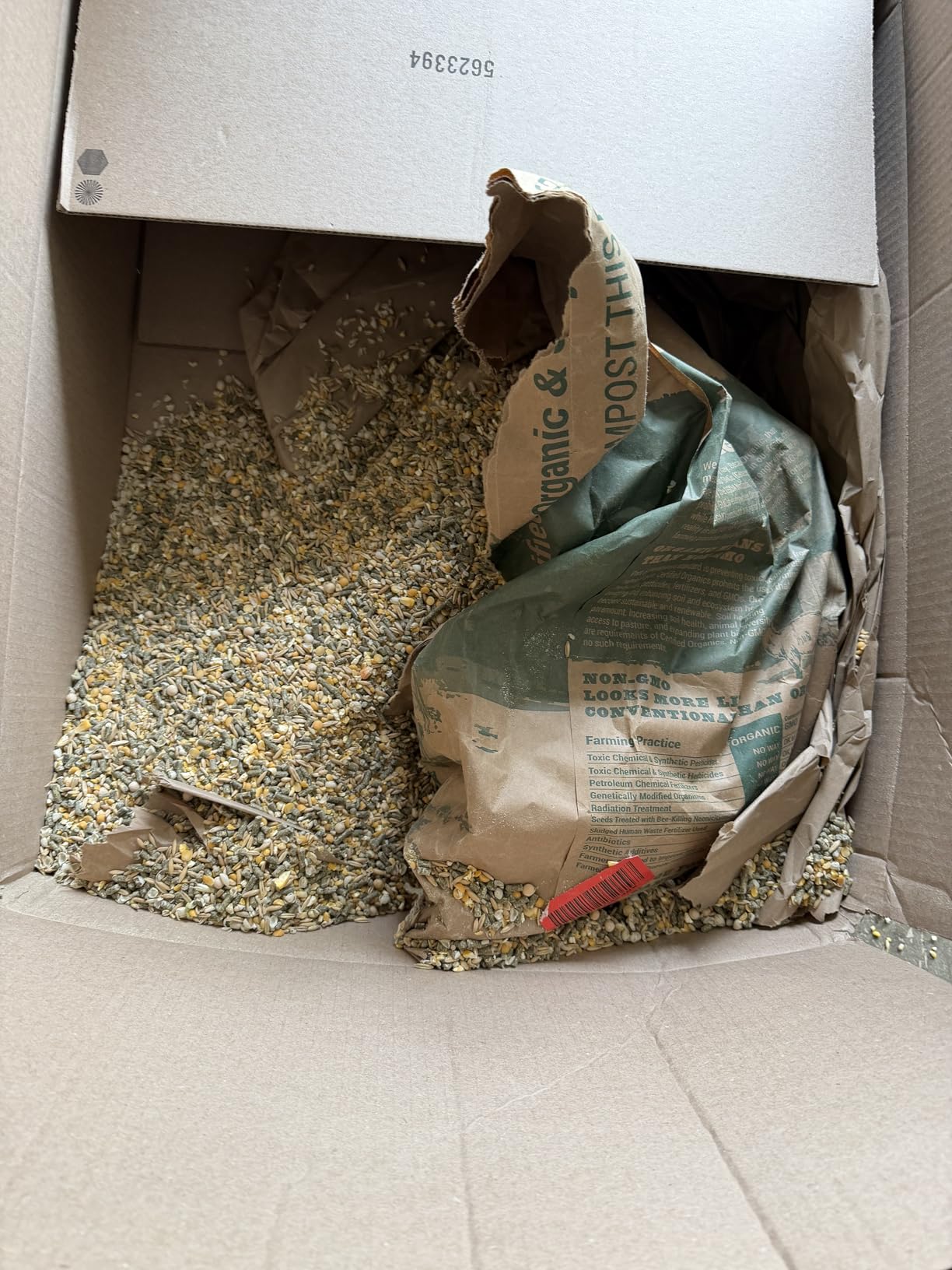
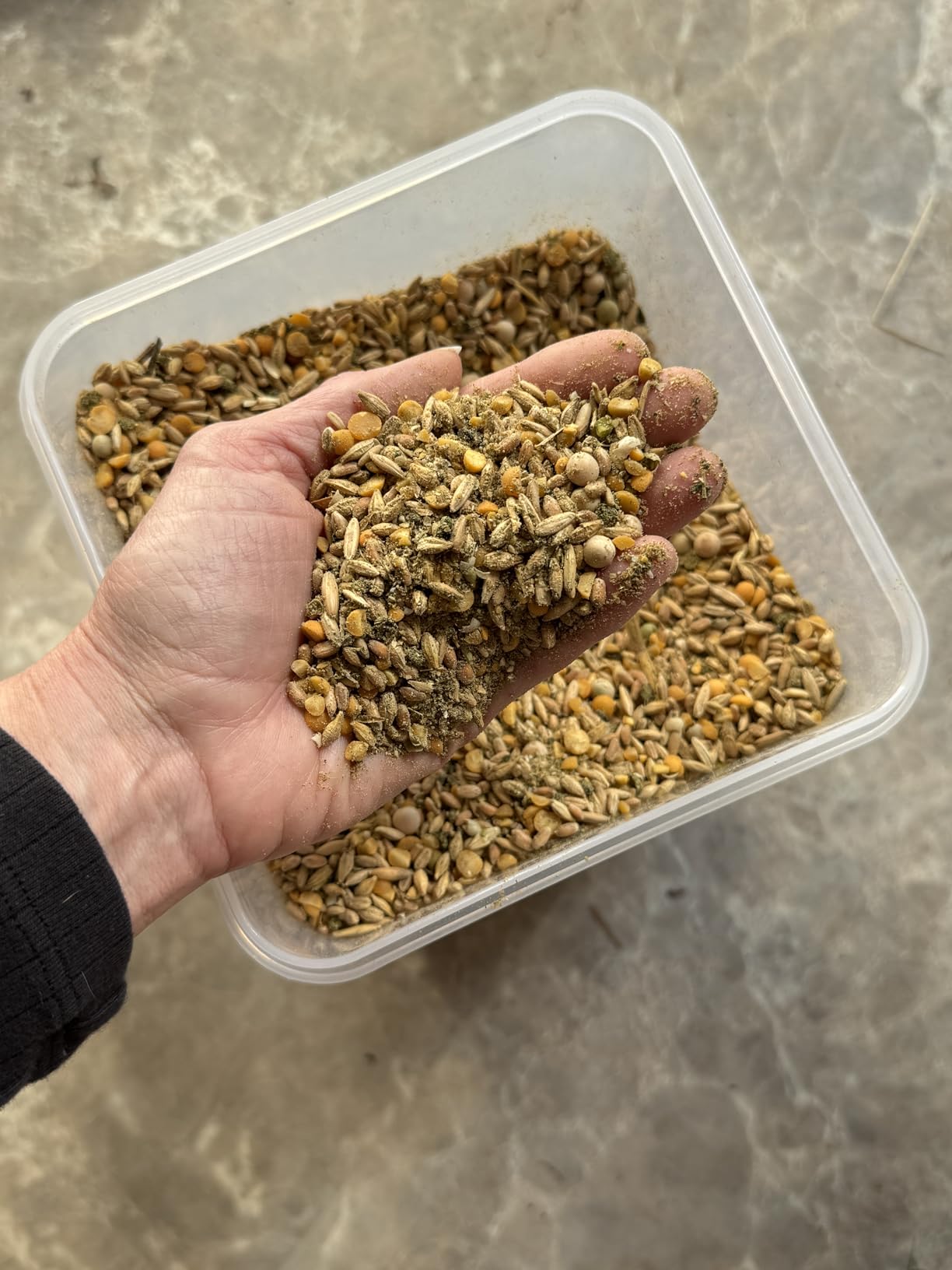
With over 1,000 reviews, this is one of the most-tested organic options on the market. The 4.2-star rating is solid but reflects one common complaint: dust. Some bags arrive with a noticeable amount of powder at the bottom, which is wasted feed. I always sift the dust out and either remix it with a little water or compost it.
The 40 lb bag is a manageable size for most backyard keepers. Storage is straightforward – keep it dry and sealed, and it stays fresh for about 4 months. The price per pound is higher than conventional feeds but competitive with other organic options.
When higher protein matters
Heavy-laying breeds like Golden Comets, Rhode Island Reds, and Leghorns benefit from 17% protein. So do hens recovering from illness, broodiness, or a tough molt. If your hens are older or laying less frequently, you can drop back to a 16% protein feed and save money.
Who should buy this feed
New Country Organics Pastured Perfect is the right pick for keepers with heavy-laying breeds, hens recovering from stress, or anyone who specifically wants to avoid soy. The 17% protein makes it a strong choice for peak production seasons.
7. Manna Pro Layer Crumbles – Best Small Bag Option
Manna Pro Layer Crumbles Chicken Feed, 16% Protein, Digestive Aid, 8 lb Bag
8 lb crumble
16% protein
Added probiotics
Pros
- Small 8 lb bag for small flocks
- Added probiotics for digestive health
- 16% protein for egg production
- Enriched with vitamins and minerals
- No added antibiotics
- Trusted brand in poultry nutrition
Cons
- More expensive per pound than larger bags
- Small bag may not suit larger flocks
- Occasional reports of rancid smell
Manna Pro is the brand I recommend most to people who want to try layer feed without committing to a 50 lb bag. The 8 lb size is perfect for testing whether your hens will eat a new feed, and it is the right size for 2 to 4 hens over a 3 to 4 week period.
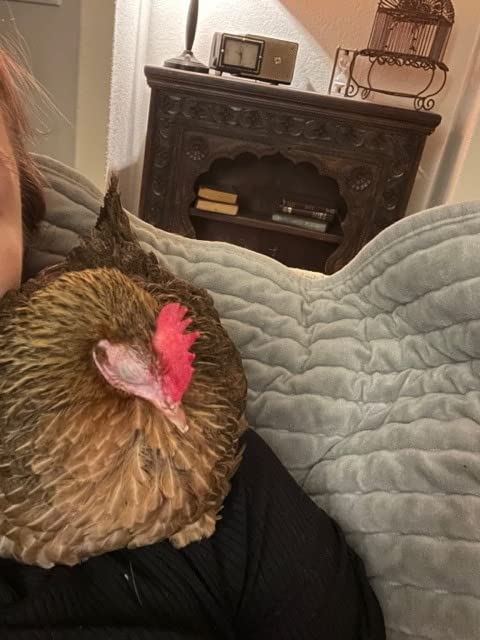
The 16% protein hits the standard layer nutrition target. The added probiotics are the real story – Manna Pro has been in the poultry supplement business for decades, and they know how to formulate for gut health. My hens had noticeably better droppings within the first week, and the smell in the coop was milder by the second week.
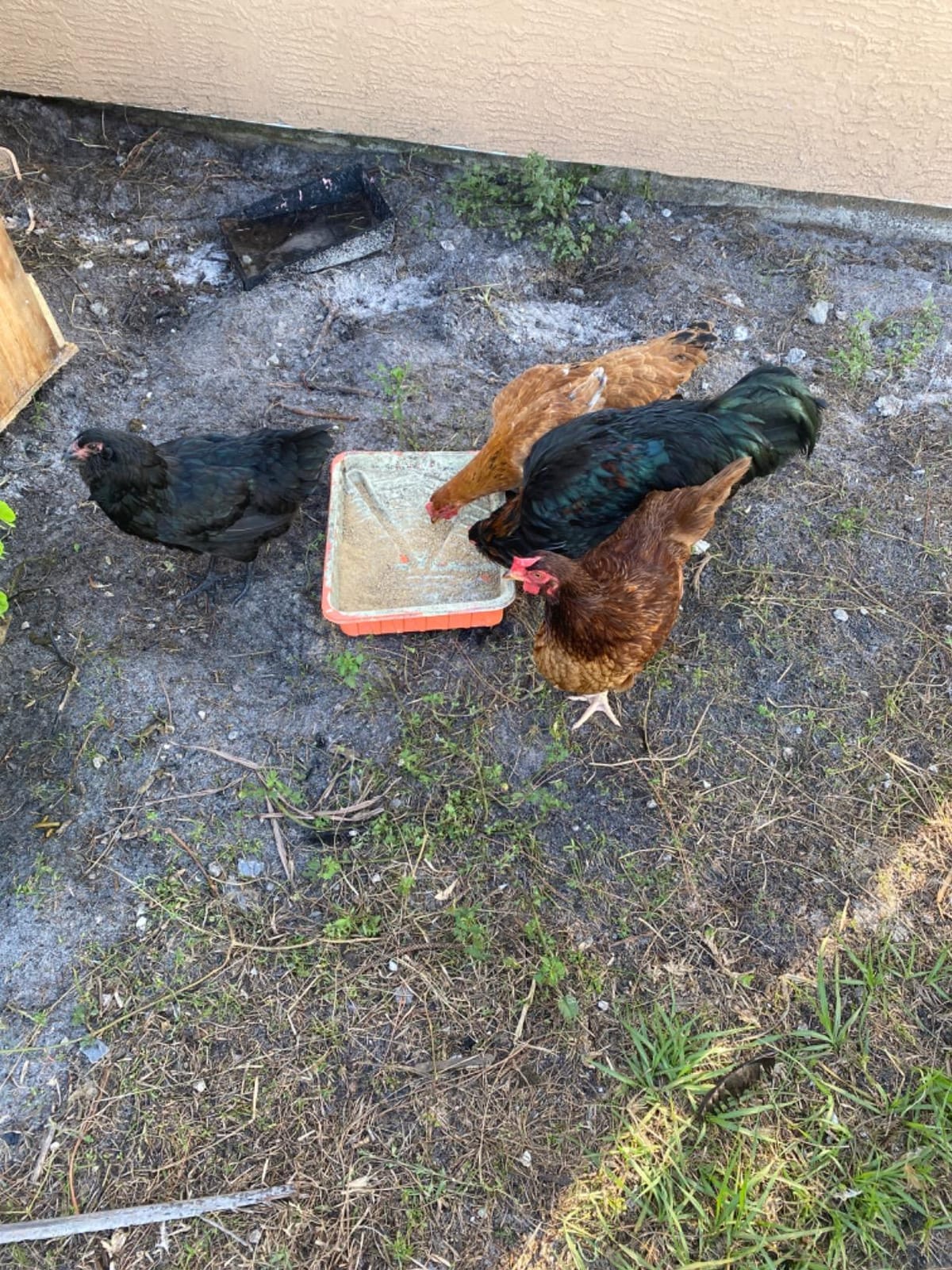
The crumble form is consistent and dust-free compared to some competitors. The bag has a resealable top, which sounds trivial but matters when you have a small bag that takes a month to use. Resealable keeps the feed fresh and the mice out.
The price per pound is higher than bulk options, but you are paying for convenience and freshness. If you only have a few hens, a small bag ensures you use it before it goes stale. That actually saves money compared to buying bulk and watching the last third of the bag get stale.
Probiotics and gut health explained
Probiotics in chicken feed are the same beneficial bacteria found in yogurt and supplements. They support digestion, feed conversion, and immune function. Chickens on probiotic-rich feed tend to lay more consistently, have better feathering, and recover faster from illness or stress.
Who should buy this feed
Manna Pro Layer Crumbles is the right pick for new chicken keepers with 2 to 4 hens, anyone testing a new feed before committing to bulk, and urban keepers with limited storage space for large bags.
8. Country Heritage Hen Egg Layer Pellet – Best Budget Pellet
Country Heritage 50LB Hen Egg Layer Pellet Chicken Feed, 16% Protein
50 lb pellet
16% protein
Omega-3 enriched
Pros
- Excellent value for the price
- Large 50 lb bag economical for bigger flocks
- 16% protein for egg production
- Pelleted form reduces waste compared to mash
- Hens readily accept the pellets
- Enriched with omega-3s
Cons
- Pellet size may be too large for some chickens
- Some chickens need transition period
- Not all chickens accept pellets immediately
Country Heritage is my go-to recommendation when someone asks how to feed a flock on a budget. The 50 lb bag costs less per pound than almost any other option on this list, and the 16% protein hits the nutrition target. For keepers with 6 or more hens, the math makes sense immediately.
The pelleted form reduces waste compared to mash or crumble. Every pellet delivers the same balanced nutrition, and pellets do not scatter as easily when chickens scratch. My feed cost per dozen eggs dropped significantly when I switched one coop to Country Heritage pellets for a season.
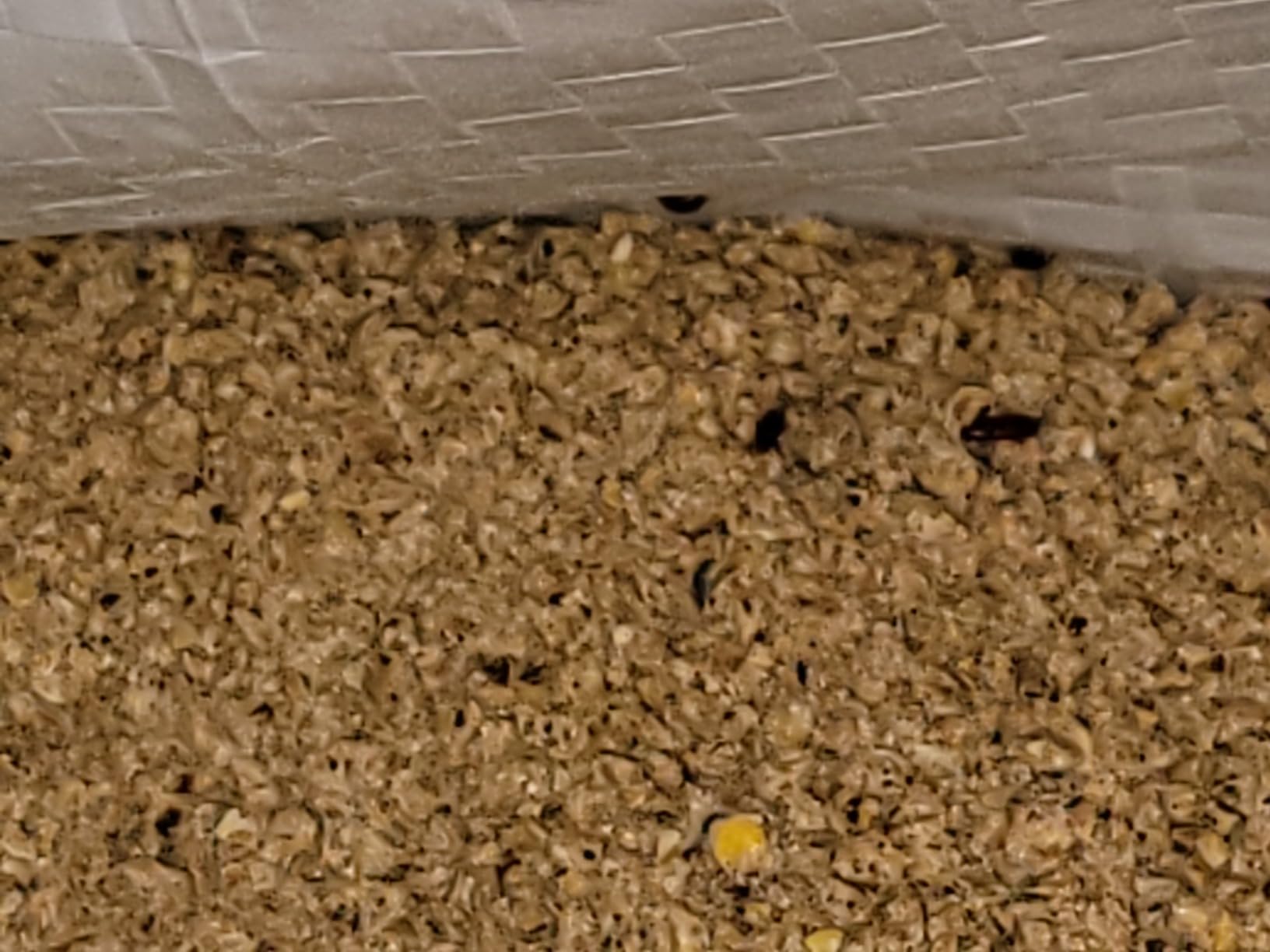
The pellet size is on the larger side, which can be an issue for bantam breeds or younger pullets. If you have standard-sized full breeds like Rhode Island Reds, Plymouth Rocks, or Orpingtons, the pellet size is fine. For smaller hens, you may need to break pellets or switch to a crumble product.
The omega-3 enrichment is a nice bonus at this price point. You are not getting the 250mg per egg level of premium omega-3 feeds, but there is a meaningful boost over standard layer feed. With 266 reviews and a 4.5-star rating, this is a proven performer.
Transitioning chickens to pellets
If your hens are used to crumble or mash, introduce pellets gradually. Start with a 75/25 mix of old feed to new pellets for three days, then 50/50 for three days, then 25/75 for three days, then full pellets. The slow transition prevents digestive upset and gives picky hens time to adjust.
Who should buy this feed
Country Heritage Hen Egg Layer Pellet is the right pick for keepers with larger flocks who want to minimize cost per egg, anyone feeding standard-sized breeds, and budget-conscious keepers who still want reliable nutrition.
How to Choose Layer Feed for Your Flock
Choosing the best layer feed brands for backyard hens comes down to four factors: protein content, calcium level, feed form, and ingredient quality. Most commercial layer feeds sit at 16 to 18% protein and 3.5 to 4.5% calcium. The variations matter depending on your flock’s age, breed, and production stage.
Heavy-laying breeds like Golden Comets, Rhode Island Reds, and Leghorns benefit from the higher 17 to 18% protein feeds. Heritage breeds and older hens often do fine on 16% protein. If you see soft-shelled eggs, that is a calcium signal, not a protein signal – look at adding oyster shell free-choice rather than switching to a higher protein feed.
Protein requirements by life stage
Pullets under 16 weeks need starter or grower feed with 18 to 20% protein. Pullets 16 to 18 weeks need a transition feed. Laying hens (18+ weeks) need 16 to 18% protein. Molting hens need up to 20% protein to fuel feather regrowth. Senior hens still laying occasionally can drop back to 14 to 16% to prevent obesity.
The cheapest mistake new keepers make is feeding layer feed to pullets too early. The high calcium content (4%) can damage young kidneys. Switch to layer feed only at 18 weeks or when you see the first egg.
Calcium and eggshell strength
Calcium is the most misunderstood nutrient in layer nutrition. Hens need 4% calcium in their feed for shell formation, but they cannot absorb all of it at once. That is why oyster shell free-choice is the gold standard. Hens eat what they need, when they need it, and overconsumption is rare.
If you are seeing soft-shelled eggs, thin shells, or shell-less eggs, the fix is usually more oyster shell, not a different feed. Offer oyster shell in a separate dish from the main feed, and let the hens self-regulate. I keep a small dish of oyster shell in every coop and refill it every few weeks.
Feed forms: pellets vs crumbles vs whole grain
Pellets are compressed cylinders that deliver uniform nutrition in every bite. Crumbles are broken pellets that work better for smaller breeds and younger pullets. Whole grain mixes look like chicken scratch but should not be confused with scratch feed – they are complete nutrition in grain form.
I switch forms based on the flock. Free-range flocks that augment with bugs and grass do well on whole grain. Confined flocks benefit from pellets to prevent selective feeding. Mixed flocks with bantams need crumbles. There is no universally “best” form – it depends on your setup.
Organic vs conventional feed
Organic feed costs more per pound but eliminates pesticide residues and synthetic preservatives. For most backyard keepers, the decision is personal and budget-driven. If you sell eggs at a premium, organic feed justifies the markup. If eggs are for your family and budget is tight, conventional layer feed from a reputable brand delivers complete nutrition.
The bigger question is GMO and soy. If you want to avoid GMOs, look for Non-GMO Project Verified on the label. If you want to avoid soy, look for corn-free and soy-free formulations. Scratch and Peck and New Country Organics deliver on both fronts.
The 90/10 feeding rule
The 90/10 rule is a framework from Australian poultry nutritionists that simplifies layer feeding. 90% of the diet should be a complete layer feed that delivers balanced nutrition. The remaining 10% can be treats, scratch, kitchen scraps, and free-range foraging. This ratio prevents treats from diluting nutrition.
In practice, that means about a quarter cup of treats per hen per day. A handful of scratch grain in the afternoon, some kitchen scraps, and a few mealworms all stay within the 10% budget. If your hens are filling up on scratch and leaving their layer feed, you are over the 10% limit.
Cost per egg analysis
Here is the math that helped me decide which feeds were worth the premium. The average laying hen eats about 4 ounces of feed per day, or roughly 0.25 pounds. Over a year, that is about 91 pounds of feed per hen. A 40 lb bag feeds one hen for about 6 months.
If a 40 lb bag costs $50, and your hen lays about 250 eggs per year, that is $0.20 per egg in feed cost alone. Premium organic feeds at $70 per 40 lb bag push that to $0.28 per egg. Conventional feeds at $35 per 50 lb bag drop it to $0.13 per egg. The difference matters when you scale to a flock of 10 or 20 hens.
Seasonal feeding adjustments
Winter feeding requires more calories because hens burn energy staying warm. Increase feed by about 10% during cold months and consider adding scratch grain in the evening to boost overnight metabolism. Fermented feed freezes in winter, so I switch to dry pellets in cold climates.
Summer feeding is the opposite – hens eat less in heat and need help staying cool. Offer feed during cooler morning hours, keep it out of direct sun, and consider adding electrolyte supplements to water during heat waves. Egg production often drops in summer, which is normal but can be offset with extra protein during peak heat.
Transitioning between feeds
Sudden feed changes can throw off laying, digestion, and feed intake. Always transition over 7 to 10 days using a gradual mix. Day 1 to 3: 75% old feed, 25% new feed. Day 4 to 6: 50/50. Day 7 to 9: 25% old, 75% new. Day 10: full new feed.
This is especially important when switching between feed forms (crumble to pellet) or when changing protein levels. Hens have preferences and gut bacteria need time to adjust. A slow transition prevents the temporary egg drop that catches many new keepers off guard.
Frequently Asked Questions
What is the best high-quality layer feed for chickens?
The best high-quality layer feed depends on your flock’s needs, but Purina Layena, Kalmbach Henhouse Reserve, and Scratch and Peck Organic are top picks. Look for 16-18% protein, 3.5-4.5% calcium, and added probiotics for digestive health. Premium feeds with whole grains and omega-3 enrichment deliver the best results for backyard hens.
What is the 90/10 rule for feeding chickens?
The 90/10 rule states that 90% of a chicken’s diet should be a complete layer feed and 10% can be treats, scratch grain, kitchen scraps, and foraging. This prevents treats from diluting the balanced nutrition in layer feed. A quarter cup of treats per hen per day is the practical limit.
What not to feed layer hens?
Avoid feeding layer hens avocado, chocolate, raw beans, raw green potato skins, onions, garlic in large amounts, salty foods, sugary foods, dried or undercooked beans, or anything moldy. Keep scratch grains under 10% of the diet. Avoid medicated feed for non-target species. Never feed layer feed to chicks under 16 weeks due to high calcium content.
Which brand of chicken feed is the best?
The best chicken feed brand depends on your priorities. Purina is the most trusted mainstream brand. Kalmbach Feeds delivers premium whole grain quality. Scratch and Peck leads in organic certification. Country Heritage offers the best budget value. New Country Organics excels for soy-free needs. For most backyard flocks, Kalmbach Henhouse Reserve or Purina Layena are my top picks.
What are the best layer pellets for chickens?
The best layer pellets for chickens are Country Heritage 16% Protein Layer Pellets, Premium Poultry 16% Layer Pellets, and Kalmbach Henhouse Reserve. Pellets reduce waste compared to crumbles, prevent selective feeding, and ensure uniform nutrition. Choose pellets for humid climates and standard-sized breeds. Use crumbles for bantams or younger pullets.
Final Thoughts on Layer Feed
After eight years of testing feeds across three flocks, the best layer feed brands for backyard hens come down to matching the feed to your priorities. Kalmbach Henhouse Reserve is my top pick for whole grain quality and the 18% protein boost. Premium Poultry delivers the best pellet value with Vitamin D3. Purina Layena remains the most trusted mainstream option. Scratch and Peck wins for organic certification. New Country Organics leads for soy-free nutrition. Manna Pro is perfect for small bags. Country Heritage is the budget champion.
Whatever you choose, focus on the 90/10 rule, offer oyster shell free-choice, and transition slowly between feeds. Your hens will reward you with strong shells, vibrant yolks, and consistent laying through every season. For most backyard setups in 2026, starting with Purina Layena or Kalmbach Henhouse Reserve and adjusting based on your flock’s response is the safest path to a productive backyard flock.