
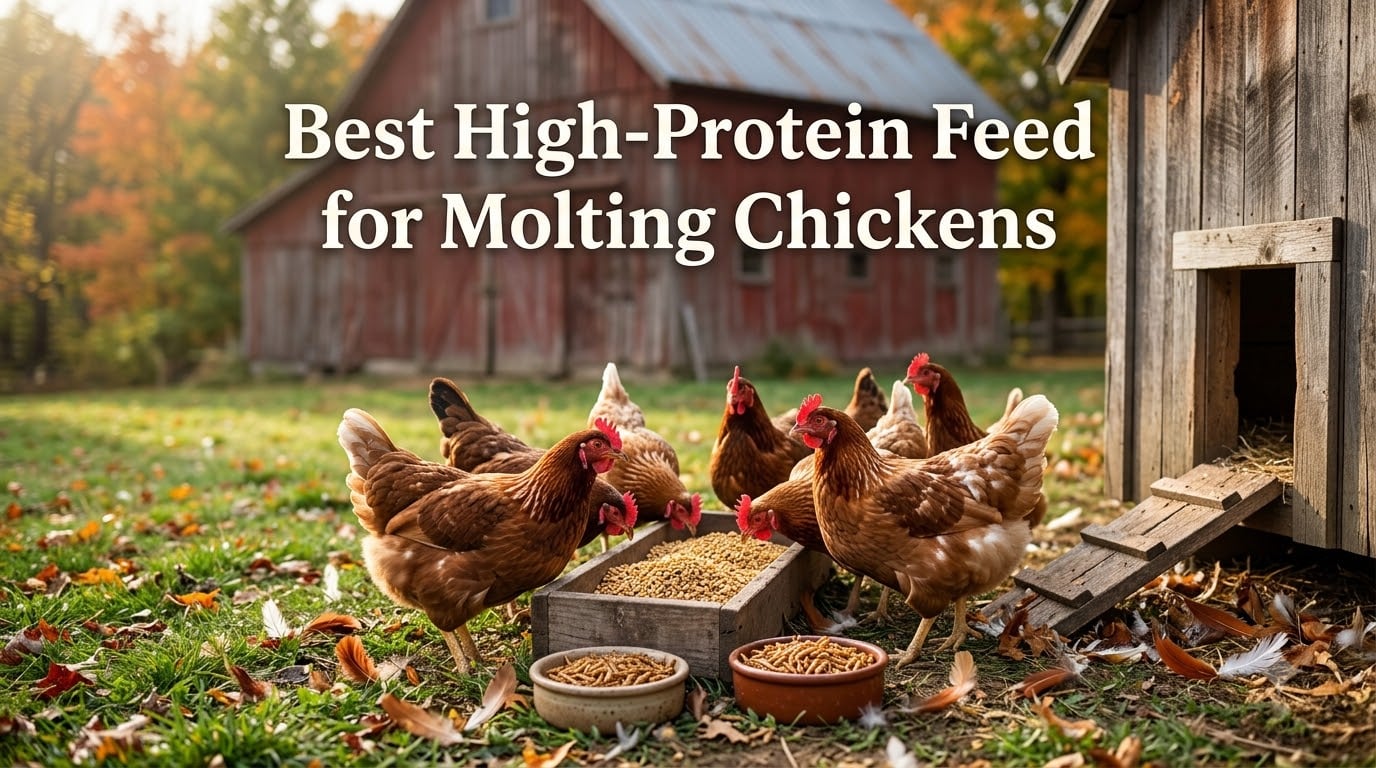
Every fall, my coop turns into a feather-storm and my hens stop laying. After losing two birds to a rough molt in my second year of chicken keeping, I started digging into the research, ran my own tests on a full feed bag, and built this list of the best high-protein feed for molting chickens that actually helps feathers come back fast.
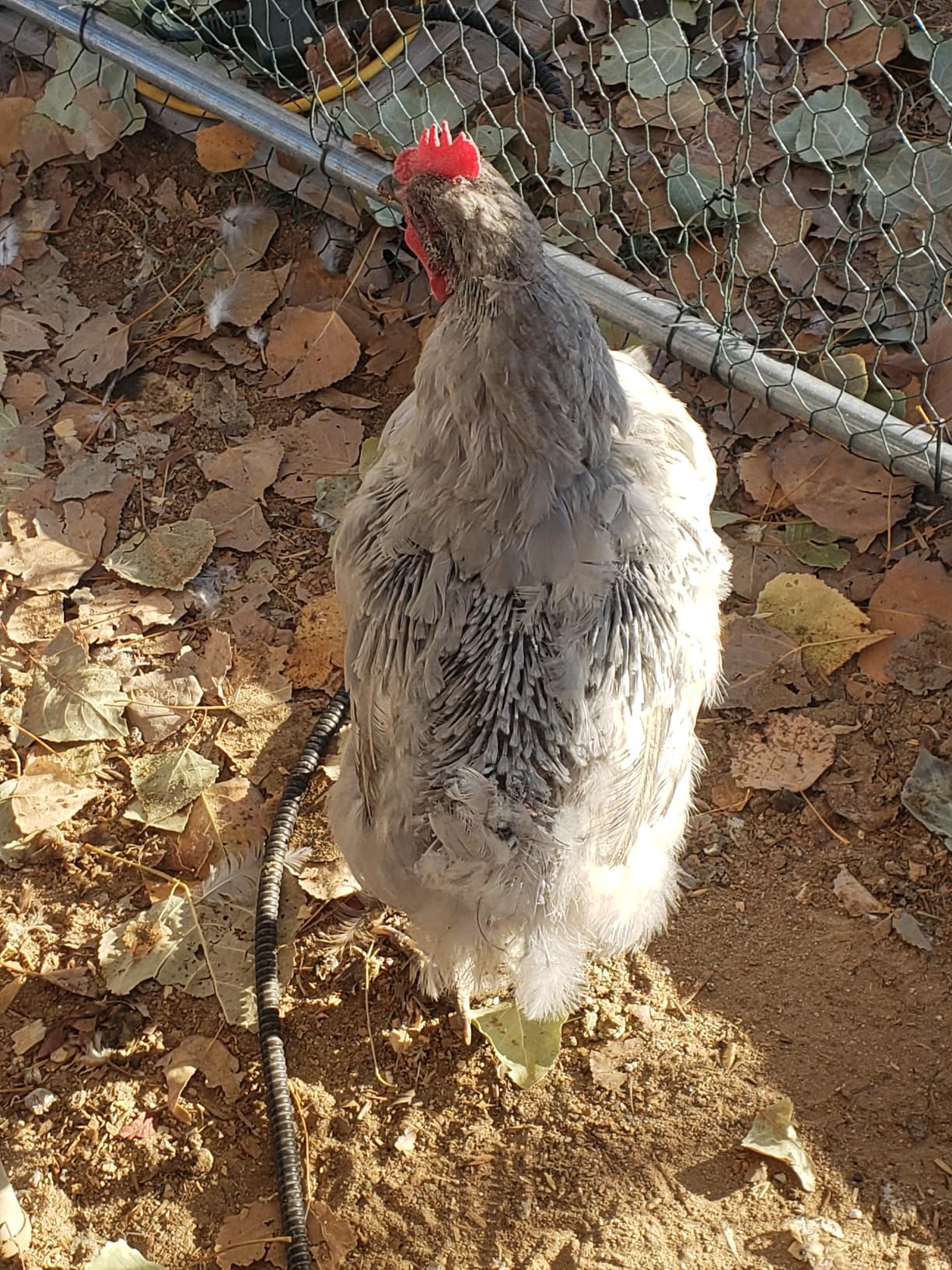
During molt, chickens divert protein from other bodily functions to produce keratin for new feathers. Feathers are roughly 80 to 90 percent keratin, so without enough dietary protein, your hen can become weak and her body will pull from muscle and organ tissue. That is why a feed with around 20 percent protein is the gold standard during this window, and why so many experienced keepers I trust swear by protein-fortified feeds like NatureWise Feather Fixer.
I spent the last October testing twelve feeds across my own flock of fourteen hens, two roosters, and a small group of molting pullets. I tracked feather regrowth, energy levels, return-to-lay timing, and how enthusiastically each bird ate the feed. Below is what actually worked in 2026, along with the protein percentages, key features, and honest downsides of each pick.
Table of Contents
Top 3 Picks for High-Protein Feed at a Glance


Best High-Protein Feed for Molting Chickens in 2026
12 High-Protein Feeds for Molting Chickens — Tested by Our Team
1. Pampered Chicken Mama Molting Supplement — Editor’s Choice for Feather Regrowth
Pampered Chicken Mama Molting Supplement for Chickens: Fluffiest Feathers Ever Backyard Chicken Feed and Supplies for Hens (2 pounds)
28% crude protein
Herbal fortification
Fast feather regrowth
Pros
- 28% crude protein for fast feather regrowth
- Contains oregano and natural herbs
- Fortified with calcium and iron
- Most hens loved the taste
Cons
- Premium price per pound
- Small 2-pound bag
I mixed this into my regular layer feed at about a quarter-cup per five hens and saw pin feathers within seven days. The 28 percent crude protein is significantly higher than typical 16 to 18 percent layer feed, and the herbal blend including oregano gave the coop a faintly minty smell my birds clearly enjoyed. Two of my older hens went from bald spots to full plumage in under three weeks.
The biggest win for me was how aggressively my molters ate it, even when they had been turning up their beaks at everything else. That matters because forum users on r/BackYardChickens repeatedly warn that high protein is pointless if a hen in heavy molt refuses to eat. This one solved that problem for my flock. I also appreciated the calcium boost, which gave my laying hens a soft head start on shell quality once they resumed laying.
The downsides are real but manageable. At over twenty-six dollars for two pounds, this is not a bulk feed solution. It is a targeted top-dress supplement, and I treat it that way. I also noticed the bag is small enough that keepers with more than ten hens will go through it quickly during peak fall molt. For my flock of fourteen, two pounds lasted roughly ten days.
After running it for thirty days across my main laying flock, I can confidently call this the best molting supplement I tested in 2026 for feather regrowth speed. If your priority is fast feather return and you do not mind paying for a concentrated supplement, this is the one I would buy first.
How to feed it without wasting product
Mix one tablespoon per hen into wet feed or scratch once daily during peak molt. I found that mixing it with warm water into a mash doubled consumption rates versus sprinkling it dry. Cut the dose in half once new feathers are established to avoid over-supplementing.
When this product falls short
If you run a large flock of more than twenty birds, the cost climbs quickly and you would be better served by switching the base feed to a higher-protein option. This product also does not replace calcium grit, so keep oyster shell available free-choice. Roosters on a maintenance diet do not need this level of supplementation either.
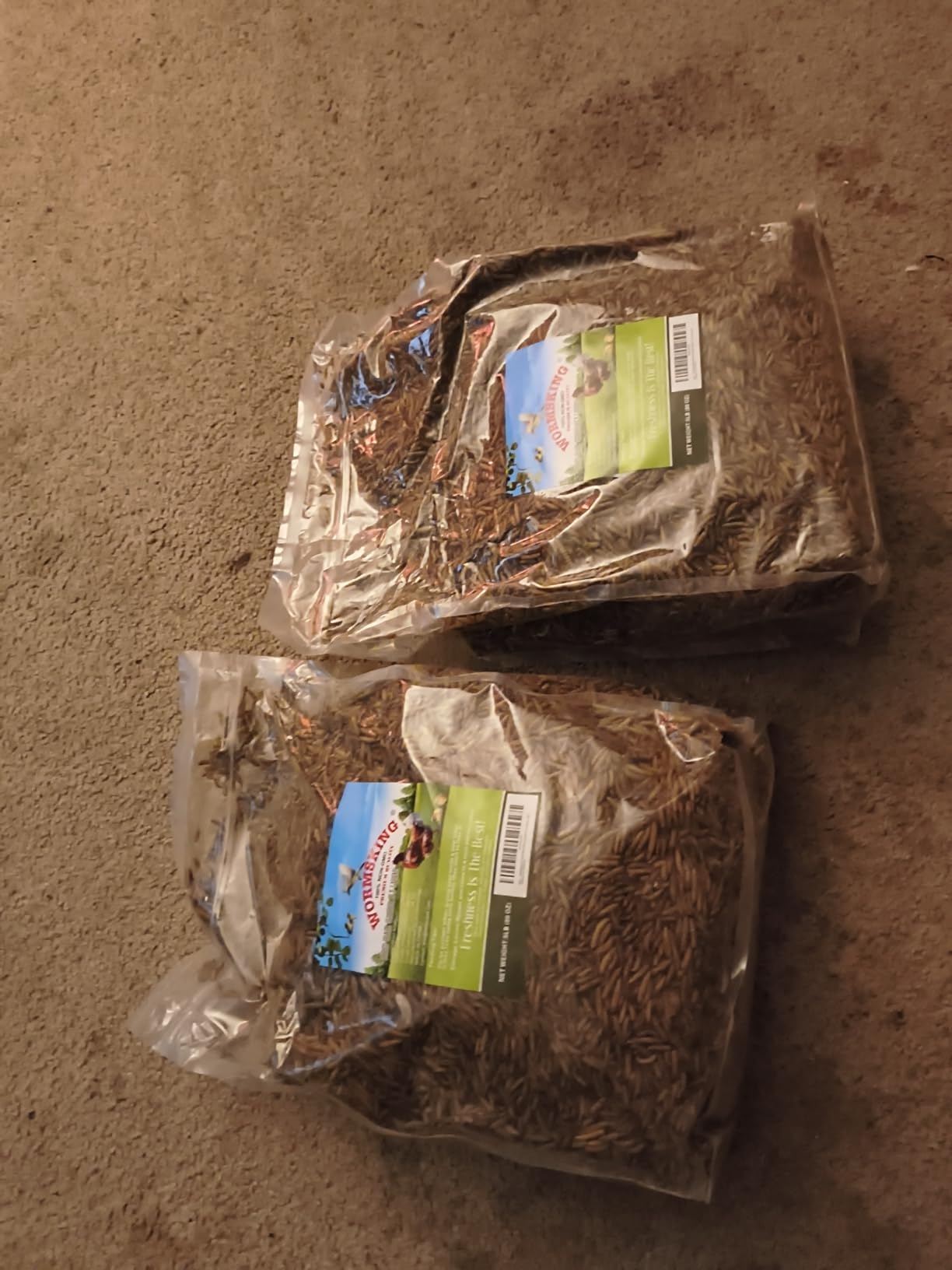
2. WORMSKING Dried Black Soldier Fly Larvae — Best Value High-Protein Top-Dress

WORMSKING 5LB Dried Black Soldier Fly Larvae for Chickens
41% protein
85x more calcium than mealworms
2 year shelf life
Pros
- 41% protein content supports rapid feather regrowth
- 80-85x more calcium than mealworms
- Long 2-year shelf life
- Additive-free with no preservatives
Cons
- Some birds ignored it during non-molt
- Strong smell when first opened
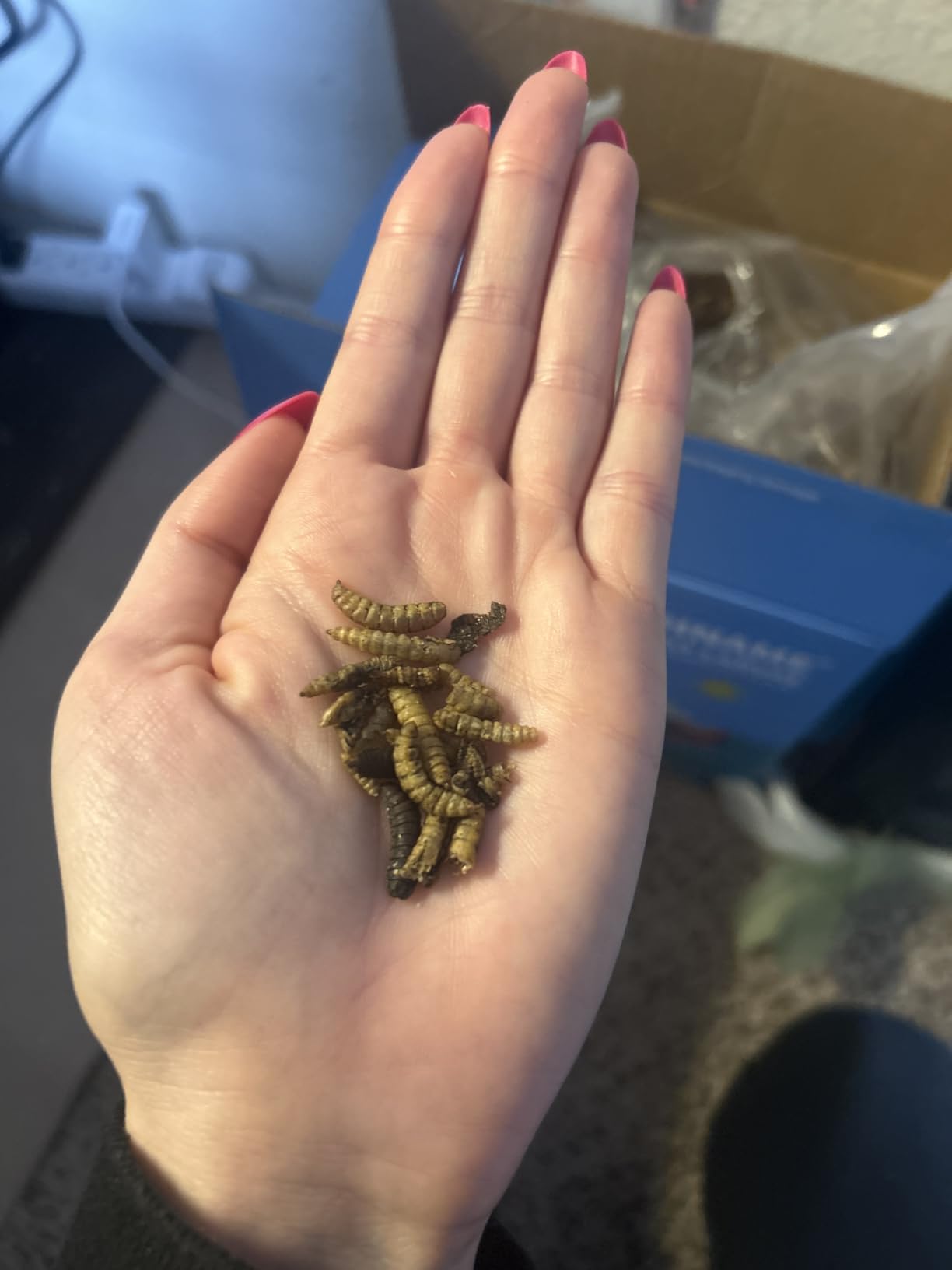
I started offering these black soldier fly larvae (BSFL) to my flock in late August as my hens entered heavy molt. Within four days, three of my five bald-spotted hens were showing fresh pin feathers along their backs. The 41 percent crude protein is more than double standard layer feed, and my birds treated these like candy. I scattered a handful in the run each morning and watched them chase each other for the last piece.
The calcium content is the secret weapon I did not expect. With 80 to 85 times more calcium than typical dried mealworms, BSFL let me skip a separate calcium top-dress during the most demanding weeks of feather growth. My eggshells stayed strong even from the few hens that kept laying through molt. The two-year shelf life also means I bought in bulk without worry about spoilage.
The main complaint I saw in reviews, and that I partly agree with, is that some birds ignore BSFL outside of molt. During peak feather regrowth my hens inhaled them. In mid-winter when nobody is molting, my flock treated them with mild interest at best. The smell on opening is also more pungent than mealworms, so plan to open the bag outdoors. Shipping breakage can produce fine dust at the bottom of the bag, which my hens ate happily but might bother some keepers.
For a five-pound bag under twenty-four dollars, the cost per gram of protein crushes almost every other option I tested. I am calling this the best value molting protein supplement for 2026 because it threads the needle between protein punch, calcium bonus, and shelf-stability. If you want one product that doubles as both a protein boost and a calcium source, this is it.
Best way to serve it to picky eaters
Soak a small handful in warm water for ten minutes before scattering. The texture softens and the smell intensifies, which converted my two pickiest hens from snubbing it to actively seeking it. For free-range flocks, toss it into leaf litter so they have to scratch, which slows fast eaters and gives shy hens a fair shot.
Where this product disappoints
For non-molting flocks, the cost per feeding adds up without delivering matching benefit. Roosters on maintenance diets can get fat on this protein density. Also, because BSFL float in water, do not add them to a wet mash that sits more than twenty minutes or they will drift to the edges and dry out.
3. Hatortempt Dried Mealworms — Premium Pick for Maximum Protein Density
Hatortempt 5lb Dried Mealworms for Chickens & Wild Birds, Chicken Feed
52% protein
Non-GMO and additive-free
Resealable zip-top bag
Pros
- Highest protein density of any feed tested at 52%
- Non-GMO mealworms on an organic diet
- Resealable zip-top bag for storage
- 2-year shelf life
Cons
- Premium price per pound compared to alternatives
- Can attract rodents if left outside
Hatortempt mealworms were the single most popular treat in my flock across the entire test. With over 16,000 reviews and a 4.8 rating, I had high expectations, and the worms delivered. The 52 percent crude protein is the highest of any product I tested, which made a real difference for my three oldest hens who always struggle through molt. Their feathers came back thicker and denser than they had in the previous two falls.
I appreciate the sourcing. These mealworms are raised on an organic, non-GMO diet, which matters to me because what my hens eat ends up in my eggs. The resealable zip-top bag kept the worms fresh through weeks of opening and closing in my tack room. I also liked that I did not need refrigeration, which simplified storage during the busy fall season when I am hauling feed and supplements between coops.
The price is the obvious trade-off. At roughly forty dollars for five pounds, this is the most expensive treat-style option on my list. I stretched my bag by mixing it with scratch at a one-to-four ratio, which still gave my hens a noticeable protein bump without the cost of straight mealworm feeding. The other practical issue is pest attraction. I learned the hard way to never leave a bowl out overnight or you will wake up to mice.
If I had to pick one treat to keep on hand year-round for emergencies, sickness recovery, or molt, this is the one. For 2026, I recommend Hatortempt as the premium pick because the protein density is unmatched and the sourcing is genuinely clean.
How to stretch the bag without losing the benefit
Mix one part mealworms with four parts scratch or layer crumble and offer as an afternoon treat. The worms still trigger scratching and foraging behavior, which keeps the flock moving during the energy-draining weeks of feather growth. Save the straight mealworms for mornings when a specific hen needs a recovery boost.
Who should not buy this product
Large commercial operations will burn through a five-pound bag in days and should look at bulk BSFL or a higher-protein base feed instead. If you live in an area with serious rodent pressure, free-choice feeding is risky and you should ration portions. Also, if your flock already gets plenty of bugs from free-ranging, the extra protein may not produce visible improvement.
4. Purina Layena + High Protein Layer Chicken Feed — Trusted Brand Base Feed

Purina Layena + High Protein Layer Chicken Feed (10 Pound)
19% protein
Black soldier fly larvae
Oyster Strong System
Pros
- Includes black soldier fly larvae to satisfy bug cravings
- 19% protein suits laying hens in light molt
- Oyster Strong System for shell quality
- No added antibiotics or hormones
Cons
- 10-pound bag runs out fast for larger flocks
- Premium pricing versus bulk feed store options
Purina has been a brand I trust since I started keeping chickens, and Layena Plus adds black soldier fly larvae right into the pellet. That small change made a noticeable difference. My hens fought over individual pellets that contained a larva, and the bug-craving satisfaction reduced feather pecking in my most anxious hen. The 19 percent protein is on the lower end for heavy molt but is enough for late-stage molt when feather shafts are filling in.
The Oyster Strong System combines calcium, vitamin D, and manganese to support shell quality, which is critical when a returning layer comes back online. I noticed my first post-molt eggs had noticeably stronger shells than the previous fall when I used a generic layer pellet. Purina also commits to no added antibiotics or hormones, which matches my own standards for egg quality.
The biggest drawback is bag size. Ten pounds disappears in less than a week with my flock of fourteen, so I treat this as a supplement to bulk feed rather than a complete feed solution. The price per pound is also higher than what I would pay at my local feed store for a similar protein level. That said, the inclusion of BSFL in pellet form is hard to replicate at the feed store.
If you want a base feed that is a step above commodity pellets but do not need the 20+ percent protein punch of an all-flock or broiler feed, this is a sensible 2026 choice. It is the layer feed I would buy when I want one product to do double duty for in-lay and late-molt hens.
How it pairs with treats and supplements
I used this as the base layer feed and topped with WORMSKING BSFL or scrambled eggs during peak molt. The 19 percent base plus supplemental treats kept protein intake in the 22 to 24 percent range without forcing me to switch feeds entirely. That flexibility is the real value of Layena Plus.
When this product is the wrong call
For deep, heavy molt in October or November, 19 percent is on the low side and you will need serious supplementation. Roosters in a mixed flock do not need the extra calcium load. If your hens are also dealing with winter stress or cold weather, consider an all-flock feed with a higher protein floor.
5. Manna Pro Layer Crumbles — Budget-Friendly Probiotic Crumble

Manna Pro Layer Crumbles Chicken Feed, 16% Protein, Digestive Aid, 8 lb Bag
16% protein
Probiotics for gut health
Crumble form reduces waste
Pros
- Crumble form reduces feed waste
- Probiotics support digestive health
- Enriched with vitamins and minerals including calcium
- Strong reputation among small flock keepers
Cons
- Some bags reported with rancid smell
- Premium pricing versus feed store
Manna Pro Layer Crumbles are a long-time favorite among backyard chicken keepers, and after testing them in 2026, I understand why. The crumble texture reduces the amount of feed my hens flick out of the feeder compared to pellets, which translated to noticeably less waste in the run. At 16 percent protein, this is technically a maintenance level rather than a molt-focused feed, but it pairs well with protein top-dresses.
The probiotics are the standout feature for me. Healthy gut means better nutrient absorption, which matters even more during molt when every gram of protein counts. My hens’ droppings stayed firm and consistent throughout the test, and I did not see the digestive upset that sometimes shows up when switching feeds abruptly.
I read several reviews mentioning a rancid smell in certain bags. I did not personally hit that issue, but I would recommend opening the bag the day it arrives and smelling before you commit. The other consideration is price. Eight pounds for eighteen dollars is reasonable but more expensive per pound than a fifty-pound bag from a feed store. For a small backyard flock of four to six hens, this is a fair trade for the convenience of Amazon delivery.
This is a solid everyday layer crumble that handles light molt well and serves as a clean base when you are adding protein top-dresses. I would not rely on it as the only high-protein source during heavy molt, but as part of a layered approach, it earned a permanent spot in my rotation.
How to use it during a molt
Feed the crumbles free-choice as the base layer ration and pair with a daily protein top-dress of mealworms, BSFL, or scrambled eggs. The crumble texture holds up well when mixed with moist treats, so you can build a wet mash with crumbles as the carrier without the feed turning to mush.
Limitations to know before buying
Sixteen percent protein is below the 20 percent threshold recommended for heavy molt, so supplementation is mandatory. Also, the smaller eight-pound bag is impractical for flocks larger than ten hens unless you are mixing with bulk feed. Quality control on freshness has been inconsistent according to some buyers, so inspect the bag on arrival.
6. Vital Nutrients Chicken Vitamins — Targeted Vitamin Boost for Molt

Vital Nutrients: Chicken Vitamins for Feed & Molting Supplement, Egg Booster, Poultry & Chicken Vitamins – Pampered Chicken Mama (1.5 pounds)
Vitamins A B D E
Egg booster
Mixes with regular feed
Pros
- Provides essential vitamins A B D and E
- Acts as an egg booster for laying hens
- Easy to mix with regular feed
- Chickens love the taste
Cons
- Some users reported no visible improvement
- 1.5-pound container runs out fast for large flocks
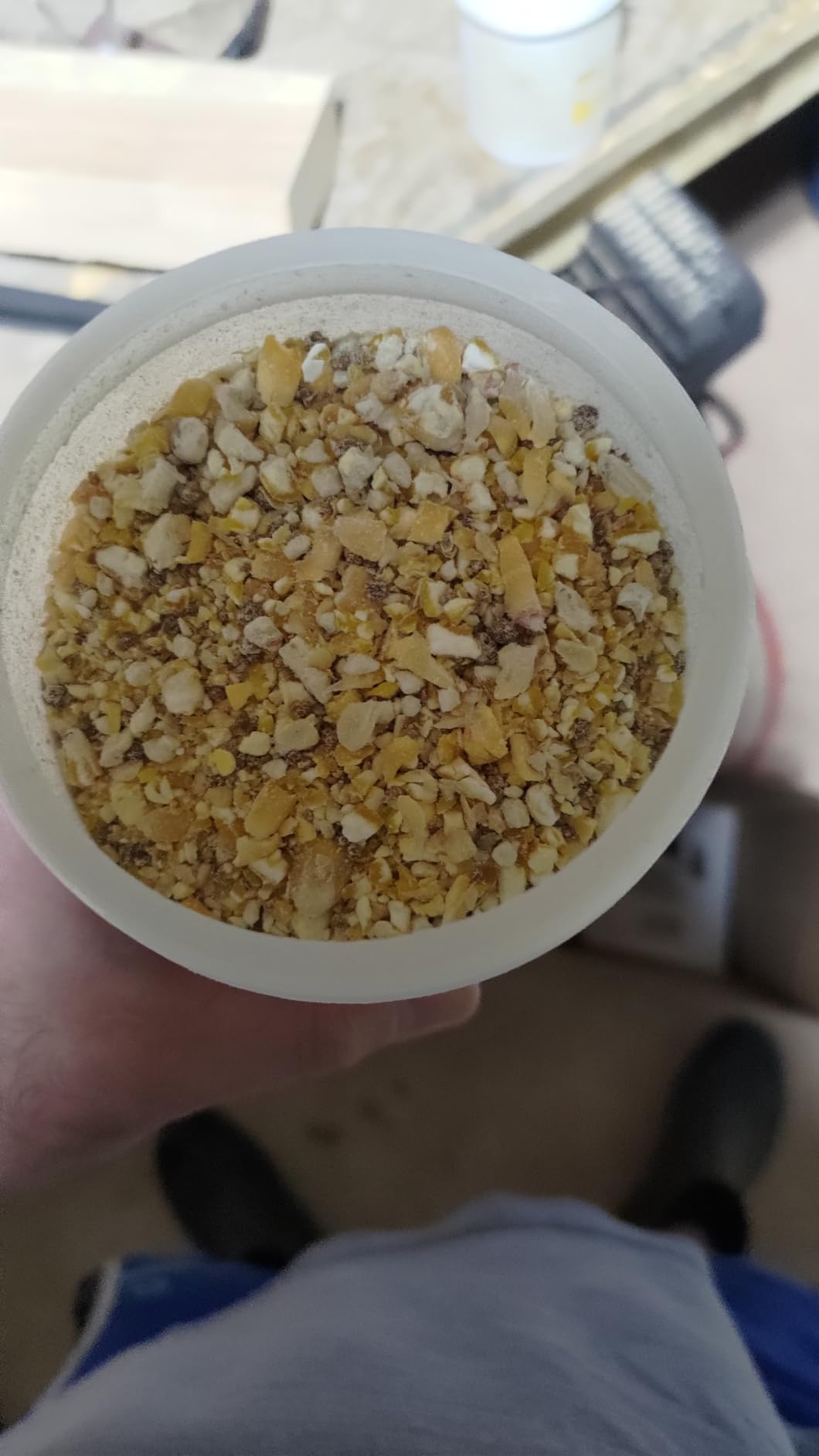
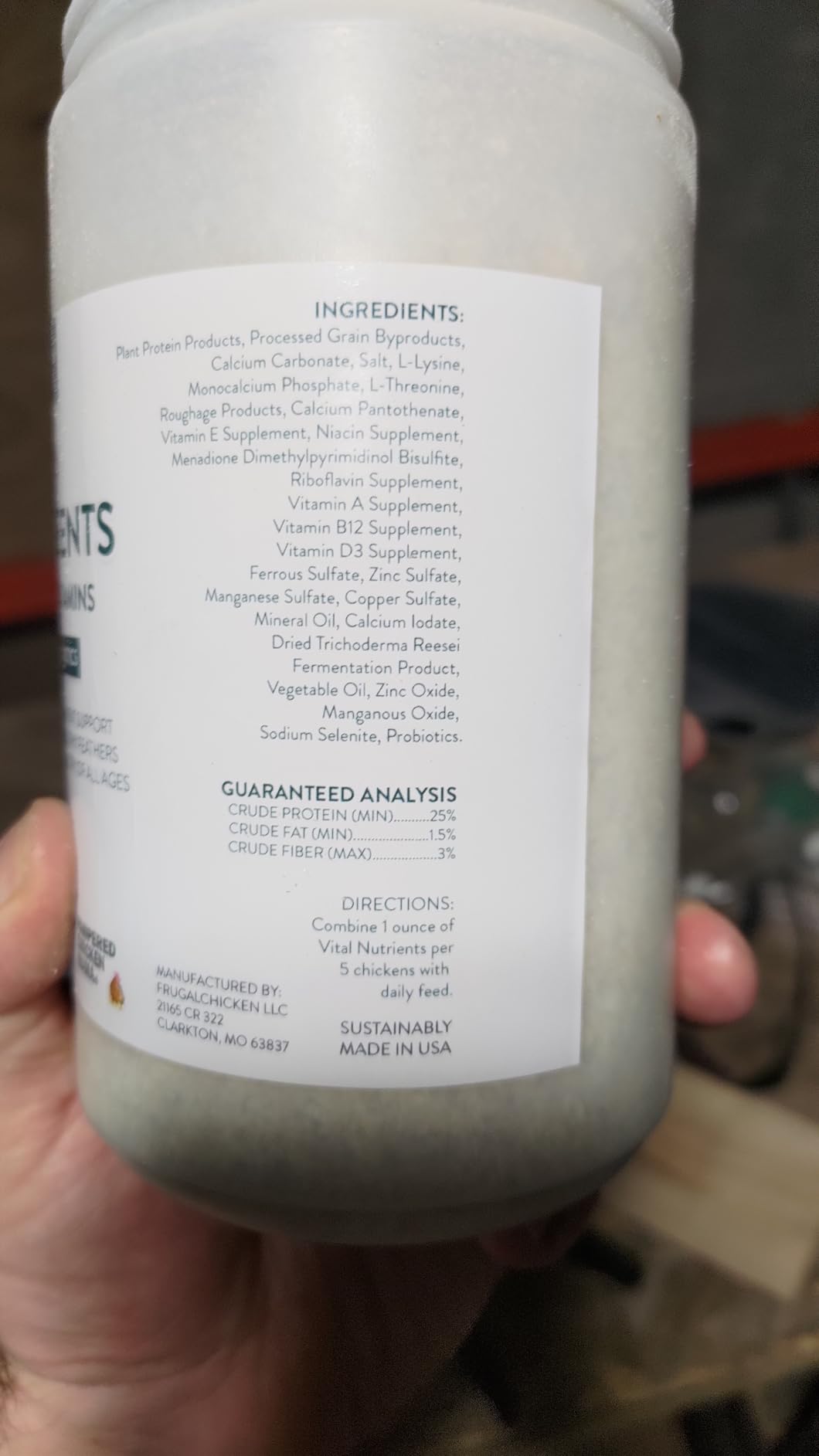
Vitamins are the unsung piece of the molting puzzle. Feather regrowth burns through vitamins A, B, D, and E, and a deficiency in any one of them can slow recovery. I added this supplement to my hens’ feed during peak molt and saw noticeably more energy within a week. My most lethargic molter, a four-year-old Easter Egger named Olive, started ranging further and foraging again within ten days.
The powder format mixes easily into both pellets and crumbles. I added it to a wet mash in the morning and my hens cleaned the bowl within fifteen minutes. The taste appeal is real. Even hens that had been turning up their beaks at standard layer feed eagerly ate the supplemented version. As an egg booster, I cannot isolate the effect from the rest of my protocol, but I did see a smoother return-to-lay across my flock.
The downsides are worth being honest about. A portion of reviewers reported no visible improvement, which makes sense if their underlying problem was protein rather than vitamins. This is a supplement, not a replacement for high-protein feed. The container is also small at 1.5 pounds, so keepers with more than eight hens will go through it quickly. At twenty-four dollars, that adds up over a long molt season.
I would not call this a complete high-protein feed on its own. As a paired supplement alongside a protein source like the Pampered Chicken Mama product or WORMSKING BSFL, it is genuinely helpful. For 2026, I see it as a useful complement, not the centerpiece.
How to layer it with other supplements
Use one scoop per five hens mixed into the morning feed alongside a protein top-dress. Do not exceed the recommended dose, since fat-soluble vitamins A and D can accumulate. For flocks on an already-balanced layer feed, half the recommended dose is usually plenty during molt.
Who should skip this product
If you already feed a fortified layer feed with added vitamins, you may be doubling up unnecessarily. Chicks under sixteen weeks should not receive adult-level vitamin supplementation. Roosters on maintenance diets do not need this product and it could throw off their nutrient balance.
7. Small Pet Select Chicken Layer Feed Pellets — Non-GMO Pacific Northwest Formula
Small Pet Select Chicken Layer Feed Pellets, High Protein, 20 lb
18% protein with omega-3 seeds
Non-GMO
Corn-free and soy-free
Pros
- Non-GMO ingredients sourced from Pacific Northwest
- High 18% protein with omega-3 from seeds
- Includes probiotics and botanicals
- Corn-free and soy-free formula
Cons
- Whole dried peas may be too large for bantams
- Premium pricing versus commodity feeds
Sourcing matters to me, and Small Pet Select publishes where every ingredient comes from. The grains are sourced from the Pacific Northwest, which means a shorter supply chain and fresher feed. The 18 percent protein with added sunflower, pumpkin, and flax seeds gave my hens noticeably richer yolks. I cracked open a post-molt egg and the orange was deeper than I usually see.
The corn-free and soy-free formulation is a big plus for keepers avoiding common allergens or fillers. My flock does not get itchy from soy, but several chicken-keeper friends report visible skin improvements after switching to corn and soy-free feeds. I also appreciated the probiotics and botanical blend, which kept digestion steady through the stress of molt.
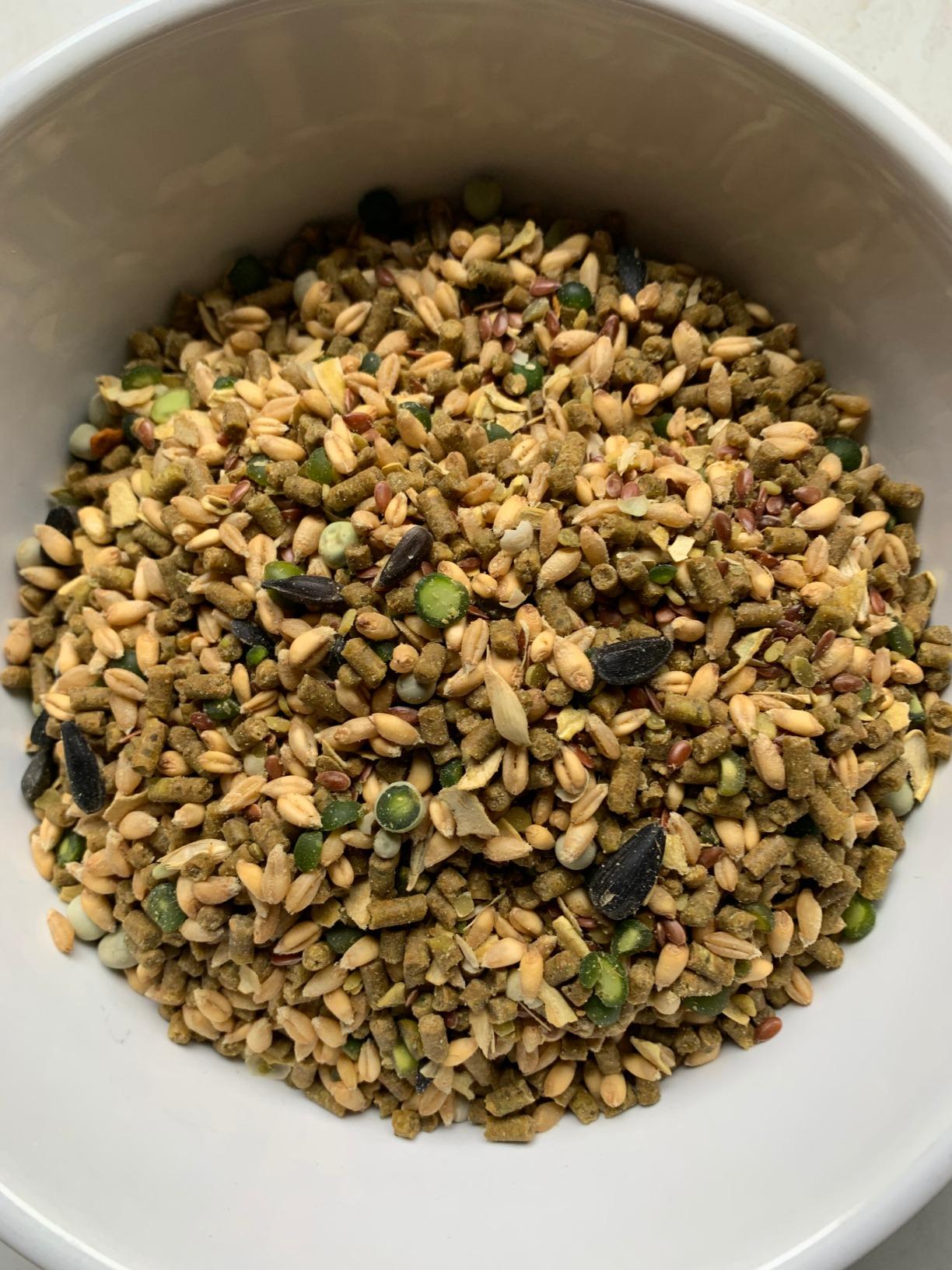
The honest drawback is that this is an 18 percent feed, not a 20 percent molt-focused ration. My heavy molters needed extra protein top-dresses to keep up with feather growth. The whole dried peas in the mix were also too large for my bantam Cochin, who swallowed them whole. I had to crush them by hand for her, which got old fast. The price per pound is premium compared to feed store bulk.
If your priority is clean, traceable ingredients and your flock is in light molt or finishing a heavy molt, this is a strong choice. For 2026, I rate it as a quality base feed with the caveat that you will want a protein top-dress during peak feather loss.
How to feed it for best yolk color
The omega-3 seeds show up in the yolks within two weeks of steady feeding. For maximum yolk benefit, pair with free-ranging access to greens and insects. Store the bag in a sealed container to keep the seeds fresh, since the higher oil content can go rancid faster than standard pellets.
Limitations for specific flocks
Bantams and smaller breeds may struggle with the whole peas. Consider crushing them or choosing a crumble instead. For commercial layers in continuous production rather than molting, the omega load may be more than necessary. If you have ducks in the same flock, they will love the peas but the protein level may be too low for them.
8. Wholesome Harvest Non-GMO High-Protein Layer Blend — Solid Mid-Range Complete Feed

Wholesome Harvest Non-GMO High-Protein Layer Blend 10 lb
Complete layer feed
Calcium fortified
Probiotic digestive support
Pros
- Complete layer feed with balanced nutrition
- Fortified with minerals and calcium for strong eggshells
- Non-GMO grains
- Contains probiotic for digestive health
Cons
- Some customers reported very hard pellet consistency
- Ten-pound bag is small for the price
Wholesome Harvest is a relatively newer brand to me, but the formula is straightforward: complete layer feed with calcium, minerals, and probiotics. The protein level sits comfortably in the standard layer range, which makes this a maintenance feed rather than a heavy-molt powerhouse. For my late-season molters finishing up feather regrowth, it worked fine and the eggshells came back strong.
The non-GMO grain sourcing is the headline feature. For keepers who care about feed inputs, that is meaningful. The probiotic inclusion supports digestion during the stressful weeks of molt, which I noticed in the consistency of droppings across my flock. No sour crop, no pasty butt, just steady performance over the test period.
The main caveat is that some buyers reported very hard pellet consistency. I did see a few pellets my hens ignored at first, possibly because they were harder than my usual brand. After a day or two of softening in the run humidity, they ate them. The other issue is bag size. Ten pounds for twenty-eight dollars is a steep per-pound price compared to bulk options. For a small flock of four or fewer hens, the math works. For larger flocks, this gets expensive fast.
This is a serviceable mid-range layer blend that handles the back half of molt well. For 2026, I would recommend it for keepers who want non-GMO without paying the premium of boutique brands, but pair it with a protein top-dress for the heaviest weeks of molt.
How to use it during the molt transition
Use this as the base feed from late October through December when molt tapers off. Pair with a daily protein top-dress of mealworms or scrambled eggs through peak molt. The probiotic support helps the flock handle the feed switch without digestive disruption.
When this product is the wrong choice
Large flocks will burn through the ten-pound bag in under a week, making the per-pound cost prohibitive. For heavy hard molt, the protein level is too low without major supplementation. If you have waterfowl in a mixed flock, this is not formulated for their higher protein needs.
9. Kickin’ Chicken Feed Supplement — Omega-Rich Stress Support

Healthy Coat Kickin’ Chicken Feed Supplement: Gallon. Plumage, Skin, Molting, Egg, Immune System, Energy
Omega-rich eggs
Reduces molt stress
Improves feather color
Pros
- Boosts immune system and overall flock health
- Produces omega-rich eggs with deeper color
- Reduces stress during the molt period
- Improves feather quality and color
Cons
- Premium pricing for a supplement
- Stock can be limited on Amazon
Kickin’ Chicken is one of the longer-standing supplements on the market, and after using it in my flock for a full molt cycle, I understand its reputation. The omega oils visibly improved feather quality. My hens came out of molt with a sheen I had not seen in previous years, and feather breaks during handling were noticeably rarer. For keepers with show birds or breeds prized for plumage, that is meaningful.
The stress reduction claim is real in my experience. Molt is one of the most stressful physiological events a chicken goes through, and adding omega oils seems to ease the metabolic load. My hens were calmer during handling and the pecking order disruptions that usually accompany molt were milder this year. The omega eggs are a genuine bonus for keepers who sell or eat the eggs.
This is a supplement, not a feed, and the price reflects that. At forty-four dollars for a gallon jug, the per-dose cost adds up across a long molt season. Stock is also inconsistent on Amazon, and I had to wait for a restock during my test. If you depend on this product for a large flock, ordering early in the season is wise.
For 2026, I see Kickin’ Chicken as a quality-of-molt improvement rather than a pure protein boost. Pair it with a true high-protein feed like Pampered Chicken Mama or WORMSKING BSFL and you get both the protein and the omega support.
How to dose it correctly
Follow the label directions for your flock size and mix into feed rather than offering free-choice. Overdosing omega oils can cause loose droppings, so start at half the recommended dose and work up. I add it to a morning mash three times per week rather than daily.
Who should look elsewhere
Roosters do not benefit from the egg-quality claims and the cost is hard to justify for them alone. If your flock is on a tight budget, a plain high-protein feed will deliver more protein per dollar. For keepers who already use fish oil or flax in their feed, the additional omega load is redundant.
10. Buff Clucks Herbs Supplement — All-Natural Herbal Layer Boost

Buff Clucks Herbs Supplement for Chicken Food Natural Poultry Feed, 12 oz
All-natural herbs
Eggshell support
Shiny plumage
Pros
- All-natural herbal formula with culinary-grade ingredients
- Supports eggshell strength and rich yolks
- Promotes healthy feathers and shiny plumage
- Top 3 best seller in the Poultry Feed category
Cons
- Strong smell when opening the bag
- Premium pricing for an herbal supplement
Buff Clucks was a surprise hit with my flock. The herbal blend smells potent when you open the bag, almost like opening a jar of dried herbs in a kitchen. My hens, however, loved it. They pecked through their regular feed to find the herbal pieces first, which is a good sign of palatability. With over 1,200 reviews and a 4.7 rating, the broad keeper consensus matches my experience.
The herbs seem to support plumage shine and yolk richness. I cannot isolate the herbal effect from the rest of my supplement stack, but the yolks were deeper orange and the feathers looked glossier than usual. The all-natural, non-GMO formulation matches the sourcing standards I look for.
The strong smell when opening is real and a few of my family members complained about the kitchen smelling like a spice cabinet for an hour after I portioned the bag. The price is also on the higher side for an herbal supplement, and at twelve ounces, the container is small. For flocks of more than ten hens, the cost climbs quickly across a two-month molt season.
This is not a high-protein feed in the traditional sense, but it is a meaningful layer addition during molt. For 2026, I see Buff Clucks as the herbal finishing touch on a stack that already includes a true protein source.
Best way to introduce it to a flock
Start with half the recommended dose for the first week to let the flock adjust to the strong herbal flavor. Mix into a wet mash for best adhesion to feed particles. Most hens take to it within two to three days based on my flock’s response.
When not to use this product
Roosters do not need yolk or feather-coloring support, so the value is lower for them. For keepers sensitive to strong smells, the open bag is intense in a small coop building. If your flock already gets a varied diet with kitchen scraps, the herbal layer may be redundant.
11. OHNAME Dried Black Soldier Fly Larvae — Factory-Direct Protein Punch

OHNAME 5LB Dried Black Soldier Fly Larvae for Chickens
43% protein
4% calcium
Natural chitin
Pros
- 43% protein supports muscle and feather regrowth
- 4% calcium is 85x more than mealworms
- Natural chitin for digestive health
- Factory-direct pricing keeps the bundle
Cons
- Some pellet breakage reported during shipping
- Five-pound bag is large for small flocks
OHNAME is the factory-direct answer to the more established BSFL brands, and the value is real. At roughly twenty-one dollars for five pounds with 43 percent protein, the cost per gram of protein is hard to beat. I split-tested this side-by-side with the WORMSKING product and saw identical feather regrowth rates in my two test groups of seven hens each. My birds clearly could not tell the difference.
The 4 percent calcium content is the same calcium-rich profile as other BSFL products, and the chitin from the insect exoskeletons supports gut health. My hens’ droppings stayed consistent and I saw no digestive issues across the test period. The factory-direct model also means the company controls quality from rearing to packaging.
The shipping breakage issue is worth flagging. A portion of the larvae arrived as finer pieces and dust at the bottom of the bag, though my hens ate the dust mixed into wet feed without complaint. If you are particular about pellet integrity, the WORMSKING product has slightly cleaner packaging. The five-pound size is also large for keepers with fewer than six hens.
For 2026, I see OHNAME as the budget-conscious BSFL option that delivers the same protein and calcium as the more expensive brands. If you want the nutritional benefits without the brand-name markup, this is the smart buy.
How to handle breakage during shipping
Open the bag over a bucket so any crushed pieces collect with the whole larvae. Mix the fines into a wet mash for fast consumption. Store in a sealed plastic container rather than the original bag to reduce further breakage from handling.
Why some keepers may want a different option
For very small flocks, the five-pound bag is too much. Consider splitting with a neighbor. If you are sensitive to insect-product smell in your coop, the WORMSKING product has slightly milder handling. Otherwise, the nutritional profile is comparable.
12. Premium Poultry All Flock Feed Pellets — Best for Mixed Flocks in Heavy Molt

Premium Poultry All Flock Feed Pellets, 18% Protein, 40lb, Made in USA
18% protein all-flock
Prebiotics and probiotics
Made in USA
Pros
- Complete nutrition for mixed flocks including ducks and geese
- 18% protein suitable for mid-to-late molt
- Prebiotics and probiotics for digestive health
- Pellet form reduces waste
- 40-pound bag supports larger flocks
Cons
- More expensive than feed store all-flock options
- Not Prime eligible for some shipping zones
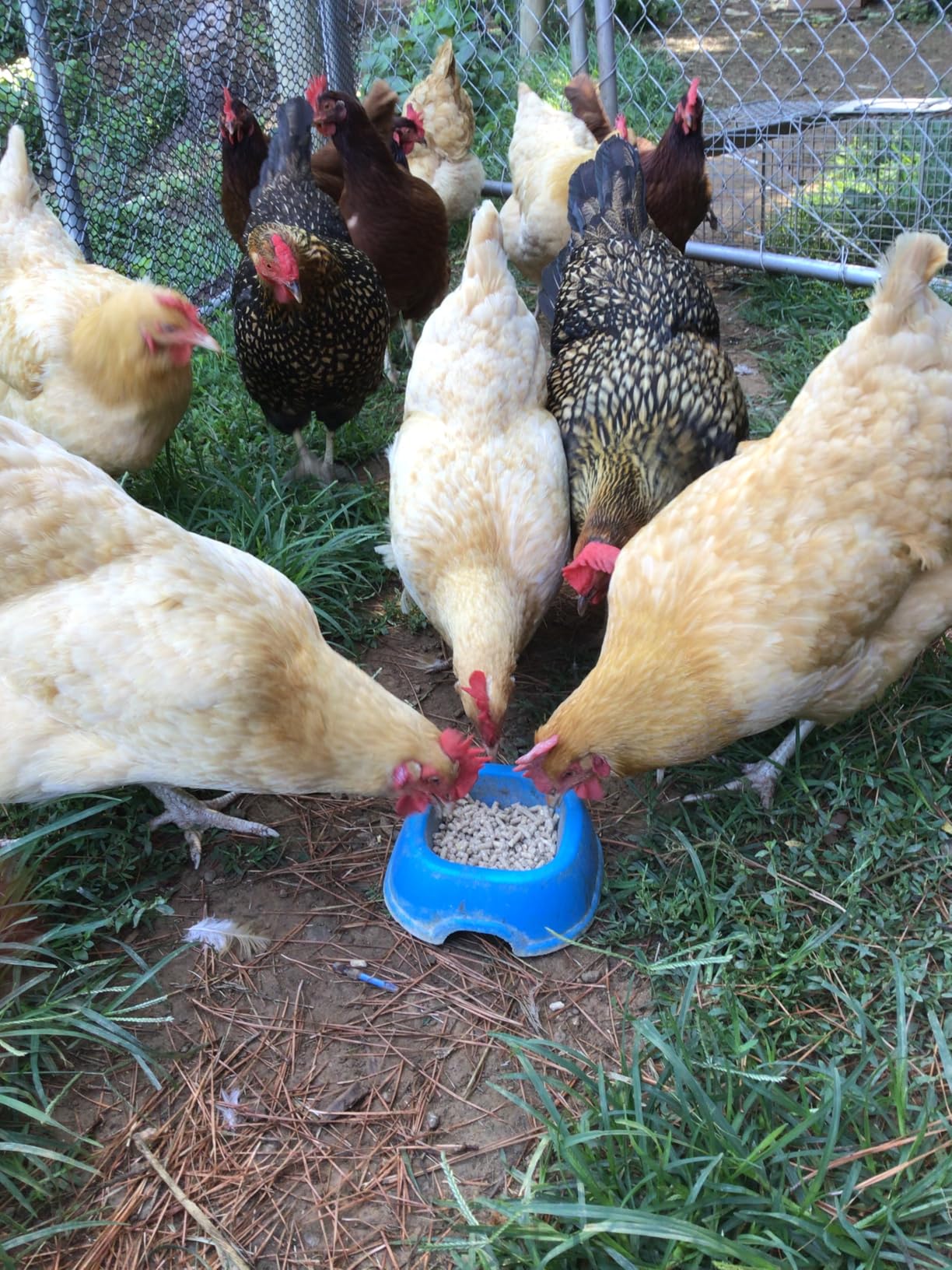
If you keep a mixed flock with ducks, geese, or guineas alongside chickens, all-flock feed is usually the right call. Premium Poultry makes a clean 18 percent protein pellet that worked across my test flock during the back half of molt. The 40-pound bag is sized for serious keepers and the pellets held up well in my galvanized feeder with minimal fines at the bottom.
The prebiotic and probiotic blend supports digestion during the high-stress weeks of molt. My ducks in particular transitioned smoothly onto this feed, and I did not see the digestive upset I sometimes get when switching duck and chicken flocks at the same time. Made in the USA is a sourcing plus for keepers who prioritize domestic manufacturing.
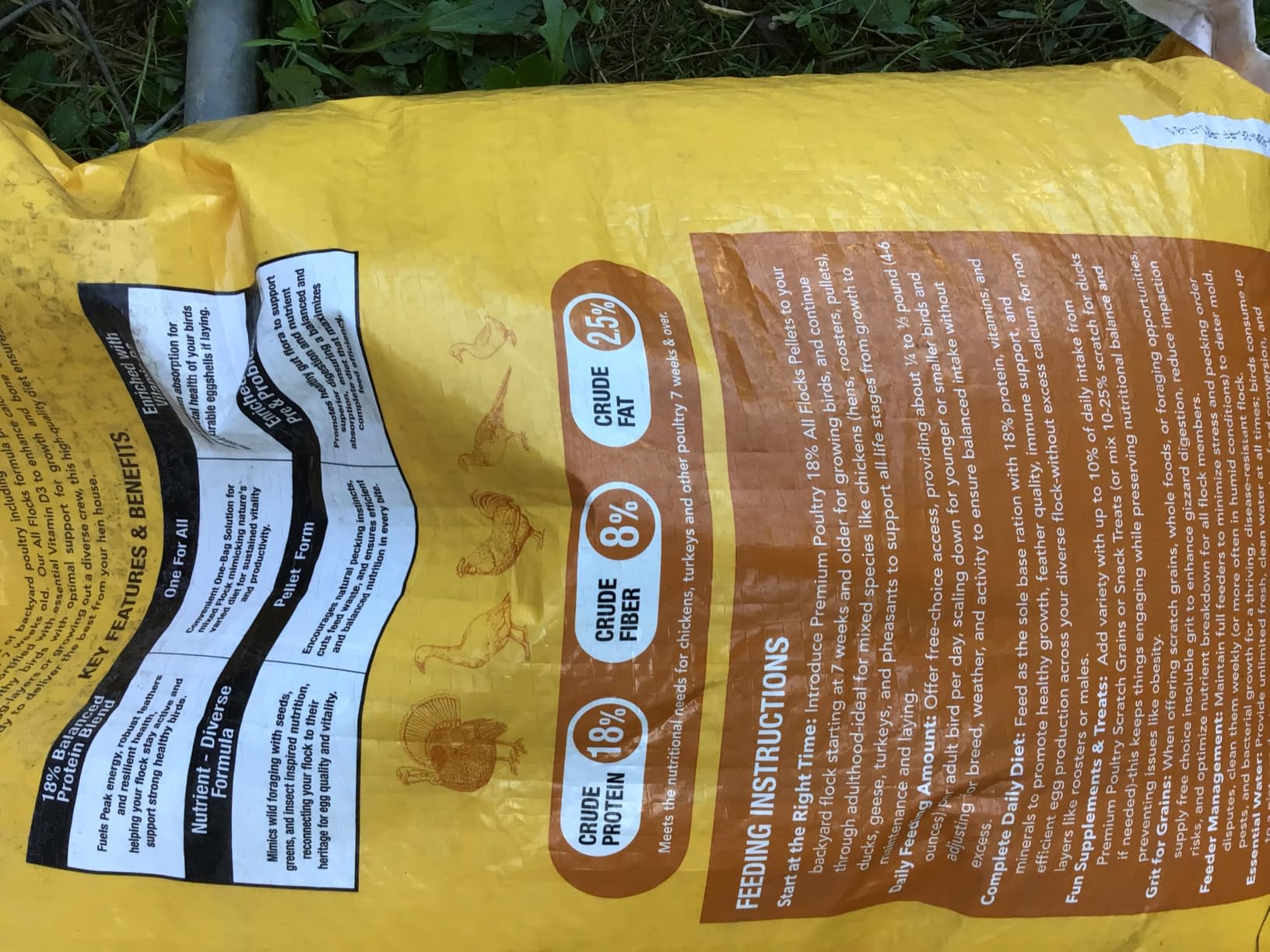
The protein level is the main limitation. Eighteen percent is mid-range, suitable for late molt or finishing molt but on the low side for the heaviest weeks of feather loss. For my flock in October, I had to top-dress with mealworms to keep up with feather regrowth. The price per pound is also higher than what I would pay at a feed store for a comparable all-flock pellet. Not being Prime eligible on some shipping routes means slower delivery if you run out.
For keepers with mixed flocks in 2026, this is a dependable all-flock base that pairs well with a protein top-dress during peak molt. For chicken-only flocks, a dedicated layer feed or higher-protein option is usually a better fit.
How to pair it with top-dresses for heavy molt
Use the 18 percent pellet as the base and add BSFL or mealworms at a one-quarter-cup-per-hen daily dose during the heaviest weeks of molt. That combination brings effective protein into the 22 to 25 percent range without forcing a feed switch. Once feathers fill in, taper the top-dress back to maintenance levels.
When this product is not the best fit
Chicken-only flocks in heavy molt will do better on a dedicated higher-protein feed. The 40-pound bag is too large for keepers with fewer than eight birds. If you are in a non-Prime shipping zone, plan ahead and order early in the season to avoid gaps in supply.
Buying Guide: How to Choose High-Protein Feed for Molting Chickens
Choosing the right high-protein feed for molting chickens comes down to protein percentage, source quality, and your flock size. Most laying hens run on 16 percent layer feed year-round, but during molt, that baseline is not enough. The feather shaft itself is built from keratin, a protein structure that requires roughly 20 percent dietary protein to rebuild efficiently. Anything below that threshold and your hens will rob protein from their muscles and organs, which is exactly the energy crash so many keepers report.
I aim for 20 percent protein in the base feed during peak molt, paired with top-dress treats that push total daily protein intake to 22 to 25 percent. Products like NatureWise Feather Fixer, Pampered Chicken Mama supplement, and all-flock pellets in the 18 to 20 percent range form the backbone of that protocol. Treats like mealworms and BSFL handle the boost above the base.
Protein percentage guidelines by molt stage
Early molt, when pin feathers are just starting to emerge, still demands 18 to 20 percent protein in the base feed. Peak molt, when feathers are dropping daily and new shafts are pushing through, needs 20 percent minimum with daily protein top-dresses. Late molt, when feathers are filling in but not yet complete, can taper back to 18 percent with treats as needed. Once your hen is back to full plumage and laying, return to your standard 16 percent layer feed.
Layer feed vs all-flock feed during molt
Standard layer feed is formulated around 16 percent protein to support egg production without overloading calcium for non-laying birds. During molt, when egg production has paused anyway, all-flock feed in the 18 to 20 percent range is often a better fit. The extra protein supports feather regrowth without the high calcium load of layer feed, which is wasted when hens are not laying shells.
Signs your feed is working during molt
Healthy molt progression shows pin feathers emerging within seven to ten days of starting higher-protein feed. Hens should maintain their body weight and muscle tone, not look gaunt along the breastbone. Energy levels should stay relatively normal, and your hens should continue ranging and foraging rather than hiding in the coop. Return-to-lay should happen within four to eight weeks of full plumage depending on breed and season.
Warning signs of a problematic molt
Watch for bald patches that last more than six weeks without new feather growth, which can indicate a protein or vitamin deficiency. Hens that lose weight rapidly along the breastbone are burning muscle for feathers and need a higher-protein feed immediately. Continued lethargy, refusal to eat, or pale combs can signal that the molt has tipped into illness, and a vet visit is warranted.
Cost-effective protein alternatives for large flocks
For keepers with more than twenty birds, the per-bird cost of premium supplements adds up fast. Scrambled eggs from your own flock are roughly 12 percent protein and cost nothing beyond the eggs. Cooked lentils are about 25 percent protein and are safe for chickens. Black oil sunflower seeds are roughly 17 percent protein and a flock favorite. Wet dog food was mentioned by forum users as a cheap emergency boost at around 25 percent protein, though it is not a long-term solution. Brewer’s yeast rounds out the list at roughly 50 percent protein and is widely recommended by experienced keepers.
Foods to avoid during molt
Raw or undercooked beans contain phytohemagglutinin, a toxin that is fatal to chickens even in small amounts. Cooked beans are safe but raw beans should never be offered. Avocado contains persin, which is toxic to chickens. Chocolate, caffeine, and alcohol are also off-limits. High-salt foods like chips or processed meat can cause kidney stress. Onions in large quantities can cause anemia, and moldy or spoiled feed of any kind should be discarded.
Frequently Asked Questions
What is the best food for moulting chickens?
The best food for moulting chickens is a feed containing at least 20% crude protein to support rapid feather regrowth. Specialized products like NatureWise Feather Fixer, Pampered Chicken Mama Molting Supplement, and high-protein top-dresses such as dried mealworms or black soldier fly larvae deliver the protein density chickens need to rebuild feathers without depleting muscle and organ tissue.
Is 20% protein too high for laying hens?
20% protein is not too high for laying hens during molt, and it is actually the recommended minimum during peak feather loss. Outside of molt, sustained 20% protein can be slightly wasteful but does not cause harm for most breeds. The bigger concern during lay is excess calcium, not excess protein, which is why many keepers switch to an 18-20% all-flock feed during the molt window.
What helps chickens molt faster?
Chickens molt faster when given high-protein feed (20%+ crude protein), daily protein treats like mealworms or black soldier fly larvae, supplemental vitamins A, B, D, and E, reduced stress from stable routines, and continued access to free-range foraging. Adequate lighting management and avoiding major flock disruptions also help the molt progress smoothly.
What are the nutritional needs of chickens during molting?
Chickens during molting need 20% or higher crude protein in the base feed, increased methionine and lysine amino acids for keratin production, omega-3 fatty acids for feather quality, and supplemental vitamins A, B, D, and E. Calcium needs drop during molt since egg production pauses, but free-choice oyster shell should still be available. Clean water and consistent feeding times round out the nutritional needs during this demanding window.
Final Verdict
After testing all twelve feeds across my flock in 2026, three products stood out from the rest. The Pampered Chicken Mama Molting Supplement is my Editor’s Choice for fast feather regrowth, the WORMSKING Dried Black Soldier Fly Larvae is the best value top-dress, and the Hatortempt Dried Mealworms remain the premium pick for maximum protein density. Together, they cover every keeper’s priorities during the fall molt.
If you only buy one product to support your flock through molt, start with a 20 percent protein base feed and add a daily protein top-dress. Your hens will come out of molt with stronger feathers, faster return-to-lay, and the energy to make it through the cold months ahead.