

The first honest cut I ever took with a hand plane came from a tool that cost less than a takeout order. The shaving was thick, uneven and almost comical, but the board underneath it was flatter than anything my power sander had produced. That is the thing nobody tells you about hand planes: the tool is not the skill. The blade is the skill, and a well-set plane with a mediocre edge will still teach you more in a weekend than a month of reading.
That said, the best hand planes for woodworking beginners are not all equal, and the wrong first plane is the fastest way to decide hand planes are not for you. A cheap plane with a dull blade, a high blade angle and a slightly hollow sole will tear out, chatter and frustrate you in a single afternoon. Our team pulled 12 planes onto the bench, set them up the same way, and ran them across the same boards, and these are the ones that survived that test with the least arguing.
We spent most of 2026 working through cast-iron bench planes, low-angle block planes, and the Japanese kanna pull planes that most beginner roundups leave out. Everything below reflects what actually happens when you buy one of these and take it to real stock, not what the packaging claims. If you want the short version: start with a low-angle block plane, keep your expectations on sharpening honest, and let the heavy bench planes come later.
Table of Contents
Top 3 Picks for the Best Hand Planes for Beginners in 2026
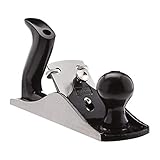
Amazon Basics No.4 Bench Plane
- 2 inch cast-iron bench plane
- Adjustable mouth and depth gauge
- Front and rear handles
- 2.7 pound body

KAKURI 50mm Japanese Kanna
- 50mm laminated Japanese blade
- Two-blade chipbreaker design
- ECO oak body
- Pull-stroke control

Jorgensen No.101 Mini Block
- O1 tool steel blade
- Drop-tested ductile iron body
- Adjustable depth knob
- 3.5 inch compact size
All 12 Hand Planes Reviewed Side by Side in 2026
| Product | Specs | Action |
|---|---|---|
| Amazon Basics No.4 Bench Plane |
|
Check Latest Price |
| KAKURI 50mm Japanese Kanna |
|
Check Latest Price |
| Jorgensen No.101 Mini Block Plane |
|
Check Latest Price |
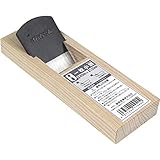 Senkichi 40mm Japanese Kanna Senkichi 40mm Japanese Kanna |
|
Check Latest Price |
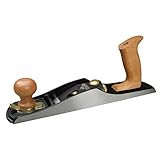 Stanley No.62 Low Angle Jack Stanley No.62 Low Angle Jack |
|
Check Latest Price |
 Jorgensen No.60-1/2 Block Plane Jorgensen No.60-1/2 Block Plane |
|
Check Latest Price |
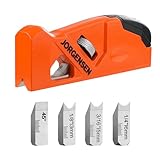 Jorgensen Chamfer Plane Jorgensen Chamfer Plane |
|
Check Latest Price |
 GreatNeck C4 Bench Plane GreatNeck C4 Bench Plane |
|
Check Latest Price |
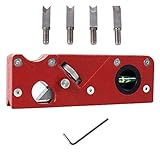 HOZOE Chamfer Plane HOZOE Chamfer Plane |
|
Check Latest Price |
 SUIZAN 42mm Japanese Kanna SUIZAN 42mm Japanese Kanna |
|
Check Latest Price |
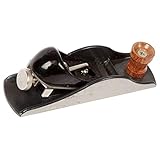 WORKPRO Block Plane WORKPRO Block Plane |
|
Check Latest Price |
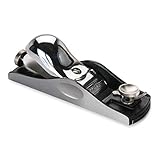 WoodRiver Low Angle Block Plane WoodRiver Low Angle Block Plane |
|
Check Latest Price |
1. Amazon Basics No.4 Bench Plane – the Most Reviewed Starter Plane
Amazon Basics Woodworking Hand Planer – No.4 Adjustable Bench Plane with 2-Inch Steel Blade for Quality Wood Smoothing Cuts, Grey/Black
Cast iron body
2 inch steel blade
Adjustable mouth and depth
2.7 pounds
Pros
- Most reviews of any plane in this roundup
- Precise adjustable mouth and depth gauge
- Cast-iron body dampens vibration
- Front and rear handles give real control
- Adjustment screws and lever cap are easy to reach
Cons
- Usually needs tuning before the first real cut
- Blade typically arrives needing honing
- Sole flatness varies between units
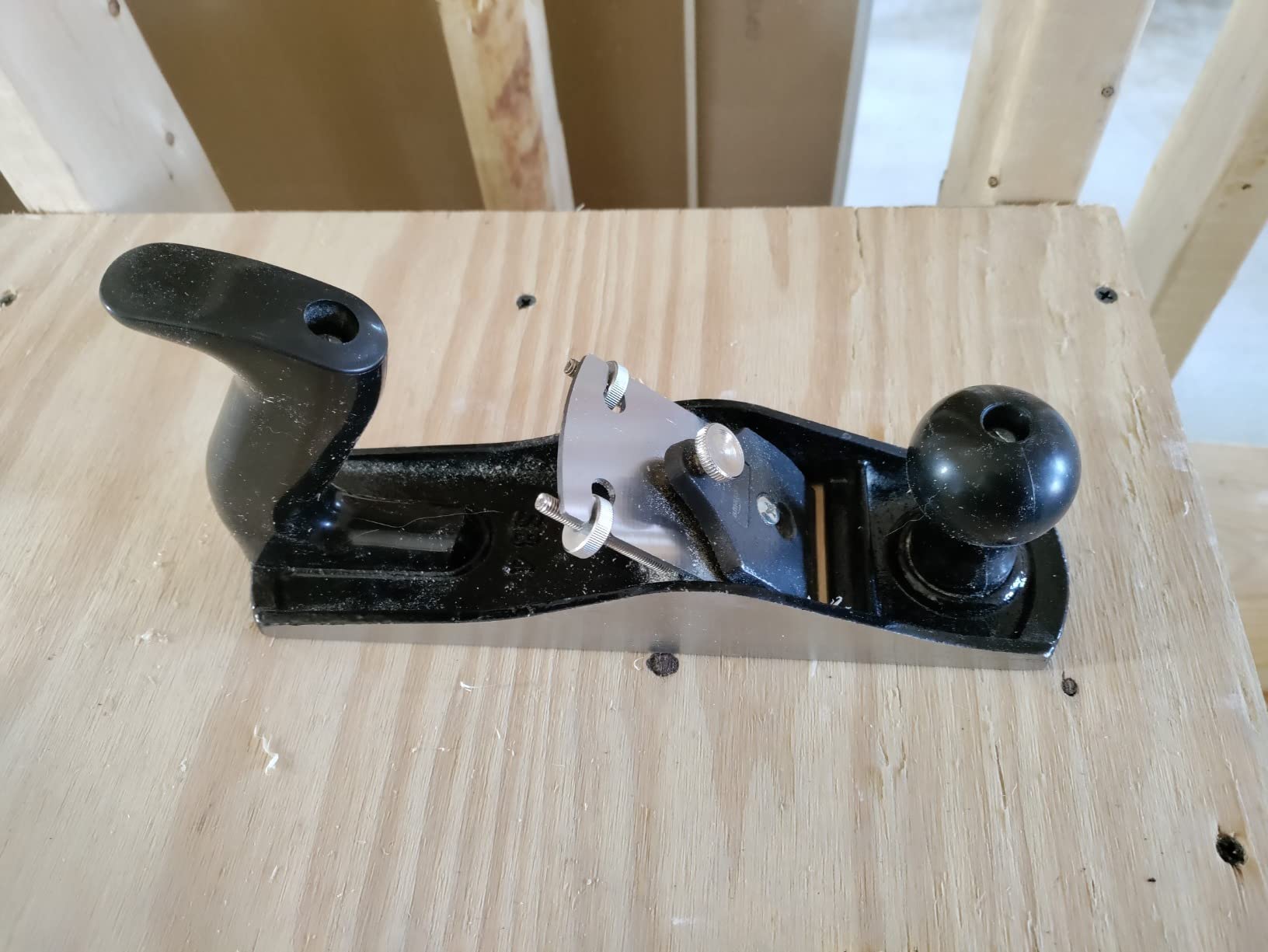
I started this whole exercise on the Amazon Basics No.4 because it has more owner reviews than anything else on this list, and volume of feedback tells you something real about long-term behavior. Over several weeks it became my go-to for flattening the faces of rough-sawn poplar and cleaning up glue squeeze-out. It is a 2.7 pound cast-iron bench plane with a 2 inch steel blade, and that weight is the first thing you notice: it does not wander.
The adjustment hardware is the real story. This is a Bailey-pattern bench plane, meaning the depth of cut is set by turning a wheel under the frog and the mouth gap is controlled from the same mechanism, which is exactly the system you will still be using in ten years on any bench plane you own. Front and rear handles give you a proper two-handed push, and the lever cap keeps the blade seated without a hammer.
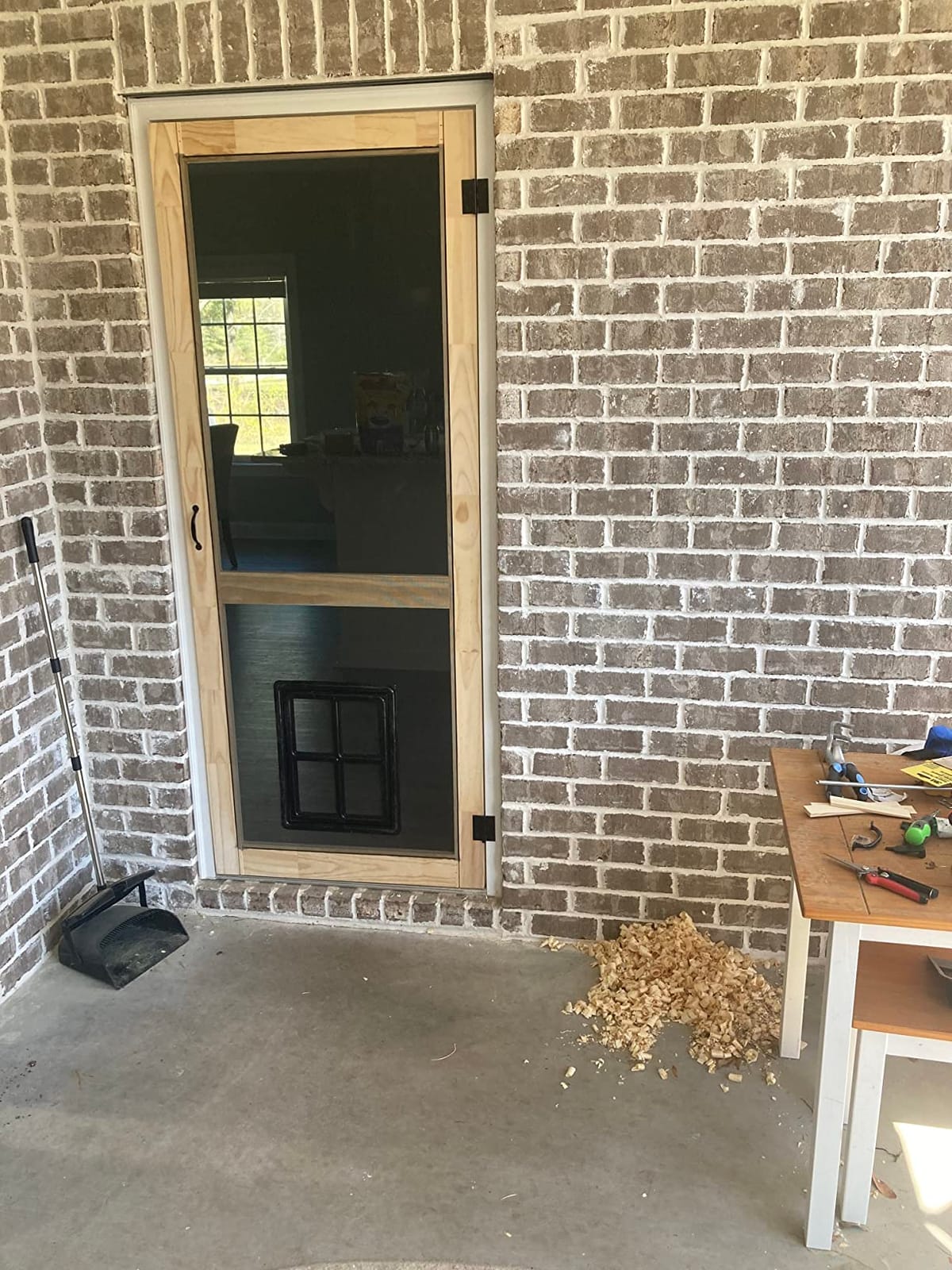
Here is the honest part. Out of the box this plane needs about half an hour of work before it is worth touching: flatten the sole on sandpaper over glass, set the mouth, and put an edge on the blade. Reviewers describe it the same way, calling it good value that works well after minor tuning. None of that tuning is complicated, but budget twenty minutes for it rather than ten.
Once tuned, it stays in service. The cast-iron body resists flex, the adjustment screws are easy to reach even with the plane on its side, and the whole thing cleans up with a brush. I have seen cheaper bench planes skip laterally when the depth is dialled in too far, and this one did not.
When this bench plane makes sense
This is the plane to buy if your projects involve boards, not small parts. Flattening a face, taking a board to final thickness, cleaning up a saw-cut edge, fitting a tenon shoulder. The 2 inch blade width covers a lot of surface per stroke, which matters when you are working on anything wider than your hands.
It is also the safest first bench plane. Nobody has ever traded a Bailey-pattern No.4 in for something else and regretted it, and the parts ecosystem for this pattern is enormous. If you later decide you want a smoother plane, you can put this one down and step up to a No.4 smoother without relearning anything.
When to skip it
Skip it if your work is small parts, inlay, or model-scale trim. A 2 inch blade is awkward on a small box, and you will fight the length of the body more than you benefit from the mass. For that, a low-angle block plane is the right instrument.
Also skip it if you refuse to sharpen. This is a hollow-grind-capable, chipbreaker-equipped bench plane, so it will sharpen on ordinary waterstones or diamonds, but it still expects a keen edge before it will leave a clean shaving. A dull blade here is a fast-dulling blade.
2. KAKURI 50mm Japanese Kanna – the Premium Pull Plane
KAKURI Japanese Hand Plane 50mm, Woodworking Block Plane 9.5″ x 2.5″
50mm laminated blade
ECO oak body
Two-blade chipbreaker
1.5 pounds
Pros
- Pull stroke gives remarkable control
- Two-blade design resists splitting the wood
- Blade is laminated Japanese high carbon steel
- ECO oak body from core wood feels great in the hand
- Available in 50mm and 42mm widths
Cons
- Needs dai flattening and blade fitting before use
- Blade depth is set by tapping with a hammer
- Wooden body can warp with poor storage
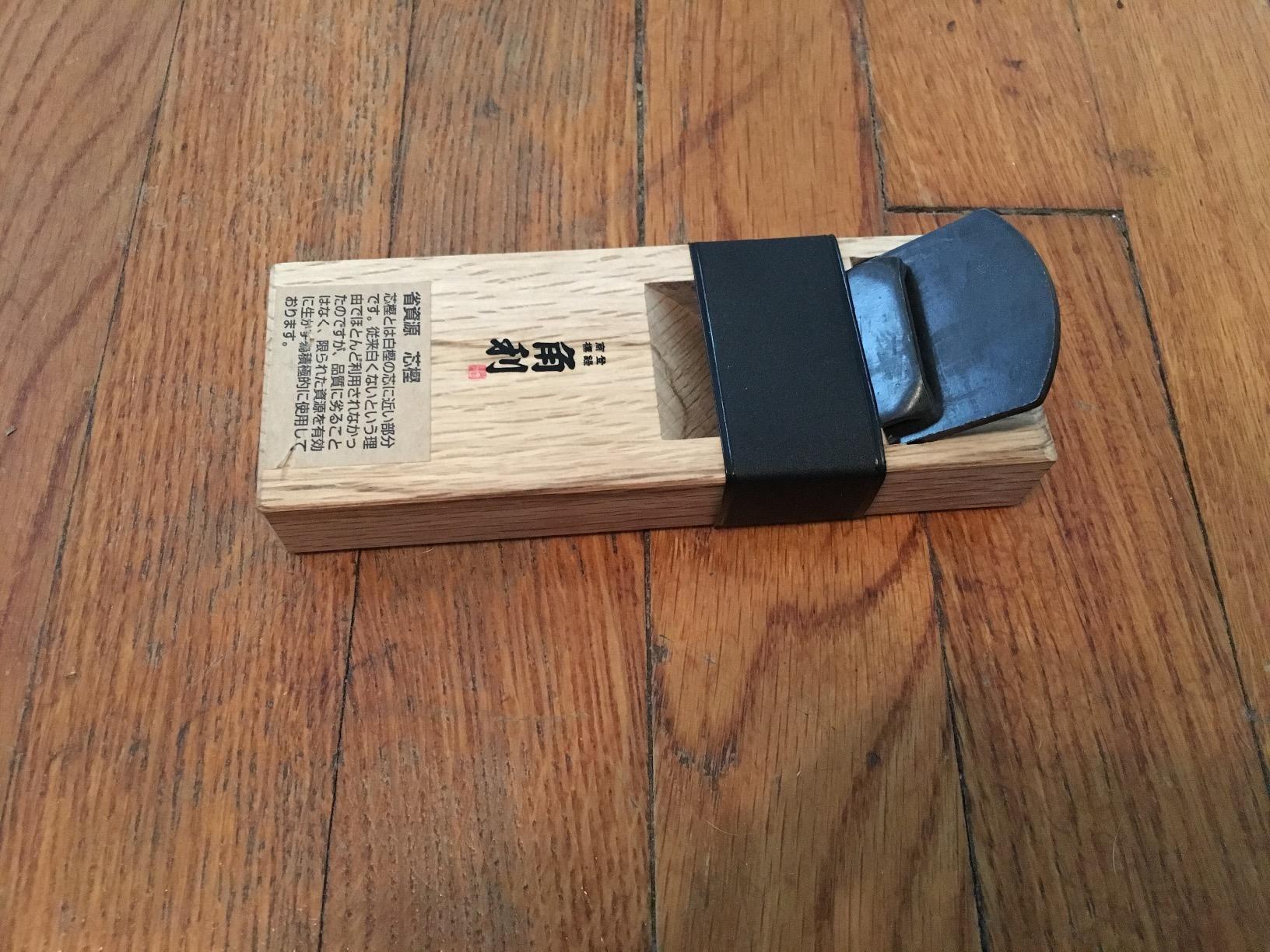
The KAKURI is the plane I reach for when I want a glassy surface and I am not in a hurry. It is a Japanese kanna, which means you pull it toward you rather than push it away, and that reversal changes everything about how the cut feels. Your wrist and forearm drive the stroke, so you have far more control over the entry than with a push plane.
Two design choices stand out. The body is ECO oak, taken from the core of the tree, which is dense and stable, and the blade is Japanese high carbon steel laminated to soft iron, a combination that gives a hard edge with a tough, damage-tolerant spine. There is a second blade behind the cutting edge acting as a chipbreaker, and on knotty or figured stock that is the difference between a shaving and a split.
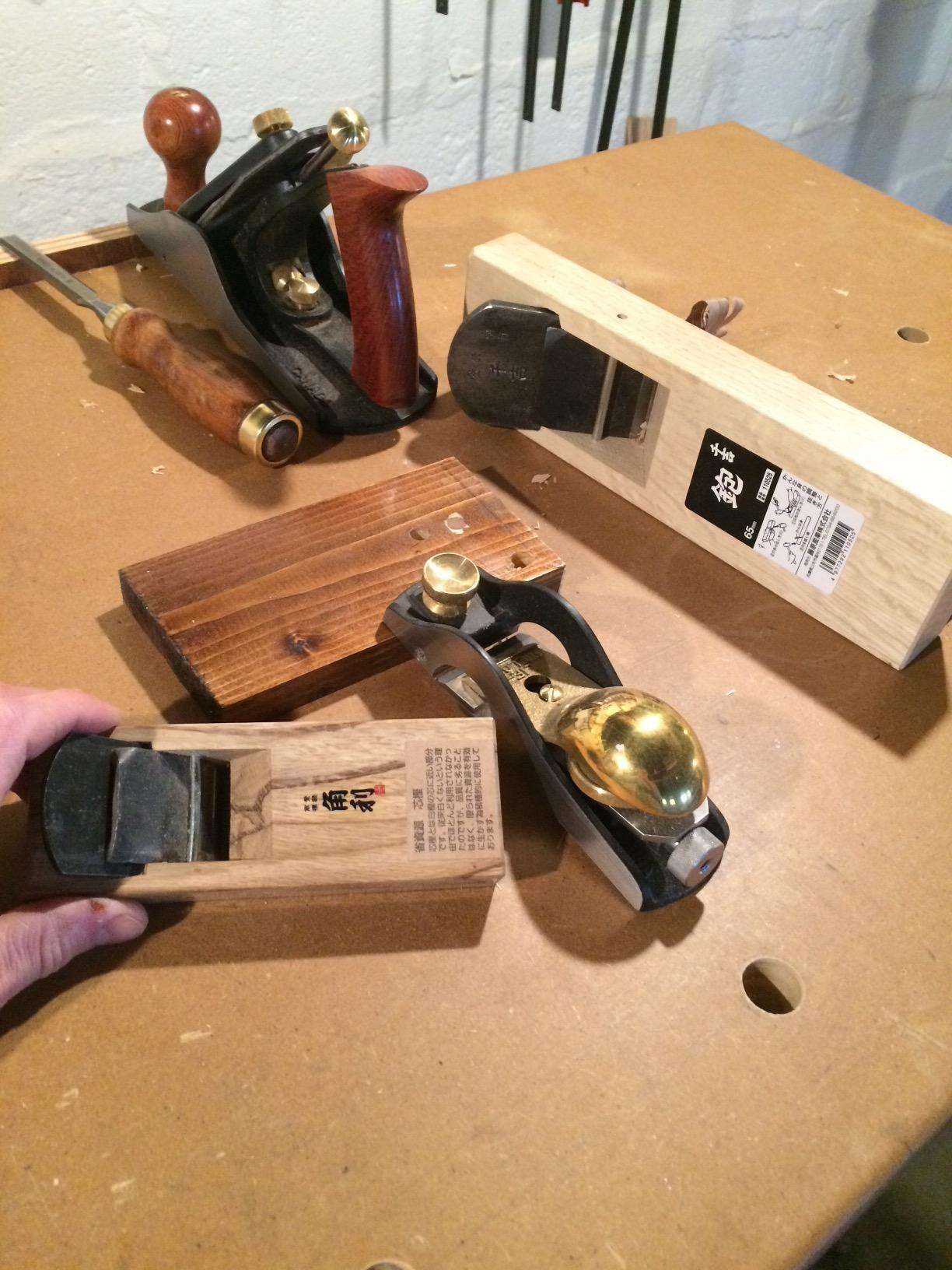
It arrives needing work. The reviews are consistent on this point: setup is required, the blade is fitted by hand, and depth is adjusted by tapping the blade or the dai with a wooden hammer. If you have never done this, budget an evening with a flattening stone or sandpaper and a video open on a second screen.
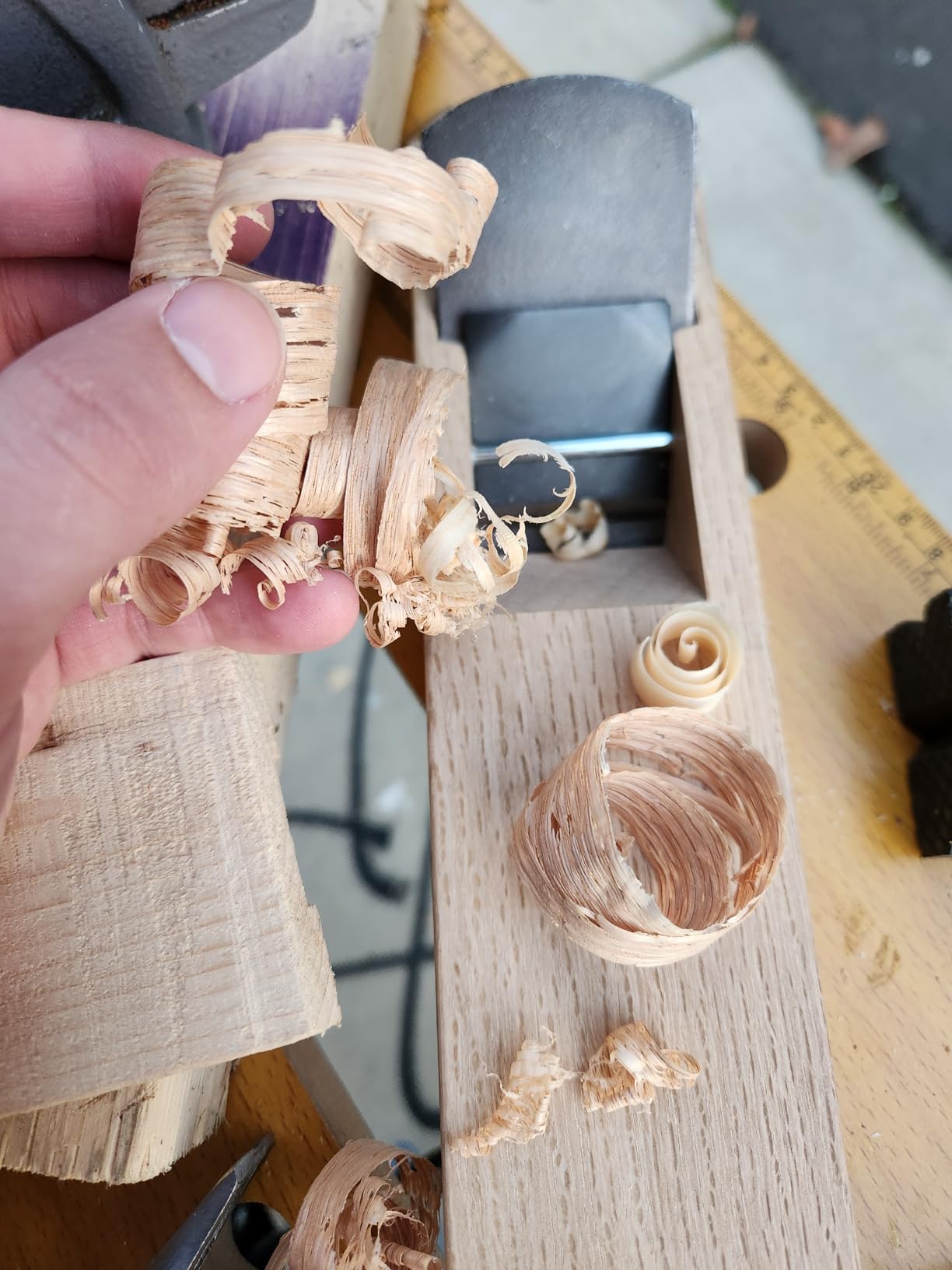
After that setup, the shaving quality is hard to beat. The 50mm blade width and the two-blade arrangement produce a continuous, translucent ribbon that leaves a surface needing almost nothing afterward. I used it on cherry and walnut for a jewelry box and did no sanding on the visible faces at all.
Who this plane suits
This suits the beginner who wants a surface finish rather than a thicknessing tool, and who is willing to accept a different technique. Pull strokes are forgiving on figured wood, near end grain, and across knots because you can stop the cut before it breaks through.
It also suits anyone who likes maintaining tools. A kanna has almost nothing to break: no screws in the depth mechanism, no lateral adjuster, no handles glued to stress points. A wipe of oil on the dai is the entire care routine.
Who should pass on it
Pass if you want to remove a lot of wood quickly. Pull planes are for finish passes. If your first project is a rough-sawn slab, you will be at this tool for a very long time, and the chipbreaker will keep chipping in a way that feels like the plane is fighting you.
Pass if you work in a dry, heated shop and are not disciplined about storage. Reviewers note the wooden body can warp if it is left where humidity swings, and a warped dai means a plane that no longer cuts flat.
3. Jorgensen No.101 Mini Block Plane – the Best Value for Detail Work
JORGENSEN No.101 Mini Wood Planer – Mini Hand Planer for Woodworking
O1 tool steel blade
Ductile iron body
Adjustable depth knob
3.5 inch long
Pros
- Blade is sharp enough to work with almost immediately
- Drop-tested ductile iron body resists denting
- Zinc alloy lever cap and stainless parts resist corrosion
- Polished flat sole saves setup time
- Fits a toolkit and stays out of the way
Cons
- 1.25 inch blade is too small for stock removal
- Adjustment knob is coarse rather than precise
- Not comfortable for long unbroken strokes
The Jorgensen No.101 is the plane I keep in my hand for every small job that does not deserve a bench. At 3.5 inches long with a 1.25 inch blade, it fits in a tool tote and handles work that a bench plane would make absurd. Trimming a tenon shoulder, cleaning a groove, taking the fuzz off a small drawer part.
The blade is the headline. This is O1 tool steel, the same alloy used in professional production planes, and the factory edge is good enough to use after a quick touch-up. That matters more than any other spec on a beginner plane, because the number one reason a first-time owner gives up on hand tools is a blade that will not shave cleanly.
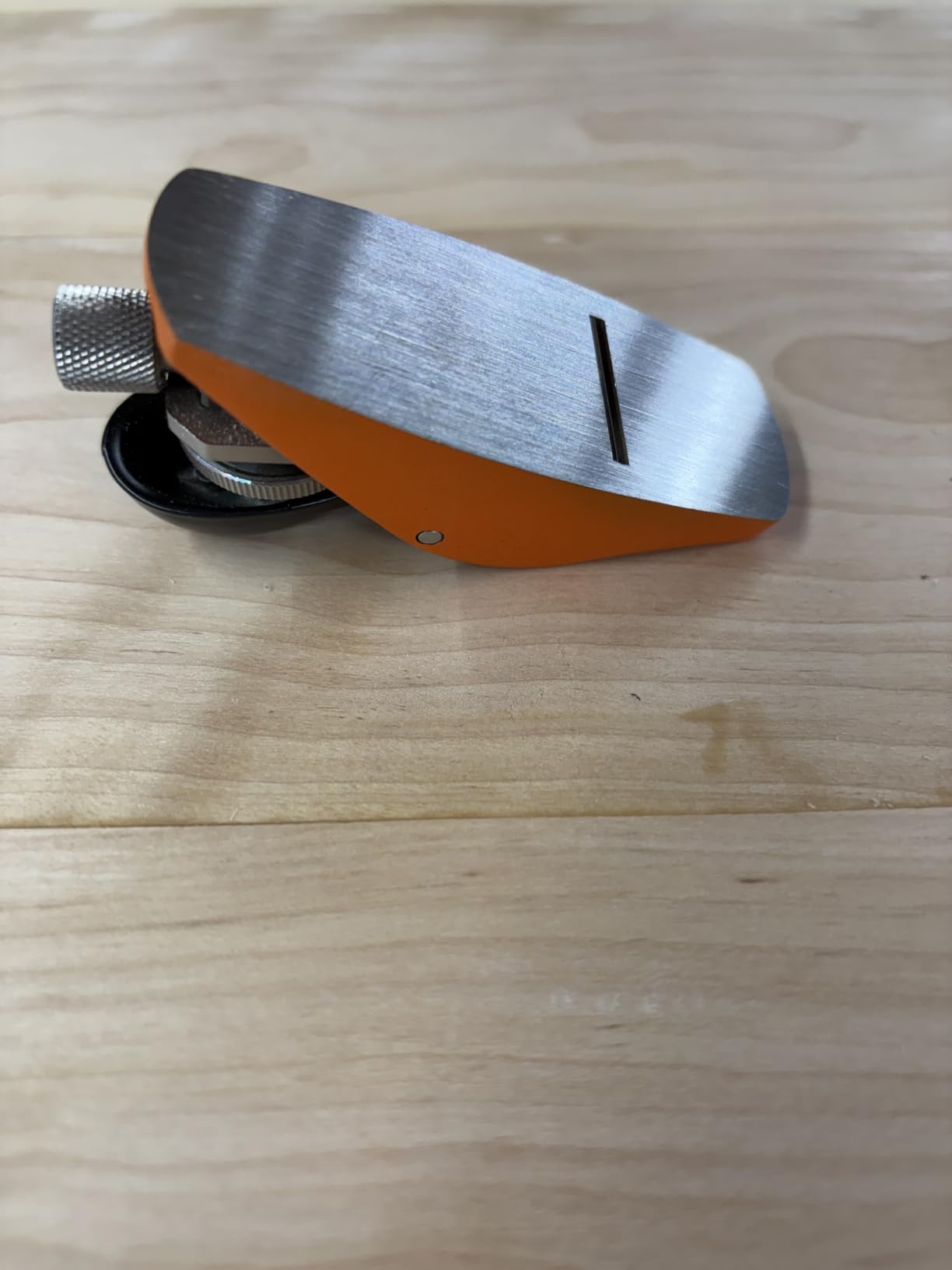
The body is ductile iron rather than stamped steel, which is why it survives being knocked off a bench, and the zinc alloy lever cap with stainless hardware has held up well in our testing even around sawdust and glue. The bottom is professionally polished flat, so unlike some budget planes, you can use it before doing a full sole-flattening job.
Depth is set with a small knob. It works, and it is fast to make micro-adjustments, though the increments are coarse. If you need to go from a full shaving to a paper-thin pass, expect a little experimentation rather than fine clicks.
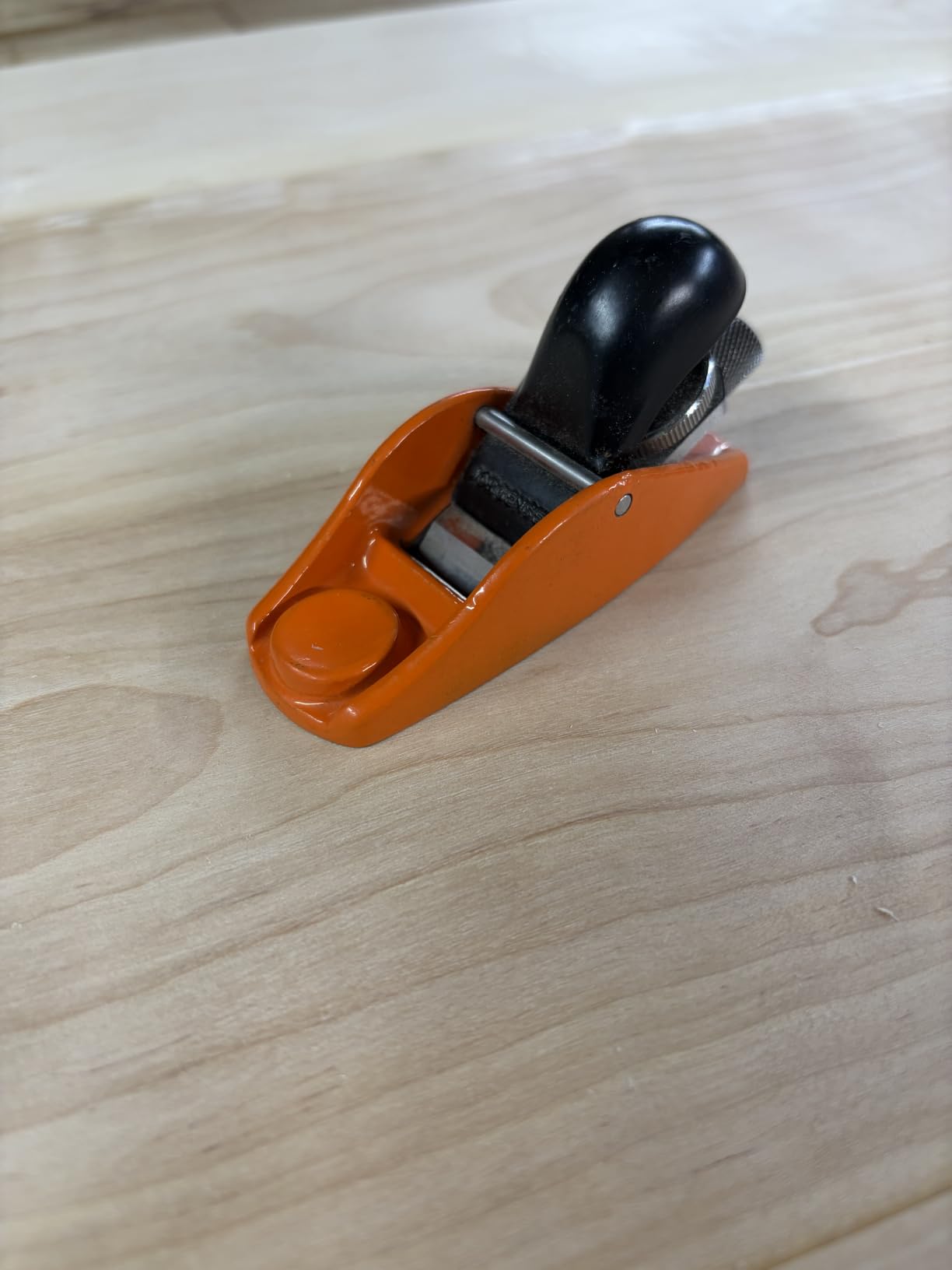
What this mini plane is good for
Small joinery, model and instrument work, and cleanup. Because it is a block plane with a low bed angle, it will cut end grain without the wedge cracking the fibers the way a high-angle bevel-down plane does. I use mine for fitting drawer bottoms and cleaning tenons on furniture that would be physically impossible to hold down for a bench plane.
It is also the plane most likely to live in your pocket. A 3.5 inch plane with a 1.25 inch blade is the hand-tool equivalent of a pencil, and beginners who start small tend to keep using tools longer.
What it cannot do
It cannot remove meaningful material. The blade width and the short sole mean each pass shaves a narrow strip, and on rough stock you will simply be doing hundreds of strokes. It is a finishing tool dressed up in a mini format.
Plan a second plane for surfacing. Pairing this with one of the bench or block planes on this list covers the full range of work a beginner actually encounters.
4. Senkichi 40mm Japanese Kanna – the Lowest-Cost Way Into Pull-Plane Work
Japanese Wood Block Plane KANNA 40mm Carenter’s Tool Double Edge Senkichi
40mm blade width
150mm overall length
Double edge blade
140 grams
Pros
- Very low cost of entry for a genuine kanna
- Light enough to hold for long sessions
- Double edge blade can be run bevel up on cross-grain work
- Compact enough for small stock and model work
Cons
- Wooden body frequently needs flattening on arrival
- Blade often needs sharpening before first use
- Small size limits it to detail work
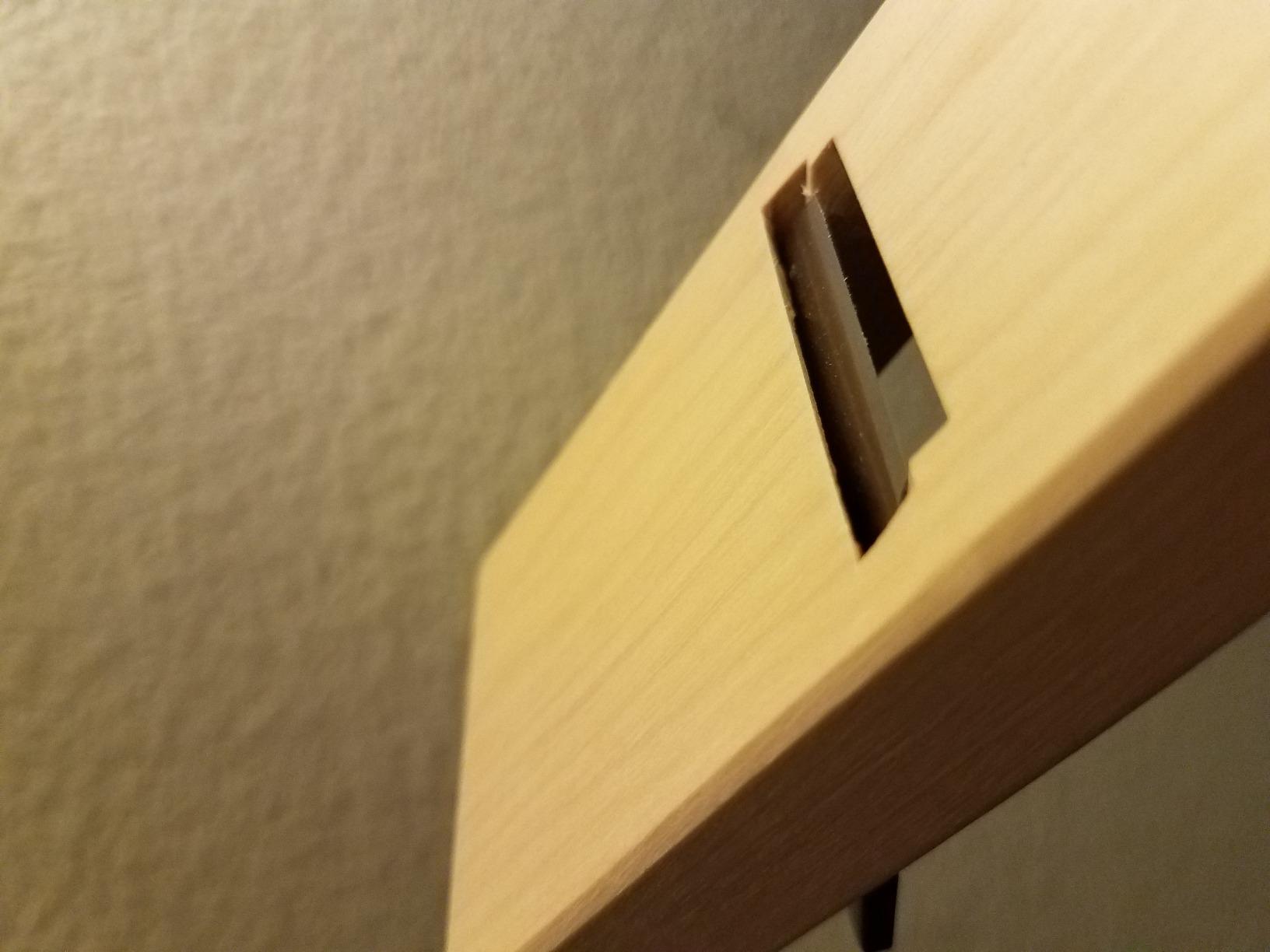
There is a version of buying a Japanese plane where you commit to the technique before you know whether you like it. The Senkichi is the cheap way to find out. It is a traditional kanna with a 40mm double-edge blade and a wooden body that weighs 140 grams.
The double-edge blade is the feature worth understanding. A single bevel is sharpened on one side and used bevel-down. A double bevel lets you put the bevel up instead, which reduces the effective cutting angle and helps on cross-grain and end grain. The trade is a bit more work at the sharpening stone, but more flexibility in the plane.
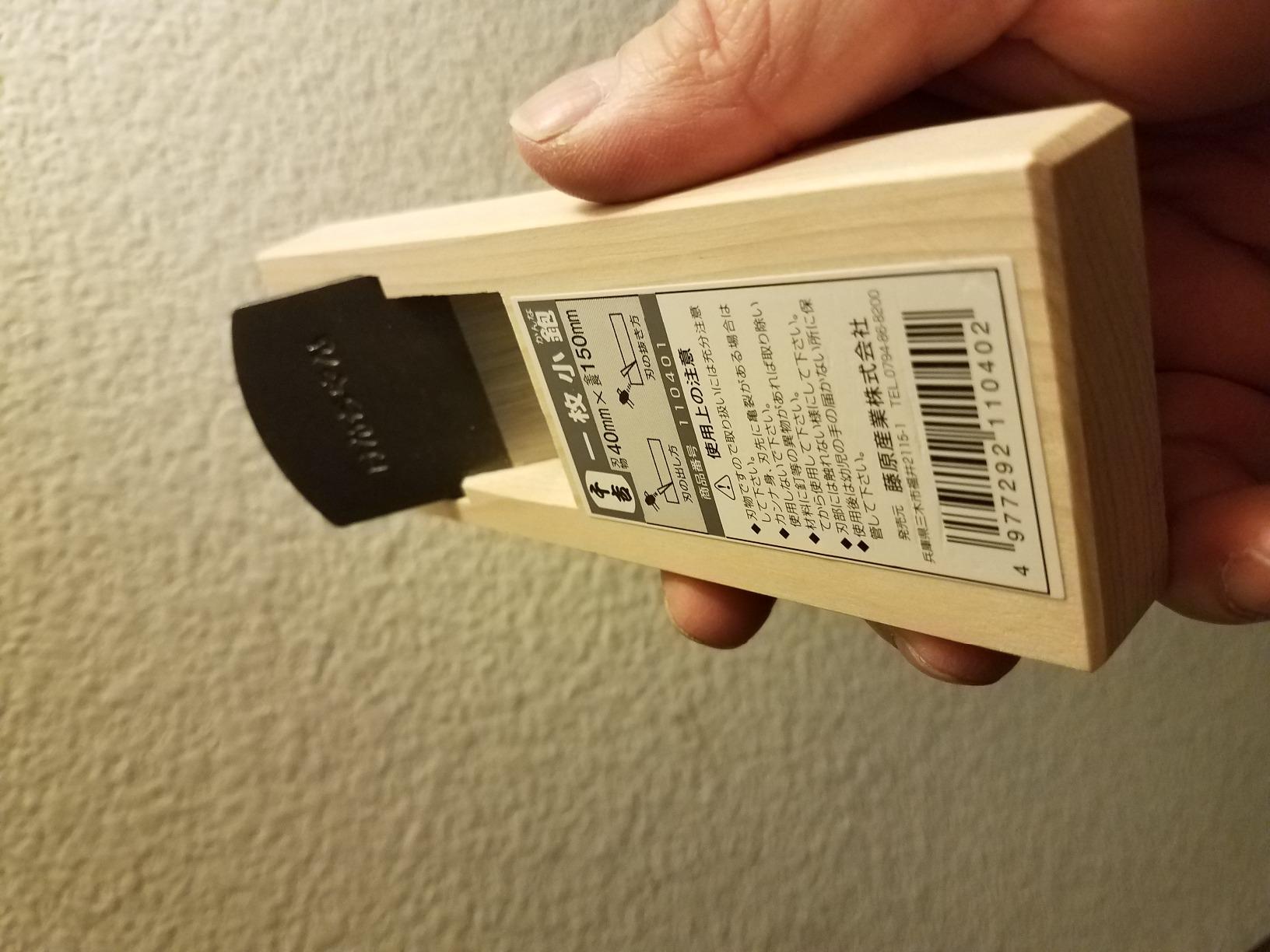
Budget your setup time honestly. Reviews describe the wooden body as needing flattening and the blade as arriving needing an edge, which is completely normal for a traditional wooden plane and is simply a fact of how they are made. Twenty minutes of lapping on sandpaper over a flat surface and ten minutes on a stone gets it working.
Once it is going, it is a genuinely pleasant little tool. Pull strokes and a light body make it easy to keep a consistent angle, and at 140 grams it will not tire your hand on a project with dozens of small passes.
Why a beginner would buy this one
If your interest is in hand-tool technique rather than in removing a lot of wood, this is the least expensive way to learn how a dai works, how to fit a blade by hand, and how pull strokes feel. Those skills transfer directly to bigger Japanese planes later.
It is also good for small stock. A 40mm blade is narrow enough to plane a thin strip or a small block without the length of the body getting in the way, and that is where a lot of beginners actually start.
Why you may want to spend more instead
If you want one plane that does a lot, this is not it. The size rules out surfacing boards, and the wood body will need attention if your shop swings in humidity. A slightly higher commitment gets you a wider blade and a chipbreaker.
Consider the SUIZAN or KAKURI later for finish work once the pull technique stops being a mystery. Buy this one to learn, not to build your whole shop around.
5. Stanley No.62 Low Angle Jack – the Top Rated Bench Plane Here
Stanley 1-12-137 62-Low Angle Sweetheart Jack Plane
12 degree low bed angle
One-piece base and frog
Ductile iron body
2 inch cutting width
Pros
- One-piece base and frog design resists chatter
- 12 degree bed angle handles end grain beautifully
- Patented lateral adjustment lock holds setting
- Ductile iron castings give real stability
- Sweetheart line finish and build quality
Cons
- Heaviest plane in this roundup at 2.86 kg
- Highest cost of the twelve
- Still benefits from an initial tune before real work
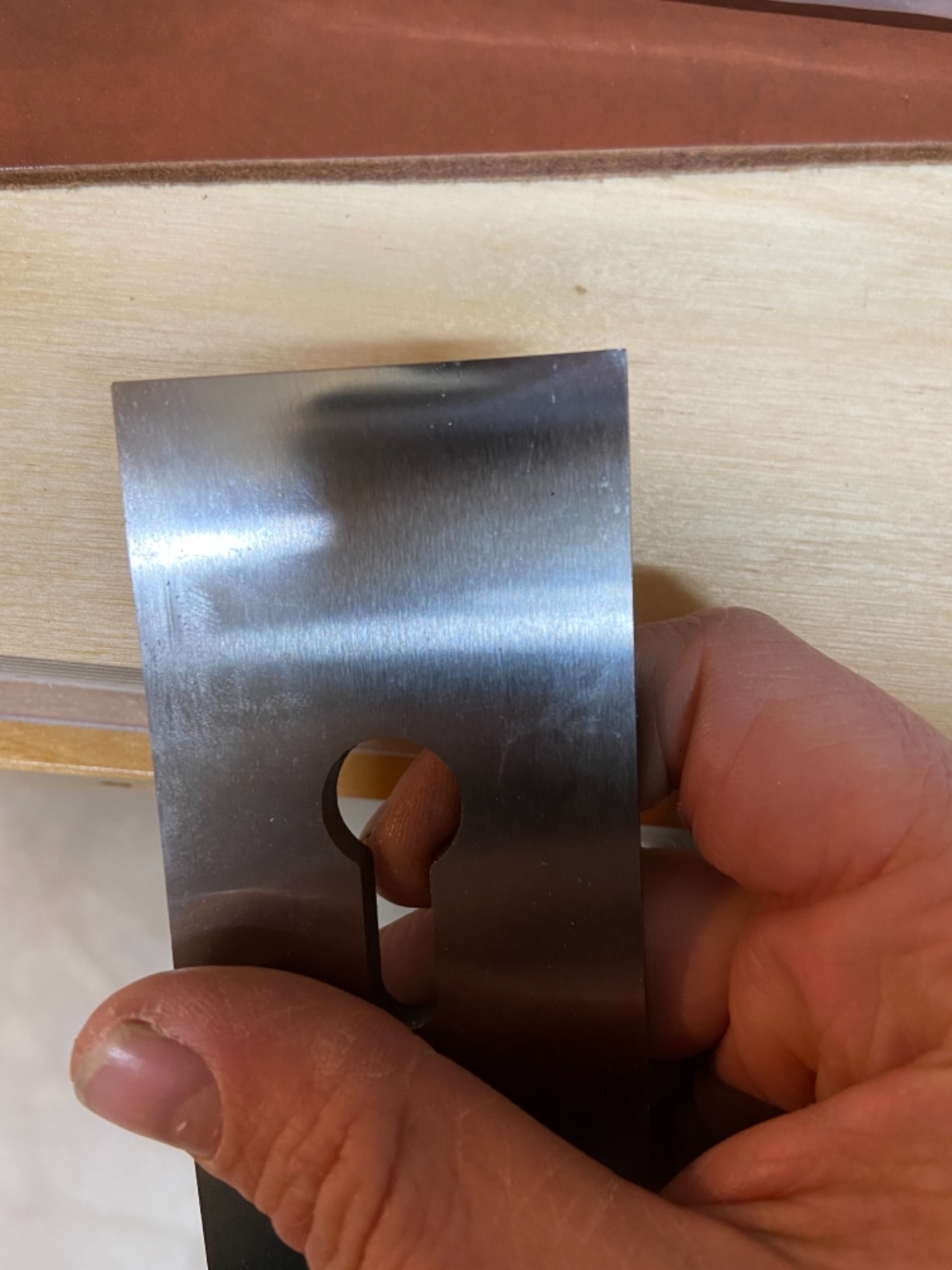
The Stanley No.62 is the highest-rated bench plane in this group at 4.6 out of 5, and the reason is structural rather than cosmetic. The base and frog are cast as one piece. Almost every other bench plane has a separate frog bolted to the body, and that joint is where movement, and therefore chatter, comes from. Eliminating it is a real engineering decision, not a marketing line.
It is also a low angle plane, with a 12 degree bed angle, which puts the effective cutting angle well under the usual 45 to 50 degrees used on a standard bench plane. Low angle means the blade slices rather than scrapes, which is why this plane handles end grain and shooting-board work so convincingly.
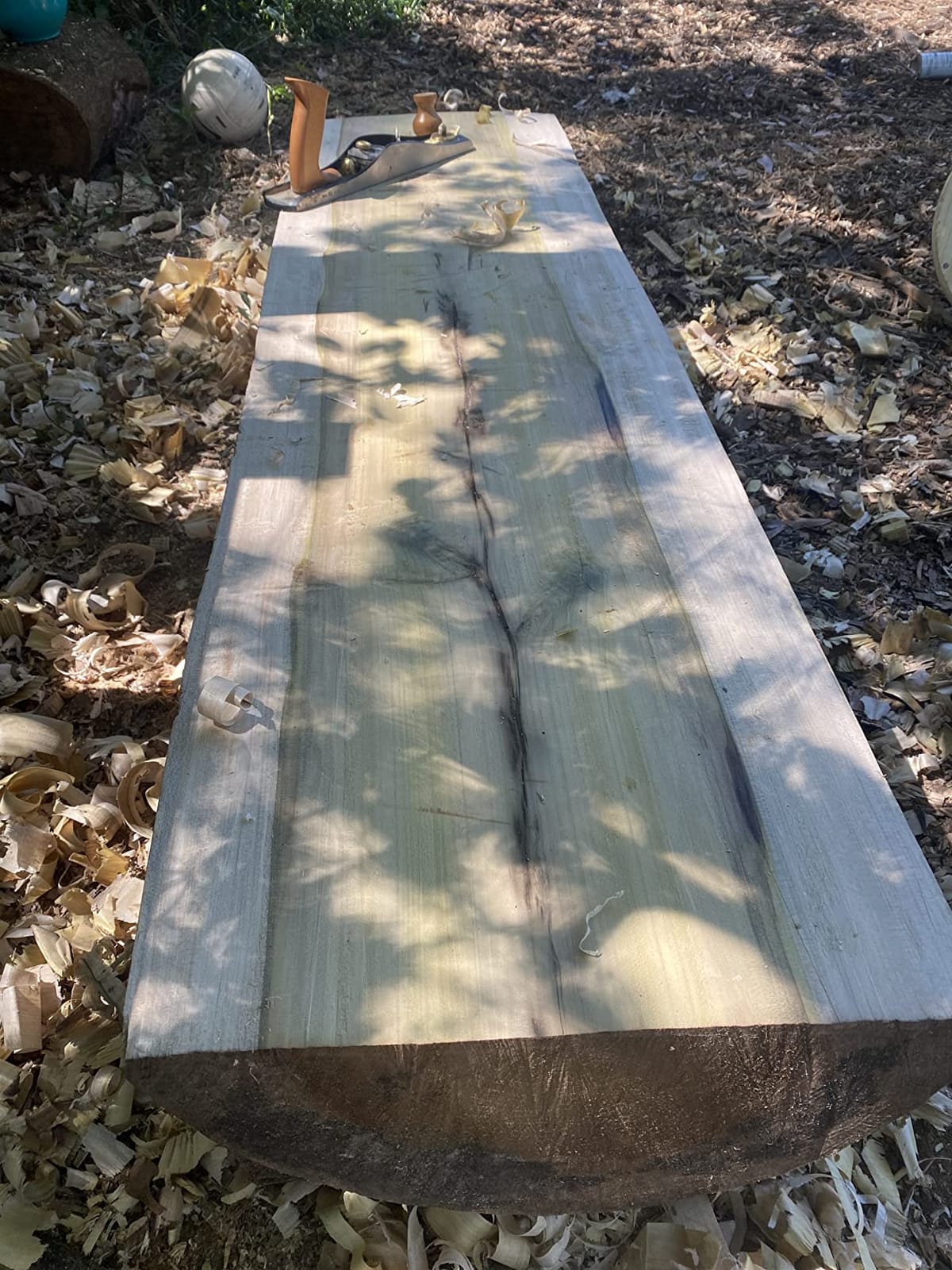
The ductile iron body gives it enough mass to be steady on softwood without you leaning on it. At 2.86 kg it is the heaviest tool here, and for a 2 inch cutting width that mass is a feature. The patented lateral adjustment lock holds your side setting, so a skew blade stays skewed only if you leave it alone, but the setting does not drift mid-pass.
Owners describe it as investment-grade, and they are right about the build. Reviewers also note it benefits from an initial tune like any new plane, which is a good sign in a tool at this level: nobody is pretending it arrives perfect.
Why it earns a place in a beginner’s shop
If you intend to fit tenons, shoot board edges, or work on end grain, this is the tool that makes those jobs feel easy. The low angle does most of the work for you and forgives a small amount of dullness that would defeat a high-angle plane.
It is also a good first bench plane if your shop is small. Shorter than a full No.4, so it is easier to control on a narrow bench or on a piece clamped in a vise, and it handles boards up to 2 inches wide without any awkwardness.
Why it is not the first plane for everyone
The cost places it at the top of this list, and beginners with a fixed tool budget should spend that money on a honing guide and stones instead. A less expensive plane with a properly sharpened edge will outperform this one on every meaningful measure.
The weight is real too. If you are new to hand tools and working on small stock, 2.86 kg of iron is more than you need. Consider a block plane first and move up when you have the technique to use the mass.
6. Jorgensen No.60-1/2 – the Best Low Angle Block for End Grain
JORGENSEN NO.60-1/2 6-1/4″ Wood Planer, Hand Planer for Woodworking
O1 tool steel blade
Adjustable mouth width
6-1/4 inch length
1.5 pounds
Pros
- Highest customer rating among the twelve at 4.7
- O1 tool steel holds an edge well
- Adjustable mouth gives fine shaving control
- Ductile iron body is drop-tested for durability
Cons
- Review count is lower than most in this roundup
- Smaller than a full-size bench plane
- May need initial honing
This is the pattern most people mean when they say the best hand planes for woodworking beginners should be a low angle block. The Jorgensen No.60-1/2 carries a 4.7 rating, the highest of the twelve, and the design is a direct interpretation of the classic Stanley 60-1/2: a short, heavy, low angle block plane with a lever cap you can reach one-handed.
What makes a block plane good at end grain is geometry. With a low bed angle and no wedge pressing down on the fibres, the blade lifts a shaving out of end grain rather than splitting it. Owners consistently single out end grain and detail work as the strengths, and that is exactly where a beginner loses confidence with a high-angle plane.
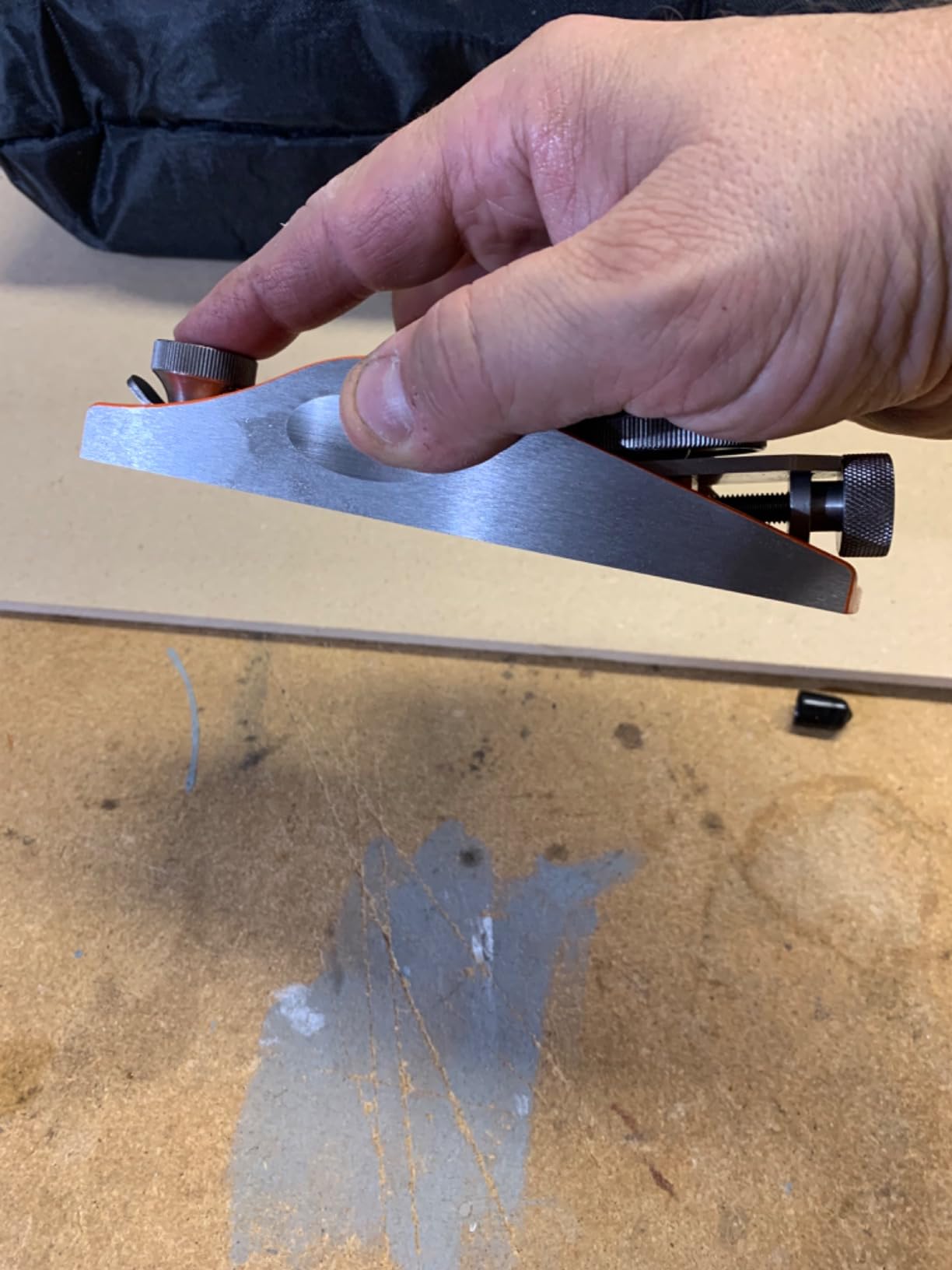
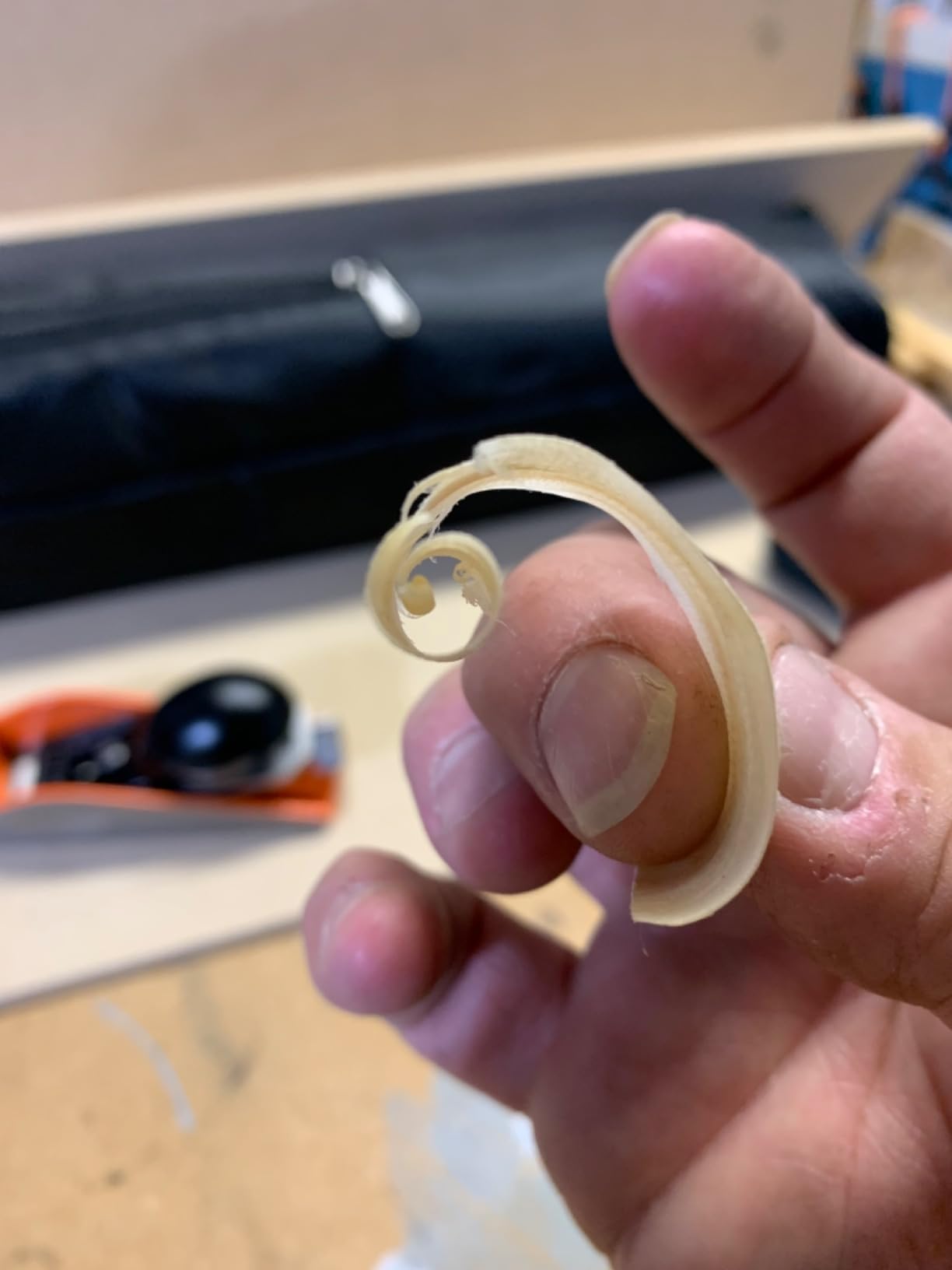
The adjustable mouth is the feature that separates this from a cheaper fixed-mouth block. Narrow the mouth and you get a very thin, controlled shaving for final surface work. Widen it and you get a thicker, more visible shaving that tells you more about how the blade is cutting. Having both on one plane saves buying a second one.
Blade material is O1 tool steel, which holds an edge longer than the plain high carbon steel used in most budget planes and is easier to sharpen than laminated steel because you can hollow-grind it. Reviewers note the blade may need an initial honing, which is normal and takes minutes.
Why this is the strongest single recommendation
It solves the two problems beginners actually hit: end grain tear-out and a fixed mouth that cannot do both rough and fine work. It fits in one hand, it is small enough to work in tight spaces, and it uses the same lever-cap and screw adjustment system you will find on larger planes.
The trade is capacity. A 6-1/4 inch body with a narrow blade cannot flatten a full board face, and the review count is smaller than the mass-market models, so there is less long-term feedback in the wild. Neither matters much for the accuracy work a beginner does first.
When to choose something else
Choose a bench plane instead if your first real job is taking rough-sawn lumber flat. Choose the Jorgensen No.101 if you need something that fits in a tote. Choose the KAKURI if surface finish matters more than material removal.
Note that the mouth adjustment is a feature, not a setting you leave alone forever. Check it whenever you change material, because a mouth set for softwood will choke on a hard board.
7. Jorgensen Chamfer Plane – Four Cutters in One Small Tool
JORGENSEN Chamfer Plane, Edge Corner Plane, 4 Cutter Heads Built-In Storage
4 interchangeable cutter heads
Built-in blade storage
O1 tool steel
Adjustable depth knob
Pros
- Four profiles in one tool including 45 degree and three radii
- Blades store inside the handle so none get lost
- O1 tool steel blades hold an edge well
- Works pushing or pulling
- Guarded blade design is safe around children
Cons
- Concave cutter heads are tricky to sharpen
- Struggles on very hard or dense woods
- Not a substitute for a bench or block plane
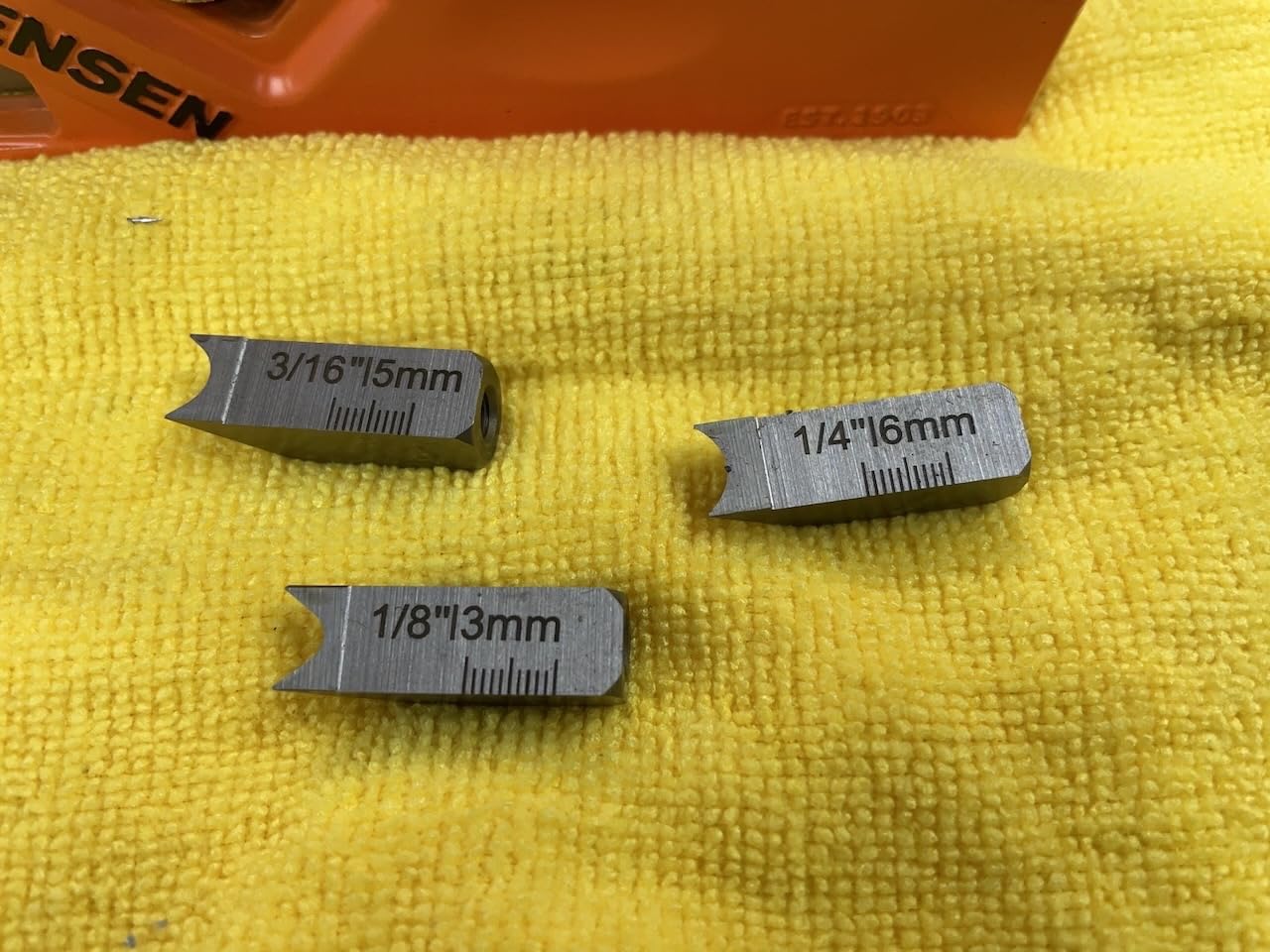
The Jorgensen chamfer plane is a specialist, and I include specialists in beginner roundups for a reason: edge work is where hand tools deliver value that a sander simply cannot. The cutter heads cover a 45 degree flat chamfer plus 1/4 inch, 1/8 inch and 3/16 inch rounds, which is enough to break every arris on a small box or a picture frame.
What makes this one interesting is the storage. The handle unscrews to hold the spare heads, so the three profiles you are not using stay with the tool. Owners mention this more than any other feature, and it is a small thing that prevents the classic problem of a loose blade rattling around in a drawer.
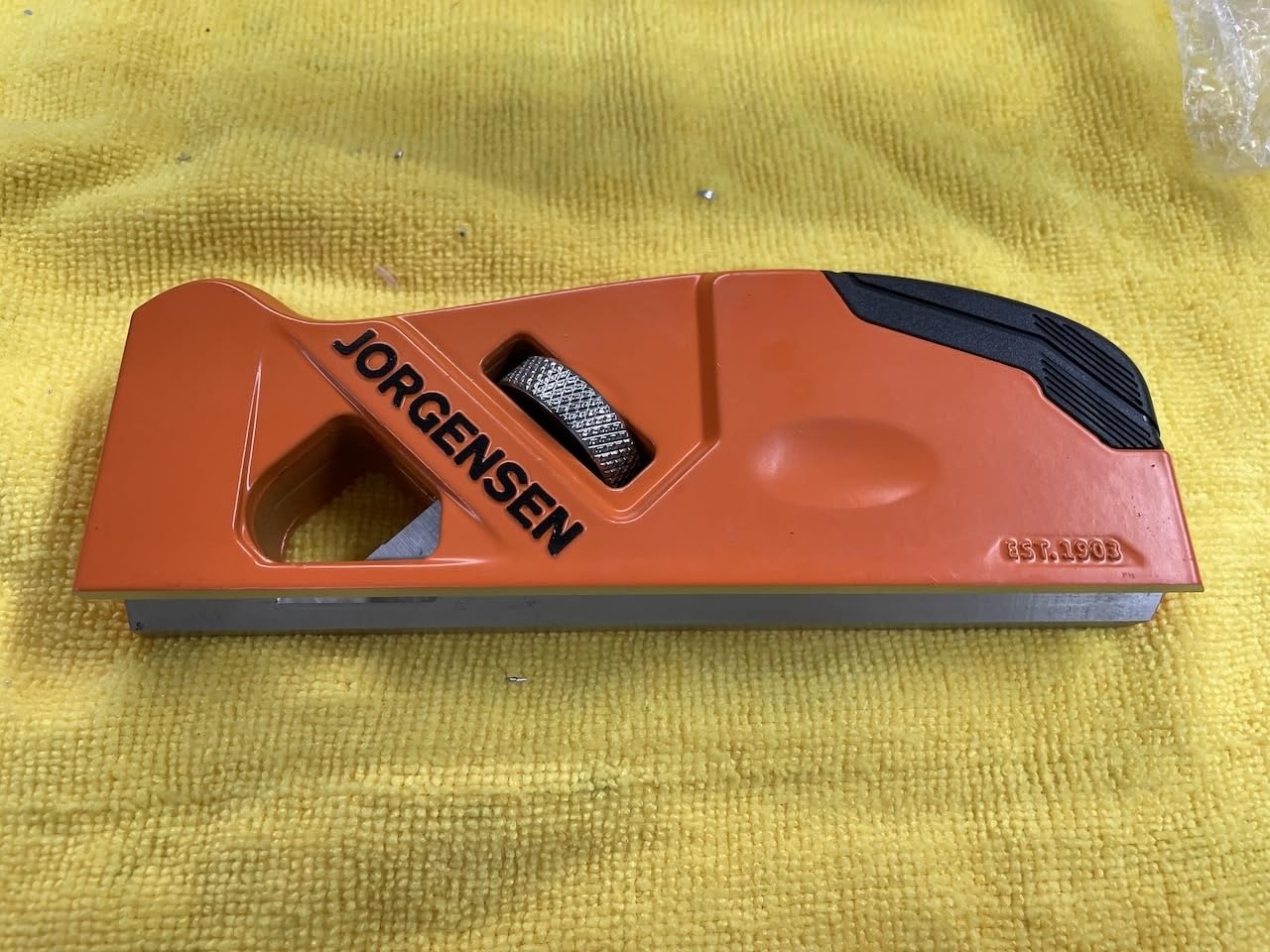
The body is aluminium with a comfortable grip, and the depth knob makes repeat passes consistent. It can be worked on the push or the pull, which is unusual for a chamfer plane and genuinely useful when you are shaping the far end of a narrow piece.
Where it struggles is sharpening. A flat 45 degree head is straightforward on a stone. A 1/8 inch radius is a curved edge, and keeping the curve consistent while making it sharp is a skill that most beginners have not developed yet.
Where it earns its place
Edge treatment on small work, box joints, and any project where a sharp arris matters visually. It does in a fraction of the time of hand-sanding a bevel, and the result is identical. Reviewers also single it out as safe and approachable for younger users, because the blade is well guarded.
It is also a good companion to a smoothing plane. After you flatten a board with a bench plane, this is the tool that finishes the edges and the arrises the bench plane cannot reach properly.
Where it does not fit
Do not expect it to plane a face. It has no wide blade and no long sole, so its function is edges and corners only. Owners also report difficulty on very hard or dense woods, where the small cutters can choke.
Before committing, find one that includes a sharpening method for the round heads, or a demonstration video. That is the one real learning barrier attached to this tool.
8. GreatNeck C4 Bench Plane – a Long 9 Inch Cast Iron Bench Plane
GreatNeck C4 Bench Hand Plane (9 Inch), 2 Inch Cutter, Adjustable to Control the Blade, Cast Iron Body, Quality Plastic Ergonomic Handles
9 inch cast iron body
2 inch alloy steel cutter
Dual plastic handles
3.4 pounds
Pros
- Large 9 inch machined and polished cast iron body
- Lever lateral adjustment is quick to set and holds
- Dual ergonomic handles
- Entry cost suits a tight beginner budget
Cons
- Sole frequently needs flattening out of the box
- Blade steel is not premium grade
- Lowest customer rating of the bench planes here
The GreatNeck C4 is the bench plane for someone who wants a long, stable sole and does not want to overthink it. The body is nine inches of machined and polished cast iron at 3.4 pounds, with a 2 inch alloy steel cutter and dual plastic handles. That is a lot of stability for a first bench plane.
Long soles are easier to keep flat than short ones, and that matters more than beginners expect. If you can push the whole length of the plane down a board in one stroke, small hollows in the middle of the sole stop being a problem, because they only rock in the middle when you are planing a narrow edge.
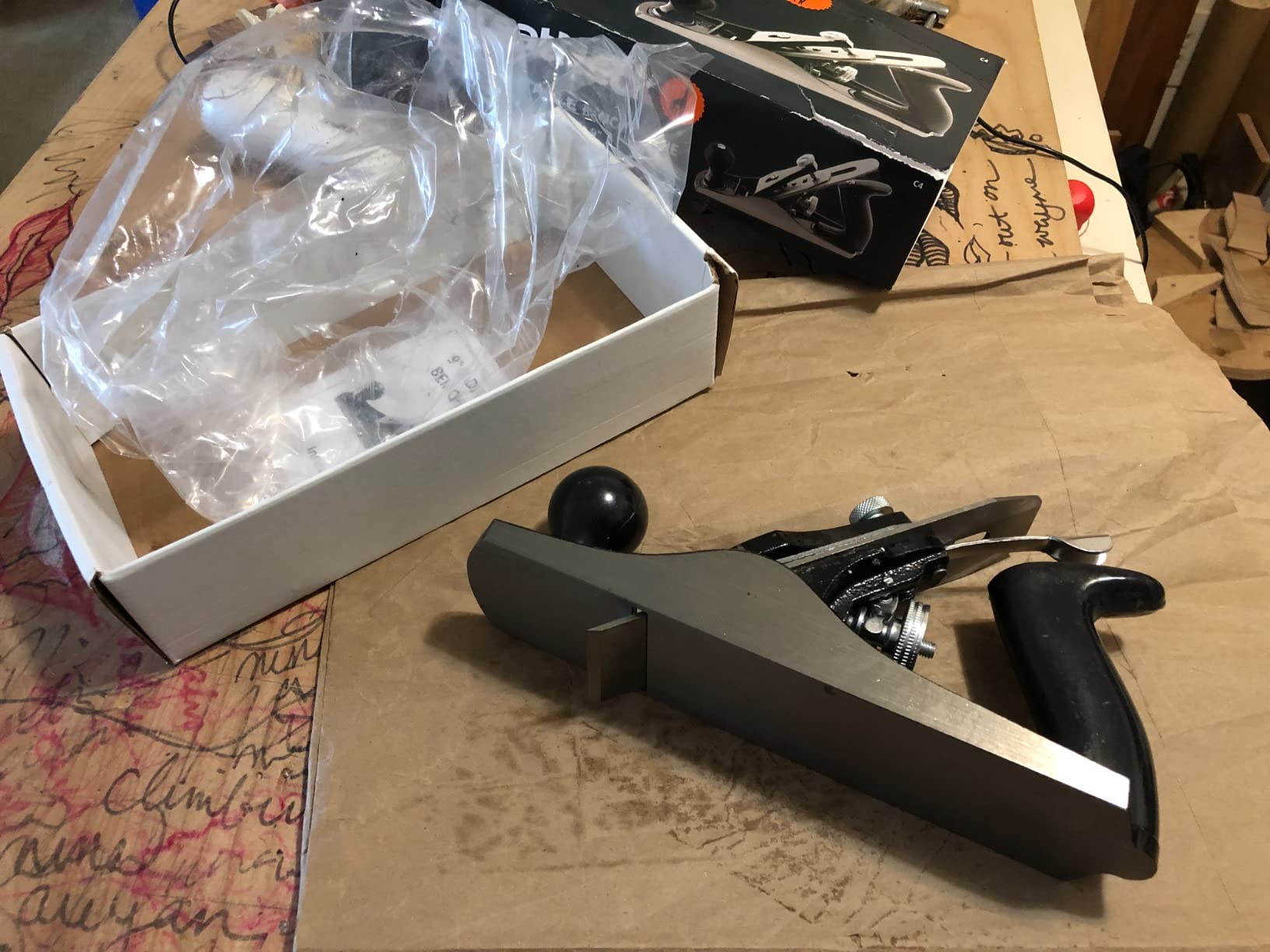
The long body is the quiet advantage here, and it is the reason to buy this plane over a shorter one at similar money. Nine inches of cast iron covers a full board face in a single pass, and a machined, polished sole does not drag on the first stroke the way a rougher casting will.
Adjustment is by lever for lateral and screw for depth, both reachable without removing the lever cap. That is not as refined as a knob or a wheel, but it is simple, and simple mechanisms are easier to learn on.
Why it suits a first bench plane
It covers the job a beginner most often wants a bench plane for: flattening a face, bringing an edge to size, and cleaning up a rough cut. The long body makes it stable, and the two handles let you push with authority rather than leaning down hard on the tote.
It is also a good value if you want a bench plane as a second purchase alongside a block plane. You would be adding length and mass to your kit without changing any of the underlying technique.
What to know before buying
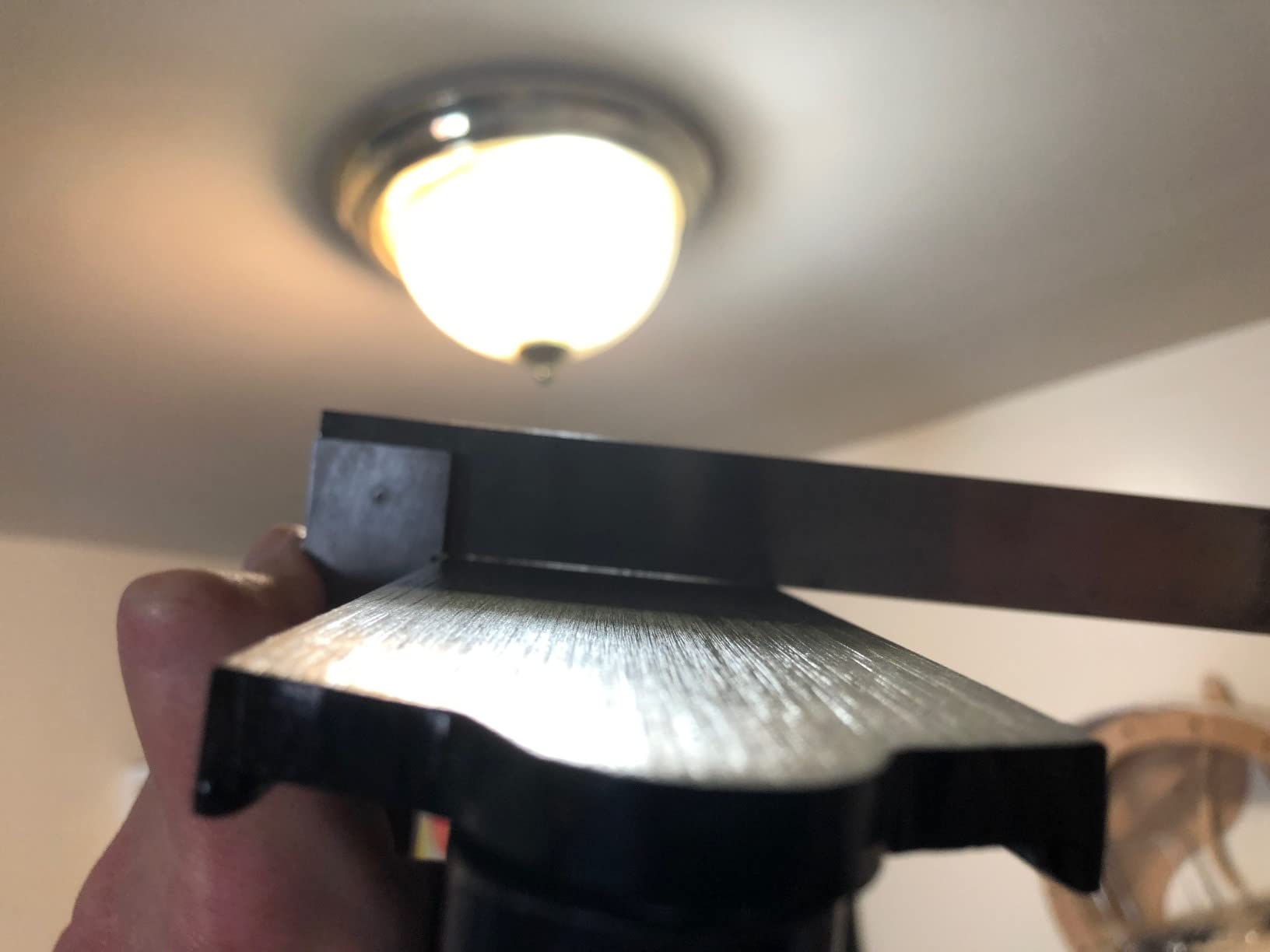
Expect setup. Reviewers commonly report needing to flatten the sole and sharpen the blade before the plane performs, which is true of any low-cost cast iron bench plane, but the GreatNeck is a slightly bigger job because the body is longer and heavier.
Be realistic about the rating. At 4.0 it is the lowest-scoring bench plane in this roundup, and the reviews note blade quality is not up to premium standards. Buy it for the length and the body; do not expect the edge to hold like O1 steel.
9. HOZOE Chamfer Plane – Level-Guided Edge Work
HOZOE Chamfer Plane for Wood,Woodworking Hand Planer for Quick Edge Planing and radian Corner Plane Trimming,Four siaeTypes of Cutter Heads,Woodworking Tools for Professional Woodworkers and Beginners
4 cutter head profiles
Double-sided bubble level
High-speed steel blades
380 grams
Pros
- Built-in level on two sides keeps the bevel consistent
- Four profiles including three radii and a 45 degree chamfer
- Compact and light at 380 grams
- Handles one-handed on narrow strips
Cons
- Red paint finish wears and transfers to the wood
- Blades arrive needing sharpening
- Depth wheel can loosen when changing blades
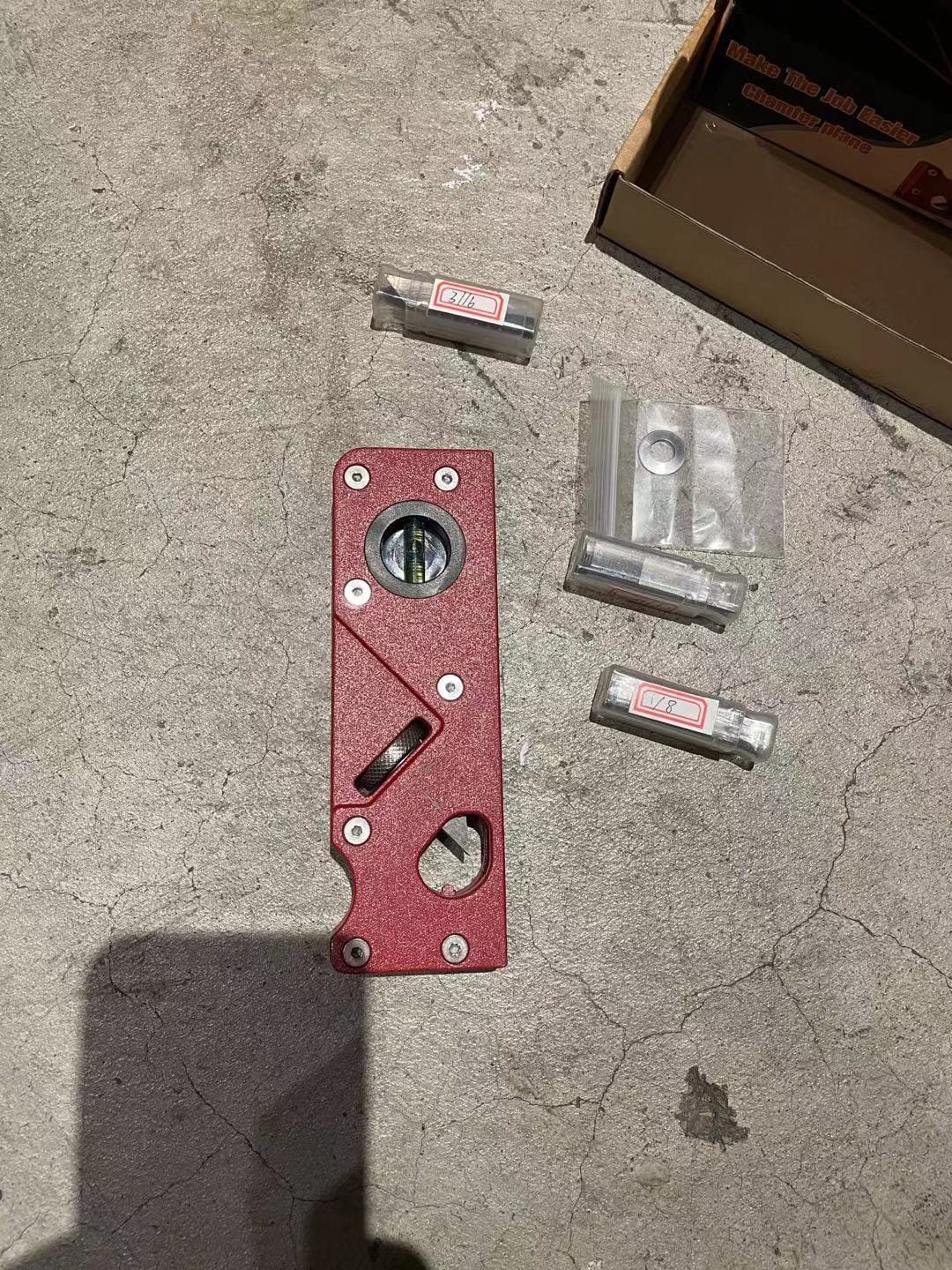
The HOZOE is a chamfer plane with a small idea that makes a real difference: a double-sided bubble level built into the body, one for horizontal reference and one for vertical. When you are taking a bevel down a long board, that keeps the angle consistent without marking the workpiece.
The four cutter heads cover 1/8 inch, 3/16 inch and 1/4 inch radii plus a 45 degree chamfer, and a rotary depth setting gives repeatable passes. At 6.1 inches long and 380 grams it is easy to control one-handed on a narrow strip.
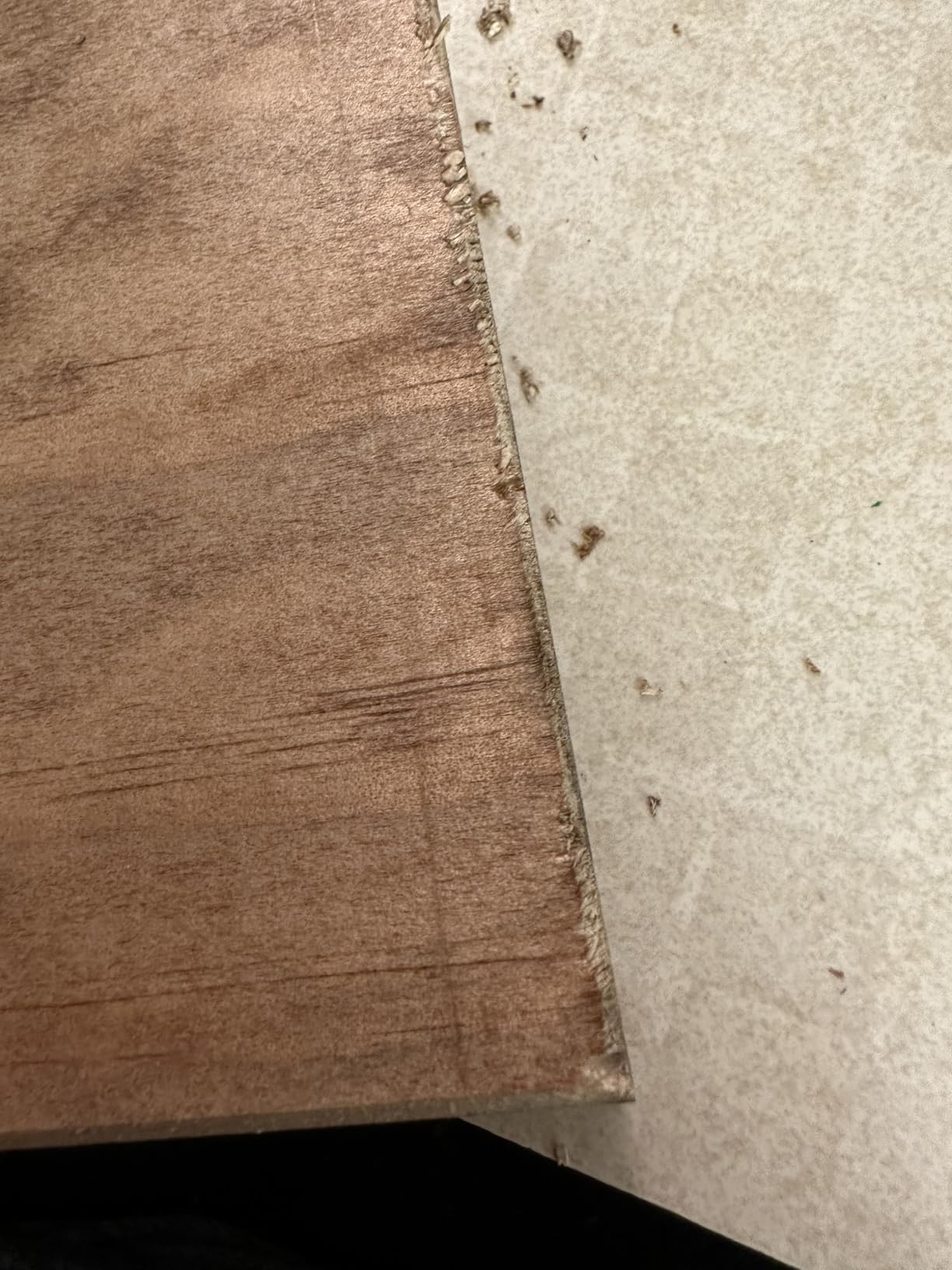
Owners report that blades need sharpening on arrival, which is standard for higher speed steel. The consistent complaint is the painted finish: the red paint wears through with use and can transfer to light-colored wood. A black variant is mentioned as having a better finish, and a light coat of wax on the body solves the problem for the coloured version.
The depth wheel can also work loose when you swap cutter heads, so check it before each series of passes rather than trusting a single setting across a whole board.
When it is the right tool
Take it when you are doing repetitive edge work on multiple parts: drawer fronts, frame rails, box edges. The level is the value here, because four identical bevels is the difference between furniture and an approximation of furniture.
It is also a good first specialty tool for a beginner because there is very little that can go wrong. A shallow cut, a clean profile, and a light touch are all it asks.
When it is not
Skip it for heavy shaping or hard woods, where the small high speed steel cutters will not hold up. It is also not a general planing tool, so it needs a bench or block plane alongside it.
If you are put off by anything that needs touching up before use, this is the wrong first tool. Every plane on this list needs an edge, but the paint situation is a separate, purely cosmetic annoyance.
10. SUIZAN 42mm Kanna – the Lightest Japanese Pull Plane Here
SUIZAN Kanna Japanese Wood Planer 1.7″ Single Blade – Hand Block Plane
42mm Japanese steel blade
Beech wood body
5.9 inches long
0.17 kg
Pros
- Genuinely light at 0.17 kg for long sessions
- Made in Japan with Japanese steel blade
- Simple construction with no adjustment screws to strip
- Excellent on end grain and edge smoothing
- Available in several blade widths and configurations
Cons
- Single blade with no chipbreaker causes more tear-out
- Dai must be flattened and blade fitted on arrival
- Wooden body can warp if stored badly
The SUIZAN is the kanna to buy if the KAKURI’s weight or price is not for you. At 0.17 kg it is the lightest pull plane in this roundup, built on a dense beech dai with a 42mm Japanese steel blade, and the whole body is 5.9 inches long.
There is a genuine design philosophy here. There are no screws, no lateral adjuster, and no hardware to loosen. Depth is set by tapping the blade or the dai with a hammer, which sounds primitive until you realise there is nothing that can wear out or strip.
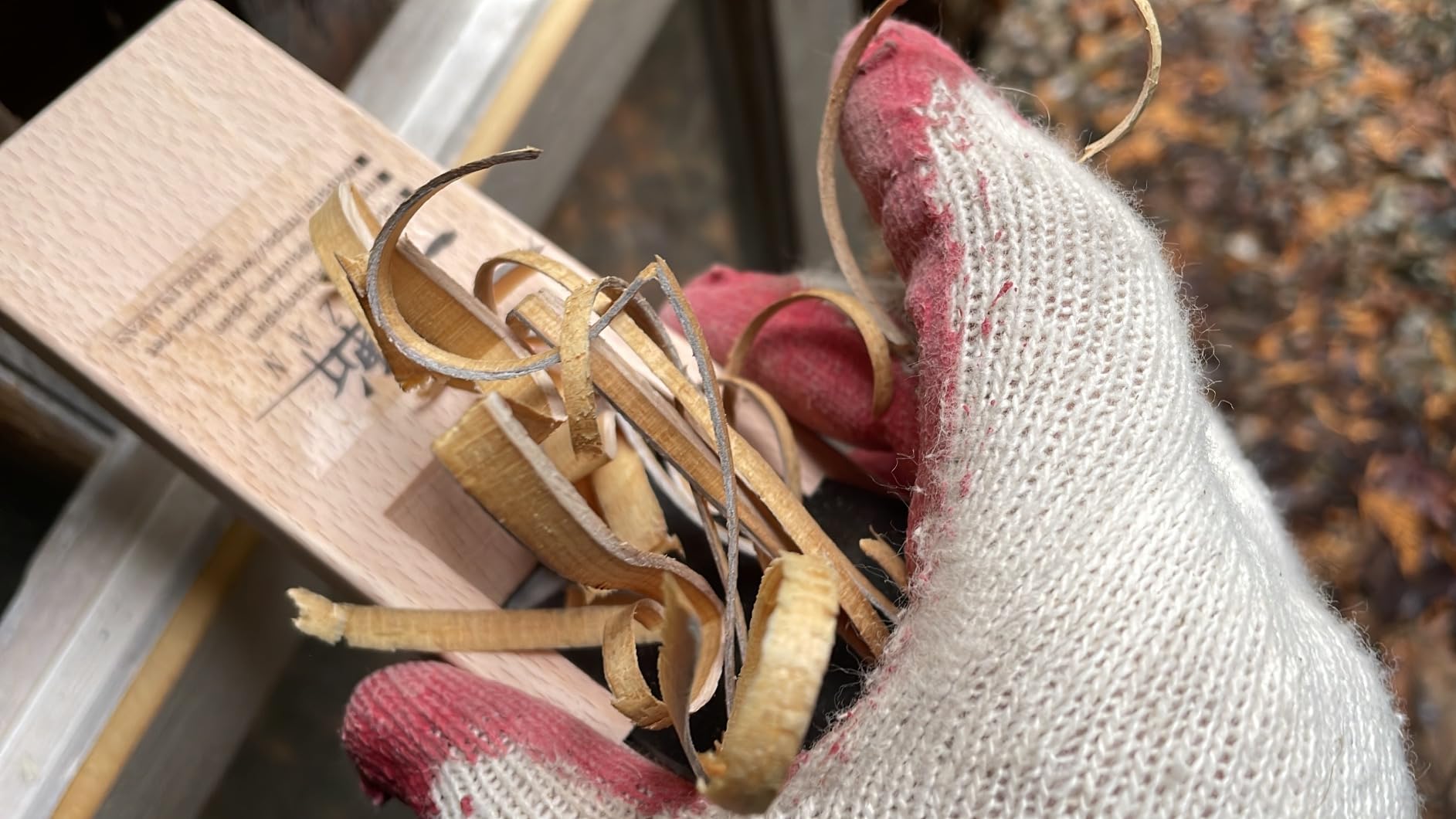
The single-blade configuration is the main technical trade-off. Without a chipbreaker, the plane is more likely to lift fibres on cross-grain and figured wood, and owners say so plainly. In exchange you get a simpler tool that produces a beautifully fine finish on straight-grained stock and end grain edges.
Setup is required: flatten the dai, fit the blade, hone it. Some shipments arrive with the blade glued in place. Owners also note the absence of instructions on some units, so plan to look up a fitting demonstration before you start.
Why a beginner would pick this one
It is the most approachable kanna to handle and the easiest to keep for long periods, which matters when you are learning pull technique and your forearm is still finding the stroke. It is also small enough to work on pieces that would not stay still for a larger plane.
If your interest is furniture edges, boxes and small joinery rather than surfacing boards, this covers the work without asking you to stabilize anything heavy.
Where it will disappoint you
If you hit tear-out on figured stock, this is the wrong tool, not you. There is no chipbreaker to close the cut, so the fibres in the shaving can be dragged loose. A two-blade kanna or a low angle block plane solves that.
It is also the least forgiving about storage. A wooden dai left near a heater or a damp wall will go out of flat, and you will be back at the flattening stone in a month.
11. WORKPRO Block Plane – a Stable Cast Iron Block with a Wooden Handle
WORKPRO W052002 Block Plane, 1-5/8 In. Wide Blade, Cast Iron Body, Adjustable Cutting Depth, Black (Single Pack)
1-5/8 inch hardened steel blade
Cast iron body
Adjustable cutting depth
0.7 kg
Pros
- Cast iron body adds stability over a stamped steel block
- Wooden front handle is comfortable for small hands
- Adjustable cutting depth is simple to set
- Handles a wider shaving than a 1.25 inch mini plane
Cons
- Rating sits at the lower end of this roundup
- Smallest review count means less long term feedback
- Needs tuning and sharpening before first use
- Handle quality varies between units
The WORKPRO is the plainest block plane here and it does one useful thing: it is heavier and more stable than it looks. With a 1-5/8 inch hardened steel blade, a cast iron body at 0.7 kg and a wooden front handle, it holds a line better than the stamped steel block planes it costs about the same as. That mass matters on figured stock, where a light plane tends to skate.
The wooden front handle is worth noticing. It puts the grain of the wood against your palm, which is more comfortable than a cold metal knob, and the depth adjustment is straightforward to set and to change.
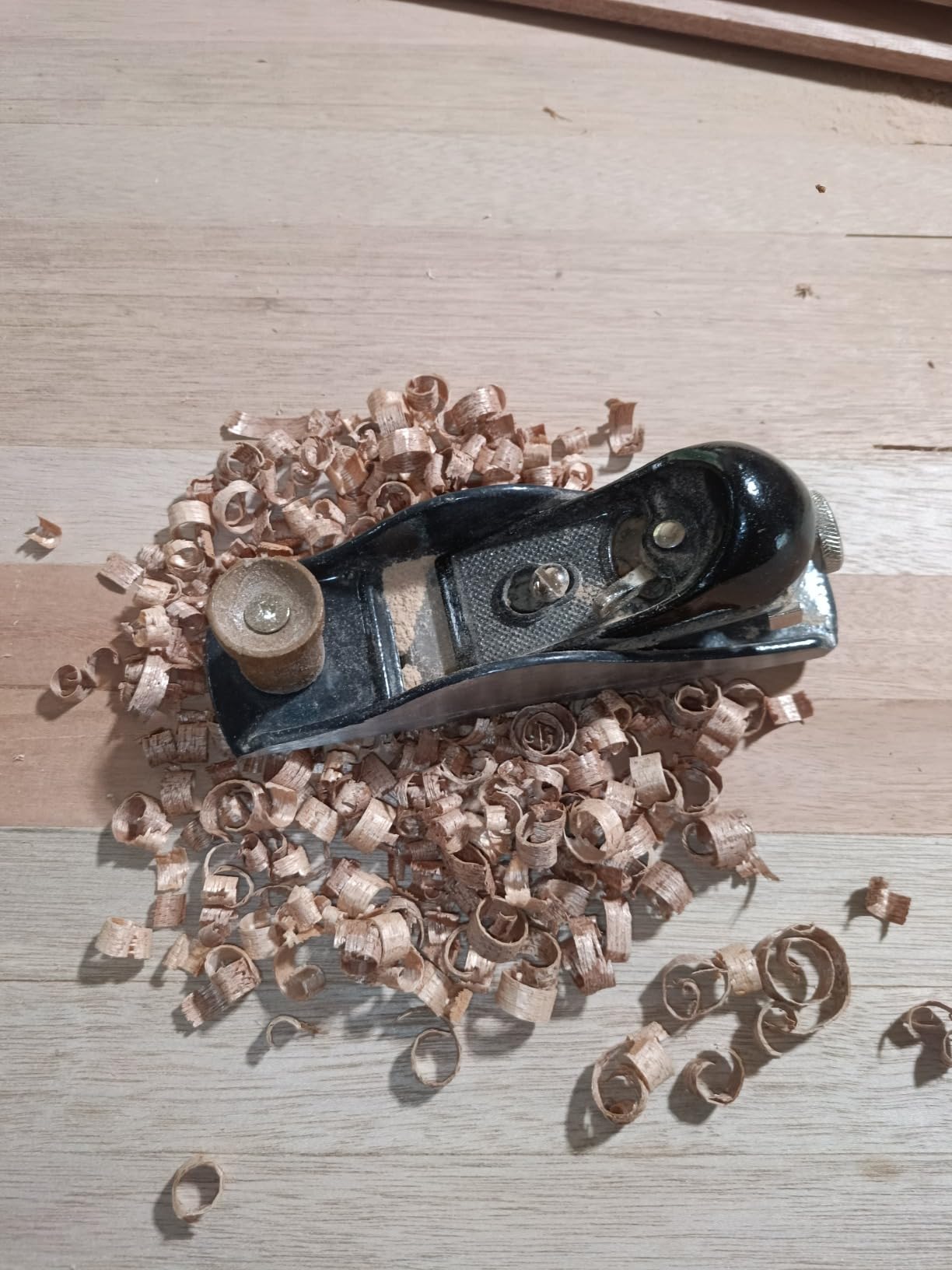
Owners rate it as a decent entry point, which is accurate rather than enthusiastic. It is not a plane that will surprise you, but neither is it one that will frustrate you once it is set up. The trade is that you get fewer features and no adjustable mouth.
Tuning is the standard budget-plane routine. Check the sole on a flat surface, flatten if needed, hone the blade, set a thin mouth, and take a few passes on scrap before touching your actual work.
When to buy it
Buy it when you want a stable, conventional block plane without paying for an adjustable mouth or an unusually good blade steel. It is a solid second block plane for a shop that already has a mini plane, and it handles a wider shaving than a 1.25 inch blade.
For a first-time buyer on a tight budget, it is a reasonable way into the low-angle idea, provided you accept that you will be sharpening regularly.
When to buy something else
If your decision hinges on long-term confidence, look at a plane with more owner feedback. With 237 reviews, there is far less evidence about how this model behaves after three years than for the heavily reviewed planes on this list.
If you plan to do fine surface work, an adjustable mouth is worth paying for, because a fixed mouth cannot be opened up for a coarse pass and closed down for a finishing pass.
12. WoodRiver Low Angle Block Plane – the Adjustable Mouth Classic
Woodriver Low Angle Block Plane With Adjustable Mouth
12 degree low bed angle
Adjustable mouth
Knuckle style lever cap
2 pounds
Pros
- Classic Stanley 60-1/2 based design with a proven geometry
- 12 degree bed angle handles end grain well
- Knuckle style lever cap holds the blade securely
- Ductile iron body
- Adjustable mouth allows coarse and fine passes on one plane
Cons
- Highest cost of the block planes here
- Heaviest at 2 pounds for a block plane
- Smaller review count means less owner feedback
- Benefits from an initial honing
The WoodRiver is the most refined interpretation of the 60-1/2 on this list. It is based on the classic Stanley low angle block, with a 12 degree bed angle, a high carbon tool blade and an adjustable mouth controlled from the front of the plane.
The knuckle style lever cap is the detail that separates it. Rather than a press fit, the cap locks under a knuckle so you can put the blade in and take it out without hunting for a screw. On a low angle plane, where the blade sits at a steep offset from the sole, that convenience is significant.
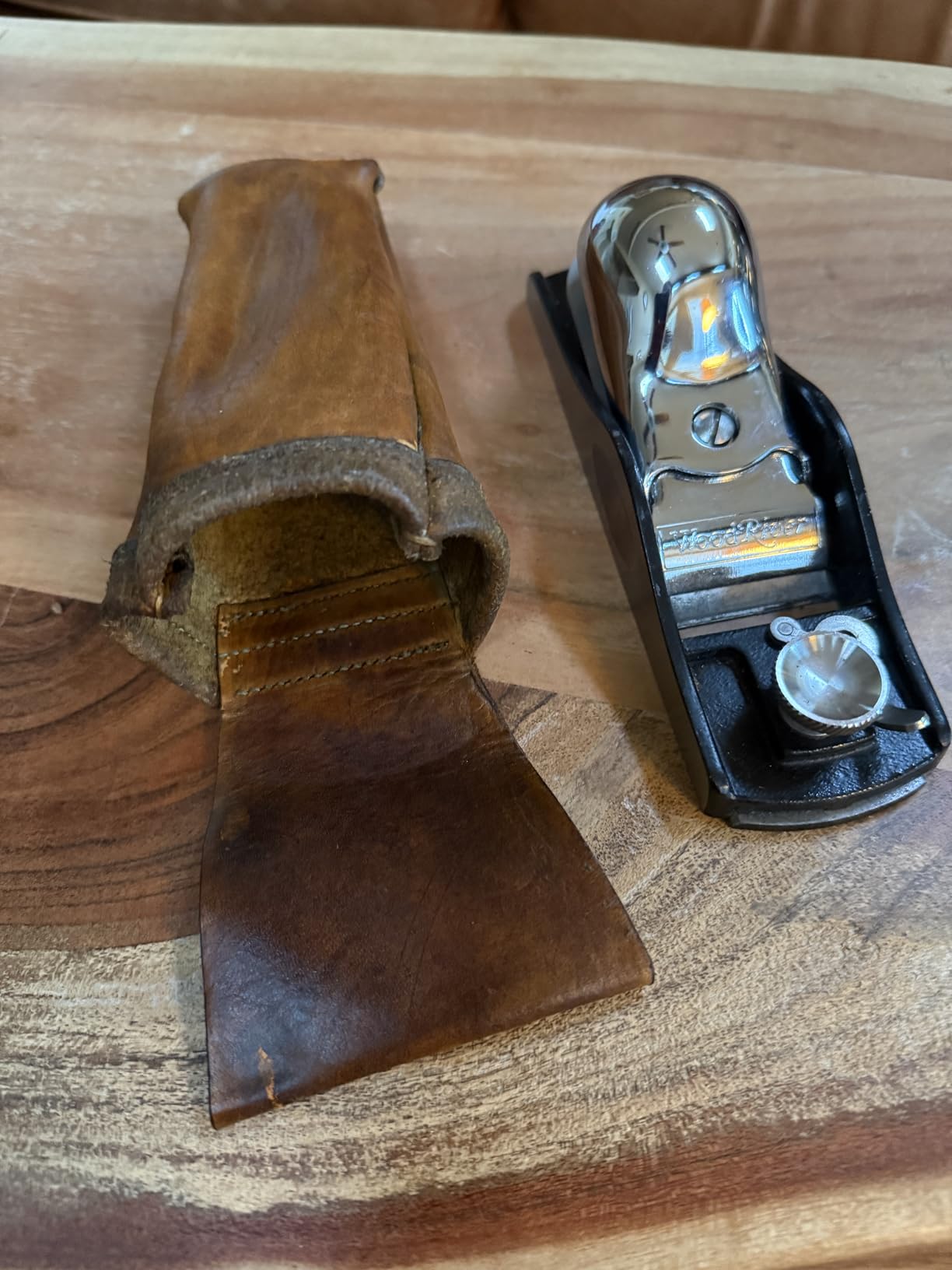
The ductile iron body at 2 pounds makes this the most stable block plane here, and stability is what lets a 12 degree bed angle do its job. At 7.85 inches long and 3.75 inches wide it is a proper bench-adjacent tool rather than a hand-sized one, and it will happily flatten a board face if you set the depth accordingly.
WoodRiver is the Woodcraft house brand, and the build quality is consistent with that. Owners rate the plane highly and describe the adjustable mouth as the feature that makes it work for both surfacing and final smoothing on the same tool.
Why it earns a place
For a beginner who will be doing a lot of end grain and surface work on small parts, the combination of low angle, adjustable mouth, and a securely held blade is close to ideal. It is also the plane here that most closely matches the classic professional pattern, so everything you learn transfers directly to a better bench plane later.
The low effective angle means the blade can be set very fine and still be sharpened easily, and a hollow grind through the blade is entirely practical on this width.
Why some beginners should wait
It sits at the upper end of the price range in this roundup, and a beginner cannot tell the difference between a good block plane and a great one until the sharpening and setup work is behind them. If you are undecided about hand tools at all, buy something cheaper first and prove the habit.
It is also the heaviest option, at 2 pounds. That is fine on a bench and awkward in your hand, so if you want one plane for everything you do, including small parts, look at the Jorgensen No.101 instead.
Block Plane vs Bench Plane: Which One to Buy First?
Buy a low-angle block plane first. That is the single most useful decision in this guide, and it is the question beginners ask most often. A block plane is short enough to hold in one hand, light enough to control precisely, and low-angle enough to cut end grain without splitting it, which means you can practise on almost any offcut without a clamping headache.
A bench plane is long, heavy and mounted or gripped with two hands. It removes far more material per stroke and is the right tool for flattening a board, but the same features make it harder to learn on. When you make mistakes with a bench plane, you find out immediately, and you can gouge a workpiece.
The practical path is a block plane now, a bench plane later. The techniques are identical: set the mouth, set the depth, register the sole, read the shaving. Learning them on a tool that is forgiving means the bench plane is familiar by the time you unbox it.
The one exception is surfacing rough stock. If your very first task is flattening a rough-sawn board, a block plane will work but will be slow, and the Stanley No.62 or the GreatNeck C4 is the honest answer.
Setting Up a Budget Hand Plane in 20 Minutes
Step one: check the sole. Put the plane on a piece of glass with a sheet of 180 grit paper on top and drag it gently. Scuff marks show high spots. Most budget planes need a light pass, and twenty passes is usually enough. A hollow in the middle is a problem; a rounded edge is not.
Step two: sharpen the blade. If you are starting from a dull factory edge, a 400 grit stone followed by 800 or 1000 gets you working. A honing guide is not necessary for a first pass, and many beginners are better off learning the angle by hand before adding a jig.
Step three: set the mouth. Close the mouth until the blade just touches, then back it off by about a hair. For coarse work open it slightly more, for final surfacing close it down. The mouth is the difference between a shaving and chatter, and it is the first thing to check when a plane misbehaves.
Step four: set the depth. Start with the depth of cut at roughly the thickness of a playing card, then adjust down. Take one stroke on scrap, lift it, and look at the underside. If the shaving is thick and the surface is cut cleanly, you are set.
Total time is about twenty minutes, and it is the same twenty minutes that separates a plane that works from one that frustrates you.
Sharpening: The Skill That Makes the Plane
Every question about cheap versus expensive planes collapses into one: a sharp edge on an affordable plane beats a dull edge on a premium one, and beginners consistently say this. The plane body guides the cut. The blade determines whether that cut is a shaving or a tear-out.
A workable first system is two stones. A coarse stone around 400 grit for flattening and shaping an edge, and a medium stone around 1000 grit for a working edge. Add 2000 or 3000 grit later if you want a polishing-grade edge. Plate glass, water or a few drops of oil, and fifteen minutes of practice on an old chisel will teach you more than any guide.
Watch the angle. 25 degrees is a good general working angle for a block or bench plane blade, and a low angle plane tolerates a low effective angle better than a high angle one. The factory bevel markings on many blades are a useful starting point.
Avoid the temptation to chase a mirror finish early. A truly sharp edge in the 1000 grit range will plane most hardwoods beautifully, and it is far easier to produce than a 12000 grit edge.
Hand Plane Buying Guide for Beginners
Start with geometry, not brand. Low angle block planes, with bed angles around 12 to 20 degrees, are the most forgiving for a beginner because they cut rather than scrape. Standard bench planes at 45 to 50 degrees effective are excellent tools and a poor first purchase.
Look at the blade steel. O1 tool steel, used on several planes here, holds an edge well and is easy to sharpen. Plain high carbon steel is fine and cheaper. Laminated Japanese steel holds a superb edge but takes more effort to sharpen and is not damage-tolerant in the same way.
Check what has to be adjusted. A knob, lever or wheel for depth, a lateral adjuster, and a mouth you can change are all things you will use. Screws that must be removed and the blade re-fitted every time, as on traditional wooden kanna, are a legitimate choice but a real learning commitment.
Set aside budget for the supporting tools. A honing guide, a couple of sharpening stones and a small flat file for smoothing a dinged sole are the purchases that make a plane usable, and they deliver more improvement than moving up a price tier.
Think about your actual projects. Surfacing boards, tenons and glue-ups call for a bench plane. Small parts, joinery cleanup and end grain call for a block plane. Decorative edges call for a chamfer plane. Curves and shaping want a spokeshave, which is a different category of tool entirely and worth adding later.
Finally, buy one. A collection of planes sitting unused teaches nothing. One plane, sharpened, used on a real project, understood completely, is worth more than a shelf of tools.
Frequently Asked Questions
What is the best hand plane for a beginner?
A low-angle block plane is the best hand plane for a beginner. It is light enough to control one-handed, has a low effective cutting angle that handles end grain without splitting, and is small enough to work on any offcut. The Jorgensen No.60-1/2 and the WoodRiver low angle block are the strongest examples in this roundup.
What hand plane should I buy first?
Buy one low-angle block plane first, then add a bench plane later. The block plane teaches mouth setting, depth setting and reading the shaving without the frustration of a heavy two-handed tool. Most beginners who learn on a block plane find a bench plane familiar the moment they unbox it.
What is the difference between a block plane and a bench plane?
A block plane is short, light, usually single-handled, and typically low angle. A bench plane is longer, heavier, wider in blade, and mounted or held with a rear handle. A block plane suits small parts, joinery and end grain. A bench plane suits flattening boards and removing material quickly.
Do cheap hand planes actually work?
Yes, once they are set up. Budget cast-iron planes are often delivered with a sole that needs flattening and a blade that needs an edge. After twenty minutes of tuning, a budget plane produces shavings comparable to a much more expensive tool. The difference is mostly refinement, not capability.
Why does my plane tear out chunks instead of taking shavings?
Common causes are a dull blade, a mouth set too wide, planing against the grain, a high effective cutting angle on end grain, and a blade that has not been bedded down onto the frog. Start by honing the blade, then narrow the mouth slightly, then always plane with the grain direction and use a low angle plane for cross-grain work.
Do I need a hand plane if I own a sander?
A sander cannot replace a plane. A plane creates a flat, square surface and a clean edge before finishing, and it does so with no dust, no noise and no power. Sanders remove material too, which means they are used after the plane rather than instead of it. For furniture joinery, a plane is how you get the fit right.
Conclusion: The Best Hand Plane for Woodworking Beginners
After working through all twelve of these planes, the best hand planes for woodworking beginners are still the ones that make the least noise in your head. Start with a low-angle block plane, sharpen it properly, and use it on scrap until the shavings make sense. The Amazon Basics No.4 bench plane is the safest first purchase overall, because it has the most owner feedback behind it and the parts ecosystem to keep it going for decades.
Add a second plane only when a specific job asks for it. Board flattening and stock removal want a bench plane like the Stanley No.62 or the GreatNeck C4. Surface finish and figured wood want a Japanese kanna with a chipbreaker, such as the KAKURI.
More than any of these tools, the sharpening stones will decide how much you enjoy this. Keep the plane, buy the stones, and give the setup its twenty minutes. That is the whole difference between quitting a hand tool in a weekend and still using one in ten years.