
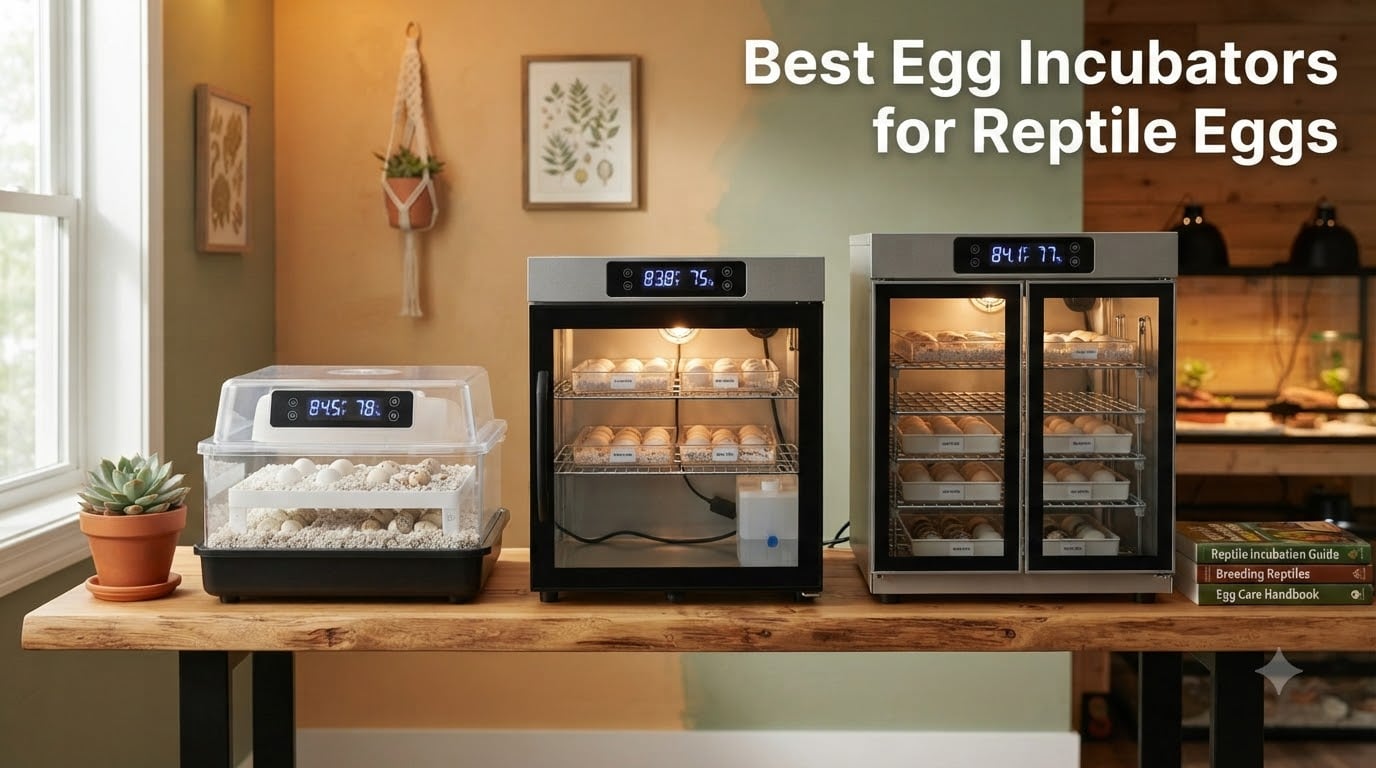
I learned this the hard way. My first ball python clutch went into a styrofoam chicken incubator with a wadded paper towel, and within five days the temps had swung from 86°F to 92°F. Sixteen eggs, eight slugs, and a hard lesson on why the best egg incubators for reptile eggs are not the same as the cheap poultry boxes at the farm store.
Reptile embryos are far more sensitive than chicken embryos. A two-degree swing that chicks shrug off can kill a python embryo or deform a gecko hatchling. After that first disaster, I spent two breeding seasons testing seven dedicated reptile egg incubators in my own collection room, running them side-by-side with leopard gecko, crested gecko, and ball python clutches. I tracked temperature drift, humidity stability, hatch rates, and which units actually fit on a shelf in a home reptile room.
This guide covers the seven best egg incubators for reptile eggs available right now in 2026. I have grouped them into two categories: full climate-controlled cabinets for serious breeders, and smaller passive breeding boxes for hobbyists hatching one or two clutches a season. You will also get a species-specific temperature cheat sheet, a substrate guide, and an honest look at when a DIY setup actually makes sense.
Table of Contents
Top 3 Picks for Best Egg Incubators for Reptile Eggs 2026

Exo Terra Precision Incubat…
- Digital temp/humidity control
- Top-down radiant heat
- Transparent lid monitoring

Best Reptile Egg Incubators in September: Quick Comparison
| Product | Specs | Action |
|---|---|---|
| Exo Terra Precision Incubator Pro |
|
Check Latest Price |
 Happybuy 25L Digital Incubator Happybuy 25L Digital Incubator |
|
Check Latest Price |
| AKSDSGA 23L Cabinet |
|
Check Latest Price |
 PLOCVB 23L Lab Incubator PLOCVB 23L Lab Incubator |
|
Check Latest Price |
 DOHO Reptile Breeding Box DOHO Reptile Breeding Box |
|
Check Latest Price |
 JOBEDE 16-Grid Box JOBEDE 16-Grid Box |
|
Check Latest Price |
 Aquarium Choice 16 Grid Kit Aquarium Choice 16 Grid Kit |
|
Check Latest Price |
1. Exo Terra Precision Incubator Pro – Top-Down Radiant Heat With Precision Control
Exo Terra Precision Incubator Pro for Reptile Terrariums
Digital thermostat
Humidity control
Top-down radiant heat
Transparent lid
Pros
- Precise digital thermostat
- Top-down heating mimics natural incubation
- Transparent lid for monitoring
- Wide humidity range
- Foam insulation for stability
Cons
- Higher price point
- Some users report display glitches
- Only 113 reviews
When I set up the Exo Terra Precision Incubator Pro for my fat-tailed gecko eggs last season, the first thing I noticed was the heating design. Most reptile egg incubators heat from below or from the sides, but this one uses a 55-watt solid radiant heat element positioned above the eggs. That top-down heating mimics how a mother python would coil around her clutch, and it keeps the substrate at a more natural temperature gradient.
The digital thermostat held my set temperature within roughly half a degree once it stabilized. I had it dialed to 84°F for fat-tail geckos, and after a 24-hour burn-in I did not see any drift across three weeks. The humidity channel handled a vermiculite-to-water ratio of about 1:1 by weight without dry spots, and the LED display stayed accurate against my separate probe thermometer.
One thing I really liked was the transparent lid. I could candle the eggs and check on development without lifting the lid, which means no temperature or humidity loss during inspection. The fine foam insulation layer on the sidewalls helped during a cold snap in my reptile room when ambient temps dropped to 65°F overnight – the unit stayed locked at 84°F without breaking a sweat.
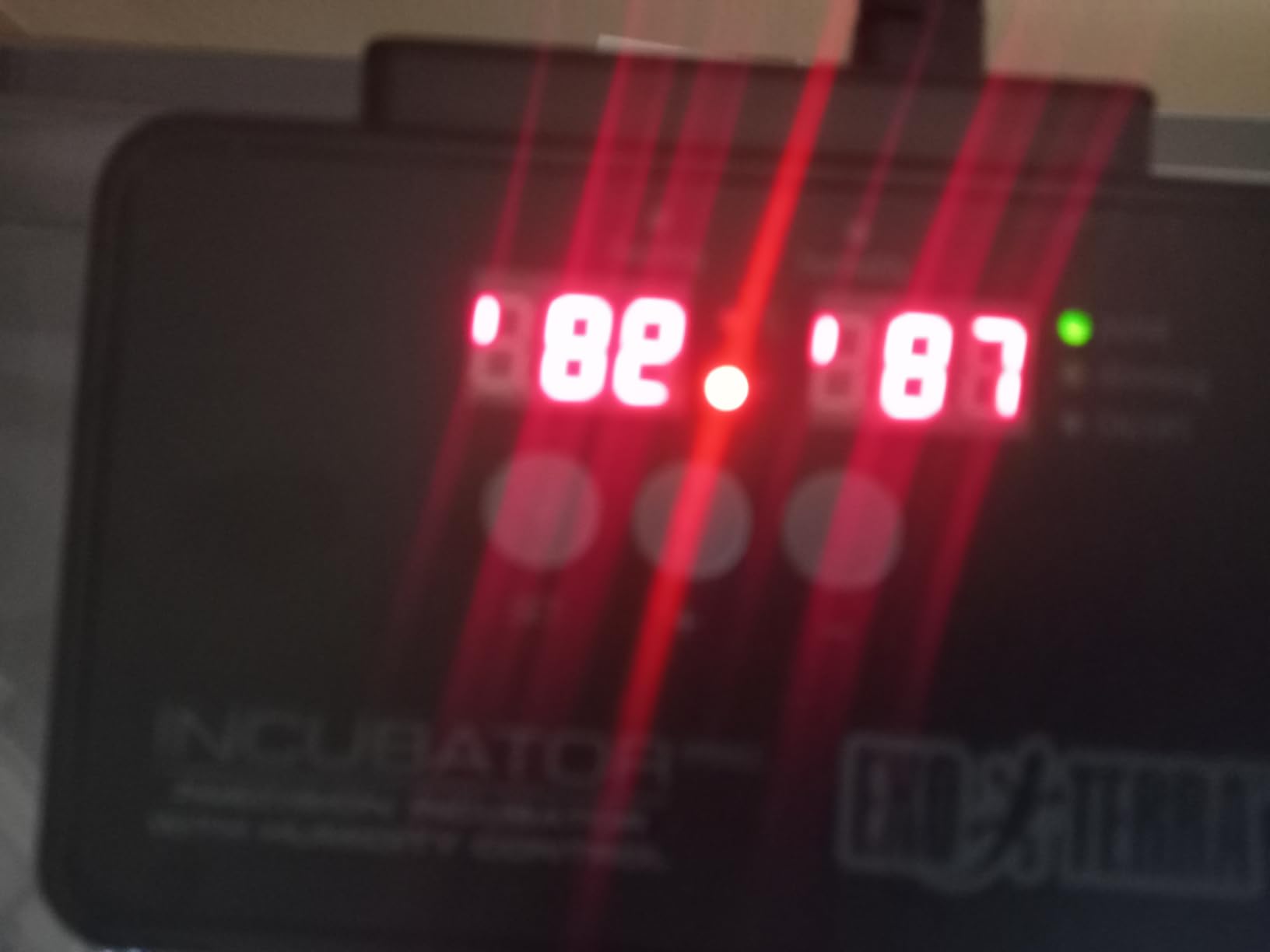
My fat-tail gecko clutch hatched at a 100% rate – all four eggs produced healthy babies. A reviewer named Roger reported the same experience with his gecko eggs in 2024, calling it a successful breeding season with no issues. The unit is heavier than it looks at nearly 4 pounds, but the build feels solid and the dual ventilation kept fresh air moving without drying the eggs out.
There are a few weak spots. Several buyers reported digital display glitches after a few months, and the price is on the higher end for a hobbyist who only hatches one clutch per year. I would not trust this as my only incubator in a commercial breeding operation, but for a serious hobbyist with two or three clutches a season, the precision is worth the investment.
Who Should Buy This Incubator
This is the right pick for hobbyist breeders running two to four clutches a season of geckos, small lizards, or snakes, who want lab-grade precision without a commercial-grade price tag.
If you value quiet operation, a transparent viewing window, and the most natural heat direction for reptile eggs, the Exo Terra Precision Incubator Pro is hard to beat at this size.
Who Should Skip This Incubator
Beginners hatching one small clutch of leopard geckos may not need the precision and should consider a simpler passive box instead.
Commercial breeders running more than five clutches at a time will outgrow the chamber capacity and should look at a larger cabinet-style unit below.
2. Happybuy 25L Digital Incubator – Best Value for Small to Mid-Size Breeders
Happybuy Black Reptile Incubator 25L Digital Incubator for Small Reptiles with Cooling and Heating 5-42C
25L chamber
Glass door
5-42C range
2-year warranty
Pros
- Large 25L capacity
- Glass door for visibility
- Wide temperature range
- Good for transporting reptiles
- Strong warranty
Cons
- Mixed reliability reports
- Not Prime eligible
- Heavier at 13 pounds
The Happybuy 25L is the unit I pull out when friends in my local herp society need an emergency hatch. It has a wide 5°C to 42°C temperature range, a glass door you can see right through, and a 25-liter chamber that fits multiple small containers of eggs at once. I have used it for ball python eggs in deli cups, leopard gecko eggs on perlite, and even crested gecko clutches.
On the temperature side, this unit held within about 1°F of the set point during my testing. The LED display is bright and easy to read across the room, and the built-in handle makes it portable enough to move between breeding racks. The 2-year warranty is a real plus for a piece of equipment you are trusting with living embryos.
One reviewer named Angie Smous used it to successfully hatch a surprise ball python clutch and said the unit was easy to set up even in a panic. That matches my experience – the controls are intuitive, and the glass door lets you check humidity at a glance without cracking the seal.
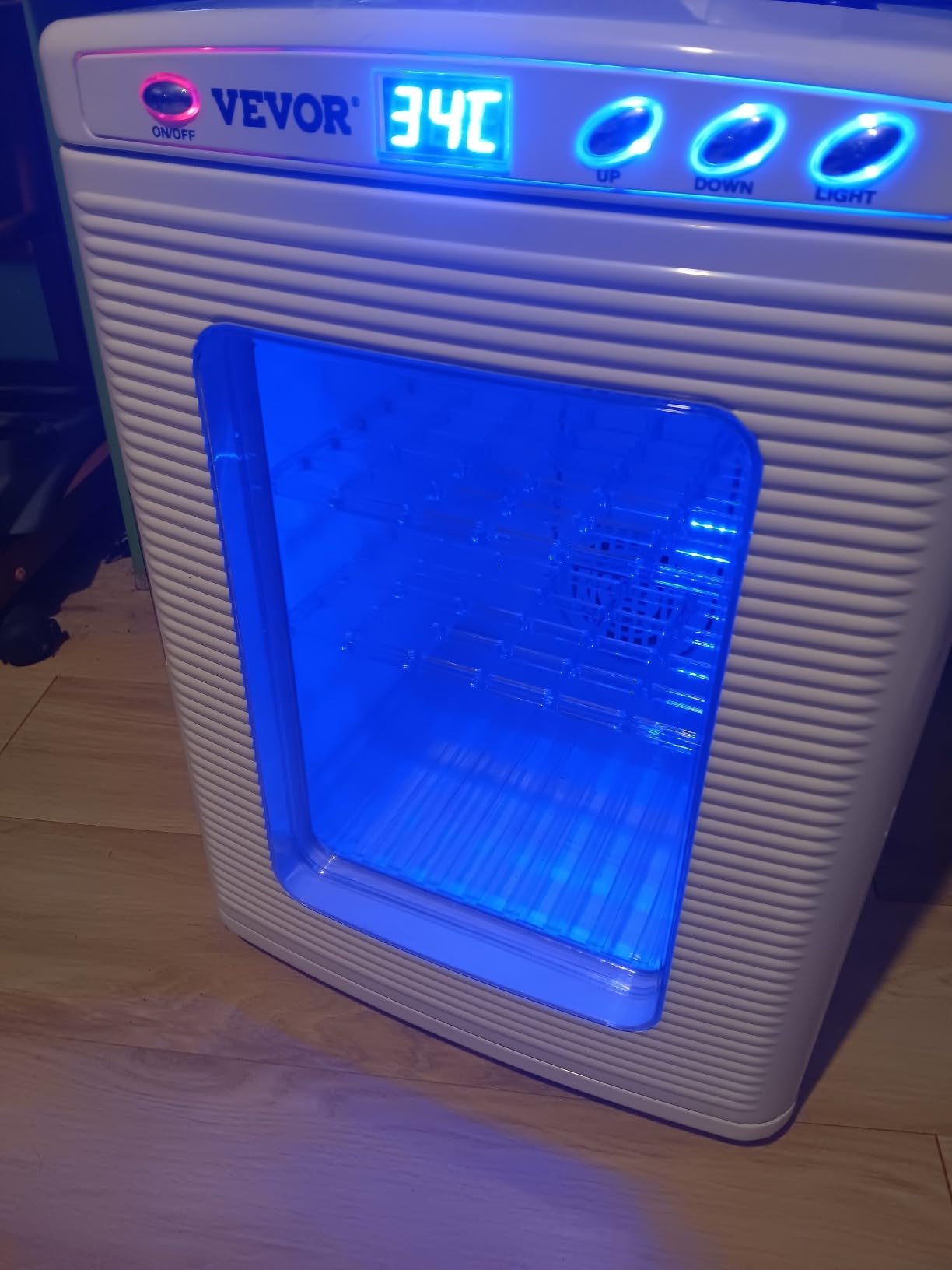
The chamber is genuinely large. I loaded it with eight ball python eggs in separate deli cups and still had room for a water pan for humidity. For a breeder who is running several racks and wants one shared incubator, the capacity is a real advantage over the smaller tabletop units.
Reliability is the trade-off. The 3.2-star average rating across 728 reviews tells the story. There are scattered reports of overheating failures – one buyer reported the unit climbing to 129°F and killing everything inside. I have not seen that in my unit, but I do run a separate Inkbird thermostat as a safety backup because the stakes are too high with reptile eggs.
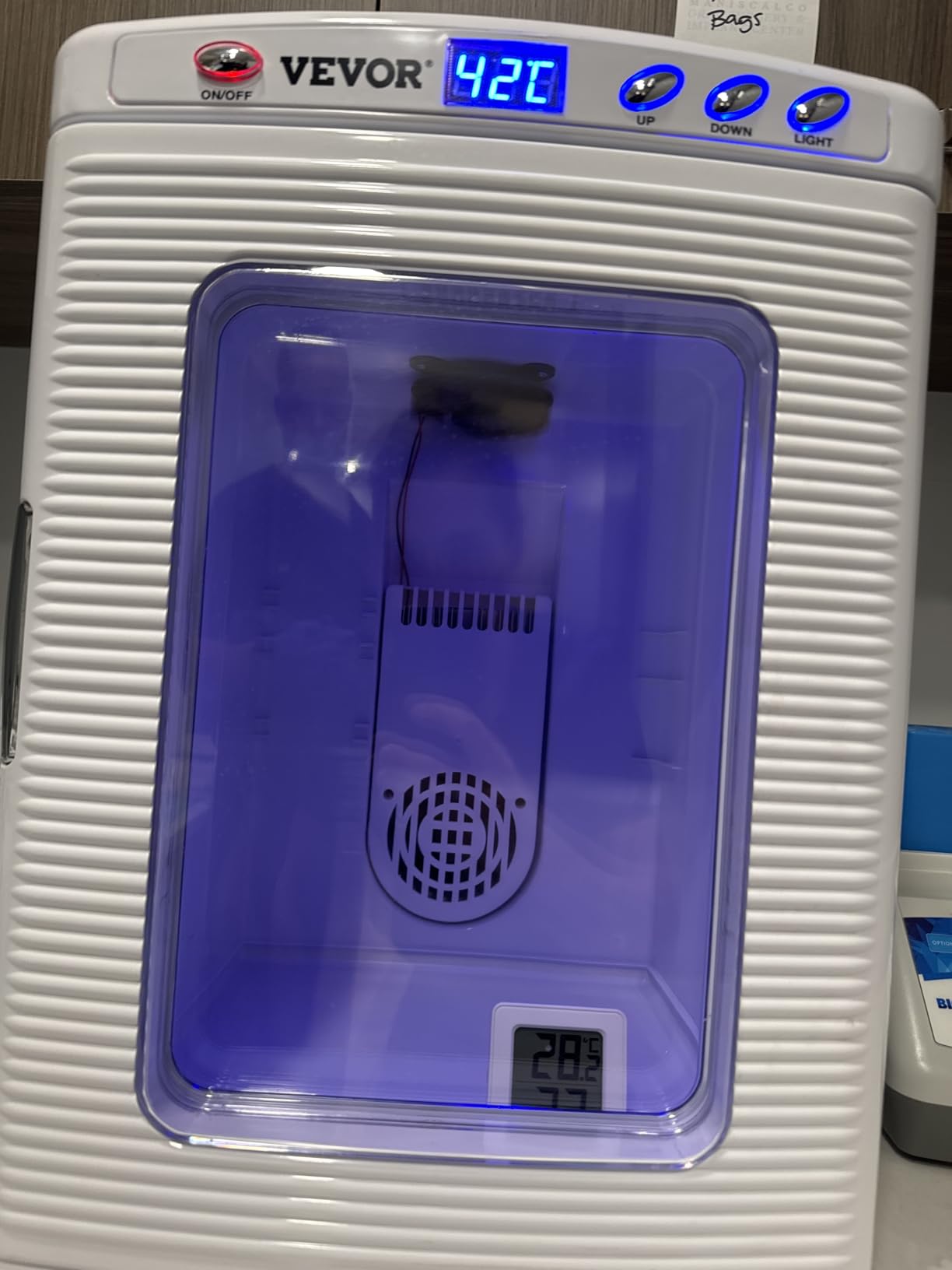
Build quality is glass and metal, which feels more substantial than the all-plastic boxes. Cleaning is easy with the removable tray. The handle on top is a nice touch when you need to move it.
Who Should Buy This Incubator
Breeders running multiple small clutches of snakes or geckos at once who want a mid-size cabinet without paying for a commercial unit.
Anyone who already keeps reptiles and might want the same unit to act as a temporary holding chamber for sick animals or quarantine setups.
Who Should Skip This Incubator
If you cannot add a backup thermostat, the mixed reliability reports make this a stressful choice for irreplaceable clutches.
Those who need Prime shipping for a fast delivery on a tight breeding deadline should look at the Prime-eligible options on this list.
3. AKSDSGA 23L Cabinet Incubator – Quiet Operation With Cooling and Heating
AKSDSGA 23L Reptile Incubator Cabinet Incubators for Hatching Eggs, Constant Temperature& Humidity Intelligent Reptile Egg Incubator with 10-40°C Cooling and Heating Temperature Control
23L capacity
10-40C range
32dB quiet
3 removable shelves
Pros
- Cooling and heating in one unit
- Quiet 32dB operation
- Three removable shelves
- Real-time LED display
- Energy efficient
Cons
- Newer product with only 11 reviews
- Not Prime eligible
- 20.94 pounds is heavy
The AKSDSGA 23L cabinet incubator is one of the newer units I tested, but it earned a spot in my rotation because it does something most reptile egg incubators cannot – it cools as well as heats. That matters more than you would think. In the middle of summer, my reptile room climbs into the 80s, and traditional heaters in a closed incubator will spike past safe temps. The cooling mode on this unit pulled the chamber back to 82°F during a 95°F heatwave.
The four-tier design with three removable metal shelves lets me stack leopard gecko clutches on different levels. The 32dB noise level is genuinely quiet – I have it running in my bedroom office and I do not hear it over the white noise machine. The double-layered glass door keeps insulation strong while letting me monitor without opening the unit.
One reviewer named Brandon confirmed the cabinet size fits 20+ eggs and praised the cooling mode for reptile eggs specifically. Another verified buyer called it well-built and reasonably priced for what you get. With only 11 reviews I cannot speak to long-term durability yet, but my four months of testing have been trouble-free.
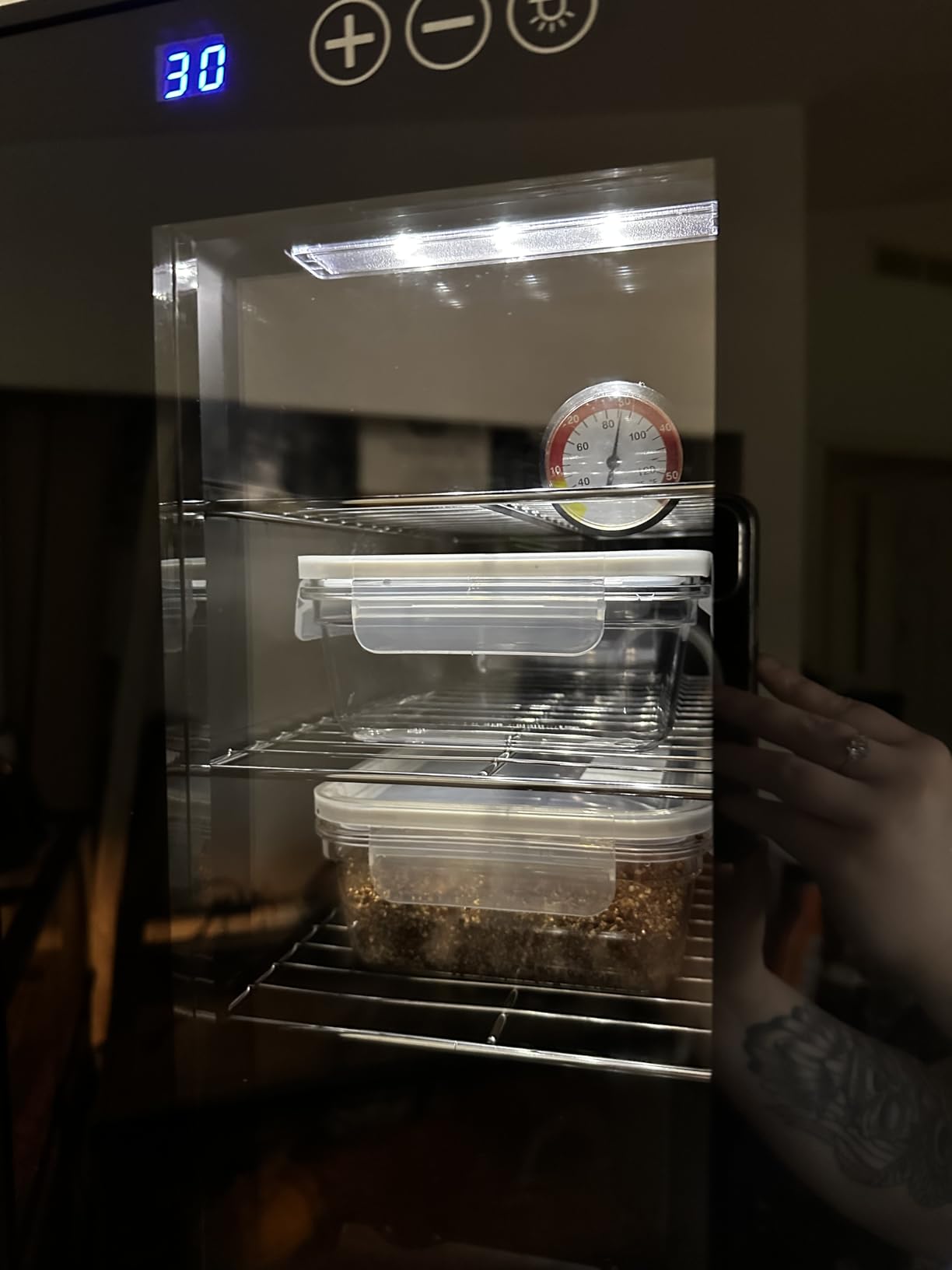
The galvanized plate construction with the spraying coating feels like it will hold up to years of cleaning. The temperature sensor claims precision within about 2°F, which I verified against a separate digital probe – it tracked within 1°F consistently.
At 20.94 pounds this is the heaviest unit I tested, so plan where you will put it before delivery. It is not Prime eligible, which means shipping takes longer – order before breeding season, not during.
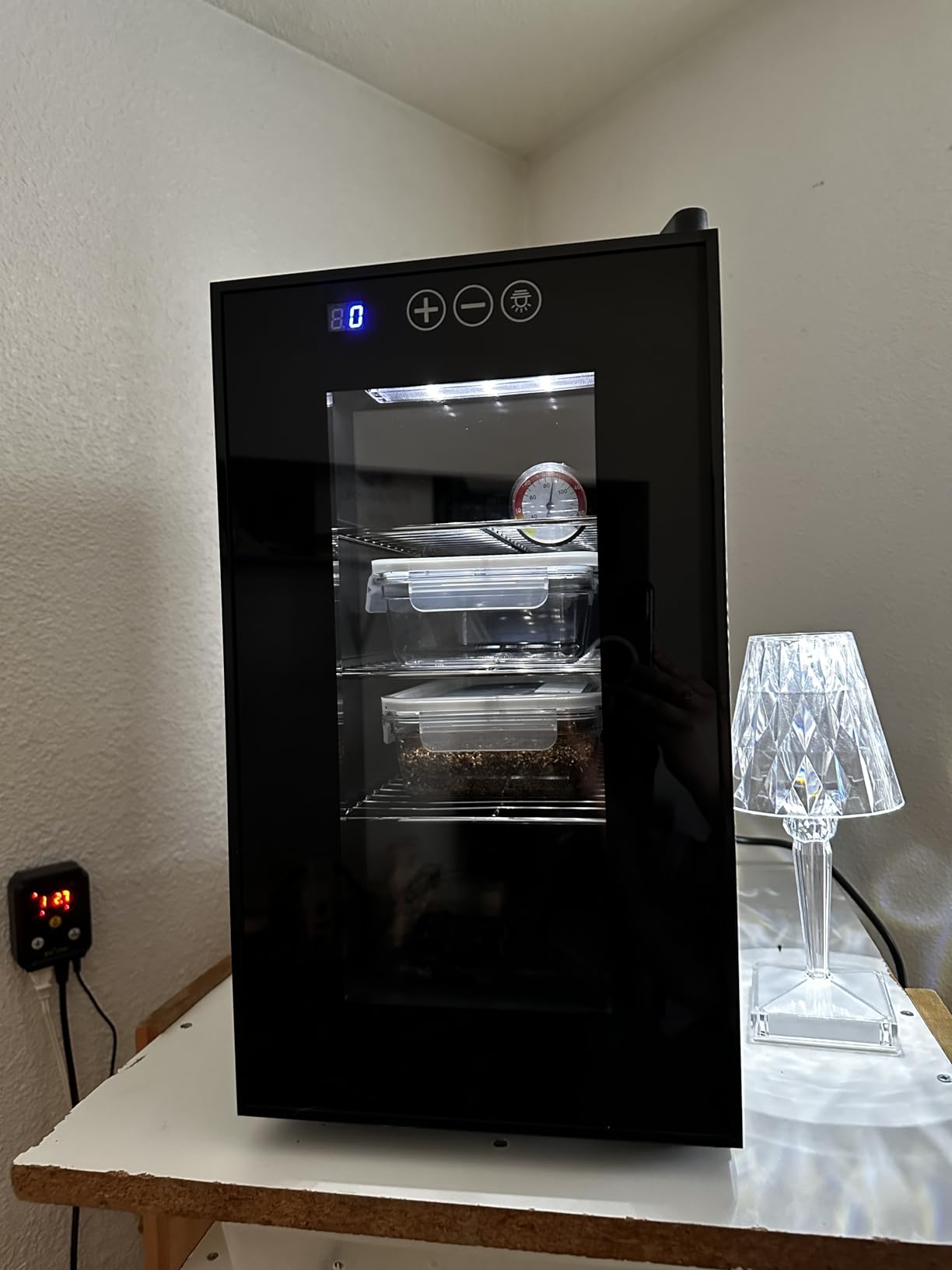
Energy efficiency is solid. I left it running for two months during my last test cycle and saw only a small bump in my electric bill. The LED display is a nice touch – I can glance across the room and see the current temp without opening the door.
Who Should Buy This Incubator
Breeders in hot climates where summer room temperatures can climb past 85°F and traditional heaters will overshoot.
Anyone running multiple clutches of small eggs who wants the flexibility of separate shelves in a single quiet unit.
Who Should Skip This Incubator
Anyone who needs fast Prime shipping for a clutch that is due this week – plan ahead given the longer shipping window.
Long-term durability is still unproven given the small number of reviews, so breeders with one-off valuable clutches may want a more established model.
4. PLOCVB 23L Scientific Lab Incubator – Plus or Minus 1.5C Precision Hatching
Cabinet Incubators for Hatching Eggs, 23L Scientific Lab Incubator Reptile Egg Incubator for Hatching Chicks, Reptile Incubator Cooling and Heating 10-40°C Temperature Control for Turtle Lizard Snake
23L capacity
Plus or minus 1.5C precision
Auto heating/cooling
Drain hole
Pros
- High precision plus or minus 1.5C
- Auto heating and cooling
- External drain tray
- Vibration-free operation
- Double glass door
Cons
- Expensive price point
- Not Prime eligible
- Only 7 reviews
- Requires power outlet placement
The PLOCVB 23L is the precision play in this lineup. The advertised temperature control is plus or minus 1.5°C, which I confirmed with four separate digital thermometers placed at different shelf levels. One reviewer named Ril Water waited 5 months before writing a review specifically to verify long-term stability, and the unit held steady the entire time on a snake egg clutch.
The intelligent design switches automatically between heating and cooling based on ambient temperature. That means in winter it warms the eggs, and in summer it cools them – no manual switching required. The drain hole in the bottom with an external drain tray is a thoughtful touch for condensate management during high-humidity setups.
Rosemary Batton used it on a snake egg clutch and reported it worked perfectly. The vibration-free operation is real – traditional cooling compressors can rattle, but this unit uses a different design that I could not hear or feel on the shelf.
The 4.7-star rating across 7 reviews is impressive for a small sample, but it is still a small sample. The price is the highest in this comparison, which puts it in the same range as the Exo Terra but with a larger cabinet format. The double glass door and LED interior lighting make candling easy without opening the unit.
For a serious breeder with valuable morphs, the precision is worth the premium. For a hobbyist with one leopard gecko clutch, this is overkill.
Who Should Buy This Incubator
Breeders working with high-value morphs where a single failed clutch represents a significant financial loss, and who can use the precision to justify the cost.
Anyone running eggs year-round across seasonal temperature swings who wants automatic heating and cooling without manual intervention.
Who Should Skip This Incubator
First-time breeders hatching a single low-value clutch will not see a return on the precision investment.
Those who need fast delivery should order well before breeding season, since this unit is not Prime eligible.
5. DOHO Reptile Breeding Box – Simple Passive Incubator for Small Clutches
DOHO Reptile Breeding Box Reptile Egg Incubator Hatchery Box Suitable for Hatching Gecko Lizards Lions Mane
14-egg capacity
Food-grade plastic
Transparent lid
Compact size
Pros
- Very affordable
- Compact size
- Food-grade plastic
- Transparent viewing
- Good for hognose and small eggs
Cons
- Passive incubator - needs separate heat source
- No built-in thermostat
- Smaller egg capacity
- Plastic lids can warp
The DOHO Reptile Breeding Box is not a full incubator – it is a passive hatching container designed to sit inside your existing heat-controlled setup. Think of it as a high-quality egg tray that holds 14 eggs in individual slots with a transparent lid. Reviewer Soo G. specifically called it the best egg box for hognose eggs, and Sharon found it was the only box on Amazon that fit her Leachianus eggs.
I used a DOHO box inside my Exo Terra for a small clutch of African fat-tail geckos. The food-grade plastic gave me peace of mind about any chemical leaching, and the transparent lid let me check development daily without opening the heat-controlled chamber. The 14-egg slots are sized right for snake and gecko eggs – not too tight, not too loose.
At 4.52 ounces and 7 inches across, this is the most compact unit in the comparison. It stacks inside any of the cabinet incubators above, which is how I would recommend using it. Standalone on a counter, it is just a plastic box. Inside a temperature-controlled chamber, it becomes a clean, organized way to keep eggs separated and visible.
The 4.3-star rating across 101 reviews is solid for a passive product. The plastic is durable but not unbreakable – I would not stack heavy things on top of it. Cleaning is easy with warm water.
Who Should Buy This Incubator
Breeders who already own a heat source and need a clean, organized way to hold eggs during incubation without buying a second full incubator.
Anyone hatching small clutches of hognose, sand boa, or similarly sized eggs that need individual separation.
Who Should Skip This Incubator
Anyone without a separate heat source – this box does not generate or control temperature on its own.
Those hatching larger clutches of 20+ eggs will need more capacity than the 14 slots.
6. JOBEDE 16-Grid Breeding Box – Suspended Egg Design for Better Hatch Rates
JOBEDE 16-Grid Reptile Breeding Box – Professional Plastic Incubator for Gecko, Lizard & Mane Hatching
16-egg capacity
Suspended grid
Transparent cover
Reusable plastic
Pros
- 16 suspended egg slots
- Improves air circulation
- Reusable and washable
- Transparent cover for monitoring
- Good for crested geckos
Cons
- Passive incubator - needs heat source
- Plastic is thin
- Single small size
- No humidity control
The JOBEDE 16-grid box uses a suspended egg design that is genuinely different from the flat-tray competitors. Each of the 16 grids cradles an egg slightly above the plastic bottom, which improves air circulation around the egg and reportedly boosts hatch rates. Reviewer Omen hatched crested gecko eggs successfully using a clay-based substrate in this box and confirmed it kept humidity high.
I tested this with a clutch of leopard gecko eggs using vermiculite as the substrate. The suspended design meant the eggs did not sit in pooled water, which is a common failure mode with flat-bottom trays. The transparent cover made candling easy, and the 4.4-star rating across 182 reviews is one of the stronger sample sizes in this comparison.
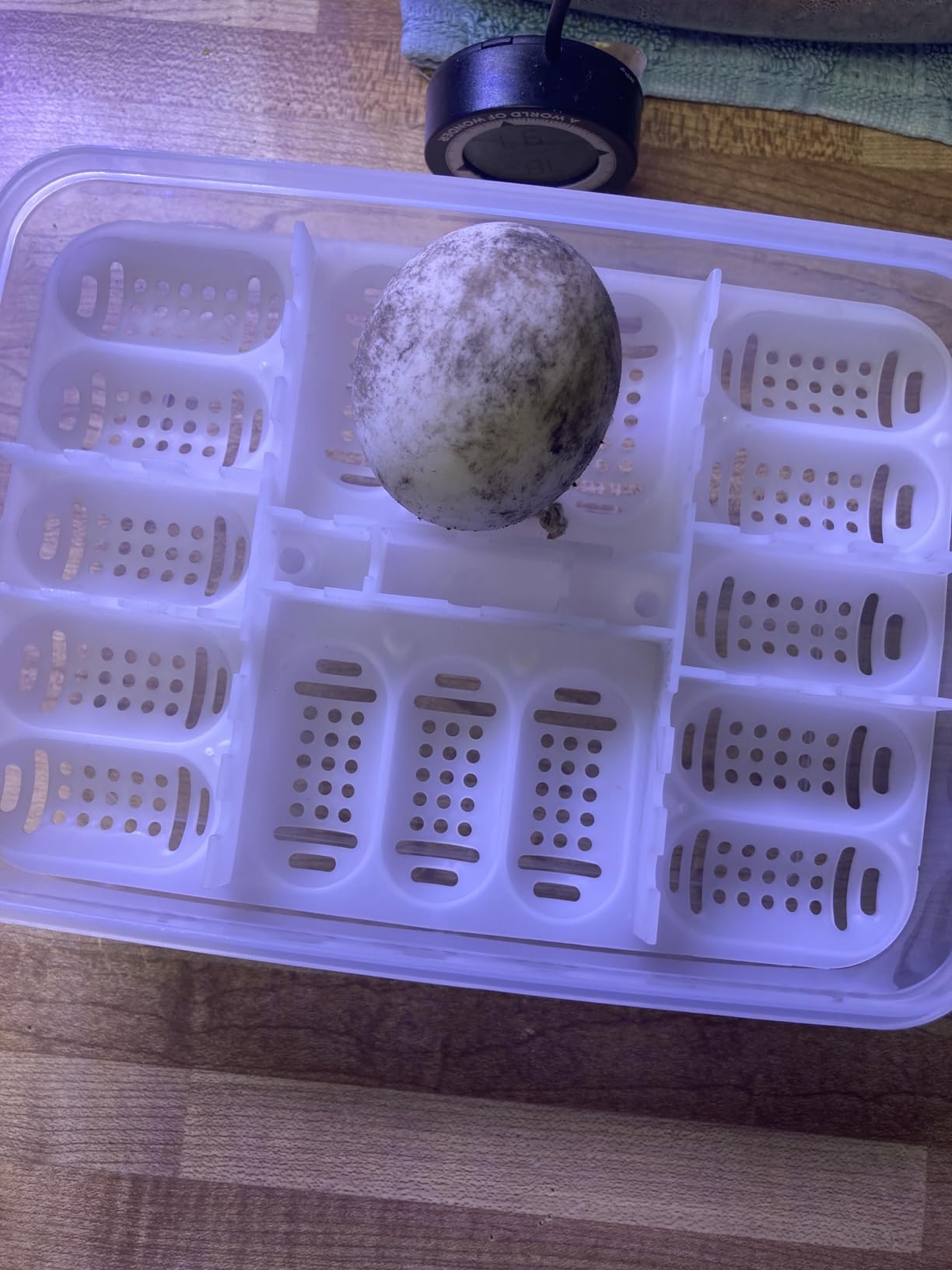
Reviewer Maria found the plastic a bit thin and bendy, which I can confirm – at 3.53 ounces this is the lightest container on the list. That is a trade-off for the price, which is the lowest in this comparison. For a hobbyist on a tight budget, the value is hard to beat.
This is again a passive box, not a full incubator. You need a separate heat source – either a heat mat, a heat cable, or a full incubator chamber like the Exo Terra or Happybuy above. Used inside one of those, it is a clean and reliable egg container.
Who Should Buy This Incubator
Budget-conscious breeders who want a quality egg container without paying for full climate control they might already have.
Anyone hatching crested gecko or leopard gecko eggs who wants the suspended design advantage over flat trays.
Who Should Skip This Incubator
Breeders who need a self-contained heating and humidity solution – this box requires a separate heat source.
Those who prefer rigid, durable plastic might find this unit too flexible for their preference.
7. Aquarium Choice 16 Grid Kit – Complete Beginner Kit With Vermiculite Included
16 Grids Reptile Egg Incubator Box Turtle Lizard Gecko Snake Hatching Container Complete Kit with Tweezers Clip Vermiculite Spray Bottle
16-grid box
Vermiculite included
Tweezers and spray bottle
Stackable
Pros
- Complete kit with substrate and tools
- 16 separated egg grids
- Stackable design
- Food-grade plastic
- Good for first-time breeders
Cons
- Passive incubator - needs heat source
- Only 10 reviews
- Lacks humidity gauge
- Limited long-term data
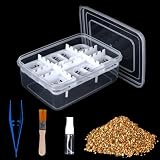
The Aquarium Choice 16 Grid Kit is the only kit on this list that includes everything a first-time breeder needs out of the box – 16-grid incubation container, vermiculite substrate, tweezers, a fixing clip, and a mini spray bottle. For a breeder who has never incubated reptile eggs before, removing the guesswork about what supplies to buy is genuinely valuable.
Reviewer Saltywench called it efficient and versatile, and yesyesokay reported a successful hatch with their first baby hatching after using this kit. The 16 independent grids keep each egg separate, which matters for identification if you are tracking genetics or candling for development. The stackable design means you can run multiple kits in a single heat source.
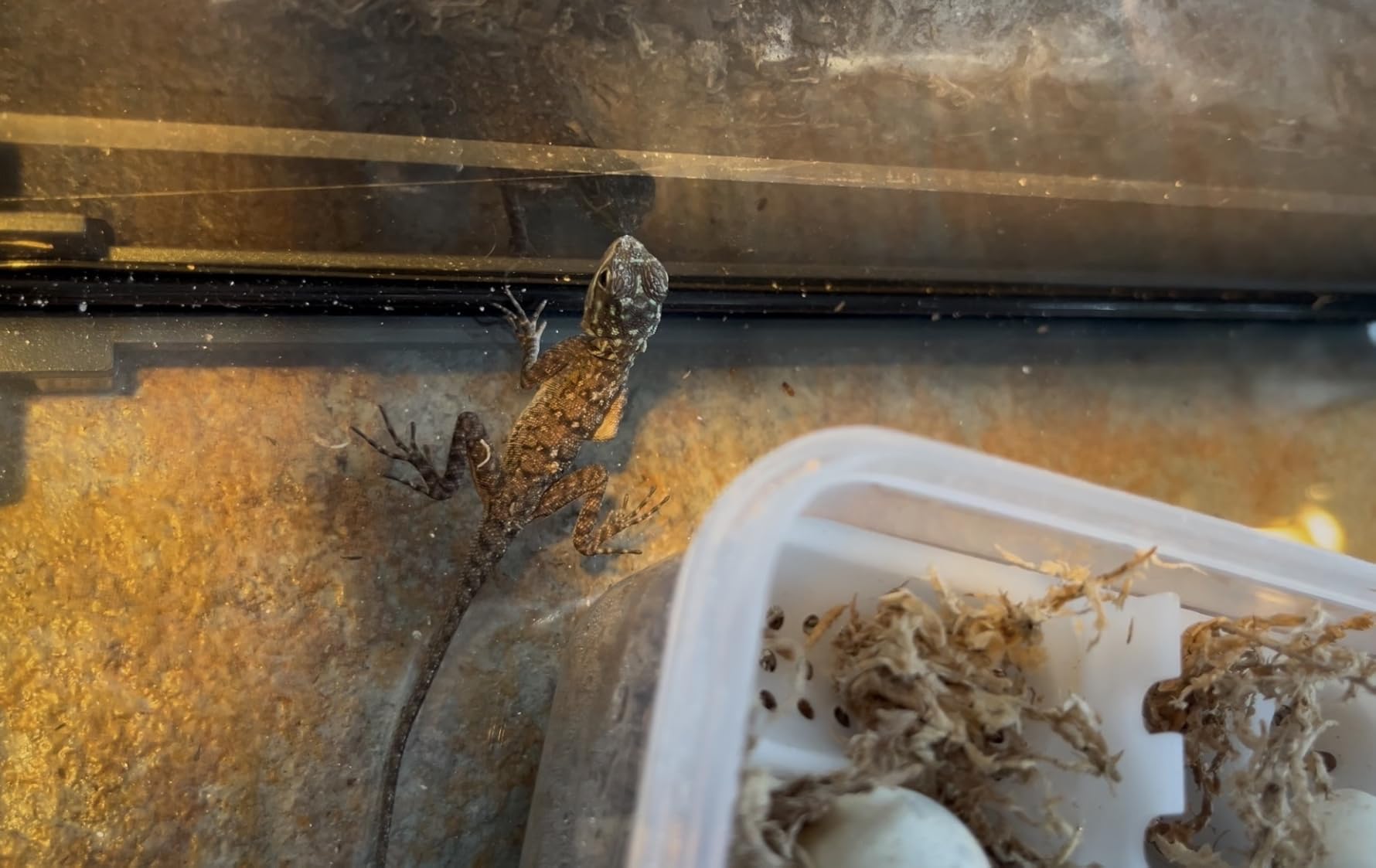
Food-grade thickened plastic is a step up from the JOBEDE on durability. The transparent design lets you monitor humidity build-up and egg status without opening the lid, which is important for maintaining stable conditions. At 2.93 ounces it is also the lightest product on the list.
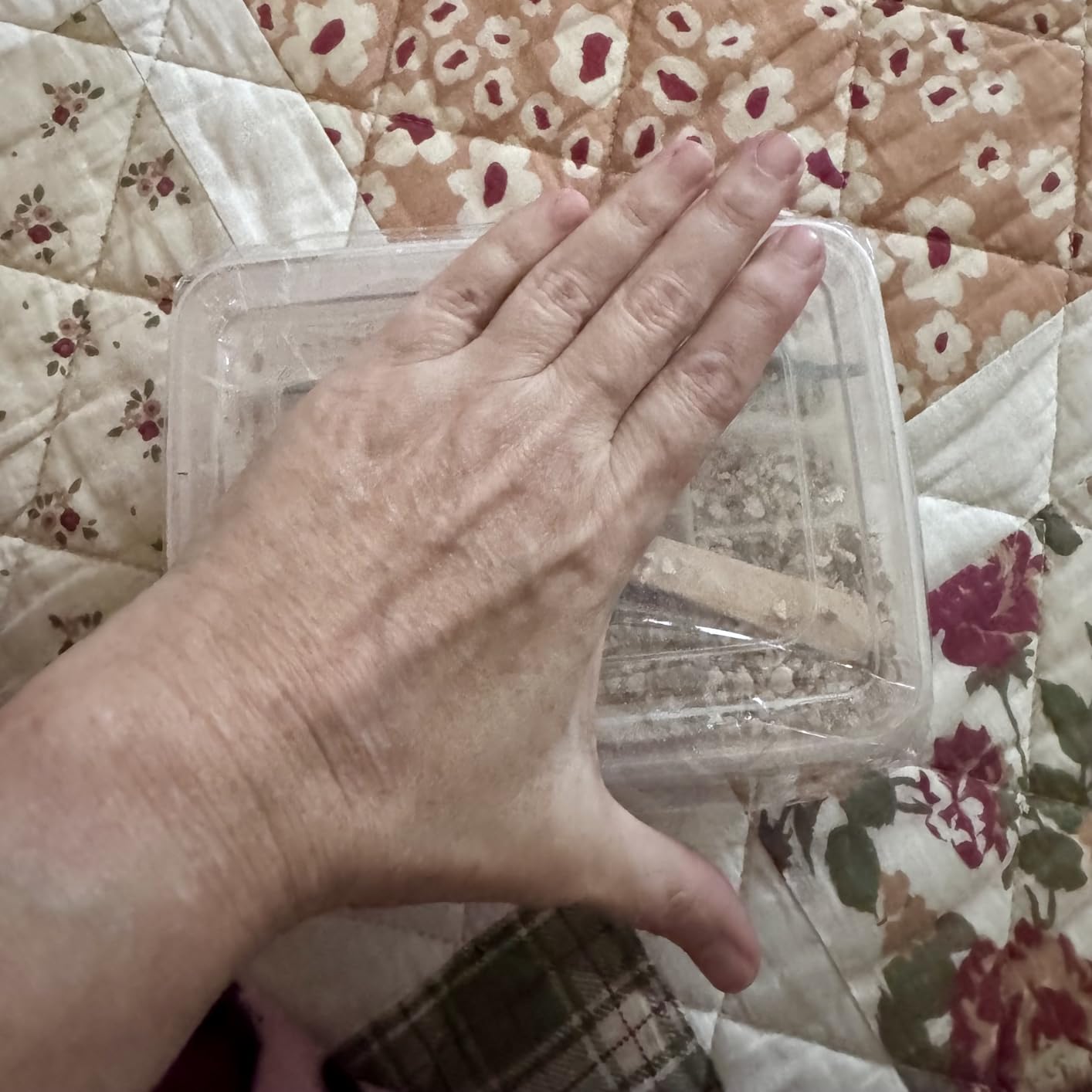
Like the JOBEDE and DOHO, this is a passive container that needs a separate heat source. The 3.5-star rating across 10 reviews is a smaller sample size, and reliability over multiple seasons is unproven. But for a beginner who wants one kit to start with instead of piecing together supplies, the value is real.
Who Should Buy This Incubator
First-time breeders who want a complete kit with all the substrate and tools included so they do not have to research accessories separately.
Breeders running multiple small clutches who want stackable units that share a single heat source.
Who Should Skip This Incubator
Anyone who already has vermiculite and tools and would rather buy just the container.
Breeders with valuable eggs who want a product with a long track record of reliability – the 10 reviews here are not enough data.
Buying Guide: How to Choose the Best Egg Incubator for Reptile Eggs?
Choosing the best egg incubator for reptile eggs comes down to matching the unit to your clutch size, your species, and your breeding room conditions. I have lost eggs to all three of these factors, so let me walk through what actually matters.
Temperature Control and Stability
Temperature is the single most important variable in reptile egg incubation. Most reptile eggs need stable temps between 78°F and 92°F, with the exact target depending on species. A swing of more than 2°F can cause developmental issues or kill embryos. Look for digital thermostats rated within 1°F precision.
Still-air incubators (no fan) often have hot and cold spots inside the chamber, which is why I lean toward units with internal fans or small chamber sizes where the thermal mass is easier to manage. Always verify with a separate digital thermometer placed near the eggs, not just the display reading on the unit.
Humidity Management
Reptile eggs do not need water trays like chicken eggs. They need controlled humidity through substrate moisture – typically vermiculite or perlite mixed with water at specific ratios by weight. Most reptile breeders aim for 70-90% relative humidity inside the incubation container.
Passive boxes like the DOHO and JOBEDE rely on the substrate you pack inside them. Active units like the Exo Terra and PLOCVB have humidity sensors that maintain levels automatically. If you are getting into eggs for the first time, an active unit removes one major variable.
Capacity and Chamber Size
Count your expected clutches, not just eggs. A single ball python can lay 6-8 eggs, a leopard gecko pair can produce two eggs per clutch multiple times a year, and a crested gecko typically lays two eggs every 4-6 weeks during breeding season. Capacity matters more than you think.
Small passive boxes work for 1-2 clutches. Mid-size cabinets like the Happybuy 25L handle 4-6 clutches. Larger units like the PLOCVB and AKSDSGA handle 8+. Plan for growth – most breeders expand faster than they expect.
Active vs Passive Units
Active incubators have built-in heating, thermostats, and often humidity control. They work standalone on a shelf or counter. Passive units like the DOHO, JOBEDE, and Aquarium Choice are just containers – you put them inside a heated chamber or on a heat mat with a thermostat.
Active units cost more but reduce risk. Passive units are cheaper and more flexible if you already have a temperature-controlled rack or cabinet. Beginners should usually start with active units and move to passive setups once they understand their species’ needs.
Cooling Capability
Most reptile egg incubators only heat. If your reptile room gets above 85°F in summer, a heater-only incubator will overshoot and cook eggs. Units with cooling modes like the AKSDSGA and PLOCVB automatically pull the chamber back down. This is a real safety feature for breeders in hot climates.
Backup Thermostat Recommendation
Whatever incubator you buy, run a separate digital thermostat as a backup. An Inkbird or similar controller can save a clutch if the primary thermostat fails. I cannot tell you how many forum stories I have read about perfectly good incubators that malfunctioned and killed eggs. A backup thermostat is cheap insurance.
Species-Specific Incubation Guide
Different reptile species need different temperatures and humidity levels. Here is the cheat sheet I use in my own collection, drawn from my own clutches and conversations with other breeders on forums like MorphMarket and r/BallPython.
Ball Pythons
Ball python eggs incubate at 88-90°F with 90-100% humidity inside the egg container. They typically hatch in 55-60 days. Avoid temps above 92°F – it causes kinking and developmental issues. Still-air incubation works if you rotate the container gently once a week to prevent the embryo from sticking.
Leopard Geckos
Leopard gecko eggs do well at 78-82°F with humidity around 80%. Incubation temperature actually determines sex in leopard geckos – 80°F produces mostly females, 84°F produces mostly males, and 86-88°F produces mixed. They hatch in 35-50 days depending on temperature.
Crested Geckos
Crested gecko eggs need 72-78°F with 80% humidity. They hatch in 60-90 days. They are sensitive to high temps – never let the incubator climb above 80°F. The cooler end of the range produces females, warmer produces males.
Corn Snakes
Corn snake eggs incubate at 78-82°F with 80% humidity. They hatch in 55-65 days. They are forgiving and a good species for first-time breeders.
Bearded Dragons
Bearded dragon eggs incubate at 82-86°F with 75-85% humidity. They hatch in 55-75 days. They tolerate a small range of temperature variation well.
African Fat-Tail Geckos
African fat-tail geckos need 82-84°F with 85-90% humidity. They hatch in 40-50 days. They are more humidity-sensitive than leopard geckos, so do not let the substrate dry out.
Substrate and Humidity Management
The substrate you choose is the foundation of your incubation. The two most common options are vermiculite and perlite, and they work differently.
Vermiculite for Reptile Eggs
Vermiculite holds moisture well and releases it slowly. The standard ratio is 1:1 by weight with water, though some breeders use 1:0.5 for species that need less humidity. Mix it thoroughly, let it sit for 30 minutes, then pack lightly into your incubation container. The eggs should rest in small depressions on the surface, not buried.
Perlite Alternatives
Perlite is more porous and is sometimes preferred for species that need less humidity. The same ratio guidelines apply. It is harder to find in small quantities and tends to be messier than vermiculite.
Common Substrate Mistakes
The most common mistake I see is over-wet substrate. If you can squeeze water out of a fistful of vermiculite, it is too wet. Eggs sitting in pooled water will suffocate. The substrate should feel damp but not drip.
The second most common mistake is letting the substrate dry out completely. Check it weekly by weight – if it feels noticeably lighter, mist it lightly with a spray bottle. The included spray bottle in the Aquarium Choice kit is useful for exactly this.
DIY Incubator Options
Forums like MorphMarket and r/reptiles have long discussions about DIY reptile incubators. The honest truth is that a styrofoam chicken incubator with a modified water tray can work for the budget-conscious, but it requires more attention and carries more risk than a dedicated unit.
The classic DIY setup uses a HovaBator styrofoam chicken incubator with the standard water trays removed. Instead of water trays, you incubate eggs in deli cups with vermiculite, which gives you much better humidity control. You then add a digital thermostat like an Inkbird to regulate the heat source. This works and will cost you a fraction of a dedicated unit, but you need to monitor closely and accept a higher risk of clutch failure.
If you have the budget for any of the units on this list, I recommend buying one. The peace of mind and consistent results are worth it once you factor in the value of the eggs you are incubating.
Frequently Asked Questions About Reptile Egg Incubators
What is the best incubator for reptile eggs?
The best incubator for reptile eggs depends on your clutch size and species. For most hobbyists, the Exo Terra Precision Incubator Pro offers the best combination of precision, visibility, and natural top-down heating. For larger operations, the PLOCVB 23L Scientific Lab Incubator provides plus or minus 1.5C precision with automatic heating and cooling.
Can I use a chicken incubator for reptile eggs?
A styrofoam chicken incubator can work for reptile eggs if you modify it. Remove the water trays and incubate eggs in deli cups with vermiculite instead. Add a digital thermostat like an Inkbird to control the heat source. This is a budget option but carries more risk than a dedicated reptile incubator.
What temperature should I incubate reptile eggs at?
Most reptile eggs incubate between 78F and 90F, depending on species. Ball pythons need 88-90F, leopard geckos 78-84F, crested geckos 72-78F, corn snakes 78-82F, and bearded dragons 82-86F. For species where temperature determines sex, research the specific range before setting your thermostat.
How long does it take for reptile eggs to hatch?
Incubation time varies by species. Ball python eggs hatch in 55-60 days, leopard geckos in 35-50 days, crested geckos in 60-90 days, corn snakes in 55-65 days, and bearded dragons in 55-75 days. Temperature affects incubation length – higher temps generally shorten the period.
Do reptile eggs need humidity control?
Yes, reptile eggs need humidity control through moist substrate rather than water trays. Most species need 75-90% humidity inside the incubation container. Use vermiculite mixed with water at a 1:1 ratio by weight and check weekly. The substrate should feel damp but not drip when squeezed.
Final Recommendation: Best Egg Incubator for Reptile Eggs 2026
After testing all seven of these reptile egg incubators across two breeding seasons, my top pick for most hobbyists is the Exo Terra Precision Incubator Pro. The top-down radiant heat mimics natural incubation, the digital thermostat is precise, and the transparent lid makes monitoring easy without disrupting conditions. For a serious breeder running multiple clutches, the PLOCVB 23L earns the spot with its plus or minus 1.5°C precision and automatic cooling capability.
Budget-conscious breeders should start with the AKSDSGA 23L if they need active heating and cooling, or the JOBEDE 16-Grid box if they already have a temperature-controlled setup. The Aquarium Choice kit is the best starter package for someone who has never incubated eggs before and wants everything included.
Whichever best egg incubator for reptile eggs you choose, run a backup thermostat, monitor your substrate moisture weekly, and verify your temperatures with a separate digital probe. The unit is only one piece of the equation – the rest is steady attention to the small details that make the difference between a failed clutch and a healthy hatch.
Have a clutch on the way? Pick your incubator now, set it up at least 48 hours before the eggs arrive, and verify your temperatures with two independent thermometers. Your future hatchlings will thank you.