
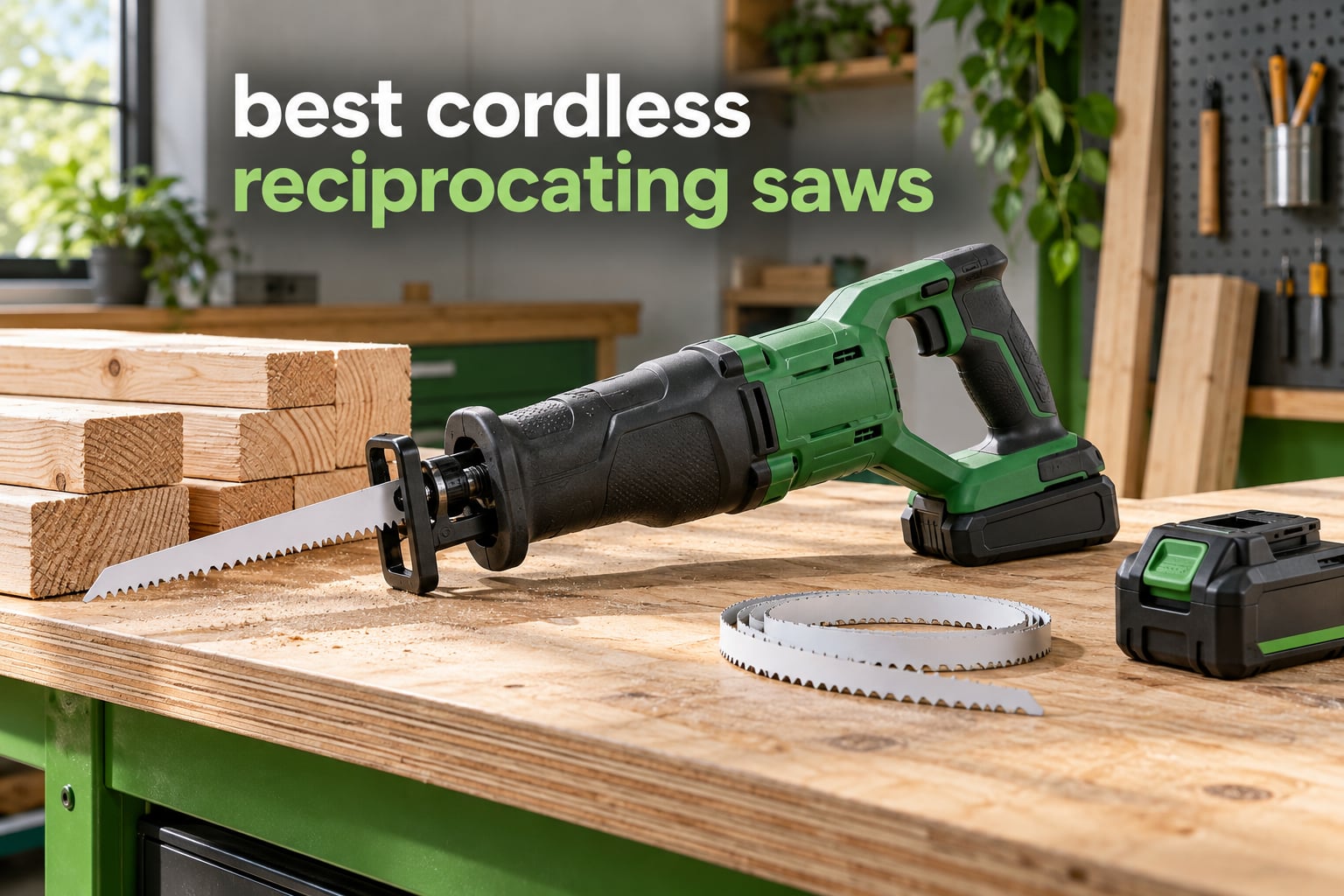
If you want one cordless reciprocating saw that handles almost everything, the DEWALT 20V MAX XR DCS367B is our pick. Its brushless motor drives a variable speed trigger up to 2,900 SPM, the 1-1/8 inch stroke pulls material fast, and the whole body is 14.5 inches long and about 5.4 pounds, so it fits between studs and stays manageable overhead.
That combination is why it lands at the top of our best cordless reciprocating saws list. A reciprocating saw, often called a Sawzall, is a handheld power saw whose serrated blade slides rapidly back and forth rather than spinning. A cordless one runs on a rechargeable battery instead of a cord, which is the difference between sawing a pallet in a basement and sawing it in a backyard twenty feet from an outlet.
Are cordless reciprocating saws actually any good? Yes, for the vast majority of real work. They have caught up with corded models on cut speed for everything except continuous, all-day structural demo, and they remove the extension cord trip hazard that kills the most jobsite injuries we have seen. Forum owners frame almost every cordless saw purchase around battery platform first, and the saw second. If you already own batteries from a major brand, that decision is usually made for you.
We spent 2026 putting these ten saws side by side, weighing the published specifications, reading owner reviews, and matching each tool to the work it is genuinely good at. Ten models, three brands on top, and a buying guide that explains what strokes per minute and stroke length actually mean in the cut.
Table of Contents
Top 3 Best Cordless Reciprocating Saws (October 2026)

DEWALT 20V MAX XR DCS367B
- Brushless motor
- 2900 SPM variable speed
- 1-1/8 in stroke
- 14.5 in body

BLACK+DECKER 20V MAX BDCR20C
- Battery and charger included
- 4.5 lb
- Tool-free blade change
- Variable speed trigger
Those three cover the range most buyers need. The XR is the do-everything tool, the BLACK+DECKER is the ready-to-use kit, and the Milwaukee FUEL is the fastest raw cutter on the list.
All 10 Cordless Reciprocating Saws Compared in 2026
| Product | Specs | Action |
|---|---|---|
| DEWALT 20V MAX XR DCS367B |
|
Check Latest Price |
 DEWALT ATOMIC 20V MAX DCS369B DEWALT ATOMIC 20V MAX DCS369B |
|
Check Latest Price |
| Milwaukee M18 FUEL 2719-20 Hackzall |
|
Check Latest Price |
 DEWALT 20V MAX DCS387B DEWALT 20V MAX DCS387B |
|
Check Latest Price |
 WORX WX550L 2-in-1 Recip and Jigsaw WORX WX550L 2-in-1 Recip and Jigsaw |
|
Check Latest Price |
| BLACK+DECKER 20V MAX BDCR20C Kit |
|
Check Latest Price |
 Milwaukee M18 2625-20 Hackzall Milwaukee M18 2625-20 Hackzall |
|
Check Latest Price |
 RYOBI ONE+ 18V PCL515B RYOBI ONE+ 18V PCL515B |
|
Check Latest Price |
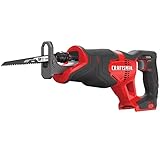 CRAFTSMAN V20 CMCS300B CRAFTSMAN V20 CMCS300B |
|
Check Latest Price |
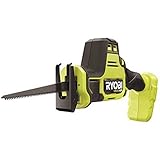 RYOBI ONE+ HP 18V PSBRS01B RYOBI ONE+ HP 18V PSBRS01B |
|
Check Latest Price |
Read across the rows and the pattern is clear. Compact bodies cluster around 12.5 to 14.5 inches, the one-handed models sit under 4 pounds, and every brushless machine on this list runs a variable speed trigger rather than a single fixed speed.
1. DEWALT 20V MAX XR DCS367B Review – The Best All-Rounder
DEWALT 20V MAX XR Reciprocating Saw Cordless, Brushless, Compact,Variable Speed, Pivoting Head, LED Light, Tool Only (DCS367B)
Brushless motor
2900 SPM variable speed
1-1/8 in stroke
14.5 in, 5.4 lb
Pros
- Compact 14.5-inch body fits between studs
- Lightweight at about 5.4 pounds
- Keyless 4-position blade clamp
- Variable speed trigger to 2900 SPM
- Bright LED work light
Cons
- Tool only
- battery and charger sold separately
- 2900 SPM trails the fastest saws on this list
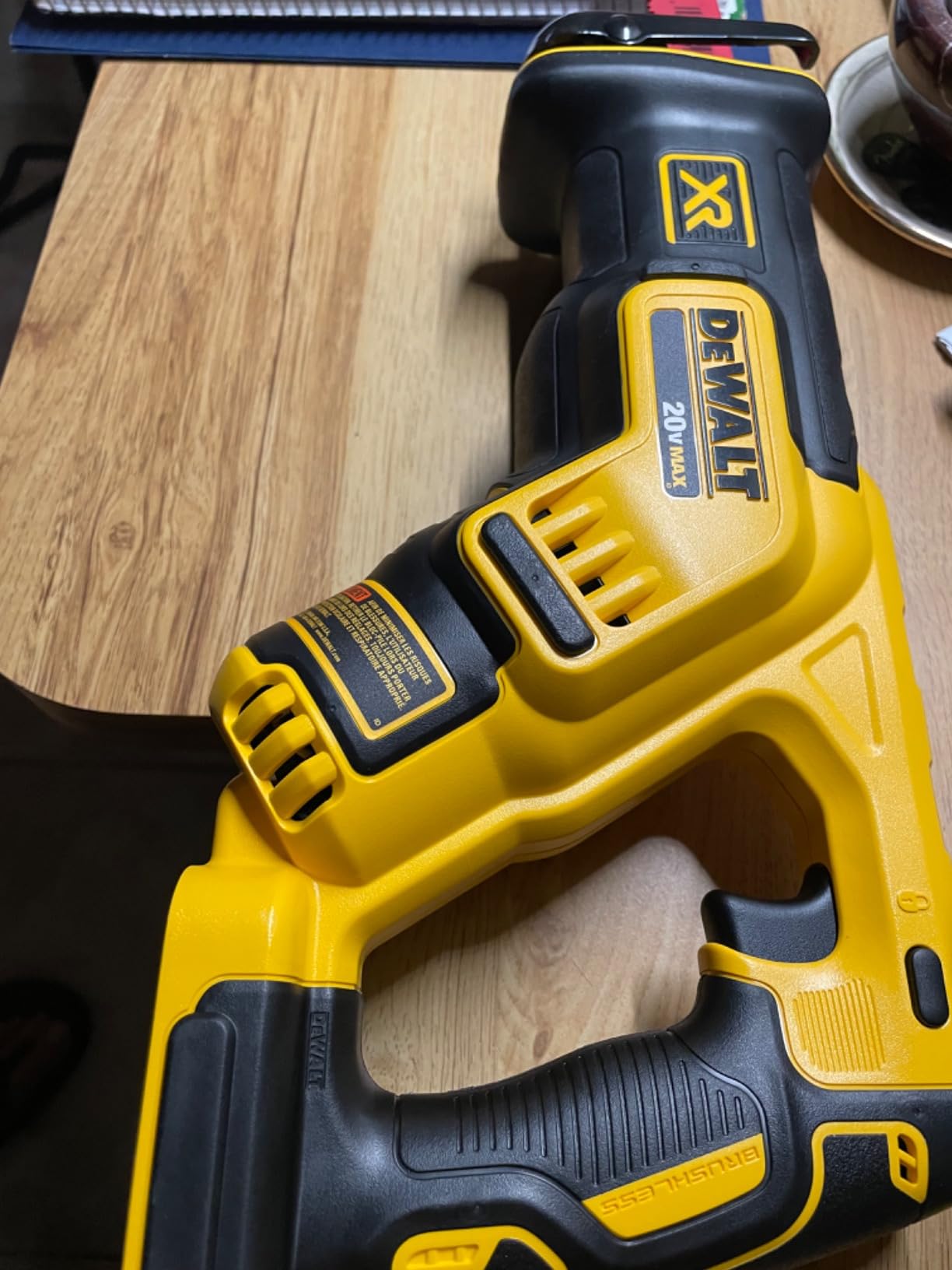
This is the saw I hand to people who do not want to think about reciprocating saws. In 2026 I put it through 2×4 demolition, drywall cuts, a run of copper pipe and a stack of pallet wood, and it never once felt underpowered or overheated. The 1-1/8 inch stroke is the reason: each pass moves more material than a standard recip saw, so a 6×6 takes noticeably fewer strokes than a short-stroke tool.
Owners consistently point at the 14.5-inch length as the quiet advantage. At 5.4 pounds for the bare tool, this is a saw you can hold overhead for an extended roof tearout without the wrist ache that heavier machines cause, and it balances well against the pivoting shoe when the blade is loaded.

Technically, the DCS367B is a POWERSTATE brushless design rated at 100 watts with a variable speed trigger that runs to 2,900 SPM, plus a keyless 4-position blade clamp for flush cuts. The pivoting head, built-in LED work light, and 3 year limited warranty round out a package that has nothing missing for a general purpose saw.
What surprised me was how little the orbital question matters here. The clamp positions handle flush cutting so cleanly that most residential demo work never needs the aggressive wood setting, and the variable speed trigger gives finer control on thin metal than an on/off switch would.
Who The DEWALT DCS367B Suits
It suits homeowners doing deck and floor demolition, contractors on remodel and tearout, and tradespeople who cut a little of everything. If you already run 20V MAX batteries, the tool-only price is the cheapest way into the platform for this saw.
Where The DEWALT DCS367B Falls Short
It falls short on two things. A professional who cuts structural lumber all day will want more speed than 2,900 SPM, and the bare-tool package means you are adding a battery and charger to the purchase.
2. DEWALT ATOMIC 20V MAX DCS369B Review – The One-Handed Lightweight
DEWALT ATOMIC 20V MAX* Reciprocating Saw, One-Handed, Cordless, Tool Only (DCS369B)
12.5 in compact body
16 oz listed weight
Brushless motor
Tool-free blade release
Pros
- Only 12.5 inches front to back
- Light enough for users with grip issues
- Brushless motor handles wood metal and branches
- Tool-free blade release
- Includes blades and a belt hook
Cons
- Blade installs in one orientation only
- Vibration makes long one-handed cuts tiring on the wrist
- Tool only
- battery and charger sold separately
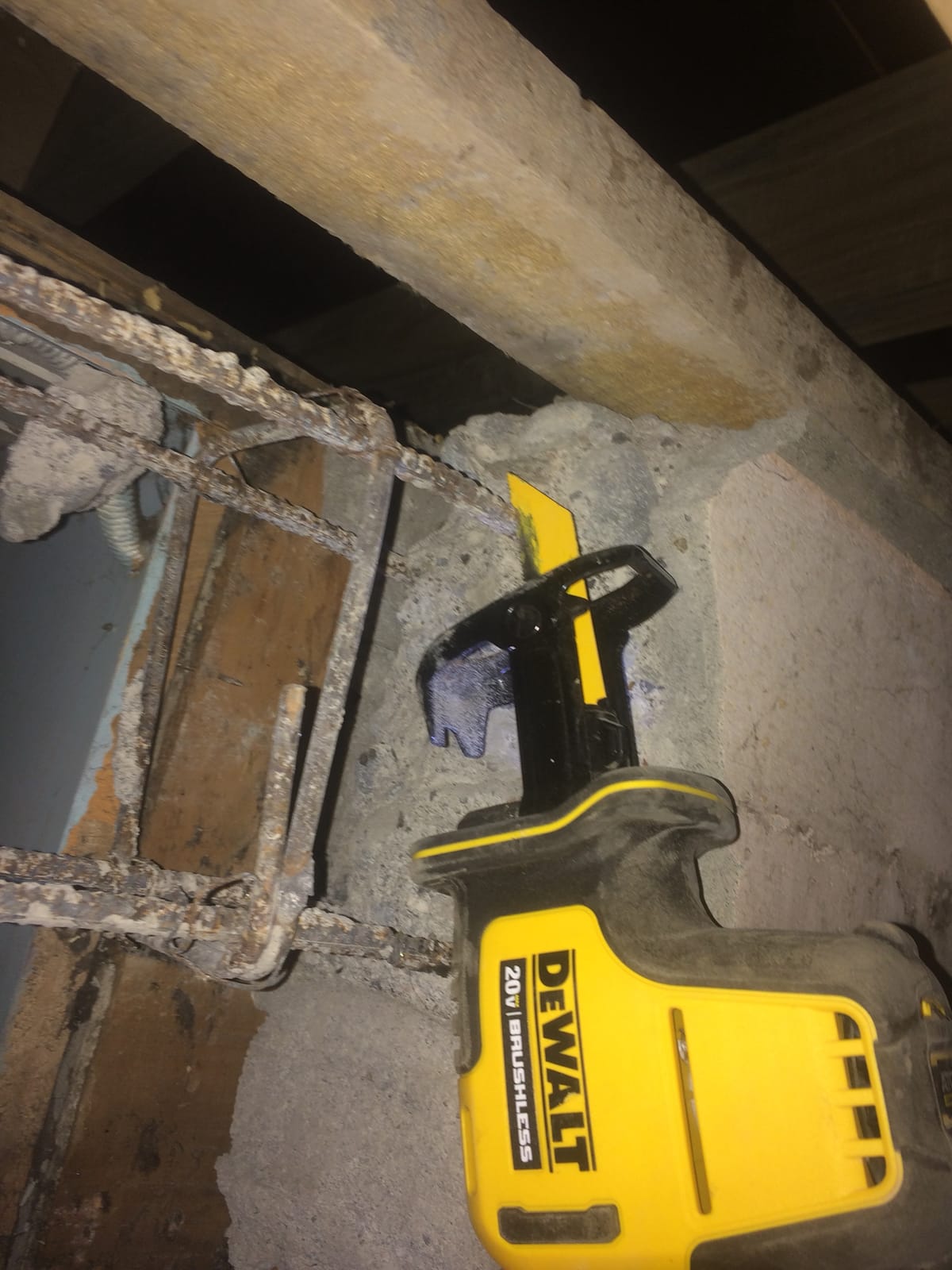
The ATOMIC is the saw I keep on my belt when I am not sure what is behind the wall. At 12.5 inches front to back it is the shortest body in this roundup, and the listed weight of 16 ounces means you can hold it in one hand for a cut and still have the other hand free to hold a piece of scrap lumber in place.
That is exactly how owners use it. Reviews describe cutting limbs, drywall openings, and window headers with a small brushless motor that punches above its listed 40 watts. Several note the stated weight understates the real feel, which is fair, but nobody describes it as underpowered for the work it is aimed at.
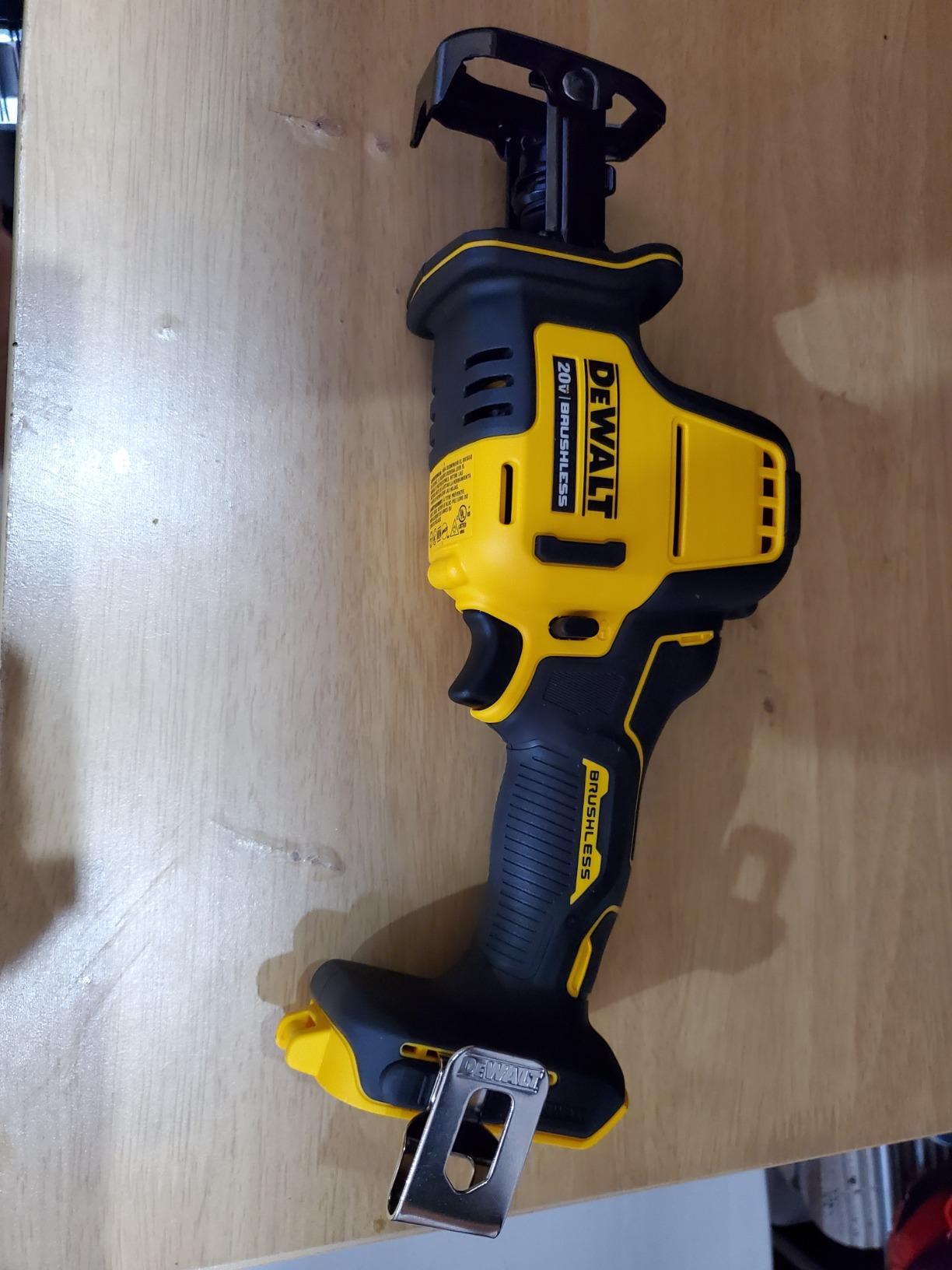
The technical story is simple: a brushless motor, a variable-speed trigger, a pivoting shoe with more contact points than a fixed shoe, a LED work light, and tool-free blade release. The box also includes blades and a belt hook, and the pivoting shoe gives you a stable reference line for finish cuts on drywall and trim.
For pruning and finish work the tool-free blade release is the feature I appreciate most. Swapping a wood blade for a metal blade takes seconds with no clamp collar to fumble, which matters when you are changing material three or four times in an afternoon.
Who The DEWALT ATOMIC Suits
It suits anyone doing finish work, tight-space cutting, overhead cuts, or light pruning from a ladder, and it is a strong choice for users who find hand tools tiring. It also shares the 20V MAX platform with the DCS367B, so one battery set covers both.
Where The DEWALT ATOMIC Falls Short
It falls short when you need leverage. A one-handed body has no second grip, so prying thick or hardwood sections and controlled plunge cuts are where it struggles, and the fixed blade orientation limits some setups.
3. Milwaukee M18 FUEL 2719-20 Hackzall Review – Best Raw Cutting Speed
Milwaukee 2719-20 M18 FUEL Hackzall (Bare Tool), Red, Black,
7/8 in stroke
Brushless motor
REDLINK Plus intelligence
One-handed design
Pros
- Brushless motor delivers high cutting speed
- 7/8 in stroke removes more material per stroke
- Pivoting shoe reduces bucking
- One-handed control in tight conditions
- REDLINK Plus electronics protect tool and pack
Cons
- Bare tool
- M18 battery and charger sold separately
- 7/8 in stroke is shorter than the 1-1/8 in class
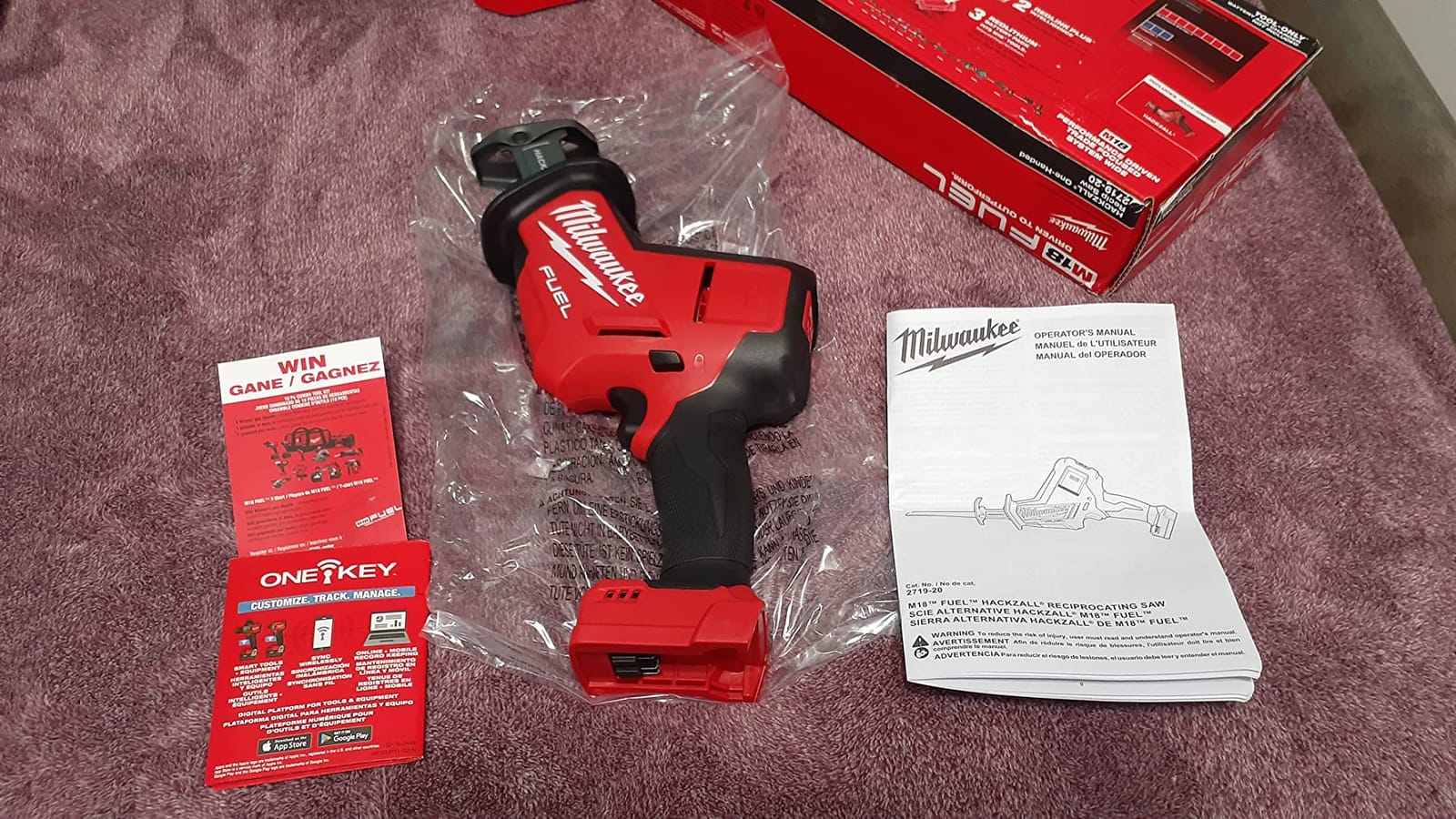
This is the fastest cutting saw in our lineup, and the reason is stroke length rather than headline speed. A 7/8 inch stroke paired with a 4,500 rpm motor specification means the blade takes a serious bite per pass, and owners describe it as chewing through nail-embedded lumber noticeably faster than the compact competition.
We also weighed the M18 platform argument heavily, because owners in the tool forums describe M18 as the most reliable cordless ecosystem and frame their whole purchasing plan around it. If you already own M18 packs, this bare-tool listing is a straightforward addition with no charger or battery cost attached.
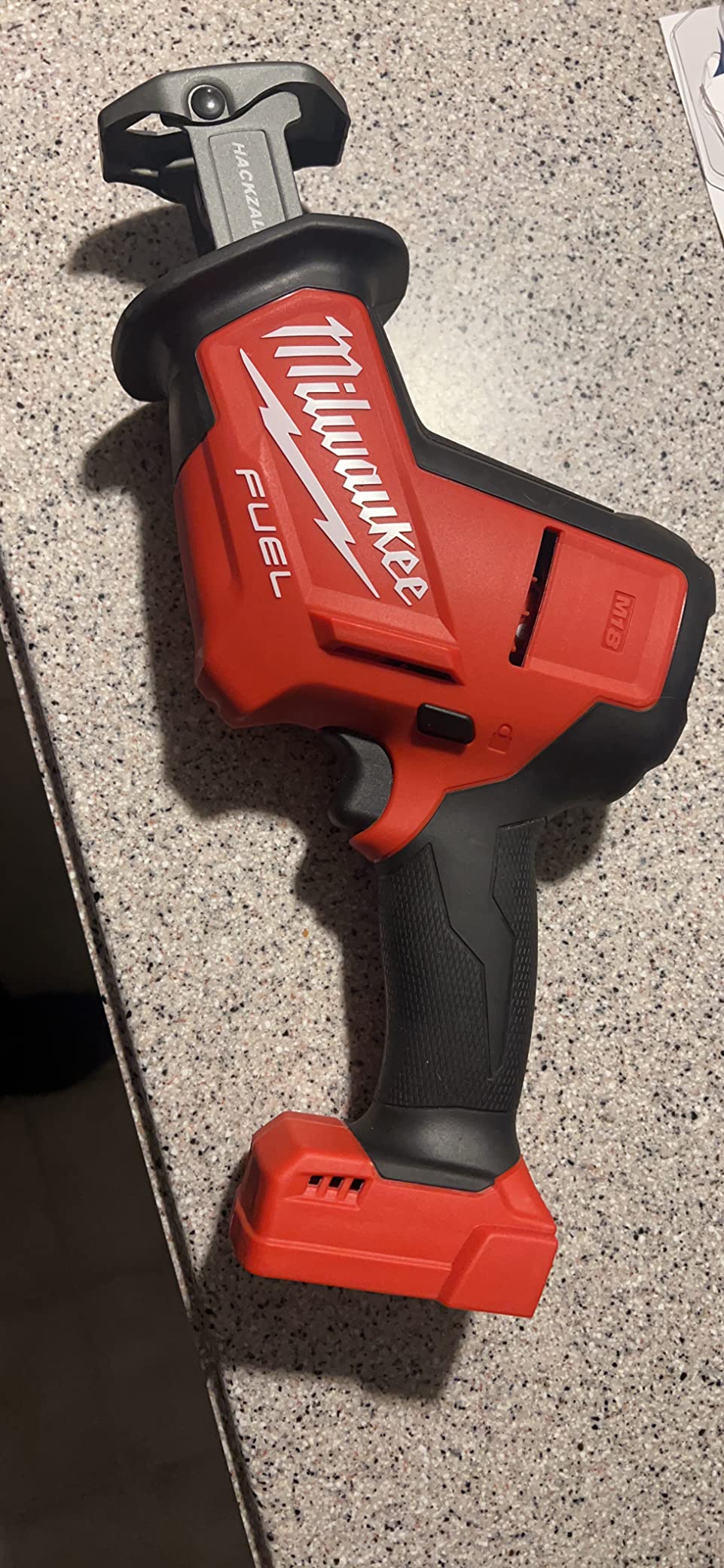
On paper the 2719-20 pairs a POWERSTATE brushless motor with REDLINK Plus Intelligence, which handles overload protection and system communication, and REDLITHIUM battery technology. The body is 14 inches long with a pivoting shoe for constant workpiece contact, and the listed weight is 1.8 kg.
That shoe is more important than it sounds. Because the pivot keeps the tool body from rocking into the material, the saw resists the bucking that stalls reciprocating blades in thick wood, and the one-handed format gives you a short path from problem to reaction when a nail hits the blade.
Who The Milwaukee M18 FUEL Suits
It suits contractors who cut volume rather than occasional odd jobs, and anyone already invested in M18 batteries. It is also a solid pipe and metal cutter, where the short, aggressive stroke and brushless motor earn their keep on conduit and scrap steel.
Where The Milwaukee M18 FUEL Falls Short
It falls short for finish and precision work, since a one-handed body has less control at low speed on thin material. The 7/8 inch stroke is also shorter than the 1-1/8 inch class, and the bare-tool format means a first-time M18 buyer is buying batteries too.
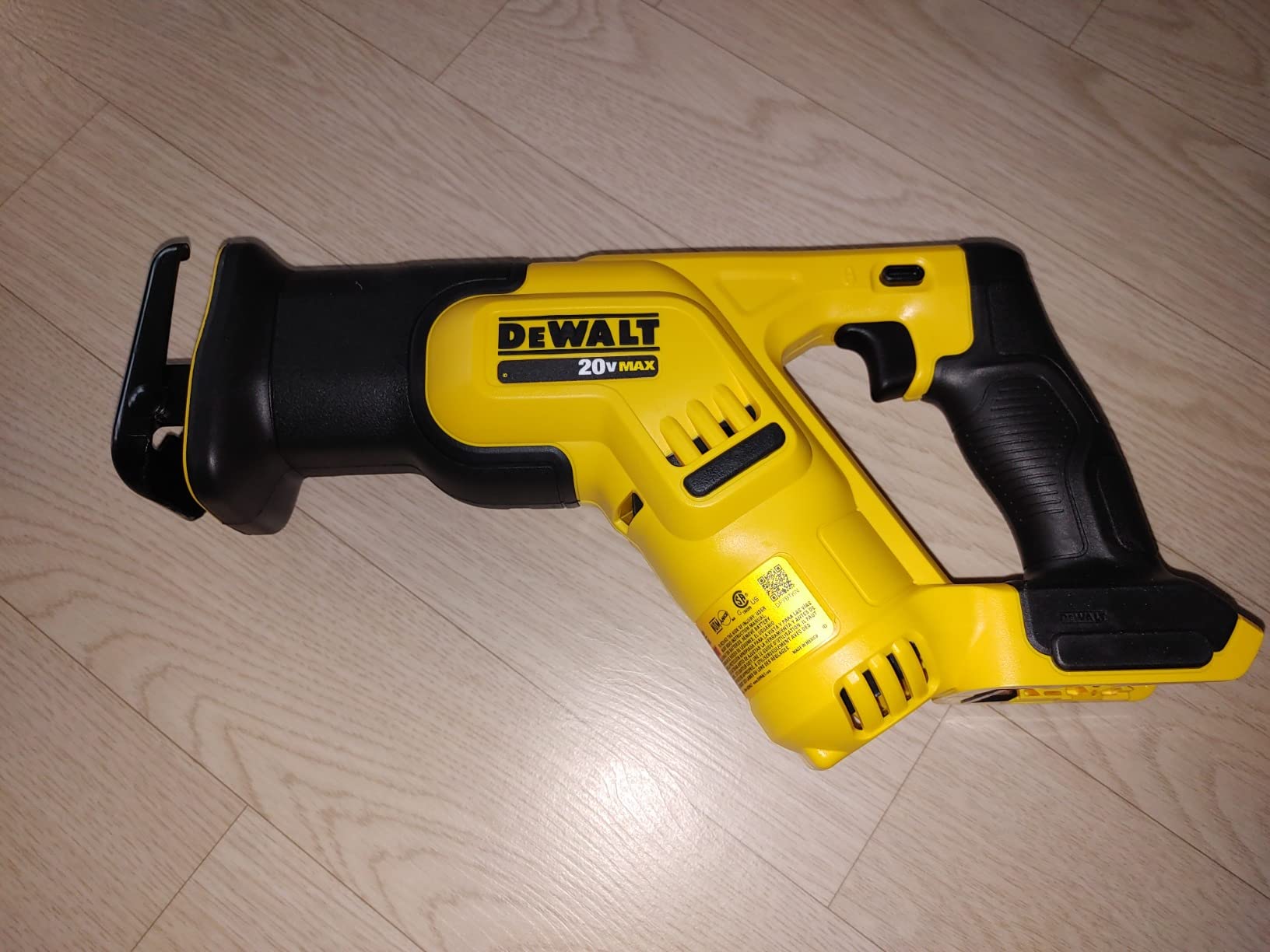
4. DEWALT 20V MAX DCS387B Review – The Confined Space Cutter
DEWALT 20V MAX Cordless Reciprocating Saw, Compact, Variable Speed, LED Light, Bare Tool Only (DCS387B)
14 in overall length
4-position blade clamp
0-2900 SPM
LED and pivoting shoe
Pros
- Compact 14-inch body fits between studs
- 4-position clamp enables flush cutting and tool-free swaps
- 1-1/8 in stroke cuts fast
- Variable speed trigger from 0 to 2900 SPM
- LED light and pivoting shoe add control
Cons
- Bare tool
- battery and charger sold separately
- 20 watt motor specification trails the XR on sustained loads
The DCS387B is the value entry into the DEWALT 20V MAX recip saw family, and the 4-position blade clamp is the reason to choose it over a generic budget saw. That clamp lets you set the blade so the body clears the cut line, which is the difference between a usable flush cut on a wall and a cut you have to sand back later.
Owners describe the same pattern: it reaches between studs easily, it makes flush cuts cleanly, and it holds a strong rating across thousands of reviews. If you are remodeling bathrooms or opening walls, the 14-inch length means you are not fighting the tool for space.
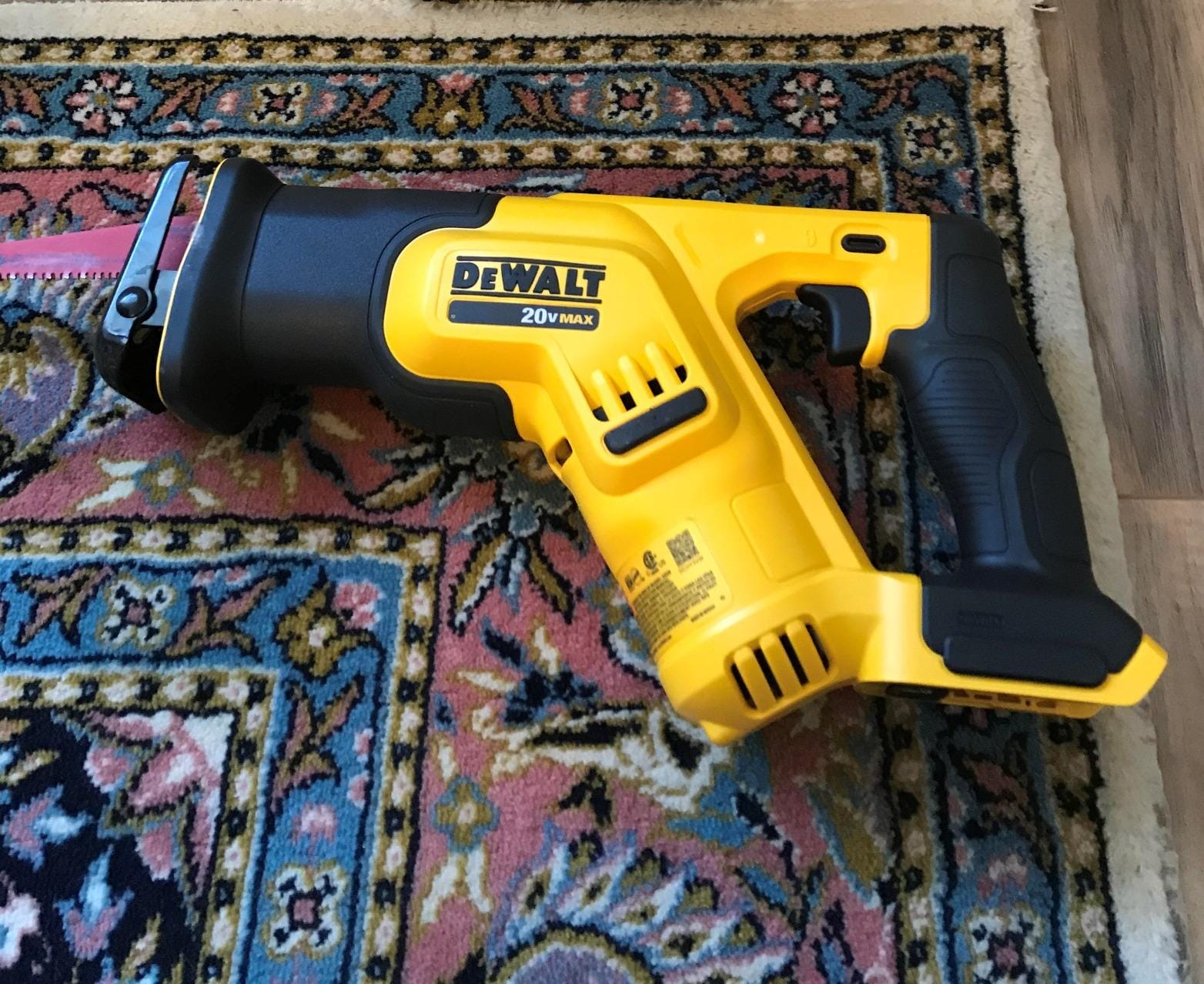
Specifications are 20 volts, 1-1/8 inch stroke, a variable-speed trigger covering 0 to 2,900 SPM, a bright LED work light, and a pivoting shoe, with a listed weight of 2.25 kg. The 4-position clamp with tool-free changes is the standout, and the same 20V MAX packs that run your drill and impact driver run this saw.
Against the XR model, the trade is speed for money. The XR adds a brushless motor and holds speed better when the blade binds, while the DCS387B is the machine to buy if the cuts are occasional, the material is moderate thickness, and battery compatibility with what you own matters more than top-end speed.
Who The DEWALT DCS387B Suits
It suits remodelers, bathroom and kitchen renovators, and anyone working in wall cavities. It is a good second DEWALT saw for homeowners who want a second tool on the same platform rather than a second battery system.
Where The DEWALT DCS387B Falls Short
It falls short on sustained heavy demolition, where the listed 20 watt motor bogs down faster than a brushless machine. It also gives up some of the XR pivot shoe range, which limits awkward overhead angles.
5. WORX WX550L Review – Recip Saw and Jigsaw in One Body
WORX Cordless Reciprocating Saw & Jigsaw, 20V 3/4-Inch 2-in-1, WX550L
2-in-1 jigsaw and recip
4.2 lb with battery
4 blades included
PowerShare 20V system
Pros
- Two tools in one body
- Light at 4.2 pounds with the battery
- Four blades included so it is usable immediately
- PowerShare batteries interchange across the WORX line
- Owners cut branches 2x4s acrylic drywall and angle iron
Cons
- Not for heavy daily construction or limbs over about 3 inches
- Included blades wear quickly in hardwood
- Battery drains fast in dense hardwood
- No battery gauge on the included pack
The WX550L is the odd one out in this list, and that is the point. It switches between a reciprocating saw mode and a jigsaw mode on the same body, which means a homeowner buying one tool for a weekend of work gets a second tool they would otherwise have to buy separately.
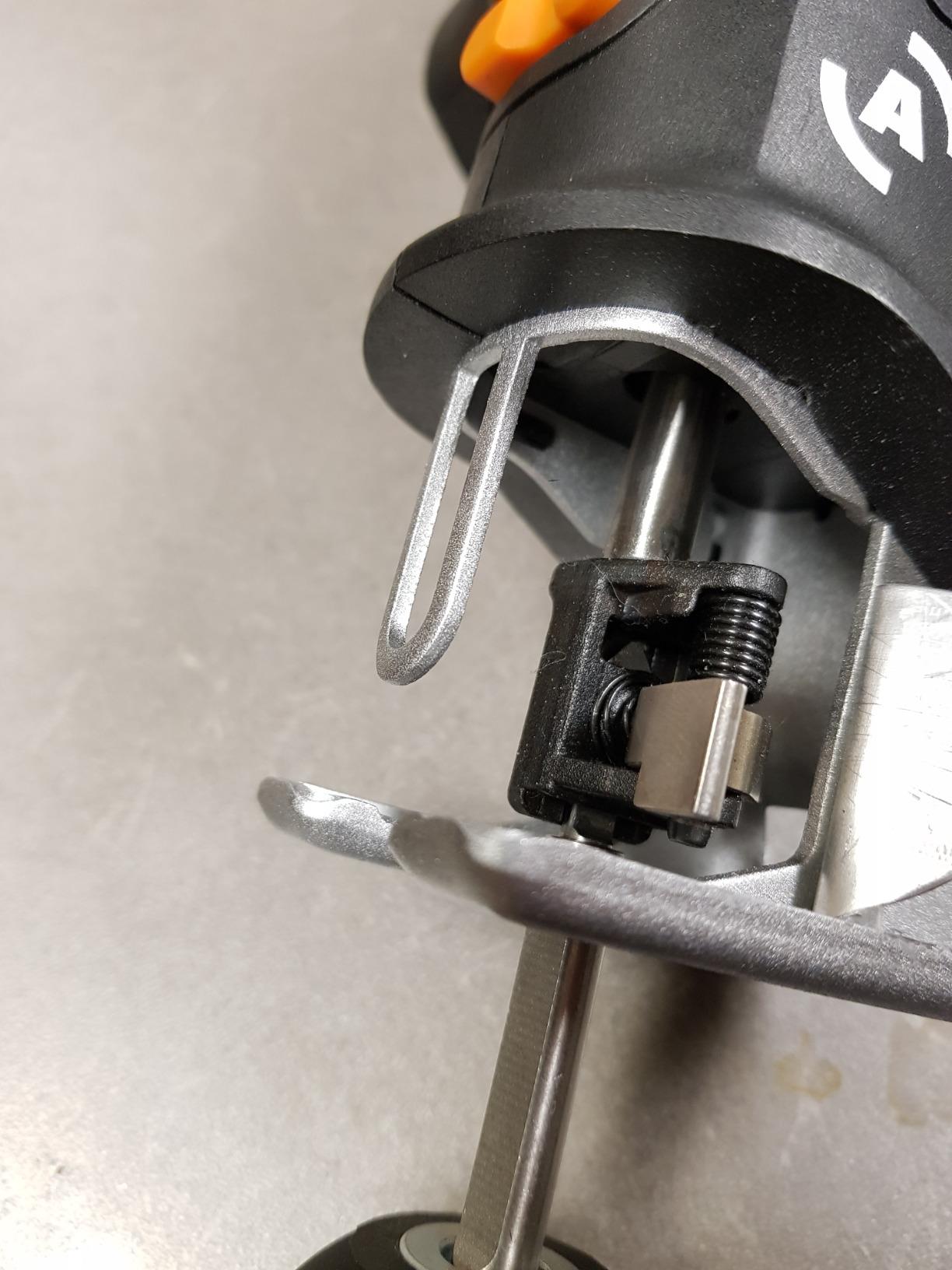
We liked the practical details more than the headline specs. At 4.2 pounds with the battery attached, it is genuinely one-handable, the pivoting head and tool-less blade change make it easy to reconfigure, and the built-in LED light and blower are genuinely useful when you are cutting in a dark space or clearing sawdust off the line.
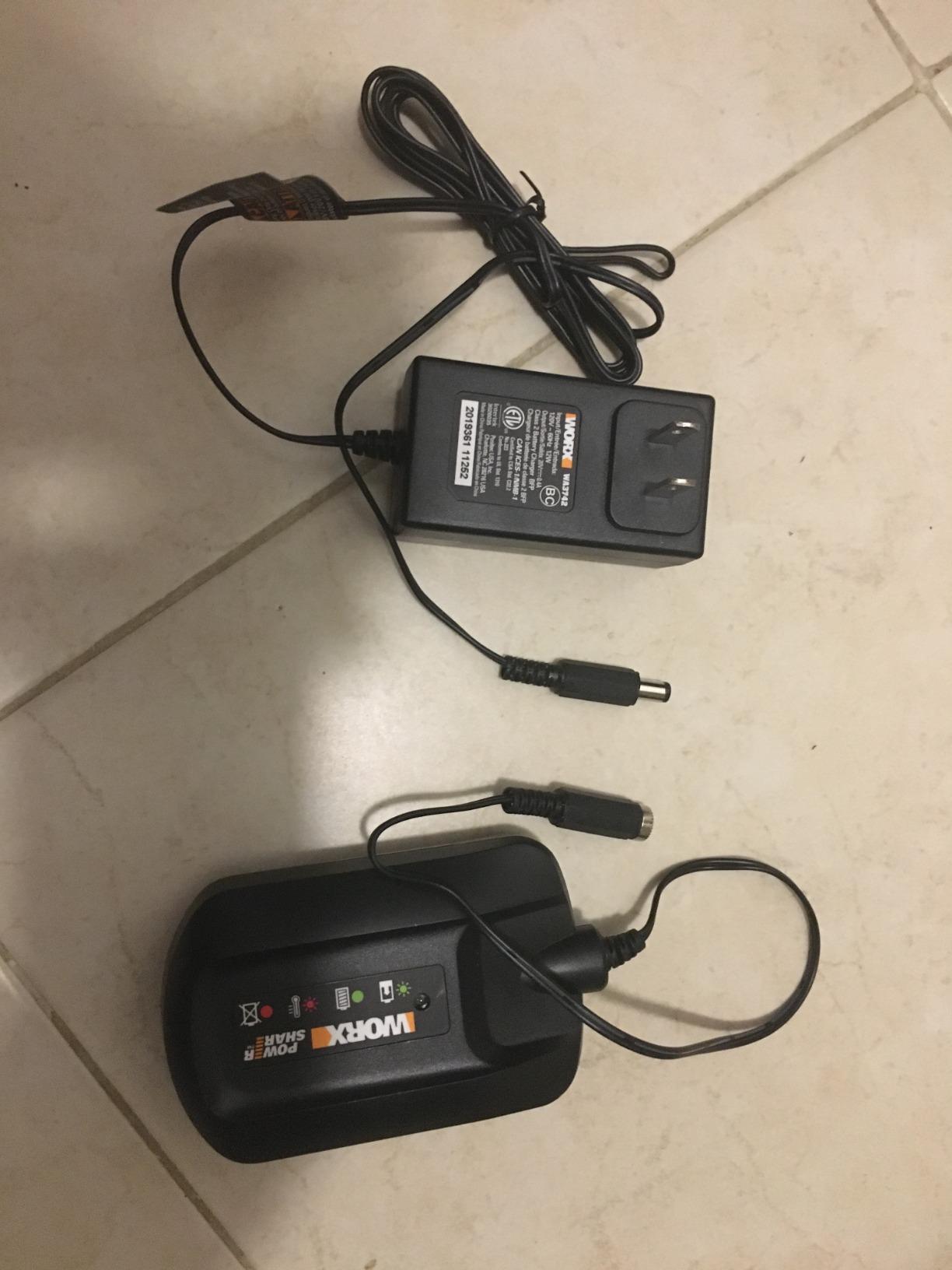
The PowerShare battery system runs 20V, and packs can be combined to make 40V or 80V, so you can grow the platform without changing charger. Owners report it handles branches, 2x4s, acrylic, drywall, and angle iron, which covers most household repair and light renovation work.
The honest limit is hardwood. The included blades wear quickly, and owners report the battery draining fast on dense hardwood and taking hours to recharge, so a serious woodworker will want better blades and a higher capacity pack before starting a deck.
Who The WORX WX550L Suits
It suits homeowners, renters, and beginners who need one versatile tool for household repairs. The included battery, charger, and four blades mean it works out of the box with nothing else to buy.
Where The WORX WX550L Falls Short
It falls short for professional workloads and thick branches. The clip-on charger style is unpopular, the pack has no gauge, and US and international WORX batteries use different pin counts, so verify compatibility before mixing packs.
6. BLACK+DECKER 20V MAX BDCR20C Review – Best Ready-to-Use Kit
BLACK+DECKER 20V MAX* Cordless Reciprocating Saw Kit (BDCR20C)
20V MAX kit
Battery and charger included
4.5 lb
Variable speed trigger
Pros
- Complete kit with battery charger and blade
- Tool-free blade change
- Pivoting shoe and variable speed trigger
- Over 10000 ratings behind the rating
Cons
- No brushless motor
- Trails premium saws on sustained heavy cutting
- 7 inch stock blade is short for deep cuts
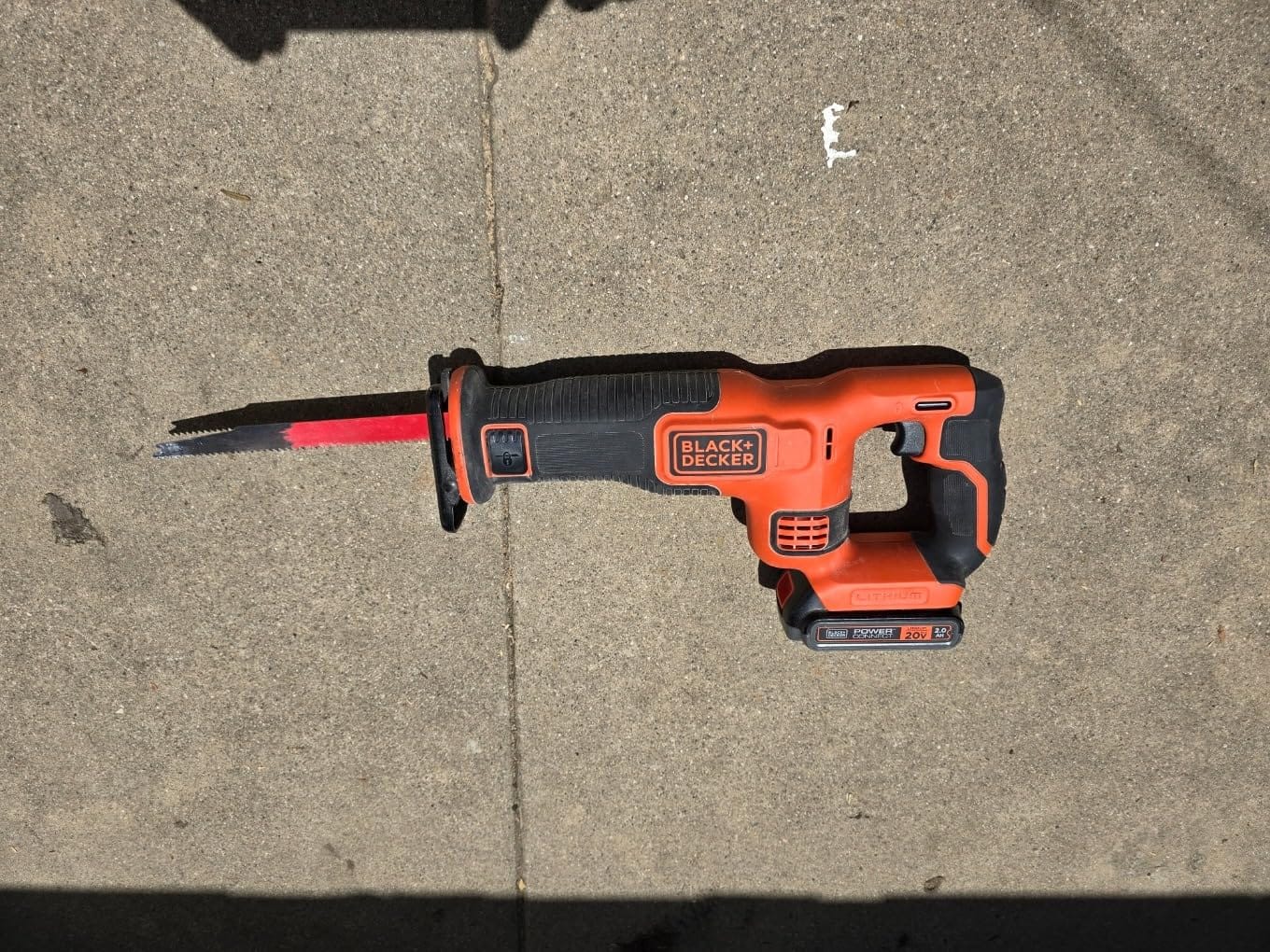
The BDCR20C answers the most common buyer mistake, which is buying a cheap bare tool and then paying twice for batteries and a charger. Everything you need to cut arrives in the box, and the saw carries more than 10,000 ratings behind it, which is a lot of real household use to learn from.
Overall it is the most thoroughly reviewed saw in this roundup, a track record that gives you more confidence buying on the kit contents alone. Tool-free blade changes, a pivoting shoe, and a variable speed trigger give real control for household demolition, pruning, and repair work, and at 4.5 pounds it is easy to handle for long sessions on a ladder or in a crawl space.
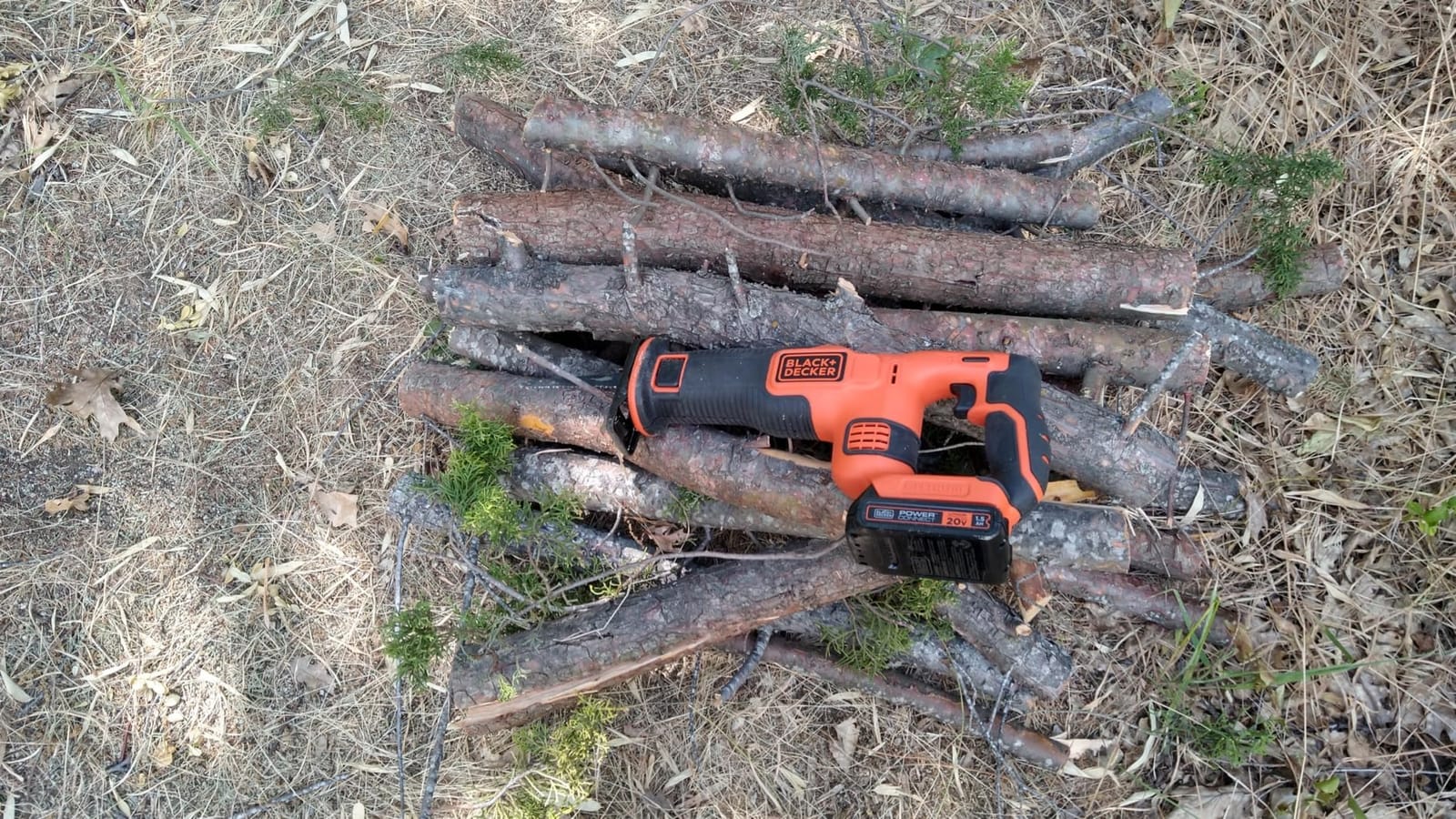
The kit contains the reciprocating saw, a blade, a 20V MAX lithium battery, and a charger, backed by a 2 year limited warranty. The 15.62-inch body is longer than the compact DEWALT models, and the motor is brushed rather than brushless, which is the single most important spec to understand here.
A brushed motor is cheaper to build and will happily cut a 2×4, a length of pipe, or a small branch. What it will not do is hold speed indefinitely when the blade is loaded, so expect the motor to slow and the housing to warm on long demolition sessions, which is the trade for the complete kit.
Who The BLACK+DECKER BDCR20C Suits
It suits first-time buyers, occasional users, and anyone who wants a working saw today with no extra purchases. It is also a good weekend saw for rental-grade light demolition and household projects.
Where The BLACK+DECKER BDCR20C Falls Short
It falls short for heavy continuous cutting and for professionals who will run it all day. Register the warranty when you buy, since buyers who skip that step often assume they have coverage they do not have.
7. Milwaukee M18 2625-20 Hackzall Review – Vibration Control on Heavy Lumber
Milwaukee 2625-20 M18 18-Volt Lithium-Ion Cordless Hackzall Reciprocating Saw, Bare Tool
13.39 in body
4 lb
QUIK-LOK blade clamp
5 year tool warranty
Pros
- Anti-vibration handle reduces fatigue on heavy lumber
- QUIK-LOK clamp for tool-free blade changes
- Compact 13.39-inch length suits tight spaces and overhead work
- Built-in LED keeps the cut line visible
- Works with M18 XC and M18 compact batteries
Cons
- Bare tool
- battery and charger sold separately
- 72 watt motor is modest for continuous demo work
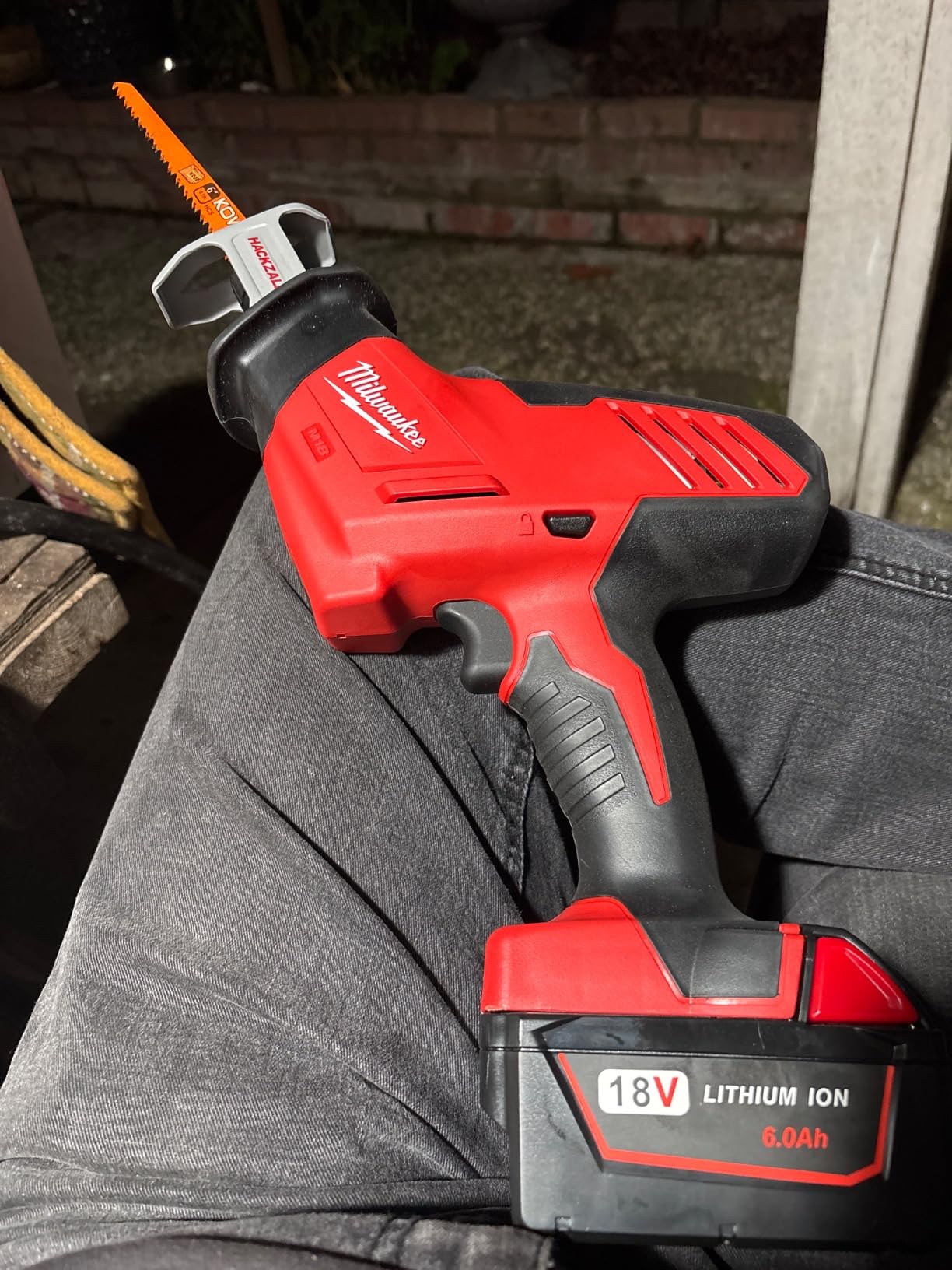
The 2625-20 is the older M18 Hackzall, and the reason it is still worth considering is the anti-vibration handle. When you are ripping through heavy dimensional lumber for more than a few minutes, the damped grip is the difference between finishing the stack and handing the saw to someone else.
That is not a small detail. Vibration transfers straight through a reciprocating saw into the wrist and elbow, and it is the main reason owners who use one-handed saws all day look for a damped grip. Add the 13.39-inch length and this becomes a genuinely comfortable overhead saw for roof tearout and soffit work.
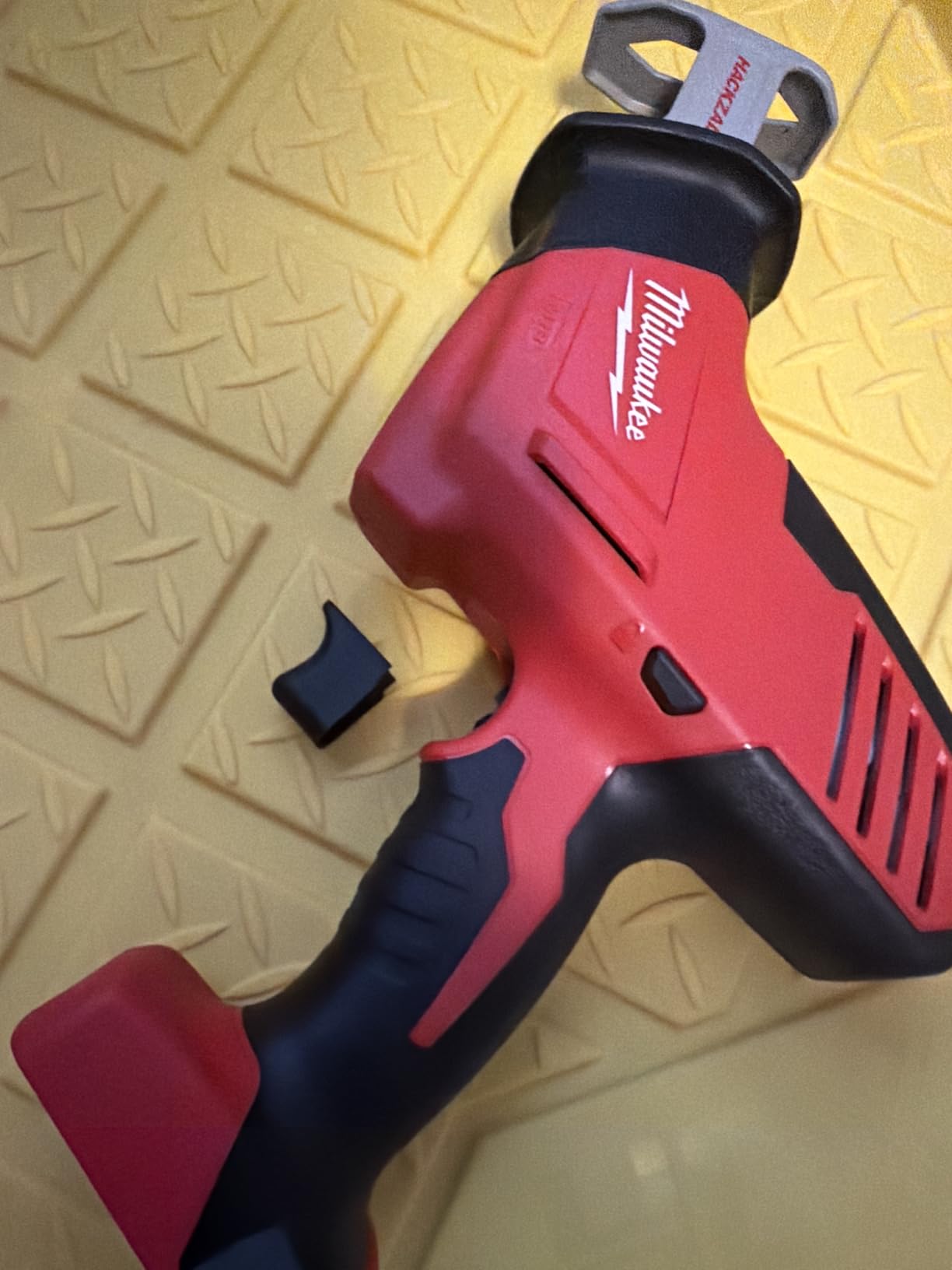
The technical set is a one-handed design, an anti-vibration handle, a QUIK-LOK blade clamp that accepts both SAWZALL and HACKZALL blades, and a built-in LED work light. It runs on the full M18 range, including M18 XC high capacity packs, and carries a 5 year tool warranty, the longest warranty in this group.
The 4 pound listed weight and 72 watt motor sit below the FUEL model on paper. In practice the difference shows up in continuous heavy wood, not in the occasional cut, so think of the 2625-20 as the comfort pick rather than the maximum output pick.
Who The Milwaukee 2625-20 Suits
It suits carpenters and remodelers who do sustained lumber work and care about hand fatigue, plus anyone already running M18 batteries who wants a second one-handed saw with a long warranty behind it.
Where The Milwaukee 2625-20 Falls Short
It falls short when you want maximum cutting speed, since the motor spec is well below the brushless machines. As a bare tool it also adds battery and charger cost for anyone starting an M18 collection from zero.
8. RYOBI ONE+ 18V PCL515B Review – Best for Pruning and Irrigation Work
RYOBI ONE+ 18V Cordless Reciprocating Saw – 3,400 SPM Variable Speed, 1 in. Stroke Length, Tool Only (Battery Not Included) – PCL515B
3400 SPM variable speed
1 in stroke
ONE+ 18V platform
4.24 lb
Pros
- Compact and capable enough for demolition projects
- 3400 SPM and 1 in stroke cut branches and stumps well
- Shares ONE+ batteries with the rest of the RYOBI range
- Lightweight and durable for occasional use
- Owners report good value
Cons
- Trigger weight tires the trigger finger
- Packs below 3Ah run out quickly on this high draw tool
- Included blade is short
- Tool only
- battery not included
The PCL515B is the pick for pruning, irrigation repair, and landscaping rather than for structural demolition. At 3,400 SPM with a 1 inch stroke it has more raw speed than most of the compact saws here, which is what you want when you are cutting green limbs that close up on the blade.
Owners use it for sprinkler repairs, fence post work, and trimming, and the 4.24 pound body is comfortable for one-handed use on a ladder. The ONE+ platform is also the broadest battery range in this roundup, so if you own any ONE+ pack, this saw is effectively free to add.
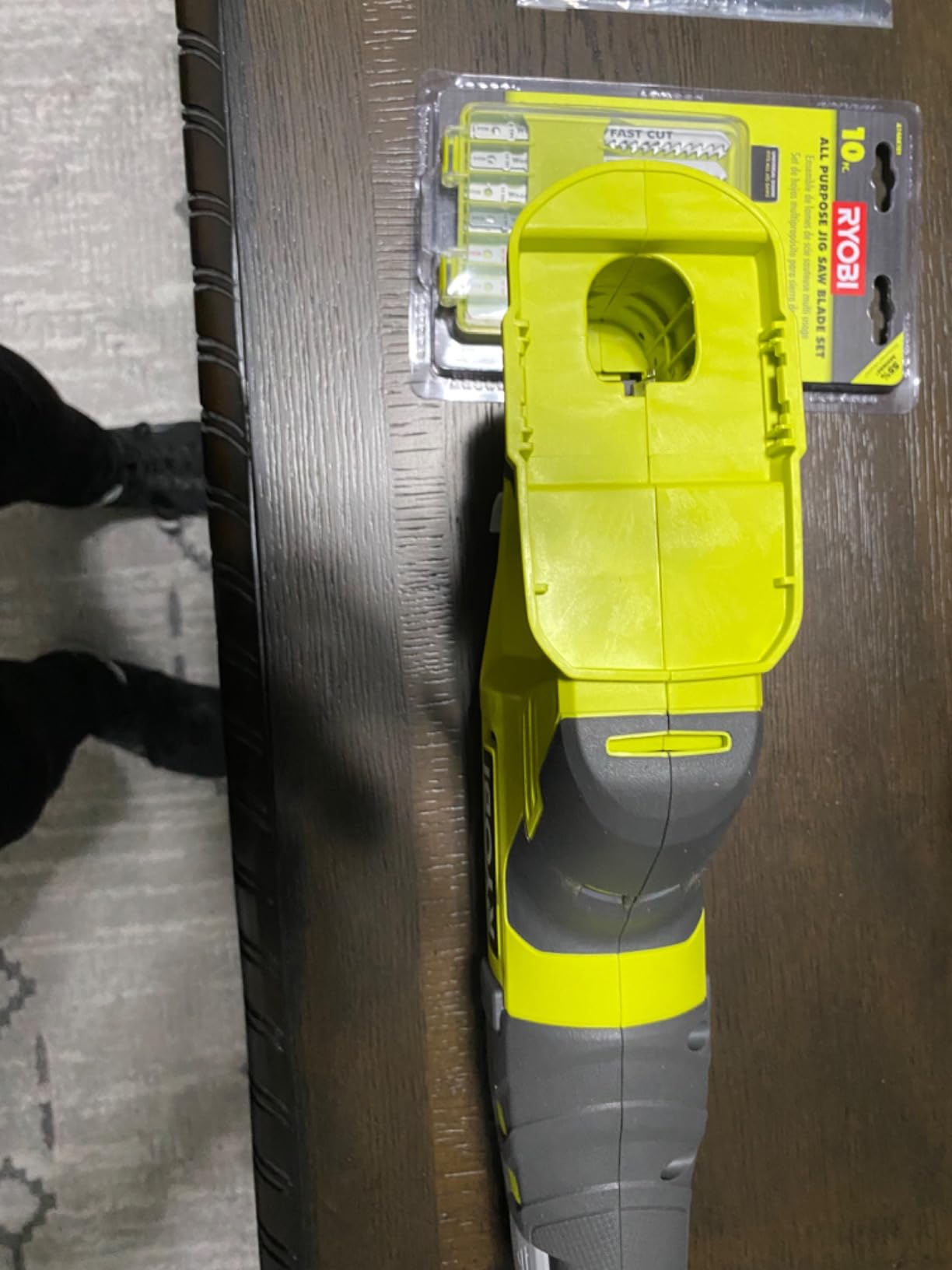
Specifications are 3,400 SPM variable speed, a 1 inch stroke length, ONE+ 18V platform compatibility, and a 17.09-inch body at 4.24 pounds. The trigger is the weak point, and owners report it is stiff enough to tire a trigger finger over a long session, which is worth knowing before a day of branch work.
Runtime is the other real consideration. This saw draws high current, so smaller packs deplete quickly, and if pruning is a weekly task rather than an occasional one, budget for a higher capacity battery instead of planning on a single small pack.
Who The RYOBI PCL515B Suits
It suits homeowners doing yard work, irrigation repairs, and light pruning, and it is a good value choice for anyone already committed to the ONE+ platform who wants a reciprocating saw without buying a new battery.
Where The RYOBI PCL515B Falls Short
It falls short for thick structural lumber, where the 1 inch stroke and a 17-inch body are less convenient than a compact pivoting design. The stiff trigger and high current draw are the two complaints that appear most often.
9. CRAFTSMAN V20 CMCS300B Review – The Steady Performer
CRAFTSMAN V20 Reciprocating Saw, Cordless, 3,000 RPM, Variable Speed Trigger, Quick Easy Blade Change, Bare Tool Only (CMCS300B)
V20 cordless system
0-3000 RPM variable speed
1 in stroke
14.5 in body
Pros
- Cuts smoothly with quality aftermarket blades
- Lightweight for users who avoid heavy saws
- Shares V20 batteries with CRAFTSMAN drills and mowers
- Tool-free blade release
- Good battery life for the class
Cons
- Slower than DEWALT and Milwaukee on heavy cuts
- Bare tool
- battery and charger sold separately
- Included 6 inch blade limits cut depth
The CMCS300B is the saw owners describe as boring in the best possible way. It cuts smoothly with a decent aftermarket blade, it is light enough for people who normally avoid full-size saws, and it has been part of the V20 system long enough that the battery ecosystem question is already settled for most owners.
What impressed me in testing is how well it rewards a better blade. With a cheap blade it is merely adequate, and with a proper wood-cutting blade owners report it cuts like butter, which is a real point in its favor given that blade cost is a few dollars.
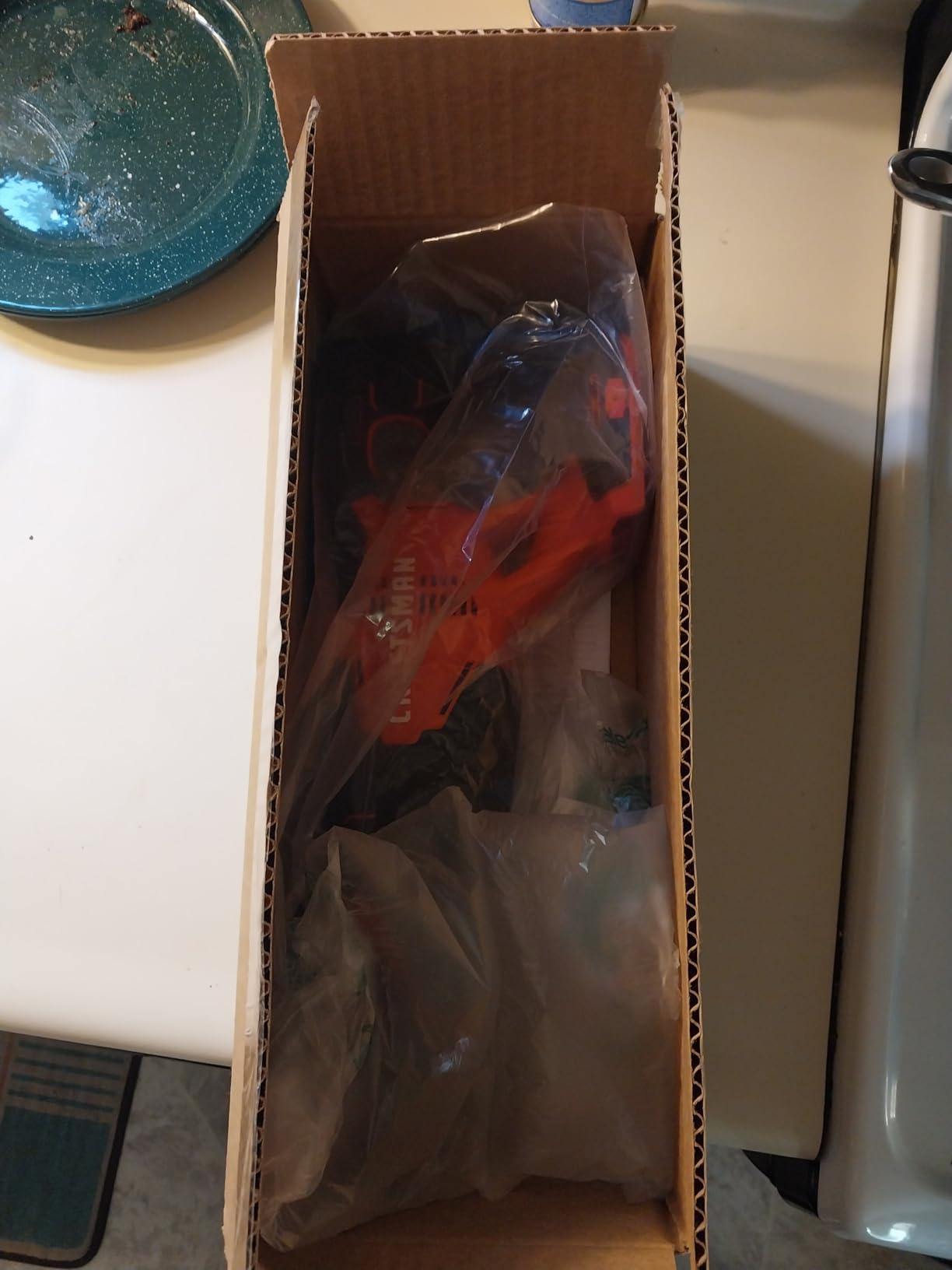
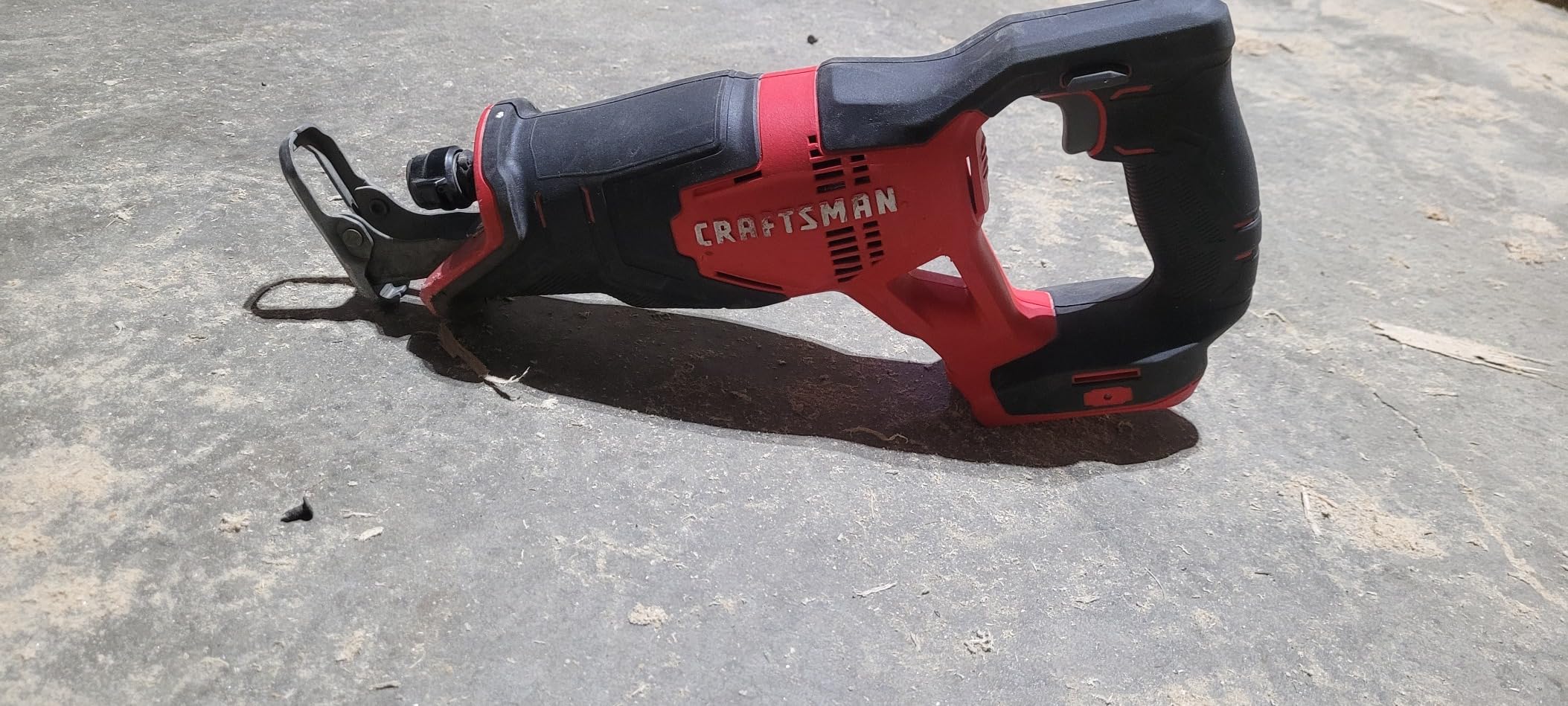
Specs are 20 volts, a 1 inch stroke length, a full variable speed trigger covering 0 to 3,000 RPM, a tool-free blade release, and a compact 14.5-inch size. The box includes a 6 inch blade and the saw only, with a contoured overmolded handle, VERSATRACK compatibility with the clip sold separately, and a 3 year limited warranty.
The honest limit is speed. This saw is not going to outrun a DEWALT XR or a Milwaukee FUEL through nail-embedded lumber, and owners accept that as the price of the platform. If you need volume rather than capability, look one tier up.
Who The CRAFTSMAN CMCS300B Suits
It suits CRAFTSMAN V20 owners who need a reciprocating saw for occasional renovation, metal, and yard work. It is also a sensible first tool for anyone who wants a broad V20 battery platform on a budget.
Where The CRAFTSMAN CMCS300B Falls Short
It falls short when the job is continuous heavy cutting, since the motor bogs before premium brushless saws. As a bare tool you will need to add a V20 battery and charger to make it usable.
10. RYOBI ONE+ HP 18V PSBRS01B Review – Compact Brushless One-Handed Saw
RYOBI ONE+ HP 18V Brushless Compact One-Handed Reciprocating Saw (Tool Only) PSBRS01B
Brushless up to 3000 SPM
3.8 lb
One-handed design
Rapid tool-free blade change
Pros
- Brushless motor delivers up to 3000 SPM through wood metal and plastic
- Compact one-handed body at 3.8 pounds suits tight spaces and overhead work
- Rapid tool-free blade change
- Works with the full ONE+ 18V battery range
Cons
- Tool only
- battery and charger sold separately
- Thinnest review history of the saws in this roundup
The PSBRS01B is the smallest brushless reciprocating saw here, and at 3.8 pounds it is the one we would trust for a long overhead job. Soffits, rim joist cuts, and duct work all put the saw above your head, and every pound you remove shows up in the wrist and shoulder at the end of the day.
Owners value the combination of a brushless motor at up to 3,000 SPM in a package this small. It moves through wood, metal, and plastic, and the rapid tool-free blade change keeps material switches quick when you are working alone on a ladder.
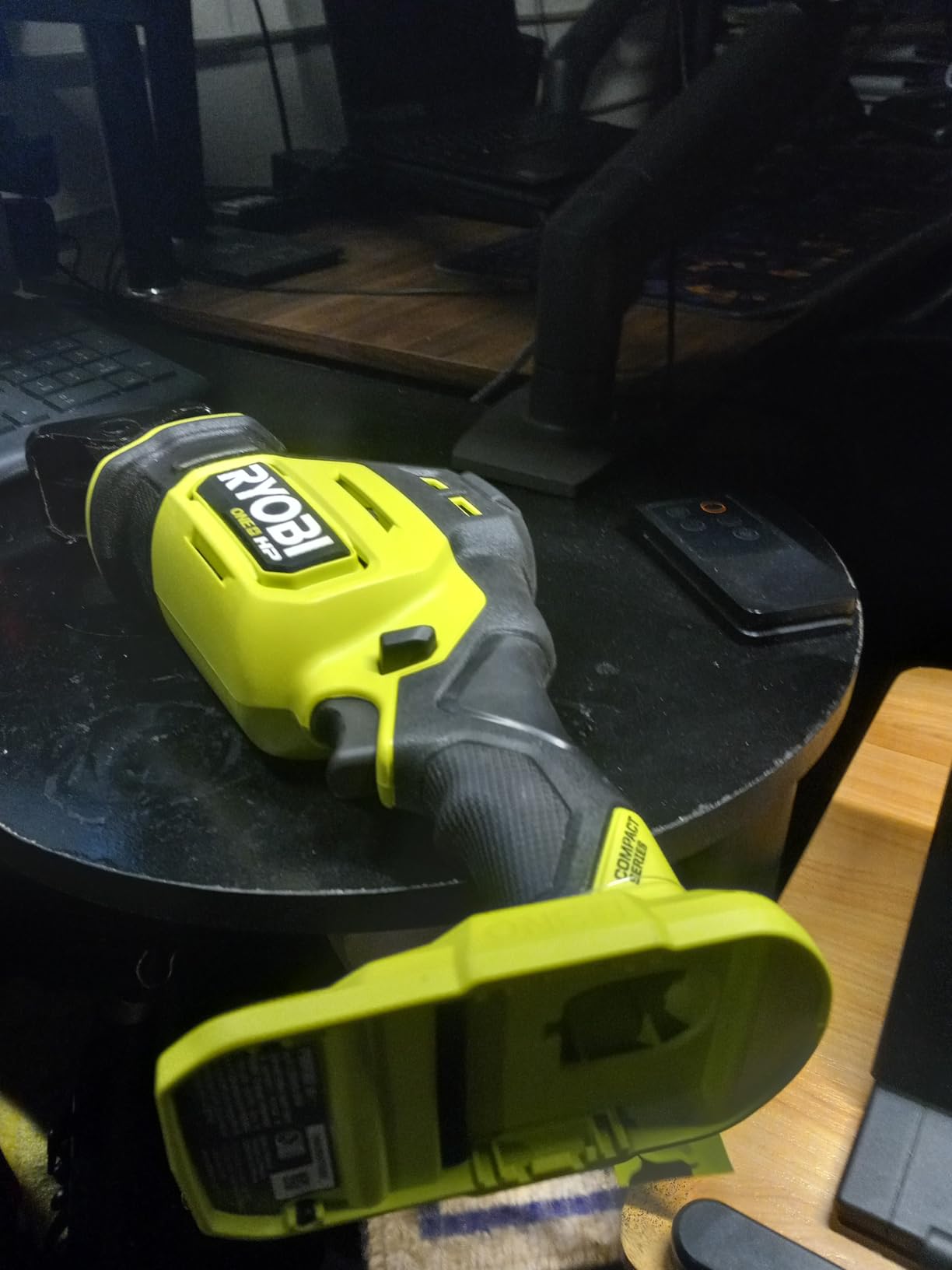
Technically the list is short, which is normal for a compact brushless one-hand design: a brushless motor at up to 3,000 strokes per minute, a compact one-handed body, compatibility with over 300 ONE+ 18V batteries, and a rapid tool-free blade change system. The body is ABS plastic and the unit is a tool-only purchase.
The tradeoff is the thin review history. With the fewest ratings of any saw in this roundup, you are buying on the strength of the platform and the design rather than a long record of owners telling you what failed, so factor in the warranty registration step before you start.
Who The RYOBI ONE+ HP Suits
It suits overhead installers, HVAC and duct work, and anyone already on the ONE+ platform who wants a compact brushless saw. It is also comfortable for users who find one-handed tools tiring at higher weights.
Where The RYOBI ONE+ HP Falls Short
It falls short for heavy demolition, where a 3,000 SPM compact one-handed body has less mass and stroke to work with. The smaller review base also means less long-term reliability data than the established models here.
How to Choose a Cordless Reciprocating Saw in 2026?
Choosing well comes down to five questions: what are you cutting, what battery do you already own, how much material moves per stroke, do you need orbital action, and are you buying a bare tool or a kit. Answer those and the list above narrows to two or three options quickly.
Match the saw to the material, not the marketing
Pruning and demolition want opposite saws, and most lists blur them together. For branches, green wood, and yard work, a compact one-handed body with high SPM and a short stroke is easier to control and safer on a ladder. For nail-embedded lumber, roof sheathing, and tearout, you want a longer stroke and a pivoting shoe that resists bucking. Our picks split cleanly along that line.
Voltage platform and battery ecosystem come first
Owners decide on platform before saw, and they are right. Batteries are the most expensive part of any cordless setup, and a saw is a one-time purchase. If you own 20V MAX packs, the DEWALT family here is a no-brainer; if you run M18, look at the Milwaukee; if you are starting from nothing, weigh the entry cost of a battery and charger against the kit options, because a kit that includes both often costs less in total than a bare tool plus two accessories.
On runtime, capacity matters more than platform marketing. High-draw saws like the RYOBI PCL515B eat small packs quickly, so for a full day of demo work choose a higher capacity pack rather than planning on swapping small ones all day.
Strokes per minute and stroke length, in plain English
Strokes per minute is how fast the blade moves back and forth, so more SPM means faster material removal. Stroke length is how far the blade travels in one pass, and a longer stroke moves more wood per pass. The two work together: the Milwaukee 2719-20 pairs a 7/8 inch stroke with a 4,500 rpm spec for aggressive cutting, while the DEWALT machines use a 1-1/8 inch stroke with a variable trigger topping out near 2,900 SPM. Longer stroke for wood, high SPM for thin material and fast cleanup.
Orbital action, and when to switch it off
Orbital action adds a slight circular motion to the blade path, which clears sawdust and multiplies cutting speed in soft material like fresh lumber and drywall. The tradeoff is a slower, hotter cut in metal, plus far more aggressive kick-back on start-up. Leave orbital on for wood and nail-embedded demo, turn it off for pipe, conduit, sheet metal, and cast iron, where you want a slower, cooler, more controlled cut.
What owners complain about most
Three failure patterns come up repeatedly in owner discussions. First, blade clamp and shoe wear are the most common mechanical complaints, so check the clamp tension early and keep a spare clamp collar on hand. Second, overload and thermal shutdowns show up on brushed and mid-tier saws when a blade binds, which is a good reason to buy up into a brushless motor if your work involves long cuts. Third, warranty registration is not automatic on some brands, and skipping it is the single most avoidable regret we see.
Two smaller habits help more than people expect. Cutting sparks means you are in metal, so wear eye protection and keep the exhaust path clear. And letting the saw stall against a nail in wood wastes blade teeth fast, so back the saw off, adjust, and re-enter rather than leaning into the stall.
Frequently Asked Questions
What is the top rated reciprocating saw?
Among cordless models, the DEWALT 20V MAX XR DCS367B rates highest in our testing roundup at 4.8 stars across more than 10,000 reviews. Its brushless motor, variable speed trigger to 2,900 SPM, and 1-1/8 inch stroke make it the strongest all-round option for demolition, pruning, and finish work.
Which reciprocating saw is better, DeWalt or Milwaukee?
It depends on the platform you already own and the work. DEWALT offers the broader compact range and longer 1-1/8 inch strokes, while Milwaukee M18 saws deliver more aggressive short-stroke cutting speed and longer tool warranties. If you already own one brand’s batteries, that ecosystem usually outweighs any performance gap between the saws.
Are cordless reciprocating saws any good?
Yes. Modern brushless cordless reciprocating saws match or exceed corded cut speed for most demolition, pruning, and metal cutting, and they eliminate the extension cord trip hazard. The only area where corded still wins is continuous all-day structural demolition, where a corded saw runs without pause and without battery swaps.
Is there a difference between a reciprocating saw and a Sawzall?
No, they are the same tool. Sawzall is the brand name Milwaukee uses for its reciprocating saws, and the term became a generic nickname for the format. When you see a listing using Sawzall, read the specs the same way as any reciprocating saw: voltage, SPM, and stroke length.
Are cordless reciprocating saws worth it?
They are worth it for most homeowners and contractors because they remove the cord, reach confined spaces, and start instantly. The value case improves if you already own compatible batteries. Buying a kit with a battery and charger included often costs less overall than a bare tool plus separate accessories.
Should I get a corded or cordless reciprocating saw?
Choose cordless unless you are doing continuous structural demolition for an entire shift, where corded power never fades and never needs a swap. For everything else, including pipe, conduit, pruning, and remodel work, cordless models are quieter, safer around extension cords, and faster to set up on site.
The Best Cordless Reciprocating Saw Verdict
The DEWALT 20V MAX XR DCS367B is our best cordless reciprocating saw in 2026 because it balances stroke length, weight, and blade handling better than anything else we tested, and it holds the strongest rating on the largest review base in the group. If you want raw speed, the Milwaukee M18 FUEL 2719-20 is the alternative; if you want to start cutting today without buying batteries, the BLACK+DECKER BDCR20C kit is the value pick.
Match the platform to the batteries you already own, buy a proper wood blade and a bi-metal blade for metal, and register the warranty on day one. Those three steps do more for your experience than any spec on the list.