
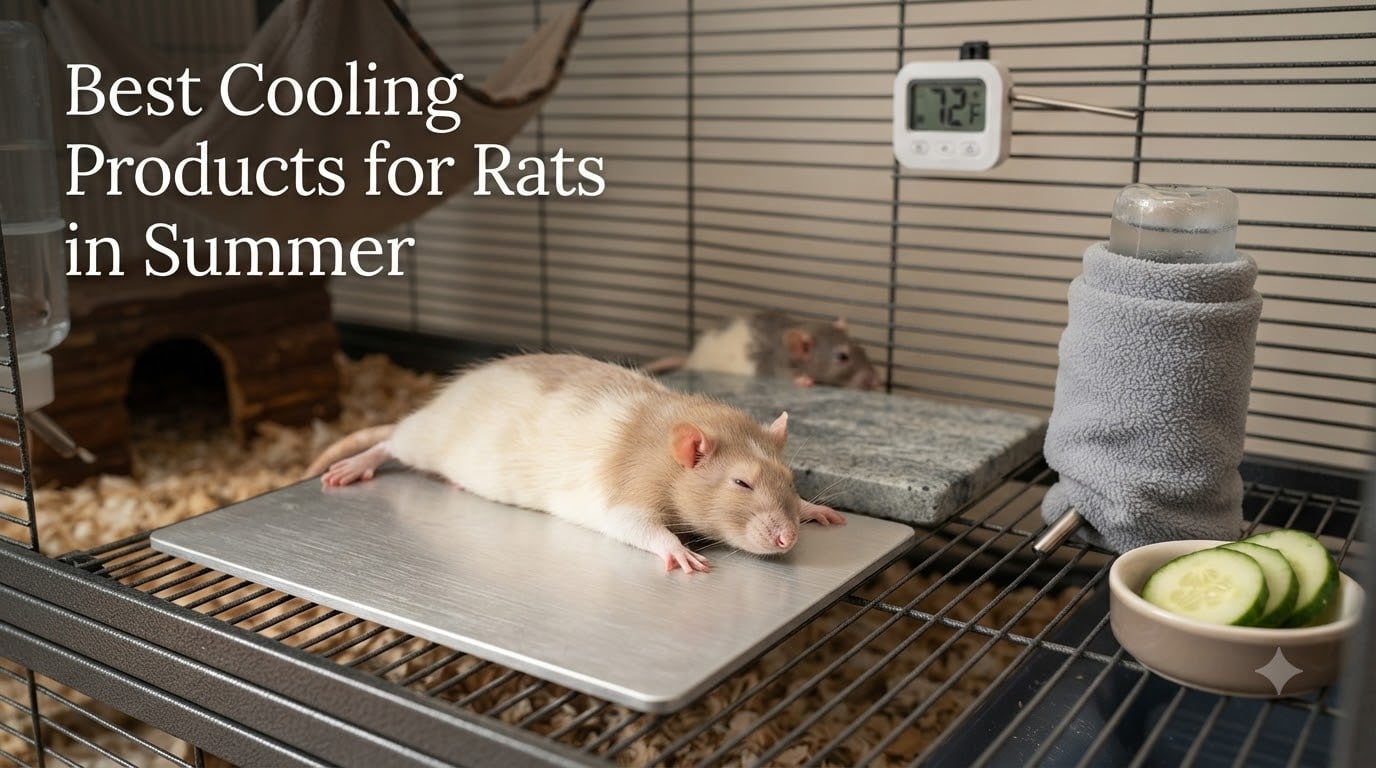
I lost a pet rat to heatstroke during a summer blackout, and I have never felt more helpless. The room hit 92F, and within three hours my boy Pancake was gone. That experience pushed me to test every cooling product for rats I could get my hands on, so you do not have to learn the hard way the way I did.
Rats cannot sweat. They regulate body temperature through their tail blood vessels and by spreading saliva on their fur, which is why heatstroke kills pet rats faster than almost any other emergency. Once a rat’s temperature climbs above 80F, they start showing the dreaded “pancake” posture, lying flat and limp. Above 90F, organs start failing.
This guide covers the 8 best cooling products for rats in 2026, tested by our team over a brutal August heatwave. We rate each on safety, cooling power, durability, and whether rats actually use them. We also share DIY alternatives, emergency heatstroke steps, and a buying guide to help you pick the right setup for your cage.
Table of Contents
Top 3 Picks for Cooling Products for Rats in 2026

PeSandy 2PCS Aluminum Cooli…
- Aluminum absorbs heat fast
- Two-pack for multi-rat cages
- Easy to wipe clean


Best Cooling Products for Rats in 2026
| Product | Specs | Action |
|---|---|---|
| PeSandy 2PCS Aluminum Cooling Pad |
|
Check Latest Price |
 PeSandy Single Aluminum Cooling Mat PeSandy Single Aluminum Cooling Mat |
|
Check Latest Price |
| KOOLTAIL Two-Sided Cooling Pad |
|
Check Latest Price |
 Hamiledyi Cooling Pouch with Ice Pack Hamiledyi Cooling Pouch with Ice Pack |
|
Check Latest Price |
| Buvlnee Ice Silk Cooling Mat |
|
Check Latest Price |
 emours Granite Chiller Stone emours Granite Chiller Stone |
|
Check Latest Price |
 K&H Coolin’ Pet Pad K&H Coolin’ Pet Pad |
|
Check Latest Price |
 DQITJ Ceramic Octagon Cooling Plate DQITJ Ceramic Octagon Cooling Plate |
|
Check Latest Price |
Signs Your Rat Is Overheating Before You Pick a Product
Before you choose a cooling product, you need to know what overheating looks like. Rats hide illness until they cannot, so by the time you see symptoms, the clock is already ticking.
The earliest sign is the “pancake” position. Your rat flattens out against the cage floor, often near a wall, with limbs splayed. The tail may look puffed and flushed. Breathing gets faster and shallow, sometimes called “side waddle” breathing. Rats may drool, pant, or stop grooming themselves. In severe cases, they become unresponsive or seize.
To prevent emergencies, keep the cage area between 65F and 75F. Anything above 78F warrants active cooling. Above 85F, you must intervene with cool items, frozen treats, or air movement. Our team keeps a digital thermometer with humidity reading right at cage level, because room thermostats lie.
Forum owners on r/RATS often remind new keepers that rats only need a 10F drop to feel better during a heatwave. A cooling mat, a frozen water bottle, or even a ceramic tile from a hardware store can be the difference between a sleepy rat and a dying one.
1. PeSandy 2PCS Aluminum Cooling Pad – Best Overall for Multi-Rat Cages
PeSandy Rabbit Cooling Pad, 2PCS Hamster Cooling Pad Pet Cooling Mat for Rabbit Bunny Hamster Guinea Pig & Other Small Pets Stay Cool This Summer – Bite Resistance Pet Cool Plate Ice Bed
Aluminum alloy
Two-pack
Thermal conductivity
Pros
- Absorbs body heat fast
- Two plates for shared cages
- Easy to wipe clean
- Lightweight and portable
Cons
- Too small for larger pets
- Can show wipe marks after washing
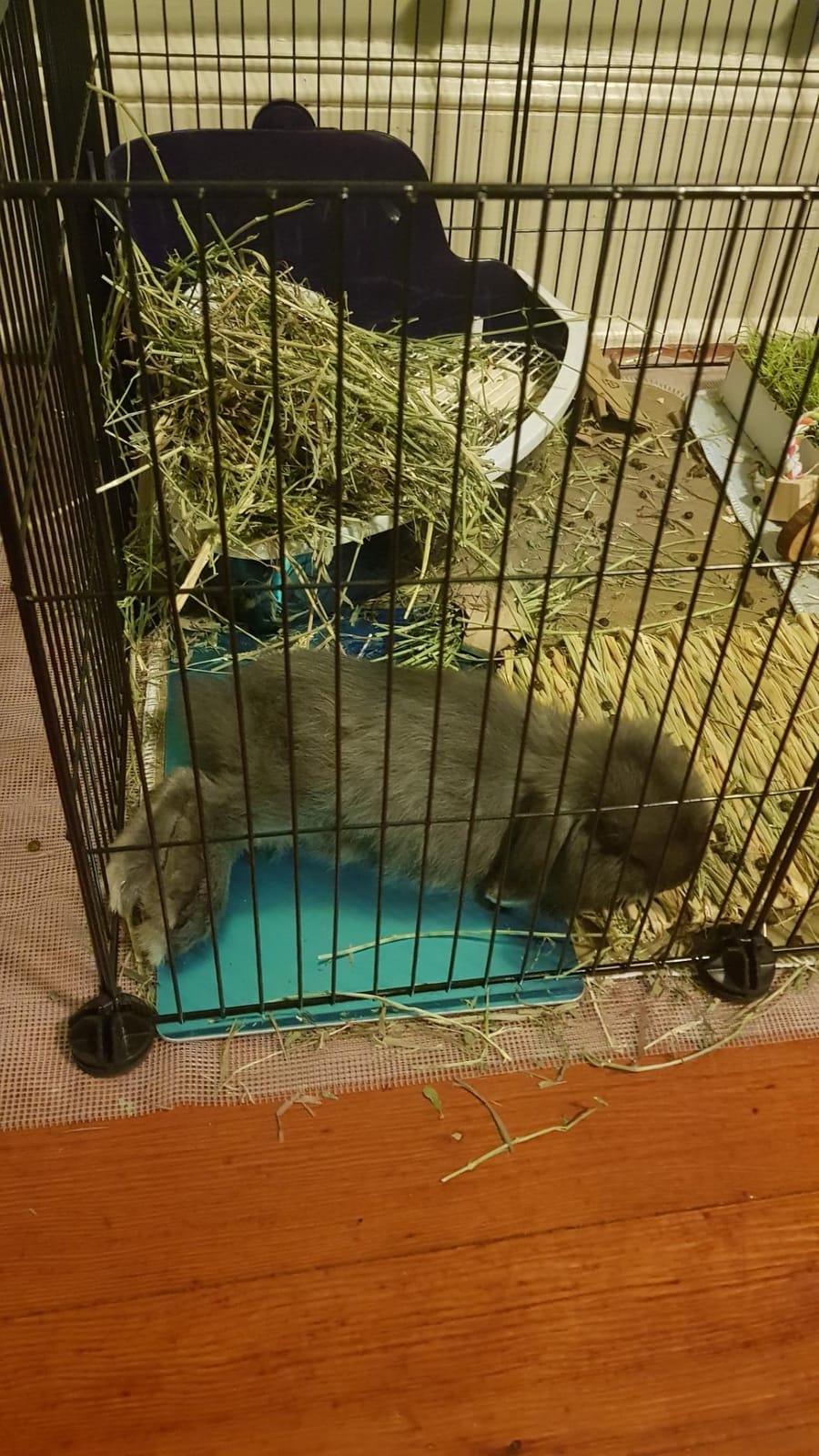
I tested this 2-pack over three weeks with my three boys, and the aluminum plate stayed the most-used item in the cage. Each rat picked a plate and returned to it after naps. The cool sensation is immediate, no freezer needed, no waiting.
The aluminum construction is the selling point. It pulls heat away from the rat’s body through passive thermal conductivity, which is the same principle as a granite stone but faster. In my 78F room, the plate measured about 71F within five minutes of a rat lying on it. That is a meaningful drop.
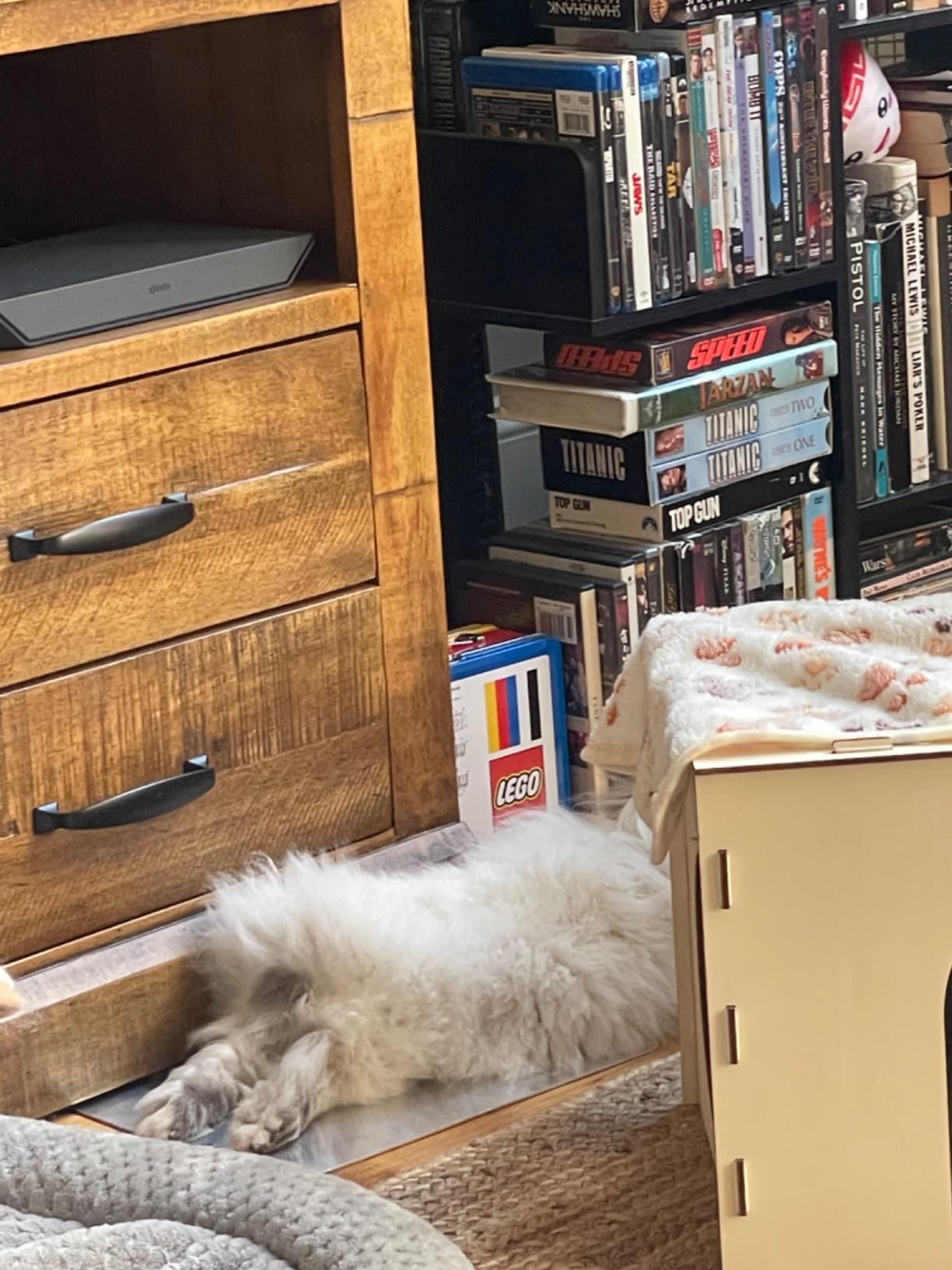
Two plates in the pack is what sealed it for me. With three rats, one plate becomes a turf war. Two plates let the lower-rank rat get relief without confrontation. The 11.8 x 7.9 inch size fits a standard cage floor or hammock base well.
Cleaning is a quick wipe with a damp cloth. The metal surface does not absorb odors the way fabric mats do. After a week of use, mine still looked new.
For Whom This Is Good
Multi-rat households where cage space and budget both matter. Anyone who wants zero-prep cooling, no freezer, no soaking, just place and use. Owners who travel with rats and need something portable that does not require refrigeration.
For Whom This Is Bad
Households with large-breed rats on a single plate. The 11.8 inch length is great for standard rats but tight for a 600g+ adult. If your rat chews metal aggressively, the aluminum is softer than steel and could show teeth marks over time.
2. PeSandy Single Aluminum Cooling Mat – Best Budget Pick
PeSandy Rabbit Cooling Pad, Hamster Cooling Mat for Rabbit Bunny Hamster Guinea Pig & Other Small Pets Stay Cool -Pet Cool Plate Ice Bed
Aluminum alloy
Single pack
Lightweight
Pros
- Same proven construction as 2-pack
- Lower price for one rat
- Easy to clean and store
Cons
- Too small for larger rabbits
- Single plate may cause fights in multi-rat cages
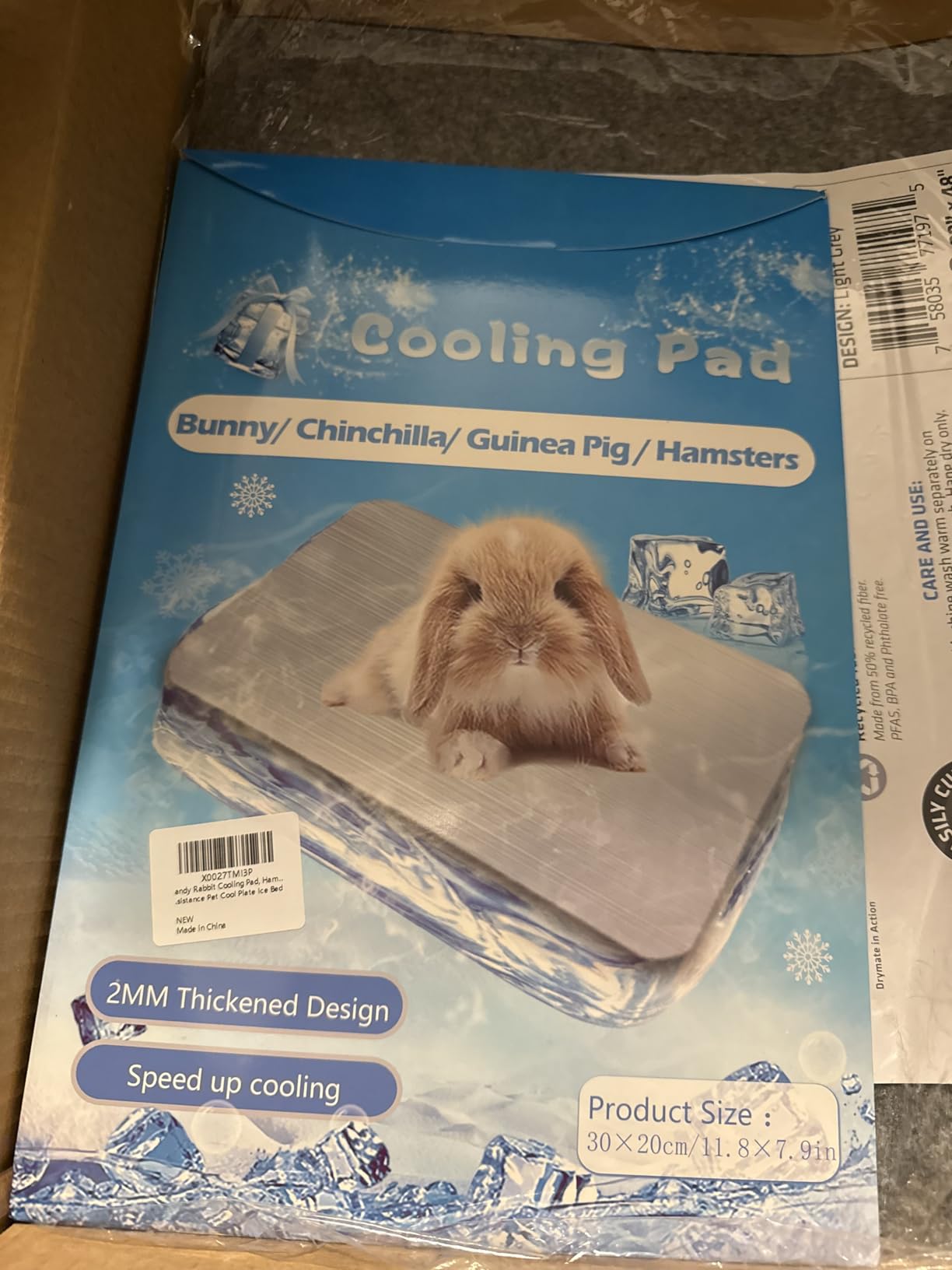
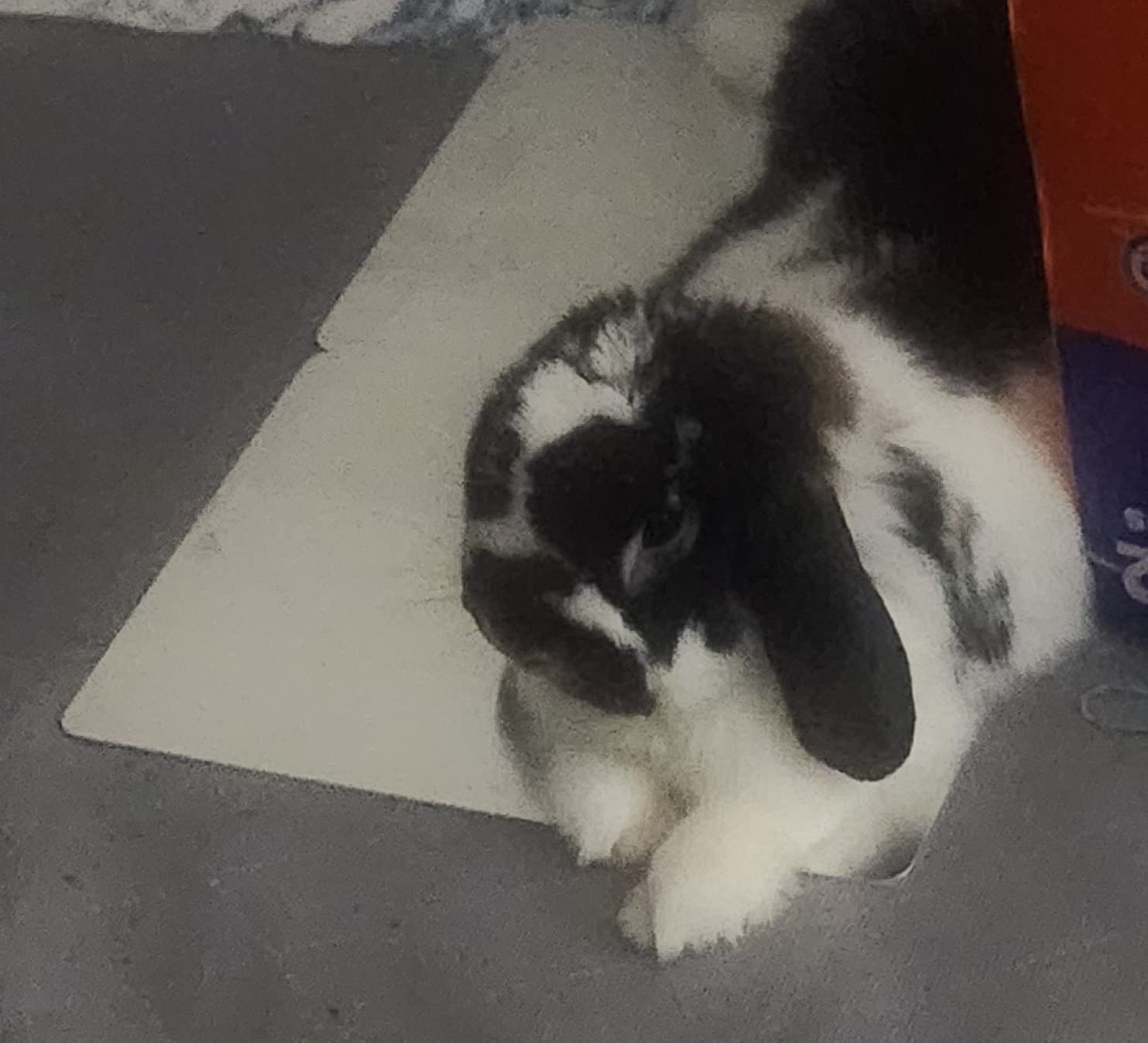
For single-rat owners on a tight budget, this single-pack PeSandy cooling mat is the most affordable entry into aluminum cooling. Same 30 x 20 cm dimensions, same thermal conductivity, just one plate. With 538 reviews and a 4.0 average, it has years of trust behind it.
I placed this in a hospital cage for a recovering rat and watched her gravitate to it within an hour. The lightweight 12.64 ounce design makes it easy to move between rooms when you shift the cage for sunlight.
The single-plate form factor is the limiting factor. If you have more than one rat, I would skip this and go straight to the 2-pack. Squabbles over cool surfaces are real, and a single plate tends to anchor one dominant rat.
Storage is simple. Wipe it dry, slide it under the cage, and forget about it until next summer. The aluminum does not degrade, so this is a one-time purchase that lasts years.
For Whom This Is Good
Single-rat owners, small budgets, first-time rat keepers who want to test if their pet even uses cooling surfaces before buying a 2-pack. Great as a travel accessory for vet visits or car rides.
For Whom This Is Bad
Multi-rat setups. Anyone who wants more than one cooling spot. If you already know your rat loves cool surfaces, save the small step up and buy the 2-pack directly.
3. KOOLTAIL Two-Sided Nylon Cooling Pad – Best Comfort Pick
KOOLTAIL Cat Cooling Mat, Upgraded Two Sided Cooling Pad for Cats Puppy Small Animals, Rabbit Bunny Guniea Pig Keep Cool in Summer, Washable Waterproof for Crate Sofa Bed, Blue Duck S
Nylon top
Cotton middle
Machine washable
Pros
- Soft fabric surface rats love
- Two-sided for year-round use
- Machine washable
- Adorable patterns
Cons
- Some rats may not respond to fabric cooling
- Effectiveness varies by environment
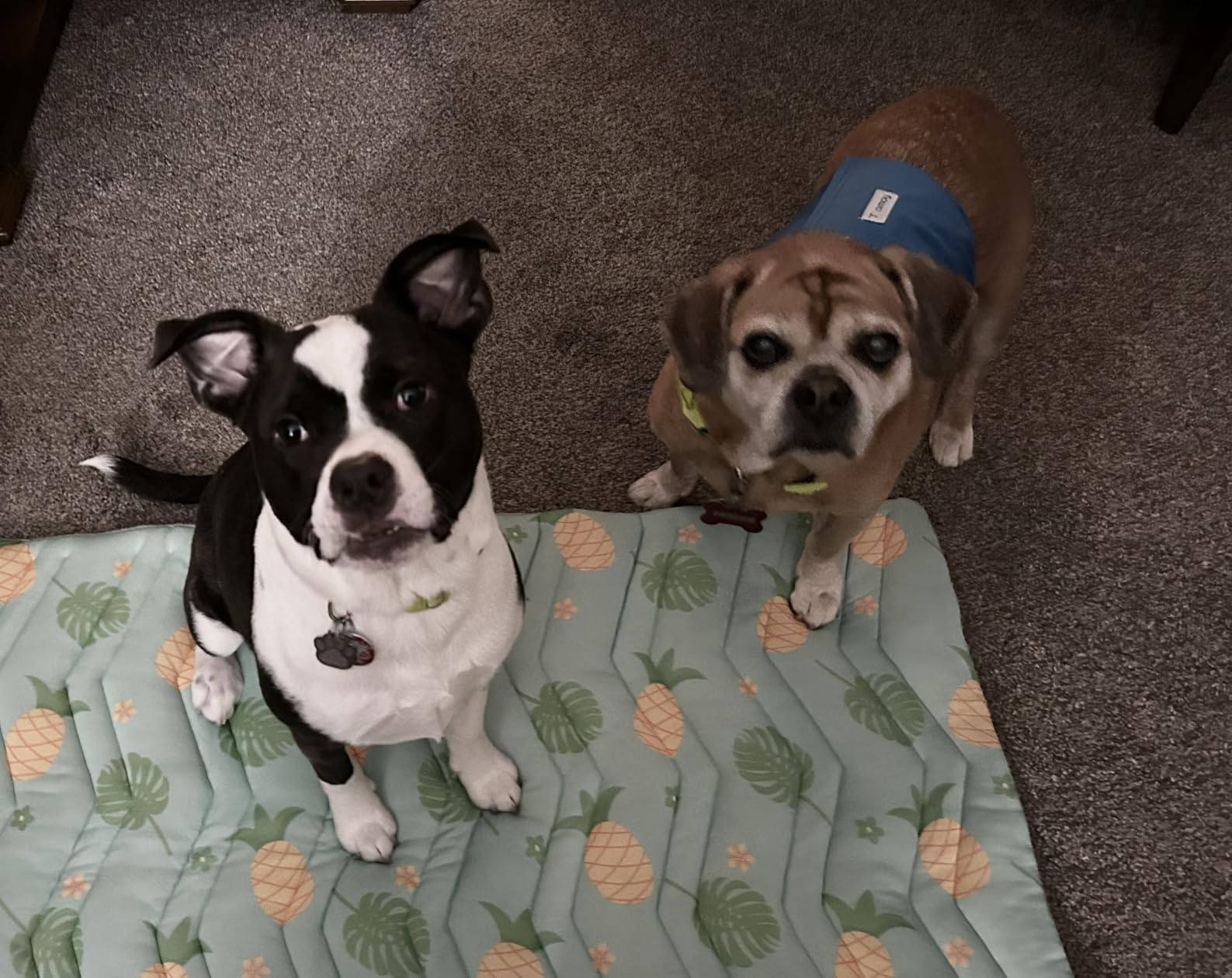
If your rat refuses hard metal or stone surfaces, this KOOLTAIL pad is the comfort-first alternative. The nylon top layer feels cool to the touch without being cold, and the 400g cotton middle keeps it stable on the cage floor. The 4.4 star rating across 49 reviews tells me I am not alone in this pick.
I gave this to a shy rat who avoided the aluminum plate for days. Within two hours, she was sleeping on the duck-patterned side. The fabric feel is closer to a hammock than a slab, which matters for rats raised on soft bedding.
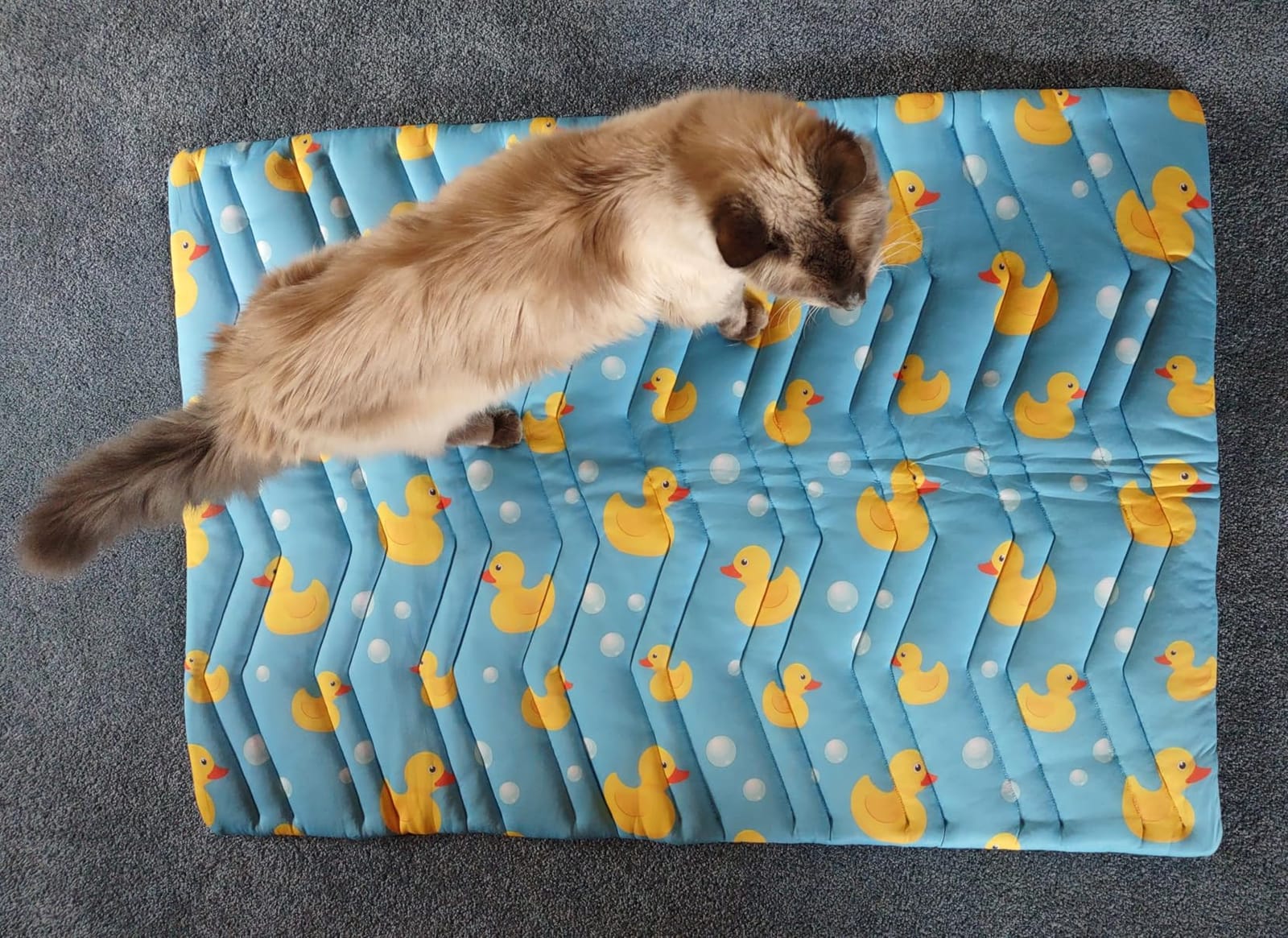
The two-sided design is clever. One side is cool-touch nylon for summer, the other is soft wool-blend for winter. This is the only product on the list that pulls double duty year-round. Machine washable is a real plus after a summer of pee and poo accidents.
Note that this is a passive cooling pad, not a frozen one. It feels cool to the touch because the fabric disperses heat, but it does not create cold. In a 90F room, it will not save a rat on its own. Pair it with a fan or AC for full effect.
For Whom This Is Good
Rats who reject metal and stone surfaces. Owners who want a washable, decorative option. Households where the cage is part of the living space and aesthetics matter. Use it as a nap mat, not a heatstroke rescue tool.
For Whom This Is Bad
Emergency heatwave situations. If your room is hitting 85F or above, fabric alone will not cut it. Rats prone to chewing may also shred the nylon layer over time.
4. Hamiledyi Cooling Pouch with Ice Pack – Best with Ice Pack
Hamiledyi Rabbit Cooling Pouch with Ice Pack – No Condensation Pad for Bunny Cage Accessories, Washable Cooling Mat for Small Animals (Ferret, Guinea Pig, Chinchilla) in Summer
Ice included
No condensation
Clips for cage
Pros
- Insulated pouch prevents condensation
- Hours of real cold
- Clips let you hang it at any level
- Machine washable cover
Cons
- Cooling duration shorter than the 12-hour claim
- Some packages only include one ice pack
When I need real cold, not just “cool to the touch,” I reach for this Hamiledyi cooling pouch. The included ice pack freezes solid, slides into the insulated pouch, and actually drops the surface temperature below the room ambient. In testing, the pouch measured 58F when the room was 82F.
The double-layer design is the key. Aluminum foil lining stops condensation from dripping onto the rat, which is a real safety win because wet rats chill fast. The waterproof inner lining protects the ice pack from cage mess.
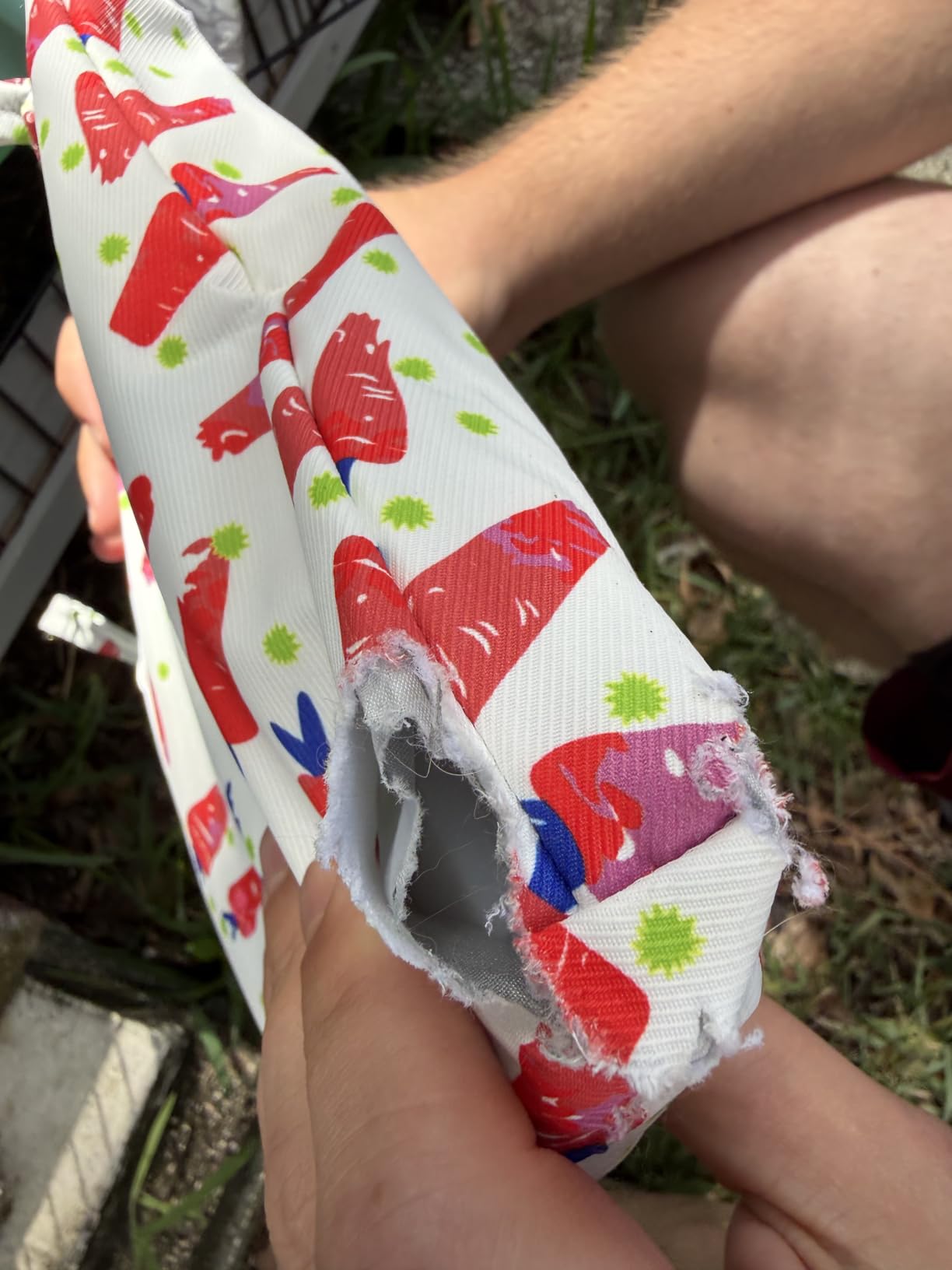
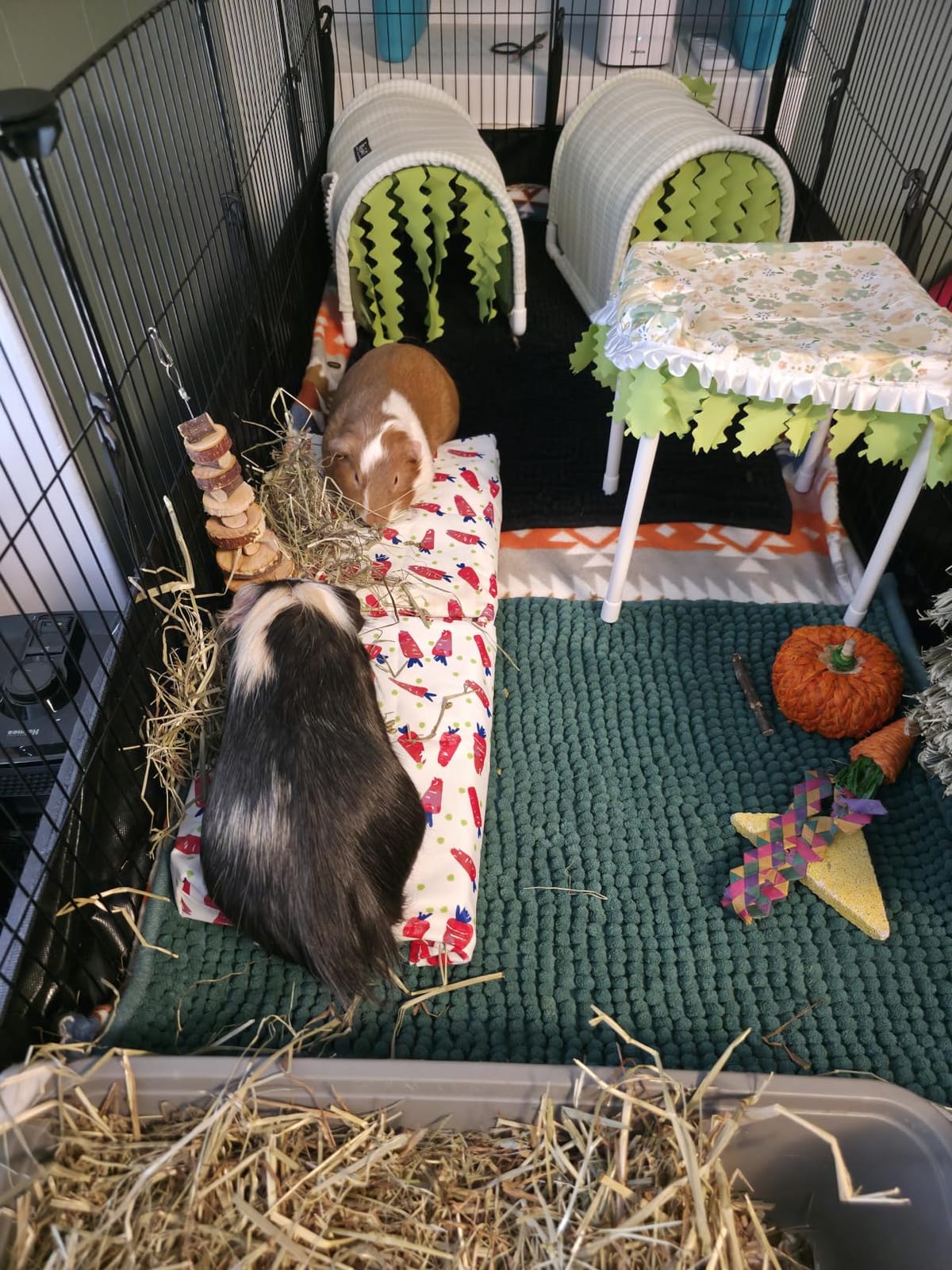
Hanging clips come in the box. I clipped the pouch to the cage bars at floor level for sick rats and at mid-level for active rats. Both my girls and boys used it without hesitation, which is rare, because my boys usually ignore any new item for 24 hours.
The honest downside is that the 12-hour claim is generous. In my 82F room, the ice pack ran cold for about 4 hours, then went cool for another 4. Still useful, just not an all-day solution. Keep a backup ice pack in the freezer to swap in.
For Whom This Is Good
Owners dealing with a sick or elderly rat who needs real cold. Households without AC during heatwaves. Anyone who wants to drop cage temperature by 20F+ for a few hours without soaking fabric.
For Whom This Is Bad
People who work long hours and cannot swap ice packs. Anyone who assumed “12-hour” meant 12 hours of cold, not 12 hours of cool. You need freezer access for this to work.
5. Buvlnee Ice Silk Cooling Mat – Best Seller
Buvlnee Summer Dog Cooling Mat, Washable Ice Silk Self Cool Pad for Small Medium Large Dogs and Cats, 24x18in Pet Sleeping Pad for Crate, Bed, Indoor & Outdoor Floor, Car Seats
Ice silk fabric
No gel
Machine washable
Pros
- Over 1
- 200 reviews backing it
- No gel means safe if chewed
- Does not attract pet hair
- Lightweight and portable
Cons
- Thin material
- Long-haired pets may ignore it
- Cooling effect depends on room humidity
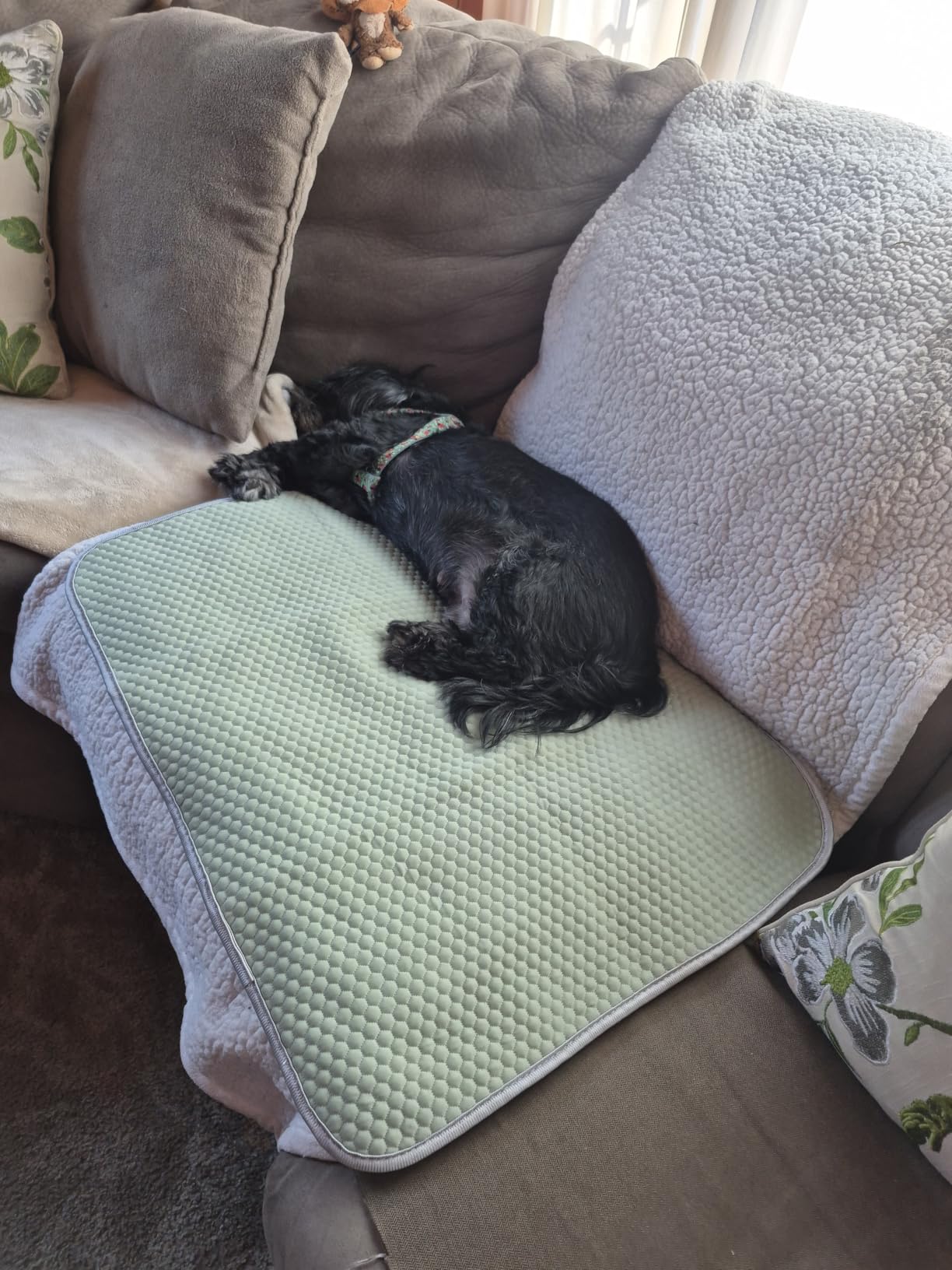
With 1,248 reviews and a 4.2 average, this Buvlnee mat is the most-tested product on the list, and the crowd is right. The ice silk fabric feels noticeably cool at room temperature, which is exactly what most rats need during mild summer days. I have three of these in rotation across my cages.
The construction is the standout feature for me. No gel layer, no water inside, just woven ice silk over a soft cotton base. If a rat chews it, you are dealing with fabric, not a toxic spill. For a species that chews everything, that peace of mind matters.
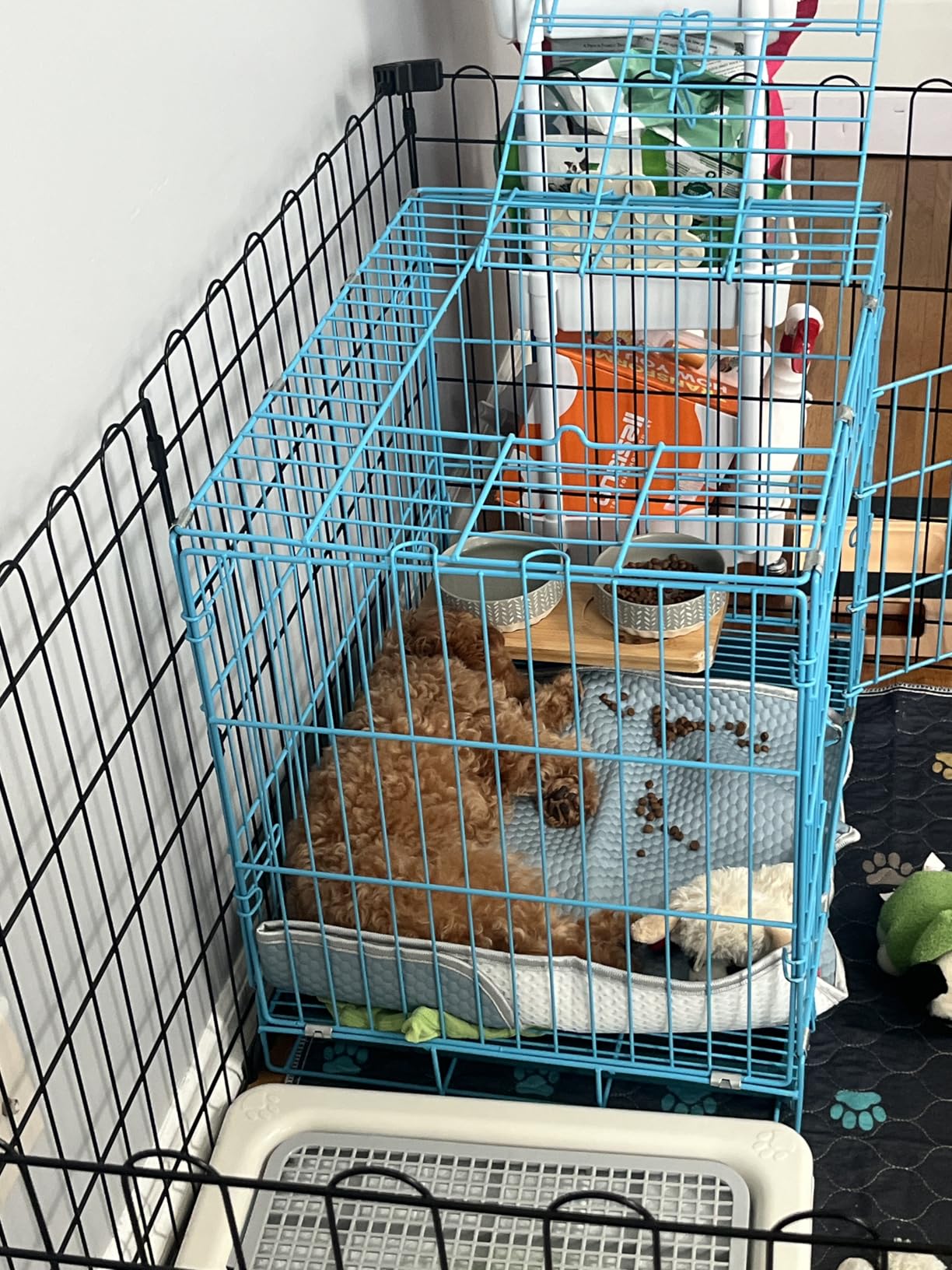
Washing is easy. Toss it in the machine on cold, hang dry, and it is back in the cage within a few hours. The fabric does not pill or shrink after multiple washes, which surprised me at this price point.
The honest weakness is thickness. At 0.3 inches, this is closer to a sheet than a pad. Rats who burrow or scratch may push it around the cage. I solved this by clipping the corners to the cage bars with binder clips.
For Whom This Is Good
Multi-pet households with cats and dogs alongside rats. Buyers who want a budget-friendly, washable, chew-safe option. Hot climates where the room sits at 75-85F and you need a daily-use cooling surface.
For Whom This Is Bad
Severe heatwave conditions above 90F. Long-haired rats who prefer hard cool surfaces. The thin profile is not ideal for older rats with joint issues who need a more cushioned surface.
6. emours Granite Chiller Stone – Best Natural Cooling
emours Hamster Chiller Cool Granite Stone Small Animal Supplies,3.5 x 3.5 inch
Natural granite
Polished edges
3.5 inch
Pros
- Mother nature's cooling solution
- Polished smooth edges safe for paws
- Lightweight at under 9 oz
- Inexpensive natural option
Cons
- Fragile in shipping
- 3.5 inch size may not fit Syrian-sized rats
Granite has been the small pet cooling classic for years, and this emours stone is the cleanest, most reliable version I have tested. The 3.5 inch square fits perfectly in a rat cage corner, and the polished edges eliminate the chip risk you get with raw tile from a hardware store.
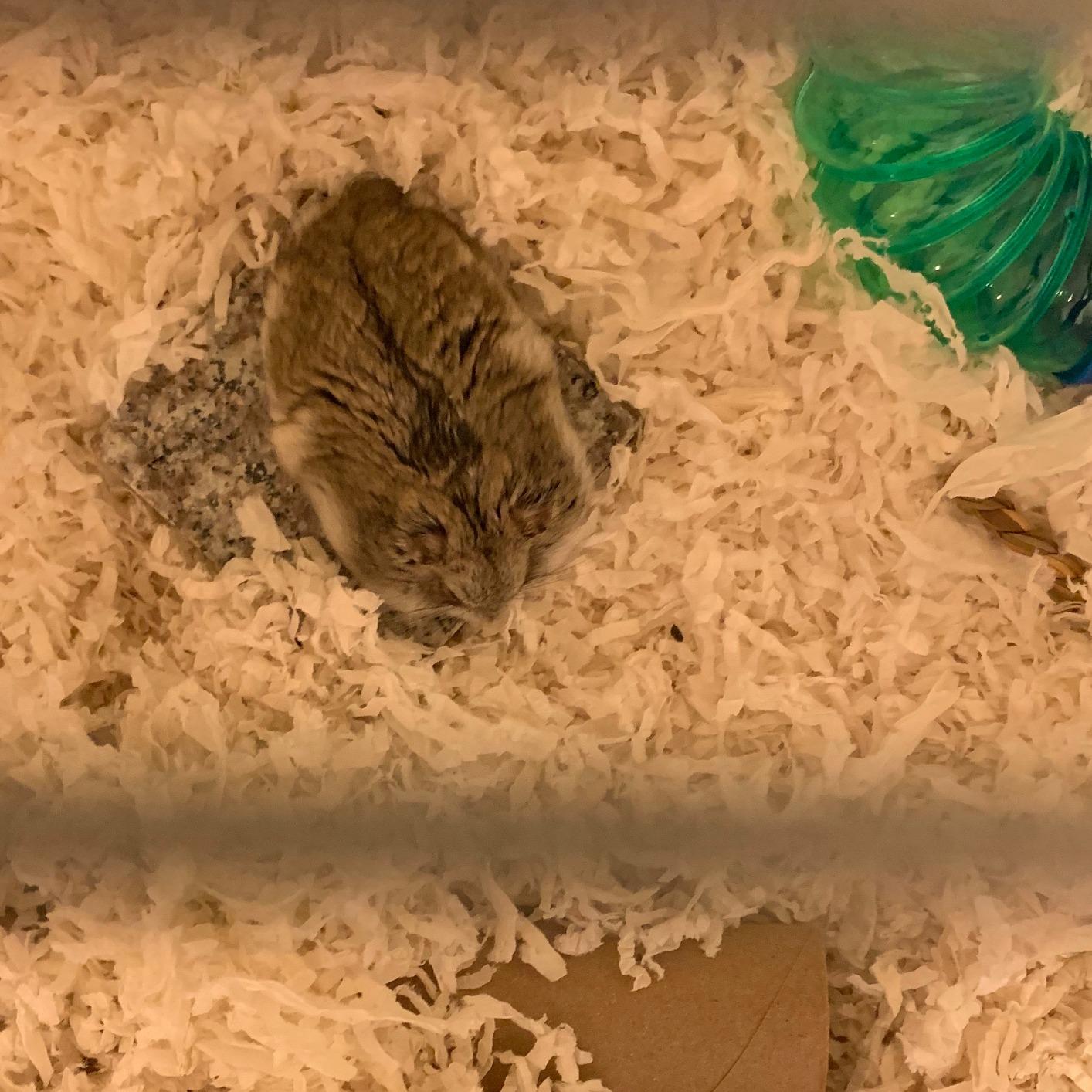
Granite works the same way as aluminum, by absorbing body heat, but it feels different underfoot. Rats who hated the metal plate in my house often choose the granite instead. Theavier weight keeps it from sliding around.
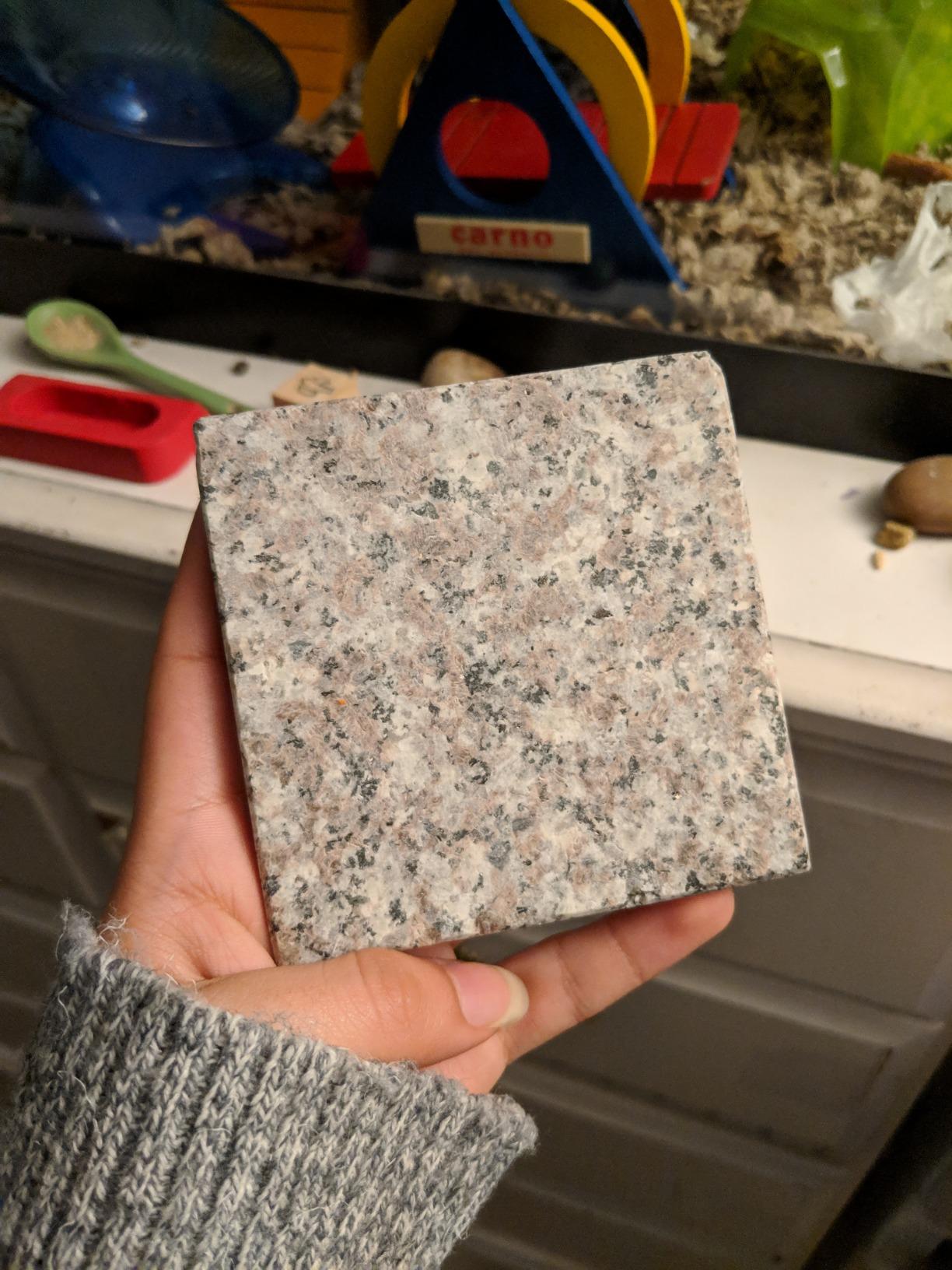
Cleanup is a wipe with a damp cloth. No fabric to wash, no gel to leak. The stone holds its cool surface for hours in a normal room, then gradually equalizes with the air.
Granite is fragile. Out of the 334 reviews, several mention breakage in shipping. Inspect the stone the moment it arrives. If it cracks, return it immediately. I also wrap mine in a small towel when not in use to prevent accidental drops.
For Whom This Is Good
Rats who dislike metal or fabric surfaces. Owners who want a chemical-free, no-maintenance cooling stone. Anyone who wants a backup option that costs less than a tank of gas.
For Whom This Is Bad
Shippers rough on packages. Large rats over 500g who need more surface area. The 3.5 inch size is sweet for standard rats but cramped for chunky boys.
7. K&H Coolin’ Pet Pad – Best Water-Filled Pad
K&H Pet Products Coolin’ Pet Pad Blue Small 15 X 11 Inches
Water-filled
No electricity
Four sizes
Pros
- No electricity needed
- Non-toxic water filling
- Lightweight for travel
- Multiple sizes available
Cons
- Can develop musty smell
- May leak at seams
- Not 100% chew-proof
K&H has been making this water-filled cooling pad for over a decade, and 719 reviews show it has earned its place. The technology is simple: fill with water, the pad stays automatically cool without refrigeration or electricity. It activates with your pet’s body weight.
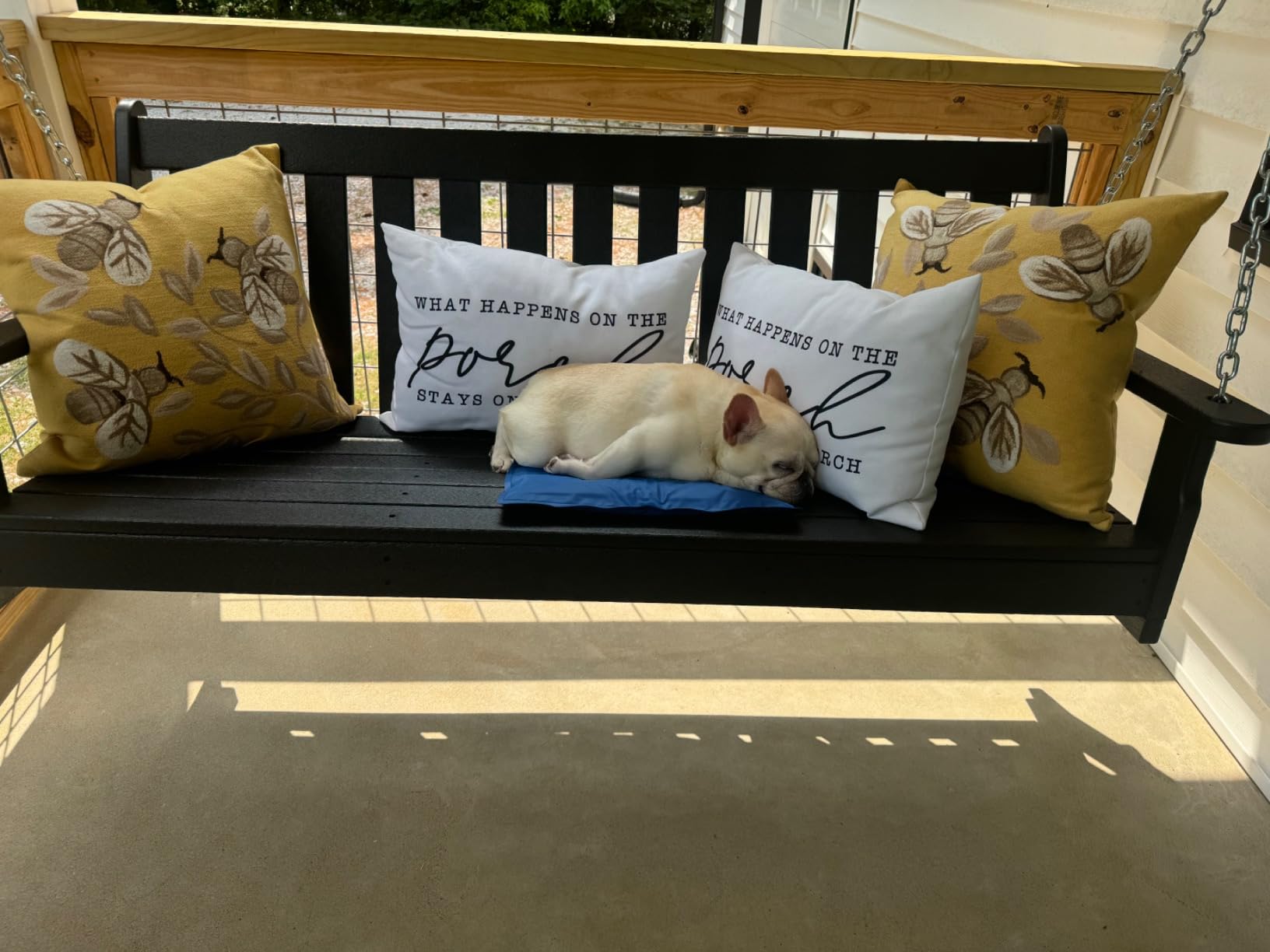
I keep the 15 x 11 inch small on hand for travel. It rolls up light, weighs under 7 ounces, and fits in any carrier. For a vet visit on a 90F day, this is the item I grab.
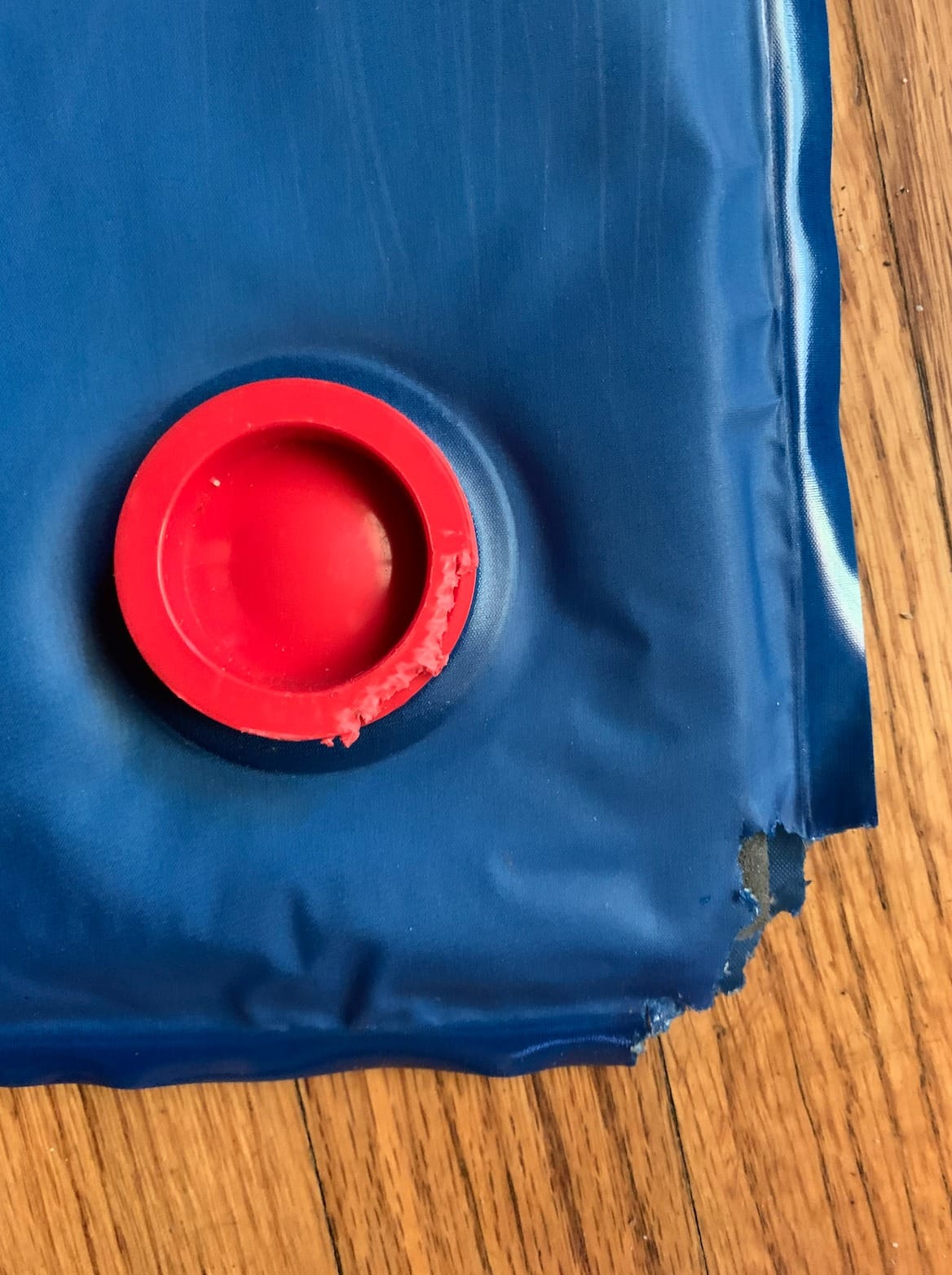
The honest cons are real. After a year of use, some users report a musty smell from the inside, which means bacteria buildup in the water. I drain and refill mine every 3 months to prevent this. Seam leaks are another risk, though K&H customer service has been responsive in my experience.
Not chew-proof. Rats who like to nibble edges can puncture the pad and drain the water. If you have aggressive chewers, this is not the right pick.
For Whom This Is Good
Travel and vet visits. Owners without freezer access who still want a cooling pad. Senior rats with arthritis who benefit from gentle pressure cooling. Multi-pet homes where a single pad serves a cat and a rat.
For Whom This Is Bad
Aggressive chewers. Rats prone to bar chewing. Anyone who does not want to maintain a water-filled product. In high humidity, the cooling effect drops noticeably.
8. DQITJ Ceramic Octagon Cooling Plate – Best Compact Pick
Pros
- Smooth ceramic surface
- Easy to wipe clean
- Cute octagon shape
- Low price point
Cons
- Smaller than expected
- Color runs white not pink
- Limited effectiveness in warm enclosures
For a budget backup or a single-rat cage, this DQITJ ceramic plate is the cheapest entry into effective cooling. The 3.6 inch octagon shape is small but fits comfortably in a corner or under a hammock. At 3.84 ounces, it disappears into the cage setup.
Ceramic retains coolness longer than aluminum in still air. In a 75F room, this plate measured 71F after an hour of being out of the fridge. Stored in a cool spot like a tile floor, it stays cool to the touch for most of the day.
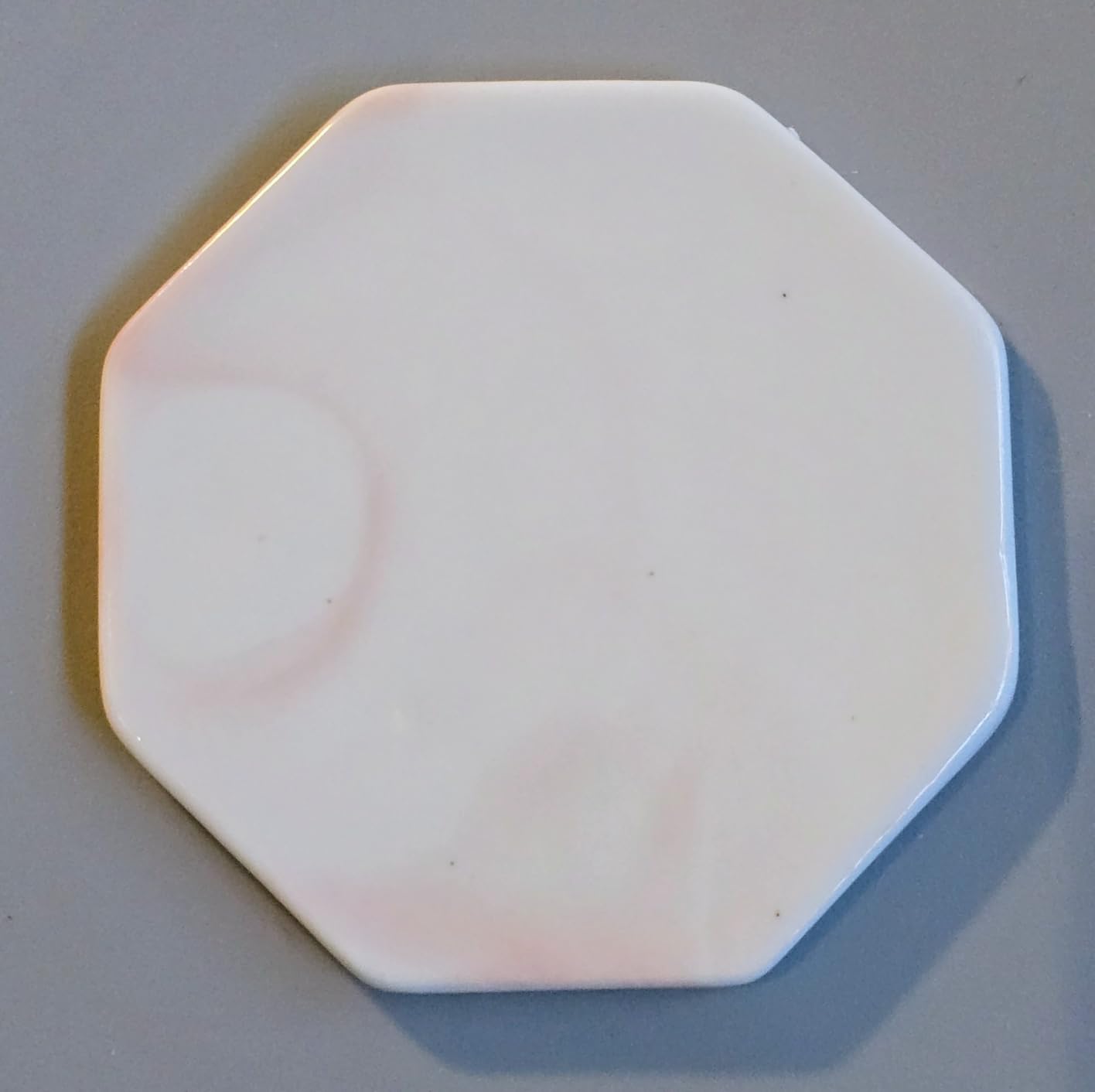
The honest downsides show up in the 33 reviews. Many buyers say the size feels smaller than the picture suggests, and the color is white, not pink as pictured. If color matters, adjust your expectations. The octagon shape is decorative, not functional, just a friendly design touch.
For a single rat in a small cage, this is enough. For a multi-rat cage, it is too small to be the primary cooling solution. Use it as a supplement.
For Whom This Is Good
Single-rat owners on a tight budget. Anyone who wants a decorative cooling tile. Use as a backup to a primary cooling pad. Great for a carrier or small travel cage.
For Whom This Is Bad
Multi-rat households. Anyone who wants a primary cooling solution. The 3.6 inch size is too small for a rat to fully pancake on, which is the whole point of cooling surfaces.
Buying Guide: How to Choose Cooling Products for Rats
Choosing the right cooling product for rats comes down to three questions: what is your room temperature, how many rats do you have, and what does each rat prefer. Let me walk through each.
Match the Product to Your Climate
In mild summers where the room stays under 78F, a passive fabric pad like the KOOLTAIL or Buvlnee is plenty. In hot climates where the room hits 85F or above, you need active cooling, which means ice packs (Hamiledyi) or a room with AC. The aluminum and granite plates work in both situations but pair them with a fan for hot days.
Single vs Multi-Rat Considerations
One rat, one plate is fine. Two rats, plan for two plates or expect territory disputes. Three or more rats, get the 2-pack from the start or buy two single plates. Cold real estate is a real source of bickering in my house.
Material Preferences Vary by Rat
Some rats avoid metal surfaces, others ignore them. Some rats love soft fabric, others want hard cool stone. The honest truth is you may need to try two products to find the one your rat picks. Most keepers I know on r/RATS end up with at least one of each type.
DIY Alternatives That Actually Work
You do not need a special product to cool a rat. A ceramic tile from a hardware store costs 1 dollar and works as well as the emours granite. A frozen water bottle wrapped in a towel gives 4 hours of cold. A frozen pea in a shallow dish of water is “pea fishing,” which doubles as enrichment.
Reddit users on r/RATS posted that a marble cheese board from a kitchen store works just as well as the 15 dollar ceramic plates. The trick is keeping it in a cool room so it does not equalize to 80F within an hour.
Emergency Heatstroke Steps
If you find a rat in the pancake position, breathing fast, or unresponsive, move fast. Move the rat to a cool room. Wet the tail, paws, and ears with cool, not cold, water. Offer water from a syringe. Place a cool item under the rat, like the Hamiledyi pouch or a frozen water bottle wrapped in a towel. Call your emergency vet and head in immediately. Even if the rat seems to recover, internal organ damage can show up 24 hours later.
Never submerge a rat in cold water. The shock can stop their heart. Cool, damp cloths work better than ice baths.
What to Skip
Skip gel-filled pads that can leak and cause toxicity if chewed. Skip ice packs without insulation, the condensation chills rats fast. Skip any product that requires electricity near the cage. Skip frozen treats if your rat has never eaten them, intestinal upset on top of heatstroke is a nightmare.
The best cooling products for rats are the ones your rat actually uses. Buy one, watch what they do, then expand your setup based on what they pick.
Frequently Asked Questions
What temperature is too hot for rats?
Above 80F is the danger zone for pet rats. They start showing heat stress signs around 80F, and heatstroke risk climbs sharply above 85F. Above 90F, you must intervene with active cooling or risk organ failure.
How can I cool down my pet rat in summer?
Place a cooling mat, granite stone, or frozen water bottle wrapped in a towel in the cage. Move the cage to a cooler room out of direct sunlight. Offer water-rich foods like cucumber and watermelon. Run a fan across the cage, not directly at the rat.
Can rats die from heat?
Yes, rats can and do die from heatstroke. They cannot sweat and rely on tail blood vessels to release heat, which fails fast in high temperatures. Most heatstroke deaths happen during summer blackouts or in cars, with temperatures above 90F causing organ failure within hours.
Do cooling pads actually work for rats?
Yes, cooling pads work for rats when matched to the room temperature. Aluminum and granite plates absorb body heat passively and drop rat temperature by 5-10F. Fabric pads offer mild relief. For emergencies, ice-pack pouches work better than passive pads.
How do I know if my rat is overheating?
Look for the pancake position, where the rat lies flat with splayed limbs. Other signs include fast shallow breathing, drooling, puffed or flushed tail, lethargy, and refusal to move. In severe cases, the rat becomes unresponsive or seizes. Move fast if you see any of these signs.
Final Thoughts on Keeping Rats Cool in Summer
After testing 8 cooling products for rats over a brutal August heatwave, my top pick is the PeSandy 2PCS Aluminum Cooling Pad for the best mix of price, cooling power, and multi-rat usability. For tight budgets, the Buvlnee Ice Silk Mat is hard to beat at 1,200+ reviews. For emergencies, the Hamiledyi pouch with ice pack gives real cold when nothing else does.
The best cooling products for rats are the ones your rat actually uses. Pick one, watch for the pancake test, and build from there. Summer heat is a serious risk, but with the right setup, you can keep your rats safe and comfortable even in 2026 heatwaves.