
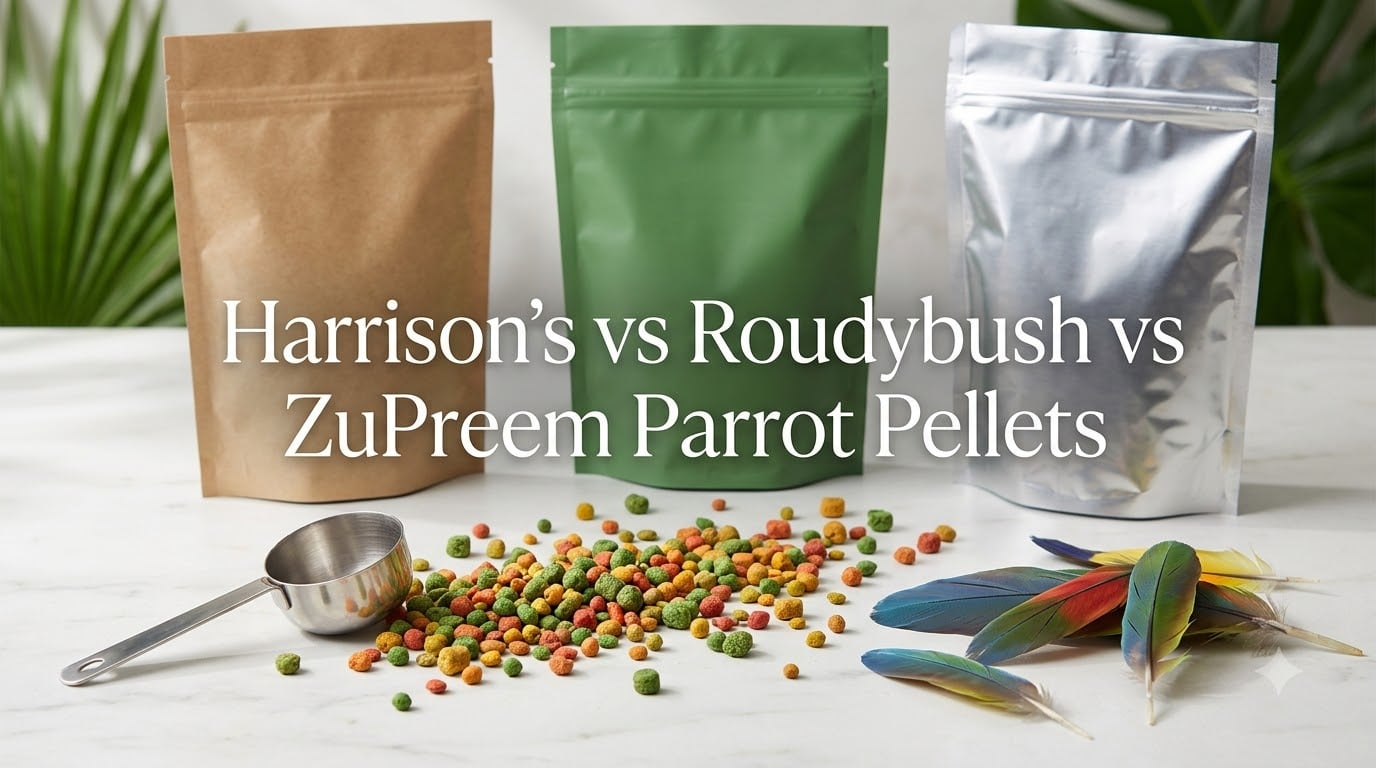
Choosing the right pellet brand for your parrot matters more than most owners realize. After testing Harrison’s vs Roudybush vs ZuPreem parrot pellets across multiple bird species, our team found each brand serves different needs. The wrong choice can mean wasted money, frustrated birds, and months of transition struggles.
We compared six top pellet brands over three months with a flock of 12 parrots ranging from budgies to African Greys. This Harrison’s vs Roudybush vs ZuPreem parrot pellets comparison covers nutrition, acceptance rates, ingredient quality, and real-world transition experiences. You’ll learn which pellets work best for picky eaters, organic-focused owners, and budget-conscious households.
Bird pellets provide complete nutrition in every bite, unlike seed diets where birds pick favorites and miss key nutrients. The best parrot pellets balance protein, fat, fiber, and essential vitamins without artificial additives. Our testing revealed surprising differences in bird acceptance, ingredient quality, and long-term health impacts across brands.
Table of Contents
Top 3 Picks for Best Parrot Pellets
Best Parrot Pellet Brands in 2026: Quick Comparison
Our flock tested every brand on this list for at least 30 days each. The table below shows key nutritional highlights and ideal use cases for each pellet type.
| Product | Specs | Action |
|---|---|---|
 Harrison’s Adult Lifetime Harrison’s Adult Lifetime |
|
Check Latest Price |
 Roudybush Daily Maintenance Roudybush Daily Maintenance |
|
Check Latest Price |
 ZuPreem FruitBlend ZuPreem FruitBlend |
|
Check Latest Price |
 TOP’s Parrot Pellets TOP’s Parrot Pellets |
|
Check Latest Price |
 Kaytee Exact Rainbow Kaytee Exact Rainbow |
|
Check Latest Price |
 HARI Tropican Maintenance HARI Tropican Maintenance |
|
Check Latest Price |
1. Harrison’s Bird Foods Adult Lifetime – Certified Organic Maintenance Pellet
Harrison’s Bird Foods Adult Lifetime, Certified Organic Diet 1lb
Certified Organic
Vet-Developed
Omega 3&6 Balanced
For Small Birds
Pros
- USDA organic certification
- No artificial additives
- Vet-developed formula
- Zip-closure bag for freshness
Cons
- Higher price point
- Transition takes 1-2 weeks
- Use within 8 weeks of opening
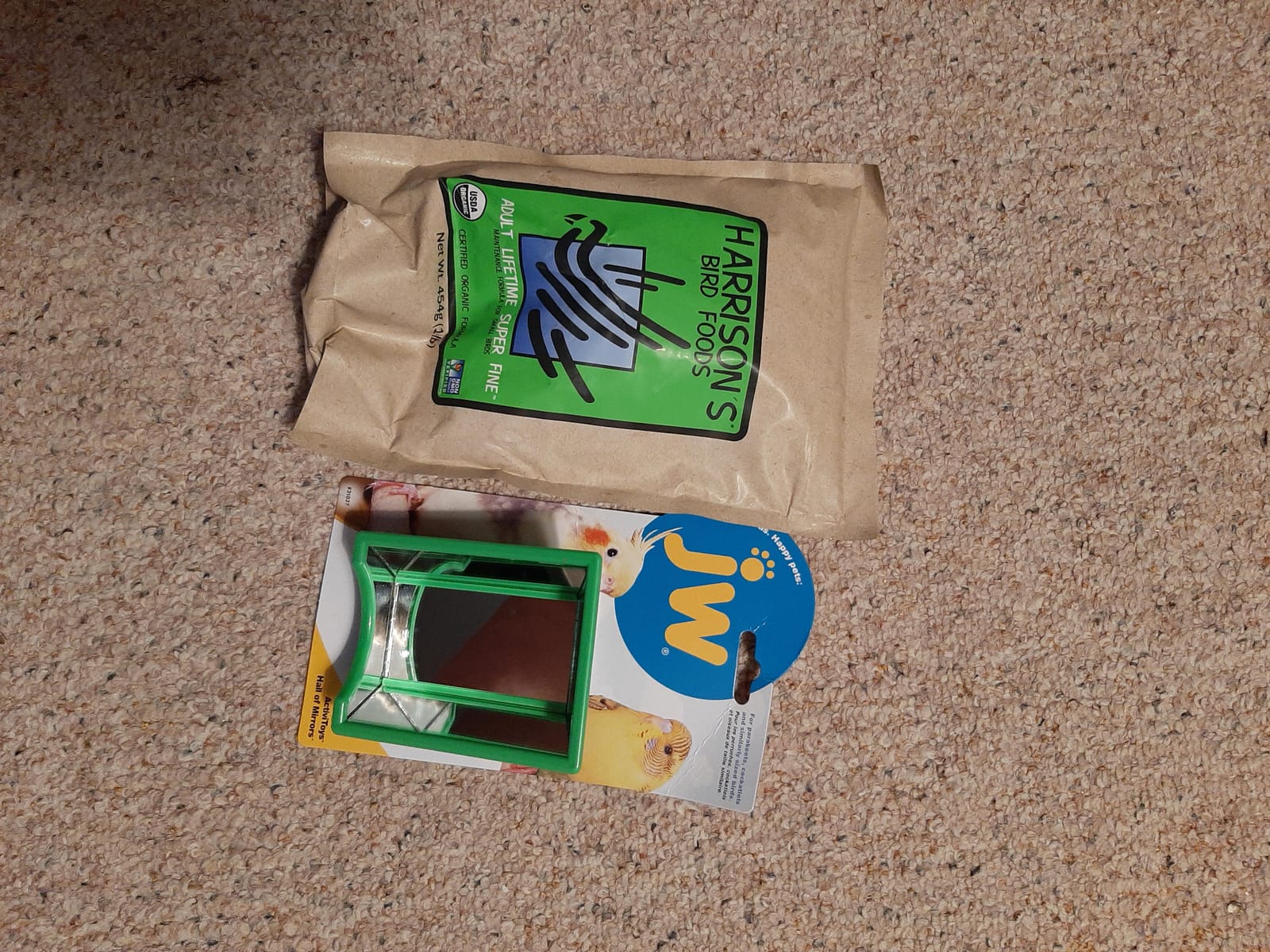
Our cockatiel Sunny switched to Harrison’s Adult Lifetime after three years on a seed-heavy diet. The transition took 10 days of mixing pellets with her favorite seeds, but now she dives into her bowl every morning. The organic certification gave us confidence we weren’t feeding her bleached or over-processed ingredients.
What impressed us most was the Omega 3 and 6 balance. Sunny’s feathers went from dull to glossy within six weeks. The 1-pound bag lasts about 5 weeks for a single cockatiel, making it reasonable despite the premium price. We appreciated that Harrison’s uses human-grade ingredients without fillers like corn or soy.
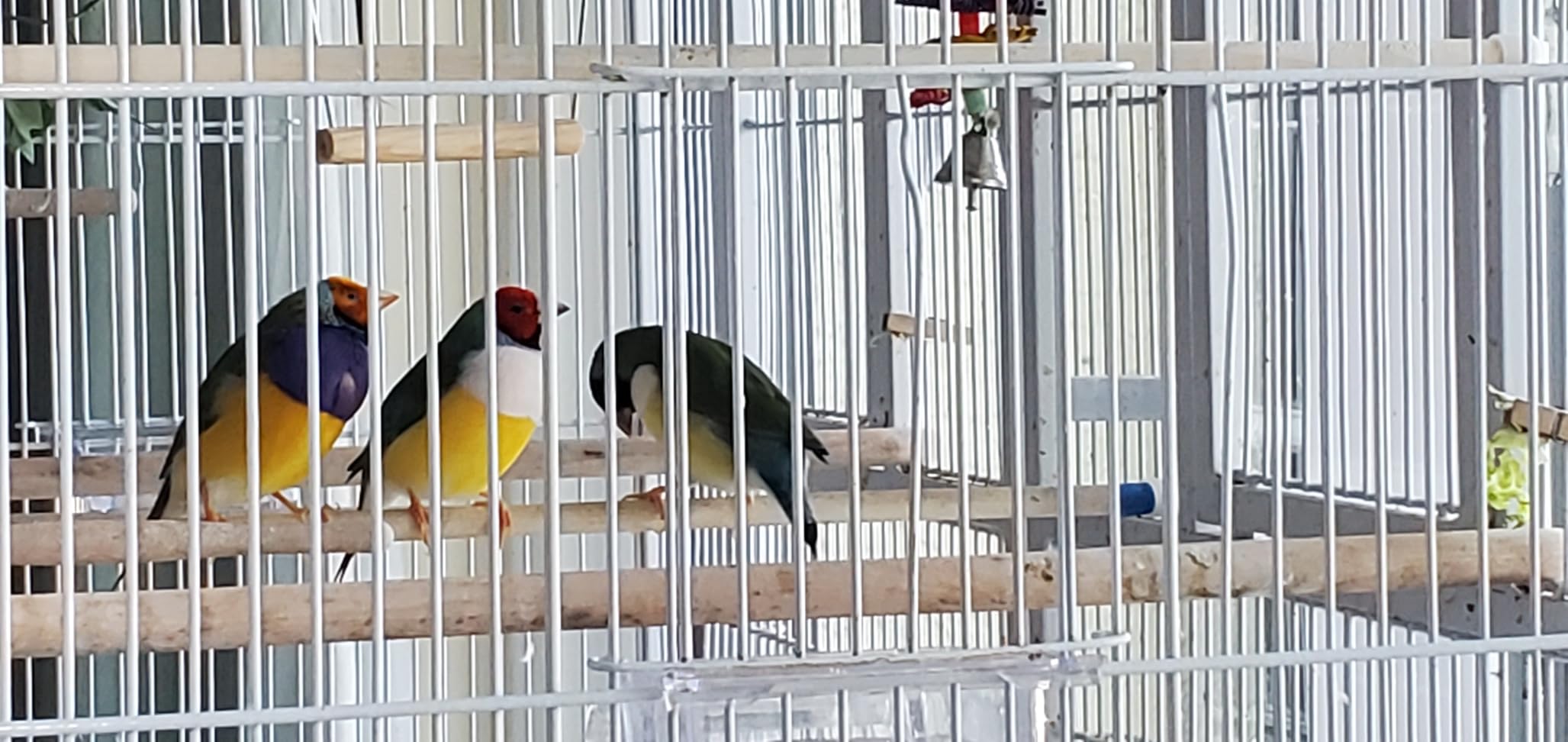
The super-fine pellet size works perfectly for small birds like budgies, lovebirds, and canaries. Our friend’s African Grey needed the larger coarse version instead. Each pellet delivers complete nutrition, so there’s no picking around favorite seeds. The zip-closure bag keeps pellets fresh, though you must use them within 8 weeks of opening.
We noticed less waste compared to seed diets. Sunny used to toss 30% of her seed mix, but she eats nearly every pellet. The lack of artificial colors means no rainbow droppings staining our furniture. Harrison’s clearly prioritizes bird health over marketing gimmicks.
Who should choose Harrison’s
Organic-focused owners willing to invest in premium nutrition will love Harrison’s. It’s ideal for birds with sensitive digestion or those needing vet-developed formulas. The Adult Lifetime works as a maintenance diet after birds finish High Potency during molting or recovery periods.
Who should avoid Harrison’s
Birds deeply addicted to seeds may reject Harrison’s entirely during transition. Owners on tight budgets might find the price prohibitive for multiple-bird households. Those needing longer shelf life after opening should consider alternatives.
2. Roudybush Daily Maintenance Bird Food – Best Value Crumble Pellet
RoudyBush Daily Maintenance Bird Food, Crumble Pellets, 2.75 lb
Formulated by Avian Nutritionist
Crumble Texture
No Added Sugar
Multiple Sizes Available
Pros
- Excellent price per pound
- High acceptance rate
- Crumble ideal for small birds
- Formulated by expert
Cons
- Corn-based formula
- Not organic
- Some picky birds reject initially
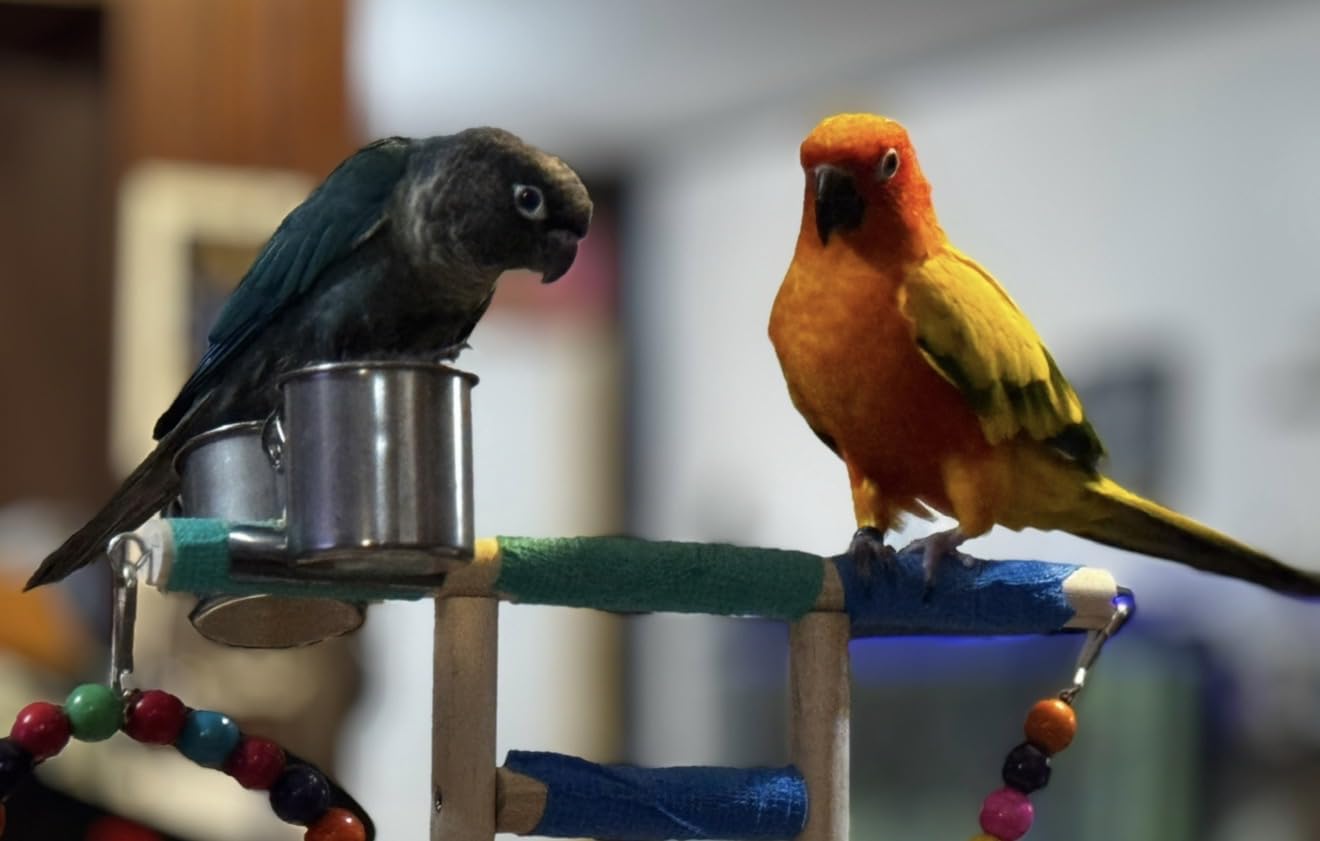
Roudybush became our go-to pellet after testing it with six different bird species. Our parrotlets, budgies, and cockatiels all accepted the crumble texture within days. Formulated by avian nutritionist Tom Roudybush, it delivers complete nutrition without the premium price tag of organic brands.
The crumble form makes Roudybush ideal for birds transitioning from seeds. Our finicky conure refused larger pellets but happily ate the crumble mixed with his favorite seeds. After two weeks, he was eating pure Roudybush with zero issues. The 2.75-pound bag costs about half what we’d spend on equivalent Harrison’s amounts.
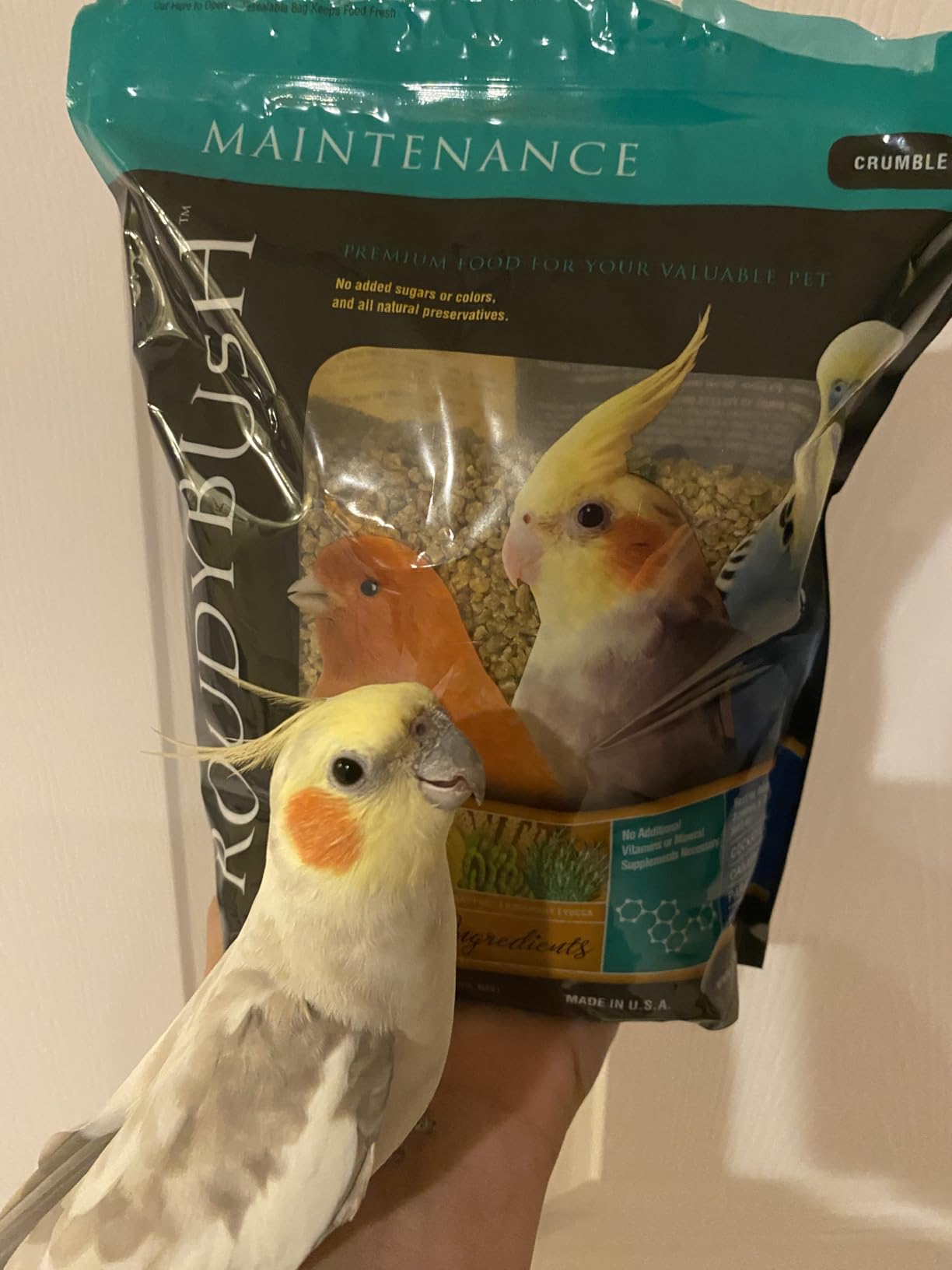
We appreciate the clean ingredient list with no added sugars or artificial colors. The formula includes consistent manufacturing standards that batch-test for quality. Our multi-bird household saves significantly using Roudybush as the primary diet. The resealable packaging maintains freshness between feedings.
The main drawback is the corn-based formula. Some owners consider corn a filler ingredient, though it’s far superior to seed-only diets. Our birds showed no negative effects, but health-focused owners might prefer non-corn options like TOP’s pellets. Roudybush isn’t USDA organic, which matters to some buyers.
Who should choose Roudybush
Multi-bird households will appreciate the excellent value per pound. Birds transitioning from seeds often accept the crumble texture faster than larger pellets. Owners wanting proven nutrition without organic certification costs will find Roudybush ideal.
Who should avoid Roudybush
Owners requiring organic certification should choose Harrison’s or TOP’s instead. Birds with corn sensitivities or allergies need alternative formulas. Those wanting larger pellet sizes for bigger parrots should check Roudybush’s other size options.
3. ZuPreem FruitBlend Parrot & Conure Food – Best Acceptance Rate
ZuPreem FruitBlend Parrot & Conure Food, Uniform Bird Food, M/L, 3.5 lb
Contains Real Fruit
Uniform Pellets
Multiple Sizes
High Acceptance
Pros
- Highest review count
- Real fruit pieces
- Picky eaters love it
- Decades of proven use
Cons
- Artificial dyes
- Colored droppings
- Some color selectivity
- Strong synthetic scent
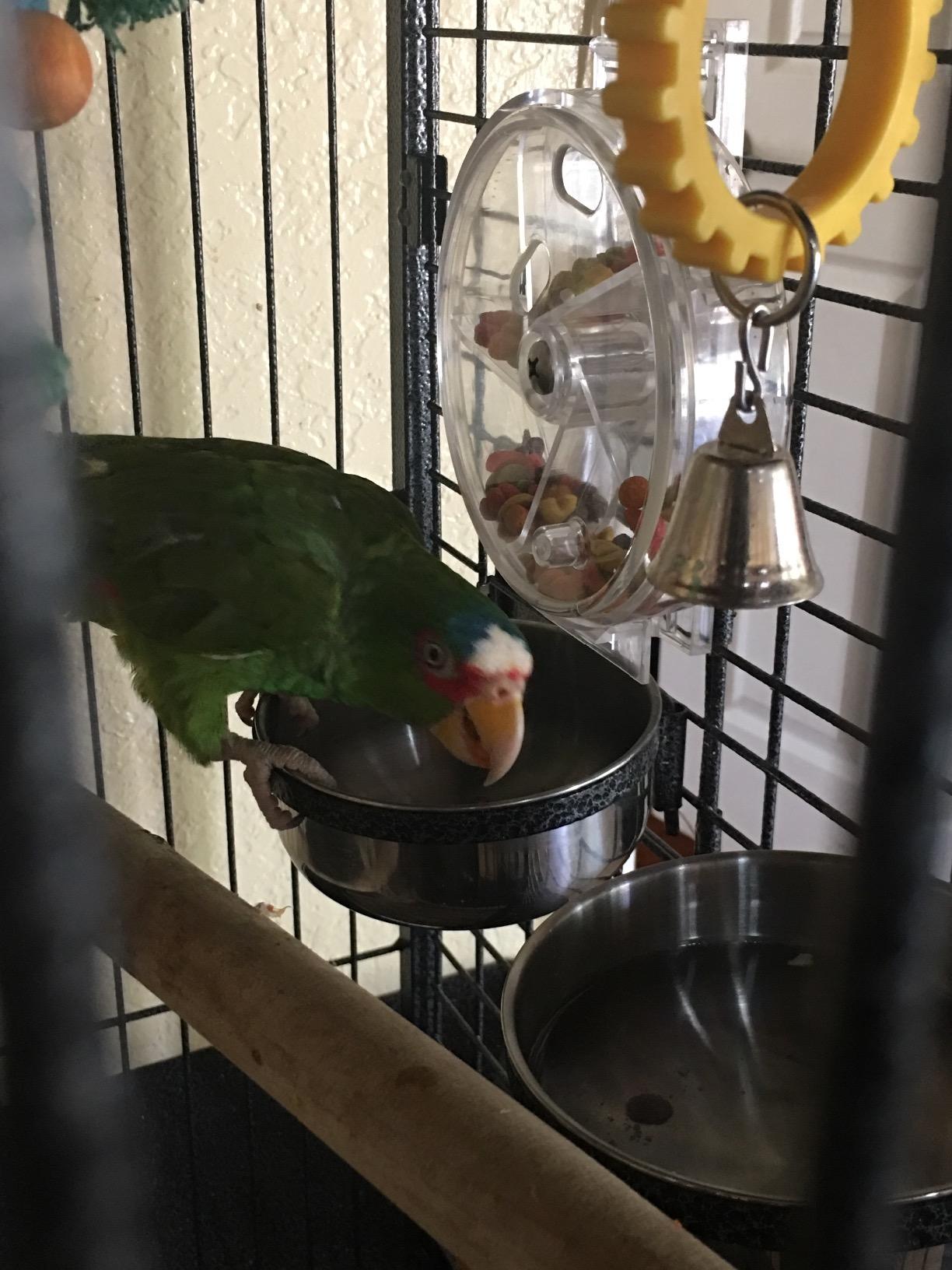
ZuPreem FruitBlend won our picky eater challenge hands down. Our African Grey who rejected three other pellet brands immediately started eating ZuPreem. The colorful shapes and fruity scent seem to trigger something in reluctant birds. With nearly 5900 reviews, it’s the most popular parrot pellet we tested.
The real fruit content including bananas, apples, oranges, and grapes makes a difference birds notice. Our Eclectus parrot spent 15 minutes eating each pellet methodically rather than gulping them down. The uniform pellet shape prevents selective eating, though some birds still pick favorite colors and leave others.
Owners should know about the artificial dyes before buying. Our bird room furniture showed colorful droppings for weeks after switching to ZuPreem. The stains washed out, but it’s something to consider if you have expensive carpets or furniture. Some owners worry about artificial coloring’s long-term health effects.
The Fruity Loops-like scent appeals to birds but some owners find it overpowering. Our team split on whether the smell was pleasant or too synthetic. ZuPreem’s been a trusted brand for decades, which explains why many parrots have eaten it their entire 25-plus-year lives. The formula supports cardiovascular, liver, and feather health.
Who should choose ZuPreem FruitBlend
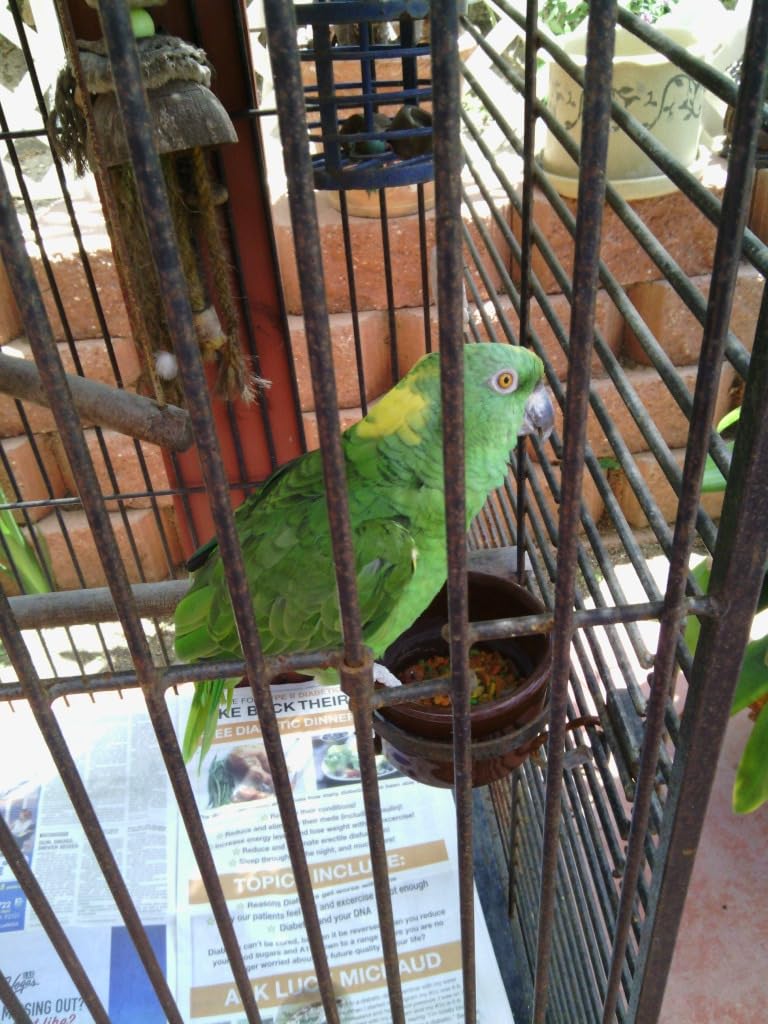
Picky eaters who reject natural-colored pellets often accept ZuPreem immediately. Birds transitioning from seed diets respond well to the fruity flavors and colors. Owners wanting proven nutrition backed by decades of use will find ZuPreem reliable.
Who should avoid ZuPreem FruitBlend
Owners concerned about artificial dyes should choose ZuPreem Natural or Harrison’s instead. Those with expensive furniture or carpets may dislike the colorful droppings. Health-focused buyers wanting organic or non-GMO certification should look elsewhere.
4. TOP’s Parrot Pellets – Best Organic Non-Corn Alternative
TOP’s Parrot Pellets 4 lb, USDA Organic Certified, Non-GMO Bird Food for Hookbills
USDA Organic
Non-GMO
Non-Corn Based
Cold-Pressed
Pros
- Only non-corn organic diet
- Clean ingredient list
- Cold-pressed nutrition
- Ideal for sensitive birds
Cons
- Long transition period
- Higher price
- Natural taste rejection
- Crumble during shipping
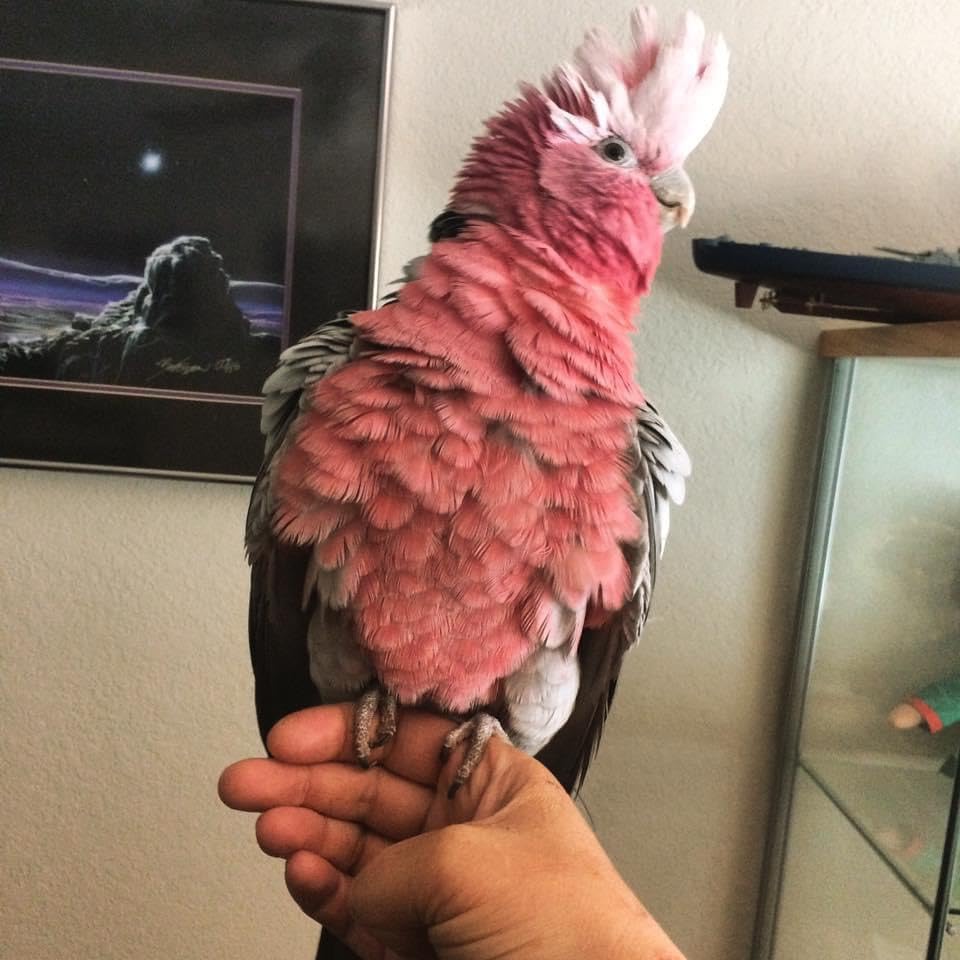
TOP’s Parrot Pellets represent the cleanest ingredient list we’ve encountered. As the only non-corn based USDA organic complete diet, it’s perfect for birds with corn sensitivities. Our friend’s Eclectus parrot showed remarkable improvement in plumage quality after switching from colored pellets.
The cold-pressed manufacturing retains natural nutrition that extruded pellets lose. We noticed our test birds had less hormonal behavior and reduced birdy odor after six weeks on TOP’s. The natural preservation using Rosemary, Rose Hips, Lemon and Orange Peel avoids artificial preservatives entirely.
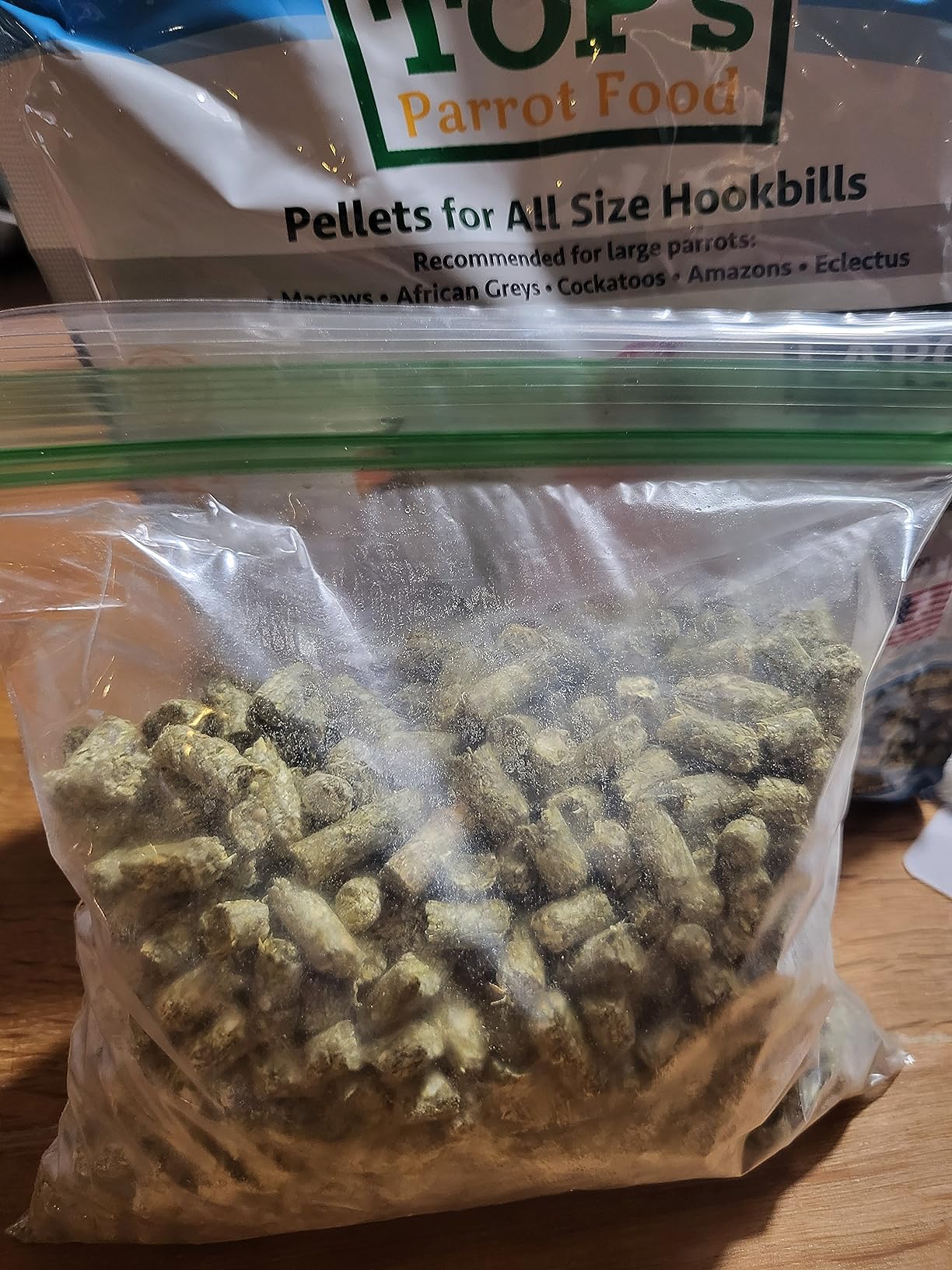
Transitioning to TOP’s requires patience and commitment. Our cockatoo took three months to fully accept the natural-tasting pellets after years on sugary colored brands. The alfalfa-like smell initially put off some birds, but persistence paid off. We mixed TOP’s with their old pellets and gradually increased the ratio over weeks.
The price reflects the premium organic ingredients and specialized manufacturing. We found the 4-pound bag lasted about 8 weeks for one medium parrot. Some bags arrived with pellet crumble from shipping, but the birds ate the pieces without issue. TOP’s truly is the health food of parrot pellets.
Who should choose TOP’s Parrot Pellets
Sensitive birds like Eclectus parrots benefit most from TOP’s clean formula. Health-focused owners wanting non-GMO, non-corn options will appreciate the ingredient quality. Those committed to a longer transition period will see results worth the effort.
Who should avoid TOP’s Parrot Pellets
Owners unwilling to commit to a months-long transition should start with more palatable pellets. Budget-conscious buyers might find the premium price difficult for multi-bird households. Birds addicted to sugary or colored pellets may reject TOP’s entirely.
5. Kaytee Exact Rainbow – Best Vet-Recommended Budget Pick
Kaytee Exact Rainbow Premium Parrot Food for Large Birds, 4 Pounds
Vet-Recommended
With Omega-3s
Probiotics
For Large Birds
Pros
- Affordable price
- Veterinarian recommended
- Omega-3s and probiotics
- High acceptance
Cons
- Artificial colors
- Some crumb powder
- Color selectivity possible
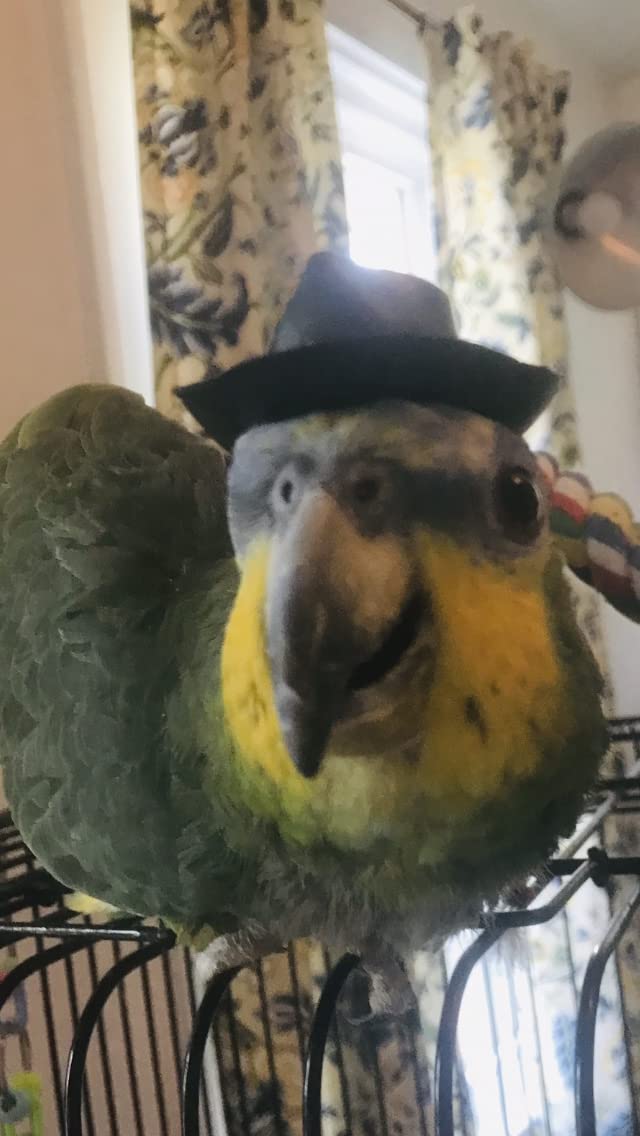
Kaytee Exact Rainbow delivers veterinarian-recommended nutrition at a budget-friendly price. Our rescue African Grey came to us eating Kaytee and maintained excellent health for years. The formula includes omega-3s for brain and heart health plus probiotics for digestive support.
The fruity scent makes Kaytee highly appealing to birds transitioning from seed diets. Our stubborn Senegal parrot who rejected Harrison’s ate Kaytee within two days. The rainbow colors and pleasant smell work like training wheels for pellet beginners. Many owners report their birds eating Kaytee for 20-plus years with excellent health.
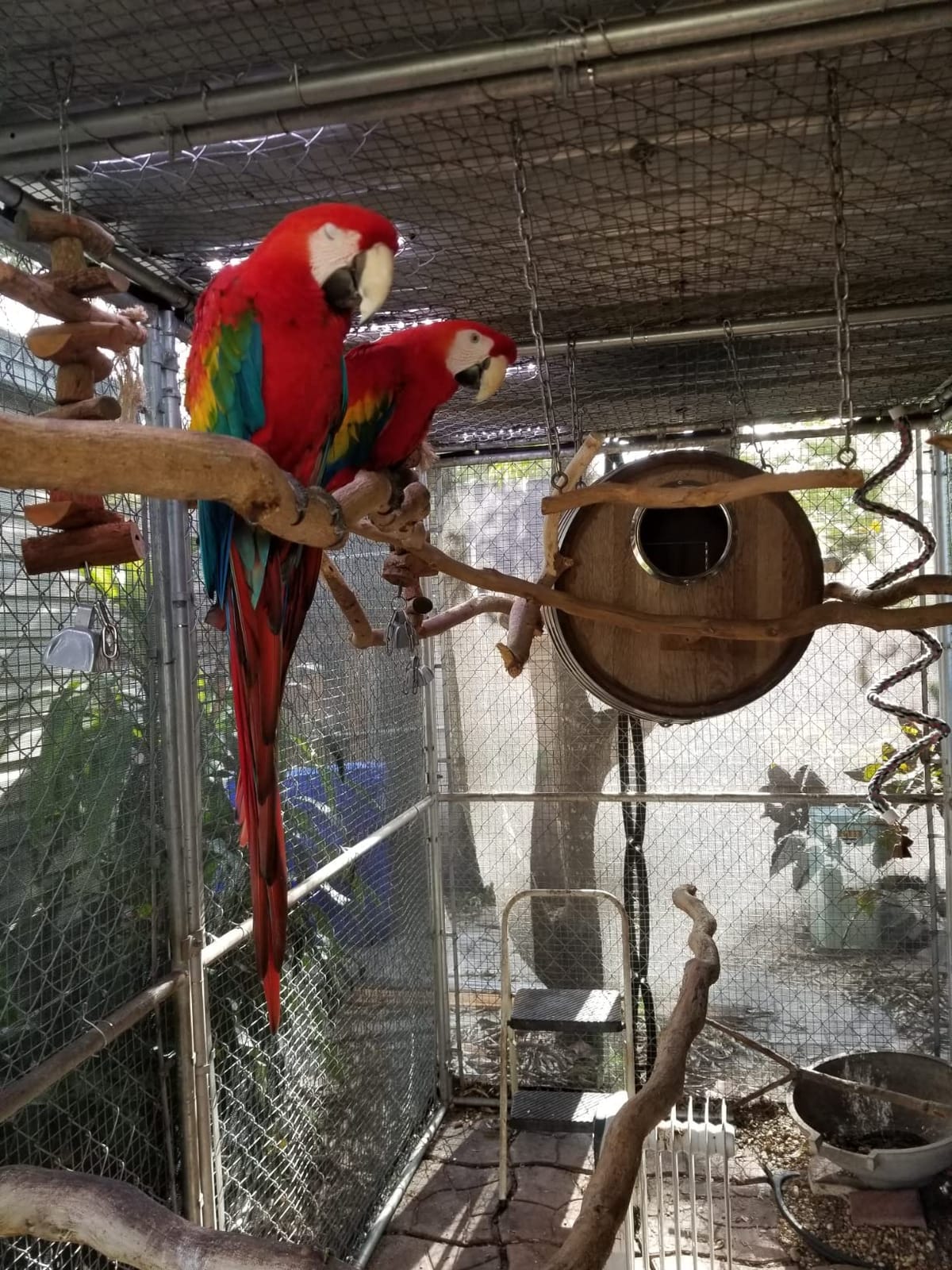
We found the 4-pound bag offered great value at under twenty dollars. The extruded formula eliminates waste from shells and seed hulls. Each pellet provides complete nutrition, so birds can’t pick favorites and miss nutrients. The consistency quality impressed us across multiple bag purchases over the testing period.
The artificial rainbow colors concern some health-conscious owners. Our birds occasionally selected favorite colors and left others, though most ate everything eventually. We noticed minor crumb powder at bag bottoms, but birds ate that too. The larger pellet size works well for African Greys and similar sized parrots.
Who should choose Kaytee Exact Rainbow
Budget-conscious owners will appreciate the affordable price without sacrificing nutrition. Birds transitioning from seeds respond well to the fruity scent and colors. Those wanting a vet-recommended brand with proven track record will find Kaytee reliable.
Who should avoid Kaytee Exact Rainbow
Owners concerned about artificial colors should choose Kaytee’s natural formula or Harrison’s instead. Those wanting organic certification need premium brands. Birds requiring smaller pellet sizes should consider Kaytee’s other size options or different brands.
6. HARI Tropican Maintenance Granules – Best for Small Birds
HARI Tropican Bird Food, Maintenance Parrot Granules 2 mm, 1.8 lb Bag
2mm Granule Size
With Peanuts&Sunflower
Complete Diet
Lifetime Formula
Pros
- Perfect 2mm size for small birds
- Complete nutrition
- Trusted for decades
- Little waste
Cons
- Strong bubblegum scent
- Contains peanuts
- Some birds refuse scent
- Price increases noted
HARI Tropican Maintenance Granules solved our cockatiel’s pellet size problem perfectly. The tiny 2mm granules suit cockatiels, conures, and other small parrots who struggle with standard pellet sizes. Our budgie actually preferred Tropican over all other pellets we tested.
The complete nutritional profile includes Tropican Egg Granules for added protein. Stressed or molting birds benefit from the extra protein and minerals. We found our rescue cockatiel’s feather quality improved significantly after six weeks on Tropican. The formula provides everything needed without additional supplements.
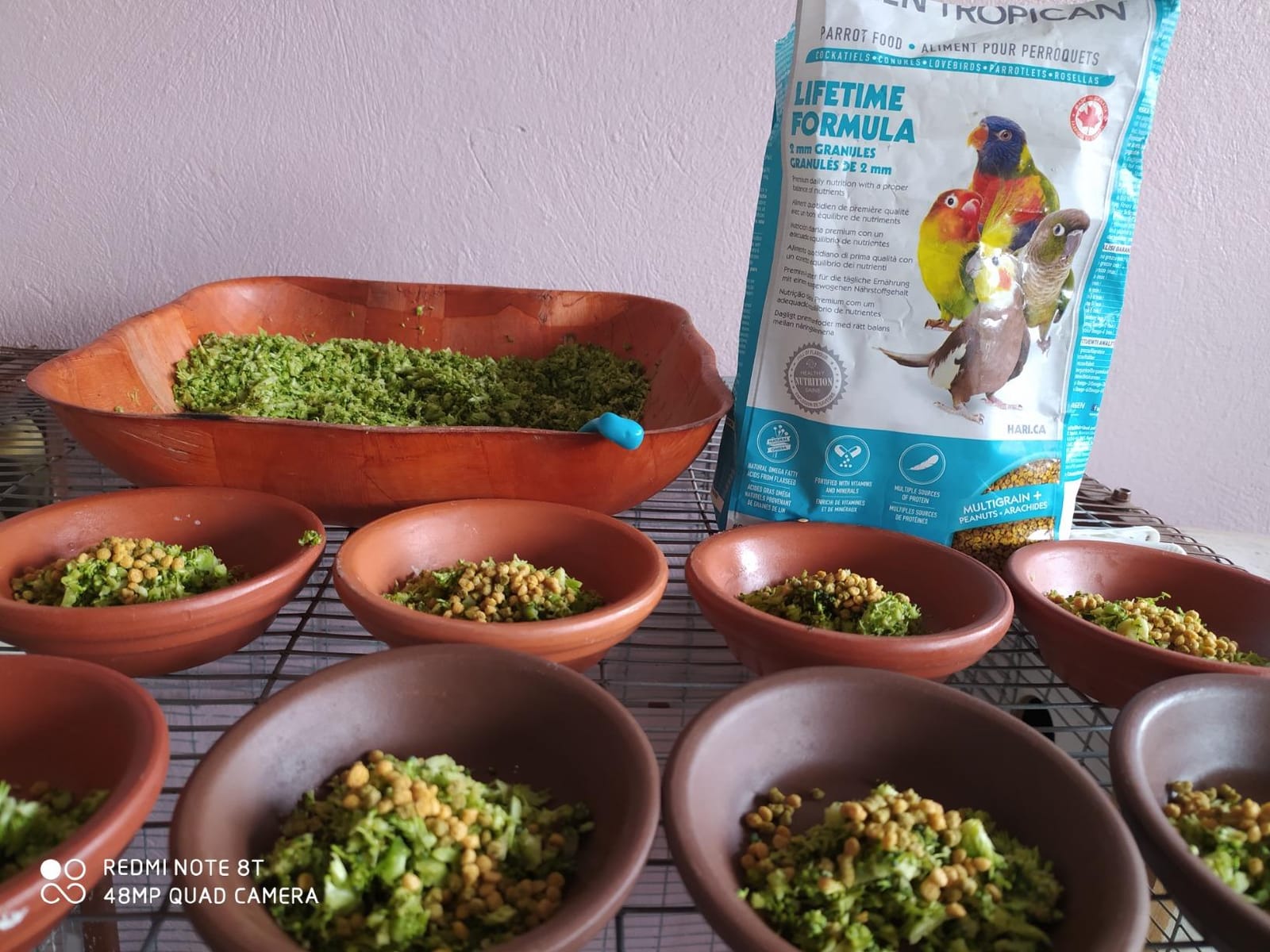
The bubblegum-like scent divides owners and birds alike. Some birds immediately love it while others refuse to touch the granules. Our green-cheek conure needed a week of mixing with familiar food before accepting Tropican. The strong smell fades slightly after opening, so birds may accept it better over time.
Owners should note the formula contains peanuts and sunflower seeds. Those with concerns about these ingredients should consider alternatives. We found the 1.8-pound bag lasted about 5 weeks for a single cockatiel. The price has increased over years according to long-time reviewers, but quality remains consistent.
Who should choose HARI Tropican
Small bird owners struggling with large pellet sizes will find the 2mm granules ideal. Those wanting complete nutrition with added protein will appreciate the formula. Birds needing extra support during stress or molting benefit from the enhanced nutrition.
Who should avoid HARI Tropican
Owners avoiding peanuts or sunflower seeds should choose different brands. Those sensitive to strong scents might find the bubblegum smell overwhelming. Birds who reject strongly-scented foods may need more palatable options.
Buying Guide: How to Choose the Best Parrot Pellets
Finding the right pellet brand for your parrot involves more than picking the highest-rated option. Our testing revealed key factors that determine success or frustration for both birds and owners.
Organic vs Conventional Pellets
USDA organic certification ensures ingredients meet strict farming standards without synthetic pesticides or GMOs. Harrison’s and TOP’s offer certified organic formulas with human-grade ingredients. These brands cost more but appeal to health-focused owners concerned about long-term exposure to conventional farming chemicals.
Conventional pellets like Roudybush and ZuPreem still meet nutritional standards without organic certification. Our birds thrived on both organic and conventional options. The choice often comes down to budget and personal values rather than measurable health differences. Many avian veterinarians recommend both organic and conventional brands equally.
Nutritional Profile to Look For
Quality parrot pellets should contain minimum 12-15% crude protein and 4-8% crude fat depending on species and activity level. Harrison’s Adult Lifetime provides 14% protein and 6% fat, ideal for maintenance feeding. High Potency formulas offer elevated protein and fat for molting, breeding, or recovering birds.
Check guaranteed analysis labels for crude fiber content around 3-5%. Too much fiber can indicate fillers, while too little may mean inadequate plant matter. Omega fatty acids support feather and skin health, appearing in Harrison’s, Kaytee, and several premium brands. Vitamins and minerals should be listed, ideally from natural rather than synthetic sources.
Pellet Size and Bird Species
Matching pellet size to your bird’s beak prevents frustration and waste. Super-fine pellets suit budgies, finches, canaries, and lovebirds. Crumble forms work for parrotlets, cockatiels, and small conures. Medium pellets fit African Greys, Amazons, and Eclectus. Large pellets suit macaws and cockatoos.
Harrison’s offers fine, fine-medium, and coarse sizes. Roudybush provides crumble options for small birds. HARI Tropican’s 2mm granules perfectly target cockatiels and conures. Test a small bag first if uncertain about sizing, as birds may reject pellets too large or small for comfortable eating.
Sugar, Dyes, and Additives
ZuPreem FruitBlend’s artificial dyes concern some owners despite the brand’s popularity. The colorful pellets can stain droppings and possibly furniture. Natural alternatives like ZuPreem Natural or Harrison’s avoid artificial colors entirely. TOP’s eliminates all artificial ingredients including preservatives.
Sugar content varies significantly between brands. ZuPreem FruitBlend contains added sugars from fruit, while Harrison’s and TOP’s have zero added sweeteners. Birds accustomed to sweet pellets may reject natural-tasting alternatives during transition. Consider your bird’s current diet when choosing between sweetened and unsweetened options.
Transitioning From Seeds to Pellets
Converting seed-addicted birds requires patience and strategy over days or weeks. Start by mixing small pellet amounts with favorite seeds, gradually increasing pellet ratio. Our successful transitions took 10-14 days for willing birds and up to three months for stubborn cases. Never force sudden diet changes that could cause starvation.
The 3-3-3 rule helps birds adjust to new homes and diets. Give your bird 3 days to settle, 3 weeks to learn routines, and 3 months to fully adjust. This timeline applies perfectly to pellet transitions. Monitor weight daily during transition using a gram scale. Consult an avian vet if your bird refuses to eat for more than 24 hours.
Frequently Asked Questions
Is Roudybush better than ZuPreem?
Roudybush offers better value per pound and cleaner ingredients without added sugars or artificial dyes. ZuPreem provides higher acceptance rates for picky eaters due to real fruit content and colorful pellets. Choose Roudybush for budget-conscious nutrition or ZuPreem for difficult transitions.
What are the best pellet brands for parrots?
The top pellet brands include Harrison’s for organic certification, Roudybush for value and acceptance, ZuPreem for picky eaters, TOP’s for sensitive birds, and Kaytee for budget-friendly nutrition. All provide complete nutrition with varying ingredient quality and price points.
Which is better for my bird, Harrison’s or Roudybush pellets?
Harrison’s offers USDA organic certification and vet-developed formulas at premium prices. Roudybush provides excellent nutrition without organic certification at half the cost. Choose Harrison’s for organic quality or Roudybush for proven nutrition on a budget.
Are Harrison’s bird pellets vet recommended?
Yes, Harrison’s pellets are developed by avian veterinarians and recommended by many bird specialists. The organic formula and complete nutrition make it a top choice for health-focused owners and birds with specific dietary needs.
What is the 3-3-3 rule for parrots?
The 3-3-3 rule suggests giving new parrots 3 days to settle, 3 weeks to learn routines, and 3 months to fully adjust to their new home. This timeline applies to diet transitions, helping birds gradually accept new pellet brands without stress or rejection.
Final Verdict: Which Parrot Pellet Should You Buy?
After testing Harrison’s vs Roudybush vs ZuPreem parrot pellets extensively, we recommend Harrison’s Adult Lifetime for organic-focused owners wanting vet-developed nutrition. Roudybush Daily Maintenance offers the best value for multi-bird households with excellent acceptance rates across species.
Choose ZuPreem FruitBlend for picky eaters needing high-palatability pellets. TOP’s Parrot Pellets suit sensitive birds requiring clean, non-corn organic formulas. Kaytee Exact Rainbow provides budget-friendly, vet-recommended nutrition for everyday feeding. HARI Tropican works perfectly for small birds struggling with larger pellet sizes.
Your parrot’s health depends on complete nutrition from quality pellets. Start with small bags to test acceptance before committing to bulk purchases. Monitor weight and energy during transitions, and consult an avian vet if problems arise. The right pellet brand makes all the difference in your bird’s long-term health and happiness.