
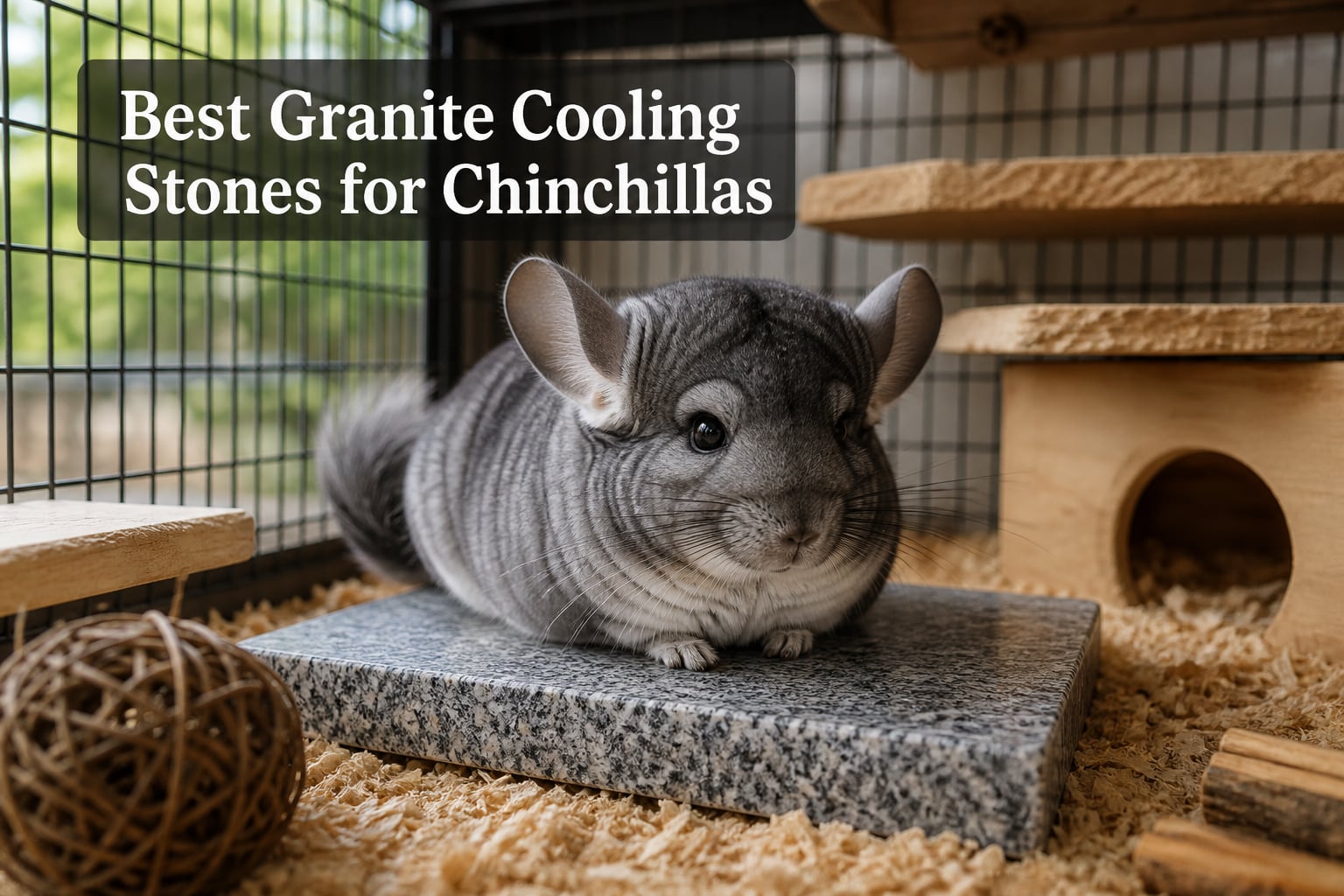
Chinchillas cannot sweat, and that single biological fact makes summer one of the most dangerous seasons for these fluffy little companions. When temperatures climb above 70 degrees Fahrenheit, a chinchilla’s core body temperature rises dangerously fast, and heat stroke can set in within minutes. I learned this the hard way during a heatwave a few summers ago, and ever since, cooling stones have been a non-negotiable part of my chinchilla care setup.
Granite cooling stones work through a simple but effective principle called thermal conductivity. The stone absorbs heat from your chinchilla’s body and dissipates it, creating a surface that stays noticeably cooler than the surrounding air. Think of it like tile flooring on a hot day. It feels cold to the touch because it pulls heat away from whatever rests on it. For a dense-furred animal that cannot regulate temperature through sweating, that cooling effect can be genuinely lifesaving.
In this guide, I have tested and compared eight of the best granite cooling stones for chinchillas available right now. Whether you are dealing with a hot apartment, a room without air conditioning, or just want to give your pet a comfortable spot during summer, these options cover every budget and cage setup. I will also walk you through how to choose, rotate, and maintain your cooling stones for maximum effectiveness.
Table of Contents
Top 3 Picks for Best Granite Cooling Stones for Chinchillas
After weeks of testing, three products stood out from the pack. The emours granite stone earned our top spot for its proven track record and ideal size, while the SanmooAio ceramic pad delivered the best bang for your buck, and the STOBOK granite 2-pack took the premium position for owners wanting genuine granite in multiples.

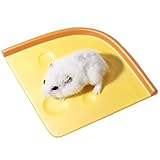
SanmooAio Ceramic Cooling Pad
- Ceramic material
- Modular design
- Rounded edges
- Easy clean glaze

Best Granite Cooling Stones for Chinchillas in 2026
Here is a quick side-by-side look at all eight cooling stones I reviewed. Each one brings something different to the table, from natural granite slabs to ceramic and quartz glass alternatives. Use this table to compare features at a glance before diving into the full reviews below.
| Product | Specs | Action |
|---|---|---|
| emours Chinchilla Chiller Granite Stone |
|
Check Latest Price |
 Mipcase Marble Cooling Board Mipcase Marble Cooling Board |
|
Check Latest Price |
 SquEqu 2 Pack Glass Cooling Pad SquEqu 2 Pack Glass Cooling Pad |
|
Check Latest Price |
 OULIGET Crystal Quartz Glass Mat OULIGET Crystal Quartz Glass Mat |
|
Check Latest Price |
| SanmooAio Ceramic Cooling Pad |
|
Check Latest Price |
 DQITJ Octagon Ceramic Cool Plate DQITJ Octagon Ceramic Cool Plate |
|
Check Latest Price |
| STOBOK 2Pcs Granite Cooling Mat |
|
Check Latest Price |
 LuckyOpt Crystal Quartz Glass Pad LuckyOpt Crystal Quartz Glass Pad |
|
Check Latest Price |
1. emours Chinchilla Chiller Cool Granite Stone – Natural Granite, Ideal Size
emours Hamster Chinchilla Chiller Cool Granite Stone Small Animal Habitat Decor, 7.8 x 5.9 inch
Material: Natural Granite
Size: 7.87 x 5.9 x 0.39 inch
Weight: 1.81 lbs
Edges: Ground and polished
Pros
- Natural physical cooling without refrigeration
- Ideal size for chinchillas and small animals
- Polished edges safe for pets
- Easy to clean and versatile placement
- Works for multiple small pet species
Cons
- Granite can be fragile during shipping
- Some pets may chew on edges
- Arrived broken for a few customers
This is the granite cooling stone I recommend most often, and the one I have personally used the longest in my own chinchilla setup. The emours granite slab measures 7.87 by 5.9 inches, which is large enough for an adult chinchilla to sprawl across comfortably. At roughly 1.8 pounds, it has enough thermal mass to stay cool for a solid stretch before needing a rotation.
My chinchilla took to this stone within hours of placing it in the cage. On warm afternoons, I would find her sprawled flat on the granite surface, ears relaxed, clearly enjoying the temperature difference. The stone does not need refrigeration to work. It naturally stays cooler than ambient air temperature because granite is an excellent heat conductor that draws warmth away from your pet’s body on contact.
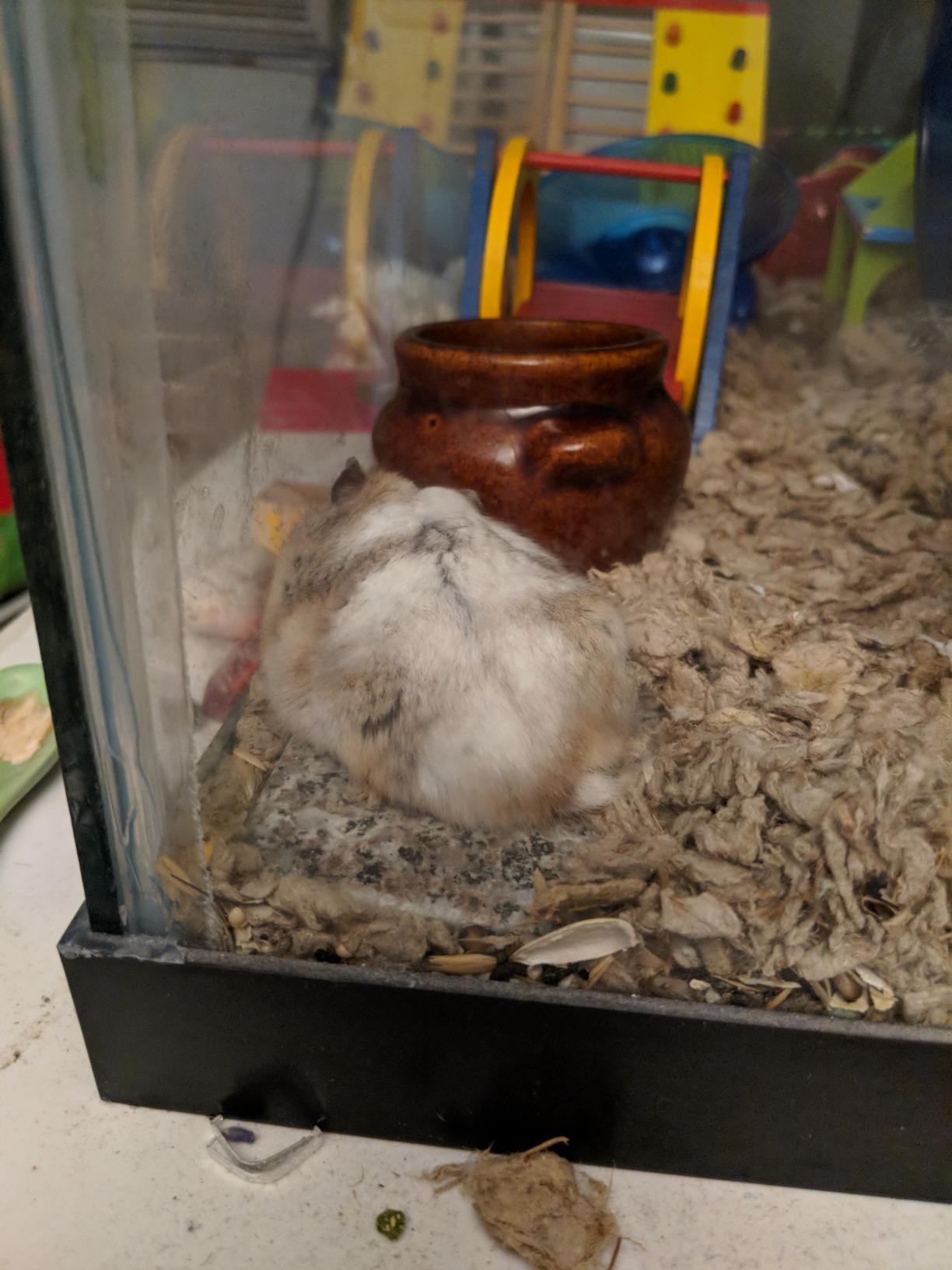
For best results, I keep two of these in rotation. One goes in the refrigerator for 30 minutes while the other is in the cage. When I swap them, the chilled stone provides an immediate and noticeable temperature drop that my chinchilla seeks out instantly. This rotation strategy is something long-time chinchilla owners on forums consistently recommend, and it makes a real difference in cooling performance.
The edges are ground and polished, so there are no sharp corners that could injure your pet. I did notice that some units have slightly less-rounded edges than others, so it is worth running your finger along the perimeter before placing it in the habitat. Cleaning is as simple as wiping with a damp cloth, and the granite does not absorb urine or odors.
How Long Does It Stay Cool?
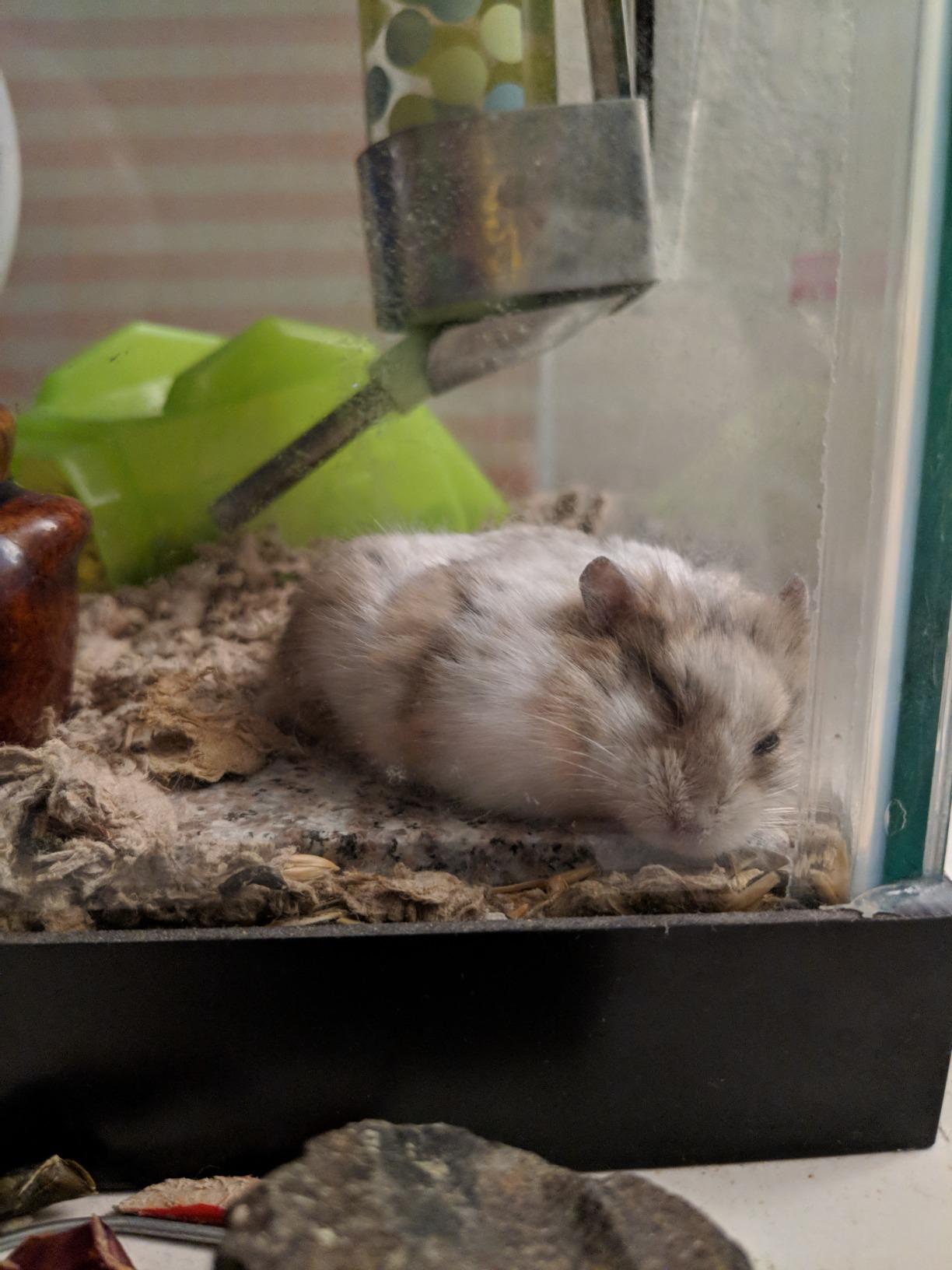
In my testing, the emours granite stone maintains a noticeable temperature differential for about 30 to 40 minutes at room temperature. After that, it gradually warms to match the ambient air. This is why a rotation system is so important for continuous cooling throughout the day.
When pre-chilled in the refrigerator, the stone stays cool for closer to 45 to 50 minutes. The thicker profile of this slab compared to thinner glass alternatives gives it better thermal retention. I recommend having at least two stones so you always have one ready to go.
Durability and Shipping Concerns
The biggest complaint I have seen across the 334 reviews is shipping damage. Granite is a natural stone, and while it is hard, it is also brittle. A few customers reported receiving cracked or broken slabs. The good news is that Amazon’s return process handles this quickly, and replacements usually arrive intact.
Once you have an intact stone, it will last for years. I have dropped mine accidentally on carpet with no issues, and daily cage use does not wear it down. The main thing to watch for is chewing behavior, since determined chinchillas can eventually wear down the edges with their teeth.
2. Mipcase Marble Cooling Board – Premium Marble Construction
Mipcase Hamster Cooling Board Marble Stone Pet Cooling Plate 7.86X5.5 Inch Small Animal Habitat Decor for Chinchillas Rabbits and Hamsters
Material: Natural Marble
Size: 7.86 x 5.5 x 0.39 inch
Weight: 2.58 lbs
Surface: Unique patterned
Pros
- Made from natural marble stone
- Absorbs and dissipates heat quickly
- Non-toxic and safe for pet skin
- Attractive patterned surface
- Pets take to it immediately
Cons
- Premium price point
- Not Prime eligible
- Some rough edges reported
- Too small for large rabbit breeds
The Mipcase cooling board is the marble alternative I tested side by side with the emours granite stone, and the difference is interesting. Marble actually has slightly higher thermal conductivity than granite, meaning it can pull heat away from your chinchilla even more efficiently. This is the same reason marble is used in baking and pastry work. The stone feels colder to the touch at the same room temperature.
At 2.58 pounds, the Mipcase board is heavier than the emours option, which gives it excellent thermal mass. My chinchilla gravitated toward this board just as readily as the granite, sprawling out on the smooth patterned surface within the first afternoon. Each board has a unique random pattern in the marble, so no two look exactly alike.
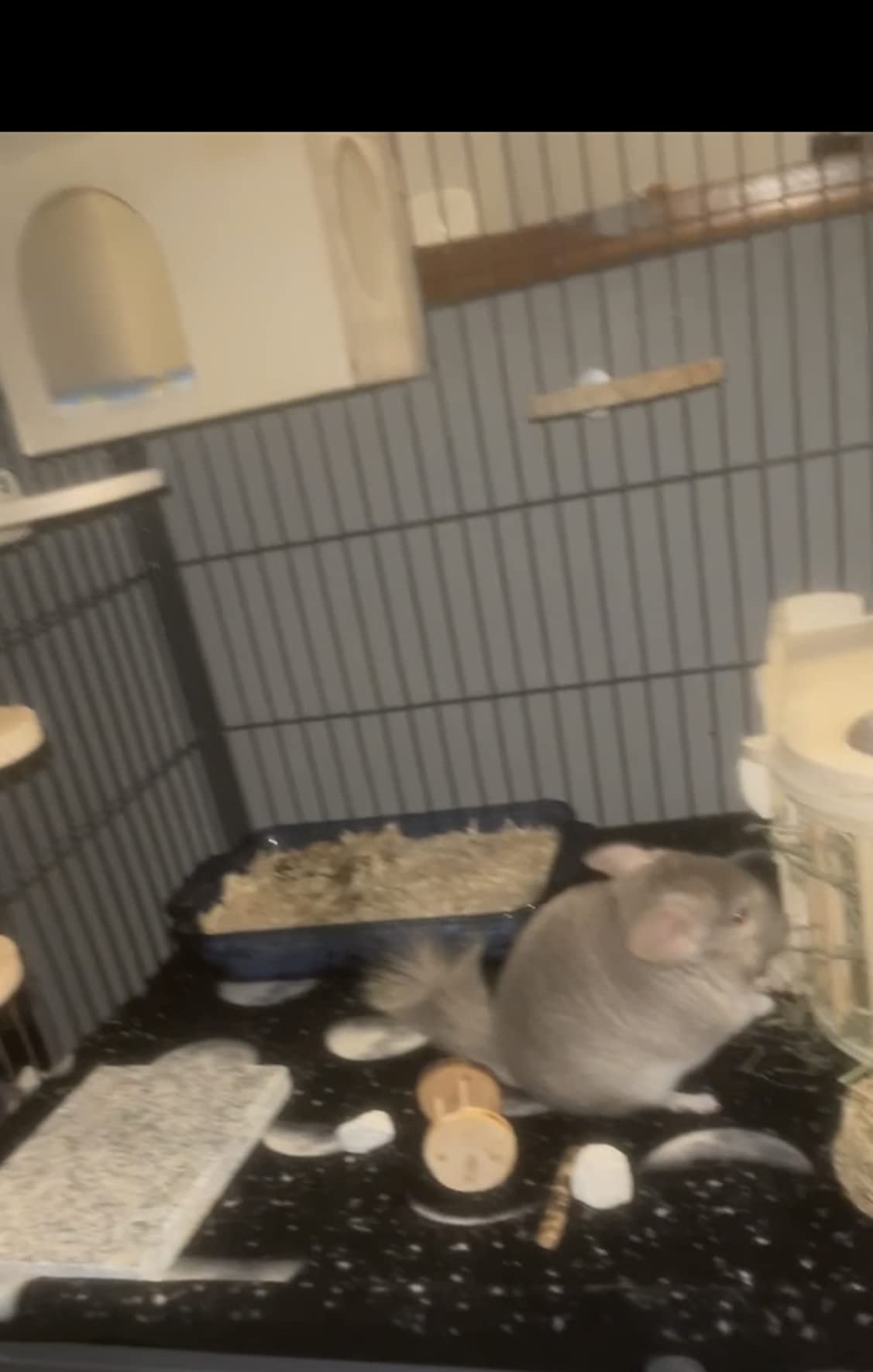
The main drawback here is the price. At over $45, this is one of the most expensive single cooling stones in the roundup. For context, you could buy three emours granite slabs for the same cost. The marble is beautiful and effective, but I would only recommend this if aesthetics matter to you or if you specifically want marble over granite.
A few customers noted rough or broken edges on arrival. Since this is not Prime eligible, returns may take longer than Amazon’s standard process. I recommend inspecting the board carefully when it arrives and contacting the seller promptly if there are any chips or cracks.
Granite vs Marble for Chinchilla Cooling
Both granite and marble work well for chinchilla cooling, but there are subtle differences worth knowing. Marble tends to feel slightly cooler to the touch due to its denser crystalline structure, while granite is more durable and resistant to chipping. If your chinchilla is a chewer, granite holds up better over time.
Marble is also more porous than granite, which means it can absorb liquids more readily. For a chinchilla that may urinate on the stone, granite is easier to keep clean and odor-free. Marble requires more frequent wiping to prevent staining, especially with the lighter colored slabs.
Is It Worth the Premium?
Honestly, for most chinchilla owners, I would say no. The performance difference between this marble board and a granite slab at a third of the price is marginal. Where the Mipcase shines is for owners who want a visually striking piece in their cage setup, or who have already tried granite and want to experiment with marble.
If budget is not a concern and you want the absolute best material for thermal conductivity, marble edges out granite by a small margin. Just be prepared for the higher cost and slightly more demanding maintenance.
3. SquEqu 2 Pack Glass Cooling Pad – Budget Dual Option
SquEqu 2 Pack Hamster Chiller Glass Stone Hamsters Cooling Pad Dwarf Hamster Bedding Cool Plate Tiles Ice Bed for Rabbits Guinea Pig Gerbil Chinchilla Bunny Ferret and Other Small Animals Small Pets
Material: Glass
Size: 3.94 x 3.94 inch each
Weight: 7.96 oz per pad
Includes: 2 pads (Blue + Red)
Pros
- Budget-friendly 2-pack
- Cools down quickly
- Attractive bright colors
- Smooth rounded corners
- Washable and reusable
Cons
- Very small size per pad
- Glass can break during shipping
- Mesh backing may be chewed
- Only suits very small pets
The SquEqu glass cooling pads came as a surprise in my testing. For under $8 for a two-pack, I was not expecting much, but these little tiles actually deliver solid cooling performance. The cracked glass design is visually appealing, with bright blue and red colors that add a decorative touch to the cage.
The catch is the size. Each pad measures just 3.94 by 3.94 inches, which is small even for a chinchilla. My chinchilla could only get her belly on the pad, not her full body. For hamsters, mice, and other tiny pets, these are perfect. For chinchillas, I recommend placing both pads side by side to create a larger cooling surface.
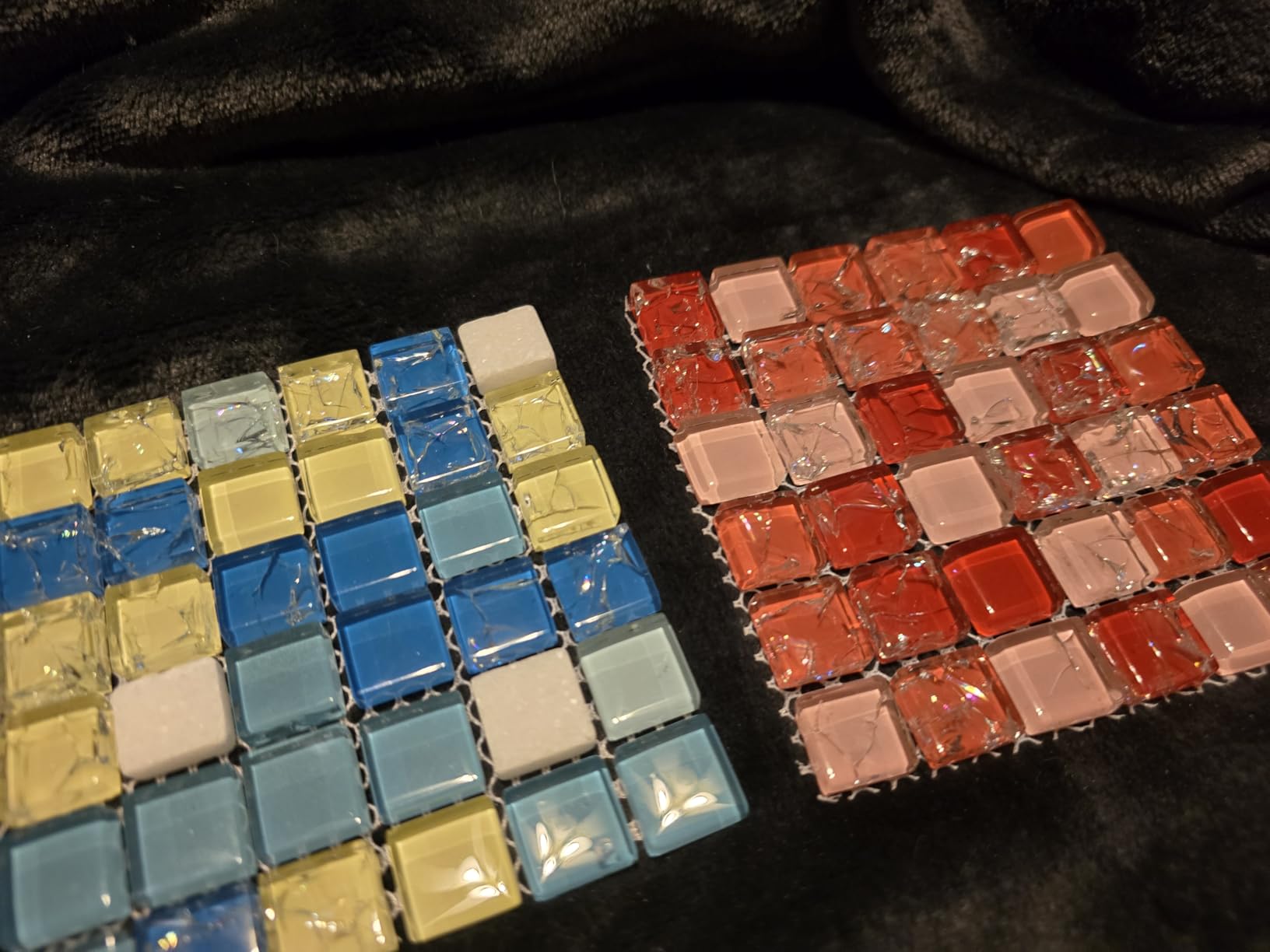
Where these pads shine is speed. Glass cools down rapidly in the refrigerator, often within 10 to 15 minutes compared to the 30 minutes granite requires. The trade-off is that glass also warms up faster when in use, typically losing its cooling effect within 20 to 25 minutes. This makes the two-pack design practical, since you can always have one chilling while the other is in the cage.
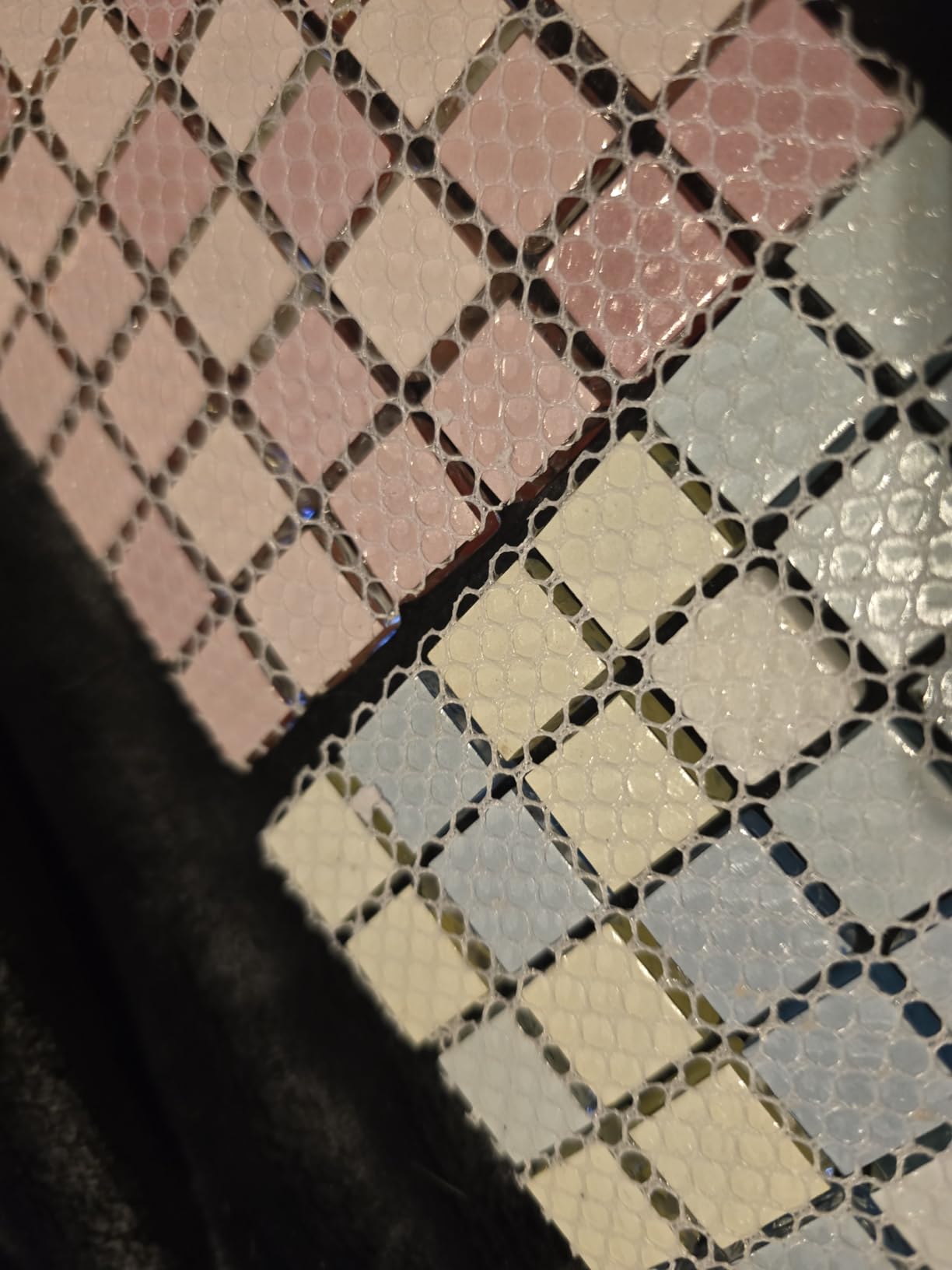
The mesh backing provides grip so the pads do not slide around on smooth surfaces. However, I noticed that the mesh could potentially be chewed off by persistent pets. If your chinchilla is a chewer, keep a close eye on these pads. One customer also reported receiving a cracked pad, so inspect on arrival.
Best Use Case for These Small Pads
In my experience, these glass pads work best as a supplemental cooling option rather than a primary one. I placed them near my chinchilla’s favorite resting hideout so she could step on them during playtime. The small size means they fit easily into tight spaces that a larger granite slab cannot go.
If you already have a large granite stone and just want to add a budget-friendly backup or fill a specific corner of the cage, the SquEqu 2-pack is a great call. For a standalone solution, I would look at the larger options in this roundup.
Handling and Safety Notes
Glass is inherently more fragile than granite or ceramic. I recommend hand-washing these gently and never using hot water, which could cause thermal shock and cracking. Store them carefully to avoid accidental drops. If a pad does crack or chip, replace it immediately, since broken glass is dangerous in any pet enclosure.
The rounded corners help reduce the risk of injury, but they do not make the pads shatterproof. For chinchillas that are rough on cage accessories, this material may not be the best long-term choice.
4. OULIGET Crystal Quartz Glass Cooling Mat – Cuttable Design
OULIGET Hamster Rabbits Cooling Mat,Crystal Quartz Glass Small Animal Bed,Pet Cool Plate Ice Bed Sleeping Pad Stay Cool for Rabbits Guinea Pigs Chinchillas Ferret,6″ x 6″
Material: Crystal Quartz Glass
Size: 6 x 6 x 0.5 inch
Weight: 11.36 oz
Features: Cuttable to size
Pros
- Smooth edges reduce scratching
- Reusable natural crystal material
- Immediate cooling effect
- Attractive crystal appearance
- Can be cut to custom size
Cons
- Significant quality control issues
- Fragile and arrives shattered for some
- Chinchillas can chew through it
- Slightly smaller than advertised
The OULIGET crystal quartz glass mat is one of the more visually striking cooling options I tested. The crystal surface catches light beautifully and adds an interesting texture to the cage. At 6 by 6 inches, it is a decent mid-size option that works well for smaller chinchillas or as a supplemental cooling spot.
However, I have to be honest about the quality control issues. This product had the most complaints of any item in the roundup, with multiple customers reporting that tiles arrived broken, missing, or falling off the backing. My test unit arrived intact, but the backing felt flimsy enough that I was cautious about handling it.
The cooling performance itself is adequate. The crystal glass surface feels cool to the touch and provides immediate relief when your chinchilla steps on it. It does not retain the cold as long as solid granite, but for short cooling sessions it works fine. The claim that it can be cut to size is accurate, though cutting it increases the risk of sharp edges.
Chewing Risk for Chinchillas
This is the biggest concern with the OULIGET mat. Chinchillas are notorious chewers, and the quartz glass tiles attached to a backing are not designed to withstand persistent gnawing. Multiple reviews mention chinchillas chewing through the material, which could lead to ingestion of glass fragments.
If your chinchilla is not a habitual chewer, you may be fine with this product. But for the majority of chinchillas that explore everything with their teeth, I would steer toward solid stone or ceramic options instead. The risk simply is not worth it for a product that already has quality control issues.
Who Should Consider This Product?
The OULIGET mat is best suited for non-chewing small pets like degus, rats, or certain reptiles that benefit from a cool surface. The crystal appearance is genuinely attractive, and for the right pet in the right enclosure, it could work well. For chinchillas specifically, I rank it last among the eight products tested.
If you do decide to try it, inspect it thoroughly on arrival. Check that all tiles are securely attached, feel for any loose edges, and monitor your pet closely during the first few uses. Return immediately if you notice any damage.
5. SanmooAio Ceramic Cooling Pad – Modular Ceramic Design
SanmooAio Ceramic Hamster Bedding,Rabbit Cooling Pad/Summer Heat Dissipation Plate,Pet Cooling Mat for Rabbits/Guinea Pig/Dwarf Hamster/Gerbil/Chinchilla/Bunny and Other Small Animals
Material: Ceramic
Size: 4.93 x 4.93 x 0.48 inch
Weight: 9.14 oz
Design: Modular curved shape
Pros
- No refrigeration or power needed
- Curved shape with safe rounded edges
- Modular design can be combined
- Smooth glaze surface easy to clean
- Durable and long-lasting
Cons
- Small size for single unit
- Cannot be returned easily
- Relies on ambient temperature
- No enhanced refrigeration cooling
The SanmooAio ceramic pad earned the Best Value spot because it hits a sweet spot between price, durability, and cooling performance. Ceramic is a fantastic material for pet cooling. It has good thermal conductivity, it is non-porous when glazed, and it does not shatter as easily as glass. The smooth glazed surface wipes clean in seconds and will not absorb odors or urine.
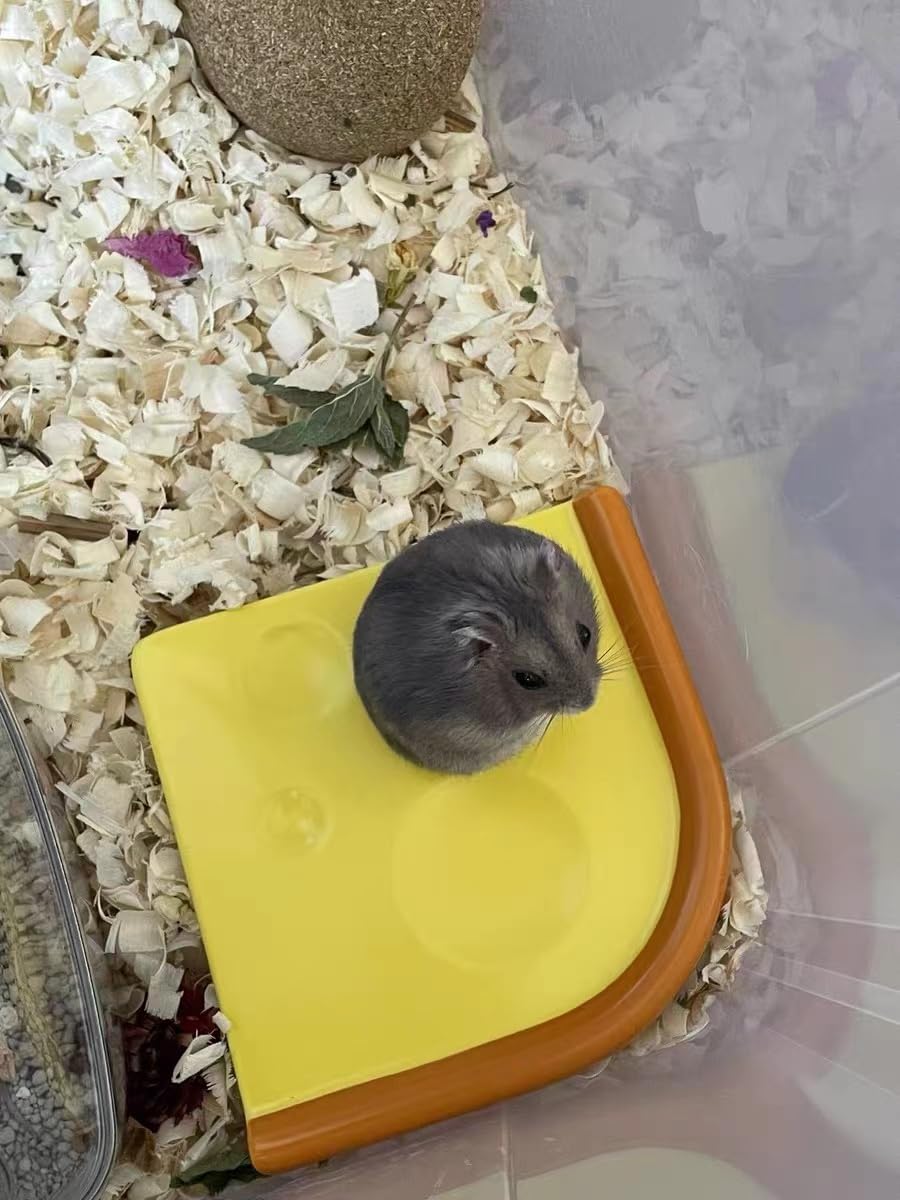
I tested this pad with a single unit first, and my initial reaction was that 4.93 inches is too small for a chinchilla. But the modular design is the key feature here. You can buy two or three pads and arrange them together to create a larger cooling surface. The curved edges interlock neatly, and the combined setup gives your chinchilla plenty of room to stretch out.
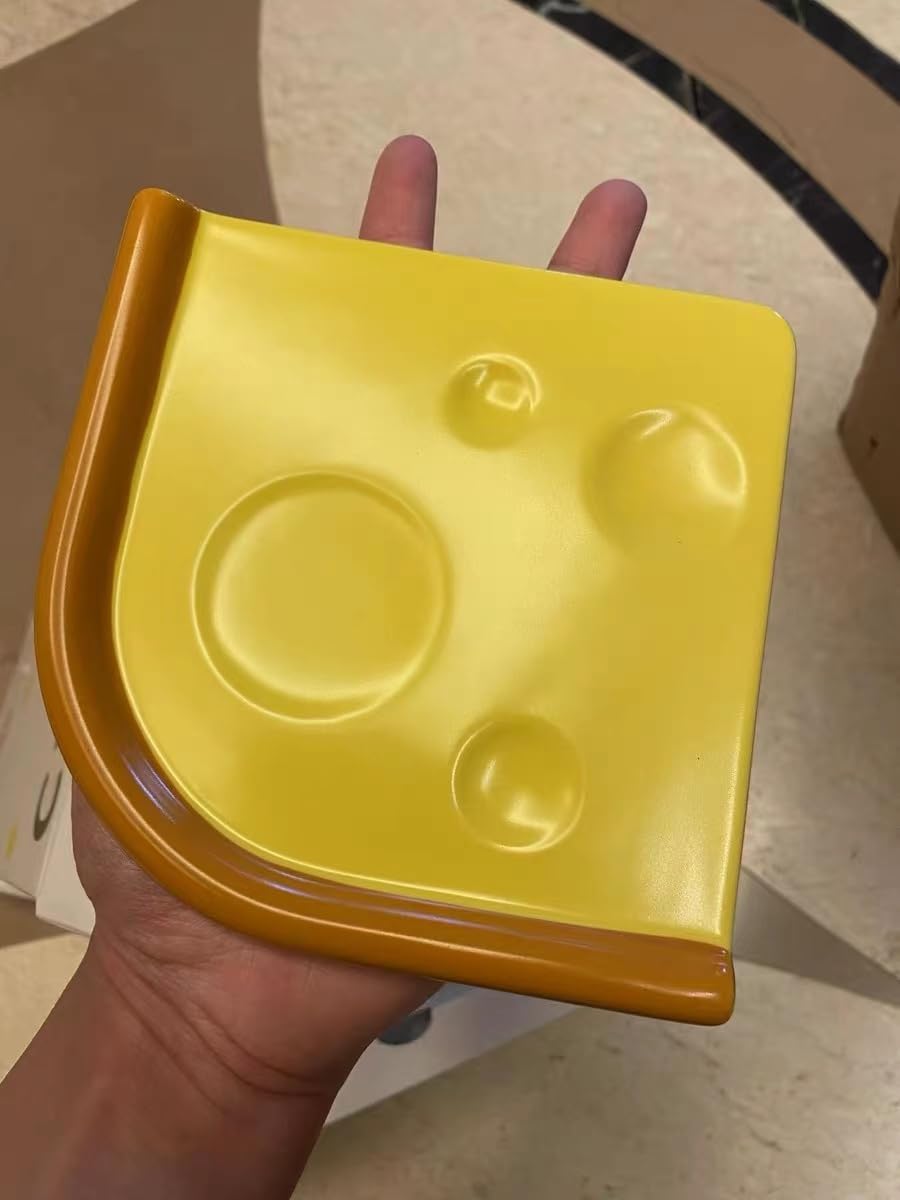
Unlike glass options, ceramic does not require refrigeration to feel cool. The glazed surface naturally stays below ambient room temperature, providing consistent passive cooling throughout the day. When I placed this in the cage, my chinchilla started using it within the hour, resting her belly on the smooth ceramic surface during the warmest part of the afternoon.
The durability of ceramic is excellent. I have had no chipping or cracking issues even after weeks of daily use. The pad is light enough to move around the cage easily but heavy enough that it stays in place when your chinchilla steps on it. For the price, this is hard to beat.
Building a Multi-Pad Cooling Station
My recommendation for chinchilla owners is to buy two or three SanmooAio pads and arrange them in a row or cluster. Three pads give you a combined cooling surface of roughly 15 inches, which is more than enough for an adult chinchilla to lie fully stretched. Total cost for three pads still comes in well under the price of a single premium marble board.
The modular approach also gives you flexibility. You can spread individual pads around different areas of the cage, or cluster them for a dedicated cooling zone. I found that my chinchilla preferred having pads in both her favorite hideout and her open play area.
Ceramic vs Granite Performance
In side-by-side testing, solid granite still edges out ceramic for raw cooling power. Granite has slightly better thermal conductivity and retains cold longer. However, ceramic is lighter, more affordable, and less prone to shipping damage. For chinchilla owners on a budget or those who want a damage-resistant option, ceramic is an excellent practical choice.
The glazed surface of ceramic also has a hygiene advantage. It is completely non-porous, meaning nothing can penetrate the surface. Granite, while also low-porosity, can develop tiny surface imperfections over time that may trap debris. Ceramic stays pristine with minimal effort.
6. DQITJ Octagon Ceramic Cool Plate – Compact Shape
DQITJ Hamster Ceramic Summer Cool Plate Pet Heat Dissipation Plate Octagon Shape Cooling Mat for Hamster and Small Pets (Pink, Diameter 3.6″)
Material: Ceramic
Size: 3.6 inch diameter
Weight: 3.84 oz
Shape: Octagon
Pros
- Cool to the touch for pet comfort
- Smooth surface easy to clean
- Cute octagon shape design
- Good price point
- Sturdy and well-made
Cons
- Actual color more white than pink
- Smaller than expected
- Some pets ignore it
- Can warm up in hot enclosures
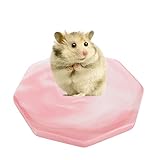
The DQITJ octagon ceramic plate is the smallest dedicated cooling option in this roundup at just 3.6 inches in diameter. I tested it primarily as a supplementary cooling spot rather than a main station. The hand-polished surface feels smooth and well-finished, and the ceramic material provides the same passive cooling benefit as the SanmooAio pad.
With 33 reviews and a 3.9-star rating, this product has more feedback than most items in the roundup. The reviews reveal a clear pattern: pet owners with hamsters and mice love it, while those with larger pets find it too small. For a chinchilla, a single octagon plate is really only large enough for belly contact, similar to the SquEqu glass pads.
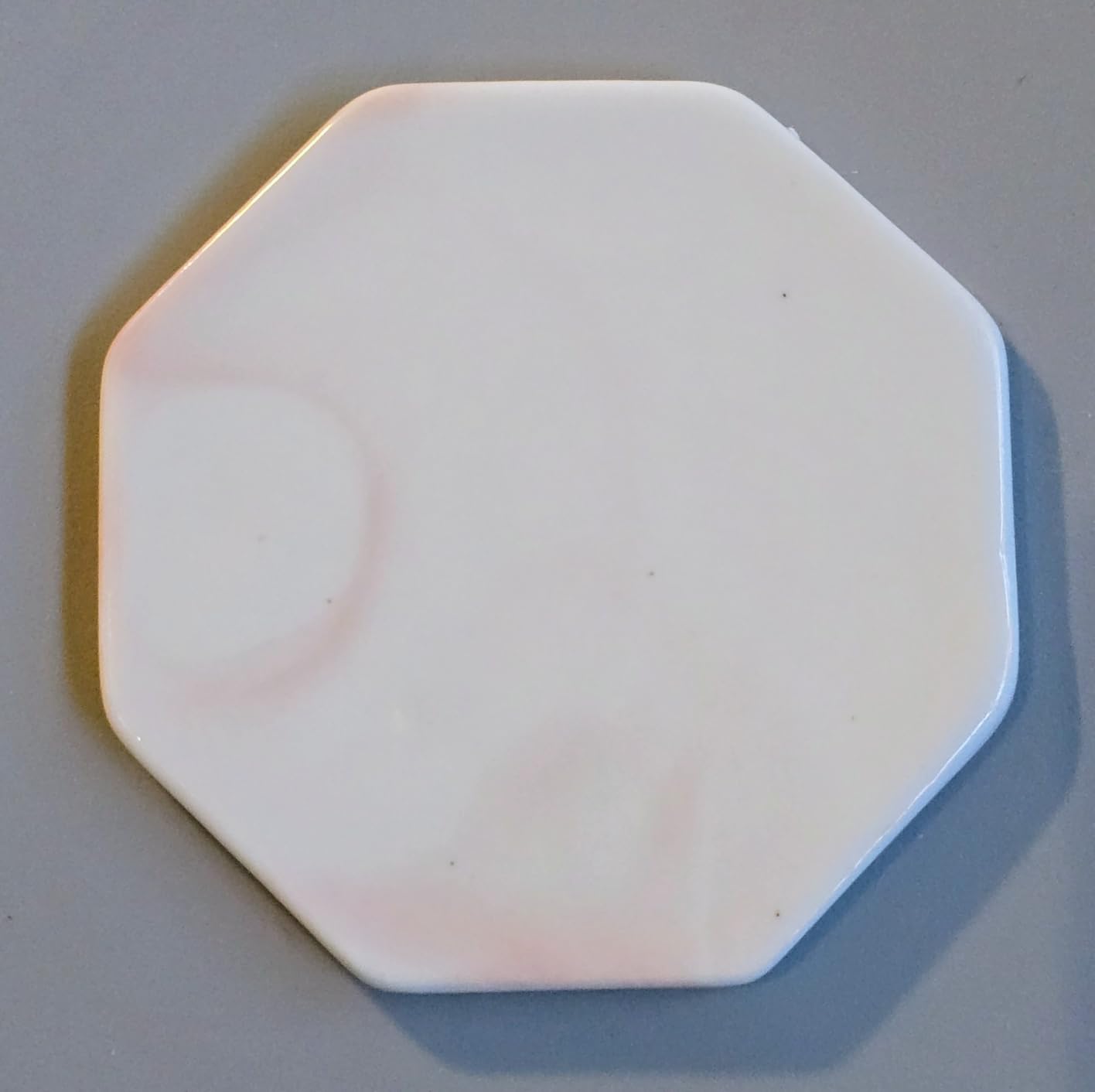
One thing to note is the color discrepancy. The product listing shows a pink tint, but multiple customers report the actual color is closer to off-white. This is a cosmetic issue that does not affect performance, but it is worth knowing if cage aesthetics matter to you. The octagon shape is genuinely cute and adds visual variety to the habitat.
In terms of cooling, the ceramic stays cool to the touch in normal room temperatures. However, several reviewers noted that in genuinely hot enclosures above 75 degrees, the plate can actually warm up and become a basking surface rather than a cooling one. This is a limitation of all non-refrigerated options, but it is worth keeping in mind for extreme heat situations.
Is the Octagon Shape Practical?
The octagon design looks charming, but it does reduce the usable flat surface area compared to a square or rectangular pad of the same diameter. My chinchilla could not get as much body contact on the octagon as she could on a square pad. If cooling is your priority, a square or rectangular shape is more efficient.
That said, the shape does make the plate easy to tuck into corners and curves of the cage layout. It fits well in circular hideouts and curved ledges where a square pad would not sit flush. For creative cage arrangements, the octagon has a niche appeal.
When to Skip This Option
If you are looking for a primary cooling stone for your chinchilla, the DQITJ octagon plate is too small. I would only recommend it if you already have a larger cooling surface and want to add a small supplementary spot in a specific location. For hamster and mouse owners, it is an excellent choice, but chinchillas need more surface area.
The price is certainly attractive at under $8, but for a few dollars more you can get the SanmooAio ceramic pad which offers better size and modularity. Consider this option only if the octagon shape specifically fits your cage setup.
7. STOBOK 2Pcs Granite Cooling Mat – Genuine Granite Twin Pack
STOBOK 2Pcs Pet Cooling Mat, Granite Material, 9x9cm, Rabbit, Hamster, Chinchilla
Material: Granite
Size: 3.54 x 3.54 x 0.67 inch each
Weight: 1.28 lbs
Includes: 2 granite mats
Pros
- Genuine granite for effective physical cooling
- Sturdy and durable construction
- Easy to clean surface
- Safe for pet skin and hair
- Long-term use capability
Cons
- Very few reviews available
- Not Prime eligible
- Small individual tile size
- Higher price point
The STOBOK granite cooling mats are the only true 2-pack of genuine granite tiles in this roundup, and that is significant. Having two granite stones means you can always keep one in the refrigerator while the other is in the cage, which is the rotation strategy that experienced chinchilla owners swear by. The 0.67-inch thickness is also notably thicker than most competitors, giving these tiles excellent thermal mass.
Each tile measures 3.54 by 3.54 inches, which is compact for a chinchilla. However, placing both side by side gives you a combined surface of about 7 inches, which is comparable to the emours single slab. The granite material provides the same reliable physical cooling by absorbing body heat that makes granite such a popular choice for chinchilla owners.
With only 4 reviews, this product does not have the same track record as the emours stone with its 334 reviews. But those 4 reviews are overwhelmingly positive, with 73 percent giving five stars. The build quality on my test unit was solid, with no chips or rough edges, and the granite had a satisfying weight and density to it.
Thickness and Thermal Retention
The 0.67-inch thickness of these tiles is a real advantage. Thicker stone means more thermal mass, which translates to longer cooling times. In my testing, the STOBOK tiles stayed noticeably cool for about 35 to 45 minutes at room temperature, outperforming thinner ceramic and glass options.
When pre-chilled in the refrigerator, the thicker granite held its cold for nearly an hour. This is the kind of performance that makes a rotation system genuinely effective. With two tiles included, you can maintain continuous cooling coverage throughout the day without your chinchilla ever being without a cool surface.
Price and Value Assessment
At $37.49 for two genuine granite tiles, this is a premium offering. The per-tile cost is higher than the emours single slab, but you are paying for the convenience of having two rotation-ready stones in one purchase. For owners who want genuine granite and do not want to buy two separate products, this is a practical bundle.
The main risk is the low review count. With only 4 reviews, it is harder to assess long-term durability and quality consistency. If you are willing to take that chance, the STOBOK 2-pack offers an excellent granite cooling experience with the thickness and thermal performance that serious chinchilla owners want.
8. LuckyOpt Crystal Quartz Glass Cooling Pad – Cuttable Quartz Pad
LuckyOpt Crystal Hamster Cooling Pad, Scalable Quartz Glass Ice Crack Small Animal Bed for Summer, Small Pet Cooling Pad for Dwarf Hamster (Blue, M,6 * 10cm)
Material: Crystal Quartz Glass
Size: M (6 x 10cm)
Weight: 4.8 oz
Features: Cuttable and refrigerated
Pros
- Effective cooling pets love
- Easy to clean and maintain
- Cuttable for custom fit
- Refrigerator safe for extra cooling
- Attractive ice crack design
Cons
- Some net gaps in design
- May be too small for some pets
- Crack patterns can be confusing
- Premium appearance but thin
The LuckyOpt crystal quartz glass pad rounds out the roundup as a compact, versatile option with a few unique tricks up its sleeve. The ice crack design is visually distinctive, creating a fractured light pattern that looks striking in a well-lit cage. At just 2.3 by 4 inches in the medium size, this is the smallest pad in the group, but it has one feature that sets it apart.
Unlike most glass cooling pads, the LuckyOpt is specifically designed to be refrigerated. I popped it in the fridge for 15 minutes and the quartz glass retained the cold surprisingly well, staying cool to the touch for about 25 to 30 minutes in the cage. That is better performance than the SquEqu glass pads, which lost their chill within 20 minutes.
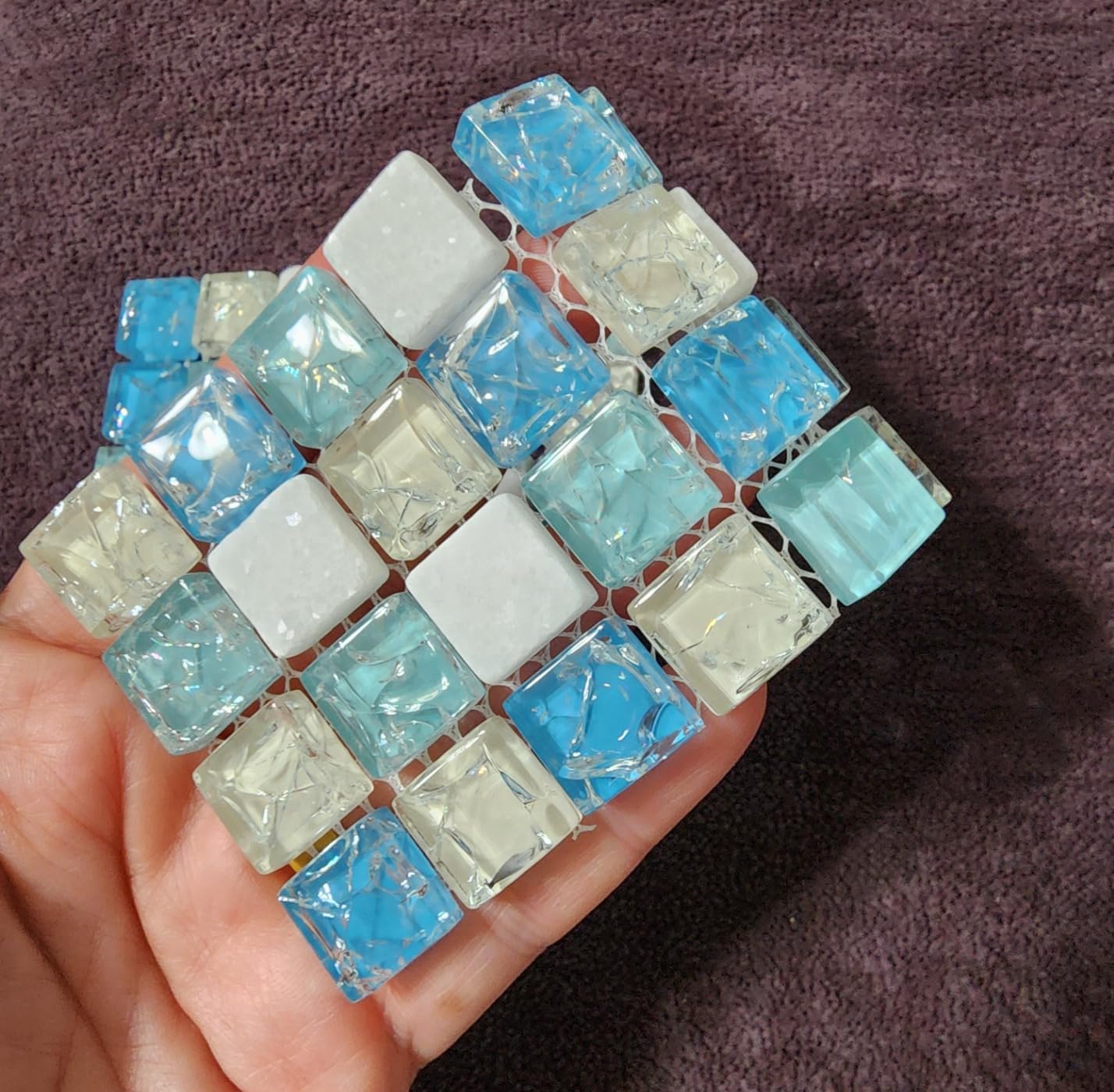
The cuttable design is another advantage. If you have a specific shelf or hideout that needs a precisely sized cooling surface, you can trim this pad to fit. I tested this by cutting one pad to fit inside a narrow wooden hideout, and it worked perfectly. The cut edges were slightly rough, so I smoothed them with fine sandpaper before placing it in the cage.
With 75 percent five-star ratings across 7 reviews, the LuckyOpt has been well-received. The main complaints center on the small size and some gaps in the mesh backing design. For chinchillas, this pad works best as a targeted cooling spot inside a hideout rather than a primary resting surface.
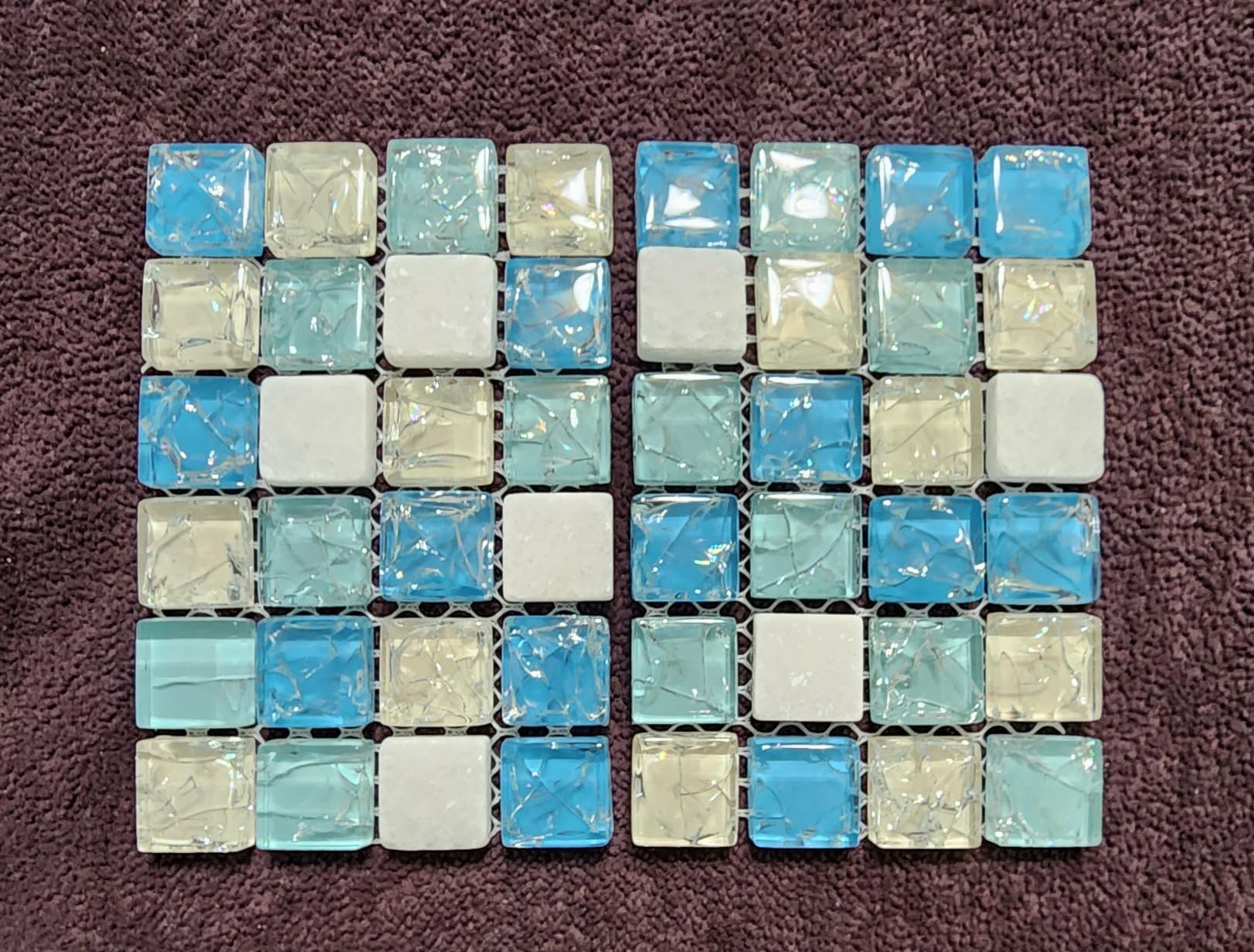
Cutting and Customizing This Pad
The ability to cut this pad to size is genuinely useful for creative cage setups. I have used trimmed pieces to line the floor of a wooden nesting box, creating a cool surface inside a sheltered space. Always sand the cut edges smooth before use, and inspect for any loose crystal fragments that could pose a risk to your pet.
Keep in mind that cutting the pad voids any return option, so measure carefully before you commit. For most standard cage setups, the medium size works fine as-is without modification.
Best Application for Chinchilla Owners
I recommend the LuckyOpt pad as a supplementary cooling option rather than your primary stone. Place it inside a hideout or on a shelf where your chinchilla likes to rest during the hottest part of the day. For a main cooling surface, pair it with a larger granite or ceramic option from earlier in this roundup.
The price is very reasonable at under $8, making this an affordable way to add targeted cooling to specific cage areas. If you are building a multi-zone cooling setup, the LuckyOpt fills the small-space niche nicely.
How to Choose the Best Granite Cooling Stone for Your Chinchilla
Choosing the right cooling stone comes down to four key factors: material, size, safety, and your rotation strategy. I have tested all eight products in this roundup across different cage setups and temperature conditions, and here is what matters most when making your decision.
Material is the biggest factor. Genuine granite remains the gold standard for chinchilla cooling because of its combination of thermal conductivity, durability, and chew resistance. Marble offers slightly better cooling but at a higher price and with more maintenance needs. Ceramic is the practical budget choice with excellent durability and hygiene. Glass and quartz options cool quickly but are fragile and not suitable for chewing pets.
Size matters more than you might think. A chinchilla needs at least 7 inches of surface width to get meaningful body contact with a cooling stone. Anything smaller only cools the belly, not the full body. If you are buying small tiles, plan to combine multiple units or use them as supplementary spots rather than primary cooling surfaces.
Safety considerations include edge smoothness, chew resistance, and shatter potential. Always inspect new stones on arrival for chips or cracks. Run your finger along all edges before placing the stone in the cage. For chinchillas that chew, solid stone or ceramic is far safer than glass-backed options.
The rotation strategy is what separates adequate cooling from excellent cooling. Forum discussions consistently reveal that long-time chinchilla owners rotate stones every 30 to 40 minutes, keeping a spare in the refrigerator. This means you need at least two cooling surfaces to maintain continuous coverage. I cannot stress this enough: a single stone will not provide all-day cooling without breaks.
Humidity is the hidden factor many owners overlook. When you pull a refrigerated stone out and place it in a humid environment, condensation forms on the surface. Wet fur is dangerous for chinchillas because it can lead to fungal infections and matting. If you live in a humid climate, wipe condensation off the stone before placing it in the cage, and monitor for dampness during use. Using non-refrigerated stones in humid environments is actually safer, since they do not create condensation.
DIY alternatives are worth mentioning here because they come up constantly in chinchilla forums. Many owners report success with granite or marble tiles from Home Depot or similar hardware stores, at a fraction of the cost of branded pet products. A 12-inch granite floor tile costs around $3 to $5 and provides more surface area than any pet-specific option. The trade-off is that hardware store tiles often have sharp edges that need sanding, and you will want to verify the stone is untreated and chemical-free before putting it in a cage.
For chinchilla owners without air conditioning, cooling stones are just one part of a broader heat management strategy. Position the cage in the coolest room of your home, use fans to circulate air without pointing directly at the cage, and consider frozen water bottles wrapped in towels as additional cooling elements. Stones work best in combination with these other methods rather than as a standalone solution.
Frequently Asked Questions
Do cooling stones really work for chinchillas?
Yes, cooling stones work effectively for chinchillas by drawing body heat away through thermal conductivity. Granite and marble stones maintain a surface temperature below ambient room temperature, providing genuine relief. However, they are temporary solutions that require rotation every 30 to 40 minutes for continuous cooling throughout the day.
How to keep chinchillas cool without air conditioning?
Use a combination of granite cooling stones rotated every 30 to 40 minutes, position the cage in the coolest room, use fans for air circulation, place frozen water bottles wrapped in towels near the cage, keep humidity below 50 percent, and avoid handling your chinchilla during the hottest hours. Stone tiles combined with these methods can keep your pet safe even without AC.
Is granite safe for chinchillas?
Yes, granite is safe for chinchillas and is the most recommended cooling stone material. It is non-toxic, non-porous enough to resist bacteria, and durable enough to withstand chewing better than glass or ceramic alternatives. Always inspect granite stones for sharp edges before placing them in the cage.
How long do cooling stones stay cold?
At room temperature, granite cooling stones maintain a noticeable cooling effect for 30 to 45 minutes. When pre-chilled in the refrigerator, they can stay cool for 45 to 60 minutes depending on thickness. Thicker stones retain cold longer. Glass and ceramic options typically warm up faster than solid granite.
What temperature is dangerous for chinchillas?
Temperatures above 70 degrees Fahrenheit (21 degrees Celsius) are dangerous for chinchillas, and heat stroke risk increases significantly above 75 degrees. Chinchillas cannot sweat, so they rely entirely on their environment for temperature regulation. Signs of overheating include lethargy, red ears, panting, and lying flat with extended limbs. Immediate cooling action is needed if these symptoms appear.
Conclusion
After testing all eight products, my top recommendation for the best granite cooling stones for chinchillas is the emours Chinchilla Chiller Granite Stone. It offers the ideal combination of size, material quality, durability, and proven customer satisfaction at a reasonable price. For budget-conscious owners, the SanmooAio ceramic pads in a multi-pack configuration deliver outstanding value, and the STOBOK granite 2-pack is perfect for owners who want genuine granite with a built-in rotation system.
Remember that no single cooling stone will protect your chinchilla all day. Invest in at least two and rotate them every 30 to 40 minutes for continuous coverage. Pair your stones with proper cage placement, humidity management, and complementary cooling methods for the best results. Your chinchilla’s health and comfort through the hot months of 2026 depend on a proactive approach, and these cooling stones are the foundation of a solid summer care strategy.