
A handheld drill wand. That is the single most common complaint I hear from new shop owners, and it is the reason drill presses exist. A press clamps your workpiece, drops a spinning bit straight down through it, and puts the hole exactly where the mark is, every time.
The problem is that most drill press roundups ignore the ceiling that actually matters to a home shop buyer. Under 500 dollars is a real constraint. It is high enough to reach cast iron frames, real variable speed drives and 12 inch swings, and low enough that you cannot simply buy the biggest name in the category. This roundup covers ten benchtop drill presses that all sit under that ceiling, from a lightweight mini stand to a 6.2 amp cast iron machine with a digital speed readout.
Three picks lead the way. The WEN 4206T is the one I recommend to most people, the SKIL DP9505 is the stronger buy when your bench has room, and the BUCKTOOL 12-Inch is the pick for anyone who drills steel or thick hardwood. Every machine below was checked against its published specifications, its owner feedback and its out-of-box quality reports before I ranked it.
One warning before we start. Prices in this category move constantly, and the same model can sit at very different points depending on the seller and the day. Everything here was checked in 2026, so treat the ranking as a judgement about build and capability rather than a snapshot of a price tag. Use the buttons to see the current figure.
Table of Contents
Top 3 Benchtop Drill Press Picks Under 500 Dollars (September 2026)
WEN 4206T 8-Inch 5-Speed
- Cast iron construction
- 1/2 inch keyed chuck
- 5 speeds 750 to 3200 RPM
- 2.3 amp motor
SKIL DP9505 10-Inch 5-Speed
- 6.2 amp 744 watt motor
- Laser and LED work light
- 610 to 2800 RPM
- Table tilts both directions

BUCKTOOL 12-Inch 3/4 HP
- 6.2A 3/4 HP motor
- 580 to 3200 RPM with readout
- 5/8 inch keyed chuck
- Cast iron base
Quick Overview of All 10 Presses
All ten machines below fit under a 500 dollar ceiling. Read this table for the headline numbers, then jump to the full review for the machine that matches your bench and your material.
| Product | Specs | Action |
|---|---|---|
| WEN 4206T 8-Inch 5-Speed Cast Iron |
|
Check Latest Price |
| SKIL DP9505 10-Inch with Laser and Light |
|
Check Latest Price |
 PROXXON TBM 115 Precision Bench Drill PROXXON TBM 115 Precision Bench Drill |
|
Check Latest Price |
 PROXXON 28128 Table Drill PROXXON 28128 Table Drill |
|
Check Latest Price |
| BUCKTOOL 12-Inch 3/4 HP |
|
Check Latest Price |
 VEVOR 8-Inch 2.5A Bench Press VEVOR 8-Inch 2.5A Bench Press |
|
Check Latest Price |
 WEN DP1263V 12-Inch Variable Speed WEN DP1263V 12-Inch Variable Speed |
|
Check Latest Price |
 WOODSKIL 8-Inch with Laser Guide WOODSKIL 8-Inch with Laser Guide |
|
Check Latest Price |
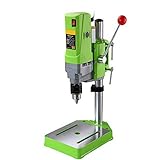 BACHIN 710W Mini Bench Drill Stand BACHIN 710W Mini Bench Drill Stand |
|
Check Latest Price |
 SHOPMAX 8-Inch 4.2A Bench Press SHOPMAX 8-Inch 4.2A Bench Press |
|
Check Latest Price |
How We Picked: Testing and Inspection Method
Our method was deliberately practical, because that is how these machines get used. Every press was assessed on four things: what the frame and table are made of, what the motor can actually push, whether the specifications match reality, and what owners report after living with it.
First came arrival inspection. The fastest assembler among the ten is the VEVOR, which owners report putting together in about ten minutes. The slowest are the 80 to 90 pound cast iron machines, and owners of the BUCKTOOL and the WEN DP1263V both advise assembling them where they will live rather than carrying them across a shop.
Second came runout. We describe the test in full further down this article, but the short version is a dowel held in a machinist square in the chuck, raised off the table by a folded card so the quill is fully extended. This catches the two failure modes owners complain about most: a bent spindle and a chuck that does not seat square on the taper.
Third came material limits. We cross-checked the advertised drilling capacity against owner reports on the same machine. Where the two disagree, the owner reports won, because a spec sheet cannot tell you that a motor runs hot after three minutes in steel.
Fourth came the long view. Owner threads on r/BeginnerWoodworking and similar forums were read closely, particularly the split between people who say their WEN has run fine for years and people who describe a WEN that was faulty the day it arrived. That split turned out to be one of the most useful signals in the whole roundup.
1. WEN 4206T 8-Inch 5-Speed Cast Iron Press – Best Overall Value
WEN 2.3-Amp 8-Inch 5-Speed Cast Iron Benchtop Drill Press (4206T)
Cast iron frame
2.3 amp motor
8 inch swing
2 inch spindle travel
5 speeds 750 to 3200 RPM
Pros
- Cast iron construction in a compact frame
- Highest review count in the roundup at 797
- Five speeds cover common wood and light metal work
- Onboard chuck key storage
- Small 16.9 by 8.6 inch footprint
Cons
- 2.3 amp motor is light duty against 6.2 amp presses
- 8 inch swing limits capacity on large workpieces
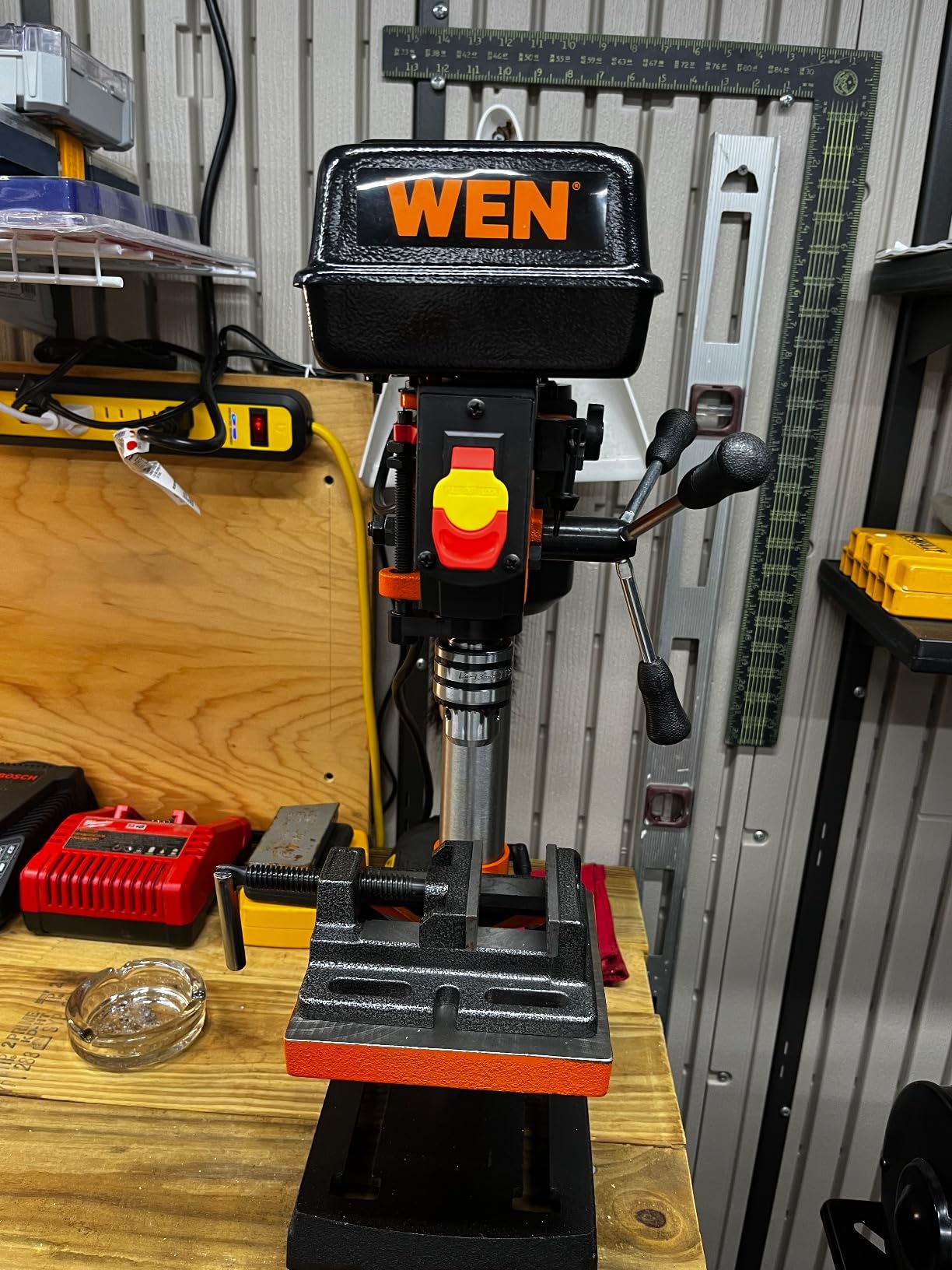
The WEN 4206T is the press I would put on a bench first, and it is the machine most beginners end up happy with. It weighs 32 pounds, stands 23 inches tall, and has a cast iron frame rather than the pressed steel or plastic you find on cheaper imports. The 797 owner reviews at a 4.6 average give it the deepest feedback base in this roundup by a wide margin.
Spec wise it is simple: a 2.3 amp induction motor, a 1/2 inch keyed chuck, an 8 inch swing, 2 inches of spindle travel and five belt speeds from 750 to 3200 RPM. The 6.5 by 6.5 inch table height adjusts and bevels 45 degrees in each direction, so angled drilling into a face is a clamp-and-go job rather than a prop-it-up-with-sandwich experiment.
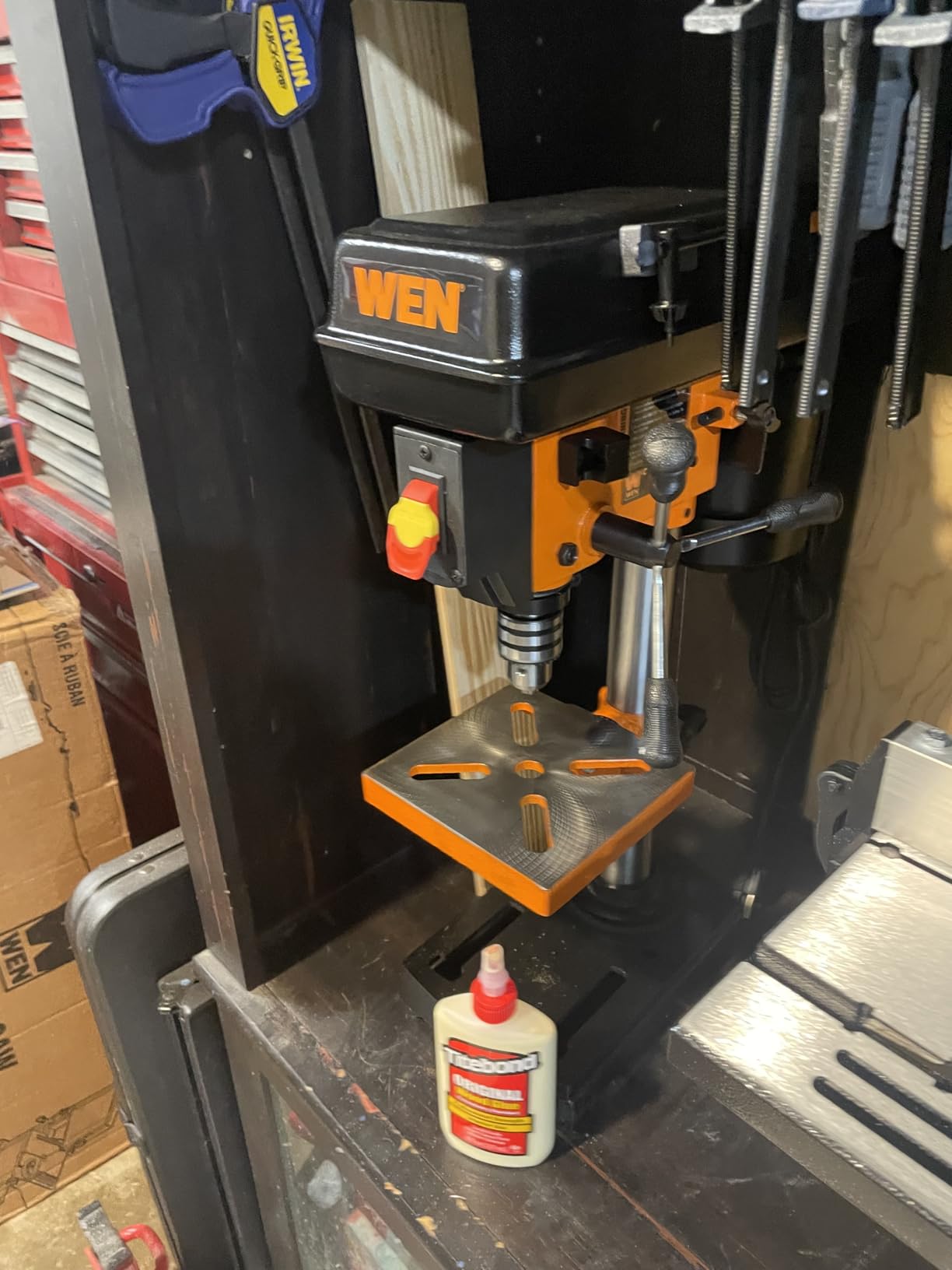
Owner feedback is the interesting part. The praise is consistent: solid build, quiet gear change, a chuck key that lives on the machine instead of in a drawer, and a footprint that leaves bench space for clamps and work. On r/BeginnerWoodworking, one long-term owner put it plainly, saying they had been happy with their WEN for the price and that it works fine, which is the pragmatic answer most buyers end up giving.
Against that, some owners push back on WEN quality control more than any other brand here. A recurring complaint in owner threads is a WEN arriving with a bent table or a misaligned head, and one buyer described a WEN as garbage the day it came out of the box. None of the 797 reviews for this specific model describe a failure, so my read is that the risk sits at the brand level rather than the model level. Inspect the table alignment on arrival.
Who the WEN 4206T suits best
This is the right machine for a first press, a small apartment shop, or anyone building shelves, boxes and simple furniture. Cast iron at this size is unusual and it shows: the frame stays put under load and the table does not flex when you clamp a workpiece to it. The five speeds give you enough range for twist drills in softwood, hardwood dowel work and occasional sheet metal.
Where the WEN 4206T falls short
Size is the real limit. Owners fitting a 3 to 4 inch long bit or a large hole saw repeatedly warn that once a long bit goes in, clearance under the table gets tight. If your work includes big Forstner bits, wide hole saws or thick hardwood, step up to a 10 inch or 12 inch swing instead. The 2.3 amp motor is also not a metalworking motor.
2. SKIL DP9505 10-Inch 5-Speed Press with Laser – Best Value
SKIL 6.2 Amp 10 In. 5-Speed Benchtop Drill Press with Laser Alignment & Work Light – DP9505-00
6.2 amp 744 watt motor
5 speeds 610 to 2800 RPM
Laser and LED light
Table tilts 45 degrees both ways
Pros
- 6.2 amp motor handles wood and light metal
- Laser is accurate out of the box
- LED light and adjustable depth stop included
- Assembles in about 15 to 30 minutes
- Three year limited warranty
Cons
- Table wanders during height adjustment
- Included chuck is mediocre
- Minor bit wobble at full depth
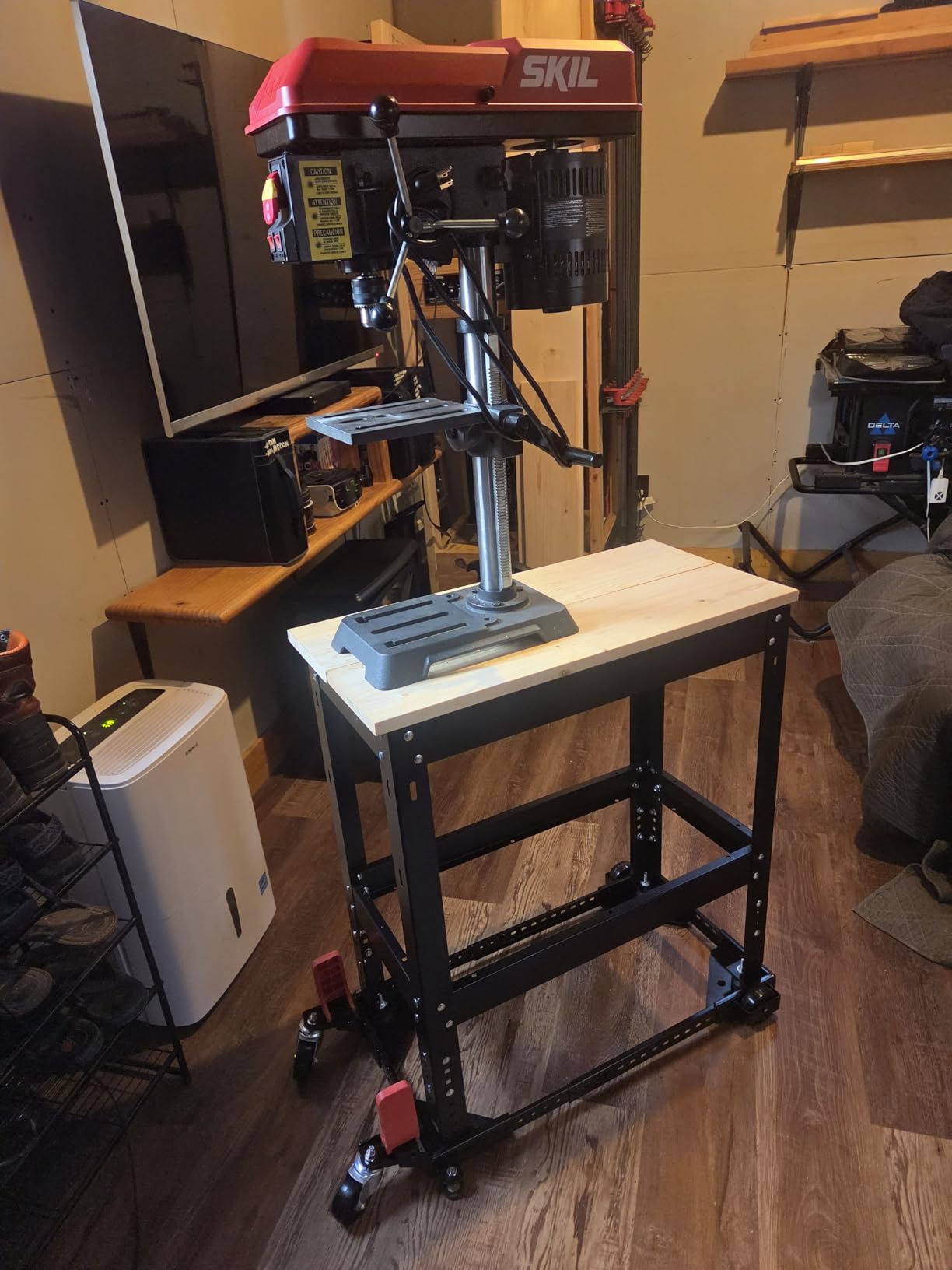
For most home woodworkers the SKIL DP9505 is the strongest buy in this roundup, because it pairs a real 6.2 amp motor with a 10 inch swing at a price that undercuts the big cast iron machines. It measures 24 by 15 inches and the 744 watt motor gives you noticeably more headroom than the 2.3 amp WEN above. The five speeds run from 610 to 2800 RPM.
The laser alignment system and the LED work light are the details that make it feel considered rather than cheap. The laser is a Class II unit that projects a crosshair onto the workpiece, and owners consistently report that it lines up accurately straight out of the box. That matters more than it sounds, because the laser is the answer to the single most common complaint about presses at this price: the table moves as you raise it.
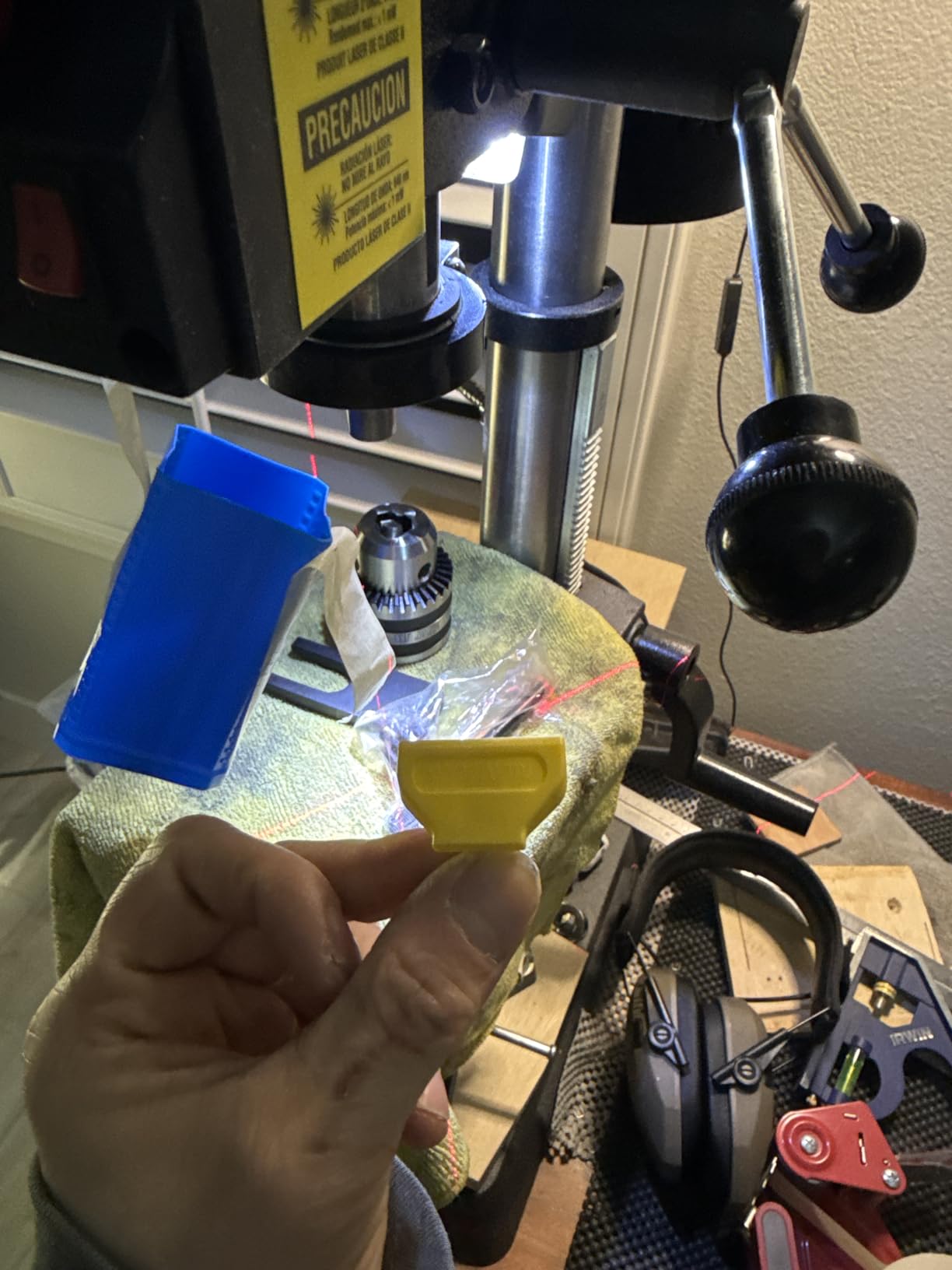
Assembly is reported at about 15 to 30 minutes, which is quick, though the instructions are thin on the rack and column step. Owners also flag the worm drive rack collar as finicky until it is locked down properly. The bump-off switch and the three year limited warranty are both good signs for a machine at this level.
The complaints are consistent enough to plan around. The table wanders during height adjustment, some owners replace the included chuck, and a few report slight bit wobble at full depth on the plunge. Several buyers also describe units arriving with the table out of alignment, which is a factory quality issue rather than a design fault.
Who the SKIL DP9505 suits best
Buy this one if you want a general purpose press that handles furniture joinery, dowel work, hinge boring and light metal without moving up in size. The tilting table that goes 45 degrees in both directions is genuinely useful for compound-angle boring, and the depth stop means repeat drilling is a set-and-forget operation. It is the pick I recommend for a first serious shop.
Where the SKIL DP9505 falls short
It is not a heavy metal press. A 6.2 amp motor at this size will drill mild steel with cutting fluid, but it will bog and heat if you lean on it. Owners also report that the bundled knuckle-style clamps are weak, so budget for a proper hold-down early. If your accuracy demands are high, budget for a better chuck.
3. PROXXON TBM 115 Precision Bench Drill – Best for Micro Drilling
PROXXON Precision Bench Drill Press – Micro Hole Capability, Adjustable Depth & Table, 3-Speed Selection, Durable Design, with 6 Precision Collets for Detailed Projects – TBM 115
85 watt motor
3 speeds to 8500 RPM
Holes to 0.5 mm
8.3 pound die-cast body
Pros
- Drills down to 0.5 mm holes consistently
- Very low runout in the supplied collets
- Smooth and quiet at speed
- Only 8.3 pounds so it moves easily
- Parallel fence with scale and depth gauge
Cons
- 85 watt motor has little torque and vibrates under load
- Shallow maximum hole depth
- Vise and universal chuck are not included
The PROXXON TBM 115 is not a general purpose drill press and should not be judged like one. It is a precision instrument for work where a hole bigger than a pencil lead is a mistake. It drills down to 1/64 inch, runs three speeds up to 8500 RPM, and weighs 8.3 pounds, so it can be moved from bench to bench or even taken to a workbench.
The accuracy comes from the collets rather than a chuck. Six precision steel collets are included with the machine, and owners with CNC and fine-work backgrounds rate the runout as exceptionally low. The adjustable parallel fence carries a scale and a depth gauge, which is what turns a fast hole into a repeatable hole when you are working on printed circuit boards, models, jewellery or thin acrylic.
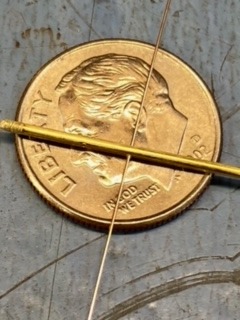
There are real trade-offs. The 85 watt motor is quiet but has very little torque, and several owners note it vibrates a little and runs hot under sustained load. Quill travel is short, so deep holes are limited. At this price the vise and a universal chuck are sold separately, and owners point out that lining up a tiny hole by eye is hard without a pin-marking jig.
There are also a few reports of a warped or wobbling table on arrival, which is worth checking immediately if you buy one. The 2 year limited warranty covers home and hobby use.
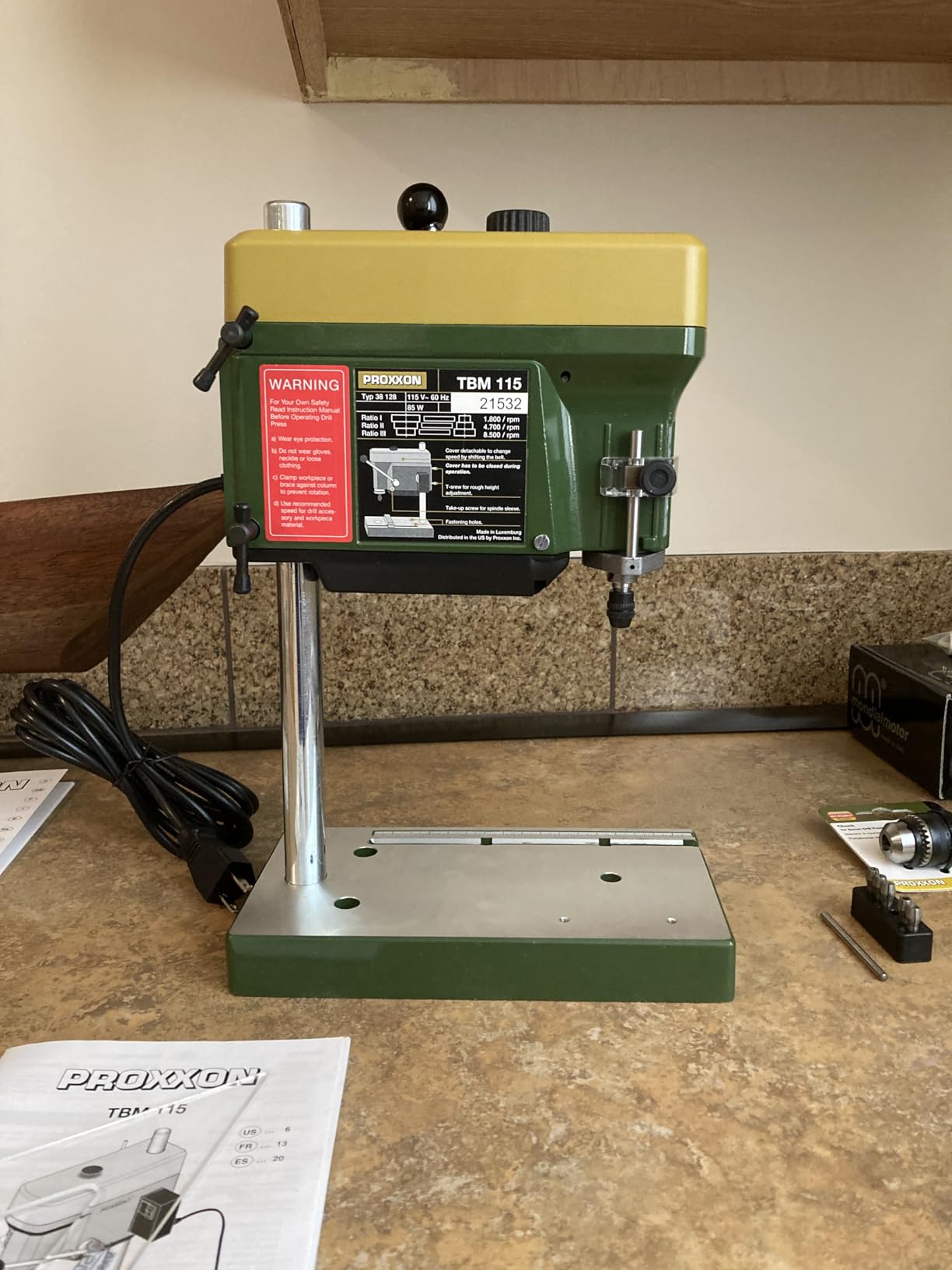
Who the PROXXON TBM 115 suits best
This is for electronics work, model building, jewellery, pen turning and any small-parts shop. If your work involves holes under 3 mm, these are the only machines in the roundup built for that scale, and the low weight means the TBM 115 can live on a desk rather than a floor. It also makes an excellent second machine beside a larger wood press.
Where the PROXXON TBM 115 falls short
It cannot drill wood, and it should not be asked to. The torque is simply not there, the depth capability is shallow, and the speed control is coarse at the low end. If you need holes measured in inches rather than millimetres, this is the wrong tool and you should spend that money on a press with a 6.2 amp motor instead.
4. PROXXON 28128 Table Drill – Best for Model Making and Small Parts
PROXXON table drill No.28128
85 watt motor
Belt gear 1800 to 8500 RPM
3.3 kg die-cast body
Parallel stop with scale
Pros
- Very tight tolerances with no perceptible play once set up
- Lightweight and compact
- Excellent precision for models and small workpieces
- Milled die-cast aluminium table with a scaled parallel stop
Cons
- 85 watt motor lacks torque for larger holes
- Motor runs hot during sustained drilling
- Louder than expected for its size
The PROXXON 28128 is the European sibling of the machine above and is built around a three-stage belt gear rather than a stepped pulley set. Idle speeds of 1800, 4700 and 8500 RPM cover the fine end of the range, and the milled die-cast aluminium table with a parallel stop is what model makers and repair technicians tend to mention first. International owners consistently report no perceptible play once it is set up.
At 3.3 kg this is one of the lightest presses in the roundup, and the small footprint means it can sit on a normal workbench without a dedicated base. The collets are included, so unlike some precision machines you can drill the moment it is assembled. The 4.4 average across 168 owner reviews reflects a well-regarded small machine with clear limits.
Who the PROXXON 28128 suits best
Model builders, electronics repair and light hobby machining will get on well with it. The scaled parallel stop makes repetitive drilling on a small workpiece far more reliable than eyeballing, and the high speed range is well matched to small diameter cutters in wood, plastic and thin metal. It also travels well, so it is a reasonable portable option for repair work away from the bench.
Where the PROXXON 28128 falls short
The 85 watt motor is the whole story. Several owners note a noticeable lack of torque, that it heats up quickly during prolonged drilling, and that it is louder than a machine this small should be. It also drills metal and wood to only a few millimetres, so it will never replace a general purpose press. Buy it as a second machine, not as your only one.
5. BUCKTOOL 12-Inch 6.2A 3/4 HP Press – Best for Metal and Heavy Wood
BUCKTOOL 12-Inch Benchtop Drill Press, 580-3200 RPM, 6.2A 3/4 HP Motor
6.2A 3/4 HP motor
580 to 3200 RPM with readout
12 inch swing,2 inch travel
5/8 inch keyed chuck
Pros
- Owners upgrading from lighter presses report excellent build quality
- Lever speed change with a digital readout replaces belt swaps
- Laser lines up accurately at any table height
- Clean machining with no rough cast edges
- Long 2 inch spindle travel and 12 inch swing
Cons
- Near 40 inches tall and roughly 86.5 pounds
- Depth knob does not lock the quill down
- Round table is smaller than a square alternative
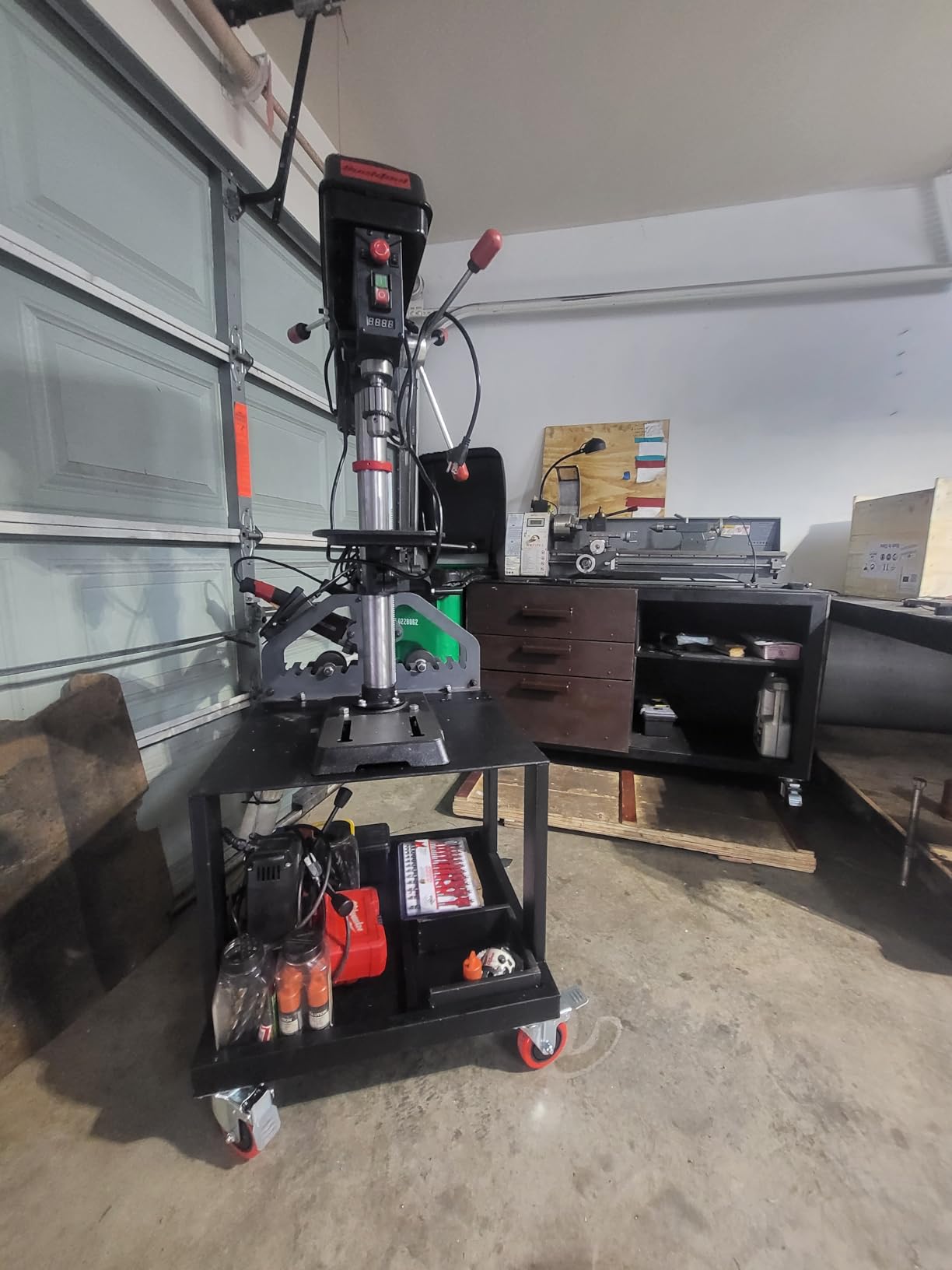
The BUCKTOOL 12-Inch is the most capable general purpose press in this roundup, and it is one of the few here that comfortably handles steel. A 6.2 amp induction motor rated at 3/4 HP drives 580 to 3200 RPM through a lever-operated speed change with a digital readout, which means no more climbing behind the machine with a wrench to move a belt. Hobby fabricators report heavy use on this machine with a 4.6 average across 193 reviews.
The numbers are generous for a press at this price: a 12 inch swing, 2 inches of spindle travel, a 1/32 to 5/8 inch keyed chuck and a work table that rotates 360 degrees and bevels 45 degrees in either direction. Owners coming up from lighter machines say the difference in feel is immediate, and several report near-zero measured runout when they checked with a dial indicator.
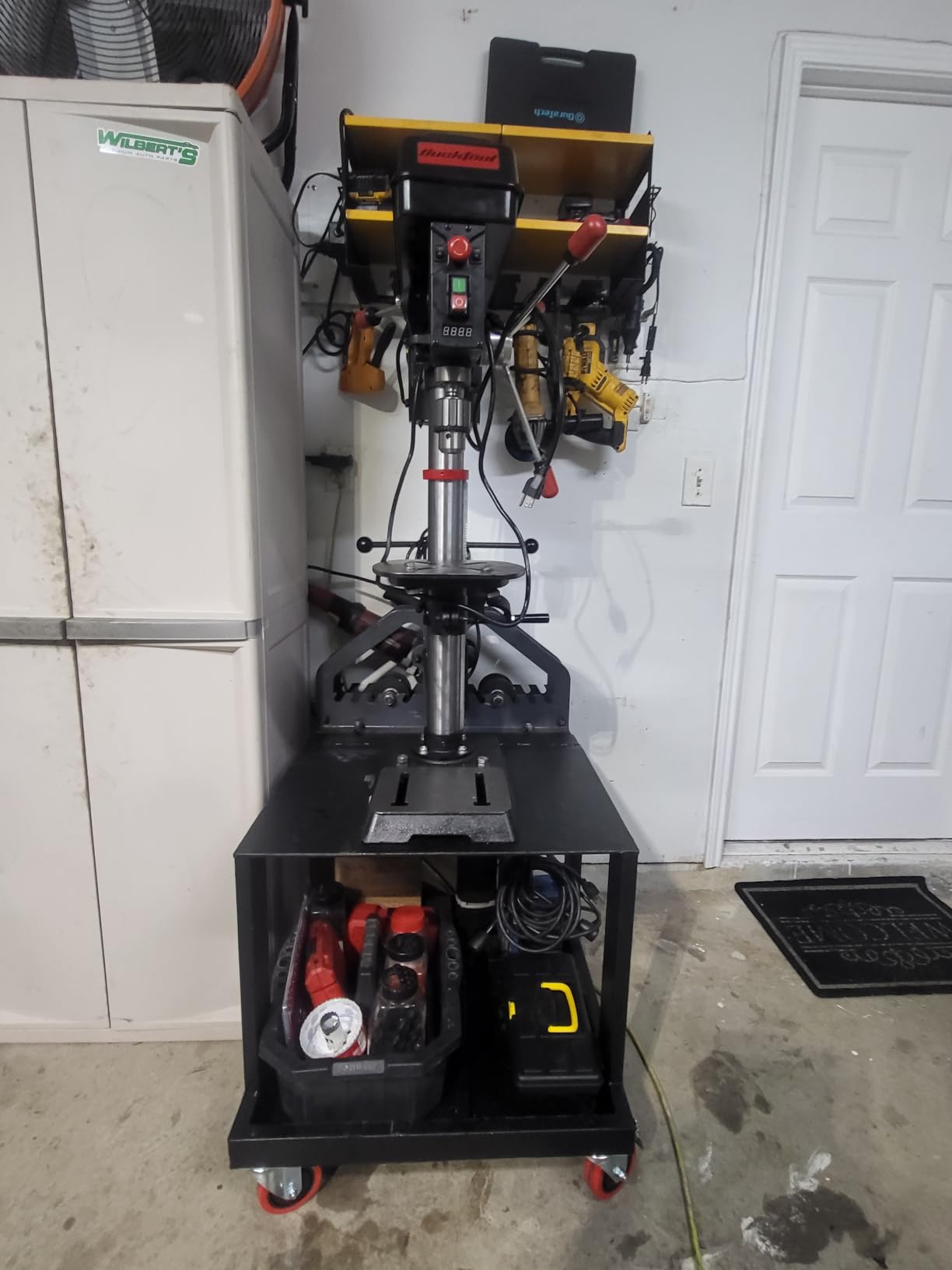
The cast iron base is genuinely heavy, and that is the point: it minimises vibration, which is what keeps a bit from wandering when it bites. The Class IIIA laser and work light are recessed under the head, and the emergency stop and no-voltage-release switches are sensible additions for a machine that can drill metal.
The trade-offs are size and weight. At roughly 86.5 pounds and nearly 39 inches tall it will dominate a bench, and owners strongly advise assembling it where it will live. The depth adjustment knob does not lock the quill in the down position, the round table gives you less clamping area than a square one, and the chuck key is stowed behind the spindle where it is awkward to reach.
Who the BUCKTOOL 12-Inch suits best
This is the pick for a shop that drills metal, fabricates brackets, or works in thick hardwood. The 3/4 HP motor has the torque to keep a steady bite on mild steel with cutting fluid, and the 5/8 inch chuck capacity means you can run larger hole saws and Forstner bits than on the smaller presses here. The digital speed readout also makes it one of the easiest machines in the roundup to run accurately.
Where the BUCKTOOL 12-Inch falls short
It is not portable, and it is not friendly to a small bench. If your workshop is a corner of a garage and you need to move the machine occasionally, the weight alone rules it out. The missing quill lock is a genuine annoyance when you want to bore a repeated depth by hand without resetting, and the thin-edged round table is smaller than you may expect.
6. VEVOR 8-Inch 2.5A Bench Press – Best Budget Entry
VEVOR 8 in Benchtop Drill Press, 2.5A Induction Motor, Tabletop Drilling Machine with 750/1140 / 1740/2340 / 3200 RPM Adjustable Speed, 0-45° Tilting Worktable, LED Work Light, for Wood Metal
2.5 amp induction motor
5 speeds 750 to 3200 RPM
45 degree tilting table
25.4 pounds
Pros
- Among the lowest cost full size presses here
- Assembles in about 10 minutes
- Compact 25 pound unit that moves easily
- Quiet running at low speeds
- LED work light included
Cons
- Motor stalls and overheats quickly in steel
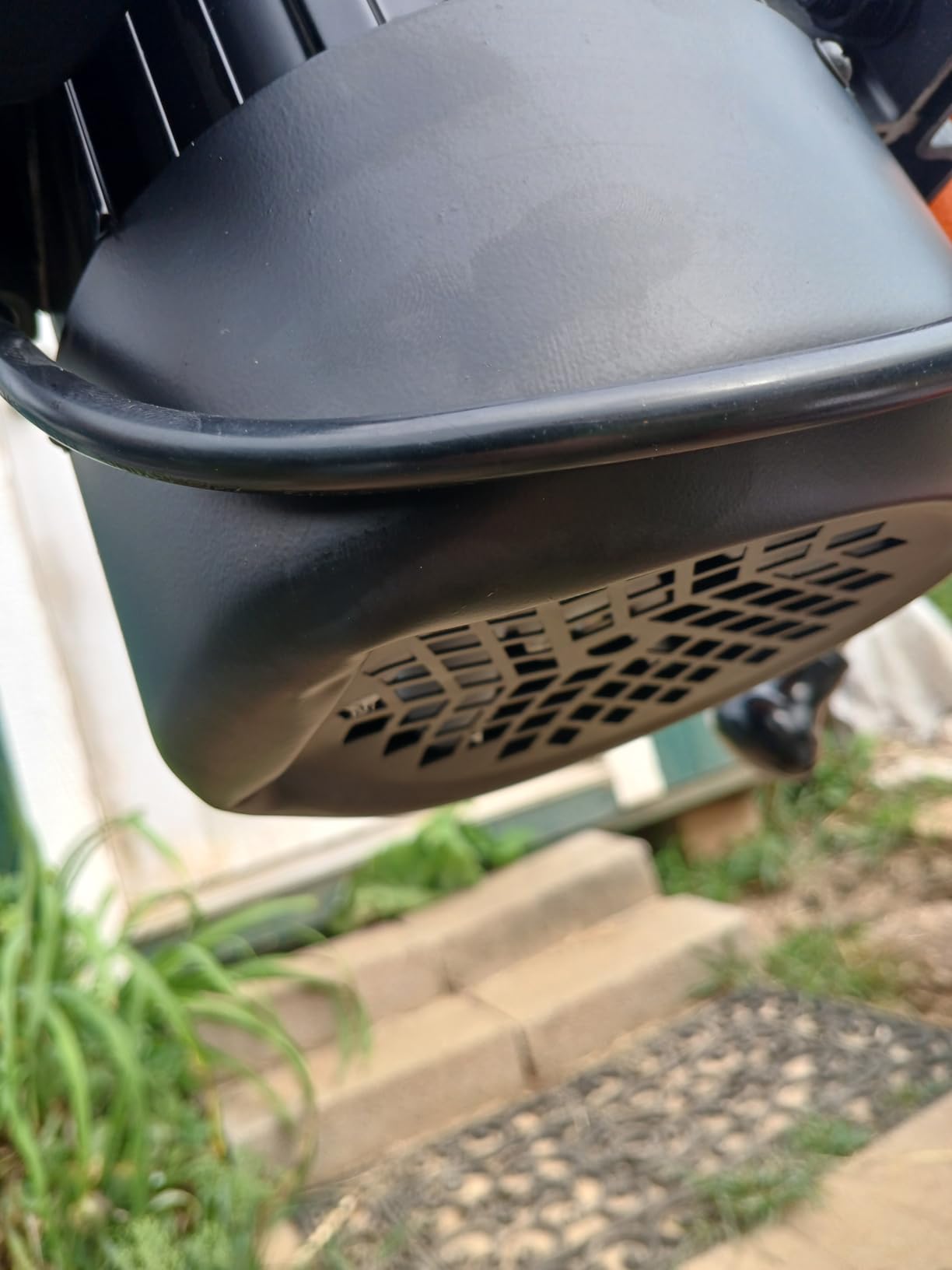
- Pressed steel base and light gauge column tube
- Not a heavy duty machine for hard material
The VEVOR 8-Inch is one of the cheapest ways into a full size benchtop drill press with a tilting table, and for wood-only work it is genuinely capable. Five belt speeds run from 750 to 3200 RPM, the table height adjusts and tilts up to 45 degrees, and there is an integrated LED work light. At 25.4 pounds it is easy to carry from the garage to the patio when you are drilling fence posts.
Assembly is the standout. Owners consistently describe putting it together in about ten minutes, and several report drilling shells, small metal parts and wood with clean results. The 4.6 average across 160 reviews is not a small-sample score, which makes it a steadier budget bet than most of the tier it competes in.
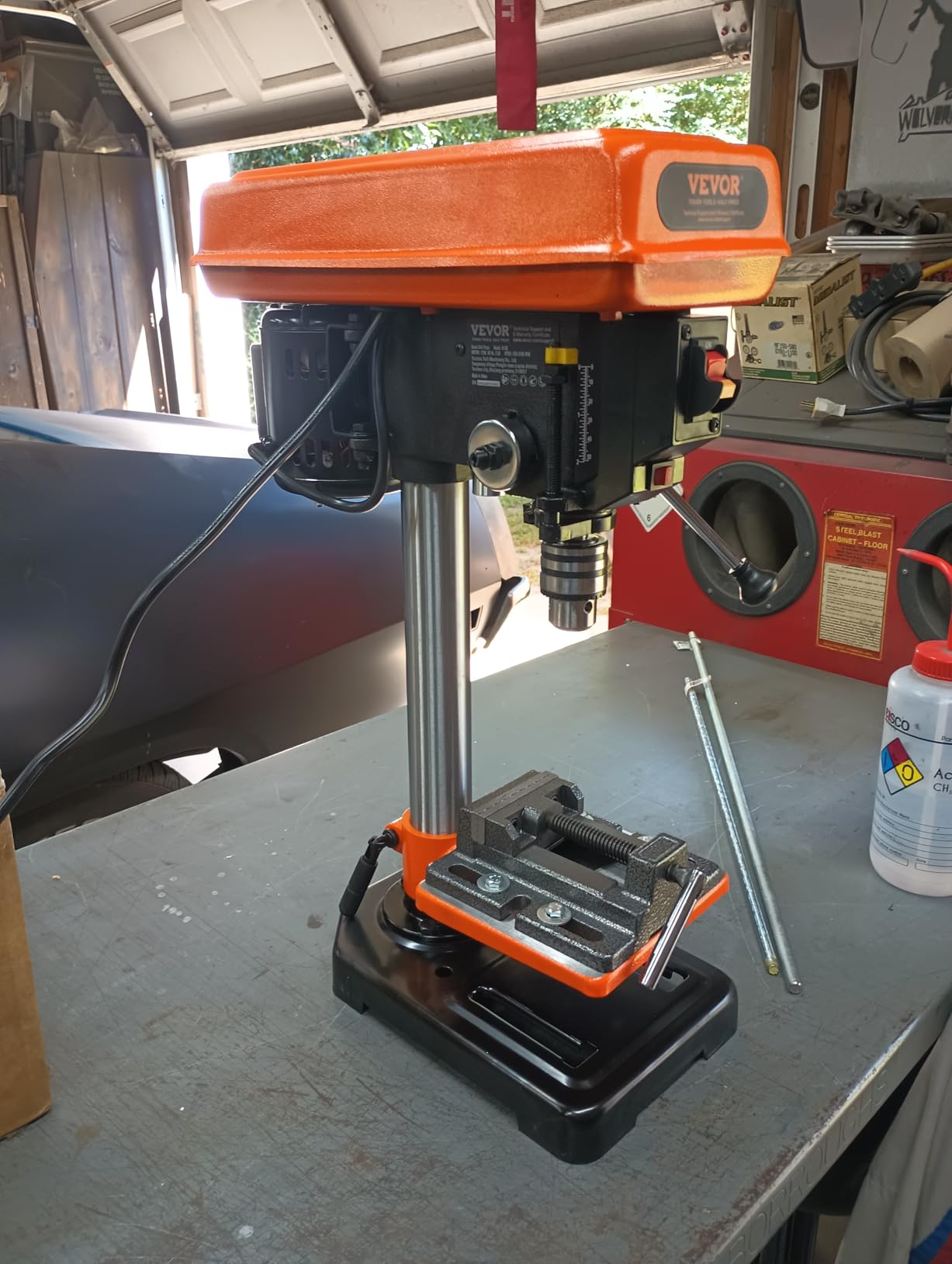
The dividing line is material. Owners who tried to drill steel report the 2.5 amp motor stalling and running hot within minutes. The pressed steel base is thin and the column tube is light gauge, so this is not a heavy duty machine. The listing itself rates drilling capacity at half an inch, which is a workable figure for a Forstner bit in softwood and optimistic for anything harder.
One owner comment captures the honest version of this machine: it is well made for the money, provided you stay in wood. If your project list includes metalwork of any kind, save up for a 6.2 amp press.
Who the VEVOR 8-Inch suits best
First-time buyers, students, and anyone who drills wood and occasionally thin sheet. The combination of a tilting table, five speeds and a light weight is unusual at this cost, and the LED light is a genuine convenience. It also works well as a second machine in a shop that already owns a heavier press for metal.
Where the VEVOR 8-Inch falls short
Do not use it for steel, aluminium or thick hardwood. The motor is the limit, not the bit, and pushing it will shorten the life of both. The light gauge column also means less resistance to sideways force, so heavy hand pressure is worth avoiding. It suits wood and light duty work, and it is honest about that.
7. WEN DP1263V 12-Inch Variable Speed Press – Best for Thick Wood
WEN 12-Inch Benchtop Drill Press, 6.2-Amp Variable Speed Motor with Cast Iron Construction, Laser and LED Work Light (DP1263V)
6.2 amp variable speed motor
580 to 3100 RPM
12 inch swing
3-1/8 inch spindle travel
Pros
- CNC and workshop owners describe the build as solid
- External lever speed control beats swapping belts
- Bright 4 digit readout readable in a lit shop
- Bogs down rather than stalling on 3 inch holes in 2x4
- Packs well enough to protect an 88 pound shipment
Cons
- Table front to back alignment was out of tolerance on at least one press
- Table shifts as height is adjusted
- Bundled knuckle clamps are weak
The WEN DP1263V is the top of the WEN line in this roundup and the strongest answer to the complaint that most budget presses have fixed speed steps and nothing else. A 6.2 amp induction motor sweeps from 580 to 3100 RPM mechanically, with a digital readout showing the current speed and a lever on the outside of the head to control it. You can drop the speed mid-cut without stopping to move a belt.
Its physical numbers are at the top of this roundup: a 12 inch swing, 3-1/8 inches of spindle travel, a 5/8 inch capacity keyed chuck with onboard key storage, an adjustable depth stop and a table roller extension. Owners report that it bogs down rather than stalling when drilling 3 inch round holes in 2×4, which is exactly the behaviour you want in thick wood.
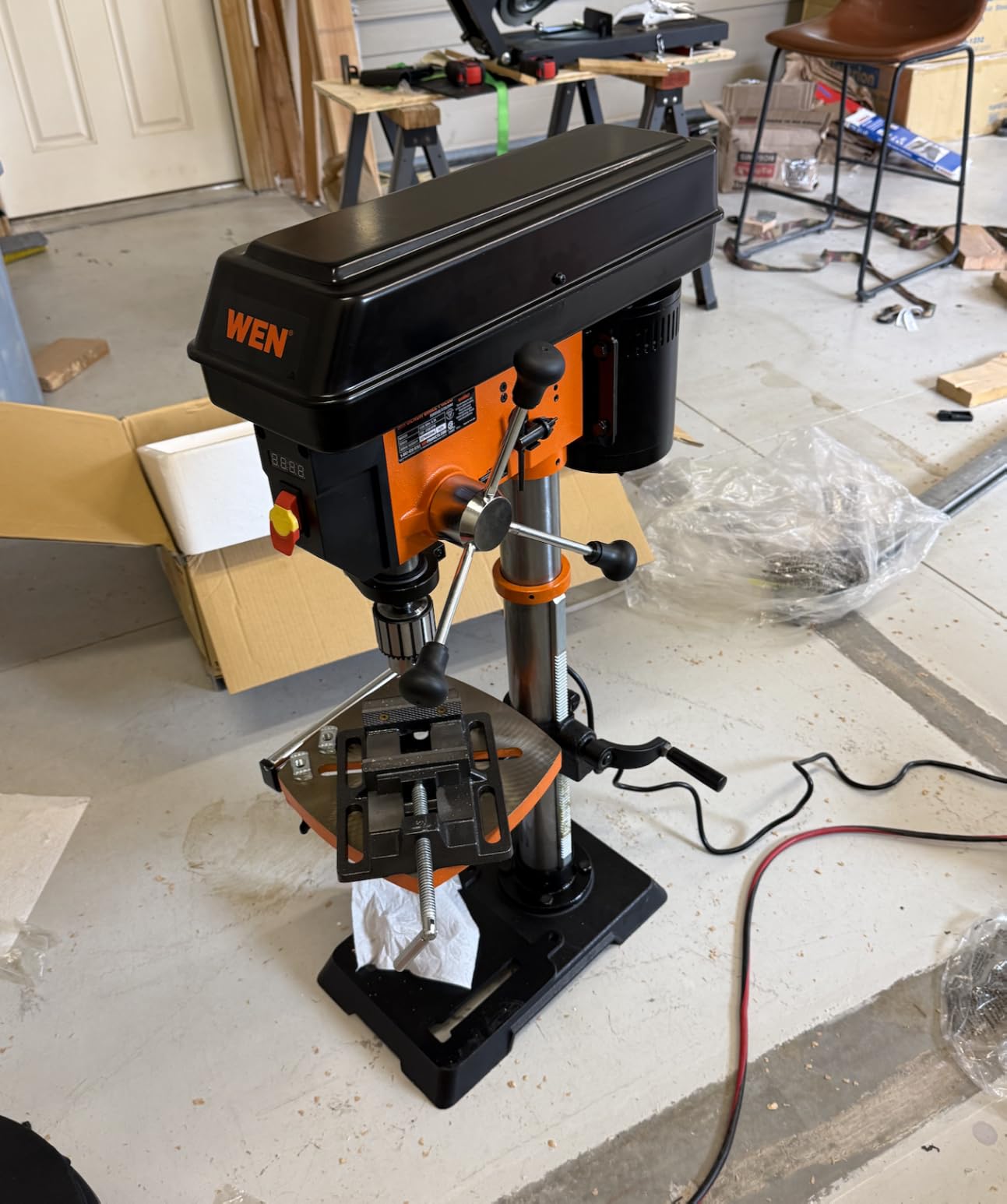
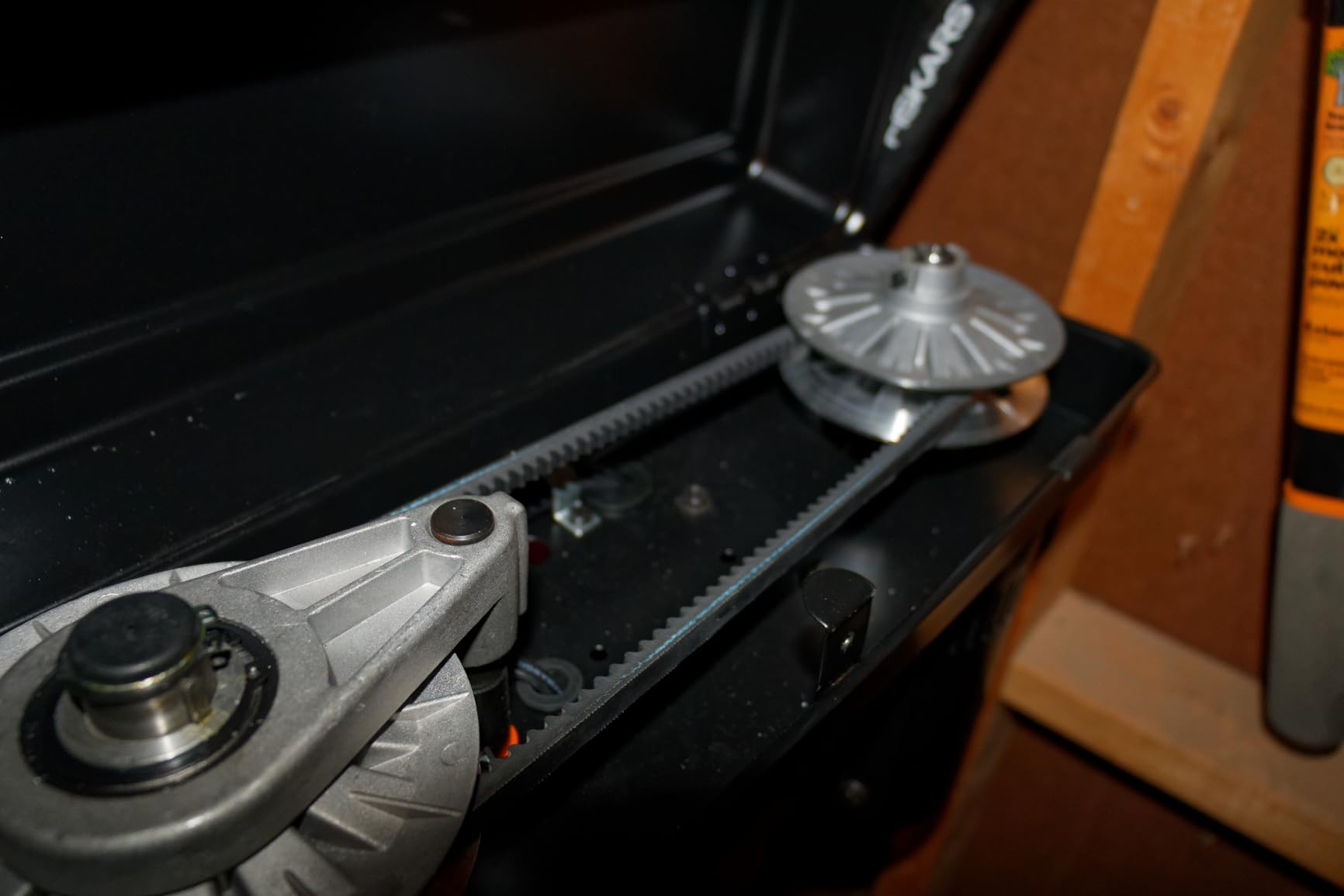
The laser and LED work light are recessed under the head with protected, reachable switches, which is a better design decision than most competitors make. The 4 digit display stays readable in a lit shop. Assembly took under five minutes for at least one owner, and special tools are included, though at 88 pounds the machine is going nowhere after it is placed.
There is one significant quality problem. At least one owner received a press whose table was out of tolerance front to back, a fault that cannot be adjusted out and was ultimately fixed by shimming under the table. Owners also note that the table moves around as the height is adjusted, and that the 45 degree tilt in either direction is finicky to fine tune through the access bolt.
Who the WEN DP1263V suits best
Furniture makers, and anyone who drills a lot of large-diameter holes in solid wood. The variable speed range is the widest and steadiest here, the 3-1/8 inch travel means you can reach real depth in thick hardwood, and the laser plus light combination makes marking out a workpiece far easier. Owners with professional workshop backgrounds treat this as a serious machine despite the brand reputation.
Where the WEN DP1263V falls short
Check the table alignment before you drill anything, using feeler gauges at four points. The weak bundled clamps mean you will want proper hold-downs. It is also heavy enough to need a dedicated corner of the bench, and while a 6.2 amp motor will drill mild steel, the BUCKTOOL is the better choice if metal is your main material.
8. WOODSKIL 8-Inch Press with Laser Guide – Best Starter Laser Setup
WOODSKIL 8-Inch Benchtop Drill Press, 2.3 Amp 5-Speed with Laser Guide
1/3 HP 2.3 amp motor
1/2 inch keyed chuck
8 inch swing
Class IIIA laser guide
Pros
- Cast iron table and base at a low overall cost
- Laser guide aids alignment on small workpieces
- Five speeds up to 3200 RPM
- Table bevels 45 degrees in both directions with height adjustment
Cons
- 1/3 HP motor is light duty and suited to wood
- 120 watt rating limits heavy metal work
- About 11 percent of owner reviews are one star
The WOODSKIL 8-Inch puts a laser guide on a cast iron table at a very low cost, and that combination is its whole argument. The table and base are cast iron rather than pressed steel, it bevels 45 degrees in either direction with free height adjustment, and the Class IIIA laser helps you line up holes on small or light workpieces where a traditional center punch mark is hard to see.
Speed coverage is fine for a small press: five mechanical steps from 750 to 3200 RPM, a 1/2 inch keyed chuck, 8 inch swing and 2 inch of spindle stroke. The 2 year limited warranty is a reasonable commitment for a machine at this level.
Who the WOODSKIL 8-Inch suits best
It works for a hobbyist who mostly drills small holes in softwood or plywood, and for anyone who wants a laser without stepping up to a 6.2 amp press. The cast iron table is the part that will matter to you later, because pressed steel tables flex and a flexing table means a drifting hole. Buy proper clamps, since the machine does not include a strong hold-down system.
Where the WOODSKIL 8-Inch falls short
The 1/3 HP 2.3 amp motor is the limitation, and the 120 watt rating is low even for light duty work. Review volume is thin at 99 reviews, with about 11 percent one-star feedback, the highest share in the roundup. If you already know you will grow into this tool, the SKIL DP9505 is the better place to start.
9. BACHIN 710W Mini Bench Drill Stand – Budget Pick
BACHIN Bench Drill Stand 710W Mini Electric Bench Drilling Machine Drill Chuck 1-13mm, 6-Speed Mini Drill Press Machine with Cast Iron Base, 0-2800RPM, for DIY, Woodworking, Metal, Jewelry Making
710W geared direct drive
1.5 to 13 mm keyless chuck
Head swivels 180 degrees
11.4 pounds
Pros
- Compact and light enough to store under a bench
- Geared motor holds speed with no chuck play
- Owners drill 1-1/2 inch Forstner bits and threaded inserts accurately
- Head swivels 180 degrees for perpendicular drilling
- Two spare carbon brushes included
Cons
- Advertised low end of the speed range is not accurate
- Head drifts unless the three track screws are adjusted
- No seller support for replacement parts
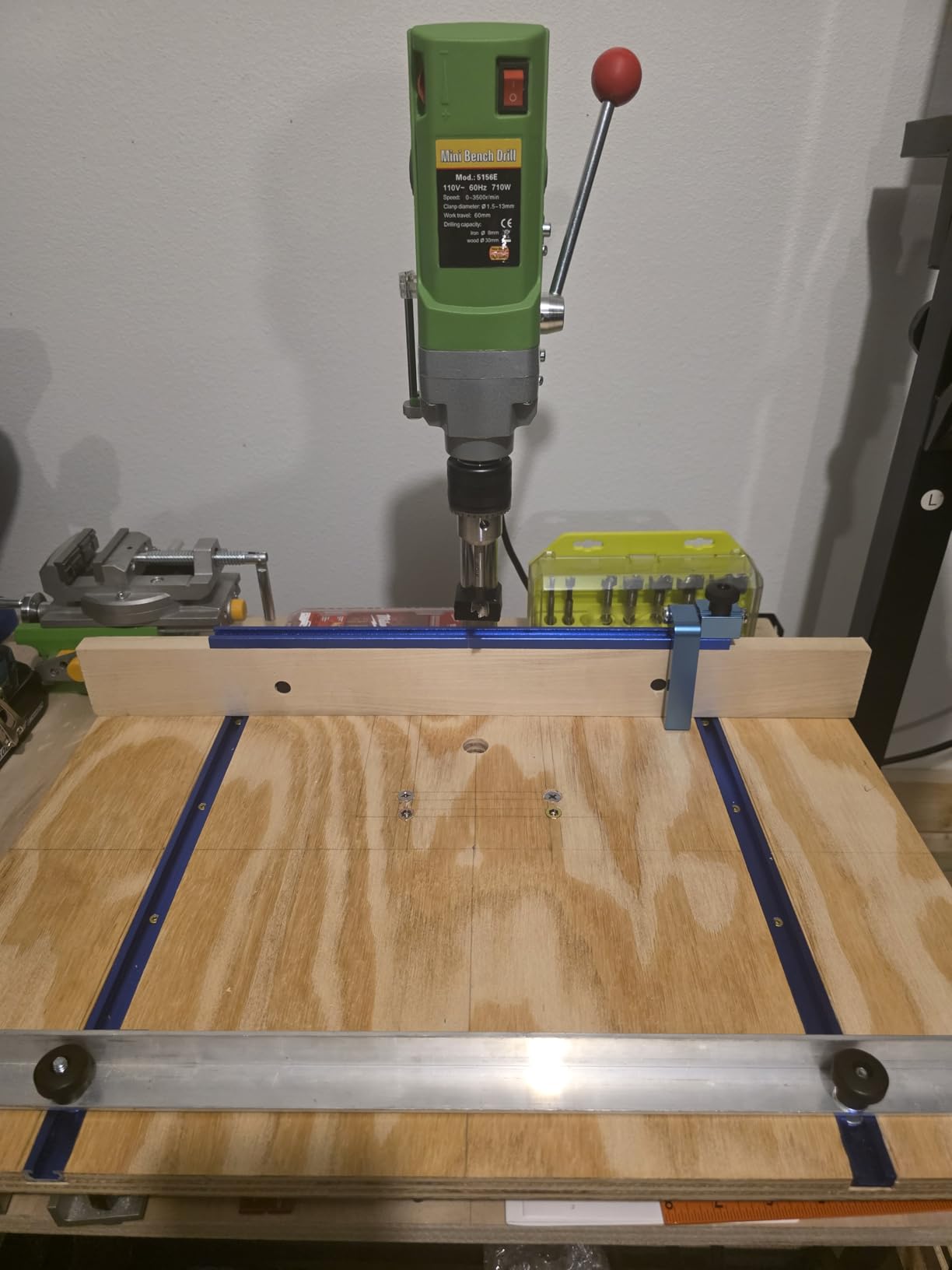
The BACHIN 710W solves a problem most other presses here cannot: getting press accuracy out of a machine that weighs 11.4 pounds. A 710 watt geared direct drive motor needs no belt, the keyless chuck takes 1.5 to 13 mm, and the head rotates 180 degrees so you can clamp a workpiece and drill perpendicular to the column. The 327 owner reviews give it a larger feedback base than most machines at its weight.
Owners repeatedly report drilling 1-1/2 inch Forstner bits and threaded inserts accurately, which is impressive for something this light, and they like that it stores under a bench between uses. The geared motor is a real design advantage: owners report no visible chuck play and no speed drop under load. Two spare carbon brushes are included in the box.
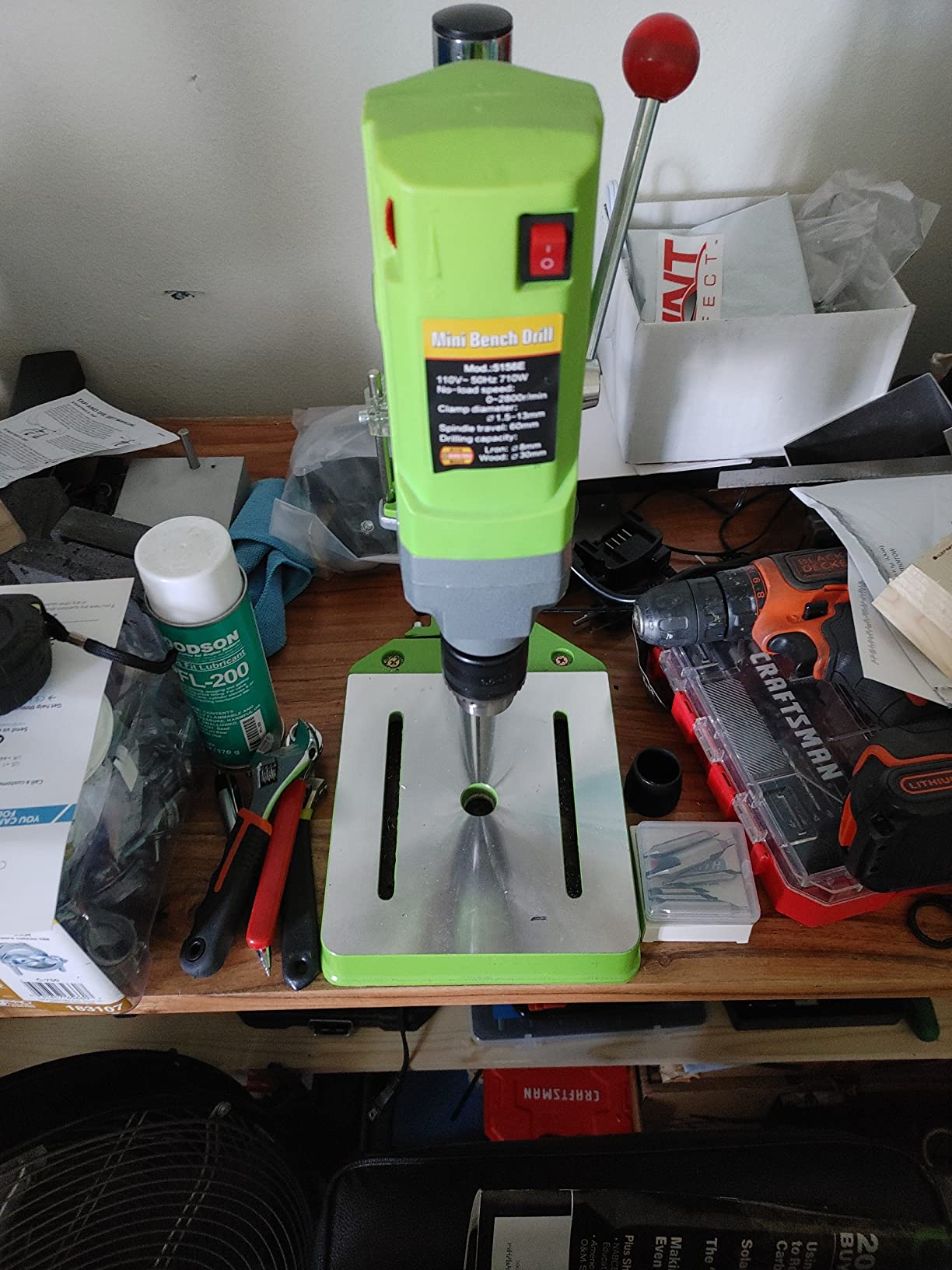
There are caveats that matter. The advertised 0 to 2800 RPM range is inaccurate at the bottom, with the true minimum closer to 450 RPM, which will overheat diamond bits on slow work. The head drifts unless you adjust and lock the three track tensioning screws, and the spring-loaded feed handle needs setting up before use. Owners drilling stainless and aluminium get good results with cutting fluid.
The biggest complaint is support. There is no seller backing for replacement parts, and some presses arrive without a chuck key or spare brushes. The included depth stop is a weak plastic part that some owners replace, and the unit is loud at maximum speed.
Who the BACHIN 710W suits best
Small-space shops, mobile work, and anyone who wants a second press without dedicating bench to it. It is genuinely capable of accurate woodworking in a small footprint, and owners drilling small metal parts with fluid report clean results. For a hobbyist working at a kitchen table or in a shared garage, the portability is the deciding factor.
Where the BACHIN 710W falls short
It needs a five minute setup session before every first job, because the head will drift until the tracks are tensioned. Lack of parts support is a real long-term risk on a machine with carbon brushes and a feed handle spring. If you need a wide range of speeds for different materials, look for a press with a genuine stepped speed system instead.
10. SHOPMAX 8-Inch 4.2A Bench Press – Light Duty Entry Machine
SHOPMAX 8 inch 9 adjustable speeds 4.2 Amp Benchtop Drill Press
0.68 HP 4.2 amp motor
1/2 inch keyed chuck
2 inch travel
8 inch swing distance
Pros
- One of the lowest cost machines in the roundup
- Table rotates 360 degrees and tilts 45 degrees in both directions
- 1/2 inch keyed chuck with 2 inch of travel
Cons
- Rated metal drilling capacity is only 0.2 inches
- Listing and spec sheet disagree on the number of speeds
- Lowest average rating in the roundup at 4.1
The SHOPMAX 8-Inch is the entry point of this roundup, and it does the basic things correctly. A 0.68 HP 4.2 amp motor drives a 1/2 inch keyed chuck with 2 inches of travel, and the work table both rotates 360 degrees and tilts 45 degrees on either side. At 25.4 pounds it moves easily and it shares the lowest cost in this roundup.
Where it stops is where the specification is least useful. Rated metal drilling capacity is 0.2 inches, the smallest in the group, and the listing advertises nine adjustable speeds while the spec sheet lists five. That inconsistency is worth asking about before you buy. The 4.1 average across 52 reviews is the lowest here, with roughly 11 percent one-star feedback.
Who the SHOPMAX 8-Inch suits best
Very occasional users, renters, and anyone who wants drill press accuracy for dowel work and small wood holes without spending much. If it will live in a closet and be used a few times a year, the rotating and tilting table is more capability than you would get from a basic hand drill guide. It is a sensible first purchase for a young maker.
Where the SHOPMAX 8-Inch falls short
Its rated capacity and the conflicting speed count mean you should verify what you are actually getting before committing. The 4.2 amp motor sounds generous but the rated metal capacity of 0.2 inches tells you this is a wood machine. With the lowest rating and smallest review pool here, it is the pick I would most expect to disappoint after a year of use.
What 500 Dollars Actually Buys You: Price Tiers Explained
The clearest way to understand this category is to sort the machines into three tiers, because each tier buys you one genuinely new capability.
The entry tier buys you a frame. At the bottom of this roundup you get a cast iron or pressed steel table, a 1/2 inch chuck, five speeds and a tilting table. What you give up is torque. Motors here run between 2.3 and 4.2 amps, which is fine for wood and thin sheet but will stall or overheat on steel. The BACHIN, SHOPMAX, VEVOR and WOODSKIL all live here, and the BACHIN is the standout because its geared drive holds speed where belt drives sag.
The middle tier buys you a real motor. A 6.2 amp, 744 watt induction motor is the dividing line between a hobby press and a working press. With that much torque you can bore large Forstner bits without stalling, drill through thick hardwood, and handle mild steel with cutting fluid. The SKIL DP9505 is the clearest example of that tier, and it is the one I would choose if you have room for a 10 inch swing.
The top tier buys you speed control and capacity. Above that you get either a 12 inch swing with 3-1/8 inches of travel, a 5/8 inch chuck, or continuous variable speed with a digital readout. The BUCKTOOL and the WEN DP1263V are the two examples here, and both are 80 to 90 pound machines. That weight is not vanity; it is what stops a 3/4 HP press from walking across the bench when the bit catches.
Where the sub-500 tier is genuinely thin is accessories. No machine in this roundup includes a spindle sander kit, a mortiser attachment, or a hold-down system worth relying on. If your leftover budget goes anywhere, it should go to clamps, a proper vise, and a Forstner bit set rather than another machine.
How to Test Runout and Chuck Wobble on Arrival?
Runout is how far your bit is off true when the chuck spins, and it is the number that determines whether a hole stays straight in thick wood. A good benchtop press should stay within about 0.002 to 0.004 inches of true at the outer edge of the bit. Anything you can visibly see wobble on a dowel is out of tolerance.
Check the table first. Before anything spins, lay a machinist square on the worktable and check the four corners. A gap wider than a sheet of paper at any corner means a table that needs shimming, which is a known issue on a small number of WEN and SKIL presses.
Check the table for movement. Raise and lower the table by hand. If the table shifts or walks sideways as the height changes, the rack collar is not locked. Tighten it fully before proceeding, because a wandering table is the reason so many people reach for a laser.
Test the quill at full extension. Fold a piece of card into a stack roughly two inches thick and rest the table on it so the quill is fully raised. This is the position that exposes a bent spindle.
Run the dowel test. Stick a short dowel or a straight shank in the chuck and hold it against the machinist square. Rotate the chuck slowly by hand. If the shank taps the square more than a hair, you have runout.
Listen for the chuck wobble cause. If the wobble is a tap, tap, tap in time with the rotation, the chuck itself is damaged or bent. If it is a smooth figure of eight, the chuck is not seating square on the spindle taper. Clean the taper and the chuck bore, then retest before condemning the machine.
If a press fails this test, keep the packaging. Out-of-box faults are the single most common source of returns in this category, and the most common complaint among WEN owners in particular is a machine that needed correcting before it would drill straight.
How to Choose a Benchtop Drill Press Under 500?
Drill size, throat distance and quill travel
Swing, or throat distance, is the sideways reach from the column to the chuck centre. Manufacturers describe an 8 inch press as having 4 inches of real clearance either side of the bit, so the number is always half what you read. Decide by bit, not by workpiece: measure the longest bit you plan to use and check the clearance under the table with it fitted. Quill travel is the vertical reach, and 2 inches is adequate for most wood while 3 inches or more is what you want for thick stock.
Variable speed versus stepped belt speeds
Stepped belt speeds are cheaper and perfectly adequate for wood, where you can run most operations at one of three or four settings. Variable speed matters when you change material within a single bit, most obviously when you cut steel with a cobalt twist drill and want to drop the speed before the tip heats. A press with a lever and a digital readout, like the BUCKTOOL or the WEN DP1263V, saves you the awkwardness of climbing behind the head with a wrench.
Horsepower and what you can bore
The useful threshold for a home shop is a 6.2 amp motor, which is roughly 3/4 HP. Below 2.5 amps you are firmly in wood-only territory, and owners repeatedly report overheating when trying to push further. At 6.2 amps you can run a large Forstner bit through hardwood and drill mild steel with cutting fluid. More important than the number is whether you can adjust speed, because a fixed high speed is what actually destroys a bit in metal.
Cast iron versus laminated and pressed steel
Frame material decides how the press behaves over years. Cast iron absorbs vibration and does not creep, which is why serious bench presses use it. Laminated composite and plastic frames are lighter and cheaper, and owners do report them working perfectly well, but they are more likely to loosen at the joints and they damp less vibration. Pressed steel is the weakest of the three and is what you will find in the cheapest units here. Check that the table, not just the column, is metal before you buy.
Table, chuck and lighting features that matter
A tilting table that moves 45 degrees in both directions is genuinely useful, and a rotating table lets you work on the side of a workpiece without repositioning. A laser and an LED light look like extras, but they solve a real problem: a table that moves as you raise it, and dark holes in thick wood. Chuck quality is worth paying for, since several presses here ship with a mediocre keyed chuck that owners replace within a year. And check that the machine has an oversize on and off switch you can hit without changing grip.
Frequently Asked Questions
What is the best benchtop drill press for the money?
The WEN 4206T is the strongest all-round buy for most home shops: cast iron construction, five speeds from 750 to 3200 RPM, a 1/2 inch keyed chuck and the deepest owner review base in this roundup. If your bench has room and you want more power, the SKIL DP9505 adds a 6.2 amp motor, a 10 inch swing, a laser and an LED light.
What is the best value-for-money bench drill press?
At the low end of the market, the BACHIN 710W mini bench drill stand offers the best value because its geared direct drive motor holds speed under load with no chuck play, while weighing only 11.4 pounds. For a full-size press, the SKIL DP9505 is the value pick: a 6.2 amp motor, a tilting table, a laser and a light at a mid-range cost.
What is a good quality bench drill press?
Four signals separate a good press from a cheap one. Look for a cast iron table and column rather than pressed steel or plastic, a 6.2 amp motor if you intend to drill metal or thick hardwood, a chuck that is not the cheapest available, and a frame heavy enough to sit still when the bit bites. Add a warranty longer than one year and a laser or light, and you are looking at a solid machine.
How much runout is acceptable on a drill press?
A good benchtop press should hold within about 0.002 to 0.004 inches of true at the outer edge of the bit. Test it by resting the table on a folded card so the quill is fully extended, then holding a straight dowel in the chuck against a machinist square. A visible tap that repeats once per chuck rotation means runout is out of tolerance.
Why does my drill press chuck wobble?
Most wobble comes from one of three causes. A damaged or bent chuck gives a tap that repeats once per rotation. A chuck that is not seating square on the spindle taper gives a smooth figure of eight, and cleaning both the taper and the chuck bore usually fixes it. A bent spindle, often from a dropped bit or a crash, shows up only at full quill extension, so test the press in that position before condemning it.
Is a benchtop drill press worth it versus a used floor model?
A benchtop press under 500 dollars is the right call if your work is wood, your bits are measured in inches, and you want the machine on a bench rather than on the floor. A used floor model gives you more table, more travel and often more swing for the money, but it takes more floor space and moves as a single heavy unit. Check that a used press has not been dropped, which bends the head and ruins accuracy.
Final Verdict on the Best Benchtop Drill Press Under 500
Ten machines, one clear winner. The WEN 4206T is the best benchtop drill press under 500 dollars for most people, because cast iron construction and five usable speeds at that cost are rare, and because 797 owner reviews make it the least risky purchase in the category. Choose the SKIL DP9505 instead if you have the bench space for a 10 inch swing and want real motor power with a laser and a light.
Go further up the range for one specific reason. If you drill steel, cut thick hardwood, or run large Forstner bits and hole saws, the BUCKTOOL 12-Inch and the WEN DP1263V give you the torque and capacity the smaller presses cannot, at the cost of 80 to 90 pounds on your bench. Whichever you pick, run the runout test before you cut anything, because out-of-box alignment is the most common fault in this category and the easiest one to return.