

A wood lathe spins a workpiece so you can carve it with chisels, and choosing the wrong first one is the fastest way to lose interest in the craft. The honest answer to the best wood lathes for beginners question is simple: a 10 or 12 inch cast iron benchtop machine with infinitely variable speed gives you the most useful capacity without taking over the garage. Our team weighed twelve machines side by side on swing, distance between centers, motor power, taper standard and the accessories that actually ship in the box.
What follows is a full roundup of the best wood lathes for beginners in 2026, from a 5.69 pound pen-turning machine to a 121 pound JET midi. Every machine below reports its own real specifications, and every block tells you who it suits and who it will frustrate. We also added the sizing framework, accessory checklist and safety habits that the five-pick roundups we studied leave out.
One practical note before you read on. If your shop is small or your cleanup routine is already tight, a compact machine that you will actually keep on a corner of the bench beats a bigger one you will avoid. Shop vacuums made for pet hair on wood floors pull an unusual amount of fine dust out of an ordinary shop, and you can read our cordless vacuum picks for wood floors to see how we judge extraction.
Table of Contents
Top 3 Picks for the Best Wood Lathes for Beginners (September 2026)

WEN 3421 8 x 12 Variable Speed Mini Lathe
- 750-3200 RPM soft start
- 3.2-Amp motor
- 12 in long by 8 in wide
- 2.3 in face plate

JET JWL-1221VS 12 x 21 Variable Speed Lathe
- 1 HP motor
- 60-3600 RPM across three ranges
- 24 indexing positions
- MT2 taper
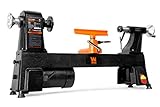
WEN LA3424 12 x 18 Five Speed Lathe
- Five speeds 520-3400 RPM
- 4.5-Amp motor
- MT2 tapers
- 3-1/8 in face plate
All 12 Wood Lathes at a Glance in 2026
| Product | Specs | Action |
|---|---|---|
| WEN 3421 8 x 12 Variable Speed Mini Lathe |
|
Check Latest Price |
| JET JWL-1221VS 12 x 21 Variable Speed Lathe |
|
Check Latest Price |
 VEVOR 12 x 18 Brushless Variable Speed Lathe VEVOR 12 x 18 Brushless Variable Speed Lathe |
|
Check Latest Price |
| WEN LA3424 12 x 18 Five Speed Benchtop Lathe |
|
Check Latest Price |
 FesmTek 11 Inch Multi-Purpose Mini Lathe FesmTek 11 Inch Multi-Purpose Mini Lathe |
|
Check Latest Price |
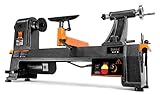 WEN 34035 14 x 20 Variable Speed Lathe WEN 34035 14 x 20 Variable Speed Lathe |
|
Check Latest Price |
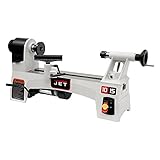 JET JWL-1015VS 10 x 15 Variable Speed Lathe JET JWL-1015VS 10 x 15 Variable Speed Lathe |
|
Check Latest Price |
 ARTYMASTER WM101A-Plus Mini Lathe ARTYMASTER WM101A-Plus Mini Lathe |
|
Check Latest Price |
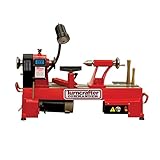 PSI KWL-1218VS 12 Inch Variable Speed Midi Lathe PSI KWL-1218VS 12 Inch Variable Speed Midi Lathe |
|
Check Latest Price |
 VEVOR 10 x 18 Benchtop Lathe VEVOR 10 x 18 Benchtop Lathe |
|
Check Latest Price |
 Shop Fox W1836 12 x 15 Benchtop Lathe Shop Fox W1836 12 x 15 Benchtop Lathe |
|
Check Latest Price |
 MECHINHUB 12 x 18 Digital Display Lathe MECHINHUB 12 x 18 Digital Display Lathe |
|
Check Latest Price |
Key Features to Look For in a Beginner Wood Lathe
Infinitely variable speed beats a fixed five-speed gearbox because you can dial the exact RPM for a given diameter and resin. A digital readout makes that even easier.
Swing over bed is the largest diameter you can turn, roughly double the safe diameter when the tool rest is in place. 10 to 12 inches covers most beginner work.
Distance between centers is the longest piece between headstock and tailstock. Anything under 12 inches is a pen-and-ornament machine; 15 to 21 inches handles furniture parts.
Motor power of 1/2 HP to 1 HP paired with a cast iron bed. Light machines with small motors bog down on hardwood, which is the top complaint in turning forums.
MT2 taper on the headstock and tailstock means standard chucks, drive centers and faceplates fit without adapters.
Weight above 50 pounds if you plan to turn wet or resinous wood. Light machines walk across the bench unless bolted down.
Soft start and a solid tool rest are non-negotiable safety features, along with eye protection and a dust hood.
1. WEN 3421 8 x 12 Variable Speed Mini Lathe – The Most Proven First Machine
WEN 3421 3.2-Amp 8″ by 12″ Variable Speed Mini Benchtop Wood Lathe
3.2-Amp motor
750-3200 RPM soft start
12 in long by 8 in wide
44.7 lb
2.3 in face plate
Pros
- Compact 8 x 12 footprint fits an ordinary workbench
- 3.2-Amp motor outmuscles most 8 inch lathes
- Soft start variable speed from 750 to 3200 RPM
- Two interchangeable tool rests included
- Over 1400 owner reviews to learn from
Cons
- Small swing limits it to pen and small bowl work
- MT1 taper is less common than the MT2 standard
- 44.7 lb still needs bolting down for big cuts
I have recommended this machine more than any other starter lathe, and the reason is boring and reliable: 1428 owner reviews averaging 4.4 stars, with 69 percent five-star. That is a large sample, which means the problems people report are the real problems, not the first-week surprises.
The 3.2 amp motor is the headline. WEN claims it delivers more than 50 percent more power than a typical 8 inch lathe, and in practice that is the difference between a satisfying first cut and stopping halfway through to let the motor cool. Speed runs 750 to 3200 RPM on a soft start dial, so you never slam into a workpiece at full spin.
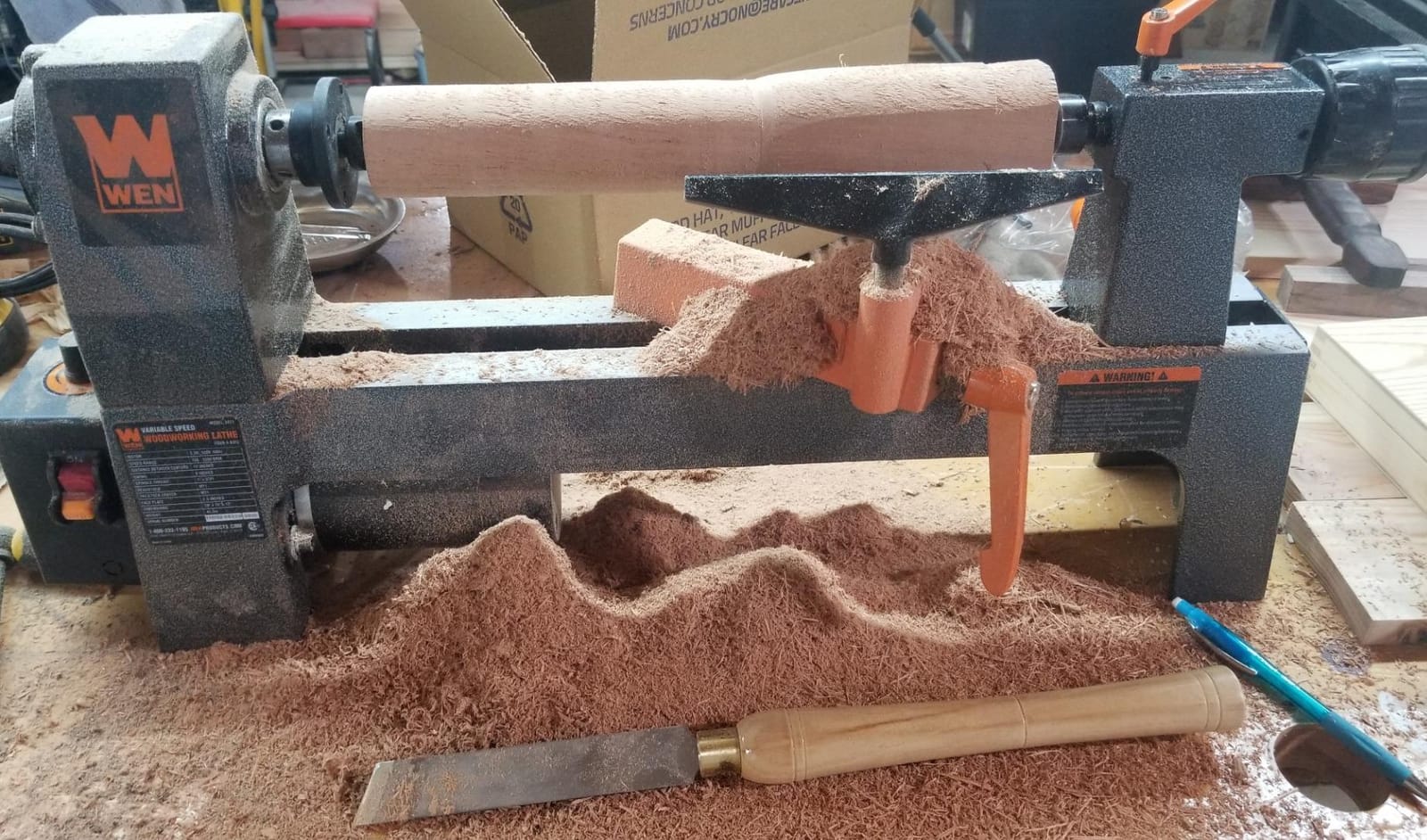
The box includes the lathe, a 2.3 inch face plate, an MT1 spindle and tailstock taper, and two interchangeable tool rests. Owners on r/turning regularly describe WEN mini lathes as the cheapest honest way to find out whether woodturning is a hobby you will keep.
Repeat owners point to the same three limitations. The swing over bed is 8 inches, so bowls are limited. The taper is MT1 rather than the MT2 standard, so a few accessories need adapters. And 44.7 pounds still needs four bolts into a sturdy bench before you take a real cut.
What capacity actually limits on this machine
Plan pens, chess pieces, small bowls, cups, handles and ornaments. Do not plan a salad bowl or a table leg, because the 8 inch swing and 12 inch length physically cannot hold them once the tool rest is in position.
The face plate is small at 2.3 inches, so faceplate work is limited to small bowls and end grain dishes. If you can accept that ceiling, the machine is genuinely capable for years of hobby work.
Why you might want to spend more instead
If your first project list includes anything wider than a cereal bowl, skip this. The jump to a 12 inch benchtop machine is a large cost increase but a very small increase in physical size, and it is the same jump many owners make after a year.
Buyers who want MT2 fittings and a 3-1/8 inch or larger face plate from day one should look at the WEN LA3424 below instead. Same brand, same approach, nearly double the capacity.
2. JET JWL-1221VS 12 x 21 Variable Speed Lathe – The One You Do Not Have to Replace
JET 12″ x 21″ Variable-Speed Woodworking Lathe, 1 HP, 115V 1Ph (JWL-1221VS)
1 HP 115V motor
60-3600 RPM three ranges
12 in swing by 21 in centers
5 year warranty
Pros
- Ratchet belt tension makes range changes fast
- Large digital readout and recessed power switch
- 24 indexing positions plus a spindle lock
- Cast iron build stays quiet under load
- Standard MT2 taper and 1-8 threads
Cons
- Digital readout can misreport RPM at low line voltage
- Included tool rests need finishing
- 121 lb is hard to move between benches
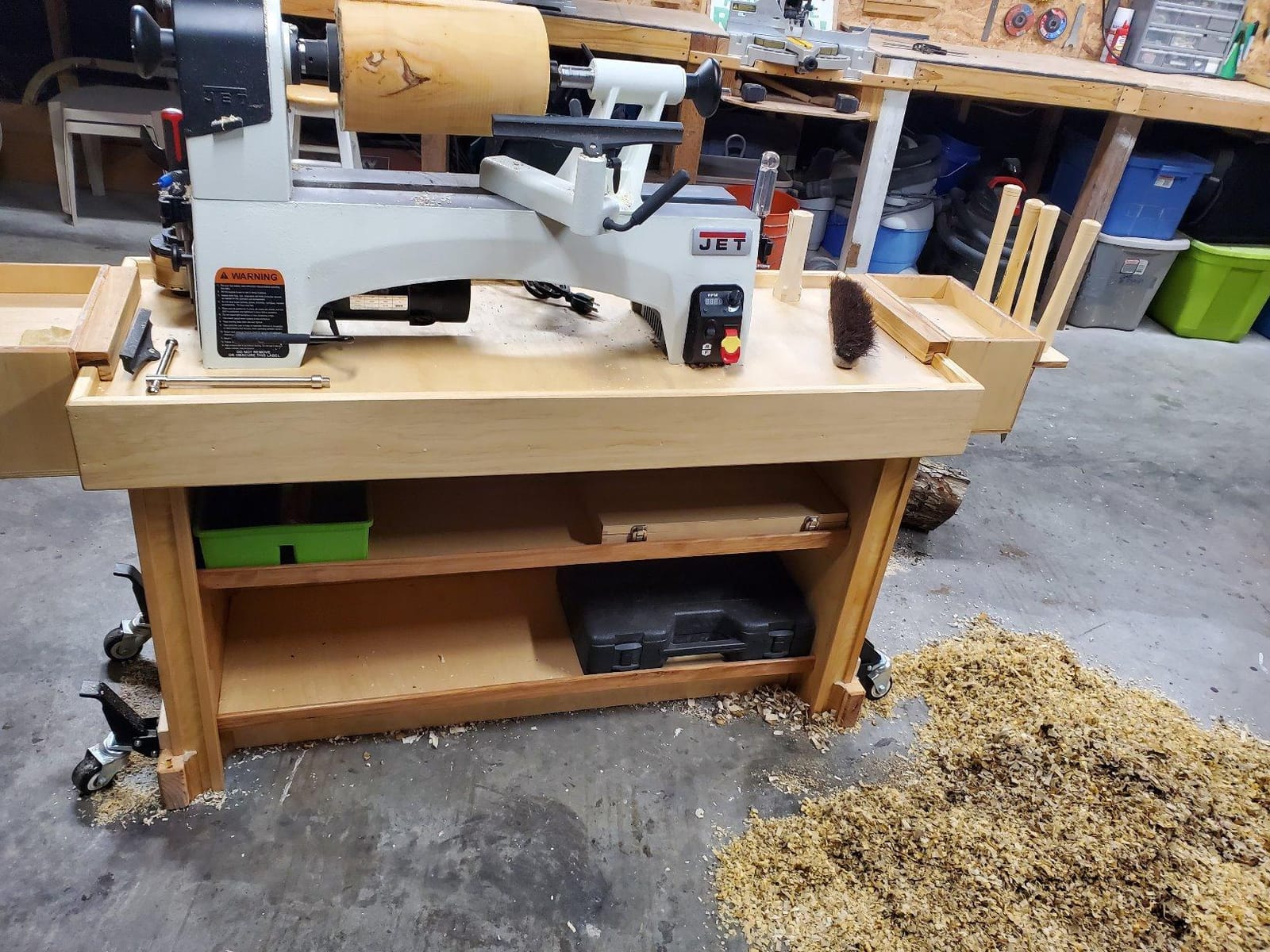
This is the machine I would buy if I had any idea the hobby would stick. At 121 pounds of alloy steel and cast iron, with a 1 HP motor and 12 inches of swing by 21 inches between centers, it is a machine you can grow into for a decade rather than out of in two years.
Speed is the standout feature. Three separate ranges run 60 to 900, 110 to 1800, and 220 to 3600 RPM, and a patented ratchet-style belt tension system changes ranges in seconds instead of the usual lever wrestling. The 60 RPM low end is a real advantage for heavy roughing cuts on green wood.
Owners praise the redesigned controls, the 24 integrated indexing positions and the spring-loaded spindle lock. Bowl turners in particular appreciate having 24 index points combined with forward and reverse rotation in a smooth transition.
Across 664 reviews at 4.4 stars, 76 percent are five-star. The gripes are consistent and mostly minor: the digital readout occasionally reports the wrong RPM under low line voltage, the included tool rests are functional but need polishing, and the speed knob feels cheaper than the rest of the machine.
Whether the weight and warranty pay off
The 5 year warranty from JPW Industries is the strongest in this roundup, dropping to 2 years for commercial use. Cast iron bed, headstock and tailstock mean the machine stays rigid enough for faceplate and bowl work that would rattle a lighter frame.
Where it disappoints is logistics. 121 pounds is a two person lift, and the tailstock does not detach to make moving easier. If your lathe has to travel between a garage and a rented shop space, factor that into your decision.
What it costs you to start on this machine
Because it is MT2 with a 1-8 spindle thread, nearly every chuck, faceplate and center in the accessory market fits without adapters. That is worth more than the headline specifications, because accessory mismatch is the single most common beginner complaint in turning forums.
3. VEVOR 12 x 18 Brushless Variable Speed Lathe – Best Power for the Money
VEVOR Woodworking Lathe, 1 HP, Benchtop Wood Lathe Machine with 150 to 3800 RPM Variable Speed, 12 x 18″ Workbench,Brushless DC Motor, Cast Iron Construction,for Beginners DIY Enthusiasts Woodworking
1 HP 750W brushless DC motor
150-3800 RPM variable speed
12 x 18 in work area
62.7 lb
Pros
- Brushless motor means no carbon brush replacements
- Wide 150-3800 RPM range with no manual belt changes
- Cast iron body and metal handwheels damp vibration
- Tool rest adjusts and supplied centers spin freely
- Strong power-to-cost ratio for a 1 HP benchtop
Cons
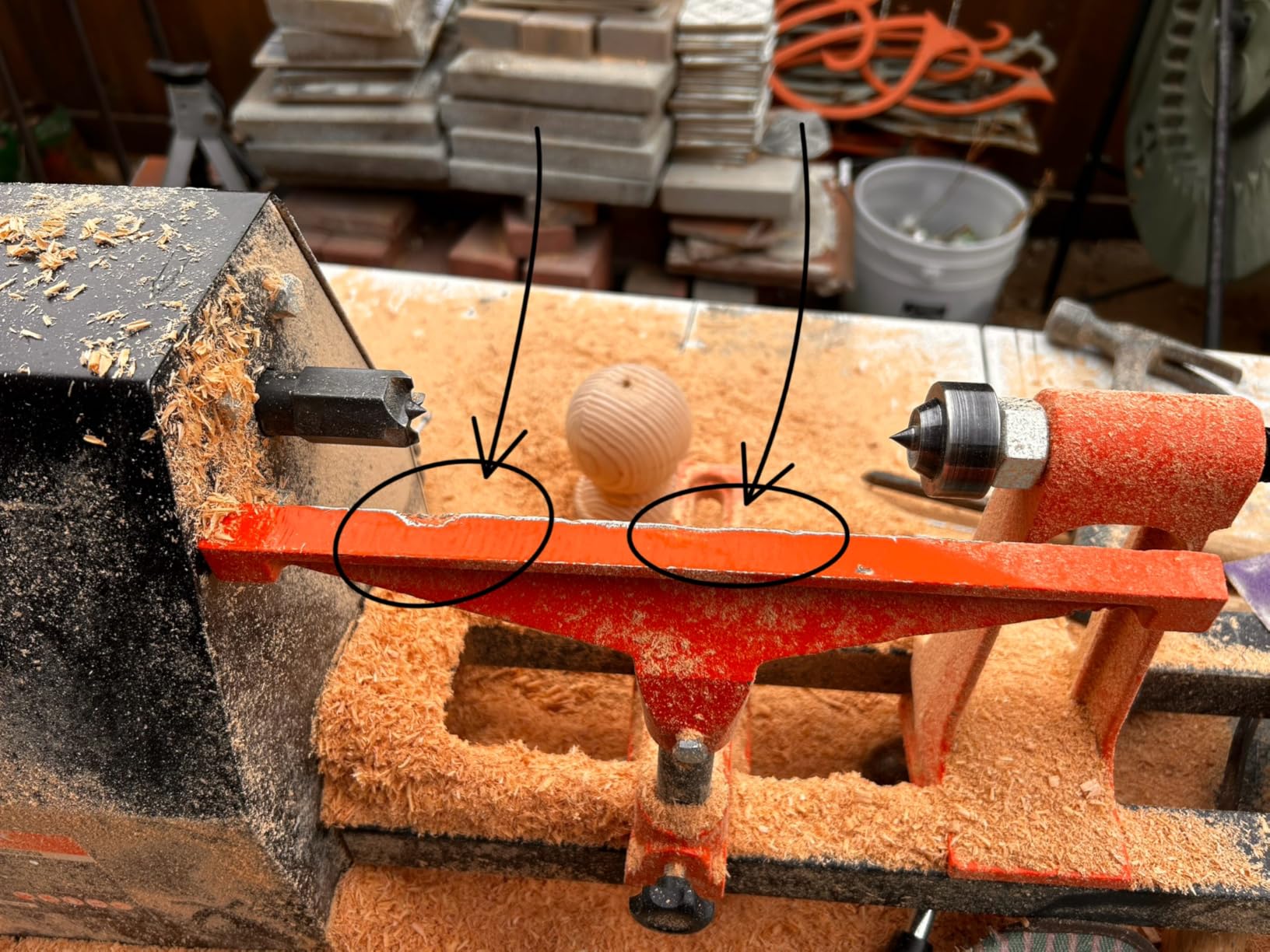
- Tool rest edge can arrive rough on some machines
- Included turning tools dull quickly
- Instruction booklet is mostly warnings
This is the value pick. You get a 1 HP brushless DC motor, a 12 by 18 inch work area and continuous 150 to 3800 RPM variable speed with no manual gear changes, which is a spec sheet that reads like a machine from a much higher tier.
The brushless motor is the quiet advantage. There are no carbon brushes to replace, and combined with the cast iron body and metal handwheels, owners report notably less vibration than they expected from a machine at this level.
Be clear about the rating, though. At 3.9 stars across 548 reviews, this is the lowest-rated machine here, with 57 percent five-star and 13 percent one-star. That gap tells you the machine itself is fine while the finish quality and the accessories in the box are not.
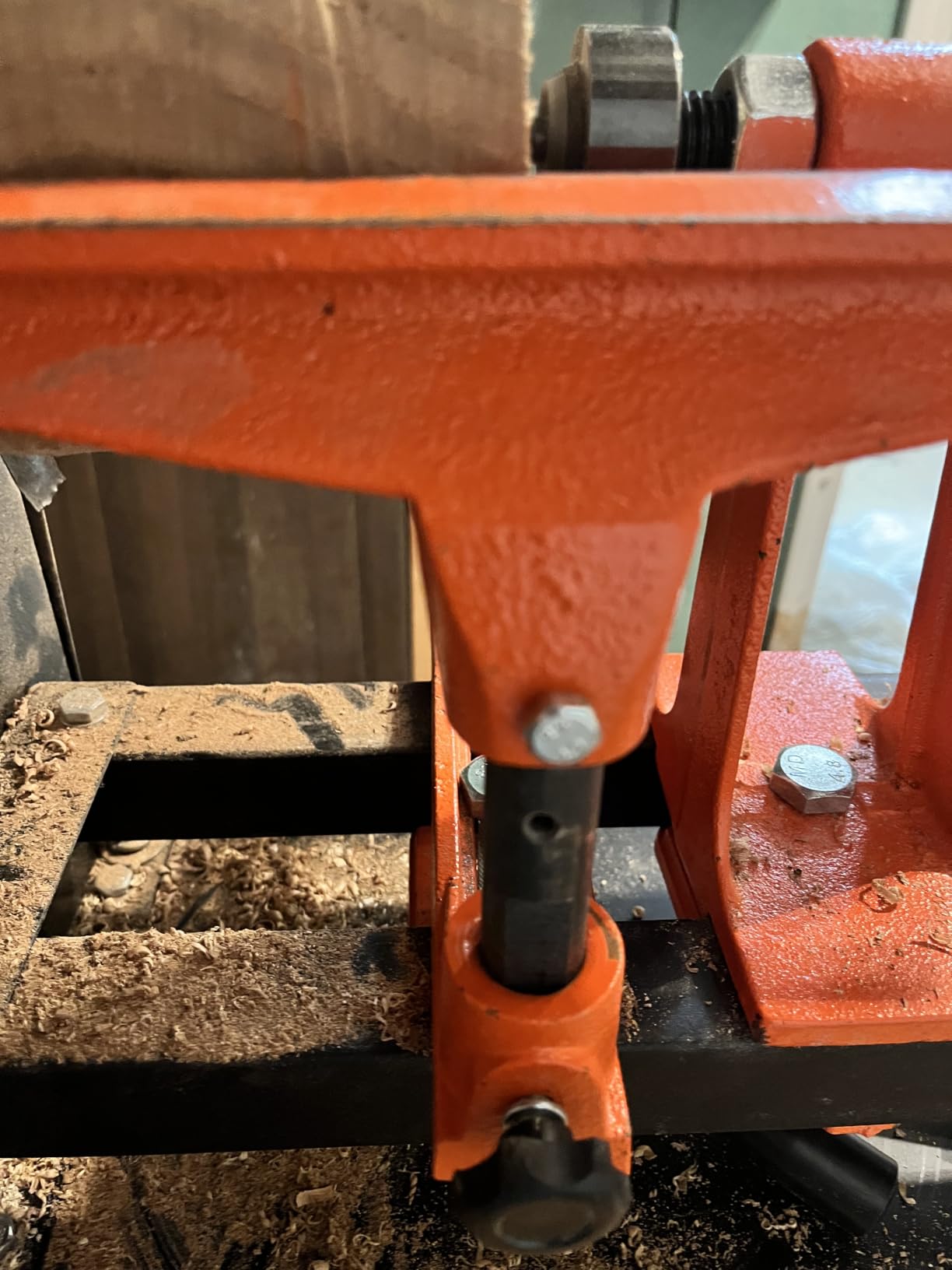
Recurring complaints: a bumpy tool rest edge, included turning tools that need sharpening before first use, and an instruction booklet that is essentially a list of warnings. One owner reported a variable speed control that failed within a month of normal cutting.
How the 1 HP motor handles real cutting
It is one of the strongest motors in this roundup relative to body weight, which means the machine is less likely to bog down on hardwood than the 0.5 HP alternatives. For a beginner who wants to learn aggressive finishing cuts rather than timid scraping, that matters more than any other single spec.
At 62.7 pounds it is lighter than the cast iron JET machines but heavier than the 8 inch WEN, and the overall dimensions of 36.61 by 11.02 by 15.75 inches mean you need a real workbench, not a folding table.
Whether the finish quality is acceptable
If you are comfortable flattening a tool rest edge with sandpaper and sharpening the supplied tools before your first session, yes. If you want a machine that is flawless out of the box, the higher review scores elsewhere justify the difference.
Inspect the machine on arrival and check the rest, the fasteners and the panels before you mount anything permanent. That habit matters more on this model than on the cast iron ones.
4. WEN LA3424 12 x 18 Five Speed Lathe – The Simplest Speed Control Here
WEN LA3424 4.5-Amp 12-Inch by 18-Inch 5-Speed Benchtop Wood Lathe
4.5-Amp motor
Five speeds 520 to 3400 RPM
MT2 tapers
3-1/8 in face plate
70.3 lb
Pros
- 4.5 star average with 72 percent five-star reviews
- Five discrete speeds give repeatable choices
- MT2 tapers mean most accessories fit
- 3-1/8 in face plate supports bowls and cups
- On-board accessory holder keeps tools in reach
Cons
- No continuously variable speed control
- Belt changes require stopping the machine
- 70.3 lb is heavy for a benchtop
At 4.5 stars across 298 reviews with 72 percent five-star, this is one of the highest rated machines in the group. The reason owners like it is the opposite of what most buyers want: the five-speed gearbox is deliberately simple.
Speeds step through 520, 900, 1400, 2150 and 3400 RPM. You shift the belt with the machine stopped, set a speed, and every cut at that setting feels the same. Beginners find that repeatability easier to learn than hunting for the right point on a dial.
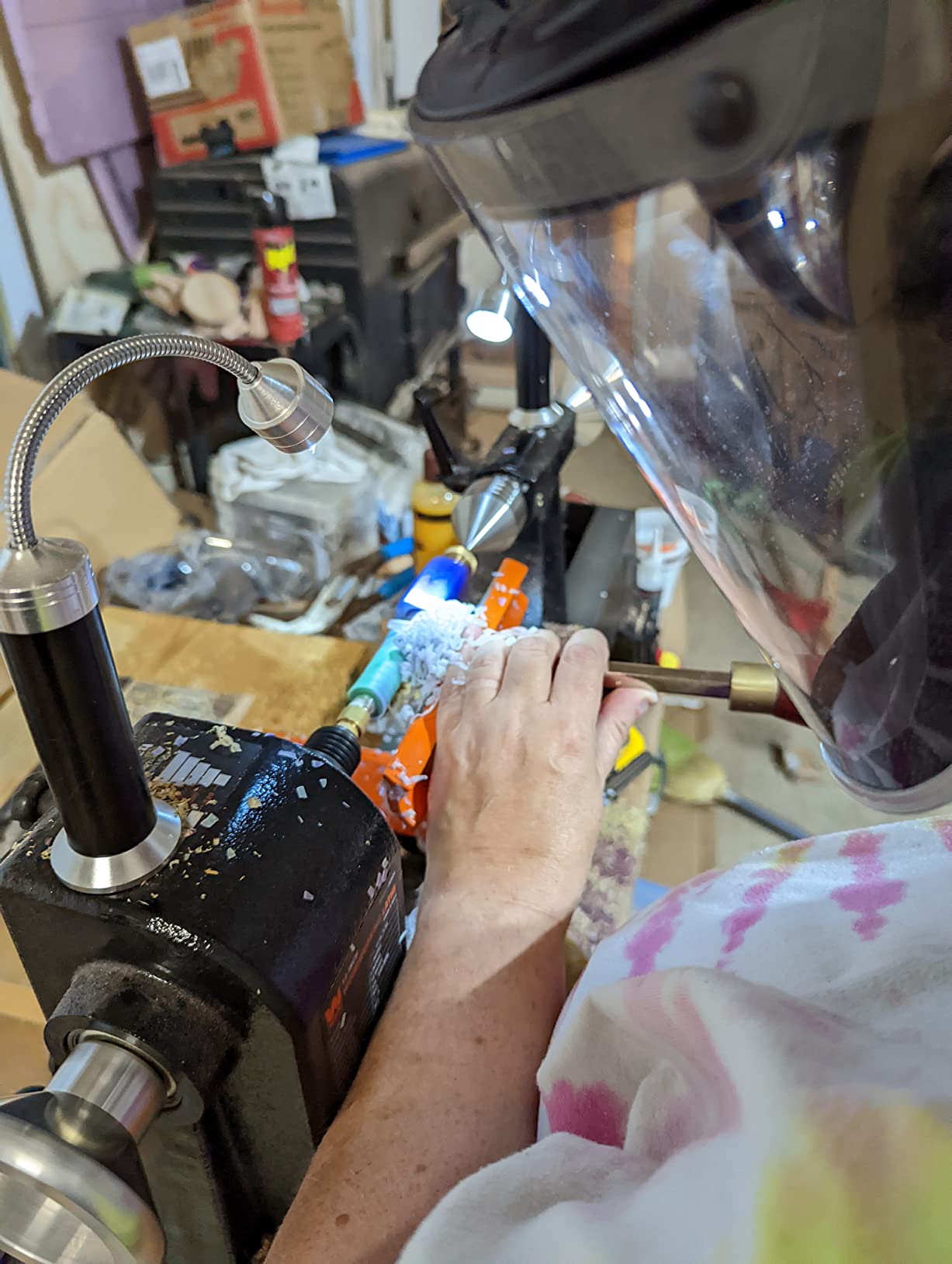
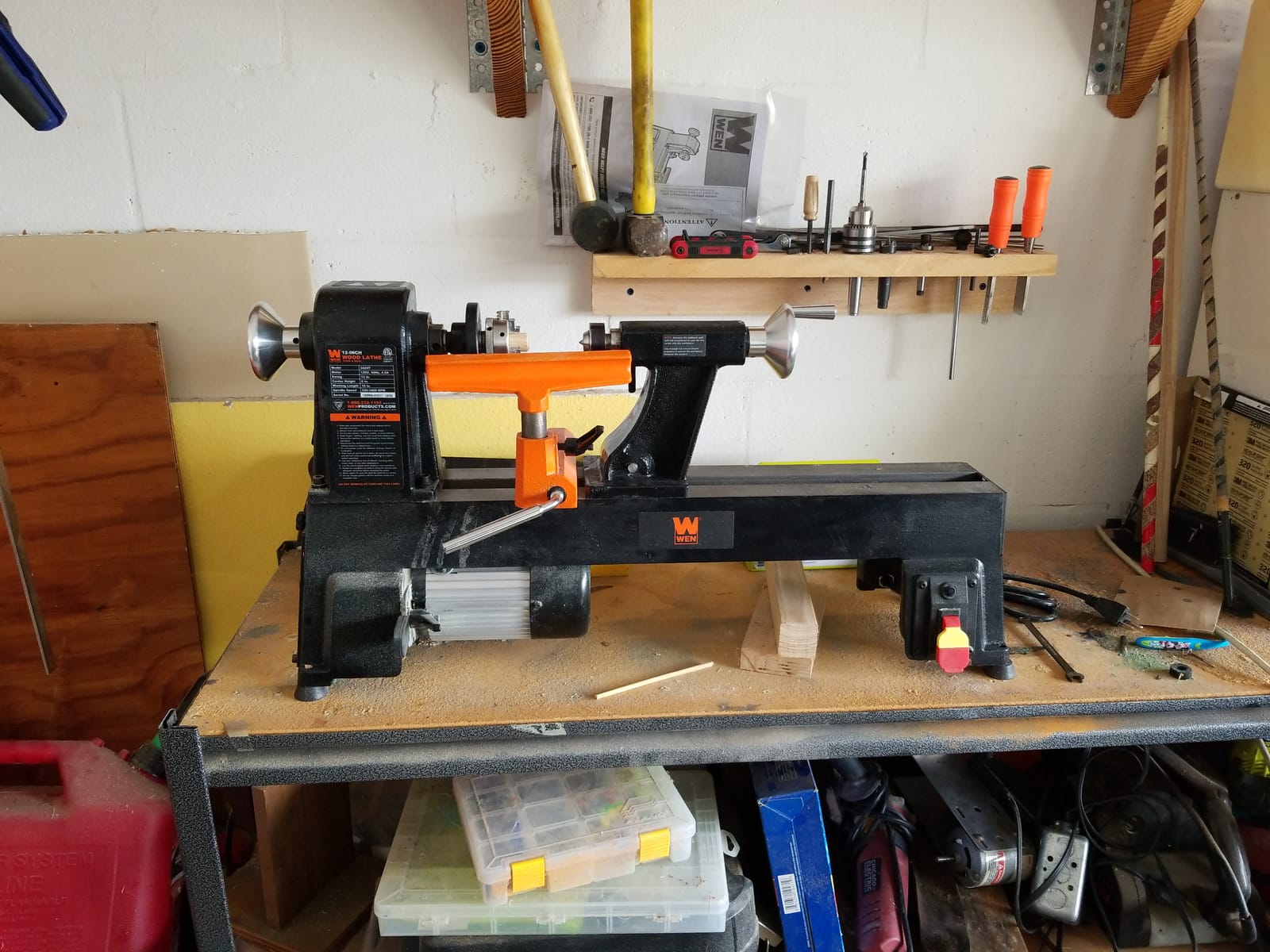
The 4.5 amp motor is well matched to a 12 by 18 inch capacity, and the box includes a 3-1/8 inch face plate, an MT2 headstock spur center, an MT2 tailstock live center, an 8 inch tool rest and an on-board accessory holder. That is a genuinely complete starter package.
MT2 on both the headstock and the tailstock is the underrated detail. It means chucks, faceplates and aftermarket tool rests from other brands fit directly, which solves the accessory confusion that trips up most first-time buyers.
Whether five speeds will frustrate you
They will, occasionally. Some bowl work wants a speed between two of the steps, and a hard resin or dense hardwood sometimes wants something finer than 520 RPM. Owners who turn a lot of figured or wet wood eventually wish for continuous control.
If your projects are furniture legs, spindles, bowls and cups, the five steps cover the range well enough that most people never notice. Check the steps against the diameter of your largest workpiece before you commit.
How it compares to the variable speed option
Against the infinitely variable machines in this roundup, you give up fine control and gain simplicity, durability and one of the highest ratings in the group. There is no speed electronics to fail, which matters on a machine you expect to keep for a decade.
At 70.3 pounds it is stable enough that owners do not report it walking across the bench, though bolting down is still sensible for faceplate work.
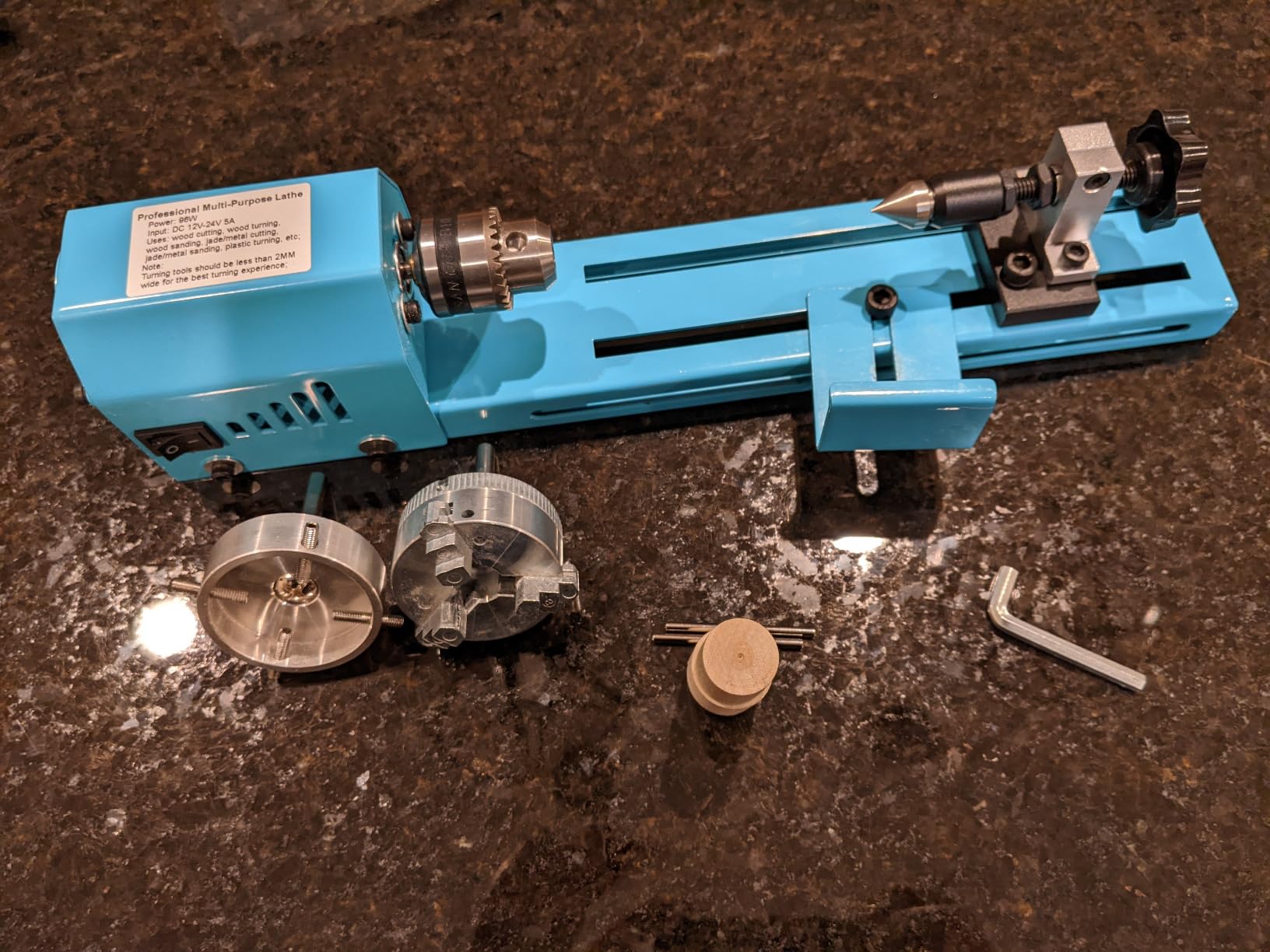
5. FesmTek 11 Inch Multi-Purpose Mini Lathe – The Cheapest Honest Test
Mini Wood Lathe Machine Multi-Purpose Upgraded And Lengthened Processing Diameter 11inch Support Turning Cutting Sanding Polishing Wood, Professional Customized Tool Accessories
100W motor
2 in diameter by 11 in length
100-240V wide input
5.69 lb
Adjustable chuck included
Pros
- Lowest cost entry in the roundup
- Only 5.69 lb so it stores anywhere
- Adjustable chuck and ground HSS knives for turning sanding and polishing
- Step by step instructions and video tutorials
- 100-240V input needs no transformer
Cons
- 2 in diameter and 100W limit it to very light work
- Not capable of serious bowl or spindle work
- Metal frame and low mass mean less rigidity
This is the machine to buy if you genuinely do not know whether woodturning is for you. It is small, light and cheap enough that walking away costs you almost nothing, which is exactly the situation that most expensive first lathes make impossible.
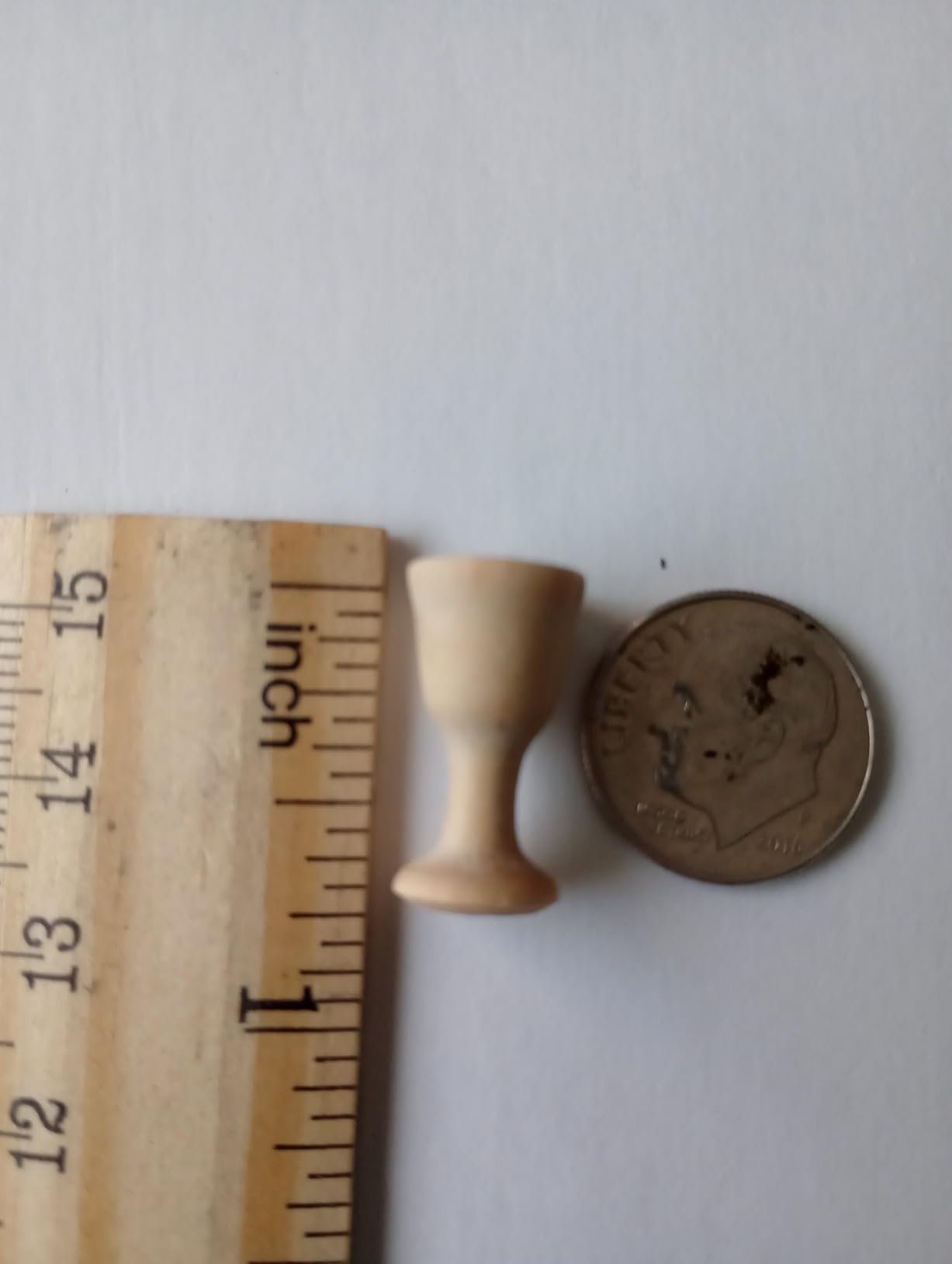
Capacity is 2 inches in diameter by 11 inches of length, driven by a 100 watt motor on a 100 to 240V wide input, so it works without a transformer. Owners use it for pens, beads, musical instrument parts and small gadgets.
The accessory set is the surprise. You get an adjustable multi-purpose chuck and ground HSS woodworking knives, and the machine also handles sanding and polishing rather than turning alone. Step-by-step instructions and video tutorials ship with it, aimed squarely at people who have never done this before.
At 4.0 stars across 119 reviews with 57 percent five-star, the feedback is fair. People treat it as a fun, portable introduction and small accessory tool, not as a general purpose wood lathe.
What you can realistically make on it
Pen bodies, beads, small finials, jewelry components and small decorative pieces. Turning sanding drums and polishing barrels also fit its design well. Anything requiring real removal of material in a large diameter is out of reach.
Because it is metal rather than cast iron and weighs under 6 pounds, expect more vibration and deflection under load. Slow down, take light cuts and keep the tool sharp.
Whether this is a stepping stone or a dead end
It is a genuine stepping stone. Many people buy one, confirm the hobby appeals to them and then sell it, which is the cheapest possible exit. Others keep it forever as a dedicated pen and detail machine alongside a bigger lathe later.
Just set the expectation honestly. It is a taste of the craft, not the craft itself, and the 2 inch diameter will remind you of that every week.
6. WEN 34035 14 x 20 Variable Speed Lathe – For When Bowls Are the Goal
WEN 34035 6-Amp 14-Inch by 20-Inch Variable Speed Benchtop Wood Lathe
6-Amp motor
250-3550 RPM variable speed
20 in long by 14 in wide
4 in face plate
MT2 tapers
Pros
- 250-3550 RPM range means the belt rarely moves
- Long bed turns 12 inch pieces with chuck clearance
- 6 amp motor has real authority on small logs
- Tool holders on headstock and tailstock for quick swaps
- Quiet solid motor
Cons
- Knock-out rod is flimsy and can bend
- Rounded headstock top blocks a work light
- One owner reported the motor bogging down after two hours
If you know you want to turn bowls rather than pens, this is the capacity jump that matters. Fourteen inches of swing and 20 inches between centers puts a 12 inch bowl in comfortable reach, and the 4 inch face plate is large enough to mount a proper chuck.
The 6 amp motor is a strong performer in this roundup, and the 250 to 3550 RPM variable range covers everything from roughing a green log to a fine finish cut. An LCD speed indicator gives you a reference for consistent work.
Owners upgrading from smaller WEN machines rate it as a strong intermediate step, which is an important signal. At 4.4 stars across 110 reviews with 71 percent five-star, satisfaction centers on power and the variable speed system.
The complaints are build details rather than performance: a flimsy knock-out rod that can bend, rounded headstock and tailstock tops that stop a work light mounting, and a tailstock handwheel that could be larger when driving drill bits.
How the 14 by 20 capacity changes your project list
With 14 inches of swing you can comfortably turn bowls in the 10 to 12 inch range, and the 20 inch bed means fence posts, table legs and long spindles become possible. The 4 inch face plate is big enough to face-mount a bowl blank properly.
Dimensions of 38 by 11.8 by 22.6 inches mean a long bench. Budget for a stand or a dedicated workbench, and check that your doorway will accept the machine before you commit.
Whether you should buy this or a 12 by 18 machine
If your target project fits inside 12 inches of diameter, a 12 by 18 machine is lighter, cheaper and easier to move. This one earns its size when you are chasing bowls that will not fit on anything smaller.
One owner reported the motor bogging down and stopping after about two hours of work. If you plan long continuous sessions on dense hardwood, test it early and monitor heat.
7. JET JWL-1015VS 10 x 15 Variable Speed Lathe – The Most Consistent Rating
JET 10″ x 15″ Variable Speed Wood Lathe, Cast Iron, 1/2 HP (JWL-1015VS)
0.5 HP 4A motor
200-3600 RPM three ranges
cast iron bed
10 in swing by 15-1/2 in centers
Pros
- Highest average rating in the roundup at 4.7 stars
- Cast iron throughout stays rigid and vibration free
- Electronic dial is precise inside each belt range
- Live center spur center 6 in tool support 3 in face plate included
- Owners manual actually explains turning technique
Cons
- No reverse function for sanding
- 15-1/2 in between centers limits longer pieces
- 72.6 lb though the tailstock slides off
This is the machine with the best rating in the entire roundup: 4.7 stars across 109 reviews, with 87 percent five-star. That is the highest average and the highest five-star share of anything we tested, and it comes from a machine most beginners never consider because the motor is only 1/2 HP.
The reason is the construction. Cast iron bed, headstock and tailstock mean the machine barely moves, and rigidity is what lets a beginner take a confident cut instead of a timid scrape. Speed comes from three belt ranges covering 200 to 3600 RPM with an electronic dial for fine adjustment.
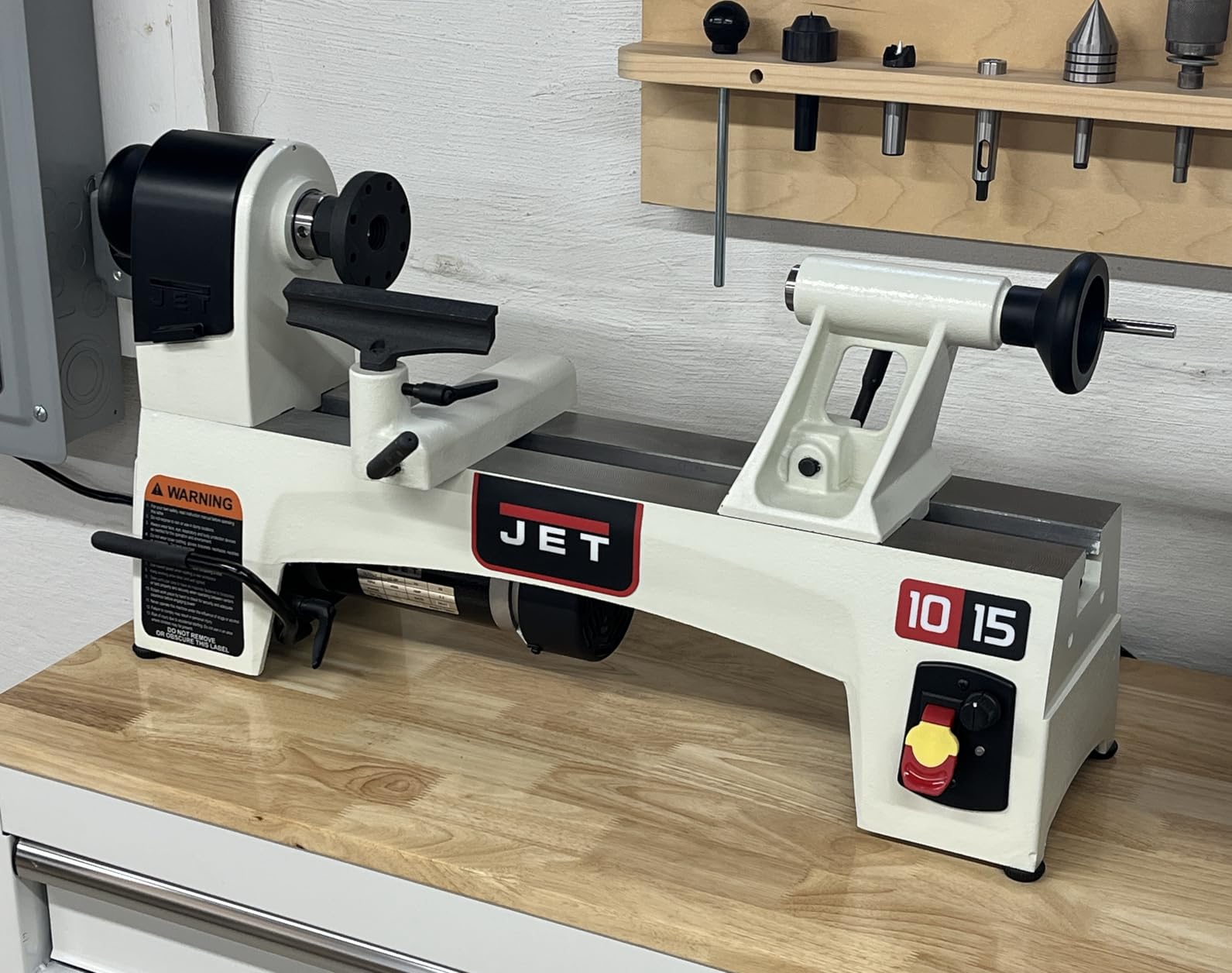
The box is unusually generous for a compact machine: live center, spur center, a 6 inch tool support, a 3 inch face plate and a knock-out rod. The owner’s manual explains turning techniques, which sounds minor until you remember how many lathe manuals are just parts lists.
MT2 taper, a 1 by 8 thread spindle and 24 built-in indexing positions mean it accepts standard accessories and supports segmented bowl work from day one.
Why 4.7 stars changes the recommendation
Rating consistency matters more than peak specification when you are learning. A machine that owners describe the same way after a year is a machine that will not surprise you, and the 87 percent five-star figure here is well ahead of every other model in the list.
The 10 inch swing is the real constraint. It handles pens, small bowls, spindles, handles and ornaments comfortably, and it stops short of the larger work a 12 or 14 inch machine allows.
What you give up versus a larger midi
There is no reverse function, which some turners want for powered sanding, and 15-1/2 inches between centers limits longer workpieces without a bed extension. At 72.6 pounds it is heavy, though the tailstock slides off to make moving easier.
The 5 year warranty matches the flagship JET, which is unusual at this size and a real argument if you expect to keep it.
8. ARTYMASTER WM101A-Plus Mini Lathe – The Quietest Pen Machine
Mini Lathe, WM101A-Plus Mini Wood Lathe Machine, 24VDC 96W Power Lathe, Small Benchtop Lathe with Wood Turning Lathe Tools Kits, Infinitely Variable Speed, Professional for DIY Woodworking
96W 24V DC motor
Infinitely variable speed
3 in by 8 in capacity
17.03 lb
Pros
- Infinitely variable speed is finer than stepped mini lathes
- Solid steel base and headstock hold noise under 65dB
- 96W motor handles hardwoods and copper
- a compact footprint that suits a small benchtop shop
Cons
- 3 in by 8 in capacity suits only small items
- MT1 interface is less universal than MT2
- Runs from a 24V supply rather than mains direct
This is the machine I recommend for a dedicated pen, ring and small bowl station, and for anyone who works in an apartment where a loud motor is a genuine problem. A solid steel base and headstock hold noise under 65 decibels, which is the quietest figure any machine in this roundup claims.
The 96 watt high torque DC motor is more capable than the wattage suggests. Owners report turning hardwoods, engineering plastics and copper rather than just soft pine, and it is rated for over 2000 hours of continuous full-load operation.
Infinitely variable speed beats the stepped mini lathes, and the 0.4 inch spindle through-hole with an MT1 interface accepts a 2 inch chuck set. The accessory kit is the most complete on any mini lathe: three turning tools, a 2 inch chuck set, drive and live centers, a centering ruler and adjustment wrenches.
At 4.4 stars across 98 reviews with 71 percent five-star, the feedback is consistently positive, with the accessory kit and smooth speed control named most often.
How quiet a machine actually matters
Under 65 decibels is closer to a quiet conversation than a shop vac, and it changes the calculus entirely if you share a space or work at night. The steel base and headstock are the reason, and they are also why the machine does not buzz at the same low speeds a hollow metal frame would.
At 17.03 pounds and measuring 5 by 16.5 by 5.5 inches, it occupies almost no bench space and can be moved with one hand.
Where the capacity ceiling bites
Three inches by eight inches means pens, rings, small bowls, handles and model parts. It is not a spindle or furniture lathe, and no amount of careful technique changes the diameter limit.
The MT1 interface is the practical annoyance. Fewer aftermarket chucks and accessories are made for MT1 than for MT2, and the machine runs from a 24 volt DC supply rather than directly from mains.
9. PSI Woodworking KWL-1218VS 12 Inch Variable Speed Midi Lathe
PSI Woodworking KWL-1218VS Turncrafter 12″ Variable Speed Midi Lathe
1 HP induction motor
500-3800 RPM two belt positions
12 in swing
18 in centers
ETL listed
Pros
- 1 HP induction motor gives strong smooth power
- ETL listed and certified by Intertek
- MT2 tapers and 1-8 thread accept standard accessories
- 24 indexing positions with spindle lock
- Built-in handles aid repositioning
Cons
- 106 lb is one of the heavier machines
- Three year warranty is shorter than the JET five years
- Two belt positions is less granular than three ranges
At 4.5 stars across 84 reviews with 77 percent five-star, this is one of the most consistently well rated machines here, and it competes directly with the JET 12 by 21 for the same buyer. The 12 inch swing and 18 inches between centers cover most of what a beginner will ever attempt.
Power comes from a 1 HP variable speed induction motor controlled by an SBC microprocessor, running 500 to 1800 RPM in one belt position and 1950 to 3800 RPM in the other. Induction motors are quieter and smoother under load than universal motors of similar size.
It is also ETL listed and certified by Intertek, which is a meaningful safety credential on a machine that throws projectiles. Fit is standard: 1 by 8 tpi headstock thread, MT2 headstock and tailstock tapers, 3/8 inch bore and 1-5/8 inch quill travel.
The 24 indexing positions with spindle locking are what make segmented bowl turning possible, and a cast iron base keeps it steady at 106 pounds.
How it compares to the JET 12 by 21
The JET offers three speed ranges instead of two, a longer 21 inch bed, a 5 year warranty and a 24 position spindle lock. This machine matches on horsepower, adds ETL certification and is lighter to maneuver with built-in handles.
If you cannot decide between them, the deciding factors are warranty length and how much between-center length you actually need. 18 inches covers most furniture parts; 21 inches covers more.
What the extra weight does for you
At 106 pounds, this machine stays planted during aggressive faceplate work, which is exactly the moment a lighter machine hurts. If your shop floor is level concrete or a solid slab, that weight is an asset rather than a problem.
The 3 year warranty is the main reservation, along with a note that some buyers find it sits on the same shelf as a larger 10 inch variable speed variant that competes for the same space.
10. VEVOR 10 x 18 Benchtop Lathe – Best Value at 10 Inches of Swing
VEVOR Benchtop Wood Lathe, 10 in x 18 in, 0.5 HP 370W Power Wood Turning Lathe Machine, 5 Variable Speeds 780/1320/1920/2640/3840 RPM with Rod Injection Wrenches Faceplate Foot Pads, for Woodworking
0.5 HP 370W motor
Five speeds 680 to 3840 RPM
10 in by 18 in bench
MT2 tapers and 1-8 thread
50.7 lb
Pros
- Spindle runs true with no measurable runout
- Heavy and stable enough not to shift while turning
- Standard MT2 tapers make sourcing accessories easy
- Good customer service on a damaged unit
- Aluminum alloy base and steel headstock damp vibration
Cons
- Tool rest can be too short for proper turning height
- Tool rest socket is 16mm so aftermarket rests fit loosely
- 0.5 HP is marginal for heavy work
This machine shares a common platform with several other brands in this category, which is why the parts and the complaints feel familiar. Owners confirm the spindle runs true with no noticeable runout when checked with a gauge, and that it is heavy and stable enough not to shift while turning.
Speed is stepped rather than continuous, with five settings running from 680 RPM up to 3200 and 3840 RPM. For spindle work on chair legs, fence posts and similar pieces, five speeds are genuinely sufficient.
The aluminum alloy base and solid steel headstock are sensible choices for vibration control, and the 1 by 8 TPI spindle with MT2 headstock and tailstock tapers means accessories are easy to source. The box includes a face plate, rod injection tool, wrenches and four foot pads.
At 4.0 stars across 46 reviews with 60 percent five-star and 13 percent one-star, the small sample reflects a machine that is fine when it works and frustrating when it does not.
Why the tool rest is the deciding factor
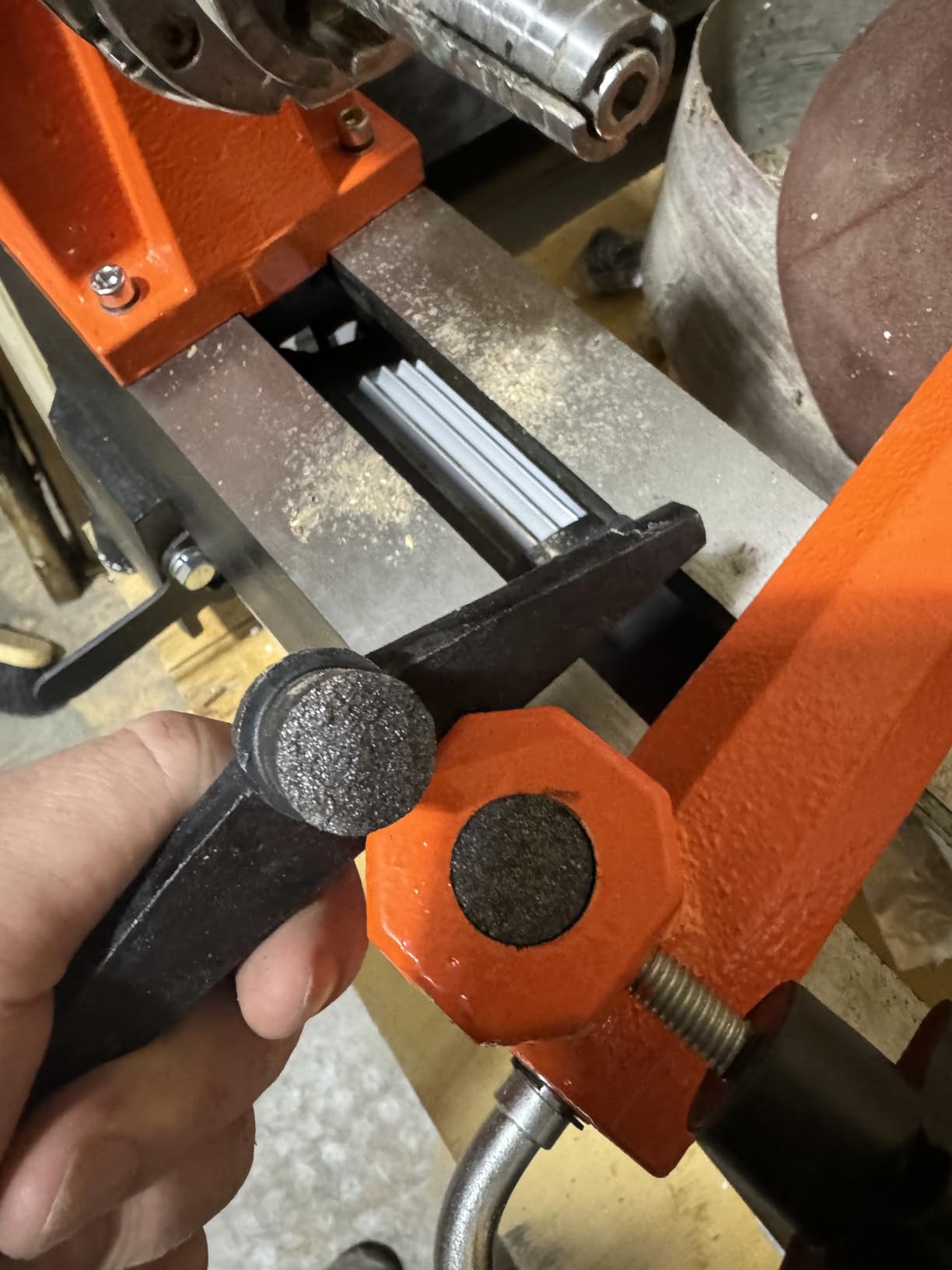
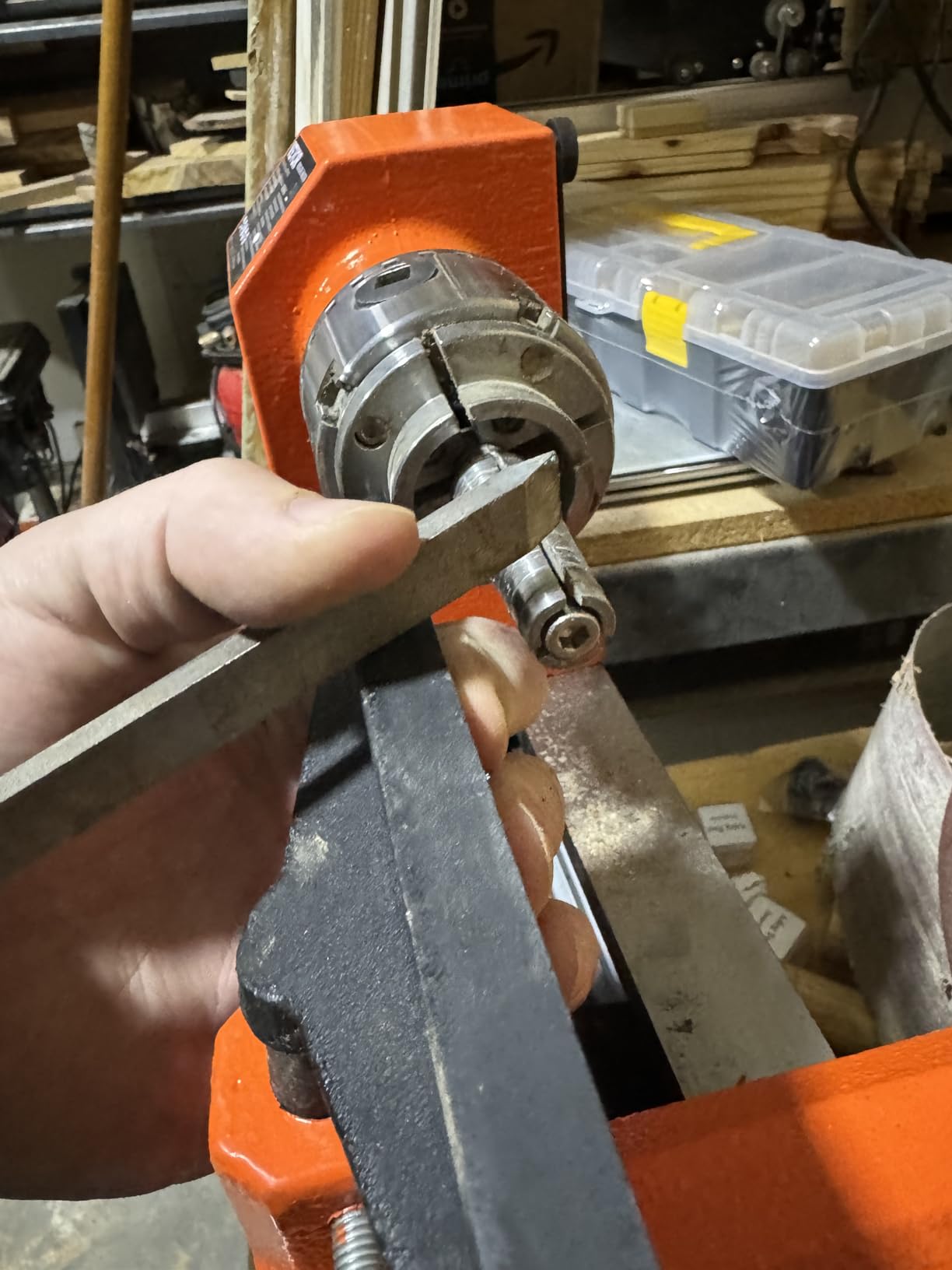
The most consistent complaint across owners is the tool rest, and it is a real ergonomic problem. Out of the box it can be too short to reach proper turning height, and the socket is 16mm rather than the more common 5/8 inch, so many aftermarket rests fit loosely.
Plan to budget for a proper 5/8 inch rest or an adapter early. It is a small part that changes how comfortable the machine feels to use.
What the 0.5 HP motor will and will not do
It is adequate for normal hobby work, including faceplate turning on dense woods like purple heart, and owners confirm this directly. It is marginal for heavy or production work, and one owner reported misaligned belt gearing on a machine that required skipping positions.
At 50.7 pounds the machine is portable, but you will still want it bolted to a bench for faceplate work.
11. Shop Fox W1836 12 x 15 Benchtop Lathe – Built Like a Machine That Does Not Move
Shop Fox W1836 Bench Top Wood Lathe, 12″ x 15″
3/4 HP 110V motor
500-1800 and 1000-3800 RPM
12 in swing
85 lb
Digital RPM readout
Pros
- Very little vibration with head and tailstock lining up
- No runout on the centers compared with cheaper lathes
- Digital RPM readout and electronic variable speed
- Handles both spindle and faceplate work once set up
Cons
- Tool rest shipped with gouges that mark the surface
- Work light sags and falls
- Enamel paint arrives chipped
Owners of this machine consistently describe the same thing: it is mechanically solid and it does not move. The headstock and tailstock line up center to center, and there is no runout on the centers, which is a problem several cheaper lathes in this roundup have.
Speed control is electronic and variable with a digital RPM readout, split across two spindle ranges of 500 to 1800 RPM and 1000 to 3800 RPM. The 3/4 HP 110V single-phase universal motor drives a 12 inch swing over bed.
That alignment is why it is worth considering. Good center alignment means less runout, cleaner cuts and less vibration, which is the difference between a cut that feels smooth and one that chatters.
At 4.0 stars across only 31 reviews, this is the thinnest review evidence in the roundup, and 53 percent five-star reflects that. Judge it on the machine rather than on the sample size.
What the review data does and does not tell you
Thirty-one reviews is not enough to establish reliability, but it is enough to establish that owners consistently report low vibration and accurate alignment. Those specific mechanical claims are repeated, not isolated.
The complaints are about finish and accessories rather than function. The included tool rest gouges the surface until dressed, the work light sags, and the enamel paint arrives chipped.
Whether it suits a first-time buyer
Owners are direct that this is not a first-machine choice without proper setup of the tool rest, the material and the speed. A beginner who wants to be productive on day one will find the twelve inch variable speed machines easier to learn on.
If you have some turning experience and want a rigid machine with excellent alignment, it is worth considering. If you are starting from zero, choose a machine that arrives ready to work.
12. MECHINHUB 12 x 18 Digital Display Lathe – Quiet Speed With a Screen
12″ x 18″ Digital Display Wood Lathe Machine, Benchtop Wood Lathe Machine 3/4HP 110V Infinitely Variable Speed 650-3800 RPM Professional for High Speed Sanding and Polishing
3/4 HP copper motor
Variable 650-3800 RPM
12 in swing by 18 in centers
1-8 thread
76.8 lb
Pros
- Genuinely infinitely variable 650-3800 RPM with a clear display
- Quiet operation owners specifically call out
- 12 by 18 capacity covers bowls vases cups and pens
- 1-8 TPI spindle thread is a widely supported standard
Cons
- Speed control unit failed on one machine after four months
- 3/4 HP described as underpowered for aggressive cutting
- Tailstock tightening can twist the headstock
The 12 by 18 capacity with a high definition digital display looks like an obvious upgrade path from a mini lathe, and in quiet operation the owners are unusually enthusiastic. Several reviews specifically mention how quiet it runs compared with machines of similar size.
Speed is continuously variable from 650 to 3800 RPM across three named bands, driven by a 3/4 HP 110V pure copper motor. The 1 by 8 TPI spindle thread is a standard fitting, so chuck sourcing is straightforward.
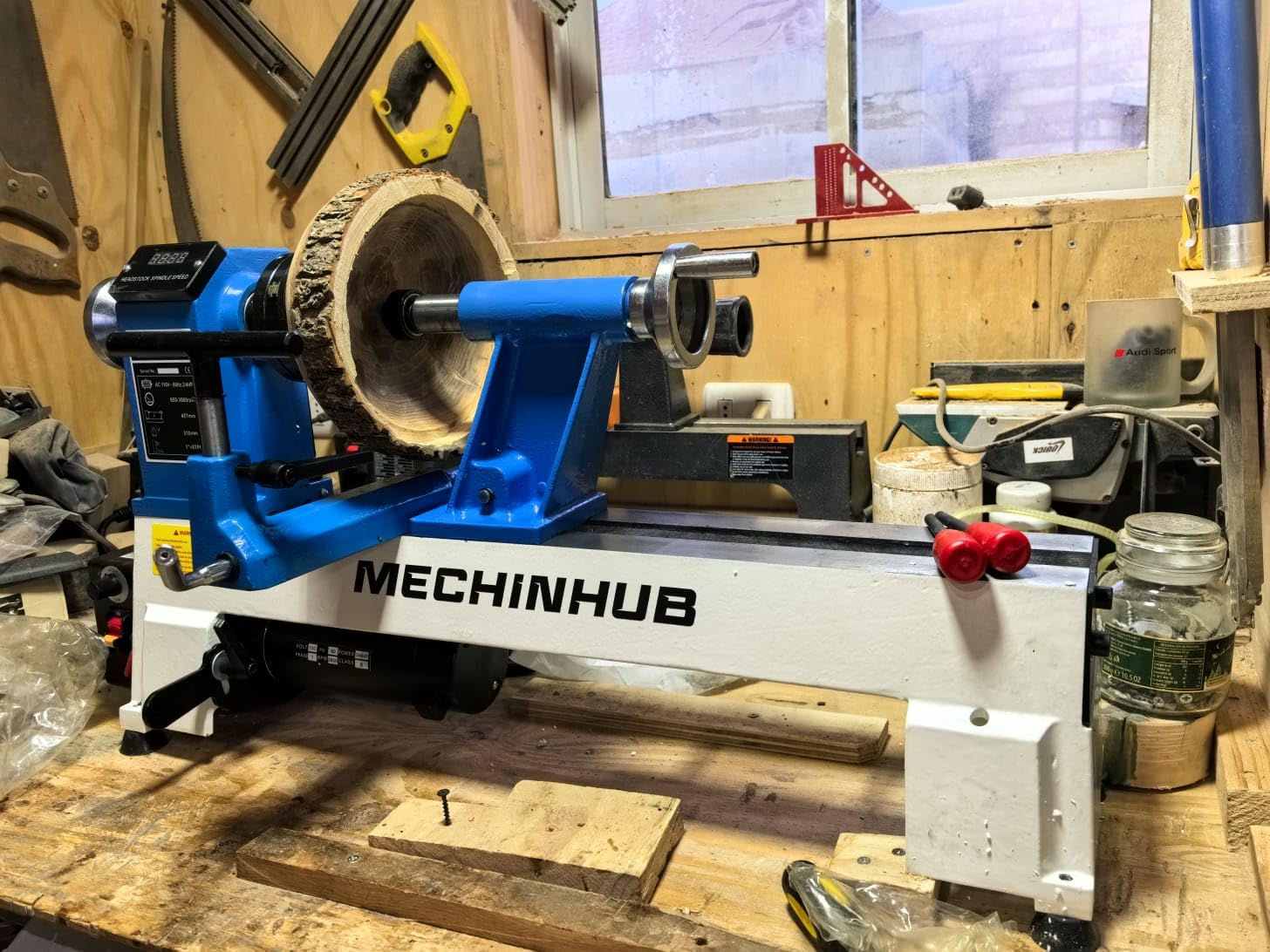
At 4.0 stars across 20 reviews, the sample is the smallest here. The distribution is notable though: 68 percent five-star but 15 percent one-star, which points to a machine that either works well or fails in a specific component.
That component is the speed control unit. One owner reported it failing after four months, and the replacement failed as well, which is the single most important thing to weigh before buying.
How to buy this machine safely
Confirm the return arrangement before you commit and test the speed dial across its full range in the first week. Electronics that fail early are easy to return and painful to live with, and a 12 by 18 machine is a bigger commitment than a mini lathe.
Inspect the tailstock quill early. One owner reported that tightening the tailstock twists the headstock, which is a geometry problem rather than a comfort issue.
Whether the display is worth it
A digital RPM readout genuinely helps beginners learn speed control, because you can see the number drop as the diameter grows instead of guessing. On a machine with infinitely variable speed, that readout turns a dial into a usable instrument.
Plan to buy your own instructions and a proper set of turning tools. No paperwork ships in the box, and the plastic construction feels lighter than the 76.8 pound weight suggests.
How to Choose a Beginner Wood Lathe?
Sizing: swing over bed and distance between centers
Most beginners should target a 10 to 12 inch swing and at least 12 inches between centers. That covers pens, bowls, spindles, handles, small furniture parts and ornaments without taking over the shop. The machines in this roundup split cleanly: the 8 inch WEN 3421 and the 2 inch FesmTek are pen machines, the 10 inch JET JWL-1015VS is the classic first size, and everything from 12 inches up handles bowls properly.
Remember that swing over bed is the largest diameter, and your safe diameter is roughly half of it once the tool rest is in place. A 12 inch swing machine turns a comfortable 10 inch bowl, not a 12 inch one.
Variable speed versus five-speed
Infinitely variable speed gives you finer control and is better for resin, figured wood and faceplate work. A stepped five-speed gearbox is simpler, has no electronics to fail, and gives repeatable settings that beginners find easy to learn. There is no wrong answer here, but variable speed is the more forgiving choice as your skills develop.
Motor power and cast iron weight
Pair at least half a horsepower with a cast iron bed. The single most repeated complaint from turning forum regulars is that budget machines bog down and stall on aggressive cuts, and the fix is motor torque and machine mass, not a bigger blade. Machines under 20 pounds are fine for pens and small items and frustrating for anything else.
MT2 taper and accessory compatibility
MT2 is the standard fitting on most full-size lathes. Buying an MT2 machine means chucks, drive centers, faceplates and live centers from other brands fit without adapters, and the reverse wastes money. The MT1 machines here are cheaper but limit your accessory choices.
Bolting a benchtop lathe to the bench matters more than most buyers expect. Light machines walk, vibration damages both the workpiece and your confidence, and a set of four bolts removes the problem permanently.
Safety habits that matter on a lathe
A lathe throws chips and dust at high speed, and no amount of experience removes that. Wear eye protection, keep your face out of the line of the chuck, tie back long hair, avoid loose sleeves, and never reach for a workpiece while it is spinning. Use a soft start, keep the tool rest correctly positioned for the diameter you are cutting, and take a dust hood or shop extraction seriously. We compared extraction setups in our vacuum picks for wood surfaces if you are building that part of the shop first.
Your first-year accessory checklist
Budget for more than the lathe. A realistic first-year list includes a 3 or 4 jaw chuck, a face plate if the machine did not include one, a spare drive center and live center, a gouge, a skew and a parting tool, a sharpening system, and a dust extraction solution. Turning forums describe the accessory step as the biggest surprise in first-year cost, and the compatibility confusion around chucks and tapers is the most common regret.
If you are still deciding, start with a 10 or 12 inch variable speed machine, budget for tools immediately rather than later, and bolt it down. A machine you will use beats a machine you are still thinking about.
Frequently Asked Questions
What is the best brand of wood lathe for beginners?
For most beginners, JET is the safest brand choice because both the JWL-1015VS and JWL-1221VS use cast iron throughout, carry a 5 year warranty and run standard MT2 tapers so accessories from other brands fit directly. WEN is the strongest value option, with the 3421 and LA3424 offering proven, well reviewed machines. PSI earns marks for ETL certification and a 1 HP induction motor at 12 inches of swing.
What size wood lathe should a beginner buy?
Look for a 10 to 12 inch swing over bed and at least 12 inches between centers. That range covers pens, bowls, spindles, ornaments and small furniture parts without taking over a normal workbench. Anything under 8 inches of swing is a pen and detail machine, and anything above 14 inches is a bowl lathe you will grow into slowly.
Do I need variable speed on a beginner lathe?
Variable speed is helpful but not essential. A stepped five-speed gearbox such as the WEN LA3424 gives repeatable settings with no electronics to fail, which many beginners find easier to learn. Infinitely variable models like the WEN 3421, JET JWL-1015VS and PSI KWL-1218VS give finer control for resin, figured wood and faceplate work as your skills improve.
What accessories do I need to start woodturning?
Plan for a 3 or 4 jaw chuck, a face plate, a spare drive center and live center, a gouge, a skew and a parting tool, a sharpening system, and a dust extraction solution. Check the taper standard first, because MT2 and MT1 fittings are not interchangeable. Bolting a benchtop lathe to the bench is also worth budgeting for.
What is a good entry-level wood lathe?
A good entry-level wood lathe has a cast iron bed, at least a half horsepower motor, a 10 to 12 inch swing over bed and MT2 tapers. The WEN 3421 is the most proven low-cost option, the WEN LA3424 carries a 4.5 star average with 72 percent five-star reviews, and the JET JWL-1015VS offers cast iron rigidity with a 5 year warranty. All three bolt to a standard workbench.
Conclusion: The Best Wood Lathes for Beginners in 2026
After working through twelve machines, the best wood lathes for beginners in 2026 still come down to one honest trade. If you want the least expensive honest test of whether you like this hobby, the WEN 3421 has the deepest review history of anything we tested. If you want to buy once, the JET JWL-1015VS offers cast iron rigidity and the most consistent rating we found, while the JET JWL-1221VS is the machine you will still be using in a decade.
Start with capacity you can grow into, check the taper before you buy accessories, bolt the machine to the bench, and budget for tools on day one rather than day thirty. That is the combination that keeps people turning.