
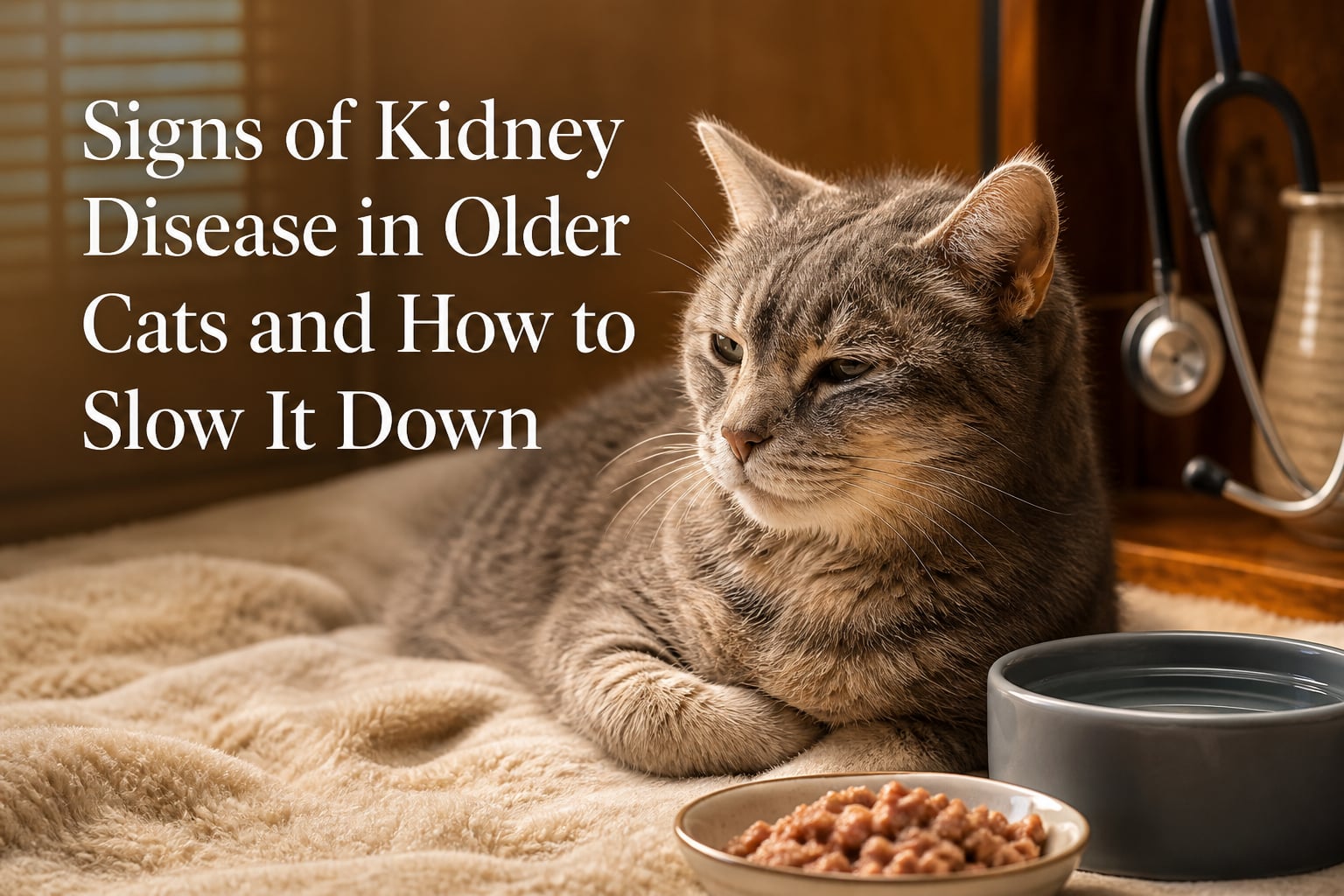
When my tabby, Marble, started drinking from the toilet bowl at age 14, I thought it was just a quirk. Six weeks later, a routine blood panel revealed early-stage chronic kidney disease (CKD). The vet told me something I will never forget: up to 80% of cats over age 15 will develop some form of kidney disease.
Recognizing the signs of kidney disease in older cats early can add years to your companion’s life. I learned this firsthand. Marble lived three more comfortable years after diagnosis because we caught it before serious damage set in.
This guide walks through every symptom I wish someone had told me to watch for. You will learn what kidney disease actually does to a cat’s body, the blood test numbers that matter most, and concrete steps to slow the disease down. By the end, you will know exactly what to discuss with your vet and what you can start doing at home today.
Whether your cat just got a diagnosis or you are worried about subtle changes you have noticed, this is the resource I needed back then. Let’s break it down together.
Table of Contents
What Is Kidney Disease in Older Cats?
Kidney disease in older cats is a progressive condition where the kidneys gradually lose their ability to filter waste products from the bloodstream, regulate fluid balance, and maintain proper electrolyte levels. As kidney function declines, toxins that should be excreted in urine instead build up in the blood.
Chronic kidney disease is the most common form in senior cats. It develops slowly over months or years, and the damage is irreversible. Acute kidney injury, by contrast, happens suddenly from toxin exposure, infections, or blockages. This guide focuses on chronic disease because that is what most older cats face.
How Healthy Cat Kidneys Function
Healthy kidneys act as the body’s filtration system. Each kidney contains hundreds of thousands of tiny filtering units called nephrons. These structures remove metabolic waste like urea and creatinine from blood and concentrate them into urine.
Kidneys also produce erythropoietin, a hormone that signals the bone marrow to make red blood cells. They regulate blood pressure, balance sodium and potassium levels, and keep phosphorus in check. When nephrons die off, all of these jobs suffer at once.
Cats are born with more nephrons than they need, which is why early damage goes unnoticed. By the time symptoms appear, roughly 65 to 75 percent of kidney function is already gone. This is why annual screening matters so much for senior cats.
Why Senior Cats Are at Higher Risk?
Aging naturally reduces the number of functioning nephrons in any cat. Over a lifetime, cumulative damage from infections, dental disease, toxins, and inflammation accelerates this loss. Some breeds, including Persians and Abyssinians, carry genetic predispositions that raise their risk further.
Cats are also expert hiders of illness. A cat’s instinct is to mask weakness, so by the time you notice something is wrong, the disease may already be advanced. Senior cats need proactive screening, not just reactive care.
Early Warning Signs of Kidney Disease in Older Cats
The early warning signs of kidney disease in older cats often appear so gradually that owners miss them entirely. I missed Marble’s first symptoms for weeks. Knowing what to watch for is the single most important thing you can do as a cat parent.
7 Telltale Symptoms Most Owners Notice First
1. Increased thirst and urination. This is usually the first sign. Damaged kidneys cannot concentrate urine, so your cat produces large volumes of dilute urine and drinks more water to compensate. You may notice the water bowl emptying faster or more frequent trips to the litter box with larger clumps.
2. Weight loss despite a normal or increased appetite. Cats with CKD lose muscle mass because their bodies break down protein to compensate for what the kidneys cannot recycle. You might feel your cat’s spine or hip bones more prominently when petting.
3. Decreased appetite and picky eating. As waste toxins accumulate in the blood, they cause nausea. Your cat may start refusing foods they previously loved or eat only a few bites before walking away.
4. Lethargy and decreased activity. Toxin buildup and developing anemia both contribute to low energy. Your cat may sleep more, play less, or stop greeting you at the door.
5. Vomiting, especially in the morning. Nausea from uremic toxins often presents as intermittent vomiting or gagging. It may look like hairballs at first, but the frequency increases over time.
6. Bad breath that smells like ammonia. Urea in the saliva breaks down into ammonia, giving your cat’s breath a distinctive chemical odor. This is different from regular food breath or dental disease smell.
7. Poor coat condition. Cats with kidney disease often stop grooming properly. Their fur becomes dull, matted, or greasy because dehydration and fatigue make self-care difficult.
Subtle Changes Owners Often Miss
Beyond the obvious signs, there are quieter indicators that something is wrong. Cats with early CKD may start hiding more often, avoiding social interaction, or sleeping in unusual locations. Some owners notice their cat becoming more vocal at night.
Mouth ulcers can develop on the gums and tongue, making eating painful. You might see your cat approach the food bowl, sniff, and walk away. Weakness in the back legs from low potassium is another missed sign. Your cat may jump less or hesitate before climbing stairs.
Constipation is also common because dehydration affects the digestive tract. If your cat is straining in the litter box or producing small, hard stools alongside increased water intake, mention it to your vet.
Early vs Advanced Kidney Disease Signs
Early signs: Increased thirst, larger urine clumps, mild weight loss, slight appetite reduction, subtle coat changes, occasional vomiting.
Advanced signs: Severe weight loss, refusal to eat, frequent vomiting, extreme lethargy, mouth ulcers, ammonia breath, dehydration, weakness, seizures in late stages, collapse.
How Vets Diagnose Kidney Disease (BUN, Creatinine, SDMA Explained)
Veterinarians diagnose kidney disease using blood tests, urinalysis, and sometimes imaging. Understanding what these numbers mean helps you have a more productive conversation with your vet and track your cat’s progress over time.
Understanding BUN and Creatinine Numbers
BUN (blood urea nitrogen) measures the amount of urea nitrogen in the blood, which is a waste product of protein breakdown. Normal BUN in cats ranges from 15 to 35 mg/dL. Elevated BUN indicates the kidneys are not clearing urea effectively, a condition called azotemia.
Creatinine is a more reliable kidney marker because it is less affected by diet and hydration. Normal creatinine in cats is approximately 0.8 to 1.8 mg/dL. Values above 2.0 mg/dL typically indicate reduced kidney function. However, creatinine does not rise until about 75 percent of kidney function is already lost.
Both BUN and creatinine can spike temporarily from dehydration, so your vet may retest after ensuring your cat is well hydrated. A single elevated reading does not confirm CKD, but persistent elevation across multiple tests does.
Why SDMA Testing Matters for Early Detection
SDMA (symmetric dimethylarginine) is a newer biomarker that detects kidney disease earlier than creatinine. SDMA rises when as little as 40 percent of kidney function is lost, compared to 75 percent for creatinine. This means SDMA can flag problems months or even years before traditional tests.
Normal SDMA in cats is below 14 micrograms per deciliter. If your cat’s SDMA is elevated but creatinine is normal, your vet will likely recommend follow-up testing every few months to monitor for progression. Ask for SDMA at every senior wellness panel, ideally starting at age 7.
Urine Specific Gravity and Other Key Tests
Urine specific gravity measures how concentrated the urine is. Healthy cats produce concentrated urine with a USG above 1.035. Cats with kidney disease produce dilute urine, often below 1.020. This test is critical because it reveals concentrating ability loss before blood values change.
Your vet may also check urine protein levels through a urine protein-to-creatinine ratio (UPC). Protein in the urine indicates kidney damage and correlates with faster disease progression. Blood pressure measurement is also essential, because hypertension both results from and worsens kidney disease in cats.
Understanding the IRIS Staging System
The IRIS (International Renal Interest Society) staging system classifies kidney disease into four stages based on creatinine and SDMA values. Your vet uses this system to guide treatment decisions and give you a realistic prognosis.
Stages 1-4 Explained
Stage 1: Creatinine below 1.6 mg/dL. Kidney damage exists but function is still adequate. Often discovered through SDMA testing or urine changes. No clinical symptoms yet. Many cats stay here for years.
Stage 2: Creatinine 1.6 to 2.8 mg/dL. Mild kidney insufficiency. Early symptoms like increased thirst and weight loss appear. With management, cats can live comfortably for years.
Stage 3: Creatinine 2.9 to 5.0 mg/dL. Moderate kidney disease. Symptoms become more noticeable, including vomiting, poor appetite, and lethargy. Treatment becomes more intensive.
Stage 4: Creatinine above 5.0 mg/dL. Severe kidney failure. Cats show significant clinical signs and require aggressive supportive care. Prognosis is guarded.
Why Staging Matters for Treatment Decisions
Staging determines which treatments your vet recommends. A Stage 1 cat may only need diet changes and monitoring. A Stage 3 cat likely needs subcutaneous fluids, phosphorus binders, appetite stimulants, and blood pressure medication.
Your cat’s stage can change over time, so reassessing every 3 to 6 months is important. The goal is to slow progression and keep your cat in a lower stage for as long as possible. Many owners on cat health forums share that their cats stayed in Stage 2 for two to three years or longer with proper care.
How to Slow Kidney Disease Progression in Cats?
While chronic kidney disease cannot be reversed, you can slow its progression significantly. Here are five strategies that made the biggest difference for Marble and that veterinary research consistently supports.
1. Switch to a Prescription Kidney Diet
This is the single most impactful step you can take. Prescription kidney diets are formulated with reduced but high-quality protein, controlled phosphorus levels, added omega-3 fatty acids, and increased moisture content. Studies show cats eating therapeutic kidney diets survive significantly longer than those on regular food.
The transition can be challenging. Many cats resist new food, especially when nausea is already affecting appetite. I spent three weeks slowly mixing increasing amounts of prescription food into Marble’s regular diet. Warming the food slightly and offering small, frequent meals helped enormously.
2. Maximize Hydration at Home
Invest in a cat water fountain. Running water encourages more drinking than still bowls.
Place multiple water stations throughout your home, away from food and litter areas.
Use wide, shallow ceramic or stainless steel bowls to prevent whisker fatigue.
Add warm water or low-sodium chicken broth (no onion or garlic) to wet food.
Offer ice cubes in water during warmer months to keep it fresh and appealing.
3. Learn to Give Subcutaneous Fluids
Subcutaneous fluid therapy involves injecting sterile fluids under the skin between the shoulder blades. It sounds intimidating, but most owners learn to do it at home within a few sessions. Your vet will show you the technique and prescribe the right fluid type and schedule.
For Marble, fluids made the most visible difference. Within two weeks of starting twice-weekly sessions, his energy returned and his coat improved. The key is warming the fluids to body temperature first and giving them in a calm, quiet space. Many cats tolerate it well once it becomes routine.
4. Manage Blood Pressure and Phosphorus Levels
Hypertension affects roughly 20 to 65 percent of cats with CKD. Left untreated, high blood pressure damages the kidneys further and can cause blindness. Your vet may prescribe amlodipine, a daily blood pressure medication that is inexpensive and generally well tolerated.
Elevated phosphorus is another problem. As kidney function drops, phosphorus builds up in the blood, which accelerates kidney damage and causes nausea. Phosphorus binders, mixed into food, help trap phosphorus in the digestive tract so it is excreted rather than absorbed. Your vet will monitor phosphorus at each visit and adjust the binder dose as needed.
5. Schedule Regular Vet Monitoring
Consistent monitoring is what caught Marble’s progression early enough to adjust treatment each time. Plan for blood work and urinalysis every 3 months for Stage 3 and 4 cats, and every 6 months for Stage 1 and 2 cats. Track the numbers yourself so you can spot trends between visits.
Ask your vet to check blood pressure at every visit. Anemia screening is also important, because declining erythropoietin production leads to low red blood cell counts. If anemia develops, injectable medications like darbepoetin can help.
Diet and Hydration: Feeding Cats With Kidney Disease
What you feed your cat with kidney disease directly affects how long and how well they live. The right diet reduces the workload on damaged kidneys and minimizes toxin buildup. Here is what worked for us and what nutrition research supports.
Wet Food vs Dry Food for Kidney Support
Wet food is almost always the better choice for cats with kidney disease. Cats naturally have a low thirst drive and get most of their hydration from prey. Wet kidney diets contain 75 to 82 percent moisture, which helps flush toxins through the kidneys. Dry food, even prescription kidney kibble, contains only about 8 to 10 percent moisture.
If your cat insists on dry food, mix it with warm water to create a gravy. Some owners crush kibble and sprinkle it over wet food for familiar flavor. The goal is maximizing moisture intake with every meal.
Appetite Tips for Picky Eaters
Getting a nauseous cat to eat is one of the hardest parts of CKD management. Forum members on r/RenalCats consistently recommend warming food to just below body temperature to enhance aroma. Offering four to six small meals throughout the day works better than two large ones.
Rotating between two or three approved kidney diet brands prevents flavor fatigue. If your cat completely refuses therapeutic food, ask your vet about appetite stimulants like mirtazapine or capromorelin. These medications are game-changers for cats whose nausea kills their appetite. I kept a food journal to track what Marble ate each day, which helped me spot patterns and adjust quickly.
Home Care Checklist for Cats With CKD
Here is a practical daily, weekly, and monthly checklist I built while caring for Marble. Print it, save it to your phone, or adapt it to your routine. These small habits add up to better outcomes.
Daily: Monitor water intake and litter box output. Offer fresh wet food meals 3 to 4 times. Note appetite, energy level, and any vomiting. Ensure water fountains are clean and full.
Daily: Check your cat’s weight by hand, feeling along the spine and hips. Track any changes in grooming behavior or coat quality.
Weekly: Administer subcutaneous fluids if prescribed. Weigh your cat on a digital pet scale. Clean water fountains thoroughly with soap and replace filters as needed.
Monthly: Take photos to document body condition changes. Review your symptom journal for patterns. Refill prescription food and medication supplies before running out.
Every 3-6 months: Schedule blood work, urinalysis, blood pressure check, and weight assessment with your vet. Keep copies of all lab results.
Life Expectancy and Prognosis by Stage
Every owner asks the same question after diagnosis: how long does my cat have? The honest answer depends on the stage at diagnosis, how aggressively you manage the disease, and your cat’s individual response to treatment. Here is what the data and real owner experiences tell us.
Realistic Outlook for Each Stage
Stage 1 cats can live a normal lifespan if the underlying cause is addressed and monitoring catches progression early. Many never develop significant symptoms.
Stage 2 cats typically live 2 to 3 years or longer with dietary management and regular monitoring. Forum members on r/RenalCats frequently report cats staying in Stage 2 for 4+ years. This was Marble’s stage at diagnosis, and he lived 3 comfortable years.
Stage 3 cats have a median survival of 1 to 2 years with aggressive treatment, including fluids and medications. Some cats do better, some worse, depending on complicating factors like hypertension and proteinuria.
Stage 4 cats face a guarded prognosis. Survival is typically measured in weeks to a few months. At this stage, the focus shifts from extending life to ensuring comfort and dignity. Palliative care and quality of life assessment become the priority.
When to See a Vet: Red Flags You Shouldn’t Ignore
Some symptoms warrant same-day veterinary care. Do not wait for your next scheduled appointment if you notice any of the following.
Warning Signs That Need Same-Day Care
Complete refusal to eat or drink for more than 24 hours.
Repeated vomiting that prevents keeping any food or water down.
Sudden extreme lethargy, unresponsiveness, or inability to stand.
Seizures, tremors, or muscle twitching, which can indicate severe electrolyte imbalance.
Collapse or loss of consciousness.
Straining in the litter box with no urine produced, which may indicate a blockage.
Sudden blindness or dilated pupils, which can signal a hypertensive crisis.
When in doubt, call your vet or an emergency clinic. Kidney crises can escalate quickly, and early intervention makes a real difference. I called my vet’s after-hours line twice during Marble’s care, and both times the guidance I received prevented a hospital stay.
Quality of Life and End-of-Life Decisions
This is the hardest topic to write about, and I know it is the hardest to read. But no guide on kidney disease in older cats is complete without addressing it honestly. Few competitors cover this well, and it is one of the most searched topics among owners of cats with advanced CKD.
Signs Your Cat May Be Suffering
Persistent pain that medication does not relieve, shown by hiding, hunching, or vocalizing.
Continuous weight loss despite appetite stimulants and assisted feeding.
Chronic vomiting that prevents nutrient absorption.
Inability to rest comfortably, with restlessness or constant pacing.
Loss of interest in people, toys, and activities your cat once enjoyed.
Frequent accidents outside the litter box due to weakness or disorientation.
More bad days than good days over a two-week period.
The HHHHHMM Quality of Life Scale
Dr. Alice Villalobos created a widely used quality of life scale that scores seven factors on a 0 to 10 scale. The factors are Hurt, Hunger, Hydration, Hygiene, Happiness, Mobility, and More good days than bad. A total score below 35 suggests that quality of life is significantly compromised.
This tool is not a verdict. It is a conversation starter with yourself and your vet. Use it weekly as the disease progresses so you can track trends rather than making decisions based on a single bad day. Many owners find that keeping this score helps them feel more confident and less guilty about whatever decision they ultimately make.
Talk openly with your vet about end-of-life options, including hospice care, palliative pain management, and humane euthanasia. There is no wrong decision when it is made with love and your cat’s best interest at heart. What matters most is that your cat does not suffer.
Frequently Asked Questions
What is the average life expectancy of a cat with kidney failure?
Life expectancy depends on the stage at diagnosis. Stage 2 cats commonly live 2 to 3 years or longer with proper management. Stage 3 cats typically survive 1 to 2 years with aggressive treatment. Stage 4 cats usually live weeks to a few months. Early detection through regular blood work is the biggest factor in extending lifespan.
How to treat kidney disease in cats naturally?
Natural support strategies include switching to a moisture-rich wet kidney diet, providing multiple water sources and a cat fountain, adding omega-3 fatty acids from fish oil, offering bone broth for hydration, and reducing environmental stress. However, natural approaches should complement, not replace, veterinary treatments like subcutaneous fluids, blood pressure medication, and phosphorus binders.
What are the symptoms of kidney disease in a 17-year-old cat?
Symptoms in a 17-year-old cat include increased thirst and urination, weight loss, decreased appetite, lethargy, vomiting, ammonia-like bad breath, poor coat condition, mouth ulcers, weakness in the hind legs, and constipation. Because 80% of cats over 15 develop some degree of kidney disease, any of these signs in a senior cat warrant prompt veterinary blood work including SDMA testing.
How to slow the progression of kidney disease in cats?
The five most effective strategies are feeding a prescription kidney diet with controlled phosphorus and high moisture, maximizing hydration through fountains and wet food, administering subcutaneous fluids as prescribed, managing blood pressure with medications like amlodipine, and monitoring blood values every 3 to 6 months to adjust treatment. These combined approaches can keep cats stable in early stages for years.
Conclusion
Recognizing the signs of kidney disease in older cats and taking action early is the most powerful thing you can do for your senior companion. The journey is not easy, but it is manageable. With the right diet, hydration strategy, monitoring schedule, and veterinary partnership, cats with CKD can live comfortable, happy lives for years after diagnosis.
Start with what you can control today: schedule a senior blood panel including SDMA if your cat has not had one recently. Track water intake and litter box habits. Talk to your vet about a kidney-supportive diet. Small steps now buy precious time later.
Your cat depends on you to notice the subtle changes. Now you know what to look for and what to do about it. That knowledge is the best gift you can give them.