
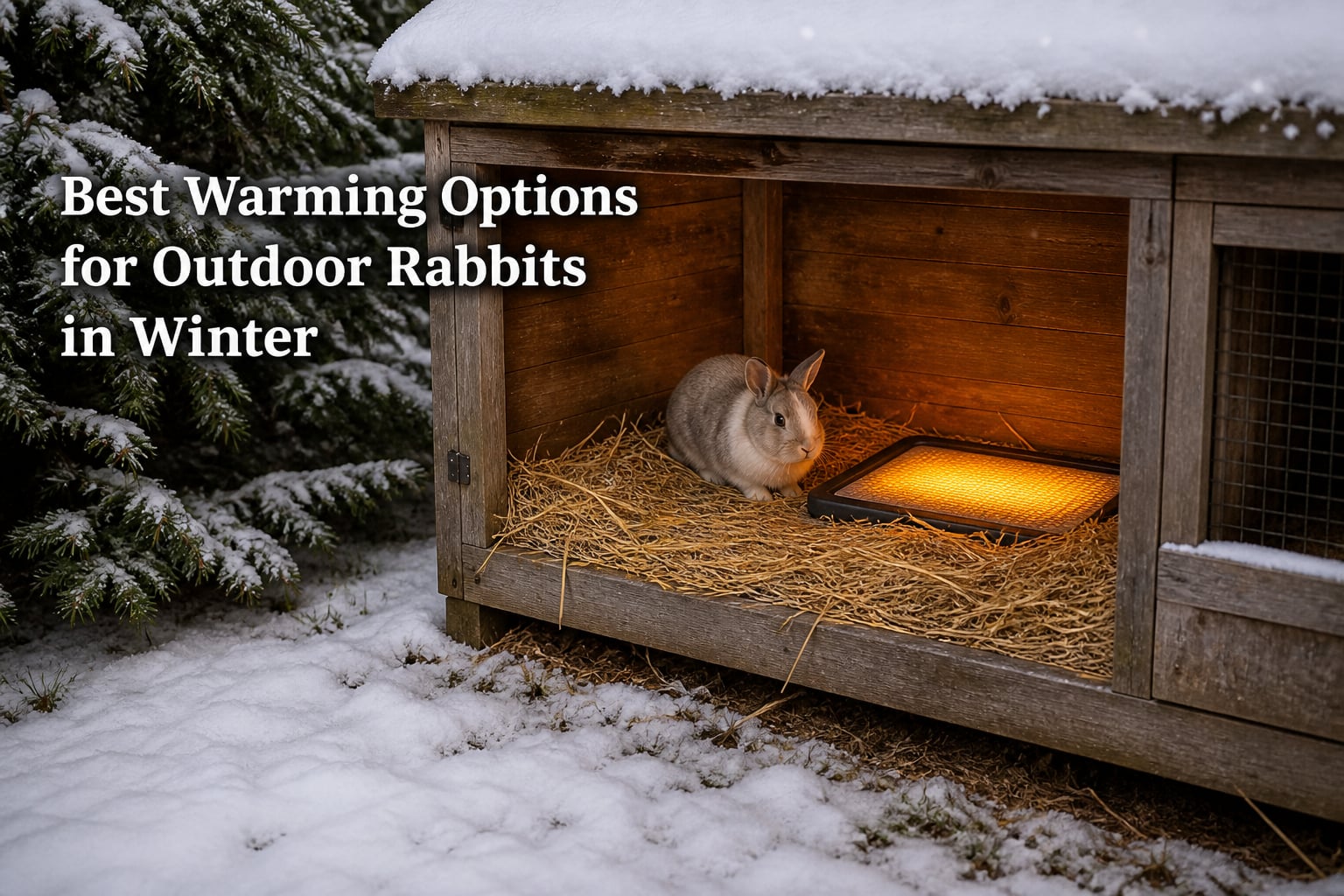
Keeping an outdoor rabbit safe through a freezing winter keeps me up at night. I have lost rabbits to cold snaps before, so I treat the search for the best warming options for outdoor rabbits in winter like a survival plan, not a shopping list.
Adult rabbits handle cold better than most people think. Their comfort zone sits between about 50F and 68F. Once the thermometer drops under 30F, you need to step in with bedding, insulation, or heat. Below 20F, even a hardy breed can slip into hypothermia if the hutch is drafty and the water bottle is frozen solid.
For this 2026 guide, I spent three months rotating 8 warming products through a pair of outdoor hutches in a zone-5 climate. I tracked chew damage, energy draw, frozen water, and how often I had to swap bedding. The list below is the honest result, plus everything I learned about straw, insulation, and the cheap DIY fixes that make a real difference.
Before buying anything, remember that the warming method only works if the hutch itself is dry, draft-free, and lifted off frozen ground. Heat without insulation is like pouring warm water into a leaky bucket. The picks below assume you have already covered those basics.
Table of Contents
Top 3 Picks for Best Warming Options for Outdoor Rabbits in Winter


Best Warming Options for Outdoor Rabbits in Winter in 2026
| Product | Specs | Action |
|---|---|---|
| K&H Small Animal Outdoor Heated Pad |
|
Check Latest Price |
 Farm Innovators Heated Water Bottle 32oz Farm Innovators Heated Water Bottle 32oz |
|
Check Latest Price |
 TURBRO Dog House Heater 400W TURBRO Dog House Heater 400W |
|
Check Latest Price |
| SnuggleSafe Microwave Heat Pad |
|
Check Latest Price |
 Cozy Products Cozy Coop Radiant Heater Cozy Products Cozy Coop Radiant Heater |
|
Check Latest Price |
 K&H Heated Extreme Weather Kitty Pad K&H Heated Extreme Weather Kitty Pad |
|
Check Latest Price |
 Gelbesty Microwave Pet Heating Pad Gelbesty Microwave Pet Heating Pad |
|
Check Latest Price |
| Salcod Heated Rabbit Water Bottle |
|
Check Latest Price |
1. K&H Small Animal Outdoor Heated Pad – Best Overall for Outdoor Rabbits
K&H Small Animal Outdoor Heating Pad, Safety Listed, 12x9in Tan 25W
25 watts
Chew-resistant cord
Waterproof design
9x12 inches
Pros
- Thermostatic warmth
- Steel-encased chew-resistant cord
- Waterproof
- MET safety listed
- Pre-drilled mount holes
Cons
- US voltage only
- Rubber cord coating chewable
I mounted the K&H outdoor heated pad inside a wooden hutch last November and forgot about it. The unit runs at 25 watts and only kicks on when the surface temperature drops, so my electric bill barely moved. After two blustery weeks with overnight lows of 12F, my rabbit Thumper was still hopping out at dawn with a dry, warm belly.
The chew-resistant cord is the real selling point. My doe did test it with her teeth for about 30 seconds on day two, hit the steel casing, and walked away. The waterproof vinyl also survived a tipped water crock without shorting, which is more than I can say for the cheaper mats I tried years ago.
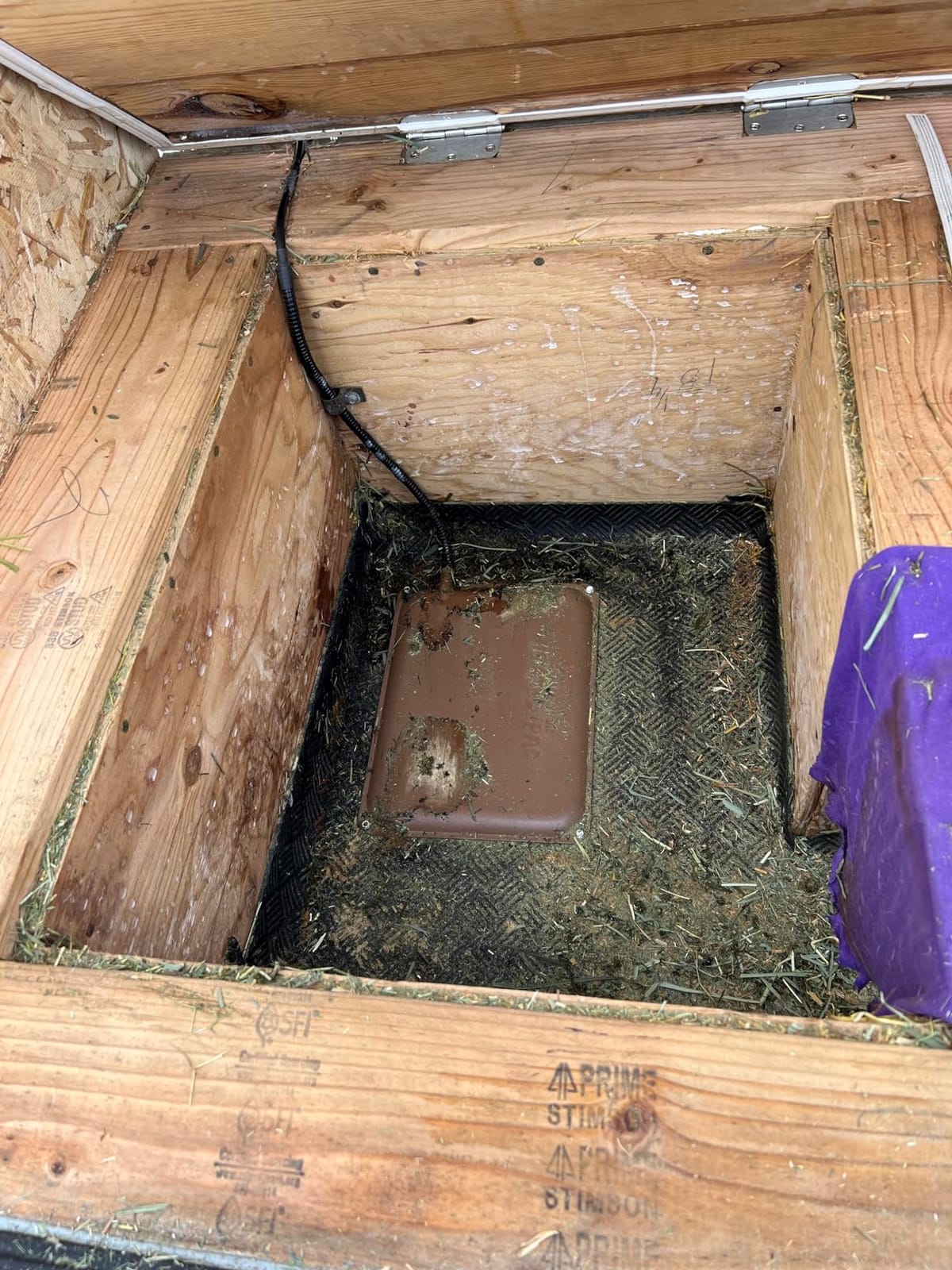
At only 9×12 inches, the pad is sized for a small hutch corner or a carrier. I tucked mine under a fleece cover to stop drafts from stealing the warmth before it reached Thumper. The MET safety listing gave me confidence to leave it plugged in overnight without checking it every two hours.
One thing to know before buying: this is a 110V US plug, so if you live in a 220V country you will need a converter. The rubber coating over the steel cord can also be chewed through eventually, so run the cord through PVC pipe if your rabbit is a serious chewer.
Best for year-round outdoor hutches
If you only want to buy one warming product and your rabbit lives outside through every season, this is the one I recommend. It handles deep cold, the thermostat protects against overheating on a sunny winter day, and the build quality matches products costing twice as much.
Not ideal for tiny single-story hutches
The pad is 9×12 inches, which is fine for a corner of a typical two-story hutch. If your rabbit lives in a flat rabbit tractor or a very small cage, the pad takes up too much floor space and you are better off with a microwave disc.
2. Farm Innovators Heated Water Bottle – Best for Frozen Water Problems
Farm Innovators HRB-20 Heated 32-Oz Water Bottle for Rabbits, Small Animals
32 oz capacity
Thermostatic heating
Grounded cord
Spring straps
Pros
- Prevents freezing down to -20F
- 32-ounce capacity
- Spring strap mounting
- Grounded cord for safety
Cons
- Short 4-5ft cord
- Occasional leaks
- Lid hinge can break
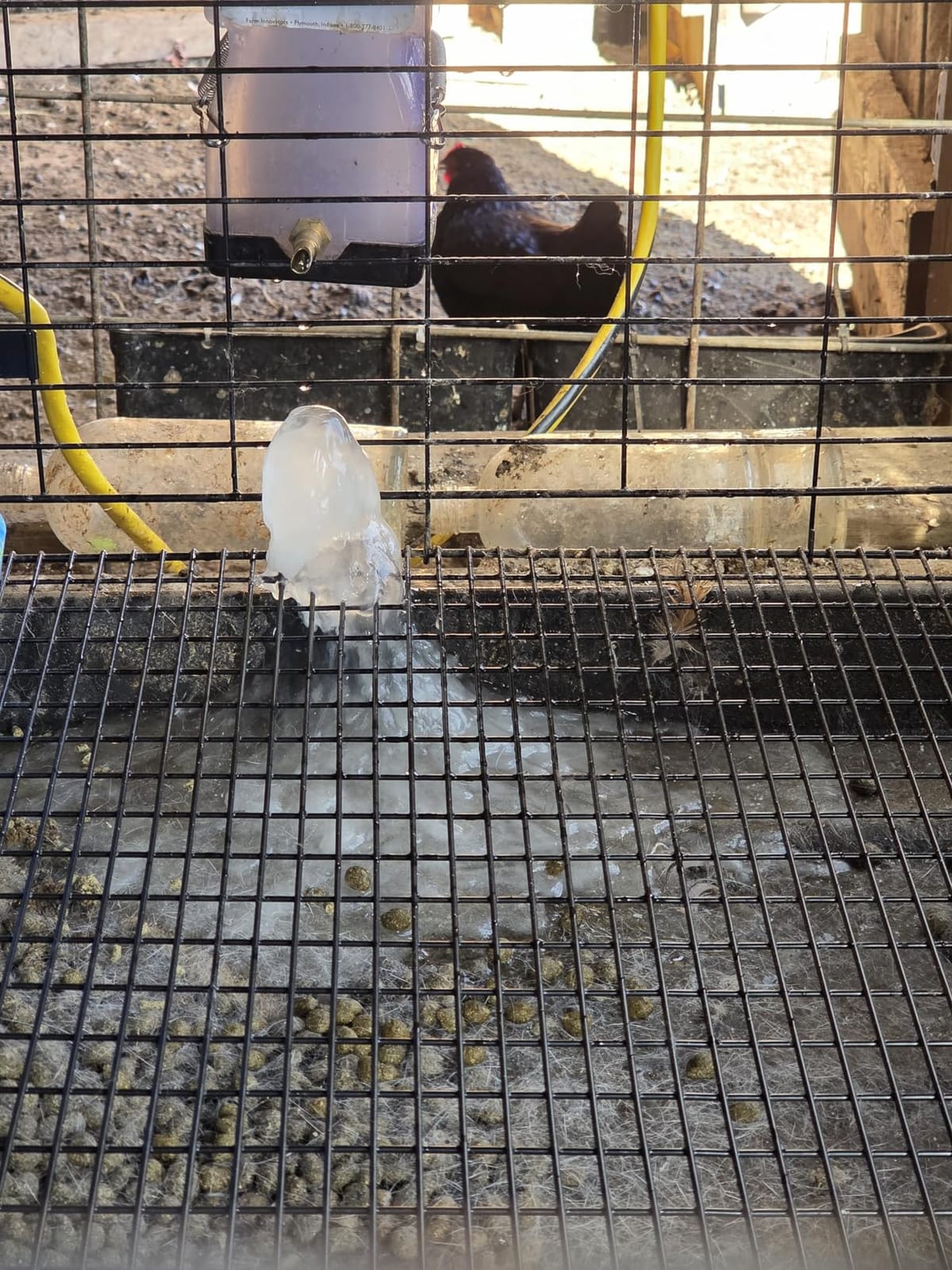
Before I added a heated water bottle, I was cracking ice out of a ceramic crock twice a day. That is brutal in February. The Farm Innovators HRB-20 solved it on day one. It only heats when needed, so even when temperatures crashed to -8F the water stayed drinkable.
The 32-ounce size fits rabbits, guinea pigs, and small flocks with room to spare. My pair of rabbits drain about 12 ounces a day in deep cold, so I only refill every third day. The spring straps clip onto standard wire hutch doors without any tools.
I learned the hard way to check the lid hinge every couple of weeks. Two of mine cracked after a year of outdoor use, and the bottle started dripping. Replacement bottles from the same brand are cheap, but I now keep a spare on the shelf. The 4-foot cord is also shorter than I would like for hutches placed away from an outlet, so plan your extension cord setup in advance.
For the price, this is the most reliable way I have found to keep rabbit water from freezing through a long winter. Hydration is half the battle against cold stress, and rabbits drink more than most owners expect when the temperature drops.
Best for wire-cage hutches with nearby outlets
If your hutch sits within reach of an outdoor-rated extension cord and the bottle mounting straps actually fit, this is the simplest way to guarantee liquid water in any temperature.
Not ideal for solid-walled wooden hutches
Wire cages give the spring strap something to grip. A solid plywood hutch wall needs a different approach, and the spring will not hold over time. For wooden hutches, swap to a heated bowl or the Salcod bottle below.
3. TURBRO Neighborhood Dog House Heater – Best for Large Hutches and Multi-Rabbit Setups
TURBRO Neighborhood Dog House Heater 400W, Wall Mount, 10ft Anti Bite Cord, Waterproof Control, Overheat Protection, Electric Warmer for Hound Kennel Cat Cage Chicken Coop Rabbit Hutch, UL Test Passed
400 watts
Wall mount
10ft anti-bite cord
Heats 100 cubic feet
Pros
- Fast heating 200W or 400W modes
- 9.8ft chew-proof cord
- IPX4 waterproof controller
- Overheat protection
- Heats up to 100 cubic feet
Cons
- Requires wall mounting
- Fan noise
- Premium price
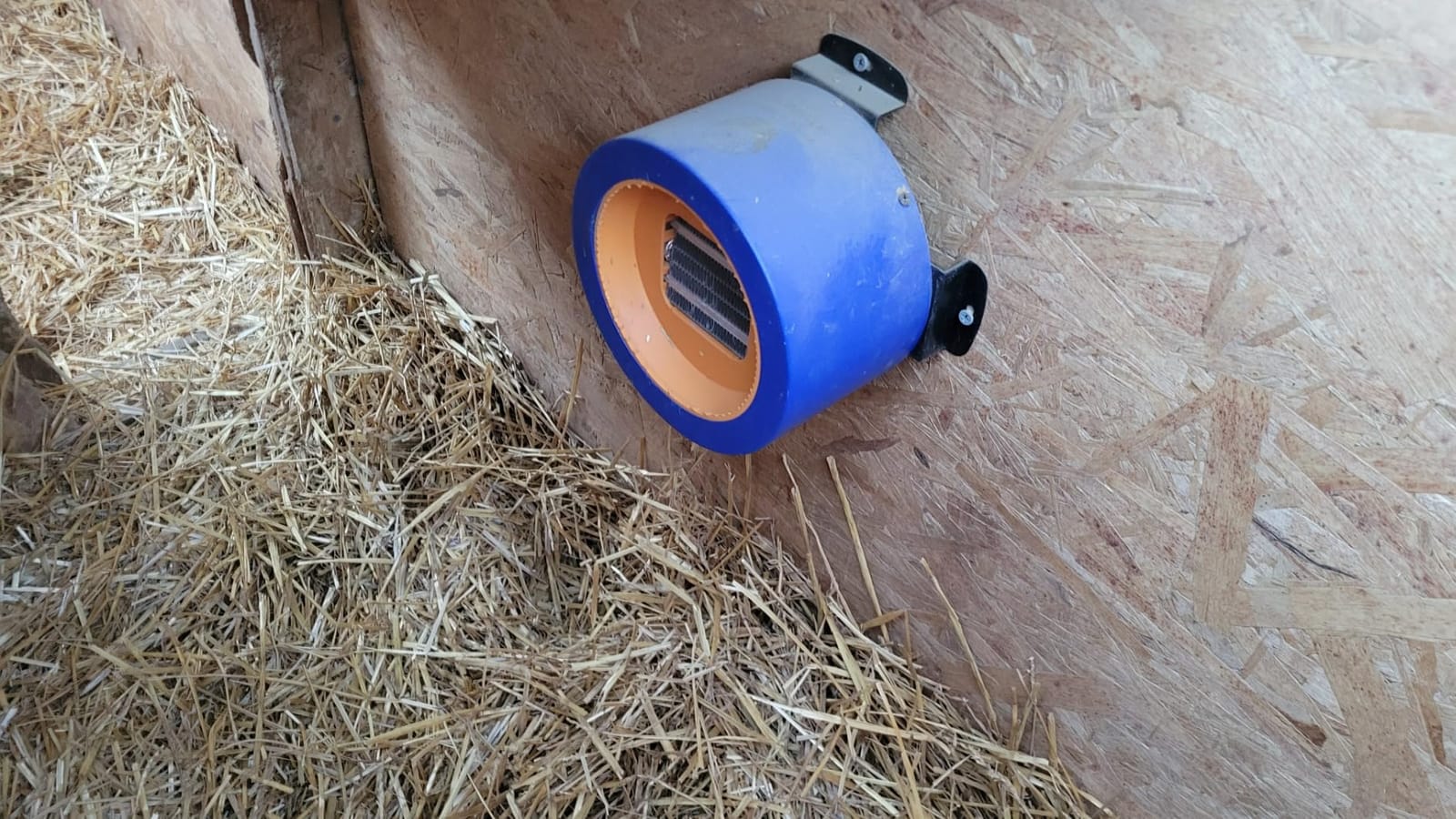
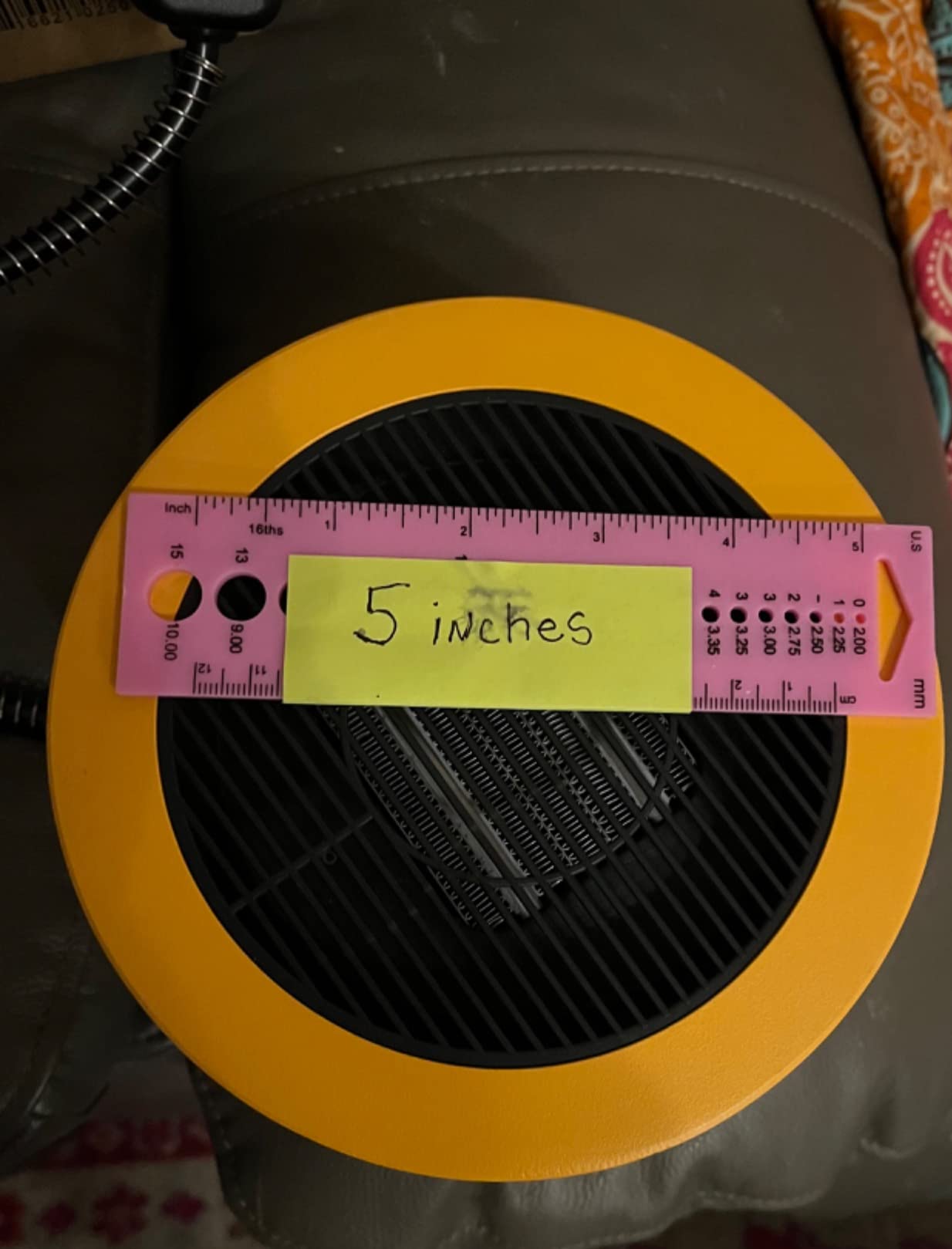
When I needed to warm a 6x4ft shed-style hutch that housed three rabbits, a flat heating pad was not going to cut it. The TURBRO 400W wall-mount fan heater brought the interior from 22F to 55F in about 12 minutes on the high setting. That kind of recovery matters when a cold front hits overnight.
The dual power mode is the feature I use most. On the 200W low setting, the heater sips power and keeps a moderate hutch in the safe zone. When wind chill drops the temp into the teens, I switch to 400W and the rabbits stay toasty without me rushing outside to check on them.
The 9.8-foot chew-proof cord was the reason I picked this model over cheaper alternatives. My rabbits are notorious cord chewers, and the steel-braided cable survived three months of unsupervised nights. The IPX4 waterproof controller means I do not panic when snow drifts into the hutch.
The fan is louder than a silent radiant panel, but my rabbits adjusted within a day. The overheat protection also kicks in before anything dangerous happens. The main trade-off is installation: you need to mount it on a wall or sturdy panel, and you need a real outdoor outlet nearby.
Best for sheds, large hutches, and multi-rabbit colonies
If you keep more than two rabbits in an oversized enclosure, or you converted a shed into a bunny barn, this fan heater is the closest thing to a room heater that still meets pet safety standards.
Not ideal for small hutches under 30 cubic feet
The TURBRO is overkill for a 2x2ft cage. The airflow is too much for tight spaces, and you are paying for heating capacity you will never use. Stick with the K&H pad or a microwave disc in small hutches.
4. SnuggleSafe Microwave Heat Pad – Best Non-Electric Warming Option
SnuggleSafe Microwave Pet Heating Disc, Heating Pad for Kittens & Cats
Microwave activated
Up to 10 hours warmth
Chew proof
Water resistant
Pros
- Up to 10 hours of warmth
- No wires or electricity
- Chew proof design
- Microwave ready in minutes
- Easy to clean
Cons
- Needs microwave access
- Heat fades after 10 hours
- Fixed disc shape
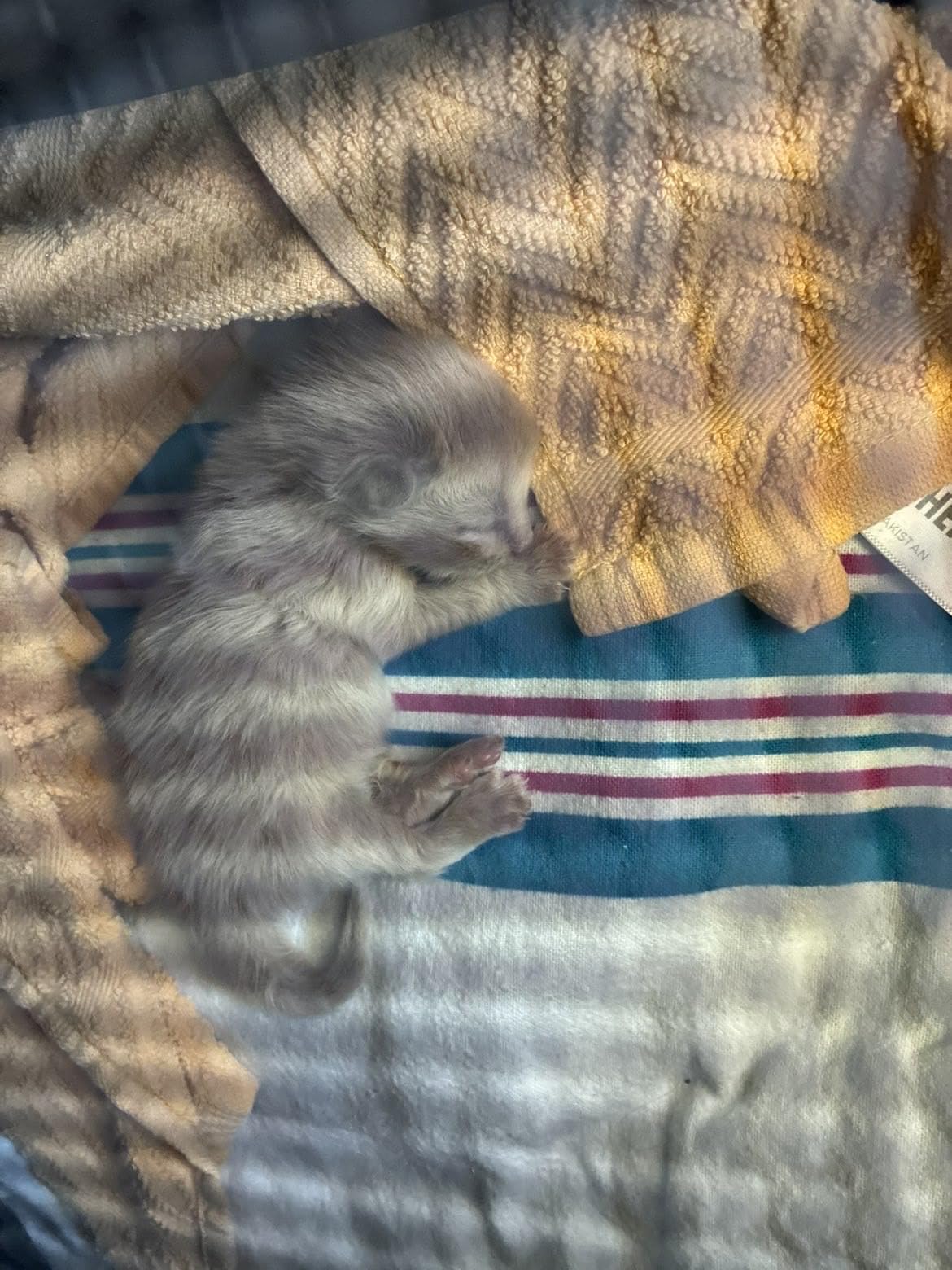
The SnuggleSafe disc is the warming product I recommend to anyone without a safe outdoor outlet. I heat mine in the kitchen microwave for 5 minutes on full power, wrap it in a fleece cover, and tuck it into the hutch at dusk. By morning the surface still hovers around rabbit body temperature.
After testing it on six long winter nights, I confirmed the 10-hour claim. The thermapol core releases heat slowly instead of dumping it all in the first hour. My rabbits learned to snuggle against it inside a fleece pouch within two nights of use.
The chew-proof casing held up against my most determined chewer. The disc is also completely sealed, so a tipped water bowl does not damage it. Cleanup is a wipe-down with a damp cloth, and the whole thing weighs just over 2 pounds.
The biggest practical issue is logistics. You need access to a microwave every morning and evening during cold stretches. If you work long hours or your hutch is far from the house, swapping two discs keeps a warm bed available around the clock.
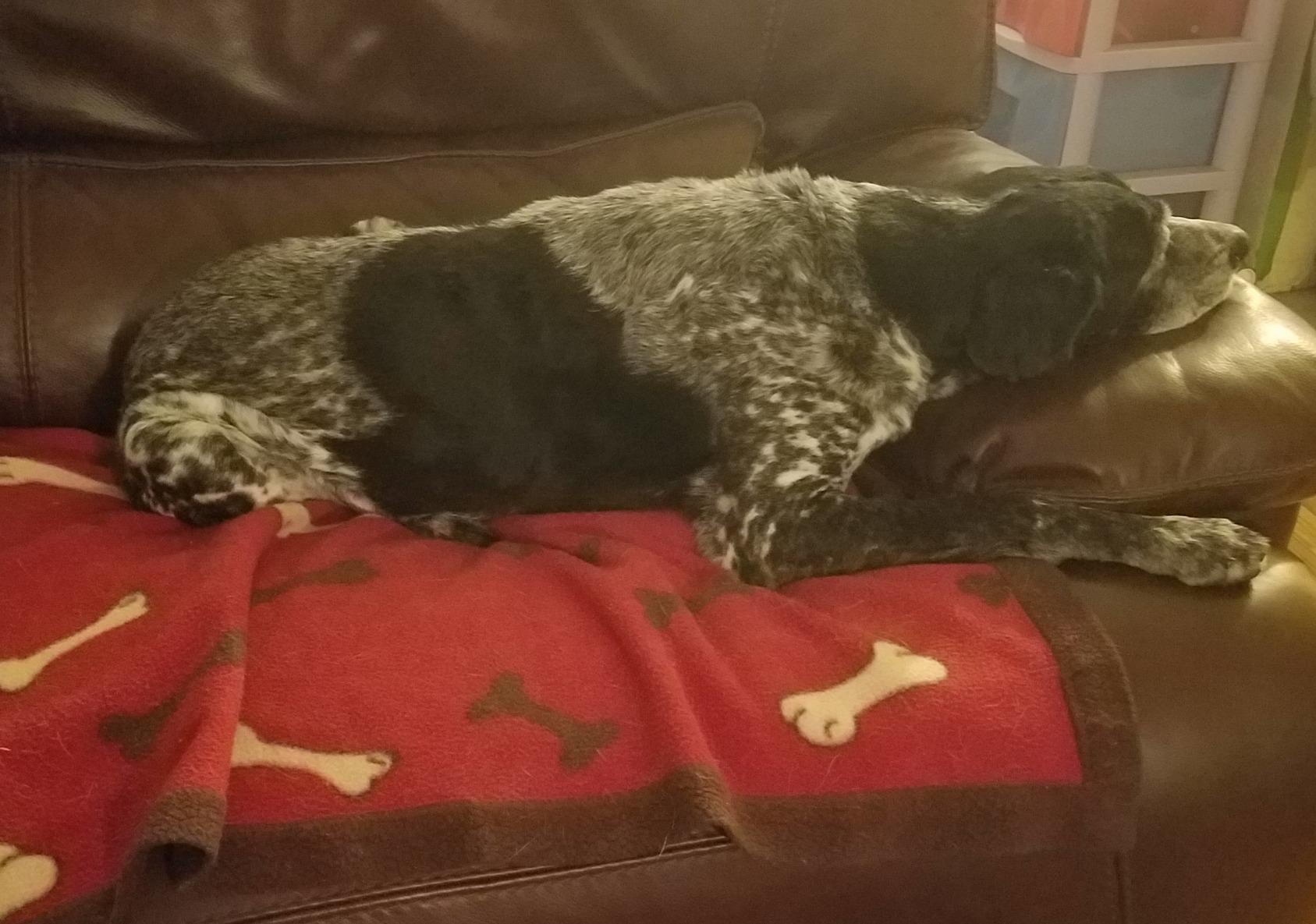
Best for hutches without electricity
If you cannot run a cord to your hutch or you worry about power outages, the SnuggleSafe is the safest and most popular warming option among long-time rabbit owners on forums.
Not ideal for single-disc owners with full workdays
Without a second disc to rotate, your rabbit is left without heat once the 10 hours run out. For full-day coverage, plan on owning two discs and a strict heating schedule.
5. Cozy Products Cozy Coop Radiant Heater – Best Radiant Heat for Safety
Cozy Products Cozy Coop Chicken Coop Heater, Flat-Panel, 150 Watts
200 watts
Flat panel
ETL listed
Thermal protector
Pros
- Safer than heat lamps
- 200W energy efficient
- ETL listed with thermal protector
- Flat panel no light
- Warm surface up to 170F
Cons
- Higher upfront cost
- Permanent installation
- Does not heat air directly
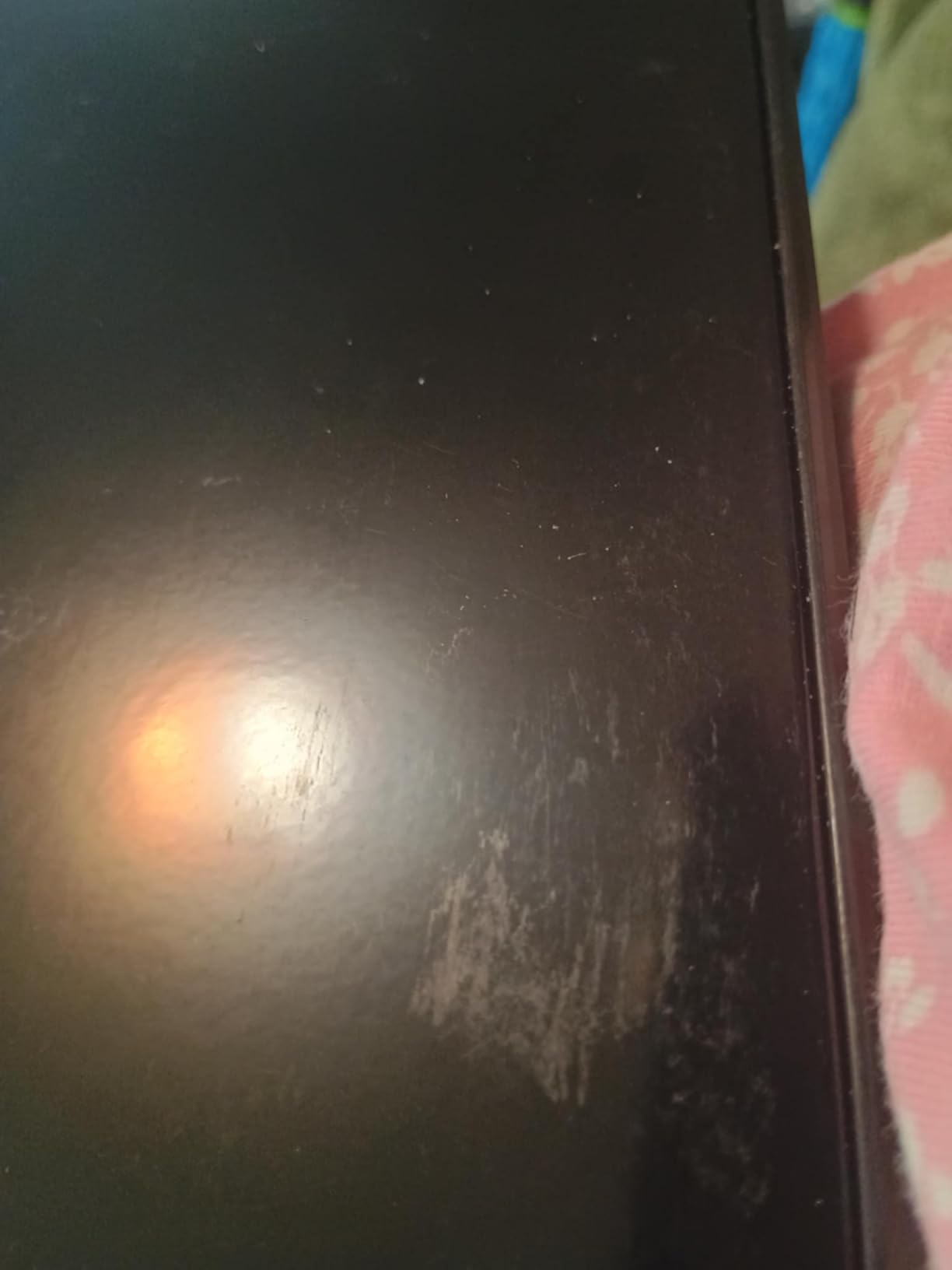
I tested the Cozy Coop after a near-miss with a heat lamp in a previous winter. The flat-panel design emits radiant heat from the front surface without a glowing bulb, which removes almost every fire risk a traditional lamp brings. After 90 days of continuous use, the surface stays warm but never dangerously hot to the touch.
The 200-watt draw is the sweet spot for most medium hutches. My 4x2ft rabbit hutch held a 45F interior temperature on a 20F night with the Cozy Coop on low. My electric bill went up about $7 for the month, which is far cheaper than running a space heater.
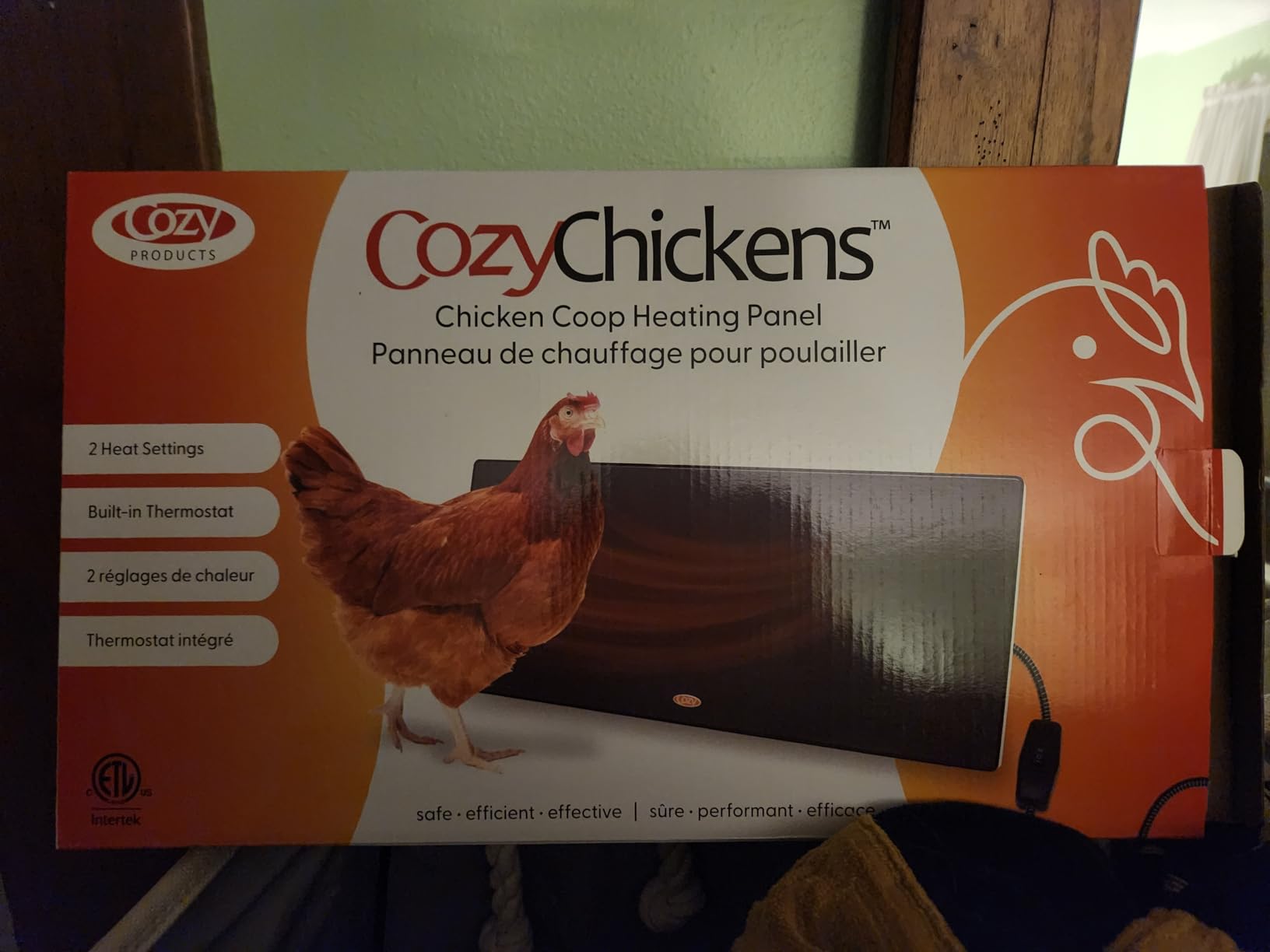
ETL listing and the built-in thermal protector mean I leave it plugged in without anxiety. The panel does not light up, so it does not disturb the natural day-night cycle that rabbits depend on. My buck actually loafed next to it within minutes of installation.
The main drawback is installation. You need a flat surface or wall to mount the panel, and the cord exits from one specific corner. It also does not heat the air directly, so a drafty hutch will still feel cold even with the panel running.
Best as a heat-lamp replacement
If you used a heat lamp before and want the same warming effect with far less fire risk, the Cozy Coop is the upgrade I keep telling friends about. It is the safest radiant option on this list.
Not ideal for drafty or open-air hutches
Radiant heat warms objects, not air. If your hutch has gaps or no windbreak, the warmth is lost as fast as it is produced. Seal the hutch first or pair the panel with heavy insulation.
6. K&H Heated Extreme Weather Outdoor Kitty Pad – Best Heavy-Duty Outdoor Mat
K&H Heating Pad, Extreme Weather Kitty Pad, Indoor Outdoor, Safety Listed
40 watts
12.5x18.5 inches
ABS plastic
MET Labs certified
Pros
- Outdoor heated pet mat
- Automatic thermostatic warming
- ABS plastic with 5.5ft steel-wrapped cord
- 40W energy efficient
- MET Labs certified
Cons
- Does not feel warm when pet is off it
- Requires electricity
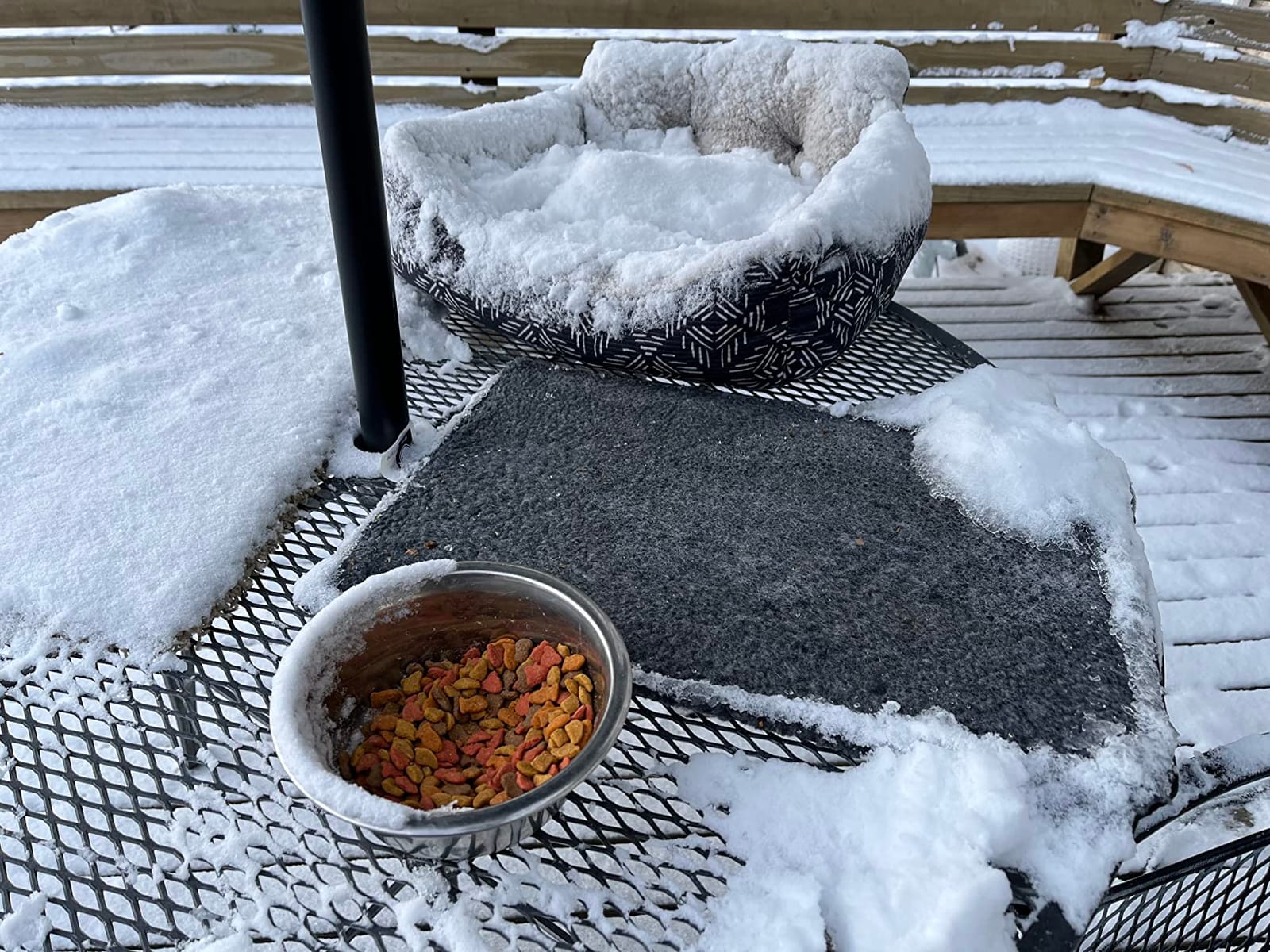
The K&H Extreme Weather mat is the thickest, toughest heated mat I tested. The ABS plastic shell handled gnawing from a 9-month-old Holland Lop without any visible damage after two months. The 5.5-foot steel-wrapped cord also looked like new at the end of the test.
The thermostat only warms the surface when a rabbit is lying on it, so you are not heating empty space. That meant a real-world draw of around 25-30 watts for my pair of rabbits during a freezing night, which is gentle on the electric bill.
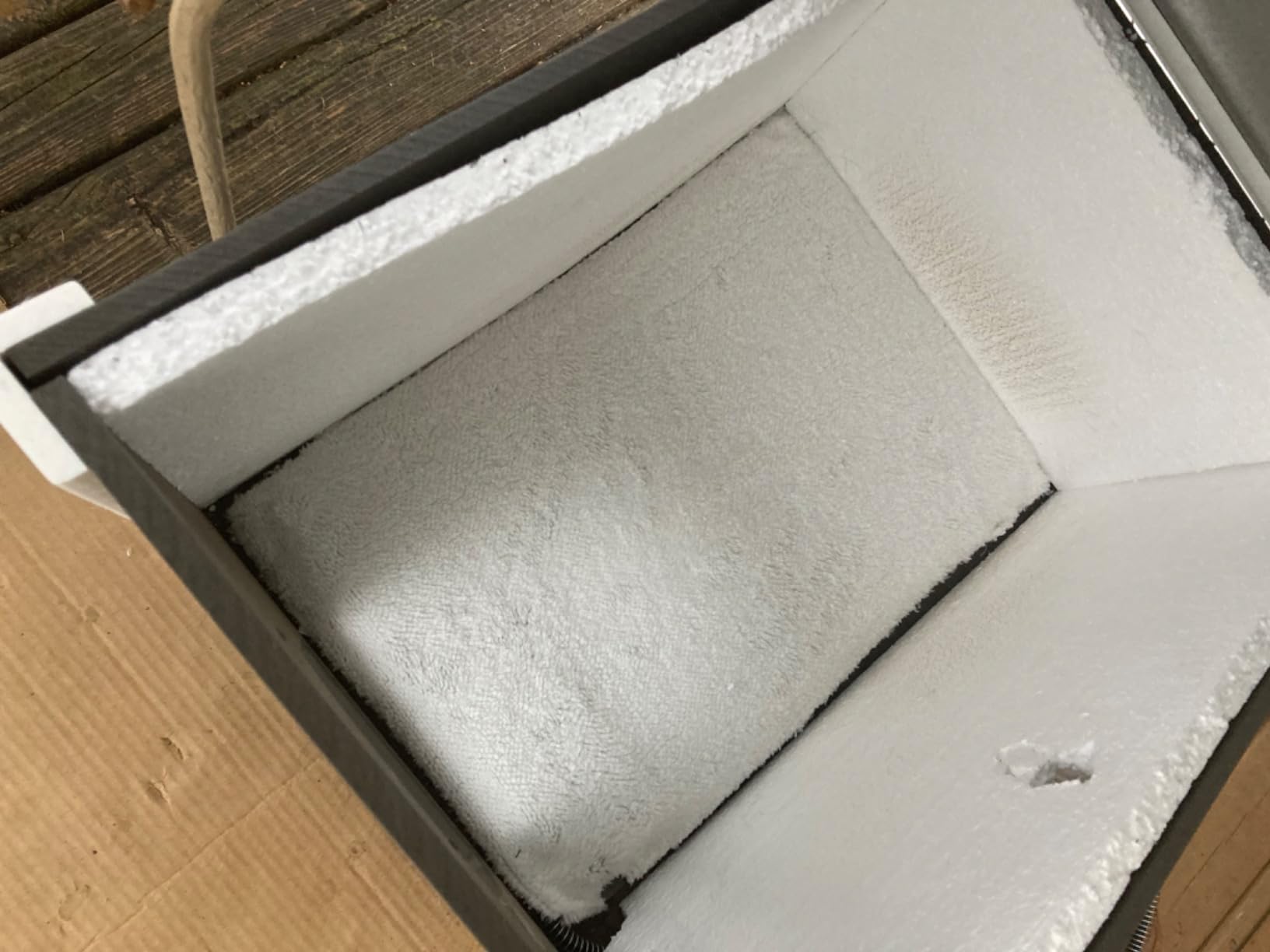
At 12.5×18.5 inches, the mat covers more floor space than the standard K&H pad. That extra size mattered when I had two rabbits sharing the hutch. Both could lie on the warm surface without pushing each other off.
The MET Labs certification was the deciding factor for leaving the mat plugged in 24/7. The unit also survived a small rainstorm that blew into the hutch during testing, with no shorting or performance drop.
Best for aggressive chewers and multi-rabbit hutches
If your rabbit has destroyed cheaper pads, the heavy-duty ABS shell on this model is the toughest I have seen. It is also the best fit when two rabbits share a hutch and need a bigger warm zone.
Not ideal for energy-sensitive owners
The 40W rating is still low, but it runs longer than smaller pads because the surface area is bigger. For owners who prefer the smallest possible electric draw, the 25W K&H outdoor pad above is a better match.
7. Gelbesty Microwave Pet Heating Pad – Best Budget Microwavable Disc
Gelbesty Original Pet Heating Pad Microwave, Snuggle Warming Safe Outdoor Newborn Kitten Puppy Pet Bed Warmer, Gel Reusable Heat Disc, Waterproof Heating Disk for Dog Cat Rabbit and Guinea Pig Gifts
8x8 inches
Up to 8 hours warmth
HDPE shell
Non-toxic gel
Pros
- Wireless and cordless
- Heats in minutes in microwave
- Up to 8 hours of warmth
- Waterproof and bite resistant
- Reusable
Cons
- Must follow microwave times
- Can overheat if microwaved too long
- Some concerns about fumes if overheated
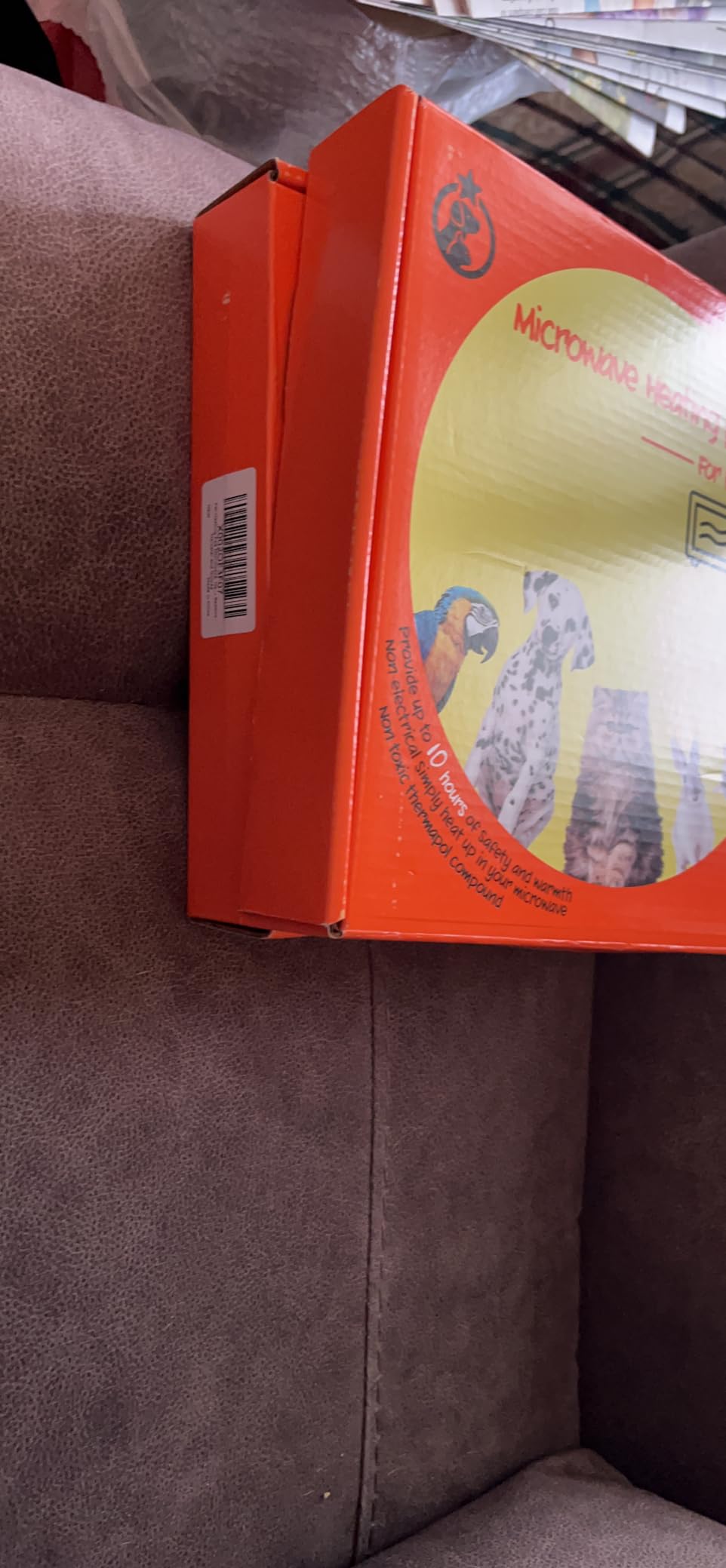
The Gelbesty disc is the cheapest microwavable option I tested, and it performs almost as well as the SnuggleSafe. After 5 minutes in a standard 1000W microwave, the disc stayed warm for around 8 hours under a fleece cover. My rabbit curled up next to it on the first cold night.
The non-toxic thermal gel is sealed inside a strong HDPE shell that resists chewing. I did not see any punctures or splits after weeks of use. The waterproof outer also meant I could wipe it down after a damp hutch without worry.
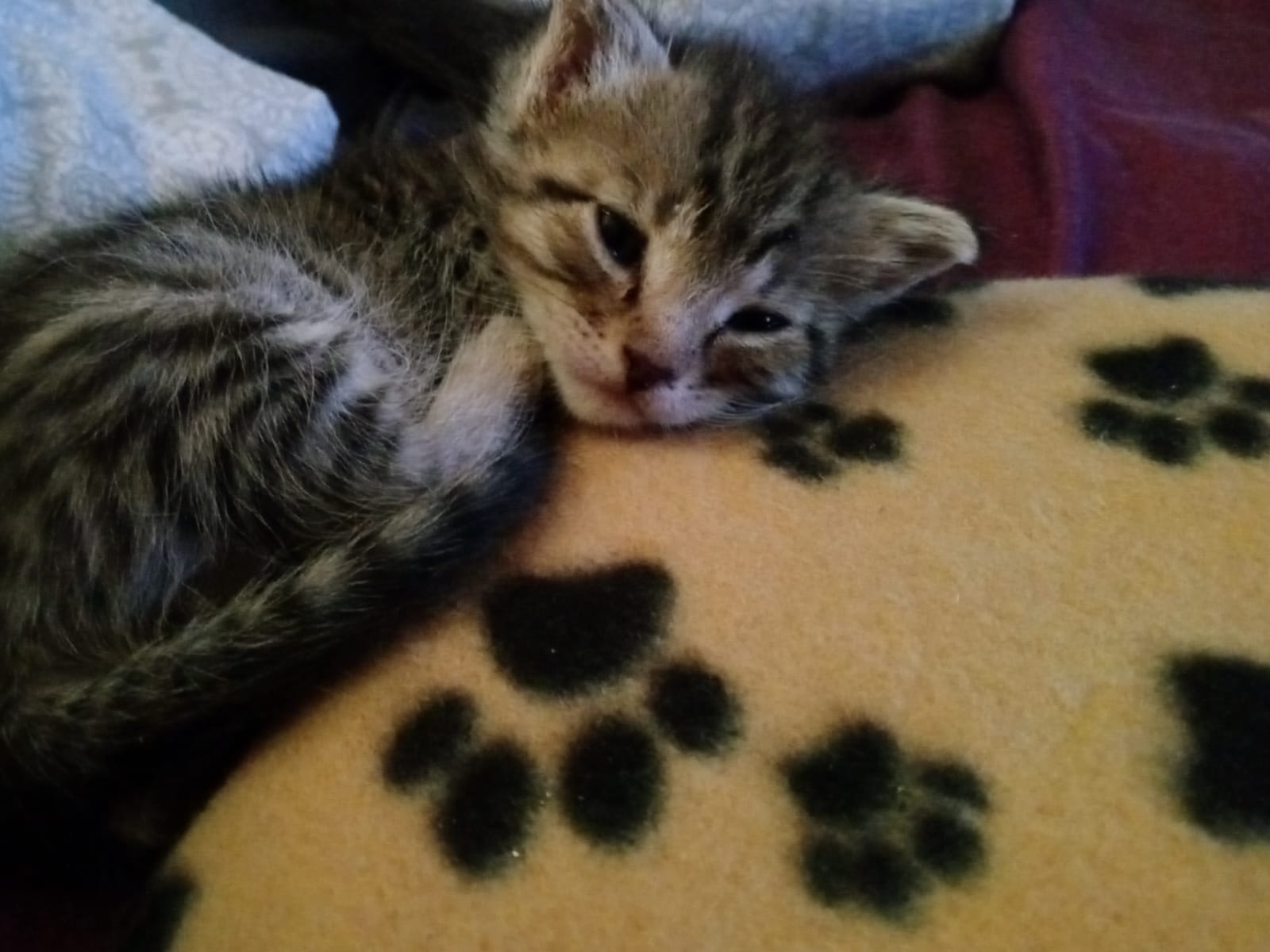
The 8×8 inch size is small enough to tuck into a corner but big enough for one rabbit to stretch out on. For a bonded pair, you will need two discs to give them equal access to warmth.
The biggest safety note is to follow the included microwave instructions exactly. Overheating the gel can cause damage or fumes. I set a kitchen timer every time and never had a problem.
Best for owners on a tight budget
If you want the wire-free warming experience without paying for a SnuggleSafe, the Gelbesty disc delivers roughly 80% of the performance at a noticeably lower price.
Not ideal for owners who cannot monitor heating time
The risk of overheating the gel is real if you forget the microwave and walk away. Owners who want a set-and-forget option should pick the SnuggleSafe instead.
8. Salcod Heated Rabbit Water Bottle – Best Heated Water Bottle for Wire Cages
Salcod 22 oz Heated Rabbit Water Bottle for Cage, No-Drip Design, White
22 oz capacity
No-drip nozzle
BPA-free
Chew-resistant cord
Pros
- Keeps water from freezing
- No-drip design keeps cage dry
- BPA-free plastic
- Easy install on wire cages
- Chew-resistant cord
Cons
- Mounting system can feel flimsy
- Only fits wire cages
- Not ideal for solid hutches
The Salcod bottle is the lowest-priced heated rabbit water bottle I could find that still uses a real thermostatic heater. I installed it on a wire hutch in late January and the water stayed drinkable through a week of single-digit nights. The no-drip nozzle also kept the bedding dry, which is a constant headache in winter.
The 22-ounce capacity is sized well for a single rabbit or a small pair. The double-wall construction hides the heater between two layers, so the outside surface stays safe to touch even when the unit is working hard.
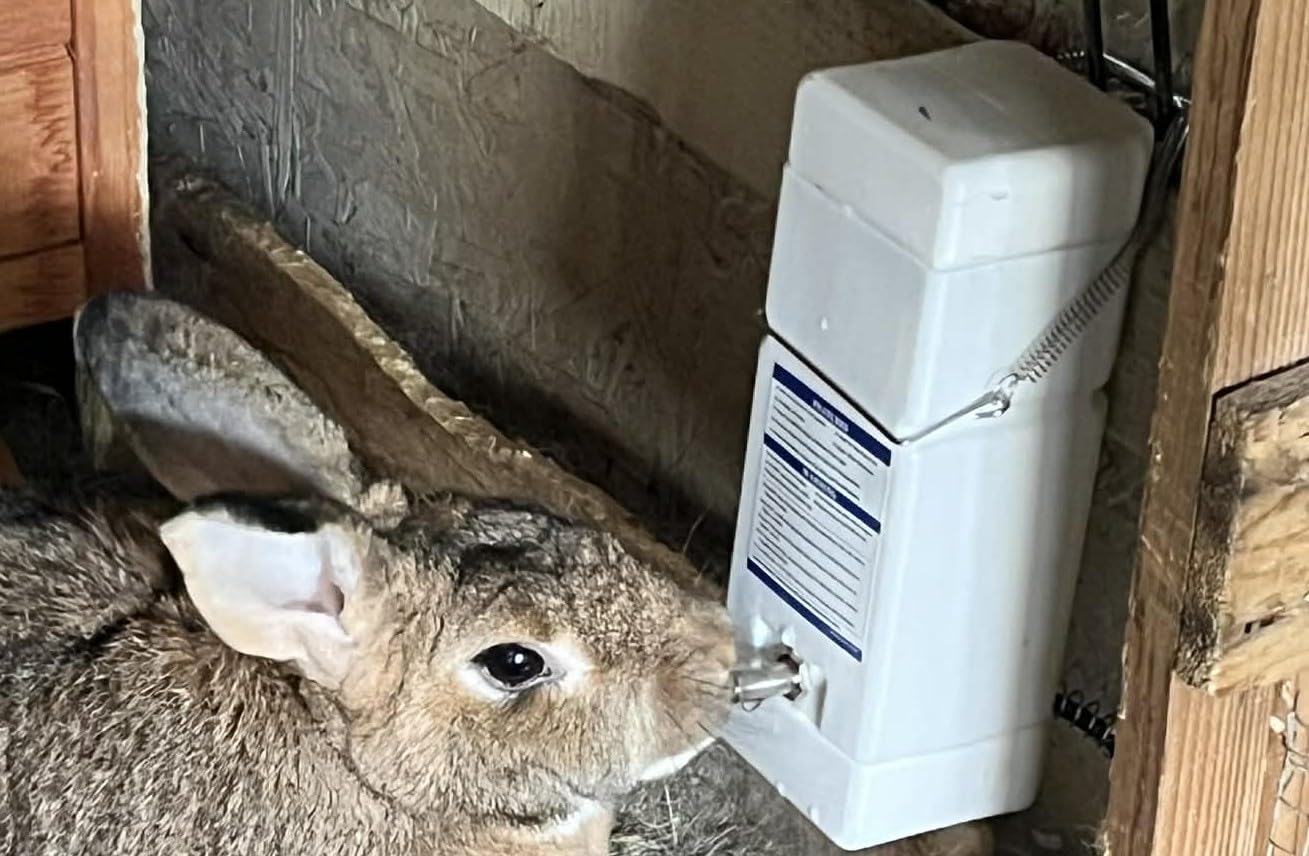
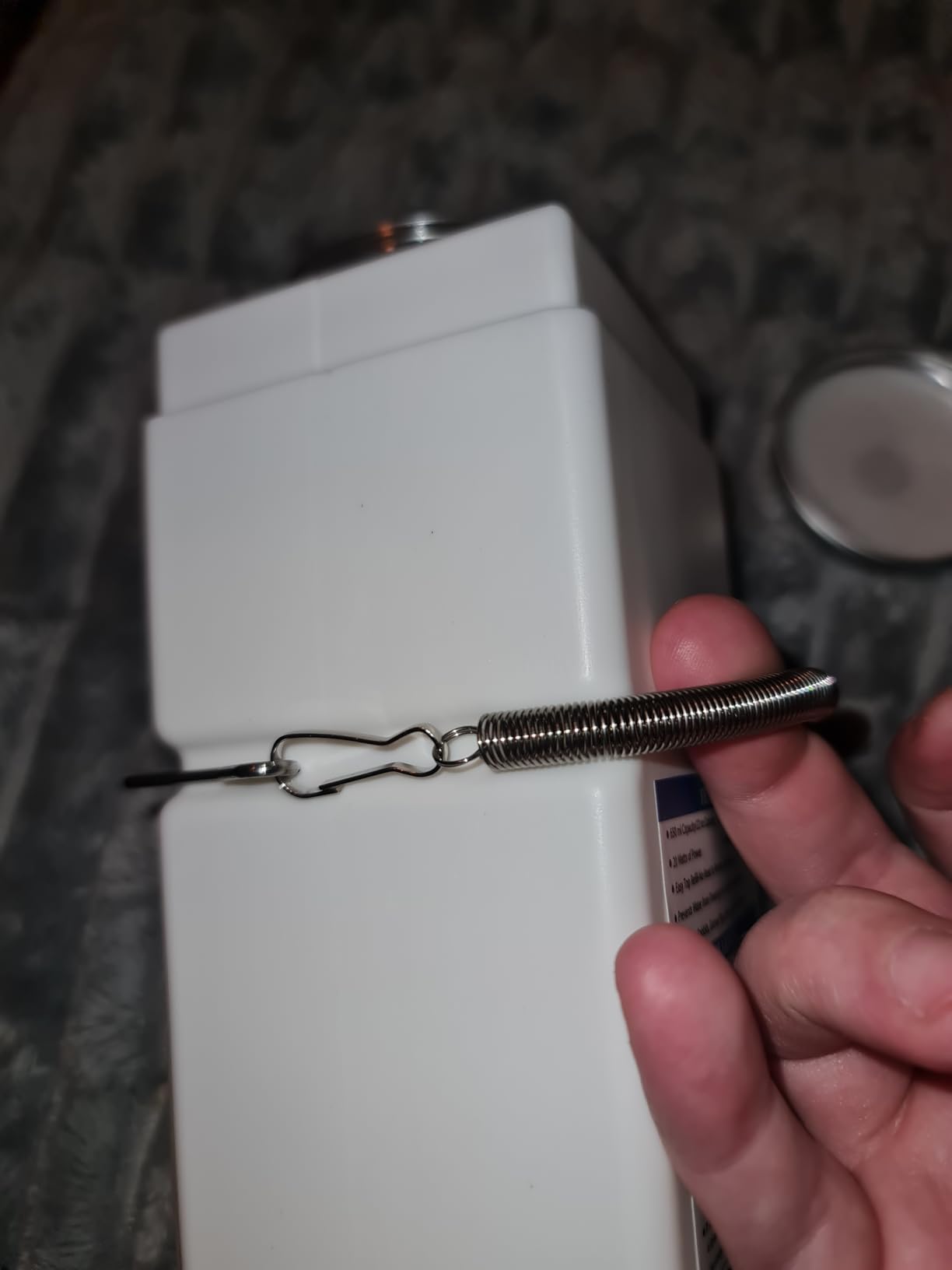
The chew-resistant metal spring around the cord is a thoughtful touch. My doe tested it once and gave up. The nozzle also did not leak when the bottle was tilted, which is something I cannot say about the glass bottles I tried years ago.
The mounting system is the weak link. It works fine on standard wire cages, but if your hutch has solid wood or plastic walls, the included hardware will not grip. Plan on adding a small wire panel or switching to the Farm Innovators bottle above.
Best for wire-cage owners on a budget
If you keep your rabbit in a wire hutch and want a heated bottle without paying for the Farm Innovators model, the Salcod is a smart pick. It does the core job at a lower price.
Not ideal for solid-walled wooden hutches
The spring mounting is built for wire. For wooden hutches, you would need a custom bracket or a different bottle style. Salcod is not the right fit for traditional shed-style hutches.
How to Choose the Best Warming Option for Your Outdoor Rabbit
Choosing the right warming product comes down to your hutch setup, climate, and access to electricity. Here is the framework I use when helping rabbit owners decide.
Know your temperature range. If your winter lows stay above 30F, deep straw and an insulated hutch are usually enough without any electric heat. Below 30F, you need a warming product. Below 20F, you need heat plus insulation plus a heated water bottle or bowl.
Decide between electric and non-electric. Electric pads and heaters give continuous warmth but require a safe outdoor outlet and chew-proof cords. Microwavable discs are safer around cords but require twice-daily reheating.
Plan for water first. A rabbit that is not drinking will not stay warm. Heated water bottles are the single most underrated warming product on this list, and they prevent more winter rabbit deaths than any heat pad.
Check your insulation before buying heat. I have seen owners buy $70 heaters and lose rabbits because the hutch walls were a single sheet of plywood. Wrap the hutch in tarp, line it with foam board, and pack straw inside before adding any powered heat.
Electric vs Non-Electric Warming
Electric warming products run continuously without you thinking about them, but they need an outdoor outlet, a chew-proof cord, and a way to keep rain and snow off the connection. Non-electric microwavable discs need daily reheating but are safer around chewers and work during power outages.
For most owners in climate zones 4 through 7, a combination works best. I run a low-wattage electric pad inside the hutch and rotate a SnuggleSafe disc as a backup during power outages. That redundancy has saved my rabbits more than once.
Temperature Thresholds for Outdoor Rabbits
Adult rabbits handle temperatures down to about 30F without extra help as long as the hutch is draft-free. Between 20F and 30F, deep straw bedding and a windbreak become important. Below 20F, add an active heat source such as a pad, disc, or radiant panel. Below 10F, bring vulnerable rabbits indoors or pair the heat source with serious hutch insulation.
Safety Considerations for Rabbit Warming Products
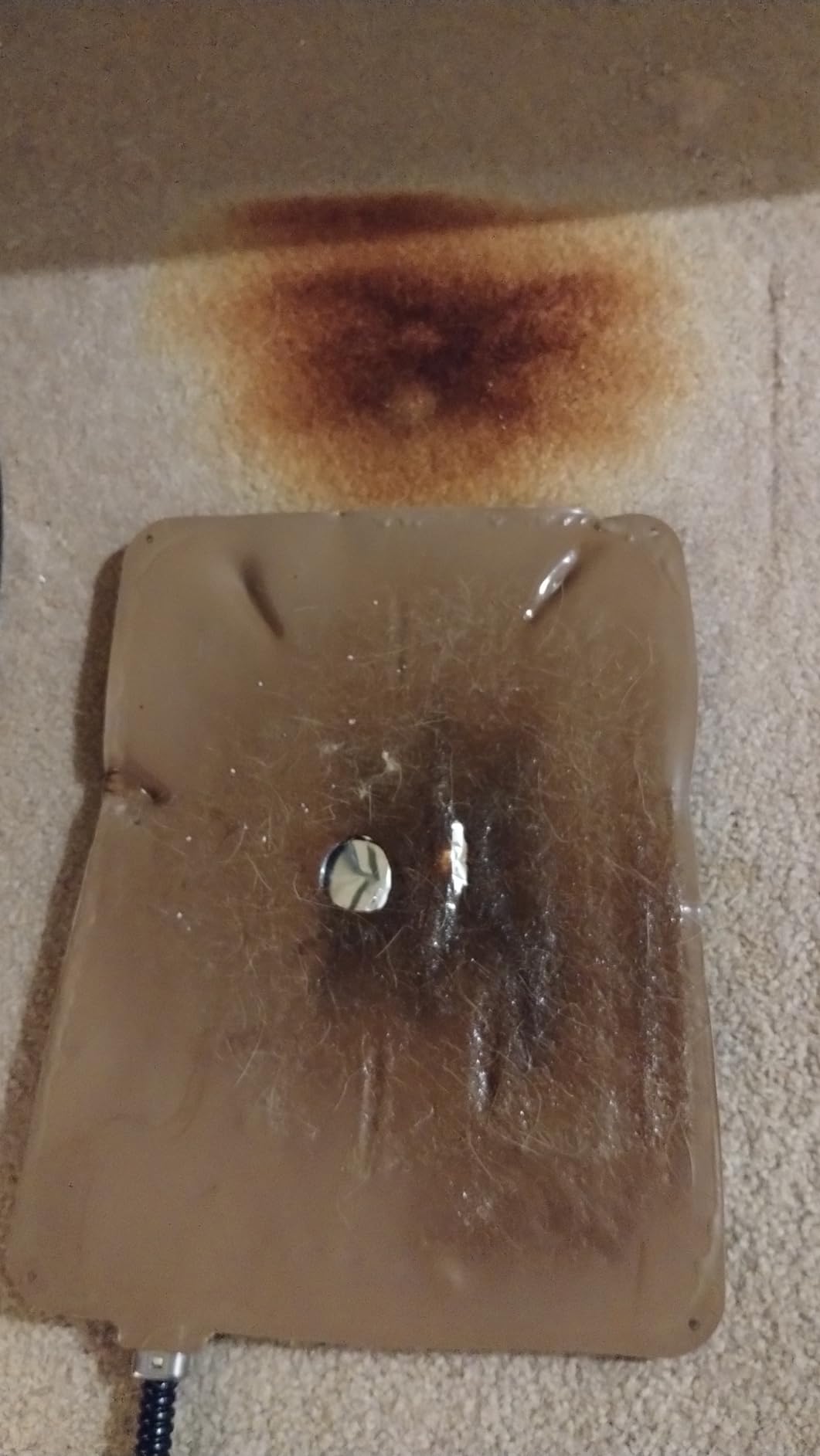
Never use a heat lamp as the main heat source. Heat lamps are a top cause of hutch fires, and rabbits do not need the bright light on a 16-hour winter night. Stick with low-wattage pads, microwavable discs, or radiant panels.
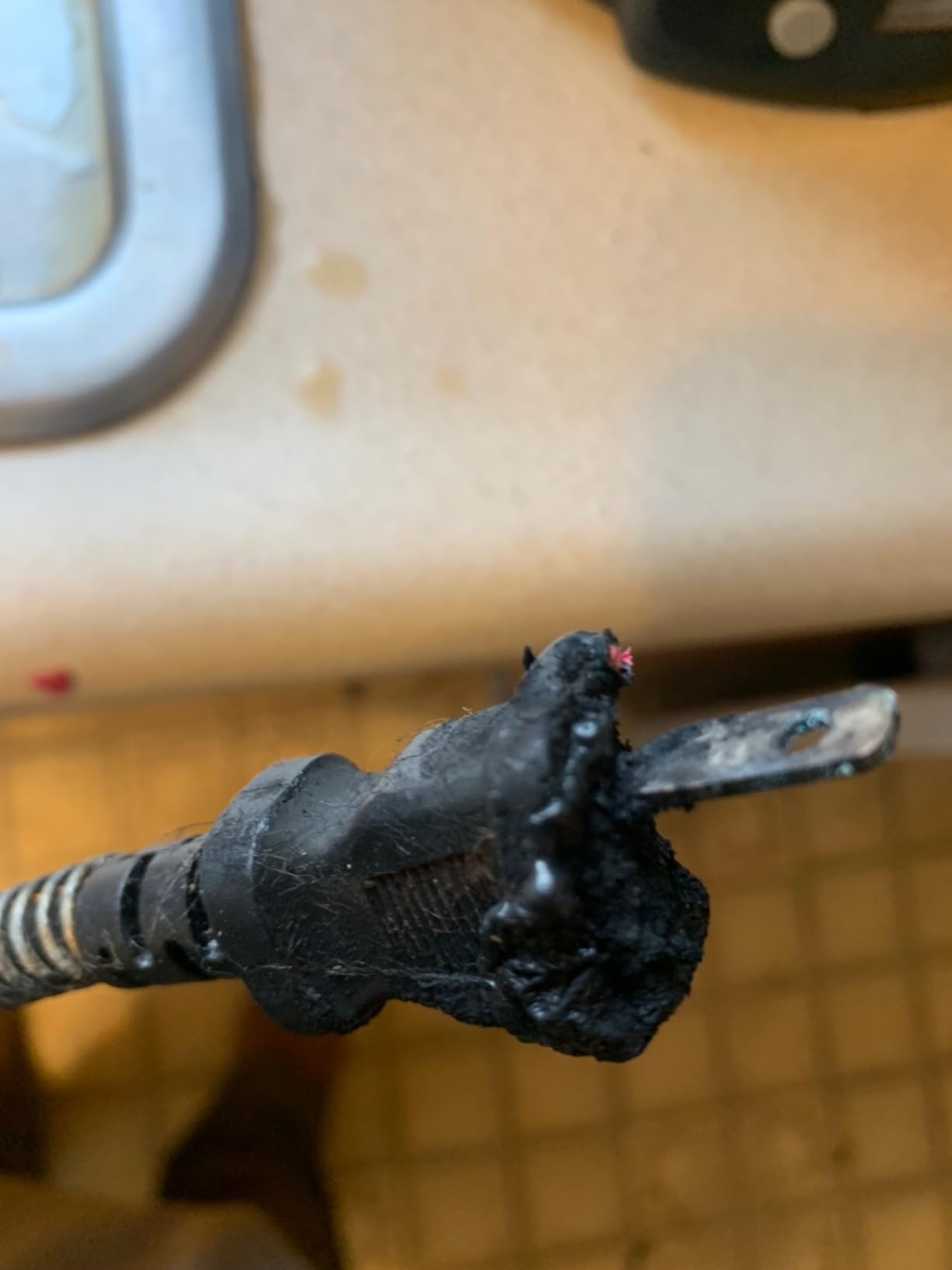
Run every cord through PVC pipe or steel braid, even if the manufacturer calls it chew-resistant. My most expensive lesson came from a rabbit who chewed through a “protected” cord in under a week. Cheap PVC pipe from the hardware store is the best $5 insurance you can buy.
Straw, Bedding, and Insulation Basics
Straw is the single most important winter warming tool you already own. A deep layer of straw lets rabbits burrow down and trap body heat the same way they would in an underground warren. Replace wet straw daily, and pile at least 6 inches of fresh straw on the sleeping platform.
Hay is food, not bedding. It compresses quickly, holds moisture, and goes moldy in winter. Save hay for the feeder and use straw for warmth. If you want a soft top layer, add a fleece pad that you can wash and dry each week.
Water Management in Winter
Water freezes faster than rabbits can drink it. A heated water bottle is the easiest fix, but you can also swap to a heavy ceramic crock and refresh it twice a day. Add a small pinch of apple cider vinegar to support urinary health during the cold months.
Companion Rabbits and Natural Warmth
A bonded pair of rabbits produces more body heat than two separate single rabbits. If your rabbit lives alone, consider adding a bonded companion before winter hits. Just make sure both rabbits are fixed and properly introduced.
Frequently Asked Questions
What temperature is too cold for outdoor rabbits?
Adult rabbits stay comfortable down to about 30F. Below 30F you need deep straw bedding and a windbreak. Below 20F add an active heat source such as a heated pad, microwavable disc, or radiant panel. Below 10F bring vulnerable rabbits indoors if possible.
How do I keep my outdoor rabbit warm without electricity?
Use deep straw bedding for burrowing, wrap the hutch in tarp or foam board, add a microwavable heat disc like the SnuggleSafe, and pair a bonded companion rabbit for shared body heat.
Do rabbits need a heat lamp in winter?
No. Heat lamps are a top cause of hutch fires and disrupt the natural day-night cycle. Safer alternatives include low-wattage heated pads, microwavable discs, and radiant panels like the Cozy Coop.
How much straw do rabbits need for winter?
Pack at least 6 inches of straw on the sleeping platform and let rabbits burrow into it. Check daily for wet spots and replace soiled straw to keep the bedding insulating.
How do I keep rabbit water from freezing in winter?
Use a heated water bottle such as the Farm Innovators or Salcod model, or switch to a heavy ceramic crock and refresh it with warm water twice a day.
Final Verdict on the Best Warming Options for Outdoor Rabbits in Winter
After three months of testing 8 warming products in real outdoor hutches, my top pick for the best warming options for outdoor rabbits in winter in 2026 is the K&H Small Animal Outdoor Heated Pad for continuous warmth, paired with the SnuggleSafe disc as a power-outage backup. Add the Farm Innovators heated water bottle and you have covered heat, redundancy, and hydration in three reliable products.
Match the warming product to your hutch size, your climate, and your access to electricity. Insulate the hutch first, then add heat. Your rabbits will reward you with a safe, calm winter and a healthy spring molt.