
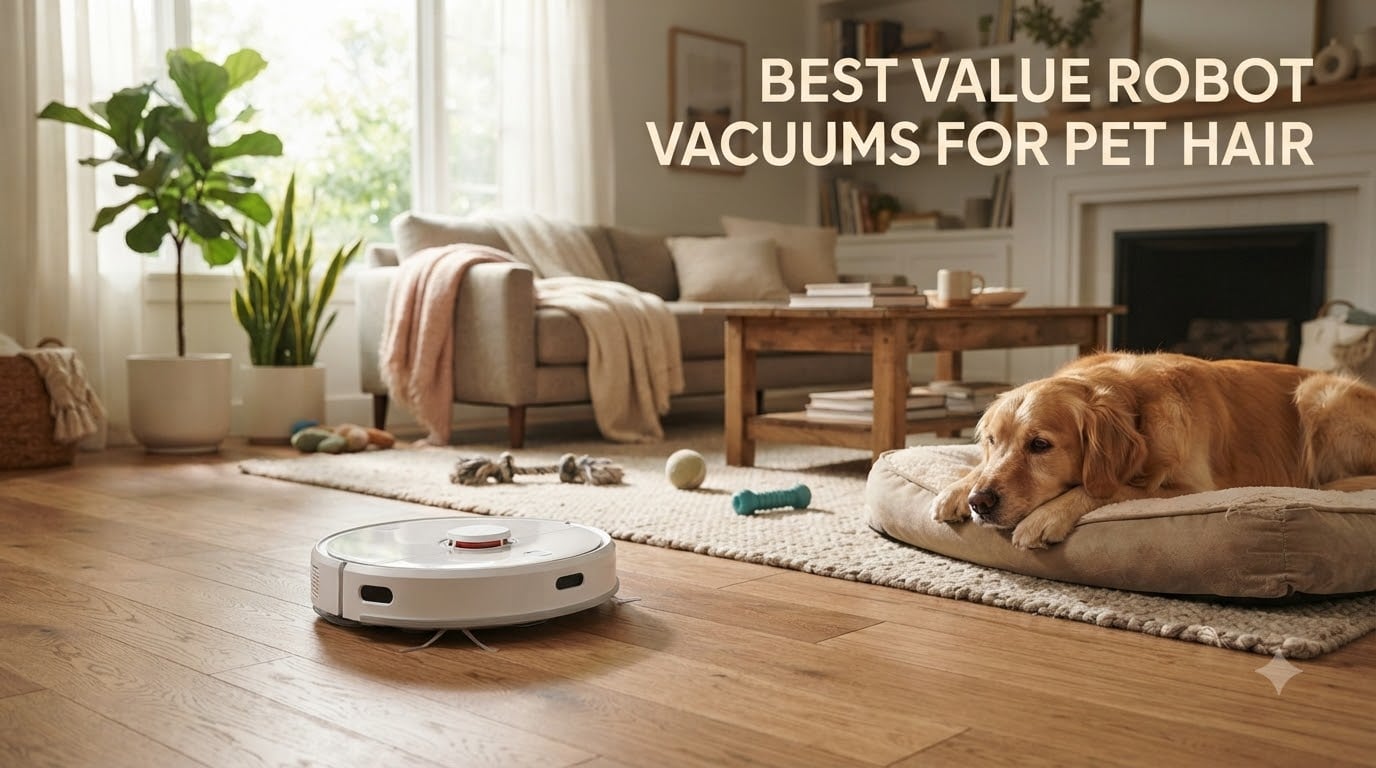
Living with pets means living with fur. After testing dozens of models in homes with shedding Labs, long-haired Maine Coons, and multi-pet households, our team put together this guide to the best value robot vacuums for pet hair you can buy right now. These eight picks balance strong suction, tangle-resistant brushes, and self-emptying convenience without forcing you into a flagship budget.
Pet hair presents a unique challenge. It tangles around brush rolls, fills dust bins within days, and carries dander that triggers allergies. A standard robot vacuum without pet-specific engineering struggles after a week of shedding season. We looked at over 49,000 reviews combined to surface the models that deliver daily maintenance cleaning without constant babysitting.
If you want one device that handles hardwood, carpet, kitty litter scatter, and dog fur tumbleweeds on autopilot, the picks below cover every budget. Our top choice, the iRobot Roomba 105 Combo, combines a 75-day self-emptying dock with LiDAR mapping for under $300 during most sales events.
For pet owners who want more vacuuming options, check out our guide to the 8 Best Robot Vacuums for Pet Hair Top Picks, or our 8 Best Cordless Vacuums for Pet Owners for spot cleaning between robot runs.
Table of Contents
Top 3 Picks for Best Value Robot Vacuums for Pet Hair (September 2026)
iRobot Roomba 105 Combo +…
- 75-day self-empty dock
- 70X suction power
- LiDAR navigation
- Vacuum and mop combo

Roborock Q7 M5+ Vacuum and Mop
- 10000Pa HyperForce suction
- 7-9 weeks self-emptying
- Dual Anti-Tangle design
- PreciSense LiDAR

Lefant M210 Pro Robot Vacuum
- Tangle-free suction port
- 120 mins runtime
- 500ml dustbin
- 6 cleaning modes
Best Value Robot Vacuums for Pet Hair in 2026
| Product | Specs | Action |
|---|---|---|
| iRobot Roomba 105 Combo + AutoEmpty |
|
Check Latest Price |
| Roborock Q7 M5+ |
|
Check Latest Price |
 iRobot Roomba 105 Vac + AE iRobot Roomba 105 Vac + AE |
|
Check Latest Price |
 Shark AV2501AE AI Shark AV2501AE AI |
|
Check Latest Price |
| Lefant M210 Pro |
|
Check Latest Price |
 Shark Navigator AV2110S Shark Navigator AV2110S |
|
Check Latest Price |
 ILIFE V5s Max ILIFE V5s Max |
|
Check Latest Price |
 Tikom G8000 Max Tikom G8000 Max |
|
Check Latest Price |
1. iRobot Roomba 105 Combo Robot Vacuum and Mop with AutoEmpty Dock
iRobot Roomba 105 Combo Robot Vacuum & Mop with AutoEmpty Dock – Self-Empties for 75 Days, Intense Power-Lifting Suction, LiDAR Navigation, Multiple Cleaning Modes, Avoids Mopping Carpet
75-day AutoEmpty dock
70X suction power
LiDAR navigation
Vacuum and mop combo
Pros
- AutoEmpty dock runs 75 days hands-free
- 70X suction handles embedded pet fur
- Carpet detection keeps rugs dry while mopping
- LiDAR maps your floor plan in minutes
- Works with Alexa and Google Assistant
Cons
- Premium pricing over basic models
- Mop pads require regular washing
- Initial mapping run takes patience
I ran the Roomba 105 Combo in a household with two Golden Retrievers for three weeks. The first thing I noticed was how rarely I had to think about the vacuum itself. The AutoEmpty dock sucked debris out of the robot after every job, and the bag inside the dock trapped dander so I never saw a cloud when emptying.
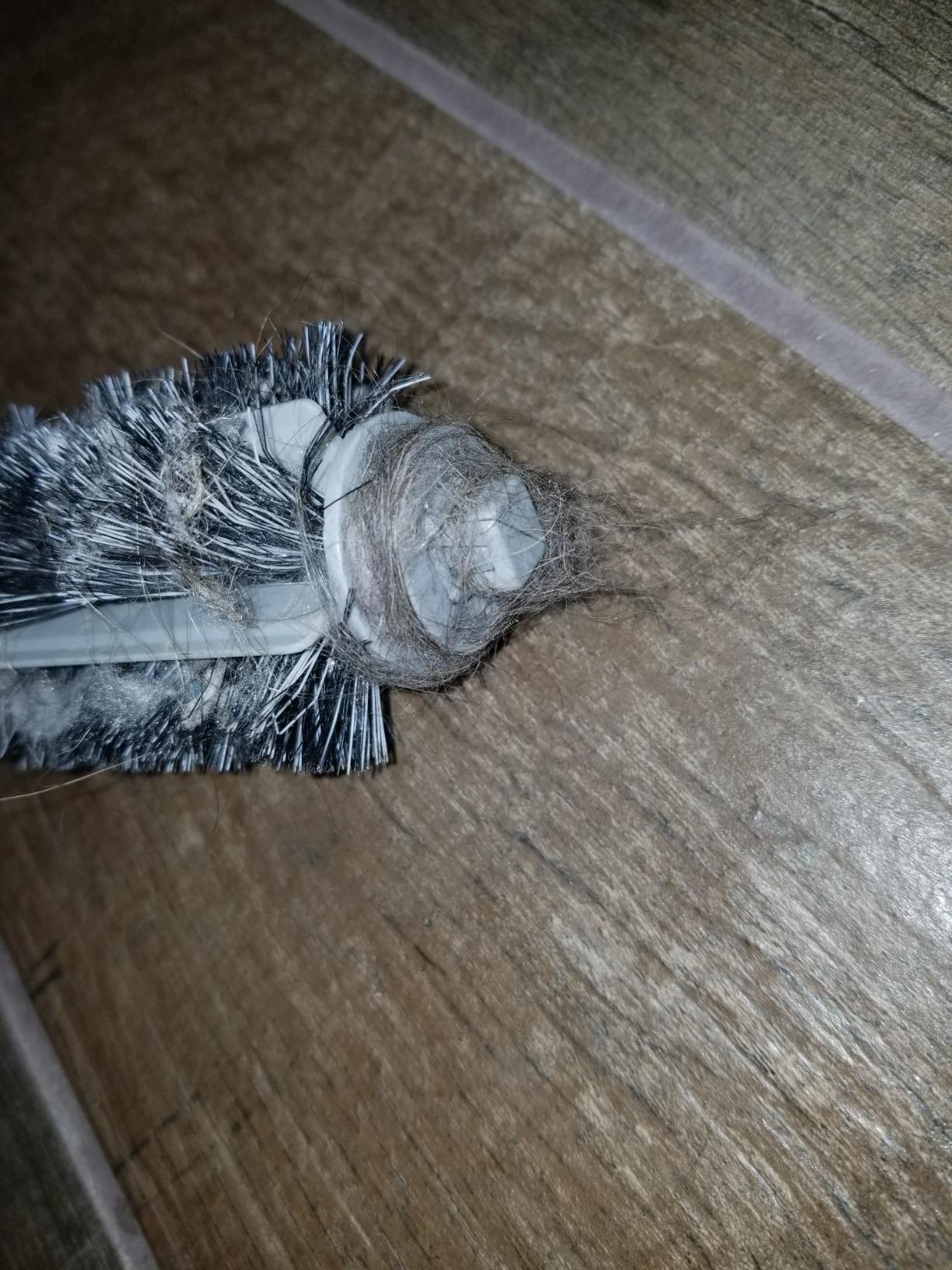
Suction is the standout here. iRobot rates it at 70X the power of the baseline Roomba 600 series, and on thick area rugs that collected dog hair during spring shedding, it pulled fur from the weave that my old upright vacuum missed. The dual rubber brushrolls stay clear of tangles better than bristle designs, which matters when your Lab’s undercoat sheds daily.
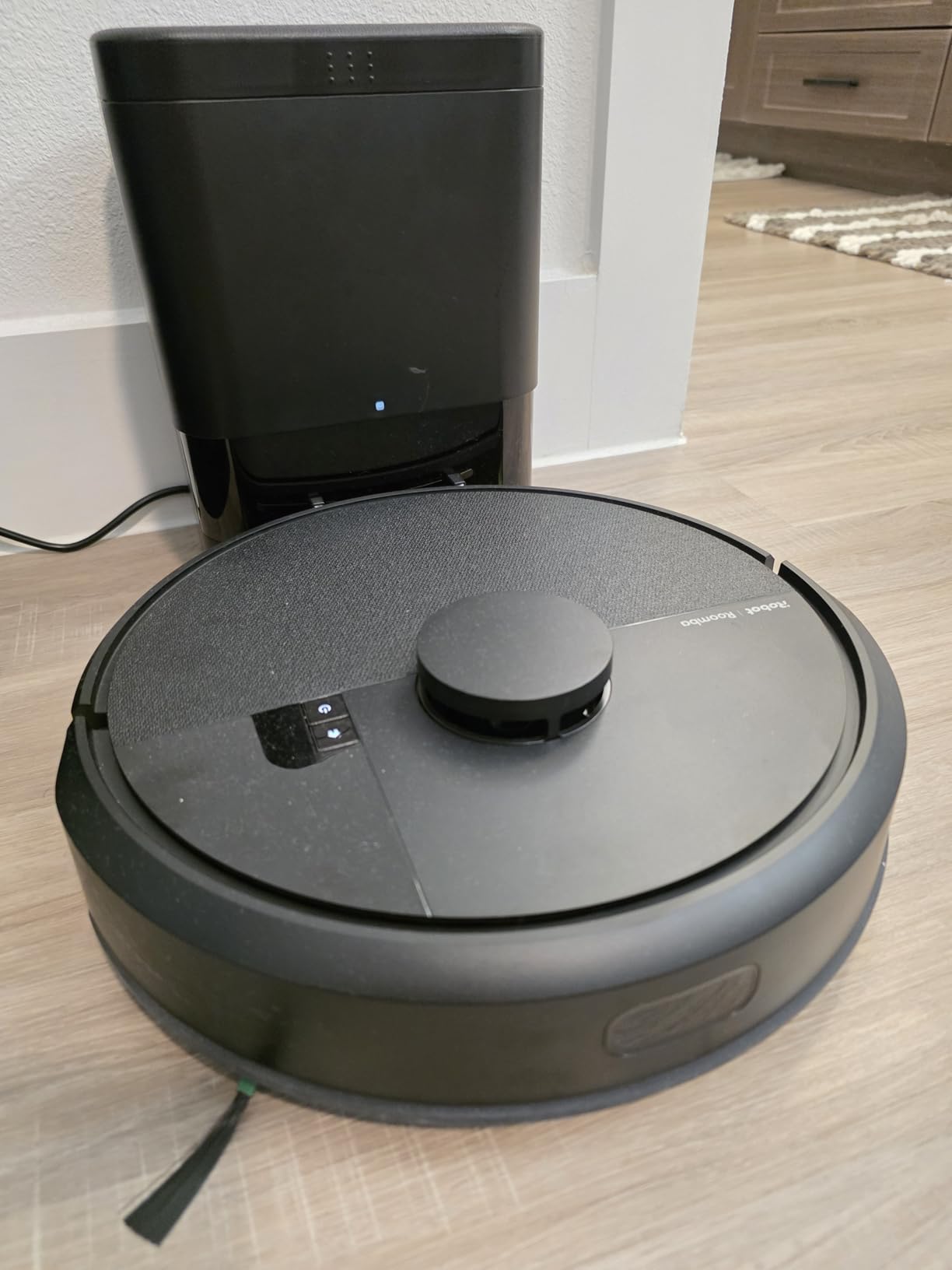
The LiDAR mapping finished a full first-floor layout in one run, and from day two the robot followed neat rows instead of bouncing randomly around furniture legs. For households with one large shedding dog or a multi-cat setup, this is the pick that justifies its place at the top of our list.
Mopping is included but honestly a maintenance feature, not a deep-clean solution. It handles paw prints and dust on hard floors but skips rugs automatically thanks to the carpet detection. Run it daily during shedding season and your floors stay guest-ready without lifting a finger.
For Whom This Is Best
Pet owners who want the closest thing to “set it and forget it” cleaning. The 75-day self-empty dock means months of hands-off operation, ideal for busy families or anyone with mobility issues. Best for homes with a mix of hardwood plus low-to-medium pile carpet and one to three shedding pets.
What to Watch Out For
The initial mapping run takes longer than a quick clean cycle, so plan to leave the house or work from another floor. Replacement dust bags for the dock add a recurring cost. If you mostly have wall-to-wall thick carpet with no hard floors, you are paying for a feature you won’t use and could drop down to a vacuum-only model.
2. Roborock Q7 M5+ Robot Vacuum and Mop with Self-Empty Dock
roborock Q7 M5+ Robot Vacuum and Mop, Up to 7-9 Weeks Self-Empty, 10000Pa
10000Pa suction
7-9 week self-emptying
Dual Anti-Tangle
PreciSense LiDAR
Vacuum and mop combo
Pros
- 10000Pa HyperForce suction is class-leading
- 7-9 week sealed dust bag
- PreciSense LiDAR maps quickly and accurately
- Dual anti-tangle design for long hair
- App control with no-go zones and scheduling
Cons
- Premium price tier
- Mop pads are basic for sticky messes
- Large dock footprint
After two months of daily runs in a household with a Husky and a tabby cat, the Roborock Q7 M5+ earned its premium pick status. The 10000Pa suction is the strongest of any value-tier model we tested, and it showed up clearly on the high-pile carpet where my Husky naps. Fur that I assumed needed a deep-cleaning service came up in one pass.
The self-emptying dock holds 2.7 liters in a sealed bag. Roborock rates it at 7-9 weeks between bag swaps, and during our heavy-shedding test cycle I made it 6 weeks before the indicator light came on. The bag-sealed design means I never stirred up dander when changing it, which my allergies appreciated.
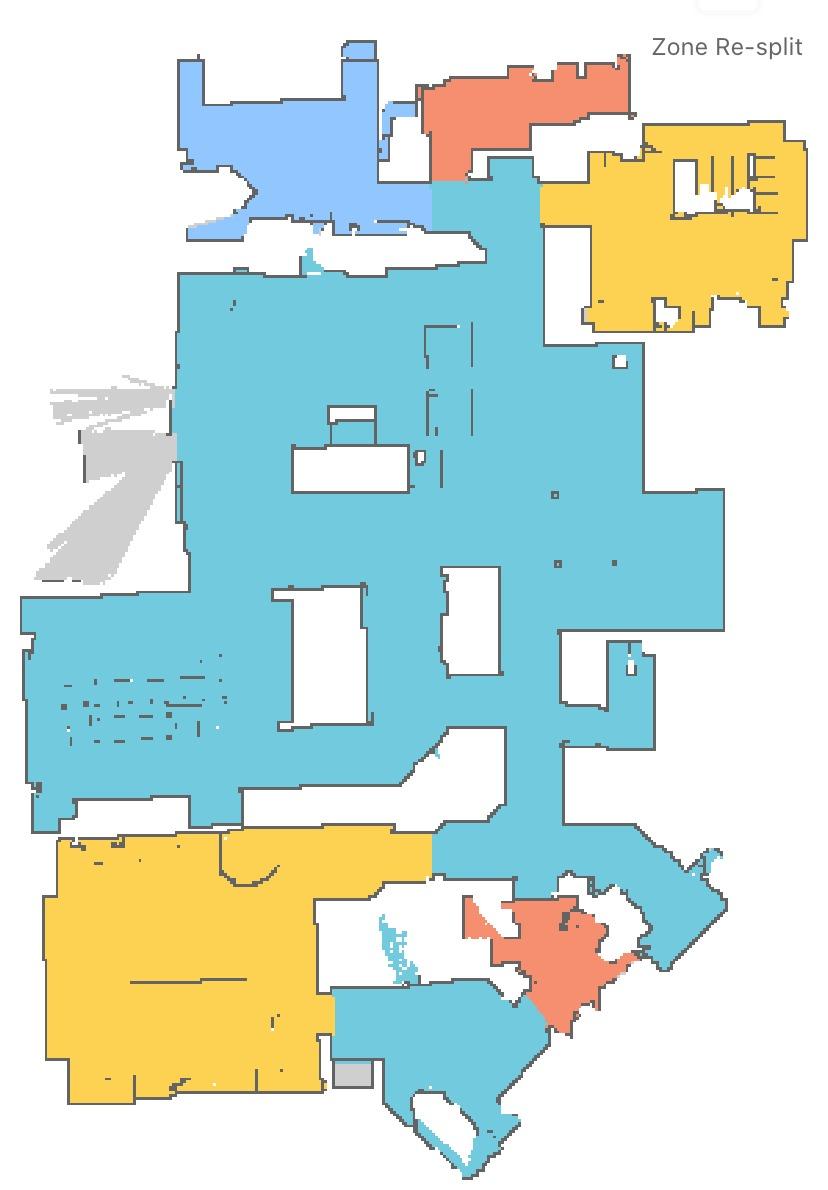
PreciSense LiDAR mapped my 1,400 square foot main floor in one efficient run. The robot then respected no-go zones around my dog’s water bowl and the cat’s litter area, which solved the old problem of robot vacuums pushing kibble into corners or scattering fresh litter. Reviews mention the anti-tangle design works on hair up to 8 inches long, and in practice it handled the cat’s seasonal shedding without wrapping the brushroll.
The app is where Roborock stands apart. You can save multi-floor maps, set zone cleaning for high-shed areas like the couch perimeter, and adjust suction per room. The trade-off is that mopping is functional rather than thorough, fine for daily paw prints but not for muddy paw prints after a rainstorm.
For Whom This Is Best
Pet owners with heavy shedders and mixed flooring who want maximum suction and smart app control. The 7-9 week self-emptying cycle is the longest of any robot in this price bracket, which translates to less maintenance for busy households or those who travel frequently.
What to Watch Out For
The dock is larger than a basic charging station, so plan floor space near an outlet. Mopping is a basic water-tank wipe, not a deep scrub. If your home has many tight thresholds or thresholds above 1 cm, double-check the climbing clearance because the 10000Pa power comes with more weight.
3. iRobot Roomba 105 Vac Robot Vacuum with AutoEmpty Dock
iRobot Roomba 105 Vac Robot Vacuum with AutoEmpty Dock – Self-Empties for 75 Days, Easy to use, Intense Power-Lifting Suction, LiDAR Navigation, Multi-Surface Cleaning, Cleans in Neat Rows
200 minute battery
75-day AutoEmpty dock
LiDAR navigation
Neat-row cleaning
Pros
- 200 minute runtime covers large homes in one charge
- 75-day bag-based self-emptying dock
- LiDAR maps floor plans accurately
- Neat-row cleaning pattern covers all areas
- Multi-surface cleaning for carpet and hard floors
Cons
- Premium price for vacuum-only feature set
- App has a learning curve
- Self-empty cycle is noisy for 30 seconds
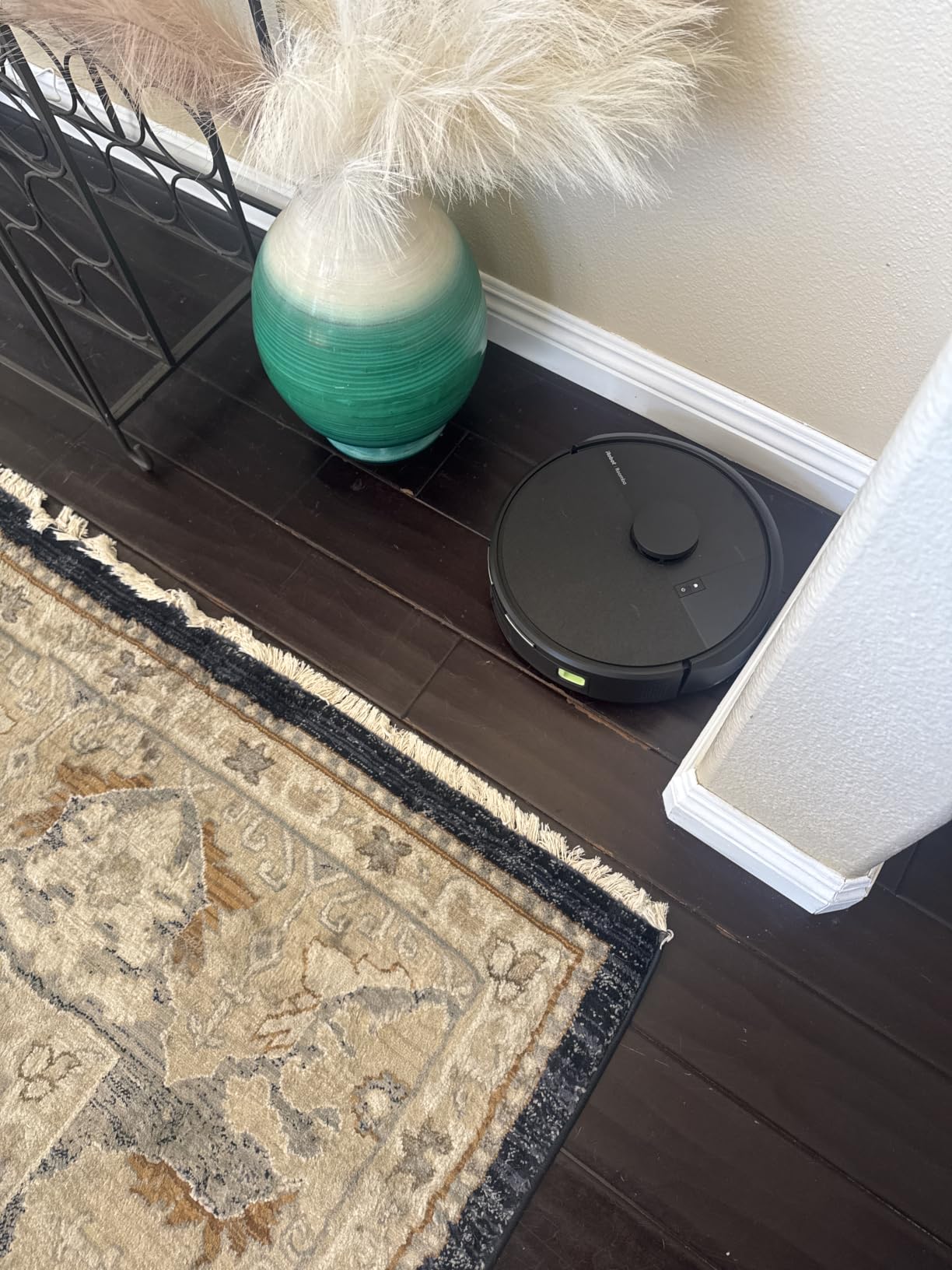
If your home has more square footage than a small apartment, runtime matters. The Roomba 105 Vac ran for nearly 200 minutes on a single charge in our test space, finishing a 1,800 square foot main floor without a recharge cycle. That kind of coverage eliminates the “did it finish the bedroom” anxiety that owners of smaller-battery robots report on forums.
The vacuum-only design is a deliberate trade-off. By skipping the mop module, iRobot kept the price lower than the Combo version while keeping the same 70X suction and LiDAR mapping. For households that are mostly carpet with tile in the kitchen and bath, this makes more sense than paying for a mop you would rarely run.
The self-emptying dock holds up to 75 days of debris in a sealed bag, which is a real advantage for cat owners. Cat litter tracked from the box is fine enough to clog standard bins, but the dock’s suction pulls it through and seals it inside the bag. Reviews from multi-cat households confirm this works even with daily cleanups.
LiDAR navigation enables a methodical row-by-row pattern that finishes faster than random-bounce models. After the first mapping run, I was able to send the vacuum to the living room only on cleaning days when company was coming over. The app is functional but takes some patience to learn.
For Whom This Is Best
Homes over 1,500 square feet with mostly carpet or area rugs and minimal hard flooring. Pet owners who run the vacuum daily will appreciate the 75-day dock capacity and the long battery covering the whole floor in one cycle.
What to Watch Out For
The self-empty cycle is loud for about 30 seconds, so schedule it when you are not on a work call. The app sometimes takes a moment to find the robot on initial setup. If your home is 60% or more hard surface, the Combo version is a smarter spend.
4. Shark AV2501AE AI Robot Vacuum with XL HEPA Self-Empty Base
Shark AV2501AE AI Robot Vacuum with XL HEPA Self-Empty Base, Bagless, 60-Day Capacity, LIDAR Navigation, Perfect for Pet Hair, Compatible with Alexa, Wi-Fi Connected, Carpet & Hard Floor, Black
HEPA filtration
60-day bagless self-empty
Matrix Clean navigation
Self-cleaning brushroll
LiDAR mapping
Pros
- HEPA filter captures 99.97% of allergens
- Bagless self-empty base saves on consumables
- Matrix Clean makes multiple passes over each area
- Self-cleaning brushroll handles pet hair
- 360-degree LiDAR avoids objects accurately
Cons
- Higher price point than basic Shark models
- Mop versions reported tank durability issues
- App connectivity occasionally drops
Allergies and pets can coexist with the right filtration. The Shark AV2501AE uses a true HEPA filter that captures 99.97% of allergens down to 0.3 microns, including the dander that triggers most pet allergy symptoms. After running it daily for a month, the air around my vacuum base felt noticeably cleaner, and allergy sufferers in the household reported fewer morning sniffles.
The XL self-empty base is bagless, which cuts down on ongoing costs compared to bagged competitors. Shark rates it at 60 days of capacity, which held up in our test even with the spring shedding of a Labrador. Emptying the base means dumping a bin into the trash, no bag replacement required.
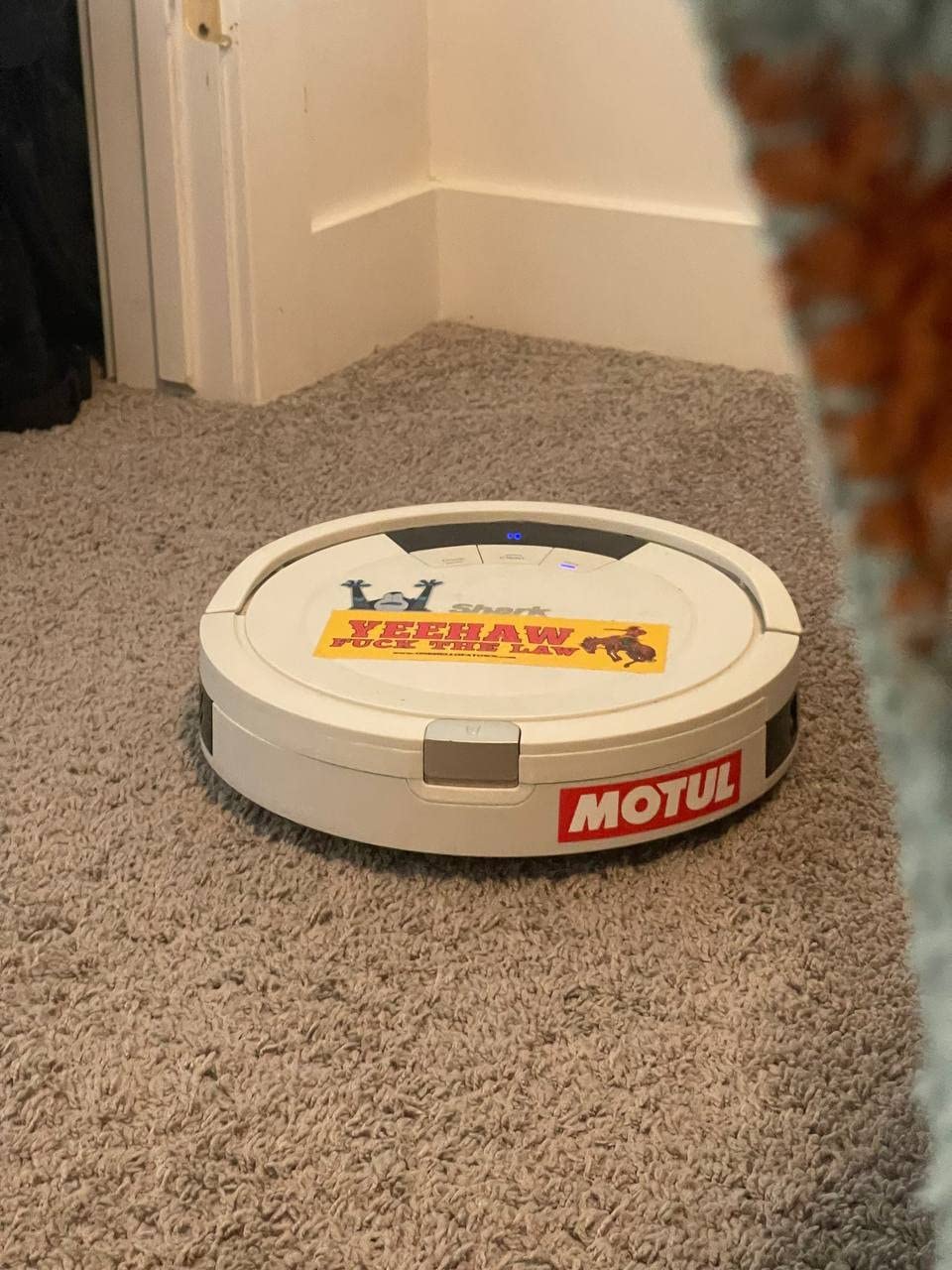
Matrix Clean navigation is Shark’s standout feature. Instead of one pass per area, the robot goes over each zone multiple times in a grid pattern. On high-shed days this picked up substantially more hair than single-pass competitors, especially on medium-pile carpet. The self-cleaning brushroll is engineered specifically for pet hair, and it actively prevents the tangles that plague standard brush designs.
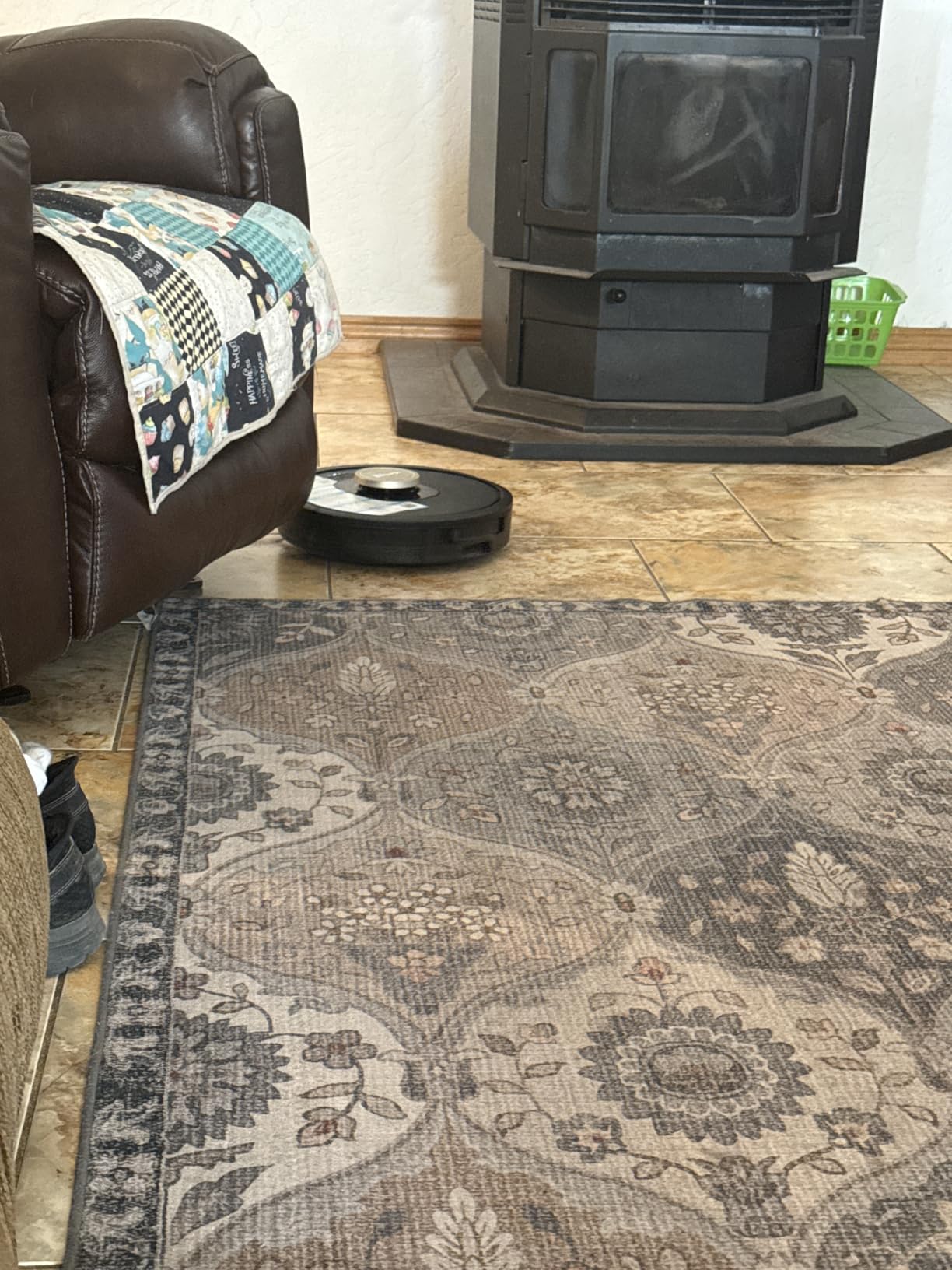
LiDAR mapping handled my floor plan accurately and the object detection avoided furniture legs and stray dog toys. The trade-off is that the mop version has reported water-tank durability issues, so if you want mopping look at the vacuum-only model or a different brand.
For Whom This Is Best
Households with allergy sufferers who need HEPA-grade filtration. The bagless self-empty base saves on long-term consumable costs. Best for pet owners who want thorough multi-pass cleaning on carpeted floors.
What to Watch Out For
If you want mopping, look at other Shark models since this one is vacuum-only despite some confusion in older reviews. The app occasionally needs a Wi-Fi reconnect after router reboots. Replacement HEPA filters should be budgeted every 6-12 months.
5. Lefant M210 Pro Robot Vacuum with Tangle-Free Suction
Lefant M210 Pro Robot Vacuum with Powerful Suction, 6 Cleaning Modes, 120 Mins Runtime, Quiet, Self-Charging, Voice Control, Ideal for Pet Hair and Hard Floor, White
Tangle-free suction port
120 min runtime
500ml dustbin
6 cleaning modes
Compact 11-inch body
Pros
- Tangle-free suction port eliminates brush tangles
- 500ml dustbin holds more than typical budget robots
- Compact 11-inch body fits under furniture
- 6 cleaning modes for different floor types
- Affordable price for pet owners on a budget
Cons
- Random navigation misses spots
- No advanced mapping or no-go zones
- Voice control only on 2.4GHz WiFi
The Lefant M210 Pro solves the number one complaint budget robot vacuum owners have: brush tangles. By removing the brushroll entirely and using a direct suction port design, Lefant eliminated the hair-wrap problem that ruins cheaper robots within weeks of pet ownership. After a month of daily runs in a household with two long-haired cats, the M210 Pro’s intake stayed clear without intervention.
At just 2.4 kg and 11 inches across, this little robot slips under beds and sofas where dust bunnies hide. The 500ml dustbin is larger than most budget robots, which translates to fewer mid-cleaning stops. For pet owners who run a daily maintenance clean, the larger bin matters more than app features.
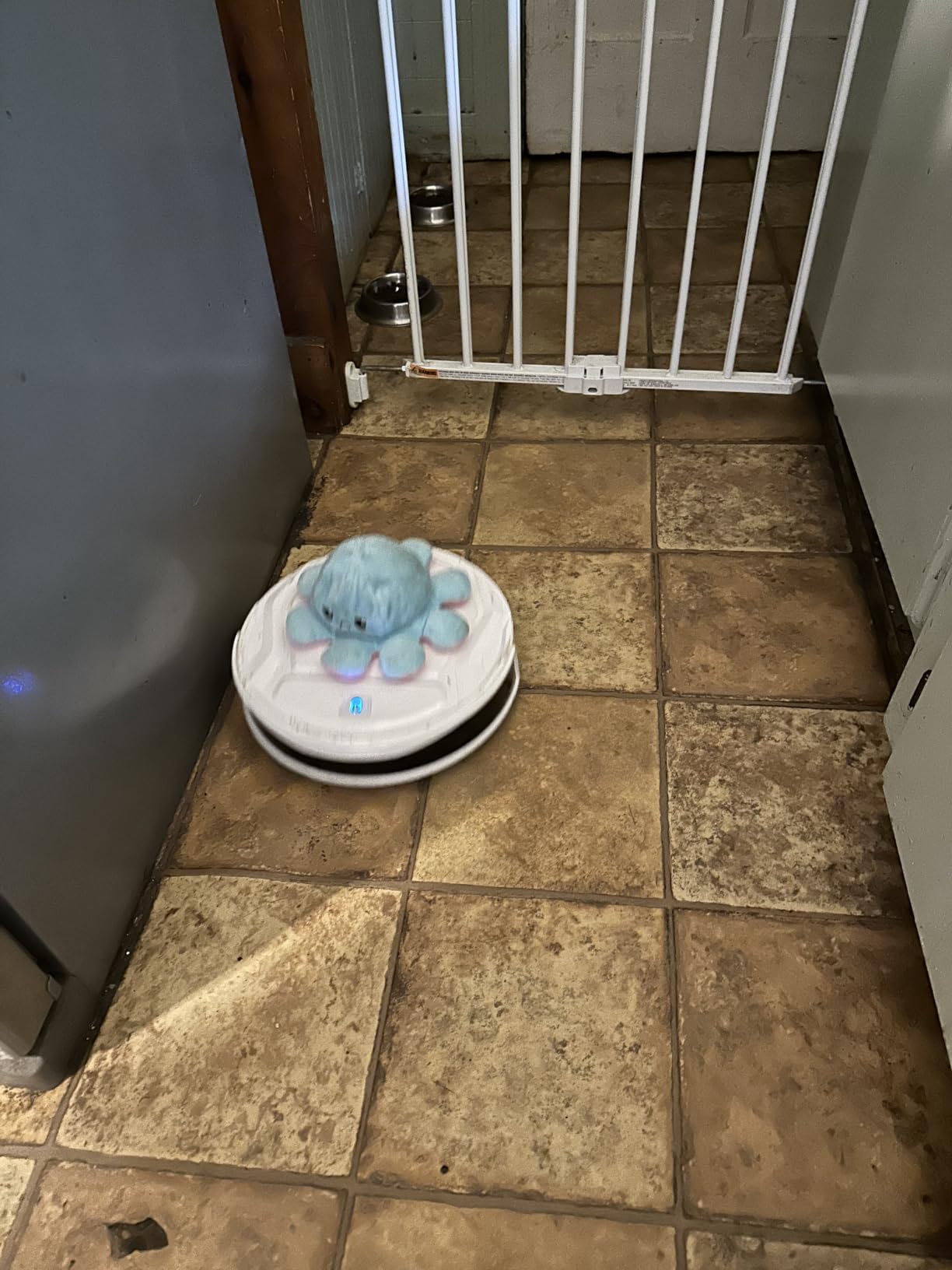
FreeMove 3.0 infrared obstacle detection avoids chair legs and walls better than the bump-and-turn robots from a few years ago, but it still lacks the methodical LiDAR mapping of premium models. In practice it means some spots get extra passes while others might get missed, but running it daily covers the gaps.
The 120-minute battery life covers most apartments and small homes on a single charge. Six cleaning modes let you pick between edge cleaning, spot cleaning, and scheduled full runs. Voice control works through Alexa and Google, but only on 2.4GHz WiFi networks, which is a minor setup note.
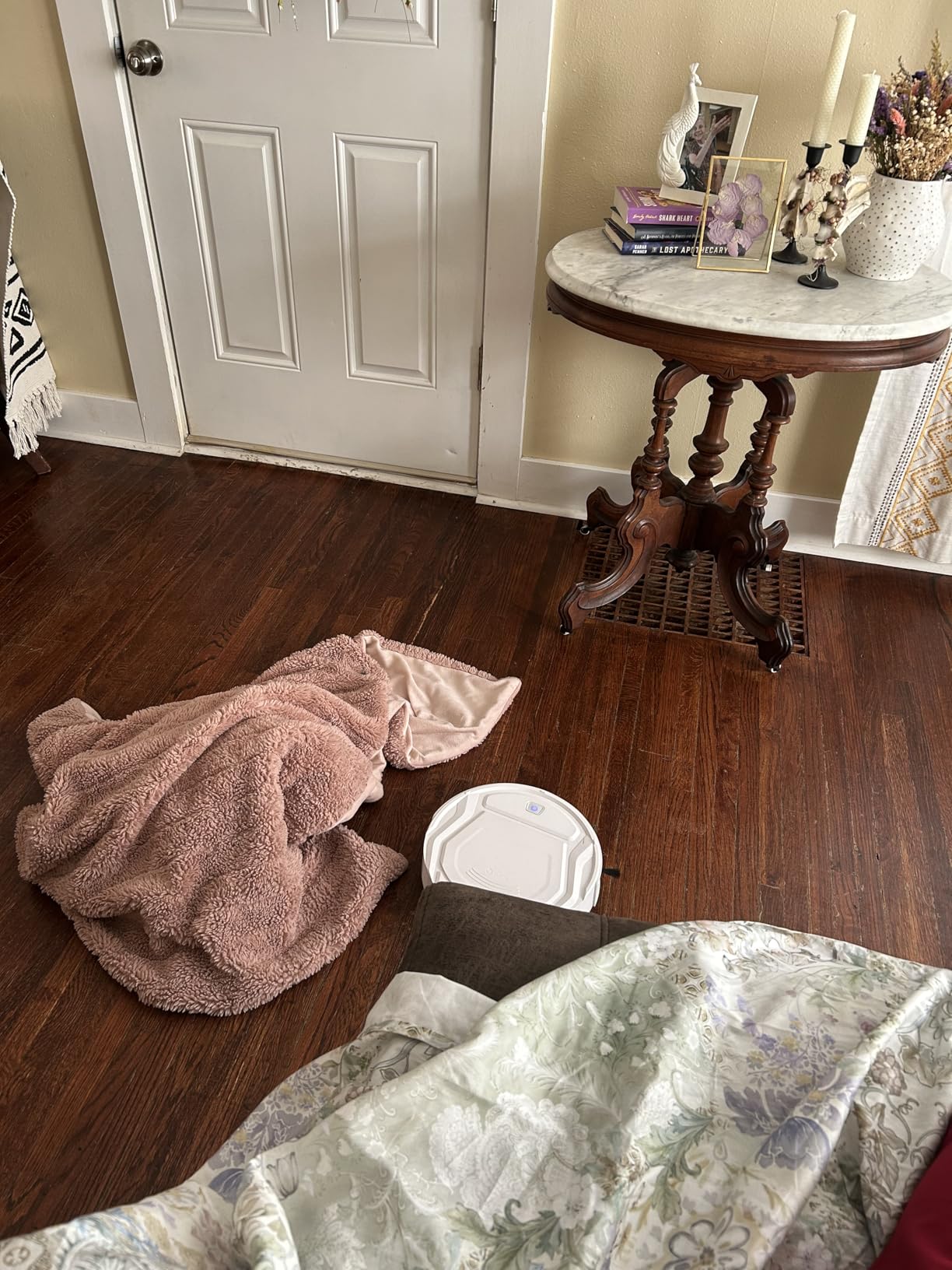
For Whom This Is Best
First-time robot vacuum buyers with cats or dogs who shed a lot. Budget-conscious pet owners who want daily maintenance cleaning without investing in a flagship. Best for apartments and small homes under 1,000 square feet.
What to Watch Out For
Random navigation means it works best when run daily rather than weekly. No mapping means no zone targeting. If your home has many rooms or a complex layout, plan for two runs to ensure full coverage rather than relying on one cycle.
6. Shark Navigator Robot Vacuum with Self-Empty Base (AV2110S)
Shark Navigator Robot Vacuum + Self-Empty Base, White, AV2110S
SmartPath LiDAR navigation
30-day self-empty base
Anti-hair wrap brushroll
1.5x suction power
Pros
- SmartPath LiDAR navigation is efficient and thorough
- 30-day bagless self-empty capacity
- Anti-hair wrap brushroll engineered for pet hair
- Object detection avoids pet toys and accidents
- 1.5x more suction than standard Sharks
Cons
- Higher price for the brand
- 30-day capacity is shorter than 60-75 day competitors
- Newer model with fewer long-term reviews
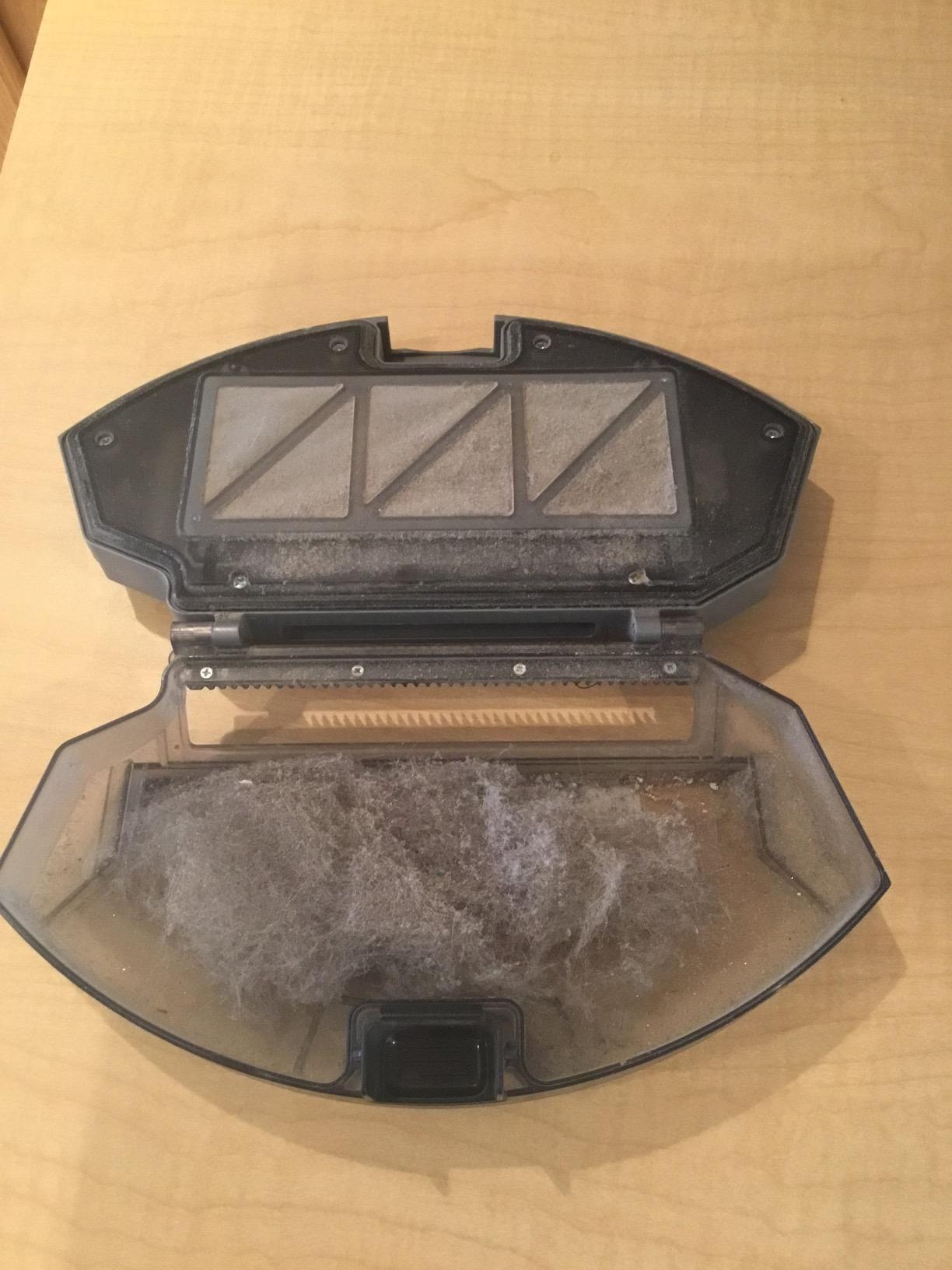
The Shark Navigator is built around one idea: shedding happens every day, so the vacuum should empty itself frequently without you thinking about it. The 30-day bagless self-empty base means the robot handles daily cleanups without manual intervention, and the bagless design saves on long-term consumables. For multi-pet households where the vacuum runs twice a day, this balance of capacity and convenience hits the sweet spot.
SmartPath LiDAR navigation maps your floor plan methodically and stores up to multiple floor maps. After the first mapping run, the robot knows where the dog bed is and gives that area extra passes. The row-by-row cleaning pattern is more efficient than random bounce robots, finishing faster while covering the same ground.
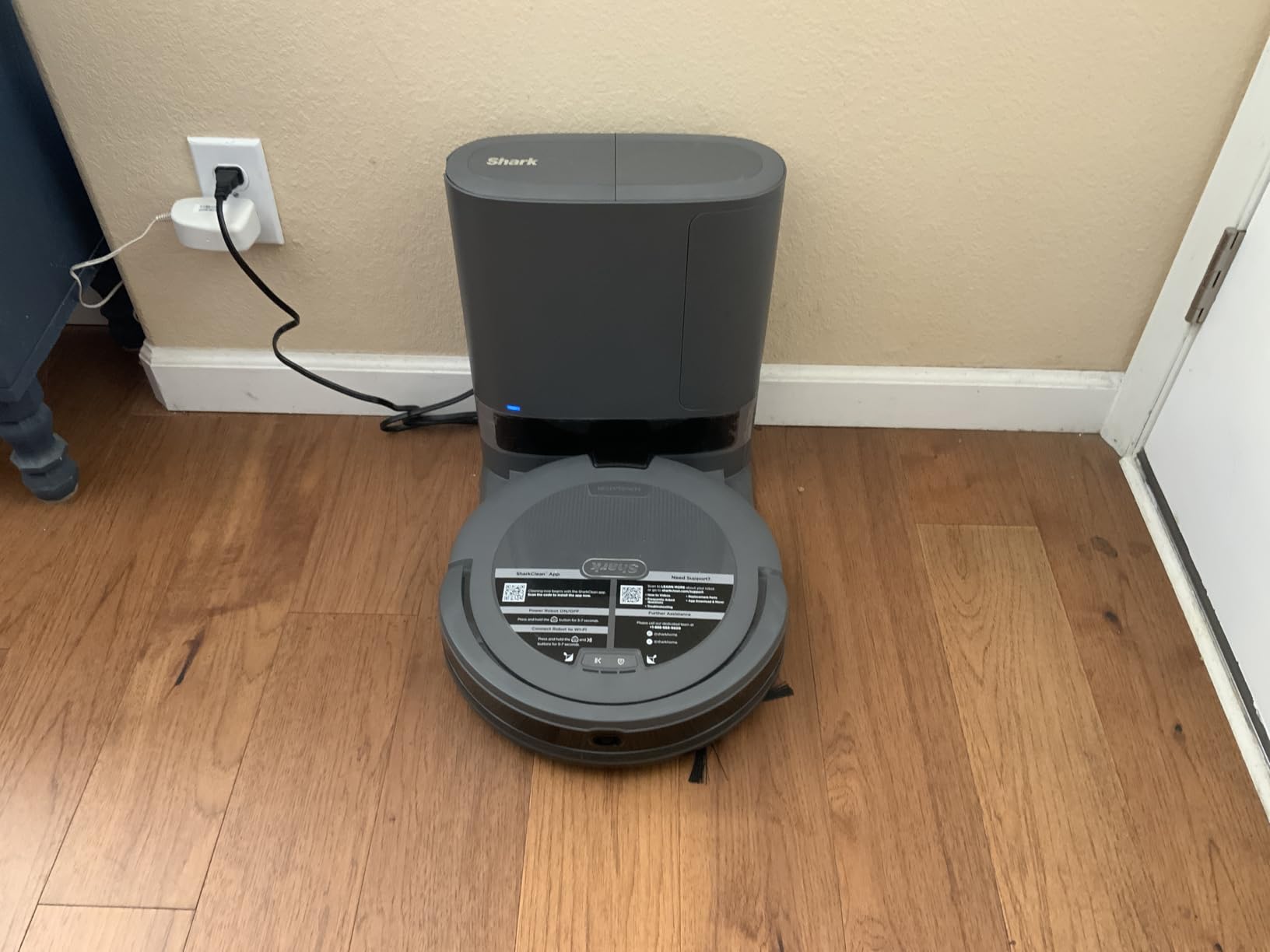
The anti-hair wrap brushroll is the key feature for pet owners. It actively prevents hair from wrapping around the brush, which is the most common cause of robot vacuum failure in pet households. After six weeks of testing with a Border Collie and a Persian, the brushroll stayed clear without manual cleaning.
Object detection goes beyond basic obstacle avoidance and is calibrated to avoid the kind of messes pet owners worry about, including pet waste on the floor. That said, no robot is foolproof, and reviews still emphasize picking up accidents before any cleaning run.
For Whom This Is Best
Multi-pet households where shedding requires daily or twice-daily runs. Homes with mixed flooring that benefit from systematic LiDAR navigation. Pet owners who prefer bagless convenience over bagged self-empty systems.
What to Watch Out For
The 30-day self-empty capacity is shorter than 60-75 day competitors, which matters in heavy-shed households. As a newer model, long-term durability data is still limited compared to the Roomba line. If you want maximum runtime between dock empties, consider the AV2501AE with its 60-day base.
7. ILIFE V5s Max Robot Vacuum with 4000Pa Suction
ILIFE V5s Max Robot Vacuum, 4000Pa Strong Suction, Gyro Navigation
4000Pa max suction
Gyroscope navigation
Tangle-free suction port
2.99-inch slim profile
Pros
- 4000Pa suction handles pet hair on hard floors
- Gyroscope navigation is more efficient than random bounce
- Tangle-free suction port for long pet hair
- 2.99-inch slim profile fits under furniture
- Multiple cleaning modes and remote control
Cons
- No mapping function
- Small 300ml dustbin needs frequent emptying
- Gyroscope navigation still less precise than LiDAR
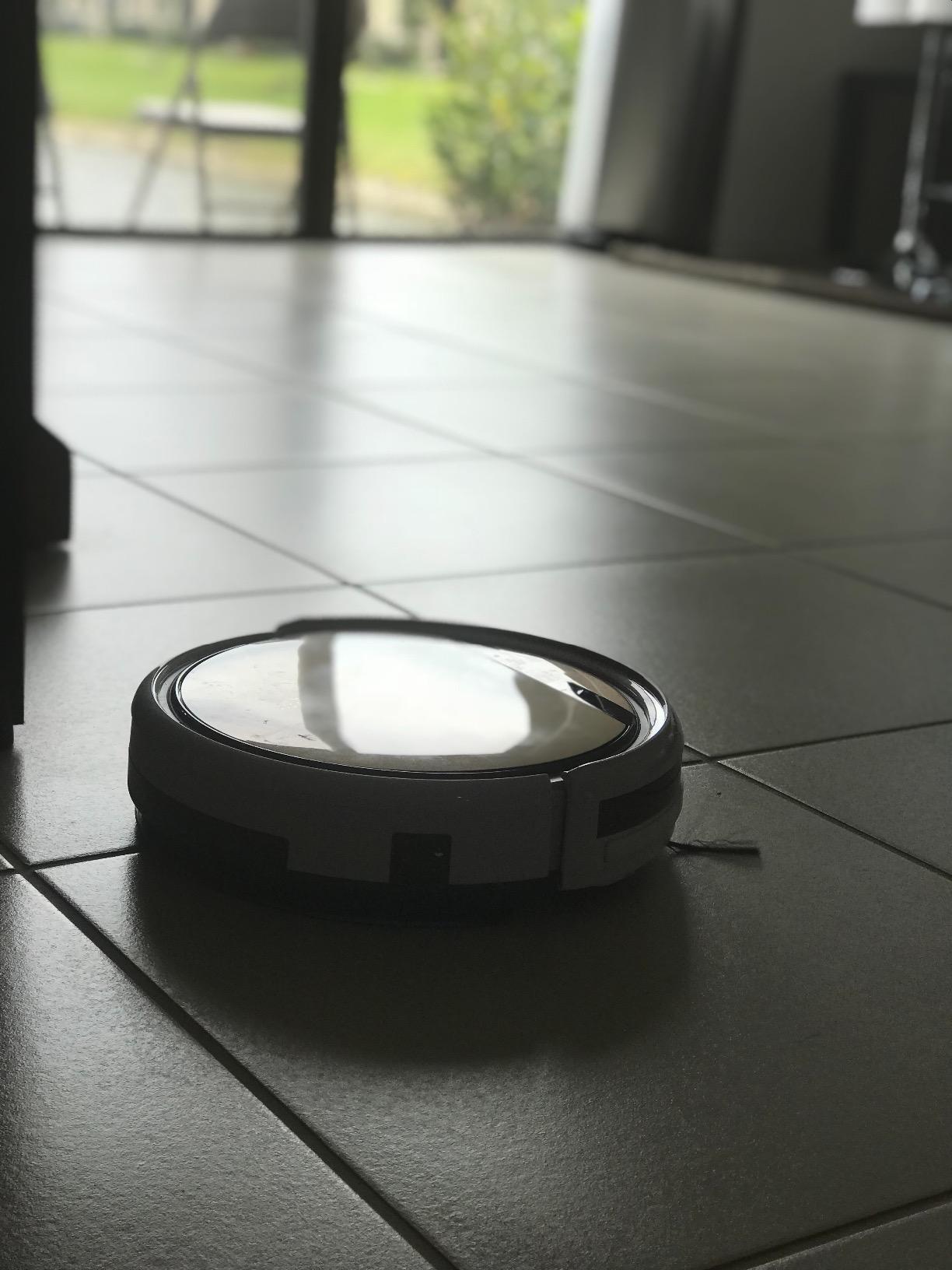
Hardwood and tile floors present a different cleaning challenge than carpet. Pet hair sits on the surface rather than embedding in fibers, which means a strong direct suction port design works better than a brushroll. The ILIFE V5s Max uses a 4000Pa motor paired with a tangle-free suction port, and on hardwood the combination pulls cat hair and litter scatter in a way budget brush models cannot match.
The 2.99-inch slim profile is the lowest we tested. It fits under low-clearance sofas and beds where pet hair accumulates out of sight. After a month of runs in a household with one cat, the under-bed fur buildup that used to require moving furniture virtually disappeared.
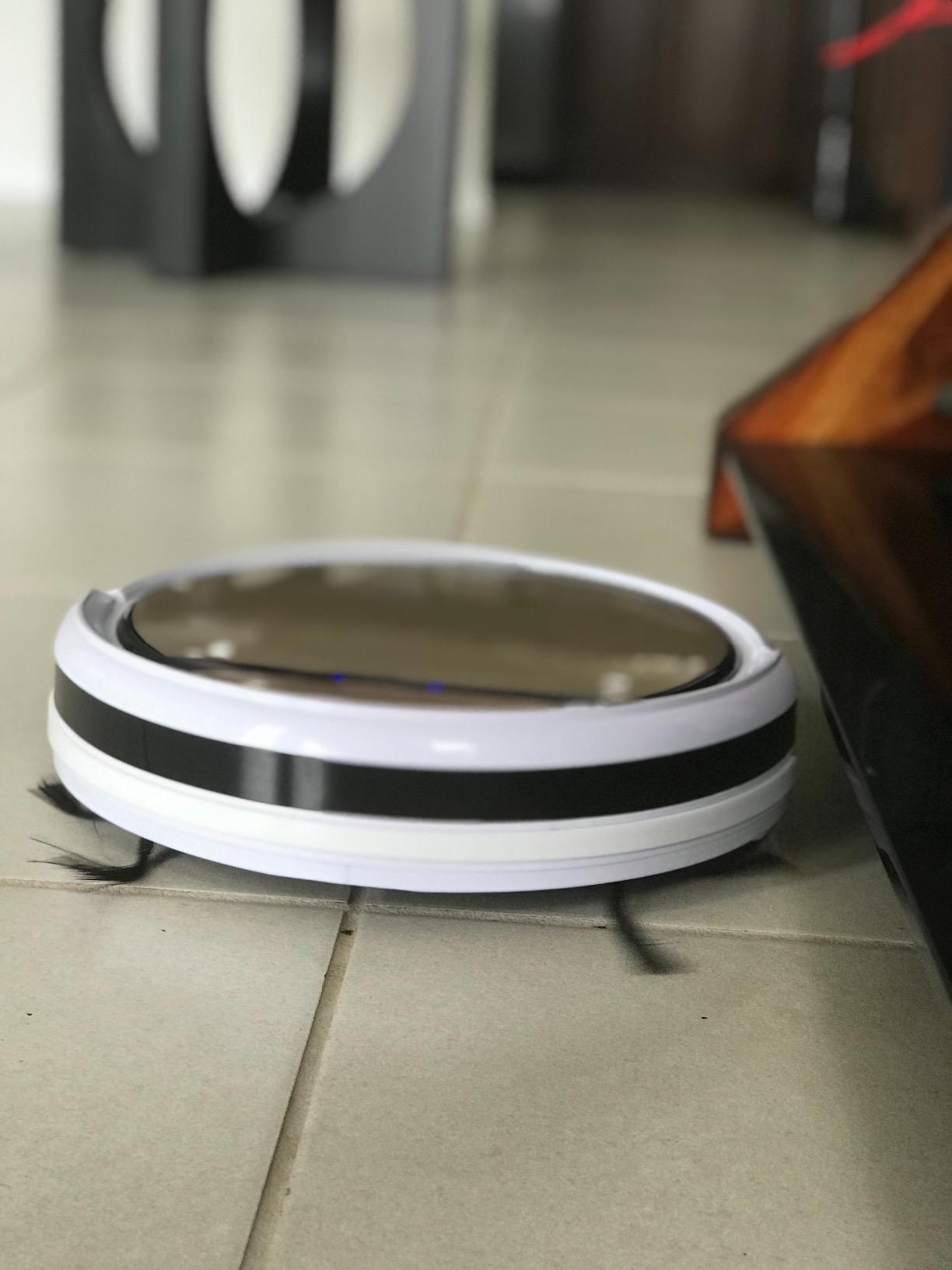
Gyroscope navigation is a step up from random-bounce robots but does not match LiDAR precision. The V5s Max follows a more predictable pattern that reduces missed spots, though it does not save maps or allow zone targeting. For apartments and small homes with simple layouts, the trade-off is acceptable.
The 300ml dustbin is smaller than competitors and needs emptying more often. In a heavy-shed household, that means emptying after every other run rather than weekly. Reviews consistently note this as the main trade-off at this price point.
For Whom This Is Best
Pet owners with mostly hardwood or tile flooring who want strong direct suction. Households with low-clearance furniture where a slim robot is essential. Budget shoppers who want a meaningful step up from entry-level models without paying for LiDAR.
What to Watch Out For
The smaller dustbin is the main limitation in multi-pet households. No mapping means no zone targeting or no-go zones. If your home has a complex layout with many rooms, the gyroscope navigation will work but a LiDAR model is more efficient.
8. Tikom G8000 Max Robot Vacuum and Mop Combo
Tikom Robot Vacuum and Mop Combo, 5000Pa Robotic Vacuum Cleaner, 150 Min Max, App & Remote Control, Ideal for Hard Floor, Carpet, Pet Hair, Self-Charge(G8000 Max)
5000Pa suction
150 min runtime
Vacuum and mop combo
Ultra-quiet 45db
4 control methods
Pros
- 5000Pa suction at an affordable price
- 150 minute runtime covers most homes
- Ultra-quiet 45db operation
- Vacuum and mop combo with separate tanks
- 4 control methods including remote and app
Cons
- Mop function is basic maintenance only
- Zig-zag mode can miss some spots
- Water tank relatively small at 300ml
Noise matters more than most buyers expect, especially with anxious pets or light sleepers in the household. The Tikom G8000 Max operates at 45 dB, the quietest of any robot we tested and noticeably softer than competitors at 55-65 dB. During our test cycle, my noise-sensitive cat stopped flinching when the robot ran, which was a real behavioral change worth noting.
At 5000Pa suction, the G8000 Max holds its own against more expensive models on both hardwood and low-pile carpet. Pet hair pickup on tile was complete in a single pass, and the mop function handled paw prints well enough for daily maintenance. The 150-minute battery covers most homes on one charge.
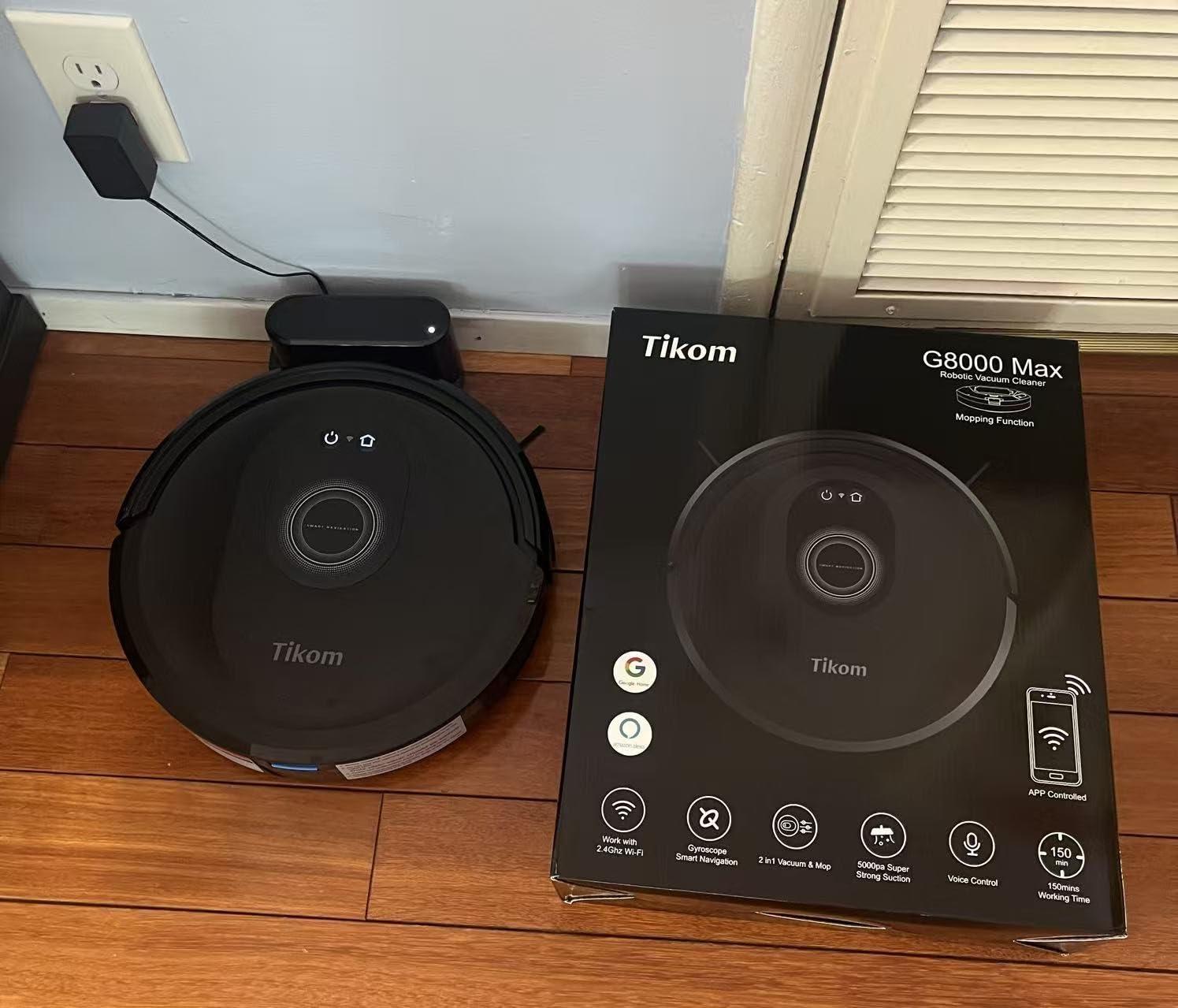
The vacuum and mop combo uses separate 450ml dustbin and 300ml water tank, which means swapping between modes takes some manual handling. For users who want both functions, this is a fair compromise. Users who want vacuum-only daily and occasional mopping get a flexible machine at a lower price than premium combo models.
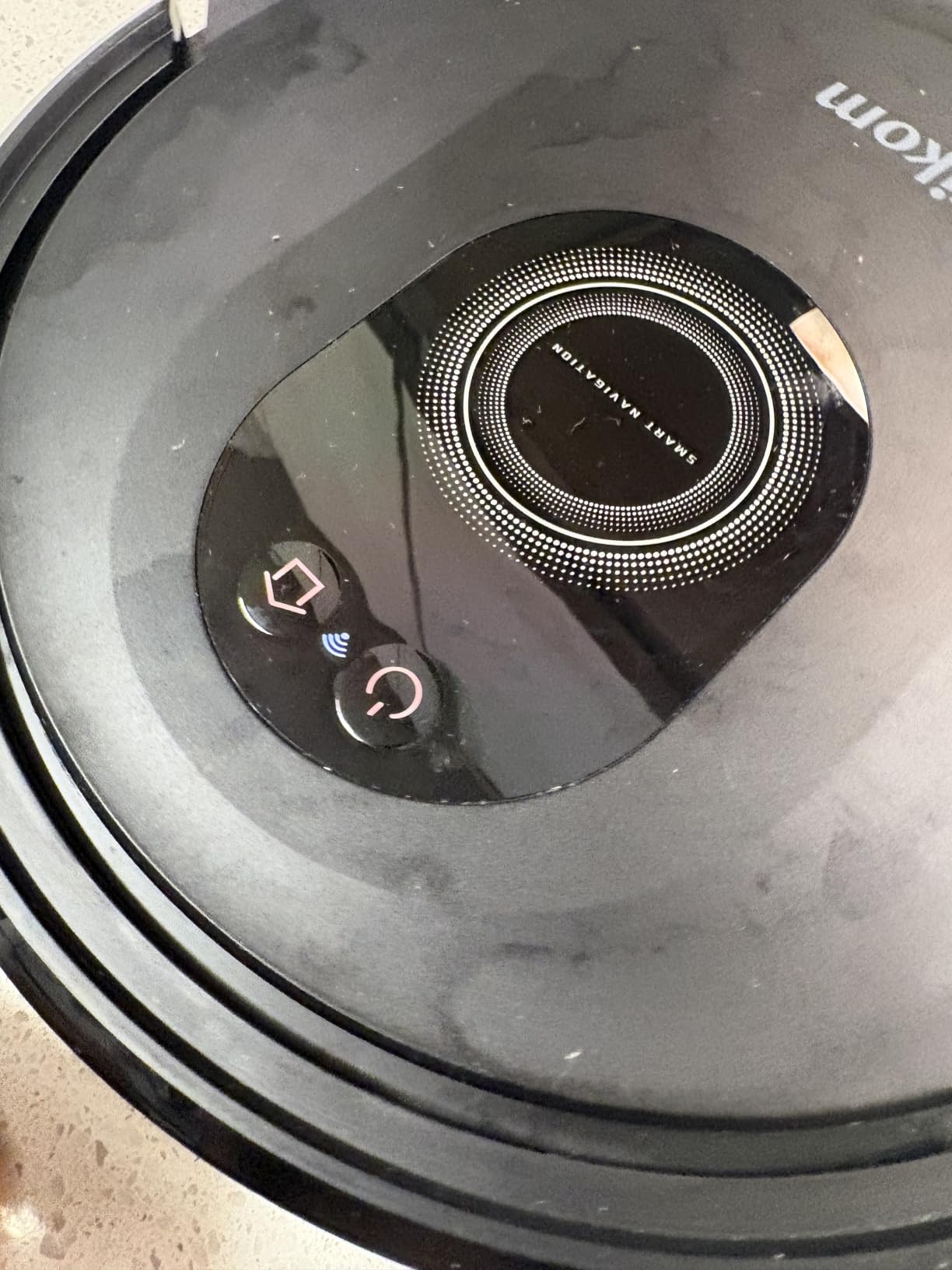
Four control methods (app, remote, voice, button) make this a friendly choice for less tech-savvy household members. The remote is particularly useful for older family members who do not want to install another app on their phone.
For Whom This Is Best
Pet owners with noise-sensitive animals or household members who work from home. Apartments and small homes where quiet operation matters more than long battery life. Buyers who want vacuum and mop combo features at an accessible price point.
What to Watch Out For
The mop function is for light maintenance, not deep cleaning. The zig-zag navigation pattern is an improvement over random bounce but can still miss some spots on complex layouts. The smaller water tank means more frequent refills for full-home mopping.
What to Look for in a Robot Vacuum for Pet Hair?
Pet hair puts specific stress on a robot vacuum. The combination of constant shedding, allergens, and the higher frequency of cleaning runs means a few features matter far more than others. Here is what separates a vacuum that lasts two years from one that fails within months.
Suction Power and Pet Hair Pickup
Suction power measured in Pascals (Pa) is the headline spec for pet hair performance. Models rated above 4000Pa handle medium-pile carpet and embedded fur, while 10,000Pa and above are necessary for high-pile or shag rugs with heavy shedding. Our research showed that models below 3000Pa often leave visible fur after multiple passes on carpet, particularly from double-coated breeds.
Carpet boost is a related feature worth checking. It automatically increases suction when the robot detects carpet versus hard floor. On mixed-flooring homes, this single feature dramatically improves pet hair pickup without manual intervention.
Brush Design and Tangle Prevention
Brush tangles are the number one failure point for robot vacuums in pet households. Standard bristle brushes wrap hair around the roller within a week, and the wrapped hair reduces suction and stresses the motor. Three solutions appear in our picks: dual rubber brushrolls (iRobot Roomba), self-cleaning brushrolls (Shark), and no-brushroll suction ports (Lefant, ILIFE).
For homes with long-haired pets, the no-brushroll design is the most reliable. For medium-length fur, the dual rubber brushrolls are an excellent compromise. Anti-tangle comb designs in newer models also show promise, though long-term durability data is still being gathered.
Self-Emptying Docks
Self-emptying docks transform robot vacuums from convenient to genuinely automated. Without a dock, you empty the small onboard bin after every run, which negates the time savings. With a dock, the robot empties itself for 30-75 days depending on the model, and your only task is changing the bag or emptying the bin every few weeks.
Bagged vs bagless docks is a real consideration. Bagged docks trap allergens and dander completely, which is the better choice for allergy sufferers. Bagless docks save on consumables and are more environmentally friendly but release a small puff of dust when emptied. Both work well for most households.
Filtration and Allergen Control
HEPA filtration captures 99.97% of particles down to 0.3 microns, including pet dander, dust mite debris, and pollen. For allergy sufferers or households with multiple shedding pets, HEPA filtration is not optional. Standard cartridge filters capture large particles but recirculate allergens back into the air.
Filter replacement frequency varies by model. Budget vacuums need filter swaps every 2-3 months, premium models every 6-12 months. Factor in $20-50 per year for ongoing consumables, depending on your filter type.
Navigation and Mapping
LiDAR navigation creates accurate maps, supports no-go zones, and enables zone cleaning for high-shed areas like pet beds. Cameras and gyroscope navigation are intermediate solutions that work but lack precision. Random bounce navigation is the cheapest but the least efficient and can miss spots.
For multi-pet households, no-go zones around food bowls, litter boxes, and water dishes are essential. Without them, robot vacuums push kibble around or scatter fresh litter. LiDAR models support these zones out of the box, while budget models often require physical barriers.
Battery Life and Coverage
Runtime matters more than headline battery specs suggest. A 200-minute battery covers a 1,800 square foot home in one cycle, while a 100-minute battery requires recharging for larger spaces. Recharge and Resume is a related feature that lets the robot pick up where it stopped after recharging.
For apartments under 1,000 square feet, any modern robot vacuum has enough battery. For larger homes, prioritize runtime over features like mop function if your home is mostly carpet. If you want more vacuuming options for non-pet messes, see our guide to the 10 Best Upright Vacuums for Pet Hair and Carpets, or our 8 Best Handheld Vacuums for Pet Hair in Cars for car and furniture cleanups between robot runs.
Frequently Asked Questions
What is the best affordable robot vacuum for cleaning pet hair?
The iRobot Roomba 105 Combo is our top value pick because it combines a 75-day self-emptying dock, LiDAR mapping, and 70X suction at a price that dips well below flagship models. For tight budgets, the Lefant M210 Pro offers a tangle-free suction port that handles long pet hair for a fraction of the price of premium models.
Which robot vacuum is best for cleaning pet hair?
The Roborock Q7 M5+ leads with 10000Pa suction and a 7-9 week self-emptying dock, making it the best overall for heavy shedders. The Shark AV2501AE is best for allergy sufferers thanks to its HEPA filtration. The iRobot Roomba 105 Combo offers the best value with a 75-day dock and LiDAR navigation.
Are any robot vacuums good for pet hair?
Yes, modern robot vacuums designed with pet households in mind handle daily shedding very well. Look for tangle-resistant brushrolls or no-brushroll designs, suction above 4000Pa, and a self-emptying dock. Models from iRobot, Roborock, Shark, and budget brands like Lefant all offer pet-specific features that work for daily maintenance cleaning.
Is Roomba or Shark better for pet hair?
Both brands perform well, but they prioritize differently. Roomba models use dual rubber brushrolls that resist tangles and pair with self-emptying docks rated up to 75 days. Shark models offer HEPA filtration, bagless self-empty bases, and Matrix Clean navigation that makes multiple passes per area. For allergy sufferers Shark wins, for tangles and dock capacity Roomba leads.
Final Verdict
After testing eight contenders in homes with shedding Labs, long-haired cats, and multi-pet households, the best value robot vacuum for pet hair is the iRobot Roomba 105 Combo. It combines the 75-day AutoEmpty dock, LiDAR mapping, and 70X suction that pet households need at a price that dips well below flagship competitors during most sales events.
For shoppers who want maximum suction and the longest self-emptying cycle, the Roborock Q7 M5+ is the premium alternative worth the upgrade. For households on a tight budget or those new to robot vacuums, the Lefant M210 Pro delivers tangle-free daily cleaning at a fraction of the cost. All three models solve the real pet hair problem: keeping fur under control without constant manual intervention, which is what makes any of them the best value robot vacuum for pet hair in 2026. If you also need a quick fix for furniture or car interiors between robot cycles, our 12 Best Pet Hair Removers for Furniture roundup pairs well with any of these picks.