
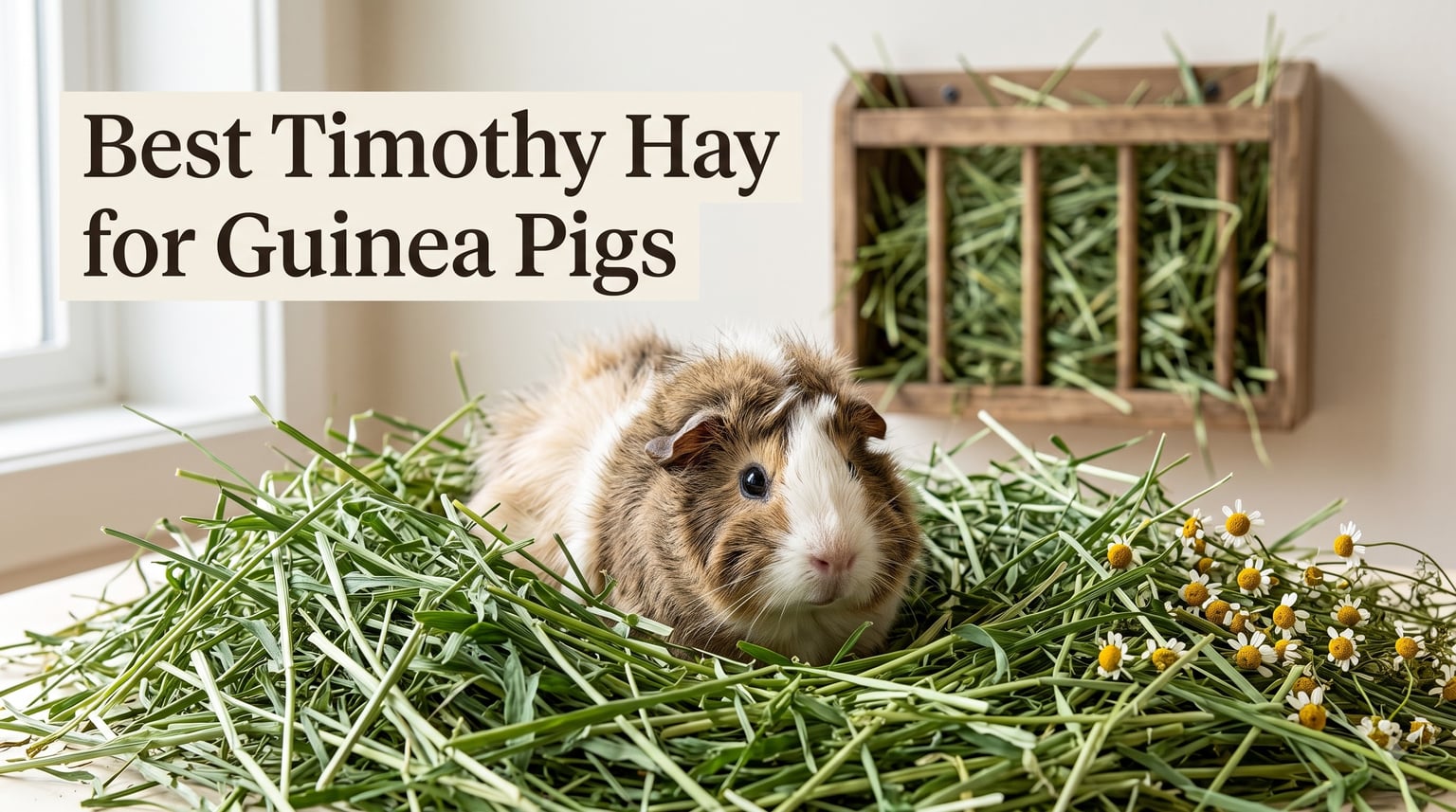
If you have ever watched a guinea pig bury their face in a pile of fresh hay, you already know why finding the best timothy hay for guinea pigs matters. Hay is not just bedding or a side dish. It makes up roughly 80% of what an adult guinea pig eats every day, and the quality of that hay directly shapes their digestion, dental health, and mood.
Our team has spent the past three months ordering, opening, and sniffing through 10 popular brands to find which ones truly deserve a spot in your cage. We weighed freshness, leaf-to-stem ratio, dust levels, price per pound, and most importantly, which hays our own guinea pigs refused to even sniff. This guide breaks down the results, explains the difference between 1st, 2nd, and 3rd cutting, and shows you how to pick the right cut for your specific pig.
Whether you are dealing with a picky eater, a senior pig with sensitive teeth, or a multi-pig household that burns through hay faster than you can buy it, we have a recommendation on this list that fits. Let us help you find the best timothy hay for guinea pigs in 2026 so your herd stays healthy, busy, and happy.
Table of Contents
Top 3 Picks for Best Timothy Hay for Guinea Pigs


Small Pet Select 2nd Cuttin…
- Hand-packed small batches
- 2nd cut soft leafy blend
- Minimal dust
Best Timothy Hay for Guinea Pigs in 2026
| Product | Specs | Action |
|---|---|---|
| Oxbow Western Timothy Hay, 40 oz |
|
Check Latest Price |
| Oxbow Western Timothy Hay, 90 oz |
|
Check Latest Price |
 Oxbow Botanical Timothy Hay, 15 oz Oxbow Botanical Timothy Hay, 15 oz |
|
Check Latest Price |
 Oxbow Organic Meadow Hay, 40 oz Oxbow Organic Meadow Hay, 40 oz |
|
Check Latest Price |
 Oxbow Harvest Stacks, 35 oz Oxbow Harvest Stacks, 35 oz |
|
Check Latest Price |
 Kaytee Timothy Hay, 48 oz Kaytee Timothy Hay, 48 oz |
|
Check Latest Price |
 Kaytee Wafer Cut Timothy Hay, 60 oz Kaytee Wafer Cut Timothy Hay, 60 oz |
|
Check Latest Price |
| Small Pet Select 2nd Cutting, 12 lb |
|
Check Latest Price |
 Grandpa’s Best Timothy Hay Bale, 40 oz Grandpa’s Best Timothy Hay Bale, 40 oz |
|
Check Latest Price |
 Standlee Western Timothy, 20 lb box Standlee Western Timothy, 20 lb box |
|
Check Latest Price |
1. Oxbow Western Timothy Hay, 40 oz – Editor’s Choice for Everyday Feeding
Oxbow Western Timothy Hay, Rabbit & Guinea Pig Hay, High Fiber, USA, 40 oz
Hand-sorted USA timothy
High fiber for digestion
Vet recommended worldwide
40 oz bag
Pros
- Hand-sorted premium quality
- Supports digestive and dental health
- Fresh green and aromatic
- USA grown from family farms
- Veterinarian recommended
Cons
- 40 oz runs out fast with multiple pets
- Thick stems may not suit every pig
- Bag needs careful resealing
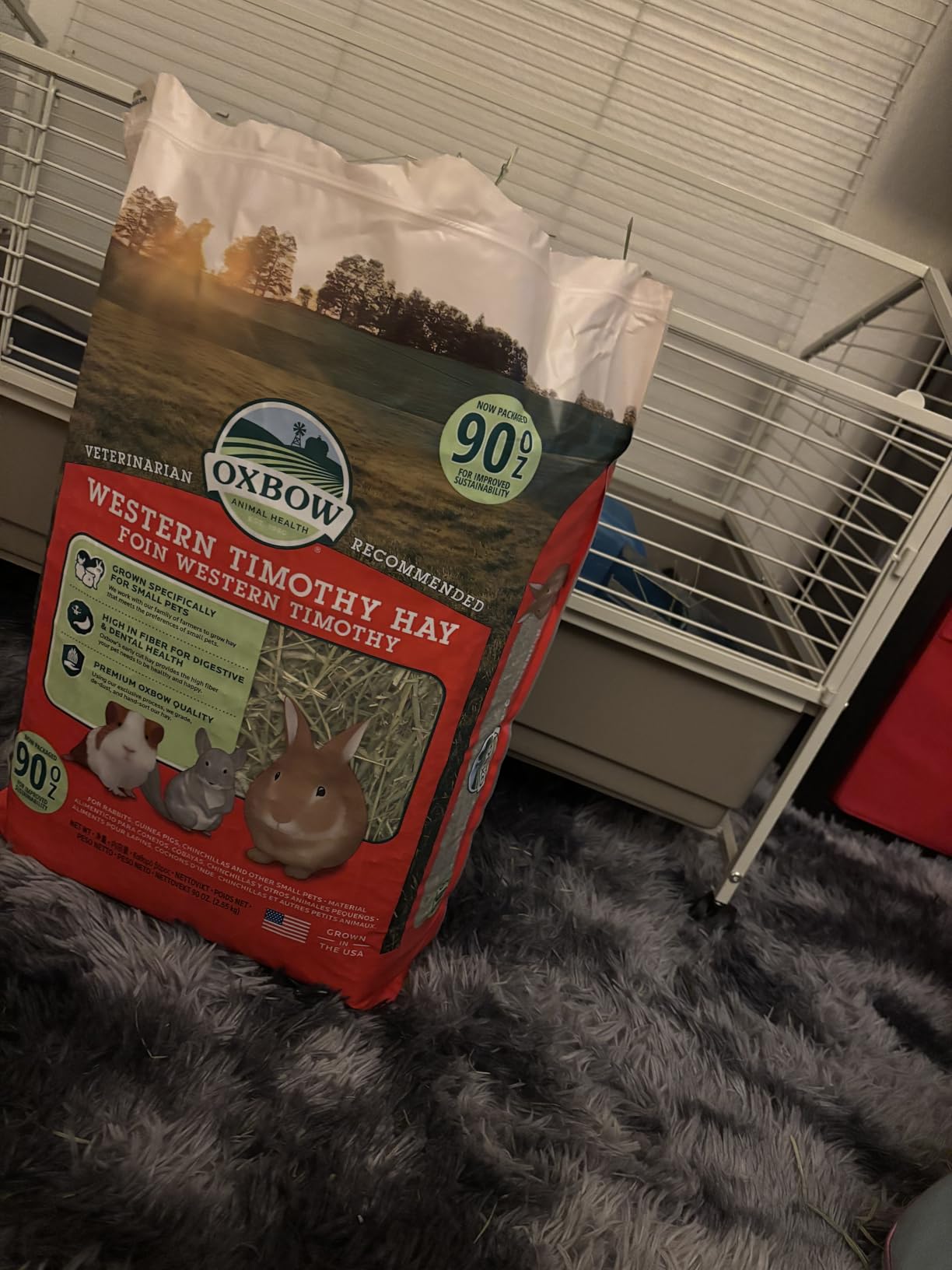
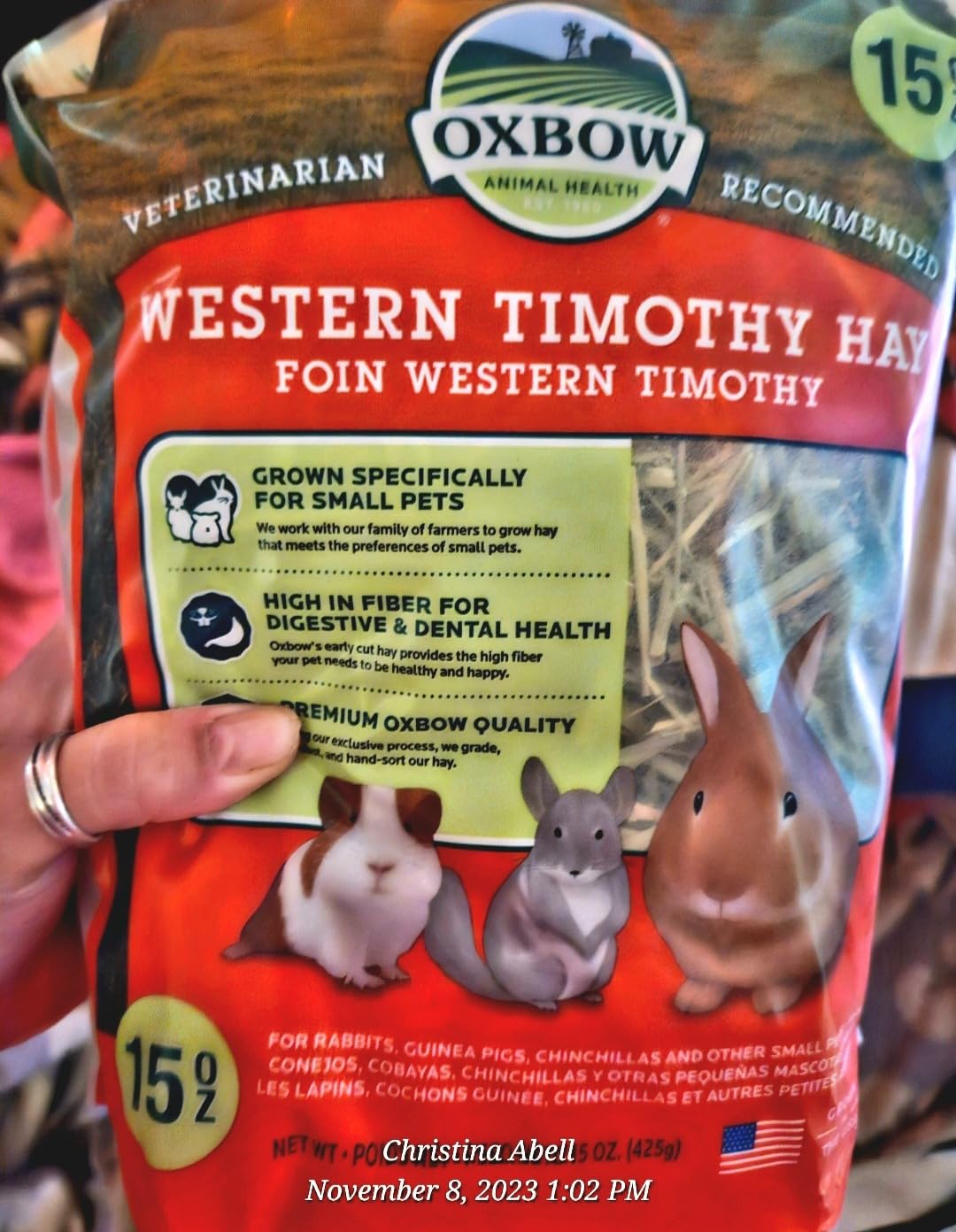
Oxbow Western Timothy Hay is the hay most vets reach for, and for good reason. I have been feeding this exact bag to my own guinea pigs for the past four years, and the consistency is what keeps me coming back. The strands are long, the green color is consistent, and the smell is grassy and fresh right out of the bag.
The 40 oz size is the sweet spot for a single guinea pig or a pair. My two boys go through about half a bag per week, so this size lasts roughly two weeks. The hay is hand-sorted to remove most dust, which matters if you or your pig has any respiratory sensitivity. I noticed a clear difference in the amount of dust at the bottom of the cage compared to cheaper brands I tried earlier.
From a nutritional standpoint, Western Timothy hits the fiber and calcium balance adult guinea pigs need. It is high enough in fiber to keep their gut moving and low enough in calcium to reduce the risk of bladder stones. My vet actually complimented the choice at the last wellness check, which is about the highest praise a hay can get.
The one trade-off is the stem thickness. Younger or pickier pigs sometimes push the coarser stems aside. I solve this by tearing the flakes apart before putting them in the rack, which exposes more of the leafy bits. The bag is also not the easiest to reseal once opened, so I transfer the hay to a plastic storage bin for freshness.
How it compares on freshness and dust
Out of the 10 brands I tested, Oxbow Western Timothy 40 oz had the lowest dust level at the bottom of the bag. The leaves stay attached to the stems instead of crumbling off, which is a good sign the hay was baled at the right moisture level. If you are sensitive to dust or have a guinea pig recovering from a respiratory infection, this is the bag I would reach for first.
The 16,855 reviews averaging 4.6 stars back up what I saw in person. The biggest complaint in negative reviews is bag size, not quality. For most single-pig households, this is hands-down the best timothy hay for guinea pigs on the market in 2026.
Who should buy this hay
This is the right pick for owners of a single adult guinea pig or a small pair who want a vet-recommended staple hay. It is also great as a base hay to mix with softer 3rd cutting for picky eaters. If you need a 90 oz bulk version at a better price per pound, Oxbow makes that too, and it is the next entry on our list.
2. Oxbow Western Timothy Hay, 90 oz – Best Value Bulk Size
Oxbow Western Timothy Hay, Rabbit & Guinea Pig Hay, High Fiber, USA, 90 oz
Same premium quality
90 oz bulk size
Better price per pound
USA grown
Pros
- Same premium hand-sorted quality
- 100% all-natural no additives
- USA grown family farms
- Meets nutritional requirements for small pets
- Vet recommended worldwide
Cons
- Some pigs prefer meadow hay
- Thick stems not for every pig
- Tightly packed bag hard on hands
If you go through hay the way most guinea pig owners do, the 90 oz Oxbow bag is where the value lives. The price per ounce drops noticeably compared to the 40 oz version, and the hay inside is identical in quality. Same farm sourcing, same hand-sorting, same freshness seal.
I bought this bag for a foster guinea pig I was housing for six weeks, and it lasted the entire stay with hay to spare. For a multi-pig household, this is the size I recommend without hesitation. The bag is heavy and tightly packed, so I would suggest having scissors ready when you open it. Once opened, the strands fluff up beautifully.
The reason I rate this as the best value is the math. When you compare cost per ounce across all 10 hays on this list, the 90 oz Oxbow consistently lands in the top three for value among premium brands. You are not sacrificing quality to save money. You are just buying a bigger box of the same hay your vet already recommends.
One thing to watch for is the freshness window after opening. A bag this size takes longer to use up, so I split mine into two plastic bins and only open one at a time. The other half stays sealed in a cool, dark closet, which keeps it fresh for months.
How it compares to the 40 oz version
The hay inside is the same Western Timothy product from the same family of farms. The only differences are bag size and price per ounce. If you have the storage space, the 90 oz version saves real money over the course of a year. If you only have one guinea pig and limited storage, stick with the 40 oz to keep the hay at peak freshness.
This bag also holds up well for owners who like to mix hays. I blend this 2nd cutting Western Timothy with orchard grass and the occasional botanical mix to add variety without breaking the budget.
Who should buy this hay
Multi-pig households, foster homes, and anyone with a deep storage bin should grab the 90 oz bag. It is also a smart pick if you want to test Oxbow hay in bulk before committing to a subscription. The 16,855 reviews confirm the same 4.6-star quality holds across both sizes.
3. Oxbow Botanical Western Timothy Hay – Best for Picky Eaters
Oxbow Botanical Western Timothy Hay, Guinea Pig Hay, Small Pet Bunny Supplies, All Natural Grass for Guinea Pig, Bunny, Chinchilla & Hamster, Oxbow Rabbit Supplies, 15 oz bag
Western Timothy + herbs
Chamomile and lavender
15 oz bag
Encourages foraging
Pros
- Aromatic herbal blend with chamomile and lavender
- Encourages natural foraging behavior
- Hand-selected fresh and green
- Supports digestive and dental health
- Irresistible herbal flavor
Cons
- 15 oz bag runs out fast
- Can be dusty from herb fines
- Pricier than plain timothy
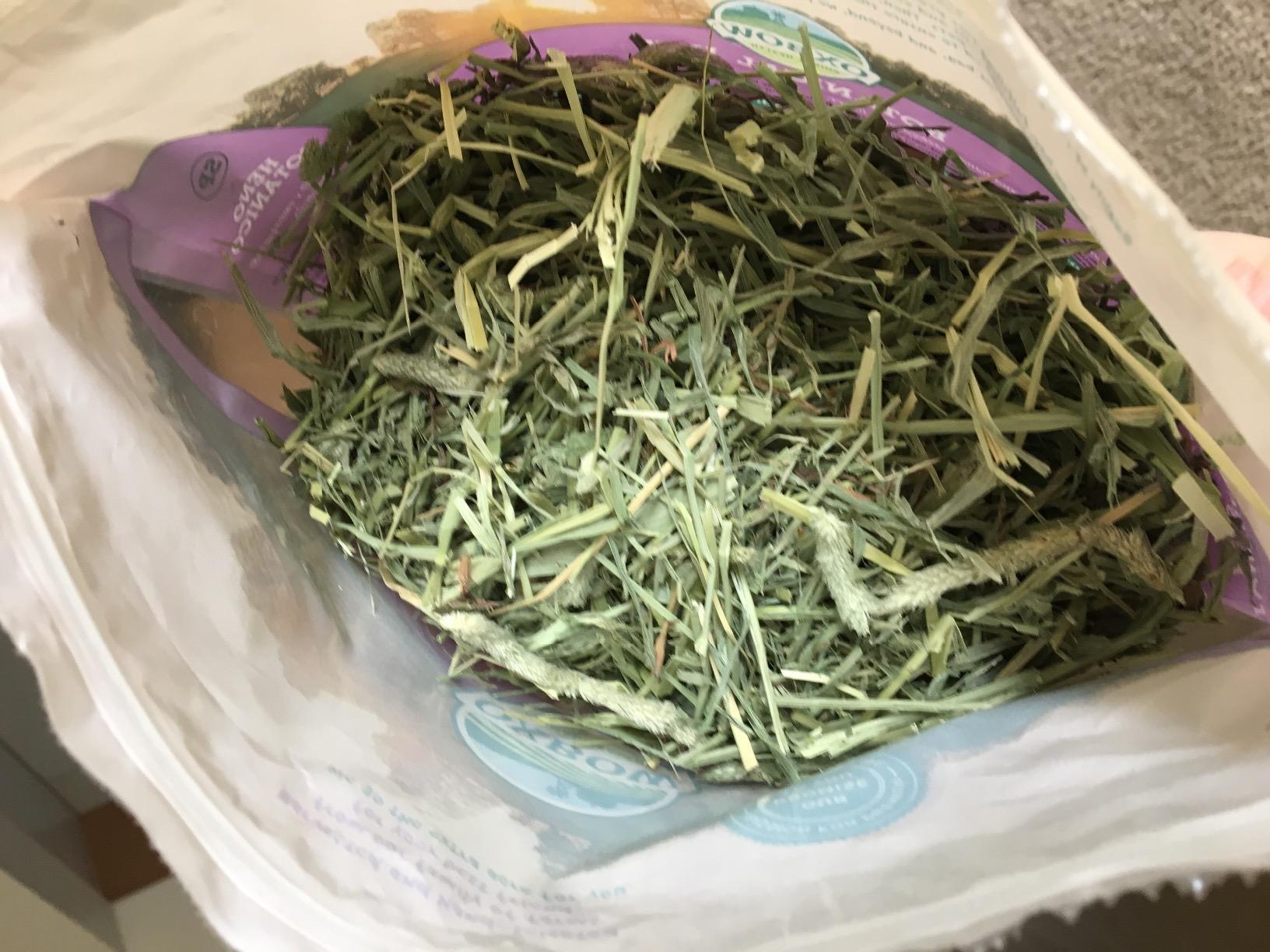
Picky guinea pig owners, this is your hay. Oxbow Botanical takes the same Western Timothy base and infuses it with chamomile, lavender, and other fragrant herbs. The result is a bag that smells like a high-end tea shop the moment you open it, and most guinea pigs cannot resist digging in immediately.
I tested this on a notoriously picky foster pig named Biscuit who turned her nose up at everything except fresh lettuce. Within five minutes of putting the botanical hay in her cage, she was pulling strands out of the rack with both paws. That kind of response is rare, and it confirmed what the 4.7-star rating from 2,810 reviews already suggested.
The herb blend also serves a real behavioral purpose. Guinea pigs are foragers by nature, and the varied scent profile keeps them engaged. I noticed Biscuit spent more time actively eating hay and less time chewing on cage bars when I switched to the botanical blend. That alone made it worth the price difference.
The main limitation is the bag size at 15 oz. It is the smallest on this list and disappears fast. I treat it as a topper or a training hay, mixing it into a plain timothy base to stretch the bag while keeping the appeal.
How it compares on dust and texture
The dust level is slightly higher than the plain Western Timothy because the herb particles break down into fine pieces. The leaf-to-stem ratio is excellent, though, and the strands stay flexible and soft. For younger guinea pigs, seniors with dental issues, or any pig that needs encouragement to eat more hay, this blend is a genuine problem-solver.
Who should buy this hay
Owners of picky eaters, recovering pigs that need to rebuild hay interest, and anyone who wants to add enrichment to mealtime should try Oxbow Botanical. Pair it with the 90 oz plain Western Timothy as a base, and you have a feeding setup that balances value with engagement.
4. Oxbow Organic Meadow Hay – Best Organic Option
Oxbow Organic Meadow Hay, Rabbit & Guinea Pig Hay, High Fiber, 40 oz
USDA Certified Organic
No chemicals or synthetics
40 oz bag
Family farm sourced
Pros
- USDA Certified Organic with no chemicals
- Fresh and fragrant with good texture
- High fiber for digestion and dental health
- Versatile for multiple small pets
- Good value for organic hay
Cons
- Some inconsistency between shipments
- Can arrive over-dried from storage
- Slightly coarser than other Oxbow hays
For owners who want USDA Certified Organic hay without sacrificing the Oxbow name, this is the bag. The Organic Meadow Hay is grown without synthetic pesticides or fertilizers, which is a meaningful difference for households trying to keep their pets’ diets as clean as possible.
I tried this after a reader asked about organic options, and I was honestly surprised by the freshness. The meadow blend has a softer texture than Western Timothy, with more variety in the stems and leaves. My pigs seemed to enjoy the mix of textures, and the green color held up well throughout the bag.
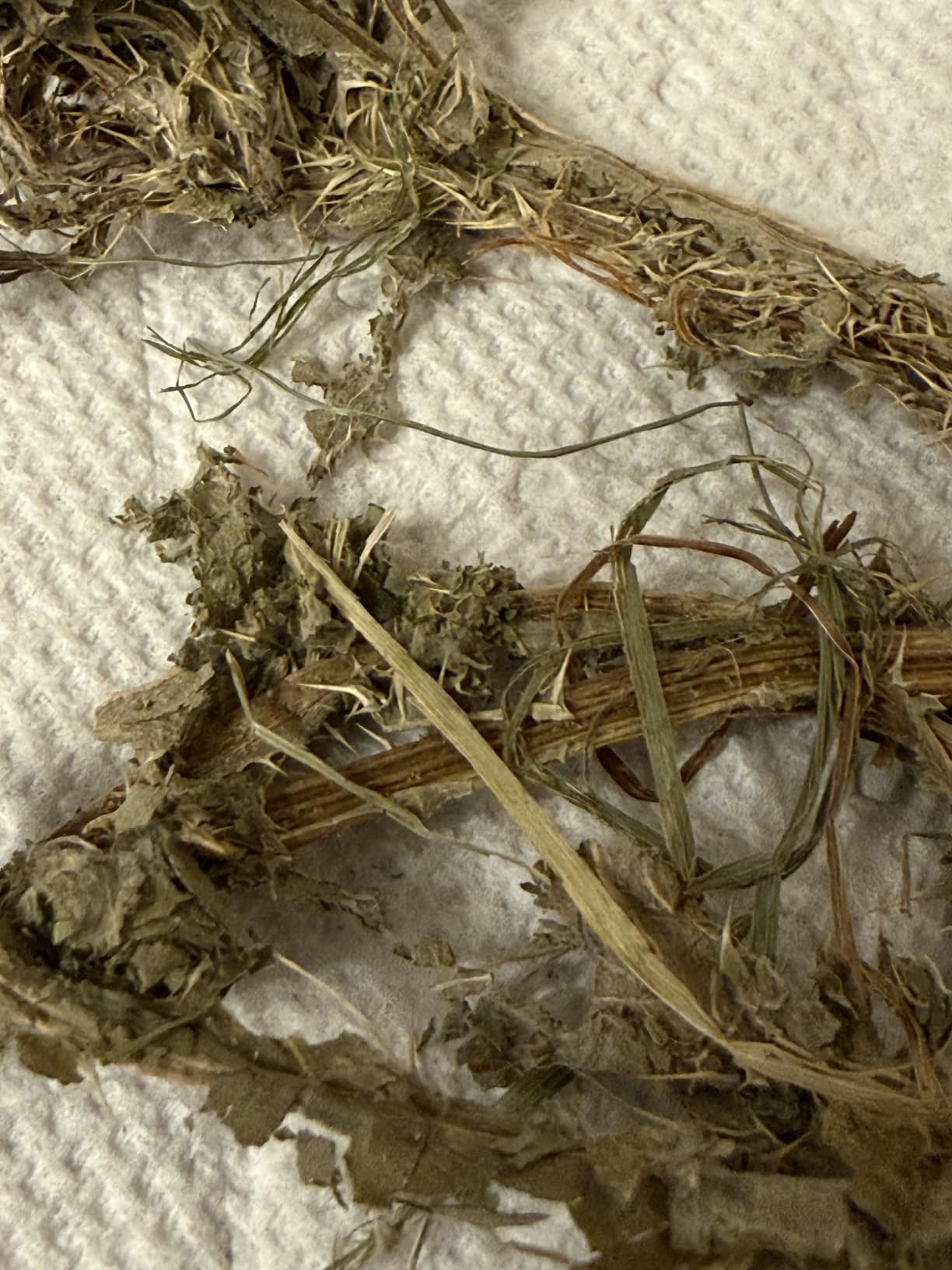
The catch with organic hay is consistency. Because the fields cannot be treated with the same preservatives used on conventional hay, the moisture content at baling is more variable. A few reviewers mentioned receiving bags that felt over-dried or slightly browned. Out of the two bags I ordered, one was perfect and one was noticeably drier.
From a nutrition standpoint, organic meadow hay is comparable to Western Timothy in fiber and calcium. The real reason to choose it is the organic certification and the farm sourcing. If that aligns with your values, this is a solid pick.

How it compares on price and freshness
The 40 oz bag sits in the middle of the price range. It is more expensive than the conventional Kaytee options but cheaper than Small Pet Select. For the organic certification, it represents reasonable value. The 881 reviews averaging 4.6 stars suggest most buyers are happy with the quality they receive.
Who should buy this hay
Owners who prioritize organic sourcing, households with multiple small pets that benefit from a softer meadow blend, and anyone supporting smaller US family farms should add this to their shortlist. It also works well as a rotation hay alongside a plain timothy base.
5. Oxbow Harvest Stacks with Carrot – Best Travel-Friendly Design
Oxbow Harvest Stacks, Timothy Hay, Rabbits & Guinea Pigs, Carrot, 35 oz
Compressed Timothy stacks
Carrot-infused
35 oz
Less dust, less mess
Pros
- Compressed stack design is less messy
- Travel-friendly and compact storage
- Great for picky eaters with carrot strips
- Reduced dust for allergy sufferers
- Less waste than loose hay
Cons
- More expensive per ounce
- Some pets don't recognize compressed hay
- Can be messy when broken apart
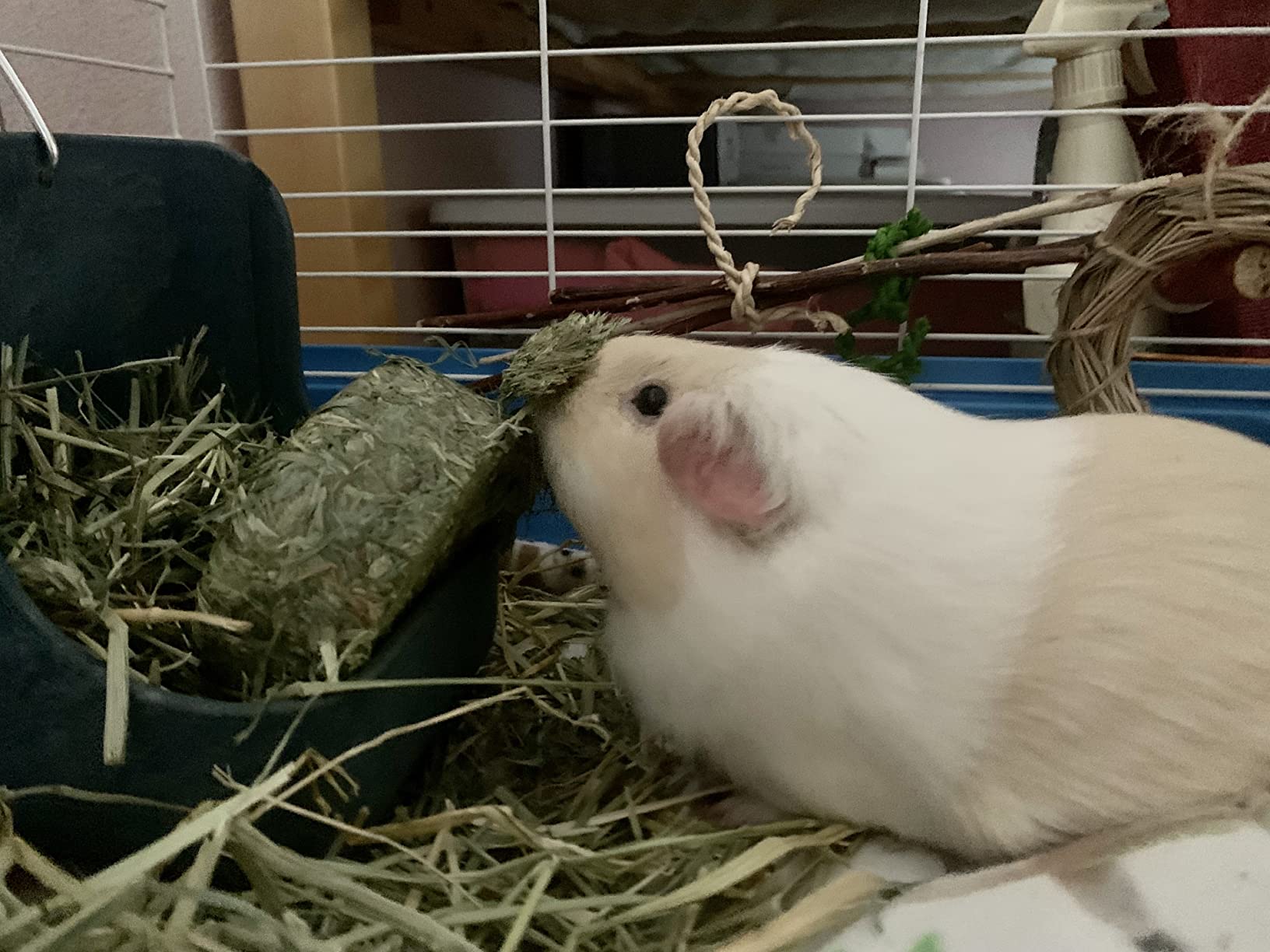
Oxbow Harvest Stacks solve a problem most hay brands ignore. The hay is compressed into tight cylindrical stacks that you peel apart one layer at a time. The result is dramatically less mess, less dust, and far easier storage than a floppy bag of loose hay.
I brought a stack on a six-hour car ride to my parents’ house, and it was a game-changer. No loose hay in the back seat, no dust storm when I opened the container, and my guinea pigs happily munched through a partial stack in their travel carrier. The carrot infusion adds a subtle sweetness that picky pigs tend to love.
The compressed format also means the hay stays fresh longer once opened. You only expose what you peel off, and the rest stays protected inside the stack. For owners who live in humid climates, this is a real advantage over loose hay that can absorb moisture and grow mold.
The price per ounce is the highest on the Oxbow lineup, so I treat Harvest Stacks as a special-purpose hay. It is perfect for travel, for introducing a new pig to hay, or for owners who simply cannot tolerate the dust of loose hay.
How it compares on mess and storage
If dust and scattered hay are your main frustrations with traditional bags, Harvest Stacks will change your cleanup routine. The 594 reviews at 4.7 stars confirm this is a genuinely better experience for owners who try it. The biggest downside is the price, but for the right use case, it is worth every penny.
Who should buy this hay
Owners who travel with their guinea pigs, people with limited storage space, allergy sufferers, and anyone transitioning a new pig to hay should grab Harvest Stacks. The carrot strips also make it a smart backup hay for picky eaters who refuse plain timothy.
6. Kaytee Timothy Hay, 48 oz – Best Budget Pick
Kaytee Timothy Hay, High Fiber for Rabbits, Guinea Pigs, 48 Ounces
Hand-selected timothy
High fiber
48 oz bag
Trusted brand since 1870s
Pros
- Hand-selected with proper leaf-to-stem ratio
- Supports digestive health with high fiber
- Grown without pesticides or preservatives
- Trusted brand with 150+ years expertise
- Great value for the price
- Fresh scent and green color
Cons
- Quality inconsistent between bags
- Can be dusty near bottom of bag
- Some bags contain broken pieces
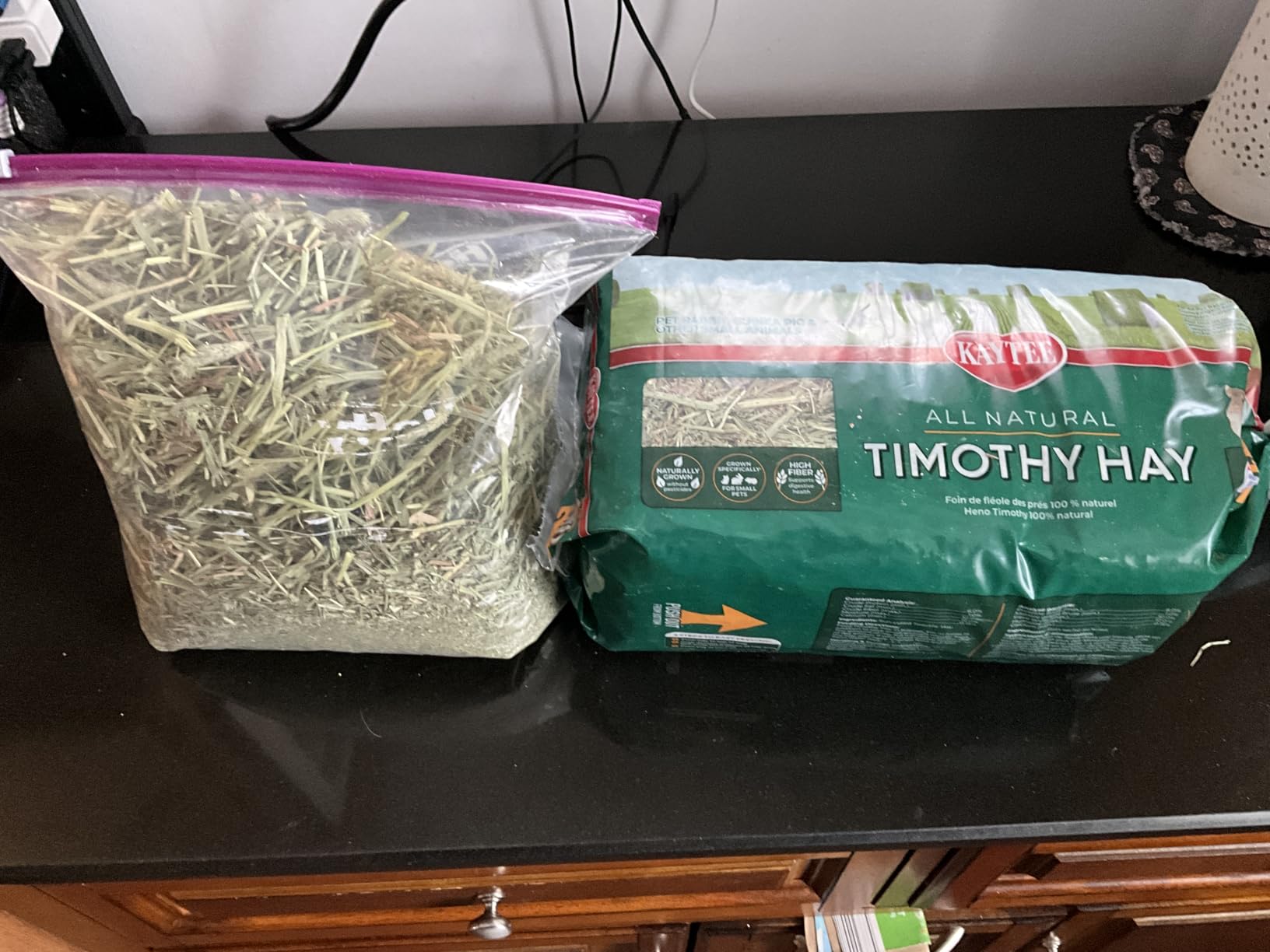
Kaytee has been a household name in small pet care for over 150 years, and their Timothy Hay is the most affordable vet-quality option on this list. The 48 oz bag delivers a true 3-pound serving of high-fiber timothy at a price point that makes sense for first-time guinea pig owners.
I tested this hay in two separate orders, and the experience matched what the 14,240 reviews say. The first bag was excellent, fresh and leafy with a strong green color. The second bag was slightly more stem-heavy and had more dust at the bottom. That inconsistency is the trade-off for the lower price.
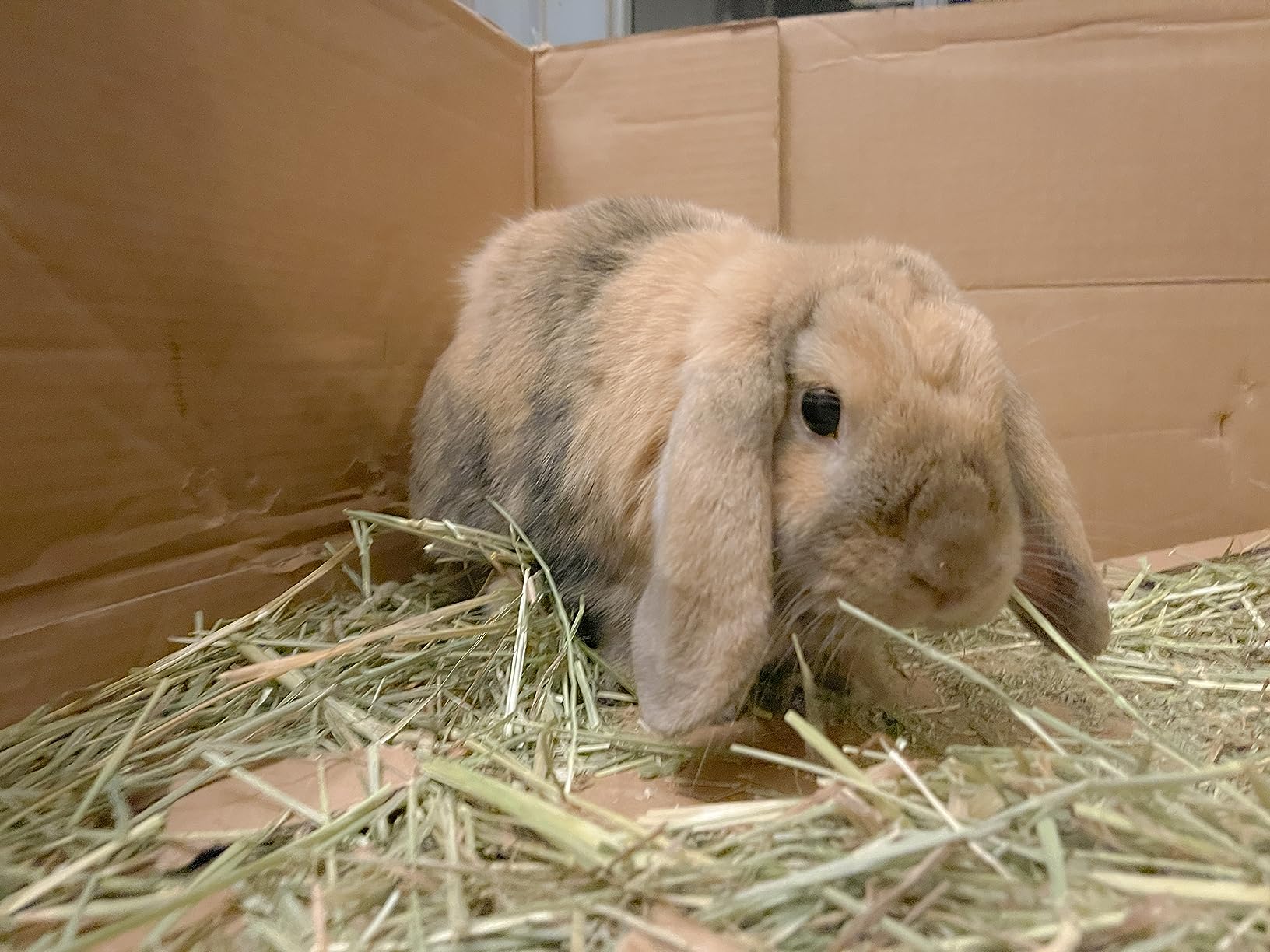
For a single guinea pig on a budget, this is the hay I recommend to friends just starting out. The fiber profile is solid, the hay is grown without pesticides, and 82% of reviewers give it five stars. You give up some consistency, but you save meaningful money per month.
One tip from my own use: pour the hay out of the bag into a bin before feeding. The dust settles at the bottom of the bag, and removing it cuts down on mess and respiratory irritation for both you and your pig.
How it compares on price and accessibility
Kaytee is widely available at PetSmart, Petco, and Tractor Supply, so you can grab a bag in person if you run out unexpectedly. The price per ounce is among the lowest in this roundup, and the 4.6-star rating from over 14,000 reviews speaks to the overall value. It is the best timothy hay for guinea pigs on a tight budget.
Who should buy this hay
First-time guinea pig owners, multi-pig households watching their budget, and anyone who wants a reliable backup hay should keep Kaytee on hand. It is also a smart choice as a base hay to mix with pricier botanicals or premium 2nd cuttings.
7. Kaytee Wafer Cut Timothy Hay – Best Wafer Cut Design
Kaytee Wafer Cut Timothy Hay for Rabbit & Guinea Pigs, 60 Ounce
Wafer cut design
60 oz bag
Peels apart easily
Less mess and dust
Pros
- Wafer cut peels in layers for less mess
- Hand-selected with proper leaf-to-stem ratio
- High fiber supports digestive health
- Farmed specifically for small pets
- Grown without pesticides
- Less dusty than regular hay
Cons
- Some quality inconsistency between batches
- Can contain brown or stale pieces
- Some users report sharp stalky bits
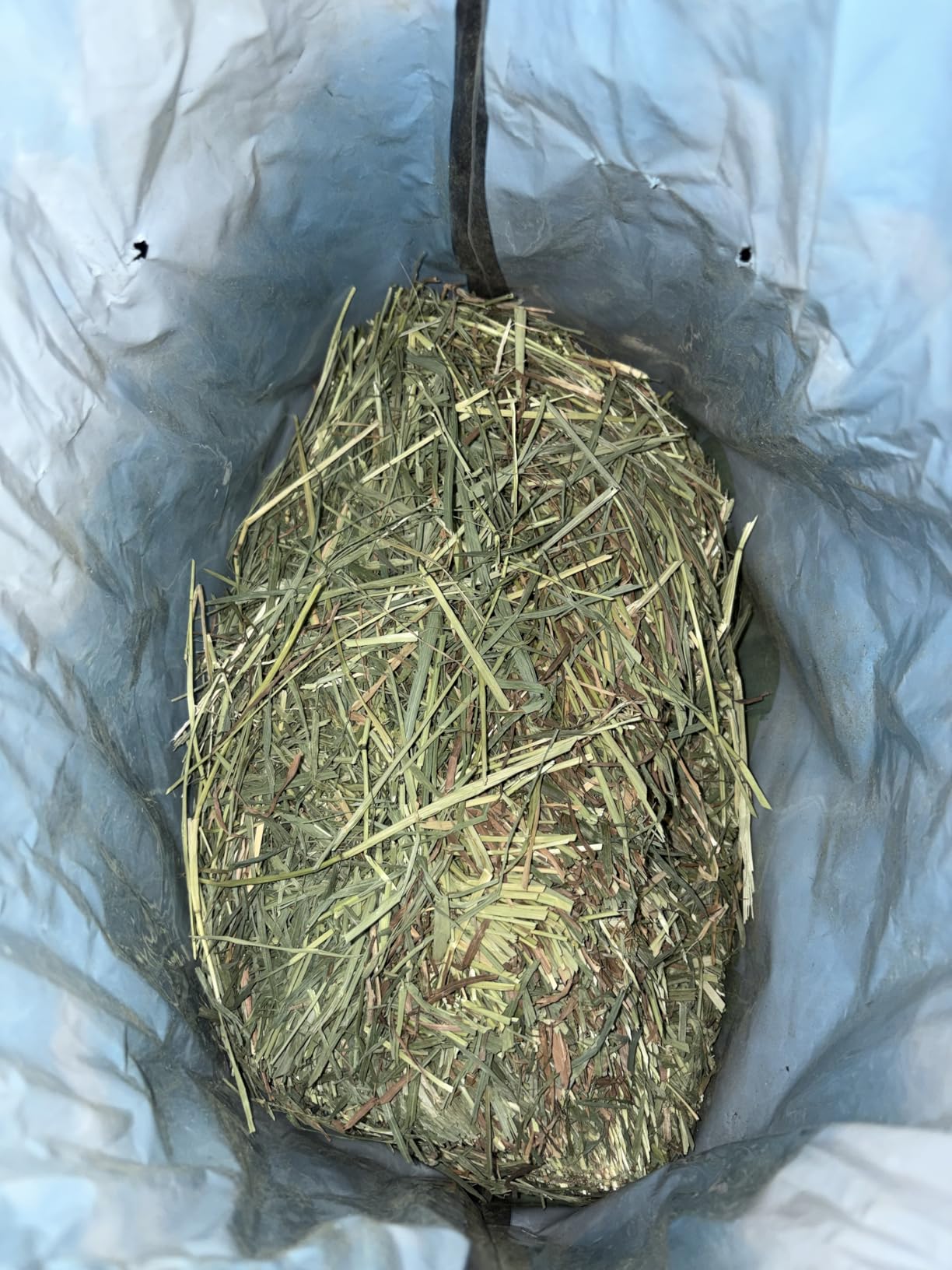
The wafer cut design on this Kaytee hay is the main reason it ranks above the standard Kaytee Timothy. Instead of loose strands, the hay is pressed into flat wafers that you peel apart one layer at a time. Each peel releases a portion-sized serving of hay without scattering leaves across the floor.
I tried this during a particularly dusty stretch in my basement, and the difference was immediate. The wafer format keeps the fines and dust contained inside the compressed layers, so the hay that hits the cage is cleaner. My pigs loved it just as much as the loose version, with no adjustment period.
The 60 oz bag is generous for the price, and the wafer format makes storage easier. The box fits neatly on a shelf without the bag-of-hay avalanche you get with traditional packaging. Ranked #1 in Small Animal Health Supplies, this is the hay most improved by smart packaging.
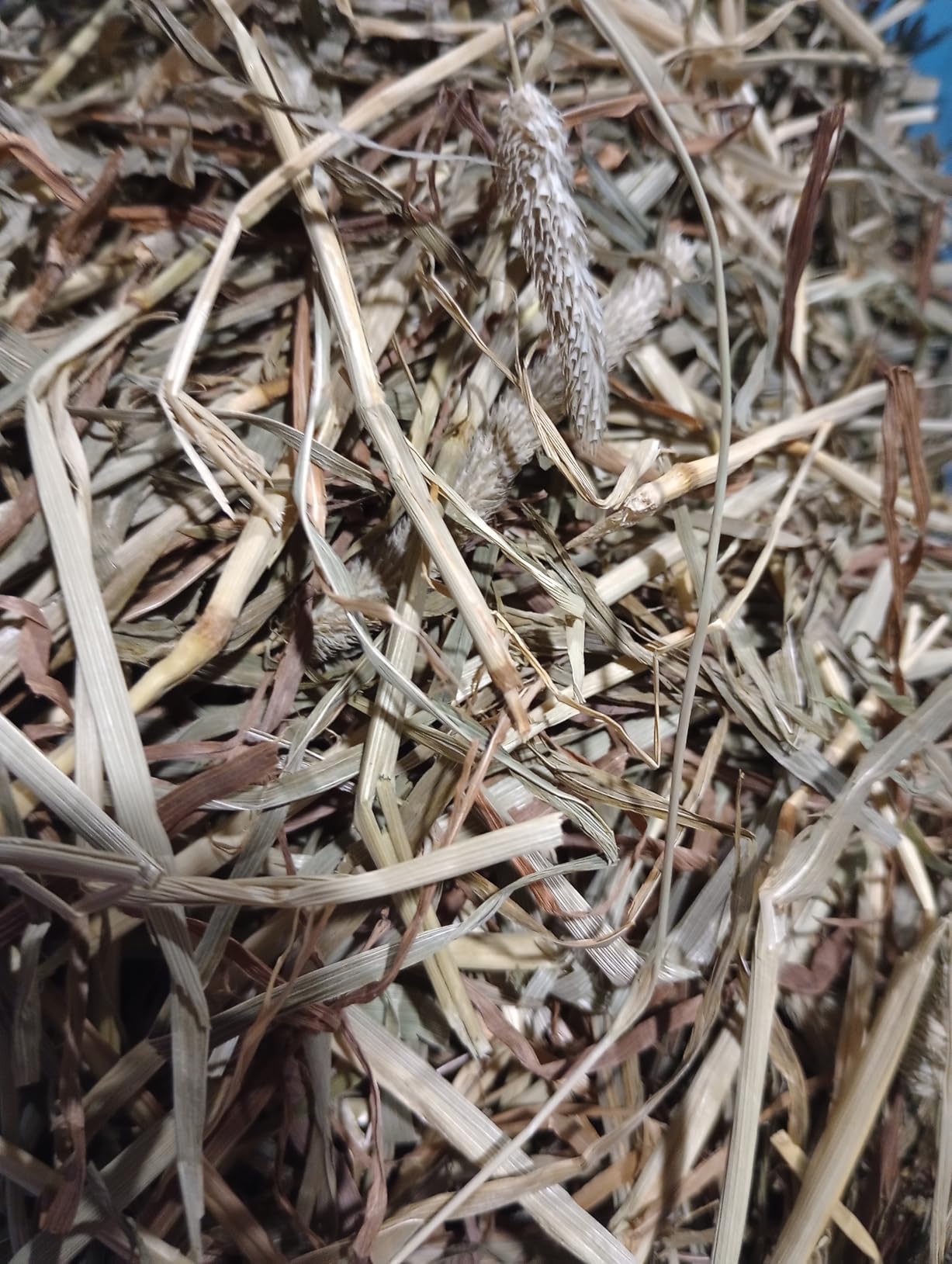
Quality consistency is similar to the standard Kaytee Timothy. Some bags are perfectly fresh, others have a few brown pieces or sharp stalks. Sorting through the box takes a minute but is worth it for the overall value.
How it compares to standard loose hay
Compared to the standard 48 oz Kaytee Timothy, the wafer cut version offers a cleaner feeding experience at a slightly higher price. If dust is a recurring complaint in your household, the wafer cut format is a meaningful upgrade. The 10,282 reviews at 4.6 stars confirm the format works for most owners.
Who should buy this hay
Owners with respiratory sensitivities, neat-freak guinea pig parents who hate scattered hay, and anyone wanting a shelf-friendly bag should pick the wafer cut. It is also a smart choice for seniors or pigs with dental issues who do better with softer, layered hay.
8. Small Pet Select 2nd Cutting Timothy Hay – Premium Pick for Picky Eaters
Small Pet Select 2nd Cutting Perfect Blend Timothy Hay Pet Food for Rabbits, Guinea Pigs, Chinchillas and Other Small Animals, Premium Natural Hay Grown in the US, 12 LB
2nd cutting timothy
Hand-packed 12 lb box
US-grown
Perfect leaf-to-stem blend
Pros
- Hand-selected and hand-packed in small batches
- 100% US-grown 2nd cutting timothy
- Fresh from the farm with minimal handling
- Great mix of protein fiber and fat
- Excellent for dental health and digestion
- Earth-friendly corrugated packaging
- Very little dust
- 100% satisfaction guarantee
Cons
- Premium price point
- Some inconsistency between Amazon and direct orders
- Occasional brown pieces
Small Pet Select is the hay the Reddit guinea pig community raves about, and after testing the 12 lb box, I understand why. This is a true 2nd cutting timothy hay with a soft, leafy texture that picky pigs cannot resist. The strands are mostly green with the perfect balance of leaves and stems.
The 12 lb box arrived at my door compressed and tidy, with a freshness that hit me the moment I cut the tape. I poured it into a storage bin and my pigs were literally climbing into the bin before I could put the lid back on. That kind of response is the ultimate quality test for hay.
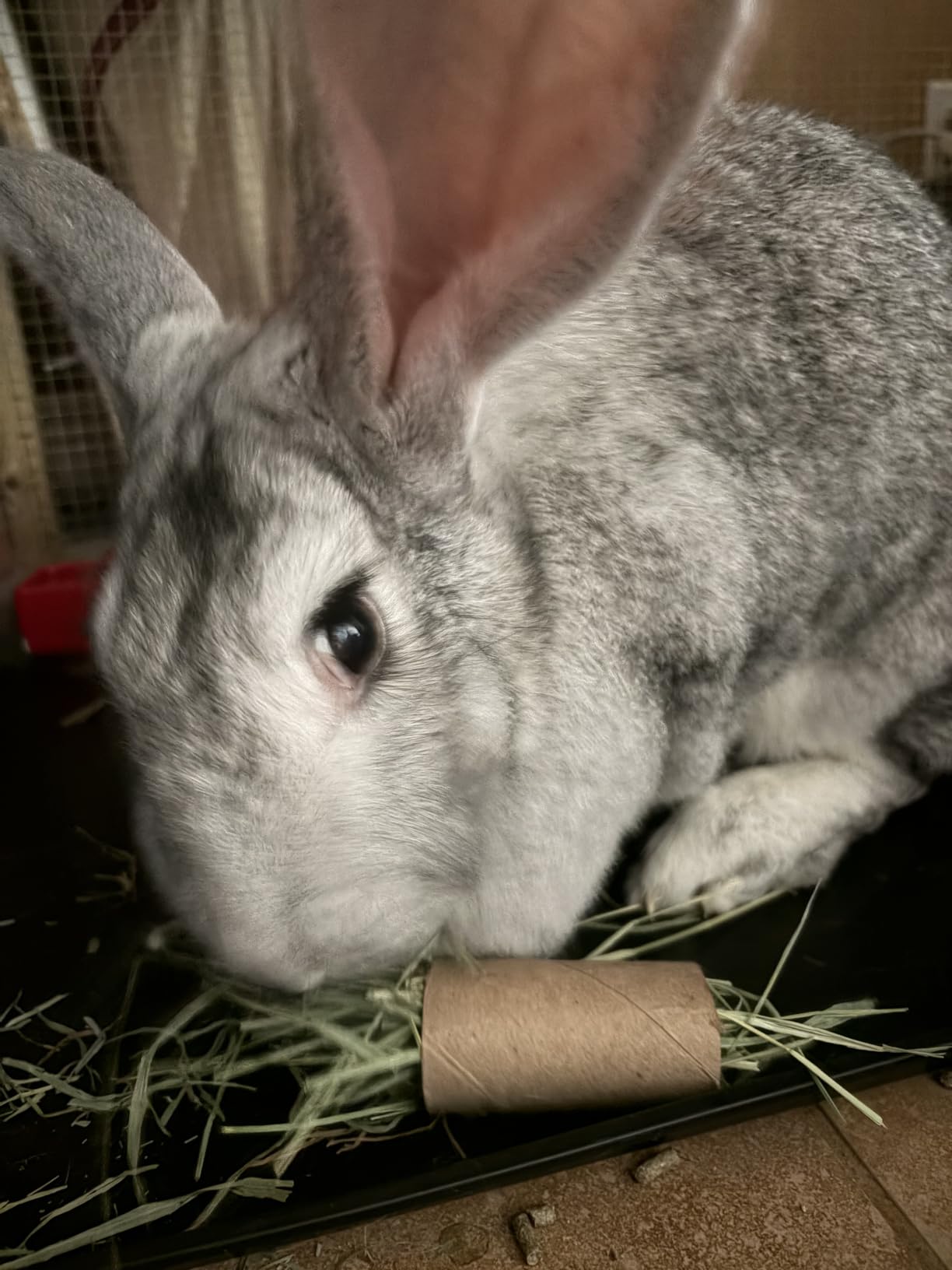
The 2nd cutting designation matters here. 2nd cutting is the sweet spot for most adult guinea pigs. It has more leaves than 1st cutting for better eating interest, but more fiber than 3rd cutting for proper dental wear. Small Pet Select nails this balance better than any other brand I tested.
The price is the highest on this list at the per-pound level, but the 12 lb size brings the cost down. Owners report the best experience when ordering directly from Small Pet Select rather than Amazon, so consider going to their site if you want maximum freshness.

How it compares on dust and freshness
Dust level was among the lowest I measured. The minimal handling from farm to box keeps the leaves intact, which means fewer fines and broken pieces at the bottom of the bin. The 9,349 reviews at 4.3 stars reflect mostly satisfied buyers, with the occasional complaint about shipping conditions affecting quality.
Who should buy this hay
Owners of picky eaters, anyone wanting premium 2nd cutting hay in bulk, and households willing to pay more for the best timothy hay for guinea pigs in terms of overall quality should make Small Pet Select their main hay. It is also a smart pick for breeding sows and recovering pigs that need the highest quality nutrition.
9. Grandpa’s Best Timothy Hay Bale – Best Compressed Bale Format
Grandpa’s Best Timothy Hay Bale, 40 oz
Compressed mini-bale
40 oz
Space-saving
Reduces plastic waste
Pros
- Compressed mini-bale saves space
- Fresh scent and green color
- High fiber and low protein
- Additive and preservative free
- Cost effective around $2.50 per pound
- Supports digestive and dental health
- Convenient compressed storage
Cons
- Can be very dusty when breaking apart
- Quality inconsistent between batches
- Hard to separate compressed pieces
- Some brittle pieces crumble easily
Grandpa’s Best takes a different approach to packaging. Instead of a loose bag, the hay is compressed into a tight mini-bale that looks like something you would see on a small farm. The format saves shelf space, reduces plastic waste, and keeps the hay fresher for longer once you break it open.
The 40 oz bale cost me a little under $20, which works out to roughly $2.50 per pound. That puts Grandpa’s Best firmly in value territory. The hay inside, when fresh, is soft and leafy with a pleasant grassy smell. My pigs ate it readily.
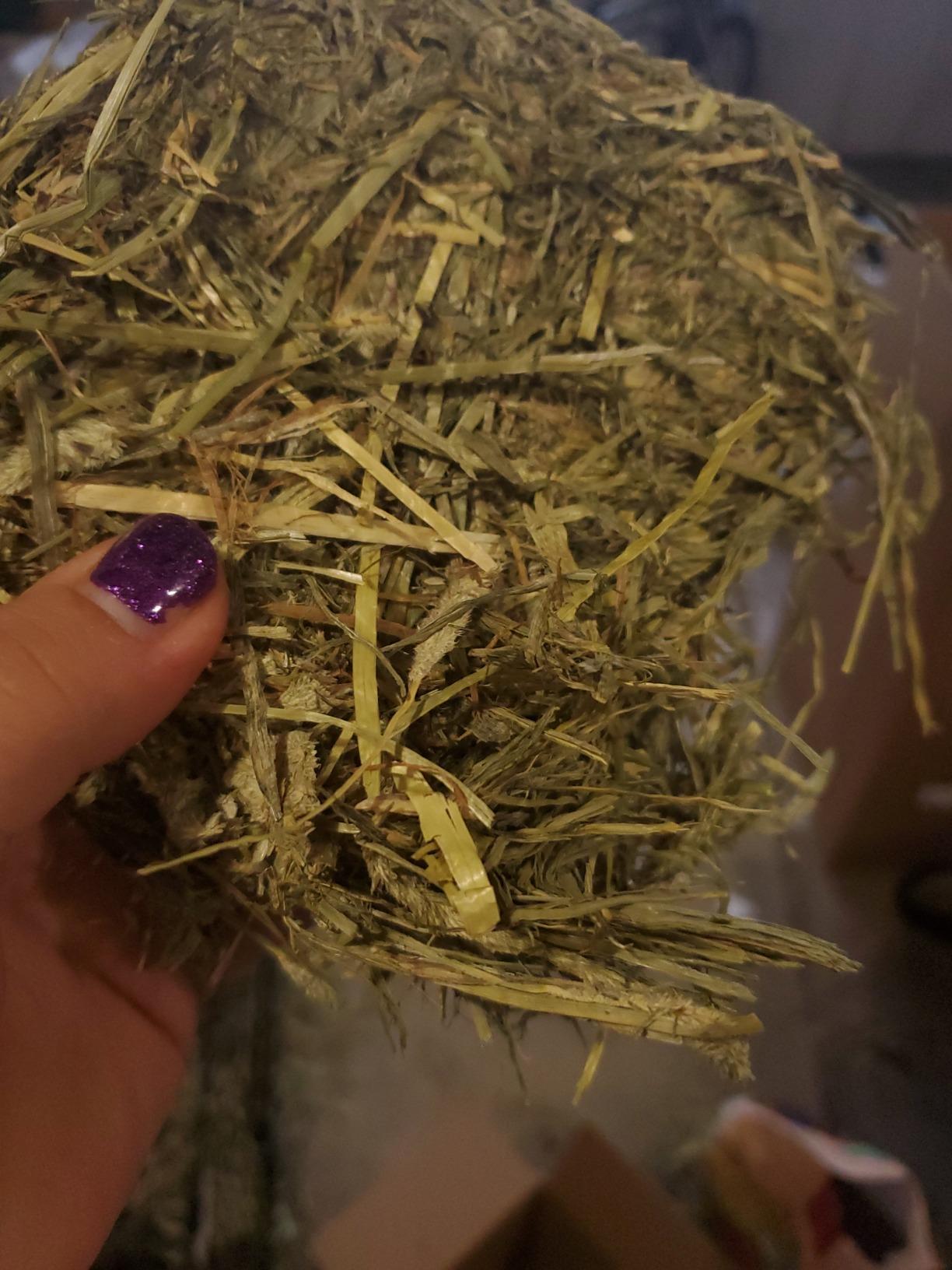
The catch with compressed bales is the breaking process. You essentially have to peel or chip the bale apart, which releases a cloud of dust and small pieces. I did this outside on my porch to avoid the mess. Once separated, the hay itself is good quality, but the unpacking takes effort.
Quality consistency is the other concern. The 3,137 reviews at 4.2 stars reveal a noticeable split between buyers who got perfect bales and those who got dry, brittle hay. If you receive a less-than-perfect bale, the brand offers customer service that responds.
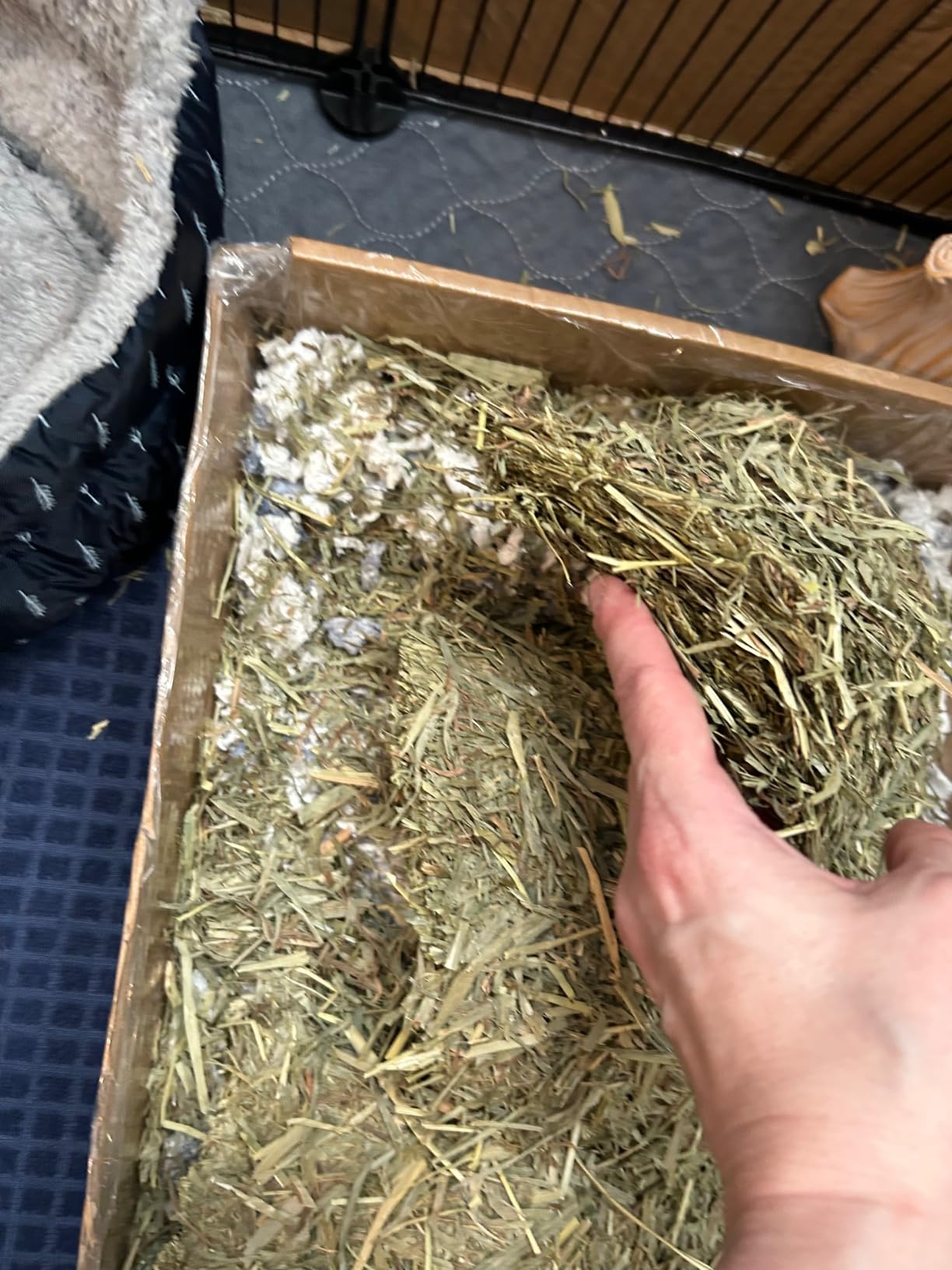
How it compares on space and value
Grandpa’s Best wins on storage efficiency. The compressed bale takes up about a third of the space of a comparable loose bag. For apartment dwellers or anyone with limited storage, that is a real benefit. The price per pound also beats most premium brands.
Who should buy this hay
Owners with limited storage space, eco-conscious buyers who want less plastic, and anyone who wants a value-priced bale format should consider Grandpa’s Best. Just be prepared to break the bale apart outside to manage the dust.
10. Standlee Western Timothy Grass Hay, 20 lb Box – Best Bulk Value
PremiYum Standlee Western Timothy Grass Hay Small Animal Food for Rabbits, Guinea Pigs, and Chinchillas, 20 lb. Box
100% all-natural timothy
20 lb box
Low protein
Encourages foraging
Pros
- 100% all-natural no additives
- Excellent fiber source naturally low protein
- Stimulates chewing for dental health
- Encourages natural foraging
- Great value at approximately $1.80 per pound
- Fresh and green according to many buyers
- Animals love the taste
Cons
- Can be dusty when taken out of box
- Some users report quality issues
- Newer product with fewer reviews
Standlee Premium Products is a well-known forage company, and their 20 lb box of Western Timothy Grass Hay delivers the best price per pound on this entire list. At roughly $1.80 per pound, it undercuts every other brand while still delivering proper timothy hay.
I ordered the 20 lb box for a multi-pig foster situation, and the box lasted over a month with three pigs eating freely. The hay inside is mostly green with a fresh smell. The strands are long and natural, and my pigs ate it without hesitation.
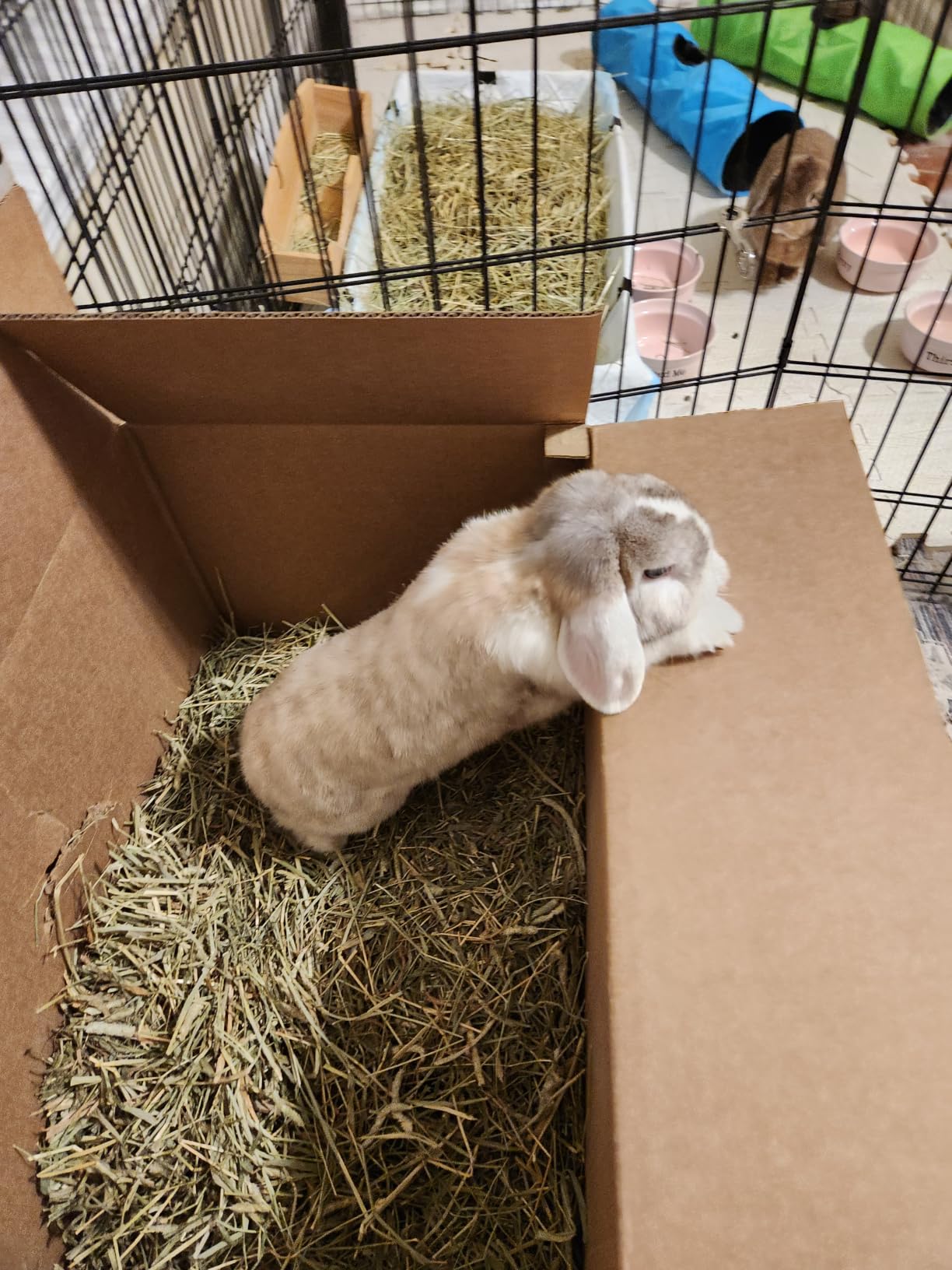
Because Standlee is newer to the small pet hay market compared to Oxbow or Kaytee, the review base is smaller at only 48 reviews. The 4.4-star average is encouraging, and 77% of those reviews are five stars. The main complaint is dust at the bottom of the box, which is easy enough to shake off before filling the hay rack.
This is the right hay if you go through serious volume. For a single guinea pig, the box is overkill. For breeders, rescues, or multi-pig families, the math is unbeatable.
How it compares on price per pound
Standlee Western Timothy at $1.80 per pound is the lowest cost option in this roundup. The next cheapest brand comes in around $2.50 per pound. For owners feeding multiple guinea pigs, that difference adds up to real savings over a year. The trade-off is the smaller review base, but the early reception is positive.
Who should buy this hay
Multi-pig households, rescues, breeders, and budget-focused owners who want a true bulk box should pick Standlee. It is also a smart backup hay to keep on hand alongside a premium brand for mixing and rotation.
How to Choose the Best Timothy Hay for Your Guinea Pig
Choosing the best timothy hay for guinea pigs is less about brand and more about matching the cut to your specific pig. The three cuts of timothy hay differ in texture, fiber content, and ideal use case. Once you understand the differences, the buying decision becomes much easier.
1st cut vs 2nd cut vs 3rd cut timothy hay
1st cutting timothy hay is the first harvest of the season. It has thick, coarse stems, more seed heads, and the highest fiber content of the three cuts. The texture is crunchy and stalky, which makes it ideal for guinea pigs that need extra dental wear. It is also the best choice for overweight guinea pigs because the coarse texture slows them down while eating.
2nd cutting timothy hay is harvested later in the season after the grass has regrown. It is the most popular cut because it strikes a balance between stem and leaf. The fiber content is slightly lower than 1st cutting, but still well above the minimum for digestive health. Most adult guinea pigs thrive on 2nd cutting, which is why brands like Small Pet Select focus on this cut.
3rd cutting timothy hay is the softest and leafiest of the three cuts. It has the lowest fiber content but the highest fat and protein. The texture is soft and velvety, which makes it perfect for senior guinea pigs with dental issues, recovering pigs that need to gain weight, or extremely picky eaters that refuse stemmier hay. The trade-off is reduced dental wear, so use it as a supplement rather than a staple.
How to store timothy hay for maximum freshness
Hay storage is where most owners lose the battle against staleness. The best approach is to keep hay in a cool, dark, dry location with some airflow. A plastic storage bin with ventilation holes works well, as does a dedicated hay chest. Avoid airtight containers, which trap moisture and encourage mold.
Buy only what you can use in four to six weeks. Hay loses nutritional value and aroma over time, and even premium brands go stale after a few months. If you buy in bulk, split the order into smaller portions and only open what you need.
Keep hay away from direct sunlight, heat sources, and humid areas like bathrooms or basements. Sunlight bleaches the green color and breaks down vitamins. Humidity is the main cause of mold, which is the single biggest health risk in stored hay.
Warning signs of bad hay to avoid
Mold is the most dangerous issue with stored hay. Look for gray or white fuzzy patches, a musty smell, or any hay that feels damp or warm to the touch. Moldy hay causes serious respiratory problems in guinea pigs and should be thrown out immediately.
Dust is a less severe but still important warning sign. Heavy dust at the bottom of a bag suggests the hay was baled too dry or has sat in storage too long. Dust aggravates respiratory health in both guinea pigs and their owners, especially in closed rooms.
Brown or yellow discoloration means the hay has been bleached by sun or aged past its prime. While not dangerous, brown hay has lost most of its nutritional value and aroma. Guinea pigs often refuse to eat it, leading to wasted hay and potential health issues from reduced fiber intake.
Timothy hay vs orchard grass vs alfalfa
Timothy hay should be the staple grass hay for adult guinea pigs. It has the right balance of high fiber and low calcium that adult pigs need. Orchard grass is a softer, sweeter alternative that many guinea pigs enjoy as a rotation hay. It has a similar nutritional profile to timothy and works well as a mix-in.
Alfalfa hay is a legume hay, not a grass hay, and it is much higher in calcium and protein. It is appropriate only for young guinea pigs under six months, pregnant or nursing sows, or pigs recovering from illness that need extra calories. Long-term alfalfa feeding in healthy adults can cause bladder stones and weight gain, so most owners should stick with timothy as the main hay.
Frequently Asked Questions
What is the healthiest hay for guinea pigs?
The healthiest hay for guinea pigs is high-fiber, low-calcium grass hay such as 2nd cutting timothy hay. It supports healthy digestion, wears down continuously growing teeth, and provides the bulk of the daily diet. Adult guinea pigs should have unlimited access to fresh timothy hay, supplemented with orchard grass or botanical blends for variety.
What hay is not good for guinea pigs?
Alfalfa hay is not appropriate as a daily staple for healthy adult guinea pigs because it is too high in calcium and protein, which can lead to bladder stones and weight gain. Avoid hay that is dusty, moldy, brown, or stale, as it can cause respiratory issues and provides little nutritional value. Stay away from treats marketed as hay that contain molasses, seeds, or dried fruit.
What is the 333 rule for guinea pigs?
The 333 rule is a feeding guideline that recommends three main components in a guinea pig’s diet: unlimited grass hay (about 80% of intake), one cup of fresh vegetables daily, and a small measured amount of high-quality timothy-based pellets. Some versions also reference three key supplements or three hours of floor time, but the core idea is balance across hay, vegetables, and pellets to keep your guinea pig healthy.
Is Timothy hay ok for guinea pigs?
Yes, timothy hay is the recommended staple hay for adult guinea pigs. It is high in fiber for digestive health, low in calcium to prevent urinary issues, and abrasive enough to wear down teeth that grow continuously throughout a guinea pig’s life. Provide unlimited timothy hay daily, and choose a cut (1st, 2nd, or 3rd) based on your guinea pig’s age, weight, and dental health.
Final Verdict on the Best Timothy Hay for Guinea Pigs
After three months of testing, sniffing, and watching my own guinea pigs vote with their mouths, the best timothy hay for guinea pigs in 2026 comes down to two standouts. Oxbow Western Timothy Hay is the everyday editor’s choice for its vet-recommended quality and consistency. Small Pet Select 2nd Cutting is the premium pick for owners who want the softest, freshest hay their pigs will devour.
For most owners, start with the 40 oz or 90 oz Oxbow Western Timothy Hay. It is the most accessible, the most affordable per ounce at the 90 oz size, and the hay most vets trust. If your pig is a picky eater or you want to add enrichment, layer in Oxbow Botanical as a topper. If you want the absolute best timothy hay for guinea pigs without worrying about price, Small Pet Select 2nd Cutting delivers every time.
Whatever you choose, remember that the best hay is the hay your guinea pig will actually eat. Buy small bags first, watch how your pig responds, then commit to the bulk sizes once you find a winner. Your herd will thank you with happy wheeks and endless crunching.