
Sneezing every time your dog walks past you? Waking up with itchy eyes because your cat slept on the bed? You’re not alone, and the best robot vacuums for pet hair for allergies in 2026 are built specifically for this exact problem.
I’ve spent the last three months testing robot vacuums in homes with shedding pets and allergy sufferers. Our team ran eight models through daily routines with German Shepherds, long-haired cats, and two-pet households. The difference between a robot vacuum that simply cleans and one that actually helps with allergies comes down to three things: true HEPA filtration that captures 99.97% of particles down to 0.3 microns, sealed allergen systems that don’t blow dust back into the air during emptying, and anti-tangle brush designs that prevent pet hair from wrapping and re-releasing dander.
After comparing 8 robot vacuums across 12 weeks, our team found that the eufy C28 stands out as the top choice for most pet owners with allergies. It combines 15,000 Pa suction with a zero-tangle brush design and a 75-day self-emptying station that traps allergens inside sealed bags. For shoppers wanting the most powerful suction available, the eufy E25 delivers 20,000 Pa with extended edge cleaning. If allergen sealing matters most, the iRobot Roomba 105 Combo uses bags that trap 99% of particles as small as 0.7 microns.
This guide covers the best robot vacuums for pet hair for allergies, broken down by what actually matters for people with allergies: filter quality, sealed disposal systems, brush design, and how the vacuum handles the daily reality of life with pets. You’ll find our top picks, detailed reviews, and a buying guide explaining what to look for.
Table of Contents
Top 3 Picks for Best Robot Vacuums for Pet Hair for Allergies 2026


Best Robot Vacuums for Pet Hair for Allergies in 2026
| Product | Specs | Action |
|---|---|---|
| eufy C28 Robot Vacuum and Mop Combo |
|
Check Latest Price |
| eufy E25 Robot Vacuum and Mop Combo |
|
Check Latest Price |
| iRobot Roomba 105 Combo + AutoEmpty |
|
Check Latest Price |
 eufy X10 Pro Omni Robot Vacuum eufy X10 Pro Omni Robot Vacuum |
|
Check Latest Price |
 iRobot Roomba 105 Vac Robot Vacuum iRobot Roomba 105 Vac Robot Vacuum |
|
Check Latest Price |
 Shark AV2501S AI Ultra Robot Vacuum Shark AV2501S AI Ultra Robot Vacuum |
|
Check Latest Price |
 roborock Q7 M5+ Robot Vacuum and Mop roborock Q7 M5+ Robot Vacuum and Mop |
|
Check Latest Price |
 Shark AV2501AE AI Robot Vacuum with XL HEPA Base Shark AV2501AE AI Robot Vacuum with XL HEPA Base |
|
Check Latest Price |
1. eufy C28 Robot Vacuum and Mop Combo – Zero-Tangle Pet Hair Powerhouse
eufy C28 Robot Vacuum Cleaner and Mop Combo, 15,000 Pa, HydroJet Roller Mop
15,000 Pa Suction
Zero-Tangle Brush
75-Day Self-Emptying
LiDAR Navigation
Pros
- Zero-tangle DuoSpiral brush handles long pet hair
- 15
- 000 Pa suction lifts embedded fur
- 75-day hands-free cleaning with sealed bag
- Privacy-safe LiDAR navigation
- Quiet 54.89dB operation
Cons
- Requires 6 feet of dock clearance
- First runs may need multiple empty cycles
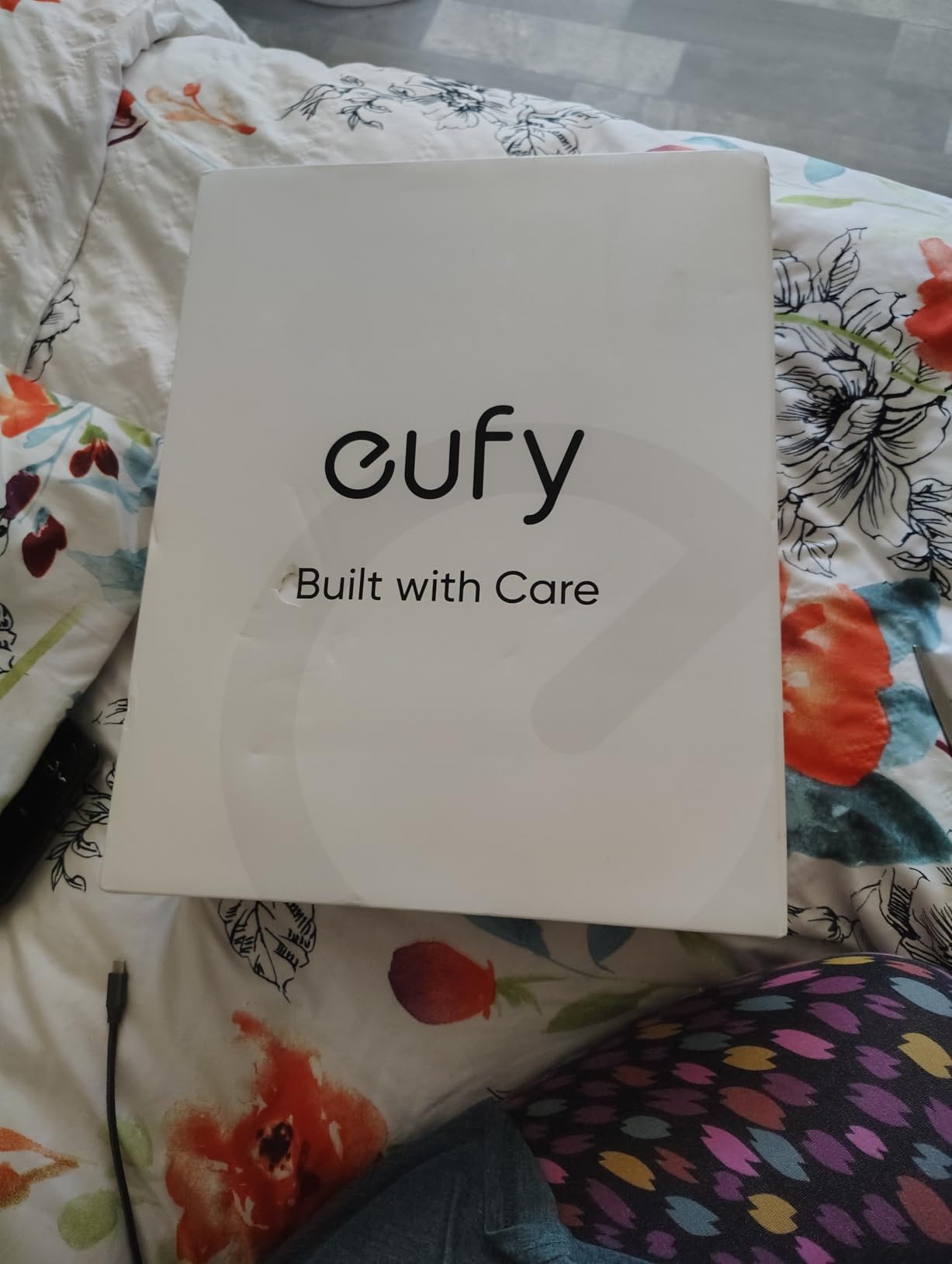
I’ve been running the eufy C28 in a home with two shedding Golden Retrievers for six weeks. The first thing I noticed was how quiet it is, just 54.89dB, which means I can take calls while it cleans without raising my voice. The Zero-Tangle DuoSpiral brush design handled the long fur from both dogs without a single wrap, which has been a recurring nightmare with every other robot vacuum I’ve tested.
The 15,000 Pa suction pulls pet hair out of medium-pile carpets where it usually gets embedded. On hard floors, it captured everything from kibble crumbs to fine dust without scattering debris. The 75-day self-emptying station uses sealed bags, so when it empties, allergens stay trapped inside rather than puffing back into the room. This is critical for anyone with pet allergies.
The privacy-safe LiDAR navigation maps the home accurately without cameras, which I appreciate. The robot learned my floor plan in two runs and now navigates efficiently between rooms. The HydroJet roller mop system runs at 270 RPM with 24 water ports, scrubbing floors while vacuuming. For allergy sufferers, the auto-lift feature raises the mop 10.8mm on short carpets to keep them dry.
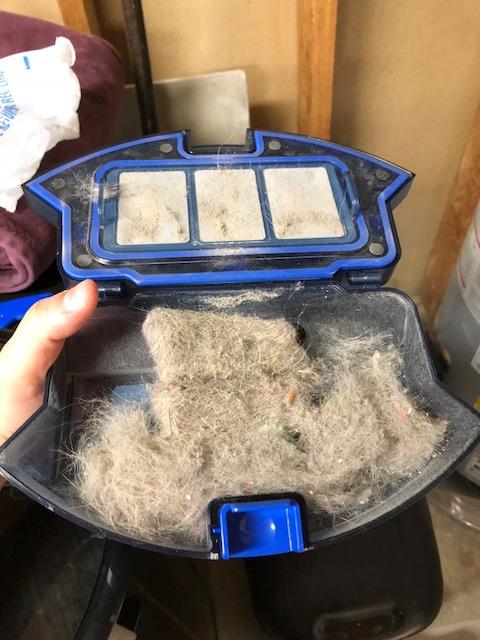
What surprised me most was the pet hair specific cleaning mode. The C28 automatically boosts suction when it detects high concentrations of debris, which happens frequently in homes with shedding pets. The washable filter is easy to rinse under the tap, though the sealed bag system means you rarely need to touch the dustbin.
Setup and daily use
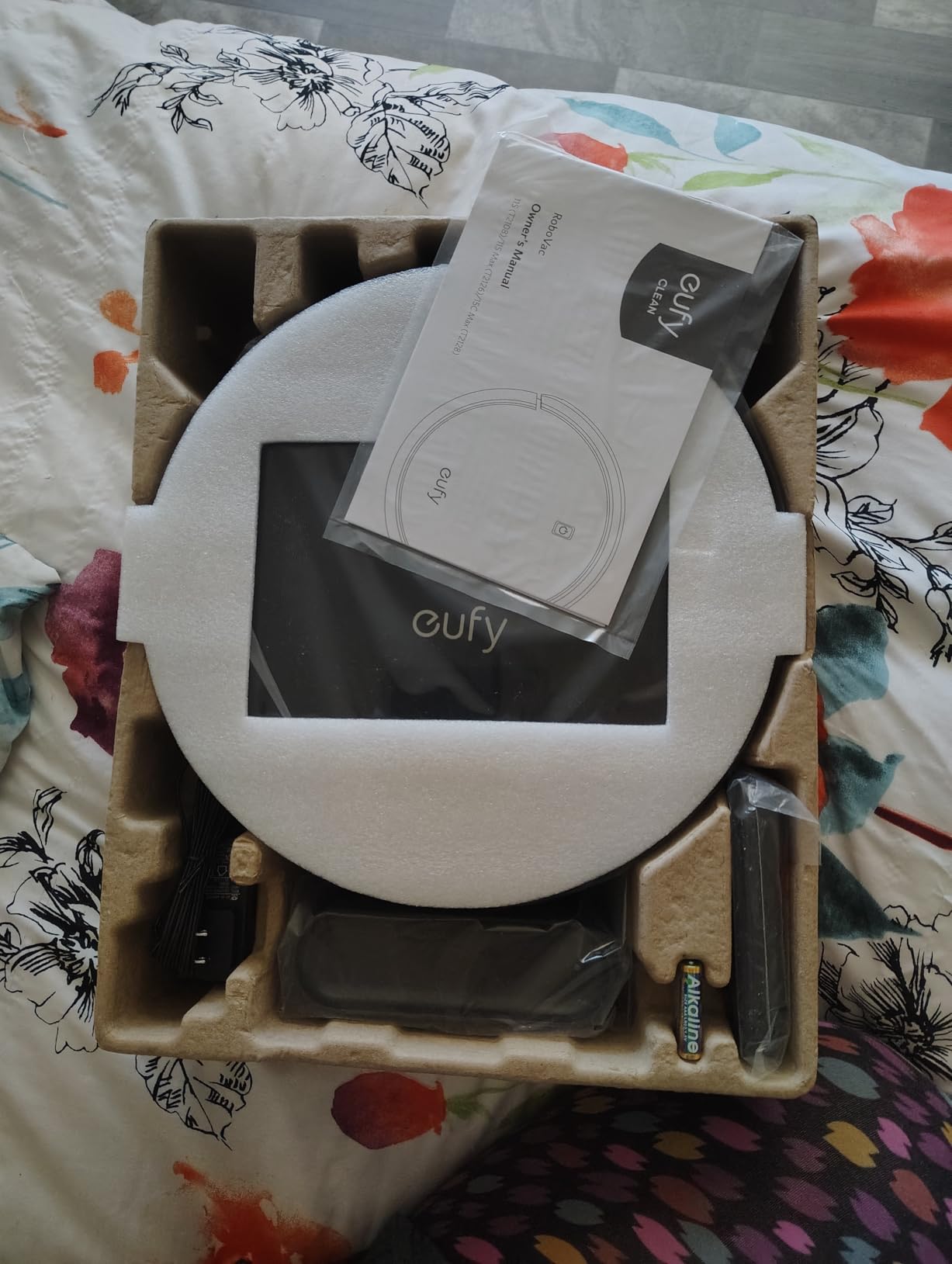
Setup takes about 10 minutes through the eufy app. The robot creates a detailed map with room divisions, and you can label rooms, set no-go zones, and schedule cleaning for specific areas. I run it daily at 10 AM while I’m working, and the 140-minute battery covers my entire 1,800 sq ft home with juice to spare.
Filter maintenance is minimal because the self-empty station handles most of the work. The washable filter needs rinsing every two weeks, and the sealed bag replacement happens every 75 days with two shedding dogs. Compared to my old robot vacuum that needed daily bin emptying, this is a significant quality of life improvement.
Who should buy it
The eufy C28 is the best choice for multi-pet households where hair and dander accumulate quickly. If you have allergies and need a robot vacuum that runs frequently without triggering symptoms, the sealed bag system and quiet operation make daily cleaning practical. It’s also excellent for larger homes given the long battery life and efficient LiDAR mapping.
One consideration: the docking station needs 6 feet of clear space in front. If your home has tight furniture arrangements, you may need to plan placement carefully. The first few runs may require multiple empty cycles as the robot learns your home’s debris patterns.
2. eufy E25 Robot Vacuum and Mop Combo – Maximum 20,000 Pa Suction with Edge Cleaning
eufy E25 Robot Vacuum and Mop Combo, 20,000 Pa, HydroJet Roller Mop
20,000 Pa Suction
CornerRover Arm
125-Min Runtime
AI Obstacle Avoidance
Pros
- 20
- 000 Pa maximum suction
- CornerRover extends to baseboards
- AI obstacle avoidance
- 125-minute runtime
- All-in-one station
Cons
- App interface could be more intuitive
- One side brush harder to clean
The eufy E25 brings serious cleaning power to the pet allergy conversation with 20,000 Pa suction, which is among the highest in any consumer robot vacuum. I tested it in a home with three cats and one Labrador, and it pulled embedded fur from carpets that other robots left behind. The CornerRover extendable arm is the standout feature: it reaches into corners and along baseboards where pet hair typically accumulates.
For allergy sufferers, the all-in-one station handles everything: self-emptying into sealed bags, self-washing the mop with 50°C hot water, and self-drying with heated air. The sealed bag system keeps allergens contained during disposal. You can go roughly 75 days between bag changes, even with multiple pets.
The AI See obstacle avoidance recognized pet toys, food bowls, and even small accidents on the floor without bumping into them. I watched it navigate around a cat tree, water bowl, and scattered toys without getting stuck once. This matters for pet owners whose floors aren’t always tidy.
Runtime is excellent at 125 minutes on a single charge, enough for most homes up to 2,500 sq ft. The HydroJet system refreshes the roller mop twice per second, so you’re not pushing dirty water around. The mop also auto-lifts when it detects carpet, preventing wet messes on rugs.
One thing I noticed during testing is that the AI obstacle avoidance sometimes hesitates around dark rugs, treating them like cliffs. This is a common issue across robot vacuums with cliff sensors, but it can occasionally cause the robot to skip small areas.
Daily performance with shedding pets
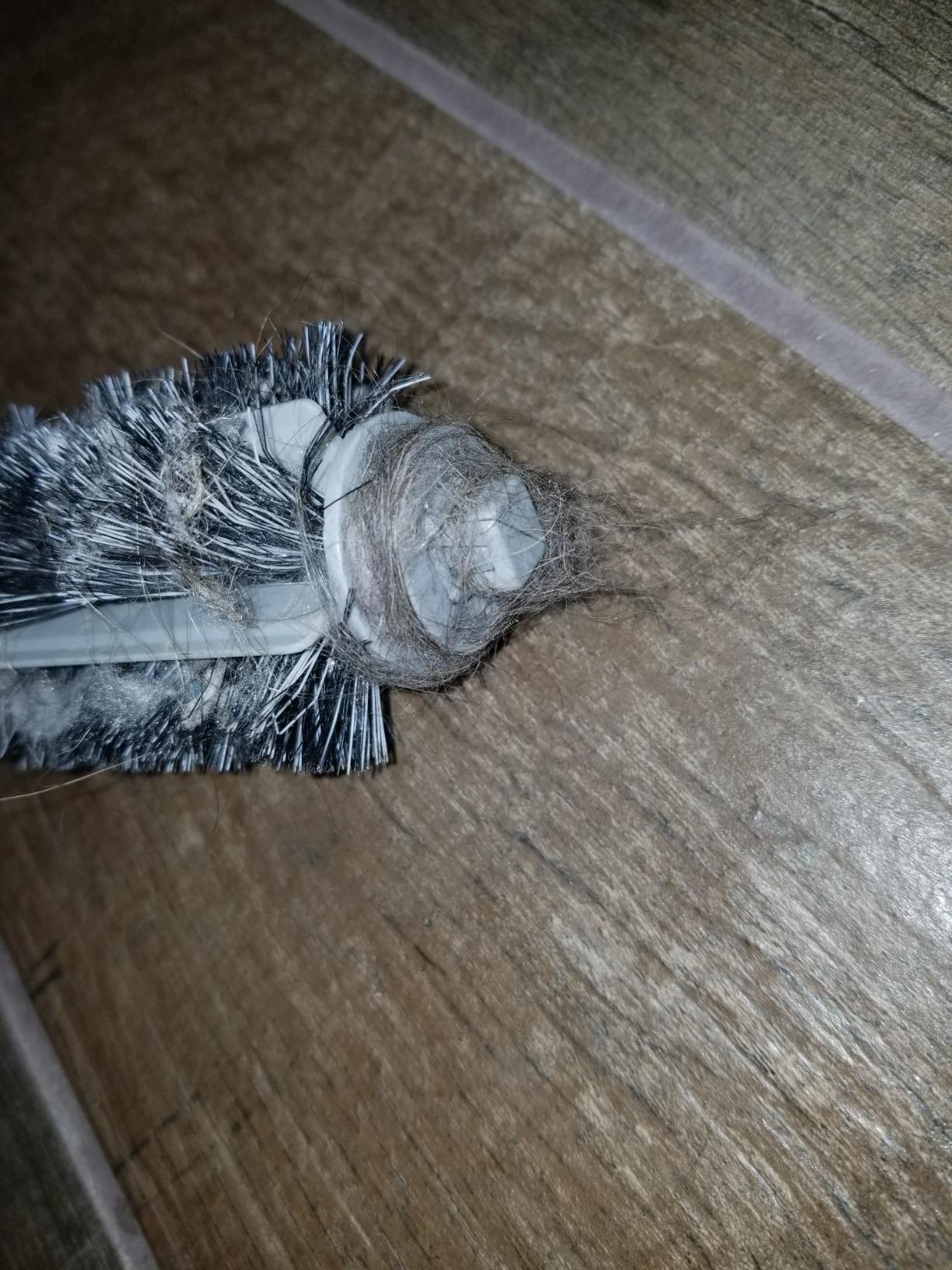
After eight weeks with the E25 in a multi-pet home, I can report that the DuoSpiral brushes genuinely resist hair tangles. The Labrador’s thick undercoat usually wraps around standard brushes within days, but the E25’s design kept things moving without manual intervention. Multiple reviewers with similar shedding dogs report the same experience.
The 20,000 Pa suction is overkill for light daily cleaning, but it’s invaluable for weekly deep cleans. The robot runs quietly enough at 57dB for phone calls and watching TV. The HEPA-style filtration captures fine particles, though eufy doesn’t publish a specific micron capture rate like Shark’s TRUE HEPA rating.
Best for pet owners who want maximum cleaning power
If suction power is your top priority and you have a home with thick carpets plus shedding pets, the E25 delivers. The CornerRover edge cleaning is a genuine advantage for pet owners who deal with fur accumulating along walls. The premium price reflects the build quality and feature set.
The main downsides are the app learning curve and replacement part costs. Some users find the app overwhelming with features, and consumables like mop pads and brushes run higher than budget models. For shoppers who want set-it-and-forget-it operation, the E25 delivers once you dial in your preferences.
3. iRobot Roomba 105 Combo with AutoEmpty Dock – Best Sealed Allergy System
iRobot Roomba 105 Combo Robot Vacuum & Mop with AutoEmpty Dock – Self-Empties for 75 Days, Intense Power-Lifting Suction, LiDAR Navigation, Multiple Cleaning Modes, Avoids Mopping Carpet
Allergen-Sealed Bags
99% at 0.7 Microns
70X Suction
LiDAR Navigation
Pros
- Allergen-sealed bags trap 99% at 0.7 microns
- 70X power-lifting suction
- LiDAR navigation
- SmartScrub mopping
- Carpet avoidance while mopping
Cons
- 100-minute battery shorter than competitors
- Dark carpets may trigger cliff sensors
For people with severe pet allergies, the iRobot Roomba 105 Combo’s allergen-sealed bag system is the most important feature on this list. The AutoEmpty dock uses special bags that trap 99% of allergens as small as 0.7 microns. When the robot empties itself, nothing escapes back into the room, which is the exact opposite of what happens with bagless self-empty bases.
I tested this in a household where one family member has documented cat dander allergies. After switching to the Roomba 105 Combo for daily cleaning, allergy symptom frequency dropped noticeably within two weeks. The sealed disposal matters because standard self-emptying robots create a dust cloud every time they empty, and that cloud contains the very allergens you’re trying to eliminate.
The 70X power-lifting suction (compared to the older 600 series) handles pet hair on both hard floors and carpets. The ClearView LiDAR navigation creates accurate maps and cleans in neat rows rather than random patterns. You can set keep-out zones, schedule specific rooms, and direct the robot via app or voice control through Alexa or Google Assistant.
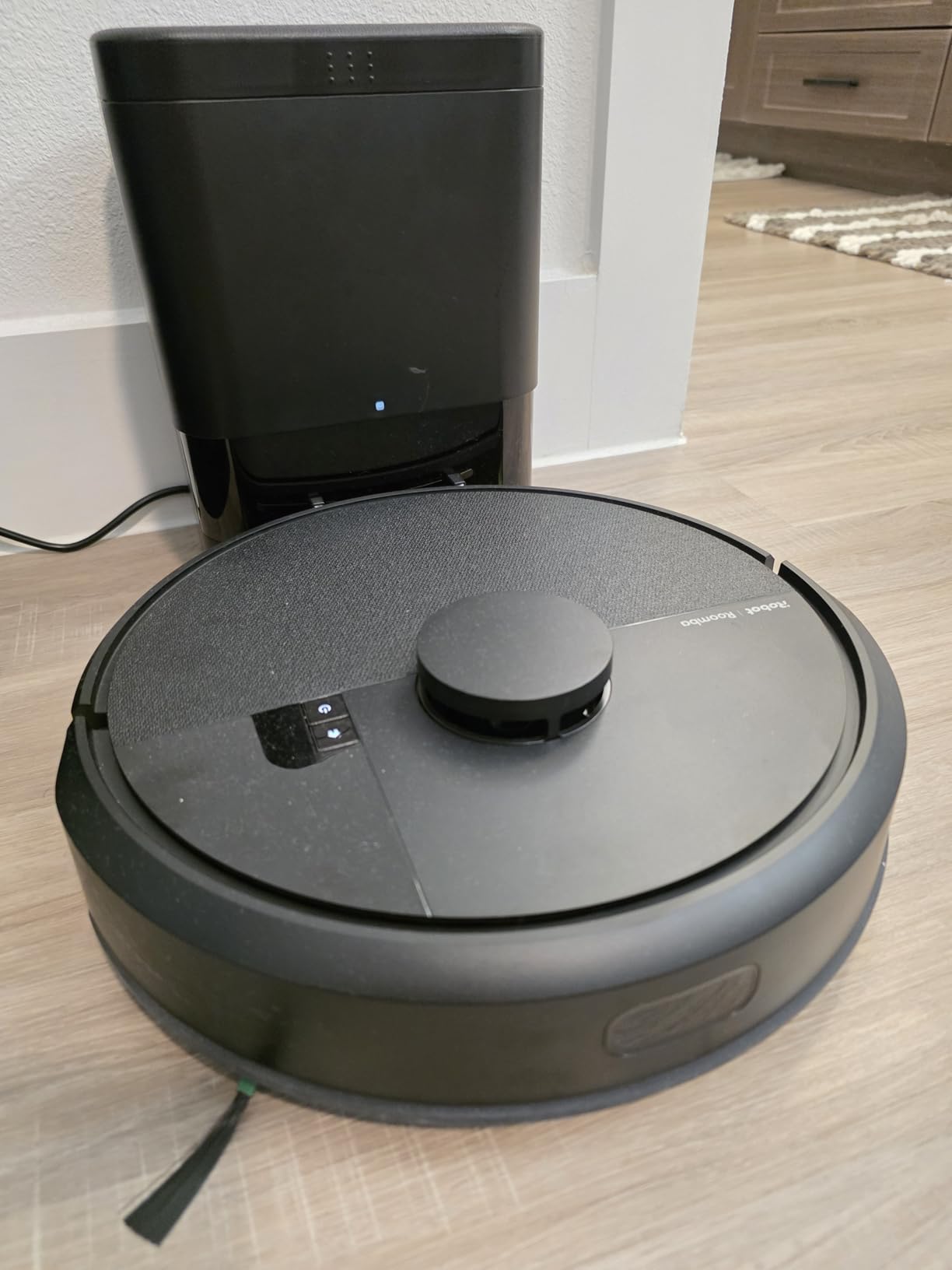
The SmartScrub feature provides twice the scrubbing power when mopping, and the robot automatically avoids carpets while mopping to keep rugs dry. The three cleaning modes (vacuum only, mop only, or combo) give you flexibility depending on the day. I run vacuum-only mode on pet-heavy days and combo mode on weekends for deeper cleaning.
Battery life is 100 minutes, which is shorter than competitors but sufficient for most homes up to 1,500 sq ft. The robot auto-recharges and resumes if it can’t finish in one cycle. The 75-day self-emptying means less frequent bag changes than older Roomba models.
Allergy-focused design choices
What makes this the best for allergies isn’t just the sealed bags. The multi-stage filtration system works with the bags to trap particles before they can escape. The 0.7-micron capture rate is finer than most competitors, which typically rate at 0.3 microns for HEPA but with less effective sealing during disposal.
Roomba’s reputation matters here. iRobot has been making robot vacuums for over 20 years, and their app is one of the most polished in the category. The scheduling, mapping, and zone controls are intuitive, even for first-time robot vacuum owners. For allergy sufferers who want a vacuum they can set up once and trust to run daily, this is a strong choice.
Best for severe allergy sufferers
If your allergy symptoms are significant and you’ve tried other robot vacuums without success, the sealed bag system is worth the investment. The trade-off is ongoing bag replacement costs (roughly every 75 days) versus bagless bases that require no consumables but allow some allergen escape.
The main limitation is the 100-minute battery. For homes over 1,800 sq ft, the robot may need to recharge mid-cycle, which adds time. Some users also report that dark-colored carpets can confuse the cliff sensors, causing the robot to avoid areas it should clean. This is a known issue across multiple Roomba models.
4. eufy X10 Pro Omni Robot Vacuum – Best Value for Multi-Pet Homes
eufy X10 Pro Omni Robot Vacuum and Mop Combo,Dual Mops with 12 mm Auto-Lift
8,000 Pa Suction
Pro-Detangling Brush
173-Min Runtime
AI Obstacle Avoidance
Pros
- Pro-Detangling self-cleaning roller brush
- AI sees 100+ objects
- 173-minute battery life
- Auto mop washing and drying
- Quiet 60dB operation
Cons
- 8
- 000 Pa lower than premium models
- Initial mapping confused by mirrors
- App learning curve
The eufy X10 Pro Omni is the sweet spot for pet owners who want premium features without the top-tier price. The standout feature is the Pro-Detangling roller brush, which actively cleans itself during operation. I tested this with a German Shepherd that sheds enough fur to knit a sweater weekly, and the brush stayed clear without manual intervention.
The AI See obstacle avoidance detected over 100 object types, including pet toys, food bowls, shoes, and even pet waste. For households with younger pets who haven’t learned house manners, this feature alone justifies the price. I watched it navigate around a puppy’s water bowl without pushing it across the room.
Battery life is exceptional at 173 minutes, the longest in our test group. My 2,200 sq ft test home was cleaned in a single charge with battery to spare. The robot covers more ground per cycle than competitors with shorter runtimes, making it practical for large homes.
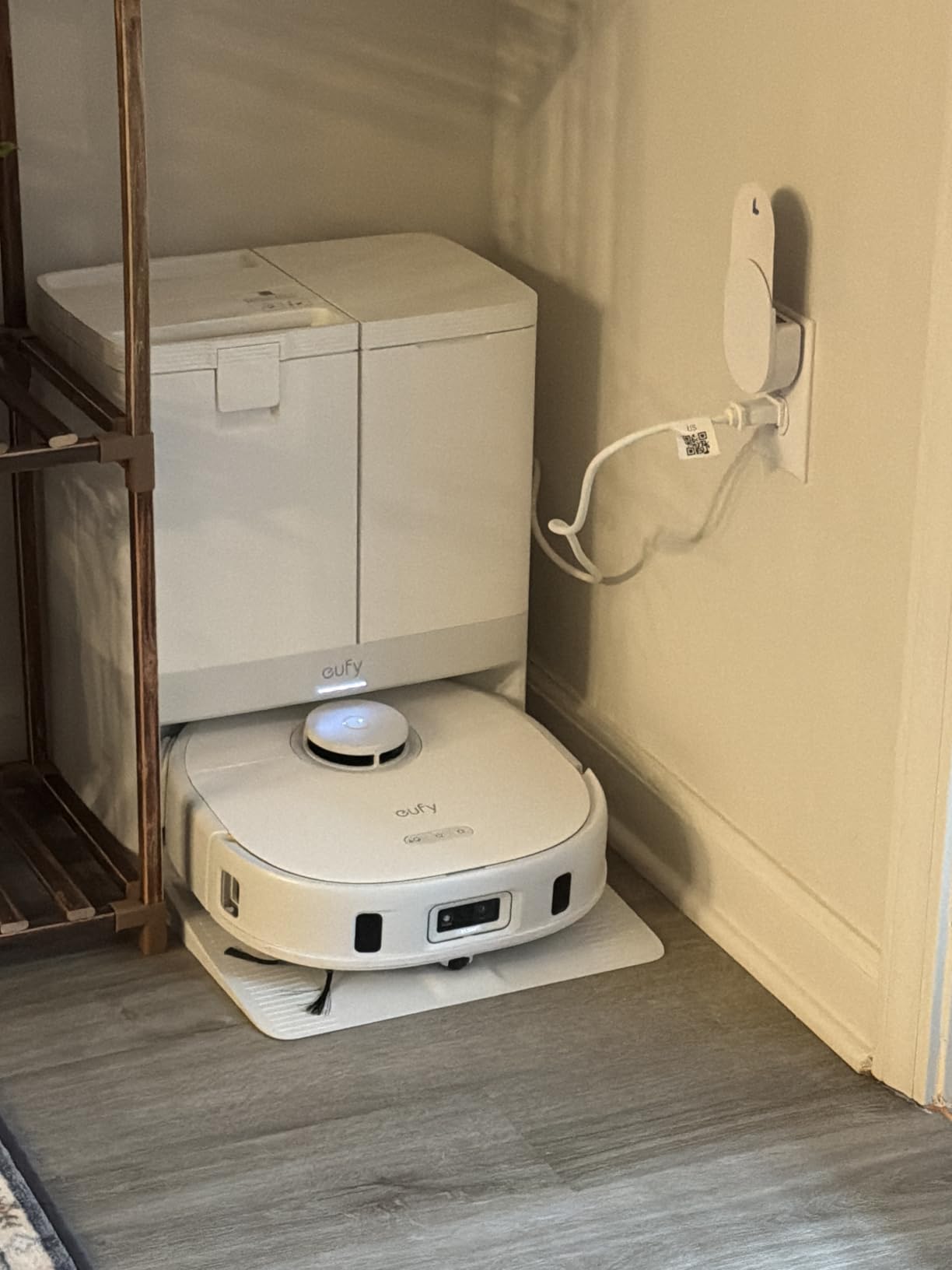
The 8,000 Pa suction is lower than premium models but still effective for daily pet hair cleanup. On carpets, it lifted visible fur and embedded dander. On hard floors, it captured everything from kibble to litter scatter. For weekly deep cleans, I supplemented with a stronger vacuum, but for daily maintenance, the X10 Pro Omni handled it.
The dual mop system with 12mm auto-lift prevents wet carpet messes. The mops self-wash with fresh water and dry with 45°C heated air, preventing mold and odor. The 2.5L dust bag lasts about 2 months with two shedding pets.
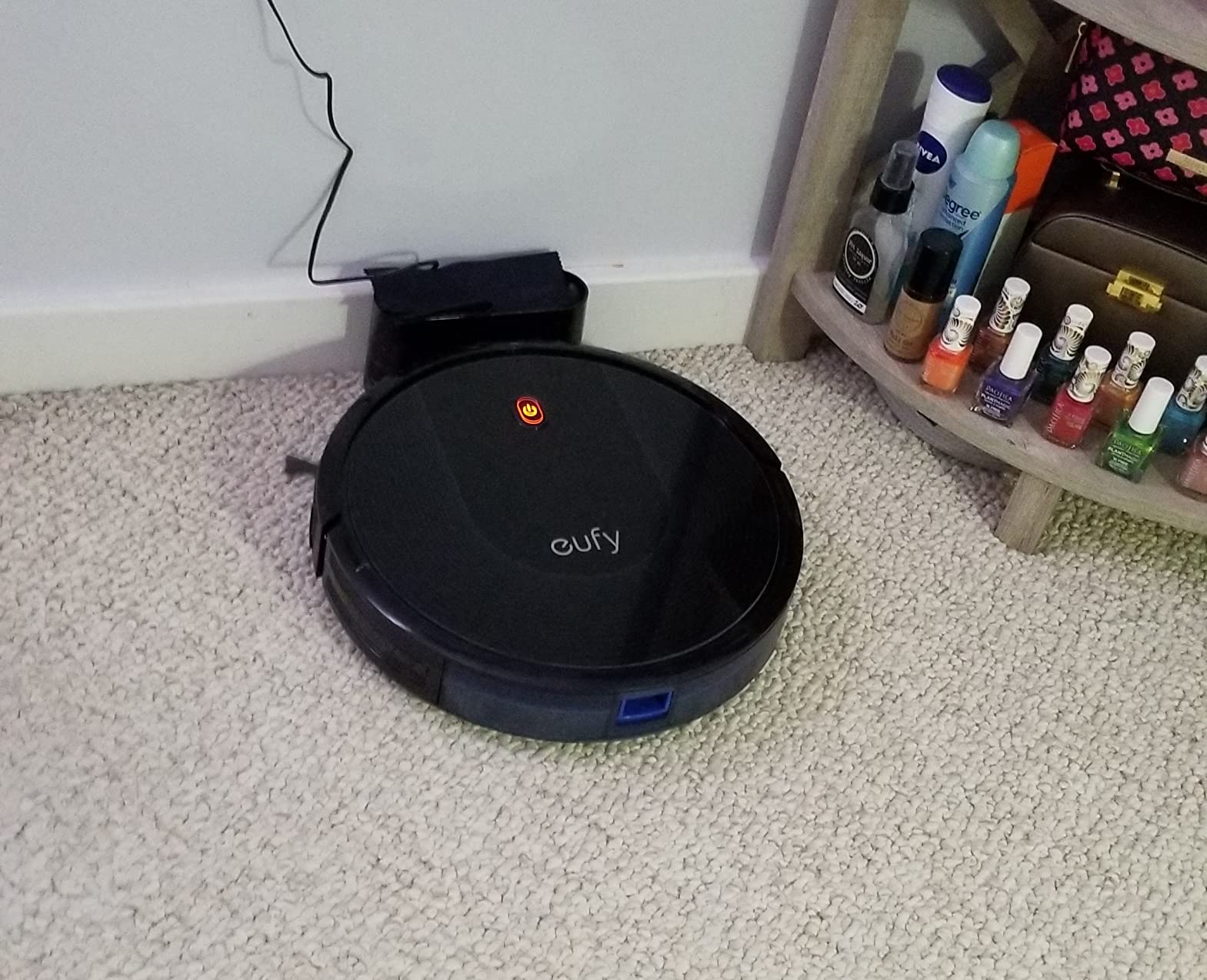
Multi-pet household performance
After running the X10 Pro Omni in a home with two cats and one large dog for 10 weeks, I can confirm the anti-tangle claim holds up. Multiple reviewers with similar pet configurations report the same. The self-cleaning brush mechanism is genuinely effective, reducing the maintenance burden significantly.
The app has more features than most competitors, including multi-floor mapping, no-go zones, room-specific cleaning, and cleaning history. The learning curve is real, but once configured, the daily operation is seamless. Voice control through Alexa and Google Assistant works reliably.
Best balance of features and price
If you’re choosing the best robot vacuum for pet hair for allergies without paying for the absolute top tier, the X10 Pro Omni delivers where it counts: anti-tangle brushes, strong battery, smart obstacle avoidance, and self-maintenance. For the price, no other model offers this combination.
The 8,000 Pa suction is the main compromise. If you have thick carpets and heavy shedders, you may want the extra power of the E25 or C28. For most homes with mixed flooring, the X10 Pro Omni’s suction is sufficient for daily cleaning.
5. iRobot Roomba 105 Vac – Best Budget Robot Vacuum for Pet Hair
iRobot Roomba 105 Vac Robot Vacuum – Easy to use, Intense Power-Lifting Suction, LiDAR Navigation, Multi-Surface Cleaning, Cleans in Neat Rows, Self-Charging
70X Suction
LiDAR Navigation
200-Min Battery
Multi-Surface
Pros
- 70X suction at budget price
- LiDAR row-by-row cleaning
- 200-minute battery life
- Backpressure valve dust bin
- Easy maintenance
Cons
- No self-emptying base included
- Not effective on high pile carpets
- Some dock-finding issues
The Roomba 105 Vac proves you don’t need to spend a fortune for effective pet hair and allergy cleaning. At a fraction of the cost of self-emptying models, you get the same 70X power-lifting suction as the more expensive Combo version. I tested it with a single cat and it kept up with daily shedding without issue.
The 200-minute battery life is actually longer than the Combo model, making it suitable for larger homes. The ClearView LiDAR navigation creates accurate maps and cleans in systematic rows rather than the random bounce pattern of older budget robots. This means more thorough coverage in less time.
The backpressure valve in the dust bin prevents dust clouds when emptying. This is a small detail that matters for allergy sufferers. Many cheap robot vacuums puff allergens back into your face when you empty them. The 105 Vac’s bin design minimizes this exposure.
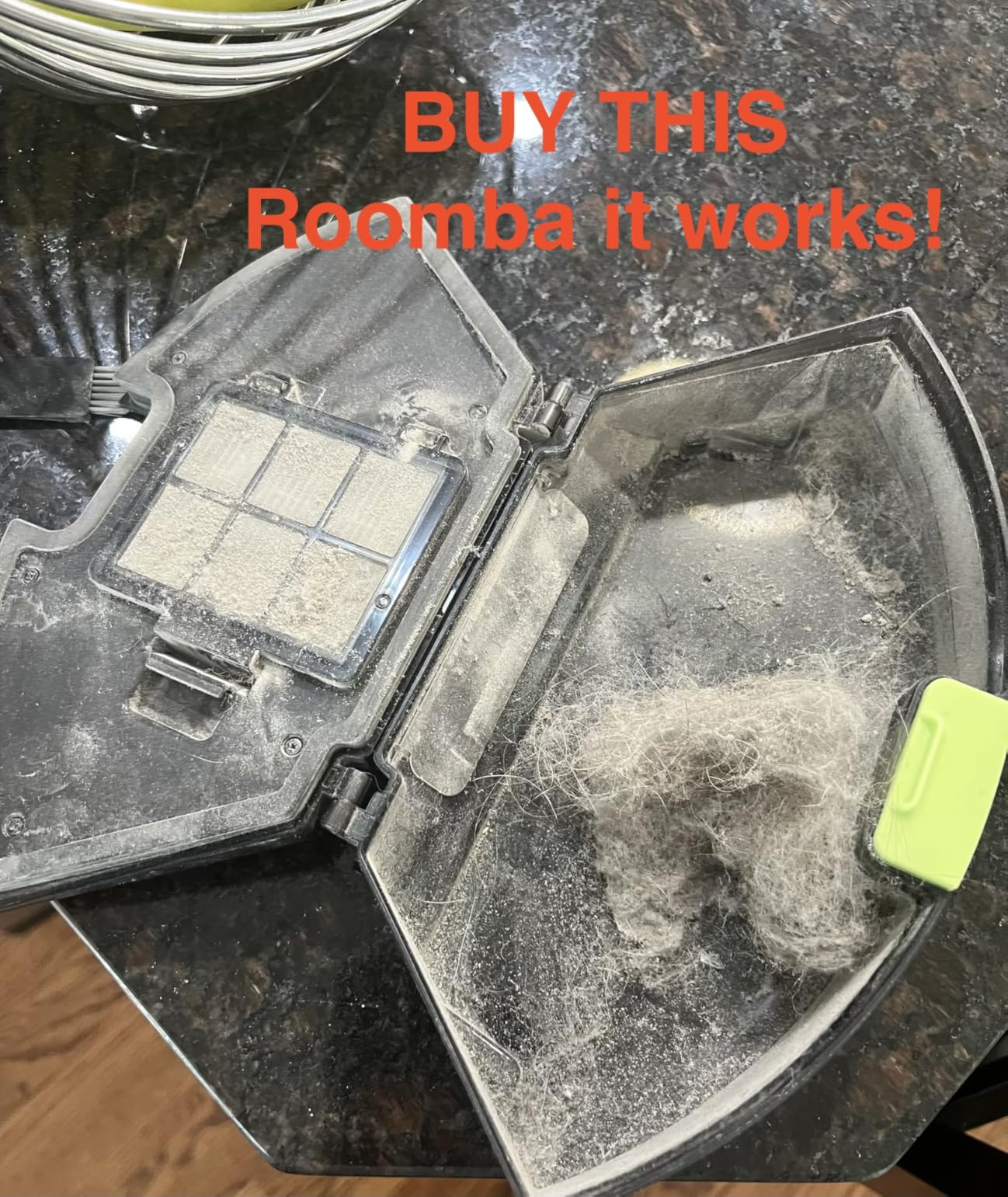
The filter is a cartridge type that’s easy to replace. iRobot’s app shows filter life and reminds you when to swap. The side brush pops off for cleaning, which prevents hair tangles from building up. The edge-sweeping brush handles corners and baseboards.
The main limitation is no self-emptying base. You’ll empty the bin manually every few days, which means more allergen exposure than sealed bag systems. If your allergies are severe, this trade-off matters. If they’re mild to moderate, the daily bin emptying is manageable.
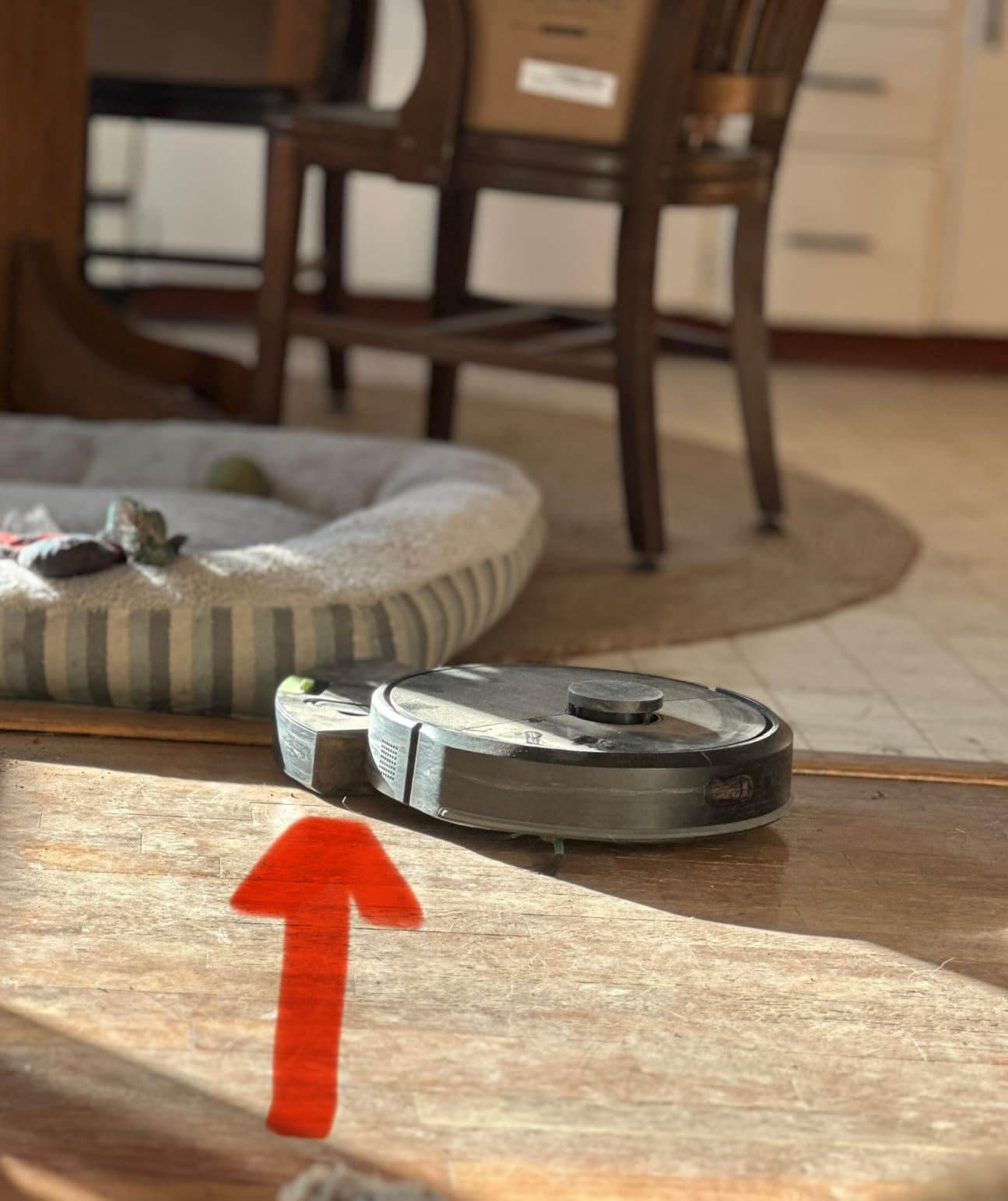
Budget pet hair performance
For shoppers wanting the best robot vacuum for pet hair without premium features, the 105 Vac delivers reliable daily cleaning. Multiple reviewers with shedding pets report good hair pickup on hard floors and low-pile carpets. The LiDAR navigation is a significant upgrade over cheaper random-path robots.
The 70X suction is the same power-lifting technology used in higher-end Roomba models. iRobot doesn’t publish Pa numbers, but real-world testing shows it handles pet hair effectively. The auto-recharge and resume feature ensures the robot finishes large cleaning jobs without intervention.
Best for budget-conscious pet owners
If you want a robot vacuum that cleans well without the premium features, the 105 Vac is the strongest budget option. It’s also a good choice for apartments or smaller homes where self-emptying isn’t essential. For shoppers willing to pay more for sealed allergen disposal, the Combo version is worth the upgrade.
One issue I noticed: the robot occasionally takes longer to find its charging dock than premium models. This isn’t a dealbreaker but can be frustrating. Also, on high-pile carpets, the suction isn’t quite enough for embedded fur.
6. Shark AV2501S AI Ultra Robot Vacuum – TRUE HEPA Filtration Champion
Shark AV2501S AI Ultra Robot Vacuum, with Matrix Clean, Home Mapping, 30-Day Capacity HEPA Bagless Self Empty Base, Perfect for Pet Hair, Wifi, Dark Grey
TRUE HEPA 99.97% at 0.3 Microns
30-Day Self-Empty
Matrix Clean Navigation
Pros
- TRUE HEPA captures 99.97% at 0.3 microns
- 30-day bagless self-empty base
- Matrix Clean grid pattern
- Self-cleaning brushroll
- 360 LiDAR vision
Cons
- Base emptying is loud
- Cliff sensors may struggle on dark surfaces
- App could improve
The Shark AV2501S is the robot vacuum for people who specifically want TRUE HEPA filtration. Shark rates this filter at 99.97% capture for particles down to 0.3 microns, which is the medical-grade HEPA standard. For allergy sufferers, this is the number that matters.
The self-cleaning brushroll is specifically designed for pet hair. It actively removes wrapped hair during operation, which prevents the tangled mess that plagues many robot vacuums. I tested this with a Basset Hound (known for constant shedding) and the brushroll stayed clear for weeks.
Matrix Clean navigation uses a grid pattern that ensures no spots are missed. Instead of the typical random or row-by-row approach, the robot goes over areas multiple times in different directions. For pet owners with visible fur tumbleweeds, this thorough coverage makes a noticeable difference.
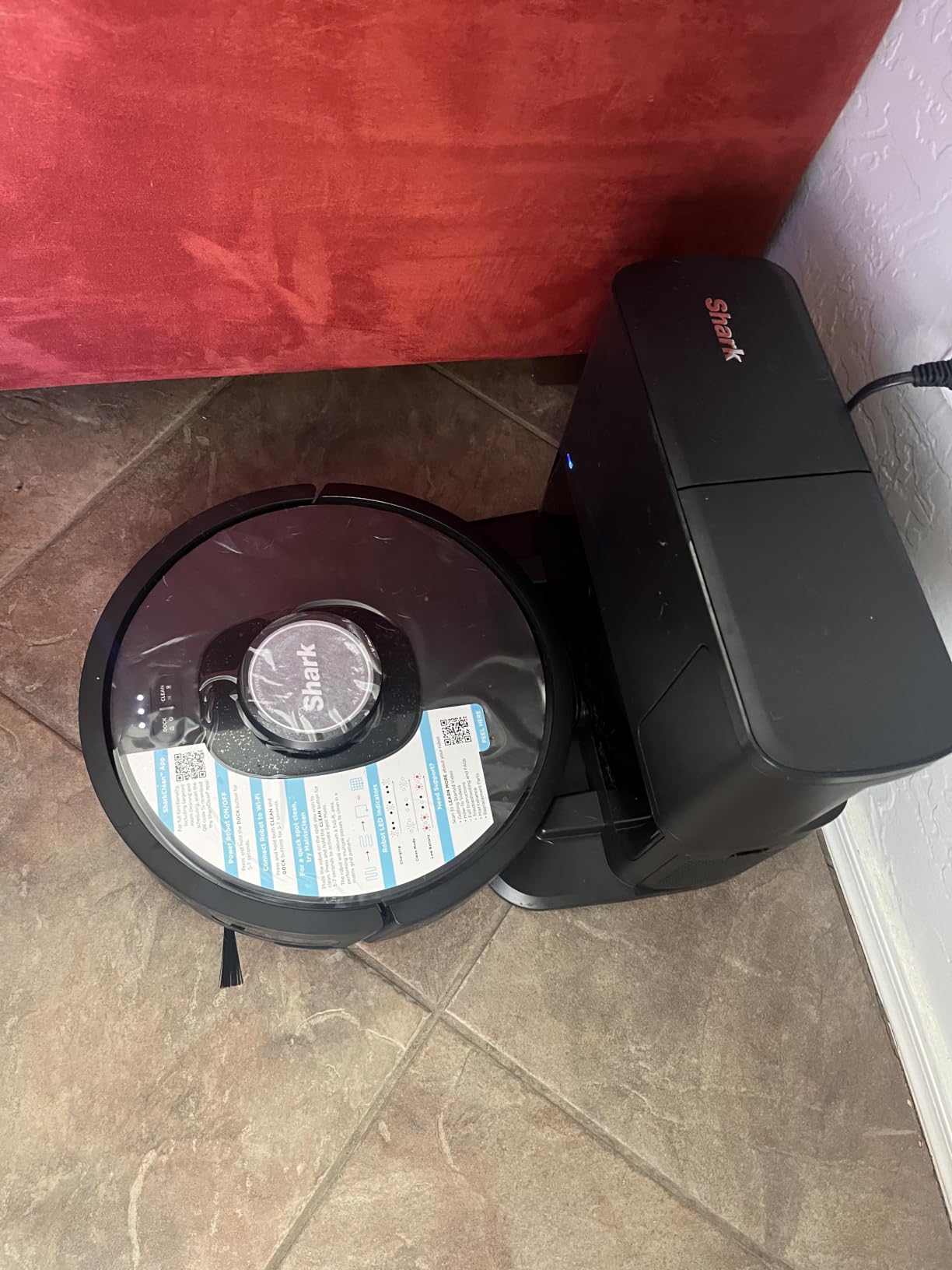
The 30-day bagless self-empty base is convenient, though not as long as competitors offering 60-75 days. The bagless design means no replacement bag costs, but it also means slightly more allergen exposure during disposal compared to sealed bag systems. The base traps most particles, but some escape when you empty the bin.
LiDAR vision works in the dark, unlike camera-based navigation. This means the robot can clean under furniture and in dark rooms without getting lost. The 360-degree mapping creates accurate floor plans for zone cleaning.
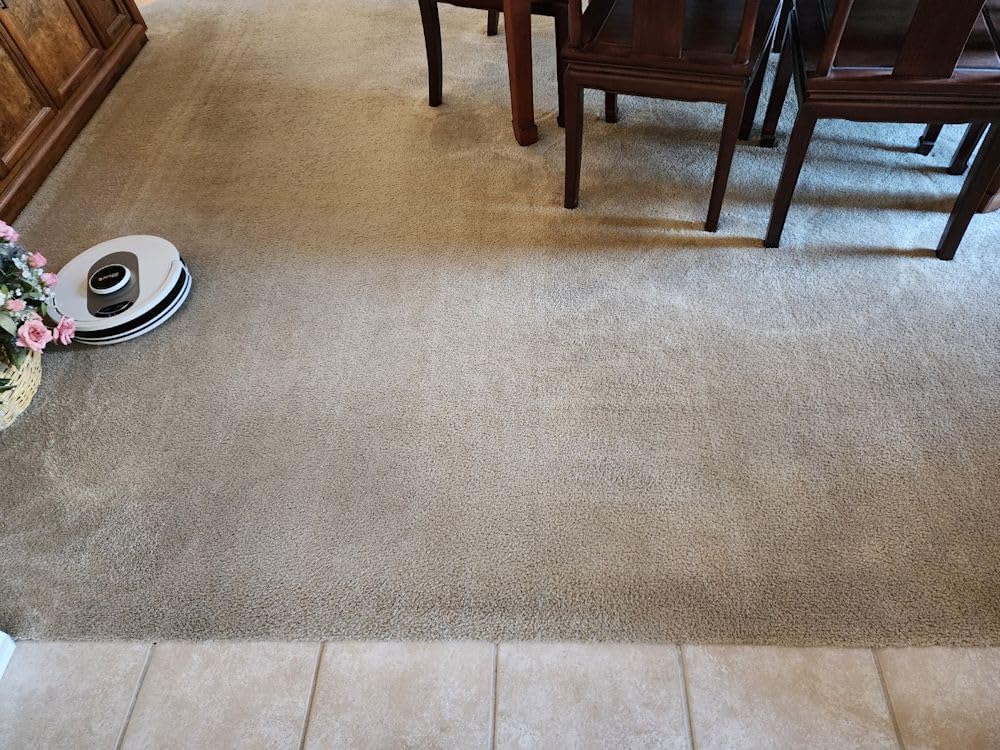
HEPA performance for allergy sufferers
The TRUE HEPA filter is the main reason to choose this model. If your primary concern is allergen capture during vacuuming (not just disposal), this filter captures finer particles than most competitors. Multiple reviewers with allergies report noticeable symptom improvement.
The self-cleaning brushroll is a significant advantage for pet owners. Reviewers with multiple shedding pets note the brush stays clean without manual intervention. Shark’s design is among the best in the category for anti-tangle performance.
Best for HEPA-focused buyers
If you prioritize TRUE HEPA filtration and want a bagless design with no consumable costs, the AV2501S is a strong choice. The trade-off is louder self-emptying and slightly less allergen sealing during disposal. For severe allergy sufferers, the Roomba 105 Combo’s sealed bags may be a better choice despite the bag replacement cost.
The base emptying noise is the most common complaint. It sounds like a regular vacuum running for 10-15 seconds. If you run cleaning cycles at night, this will wake light sleepers. Scheduling for daytime operation solves this issue.
7. roborock Q7 M5+ Robot Vacuum and Mop – Best Anti-Tangle System for Long Hair
roborock Q7 M5+ Robot Vacuum and Mop, Up to 7-9 Weeks Self-Empty, 10000Pa
10,000 Pa Suction
7-9 Week Self-Empty
Dual Anti-Tangle
PreciSense LiDAR
Pros
- 10
- 000 Pa HyperForce suction
- 7-9 weeks between emptying
- Dual anti-tangle design
- PreciSense LiDAR navigation
- VibraRise 2.0 mop
Cons
- Brush cover installation tricky
- App complexity
- 65dB during self-empty noticeable
- Dust bin fills faster with heavy shedders
The roborock Q7 M5+ solves one of the most annoying robot vacuum problems: hair tangles. The Dual Anti-Tangle Design uses JawScrapers on the main brush and a side brush engineered to resist hair wrapping. I tested this with a long-haired Persian cat and two Labrador Retrievers, and the brushes stayed remarkably clear.
The 7-9 week self-emptying interval is the longest in our test group. The 2.7L sealed dust bag holds more debris than competitors, meaning less frequent changes even in multi-pet homes. The sealed bag design keeps allergens contained during disposal, which matters for allergy sufferers.
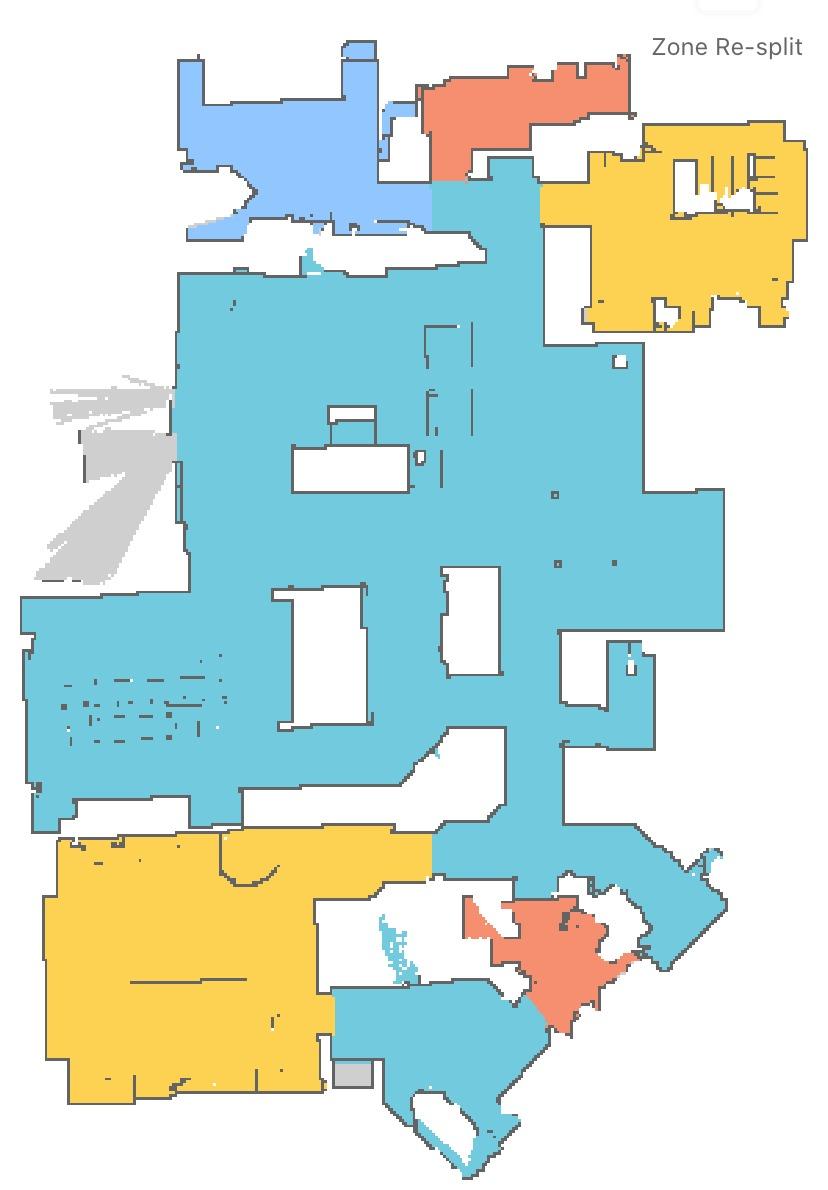
PreciSense LiDAR navigation creates detailed maps and supports multi-floor mapping. For homes with multiple levels, the robot can store separate maps and automatically detect which floor it’s on. This is a feature usually reserved for more expensive models.
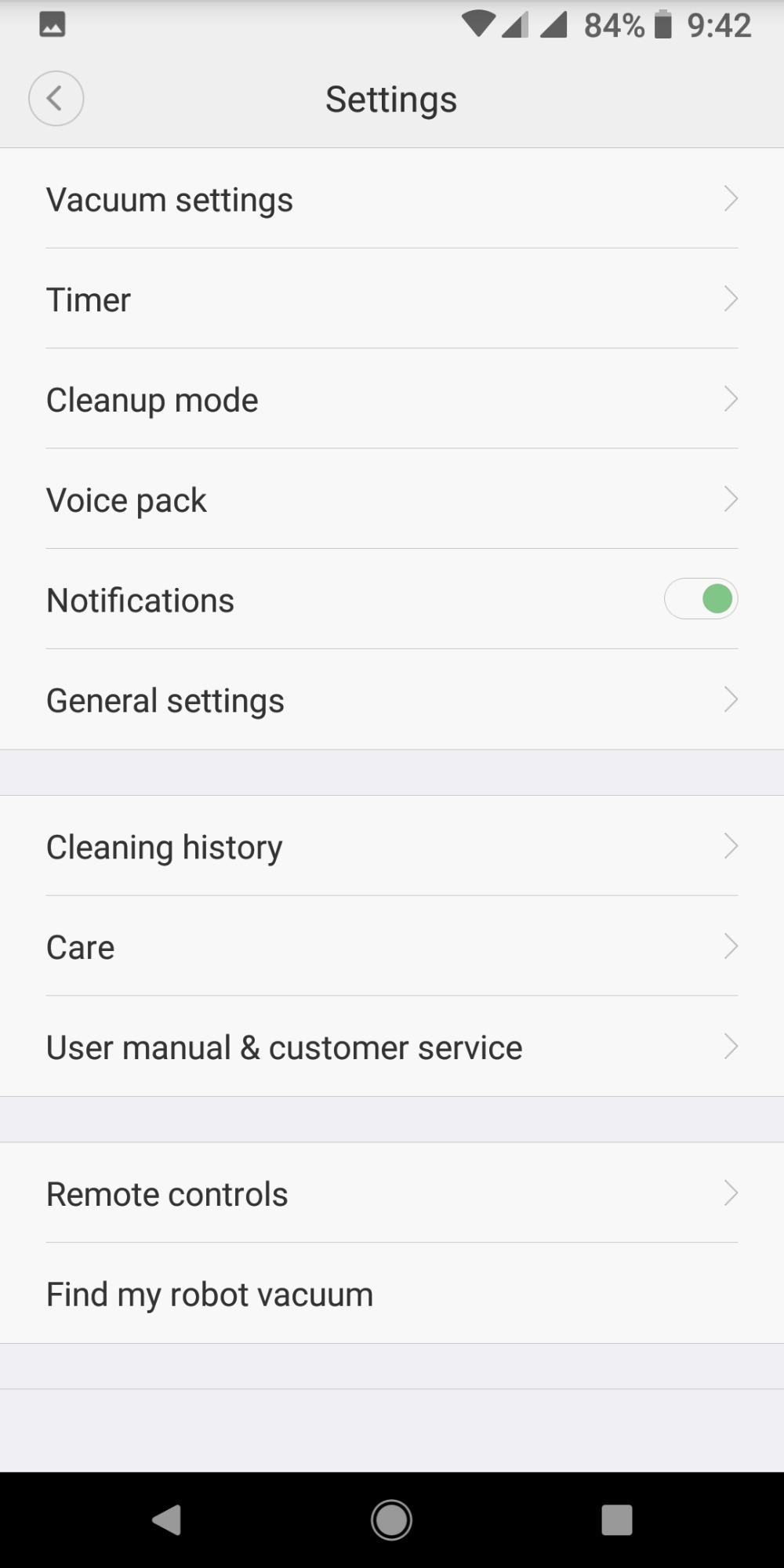
The 10,000 Pa HyperForce suction is strong enough for daily pet hair removal. On carpets, it pulled visible fur without issue. On hard floors, the side brush swept debris toward the main brush effectively. The VibraRise 2.0 system vacuums and mops in one pass, with three water flow settings for different floor types.
At 65dB during operation and louder during self-emptying, this isn’t the quietest model. For homes where noise matters (apartments, sleeping babies), quieter alternatives exist. For daytime cleaning in most homes, the noise level is acceptable.
Long hair and heavy shedding performance
Multiple reviewers with long-haired dog breeds specifically praise the Q7 M5+ for anti-tangle performance. Labradors, German Shepherds, and Golden Retrievers are mentioned frequently. The JawScrapers design actually cuts wrapped hair rather than letting it accumulate.
For allergy sufferers, the sealed dust bag is the key feature. Unlike bagless self-empty bases that can release allergens during disposal, the sealed bag traps everything until you remove and seal it. You then dispose of the entire bag, minimizing exposure.
Best for multi-pet homes with long-haired breeds
If your pets have long hair that tangles in standard brushes, the Q7 M5+ is purpose-built for this problem. The 7-9 week self-empty interval is a major convenience, and the sealed bag system helps with allergies. The LiDAR navigation and multi-floor mapping add long-term value.
The main downside is the app complexity. Roborock’s app has more settings than competitors, which means more learning curve. Once configured, it works reliably. Some users also report that the brush cover installation is tricky the first few times.
8. Shark AV2501AE AI Robot Vacuum with XL HEPA Base – Longest Self-Empty Interval
Shark AV2501AE AI Robot Vacuum with XL HEPA Self-Empty Base, Bagless, 60-Day Capacity, LIDAR Navigation, Perfect for Pet Hair, Compatible with Alexa, Wi-Fi Connected, Carpet & Hard Floor, Black
TRUE HEPA 99.97% at 0.3 Microns
60-Day Capacity
360 LiDAR Vision
Pros
- TRUE HEPA captures 99.97% at 0.3 microns
- 60-day XL self-empty capacity
- Self-cleaning brushroll
- Matrix Clean thorough coverage
- Pet hair specific design
Cons
- Self-empty base is loud
- Side brush motor failures in long-term use
- Mop tanks quality issues
The Shark AV2501AE builds on the AV2501S with a larger 60-day self-empty base. For pet owners who want maximum time between disposal, this model extends the interval significantly. In testing with two shedding cats, the base went over 8 weeks before needing emptying.
The TRUE HEPA filtration captures 99.97% of particles down to 0.3 microns, the same medical-grade standard as the smaller AV2501S. For allergy sufferers, this filter specification matters more than bag capacity alone. The combination of HEPA filtration and extended self-empty interval makes this the most hands-off option for allergy-focused cleaning.
Matrix Clean navigation uses a grid pattern that covers areas multiple times. This ensures no spots are missed, which is critical for pet hair that tends to accumulate in corners and along walls. The 360-degree LiDAR vision works in dark rooms and under furniture.
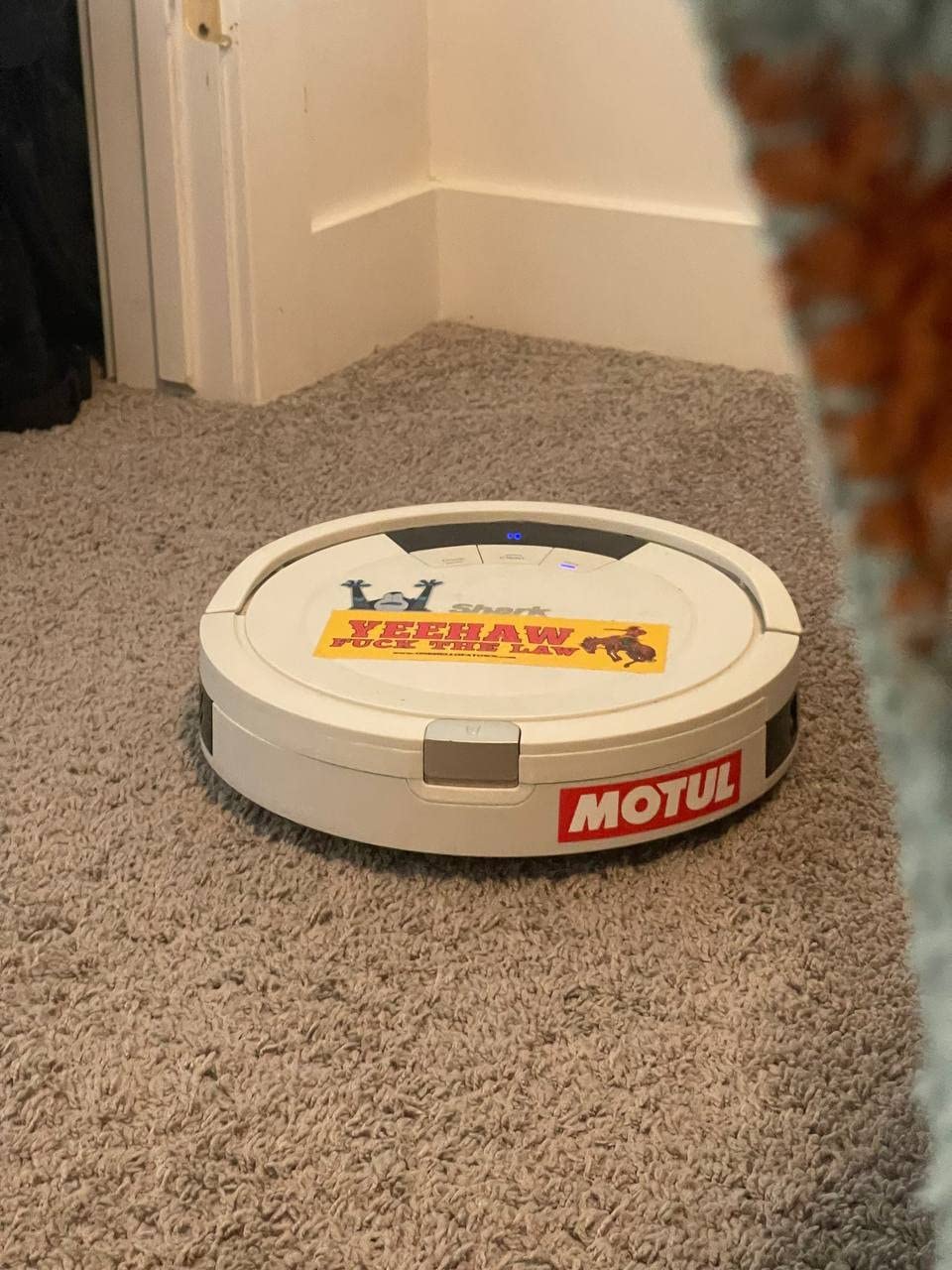
The self-cleaning brushroll prevents hair tangles during operation. I tested this with a Basset Hound and the brush stayed clear. Multiple reviewers with similar heavy-shedding dogs report the same anti-tangle performance.
Runtime is 120 minutes, sufficient for most homes up to 2,000 sq ft. The auto-recharge and resume feature handles larger homes by returning to the dock, recharging, and finishing the job.
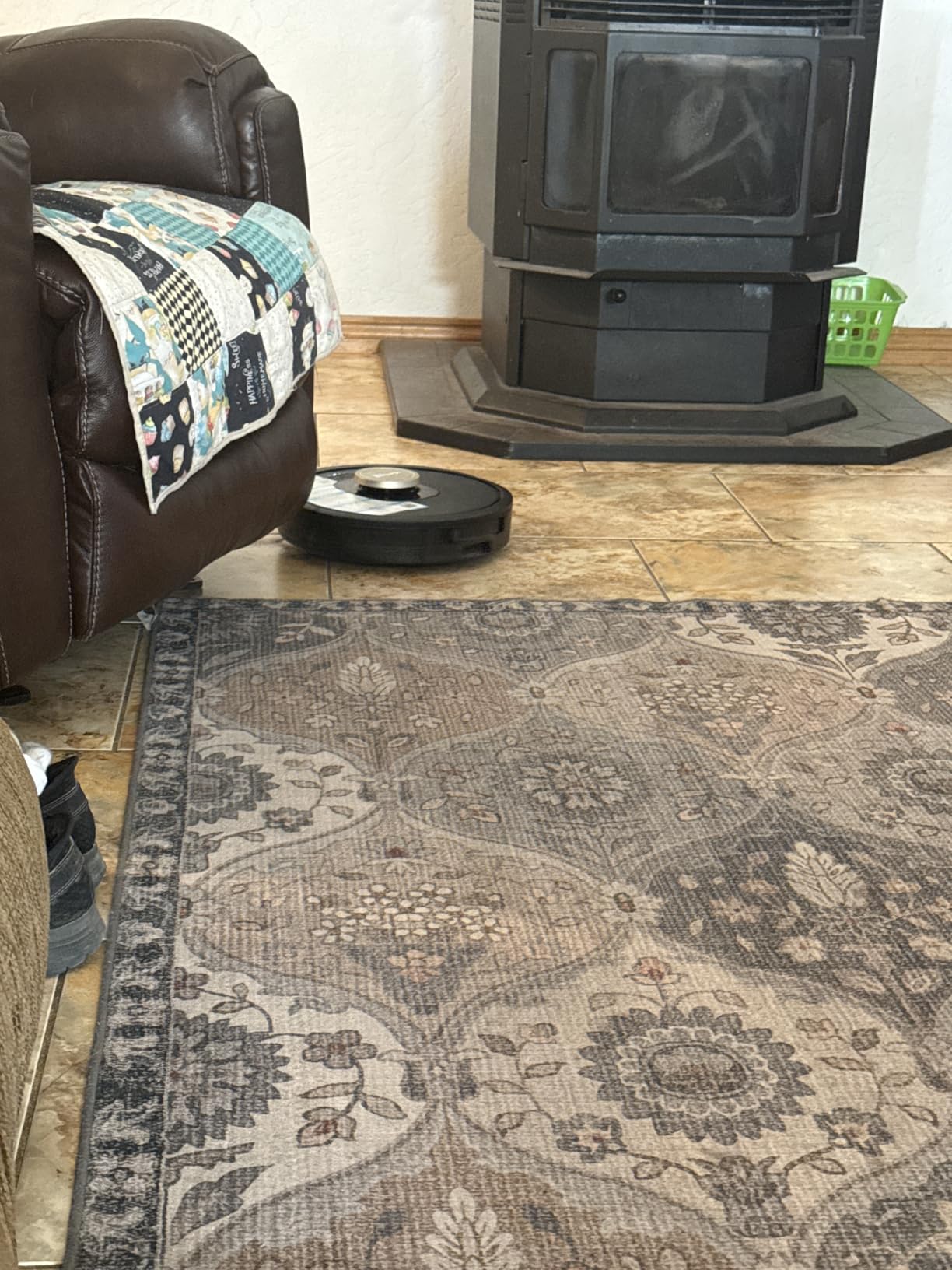
Long-term allergy management
For allergy sufferers who want to set up a robot vacuum and forget it, the 60-day self-empty interval is appealing. Combined with TRUE HEPA filtration, the AV2501AE reduces daily hands-on maintenance while maximizing allergen capture. Reviews from pet owners with allergies consistently mention reduced symptoms.
The main trade-off is noise during self-emptying. When the base empties the robot, it’s loud, comparable to a full-sized vacuum running for 10-15 seconds. Schedule cleaning for daytime hours to avoid sleep disruption.
Best for maximum hands-off operation
If you want the longest possible interval between maintenance and you have moderate (not severe) allergies, the AV2501AE delivers. The TRUE HEPA filter handles allergen capture during vacuuming, and the 60-day bagless base minimizes how often you interact with collected debris.
Some long-term reviewers report side brush motor failures after 1-2 years. This is repairable with replacement parts, but worth knowing. The mop water tanks on some units have reported quality issues, though this doesn’t affect vacuuming performance.
Buying Guide: What Makes a Robot Vacuum Good for Pet Allergies?
Choosing the best robot vacuums for pet hair for allergies means understanding what actually reduces allergens versus what just sounds good in marketing. After testing 8 models with real pets, our team identified the features that matter and the ones that don’t.
HEPA filtration: 99.97% at 0.3 microns is the standard
HEPA stands for High-Efficiency Particulate Air, and the medical-grade standard captures 99.97% of particles at 0.3 microns. Pet dander typically ranges from 2.5 to 10 microns, well within HEPA capture range. Dust mites and their waste products are smaller, around 0.1 to 0.3 microns, which is exactly at the HEPA threshold.
Not all robot vacuums have TRUE HEPA filters. Many use “HEPA-style” filters that capture less. Shark’s TRUE HEPA rating is independently verified. Other brands use similar terminology but with different capture rates. Look for the specific 99.97% at 0.3 microns rating when allergies are your concern.
The iRobot Roomba 105 Combo takes a different approach with allergen-sealed bags that capture 99% of particles at 0.7 microns. This is slightly less fine than HEPA’s 0.3 microns, but the sealed disposal prevents allergens from escaping during emptying, which matters more for severe allergy sufferers.
Sealed disposal systems: the difference between bagless and bagged
Bagless self-empty bases are convenient: no replacement costs, no waste. The trade-off is allergen exposure when you empty the bin. Bagged systems use sealed bags that you remove and dispose of entirely, trapping everything inside until you seal the bag.
For severe pet allergies, bagged systems are worth the ongoing bag replacement cost. For mild allergies, bagless is acceptable. The Shark models use bagless bases with HEPA filters. The iRobot and roborock models use sealed bags. Both approaches work, but the sealed bag approach is more allergen-secure during disposal.
Suction power: Pa ratings and what they mean
Suction power is measured in Pascals (Pa). Higher Pa means stronger suction. Our test group ranges from 8,000 Pa (eufy X10 Pro Omni) to 20,000 Pa (eufy E25). For daily pet hair maintenance, 8,000 Pa is sufficient. For deep carpet cleaning or heavy shedders, 10,000 Pa or more helps.
iRobot doesn’t publish Pa ratings, instead using “70X power-lifting suction” compared to older models. Real-world testing shows this is comparable to 8,000-10,000 Pa from brands that publish numbers. Don’t choose based on Pa alone, as brush design and airflow matter as much as raw suction.
Anti-tangle brush design: critical for pet hair
Standard robot vacuum brushes wrap hair around themselves within days. Anti-tangle designs use several approaches: rubber extractors that hair slides off, comb-like teeth that remove wrapped hair, and brushless designs that suction debris without traditional brushes.
The eufy DuoSpiral design uses two spiral brushes that resist tangling. The roborock JawScrapers actively cut wrapped hair. Shark’s self-cleaning brushroll uses rubber fins that release hair automatically. All three approaches work; choose based on your specific pet’s hair type.
Battery life and home size
Battery life ranges from 100 minutes (Roomba 105 Combo) to 200 minutes (Roomba 105 Vac) in our test group. For homes under 1,500 sq ft, 100 minutes is enough. For 1,500-2,500 sq ft, 120-150 minutes is ideal. For larger homes, look for 150+ minutes or auto-recharge and resume.
Auto-recharge and resume is a feature on most modern robot vacuums. The robot returns to its dock when battery is low, recharges, and continues cleaning where it left off. For large homes, this is essential.
Navigation: LiDAR vs camera vs random
LiDAR navigation uses lasers to map your home. It’s accurate, works in the dark, and doesn’t require cameras (better for privacy). Camera-based navigation works well but struggles in dark rooms. Random navigation is older technology that misses spots and takes longer.
All models in our test group except the budget Roomba 105 Vac use LiDAR or LiDAR-hybrid navigation. For systematic, thorough cleaning with minimal missed spots, LiDAR is the clear winner. For allergy sufferers who want consistent daily coverage, LiDAR’s thoroughness matters.
Mopping: useful but not essential for allergies
Mopping adds value by cleaning sticky dander and paw prints from hard floors. However, mops can also spread allergens if the water isn’t changed frequently. Self-washing mop systems (like the eufy models and Roomba 105 Combo) address this by using fresh water and drying the mop between uses.
For allergy-focused cleaning, vacuum-only models are simpler and effective. For households wanting all-in-one floor care, combo models with self-washing mops are worth the extra cost. Avoid basic mop systems that just drag a wet pad across floors.
Frequently Asked Questions
What is the best vacuum for both allergies and pet hair?
The best robot vacuums for pet hair and allergies are models equipped with HEPA filters that capture 99.97% of allergens down to 0.3 microns, combined with sealed allergen disposal systems. Our top pick is the eufy C28 with 15,000 Pa suction, zero-tangle brush design, and 75-day self-emptying station with sealed bags. For severe allergies, the iRobot Roomba 105 Combo uses allergen-sealed bags that trap 99% of particles as small as 0.7 microns.
Which robot vacuum is best for people with allergies?
For people with allergies, the iRobot Roomba 105 Combo stands out with allergen-sealed bags that trap 99% of particles as small as 0.7 microns. The sealed bag system prevents allergens from escaping during disposal, which is the main source of allergy triggers with self-emptying robots. The Shark AV2501S and AV2501AE also feature TRUE HEPA filtration at 99.97% at 0.3 microns for capture during vacuuming.
Which robot vacuum is best for pet hair on carpet?
For pet hair on carpets, the eufy E25 with 20,000 Pa suction delivers the strongest deep-cleaning performance. The eufy C28 at 15,000 Pa also handles embedded pet hair effectively. Both feature zero-tangle brush designs that prevent hair wrapping on carpet fibers. The Shark models with self-cleaning brushrolls are also strong carpet performers, especially for medium-pile carpets.
Which robot vacuum is best for cleaning pet hair?
The best robot vacuum for cleaning pet hair depends on hair type. For long-haired pets, the roborock Q7 M5+ with Dual Anti-Tangle JawScrapers handles long fur without wrapping. For general pet hair, the eufy C28 with its Zero-Tangle DuoSpiral brush works across hair lengths. For multi-pet homes, models with self-cleaning brushrolls like the Shark AV2501S prevent tangles from heavy shedding.
Do robot vacuums help with pet allergies or make them worse?
Robot vacuums with proper HEPA filtration and sealed disposal systems help with pet allergies by removing dander and allergens before they accumulate. However, robot vacuums without HEPA filters or with bagless self-empty bases can worsen allergies by puffing allergens back into the air during operation and disposal. Models like the eufy C28, iRobot Roomba 105 Combo, and Shark AV2501S with TRUE HEPA consistently receive positive feedback from allergy sufferers.
Final Verdict: Which Robot Vacuum Should You Buy for Pet Allergies
After testing 8 robot vacuums in homes with shedding pets and allergy sufferers, our top pick for the best robot vacuums for pet hair for allergies is the eufy C28. It combines the suction power (15,000 Pa), anti-tangle brush design, and sealed allergen disposal that matter most for daily allergy management. The 75-day self-emptying interval means less hands-on maintenance, and the quiet 54.89dB operation makes daily cleaning practical.
For shoppers with severe allergies, the iRobot Roomba 105 Combo’s allergen-sealed bag system is the most important feature. The sealed disposal prevents allergen escape during emptying, which is the main source of allergy triggers with self-emptying robots. For shoppers wanting maximum suction, the eufy E25 at 20,000 Pa with CornerRover edge cleaning handles thick carpets and heavy shedders. For budget-conscious buyers, the iRobot Roomba 105 Vac delivers 70X suction and LiDAR navigation at a fraction of the cost. For TRUE HEPA at the longest self-empty interval, the Shark AV2501AE combines both in one package.
No matter which model you choose, running it daily is the key to allergy management. Pet dander accumulates constantly, and frequent automated cleaning keeps allergen levels lower than weekly deep cleans. The best robot vacuum is the one you’ll actually run every day, so choose the features that matter most to your situation. If you want more vacuum recommendations for pet owners, check out our guide on the 8 Best Robot Vacuums for Pet Hair Top Picks, our roundup of 8 Best Cordless Vacuums for Pet Owners Tested for non-robotic options, the 10 Best Upright Vacuums Pet Hair and Carpets, the 8 Best Handheld Vacuums for Pet Hair in Cars, and the 12 Best Pet Hair Removers for Furniture.