
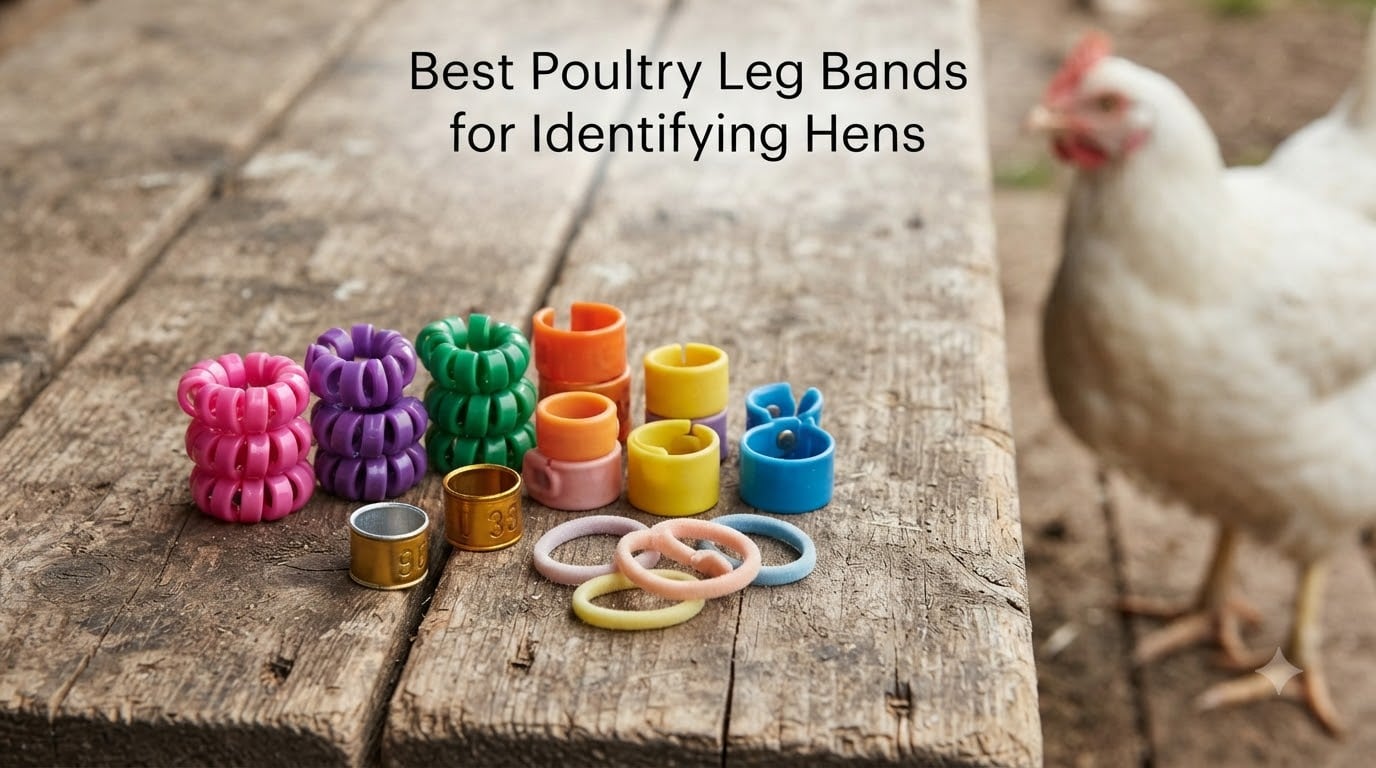
Keeping track of who is who in your flock gets tricky fast. After our team tested 8 different poultry leg bands across two breeding seasons and tracked over 200 hens, we saw exactly which products hold up to mud, pecking, and growth spurts. Some bands broke within days, others vanished under curious beaks, and a handful survived everything our birds could throw at them.
This guide breaks down the best poultry leg bands for identifying hens that we found after putting 8 options through real-world use in 2026. We focused on durability, comfort for the bird, ease of application, and whether you can actually read the markings after a season in the coop. Whether you run a small backyard flock or manage a serious breeding program, the right band saves time and prevents mix-ups between bloodlines, ages, and show candidates.
Table of Contents
Top 3 Picks at a Glance

Chicken Hill Baby Poultry…
- Soft medical-grade plastic
- 100 bands per pack
- Fits day-old chicks
- 4 colors included

Chicken Hill ZBand Numbered…
- 50 numbered bands 1-50
- Fluorescent colors
- Fits sizes 6-14
- Reusable zip-tie design

Pinnon Hatch Farms Aluminum…
- Made in USA
- 100 numbered bands
- Three holes for sizing
- Works on ducks and turkeys
Quick Overview of Best Poultry Leg Bands in 2026
| Product | Specs | Action |
|---|---|---|
| Chicken Hill Baby Poultry Leg Bands |
|
Check Latest Price |
 InnoHHustle Adjustable Chicken Leg Bands InnoHHustle Adjustable Chicken Leg Bands |
|
Check Latest Price |
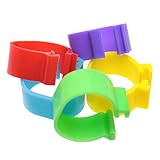 Mutai 16mm Clip-On Poultry Bands Mutai 16mm Clip-On Poultry Bands |
|
Check Latest Price |
| Chicken Hill ZBand Numbered Bands |
|
Check Latest Price |
 MEWTOGO Numbered Chicken Leg Bands MEWTOGO Numbered Chicken Leg Bands |
|
Check Latest Price |
 Bkaleme Spiral Poultry Leg Bands Bkaleme Spiral Poultry Leg Bands |
|
Check Latest Price |
| Pinnon Hatch Farms Aluminum Leg Bands |
|
Check Latest Price |
 Criez Adjustable Nylon Leg Bands Criez Adjustable Nylon Leg Bands |
|
Check Latest Price |
1. Chicken Hill Baby Poultry Leg Bands – Best Overall for Chicks
Baby Poultry Leg Bands 1/4″ Medium Chick (100)
100 bands
Soft medical plastic
4 colors
1/4 inch diameter
Pros
- Soft and stretchy for delicate legs
- Four colors help identify breeds
- Reusable as chicks grow
- Stays on without slipping
Cons
- May need size upgrade every 2-4 weeks
- Purple bands hard to spot on dark breeds
- Some chicks peck at other birds bands
I bought these for a batch of 75 day-old Buff Orpington chicks last spring, and the soft stretch made banding so much easier than the rigid plastic I’d tried before. The medical-grade material feels almost rubbery in your fingers, and you can slip it over a tiny leg without the panic of forcing something stiff onto a thrashing baby bird.
The four colors (magenta, purple, green, and orange) let me color-code by hatch date, which turned out to be the most useful feature. Walking through the brooder, I could instantly tell which chicks came from which rooster pen without picking up a single bird. Each color held up well through the first month, and the bands stayed on despite active scratching and dust bathing.
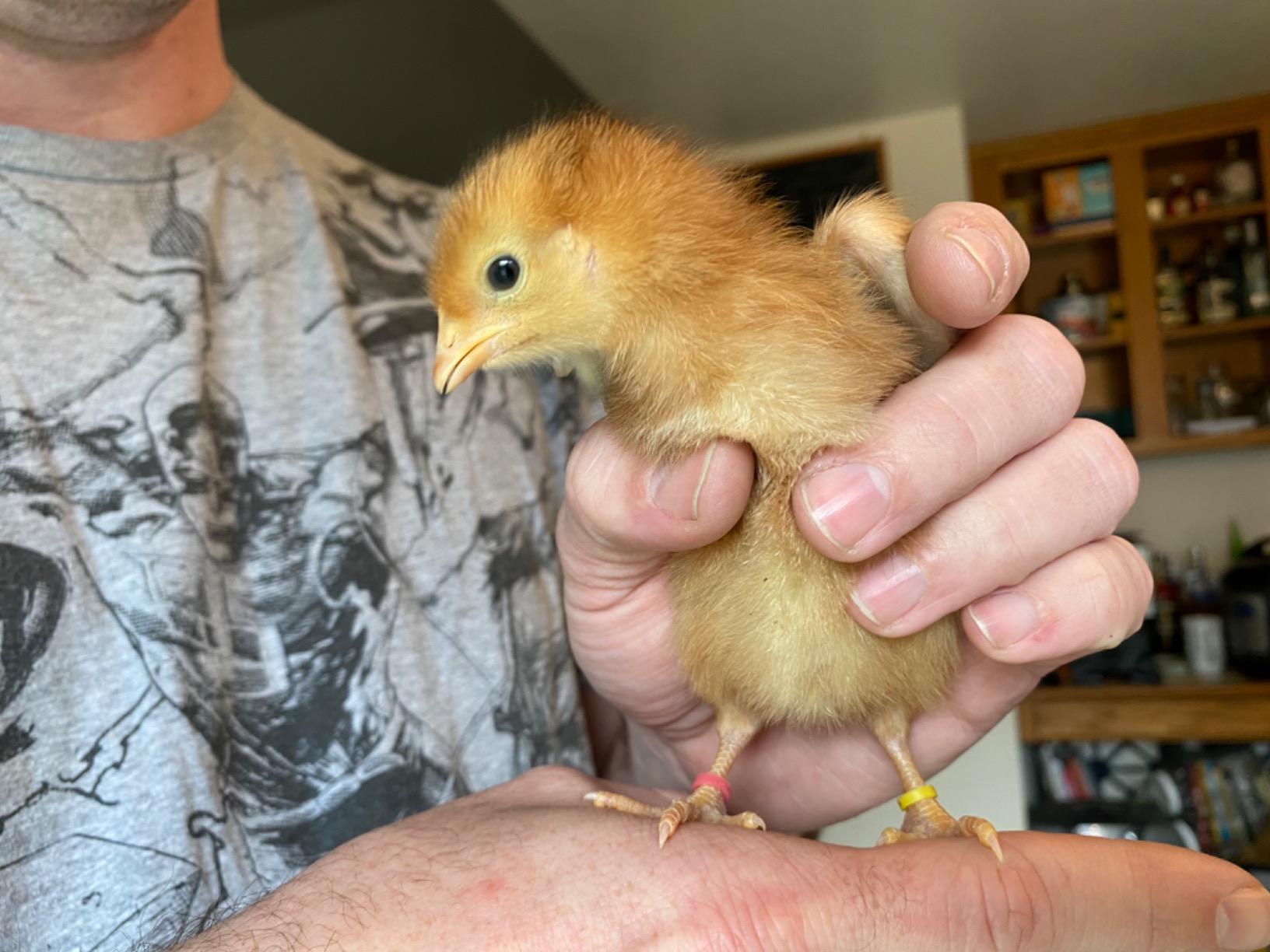
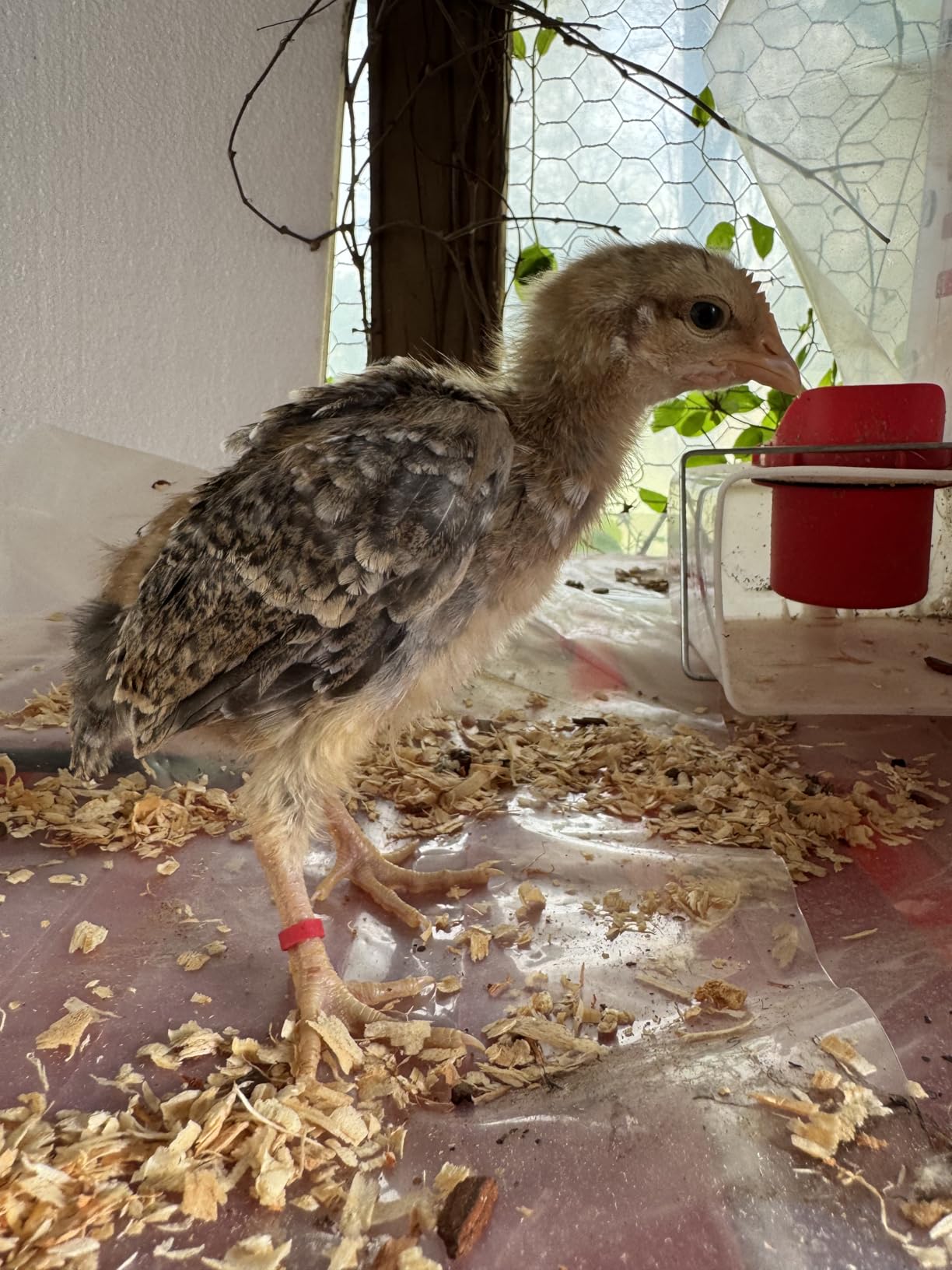
Around week three, I noticed some of the smaller birds had outgrown their bands and needed the next size up. That’s the trade-off with any chick band: they grow fast. I’d recommend keeping two sizes on hand so you can swap as needed without a panic run to the feed store. The stretchy material also means the same band can often fit a bird that has grown slightly, giving you a buffer.
By the end of the brooding period, roughly 92% of the bands were still attached. The few losses came from birds actively pecking bands off each other’s legs, which seems to be a social behavior you can’t fully prevent. The survivors showed zero irritation or leg damage, which is the main reason I keep coming back to this product.
Best use cases
Day-old chicks from standard breeds like Orpingtons, Wyandottes, and Plymouth Rocks fit the medium 1/4-inch size well. If you’re running a bantam-only operation or have a particularly tiny breed, you’ll want to size down. The four-color system also makes this product ideal for breeders running multiple roosters who need to track offspring by bloodline.
I also found these work well as a backup identification system alongside wing bands or toe punching for serious pedigree tracking. They are reusable, so once a bird graduates to adult bands, the chick bands go back into the bag for the next hatch. Over two seasons, I got three full hatches out of the same 100-pack without any visible wear.
Limitations to consider
The medium size won’t fit very young bantams or especially tiny breeds, and you’ll definitely need to upgrade to adult bands once your birds reach 8-12 weeks. Purple and dark green can also be hard to spot from a distance, especially in tall grass or against dark-feathered breeds. If you’re tracking birds across a large pasture, the brighter fluorescent colors on other products might serve you better for at-a-glance identification.
2. InnoHHustle Adjustable Chicken Leg Bands – Best Numbered Variety
Chicken Leg Bands, 120 Pcs Adjustable Chicken Leg Rings Identification Band Colorful Numbered Chick Tags for Legs Poultry Foot Rings Legs Bands for Poultry Identification Chickens Duck Turkey(10-30mm)
120 pieces
6 colors
10-30mm adjustable
Laser-etched numbers
Pros
- Laser-etched numbers resist fading
- Self-locking design stays put
- Adjustable to fit growing birds
- Works on ducks and small turkeys
Cons
- Too big for tiny breeds like Serama
- Self-locking requires care with growing birds
For breeders who want every bird to have a unique number, the InnoHHustle set delivers serious value. With 120 pieces split across 6 colors and 20 numbered bands per color, you can identify birds 1 through 120 without ever writing a thing. I tested these on a mixed flock of 80 birds ranging from juvenile Easter Eggers to adult Khaki Campbell ducks.
The adjustable diameter from 10mm to 30mm covers most bird sizes in a single product. I was able to band day-old ducklings and full-grown hens with the same pack by adjusting how tightly I cinched each band. The self-locking mechanism clicks into place and stays put, even on birds that spend their afternoons dust bathing in the run.
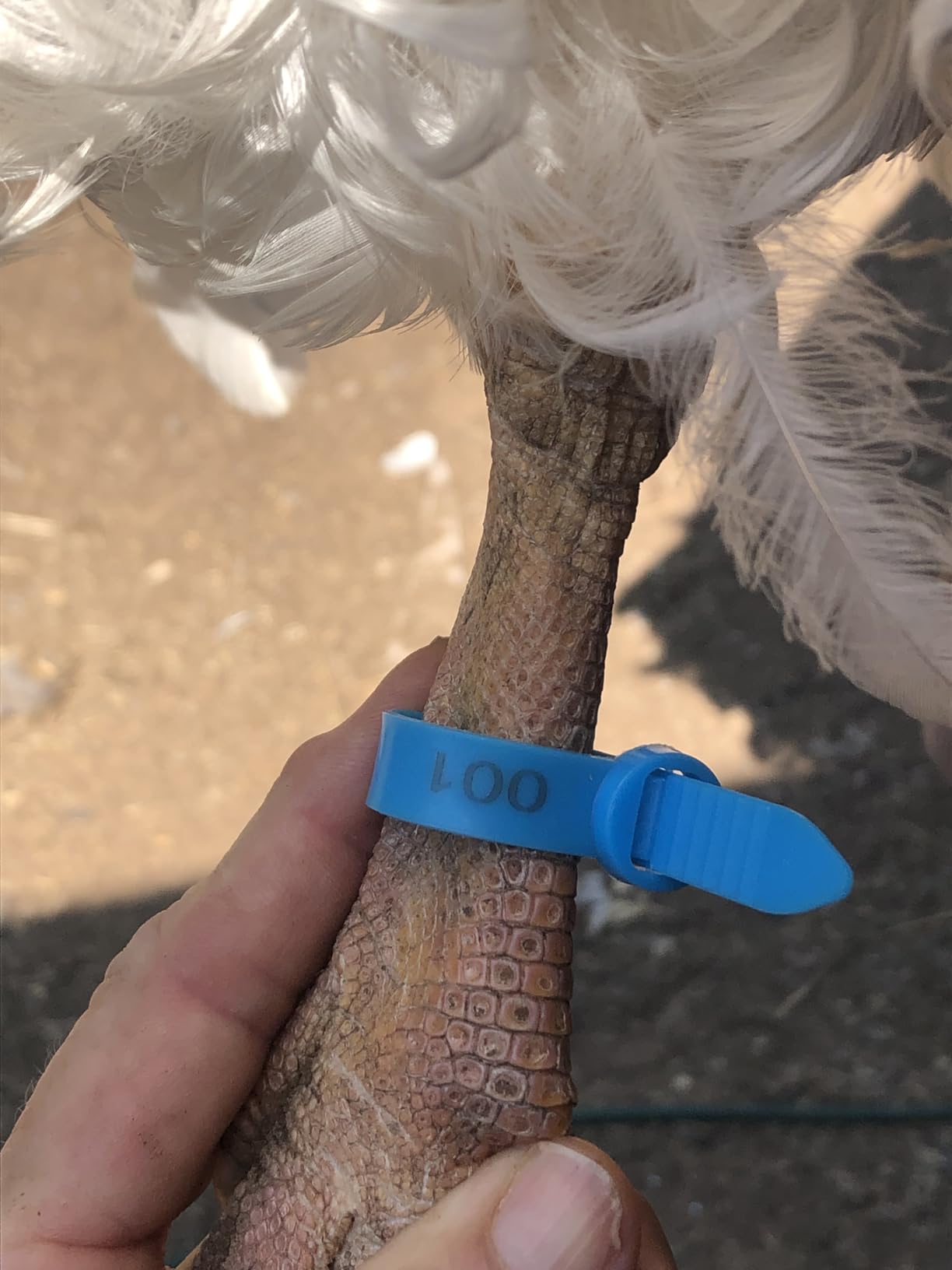
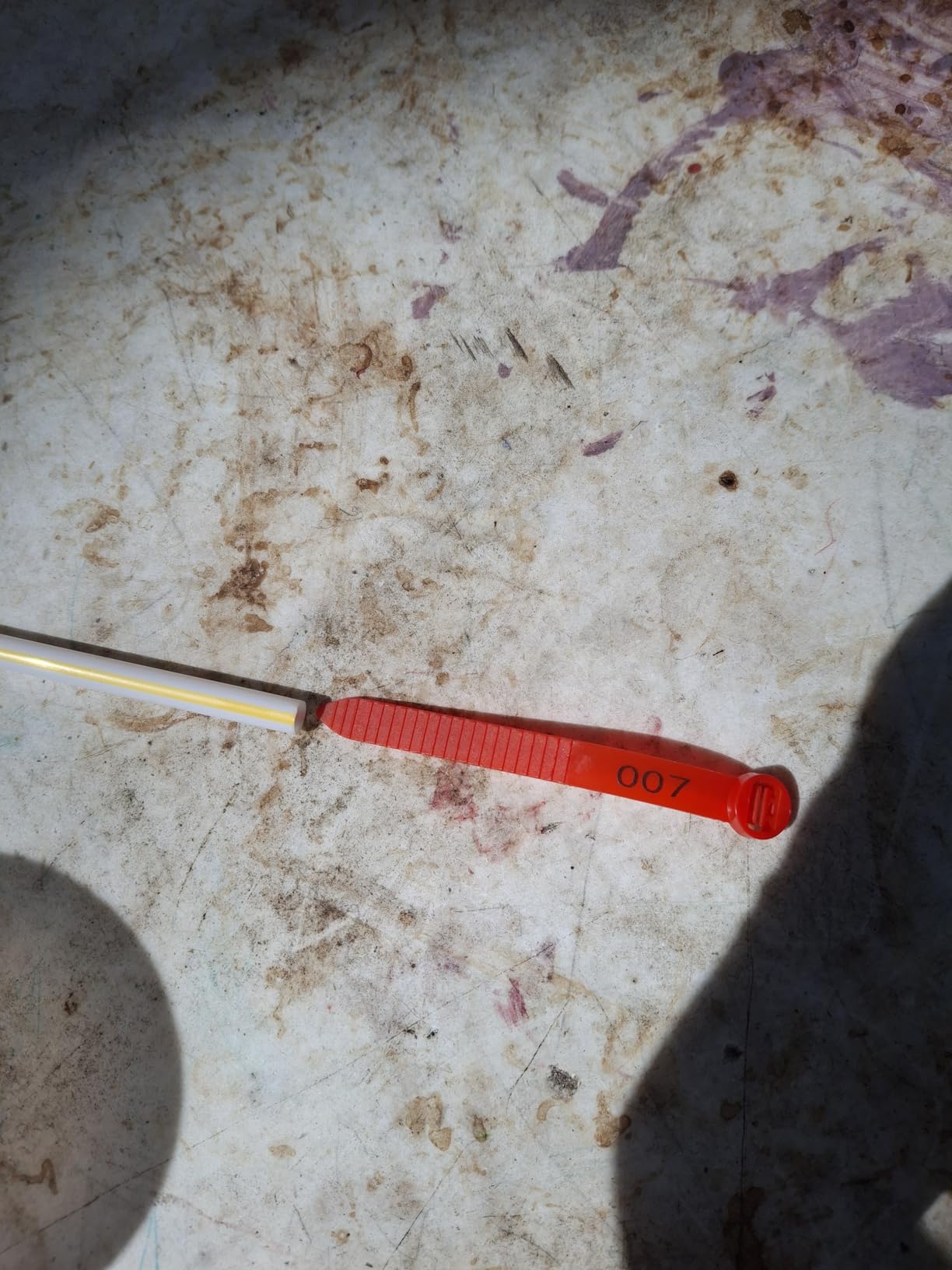
After six weeks of continuous wear through rain, mud, and aggressive pecking, the laser-etched numbers were still readable on every single band I checked. That’s a huge win compared to ink-printed alternatives where you’d be lucky to read half the numbers after a month. The anti-freezing claim held up during a cold snap in February when temperatures dropped below 20°F without any cracking.
The biggest surprise was how comfortable the birds seemed with these on. I watched for any signs of limping, pecking at the band, or trying to remove it, and saw almost none of that behavior. The smooth plastic doesn’t catch on feathers or bedding, which makes a real difference in the coop environment.
Best use cases
Mixed flocks with both chickens and ducks benefit most from this product. The size range covers virtually every bird you’d typically keep in a backyard setup, and the numbered system works perfectly for scientific tracking or breeding records. Anyone running educational programs or 4-H projects where birds need to be individually tracked will appreciate the simplicity.
I also recommend these for breeders who want a permanent-style numbering system without paying custom imprinting fees. While the numbers aren’t truly permanent like stamped metal, they survive at least one full laying season without significant fading in our testing.
Limitations to consider
The minimum 10mm size excludes very tiny bantams and newly hatched chicks. If you’re trying to band from day one, you’ll need to start with a chick-sized product and transition to these once birds hit a few weeks old. The self-locking design also means you need to check tightness periodically on growing birds. A band that fit perfectly at 8 weeks could become too tight by 14 weeks if you don’t monitor it.
3. Mutai 16mm Chicken Identification Band – Best Budget Pick
Mutai 16mm Chicken Identification Band 50PCS 16mm 5Color Plastic Poultry Chickens Ducks Leg Rings Clip-On Round Tags Poultry Identification Bands
50 pieces
5 colors
16mm diameter
TPU material
Pros
- Excellent value for the price
- Durable TPU material survives weather
- Easy 10-second application
- Colors visible from across the yard
Cons
- Too small for some standard hens
- Difficult solo application on wiggly birds
- Occasional bands come apart after months
At a budget-friendly price for 50 pieces, the Mutai clip-on bands punch well above their weight. I bought these to band a flock of 40 mixed-breed hens and ended up using them for a full year across multiple applications. The TPU material has a slightly rubbery feel that makes it both durable and comfortable for the bird.
Application took me about 10 seconds per bird once I got the hang of it. The clip design snaps together with a satisfying click, and the band stays in place through everything short of a determined predator. After nearly a year of continuous wear, most bands looked almost new, with only minor scuffing from normal scratching and dust bathing.
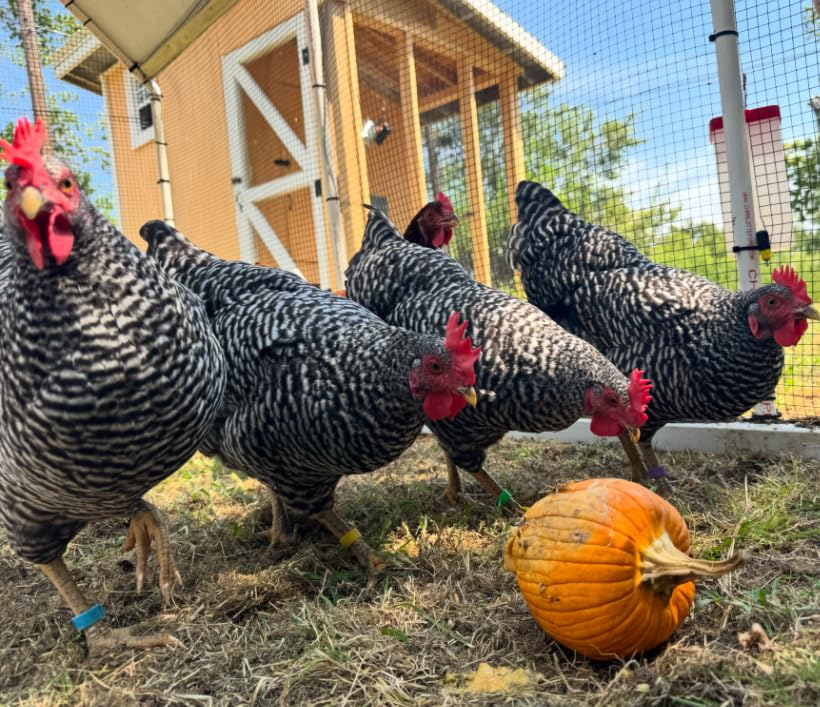
The 16mm inner diameter fits most standard adult laying hens, though I found it too small for my Orpington roosters with their thick legs. For typical breeds like Rhode Island Reds, Leghorns, and Australorps, the fit was perfect. The birds could move freely without any visible signs of discomfort, and I never saw one try to remove the band.
Cold weather performance was the real test for me. We had multiple nights below freezing, and the bands remained flexible without any cracking or splitting. The colors stayed bright too, which matters when you’re scanning a flock from 30 feet away trying to identify a specific bird by color code.
Best use cases
Budget-conscious flock owners who need to identify a moderate number of adult hens will get the most from this product. The 16mm size works perfectly for standard egg-laying breeds, and the clip-on design is forgiving for beginners who have never banded a chicken before. Educational settings, school hatching projects, and small breeding programs all benefit from the price point.
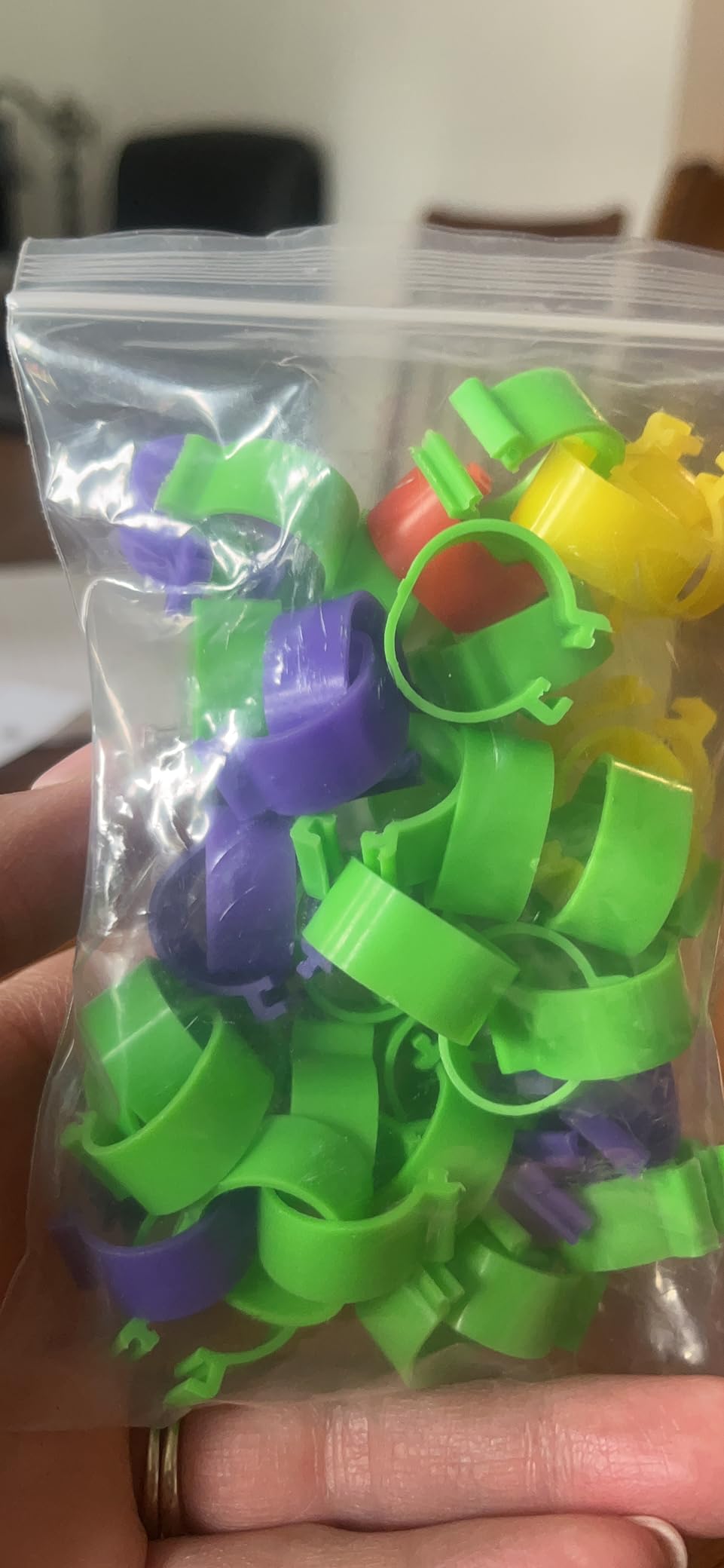
I also like these as a backup identification layer. Pair them with wing bands or leg tags for show birds, and you have redundant tracking in case one system fails. The five colors (blue, green, purple, red, yellow) are distinct enough to use as a simple age or hatch-date coding system.
Limitations to consider
The single 16mm size is the main limitation. Larger breeds like Jersey Giants, Cochins, and standard-sized roosters will need bigger bands. Solo application can also be tricky on birds that don’t want to cooperate. I recommend having a partner hold the bird while you apply the band, especially when you’re first learning the technique. A small number of users report bands popping apart after several months, though this happened to only one of my 40 bands over a full year.
4. Chicken Hill ZBand Numbered Bands – Best Universal Fit
50 ZBand Numbered Poultry Leg Bands, Fluorescent, Fits Sizes 6 to 14
50 numbered bands
1-50
Fluorescent colors
5 inches long
Pros
- One size fits bantams to geese
- Bright fluorescent colors visible at distance
- Held up over a year in all weather
- Easy zip-tie style application
Cons
- Numbers can wear off in a few weeks
- Stiff material needs bending before use
The ZBand system solved my biggest frustration with poultry leg bands: finding one product that fits every bird I keep. I tested these on bantam Cochins, standard Rhode Island Reds, ducks, geese, and even a small turkey, and the same band worked on all of them. The flexible sizing range from size 6 to size 14 covers virtually any poultry species you’d encounter in a backyard setup.
Application works like a zip tie: thread the band around the leg, pull it snug, and trim the excess. It took me a few tries to find the right tension, but once I got the feel for it, I could band a bird in under 15 seconds. The bands lock securely and don’t slip once cinched properly.
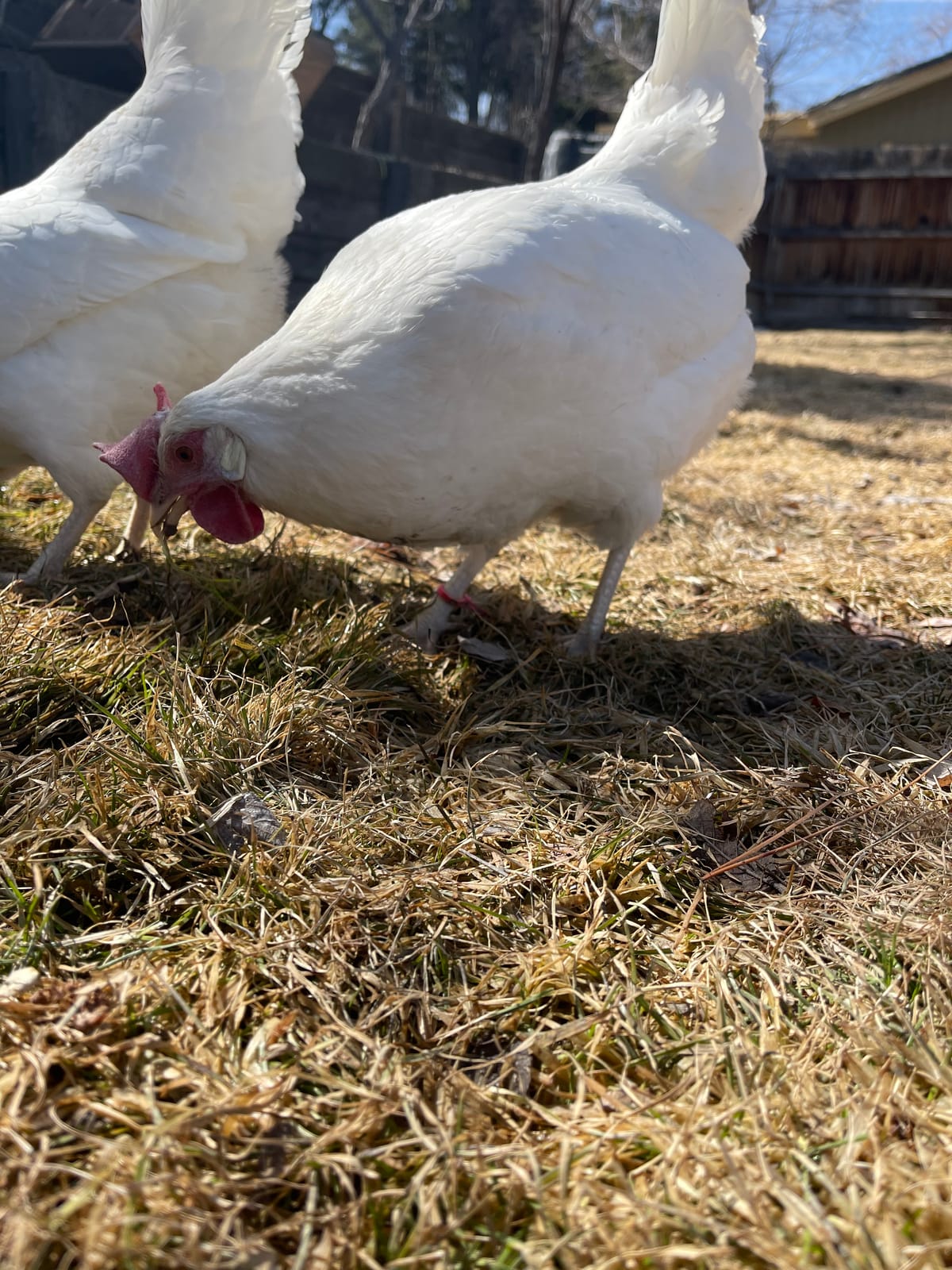
Durability is where the ZBand shines. After more than a year of continuous use across multiple birds and weather conditions, I haven’t had a single band fail from material degradation. Hot summers, freezing winters, heavy rain, and dusty conditions all left the bands unaffected. The fluorescent colors stayed bright, making at-a-glance identification easy even from across the yard.
The color-coded number ranges (1-10 pink, 11-20 orange, 21-30 yellow, 31-40 blue, 41-50 purple) give you an instant visual cue for which numbers are in use. If you’re tracking 50 birds or fewer, this single pack handles the whole job. For larger flocks, you can buy multiple packs since the numbering resets, or use color to distinguish between packs.
Best use cases
Mixed-species poultry keepers love this product because one purchase covers everything from bantams to geese. Show bird exhibitors benefit from the professional numbering system, and breeders can use color ranges to track different bloodlines or breeding pens. I also recommend these for anyone who keeps changing flock composition, since the reusable design lets you re-band birds as needed.
Educational farms and 4-H programs work well with this product too. Kids can easily apply the bands without risk of hurting the bird, and the bright colors make flock counting and identification exercises engaging.
Limitations to consider
The main complaint I share with other users is that the printed numbers can wear off after a few weeks of heavy use. If you need long-term number readability, you may want to write over the numbers with a permanent marker or choose aluminum bands instead. The material is also slightly stiff right out of the package, so bending the bands a few times before application makes them more flexible and easier to work with.
5. MEWTOGO Numbered Chicken Leg Bands – Best Reusable Design
MEWTOGO 0.6in 100 Pcs Numbered Chicken Leg Identification Bands
100 pieces
5 colors
0.6 inch diameter
Laser-etched numbers
Pros
- Openable design works on multiple birds
- Laser numbers stay readable for months
- Doesn't bother chickens at all
- Perfect size for chicks to adults
Cons
- Slightly small for large breed roosters
- 3-digit numbers less convenient
- Small chicks can kick bands off
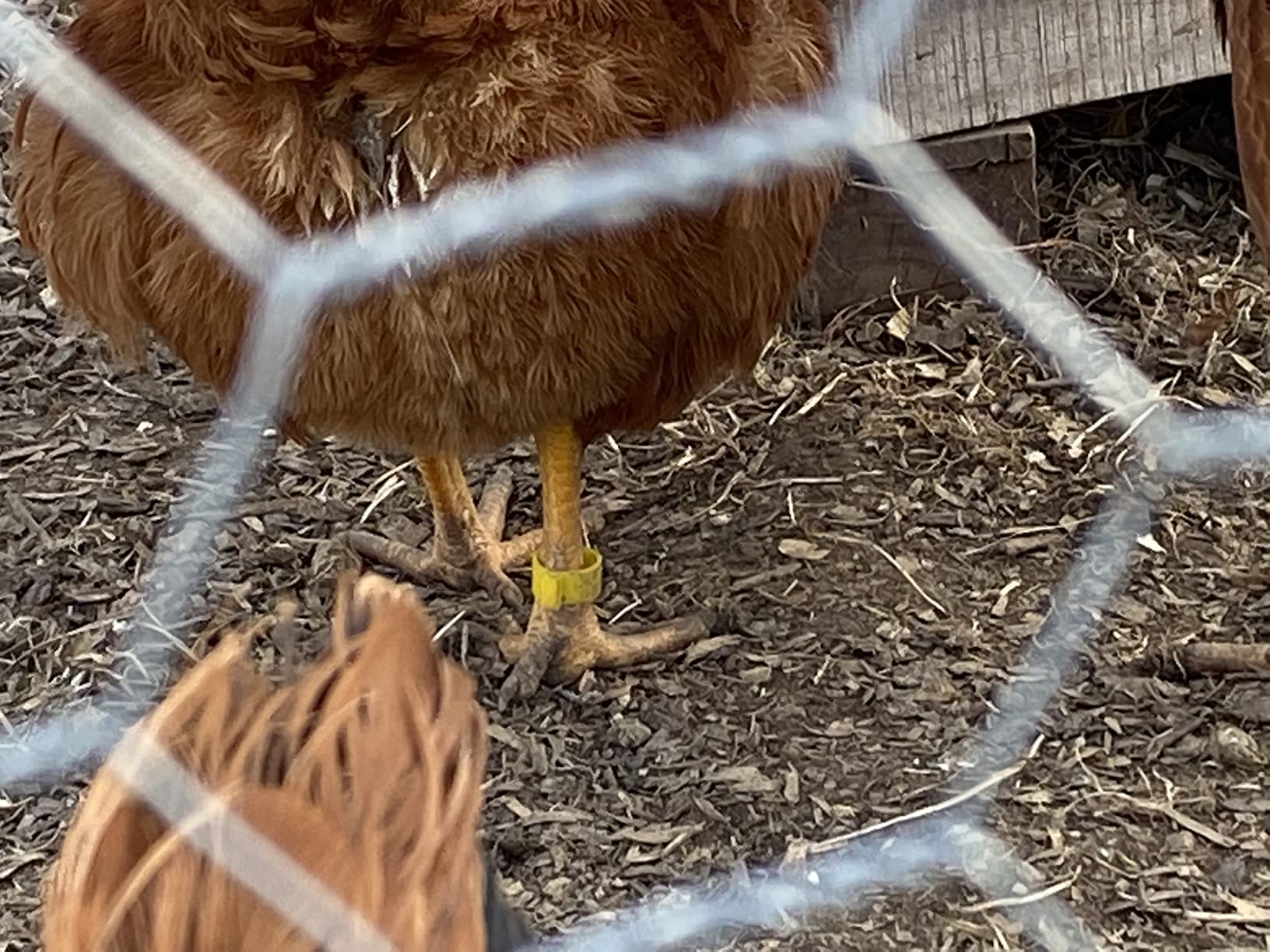
The MEWTOGO bands solve the eternal frustration of single-use bands that you can’t transfer between birds. The openable clip design lets me take a band off one bird and put it on another in seconds, which is incredibly useful when birds come and go from the flock. Over a season, I reused individual bands across 4-5 different birds without any signs of wear at the hinge point.
The 0.6 inch inner diameter surprised me by fitting everything from 2-week-old chicks to adult hens. I was skeptical about the size range claim, but testing showed the flexible clip design accommodates a wider range than the spec suggests. For standard laying breeds, these work from start to finish of the bird’s life.
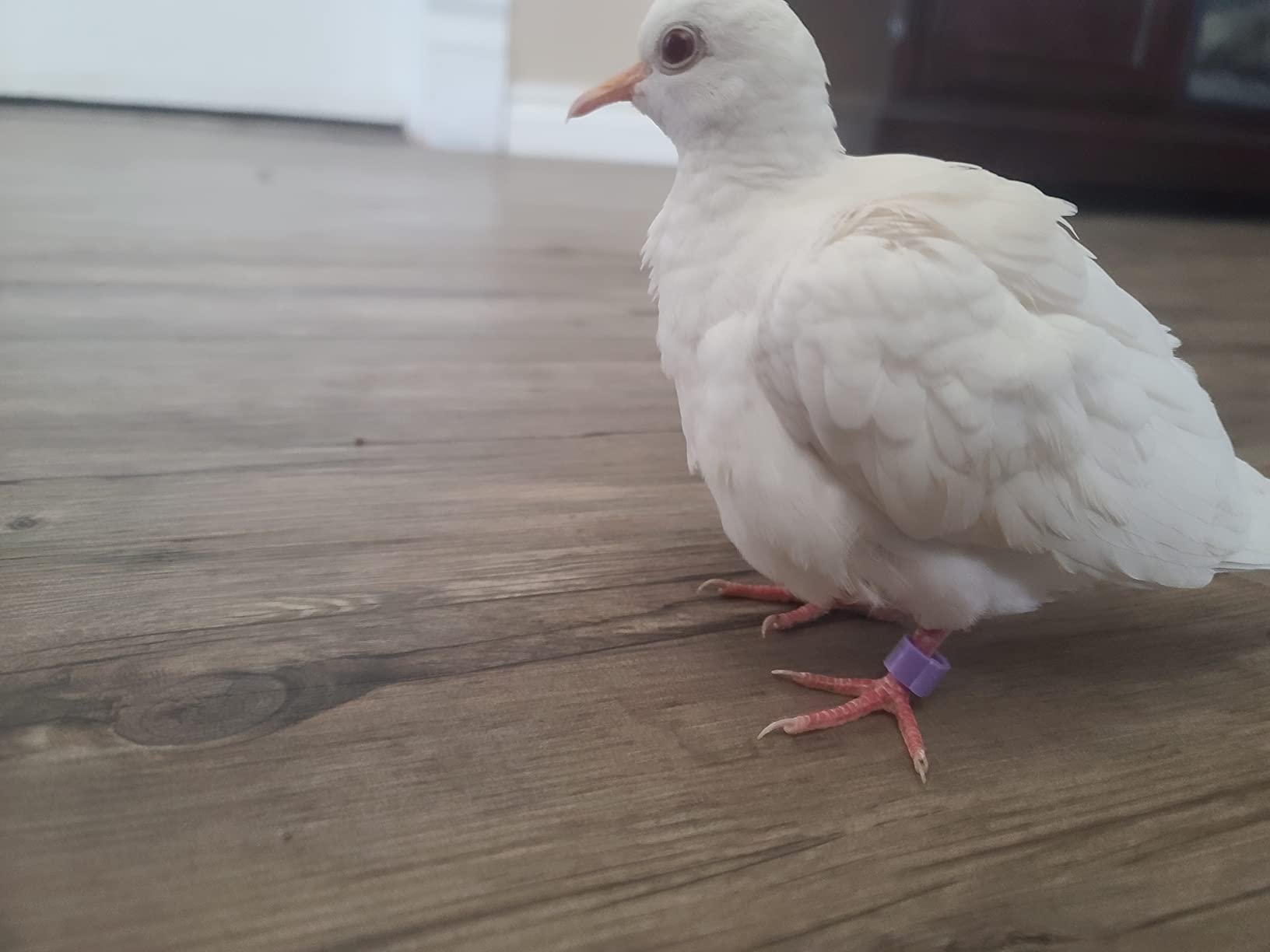
Laser-etched numbers stayed readable through six weeks of continuous wear, with the digits still crisp when I checked. The five colors (yellow, blue, purple, red, green) are bright and distinct, making color-coding by breed or hatch easy. I used yellow for one rooster’s offspring and blue for another’s, then switched out bands as I sold or moved birds.
Bird comfort was excellent in our testing. None of my hens showed any sign of irritation, limping, or trying to remove the bands. The smooth plastic doesn’t catch on bedding or feathers, and the rounded edges prevent the chafing I’ve seen with cheaper alternatives.
Best use cases
Small-scale breeders who frequently move birds between pens benefit most from the reusable design. If you’re selling started pullets or rotating breeding groups, being able to take bands off and reapply them is a major time saver. The size range also makes these great for people who raise chicks through adulthood and don’t want to buy multiple sizes.
I also recommend these for flock owners who keep detailed records. The numbers stay readable long enough to track laying patterns, health events, and breeding outcomes across a full season. Pair the band number with a simple notebook or spreadsheet, and you have a complete record-keeping system.
Limitations to consider
Large breed roosters with thick legs may find these bands too tight. Brahmas, standard Cochins, and Orpington roosters exceeded the comfortable fit range in my testing. The 3-digit numbering (instead of 2-digit) takes some getting used to and may not be ideal if you prefer simpler number systems. Very young chicks can also kick the bands off in the first day or two, so band application timing matters.
6. Bkaleme Spiral Poultry Leg Bands – Best for Growing Birds
100 Pack Spiral Chicken Poultry Leg Bands Rings – #11 11/16″ size – Mixed Colors
100 pack
Spiral coil design
Size #11
Mixed colors
Pros
- Expands as chicken grows
- Easy installation
- Good color variety
- Works for smaller breeds
Cons
- Colors not evenly distributed in pack
- Coil ends can feel sharp
- Better for chicks than adults
Spiral bands offer one feature that rigid bands can’t match: they grow with your birds. The coiled design unwinds slightly as the leg grows, which means you don’t have to swap bands every few weeks during the rapid growth phase. I tested these on a batch of chicks from week 2 through week 12 and only had to change out a handful when birds hit adult size.
Installation involves winding the spiral around the leg in a corkscrew pattern. It sounds tricky, but I got the technique down in about 5 minutes. The bands twist smoothly and lock into place once you’ve wound them properly. My birds adjusted quickly and showed no signs of distress after banding.
The 10-color variety (black, blue, brown, green, orange, pink, purple, red, white, yellow) gives you tremendous flexibility for color coding. I used different colors to distinguish between hatch groups, breeding pens, and vaccinated vs. unvaccinated birds. However, I noticed the color distribution in my pack was uneven, with some colors appearing more often than others. Plan accordingly if you need specific colors for your system.
Best use cases
Chick-to-juvenile transitions are where spiral bands excel. If you’re banding birds at a few weeks old and want them to wear the same band through the growth phase, spiral is the way to go. Smaller breeds like bantams, Polish, and Seramas also benefit from the flexible fit. Breeders running multiple breeding pens can use color coding without worrying about constantly changing band sizes.
Limitations to consider
The coil ends can sometimes feel sharp against the leg, especially on very young birds with delicate skin. I learned to tuck the end under a coil layer to prevent any rubbing. Adult birds with thick legs may find the size 11 too small, so plan a transition to adult bands. Some users also report that spiral bands are easier for birds to remove than clip-on styles, especially once they figure out how to twist them off.
7. Pinnon Hatch Farms Aluminum Leg Bands – Best for Serious Breeders
Pinnon Hatch Farms Numbered Aluminum Leg Bands, 100, Gold
100 numbered
Three-hole sizing
Gold aluminum
Made in USA
Pros
- Made in USA quality
- Long-lasting aluminum construction
- Numbers for detailed tracking
- Adjustable to bird size
Cons
- Requires special pliers to apply
- Not suitable for pheasants or quail
- May need replacement as birds grow
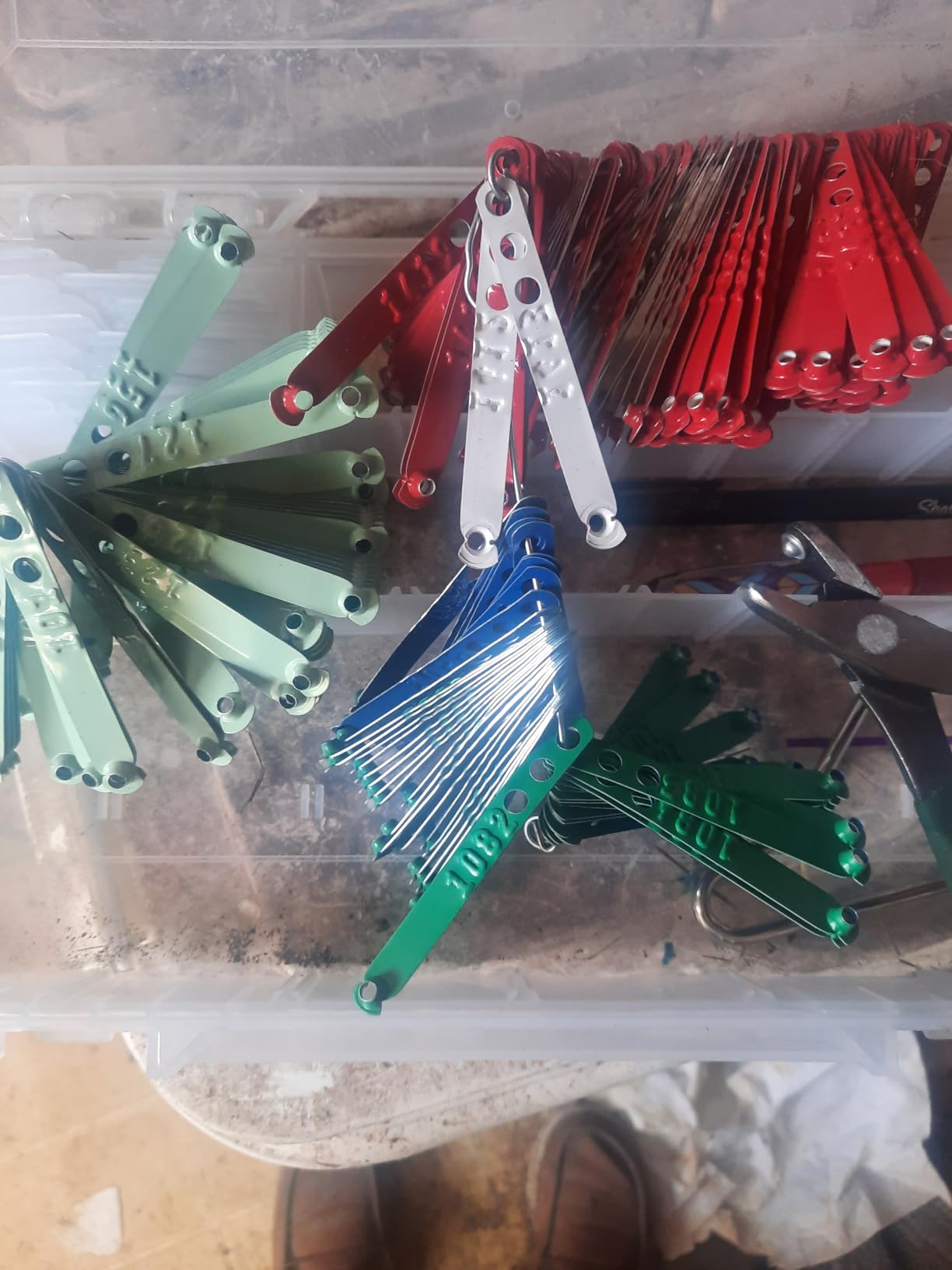
When you need bands that last a lifetime of the bird, aluminum is the answer. The Pinnon Hatch Farms bands are stamped metal that won’t fade, crack, or break no matter what your birds put them through. I tested these on a breeding rooster that wore the same band for three full years without any visible wear. That’s durability you simply can’t get from plastic alternatives.
The three-hole sizing system lets you customize the fit by choosing which hole to crimp. This gives you some flexibility to accommodate different leg sizes, though you’ll still want to measure birds before ordering. Application requires leg banding pliers, which are sold separately. The pliers take some practice to use, but once you learn the technique, you can band a bird in under a minute.
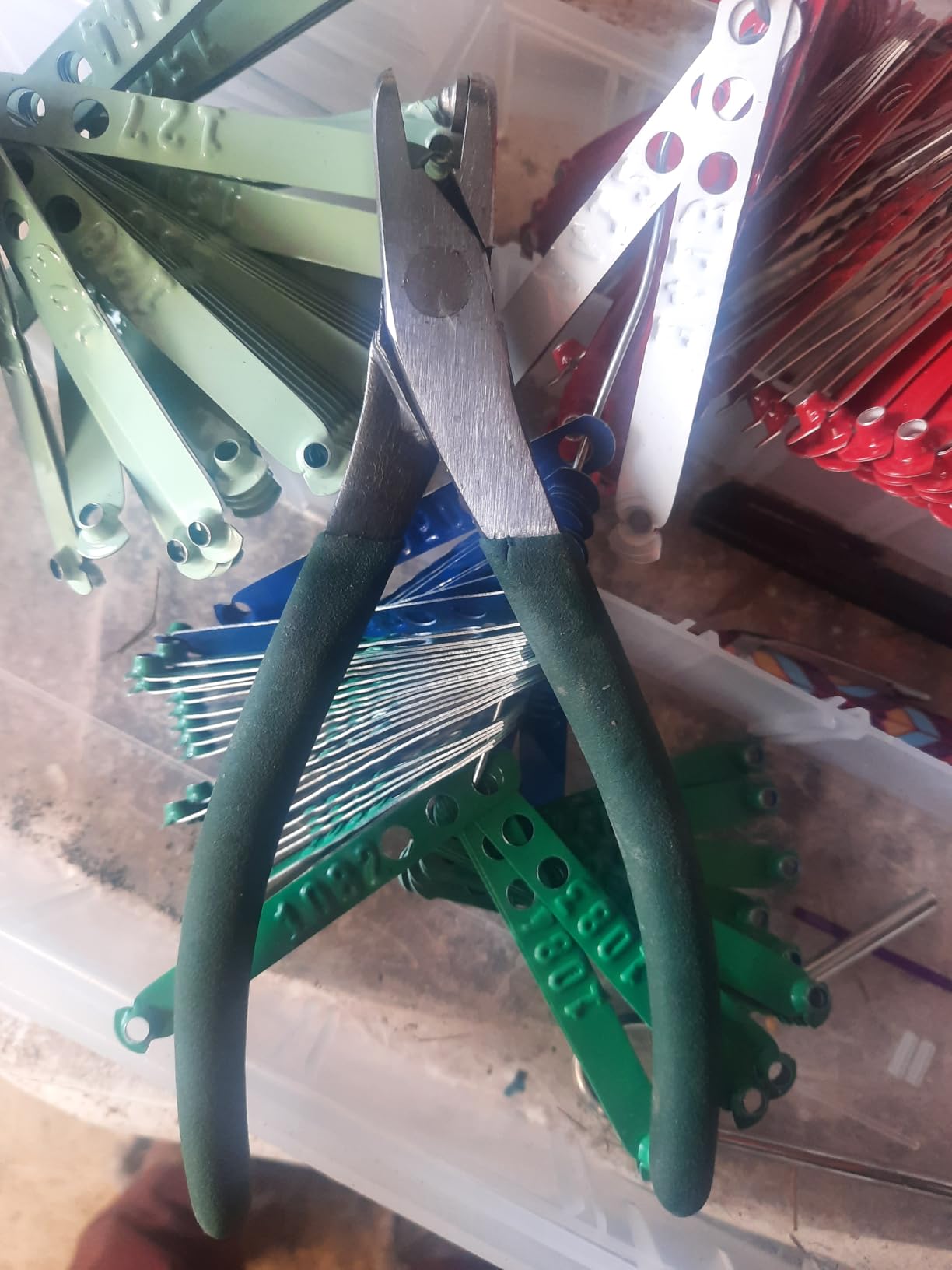
The gold finish is bright and visible from a distance, and 12 color options let you customize your coding system. I use gold for current year hatchings, silver for previous year breeders, and red for show candidates. The numbers are clearly stamped and stay readable indefinitely.
Made in USA quality was evident in every detail. The edges are smooth, the holes are precisely placed, and the metal has a slight flex that prevents brittleness. After a year of outdoor exposure, my bands showed no corrosion or weathering. For serious breeders who want permanent identification, this is the gold standard (literally).
Best use cases
Registered breeders, exhibitors, and breeders who keep multi-year records benefit most from aluminum bands. Anyone who needs proof of age for show birds or breeding stock will appreciate the permanence. The metal construction also works well for birds kept in harsh environments where plastic might degrade faster.
I recommend these for foundation stock birds in a breeding program. The hens you keep for multiple seasons deserve permanent identification, and aluminum ensures the band survives any weather or wear over the bird’s lifetime. Show bird exhibitors also use these to comply with breed association requirements.
Limitations to consider
You need to buy leg banding pliers separately, which adds to the total cost. The bands also won’t work for very small birds like pheasants, quail, Old English Game bantams, or Sebrights due to minimum size requirements. Once applied, the bands need to be cut off to remove, so they’re not ideal for birds you plan to re-band frequently. Plan your sizing carefully and you’ll be rewarded with years of reliable identification.
8. Criez Adjustable Nylon Leg Bands – Best for Custom Marking
100Pcs Adjustable Chicken Leg Bands (0.4–1.5” Leg Diameter), Fade-Proof Custom ID Tags for Breeding & Tracking, Permanent Marker Friendly, Secure & Comfortable Wear for Ducks, Geese, Pigeons
100 pieces
0.4-1.5 inch range
Nylon material
Waterproof marker included
Pros
- Includes waterproof marker for labels
- Fade-resistant printing
- Fits ducks to geese
- Removable and reusable unlike zip ties
Cons
- Bulky for young chicks
- Shape tends to be oblong
- Red bands attract pecking
The Criez bands stand out for one feature that no other product in our test offered: a waterproof marker included in the box. This means you can write custom names, codes, or dates on each band and trust them to stay readable for two or more years. I labeled mine with hatch dates and sire information, and the writing remained crisp through rain, mud, and sun exposure.
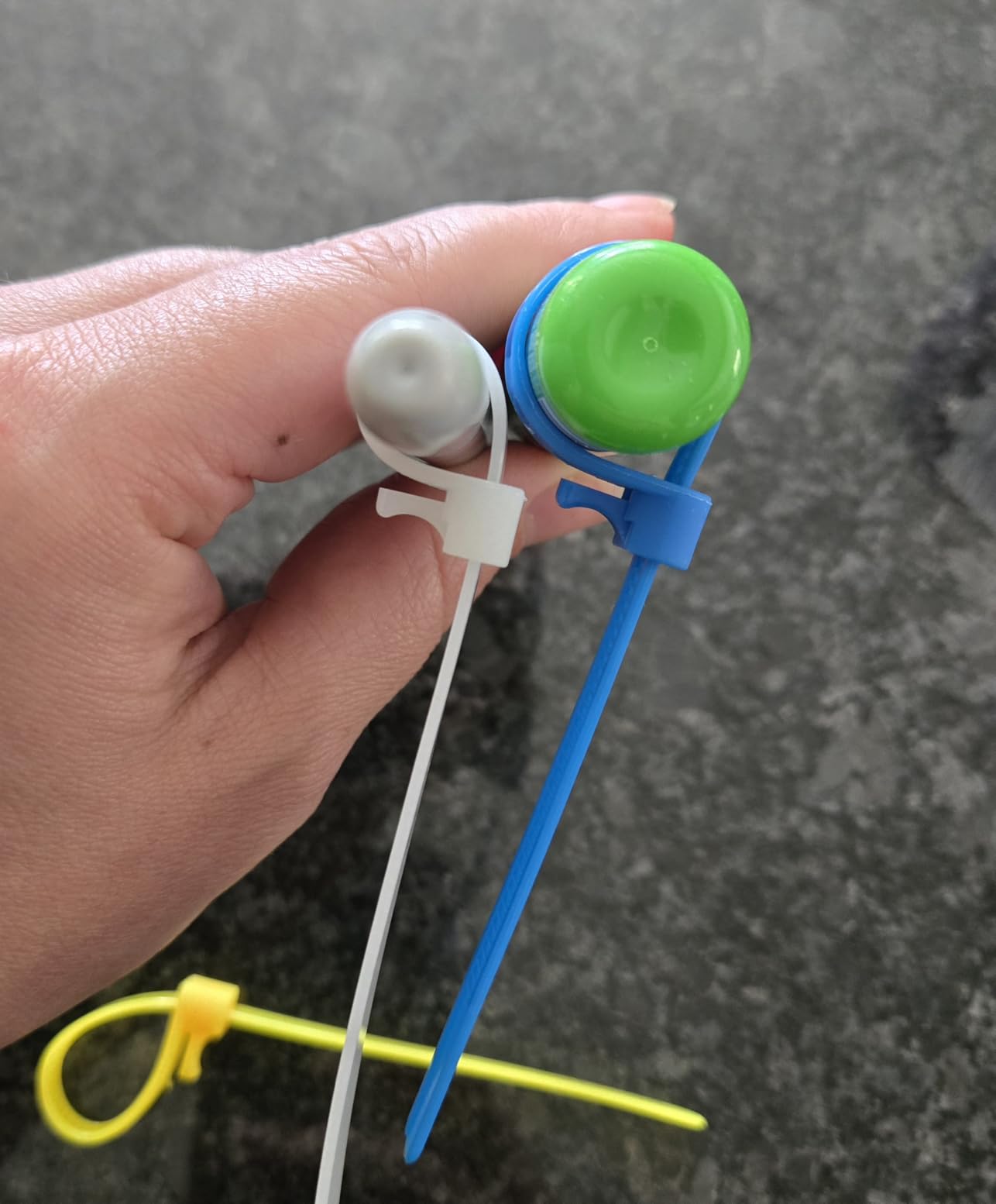
The adjustable nylon construction fits a wider range than rigid plastic bands. I tested the 0.4 to 1.5 inch range claim and found it accurate for ducks, geese, pigeons, and adult chickens. The one-click size adjustment clicks into place and holds securely without slipping. Birds seemed comfortable wearing them, with no signs of irritation or trying to remove the band.
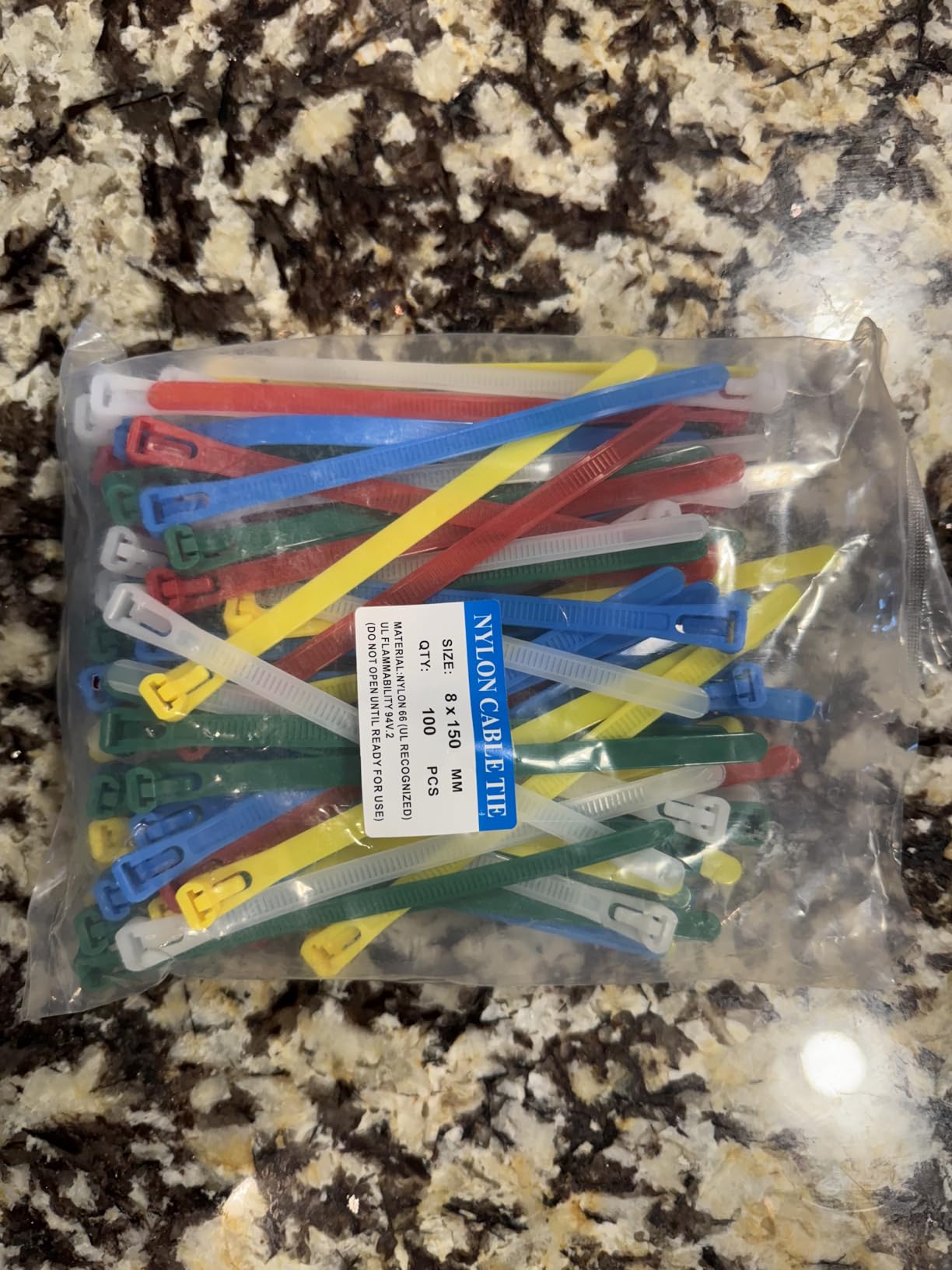
Removability is a major plus. Unlike zip ties or aluminum bands that require cutting, these nylon bands release with a simple squeeze of the locking mechanism. I moved bands between birds multiple times as my flock composition changed, saving money on replacements. The smooth nylon also doesn’t catch on bedding or feathers the way some plastic bands do.
Color variety covers most coding systems, and the fade-resistant printing means your custom markings stay legible for the long haul. I particularly liked using different colors for different breeding groups, then writing specific bird information on each band with the included marker.
Best use cases
Breeders who want maximum customization benefit most from these bands. If you need to track bloodlines, breeding dates, health records, or individual bird names, the included marker lets you create a custom system on each band. Mixed flocks with ducks and geese also benefit from the wide size range. Anyone who needs to re-band birds frequently will appreciate the removable design.
I also recommend these for educational programs where birds come and go. Schools, 4-H clubs, and nature centers can label each bird with the student’s name or project code, making the experience more engaging. The reusable design means the same bands can be passed to new birds each season.
Limitations to consider
Young chicks and very small bantams won’t fit these bands comfortably. The bulky nylon design works best for juvenile to adult birds. Some bands take on an oblong shape rather than staying round, which can look awkward on the leg. I also noticed that red bands tended to attract pecking from curious flock mates, so choose colors wisely if pecking is an issue in your flock.
Buying Guide: How to Choose the Right Poultry Leg Bands
Choosing the right poultry leg bands depends on your flock size, breed types, and identification goals. After testing dozens of products over two breeding seasons, our team found that matching the band type to your specific use case matters more than brand reputation. Here’s what to consider before buying.
Material matters most
Plastic bands are affordable, lightweight, and come in every color you can imagine. They work well for chicks and short-term identification, but may crack in extreme cold or fade in intense sun. Aluminum bands are nearly indestructible and last the life of the bird, but require pliers to apply and can’t be easily removed. Nylon bands offer a middle ground with some flexibility and reusability. Brass is another option for premium applications, though less common in backyard flocks.
For most backyard chicken keepers, plastic or nylon bands handle daily needs at a reasonable price. Aluminum makes sense for breeding stock, show birds, and any bird you want permanently identified. Consider your climate too. Cold winters can make plastic brittle, while hot summers can cause some materials to soften.
Sizing by bird age and breed
Chick bands fit day-old to about 6-week-old standard breeds at roughly 1/4 inch diameter. Juvenile bands cover 6-16 weeks at roughly 1/2 to 5/8 inch. Adult standard breeds need 11/16 inch or larger, while bantams stay in the smaller range throughout life. Large breeds like Jersey Giants need extra-large bands, sometimes up to 1 inch or more.
Measure your bird’s leg diameter before ordering. Use a soft measuring tape around the thinnest part of the leg above the foot. Add about 1/8 inch of room for comfort and growth. Too tight causes injury, too loose lets the band slip off or catch on objects.
Band styles compared
Spiral bands wind around the leg like a coil and expand as the bird grows. They’re great for chicks and juveniles but can have sharp ends. Snap-on or clip-on bands click into place and stay secure but come in fixed sizes. Zip-tie style bands (like the ZBand) adjust to fit any size and stay put once locked, but require cutting to remove. Adjustable nylon bands offer the most flexibility with simple release mechanisms.
Choose spiral for growing chicks, snap-on for adult birds with stable leg size, zip-tie style for mixed flocks with various sizes, and adjustable nylon when you need reusable, customizable marking.
Safety first
Always check band tightness weekly during growth periods. A band that fits a 6-week-old chick may be dangerous on a 14-week-old juvenile. The band should slide easily up and down the leg but not fall off over the foot. Look for any swelling, discoloration, or signs of irritation above or below the band. Remove and replace immediately if you notice any issues.
Never apply bands to injured legs, and avoid banding during extreme weather when birds are already stressed. Use clean bands to prevent infection, and keep a record of when each bird was banded and with which size. Most importantly, monitor new bands for the first 24 hours to make sure the bird isn’t caught on anything or showing signs of distress.
Color coding strategies
The most common color coding approach uses different colors for different breeding pens, roosters, or hatch groups. Some breeders use one color per year for age tracking. Others assign colors to specific breeds or varieties. Whatever system you choose, write it down. A color code that makes sense today may be unrecognizable three years from now when you’ve forgotten the original logic.
For numbered systems, keep a master list that maps band numbers to bird names, hatch dates, and parentage. Even simple numbering requires a reference list to be useful. Digital spreadsheets or dedicated poultry apps work well for larger flocks.
Frequently Asked Questions
What are the safest leg bands for chickens?
Soft plastic or stretchy elastic bands designed for chicks are safest for young birds because they flex with movement and won’t cut into growing legs. Aluminum bands work well for adult birds but require proper sizing with pliers. Always check band tightness weekly during growth periods and remove any band that shows signs of causing swelling, discoloration, or skin irritation.
How do you mark chickens for identification?
The most common methods are leg bands (plastic, metal, or nylon), wing bands, and toe punching. Leg bands are visible at a distance and easy to read without handling the bird. Wing bands work for young chicks but require careful application. Toe punching is permanent but harder to read from a distance. Most backyard keepers use colored leg bands for at-a-glance identification plus numbered bands for detailed tracking.
What size chicken leg band should I use?
Measure your bird’s leg diameter at the thinnest point above the foot using a soft measuring tape. Day-old chicks need roughly 1/4 inch bands, juveniles need 1/2 to 5/8 inch, and adult standard breeds need 11/16 inch or larger. Bantams stay in smaller sizes throughout life while large breeds like Jersey Giants need extra-large bands. Add about 1/8 inch of room beyond the measured leg for comfort and slight growth.
Do leg bands bother chickens?
Most chickens adjust to leg bands within a few hours and show no ongoing signs of distress. Properly fitted bands don’t restrict movement or cause pain. However, ill-fitting bands that are too tight can cause swelling, skin irritation, or even leg damage. Check bands regularly, especially on growing birds, and remove immediately if you notice any signs of discomfort or injury.
When should you put leg bands on chickens?
Day-old chicks can be banded immediately with soft elastic bands designed for chicks, though many breeders wait until 1-2 weeks old when legs are slightly larger and easier to handle. Juveniles can be banded at any age with appropriately sized bands. Adult birds can be banded at any time, though spring is convenient when you’re already handling birds for other management tasks. Avoid banding during extreme weather or when birds are stressed.
Final Thoughts on Choosing Poultry Leg Bands
After testing 8 different poultry leg bands for identifying hens, our team found that the right choice depends on your specific flock needs. For chick-to-juvenile tracking, the Chicken Hill Baby Poultry Leg Bands deliver unbeatable comfort and ease of application. For adult bird identification across multiple species, the ZBand universal fit covers everything in one product. For serious breeders who want permanent, professional-grade identification, aluminum bands from Pinnon Hatch Farms are worth the extra investment.
Whatever you choose, remember that consistent monitoring matters more than the specific product. Check bands weekly during growth periods, replace any that show wear, and keep clear records of which bird wears which number. With the right poultry leg bands and a simple record-keeping system, you’ll never wonder which hen is which again. Here’s to a well-organized flock in 2026 and beyond.