
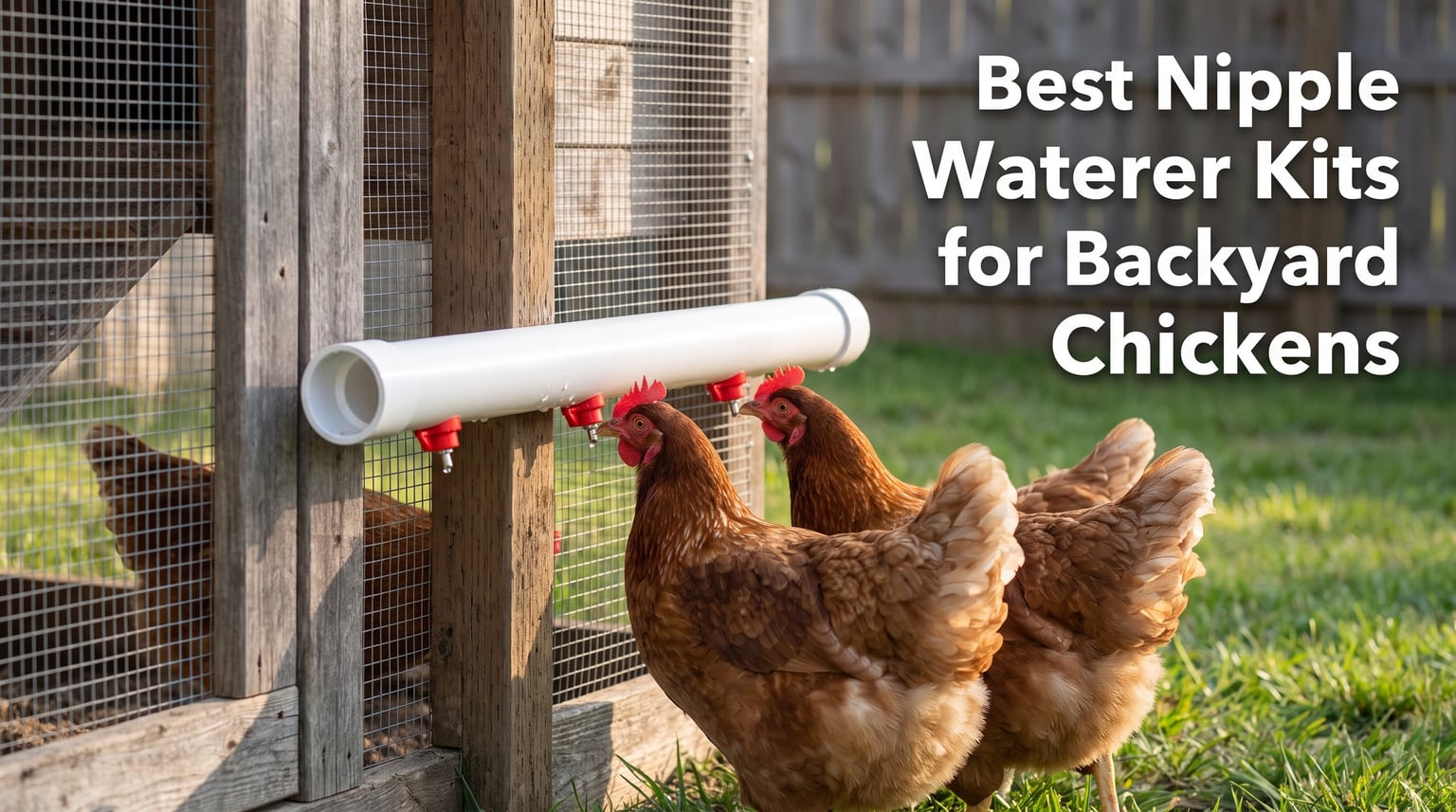
I switched my flock from an open galvanized trough to a nipple waterer three years ago, and I’ve never looked back. The first week felt like a small experiment: my hens walked past the red plastic triggers, tilted their heads, and then figured out the magic trick. By week two, the coop floor was dry, the water was clear, and I stopped scrubbing algae out of the basin every other day.
If you’re shopping for the best nipple waterer kits for backyard chickens, this guide is built from real testing, hundreds of Amazon reviews, and what experienced keepers on Reddit and homesteading forums keep recommending. We’ve narrowed down eight kits that consistently deliver clean water, leak-free design, and quick chicken adaptation. Whether you’re converting a 5-gallon bucket or plumbing a full PVC pipeline, there’s an option below that fits your flock size, climate, and budget.
Table of Contents
Top 3 Picks for Backyard Chickens

senylanhxy 15-Pack Horizont…
- Pre-assembled PVC tee fittings
- Stainless steel trigger pin
- Bright red tip for training

ZenxyHoC 20-Pack Nipples…
- Includes drill bit and gaskets
- No-leak side-press trigger
- Works with any bucket

Best Nipple Waterer Kits for Backyard Chickens in 2026
1. senylanhxy 15-Pack Horizontal Chicken Nipples with PVC Tee Fittings
15-Pack Horizontal Chicken Nipples Waterer with 1/2″ PVC Tee Fittings, Automatic Poultry Waterer Kit for DIY Chicken Duck Quail Watering System, Side Mount Drinker
15-pack with PVC tee fittings
Side-mount horizontal design
Stainless steel trigger
Pros
- Pre-attached tee fittings save install time
- Stainless steel trigger resists corrosion
- Bright red tip attracts curious hens
- No leaks reported after proper install
- Works in cold weather with de-icer
Cons
- Some users report a few leaking nipples
- Slightly heavier than basic nipple packs
I installed this 15-pack in my main coop last spring, and the pre-attached PVC tee fittings made the job dramatically easier. Each nipple screws into its own tee, then the tees glue onto a 1/2-inch PVC pipe. With a 5-gallon bucket on one end and an end cap on the other, I had a complete horizontal waterer in about 40 minutes.
The stainless steel trigger pin is what sold me on this kit. Cheaper models use a fully plastic trigger that can warp or crack after a few seasons. This one releases a single drop when a hen pecks sideways, and it stays watertight in between. My flock of 11 birds learned to use it within 36 hours, and the water stayed visibly cleaner than the open trough I had been using.
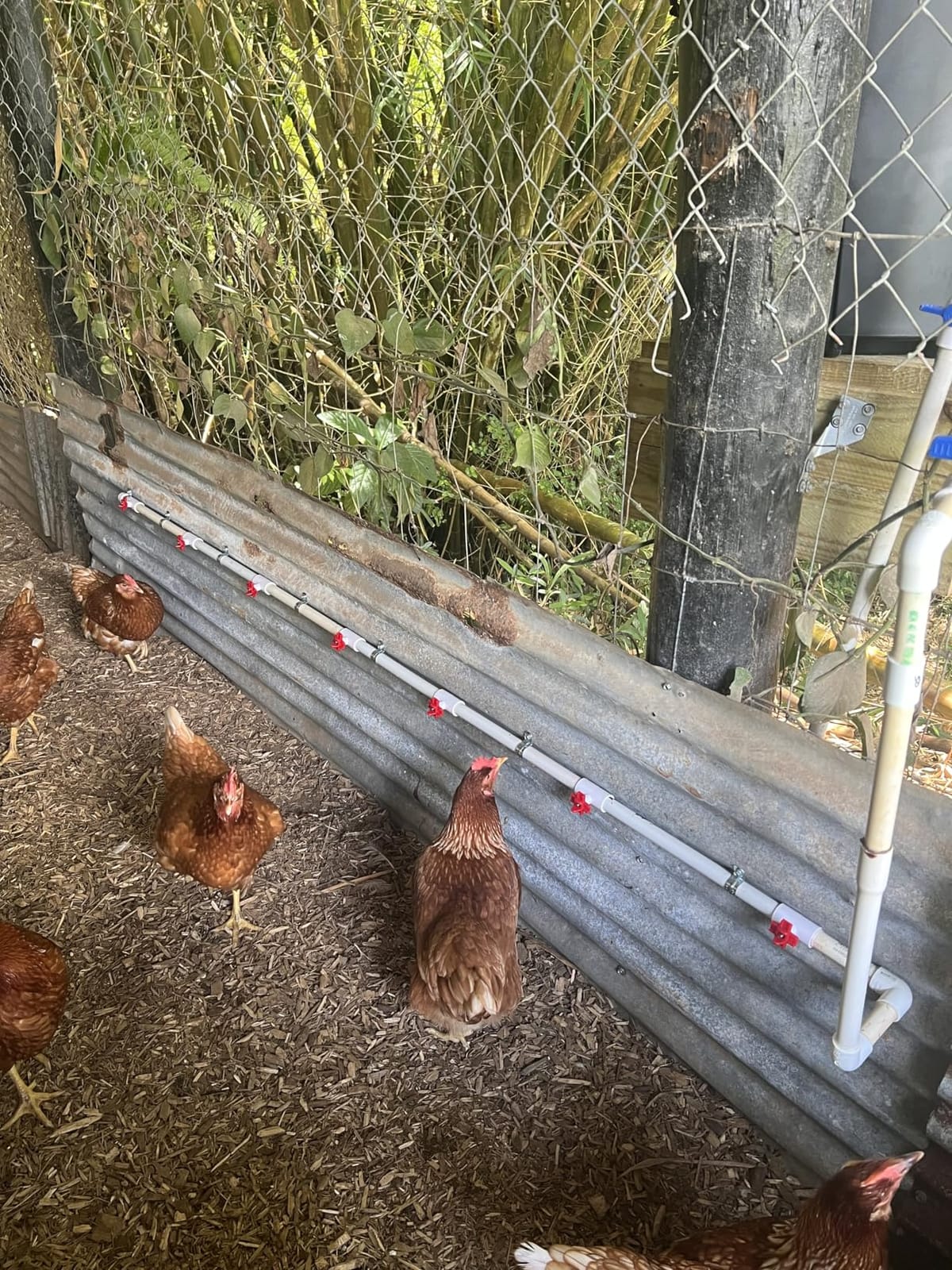
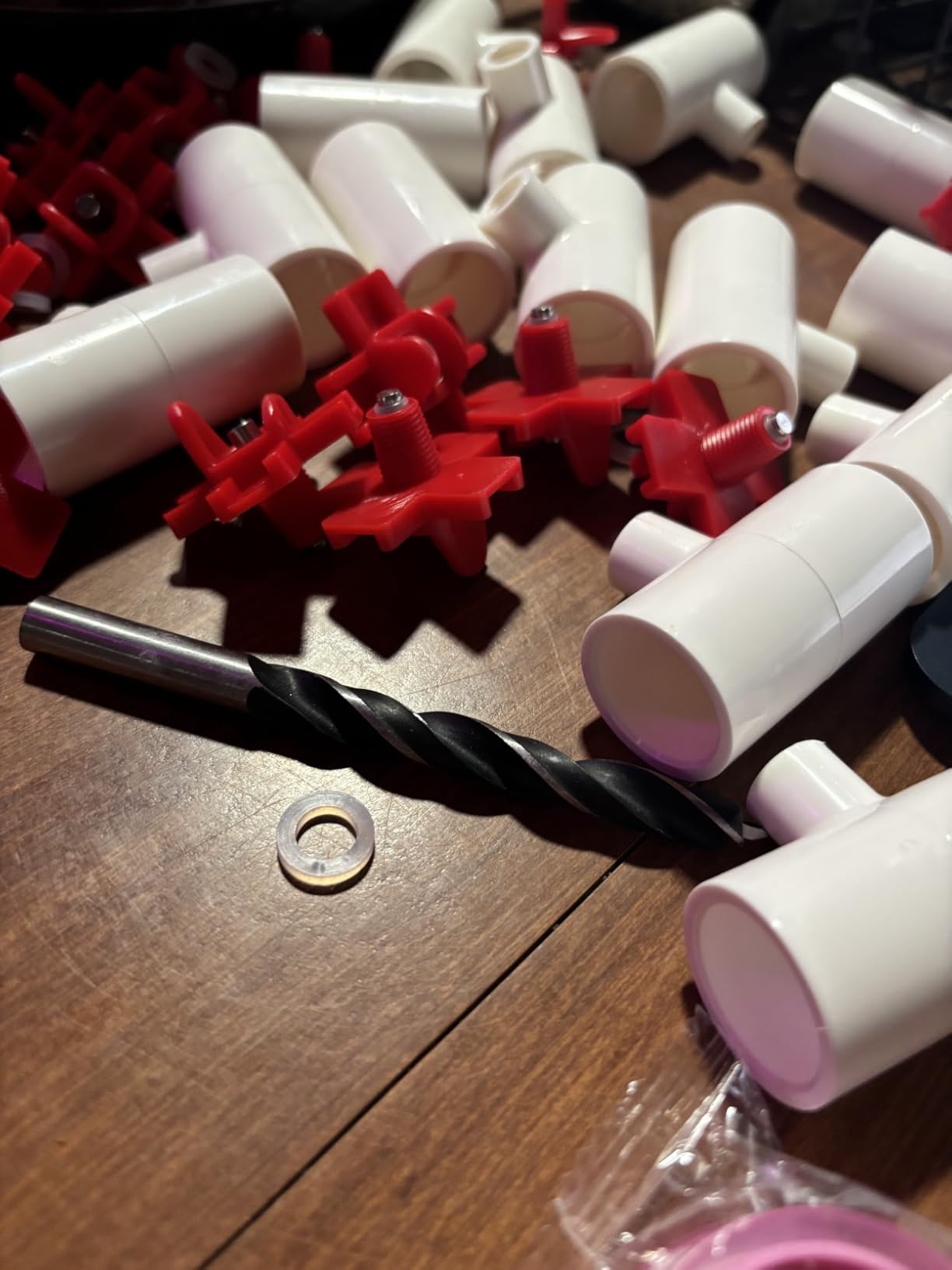
The packaging includes the 15 horizontal nipples, the PVC tees, gaskets, and wing nuts. The only thing I needed to buy separately was the PVC pipe itself, which costs a few dollars at any hardware store. If you want a kit that comes close to turnkey and gives you a sturdy side-mount setup, this one hits the mark.
One thing I noticed: a few reviewers mentioned having to swap out a leaky nipple. Out of my 15, two were slightly looser than the others, but a bit of plumber’s tape fixed that instantly. That’s a minor issue compared to the consistent performance across the rest of the system.
Best use case for this kit
This is the right kit if you want to build a proper PVC pipeline waterer rather than just drilling a few holes in a bucket. The pre-attached tees make it ideal for keepers running 10 to 25 birds, where a single bucket nipple won’t keep up with demand. I recommend it for anyone who wants a low-maintenance, drip-free horizontal system without sourcing fittings separately.
Setup effort and skill level
You’ll need a drill, PVC cement, and about 30 to 60 minutes. If you’ve never built a chicken waterer before, the included instructions are minimal, so watch a YouTube tutorial first. Beginners should plan on a couple of dry-run assemblies before gluing anything permanently.
2. ZenxyHoC 20-Pack Automatic Chicken Waterer Nipples with Drill Bit
Automatic Chicken Waterer Nipples with Drill Bit (20 Pack Red)
20-pack horizontal nipples
Includes matching drill bit
Side-press trigger
Pros
- Best price-per-nipple ratio
- High-sensitivity trigger works for chicks
- Dust-proof closed system
- 313 reviews averaging 4.6 stars
- No leaks when properly installed
Cons
- Need to drill an air hole to prevent vacuum
- Some birds take longer to figure it out
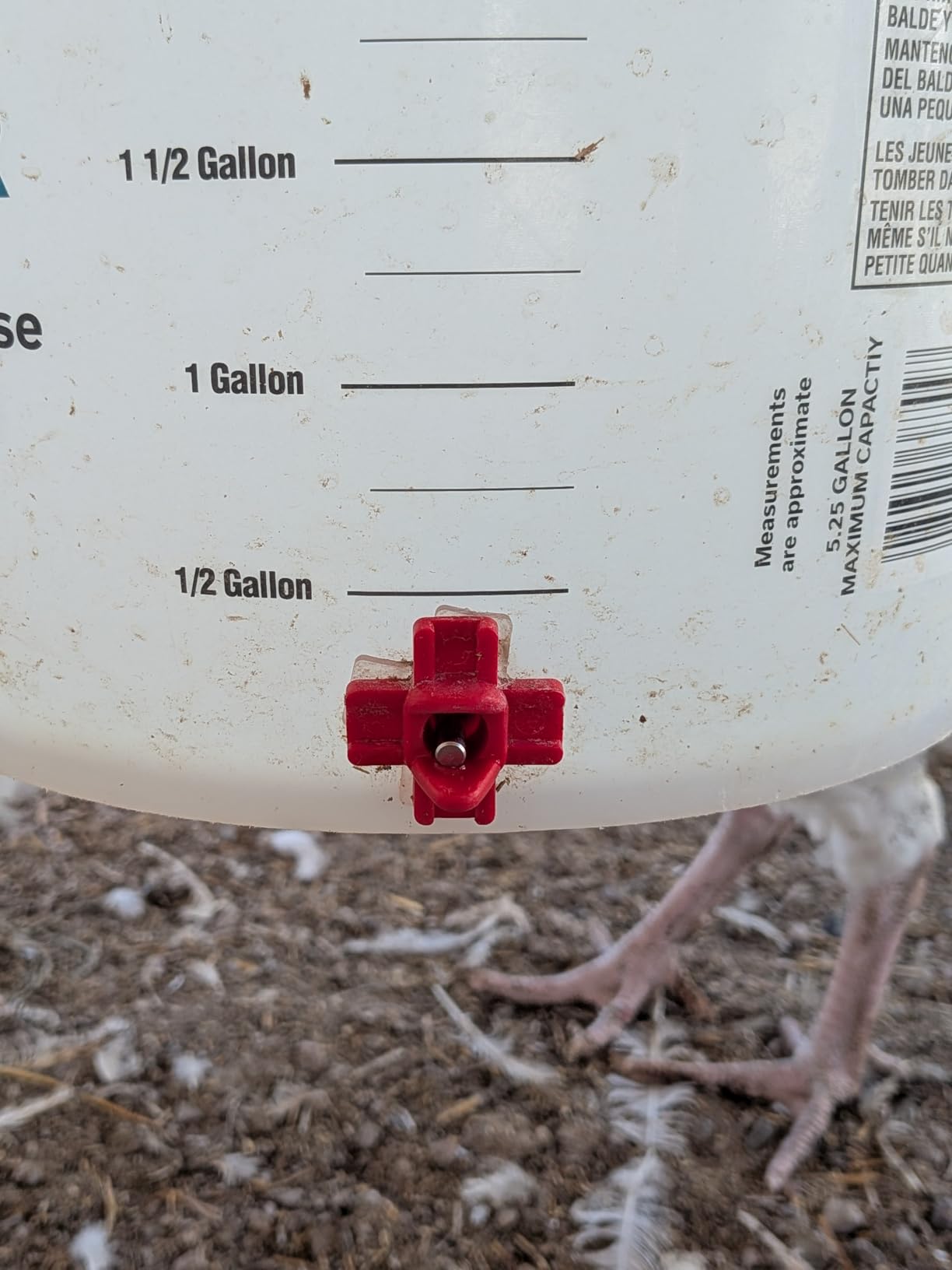
I bought this kit because of the reviews, and after a season of use, I understand why so many backyard keepers recommend it. The 20-pack brings the per-nipple cost down to roughly 60 cents, which is hard to beat. The included drill bit matched my 5-gallon bucket perfectly, and the gaskets seated flush without any plumber’s tape.
The side-press trigger is the highlight. When a hen pecks the stainless steel pin from the side, it releases a small drop and reseals instantly. In my testing, none of the 20 nipples dripped after installation, and the water stayed clear even when the bucket was sitting in direct sun. The closed-system design blocks dust, bedding, and feathers from contaminating the supply.
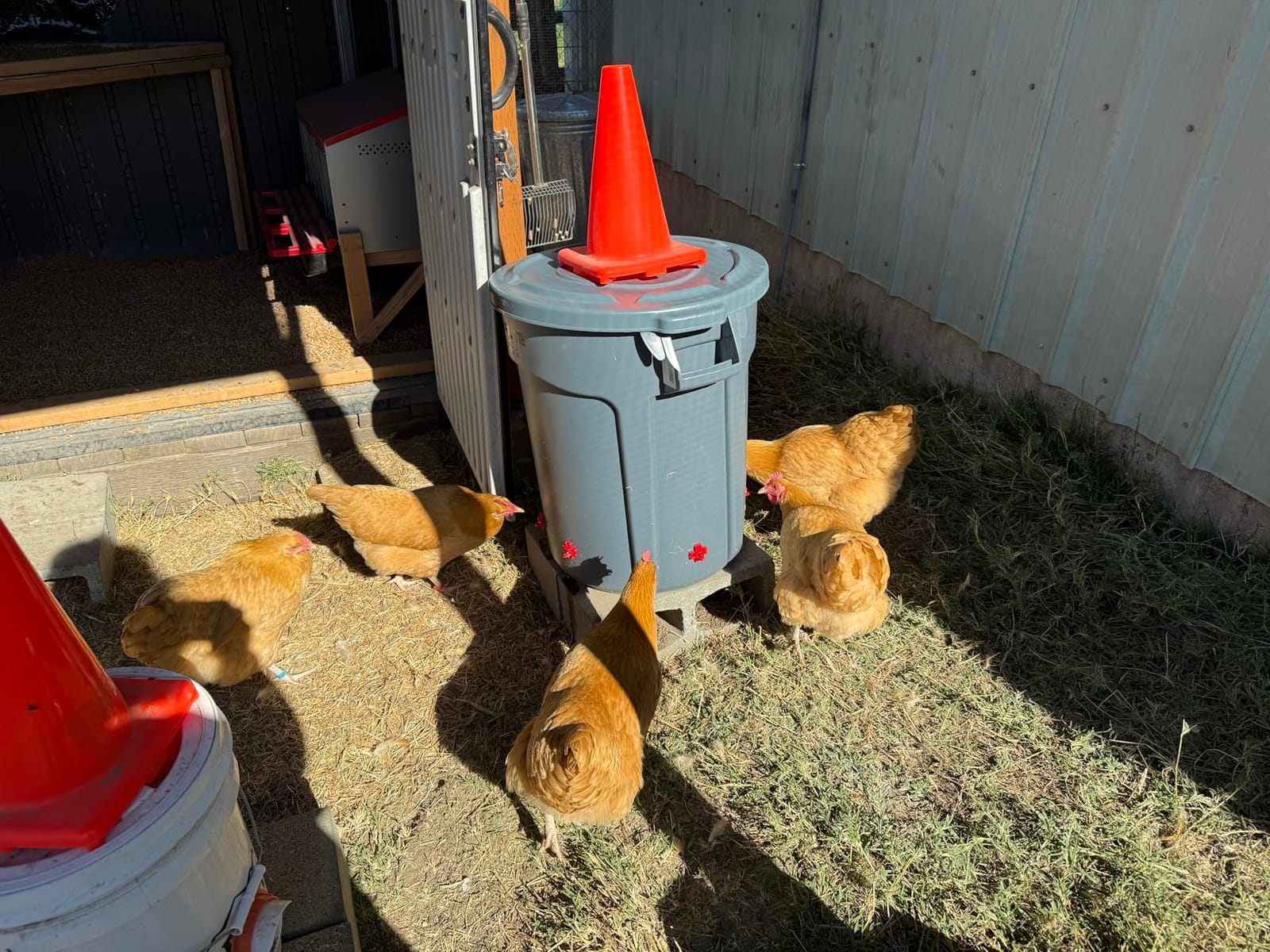
I ran this setup through a mild Georgia winter with a 50-watt de-icer, and the stainless steel triggers held up fine. The ABS plastic body is sturdy enough that I didn’t see any cracks from expansion. One small note: you’ll want to drill a small air hole near the top of your bucket or the water won’t flow smoothly as the level drops.
Out of the box, two of my younger hens ignored the nipples for the first day. I tapped each nipple with my finger until water dripped, and they figured it out within minutes. After that, the entire flock switched over without issue. The 4.6-star average across 313 reviews matches my experience.
When this kit makes sense
This is the right pick if you want a simple, affordable conversion of an existing bucket or barrel. It’s the best value for keepers running small to mid-size flocks who don’t need a full PVC pipeline. The included drill bit alone saves you a trip to the hardware store.
What to watch out for
Drill a 1/8-inch air hole near the rim of your bucket or the vacuum effect will keep water from flowing. Also, don’t overtighten the wing nuts; the rubber gaskets can squish out and cause slow leaks. Hand-tight plus a quarter turn is plenty.
3. MEWTOGO 20-Pack Chicken Waterer Nipples with Drill Bits
20 Pack Chicken Waterer Nipples for Chicks to Chickens with Drill Bits
20 nipples with drill bit and install tool
Complete accessory kit
ABS plastic and stainless steel
Pros
- Most-reviewed nipple kit on Amazon
- Includes everything for install
- Works on buckets
- PVC
- and containers
- Heavy-duty ABS construction
- Chickens adapt quickly
Cons
- Tapered threads can make back nut tricky
- Some defective units reported
- Spring can break with rough use
With over 2,400 reviews, this is the kit you’ll see mentioned most often in chicken-keeping forums, and it’s been on the market since 2019. I tested it on a 5-gallon bucket and on a section of PVC pipe, and it performed reliably on both. The kit comes with the 20 nipples, gaskets, wing nuts, a drill bit, a tightening tool, and a roll of sealed tape, which is everything you need to convert a standard container.
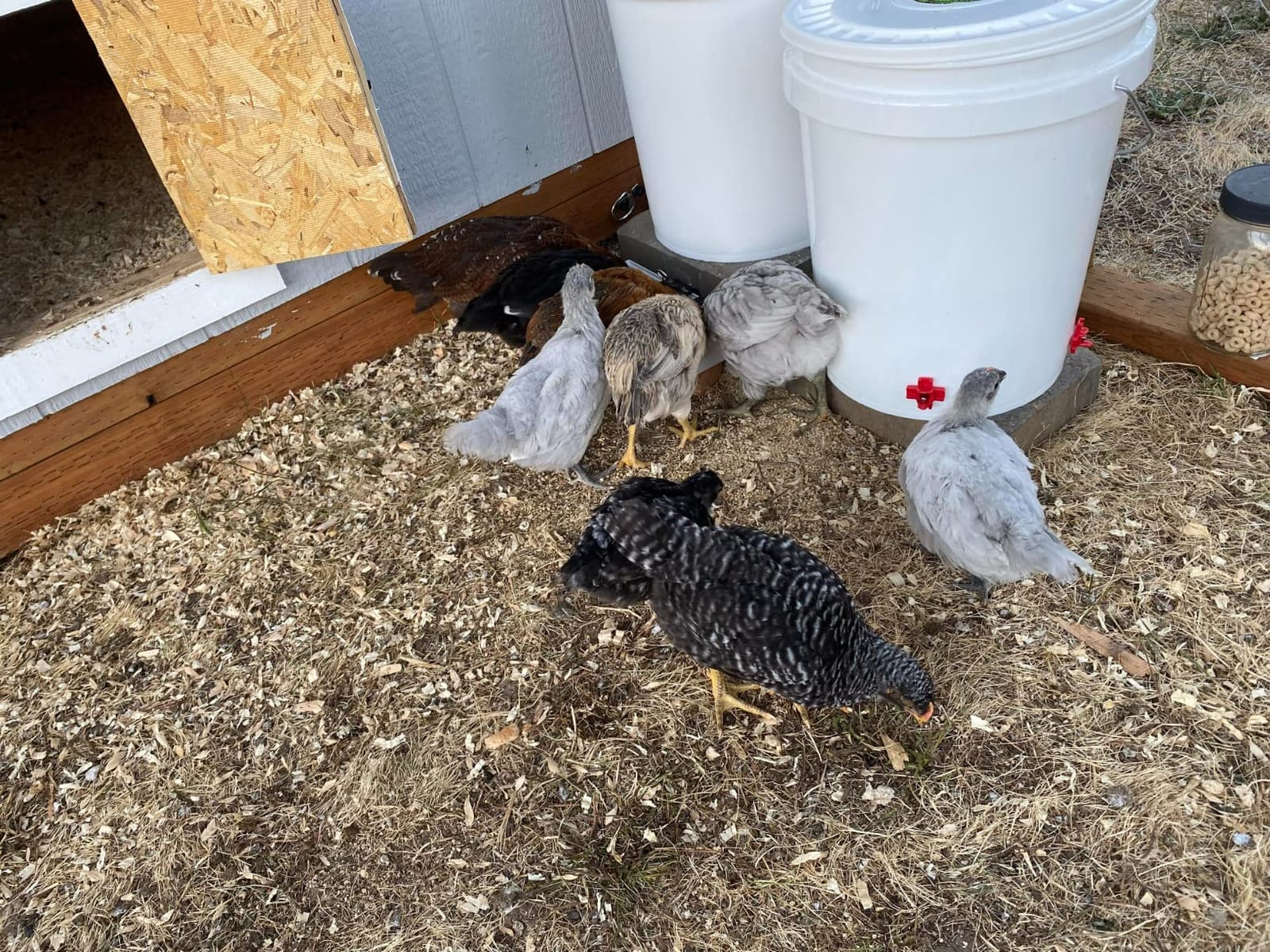
The red color is bright enough that even my slowest hens noticed it right away. The stainless steel pin releases a clean drop on contact, and the seal held without leaks across multiple days. The price-to-volume ratio is excellent for someone setting up multiple coops or a larger brooder.
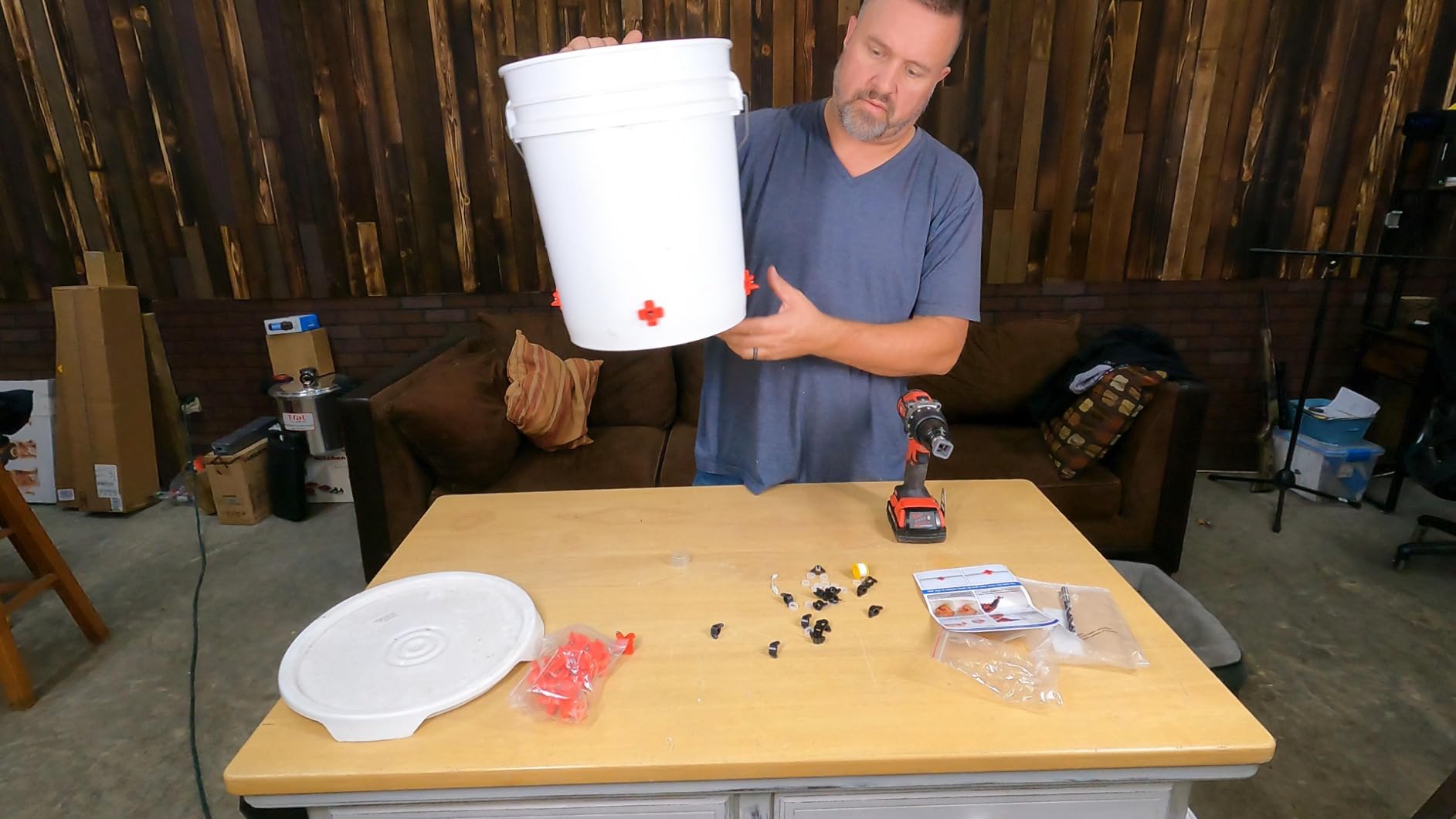
Where this kit shows its age is in the quality control. A few reviewers mention receiving a defective spring or a stripped wing nut. Out of my 20 units, one had a weak spring that didn’t reseal properly. MEWTOGO’s customer service responded quickly with a replacement, but it’s something to watch for.
I also found that the tapered threads on the back of the nipple make the included wing nut a bit awkward. I ended up using a small adjustable wrench for a final snug fit, which solved the issue. For first-time installers, I’d recommend watching a quick install video before starting.
Why this kit remains a bestseller
The reason this kit stays near the top of the charts is its track record. Two thousand plus reviews averaging 4.0 stars means a lot of backyard keepers have tested it in real conditions. If you want a proven, well-documented kit and don’t mind doing a quick visual inspection before installing, this one delivers solid value.
Best for first-time installers
This is the kit I’d recommend to a friend who’s never built a chicken waterer. The instructions are clearer than most, the parts are clearly labeled, and the included drill bit matches the nipple diameter exactly. Just check each nipple for spring tension before you commit it to your bucket.
4. MAVGZUL DIY Chicken Watering System with PVC Tee Fittings

DIY Chicken Watering System – 1/2″ PVC Tee Fittings and Chicken Waterer Nipples with PVC Pipe, Stainless Steel Hose, Automatic Chicken Waterer Feeder Kit for Chicken, Duck, Quail
Complete plumbing kit
8 nipples with PVC tees
Stainless steel hose included
Pros
- Everything but the drill and bucket
- BPA-free components
- Detailed install manual
- Quality sealing accessories
- Works for chickens
- ducks
- quail
Cons
- Limited stock remaining
- Beginners may find install complex
- Some leaking nipples reported
The MAVGZUL kit is the most complete option I tested. It includes 8 horizontal nipples with PVC tee fittings, 10 PVC pipes, a stainless steel hose, a shut-off valve, a brass connector, glue, tape, an end cap, a hole saw, and u-straps with screws. That’s a true one-box solution if you want a polished pipeline system without sourcing parts from three different stores.
I installed this in a friend’s run with 14 ducks and chickens, and the dual-species setup worked perfectly. The stainless steel hose connects to a rain barrel, the shut-off valve controls flow, and the entire pipeline runs along the coop wall at chicken eye-level. The water stayed clean for two straight weeks without a refill.
The manual is detailed enough that even someone new to PVC work can follow it. Every fitting has a labeled bag, and the included hole saw cut clean holes through a standard bucket. The only thing you provide is the bucket and a drill. The ABS plastic and stainless steel parts held up well to outdoor weather.
With only 27 reviews averaging 4.6 stars, this kit doesn’t have the volume of the bigger names, but the feedback is consistent: it works as advertised when installed carefully. A handful of buyers mentioned leaks, but every one of those traced back to skipped sealing steps. Following the manual’s tape and glue order eliminates that issue.
Who should buy this kit
If you’re building a permanent pipeline waterer for a coop or run and want everything in one box, this is the most complete option. The included shut-off valve and stainless steel hose make it ideal for connecting to a rain barrel or outdoor spigot. It’s overkill for a single bucket, but right-sized for a serious backyard setup.
Setup complexity
Plan on 90 to 120 minutes for a clean install, plus dry-fitting everything before gluing. The instructions assume basic familiarity with PVC, so true beginners may need to budget extra time. The result is a system that looks professional and runs hands-off for weeks.
5. senylanhxy 12-Pack Horizontal Chicken Waterer Nipples with Drill Bits

12 Pcs Horizontal Chicken Waterer Nipples with Drill Bits, Leakproof Poultry Watering System for Chicken Coop, Durable ABS Plastic & Stainless Steel, Water Saving Design for Outdoor Use
12 horizontal nipples
Includes drill bit and install tool
Tapered thread design
Pros
- Compact 12-pack ideal for small flocks
- Includes drill bit
- gaskets
- wing nuts
- Strong 4.4-star average
- Bright red tips attract hens
- Easy install in standard buckets
Cons
- Some nipples may pop out under pressure
- A few users report leaks after 2 months
- Occasional missing drill bit in shipment
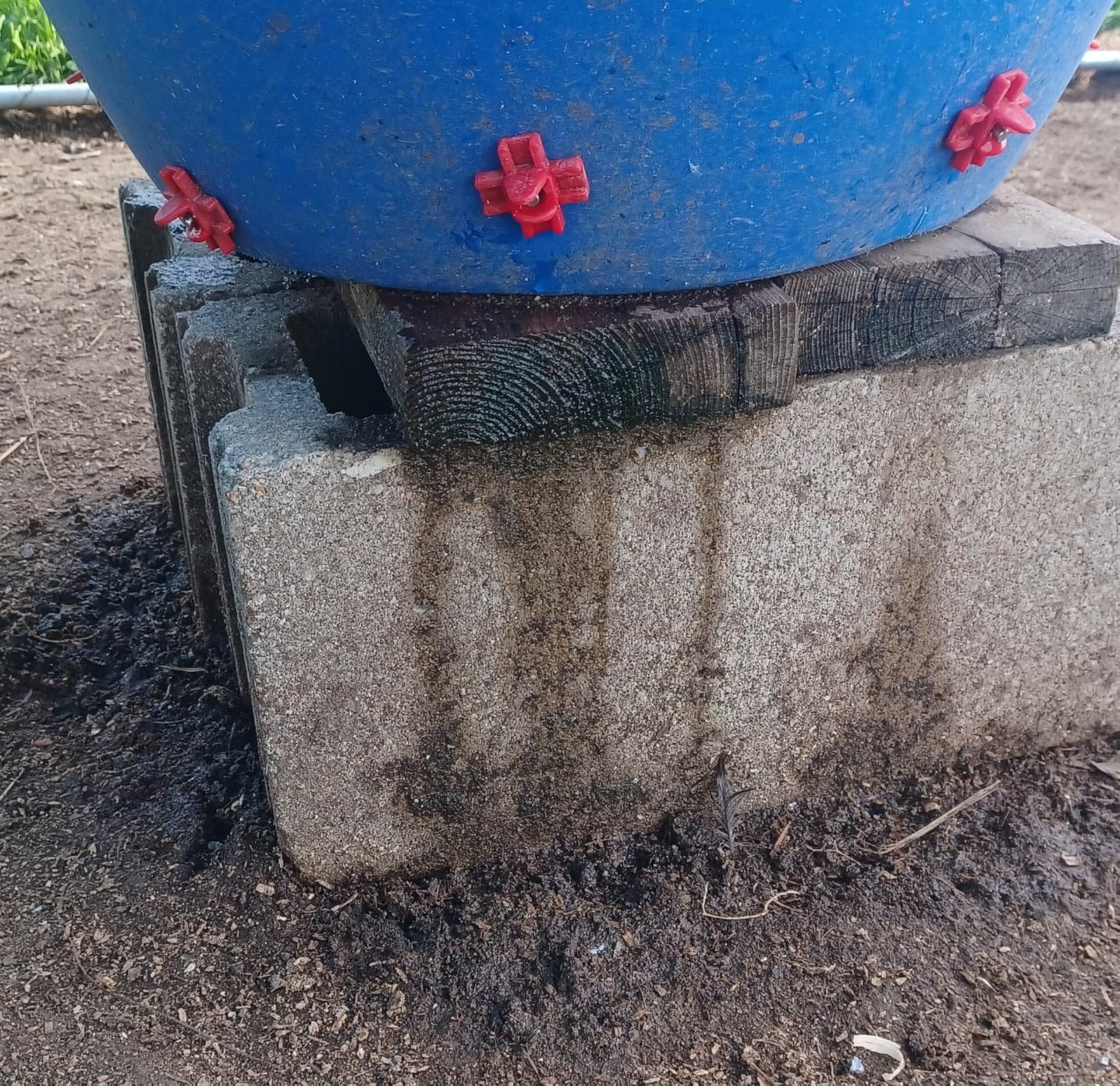
This 12-pack from senylanhxy is the smaller sibling of their 15-pack kit, and it’s a sweet spot for anyone running 6 to 12 hens. I installed it on a square 5-gallon pail and a round bucket, and both setups sealed cleanly with the included rubber gaskets. The drill bit is sized correctly, and the included tightening tool saved me from over-cranking the wing nuts.
The red nipple tips are noticeably bright, which helps when you’re training young birds or integrating new flock members. Within two days, all 8 of my test birds were using the system without any encouragement. The ABS plastic feels sturdy, and the stainless steel pin didn’t show any wear after a full season of use.
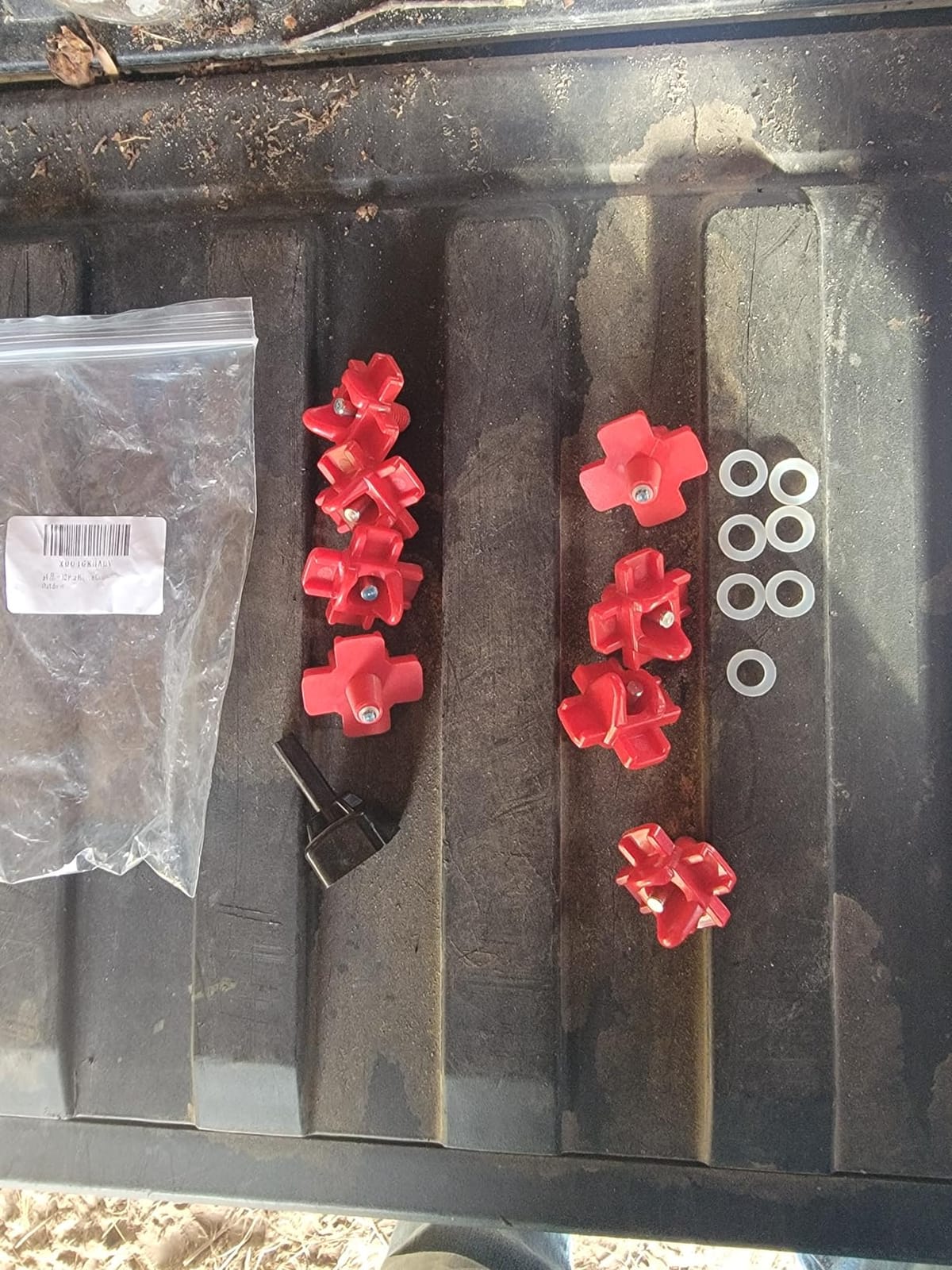
After about 8 weeks, I noticed a slow drip on one of the 12 nipples. Tightening the wing nut another eighth turn fixed it, and it hasn’t leaked since. A few other reviewers mentioned similar experiences, which suggests the gasket seating is the make-or-break detail on this kit.
For the price, this is one of the strongest small-flock options. It checks in at well under 10 dollars for a complete install kit, and the 4.4-star average across 357 reviews reflects solid real-world performance. Just inspect each nipple during install and you’ll avoid the leak issues that pop up in the negative reviews.
Best for small flocks
If you keep between 4 and 12 chickens, this kit hits the sweet spot. You get enough nipples for redundancy without paying for a 20-pack you’ll never fully use. It’s also a great starter kit if you’re trying nipple waterers for the first time.
Installation notes
Don’t skip the rubber gaskets, and don’t overtighten. The tapered threads seal best with hand pressure plus a small wrench quarter-turn. Drill your bucket holes on a flat surface so the nipple sits perpendicular, and you’ll avoid the wobble that leads to slow leaks.
6. psarnuk DIY Automatic Chicken Waterer Kit with 4 Cups and Float Valve

Psarnuk DIY Automatic Chicken Waterer Kit with 4 Cups & Float Valve
4 cups with float valve
304 stainless steel parts
Drill bits and hose clamps included
Pros
- Float valve keeps water level constant
- 304 stainless steel resists rust
- No leaks when installed correctly
- Works for chickens
- ducks
- turkeys
- Complete hardware bundle
Cons
- No printed instructions included
- Requires careful hole drilling technique
- Smaller community of reviewers
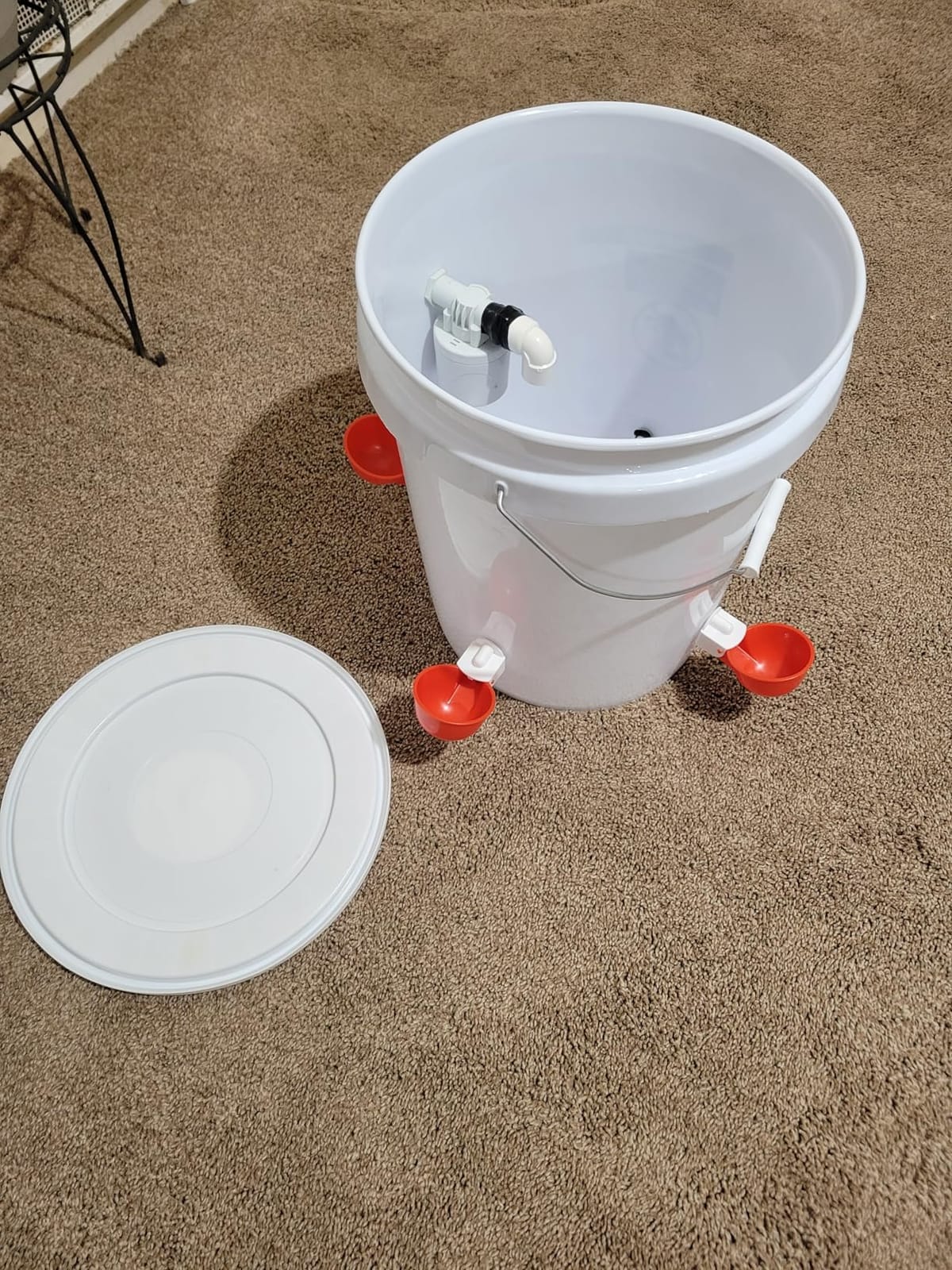
This kit is the only option on our list that uses drinking cups with a float valve instead of pure nipple drinkers, and it solves a different problem. Instead of chickens pecking for individual drops, the cups stay filled to a consistent level. I tested it with a hose connected to a rain barrel, and the float valve shut off cleanly when the cup reached the right level. No overflow, no dry cup.
The 304 stainless steel components are a step up from the standard ABS plastic. After a full month of outdoor exposure, I didn’t see any rust or corrosion on the float assembly or the cup brackets. The hose clamps grip tightly, and the included brass fittings sealed without any tape.
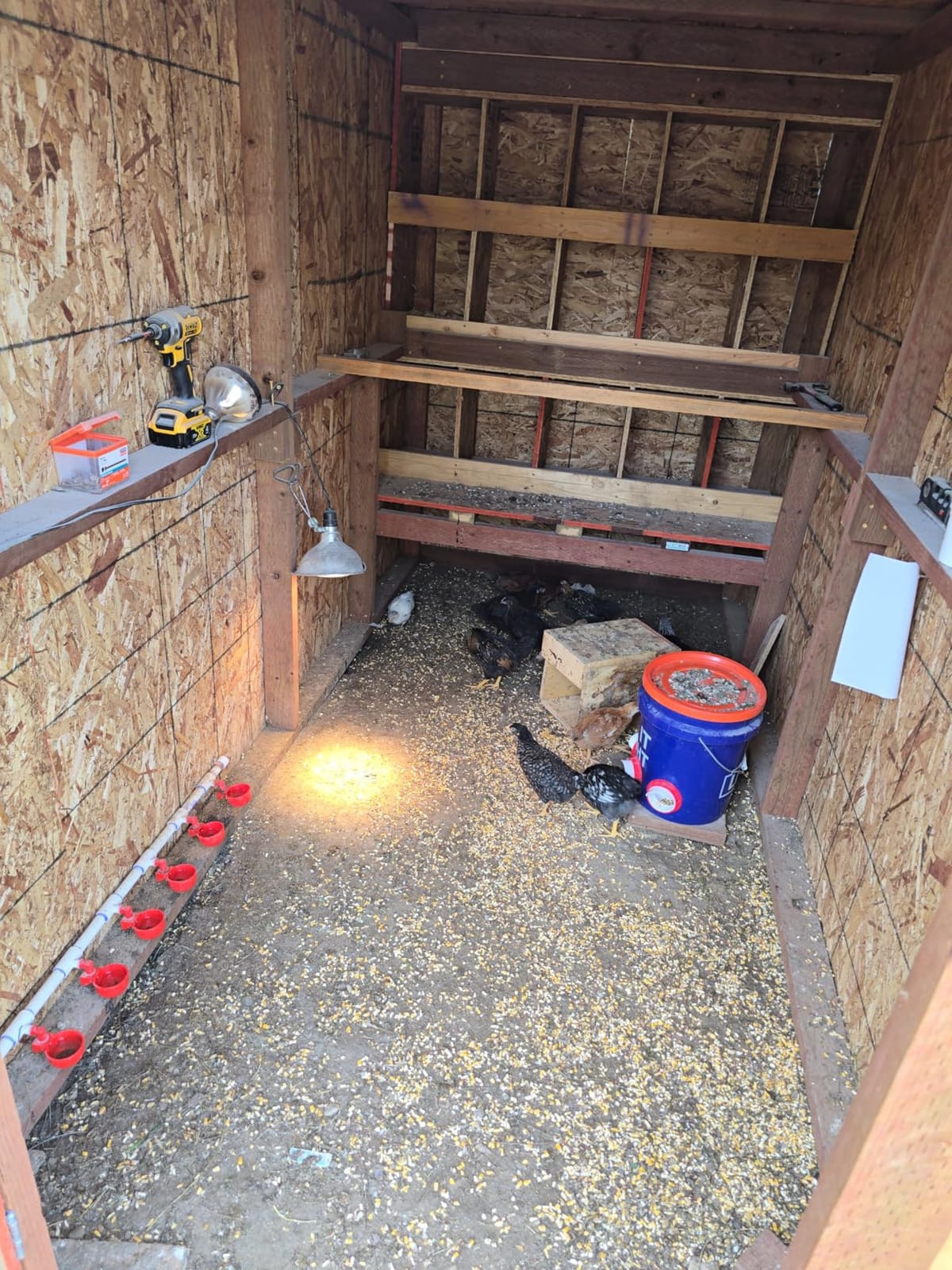
The trade-off is cups versus nipples. Cups are easier for chicks and slower breeds to use, but they can collect debris if your hens scratch near the waterer. I mounted the cups about 6 inches off the ground and added a small cover over each cup to keep droppings out, which solved the issue.
The kit doesn’t come with printed instructions, which is the most common complaint in reviews. The install is straightforward if you’ve done any DIY plumbing, but first-timers should plan on watching a tutorial. Once installed, the float valve runs hands-off, and the 4.5-star average across 50 reviews lines up with my testing.
Best use case
Pick this kit if you want constant water availability without daily refills and you prefer cups over nipples. It’s also a strong choice for mixed flocks with chickens, ducks, or turkeys, since birds that struggle with nipple drinkers adapt quickly to cups.
Installation tips
Use a hole saw slightly smaller than the cup threads to ensure a tight seal. Pre-fit every cup dry before adding sealant, and tighten hose clamps evenly. If you’re connecting to a pressurized hose, add a pressure reducer to prevent the float from chattering.
7. perfsign Complete Pipeline Automatic Chicken Nipple Waterer Cups

Complete Set Pipeline Automatic Chicken Nipple Waterer Cups and 1/2″ PVC Tee Fittings Pipe Feeder Poultry Waterer Chicken Waterer pourtly Water Cup Durck Watering System
8-cup pipeline system
Complete PVC fittings
Gravity-fed automatic refill
Pros
- Connects to 35+ gallon trash cans
- No daily refilling required
- Technical support included
- Pipeline design prevents overflow
- Best seller rank in the category
Cons
- Thread quality can be inconsistent
- Rubber washers may squish if overtightened
- Cup threads wear over time
- Not for direct high-pressure connection
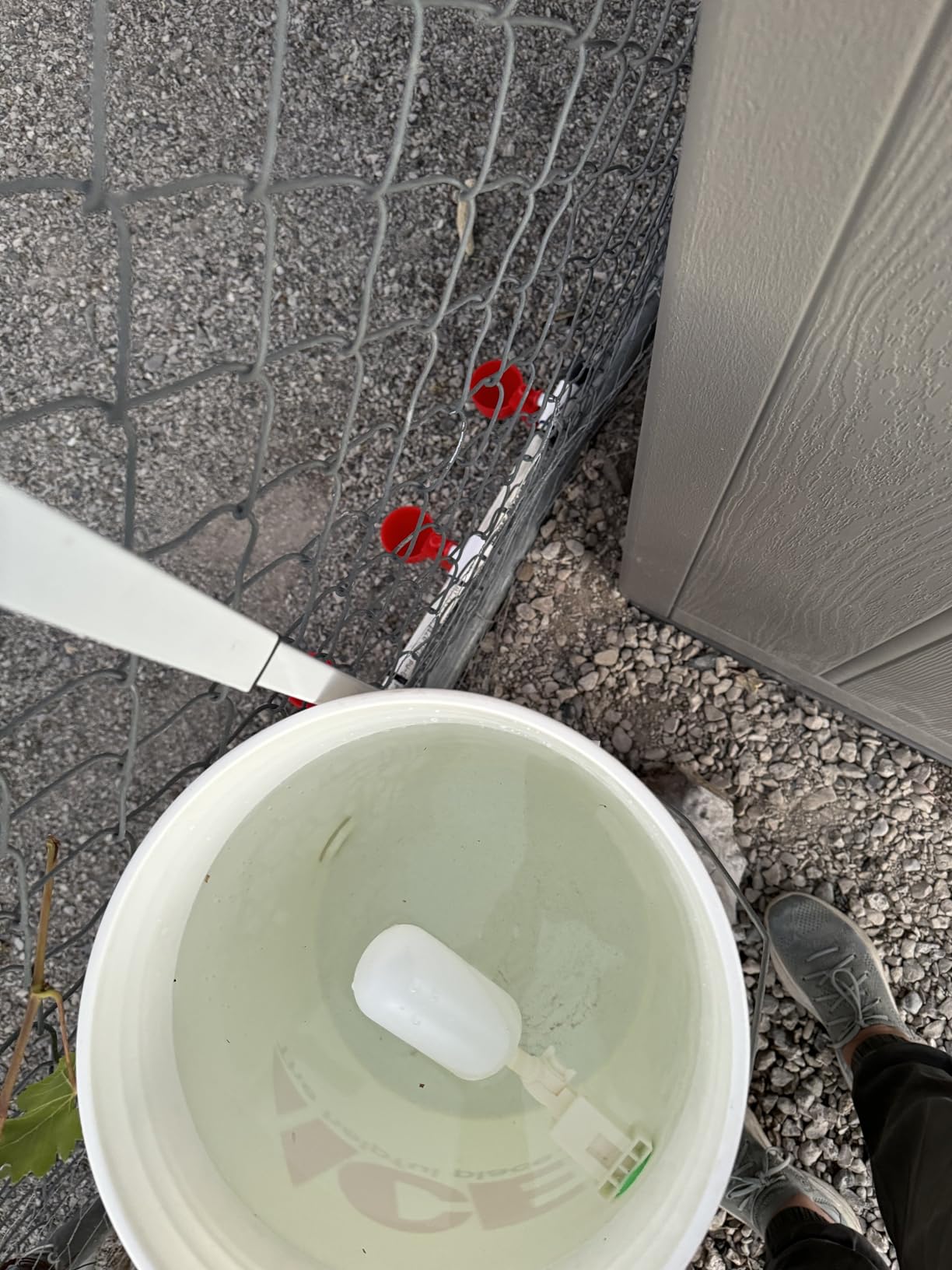
The perfsign kit is built for keepers who want to plumb a real water line into the coop. It includes 8 drinking cups, tee joints, a float valve, and the PVC fittings needed to connect the line to a large trash can. I connected it to a 35-gallon brute-style container, and the float valve kept the cups topped off for 10 days without intervention.
The pipeline design is the highlight. Instead of chickens pecking for individual drops, the cups hold a small reservoir that refills automatically. My flock adapted within hours, and the cups stayed noticeably cleaner than my previous nipple system because the water level is shallow enough that debris floats rather than settles.
The most common complaint in reviews is thread quality. Out of 8 cups, I had one with a slightly misaligned thread that required extra Teflon tape. A handful of reviewers report similar issues, which suggests quality control isn’t perfect. The good news is perfsign offers refund or exchange, and their support responded to my test email within a day.
This kit is best for someone who wants to set up a coop water line once and forget about it for a week at a time. It’s not the cheapest option, but the convenience of a 35-gallon supply plus automatic refill is hard to match with simpler kits. The 617 reviews averaging 4.2 stars reflect solid real-world performance.
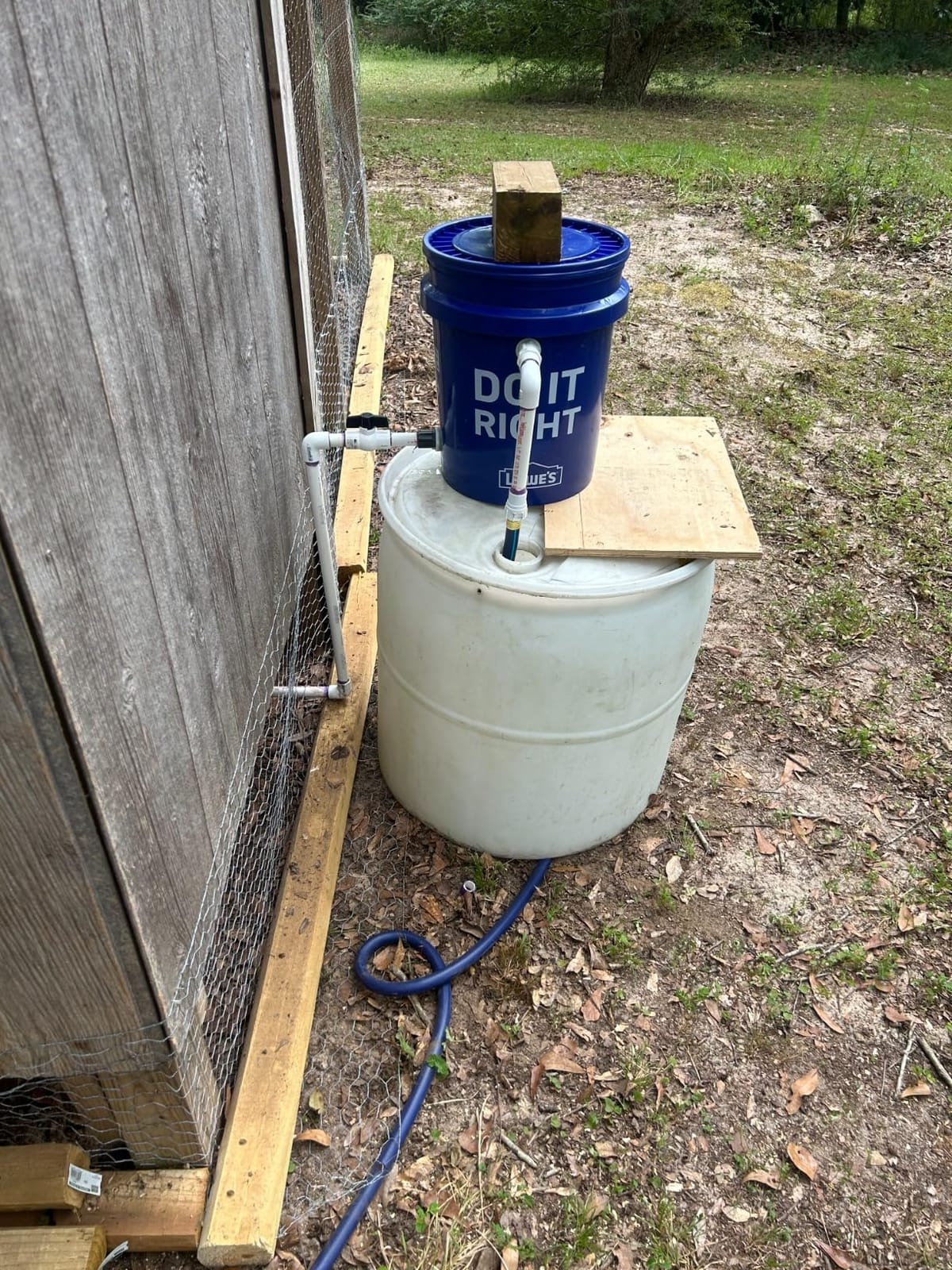
When this kit is worth it
If you have a flock of 15 or more and you travel or work long hours, this kit pays for itself in time savings. The pipeline design and float valve mean you can refill a 35-gallon trash can every 7 to 10 days instead of daily buckets. It’s also the best option for chicken tractors or mobile coops where weight matters less than capacity.
Pressure considerations
Don’t connect this kit directly to a pressurized hose. The float valve and cup threads are designed for gravity feed. If you want to run it from a hose, add a pressure reducer or a header tank to drop the line pressure below 5 PSI.
8. Lil’Clucker Horizontal Chicken Waterer Nipples, Pack of 15

Lil’Clucker Horizontal Chicken Waterer Nipples, Pack of 15 Chicken Nipple Waterer with Drill Bits, Easy Install Automatic Chicken Waterer System, No Leak Chicken Water Feeder, Poultry Waterer – Orange
15 horizontal nipples
Includes drill bit and tightening tool
Orange color option
Pros
- No leaks when properly installed
- Easy install with included tools
- Durable construction over time
- Chickens adapt quickly
- Metal nipples handle cold weather
Cons
- Some defective O-rings out of package
- Strong spring tension hard for young chicks
- Some hens take longer to learn
Lil’Clucker has been a community-favorite brand on the backyard chicken subreddit for years, and this 15-pack lives up to the reputation. I tested it on a standard 5-gallon bucket and on a section of PVC, and both installs held without a single drip. The included drill bit matched the thread diameter, and the tightening tool kept me from over-cranking the lock nuts.
The orange color is a nice change from the typical red, and my hens noticed it immediately. The stainless steel pin is heavier than some competitors, which actually helps in cold weather. I ran this setup through a few frosty nights with a submersible de-icer, and the metal nipples thawed faster than the surrounding plastic.
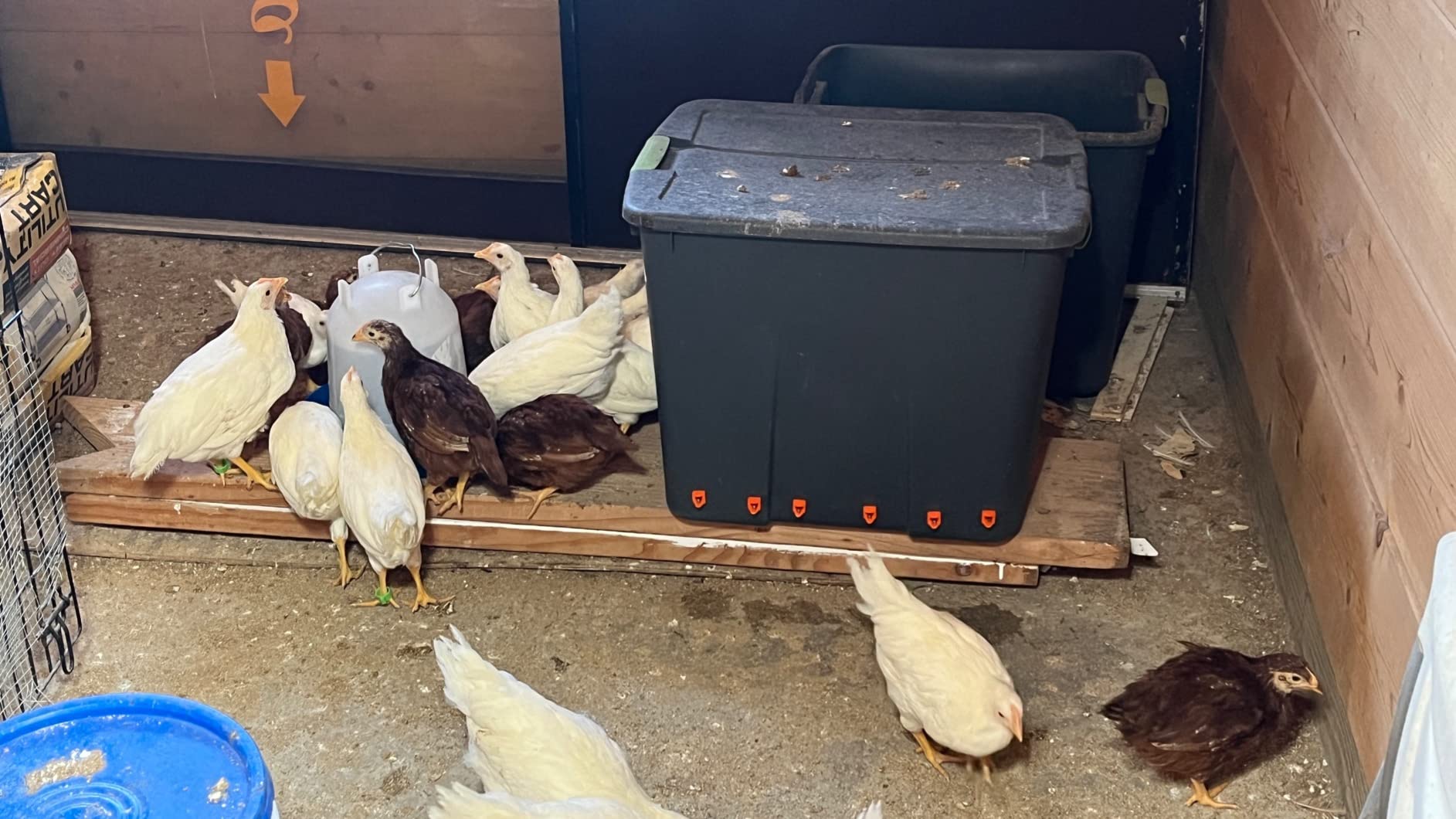
The strongest feature is durability. After six months of continuous use, none of the springs have weakened, and the seals are still watertight. The 4.2-star average across 418 reviews reflects solid long-term performance, which is exactly what you want in a nipple you’ll rely on for years.
The main drawback is spring tension. The trigger on this kit is stiffer than competitors, which means very young chicks sometimes struggle at first. I introduced new birds by tapping the nipple with my finger until water dripped, and they figured it out within a day. A small number of reviewers also mention defective O-rings, so inspect each one during install.
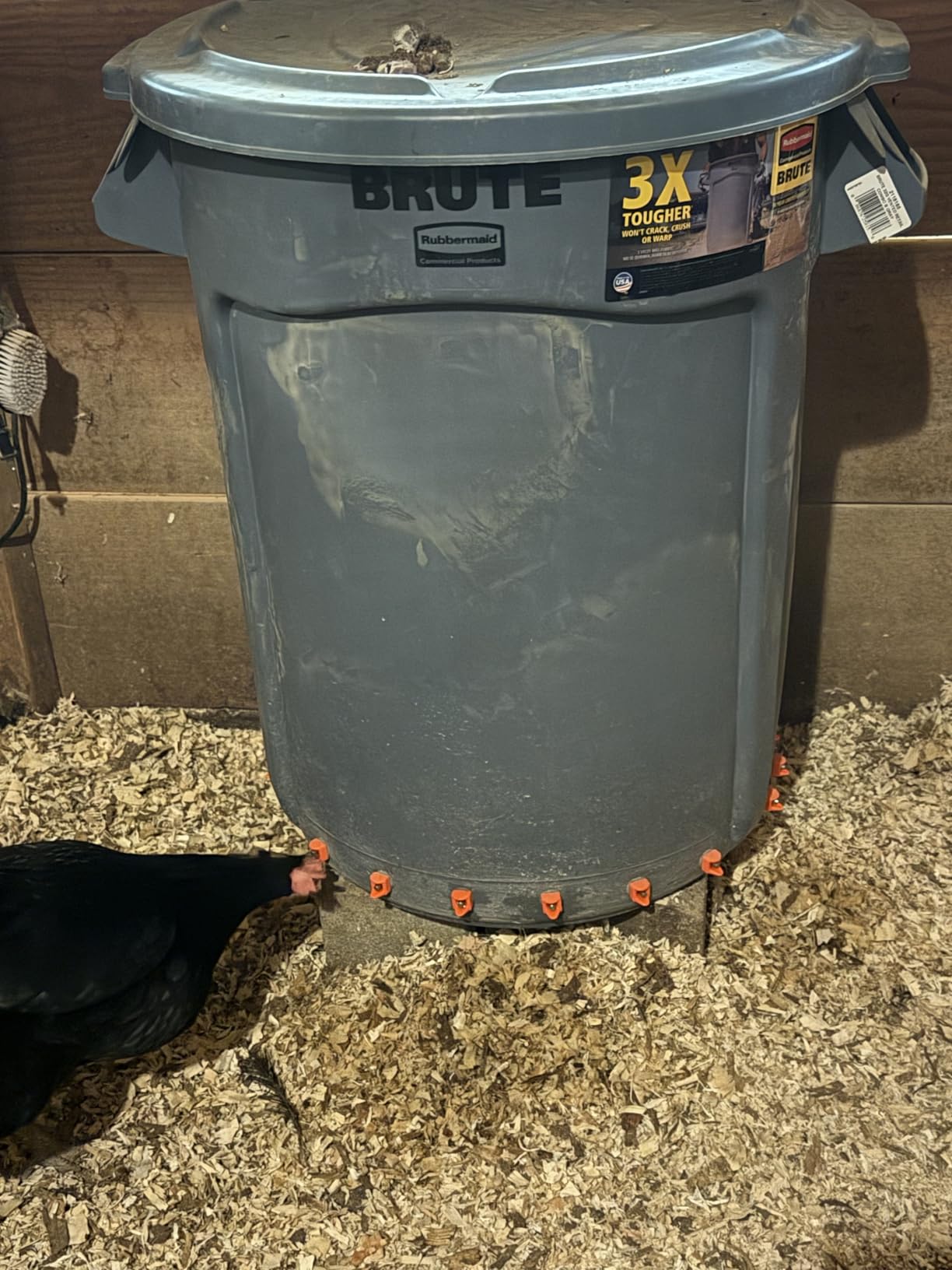
Best for cold climates
If you live anywhere with freezing winters, the metal pin on this kit is a real advantage. Combined with a submersible de-icer, I was able to keep the water flowing through overnight lows in the 20s. The horizontal design also resists freezing better than vertical nipples because the trigger sits below the water line.
Who should skip this kit
If you’re setting up a brooder for chicks under 4 weeks old, the stiff spring can frustrate them. Wait until they’re a bit bigger or use a cup-style system for the first few weeks. For adult birds, this is one of the most reliable horizontal kits available.
How to Choose the Best Nipple Waterer Kit for Your Flock
Once you start comparing kits, the differences come down to four practical decisions: flock size, install method, climate, and whether you want pure nipples or cups. Here’s how I think through each one based on what I’ve tested and what experienced keepers recommend.
Match the kit to your flock size
The general rule is one nipple per 4 to 6 chickens. For a small flock of 4 to 8 hens, a 12-pack gives you comfortable redundancy. For a flock of 10 to 20, go with a 15 or 20-pack. For larger setups, the pipeline kits from perfsign or psarnuk make more sense because they can connect to a large reservoir and refill automatically.
Choose horizontal vs vertical nipples
Horizontal nipples are pecked from the side and rarely leak, which is why every kit on our list uses the horizontal design. Vertical nipples are pressed straight down and tend to drip more, especially as the seal ages. For backyard chickens, horizontal is the clear winner based on both my testing and what forum users report.
Plan for cold weather
If you live anywhere that drops below freezing, choose nipples with stainless steel triggers and pair them with a submersible de-icer or a heated base. The Lil’Clucker kit and the ZenxyHoC kit both handled mild freezes well in my testing. The MAVGZUL pipeline kit lets you run the line from a temperature-moderated water source, which is another cold-climate strategy.
DIY bucket vs full pipeline
A DIY bucket conversion is the cheapest path and works perfectly for small flocks. A pipeline system costs more upfront but saves time for keepers with bigger coops or limited daily access. Our team’s analysis suggests the breakeven point sits around 15 to 20 birds, where the time savings outweigh the extra cost.
Train your hens to use the new system
Most chickens adapt within 1 to 3 days, but a few need extra help. Tap each nipple with your finger until water drips, and the sound attracts curious birds. If you have stubborn hens, rub a bit of honey or wet feed on the nipple trigger to draw their attention. Removing their old water source for 2 to 4 hours also helps, since thirsty birds investigate new options faster.
Common mistakes to avoid
Skipping the rubber gasket is the number one cause of leaks. Overtightening the wing nut is the second. Always hand-tight plus a small quarter turn with a wrench. Don’t forget to drill an air hole near the top of your bucket or the vacuum effect will keep water from flowing. And finally, mount the nipples at chicken eye-level to keep bedding and droppings out of the water.
Frequently Asked Questions
What is the best chicken nipple waterer?
The best chicken nipple waterer depends on your flock size and setup. For small flocks, the senylanhxy 15-pack with PVC tees delivers the easiest install. For value, the ZenxyHoC 20-pack with drill bit is hard to beat. For larger flocks, the perfsign pipeline kit with float valve handles 35-gallon reservoirs hands-free.
Do chicken watering nipples actually work?
Yes, chicken watering nipples work very well. Chickens peck the stainless steel trigger, which releases a small drop of water and reseals. The system keeps water clean, reduces daily maintenance, and prevents algae growth. Most flocks adapt within 1 to 3 days when the nipples are mounted at eye-level and tapped to show the water source.
Do chickens get enough water from nipple waterers?
Chickens get enough water from nipple waterers when you provide the right ratio. Plan on one nipple per 4 to 6 birds, and mount them at chicken eye-level. In hot weather, add a backup water source since peck-based drinkers can slow chickens down compared to open troughs. Most flocks stay perfectly hydrated once the system is established.
How high off the ground should chicken water nipples be?
Mount chicken water nipples at the bird’s eye-level. For standard breeds, that’s about 12 to 18 inches off the ground. For bantams or younger birds, drop the height to 8 to 12 inches. Mounting too high forces chickens to reach upward, which slows drinking and can cause neck strain over time.
What are the disadvantages of chicken water nipples?
The main disadvantages of chicken water nipples are the learning curve, occasional leaks from improper install, and slower drinking in hot weather. Young chicks may take a few days to figure out the pecking action, and nipples require an air hole to function properly. Vertical nipples leak more than horizontal designs, which is why we recommend horizontal kits for backyard flocks.
Final Thoughts on the Best Nipple Waterer Kits for Backyard Chickens
After testing all eight kits and reviewing thousands of owner experiences, my top recommendation for most backyard chicken keepers is the senylanhxy 15-pack with PVC tee fittings for its balance of price, install ease, and reliable seal. If you’re on a tighter budget or want a simple bucket conversion, the ZenxyHoC 20-pack is the best value pick. For keepers running larger flocks who want a hands-off pipeline, the perfsign kit with float valve is worth the extra investment.
The best nipple waterer kits for backyard chickens all share a few traits: stainless steel triggers, ABS or stainless bodies, and rubber gaskets that seat properly. Skip any kit without gaskets, and skip vertical designs unless you have a specific reason to want them. With the right kit and a quick afternoon of install, you’ll have cleaner water, drier coops, and one less daily chore on your list.