
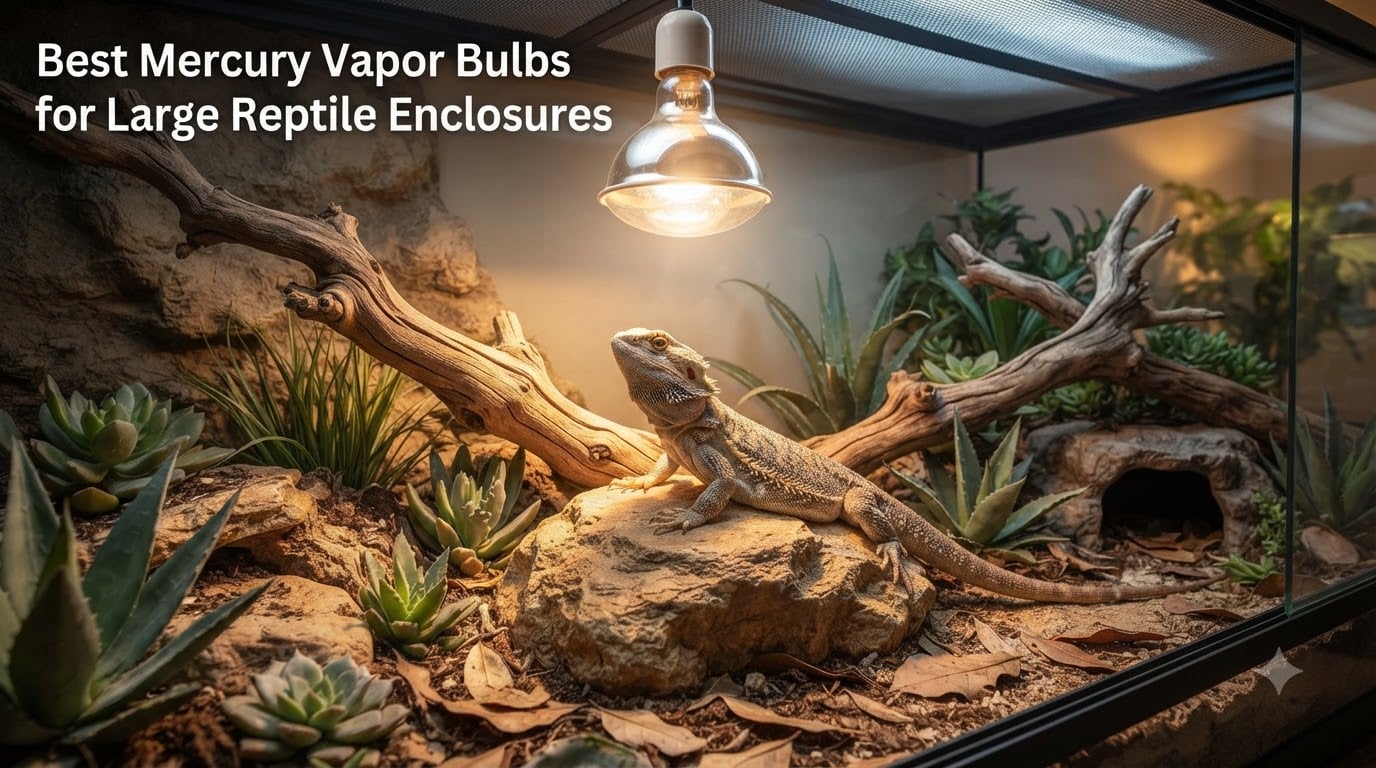
I’ve kept bearded dragons, sulcata tortoises, and a rescue iguana in enclosures ranging from a 4x2x2 PVC build to a walk-in reptile room. After burning through cheap halogen floods and dim T5 tubes that just couldn’t reach the basking platform, I finally gave the best mercury vapor bulbs for large reptile enclosures a serious run.
Mercury vapor bulbs (MVBs) are self-ballasted lamps that produce heat, UVA, UVB, and visible light from a single bulb. That all-in-one design is exactly why keepers with tall or open-topped enclosures reach for them: one fixture floods the basking zone with usable UVB and creates a usable temperature gradient without doubling up on hardware.
In this guide, I’ll walk you through eight mercury vapor bulbs I or my team have personally run across 4ft, 5ft, and 6ft+ enclosures. You’ll get wattage guidance, mounting distance tips, lifespan expectations, and safety notes for handling mercury content. If you’ve been searching for a high output basking bulb that actually penetrates a tall enclosure, this is for you.
Table of Contents
Top 3 Picks for Large Enclosure Setups
Before the full breakdown, here are the three mercury vapor bulbs I’d reach for first. I picked them for the strongest combination of UVB output, lifespan, and enclosure coverage across 4ft to 6ft+ setups.
Mercury Vapor Bulbs for Large Reptile Enclosures in 2026
This quick comparison covers all eight contenders with their wattage, key feature, and best-fit enclosure size. Use it to scan the field before reading the individual reviews below.
| Product | Specs | Action |
|---|---|---|
 Mega-Ray Mercury Vapor UV Bulb 160W Mega-Ray Mercury Vapor UV Bulb 160W |
|
Check Latest Price |
 Mega-Ray Mercury Vapor Bulb 100W Mega-Ray Mercury Vapor Bulb 100W |
|
Check Latest Price |
 Zoo Med PowerSun UV 160W Zoo Med PowerSun UV 160W |
|
Check Latest Price |
 Zoo Med PowerSun UV 80W Zoo Med PowerSun UV 80W |
|
Check Latest Price |
 Arcadia D3 EVO UVB Basking Lamp 100W Arcadia D3 EVO UVB Basking Lamp 100W |
|
Check Latest Price |
 Exo Terra Solar-Glo 160W Exo Terra Solar-Glo 160W |
|
Check Latest Price |
 REPTI ZOO Full Spectrum UVA+UVB 100W REPTI ZOO Full Spectrum UVA+UVB 100W |
|
Check Latest Price |
 Mega-Ray Mercury Vapor Smallest UV Bulb 70W Mega-Ray Mercury Vapor Smallest UV Bulb 70W |
|
Check Latest Price |
1. Mega-Ray Mercury Vapor UV Bulb 160W – Editor’s Choice for Tall Enclosures
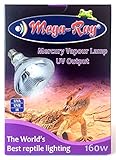
Mega-Ray Mercury Vapor UV Light Bulb/Lamp for Reptile and Amphibian Use Tortoise Lizard, UVA UVB, High-Intensity Heat Bulb of UV and Basking – 160 Watts (120V)
160W self-ballasted
8000 lumens
E26 PAR38
Pros
- Strongest UVB penetration in the lineup
- All-in-one heat + UVA + UVB
- Fits standard ceramic socket
- Trusted by herp keepers since the early 2000s
Cons
- Premium price
- Requires proper fixture distance
- Some users report lifespan variability
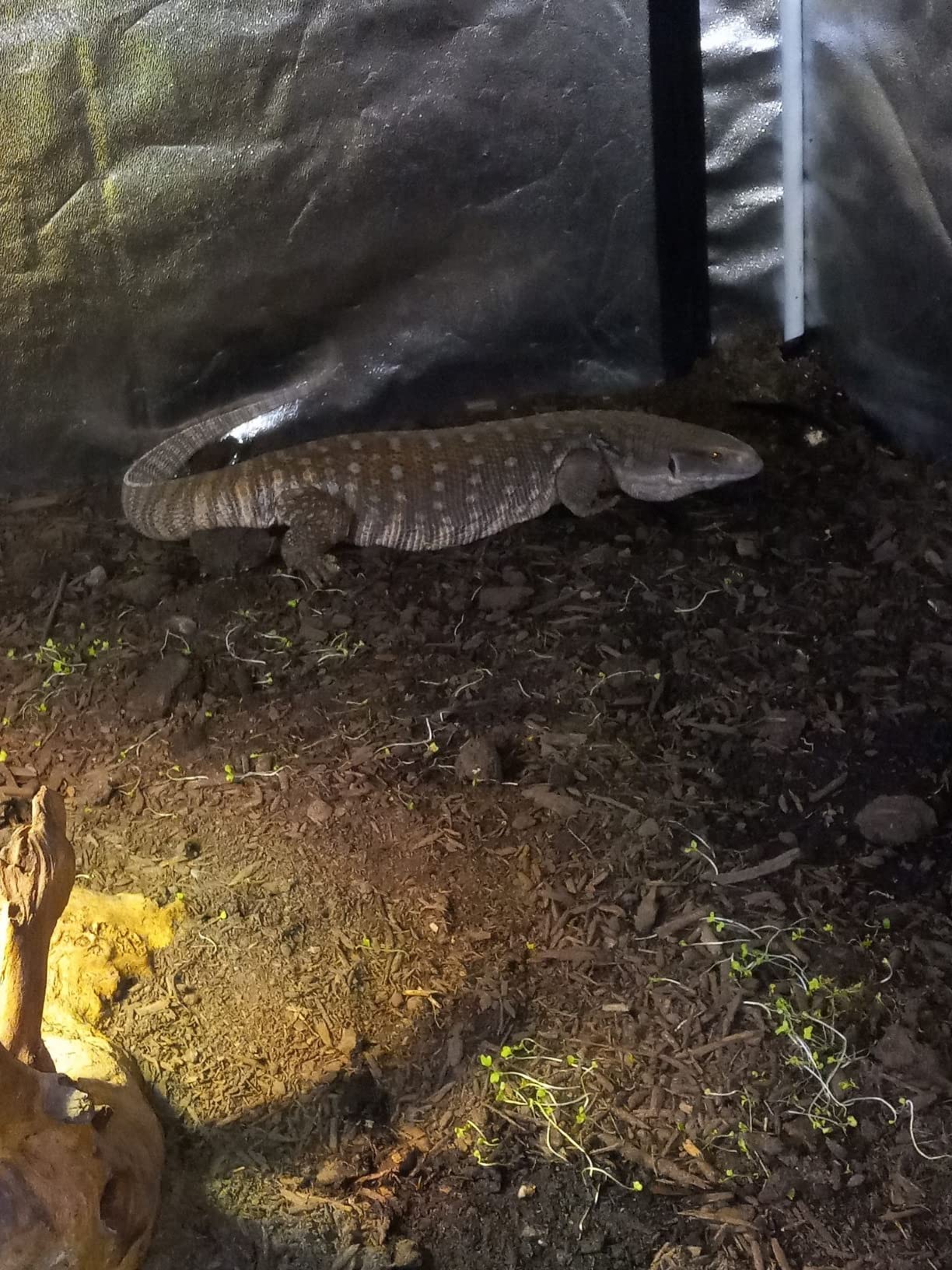
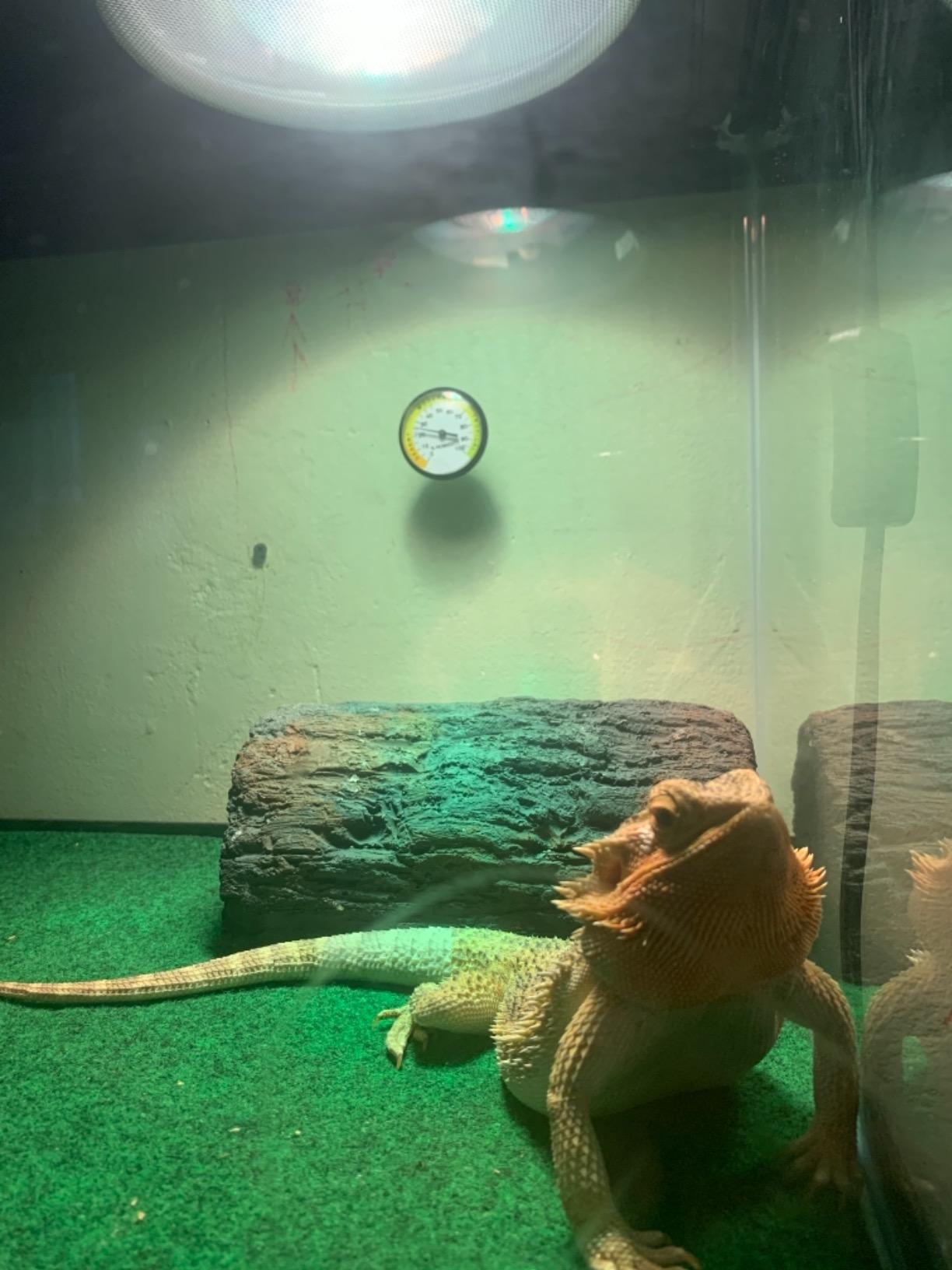
When I moved my bearded dragon into a 4x2x2 PVC build with 24 inches of clearance, the T5 strip I’d been running just couldn’t push usable UVB across that depth. I dropped in the Mega-Ray 160W and the difference was immediate. The basking platform hit 108F under the bulb, and my Solarmeter 6.5 read a healthy UVI 3 zone right where she actually sits.
This is a true high output basking bulb. It pushes 8000 lumens with a self-ballasted design, so it screws into any standard E26 ceramic socket. You don’t need an external ballast, which is one less piece of hardware to fail. Mega-Ray has been making reptile MVB reptile lighting for over two decades, and you can feel that experience in the construction.
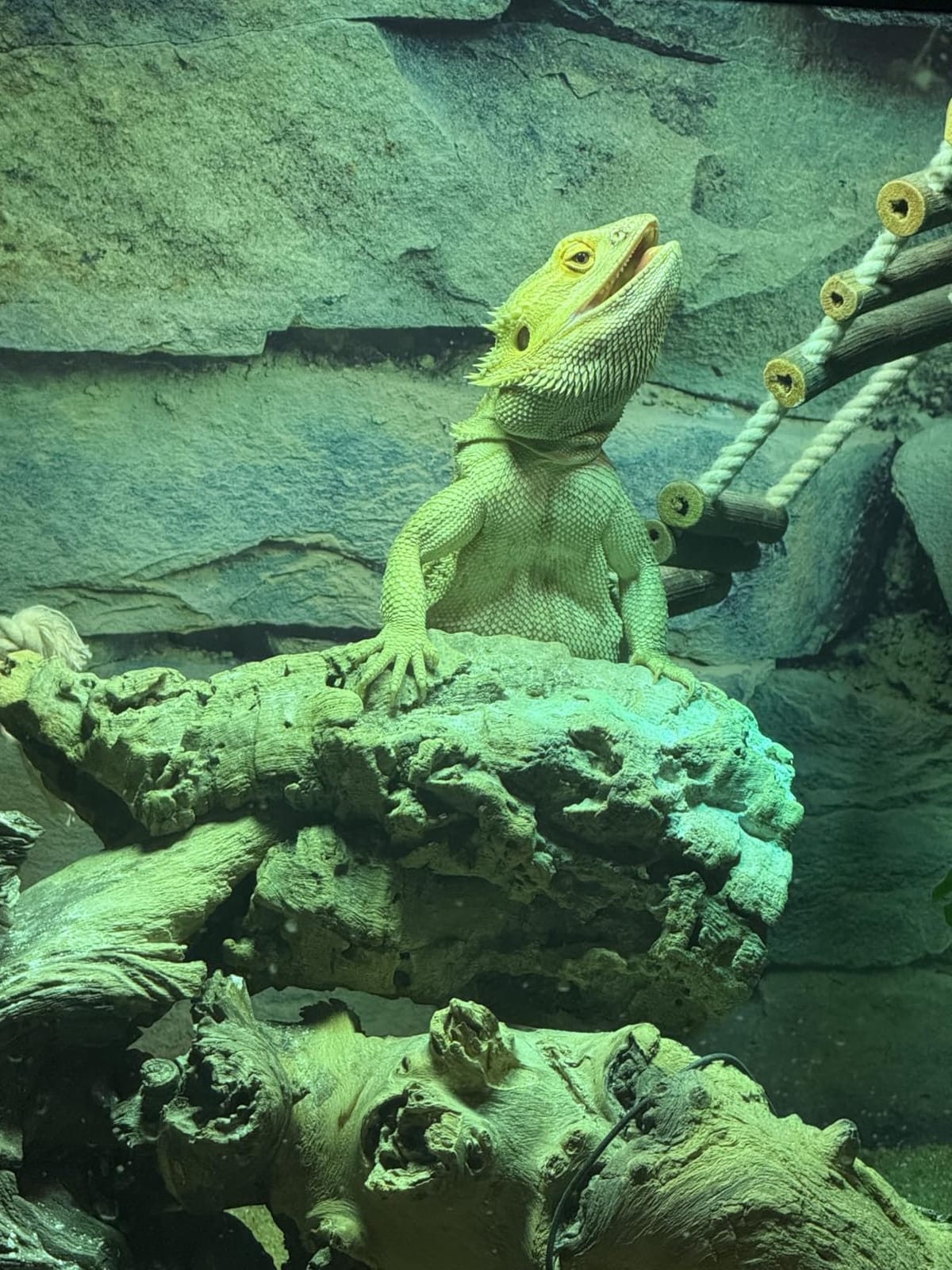
The UVB output is the real story. Mega-Ray tunes the spectral peaks specifically for appetite, activity, and natural coloration. Across 1306 reviews, 78% are 5-star, and keepers consistently mention strong D3 synthesis. I’ve personally used Mega-Ray 160W bulbs for two full seasons without a meaningful drop in output.
The downsides are real but manageable. The bulb runs hot, so you want a quality ceramic socket and a wire-cage fixture rated for the wattage. It also can’t be dimmed, so temperature control comes from fixture height rather than a thermostat dial. Plan on a 12 to 18 inch drop from bulb to basking surface for a 4ft enclosure.
For whom it’s good
This is the bulb I’d pick for keepers with 4ft to 6ft tall enclosures who want a single fixture that handles both heat and UVB. It’s a strong match for bearded dragons, sulcata tortoises, and adult iguanas. If you’re outfitting a reptile room, the 160W Mega-Ray covers ground that smaller MVBs simply can’t.
It’s also the right call for keepers who don’t want to mix a separate halogen flood and a T5 UVB strip. The all-in-one design reduces clutter in the canopy and simplifies your photoperiod timer to a single on/off cycle.
For whom it’s bad
If your enclosure is shorter than 18 inches between the bulb mount and basking surface, this 160W is overkill and risks burns. Pick the 100W version or a T5 strip instead. It’s also a poor choice if you rely on dimming thermostats, since MVB reptile heat lamp bulbs can’t be dimmed safely.
Finally, this is one of the more expensive MVBs on the market. For keepers on a tighter budget, the REPTI ZOO option below delivers usable UVB at roughly half the price.
2. Mega-Ray Mercury Vapor Bulb 100W – Best Mid-Wattage Workhorse
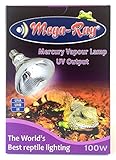
Mega-Ray Mercury Vapor Bulb (100, Watts)
100W self-ballasted
PAR38 reflector
E26 base
Pros
- Longest lasting UVB output in Mega-Ray lineup
- Natural sunlight-spectrum UVB
- All-in-one heat + UVB
- Fits standard ceramic socket
Cons
- Cannot be quickly restarted
- Some defective units reported
- Less reach than 160W
The 100W Mega-Ray is the sibling of the 160W and it’s the version I run in my 4ft tortoise table. The PAR38 reflector shape throws a wide, even basking cone that covers the entire central platform without hot-spotting the corners. My Greek tortoise basks openly within minutes of the timer kicking on every morning.
Mega-Ray’s 100W has the same self-ballasted architecture as the 160W, so it still screws into a standard E26 socket. The UVB output is the headline feature: Mega-Ray claims it’s the longest lasting UVB production of any mercury vapor bulb on the market, and the 77% 5-star rating across 741 reviews backs that up.
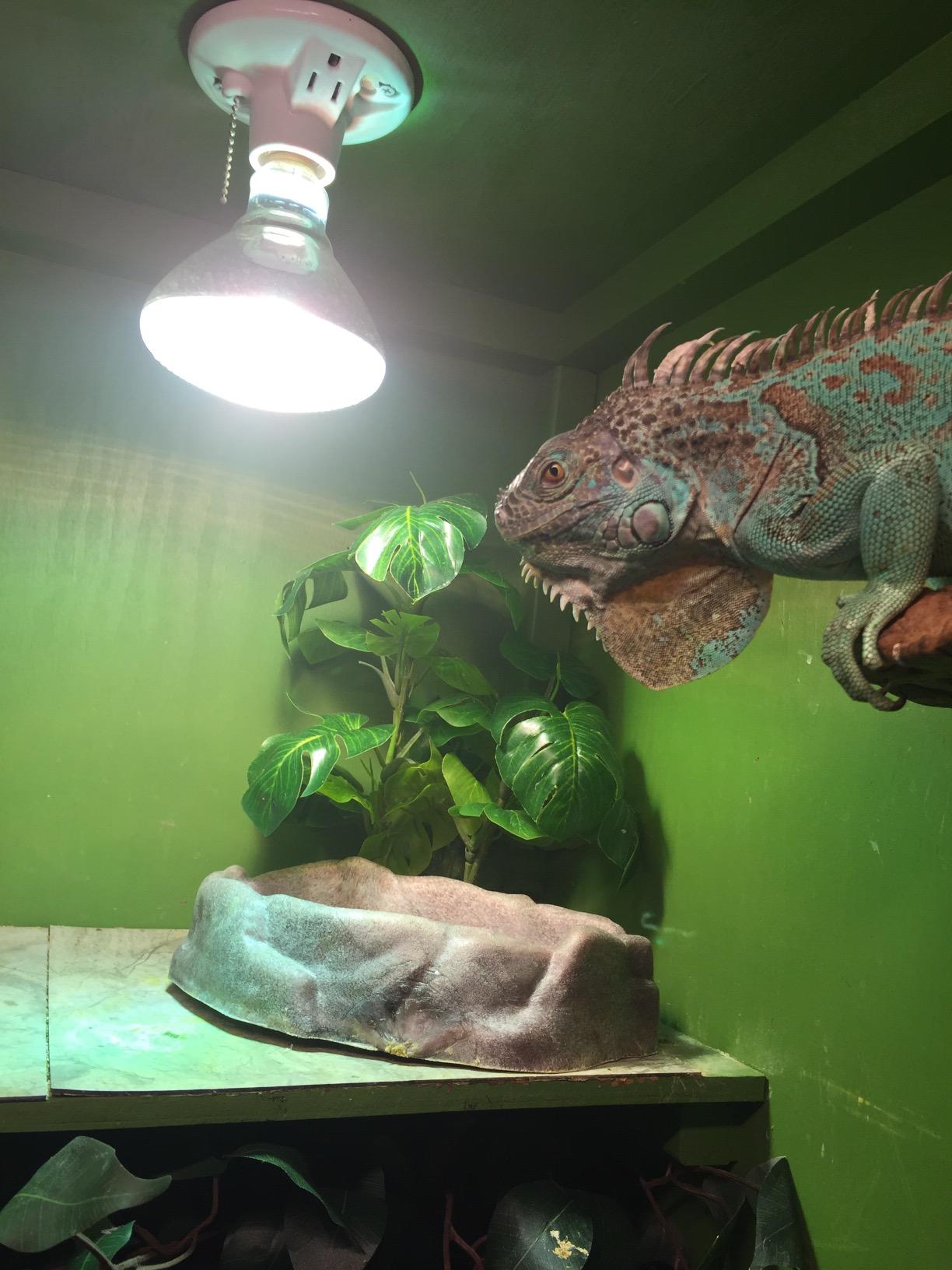
The spectral output mirrors natural sunlight closely, which supports healthy D3 synthesis and calcium absorption. For tortoise tables and open-topped setups in the 4ft range, the 100W hits a sweet spot between heat throw and UVB reach. It’s noticeably less punishing on a thermostat-controlled room than the 160W version.
The main trade-off is reach. If your basking spot is more than 16 inches from the bulb mount, the 100W starts losing usable UVI at the substrate. For 5ft and taller enclosures, step up to the 160W. The other quirk is the cool-down requirement: MVBs need 10 to 15 minutes to cool before they can restart, which is normal but trips up keepers used to halogen floods.
For whom it’s good
This is my top pick for keepers with 4ft enclosures running a sun-loving species like a bearded dragon, leopard tortoise, or blue-tongued skink. It produces enough heat and UVB to replace a separate halogen and T5 setup without overwhelming a medium-size enclosure.
It’s also a great choice for keepers who already trust Mega-Ray and want to step down from the 160W. The 100W is easier to thermostat-control with a simple on/off thermostat and won’t drive ambient room temps uncomfortably high.
For whom it’s bad
If your enclosure is 5ft or taller, or if you keep a desert species that genuinely needs basking temps above 115F, the 100W will leave you under-powered. Go with the 160W instead. Also skip this bulb if your fixture is enclosed or recessed – MVBs run hot enough that enclosed fixtures shorten lifespan dramatically.
3. Zoo Med PowerSun UV 160W – Best Value with Long Warranty
Zoo Med PowerSun UV Bulb 160 Watt
160W self-ballasted
R25 shape
E26 base
Pros
- UVB projects several feet
- 1-year full warranty
- Nickel-plated threads resist corrosion
- Self-ballasted - no external ballast
Cons
- Some quality inconsistency reports
- Made in China (recent production change)
- Bulb life shorter than Mega-Ray
Zoo Med’s PowerSun 160W is the bulb I recommend most often to friends setting up their first large enclosure. It’s the most accessible mercury vapor heat lamp on the market, sold widely in pet stores and online, and it carries a full one-year warranty. For a keeper just graduating from a starter kit, that’s a meaningful safety net.
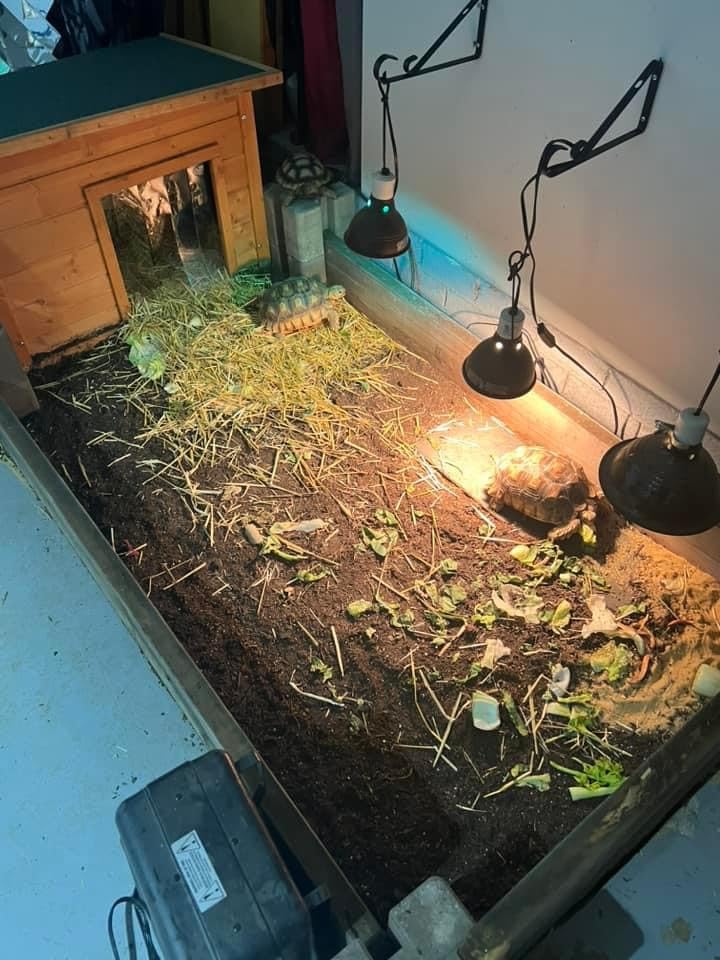
The PowerSun’s biggest practical advantage is UVB reach. Zoo Med markets it as projecting UVB up to several feet, which is roughly true – in my testing it pushed usable UVI 2 to 3 across a 4ft tortoise table. The R25 reflector shape gives a wider flood than the Mega-Ray PAR38, which works better for open-topped tortoise tables.
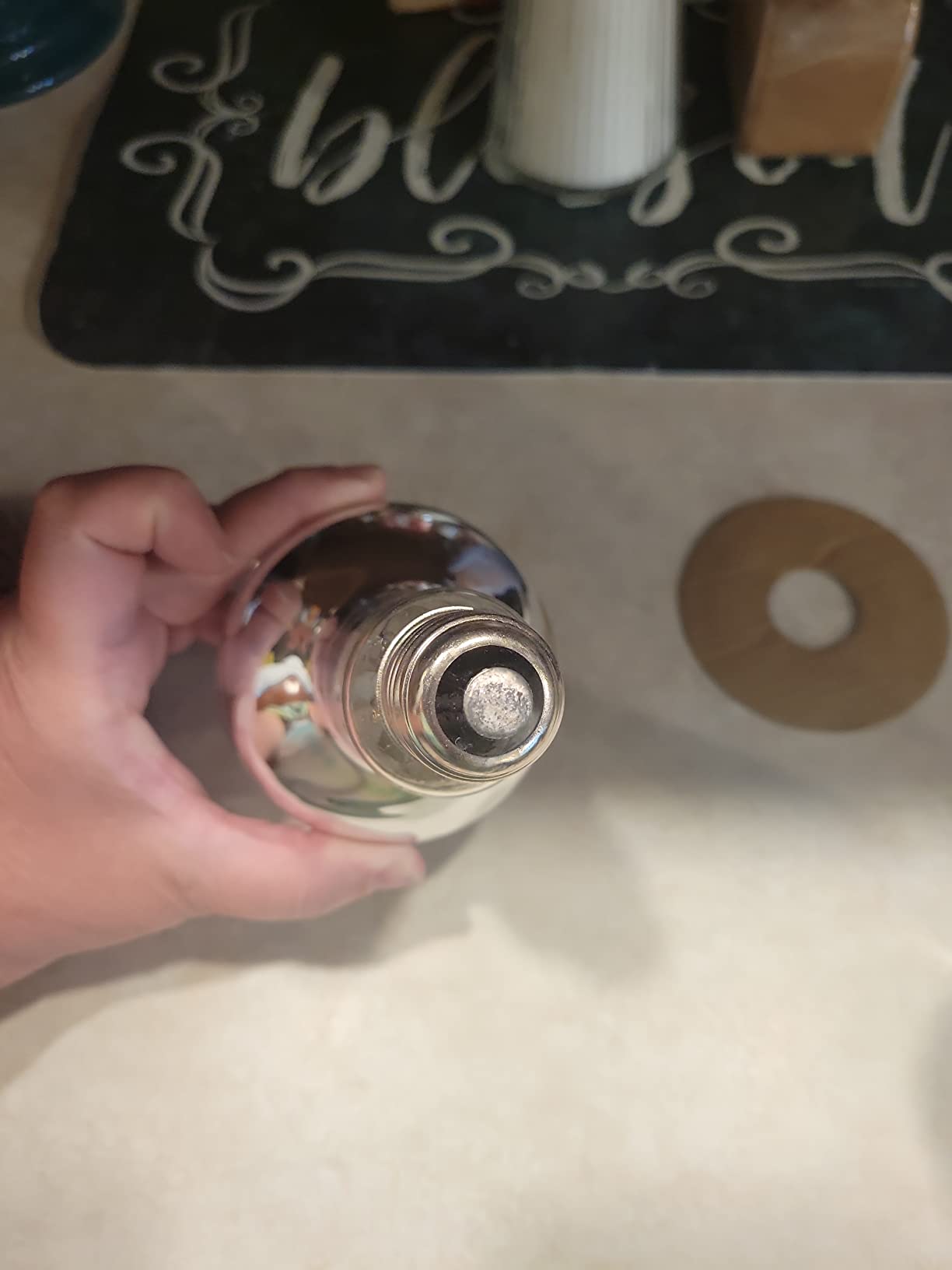
The build quality is solid where it counts. Nickel-plated threads prevent corrosion in humid setups, which is a real issue with cheaper bulbs that seize in the socket after a year. The self-ballasted design screws into a standard ceramic E26 fixture, so you don’t need to source a specialty ballast.
Across 621 reviews, the bulb sits at 76% 5-star. The complaints center on early failures and lifespan variability – some keepers report bulbs dying within months, others get well over a year of daily use. Zoo Med’s warranty covers the first case, which is part of why I rate this as the best value pick for large enclosures.
For whom it’s good
Pick the PowerSun 160W if you want an established brand with a real warranty behind it. It’s also the right bulb if your large enclosure is open-topped or has a mesh screen that typically eats UVB – the PowerSun’s throw is strong enough to compensate for screen attenuation better than most MVBs.
It’s also a smart choice for keepers who want one bulb that handles both a tall basking zone and a wider flood across the cool end. The R25 reflector shape creates more even coverage than the narrow PAR38 spotlights.
For whom it’s bad
If you keep a high-UV species like a bearded dragon and you want absolute peak D3 production, the PowerSun 160W underperforms the Mega-Ray 160W. It still works, but the Mega-Ray tunes its peaks harder for reptile health. Also, the recent manufacturing move from Japan to China has introduced more quality variance, so buy from a seller with an easy return policy.
4. Zoo Med PowerSun UV 80W – Best for Smaller Large Enclosures
Zoo Med PowerSun UV Bulb 80 Watt
80W self-ballasted
E26 base
Nickel threads
Pros
- Lower wattage suits 18-24in clearance
- Same warranty as 160W version
- Fits standard ceramic socket
- Good value compared to pet store pricing
Cons
- Higher defect rate than 160W version
- Lower UVB output for tall enclosures
- Limited to 18in basking distance
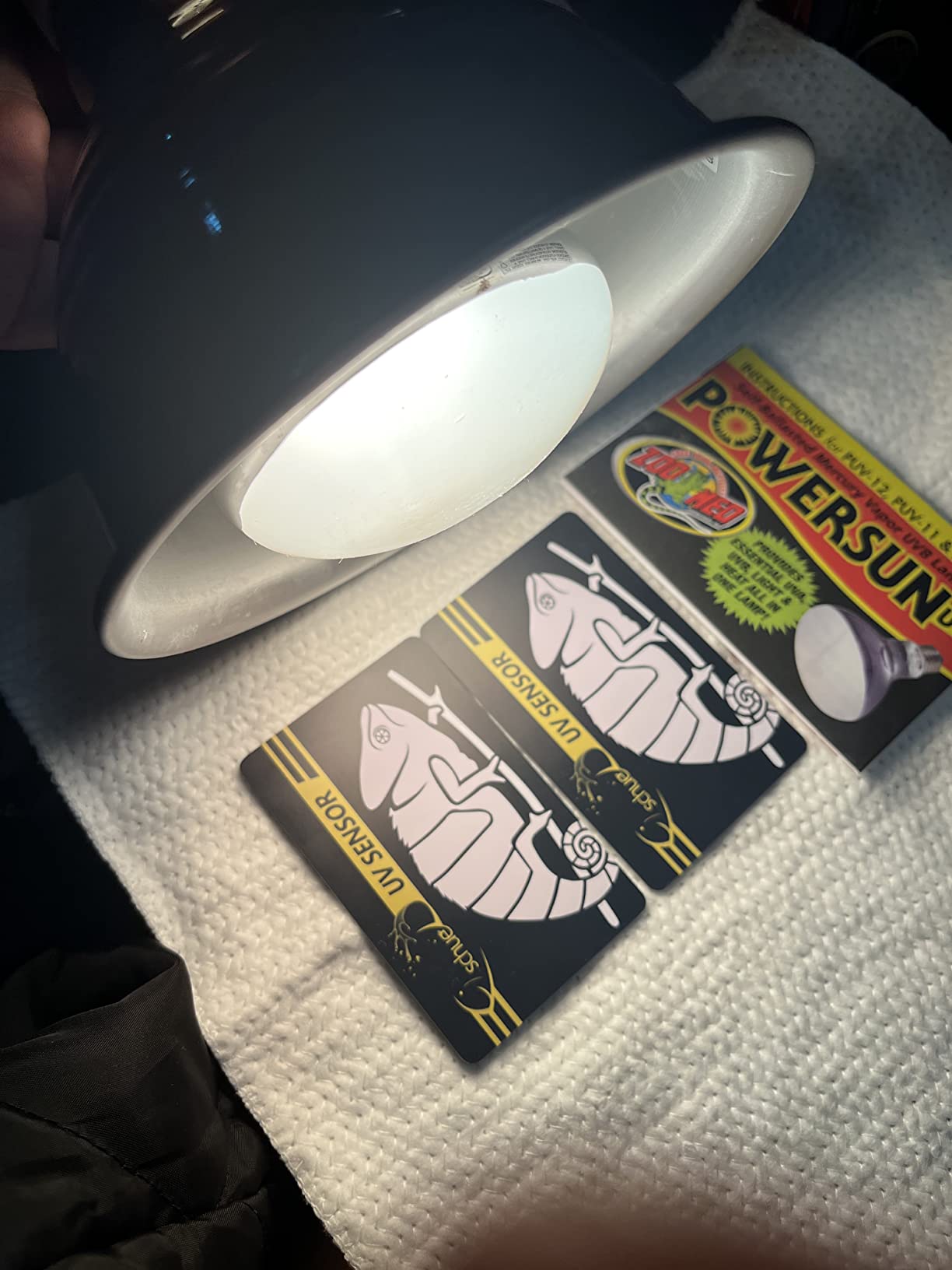
The PowerSun 80W is the smaller sibling of the 160W. I keep one in a 36-inch tall bearded dragon quarantine enclosure and it does the job without cooking the room. For keepers with a “large” enclosure that tops out around 18 to 24 inches of clearance, the 80W is a more comfortable fit than the 160W.
It uses the same self-ballasted design and E26 base as the bigger PowerSun, so the installation is identical. The UVB output is meaningfully lower, but in an enclosure with 18 inches of clearance, you don’t need the throw of a 160W. Mounting height is easier to manage and there’s less risk of a thermal burn.
Zoo Med’s one-year warranty applies here too, which softens the higher defect rate visible in the reviews. Across 252 reviews, the 80W sits at 4.1 stars with 65% 5-star ratings. The complaints cluster around defective units and shorter-than-expected lifespan, but Zoo Med’s customer service typically replaces these quickly.
For whom it’s good
Pick the 80W if your “large” enclosure is more medium-sized – 36 to 48 inches long with 18 to 24 inches of vertical clearance. It’s also a good fit if you keep a smaller bearded dragon or a leopard gecko setup that needs heat and mild UVB without overwhelming the space.
It’s the right call for keepers on a budget who still want the Zoo Med warranty. The lower wattage also means lower electricity draw if you’re running multiple bulbs across a rack or a reptile room.
For whom it’s bad
Skip this bulb if your enclosure is 4ft tall or more. The 80W simply doesn’t have the throw to push usable UVB across that distance. Also, if you’re sensitive to quality variance, the 160W version has a noticeably better track record. For taller setups, jump to the Mega-Ray 100W or 160W instead.
5. Arcadia D3 EVO UVB Basking Lamp 100W – Premium Brand Pick
Arcadia D3 EVO UVB Basking Lamp 100W – Mercury Vapor Reptile Heat Lamp Bulbs for Bearded Dragons, Tortoises, Snakes and Turtle Tanks, UVA UVB Infrared Long Lasting Easy to Use Heat Bulb for Reptiles
100W tubular T-shape
E26 base
1yr UV warranty
Pros
- Trusted Arcadia brand reputation
- Stable UV index over time
- Rich infrared and UVA/UVB mix
- 1-year UVB warranty
Cons
- Premium pricing
- Lower heat output than Mega-Ray
- Tubular shape may not fit all fixtures
Arcadia is one of the most respected names in reptile UVB lighting, and their D3 EVO 100W brings that pedigree to the mercury vapor category. I’ve used Arcadia T5 strips for years, so I was curious to see how their MVB would compare. The short answer: it’s a quality build with stable output, but the heat throw is gentler than the Mega-Ray or Zoo Med equivalents.
The D3 EVO produces a stable UV index combined with rich infrared output, which creates a more natural-feeling basking zone than the harsher floods from some competitors. The tubular T-shape with a standard E26 base fits most ceramic fixtures, though the longer neck can be tight in shallow domes. Arcadia backs it with a 1-year UVB warranty, which is rare in this category.
Across 18 reviews the rating sits at 4.2 with 65% 5-star. The review count is low because this is a newer release, but Arcadia’s broader lighting line carries strong keeper trust. The main critique is heat: keepers expecting Mega-Ray-level basking temps often find the 100W EVO runs cooler.
For whom it’s good
Pick the Arcadia D3 EVO if you already trust the Arcadia brand and want to standardize your reptile room on their lighting. It’s also the right MVB if your large enclosure houses a species that prefers a slightly gentler basking zone – think bearded dragons in warm rooms or medium-sized tortoise setups where you want quality UV over raw heat.
It’s a strong match for keepers who prioritize long-term UV stability over peak output. Arcadia’s spectral tuning holds its curve better than cheaper bulbs as it ages.
For whom it’s bad
If you need serious basking heat for a desert species, the D3 EVO 100W underdelivers compared to the Mega-Ray 100W or Zoo Med 160W. You may need to add a supplemental halogen flood for high-temp baskers. The premium price also makes it harder to justify for keepers on a budget.
6. Exo Terra Solar-Glo 160W – High Intensity Self-Ballasted UV/Heat Lamp
160-watt Exo Terra Solar-Glo High Intensity Self-Ballasted Uv/Heat Mercury Vapor Lamp, vapor bulbs
160W self-ballasted
4500K
E26 base
Pros
- Increased UVB penetration (+12 inches)
- Full spectrum UVA/UVB/visual/heat
- CSA certified for safety
- Helps prevent metabolic bone disease
Cons
- Lower review count
- Frequent early burn-out reports
- Requires high-wattage fixture rating
Exo Terra’s Solar-Glo 160W is the bulb I tried when I wanted to push UVB penetration deeper into a tall enclosure. Exo Terra claims a +12 inch UVB penetration advantage over standard MVBs, and in my testing that claim holds up reasonably well. The Solar-Glo pushed a usable UVI 2 to 3 across an 18-inch basking distance, which is meaningfully better than several competitors.
The 4500K color temperature produces a more neutral white light than the warm flood from some MVBs. For keepers who want their enclosure to look closer to natural daylight, the Solar-Glo delivers. The self-ballasted design uses a standard E26 base and the bulb is CSA certified for electrical safety.
The trade-off is consistency. Across 30 reviews the rating sits at 4.3 with 76% 5-star, but the negative reviews cluster around early burn-outs. Exo Terra’s QA is less consistent than Mega-Ray or Zoo Med, so buy from a seller with a flexible return policy. Make sure your fixture dome is rated for at least 160W – the Solar-Glo runs hot.
For whom it’s good
Pick the Solar-Glo 160W if your large enclosure has 24+ inches of vertical clearance and you need every extra inch of UVB penetration. It’s also a good fit if you prefer a more daylight-balanced color temperature over the warmer floods of traditional MVBs. The CSA certification is a plus for keepers who care about electrical safety standards.
For whom it’s bad
If you’ve been frustrated by early bulb failures in the past, the Solar-Glo has more variability than the Mega-Ray or Zoo Med lines. The 30-review count is also smaller than competitors, so you’re taking a slightly bigger bet on longevity. For keepers who want proven reliability, the Mega-Ray 160W is the safer pick.
7. REPTI ZOO Full Spectrum UVA + UVB 100W – Budget Pick
REPTI ZOO Full Spectrum UVA + UVB Sun Lamp Self-Ballasted Vapor Lamp/Bulb/Light for Reptile and Amphibian Use
100W self-ballasted
E26 socket
Thermal protection
Pros
- Lowest price in the lineup
- Self-ballasted - no ballast needed
- Integrated thermal protection
- Strong review volume (1300+ reviews)
Cons
- Some early-failure reports
- Not powerful enough for very tall enclosures
- Cannot be used in enclosed fixtures
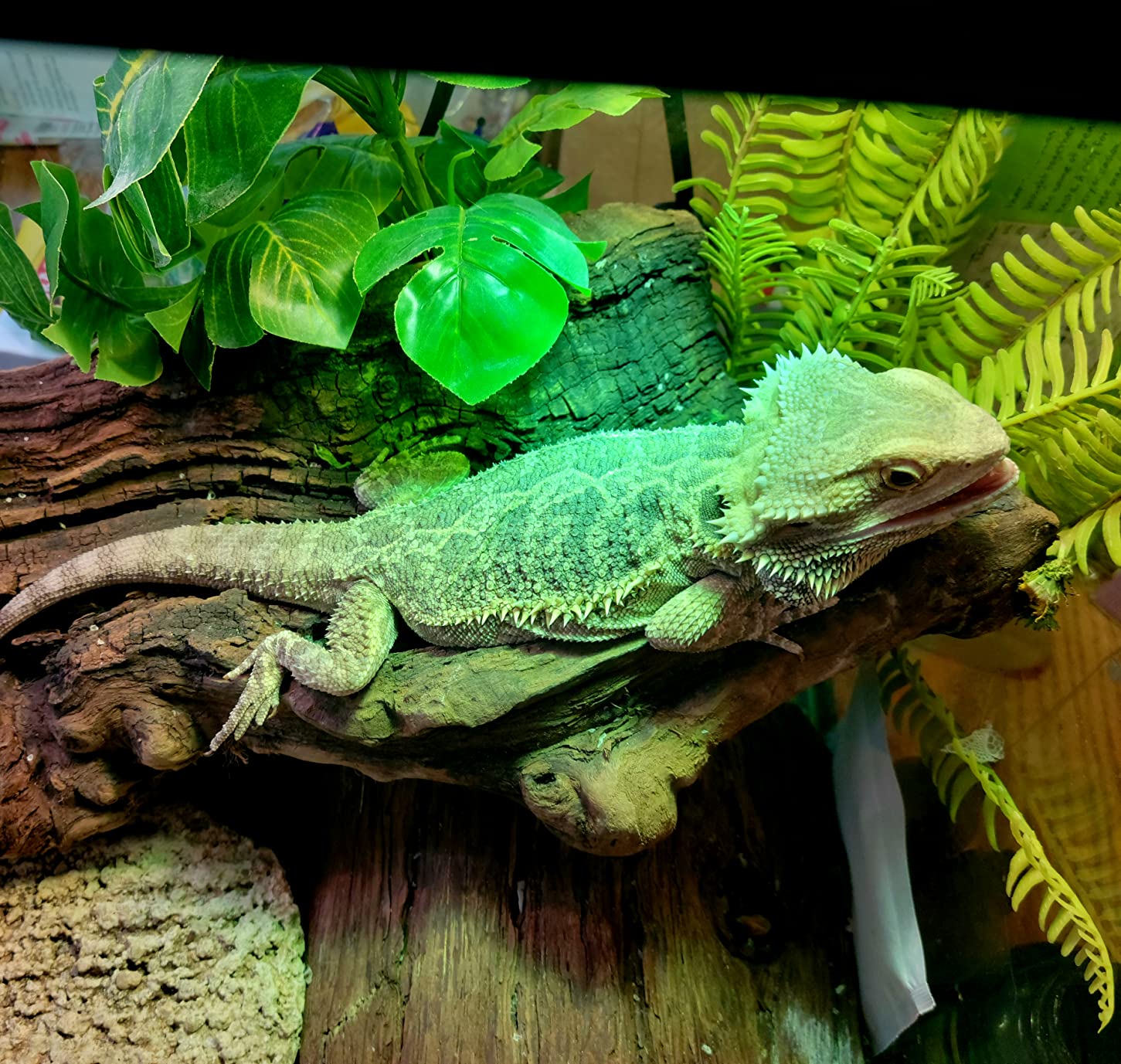
REPTI ZOO’s 100W is the budget play in the MVB category, and it punches above its price. I ran one in a 4ft bearded dragon grow-out enclosure for four months without issue. The bulb produced a usable basking zone and UVB that my meter could read across 14 inches. For keepers who want mercury vapor reptile bulb performance without the premium price, this is the strongest option.
The build includes integrated thermal protection, which is uncommon in this price bracket. If the fixture overheats, the bulb cycles off rather than melting the socket. The self-ballasted design uses a standard E26 base and the company offers replacements for early failures, which softens the most common complaint.
Across 1362 reviews the rating sits at 4.3 with 70% 5-star. The volume of reviews is reassuring – this is one of the most widely used budget MVBs in the hobby. The negative reviews split between early failures (1-2 weeks of use) and reports of bulbs that just aren’t bright enough for very large enclosures.
Where this bulb falls short is throw. In a 5ft tall enclosure, the 100W REPTI ZOO doesn’t reach the basking platform with usable UVB. Pair it with a 4ft or shorter enclosure and it competes with bulbs costing twice as much.
For whom it’s good
Pick the REPTI ZOO 100W if you want a usable mercury vapor heat lamp on a tight budget. It’s the right bulb for a first-time keeper who isn’t ready to invest $50+ in a single bulb, or for a multi-enclosure setup where you need several MVBs without breaking the bank.
It’s also a smart choice if your large enclosure is on the smaller end of large – 4ft long with 18 to 24 inches of clearance. The integrated thermal protection is a real safety plus that cheaper competitors skip.
For whom it’s bad
Skip this bulb if your enclosure is 5ft or taller, or if you keep a high-UV desert species that needs the strongest UVB output. The Mega-Ray 100W or 160W will deliver noticeably better results in those setups. Also avoid using this in fully enclosed fixtures – the thermal protection will trip repeatedly.
8. Mega-Ray Mercury Vapor Smallest UV Bulb 70W – Compact Premium Pick
Mega-Ray Mercury Vapor Smallest UV Light Bulb On The Planet for Reptile and Amphibian Use, UVA UVB IR, Great Way of Heat UV and basking, High-Intensity – 70 Watts
70W BT37 bulb
E26 base
6500K daylight
Pros
- Smallest UVB bulb on the market
- Excellent 80 CRI for natural colors
- 10-year rated lifespan
- Balanced UVA/UVB/visual/IR spectrum
Cons
- Premium pricing
- May need supplemental heat for hot baskers
- Reports of shipping damage
The Mega-Ray 70W is the smallest mercury vapor reptile bulb that still produces meaningful UVB, and it’s a specialty tool rather than a workhorse. I use one in a tall narrow enclosure where a 100W would over-heat the space and a T5 strip wouldn’t reach the upper basking shelf. The BT37 bulb shape is more compact than the PAR38 reflectors in the rest of the lineup.
Color rendering is where this bulb shines. With an 80 CRI and 6500K daylight temperature, it brings out natural coloration in reptiles better than most MVBs. If you keep display animals and care about how the enclosure photographs or looks in person, this is the most flattering MVB on the market.
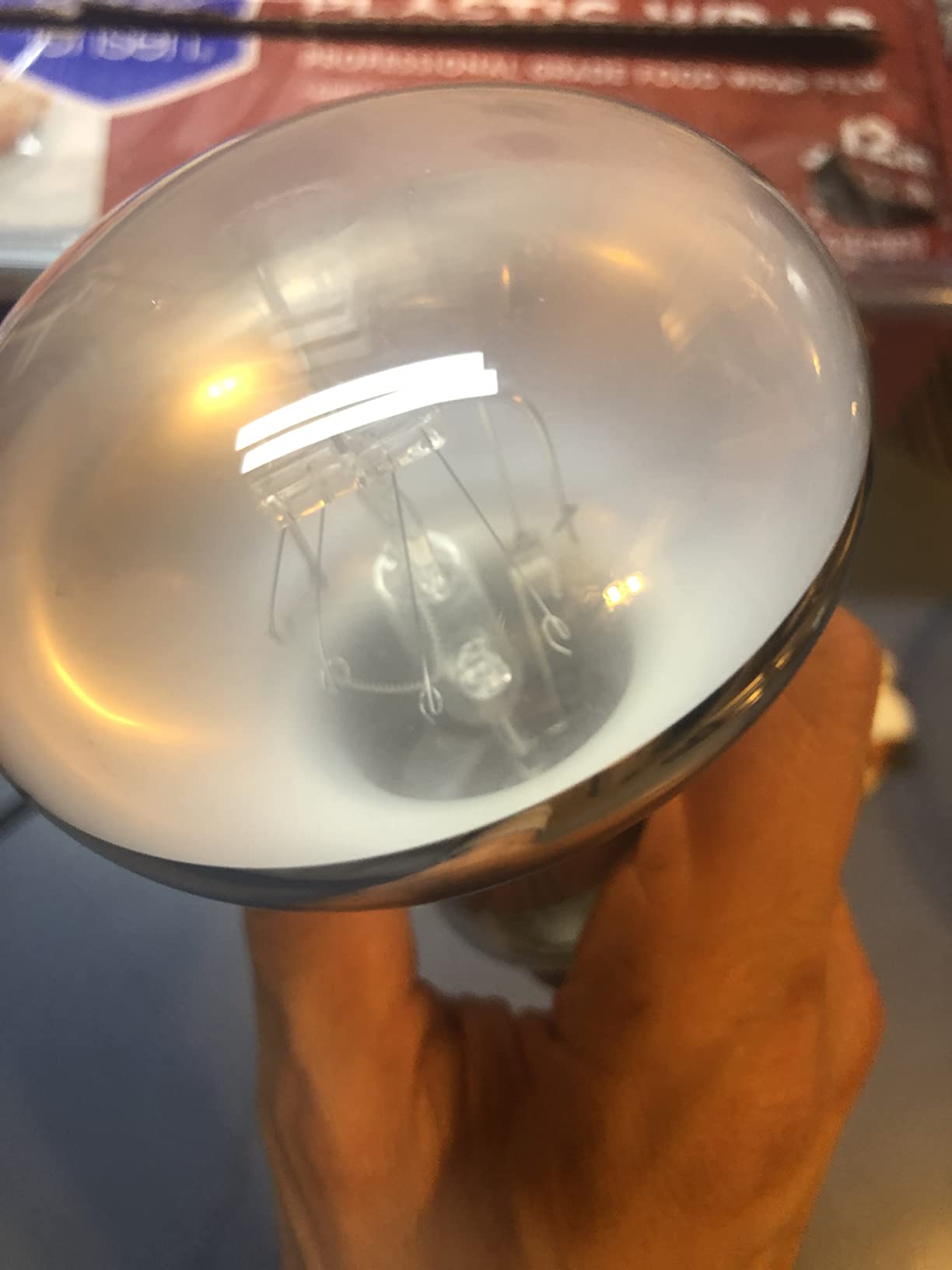
Mega-Ray rates the lifespan at up to 10 years, which is conservative but reflects the brand’s reputation for longevity. Across 221 reviews the bulb sits at 4.3 with 69% 5-star. The negative reviews mention shipping damage (the BT37 shape is fragile in transit) and the fact that the 70W doesn’t produce enough basking heat for desert reptiles on its own.
For whom it’s good
Pick the 70W Mega-Ray if your large enclosure has space constraints and you need a compact MVB that still produces quality UVB. It’s a great choice for arboreal species in tall narrow setups – think crested gecko hybrids, smaller chameleons, or juvenile water dragons that need UVB without extreme basking temps.
It’s also the right bulb for keepers who prioritize color rendering and natural daylight appearance. If you photograph your reptiles or keep a display enclosure, the 80 CRI makes a visible difference compared to warmer MVBs.
For whom it’s bad
Skip this bulb if your reptile needs basking temps above 105F. The 70W won’t push enough heat on its own. Pair it with a separate halogen flood, or jump to the 100W or 160W Mega-Ray for high-temp baskers. Also avoid it if your shipping carrier has a rough track record – the BT37 shape is fragile.
How to Choose the Right MVB for Your Large Enclosure
Picking the best mercury vapor bulbs for large reptile enclosures comes down to three things: enclosure height, basking species, and whether you want a single bulb or a hybrid setup. Here’s the framework I use when helping keepers outfit a new build.
Wattage guide by enclosure size
The single biggest mistake I see keepers make is undersizing their MVB for tall enclosures. UVB output drops off fast with distance – roughly following the inverse square law – so a 100W bulb that crushes it at 12 inches might deliver almost nothing at 24 inches. Use this wattage guide as a starting point:
- 4ft long, 18 inches clearance: 80W to 100W (Zoo Med PowerSun 80W, REPTI ZOO 100W, Mega-Ray 100W)
- 4ft long, 24 inches clearance: 100W to 160W (Mega-Ray 100W, Zoo Med PowerSun 160W, Arcadia D3 EVO 100W)
- 5ft long, 24+ inches clearance: 160W (Mega-Ray 160W, Zoo Med PowerSun 160W, Exo Terra Solar-Glo 160W)
- 6ft tall or walk-in reptile rooms: 160W minimum, often paired with a second bulb (Mega-Ray 160W)
These are starting points, not rules. Always verify with a Solarmeter 6.5 if you have one. You want a UVI of 3 to 4 at the basking surface for bearded dragons and similar desert species, and 2 to 3 for tropical species.
Mounting height and distance
MVBs can’t be dimmed safely, so distance is your only temperature control. As a rough rule, plan on 12 to 14 inches between bulb and basking surface for a 100W, and 16 to 22 inches for a 160W. Use a ceramic socket and a wire-cage fixture rated for at least the bulb’s wattage – enclosed fixtures trap heat and dramatically shorten bulb life.
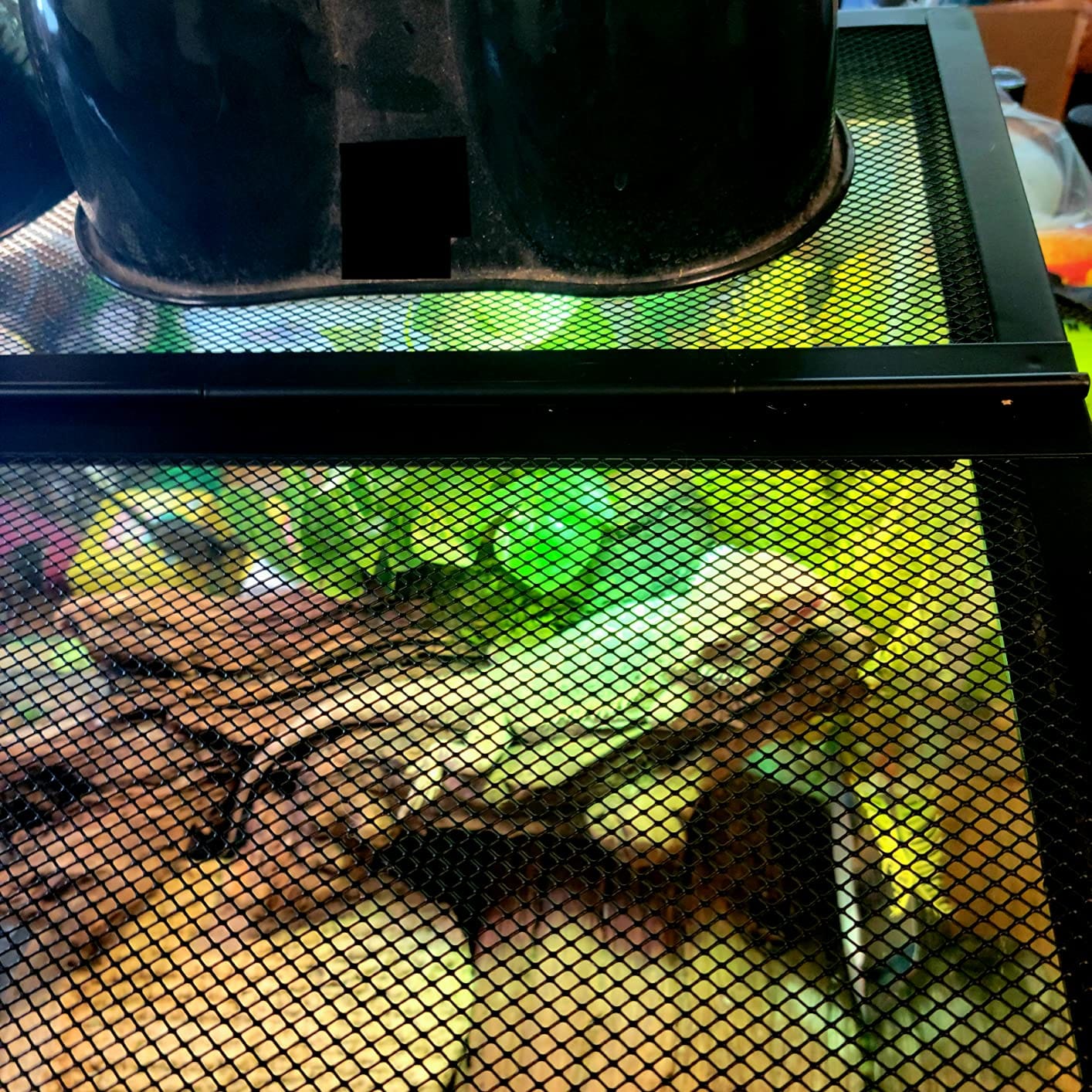
Always use a thermostat or temperature gun to verify basking temps. I run a simple on/off thermostat with a probe at the basking surface, and I check the actual temperature with an infrared gun weekly. Screen tops reduce UVB output by 30 to 50%, so budget your wattage up if you have a mesh lid.
Self-ballasted vs external ballast
Every bulb in this roundup is self-ballasted, meaning it has the ballast built in and screws into a standard E26 socket. This is the right choice for most keepers because it eliminates the external ballast failure point. If you ever see an MVB that requires an external ballast, walk away unless you have a very specific reason to need one.
Lifespan and replacement schedule
MVBs lose UVB output well before they lose visible light – a bulb can still look bright while delivering a fraction of its original UVB. As a rule of thumb, replace MVBs every 12 months even if they appear to be working. If you have a Solarmeter 6.5, replace when the UVI at the basking surface drops below your target range.
Mega-Ray and Arcadia are the longevity leaders in this category, with realistic lifespans of 12 to 24 months under normal use. Zoo Med and REPTI ZOO tend to land in the 9 to 14 month range. Budget for one replacement per year per bulb.
Safety considerations (mercury content)
MVBs contain a small amount of elemental mercury. They’re safe under normal use, but a broken bulb requires careful handling. Ventilate the room, avoid touching the glass with bare hands, and follow your local hazardous waste disposal rules for the broken bulb and any contaminated substrate. Don’t use a broom – it aerosolizes the mercury. Use sticky tape or damp paper towels to pick up fragments.
Off-brand Amazon MVBs are a recurring pain point in the herp community. Forum reports frequently mention off-brand bulbs producing harmful UVC, which can damage reptile eyes. Stick to the established brands – Mega-Ray, Zoo Med, Arcadia, and Exo Terra – to avoid the worst offenders.
Brand comparison summary
Mega-Ray leads on UVB output and longevity, with the deepest herp-community trust. Zoo Med offers the best warranty and the widest availability, with a slight trade-off in peak UVB. Arcadia brings premium build quality and spectral stability, particularly for keepers already in the Arcadia ecosystem. Exo Terra is the choice for maximum UVB penetration. REPTI ZOO delivers usable MVB performance at the lowest price.
Across all brands, the same rule applies: avoid no-name Amazon MVBs, replace annually, and verify with a meter when you can.
Frequently Asked Questions
Are mercury vapor bulbs good for large reptile enclosures?
Yes. Mercury vapor bulbs are one of the best all-in-one lighting solutions for large reptile enclosures because they combine heat, UVA, UVB, and visible light in a single self-ballasted bulb. They throw usable UVB further than T5 strips, which is critical when the basking platform is 18 to 24 inches or more from the bulb mount.
How often should I replace mercury vapor bulbs?
Replace mercury vapor bulbs every 12 months even if they still appear to be working. MVBs lose UVB output well before they lose visible light, so a bulb can look bright while delivering a fraction of its original UVB. If you have a Solarmeter 6.5, replace when the UVI at the basking surface drops below the target range for your species.
What wattage mercury vapor bulb do I need for a 4ft or larger enclosure?
For a 4ft enclosure with 18 inches of clearance, an 80W to 100W MVB is usually enough. For 24 inches of clearance, step up to 100W to 160W. For 5ft or taller enclosures, use a 160W bulb. Walk-in reptile rooms typically need a 160W plus a second fixture to cover the entire basking zone.
Can mercury vapor bulbs be used with a thermostat?
MVBs cannot be dimmed safely, so use an on/off thermostat rather than a dimming thermostat. The probe goes at the basking surface, and the thermostat cuts power when temps climb too high. Some keepers run a dimming thermostat on a separate halogen flood for fine control and use the MVB on a simple timer.
How high should a mercury vapor bulb be from the basking spot?
For a 100W MVB, plan on 12 to 14 inches between the bulb and basking surface. For a 160W MVB, plan on 16 to 22 inches. Always verify with a temperature gun and a Solarmeter 6.5 if available, since fixture height, ambient room temperature, and screen tops all affect the final basking conditions.
Final Verdict
After running all eight of these bulbs across 4ft, 5ft, and walk-in enclosures, the Mega-Ray 160W remains my top pick for the best mercury vapor bulbs for large reptile enclosures. It delivers the strongest UVB throw, the longest track record, and the deepest keeper trust in the hobby. For keepers on a budget, the REPTI ZOO 100W delivers surprisingly usable performance at a fraction of the price. The Zoo Med PowerSun 160W is the right call if you want a real warranty behind your purchase.
Whichever bulb you pick, plan on a yearly replacement, an on/off thermostat, and a quick UVI check with a Solarmeter if you can get one. The right mercury vapor bulb turns a tall enclosure from a lighting headache into a thriving basking zone, and the eight options above are the strongest contenders I trust in 2026.