
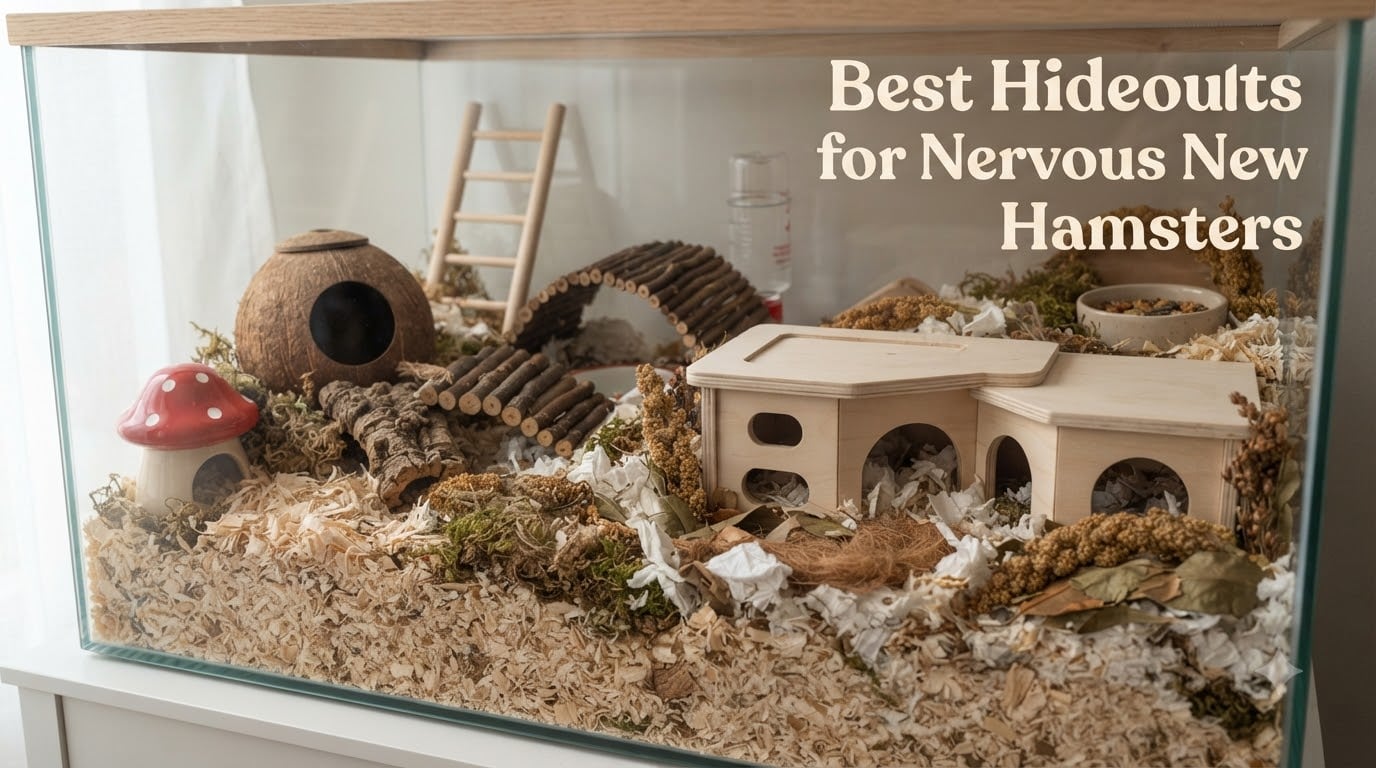
Bringing home a new hamster is exciting, but those first few weeks can be rough. Your hamster darts into a corner every time you walk past the cage, refuses to come out, and seems permanently terrified of everything including their own food bowl. This is completely normal behavior for a prey animal in an unfamiliar environment.
The single best thing you can do for a nervous hamster is give them proper places to hide. A good hamster hideout mimics the dark, enclosed burrows these animals would dig in the wild. Without one, your hamster has nowhere to retreat when they feel threatened, and that constant stress can lead to health problems and aggressive behavior.
I have tested dozens of hideouts with my own hamsters and researched what real owners on forums recommend most. After comparing eight top-rated options, this guide covers the best hideouts for nervous new hamsters available in 2026. Whether you have a skittish Syrian or a jumpy dwarf hamster, you will find the right shelter to help your pet feel safe.
Table of Contents
Top 3 Picks for Nervous New Hamsters
These three stand out for different reasons. The Niteangel Multi-Chamber Maze gives nervous hamsters the closest thing to a natural burrow system. The Kaytee Igloo is the affordable classic that has worked for over 20 years. And the Hamiledyi 2-Chamber is the least expensive wooden option on this list.
Best Hideouts for Nervous New Hamsters in 2026
| Product | Specs | Action |
|---|---|---|
 Niteangel Multi-Chamber Hamster House Maze Niteangel Multi-Chamber Hamster House Maze |
|
Check Latest Price |
 Kaytee Igloo Habitat Hideout Kaytee Igloo Habitat Hideout |
|
Check Latest Price |
 Niteangel Birch Chamber-Maze Hideout Niteangel Birch Chamber-Maze Hideout |
|
Check Latest Price |
 Hamiledyi Wooden 2-Chamber Hideout Hamiledyi Wooden 2-Chamber Hideout |
|
Check Latest Price |
 Niteangel Ceramic Mushroom Hideout Niteangel Ceramic Mushroom Hideout |
|
Check Latest Price |
 SanmooAio Natural Moss Hideout SanmooAio Natural Moss Hideout |
|
Check Latest Price |
 andwe Coconut Hut Hamster House andwe Coconut Hut Hamster House |
|
Check Latest Price |
 Niteangel Natural Wooden Tunnel Tube Niteangel Natural Wooden Tunnel Tube |
|
Check Latest Price |
1. Niteangel Multi-Chamber Hamster House Maze – Best Overall for Nervous Hamsters
Niteangel Multi-Chamber Hamster House Maze: 1 Entrance 3 Rooms Maze Habitat
3-Chamber birch plywood maze
9.2 x 9.2 x 3.4 inches
Removable lid
Dwarf hamster size
Pros
- Mimics natural burrow with 3 connected rooms
- Removable lid lets you check on nervous hamster without digging
- Premium European birch plywood
- Rooftop platform doubles as a feeding area
Cons
- No bottom so urine reaches cage floor
- Lid wobbles slightly when used as platform
- May need wood sealant to prevent stains
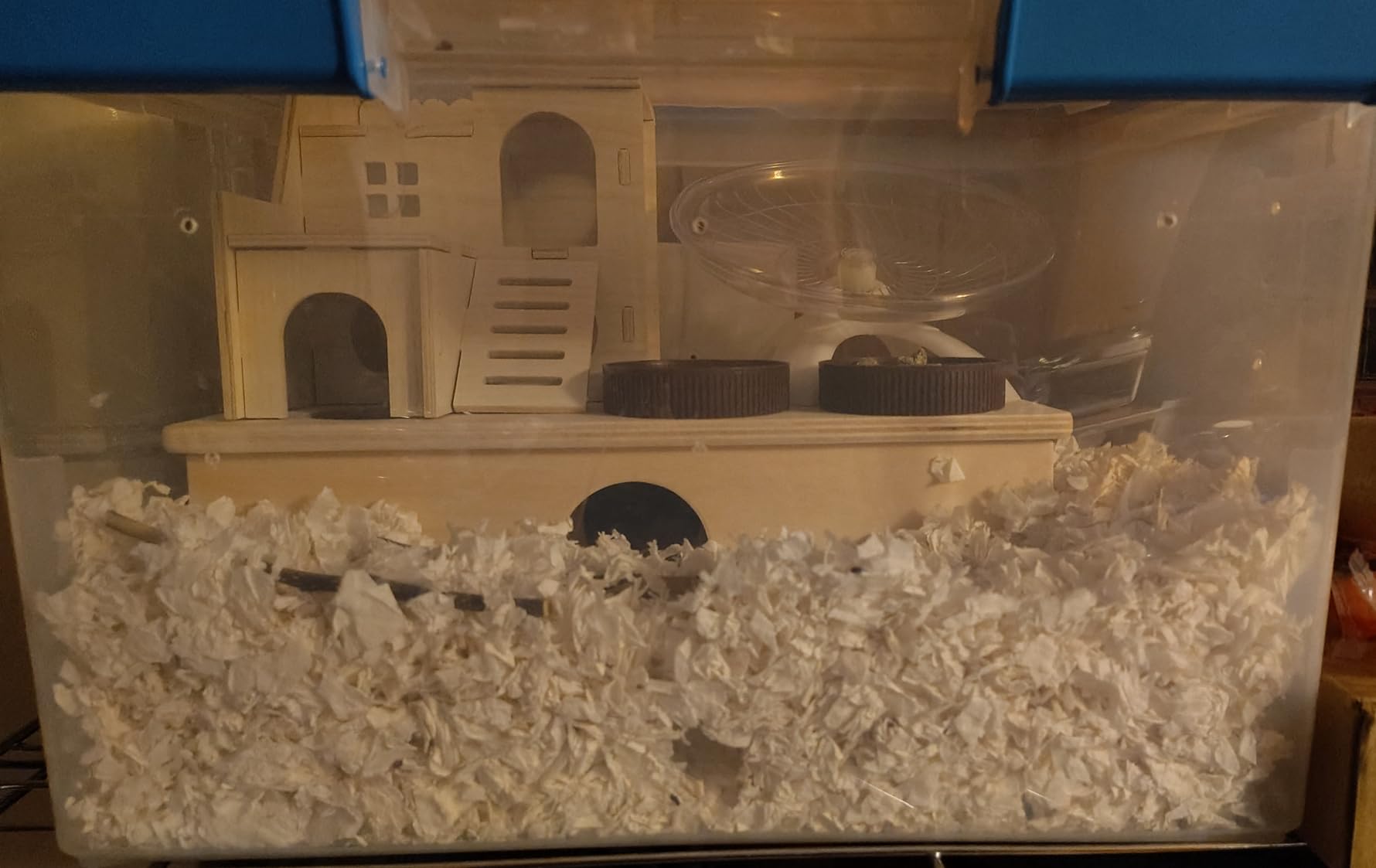
When I first set up the Niteangel Multi-Chamber Maze for a skittish dwarf hamster, the transformation was immediate. Within an hour, the hamster was exploring all three rooms, moving nesting material into the back chamber, and visibly more relaxed. This is exactly what a nervous hamster needs: a space that feels like a real burrow.
The three connected chambers let your hamster follow their natural instinct to create separate zones for sleeping, storing food, and using as a bathroom. Reddit users consistently say multi-chamber hides are the best option for nervous hamsters, and after watching this one in action, I agree completely.
One of my favorite features is the removable lid. When your hamster is new and hiding constantly, you will want to check on them without tearing apart their nesting area. The lid lifts off so you can peek inside and confirm they are okay. For a nervous hamster owner worried about whether their pet is eating and sleeping normally, this peace of mind is huge.
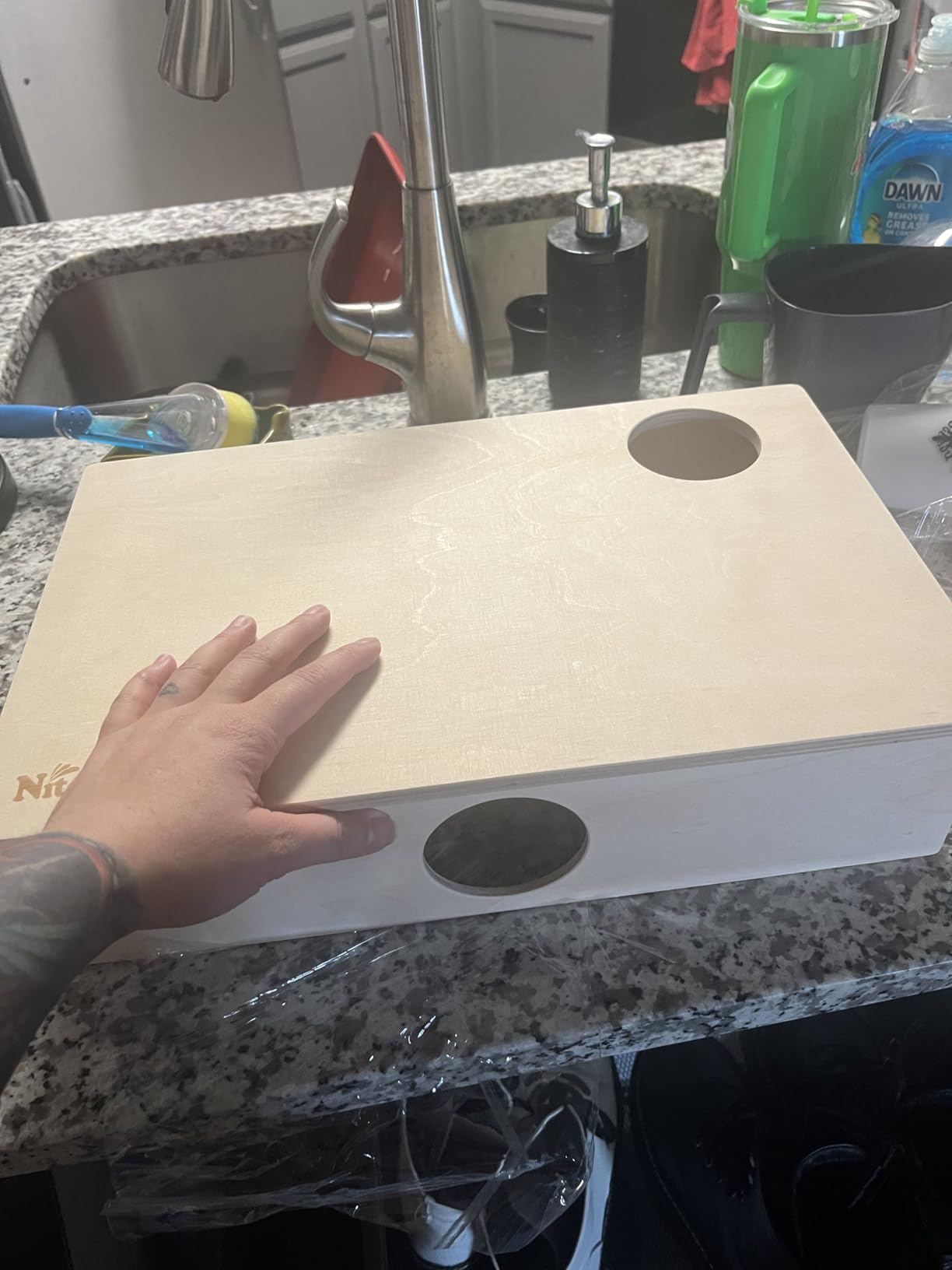
The birch plywood construction is genuinely high quality. Tongue and groove joinery means no nails or staples for your hamster to chew on. Corners are sanded smooth. The wood is lightweight enough to move during cleaning but sturdy enough to last years.
The main downside is the open bottom design. Urine passes straight through to the cage floor, so you need deep bedding underneath and regular spot cleaning. The lid also wobbles a bit if your hamster tries to climb on top. Some owners apply a pet-safe wood sealant to prevent stains and odors from soaking in.
Best For Dwarf Hamsters and Mice
This small version measures 9.2 x 9.2 x 3.4 inches with a single entrance. That size is perfect for dwarf hamsters, mice, and small gerbils who would feel exposed in a larger hide. Niteangel makes a bigger version for Syrians if you need it.
The single-entrance design is actually a plus for nervous hamsters. Multiple entrances can make a skittish hamster feel vulnerable because they cannot watch all openings at once. One entrance means one direction to guard, which helps your pet relax.
Assembly and Cleaning
The maze arrives fully assembled and ready to use. No glue, no tools, no instructions to decipher. Just place it in the enclosure with deep bedding underneath and your hamster will figure out the rest.
Cleaning is straightforward thanks to the removable lid. Wipe down the interior during weekly spot cleans and do a full wipe-down during monthly deep cleans. The open bottom means no trapped moisture or bacteria buildup inside the chambers.
2. Kaytee Igloo Habitat Hideout – Best Budget Option
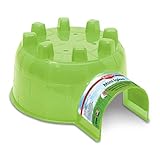
Kaytee Igloo Habitat Hideout for Hamster, Gerbil, Rat, Mini
Translucent plastic igloo
7.87 x 6.5 x 3.62 inches
One-piece construction
Multiple sizes available
Pros
- Translucent walls let you see your hamster without disturbing them
- Virtually indestructible plastic
- Wipes clean in seconds
- Available in 6 sizes from tiny to giant
Cons
- Plastic can be chewed by determined hamsters
- Color is random when you order
- Takes up significant floor space
The Kaytee Igloo has been a go-to hideout for small pet owners since 2004, and there is a reason it still sells in massive numbers. With nearly 12,000 reviews, this is one of the most trusted hideouts on the market. I have used these in my own enclosures for years.
For nervous new hamsters, the translucent plastic is the killer feature. You can see your hamster inside without lifting the hideout or disturbing them. New owners spend a lot of time worrying about whether their hamster is okay in there. With the Igloo, you just glance over and check.
The one-piece molded construction means there are no seams to break, no pieces to reassemble, and no small parts to lose. It is lightweight, so your hamster can move it around if they want, but solid enough to stay put on flat bedding.
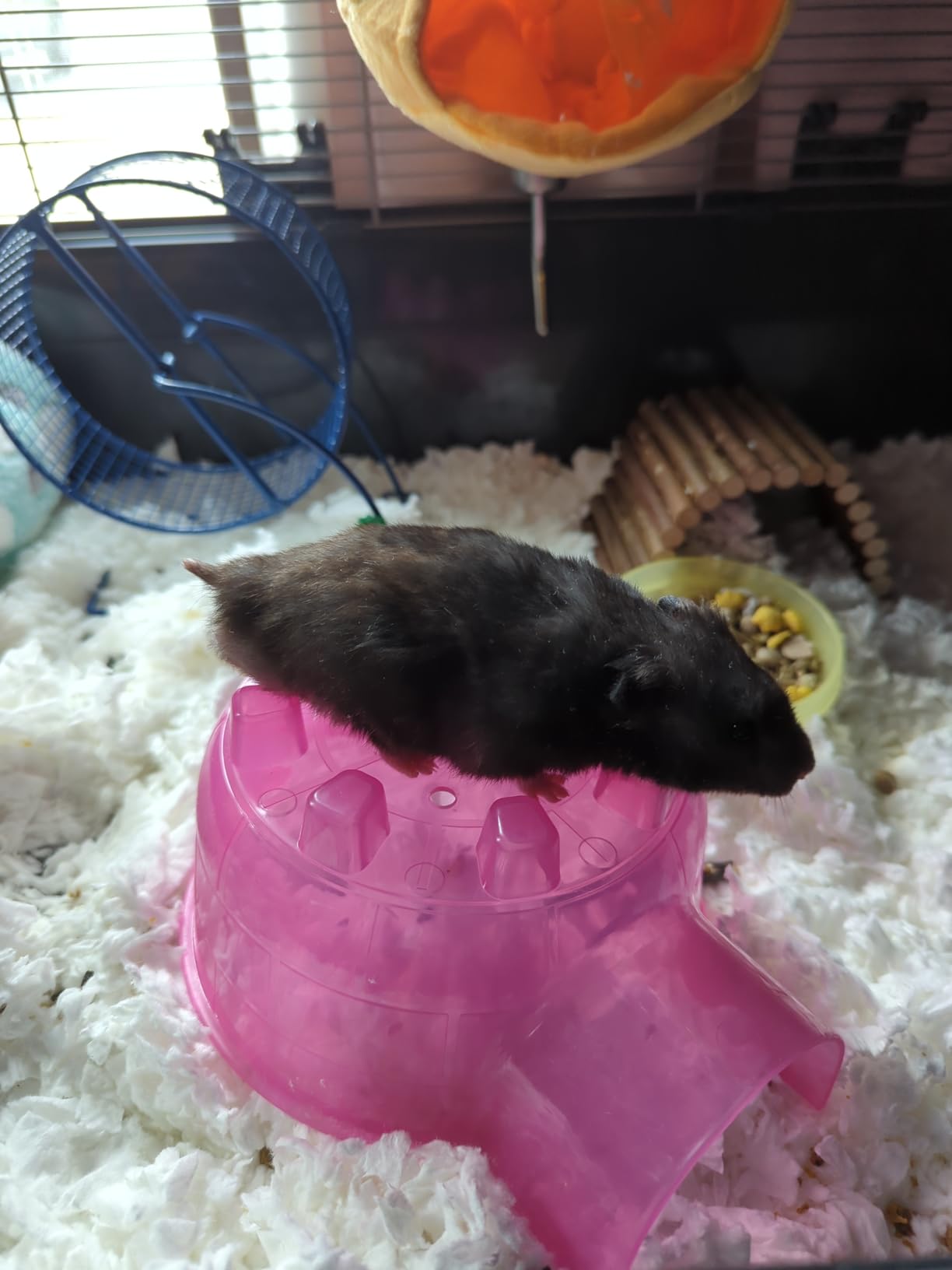
Cleaning is effortless. Rinse it in the sink, wipe with pet-safe disinfectant, and dry. Plastic does not absorb odors the way wood does, which is a real advantage if your hamster picks the hideout as their bathroom spot.
The main concern with any plastic hideout is chewing. Hamsters have teeth that never stop growing, and some will chew on anything. If your hamster is a chewer, plastic pieces could be swallowed. Watch for chew marks and switch to a wood or ceramic option if it becomes a problem.
Size Selection Matters
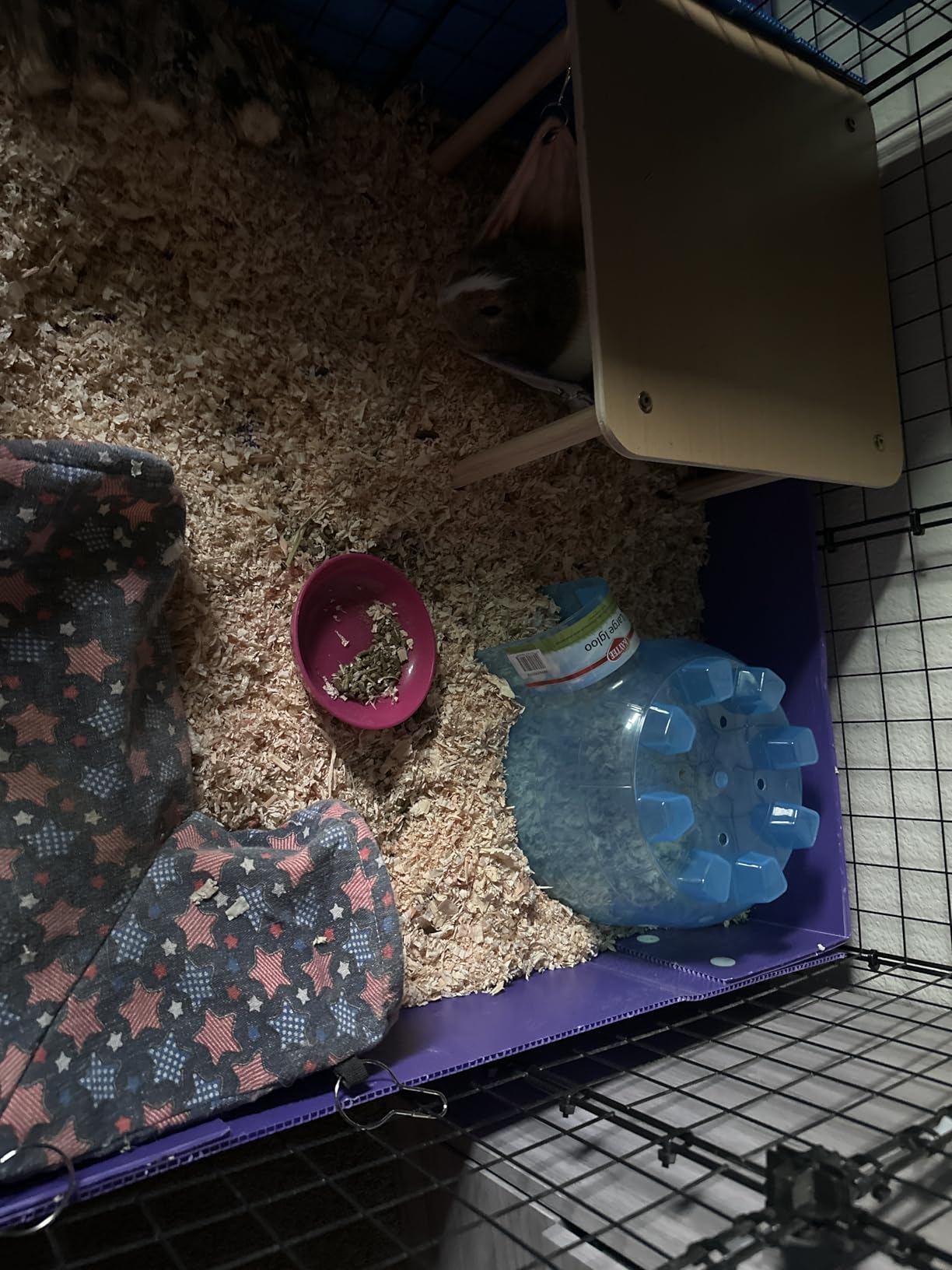
Kaytee makes the Igloo in sizes from Itty Bitty to Giant. For a single Syrian hamster, the Large size works well. For dwarf hamsters, Medium is usually the sweet spot. Choosing the right size ensures your hamster feels enclosed without being cramped.
A hideout that is too large can actually make a nervous hamster feel less secure. They want a snug space where their body touches the walls. Measure your hamster and choose accordingly.
Color Is Random
One annoyance is that Kaytee ships random colors. You might get blue, purple, teal, or pink. If the aesthetic of your enclosure matters to you, this is a drawback. The color has no effect on function, but some owners prefer to coordinate their decor.
Most owners end up happy regardless of color because the Igloo works so well. After two decades of popularity, the design is proven.
3. Niteangel Birch Chamber-Maze Hamster Hideout – Best Hybrid Design
Niteangel Birch Chamber-Maze Hamster Hideout – Small Pets Woodland House Habitats Decor for Hamster Mice Gerbils Mouse
Birch plywood cabin with ramp
7.4 x 3.8 x 4 inches
Bottomless design
Hand-made, no nails
Pros
- Combines hideout and climbing ramp in one piece
- Hand-crafted birch plywood and beech sticks
- Semi-closed cave design for security
- Bottomless for easy cleaning
Cons
- May arrive with minor damage needing glue
- Not chew-proof
- Some rough edges reported
The Niteangel Birch Chamber-Maze is currently the number four bestseller in the entire hamster habitat decor category. What makes it special is the two-in-one design that combines a hiding cave with a climbing ramp on top. Your nervous hamster gets a secure hideout at ground level and enrichment above.
I placed this in a cage with a particularly skittish hamster who refused to explore. Within two days, she was climbing the ramp at night and sleeping in the cave during the day. The semi-closed design with a cave entrance gives nervous hamsters the darkness and enclosure they crave while still allowing airflow.
The hand-made construction is visible in the details. Birch plywood walls and beech stick construction with tongue and groove joinery mean no nails, staples, or hardware. Everything is sanded smooth. This feels like a premium product compared to mass-produced plastic hides.
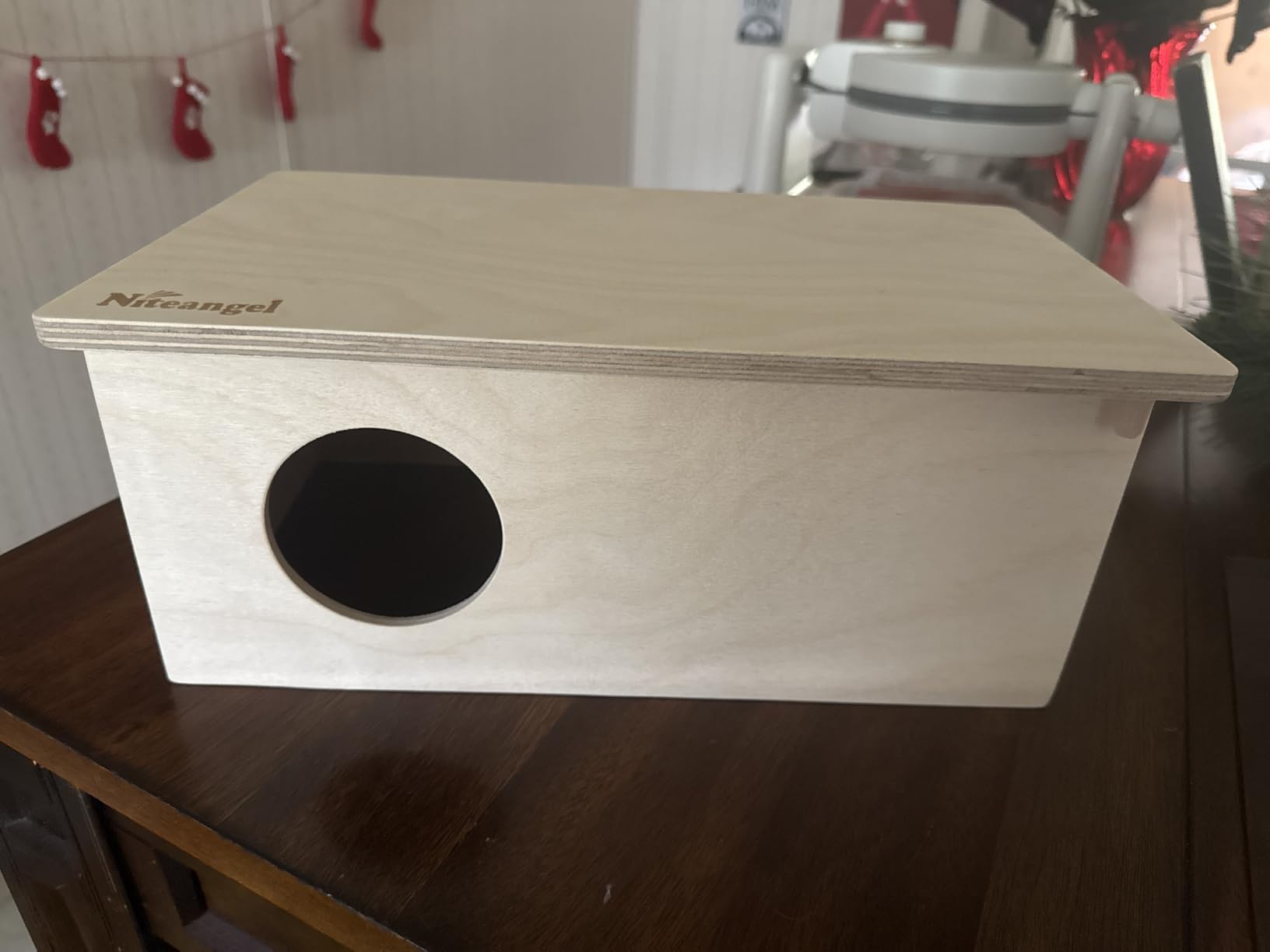
The bottomless design serves two purposes. First, it makes cleaning easy since urine passes through to the bedding. Second, it prevents moisture buildup that can cause mold or bacteria growth inside the hide.
Some buyers report minor damage during shipping, usually a loose piece that needs wood glue. Niteangel quality control is generally good, but the hand-made nature means occasional imperfections. Check yours when it arrives.
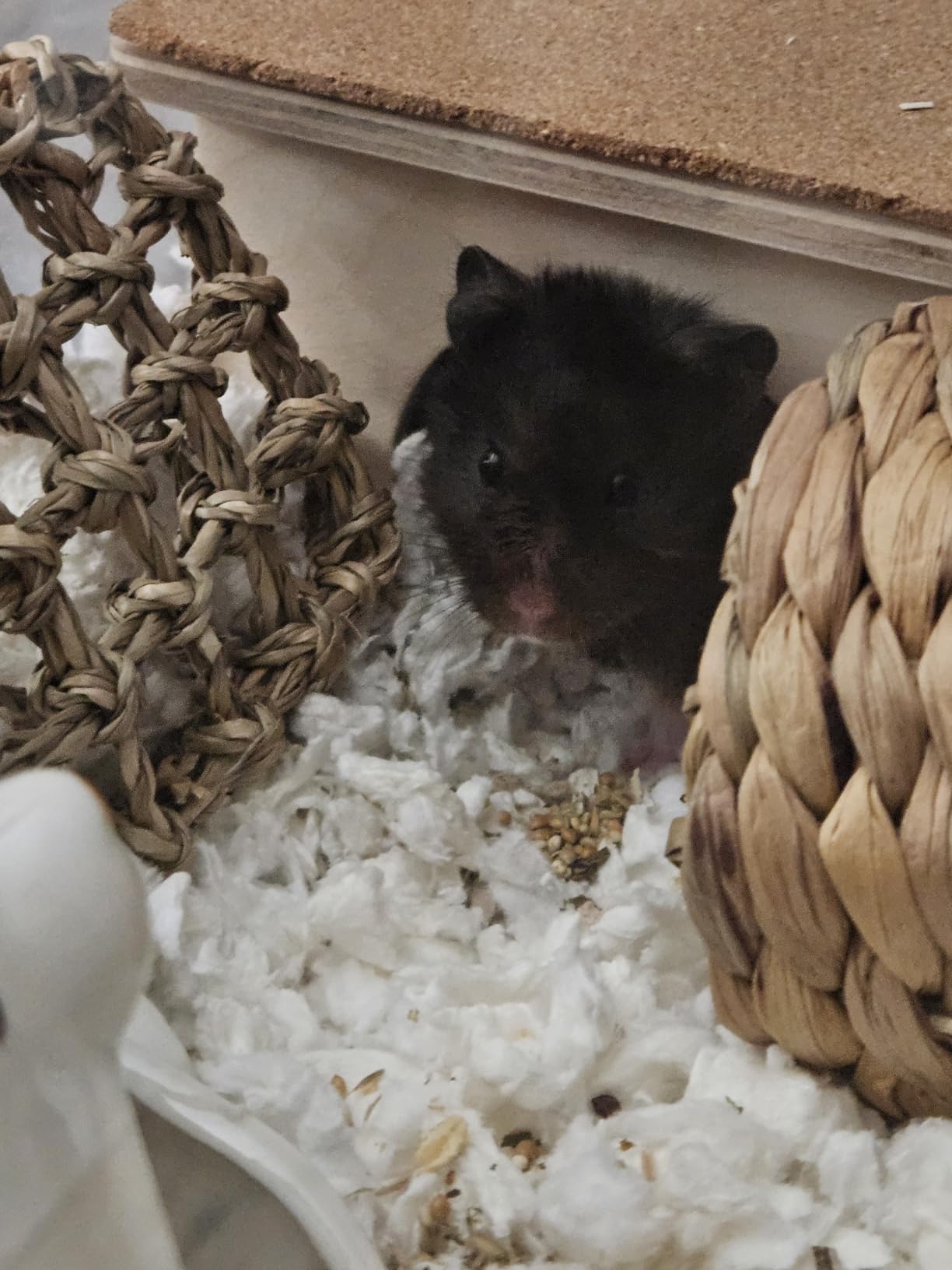
Entrance Size for Species
The entrance hole measures approximately 2.1 inches across. This works for most Syrian hamsters and is comfortable for dwarfs. If your Syrian is particularly large, check the diameter against your hamster before committing.
A properly sized entrance is critical for nervous hamsters. Too large and they feel exposed. Too small and they may avoid the hideout entirely or risk getting stuck.
Chewing Considerations
Birch plywood is safe for hamsters to chew, but that means determined chewers will gradually wear down this hideout over time. If your hamster is an aggressive chewer, a ceramic option will last much longer.
Most hamsters only nibble occasionally, and the wood is thick enough to handle light chewing for years. The bigger risk is water damage from excessive spot cleaning around the base.
4. Hamiledyi Wooden 2-Chamber Hideout-Tunnel – Most Affordable Multi-Chamber Option
Hamiledyi Wooden Hamsters 2-Chamber Hideout-Tunnel Multi Chamber Exploring Toy Hamster Hiding Maze Tunnel Toy Platform Stuff Cage Accessories for Gerbil Rat Mice
Natural wood 2-chamber tunnel
8.1 x 4.2 x 3.1 inches
No glue or nails
Bottomless design
Pros
- Lowest price on this list for a multi-chamber wood hide
- Natural wood safe for chewing
- Cute mouse-shaped door design
- Bottomless for hygiene
Cons
- Assembly can be fiddly with misaligned pieces
- Thinner wood than premium options
- Small size may not suit Syrian hamsters
If you want the multi-chamber experience without the premium price, the Hamiledyi 2-Chamber Hideout delivers. At a fraction of the cost of the Niteangel options, this hide gives your nervous hamster two connected rooms to explore and sleep in.
I tested this with a dwarf hamster who loved having the option to move between the two chambers. She kept food in one room and slept in the other, which is exactly the natural behavior you want to encourage. For nervous hamsters, having that choice of rooms provides a sense of control that reduces stress.
The natural wood construction uses no glue and no nails. Pieces fit together with interlocking slots, though assembly can be a bit frustrating. Some buyers report pieces not lining up perfectly and requiring patience to put together correctly.
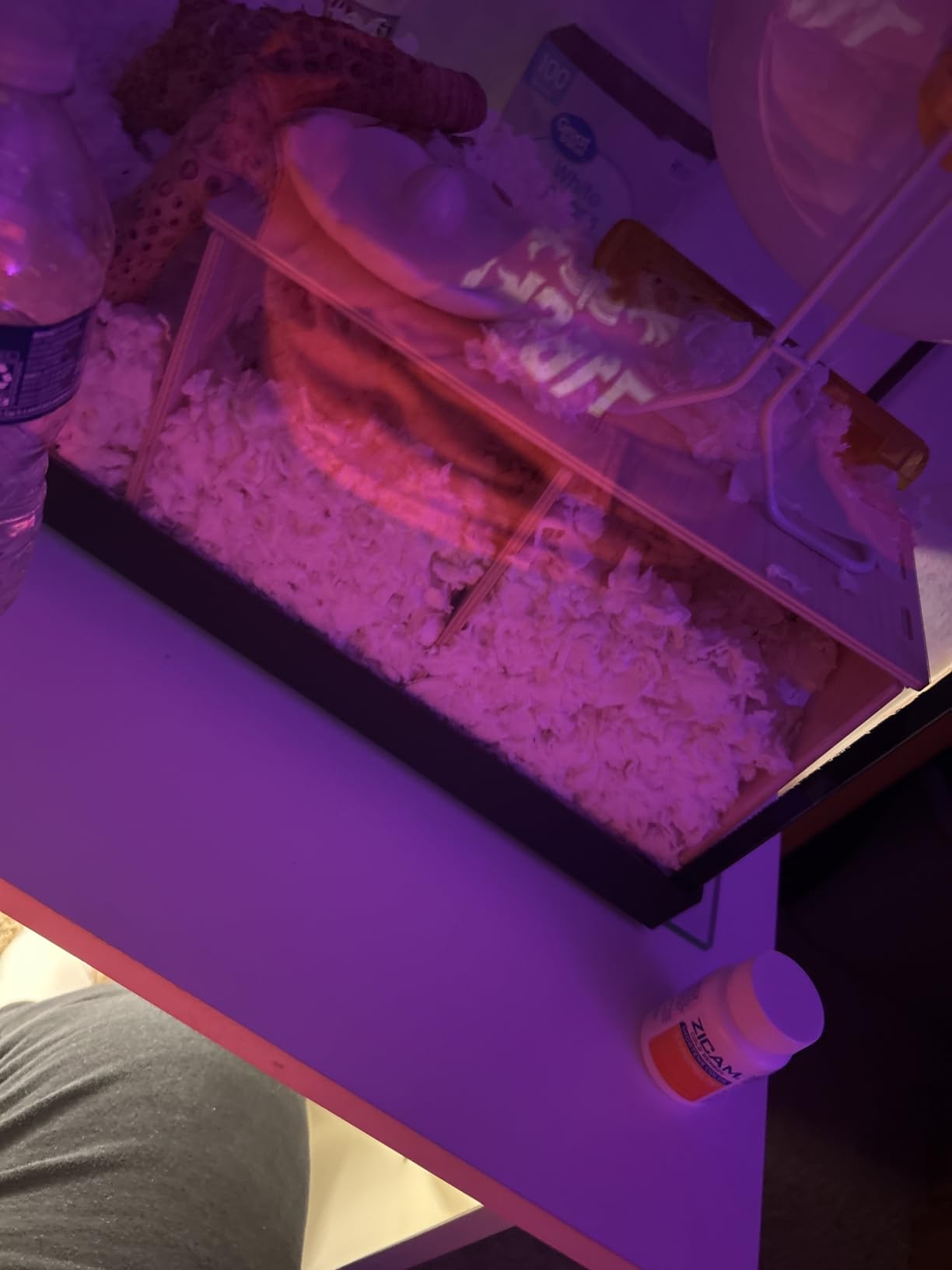
The mouse-shaped door cutout is a charming touch that makes this hideout look more interesting than a plain box. All edges are sanded smooth with sandpaper, so no splinter risk for your hamster’s sensitive feet.
The bottomless design keeps things clean. No absorbed urine, no trapped bacteria, no lingering odors. Just lift it up, clean the bedding underneath, and place it back.
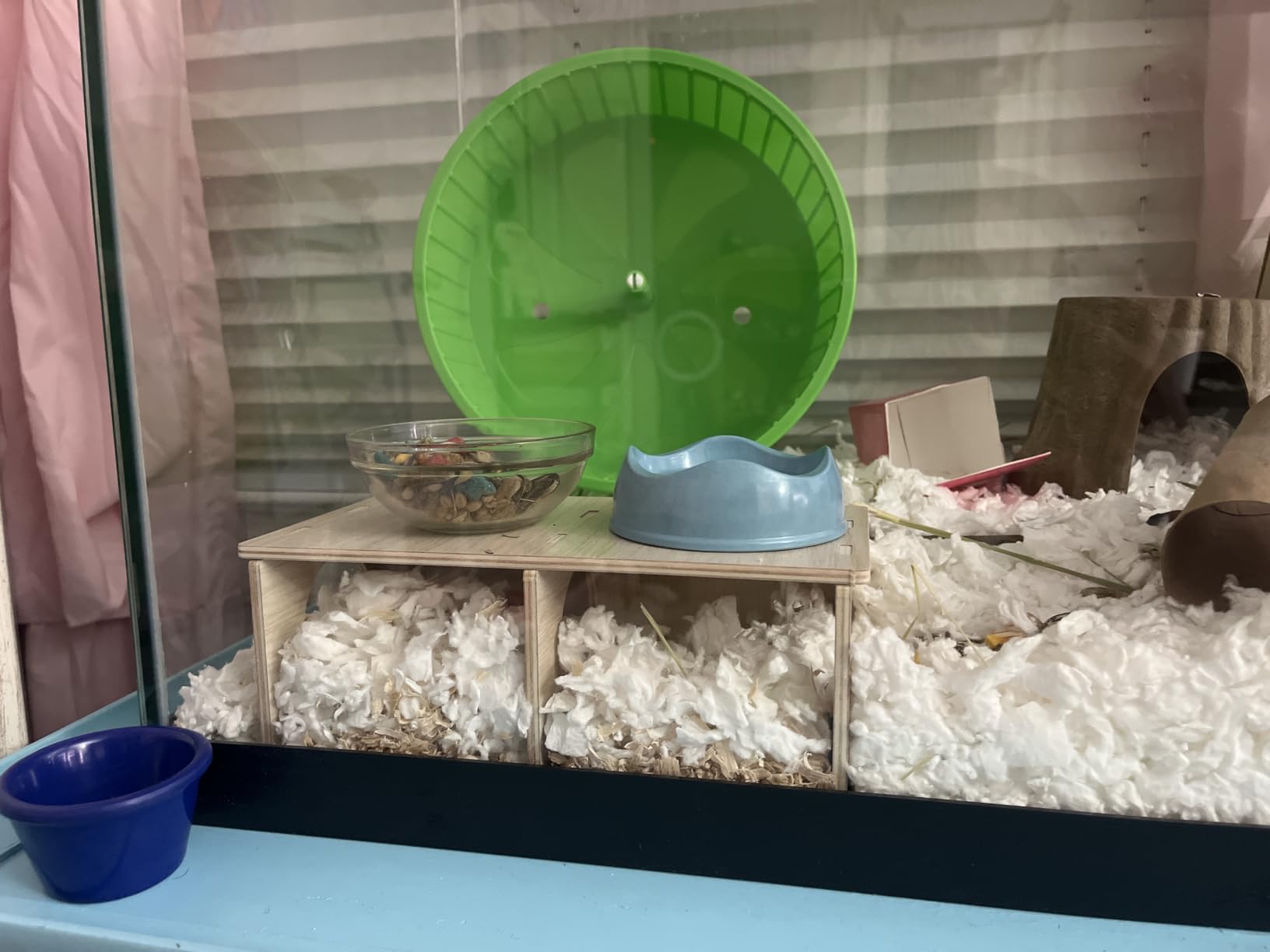
Best Suited for Dwarf Hamsters
At 8.1 x 4.2 x 3.1 inches, this hideout is sized for dwarf hamsters, mice, and small gerbils. Syrian hamster owners should look at the larger Niteangel options instead. A Syrian trying to squeeze through the door could get stuck or simply refuse to use it.
Forum users frequently warn about hamsters getting stuck in openings that are too small. Always verify that your hamster fits comfortably before leaving any hideout in the enclosure unsupervised.
Assembly Tips
Lay out all pieces before starting and identify how the slots interlock. The instructions are minimal, so studying the pieces first saves frustration. If a piece does not fit, sand the slot slightly rather than forcing it.
A dab of pet-safe wood glue on the joints during assembly makes the structure more rigid if your hamster tends to knock things around. The glue dries safe and invisible.
5. Niteangel Ceramic Hamster Habitat Hideout – Best for Chewers and Summer Heat
Niteangel Ceramic Hamster Habitat Hideout: Mushroom-Shaped & Non-Chewable
Ceramic mushroom hideout
6.93 x 6.77 x 6.65 inches
Non-chewable
Cooling ceramic
Pros
- Ceramic is completely chew-proof
- Cool surface provides relief in summer heat
- Opaque walls block all light for nervous hamsters
- Easy to rinse clean
Cons
- Entrance may be tight for large Syrians
- Heavier than wood or plastic
- More expensive than plastic options
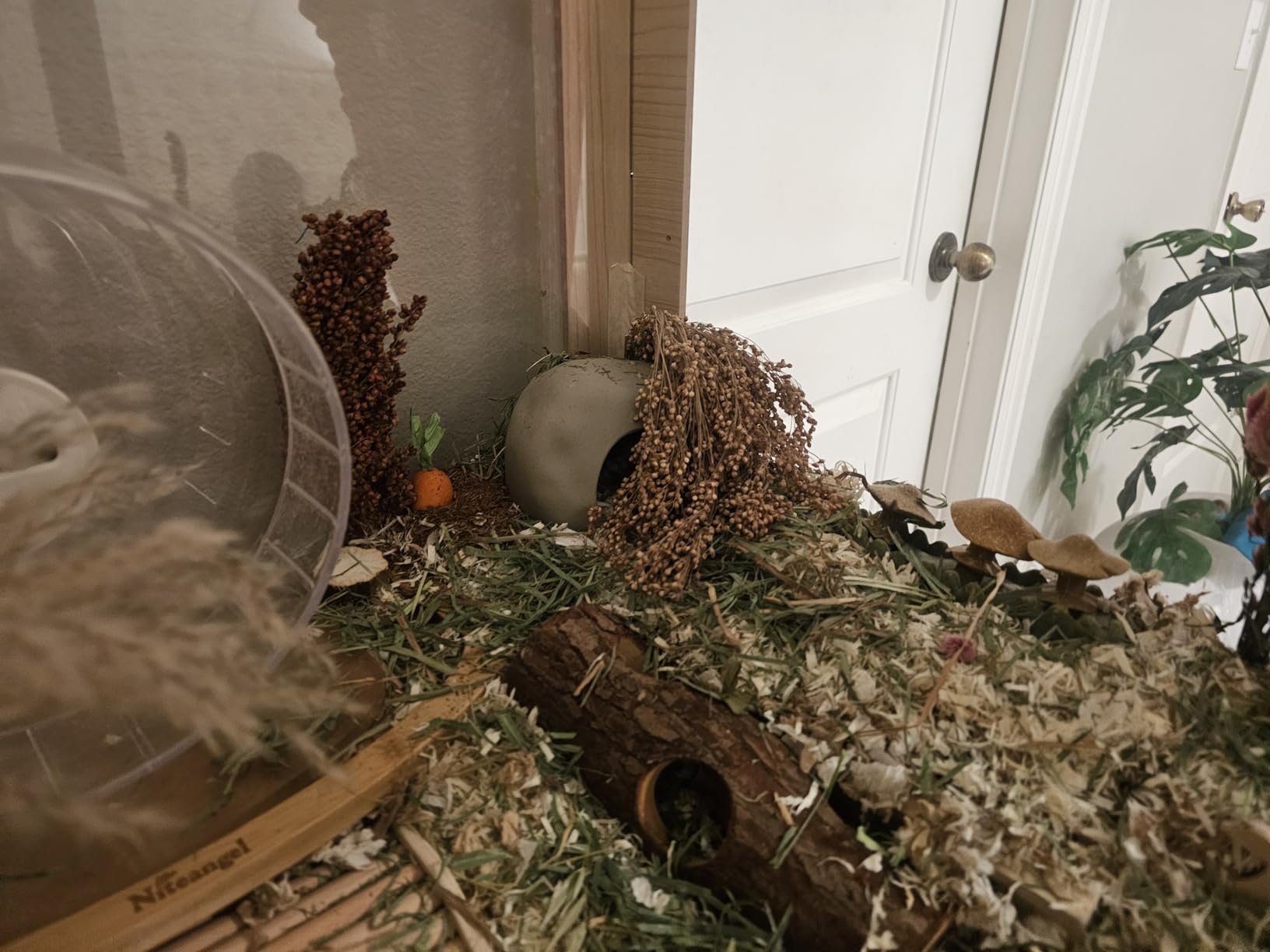
The Niteangel Ceramic Mushroom Hideout solves two problems at once. First, it is indestructible for hamsters that chew everything. Second, the ceramic material stays cool, making it the best summer hideout for hamsters that overheat in warm rooms.
When I placed this in an enclosure during a heat wave, my hamster started sleeping in the ceramic mushroom during the day instead of burrowing deep into bedding. The cool surface gave her a comfortable resting spot when temperatures climbed.
The opaque design is perfect for nervous hamsters. No light gets in, so your pet gets total darkness and the sense of being deep underground. Skittish hamsters that avoid translucent hides often take to an opaque ceramic cave immediately.
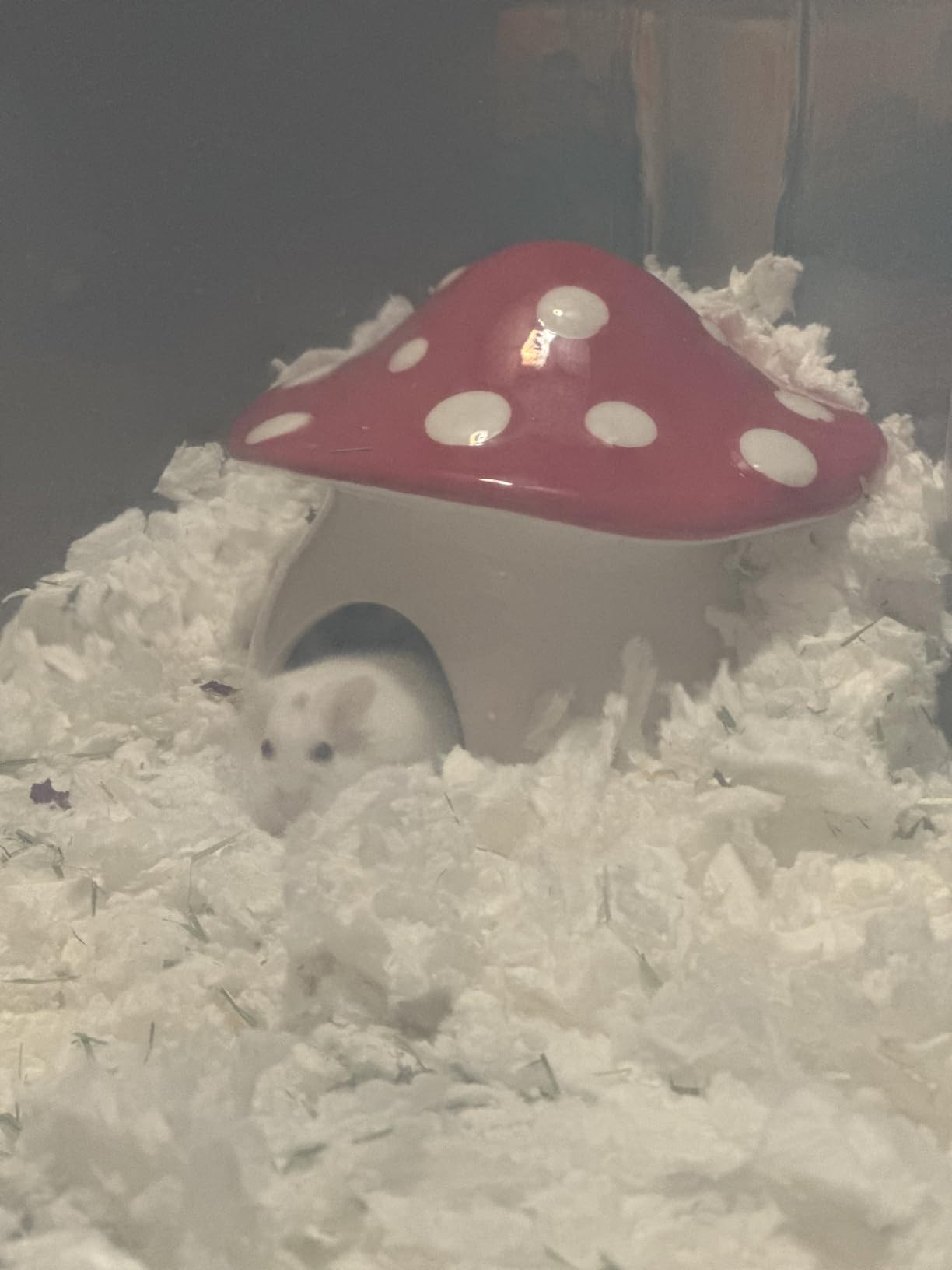
Cleaning could not be easier. Rinse it in the sink, wipe with a cloth, and it is ready to go back. Ceramic does not absorb odors or stains. The smooth surface means nothing sticks, and the weight keeps it firmly planted on the bedding.
The mushroom shape is genuinely adorable and adds character to any enclosure. The smooth glazed finish and rounded corners mean no sharp edges anywhere your hamster might touch.
Summer Cooling Benefits
Ceramic naturally stays cooler than the surrounding air. In summer months when room temperatures rise, hamsters can overheat dangerously. A ceramic hide gives them a cool retreat that can lower their body temperature.
In winter, simply add a layer of nesting material inside and the ceramic retains warmth from your hamster’s body. This makes it a genuine four-season hideout.
Entrance Size Warning
The entrance is about 2.1 inches wide. Dwarf hamsters and smaller Syrians fit fine, but a large male Syrian may struggle. Measure your hamster or check the return policy before committing.
The weight of ceramic is a plus for stability but means you need a solid shelf or cage bottom. It weighs 1.3 pounds, which is substantial for a small pet accessory.
6. SanmooAio Natural Moss Hamster Hideout – Best Natural Aesthetic
SanmooAio Hamster Hideout – Large, Natural Moss, Handcrafted for Syrian Hamsters, Rats & Guinea Pigs, Safe & Eco-Friendly
Coconut and dried moss hideout
6.3 x 6.3 x 4.73 inches
Hand-polished
Arched cave design
Pros
- Natural coconut shell with real moss
- Hand-polished smooth inside and out
- Arched cave mimics natural burrow
- Large enough for Syrian hamsters
Cons
- Moss can shed over time
- Some hamsters ignore it entirely
- Large size takes up cage space
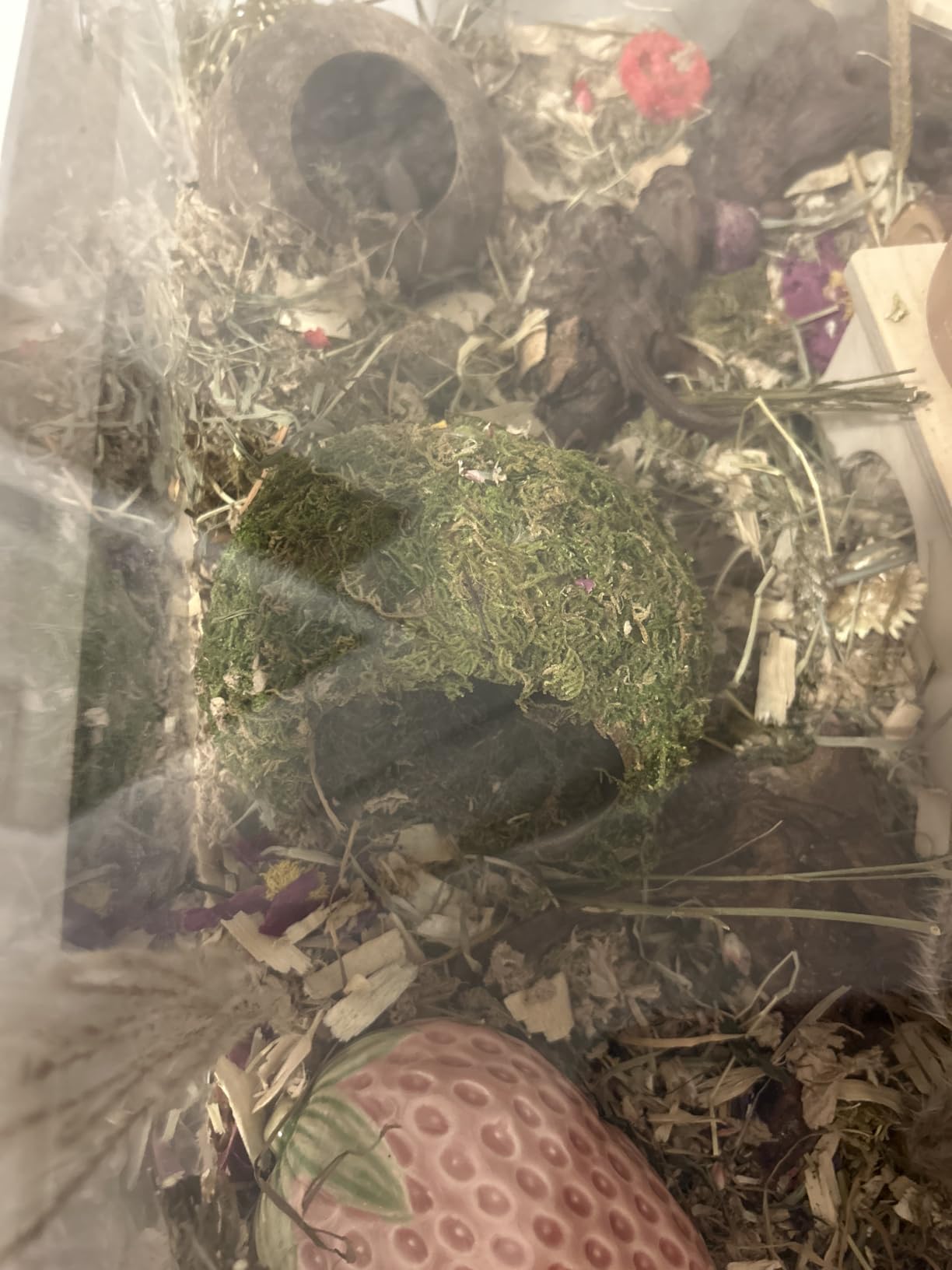
The SanmooAio Moss Hideout is for owners who want their enclosure to look like a natural forest floor. Real coconut shell topped with dried moss creates a hideout that looks like it grew there. For nervous hamsters, the enclosed arched cave provides the darkness and security they need.
I noticed that hamsters who ignored standard wooden boxes were sometimes drawn to the moss-topped coconut. The texture and scent of natural materials seem to trigger investigative behavior, which is great for getting a nervous hamster to explore their environment.
The interior is hand-polished smooth. No rough edges, no splinters, no sharp spots. Your hamster can sleep comfortably on the bare surface or add their own nesting material.
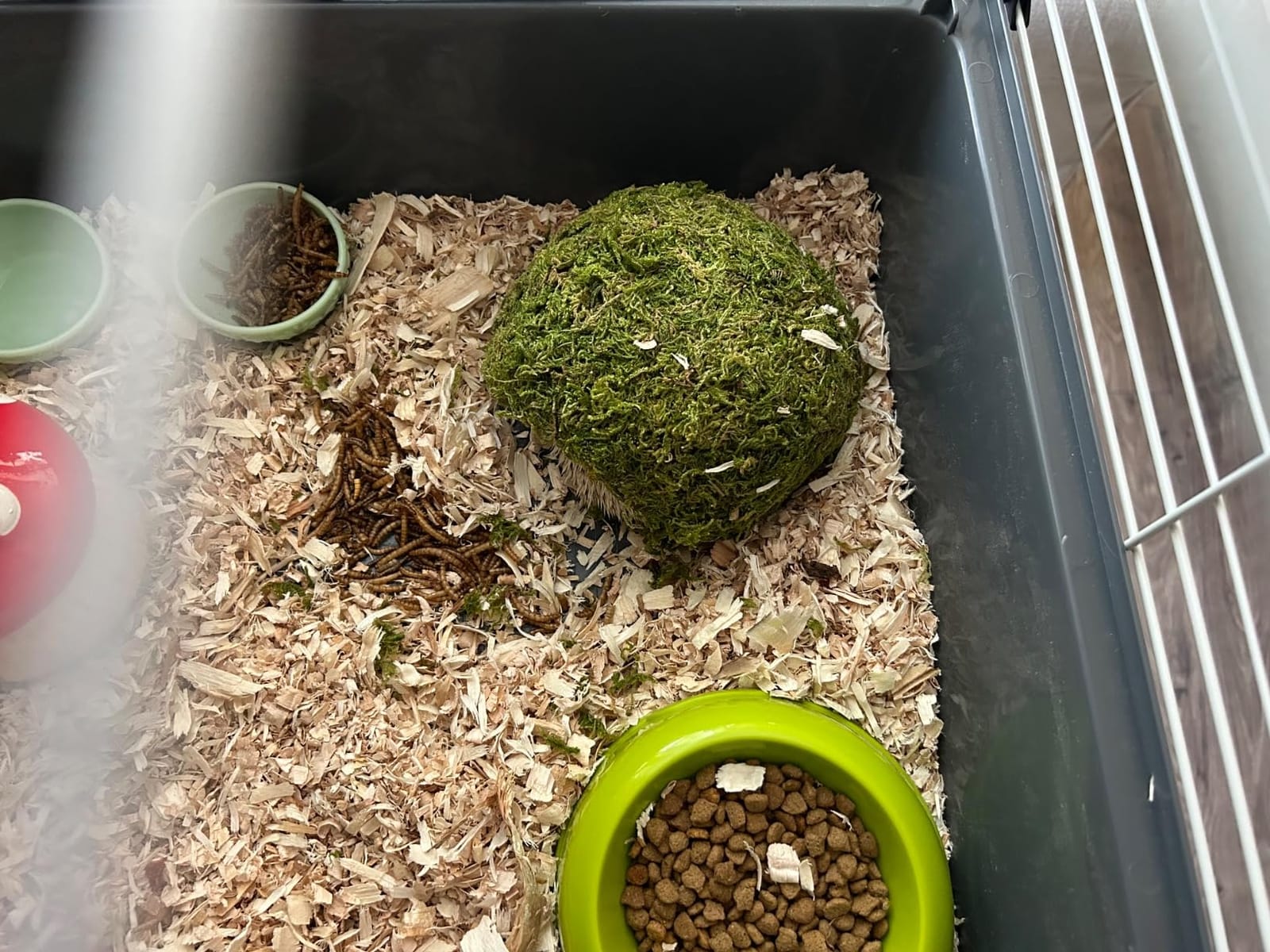
The arched structure genuinely mimics a natural cave opening. Your hamster enters through the arch and finds an enclosed space that feels like a burrow. This design hits all the right psychological buttons for a prey animal seeking shelter.
The main complaint from buyers is moss shedding. Over weeks and months, pieces of dried moss can flake off and end up in the bedding. This is cosmetic, not dangerous, but some owners find it messy. A light spray of pet-safe adhesive can help hold the moss in place.
Sizing for Your Hamster
The large version measures 6.3 x 6.3 x 4.73 inches, which fits Syrian hamsters comfortably. If you have a dwarf hamster, they will still use it but it may feel spacious rather than snug. Consider adding extra nesting material inside to create a cozier interior.
Some hamsters simply prefer certain materials over others. A small percentage of buyers report their hamster never used the coconut hide. This is true of any hideout, which is why having multiple options in the enclosure is important.
Maintenance and Longevity
The coconut shell itself is durable and will last indefinitely. Brush off old bedding and wipe clean during regular maintenance. Avoid soaking the moss, as it will deteriorate faster when wet.
Check the moss periodically and remove any pieces that have come loose. Keeping the hideout clean prevents bacterial growth and extends the life of the natural materials.
7. andwe Coconut Hut Hamster House Bed – Best Compact Natural Option
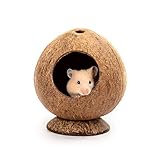
andwe Coconut Hut Hamster House Bed Natural Gerbils Hideout
Coconut shell hideout
6.06 x 5.47 x 5.39 inches
Eco-friendly and reusable
Easy access entrance
Pros
- Real coconut shell is chew-safe and natural
- Eco-friendly and reusable
- Compact size fits in smaller cages
- Easy entrance for dwarf hamsters
Cons
- Stand stability issues reported
- May retain odors if not cleaned regularly
- Some pets may not use it
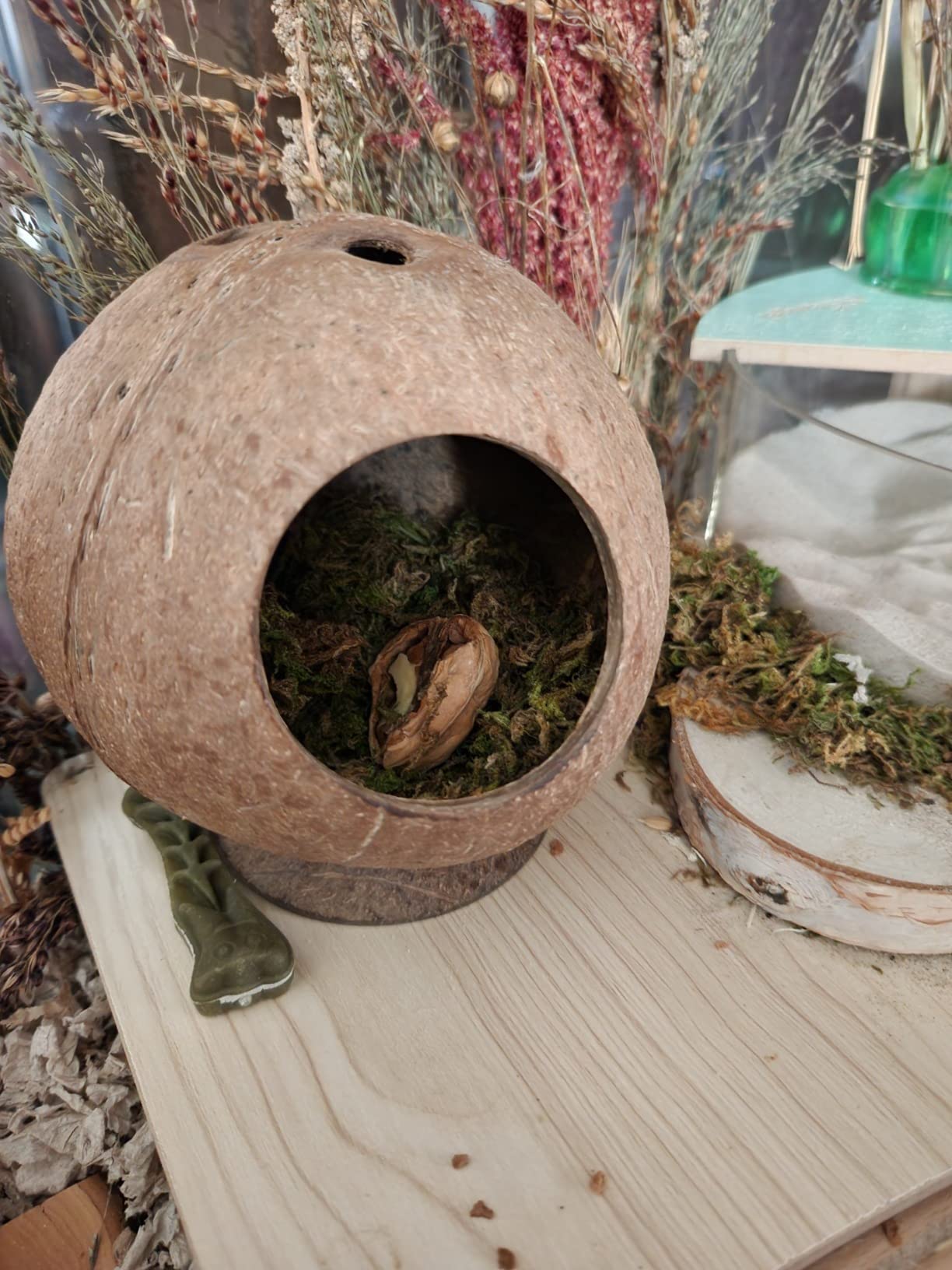
The andwe Coconut Hut is one of the most popular natural hideouts on Amazon with over 2,400 reviews. It takes a real coconut shell, hollows it out, and adds an entrance hole. Simple, effective, and exactly what many nervous hamsters are looking for.
I like this for dwarf hamsters specifically. The compact interior creates the snug, enclosed feeling that helps nervous small hamsters feel safe. Add a handful of nesting material inside and your hamster has a cozy bedroom.
The natural coconut material is safe for chewing and eco-friendly. Unlike plastic, it will not create harmful fragments if nibbled. And unlike manufactured wood, each coconut has a unique natural shape.
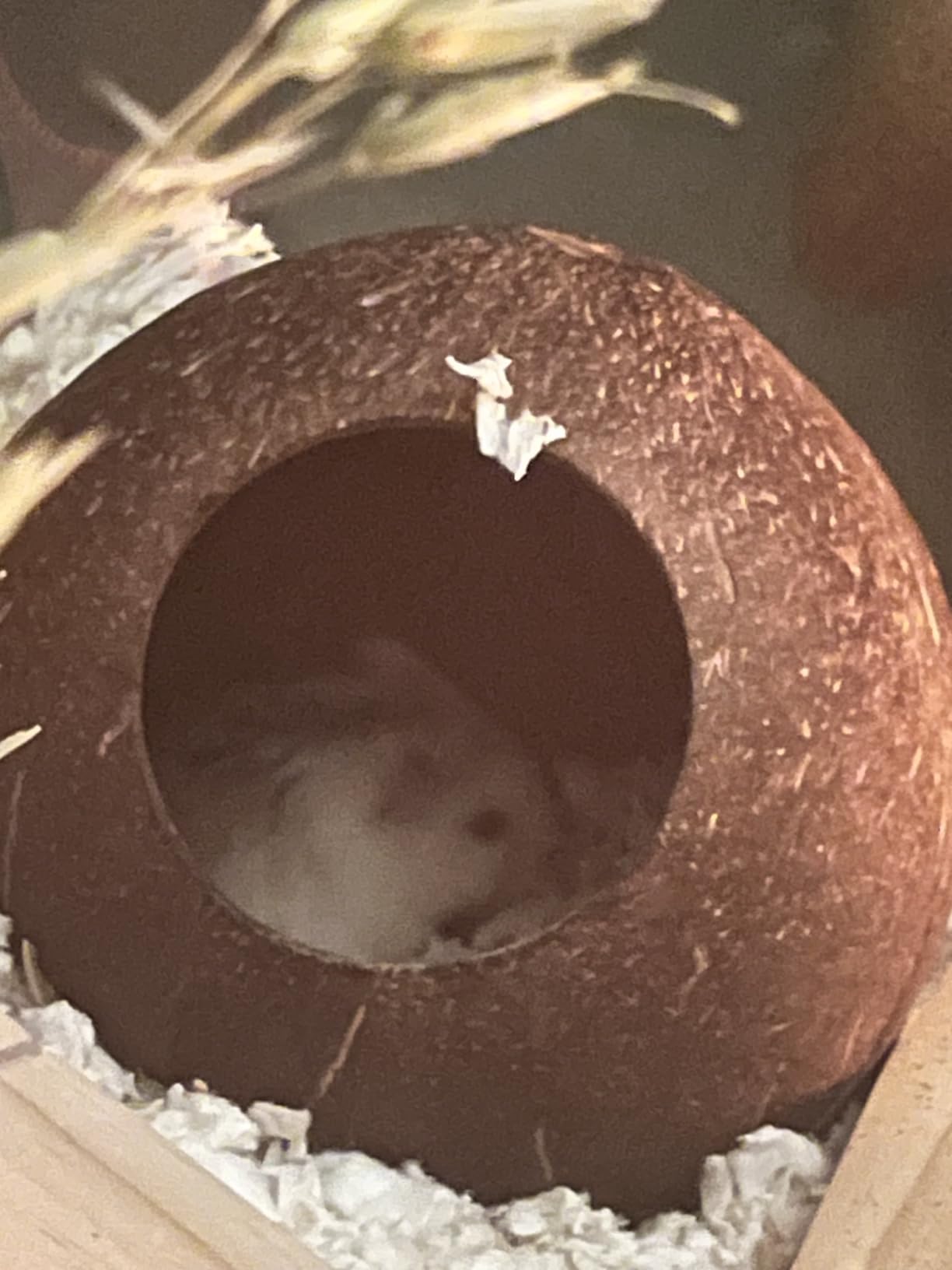
Cleaning is simple. Shake out old bedding, rinse the shell, and dry thoroughly before returning it to the cage. The hard shell does not absorb liquids, though the interior can retain odors if you go too long between cleanings.
Some buyers report that the stand or base can be wobbly. If your coconut hut does not sit flat, place it on a level surface with packed bedding underneath for stability. A wobbly hide can startle an already nervous hamster.
Ideal for Dwarf Hamsters and Gerbils
The entrance diameter and interior volume are best suited for dwarf hamsters, gerbils, mice, and sugar gliders. A Syrian hamster may find the interior too cramped. Check measurements against your hamster before purchasing.
For nervous dwarf hamsters, this size is actually perfect. The tight interior makes them feel enveloped and safe, which is the whole point of a hideout.
Odor Management
Coconut shell can hold odors if your hamster uses the hut as a bathroom. Weekly cleaning prevents buildup. If odors persist, soak the shell in a mild vinegar solution, rinse thoroughly, and let it dry completely.
Placing the hut away from your hamster’s main bathroom corner also helps. Hamsters tend to pick one spot for waste, so position the hideout in their sleeping area instead.
8. Niteangel Natural Wooden Hamster Tunnel Tube – Best for Exploration
Niteangel Natural Wooden Hamster Mouse Tunnel Tube Toy Forest Hollow Tree Trunk
Natural FIR wood tunnel
7.87 x 2.76 x 2.76 inches
Multiple entry holes
Chew-safe wood
Pros
- Natural FIR wood is safe for chewing
- Multiple holes create exploration opportunities
- Great for dwarf hamsters and gerbils
- Stuff with hay and treats for enrichment
Cons
- Holes too small for Syrian hamsters
- Some wood debris initially
- Not all pets use it as a hide
The Niteangel Wooden Tunnel is a different kind of hideout. Rather than an enclosed box, it is a hollow log with multiple holes that hamsters can run through, sleep inside, or climb on. For nervous hamsters that need enrichment to build confidence, this is an excellent addition.
I have used these tunnels to help shy hamsters start exploring their cage. Stuff the tunnel with hay and a few treats, and your hamster has a reason to venture out of their main hideout. The exploration builds confidence over time.
The FIR wood construction is safe for chewing and actually helps wear down your hamster’s constantly growing teeth. Multiple 1.4-inch holes give your hamster entry and exit options, which satisfies their natural desire to have escape routes.
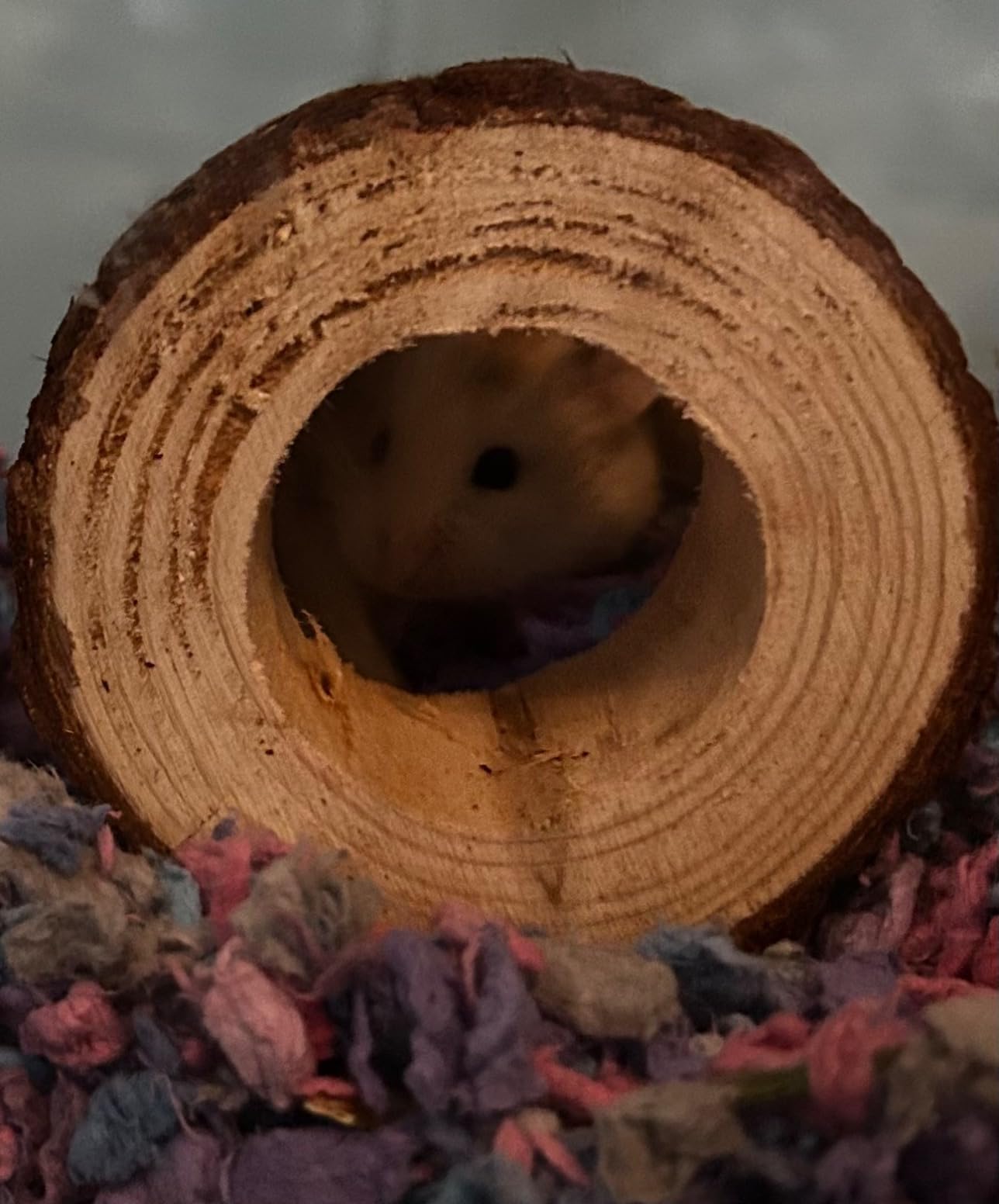
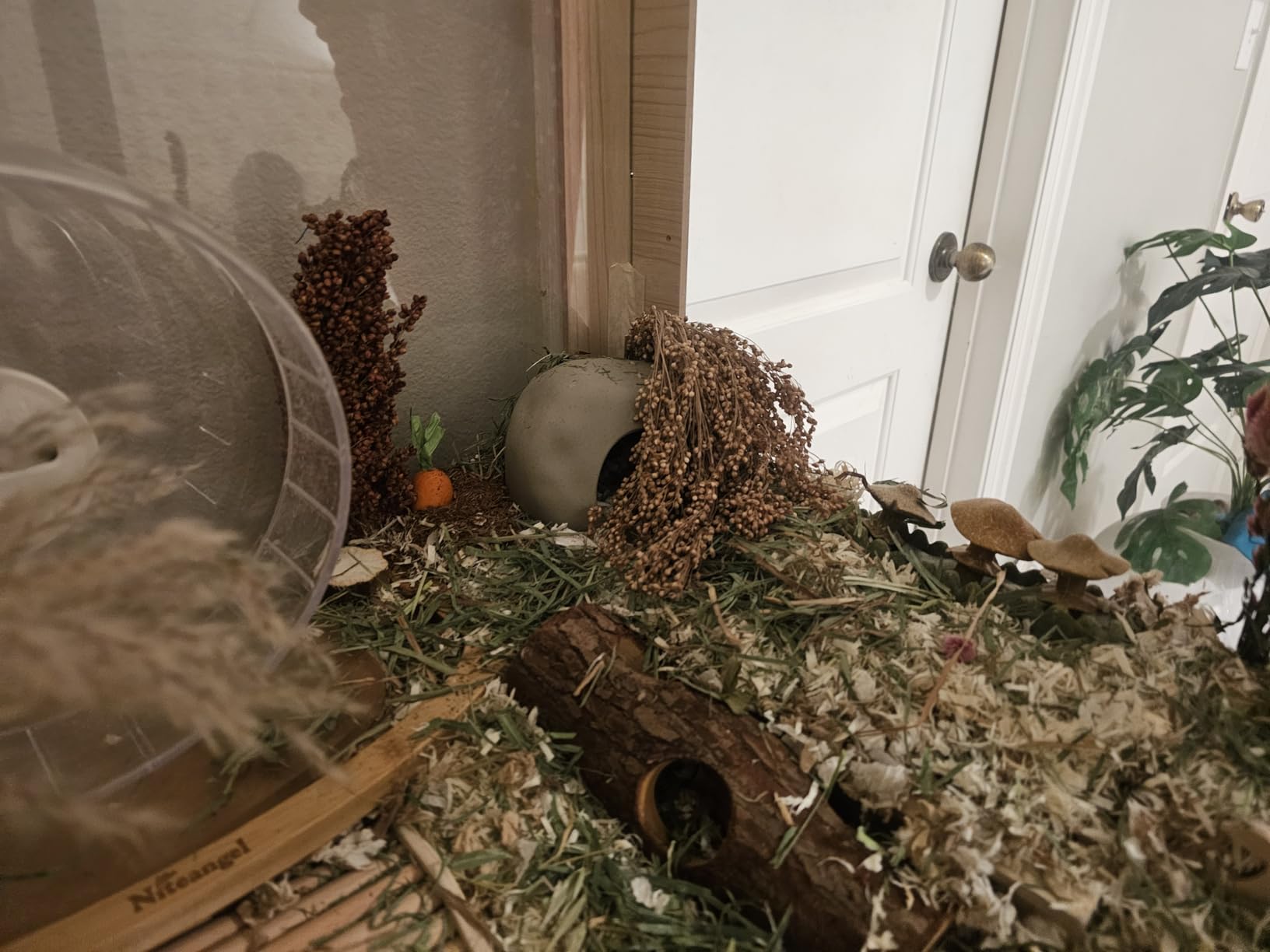
For nervous hamsters, I recommend burying part of the tunnel in the bedding. This creates a semi-hidden pathway between two points in the cage, letting your hamster move around without feeling exposed. It mimics the tunnel systems they would dig in the wild.
The tunnel is lightweight and can be repositioned easily during cage cleaning. Some initial wood debris may come out of the holes, so brush it off before placing it in the enclosure.
Dwarf Hamster and Gerbil Size
The 1.4-inch holes are designed for dwarf hamsters, mice, and gerbils. Syrian hamsters will not fit through these openings. If you have a Syrian, look for larger tunnel options or use this purely as a cage decoration.
Forum users recommend measuring your hamster against the hole diameter before purchasing. A hamster that barely fits will avoid the tunnel, while one that fits comfortably will use it constantly.
Creative Enrichment Ideas
Stuff the tunnel with Timothy hay, scatter seeds inside, or wedge small pieces of vegetables in the holes. This turns a simple tunnel into a foraging station that keeps your hamster mentally stimulated.
Mental stimulation is critical for nervous hamsters. A bored, stressed hamster bars at the cage and paces. An enriched hamster explores, forages, and gradually becomes more confident around their environment.
How to Choose the Right Hideout for a Nervous Hamster
Choosing the right hideout comes down to four factors: material, size, number of hides, and placement. Get these right and your nervous hamster will settle in faster and stress less.
Material: Wood vs Ceramic vs Plastic
Each material has trade-offs. Wood is natural, safe for chewing, and looks great in a natural enclosure setup. Birch plywood and FIR wood are the most common safe options. The downside is that wood absorbs odors over time and determined chewers will gradually destroy it.
Ceramic is chew-proof, easy to clean, and stays cool in summer. It is the most durable option and works especially well for hamsters that destroy wooden hides. The downside is weight and higher cost.
Plastic is affordable, easy to clean, and durable. The translucent Kaytee Igloo lets you see your hamster without disturbing them. The risk is chewing, as swallowed plastic can cause health problems. If your hamster chews plastic, switch materials immediately.
Size: Syrian vs Dwarf Hamster Requirements
Syrian hamsters are significantly larger than dwarfs and need bigger hideouts with wider entrances. A Syrian needs an entrance of at least 2 to 2.5 inches and an interior large enough to turn around comfortably. Forcing a Syrian into a dwarf-sized hide risks them getting stuck.
Dwarf hamsters prefer smaller, snugger hides. A hideout that is too large can make a dwarf feel exposed. Look for entrances around 1.5 to 2 inches and compact interiors. The Niteangel Multi-Chamber small version and the andwe Coconut Hut are both excellent dwarf-sized options.
How Many Hideouts Does a Hamster Need?
Forum consensus and experienced keepers recommend at least three hideouts in a hamster enclosure. One main sleeping hide, one secondary hide on the opposite side, and one surface-level hide for daytime resting. This gives your hamster choices, which directly reduces stress.
Nervous hamsters benefit from having multiple escape points. If they feel threatened on one side of the cage, they should be able to reach a hideout quickly without crossing open space. Three hides placed strategically achieves this.
Placement in the Cage
Place the main hideout in the darkest, quietest corner of the cage. This becomes your hamster’s primary sleeping area. Put a second hideout on the opposite side near the food and water. The third can be a smaller surface hide near the wheel.
Bury part of tunnels and multi-chamber hides in deep bedding to mimic natural burrowing depth. Hamsters feel safest when they are below the surface line. Aim for at least 6 to 10 inches of bedding in the main digging area.
Frequently Asked Questions
Do hamsters like hideouts?
Yes, hamsters absolutely need hideouts. As prey animals, they instinctively seek enclosed, dark spaces to feel safe. Without a hideout, a hamster experiences chronic stress, which can lead to health problems and shortened lifespan. Every hamster enclosure should have at least three hideouts.
How many hideouts should a hamster have?
A hamster should have a minimum of three hideouts in their enclosure. One main sleeping hide in a dark corner, one secondary hide on the opposite side, and one smaller surface hide. Multiple hideouts give nervous hamsters escape options and reduce stress by letting them move around without feeling exposed.
How to destress a nervous hamster?
To destress a nervous hamster, provide multiple hideouts for security, use deep bedding of at least 6 inches for burrowing, keep the cage in a quiet low-traffic area, avoid sudden movements and loud noises near the cage, and give your hamster time to adjust without forcing interaction. Adding enrichment items like tunnels and foraging toys also builds confidence over time.
How long does it take for a hamster to adjust to a new cage?
Most hamsters take one to two weeks to adjust to a new cage. During this period, minimize handling, keep the environment quiet, and let your hamster explore at their own pace. Some particularly nervous hamsters may take three to four weeks before they feel fully comfortable and start approaching you willingly.
How to bond with a skittish hamster?
Bonding with a skittish hamster requires patience. Start by placing your hand in the cage without moving for a few minutes each day. Let your hamster approach you on their terms. Offer treats from your fingers. Avoid chasing or grabbing your hamster. With consistent gentle interaction over several weeks, most nervous hamsters learn to trust their owner.
Finding the best hideouts for nervous new hamsters comes down to understanding what your pet needs to feel safe. The Niteangel Multi-Chamber Maze is my top pick because it mimics a natural burrow system, and the removable lid lets you check on your hamster without causing stress. The Kaytee Igloo remains the best value option with its translucent walls and decades of proven success. And the Hamiledyi 2-Chamber delivers multi-room enrichment at the lowest price on this list.
Remember to provide at least three hideouts, use deep bedding for burrowing, and give your nervous hamster time to adjust. With the right setup, even the most skittish new hamster will gradually become confident and comfortable in their home.