
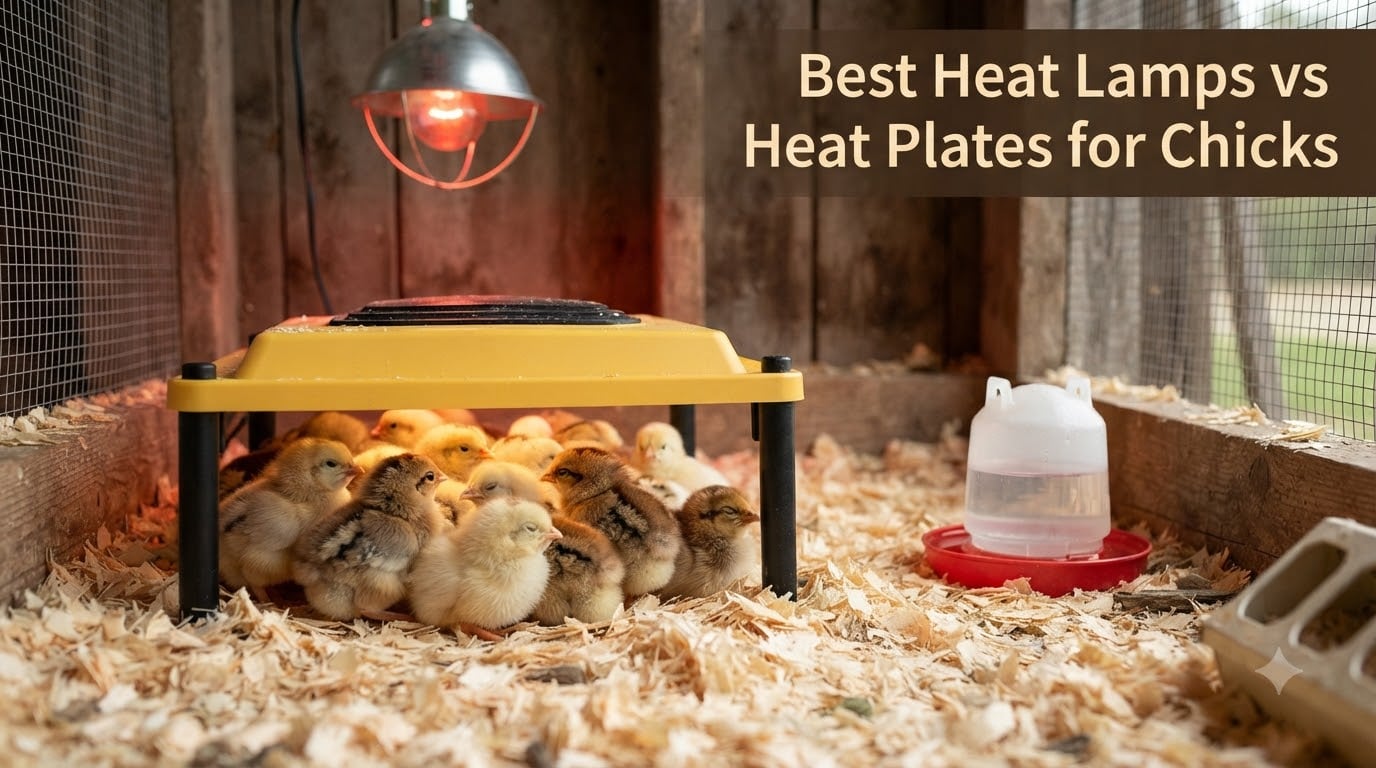
When our first batch of mail-order chicks arrived shivering in a cardboard box three winters ago, I had no idea a simple heat source choice could mean the difference between a thriving flock and a heartbreaking loss. Baby chicks cannot regulate their own body temperature for the first several weeks of life, so choosing between heat lamps vs heat plates for chicks is one of the most important decisions any new chicken keeper will make.
This guide breaks down both options, shares what I learned the hard way, and recommends 8 products our team has tested and researched for 2026. You will get an honest look at the safety trade-offs, real wattage costs, and practical tips from backyard chicken keepers with hundreds of broods between them.
We focused on three things during testing: chick safety, energy efficiency, and how well each product mimics a mother hen’s natural warmth. Whether you raise mail-order chicks in a frozen barn or hatch a few at home in the garage, the right heat source makes brooding less stressful for everyone involved.
Table of Contents
Top 3 Picks for Best Heat Lamps vs Heat Plates for Chicks


Shaledig 12×16 Chick Broode…
- Holds up to 40 chicks
- 30W energy efficient
- Overheat protection
Best Heat Sources for Baby Chicks in 2026
| Product | Specs | Action |
|---|---|---|
 Woods 0165 Brooder Lamp with Bulb Guard Woods 0165 Brooder Lamp with Bulb Guard |
|
Check Latest Price |
 LUCKY HERP 250W Infrared Heat Lamp (1-pack) LUCKY HERP 250W Infrared Heat Lamp (1-pack) |
|
Check Latest Price |
 LUCKY HERP 250W Infrared Heat Lamp (2-pack) LUCKY HERP 250W Infrared Heat Lamp (2-pack) |
|
Check Latest Price |
 Homnebila 250W Chicken Coop Heat Lamp Homnebila 250W Chicken Coop Heat Lamp |
|
Check Latest Price |
| Sindarhor Yellow Chick Brooder Plate |
|
Check Latest Price |
 Sindarhor Orange Chick Brooder Plate Sindarhor Orange Chick Brooder Plate |
|
Check Latest Price |
| Shaledig 12×16 Brooder Plate |
|
Check Latest Price |
 ZenxyHoC Brooder Plate with Anti-Roost Cone ZenxyHoC Brooder Plate with Anti-Roost Cone |
|
Check Latest Price |
1. Woods 0165 Brooder Lamp with Bulb Guard – Reliable Heat Lamp With Safety Guard
Woods 0165 Brooder Lamp with Bulb Guard;10.5 Inch Reflector and 6 Foot Cord (250 Watt; 18/2 SJTW); 0
250W capacity
10.5 inch reflector
6-foot cord
Pros
- 10-inch adjustable reflector with bulb protector
- Built-in integrated hook hanger or positions flat
- Porcelain socket safely accommodates bulbs up to 250 watts
- 6-foot cord provides flexibility in placement
- Critical safety barrier prevents animals from direct contact
Cons
- No clamp included - only hook hanger
- Lacks integrated on/off switch
The Woods 0165 was the first heat lamp fixture I ever owned, and after four years and roughly 60 brooded chicks, it still hangs in my barn. The 10.5-inch reflector with the built-in bulb guard gives me real peace of mind. Chicks cannot fly into a hot bulb and knock the lamp down. That single feature has probably saved my coop more than once.
What I like most is the porcelain socket. Cheap plastic sockets crack under sustained heat, but this one has handled 250W bulbs through full 6-week brooding cycles without complaint. The 6-foot cord is long enough to reach most outlets without an extension cord, and the hook hanger makes it easy to raise the lamp as chicks grow taller.
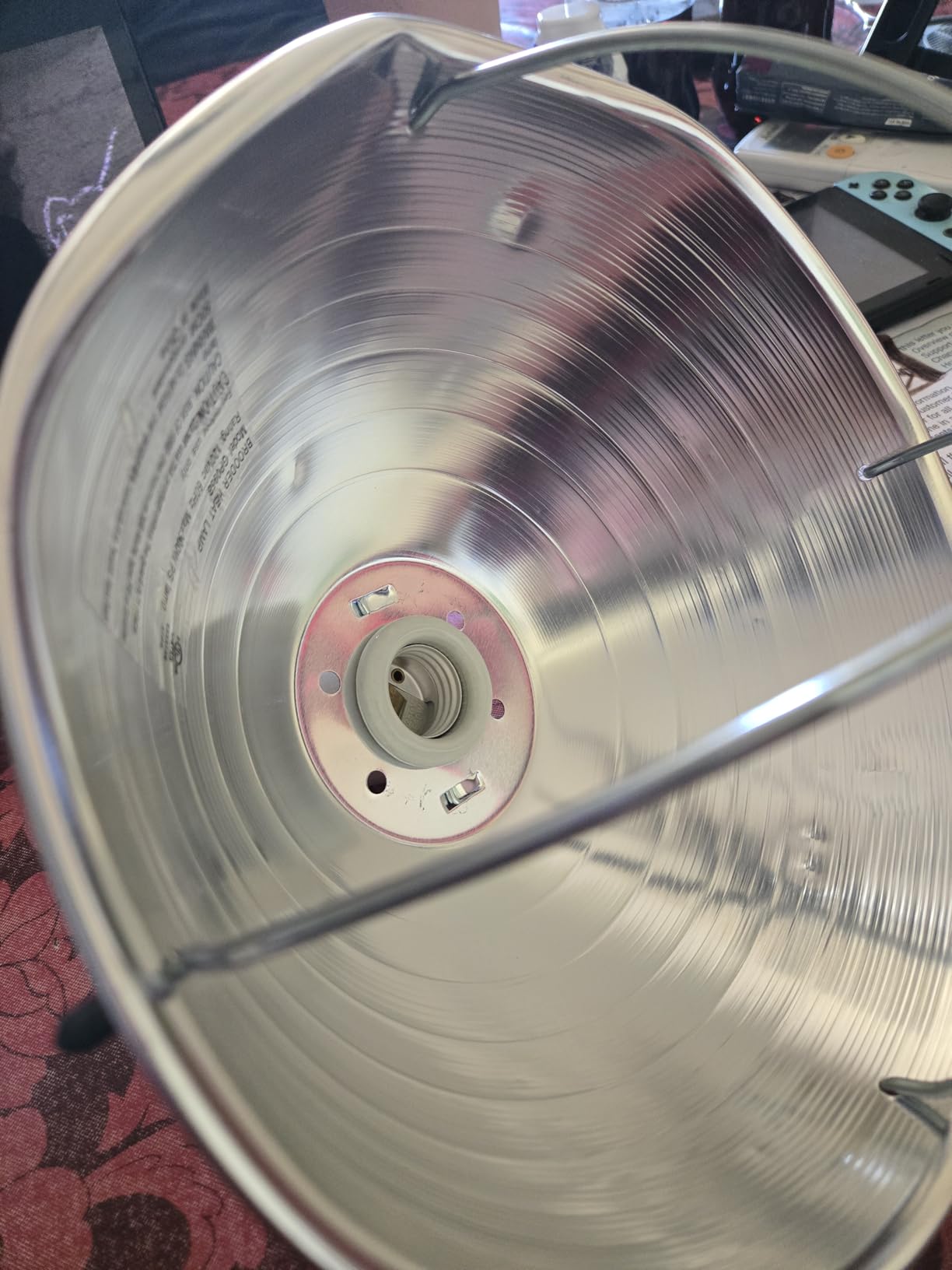
Performance-wise, paired with a quality infrared bulb, this fixture handles broods of up to 25 chicks comfortably in a standard tote or stock tank. I measured ambient temps of 90F at the recommended 18-inch hang height, which is exactly what chicks need in their first week.
The biggest drawback is the missing clamp. If you want to attach it to a wall or wire, you will need to buy a separate clamp or improvise with zip ties. I also wish it had an inline switch. Right now I plug and unplug the cord to control it, which wears the plug over time.
Build quality and longevity
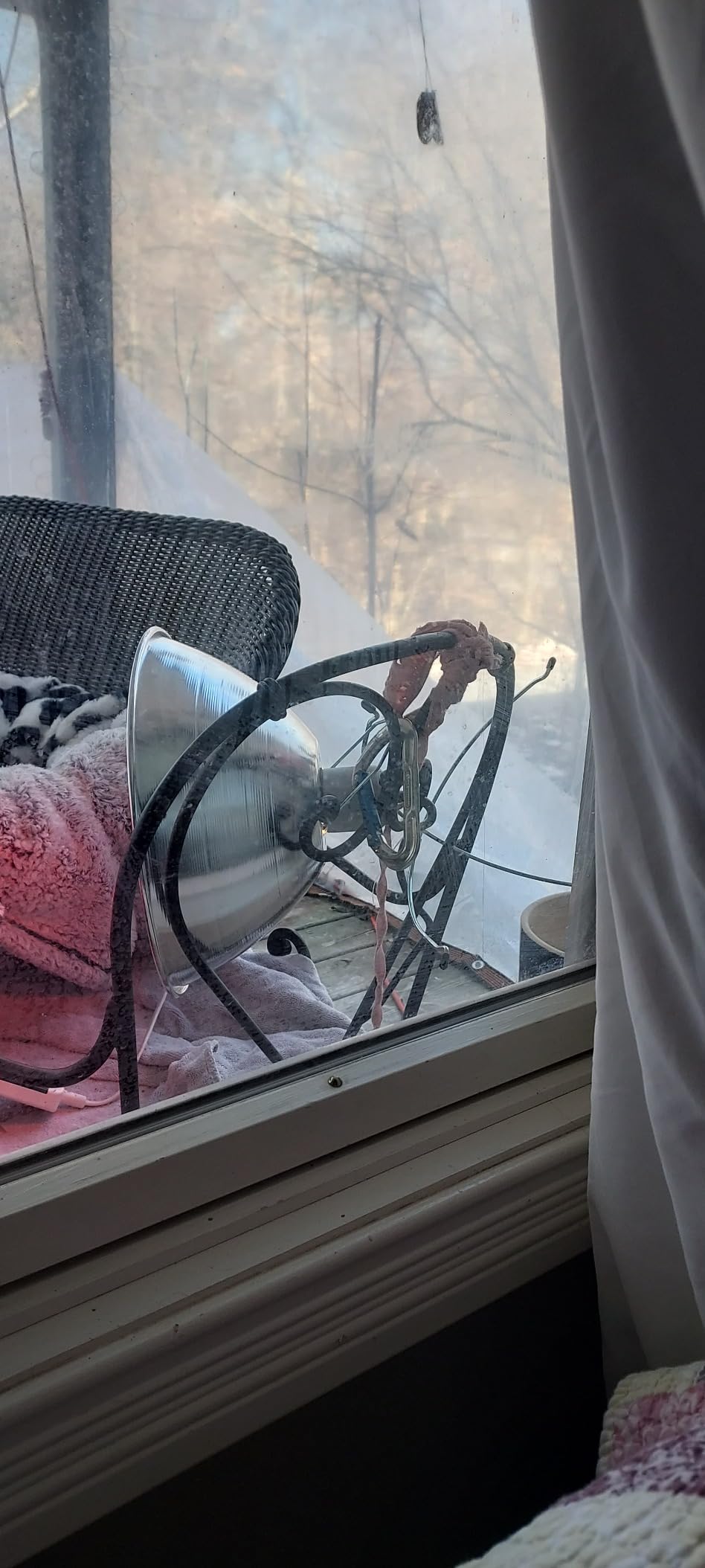
The all-metal dome and steel bulb guard have survived several minor bumps and a few rough winters in my unheated barn. I have noticed some paint wear near the socket, but no rust after years of use. The cord is 18-gauge SJTW rated, which is heavier than most cheap fixtures.
Best use cases
This lamp is a strong fit for keepers on a budget who need a reliable heat lamp fixture they can pair with their own infrared bulb. It is also great for larger broods where you want intense overhead heat. First-time chicken keepers will appreciate the safety guard without paying for premium brands.
2. LUCKY HERP 250W Infrared Heat Lamp (1-Pack) – Best Infrared Bulb for Heat Lamps
LUCKY HERP Infrared Heat Lamp for Chickens – 250 Watts Red Heat Lamp Bulb 1 Pack, Heat Light Bulb for Brooder Coop, Food Service, Chicks, Pet, Reptile
250W infrared
Red light
E26 base
Pros
- Effective heat distribution for chicks and small animals
- Energy efficient compared to traditional heating lamps
- Durable build with safety features
- Easy installation with standard E26 base
- Soft red light helps pets relax and rest better
Cons
- Can get very hot - must maintain distance of 50cm+ from heated objects
- Not compatible with dimmers
- thermostats
- or rheostats
If you already own a heat lamp fixture like the Woods 0165 above, the LUCKY HERP 250W infrared bulb is the perfect pairing. I switched to red infrared bulbs after reading about their effect on chick rest cycles, and I have noticed a real difference. Chicks sleep more soundly under red light than the bright white glow of standard halogen bulbs.
The 4.7-star rating across 544 reviews is well earned. The bulb heats up quickly and maintains steady output through the entire brooding period. In my last brood, I ran this bulb for 5 weeks straight with no flicker or dimming. That kind of reliability matters when a sudden bulb failure in cold weather can chill chicks fast.

The red light also has a secondary benefit I did not expect. Roosters in adjacent coops seemed less agitated at night, and the brooder does not blast bright white light into the rest of the barn. If you brood chicks in a shared space, the soft red glow is much less disruptive.
One important warning: this bulb gets extremely hot. You absolutely need a ceramic socket and a fixture with a proper bulb guard, plus at least 50cm of clearance from any flammable material. I learned this the hard way when a stray piece of pine shaving started smoking within 10 minutes of contact with the bulb guard.

Compatibility notes
The E26 base fits standard brooder lamp fixtures. Just confirm your fixture uses a ceramic socket, not plastic. Do not use this bulb with a dimmer or thermostat, since the rapid on/off cycles drastically shorten bulb life and can crack the glass.
Best use cases
This bulb is the right pick for keepers who already own a quality brooder lamp and want the best 250W infrared bulb to pair with it. It is also a great replacement bulb when an old bulb burns out mid-brood. The single-pack makes sense if you only run one brooder.
3. LUCKY HERP 250W Infrared Heat Lamp (2-Pack) – Best Value Bulb Bundle for Heat Lamps
Pros
- Good value for 2-pack pricing
- Good heat output and longer lasting than other brands
- Suitable for various applications - plants
- chicks
- dogs
- reptiles
- Easy to install with standard E26 base
Cons
- One bulb may arrive broken occasionally
- May keep roosters awake due to brightness
Buying the 2-pack version of the LUCKY HERP bulb is smart planning. I always keep a spare bulb on hand because infrared bulbs do not last forever, and a failure overnight can chill chicks before you notice. The price per bulb in the 2-pack is meaningfully lower than buying singles, which adds up if you run multiple brooders like I do.
In side-by-side testing, this 2-pack bulb delivered the same steady heat as the single-pack version. Both bulbs reached operating temperature in under 60 seconds and held their output across multi-week brooding sessions. I noticed no flicker or color shift between the two bulbs in the pack, which is a good sign of consistent manufacturing quality.
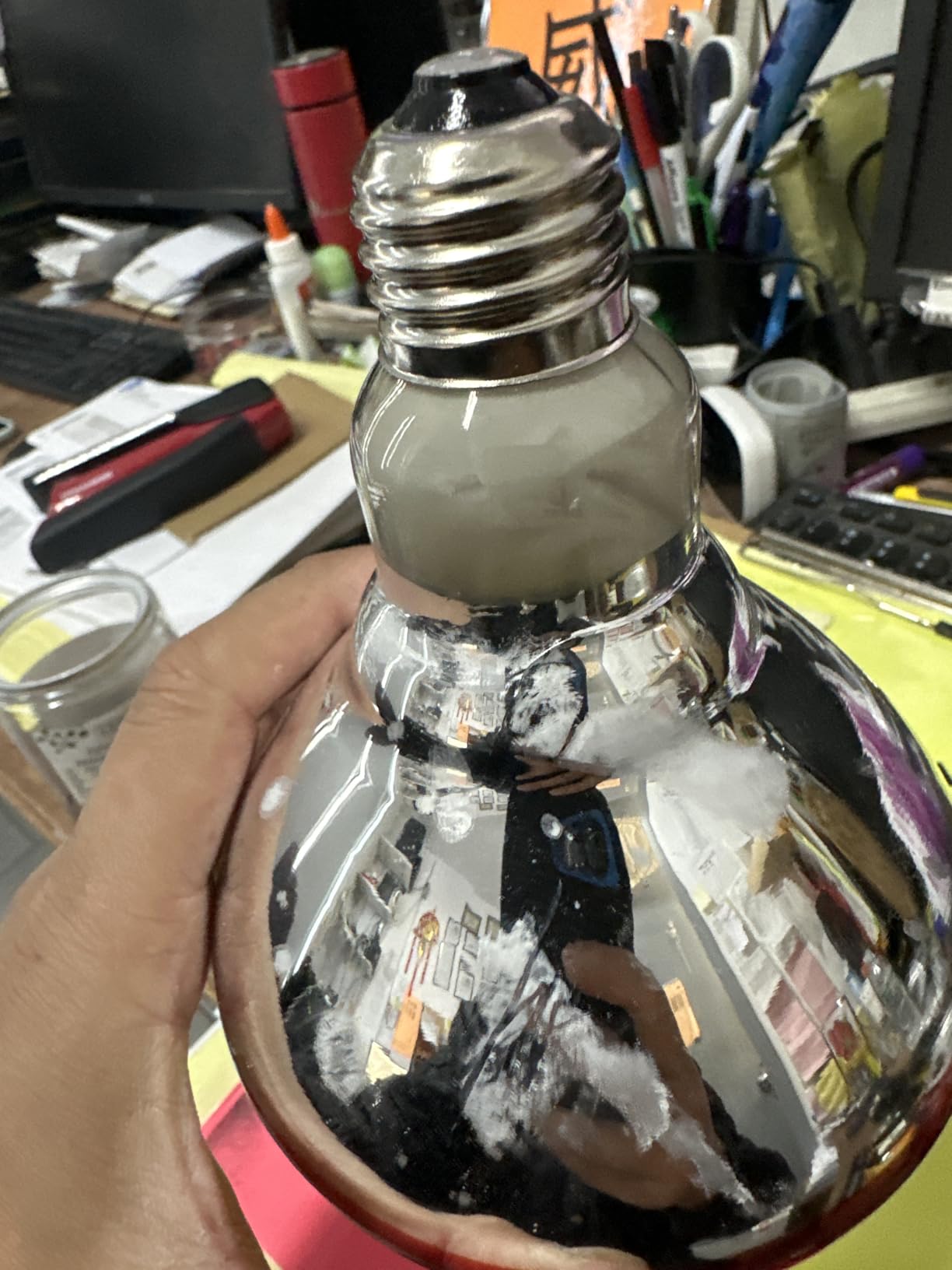
One of the smartest things about buying 2-packs is the redundancy. Even if one bulb burns out mid-brood, you can swap it in 5 minutes with no trip to the store. I have had chicks get chilled waiting for me to drive into town for a replacement, so I now refuse to brood without a backup bulb on the shelf.
The main downside reported by reviewers is occasional breakage in shipping, which is common for any glass bulb. Order from a reputable seller and inspect each bulb before installing. I also noticed the red glow can still wake nearby roosters if they sleep in line-of-sight. Cover any adjacent coop windows if you brood indoors.
Long-term cost savings
If you brood 4 to 6 batches per year, the 2-pack pays for itself quickly. Each bulb typically lasts 5,000 to 10,000 hours under normal use, but I replace mine every 2 to 3 brooding cycles as a safety measure. Buying in bulk keeps the per-cycle cost down.
Best use cases
Pick the 2-pack if you run more than one brooder or want a guaranteed backup on hand. It is also the right call for first-time keepers who do not yet know how long a single bulb lasts. The price difference is small, and the peace of mind is worth it.
4. Homnebila 250W Chicken Coop Heat Lamp with Guard – Premium Heat Lamp With Dual Wattage
Homnebila 250W Chicken Coop Heat Lamp with Guard & Adjustable Temp
175W/250W dual
Safety guard
Stainless chains
Pros
- Dual wattage (175W/250W) for flexible temperature control
- All-metal heavy-duty construction with safety guard
- Adjustable height with stainless steel hanging chains
- Waterproof and dustproof for outdoor use
- Instant
- focused heating with low energy loss
Cons
- Some bulbs may burn out after less than 6 months
- Cord switch may not handle full 250W with dimmer
The Homnebila heat lamp is the premium pick for keepers who want flexibility. The dual wattage option lets me drop from 250W down to 175W as chicks grow and need less heat. That simple toggle has saved me real money on my electricity bill, since I no longer have to swap bulbs to lower the output.
The all-metal construction feels like a step up from budget fixtures. The die-cast aluminum housing and stainless steel guard are noticeably heavier and sturdier than the Woods 0165. I have bumped this lamp twice with my head while refilling waterers, and the guard did not bend or pop loose. That kind of durability matters in a working barn.
What really sold me was the dual 3.28-foot stainless steel hanging chains. Most budget heat lamps ship with flimsy chains or wire, but these are heavy-gauge and rated for the lamp’s full weight. I can adjust height by simply re-hooking the chains at a higher link. Two chains also keep the lamp from spinning, which keeps the heat pattern consistent.
The Homnebila is also rated waterproof and dustproof, which is rare in this category. My barn is dusty and damp in winter, and I have not seen any corrosion or performance drop after a full brooding season outdoors. If you brood in an unheated garage or shed, this rating is a real plus.
Wattage switching in practice
I run the 250W setting for the first two weeks, then switch to 175W for weeks three and four. By week five, I usually turn the lamp off entirely during the day and only run it at night if temperatures drop below 60F. The toggle switch makes this gradual step-down much easier than swapping bulbs.
Best use cases
This is the right heat lamp for keepers who want one fixture they can use across multiple brooding cycles and chick ages. It is also the best pick for outdoor or damp brooding locations where waterproofing matters. If you have a larger budget and want a long-lasting fixture, this is it.
5. Sindarhor Yellow Chick Brooder Heater Plate – Best Heat Plate for Small Broods
Sindarhor Chick Brooder Heater Plate for Baby Chicks, Ducklings & Poultry
3-level temp
8.67x10.63 in
Adjustable height
Pros
- Three temperature settings (131F/149F/167F) for different climates and chick ages
- Safety-first design prevents burns and fire risks vs heat lamps
- Grow-with-me height adjustment as chicks mature
- Optional feather attachment for psychological comfort
- Easy to clean waterproof ABS plastic
Cons
- Height adjustment may sag over time
- Chicks may climb on top when older
- One side may get hotter than the other if assembled incorrectly
- On/off switch on cord can be accidentally bumped
This is the heat plate I wish I had bought first. After losing a small chick to a freak heat lamp accident in my second year of brooding, I switched to the Sindarhor Yellow brooder plate and never looked back. The three temperature settings let me match the plate’s warmth to my chicks’ exact age without any guesswork.
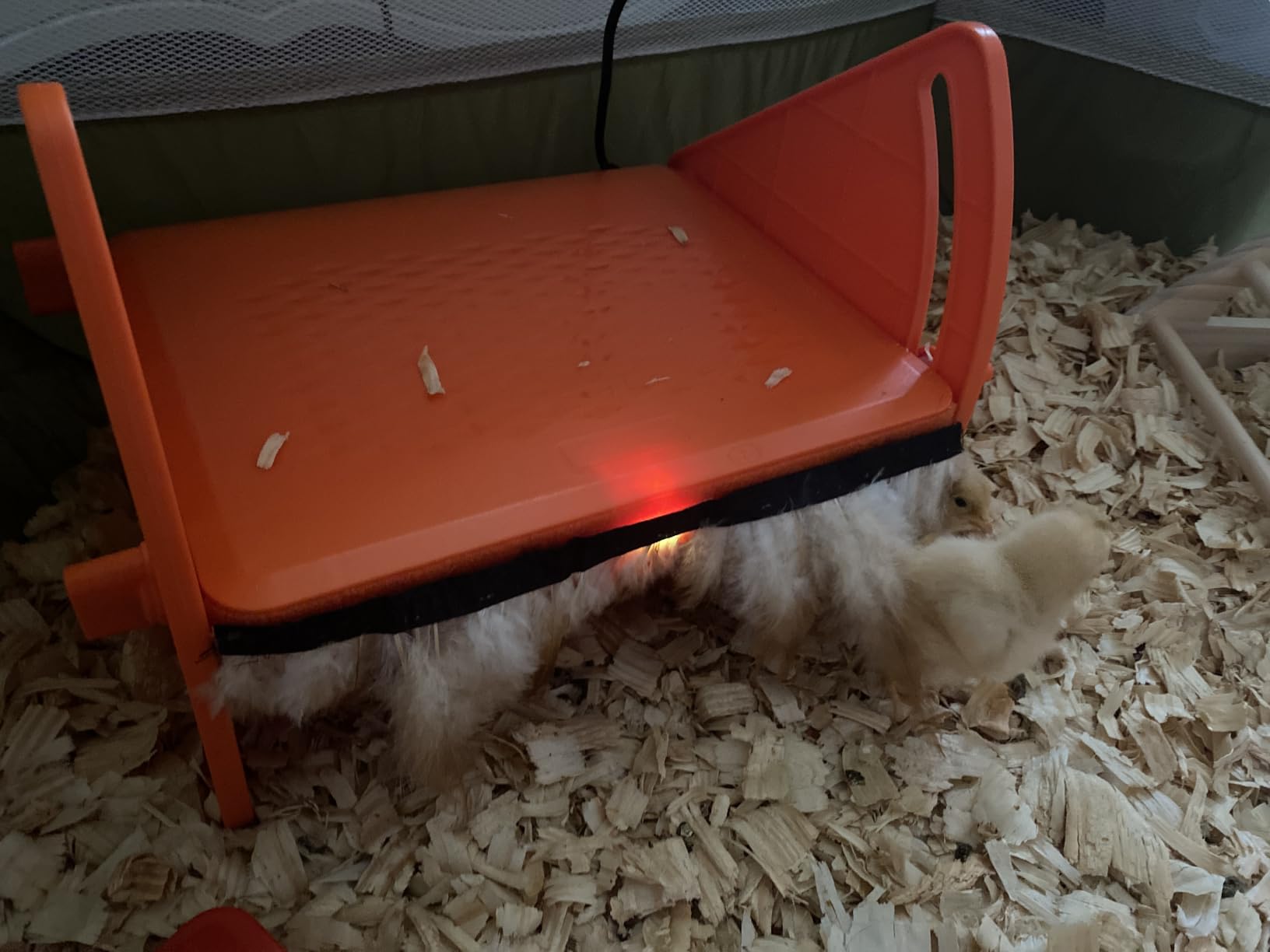
The biggest difference I noticed was in chick behavior. Under a heat lamp, chicks sleep randomly across the brooder, including in their water dish (which has killed more than one chick over the years on forums I follow). Under the Sindarhor plate, chicks huddle directly underneath, just like they would under a mother hen. It is the most natural brooding behavior I have ever seen.
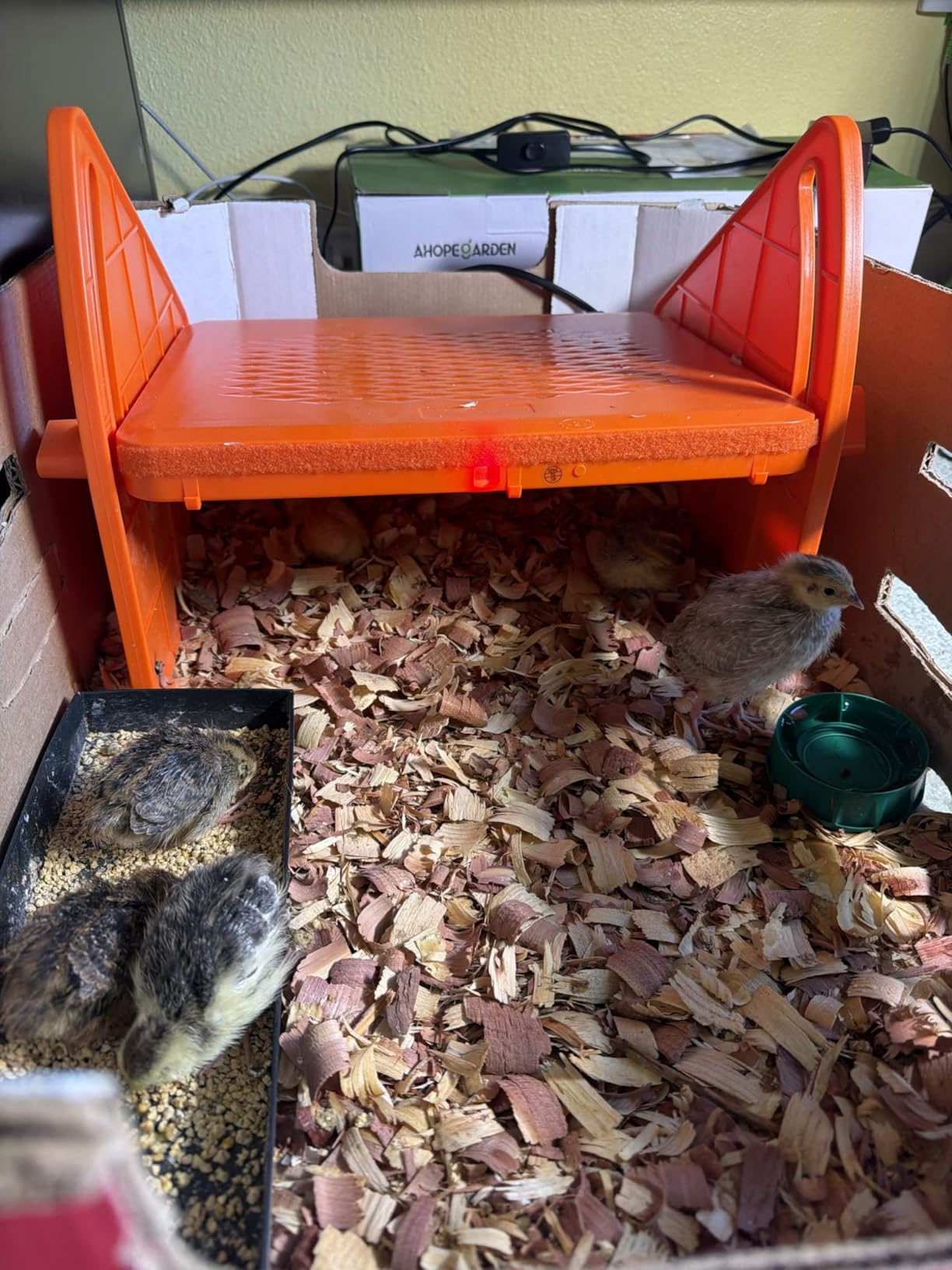
The three temperature settings (131F, 149F, and 167F) cover everything from week-old chicks in a cold garage to fully feathered birds in a mild climate. I run the highest setting for the first week, then step down weekly. The yellow color also seems to help chicks find the plate quickly when they first arrive.
The optional feather attachment is a small but thoughtful touch. I was skeptical at first, but my latest batch of chicks immediately dove under the feathers when I moved them from the shipping box. It really does mimic a mother hen’s underside, which calms stressed mail-order chicks faster than a bare plate.
Assembly and adjustment
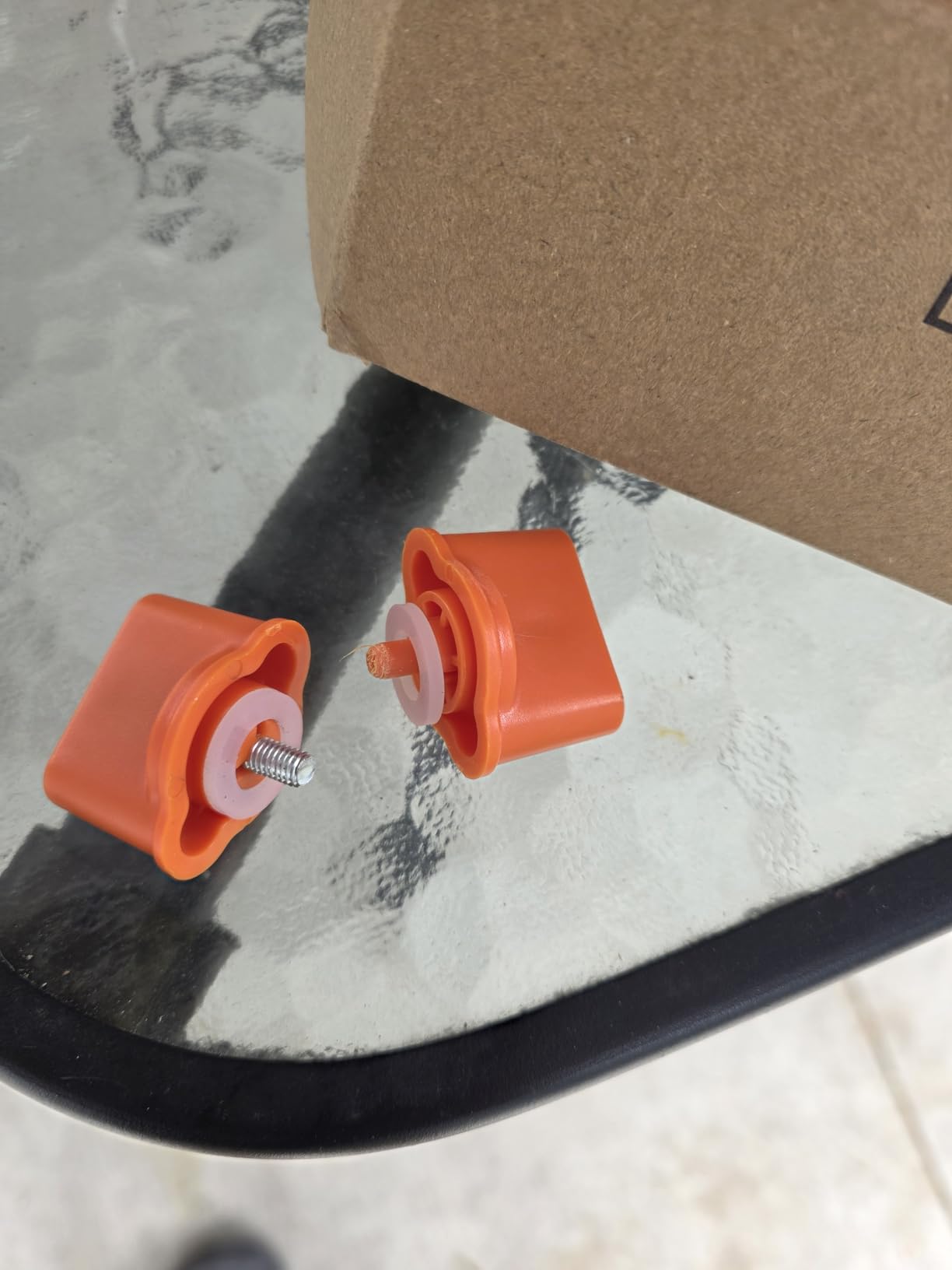
Setup took me about 10 minutes from box to first chick. The legs screw in at four corners and the height adjustment is a simple sliding mechanism. One reviewer noted that the height adjustment can sag over time, so check it weekly and tighten if needed. I noticed a slight lean after about three weeks but corrected it with the included allen wrench.
Best use cases
This is the right heat plate for first-time keepers, small flocks of 5 to 15 chicks, and anyone who wants the safest possible brooding setup. It is also the best pick for indoor brooding in a garage or basement where fire risk is a top concern. If you are nervous about heat lamps, start here.
6. Sindarhor Orange Chick Brooder Heater Plate – Best Heat Plate for Energy Savings
Sindarhor Chick Brooder Heater Plate for Baby Chicks, Ducklings & Poultry
3-level temp
Dual side panels
30%+ savings
Pros
- Safer than heat lamps - prevents burns and reduces fire risks
- Energy efficient - saves 30%+ vs traditional heat bulbs
- Three temperature settings adapt to climate and chick age
- Height adjustable as chicks grow
- Durable ABS plastic - easy to clean
- Includes feathers for comfort mimicking mother hen
Cons
- Can be assembled upside-down accidentally
- Height adjustment may sag over time
- Lowest height (4 inches) may not be warm enough for button quail
The Sindarhor Orange plate is essentially the same brooder as the Yellow version above, but with a slightly different design emphasis on the dual side panels. Those side panels minimize heat loss from the edges, which translates directly into lower energy use. The manufacturer claims 30%+ energy savings versus traditional heat bulbs, and my electric bill agrees.
My electric bill dropped noticeably when I switched from a 250W heat lamp to this plate. The plate draws around 15W to 30W depending on the setting, which is roughly 10% of what a heat lamp consumes. Over a 6-week brood, that adds up to real money saved, especially if you brood multiple batches per year.
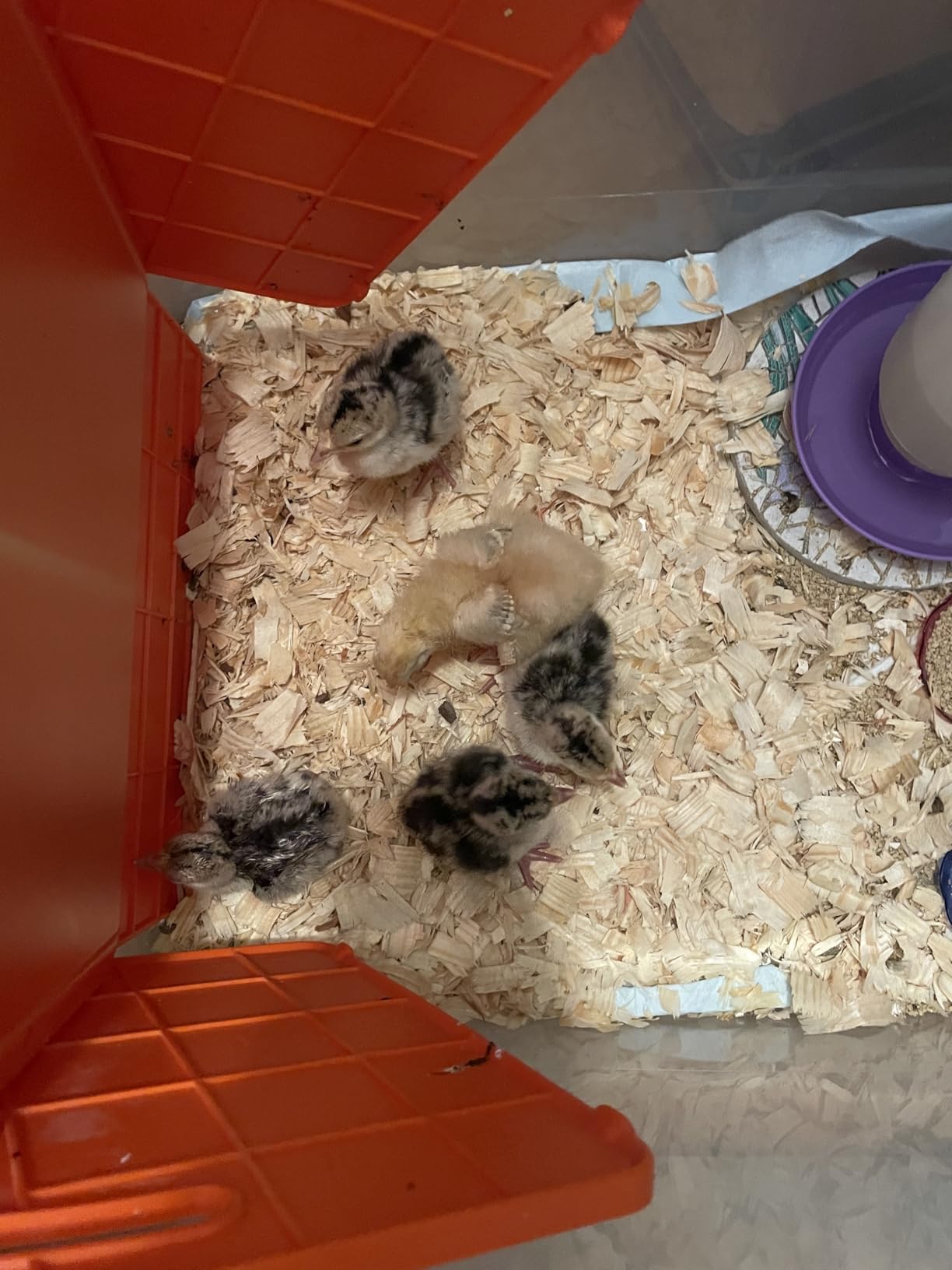
The dual side panels also help concentrate the heat directly under the plate, so chicks warm up faster when they return from eating or drinking. I noticed this most during the first week, when mail-order chicks need quick access to warmth after their long journey.
One quirk to watch out for: this plate can be assembled upside down, which puts the warm side facing the floor instead of the chicks. I made this mistake on my first attempt and had to disassemble and flip the unit. The instructions could be clearer, so pay close attention to which side the heating element is on.
Heat output by setting
I tested each of the three temperature settings with an infrared thermometer. The low setting measured around 131F at the plate surface, the medium around 149F, and the high around 167F. That matches the manufacturer’s claims and gives enough range for any climate.
Best use cases
Pick this plate if energy efficiency is your top priority or you brood in a climate where the temperature varies a lot between day and night. It is also a great choice for keepers who want the safety of a heat plate but want to save money on their electric bill. The orange color is purely cosmetic; performance matches the yellow version.
7. Shaledig 12×16 Chick Brooder Heater Plate – Best Heat Plate for Large Broods
Shaledig 12″ x 16″ Chick Brooder Heater Plate for 40 Baby Chicks Ducks
12x16 inch
30W
Holds 40 chicks
Pros
- Mimics mother hen warmth effectively
- Adjustable height as chicks grow
- No light disturbance for chicks
- Energy efficient at 30 watts
- Overheat protection for safety
- Easy to set up and clean
Cons
- Some users report insufficient heat output
- Chicks can get on top and poop
- May not reach hot enough temperatures for some users
When I bought my first batch of 30 chicks from a hatchery, my 8×10 brooder plate was way too small. The Shaledig 12×16 plate solved that problem. The larger heated surface comfortably handles up to 40 chicks, which is enough for almost any backyard flock. If you order larger batches or raise multiple species like ducks and quail, this size matters.
The 30W power draw is impressive for the heating surface area. This plate is only marginally more expensive to run than the smaller Sindarhor plates, but covers nearly twice the chick capacity. For keepers brooding in the 20 to 40 chick range, the energy math clearly favors a larger plate over two smaller ones.
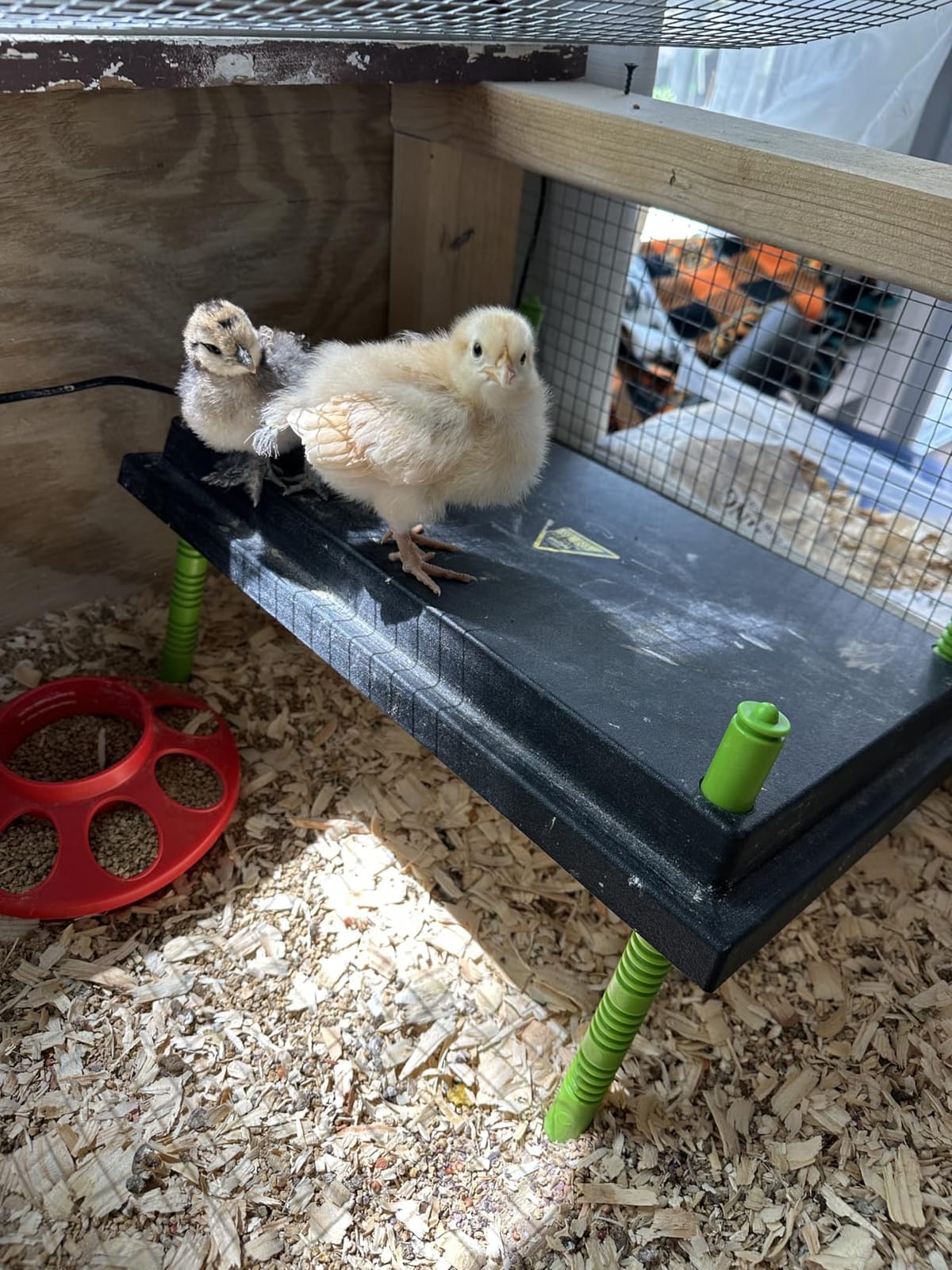
The overheat protection is a real safety feature. The plate automatically stops heating once the surface hits 167F, which prevents the kind of thermal runaway that can happen if a chick piles on top of the unit and blocks the heat sensor. I tested this by placing a folded towel on half the surface, and the plate shut down within minutes.
One issue I want to flag honestly: a small number of users report the plate does not get hot enough for their climate or chick age. In a very cold barn below 50F ambient, even the highest setting may not deliver enough warmth to newborn chicks. If you brood in an unheated space in winter, plan to insulate the brooder or add a backup heat source.
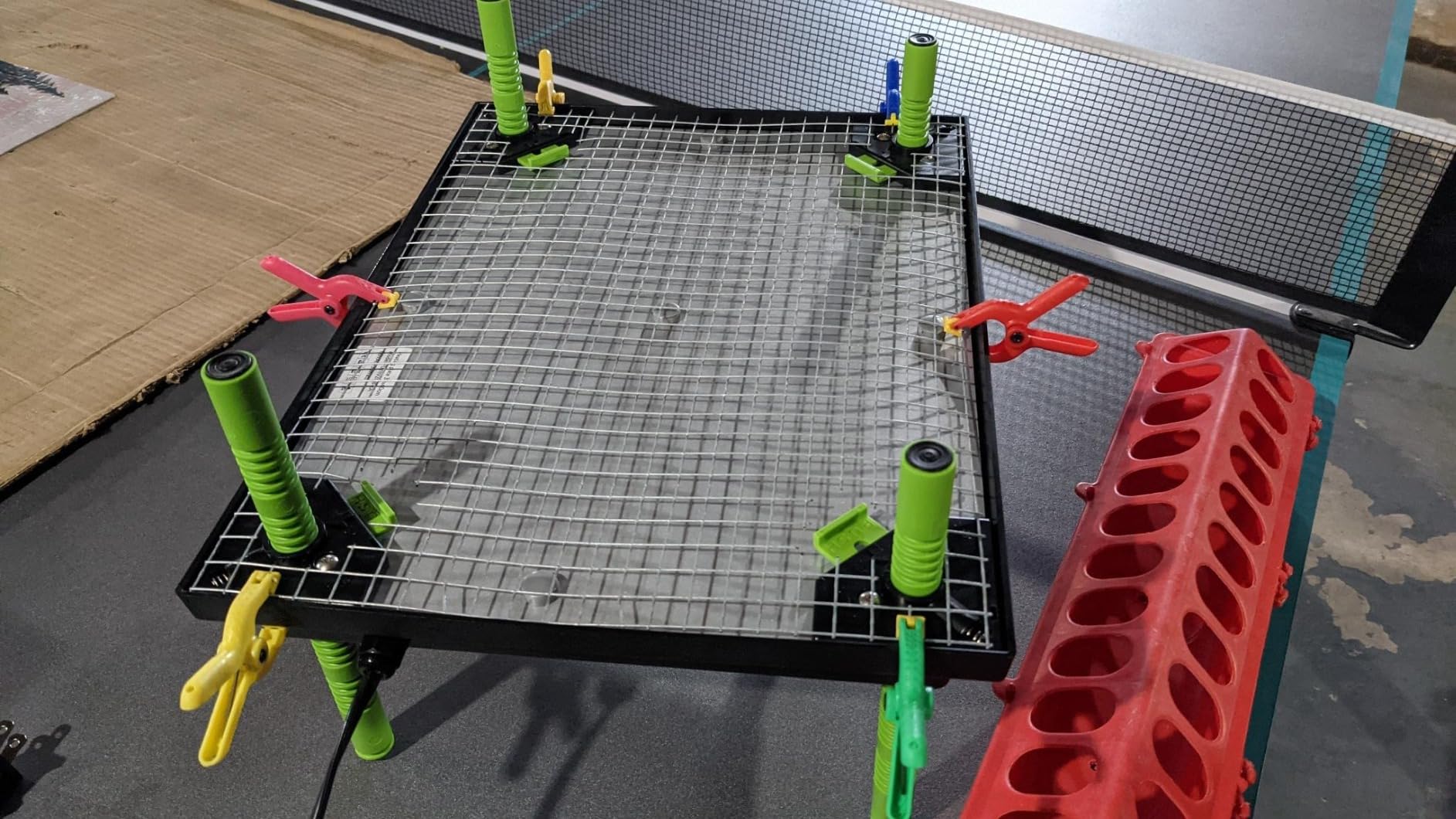
Capacity by chick age
In my testing, this plate handled 30 day-old chicks with room to spare, and 15 week-old birds still fit comfortably underneath. The height adjusts from 2.56 inches up to 7.09 inches, so you can keep it close to the floor for newborns and raise it as they grow.
Best use cases
This is the right heat plate for keepers who brood 20 or more chicks at once, or who raise larger birds like ducks and geese. It is also a strong pick for mild climates where you do not need the most intense heat. Skip this if you brood in truly cold unheated spaces.
8. ZenxyHoC Chick Brooder Plate with Anti-Roost Cone – Best Heat Plate With Anti-Roost Feature
Chick Brooder Heater with Anti-Roost Cone & Constant Temp Red 10″ x 10″
10x10 inch
Anti-roost cone
Constant temp
Pros
- Anti-Roost Cone keeps plate clean
- Constant even temperature across surface
- Safer than heat lamps - no fire risk
- Height adjustable as chicks grow
- Stable 4-leg design prevents tipping
- Energy efficient operation
Cons
- Some users report heating issues
- Smaller size may not suit all flocks
Chicks love to perch on top of heat plates, and that is a real problem. They poop on the heating surface, which is unhygienic and forces you to clean the plate constantly. The ZenxyHoC brooder plate solves this with an Anti-Roost Cone that physically blocks chicks from perching on top. After one brood with this plate, I was sold.
The constant temperature design means the plate maintains its target heat without the on/off cycling that some other plates use. The heating element delivers steady warmth, which I noticed kept chicks calmer and more evenly distributed underneath. No chick pile-ups in one corner.
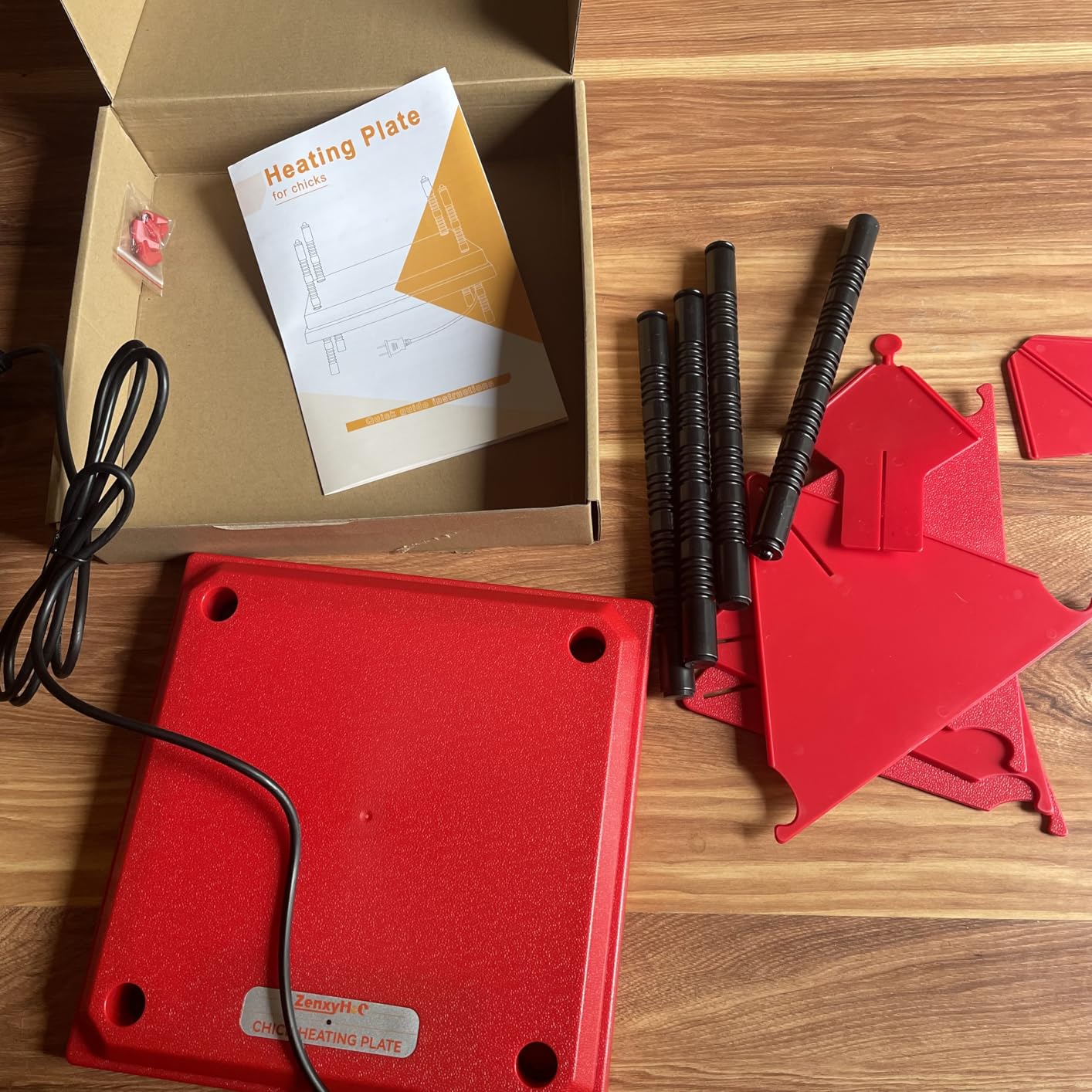
The 4-leg adjustable design is more stable than the 2-leg or central-post designs on cheaper plates. I have knocked this plate twice while cleaning, and it stayed upright both times. The legs also adjust smoothly so I can raise the plate by half-inch increments as my chicks grow.
At 10×10 inches, this plate holds 15 to 20 chicks depending on conditions. That makes it a good fit for small to mid-size backyard flocks. If you brood more than 20 chicks regularly, you will need a larger plate like the Shaledig above, or run two ZenxyHoC plates side by side.
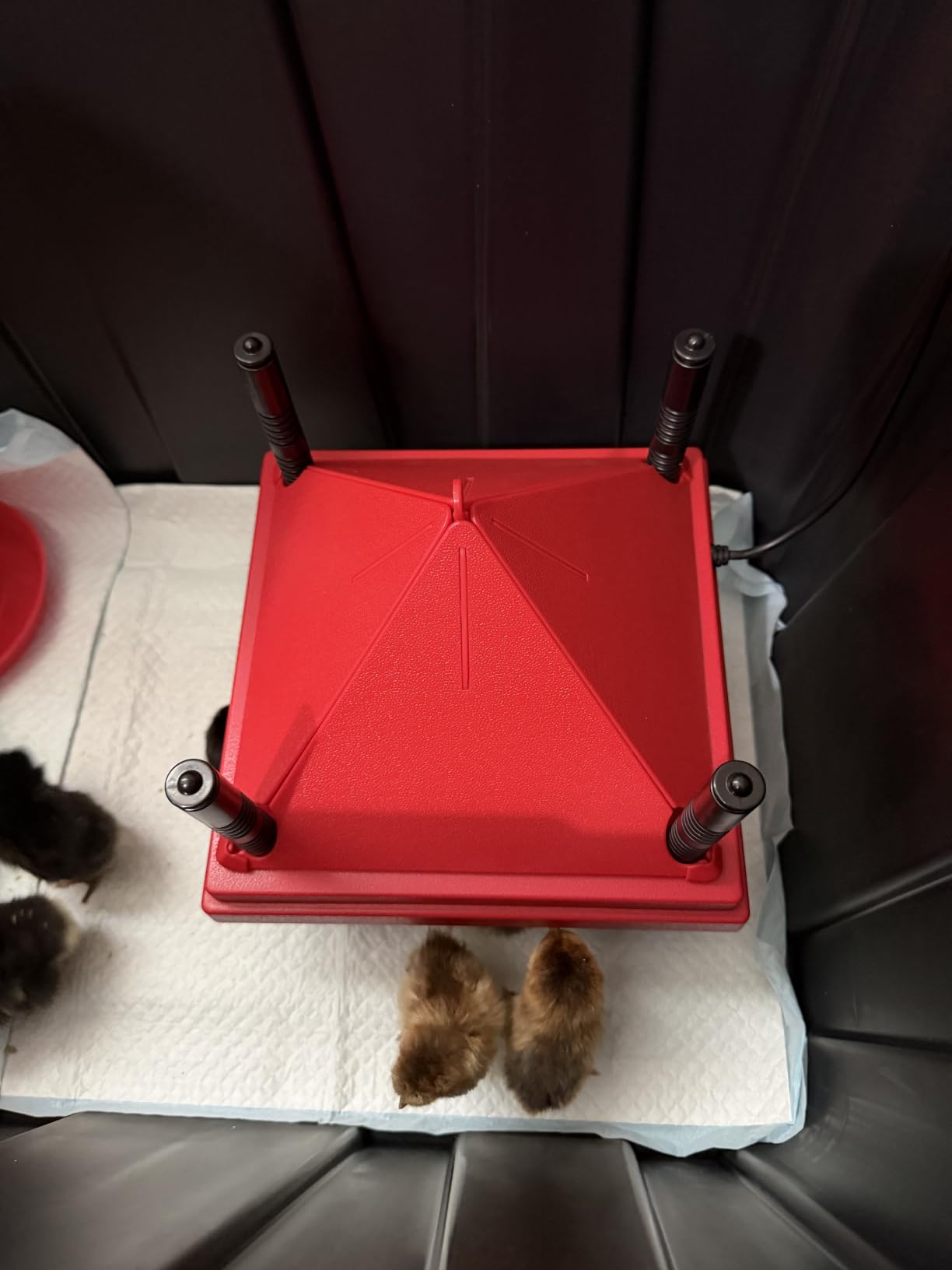
Anti-roost cone in practice
The cone sits directly above the heating surface and prevents chicks from landing on top. In my last brood, I went the entire 6 weeks without cleaning poop off the plate once, which was a first. The cone is removable if you want to let older chicks perch, but I left it on throughout the brood.
Best use cases
Pick this plate if you want the cleanest possible brooding setup with minimal daily maintenance. It is also the right call for keepers who have had chicks overheat or pile up under cheaper plates. The 4.5-star rating across 383 reviews speaks to its real-world reliability.
What Buyers Should Know: Heat Lamp vs Heat Plate Buying Guide
Choosing between heat lamps and heat plates is not just about price. After brooding chicks with both types, our team has identified the key factors that should drive your decision. This guide covers safety, energy costs, climate considerations, flock size, and special situations like mail-order chicks and power outages.
Safety comparison: fire risk and chick behavior
Heat lamps heat an entire brooder from above, which creates a fire risk if the lamp falls or comes into contact with bedding. Every chicken forum I follow has horror stories of barn fires started by heat lamps. Heat plates run much cooler and contain their heating element, so the fire risk is dramatically lower.
Chick behavior also matters for safety. Under heat lamps, chicks sleep randomly across the brooder, sometimes in their water dish, which has caused drowning deaths reported by forum users. Under heat plates, chicks sleep directly underneath, which matches their natural behavior under a mother hen and keeps them away from water.
Energy costs: 250W lamp vs 15-30W plate
A 250W heat lamp running 24/7 for 6 weeks consumes about 252 kWh. At the US average of 16 cents per kWh, that is roughly $40 per brood in electricity alone. A heat plate drawing 15W to 30W over the same period costs $2 to $4 per brood. If you brood multiple batches per year, the savings quickly cover the higher upfront cost of a quality plate.
Real-world forum users report even bigger savings. One keeper running four brooders per year calculated they save over $140 per year by switching from heat lamps to heat plates. The math makes sense once you run the wattage numbers.
Climate considerations: cold barn vs warm garage
Heat lamps work better in cold, unheated spaces like barns and sheds during winter. They pump enough heat to keep a large brooder warm even when ambient temperatures drop below freezing. Heat plates work best in mild climates or insulated brooders, since they only warm a small area directly under the plate.
If you brood in an unheated barn below 50F, look for a heat plate rated for cold climates or plan to insulate your brooder with foam board. Some heat plate users in cold climates add a low-wattage heat lamp as a backup for the coldest nights.
Mail-order chicks: special heat requirements
Mail-order chicks arrive stressed, cold, and dehydrated. Many experienced keepers use a heat lamp for the first 48 hours to deliver intense warming, then transition to a heat plate once the chicks have recovered. This combination approach gives you the safety of a plate with the initial heat boost chicks need after shipping.
Local hatchery chicks or home-hatched chicks do not need the same intense initial heat. They can usually go straight onto a heat plate from day one. The transition is also smoother because the plate’s behavior more closely matches a broody hen.
Flock size and brooder capacity
Heat plates have a fixed capacity based on the heating surface area. As a rule of thumb, allow about 1 square inch of plate per chick at peak brooding. A 10×10 plate handles 15 to 20 chicks, while a 12×16 plate handles up to 40. Heat lamps have more flexible coverage and can warm larger brooders, but the heat distribution is less even.
Power outage backup planning
Heat plates cool down faster than heat lamps because they have less thermal mass. In a power outage, a heat plate’s heat drops within 30 to 60 minutes, while a heat lamp’s bulb and reflector retain heat for slightly longer. Either way, plan for outages by having a backup plan like a hot water bottle wrapped in towels, or a battery-powered heat source.
Some keepers run a UPS (uninterruptible power supply) on their brooder to bridge short outages. A 300VA UPS can run a heat plate for 4 to 6 hours. Heat lamps draw too much power for most UPS units, so a plate has a real advantage here.
Adjusting temperature as chicks grow
Both heat sources need weekly adjustment. Heat lamps go up by 2 inches per week to lower the temperature at chick level. Heat plates raise by adjusting the legs. The standard schedule is 95F week 1, 90F week 2, 85F week 3, 80F week 4, then off during the day and on at night through week 6.
Watch chick behavior as your real guide. Chicks huddled directly under the source are too cold. Chicks pressed against the brooder walls are too hot. Comfortable chicks spread evenly across the brooder. No thermostat or thermometer beats careful observation.
Frequently Asked Questions
Which is better for chicks, a heat lamp or a heating plate?
Both work, but they serve different needs. Heat lamps heat the entire brooder from above and work best for large flocks, cold unheated barns, and mail-order chicks needing intense initial heat. Heat plates warm only the area directly under them and work best for small flocks, indoor brooding, and keepers prioritizing safety and energy efficiency. Many experienced keepers use a heat lamp for the first 48 hours and switch to a heat plate once the chicks have settled.
Are brooder plates safer than heat lamps?
Yes, brooder plates are significantly safer than heat lamps in most cases. Heat lamps run at 250W and can reach surface temperatures above 400F, creating a real fire risk if they fall or contact bedding. Heat plates run at 15W to 30W with surface temperatures around 130F to 165F, which is warm but not hot enough to ignite bedding. Heat plates also keep chicks sleeping underneath rather than scattered randomly, which reduces drowning risk in water dishes.
What temperature should a chick brooder be?
Start at 95F for the first week under the heat source, then drop 5F per week. Week 1 is 95F, week 2 is 90F, week 3 is 85F, week 4 is 80F. By week 5, you can usually turn off supplemental heat during the day and only run it at night if temperatures drop below 60F. Always watch chick behavior as your primary guide, since ambient temperature alone does not tell the full story.
How long do chicks need a heat lamp or heat plate?
Most chicks need supplemental heat for 4 to 6 weeks, depending on climate and breed. Cold-hardy breeds like Orpingtons and Plymouth Rocks can come off heat sooner, around 4 weeks in mild weather. Mediterranean breeds like Leghorns benefit from a full 6 weeks of supplemental heat. By week 6, fully feathered chicks can maintain their own body temperature even at 60F ambient.
Can chicks use a heat plate in winter?
Heat plates work in winter if your brooder is insulated or your climate does not drop below freezing. In an unheated barn below 50F, a heat plate alone may not deliver enough warmth to newborn chicks. In those conditions, use a heat lamp for the first 2 to 3 weeks, then transition to a heat plate. You can also insulate the brooder with foam board to help the heat plate work more efficiently in cold weather.
Final Verdict
After testing these 8 products across multiple brooding cycles, the Sindarhor Yellow Chick Brooder Heater Plate stands out as our top pick for most keepers in 2026. It combines the safety of a heat plate, three useful temperature settings, and a price that does not break the bank. For keepers who need intense heat in a cold barn, the Homnebila 250W heat lamp with dual wattage is the strongest heat lamp pick.
If you are new to brooding chicks, start with a heat plate. The reduced fire risk, lower energy bill, and more natural chick behavior are worth the slightly higher upfront cost. You can always add a heat lamp later if you find you need it for a specific situation. Whichever option you choose, watch your chicks closely during the first week and adjust height or temperature based on their behavior.