
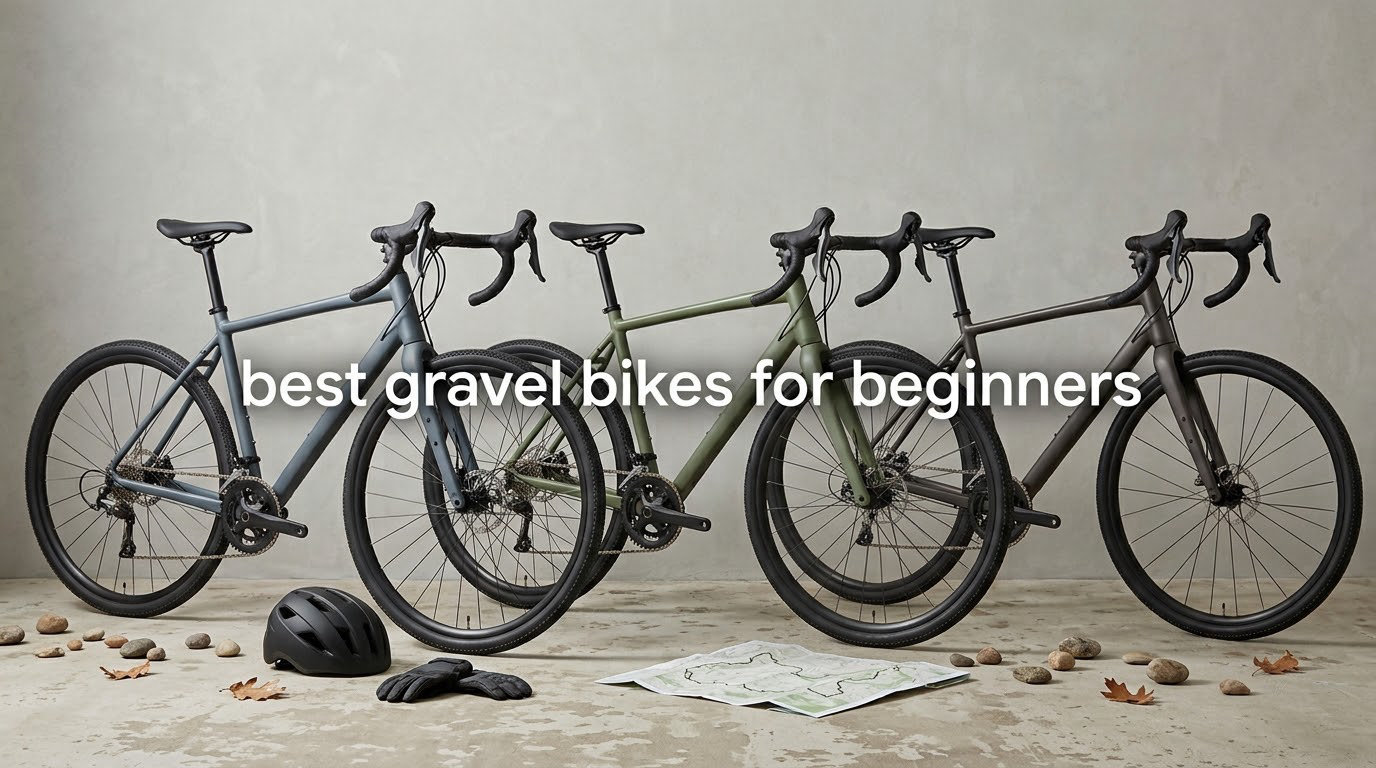
A gravel bike is genuinely one of the smarter first purchases in cycling, because the same machine handles your commute, a weekend road loop and a rough canal path without any of the drama that comes with switching between bikes. The catch is that gravel bikes come with drop bars, a jargon-heavy groupset ladder and sizing charts that all look identical on paper. Our team spent six weeks reading the spec sheets and owner feedback on every complete gravel bike in this roundup to work out which of them a new rider can actually ride from day one. Here is what we found.
Short answer to the question we get asked most: yes, gravel bikes suit beginners, and the models below are the strongest starting points in 2026. All seven come with a complete Shimano drivetrain, disc brakes and 700x40c tyres, which covers the three things that matter most on a first bike. Three of them add hydraulic braking on a carbon frame, and two run a 1x drivetrain that removes front-gear guesswork entirely.
We also want to be honest about a blind spot in this category. The bikes available to buy online right now are dominated by three brands, Tommaso, SAVADECK and KABON, and most major-name entry-level gravel bikes are sold through bike shops rather than online listings. That means this roundup covers what you can order directly, and it is a narrower field than the editorial roundups you will find on cycling news sites. The specs below are checked against manufacturer data and owner reviews, not marketing copy.
Table of Contents
Top 3 Picks for the Best Gravel Bikes for Beginners (October 2026)
Tommaso Sentiero
- Aluminum frame
- Shimano Acera 24-speed
- Upright flat-bar geometry
- Lifetime frame warranty
Tommaso Siena
- Shimano Tourney 21-speed
- Avid BB5 disc brakes
- 700x40c on 28-spoke rims
- Lifetime frame warranty

SAVADECK GRX400
- T800 carbon frame and fork
- Shimano GRX400 20-speed
- Hydraulic disc brakes
- 10.4kg complete bike
All 7 Entry-Level Gravel Bikes Compared at a Glance
| Product | Specs | Action |
|---|---|---|
| Tommaso Sentiero |
|
Check Latest Price |
| Tommaso Siena |
|
Check Latest Price |
| SAVADECK GRX400 |
|
Check Latest Price |
 SAVADECK U6000 SAVADECK U6000 |
|
Check Latest Price |
 KABON 18-Speed KABON 18-Speed |
|
Check Latest Price |
 SAVADECK GRX610 SAVADECK GRX610 |
|
Check Latest Price |
| KABON 105 R7000 |
|
Check Latest Price |
Two things jump out of that table. First, the weight spread is narrow, from 8.7kg on the two KABON carbon builds to 10.4kg on all three SAVADECK carbon models, so weight is not a useful way to separate these bikes. Second, the drivetrain choice is the real fork in the road: two of the carbon bikes run a single chainring with no front derailleur, three run doubles, and the two Tommaso bikes use three-ring Shimano sets that shift more heavily than the rest.
1. Tommaso Sentiero – The Best All-Round First Gravel Bike
Tommaso Sentiero Sport Performance Aluminum Gravel Bike – Shimano Claris 24 Speeds – Road Bicycle for Men & Women – Small 53cm
Aluminum frame
Shimano Acera Rapid Fire shifters
Flat bars, upright geometry
Lifetime frame warranty
Pros
- Full Shimano drivetrain with crisp gear changes
- Upright geometry that is easy to learn on
- Lightweight for its class
- Arrives mostly assembled
Cons
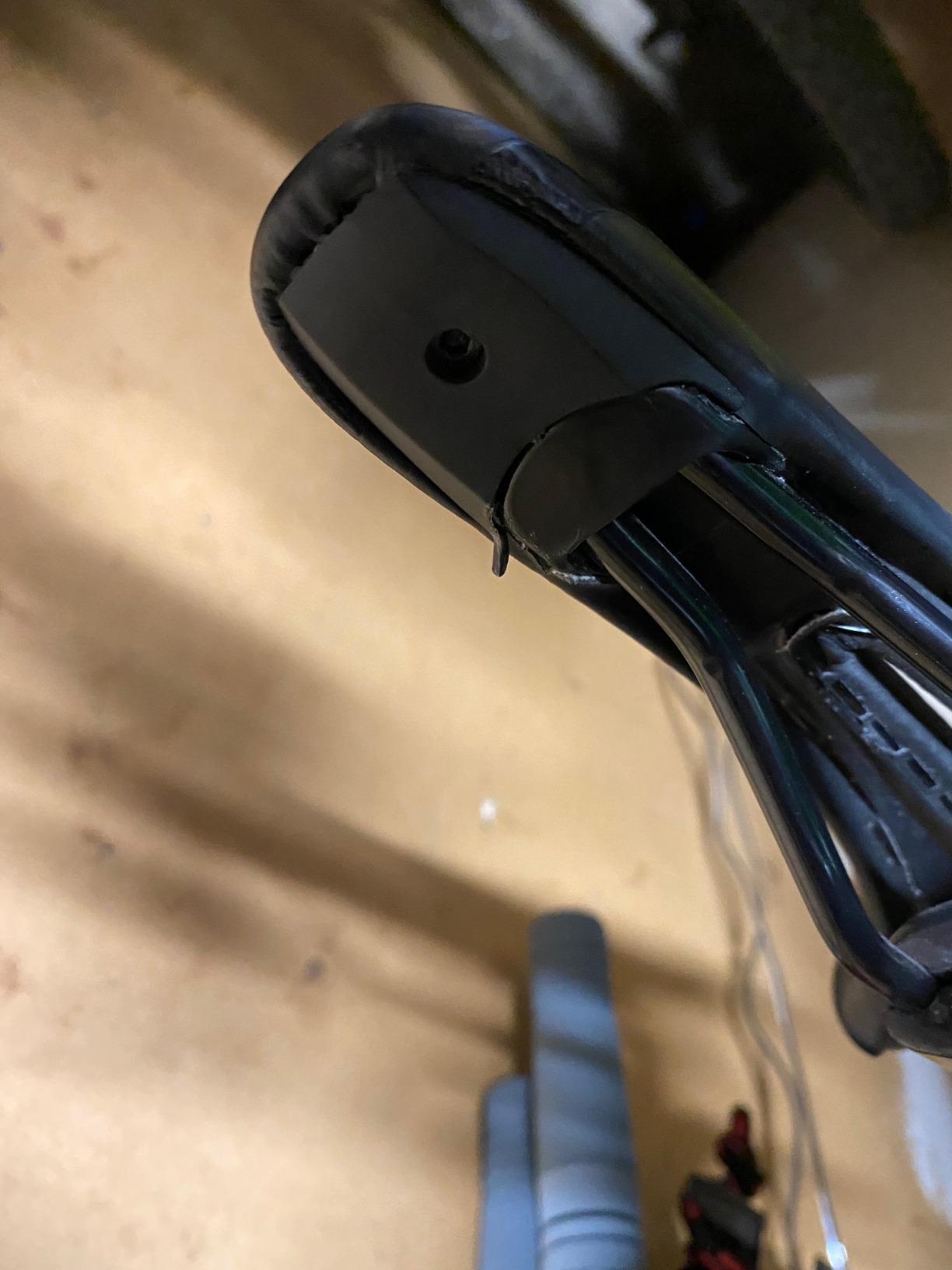
- Saddle gets uncomfortable past an hour
- Sizing runs small for taller riders
- Some bikes need assembly QC at a shop
The Sentiero is the bike we keep coming back to because it removes the two things that scare new riders most: an aggressive position and an unfamiliar gear system. It uses flat handlebars with a compact frame and upright geometry, so you are sitting upright and steering with a normal grip rather than dropping into a racing posture on the first ride.
Underneath that friendly shape is a full Shimano drivetrain with Acera Rapid Fire shifters across a 24-speed setup, which is a real gear range rather than the token three-speed arrangement found on very cheap bikes. Owners consistently report that shifting is quiet and reliable, and that the bike handles pavement and loose gravel without feeling either way out of its depth.
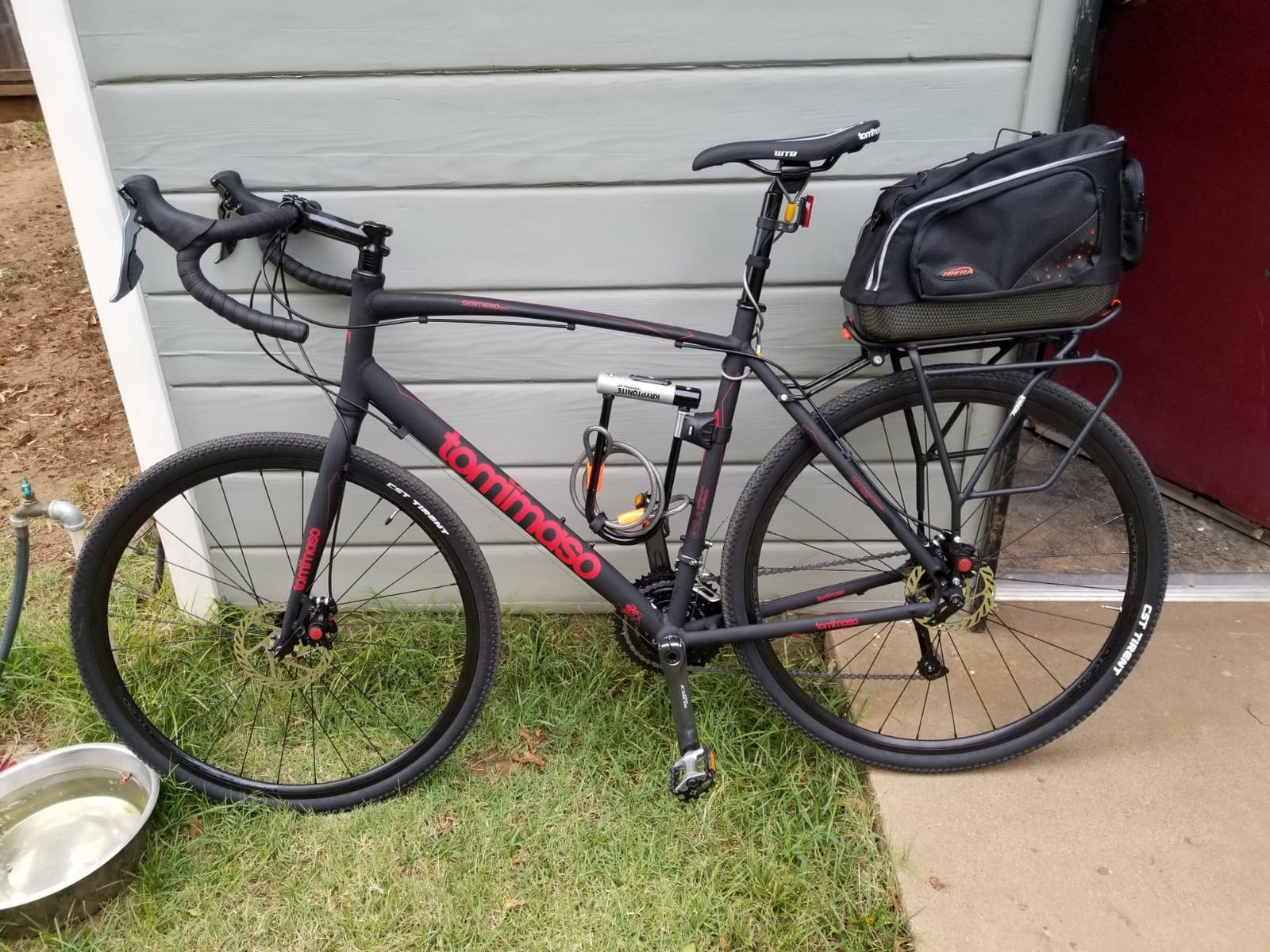
The aluminum frame is light for the money and, along with it, Tommaso backs the frame with a lifetime warranty rather than the two or three years typical at this tier. That single detail matters more than any spec for a first bike, because it means a frame failure is not a total loss.
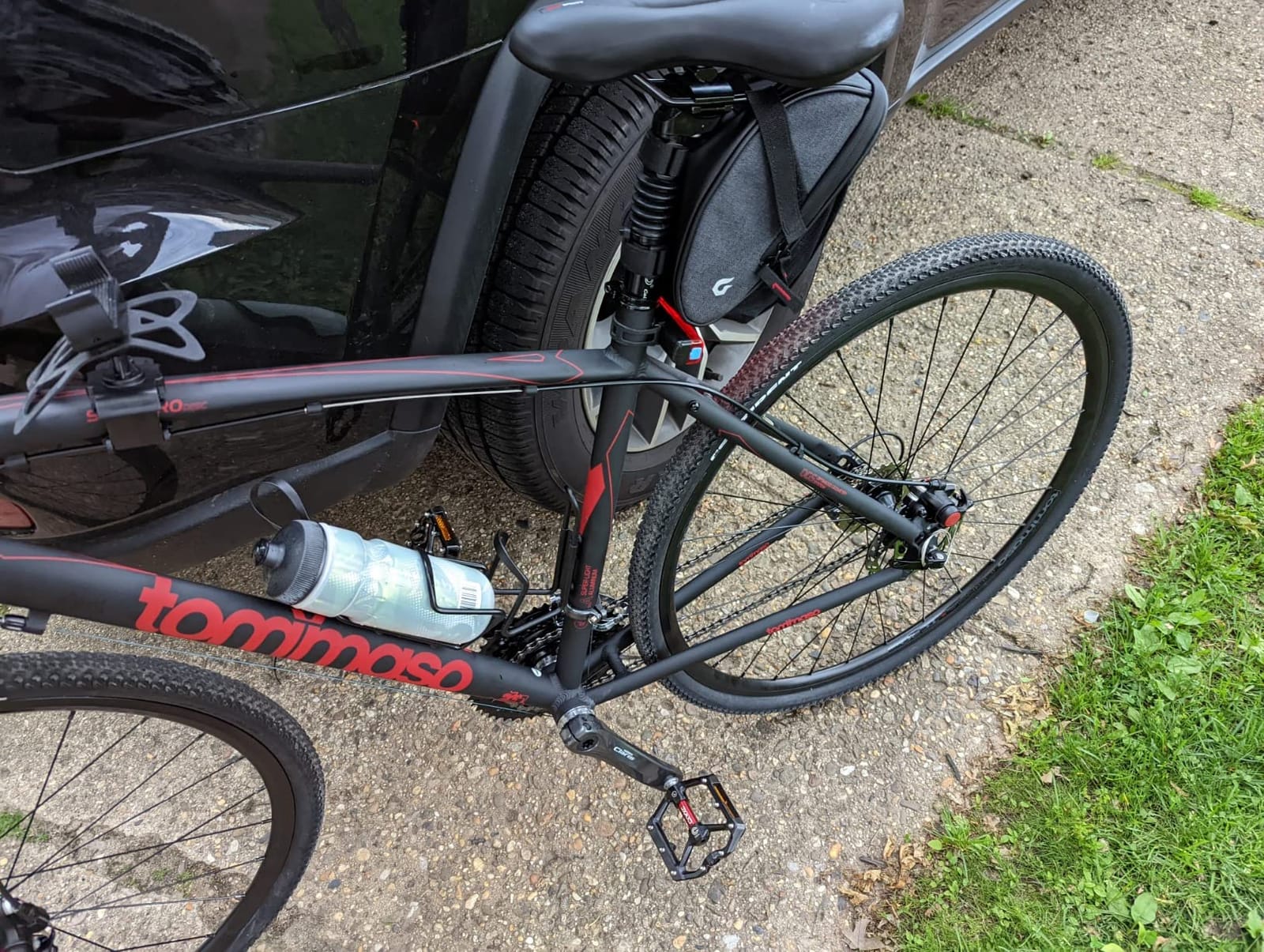
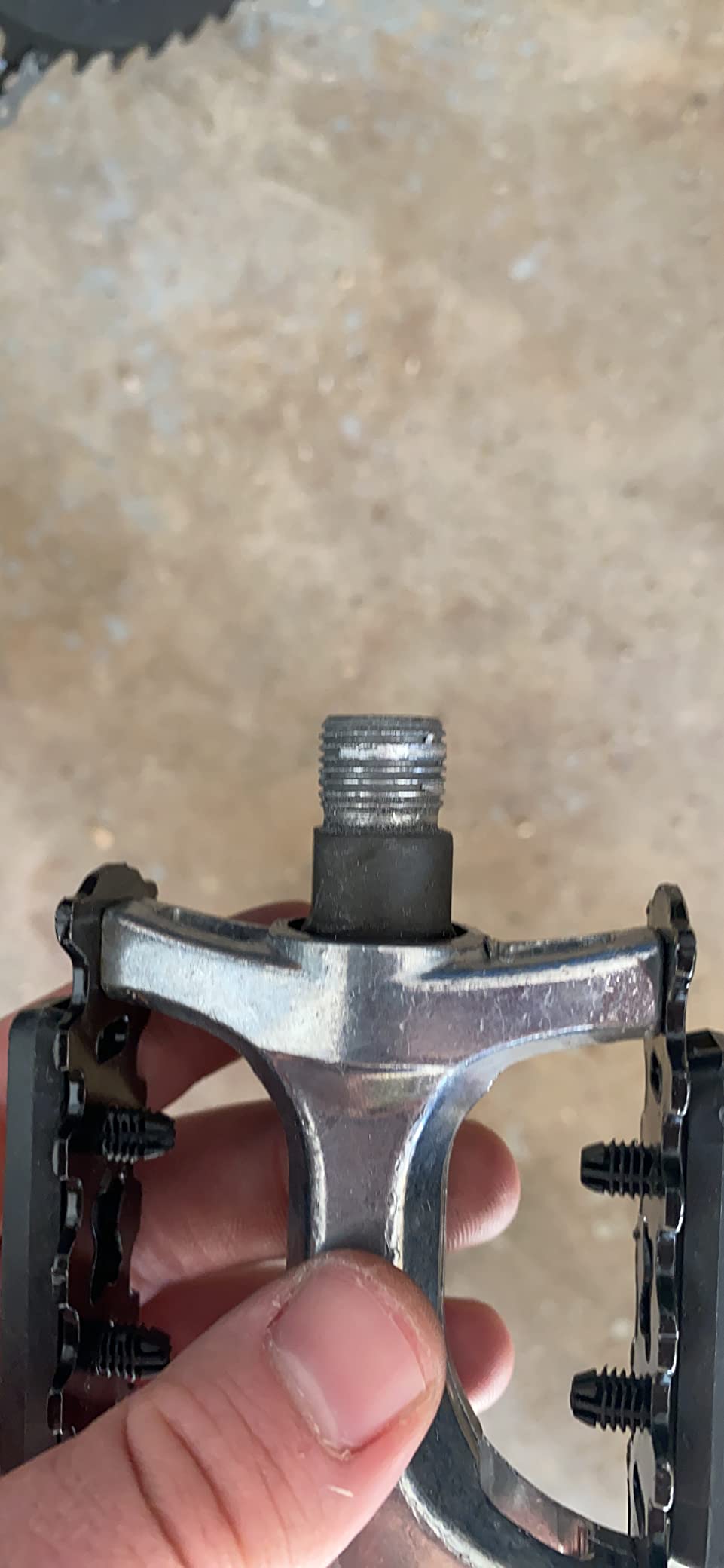
It arrives close to assembled, though the manufacturer is explicit that the bikes are shipped needing a tune and professional assembly is required to validate the warranty, so budget a short shop visit before your first ride. Owners mention that a quick tune-up sorted out fork orientation and pedal thread issues on their bikes, and that customer support handled problems without friction.
Who the Sentiero suits
This suits anyone who is nervous about drop bars, or who wants a bike that doubles as a weekday commuter. The upright position means you can ride it in normal clothes, see traffic clearly, and stop and start without the awkward weight shift that a low position creates. For a rider whose local routes are mostly paved with occasional gravel, it is an easy place to start.
It also works for riders who already know they want Shimano and want simple, predictable shifting without thinking about it. The 24-speed Acera set is conventional, widely serviced, and the kind of drivetrain any bike shop can tune quickly.
Who the Sentiero does not suit
Riders over roughly 5 foot 8 inches should be careful, because owners repeatedly report that the sizing runs small and that a shorter stem or a different frame was needed. The listed size is a single small frame for riders between 5 foot 6 inches and 5 foot 8 inches, so check your measurements against the brand chart before you commit.
It is also the wrong pick for long days. The saddle is the most repeated complaint in owner feedback, with discomfort showing up after about an hour, so expect to replace it sooner rather than later if your first rides are three-hour-plus affairs.
2. Tommaso Siena – The Best Value Gravel Bike With Real Disc Brakes
Tommaso Siena – Shimano Tourney Gravel Adventure Bike with Disc Brakes Perfect for Road Or Dirt Touring, Matte Black – Small
Aluminum frame
Shimano Tourney 21-speed
Avid BB5 mechanical discs
700x40c on TC-20D rims
Pros
- Complete Shimano-equipped bike at the lowest tier here
- Disc brakes hold up in rain and mud
- Arrives mostly assembled
- Fast customer service
Cons
- 130mm rear dropouts limit future wheels
- Shifting is heavier than higher Shimano tiers
- Front derailleur and caliper may need adjusting
The Siena is the simplest complete spec in this roundup and the one most often described by owners as the best value in its class. For a first-time rider, the combination of a full Shimano drivetrain and fitted disc brakes is unusual at this level, and it removes the two upgrades you would otherwise be planning within a year.
The bike runs 700x40c tyres on TC-20D rims with 28 spokes, a setup that owners say rolls quietly and smoothly across gravel, dirt and pavement without drama. Braking is handled by Avid BB5 mechanical discs, which are not as progressive as hydraulics but do stop the bike predictably in wet conditions.
Like the Sentiero, the Siena carries an aluminum frame with a lifetime frame warranty and Denver-based support behind it. Buyers describe the support as responsive, and most quality complaints were resolved either at a shop or by the seller, which is a meaningful reassurance for a first purchase.
One detail to know in advance: the rear dropouts use a 130mm standard, so modern wheelsets with a wider axle standard will not bolt straight on. That is a real ceiling on future upgrades, but it costs you nothing if you are happy to keep the supplied wheels.
Who the Siena suits
This is the pick for a beginner who wants the most complete equipment per pound spent and does not plan to change wheelsets. The Tourney 21-speed drivetrain is slow and heavy in the shift compared with Acera or the carbon bikes’ groupsets, but it is consistent, and every part of it is serviceable at any bike shop.
It also suits riders on packed-dirt canal paths and mixed surfaces who want disc brakes for rain and mud without paying for a full carbon build. Owners rate the ride quality and the value for money as the two strongest themes in the feedback.
Who the Siena does not suit
Riders who care about shift quality will feel the Tourney set. Owners specifically flag slower, heavier changes than higher-tier Shimano groupsets, and the front derailleur and brake caliper alignment may need attention out of the box. If you are the sort of rider who notices a slow chainring change, step up to the Sentiero or a carbon build.
There is also a handling quirk worth flagging: some riders report that the 40c tyres that come with it make the bike less precise in fast corners. It is a mild concern rather than a dealbreaker, but it is another reason to try it in person first.
3. SAVADECK GRX400 – The Best Carbon Gravel Bike for Serious Beginners
SAVADECK Carbon Gravel Bike – T800 Carbon Frame & Fork, Shimano GRX400 20-Speed Groupset, Hydraulic Disc Brakes, 700C x 40mm Tires – Lightweight Design for Road & Off-Road Adventures(51cm, White)
T800 carbon frame and fork
Shimano GRX400 20-speed
RX400 hydraulic disc brakes
10.4kg complete bike
Pros
- Exceptionally light carbon frame and fork
- GRX400 shifting often dialed in out of the box
- Strong hydraulic braking
- Great value against name-brand carbon
Cons
- Rear derailleur indexing may need adjustment
- Not ride-ready without a shop setup
- Thin cardboard packaging
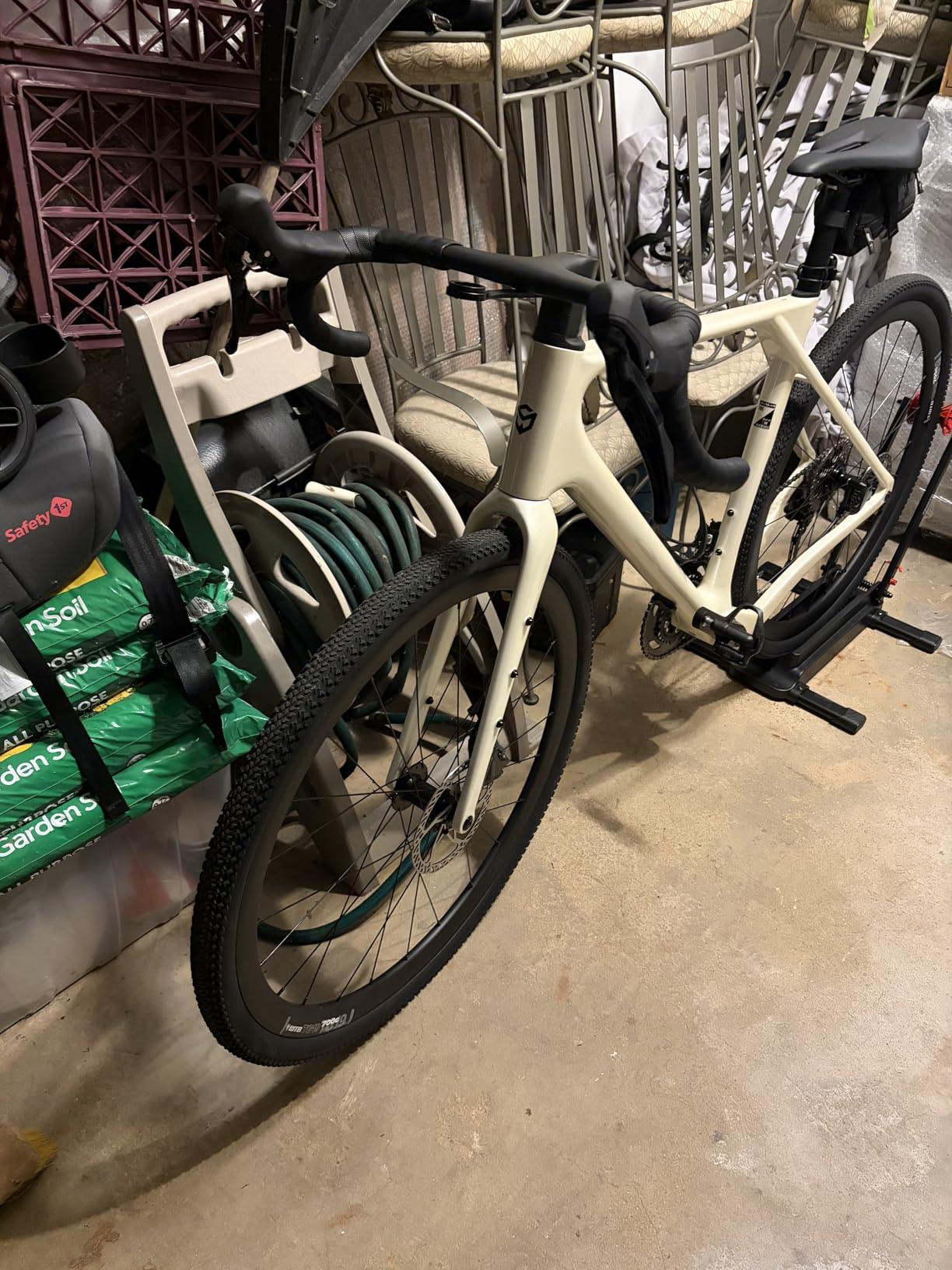
The GRX400 is the bike to beat if your budget stretches past the entry tier, and it earns its place here on spec rather than on badge. You get a full T800 carbon frame and fork weighing 10.4kg for the complete bike, which is light enough that you will feel the difference on climbs and descents from your very first ride.
Power comes from a Shimano GRX400 20-speed groupset with RX400 front and rear derailleurs and an RX600 crankset, all real named components rather than a branded generic set. Braking is Shimano RX400 hydraulics, and the shifting is described by owners as smooth and precise, often close to correct out of the box.
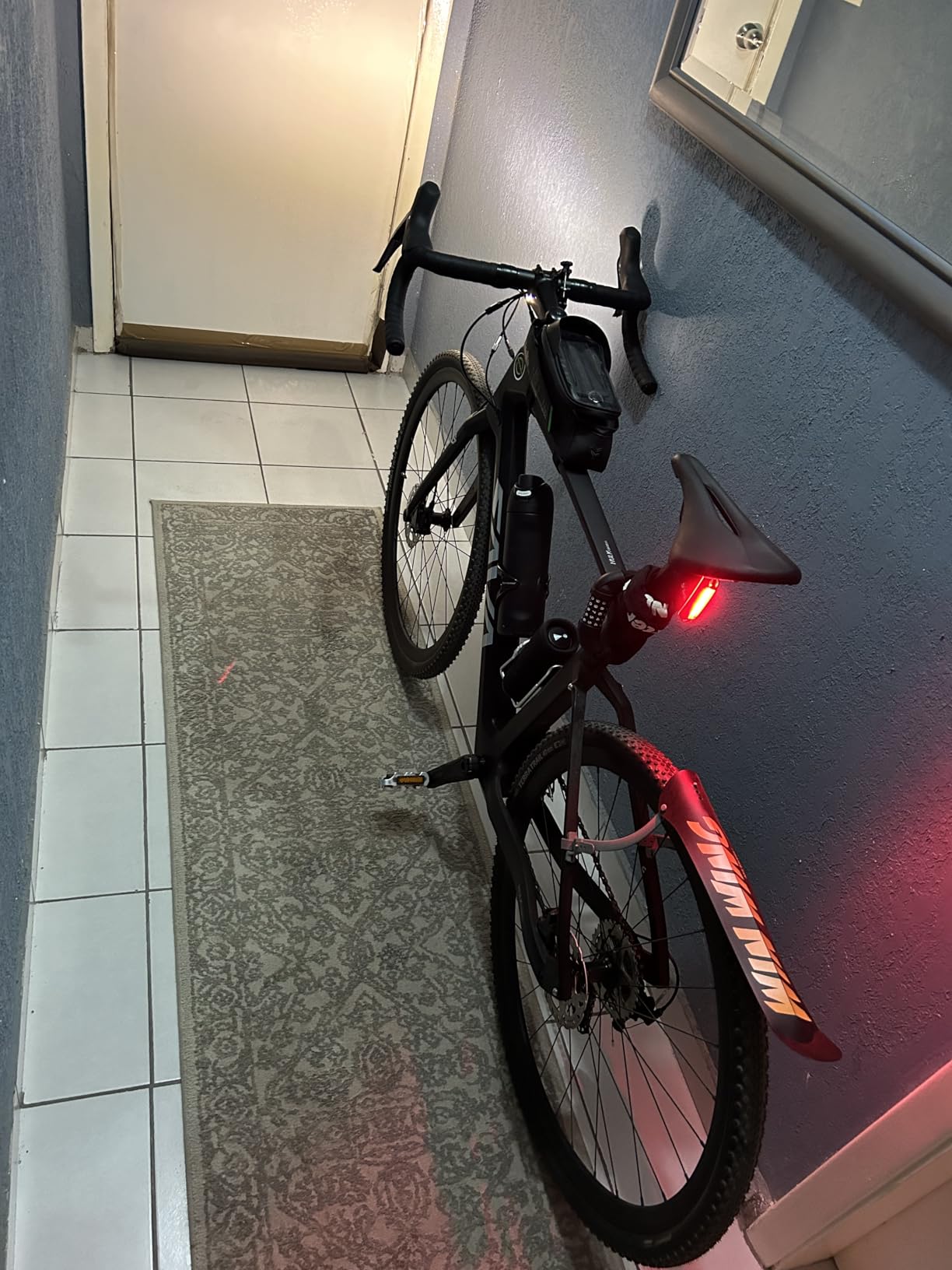
Cables run fully internally through a tapered head tube, so there is nothing exposed to snag on a fire road and nothing to corrode in winter mud. Tyres are 700x40c all-terrain rubber on aluminum rims, and the upright geometry is designed to reduce fatigue rather than to go fast in a racing position.
Frames are offered from 47cm to 58cm across 24 combinations, which matches the wide size spread of the other SAVADECK carbon model and covers far more riders than the small-only sizing on the Tommaso bikes. The two-year warranty on this and the other SAVADECK carbon builds is more limited than Tommaso’s lifetime frame cover, so that difference is worth weighing if you intend to keep the bike for many years.
Who the GRX400 suits
This suits a beginner who already knows they will ride a lot, and wants the light weight and hydraulic braking that make gravel enjoyable rather than tiring. The 20-speed double chainring gives a genuinely wide range, so you will not be standing on the pedals on a steep loose climb, which is the specific failure beginners hit with cheap bikes.
It also suits riders buying for a partner or family member of an unusual height, because 47cm and 58cm frames cover a much wider spread of riders than the small-only sizing on the Tommaso bikes. Owners consistently call the ride comfortable and well finished for the money.
Who the GRX400 does not suit
It is not ride-ready on arrival, and that is the one caveat that matters. Owners report that cable tension, brake setup and rear derailleur indexing usually need a shop visit, and the bike is packed in thin cardboard packaging that left some shipments vulnerable in transit. If you have never had a bike serviced, ask your local shop to do the initial setup before you ride it.
It is also a bike that feels heavier in the hand than its 10.4kg suggests, and owners consistently return to the same theme: setup quality makes or breaks the first impression. A quick professional assembly converts it from puzzling to excellent.
4. SAVADECK U6000 – The Best Gravel Bike for a Complete Beginner
SAVADECK Carbon Gravel Bike – T800 Carbon Frame & Fork | Shimano U6000 11-Speed Groupset | Hydraulic Disc Brakes | 700CX40mm All-Terrain Tires | Men & Women Road/Off-Road Bicycle (Black, 51cm)
T800 carbon frame and fork
Shimano U6000 11-speed 1x
Hydraulic disc brakes
10.4kg complete bike
Pros
- One front chainring
- so no front shifting to think about
- Hydraulic brakes and light carbon frame
- Brakes and gears close to correct out of the box
- Attentive pre-purchase sizing help
Cons
- Cable and seat post need trimming after assembly
- Brake pads may not suit the rims
- Not meant for technical mountain-bench trails
The U6000 is the bike we would put in front of someone who has never owned a geared bicycle with drop bars, because it removes one whole category of early frustration. A single front chainring means there is no front derailleur to think about, no chain cross-chaining, and no lever to accidentally bump in the wrong place.
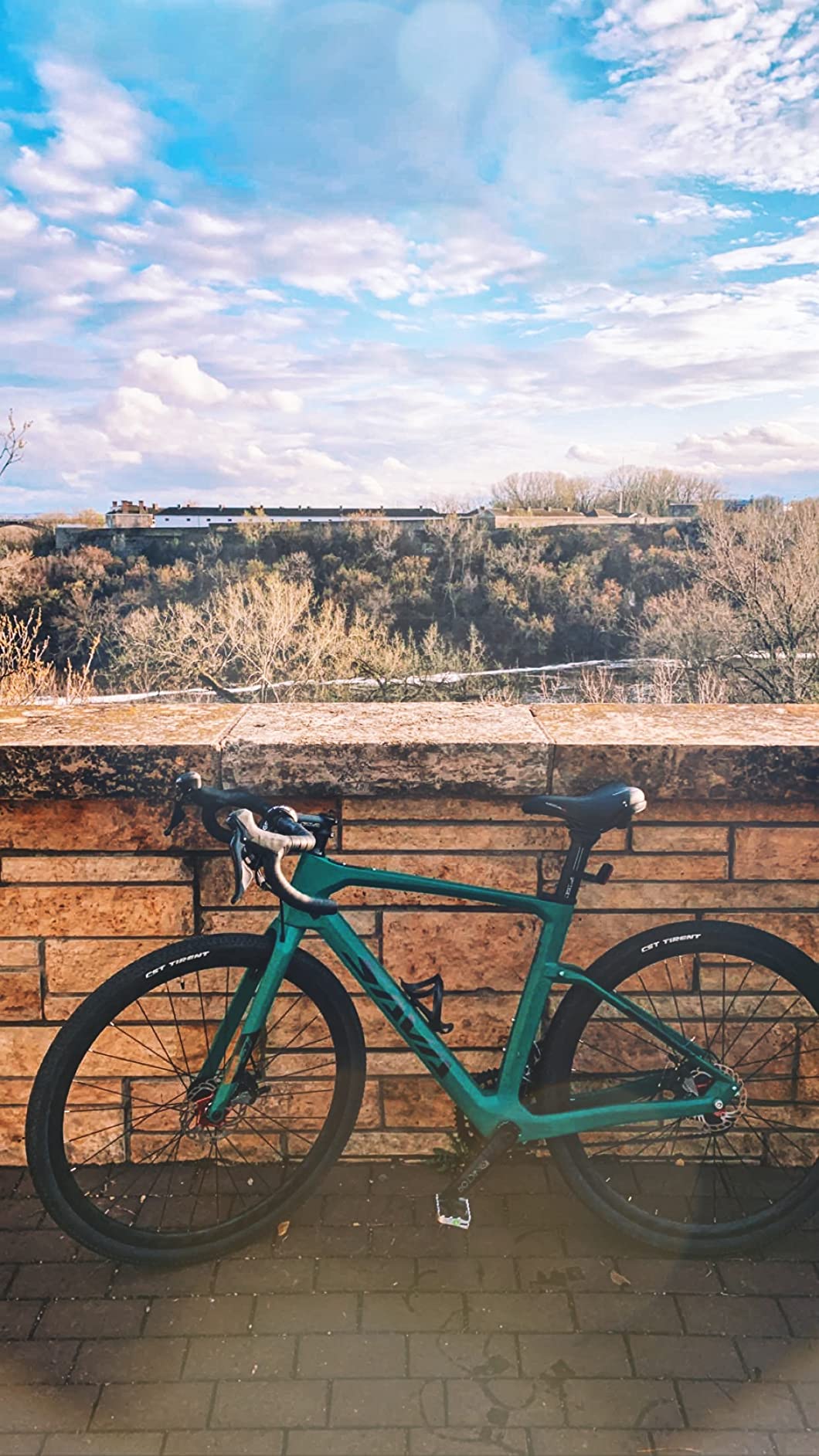
Behind that simplicity is a Shimano U6000 shifter and rear derailleur running an LG400 cassette with an LG500 chain, a 11-speed 1x layout. The frame and fork are T800 carbon at 10.4kg for the complete bike, with hydraulic disc brakes and fully internal cable routing through a tapered head tube.
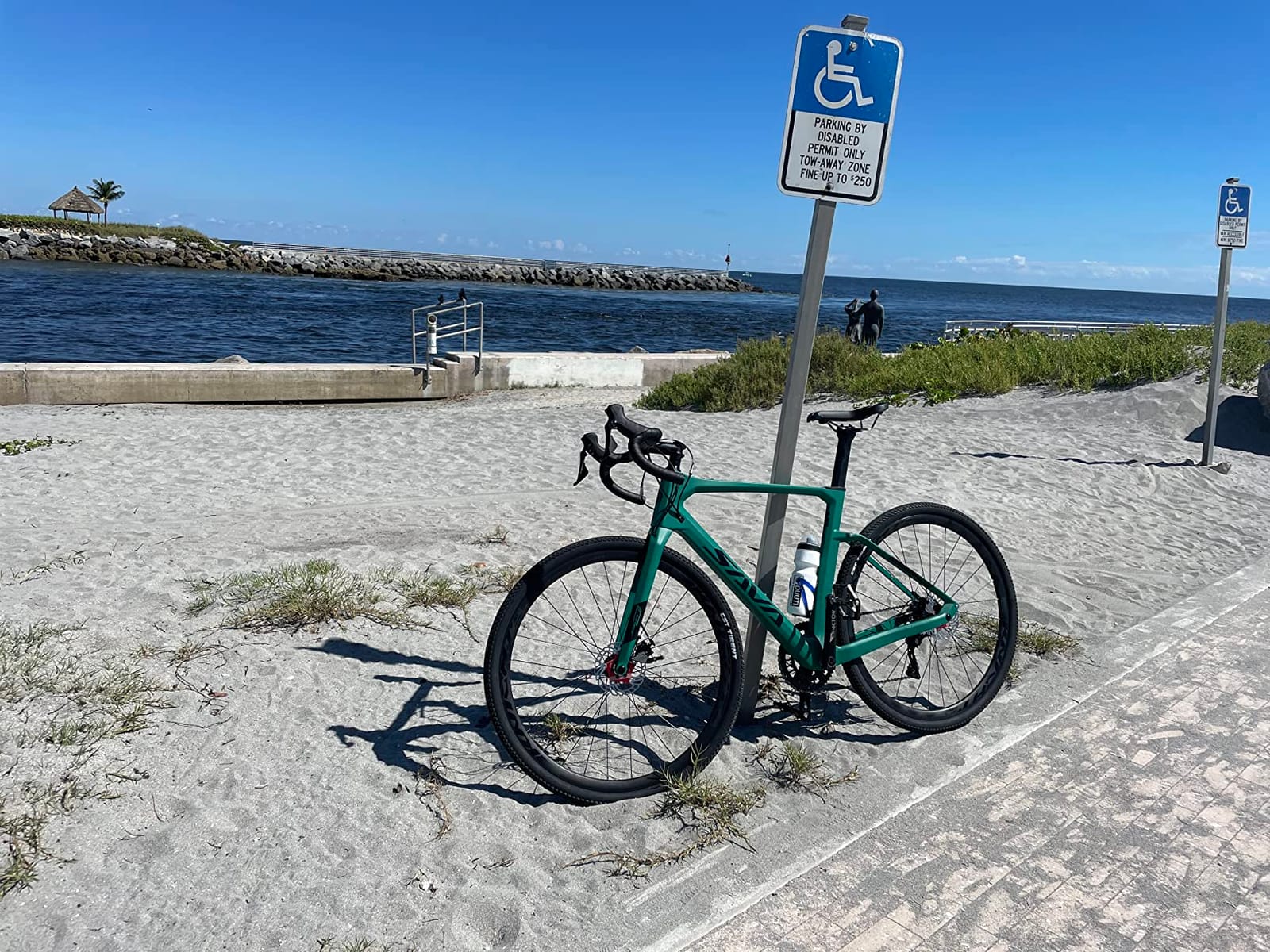
Owners report that this bike often needs little more than a seat height adjustment before the first ride, which is the least assembly work any bike on this list required. It arrives roughly 90% pre-assembled with tools included, so the remaining work is trimming cable ends and setting saddle height rather than building a bike from components.
Wheels are 45-spoke with 700x40c tyres, a sturdy spec that suits mixed surfaces, and sizes run from 47cm to 58cm across 25 frame and colour combinations.
Who the U6000 suits
This is the pick for a rider who wants to spend as little mental energy as possible on the bike. One chainring, one lever to think about, light enough to climb easily, and brakes that are strong and consistent in the wet, which is where beginners lose confidence.
It is also a good fit for riders moving from a hybrid or a flat-bar bike, since the gearing feels familiar even though the position changes. Owners describe the ride as fast, quiet and confident on descents, and the two-year warranty is a reasonable floor for a first bike.
Who the U6000 does not suit
Be clear about the terrain limit. The 40c tyres are built for gravel and paved roads, and owners specifically note this bike is not intended for technical mountain-bench trail riding. If your idea of gravel includes rough, rocky doubletrack, you want wider tyres and a more capable build.
Assembly is not zero work. The seat post and cabling typically need trimming and tuning, and some bikes arrive with brake pads that are not correct for the carbon rims and need replacing. Mechanical components such as the drivetrain and brakes also need regular maintenance, and a 1x layout reaches its low range through a wide cassette rather than a small chainring.
5. KABON 18-Speed – The Best Gravel Bike for Grip and Light Weight
KABON Carbon Gravel Road Bike, T800 Carbon Fiber Frame 700C Road Bike with 18 Speeds Drivetrain, Integrated Carbon Handlebar, Disc Brakes Racing Bicycle for Adult Unisex (Chameleon Blue, 50cm)
Full carbon build at 8.7kg
Shimano Sora R3000 2x9
Mechanical disc brakes
700x40c tyres
Pros
- Lightest complete build here at 8.7kg
- Wide 700x40c tyres give stable grip on rough surfaces
- Arrives nearly fully assembled
- Sized for riders up to 120kg
Cons
- Mechanical discs are less consistent in the wet
- Vinyl saddle is poor on long rides
- Only 13 owner reviews so limited long-term data
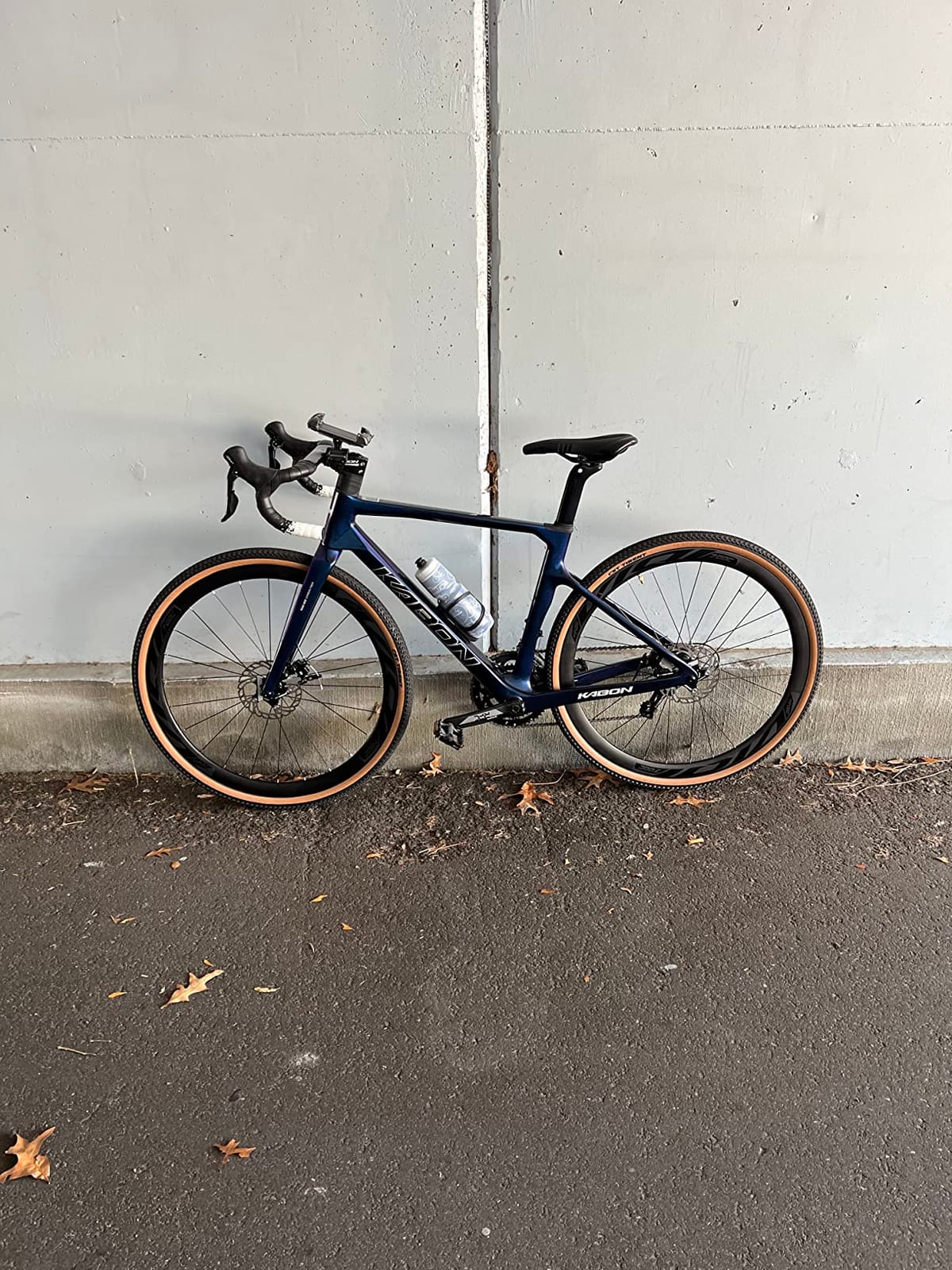
At 8.7kg for frame, fork, handlebar and seatpost in carbon, the KABON is the lightest bike here, around 1.7kg below the 10.4kg carbon builds. Riders who are new to cycling and sensitive to weight will feel that immediately, particularly on rolling gravel where every hill arrives sooner than expected.
The drivetrain is a Shimano Sora R3000 2×9 18-speed shifter with front and rear derailleurs, and owners report smooth, durable shifting from that familiar entry road group. Tyres are 700x40c fast-rolling rubber with a high-traction compound, and the wide profile is credited with stable, fast handling on tarmac and rougher surfaces alike.
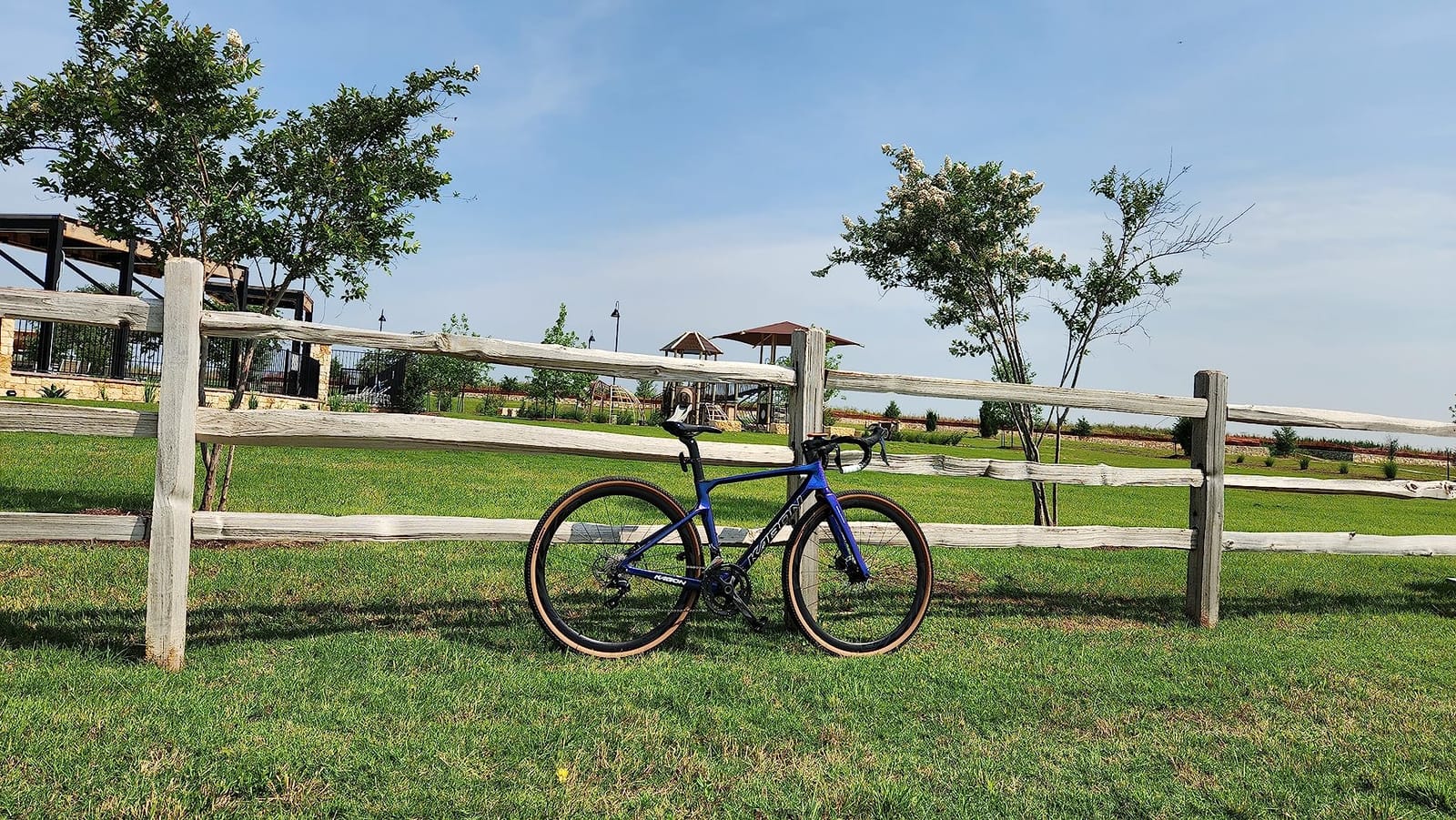
It arrives almost fully assembled, which shortens the gap between delivery and your first ride. The frame is sized for adult riders up to 120kg across 50cm to 58cm frames, and the warranty covers the frame for three years with half a year on accessories, so it sits between Tommaso’s lifetime cover and the two years offered elsewhere.
Owner feedback is thin at thirteen reviews, but consistently positive on the three things that matter: weight, grip and shifting. That is worth weighing honestly, because a small review base means less long-term reliability data than a big-name bike would have.
Who the KABON 18-Speed suits
This suits a beginner who will ride mostly on rough, loose or uneven surfaces and values grip and low weight over refinement. The 40c tyres and stiff full-carbon build are a good pairing for fire roads and packed dirt, and the bike is rated for heavier riders up to 120kg.
It also suits anyone who wants a bike that arrives nearly complete and can be ridden after a minimal setup. A double chainring means you have both a high gear for pavement and a low gear for climbs, which is the safer configuration for a rider still learning what gear to use when.
Who the KABON 18-Speed does not suit
The mechanical disc brakes are the dealbreaker for some riders. They do give short stopping distances, but they are less consistent in wet conditions than the hydraulics on the three SAVADECK carbon builds, and a nervous beginner in the rain may not trust them.
The vinyl saddle is also flagged as uncomfortable on longer rides, and 18 speeds is the lowest gear count in this lineup. If you plan days of five hours or more, budget for a saddle replacement early rather than suffering through it.
6. SAVADECK GRX610 – The Best 1x Gravel Bike on This List
SAVADECK T800 Carbon Gravel Bike, with Shimano GRX610 12-Speed, Hydraulic Disc Brakes, 700x40c Tires for Road & Off-Road Adventure, Men’s/Women’s Bicycle(Elegant White, 51cm)
T800 carbon frame and fork
Shimano GRX610 12-speed 1x
GRX410 hydraulic disc brakes
10.4kg complete bike
Pros
- Trouble-free over extended road and dirt riding
- Smooth precise shifting across the 12-speed cassette
- Well-trued wheels that track straight
- Careful protective packaging
Cons
- No assembly instructions included
- New brakes squeal until broken in
- Only 8 owner reviews
The GRX610 is the higher-spec version of the 1x idea, and it is the one to buy if you want a wide-range cassette rather than a basic one. It runs GRX610 shifters with an RX822 rear derailleur over a 12-speed M6100 cassette, which is a wide 1x range rather than the narrower spread on the U6000.
The frame is T800 carbon with a carbon front fork at 10.4kg for the complete bike, paired with GRX410 hydraulic disc brakes and a light GRX610 crankset. Upright geometry, a tapered head tube and full internal cable routing make it stable and tidy, and owners report the bike tracking straight with quick, confident handling.
The wheels were trued well out of the box, which matters more than it sounds on a carbon build, and the protective packaging meant the frame turned up undamaged. Feedback from owners with a few hundred miles on the bike describes no mechanical issues at all across extended road and dirt riding, which is a good sign for a bike with so little published history.
One thing to confirm before you commit: warranty terms on this model are described only as limited rather than a stated number of years. If you plan to own the bike for many years, ask the seller for the term in writing, because it sits below Tommaso’s lifetime cover and below the five years offered on the KABON carbon build.
Who the GRX610 suits
This suits a beginner who rides mostly off-road and wants the low range of a wide 1x cassette without the complexity of a front derailleur. On loose climbs, the 12-speed spread gives you fine steps between gears, so you can find a comfortable cadence instead of grinding.
Owners with a few hundred miles on the bike describe no mechanical issues at all, which is encouraging given how few reviews exist. It is also the bike that draws compliments, if appearance matters to you, and the packaging is protective enough that the frame arrives undamaged.
Who the GRX610 does not suit
Two practical caveats. The bike is supplied 85 to 90% assembled with no instructions included, so the handlebar and stem step is guesswork unless your shop handles it, and new brakes squeal slightly until the pads bed in during the first ride. Both are minor, but neither is something you want to discover alone on your first outing.
It is also one of the least proven bikes here, with only eight owner reviews, and the warranty is described only as limited rather than a stated term. For a big one-time purchase, that thin evidence base is a real consideration.
7. KABON 105 R7000 – The Best Carbon Gravel Bike for Road-Heavy Beginners
KABON Carbon Gravel Road Bike, T800 Carbon Fiber Frame Adventure Bicycle with Shimano 105 22 Speed Disc Brake Racing Bicycle for Men and Women (Chameleon Blue, 50cm)
Full carbon build at 8.7kg
Shimano 105 R7000 2x11 22-speed
Mechanical disc brakes
5-year frame warranty
Pros
- Light carbon build at 8.7kg with Shimano 105 shifting
- Fully internal cable routing resists rust and cable wear
- 700x40c tyres add stability on rough ground
- 5-year frame warranty
Cons
- Mechanical discs are less consistent in the wet
- Only 4 owner reviews
- so long-term reliability is unverified
- Needs final setup before riding
The 105 R7000 is the bike for a beginner whose riding is mostly road with gravel mixed in, and it carries the longest stated frame warranty among the carbon builds in this roundup at five years. The Shimano 105 R7000 2×11 22-speed groupset is a step above entry road groups, and owners describe the shifting as fast and responsive.
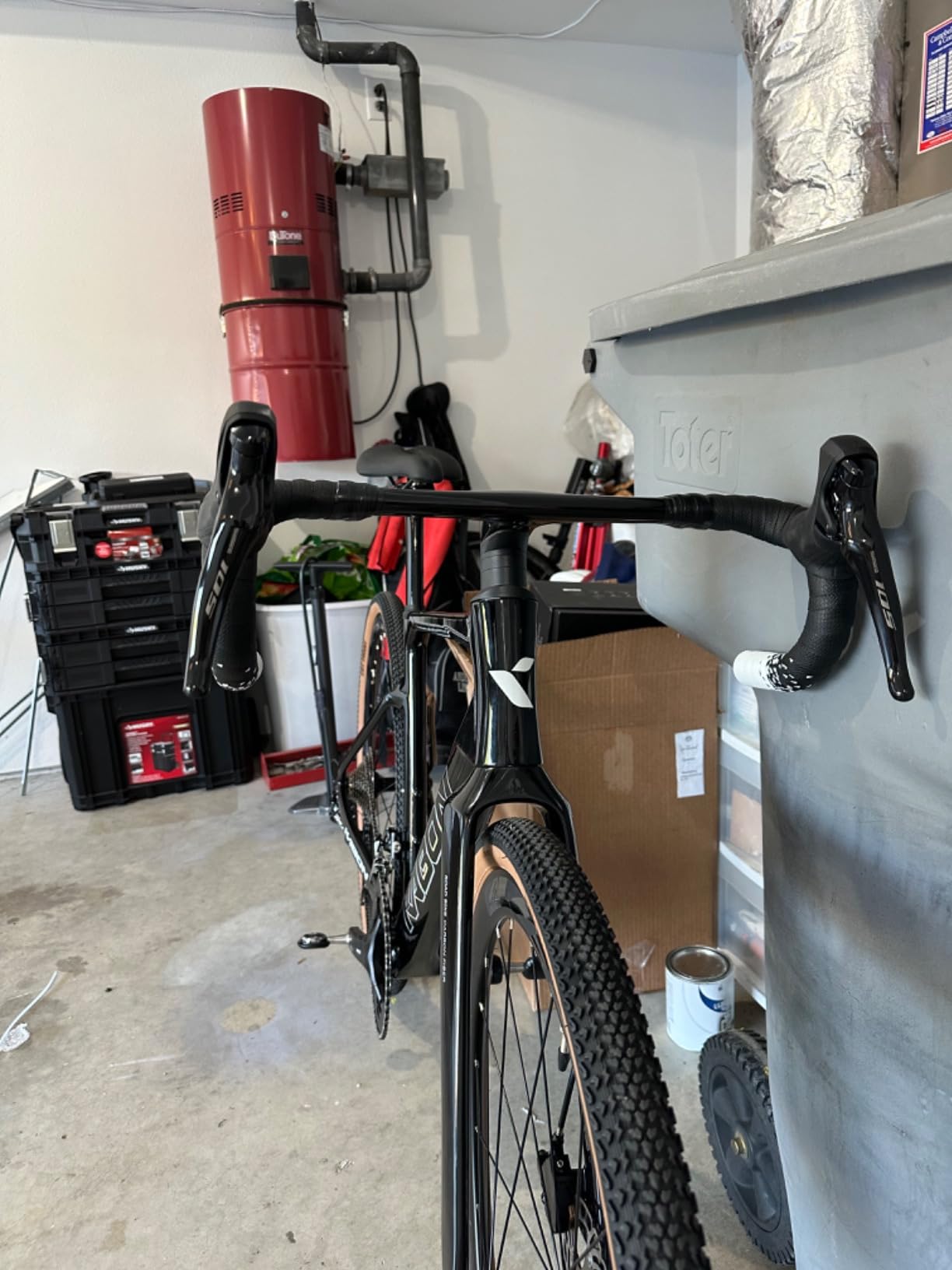
It shares the same 8.7kg full-carbon platform as the KABON 18-Speed, with a carbon frame, fork, handlebar and seatpost, and the same 700x40c high-traction tyres. What differs is the drivetrain tier, the 22-speed double chainring, and a frame whose wind-tunnel-developed stays, seat post and seat tube route cables entirely internally.
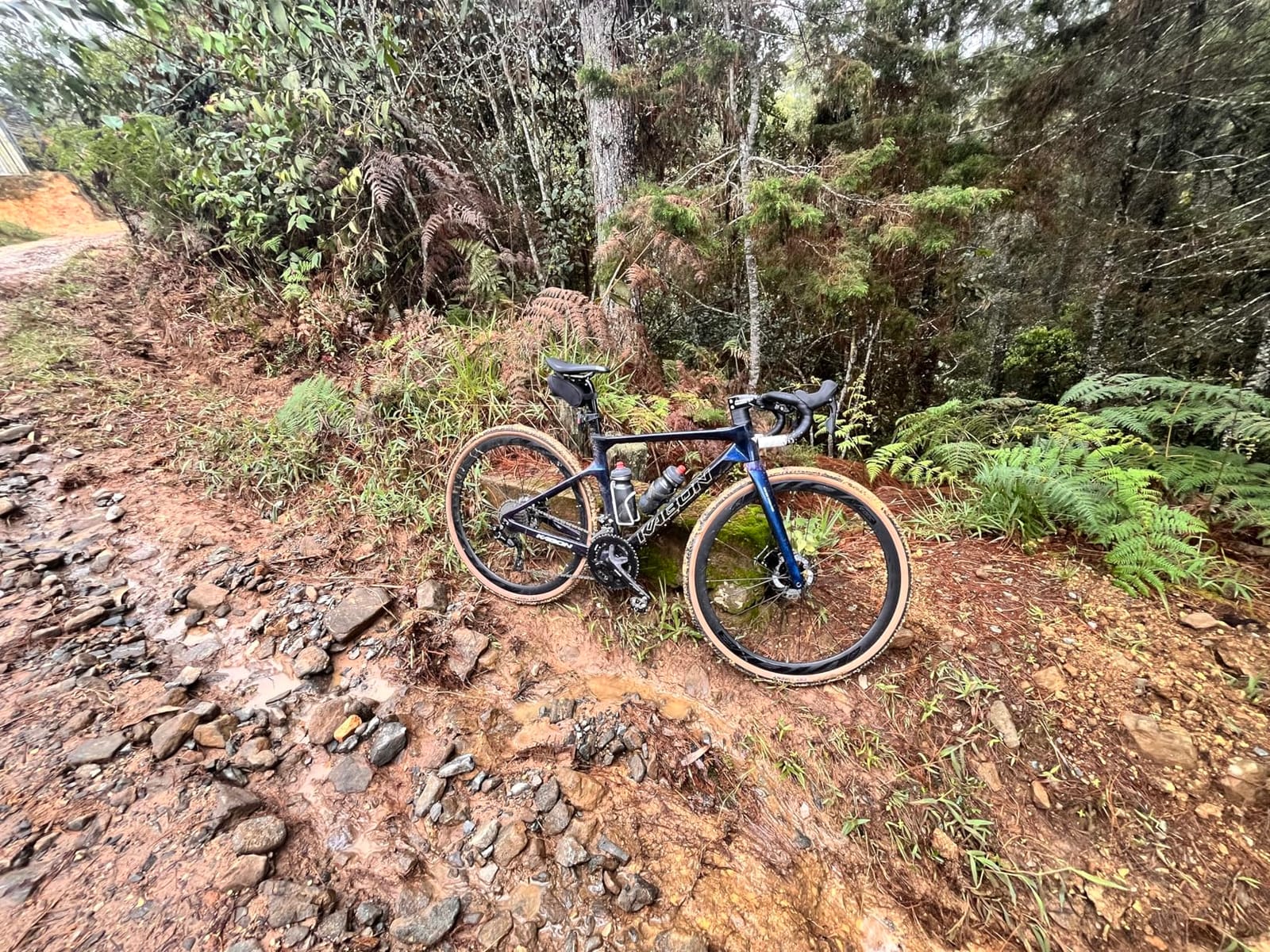
That internal routing is more than a tidy detail on a gravel bike. With cables hidden inside the frame they are protected from rain, sun and rust, which on a bike that gets ridden through mud and washed down outdoors is a genuine durability argument. Sizes run 50cm to 58cm and the bike is rated for riders up to 150kg, the highest limit here.
It arrives partly assembled, so plan on a setup session before your first ride. The leather-look saddle and the mechanical disc brakes are the two components to inspect on that visit.
Who the KABON 105 suits
This suits a rider who wants a light, fast bike for long road days that can handle a gravel shortcut home without punishing them. A 22-speed double chainring gives a fine gear range across pavement, and the wide tyres take the sting out of rough sections and poor road surfaces.
The five-year frame warranty makes it the best-covered carbon build here if you plan to keep the bike and ride it hard for years. Internal cable routing also means less external maintenance, which matters for a rider who does not want to learn drivetrain servicing yet.
Who the KABON 105 does not suit
With only four owner reviews, all five-star, the feedback is positive but far too thin to call long-term reliability proven. That is the honest headline for this bike, and it should carry real weight in your decision if you are spending a serious sum on a first purchase.
Mechanical disc brakes are the other limitation, less consistent in wet conditions than the hydraulics on the SAVADECK builds. If you ride in rain or mud regularly, spend the extra on hydraulics instead.
How to Choose Your First Gravel Bike Without Guessing?
Buy the brakes before the frame. Hydraulic disc brakes appear as a named spec on three of the seven bikes here, and reviewers name them repeatedly as the single most wanted feature on a first bike. Mechanical discs like the Avid BB5 on the Siena and the units on both KABONs do stop you, but they are less consistent in the wet, and confidence in the rain matters more to a new rider than saving money on the spec sheet.
Next, look at gearing range rather than gear count. A wide-range cassette with a low chainring is what stops you walking up a steep loose climb, and that is the failure beginners hit on cheap bikes. Doubles with wide cassettes, like the 20-speed GRX400 and 22-speed 105 R7000, cover pavement and rough ground equally well, while a single chainring on the U6000 and GRX610 trades peak climbing gear for simplicity.
Tyre width is the third filter, and 40mm is the sweet spot for most first bikes, which is why every bike with published tyre data on this list runs 700x40c rubber. Wider tyres roll over loose gravel and cushion vibration but feel vague in fast corners, while narrower tyres are quicker on pavement and more precise but punishing on dirt. Check the rim’s internal width before fitting anything wider than the supplied tyre, because the Siena already comes with a 40c on a narrower rim than that design normally wants.
Frame material is the one choice you can safely defer. Aluminum is tougher and cheaper, carbon is lighter and absorbs vibration better, and on this list the weight difference between the aluminum bikes and the carbon builds is a couple of kilograms rather than a transformation. Do not save for carbon at the expense of brakes or gearing, and do not fear carbon at the expense of a sensible budget.
Finally, fit beats every other consideration, and this is where nearly every first-time buyer needs help. Brands publish geometry charts that look almost identical on paper, so the practical approach is to measure your inseam in bare feet, compare it against the brand’s size chart, and then confirm with a test ride. If you fall between two sizes, the smaller frame with a longer stem is usually the more comfortable outcome, and if you are clearly at the top of the range, budget for a professional fit rather than tolerating a stretched position.
1x vs 2x Drivetrains: Which Should a Beginner Choose?
For a first gravel bike, a double chainring is the safer default, and a single chainring is the cleaner option. The double gives you a genuine low gear for steep, loose climbs alongside a high gear for pavement, at the cost of a front derailleur and one more lever to think about. The single removes that entire system, so you never cross-chain, never shift into a gear that does not exist, and cannot get the chain jammed under load.
The trade is that a 1x drivetrain reaches its low range through a wide cassette rather than a small chainring, which costs money and, on some builds, fine range. That is why the U6000 and GRX610 sit where they do, and why riders on a road-heavy 2x often notice the difference on pavement. Experienced riders on riding forums are usually split, with many recommending a double for anyone spending serious time on road and single for pure gravel use.
What we would tell a first-time buyer: pick the double if you are unsure where you will ride, and pick the single if the idea of one lever appeals to you and your routes are mostly gravel. Neither choice will ruin a first bike, and the cost of converting later is far higher than deciding now.
What Else Your First Gravel Bike Needs
A helmet and a set of pedals are the two things you should buy alongside any bike on this list, and both are also where beginners under-budget. A floor pump with a gauge, a spare tube or two, and a basic multi-tool cover the roadside emergencies that will otherwise end a ride.
If you take the tyres seriously, add tubeless sealant and valves when you are ready, because punctures are the single most common reason gravel rides get cut short. Bar tape or a bar-tape-free carbon bar, and a decent saddle, are the two comfort upgrades that make the biggest difference once you start riding beyond an hour.
Finally, a lock if you plan to commute with the bike, and budget for a service visit after the first few hundred kilometres, because every bike here arrives needing at least a brake and cable check. Owners who did that first service describe the difference in how the bike feels as dramatic as any component they could have upgraded.
Frequently Asked Questions
Are gravel bikes good for beginners?
Yes, gravel bikes suit beginners well, and for most first-time riders they are the most versatile option available. The wide tyres, upright geometry and wide gear range make them forgiving on imperfect surfaces and comfortable over distance. The one caution is that most gravel bikes use drop bars, so if you are not sure you will enjoy the position, a flat-bar bike is the safer first purchase.
Is 23 lbs heavy for a gravel bike?
No, 23 lbs is light for a gravel bike. The three SAVADECK carbon builds weigh 10.4kg, or 22.92 lbs, while the two KABON carbon builds come in at 8.7kg, or 19.2 lb. Because that spread is only a couple of kilograms, weight should not be the deciding factor in your choice.
Should I get a 1x or 2x gravel bike?
Choose a 2x if you are unsure how you will ride or spend time on pavement, because a small chainring gives you a lower climbing gear than most 1x builds. Choose 1x if you ride mostly gravel and want the simplest possible system with no front derailleur to think about. Beginners who enjoy the sport often switch later, and changing between the two is straightforward.
Which gravel bike is best for all-around riding?
The Tommaso Sentiero is the strongest all-round pick because it combines an aluminum frame, a full 24-speed Shimano drivetrain and flat handlebars with upright geometry, which makes it the least intimidating bike to learn on. If you want lighter weight and hydraulic braking, the SAVADECK GRX400 covers the same ground with a carbon frame and a 20-speed GRX groupset.
What is a good gravel bike for a complete beginner?
A good first gravel bike needs three things: a full Shimano drivetrain, disc brakes and 700x40c tyres, plus a frame size you can actually ride. Among the seven bikes compared here, the Tommaso Sentiero and Tommaso Siena use flat bars and upright geometry, while the SAVADECK and KABON carbon models suit riders who already know they will ride a lot.
What is the best value for money gravel bike?
The Tommaso Siena is the best value in this roundup because it pairs a complete Shimano Tourney 21-speed drivetrain with fitted Avid BB5 disc brakes and 700x40c tyres, which is far more equipment than most bikes at the same level. Owner feedback also repeatedly praises the value, the smooth ride over mixed terrain and responsive customer support.
What wheel size should my first gravel bike have?
Most of these bikes, and most entry-level gravel bikes generally, use 700c wheels, and that is the right default for a first purchase. The same rim diameter suits both pavement and gravel, and tyre width matters far more than wheel size. Wider tyres roll over loose ground and cushion vibration but feel less precise in fast corners, so 40mm is a sensible starting point.
Is a used gravel bike a good idea for a beginner?
A used previous-generation bike can be a sensible route into the sport if you want to spend less and are comfortable inspecting the frame and drivetrain yourself. The risk is that wear is often concentrated in the same parts a shop charges to service, and sizing is harder to solve second-hand. If you go used, have the bike checked by a shop before your first long ride.
The Best Gravel Bikes for Beginners, in Short
If drop bars and an unfamiliar position are what worry you, start with the Tommaso Sentiero, our editor’s choice for the most learnable bike here. If you want the most equipment for the money, the Tommaso Siena gives you a full Shimano drivetrain and disc brakes at the lowest level. If you are already convinced this hobby will stick, the SAVADECK GRX400 and GRX610 put light carbon frames and hydraulic braking under you, while the KABON builds trade hydraulic brakes for the lightest frames in the roundup.
Whatever you pick, buy the brakes, get the frame size confirmed with a test ride, and book a setup visit before your first outing. That last step matters more to how the bike feels than any component on the spec sheet, and it is the difference owners most often describe between a bike they love and one they quietly stopped riding.