
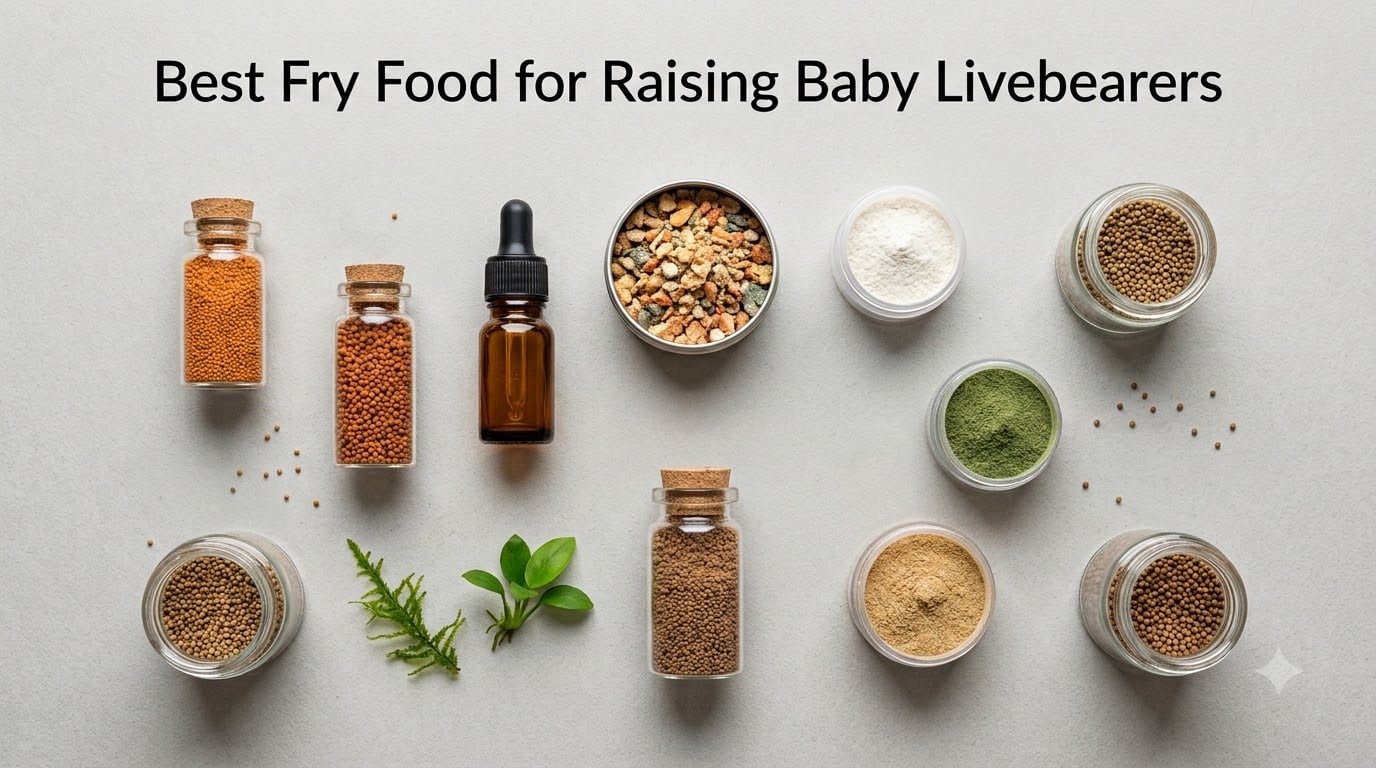
Raising baby livebearers like guppies, mollies, platies, and endlers is one of the most rewarding experiences in the aquarium hobby. But getting those tiny fish from birth to healthy adulthood depends heavily on what you feed them in those critical first weeks. I have spent years breeding livebearers, and after testing dozens of products, I can tell you that choosing the best fry food for raising baby livebearers makes the difference between steady growth and frustrating losses.
Newborn livebearer fry are larger than egg-layer fry, which gives you more feeding options. However, they still need high-protein, nutrient-dense food in small particle sizes to develop properly. The right food supports bone structure, immune function, color development, and overall growth rate. Feed them the wrong thing, and you will see stunted growth, deformities, or worse.
In this guide, I review eight top-rated fry foods that work exceptionally well for livebearer fry. Whether you want a convenient powder, a brine shrimp substitute, or a natural copepod-based formula, you will find detailed hands-on reviews, feeding tips, and a buying guide to help you make the right choice for your fry in 2026.
Table of Contents
Top 3 Picks for Best Fry Food for Raising Baby Livebearers 2026

Hikari Tropical First Bites
- Fine powder for newborn fry
- Promotes rapid healthy growth
- Great for livebearers and egg layers

Ultra Fresh Baby Fish Food
- 50% sword prawn formula
- Slow-sinking 500um particles
- 3M CFUs probiotics for clean water

Sera Micron Powder
- 18% krill and 51% spirulina
- Ultra-fine floating particles
- Free from dyes and preservatives
Best Fry Food for Raising Baby Livebearers in September
| Product | Specs | Action |
|---|---|---|
| Hikari First Bites |
|
Check Latest Price |
| Ultra Fresh Baby Fish Food |
|
Check Latest Price |
| Sera Micron Powder |
|
Check Latest Price |
 Aquatic Provisions Tiny Fry Aquatic Provisions Tiny Fry |
|
Check Latest Price |
 New Life Spectrum Grow Fry New Life Spectrum Grow Fry |
|
Check Latest Price |
 Instant Baby Brine Shrimp Instant Baby Brine Shrimp |
|
Check Latest Price |
 Hatchling Fuel Hatchling Fuel |
|
Check Latest Price |
 Northfin Fry Starter Northfin Fry Starter |
|
Check Latest Price |
1. Hikari Tropical First Bites Fish Food – The Gold Standard for Newborn Livebearer Fry
Hikari® First Bites® Slow-Sinking Granule, Daily Tropical Food for Fry and Newborn Fish, 0.35 oz (10g)
0.35 oz fine powder
Livebearer and egg layer formula
Promotes disease resistance
Rapid growth without deformities
Pros
- Fine powder consistency easy for baby fish to consume
- Promotes rapid and healthy fry growth
- Floats in water column for surface-feeding fry
- A little goes a long way with great value
- Works for both livebearers and egg layers
Cons
- Can create powder mess if poured directly
- Pack of 3 variant may only ship 1 pouch
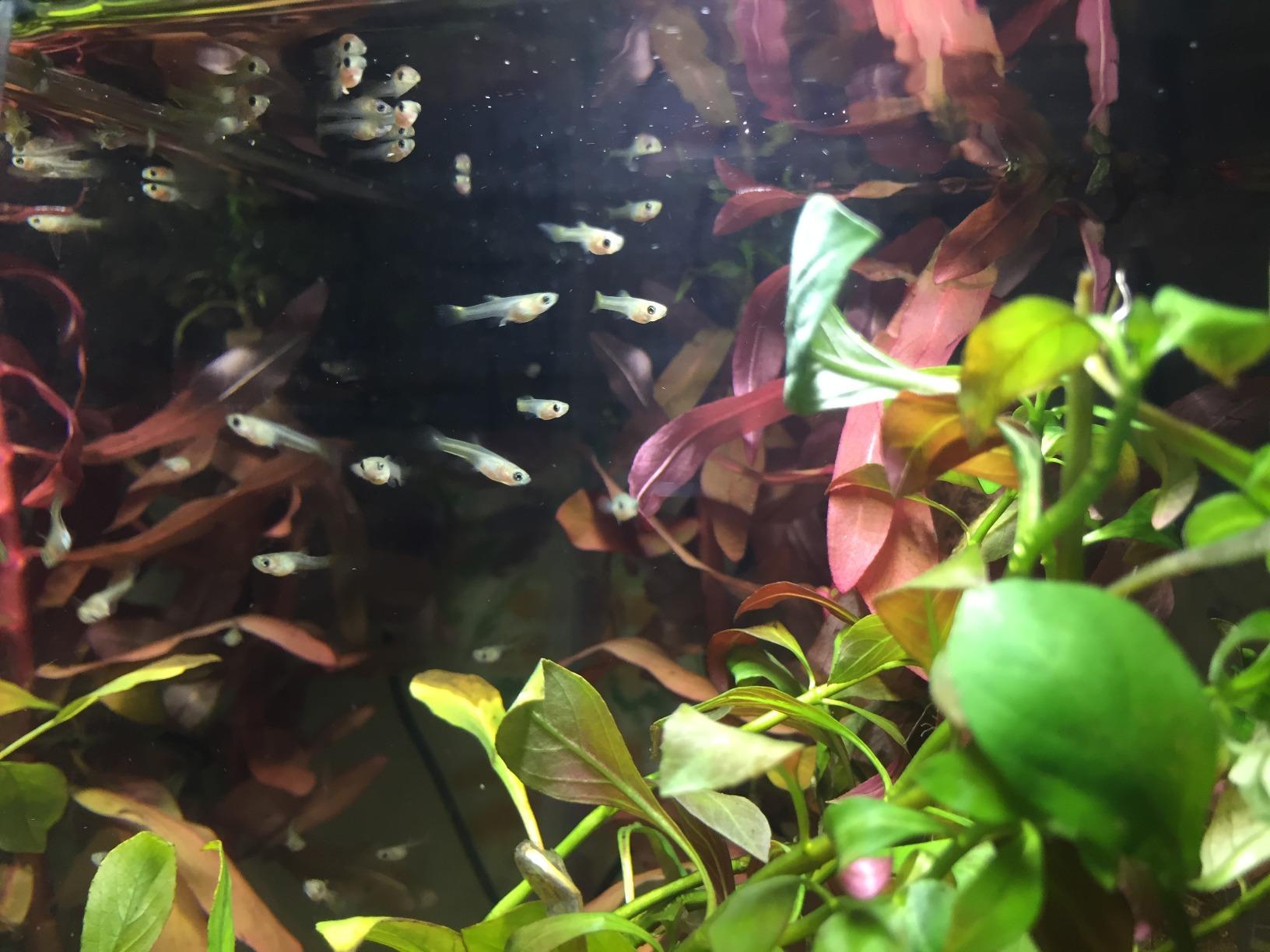
I have used Hikari First Bites for over three years across multiple batches of guppy and molly fry, and it remains my go-to recommendation for new livebearer keepers. The powder consistency is genuinely fine enough for day-old fry to consume without struggling. When I drop a small pinch into a fry tank, the particles spread across the water surface and slowly sink, giving fry at every level a chance to feed.
The growth results speak for themselves. My guppy fry raised on First Bites consistently reach adult size about two weeks earlier than fry I have raised on crushed flakes. The formula is designed to be nutrient-dense, so you only need a tiny amount per feeding. That small 0.35 oz pouch lasts surprisingly long when you are feeding small portions multiple times a day.
One thing I learned the hard way is that pouring directly from the pouch creates a mess. The powder is so fine that it clouds the water if you dump too much in one spot. I started using a small dropper to mix a pinch with tank water first, then squeezing that mixture into the tank. This technique distributes the food evenly and prevents waste buildup.
With over 4,100 reviews and a 4.7-star average rating on Amazon, this product has earned its reputation. Hobbyists across forums consistently recommend First Bites as the most reliable commercial fry food available. It has been on the market since 2004, which tells you something about its staying power.
Best Feeding Technique for Hikari First Bites
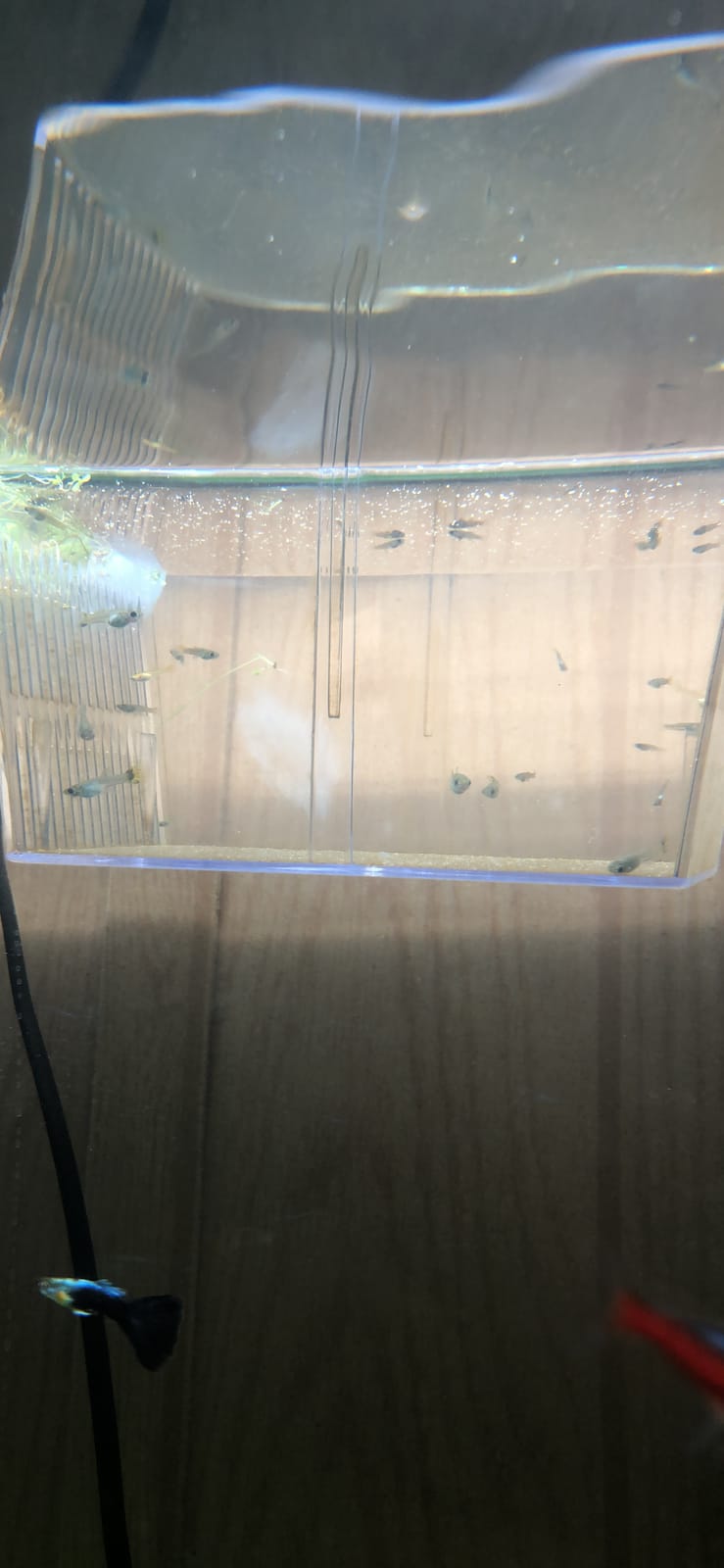
Mix a small pinch of powder with a few drops of tank water in a cup to create a suspension. Use a dropper or pipette to squirt tiny amounts into the tank near where the fry are swimming. Feed this way three to five times daily for optimal growth. Avoid dumping dry powder directly into the tank.
How Long Does a Single Pouch Last
For a typical livebearer breeding setup with 20 to 30 fry, a single 0.35 oz pouch lasts approximately two to three months. Since fry need only a tiny amount per feeding, the pouch stretches much further than you might expect from its size. The sealable pouch keeps the food fresh between uses.
2. Ultra Fresh Baby Fish Food – Premium Brine Shrimp Substitute with Probiotics
Ultra Fresh Baby Fish Food with 50% Sword Prawn Shrimp, Slow Sinking, Substitute for Brine Shrimp – For Fry Health and Cleaner Water
0.7 oz slow-sinking 500um
50% sword prawn and akiami paste shrimp
3M CFUs probiotics
Vitamins A C D3 E B1 B2 B6 B12
Pros
- Up to 50% sword prawn for superior nutrition
- Slow-sinking 500um particles mimic baby brine shrimp
- No dust or oily film that pollutes water
- 3 million CFUs probiotics support digestion
- Enhances fish color vibrancy
Cons
- Shaker jar cap is not great for controlled dispensing
- May need mixing with water for precise dosing
Ultra Fresh Baby Fish Food caught my attention because of its claim to mimic baby brine shrimp without the hassle of hatching. The 500-micron slow-sinking particles do genuinely move through the water column in a way that triggers the same feeding response you see with live BBS. My guppy fry attacked this food the moment it hit the water.
The ingredient list is impressive. With up to 50% sword prawn and akiami paste shrimp, this formula delivers a protein punch that rivals live food. The added probiotics are a genuine bonus because they help break down fish waste in the tank, which is a real concern when you are feeding fry multiple times a day. I noticed my water stayed clearer between changes compared to other commercial powders.
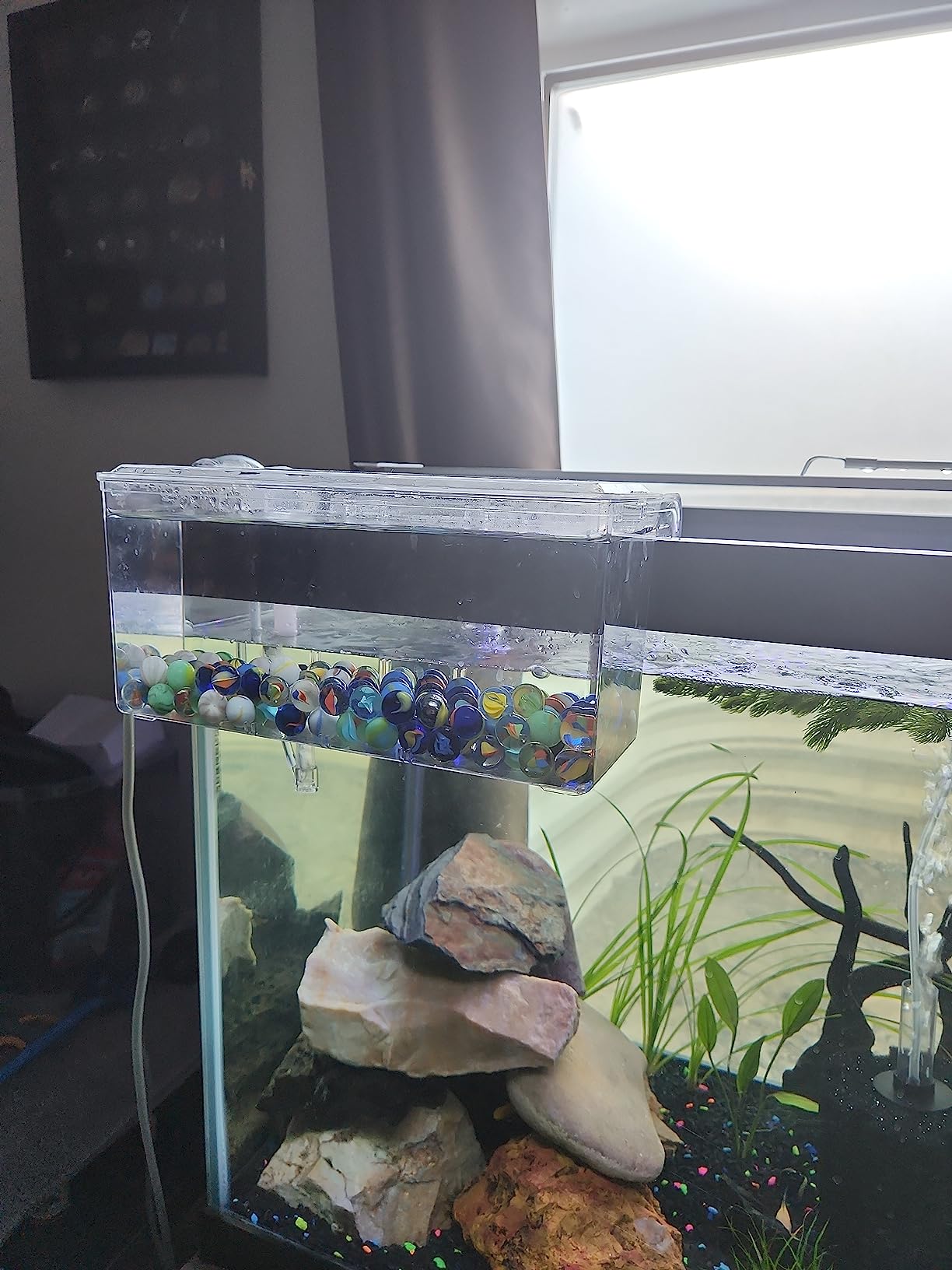
The slow-sinking behavior is what makes this product special. Unlike surface-floating powders, these granules drift down gradually, giving fry at different water levels access to food. This matters for species like mollies that sometimes feed mid-water. The granule technology means no dust, no oily film, and no rapid water fouling.
The one downside is the shaker jar design. The cap dispenses too much at once, which makes precise portioning difficult. I transfer small amounts to a separate container and use a toothpick to dip and feed. It takes a few extra seconds but prevents overfeeding that can foul the water.
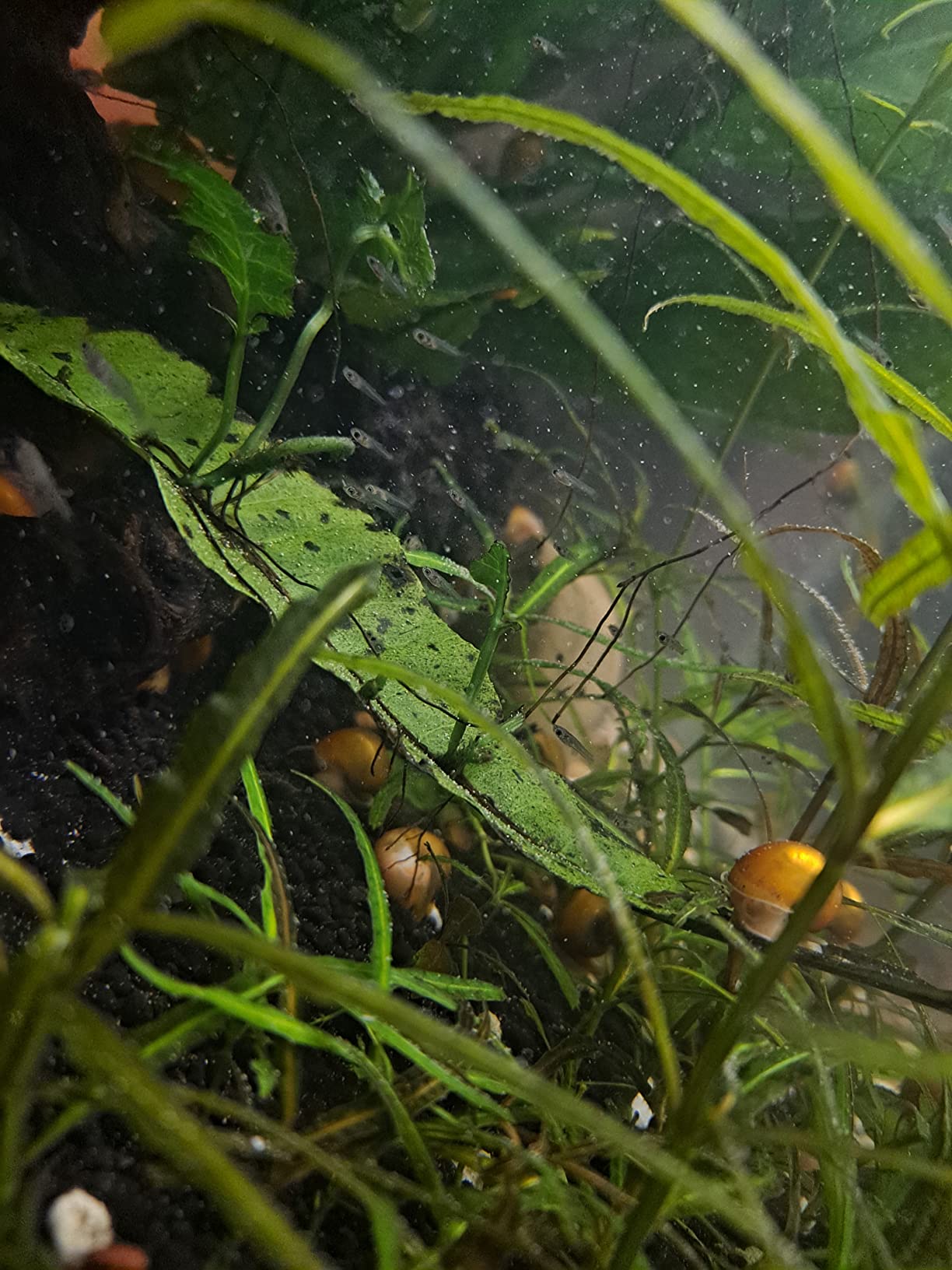
How Does It Compare to Live Baby Brine Shrimp
While nothing perfectly replicates live BBS, Ultra Fresh comes remarkably close in terms of nutritional profile and feeding response. The 500um particle size matches newly hatched brine shrimp dimensions. You sacrifice the jerky live movement, but you gain convenience, consistency, and the added benefit of probiotics for water quality.
Which Species Respond Best to This Formula
This food works exceptionally well for guppies, medaka, sparkling gourami, and giant danio fry. Livebearer fry in particular take to it immediately because the particle size and slow-sink rate match their natural feeding behavior. It also doubles as a color-enhancing food for adult fish, making it versatile for community tanks.
3. Sera Micron Powder – Natural Plankton Simulation with Krill and Spirulina
Sera Micron Powder 50ml (1.7 fl oz) | Ultra-Fine Fry Food
1.7 oz ultra-fine powder
18% krill and 51% spirulina
Free from dyes and preservatives
Floats in water column for easy access
Pros
- Ultra-fine powder for the smallest fry mouths
- 18% krill and 51% spirulina for natural nutrition
- Free from dyes and preservatives
- Excellent digestibility maintains water clarity
- Versatile for fish and amphibian larvae
Cons
- Can cloud water if not carefully portioned
- Powder texture requires careful feeding technique
Sera Micron Powder stands out because of its commitment to natural ingredients. The formula uses 18% krill and 51% spirulina to simulate the natural plankton that fry would encounter in the wild. When I tested this with a batch of Celestial Pearl Danio and guppy fry, both species showed immediate interest and consistent growth over a four-week period.
The powder is genuinely ultra-fine. It is one of the few commercial foods I would consider suitable for very small egg-layer fry in addition to livebearers. The particles float in the water column, which works well because livebearer fry naturally feed from the surface and mid-water levels. You get a broad distribution pattern that gives every fry a chance to eat.
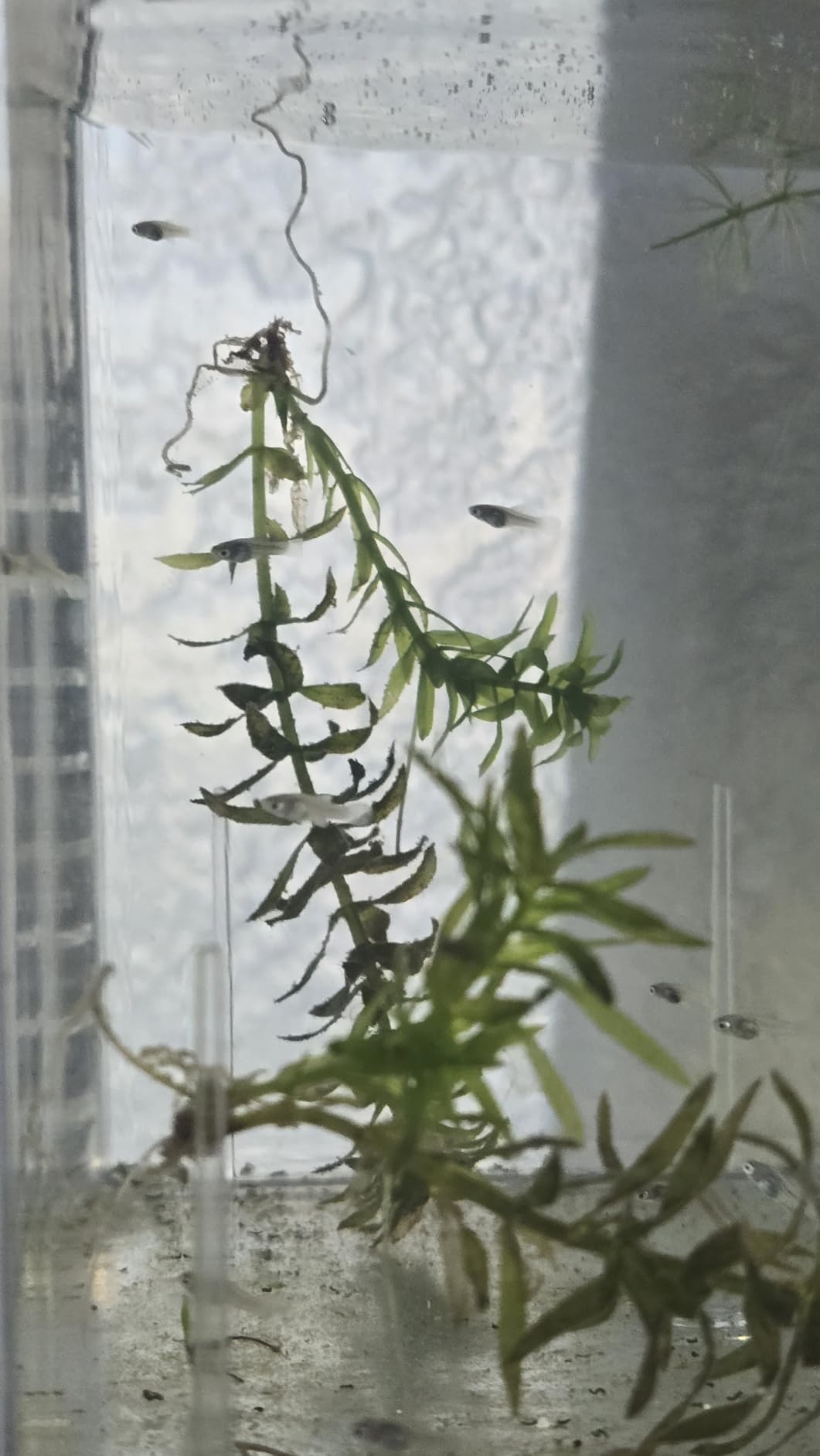
What I appreciate most about this product is what it does not contain. No dyes, no preservatives, and no artificial additives. Many commercial fry foods use colorants that can irritate sensitive fry digestive systems. Sera Micron keeps it clean, and that shows in the water clarity after feeding.
The digestibility is excellent. With over 3,000 reviews and a 4.6-star rating, hobbyists consistently report that this food does not pollute water the way cheaper powders do. The high assimilation rate means more nutrients go into the fry and less passes through to become waste.
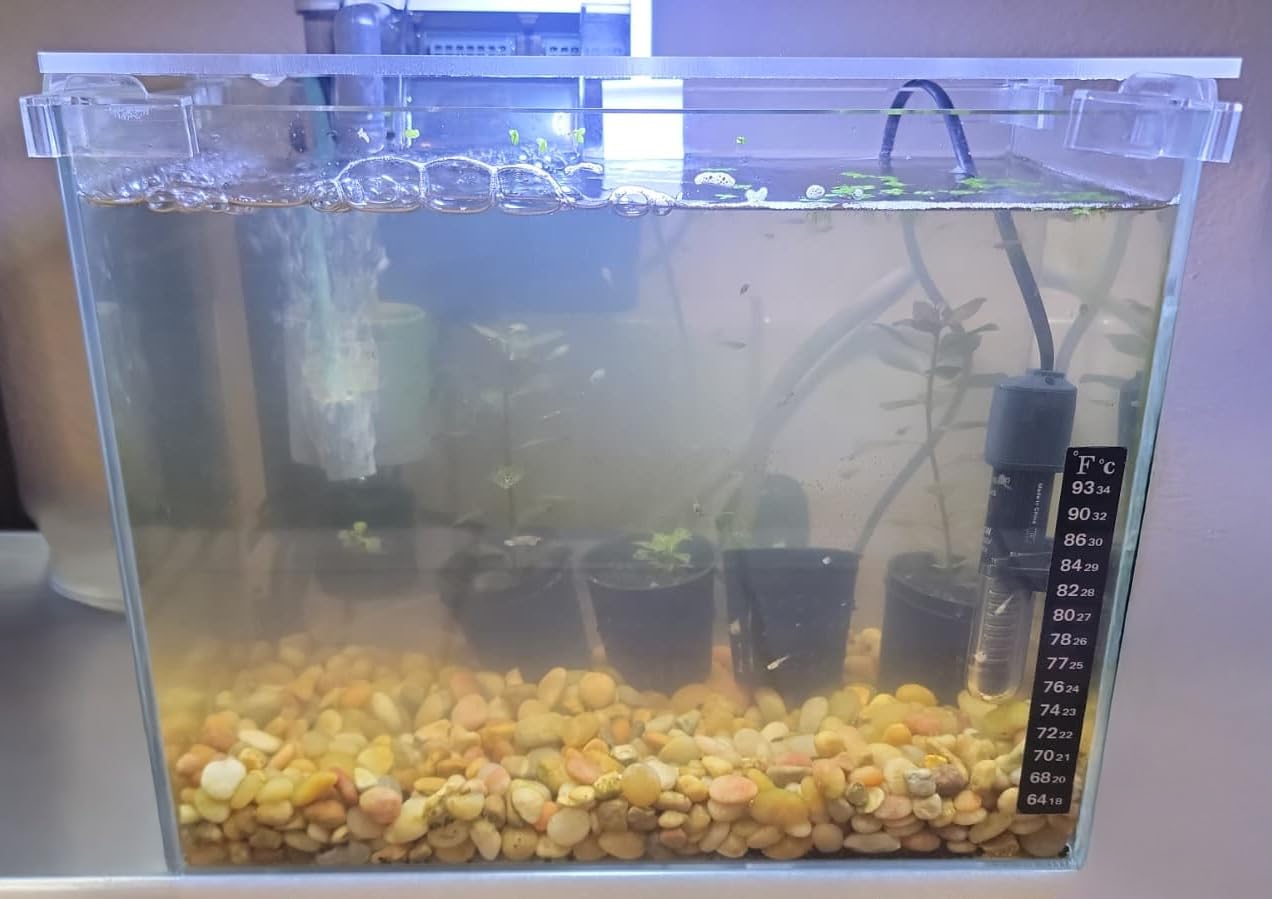
What Makes the Krill and Spirulina Combination Effective
Krill provides high-quality protein and natural astaxanthin, which supports color development and immune function. Spirulina adds plant-based nutrients, vitamins, and minerals that promote balanced growth. Together, they create a nutritional profile that mimics the diverse diet fry would encounter in a natural environment.
Is This Food Suitable for Saltwater Fry
Yes, Sera Micron is designed for both freshwater and saltwater environments. The formula works for brine shrimp nauplii, marine fish larvae, and amphibian larvae. This versatility makes it a strong choice if you maintain multiple types of aquarium setups or breed both freshwater and saltwater species.
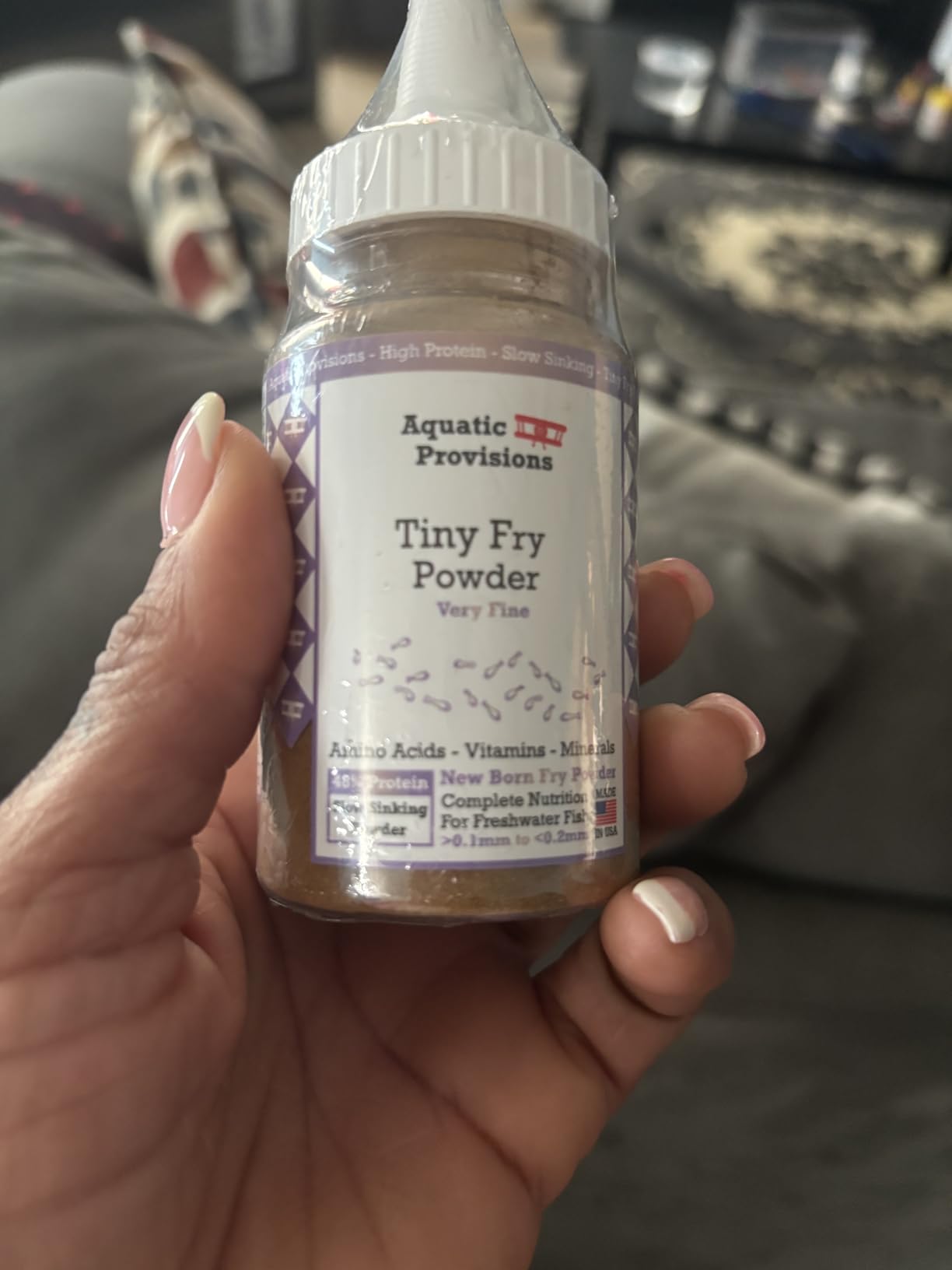
4. Aquatic Provisions Tiny Fry Fish Food – USA-Made 48% Protein Powerhouse
Aquatic Provisions Tiny Fry Fish Food 1.76 oz, Fine Powder for Newborn Aquarium Fish
1.76 oz fine powder
48% protein marine formula
0.1mm to 0.2mm particle size
Made in USA with oxygen absorbers
Pros
- Slow-sinking 0.1-0.2mm powder for newborn fry
- 48% protein with highly digestible marine proteins
- Made in USA with quality ingredients
- Fortified with vitamins and minerals
- Oxygen absorbers maintain freshness
Cons
- Particle size may be too large for tiny egg-layer fry
- Easy to overfeed leading to water fouling
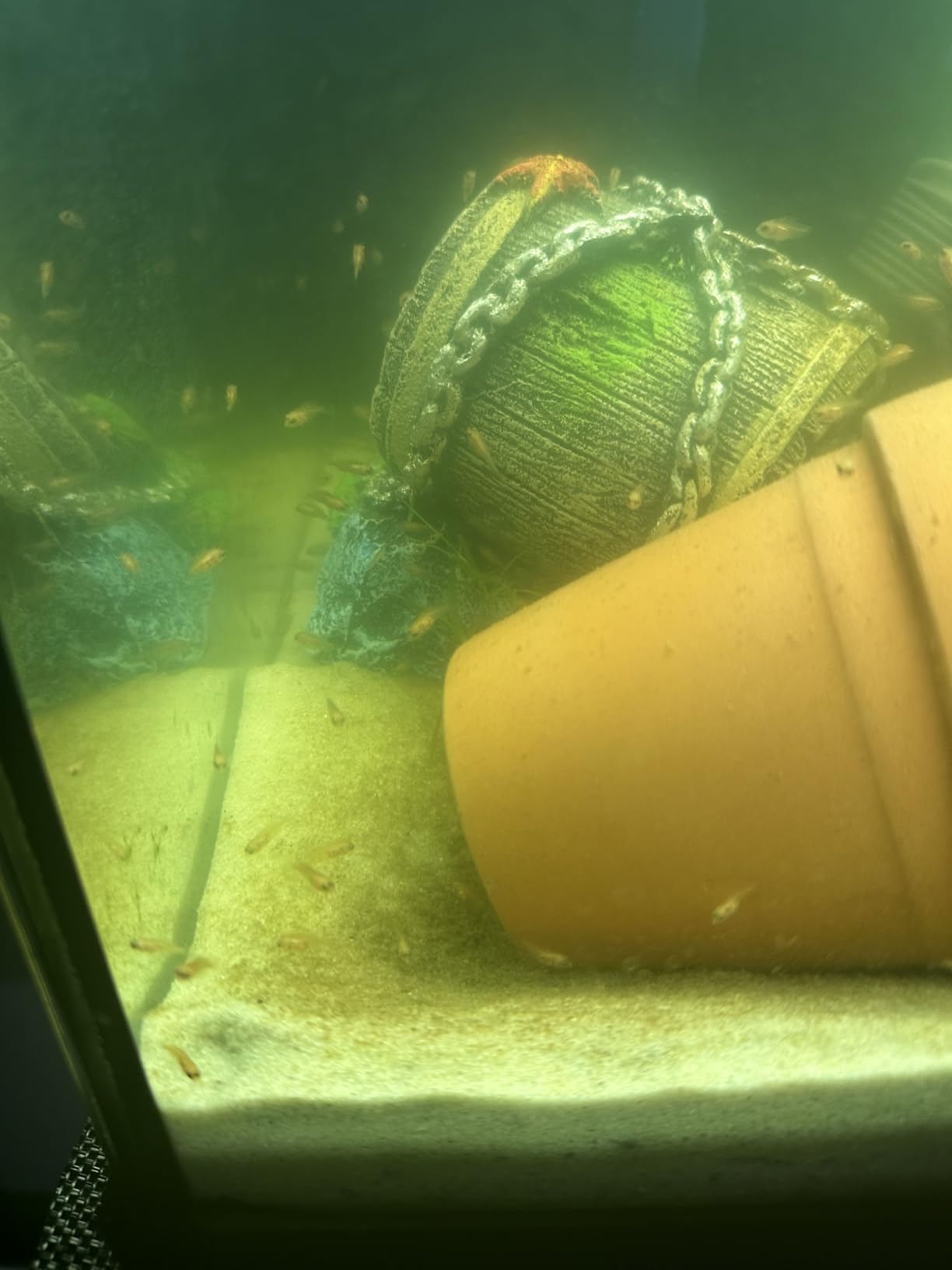
Aquatic Provisions Tiny Fry Fish Food is a newer product that has quickly earned a loyal following. The 48% protein content immediately caught my attention, and the USA-made quality gives me confidence in the ingredient sourcing. I tested this with a batch of molly fry and saw visible growth within the first week.
The particle size ranges from 0.1mm to 0.2mm, which hits the sweet spot for newborn livebearer fry. Guppy and molly fry can consume these particles from day one without struggling. The powder is slow-sinking, which means it drifts through the water column and gives fry time to find and eat it before it reaches the substrate.
The packaging deserves a mention. The bottle includes oxygen absorbers that keep the food fresh, which matters more than you might think. Oxidized fry food loses nutritional value quickly, and this packaging solution extends shelf life significantly. The bottle is also more durable than typical pouch packaging.
One caution: because this powder is so fine and nutrient-dense, it is easy to overfeed. Even a small excess can cloud water and spike ammonia levels. I recommend starting with less than you think you need and adjusting upward based on how quickly the fry consume it.
What Protein Content Should You Look for in Fry Food
Fry food should contain a minimum of 40% crude protein for healthy growth rates. The 48% in Aquatic Provisions is on the higher end, which supports faster growth but requires careful feeding management. Protein content above 50% can stress fry digestive systems, so 40 to 50% is the target range.
How Does USA-Made Quality Compare to Imported Foods
USA-made fry foods are subject to stricter quality control and ingredient sourcing standards. This means more consistent batches and fewer contamination risks. While imported foods can be excellent quality, the USA-made label provides an extra layer of confidence for breeders who want reliable results batch after batch.
5. New Life Spectrum Grow Fry Starter – Ultra-Fine Powder for Delicate Fry
New Life Spectrum Grow Fry Starter 60g (Naturox Series)
60g ultra-fine powder
Naturox series formula
High protein content
Suitable for smallest fry
Pros
- Extremely fine powder for the tiniest fry
- Promotes visible and rapid growth
- High protein content
- Works well for egg-layer fry like angelfish
- Dispensable via brush or pipette
Cons
- Requires careful feeding to avoid water clouding
- May need to turn off filters during feeding
- Overfeeding quickly fouls water
New Life Spectrum Grow Fry Starter is the food I reach for when I need something genuinely talcum-powder fine. The consistency is unlike any other product on this list. When I rub it between my fingers, it feels like cosmetic powder. This makes it accessible even to fry as tiny as 1/16 inch long.
While this product is often recommended for egg-layer fry like angelfish and gouramis, I have used it successfully with livebearer fry too. The key advantage is that it creates a gentle cloud of food in the water column when dispensed correctly. Every fry in the tank gets a chance to feed rather than competing for scattered particles.
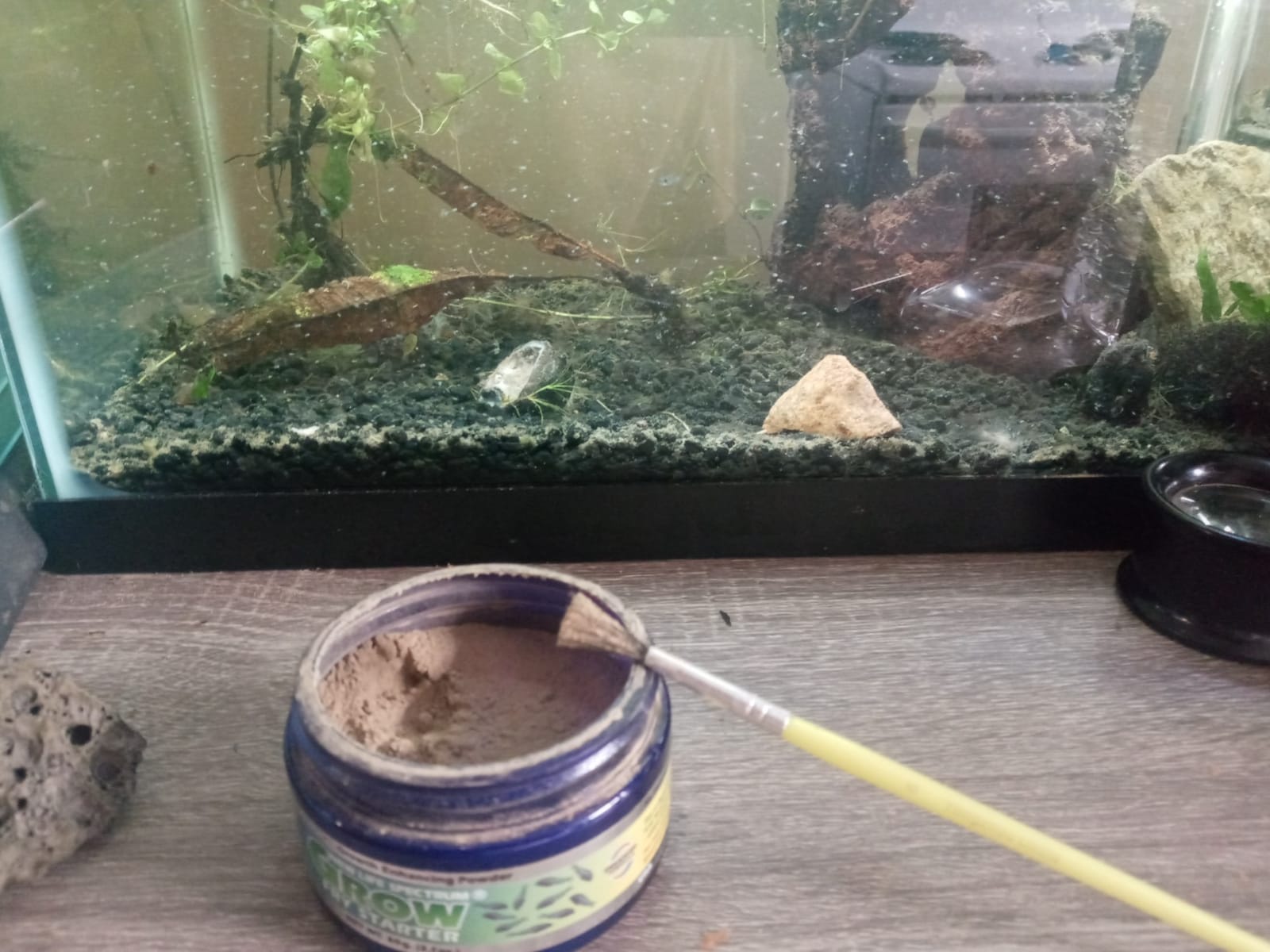
The dispensing method matters enormously with this product. I use a small artist brush dipped into the powder, then swirled in the tank water near the fry. This creates a controlled cloud that suspends food at the right depth. Some hobbyists use a toothpick or pipette with equal success. Direct pouring is a mistake because the powder is so fine it clumps and sinks immediately.
The growth results are visible within days. Fry fed on New Life Spectrum show steady size increases and robust health. The Naturox series uses natural preservatives instead of artificial ones, which aligns with the clean-ingredient philosophy many breeders prefer.
When Should You Turn Off Filters During Feeding
For the first few days with very small fry, turning off the filter for 15 to 20 minutes during feeding helps keep food suspended in the water column. This prevents the powder from being pulled into the filter before fry can eat it. Resume filtration after feeding to maintain water quality.
Can This Replace Live Baby Brine Shrimp Entirely
Many breeders use New Life Spectrum as a complete replacement for live BBS, especially for egg-layer fry. While live food offers unique benefits in terms of movement and enrichment, this powder provides comparable nutritional value. For best results, consider rotating between this product and live or frozen foods to provide dietary variety.
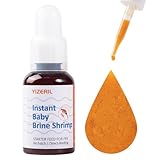
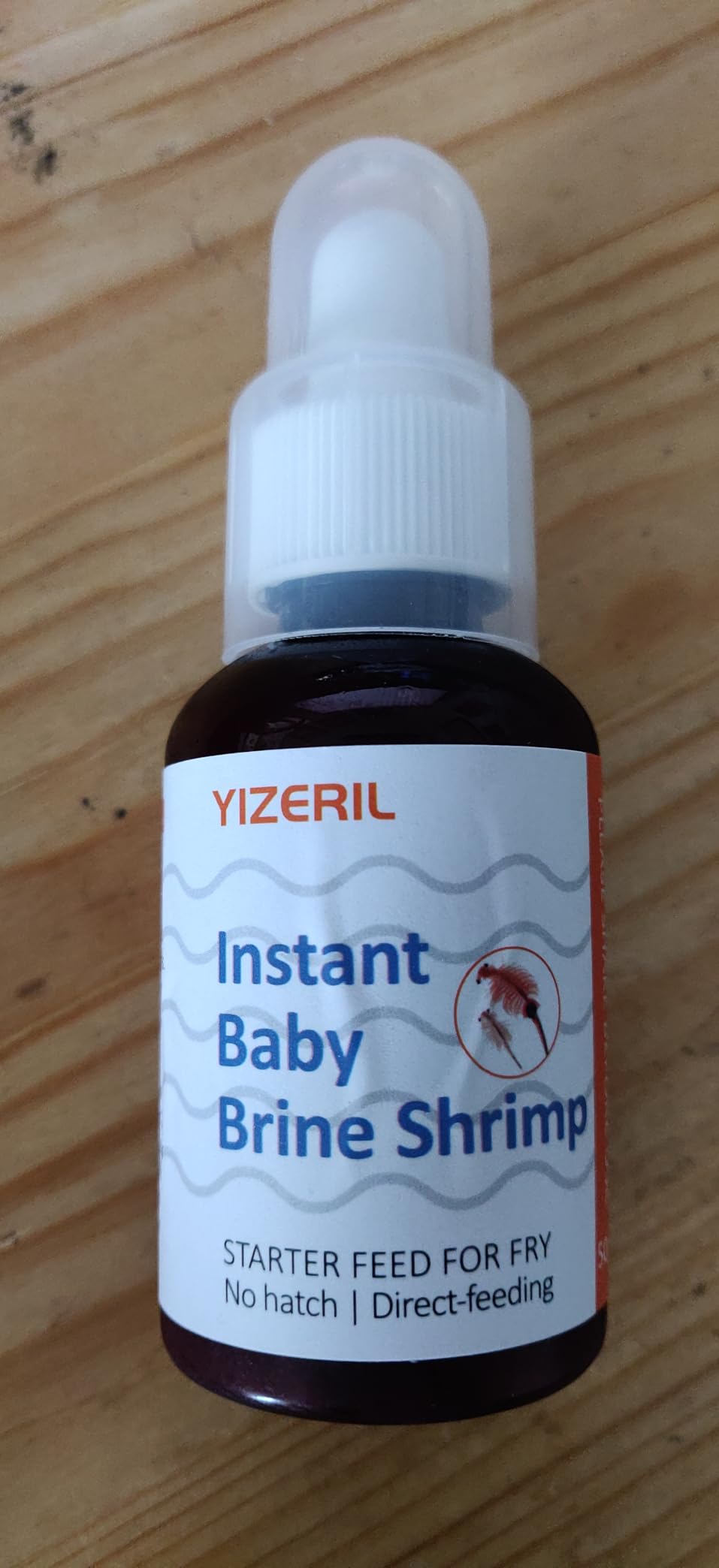
6. Instant Baby Brine Shrimp – No-Hatch Convenience with Real BBS Nutrition
yizeril Instant Baby Brine Shrimp Fish Food, No Hatch Fry Food, 50 ml
50ml ready-to-use
No hatching required
High protein with astaxanthin
Triple sterilization process
Pros
- Ready to use straight from the bottle with no hatching
- High in protein with astaxanthin for coloration
- Comes with dropper for precise feeding
- Suitable for freshwater and saltwater species
- Triple sterilization ensures safety and freshness
Cons
- Tends to sink fast making feeding tricky
- Can clump together right out of the bottle
- Small jar quantity may be limited
Instant Baby Brine Shrimp solves one of the biggest headaches in fry raising: the daily chore of hatching brine shrimp. I used to spend 20 minutes every morning setting up hatcheries, waiting 24 hours, straining, and rinsing. This product gives you the same nutritional benefit of BBS without any of that effort. You just open the bottle and feed.
The nutritional profile is strong. Real baby brine shrimp are packed with protein and natural astaxanthin, which promotes vibrant coloration in developing fry. The triple sterilization process means the product is safe and free from pathogens that can harm sensitive fry. I have not seen any water quality issues when feeding this product in appropriate amounts.
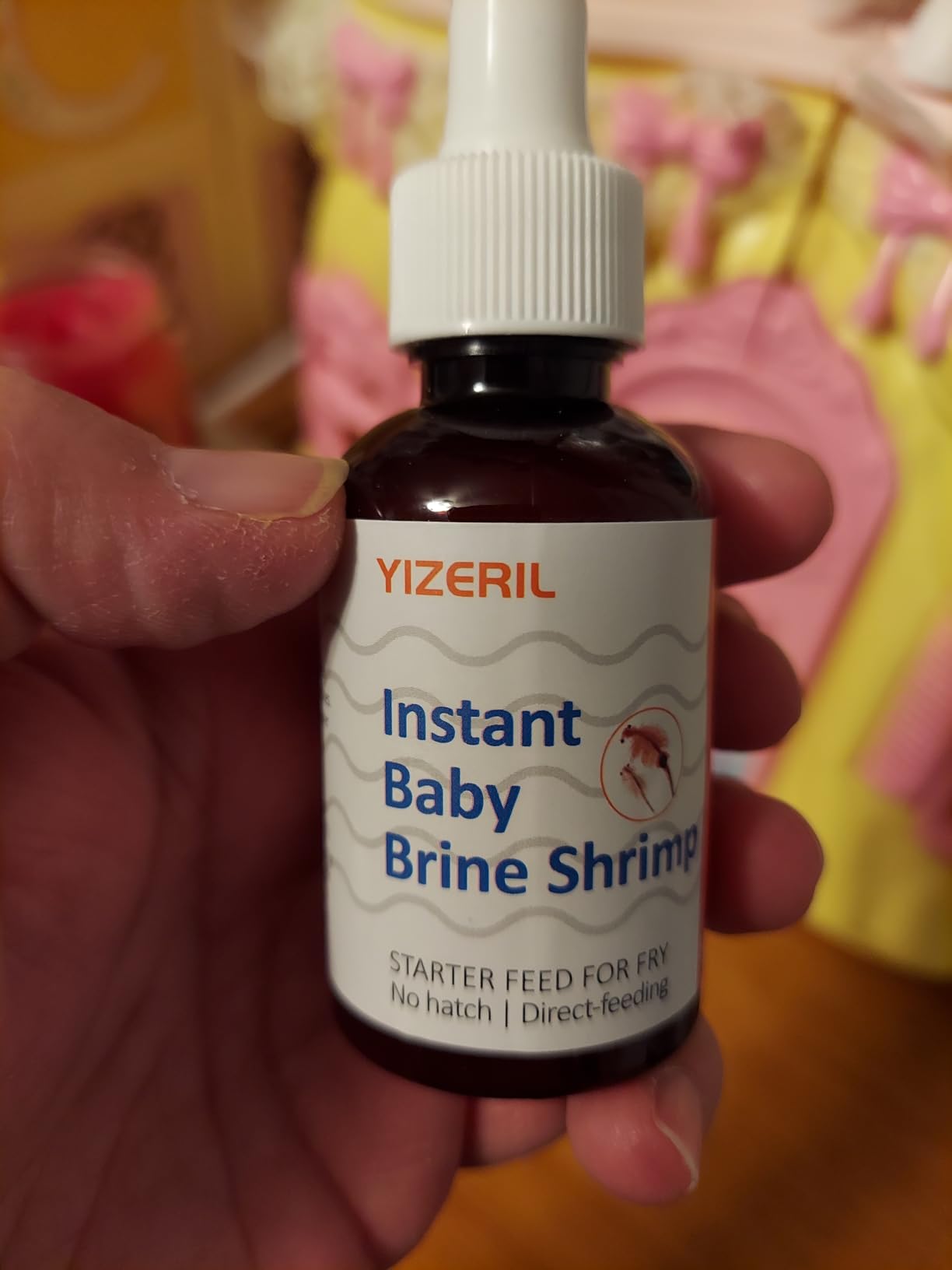
The included dropper is a thoughtful addition. It lets you dispense precise amounts directly into the tank near swimming fry. For livebearer fry that actively hunt at the surface and mid-water, this targeted feeding method works well. I do recommend mixing the product with a small amount of tank water in the dropper first, as it can clump if squeezed directly from the bottle.
The main drawback is the sinking behavior. Unlike live BBS that swim and stay suspended, these sterilized shrimp sink relatively quickly. For surface-feeding fry this is fine because they grab the food as it drops. For bottom-dwelling fry, you may need to target feed near the substrate.
How Long Does an Opened Bottle Last
Once opened, the bottle should be refrigerated and used within four to six weeks for best results. The triple sterilization process keeps the product stable at room temperature before opening, but refrigeration after opening preserves the nutritional value and prevents spoilage. Always check for any unusual odor before feeding.
Can You Mix This with Powdered Fry Food
Yes, combining instant BBS with powdered fry food creates a varied diet that many breeders recommend. The shrimp provide protein and enrichment while the powder adds vitamins and minerals. Alternate between the two at different feedings throughout the day to give fry a nutritionally diverse diet.
7. Hatchling Fuel – Freeze-Dried Copepods and Krill for Natural Nutrition
KatsAquatics Hatchling Fuel – Baby Fish Food – Fry Food – Mimics a Natural Diet with Freeze Dried Copepods & Krill – Real MicroFoods
1 oz freeze-dried powder
Arctic copepods and krill roe
50-200 micron particle size
Beneficial bacteria included
Pros
- Freeze-dried arctic copepods and krill roe as primary ingredients
- 50-200 micron size ideal for fry 1 day to 4 weeks old
- Ethically sourced American biologist-owned company
- Includes beneficial bacteria for digestion
- Powder disperses easily without clouding water
Cons
- Tends to float on surface which may not suit bottom feeders
- May clump if dumped directly into tank
- Higher price point and limited reviews as new product
Hatchling Fuel from KatsAquatics is the product I am most excited about this year. The concept is simple but brilliant: take the natural foods that fry eat in the wild, freeze-dry them, and package them in a convenient powder. Arctic copepods and krill roe are exactly what small fish larvae encounter in nature, and this product captures that natural diet.
The particle size range of 50 to 200 microns is well-calibrated. It covers the feeding needs of fry from one day old through four weeks of age. I started feeding this to newborn endlers and saw them consuming it eagerly from the very first feeding. The growth rate over two weeks matched what I typically see with live BBS.
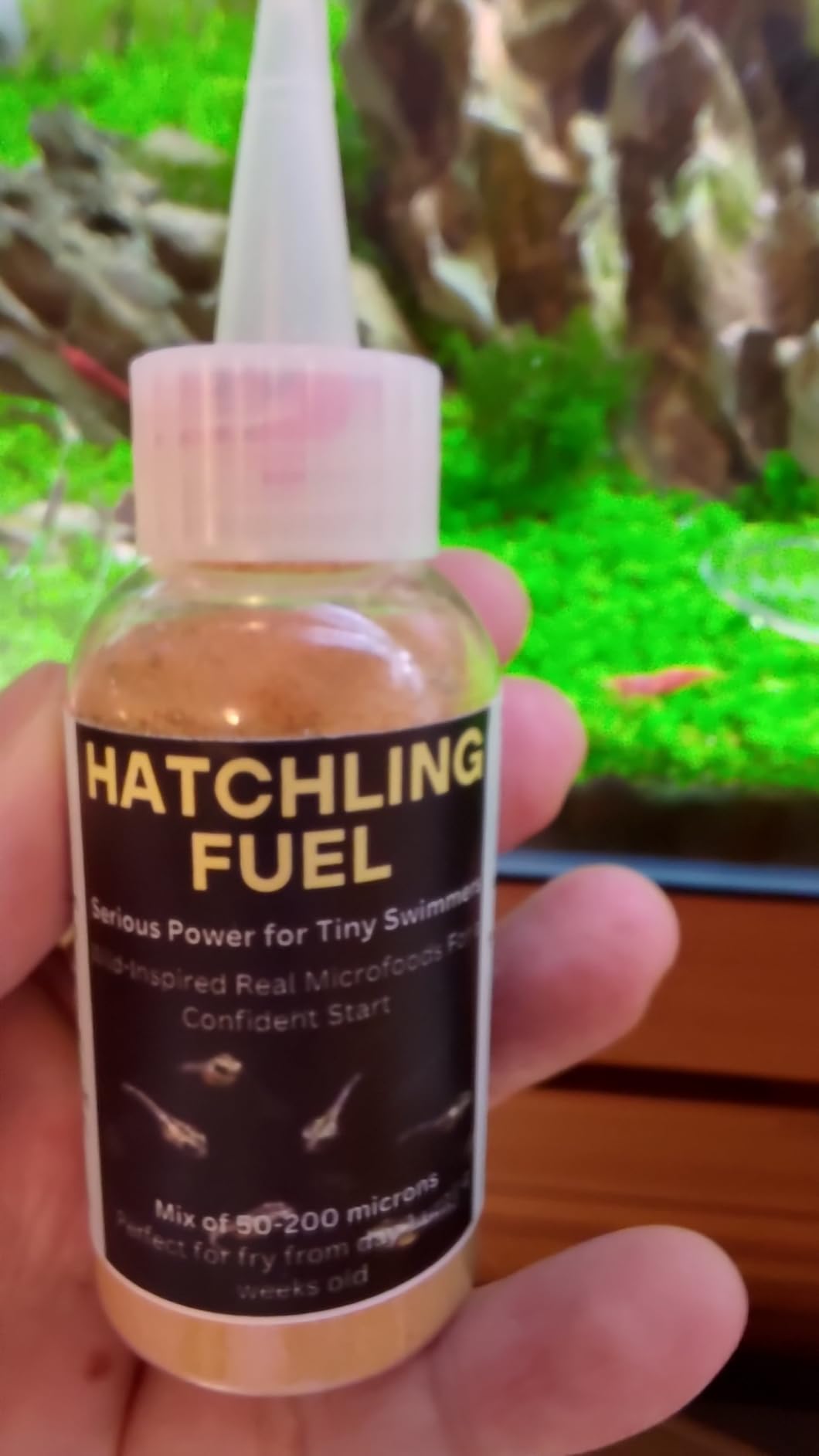
The beneficial bacteria inclusion is a smart addition. These bacteria support fry digestion and gut health, which is especially important during the first weeks when fry digestive systems are still developing. I also appreciate that this is an American biologist-owned company that ethically sources ingredients.
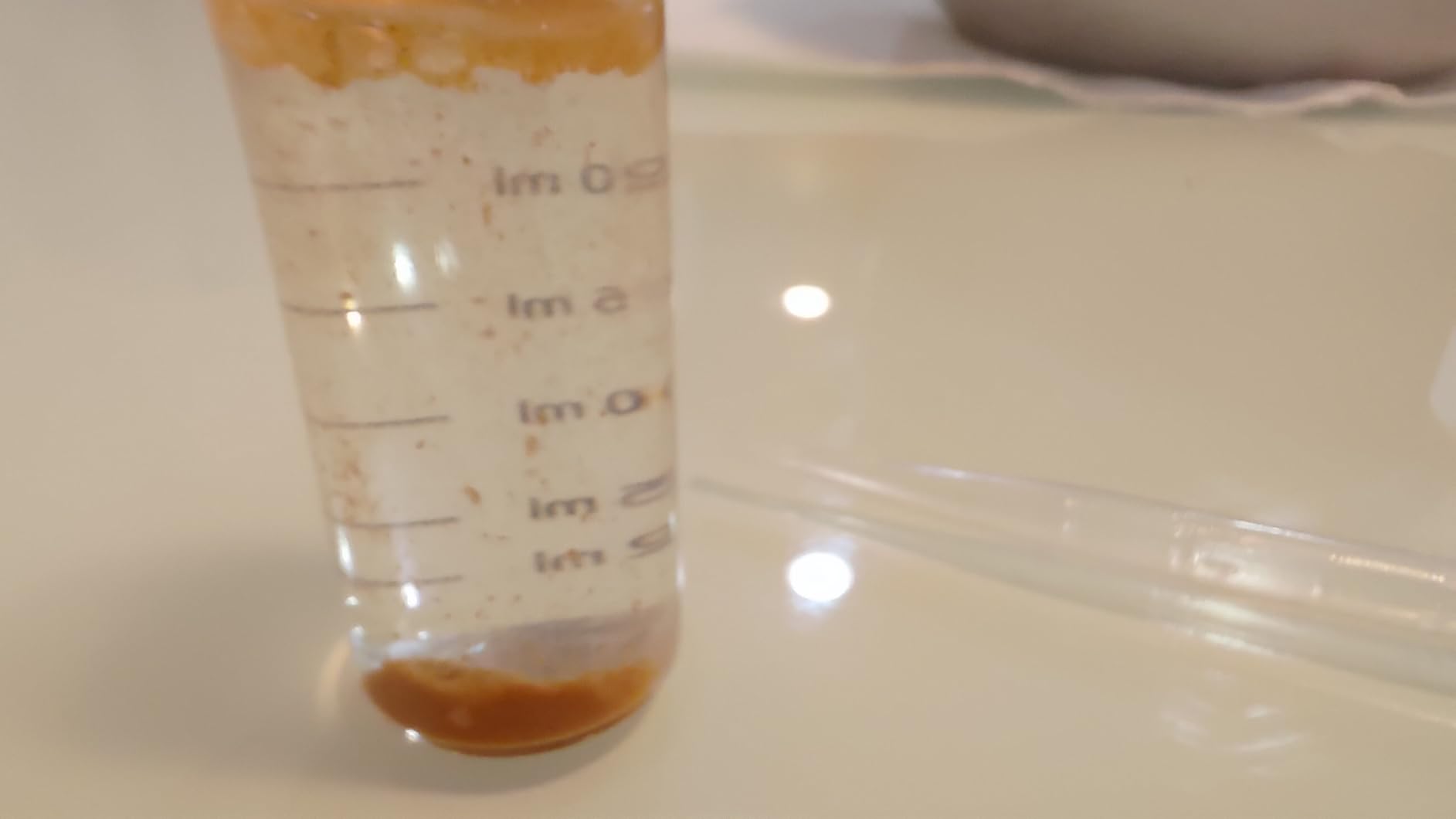
The squeeze bottle dispenser is convenient for precise dosing. A gentle tap releases a small puff of powder that you can direct toward swimming fry. The product does tend to float on the surface initially, which is fine for livebearer fry that feed at the top. For bottom feeders, pre-mix with tank water to help it sink.
What Makes Copepods Superior to Other Fry Foods
Copepods are a natural food source for fry in the wild, containing an ideal balance of proteins, lipids, and fatty acids including HUFA. They are nutritionally complete and naturally sized for tiny fry mouths. Freeze-drying preserves these nutrients without the need for live culture maintenance.
Is the Higher Price Worth It
While Hatchling Fuel costs more per ounce than some alternatives, a small amount goes a very long way. The concentrated formula means you use less per feeding. For breeders focused on maximizing fry survival and growth quality, the investment pays off in healthier fry and higher survival rates.
8. Northfin Fry Starter – 100% Whole Antarctic Krill Single-Ingredient Formula
Northfin Fry Starter Fish Food, Slow-Sinking Powder, 250 Microns, 50g
50g slow-sinking powder
250 micron particle size
100% whole Antarctic krill
48% minimum crude protein
Crafted in Canada
Pros
- 100% whole Antarctic krill with no fillers or binders
- Slow-sinking 250 micron powder for fry access
- Single ingredient diet with 48% protein
- No artificial colors or added hormones
- Does not cloud water or leave odor
Cons
- 250 micron size may be too large for brand new fry
- Strong fishy odor from krill content
- Only sold in small bags requiring bulk purchases
Northfin Fry Starter takes a purist approach: one ingredient, done right. The entire formula is 100% whole Antarctic krill with no fillers, binders, or artificial additives. For breeders who want to know exactly what they are feeding their fry, this transparency is refreshing. I tested this with a batch of guppy and Endler fry and was impressed by the steady growth and vibrant coloration.
The 250-micron particle size is slightly larger than some of the ultra-fine powders on this list. This means it works best for fry that are a few days old rather than brand-new hatchlings. For livebearer fry, this is usually fine because they are born larger and more developed than egg-layer fry. I started feeding Northfin at day three with excellent results.
The slow-sinking behavior distributes food through the water column effectively. The powder softens quickly in water, making it easy for fry to digest. At 48% minimum crude protein, the nutritional profile is strong enough to support rapid growth without dietary deficiencies.
The single-ingredient simplicity appeals to me because there is no guesswork. If your fry do well on krill, this is the purest krill formula available. The product has been on the market since 2017 and has built a loyal following among serious breeders. The main limitation is that it only comes in a 50g bag, so dedicated breeders may need to purchase multiple bags.
What Fry Age Works Best with 250 Micron Particles
The 250-micron size is ideal for fry that are three to five days old and have grown past the initial newborn stage. For brand-new hatchlings, start with an ultra-fine powder under 100 microns, then transition to Northfin after the first few days. Livebearer fry can often handle 250 microns from day two or three because they are born more developed.
How Does Krill Protein Compare to Other Protein Sources
Antarctic krill protein is considered one of the highest-quality protein sources for fish. It contains all essential amino acids, natural astaxanthin for color enhancement, and beneficial omega-3 fatty acids including EPA and DHA. Compared to fish meal or soy protein, krill offers superior digestibility and nutritional completeness for growing fry.
Buying Guide: How to Choose the Best Fry Food for Raising Baby Livebearers?
Choosing the right fry food involves understanding particle size, protein content, ingredient quality, and your own feeding preferences. After testing all eight products on this list, I can share what matters most when making your selection.
Match Particle Size to Fry Age
Particle size is the single most important factor in fry food selection. Newborn livebearer fry need particles between 50 and 200 microns for their first week. As they grow, you can move to larger particles up to 500 microns. Products like Hatchling Fuel and New Life Spectrum offer the finest particles for day-one feeding, while Northfin and Ultra Fresh work better after the first few days.
A simple rule: if fry appear to be spitting food out or ignoring it, the particles are likely too large. Switch to a finer powder and try again. You can always move to larger particles as fry grow, but you cannot force them to eat something they cannot physically consume.
Live Food vs Commercial Powder Debate
Live baby brine shrimp remain the gold standard for fry growth among experienced breeders. The jerky swimming movement triggers an immediate predatory response, and the yolk sac provides dense nutrition. However, hatching BBS daily is time-consuming and requires equipment.
Commercial powders have improved dramatically in recent years. Products like Ultra Fresh and Hatchling Fuel now deliver nutritional profiles that rival live food. For hobbyists who cannot commit to daily live food preparation, high-quality commercial alternatives are a practical and effective choice. Many successful breeders use a combination of both, feeding commercial powder during the day and live BBS in the evening.
Protein Content and Growth Rate
Look for fry foods with 40% to 50% crude protein content. Below 40%, growth rates slow noticeably. Above 50%, you risk digestive stress and water quality problems. All eight products on this list fall within or above this range, which is why they made the cut. The protein source matters too: whole krill, sword prawn, and copepods deliver superior nutrition compared to generic fish meal.
Feeding Frequency for Maximum Growth
Feed fry small amounts three to five times daily for optimal growth. The goal is to keep food available throughout the day without fouling the water. Each feeding should consist of only what the fry can consume in two to three minutes. More frequent small feedings produce better growth than fewer large feedings because fry metabolism runs continuously.
Water Quality Management
Frequent feeding means frequent waste production. Perform 20% water changes at least twice weekly when feeding fry intensively. Monitor ammonia and nitrite levels closely, especially during the first two weeks. Uneaten food decomposes quickly and can crash water parameters overnight. Using products with high digestibility, like Sera Micron or Ultra Fresh with probiotics, helps minimize waste output.
Frequently Asked Questions About Fry Food for Livebearers
What is the best food to feed fry in an aquarium?
The best food to feed fry in an aquarium is baby brine shrimp for live food, or high-protein powdered fry food like Hikari First Bites or Ultra Fresh Baby Fish Food for commercial options. For livebearer fry specifically, these foods provide the protein and particle size needed for healthy growth in the first critical weeks.
How many days can guppy fry survive without food?
Guppy fry can survive approximately 3 to 4 days without food, though this severely impacts their growth and development. Newly born fry carry a small yolk sac that sustains them for about 12 to 24 hours. After that, they need regular feeding every few hours. Going more than two days without food can cause permanent stunting.
What to feed baby goldfish fry?
Baby goldfish fry can be fed infusoria, liquid fry food, powdered commercial fry food, or newly hatched brine shrimp. Start with the finest particle sizes for the first week, then transition to larger foods as they grow. Goldfish fry are larger than many tropical fry, so they can handle slightly bigger particles sooner than egg-layer species.
What should I feed baby betta fry?
Baby betta fry require very small live foods for their first days, including infusoria, vinegar eels, or microworms. After the first week, they can transition to baby brine shrimp and then to finely powdered commercial foods. Betta fry are smaller and more delicate than livebearer fry, so finer particle sizes are essential.
Final Thoughts on the Best Fry Food for Raising Baby Livebearers in 2026
Raising healthy livebearer fry comes down to consistent feeding with high-quality food. After testing all eight products, Hikari First Bites remains my top overall pick for its proven track record, fine consistency, and exceptional value. Ultra Fresh Baby Fish Food is the best value alternative with its probiotic formula, and Hatchling Fuel is the premium choice for breeders who want the most natural diet available.
Whichever food you choose, remember that feeding frequency and water quality matter just as much as the food itself. Feed small amounts three to five times daily, perform regular water changes, and monitor your fry for steady growth. With the right approach, you will raise vibrant, healthy livebearers that thrive from day one in 2026.