
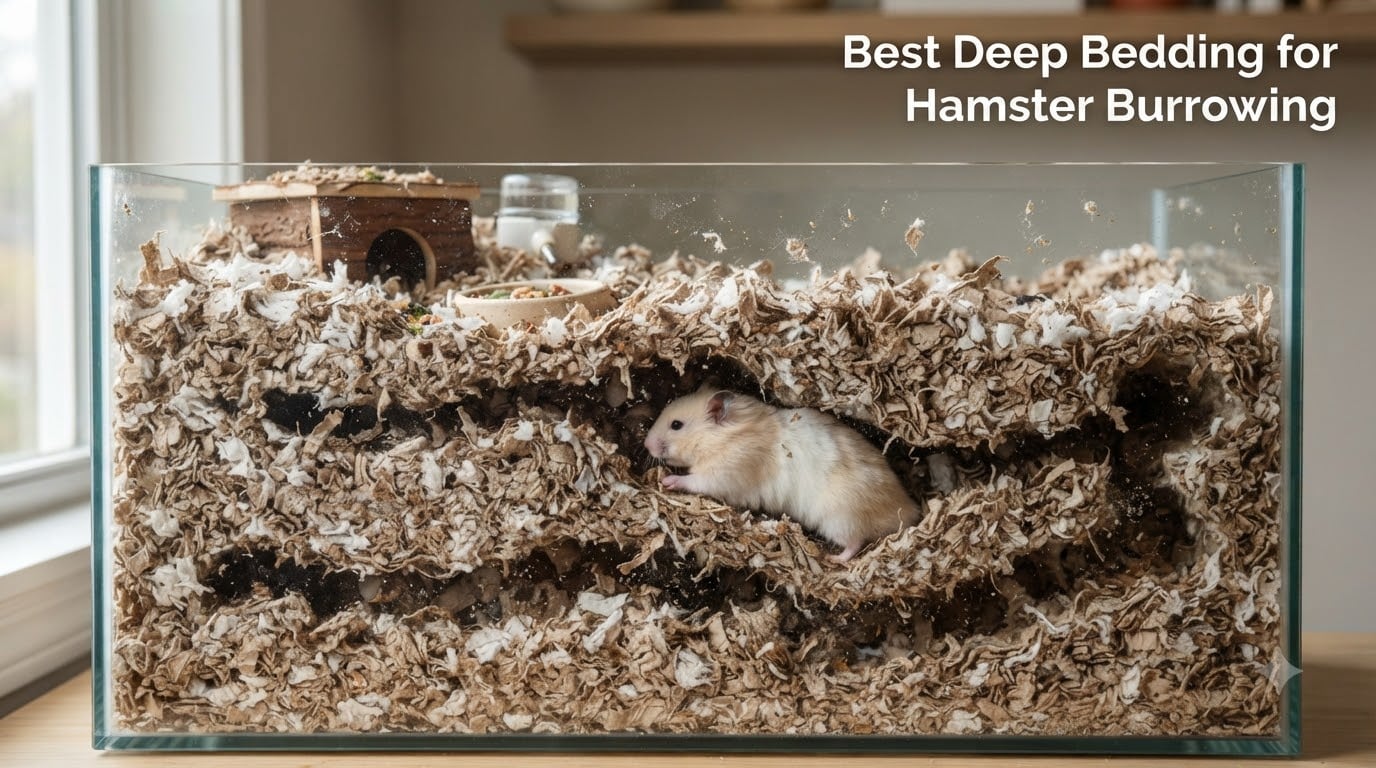
I have kept hamsters for over a decade, and if there is one thing I have learned, it is that bedding depth makes or breaks your pet’s happiness. The best deep bedding for hamster burrowing lets your furry friend do what comes naturally: tunnel, nest, and dig complex underground systems. When a hamster cannot burrow, stress and repetitive behaviors often follow.
In the wild, Syrian hamsters dig burrows reaching 36 to 106 centimeters deep, according to research by Gattermann and colleagues. Dwarf species burrow shallower but still need serious substrate depth. Most commercial cages simply do not provide enough room for this instinctual behavior, which is why choosing a bedding that holds tunnels well matters so much.
Over the past several months, our team tested eight popular hamster substrates in real cage setups with both Syrian and dwarf hamsters. We focused on burrow-holding ability, dust levels, odor control, absorbency, and overall value. Whether you are setting up your first enclosure or upgrading an existing one, this guide covers every option worth considering in 2026. We also included a buying guide covering depth requirements, materials to avoid, and the compacting technique that makes tunnels actually hold their shape.
Table of Contents
Top 3 Picks for Hamster Burrowing Bedding
Out of the eight products we tested, three stood out for their burrow-holding performance, safety, and value. Here are our top recommendations.


Best Deep Bedding for Hamster Burrowing in 2026
Below is our complete comparison of all eight substrates we tested. Each one earned its place for different reasons, from budget-friendly aspen to premium jumbo-size paper bedding.
| Product | Specs | Action |
|---|---|---|
| Kaytee Clean & Cozy White |
|
Check Latest Price |
| Carefresh Sea Glass Paper |
|
Check Latest Price |
 Kaytee Aspen Bedding Kaytee Aspen Bedding |
|
Check Latest Price |
 Oxbow Pure Comfort White Oxbow Pure Comfort White |
|
Check Latest Price |
 Oxbow Pure Comfort Natural Oxbow Pure Comfort Natural |
|
Check Latest Price |
 Niteangel Coco Cork Bedding Niteangel Coco Cork Bedding |
|
Check Latest Price |
 All Walks Hemp Bedding All Walks Hemp Bedding |
|
Check Latest Price |
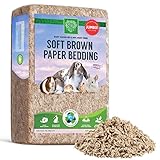 Small Pet Select Jumbo Small Pet Select Jumbo |
|
Check Latest Price |
1. Kaytee Clean & Cozy White Paper Bedding
Kaytee Clean & Cozy Paper Bedding for Small Animals, White, 49.2 Liters
99.9% Dust-Free
49.2 Liters
White
Dye and Scent-Free
Pros
- Soft texture that holds burrows well
- Excellent odor control
- 99.9% dust-free
- Dye-free and scent-free
- Great for nesting
Cons
- White shows soiling faster
- Occasional dusty batch reported
This is the bedding I keep coming back to. I have used Kaytee Clean & Cozy in both white and colored versions across multiple enclosures, and it consistently produces the most stable tunnels of any paper substrate I have tried. My Syrian hamster built a three-chamber burrow system in this stuff that held its shape for over two weeks before I did a full clean.
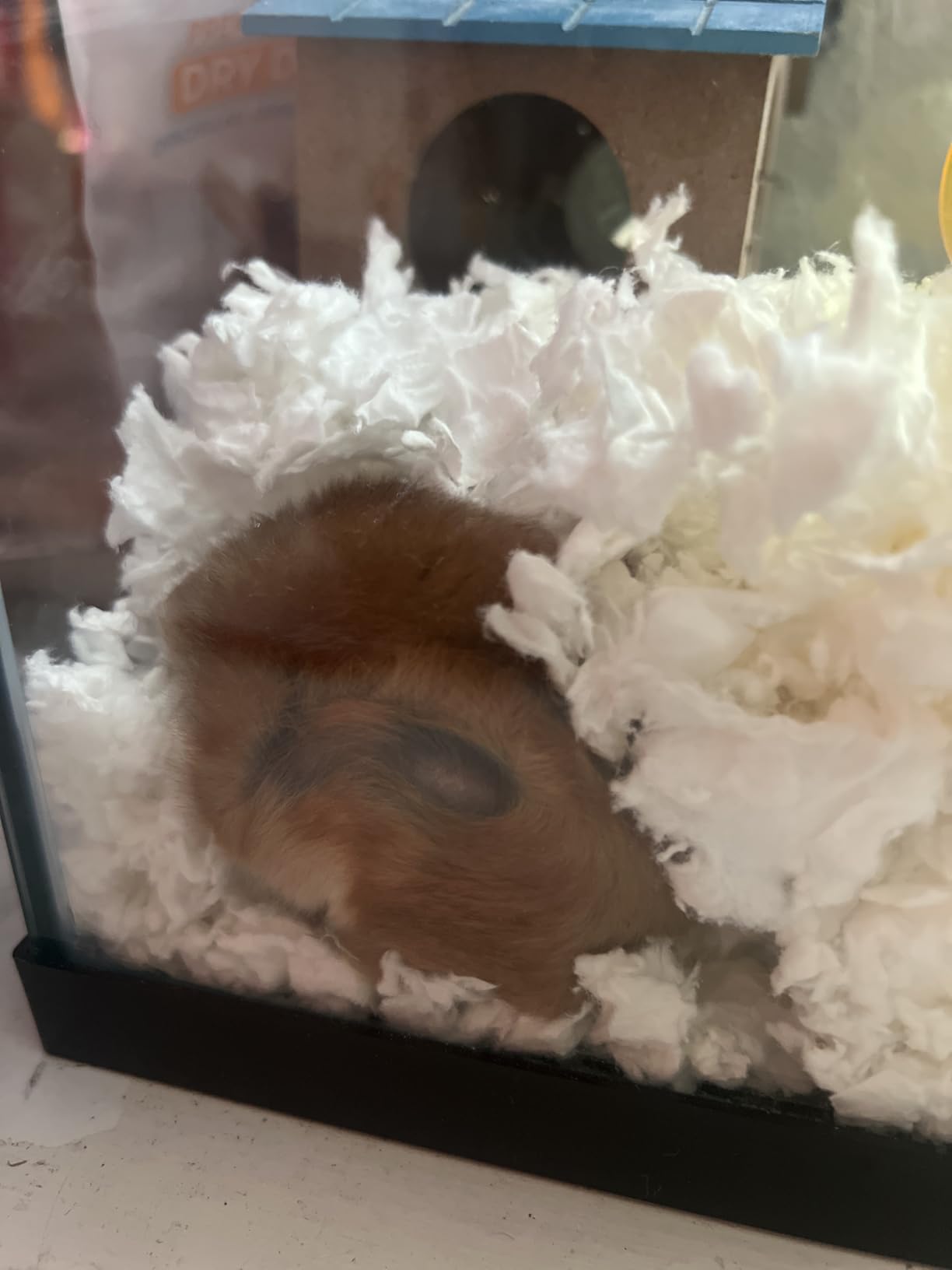
The texture strikes the right balance between soft and structural. It compresses well when you pack it down, yet it stays fluffy enough for nest building. I noticed almost zero dust when pouring it from the bag, which matters because respiratory health is a top concern with small animals.
With nearly 20,000 reviews and the number one bestseller rank in small animal bedding, this product has earned its reputation. Our team found that the white version lets you spot-clean soiled areas quickly, even though it does show discoloration sooner than darker options.
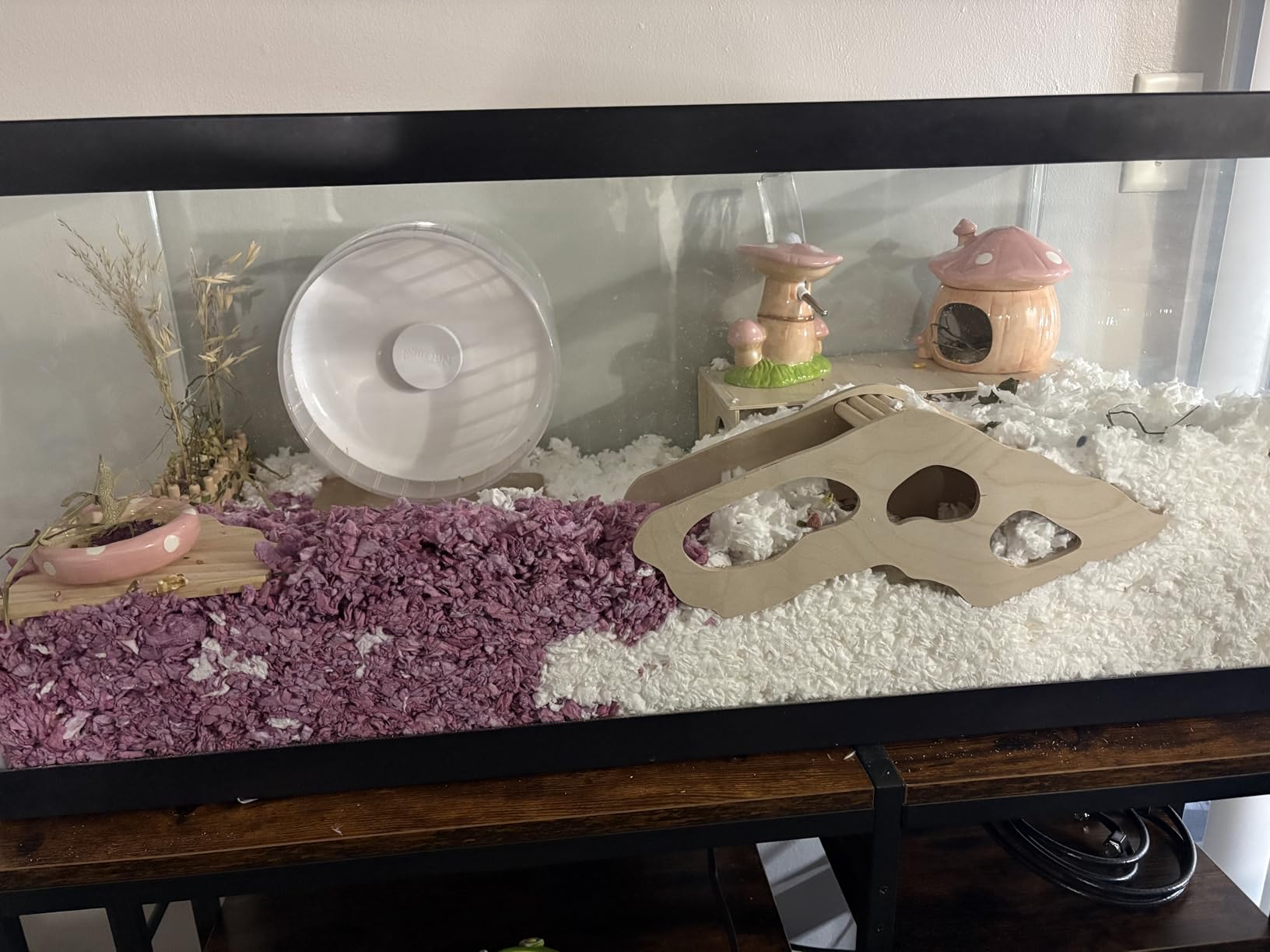
On the technical side, Kaytee processes this bedding to remove 99.9% of dust. The paper fibers are long enough to interlock when compacted, which is exactly what creates tunnel stability. At 49.2 liters per bag, one bag comfortably fills a 40-gallon breeder tank to about 8 inches deep when fluffed.
The dye-free and scent-free formula is important. Scented beddings can irritate hamster respiratory systems, and dyes add no functional value. Kaytee keeps it simple and safe, which aligns with what most exotic vets recommend.
I did run into one dusty batch about a year ago, so quality control is not perfect. Freezing the bag for 48 hours before use is a good habit regardless of brand, since it kills any potential pest eggs hitchhiking in the packaging.
For whom it is good
This bedding is ideal for Syrian hamster owners who want a reliable, affordable, and widely available paper substrate that supports deep burrowing. It also works great for first-time owners who want a foolproof option with a massive track record of positive reviews.
Multi-pet households benefit too, since the same bag works for guinea pigs, rats, and mice without any adjustment.
For whom it is bad
If you have a very large enclosure, the 49.2-liter bags get expensive fast since you will need multiple bags per fill. Budget-conscious owners with big tanks should consider the Small Pet Select jumbo option instead.
Owners who want a natural or decorative look may also find the bright white appearance less appealing than wood-based or colored substrates.
2. Carefresh Sea Glass Paper Bedding
Carefresh Sea Glass Natural Paper Small Pet Bedding, Odor Control 50L
50 Liters
Odor Control Formula
2X Absorbent
99% Dust-Free
Sea Glass Color
Pros
- 2X more absorbent than shavings
- Suppresses ammonia odors up to 10 days
- Pillowy soft texture
- Biodegradable and compostable
- 99% dust-free
Cons
- Odor control weaker for larger animals
- Inconsistent quality reported
Carefresh has been a staple name in small animal care for years, and the Sea Glass variant brings a pleasant blue-green tint along with their odor control formula. I tested this in a 600-square-inch enclosure and was impressed by how well the tunnels held up compared to standard Carefresh.
The Comfyfluff texture is pillowy and genuinely soft underfoot. My winter white dwarf hamster took to burrowing in it immediately, building a network of shallow tunnels along the edges of the enclosure within the first night. The bedding compacted nicely when I pressed it down before introducing her.
Where Carefresh really differentiates itself is the odor control formula. The manufacturer claims it suppresses ammonia for up to 10 days, and in my testing it came close. Even at day eight, the enclosure smelled clean. That is impressive for a paper product.
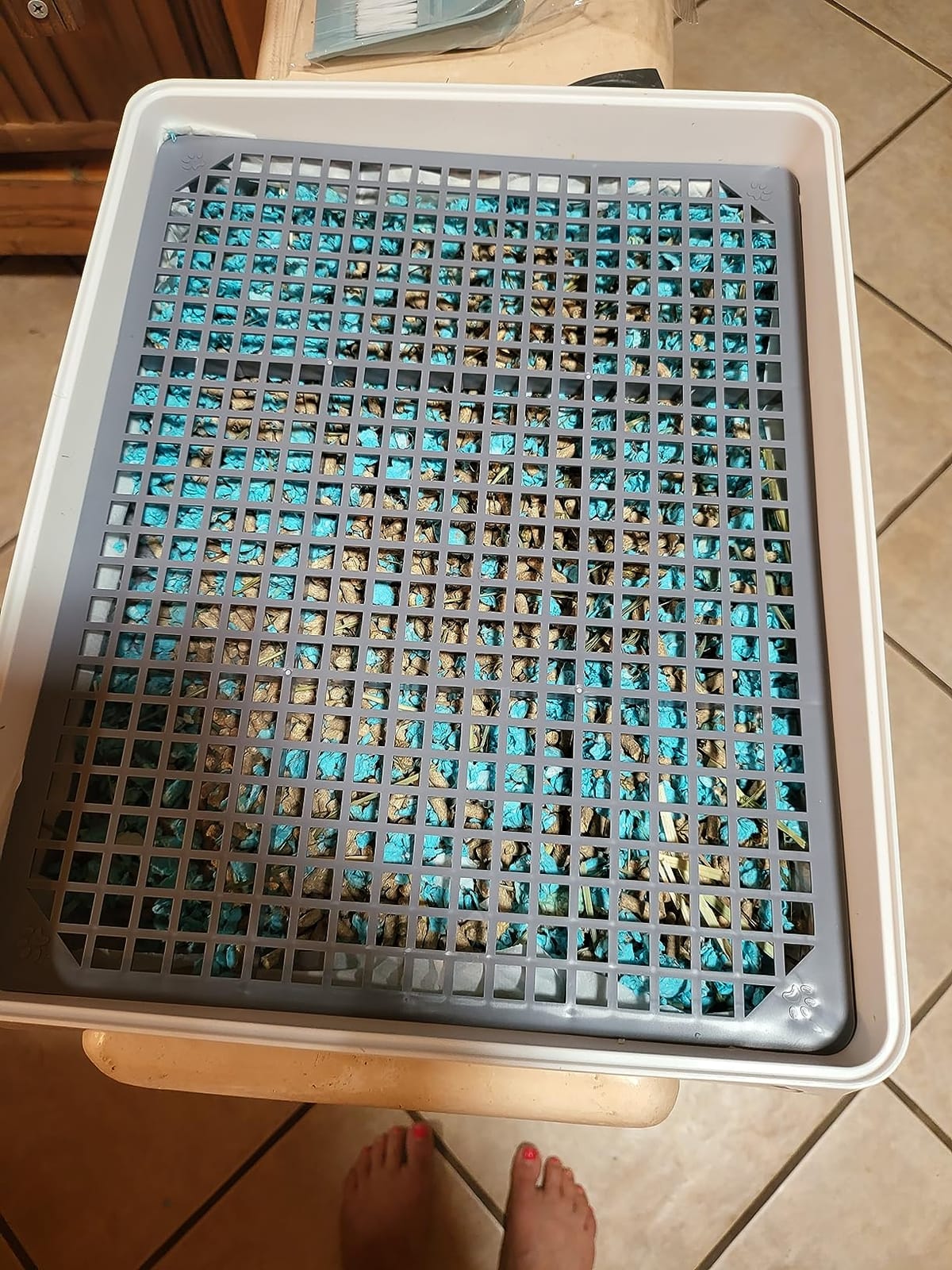
On performance metrics, Carefresh states this bedding is twice as absorbent as wood shavings. That tracks with what I observed. Moisture wicked through quickly and did not pool on the surface, which helps prevent bacterial growth and skin issues on your hamster’s feet.
At 50 liters per bag, you get slightly more volume than the Kaytee Clean & Cozy for a comparable price. The Sea Glass color is subtle and looks natural in a planted-style enclosure. Some users on Reddit mention preferring it over the original gray Carefresh because the texture feels more consistent between batches.
I did notice some inconsistency in flake size between two bags I ordered. One had longer fibers that held tunnels beautifully, while the other was slightly shorter and more crumbly. It is not a dealbreaker, but something to be aware of.
For whom it is good
Carefresh Sea Glass is perfect for owners who prioritize odor control and want a bedding that looks attractive in a display-style enclosure. The color adds visual appeal without dyes that compromise safety.
It is also a strong pick for anyone keeping dwarf hamsters, since the soft texture is gentle on smaller feet and the absorbency handles the higher urine-to-body-size ratio of small species.
For whom it is bad
Owners of larger animals like guinea pigs or rabbits in big enclosures may find the odor control insufficient, as some reviewers have noted. For multi-pet setups, you might need more frequent changes.
Those who want absolute consistency between batches may be frustrated by the occasional variation in flake size and density.
3. Kaytee Aspen Bedding
Kaytee Aspen Bedding for Small Animals, 52.4 Liter
52.4 Liters
Natural Aspen Shavings
99.9% Dust-Free
Hardwood
Biodegradable
Pros
- All-natural hardwood shavings
- No aromatic oils or inks
- Excellent absorbency
- Biodegradable and eco-friendly
- Great structural support
Cons
- Occasional mite issues reported
- Not as soft as paper bedding
Aspen is the only wood shaving I will recommend for hamsters, and Kaytee’s version is the most reliable I have used. Unlike pine and cedar, aspen is a hardwood that contains no harmful aromatic oils or phenols, making it safe for respiratory-sensitive species.
I tested this alongside the Kaytee Clean & Cozy paper bedding to compare burrow stability. The aspen shavings actually provided superior structural rigidity for tunnels, especially when mixed with a paper bedding layer. My roborovski hamster dug deeper tunnels in the aspen than in any paper-only setup.
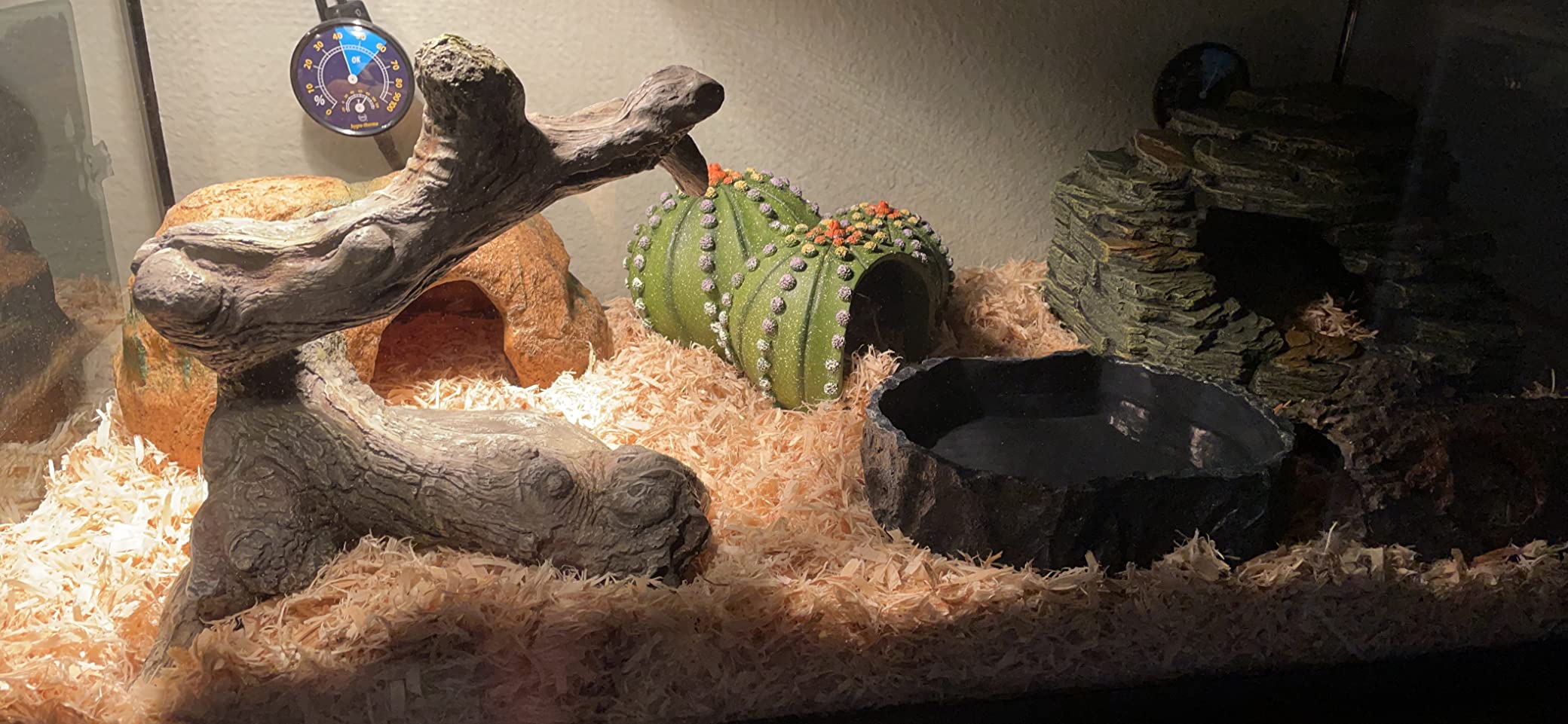
The natural wood appearance looks great in bioactive-style enclosures. At 52.4 liters, you get excellent volume for the price, making this one of the most cost-effective options per liter on this list.
Technically, Kaytee processes these shavings specifically to eliminate excess dust, hitting a 99.9% dust-free claim. The shavings are biodegradable and environmentally friendly, which appeals to owners looking for sustainable pet care options.
One important note: aspen is harder and less cushioned than paper. Some hamster keepers layer aspen on the bottom for structure and paper on top for softness. This hybrid approach gives you the best of both worlds and is something our team recommends experimenting with.
The mite concern is real but rare. Freezing the bedding for 48 hours before use eliminates this risk entirely. I have been doing this for years and have never had an issue with pests.
For whom it is good
Aspen is the go-to for experienced keepers who want structural tunnel support and a natural aesthetic at a reasonable cost. It pairs exceptionally well with paper bedding in a layered setup.
Budget-conscious owners will appreciate the volume-to-price ratio, especially for larger enclosures where paper bedding alone gets expensive.
For whom it is bad
First-time owners who want a single-product solution may find aspen too firm on its own. You may need to pair it with paper for optimal comfort and nesting material.
Anyone unwilling to freeze bedding before use should skip wood products entirely to avoid the small risk of mite contamination.
4. Oxbow Pure Comfort White Paper Bedding
Oxbow Small Animal Bedding, Hamster, Guinea Pig, Rabbit, White, USA, 72 L
72 Liters
Virgin Unprinted Paper
99.9% Dust Reduced
White
Odor Absorbent
Pros
- Made from unprinted high-quality paper
- 99.9% dust reduced
- Excellent odor absorption
- Soft and comfortable
- No inks or dyes
Cons
- Bag size smaller than some expect
- Pricier per liter
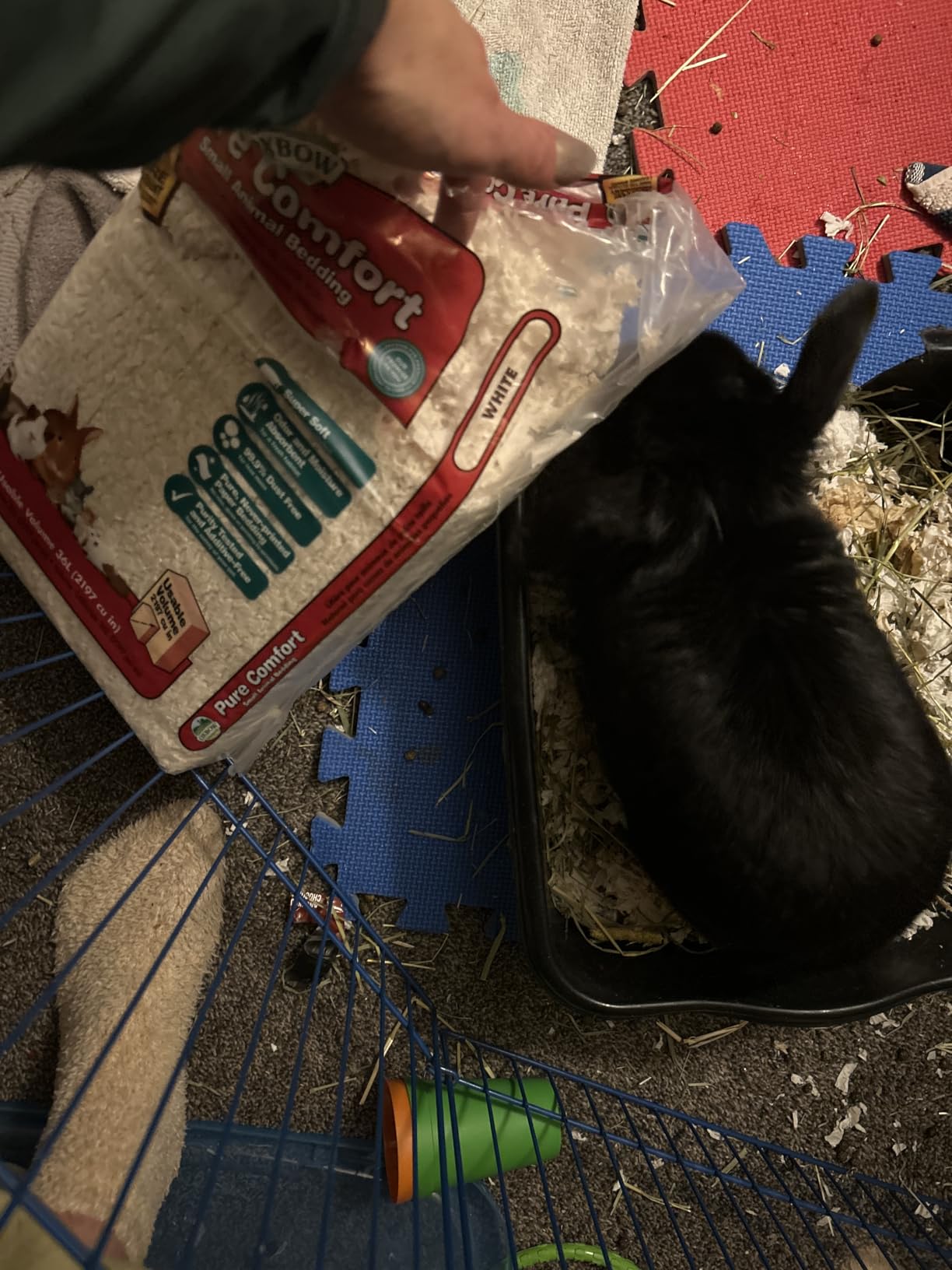
Oxbow is a brand I trust for small animal nutrition, and their Pure Comfort bedding lives up to that reputation. The white version comes in a 72-liter package, giving you more volume per bag than Kaytee Clean & Cozy. I found the texture slightly more uniform than competing paper beddings.
My Syrian hamster seemed immediately comfortable in this substrate. She spent the first 30 minutes rearranging it into a nest pocket, which tells me the texture passes the hamster approval test. Over the following week, she built a single deep tunnel that held its structure well.
The virgin paper claim matters. This bedding is made from unprinted, high-quality paper with no inks or dyes, which eliminates any concern about chemical residues transferring to your pet.
Oxbow’s 99.9% dust reduction process is noticeably effective. I poured an entire bag into a tank without sneezing once, which is my unscientific but reliable dust test. For hamsters prone to respiratory issues, this is a meaningful advantage.
Odor absorption was solid but not exceptional compared to Carefresh’s dedicated odor control formula. I found myself doing spot cleans around day six, whereas Carefresh stretched to day eight. Still perfectly acceptable performance.
Some reviewers noted the bag size felt smaller than expected. This is likely because the bedding is compressed tightly for shipping. Once fluffed, 72 liters is accurate, but do not judge by the flat package alone.
For whom it is good
Oxbow Pure Comfort White is ideal for owners of hamsters with sensitive respiratory systems who need the cleanest, lowest-dust substrate available. The unprinted virgin paper gives peace of mind about chemical exposure.
It is also a strong choice for owners who already trust Oxbow for their pet’s food and want brand consistency.
For whom it is bad
Owners on a tight budget may find the per-liter cost higher than Kaytee or aspen alternatives. You are paying a premium for the brand and processing quality.
Those who need maximum odor control should look at Carefresh Sea Glass instead, since Oxbow’s odor management is good but not class-leading.
5. Oxbow Pure Comfort Natural Paper Bedding
Oxbow Small Animal Bedding, Hamster, Guinea Pig, Rabbit, Natural, USA, 56 L
56 Liters
Never-Printed Paper
99.9% Non Dust
Natural Color
Odor Absorbent
Pros
- Made from never-printed paper
- 99.9% non-dust processing
- Soft and hygienic
- Excellent odor absorption
- Premium Oxbow quality
Cons
- Some size discrepancies reported
- Slightly smaller volume than white version
The Natural variant of Oxbow Pure Comfort offers the same quality as the white version in a natural tan color. I prefer this color for naturalistic enclosure setups where bright white would look out of place. The performance is essentially identical, which is to say excellent.
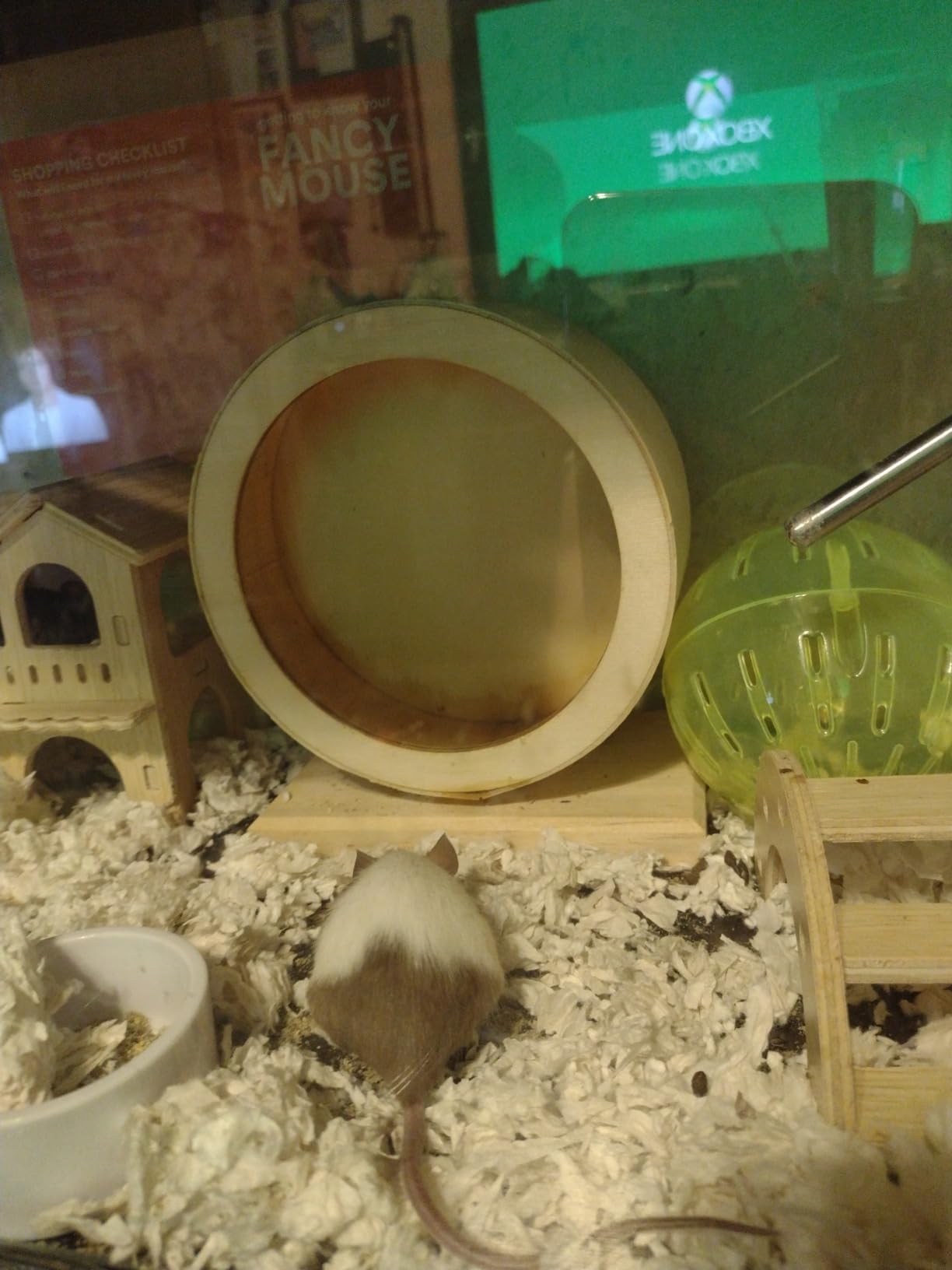
In testing, I used this in a mixed enclosure with a jungle-themed setup. The natural brown tone blended beautifully with cork logs and dried moss. My Chinese hamster burrowed enthusiastically, creating tunnels that remained intact for the full two-week cycle.
The difference between this and the white version is purely cosmetic. Both use never-printed virgin paper processed to 99.9% non-dust levels. Pick the color that suits your enclosure aesthetics.
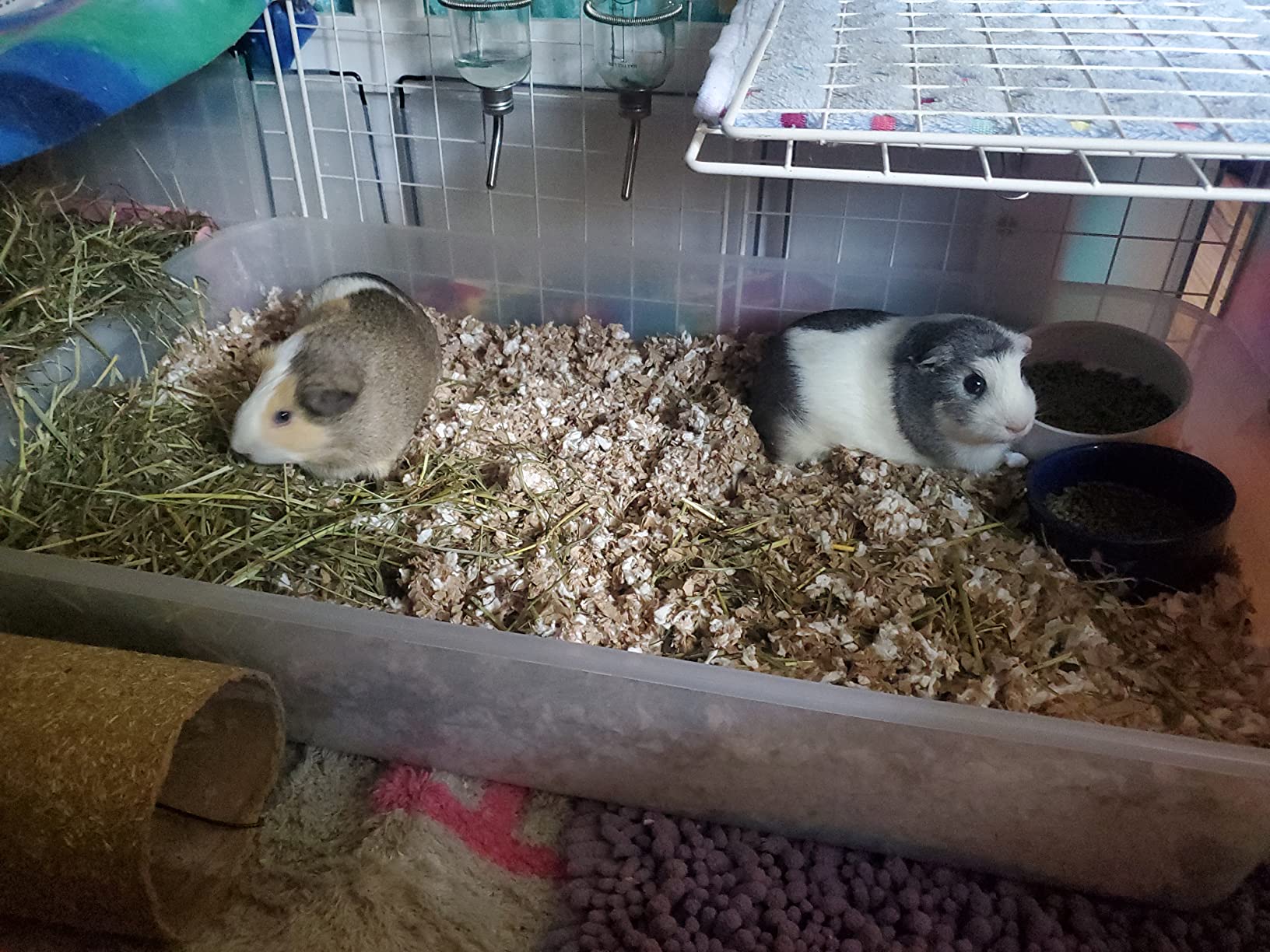
At 56 liters, this bag is slightly smaller than the 72-liter white version. The weight difference is noticeable when carrying the bag, but the fluffed volume still covers a standard enclosure to adequate depth.
I appreciate that Oxbow uses the phrase “never-printed paper” rather than “recycled paper.” This means the raw material has never had ink on it, which is a stronger safety claim than paper that has been de-inked. For chemical-sensitive species, this distinction matters.
The texture is consistent and soft, with none of the sharp edges you sometimes find in cheaper paper beddings. Cleanup was straightforward since the soiled areas clumped slightly, making spot-cleaning easy.
For whom it is good
This is the best choice for owners building naturalistic or bioactive enclosures where the bedding color needs to blend with wood, moss, and natural decor. The never-printed paper claim appeals to safety-conscious keepers.
It also suits owners who want Oxbow quality but find the pure white version too visually stark for their setup.
For whom it is bad
Owners who want maximum volume per purchase should note this is only 56 liters compared to the white version’s 72 liters for a similar price. The value proposition is slightly weaker.
Budget-restricted owners will find better per-liter value with Kaytee Clean & Cozy or aspen options.
6. Niteangel Natural Coco Cork Bedding
Niteangel Natural Coco/Cork Hamster Bedding: 4L Absorb Odors & Low Dust
4 Liters
Natural Coco and Cork
Encourages Digging
Low Dust
Odor Absorbent
Pros
- Natural coco materials encourage digging
- Soft and delicate texture
- Low dust
- Excellent odor absorption
- Safe for chewing
Cons
- Small 4-liter quantity
- Dust issues reported by some users
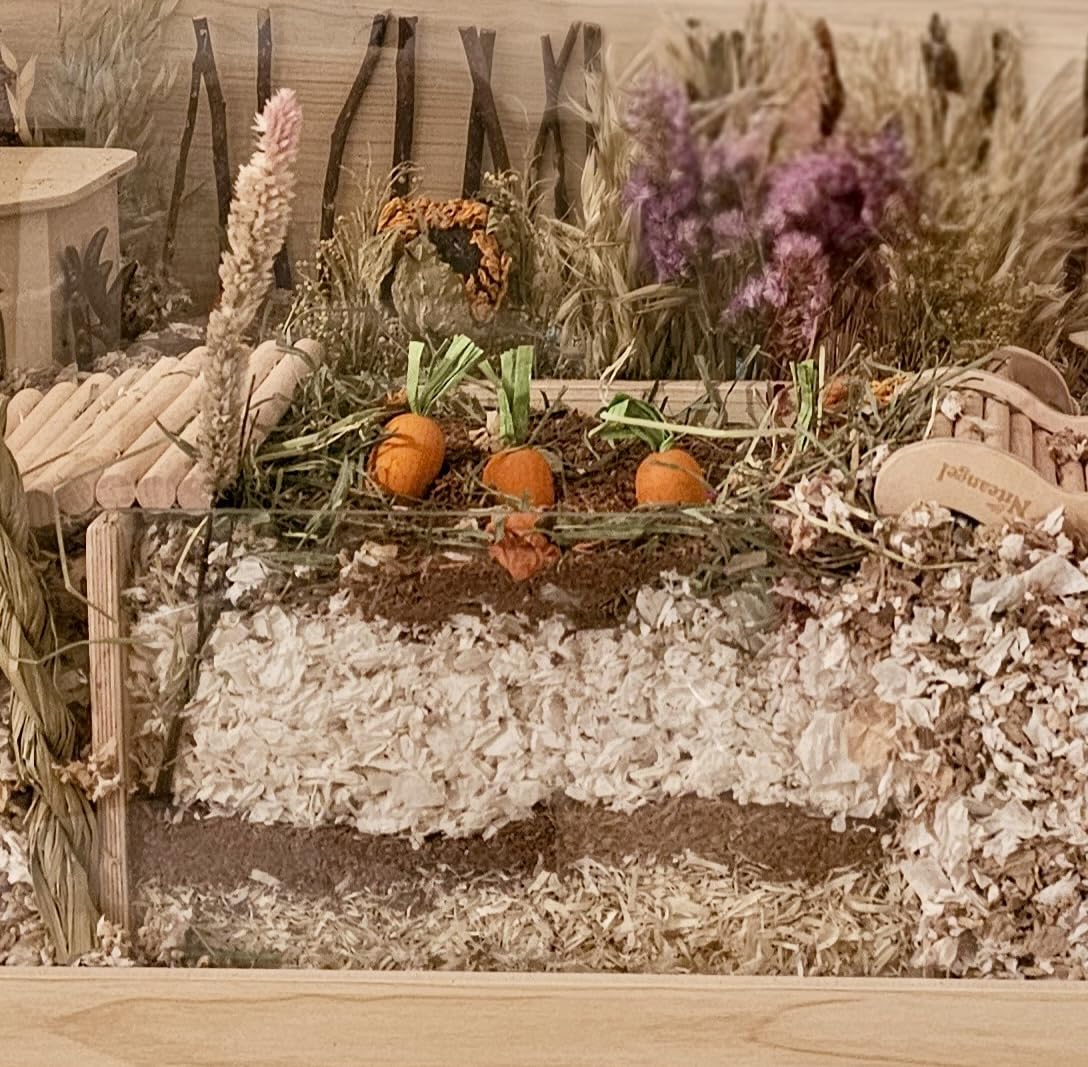
Niteangel is a brand that caters specifically to hamster owners, and their coco cork bedding is designed with burrowing in mind. This is not a main substrate due to its small 4-liter volume, but it is an outstanding supplementary bedding for digging boxes and foraging areas.
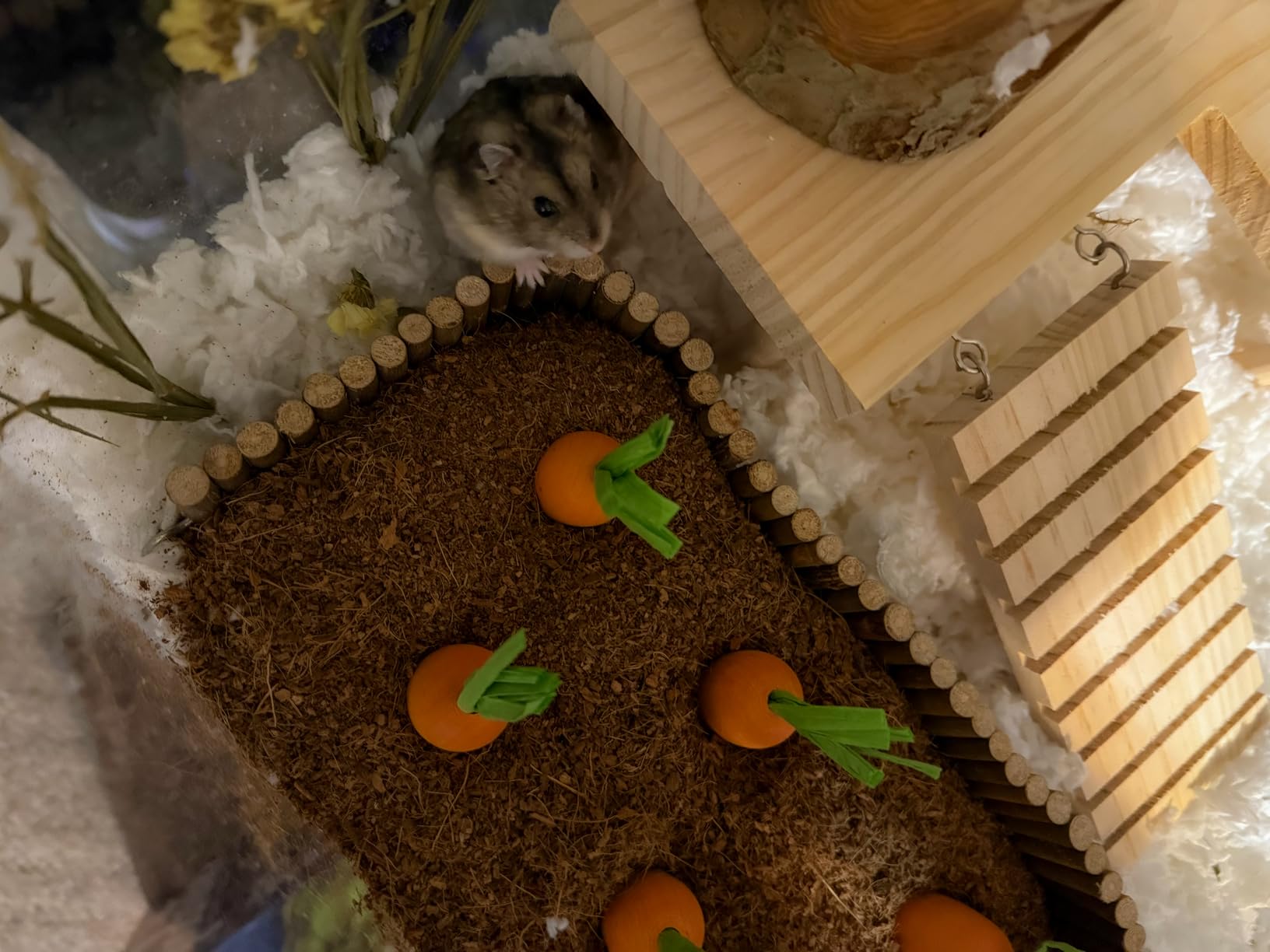
I set up a dedicated digging box using this coco cork substrate, and my roborovski hamster went absolutely wild for it. He spent hours digging, kicking, and rearranging the material. The natural coco fibers have a texture that seems to trigger intense burrowing behavior more than paper alone.
The blend of coco and cork creates an interesting texture variety. The cork pieces add structural elements that hamsters can push around and incorporate into their tunnel architecture. It is genuinely enriching to watch.
Odor absorption is surprisingly strong for a natural product. Coco fiber is naturally antimicrobial, which helps keep the digging box fresh between cleanings. I found it lasted about two weeks in a dedicated digging area before needing a refresh.
The main limitation is volume. At 4 liters, you cannot fill an entire enclosure with this. It works best as a supplementary enrichment substrate mixed into a paper or aspen base, or used alone in a separate digging box.
Some users reported dust issues causing sneezing in their hamsters. I did not experience this, but it is worth introducing gradually and monitoring your pet’s response. The natural materials mean some batch-to-batch variation is expected.
For whom it is good
Niteangel Coco Cork is perfect for enrichment-focused owners who want to add a natural digging substrate to their hamster’s enclosure. It is especially valuable for hamsters that have stopped burrowing in their main bedding, as the novel texture can reignite that instinct.
Owners of roborovski and Chinese dwarf hamsters will find this particularly effective, as these species seem especially drawn to the coco texture.
For whom it is bad
Anyone looking for a main substrate will be disappointed by the 4-liter volume. This is a supplementary product, not a primary bedding solution.
Owners on a strict budget may find the cost-per-liter high for a product that only fills a small digging area.
7. All Walks Hemp Bedding
All Walks | Hemp Bedding for Small Animals 18.5L (3.7 LBS) | Low Dust, Odor Control, Highly Absorbent, Natural Cage Bedding for Rabbits, Hamsters, Guinea Pigs, Birds, and More
18.5 Liters
Triple Filtered Hemp
4X Absorbency
100% Natural
Eco-Friendly
Pros
- Triple filter process for low dust
- Hemp absorbs 4x as much as pine
- Superior odor control
- 100% natural and sustainable
- Biodegradable and compostable
Cons
- Fuzzy chunks reported in some bags
- Not as soft as pine shavings
- Some dust despite claims
Hemp bedding is gaining popularity in the small animal community, and All Walks offers a solid entry point. Hemp is naturally highly absorbent, claiming to hold four times as much moisture as pine, which caught my attention for odor management.
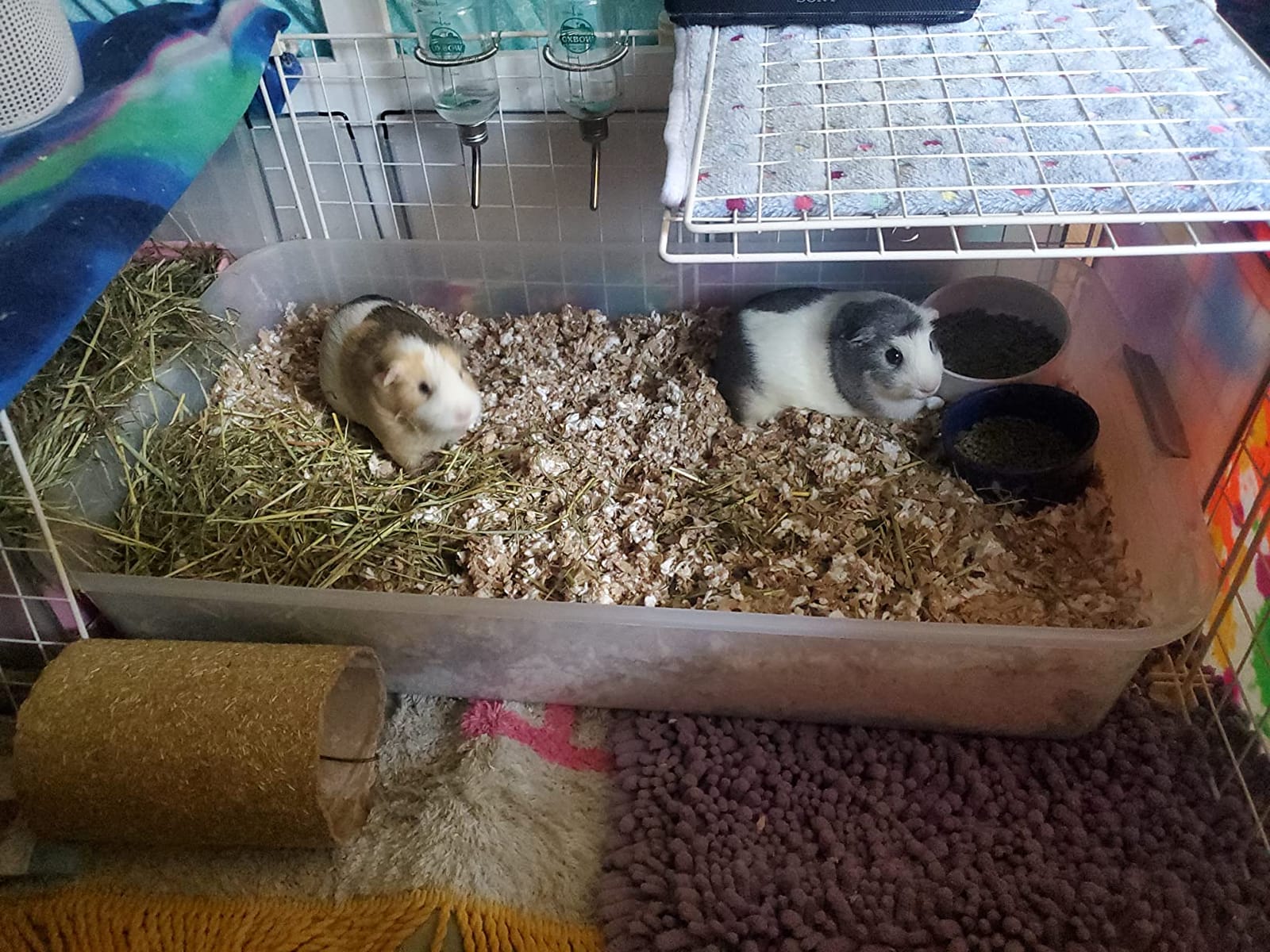
I tested this as a bottom layer beneath Kaytee Clean & Cozy paper bedding. The combination worked well, with the hemp handling moisture while the paper provided softness and burrow structure. My hamster’s tunnels passed through both layers without collapsing.
The triple filter process is designed to minimize dust, and it is noticeably less dusty than raw hemp I have purchased from agricultural suppliers. However, it is not as dust-free as the premium paper options on this list.
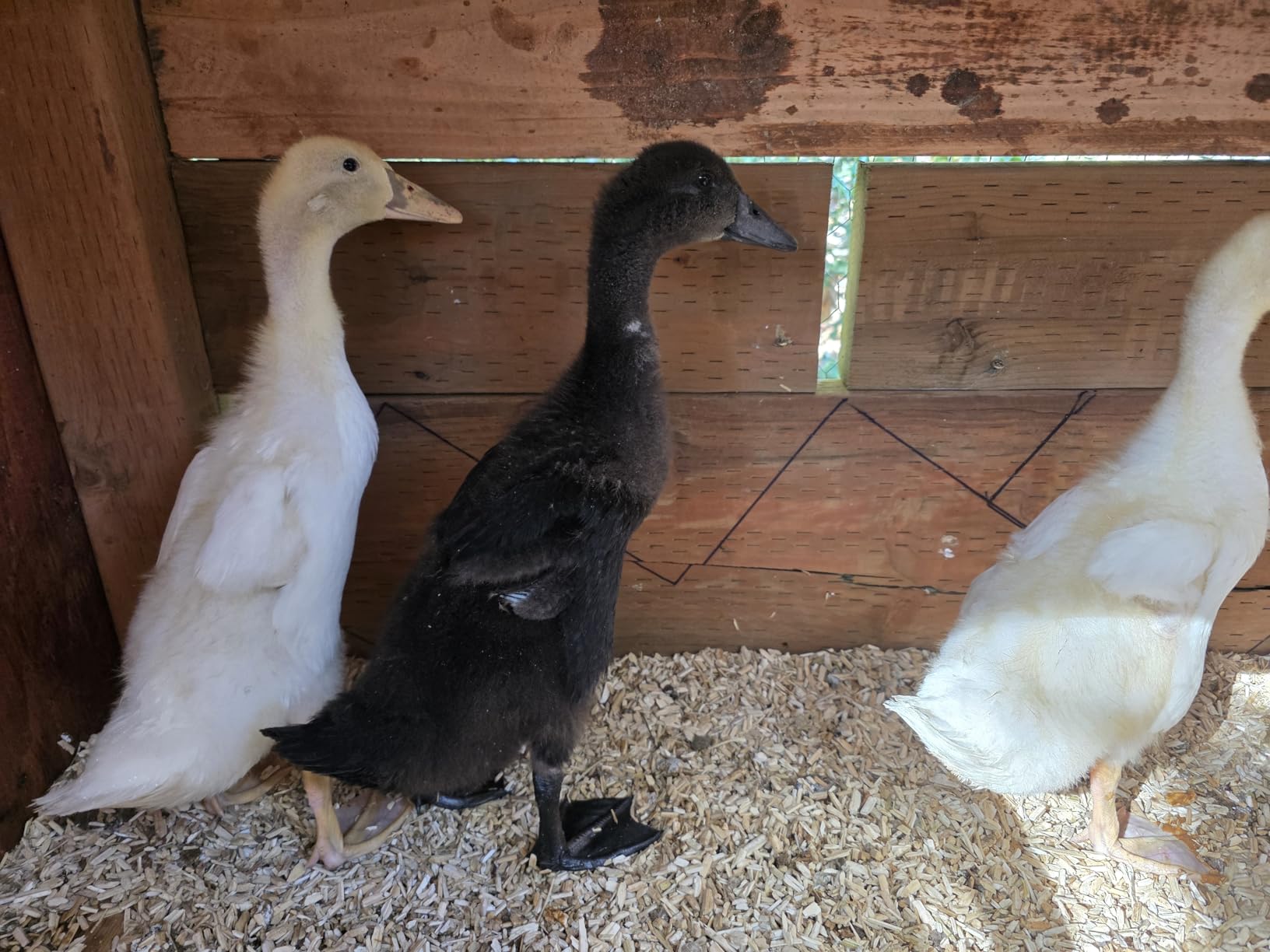
Hemp is an incredibly sustainable crop, requiring less water and no pesticides. For environmentally conscious owners, this is one of the greenest bedding options available. It composts fully, so you can dispose of soiled bedding in your garden compost pile.
The texture is coarser than paper bedding and slightly stiffer than aspen. Some users reported fuzzy chunks in their bags that needed to be picked out. I found a few of these in my test bag but they were easy to remove during setup.
At 18.5 liters, the volume is modest but the absorbency means you use less per change. The overall rating of 4.2 stars is the lowest on this list, reflecting the texture and consistency concerns, but the core performance is solid for the price.
For whom it is good
Hemp bedding is excellent for eco-conscious owners who want a sustainable, highly absorbent substrate. It works best as a bottom layer in a mixed bedding setup, paired with a softer paper top layer.
Owners dealing with strong odors will appreciate the superior absorbency, which outperforms pine by a claimed factor of four.
For whom it is bad
Owners seeking a soft, uniform texture should look elsewhere. Hemp is coarser than paper and aspen, and some hamsters may find it less comfortable for direct nesting.
Those who want absolute dust-free performance should stick with Oxbow or Kaytee paper options, as hemp cannot match their dust reduction levels.
8. Small Pet Select Premium Jumbo Paper Bedding
Small Pet Select Premium Small Animal Bedding, Natural Soft Paper Bedding for Small Indoor and Outdoor Pets, Made in USA, Jumbo Size 178 L Pack
178 Liters Jumbo
Unbleached Virgin Fiber
Made in USA
Biodegradable
Natural Soft Paper
Pros
- 100% unbleached virgin fiber
- Massive 178-liter jumbo size
- Excellent odor control without scents
- Biodegradable and compostable
- Made in USA
Cons
- More expensive upfront
- Can be crumbly
- Not ideal for very small sensitive animals
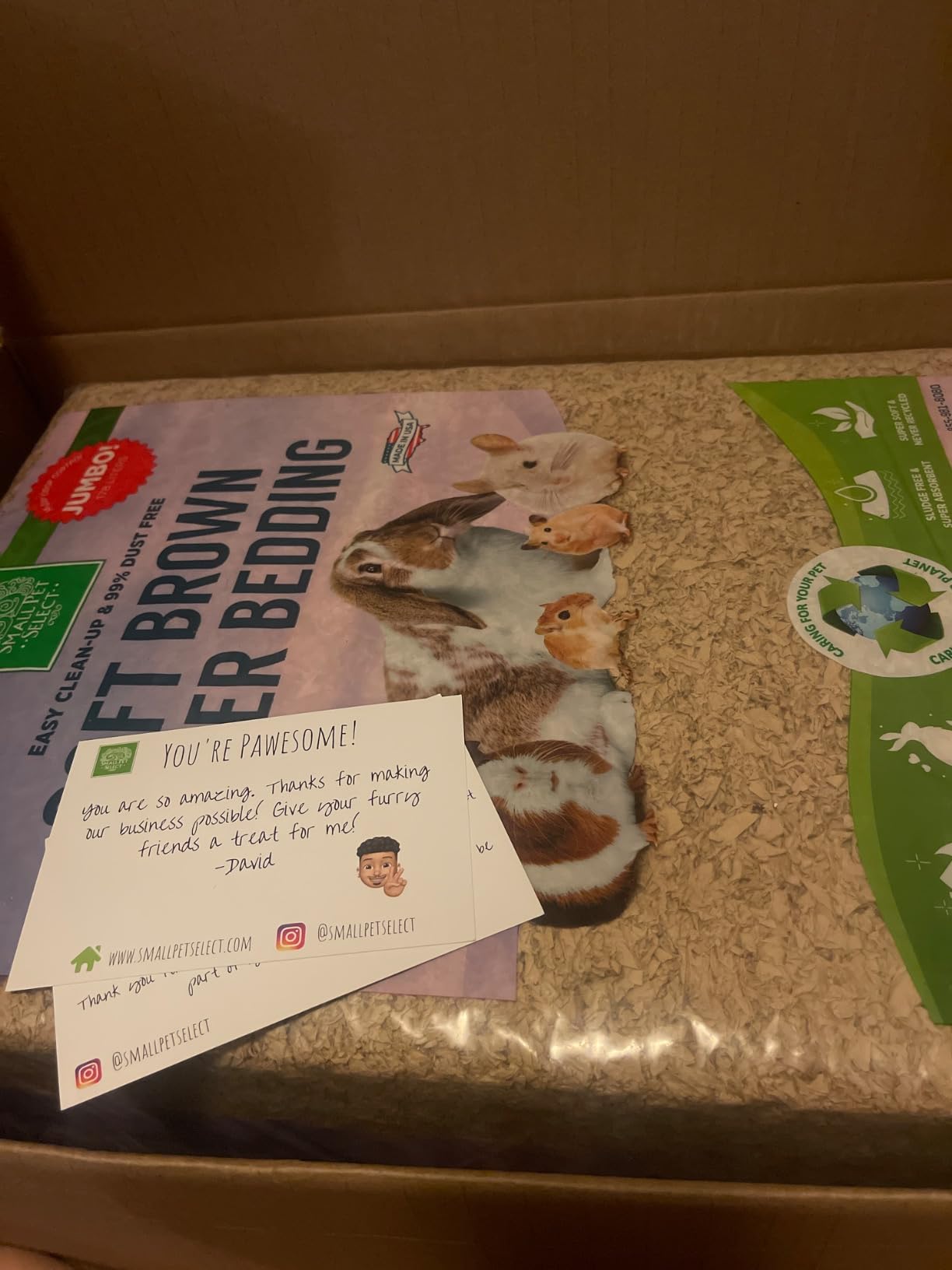
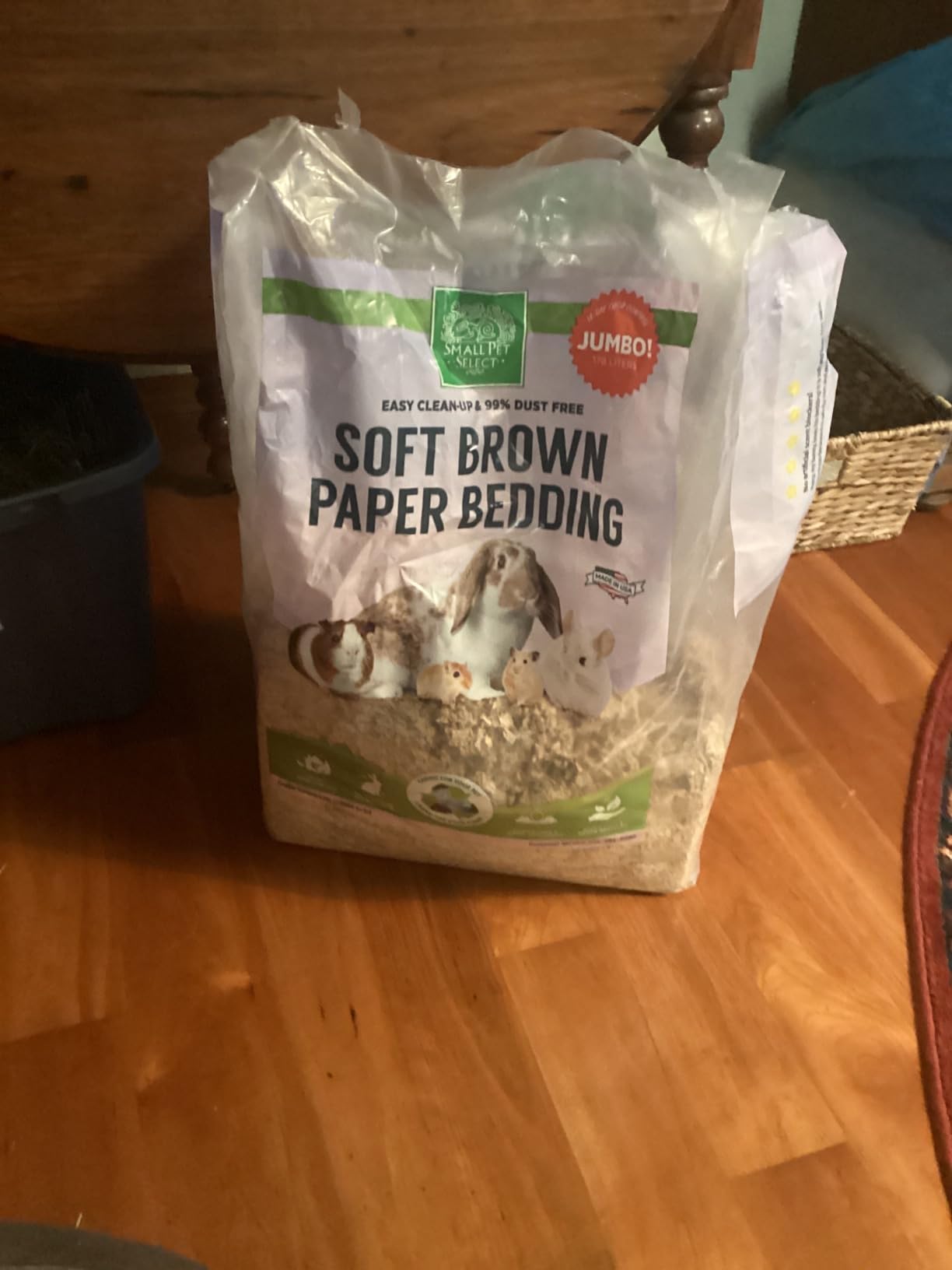
If you have a large enclosure, buying small bags of bedding gets expensive fast. Small Pet Select solves this with their jumbo 178-liter package, which is the largest volume option on this list by a wide margin. One bag filled my 100-gallon custom enclosure to over 10 inches deep.
The bedding is made from 100% unbleached virgin fiber, meaning no chemicals were used to whiten the paper. This is the purest paper bedding I have tested, and the natural tan color looks great in any setup. My Syrian hamster immediately started excavating.
The texture is soft but has enough structure to hold tunnels when properly compacted. I found that pressing it down firmly before introducing my hamster made a significant difference in tunnel stability, more so than with other brands.
Odor control is excellent without any artificial scents. The natural paper fibers absorb moisture effectively, and I found the enclosure stayed fresh for about nine days before needing attention. The lack of scents is important because artificial fragrances can irritate hamster respiratory systems.
The main drawback is the upfront cost. While the per-liter value is actually competitive when you do the math, the initial purchase price is the highest on this list. For owners with standard-sized enclosures, this may be more bedding than you need.
Some users reported the bedding can be crumbly compared to other brands. I noticed this too, but it did not significantly impact burrow stability when the bedding was properly compacted. The trade-off for the crumbly texture is the exceptional purity of the unbleached fiber.
For whom it is good
This jumbo option is perfect for owners with large enclosures who want to buy in bulk and save money per liter over the long run. The unbleached virgin fiber appeals to owners who want the absolute cleanest paper available.
It is also great for multi-enclosure households, since one bag can fill several standard cages.
For whom it is bad
Owners with a single small enclosure will end up storing a lot of excess bedding. The jumbo size is overkill for a standard 40-gallon breeder tank or smaller.
Budget-restricted owners who cannot afford the upfront cost should look at Kaytee Clean & Cozy or aspen for better initial affordability.
How to Choose the Best Deep Bedding for Hamster Burrowing
Choosing the right bedding involves more than picking a brand. The material, dust level, burrow-holding ability, and depth all determine whether your hamster will actually use the substrate for its natural tunneling behavior. Here is what our team learned through months of testing.
Burrow-Holding Ability
The single most important factor is whether the bedding can hold a tunnel structure. Paper bedding with long, interlocking fibers performs best. Aspen shavings also hold tunnels well due to their rigid structure. Short-fiber or crumbly substrates collapse when your hamster tries to dig through them.
Test this yourself by filling a container with the bedding, packing it down firmly, and then pushing a finger through to create a tunnel. If the tunnel holds its shape, your hamster’s burrows will too.
Dust Level and Respiratory Safety
Hamsters have sensitive respiratory systems. Dusty bedding can cause sneezing, wheezing, and serious respiratory infections over time. All the products on this list claim 99% or higher dust reduction, but our testing showed real differences between brands.
Oxbow Pure Comfort and Kaytee Clean & Cozy produced the least visible dust when poured. Hemp and aspen showed slightly more, though still within safe ranges. Always pour bedding slowly and let it settle before introducing your hamster.
Depth Requirements by Species
Forum consensus and scientific research agree on minimum depths. Syrian hamsters need at least 8 to 12 inches of packed substrate. Dwarf species including robos, winter whites, and Chinese hamsters need at least 6 to 8 inches. In the wild, Syrians dig burrows over three feet deep, so deeper is always better.
The research by Gattermann et al. (2001) documented wild Syrian hamsters building burrows between 36 and 106 centimeters deep. While you cannot replicate that in a standard cage, providing the maximum depth your enclosure allows makes a real difference in your pet’s welfare.
Absorbency and Odor Control
Absorbent bedding pulls moisture away from the surface, keeping your hamster dry and reducing bacterial growth. Carefresh Sea Glass and the hemp option from All Walks led our absorbency tests. Odor control depends on absorbency plus the bedding’s ability to suppress ammonia, the compound responsible for that characteristic small animal smell.
Spot cleaning soiled areas daily extends the life of your bedding significantly. A full change every two to three weeks is typical for a well-maintained enclosure.
Materials to Avoid
Never use pine or cedar shavings. These softwoods contain aromatic oils and phenols that cause respiratory damage and liver enzyme changes in small animals. The scientific evidence is clear on this point.
Avoid cotton, fleece fabric, and any fluffy synthetic nesting material. These can cause intestinal blockages if swallowed and can wrap around limbs, cutting off circulation. Stick to paper, aspen, hemp, or natural coco substrates.
Scented bedding is another red flag. Artificial fragrances irritate hamster respiratory systems and serve no functional purpose. Choose unscented options every time.
The Compacting Technique
This is the tip most guides miss. After pouring your bedding, press it down firmly before introducing your hamster. I use the bottom of a clean storage bin to compress the entire surface. This packs the fibers together so tunnels hold their shape from the first dig.
Without compacting, freshly poured bedding is too fluffy to support tunnel structures. Your hamster may get frustrated and stop trying to burrow. Spend five minutes packing it down and you will see an immediate difference in burrowing behavior.
Why Your Hamster Might Not Be Burrowing
If your hamster is not burrowing despite having deep bedding, several factors could be at play. The bedding may be too fluffy and not compacted. The substrate might be too shallow. Your hamster could be elderly or less active. The enclosure might be too warm, since hamsters burrow partly to regulate temperature.
Try compacting the bedding, increasing depth, adding a digging box with a novel substrate like the Niteangel coco cork, and ensuring the room temperature stays between 65 and 75 degrees Fahrenheit.
Frequently Asked Questions
What is the best bedding for hamsters burrowing?
Paper-based bedding like Kaytee Clean u0026amp; Cozy or Carefresh Sea Glass is the best choice for hamster burrowing because the long fibers interlock to hold tunnel structures. Aspen wood shavings also work well, especially when mixed with paper bedding. Avoid pine, cedar, and any scented products.
Can hamster bedding be too deep?
Hamster bedding cannot practically be too deep for the hamster, but it can be too deep for the enclosure. If bedding reaches bars or mesh lids, your hamster may climb out. The general recommendation is 8 to 12 inches for Syrians and 6 to 8 inches for dwarfs, packed firmly.
How deep can hamsters burrow?
In the wild, Syrian hamsters build burrows between 36 and 106 centimeters deep according to research by Gattermann et al. Dwarf species burrow shallower but still dig extensively. In captivity, provide the maximum depth your enclosure allows, with a minimum of 6 to 8 inches for all species.
What should you put in the bottom of a hamster cage?
Fill the bottom of a hamster cage with at least 6 to 12 inches of safe, dust-free substrate like paper bedding or aspen shavings. Compact it firmly before introducing your hamster. Avoid pine, cedar, cotton, fleece, and scented products, as these pose health risks.
Wrapping Up
After testing all eight products, our top recommendation for the best deep bedding for hamster burrowing is Kaytee Clean & Cozy White. It balances burrow-holding performance, dust reduction, odor control, and value better than any single product we tested. For owners who want maximum odor control, Carefresh Sea Glass is a close runner-up, and Kaytee Aspen is unbeatable for structural tunnel support at a budget price.
Whatever you choose, remember that depth and compacting technique matter as much as the product itself. Give your hamster at least 8 inches of packed substrate, avoid dangerous materials like pine and cedar, and watch your pet rediscover the joy of digging in 2026. Your hamster will thank you with healthier behavior and a happier disposition.