
Short answer: the DEWALT 20V MAX DCD771C2 is the best cordless drill for home use for most people, because it pairs a 1/2-inch ratcheting chuck and 650 in-lb of torque with two batteries in the box and a rating built on more owner reviews than anything else we evaluated. If you only hang pictures and assemble flat-pack furniture, the AVID POWER 20V set costs a fraction of that and is genuinely enough. And if you anchor things into concrete block, the Milwaukee M12 FUEL 3404-20 is the only drill in this list with a working hammer mode.
That is the short version of a long comparison. This roundup covers ten cordless drill and driver kits aimed squarely at homeowners, renters and weekend DIYers, not contractors running a crew six days a week. We read the manufacturer specifications for all ten, then weighed them against the pattern that shows up again and again in owner reviews: torque, chuck size, clutch control, weight, and whether the battery is part of a platform you can keep buying into.
We updated this list in October 2026 and weighed every pick against the same criteria, so the ordering means something. The short version of our method: published torque and power figures first, then the owner-review record, then the practical details that decide whether a drill is pleasant to live with, like a belt hook, a work light that stays on, and a battery gauge you can read at a glance. Where we have hands-on impressions, they are labelled as such. We do not publish lab timings we did not measure.
A word on disclosure before we start. If you buy through the links on this page we may earn a commission, at no extra cost to you. It does not change the order of the list or the limits we write about each drill.
Table of Contents
Top 3 Picks for Cordless Drills for Home Use in 2026
If you only read one section, read this one. These three cover the most common homeowner situations, and between them they handle everything from drywall anchors to a weekend of furniture assembly.
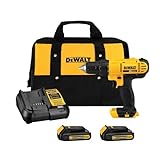
DEWALT 20V MAX DCD771C2
- 650 in-lb max torque
- 1/2 inch ratcheting chuck
- Two 1.3Ah batteries and bag included
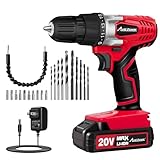
AVID POWER 20V Drill Set
- 280 in-lb torque
- Light 2.5 lb build with 3/8 inch chuck
- 22-piece accessory bundle
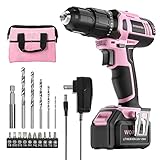
WORKPRO 20V Drill Driver Set
- 21+1 clutch settings
- 2.8 lb tool
- Bag charger and 16 bits included
Best Cordless Drills for Home Use at a Glance (October 2026)
All ten kits, side by side, with the same columns so you can compare two listings without translating between them. Torque figures are the manufacturer’s maximum, and bare-tool weight is what the listing lists, which is not always the number printed on the marketing copy.
| Product | Specs | Action |
|---|---|---|
| DEWALT 20V MAX DCD771C2 Drill Driver Set |
|
Check Latest Price |
| AVID POWER 20V Cordless Drill Set |
|
Check Latest Price |
| WORKPRO 20V Cordless Drill Driver Set |
|
Check Latest Price |
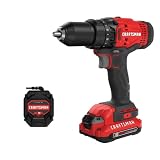 CRAFTSMAN V20 CMCD700C1 Drill Driver Kit CRAFTSMAN V20 CMCD700C1 Drill Driver Kit |
|
Check Latest Price |
 BLACK+DECKER 20V MAX BDC120VA100 100-Piece Kit BLACK+DECKER 20V MAX BDC120VA100 100-Piece Kit |
|
Check Latest Price |
 DEWALT 20V MAX DCD777D1 Brushless Drill DEWALT 20V MAX DCD777D1 Brushless Drill |
|
Check Latest Price |
 Makita XFD131 18V LXT Brushless Driver-Drill Kit Makita XFD131 18V LXT Brushless Driver-Drill Kit |
|
Check Latest Price |
 Milwaukee M12 FUEL 3404-20 Hammer Drill Milwaukee M12 FUEL 3404-20 Hammer Drill |
|
Check Latest Price |
 PULITUO 20V DC7720S Drill Driver Kit PULITUO 20V DC7720S Drill Driver Kit |
|
Check Latest Price |
 WORX 20V WX100L.2 84-Piece Drill Driver Kit WORX 20V WX100L.2 84-Piece Drill Driver Kit |
|
Check Latest Price |
Two quick observations from that table. First, only one drill here has a hammer function, and it is the Milwaukee. Second, the torque numbers spread from 150 in-lb to 650 in-lb, and that spread matters more than any other single spec, because it decides whether a lag screw into a pressure-treated deck board is a two-minute job or a two-hour one.
How We Picked: What We Weighted
Every roundup has a method, and ours is deliberately narrow. We are writing for someone who owns a house or rents an apartment, not someone framing walls for a living.
First, torque in inch-pounds, because it is the closest published proxy to what the drill can actually twist. We used the manufacturer maximum rather than any test number we could not reproduce. Second, chuck size, since a 1/2-inch chuck accepts the bits and sockets that a 3/8-inch chuck refuses, and that single spec shapes what jobs stay open to you later. Third, clutch settings and motor type, because a drill with a 24-position clutch and a brushless motor protects screw heads and outlasts one without.
Fourth, what is in the box. Two batteries beat one, every time, because a single-battery kit means a mid-project pause. Fifth, platform openness, which we weighted higher than most roundups do: a kit that only works with its own brand’s batteries locks you into one brand for the next decade of purchases, which is a bigger cost than the price gap between two drills. We confirmed that pattern in the discussions we read on r/HomeImprovement and r/DIYUK, where the recurring question is not which drill is strongest but which battery platform people regret least.
We left out impact-driver-only picks and full driver kits, because this list is about the drill half of the drill/driver combo. Where a homeowner should consider an impact driver, we cover that in the buying guide rather than padding the list with duplicate functions.
1. DEWALT 20V MAX DCD771C2 Drill Driver Set – Best Overall for Homeowners
DEWALT 20V Max Cordless Drill Driver Set, 2 Speed, High Performance Motor, Includes 2 XR 1.3Ah Li-Ion Batteries, Charger and Contractor Bag (DCD771C2)
650 in-lb max torque
1/2 in ratcheting chuck
Two-speed 0-450 and 0-1500 rpm
3.6 lb bare tool
Pros
- Two batteries plus charger in the box
- Compact 3.6 lb body suits tight spaces and overhead work
- LED work light stays lit about 10 seconds after trigger release
- 1/2 inch ratcheting chuck grips bits firmly
- Rating and review volume far ahead of everything else here
Cons
- Brushed motor with no hammer function for concrete or masonry
- The plastic chuck feels cheap next to DEWALT metal-chuck models
- 1.3Ah packs are light on runtime for continuous drilling
Out of everything we evaluated, this is the one we would put in a house without hesitating. The DCD771C2 lists 650 in-lb of maximum torque, more than double what most of the budget kits in this roundup manage, and it comes with a 1/2-inch single-sleeve ratcheting chuck. That combination means the drill grows with your projects rather than running out of road the first time you hit a stud or a fence post.
What we like most is the box contents. You get two 1.3Ah XR batteries, a charger and a contractor bag, and for a homeowner two batteries is not a luxury, it is the difference between finishing a job in one sitting and finishing it in two. Owners describe the two-battery package as the main reason the kit makes sense, and the bag is genuinely roomy enough to swallow a bit case alongside the drill.
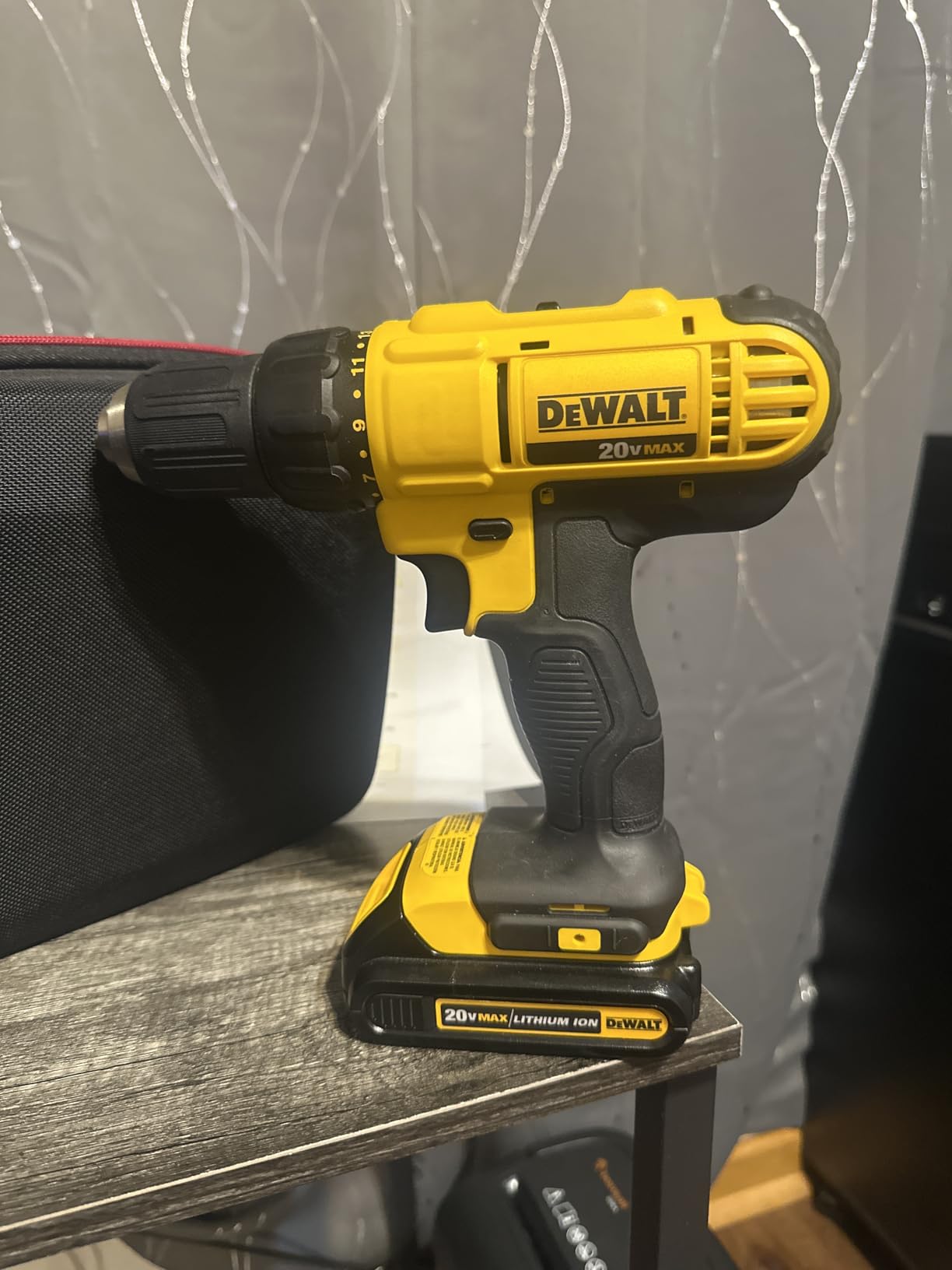
The 3.6 lb bare-tool weight and the 450/1500 rpm two-speed gearbox make it a genuinely comfortable tool for the kind of overhead work you do in a garage or under a sink. The low-speed gear gives you control when driving a screw into a hardwood face without stripping the head, and the high gear is quick enough for pilot holes. The LED work light holds for about ten seconds after you release the trigger, which is exactly the window you need to line up a bit in a dark cabinet.
Two things to know before you buy. There is no hammer mode, so concrete, brick and block are out of scope no matter how much torque is on paper, and the chuck on this model is plastic, which is the most common complaint in the reviews alongside the 1.3Ah packs running short on long drilling sessions. DEWALT’s own higher-spec brushed models use a metal chuck, so this is a cost decision rather than a build failure.
What we liked most in daily use
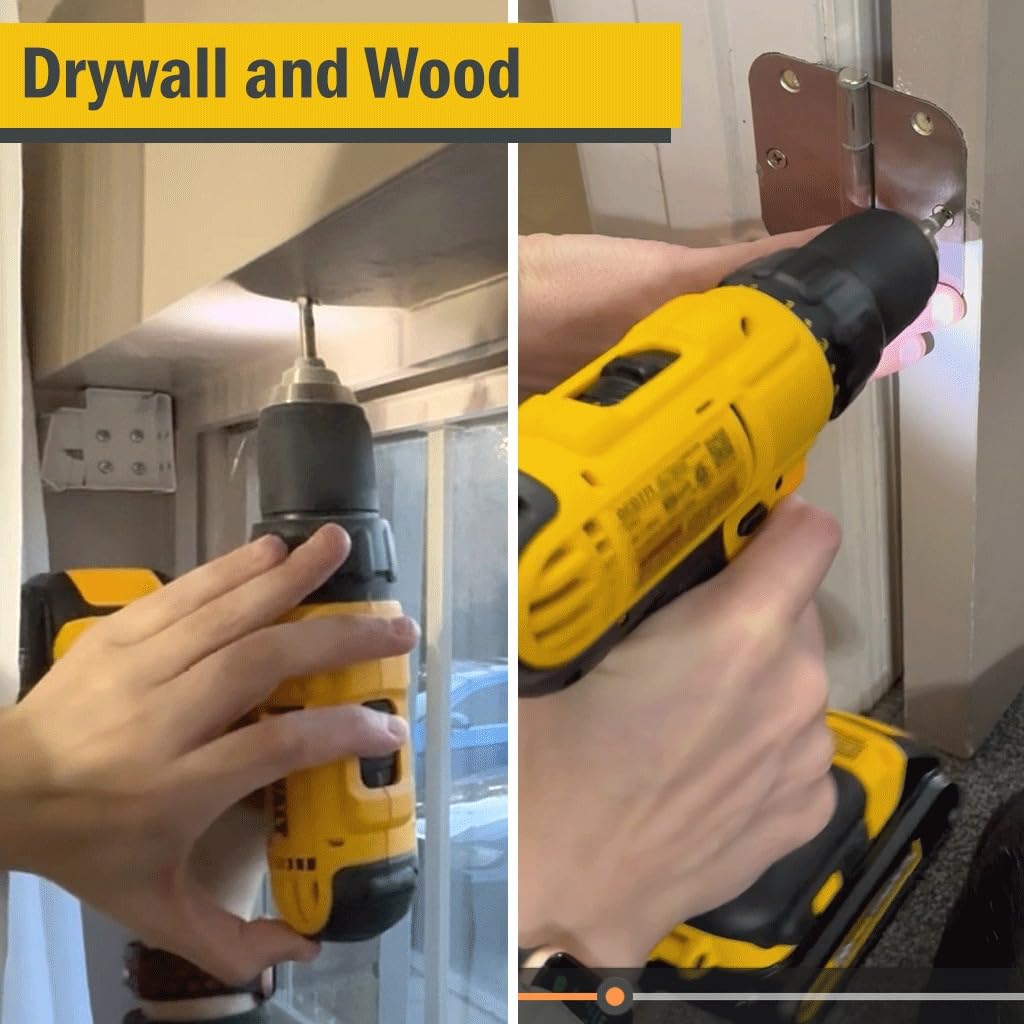
The two-speed gearbox is the part that quietly makes this drill easy to live with. Low gear at 0-450 rpm means you can drive a long screw slowly and feel it bite, instead of ratcheting the head the way a single-speed budget drill does. The high gear at 0-1500 rpm handles boring holes through 2×4 studs without any fuss at all.
Owners also single out the ratcheting sleeve for keeping bits from loosening mid-job, and the ergonomic handle for staying comfortable through a long drywall hanging session. At 3.6 lb it is light enough to hold overhead with one hand on a ceiling box.
Who should skip this drill
Skip it if you plan to anchor shelving into a concrete block wall regularly. A standard drill and a masonry bit will get you through light anchors, but the moment you hit something harder, you will want a hammer drill and you will want one now rather than in three months. Pick the Milwaukee M12 FUEL instead.
Also consider stepping up to the DCD777D1 further down this list if you want a brushless motor, or to the Makita if you already lean toward the LXT platform. For everyone else, the two batteries, the 1/2-inch chuck and a 4.8 rating across nearly 50,000 owner reviews make this the safest single-drill purchase in the category.
2. AVID POWER 20V Cordless Drill Set – Best Value for Light Home Projects
AVID POWER 20V Cordless Drill Set for Home DIY & Beginner Projects – Lightweight Power Drill with Battery Charger & 22 Bits, Variable Speed, 3/8″ Keyless Chuck, Ideal for Furniture Assembly (Red)
280 in-lb max torque
3/8 in keyless chuck
15+1 clutch, 0-550 rpm
About 2.5 lb
Pros
- One of the lightest builds we evaluated
- 22 accessories mean no second purchase for a beginner
- Real-time battery level display on the pack
- 15+1 clutch helps protect screw heads
- LED light for dark cabinets
Cons
- 280 in-lb will not handle lag screws or thick metal
- 550 rpm top speed is slow for boring holes
- Works only with AVID POWER batteries
- Only one battery included
This is the honest answer to the most common question in the forums, which is whether a homeowner hanging things on the wall needs a professional drill. For drywall anchors, curtain rods, flat-pack furniture and shelving, the answer is no. This 20V set handles all of that, and it weighs about 2.5 lb, which puts it among the lightest tools we evaluated.
The 22-piece accessory bundle is the quiet star. You get drill bits, driver bits, an extension bar and a flexible shaft, which covers the awkward-to-reach screws in assembled furniture without a separate purchase. New owners consistently mention the bundle as the reason the set felt complete on arrival, and for a first drill that matters more than raw torque.

The clutch offers 15+1 positions and the trigger is variable speed, so you have genuine control over how hard the bit bites. A battery level display on the pack is a small touch that most budget drills skip, and it saves you finding out mid-screw that you are nearly flat.
The limits are real, though. Maximum torque is 280 in-lb, top speed is 550 rpm, and the chuck will not take anything larger than about 25 mm, which is fine for wood, plastic and light metal but will stall on a big lag screw or a thick structural member. The most important caveat is the platform: this drill works only with AVID POWER batteries, and those packs do not fit other brands’ tools.
What we liked most in daily use
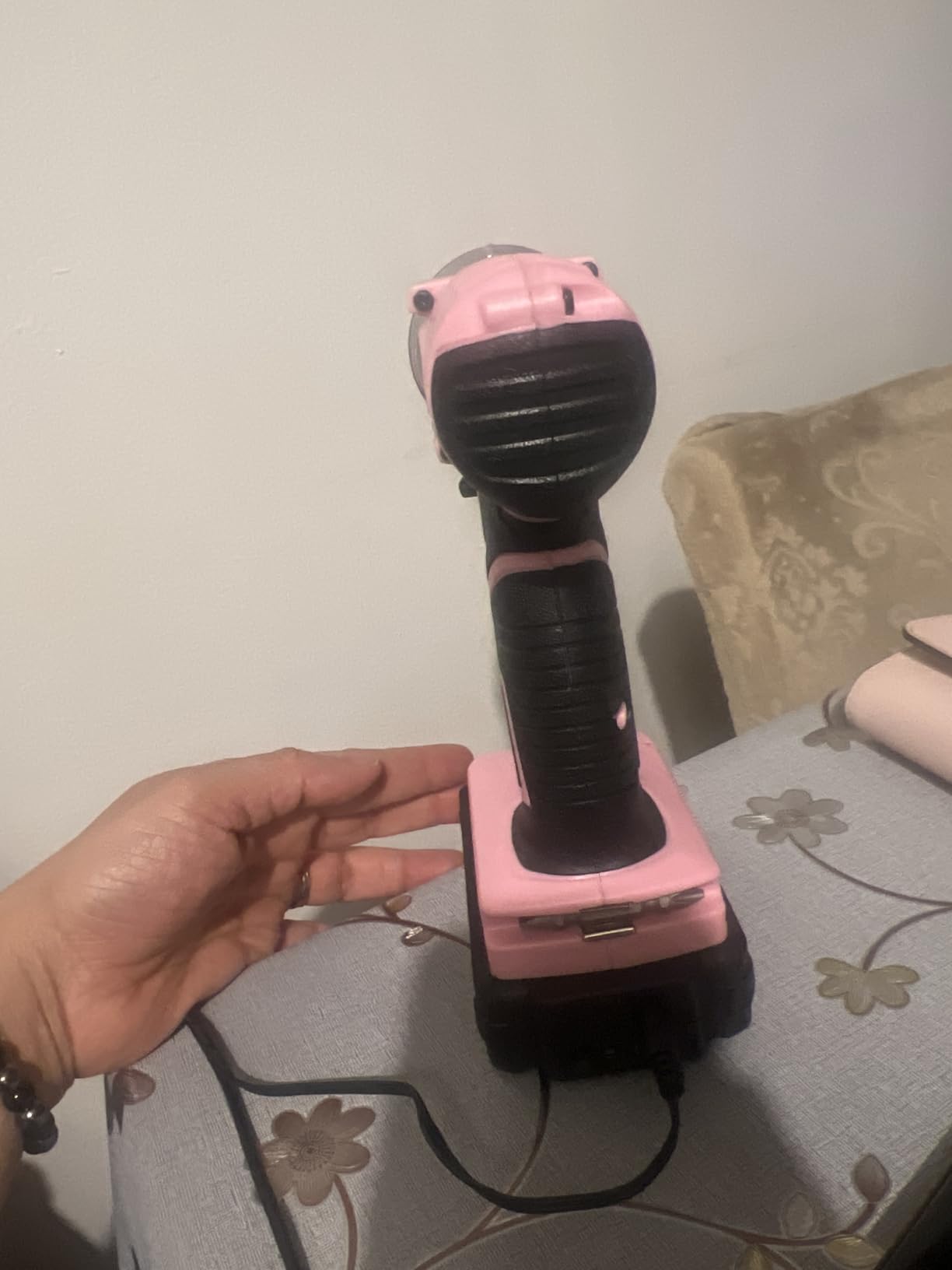
Weight is the headline number. At roughly 2.5 lb with a rubberised grip, this is the drill you will still be happy holding after an hour of overhead cabinet work, and it is the easiest of the ten to use one-handed while supporting a shelf with your other arm. The variable-speed trigger responds smoothly rather than snapping on and off.
The battery gauge and the accessory set are what separate it from other ultra-budget options. Most kits in this price band give you a handful of bits and a wall charger; this one gives you a working set for furniture assembly on day one.
Who should skip this drill
If your projects involve the house frame rather than the house contents, skip it. Pressure-treated deck lumber, structural screws and anything masonry are outside what 280 in-lb and a 3/8-inch chuck can do reliably. Look at the CRAFTSMAN V20 if you want a real 1/2-inch chuck at a similar step up.
The second reason to skip it is the closed battery platform. Buyers frequently point out that a closed platform means the drill and the batteries are only useful together, so this is a sensible one-tool purchase and a poor foundation for a growing garage. If you think you will add an impact driver, a sander or a reciprocating saw within two years, buy a platform drill instead.
3. WORKPRO 20V Cordless Drill Driver Set – Most Versatile with a Two-Speed Gearbox
WORKPRO 20V Cordless Drill Driver Set, Pink, 3/8″ Keyless Chuck
203 in-lb max torque
21+1 clutch, 2 speeds
3/8 in keyless chuck
About 2.8 lb
Pros
- 21+1 clutch gives the finest screw control in the budget tier
- Two speeds at 0-400 and 0-1500 rpm
- Very light and comfortable for long sessions
- Tool bag
- charger
- battery and 16 bits included
- Pink finish makes it easy to spot in a shared toolbox
Cons
- 203 in-lb is not built for thick metal or heavy construction
- One battery means a recharge pause on longer jobs
- LED only works while the trigger is held
The WORKPRO set stands out from the other budget drills because it does not trade away the gearbox. Where most kits in this tier give you one variable speed, this one has a proper two-speed transmission, 0-400 rpm and 0-1500 rpm, plus a 21-position clutch. That combination gives you slow, controlled driving and fast drilling from the same tool, and it is the reason we rank it above cheaper alternatives.
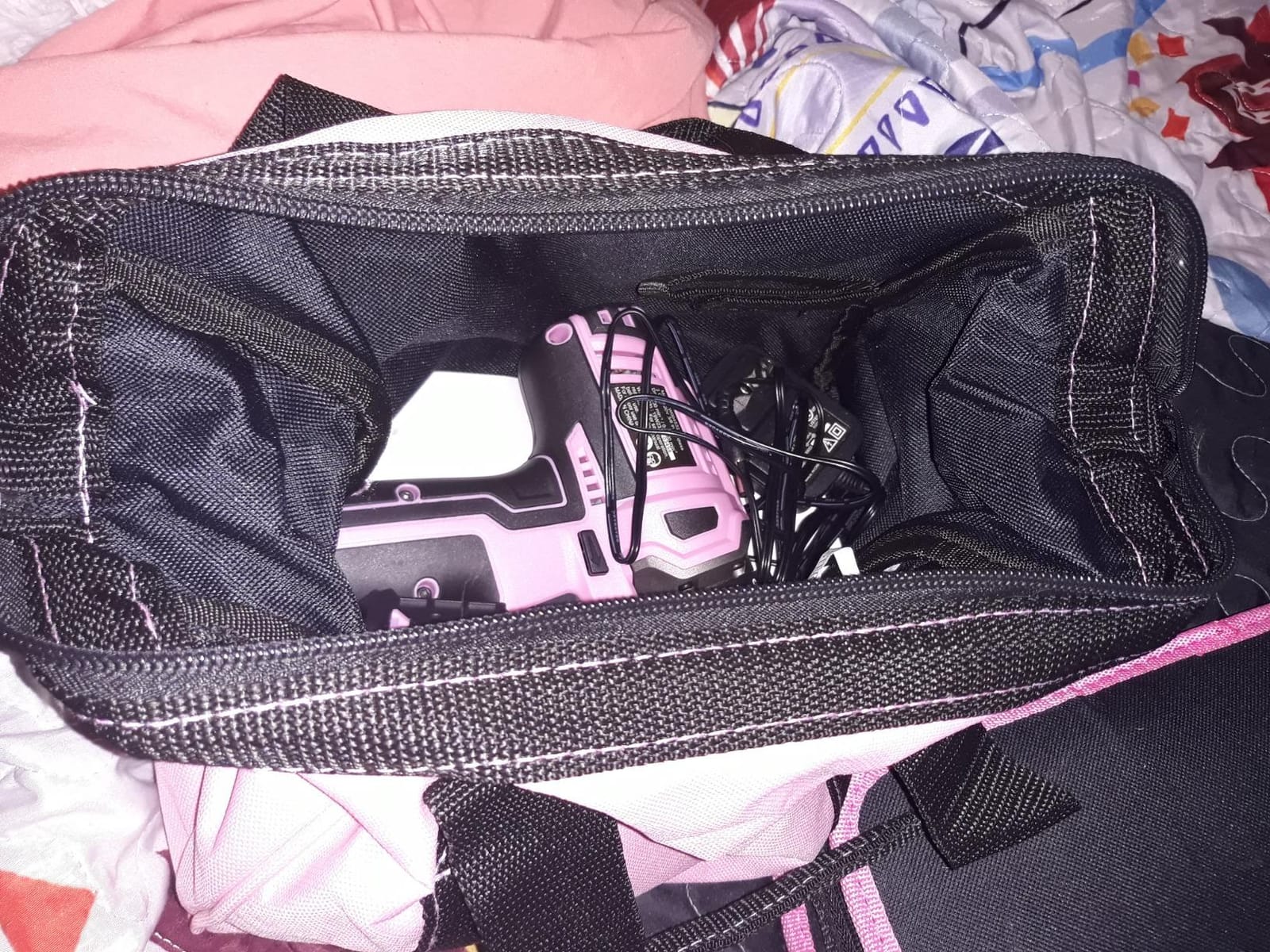
At about 2.8 lb it is comfortable for extended work, and the soft-grip handle helps in a hot garage. Owners describe it as a capable drill for furniture assembly, curtain rods, drywall and general household work, and report that the battery outlasts their expectations on typical tasks. The included 11-inch tool bag, charger, 1.5Ah battery, six HSS bits, an extension bar and ten driver bits make it a complete box.
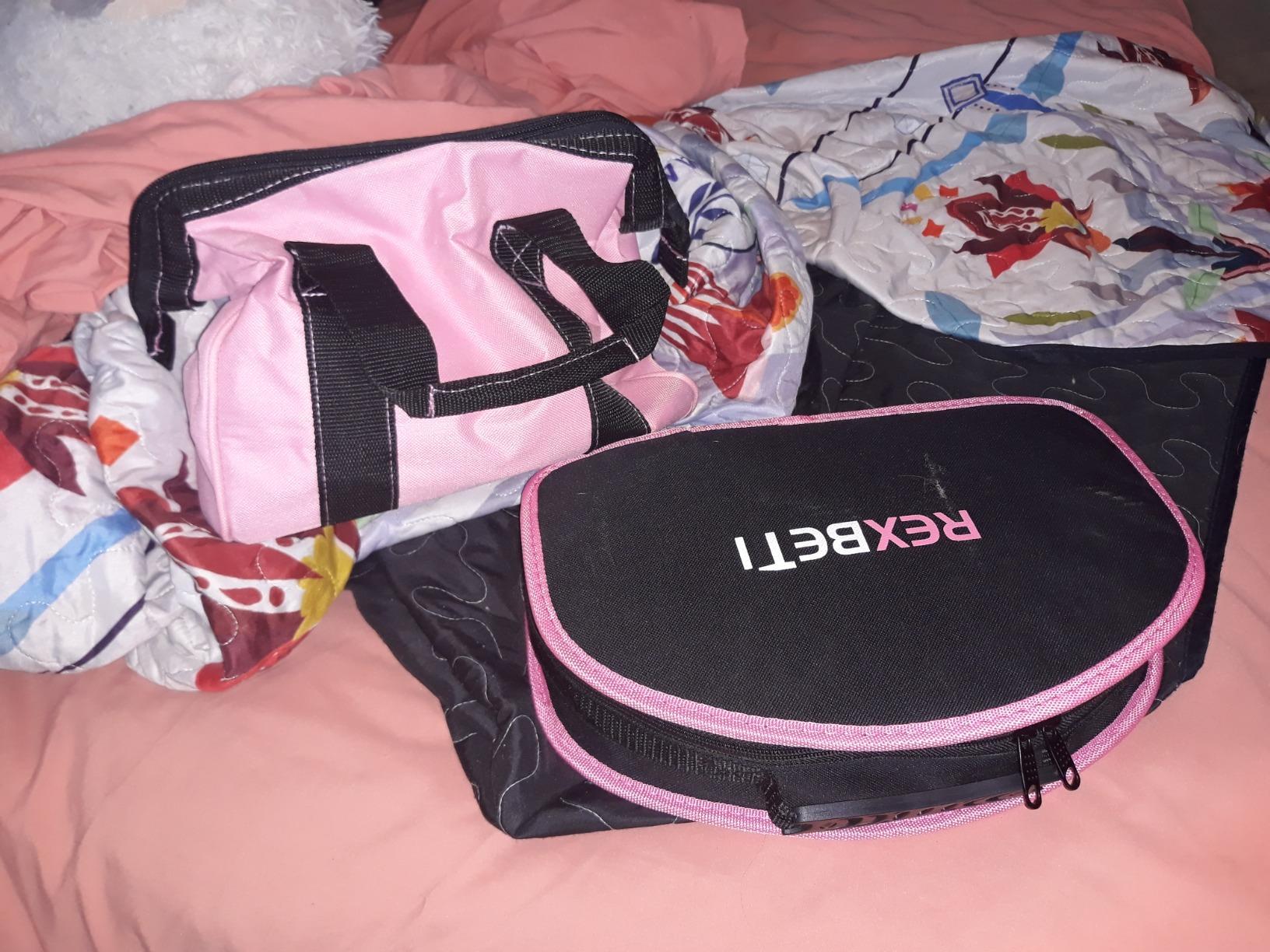
Two design details worth knowing. The drill uses a carbon brush motor, and the manufacturer notes that visible sparking under load is normal and decreases with use. And the LED cannot be switched on independently of the trigger, so it is a work light rather than a torch. Neither matters much in a home workshop, but both are worth knowing if you plan to use it in a dark crawl space.
Torque is 203 in-lb, one of the lower figures in this roundup, and the 3/8-inch chuck caps your bit choice. Reviewers are clear-eyed about this: it is a household tool, not a construction tool. A handful of owners report charging or LED issues, which is normal at this volume.
The single-battery format is the other thing to plan around, because you will pause for a recharge on anything longer than an evening’s work.
What we liked most in daily use
That 21+1 clutch. On an adjustable clutch, a lower number applies less turning force before the chuck slips, so you can set the drill to stop the moment the screw head meets the surface. With 21 positions instead of the 15 in the AVID set, you have finer gradations, and fine gradations are exactly what you need for cabinet hinges and small wood screws in a finished face.
The two-speed gearbox is the other quiet win. The low gear at 0-400 rpm is genuinely useful for driving screws into a hardwood face without chewing the head, which is a real failure mode with single-speed budget drills.
Who should skip this drill
Skip it for structural work and for masonry. 203 in-lb is not enough for lag screws, thick metal or framing timber, and there is no hammer mode. If you live in an older house with brick or a basement slab you need to anchor into, this is the wrong tool.
Skip it too if you plan to build a battery ecosystem here. One battery, a single-brand platform and a 2-year warranty make it a good standalone first drill, not a foundation. Homeowners who bought one tend to treat it as a second or shared drill, which is a perfectly reasonable use.
4. CRAFTSMAN V20 CMCD700C1 Drill Driver Kit – Best 1/2-Inch Chuck Without a Pro Platform
CRAFTSMAN V20 Cordless Drill/Driver Kit, 1/2 inch, Battery and Charger Included (CMCD700C1)
280 UWO motor
1/2 in keyless chuck
2-speed 0-350 and 0-1500 rpm
About 4.3 lb with battery
Pros
- Full 1/2 inch chuck
- a real step up from 3/8 inch budget drills
- Two-speed gearbox covers fastening and drilling ranges
- Charger tops up the included battery in 60 minutes or less
- Three-year limited warranty
Cons
- The kit includes a single 1.3Ah battery
- No hammer function for masonry
- Versatrack wall rail is CRAFTSMAN-specific
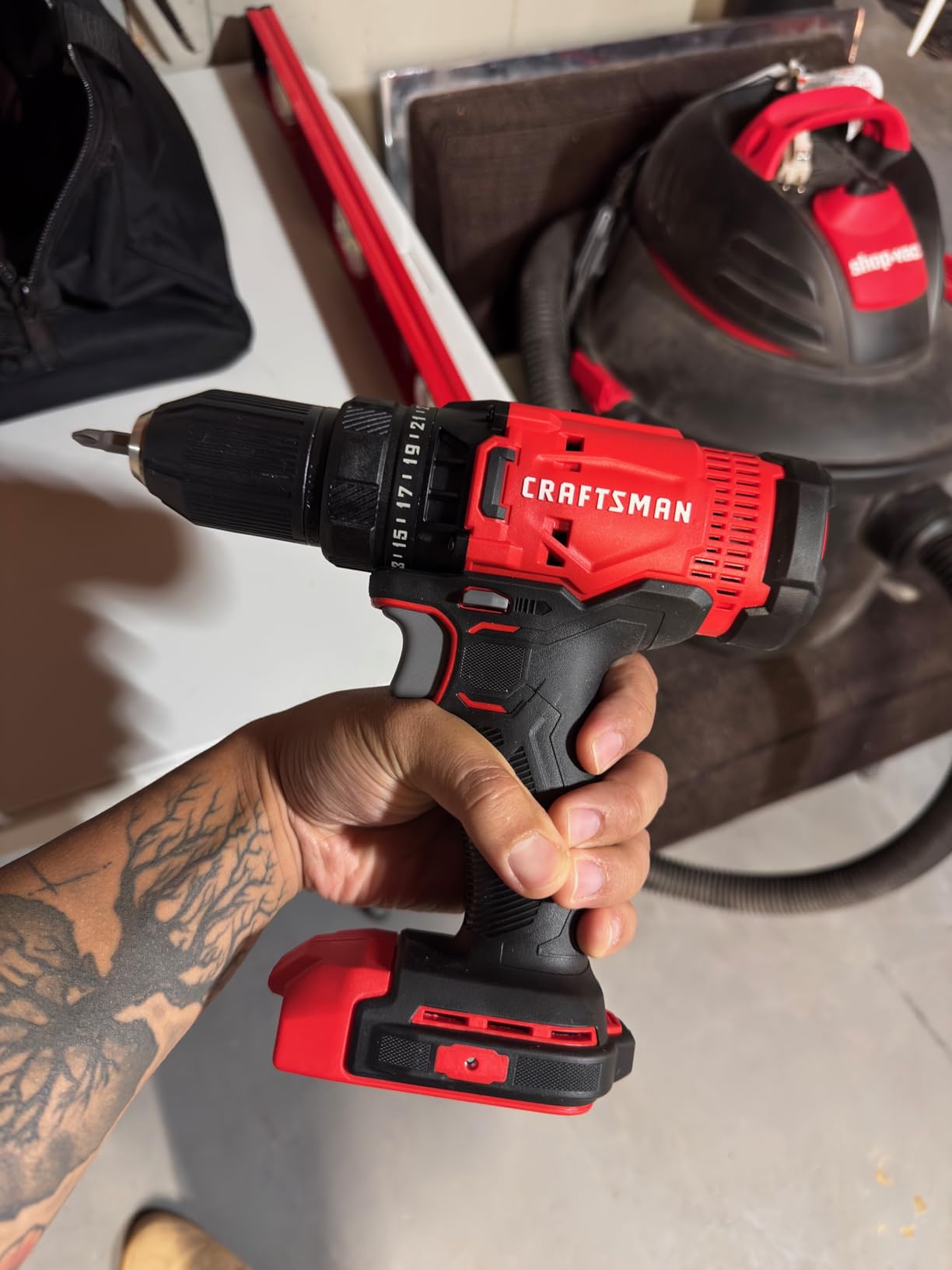
Most budget drills stop at a 3/8-inch chuck, and that single limit shapes what you can do for the next decade. The CRAFTSMAN V20 does not stop there. It has a 1/2-inch keyless chuck and a stated 0.5-inch drilling capacity in both wood and metal, which means spade bits, hole saws, socket adapters and the driver bits sold in standard sets all fit.
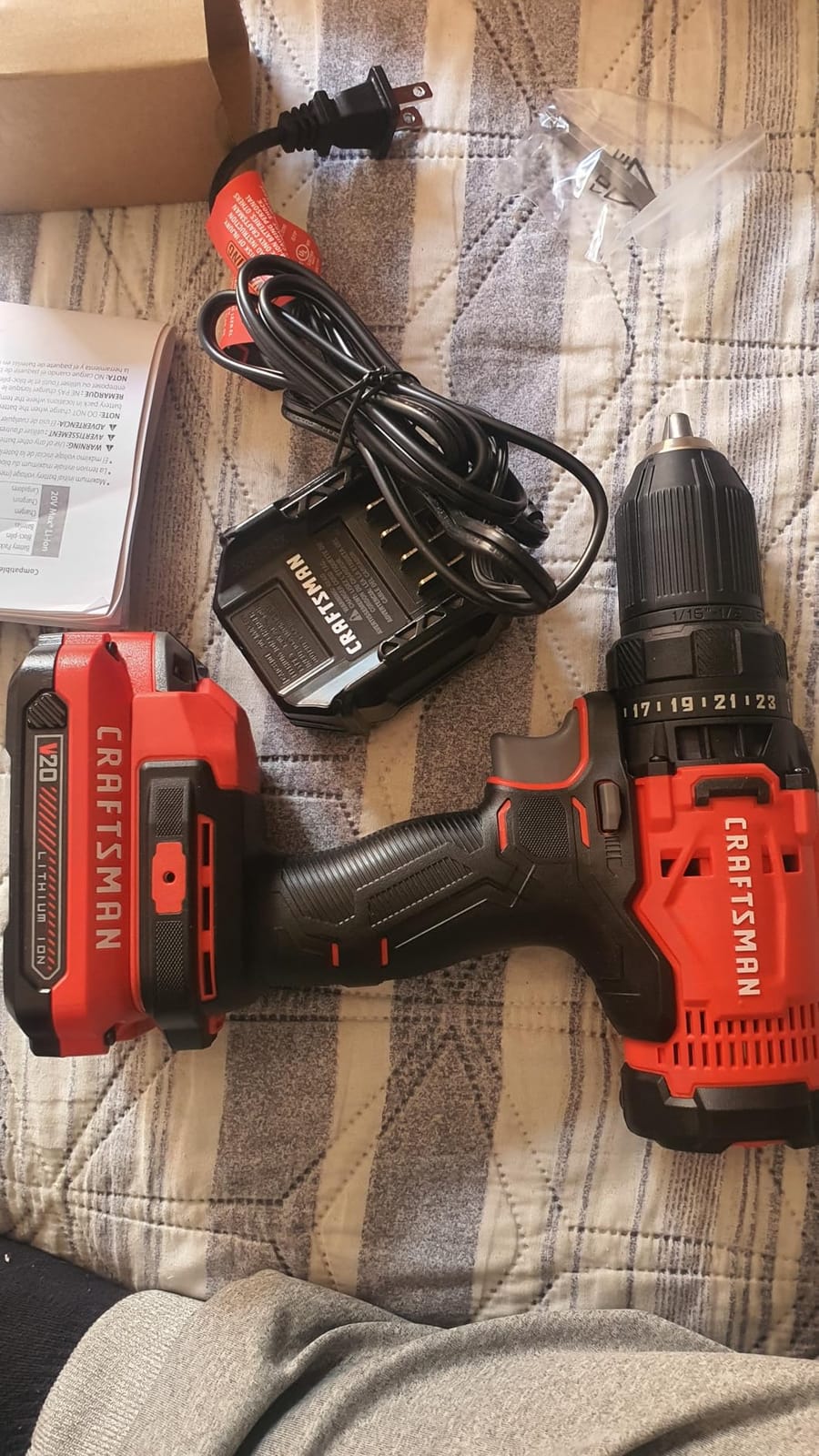
The motor is rated at 280 unit watts out, and the gearbox offers 0-350 and 0-1500 rpm. In practice that maps to a slow gear for driving fasteners with control and a fast gear for boring, and the keyless chuck makes changes tool-free. Review sentiment centres on solid build, quick charging, a useful LED and adequate power for household projects.
Two practical details. The included 20V MAX charger brings the 1.3Ah battery up in 60 minutes or less, which is a genuine improvement over the small chargers in cheaper kits. And there is a three-year limited warranty, which is longer than the two-year cover on several competitors here and is a real signal about expected service life.
The limitation is battery count. This kit includes a single 1.3Ah pack, so on any project longer than an evening you will be waiting on a charge. There is also no hammer function, so masonry drilling is out of scope, and the Versatrack wall-rail system for hanging the drill is CRAFTSMAN-specific, so accessories do not cross over to other brands.
What we liked most in daily use
The 1/2-inch chuck is the whole point, and it changes the job list more than any other feature at this step up. A 1/2-inch chuck accepts the larger masonry bits, spade bits and hole saws that let you cut a hole for a recessed light or a plumbing stub rather than drilling pilot holes and fighting back. It also takes a standard socket adapter, so the drill can drive lag screws with a proper socket rather than a bit that rounds out.
The 60-minute charge and three-year warranty are the two quiet quality markers. Many homeowners buy a drill once and forget about it for years, so warranty length is a reasonable proxy for how long the manufacturer expects the tool to last.
Who should skip this drill
Skip it if you will be working on a deck or pergola. A single 1.3Ah battery and a 1/2-inch chuck with no hammer function is a household and shopfitting tool, and pressure-treated lumber will drain that pack faster than you expect.
Skip it if you want an impact driver later and expect the batteries to carry over. CRAFTSMAN’s platform does have a growing range, but the Versatrack accessories do not travel. If your next purchase in two years is likely to be another CRAFTSMAN tool, this is a sound entry point. If you are undecided between platforms, pick the one with the widest range of future tools you would actually use.
5. BLACK+DECKER 20V MAX BDC120VA100 100-Piece Kit – Best Accessory Bundle
BLACK+DECKER 20V MAX* POWERCONNECT Cordless Drill Driver Kit with Drill Bit Set and Sockets, 100 pc. Tool Kit for Home, Battery and Charger Included, Orange (BDC120VA100)
150 in-lb max torque
10 mm chuck
24-position clutch
Battery, charger and case included
Pros
- 100 pieces of bits
- sockets and hand tools in one box
- 24-position clutch gives good driving control
- POWERCONNECT battery is shared with other BLACK+DECKER tools
- Soft-grip handle
- Charger and storage case included
Cons
- 150 in-lb is the lowest torque in this list
- Listed 6.1 lb weight is heavy for overhead work
- 10 mm chuck limits bit choice
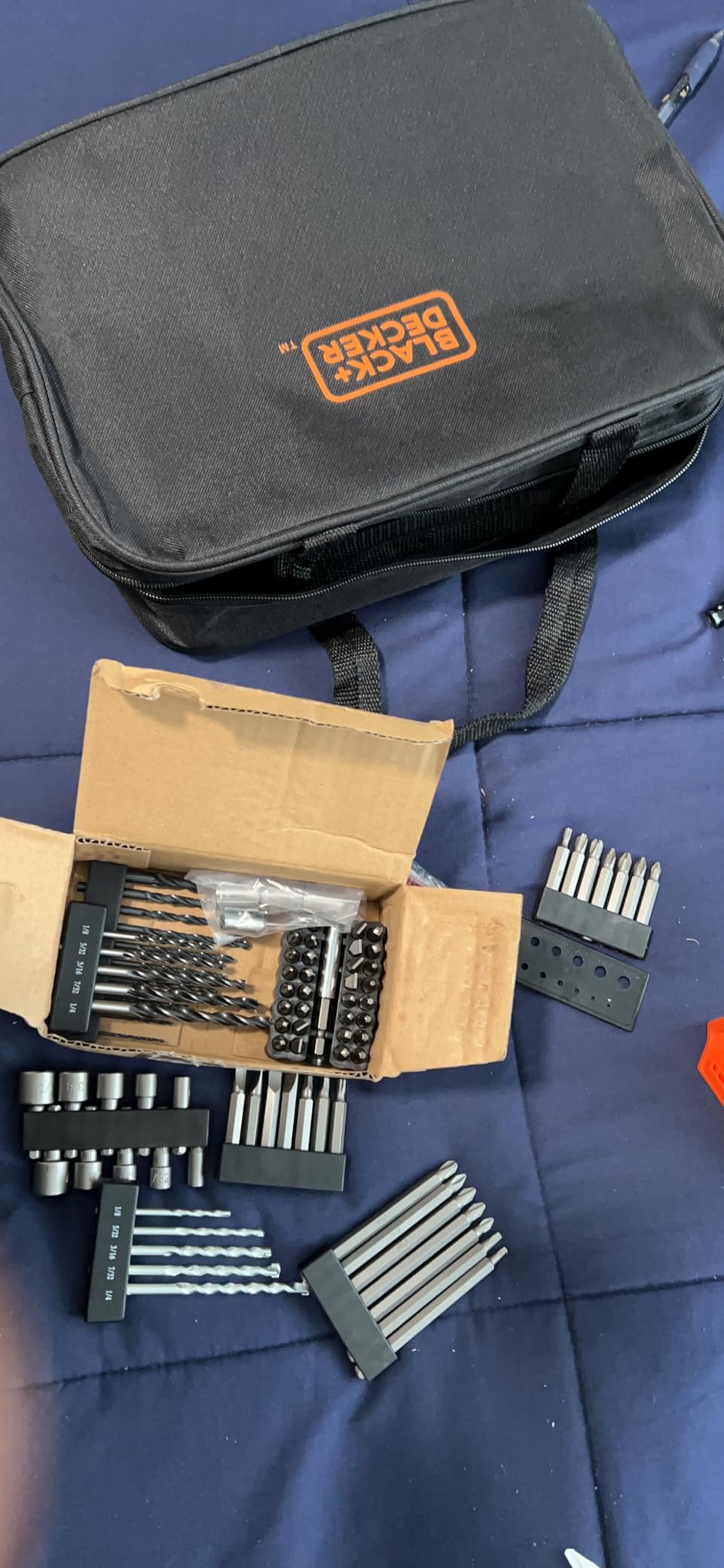
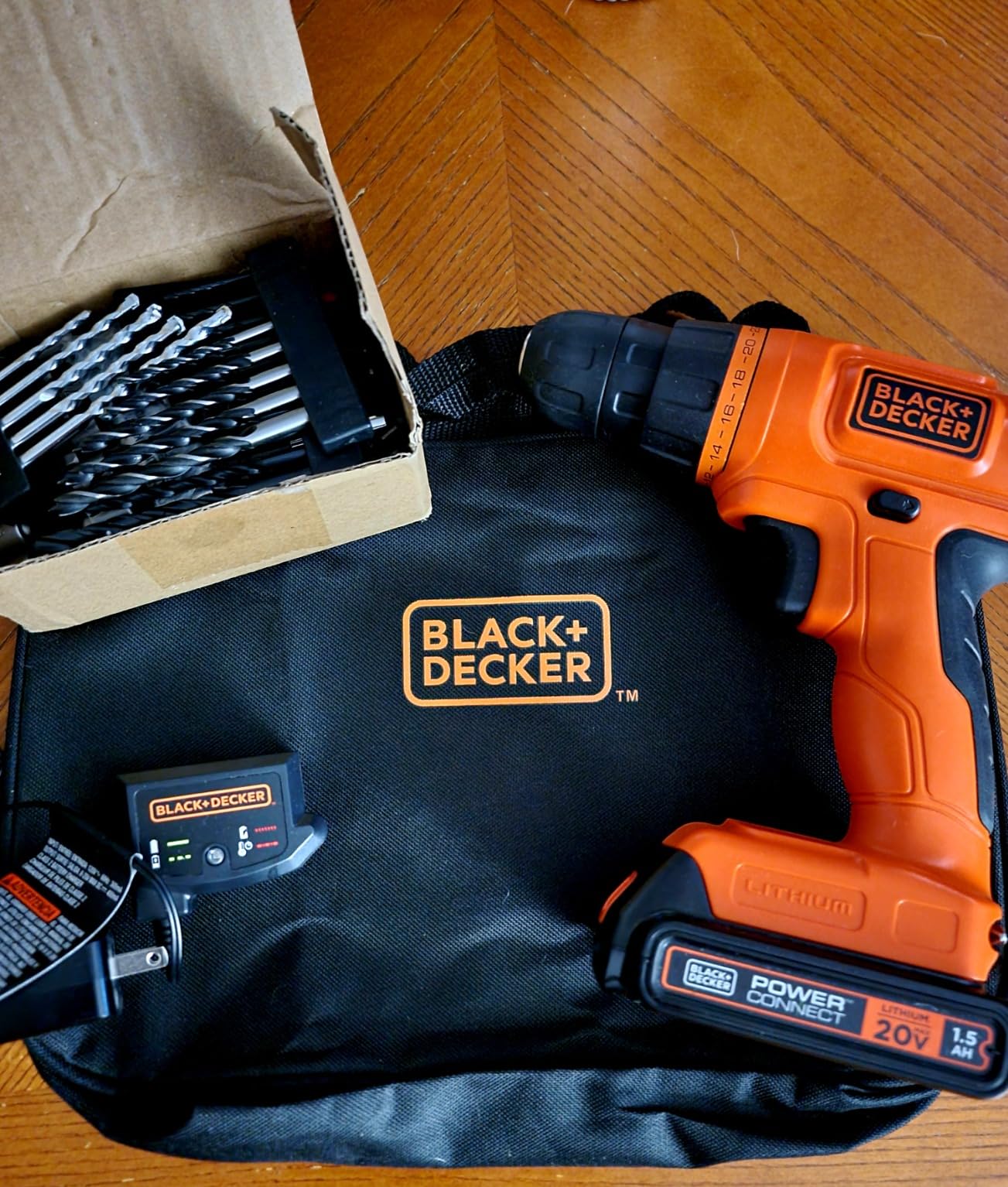
This kit is bought for a reason that has nothing to do with specifications: the 100-piece bundle. It includes brad point bits, masonry bits, fasteners, HSS bits in three lengths, 32 one-inch bits, nut drivers, a ratcheting screwdriver, a gauge, sockets, a socket adapter and a storage case. A new homeowner can assemble furniture, hang fixtures and drive screws without a second accessory purchase.
Mechanically it is a modest drill. Maximum torque is 150 in-lb, the chuck is 10 mm, and the top speed is 650 rpm, all of which put it at the light end of the household range. What it does have is a 24-position clutch, which is more torque control than most of the drills in this roundup offer, and a soft-grip handle that makes the 6.1 lb listed weight bearable.
The battery story is the real reason this is worth considering. The POWERCONNECT pack is interchangeable with other BLACK+DECKER tools, so if you later add a sander, a jigsaw or a vacuum, one battery serves all of them. That makes this a legitimate platform entry point rather than an isolated purchase, and it answers the most common complaint about budget kits, which is that the battery is useless everywhere else.
Against that, the limits are clear. 150 in-lb will not drive a structural screw, will not bore a hole through a solid 2×4 without care, and the 10 mm chuck rules out the larger bits, while the two-year warranty is shorter than most of the major-brand kits here.
Reviewers are also consistent that the 100-piece count flatters the package more than the contents flatter the drill, because many of the small bits are short and duplicate each other’s job.
What we liked most in daily use
Having a socket set, a ratcheting screwdriver and a set of nut drivers in the box with the drill changes how a first weekend goes. Assembly instructions for flat-pack furniture rarely tell you to use a ratcheting screwdriver, and owning one removes the most common reason a two-hour job becomes a two-day job.
The 24-position clutch is the feature nobody expects from this tier. On cabinet hinges and small wood screws it lets you dial in the stopping point, and that is where the difference between a 24-position and a 15-position clutch shows up in practice.
Who should skip this drill
Skip it if you own or plan to own a stud wall you intend to work on seriously. At 150 in-lb and a 10 mm chuck, this drill is for hanging things, running cables into walls and light household assembly. The moment you reach for a lag screw or a spade bit, you have outgrown it.
Skip it if you already own a battery platform from another brand. POWERCONNECT packs are common and cheap on the secondary market, but they do not cross into DEWALT, Milwaukee, Makita or CRAFTSMAN tools, so a second platform is a second set of batteries to keep charged.
6. DEWALT 20V MAX DCD777D1 Brushless Drill – Best Brushless Step Up on a Familiar Platform
DEWALT 20V MAX Cordless Drill Driver Set, Electric Drill, Brushless 1/2 In 2 Speed, 2.0 Ah Battery and Charger Included, LED Light (DCD777D1)
Brushless motor, 300W
Compact 7.6 in body
2.0Ah battery and charger
3-year warranty
Pros
- Brushless motor runs cooler and longer than brushed units
- Compact 7.6 in body reaches into tight spaces
- 2.0Ah battery gives roughly double the runtime of a 1.3Ah pack
- LED light holds 20 seconds after trigger release
- Three-year limited warranty
Cons
- The box includes a single battery
- No hammer function
- Listed 5.1 lb weight is heavier than compact alternatives
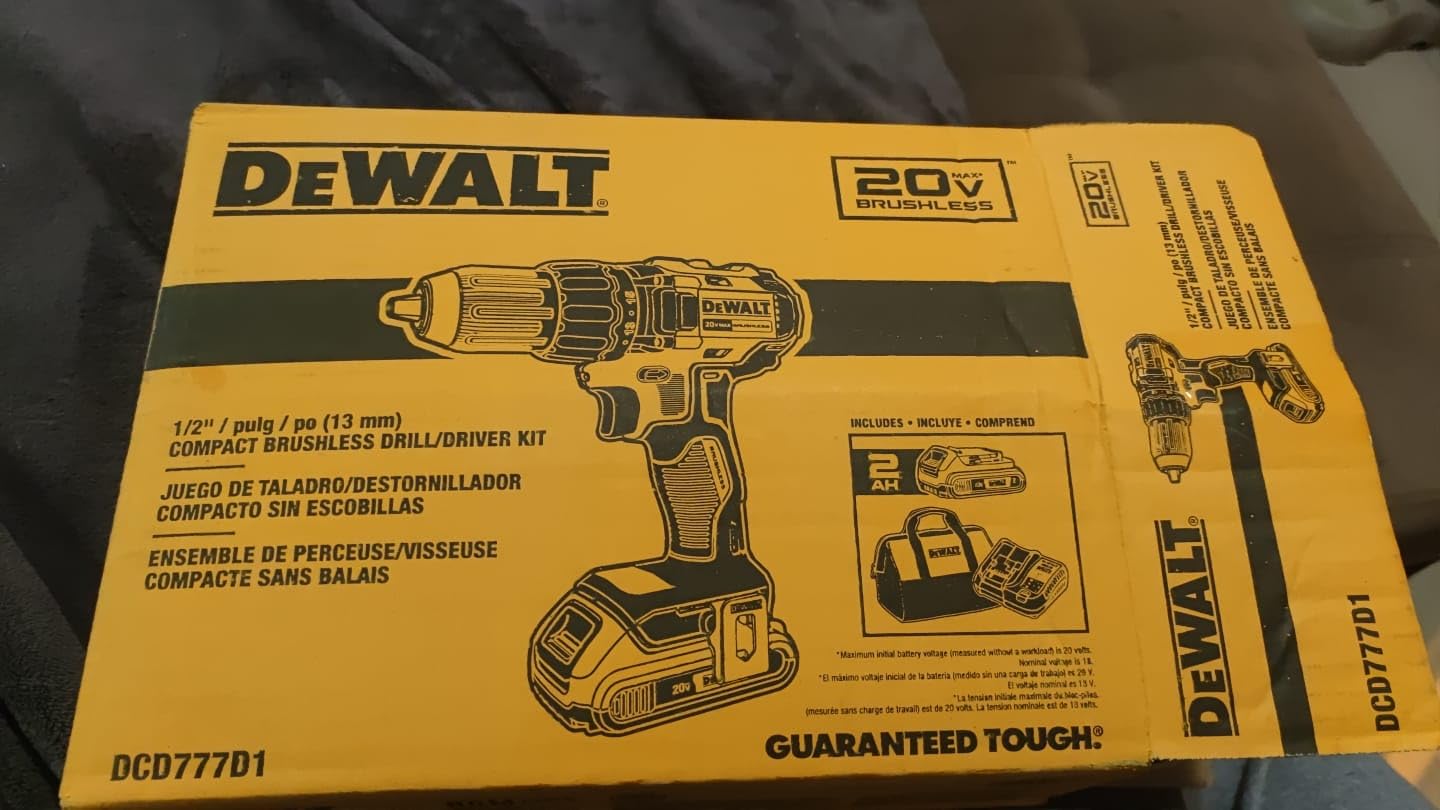
This is the same battery platform as our top pick, with the motor swapped. The DCD777D1 uses a brushless motor rated at 300 watts, which means less friction inside the housing, less heat build-up over a long session and noticeably more runtime from the same pack. Owners consistently describe it as a step up from brushed DEWALT kits rather than a lateral move.
The other headline is size. At 7.6 inches front to back, this is a compact drill, and compact is the word that matters when you are working inside a cabinet, between studs or in the cavity behind a washing machine. A shorter tool means the chuck is closer to your knuckles, which is where you need the control to be.
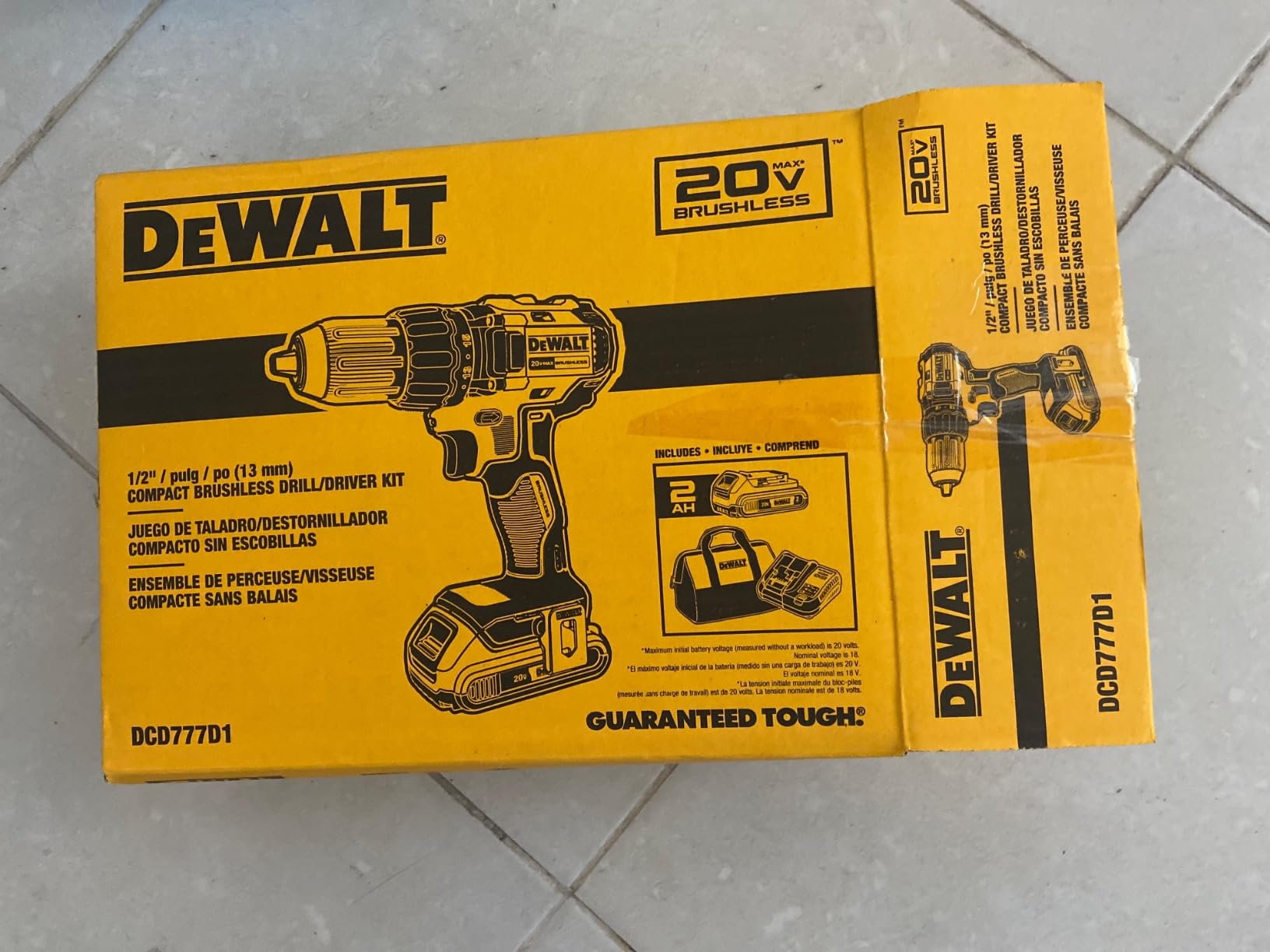
The included 2.0Ah battery is a meaningful upgrade over the 1.3Ah packs in the brushed kit. More capacity means fewer pauses on a deck or a run of drywall anchors, and the LED work light with a 20-second trigger-release delay is long enough to find a stud cavity without re-triggering. The ergonomic comfort grip is a genuine improvement on the budget drills’ handles, and the three-year limited warranty covers the tool.
The same limitations apply as with the DCD771C2. There is no hammer function, so concrete and masonry are outside its scope, and this listing includes a single battery, so you are still working one pack at a time. The listed 5.1 lb weight is largely the 2.0Ah pack rather than the tool body, and a homeowner doing overhead work will feel it by the end of a long session.
What we liked most in daily use
Head length is the spec nobody advertises and everybody notices. A drill’s length from the chuck tip to the back of the head determines whether it fits in a 4-inch stud bay or inside a wall cabinet, and 7.6 inches is comfortably short. When you are working between studs with a 1/2-inch bit, the difference between a short body and a long one is the difference between a clean hole and a gouged one.
Brushless is worth the money for a specific reason: runtime per charge. If you are driving long structural screws or boring a lot of 1/2-inch holes, the efficiency of a brushless motor means fewer battery changes across an afternoon, and a cooler motor is a motor that stays at full torque longer.
Who should skip this drill
Skip it if you have never owned a DEWALT tool. The battery is excellent and the platform is enormous, but the value here comes from platform access, and if you are starting cold you are buying into a system for a single tool rather than because you have already decided on DEWALT for the garage.
Skip it if masonry work is on the horizon. Even at 300 watts, a brushless drill without a hammer mode will not change your mind about concrete block, and the cost difference between this and the hammer-drill pick is not where you want to save if you know you need to anchor into masonry.
7. Makita XFD131 18V LXT Brushless Driver-Drill Kit – Best for the LXT Platform
Makita XFD131 18V LXT® Lithium-Ion Brushless Cordless 1/2″ Driver-Drill Kit (3.0Ah), Variable Speed
440 in-lb brushless torque
2-speed 0-500 and 0-1900 rpm
3.0Ah LXT battery and bag
3-year warranty
Pros
- Brushless motor delivers 440 in-lb with strong runtime per charge
- 3.0Ah battery holds charge through long sessions
- Chuck and clutch hold bits firmly without loosening
- Works across the full 18V LXT tool range
- Three-year warranty on tool
- battery and charger
Cons
- LXT replacement batteries cost more than competing packs
- Newer LXT tools are not always interchangeable with older generations
- No hammer function
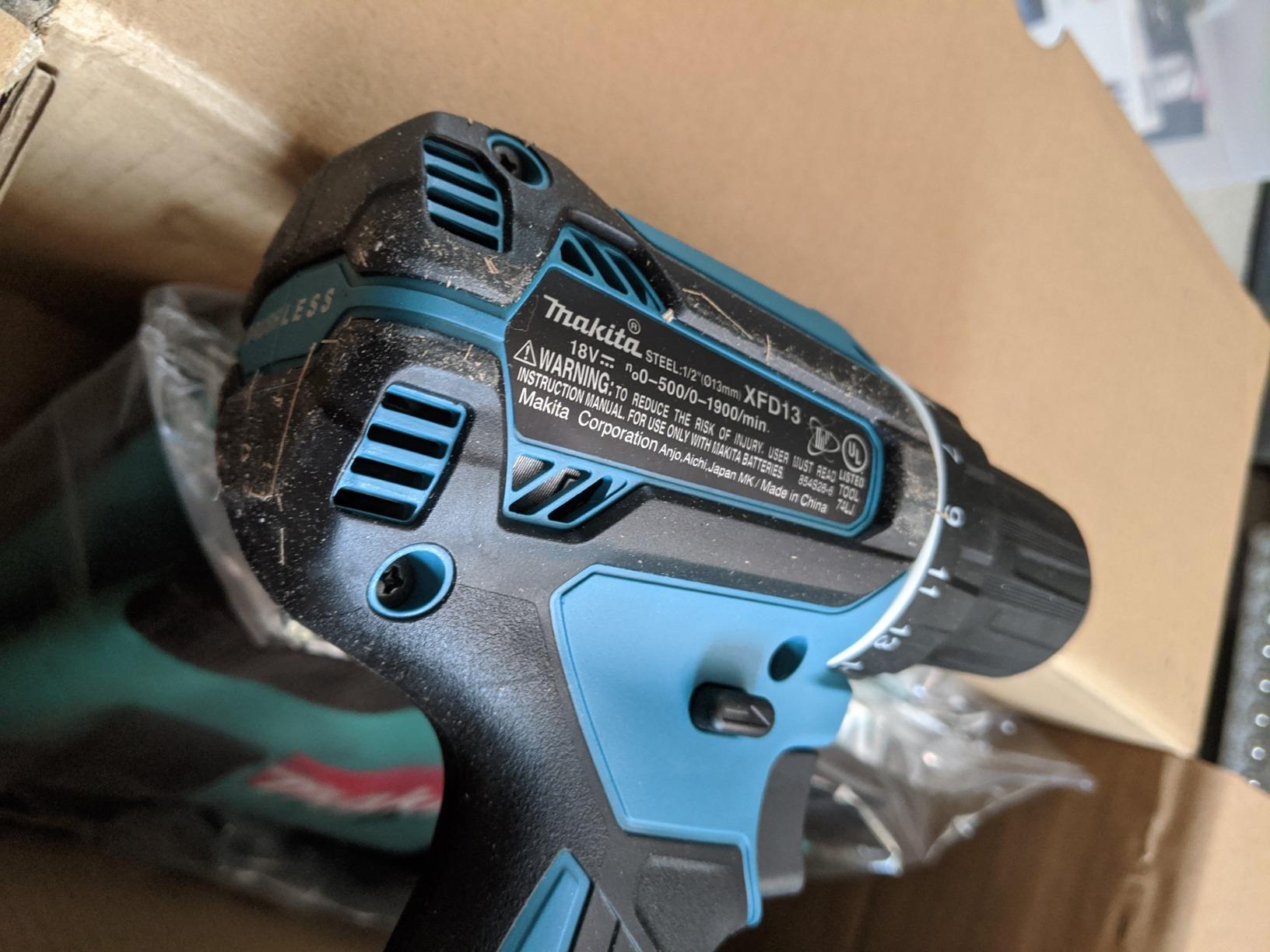
18V and 20V are the same underlying lithium-ion technology measured at nominal and peak voltage, so when you see an 18V Makita next to a 20V DEWALT you are comparing the same class of cell, not different power. What differs is the platform, and Makita’s LXT range is one of the widest in the industry, which is why this kit earns a place on a homeowner list despite a higher ticket.
The drill itself is 440 in-lb of brushless torque on a mechanical two-speed gearbox, 0-500 and 0-1900 rpm. The fast top gear is the highest in this roundup and it shows on spade bits and hole saws, and the 3.0Ah LXT battery in the kit is the largest single pack here, which owners point to as the reason the tool holds charge through long working sessions without a recharge.
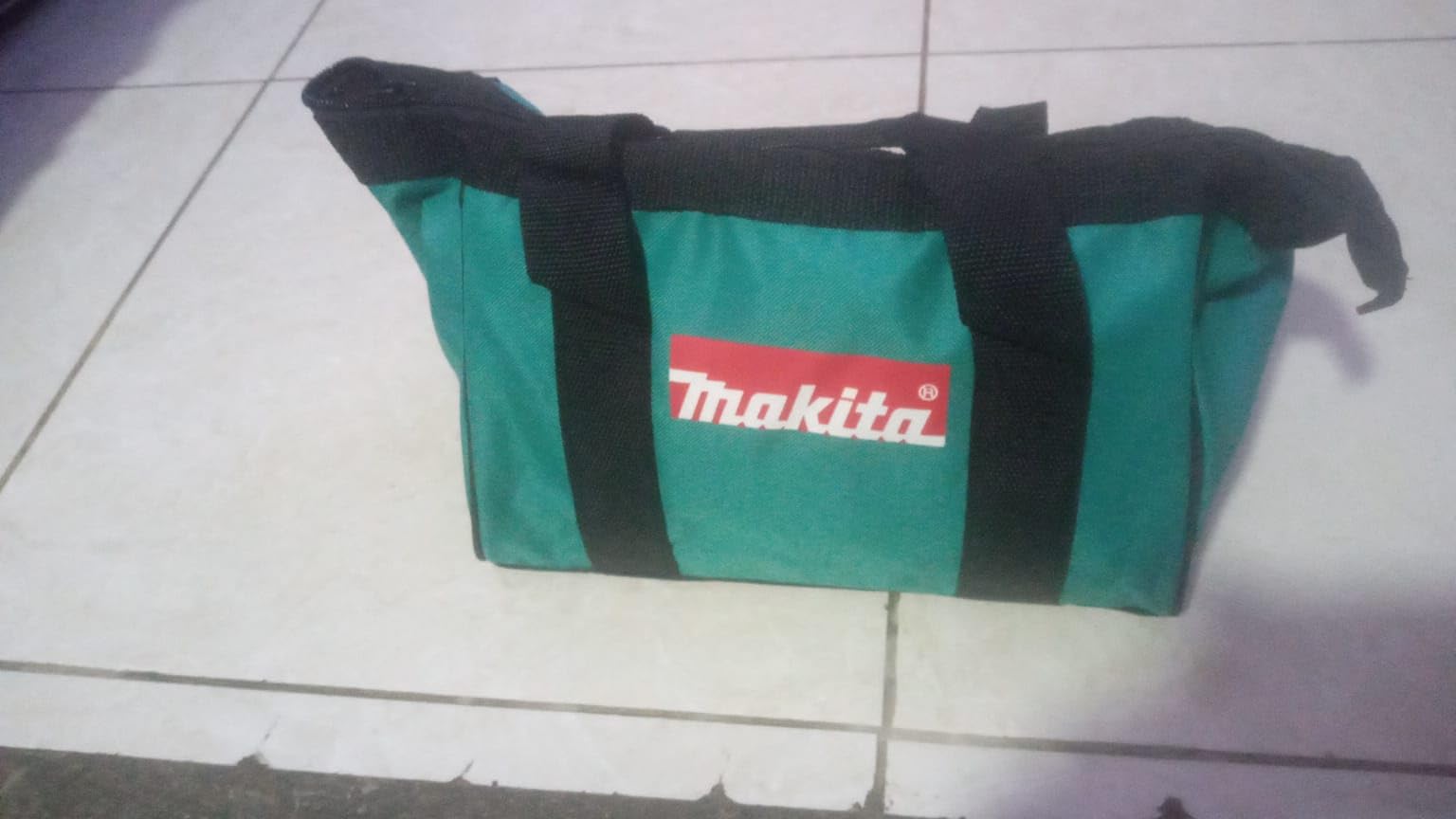
Build quality is the theme in the reviews. Owners rate the chuck and clutch highly for holding bits firmly, including the detail that they do not loosen when spun in by trigger alone, which is a fault in cheaper drills. Balance is also praised, with several users noting it suits people with hand or joint issues, and the kit includes a tool bag alongside the charger.
The reservations are financial rather than mechanical. LXT replacement batteries cost more than competing packs, which is the price of admission to a wide platform, and owners report that newer LXT tools are not always interchangeable with older generations, with chargers differing between them. The 7.3 lb listed weight is the heaviest in this comparison, and there is no hammer function.
What we liked most in daily use
The 3.0Ah battery changes the working rhythm. On a deck project, a 1.5Ah pack gives you roughly half the on-tool time, and the difference between swapping once and swapping four times is the difference between a relaxed afternoon and a job you abandon. The 1,900 rpm top gear then chews through hardwood and spade bits in a way the slower drills here cannot match.
Chuck and clutch quality is what you notice over years rather than days. A chuck that holds a bit through 300 screws is the difference between productive work and constantly re-chucking, and reviewers describe this one as solid on that front.
Who should skip this drill
Skip it if you are certain you will only ever own one cordless tool. The 7.3 lb weight is real, and paying platform-premium battery prices for a single-tool household is hard to justify when the DCD771C2 covers the same jobs with two batteries in the box.
Skip it if you need concrete. There is no hammer function here either, and the money saved by choosing a hammer drill is more meaningful than the platform premium. For everyone else who will add tools over the next few years, this is the pick that ages best, and it is the one most likely to still be running a decade from now.
8. Milwaukee M12 FUEL 3404-20 Hammer Drill – Best for Masonry and Overhead Work
Milwaukee Electric – M12 Fuel. 1/2 Hammer Drill-Driver
400 in-lb brushless torque
Working hammer mode
1/2 in all-metal chuck
About 2.6 lb on the M12 platform
Pros
- The only drill here with a hammer mode for concrete
- brick and block
- Brushless torque in a 2.6 lb body
- 1/2 inch all-metal chuck grips and holds bits
- Light enough for overhead work and one-handed use
- Mechanical clutch and variable speed make it a usable driver too
Cons
- Battery and charger are not included in this listing
- M12 packs are stubborn to remove once seated
- Not designed for continuous heavy drilling in very hard material
This is the pick for anyone whose projects touch concrete block, brick or a slab, and it is the only drill in this roundup with a functioning hammer function. Instead of just twisting, the chuck delivers a rapid percussive hammering action that breaks the surface of the material and lets the bit cut. It is the difference between a masonry bit working and a masonry bit sitting still and smoking.
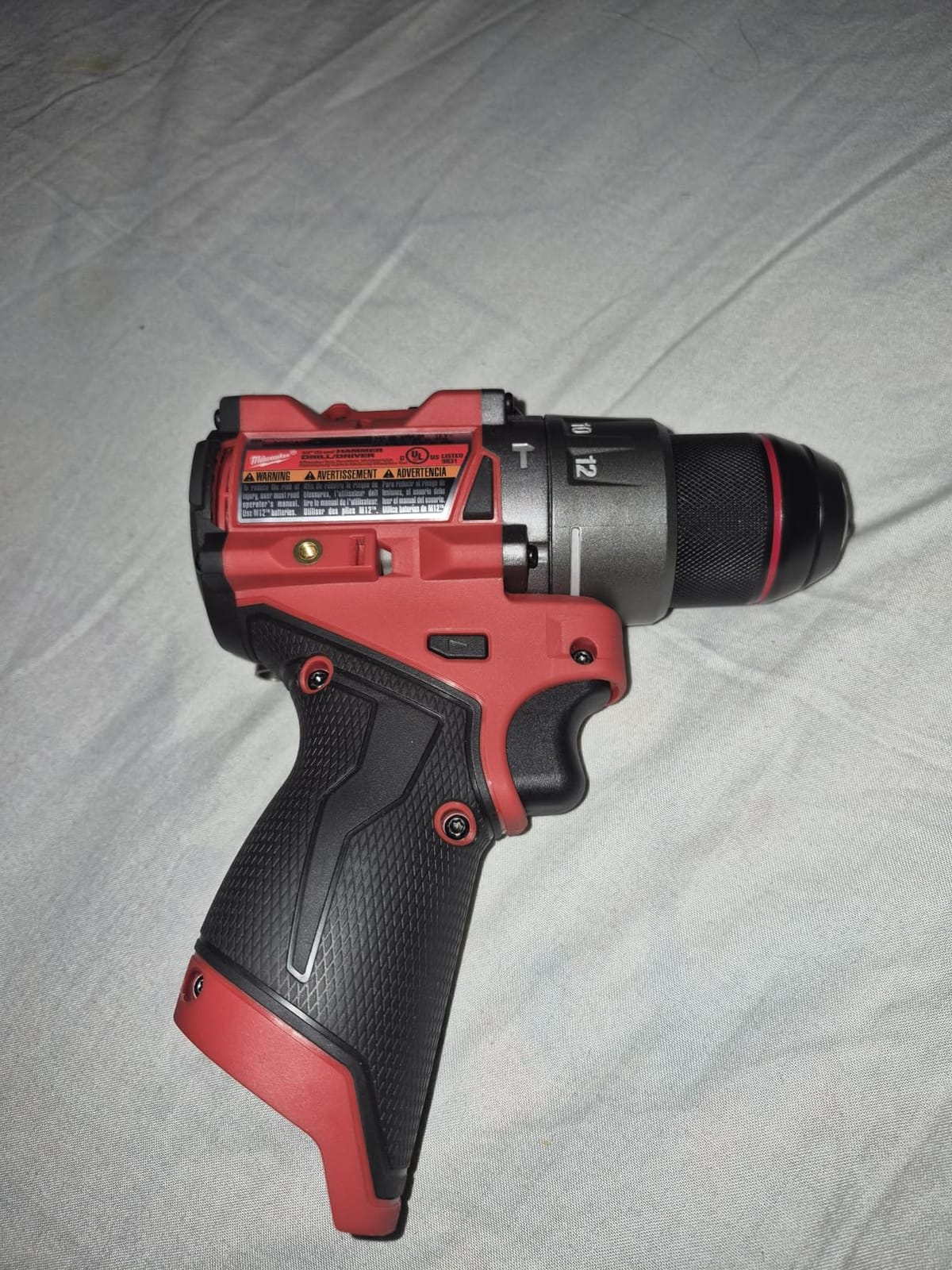
What makes it remarkable is that 400 in-lb of brushless torque arrives in a tool listed at about 2.6 lb. Most hammer drills of this capability are heavy, awkward things you carry in a bucket. This one goes on a belt, and reviewers single out its suitability for overhead work, electrical panels and one-handed use inside tight spaces.
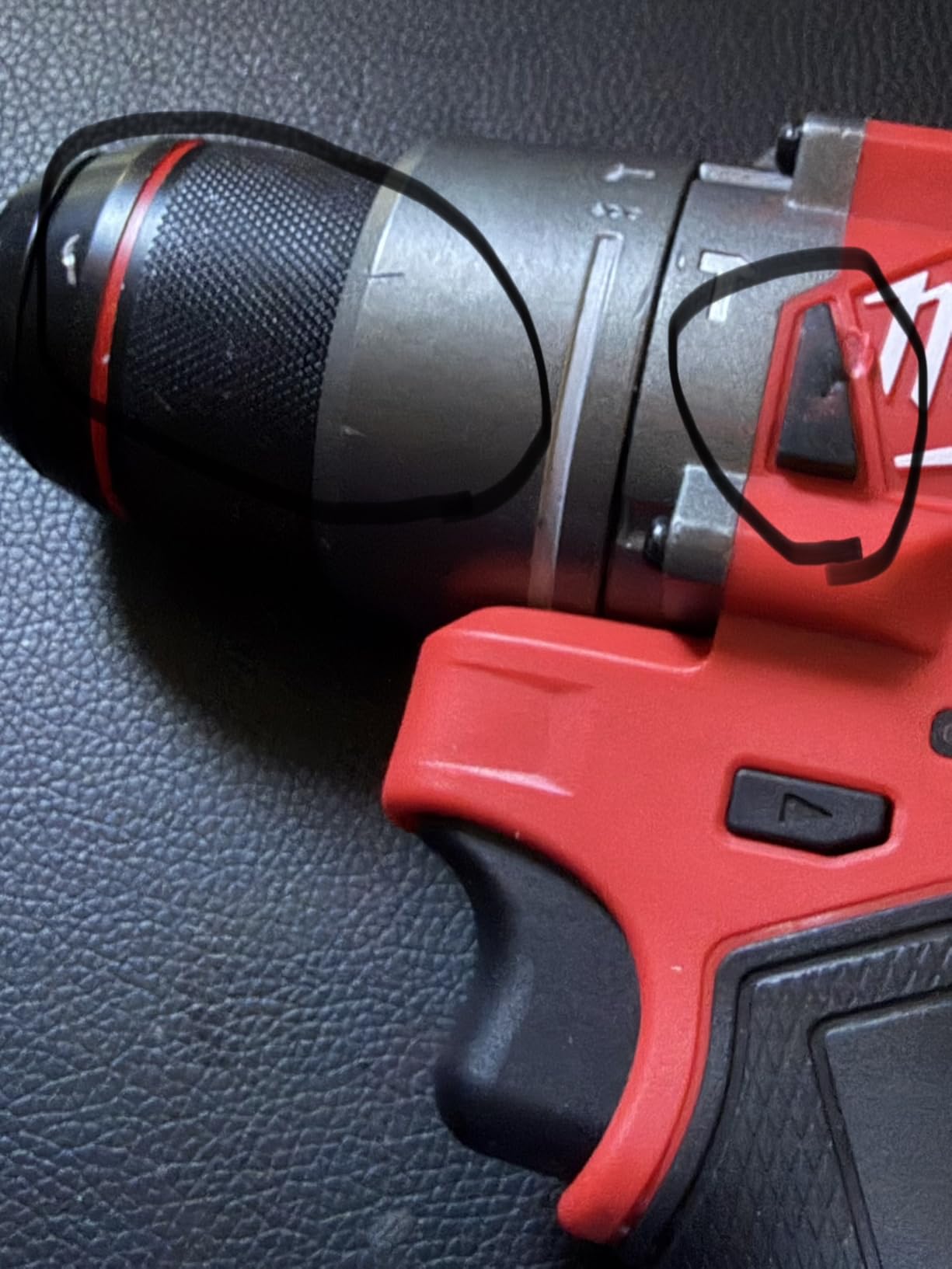
The 1/2-inch all-metal chuck is the detail that separates it from the plastic-chuck budget drills. Metal means durability and, more importantly for concrete, bit retention under load. A bit that slips in a chuck under hammering is both dangerous and infuriating, and an all-metal sleeve with mechanical clutch is the part of this drill that will still feel right in five years.
Two practical notes. This listing does not include the battery and charger, so budget for both, because a hammer drill with no pack is not a purchase. And M12 packs are seated tightly, so expect to need two hands to release one on a ladder. The drill is optimised for portability rather than sustained heavy drilling in very hard material, which is the correct trade for a homeowner.
What we liked most in daily use
Concrete block anchoring is where this tool earns its place. If you have ever drilled an anchor into a basement wall and watched a standard drill stall halfway through, the hammer action solves it. The 1/2-inch all-metal chuck also means you can use proper masonry bits and hole saws rather than the small ones that come in accessory kits.
Weight is the second reason. At about 2.6 lb, it is light enough to hold overhead into a ceiling box, to work in a junction box with one hand while your other hand holds the wires, and to carry all day without the wrist ache that comes with full-size hammer drills.
Who should skip this drill
Skip it if your home is all timber frame and drywall. Nine houses out of ten do not need a hammer drill for anything except a tap anchor or a shelf bracket, and in that case the 12V platform gives up meaningful runtime and you would be carrying a smaller battery than you need for a long driving session.
Skip it if buying batteries and a charger separately is going to push you past the cost of a full kit elsewhere. Compare the totals before you commit, because a bare hammer drill plus a battery plus a charger is a different purchase from a boxed kit, and on a homeowner budget that difference decides which one makes sense.
9. PULITUO 20V DC7720S Drill Driver Kit – Best Dual-Battery Starter Kit
PULITUO’S 20V Cordless Drill/Driver, Electric Screwdriver – 2 Batteries, 30Nm, 21+1 Torque, 2 Speed, Keyless 3/8″ Chase Drill with LED Light, Kit for Home (Green)
266 in-lb (30 Nm) max torque
21+1 clutch, 2 speeds
Two 1.5Ah batteries included
34-piece accessory kit
Pros
- Two 1.5Ah batteries at a price tier where most kits include one
- Good runtime
- with owners reporting a full working week on a charge
- 21+1 clutch settings help avoid over-tightening and stripping
- 34-piece kit covers most furniture and shelving tasks
- LED light for dark spaces
Cons
- 30 Nm torque struggles with large lag screws and thick metal
- One reviewer reported a burning-plastic smell and sparking
- Supplied bits are not magnetic and can wobble
The reason this kit stands apart in the budget tier is the box. Most kits at this level include one battery, which means your project has a forced pause in the middle, whereas PULITUO includes two 1.5Ah packs, and owners report getting through a full working week of occasional use on a charge.
Torque is 266 in-lb (30 Nm), a 21+1 clutch and two variable speeds at 0-400 and 0-1500 rpm. The 34-piece accessory set covers drill bits, twist bits, an extension bar, a flexible shaft, 20 driver bits and a screw anchor set, so shelving and furniture assembly are covered out of the box.
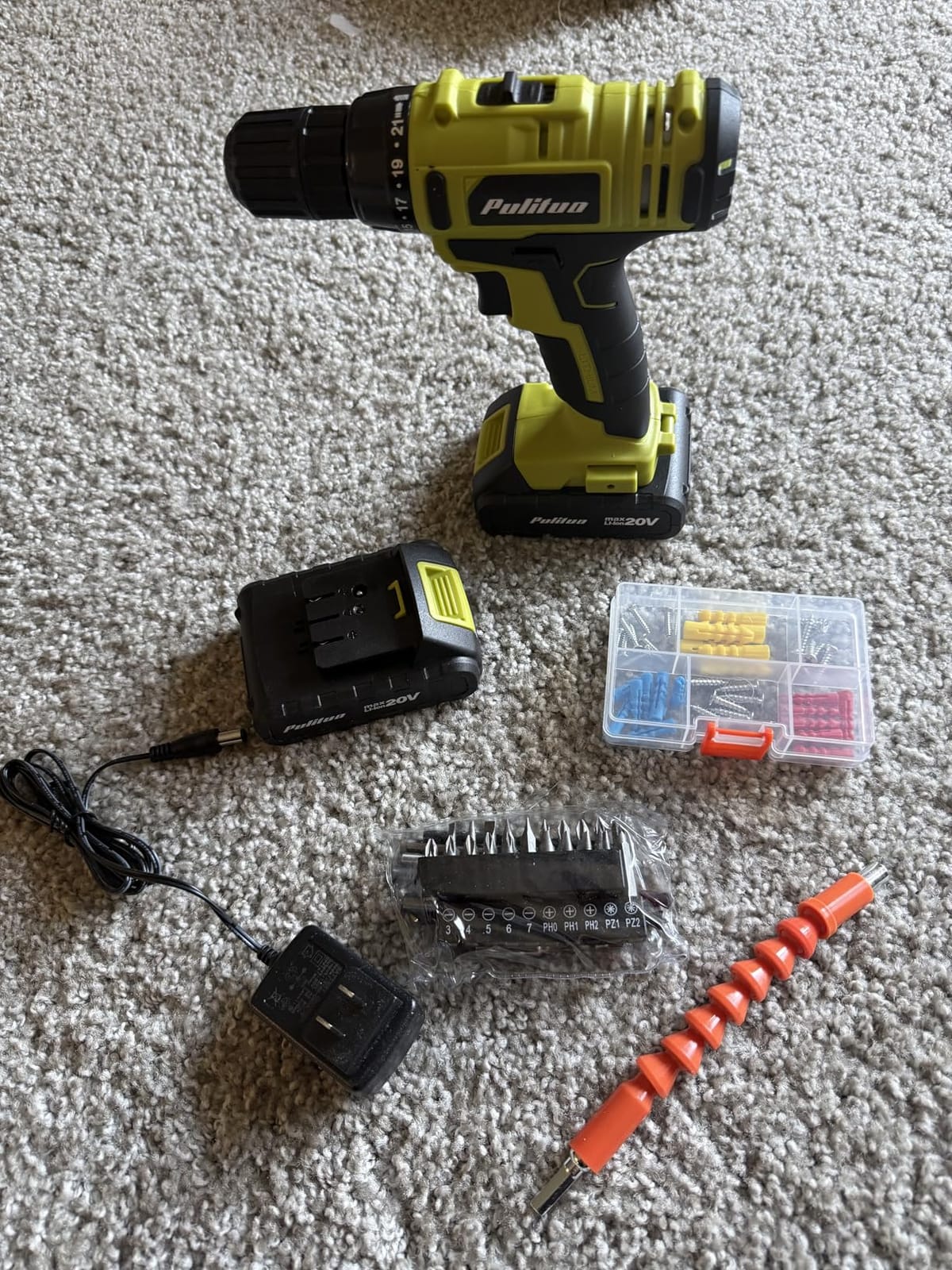
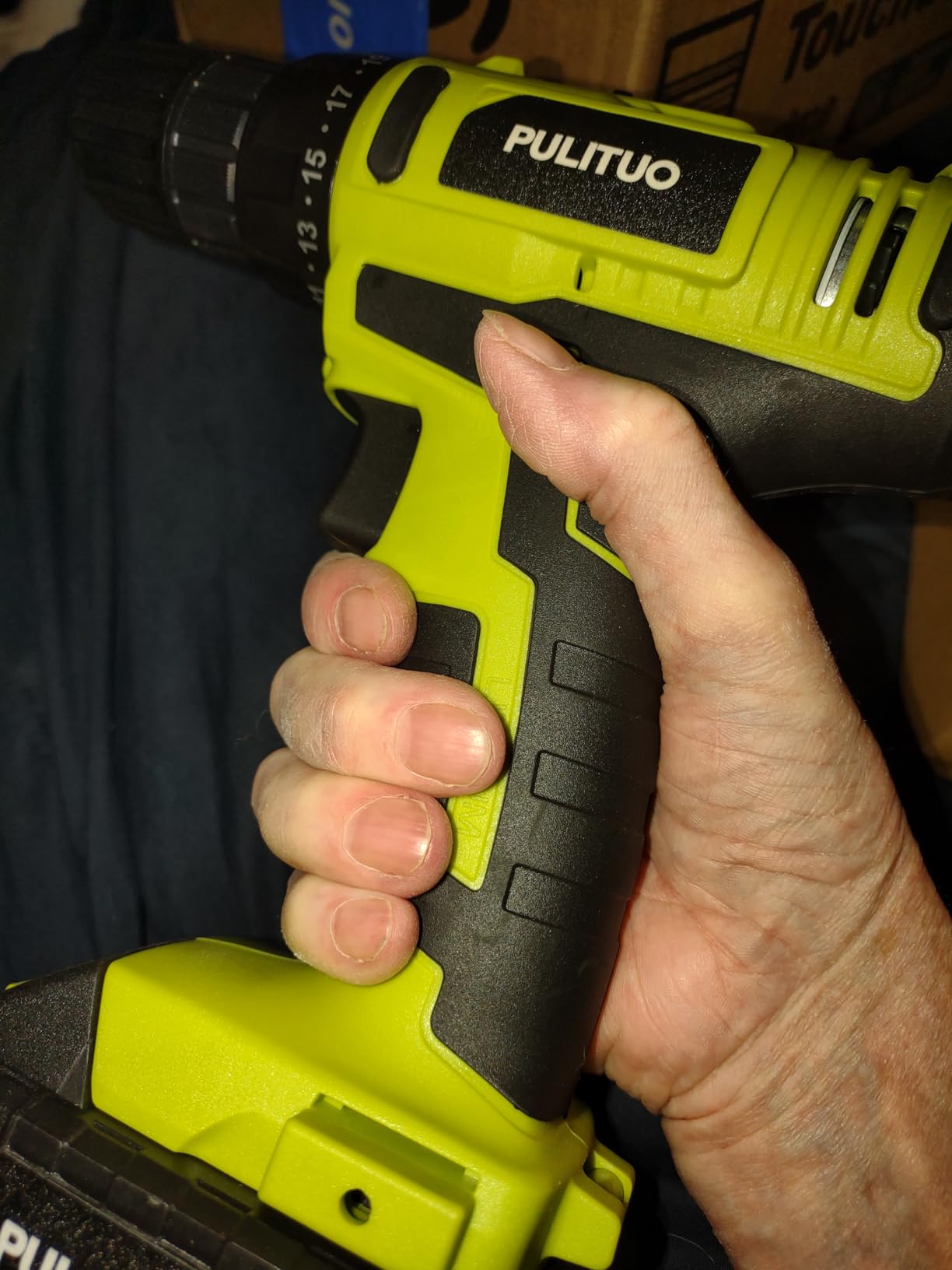
Buyers set realistic expectations about this one, and we would echo them. This is a strong secondary or occasional-use drill for furniture, shelving, drywall and light drilling. The 21+1 clutch genuinely helps avoid over-tightening and stripping small screws, which is the most common way a cheap drill damages a finished cabinet face.
The negatives are worth stating plainly. 30 Nm will struggle with large lag screws and thick metal, and at least one reviewer reported a burning-plastic smell and visible sparking on trigger release, which is a defect you should return rather than tolerate. The supplied bits are not magnetic and can wobble in the quick-release holder, and the charger is a basic cord design with no holder.
What we liked most in daily use
Two batteries changes how you plan. With one pack, every long job is a charge-break-charge rhythm that interrupts your setup and your attention. With two, you keep drilling while the other charges, and for furniture assembly, where you constantly change position, that difference is larger than the torque gap suggests.
The accessory set is genuinely useful rather than padding. The flexible shaft reaches screws that sit at awkward angles inside an assembled frame, and the screw anchor set is exactly what you need for the drywall mounting hardware that the drill cannot install on its own.
Who should skip this drill
Skip it as your only household drill. It has the lowest average rating in this comparison and the largest share of one-star reviews, and those reviews cluster around exactly the things you cannot work around, like a burning smell from a tool you use near finished furniture. Treat it as a shed or second-drill purchase, not the one you reach for first.
Skip it for any project involving the house structure, and skip it for a second battery ecosystem. The platform is narrow, so the two packs you get are the two packs you will ever have. If the dual-battery convenience is what appeals, note that a mid-tier kit with a real 1/2-inch chuck and one pack is a better long-term foundation.
10. WORX 20V WX100L.2 84-Piece Drill Driver Kit – Best for Tight Spaces and First-Home Toolboxes
WORX Cordless Drill Driver, 20V 3/8-Inch 84-Piece Kit, WX100L.2
265 in-lb, all-metal gearing
6.8 in long, 2.5 lb
20+1 clutch, 2 speeds
84-piece kit
Pros
- Very short 6.8 in body for tight-space and overhead work
- Light 2.5 lb weight with rubber overmold grip
- All-metal gearing is rare at this price
- 84-piece bundle includes hand tools like a hammer and tape measure
- Power Share battery is shared across 140+ WORX tools
Cons
- Smallest review pool of the ten products compared
- 3/8 inch chuck and 265 in-lb are below the 1/2-inch options
- Single 2.0Ah battery means recharging pauses
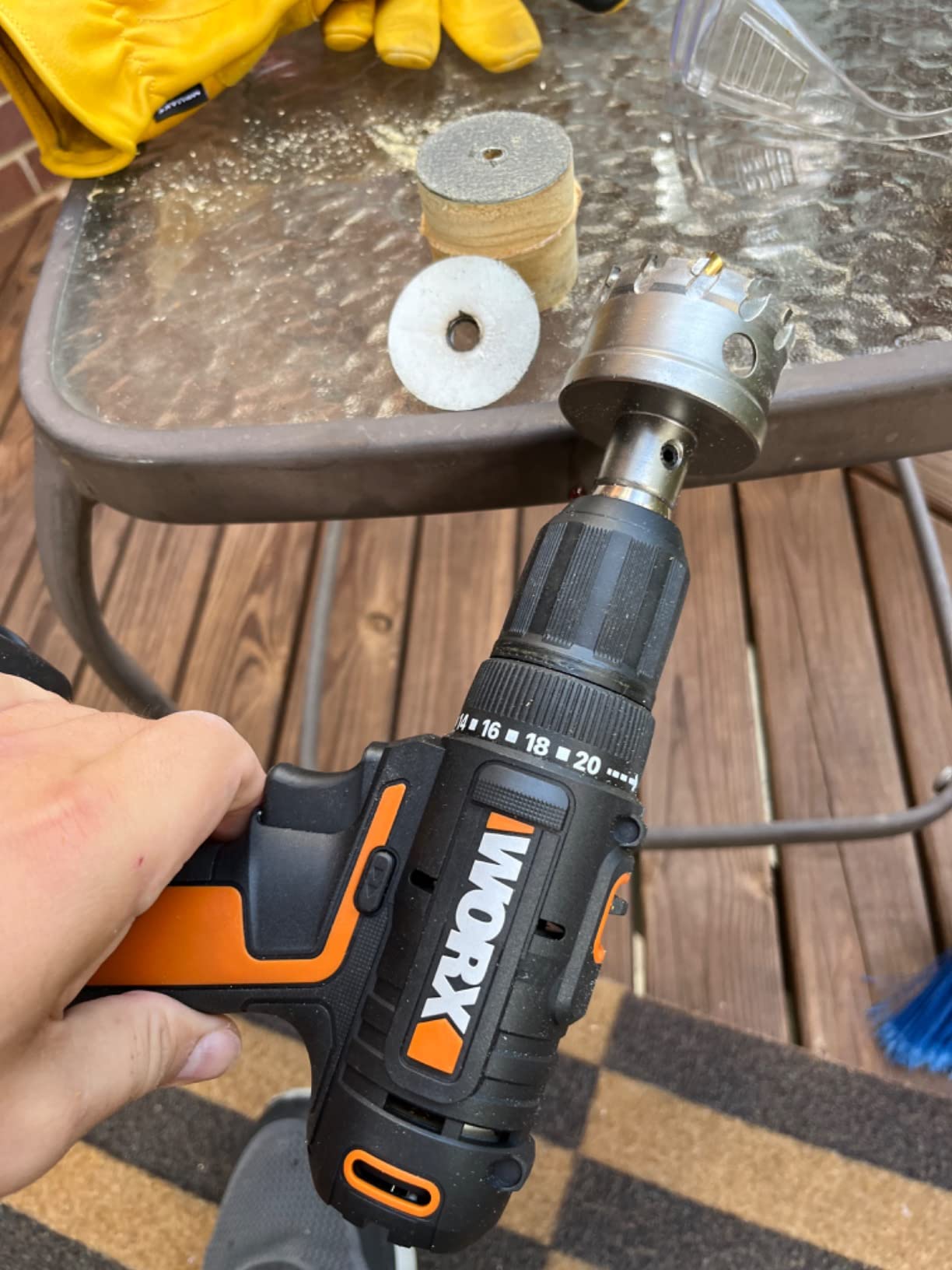
The WORX WX100L.2 is one of the shortest drills we evaluated at 6.8 inches long and 2.5 lb with the battery fitted, and that is why it earns a place despite a very small review pool. When you are working inside a wall cabinet, between studs or above a microwave, body length is the difference between a job you can do and a job you put off.
Mechanically it is better than the price suggests. All-metal gearing with 265 in-lb of maximum torque is unusual in a kit that also includes 84 accessories, and the 20+1 clutch plus 0-400 and 0-1600 rpm two-speed control give you both fine driving control and fast drilling. Reviewers report several people driving screws into fence posts without a pilot hole.
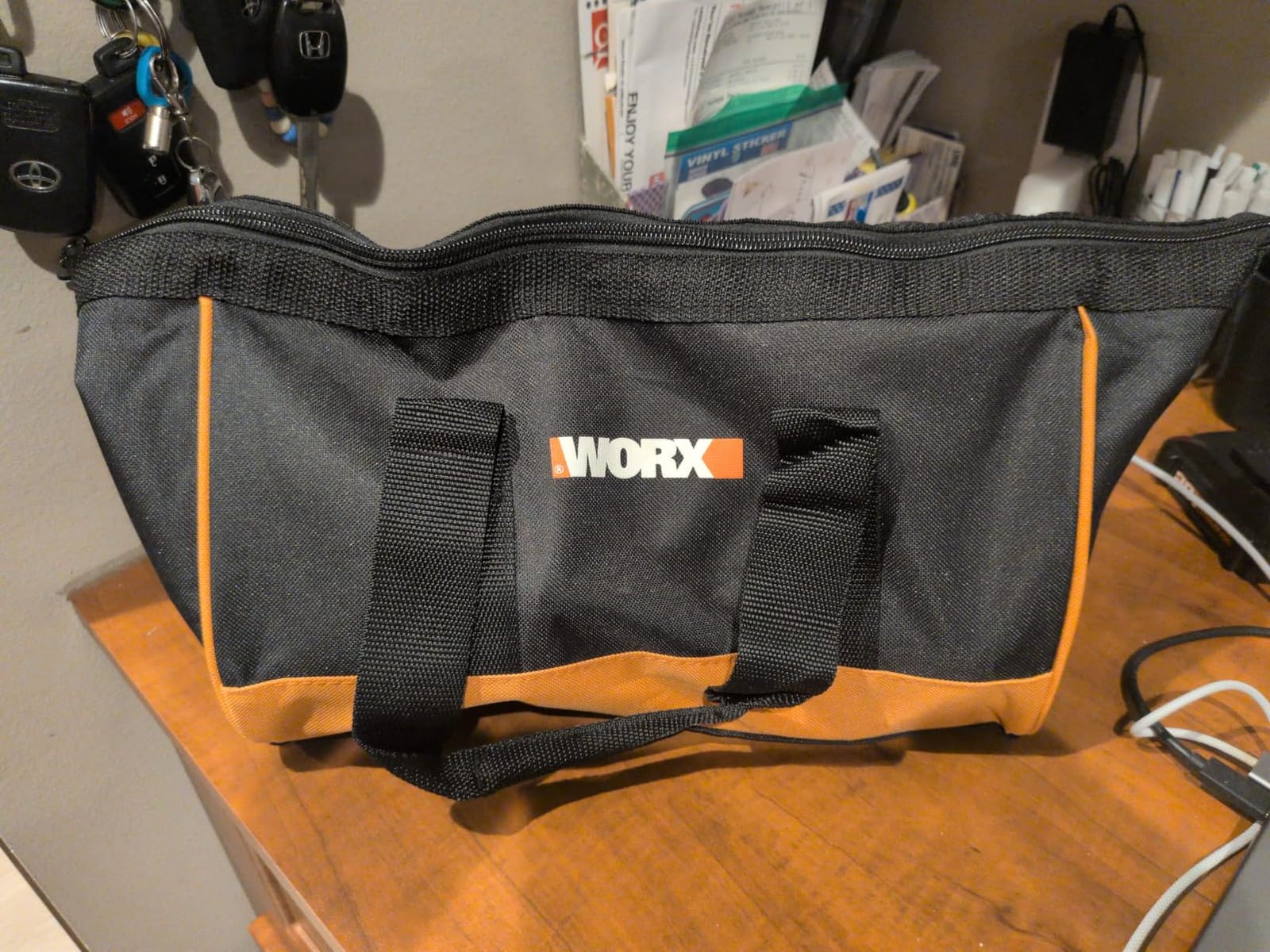
The 84-piece bundle is unusual because it includes hand tools, not just bits: a hammer, tape measure, adjustable wrench and utility knife alongside driver bits and hardware. For someone assembling a first apartment or first house kit, that turns one purchase into a working toolbox, and a carry bag and belt clip are included too.
The battery is a 2.0Ah Power Share pack shared across 140+ WORX tools and outdoor equipment, which is a genuine platform rather than a closed one, though the range of cordless drills within it is much thinner than the tool count suggests. The honest caveat is the review pool: 298 ratings is by far the smallest here, so long-term durability is less well documented than for anything else on this list.
What we liked most in daily use
Size, plainly. At 6.8 inches, this drill goes where the full-size models do not, and the 2.5 lb weight with a rubber overmold grip means you can hold it overhead in one hand while the other supports a shelf. The quick forward and reverse switch and smooth variable control make repetitive driving less tiring than on cheaper kits.
All-metal gearing is a feature you feel over years rather than days. Metal gears do not strip the way plastic gears can when a screw binds, and that matters far more than the accessory count once the box is unpacked.
Who should skip this drill
Skip it if you want buying confidence from a long owner history. Two hundred and ninety-eight ratings is a thin sample, and with so few reviews you have no way to see the failure pattern that thousands of owners reveal on a well-established model. For a tool you intend to keep for a decade, that is a real consideration.
Skip it for structural work. A 3/8-inch chuck and 265 in-lb will not take lag screws, thick metal or masonry, and the single 2.0Ah battery means a pause on anything longer than a weekend. Within that envelope, though, it is a genuinely useful compact drill and the hand tools in the box are the part homeowners mention most.
How to Choose a Cordless Drill for Home Use?
Most buying guides start with voltage, and voltage is the least useful thing on the list. Start instead with the jobs you expect to do in the next two years, then work backwards to the specs. Everything below is in the order that actually narrows the decision.
1. Start with the job list, not the spec list. If your projects are hanging pictures, assembling furniture, installing shelving and fixing loose fixtures, anything on this list will do it. If you are building a deck, hanging a heavy cabinet on a masonry wall, or framing anything, you need a 1/2-inch chuck, at least 300 in-lb of torque, and for masonry, a hammer mode. A 12V drill plus a 3/8-inch chuck will frustrate you within a month of real construction work, and the forum consensus we read on this point is consistent: the drill you buy first tends to set the ceiling on the projects you attempt.
2. Torque in inch-pounds, and what the number really means. Max torque is how hard the tool can twist before it stalls, and it is a published figure you can compare across listings. For wood screws and general household work, 200 to 300 in-lb is comfortable, while structural lumber and lag screws want 400 in-lb or more. Do not read the number in isolation, because a high torque figure on a light tool often means a short runtime before it bogs down.
3. Chuck size decides what jobs stay closed to you. A 3/8-inch chuck, or a 10 mm one, takes standard twist bits and driver bits. A 1/2-inch chuck takes those plus spade bits, hole saws, larger masonry bits and socket adapters, so if you have any chance of cutting a hole for a recessed light or driving a lag screw, buy the 1/2-inch chuck. It is the cheapest capability upgrade available on a home drill.
4. Battery platform is the decision you will live with longest. This is the part most roundups skip, and it is the part that costs you money later. A closed platform, like the AVID POWER set or the WORKPRO set, works only with its own brand’s packs, while an open platform, like DEWALT’s 20V MAX, Makita’s 18V LXT, BLACK+DECKER POWERCONNECT or WORX Power Share, lets one battery serve every future tool you buy. Over five years of buying, that difference decides the real cost of your drill, so pick the platform first and then the best drill within it.
5. Amp-hours decide how often you stop. A battery rated 1.3 or 1.5 Ah is light and fine for short jobs. A 2.0 Ah or 3.0 Ah pack runs roughly twice or three times as long before it needs a charge, which matters more than almost any other number once you start a real project. Two batteries in the box are worth more than one larger battery if you can afford only one pack, because you can keep working while one charges.
6. Brushless motors last longer and run cooler. In a brushed motor, carbon brushes wear and create friction. A brushless motor removes that contact, which means more runtime per charge, less heat and a longer service life, and for a homeowner buying one drill it is worth paying for when the price gap is modest. The DCD777D1 and the Makita XFD131 both have one.
7. Do you need a hammer drill? Usually no. A standard drill with a masonry bit handles anchors, screws into brick veneer and other light masonry work. A hammer drill is for concrete block, hard brick and repeated anchoring into structural masonry, and one of the ten drills here has one, so buy that one and skip the rest of this article if you know you need it.
8. Drill or impact driver first? A drill/driver drives screws and bores holes. An impact driver drives long screws and lags far better, but it cannot bore holes at all, so for a first homeowner tool the drill/driver is the right purchase because it covers both functions. If you are already driving 3-inch structural screws regularly, that is where an impact driver shows the biggest speed difference.
9. What not to buy. Skip any drill listing that gives no torque rating at all, because you cannot compare it. Skip single-battery kits unless you can confirm a spare is accessible, treat 100-piece bit kits as a bonus rather than a value signal, and skip unbranded tools with no stated warranty, because the chuck is usually the first plastic part to fail.
10. Where the projects end. If you are finishing a project and want to clean up, our guides to the best cordless vacuums for pet hair and hardwood floors and the best budget cordless vacuums for pet hair cover the cleanup side. For storage and workbench organisation, the best grooming tables for home use guide covers adjustable surfaces that take up very little floor space in a garage, which is the same constraint that matters when you are deciding where to charge your drill.
Frequently Asked Questions
What is the best cordless drill for home use?
For most homeowners the DEWALT 20V MAX DCD771C2 is the best cordless drill for home use. It lists 650 in-lb of maximum torque, has a 1/2-inch ratcheting chuck and includes two 1.3Ah batteries, a charger and a bag, backed by a 4.8 rating across nearly 50,000 owner reviews. If your projects are only picture hanging and furniture assembly, the AVID POWER 20V set is enough and costs much less.
Is there a big difference between 18V and 20V cordless drills?
Not in power. Both labels describe the same class of lithium-ion cells. 20V is the peak voltage a fully charged pack reaches, while 18V is the nominal working voltage, so a 20V pack sits at roughly the same 18V working level once it is not full. The real difference between an 18V Makita and a 20V DEWALT is the battery platform, not the voltage.
Is a brushless drill worth it for home use?
It is worth it when the price gap is modest. A brushless motor runs cooler, wastes less energy as heat and has no carbon brushes to wear, so it gives more runtime per charge and lasts longer. For a homeowner who will only hang pictures, a brushed drill is fine. For anyone building decks or driving long structural screws, the extra runtime per charge is the difference between finishing and stopping to charge.
Do I need a hammer drill for home use?
Most homeowners do not. A standard drill with a masonry bit handles drywall anchors, tap anchors and light brick work. A hammer drill adds a percussive hammering action that matters for concrete block, hard brick and repeated anchoring into structural masonry. Only the Milwaukee M12 FUEL 3404-20 in this roundup has a working hammer mode, and it is the pick if you know you need one.
What size chuck do I need for a home drill?
A 1/2-inch chuck if you can get one. A 3/8-inch or 10 mm chuck takes standard twist bits and driver bits, which covers furniture and shelving. A 1/2-inch chuck also accepts spade bits, hole saws, larger masonry bits and socket adapters, which opens up recessed lighting, plumbing stubs and lag screws. It is the cheapest capability upgrade on a home drill.
What is the best cordless drill for the money?
The AVID POWER 20V drill set is the strongest value on this list for light household work. It delivers 280 in-lb of torque, weighs about 2.5 lb, includes a 15+1 clutch, a real-time battery level display and 22 accessories. The CRAFTSMAN V20 is the better value if you want a true 1/2-inch chuck and a fast-charging charger.
What is the difference between a drill and an impact driver for home use?
A drill driver bores holes and drives screws, using a clutch collar to limit twisting force so screw heads are not damaged. An impact driver adds a high-torque hammering action at the bit, which drives long screws and lag screws much faster, but it cannot drill holes. For a first home tool, buy the drill driver, because it covers both jobs.
Which cordless drill brands are considered the worst?
The problem is rarely the brand name, it is the specification. Look past logos and check whether the listing states a torque rating, how many batteries are included, what the chuck is made of, and how long the warranty runs. We would skip any drill with no stated torque figure, a single-battery kit with no accessible spare, a plastic chuck on a tool marketed for heavy work, and any unbranded tool without a warranty of at least two years.
The Verdict: Which Cordless Drill Should You Buy in 2026?
Buy the DEWALT 20V MAX DCD771C2 if you want one drill that covers almost every household job and a platform that keeps giving you tools for the next decade. Two batteries, a real 1/2-inch chuck, 650 in-lb of torque, and more owner reviews behind it than anything else in the category.
Buy the AVID POWER 20V set if you hang pictures, assemble furniture and stop there. It is light, precise and affordable, and it is a perfectly good first cordless drill. Just know that its batteries stay inside its own brand, so it is a one-tool purchase rather than a foundation.
Buy the Milwaukee M12 FUEL 3404-20 if you anchor into concrete, block or brick, or if you need a drill light enough to work overhead all afternoon. It is the only pick here with a real hammer mode, and remember that the battery and charger are separate. If you are starting a platform from scratch and plan to add an impact driver next, the Makita XFD131 is the pick that will still be running in ten years, at the cost of heavier batteries and a higher ticket.
Whichever you choose, decide on the battery platform before you decide on the drill. That is the one decision that shapes the next five tools you buy, and the community advice we read across r/Tools, r/DIYUK and the WoodNet forums was consistent: pick the brand you like in the hand, then stay inside it. Our 2026 list of the best cordless drills for home use is built on that principle.