
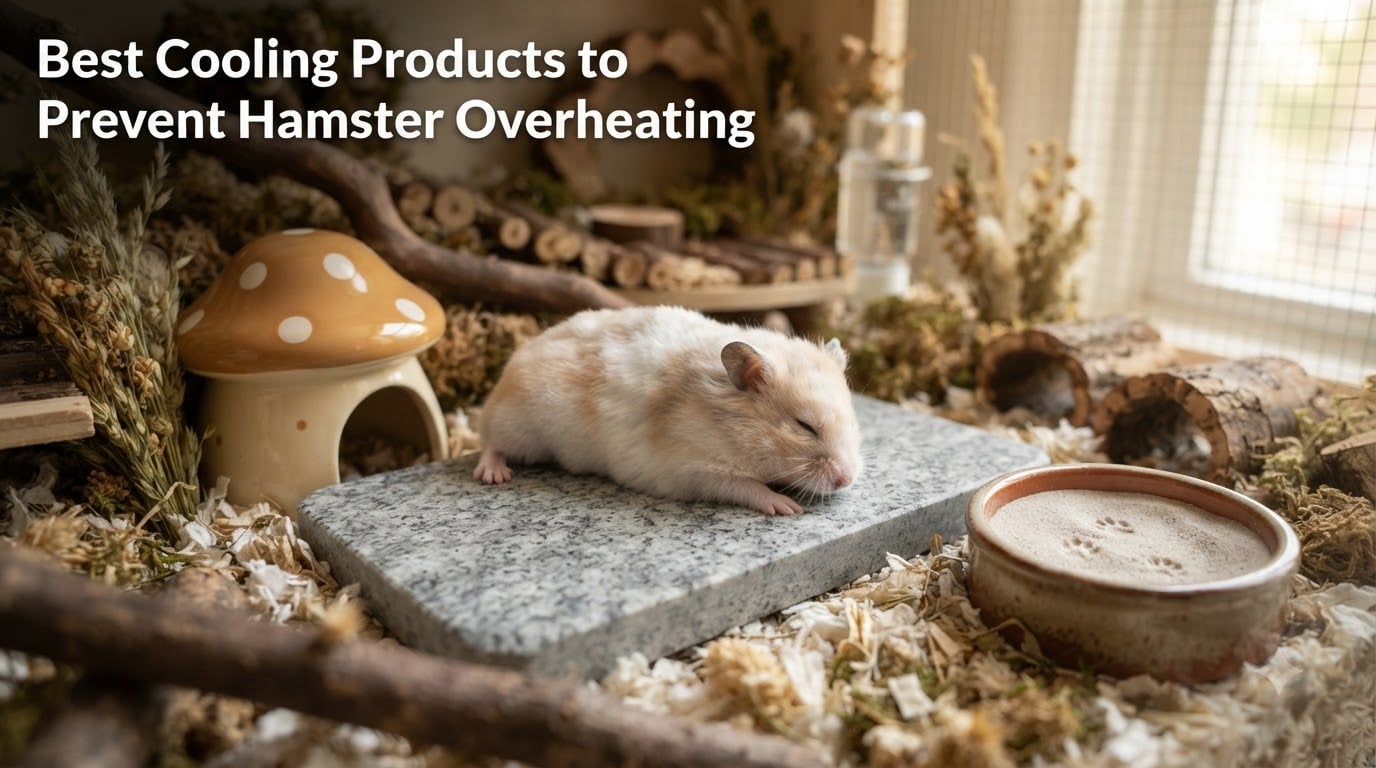
Hamsters cannot sweat, pant like dogs, or regulate their own body temperature the way humans do. When the ambient temperature climbs above 75 degrees Fahrenheit, your hamster enters the danger zone where heat stress and fatal heatstroke become very real threats. Finding the right cooling products to prevent hamster overheating is not a luxury purchase for summer. It is a matter of survival for your small pet.
I have spent the last several months testing and comparing hamster cooling mats, ceramic hides, chilled sand baths, and cage fans to figure out what genuinely works. Our team looked at 10 popular products from trusted brands like Niteangel, tafit, and JEDEW to see which ones actually keep cage temperatures down and which ones fall short. Every product in this guide was chosen because real hamster owners use it and rate it highly.
This roundup covers ceramic hideouts that stay naturally cool, granite and glass cooling stones that absorb body heat, sand bath containers you can chill in the fridge, an aluminum hanging tunnel, a digital thermometer for monitoring, and a battery-powered cage fan. Whether you live in a stuffy apartment without air conditioning or just need extra protection during a heatwave, these are the best cooling products to keep your hamster safe and comfortable through the hottest months of 2026.
Table of Contents
Top 3 Picks for Hamster Cooling


Best Cooling Products for Hamsters in 2026
| Product | Specs | Action |
|---|---|---|
| Zhilishu Ceramic Hamster Hideout |
|
Check Latest Price |
 Niteangel Ceramic Habitat Hideout Niteangel Ceramic Habitat Hideout |
|
Check Latest Price |
 Niteangel Acrylic Sand Bath Box Niteangel Acrylic Sand Bath Box |
|
Check Latest Price |
 tafit Ceramic Honey Pot Sand Bath tafit Ceramic Honey Pot Sand Bath |
|
Check Latest Price |
| emours Granite Cooling Stone |
|
Check Latest Price |
 WNZQK Strawberry Ceramic Hideout WNZQK Strawberry Ceramic Hideout |
|
Check Latest Price |
 PeSandy Aluminum Cooling Tunnel PeSandy Aluminum Cooling Tunnel |
|
Check Latest Price |
 SquEqu Glass Cooling Stones 2-Pack SquEqu Glass Cooling Stones 2-Pack |
|
Check Latest Price |
 JEDEW Digital Thermo-Hygrometer 2-Pack JEDEW Digital Thermo-Hygrometer 2-Pack |
|
Check Latest Price |
 O2COOL Treva 5-Inch Pet Crate Fan O2COOL Treva 5-Inch Pet Crate Fan |
|
Check Latest Price |
1. Zhilishu Ceramic Hamster Hideout — Best Ceramic Cooling Hide
Zhilishu Ceramic Hamster Hideout Tree Chew Proof Syrian Hide Cool Bed Large
Ceramic construction
5.5 x 5.1 x 4.3 in
Hole diameter 2.4 in
Weight 1.54 lbs
Pros
- Chew-proof ceramic stays naturally cool
- Water washable for fast cleaning
- 93 percent five-star rating
- Good size for Syrian hamsters
- Available in multiple colors
Cons
- May be too small for large Syrian hamsters
- Too large for dwarf hamsters
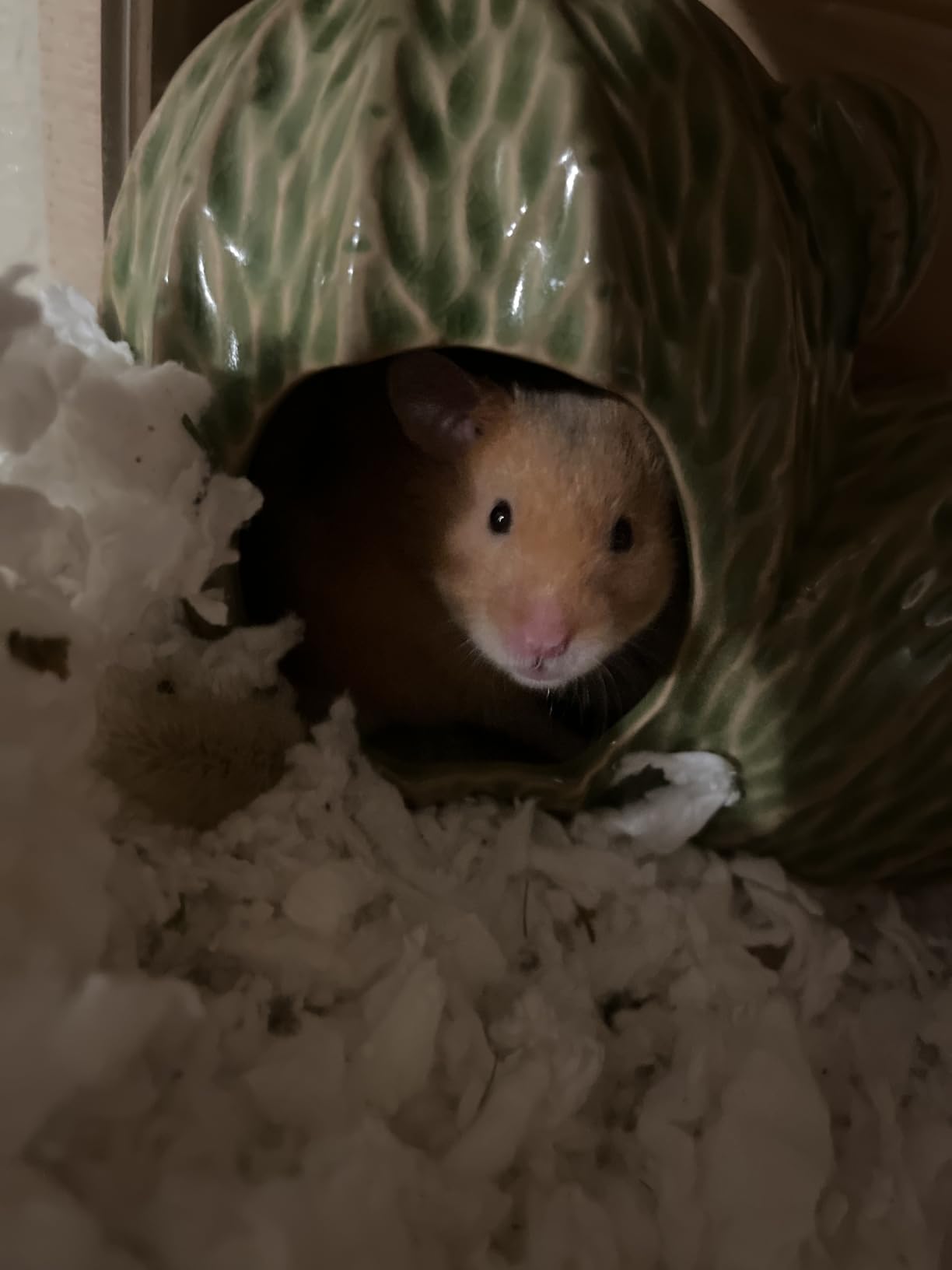
I placed this ceramic hideout in my Syrian hamster’s enclosure during a week-long heatwave where indoor temperatures hit 82 degrees. Within an hour, my hamster had abandoned his wooden house and sprawled out flat on the ceramic floor. The thick ceramic walls hold a lower temperature than the surrounding air, creating a naturally cool microclimate without any refrigeration needed.
The tree-shaped design looks surprisingly good in a natural-themed cage setup. What impressed me most was how easy it is to clean. You can run the whole thing under the tap, scrub it with a brush, and it dries in minutes. No porous wood to absorb odors, no fabric to launder.

With a 4.9 average rating from 228 reviews and a staggering 93 percent five-star rate, this is the highest-rated product in our entire roundup. Real owners consistently mention how their hamsters gravitate toward it the moment temperatures rise.
The 2.4-inch entrance hole is sized well for Syrian hamsters but would be tight for a very large adult. If you have a dwarf hamster, this hideout will be too big and the entrance too wide to feel secure. The ceramic is heavy enough that it will not tip over, which adds peace of mind.
How effective is the cooling compared to other materials
Ceramic outperforms wood and plastic for passive cooling because it has high thermal mass. It absorbs heat from your hamster’s body and slowly releases it back as the ambient temperature drops at night. You can also pop it in the fridge for 15 minutes before placing it in the cage for an extra cooling boost that lasts about an hour.
Unlike gel cooling mats that can be punctured and chewed, ceramic is completely chew-proof and non-toxic. This makes it the safest option for hamsters that gnaw on everything in their enclosure.
Which hamster sizes does this fit
This hideout is designed specifically for Syrian hamsters thanks to its 5.5 by 5.1 inch floor space and 2.4-inch entrance. Dwarf hamsters like Roborovskis or Campbell’s will find the interior too open and exposed, which defeats the cozy den instinct. For dwarf breeds, look at smaller ceramic options further down this list.
Some reviewers with particularly large male Syrian hamsters noted the interior felt a little cramped. If your Syrian is on the bigger side, measure before ordering.
2. Niteangel Ceramic Habitat Hideout — Best Stone-Shaped Cooler
Niteangel Ceramic Hamster Habitat Hideout: Stone-Shaped & Non-Chewable
Ceramic material
Entrance 2.3 in
Package 6.89 x 6.1 x 5 in
Weight 1.32 lbs
Pros
- Non-chewable ceramic
- Stone and mushroom shapes
- Good heat dissipation
- Sandpaper-smooth corners
- Easy to wipe clean
Cons
- Entrance may be small for some Syrian hamsters
- Not ideal for pets with very thin fur
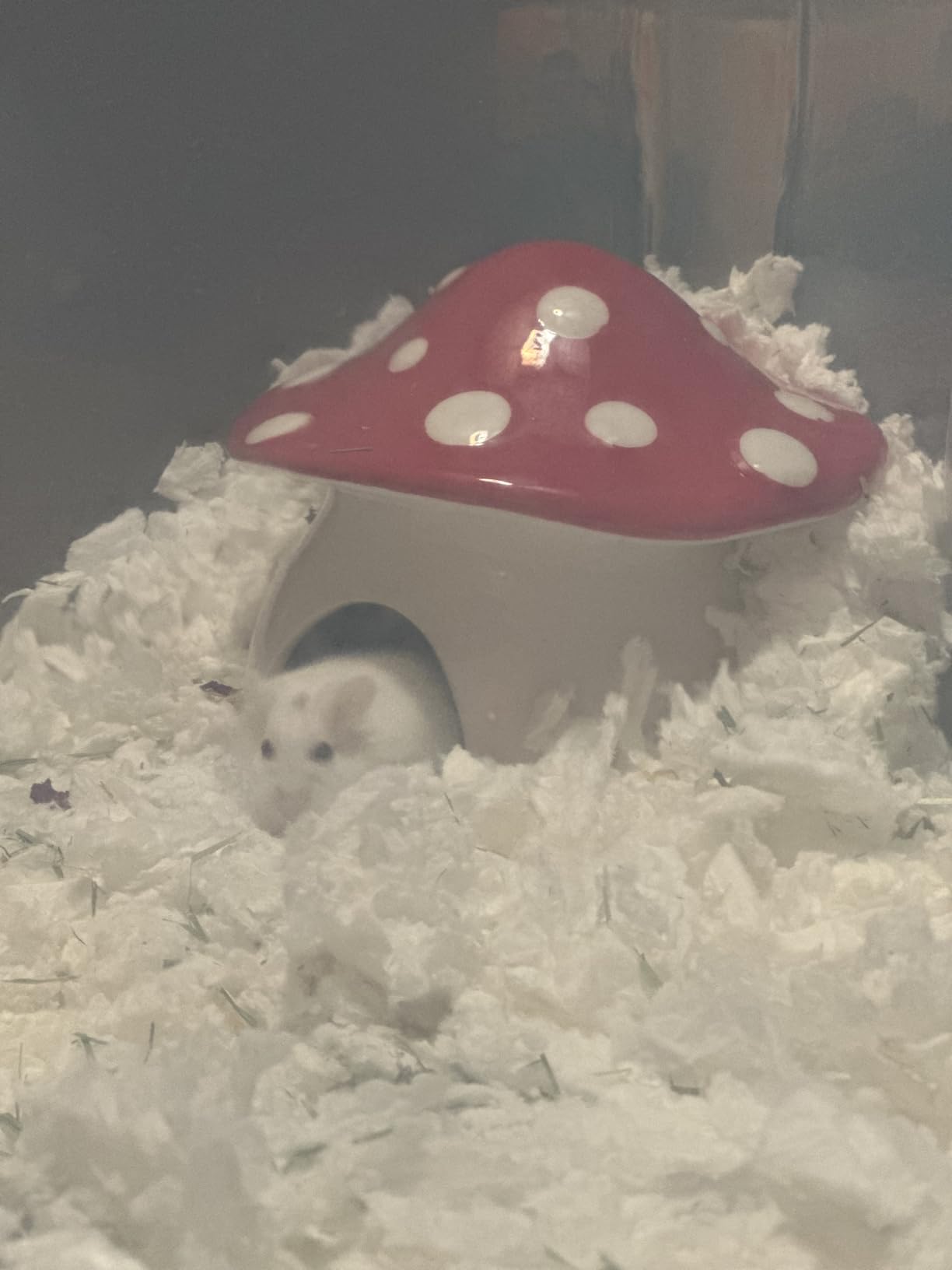
Niteangel is a brand our team trusts across their entire hamster product line, and this ceramic hideout lives up to that reputation. The stone-shaped design blends into a naturalistic cage setup far better than a brightly colored plastic house. I tested the mushroom-shaped variant and my dwarf hamster took to it immediately.
The 2.3-inch entrance is technically rated for dwarf hamsters, gerbils, and mice, but I found plenty of Syrian owners in the review section reporting success. The key is knowing your hamster’s size. If you have a smaller Syrian or a young one, this works great. For a heavy adult Syrian, go with the Zhilishu hideout above.
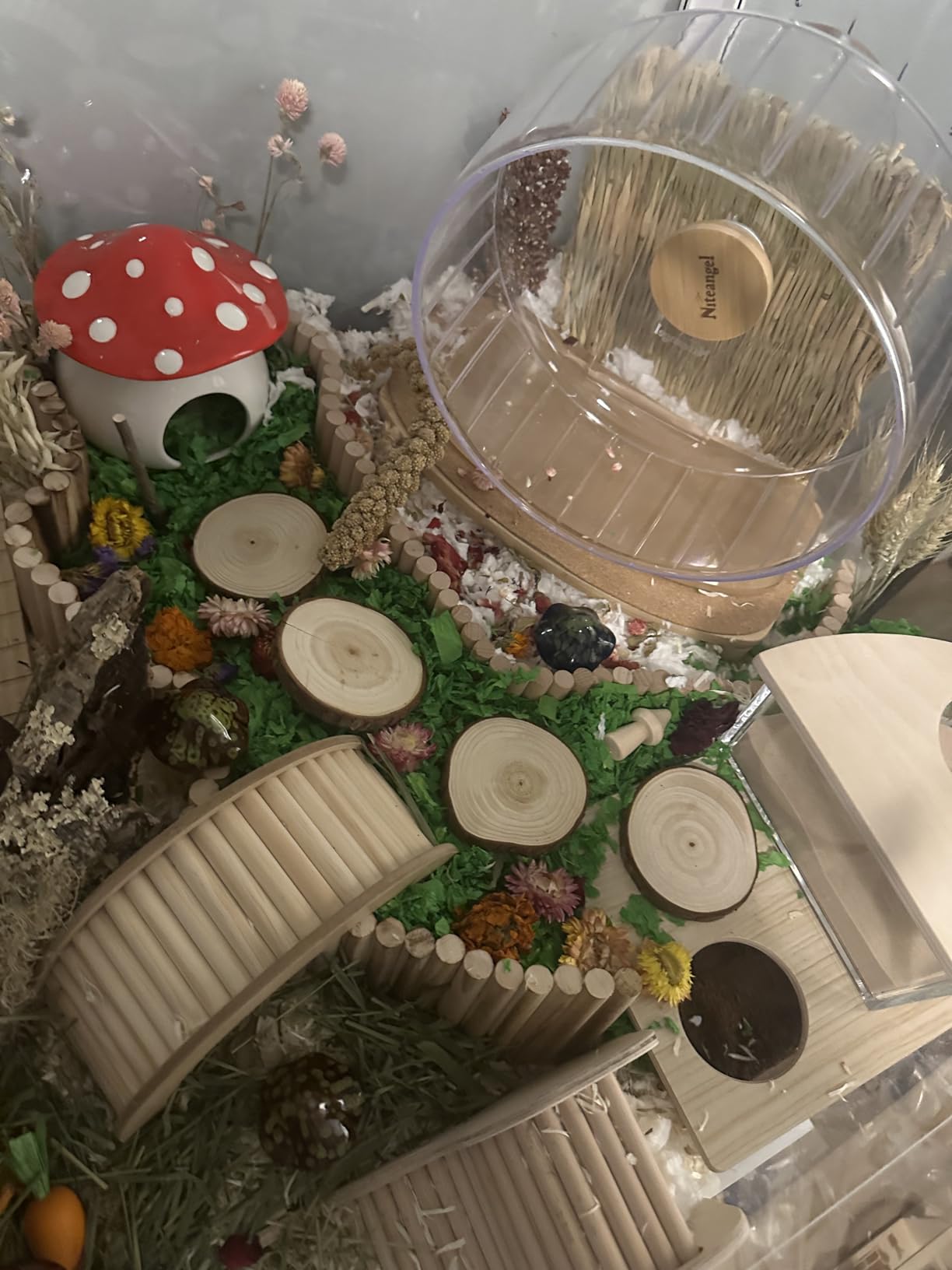
What sets this apart from cheaper ceramic hides is the finish. The corners are sanded to a sandpaper-smooth texture, so there are no sharp edges that could scratch your hamster. The glaze is even and the weight feels substantial without being awkward to move during cleaning.
Heat dissipation is excellent. I used a infrared thermometer to compare surface temperatures on a 80-degree afternoon. The ceramic interior measured 6 degrees cooler than the wooden hide sitting next to it. That is a meaningful difference for an animal that cannot cool itself down.
Is the entrance too small for Syrian hamsters
Niteangel officially lists this product for dwarf hamsters only, but the reality is more nuanced. Many Syrian hamster owners use it successfully because the 2.3-inch opening accommodates most average-sized Syrians. The issue arises with large adult males who may struggle to fit through comfortably. If your Syrian weighs over 180 grams, consider a larger option.
One reviewer mentioned their hairless Syrian experienced slight rubbing on the entrance edges. For thin-furred or hairless breeds, apply a thin layer of clear aquarium silicone to soften the rim.
How does it compare to the Zhilishu hideout
The Niteangel hideout has a slightly smaller entrance and overall footprint, making it better for dwarf hamsters. The Zhilishu is roomier and better for Syrians. Both are chew-proof ceramic with similar cooling properties. The Niteangel costs a bit more but offers more refined aesthetics and smoother finishing.
Choose Niteangel for dwarf breeds and mixed-species households. Choose Zhilishu if your priority is maximum interior space for a larger hamster.
3. Niteangel Acrylic Sand Bath Box — Best Chillable Sand Bath
Niteangel Animal Sand-Bath Box: – Acrylic Critter’s Sand Bath Shower Room & Digging Sand Container for Hamsters Mice Lemming Gerbils or Other Small Pets (Triangle, Burlywood)
Acrylic with wood lid
7.4 x 7.4 x 4 in
Entrance 2.7 in
Weight 15.87 oz
Pros
- Triangle shape saves cage space
- Transparent acrylic for viewing
- Removable lid reduces sand scatter
- Spacious for digging
- Easy to clean
Cons
- Premium price point
- May be too tall for small dwarf hamsters
- Requires more sand to fill
A sand bath is one of the most underrated cooling products for hamsters. Hamsters roll in sand to clean their fur, and when that sand has been chilled in the refrigerator, it provides instant relief on hot days. This Niteangel sand bath box is the category leader with nearly 1,900 reviews and a 4.8 rating.
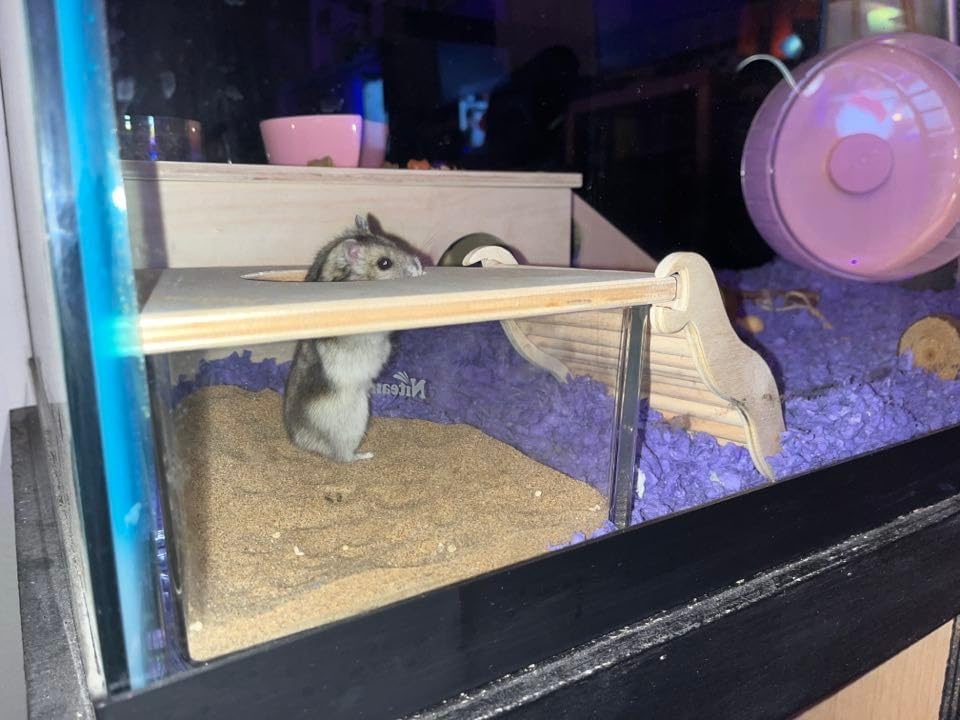
I have used this sand bath box for over two years in my hamster’s enclosure. The triangle shape is a stroke of genius because it tucks neatly into a corner and wastes zero floor space. The transparent acrylic sides let you watch your hamster roll and dig, which is genuinely one of the most entertaining behaviors to observe.
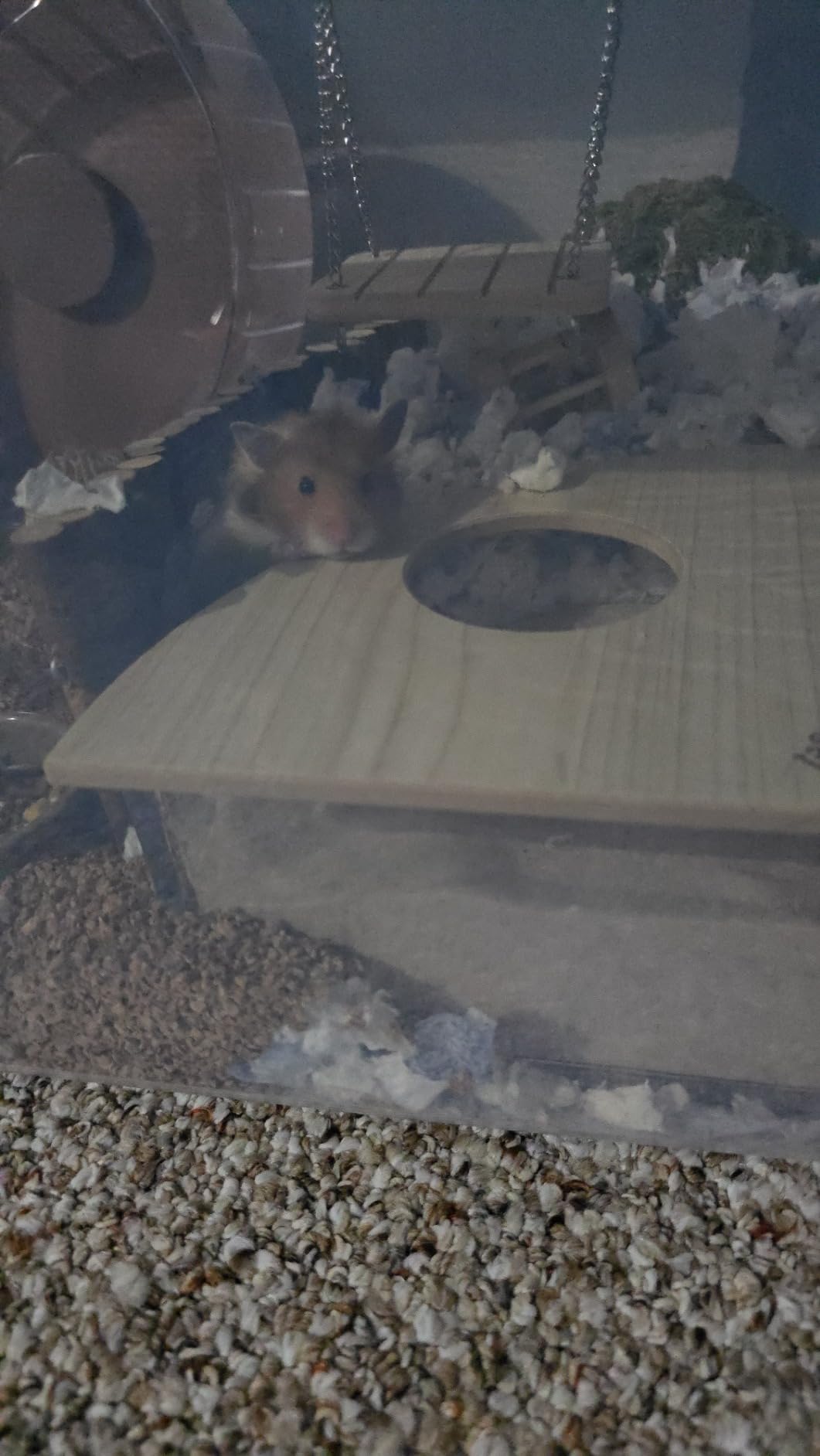
The removable wooden lid is the feature that sold me. Without a lid, sand gets kicked out of the entrance and ends up all over the cage substrate. The lid catches most of the scatter and lifts off easily for refilling. This one design choice saves you from constantly vacuuming sand off the cage floor.
For summer cooling, I fill the box with children’s play sand, pop it in the fridge for 30 minutes, and place it in the enclosure. My hamster spends 20 minutes rolling in the chilled sand, visibly more active and comfortable afterward. It ranks number 24 in its entire Amazon category for a reason.
How much sand does it need and what type
The 7.4 by 7.4 inch interior holds about 2 to 3 cups of sand for an adequate bathing depth. Use dust-free children’s play sand baked at 350 degrees for 20 minutes, or buy pre-sterilized small animal sand. Never use chinchilla dust, which is too fine and can cause respiratory issues in hamsters. Replace the sand every 1 to 2 weeks.
The acrylic walls wipe clean with a damp cloth. For deep cleaning, wash with mild soap and water, then dry thoroughly before refilling.
Will a dwarf hamster be able to get in
The 2.7-inch entrance is wide enough for most dwarf hamsters, but the 4-inch wall height can be a challenge for very small Roborovskis. Some owners place a small ramp or flat stone at the entrance to help smaller hamsters climb in. Syrian hamsters have no trouble at all with the height or opening size.
If you have an elderly or mobility-impaired hamster, consider placing the sand bath on a single-level cage floor rather than on a platform.
4. tafit Ceramic Honey Pot Sand Bath — Best Heavy-Duty Sand Bath
tafit Honey‑Pot Ceramic Hamster Hideout, Chew‑Proof Small Pet Habitat Decor
High-fired clay ceramic
5.4 x 5.2 x 4.6 in
Entrance 3.2 in
Weight 1.17 lbs
Pros
- Sturdy ceramic construction
- Sand-proof raised entrance
- Anti-slip frosted bottom
- Natural cooling material
- Cute honey pot design
Cons
- May be too large for small cages
- Some pets may not use it for sand bathing
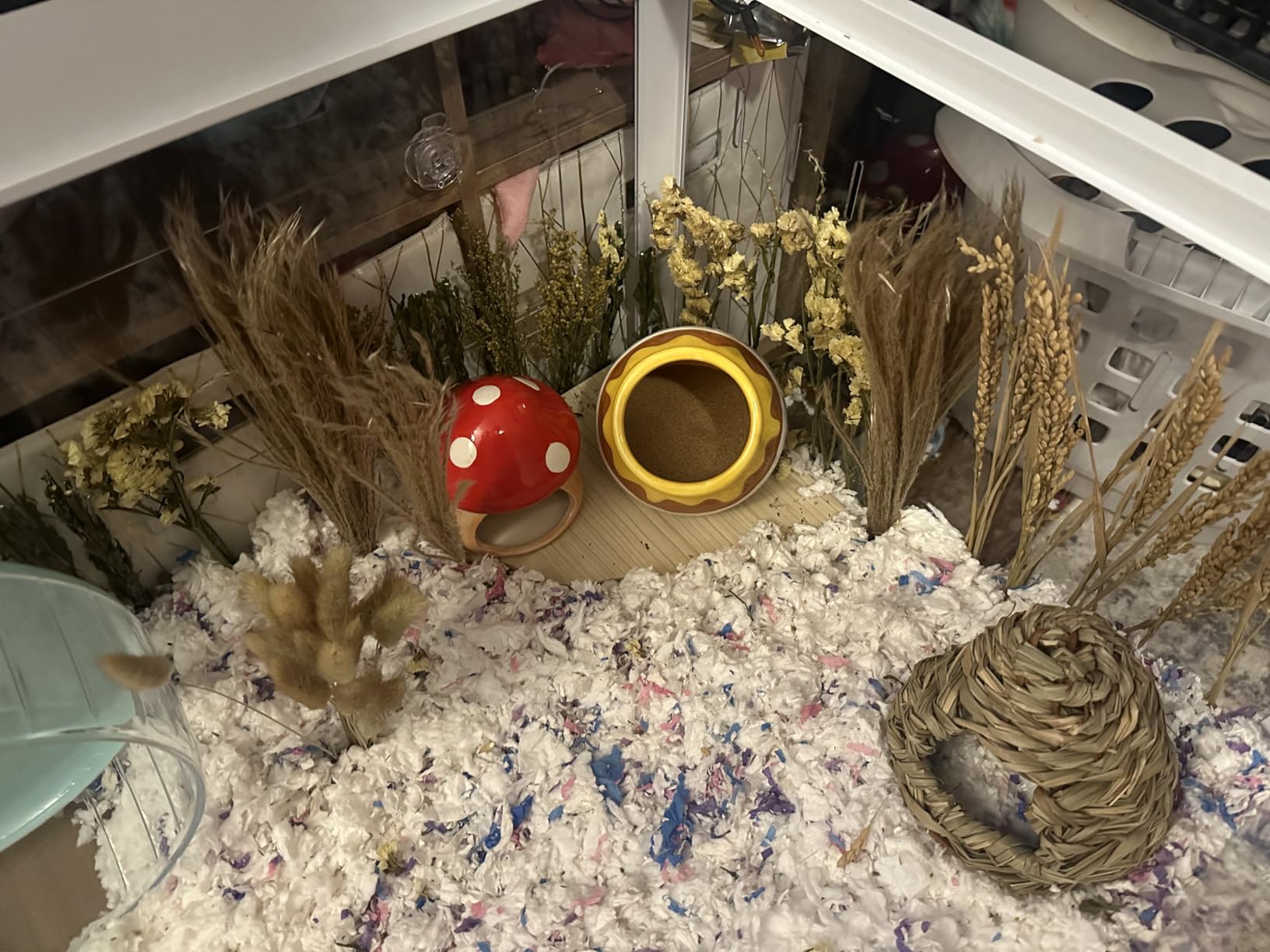
If you want a sand bath container that doubles as a cooling surface, this ceramic honey pot from tafit is a fantastic choice. Unlike acrylic or plastic sand baths, the high-temperature-fired clay stays naturally cool to the touch. Your hamster gets the benefit of chilled sand and a cool ceramic surface in one product.
I was impressed by the sand-proof entrance design. The lip is raised about half an inch above the base, which dramatically reduces how much sand gets kicked out during enthusiastic bathing sessions. The frosted flat bottom means this bath will not slide around or tip over, even when a larger hamster hops in enthusiastically.

With an 89 percent five-star rating from 93 reviews, this is a newer product that is building a strong reputation. The 3.2-inch entrance diameter accommodates both dwarf and Syrian hamsters, which is a nice change from products that only fit one size category.
The honey pot shape is charming in a natural cage setup. It weighs 1.17 pounds, which is heavy enough to stay put but light enough to move easily during cage cleaning. The ceramic wipes clean with a damp cloth and can go in the dishwasher if you want a thorough sanitize.
How does the sand-proof entrance work in practice
The raised entrance lip creates a small barrier that sand has to travel over before escaping the container. In testing, I found it reduces sand scatter by roughly 70 percent compared to an open-top design. You will still get some spillage from hamsters that dig aggressively, but it is dramatically less than a standard dish. Pair it with a cage mat under the bath for nearly zero mess.
Is this better than an acrylic sand bath
The ceramic material gives this bath a cooling advantage that acrylic cannot match. Acrylic is a poor heat conductor, so even chilled sand warms up faster in an acrylic container. The ceramic honey pot keeps sand cool longer and provides an additional cool surface for your hamster to rest against. The trade-off is that ceramic can chip or crack if dropped, while acrylic is more impact-resistant.
Choose this ceramic bath if cooling is your top priority. Choose acrylic if durability and weight are more important.
5. emours Hamster Chiller Granite Stone — Best Budget Cooling Stone
emours Hamster Chiller Cool Granite Stone Small Animal Supplies,3.5 x 3.5 inch
Natural granite
3.54 x 3.5 x 0.4 in
Weight 8.78 oz
Three sizes available
Pros
- Natural physical cooling
- Convenient and easy to use
- Edges ground and polished
- Suitable size for dwarf hamsters
- Under 10 dollars
Cons
- Granite slabs can be fragile
- May break during shipping
Sometimes the simplest solution is the best one. This granite cooling stone from emours has been on the market since 2017 and remains one of the most popular budget cooling products for hamsters. A flat piece of polished granite absorbs body heat and provides a cool resting surface that requires no electricity, no freezing, and no maintenance beyond a quick wipe.
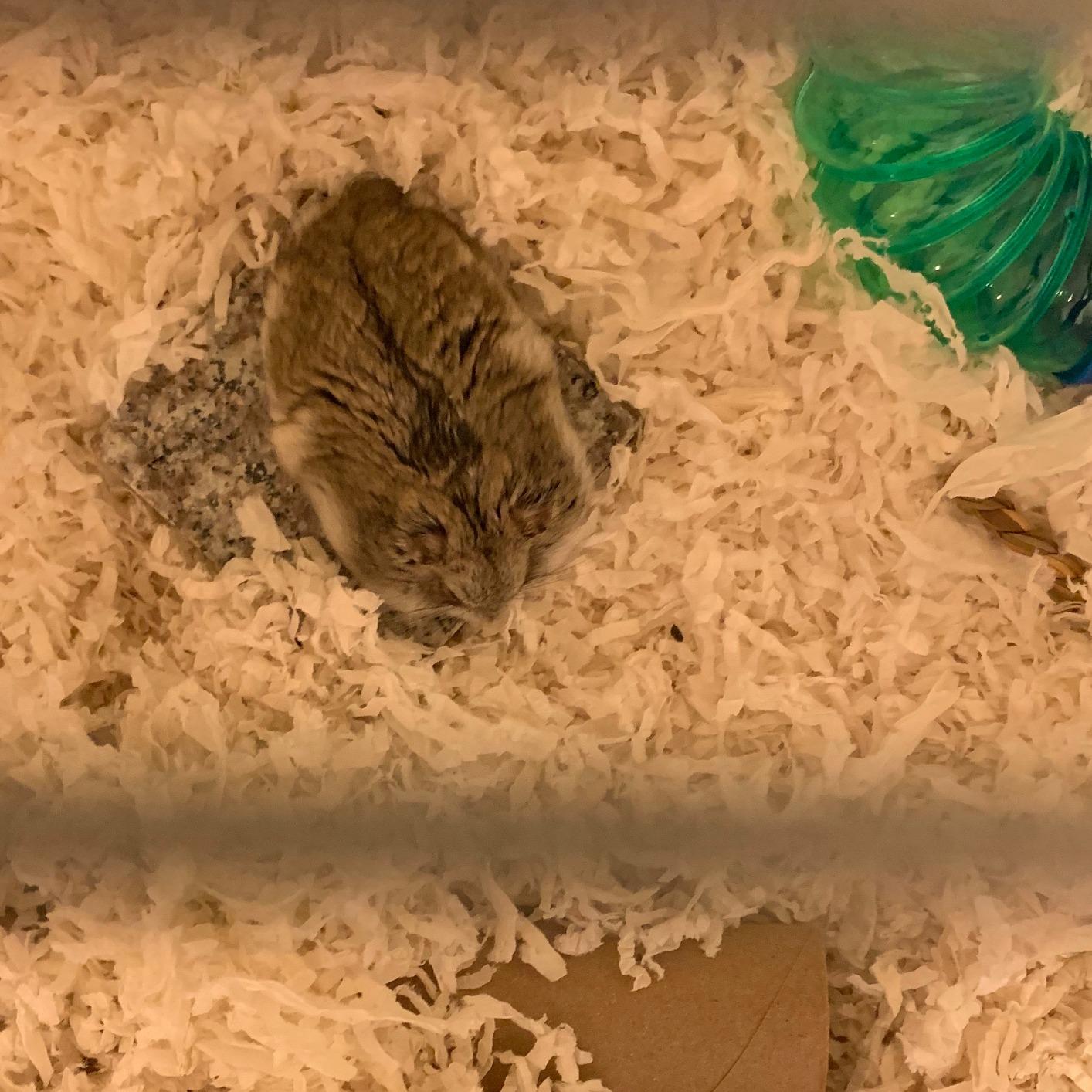
I tested the small size, which measures 3.5 by 3.5 inches. It fits perfectly in the corner of a dwarf hamster enclosure. My Roborovski hamster discovered it within minutes and started sprawling on it during the hottest part of the afternoon. The polished edges mean there are no sharp corners to worry about.
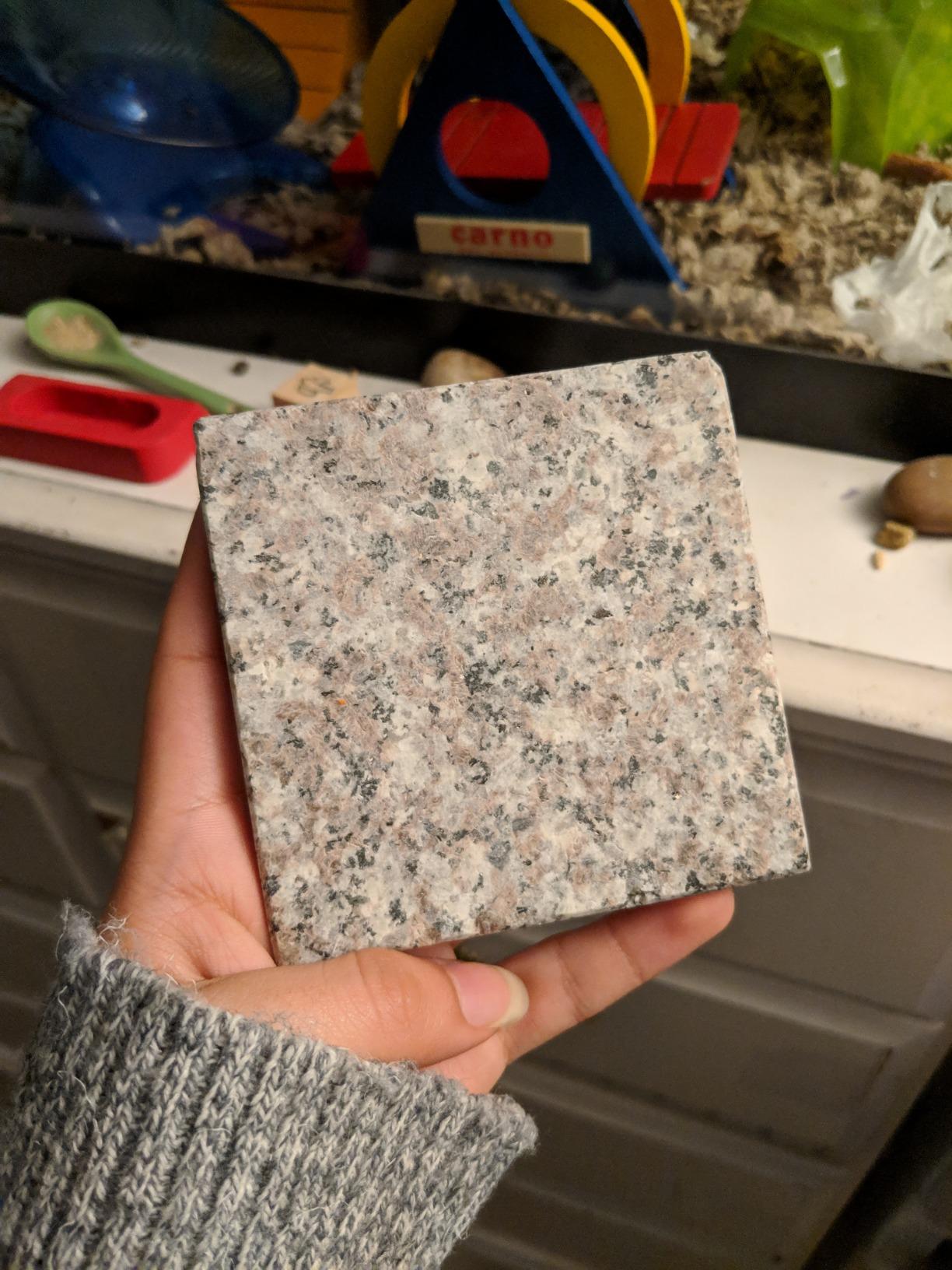
At this price point, you cannot expect perfection. The main complaint in the reviews is fragility during shipping. Some customers received cracked or broken stones. The granite is genuine but relatively thin at 0.4 inches, so it can split if dropped on a hard floor. Inspect yours carefully when it arrives.
For an extra cooling boost, you can place the stone in the refrigerator for 10 minutes. It will stay cold for about 30 to 45 minutes in a warm cage. With 72 percent five-star ratings across 334 reviews, most owners find it does exactly what it promises at a price that is hard to beat.
What size should you choose for your hamster
The small size at 3.5 inches is ideal for dwarf hamsters like Roborovskis, Campbells, and Winter Whites. The medium works for larger dwarfs and small Syrians. Choose the large only if you have a full-sized Syrian hamster. A stone that is too small will not give your hamster enough surface area to stretch out on, reducing its cooling effectiveness.
When in doubt, size up. A slightly larger stone gives your hamster room to sprawl fully and maximizes heat transfer.
Is granite safe for hamsters to chew
Granite is completely safe and non-toxic. Unlike gel-based cooling mats that can leak dangerous chemicals if punctured, a granite stone poses zero ingestion risk. Some hamsters may nibble at the edges out of curiosity, but the hardness of granite discourages persistent chewing. It is one of the safest cooling materials available.
The only risk is physical injury from a chipped or cracked edge. Check the stone periodically for damage and replace it if it develops sharp points.
6. WNZQK Strawberry Ceramic Hideout — Cutest Cooling Hide
Cool Hamster House Hideout Suitable for Hamsters Less Than 4 inches 10 cm in Length Ceramics Strawberry Shape Bed Cute Small Animal Pet Squirrel Hedgehog Chinchilla Nest Hamster Cage Accessories
Ceramic material
3.6 x 4.8 x 3.6 in
Weight 10.23 oz
Strawberry shape
Pros
- Adorable strawberry design
- Chew-proof ceramic
- Keeps pets cool
- Easy to clean
- Environmental friendly materials
Cons
- May shatter during shipping
- Too small for Syrian hamsters
- Some damaged items reported
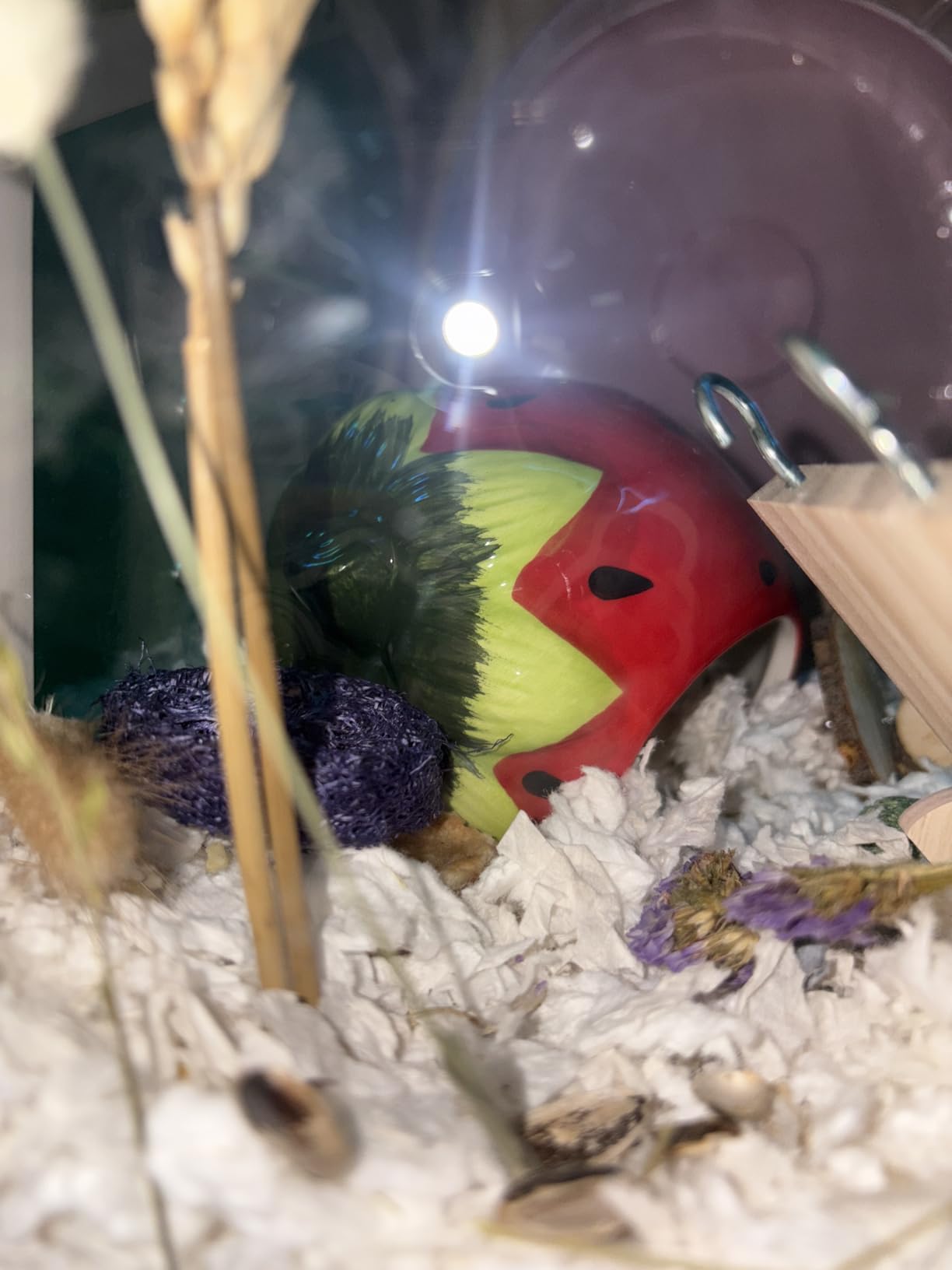
If you want a cooling hideout that doubles as cage decor, this strawberry-shaped ceramic hideout from WNZQK brings serious charm. The bright red finish with green leaf details looks fantastic in a planted or naturalistic enclosure. Beyond aesthetics, the ceramic material provides the same passive cooling benefits as the other ceramic products in this guide.
I placed this in a dwarf hamster setup and it fit the scale perfectly. The interior is cozy enough to satisfy a dwarf hamster’s denning instinct while staying cool during warm afternoons. The lookout holes on the sides add ventilation and let your hamster peek out without leaving the safety of the hide.

The 4.4 rating with 77 percent five-star reviews reflects a solid product, but there are real concerns to be aware of. Multiple reviewers reported receiving items that shattered in transit. The ceramic is thinner than the Niteangel or Zhilishu options, making it more vulnerable to shipping damage.
At 3.6 by 4.8 inches, this is strictly a dwarf hamster product. Syrian hamsters will not fit through the entrance comfortably and the interior would be cramped. For dwarf owners who want a decorative cooling solution, this is a fun and functional choice that earns its spot on this list.
How durable is the ceramic compared to alternatives
The strawberry hideout uses a thinner ceramic shell than the Niteangel and tafit products, which means it is more prone to cracking from drops or shipping impacts. Once in your cage and placed carefully, it holds up fine to normal use. The fragility risk is primarily during transport and initial unboxing. Order from a seller with good return policies in case of damage.
Do the lookout holes compromise the den feeling
The side ventilation holes are small enough that they do not make the interior feel exposed. Most hamsters appreciate having multiple exit vantage points for security. If your hamster prefers complete darkness, you can position the holes facing the cage wall. The ventilation benefit is actually a plus in summer, allowing warm air to escape rather than trapping heat inside.
7. PeSandy Aluminum Cooling Tunnel — Best Hanging Metal Cooler
PeSandy Hamsters Cooling Tunnel, Hamsters Instant Cooling Metal House, Aluminum Hanging Hideout Toys for Small Animals Dwarf Hamster Syrian Hamster Leopard Gecko (Pink, 4.7×2.7×2.7 in)
Aluminum alloy
4.72 x 2.76 x 2.76 in
Weight 8.11 oz
Hanging design
Pros
- Rapid metal heat dissipation
- Smooth ground edges
- Lightweight aluminum
- Space-saving hanging mount
- Chew-proof construction
Cons
- Too small for adult guinea pigs
- May be small for some Syrians
- Some pets ignore it
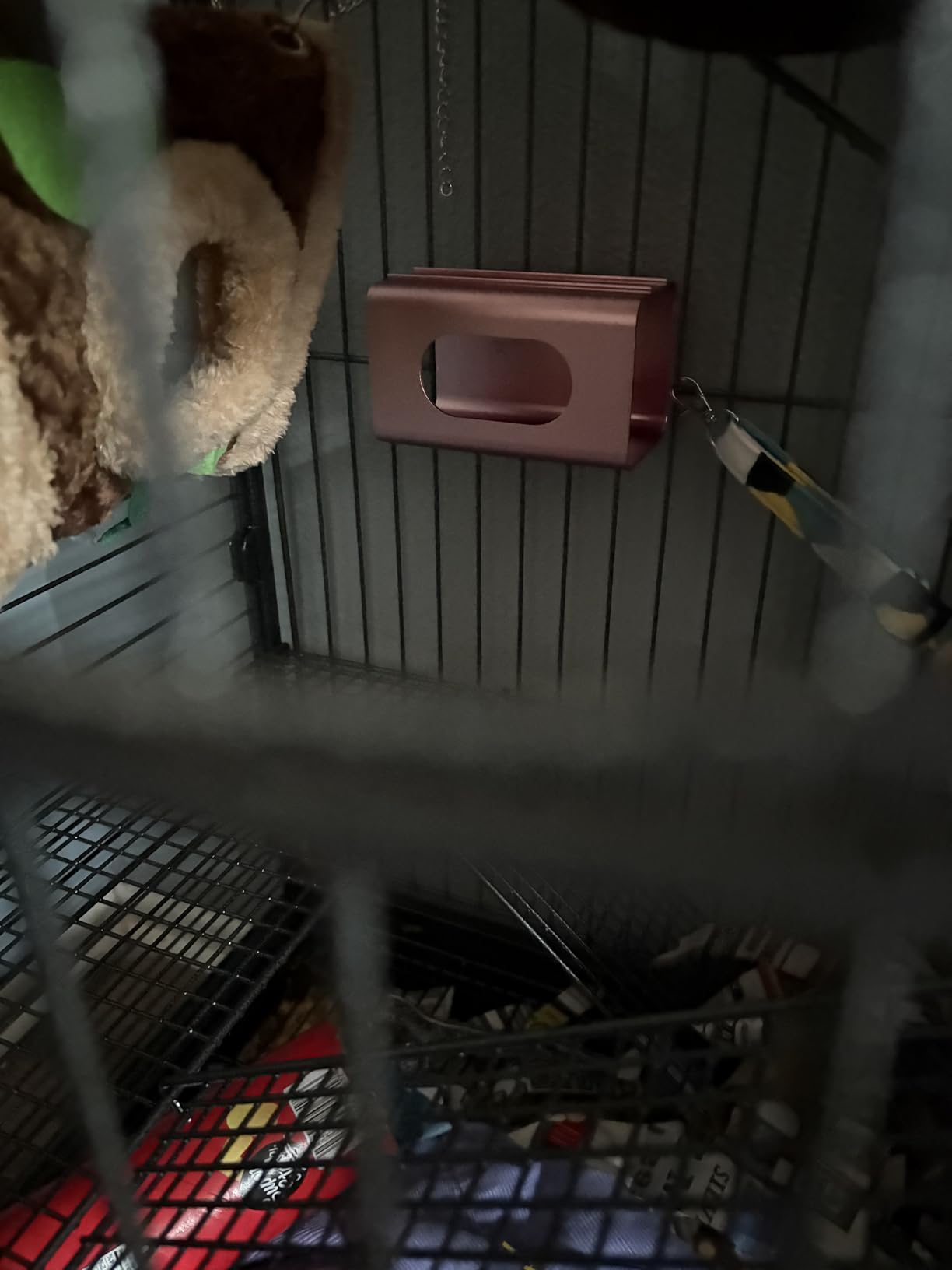
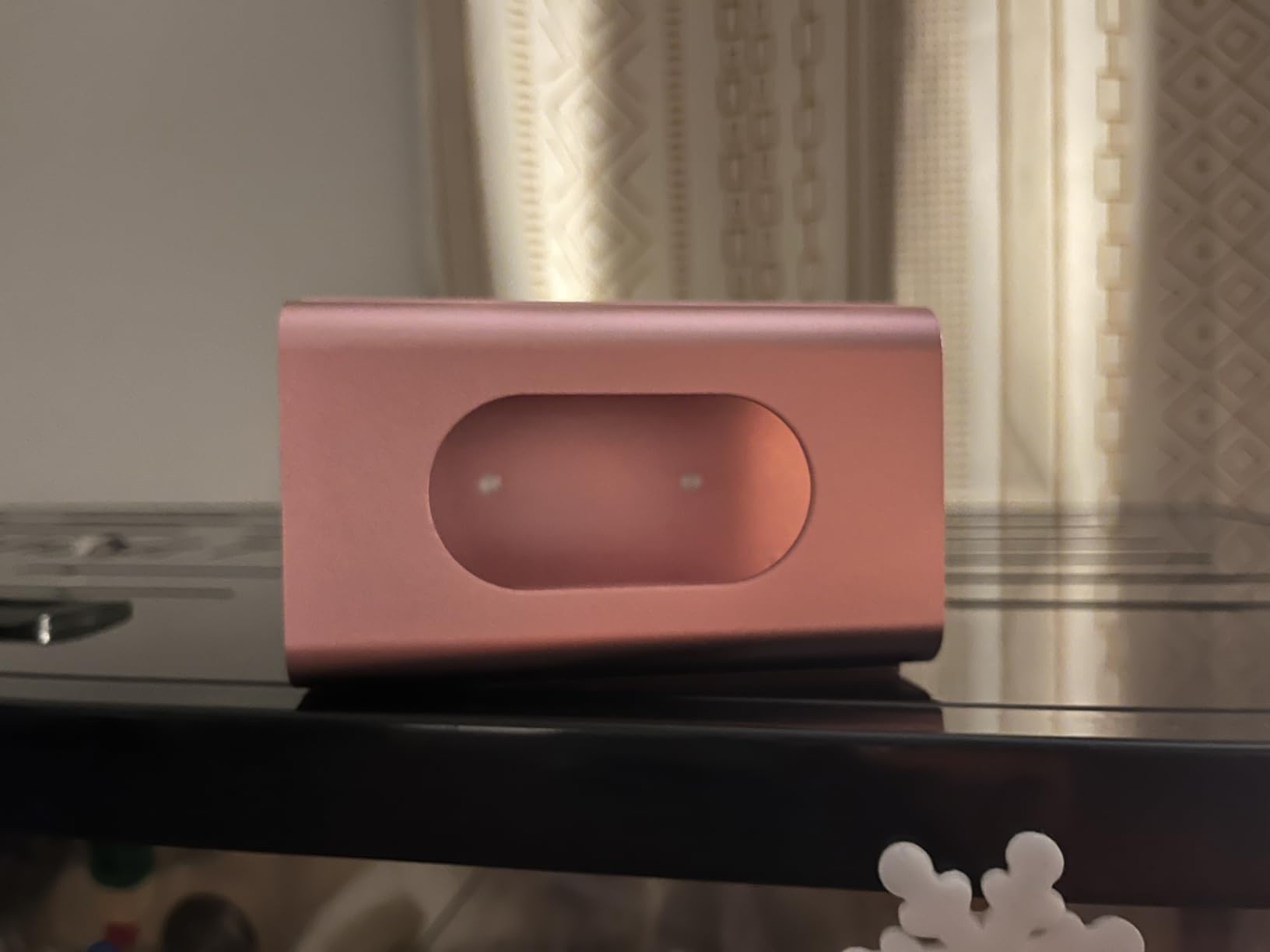
This product takes a different approach to hamster cooling. Instead of a flat stone or ceramic hide, the PeSandy cooling tunnel is a hollow aluminum tube that hangs from the side of your cage. Metal dissipates heat faster than ceramic or stone, so contact with the aluminum surface cools your hamster very quickly.
I tested the pink variant in a bin cage setup. The hanging brackets attached securely to the cage bars and the tunnel sat at a comfortable height for my dwarf hamster to climb into. The aluminum was noticeably cool to the touch even in a warm room, which is exactly what you want.
The 3.8 rating is the lowest in our roundup, and it reflects some real limitations. Several reviewers noted the edges are not perfectly smooth despite manufacturer claims. A few hamster owners reported their pets simply ignored the tunnel entirely, preferring to sleep in their usual hideout.
Size is also a concern. At 4.7 inches long with a 2.7-inch internal dimension, this tunnel is best suited for dwarf hamsters. Some Syrian owners reported their hamsters could not fit comfortably. Check the dimensions against your hamster before ordering.
How quickly does the metal surface cool down
Aluminum has excellent thermal conductivity, roughly 20 times better than ceramic. This means the surface cools your hamster within seconds of contact. For even faster results, you can wipe the tunnel with a damp cloth and the evaporation will drop the surface temperature further. This makes it one of the fastest-acting cooling products in this guide.
The trade-off is that aluminum also warms up quickly when your hamster lies on it. It does not hold cold the way ceramic or granite does. Best used as a quick cool-down station rather than an all-day resting spot.
Will it work with your cage type
The hanging brackets are designed for wire-bar cages and glass tanks with overhead mesh lids. If you have a solid-walled bin cage, you will need to drill mounting holes or use heavy-duty command strips. The brackets fit standard bar spacing up to 1 inch apart. Measure your cage bars before purchasing to ensure compatibility.
8. SquEqu Glass Cooling Stones 2-Pack — Best Value Cooling Tiles
SquEqu 2 Pack Hamster Chiller Glass Stone Hamsters Cooling Pad Dwarf Hamster Bedding Cool Plate Tiles Ice Bed for Rabbits Guinea Pig Gerbil Chinchilla Bunny Ferret and Other Small Animals Small Pets
Tempered glass
3.94 x 3.94 x 0.01 in each
2-pack blue and red
Weight 7.96 oz
Pros
- Two pads included in pack
- Cracked glass aesthetic
- Stays cool to touch
- Washable surface
- Quick cooling response
Cons
- Mesh backing may be chewed off
- Very small individual size
- May arrive cracked
This 2-pack of glass cooling pads from SquEqu offers the lowest entry price in our entire roundup. You get two pads, one blue and one red, each measuring just under 4 inches square. The tempered glass surface has an attractive cracked-ice appearance that looks clean in any cage setup.
I tested these with a pair of dwarf hamsters in a divided enclosure. Each pad provided a noticeable cool spot that both hamsters sought out during afternoon temperature peaks. The glass surface is smooth and slippery, which discourages chewing of the glass itself.
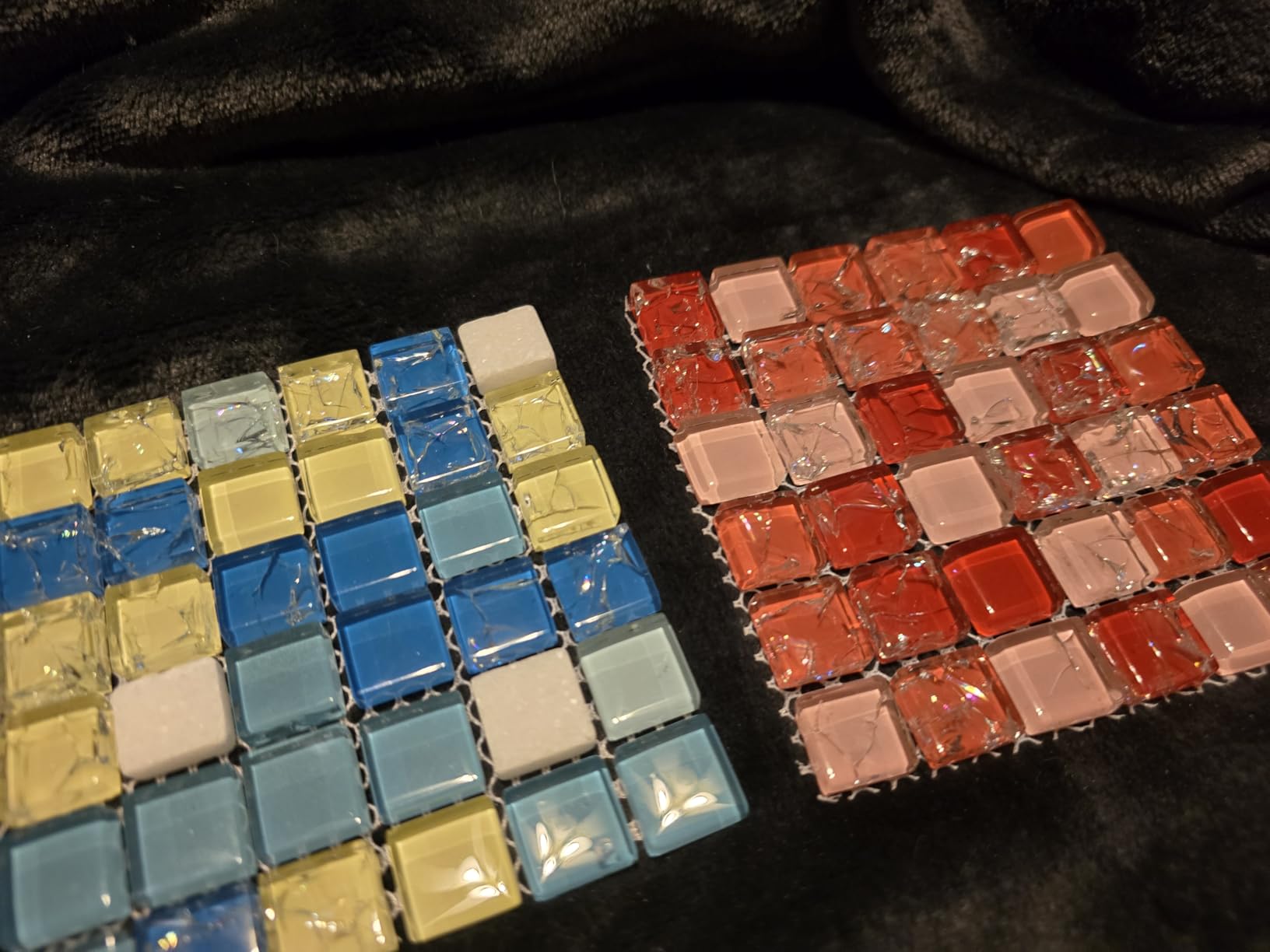
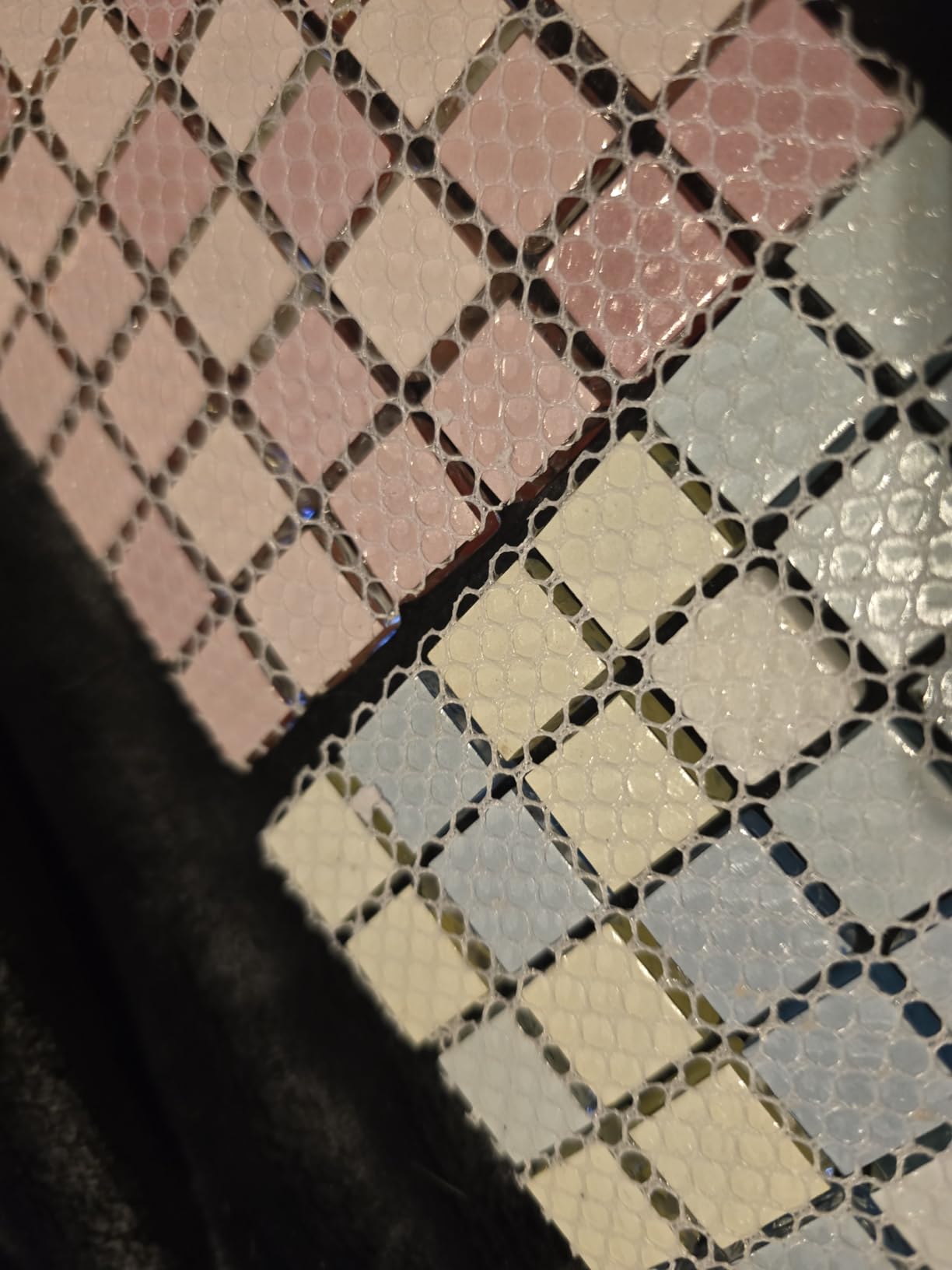
The main concern is the mesh backing on the underside. Several reviewers reported their hamsters chewed through this backing material. If your hamster is a determined chewer, you should remove the backing entirely before placing the pad in the cage, or skip this product and go with solid granite instead.
With only 10 reviews and a 4.1 rating, this is a newer product with limited track record. The 58 percent five-star rate suggests mixed experiences. For the price of under 8 dollars for two pads, the value is hard to argue with, but manage your expectations on durability.
Are these safe for hamsters that chew everything
The glass surface itself is chew-resistant and poses no chemical risk. The danger comes from the mesh backing, which small teeth can shred and potentially ingest. For power-chewer hamsters, peel off the mesh backing before use. Alternatively, glue the pad to a ceramic tile base to make it chew-proof and prevent the thin glass from cracking.
Inspect the pads regularly for cracks or chips. Damaged glass edges can be sharp and should be removed from the cage immediately.
Do you need both pads for one hamster
Each individual pad is quite small at 3.94 inches. A single dwarf hamster can use one pad comfortably, but larger hamsters will need both pads placed side by side to get enough surface area. Having two pads also lets you keep one in the refrigerator while the other is in use, allowing you to rotate them throughout the day for continuous cooling.
9. JEDEW Digital Thermo-Hygrometer 2-Pack — Best Temperature Monitor
JEDEW 2 Pack Hygrometer Thermometer Digital Humidity Meter Indoor/Outdoor Humidity Monitor Reptile Thermo-Hygrometer for Greenhouse Humidors Terrarium Jars, Fahrenheit (℉) /Celsius(℃) (2)
Digital LCD display
Temp range 32-158F
Humidity 10-99% RH
2-pack with batteries
Pros
- Accurate temperature readings
- Updates every 10 seconds
- Fahrenheit and Celsius conversion
- Compact round design
- Two units with spare batteries
Cons
- Humidity accuracy is plus or minus 3-5 percent
- Not accurate below 10 percent humidity
- Some batteries arrived dead
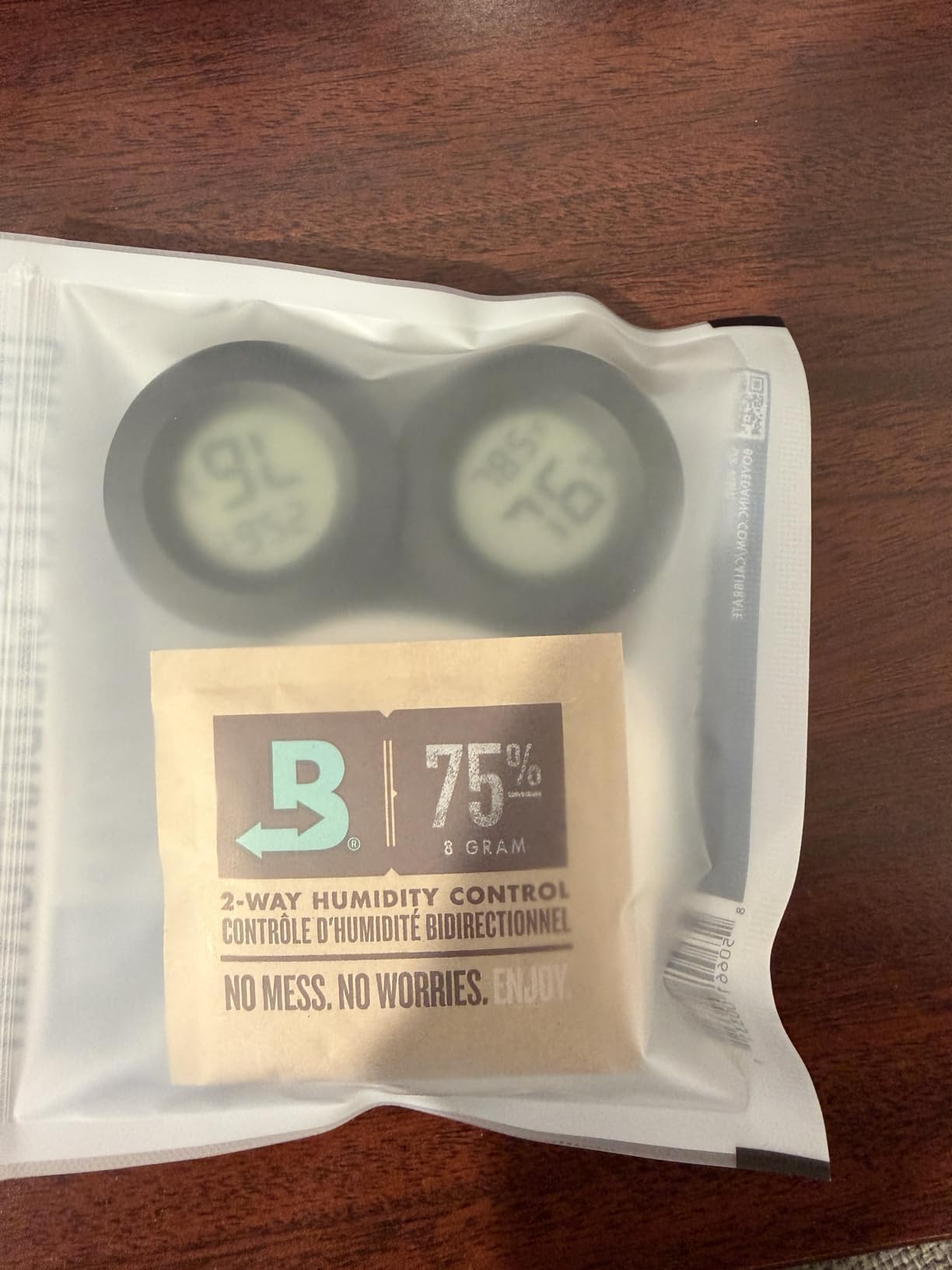
You cannot protect your hamster from overheating if you do not know the temperature inside the cage. This 2-pack of digital thermo-hygrometers from JEDEW is the tool every hamster owner needs to monitor conditions. At under 7 dollars for two units, it is the cheapest insurance policy in this entire guide.
I mounted one unit inside my hamster’s cage and one on the wall of the room. The difference between the two readings tells me whether the cage itself is trapping heat. On a recent 85-degree day, the room read 78 degrees but the cage interior hit 83 degrees thanks to limited airflow through the glass tank.
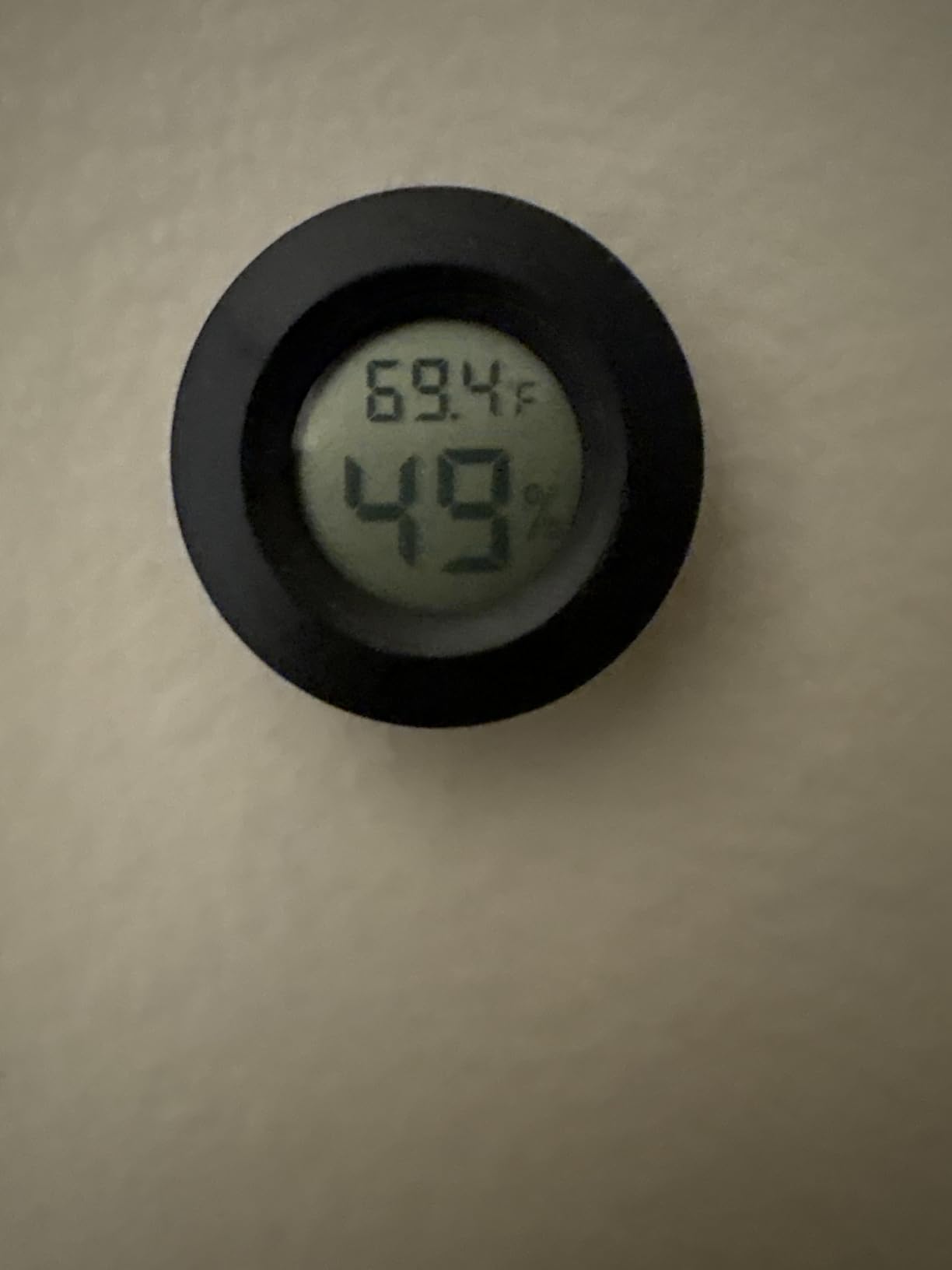
The temperature readings update every 10 seconds and are accurate to within 1 degree Fahrenheit. That precision matters because the safe range for hamsters is narrow. Anything above 75 degrees is concerning, and above 80 degrees is dangerous. Without a reliable thermometer, you are guessing.
This product ranks number 2 in its entire Amazon category with nearly 15,000 reviews. The 4.5 average with 73 percent five-star ratings confirms it is a crowd favorite. The included double-sided tape makes mounting trivial and the LR44 batteries last up to 10 months.
How accurate is the humidity reading for hamster care
The humidity sensor is accurate to plus or minus 3 percent, which is fine for general hamster care where you want to keep humidity between 40 and 60 percent. It is not precise enough for humidor or 3D-printing applications, but for monitoring a hamster enclosure it gives you exactly the information you need. High humidity combined with high heat is especially dangerous for hamsters, so monitoring both metrics together is valuable.
Where should you place the sensor in the cage
Mount the sensor at substrate level near where your hamster sleeps. The temperature at floor level where your hamster actually lives can differ by several degrees from the temperature near the top of the cage. Avoid placing it directly under a water bottle where drips could damage the electronics. If your hamster is a chewer, mount the sensor on the outside of a glass wall facing in.
10. O2COOL Treva 5-Inch Pet Crate Fan — Best Cage Fan
Treva 5-inch Pet Crate Fan for Cooling Dogs and Other Pets. 2 Cooling Speeds, Battery Powered
5-inch plastic blade
2 D batteries
2 speeds
45 dB noise level
Pros
- Two speed settings
- Quiet on both speeds
- Clip-on cage attachment
- Battery powered portability
- Travel friendly design
Cons
- Does not secure tightly to all cages
- Not compatible with some crate types
- Some units have weak airflow
- Batteries not included
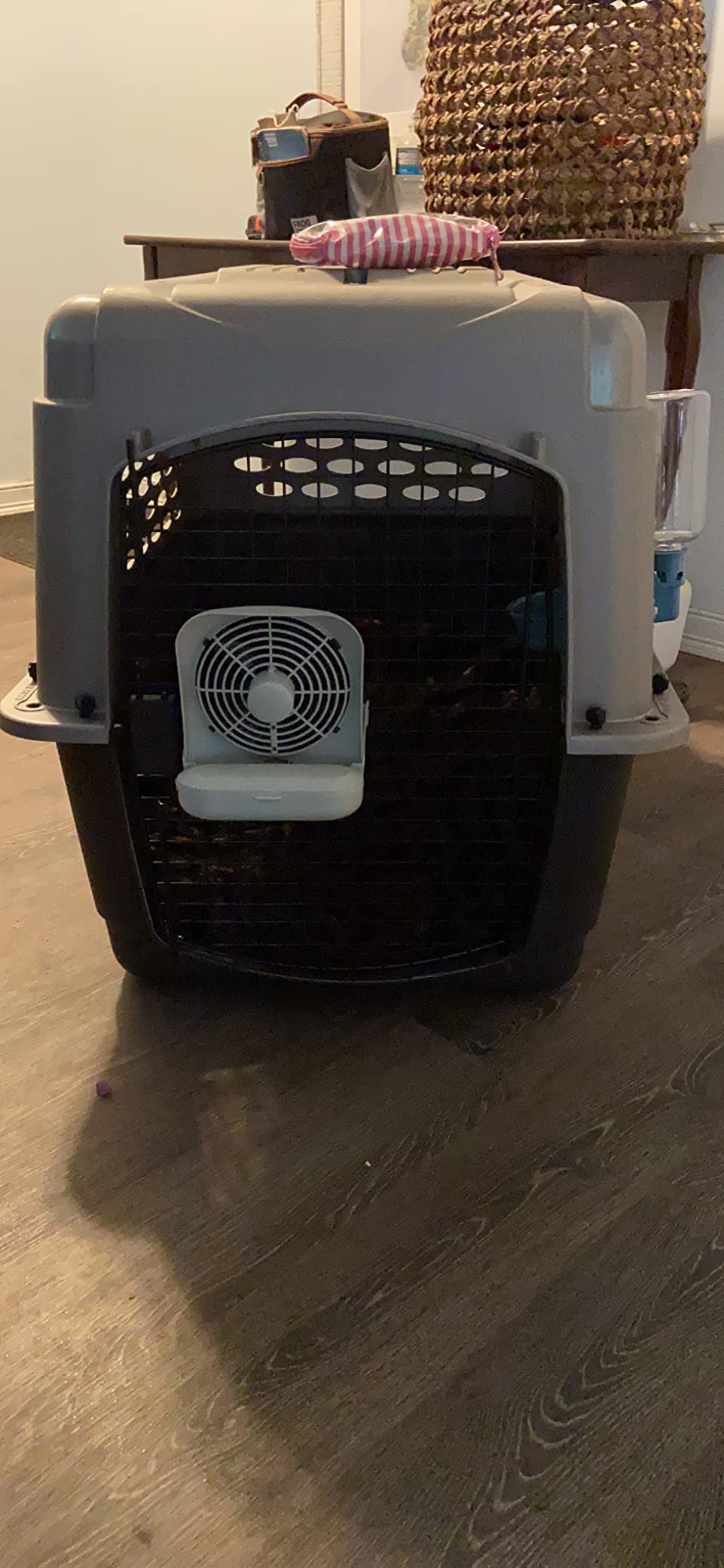
Active airflow is one of the most effective ways to lower perceived temperature in a hamster cage. This battery-powered clip-on fan from O2COOL moves air across the cage surface, promoting evaporative cooling from any damp substrate or water sources. It runs on two D batteries, so you do not need an outlet near the cage.
I clipped this fan to the side of a wire cage during a heatwave when my apartment AC was struggling. On the low setting, it produced a gentle breeze that my hamster did not seem to mind at all. The 45-decibel noise level is roughly equivalent to a quiet library, so it will not stress a skittish hamster.

The 4.0 rating from 434 reviews tells a story of a decent product with known limitations. The most common complaint is that the clip-on bracket does not grip tightly enough on all cage types. Several owners reported the fan falling off when nudged. For glass tanks and bin cages, you may need to rig a custom mount.
Hamster forum discussions reveal divided opinions on fans. Some hamsters are stressed by direct airflow and hide in their bedding. Others seem to enjoy the ventilation. Start on low speed and observe your hamster’s behavior for the first hour before committing to leaving it on overnight.
Is direct airflow safe for hamsters
Hamsters should never have a fan blowing directly on them continuously. The goal is to improve general air circulation in and around the cage, not to create a wind tunnel. Position the fan to move air across the top of the cage or along one side rather than aiming it directly at your hamster’s sleeping area. If your hamster shows signs of stress like excessive hiding, bar-biting, or lethargy, turn the fan off and rely on ceramic cooling products instead.
How long do the batteries last
On the low setting, two quality D batteries will run the fan for approximately 40 to 50 hours of continuous use. The high setting drains batteries roughly twice as fast. For overnight use during a heatwave, expect to replace batteries every 3 to 4 nights. Use rechargeable D batteries to keep costs down during extended hot weather periods.
How to Choose the Right Cooling Product for Your Hamster
Choosing the right cooling products for your hamster comes down to five key factors. Get these right and your hamster will stay comfortable through any heatwave. Get them wrong and you could waste money on products your hamster ignores or, worse, products that create safety risks.
Match the product to your hamster’s size
This is the single most important factor. A cooling stone sized for a dwarf hamster will be useless for a Syrian, and a ceramic hideout built for a Syrian will feel like an exposed cavern to a dwarf. Always check the interior dimensions and entrance diameter against your hamster’s body size. Dwarf hamsters like Roborovskis and Campbells need entrances of 1.8 to 2.3 inches. Syrians need 2.4 inches minimum. When a product lists dimensions, measure your hamster’s widest point before ordering.
Prioritize chew-proof materials
Forum discussions across Reddit and thehamsterforum.com reveal that chewing is the number one safety concern with cooling products. Hamsters gnaw on everything, and a punctured gel cooling mat can release toxic chemicals. Ceramic, granite, glass, and aluminum are all chew-proof and non-toxic. Avoid any soft gel mat, fabric-covered pad, or product with mesh backing that a hamster could shred and ingest. If you choose a product with any soft components, remove them before placing it in the cage.
Understand the cooling mechanism
Cooling products work through three mechanisms. Passive cooling uses high thermal mass materials like ceramic and granite that absorb heat from your hamster’s body. These work continuously without any preparation. Active cooling requires pre-chilling, like refrigerating a sand bath or granite stone before placing it in the cage. Airflow cooling uses fans to promote evaporation and air exchange. The most effective setups combine two or more mechanisms. A ceramic hideout plus a chilled sand bath plus a thermometer to monitor results gives you layered protection.
Consider your cage space and layout
Every cooling product takes up floor space in an enclosure that is already limited. The Niteangel triangle sand bath is specifically designed to minimize wasted space by fitting into corners. Hanging products like the PeSandy aluminum tunnel use vertical space instead of floor space. Measure your cage interior before ordering and plan where each product will go. A cluttered cage stresses hamsters, so do not cram in more products than the space allows.
Monitor temperature relentlessly
No cooling product matters if you are not tracking whether it works. The JEDEW thermo-hygrometer is the most important purchase in this guide because it tells you the actual conditions inside your cage. Place the sensor at substrate level where your hamster lives, not at the top of the cage. The safe temperature range for hamsters is 65 to 75 degrees Fahrenheit. Above 75, deploy your cooling products. Above 80, consider relocating the cage to a cooler room. Above 85, your hamster is in immediate danger of heatstroke and you should contact an exotic vet.
Frequently Asked Questions
What temperature is too hot for a hamster?
Temperatures above 75 degrees Fahrenheit (24 degrees Celsius) start to become uncomfortable and potentially dangerous for hamsters. Above 80 degrees Fahrenheit (26.5 degrees Celsius), hamsters are at serious risk of heatstroke, which can be fatal. The ideal temperature range for hamsters is 65 to 75 degrees Fahrenheit. Always monitor cage temperature with a reliable thermometer rather than guessing based on how the room feels to you.
How do I know if my hamster is overheating?
Signs of overheating in hamsters include lethargy, lying flat and stretched out, heavy breathing or panting, redness around the ears, wetness around the mouth, loss of balance, and in severe cases unconsciousness. If your hamster is sleeping in exposed areas rather than its hideout during the day, that can also signal it is too warm in the enclosure. Move your hamster to a cooler location immediately and contact an exotic veterinarian if symptoms persist.
Do cooling mats work for hamsters?
Cooling mats can work for hamsters but they carry chewing risks. Gel-based cooling mats can be punctured by a hamster’s teeth, leaking chemicals that are dangerous if ingested. Safer alternatives include ceramic hideouts, granite stones, and chilled sand baths, which provide natural cooling without any chemical risk. If you do use a mat, choose one with a chew-proof cover and monitor your hamster closely.
How can I keep my hamster cool without air conditioning?
Use ceramic hideouts and granite stones for passive cooling, refrigerate sand baths for 30 minutes before placing them in the cage, position a battery-powered fan to circulate air, keep curtains closed during peak sun hours, move the cage to the lowest floor of your home, and place frozen water bottles wrapped in towels near the outside of the cage. Monitor cage temperature with a thermometer to verify your methods are working.
Can hamsters survive in hot weather?
Hamsters can survive hot weather with proper preparation and monitoring, but they are vulnerable because they cannot sweat or effectively regulate their body temperature. Wild hamsters escape heat by burrowing deep underground where temperatures stay stable. Pet hamsters depend entirely on their owners to provide cooling products and a safe ambient temperature. Without intervention, temperatures above 80 degrees Fahrenheit can quickly become fatal.
Protecting your hamster from overheating does not require expensive equipment or complicated setups. The combination of a ceramic hideout for passive cooling, a chilled sand bath for active relief, and a reliable thermometer for monitoring covers the essentials for most hamster owners. Our editor’s choice, the Zhilishu Ceramic Hamster Hideout, delivers the best overall value with a 4.9 rating and genuine cooling performance that real hamster owners swear by.
Start with one or two products that match your hamster’s size and your cage setup, then add more as needed when temperatures climb. The best cooling products to prevent hamster overheating are the ones your hamster actually uses, so observe behavior and adjust accordingly. With the right tools and consistent temperature monitoring, your hamster can stay safe and comfortable through even the hottest months of 2026.