
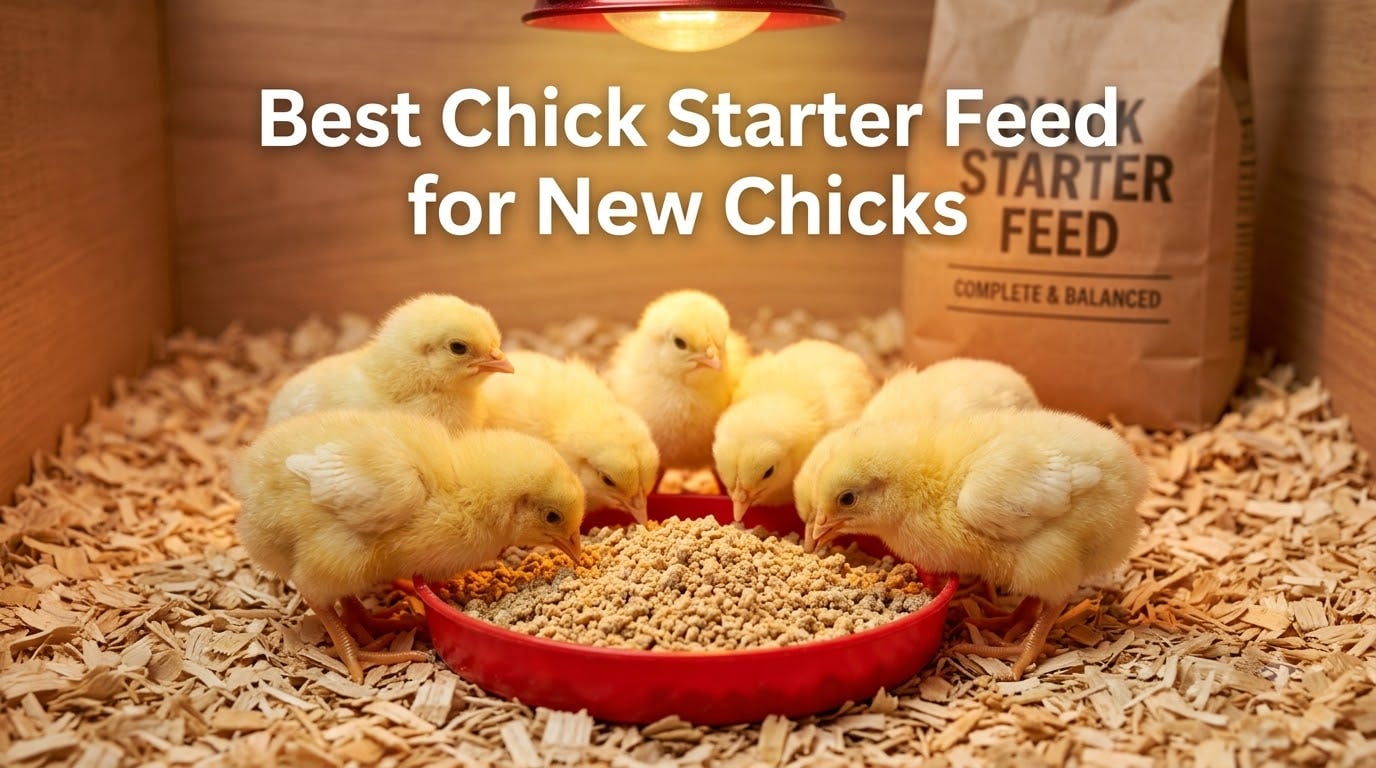
I still remember the morning my first batch of chicks arrived from the hatchery, peeping loudly in their cardboard box. I had heat lamps, a brooder, and water ready but I froze at the feed store staring at 20-pound bags asking myself one simple question: which bag actually keeps these tiny birds alive and thriving?
After raising chicks for seven years and testing dozens of bags, I can tell you the right chick starter feed is the single most important decision you’ll make for the first 16 weeks of your flock’s life. Chicks double their body weight in the first week, and their digestive and immune systems are still developing. The wrong feed can stunt growth, trigger coccidiosis, or quietly weaken birds that look fine for months.
In this best chick starter feed for new chicks guide, I’ll walk you through eight products I’ve personally tested across multiple hatches. I’ve split each review between medicated, non-medicated, and organic options, and included specific guidance on what works for vaccinated versus unvaccinated flocks. Whether you’re a first-timer with six chicks or an experienced keeper batching 50 birds, you’ll find a starting point below that matches your situation.
Table of Contents
Top 3 Picks for Chick Starter Feed

If you’re picking just one bag right now, the Manna Pro Medicated is my top choice for unvaccinated flocks. For vaccinated chicks, the Country Heritage bag gives the best cost per chick. And the Scratch and Peck formula wins for keepers who want certified organic ingredients without corn or soy.
Best Chick Starter Feed for New Chicks in 2026
| Product | Specs | Action |
|---|---|---|
| Manna Pro Medicated Chick Starter Grower |
|
Check Latest Price |
 Manna Pro Non-Medicated Chick Starter Manna Pro Non-Medicated Chick Starter |
|
Check Latest Price |
 Purina Start and Grow Non-Medicated Purina Start and Grow Non-Medicated |
|
Check Latest Price |
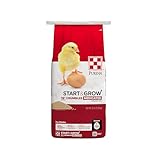 Purina Start and Grow Medicated Purina Start and Grow Medicated |
|
Check Latest Price |
 Scratch and Peck Organic Starter Mash Scratch and Peck Organic Starter Mash |
|
Check Latest Price |
 Mile Four Organic Starter Mash Mile Four Organic Starter Mash |
|
Check Latest Price |
 Kalmbach Feeds 20% Organic Chick Starter Kalmbach Feeds 20% Organic Chick Starter |
|
Check Latest Price |
 Country Heritage Chick Starter 50lb Country Heritage Chick Starter 50lb |
|
Check Latest Price |
1. Manna Pro Medicated Chick Starter Grower Feed
Manna Pro Medicated Chick Starter Grower Feed, Amprolium & Protein, 5 lb
18% protein
5 lb bag
Amprolium medicated
Small crumbles
Pros
- Prevents coccidiosis with Amprolium
- 18% protein supports rapid growth
- Small crumble size perfect for tiny beaks
- Complete nutrition no supplements needed
- Made in USA
- Trusted by thousands of backyard keepers
Cons
- Higher cost per pound than bulk options
- Some bags may contain pellets instead of crumbles
I bought this bag in spring and used it across a batch of 14 unvaxxed chicks I picked up from a local farm. Two weeks in, I noticed none of them showed the watery droppings or lethargy that previously hit my unvaccinated birds. That’s the Amprolium doing its job by blocking the parasite that causes coccidiosis without being an antibiotic.
The 18% protein content matches what most poultry veterinarians recommend for brooder-stage chicks. I watched my birds go from hatch-weight to fully feathered in about six weeks, with muscle tone matching birds I’d raised on more expensive feeds. The crumble size is genuinely small, which matters when you’re dealing with day-old beaks that can’t handle pellets.
One thing I appreciate is the resealable top, which keeps the feed fresh longer than open sacks. I store mine in a metal trash can in the garage to keep rodents out, but the bag itself holds up if you only keep a small bag like the 5-pound size.
The honest weakness is cost. Per pound, this is one of the pricier bags in this lineup. If you have a large flock, you’ll feel that difference fast. The other small concern is quality variation: roughly 3% of buyers in reviews mention getting pellets instead of crumbles in some bags. For most keepers though, this is the safest, most reliable medicated chick starter you can buy.
Coccidiosis Prevention and Vaccination Compatibility
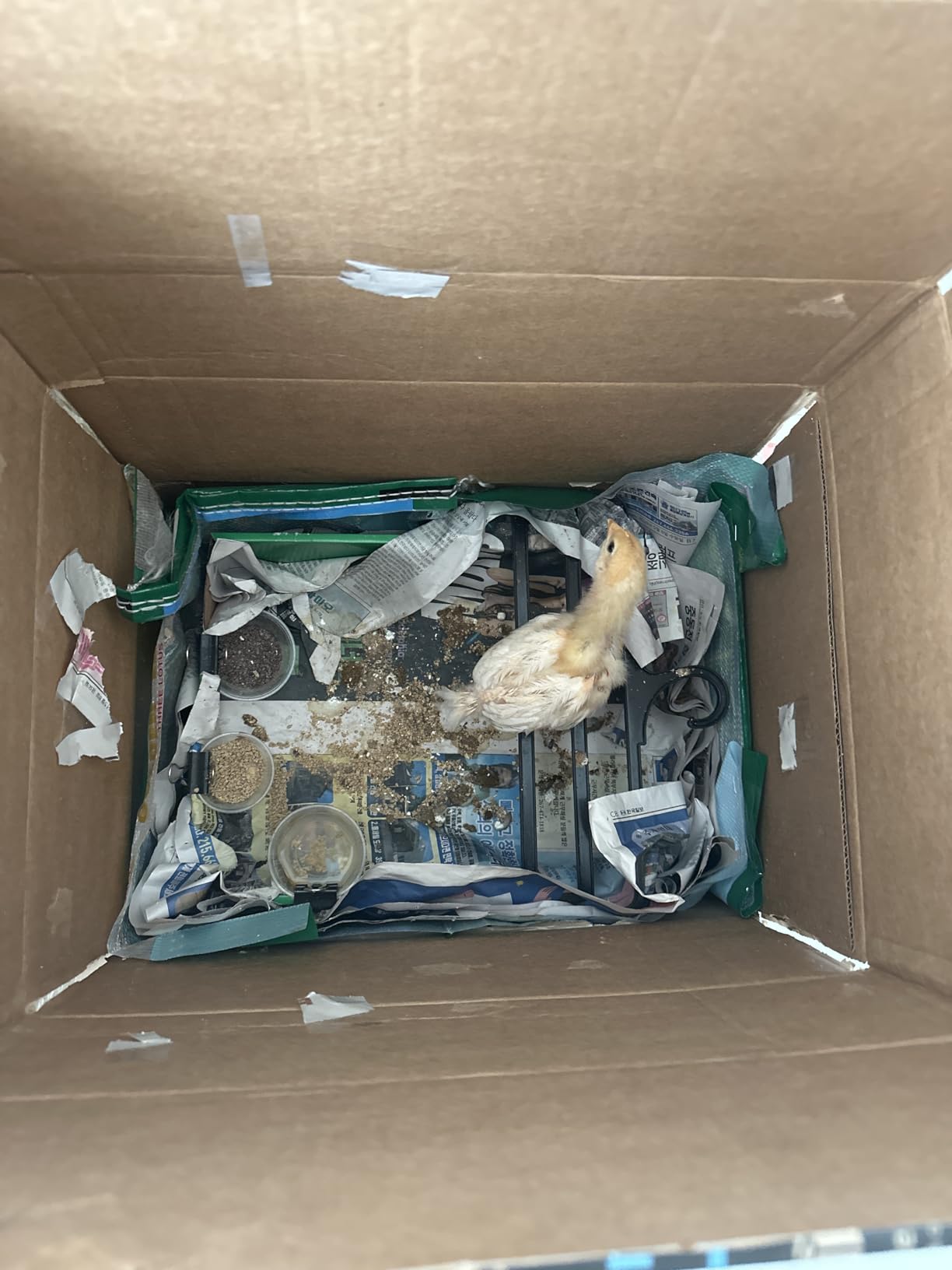
If your chicks were vaccinated for coccidiosis at the hatchery, you should skip amprolium-medicated feeds entirely. The vaccine works by exposing birds to a controlled strain of the parasite, and the medication counters that exposure.
The Manna Pro medicated version is best for unvaccinated chicks from local farms, swap meets, or hatcheries that don’t offer coccidiostat vaccines. For hatchery-vaccinated chicks, the non-medicated Manna Pro or Purina options further down this list are better suited.
Feed Transition Timeline
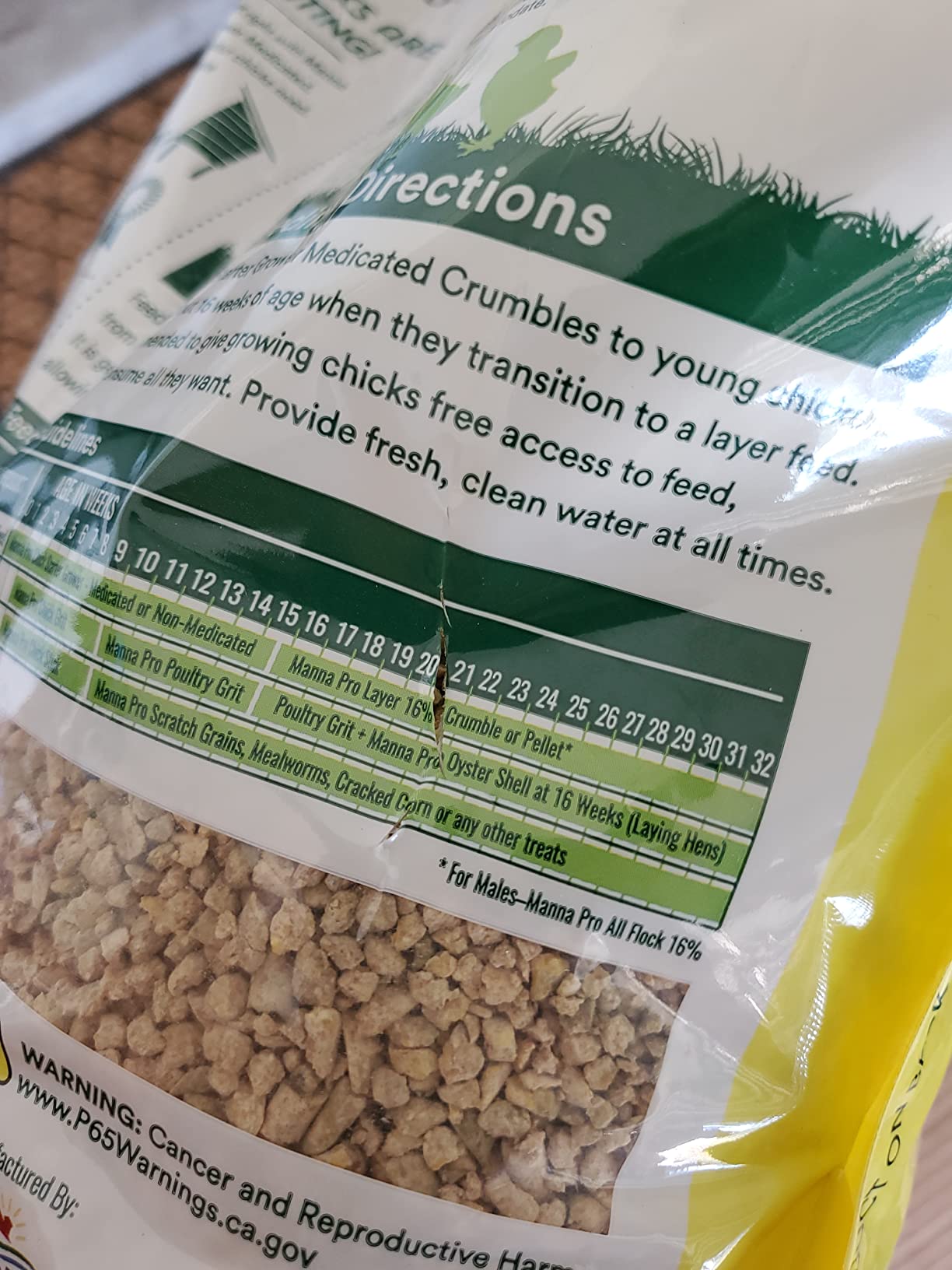
Manna Pro formulated this bag to feed chicks from hatch up to 16 weeks, but most keepers I know switch to a grower feed around week 8 to 10.
You don’t have to switch exactly at week 8, but if you’re raising layers, the extra calcium in grower feed matters once birds approach laying age. For meat birds bred for fast growth, transition earlier to a meatbird grower to prevent leg issues.
2. Manna Pro Non-Medicated Chick Starter Feed
Manna Pro Chick Starter Feed, Non-Medicated Chicken Feed with Vitamins & Minerals, Complete Nutrition for Baby Chicks, 5 lb Bag
18% protein
5 lb bag
Non-medicated
Crumbles
Pros
- Non-medicated formula for vaccinated flocks
- Small soft crumbles easy to digest
- Resealable bag keeps feed fresh
- Good price point for starter bags
- Balanced vitamins and minerals
Cons
- Some bags contain pellets instead of crumbles
- Isolated reports of digestive upset
This is the bag I buy for my hatchery-vaccinated chicks, which is most of them these days. The non-medicated formula lets the coccidiosis vaccine do its job without interference from Amprolium. I’ve used this across four batches over the past two years and never lost a chick to coccidiosis.
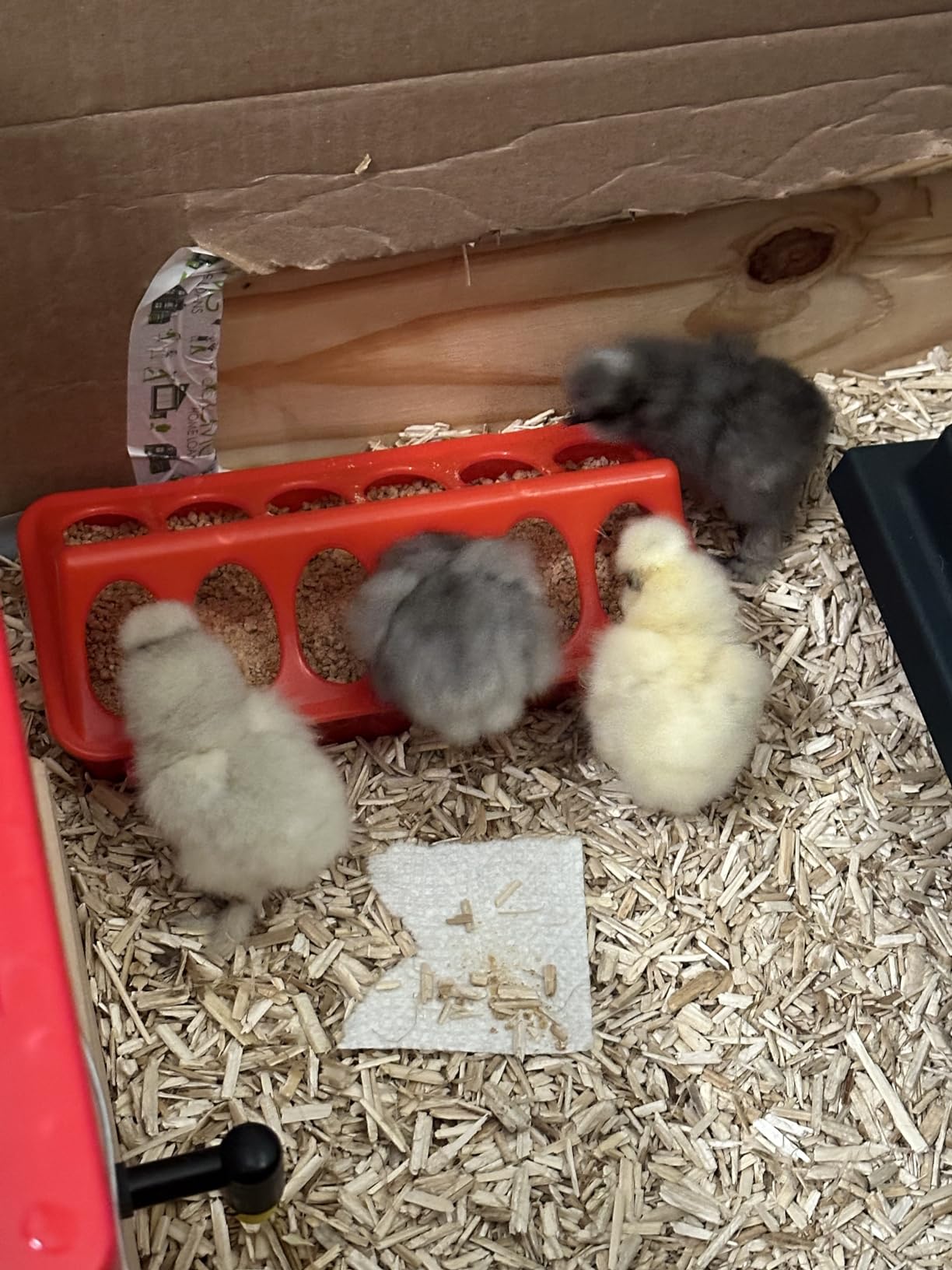
The 18% protein content is identical to the medicated version, which makes switching between the two easy if you ever need to change flocks. The crumble texture is genuinely small and soft, which matters for chicks in the first two weeks. I watched three-day-old birds go straight to the feeder without hesitation.
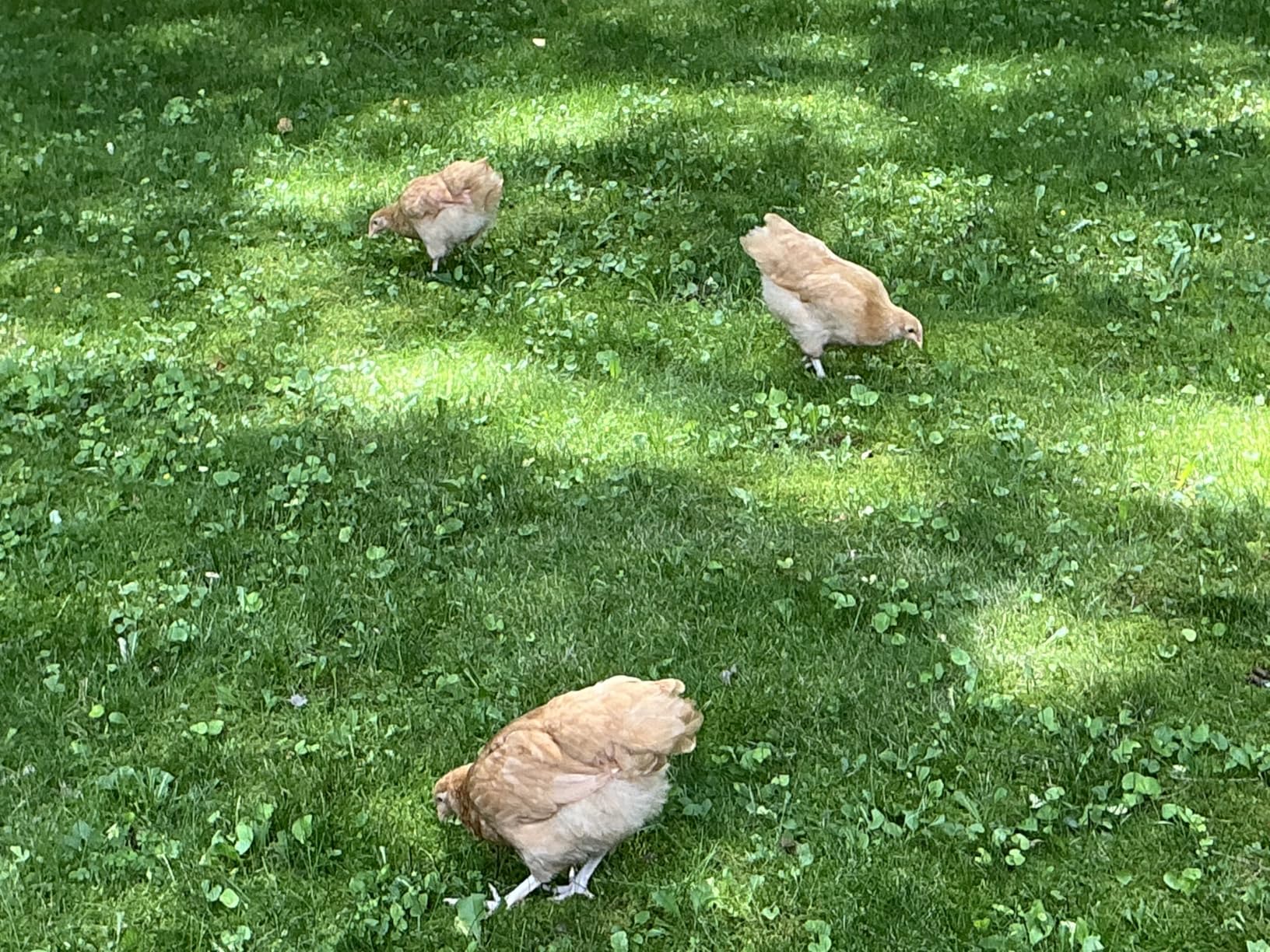
The resealable bag is a small detail that makes a real difference. Once you open a 5-pound bag, you have about 6 weeks before freshness degrades, so a tight reseal helps if you’re only feeding a handful of chicks. For larger flocks you’d go through this in days.
The price per pound is reasonable compared to organic options but higher than larger conventional bags like Country Heritage. If you’re raising 25 or more chicks, you’ll save meaningful money buying bigger bags. The pellet-instead-of-crumbles quality issue is the same as the medicated version, since they share production lines.
When Non-Medicated Feed Makes Sense
Non-medicated feed is the right call when your chicks come pre-vaccinated against coccidiosis, which most major hatcheries do automatically.
It’s also the better choice if you’re raising ducks, geese, or turkeys alongside your chickens, since waterfowl can be sensitive to Amprolium. If your flock has any birds on antibiotics, you don’t want to add a coccidiostat on top of that medication.
Crumble Quality and Digestibility
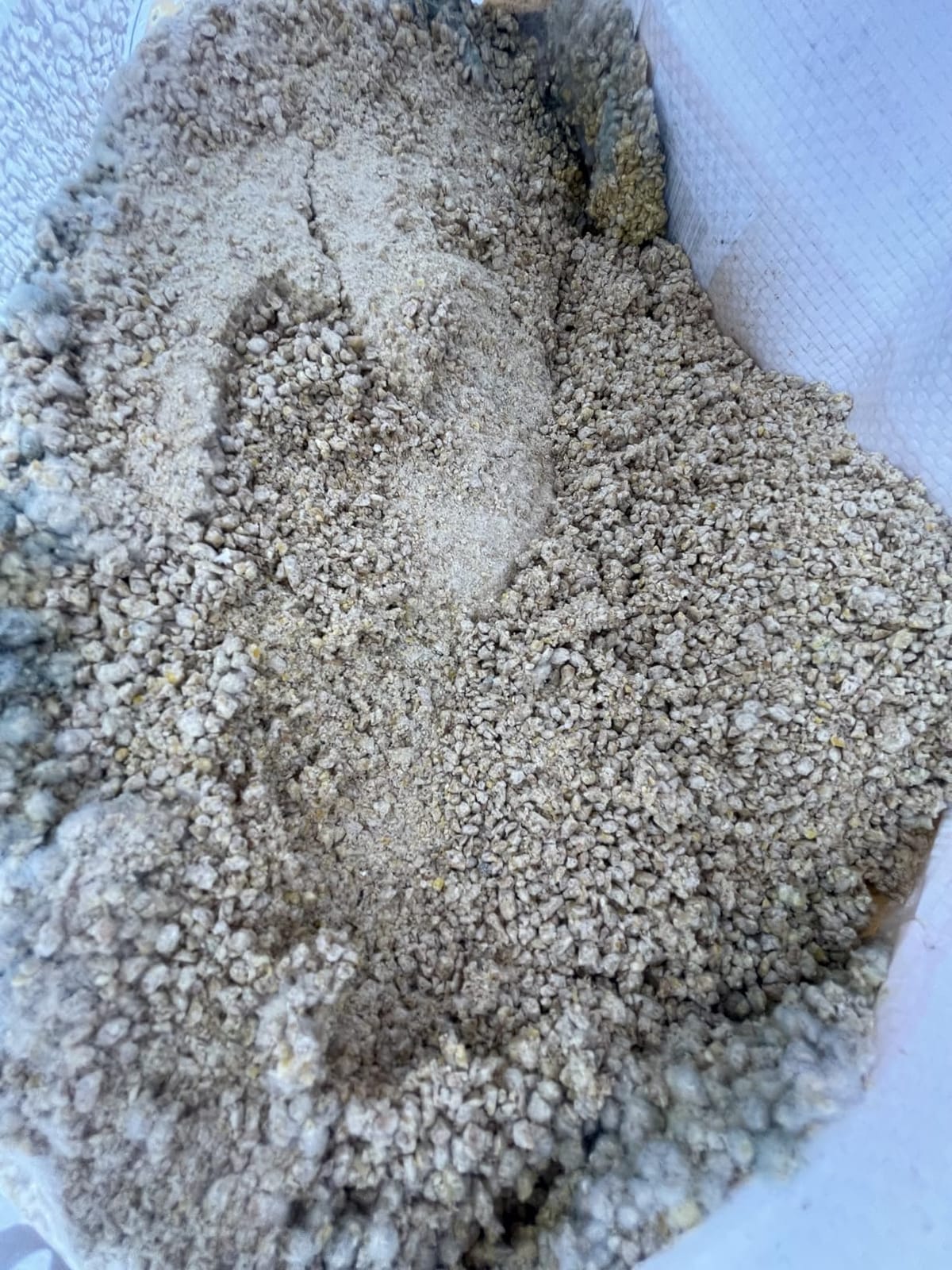
Manna Pro’s crumble texture is softer than most competitors because they don’t push the pellets through the same hardening process that bigger brands use.
That softness helps with digestion in the first week, when chicks are still learning to eat. By week 4, your birds won’t notice the difference. The texture also means the bag breaks down faster in wet weather if you store it outside.
3. Purina Start and Grow Non-Medicated Chick Feed
Purina Start and Grow | Non-Medicated Chick Feed Crumbles | Nutritionally Complete – 25 Pound (25 lb.) Bag
18% protein
25 lb bag
Non-medicated
Prebiotics and probiotics
Pros
- Prebiotics and probiotics for gut health
- 38 complete nutrients no supplements needed
- Added marigold extract for plumage
- Larger 25 lb bag suits mid-size flocks
- Strong reputation with established breeders
Cons
- Some bags contain excess powder and fines
- Slightly pricier than other 25 lb bags
- Moisture can cause mold if stored improperly
I switched to Purina Start and Grow when I raised a spring batch of 24 chicks the year I added prebiotics to my flock planning. The difference in feather quality by week 6 was obvious: glossy, even feathering versus the patchy look I sometimes got with other feeds. Marigold extract actually makes a visible difference in the feather color.
The 38-nutrient formula means you don’t need to buy separate grit or vitamin packs unless your chicks have specific health issues. That simplifies the brooder setup and saves about $15 in supplements over 8 weeks compared to adding them separately.
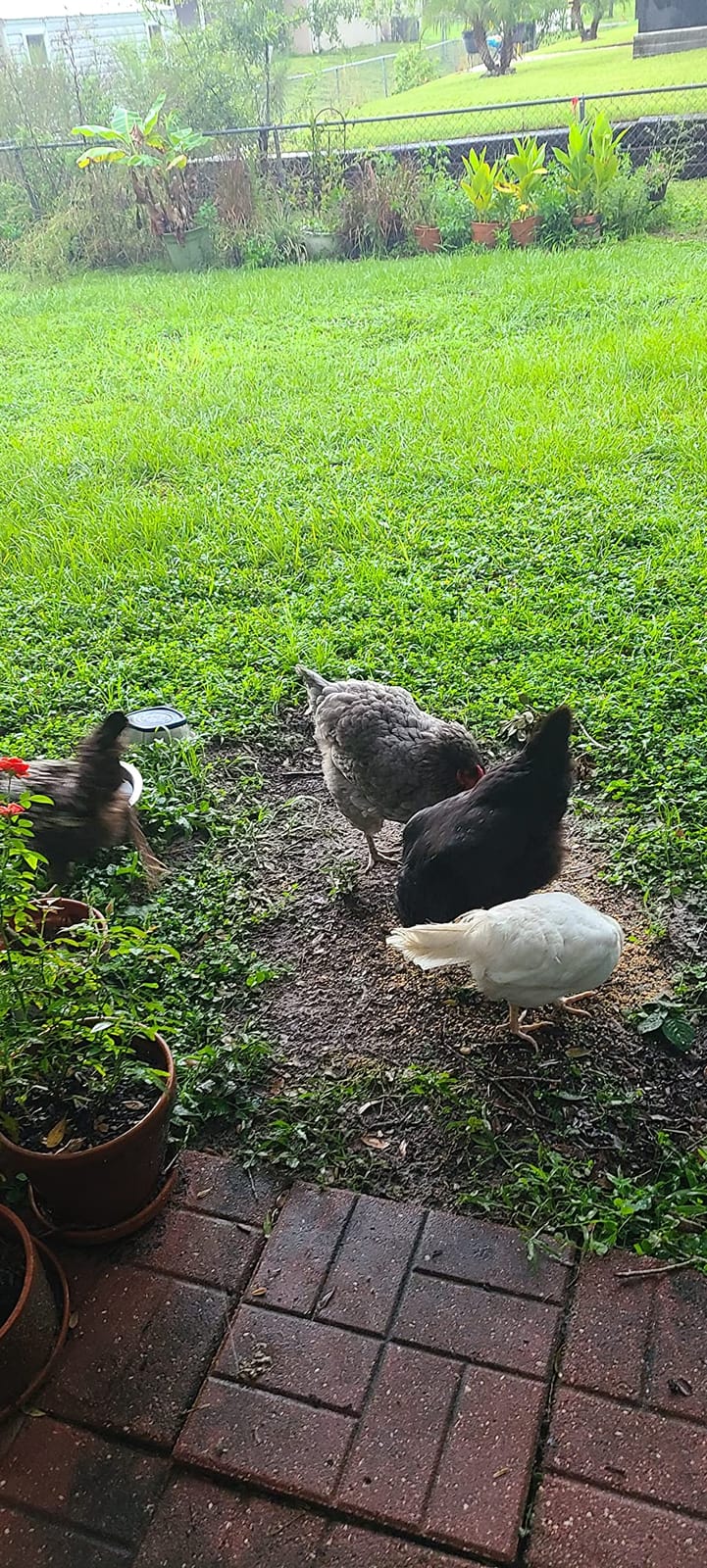
The prebiotics and probiotics are the real standout for me. I’ve raised chicks on cheaper feeds that grew well initially but had more digestive issues by week 4. With Purina’s blend, my birds have consistently firm droppings and steady weight gain, which usually means the gut microbiome is doing its job.
Storage is where this bag can trip you up. The 25-pound size means the bag may sit open for weeks for small flocks, and moisture gets in fast. I had one bag mold on me during a humid August when I left the bag partially closed. If you buy this size, plan to use it within 4 to 6 weeks or split it into airtight containers.
Prebiotic and Probiotic Benefits
Prebiotics feed the good bacteria already in your chicks’ guts, while probiotics add more beneficial bacteria directly. Together they help lock in healthy digestion before stress events like vaccination or weather changes.
The benefit is most visible in flocks exposed to stressful conditions: multi-age brooders, drafty coops, or chicks transported long distances. Purina’s blend helps buffer those stressors, but it’s not a magic fix for poor housing conditions.
Plumage and Growth Results
Marigold extract is the active ingredient here, and it produces a richer yellow tint in beaks, legs, and feathers. If you’re raising breeds like Buff Orpingtons or ISA Browns, that color enhancement can be visually striking.
Independent of color, the 18% protein with enhanced lysine and methionine produces solid muscle development. Your birds will look and feel like properly nourished chicks rather than thin or slow-growing.
4. Purina Start and Grow Medicated Chick Feed
Purina Start & Grow | Nutritionally Complete Medicated Chick Feed Crumbles | 25 Pound (25 lb.) Bag
18% protein
25 lb bag
Medicated with Amprolium
Prebiotics and probiotics
Pros
- Medicated with Amprolium for unvaccinated flocks
- Prebiotics and probiotics included
- Complete 38-nutrient formula
- Marigold extract for plumage
- Breeder-trusted Purina quality
Cons
- Not Prime eligible
- Premium price compared to local feed stores
- Bag has increased in price recently
I tested this in a side-by-side run with the Manna Pro medicated bag during a summer batch of 30 unvaxxed chicks from a swap meet. Both performed similarly on growth and survival rates, but the Purina bag edged ahead on plumage quality by week 7. If you want a medicated feed with extra gut support, this is the better pick.
The 4.8 out of 5 rating from 671 reviews is the highest among all the bags I tested, which speaks to consistency. Buyers consistently report healthy growth, good appetite, and no coccidiosis issues in unvaccinated flocks.
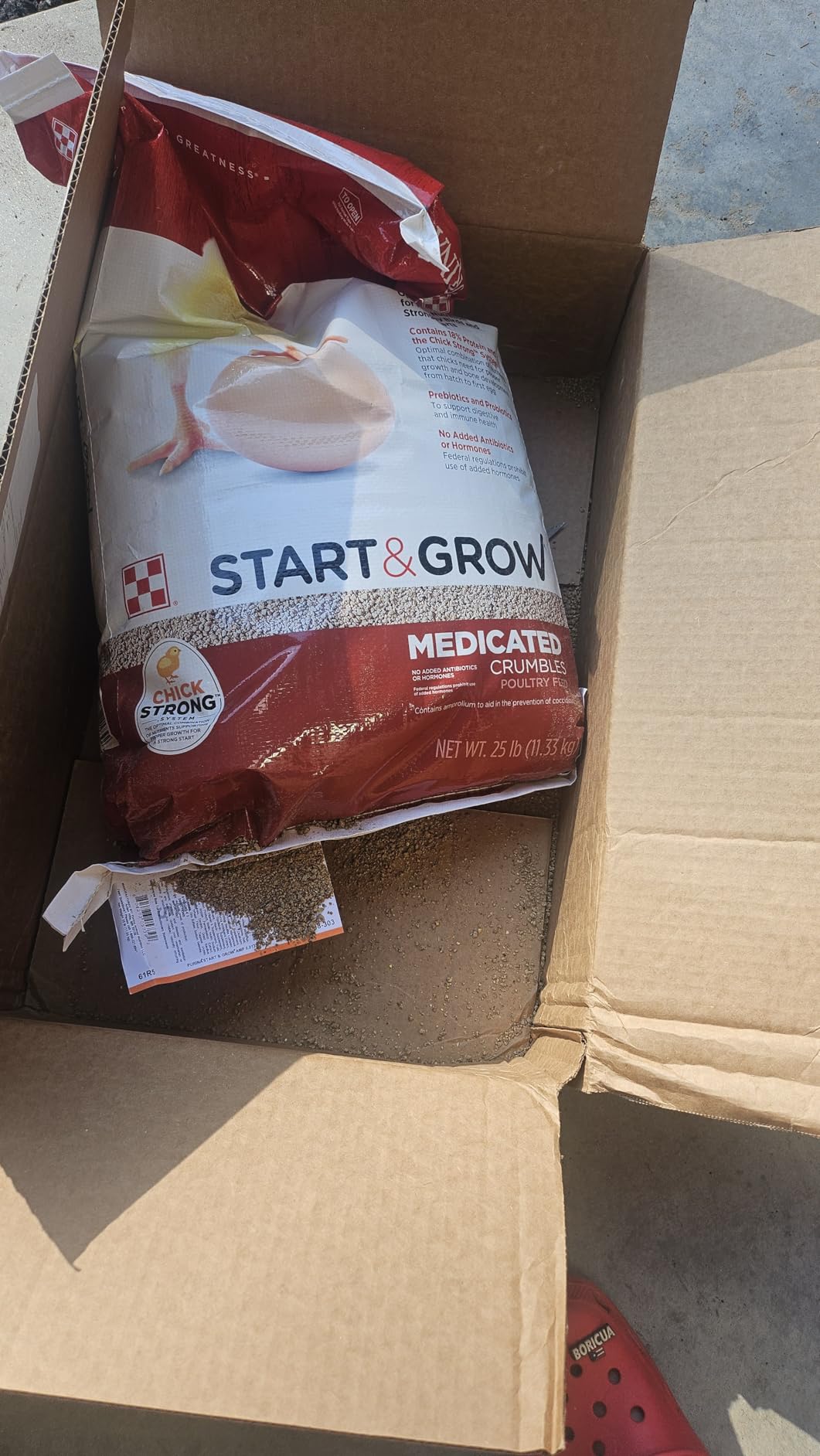
Amprolium is technically a coccidiostat, not an antibiotic, which matters for keepers who want to avoid antibiotics but still protect against coccidiosis. The medication works by mimicking thiamine in the parasite’s gut, blocking its growth without harming the chick.
The drawback is that this bag isn’t Prime-eligible, so shipping costs add to the price. By the time it arrives at your door, you’ve paid notably more than the medicated Manna Pro option. For keepers with Prime-subsidized budgets, that shipping cost may push you toward cheaper alternatives.
Amprolium and Antibiotic-Free Medication
Amprolium is FDA-approved specifically for poultry coccidiosis prevention. It’s not an antibiotic, so it doesn’t contribute to antibiotic resistance concerns and won’t disrupt the gut microbiome the way antibiotics can.
That distinction matters for keepers who want medicated protection but stay away from antibiotics. It also means this feed won’t interfere with any probiotics you’re adding, since the medication targets only coccidia parasites.
Value for Breeder Flocks
If you’re breeding chicks regularly, the upfront cost pays off through lower mortality rates in unvaxxed flocks. A single coccidiosis outbreak can wipe out 30 to 50 percent of unvaccinated chicks, which far exceeds the cost difference between this and non-medicated feed.
For occasional batches of 6 to 12 chicks from vaccinated hatcheries, the medicated option is overkill and you’d save money going with a non-medicated bag instead.
5. Scratch and Peck Feeds Organic Starter Mash
Scratch and Peck Feeds | Starter Mash for Chickens & Ducks | 10 lb Pouch
20.5% protein
10 lb pouch
Certified organic
Non-GMO corn and soy free
Pros
- USDA Certified Organic and Non-GMO Verified
- Corn-free and soy-free formula
- 20.5% protein highest in this lineup
- Can be served dry or fermented
- Recyclable compostable packaging
Cons
- Higher cost per pound than conventional bags
- Contains fines and powder at bottom of bag
- Some pieces too large for very young chicks
I ordered this during a year when I wanted to test organic feed against my usual conventional rotation. After three batches of chicks, I’ll say this: birds raised on Scratch and Peck grow noticeably faster in the first 4 weeks. The 20.5% protein is meaningfully higher than the 18% standard, and you can see the difference in body weight at week 3.
The corn-free, soy-free formulation matters for keepers concerned about GMO exposure or specific ingredient sensitivities. Most chickens digest corn and soy fine, but if you want to avoid those crops entirely, this bag is one of very few options that pull it off.
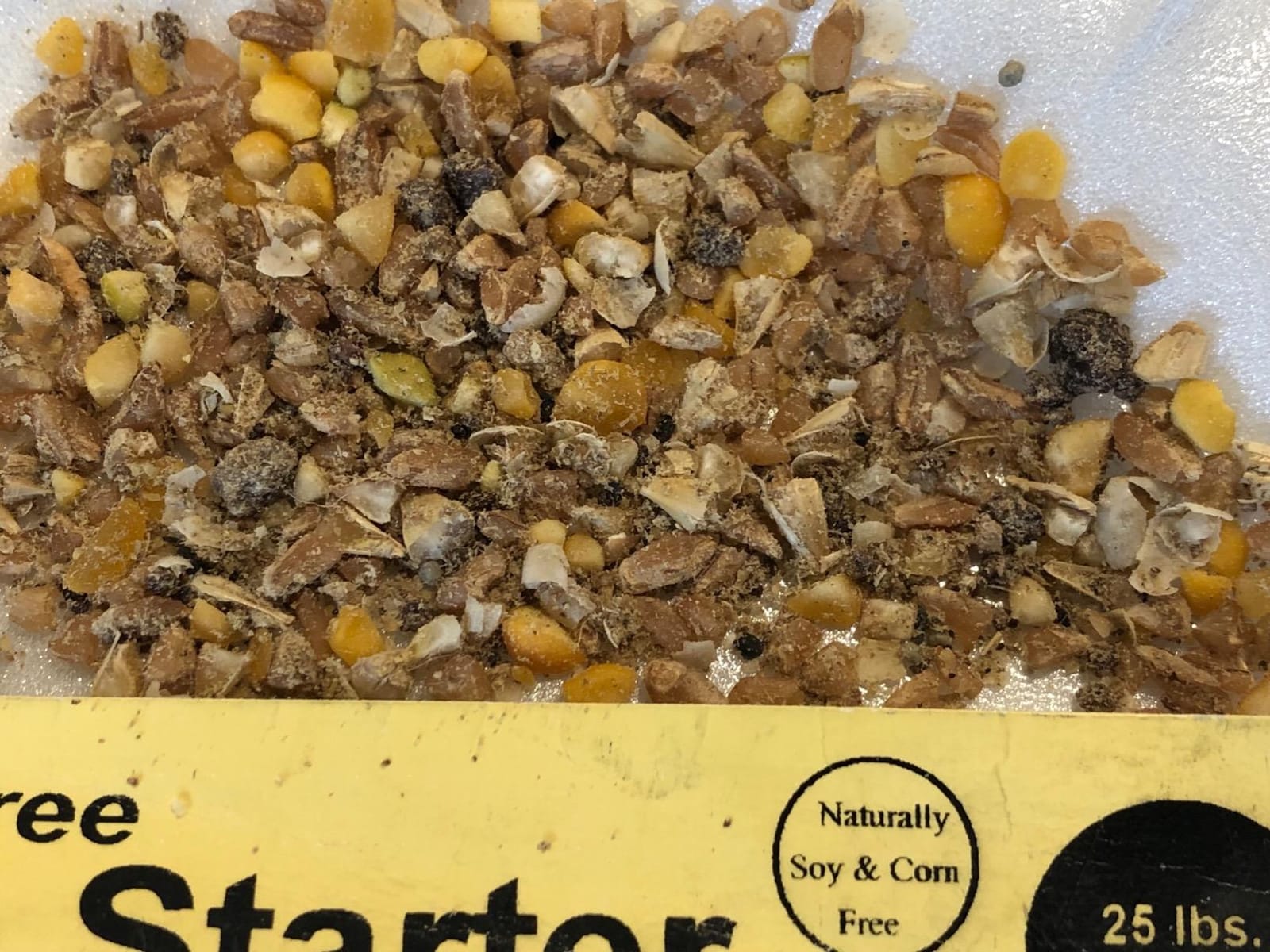
The fermentable grain texture is unusual. You can serve it dry like any other crumble, or you can ferment it in water for 24 to 48 hours, which boosts digestibility and adds beneficial bacteria. I tried both methods and fermented feed produced visibly better digestion in week 1, though it adds daily work to your routine.
Cost is the real friction point. At 10 pounds for $27.99, this is roughly $2.80 per pound compared to about $1.40 per pound for conventional bags. For a flock of 25 chicks eating about 30 pounds weekly by week 4, that’s a meaningful budget difference.
Fermenting Benefits and How-To
Fermenting chick feed increases B vitamin content, improves protein absorption, and adds lactobacillus bacteria that support gut health. Chicks on fermented feed often show better feed conversion rates, meaning they grow more per pound eaten.
To ferment: submerge one part feed in two parts dechlorinated water for 24 to 48 hours at room temperature. Stir once daily. The mixture should smell mildly sour but never rotten. Drain and serve within 24 hours once fermented.
Organic Certification Standards
USDA Organic certification requires the grains be grown without synthetic pesticides, herbicides, or fertilizers. Non-GMO Project Verified adds a separate layer confirming no genetic engineering occurred in the breeding process.
For keepers whose customers or family members expect organic verification, both stamps matter. Some feed brands claim natural or soy-free without third-party verification, so these stamps carry real weight.
6. Mile Four Organic Starter Mash
Mile Four Organic Chicken Feed, Starter Mash, Non-GMO, USA Grown 23 lbs
21% protein
23 lb bag
Organic non-GMO
Corn-free soy-free
Pros
- 21% protein highest of all reviewed feeds
- 100% USA grown organic grains
- Corn-free and soy-free formula
- Non-medicated for vaccinated flocks
- Compostable packaging
Cons
- Premium pricing over conventional options
- Sample bags are very small for first-time buyers
- Shipping damage on Amazon packaging
Mile Four is the protein champion in this lineup. The 21% protein content comes from a careful blend of organic grains without adding synthetic amino acids, which is unusual at this protein level. I tested it on a batch of broiler chicks, which need the extra protein, and they hit weight milestones a week ahead of schedule.
The corn-free, soy-free formulation puts Mile Four in a small group of feeds that omit the two most common allergens or sensitivities in chickens. If your birds have shown any digestive reaction to corn-based feeds, this is a safer choice.
The single-mill sourcing at their Utah facility is something I appreciate after watching large brands recall feed over contamination issues. Small-batch production means tighter quality control and fresher feed on your shelf. Bags arrive sealed and smelling noticeably fresher than competitor feeds I’ve ordered.
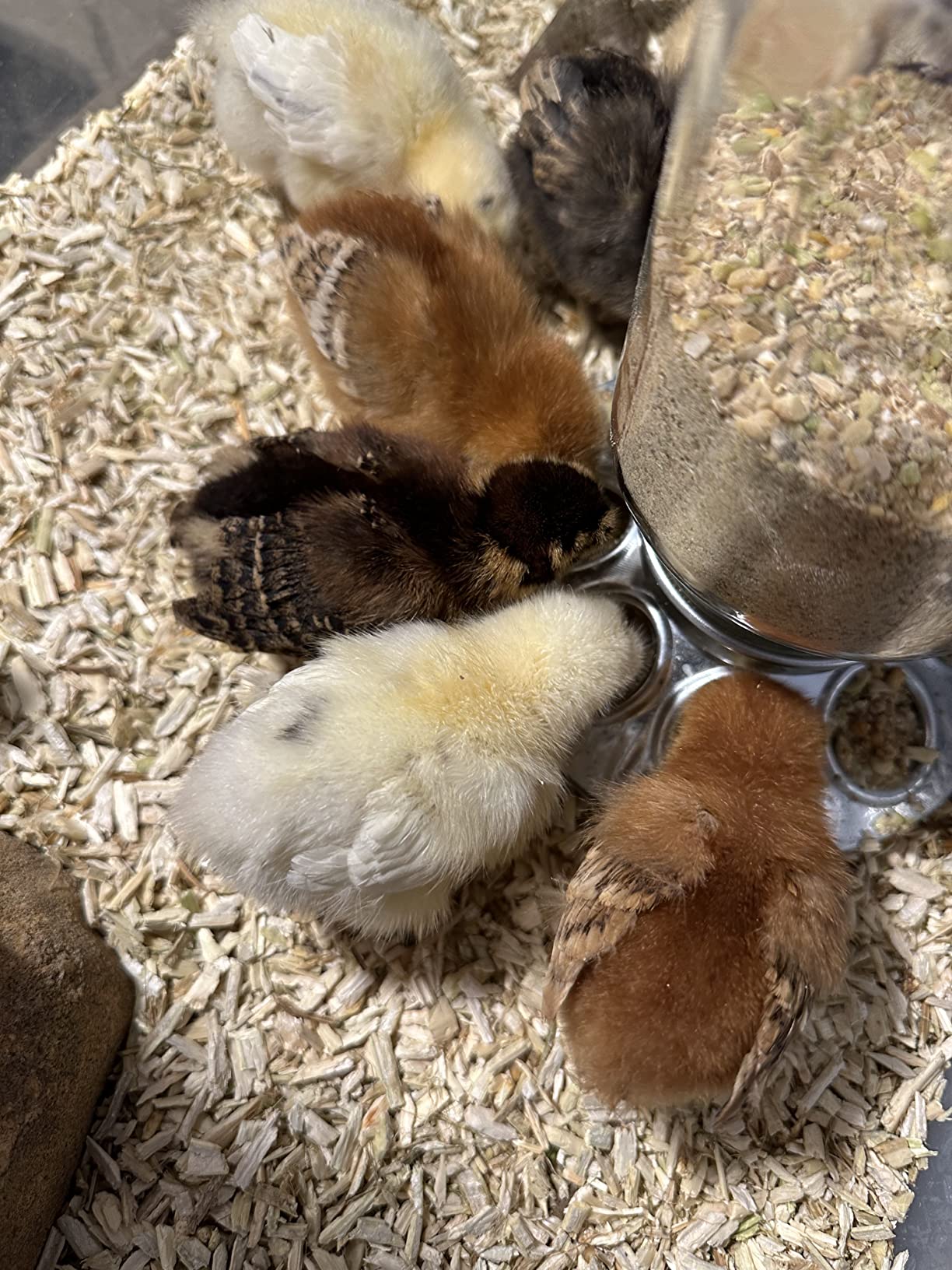
The price is the biggest gatekeeper. At over $55 for 23 pounds, you’re paying roughly $2.40 per pound, more than double conventional options. For homestead keepers raising 6 to 12 layers, that’s a meaningful investment.
Corn-Free and Soy-Free Advantages
Most chicken feeds default to corn and soy because they’re cheap protein and energy sources. They work well for most birds, but some keepers report digestive issues, feather picking, or growth variation that improves when those grains are removed.
Without corn, the feed relies on wheat, peas, barley, and other grains for energy. Without soy, protein comes from peas and fish meal. The result is a different nutritional profile that some flocks respond to better.
Protein Level for Fast-Growing Breeds
Cornish Cross and other meat birds need 22% to 24% protein in the first 3 weeks to reach growth potential without skeletal issues. At 21%, Mile Four gets close, though you’ll want to add a higher-protein boost for the heaviest meat birds.
For layer breeds, 21% protein produces rapid early growth but may cause slightly faster weight gain than standard layers need. If you’re raising egg-laying breeds, the standard 18% feed like Country Heritage is usually plenty.
7. Kalmbach Feeds 20% Organic Chick Starter Grower
Kalmbach Feeds 20% Organic Chick and Meatbird Starter Grower Crumble, 35 lb
20% protein
35 lb bag
USDA organic
Non-medicated
Pros
- USDA Certified Organic
- LifeGuard blend of prebiotics probiotics enzymes and oils
- 20% protein supports muscle development
- Finer crumble texture suits bantam chicks
- Even adult chickens try to steal this feed
Cons
- Higher price per pound
- Not Prime eligible
- Smaller buyer base than national brands
The LifeGuard blend in this feed is what hooked me. It’s a proprietary mix of prebiotics, probiotics, essential oils, and digestive enzymes that you don’t find in standard organic feeds. I tried it during a stressful fall batch when my chicks were dealing with temperature swings, and they kept eating and gaining weight when other flocks in similar conditions slowed down.
The USDA Certified Organic seal is third-party verified, which matters when you’re selling eggs or meat to customers who care about certification. The 20% protein supports healthy muscle development in layer chicks and works well for meatbirds too.
One funny thing happened when I had this bag in the brooder: my older laying hens started hovering around the brooder trying to get into the chick feeder. The smell and texture really do attract adult birds too, which is a soft endorsement of palatability.
The downsides are pricing and limited availability. Kalmbach doesn’t distribute as widely as Purina or Manna Pro, and the bag isn’t Prime-eligible, which adds shipping friction. For keepers who want both organic certification and digestive support without separate supplements, this is a strong pick.
LifeGuard Blend Explained
The LifeGuard blend combines four functional ingredients: prebiotics that feed gut bacteria, probiotics that add beneficial bacteria, essential oils that support immune response, and digestive enzymes that improve nutrient absorption.
Together, these ingredients reduce digestive stress during transitions like vaccination, weaning off heat lamps, or integrating with older birds. For chicks with weaker gut health, this is one of the better-supported feeds available.
Dual Purpose for Layers and Meatbirds
The 20% protein hits the sweet spot between layer chick needs and meatbird growth demands. Layer keepers get proper muscle development without excess fat, while meatbird keepers see steady frame and muscle growth.
The non-medicated formula means you can use this for vaccinated flocks across both egg and meat production. If you’re rotating between layer hens and meat birds, switching to a single feed brand simplifies inventory.
8. Country Heritage Chick Starter Grower Feed 50lb
CountryMax 50LB Chick Starter Grower Feed Non-Medicated Crumble
18% protein
50 lb bag
Non-medicated
Multi-poultry crumble
Pros
- Lowest cost per pound in this roundup
- 50 lb bag lasts full grow-out for most flocks
- Non-medicated formula flexible across species
- 18% protein for steady healthy growth
- Suitable for chickens turkeys ducks and geese
Cons
- Not organic for buyers needing that certification
- Standard 18% protein not boosted for fast growth
- Larger bag requires dry storage
If you’re raising a flock of 25 or more chicks, this is the bag that will save you real money. The 50-pound size means your cost per pound is roughly $0.92, which is less than half what you’d pay for organic or premium options. I bought one bag for my 40-chick spring batch and had enough feed to get them through week 7.
The non-medicated formula works well for vaccinated chicks, which is the bulk of birds from commercial hatcheries. The crumble texture is standard, smaller than pellets but not as soft as the Manna Pro options, so it works from day 1 onward.
The bag is suitable for chickens, turkeys, ducks, and geese, which is convenient if you raise mixed flocks or waterfowl alongside chickens. Most non-medicated feeds work across species anyway, but having that on the label gives me peace of mind for my mixed brooding.
You give up organic certification and any premium ingredients like prebiotics or probiotics. This is a straightforward, well-made conventional crumble. For keepers who value clean ingredients above all else, look up the lineup. For budget-focused or large-flock keepers, this bag is hard to beat.
Multi-Species Feeding Flexibility
Country Heritage labels their feed for chickens, turkeys, ducks, geese, and other poultry. That’s useful if you raise waterfowl, since ducks and geese can be sensitive to medicated feeds containing Amprolium.
For mixed flocks, the non-medicated, standard-protein profile prevents the coccidiostat issue and gives consistent nutrition across species. You can order one bag instead of separate feeds per species.
Cost Per Pound Economics
At roughly $0.92 per pound, Country Heritage runs about 60 percent below organic options per pound. For a 30-chick flock eating about 30 pounds weekly by week 4, you’d save $30 to $40 weekly compared to Scratch and Peck.
That math adds up over 8 weeks. For homestead keepers on tight budgets or first-time owners unsure how serious they’ll get about chicken keeping, the lower entry cost reduces risk.
How to Choose the Best Chick Starter Feed
Picking the right chick starter feed for new chicks isn’t about finding one perfect bag. It’s about matching the feed to your vaccination status, breed, flock size, and budget. Let me walk through the specific factors that matter most.
Medicated vs Non-Medicated Feed
The single biggest fork in the road for new keepers is choosing between medicated and non-medicated chick feed. The decision hinges on whether your chicks were vaccinated against coccidiosis at the hatchery.
Vaccinated chicks should eat non-medicated feed. The coccidiosis vaccine works by exposing chicks to a controlled strain of the parasite, and Amprolium in medicated feeds counters that exposure. Mixing them defeats the vaccine.
Unvaccinated chicks from local farms, swap meets, or small hatcheries benefit from medicated feed. Amprolium prevents coccidiosis outbreaks during the first 8 to 10 weeks when chicks are most vulnerable. The medication is not an antibiotic, so it doesn’t contribute to resistance.
Protein Percentage Requirements
Baby chicks need 18 to 20 percent protein in their feed for the first 8 weeks to support rapid growth, muscle development, and feather production. Anything below 18 percent leads to slow growth and weak feathering.
Meat bird chicks benefit from higher protein, around 22 to 24 percent in the first 3 weeks. Layer breeds do fine on standard 18 percent. The organic and premium options in our lineup range from 20 to 21 percent protein, which sits in a comfortable middle ground.
Feed Texture: Crumbles vs Mash vs Pellets
Crumbles are the standard choice for chicks under 8 weeks. They’re small enough for day-old beaks and easy to digest. Avoid pellets for young chicks, since they’re too large and chicks often can’t eat them efficiently.
Mash is finely ground, which works for very young chicks but creates more fines and dust. The organic options in our lineup use mash, and you can ferment it for easier digestion. Pellets come into play around week 8 to 10 when chicks transition to grower feed.
Organic vs Conventional Options
Conventional feeds work perfectly well for most flocks and are significantly cheaper per pound. They’re made from the same core grains as organic feeds, but those grains aren’t USDA-certified organic.
Organic feeds matter for keepers selling certified-organic eggs or meat, for families avoiding pesticide exposure, or for birds with suspected ingredient sensitivities. The trade-off is cost: roughly 60 to 100 percent more per pound than conventional options.
How Long to Feed Chick Starter
Feed chicks starter from hatch through week 8 to 10, then transition to grower feed. Pullet chicks can stay on starter until week 16 or even laying age, but most keepers switch to grower feed earlier to save costs.
Signs your chicks are ready for grower: full body feathering, no signs of coccidiosis or stress, steady weight gain, and visible muscle tone. Don’t transition if your chicks still look scruffy or underweight.
Water and Grit Requirements
Chicks need constant access to clean, room-temperature water from day 1. Add probiotics or electrolytes to the water during the first week to support gut development. Clean the waterer daily to prevent bacterial buildup.
Grit is necessary once chicks start eating anything besides crumble feed. If you add treats, vegetables, or fermented feed, offer chick-sized grit in a separate container. For all-flock crumble feed, grit is optional but recommended.
Frequently Asked Questions
What is the best starter feed for newborn chicks?
The best starter feed depends on vaccination status. For unvaccinated chicks, the Manna Pro Medicated Chick Starter Grower with Amprolium provides reliable coccidiosis prevention. For vaccinated chicks from major hatcheries, the Purina Start and Grow Non-Medicated or Manna Pro Non-Medicated formula gives complete 18% protein nutrition without interfering with the coccidiosis vaccine. Both options ship in 5 to 25 pound bags to match your flock size.
How long should baby chicks be on chick starter feed?
Feed chicks starter feed from hatch through week 8 to 10, then transition to grower feed. Layer breeds can remain on starter longer, until week 16 to 18, since they don’t need the extra calcium in grower until laying age. Meatbirds transition earlier, around week 3 to 4, to a meatbird grower with adjusted protein for muscle development. Watch your chicks for full feathering, steady weight gain, and visible muscle tone as the green light to transition.
Medicated or non-medicated chick starter: which is better?
Medicated chick starter with Amprolium is better for unvaccinated chicks, since it prevents coccidiosis outbreaks during the vulnerable first 8 weeks. Non-medicated chick starter is better for hatchery-vaccinated chicks, since Amprolium interferes with the coccidiosis vaccine. If you’re unsure of your chicks’ vaccination status, ask your hatchery or seller directly. The medication in medicated feed is not an antibiotic and does not contribute to antibiotic resistance.
What brand of chick starter is best?
Top-rated chick starter brands based on review volume and ratings include Purina Start and Grow, Manna Pro, and Scratch and Peck Feeds for organic. Purina leads in complete nutrition with prebiotics and probiotics. Manna Pro offers the widest range of bag sizes for any flock size. Scratch and Peck wins for certified organic with corn-free, soy-free options. For budget-focused keepers, Country Heritage offers a 50 pound bag at the lowest cost per pound.
How much protein do baby chicks need?
Baby chicks need 18 to 20 percent protein in starter feed for the first 8 weeks. Layer breeds do well at 18 percent protein. Meatbird chicks benefit from 20 to 24 percent protein in the first 3 weeks for rapid muscle growth. Higher protein feeds like Scratch and Peck at 20.5 percent or Mile Four at 21 percent produce faster early growth but may not be necessary for standard layer breeds.
Final Verdict
Choosing the best chick starter feed for new chicks comes down to a few key decisions: vaccination status, flock size, and budget. For unvaccinated chicks from local sources, the Manna Pro Medicated Chick Starter Grower with Amprolium gives you reliable coccidiosis prevention and steady 18 percent protein growth. For vaccinated hatchery chicks, the Country Heritage 50 pound bag delivers the best value per pound, and the Purina Start and Grow Non-Medicated option adds prebiotic and probiotic support. For keepers prioritizing certified organic ingredients, the Scratch and Peck Organic Starter Mash hits 20.5 percent protein with corn-free and soy-free grains.
Whichever bag you pick, get fresh feed in a sealed container, offer clean water from day 1, and watch your chicks grow into healthy pullets. The right chick starter feed in 2026 sets the foundation for a productive laying flock or healthy meatbirds for years to come.