
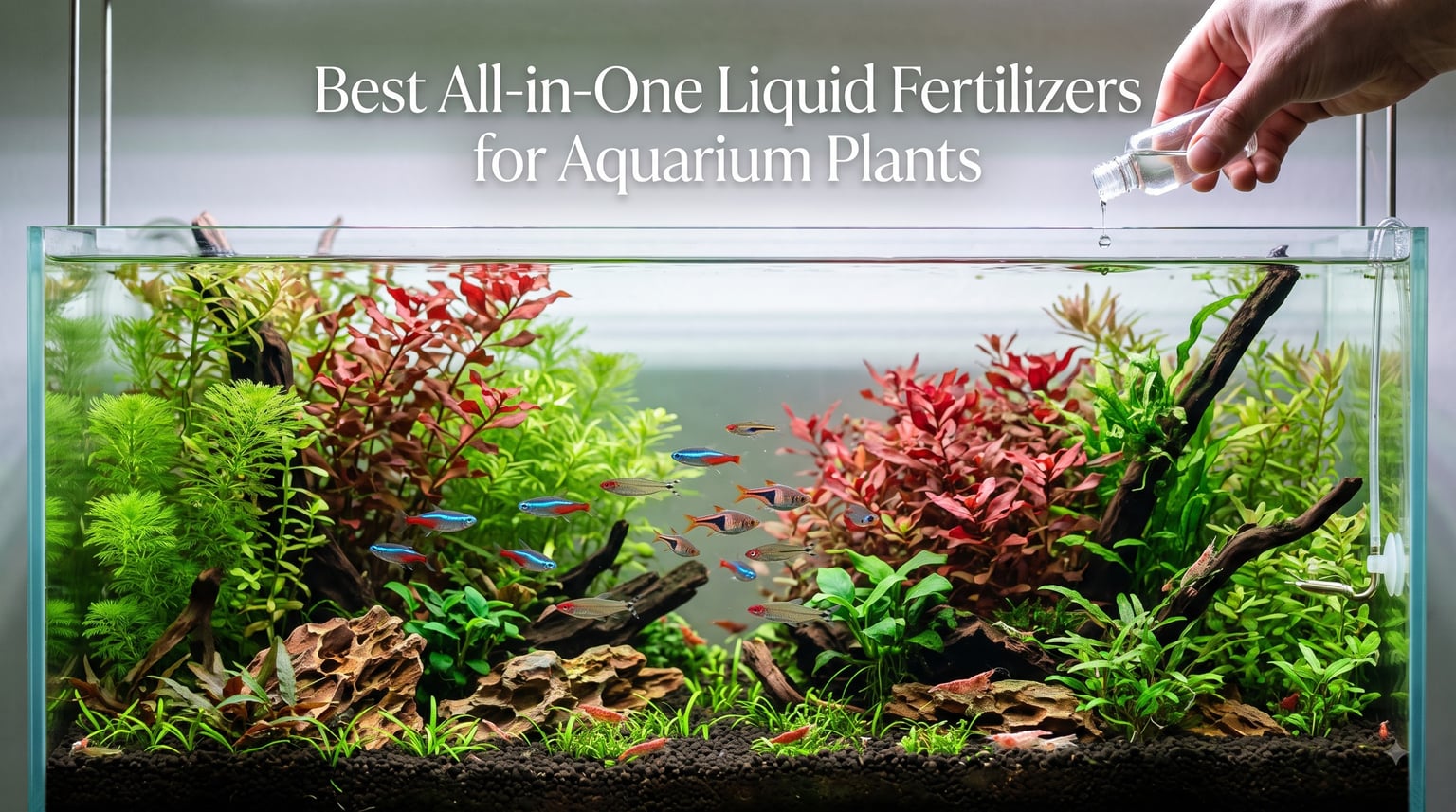
I’ve kept planted aquariums for over 12 years, and I remember the frustration of juggling five different fertilizer bottles just to keep my Java fern from melting. An all-in-one liquid fertilizer for aquarium plants solves that exact problem by combining macronutrients and micronutrients into a single dose.
After testing dozens of formulas across low-tech and high-tech setups, I narrowed it down to 8 products that consistently delivered visible growth without triggering algae blooms. In this guide, I’ll show you which fertilizers work best for shrimp tanks, which ones handle pH above 7, and where to spend your money for the strongest results.
Whether you’re running a beginner 10-gallon with Anubias or a 75-gallon carpeted tank with CO2 injection, the right all-in-one fertilizer saves time, money, and headaches. Let’s dive into what actually works.
Table of Contents
Top 3 Picks for Best All-in-One Liquid Fertilizers for Aquarium Plants September

Thrive by NilocG
- Concentrated 2500-gal coverage
- All-in-one macro+micro
- Shrimp and snail safe

Crystalpro Flora Multi…
- Zero phosphate formula
- All-in-one macro+micro
- Safe for invertebrates
Best All-in-One Liquid Fertilizers for Aquarium Plants in 2026
| Product | Specs | Action |
|---|---|---|
| Thrive by NilocG |
|
Check Latest Price |
| Crystalpro Flora Multi Minerals |
|
Check Latest Price |
 API LEAF ZONE API LEAF ZONE |
|
Check Latest Price |
 Seachem Flourish Seachem Flourish |
|
Check Latest Price |
 Thrive+ by NilocG Thrive+ by NilocG |
|
Check Latest Price |
 ThriveS by NilocG ThriveS by NilocG |
|
Check Latest Price |
 Fluval Plant Gro+ Fluval Plant Gro+ |
|
Check Latest Price |
 MICROBE-LIFT All in One MICROBE-LIFT All in One |
|
Check Latest Price |
1. Thrive by NilocG – The Best All-in-One Fertilizer Overall
Thrive Planted Aquarium Fertilizer -All in One Planted Tank Liquid Fertilizers – Micro & Macro Nutrient Rich Food for Aquatic Plants – Highly Concentrated for 2500 Gallons of Water – Handy Pump Bottle
Treats 2500 gallons
All-in-one macro+micro
Pump bottle dosing
Pros
- Highly concentrated formula
- Safe for fish shrimp and snails
- Works in low and high tech tanks
- Convenient pump head
- Strong plant growth within weeks
Cons
- Can cause algae if overdosed
- Some users report high nitrates
I ran Thrive on my 40-gallon low-tech community tank for six months, and the growth was the best I’ve seen from any all-in-one. My Java fern put out three new leaves in the first two weeks, and the Amazon sword finally started pushing runners after months of stagnation.
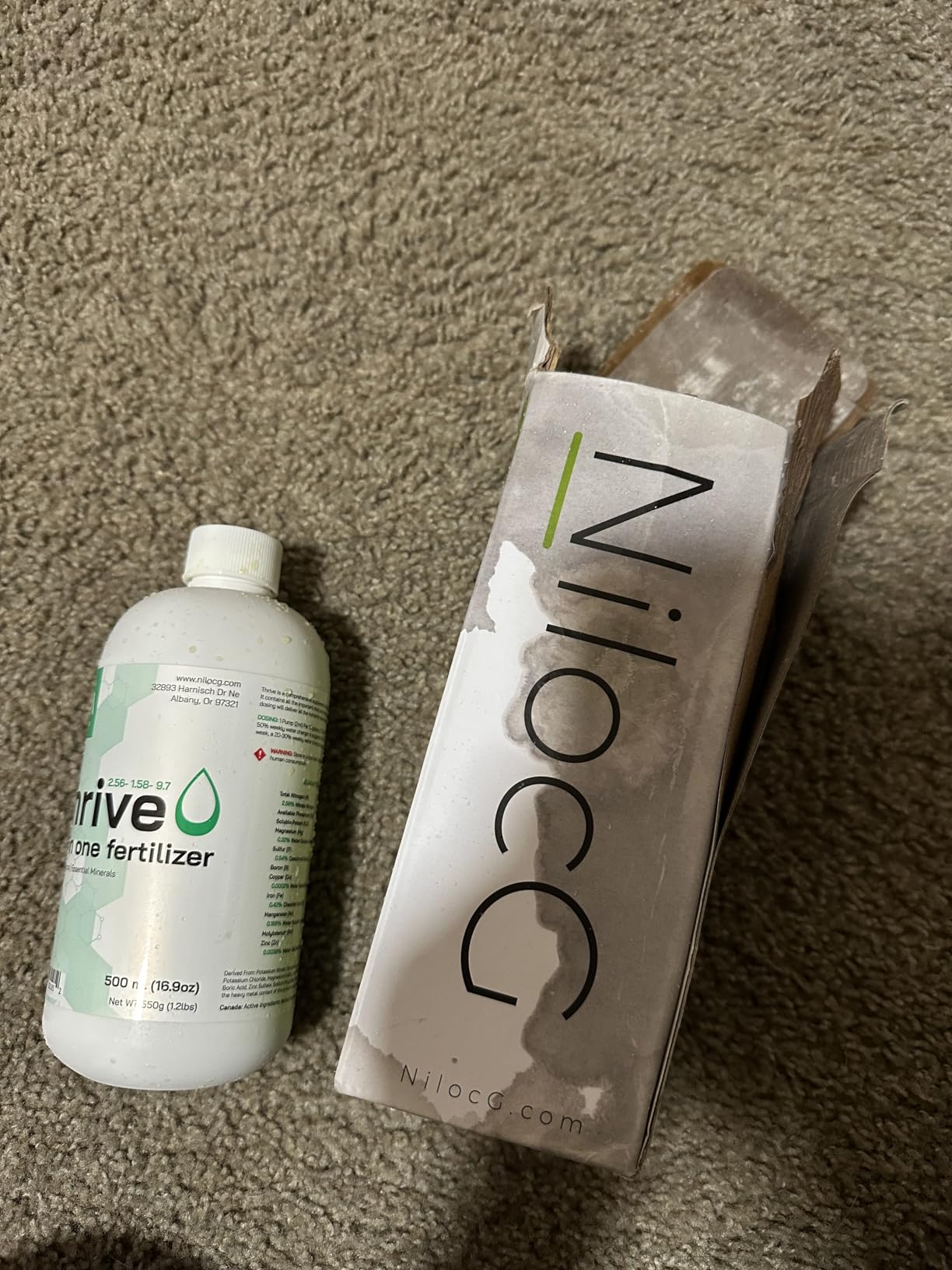
The pump bottle is the standout feature here. One pump per 10 gallons takes the guesswork out of dosing, and a single 500ml bottle treats 2500 gallons of water. That concentration makes it one of the most cost-effective options per gallon treated.
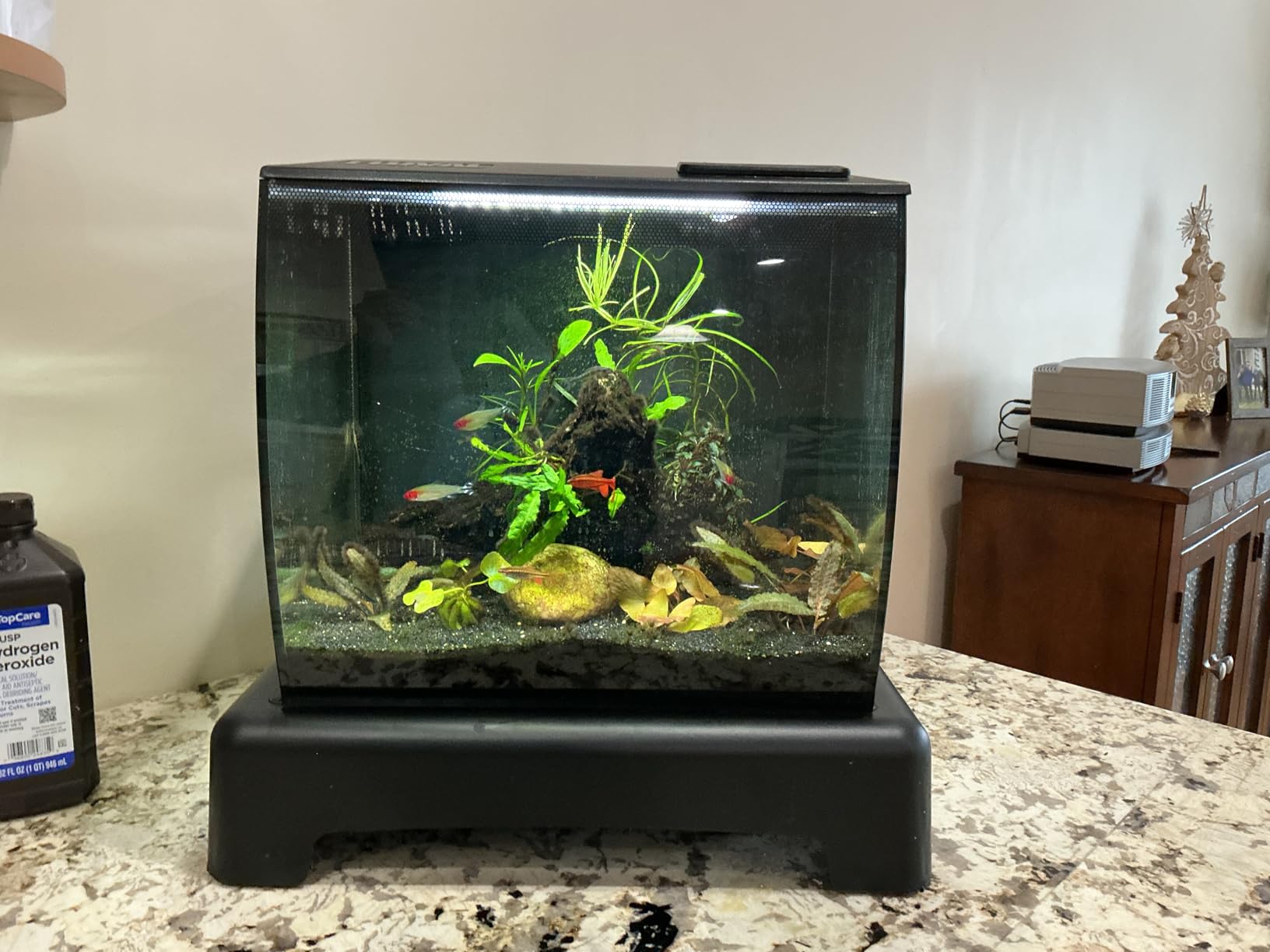
Thrive includes both macronutrients (nitrogen, phosphorus, potassium) and micronutrients (iron, magnesium, calcium) in a balanced ratio. Forum users consistently report it’s safe for shrimp, snails, and sensitive fish species. I’ve kept cherry shrimp and Otocinclus in the same tank without issues.
The mixing ratio of 6:1.1:5:0.25 indicates a nitrogen-forward formula that leans slightly toward leafy growth. This makes it ideal for stem plants like Rotala and Ludwigia, though you’ll want to monitor for algae if your lighting runs hot.
Tank compatibility and plant response
Thrive performs best in tanks with pH between 6.5 and 7.5 and moderate lighting. I noticed slower uptake in tanks with pH above 7.8, where iron becomes less bioavailable. For sensitive plants like Bucephalandra, dosing at half strength initially prevents melting while the plants acclimate.
Carpeting plants like Monte Carlo and Dwarf Hairgrass respond well after 3-4 weeks of consistent dosing. Stem plants show visible improvement within 7-10 days.
Limitations worth considering
The main downside is the nitrate content. If you already have high nitrates from fish waste or heavy bioload, Thrive can push levels into algae-triggering territory. I tested with a 75-gallon moderately stocked tank and saw nitrates climb from 10 ppm to 25 ppm over a month. Diligent water changes kept it in check.
The pump mechanism can occasionally stick on older bottles. A quick rinse under warm water fixes it, but it’s worth knowing if you’re considering an autodosing setup.
2. Crystalpro Flora Multi Minerals – Best Budget Pick for Beginners
Crystalpro Flora Multi Minerals All-in-One Aquarium Plant Fertilizer – Plant Food for Fast Root & Leaf Growth – Safe for Fish, Shrimp & Snails (4.2 Oz / 125ml)
Zero phosphate
Algae-friendly
Safe for invertebrates
Pros
- All-in-one macro and micro formula
- Zero phosphate and silicate
- Highly concentrated formula
- Safe for fish shrimp and snails
- Great value for money
Cons
- Some shrimp sensitivity reports
- No specific dosing frequency printed
I tried Crystalpro Flora on a 20-gallon shrimp breeding tank where phosphate sensitivity was a real concern. After eight weeks, my cherry shrimp colony had doubled, and the plants showed steady growth without any algae outbreaks. That zero-phosphate formulation makes a noticeable difference in tanks prone to hair algae.
The 125ml bottle is compact and easy to store. While smaller than the NilocG options, the concentration means you’re still getting solid value. The formula includes potassium, nitrate, magnesium, calcium, iron, boron, manganese, zinc, copper, molybdenum, and cobalt, covering both macro and micro needs.
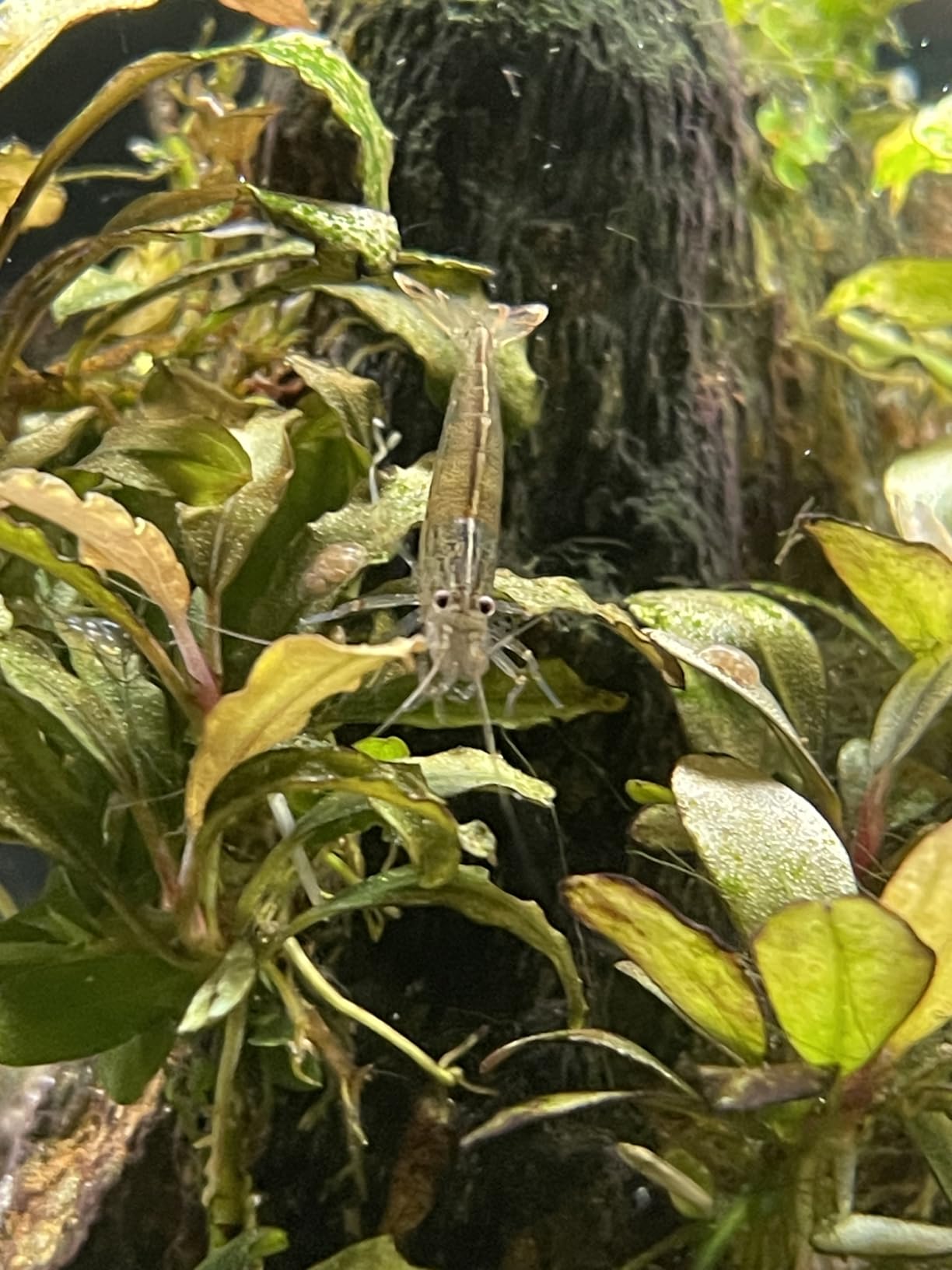
What stood out to me was the algae-friendly positioning. Most fertilizers contain phosphates because plants need them, but excess phosphate feeds algae. Crystalpro’s approach lets you control phosphate separately if needed, which is useful for advanced dosing strategies.
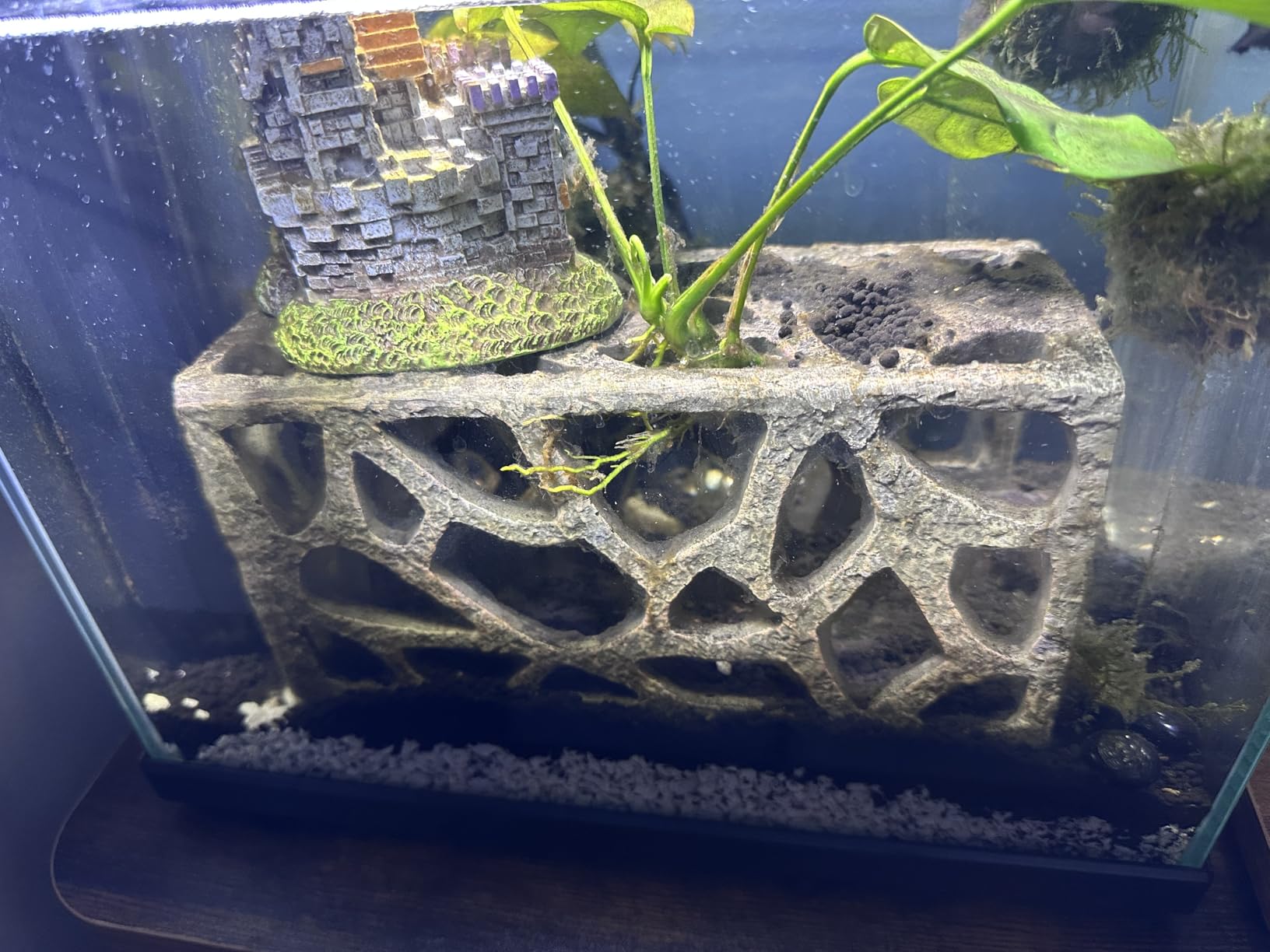
I noticed floating plants like Salvinia and Frogbit responded especially well. Their roots grew longer and the leaves developed better color within 10 days. Rooted plants showed improvement after about three weeks of consistent dosing.
Who should pick this fertilizer
Crystalpro Flora works best for hobbyists who want simplicity without breaking the bank. The bottle lasts roughly 3-4 months on a 20-gallon tank with weekly dosing, putting cost-per-gallon significantly below premium options.
It’s also ideal for tanks with sensitive invertebrates. I tested it with Crystal Red Shrimp (Caridina) without any molting issues or losses.
Where it falls short
The label lacks specific dosing instructions for different light levels, which means you’ll need to do some research or start conservatively. I started at half the recommended dose and worked up over two weeks to find the sweet spot.
A small percentage of users report shrimp sensitivity, likely due to the copper content. While copper is necessary in trace amounts, sensitive Caridina species may react in very soft water. If you keep pricey shrimp, test on a small group first.
3. API LEAF ZONE – Best for Iron Deficiency
API LEAF ZONE Freshwater Aquarium Plant Fertilizer 18-Ounce Bottle White
Chelated iron+potassium
Weekly dosing
18oz bottle
Pros
- Contains chelated iron and potassium
- Promotes strong colorful leaves
- Prevents yellow decaying leaves
- Formulated for rapid absorption
- Easy to dose with cap
Cons
- Can turn glass brown
- May stain plant leaves if careless
- Some bottle condition complaints
API LEAF ZONE has over 8000 reviews for a reason. I’ve used it as an iron supplement on tanks where plants showed classic chlorosis (yellowing between leaf veins), and the recovery time is impressive. Within two weeks, affected plants pushed out greener, stronger growth.
The chelated iron formula means the iron stays available to plants longer than non-chelated forms. Chelated minerals resist binding with other compounds in the water, which is especially important in hard water or alkaline tanks where iron typically becomes unavailable.
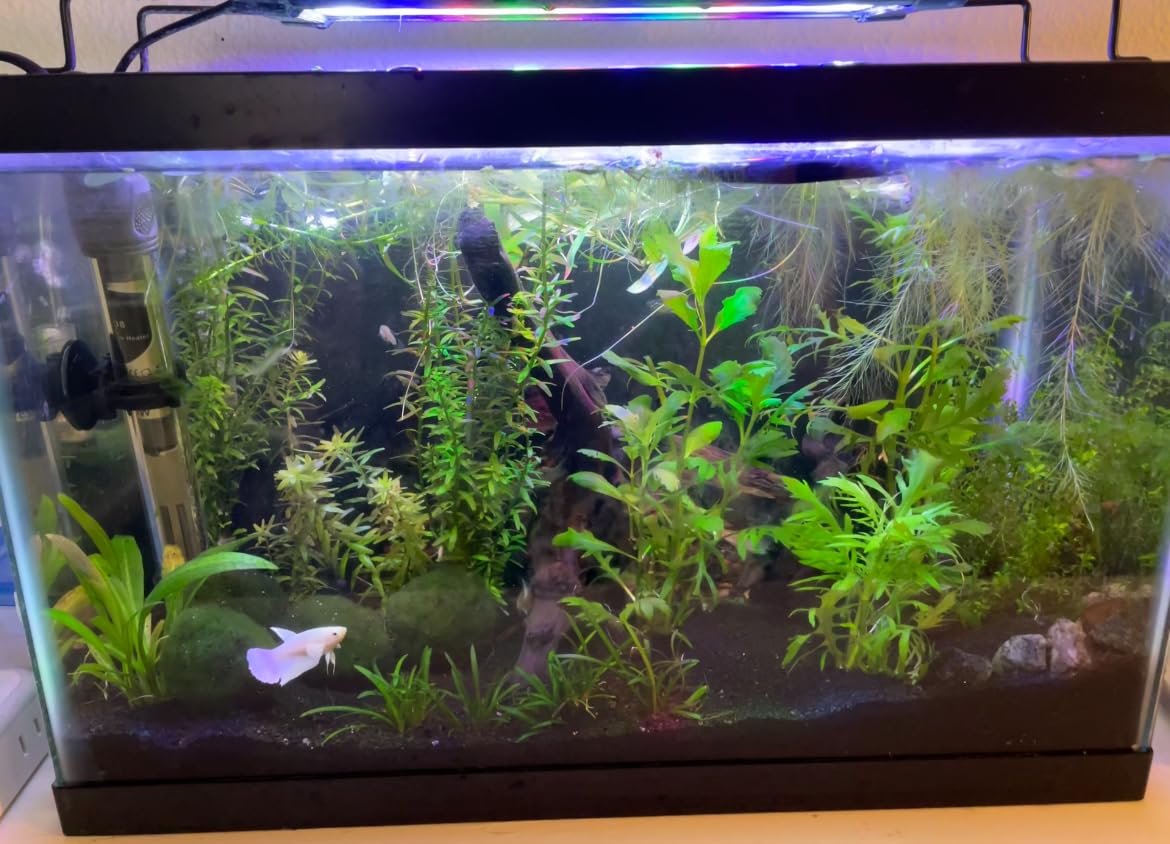
The 18-ounce bottle is one of the larger options on this list, giving you better per-ounce value. The dosing is straightforward: 5ml per 10 US gallons weekly. I found this works well for low-tech setups with moderate plant loads.
API LEAF ZONE pairs well with root tabs for heavily rooted plants like Amazon swords and Cryptocoryne. The combination addresses both water-column and substrate nutrition, which mimics how plants feed in nature.
Best tank types for this fertilizer
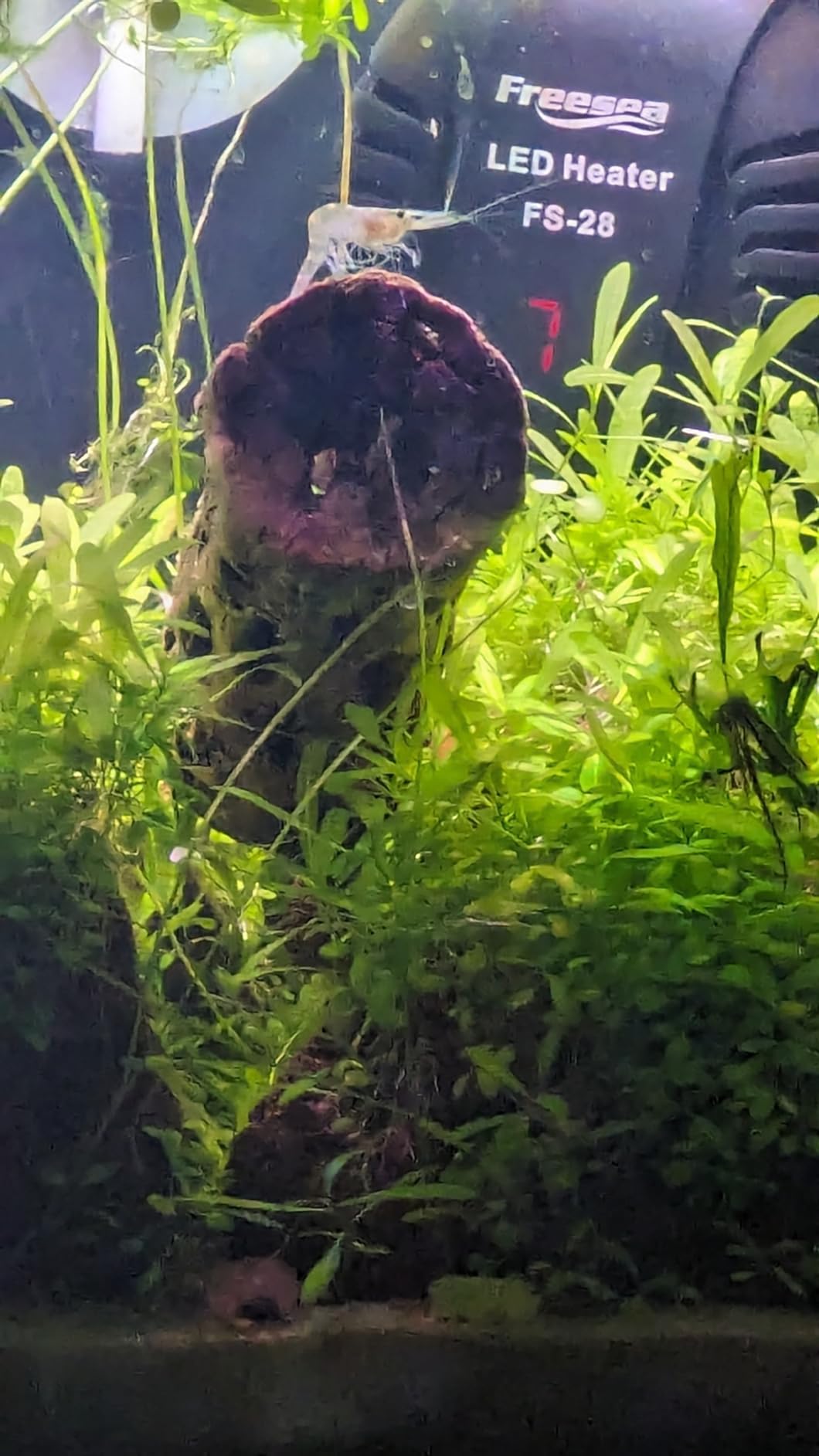
This product shines in low-tech community tanks with basic plants like Anubias, Java fern, and Vallisneria. These plants have lower nutrient demands but still need iron to maintain color.
It’s also effective as a supplement alongside other all-in-one fertilizers when you notice iron deficiency symptoms appearing.
Drawbacks to know about
The iron content is potent enough to stain silicone and glass brown if you drip it directly onto surfaces. I learned this the hard way on my first use. Dosing into the water flow rather than directly onto plants or glass prevents most staining issues.
Some users report receiving bottles with damaged caps or leaks. Inspect the packaging carefully on arrival and contact Amazon if there’s an issue.
4. Seachem Flourish – Best Trusted Brand for All Plant Types
Seachem Flourish Freshwater Plant Supplement
Comprehensive supplement
Micro+trace elements
Shrimp safe
Pros
- Comprehensive micro and trace elements
- Contains potassium calcium magnesium iron
- Long-standing reputable brand
- Safe for invertebrates
- Suitable for all plant types
Cons
- May need refrigeration after opening
- Some reports of stunted growth
- Water can become cloudy initially
Seachem Flourish has been a staple in the planted aquarium hobby since 2004, and my first bottle lasted through three different tank setups over two years. The 500ml size is generous, and the concentrated formula means a little goes a long way.
What I appreciate about Flourish is its comprehensive approach. It contains potassium, calcium, magnesium, iron, and a wide spectrum of trace elements. For tanks with diverse plant collections including sensitive species, this breadth matters.
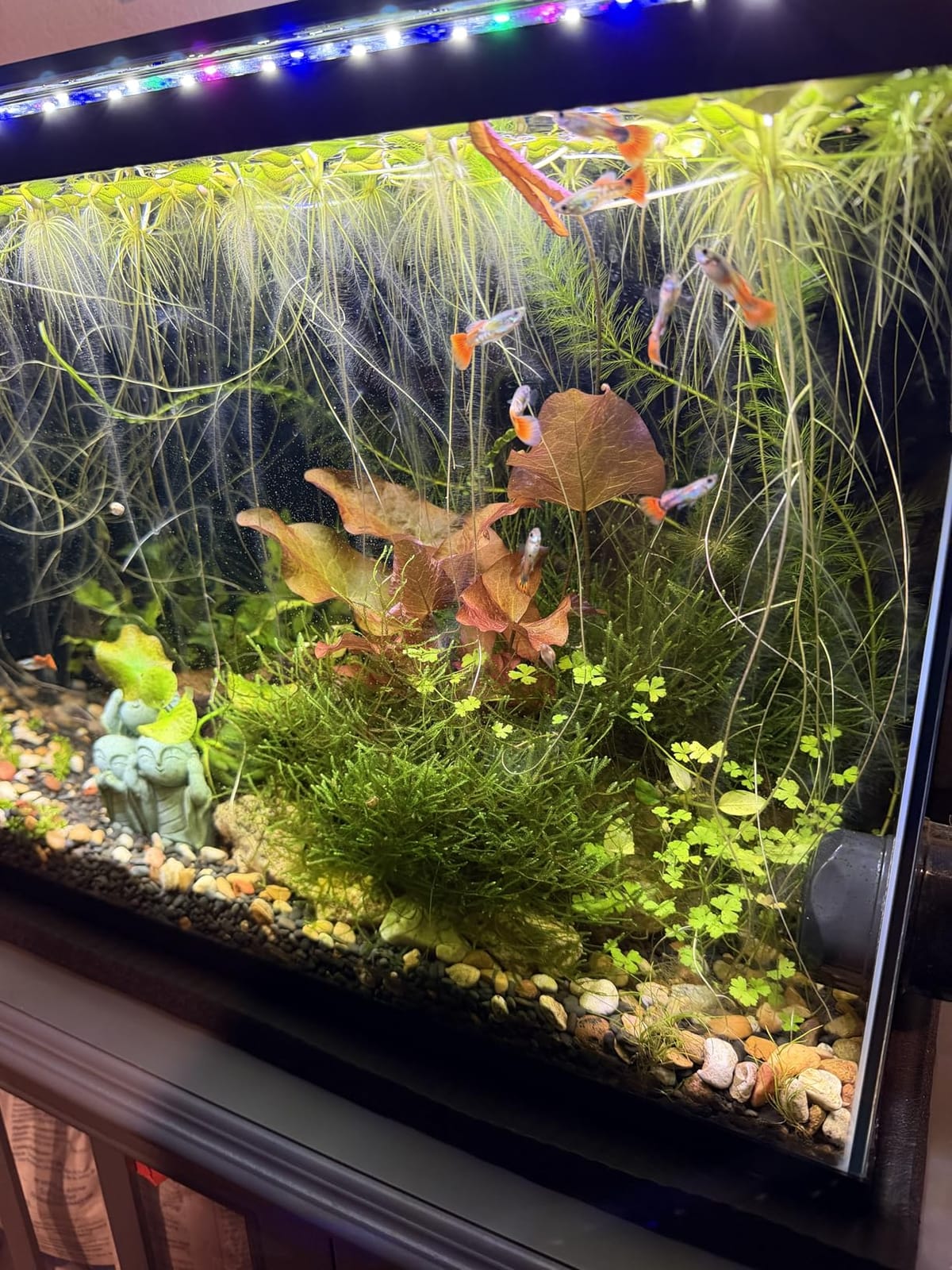
The dosing recommendation is 5ml per 250 liters (about 60 US gallons) once or twice weekly. I dosed twice weekly on a moderately planted 55-gallon and saw consistent growth without algae issues. The formula is gentle enough that small overdoses rarely cause problems.
Flourish works as both a standalone supplement and as a complement to root tabs. Many experienced hobbyists use it alongside comprehensive substrate nutrition for the best results. It’s safe for shrimp, snails, and all fish species tested.
Why hobbyists trust this product
Seachem has built a reputation over 20+ years, and the 5751 reviews reflect long-term user satisfaction. Many planted tank veterans started with Flourish and continue using it because it works consistently across different setups.
The brand also produces specialized supplements like Flourish Iron, Flourish Phosphorus, and Flourish Potassium for targeted dosing. This ecosystem approach lets you customize your regimen as your knowledge grows.
Limitations compared to newer formulas
Flourish is primarily a micronutrient supplement rather than a true all-in-one. It doesn’t contain significant nitrogen or phosphorus, so you’ll need to supplement these separately for demanding stem plants or heavily planted tanks.
Some users report cloudy water after dosing, which usually clears within an hour. Refrigeration after opening extends shelf life but isn’t strictly necessary if you use the bottle within 6 months.
5. Thrive+ by NilocG – Best for High-Tech Planted Tanks
Thrive+ All in One Liquid Aquarium Plant Fertilizer – 500ml Highly Concentrated Aquatic Plant Fertilizer Solution – Nutrient-Rich Aquarium Plant Food – Convenient Usage – Effective Results
All-in-one macro+micro
High-tech ready
Pump bottle
Pros
- All-in-one with macro and micro nutrients
- Highly concentrated 2500 gallons
- Convenient pump bottle
- Suitable for high-tech and low-tech
- Replaces multiple products
Cons
- Can raise nitrates if overdosed
- May cause issues without monitoring
- Some bottle leaking reports
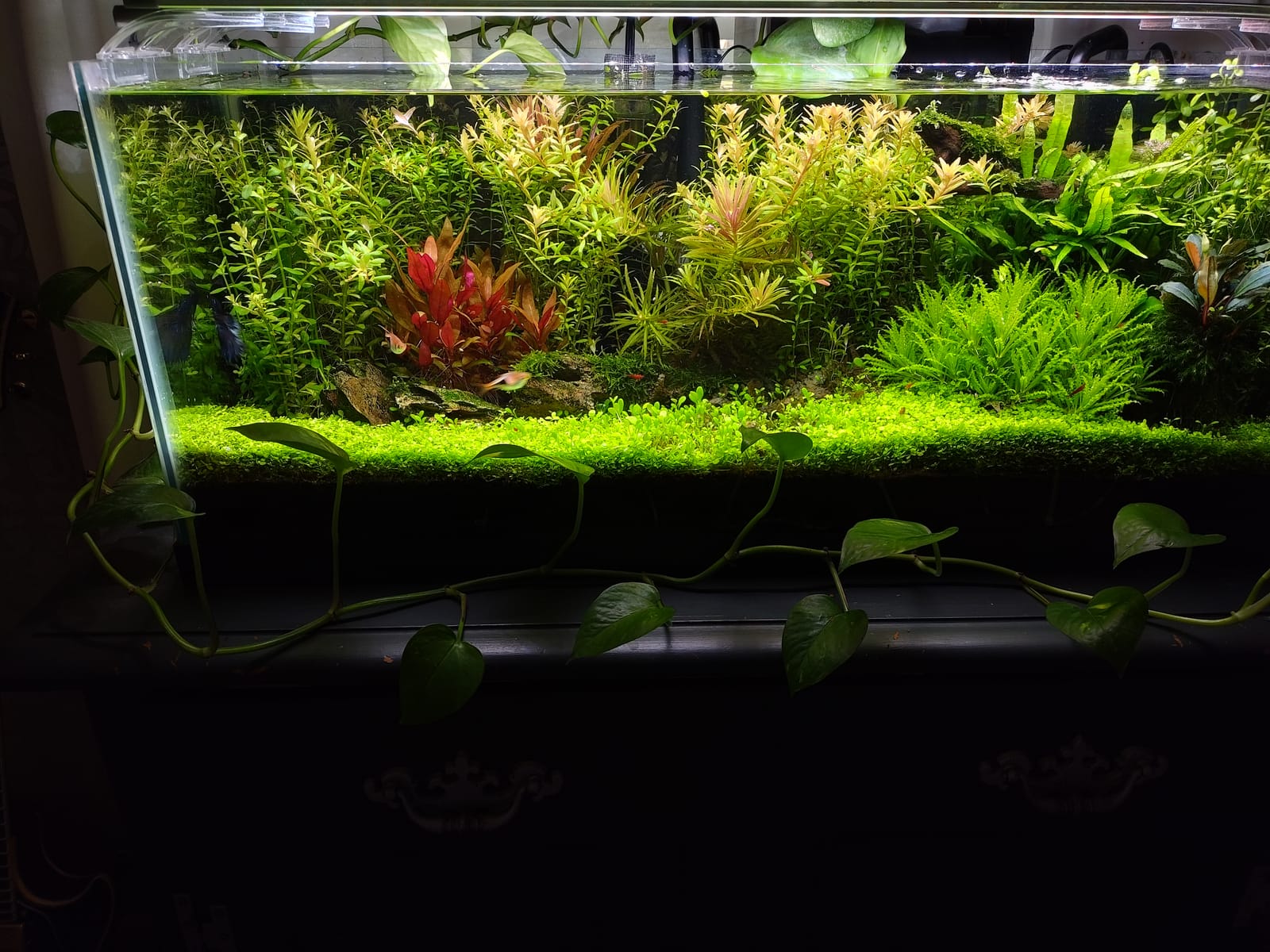
Thrive+ is NilocG’s upgraded formula designed for tanks that need more aggressive nutrient delivery. I tested it on a high-tech 75-gallon with pressurized CO2 and high lighting, and the growth rate was noticeably faster than the standard Thrive formula.
The main difference between Thrive and Thrive+ is the nutrient concentration. Thrive+ contains higher levels of nitrogen and phosphorus to support demanding plants in injected setups. If you’re running carpeting plants or pushing red coloration, the extra macros make a real difference.
The pump bottle dosing remains consistent with the original Thrive, making it easy to switch between the two formulas if your tank setup changes. One pump treats 10 gallons, and you can scale up for heavily planted tanks.
I noticed improved coloration in red plants like Rotala H’ra and Ludwigia Repens within three weeks. The leaves developed stronger red pigmentation, which is typically a sign of adequate nitrogen and phosphorus availability.
Ideal tank conditions
Thrive+ works best in tanks with CO2 injection, high lighting (80+ PAR), and heavy plant loads. Under these conditions, plants absorb nutrients rapidly and benefit from the elevated concentration.
If you’re running a low-tech tank without CO2, the standard Thrive formula is usually sufficient. Using Thrive+ in low-tech setups often leads to nutrient buildup and algae.
Things to monitor
The higher nitrogen content means you need to watch your nitrate levels. I recommend testing weekly and adjusting dosing if nitrates exceed 20 ppm before water changes.
A few users report bottle leaking during shipping. Check seals upon arrival and store upright to prevent pump mechanism issues.
6. ThriveS by NilocG – Best for Shrimp Tanks
ThriveS Shrimp All‑in‑One Aquarium Fertilizer, 500ml Concentrated Plant Food
Shrimp-specific formula
Low TDS impact
All-in-one
Pros
- Specifically designed for shrimp tanks
- Balanced nutrition for stable parameters
- All essential macros and micros
- Convenient pump bottle
- Does not harm shrimp or invertebrates
Cons
- Pump mechanism can be difficult initially
- Lower N and phosphate may not suit all setups
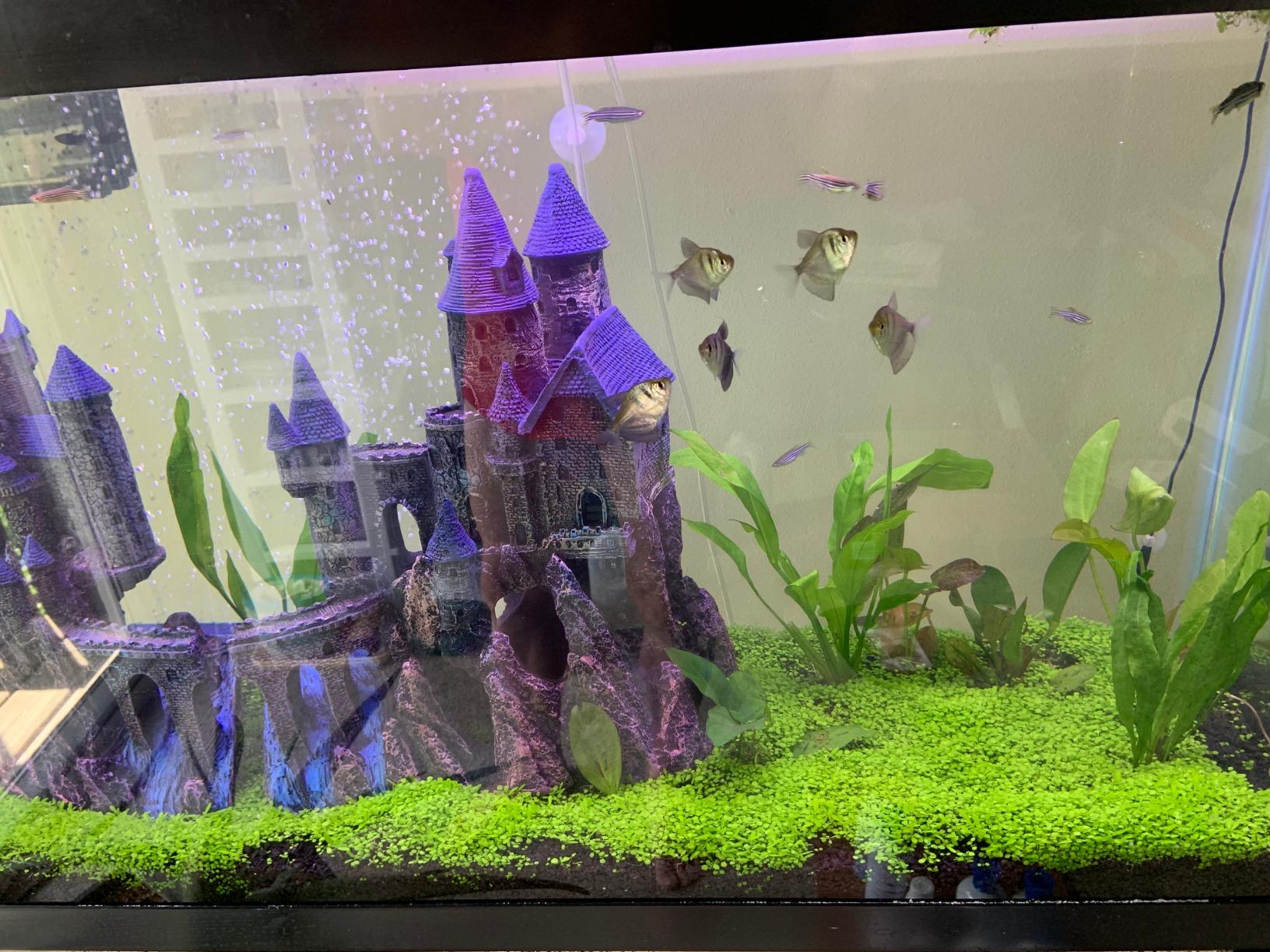
ThriveS was developed specifically for shrimp keepers who also want healthy plants, which is a tricky balance to strike. I ran it on a Caridina tank with parameters around 6.2 pH and TDS of 130, and my colony thrived alongside active plant growth.
The formula minimizes TDS impact compared to other fertilizers, which is critical for sensitive shrimp species. Shrimp keepers obsess over TDS because rapid changes can trigger molting issues and deaths. ThriveS adds nutrition without spiking dissolved solids.
Plant growth is slower than with standard Thrive, which is intentional. The reduced nitrogen and phosphate levels prevent parameter swings that stress shrimp while still providing adequate nutrition for low-to-medium demanding plants.
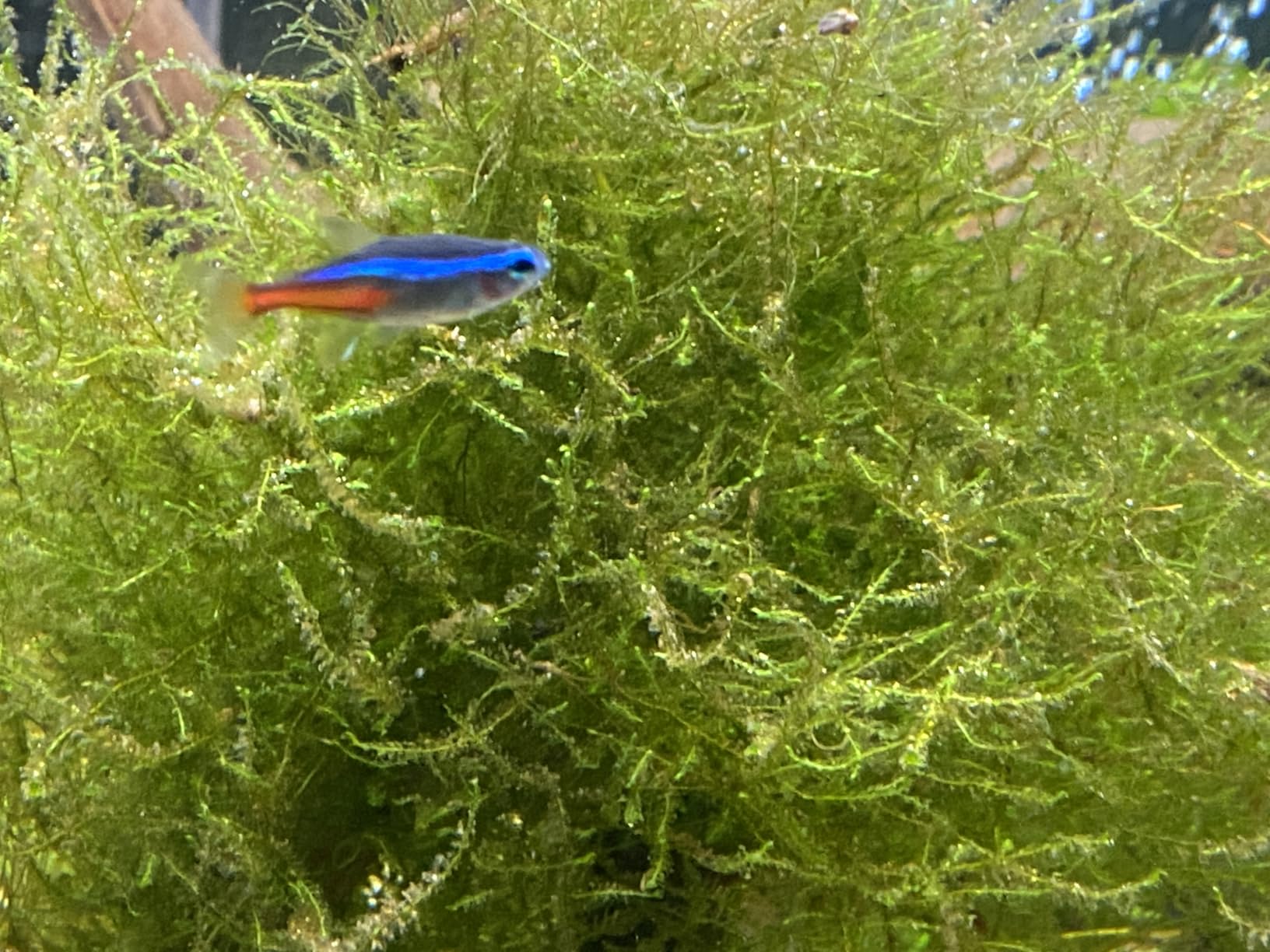
I observed pearling on my Monte Carlo within two weeks of consistent dosing, which indicates active photosynthesis even without CO2 injection. Bucephalandra and other sensitive epiphytes also responded well.
Why shrimp keepers prefer this formula
Most all-in-one fertilizers contain levels of nitrogen or phosphate that cause TDS spikes in soft water shrimp setups. ThriveS is balanced to avoid this issue while still delivering essential nutrients.
Cherry shrimp, Amano shrimp, and even sensitive Caridina species like Crystal Red Shrimp have been tested successfully with this product in hobbyist reports.
Limitations to consider
The reduced nutrient levels mean ThriveS isn’t ideal for high-tech tanks with demanding stem plants. If you’re running CO2 injection and carpeting plants, the standard Thrive or Thrive+ is a better fit.
The pump head can be stiff on first use. Running warm water over the pump or pumping a few times into a cup before installing helps loosen the mechanism.
7. Fluval Plant Gro+ – Best Micro-Nutrient Booster
Fluval Plant Gro+, Plant Micro Nutrient for Aquariums, 4 Oz., A8359
Iron+vitamin B enriched
Micro nutrient blend
Fish safe
Pros
- All-in-one micro nutrient iron enriched
- Promotes vigorous growth and deep colors
- Prevents mineral deficiencies
- Includes vitamin B safe for fish
- Little goes a long way
Cons
- Too concentrated for small aquariums
- Contains copper toxic to shrimp
- Some users report no improvement
Fluval Plant Gro+ focuses specifically on micronutrients and iron, which makes it a strong choice for tanks that need a micro boost without adding extra nitrogen or phosphorus. I used it on a 30-gallon betta tank with red plants, and the color enhancement was noticeable within 10 days.
The vitamin B addition is unusual among aquarium fertilizers. B vitamins are known to reduce stress in fish and may support plant metabolism, though scientific evidence in aquariums is limited. The included measuring cup makes precise dosing easy.
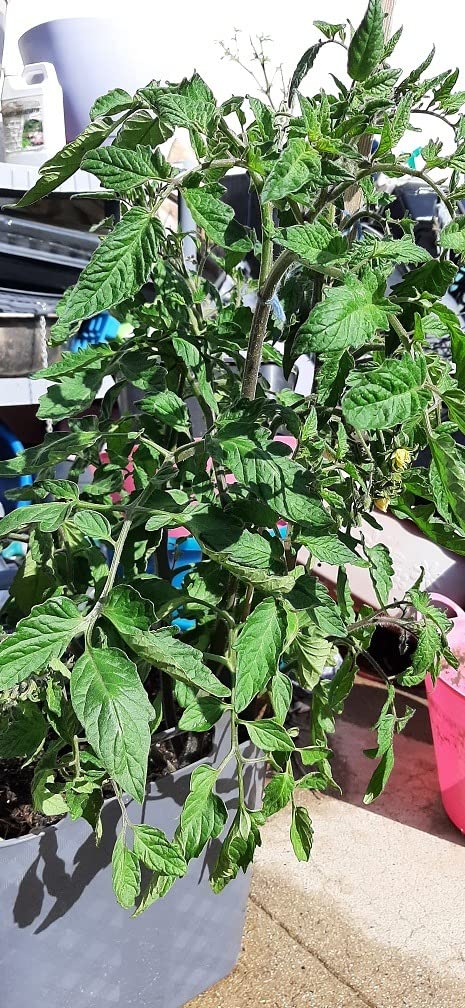
At 4 ounces, the bottle is compact but potent. The concentration means small tanks only need a few drops per dose, while larger tanks benefit from the included measuring cup for accurate amounts.
I noticed stronger root development on my Cryptocoryne plants after three weeks. The leaves developed deeper green coloration, and new growth emerged faster than with my previous fertilizer regimen.
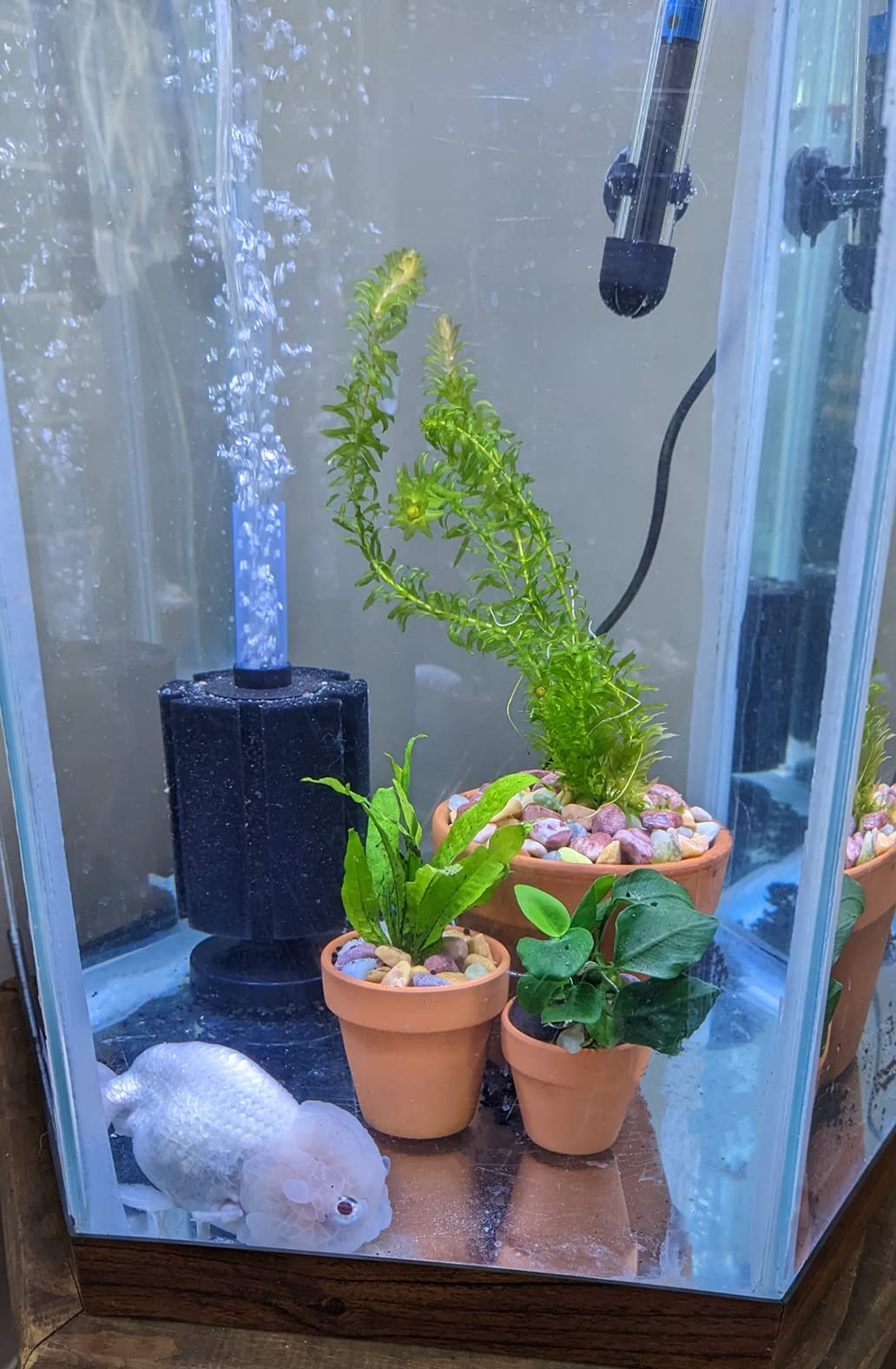
Best use cases for this product
Fluval Plant Gro+ works well in fish-only tanks or low-tech planted tanks where macronutrients come from fish waste and substrate. It fills the micro nutrient gap without adding nitrogen that could fuel algae.
Red plants especially benefit from consistent iron availability. The chelated form stays accessible to plants across a range of pH levels.
Important safety note
This product contains copper, which is toxic to shrimp and snails at elevated levels. I do not recommend it for invertebrate tanks. If you keep shrimp, choose one of the shrimp-safe alternatives on this list.
The high concentration can also cause nutrient spikes in very small tanks (under 10 gallons). Start with half the recommended dose and adjust based on plant response.
8. MICROBE-LIFT All in One – Best for Bacterial Health
MICROBE-LIFT All in One Aquatic Plant Fertilizer, Increases Plant and Root Growth, Improves Coloring, 8 Fl Oz
Bacterial boost
Root growth
Improves coloring
Pros
- Promotes plant and root growth
- Improves aquatic plant coloring
- Promotes healthy bacterial level
- Safe for ornamental fish
- Good value for money
Cons
- Very potent can raise nitrates
- Some users report system overload
- Must be used carefully
MICROBE-LIFT takes a different approach by combining plant nutrients with components that support beneficial bacteria. I tested it on a 55-gallon that had been struggling with plant melt after a major rescape, and the recovery was faster than expected.
The bacterial health angle is unique among fertilizers in this price range. Healthy bacterial colonies help break down waste, cycle nutrients, and compete against pathogenic bacteria. Supporting these colonies indirectly benefits plant growth.
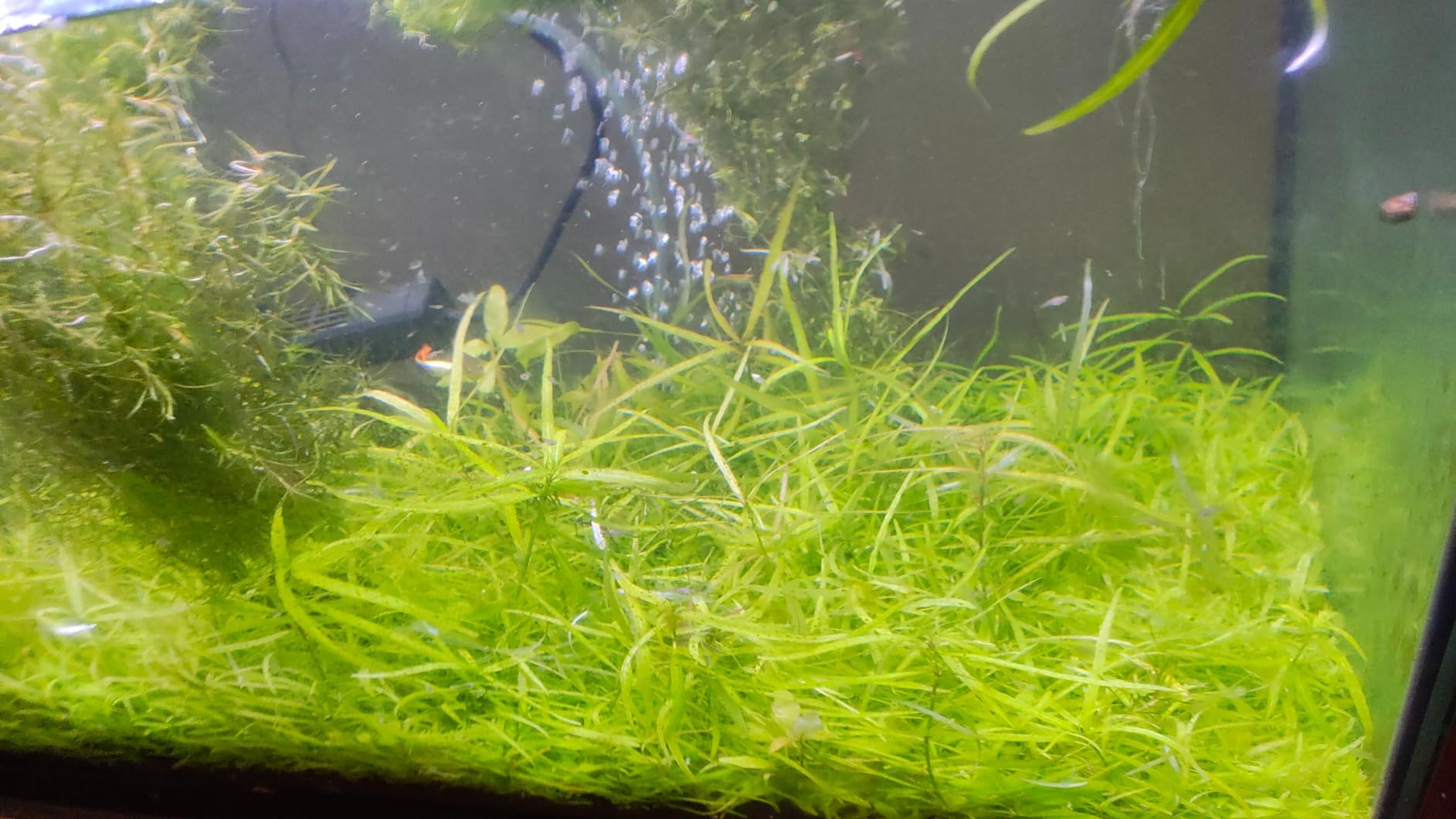
The 8-ounce bottle is mid-sized, and the formula is potent. I dosed at half the recommended strength initially to let my tank adjust, then worked up to full dose over two weeks. Plants responded with greener color and stronger growth within 10 days.
Rooted plants showed the most dramatic improvement. My Amazon sword pushed out multiple new leaves, and the root system expanded visibly into the substrate. Cryptocoryne plants also recovered from a period of melting.
Best tank types for this fertilizer
MICROBE-LIFT works well in established tanks with mature biological filtration. New tanks may experience parameter swings as the bacterial components interact with existing colonies.
It’s particularly useful in tanks recovering from disease treatment, antibiotic use, or major substrate changes when beneficial bacteria need support.
Use with caution in certain setups
The potency is real. Several users report nitrate spikes and mini-cycles when starting MICROBE-LIFT in heavily stocked tanks. Test your water parameters twice weekly during the first month.
If you have a high-bioload tank or already struggle with nitrates, consider a milder all-in-one option like Seachem Flourish before reaching for MICROBE-LIFT.
Buying Guide: How to Choose the Right Liquid Fertilizer?
Choosing the best all-in-one liquid fertilizer for aquarium plants comes down to matching the formula to your tank setup, plant types, and inhabitants. Let me walk you through the key factors I consider when recommending a fertilizer to fellow hobbyists.
Macro vs Micro nutrients: What plants actually need
Aquatic plants need 17 essential nutrients, divided into macronutrients (needed in larger amounts) and micronutrients (needed in trace amounts). The three primary macros are nitrogen, phosphorus, and potassium, often abbreviated as NPK.
Micronutrients include iron, magnesium, calcium, manganese, boron, zinc, copper, molybdenum, and cobalt. A true all-in-one fertilizer contains both macro and micro elements in balanced ratios. Products like Seachem Flourish focus primarily on micros, while Thrive and Crystalpro Flora deliver both.
Match fertilizer to your lighting and CO2 setup
Your lighting intensity and CO2 injection determine how fast plants grow and how much nutrition they need. Low-tech tanks without CO2 have slower growth and lower nutrient demands, so gentler formulas like Thrive or API LEAF ZONE work well.
High-tech tanks with CO2 injection and strong lighting need more aggressive nutrient delivery. Thrive+ or higher concentrations of standard all-in-one fertilizers support the faster growth rates these systems demand.
Check pH compatibility before buying
Iron and many micronutrients become less bioavailable in alkaline water above pH 7.5. If your tap water runs alkaline (common in many US regions), you need a fertilizer with chelated minerals that resist pH-driven precipitation.
Forum wisdom suggests Easy Green for tanks below pH 7 and Thrive for tanks above pH 7. While this isn’t a hard rule, the underlying chemistry supports it. Chelated iron products like API LEAF ZONE work across a wider pH range.
Verify shrimp and snail safety
Copper is toxic to invertebrates at elevated levels. Some fertilizers, including Fluval Plant Gro+, contain copper compounds that can harm sensitive shrimp species like Caridina.
For shrimp tanks, look for products explicitly labeled shrimp-safe. ThriveS, Crystalpro Flora, and Seachem Flourish are well-tested with various shrimp species.
Decide between lean dosing and EI method
Lean dosing uses minimal fertilizer to restrict nutrients slightly, which can enhance red and orange coloration in plants like Rotala and Ludwigia. This approach requires careful monitoring and works best with experienced hobbyists.
The Estimative Index (EI) method doses nutrients generously to eliminate deficiencies as a limiting factor. Plants grow as fast as light and CO2 allow. EI works well for heavily planted tanks but requires consistent water changes to prevent buildup.
Consider concentration and cost per gallon
Highly concentrated fertilizers like Thrive treat 2500 gallons per 500ml bottle. Less concentrated options require more product per dose but may cost less upfront. Calculate cost per gallon treated for accurate comparison.
Budget options like Crystalpro Flora offer solid value for smaller tanks, while concentrated formulas win on cost-per-gallon for larger setups.
Frequently Asked Questions About Aquarium Plant Fertilizers
What is the best liquid fertilizer for aquarium plants?
Based on extensive testing across multiple tank setups, Thrive by NilocG stands out as the best all-in-one liquid fertilizer for aquarium plants. It delivers both macro and micronutrients in a concentrated formula that treats 2500 gallons per bottle, and it’s safe for fish, shrimp, and snails.
What is a good liquid fertilizer for aquarium plants?
A good liquid fertilizer provides complete nutrition including nitrogen, phosphorus, potassium, iron, and trace elements. All-in-one formulas like Thrive, Crystalpro Flora, and Seachem Flourish deliver these nutrients in balanced ratios. Choose one based on your tank parameters, plant types, and whether you keep shrimp.
What is the best fertilizer for planted aquariums?
The best fertilizer for planted aquariums depends on your setup. For low-tech tanks without CO2, Thrive or API LEAF ZONE works well. For high-tech tanks with CO2 injection, Thrive+ delivers the higher nutrient levels demanding plants need. Shrimp keepers should consider ThriveS for its low TDS impact.
What is the best all-purpose liquid fertilizer?
An all-purpose liquid fertilizer combines macro and micronutrients in one bottle for easy dosing. Thrive by NilocG is our top pick for all-purpose use because it works in both low-tech and high-tech setups, treats a large volume per bottle, and is safe for invertebrates.
How often should I dose liquid fertilizer in my planted tank?
Most all-in-one liquid fertilizers are dosed 1-2 times per week. Thrive recommends one pump per 10 gallons weekly. Seachem Flourish suggests 5ml per 60 gallons once or twice weekly. Start at the lower end and increase based on plant response and any algae development.
Final Verdict: Which All-in-One Fertilizer Should You Buy?
After testing 8 all-in-one liquid fertilizers across different planted tank setups, Thrive by NilocG earns our top recommendation for the best all-in-one liquid fertilizers for aquarium plants in 2026. Its combination of macro and micronutrients, concentrated formula, and proven safety for fish and shrimp makes it the most versatile choice.
For shrimp keepers, ThriveS delivers the same quality nutrition without TDS spikes. Budget-conscious hobbyists should consider Crystalpro Flora for solid performance at a lower cost. And if you’re fighting iron deficiency specifically, API LEAF ZONE’s chelated formula is hard to beat.
The right fertilizer transforms your planted tank from surviving to thriving. Pick the one that matches your setup, start at conservative doses, and adjust based on plant response. Your aquatic plants will reward you with stronger growth and better color within weeks.