
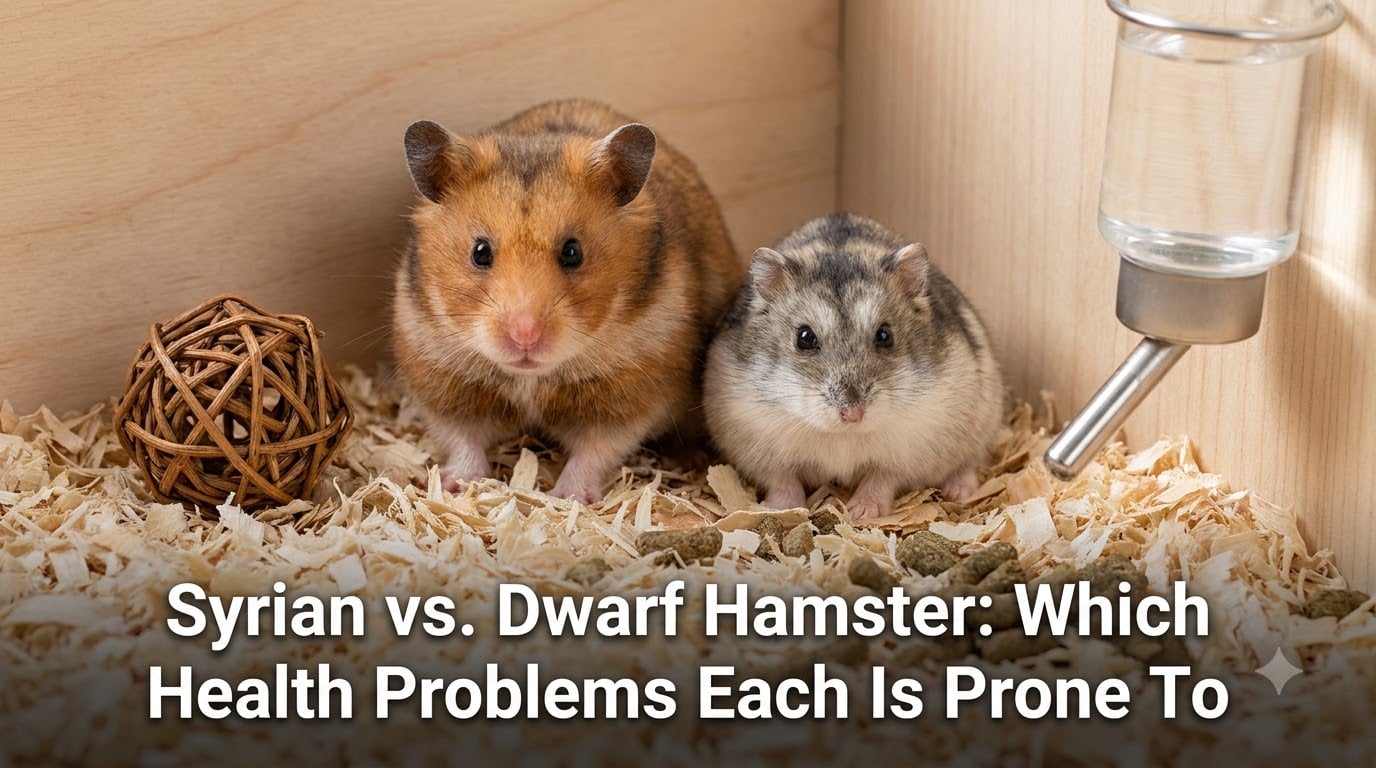
Choosing between a Syrian and a Dwarf hamster isn’t just about size or friendliness — it’s also about which health problems each species tends to develop over its lifetime. Our team has spent months digging into veterinary studies, owner forums on Reddit’s r/hamsters, and published data from institutions like the Royal Veterinary College to understand the real health differences between these two popular pet species. The result is a guide built on actual disorder-prevalence research, not guesswork or forum folklore.
When it comes to Syrian vs Dwarf hamster health problems, the species face very different risks. Syrians are genetically predisposed to heart conditions like cardiomyopathy and amyloidosis as they age. Dwarfs — especially Campbell Russian and Winter White varieties — carry a documented genetic risk for diabetes mellitus that simply doesn’t exist in Syrians at the same rate. Knowing which problems each species is prone to helps you choose the right pet for your situation, feed the right diet, and spot trouble before it becomes an emergency.
This guide walks through the specific disorders each species tends to develop, the warning signs you should never ignore, and what you can actually do to keep your hamster healthier for longer. Whether you already own one of these little pets or you’re weighing which type to bring home, understanding these health differences is one of the most practical things you can do as a hamster owner in 2026.
Table of Contents
Syrian vs Dwarf Hamster Health: Quick Comparison
The biggest veterinary study on pet hamster health in the UK (RVC VetCompass) examined 20 of the most common disorders across both species. Their findings make a clear case that Syrians and Dwarfs have distinct health profiles. Here’s how the major conditions break down:
| Health Condition | Syrian Hamsters | Dwarf Hamsters | Notes |
|---|---|---|---|
| Cardiomyopathy / heart failure | High risk | Low risk | Untreated congestive heart failure in Syrians can be fatal within a week (Merck Vet Manual) |
| Amyloidosis (liver/kidney) | Higher risk | Lower risk | Protein deposits damage organs; age-related |
| Diabetes mellitus | Rare | High risk (Campbell, Winter White) | Genetic predisposition in certain Dwarf varieties; requires low-sugar diet |
| Wet tail (proliferative ileitis) | Common in young Syrians | Less common | Stress-triggered bacterial infection; can be fatal within 48 hours |
| Cancer / tumors | Higher rates | Also common | Leading cause of natural death in both; Syrians show more internal tumors |
| Respiratory infections | Common | Common | Affects both equally; often linked to poor bedding or stress |
| Dental overgrowth | Moderate | Higher in Dwarfs | Smaller mouths make malocclusion more visible and impactful |
| Eye infections / cataracts | Moderate | Higher in Dwarfs | Campbell dwarfs especially prone to cataracts and glaucoma |
| Average lifespan | 2–3 years | 1.5–2.5 years | Syrians generally live slightly longer with proper care |
That table gives you the bird’s-eye view. Now let’s break down what each set of conditions actually looks like, why it happens, and what you can do about it.
Syrian Hamster Health Problems and Predispositions
Syrian hamsters (also called golden or teddy bear hamsters) are the larger of the two species, and their longer lifespan means owners are more likely to encounter age-related diseases. The RVC study found that Syrians had a higher risk in 7 out of 20 common disorders (35%) compared to Dwarfs. Here are the conditions that show up most often in this species.
Cardiomyopathy and Congestive Heart Failure
Heart disease is one of the most significant Syrian-specific health concerns. As Syrian hamsters age — typically past 1.5 years — they can develop dilated cardiomyopathy, a condition where the heart muscle weakens and enlarges. The heart becomes less efficient at pumping blood, eventually leading to congestive heart failure.
Symptoms include labored breathing, lethargy, reduced activity, and fluid buildup (you may notice swelling in the abdomen). The Merck Veterinary Manual notes that Syrian hamsters with untreated congestive heart failure typically die within a week of symptom onset. This makes early detection critical — any breathing change in an older Syrian warrants a same-day vet visit.
Vets typically diagnose cardiomyopathy through chest X-rays and sometimes echocardiograms. Treatment usually involves heart medications like furosemide (a diuretic) and ACE inhibitors. These don’t cure the condition but can extend quality life by months. The underlying cause appears to be genetic, as certain Syrian lines show higher rates than others.
Amyloidosis
Amyloidosis is a condition where abnormal protein deposits (amyloids) build up in organs — most commonly the liver and kidneys in Syrian hamsters. It’s an age-related disease that owners of older Syrians should be aware of. The protein deposits gradually interfere with normal organ function, leading to liver enlargement, weight loss, and eventually organ failure.
This condition is tricky because symptoms are vague: your hamster may simply seem “off” — eating less, moving slower, losing weight without obvious cause. Blood work and imaging at the vet can sometimes reveal liver or kidney enlargement, but amyloidosis is often confirmed only post-mortem. Chronic stress is believed to accelerate amyloid deposition, so minimizing stress throughout your Syrian’s life may help delay onset.
Cancer and Tumors
Cancer is one of the leading causes of natural death in hamsters, and Syrian hamsters show particularly high rates. Forum owners on r/hamsters frequently describe finding “lumps and bumps” on aging Syrians. Common tumor types include lymphoma, skin neoplasms, and reproductive tract tumors (especially in females — pyometra, an infected uterus, is a life-threatening risk for unspayed females).
Visible lumps on the skin or body are the most obvious sign. Internal tumors are harder to detect but may show up as rapid weight loss, swollen abdomen, or behavioral changes. Surgical removal is sometimes possible for accessible skin tumors, but internal cancers often carry a poor prognosis due to the hamster’s small size and the difficulty of anesthesia in such tiny patients.
Regular gentle handling of your Syrian helps you stay familiar with their body so you notice new lumps early. Any new growth should be examined by an exotic vet — some are benign cysts or abscesses, not cancer.
Wet Tail Disease
Wet tail (proliferative ileitis) is a bacterial infection of the intestines that’s most common in young Syrian hamsters under 12 weeks old. It’s triggered by stress — often the stress of moving to a new home, changes in environment, or overcrowded housing. The bacteria multiply rapidly in the stressed gut, causing severe diarrhea, dehydration, and lethargy.
The condition can kill within 24 to 48 hours if untreated, making it one of the most urgent hamster emergencies. Signs include a wet, matted area around the tail and hindquarters, hunched posture, refusal to eat or drink, and a strong foul odor. If you see these symptoms, your Syrian needs to see an exotic vet immediately — not tomorrow, not next week, today.
Treatment involves antibiotics, fluids, and sometimes anti-diarrheal medications. The good news is that Syrians who survive wet tail and receive prompt treatment often recover fully. To prevent it, minimize stress during the first few weeks home, avoid sudden dietary changes, and maintain excellent cage hygiene.
Typical Syrian Hamster Lifespan
With good care, Syrian hamsters typically live 2 to 3 years. The RVC study reported a median lifespan of approximately 1.9 years for Syrian hamsters in the UK pet population, though well-cared-for individuals can exceed this. Their longer lifespan compared to Dwarfs means owners face more age-related conditions like heart disease and cancer, but also more time with their pet.
Dwarf Hamster Health Problems and Predispositions
Dwarf hamsters — a category that includes Campbell Russian, Winter White, Roborovski, and Chinese dwarfs — are smaller and shorter-lived than Syrians. While they don’t face the same heart disease risk, they have their own set of genetic predispositions that every owner should understand before bringing one home.
Diabetes Mellitus in Campbell and Winter White Dwarfs
This is the single most important health difference between Dwarf and Syrian hamsters. Campbell Russian and Winter White dwarfs carry a documented genetic predisposition to diabetes mellitus — specifically Type 2 diabetes. This does not occur at the same rate in Syrians or Roborovski dwarfs. The condition arises from a genetic defect affecting insulin production and glucose metabolism.
Symptoms of diabetes in dwarf hamsters include excessive drinking (polydipsia), excessive urination (polyuria), weight loss despite normal eating, and increased hunger. You might notice a wet, sweet-smelling cage from increased urine output. Left untreated, diabetes leads to weight loss, lethargy, cataracts, and eventually kidney failure.
The good news is that diabetes in dwarf hamsters can often be managed through diet alone — without insulin. The key is a strictly low-sugar, low-fat diet. This means avoiding commercial hamster treats with molasses or fruit sugars, skipping high-sugar vegetables like corn and carrots, and focusing on high-quality hamster pellets supplemented with protein sources like mealworms and plain tofu. Many owners on r/hamsters report success controlling diabetes symptoms purely through dietary management.
If you own a Campbell or Winter White dwarf, consider using urine test strips (available at pharmacies) to check glucose levels monthly. Early detection gives you the best chance of managing the condition through diet before it progresses.
Cataracts and Eye Infections
Dwarf hamsters, particularly Campbell Russians, are prone to eye problems including cataracts and glaucoma. Cataracts — clouding of the eye lens — can be age-related or linked to diabetes (diabetic dwarfs develop cataracts at higher rates). You’ll notice a cloudy or white appearance in one or both eyes.
Eye infections are also common in dwarfs, often caused by bedding irritation, scratches, or bacteria. Signs include discharge, swelling, redness, or the hamster rubbing its eyes frequently. Eye issues can escalate quickly in such small animals, so don’t wait — a vet visit within 24 hours is appropriate for any eye abnormality. Treatment may include antibiotic eye drops or ointment.
Dental Malocclusion
Hamster teeth grow continuously throughout their lives, and dwarf hamsters’ smaller mouths make dental problems particularly impactful. Malocclusion — where the teeth don’t align properly and overgrow — can lead to difficulty eating, weight loss, and mouth injuries. Signs include drooling, reduced food intake, weight loss, and visible overgrown or misaligned teeth.
Prevention centers on providing appropriate chew materials (safe wooden chews, hay-based items) and monitoring food intake. If malocclusion develops, a vet can trim the teeth — this may need to be repeated regularly throughout the hamster’s life. Choosing a pelleted diet rather than seed mixes ensures even wear on all teeth.
Epileptic Seizures
Seizure disorders appear in some dwarf hamster lines, particularly Chinese dwarfs. These genetic seizures can range from mild (brief freezing or staring episodes) to severe (full-body convulsions). If you witness your dwarf hamster having a seizure, note the duration and what happened immediately before — this information helps your vet assess the situation.
While there’s no cure for genetic epilepsy in hamsters, many affected individuals live normal lifespans with their seizures. The main concern is preventing injury during an episode — remove sharp objects from the cage and ensure the hamster can’t fall from heights during a seizure. Anti-seizure medications are rarely used in hamsters due to their small size and the difficulty of dosing accurately.
Skin Tumors and Neoplasms
Dwarf hamsters also develop tumors, though the types differ somewhat from Syrians. Skin neoplasms — visible lumps on or just under the skin — are common in older dwarfs. These may be benign or malignant, and only a vet can determine which through examination and sometimes fine-needle aspiration. As with Syrians, any new lump warrants a veterinary check.
Common Health Issues Affecting Both Species
Some health problems don’t discriminate between Syrian and Dwarf hamsters. These conditions affect both species and are often linked to environmental factors rather than genetics.
Respiratory Infections
Respiratory infections are among the most common hamster illnesses across all species. The California Hamster Association notes that respiratory infections are frequently seen in both Syrians and Dwarfs, often triggered by poor bedding choices (pine and cedar shavings release aromatic oils that irritate airways), dusty environments, drafts, or stress.
Symptoms include sneezing, wheezing, clicking or crackling sounds when breathing, nasal discharge, and labored breathing. A hamster that’s breathing with its mouth open or has a visibly heaving chest needs immediate veterinary attention — this indicates severe respiratory distress. Treatment typically involves antibiotics prescribed by an exotic vet, and switching to safe bedding like paper-based or aspen products.
Prevention is straightforward: use only dust-free, unscented bedding; keep the cage away from drafts and strong smells (including scented candles and cleaning products); and maintain clean cage conditions. The investment in quality bedding pays off in respiratory health.
Abscesses and Bite Wounds
Abscesses are pus-filled pockets that form when bacteria enter through a wound. In hamsters, they commonly result from bites (especially when dwarfs are housed together and fight), scratches from sharp cage items, or dental problems. They appear as swollen, sometimes warm lumps that may burst and drain.
Never try to drain an abscess yourself — this risks spreading infection. A vet will lance, flush, and clean the abscess under sedation, then prescribe antibiotics. Prevention includes monitoring grouped dwarfs for aggression (separate immediately if fighting occurs), removing sharp cage accessories, and providing appropriate chew items to prevent dental abscesses.
Mites and Skin Parasites
Both species can develop mite infestations — either demodex mites (which live naturally on the skin but overpopulate in stressed or immunocompromised hamsters) or external parasites picked up from contaminated bedding or other animals. Signs include excessive scratching, hair loss (especially on the back and flanks), scaly or red skin, and visible tiny moving specks.
Mites are diagnosed through skin scrapings at the vet and treated with anti-parasitic medications. Stress is a major trigger for demodex overgrowth, so a hamster showing mite symptoms may also have an underlying health issue weakening their immune system. Address both the parasites and any contributing stress factors.
Dental Overgrowth
As mentioned for dwarfs, dental overgrowth affects both species but tends to be more problematic in smaller dwarfs due to their tinier mouths. Providing appropriate gnawing opportunities throughout your hamster’s life is the best prevention. A hamster that suddenly stops eating or drops food while chewing needs a dental check — overgrown incisors can be trimmed by a vet in minutes.
Warning Signs Every Owner Should Recognize
Hamsters are prey animals, which means they instinctively hide illness to avoid appearing vulnerable to predators. By the time a hamster shows obvious symptoms, they may already be quite sick. Knowing the subtle early warning signs can make the difference between a treatable condition and a fatal one.
Behavioral Changes
Any sudden change in behavior deserves attention. Watch for:
- Reduced activity or sleeping more than usual, especially at times when your hamster is normally active
- Loss of appetite or refusing favorite treats — this is almost always significant in hamsters
- Excessive drinking (possible diabetes indicator, especially in dwarfs)
- Hiding more than usual or becoming unusually aggressive when handled
- Walking in circles, head tilt, or loss of balance (possible neurological issue or ear infection)
Physical Symptoms
Regular gentle handling helps you spot physical changes early. Check for:
- Wet or matted fur around the tail and hindquarters (wet tail warning — emergency in young Syrians)
- New lumps, bumps, or swellings anywhere on the body
- Hair loss, especially patchy or accompanied by red, scaly skin
- Cloudy, swollen, or discharge-producing eyes
- Overgrown or misaligned teeth, drooling, or difficulty eating
- Weight loss — weigh your hamster monthly on a kitchen scale to track trends
Breathing and Movement Issues
Breathing problems and mobility changes are often the most urgent signs:
- Wheezing, clicking, or crackling sounds when breathing
- Sneezing repeatedly or nasal discharge
- Open-mouth breathing or heaving chest (emergency — go to vet immediately)
- Limping, dragging limbs, or inability to use back legs (possible spinal injury or stroke)
- Hunched posture with fur standing on end (sign of pain or illness)
When in doubt, trust your instincts. You know your hamster’s normal behavior better than anyone. If something seems off, it usually is.
When to Seek Veterinary Care for Your Hamster
Many hamster owners delay vet visits because they assume the pet is “just a hamster” or that treatment options are limited. While hamsters do have shorter lifespans than dogs or cats, they absolutely benefit from veterinary care — and many conditions are treatable if caught early.
Immediate Vet Visit Situations
Some situations are genuine emergencies that require same-day veterinary attention:
- Signs of wet tail in a young hamster (wet hindquarters, diarrhea, lethargy)
- Open-mouth breathing or severe respiratory distress
- Sudden inability to walk, drag limbs, or severe head tilt
- Active bleeding from any source
- Prolapsed tissue (intestine, eye, or uterus visible outside the body)
- Seizures lasting more than a few minutes or occurring repeatedly
- A hamster that hasn’t eaten or drunk anything for 24 hours
Finding an Exotic-Savvy Vet
One of the biggest pain points forum owners report is finding a vet who actually knows hamsters. Not all veterinarians have experience with exotic pets — call ahead and ask specifically about their experience treating hamsters. Resources like the Association of Exotic Mammalian Veterinarians (AEMV) maintain directories of vets with exotic pet expertise. Having an exotic vet identified before you need one saves precious time in an emergency.
Treatment Expectations and Prognosis
Exotic vets can offer more treatment options than many owners expect. Antibiotics for infections, heart medications for cardiomyopathy, anti-parasitics for mites, dental trims for overgrown teeth, and even surgery for accessible tumors are all within the scope of qualified exotic veterinary practice. Costs vary, but many treatments are quite affordable compared to dog or cat veterinary care due to the smaller medication doses required.
That said, be realistic about prognosis. Hamsters’ small size and short natural lifespans mean some conditions — particularly advanced cancers or severe organ failure — may be terminal. A good exotic vet will be honest about prognosis and can discuss quality-of-life considerations and palliative options when appropriate.
Preventive Care Recommendations for Each Species
While you can’t eliminate all health risks, smart preventive care dramatically reduces the chance of preventable conditions. The specifics differ between Syrians and Dwarfs because their risk profiles are different.
Diet Considerations for Syrians
Syrian hamsters do well on a high-quality pelleted diet supplemented with small amounts of fresh vegetables, occasional protein (mealworms, plain cooked egg), and limited seeds as treats. Because they’re prone to heart disease, avoid excessive fat — limit sunflower seeds and nuts. Maintaining a healthy weight throughout their life reduces strain on their cardiovascular system.
Diet Considerations for Dwarfs
Dwarf hamster diet requires more careful sugar management. If you have a Campbell Russian or Winter White, prioritize a sugar-free pellet formula and avoid fruit, corn, peas, and commercial treat sticks (which are typically loaded with molasses). Safe vegetables include broccoli, cucumber, and spinach in small amounts. Roborovski dwarfs have less diabetes risk and can handle slightly more dietary variety, but a low-sugar approach is still wise for all dwarf species.
Monitor water intake — a dwarf suddenly drinking much more than usual may be developing diabetes. Using a measured water bottle (rather than a bowl) lets you track consumption accurately.
Housing and Stress Reduction
Both species benefit from spacious, enriching enclosures. Syrians need larger cages than many commercial pet store cages provide — aim for at least 600 square inches of floor space. Dwarf hamsters are active and benefit from similarly spacious enclosures with plenty of deep bedding for burrowing (at least 6 inches).
Stress reduction is preventive medicine for hamsters. Chronic stress weakens the immune system, accelerates amyloidosis in Syrians, triggers wet tail in young animals, and can precipitate demodex mite outbreaks. Provide hiding spots, a consistent daily routine, a quiet location away from loud noises and other pets, and gentle, patient handling.
Frequently Asked Questions
Is it better to get a dwarf or Syrian hamster?
It depends on what you want from a pet. Syrian hamsters are generally friendlier, easier to handle, and easier to tame, making them better for first-time owners and families with children. Dwarf hamsters are smaller, faster, and more easily startled, but can be rewarding pets for patient owners. From a health perspective, Syrians face more age-related conditions like heart disease but live slightly longer, while dwarf hamsters require strict dietary management to prevent diabetes. Consider your experience level, handling preferences, and willingness to manage species-specific health risks.
What is the leading cause of death in hamsters?
Cancer and tumors are the leading cause of natural death in hamsters, affecting both Syrian and dwarf species. According to veterinary research and owner reports, tumors (including lymphoma and skin neoplasms) account for a significant portion of hamster deaths in old age. Wet tail disease is the leading cause of death in young Syrian hamsters under 12 weeks, particularly those recently purchased from pet stores. Respiratory infections and heart failure (in older Syrians) are also common causes of mortality.
What are the common health problems in dwarf hamsters?
Dwarf hamsters are most prone to diabetes mellitus (especially Campbell Russian and Winter White varieties), cataracts and eye infections, dental overgrowth (malocclusion), skin tumors, and epileptic seizures (particularly in Chinese dwarfs). They also share common conditions with Syrians including respiratory infections, abscesses, mites, and cancer. The most important species-specific concern is diabetes, which requires a strictly low-sugar, low-fat diet to manage and prevent.
Do dwarf or Syrian hamsters live longer?
Syrian hamsters generally live slightly longer than dwarf hamsters. Syrians typically live 2 to 3 years with proper care, while dwarf hamsters usually live 1.5 to 2.5 years. The RVC VetCompass study found a median lifespan of about 1.9 years for Syrian hamsters in the UK. Individual lifespan depends heavily on genetics, diet, environment, and access to veterinary care. Roborovski dwarfs tend to live the longest among dwarf species, sometimes reaching 3 years.
Can hamsters spread diseases to humans?
Yes, though the risk is relatively low with proper hygiene. Hamsters can carry zoonotic diseases including lymphocytic choriomeningitis (LCMV), salmonella, and ringworm. The risk is higher with hamsters from unsanitary breeding conditions. To minimize risk, always wash your hands after handling your hamster or cleaning the cage, avoid contact between hamsters and immunocompromised individuals, and source your hamster from a reputable breeder or rescue. Healthy, well-cared-for hamsters from ethical sources pose very little zoonotic disease risk.
Choosing and Caring for a Healthy Hamster
Understanding Syrian vs Dwarf hamster health problems gives you a real advantage as a pet owner. Syrians bring the risk of heart disease and amyloidosis as they age, along with wet tail in young animals, but reward you with longer lifespans and easier handling. Dwarfs demand vigilance around diabetes and dental care, but their small size and active personalities make them fascinating pets for the right owner.
The best thing you can do, regardless of species, is find an exotic vet before you need one, feed a species-appropriate diet, provide a spacious and stress-free environment, and learn the warning signs of illness. Hamsters are small, but the care you put into understanding their health makes a real difference in how long and how well they live. Start with the right species for your lifestyle, then commit to being the observant, proactive owner your hamster needs.