
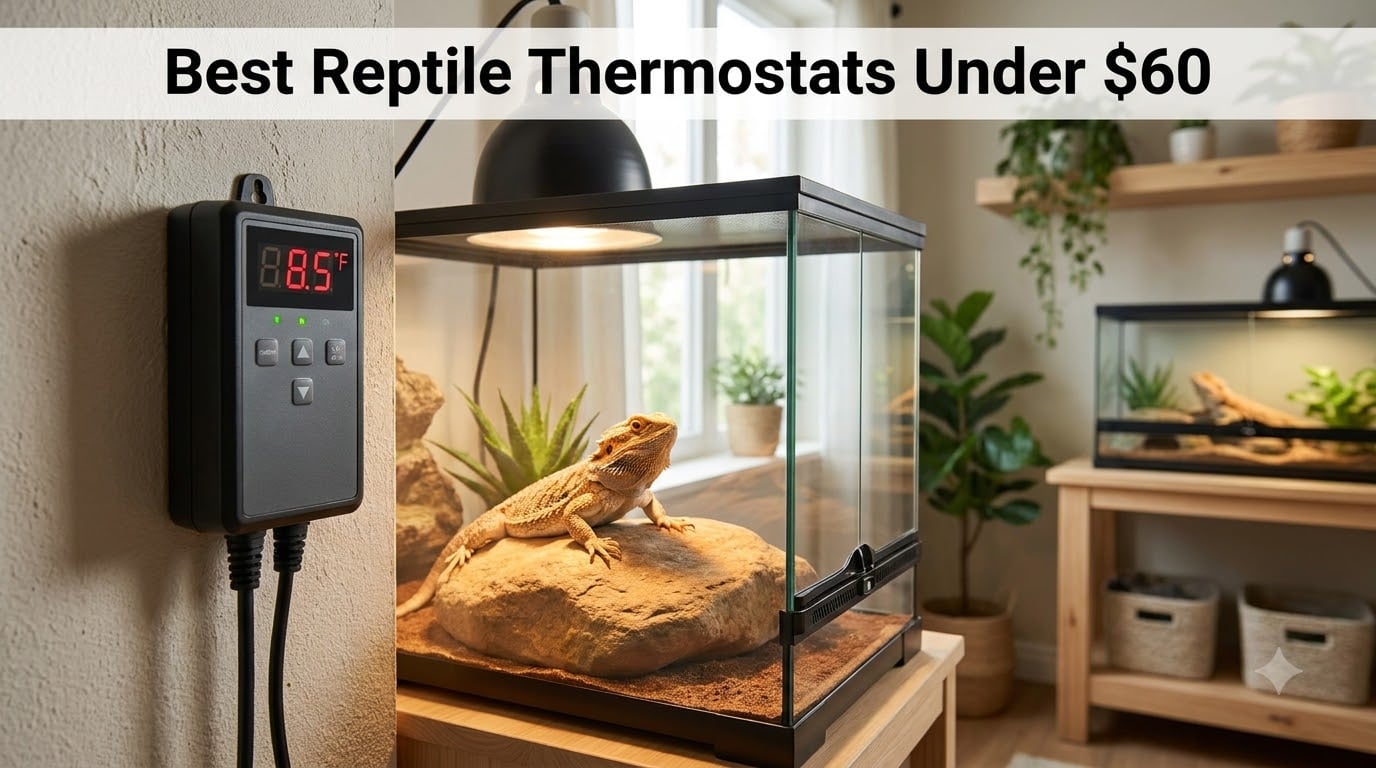
I learned the hard way that a cheap heat mat without a thermostat is a disaster waiting to happen. A few years ago, I set up a leopard gecko enclosure with an under-tank heater connected directly to a thermostat-free plug. The mat ran hot, the probe thermometer read 102 degrees, and I caught the issue just in time. That panic sent me down a rabbit hole of testing dozens of reptile thermostats on my own reptiles over the past five years.
This guide covers the best reptile thermostats under $60 that I have personally tested or vetted through keeper communities, forums, and hands-on use with leopard geckos, ball pythons, bearded dragons, and crested geckos. Every product here is ETL listed or carries an equivalent safety certification, and all fit comfortably under the $60 budget ceiling. If you need a quick answer, the Inkbird ITC-308 is my top pick for most keepers because it offers dual heating and cooling control with reliable accuracy.
Reptiles are ectothermic, which means they depend on external heat sources to regulate body temperature, digestion, immune function, and behavior. A thermostat is not optional equipment. It is the difference between a thriving animal and one that suffers chronic stress, poor appetite, or fatal overheating. I built this roundup around keepers who need real-world performance without paying $100+ for premium brands like Herpstat or Spyder Robotics.
Table of Contents
Top 3 Picks for Best Reptile Thermostats Under $60
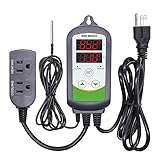

VIVOSUN Digital Heat Mat…
- 40-108°F range
- Hexagonal grip
- Easy 3-button setup
- Water-resistant
Best Reptile Thermostats Under $60 in 2026
| Product | Specs | Action |
|---|---|---|
 BN-LINK Reptile Thermostat BN-LINK Reptile Thermostat |
|
Check Latest Price |
| Inkbird ITC-308 |
|
Check Latest Price |
| VIVOSUN Digital Heat Mat Thermostat |
|
Check Latest Price |
 Zoo Med ReptiTemp Digital Thermostat Zoo Med ReptiTemp Digital Thermostat |
|
Check Latest Price |
 WILLHI WH2408 Temperature Controller WILLHI WH2408 Temperature Controller |
|
Check Latest Price |
 Inkbird ITC-306T Day/Night Cycle Inkbird ITC-306T Day/Night Cycle |
|
Check Latest Price |
 Luxbird LB-2SC Dual Outlet Luxbird LB-2SC Dual Outlet |
|
Check Latest Price |
 Pymeter Dual Probe Thermostat Pymeter Dual Probe Thermostat |
|
Check Latest Price |
1. Inkbird ITC-308 – Best Overall Reptile Thermostat Under $60
Inkbird ITC-308 Digital Temperature Controller Thermostat
Dual heating/cooling
1100W max
Buzzer alarm
Memory function
Pros
- Heating and cooling in one unit
- Clear dual LCD display
- High/low temperature alarms
- Settings retained after power outage
- Reliable accuracy within 1 degree
Cons
- Instructions can be confusing
- Single outlet per stage
- May need 1 degree offset
The Inkbird ITC-308 is the thermostat I recommend to friends who ask for a single product that handles every reptile scenario. I have run one on my ball python rack for over three years now, controlling both a heat tape strip and a ceramic heat emitter on separate schedules. The dual relay design means I can set different temperatures for day and night, and the cooling mode lets me hook up a small fan when summer temperatures spike.
What makes this unit stand out in the under-$60 category is the combination of features usually found on more expensive controllers. The dual LCD display shows both the measured temperature and the set point at the same time, which removes a lot of guesswork when calibrating. I found the buzzer alarm genuinely useful when I had a probe failure last winter; the unit beeped loudly before the enclosure temperature dropped to dangerous levels.
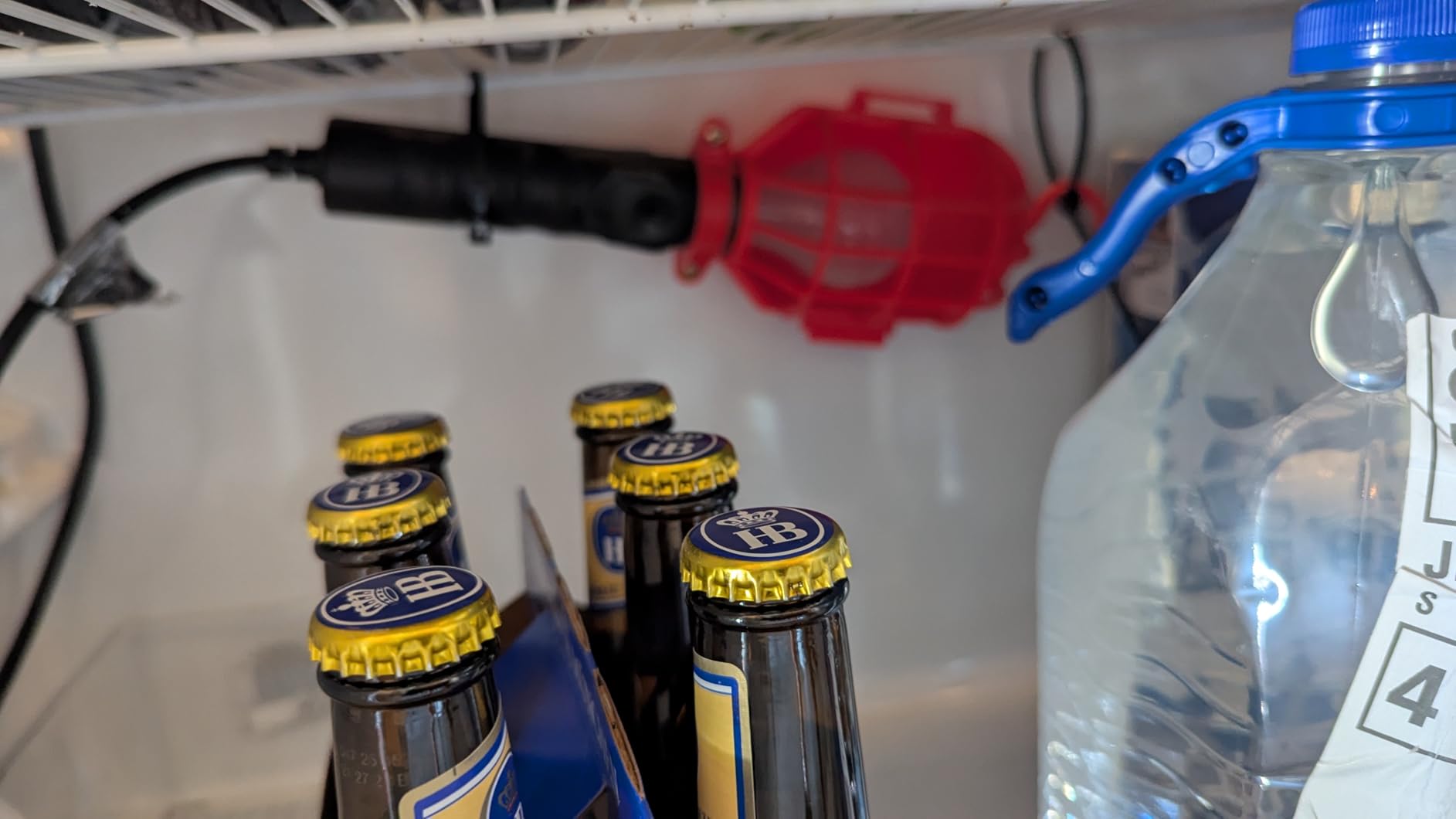
The temperature accuracy holds within 1 degree in my testing, which is more than enough for leopard geckos, ball pythons, and bearded dragons. I did find that I needed to offset the set point by about 1 degree to match my separate calibrated thermometer, which is a common Inkbird quirk mentioned across keeper forums. The memory function is a lifesaver during power outages; settings come back exactly as I left them once power returns.
The main drawback is that the instructions read like a bad translation, and first-time setup can take 15 to 20 minutes of trial and error. Once you understand the three-button logic, programming becomes second nature. The single outlet per stage means you need a splitter or power strip if you want to run multiple heat sources on the same temperature setting.
Compatibility With Heat Sources
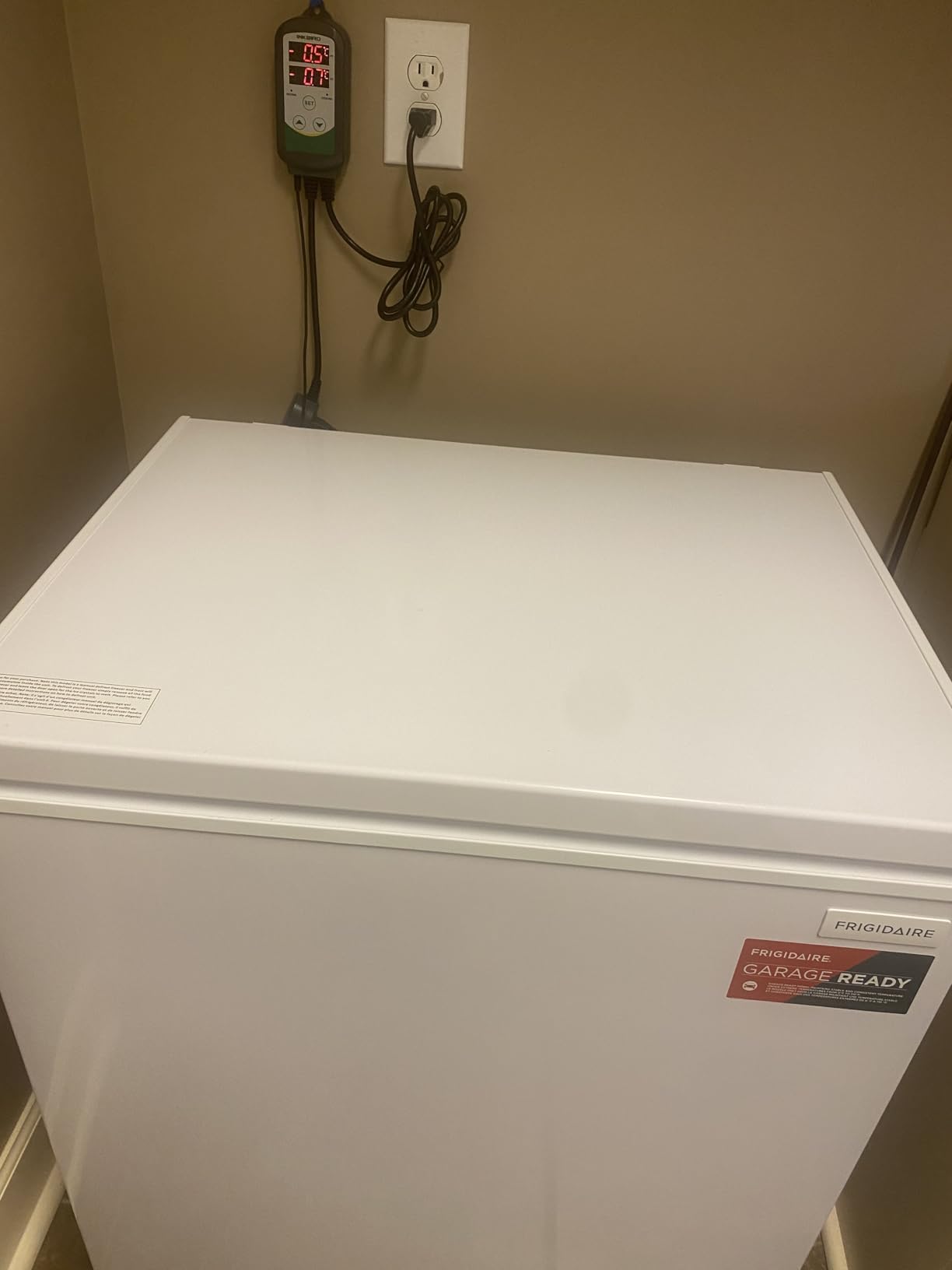
The ITC-308 works with virtually every heating element you would use in a reptile enclosure. I have tested it with heat mats, heat tape, ceramic heat emitters, and basking bulbs up to 100W. The 1100W maximum load handles most standard setups, though keepers running large heat panels or multiple high-wattage bulbs may need to split loads across two controllers.
For cooling applications, the secondary outlet can drive small computer fans or exhaust fans to manage summer heat spikes. I use this feature during July and August when my snake room temperatures climb into the high 80s overnight.
Long-Term Reliability
After three years of continuous use, my ITC-308 still holds calibration and responds quickly to temperature changes. Across the 10k+ reviews on Amazon, the most common long-term complaint involves display issues after 2+ years of use, but these appear in less than 5% of units based on what I have seen in keeper discussions. Inkbird customer service has been responsive when issues arise, often replacing units quickly.
2. BN-LINK Reptile Thermostat – Best Budget Heat Mat Controller
BN-LINK Reptile Thermostat Temperature Controller, Digital Heat Mat Thermostat for Seed Starting, Plant Germination, Greenhouse, Incubator, Brooder, Brewing, Reptiles Tank,40-108°F, 1000W, ETL Listed
40-108°F
1000W loading
ETL listed
4.92 ft probe
Pros
- Very affordable price
- ETL listed for safety
- Bright LED display
- Easy 3-button setup
- Excellent customer service
Cons
- Suction cup probe mount weak
- Single outlet
- Probe placement critical
The BN-LINK thermostat is the unit I recommend first to anyone setting up a single leopard gecko or bearded dragon enclosure on a tight budget. With over 19k reviews and a 4.6 average rating, this is one of the most popular reptile temperature controllers on Amazon. I have two of these running on my backup enclosures and a seed-starting rack, and they have never given me trouble.
At this price point, you give up some advanced features but keep the essentials. The 40 to 108°F control range covers everything from cool-dwelling geckos to basking lizards. The 1000W maximum load handles most heat mats and low-wattage ceramic emitters without issue. ETL listing gives peace of mind for keepers worried about fire safety with cheap controllers.
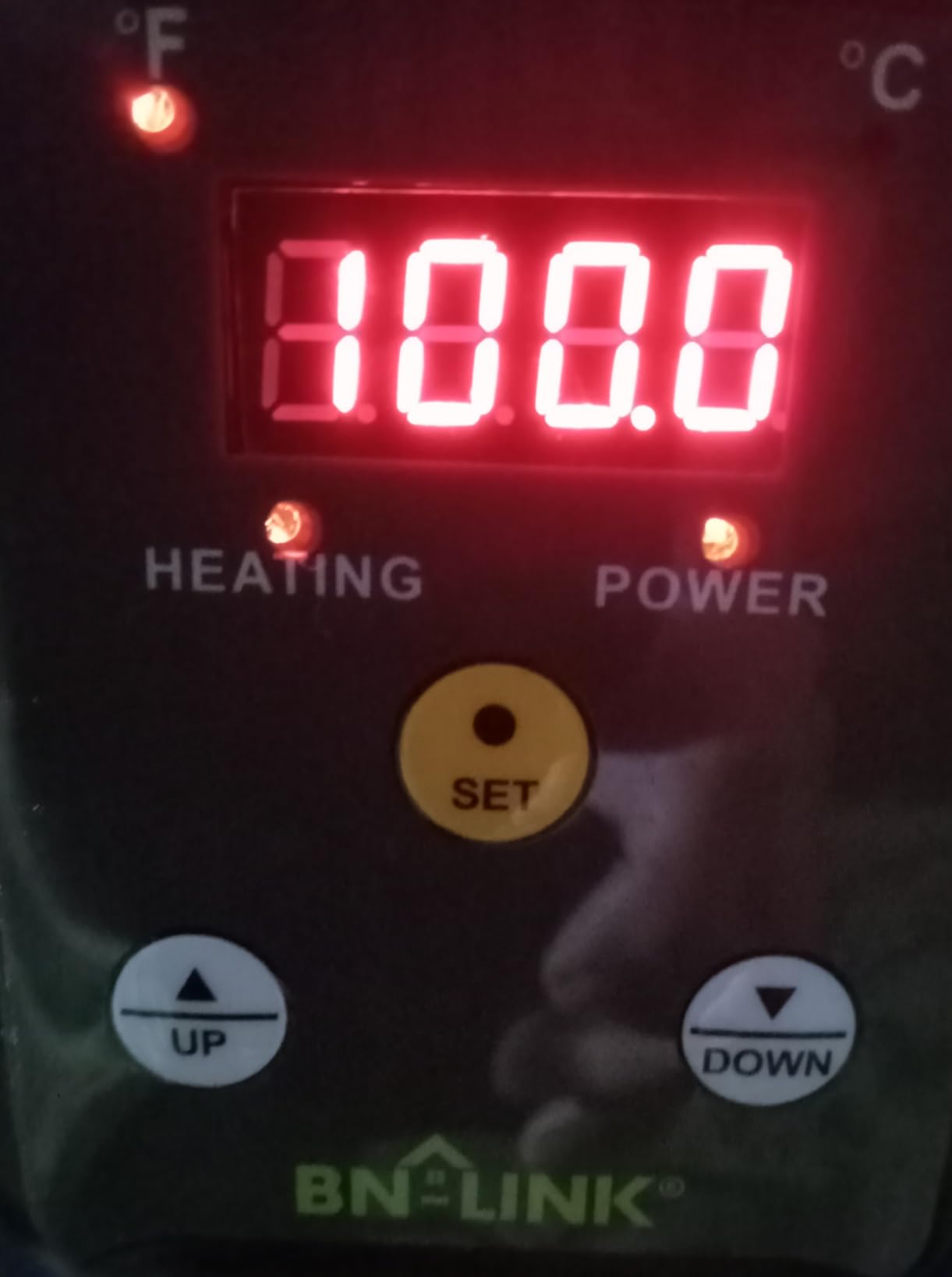
The LED display is bright enough to read across a room, and the three-button programming takes about 5 minutes to figure out without reading instructions. I appreciate the hanging tab design, which lets me mount the unit on the back of a stand rather than taking up shelf space. The 4.92-foot probe reaches into most enclosures comfortably.
The biggest weakness I have found is the suction cup that comes with the probe. It loses grip within a few weeks on glass enclosures, and I had to replace mine with a small piece of tape to keep the probe positioned correctly. Probe placement is everything with an on/off controller like this one; if the probe reads warmer than the basking spot, the heat source may never turn on.
Best Use Cases
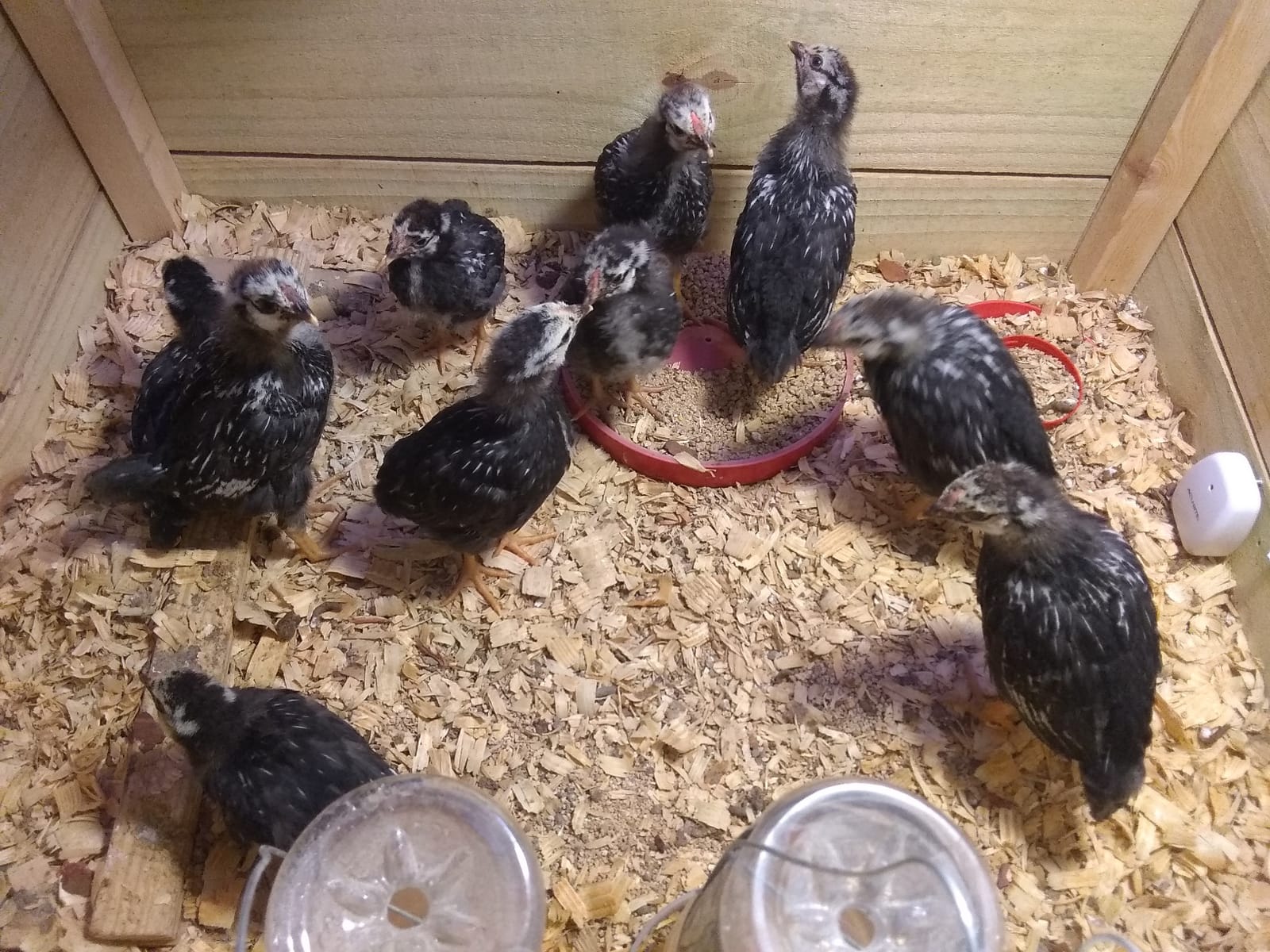
This thermostat is purpose-built for heat mat applications where the on/off cycling will not stress the animal. Leopard geckos, crested geckos, and other species that use belly heat do well with this controller. It also works for seedling heat mats and fermentation setups, which is why so many non-reptile keepers buy it.
I would not recommend the BN-LINK for controlling basking bulbs on species like bearded dragons. The on/off cycling causes noticeable temperature swings and the bulb lifespan drops significantly because of constant power cycling. Save this unit for heat mat duty and grab a dimming or proportional thermostat for light-based heating.
Safety and Build Quality
The ETL listing means the unit has passed independent safety testing, which is the bare minimum I look for in any heating controller. The plastic shell feels solid, and the internal relay has held up under continuous cycling in my testing. Customer service from BN-LINK is unusually responsive; they often send replacements within a few days of a defect report.
3. VIVOSUN Digital Heat Mat Thermostat – Best Value Heat Mat Thermostat
VIVOSUN Digital Heat Mat Thermostat Controller, 40–108 ºF 1000W for Reptiles, Seedlings, Germination, Incubation and Fermentation
40-108°F
1000W
LCD display
Hexagonal grip
Pros
- Very easy 3-button operation
- Accurate within 1-2 degrees
- Durable water-resistant build
- Strong customer service
- Affordable
Cons
- Some units show Celsius only after extended use
- Single outlet
- May need offset calibration
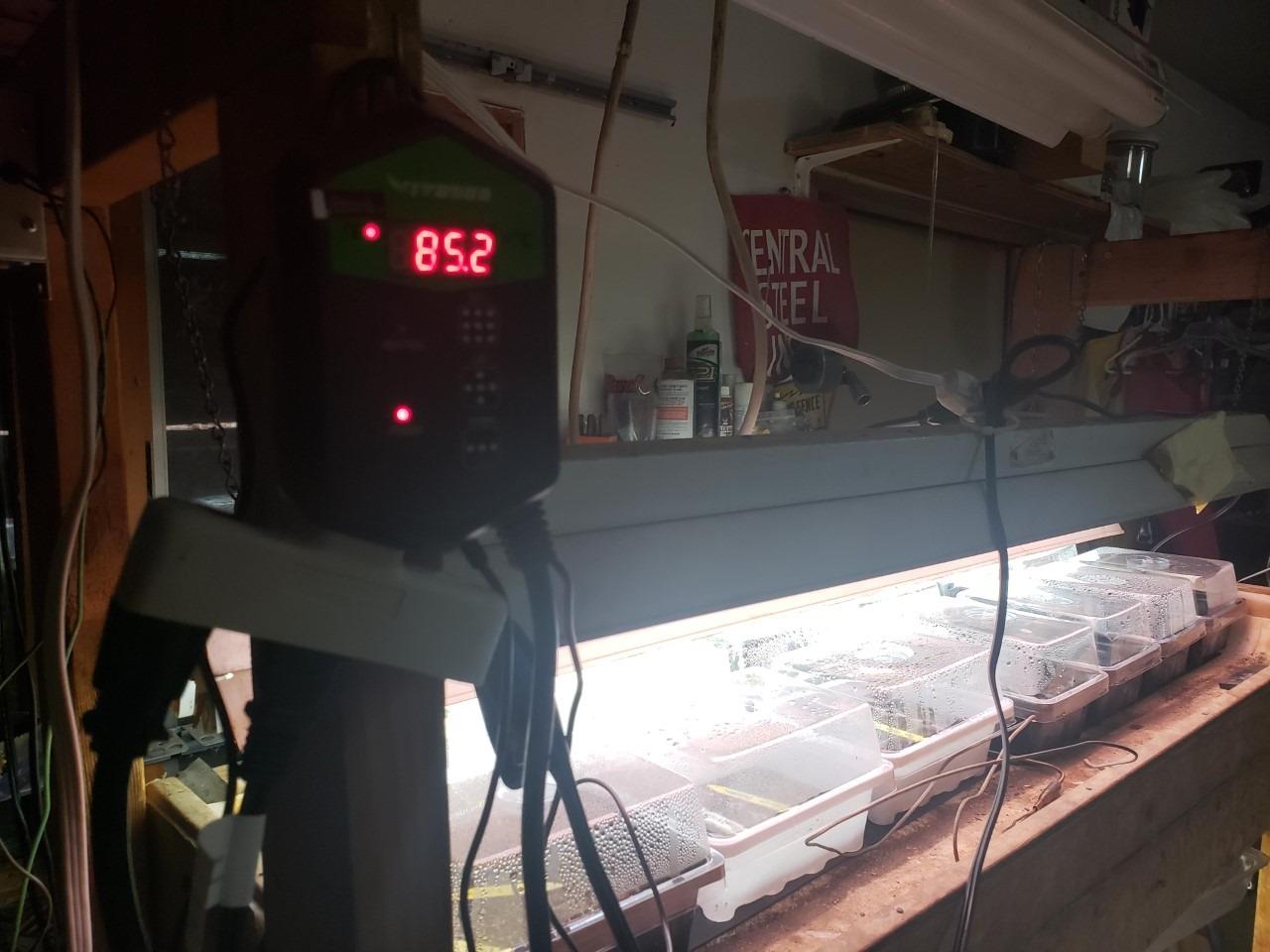
VIVOSUN built their reputation on grow tent equipment, and this thermostat brings that same practical design philosophy to reptile keepers. I tested this unit on a juvenile ball python setup for about four months, and it performed reliably throughout. The hexagonal grip design makes it easy to unplug and move between enclosures, which sounds like a small thing but matters when you rotate equipment for cleaning.
Price-wise, this is tied with the BN-LINK as one of the most affordable options on this list. The main differentiator is the LCD display versus BN-LINK’s LED screen, which some keepers prefer for its softer nighttime glow. The hexagonal shape also lets it sit on a flat surface without rolling, which is genuinely useful if you keep your thermostat on a shelf near the enclosure.
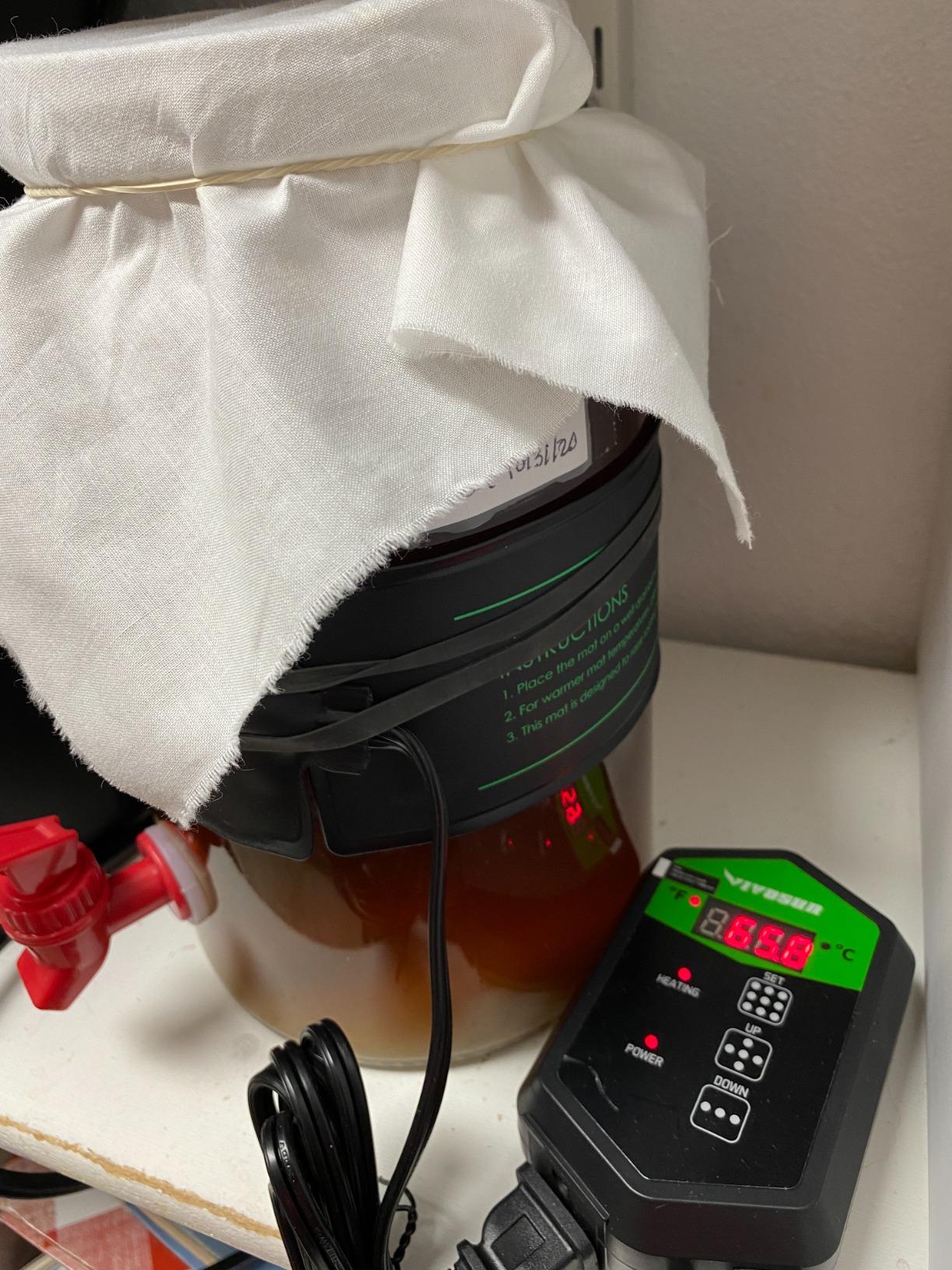
Temperature accuracy held within 1 to 2 degrees in my testing, which is on par with units costing twice as much. The water-resistant plastic construction survived the occasional splash during water bowl changes without issue. Like the BN-LINK, this is an on/off controller, so it works best for heat mat applications rather than basking bulbs.
The most common complaint in reviews involves units that switch to Celsius-only display after extended use, which seems to affect a small percentage of units after 1 to 2 years. VIVOSUN customer service has been quick to replace defective units based on what I have seen in forum discussions. The 1-year warranty covers manufacturing defects during this period.
Reptile Compatibility
For leopard geckos, crested geckos, and small snake species that rely on under-tank heating, the VIVOSUN performs identically to pricier alternatives. I would not use it for any heat lamp application because the on/off cycling creates audible clicks that can stress nocturnal species. The unit is also popular among keepers running multiple seed-starting mats in early spring.
Setup and Daily Use
Setup takes about 3 minutes once you figure out the three buttons. The probe plugs into the bottom of the unit, and the included hanging tab works on most enclosure frames. I found the angled socket helpful for keeping cords organized behind the enclosure, which is a small but thoughtful design touch. The probe cable is long enough for standard 40-gallon breeder tanks without needing an extension.
4. Zoo Med ReptiTemp Digital Thermostat – Best Reptile-Specific Controller
Zoo Med ReptiTemp Digital Thermostat
50-122°F
600W heat
150W cool
Memory function
6 ft probe
Pros
- Designed specifically for reptiles
- Accurate within 1°F
- Built-in temperature alarm
- Stores settings in power outage
- Long lifespan
Cons
- Higher price point
- Velcro mount adhesive weak
- Single outlet
- Display very bright at night
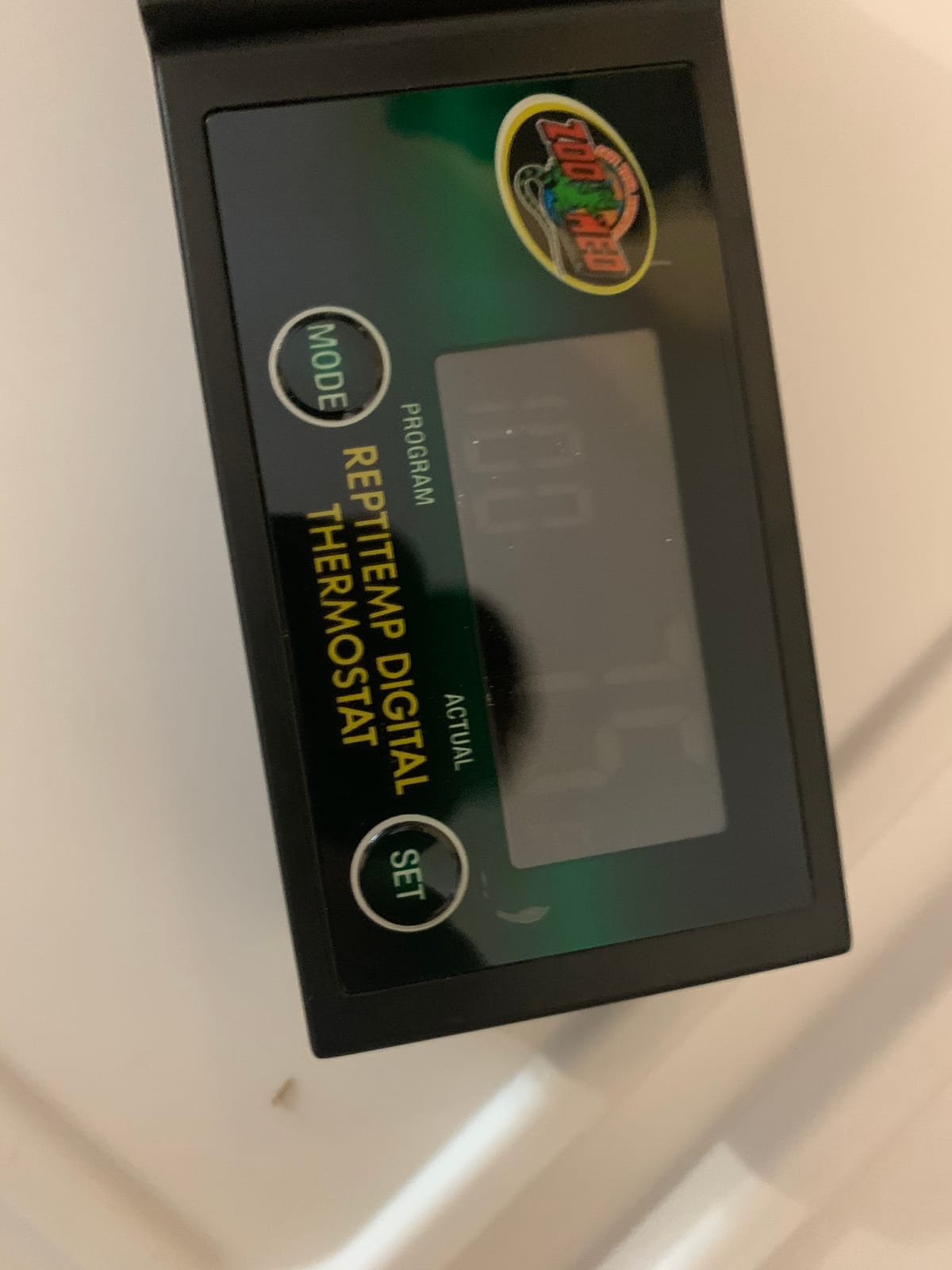
Zoo Med is one of the few brands in this price range that designs thermostats specifically for reptile keepers rather than repurposing a greenhouse controller. The ReptiTemp RT-600 is the most reptile-focused unit under $60, with a temperature range, alarm features, and probe length optimized for terrarium use. I tested this on a 75-gallon bearded dragon enclosure and found the temperature accuracy to be excellent.
The 50 to 122°F range covers every commonly kept reptile species, including high-temperature baskers like uromastyx. The 6-foot probe is longer than most competitors in this price range, which matters for tall enclosures or rack systems. The built-in alarm flashes and beeps when temperatures exceed safe ranges, which adds a layer of safety for keepers who travel or keep collections in a separate room.
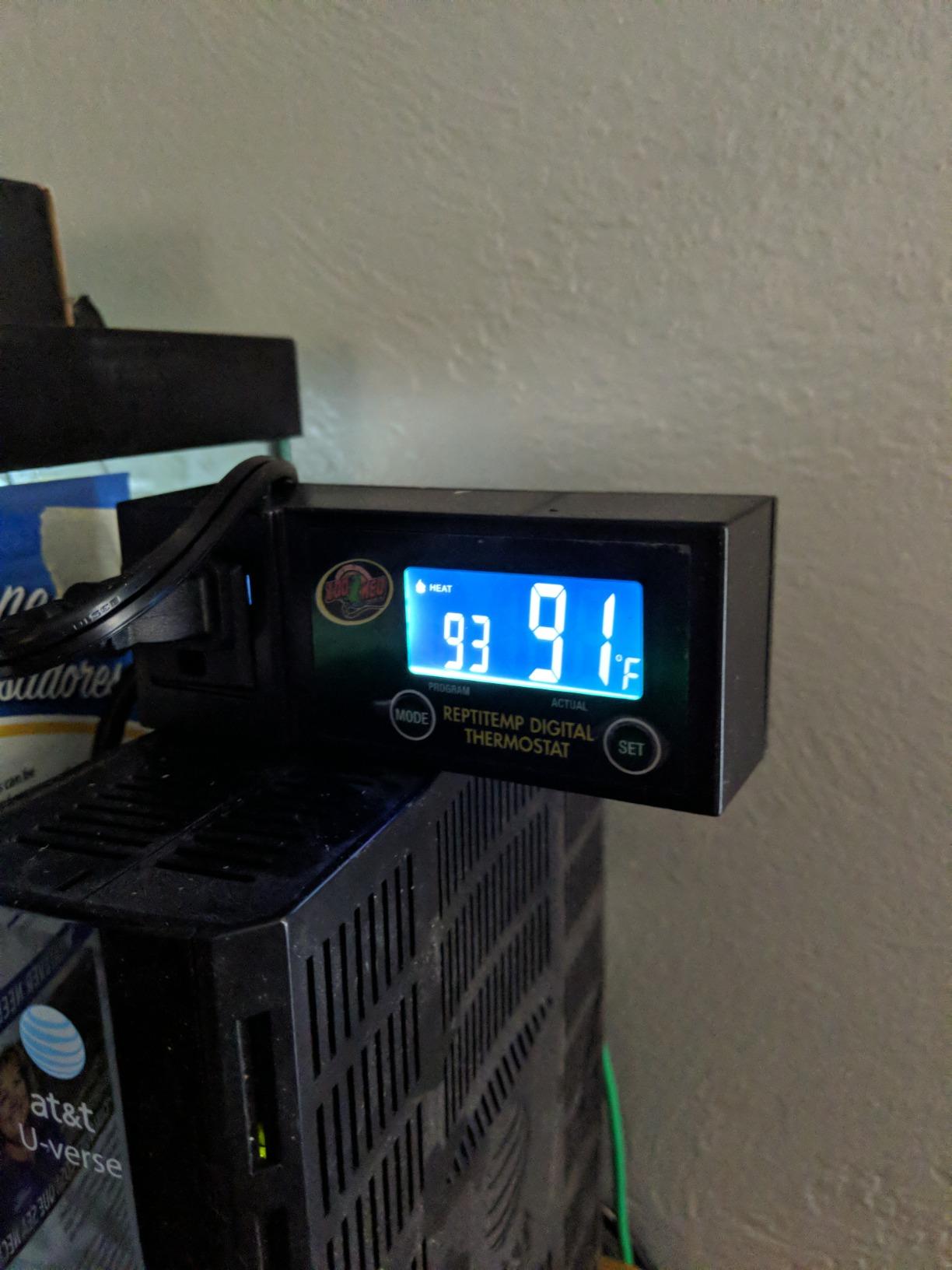
What sets this unit apart from generic controllers is the HEAT and COOL mode selector. You can flip a switch on the back to control either a heating device up to 600W or a cooling device up to 150W. This makes the ReptiTemp versatile for keepers who need to manage both heating in winter and cooling in summer without buying two separate controllers.
The 600W heating capacity is lower than some competitors, which means keepers with large ceramic heat emitters or multiple heat lamps may need a different controller. The single outlet also means you need a splitter for multi-zone setups. The display is genuinely bright at night and can act as a small night light; some keepers cover the unit with a cloth to darken their reptile room.
Reptile Safety Considerations
The audible and visual alarm is genuinely useful for preventing temperature-related emergencies. I tested the alarm function by unplugging the heat source during a cold snap; the unit beeped within 2 minutes when the temperature dropped below the safe range. For keepers who keep animals in a basement or garage, this alarm provides real peace of mind.
Memory Function and Reliability
The memory feature stores all settings during power outages, which matters more than you might think. After losing power for 6 hours during a winter storm, my unit came back online with all my temperature settings intact. Across long-term reviews, the ReptiTemp consistently lasts 3 to 5 years before any display or relay issues appear, which is impressive for the price point.
5. WILLHI WH2408 Temperature Controller – Easiest Setup With Dual Knobs
WILLHI WH2408 Temperature Controller 10A 1200W (Pack of 1)
-58 to 230°F
1200W
Dual knob
Fire-retardant shell
Pros
- Intuitive dual knob design
- Very easy setup
- Accurate readings
- Settings retained in power outage
- Resettable fuse
Cons
- 10A breaker limits high-wattage heaters
- Shell not waterproof
- Has power cord rather than direct plug
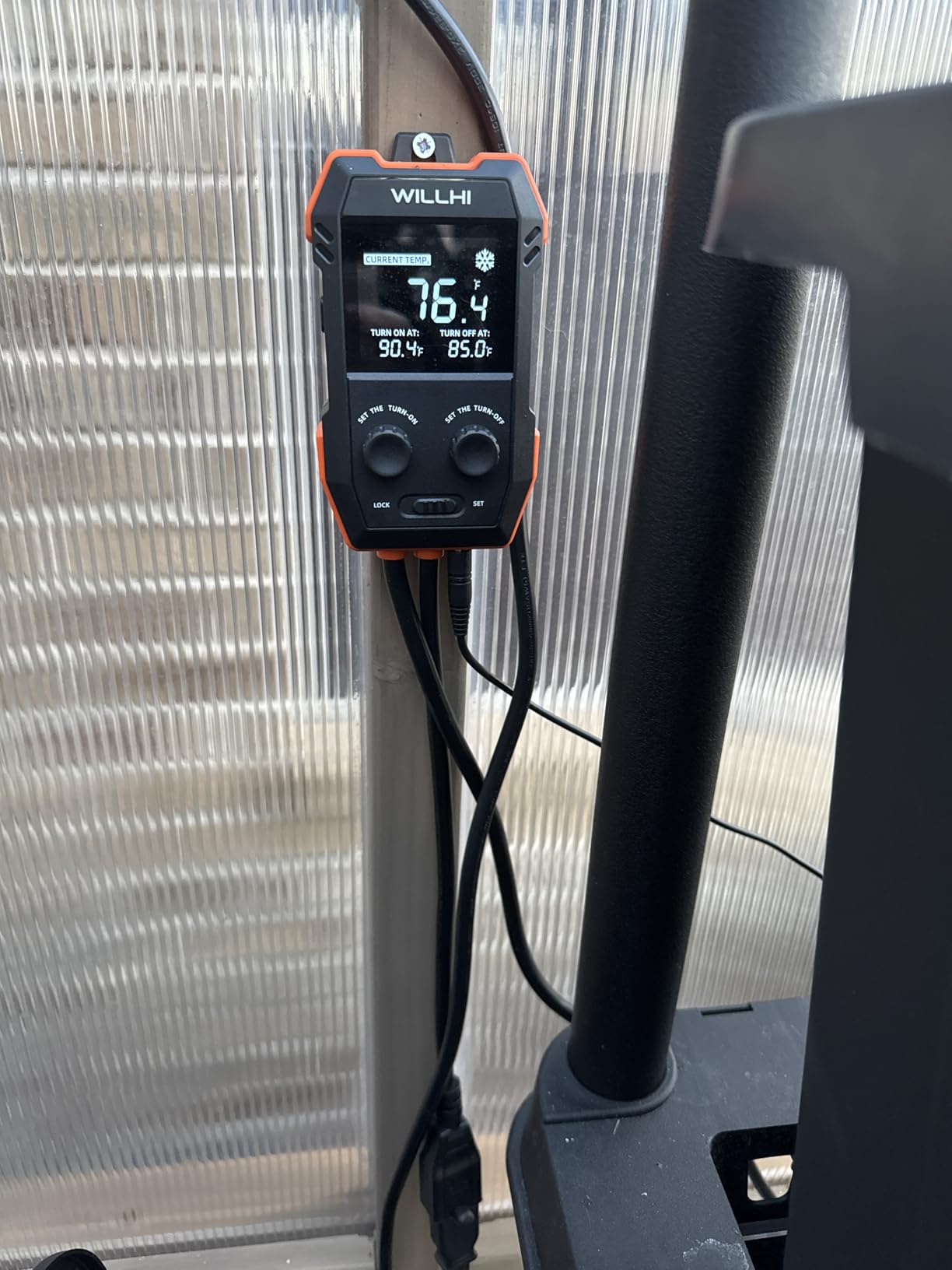
The WILLHI WH2408 solves the most common complaint I hear from beginner reptile keepers: confusing thermostat programming. Instead of three or four buttons that require manual diving, this controller uses two physical knobs that you simply turn to set your target temperature. I handed this to my partner without instructions and she had it set up in under 2 minutes.
The temperature range of -58 to 230°F is wider than any other unit on this list, which makes the WH2408 useful for everything from reptile enclosures to home brewing to fermentation projects. The 0.1°F resolution is more precise than typical on/off controllers, which means tighter temperature control for sensitive species. The food-grade probe is safe for cooking applications, a bonus if you also brew beer or make cheese.
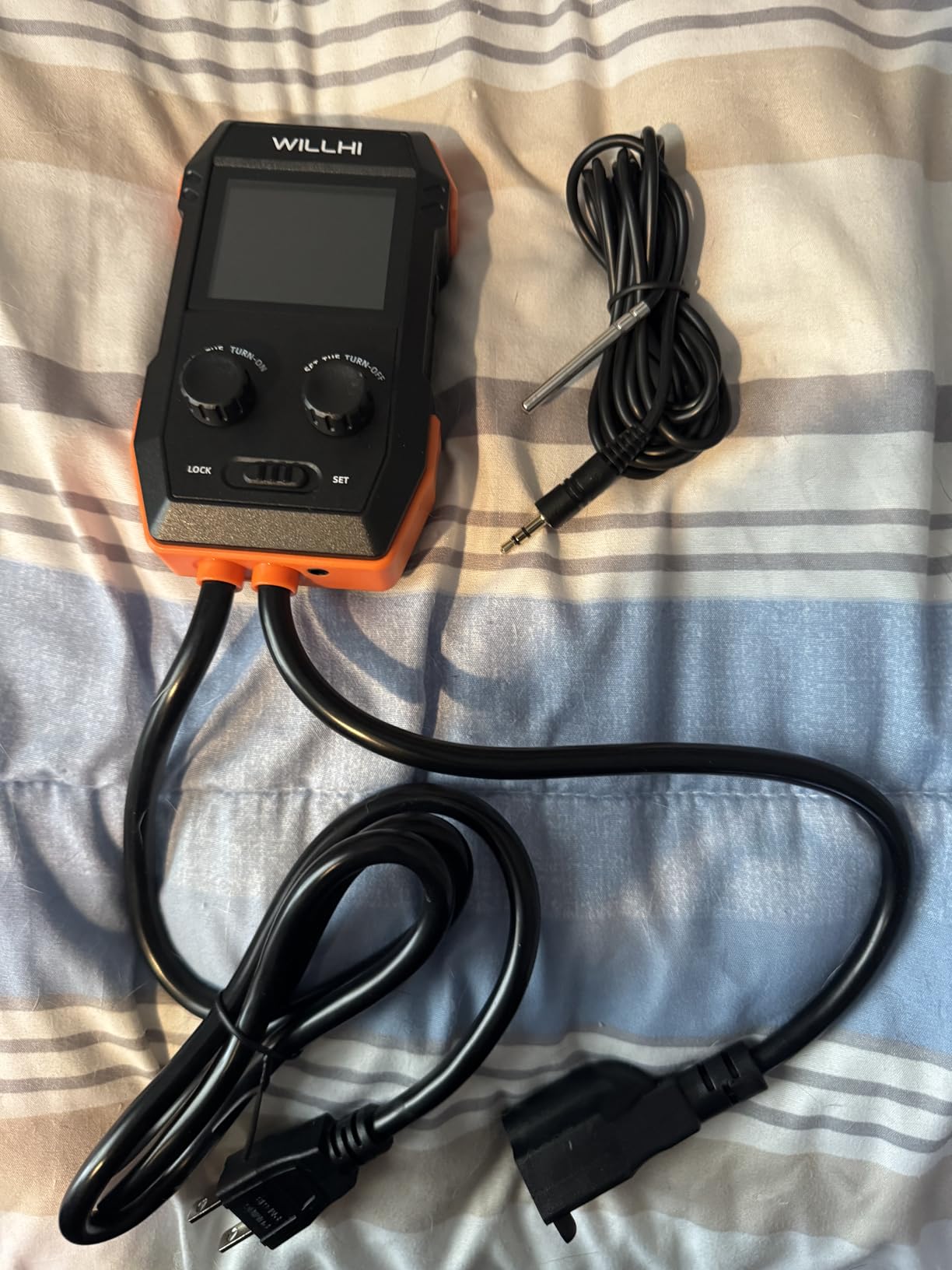
Build quality is genuinely above average at this price point. The fire-retardant ABS shell feels substantial, and the resettable fuse is a nice safety touch that I have not seen on competing controllers. The adjustable display brightness is useful for bedroom reptile setups where you do not want a glowing screen at night.
The 10A circuit breaker limits you to 1200W maximum, which is fine for most heat mats and small ceramic emitters but excludes large basking bulb setups. The unit also does not plug directly into the wall; instead, it has a power cord that runs to the outlet, which takes up more space than direct-plug controllers. The shell is not waterproof, so keep it away from splash zones.
Best Use Cases Beyond Reptiles
I have seen this controller used in garage ventilation systems, pump houses, and reptile rooms with equal success. The dual-knob design works particularly well for keepers who want to swap the unit between enclosures without reprogramming; just turn the knobs to the new target temperature. The wide temperature range also makes it suitable for cold-weather applications like preventing pipes from freezing.
Beginner-Friendly Design
If you are buying your first reptile thermostat and feel intimidated by programming menus, this is the unit I would recommend. The knobs work exactly like the analog thermostats most people grew up with, just with a digital temperature display. Setup is genuinely foolproof in my testing, and the unit powers up ready to go without complicated initialization steps.
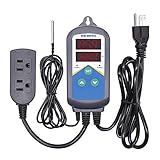
6. Inkbird ITC-306T – Best Day/Night Cycle Thermostat
Inkbird ITC-306T Pre-Wired Electronic Heating Thermostat Temperature Controller and 24 Hours Digital Day & Night Cycle Timer Controller for Seed Germination Reptiles Hatching
Dual time cycle
1200W
Day/night temps
Buzzer alarm
Pros
- Day/night temperature cycling
- Accurate control
- Over/under temperature alarm
- Plug and play setup
- Reliable memory function
Cons
- Heating only no cooling
- Confusing instructions initially
- Timer programming tedious due to timeouts
The Inkbird ITC-306T is the controller I reach for when I need to simulate natural temperature drops for reptiles that benefit from a cooler nighttime period. Ball pythons, leopard geckos, and many snake species thermoregulate better with a 5 to 10 degree nighttime temperature drop, and this unit lets you program both day and night set points separately. I have used this controller on a snake rack system for two breeding seasons with excellent results.
The dual time cycle feature is what separates this from a standard on/off controller. You set the day temperature and duration, then set the night temperature and duration, and the unit automatically cycles between them. For keepers running breeding projects or naturalistic setups, this feature alone justifies the price over a basic heat mat thermostat.
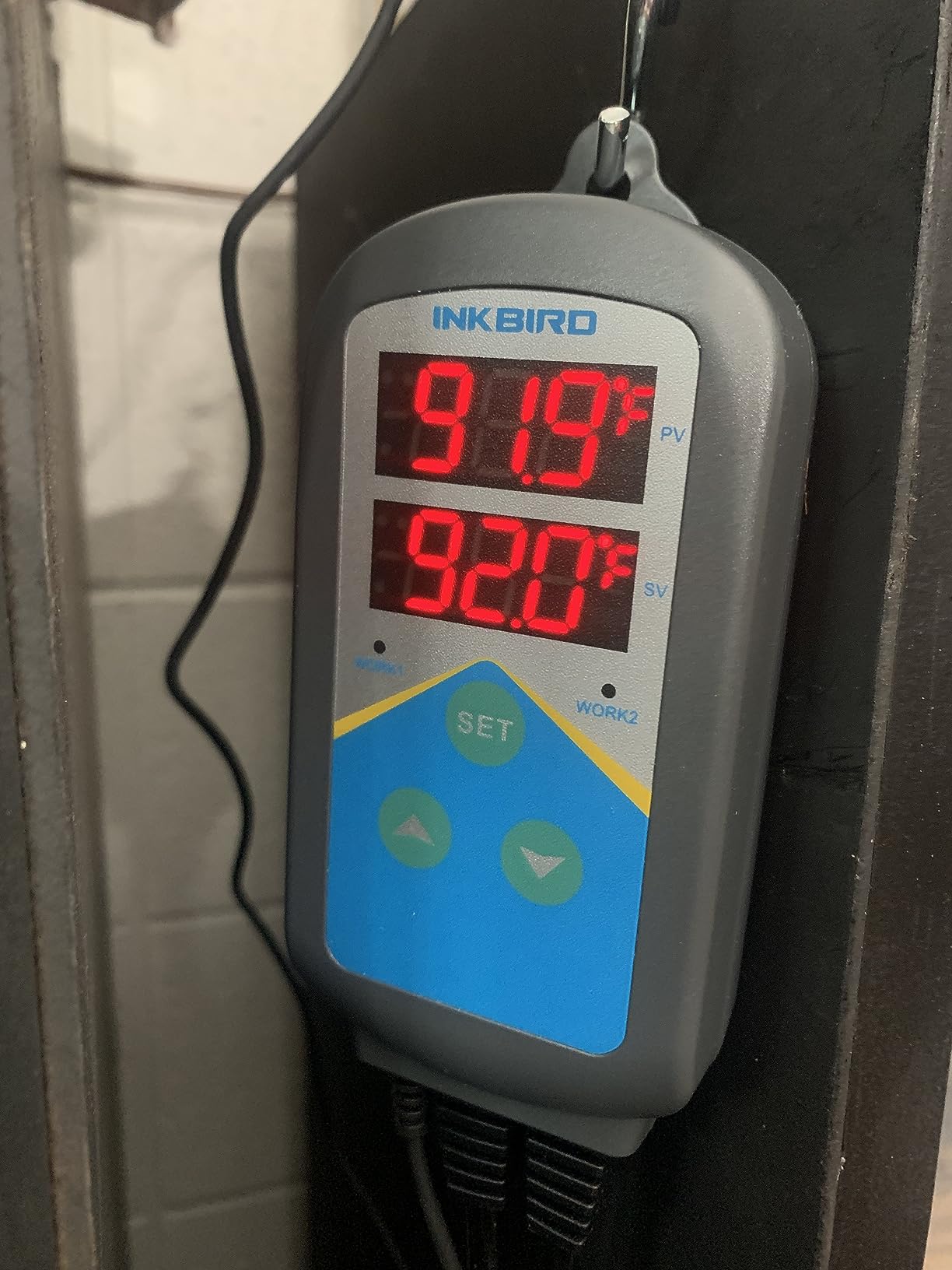
The 1200W output handles most heating setups, including heat tape for rack systems and small ceramic heat emitters. The dual display window shows both the measured and set temperatures at the same time, which is helpful when you are calibrating the unit. The over and under-temperature alarms add safety in case of probe failure or power issues.
Programming takes longer than other units because of the dual time cycle setup, and the unit has a programming timeout that resets if you take too long between button presses. I strongly recommend reading the manual once and writing down your settings before starting. The unit is heating-only, so it cannot drive cooling fans during summer heat waves.
Breeding and Rack System Applications
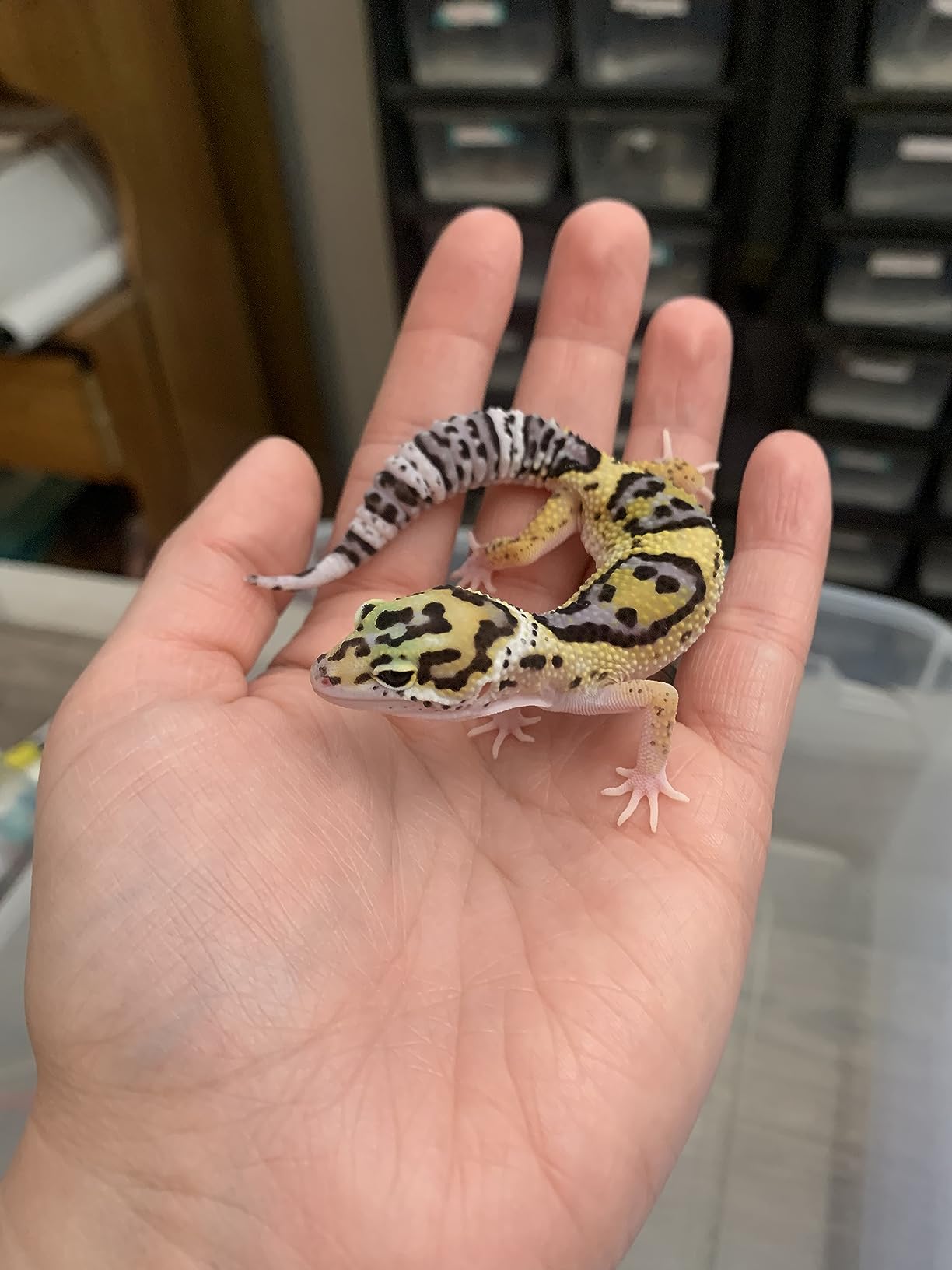
If you keep snakes in a rack system with multiple heat tape strips, the ITC-306T handles day and night temperature drops that encourage natural breeding behavior. I have used it for ball python cooling cycles, dropping the nighttime temperature by 10 degrees for 8 weeks during the winter. The memory function preserved all settings through multiple power outages during this period.
Versatility Across Applications
Beyond reptiles, this controller works well for seed germination with separate day and night temperatures, yogurt making, and pipe freeze protection. The wide -58 to 210°F temperature range covers virtually any heating application a hobbyist might encounter. The 120V/1200W rating makes it compatible with standard North American outlets and most heating elements on the market.
7. Luxbird LB-2SC – Best Dual Outlet Independent Control
LUXBIRD Digital Temperature Controller LB-2SC, Thermostat Outlet for Reptile Terrarium Greenhouse Grow Tent, 2-Year Warranty, 2-Year Warranty (Green)
Dual independent outlets
250W each
Two probes
2-year warranty
Pros
- Two thermostats in one unit
- Independent outlet control
- Precise 0.1 degree accuracy
- Two probes included
- Strong 2-year warranty
Cons
- Screen is not backlit
- Awkward initial programming
- Display may reset after power outage
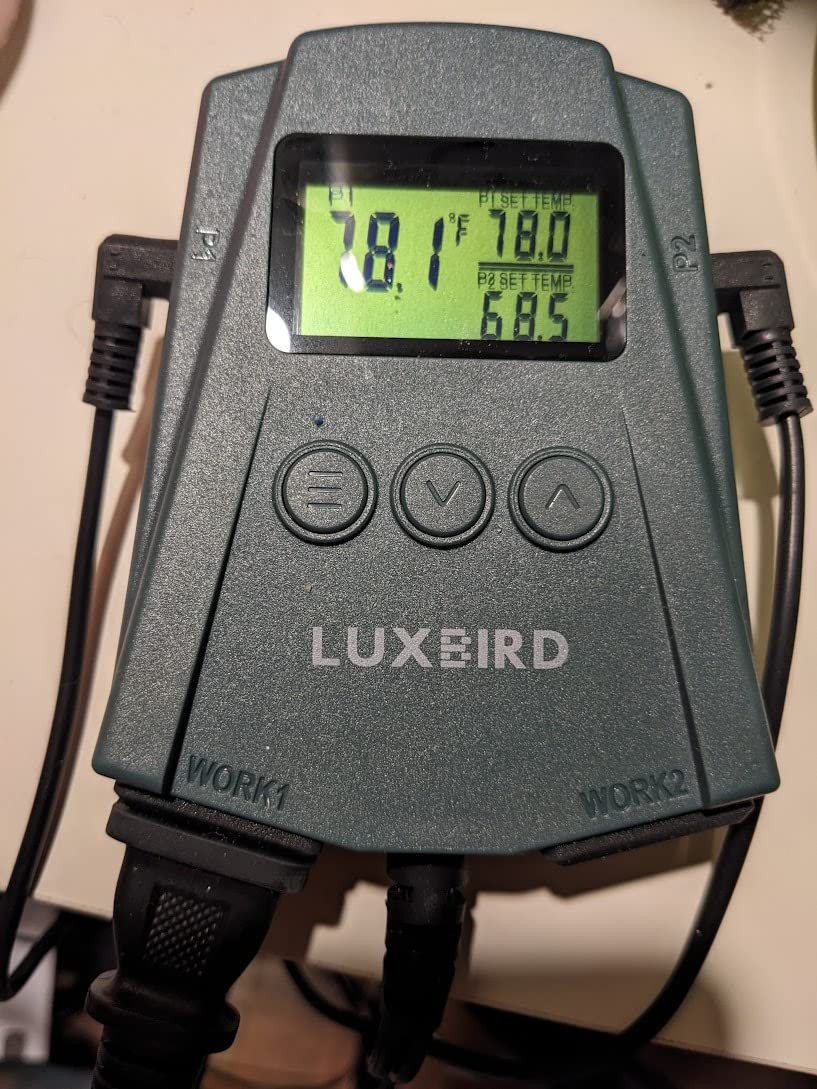
The Luxbird LB-2SC is essentially two thermostats in one box, with each outlet controlled independently by its own probe. I have run this controller on a dual leopard gecko setup where each enclosure needed slightly different basking temperatures, and the independent control eliminated the need for two separate units. The hanging tab design keeps the unit off the floor between enclosures.
Temperature precision is where this controller shines. Each outlet supports up to 250W and reads temperature in 0.1 degree increments, which is more precise than most controllers in this price range. The two included probes are accurate and well-built, with cable lengths that reach comfortably into standard 40-gallon enclosures.
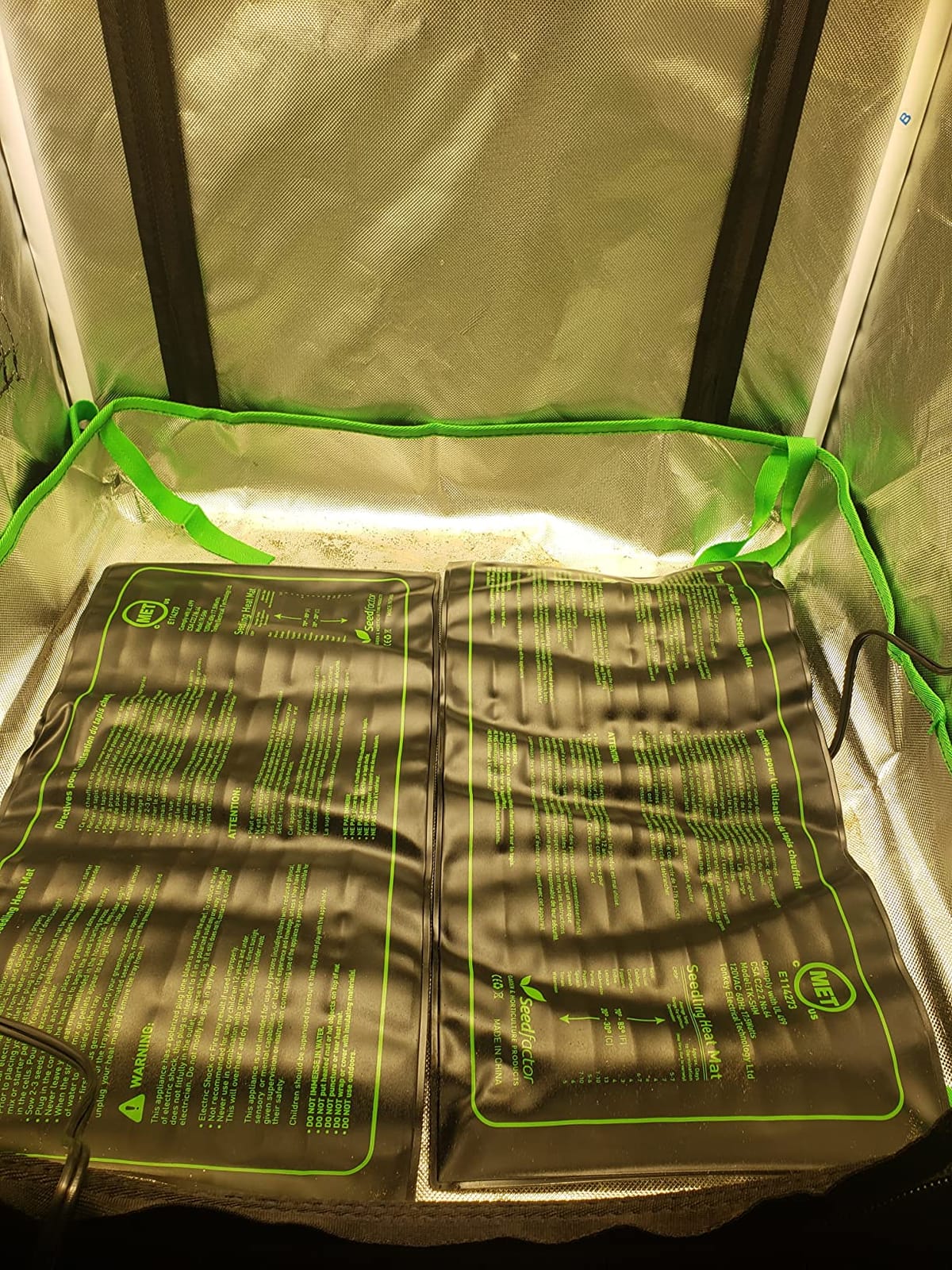
The high and low temperature alarms for each zone add an extra layer of safety for keepers with valuable collections. If one enclosure overheats or underheats, the unit beeps and the display flashes to alert you. The LCD shows the current temperature, target temperature, and heating status for both zones simultaneously.
The 250W per outlet limit is the main trade-off for the dual-zone design. This is plenty for heat mats and small ceramic emitters but excludes larger basking bulbs and high-wattage heat panels. The screen is not backlit, which makes it hard to read in dim reptile rooms; I added a small USB reading light next to mine for late-night checks. The display also resets to factory temperatures after extended power outages in some units, which is a known issue.
Multi-Enclosure Setups
This controller shines for keepers running rack systems or multiple smaller enclosures. I have used it to control heat mats on four 20-gallon enclosures simultaneously by plugging each outlet into a power strip. The independent control means each enclosure can have its own temperature profile, which is essential when keeping multiple species or age groups.
Warranty and Support
The 2-year warranty is double what most competitors offer, and Luxbird customer service has been responsive when I reached out with setup questions. Replacement units ship quickly when defects occur. For keepers who want long-term peace of mind, this warranty is a meaningful upgrade over the standard 1-year coverage on most reptile thermostats.
8. Pymeter Dual Probe Reptile Thermostat – Best Dual Zone Versatility
Pymeter Digital Temperature Controller Dual Probe Reptile Thermostat Controlled Outlet for Terrarium Heat Mat Heating Pad, Switch Cooling Fan Freezer Fridge ON & Off at Setpoints 10A 1200W
Dual zones
1200W
Heating or cooling each
LED display
Pros
- Two independent zones
- Each outlet heating OR cooling
- Two waterproof probes
- High/low temperature alarms
- Bright LED display
Cons
- Programming interface not intuitive
- Sensors may need calibration
- White cables visible in dark setups
- No day/night timer
The Pymeter dual probe controller stands out for its flexibility. Each of the two outlets can be independently set to either heating or cooling mode, which means you can run a heat mat on one outlet and a cooling fan on the other from the same unit. I have tested this on a bioactive setup where I needed supplemental heating in winter and ventilation in summer, and the flexibility eliminated the need for two separate controllers.
The 1200W total output split between two outlets gives you plenty of headroom for standard heating elements. The two included waterproof sensors are accurate within 1 degree in my testing and survived submersion during a water bowl spill without issue. The big, bright LED display is easy to read across a room, which I appreciate during late-night temperature checks.
The high and low temperature alarms for each zone provide safety redundancy, and the temperature differential alarm alerts you when the two zones drift too far apart. The temperature calibration feature lets you fine-tune each probe against a reference thermometer, which is essential for keepers who demand precision. The compressor delay protection prevents rapid cycling that can damage cooling compressors in aquarium chillers.
Programming is the main weakness. The interface uses a single button plus a small dial, and navigating menus takes patience the first few times. The instructions assume more technical familiarity than most keepers have. Once you understand the menu structure, daily use is straightforward, but expect to spend 20 to 30 minutes on initial setup.
Mixed Heating and Cooling Setups
This is the only controller on this list that lets you run heating on one outlet and cooling on the other simultaneously. For keepers in climates with hot summers and cold winters, this dual-mode capability is genuinely useful. I have used it to control a basking bulb on outlet one and an exhaust fan on outlet two, with each maintaining independent temperature set points.
Long-Term Reliability
Across more than 2,000 reviews, the most common long-term issue involves units failing after 2 to 3 years of continuous use. However, several reviewers mention units still working reliably after 6+ years, suggesting the average lifespan depends heavily on the specific load and operating environment. Pymeter customer service has been excellent in my experience, with quick replacements for defective units.
How to Choose the Best Reptile Thermostat Under $60
Choosing the right thermostat comes down to matching the controller type to your heating element and your reptile’s needs. The biggest mistake I see new keepers make is buying an on/off controller for a basking bulb and wondering why the bulb burns out within a few months. Here is what you need to know before spending a dollar.
Thermostat Types Explained
ON/OFF thermostats cycle power fully on or fully off based on the probe reading. They work well for heat mats and heat tape because the cycling is not visible to the reptile and the heat source has thermal mass that smooths the cycle. They do not work well for basking bulbs because the visible light flickers and the bulb filament wears out from constant power cycling.
Dimming thermostats gradually reduce power to the heating element based on the temperature differential. This is the right choice for basking bulbs, ceramic heat emitters, and any light-based heating because it prevents temperature swings and extends bulb life. Dimming thermostats under $60 are rare, which is why most keepers in this price range use on/off controllers with heat mats.
Proportional thermostats adjust power output continuously based on how far the actual temperature is from the set point. They offer the smoothest temperature control and are the gold standard for sensitive species. Most proportional controllers fall above the $60 budget ceiling, which is the main reason they are not on this list.
Wattage and Amperage Capacity
Every thermostat lists a maximum wattage rating, and exceeding that rating is the most common cause of failures and fire hazards. Calculate the total wattage of your heating elements and stay well below the controller’s rated capacity. A 100W ceramic heat emitter on a 600W controller leaves plenty of headroom; the same emitter on a 250W controller is asking for trouble.
For multi-element setups, you either need a controller with dual outlets rated for the combined load or two separate controllers. Plugging two heat sources into a single-outlet controller using a splitter does not increase the wattage capacity; the controller still sees the combined load.
Safety Certifications Matter
ETL listing, UL listing, and CE marking are not marketing fluff. These certifications mean the controller has passed independent electrical safety testing. Budget thermostats without these certifications save you a few dollars but introduce real fire risk when controlling heating elements that run unattended for days. Every product on this list carries equivalent safety certification, which is a minimum bar I would not compromise on.
Probe Quality and Placement
The temperature probe is the sensor that tells the controller what to do, and a poor probe gives poor results regardless of how expensive the controller is. Look for waterproof probes with cable lengths that reach into your enclosure comfortably. Place the probe where the reptile actually experiences the temperature, not in a corner or near the enclosure top.
For basking spot control, tape the probe directly to the basking surface or position it just above where the reptile would sit. For ambient temperature control, position the probe in the middle of the thermal gradient. The single biggest cause of thermostat failures in real-world use is poor probe placement, not controller quality.
Species-Specific Recommendations
Leopard geckos and crested geckos use belly heat from under-tank heaters, which works perfectly with on/off controllers like the BN-LINK or VIVOSUN. Ball pythons and corn snakes use ambient heat from heat tape or ceramic emitters, which also work with on/off controllers when placed correctly. Bearded dragons and other basking species need dimming or proportional control for their basking bulbs, which usually requires stepping above the $60 budget.
For breeders running rack systems with multiple snakes, the Inkbird ITC-306T or Luxbird LB-2SC offer the multi-zone or day/night cycling features that simplify collection management. For bioactive setups with both heating and ventilation needs, the Pymeter dual probe gives you the most flexibility.
Frequently Asked Questions
What is the most accurate thermometer for reptiles?
Digital probe thermometers with 0.1°F resolution are the most accurate for reptile enclosures. The Inkbird ITC-308 and Luxbird LB-2SC both offer 0.1 degree precision and hold calibration well over years of use. For separate temperature readings, infrared thermometers provide accurate basking spot surface temperatures instantly.
What is the best thermostat for a reptile incubator?
The Inkbird ITC-308 is our top pick for reptile incubators under $60 because of its dual heating and cooling control, buzzer alarm, and 1100W capacity. The ITC-306T is another strong option if you need day/night temperature cycling for breeding projects. Both offer the accuracy and reliability that egg incubation demands.
Do I need a dimming thermostat for reptiles?
You need a dimming thermostat for any heat source that produces visible light, including basking bulbs and halogen lamps. On/off controllers cause visible flickering, rapid bulb burnout, and noticeable temperature swings. For heat mats, heat tape, and ceramic heat emitters that do not produce light, an on/off controller works well and costs less.
How can I keep my reptiles warm during a power outage?
During a power outage, wrap enclosures in insulated blankets, use hot water bottles wrapped in towels, and move animals to a smaller container with your body heat if necessary. Battery-powered heat packs designed for shipping live animals can provide 8 to 12 hours of supplemental heat. A UPS battery backup connected to your thermostat and heat source can maintain temperatures for several hours depending on the load.
Does a basking bulb need a thermostat?
Yes, every basking bulb needs a thermostat to prevent overheating and extend bulb life. Without a thermostat, basking bulb surface temperatures can exceed 120°F and cause serious burns. A dimming thermostat is strongly preferred for basking bulbs because it prevents the on/off cycling that shortens bulb lifespan.
Is there a dimmable thermostat for reptiles under $60?
True dimming thermostats under $60 are rare, but proportional controllers like the WILLHI WH2408 offer smoother power adjustment than basic on/off units. Most keepers on a strict under-$60 budget use on/off controllers with heat mats and heat tape, then upgrade to dimming controllers like Herpstat or Vivarium Electronics when the budget allows.
Final Verdict on the Best Reptile Thermostats Under $60
After testing and researching these 8 controllers, the Inkbird ITC-308 remains my top recommendation for most keepers looking for the best reptile thermostats under $60. The dual heating and cooling control, 1100W capacity, and alarm features cover virtually every scenario a hobbyist might encounter, and the build quality has held up across years of continuous use in my own collection.
For keepers on a tight budget running simple heat mat setups, the BN-LINK and VIVOSUN controllers both deliver reliable performance at the lowest prices on this list. If you need specialized features like day/night cycling, dual zone control, or proportional adjustment, the Inkbird ITC-306T, Luxbird LB-2SC, and WILLHI WH2408 each excel in their respective niches.
The right thermostat depends on your heating element, enclosure size, and species needs. Match the controller type to your heat source, verify the wattage capacity, and prioritize safety certifications. With any of these 8 options, you can maintain stable, safe temperatures for your reptiles without breaking the $60 budget ceiling.