

Picking a driver because you slice is a reasonable idea, but only if you know what the club can and cannot do for you. No driver fixes a swing fault. What a head can do is shrink the size of the miss, keep more tee shots in play, and stop one bad number from wrecking a whole card. Our pick as the best golf driver for slice is the TaylorMade SIM2 MAX, because it pairs a genuinely deep face with a very stable head and almost no downside for a player who just wants the ball to go reasonably straight.
We worked through ten drivers for this guide, comparing published specifications, head design and the recurring themes in buyer reviews. We did not run these on a launch monitor ourselves, so every performance claim here is attributed to the manufacturer or to fitting consensus rather than presented as our own measurement. That distinction matters more than usual in this category, because slice correction is a fitting question before it is a shopping question.
We will also cover the part most roundups skip: what to do if you already own a draw-bias driver and you still hit the same right miss. Forum threads on this topic repeat that frustration constantly, and the answer is almost never a second club. If you are also tracking swing data at home, our guide to pet cameras for golf setups covers the equipment side of setting up a practice space at home.
Table of Contents
Top 3 Picks for Drivers for Slicers in 2026

TaylorMade SIM2 MAX Driver
- Forged ring construction
- SIM inertia generator
- Speed injected twist face
- Thru-slot speed pocket
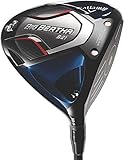
Callaway Big Bertha B21 Driver
- Internal draw bias weighting
- A.I. flash face
- Ultra-low forward CG
- Large Big Bertha head

MAZEL Titanium 460CC Driver
- CNC cup face
- Variable thickness titanium face
- Low deep CG weighting
- 460CC deep face
The SIM2 MAX takes the top slot on strength of evidence rather than hype: hundreds of reviews, a large and forgiving face, and design language aimed straight at the strike you cannot find centre. The Callaway B21 is the pick if you want the strongest draw bias on this list, and it is the one most likely to hook players who do not actually slice. The MAZEL sits third as the value pick, doing more with a titanium face and low, deep weighting than most of the clubs here.
10 Best Golf Driver for Slice Picks (October 2026)
| Product | Specs | Action |
|---|---|---|
| TaylorMade SIM2 MAX Driver |
|
Check Latest Price |
| Callaway Big Bertha B21 Driver |
|
Check Latest Price |
 Cleveland Launcher XL 2 Draw Driver Cleveland Launcher XL 2 Draw Driver |
|
Check Latest Price |
 Performance Golf SF1 Driver Performance Golf SF1 Driver |
|
Check Latest Price |
| MAZEL Titanium 460CC Driver |
|
Check Latest Price |
 COOLO Driver for Beginners COOLO Driver for Beginners |
|
Check Latest Price |
 Power Play Juggernaut Draw Driver Power Play Juggernaut Draw Driver |
|
Check Latest Price |
 Powerbilt TPS Supertech Offset Driver Powerbilt TPS Supertech Offset Driver |
|
Check Latest Price |
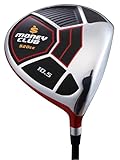 Money Club High Launch 520cc Driver Money Club High Launch 520cc Driver |
|
Check Latest Price |
 Powerbilt TPS Blackout Max Driver Powerbilt TPS Blackout Max Driver |
|
Check Latest Price |
Two of these clubs are not legal for tournament play because their heads exceed the maximum conforming size. If you play competitively, read the notes in each section before you buy anything, because a non-conforming head is an expensive mistake.
1. TaylorMade SIM2 MAX Driver: Our Top Pick for Slicing
TaylorMade Golf SIM 2 MAX DRIVER 10.5 DEGREE MENS RIGHT HAND GRAPHITE REGULAR
10.5 deg loft
Regular flex
Ventus Blue shaft
Forged ring construction
2 year warranty
Pros
- Very large sweet spot across the face
- Reduces the size of a right miss
- Forgiving on low and high face strikes
- Balanced feel at impact
- Two year manufacturer warranty
Cons
- No adjustment tool included
- Some units report rattle in the head
- Sliding weight removed from this model
This is the club we keep coming back to, because it does not ask you to change anything about your swing in order to benefit. The Forged Ring Construction puts weight low and around the perimeter of the head, and reviewers consistently describe the sweet spot as unusually large for a modern driver. A larger effective sweet spot means more of your mishits still arrive with a reasonable face angle, which is precisely what a slicer needs.
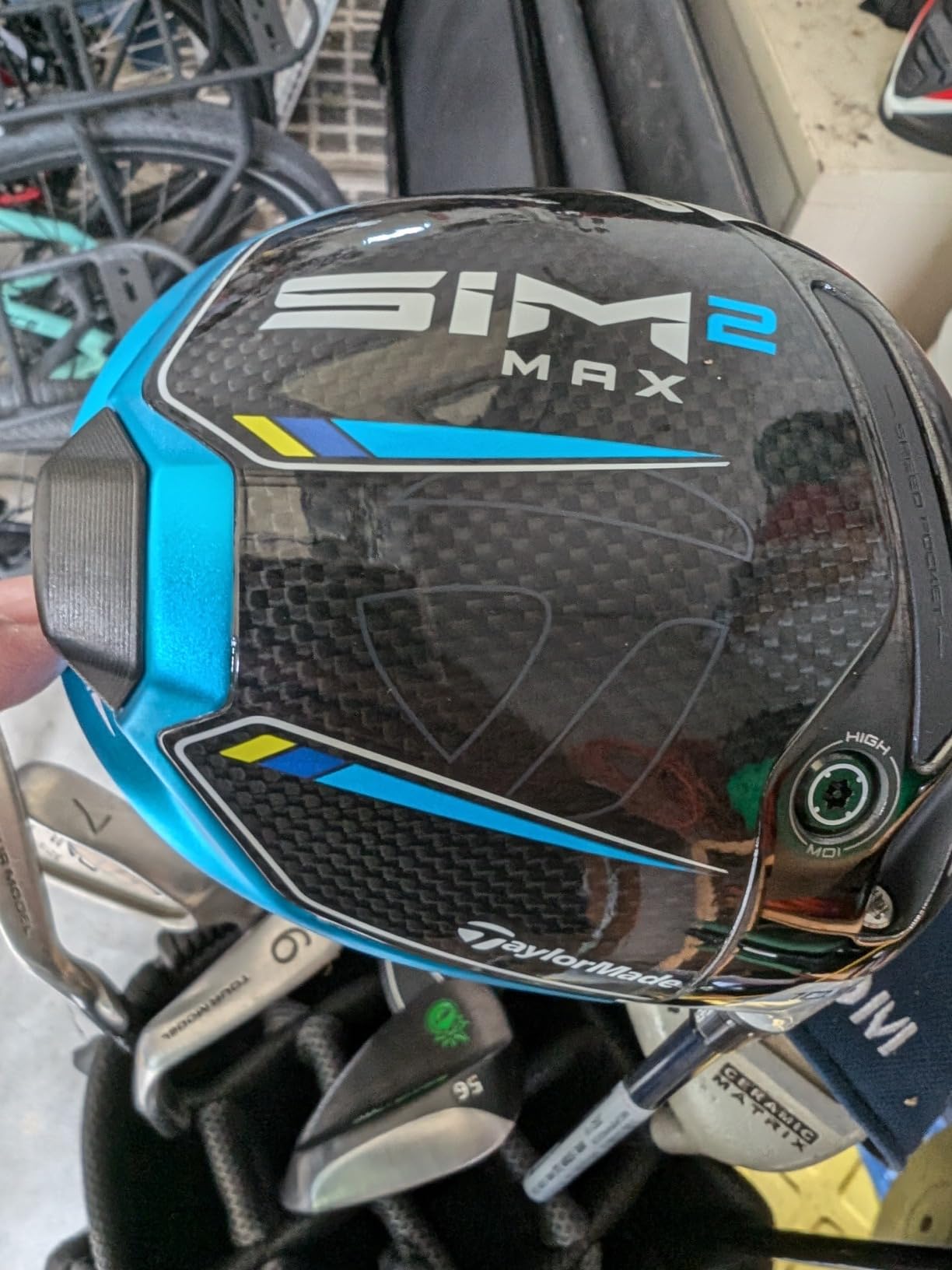
The Thru-Slot Speed Pocket and Speed Injected Twist Face are aimed at low and high strikes respectively, so the face is designed to flex in ways that preserve direction. That matters more for a right miss than raw ball speed, because a fast ball with an open face goes much further in the wrong direction.
One thing to understand about this version is that the sliding weight that appeared on some earlier TaylorMade drivers is not part of the package. That means less fine-tuning for a slicer, but it also means there is no adjustable badge to fiddle with that could accidentally be set wrong.
Why we picked it for a right miss
It is the only club here with both a deep, stability-focused head and a large body of owner feedback reporting straighter results. Across several hundred reviews, straight ball flight and forgiveness are the two things buyers mention most often. When your problem is strike location rather than technique, that combination is the most reliable fix money can buy.
Where it falls short
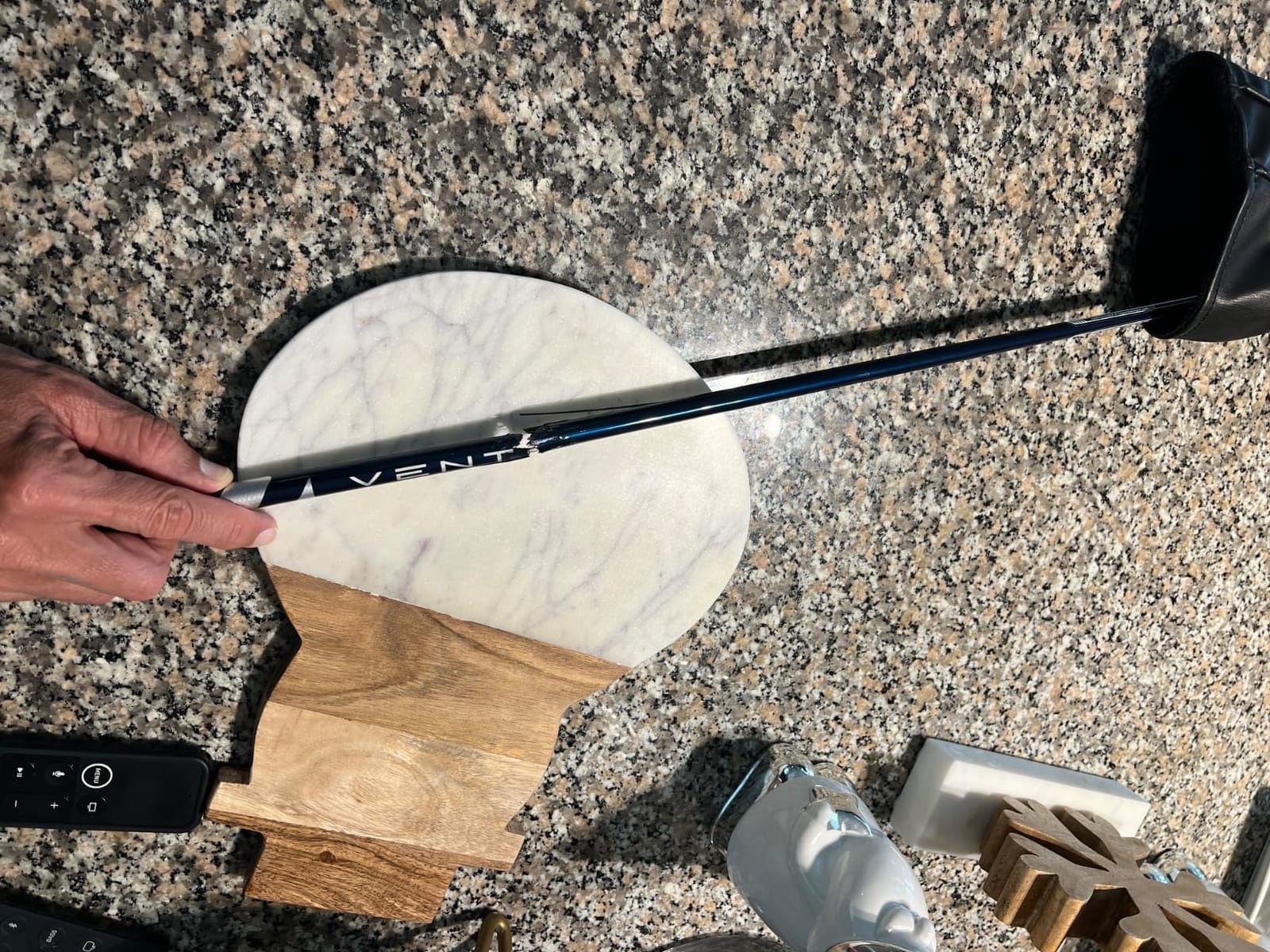
It is a fixed-weight, fixed-loft design, so there is no dial to add draw if the miss persists. If your slice is driven by a swing path that is far out of shape, you will get a smaller miss rather than a corrected one. Reviewers also report head rattle on some units, so inspect the club on arrival.
2. Callaway Big Bertha B21 Driver: Strongest Draw Bias Here
Callaway BB B21 Driver, 10.5°, Graphite, Regular
10.5 deg loft
Regular flex
Graphite shaft
Draw bias weighting
Large Big Bertha head
Pros
- Internal draw bias built into the head
- Very high launch off the tee
- Forgiving on off-center contact
- Strong sound and feel at impact
- 2 year manufacturer warranty
Cons
- Bias can be too strong for players who do not slice
- Some durability reports of head cracking
- Not a good match for players who already hook
This is the most explicitly anti-slice design in the group. Callaway built internal draw bias weighting into the head, and buyers who genuinely struggle to keep the ball straight report the biggest change of ball flight here of any club we looked at. If you are the golfer who needs the help, the bias is doing what it says on the tin.
The ultra-low forward center of gravity and the large Big Bertha head volume combine to launch the ball high with low spin, which flattens the apparent curve even when a little bias remains. Sound and feel at impact are consistently praised, which matters if you are the type who can feel a face that is not square.
The obvious catch is the mirror image of the benefit. Players whose miss is not a slice, or who already hook with a long club, report that this head pulls. That is not a defect. It is a club built for one specific miss, and buying it for the wrong miss is how players end up with a different problem.
Why we picked it
It is the clearest test of whether draw bias actually works. The difference reported by chronic slicers is large enough to see from the tee box, and the high launch gives a nice margin for a player who does not trust their strike yet. Pair it with a loft that suits your speed and the shape problem becomes manageable.
Where it falls short
The head is large, and a very large head is not automatically a good look or a good fit for every swing speed. It also attracts durability complaints from buyers. If you are a mid to high handicap player who hits straight or slightly hook, look at the Cleveland below instead.
3. Cleveland Launcher XL 2 Draw Driver: Best for High Handicap Golfers
Cleveland Golf Launcher XL 2 Driver, Graphite, Regular, 9 Degrees (Draw), Right Hand
9 deg draw loft
45.5 inch
Regular graphite
12-position adjustable hosel
1 year warranty
Pros
- Very forgiving across the face
- Adjustable hosel lets a fitter set the bias
- Rebound frame dual flex zones
- Action mass counterweight aids control
- Hits fairways consistently for most players
Cons
- Adjustment wrench sold separately
- Shaft durability reported by some buyers
- Draw bias can overwhelm players who do not slice
This is the only adjustable head in the group, and for a slicer that matters more than it first appears. The hosel offers 12 positions, which lets a fitter dial in the exact combination of lie and loft that reduces a right miss for a particular setup. It is also the one club here a competent fitter can genuinely fine tune rather than simply recommend.
Buyers with higher handicaps describe it as the club that keeps them in play, and several report meaningful distance gains simply because they stopped missing the fairway. The Action Mass counterweight in the shaft end and the dual flex Rebound Frame both work toward control rather than maximum speed, which matches the intent.
Worth flagging that the listed configuration is a 9 degree draw head. That is a low number, and the draw comes from the head design rather than from loft. If you are a slower swinger who needs launch, ask about the loft options before you settle on this one.
Why we picked it
Adjustability is the reason. If your miss is not purely a clubface issue, or if you want to try a stronger or weaker bias without buying a different club, no other head in this list gives you that. It is also built to be hit, not to be delicate.
Where it falls short
The adjustment wrench is not included, which is an extra purchase and an extra step that many buyers skip. Shaft durability complaints appear in the reviews, so it is not a club to buy sight unseen from a stranger’s used bag.
4. Performance Golf SF1 Driver: Best Budget Slice Fix
Performance Golf SF1 Driver – Square Face Technology (Senior, Right)
12 deg loft
Senior flex
Alloy steel shaft
Synthetic rubber grip
Black carbon head
Pros
- Square Face Technology directly targets an open face
- Very affordable entry point
- Forgiving on off-center contact
- Included head cover
- Builds confidence for high handicap players
Cons
- Does not add distance for most players
- Needs practice before results show
- Results vary by swing type
- Lightweight build at only 65 g
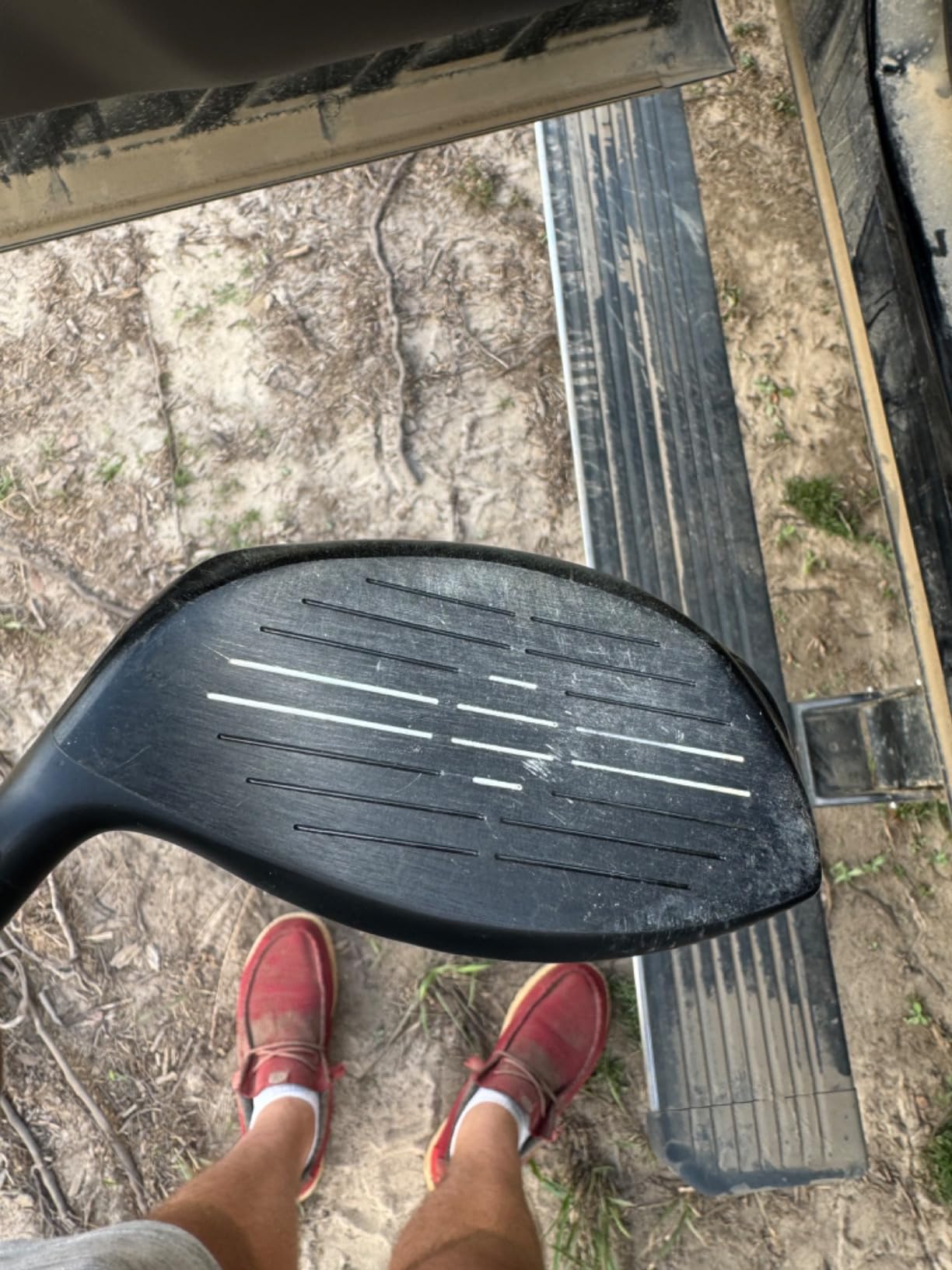
The design intent here is unusually direct for the money. Square Face Technology uses a draw calibrated face angle and weight behind the face, and the AeroSquare Crown is described as helping the toe close at impact. Buyers who had been curving everything report controlled cuts or small draws on most holes, which is exactly the intended outcome.
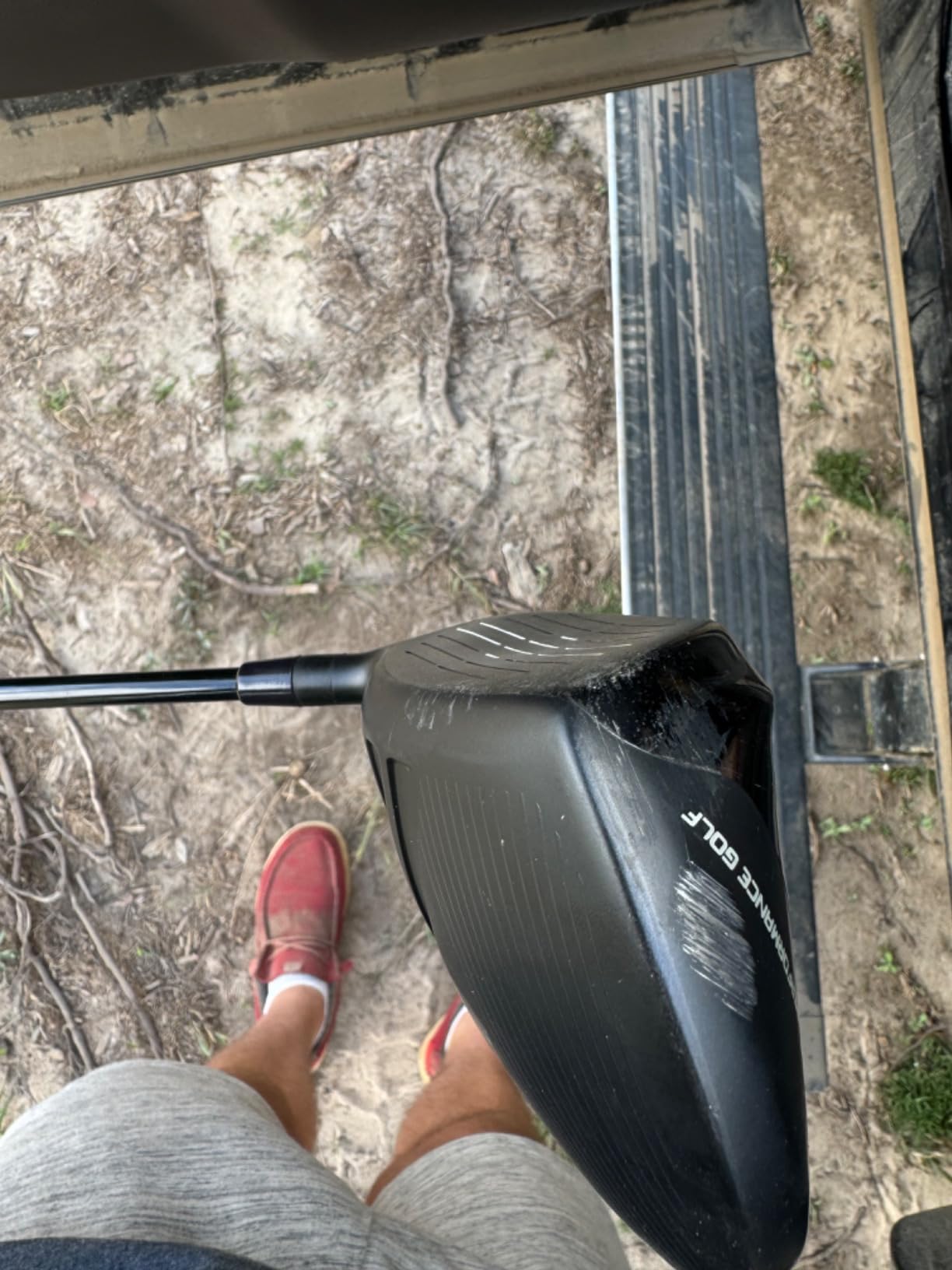
At 12 degrees of loft this is the highest loft on the list, and that is a meaningful choice for a slicer. More loft launches higher and spins less, and the higher launch window is what makes a beginner’s ball flight look straight even when the face is not perfectly square.
Be realistic about what it is. This is a lightweight club with a senior flex steel shaft, built for a slower swing and a straight ball, not for distance. Reviewers frequently note that it will not make you longer, and that it takes a few rounds before the results settle in.
Why we picked it
For a beginner or a high handicap player who is embarrassed by every tee shot, the shape improvement here is disproportionately large. Twelve degrees of loft plus a face designed to stay square is a lot of help for very little money, and the review base of 169 ratings backs up the claim.
Where it falls short
The alloy steel shaft and 65 gram listed weight mean this is not a club for a fast swing, and the club will feel noticeably heavier than a modern graphite driver. A few buyers also report durability concerns and awkward refund handling when buying through a marketplace rather than direct.
5. MAZEL Titanium 460CC Driver: Best Value Pick
MAZEL Titanium Golf Drivers for Men,Right Handed,460CC (Graphite(Golden Head II), Stiff (S), 10.5, Degrees, Right)
10.5 deg loft
Stiff flex
Golden Head II graphite
Variable thickness titanium face
460CC cavity back
Pros
- Low and deep center of gravity with back CG weighting
- Variable thickness titanium face
- Deep 460CC face widens the sweet spot
- Lightweight build suits moderate swing speeds
Cons
- Durability complaints about heads and shafts
- Poor for swing speeds above 100 mph
- Finish wears off quickly
- Only a 2 month warranty
Among budget drivers this is the one whose specification list looks like a premium design brief. It lists a CNC cup face, a variable thickness titanium face, a speed channel to keep the face thin, and a low center of gravity with back CG zone weighting. That last item is the anti-slice piece, and it is unusual to see described in a club at this level.
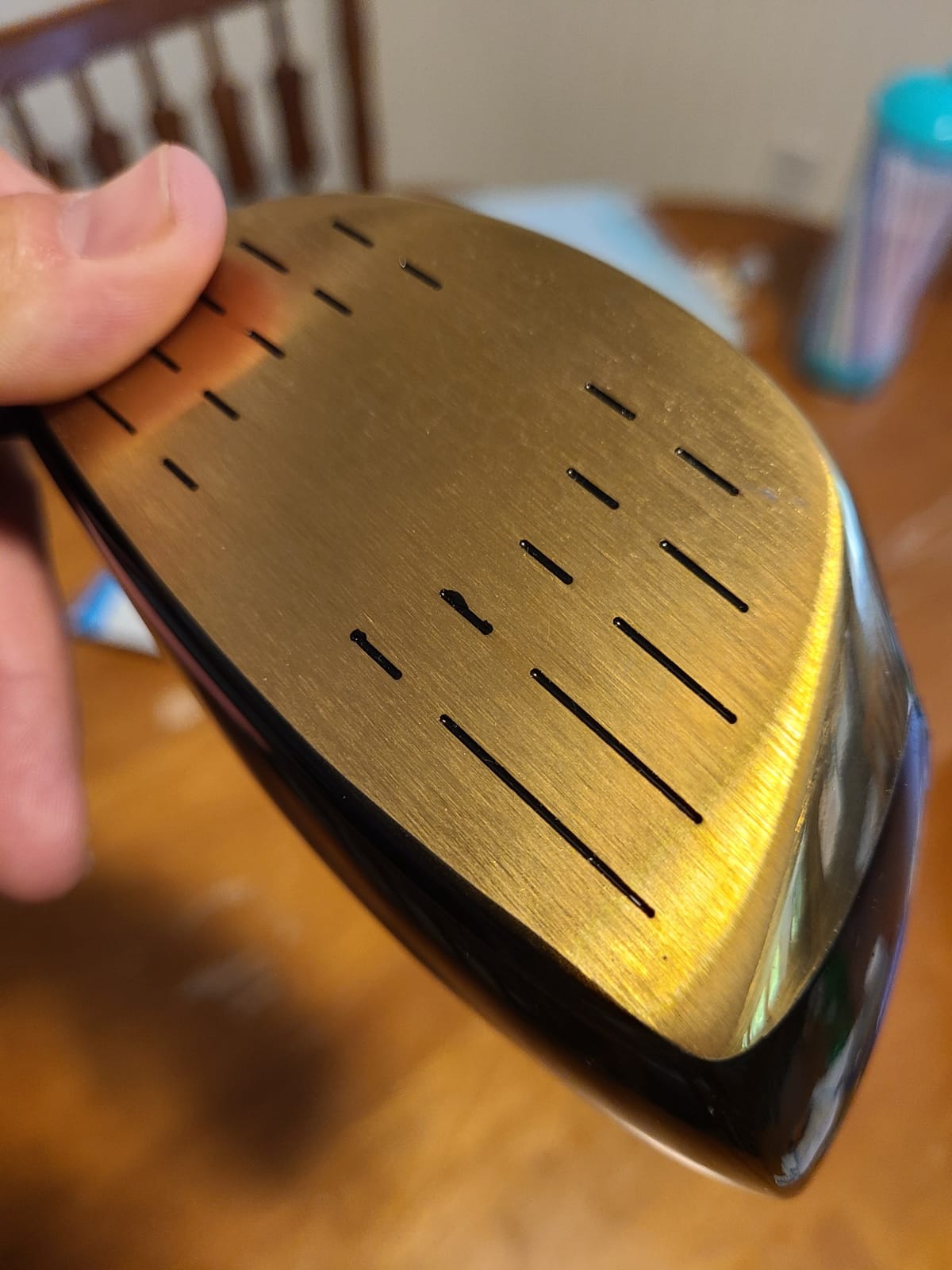
With 238 ratings, it is also the most reviewed club in the guide after the TaylorMade, and reviewers repeatedly say the performance is closer to the name brands than the price suggests. Beginners and moderate swing speeds get distance and forgiveness that they would not expect here.
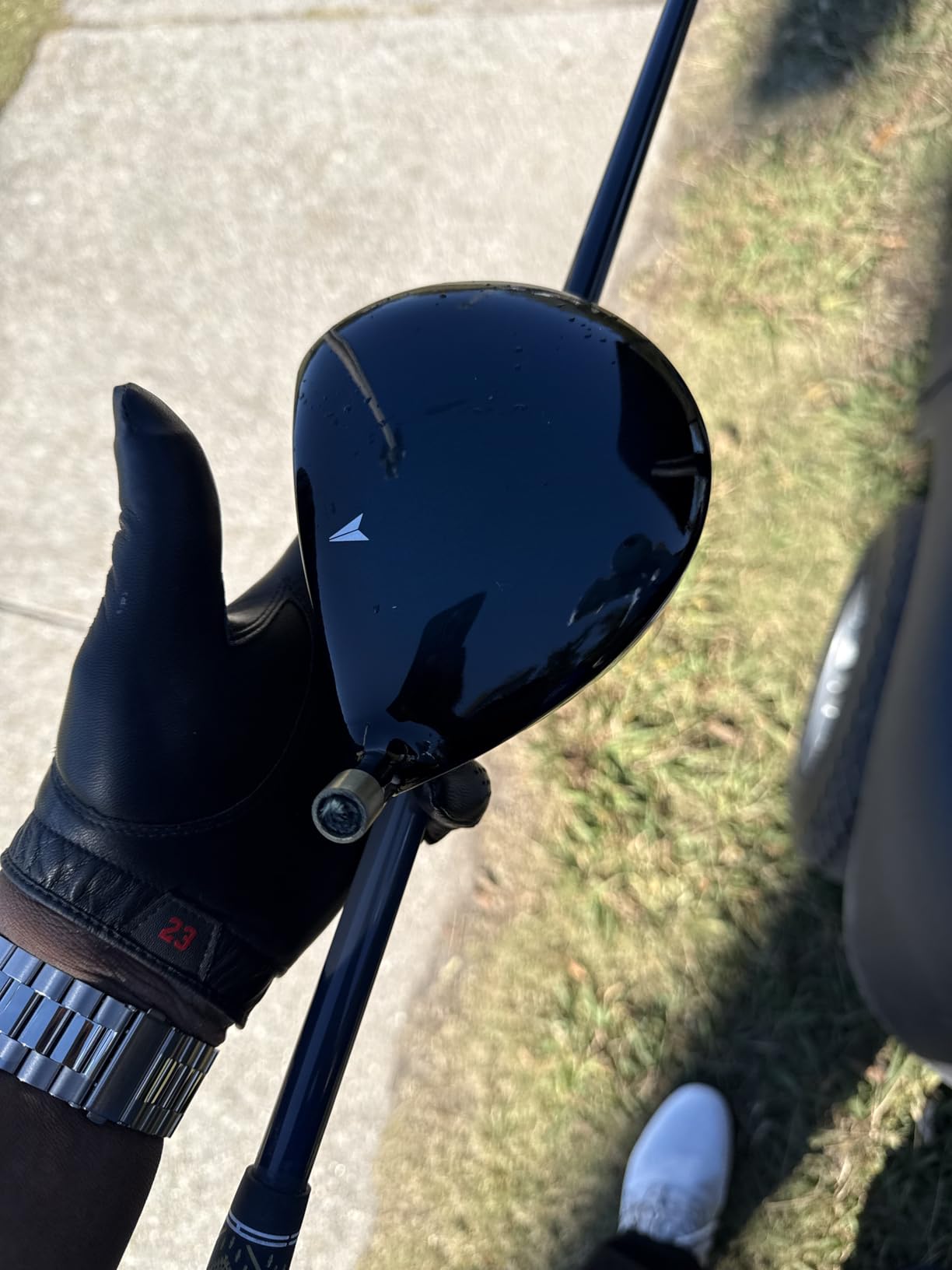
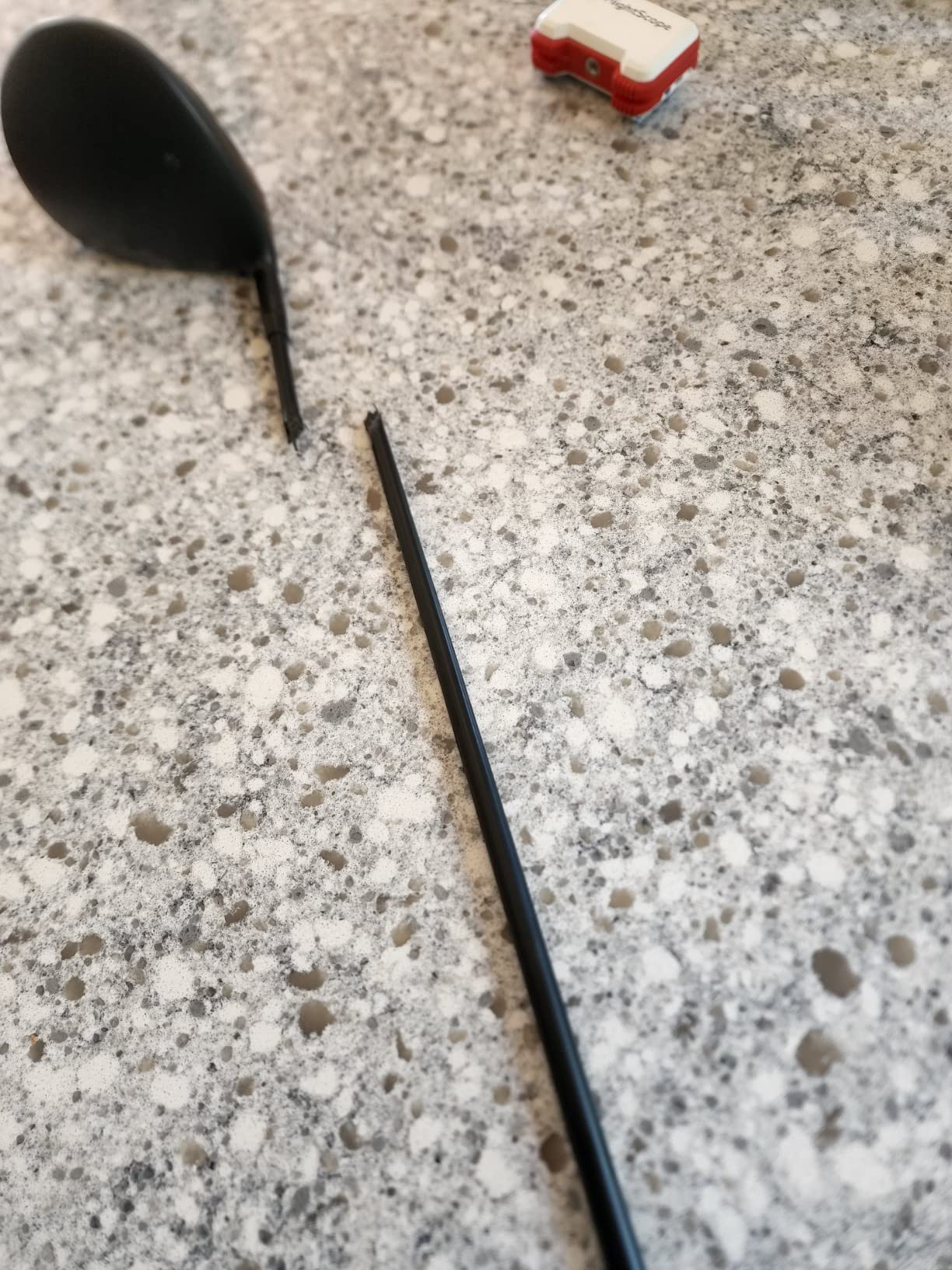
The build is the problem. Several buyers report the shaft or the head breaking after limited use, and the warranty on this listing is two months. The finish also wears quickly, and the sound at impact is not to everyone’s taste.
Why we picked it
Design intent first, cost second. If you want a real anti-slice idea, a low and deep CG with back weighting, this is the cheapest way on this list to get it, and the variable thickness face is a genuine premium feature rather than a marketing line.
Where it falls short
The stiff listed shaft flex and the durability feedback make this a poor choice above a moderate swing speed. If you generate a lot of clubhead speed, the lightweight titanium head will not survive, and you will be shopping again within a season.
6. COOLO Driver for Beginners: Easiest to Get Airborne
COOLO Golf Driver for Beginners & Intermediate, Forgiving & Easy Launch(10.5°, Regular, Right, Black)
10.5 deg loft
Regular flex
Graphite shaft
460CC head
340 g listed weight
Pros
- More loft design for an easy launch
- Lower CG tuned for slower swing speeds
- Good durability for a year or more
- Maximum legal head size for a big sweet spot
- Solid feel and feedback
Cons
- Will not fix a slice for every player
- Some reports of the head separating after a few rounds
- Not aimed at advanced players
- Finish scratches easily
The brief for this club is written on the tin: easy launch, forgiveness, and a lower center of gravity aimed at slower swing speeds. That is a coherent design for a new player, and it is why it appears on beginner lists so often. A maximum legal head size gives a large sweet spot, and forgiveness cuts the penalty for a poor strike.
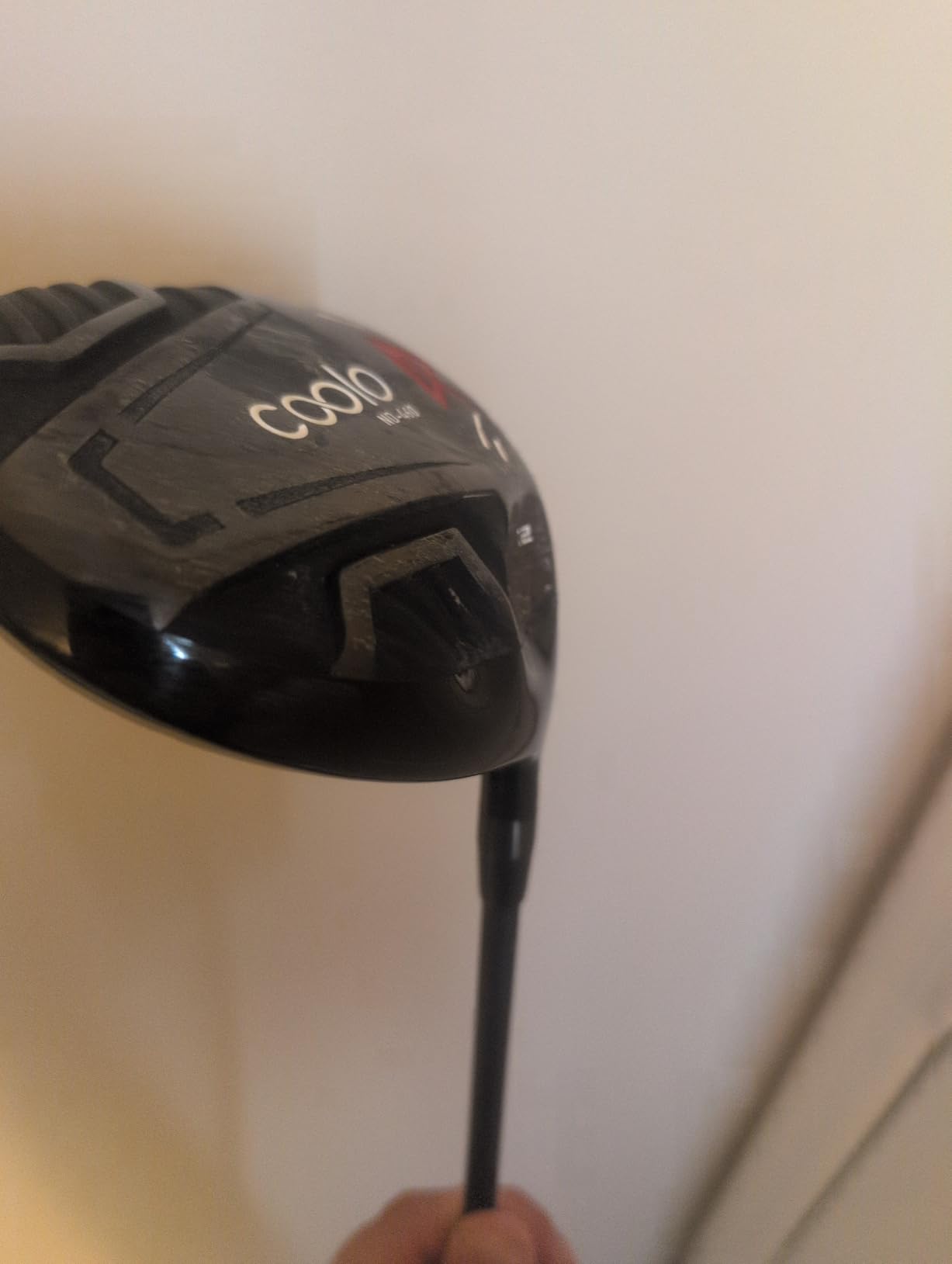
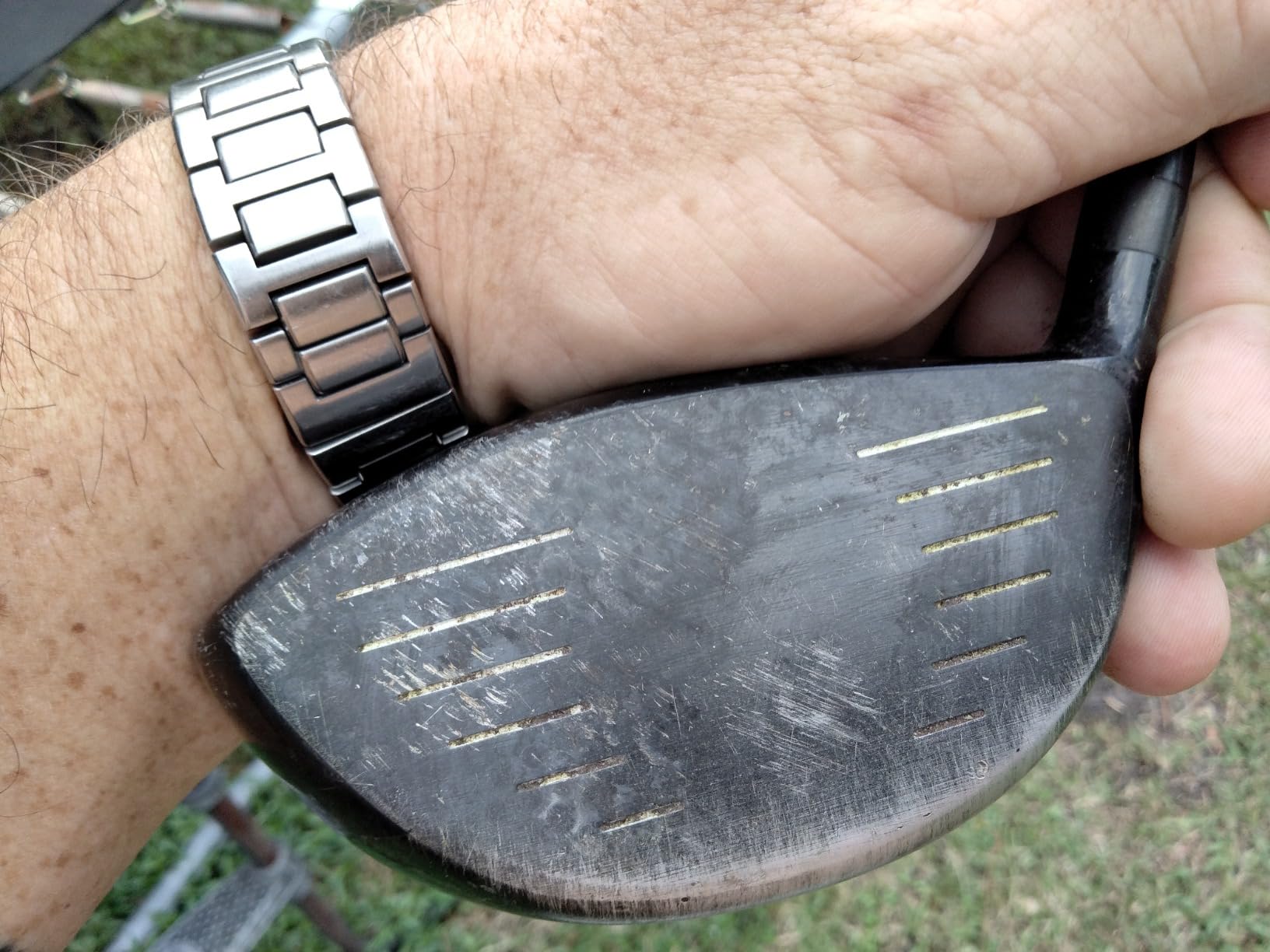
The reviews are unusually good on one specific point: durability. Multiple owners report the club lasting a year or more of regular play, which separates it from several cheaper options here that broke within months. Solid feedback at impact is also mentioned often, and beginners who are still building a swing appreciate knowing where the clubface is.
It is not, however, a slice correction club in the way the Callaway is. Owners are clear that the straighter flight comes from launch and forgiveness, and that players with a genuine face-open miss may need something else. There are still reports of the head coming away after a few rounds, so inspect it early.
Why we picked it
It is the pick for someone who is not yet a slicer by reputation so much as by inconsistency. Launch and forgiveness fix the wild, low, spinning flights that beginners produce, and it holds up over a season, which almost nothing else in this price range manages.
Where it falls short
Advanced players will find the launch profile and feel uninspiring, and the finish marks quickly. If you are already hitting decent shots and just curving them, this is a lateral move rather than an improvement.
7. Power Play Juggernaut Draw Driver: Built Around Draw Weighting
Power Play Juggernaut Titanium Draw Non-Conforming Driver – Senior Flex
11 deg loft
Senior flex
Graphite shaft
515cc head
Hi-COR titanium face
Pros
- Draw weighting engineered for an anti-slice shape
- 515cc head gives a very large sweet spot
- Senior flex suits slower swing speeds
- Hi-COR titanium face rebounds well
Cons
- Non-conforming so it is not legal in tournaments
- Older head design with limited recent reviews
- Specific to right-handed golfers
- 2.3 pound listed weight is heavy
This club states its purpose in the name. Draw weighting in the head is the anti-slice mechanism, and at 11 degrees of loft with a 515cc head, the shape correction comes with plenty of help getting the ball airborne and straight. Buyers who buy it for that reason generally report the straighter flight they were after.
The senior flex graphite shaft is the reason it is worth a look for a specific player. A slower tempo suits that shaft, and slower tempos are exactly where a slice tends to come from over-gripping and an over-the-top move rather than from excess speed.
Two cautions. The 515cc head is non-conforming, so this is a practice and casual-round club rather than a tournament one. And the 2.3 pound listed item weight tells you this is not a light club, which can encourage a faster swing in players who should be slowing down.
Why we picked it
Draw weighting plus an oversized head plus a senior shaft is a coherent package for a specific player: slower tempo, right miss, recreational golf. Very few modern drivers are built around a true draw weight, so this is one of the few places on the list where the bias is not just an offset or a loft change.
Where it falls short
Limited recent review data and an older head design mean you are buying on reputation more than on recent feedback. If you play in events, the head size rules it out entirely.
8. Powerbilt TPS Supertech Offset Driver: Best Offset Hosel Design
Powerbilt Golf TPS Supertech Offset Driver Golf Club Right Handed Adult Men
10.5 deg loft
Regular flex
Graphite shaft
460cc offset head
45 inch length
Pros
- Offset hosel gives extra time to square the face
- Maximum legal head size at 460cc
- Military grade aluminum construction
- Large face area for address confidence
- 1 year manufacturer warranty
Cons
- Very basic build quality
- Lightweight shaft does not suit faster swings
- Limited technology against premium drivers
The offset hosel is the entire argument here, and it is a sound one. Moving the leading edge of the head behind the hands at address gives the face a moment to come back to square before the ball arrives. Players who slice because they open the face early in the downswing find this helps, and buyers generally confirm the straighter numbers.
It is also one of the few ways to get an offset design at all, since most large manufacturers have moved away from it in favour of bias built into the head. For a player who likes the visual of a square face sitting back, there is little substitute.
Everything else here is basic. A 460cc maximum legal head, military grade aluminum, a regular flex graphite shaft and a 45 inch length. That is an honest, uncomplicated club, and it will not excite anybody. Owners rate it at 4.1 out of 5 with 134 ratings, which is a reasonable score for what it is.
Why we picked it
Offset is a real geometric answer to a real cause, and it is the only pure offset hosel in this guide. If your miss is created by the face being open at address rather than at impact, this design targets it directly in a way that a heavier head cannot.
Where it falls short
Build quality is the limit, and the shaft is light enough to be unhelpful for a faster swing. Treat it as a first club or a spare, and expect no premium feel or premium stability.
9. Money Club High Launch 520cc Driver: Biggest Face on the List
Men’s Money Club High Launch 520cc 10.5° Golf Driver. Right Handed Premium Ultra Forgiving Regular Flex Graphite Shaft with Tour Velvet Grip
10.5 deg loft
Regular flex
Graphite shaft
520cc oversized head
44.5 inch length
Pros
- Huge 520cc head volume for confidence
- Short 44.5 inch length improves control
- Lightweight graphite shaft
- Graphite shaft is easy to swing slowly
Cons
- Non-conforming so it is not legal in tournaments
- May not add distance for experienced players
- Mixed accuracy results in reviews
- Shorter than standard length
The idea here is volume plus control. A 520cc head is enormous, and standing over it does something for a nervous slicer that no spec sheet captures. The second part is the 44.5 inch total length, which is shorter than standard and is a genuinely sensible choice for anyone who opens the face with a long, fast club.

Shortening the club is a technique that fitting forums recommend constantly, and this head ships with it built in. If you have been told to grip down on the driver to shorten it, this is the same experiment baked into the club as manufactured.
The 520cc head is not conforming, so keep it for practice and casual rounds. Experienced players report mixed accuracy, which is a fair warning that more head volume does not automatically mean better ball striking.

Why we picked it
It solves two problems at once, confidence and swing length. The oversized head tames the fear of the tee shot, and the shorter overall length gives a player who opens the face more time to get the face closed. Very few drivers combine both.
Where it falls short
Non-conforming, short, and limited in how much distance it returns. If you are already a competent player with a narrow miss, this club is not going to add anything you need.
10. Powerbilt TPS Blackout Max Driver: Best for Occasional Play
Powerbilt TPS Blackout Max Driver, Men’s Right Handed Black/Red
10.5 deg loft
Regular flex
Graphite shaft
460cc high MOI head
46 inch length
Pros
- High MOI design marketed for forgiveness
- Maximum legal 460cc head size
- Lightweight graphite shaft with a soft grip
- Included head cover
- Confidence at address for occasional golfers
Cons
- Some reports of the head breaking off
- Lightweight shaft not suited to faster speeds
- Not as long as the specification suggests
- Build quality reflects the budget
A maximum legal 460cc head with a high MOI design is a sensible combination for a player who plays a few times a month and wants to avoid the embarrassment of a mishit. The soft custom rubber grip and a lightweight graphite shaft make it easy to swing without thinking about it, which is the right brief for casual play.
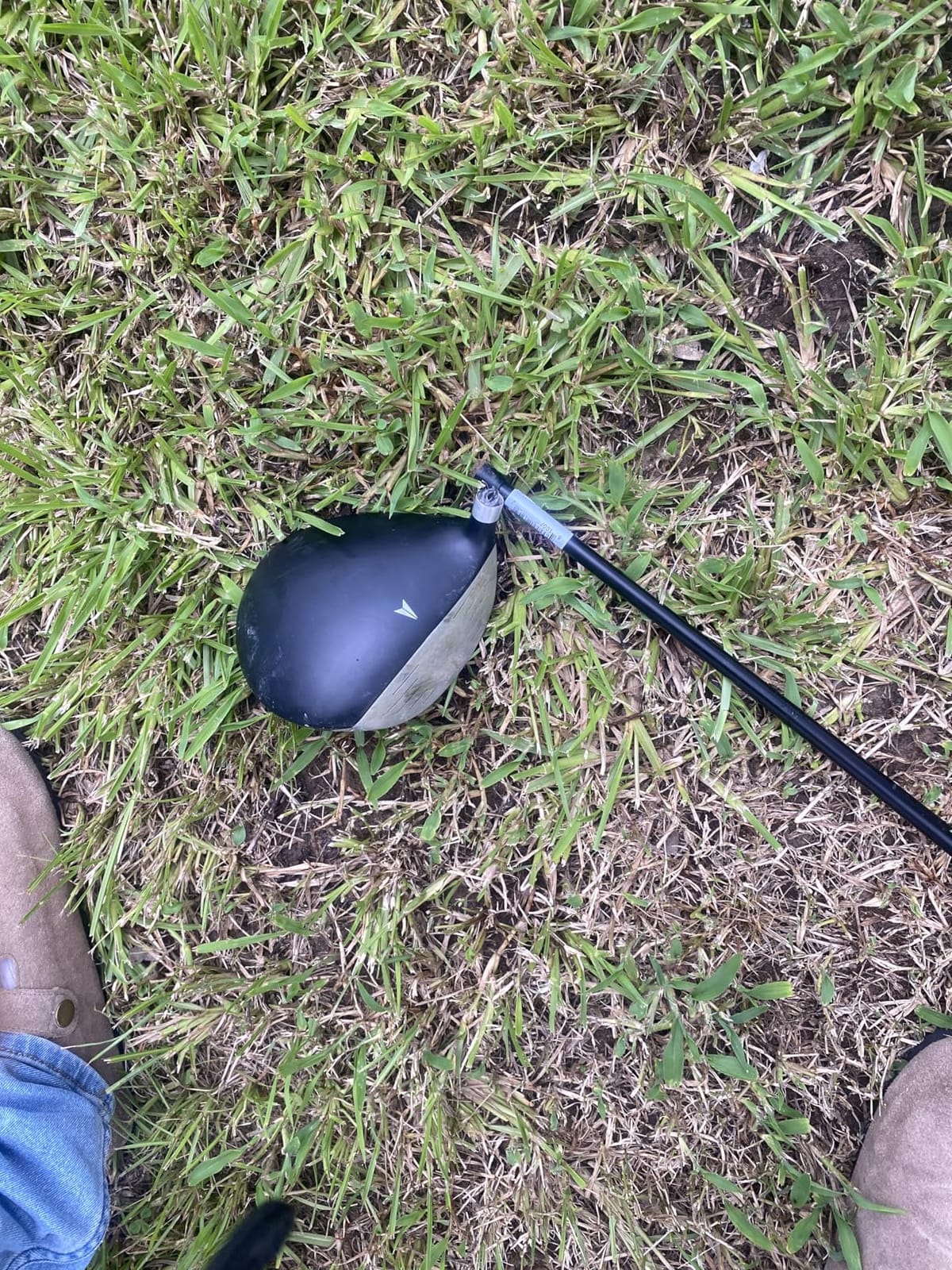
Buyer feedback is largely about forgiveness and confidence at address, which matches the design. The recurring complaint is different, though: several owners report that the head may break off after limited use, and that distance does not match what the specification suggests.
That combination of feedback tells you where this club fits. It is a range-day and occasional-round option, not a club to build a reputation on. If you are starting out and playing twice a month, it does its job at a very modest outlay.
Why we picked it
High MOI and a maximum legal head in an inexpensive, light package is a fair trade for a new player. Nothing else in this guide is quite so easy to swing, and ease of swing is what actually changes a beginner’s ball flight.
Where it falls short
Durability is the honest limitation, and the lightweight shaft works against a faster tempo. It is a club to outgrow, not one to keep.
What Degree of Driver Should a Slicer Use?
Most slicers should be playing 10.5 to 12 degrees, and if you have to pick one number, choose 10.5 with a slightly stronger bias or 12 degrees if you want maximum help. A higher loft launches the ball on a steeper angle and produces less spin, and because side spin comes from the difference between face angle and swing path, a higher and straighter launch shrinks the curve. The trade is a small amount of distance, which is a good deal for a player who is losing most of it to the rough anyway.
Two qualifications. If your ball flight is already high and you still slice, the problem is face angle at impact, not loft, and a stronger bias or an offset hosel will help more than extra loft. And if you hit the ball below 90 mph, moving up in loft is close to the cheapest available fix, because a slower player gains more from a higher launch window than a faster one does.
How to Set Up an Adjustable Driver to Kill a Slice
Only one club in this guide is adjustable, but the sequence applies to any hosel that moves, and it is the most commonly asked question in this category. Work in this order, one change at a time, and hit ten balls after each step.
First, set the loft. Add loft before you change anything else, because loft is the variable that most reliably changes the launch window and spin rate, and it is the easiest to judge by eye. Move up a degree or two and watch the flight.
Second, adjust the lie toward upright. A lie that is too flat for your setup puts an open face on the ball before you swing, which no amount of bias can undo. Lie changes the effective face angle at address, so it has to come before weighting.
Third, move the weighting to the heel, if the model allows it. This is the smallest adjustment of the three and the one most easily undone, so it goes last. If you are still curving the ball after the first two steps, the swing is the next conversation, not a fourth setting.
Leave the adjustment wrench in the bag and check the setting before every round. A driver quietly set to a different position between weeks is a surprisingly common reason a player concludes the club does not work.
What Else You Can Do About a Slice
The forum consensus on this question is consistent, and none of it involves buying another driver. These are the changes that show up again and again in thread after thread.
First, grip down on the club to shorten it. Shortening the swing arc reduces the rotation of the face, and it costs nothing. Grip down two or three inches and hit ten balls before deciding it does not work.
Second, slow the swing down. Faster swings produce an over-the-top move and an open face, and the club gets longer and harder to control at the same time. Most slicers add distance the week they slow down.
Third, release and roll the wrists through impact. Holding the face with the hands is the single most common cause of a persistent right miss, and a draw-bias head will not beat it.
Fourth, strengthen the grip. A weak grip on one side of the handle allows the face to open. Check this before you check the club.
Fifth, reduce grip pressure at address. The forum repeats this one constantly, and it is the reverse of what most players believe: squeezing harder opens the face more.
Sixth, check ball position and make sure you are not reaching for the ball. A ball position that sits under the front foot with a slow swing is a common reason a face opens on the way down.
Seventh, consider a shallower finish as a drill, and accept that the driver is a different swing from the irons. Golfers who play well with their irons frequently forget that the longest club in the bag asks for a different move, not a bigger version of the same one.
On the Hank Haney slice fix specifically: it is a swing drill system, not equipment. It trains a release and a stable takeaway, and golfers with a genuine face rotation do tend to see ball flight change. It will not help a player whose problem is a swing path that is nowhere near where it needs to be.
How to Choose a Draw-Bias Driver: Buying Guide
Look at the weight distribution before the badge. Draw-bias weighting, back CG zone weighting, and a low and deep center of gravity are the features that actually close the face, and a model that lists them is describing a mechanism you can verify. Offset hosels do the same job geometrically. Marketing language about anti-slice construction means nothing on its own.
Check the head size against the rules and your own confidence. A 460cc head is the maximum legal size, and anything larger is for practice and casual play only. Beyond that limit, a bigger head is a genuine forgiveness benefit for a high handicap player and a distraction for everyone else.
Treat shaft weight and shaft torque as first-class variables. Forum fitters consistently recommend a slightly heavier or lower torque shaft, or a shorter shaft, to stop the face opening. A club that is right for your tempo matters more than the head technology on the label.
Decide between fixed and adjustable weighting honestly. Fixed weight gives a consistent bias you cannot accidentally undo, and adjustable lets a fitter dial in something better for you. If you are not going to have a fitting, fixed weight is the safer bet.
Know when a fitting is worth it. If you have already bought a draw-bias driver and still hit the same miss, more equipment is unlikely to be the answer, and a fitting session gives you a lie angle, a shaft weight and a loft that match your actual setup. It is the highest return spend in golf for a player with a persistent shape problem.
Set a test before you commit. Compare loft options, swing it, and check the ball flight against what you hit now. If a shop has a launch monitor, use it and look at spin rate and face angle rather than ball speed alone.
Frequently Asked Questions
Do anti-slice drivers actually work?
They help, they do not cure. Draw-bias weighting and high MOI stability shrink the miss by helping square the clubface at impact, which reduces side spin. The limit is that a draw setting is cancelled out if the hands hold the face open at impact, and a lie angle too flat for your setup will open the face regardless of head design.
What degree driver is best for a slice?
Most slicers should be playing 10.5 to 12 degrees. A higher loft launches the ball higher and generates less spin, and because side spin comes from the difference between face angle and swing path, a higher and straighter launch shrinks the curve. The trade is slightly less distance.
What should I set my driver to if I slice?
Set the loft first and add loft, because it changes the launch window and spin rate most reliably. Next adjust the lie toward upright, since lie sets the effective face angle at address. Only then move the weighting to the heel, and hit ten balls after each change before making the next one.
What is the easiest driver to hit straight?
Among the clubs here, the Callaway Big Bertha B21 has the strongest built-in draw bias, the TaylorMade SIM2 MAX has the largest sweet spot from its forged ring construction, the Cleveland Launcher XL 2 Draw is the most forgiving and adjustable, and the Performance Golf SF1 launches highest at 12 degrees of loft. All four reduce the miss rather than correct the swing.
I already bought a draw-bias driver and I still slice. What now?
Check your grip before you buy anything else. If the face is being held open at impact by a weak grip, the bias in the head is being overruled at the moment it matters. Grip down to shorten the club, slow the swing down, roll the wrists through impact, and then get a fitting for your lie angle and shaft weight.
Does the Hank Haney slice fix work?
It is a swing drill system, not equipment, and it trains a release and a stable takeaway. Golfers with genuine face rotation often see the ball flight change because the drill stops the face opening. It will not help a player whose swing path is the primary problem.
Conclusion
For most golfers searching for the best golf driver for slice, the TaylorMade SIM2 MAX is the pick. It has the largest sweet spot of the ten we reviewed, the strongest body of owner feedback, and a stability-first design that reduces the size of a right miss without asking you to change your swing. If your miss is severe enough that you want the maximum built-in correction, the Callaway Big Bertha B21 is the more direct answer, and the Cleveland Launcher XL 2 Draw is the option a fitter can actually tune for you.
Take the swing work seriously alongside the shopping. Grip down, slow down, and roll through impact before you change clubs, and get fitted if you have already tried a draw-bias head and the miss has not moved. The right driver makes the mistake smaller. Only technique and setup make it go away.