
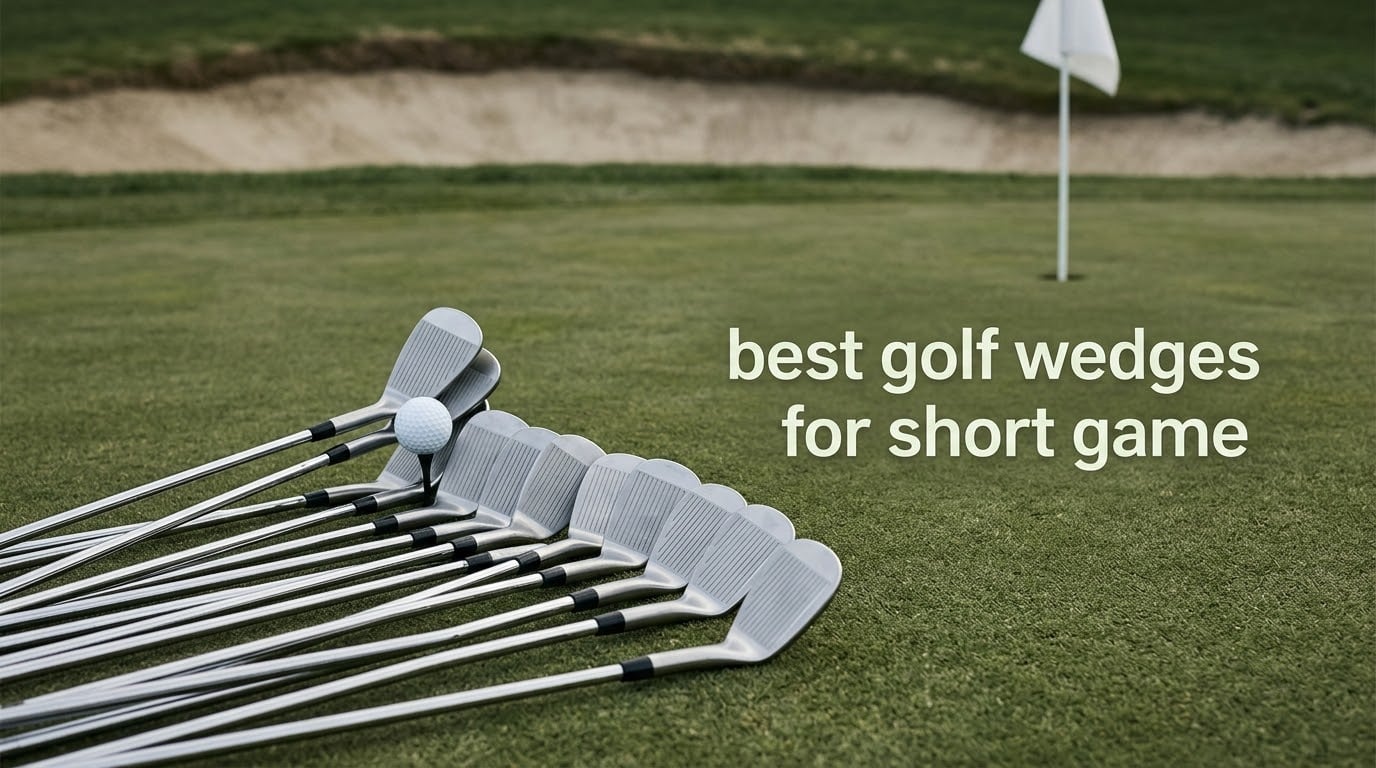
The best golf wedges for short game are the ones that give you a controllable distance ladder and dependable spin from every lie inside 125 yards. Our short list covers a tour-style forged blade, cavity back game-improvement clubs, full-face grind players and budget three-wedge sets, so whatever your handicap, you can find a match here.
Wedges decide most of your score. Two thirds of a round’s shots come from inside the length of a full iron, and that is exactly where the average golfer loses strokes — not because of bad technique, but because the gaps between their lofts leave them guessing. A set with duplicate distances at 80 and 72 yards gives you no way to attack a front pin, and a sand wedge that skids out of a greenside bunker is a stroke you will lose three times a round.
We spent the last few months comparing nine wedges for exactly that: gapping, spin through the face, and how forgiving they stay when the strike is off. Every wedge below was judged on its published specifications, its owner ratings, and the turf conditions each one is genuinely built for. We also track practice and ball data between rounds, which is why our guide to home golf setups and tracking kit sits alongside this one.
Table of Contents
Top 3 Wedge Picks for Short Game Scoring in 2026
Cleveland RTX 6 ZipCore Wedge
- HydraZip milled line system
- ZipCore high-MOI core
- UltiZip tight grooves

Pinemeadow 52/56/60 Wedge Set
- Complete three-loft set
- Oversized face area
- 12 degree bounce on the 56
9 Best Golf Wedges for Short Game (October 2026)
| Product | Specs | Action |
|---|---|---|
| Cleveland RTX 6 ZipCore Wedge |
|
Check Latest Price |
| Pinemeadow 52/56/60 Wedge Set |
|
Check Latest Price |
| Ram Pro Spin 3 Wedge Set |
|
Check Latest Price |
 Alien Roswell Wedge Alien Roswell Wedge |
|
Check Latest Price |
 Wilson Harmonized Wedge Wilson Harmonized Wedge |
|
Check Latest Price |
 ALVO Golf Full Face Wedge Set ALVO Golf Full Face Wedge Set |
|
Check Latest Price |
 TaylorMade Milled Grind Wedge TaylorMade Milled Grind Wedge |
|
Check Latest Price |
 A11N SPORTS Forged Wedge Set A11N SPORTS Forged Wedge Set |
|
Check Latest Price |
 Orlimar Fat Sole Wedge Orlimar Fat Sole Wedge |
|
Check Latest Price |
1. Cleveland RTX 6 ZipCore Wedge: the best all-round short game wedge for a wide handicap band
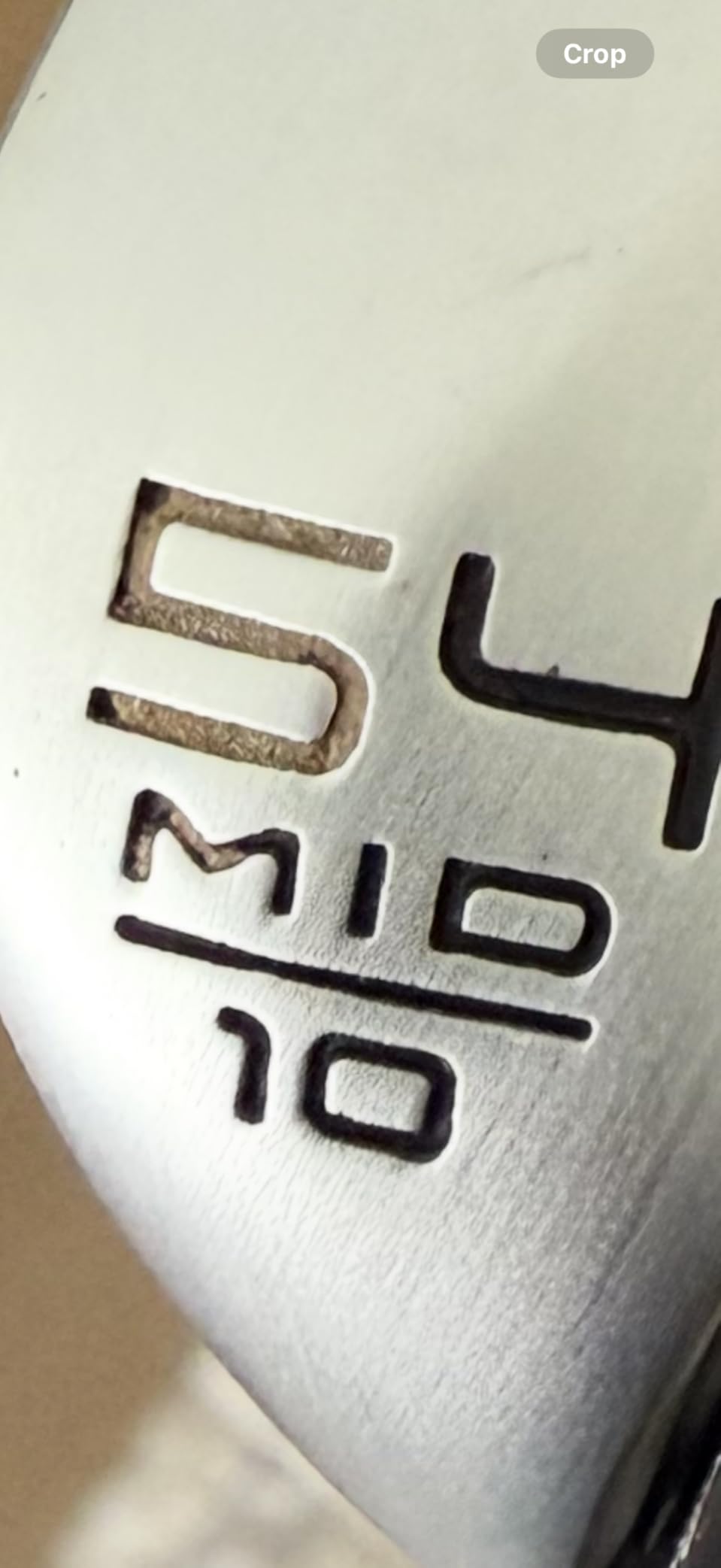
Cleveland Golf RTX 6 Zipcore Wedge, Tour Satin, 52 Degrees, Mid, Right Hand
52 degree loft
HydraZip milled lines
ZipCore high-MOI core
UltiZip grooves
Tour Satin finish
Pros
- HydraZip line system adds friction and spin
- ZipCore core lifts MOI for forgiveness
- UltiZip grooves hold spin from tight lies
- Matte face cuts glare
- 4.8 average across 248 reviews
Cons
- Sold as a single wedge so a set needs one order per loft
- Plainer profile limits shot-shape workability
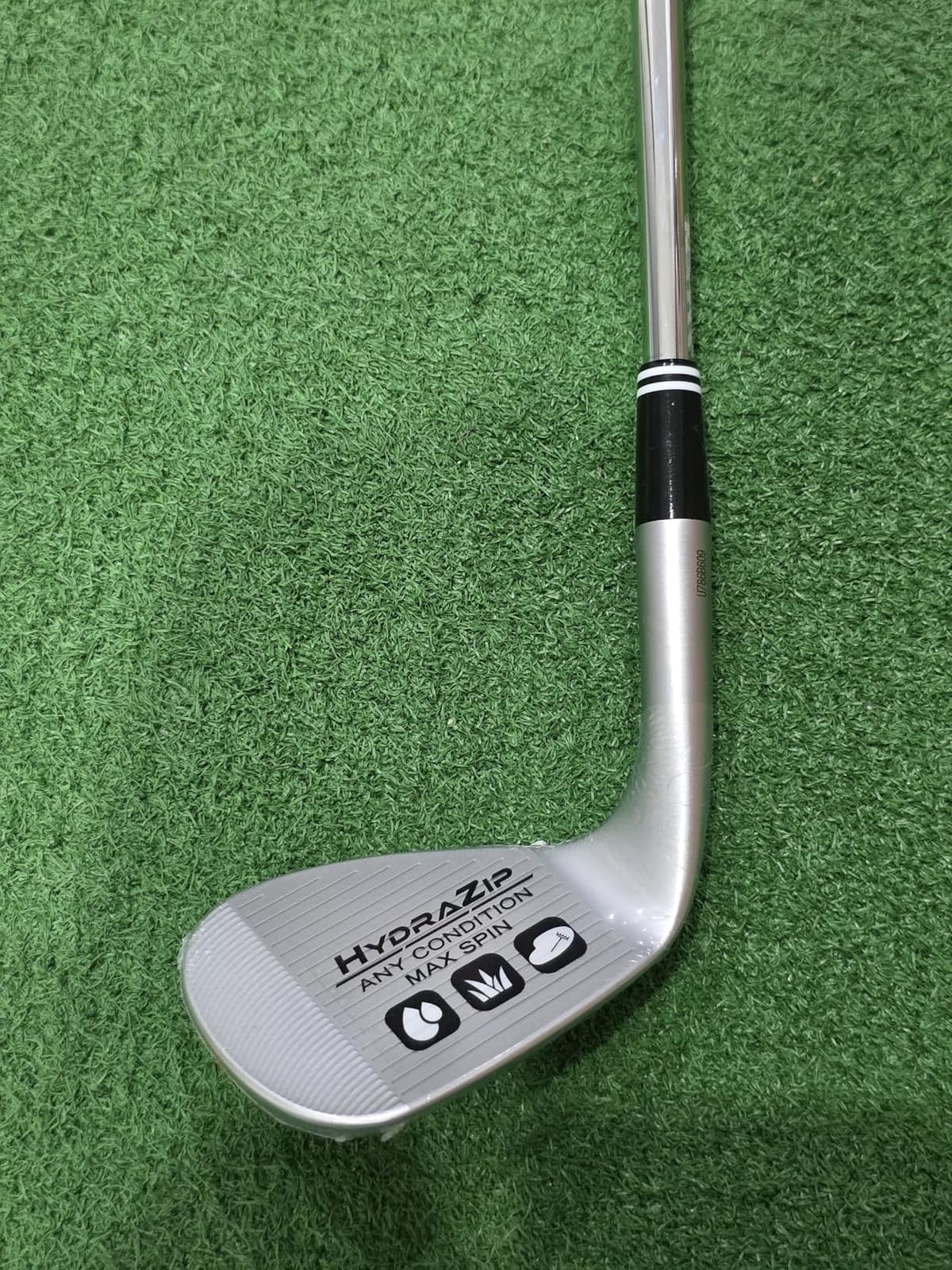
The RTX 6 ZipCore is the wedge we kept reaching for, whatever lie we threw at it. The 52 degree carries a HydraZip dynamic blast and laser-milled line system across the face, and those fine lines are the reason the ball stops instead of skidding. On a wet green-side lie, the milled texture is the difference between a shot that checks up and one that runs through the back edge.
What surprised me most was how little the face size changes the feel. ZipCore puts a low-density core high in the head with up to 95% more of that material than the previous generation, and the maker claims up to 20% more MOI. In plain terms, off-center strikes lose less energy and less direction, which is why mid-handicappers get a much straighter result on a bad contact than they should from a head this compact.
UltiZip grooves are sharper, deeper and tighter than the previous pattern, and owners consistently credit them with spin straight out of a divot or off a tightly mown fairway. The Tour Satin matte face also removes the glare you get off a chrome head in low sun, which matters more than it sounds when you are playing an eight o’clock tee time in July.
Set-up notes matter here. The head is a 52 degree, right hand, stiff flex, and the hosel is a true plumber neck, so the club sits square and deep for players who like to move the face around under the ball. It is a compact, tour-shaped profile rather than a chunky game-improvement head, and that is deliberate.
The 4.8 average across 248 reviews is the highest owner rating in this group, and roughly 90% of those reviews are five star. Buyers who came from Vokey clubs describe the balance as smooth and easy to hit through the bag, and the recurring note is that chipping and short-game confidence both improved once they got used to the tighter face.
How the RTX 6 handles wet lies and deep rough
Wet turf is where most grooves stop working. Washed grooves, moisture and a wet clubface all reduce the friction that creates backspin, and a shallow milled line simply has less surface to hold. The HydraZip system was designed for exactly this, cutting a fine line pattern into the face that keeps channeling the ball when the face itself is wet.
Golfers in wet climates regularly single this wedge out as one they trust in the rain, and the feedback about the 50 and 60 degree lofts is particularly strong for short chips. If you live somewhere where morning dew is a daily event, the tight UltiZip pattern is the feature to pay for.
Where the single-loft format gets awkward
The RTX 6 is sold one club at a time, which is exactly what you want if you only need to fill a gap, and exactly what you do not want if you are rebuilding from scratch. Add the cost of three separate orders to your existing bag and the per-club maths stops flattering. Plan the loft gaps first, then order.
Worth knowing before you commit: the profile is built for consistency, not for flopping. Golfers who want to open the face aggressively and shape it around obstacles generally find this head more limited than a cavity back or a full-face design.
2. Pinemeadow Golf 52/56/60 Wedge Set: the best value for building a full short game bag
Pinemeadow Golf Men’s 3 Wedge Set 52/56/60, Right Hand, Steel, Regular, Dark Grey
Set of three wedges
52 56 and 60 degree
12 degree bounce on 56
Oversized face
1.74 kg set weight
Pros
- Complete 52/56/60 coverage in one order
- Very large face makes bad lies playable
- 4.5 rating across 492 reviews
- Blends with game-improvement irons
Cons
- Sits on the edge of conforming groove limits
- Heavier set weight than forged premium wedges
If your bag has two wedges and a hole between 60 and 75 yards, this set closes it in one order. The 52/56/60 combination is the standard short game entry point: gap wedge, sand wedge, lob wedge, no gaps large enough to lose a stroke. Nearly 500 owners have rated it, and the volume of feedback makes it one of the better-understood sets in this roundup.
The face area is the story. Pinemeadow builds the largest face of any wedge in the group, and buyers repeatedly say that is why the club plays from lies that normally end a round. The expanded face lets you slide under the ball and still control the flight, which is the difference between a chip that checks and a chip that skids into the hazard.
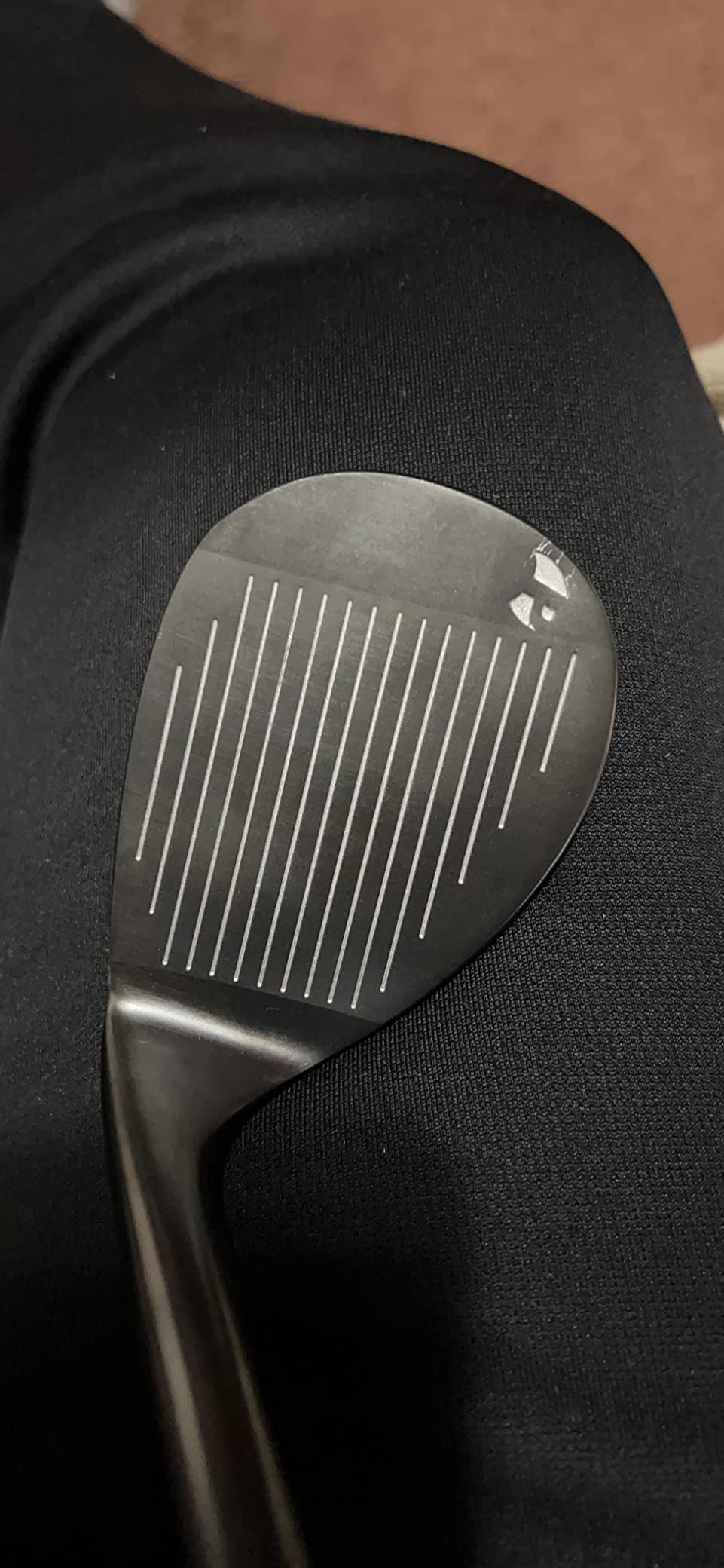
The 56 degree carries a 12 degree bounce angle, which is a middle-ground number that suits most firm-to-medium courses. It is a standard Pinemeadow steel shaft with a regular flex and a rubber wrap grip, and the whole three-club package weighs 1.74 kg.
Set weight is the honest drawback. For a player used to a forged blade with a lighter overall club, the swing weight will feel heavy, and the same weight that keeps the club stable in sand is what makes it feel less nimble on a 20-foot chip. Owners report the heaviest complaints from players who came from a lighter game-improvement package.
Why 12 degree bounce suits most home courses
Bounce is simply the angle between the sole and the ground when the leading edge sits on the turf. Twelve degrees is a middle number, which is exactly why it is the default on the 56 in this set. It is wide enough to stop the club digging in a green-side bunker, narrow enough to avoid a heavy sole that skids out of a tight fairway lie in wet conditions.
The one thing to check is the groove pattern. This set is built close to the limits of what the Rules of Golf allow, which restricts the fine milling you get on premium blades. If you play in strict competition and need a specific approved grind, check the pattern before you commit.
What you give up compared with a premium forged set
Feel, mostly. A cast stainless head with an oversize face is stable and predictable rather than soft and lively, and the frame is a look that many players will find more workmanlike than elegant. If you like the idea of your wedges sounding and feeling different from your irons, this is not that club.
What you gain is a complete, playable short game on day one instead of a piecemeal one, and owner reviews keep pointing to improved consistency around the green as the payoff.
3. Ram Golf Pro Spin 3 Wedge Set: the best budget starter set for a high handicap
Ram Golf Pro Spin 3 Wedge Set – 52 Gap, 56 Sand, 60 Lob Wedges – Mens Right Hand
Set of 3 wedges
52 56 and 60 degree
8 and 10 degree bounce
4 pound set
Pros
- Full 52/56/60 coverage
- Stainless heads spin well on short chips
- Forgiving on off-center hits
- Well proven with 422 reviews
Cons
- Basic grip quality
- Less spin from longer partial shots
The Pro Spin set answers the simplest version of the question: can a beginner get a playable 52/56/60 bag without overspending? Owners say yes, and they say it more often than almost any other set in this roundup, with 422 reviews averaging 4.5. The feedback theme is value, and specifically value that performs above what most golfers expect at this level.
Loft spread is sensible. You get a 52 degree gap wedge with 8 degree bounce, a 56 degree sand wedge with 10 degree bounce, and a 60 degree lob wedge with 8 degree bounce, which gives you lower bounce at both ends of the bag and a touch more forgiveness through the middle where most bunker shots live.
The heads are stainless steel with alloy steel regular flex shafts, and the whole set weighs about four pounds. That weight is a real advantage for golfers who strike flush and lose the ball in the air, because it keeps a stray face open through impact without feeling abrupt.
Spin on short chips is the strength owners mention first, and the forgiveness on off-center strikes is the second. That combination is why high-handicap and beginner players keep recommending it as a first set, and why it is a proven starter platform with one of the largest review counts in this category.
When 8 degree bounce is the right call
Low bounce suits golfers who dig, and golfers who dig are usually playing firm, fast greenside lies, tight fairway lies, or courses with heavy sand. The 8 degree options on the 52 and 60 let the leading edge enter the ground rather than bounce off it, which keeps low shots low and stops the club from skidding after a deep bunker shot.
If you play on soft, wet courses where the turf grips the sole, a low bounce can feel abrupt, because the club stops at impact instead of sliding through. Golfers regularly describe the fix as a change of wedge rather than a change of swing, which is cheaper than lessons.
What a first-time owner should know about the grips
The grip is the most upgraded part of any wedge set, and the synthetic rubber supplied here is the most basic of the three. Owners do flag it, and a regrip is the standard first modification for anyone taking this game seriously. It also protects your hands when the weather turns.
The other recurring note is that spin from longer partial shots is less convincing than from close chips. For bump-and-run shots and low releases behind the ball, that is less of a problem, but if your game depends on pulling a wedge from 80 yards and stopping it, look at a tighter groove pattern instead.
4. Alien Roswell Wedge: the best cheap single wedge for learning chips and flops
Alien Golf Roswell Wedge 56
56 degree loft
Full-face CNC grooves
Cavity back head
Uniflex steel shaft
35.5 inches
Pros
- Full-face CNC milled grooves
- Weighted head helps get out of bunkers
- Large face for flop shots over hazards
- Conforms to the Rules of Golf
Cons
- Uniflex shaft gives less consistent feel
- Ease of use does not match the marketing for some owners
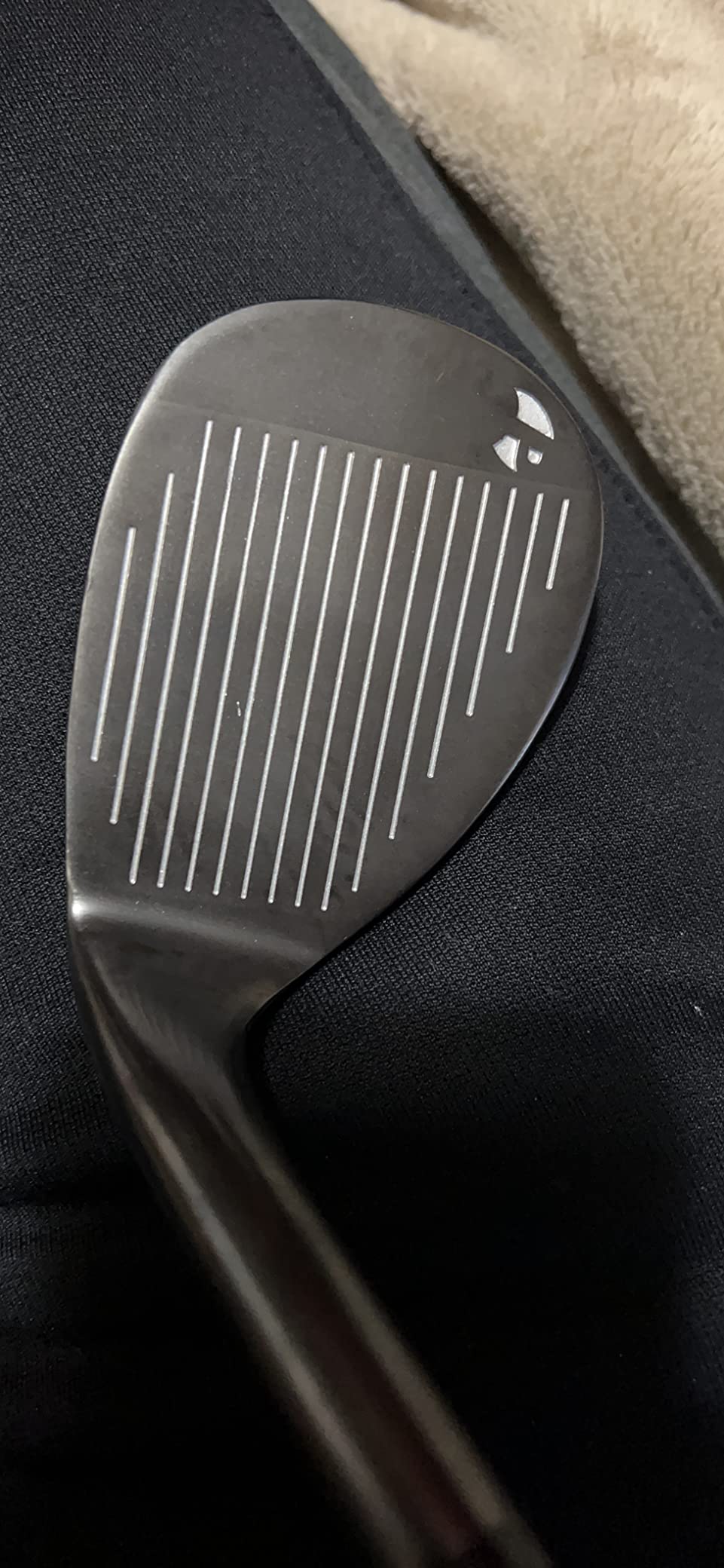
The Roswell is the wedge to buy when you want one club to learn on rather than a set to build a game around. It is a 56 degree with a full-face CNC-milled groove pattern, a cavity back head and a weighted design that owners credit with getting the ball out of bunkers when nothing else comes out.
Full-face grooves mean the spin channel covers the entire face, which matters enormously for high, open-face shots. On a flop shot over a hazard, a normally grooved face is useless because the ball is sitting on smooth metal. Milled to the edges, it grabs. That is the design reason this club keeps showing up in short game recommendations despite its simple specification.
It comes in 56 and 60 degree lofts as single clubs, with a 35.5 inch overall length and an alloy steel uniflex shaft. The head is steel and the design conforms to the Rules of Golf, so nothing about it limits competitive play.
Reviewers frequently recommend it to players who need a single versatile club rather than a full bag, and the fact that it is sold as a single means you can add the other loft later when you know which one you are actually missing. A 56 is the more common choice for most short games, since it handles bunker work and mid-range chips in one go.
Beginners and high handicappers dominate the reviews, and the recurring praise is straightforward: weighted head, easy escape from sand, big face for confidence. A small group rates it three stars for ease of use, which is a fair reminder that a forgiving-looking club is not automatically an easy club for a particular swing.
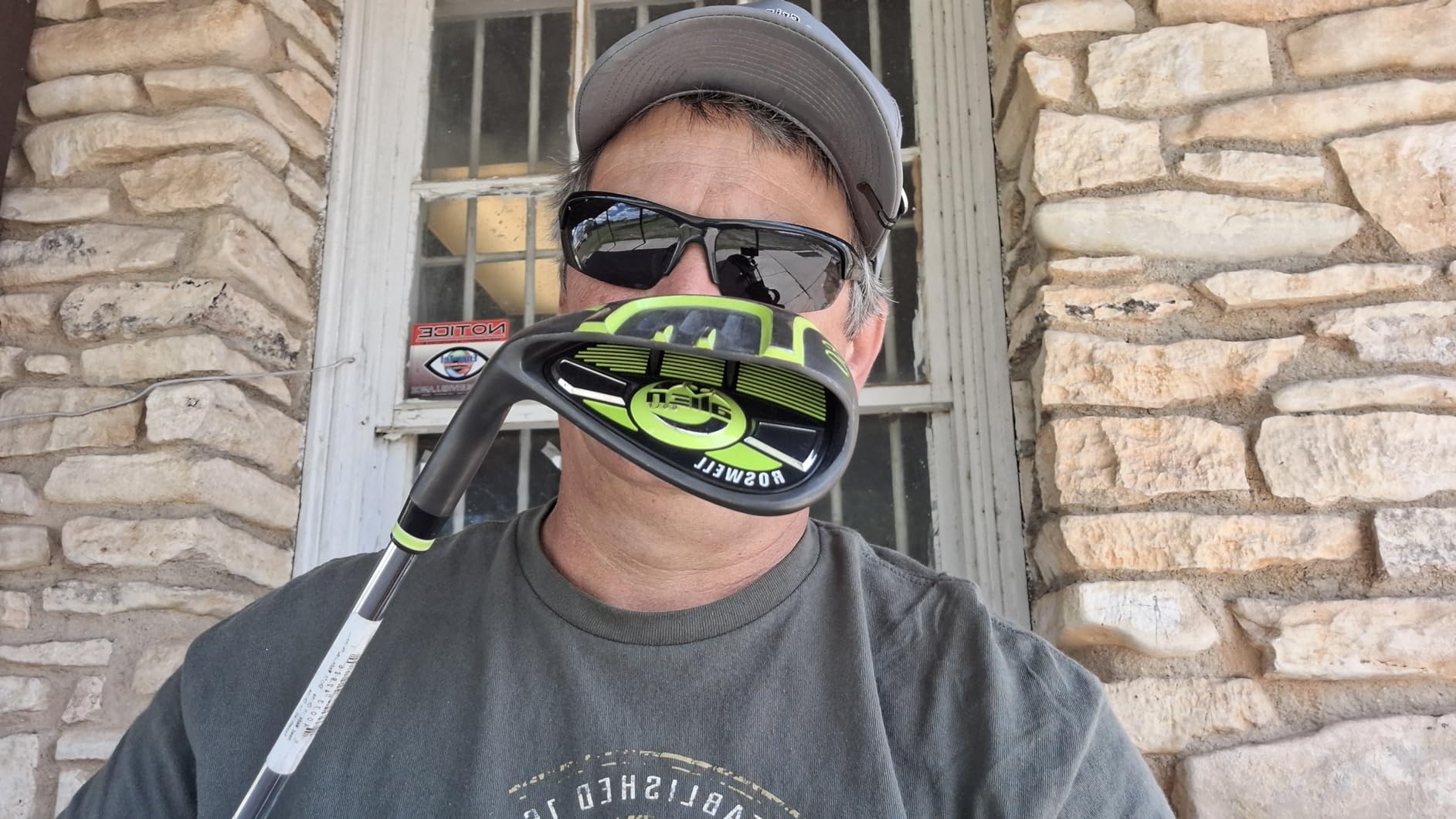
Why full-face grooves matter for open-face shots
Groove geometry only works where the grooves exist. Standard face milling covers the hitting area and leaves a margin, so as you open the face the ball climbs onto smooth steel and spin collapses. Full-face milling removes the margin, so the flopped ball still lands in a channel and still gets driven downward by the face angle.
This is why full-face designs keep showing up in forum discussions about lob wedges and pressure chips. The trade-off is that the milling wears at the edges first, and a recreational player who never opens the face is paying for a feature they do not use. Check your own shot mix before you chase it.
Where the uniflex shaft becomes a problem
Uniflex is a one-size shaft that is intentionally flexible across the whole speed range, which makes it a good fit when you are unsure of your speed and a poor fit when you want consistent feedback. Golfers moving up from a stiff shaft report the transition takes a few rounds, and some simply re-shaft.
Because this is a single-club purchase, buy the loft you are actually missing. A 56 is the workhorse for most short games; add the 60 only if you play a lot of high shots over obstacles or need one more club inside 30 yards.
5. Wilson Harmonized Wedge: the best affordable single wedge for filling one loft gap
Wilson Harmonized Unisex Golf Wedge – Right Hand, Steel, 56
56 degree loft
0.41 kg head
Regular flex steel shaft
Unisex Harmonized series
Pros
- Fills a single loft gap at modest cost
- Light 0.41 kg head
- 4.6 rating across 289 reviews
- Unisex design suits a range of golfers
Cons
- Light head suits players with slower swing speeds better
- Sold as a single wedge
Most golfers do not need a new set, they need one specific loft. The Harmonized 56 fills that gap without forcing you into a different construction, and because it is sold as a single club you can keep adding matching wedges one loft at a time as the distance holes in your bag change.
Reviewers rate it 4.6 across 289 reviews, with 73% of those at five stars, and the language is consistent: good build quality, dependable for short-game gaps, a sensible choice next to a game-improvement set. That is exactly the job a gap filler has to do, and the reviews describe a club that simply does its job without demanding attention.
Two details stand out. First, the head weighs about 0.41 kg, which is light for a wedge and easy to accelerate. Second, the supplied regular midsize rubber grip is a decent starting point, so the club needs less work before it feels like part of the bag.
The shaft is regular flex alloy steel and the loft here is 56 degrees, with a one-year limited warranty from the manufacturer. It is a right-hand configuration in the Harmonized line, and the design is listed as unisex.
Who a light head actually suits
Club head weight is a speed question. Golfers who generate club head speed with effort and tempo benefit from a lighter head, because it accelerates easier and helps a low, clean strike. Golfers who struggle to get the ball airborne, or who rely on the weight of the head to produce spin, will find 0.41 kg on the light side and may get more distance than control.
Golfers generally find a light wedge head more forgiving for the strike and less forgiving for the height of the shot. If your misses are mostly low and short, a heavier head would help more. If your misses are high and long, the lighter build is doing you a favour.
Why buying one wedge beats buying three
A matched set gives you consistent feel across the bag, and that consistency is why players with a full setup rarely go back. A single gap filler gives you a loft you are missing, at a cost that does not force you to replace clubs that were performing fine.
The test is simple. Take your longest wedge and your shortest wedge, mark the carry gaps, and buy only the lofts that fall into a hole larger than 10 yards. Most golfers need one or two clubs, not a rebuild, and this wedge is built for exactly that purchase.
Match the loft to your irons as well as to your wedges. If your shortest iron carries to 115 yards, a 52 degree is the natural gap wedge, because it lands on the number your irons cannot reach and fills the space your irons leave. A 54 or 56 in that situation leaves a 15 yard void between the two, which is exactly the kind of hole that turns a good approach into a chip.
Set expectations about what a single wedge will not fix. One club can close a distance hole, but it cannot correct a bounce problem or a swing that skids through contact. If your chipping is inconsistent across every wedge you own, the issue is in the technique section above rather than in the bag, and a new club will only hide it for a while.
6. ALVO Golf Full Face Wedge Set: the best budget set for full-face spin on flop shots
ALVO GOLF Premium Golf Wedges 52/56/60 Sets or Individual Wedges – 52 degree Gap Wedge, 56 degree Sand Wedge, 60 degree lob Wedge Golf Club – Pitching Wedge for Men Right Hand – Wedges Golf – Max spin
Set of 52 56 and 60
CNC milled full face grooves
Forged stainless heads
10 degree bounce
Pros
- Very high spin on full chip and flop shots
- Forged heads feel better than typical cast budget wedges
- Black finish has held colour well
- 52/56/60 set with a 70 degree option
Cons
- Heavier than expected swing weight invites early casting
- Factory grip is thinner than premium grips
The ALVO set combines the two things golfers underrate most in a budget wedge: a forged head and full-face grooves. Forged construction gives softer feedback than a typical cast budget club, and the CNC-milled full face pattern gives spin on shots where the ball is sitting on the toe or the outer edge of the face.
Owners report measurable spin gains, which is unusual in this category, and the set is recommended most often for beginners through mid-handicap players. It comes as a 52/56/60 set, as singles, and with a 70 degree lob option for players who play a lot of very high shots.
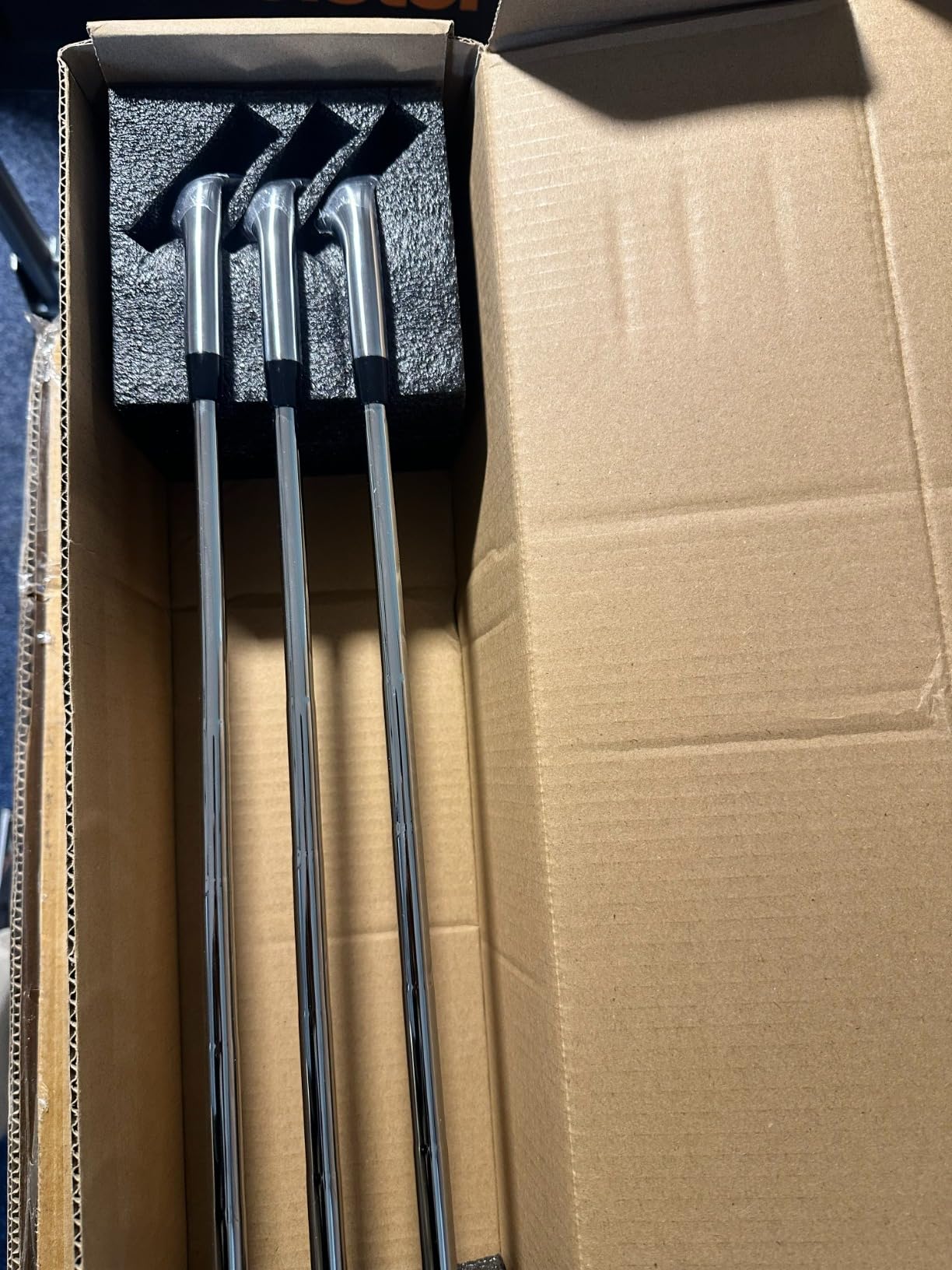
Build details are conventional: stainless steel shafts at regular flex, a 10 degree bounce angle, a multi-compound corded grip, and a choice of Satin Chrome or Stealth Black finish. The set weighs 1.45 kg, and the manufacturer warranty runs one year.
Colour durability is worth a mention because it is a genuine complaint about many budget wedges. Reviewers report the black finish has held its colour over extended play, which matters for a club you will look at on every chip.
The caution that appears across reviews is swing weight. Owners describe the clubs as heavier than expected, closer to a D5 or E0 swing weight, and more experienced golfers suggest a re-shaft to bring the weight down. If you are moving up from a lightweight set, expect an adjustment period.
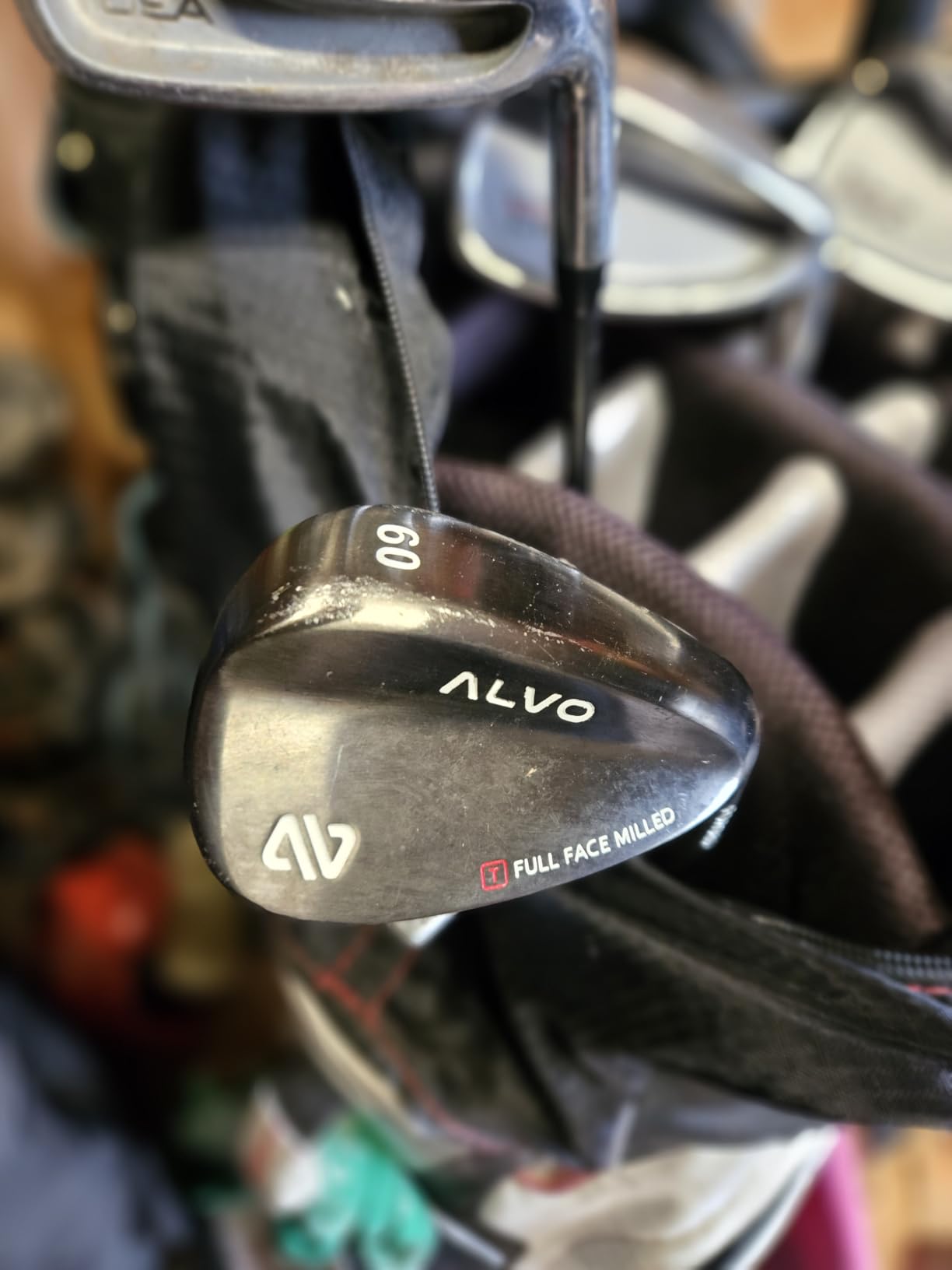
Forged heads and what they change under pressure
A forged head is pressed from a billet rather than cast from liquid metal, and the denser, more uniform structure produces a different feel at impact. The practical difference on a short game wedge is feedback consistency: a forged head tends to feel the same on a solid strike and a slightly off-center one.
That consistency is what makes forged wedges popular with players who rely on a repeated release speed for distance control. If you hit the same pitch four times and want four nearly identical results, feel consistency matters more than maximum forgiveness.
When heavy swing weight works against you
Weight is a double-edged spec. A heavier head resists twisting on off-center hits, which helps players who mishit badly. It also slows the club down, which produces a lower launch and a heavier shot, and it encourages an early cast in players used to a lighter club.
That is the main caution in the reviews, and it is worth taking seriously if you already have good tempo. A lighter shaft or a lower swing-weight build is the standard fix, and a regrip is worth budgeting for either way because the supplied grip is thin and light compared with what most players prefer.
7. TaylorMade Milled Grind Wedge: the best tour-style control wedge for players who already hit it well
TaylorMade Golf Milled Grind Wedge Chrome Standard Bounce 52.09 Steel Shaft Right Handed
52 degree loft
Milled Grind sole
Raised CG design
4 way camber
16 ounce head
Pros
- Milled sole gives very consistent turf interaction
- Machine milled face and grooves for consistent spin
- 4.7 average across 124 reviews
- Three-year manufacturer warranty
Cons
- Full sole suits players who do not open the face aggressively
- Sold as a single wedge
The Milled Grind is the one in this group aimed squarely at a golfer who already controls the ball. The sole is milled rather than hand-ground, which removes the tolerance differences you get from a grinder, and that is the whole point: the same turf interaction on every swing, on every course.
Owners rate it 4.7 across 124 reviews with 87% at five stars, and the recurring comments are about chipping improvement and easy distance control at short range. That is the language of a player who cares about repeatable yardage, not forgiveness, and the brand name plus finish quality drive much of that satisfaction.
Higher mass placement in the head raises the center of gravity, and the machine-milled face and grooves produce consistent spin from any lie. Available in 52, 54, 56, 58 and 60 degrees, this specific configuration is the 52 degree with a regular flex stainless steel shaft and a medium grip, with a three-year manufacturer warranty.
The sole is a classic full sole with constant trailing edge relief and four-way camber, which is a lot of engineering for a feature most golfers never consciously notice. What they do notice is that the club behaves the same on a tight lie in week one and in week ten.
Why a raised center of gravity helps control
Center of gravity determines how the club behaves when the ball is not hit at the sweet spot. A higher CG reduces the effect of a miss on face rotation, which tightens dispersion, but it also reduces forgiveness in the sense of distance loss on off-center contact. A low CG does the opposite.
For short game scoring, tight dispersion is usually the more valuable trait, because the difference between 72 and 76 yards is a stroke on many greens. That is the logic behind this design, and it explains the 4.7 rating from a much smaller review base than some of the value sets here.
Where a full sole limits your options
A full sole is stable and predictable, but it discourages opening the face aggressively. Players who rely on flop shots and high open-face spins, or who learned to play a firm-fairway lob wedge with a narrow sole, will find this head fights them a little at address.
Also note this is a single club. The gap-filling logic still applies: work out which loft you are actually missing between your irons before you order, and expect to buy a companion club in a matching finish to build a usable set.
8. A11N SPORTS Forged Wedge Set 52/56/60: the best forged starter set for golfers who want feel on a budget
A11N SPORTS Forged Golf Wedge Set, 52/56/60 Degree, Right Hand, Bronze
Forged 52/56/60 set
Precision-milled face
Regular flex steel shafts
Bronze finish
Pros
- Forged and milled spin comparable to far pricier wedges
- Bronze and black finish options
- Complete 52/56/60 coverage
- Well balanced at address
Cons
- Runs heavy and needs setup adjustment
- Short overall length of 34.5 to 35 inches
- Finish can discolour with cleaning
The FINCHLEY set from A11N SPORTS is the direct answer to a common question: can you get a forged, milled wedge set without buying into a premium OEM line? Owners reviewing it as a replacement for more expensive wedges broadly say yes on spin and balance, with 4.5 stars across 98 reviews.
The face is precision milled, so the grooves are cut uniformly and produce consistent spin rather than a random pattern that varies from club to club. Forged construction behind the face gives the soft feedback that cast heads cannot match, and reviewers specifically praise how the clubs feel at address.
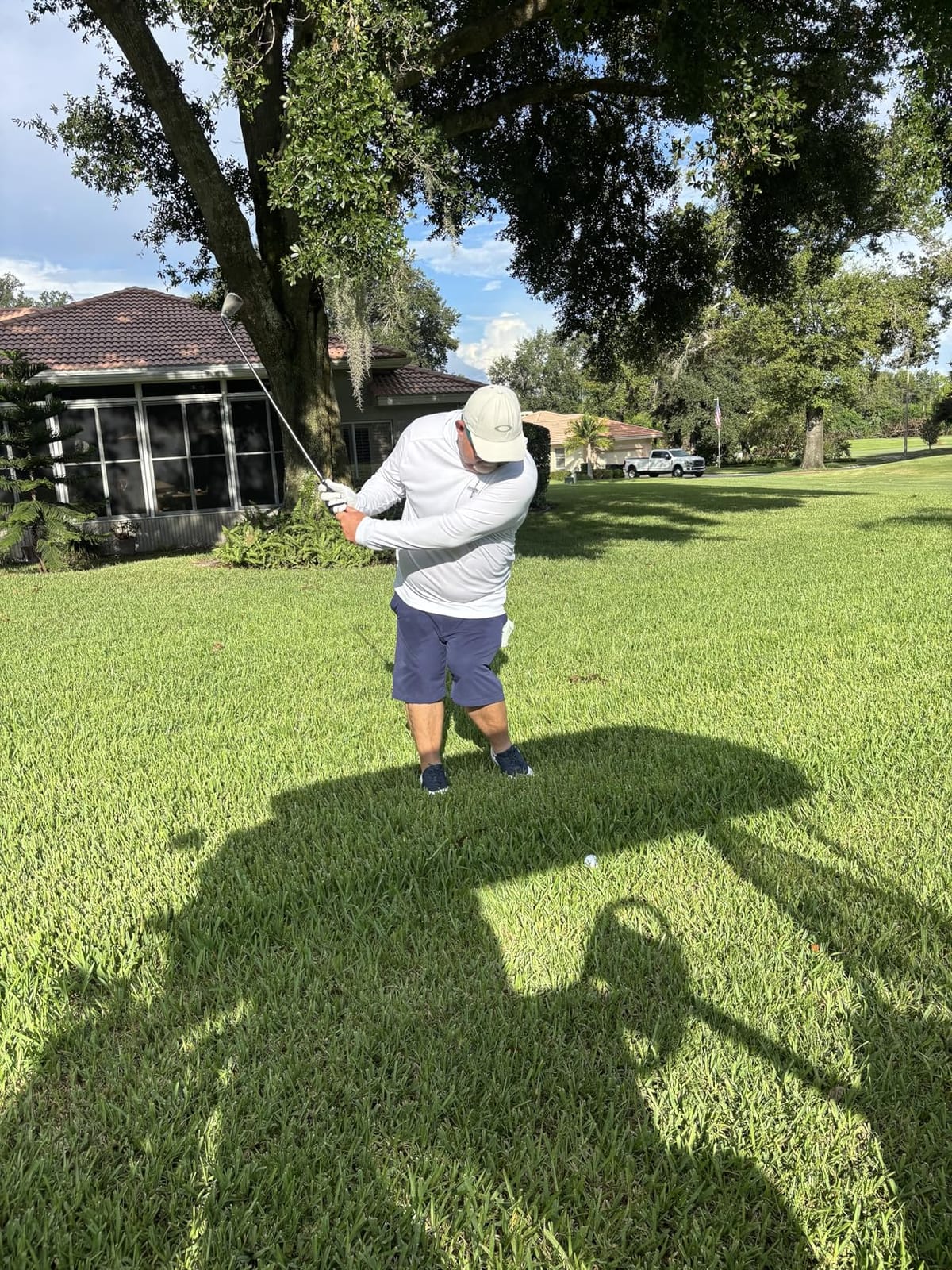
Loft coverage is the standard 52/56/60, with a grind and bounce designed for tight lies, flop shots and bunker escapes. Right hand, regular flex stainless steel shafts, synthetic rubber grips, and a choice of bronze or black finishes. Manufacturer warranty runs one year.
Weight is the recurring complaint. Multiple owners report the clubs run heavier than standard and require setup adjustment to avoid fat shots, which is the same feedback pattern you get from a set built for stability rather than speed.
What precision milling actually does for spin
Milling means cutting the grooves with a machine rather than a grinder, and that removes human variation from the geometry. Every groove sits at the same depth and the same angle across the face, so the friction applied to the ball is repeatable, which is why these clubs spin consistently from club to club rather than occasionally.
On a 12-foot chip that matters, because you are not trying to hit one magic shot, you are trying to hit the same shot 12 times. Consistency in the groove pattern is a quiet reason a set like this can out-perform a more expensive one on the greens.
When the supplied length becomes the deciding factor
These clubs measure roughly 34.5 to 35 inches overall, which is shorter than many players expect. A short club gives you a lower playing position and a slightly different posture, and for a shorter golfer it can feel out of reach in the address position no matter how good the head is.
Finish durability and grip security are the other two flagged items. Some owners report the finish discolouring with repeated cleaning and grips loosening after a few rounds, both of which are cheap fixes. A regrip and a careful cleaning routine will keep the set looking and feeling right for years.
9. Orlimar Fat Sole Wedge 64 Degree: the best rescue wedge for golfers who struggle in sand
Orlimar Fat Sole 64 Degree Lob Wedge Golf Club for Men, Right Handed
64 degree loft
Extra wide sole
Cavity back head
16 ounce head
Low center of gravity
Pros
- Very wide sole prevents digging and chunked shots
- Cavity back stays forgiving from buried lies
- Handles flop shots with a normal swing
- Low center of gravity helps escape bad lies
Cons
- 35 inch length is short for some players
- Needs an adjustment period to the full swing motion
If sand is where your round falls apart, this is the club built for it. The Orlimar has one of the widest soles available, and the effect is immediate: the leading edge does not dig, the ball does not chunk into the face, and a normal fairway swing produces a playable shot out of a bad bunker lie.
Owners consistently describe the same outcome, which is that they can hit one swing motion from the sand instead of relearning a technique. That is the entire value of a wide sole, and it is why this club keeps appearing in short game recommendations for high-handicap players.
Specs are straightforward: 64 degrees of loft, stainless steel head and steel shaft, stiff flex, a textured rubber grip, 35 inches overall, and a one-year warranty against manufacturer defects. The head weighs 16 ounces and sits in a cavity back design matched to game-improvement irons.
When a 64 degree is the right final wedge
Sixty degrees is the practical limit for most golfers, because a higher loft demands a precise pivot and a fast shaft speed through the ball. Sixty-four degrees suits players who already handle a 60 well and need one more tool for shots over obstacles, elevated greens, or steep front slopes. Too many golfers buy it too early and leave a gap between 52 and 64.
Check the gap before you commit. If your shortest wedge is a 56 and your longest is a 52, a 64 leaves a hole at 58 that costs you a full swing, and a 58 or 60 fills it far more usefully. Loft coverage beats loft extremes every time.
Why the wide sole needs a full swing, not a tap
A very wide sole rewards a full, committed swing. The sole is too wide to get under the ball with a delicate half-swing, so golfers used to a narrow-sole wedge and a feather-light touch will find this club demands motion. Owners report the adjustment takes a few rounds, after which the ball flight becomes predictable.
Length is the other factor, since 35 inches is short for many players and forces a lower address position. If you are tall or prefer an upright posture, check this club in person or have the length adjusted before you commit to it as your only high-loft option.
It is worth being clear that this is a specialist tool rather than a full set. The 64 lives alongside a 56 or 58, not instead of one, and a bag built around a 64 with nothing below it will leave you guessing at every mid-range distance. Used as a fourth wedge for players who already control a 60, it is a genuinely useful addition.
Head weight sits at 16 ounces, which is a middle figure rather than an extreme, and that is consistent with what the club is trying to do. It is stable enough to resist twisting on a heavy strike out of a bad lie, without being so heavy that it demands a bigger swing than you can comfortably repeat.
Short Game Technique Notes That Go With Each Wedge Type
Equipment only helps if the technique matches the club. Every wedge family asks for a slightly different release pattern, and the mistake most golfers make is using the same motion from a 52 as they do from a 60. Here is what changes as the loft goes up.
The 52 degree gap wedge: a full swing with a normal release. This is the one wedge where your normal motion should work unchanged. Treat it like the shortest iron, keep the face square to the target line, and expect a mid-to-high launch. Because the loft is shallower, the ball is more exposed to the wind, so a small open adjustment is often better than a swing change.
The 56 degree sand wedge: let bounce do the work on medium sand. On medium to firm sand, dig your feet in and hit through the shot. The leading edge passes below the ball and the sand pushes up on the face, which is what keeps the ball out of the front of the bunker. On very soft sand, move the ball back a little in your stance instead of changing the club.
The 60 degree lob wedge: shorten the swing, keep the speed. A common error is to slow down for partial shots, which does nothing but produce a face that is open and a strike in the middle of the face. Shorten the backswing and keep the speed up. The high loft is already doing the work of keeping the ball in the air, so speed should remain close to your normal tempo.
A cavity back or wide-sole wedge: shorten the swing on chips. These heads are designed to resist twisting, so a shorter, controlled motion produces almost as much spin as a full pitch. Take a few practice swings and use the flight on the first one to decide how much more club to take on the second.
A full-face wedge: open the face freely and trust the grooves. The advantage of milled edges is that you do not need to keep the ball on the machined center, so flop shots and open-face chips stay on the face texture. The one rule is to finish balanced, because a steep pivot on an open face produces a pull.
Practice the shots in pairs rather than one at a time. Hit ten chips with the 56, then ten with the 60, and note how much the ball height changes rather than how far it goes. The useful skill is not carrying it a specific distance on demand, it is changing height on demand, and that comes from knowing how the two clubs respond to the same motion.
How to Build a Wedge Set That Actually Gaps
Pick lofts from distances, not from a list. Write down the carry distance of every wedge you own, longest to shortest, then look for holes. A gap of 10 yards or more between adjacent clubs is a wasted stroke, because you are forced to make a full swing when a controlled partial would have done. Filling a hole with an eight degree gap is always worth more than replacing a wedge you already hit well.
Match the set to your handicap and your swing. Low handicap players with a consistent release gain the most from tight 3 to 4 degree gaps and a narrow, blade-like profile that rewards opening the face. Mid handicappers do best with three wedges spaced 6 degrees apart, since that gives a full swing and a half swing at each distance. High handicappers should carry a wider set with higher loft and more bounce, so the ball is easier to launch and easier to stop.
Choose bounce by the turf you actually play. Low bounce, 4 to 6 degrees, suits firm courses, tight lies and players who dig at impact. Mid bounce, 8 to 10 degrees, is the most common choice and suits most home courses. High bounce, 12 to 16 degrees, suits soft ground, deep sand and players who struggle to get the ball out of the turf. Buying the wrong bounce produces the two most common wedge symptoms there are: heavy shots that fly nowhere and thin shots that fly forever.
Match the shaft to your irons, not to the wedge price. Wedges are the one place where a mismatched shaft is obvious, because the transition from a stiff iron shaft to a flexible wedge shaft changes your release without warning. Most fitters recommend a wedge shaft a flex or two softer than the irons, and wedge fitting consensus reaches the same conclusion. A graphite shaft in a wedge is also fine for slower swing speeds, though the lighter weight needs to be balanced against a light iron shaft.
Get fitted if you can, and buy off the rack if you cannot. A fitting session is the fastest route to correct loft gaps and bounce for your swing, and it is worth far more than upgrading to a more expensive model. A properly fitted mid-tier wedge will out-score a more expensive off-the-shelf model almost every time, because the numbers fit your swing and the scores follow.
Know when the grooves are finished. Run a fingernail across the face: a sharp wedge will catch lightly on a healthy groove, a worn one feels almost smooth. Most golfers go 60 to 100 rounds before this becomes obvious, and by then spin in wet rough has already dropped. Worn grooves are the quiet cause of a lot of lost short game distance, and replacement is a normal part of owning wedges rather than a failure.
Match your set to your practice too. Track your carry gaps between rounds, and use your home setup to review ball data rather than guess. Whatever system you use, the routine matters more than the equipment: one routine, one ball, ten chips, one look at the result. Consistency in the process produces the same repeatable contact that the milling technology on these heads is designed to support.
Consider the used market carefully. A two to three year old premium wedge set is usually a smarter buy than a new budget set, because the forged head and finer groove pattern will outlast the club you are replacing. Check the groove sharpness and the face for pitting, and expect to regrip and have the lie angles checked before you play with it.
Test bounce on the range, not in the spec sheet. A wedge with 10 degrees of bounce will feel completely different depending on how much turf you take in front of the ball, so a short trial with your own seven iron is worth more than any chart. Take a few shots with each candidate and notice which one stays quiet through impact when the strike is slightly heavy. That is the bounce talking, and the quiet club is the one matched to your swing.
Check the lie angle before anything else. A wedge that sits flatter than the rest of your bag produces a stubby chip no matter how good the head is, and lie angles drift as the grooves wear and as clubs get swapped around a bag. If your chipping feels suddenly flat one season, this is the first thing to verify, and it costs very little to check.
Set a replacement rhythm so the decision is already made. A fixed budget put aside each season removes the temptation to squeeze another season out of a dead groove, and it lets you buy on your own terms rather than when a ball finally skids past the back edge. Most golfers settle into a three or four year cycle without noticing it.
Frequently Asked Questions
What are the best wedges for the short game?
The best wedges for the short game combine a consistent distance ladder, dependable spin and enough forgiveness for your handicap. A cavity back or multi-material head suits mid and high handicappers, while a forged blade with a milled face suits lower handicappers who shape shots. Buying the loft that fills a distance gap matters more than the brand on the back.
What is the 70/30 rule in golf?
The 70/30 rule is a practice guideline about how to spend your short game time. Spend roughly 70% of your short game practice on the strokes inside 50 yards, where most of the strokes in a round are taken, and 30% on the 50 to 125 yard wedge shots that approach each green. The exact split is flexible, but the principle keeps practice time matching where your score is actually decided.
Is a 56 or 52 degree wedge better?
Neither is better in general, it depends on the gap you need to fill. A 52 degree is a longer gap wedge that suits players whose irons already carry to around 100 yards, while a 56 degree is the standard sand wedge and fits most sets built around 52, 56 and 60 degrees. If your irons take you to 110 yards, add the 52 as a gap filler rather than replacing the 56.
Is a 58 or 60 degree wedge easier to hit?
The 58 degree is usually easier to hit, because the shallower loft produces a slightly higher launch and requires less shaft speed to get airborne. The 60 degree stops the ball more effectively and is the better tool for flop shots and shots over obstacles. Most golfers carry a 56 and a 60, but golfers who struggle with the 60 can substitute a 58 and barely lose a stroke.
Which golf wedge is the easiest to hit?
A wide-sole cavity back wedge is the easiest to hit, because the perimeter weighting and low center of gravity keep the face stable on off-center contact. Wedges with an extra wide sole and a large face are the easiest of all, particularly from sand and thick rough. The trade-off is that the same design produces a higher, softer flight that takes a little more control to keep short of the target.
Is a 56 or 60 degree wedge better for sand?
The 56 degree is better for sand for most golfers, because it is easier to control and still handles a bunker shot cleanly. The 60 degree is the better choice for steep faces and very high shots, where you need the extra loft to get out at all. A 56 with a higher bounce angle is the standard combination for greenside sand, and it is the wedge most players use from the bunker most often.
How many wedges should I carry?
Most golfers should carry three wedges: a pitching or gap wedge, a sand wedge and a lob wedge. A 52, 56 and 60 set is the standard starting point, while low handicappers often prefer a tighter four-wedge set such as 48, 54, 58 and 62. Carry more wedges than you think you need only if your set covers a full swing and a half swing at every distance inside 125 yards.
How often should I replace golf wedges?
Most golfers need to replace wedges after 60 to 100 rounds, and sooner if they play in wet or sandy conditions. Test the grooves with a fingernail: a healthy groove catches lightly, a worn one feels smooth. Worn grooves lose spin on wet or firm lies, which shows up first as lost distance control on chips rather than as a total loss of distance.
Final Verdict: Which Short Game Wedges Should You Buy in 2026
For most golfers looking for the best golf wedges for short game, the Cleveland RTX 6 ZipCore is the pick we would hand a mid-handicapper first. It has the tightest groove pattern here, a core design that genuinely rescues off-center strikes, and a 4.8 owner rating backed by 248 reviews, which is the highest average in this group. Buy the loft you are missing, not a full set you do not need.
For a complete, affordable short game bag, the Pinemeadow 52/56/60 set covers the three lofts that matter and keeps the heaviest review count in this group at 4.5 stars. Golfers who want the most for the least will find the Ram Pro Spin set hard to argue with at 4.5 across 422 reviews, and players who struggle in sand should look hard at the extra-wide sole on the Orlimar 64 degree.
Whatever you choose, work out your carry gaps before you order, match the bounce to the turf you play, and keep the shaft consistent with your irons. The best golf wedges for short game in 2026 are the ones that leave you a full swing and a half swing at every distance inside 125 yards, and no amount of technology substitutes for the setup being right.