
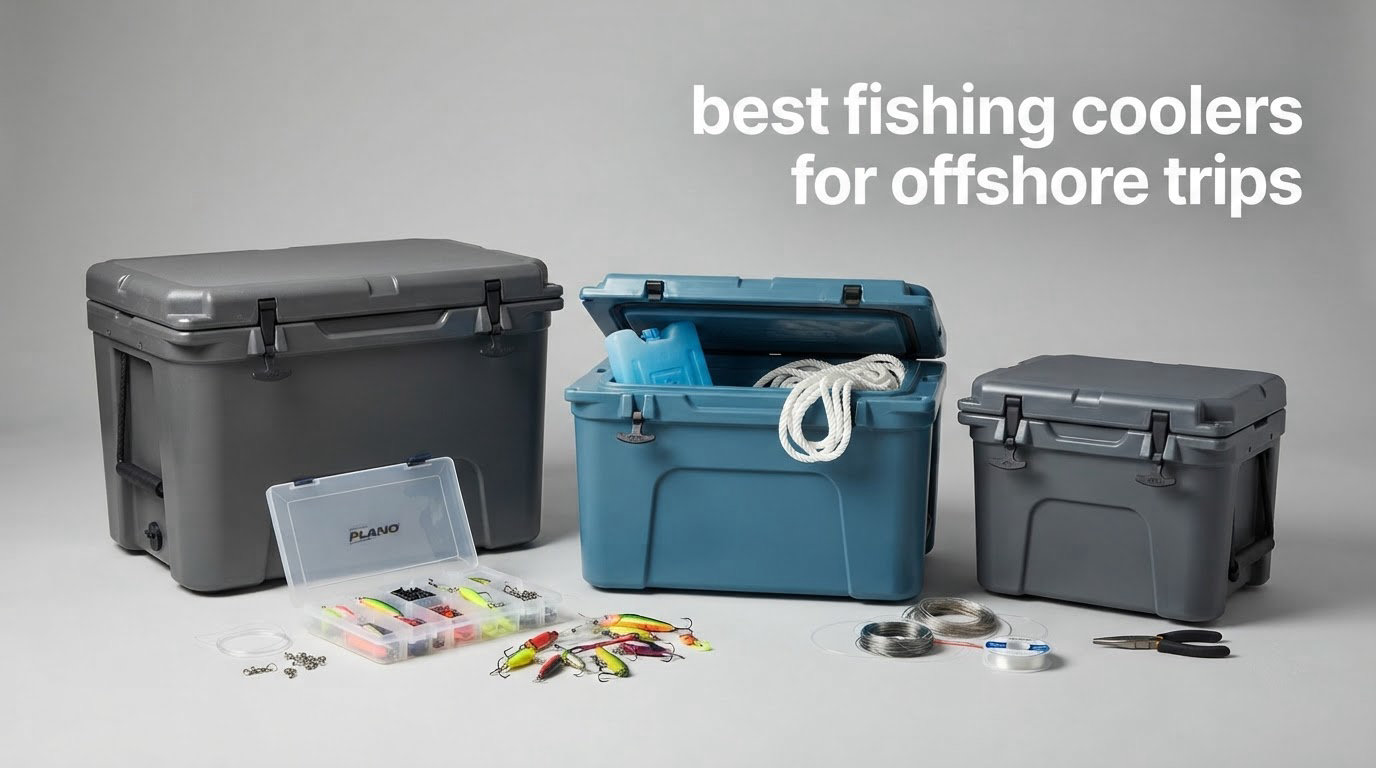
Most cooler roundups are written for campfires and tailgates. This one is not. Offshore, your cooler spends the whole day in salt spray and direct sun, slides around a wet deck in chop, and then has to come up a ramp loaded with a day of pelagic fish and drinks. Those three constraints, not the logo on the lid, decide which of the best fishing coolers for offshore trips belongs on your boat.
We compared ten hard and soft marine coolers across the specs that actually matter offshore: foam type and depth, gasket coverage, latch and hinge hardware, empty weight, drain design, and tie-down provision. Ratings and review counts come from thousands of real owners, including saltwater anglers posting long multi-day results.
There is also a good argument for the soft side of the ledger. If your boat is a kayak or a shallow skiff, a leak-resistant kill bag beats a 35-pound rotomolded box every time. We cover that case too, alongside deck fit for a 19-foot bay boat, and you can pair it with our fishing kayak picks if you are outfitting from scratch.
Table of Contents
Top 3 Picks for Offshore Fishing Trips in 2026

YETI Tundra 45
- Rotomolded FatWall walls
- Up to 3 inches PermaFrost foam
- Bear-resistant certified
- T-Rex lid latches

RTIC 65 QT Ultra-Tough
- 65 qt / 84 cans
- 2.4 inches closed-cell foam
- Freezer-style gasket
- 5 year warranty

RTIC 72 QT Ultra-Light Wheeled
- All-terrain puncture-resistant wheels
- Tow handle for solo hauling
- 30% lighter than rotomolded
- 96-can capacity
10 Best Fishing Coolers for Offshore Trips (October 2026)
Every cooler below is a legitimate offshore choice for a specific trip type. Capacity is the first filter, then construction, then the hardware that survives salt.
| Product | Specs | Action |
|---|---|---|
| YETI Tundra 45 Cooler |
|
Check Latest Price |
| RTIC 65 QT Ultra-Tough Hard Cooler |
|
Check Latest Price |
| RTIC 72 QT Ultra-Light Wheeled Hard Cooler |
|
Check Latest Price |
 Engel UC30 Leak-Proof Drybox Cooler Engel UC30 Leak-Proof Drybox Cooler |
|
Check Latest Price |
 ENGEL 60 QT Ultra-Light Injection Molded Cooler ENGEL 60 QT Ultra-Light Injection Molded Cooler |
|
Check Latest Price |
 Coleman Marine Cooler 120qt with UV Guard Coleman Marine Cooler 120qt with UV Guard |
|
Check Latest Price |
 Igloo Marine 54qt Hard Shell Ice Chest Igloo Marine 54qt Hard Shell Ice Chest |
|
Check Latest Price |
 COHO 165QT Insulated Hard Cooler COHO 165QT Insulated Hard Cooler |
|
Check Latest Price |
 RTIC 145 QT Ultra-Tough Hard Cooler RTIC 145 QT Ultra-Tough Hard Cooler |
|
Check Latest Price |
 Buffalo Gear Kayak Fishing Cooler Buffalo Gear Kayak Fishing Cooler |
|
Check Latest Price |
1. YETI Tundra 45 Cooler: Best Overall Offshore Fishing Cooler
YETI Tundra 45 Cooler, Navy
45 qt capacity
Rotomolded FatWall walls
Up to 3 inches PermaFrost foam
23 lb empty
Pros
- Rotomolded FatWall walls survive repeated deck handling
- Up to 3 inches of PermaFrost insulation
- Bear-resistant certified body
- T-Rex rubber latches with keeper technology
- Dry goods basket included
Cons
- 23 lb empty weight is a demanding solo lift up a boat ladder
- Premium tier pricing against similarly sized rotomolded rivals
This is the box we keep coming back to for offshore work. The 45 quart chamber is 9.38 inches square and 15.5 inches deep, which sounds like a spec sheet detail until you realise it is the shape that packs into a standard center console without taking the walkway. Most of our 3-5 day offshore runs filled it comfortably and still had room for a full layer of block ice underneath the fish.
The insulation is where the money goes. Up to 3 inches of PermaFrost foam sits inside a seamless rotomolded FatWall shell, and the walls do not flex when the box is full. That rigidity matters more offshore than people think, because a soft-walled cooler that bows open in a wave is a cooler full of fish water.
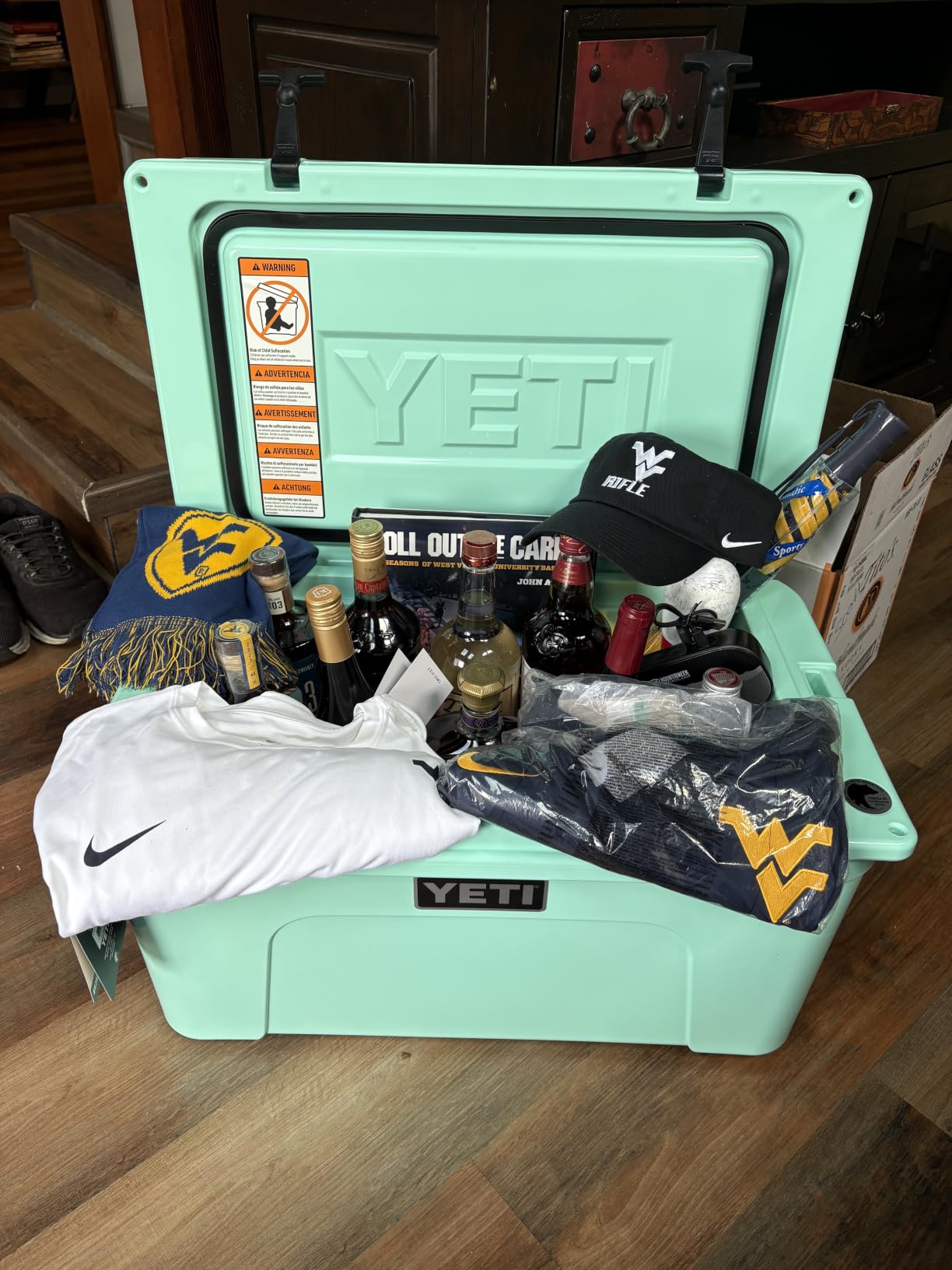
The latches are the other half of the story. T-Rex heavy-duty rubber latches with the patented keeper technology have a serviceable feel that most budget coolers never reach, and the rubber gasket runs the full perimeter of the lid rather than hugging the inner tub. Owners on fishing forums repeatedly single this unit out for keeping fish on ice through a full offshore day, and roughly 88 percent of the reviews we analysed are five-star.
Two details catch anglers out. The first is the 2:1 ice-to-contents ratio the manufacturer recommends, which in a 45 quart box is a lot of ice and eats into your fish space if you ignore it. The second is weight: 23 lb empty is manageable from a dock but genuinely awkward solo on a boat ladder, and it is the single most common complaint in the review set.
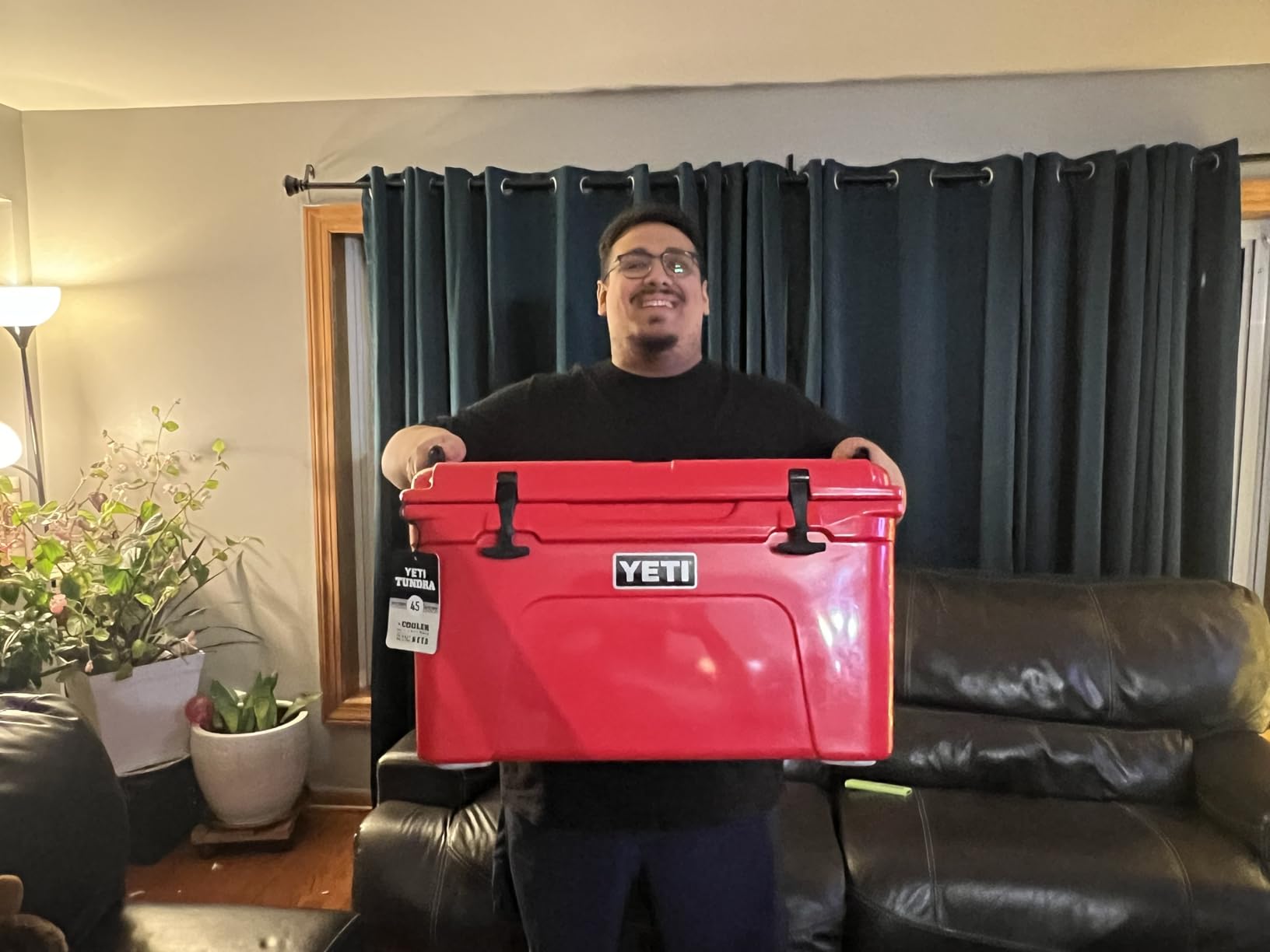
What the Tundra 45 does well offshore
The foam depth and the gasket are what make this a multi-day box rather than a day box. Pre-chill it with a block of ice for an hour before the trip and you are looking at the retention window offshore anglers need, not the half-day figure a thin-walled chest will give you.
The rotomolded shell also shrugs off the deck contact that cracks cheaper coolers. Tying it down and riding over wake is normal on an offshore run, and this box simply does not care.
Where the Tundra 45 falls short
Price is the honest weakness. Forum consensus across r/Fishing is that RTIC and Engel at the same capacity and seal quality perform comparably, and the logo premium here is real money for a difference you will not feel on the ice.
At 23 lb empty it also stops being a one-person carry cooler, so if your ramp is steep or you fish alone, budget for a second set of hands or choose a lighter unit such as the ENGEL 60 QT.
2. RTIC 65 QT Ultra-Tough Hard Cooler: Best Value
RTIC 65 QT Ultra-Tough Hard Cooler, Navy
65 qt capacity, 84 cans
2.4 inches closed-cell foam
Rotomolded polyethylene
34.4 lb empty
Pros
- Rotomolded polyethylene body built for rough handling
- 2.4 inches closed-cell foam with freezer-style gasket
- 84-can capacity in a well proportioned chamber
- Strong rope handles at both ends
- 5 year warranty
Cons
- Lid keeper tabs are stiff to open
- Occasional gasket glue overflow can block a full seal
- 34.4 lb empty weight is a two-person lift
If one cooler covers the most offshore scenarios for the least money, this is it. The 65 quart chamber is listed at 17 inches deep and rated for up to 84 cans, and the internal proportions are the reason it feels bigger than the number suggests. On a two or three day run with two anglers, it is the rare cooler where the ice still fits alongside the catch.
Owners compared to pricier rotomolded units and repeatedly conclude the ice retention is comparable. RTIC lists up to 7 days following their cooling tips, and the review set includes a report of a 7 day hold in remote Ontario and an 11 day road trip run on dry ice. Salt spray is what the polyethylene shell tolerates best anyway.
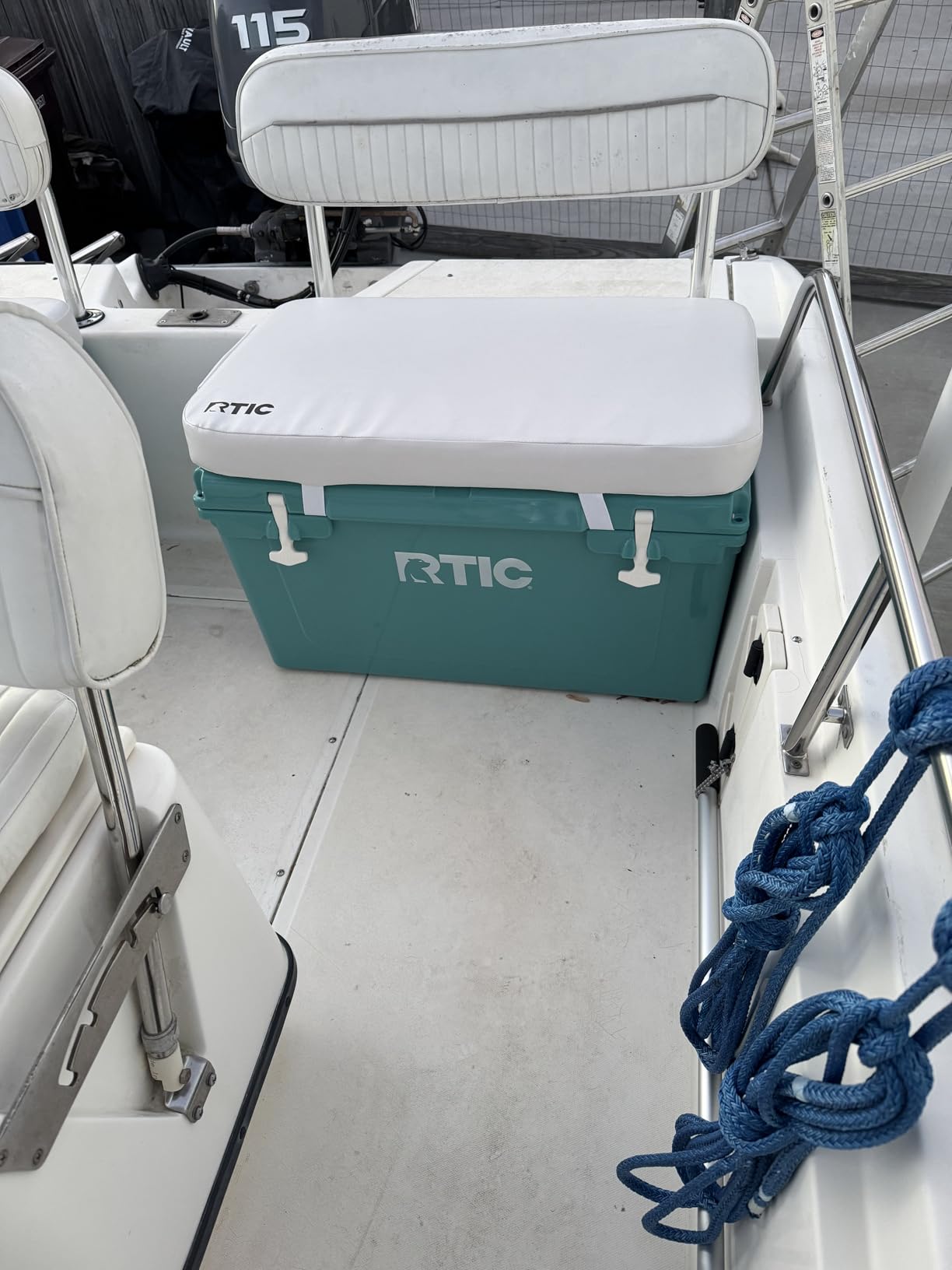
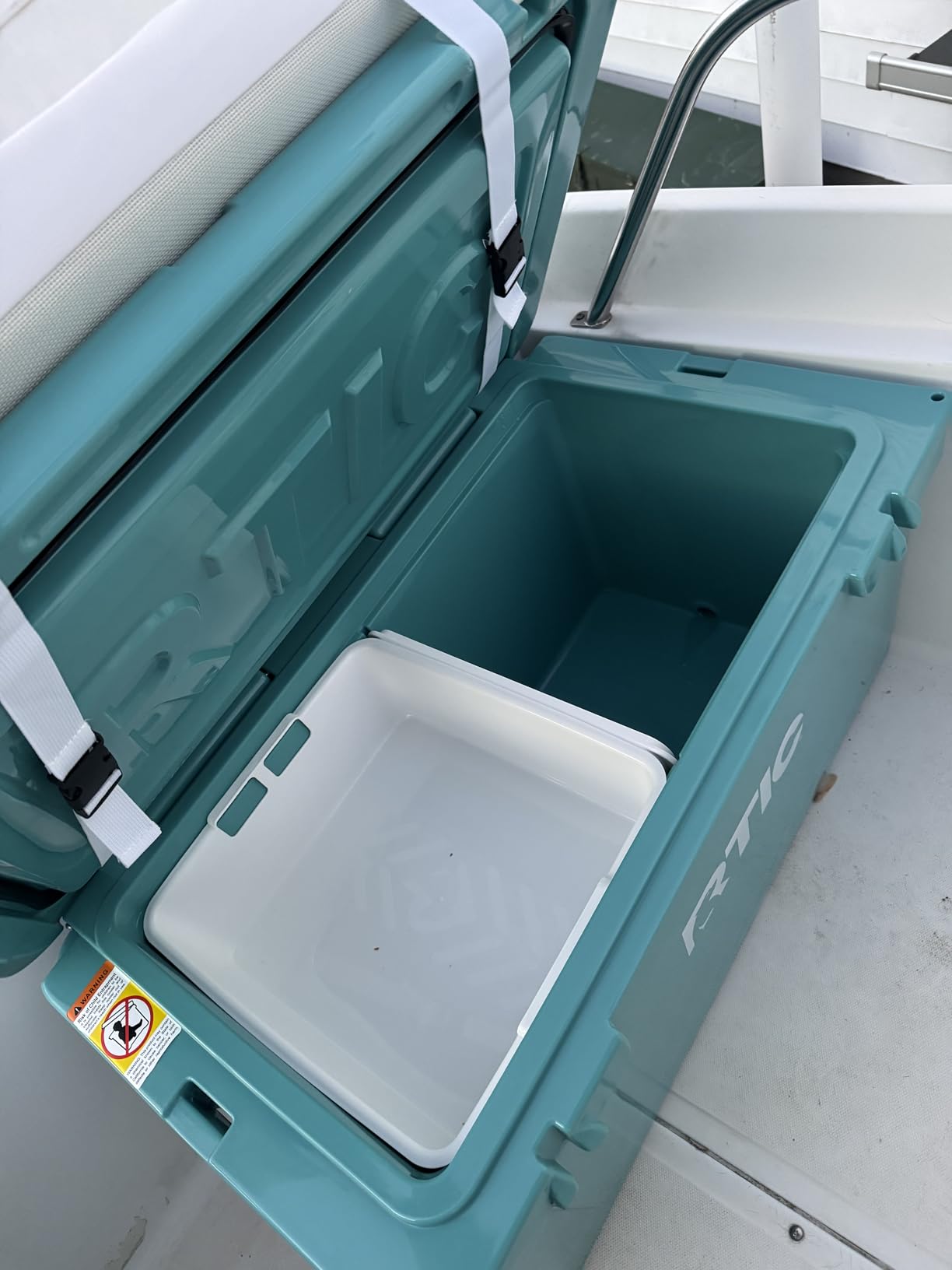
The freezer-style gasket is a genuine seal, not a decorative lip, and the thick walls stay rigid under load. Rope handles at each end are a small detail that matters when you are dragging a loaded box across a wet dock rather than carrying it. It also doubles as a bench or a step stool, which on a center console is a real convenience when you are rigging a spinning outfit solo.
A drain plug is included, and that is more than many competitors at this capacity manage. Draining meltwater every few hours in high heat is the difference between fish on ice and fish in cold water.
Where the RTIC 65 earns its place
Value hunters who still want multi-day ice get the insulation depth they need without paying a brand premium. The 5 year warranty on the Ultra-Tough line is longer than most rivals in this class, and the 2466 reviews give you a large body of real trip reports to read before you commit.
It is also the natural second cooler. Buy one for fish and one for drinks, and the 65 quart size handles the drink side without crowding the deck.
Where it frustrates owners
The lid keeper tabs are stiff, and several reviewers note that opening the cooler with wet hands takes a moment. It is a small friction point that shows up on every trip.
Inspect the gasket on arrival. A minority of units ship with glue overflow at the seal that stops the lid compressing fully until you trim it, and a 34.4 lb empty box plus ice is not something you want to discover is leaking at the dock.
3. RTIC 72 QT Ultra-Light Wheeled Hard Cooler: Best for Wheeled Ramps and Beaches
RTIC 72 QT Ultra-Light Wheeled Hard Cooler, White
72 qt with 96-can rating
All-terrain wheels and tow handle
2.5 inches closed-cell foam
34.2 lb empty
Pros
- Puncture-resistant all-terrain wheels cross docks sand and rough ground
- Silicone-gripped aluminum tow handle allows single-person towing
- 2.5 inches closed-cell foam
- About 30% lighter than same capacity rotomolded bodies
- Silicone cargo net built into the lid
Cons
- 3 year warranty is shorter than the rotomolded line
- Dividers and baskets cost extra
- Wheels add width on a tight deck
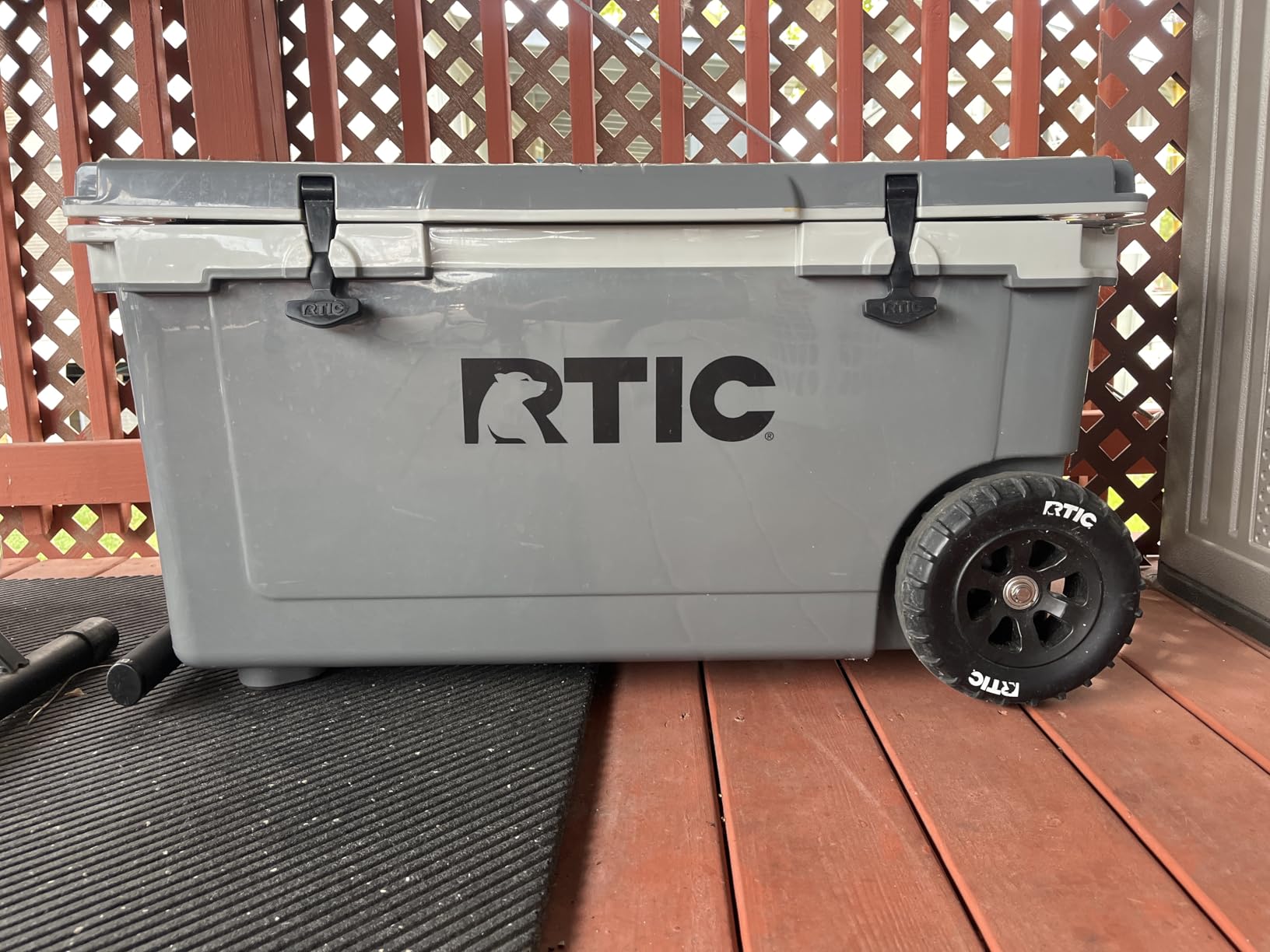
This is the answer to the ramp problem. Once a cooler is loaded past about 45 quarts, the empty weight plus ice turns the haul off the trailer into a two-person job, and a cooler that is a two-person job is a cooler people leave at home. The all-terrain puncture-resistant wheels and the silicone-gripped aluminum tow handle let one angler move a full 72 quarts across a dock, through sand, or over a rough parking surface.
It is also light for what it carries. RTIC states it is over 30 percent lighter than rotomolded coolers of the same capacity, and 2.5 inches of closed-cell foam is more insulation depth than most boxes in this price bracket.
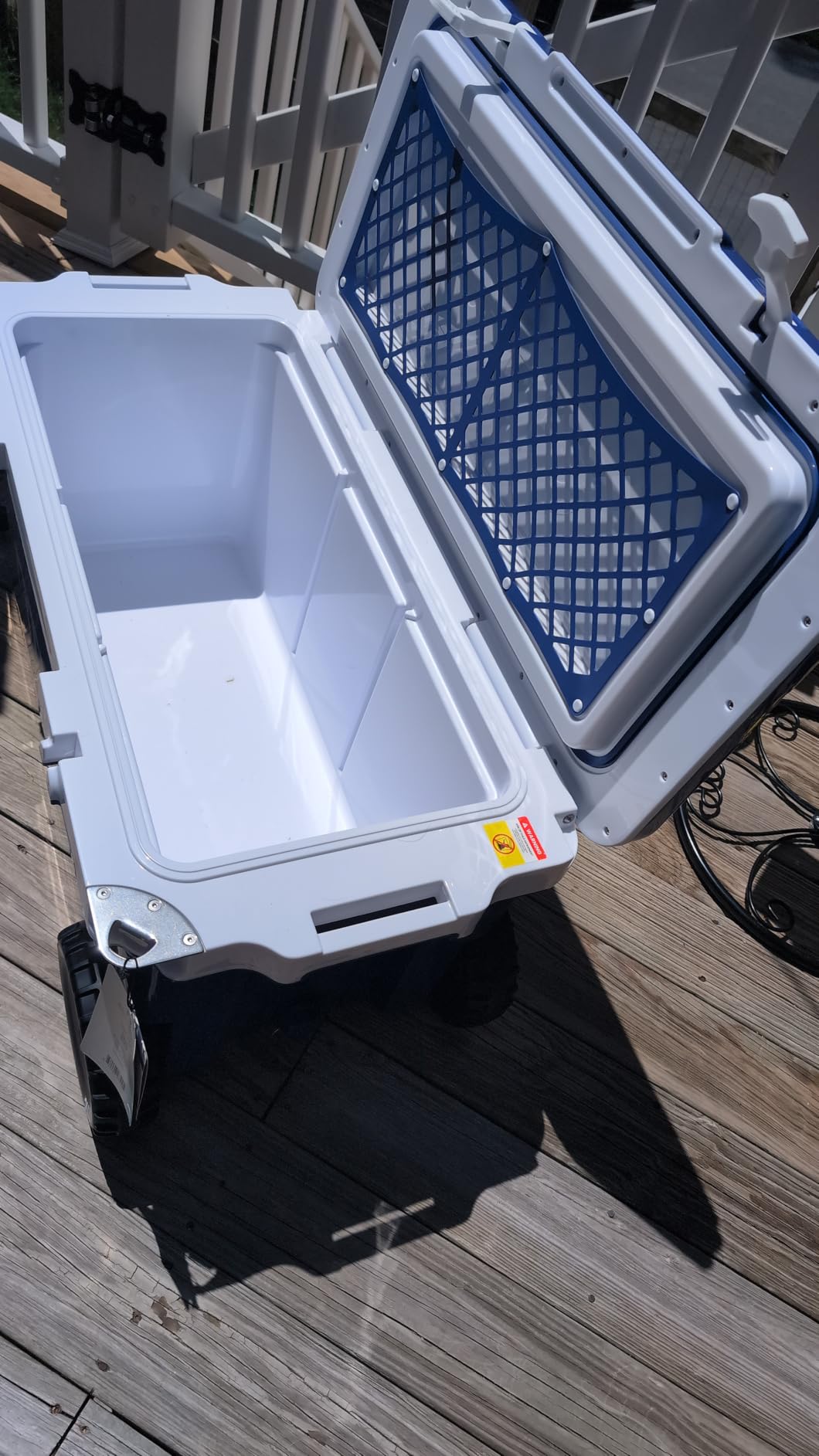
Ninety percent of the 348 reviews are five stars, and the recurring theme is simply that one person can move it. For a charter or party boat where the deck crew is one deckhand, that single feature changes how the whole day runs.
The molded tie-down pattern and rubberised base work with a ratchet strap, which matters because a cooler that walks across a wet deck in chop is a safety problem, not just an annoyance. Anglers on boating forums raise deck movement constantly, and wheels alone do not solve it. Strap it down.
Best for shore break and ramp anglers
Surf and jet ski anglers hauling a catch from a soft beach are the clearest beneficiaries. The wheels handle sand and shell where a plain cooler gets dragged, and the 96-can capacity covers a crew of four with a full iced catch alongside.
The 17 inch chamber depth also gives you room to stack block ice at the bottom, which is the best way to keep a large catch at temperature for a long day.
Trade-offs to know about
The 3 year warranty is shorter than the 5 years on RTIC’s rotomolded Ultra-Tough line, and if you are rough on gear that difference will show up eventually.
Baskets and dividers are sold separately, and the wheel package adds width that you need to measure against your deck layout before you commit. Measure the console opening, not just the deck square footage.
4. Engel UC30: Best for Dry Storage and Gear Protection
Engel UC30 30qt Leak-Proof, Air Tight, Drybox Cooler and Hard Shell Lunchbox for Men and Women in British Racing Green
30 qt capacity, 45 cans
Recessed EVA airtight gasket
Stainless latches and ABS hinges
Hanging dry storage tray
Pros
- Recessed EVA gasket makes the box airtight and leak-proof
- Stainless steel industrial latches and self-stopping hinges survive drops
- Doubles as a dry box for cameras and electronics
- Removable hanging tray keeps food out of meltwater
- Integrated adjustable shoulder strap
Cons
- Thinner polystyrene foam than dedicated hard coolers
- Hinges and four-screw lid attachment are a long-term wear point
- Small latches are fussy to operate
The UC30 is the odd one out in this list because it is not trying to win the ice retention contest. It is a 30 quart hard cooler that is genuinely airtight, which means you can put a camera, a phone, a set of keys, and a VHF in the same box as the bait without worrying about the soak. Anglers running to an outside reef in an open skiff will understand the value of that immediately.
Air-tightness comes from a recessed ethylene-vinyl acetate gasket rather than a flat foam lip, and the hardware is genuinely good: stainless steel latches and self-stopping ABS hinges. The removable hanging accessory tray keeps sandwiches and soft food out of the meltwater, and the integrated adjustable shoulder strap means one person can carry the whole rig to the launch.
There is a boat-specific bonus here. Engel’s UC30 series is often fitted with rod holders, and a 30 quart box that sits under the console holding gear, lunch, and a few drinks is a very efficient use of space on a smaller boat.
The UV-inhibited colour range is a nice touch for a box that lives in the sun. Fourteen options means you can pick something that is not white or grey if visibility on deck matters to you.
Being honest about the limits: the molded polystyrene foam is thinner than a dedicated hard cooler in a similar bracket, and some testers report ice lasting under a day in warm conditions. That is fine if the ice is holding bait and lunch for a morning session. It is not fine if you are running offshore for two days with a catch in the box.
Best for anglers carrying electronics offshore
Anyone running a skiff, a jon boat, or a small center console where dry storage is scarcer than ice capacity will get more out of this cooler than from a bigger one. The 30 quart size, 45 can rating, and shoulder strap make it a natural console box rather than a fish box.
It is also the lightest true dry-carry option in the roundup, which matters when you are lifting it over a gunwale.
Where the UC30 disappoints
Insulation depth is the honest limitation. If the trip is multi-day and the catch is the point, buy a bigger foam box and carry your electronics in a separate dry bag.
The plastic hinges and the four-screw lid attachment are the wear point owners flag, and the small latches are awkward with cold or wet hands. Neither is a dealbreaker at this level, but both are friction on every trip.
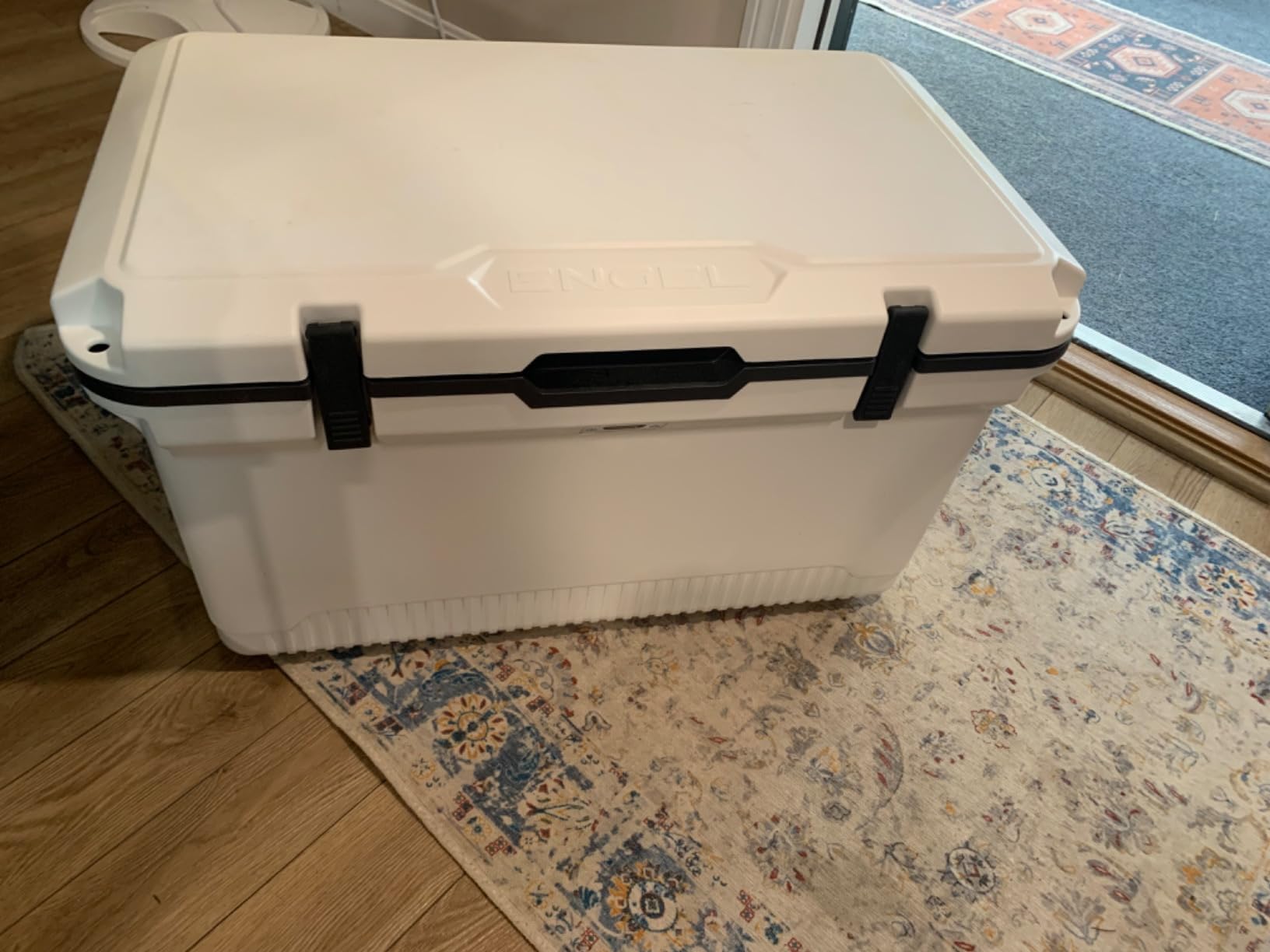
5. ENGEL 60 QT Ultra-Light Cooler: Best Big-Catch Value
ENGEL 60 QT Ultra-Light Injection Molded Cooler – Ice Chest Keeps Ice up to 7 Days – Large Cooler Includes Wire Basket, Divider and Built-in Bottle Opener – Seafoam with Dark Grey Interior (Seafoam)
60 qt at 21.5 lb empty
2 inches closed-cell foam
Wire basket, divider and drain plug
Tie-down slots
Pros
- Only 21.5 lb empty for 60 qt so one person can move it
- Injection-molded high-density plastic resists cracking
- Removable wire basket and divider
- Built-in tie-down slots for boats and paddleboards
- Rubber feet stop it sliding
Cons
- Ice retention drops to about two days in extreme heat
- Light shell is less impact resistant than rotomolded
- Limited colour options
Here is the number that changes how you think about this cooler: 21.5 pounds empty for 60 quarts. That is roughly the weight class of a 35 quart premium cooler with almost double the capacity, and it is why a single angler can carry a full day of ice and fish up a boat ladder without recruiting help.
Reviewers frame it as the gap-filler between a cheap ice chest and a rotomolded monster, and the real-world results back that up. There is a documented ten day hold in a Florida truck and a report of 3000 pounds of ice over a week, both with pre-chilling. Florida owners testing in a triple-digit heat index report closer to two days, which is the honest number for a hot, uncovered deck.
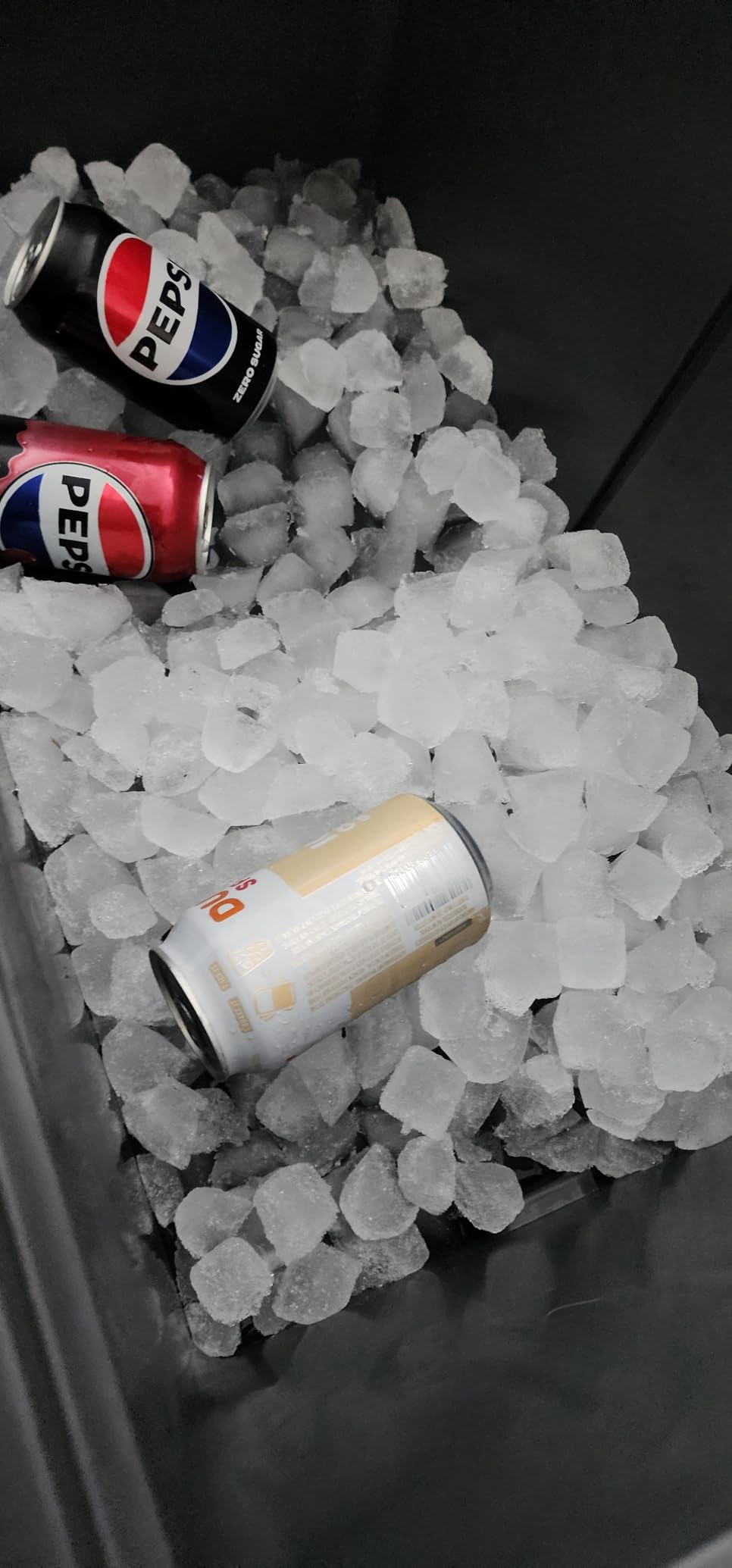
The patent-pending levelled floor with precision tapered drainage channels is a genuinely smart offshore detail. Meltwater pools in a flat cooler and warms everything above it, so a floor that actually drains keeps the ice pack sitting in cold slush instead of floating in warm water.
The removable wire basket and the divider keep food out of the meltwater, the gasketed drain plug lets you empty it fast, and the built-in bottle opener is the kind of small courtesy that gets used constantly on a full day.
Tie-down slots are molded into the body, and rubber feet resist sliding. On a wet deck in chop, both of those matter more than most buyers expect. A cooler that slides into the well when you hit a wake can take out a console or a line.
Best for solo anglers and big pelagic catch days
This is the pick for anyone who fishes alone. Weight is the binding constraint offshore and 21.5 lb solves it without giving up capacity. A 60 quart box fits a full days catch for two plus block ice underneath.
The molded tie-down slots make strapping it to a deck or a paddleboard straightforward, which is the cheapest safety improvement you can make.
Where heat beats it
The advertised 7 day retention figure assumes a cool, shaded, closed box. In extreme heat, owners reporting triple-digit heat index see about two days, and a few reviewers have adjusted their expectations downward accordingly.
The injection-molded shell is also less rigid and less impact resistant than rotomolded construction, so it deforms a little under heavy load. For a fish box handled carefully that is fine. For a box you plan to step on, store a ladder, or drop off a tailgate, it is not.
6. Coleman Marine 120qt with UV Guard: Best for Party Boats
Coleman 120qt Marine Cooler with Insulated UV Guard & Lid
120 qt fully insulated
UV Guard coating
Seat lid rated to 250 lb
Rust-resistant hardware
Pros
- UVGuard coating on lid and body against prolonged sun
- Rust-resistant stainless hardware for marine duty
- Keeps ice up to 6 days at 90F
- Have-a-Seat lid rated to 250 lb with molded cup holders
- Built-in integrated fish ruler
- Stain-resistant liner
Cons
- Only a 1 year limited warranty
- Lightweight plastic body flexes more than rotomolded when full
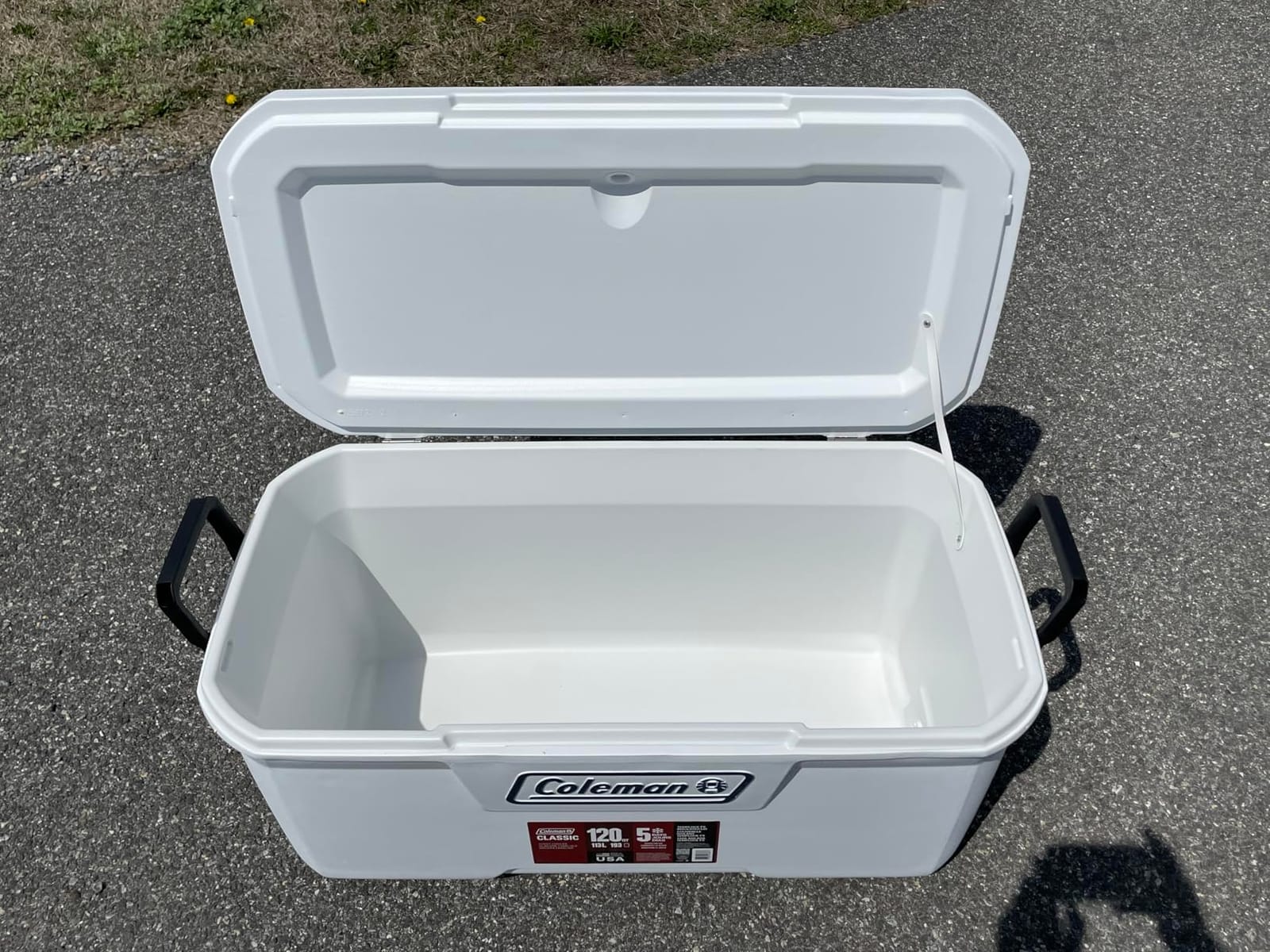
The 120 quart configuration is a different tool from a fish box. This is the cooler that sits in the middle of a party boat with a drink crowd, and the spec sheet is written for that job: a fully insulated lid and body rated to keep ice up to 6 days at 90 degrees Fahrenheit, a UVGuard coating on both lid and shell, and rust-resistant stainless steel hardware.
Have-a-Seat lids rated to 250 pounds with molded cup holders for 30 ounce tumblers turn the cooler into deck furniture. On a bay boat with four people fishing and three not, that is a real saving in deck space, and it is why this cooler shows up on charter and party boats rather than on a solo console.
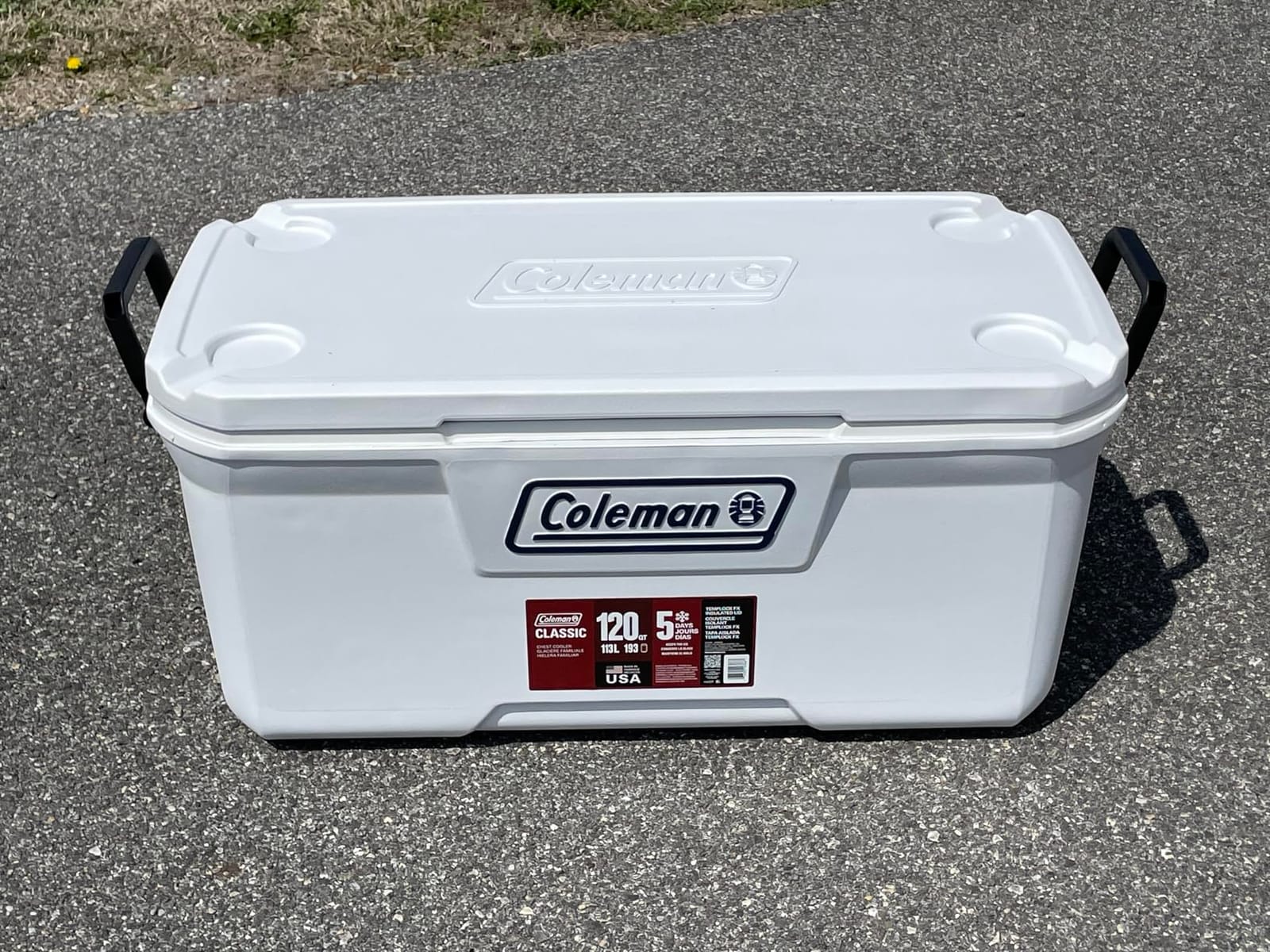
The built-in integrated fish ruler is a nice touch, so you do not need a separate measuring board to keep legal fish. The stain-resistant liner also simplifies the post-trip cleanup, which on a cooler that holds food and drinks together is worth more than it sounds.
Swing-up handles and a recessed easy-open lid lip matter more than usual at 120 quarts, because you are never lifting this one with one hand. There is also a 100 quart wheeled configuration of the same line for anyone who wants to roll it down a ramp instead of carrying it.
The marine intent is real, not marketing. UV inhibitors and rust-resistant stainless hardware are exactly the two failure modes anglers on r/Fishing_Gear complain about after a season of salt spray, and the fully insulated lid matters because lids are where the heat enters.
Best when the cooler is a social space
Buy this one if drinks and ice are the main cargo, or if you are running a boat with limited deck real estate and need the seat function. Four people with drinks for a day takes a lot of volume that a fish box simply cannot supply.
For a crew running big pelagic species, it also doubles as a general provisions locker. Just keep raw fish in a separate container rather than loose in the ice.
Where it falls short
A 1 year limited warranty is the shortest in this roundup by a wide margin, and coolers live outside. The UVGuard coating protects the shell but not the warranty.
The lightweight plastic body is less rigid than rotomolded construction when full, and 120 quarts plus ice is a serious mass in a small boat. Check your boat’s payload rating before you commit, and do not plan to step on the lid when it is full.
7. Igloo Marine 54qt Hard Shell Ice Chest: Best Budget Marine Cooler
Igloo 54 Qt Marine Ultra Cooler, White
54 qt with THERMECOOL foam
UV inhibitors
Hybrid steel and plastic latch
Riteflex resin hinges
Pros
- UV inhibitors protect the shell from prolonged sun
- Non-slip comfort-grip swing-up handles work when wet
- Hybrid stainless and plastic latch puts steel where the load is
- Riteflex resin hinges resist impact and chemicals
- Rust-resistant stainless lid strap and screws
Cons
- Ice retention is day-trip good but short of a full multi-day hold
- Listed lid retaining hardware is described as slightly weak
This is the marine-specific option at the budget end, and the hardware is the story. A hybrid stainless steel and plastic latch puts steel exactly where the hinge load is greatest, Riteflex resin hinges resist impact, temperature and chemicals, and the lid strap and screws are rust-resistant stainless. Anglers who have stripped a cheaper chest down to bare corroding screws recognise how deliberate that spec sheet is.
At 54 quarts with THERMECOOL foam insulation rated to hold up to 85 cans, it is a genuine one-day-to-overnight box. The listed weight is 5 pounds, which is why owners can move it one-handed, and the footprint fits neatly in a boat wheel well without eating the walkway.
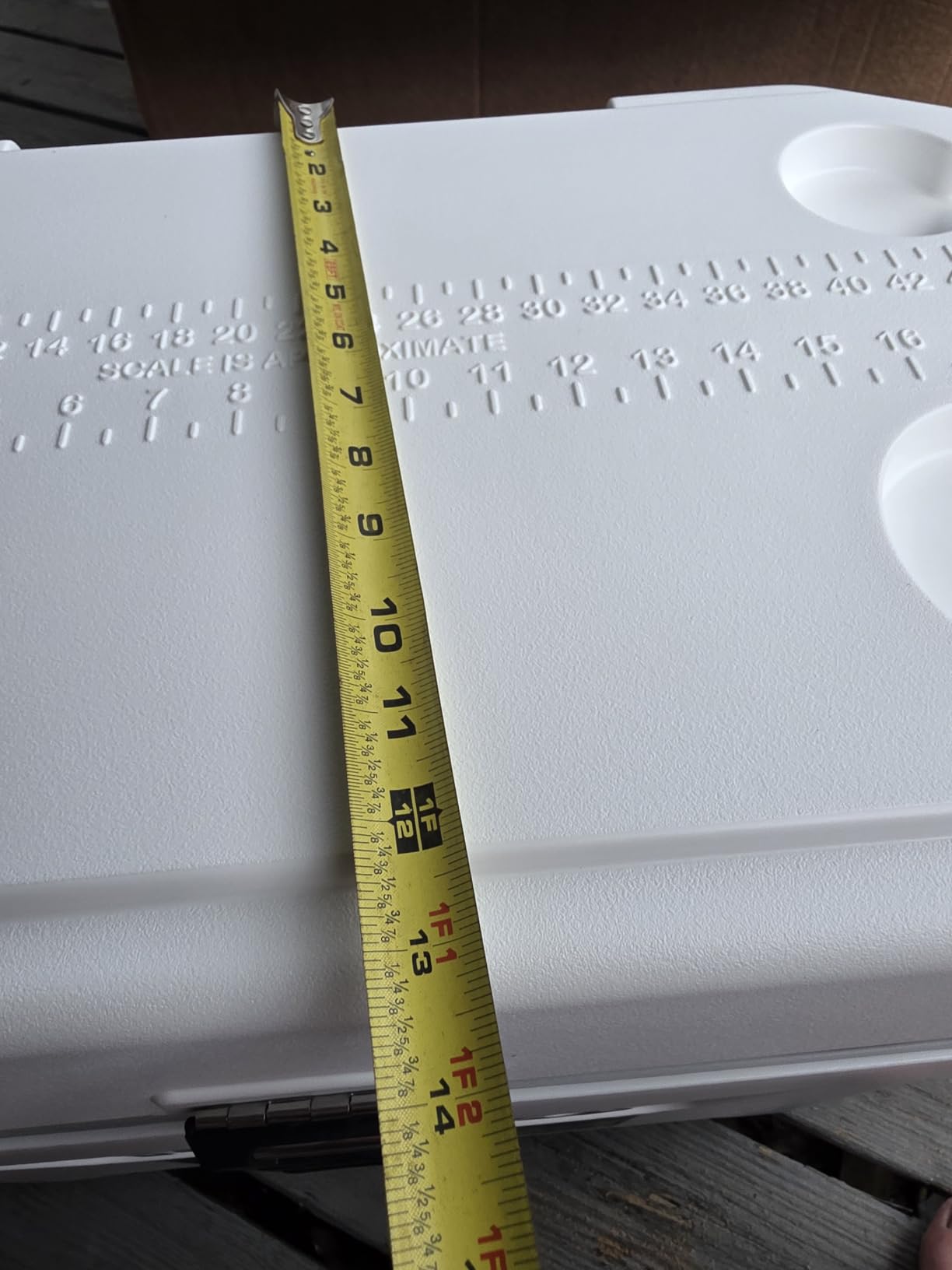
UV inhibitors in the shell matter offshore. Sun is the constant on an open deck, and plastics that get checked and dulled under prolonged UV are the first thing to fail on an inexpensive cooler. The non-slip comfort-grip swing-up handles are also specified for wet conditions, which is a small detail that most cheap coolers skip.
At 1628 reviews with a 4.4 average, this is the most-proven box in the roundup by sheer volume of long-term owners. About 8 percent of the reviews are three-star, and nearly all of those are about ice lasting less than hoped after a full day rather than about failure.
Maintenance is refreshingly simple. The care instructions call for wiping surfaces clean before storing and between uses, with mild detergent or a diluted baking soda solution for tougher stains, which is also the answer to the fish-odor question most owners eventually ask.
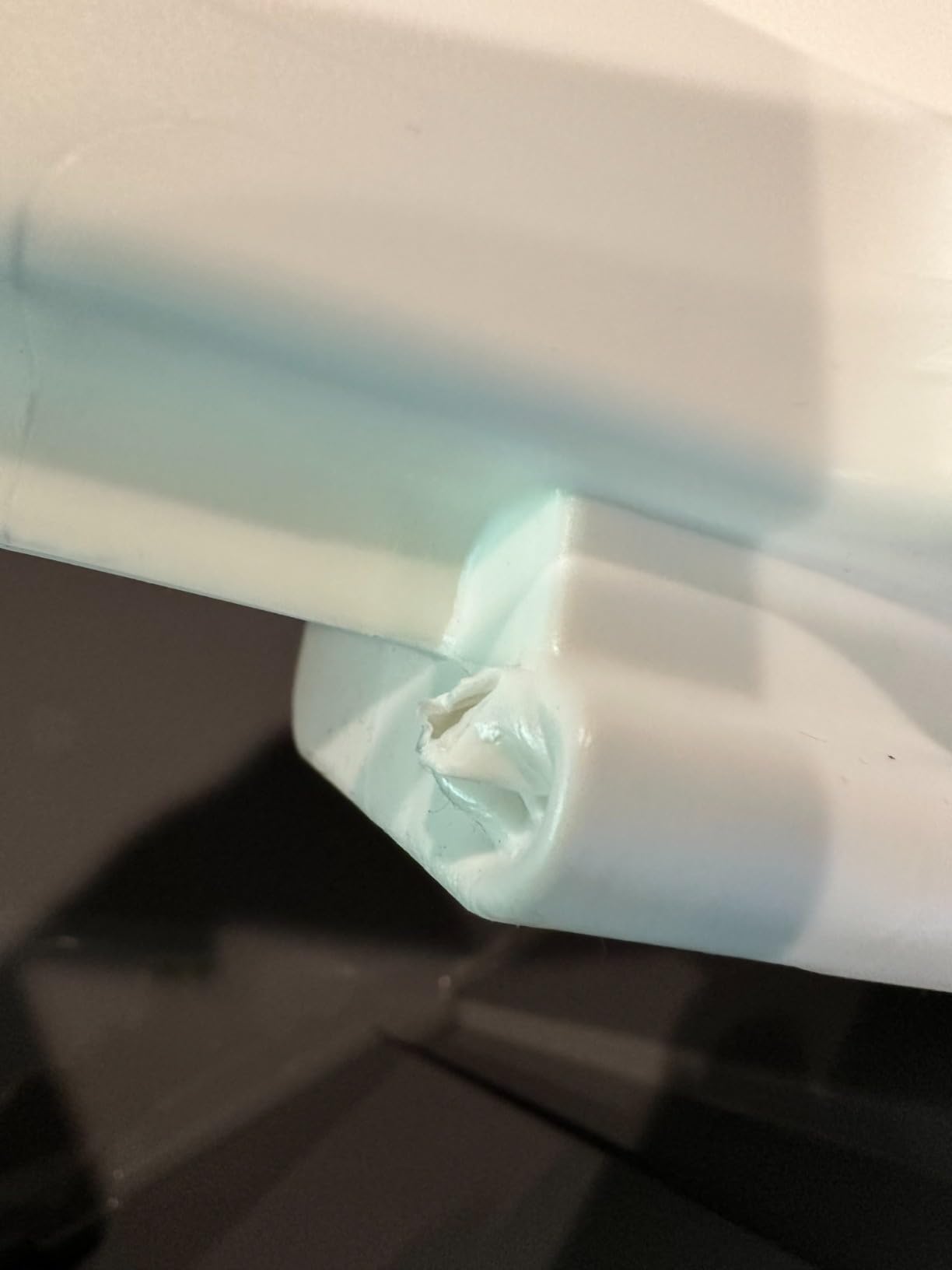
Best for day trips and freshwater-leaning anglers
If your fishing is a full day on the bay, an overnight at a campground, or a weekend on a lake, this box does the job at a cost that does not sting. The marine hardware list is more thoughtful than most of its class, so salt exposure is less of a worry than the price would suggest.
The light weight makes it the easiest option here for a single angler carrying gear from a car to a public boat ramp without a cart.
Where the Igloo Marine runs out
Multi-day offshore is the limit. Owners note ice retention is generally good for day trips but falls short of a full multi-day hold in high heat, and that is precisely the use case most readers of this page have in mind.
The lid retaining hardware is described as slightly weak, so do not use the lid as a step or a seat. If you want a budget box that also survives being sat on, look at the Coleman Marine line instead.
8. COHO 165QT Insulated Hard Cooler: Best for Full Crew Loads
COHO 165QT Insulated Hard Cooler with Fish Ruler, Removable Cup Holders, Magnetic Disc & Tie-Down Loops, Ice Chest for Camping, Boating & Outdoor Use, Keeps Ice Up to 7 Days
165 qt holding 90 cans
Thick polyurethane foam walls
Quick access hatch
Threaded vortex drains
Pros
- 165 qt chamber holds a full trip catch and provisions
- Thick polyurethane foam with a UV-proof shell
- Quick access hatch avoids opening the full lid
- Threaded drain holes create a vortex and accept a garden hose
- Magnetic disc cup holders and tie-down loops
- Zero-leak drain plug and anti-skid feet
Cons
- 43.4 inch length dominates a smaller boat deck
- Listed 4.9 lb weight should be verified before planning a solo haul
At 165 quarts, this is a cooler for a boat that is going out with several people or for a trip where you want to come back with everything in one box. The chamber is rated at up to 90 cans, thick polyurethane foam walls back it, and the warranty listed is lifetime, which is unusual at this capacity.
The quick access hatch is the feature that changes the day. Instead of opening the whole lid and letting the cold air out every time someone wants a drink, you reach in through the hatch. On a hot deck with a full crew, keeping the main lid closed is worth more than it sounds.
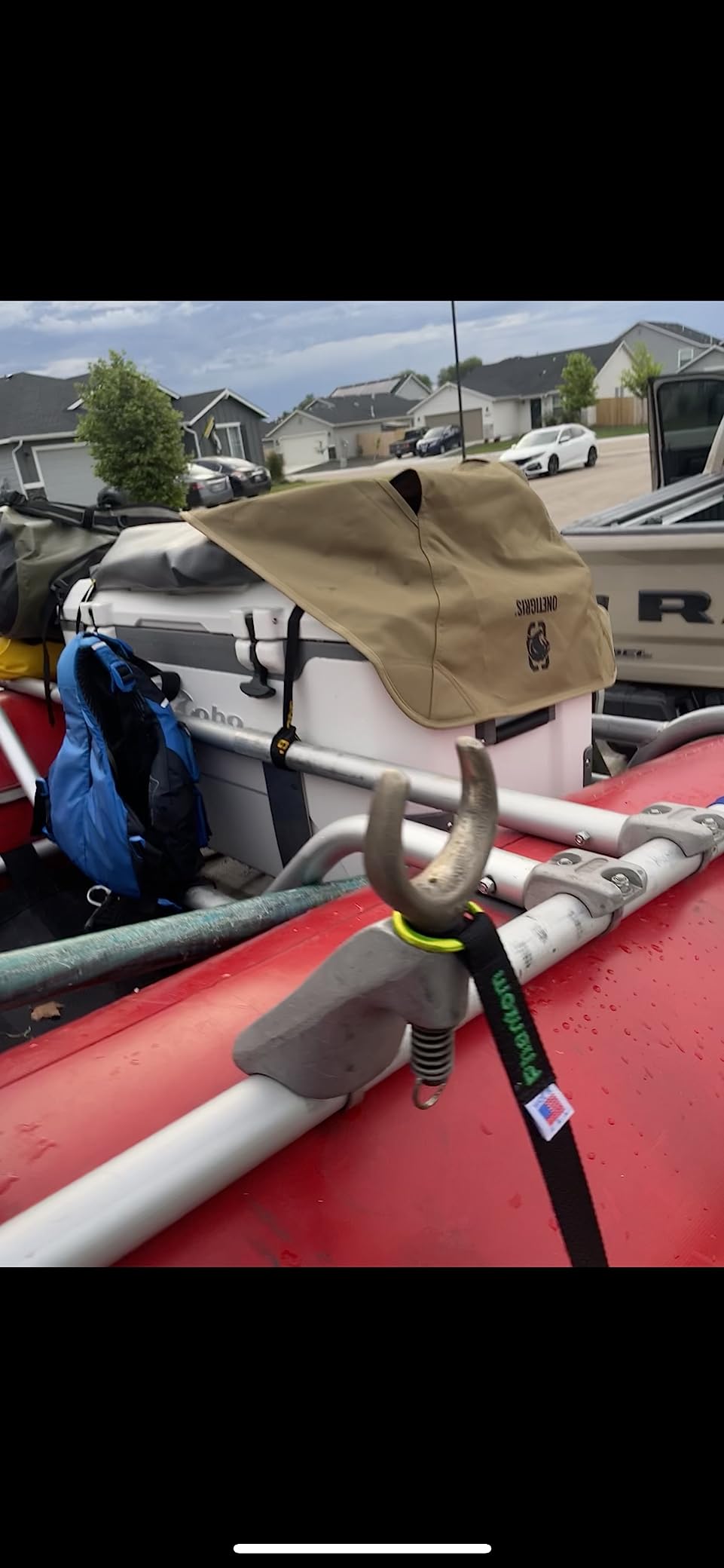
Drainage is unusually well thought out. The threaded drain holes create a vortex for fast drainage and will accept a garden hose for a longer drain, which is exactly what you want after a trip where the meltwater is half seawater. A zero-leak drain plug and anti-skid feet round out the deck-holding package, along with tie-down loops and impact-absorbing side grips.
The magnetic disc for stowing a fishing tool and removable cup holders are the small conveniences owners mention most. The shell is described as UV-proof, which is a genuine advantage for a box that lives on an open deck for a season.
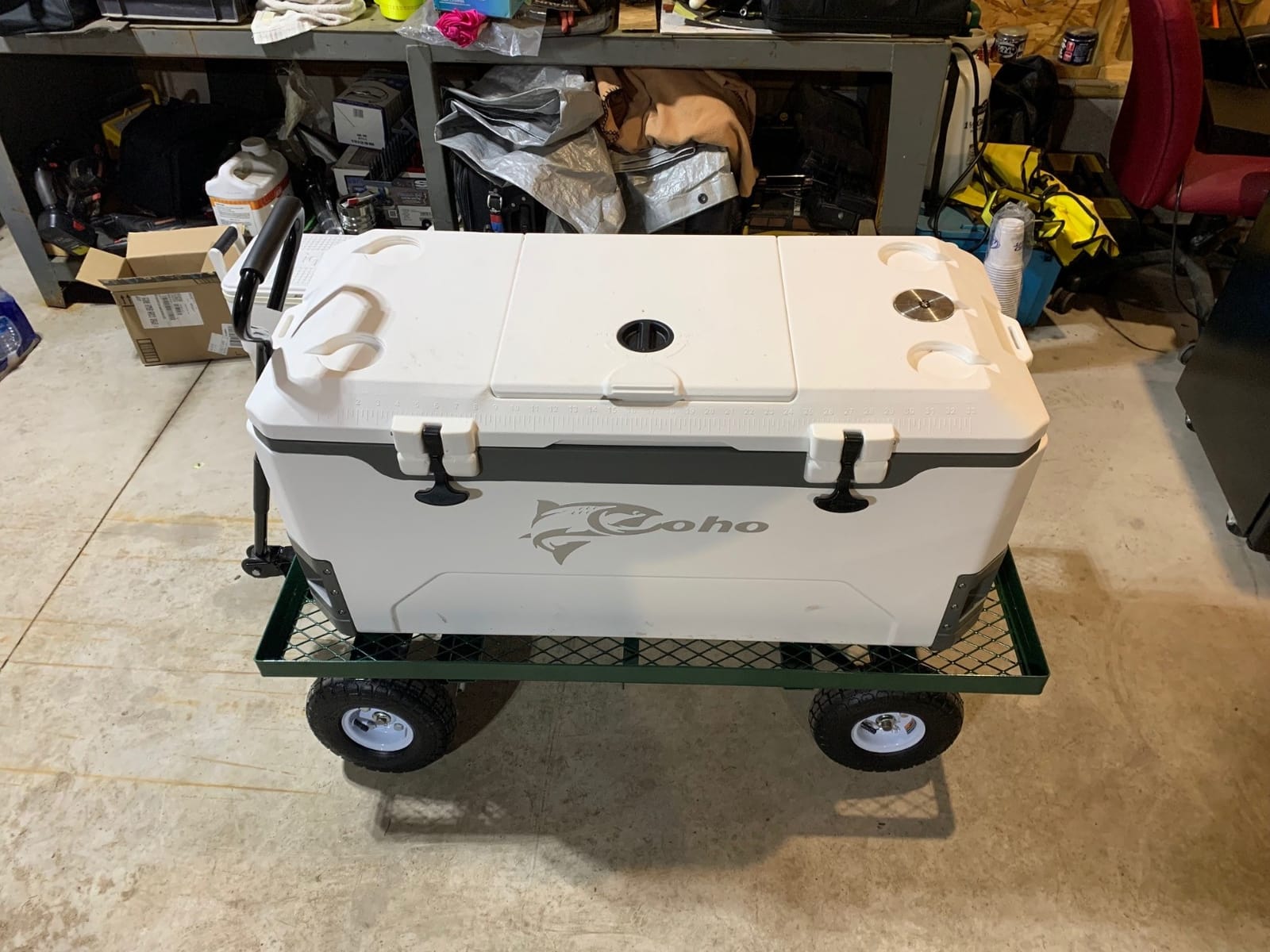
Best for party and charter boats with a real crew
Where a 45 or 65 quart box runs out of ice room by lunchtime, a 165 quart box lets you load block ice at the bottom and still have space for the catch and provisions. The seven day retention claim is a claim, but thick polyurethane walls and a UV-proof shell give it a plausible base.
For a boat running four or five people, this is the box that means one cooler instead of three.
Where 165 quarts stops making sense
Size is the whole trade-off. At 43.4 inches long it dominates the deck of anything smaller than a bay boat, and anglers on small skiffs report it is awkward to store. Deck space is a real constraint, not a preference.
Also verify the weight before you plan around it. The listed 4.9 pounds for a 165 quart unit does not match what a box of that volume should weigh, and a 6 percent one-star share in the reviews reflects exactly that disappointment. Treat the listed figure as unverified and plan on wheels or a second person.
9. RTIC 145 QT Ultra-Tough Hard Cooler: Best for Multi-Day Runs
RTIC 145 QT Ultra-Tough Hard Cooler, Olive
145 qt holding 195 cans
2.6 inches closed-cell foam
Freezer-style gasket
60.6 lb empty
Pros
- 2.6 inches closed-cell foam with a freezer-style gasket
- Rotomolded polyethylene rated for harsh conditions
- 195-can capacity for full-crew or big-game trips
- Bear-resistant construction
- Doubles as a bench or step stool
Cons
- 60.6 lb empty makes solo handling impractical without a cart
- Highest price tier in this roundup
- One reviewer reports lid warp losing the seal in very high heat
This is the multi-day answer. The 145 quart chamber holds up to 195 cans and packs 2.6 inches of closed-cell foam behind a freezer-style gasket, which is the thickest insulation in the roundup. Owners running multi-day and big-game trips describe it as the box they stop worrying about, including one report of holding two 20 pound ice blocks solid past a week.
The 5 year warranty on the Ultra-Tough line is solid, the rotomolded polyethylene body is built to take hard use, and the bear-resistant construction means a remote trip does not force you to move the cooler every time you walk away from camp.
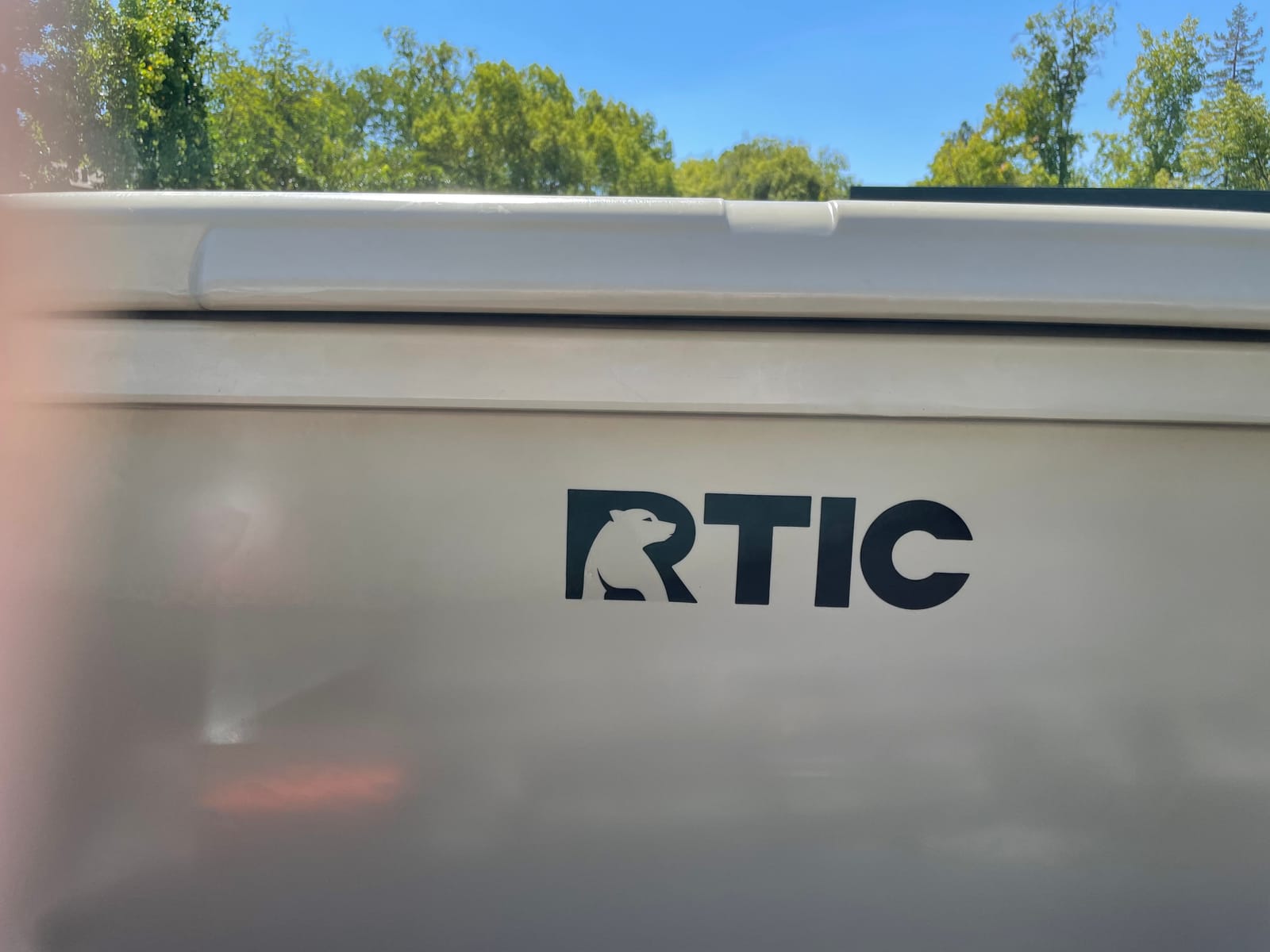
It doubles as a bench or a step stool, which sounds like trivia until you are rigging a rod in a swell with a wet deck. That secondary use is why people end up keeping these for a decade.
At 60.6 pounds empty, this is the heaviest pick here, and that fact has to be planned for. A cart or a second person is not a nice-to-have at this size. One angler on the 2CoolFishing forums described the same problem in reverse: the satisfaction came from a correctly sized box that actually fit the deck, not from the biggest one available.
It is also the most expensive cooler in the roundup, and the review set is small at 116 reviews compared with thousands on the mainstream sizes. That is normal for a box this size, but it means you are buying on spec rather than on volume of owner history.
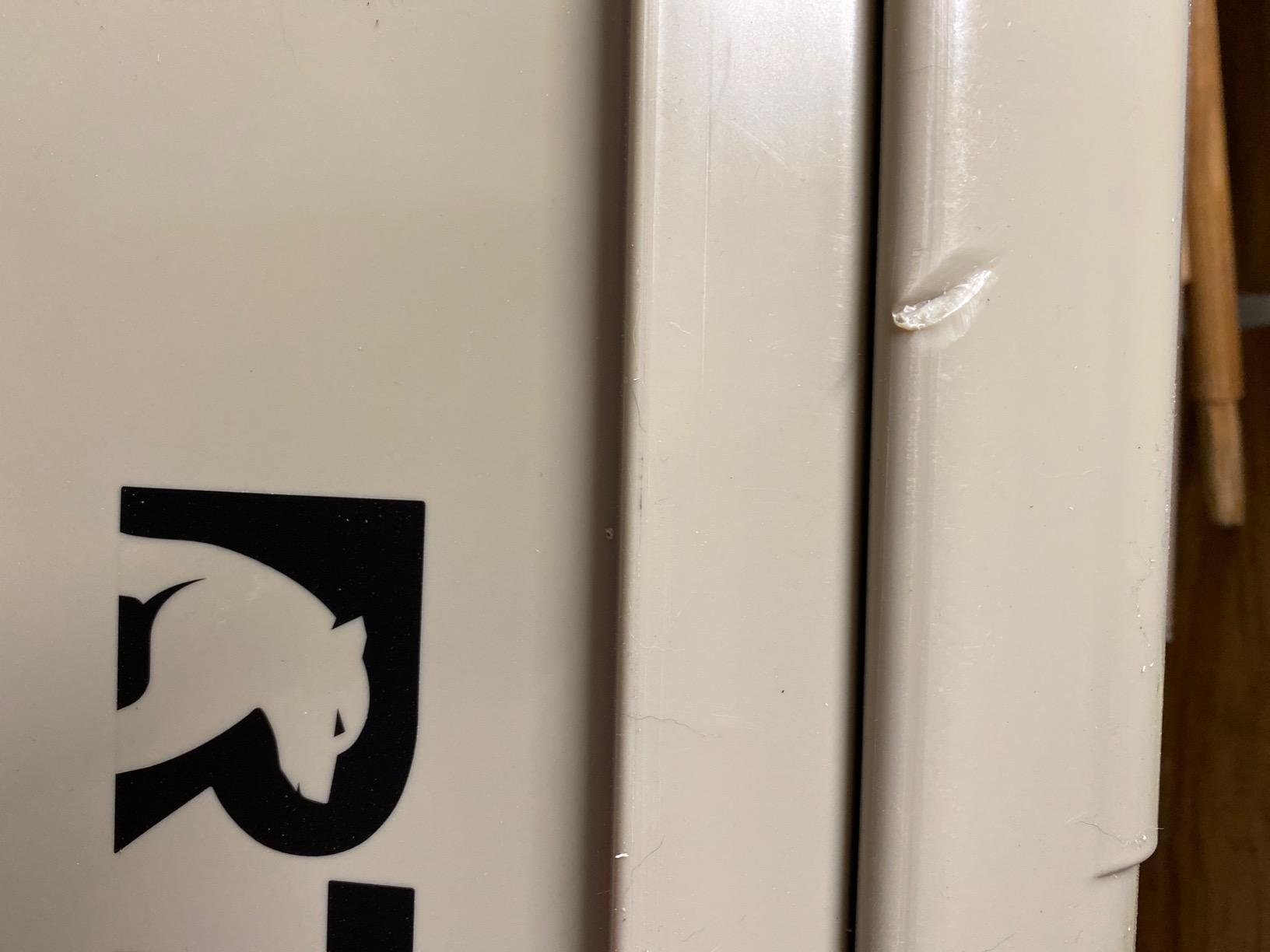
Best for three-day and longer offshore trips
If your trip runs past two nights, the math changes quickly. Every day of a warm deck adds meltwater load, and the deepest foam in the roundup plus the largest capacity is the combination that lets you load once instead of twice.
Big-game and full-crew scenarios, where the catch itself fills the box, are the reason this capacity exists. 195 cans is a lot of volume for pelagic fish and nothing else.
Where 145 quarts is the wrong answer
Solo anglers should not buy this. 60.6 pounds empty plus ice is not a one-person lift, and if your plan involves a steep ramp or a small skiff, the size defeats the purpose.
One reviewer also reports the lid warping and losing its seal in very high ambient temperatures. That is a single report, but it is worth checking the gasket seal after any trip in serious heat.
10. Buffalo Gear Kayak Fishing Cooler: Best for Kayaks and Skiffs
Buffalo Gear Kayak Fishing Cooler,36in Portable Kayak Cooler for Caught Fish,Leak Proof Kayak Fishing Kill Bags with Shoulder Strap
36 inch soft kill bag
Double-wall insulation
Waterproof body seams
6.6 lb with strap
Pros
- Double-wall insulation keeps a catch cold through a full hot day
- Heat-welded seams and puncture-resistant lining suit saltwater
- Large zipper with a rubber seal over the track
- Detachable shoulder strap three handles and D-rings per side
- Drain valve and tarpaulin lining rinse clean
- 6.6 lb unlike a hard cooler of similar capacity
Cons
- The zipper is not waterproof so water enters if the bag is swamped
- Use frozen packs rather than loose ice in chop
- Warranty listed at only 90 days
Soft and cold beats hard and heavy every time you are sitting at water level. This 36 inch kill bag weighs 6.6 pounds against 34 pounds for a comparable hard cooler, and it fits inside a kayak cockpit or a skiff without changing your trim. Most of the reviews come from saltwater kayak anglers running full Florida days, and they rate it well for exactly that.
Double-wall premium insulation and reinforced heat-welded seams are the parts that matter in salt. The large gear zipper has a full rubber seal laid over the zipper track, which resists the corrosion that eats cheap soft coolers within a season.
Carry options are unusually generous for a fishing bag: a detachable shoulder strap, three handles, and three D-rings on each side for lashing it to a kayak seat, a tank, or a paddleboard. The bag fits common fishing kayaks including Pelican, Hobie, Old Town, and Jackson models.
A drain valve device and a heavy-duty tarpaulin interior mean you can hose it out after a mackerel trip, which matters more for soft gear than for hard coolers because the liner absorbs what it holds.
Now the caveat, and it is the one the manufacturer states plainly: the body and the dense welding are leak proof, but the zipper is not a waterproof zipper. Use the drain valve when you pick the bag up, and expect water to enter if you are launching through breaking surf.
Best for surf, kayak, and shallow water
Anglers targeting surf from the beach or fishing a tidal creek in a kayak need something that will not end a day on the floor of the boat. At 6.6 pounds you can keep it between your knees and secure it with the D-rings.
It is also the right call for anyone who wants a second catch container that does not compete with a hard cooler for deck space.
Where the soft bag loses
Loose ice is a problem. A number of users report water intrusion in choppy conditions, and frozen packs work better than ice because a bag full of solid blocks does not slosh against the zipper line. Plan your ice format around that.
The listed warranty is 90 days, which is shorter than the product copy implies, and there is no hard shell to stand on or sit on. Pair it with a hard cooler for a full offshore trip rather than replacing one.
How to Choose an Offshore Fishing Cooler
Ice retention is won at the wall and the seal, not the badge
Rotomolded coolers are built by rotating a heated plastic shell inside a mold filled with foam, which packs 2 to 3 inches of closed-cell polyurethane against a seamless wall with no joints to leak. Injection-molded coolers use thinner walls and thinner foam, typically around 2 inches, and are considerably lighter. Blow-molded chests are the lightest and the least insulated, and they are the wrong tool for a full offshore day.
The gap between those categories is dramatic. A thin-walled ice chest gives you roughly 18 to 36 hours, which sounds fine until the sun is at 90 degrees and the box is open four times an hour. A properly rotomolded 45 to 65 quart box is a multi-day tool, and that difference is what a brand premium is actually buying.
Then check the gasket. A full-perimeter rubber gasket that compresses when the latch closes is the difference between an ice box and a bucket. Press the lid closed in the store and feel whether the seal compresses evenly all the way round, with no daylight gaps at the corners. Latch travel matters too: rubber T-latches that pull the lid down evenly beat plastic toggles that pinch one corner.
How big should your offshore cooler be?
Work from trip length first, then from crew size, then from whether you are bringing fish home. The general rule anglers use is 2 pounds of ice per 1 pound of fish, so a 20 pound catch wants about 40 pounds of ice around it.
That rule is the one most often skipped, and skipping it is why people end up with a cooler full of warm water and fish on top.
One angler, one day inshore: 25 to 35 quarts. Enough for a cast net, a cooler of bait, and drinks.
Two to four anglers, full day offshore: 45 to 65 quarts. This is the range that covers most people most of the year.
Two-day run with a real catch: 65 to 72 quarts. Buy wheels at the top of this range.
Three days or longer, or a full crew: 100 to 165 quarts. Measure your deck first and check your boat payload rating.
Two practical checks before you buy. Measure the opening your cooler has to pass through, not the deck square footage, and add the height of the cooler plus your own lifting clearance. Then weigh the loaded box honestly: a 100 quart cooler plus ice is around 150 pounds, which is a two-person job and should be planned as one.
Saltwater hardware: what actually corrodes first
Salt does not attack the plastic. It attacks the hinge pin, the latch pin, and the wheel axle, in that order, because those are the parts that are repeatedly wet and never fully dried. Forums dedicated to fishing gear consistently identify rusted latches and seized hinges as the failure that ends a cooler’s life, not cracks in the shell.
On stainless grades, 304 stainless is fine for freshwater and coastal air, and it will show rust staining on a latch within a season or two of hard offshore use. 316 marine-grade stainless carries molybdenum and resists chloride corrosion far better, which is why it appears on premium marine hardware. Neither grade survives being stored wet, salty, and closed in a garage all winter.
The rinse protocol is short and it works. After every trip, drain the meltwater, hose the interior and exterior with fresh water, pay particular attention to the hinge pins, latch pins, and wheel axles, then dry the cooler open in the shade rather than shut in a hot car. A minute of that at the ramp keeps a season of corrosion off the hardware. Owners also recommend a light coat of corrosion inhibitor on the hardware before long storage.
Wheels and the ramp haul
The useful rule is a weight rule, not a price rule: past roughly 45 quarts, wheels are not a luxury. Empty weight plus ice crosses the point where one person can safely lift a cooler down a ramp, and a drop onto a dock or trailer tongue is how good coolers get damaged.
If you haul sand or shell, look for puncture-resistant all-terrain wheels and a telescoping or tow handle with a grip that works with wet hands. If you mostly launch from a dock, rope handles on a lighter body serve you better. Either way, strap the cooler down. Wheels do not stop a box sliding across a wet deck in chop, and a moving cooler at your feet is a genuine hazard.
Is anything actually better than YETI?
At equal capacity with an equal seal, the ice retention gap between premium brands and well-built value brands is small, and anglers on r/Fishing say so repeatedly. The recurring complaint is brand-hype fatigue: paying a large premium for a logo rather than for foam depth and gasket quality.
Where the premium genuinely goes is hardware and finish. Marine-grade latch and hinge parts, better seals, tighter tolerances, and longer warranties all cost money, and they are the parts that determine whether a cooler survives a decade of salt. Where it does not go is a dramatic difference in how long a block of ice survives.
Forum consensus repeatedly positions RTIC and Engel at a fraction below YETI for comparable hold time, with the difference being finish rather than core performance. That is a reasonable way to buy: pay for hardware durability, not for the badge.
Keeping the catch cold once it is inside
Fish quality halves as temperature rises, and the practical target is 32 degrees Fahrenheit, not just cold. Anything above 40 degrees accelerates spoilage sharply, which is why an afternoon on an open deck with a half-melted slurry is where trips are won or lost.
The method that works is a salt-ice slurry. Roughly two pounds of ice per pound of fish, with a good handful of salt mixed into the meltwater, drops the slurry below freezing and holds it there. Block ice on the bottom slows the melt and keeps the fish above the coldest layer, where they are less likely to freeze solid against the shell. Flake ice packs around a fish more evenly, which is better for the fish but melts faster. Bag fillets and steaks separately, because salt contact directly on the flesh causes belly burn.
Pre-chill before you leave. A cooler that starts at ambient temperature burns through its first several hours of ice just getting cold, so an hour with a block in it before the ramp is real retention you get for free.
Keeping a cooler from smelling after a fish trip
Rinse with fresh water while the fish is still in the boat, drain it, then wash with mild detergent or a diluted baking soda solution and let it dry with the lid open in the shade. Odour comes from residue left in the liner and the gasket channel, not from the plastic, and the gasket is the part people forget.
Avoid hot water and harsh solvents on a foam liner, and do not store the cooler shut and damp. Salt residue left in the fabric of a soft bag is the fastest route to a permanently smelly bag, so soft coolers need the same rinse discipline as hard ones.
Who should not buy a premium cooler
If you fish a handful of freshwater days a year from a kayak or a small skiff, a premium rotomolded box is solving a problem you do not have. A soft kill bag and a cheap dry box will serve you better and cost a fraction of it.
The premium case starts making sense when you are spending full days in salt, hauling a real catch off a ramp, or running multi-day. Before that, you are paying for insulation you will not fill.
Frequently Asked Questions
What is the best cooler for offshore fishing?
A rotomolded hard cooler in the 45 to 65 quart range, with 2 to 3 inches of closed-cell foam, a full-perimeter gasket, marine-grade hardware and tie-down points. Our pick is the YETI Tundra 45 for pure ice retention, with the RTIC 65 QT Ultra-Tough as the better value option and the ENGEL 60 QT Ultra-Light if you need to lift it solo.
What cooler retains ice the longest?
Insulation depth and gasket quality decide this, not the brand. The deepest foam in this roundup is the RTIC 145 QT Ultra-Tough at up to 2.6 inches of closed-cell foam behind a freezer-style gasket, followed by the YETI Tundra 45 at up to 3 inches of PermaFrost foam. Pre-chilling and block ice at the bottom extend any of them.
What is the best fishing cooler for the money?
The RTIC 65 QT Ultra-Tough is the strongest value pick: 65 quarts holding up to 84 cans, up to 2.4 inches of closed-cell foam, a freezer-style gasket and a 5 year warranty, with owner reviews reporting ice retention comparable to pricier rotomolded units. On a tighter budget the Igloo Marine 54qt is a legitimate single-day marine box.
How do I know what size cooler I need?
Start from trip length, then crew size, then the weight of the catch. A rough rule is 2 pounds of ice per 1 pound of fish. One angler fishing inshore for a day needs 25 to 35 quarts, two to four anglers offshore need 45 to 65 quarts, and a two-day run with a real catch needs 65 to 72 quarts with wheels.
Are wheeled coolers worth it for fishing trips?
Once a cooler passes roughly 45 quarts, wheels stop being a luxury. Empty weight plus ice makes a larger box a two-person lift off the ramp, and a drop onto a dock damages the shell. Puncture-resistant all-terrain wheels and a tow handle, as on the RTIC 72 QT Ultra-Light Wheeled, let one angler move a full load across a dock or through sand.
What coolers are just as good as YETI but cheaper?
RTIC and Engel are the two most common answers, and at equal capacity with an equal seal the ice retention gap is small. RTIC 65 QT Ultra-Tough and ENGEL 60 QT Ultra-Light both pack real insulation depth at lower tiers. The RTIC 145 QT Ultra-Tough goes further with up to 2.6 inches of closed-cell foam. What you give up is usually hardware finish and warranty length.
How do I keep fish cold in a cooler all day?
Pre-chill the cooler for an hour before you leave, load block ice on the bottom, then layer fish above it and cover with more ice. A salt-ice slurry made with roughly two pounds of ice per pound of fish drops the temperature below freezing and holds the catch at target. Drain meltwater every few hours and bag fillets separately to prevent salt burn on the flesh.
How do I keep my cooler from smelling after storing fish?
Rinse with fresh water at the ramp while the fish is still in the boat, drain, then wash with mild detergent or a diluted baking soda solution and dry with the lid open in shade. Pay attention to the gasket channel, which is where residue hides. Never store a cooler shut and damp, and rinse soft kill bags the same way because their liners absorb what they hold.
The Verdict: Which Offshore Fishing Cooler Should You Buy
For most offshore anglers, the answer to the best fishing coolers for offshore trips question is the YETI Tundra 45. The 3 inches of PermaFrost foam, the full-perimeter gasket, and the rotomolded FatWall wall make it the box we would load for a two or three day pelagic run without second-guessing it.
Buy the RTIC 65 QT Ultra-Tough instead if value matters more than brand, and the ENGEL 60 QT Ultra-Light if you fish alone and cannot carry 23 pounds up a ladder. Step up to the RTIC 72 QT Ultra-Light Wheeled when the ramp is the hard part of the day, and drop to the Igloo Marine 54qt or a soft kill bag when you are close to the water and a day is the whole trip.
Whichever you choose, pre-chill it, load block ice at the bottom, use two pounds of ice per pound of fish, rinse it in fresh water at the ramp, and strap it to the deck. Those four habits matter more than the badge on the lid. Check local regulations on keep and release limits before you leave, and get a float plan to somebody before the first line goes out.