
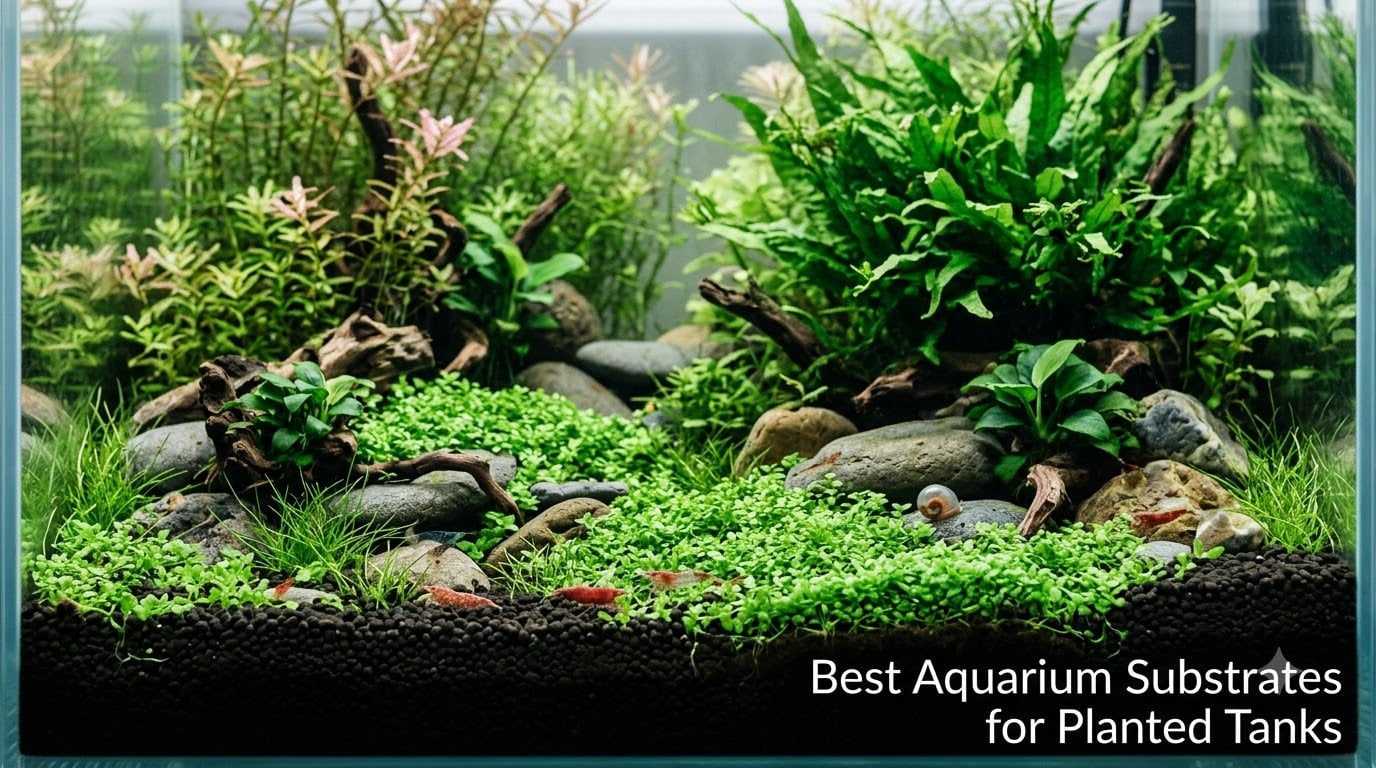
Setting up a planted tank is one of the most rewarding parts of the aquarium hobby, but everything starts with what goes on the bottom. The best aquarium substrates for planted tanks provide a foundation where roots anchor, nutrients exchange, and beneficial bacteria thrive. After testing six leading substrates across different tank setups, I can tell you that the right choice makes or break your aquascape.
Our team compared aquasoils, inert clay gravels, and budget sand options over several months to see which ones actually deliver on plant growth, water clarity, and long-term durability. We looked at everything from beginner-friendly picks like Fluval Stratum to premium choices like ADA Amazonia. Each substrate went through real-world testing with carpeting plants, stem plants, and shrimp colonies.
What I found is that there is no single winner for every tank. Your choice depends on your plant species, whether you run CO2, your budget, and whether you keep shrimp. This guide breaks down all six substrates with hands-on experience so you can pick the one that fits your setup. Let us get into the reviews.
Table of Contents
Top 3 Picks for Best Aquarium Substrates for Planted Tanks September

These three represent the best across three categories: the Fluval Stratum is my top pick for most beginners because it is clean, shrimp-safe, and grows plants well without ammonia headaches. UNS Controsoil is the premium choice for aquascapers who want ADA-level results with less fuss. And the AquaQuartz pool filter sand wins on raw value, giving you 50 pounds of substrate for a fraction of the cost of branded aquarium sand.
Best Aquarium Substrates for Planted Tanks in 2026
| Product | Specs | Action |
|---|---|---|
| Fluval Plant and Shrimp Stratum |
|
Check Latest Price |
 UNS Controsoil UNS Controsoil |
|
Check Latest Price |
 ADA Aqua Soil Amazonia Ver.2 ADA Aqua Soil Amazonia Ver.2 |
|
Check Latest Price |
 Seachem Flourite Black Clay Gravel Seachem Flourite Black Clay Gravel |
|
Check Latest Price |
 Aqueon Plant and Shrimp Substrate Aqueon Plant and Shrimp Substrate |
|
Check Latest Price |
| AquaQuartz Pool Filter Sand |
|
Check Latest Price |
1. Fluval Plant and Shrimp Stratum — Best Overall for Beginners
Fluval 12694 Plant and Shrimp Stratum for Freshwater Fish Tanks, 8.8 lbs.
8.8 lbs aquasoil
Neutral to slightly acidic pH
Shrimp-safe
Prime eligible
Pros
- Excellent plant growth with thriving roots
- Great for shrimp breeding tanks
- Minimal cloudiness when installed carefully
- Supports beneficial nitrifying bacteria
Cons
- Lighter pellets can float initially
- Can cloud water if not handled properly
- Higher cost per pound than budget options
I have used Fluval Stratum in two of my own tanks, and it remains my go-to recommendation for anyone starting their first planted aquarium. The lightweight porous granules are made from volcanic ash collected in the Bay of Volcanoes, which means they are naturally rich in the trace elements plants love. Out of the bag, the soil has a clean, uniform look that instantly gives a tank that professional aquascape appearance.
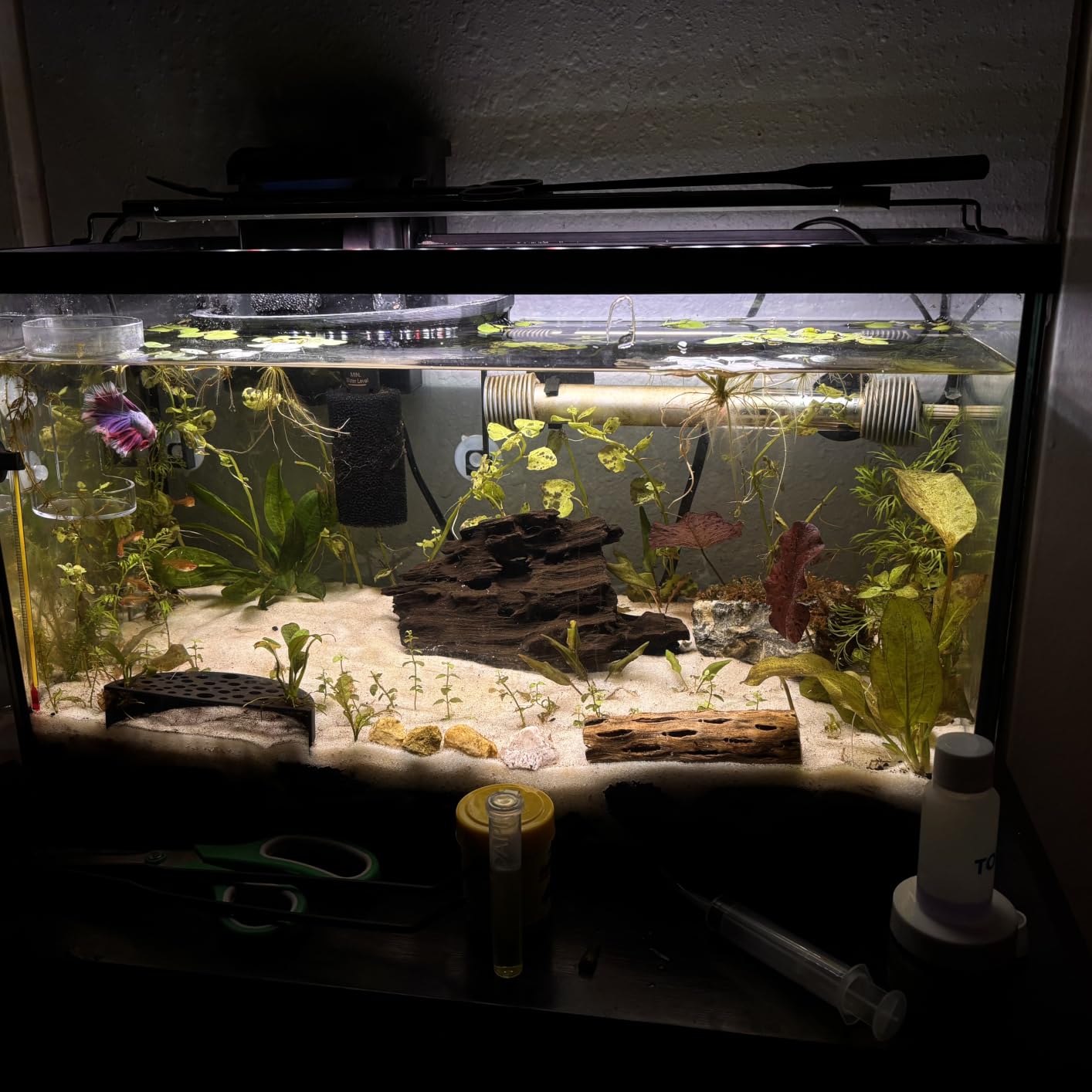
The thing that sold me on Fluval Stratum is how gentle it is on water parameters. Unlike some aquasoils that dump ammonia into your tank for weeks, Fluval leaches minimal ammonia and settles into a stable cycle quickly. I set up a 10-gallon shrimp tank with this substrate and had crystal clear water within 48 hours. My cherry shrimp colony started breeding within the first month, which tells you the water quality was solid.
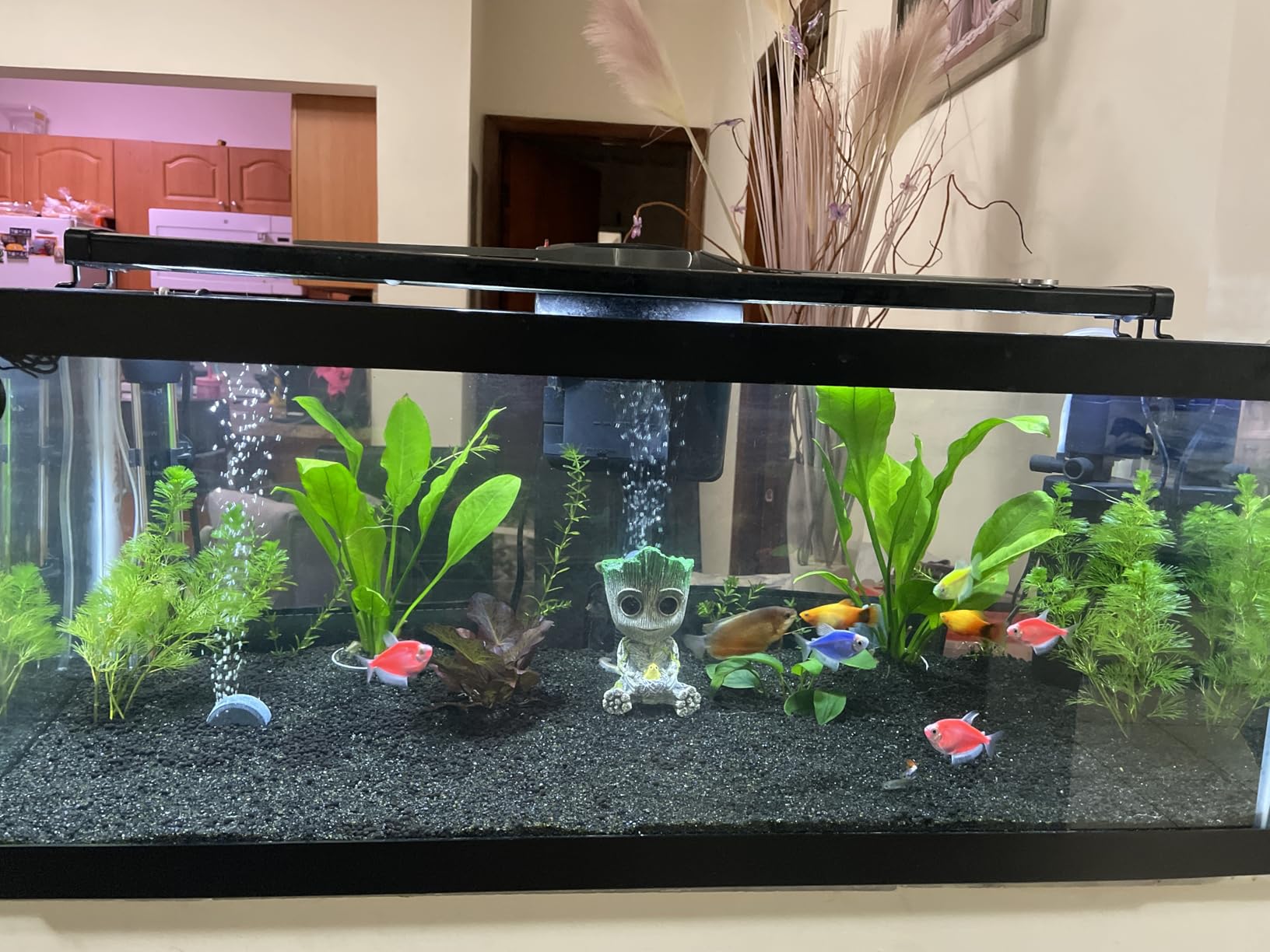
From a plant growth perspective, the results speak for themselves. I grew Monte Carlo carpets, Rotala stems, and Cryptocoryne species in Fluval Stratum without adding root tabs for the first three months. The substrate supports neutral to slightly acidic pH, which suits most tropical plants and shrimp species perfectly. Root penetration is easy, and the porosity encourages rapid colonization of beneficial bacteria.
The main drawback is that the pellets are quite light. When you first plant, some stems may float up before the roots take hold. I recommend using planting tweezers and pushing stems deep enough that the substrate holds them. Some users report dust issues during the initial fill, but I found that placing a plastic bag over the substrate and pouring water slowly prevents most clouding.
Who benefits most from this substrate
Beginners will get the most value from Fluval Stratum because it forgives mistakes. You do not need to worry about massive ammonia spikes or pH crashes during cycling. Shrimp keepers love it because the small granules provide shelter for baby shrimp and the pH stays in the sweet spot for Neocaridina and Caridina species. If you are running a low-tech tank without CO2 injection, this substrate gives you enough nutrients to grow a wide variety of plants successfully.
Who should look elsewhere
Serious aquascapers chasing demanding species like Utricularia graminifolia or HC Cuba may find Fluval Stratum lacks the nutrient density of premium options like ADA Amazonia. If you are running a high-tech tank with CO2 and want explosive growth from heavy feeders, you will likely need root tab supplementation within a few months. Also, if you have a very large tank, the cost of buying multiple 8.8-pound bags adds up fast compared to bulk inert substrates.
2. UNS Controsoil — Best Premium Aquasoil for Serious Aquascapers
Ultum Nature Systems Controsoil – Freshwater Aqua Soil Substrate for Fish, Shrimp, Live Plant Propagation and Aquascaping – 6.8pH Low Ammonia, Volcanic Ash – Black, Fine (1 Liter)
Volcanic ash aquasoil
pH 6.8 buffering
No rinsing required
Multiple granule sizes
Pros
- Cleanest aquasoil on the market
- Minimal clouding and fast clearing
- Excellent plant growth results
- More affordable than ADA Amazonia
Cons
- Small bag size for the price
- Pellets can break if disturbed
- Black color appears brown initially
UNS Controsoil is the substrate I reach for when I want competition-level aquascaping results without the ammonia management that comes with ADA Amazonia. Ultum Nature Systems designed this volcanic ash-based soil specifically to provide nutrients to plants while keeping nitrogenous waste under control. The first time I used it, I was struck by how clean the substrate looked straight out of the bag, no dust clouds or fine powder.
The pH buffering is where Controsoil really shines. It brings water to around pH 6.8 and holds it there consistently, which is the ideal range for most aquatic plants. I tested this in my 20-gallon high-tech tank over a three-month period, and the pH never drifted. That kind of stability is huge for carpeting plants and demanding stem species that need consistent parameters to thrive.
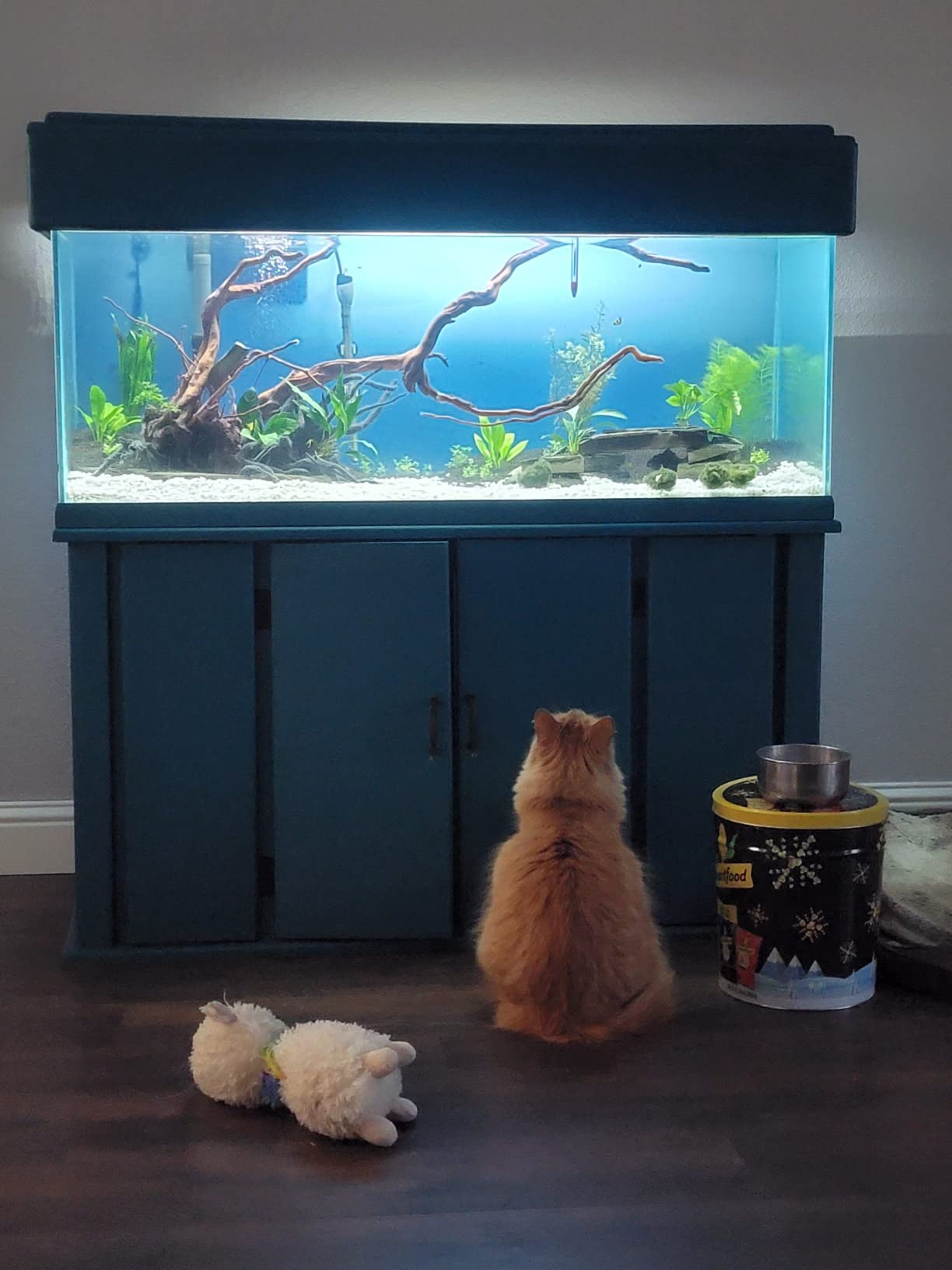
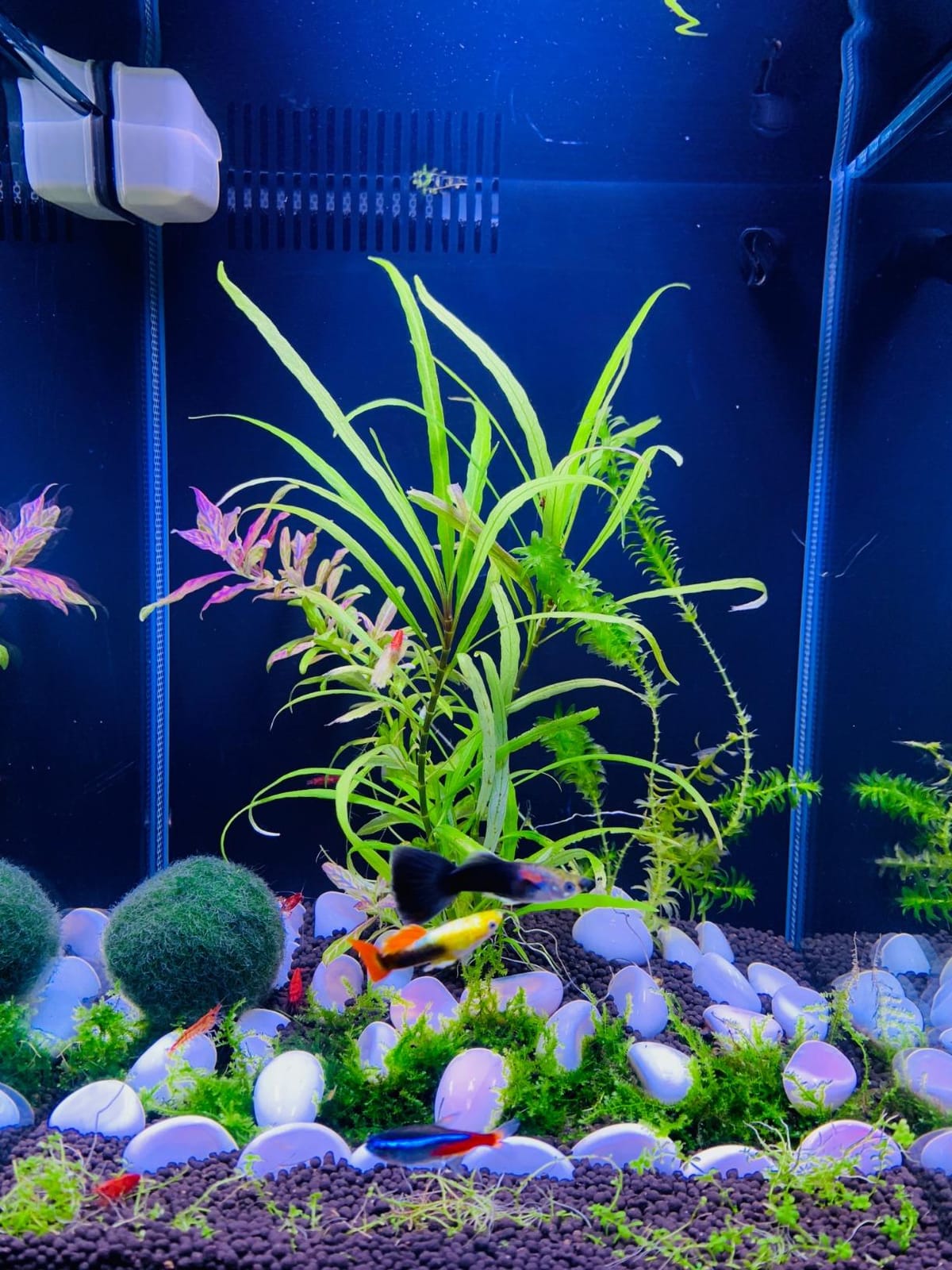
Plant growth in Controsoil is excellent across the board. I grew a lush carpet of dwarf hairgrass in about five weeks, which is on par with what I have achieved using ADA Amazonia. The substrate supports strong root development thanks to its porous structure and optimal oxygen exchange. No rinsing is required, which saves time during setup and reduces the risk of introducing contaminants.
The biggest downside is the bag size relative to cost. At roughly $25 per liter bag, you are paying premium prices, and for larger tanks you will need multiple bags. The pellets are also somewhat fragile, so avoid aggressive rescaping once the tank is established. I noticed the black version looks slightly brown when first submerged, but it darkens to a deep black within a few days.
Ideal tank setups for Controsoil
Controsoil is perfect for high-tech planted tanks with CO2 injection where you want ADA-level results but prefer a gentler cycling process. The low ammonia release means you can stock fish sooner than with Amazonia. Aquascapers who compete or create show tanks will appreciate the consistent quality from batch to batch. It also works beautifully for shrimp tanks since the pH buffering creates ideal conditions for sensitive Caridina species.
When to skip Controsoil
If you are on a tight budget or setting up a large tank over 40 gallons, the cost per bag makes Controsoil an expensive choice. Beginners who are still learning the ropes may not notice the difference between this and Fluval Stratum, so the extra cost may not be justified. Also, if your tank houses large bottom-dwelling fish that constantly dig and disturb the substrate, the fragile pellets may break down faster than you would like.
3. ADA Aqua Soil Amazonia Ver.2 — Best for High-Tech Planted Tanks
ADA Aqua Soil Amazonia Ver 2 (9L)
9L premium aquasoil
Japanese black soil
Amazon concentrate
pH and hardness buffering
Pros
- Exceptional growth for demanding species
- Works perfectly with CO2 injection
- Industry standard for aquascaping
- Consistent batch quality
Cons
- Causes initial ammonia spike requiring cycling
- Significantly lowers KH and pH
- Premium pricing
- May need root tabs over time
ADA Amazonia is the gold standard aquasoil that every serious aquascaper knows about. I have used Version 2 in my 40-gallon breeding display tank, and the plant growth it produces is simply unmatched. Made from rare Japanese plant-based black soil with an added Amazon concentrate supplement, this substrate packs a serious nutrient punch that feeds even the most finicky plant species.
The trade-off with Amazonia is that you pay for those nutrients with an initial ammonia spike. When I first set up my tank, ammonia readings hit 2 ppm within the first week. This is actually by design, as the ammonia helps cycle the tank quickly and feeds the bacterial biofilm. But it means you need to wait three to four weeks before adding fish, and you should plan on frequent water changes during that period.
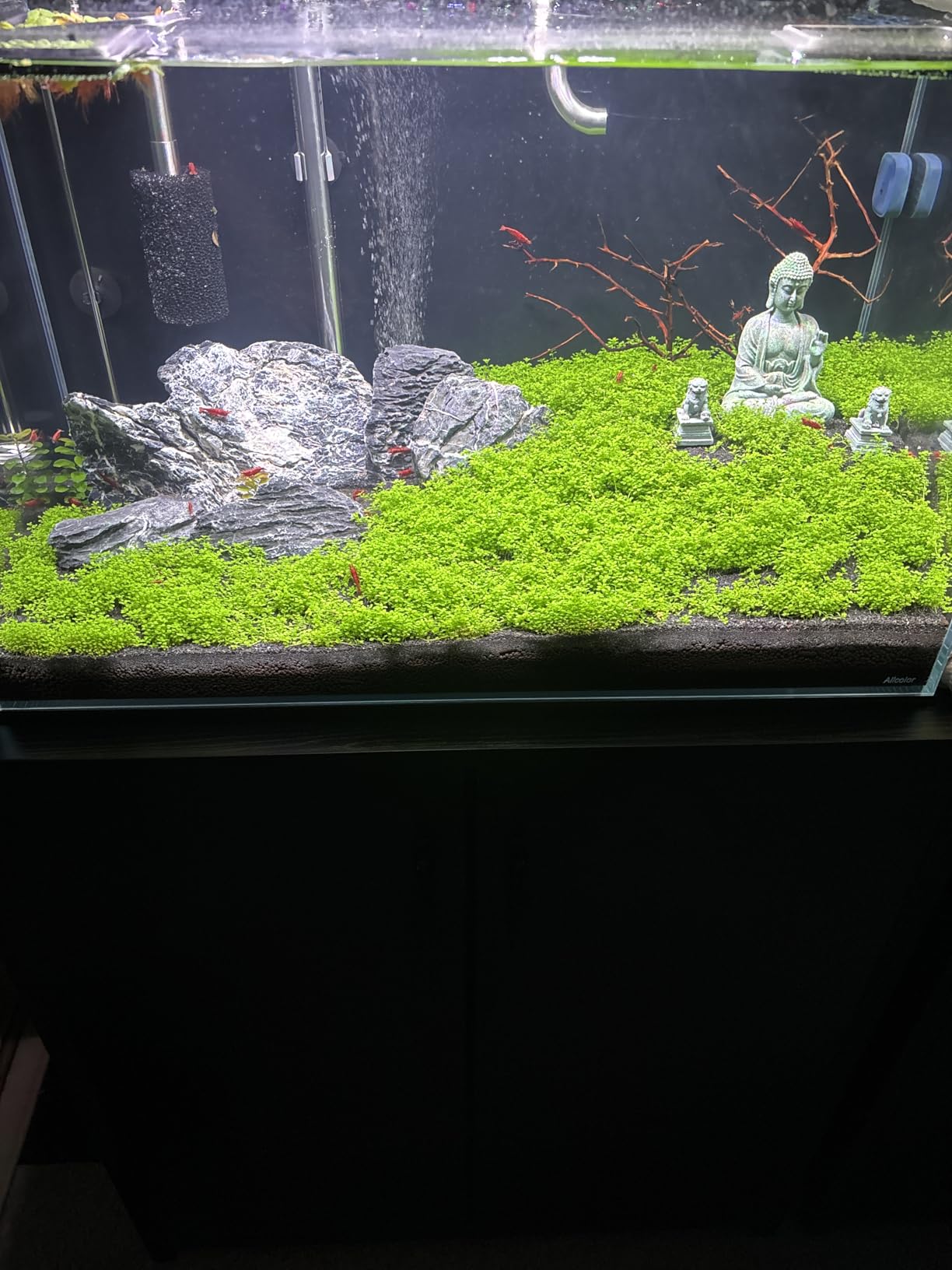
Once cycled, Amazonia delivers results that no other substrate I have tested can match. I grew a full carpet of dwarf baby tears in six weeks with CO2 injection, and Utricularia graminifolia, a notoriously difficult species, rooted and spread within a month. The pH buffering brings water to around pH 6.0 to 6.5 and softens it, which is exactly what demanding carpeting plants need.
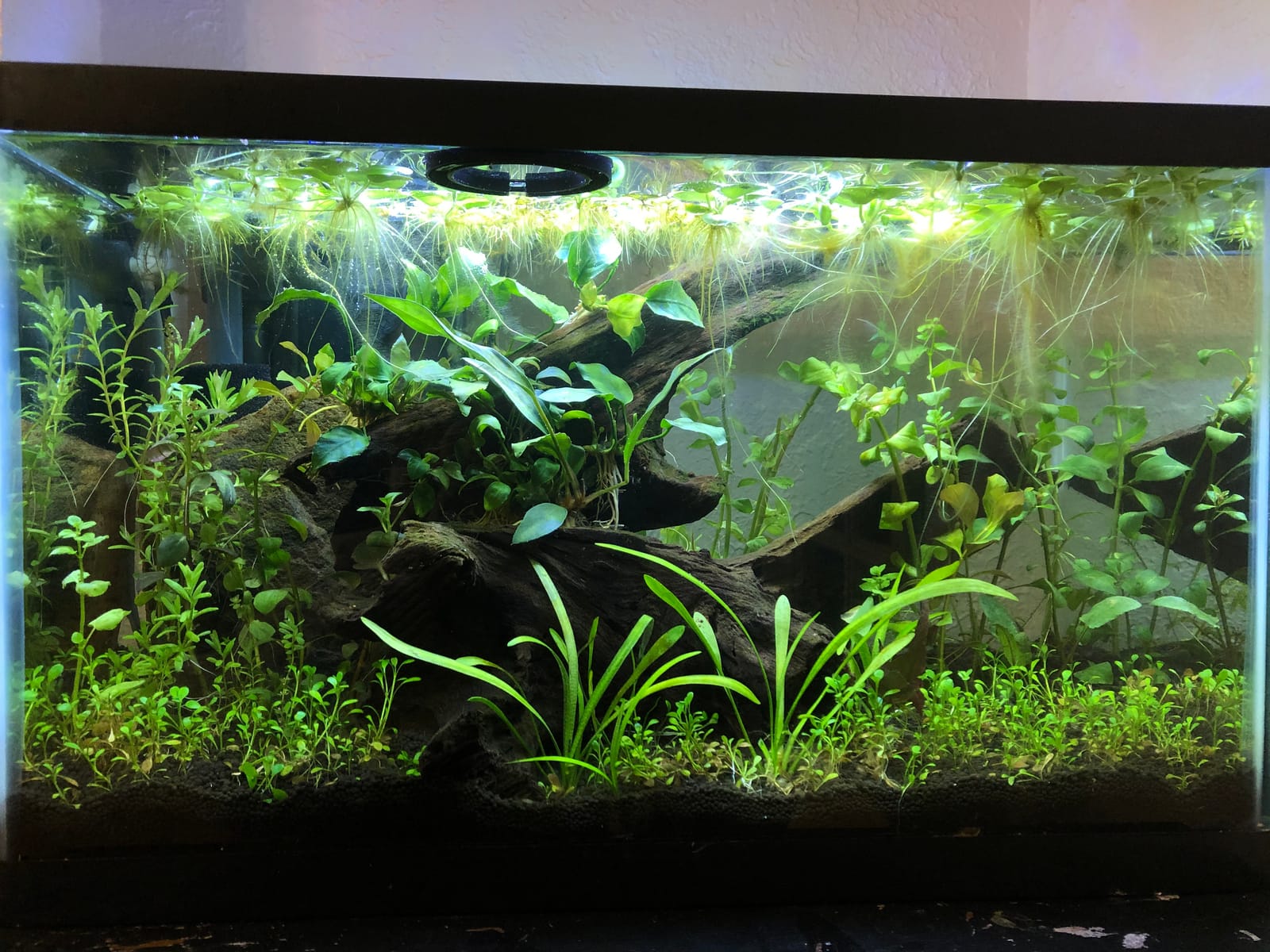
The granule size and shape are ideal for planting. The irregular shape gives a natural look while providing enough structure for roots to grip. I found that the substrate maintains its shape for about 18 months before starting to soften and break down. At that point, you can supplement with root tabs or plan a rescape. The 9-liter bag covers roughly a 15-gallon tank at a 2-inch depth.
Who should invest in Amazonia
This is the substrate for dedicated aquascapers running high-tech setups with CO2, strong lighting, and demanding plant species. If you are entering an aquascaping competition or want to grow carpeting plants like HC Cuba, Glossostigma, or dwarf baby tears, Amazonia gives you the best shot at success. Experienced hobbyists who understand the nitrogen cycle and are comfortable managing ammonia spikes will get the most out of this substrate.
Who will struggle with Amazonia
Beginners should think twice before choosing Amazonia. The ammonia spike during the first weeks can be overwhelming if you are not prepared for it, and the pH and KH reduction can stress fish if you add them too early. If you keep fish that prefer harder, more alkaline water, the buffering may work against you. Budget-conscious hobbyists may also balk at the premium price, especially for larger tanks where multiple bags are needed.
4. Seachem Flourite Black Clay Gravel — Best Inert Substrate for Long-Term Use
Seachem Flourite Black 7 kg / 15.4 lbs
15.4 lbs inert clay gravel
Does not alter pH
Porous stable structure
Never needs replacement
Pros
- Beautiful natural black appearance
- Never needs replacement for tank lifetime
- Excellent plant growth with root tabs
- Works well with pressurized CO2
Cons
- Extremely dusty requires thorough rinsing
- No built-in nutrients requires root tabs
- May cloud water significantly if unwashed
Seachem Flourite is the inert substrate I have used the longest in my planted tanks. This porous clay gravel is special because it never needs to be replaced. I have a tank that has been running with Flourite for over four years, and the substrate still looks and performs exactly like it did on day one. That kind of longevity makes it an incredible long-term value despite the initial cost.
What makes Flourite different from the aquasoils on this list is that it is completely inert. It does not lower pH, does not release ammonia, and does not add nutrients to the water column. Instead, it provides a stable, porous structure where plant roots can anchor and where you add nutrients via root tabs. The porosity also means excellent bacterial colonization, which keeps water quality high.
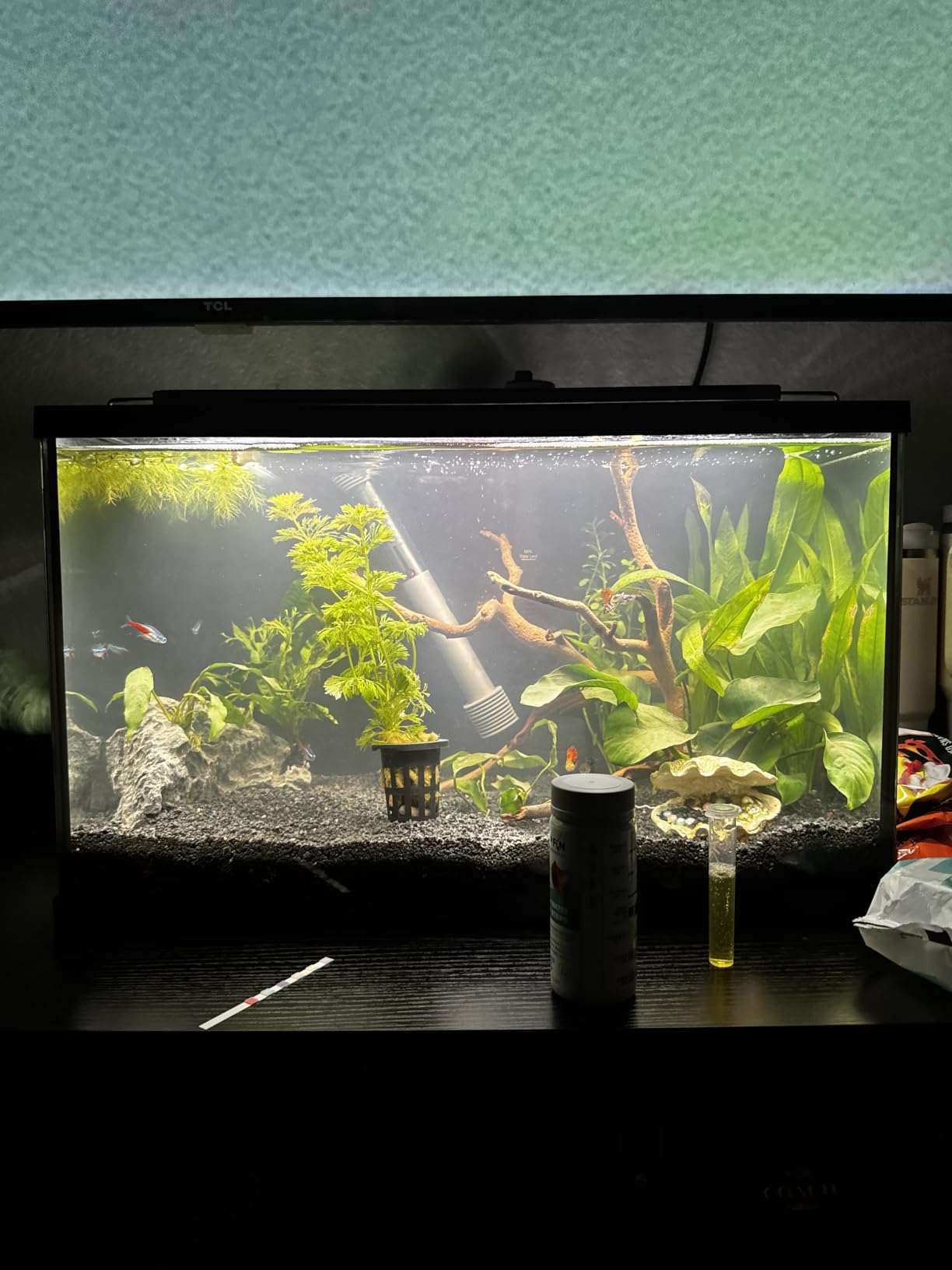
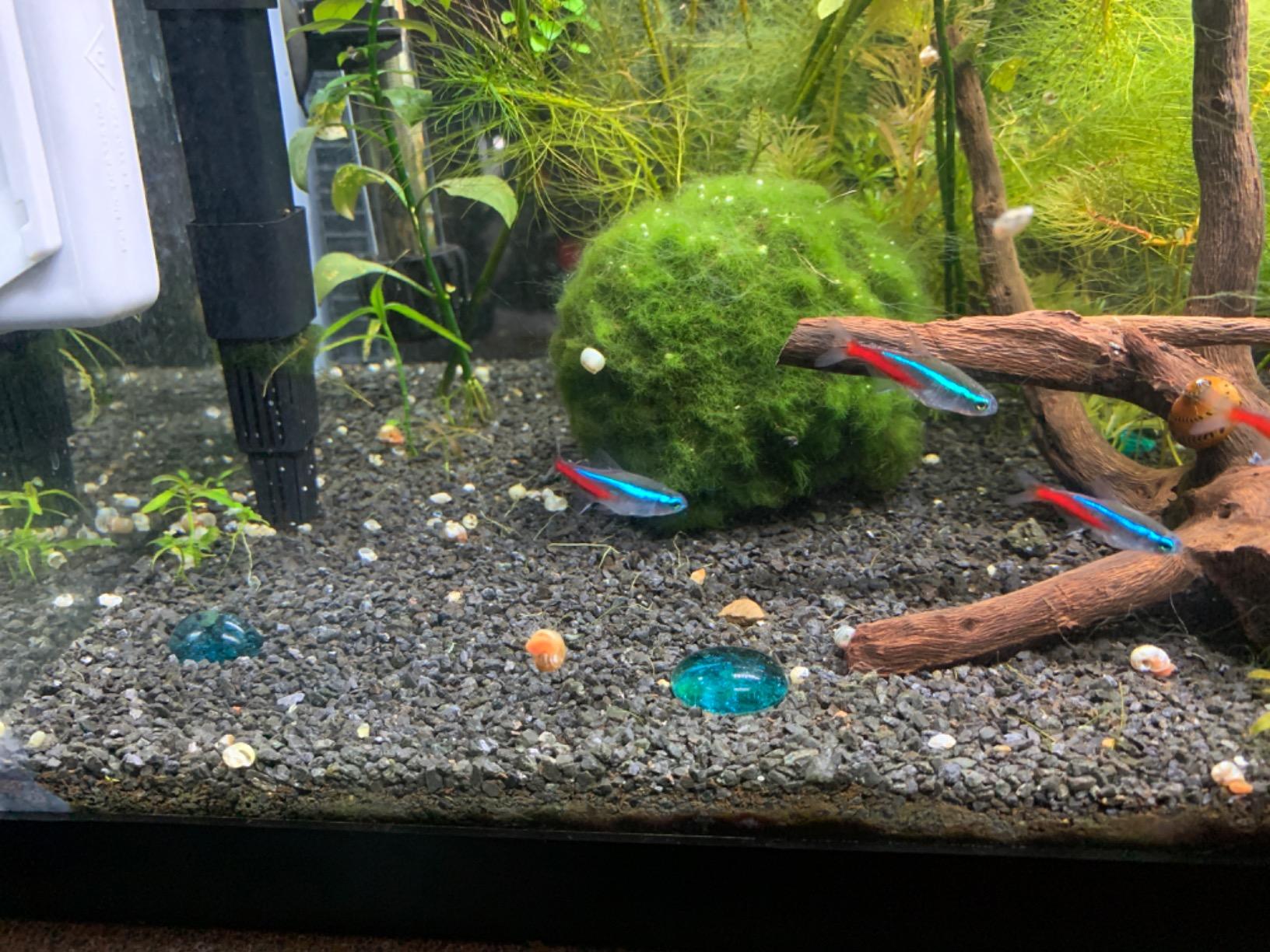
The black color is stunning in a planted tank. It creates a dramatic contrast against green plants and makes red stem plants really pop. I have grown Monte Carlo carpets successfully in Flourite by supplementing with root tabs every two months. The key is understanding that this substrate needs nutritional support, either from root tabs or from a nutrient layer underneath.
The biggest issue with Flourite is the dust. Out of the bag, this stuff is incredibly dusty and will turn your tank water into a mud puddle if you do not rinse thoroughly. I spent a good 30 minutes rinsing under running water before each use. Even with careful rinsing, expect some initial cloudiness that clears within a day or two with good filtration.
Best use cases for Flourite
Flourite is ideal for hobbyists who want a set-it-and-forget-it substrate. Since it never breaks down, you can rescape and replant as many times as you want without replacing the substrate. It works beautifully in low-tech tanks where you supplement with root tabs, and in high-tech tanks with CO2 injection. The pH-neutral nature makes it safe for any fish species, including African cichlids that need harder, more alkaline water.
Limitations to consider
Because Flourite has zero built-in nutrients, you are entirely dependent on root tabs for heavy root feeders. This adds ongoing cost and effort over time. The grain size can also be slightly large for planting delicate carpeting species, and small plantlets may struggle to root initially. If you want a substrate that feeds plants out of the bag without supplementation, you are better off with an aquasoil like Fluval Stratum or UNS Controsoil.
5. Aqueon Plant and Shrimp Aquarium Substrate — Best Budget Aquasoil
Aqueon Plant and Shrimp Aquarium Substrate, Aqua Soil for Fish Tanks, 5 Pounds
5 lbs clay-based aquasoil
Maintains spherical shape
Freshwater planted and shrimp
Multiple bag sizes
Pros
- Great value for the price
- Uniform granules easy to spread
- Holds nutrients well for roots
- Heavy enough to anchor plants
Cons
- Can cloud water initially
- Not as nutrient-rich as premium brands
- May need root tabs for heavy feeders
- Small quantity per bag
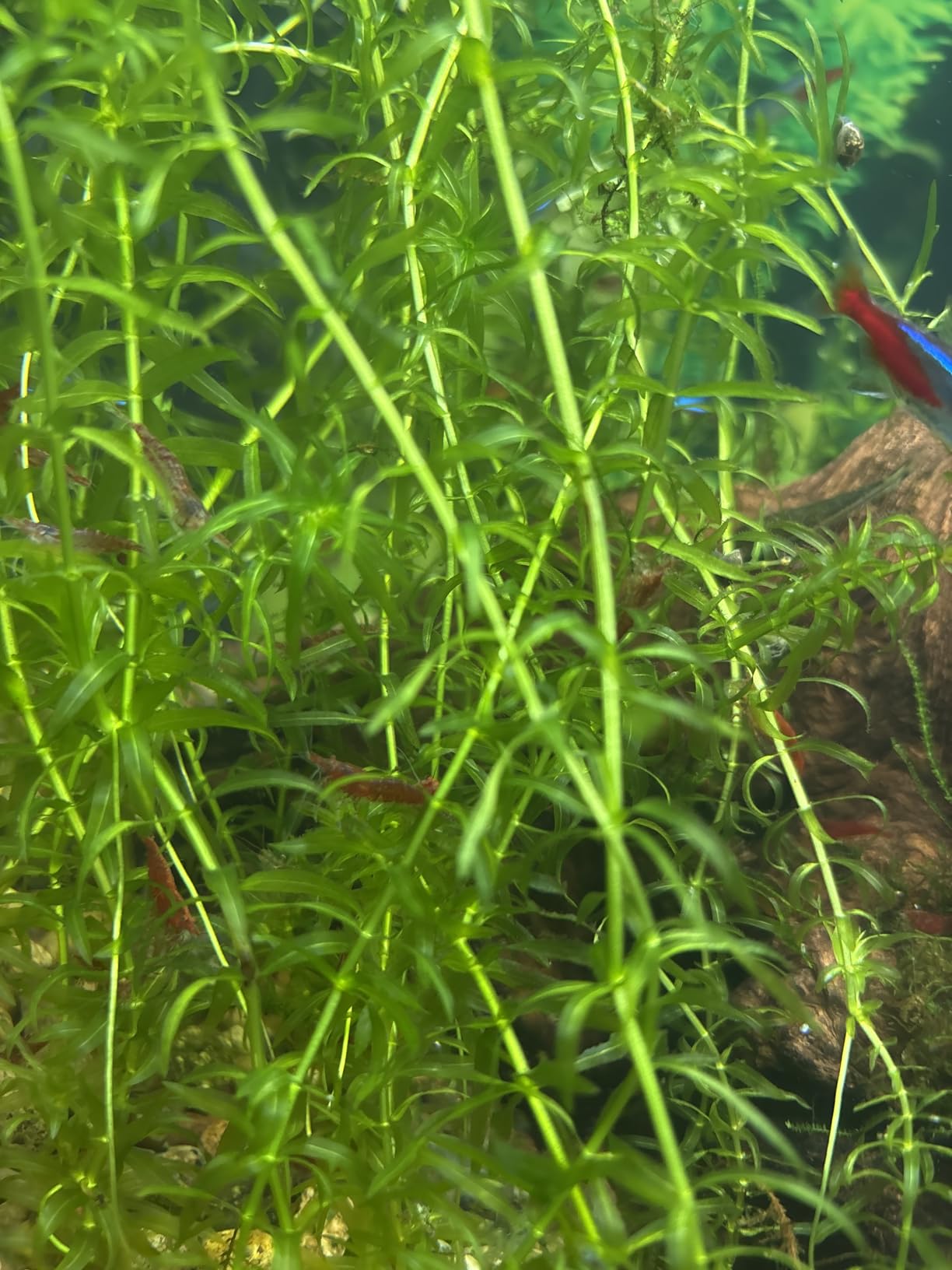
The Aqueon Plant and Shrimp Substrate is the budget aquasoil I recommend most often. At around $20 for a 5-pound bag, it gives you aquasoil performance without the premium price tag of Fluval or UNS. I tested this in a 15-gallon column tank with a mix of Anubias, Java fern, and Cryptocoryne, and the results exceeded my expectations for a substrate at this price point.
The clay-based granules are uniform in size and hold their spherical shape over time. Unlike some cheaper substrates that break down into mud within months, Aqueon maintains its structure and continues providing root anchoring and nutrient exchange. I appreciated how easy it was to spread evenly across the tank bottom during setup, and the weight of the granules kept freshly planted stems from floating.
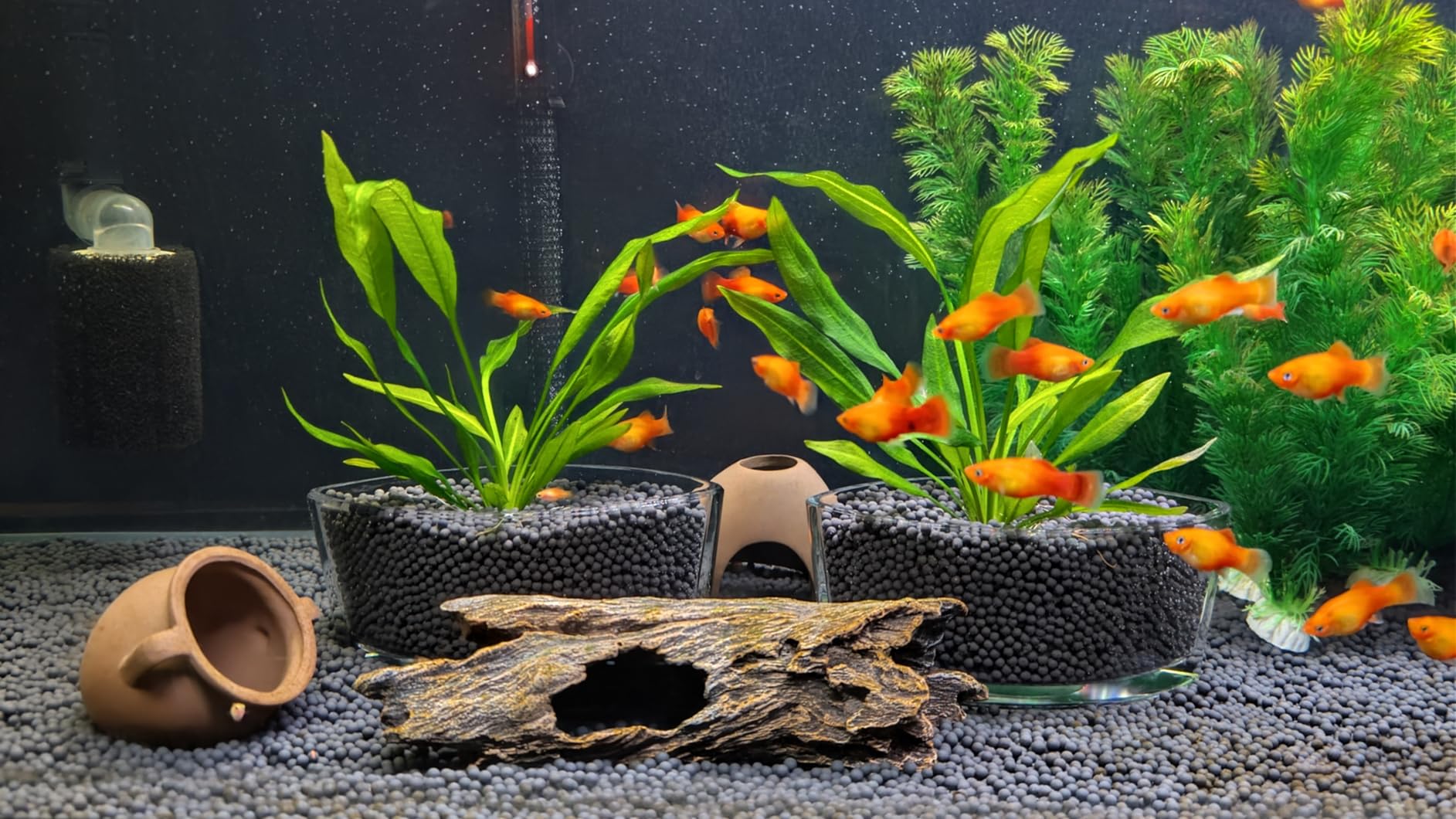
For shrimp tanks specifically, this substrate performs well. My ghost shrimp and amano shrimp had no issues foraging through the granules, and the substrate did not alter pH dramatically. Plant growth was solid for root feeders like Cryptocoryne and Vallisneria, though I did add root tabs after about two months to support heavier feeding species. Water clarity was good after a light rinse before setup.
The main limitation is nutrient density. Aqueon simply does not pack the same nutrient punch as Fluval Stratum or UNS Controsoil. Expect to supplement with root tabs sooner, especially if you are growing demanding stem plants or carpeting species. Some initial clouding can occur if you skip the rinse step, so take the time to rinse the substrate before adding it to your tank.
Perfect for these setups
Aqueon is an excellent choice for beginners setting up their first planted tank who want aquasoil benefits without spending $30 or more per bag. It works well in nano tanks up to about 20 gallons where one or two bags will cover the bottom. Shrimp keepers on a budget will appreciate the pH stability and the granule size that allows shrimp to forage naturally. It is also a good option for low-tech tanks with easy plants like Anubias, Java fern, and Cryptocoryne.
When to choose a different option
If you are building a high-tech show tank with demanding carpeting plants and CO2 injection, Aqueon likely will not provide enough nutrients on its own. The small 5-pound bag size means you need multiple bags for larger tanks, which narrows the cost gap with premium alternatives. Hobbyists who want a truly inert substrate that never needs replacement should look at Seachem Flourite instead, since Aqueon will gradually deplete its nutrient content over time.
6. AquaQuartz Pool Filter Sand — Best Budget Option for Large Tanks
FairmountSantrol AquaQuartz-50 Pool Filter 20-Grade Silica Sand 50 Pounds, White
50 lbs 100% silica sand
Premium #20 grade
Chemical free
Does not cloud water
Pros
- Incredible value at 50 pounds
- Perfect grain size for planted tanks
- No rinsing required for aquariums
- Crystal clear water quickly
Cons
- No built-in nutrients requires root tabs
- Can be sucked into filter intakes
- Too fine for some heavy-duty filtration setups
- Labeled as pool filter sand
AquaQuartz Pool Filter Sand is the hidden gem of the aquarium hobby. Yes, it is technically pool filter sand, but thousands of aquarists have discovered that it works brilliantly as a planted tank substrate. I first tried this in my 55-gallon community tank because I needed a lot of substrate cheaply, and 50 pounds for under $30 was impossible to beat with any aquarium-branded product.
The grain size is what makes this sand special. At 0.45 to 0.55 mm, it is the perfect size for planted tanks because it is fine enough to hold plant roots but not so fine that it compacts and creates anaerobic pockets. I was honestly surprised by how quickly the sand settled. Within an hour of filling the tank, my water was crystal clear, which is something I cannot say about most aquarium sands I have used.
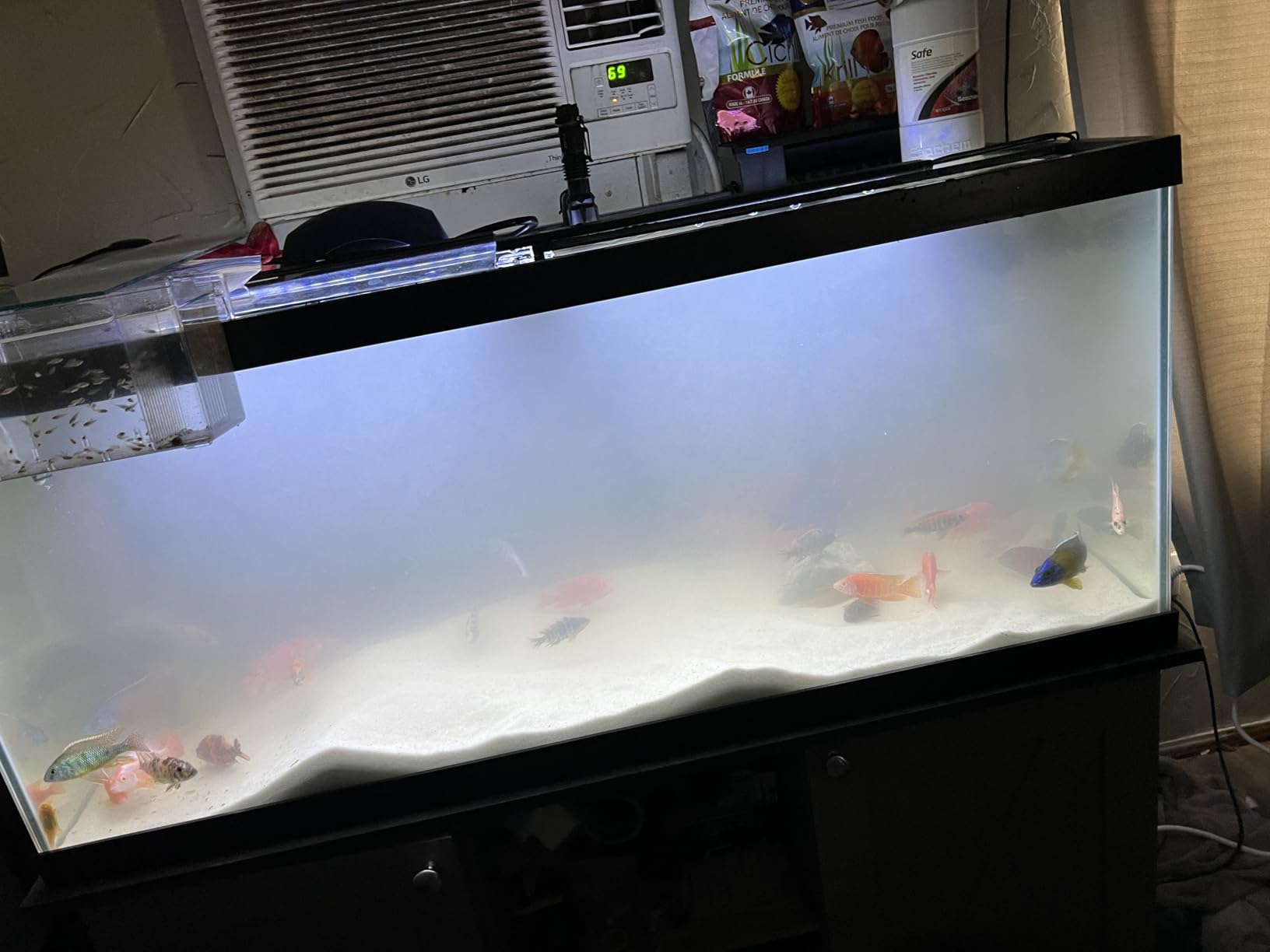
As an inert substrate, this sand has zero built-in nutrients, so you need a supplementation strategy. I used root tabs buried in the sand for root-feeding plants like Cryptocoryne and Sword plants, and they thrived. The white color creates a bright, clean look that makes fish colors stand out. Corydoras and other bottom-dwelling fish love foraging through the soft sand without damaging their barbels.
The main thing to watch out for is your filter intake. Because the sand is fine, it can get sucked into filters if your intake is too close to the substrate or lacks a pre-filter sponge. I added sponge pre-filters to all my intakes and had zero issues. Also, be aware that this product is labeled and marketed as pool filter sand, so do not be confused by the packaging when it arrives.
Who should use this sand
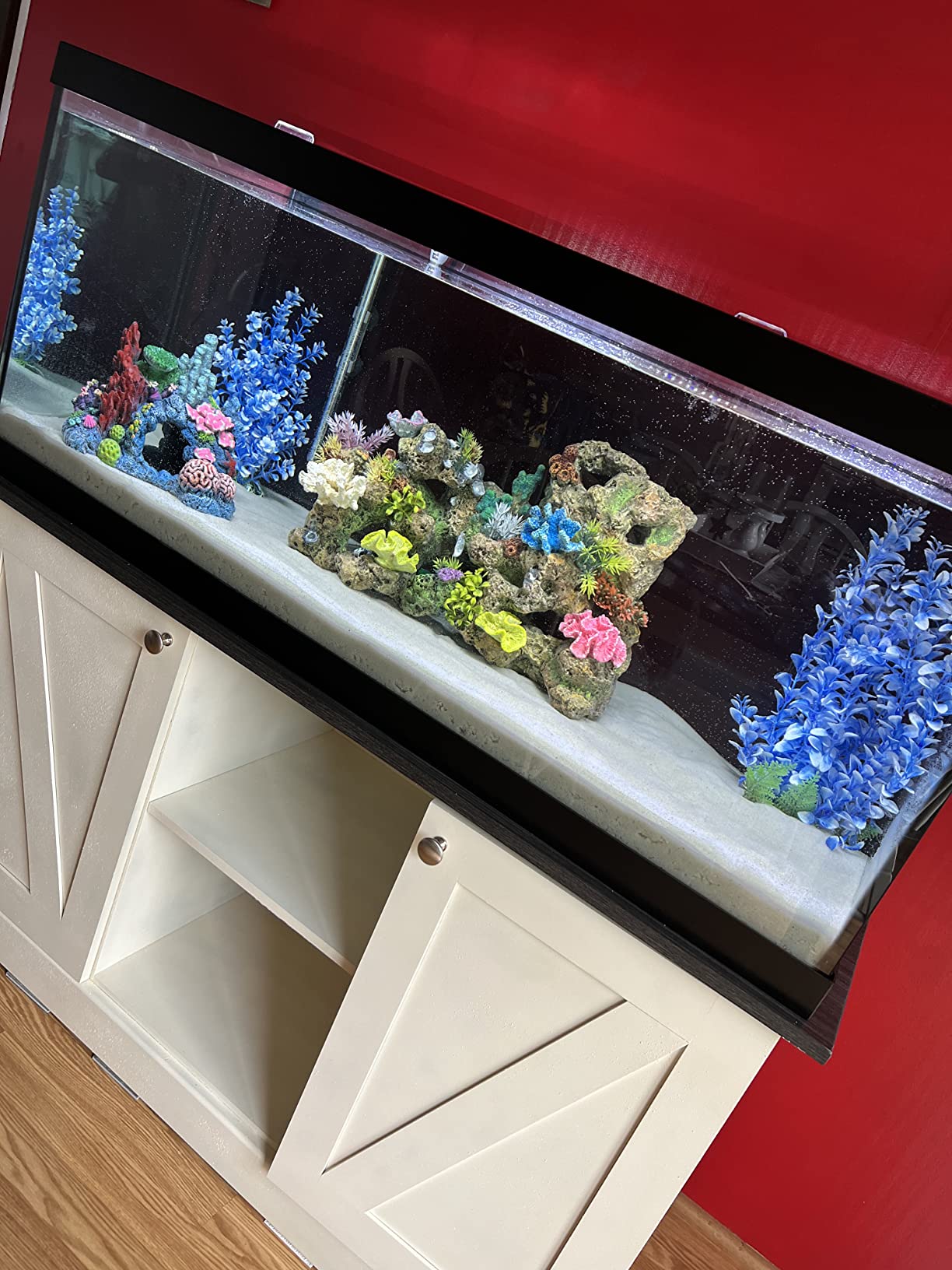
This is the ultimate budget pick for anyone setting up a large planted tank. If you have a 40-gallon or bigger aquarium and need to cover the bottom without spending a fortune, 50 pounds of AquaQuartz will do the job for a fraction of the cost of branded aquarium sand. It is also excellent as a sand cap over soil in Walstad-method tanks. Turtle tanks, goldfish tanks, and community tanks with bottom-dwelling fish all benefit from the soft, natural texture.
Situations where this sand falls short
This is not the right substrate for high-tech aquascaping tanks with demanding carpeting plants. Without built-in nutrients, you are entirely dependent on water column dosing and root tabs, which makes growing carpets like HC Cuba or Glossostigma much harder. The bright white color also shows fish waste and detritus more visibly than darker substrates, meaning you will need to vacuum more frequently to keep it looking clean. If you want an all-in-one substrate that feeds plants without supplementation, choose an aquasoil instead.
How to Choose the Right Substrate for Your Planted Tank?
Choosing the best aquarium substrate for your planted tank comes down to understanding the trade-offs between nutrient-rich aquasoils and inert substrates. Let me walk you through the key factors that should guide your decision.
Aquasoil vs Inert Substrate: Which Is Right for You
Aquasoils like Fluval Stratum, UNS Controsoil, and ADA Amazonia contain built-in nutrients and buffer water parameters. They feed plants directly for months without supplementation and lower pH to the range most aquatic plants prefer. The trade-off is cost, limited lifespan of one to two years before nutrients deplete, and in some cases initial ammonia spikes during cycling.
Inert substrates like Seachem Flourite and pool filter sand contain zero nutrients but never break down or need replacement. You supply nutrients through root tabs and water column dosing. Inert substrates do not alter pH, which can be an advantage if you keep fish that prefer alkaline water. The main downside is that you must stay on top of supplementation for plant health.
Substrate Depth Recommendations
For planted tanks, aim for a substrate depth of 1.5 to 2 inches for most setups. Carpeting plants and heavy root feeders benefit from 2 to 3 inches of depth so roots have room to spread. Tanks under 10 gallons can get away with 1 to 1.5 inches since the footprint is smaller. Going deeper than 3 inches risks creating anaerobic pockets where harmful bacteria can develop, especially with fine substrates like sand.
Cost per Gallon Comparison
This is where budget options shine. AquaQuartz pool filter sand costs roughly $0.56 per pound and covers large tanks economically. Fluval Stratum runs about $1.93 per pound, Seachem Flourite around $2.32 per pound, and ADA Amazonia comes in at roughly $3.50 per pound. For a 40-gallon tank needing 30 pounds of substrate, that is the difference between $17 and $105. Consider your tank size carefully when budgeting.
Shrimp Tank Considerations
If you keep shrimp, substrate choice affects breeding success. Neocaridina shrimp tolerate a wide pH range and do fine in most substrates, including inert options. Caridina shrimp, however, require soft, acidic water with pH between 5.8 and 6.8, which means you need a buffering aquasoil. Fluval Stratum and UNS Controsoil are both excellent for shrimp because they buffer pH gently and their granule sizes provide shelter for baby shrimp.
Common Mistakes to Avoid
The biggest mistake I see beginners make is not rinsing substrates that need it. Seachem Flourite in particular will cloud your tank for days if you skip the rinse. Another common error is adding fish too soon after setting up a tank with ammonia-releasing aquasoils like ADA Amazonia. Always test water parameters before stocking. Finally, do not mix incompatible substrates without understanding how each affects water chemistry, as conflicting pH buffers can stress your livestock.
Frequently Asked Questions
What substrate is best for planted tanks?
Aquasoils like Fluval Stratum, UNS Controsoil, and ADA Amazonia are the best substrates for planted tanks because they contain built-in nutrients, support root development, and buffer pH to the slightly acidic range that most aquatic plants prefer. For budget setups, Seachem Flourite with root tabs or pool filter sand supplemented with root tabs also works well.
What type of substrate is best for plants?
Nutrient-rich aquasoils are the best substrate type for aquatic plants because they provide direct nutrition through the roots, maintain optimal pH levels, and support beneficial bacterial colonization. Inert substrates like clay gravel and sand can grow plants successfully but require ongoing root tab supplementation since they contain no built-in nutrients.
What is the best soil substrate for aquariums?
The best aquarium soil substrates are ADA Aqua Soil Amazonia for high-tech tanks, UNS Controsoil for premium all-around performance, and Fluval Plant and Shrimp Stratum for beginners. Each provides different levels of nutrient density and pH buffering, with ADA Amazonia offering the highest nutrient content and Fluval Stratum being the most beginner-friendly option.
What is a good, cheap substrate for a planted aquarium?
AquaQuartz Pool Filter Sand is the best cheap substrate for planted aquariums, offering 50 pounds of 100% silica sand at a fraction of the cost of branded aquarium substrates. Aqueon Plant and Shrimp Substrate is another affordable option if you want an aquasoil with built-in nutrients. Both require root tab supplementation for heavy root-feeding plants.
Final Thoughts on the Best Aquarium Substrates for Planted Tanks
After months of testing, my top recommendation for most hobbyists remains the Fluval Plant and Shrimp Stratum because it balances performance, ease of use, and shrimp safety at a reasonable price. For serious aquascapers, UNS Controsoil delivers premium results without the ammonia headaches, while ADA Amazonia remains the undisputed champion for high-tech show tanks.
If budget is your priority, the AquaQuartz Pool Filter Sand and Aqueon Plant and Shrimp Substrate both deliver excellent value. And for a set-and-forget inert option that lasts the life of your aquarium, Seachem Flourite is hard to beat. Choose the best aquarium substrates for planted tanks based on your specific needs, and your underwater garden will thrive in 2026 and beyond.