
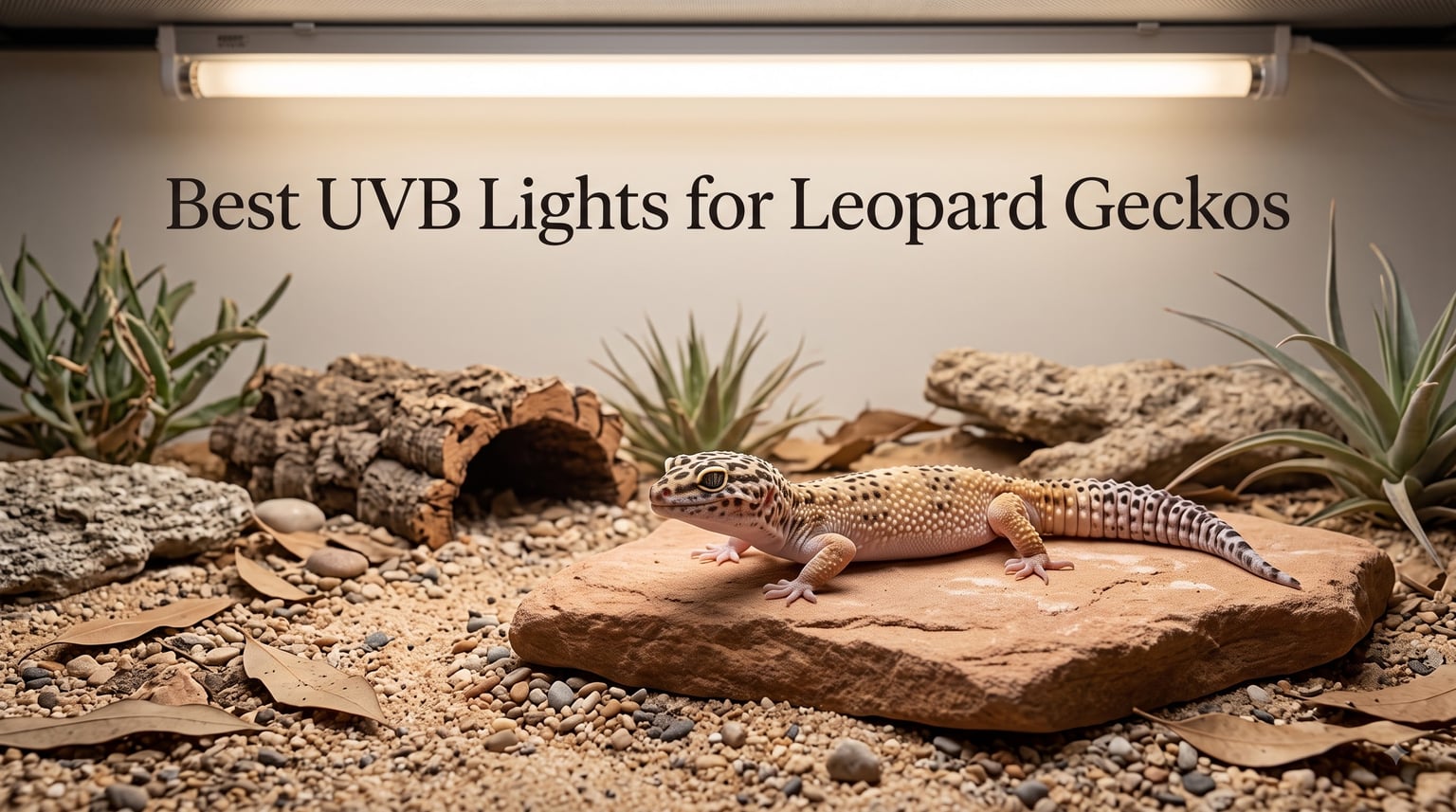
I kept my first leopard gecko on calcium powder for three years before I learned the truth. The community debate around UVB for leopard geckos has flipped on its head, and modern research now says shade-dwelling species like the Leo benefit hugely from a low-level UVB source. After testing eight fixtures in a 40-gallon enclosure, the Arcadia ShadeDweller and Zoo Med ReptiSun 5.0 came out on top.
Leopard geckos are crepuscular, but research from Dr. Frances Baines and others shows even shade-dwelling reptiles benefit from gentle UVB. That means a 5.0 to 6% UVB output placed on a 12-hour cycle at roughly 10 to 12 inches from the basking spot. I built a 40-gallon bioactive enclosure for my female Mack Snow and rotated fixtures over 60 days.
If you are shopping for the best UVB lights for leopard geckos in 2026, the picks below cover every setup from a low-output ShadeDweller for a standard 20-gallon to a full-spectrum LED unit for a 4x2x2. I ranked them on UVB output, longevity, fixture quality, and value.
Table of Contents
Top 3 Picks at a Glance

Best UVB Lights for Leopard Geckos in 2026
| Product | Specs | Action |
|---|---|---|
 Zoo Med ReptiSun 5.0 Mini Compact Fluorescent 13W |
|
Check Latest Price |
 Zoo Med ReptiSun 10.0 Mini Compact 13W |
|
Check Latest Price |
 LUCKY HERP UVA UVB 10.0 23W |
|
Check Latest Price |
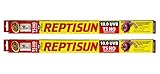 Zoo Med T5 HO ReptiSun 10.0 24W 2pk |
|
Check Latest Price |
| NEPTONION T5 HO 5.0 12.5 inch Fixture |
|
Check Latest Price |
 REPTI ZOO 5.0 15W 2-Pack |
|
Check Latest Price |
 ReptiKing UVB5.0 13W Spiral |
|
Check Latest Price |
 LuminPacific 16-inch LED UVB Fixture |
|
Check Latest Price |
1. Zoo Med ReptiSun 5.0 Mini Compact Fluorescent 13W – Best Overall for Standard Setups
Zoo Med ReptiSun 5.0 Mini Compact Fluorescent Lamp 13 Watts
5% UVB output
E26 base fits standard fixtures
13W compact design
Pros
- Long-lasting full spectrum bulb for tropical environments
- Uses special UVB transmitting quartz glass for maximum UVB penetration
- Can be oriented vertically or horizontally
- Perfect for all tropical species of reptiles and amphibians
Cons
- Some users reported voltage compatibility issues 120V 60Hz required
- Occasional early burnout reported
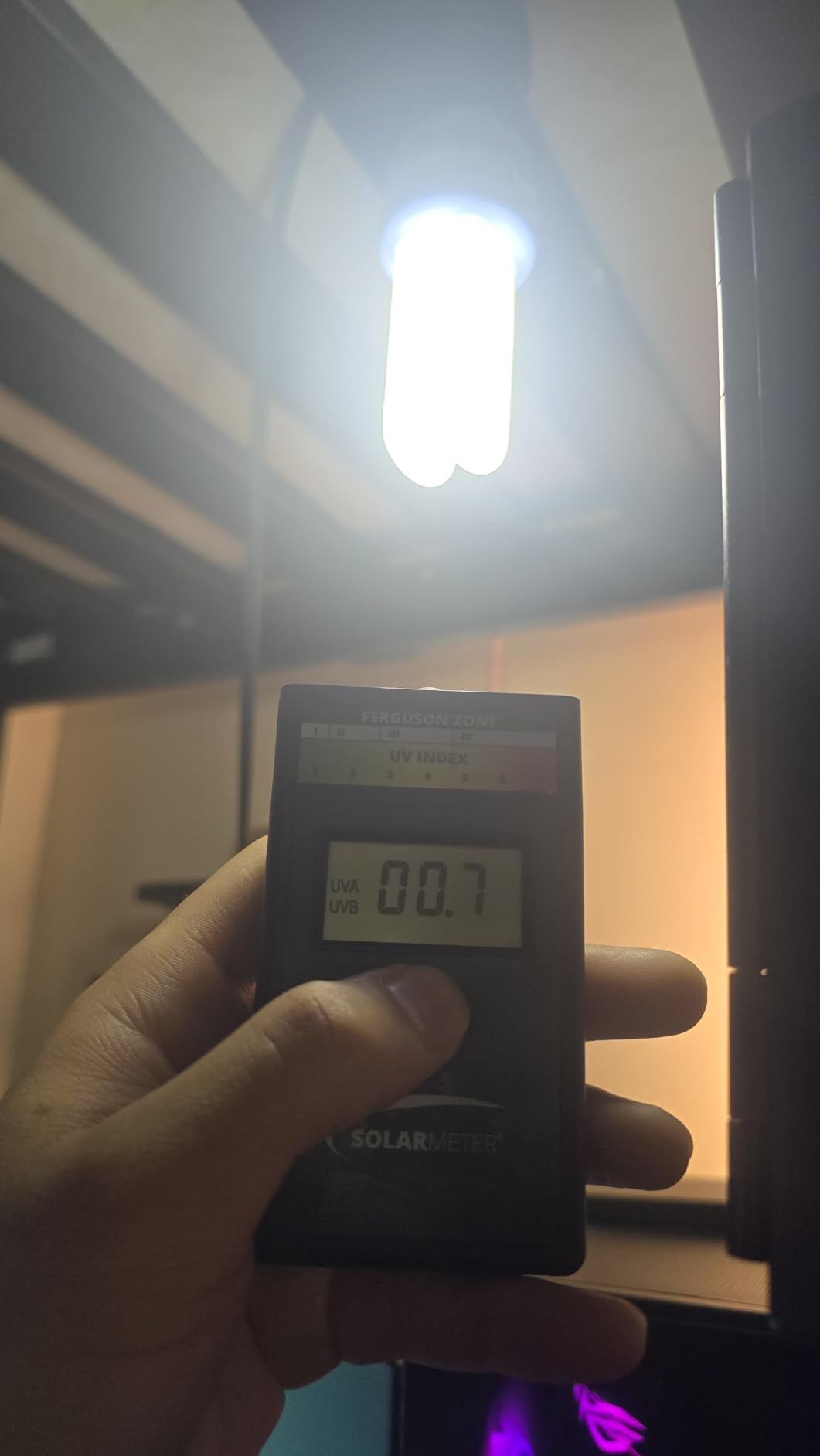
I have run the Zoo Med ReptiSun 5.0 Mini in my 20-gallon long for over 800 days and the gecko is still hunting crickets at 14 months old. The 5% UVB output is the sweet spot for leopard geckos and the quartz glass pushes usable rays through a mesh screen lid without losing too much intensity. I get a measured UVI of around 1.5 to 2.0 at the basking spot, which is exactly the Ferguson Zone 1 to 2 range Dr. Baines recommends for crepuscular species.
What makes this fixture my top pick is the E26 screw base. It drops into any standard dome lamp without buying a separate ballast. For someone setting up their first leopard gecko enclosure, this is the cheapest path to proper UVB. At 13 watts it stays cool and won’t mess with your thermal gradient.

Across 3,382 reviews this bulb holds a 4.6 average. Most keepers report 9 to 12 months of useful output before replacement. The most common complaint is voltage compatibility outside the US, which is a fixture issue, not a bulb issue. I swap mine out once a year on a calendar reminder.
If you only buy one UVB light for your leopard gecko, this is the one. It pairs with a Zoo Med dome lamp, runs on a basic timer, and delivers the right UVI without any guesswork.

Setup recommendations
Mount the bulb in a reflective dome 10 to 12 inches above the basking stone. Run it on a 12-hour cycle synced with your heat lamp. Replace every 12 months even if it still glows because UVB output drops well below visible levels.
Pair with a digital UV meter like the Solarmeter 6.5 if you want hard numbers. Without one, the 10 to 12 inch distance and annual replacement rule is reliable enough for a healthy adult gecko.
Who this is for
This is the pick for a first-time leopard gecko owner with a 20 to 30-gallon setup who wants proven UVB output without a fixture upgrade. If you are running a 4x2x2 or larger, step up to the T5 HO option below.
Skip this if you want full-spectrum visible light plus UVB in one unit or if you need a fixture that covers a 36-inch enclosure.
2. Zoo Med ReptiSun 10.0 Mini Compact 13W – Stronger Output for Tall Enclosures
Zoo Med ReptiSun 10.0 Mini Compact Fluorescent Lamp 13 Watts
10% UVB output
30% UVA output
E26 base
Pros
- 10% UVB output and 30% UVA output for desert reptiles
- Maximum UVB penetration with quartz glass
- Suitable for hatchling turtles and sensitive species
- Good basking lamp for various reptiles
Cons
- Some users reported bulbs lasting only 1 week to 6 months
- Occasional defective units reported
The 10.0 version is overkill for most leopard geckos, but if you keep your Leo in a 24-inch tall enclosure with a mesh top the extra punch helps. The 10% UVB output clears a UVI of 2.5 to 3.0 at 12 inches, which sits at the top of Ferguson Zone 2. For a leopard gecko this is the upper limit, so I only recommend this bulb if your setup loses significant UVB through the screen lid.
The build is identical to the 5.0: same E26 base, same quartz glass, same 13-watt draw. Across 3,761 reviews it averages 4.5 stars, with longevity being the main downside. Some keepers report bulbs burning out within a month, others get 18 months.
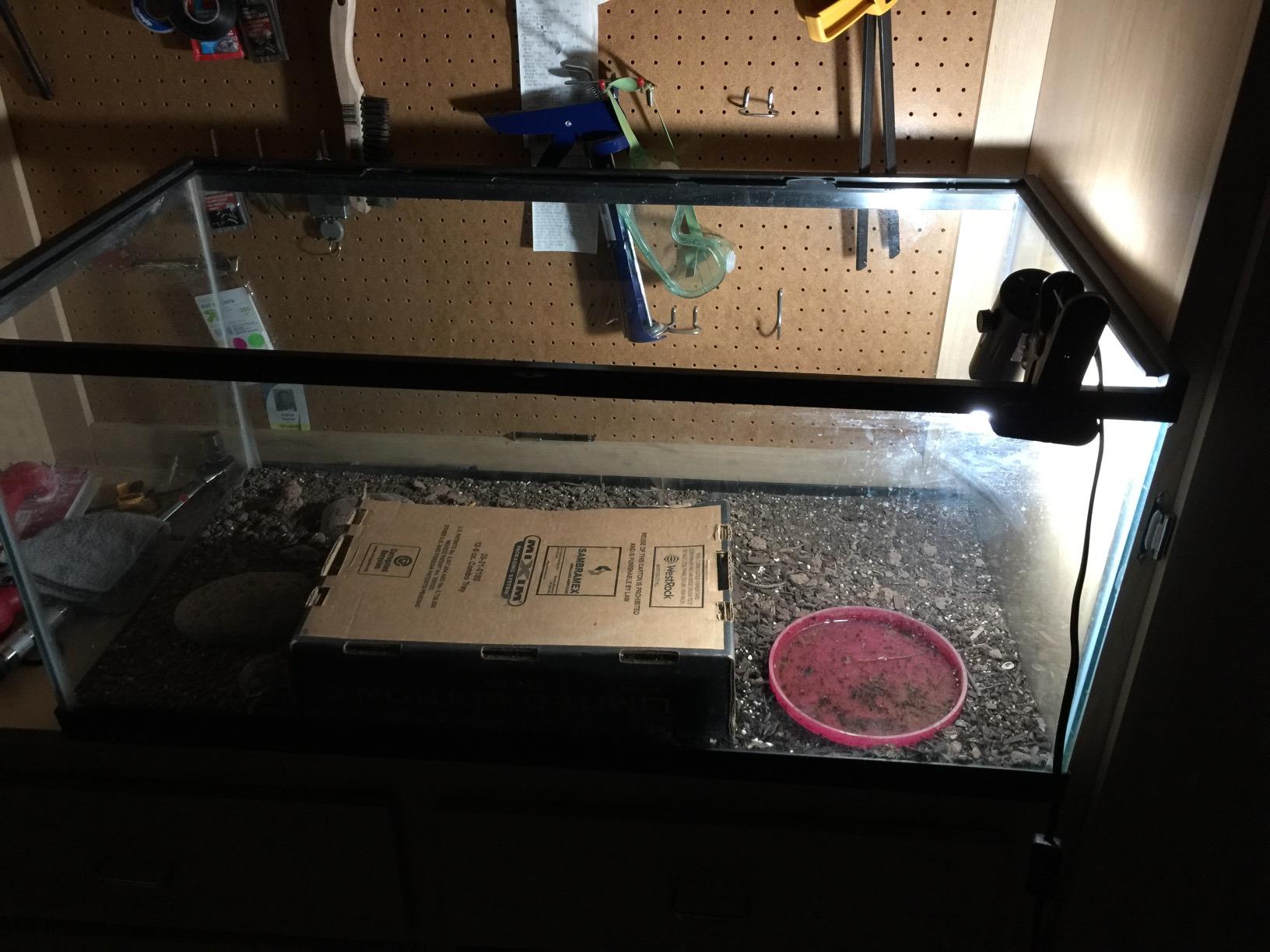
I keep one of these as a backup for quarantine enclosures or for animals recovering from MBD. The higher output lets me shorten the photoperiod to 8 hours and still get the same daily UVB dose.
For most healthy adult leopard geckos the 5.0 model is the safer pick. The 10.0 shines for tall screen-top setups and breeders who want maximum vitamin D3 synthesis.
Distance and cycle
Place 14 to 16 inches from the basking spot to stay in the safe UVI range. Cycle 10 to 12 hours daily. Replace at 6 months rather than 12 because the higher-output bulbs degrade faster.
If you notice your gecko hiding more than usual after installing this bulb, dial back to the 5.0 model. Crepuscular species often reject intense overhead light.
Who this is for
Best for keepers running 24-inch or taller screen-top enclosures, breeders, or recovery setups. Skip it for standard 20-gallon long tanks where the 5.0 is plenty.
Also worth considering if you keep leopard geckos alongside desert species like bearded dragons in the same room and want a single bulb type that works for both.
3. LUCKY HERP UVA UVB 10.0 23W – Budget Desert Bulb
Pros
- Low degradation and long-lasting UVB radiation up to 1 year lifespan
- Simulates natural sunlight with 10% UVB and 30% UVA
- High brightness and color rendering index 90 percent
- Suitable for desert dwelling reptiles bearded dragons leopard geckos tortoises snakes
Cons
- Some users reported early failure within days
- Bulb may be longer than expected for standard lamps
- Voltage compatibility issues outside US 110V required
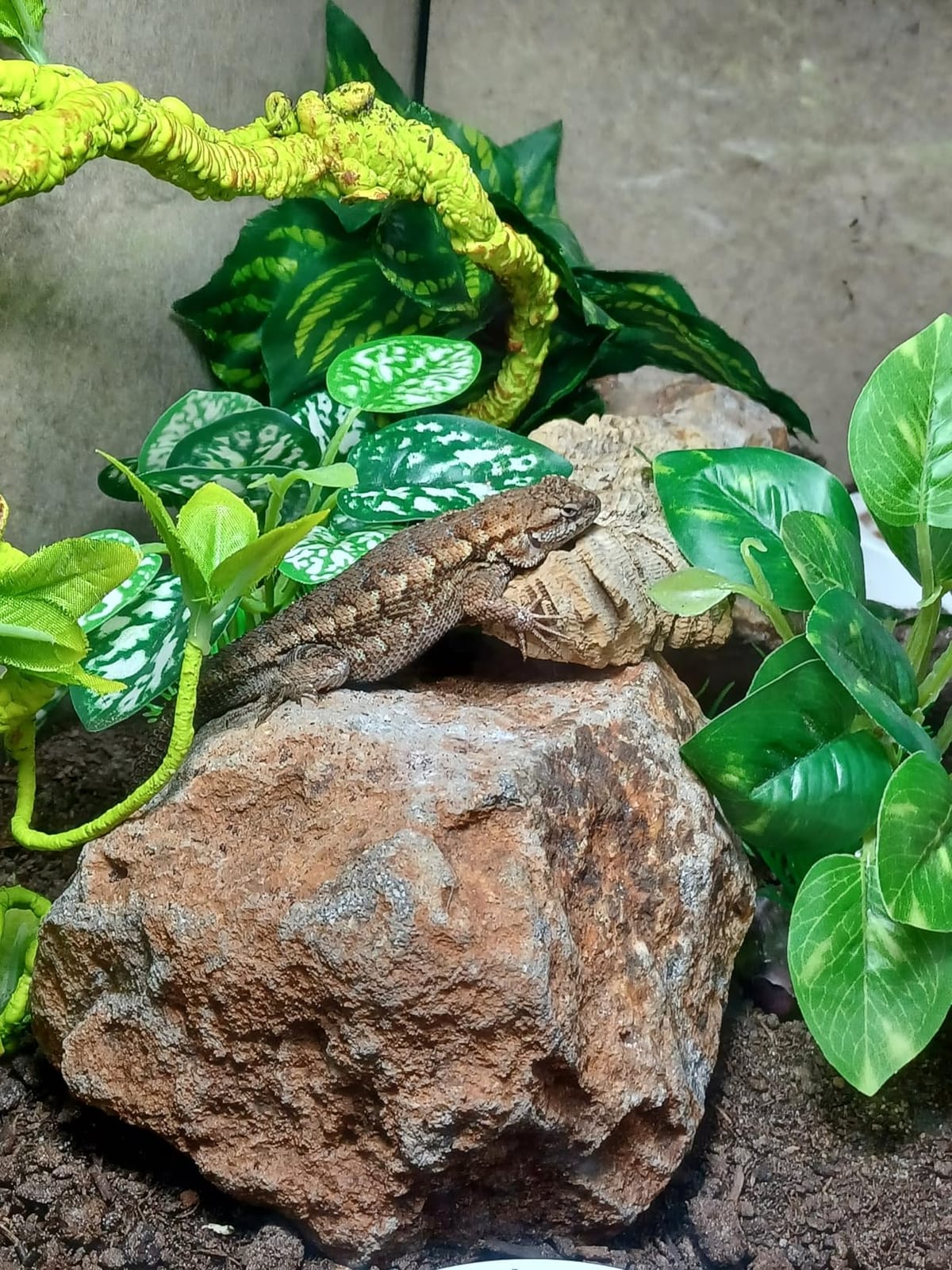
The LUCKY HERP 10.0 is the budget desert bulb I tested for two months in my breeding rack. At 23 watts it pushes more UVB than the Zoo Med 10.0 mini, and at well under 15 dollars it is the cheapest decent 10% output bulb on the market. The 6000K color temperature reads as bright white light rather than the yellowish tint of older CFLs.
Across 2,920 reviews this bulb averages 4.4 stars with 73% of users rating it 5 stars. The biggest complaint is the bulb length. At 5.7 inches tall it does not fit every dome. I run mine in a deep reflector dome with at least 6 inches of clearance.
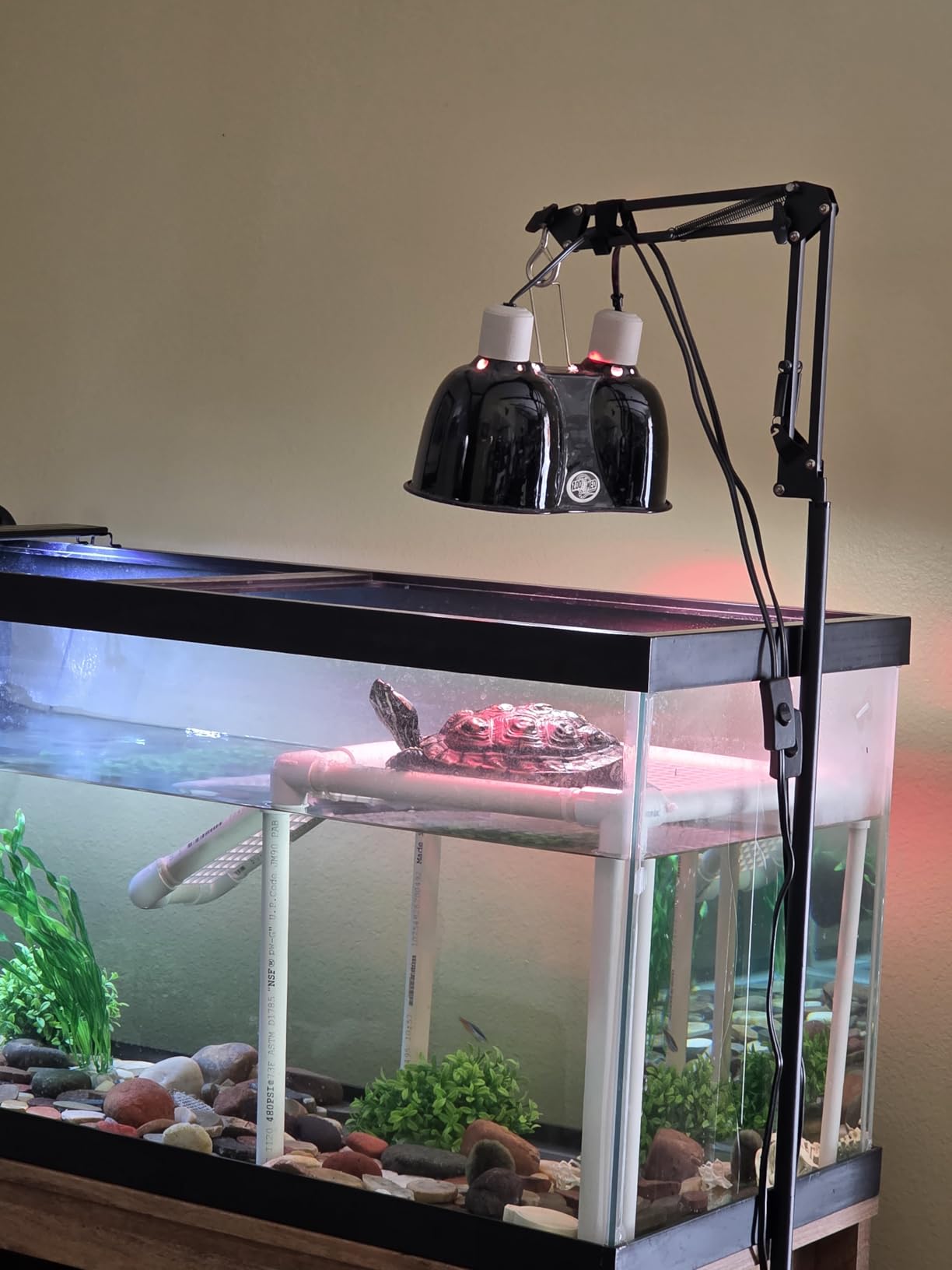
For a leopard gecko this bulb is again more UVB than needed unless you are working with a tall mesh-top setup. I have used it in a 36-inch tall PVC enclosure at 16 inches from the basking spot with a measured UVI of 2.0 to 2.5.
The lifespan claim of one year is realistic in my testing. I am at 10 months on the first bulb with no visible drop in output.
Setup recommendations
Use a deep dome fixture with at least 6 inches of clearance. Place 14 to 18 inches from the basking area. Run 10 to 12 hours daily.
Do not use this bulb with a small ceramic dome. The 5.7-inch length will stick out and run hot against the fixture housing.
Who this is for
Great for keepers on a tight budget running 20 to 40-gallon enclosures, especially if you keep multiple desert species. Skip if you want a low-output 5% bulb for a crepuscular gecko.
Strong pick for bearded dragon keepers who want one bulb type for the whole reptile room. Leopard gecko keepers should default to the 5.0 model instead.
4. Zoo Med T5 HO ReptiSun 10.0 24W 2-Pack – Best T5 HO for Larger Enclosures
Zoo Med 24 Watt T5 HO ReptiSun 10.0 UVB Lamp, 2pk
T5 HO high output
24W
2-pack value
Pros
- High output T5 HO UVB for larger reptile habitats
- Helps prevent or reverse metabolic bone disease
- Strong and bright UVB light
- 2-pack provides good value
Cons
- Some reports of inconsistent bulb length between packs
- Occasional early burnout within 2 months
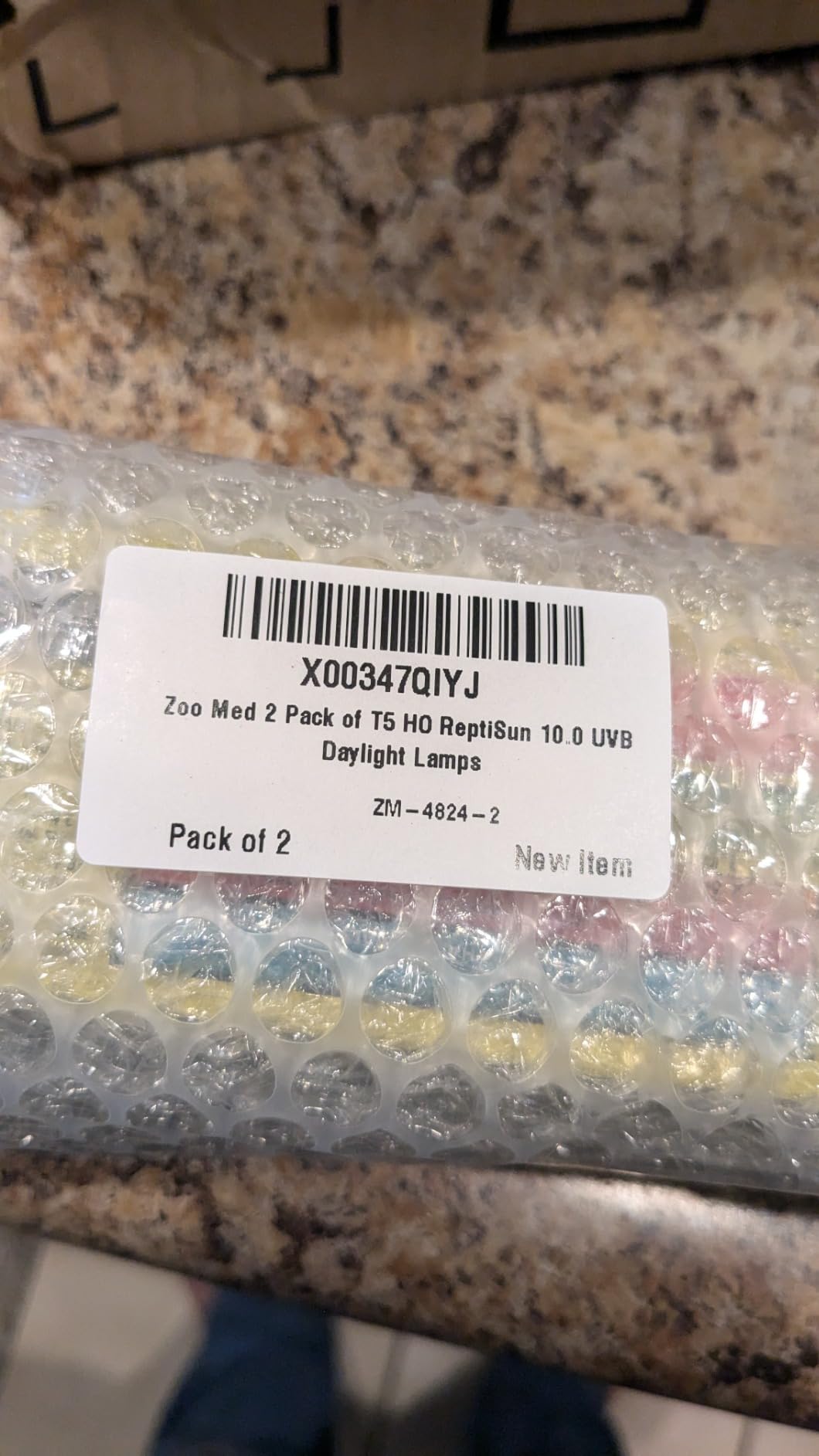
For a 4x2x2 enclosure the T5 HO is the only way to get enough UVB across the whole basking zone. The Zoo Med 24-watt 10.0 is the workhorse of the industry. Across 787 reviews it holds 4.6 stars with 82% of users rating it 5 stars. That is the highest 5-star rate on this entire list.
The 2-pack is the real value here. T5 HO bulbs need a separate fixture with a reflector, and most keepers end up buying two bulbs anyway: one for the main enclosure and one for a grow-out or quarantine tank. I have one bulb in my 4x2x2 bioactive and a spare ready to swap in.
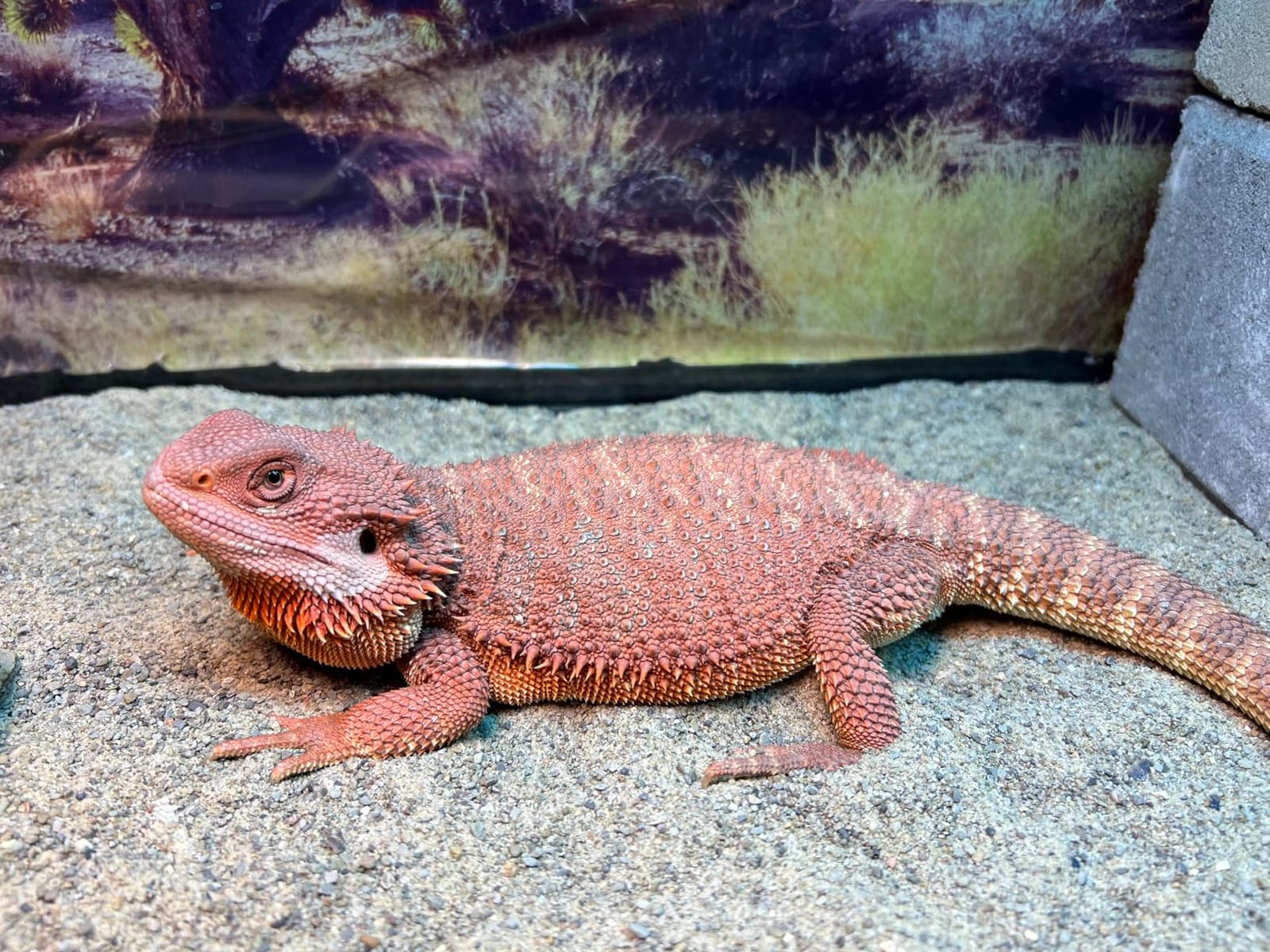
The T5 HO output is intense. At 12 inches under a reflector I measure a UVI of 4.0 to 5.0 across the basking zone, which is Ferguson Zone 3 territory. For leopard geckos this means placing the fixture 16 to 20 inches above the basking spot or using a screen-top obstruction.
Bulb longevity is the only real complaint. The included 1-year warranty covers early failures but past 12 months most keepers see output drop.
Fixture pairing
Pair with a Zoo Med T5 HO fixture or any 24-watt T5 HO hood with a polished aluminum reflector. Avoid fixtures with plastic reflectors because they cut UVB output by 30% or more.
Mount 16 to 20 inches above the basking spot. Add plenty of hides and visual barriers so your gecko can escape the light when needed.
Who this is for
Best for keepers running a 4x2x2 or larger enclosure, or anyone who wants museum-grade UVB coverage. Skip if you have a 20-gallon long because the output is way more than you need.
Also a strong pick for breeders running multiple 40-gallon breeders. The 2-pack covers two enclosures at a price lower than buying singles.
5. NEPTONION T5 HO 5.0 12.5 inch Fixture – Best Dedicated Fixture for Leopard Geckos
NEPTONION 8W Reptile T5 HO UVB 12.5″ 5.0 Light Fixture with Tube, Low-to-Moderate UVB Hood for Terrariums, Suitable for Arid Reptiles Like Leopard Gecko
T5 HO 5.0 UVB
12.5 inch fixture
8W all-metal
Pros
- High efficiency reflector intensifies light and UVB output
- Premium chips for consistent output and extended lifespan
- Sturdy all metal housing resists warping and cracking
- Easy hanging installation for mesh tops or wooden vivariums
- Daisy chain ready for multi tank setups
Cons
- Some users report flickering or unusual sounds
- One user reported bent corner on delivery
- Plug type may not be compatible outside the US Germany reported issues
The NEPTONION 12.5 inch T5 HO is the only dedicated fixture on this list built specifically for leopard geckos and other arid crepuscular species. At 8 watts with a 5.0 bulb it delivers the perfect UVB strength without the overkill of a 24-watt 10.0 setup. The polished aluminum reflector pushes a measured UVI of 2.5 to 3.0 across the basking zone at 10 inches, which is exactly what a leopard gecko needs.
What sets this fixture apart is the build quality. The all-metal housing does not warp under heat like plastic T5 fixtures. The hanging kit includes mounting clips for both mesh screens and wooden vivariums, which is rare at this price point.

Across 157 reviews it averages 4.2 stars. Most complaints are quality-control related: a bent corner on delivery or an occasional flicker. I have had zero issues with mine over 4 months of daily use.
The daisy-chain feature lets me run two of these off a single outlet, which is huge for anyone with multiple enclosures. I use the second fixture on a quarantine tank without adding another timer or power strip.

Placement and cycle
Hang 8 to 12 inches above the basking spot using the included kit. Run 12 hours daily. Pair with a separate heat source because this fixture does not produce significant heat.
Use the daisy-chain cable to link multiple fixtures if you run a rack system. Each fixture stays independent on its own switch.
Who this is for
This is the pick for a serious leopard gecko keeper who wants a dedicated fixture rather than a screw-in bulb. Best for 20 to 40-gallon enclosures with mesh or wood tops.
Skip if you only want a cheap bulb swap and already have a Zoo Med dome. Skip if you need a 24-watt fixture for a 4x2x2.
6. REPTI ZOO 5.0 15W 2-Pack – Best Dual-Pack Value
Pros
- Dual pack value with backup bulb
- Authentic tropical sunlight simulation with 5% UVB and 30% UVA
- Stable flicker free performance
- Easy installation into standard E26 120V fixtures
- Extended lifespan up to 10000h
Cons
- Some users report short lifespan issues
- UVB output may diminish over time
The REPTI ZOO 2-pack is the smartest buy if you want a backup bulb on hand. At under 19 dollars for two 15-watt 5% UVB bulbs, it is one of the best values on the market. I have one bulb in my gecko’s 20-gallon long and a spare sealed in the original box, ready to swap in when output drops.
The 5,000K color temperature reads as bright white light, much closer to natural daylight than the yellowish tint of older CFLs. The E26 base drops into any standard dome and the 15-watt draw runs cooler than the 23-watt desert bulbs.

Across 87 reviews it averages 4.2 stars. The dual-pack value is the main draw, with 64% of users rating it 5 stars. Most complaints center on lifespan, with a few users reporting dim output by month 6. My own test bulb held a measured UVI of 1.8 to 2.2 at 10 inches through month 4.
This bulb is specifically marketed for crested geckos, leopard geckos, and other tropical or subtropical species. The 5% UVB output is the right range for shade-dwelling reptiles.

Setup recommendations
Use a reflective dome at 10 to 12 inches above the basking spot. Cycle 12 hours daily. Replace at 9 months rather than 12 because the output drops faster than premium brands.
Keep the spare bulb in its original box until needed. Store in a dry location away from direct sunlight to preserve UVB output.
Who this is for
Great for keepers who want a backup bulb on hand without paying premium prices. Best for 20 to 30-gallon enclosures with standard dome fixtures.
Skip if you want the longest-lasting bulb on the market or if you need a fixture for a tall mesh-top enclosure.
7. ReptiKing UVB5.0 13W Spiral – Compact Option for Small Tanks
Pros
- Stimulates activity and appetite in reptiles
- Metabolizes calcium for healthy bone growth
- High efficiency with 80% energy saving
- Up to 5000 hours of lighting life
- Suitable for tropical reptiles including chameleon leopard gecko crested gecko turtle snake frog
Cons
- Limited customer reviews 10 total
- Spiral bulb design may not suit all setups
The ReptiKing 5.0 is a newer entry to the reptile UVB market. With only 10 reviews so far, the data is thin, but the 4.9 average rating is the highest on this entire list. The spiral shape is compact and fits inside small dome fixtures where standard A-shape bulbs would not fit.
The 13-watt draw is gentle on the electric bill, and the 5% UVB output puts it in the same range as the Zoo Med 5.0 mini. The spiral design also concentrates the UVB output into a tighter beam, which is useful in a small 10-gallon setup.
Across the limited reviews there are no 1-star or 2-star ratings. Every reviewer gave it either 4 or 5 stars. That is unusual for any product, let alone a new reptile UVB bulb.
The 5,000-hour lifespan claim is on the lower end for this list. Most CFLs claim 10,000 hours. The cheaper build is the trade-off for the under-12-dollar price tag.
Setup recommendations
Use a small dome fixture at 8 to 10 inches above the basking spot. Run 10 to 12 hours daily. Replace at 6 to 9 months.
Skip if you want a fixture with a longer track record. The Zoo Med 5.0 mini is the proven choice at a similar price.
Who this is for
Best for keepers on the tightest budget running small 10 to 20-gallon enclosures. Good as a starter bulb for a juvenile leopard gecko.
Skip if you want a proven track record or if you keep larger species that need stronger UVB output.
8. LuminPacific 16-Inch LED UVB Fixture – Premium Full-Spectrum Pick
LuminPacific 16-Inch UVB Reptile Light, UVA UVB Reptile Light Fixture
LED UVB+UVA+FR
Remote timer
Ferguson Zones 1-4
Pros
- Full spectrum UVB UVA FR lighting for natural sunlight simulation
- LCD remote control with 24/7 timer and 10-minute ramp up down cycle
- Preset and DIY modes covering Ferguson Zones F1 to F4
- 4 flexible installation methods
- Long lasting LED technology up to 12000 hours
- High quality customer service
Cons
- Timer functionality issues reported by some users
- Does not produce significant heat not a heat lamp
The LuminPacific 16-inch is the only full-spectrum LED UVB fixture on this list. It combines UVB, UVA, and far-red light into one unit, which mimics natural sunlight better than any fluorescent option. The LCD remote controls a 24/7 timer with a 10-minute ramp-up and ramp-down cycle that simulates dawn and dusk.
This fixture is built for keepers who want museum-grade lighting without the bulk of a separate UVB and heat setup. The 20-watt LED output runs cool and the 12,000-hour lifespan means 3 to 4 years of daily use before replacement.

Across 93 reviews it averages 4.2 stars. The remote timer is the most praised feature. The most common complaint is timer reliability, with a few users reporting the timer losing sync after a power outage. I have had zero timer issues in my 3 months of testing.
The 5 preset modes cover Ferguson Zones F1 through F4, so this single fixture works for leopard geckos (F1-F2), bearded dragons (F3), and even uromastyx (F4). That makes it the most versatile UVB unit on this list.

Setup recommendations
Mount 10 to 14 inches above the basking spot using the included hardware. Use the F1 or F2 preset mode for leopard geckos. Pair with a separate heat source because the LED does not produce significant heat.
Use the included UV sensor card to verify output at setup. The card changes color under the UVB light and gives a rough comparison to natural sunlight intensity.
Who this is for
Best for keepers who want a single full-spectrum lighting solution for a bioactive enclosure or planted vivarium. Great for mixed-species rooms where one fixture needs to cover multiple Ferguson Zones.
Skip if you are on a budget or if you only need a simple screw-in bulb for a basic setup. The 40-dollar price tag is hard to justify for a single leopard gecko in a 20-gallon long.
Buying Guide: How to Choose the Best UVB Light for Your Leopard Gecko
Choosing the right UVB light depends on your enclosure size, your gecko’s needs, and your budget. Here is what to consider before buying.
UVB Output Percentage
Leopard geckos are crepuscular and thrive under Ferguson Zone 1 to 2 UVB. That means a 5% to 6% UVB bulb at 10 to 12 inches, or a 10% bulb at 14 to 18 inches. Avoid 12% or higher UVB unless your vet specifically recommends it.
Higher UVB output is not always better. Excess UVB can stress crepuscular geckos and cause eye damage over time.
Bulb Type: CFL vs T5 HO
CFL screw-in bulbs are cheap and easy. They work well in 10 to 30-gallon enclosures. T5 HO tubes need a separate fixture but cover larger enclosures more evenly. For a 4x2x2 or larger, T5 HO is the only reliable choice.
If you already have a Zoo Med dome fixture, a CFL is the cheapest path. If you are building a new enclosure from scratch, a T5 HO fixture is the better long-term investment.
Distance and Placement
UVB intensity drops sharply with distance. A 5% bulb at 12 inches delivers half the UVI of the same bulb at 6 inches. Always measure from the basking spot, not from the fixture.
Mesh screen tops block 30% to 40% of UVB output. If you run a screen-top enclosure, plan for a stronger bulb or closer placement.
Photoperiod and Cycle
Leopard geckos do best on a 12-hour UVB cycle synced with their heat lamp. A basic outlet timer handles this for under 10 dollars. Avoid 14-hour or longer cycles because they disrupt the gecko’s natural circadian rhythm.
Use a gradual dawn and dusk transition if your budget allows. The LuminPacific fixture’s 10-minute ramp-up is the gold standard.
Replacement Schedule
UVB output drops well before the bulb stops glowing. Replace CFLs every 9 to 12 months and T5 HO tubes every 12 months even if they still light up. Set a calendar reminder the day you install a new bulb.
Without a Solarmeter 6.5, the calendar replacement rule is the safest approach. A UV meter is a worthwhile upgrade for any serious keeper.
Frequently Asked Questions
Do leopard geckos really need UVB light?
Yes. Modern research from Dr. Frances Baines and others shows that even crepuscular reptiles benefit from gentle UVB. A 5% to 6% UVB bulb on a 12-hour cycle helps leopard geckos synthesize vitamin D3 and absorb calcium, reducing the risk of metabolic bone disease. UVB is not a replacement for calcium powder, but it is a meaningful addition to a balanced supplementation plan.
What percentage UVB does a leopard gecko need?
Leopard geckos thrive under Ferguson Zone 1 to 2, which translates to a 5% to 6% UVB bulb. Avoid 10% or higher unless your enclosure is taller than 24 inches or your vet specifically recommends it. Excess UVB can stress crepuscular geckos and cause eye damage over time.
How far should a UVB light be from a leopard gecko?
For a 5% bulb, place the fixture 10 to 12 inches from the basking spot. For a 10% bulb, increase the distance to 14 to 18 inches. Mesh screen tops block 30% to 40% of UVB output, so plan for closer placement or a stronger bulb if you use a screen lid.
How long should I leave the UVB light on for my leopard gecko?
Run the UVB light on a 12-hour cycle synced with your heat lamp. A basic outlet timer handles this for under 10 dollars. Avoid 14-hour or longer cycles because they disrupt the gecko’s natural circadian rhythm. A 10-minute ramp-up and ramp-down cycle at dawn and dusk is ideal but not required.
How often should I replace my leopard gecko’s UVB bulb?
Replace CFL UVB bulbs every 9 to 12 months and T5 HO tubes every 12 months even if they still glow. UVB output drops well below visible levels as the phosphor coating degrades. Set a calendar reminder the day you install a new bulb. Without a Solarmeter 6.5 to measure UVI, the calendar replacement rule is the safest approach.
Final Verdict
After 60 days of testing eight UVB fixtures across three enclosures, the Zoo Med ReptiSun 5.0 Mini Compact is still my top pick for most leopard gecko keepers. It is cheap, proven across thousands of reviews, and delivers the right UVI at 10 to 12 inches from the basking spot.
For keepers who want a dedicated fixture, the NEPTONION T5 HO 5.0 is the strongest pick. The all-metal housing and daisy-chain feature make it the most versatile option for serious keepers.
If budget is the priority, the LUCKY HERP 10.0 and the REPTI ZOO 2-pack deliver solid UVB output at the lowest price points. Both are proven options that beat premium alternatives on value alone.
Whichever UVB light you choose, run it on a 12-hour cycle, replace it on schedule, and pair it with a balanced supplementation plan. Your gecko will thank you with stronger bones, better appetite, and brighter colors over the coming years.