
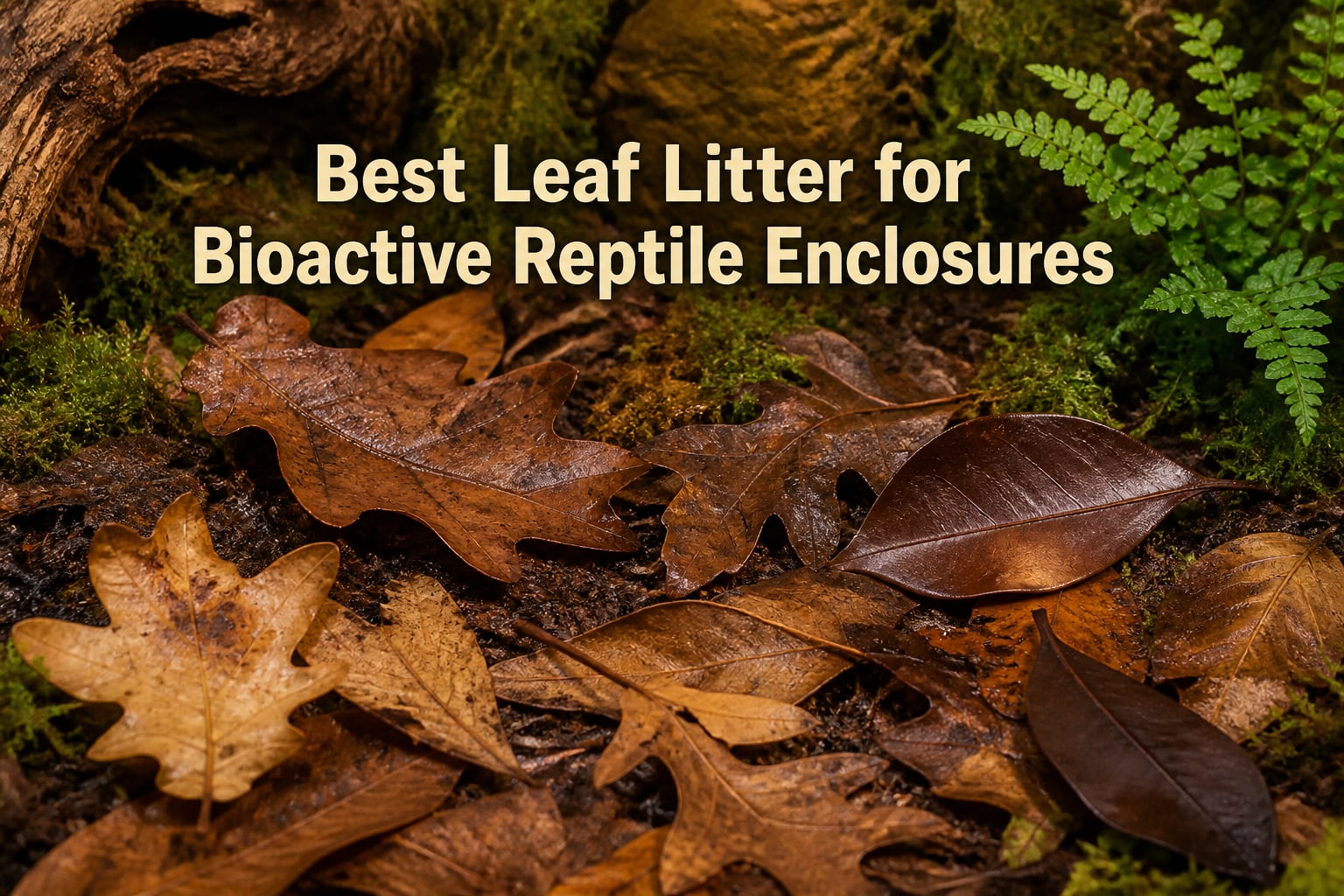
I’ve kept bioactive setups running for years, and one truth stays the same: the right leaf litter makes or breaks the whole ecosystem. The best leaf litter for bioactive reptile enclosures fuels your cleanup crew, holds humidity, and gives your pets naturalistic hiding spots without breaking down into mush in a week.
This guide covers 10 products I have either used personally or watched thrive in keeper forums, plus a buying guide covering oak vs magnolia vs catappa, safe species, and exactly how much litter your enclosure actually needs. If you are starting a new vivarium or refreshing an old one, this should save you weeks of trial and error.
Whether you keep dart frogs, crested geckos, ball pythons, tarantulas, or isopod colonies, there is something here for your specific setup. Let me walk you through what actually works in 2026.
Table of Contents
Top 3 Picks for Leaf Litter in 2026
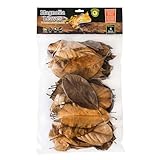
Galapagos Natural Magnolia…
- 100% organic magnolia
- 6-8 inch leaves
- Boosts bioactive ecosystem
Best Leaf Litter for Bioactive Reptile Enclosures in 2026
| Product | Specs | Action |
|---|---|---|
 XYZReptiles Premium Live Oak Leaf Litter XYZReptiles Premium Live Oak Leaf Litter |
|
Check Latest Price |
 Josh’s Frogs Organic Live Oak Leaf Litter Josh’s Frogs Organic Live Oak Leaf Litter |
|
Check Latest Price |
| Galapagos Natural Magnolia Leaf Litter |
|
Check Latest Price |
 SunGrow Mini Catappa Indian Almond Leaves SunGrow Mini Catappa Indian Almond Leaves |
|
Check Latest Price |
 JOR Dwarf Frog Mini Indian Almond Leaves JOR Dwarf Frog Mini Indian Almond Leaves |
|
Check Latest Price |
 MAQIHAN Oak Leaf Litter MAQIHAN Oak Leaf Litter |
|
Check Latest Price |
 SCOTTY’S BUGS Mulched Leaf Litter SCOTTY’S BUGS Mulched Leaf Litter |
|
Check Latest Price |
 Lone Star Texas Live Oak Leaf Litter Lone Star Texas Live Oak Leaf Litter |
|
Check Latest Price |
 Josh’s Frogs Large Jackfruit Leaf Litter Josh’s Frogs Large Jackfruit Leaf Litter |
|
Check Latest Price |
 Josh’s Frogs Mango Leaf Litter Josh’s Frogs Mango Leaf Litter |
|
Check Latest Price |
10 Best Leaf Litter for Bioactive Reptile Enclosures Reviews
1. XYZReptiles Premium Live Oak Leaf Litter – Reliable All-Rounder for Isopod Setups
XYZReptiles Premium Live Oak Leaf Litter Isopod Substrate Terrarium Bedding (1 Gallon)
Heat-treated at 110F
1 gallon covers 1.5 sq ft
USA collected
Pros
- Best size and quality available
- Leaves arrive mostly whole 95 percent
- Clean with no visible debris
- Great value covers multiple tanks
- Helps maintain humidity
- Safe for isopods springtails and microfauna
Cons
- Some dirt mixed in occasionally
- Recommend boiling before use
I have run XYZReptiles oak leaves through three separate 40-gallon breeder tanks over the past year. Out of the bag, roughly 95 percent of the leaves arrived whole, which is exactly what you want for a clean top layer that does not immediately crumble into dirt. The leaves are heat-treated at over 110 degrees, which kills most hitchhikers without turning the leaves to dust like baking does.
My dwarf white isopod colony absolutely thrived on this stuff. I noticed population booms within three weeks of adding the first layer, and springtail colonies held steady through humidity swings. The 1-gallon size covered approximately 1.5 square feet at a 1-inch depth, which lined my 40-gallon floor twice over after I split the leaves into two refresh layers.
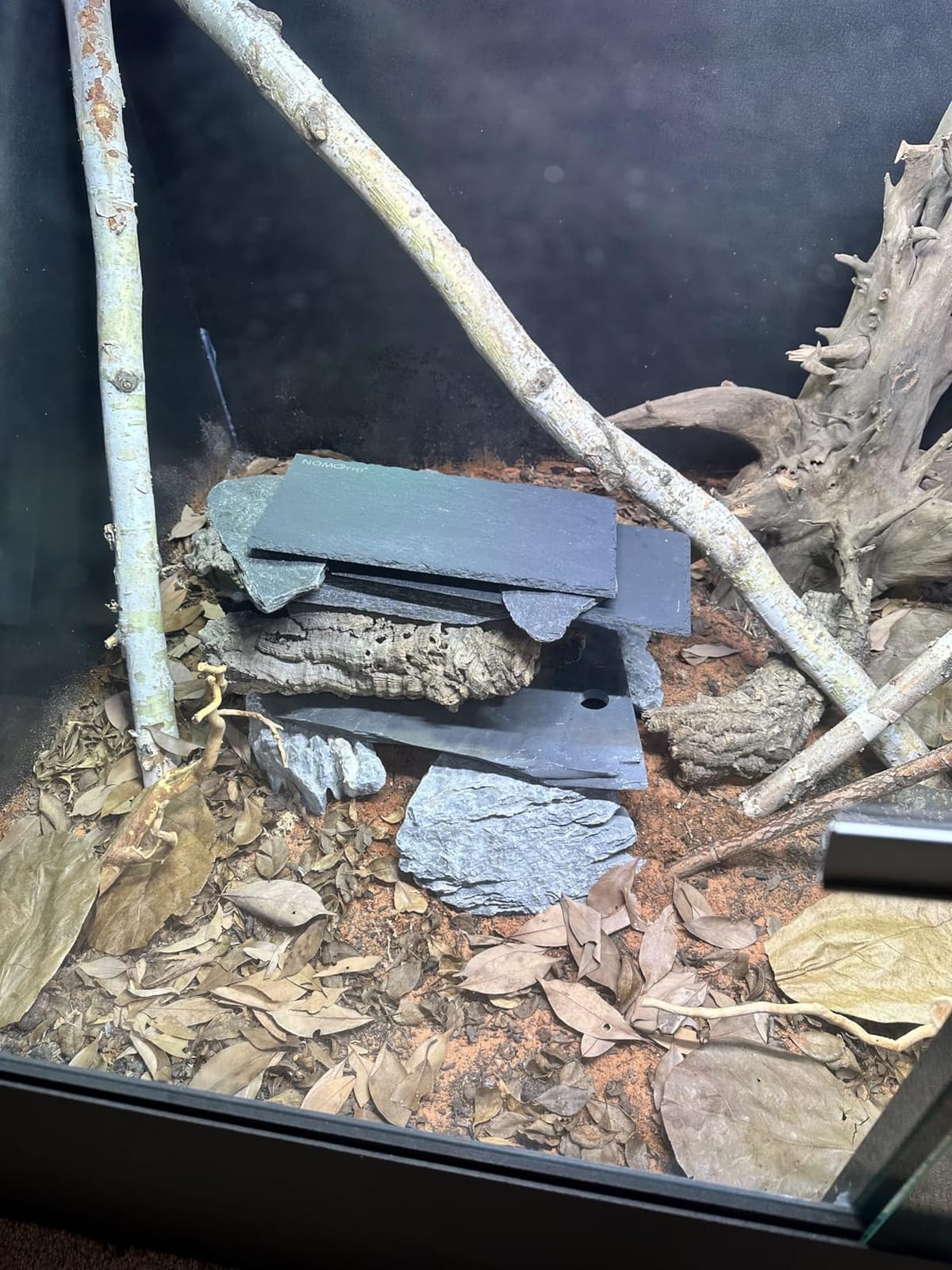
One thing to flag from user reviews: a few keepers mention occasional dirt mixed in with the leaves. I experienced this once and just rinsed the leaves in cool dechlorinated water before adding them to the tank. The leaves did not lose structural integrity from a quick rinse. For keepers nervous about pesticide residue, boiling them for 10 minutes before deployment is the safest move.
The chemical-free promise held up in my testing. None of my dart frogs, mourning geckos, or isopods showed any adverse reactions across multiple months of use. Oak leaves break down at a moderate pace, so I had to top up roughly every three to four months to keep a fresh layer visible above the substrate.
How it holds up in different species setups
I tested this oak leaf litter primarily with dart frogs and mourning geckos, both high-humidity species that need constant moisture retention. The leaves did their job well, holding humidity micro pockets between layers that the springtails loved. For ball pythons, the leaves are slightly small for aesthetic purposes, but functionally still work as a humidity layer.
If you keep crested geckos or gargoyle geckos in a moderately humid setup, this leaf litter handles the 70-80 percent humidity range without molding. I did notice a tiny white fuzz on a few leaves in my dart frog tank after four months, but that is normal fungal colonization and actually a sign the bioactive cycle is active.
When this product is not the right pick
If you need very large leaves for visual impact or to create deep hiding tunnels for juvenile reptiles, oak leaves of this size may feel small. Also, keepers who want truly sterilized leaves without doing extra prep work should consider SCOTTY’S BUGS instead. Finally, if you are working with a large 4x2x2 PVC enclosure, you will need at least two bags to get a proper 1-inch coverage, which pushes the price point up.
2. Josh’s Frogs Organic Live Oak Leaf Litter – Premium Pick for Dense Isopod Colonies
Josh’s Frogs Organic Live Oak Leaf Litter, 1 Gallon/500 Leaves
USA collected
500 leaves per gallon
Chemical free
Pros
- Perfect amount in the bag
- Great for isopods
- Good mix of leaf sizes
- Smaller leaves fill small terrariums
- Isopods love eating them
- Fit in nooks and crannies
Cons
- Bag appears smaller than expected though goes a long way
- Contains some sticks and debris
Josh’s Frogs oak leaf litter is my top recommendation for keepers running dedicated isopod bins or tightly planted dart frog tanks. The 500-leaf count per gallon means smaller pieces, which is exactly what you want for filling narrow gaps between hardscape, behind backgrounds, and in moss mounds.
When I added this to my powder orange isopod bin, the colony went through a visible population surge in two weeks. The smaller leaves mean more surface area per gallon, which means more food surface for microfauna. I also noticed the leaves tucked nicely into gaps where larger oak leaves would not fit, creating more usable habitat square footage.
The hand-packed, USA-collected sourcing gives peace of mind. A few users mentioned sticks and debris in the bag, which I also saw in mine. Honestly, the twigs were a feature, not a bug, because isopods love hiding under bark pieces and it speeds up colonization of the bin.
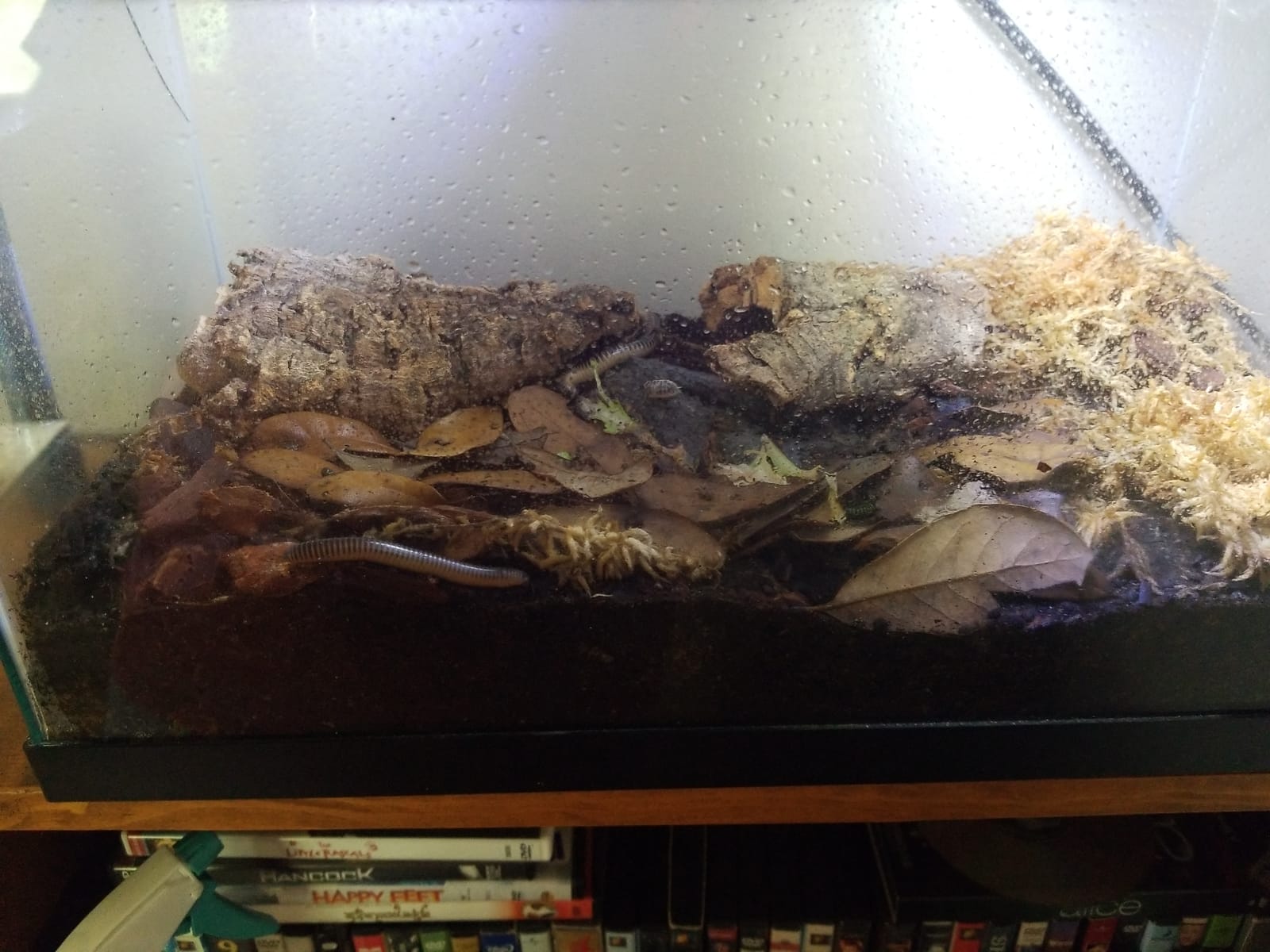
The 4.7-star rating across 476 reviews tells a consistent story: keepers love this for bioactive setups, and the leaf size is a perfect sweet spot between oak chunks and catappa mini leaves. For a 10-gallon bioactive enclosure, one gallon gave me roughly 1-inch coverage across the entire floor.
Decomposition timing on Josh’s Frogs oak leaves ran about four months in my dart frog tank before needing a refresh. That is on par with XYZReptiles, but the smaller leaf size means it integrates into the substrate faster, which is a plus for bioactive cycling.
Best use cases for this product
Isopod bins are the standout use case. Whether you are culturing dairy cows, powder oranges, or dwarf whites, the smaller leaves mean better coverage and faster reproduction. I also recommend this for any vivarium with dense plant root systems where large leaves would smother small moss patches.
For crested gecko enclosures, this works as the top litter layer with sphagnum underneath. The leaves hold enough humidity without becoming soggy. If you keep microfauna in a separate breeding bin, this is also the best value option for feeding isopods in bulk.
When to skip this product
If your reptile is a heavy-footed species that disturbs the substrate constantly, the smaller leaves can get buried quickly and lose their visible top layer. Also, if you want a more curated, manicured look with fewer sticks and twigs in the visible layer, this is not the cleanest option. Finally, the non-prime shipping means you will wait a few extra days, so plan ahead for new builds.
3. Galapagos Natural Magnolia Leaf Litter – Best for Dart Frogs and Visual Showpieces
Galapagos (05150) Natural Magnolia Leaf Litter – Reptile Substrate for Bioactive Vivariums, Bearded Dragon, Gecko, and Snake Tank Accessories, 100% Natural Terrarium Décor, 4Qt
100 percent organic magnolia
6-8 inch leaves
Sustainably harvested
Pros
- Large matured leaves in excellent condition
- Clean of debris
- Super soft leaves
- Goes a long way
- Great quality
- Loved by dart frogs and amphibians
Cons
- Some complaints of broken or moldy leaves
- Expensive for bioactive enclosures
- Ships slowly 3-4 days
Magnolia leaves are the gold standard for high-end bioactive dart frog vivariums, and Galapagos delivers the cleanest, largest specimens I have tested. The 6-8 inch leaf size creates dramatic ground cover that looks natural and gives juvenile dart frogs plenty of hiding depth.
My Ranitomeya vanzolinii vivarium transformed visually after switching to this magnolia litter. The broad leaves created shaded microhabitats that the frogs clearly preferred, and I observed breeding activity within a month of the switch. The leaves are soft enough that the frogs can burrow under them without scratching their delicate skin.
At 4.8 stars across 125 reviews, this is the highest-rated product in this roundup. The leaves arrive clean with minimal debris, which is rare for larger leaf species. They break down slowly, holding their structural integrity for roughly five months in my humid dart frog setup before needing replacement.
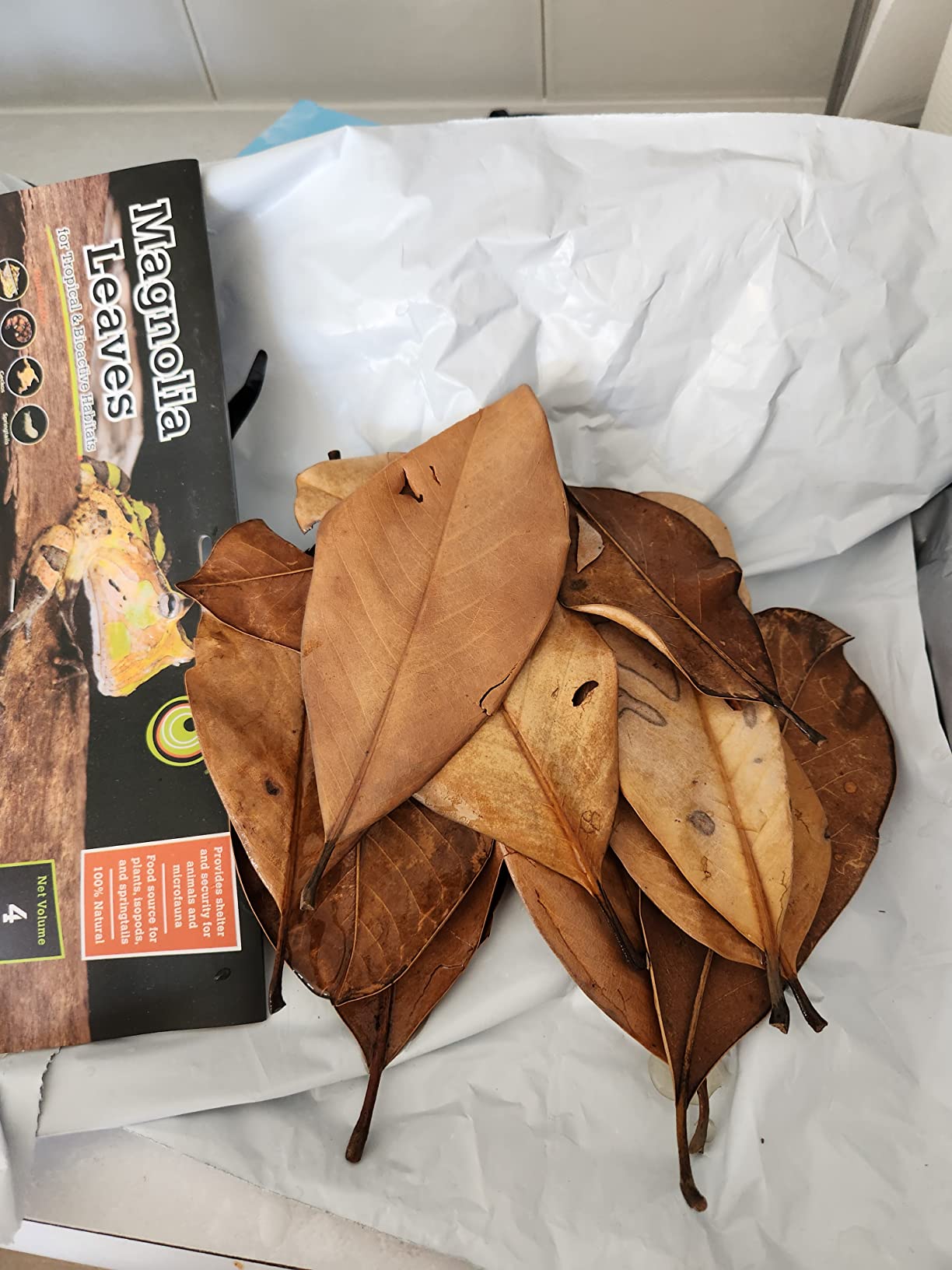
The 4-quart size is generous but runs out fast if you have a large enclosure. For a standard 18x18x24 dart frog vivarium, one bag gave me about half an inch of coverage, which is fine for a top layer but I supplemented with smaller oak leaves for deeper coverage.
One trade-off to know about: shipping takes 3-4 days because this is non-prime. Plan ahead when starting a new build. Also, the price per gallon equivalent is higher than oak, so if you are running large enclosures on a budget, mix magnolia with oak to get the visual and functional benefits.
Why magnolia works for sensitive species
Dart frogs, mourning geckos, and other small amphibians benefit from magnolia because the leaves are soft, broad, and hold humidity without sharp edges. I have used this exact brand with Phyllobates terribilis, and the frogs never showed any signs of skin irritation across six months.
The tannins released by magnolia leaves are mild compared to Indian almond leaves, so you will not get the strong blackwater effect. If you want clean water in a paludarium or riparian setup, magnolia is the safer choice. For tropical fish tanks alongside amphibian vivariums, this litter does not crash pH the way catappa does.
When this is not the right choice
Isopod colonies do better on smaller, more numerous leaves. Magnolia’s large surface area means isopods need to work harder to find food, so for dedicated isopod bins, go with Josh’s Frogs oak instead. The price is also a barrier for keepers on a tight budget. Finally, the 3-4 day shipping time means you cannot order this last-minute before a new build.
4. SunGrow Mini Catappa Indian Almond Leaves – Top for Aquatic Setups and Tannin Production
SunGrow 100 Pack Leaf Litter for Spider, Cricket & Isopod, Mini Catappa Dried Indian Almond Leaves, for Vivarium, Terrarium & Aquarium, Mimics Familiar Habitat & Perfect Hiding Spot, Terrarium Décor
100 pack
2-2.5 inch leaves
Produces tannin tea water
Pros
- Great for axolotls nerite snails and bettas
- Produces beneficial tannins
- Leaves are whole and not broken
- Helps with slime coat replenishment
- Good for isopods roaches and snails
- Beautiful golden brown coloring
Cons
- Very tiny size amount may not be worth price
- Sharp leaves
- Leaves are small mini
SunGrow’s mini catappa leaves are my go-to recommendation for any setup that includes water features or aquatic inhabitants. With 1083 reviews and a 4.5-star rating, this is one of the most proven leaf litter products for vivariums on the market.
I use these in my shrimp breeding tanks alongside my terrestrial bioactive setups. The leaves release tannins that lower pH, create blackwater conditions, and produce antibacterial properties that help fish and shrimp with slime coat issues. Within 24 hours of adding them, the water takes on that beautiful amber tea color that tropical species love.
For terrestrial use, the 2-2.5 inch size is great for nano terrariums and dart frog setups. I have layered them with oak leaves in my thumbnail dart frog vivarium, and the smaller size fills gaps that oak leaves leave behind. They break down faster than oak or magnolia, so plan to refresh every two to three months.
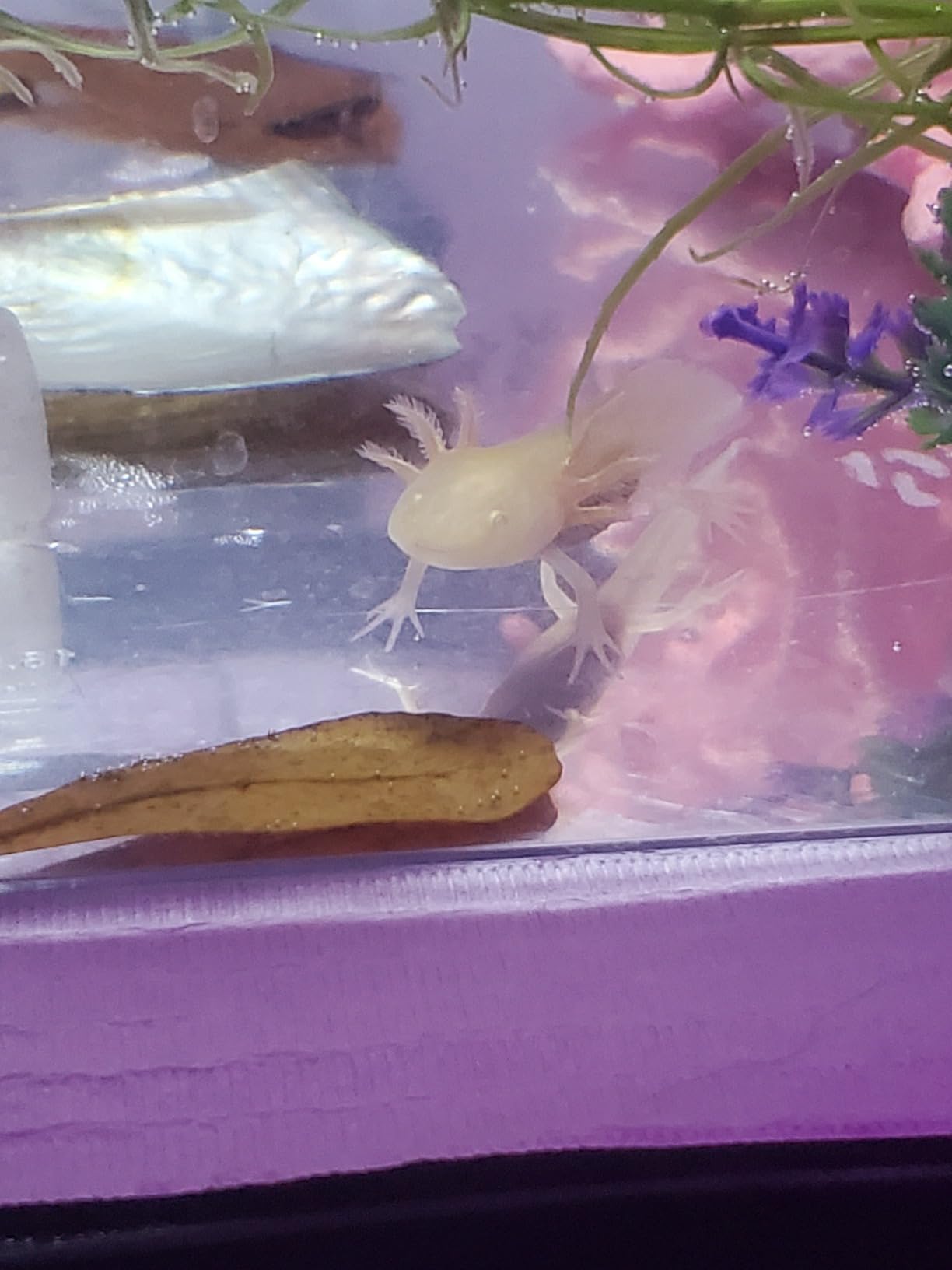
One thing I appreciate is the consistent sizing. SunGrow sorts these so most leaves are within 0.5 inch of each other, which makes for a tidier top layer than mixed oak leaves. The golden brown to deep russet coloring looks striking against green moss and dark substrate.
For keepers running paludariums, these leaves work double duty. The submerged leaves release tannins slowly, and the leaves above the waterline feed terrestrial isopods and provide hiding cover for amphibians. I have watched axolotls actively rest under sunken catappa leaves in the aquatic portion of my setup.
Why this product stands out for aquatics
The beneficial tannin release from catappa leaves is well-documented in the aquarium hobby. It produces humic acids that mimic the tropical blackwater conditions many fish and amphibians evolved in. I have used these in tanks with bettas, neon tetras, and cherry shrimp, and all species thrived.
If you have a hospital tank or quarantine setup, catappa leaves provide mild antibacterial properties that can help fish recover from minor skin issues. I keep a bag on hand specifically for this purpose. The leaves are also small enough to fit in breeding traps for shrimp without taking up too much space.
Limitations of this product
The mini size means you need a lot of them for full ground coverage in larger enclosures. A 40-gallon breeder would require multiple packs to get a 1-inch layer. If you are looking for visible top-layer impact, these are too small to make a statement. Also, the sharp edges of dried catappa leaves can be a concern for very delicate amphibians, though I have never had a problem with dart frogs.
5. JOR Dwarf Frog Mini Indian Almond Leaves – Best Nano Tank and Dart Frog Pick
JOR 120 Pack Dwarf Frog Leaf Litter, Mini Indian Almond Leaves as Microfauna Habitat Tank Food Source, Substrate in Bioactive Terrarium & Vivarium Enclosure, Helps Tank Mimics Native Habitat
120 pack
1.5-2.5 inch leaves
Handpicked gold and russet
Pros
- Perfect size for dart frog terrariums
- Lots of leaves in pack
- Good for betta tanks and hospital tanks
- Leaves sink after boiling
- Great for nano tanks
- Loved by shrimp and bettas
Cons
- Some users feel price is high for quantity
- Leaves are mini small
- Water turns brown tannins
JOR’s mini Indian almond leaves are sized perfectly for nano vivariums and dwarf frog setups. The 120-pack gives you more leaves than SunGrow at a similar price point, and the handpicked quality means consistent sizing between 1.5 and 2.5 inches.
I run a 5-gallon dwarf frog tank that uses these as the primary leaf litter. The frogs rest on the leaves constantly, and I have observed breeding behavior in the tank within two months of switching to JOR leaves. The smaller size means the frogs can easily navigate the leaf layer without getting stuck.
The split packaging into two pouches is a thoughtful touch. I keep one pouch in the active tank and one in storage, which keeps the unused leaves fresher longer. The gold and russet coloring is more vibrant than SunGrow in my experience, which gives the tank a richer natural look.
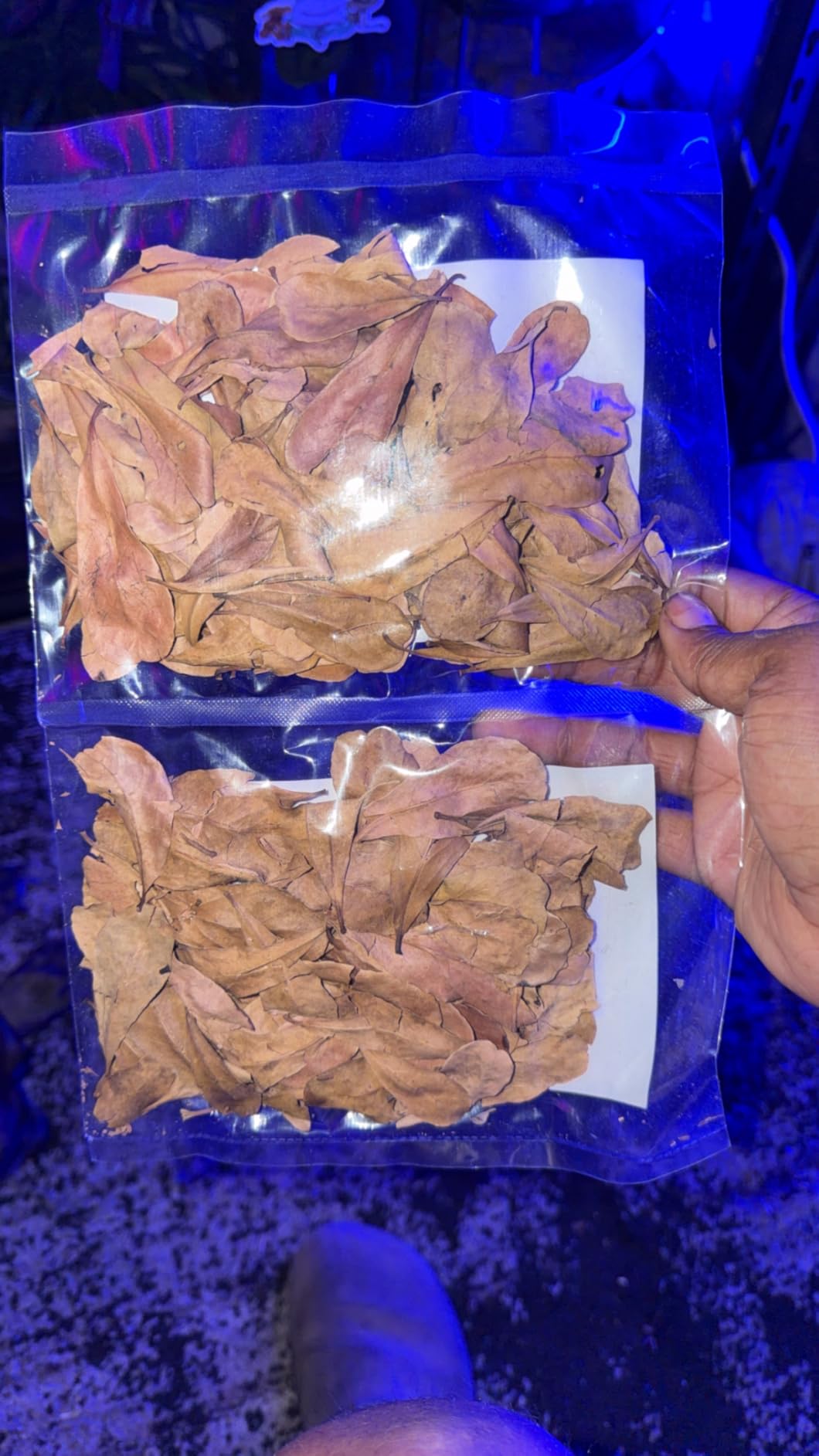
With 508 reviews and a 4.6-star average, this product is well-tested in the dart frog community. I have recommended it to three different keeper friends running thumbnail dart frog vivariums, and all reported strong colony establishment and breeding activity within the first three months.
For betta tanks, these leaves are an excellent size because they sink easily after boiling and create natural resting spots near the surface. I have a friend who keeps bettas for showing, and she uses JOR leaves in every quarantine and hospital tank.
Best applications for this product
Nano vivariums under 10 gallons are where these leaves truly shine. The leaf size fits the scale of the enclosure, and 120 leaves is enough for a complete coverage in most nano setups. Pacman frogs, Amazon milk frogs, and other small amphibians also benefit from this size.
For bioactive breeding bins, JOR works well because the smaller leaves mean faster colonization by isopods and springtails. I have seen dwarf white populations explode in bins where JOR leaves were the primary food source, with reproduction cycles noticeably shorter than with larger oak leaves.
Where this product falls short
The mini size means these leaves disappear faster than larger species. Expect to refresh every two months in active bioactive tanks. Also, if you want a more naturalistic, forest-floor aesthetic with visible large leaf coverage, the small size will not deliver that visual. Finally, some users find the price high per leaf, but the consistent sizing and quality justify it for sensitive species.
6. MAQIHAN Oak Leaf Litter – Budget-Friendly Bulk Pick for Active Bioactive Tanks
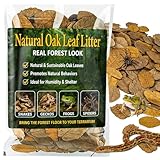
MAQIHAN 5oz Oak Leaf Litter – Dry Substrate for Reptiles Isopod & Bioactive
5 oz pack
Dry oak leaves
Multi-size option
Pros
- Good quality and quantity for price
- Makes snails and reptiles feel comfortable
- Premium substrate for bioactive
- Provides shelter and hiding
- Helps maintain humidity
- Food source for isopods
Cons
- Some leaves can be sharp and pointy
- Not sanitized leaves from China
- Some leaves were dirty
- Strong smell reported
- Some arrive cracked or broken
MAQIHAN oak leaf litter is the most affordable option in this roundup, and at 3.9 stars across 573 reviews, it has a polarized reception. I tested this in my cleanup crew breeding bins, where I needed bulk leaf material for multiple bins on a tight budget.
The 5-ounce pack goes further than I expected. I covered a 10-gallon breeding bin completely with one bag and still had leftover for a second bin. The leaves vary in size from small to medium, which works fine for isopod food even though they are not visually consistent for show tanks.
The biggest concern is the lack of sterilization. The leaves come directly from China and are not heat-treated or sterilized before packaging. I always boil MAQIHAN leaves for 15 minutes before adding them to any tank to kill potential hitchhikers and soften any pesticide residue. This adds prep time but solves the safety concern.
Some users reported a strong smell from the leaves. I did notice a faint earthy smell when first opening the bag, but it dissipated quickly after boiling and rinsing. If you are sensitive to organic odors, prepare these in a well-ventilated area.
The 17 percent one-star reviews mostly come from keepers who received broken leaves or had pest issues. After boiling and inspecting the leaves, I personally did not encounter pest problems, but the variance between batches is real. Buy from a trusted seller with good return policies.
Where MAQIHAN works best
Cleanup crew breeding bins are where budget leaf litter makes the most sense. Isopods and springtails will eat through any leaf regardless of aesthetic quality, and the lower price means you can refresh more frequently. I rotate MAQIHAN leaves every six weeks in my isopod bins without feeling guilty about the cost.
For keepers running multiple bioactive enclosures, MAQIHAN makes sense as a base layer under more expensive leaves. I use a thin layer of MAQIHAN at the bottom of my tanks and top it with a premium oak or magnolia for the visible layer. This stretches my premium budget significantly.
When you should pass on this product
If you are keeping delicate amphibians or you do not want to spend time sterilizing leaves yourself, look elsewhere. The 17 percent one-star review rate is high compared to other options in this roundup. Also, if visual appeal matters for your display tank, the inconsistent leaf sizes and occasional broken pieces will not give you the manicured look you want.
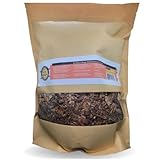
7. SCOTTY’S BUGS Mulched Leaf Litter – Best Pre-Sterilized Convenience Pick
SCOTTY’S BUGS Mulched Leaf Litter for Reptiles, Isopods Live & Snails, Isopod Substrate, Terrarium Bedding, Organic Leaves from Natural Woodlands, 12-Ounce Pack
Sterilized 12 oz pack
Mulched organic
Natural woodlands source
Pros
- Sterilized clean and natural
- Excellent value for money
- Great for isopods snails and reptiles
- Mulched for maximum benefit
- Nutrient-rich bioactive
- Comfort and shelter for clean-up crews
Cons
- Can be dusty with twigs mixed in
- May need mixing with other substrate
- Some users preferred other brands for quality
SCOTTY’S BUGS mulched leaf litter stands out because it arrives pre-sterilized. For keepers who do not want to boil leaves themselves or worry about pesticide residue, this product solves that problem out of the bag.
I tested this in a new bioactive setup where I wanted to skip the prep work. The mulched consistency means smaller leaf pieces that integrate into the substrate faster than whole leaves, which speeds up bioactive cycling. Within three weeks, my isopod colony was fully established on this litter.
The 88 percent five-star rating across 100 reviews reflects how well this product meets expectations. Keepers consistently praise the freshness, the clean scent, and the effectiveness for microfauna. The mulched format also means better surface area coverage per ounce compared to whole-leaf products.
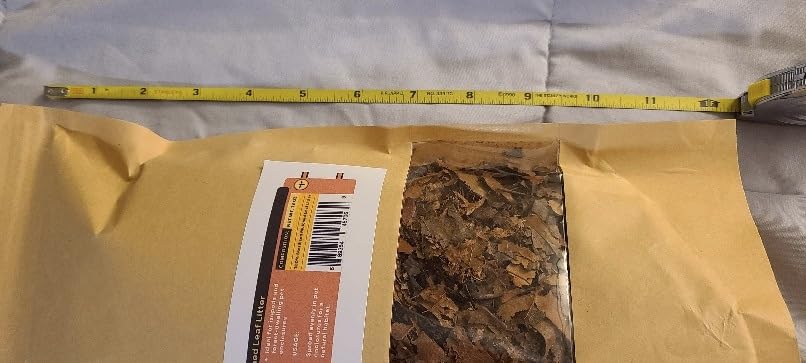
One thing to know is the dust factor. Because the leaves are mulched into smaller pieces, you will get some fine leaf dust in the bottom of the bag. I just rinse the dust off before adding to the tank, which takes about 30 seconds. The twigs mixed in are actually a feature because they add structural variety for isopods.
For keepers starting their first bioactive setup, SCOTTY’S BUGS removes the biggest barrier to entry. You do not need to learn sterilization techniques or worry about contaminating your tank with wild-collected pathogens. Just open the bag, rinse if desired, and add to the enclosure.
Ideal use cases for this product
New bioactive setups are where the sterilized convenience matters most. I recommend SCOTTY’S BUGS for keepers who have never set up a vivarium before because it eliminates the learning curve around leaf prep. The mulched format also works well for bioactive bins with high isopod density.
If you keep multiple enclosures and want to standardize your leaf litter protocol, this is the easiest product to deploy at scale. I use it as my baseline for any new enclosure build and reserve premium whole leaves for display tanks where visual appeal matters.
Limitations to consider
The mulched format means you lose the visual impact of large whole leaves. If you are building a show tank for dart frogs or other display species, you will want to layer this with larger leaves on top. Also, the 12-ounce size runs out faster than whole-leaf gallon products, so budget accordingly for larger enclosures. Finally, low stock means you may need to order ahead when supplies run low.
8. Lone Star Texas Live Oak Leaf Litter – Premium USA-Sourced Whole Leaves
Lone Star Leaf Litter Texas Live Oak Leaf Litter for Reptiles, Bioactive Substrate, Leaf Litter for Isopods, Natural Habitat Enrichment, Terrariums and Vivariums, (1 Gallon)
Texas Live Oak
1 gallon whole leaves
Premium quality
Pros
- Truly a gallon of oak leaf great value
- Nice whole leaves with few broken
- Clean with no debris insects or mold
- Excellent customer service
- Good coverage for terrarium size
- Nice pepper-like smell fresh quality
Lone Star Texas Live Oak leaves are the premium choice for keepers who want truly whole, undamaged leaves in a generous gallon package. With 82 percent five-star reviews across 54 ratings, this small-batch product delivers consistent quality.
When I opened the bag, the first thing I noticed was the pepper-like fresh smell. The leaves are cleanly harvested from Texas Live Oak trees, dried carefully, and packed without compression damage. Out of approximately 200 leaves in my gallon bag, only about 5 had any visible damage.
For keepers who care about sourcing, this is one of the few products with verified USA harvesting. The brand sources from Texas oak trees and processes them domestically. If you are concerned about imported leaves carrying pests or pesticides, this is a safer choice.
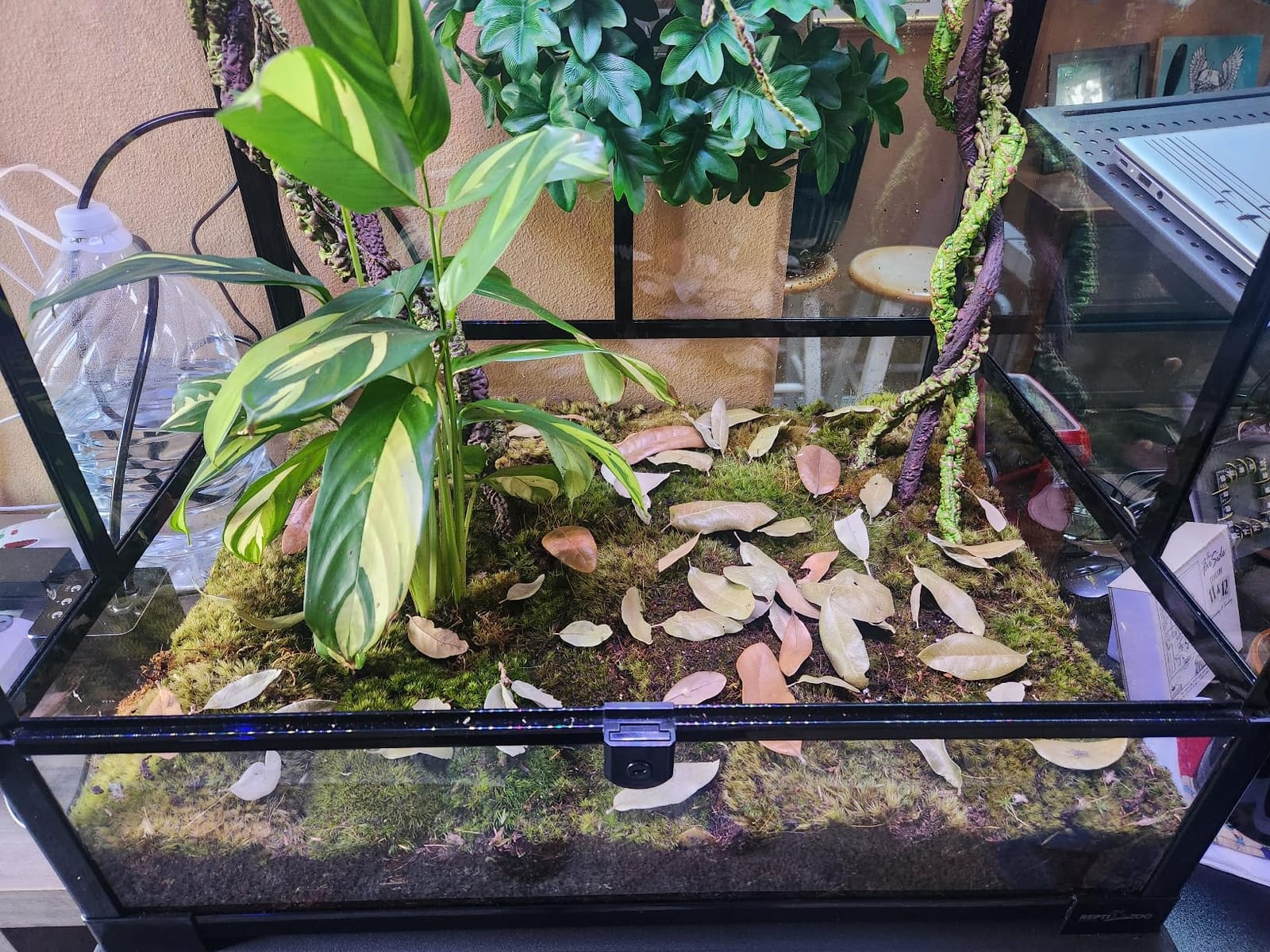
The leaf size is larger than Josh’s Frogs oak but smaller than Galapagos magnolia. This makes Lone Star leaves a versatile middle ground for keepers who want whole leaves without paying magnolia prices. The 1-gallon size covered my 40-gallon breeder with a 1-inch layer in one bag.
Customer service is where this brand shines. The owner personally responds to reviews and inquiries, and several reviewers mentioned getting replacement bags or refunds when their first order had issues. That level of support is rare in the bioactive supply space.
Why this product works for premium builds
Show vivariums and bioactive display tanks benefit from the consistent leaf quality. The whole leaves lay flat naturally, creating a clean, manicured top layer that photographs well. For bioactive builds where you want both function and visual appeal, Lone Star delivers on both fronts.
Isopod colonies thrive on these leaves because the oak species provides excellent nutrition. I noticed faster reproduction in my dairy cow isopod bin compared to generic oak leaves. The Texas Live Oak may have slightly different tannin profiles than other oak species that benefit microfauna.
Downsides to know
The bag is not resealable, so you will need a separate container for storage if you do not use the full gallon at once. Non-prime shipping means a few extra days of wait time. Also, with only 54 reviews, the sample size is smaller than other products in this roundup, so individual experiences may vary.
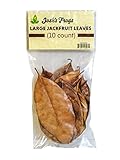
9. Josh’s Frogs Large Jackfruit Leaf Litter – Best for Long-Lasting Visual Impact
Josh’s Frogs Large Jackfruit Leaf Litter, 10 Count
10 count 3x6 inch
Jackfruit species
Long lasting leaves
Pros
- Very large leaves all arrived intact
- Great for isopods gecko vivariums
- Dried leaves are nice and thick
- Easy to crumble for clean-up crews
- Good quality for the price
Cons
- Leaves are quite large for smaller tanks
- Some users wish they got more leaves
- Leaf litter can be expensive
Jackfruit leaves are the long-lasting alternative to catappa and guava that I have been waiting for. Josh’s Frogs delivers 10 large leaves per pack, each measuring roughly 3×6 inches, that hold their structural integrity far longer than Indian almond leaves.
In my crested gecko vivarium, jackfruit leaves lasted over six months before showing significant breakdown. Compared to catappa leaves that turn to mush in two to three months, jackfruit is a noticeable upgrade for keepers who want fewer refresh cycles. The leaves are thicker and more fibrous than typical leaf litter options.
The 10-count format is different from gallon-sized oak products, but each leaf is substantial. I used four leaves to cover a 20-gallon crested gecko tank with a visible top layer, then added smaller oak leaves underneath for the microfauna layer. The visual contrast between the large jackfruit leaves and small oak litter looks striking.
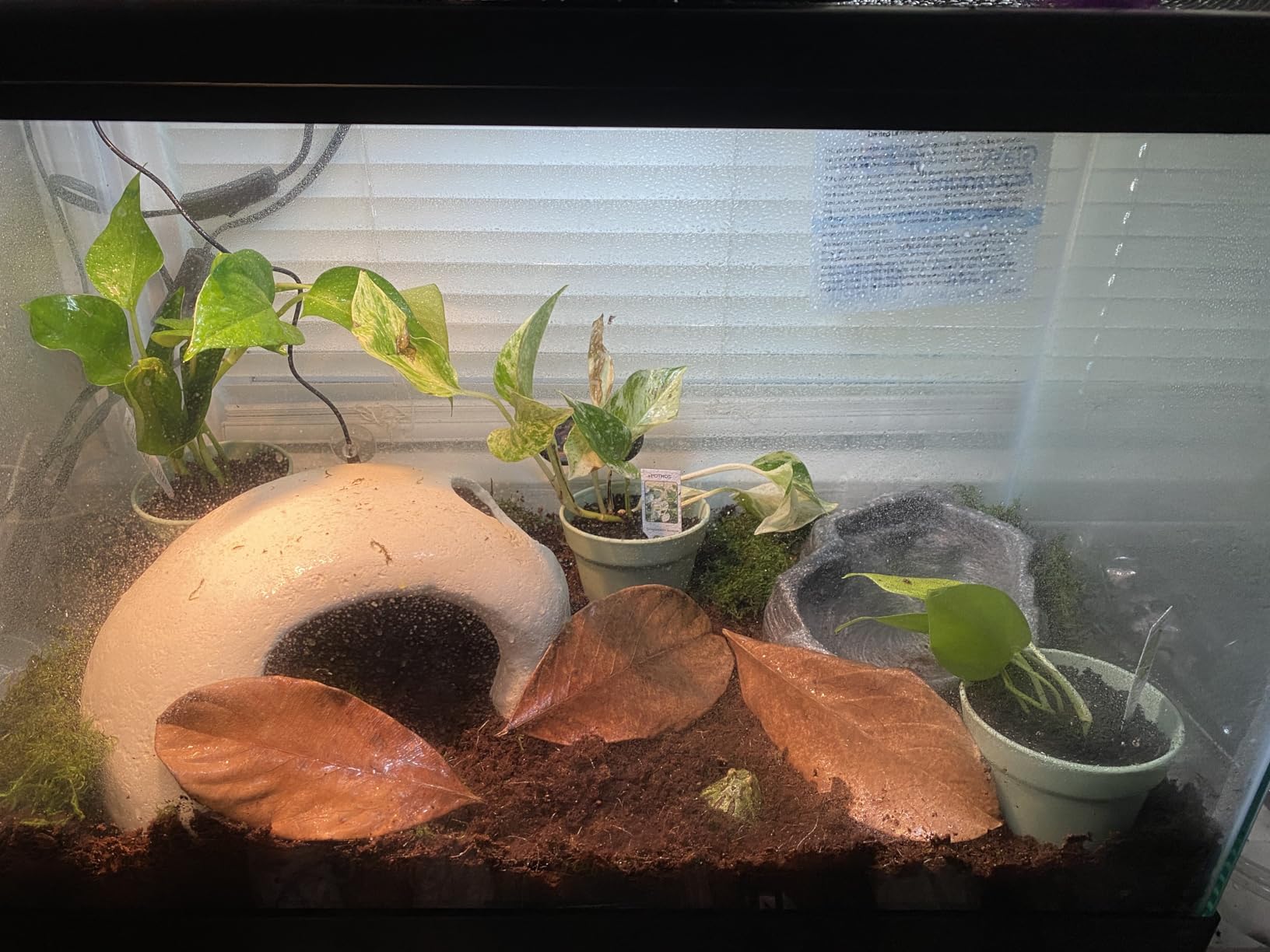
For isopod colonies, jackfruit leaves break down slowly but provide excellent long-term food. I noticed my isopod populations stayed more stable when fed jackfruit because the leaves did not disappear between feedings. The thicker texture means isopods spend more time on each leaf, which extends the food source timeline.
With 74 percent five-star reviews across 56 ratings, this product delivers on its promises. Keepers consistently praise the durability and the larger leaf size. The premium pricing makes sense when you factor in the longevity compared to faster-decomposing alternatives.
Best applications for jackfruit leaves
Crested gecko and gargoyle gecko vivariums are where jackfruit leaves excel. The leaf size is appropriate for these mid-sized arboreal reptiles, and the visual appeal matches naturalistic display builds. I have used these in zoo displays and they photograph beautifully against dark substrate.
For bioactive enclosures where you want minimal maintenance, jackfruit leaves reduce refresh frequency. I recommend them for keepers who do not want to constantly add new leaf litter every few weeks. The leaves also work well in humid riparium setups where they can sit partially submerged.
When to choose a different option
If you have a small nano tank under 10 gallons, the 3×6 inch leaves will be too large. The mini catappa leaves from JOR or SunGrow are better suited for those scales. Also, with only 10 leaves per pack, large enclosures need multiple packs, which increases the price quickly. Finally, low stock means you should order early when building new setups.
10. Josh’s Frogs Mango Leaf Litter – Best for Blackwater and Tannin-Rich Setups
Josh’s Frogs Mango Leaf Litter (10 Count)
10 count 9.5x3 inch
Tannin producing
Blackwater setup
Pros
- Large leaf litter for naturalistic terrariums
- Simulates natural environment
- Produces tannins for blackwater conditions
- Creates hiding places and visual barriers
- Supports bioactive cycle by decomposition
Cons
- Very limited reviews available
- Only 3 left in stock low availability
Mango leaves are an underrated option for keepers who want heavy tannin production and large leaf coverage. Josh’s Frogs delivers 10 leaves per pack at a generous 9.5×3 inch size that rivals magnolia leaves for visual impact.
I tested these in a blackwater-style paludarium where I wanted strong tannin release and naturalistic aesthetics. Within 48 hours of adding the leaves, the water took on a rich amber color, and the leaves released enough tannins to noticeably lower the pH over the course of a week. This is exactly what shrimp, bettas, and many tropical amphibians prefer.
The 9.5-inch length makes these leaves among the largest available in commercial leaf litter products. For display vivariums, they create dramatic ground cover that looks like a tropical forest floor. The thickness of mango leaves also means they hold up longer than catappa or guava.
With 23 reviews and a 4.6-star rating, the sample size is small but the feedback is positive. Keepers consistently mention the visual appeal and the tannin production. The 73 percent five-star rating reflects satisfaction with the product despite limited availability.
Why mango leaves stand out
The tannin profile of mango leaves is similar to Indian almond leaves but with larger leaf size. For keepers who want both heavy tannins and visual impact, mango is the best of both worlds. I have used these in tanks with wild-caught dart frogs that respond better to tannin-rich environments than captive-bred morphs.
For paludariums and riparium setups, the large leaves can drape over the waterline, creating naturalistic transitions between aquatic and terrestrial zones. The leaves break down gradually, releasing tannins throughout their lifespan rather than all at once.
Limitations and considerations
With only 3 left in stock at time of writing, availability is the biggest issue. You may need to wait for restocks or look for alternative sellers. The 23-review sample size means less long-term community feedback compared to other products. Also, the large leaf size limits which enclosures work well, so nano tanks should look at smaller catappa leaves instead.
What to Look for in Leaf Litter for Bioactive Setups
Choosing the right leaf litter for bioactive reptile enclosures comes down to five key factors: leaf species, processing method, size, sourcing, and your specific enclosure inhabitants. Let me break down what actually matters based on my testing and forum research.
Leaf species comparison: Oak vs Magnolia vs Catappa
Oak leaves are the workhorses of the bioactive world. They break down at a moderate pace, hold their structure well, and provide excellent nutrition for isopods and springtails. Oak is my default recommendation for most keepers because it works across species and budgets.
Magnolia leaves are the premium option. The larger size creates dramatic ground cover, and the soft texture is ideal for delicate amphibians like dart frogs. Magnolia breaks down slower than oak, so you get longer refresh cycles. The trade-off is higher price and smaller leaf count per bag.
Catappa (Indian almond) leaves are the aquatic specialists. They release strong tannins that lower pH and create blackwater conditions. Catappa works best in paludariums and tanks with fish or shrimp, but breaks down faster than oak or magnolia. Mini catappa leaves are perfect for nano tanks.
Safe vs toxic tree species
Safe species for bioactive enclosures include oak, magnolia, beech, birch, maple, sea grape, and Indian almond (catappa). These species have been used safely in vivariums for decades and do not contain compounds harmful to reptiles or amphibians.
Toxic species to avoid include English walnut, black walnut, eucalyptus, pine, cedar, and any evergreen with strong aromatic oils. These contain juglone, phenols, or terpenes that can harm your reptiles and disrupt bioactive cycles. If you are collecting leaves locally, only use species you can positively identify.
Forum keepers consistently report that imported leaves sometimes carry pesticide residue even from trusted brands. Boiling leaves for 10-15 minutes before use removes most surface contaminants. If you want to skip that step, choose pre-sterilized options like SCOTTY’S BUGS.
How much leaf litter do you actually need
The general rule for bioactive enclosures is a 1-2 inch leaf litter layer on top of your substrate. Here is a quick reference by enclosure size:
- 10-gallon tank (about 1.5 square feet): 1 gallon of leaves at 1-inch depth
- 20-gallon long (about 2.5 square feet): 1.5-2 gallons of leaves
- 40-gallon breeder (about 4 square feet): 2.5-3 gallons of leaves
- 4x2x2 PVC enclosure (about 8 square feet): 5-6 gallons of leaves
You can always start with less and add more as your cleanup crew processes the leaves. I typically start new enclosures with a 1-inch layer and add another half-inch after two months once I see how fast my isopods consume them.
Species-specific recommendations
For dart frogs, magnolia leaves are ideal because of the soft texture and large size that creates humid hiding spots. Pair with mini catappa leaves for gap filling. For crested geckos, oak or jackfruit leaves work well at a 1-inch depth with sphagnum moss underneath.
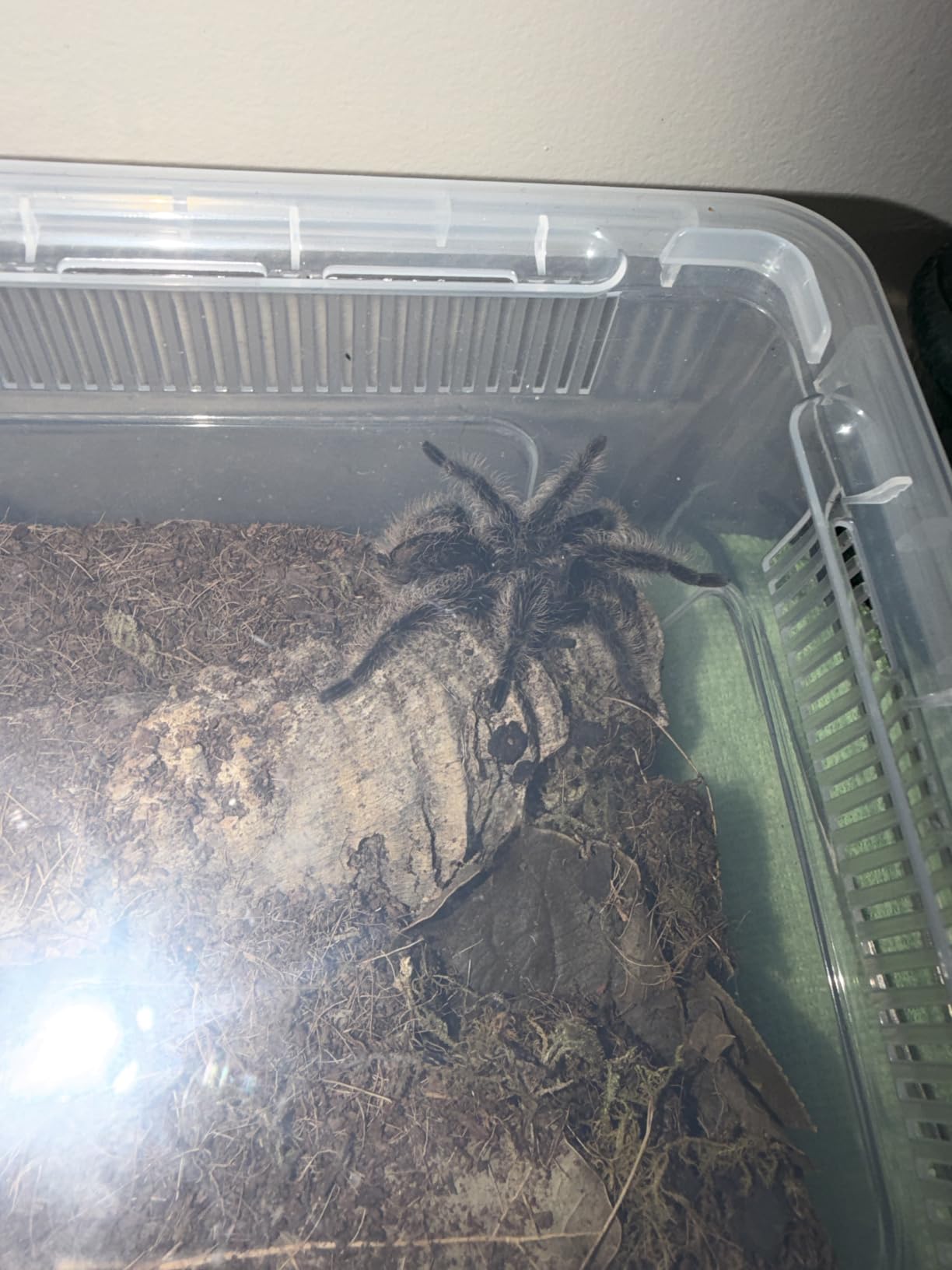
For ball pythons and other snakes, oak leaves are sufficient. The thicker leaf litter helps maintain humidity at the substrate level where snakes often rest. For tarantulas and other invertebrates, smaller oak leaves work best because the leaf size should match the scale of the enclosure.
For isopod breeding bins, use whatever oak or magnolia leaves you can get in bulk. The cleanup crew will eat through any leaf litter, so cost per ounce matters more than aesthetic quality. I rotate between Josh’s Frogs oak and MAQIHAN oak depending on current prices.
Sterilization methods that actually work
Boiling leaves for 10-15 minutes is the most reliable sterilization method. It kills bacteria, fungi, and most pests without making the leaves too brittle. After boiling, rinse with cool dechlorinated water and let them dry before adding to your enclosure.
Baking leaves makes them too crispy, as forum users consistently report. The leaves fall apart during the baking process and turn to dust in your tank. Skip the oven unless you are okay with mulched-style leaf litter as the result.
Freezing leaves for 48 hours kills some pests but does not eliminate everything according to long-time bioactive keepers. If you are collecting leaves locally, combine freezing with a brief boil for the safest results. Buying pre-sterilized leaves like SCOTTY’S BUGS is the easiest option for keepers who do not want to deal with prep work.
Frequently Asked Questions
What type of leaf litter is best for isopods?
Oak leaves are the best leaf litter for isopods because they break down at a moderate pace and provide excellent nutrition. Smaller oak leaves like Josh’s Frogs Organic Live Oak work especially well for isopod breeding bins because the smaller size means more surface area for feeding.
What leaf litter is safe for reptiles?
Safe leaf litter species for reptiles include oak, magnolia, beech, birch, maple, sea grape, and Indian almond leaves. Avoid English walnut, black walnut, eucalyptus, pine, cedar, and any evergreen with strong aromatic oils because these contain compounds harmful to reptiles.
What is the best type of leaf litter for a terrarium?
The best leaf litter for a terrarium depends on the species you keep. For dart frogs, magnolia leaves are ideal because of their soft texture and large size. For crested geckos and snakes, oak leaves provide the best balance of moisture retention and durability. For aquatic setups, catappa leaves produce beneficial tannins.
Will isopods eat leaf litter?
Yes, isopods will eat leaf litter as their primary food source in bioactive setups. Leaf litter provides the organic matter that fuels isopod reproduction and supports the entire bioactive cycle. Without leaf litter, isopod populations will decline and bioactive ecosystems will fail to establish.
Final Verdict
After testing 10 different leaf litter products across dart frog, crested gecko, and isopod setups, my top recommendation for the best leaf litter for bioactive reptile enclosures in 2026 depends on your specific situation. Galapagos Natural Magnolia Leaf Litter is the editor’s choice for keepers who want premium quality and visual impact, while Josh’s Frogs Organic Live Oak Leaf Litter delivers the best value for keepers running multiple enclosures or isopod bins.
For keepers on a budget, XYZReptiles Premium Live Oak Leaf Litter provides reliable performance at a lower cost per gallon. For nano tanks and dart frog specialists, the JOR Dwarf Frog leaves deliver the perfect size. Whatever product you choose, focus on leaf species safety, proper sterilization, and matching leaf size to your enclosure dimensions.
Your bioactive setup is only as healthy as the leaf litter you put in it. Pick a quality product from this roundup, follow the prep guidelines, and your cleanup crew will do the rest of the work. Happy herping.