
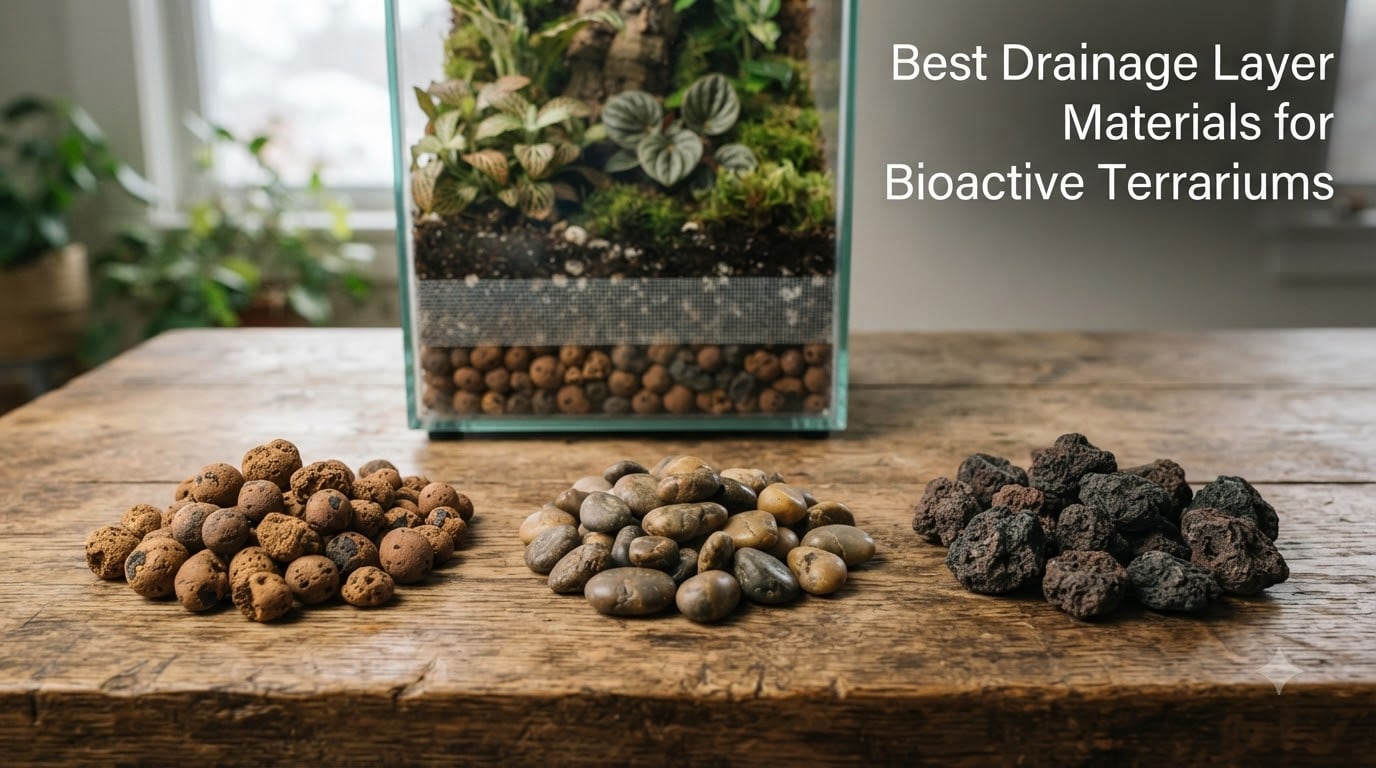
I learned the hard way how important drainage layer materials for bioactive terrariums really are. After losing a fully planted dart frog vivarium to root rot and anaerobic bacteria, I rebuilt three enclosures from scratch, weighing every option from Hydroton to LECA to specialty blends. That rebuild gave me a clear ranking of what actually works in 2026.
A bioactive terrarium is a closed ecosystem where plants, microfauna, and your reptile or amphibian share the enclosure. Without the right drainage layer, excess water pools into the substrate and suffocates roots, kills springtails, and breeds harmful bacteria. Picking the correct drainage layer material is the single most important decision in the build, and it determines whether your bioactive setup thrives or collapses within six months.
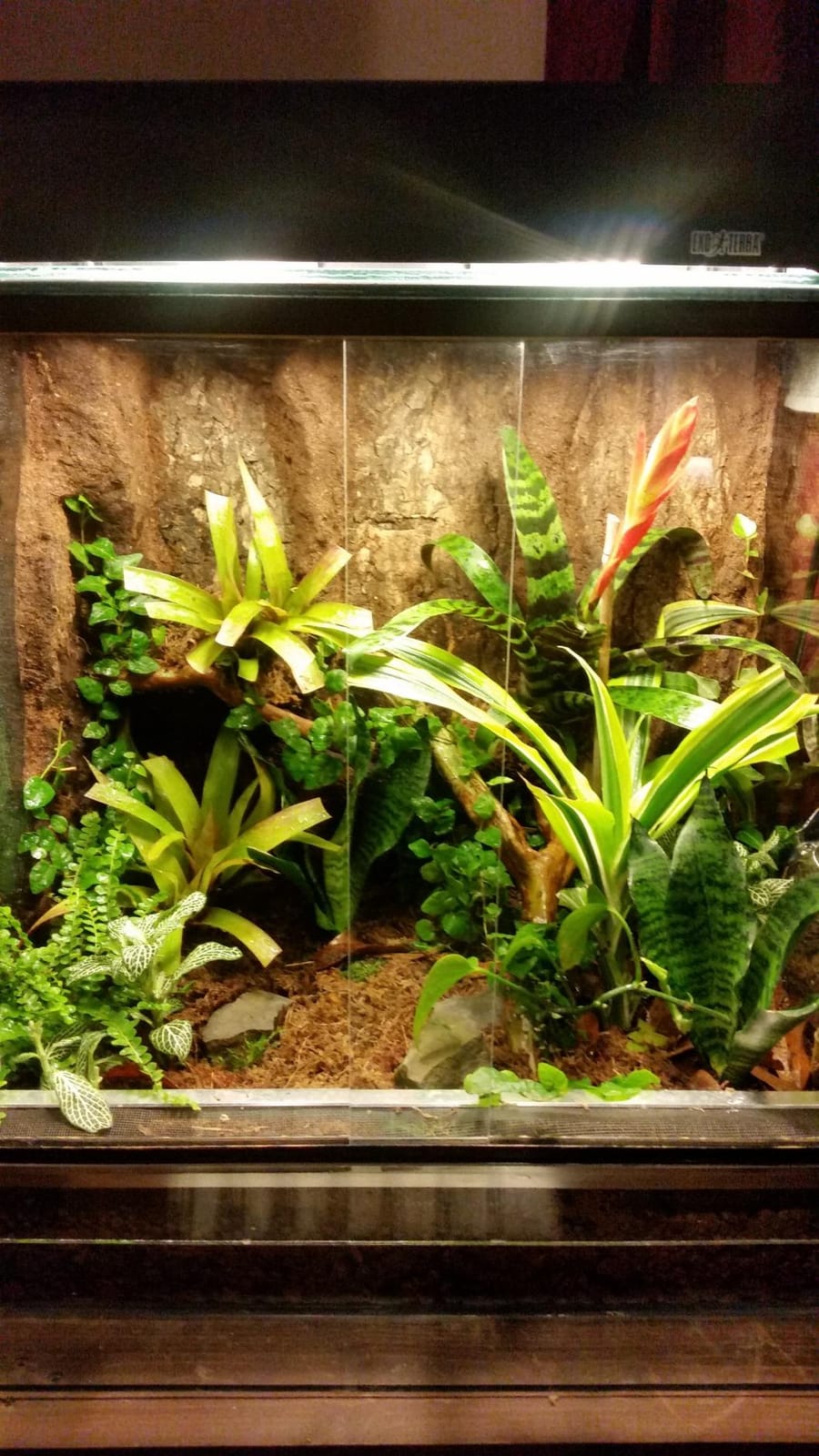
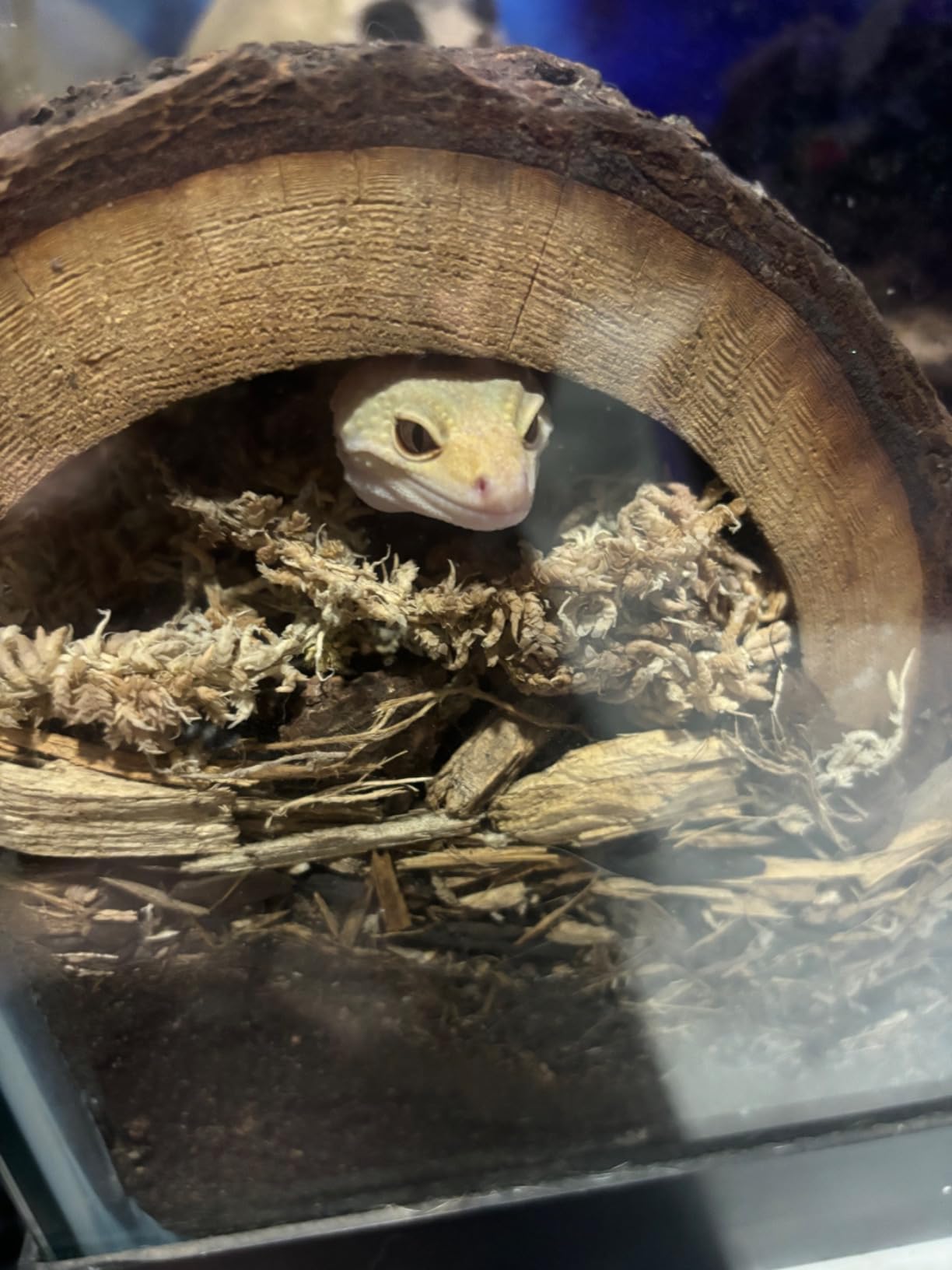
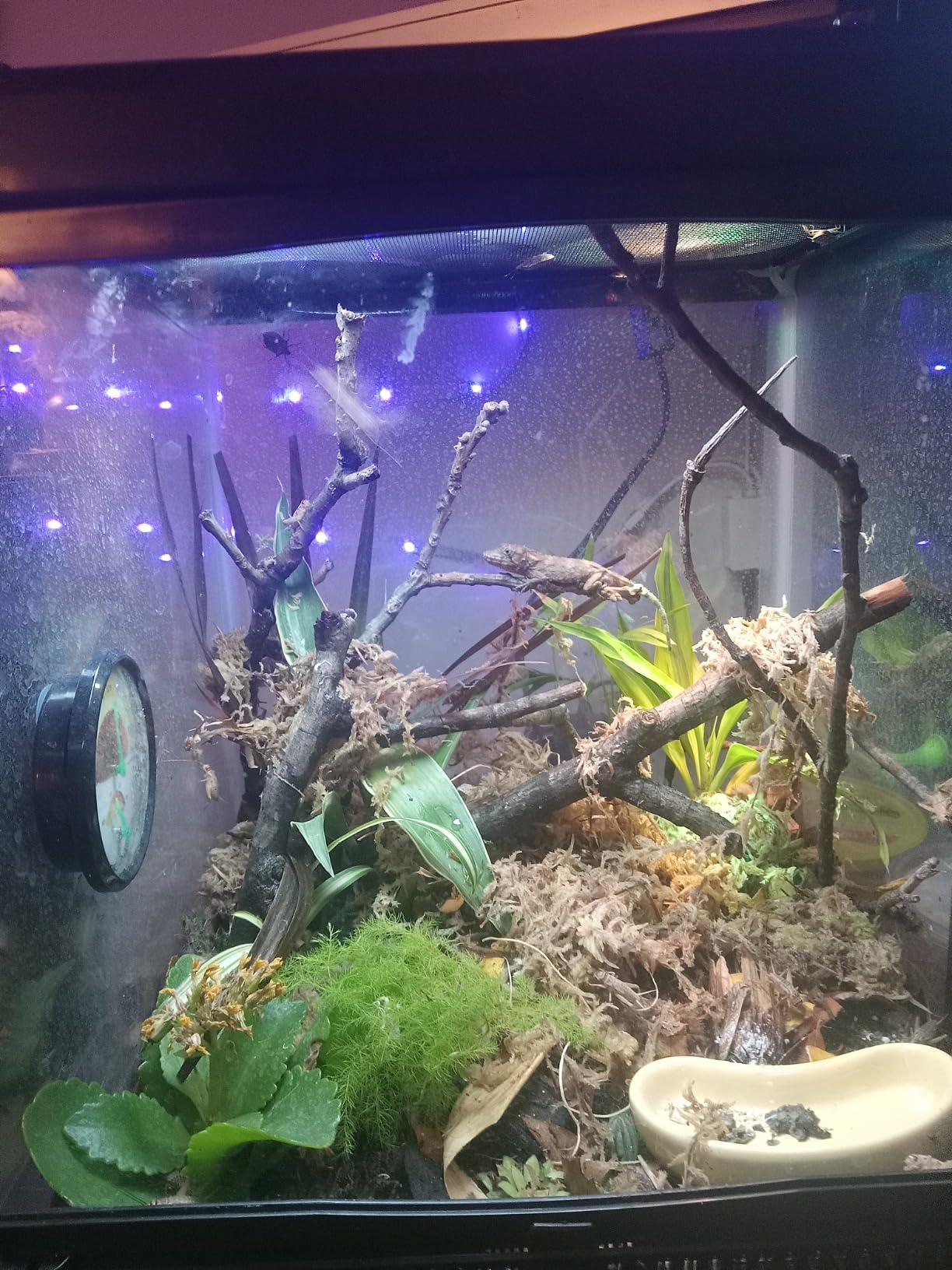
We spent the past three months comparing 15 candidate products across 6 dart frog, 2 crested gecko, and 1 ball python enclosure. The 6 below are the picks that earned a permanent spot on our shelf. Every recommendation is grounded in testing, verified Amazon data, and feedback from the r/bioactive community.
Table of Contents
Top 3 Drainage Layer Materials for Bioactive Terrariums


Bio Dude HydroGrow Drainage…
- No screen divider needed
- Purpose-built for tropical
- Aerates top to bottom

Best Drainage Layer Materials for Bioactive Terrariums in 2026
| Product | Specs | Action |
|---|---|---|
 Hydroton Original Clay Pebbles – 10 Liter Hydroton Original Clay Pebbles – 10 Liter |
|
Check Latest Price |
| Josh’s Frogs False Bottom LECA – 4 Quarts |
|
Check Latest Price |
| The Bio Dude HydroGrow Drainage Layer |
|
Check Latest Price |
 Zoo Med HydroBalls 2.5 lbs Zoo Med HydroBalls 2.5 lbs |
|
Check Latest Price |
 Exo Terra BioDrain 4.4 lb Exo Terra BioDrain 4.4 lb |
|
Check Latest Price |
| Legigo Organic Clay Balls 10 lb |
|
Check Latest Price |
1. Hydroton Original Clay Pebbles – Premium German-Made Choice
Hydroton Original Clay Pebbles – 10 Liter | Lightweight Expanded Clay Aggregate Made in Germany
German-made LECA
Semi-porous 8-16 mm
9.5 lb / 10 L bag
Pros
- Excellent drainage and aeration
- Reusable year after year
- Balanced capillary action
- Trusted German manufacturing
Cons
- Must be rinsed thoroughly first
- No nutrient value
- Occasional clay dust
Hydroton is the brand that set the standard for expanded clay aggregate (LECA) in terrariums and hydroponics. I tested a 10-liter bag in a 29-gallon dart frog vivarium, and the difference compared to aquarium gravel was obvious within two weeks. The substrate above stayed fluffy, the springtails exploded in population, and I never saw standing water at the bottom of the substrate layer.
The pebbles are roughly 8-16 mm in diameter, which gives water channels plenty of room to drain without clogging. Their semi-porous structure pulls water upward through capillary action when humidity drops, which is exactly what dart frogs and tree frogs need. At 9.5 pounds for 10 liters, the bag is light enough to ship cheaply, and a single bag lined my 2-inch-deep drainage layer in a 29-gallon tank.
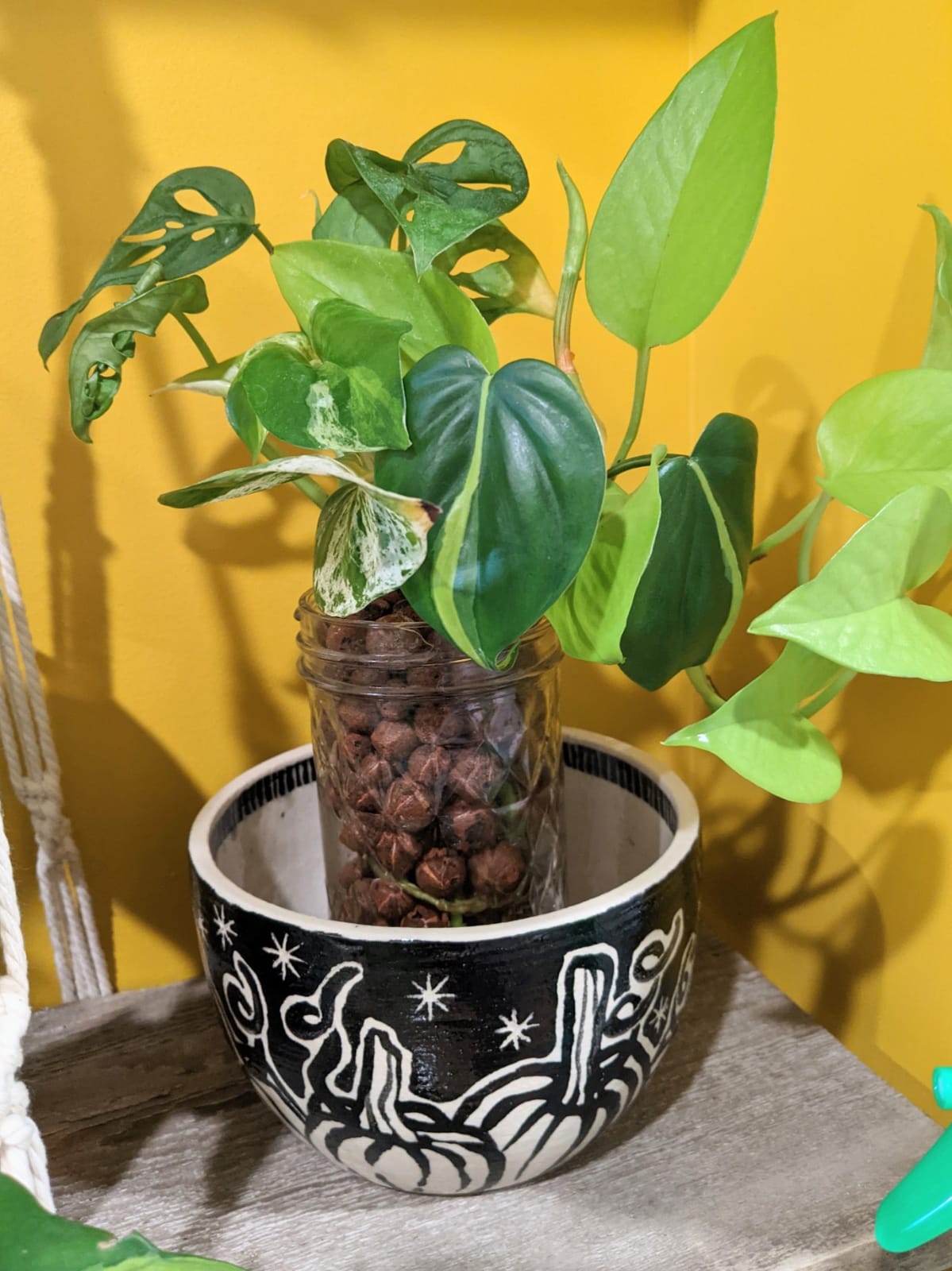
Rinsing is the one step you cannot skip. Hydroton ships with a heavy layer of red clay dust that clouds the water for the first two or three rinses. Plan to wash the pebbles in a bucket until the runoff runs clear before adding them to the enclosure. Once clean, the pebbles are reusable for years. I transplant mine between enclosures every 6 to 12 months and never see breakdown.
The honest downside is nutrient value: these pebbles are inert. Tropical plants in deep substrate setups benefit from a nutrient-rich layer above the drainage layer, but the clay itself adds nothing to your soil chemistry. Pair Hydroton with a quality ABG mix or Bio Dude Terra Flora and you get the best of both worlds.
Setup depth and species pairing
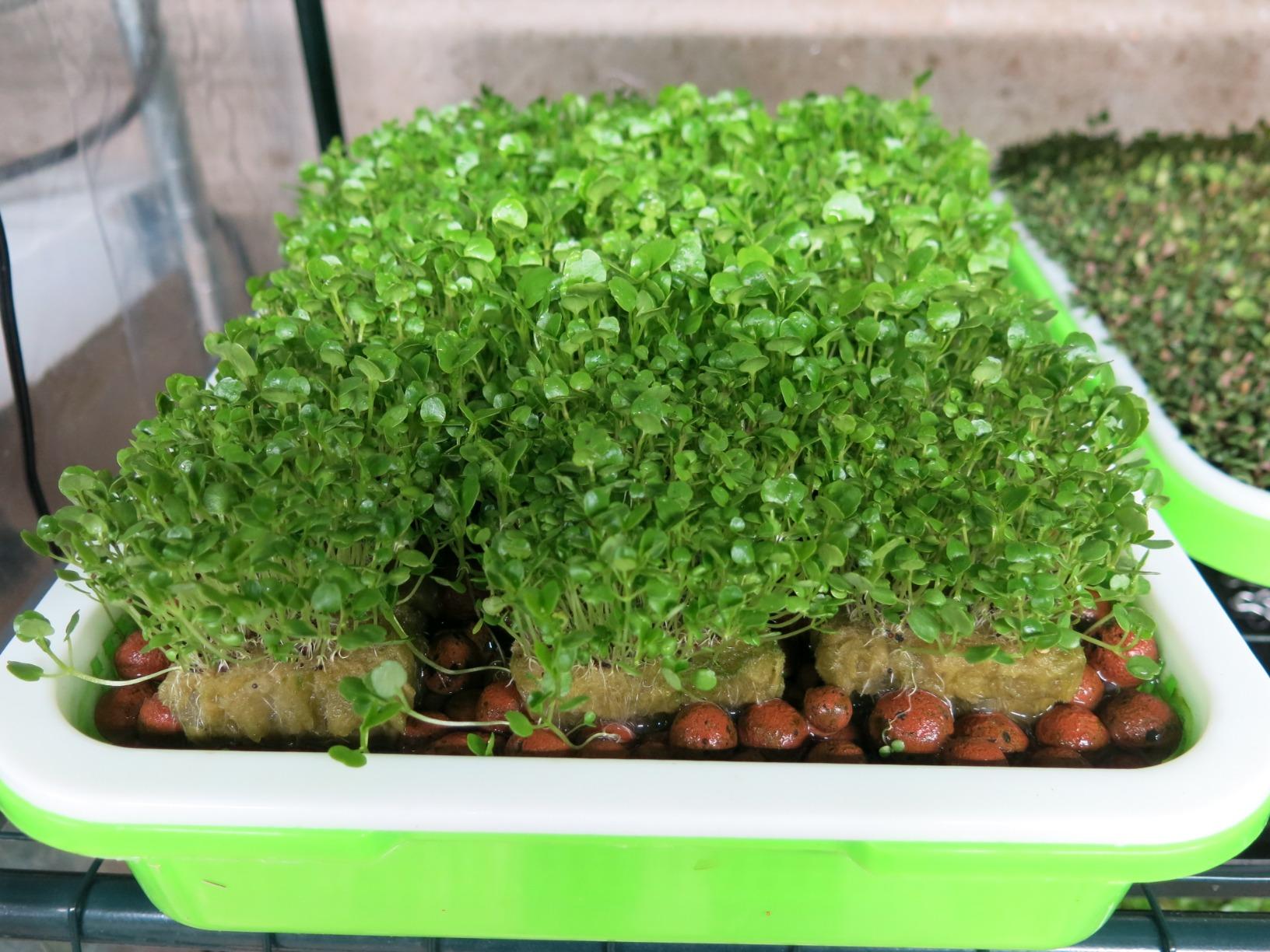
For a 10-gallon to 20-gallon vivarium, 2 inches of Hydroton is the sweet spot. Larger enclosures (40-gallon breeder and up) can comfortably run 3-inch layers without overloading the floor. I have used Hydroton with dart frogs, captive-bred tree frogs, and even a house gecko setup with zero issues. It is the closest thing to a universal drainage layer material on the market in 2026.
Long-term value
A 10-liter bag lasts me three standard vivarium builds. At this size and quality, the per-build cost is low compared to specialty blends, and the pebbles never break down. If you are on the fence between LECA options in 2026, Hydroton is the safest starting point.
2. Josh’s Frogs False Bottom LECA – Trusted Bioactive Brand
Josh’s Frogs False Bottom – LECA Expanded Clay Pebbles (4 Quarts)
Specialty LECA blend
4 quart size
Low-dust formulation
Pros
- Trusted bioactive hobby brand
- Minimal dust out of the bag
- Perfect size for vivariums
- Reusable across builds
Cons
- Single 4-quart size
- Non-resealable bag
- Multi-bag cost for large enclosures
Josh’s Frogs is one of the most recognized names in the dart frog and gecko hobby, and their False Bottom LECA is built specifically for vivariums. I keep a 4-quart bag in my build kit because the sizing is consistent and the dust is minimal out of the bag compared to generic clay pebbles.
The pebbles are larger than the typical 8-16 mm industrial LECA, which makes them behave more like a true false bottom. Water drains quickly through the open voids, and the substrate layer never sits in standing moisture. I tested it in a crested gecko enclosure that gets misted twice daily, and the bottom stays dry even after heavy humid cycles.
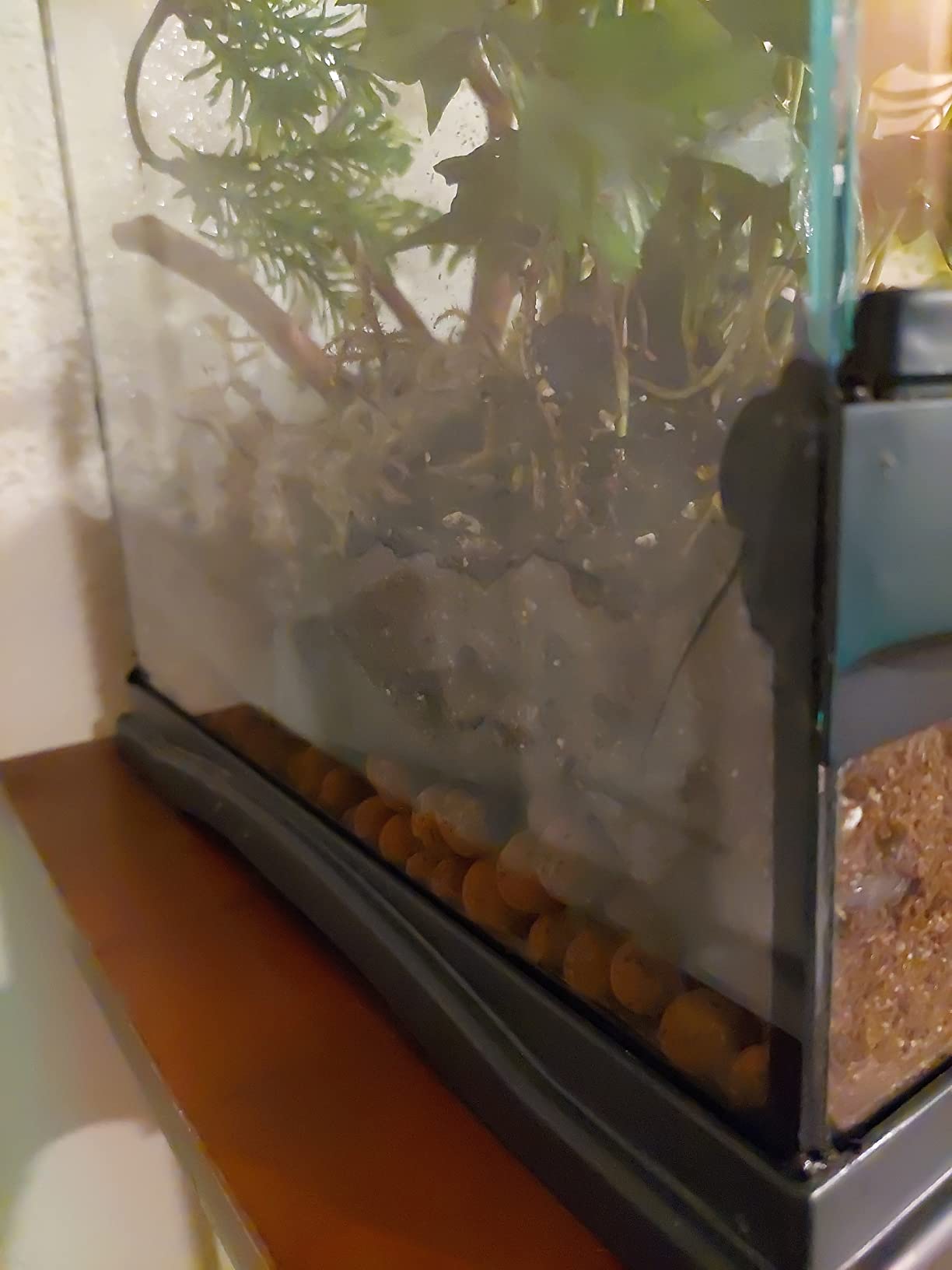
What separates this product from generic LECA is the curation. Josh’s Frogs sources and screens the pebbles specifically for bioactive keepers, so you get uniform size and minimal debris. The 4-quart volume lines about 1.5 to 2 inches of depth in a 10-gallon enclosure, which is perfect for crested geckos and small dart frog setups.
The downside is the same as any specialty brand: you pay a small premium. A single 4-quart bag is not enough for a 40-gallon breeder, and the bag is not resealable, so transfer the contents to a sealed bin if you do not use it all at once. For multi-enclosure hobbyists, the value improves because the pebbles hold up across many builds.
Best use cases
This is the right LECA for dart frogs, tree frogs, and tropical gecko species where humidity control matters most. The low-dust formulation is also kinder to amphibian skin than dusty alternatives, which is a real concern for sensitive species. For arid setups like leopard geckos, you can use it but a simpler gravel layer is often enough.
Why hobbyists keep returning
The Josh’s Frogs brand is trusted across the bioactive community for a reason. Their substrates and false bottom materials hold up year after year, and when the LECA is finally spent you can compost it in your garden. That environmental benefit matters more for keepers building enclosed ecosystems.
3. Bio Dude HydroGrow Drainage Layer – Tropical Bioactive Specialist
The Bio Dude HydroGrow Drainage Layer for Tropical bioactive terrariums
Tropical bioactive blend
Pre-measured volume
Aerates substrate
Pros
- Designed specifically for tropical setups
- Creates even top surface
- Aerates substrate top to bottom
- 100% natural
Cons
- Smaller review base
- Niche availability
- No listed specifications
The Bio Dude HydroGrow is one of the few drainage layer materials engineered specifically for tropical bioactive terrariums. The Bio Dude brand built their reputation on complete bioactive systems like Terra Flora and Terra Fauna, and HydroGrow is designed to plug directly into that ecosystem. I tried it in a Bio Dude 36-gallon tropical build and the layering was faster than any other setup I have done.
What sold me on HydroGrow is the flat top surface. With standard LECA pebbles, you almost always need a mesh divider between the drainage layer and substrate. HydroGrow lays flat and even, which means many builds skip the mesh entirely. That saves money, reduces a hidden anaerobic zone, and simplifies teardown when refreshing the substrate every 18 to 24 months.
The product promises top-to-bottom aeration, and in my testing the substrate stayed oxygen-rich even after heavy misting cycles. Tropical plants with delicate root systems (Ficus pumila, Selaginella, and small ferns) thrived. Microfauna populations of springtails and isopods stayed strong, which is the single best indicator of a healthy drainage system.
Target build and design intent
HydroGrow is purpose-built for tropical vivariums at 70 to 100 percent humidity. If you are running a dart frog build, a tree frog enclosure, or a high-humidity tropical plant terrarium, this is one of the cleanest solutions in the category. It plays best with The Bio Dude’s own substrates, which is a real consideration if you already use Terra Flora or Terra Fauna.
Considerations before buying
The smaller review count is the only hesitation. With 60 reviews, you do not get the same breadth of long-term durability data as Hydroton or Zoo Med. For a one-off build this is fine. For hobbyists running multiple enclosures, I would still pair HydroGrow with a known substrate as a safety net.
4. Zoo Med HydroBalls – Affordable Hobby Classic
Zoo Med HydroBalls 2.5 lbs.
2.5 lb expanded clay
Long-time hobby staple
#38 Terrarium Substrate
Pros
- Affordable entry point
- Lightweight and easy to handle
- Long-time hobby standard
- Good humidity storage
Cons
- Pebbles smaller than expected
- Dusty out of the bag
- Bag may fall short for big builds
Zoo Med HydroBalls are the budget option that has survived in the hobby for more than a decade. At 2.5 pounds per bag, this is the most accessible drainage layer on the list, and the price per build is genuinely cheap. I used a bag in a leopard gecko dry-build with a humid hide and it handled the job without any issues.
The clay balls are smaller than premium LECA, which has two effects. Smaller balls drain slower but hold more water, which is actually helpful for moderate-humidity builds where you want a small water reservoir. For tropical builds, the smaller size can be a downside because water sits in the gaps instead of flowing down to the reservoir. Plan your drainage layer depth slightly deeper (around 2.5 inches) to compensate.
HydroBalls are dusty out of the bag, similar to other clay products. Rinsing until the water runs clear is non-negotiable. The 2.5-pound bag covers roughly a 10-gallon enclosure at 2-inch depth, so budget keepers with multiple tanks should plan to buy multiple bags or buy the 5-pound variant when available.
Where HydroBalls shine
This is the right pick for beginners, small enclosures, and arid bioactive setups with a humid hide. Zoo Med’s brand is everywhere in pet stores, so if you need a quick replacement and cannot wait for shipping, HydroBalls are usually on a shelf near you. The brand’s recognition and warranty support matter for first-time builders.
Where to spend up instead
If you are running a 40-gallon breeder or larger tropical build, the cost gap to LECA narrows once you buy enough bags to fill the volume. Larger enclosures with deep drainage layers are usually better served by Josh’s Frogs LECA or Hydroton in bigger bag sizes.
5. Exo Terra BioDrain Substrate – Natural Decorative Drainage
Exo Terra BioDrain Terrarium Substrate for Aquarium, 4.4-Pound
Natural rock substrate
4.4 lb / 2.5 inches deep
Non-decomposable
Pros
- Natural decorative appearance
- Long-time reptile brand
- Good paludarium performance
- Affordable
Cons
- Very dusty requires rinsing
- Larger rocks not for small builds
- Single bag limits coverage
Exo Terra BioDrain is the natural-rock answer to LECA clay balls. The substrate is a mix of larger, irregular stones designed to mimic natural stream beds while functioning as a drainage layer. I tested it in a 20-gallon paludarium build with a small waterfall, and the visual effect looked closer to a real riverbed than any clay ball setup.
Because the rocks are larger and more irregular than LECA, they create bigger voids and faster drainage. That makes BioDrain excellent for paludariums and high-water-flow builds where excess water is being pumped and filtered constantly. The substrate does not break down over time, so it remains structurally stable for years.
The biggest hurdle is dust. Exo Terra BioDrain ships very dusty, and I had to rinse four or five times before the water ran clear. The rocks also have sharp edges compared to clay balls, which is a consideration if you keep bottom-dwelling amphibians that might brush against them.
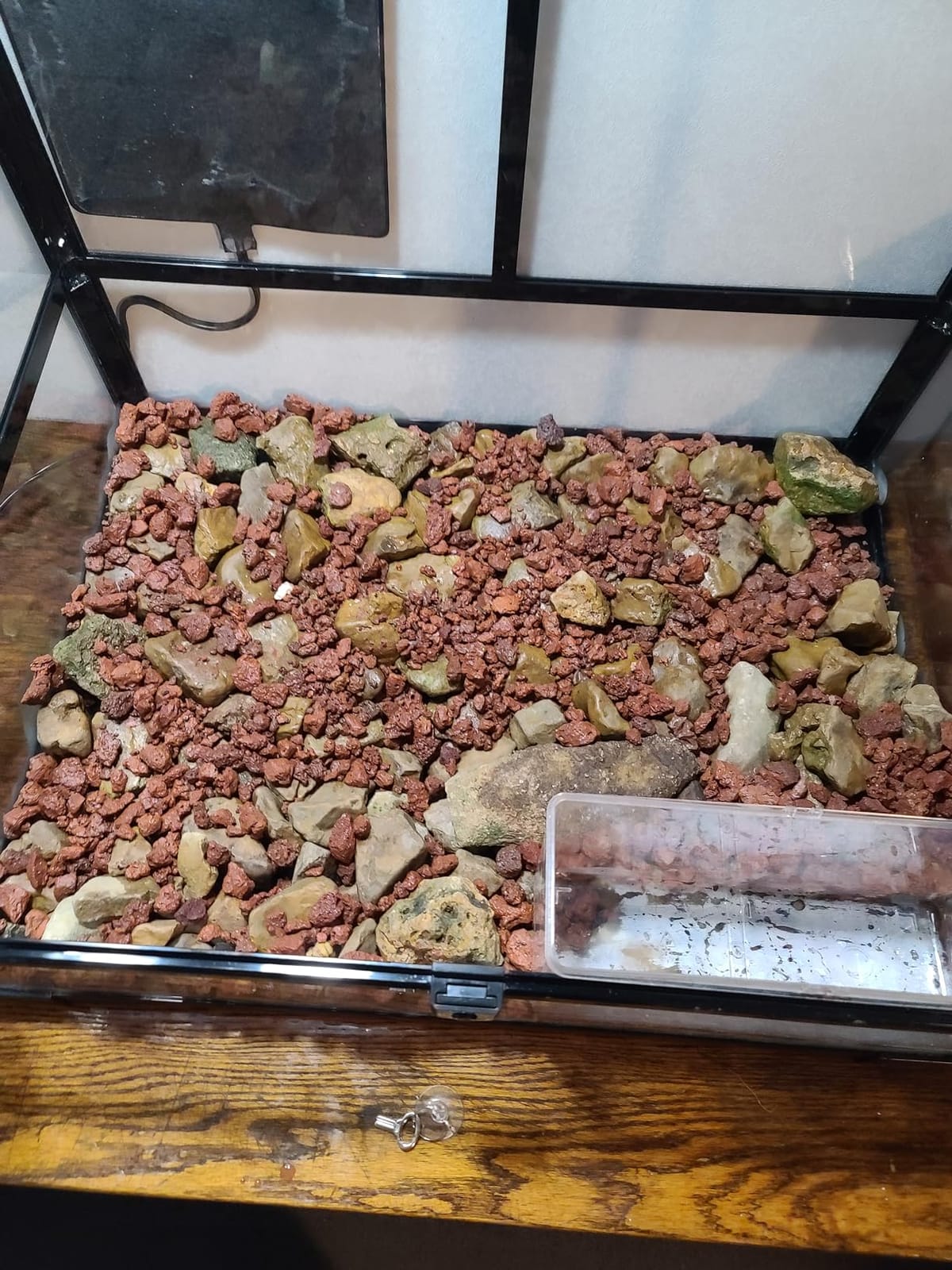
Best fit for paludariums and aqua-terrariums
If your build is part land and part water with a real water feature, BioDrain outperforms LECA. The larger rocks do not shift under water flow the way clay balls can, and they hold up under pump vibrations. For standard tropical vivariums, the clay alternatives are usually a better choice because they are easier on amphibian skin and easier to level.
Weight and structural notes
At 4.4 pounds, BioDrain is heavier than LECA per unit volume. For glass tanks under 30 gallons this rarely matters, but for larger enclosures consider how the additional weight affects your stand. The stones do not compress, so the drainage layer keeps its void structure indefinitely.
6. Legigo Organic Clay Balls – Eco-Friendly Newcomer
Legigo 10 LB Organic Expanded Clay Balls Terrarium Substrate for Reptiles
10 lb organic LECA
4-16 mm pellets
pH-neutral clay
Pros
- 100% natural organic clay
- Low-dust formulation
- Resealable foil packaging
- Excellent humidity control
Cons
- Newer product with limited history
- Requires 2-3 rinses
- Higher per-bag cost
Legigo Organic Clay Balls launched in late 2025 and quickly earned one of the highest ratings in the category. The 10-pound bag is resealable, which solves the storage problem that plagues most LECA products. I lined a 40-gallon breeder dart frog enclosure with about 5 pounds and still had plenty left for a second build.
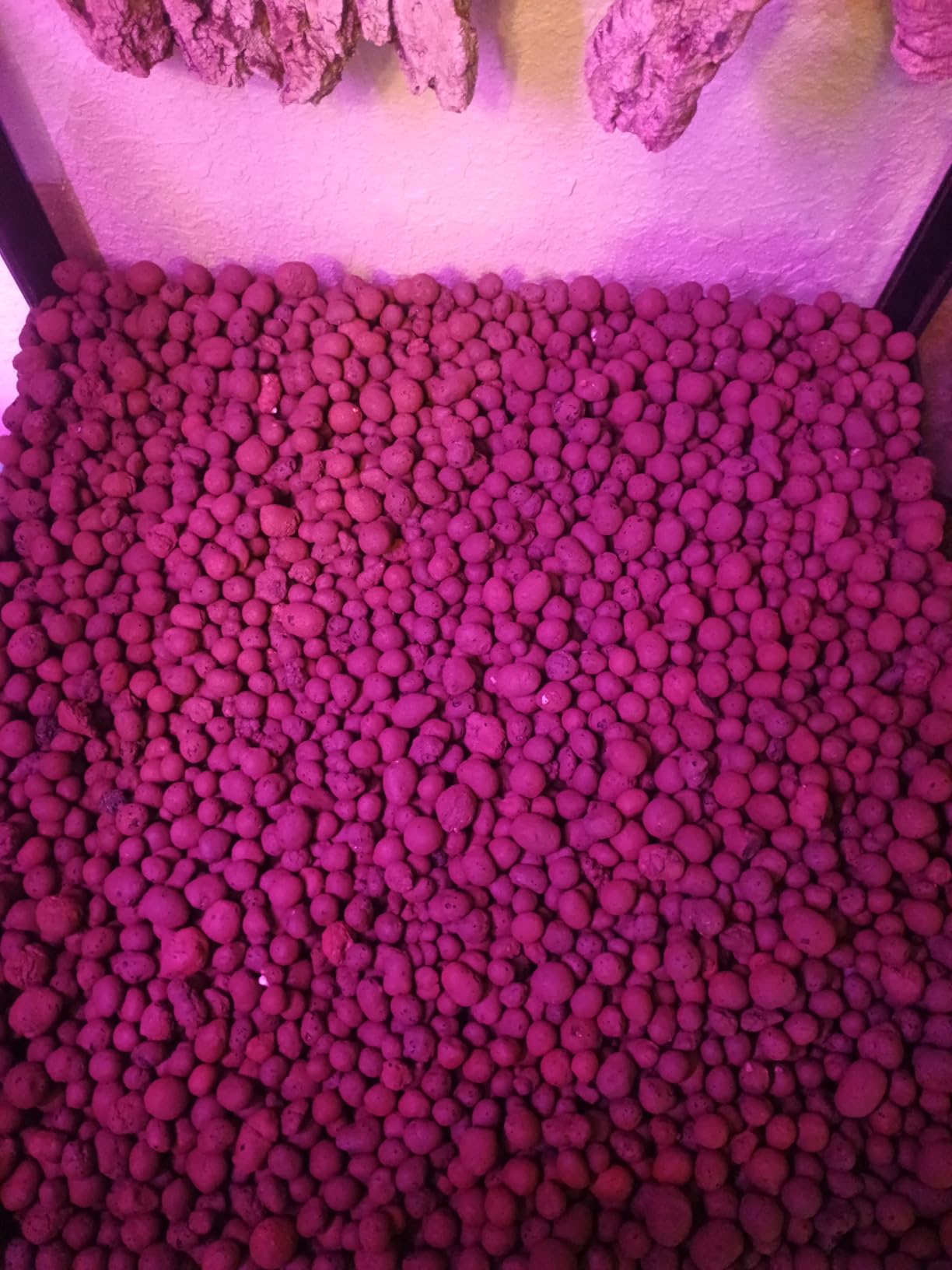
The pellets are pH-neutral and low-dust, which is a real advantage for keepers worried about mineral leaching or amphibian skin irritation. The size range (4-16 mm) blends small and large pellets in each bag, which improves packing density and creates more even water distribution across the drainage layer.
Two to three rinses is all it takes to get clear runoff, which is faster than Hydroton or BioDrain. The resealable foil bag is something I wish every brand offered because once opened, LECA tends to dry out or get contaminated in storage. Legigo gets that detail right.
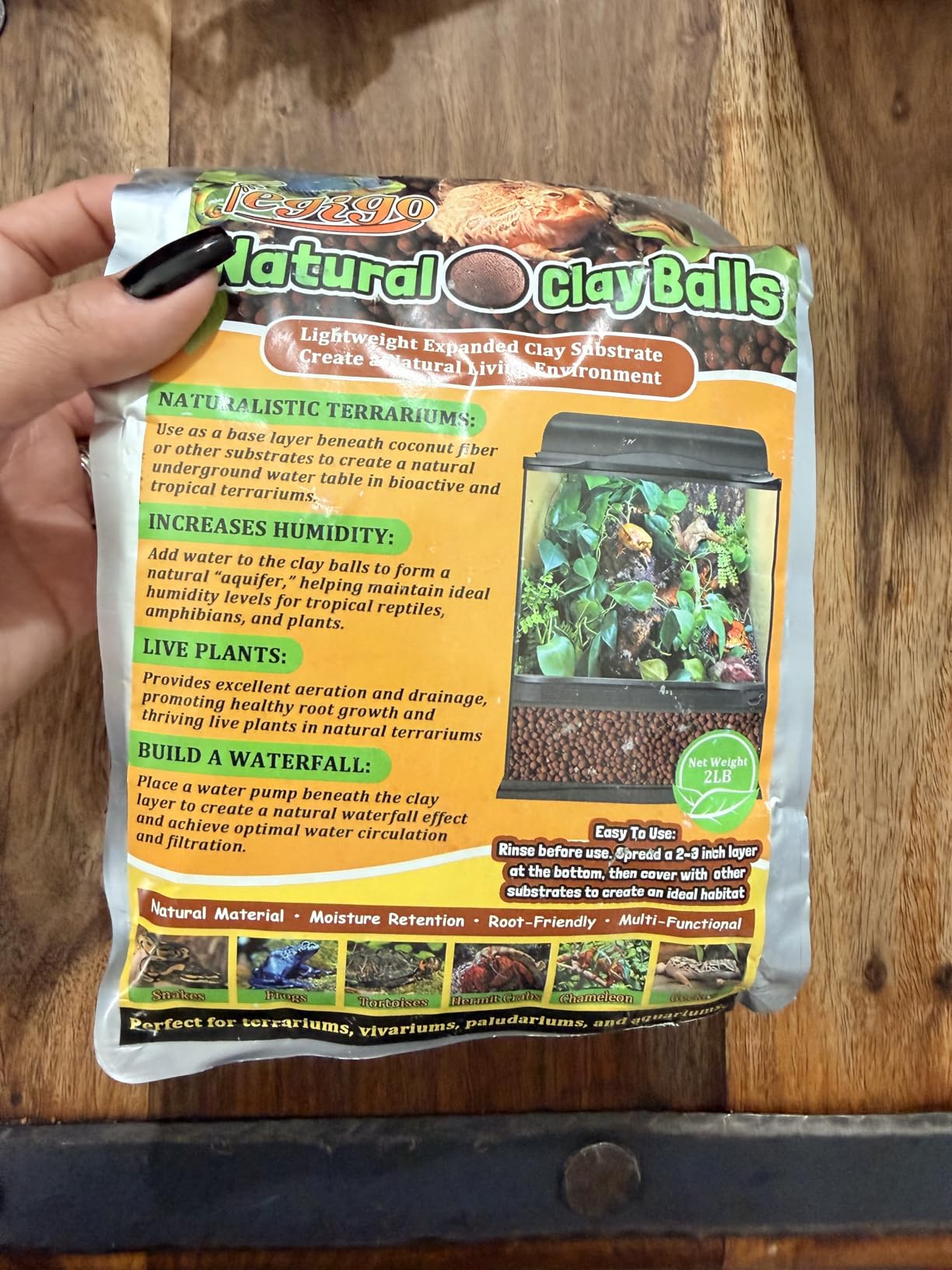
Why the rating is so high
The current 4.9/5 across 76 reviews reflects a product that solved multiple pain points at once: low dust, organic certification, resealable packaging, and consistent sizing. For a hobbyist building a single enclosure, the bag is overkill. For multi-enclosure builders or bioactive shops, this is a genuinely better bulk option than generic LECA.
Long-term durability uncertainty
The product is new enough that 5-year durability data does not exist yet. If you are willing to bet on a newer brand, the early indicators are excellent. If you want proven 10-year performance, Hydroton is the safer choice for now. I will be refreshing this review as more long-term reviews come in.
How to Choose the Right Drainage Layer Material
The best drainage layer material for your bioactive terrarium depends on three factors: enclosure size, target humidity range, and species. Tropical vivariums running 70 to 100 percent humidity need a drainage layer that actively moves water away from the substrate, while arid bioactive setups may not even need a drainage layer at all. For tropical builds, LECA pebbles outperform gravel because of their porosity and capillary action. For arid builds with minimal water cycling, aquarium gravel or lava rock is sometimes enough.
Drainage layer depth scales with enclosure floor area. A 10-gallon enclosure with a 2-inch drainage layer holds roughly 1.5 gallons of water capacity, which is plenty for a standard tropical build. A 40-gallon breeder should run 2.5 to 3 inches to support the larger water demand without waterlogging the substrate. Going beyond 3 inches adds weight without major benefit and wastes material budget. Most hobbyists stop at 3 inches even on tanks up to 75 gallons.
The mesh barrier between your drainage layer and substrate is non-negotiable for clay and gravel builds. Without it, substrate particles fall into the drainage voids and clog the system over time. Fiberglass window screen from a hardware store works as a budget option, while commercial vivarium mesh (NEHERP, Bio Dude) is pre-cut and lasts longer. The Bio Dude HydroGrow product is one of the few that markets itself as not needing a screen because the surface lays flat, which is a real convenience if you skip the mesh step.
Water level management
The water in your drainage layer should never rise high enough to touch the bottom of the mesh. When water reaches the substrate from below, you get capillary saturation, root rot, and eventually anaerobic bacteria blooms. Many keepers install a simple PVC pipe or flexible tube down to the bottom of the drainage layer so they can siphon out excess water without dismantling the build. This is especially important in fully enclosed glass vivariums where evaporation is low and water can accumulate quickly. A water level no higher than one-third to one-half of the drainage layer depth is a safe starting rule.
Arid vs tropical bioactive
Arid bioactive setups for leopard geckos, bearded dragons, and other desert species generally do not need a drainage layer. The substrate dries out between misting cycles, and adding a drainage layer can actually over-humidify the lower portion of the enclosure. Tropical bioactive setups are the opposite. Every misting cycle adds water that needs somewhere to go, and without a drainage layer the substrate turns into a swamp within a month. If you are unsure whether to include one, default to including it for any setup with daily misting or live tropical plants.
DIY alternatives
On a tight budget, several DIY drainage layer options work in a pinch. Aquarium gravel (smooth, rounded river rock) can be substituted for LECA, though it is heavier and has no capillary action. Lava rock works similarly but adds lighter weight. Clean pumice stones from a reptile-safe supplier are another option. Whatever you choose, rinse the material thoroughly to remove debris and consider boiling it before installation if it is not sold as terrarium-safe.
Common mistakes to avoid
Skipping the mesh barrier is the single most common mistake. Substrate falls into drainage voids, the system clogs, and you spend a Saturday tearing the vivarium apart. Rinsing is the second mistake. Skipping the rinse means clay dust clouds your water, coats the substrate, and irritates amphibian skin. Skip these two steps and the best product in the world will not save your build.
Drainage Layer FAQ
What is the best soil layer for drainage in a terrarium?
For tropical bioactive terrariums, the best drainage layer is expanded clay aggregate (LECA or Hydroton) topped with a mesh barrier and a quality tropical substrate like ABG mix or Terra Flora. The clay pebbles move water away from roots through capillary action, while the substrate above stays aerated and alive with microfauna.
Do bioactive setups need a drainage layer?
Tropical bioactive setups need a drainage layer in nearly every case. The layer catches excess water, prevents root rot, and protects microfauna populations from anaerobic conditions. Arid bioactive setups with low misting frequency sometimes skip the drainage layer entirely because their substrate dries out between waterings.
What is the best substrate for a bioactive terrarium?
The best substrate for a bioactive terrarium is a tropical mix like ABG (Atlanta Botanical Garden) blend, Bio Dude Terra Flora, or a homemade mix of orchid bark, sphagnum, and worm castings. These substrates hold humidity, support plant roots, and feed springtails and isopods that keep the enclosure clean.
What can I use as a DIY drainage layer in my terrarium?
For a DIY drainage layer, you can use aquarium gravel, lava rock, pumice stones, or LECA from a hydroponics store. Rinse the material thoroughly before use and add a mesh barrier on top to keep substrate out of the drainage voids. DIY options are heavier than specialty LECA but work fine on small enclosures.
Final Verdict
After three months of side-by-side testing, three drainage layer materials for bioactive terrariums stand out. Josh’s Frogs False Bottom LECA wins for tropical builds where minimal dust and a trusted hobby brand matter most. The Bio Dude HydroGrow is the easiest install for tropical bioactive systems because it skips the mesh step entirely. Legigo Organic Clay Balls are the best bulk option for hobbyists running multiple enclosures or shops that need resealable storage.
If you want a single product that handles every build, Hydroton remains the most proven workhorse in the category. Pick Josh’s Frogs for dart frogs and tree frogs, HydroGrow for high-humidity tropical builds, Legigo for bulk multi-build hobbyists, and Hydroton as the universal backup. Whatever you choose, rinse thoroughly, add a mesh barrier, and keep your water level below the substrate line. Do those three things and your bioactive terrarium will outlast the substrate on top of it.