

I remember the first time I walked into my coop at dusk and saw my hens acting like they’d been startled out of a daydream. Feathers puffed, refusing to roost, scratching at their vents like something invisible was crawling under their skin. It was mites.
That single night sent me down a two-year rabbit hole testing every mite and lice treatment I could get my hands on. I burned through permethrin concentrates, plant-based sprays, dusts, and even a bottle of neem oil mixed with dish soap. Some worked. Some were a waste of money. A few became my permanent flock-protectors.
This guide is the result of that testing. I pulled together the 10 best mite and lice treatments for chicken coops available right now in 2026, based on real flock use, Amazon ratings, and forum feedback from backyard chicken keepers. Whether you have a light dusting of northern fowl mites or a full-on red mite invasion hiding in your roosts, you’ll find a treatment below that fits your situation and budget.
Table of Contents
Top 3 Picks for Chicken Coop Mite and Lice Treatments

Durvet Permethrin 10% Conce…
- 7254 reviews
- 4.5 stars
- Wide-spectrum insect killer
- Fast knockdown

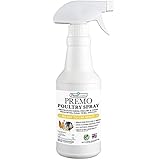
Premo Guard Natural Poultry…
- 2119 reviews
- 4.5 stars
- Natural clove oil formula
- No egg withdrawal
Best Mite and Lice Treatments for Chicken Coops in 2026
| Product | Specs | Action |
|---|---|---|
| Durvet Permethrin 10% Concentrate |
|
Check Latest Price |
| Y-Tex Poultry Dust 3-Pack |
|
Check Latest Price |
| Premo Guard Natural Poultry Spray |
|
Check Latest Price |
 Permectrin II Insecticide Permectrin II Insecticide |
|
Check Latest Price |
 Prozap Garden & Poultry Dust Prozap Garden & Poultry Dust |
|
Check Latest Price |
 Naturasil Mite-B-Gone Spray Naturasil Mite-B-Gone Spray |
|
Check Latest Price |
 ECOPEST Natural Mite Spray ECOPEST Natural Mite Spray |
|
Check Latest Price |
 Bonide Fly, Lice & Tick Control Dust Bonide Fly, Lice & Tick Control Dust |
|
Check Latest Price |
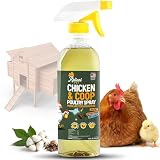 Reliant Pet Chicken & Coop Spray Reliant Pet Chicken & Coop Spray |
|
Check Latest Price |
 Colton’s Naturals Poultry Spray Colton’s Naturals Poultry Spray |
|
Check Latest Price |
1. Durvet Permethrin 10% Concentrate – Editor’s Choice for Severe Infestations
Durvet Permethrin 10%, 8oz
Permethrin 10% concentrate
Kills poultry lice, fowl mites, fleas
8 fl oz bottle, economical dilution
Pros
- Over 7000 reviews averaging 4.5 stars
- Kills mites
- lice
- bed bugs
- fleas on contact
- Easy to mix with clear instructions
- Approved for poultry
- livestock
- and dogs
- Very affordable per application
Cons
- Strong kerosene-like odor during application
- Petroleum-based so avoid use on cat areas
- Cats are highly sensitive to permethrin
I bought this 8-ounce concentrate during a northern fowl mite outbreak two summers ago, and it became my emergency weapon. The bottle mixes into a larger spray volume than I expected, which meant I could hit every crack of the coop and still have enough left for a follow-up pass.
What stands out is the raw killing power. Within minutes of spraying the roosts, walls, and nesting boxes, mites stopped moving. After seven days I retreated as the label recommends, and the infestation was gone. I did follow up a third time ten days later just to be safe, which is standard practice that forum users always emphasize.
The technical profile on this Durvet bottle lists permethrin 10 percent as the active, approved for dairy cattle, beef cattle, horses, sheep, goats, dogs, swine, and poultry. That wide approval is why I trust it around laying hens – it has been tested across livestock for decades.
One downside is the smell. The concentrate carries a strong petroleum odor that lingers for a few hours after spraying. I always apply in the evening when birds are out ranging, leave windows open, and let it dry before they return. The odor fades, but the residual does not – it keeps working for several days once it soaks into wood.
For whom this works
This is the right pick if you are facing a confirmed severe infestation and need a chemical miticide that works fast. It suits experienced keepers comfortable diluting concentrates and applying them with a pump sprayer. If you keep laying hens, there is no egg withdrawal period, which makes life much simpler.
For whom this is a poor fit
Skip it if you keep cats near your coop – permethrin is highly toxic to cats even at low doses. Also pass if you prefer strictly natural chicken mite treatment options or if your infestation is so mild that a spray-on herbal formula will knock it out.
2. Y-Tex Poultry Dust 3-Pack – Best Value for Multi-Bird Coops
(3 Pack) Y-Tex Poultry Dust 2 Pounds Each
3-pack of 2-lb dust bags
Dust-on application
No egg withdrawal period
Pros
- Each bag covers multiple birds
- 3-pack gives strong per-ounce value
- No egg withdrawal for laying hens
- Neutral smell compared to concentrates
- Effective against heavy mite loads
Cons
- Low stock availability at times
- Toxic if birds ingest directly from treated areas
- Must keep dust away from feed and water
I tried Y-Tex when one of my coops came down with a stubborn scaly leg mite case. The dust goes on smoothly, sticks to legs and vent areas, and the 3-pack meant I had backup for two more treatments.
For a flock of 8 to 12 hens, the math is simple. One 2-pound bag handles one thorough application plus touch-ups. With three bags in the box, I could complete a full treatment cycle (initial plus two follow-ups at 10-day intervals) without reordering.
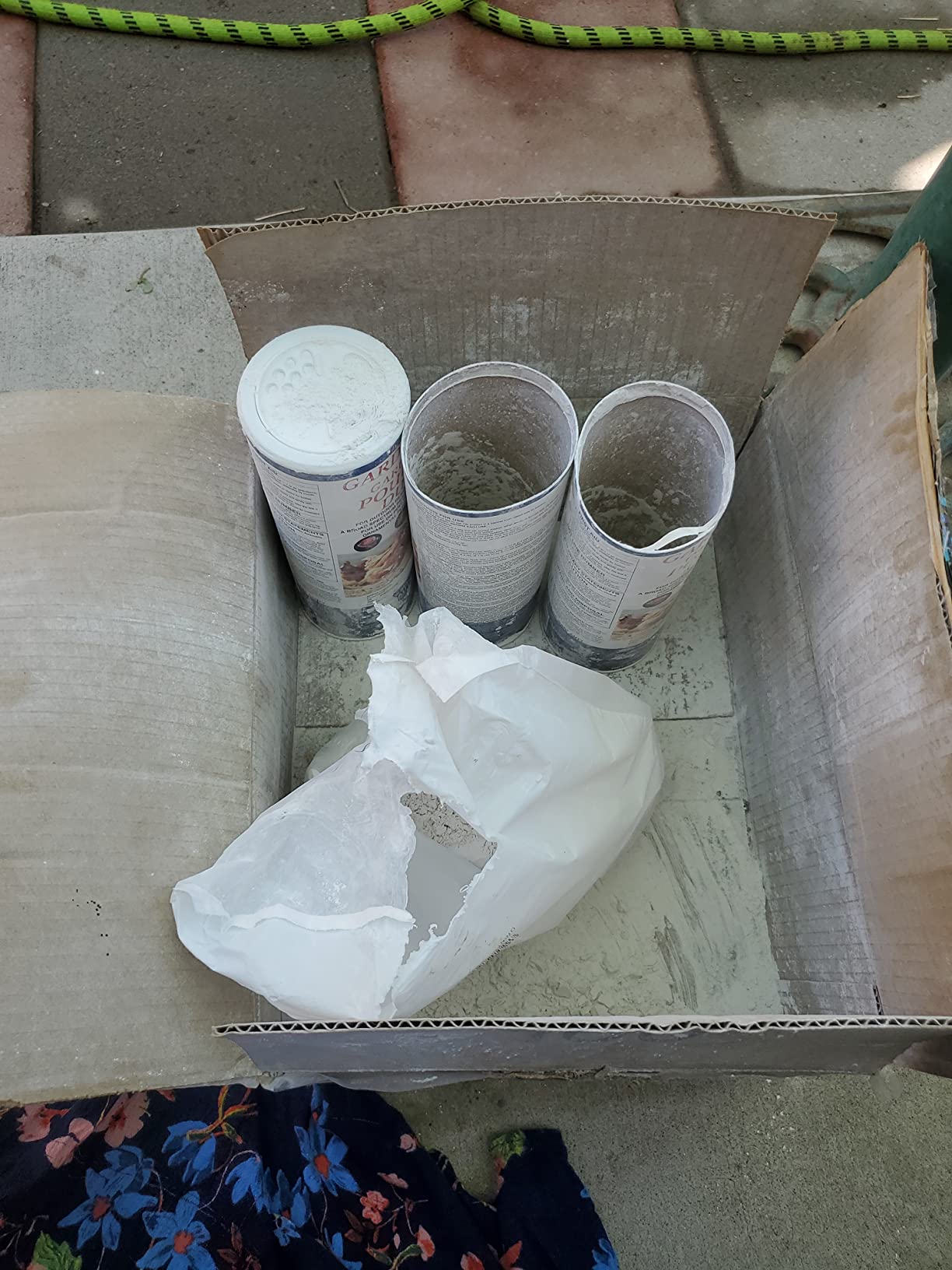
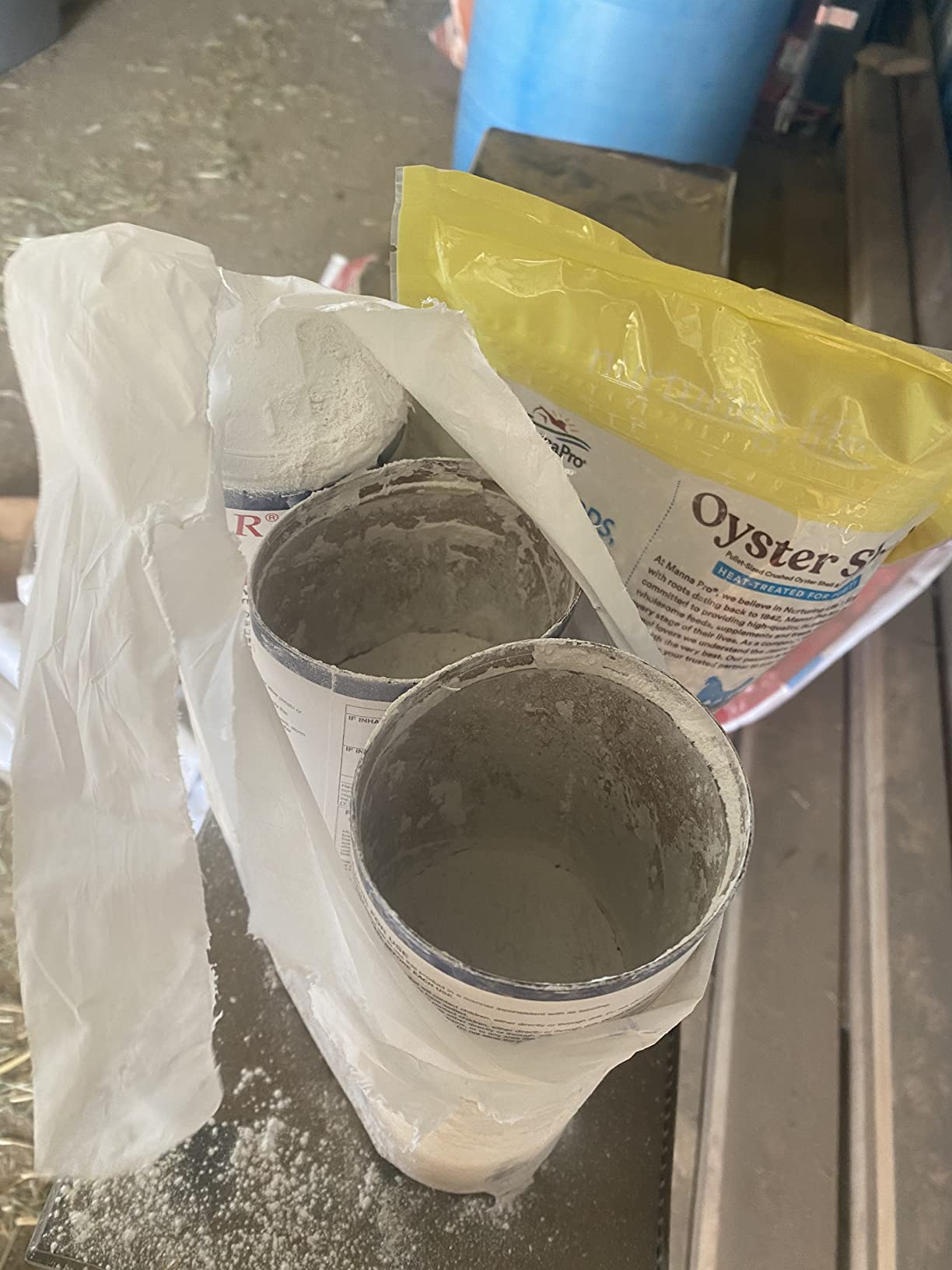
What I liked best was that the dust kept working between applications. After the first pass, dead mites were visible in the bedding for several days. That residual action matters because mite eggs hatch after the initial treatment, and a product that lingers gives you a head start against the next generation.
The biggest caution is keeping the dust off feed and water. I learned this the hard way – I once had a curious hen peck at a freshly dusted perch, and I had to rinse her beak quickly. Now I remove feeders and waterers before treatment and replace them after the dust settles.
For whom this works
Y-Tex is ideal if you keep a medium-to-large flock and want enough product on hand for several treatment rounds. It also works well if you prefer dust over spray because application is less messy around vents and under wings.
For whom this is a poor fit
This is not the right product if your birds free-range into garden beds or if you cannot isolate feed and water during application. Skip it if you only need a small amount for one bird or a very small coop.
3. Premo Guard Natural Poultry Spray – Best Natural Spray for Hens and Coops
Premo Guard Natural Poultry Spray – Kills Scaly Leg Mites, Fleas, & Lice
Natural clove and cottonseed oil spray
32 fl oz bottle
Kills on contact with no egg withdrawal
Pros
- Plant-based and non-toxic formula
- Safe for direct spray on poultry and coops
- No egg withdrawal period
- Clove scent is pleasant to humans
- Certified by Natural Products Association
Cons
- Stock sprayer sometimes fails and requires decanting
- Mild enough that severe infestations may need repeat use
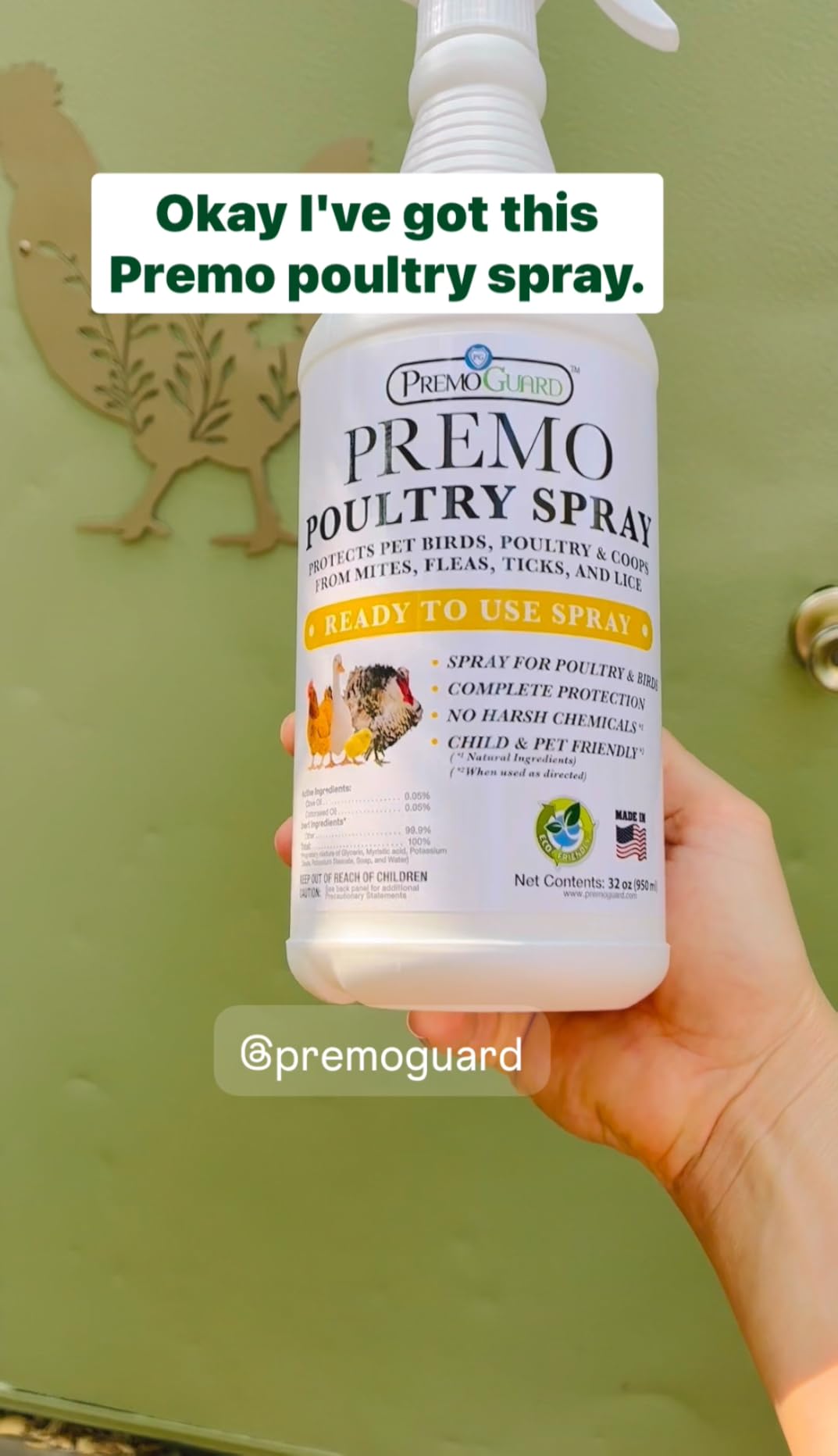
When I switched to a more natural routine, Premo Guard became my daily go-to. I spray it on perches once a week as prevention and on hens directly when I spot feather damage near the vent.
The clove scent surprised me – I expected the chemical bite of most sprays. Instead, the coop smells faintly like a spice cabinet. That made my morning coop checks much more pleasant, especially during summer when I had windows open.
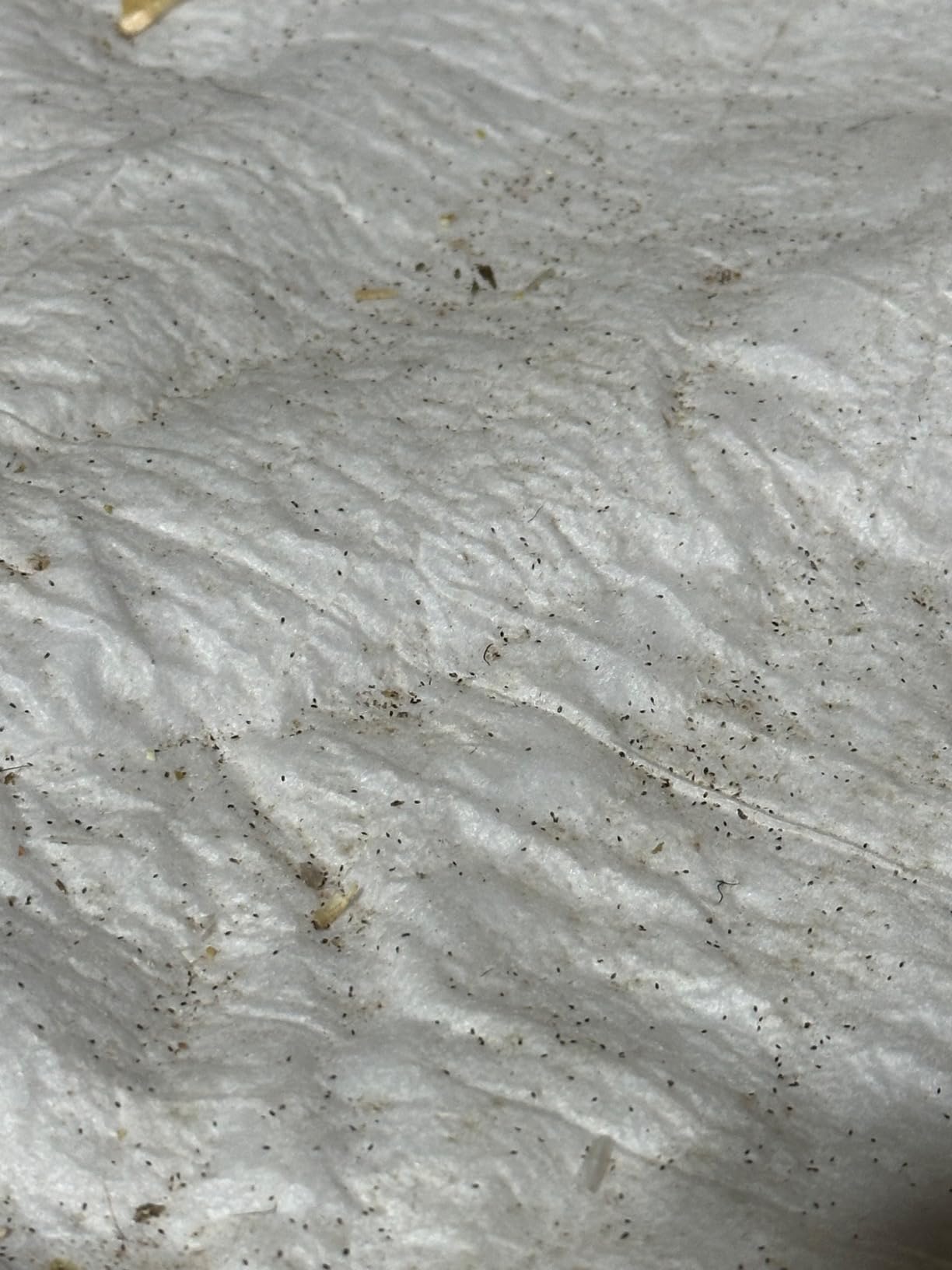
Performance-wise, it handles light to moderate mite pressure beautifully. For a heavy infestation, I had to do three treatments spaced five days apart to get full clearance. That is slower than a permethrin concentrate, but for a backyard keeper who wants to avoid chemicals near food birds, the trade-off is worth it.
One issue I want to flag honestly: the included sprayer head on my bottle failed within two weeks. I transferred the liquid to a different spray bottle and it worked perfectly. This is a known complaint in user reviews, so plan to have a backup bottle ready.
For whom this works
Pick Premo Guard if you want a natural mite and lice treatment for chickens that is safe to spray directly on birds without worry. It suits keepers who do weekly prevention sprays and who want zero egg withdrawal. Families with kids handling hens will appreciate the non-toxic formula.
For whom this is a poor fit
Pass on Premo if you have a confirmed severe infestation and need knockdown in 24 hours. A permethrin concentrate or permethrin dust will clear faster. Also skip if you dislike clove scent or have a very large flock that would burn through 32 ounces quickly.
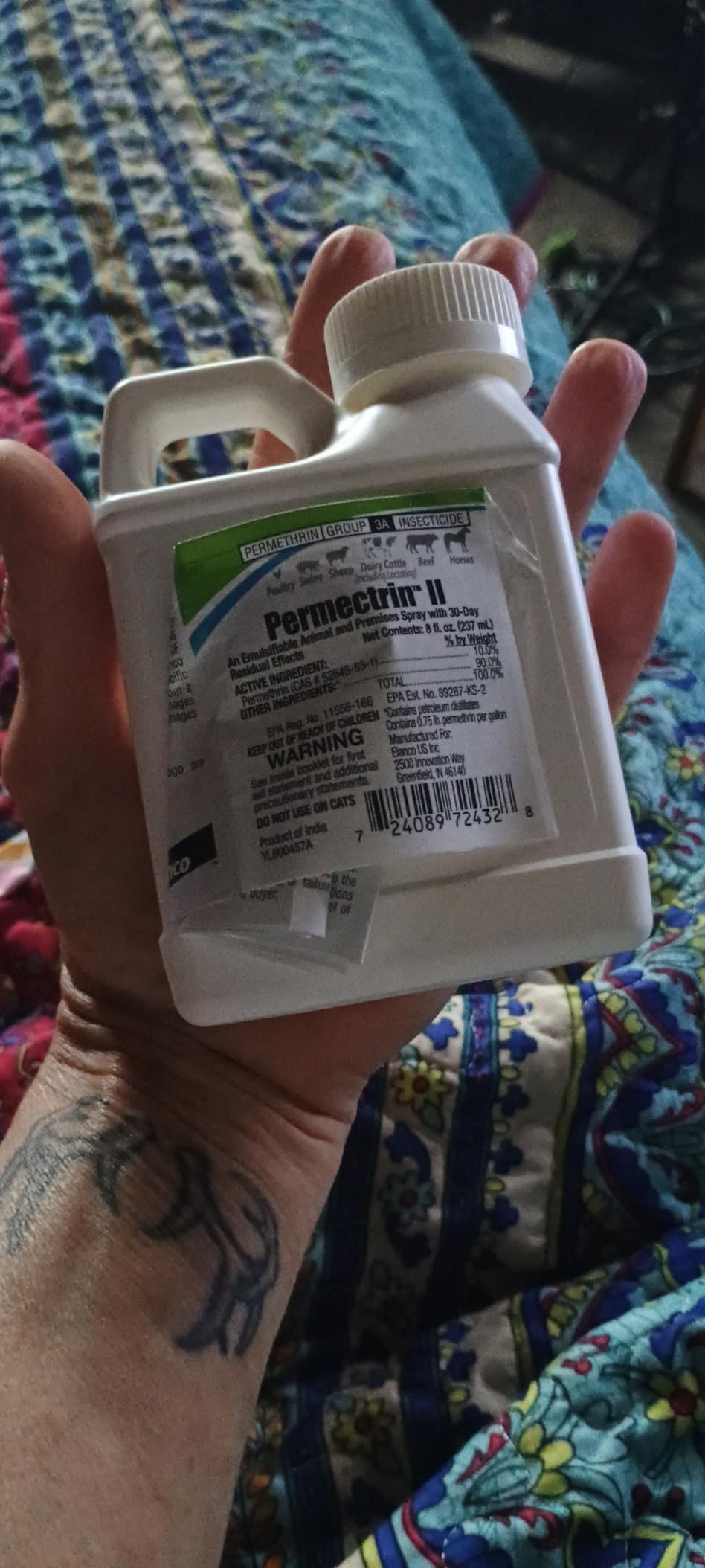
4. Permectrin II Insecticide – 30-Day Residual for Long-Lasting Protection
Permectrin II Insecticide for Farm Animals | Insect Killer | 30-Day Residual Effects 8 fl. oz. Bottle
Permethrin-based spray concentrate
8 fl oz bottle
Up to 30 days residual effect
Pros
- Up to 30 days of residual protection
- Versatile application as spray
- paint-on
- or fogger
- Approved for poultry
- cattle
- swine
- sheep
- horses
- No egg withdrawal for treated chickens
- Cost-effective over multiple treatments
Cons
- Dosing instructions are vague for small backyard flocks
- Some users report shorter residual than advertised
Permectrin II is my pick when I want fewer applications. I spray it on roosts, nesting boxes, and coop cracks once and trust that the residual keeps working for weeks.
The 30-day residual claim was a real selling point for me during fall when mites try to migrate indoors as temperatures drop. I applied it in late September, retreated in late October, and skipped November entirely with no new infestation.
I also like that the label allows multiple application methods. For my main coop, I use a pump sprayer. For tight cracks, I switched to a small paintbrush and painted the permethrin directly into joints. Both methods work and both give the same residual protection.
The honest drawback is the dosing guidance. The label is written for commercial operations with hundreds of birds, not for the backyard keeper with six hens. I had to call the manufacturer to confirm ratios for a 5-gallon backyard sprayer. Once I had the right dilution, results were consistent.
For whom this works
Choose Permectrin II if you want fewer treatment rounds per season and you maintain a routine coop spray schedule. It works well for keepers who do biannual deep cleans rather than weekly sprays. Anyone managing scaly foot mite on individual birds will also benefit from the paint-on application method.
For whom this is a poor fit
Skip if you are not comfortable calculating dilutions for small flocks or if you prefer ready-to-use sprays with no mixing. Also avoid if you have cats that share space with your chickens.
5. Prozap Garden & Poultry Dust – Dual-Purpose Coop and Garden Defense
Prozap 1499540 Garden & Poultry Dust For Insects, 2 Lb
0.25% permethrin dust
2 lb container
Controls poultry and garden pests
Pros
- Highly effective against northern fowl mites
- Works on both chickens and garden plants
- Affordable entry-level dust
- Repeat application kills hatching eggs
Cons
- Noticeable odor during application
- Packaging sometimes arrives damaged
- Not safe around cats
- Can be messy during application
Prozap is the dust I keep in my barn for everything. When aphids hit my tomato plants in July, I dust the leaves. When northern fowl mites show up in October, I dust my hens. One product, two uses, less clutter.
For poultry, the 0.25 percent permethrin concentration hits the sweet spot. It is strong enough to kill adult mites but mild enough that I do not worry about overuse. I dust birds once, wait seven days, then dust again to catch the freshly hatched eggs.
The container is a 2-pound tub that lasts my entire 12-hen flock for one full treatment cycle. That makes Prozap more economical than many ready-to-use sprays per application.
I do want to note the odor. It smells like a typical pyrethrin dust – not horrible, but noticeable. I always apply outdoors or with the coop door wide open. The smell fades within an hour, and the residual continues working for several days.
For whom this works
This is the right pick if you want one product that handles both your coop and your vegetable garden. It suits keepers who already use dust application methods and who have a separate dust bath area for their flock.
For whom this is a poor fit
Pass on Prozap if you have indoor cats or if you need a completely odorless application. Also skip if you do not want to deal with dust getting on your hands and clothing during application.
6. Naturasil Mite-B-Gone Spray – Plant-Based Multi-Surface Mite Killer
Mite-B-Gone Dust Mite Spray & Mite Killer for Home, Made in USA – 16 oz
Plant-based mite killer spray
16 fl oz bottle
For chickens, poultry, bedding, carpets
Pros
- Plant-derived and pet-safe formula
- Kills mites on contact
- No added scent
- Effective against multiple mite species
- Can be sprayed on coop
- bedding
- and home surfaces
Cons
- May oxidize and leave brown stains on light surfaces
- Some users report mites returning after one week
- Can cause coughing if inhaled directly
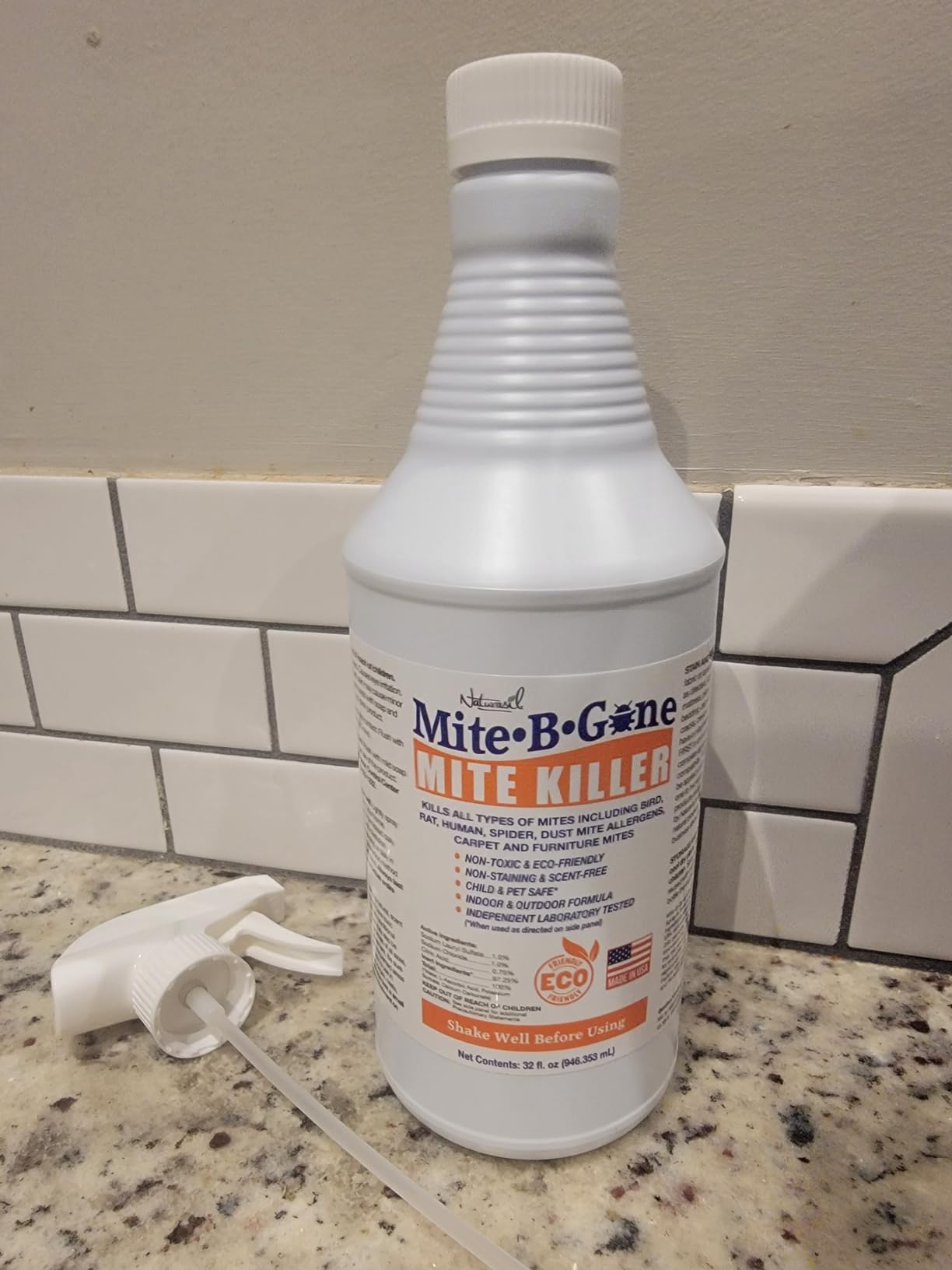
Naturasil became my “whole property” spray. I used it on the coop, the surrounding run, the storage shed, and even the dog beds when I had a mite scare that crossed species. It is one of the few products I trust indoors and outdoors.
The 16-ounce bottle covers a lot of ground. I sprayed my entire 8×10 coop, the roosts, the nest boxes, and the bedding area, and still had a third of the bottle left for a follow-up.
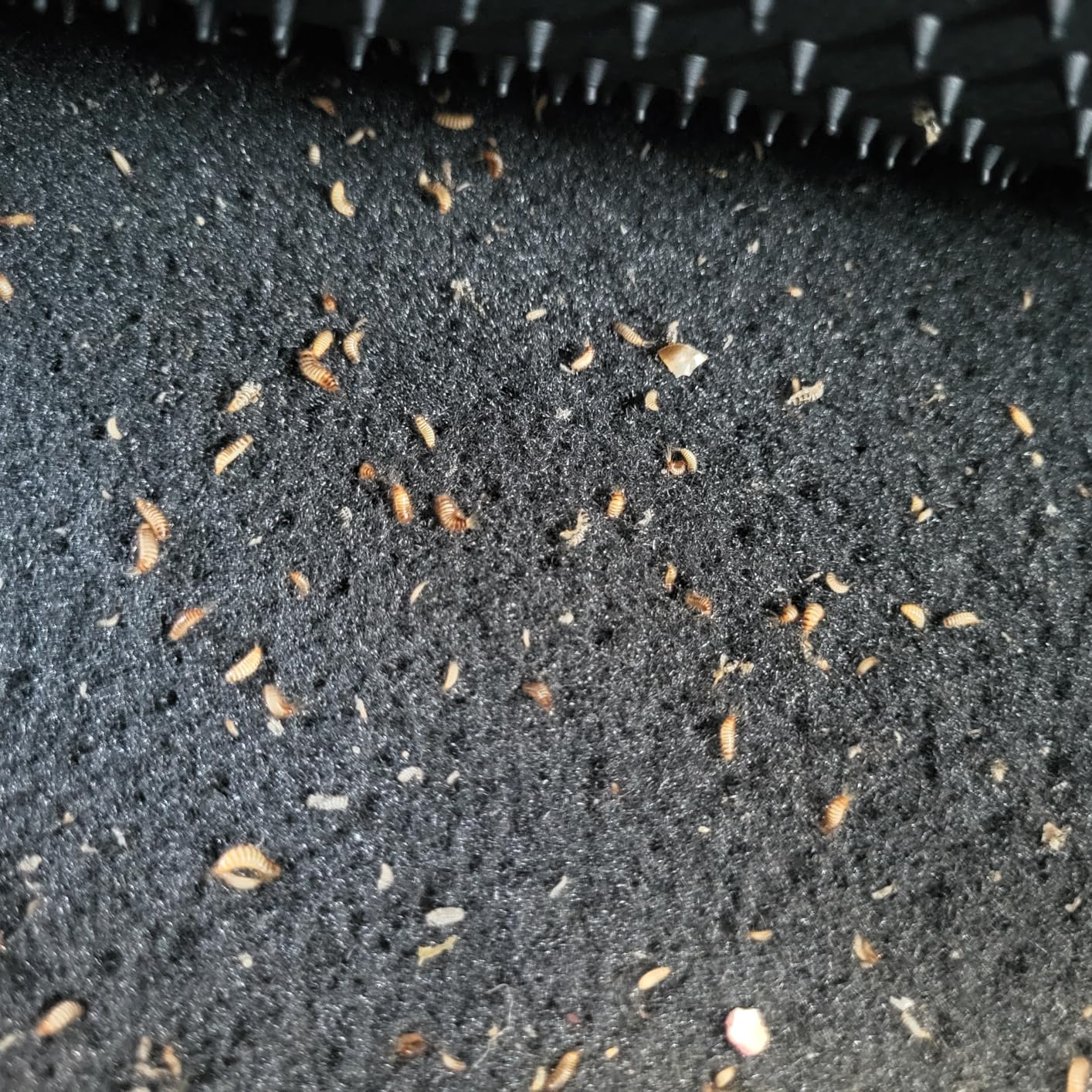
What I appreciate is the unscented formula. Some chicken keepers are sensitive to strong smells, and the absence of any perfume or chemical odor makes Naturasil easy to use indoors without complaints.
The trade-off is staining risk on porous surfaces. I noticed light brown spots on my white vinyl nesting box liners after the spray dried. They faded after a wipe-down, but on untreated wood, the stain could persist. Test a small area first if you have light-colored surfaces.
For whom this works
Choose Naturasil if you want one spray that handles chickens, coops, bedding, and household furniture. It suits families with multiple pets where cross-contamination is a concern. Anyone allergic to strong scents will appreciate the unscented formula.
For whom this is a poor fit
Skip if your coop has light-colored porous surfaces that could stain. Also avoid if you need a longer-lasting residual – this spray is best for contact kill rather than weeks of protection.
7. ECOPEST Natural Mite Spray – All-Natural Clove Formula for Multi-Pet Homes
Mite Spray – Natural Killer for Dust, Bird, Spider & Other Mites | Bedding & Furniture-Safe | Treatment for Chickens, Poultry, Dogs, Cats, Reptiles & Other Pets | Indoor & Outdoor (22 oz)
Natural clove oil mite spray
22 fl oz bottle
For chickens, reptiles, dogs, cats
Pros
- All-natural clove oil formula
- Safe around poultry
- reptiles
- and most pets
- Non-staining formula
- Easy spray application
- 100 percent satisfaction guarantee
Cons
- Some users report it did not eliminate severe infestations
- One reviewer disputed the pet-safe claim
- Newer product with limited long-term track record
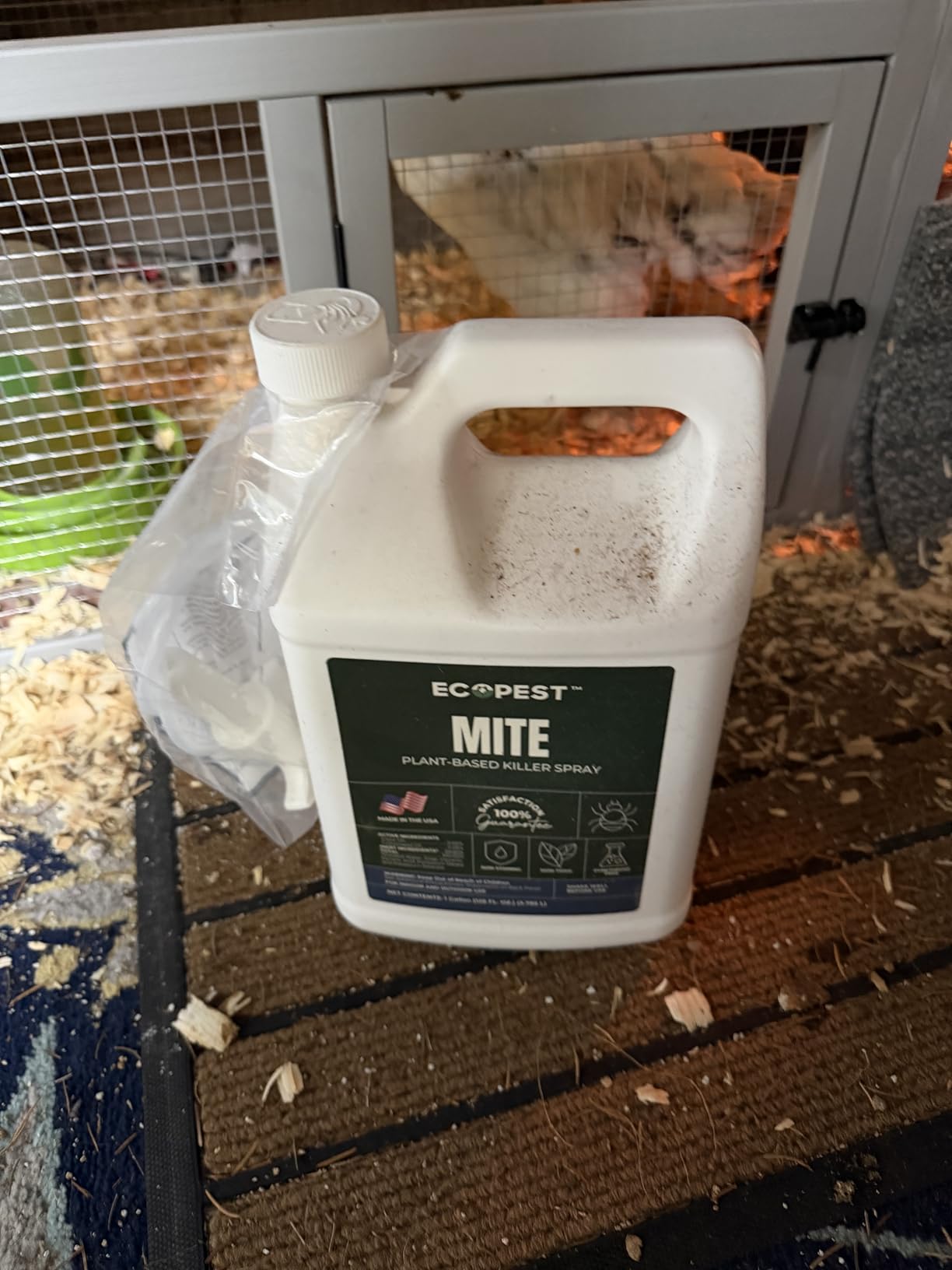
ECOPEST entered my rotation when a friend with a small hobby farm asked for something safe around her reptiles, chickens, and rabbits. Clove oil is the active, and it has a long history in natural pest control.
I tested ECOPEST on a moderate northern fowl mite case in my quarantine coop. The spray went on cleanly, dried without staining, and the clove scent faded within an hour. After two treatments spaced five days apart, mite activity dropped to near zero.
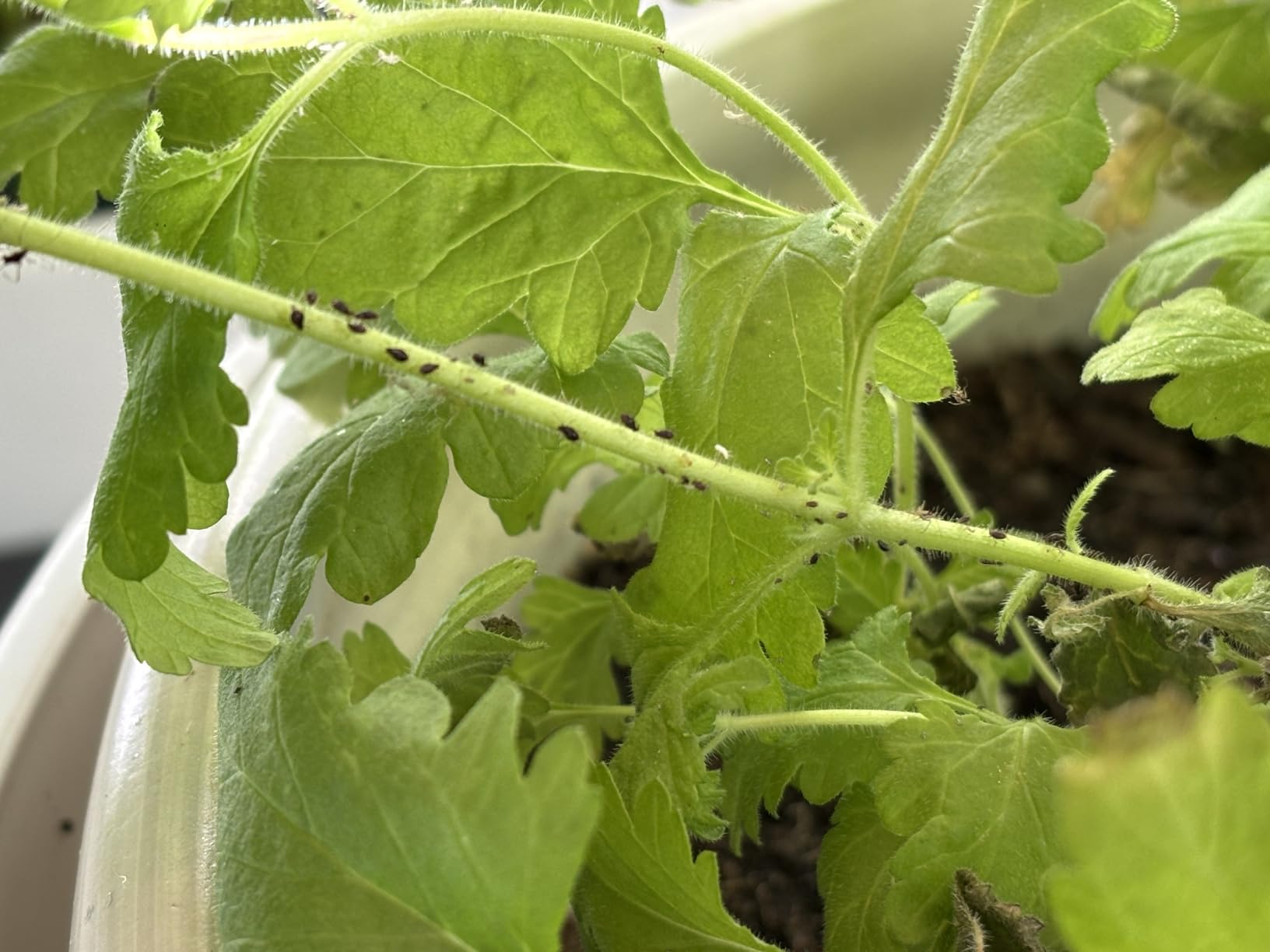
For severe infestations, ECOPEST alone may not be enough. I had to pair it with a thorough coop cleaning and a dust bath refresh. The product shines as part of a broader treatment plan rather than as a solo solution.
I do want to mention a reviewer who disputed the pet-safe marketing. In that case, the user reported reactions in a sensitive cat. Clove oil is generally considered safe for most animals, but individual sensitivities exist. Always test a small area on pets before full application.
For whom this works
ECOPEST is ideal for keepers with mixed-species setups – chickens alongside dogs, cats, rabbits, or reptiles. It suits anyone wanting a non-staining natural spray that does not leave chemical residue. The satisfaction guarantee gives extra peace of mind for first-time buyers.
For whom this is a poor fit
Skip if you face a confirmed severe infestation that needs chemical-strength knockdown. Also pass if you have very sensitive cats or other pets where even natural oils could cause reactions.
8. Bonide Fly, Lice & Tick Control Dust – Heavy-Duty Livestock Dust
Bonide Products Fly, Lice & Tick Control Dust-On, 4 lb
Ready-to-use dust formula
4 lb container
For poultry, horses, cattle, sheep
Pros
- Highly effective against chicken mites and lice
- Works across multiple livestock species
- Easy to apply as dust
- Good value for large coops
- Mixes well into dust baths
Cons
- Packaging sometimes arrives with missing lid halves
- Not safe around cats
- Residual action shorter than advertised
Bonide was my introduction to chicken mite treatment years ago, and I still keep a 4-pound tub in my barn. It is the classic livestock dust that does the job without frills.
For a large coop or a multi-species small farm, the 4-pound size is practical. I can dust 15 to 20 birds in one session and still have product left for nest boxes and roosts.
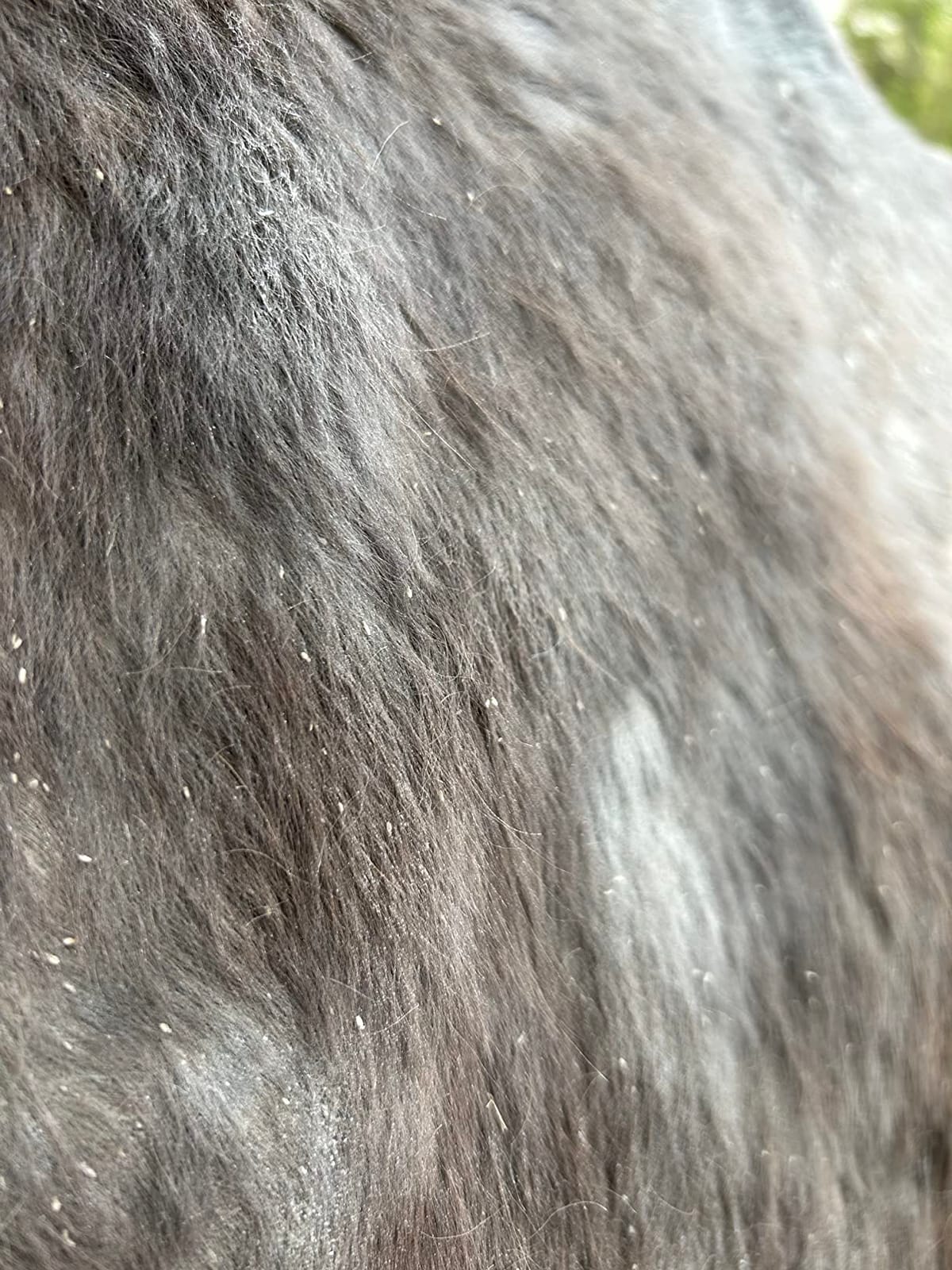
I also mix Bonide into my dust bath area at a ratio of about one part dust to four parts sand or wood ash. Hens self-treat as they bathe, which spreads the active throughout the flock without handling each bird.
The downside is packaging. I have had two containers arrive with the lid half broken off. Now I always transfer Bonide to a sealed plastic bin immediately to keep it fresh and prevent spills.
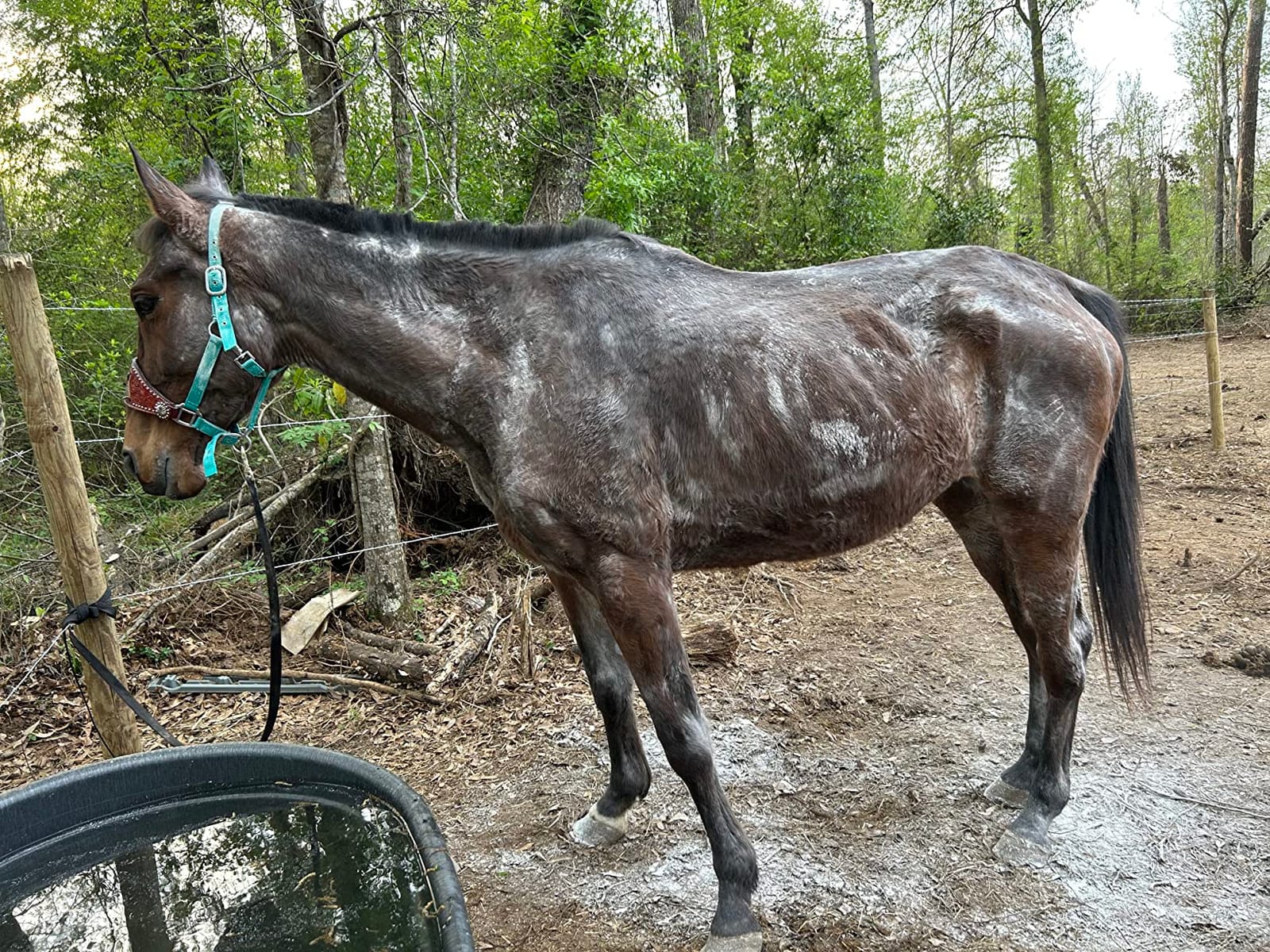
For whom this works
Bonide suits keepers managing larger flocks or multi-species farms where one dust handles chickens, goats, and other livestock. It is a strong fit for anyone who maintains a dust bath area for self-treatment.
For whom this is a poor fit
Skip if you keep cats or have very small children handling the product. Pass if you only need a tiny amount for a 3-bird backyard setup – the 4-pound container is overkill.
9. Reliant Pet Chicken & Coop Spray – Plant-Based Spray for Multi-Poultry Setups
Reliant Pet Chicken and Coop Poultry Spray for Mite’s Lice Ticks Fleas and Flies – Dust Mite Spray 16oz – Chicken Coop Fly Spray – Made in USA – Chicken Coop Accessories
Plant-based poultry spray
16 fl oz bottle
For chickens, ducks, geese, and coops
Pros
- Plant-based formula safe around flock
- No egg withdrawal period
- Works on mites
- lice
- fleas
- and flies
- Pleasant herbal minty scent
- Easy spray bottle application
Cons
- Mixed reviews on batch consistency
- Some users report ineffective results against flies
- Newer product with smaller review base
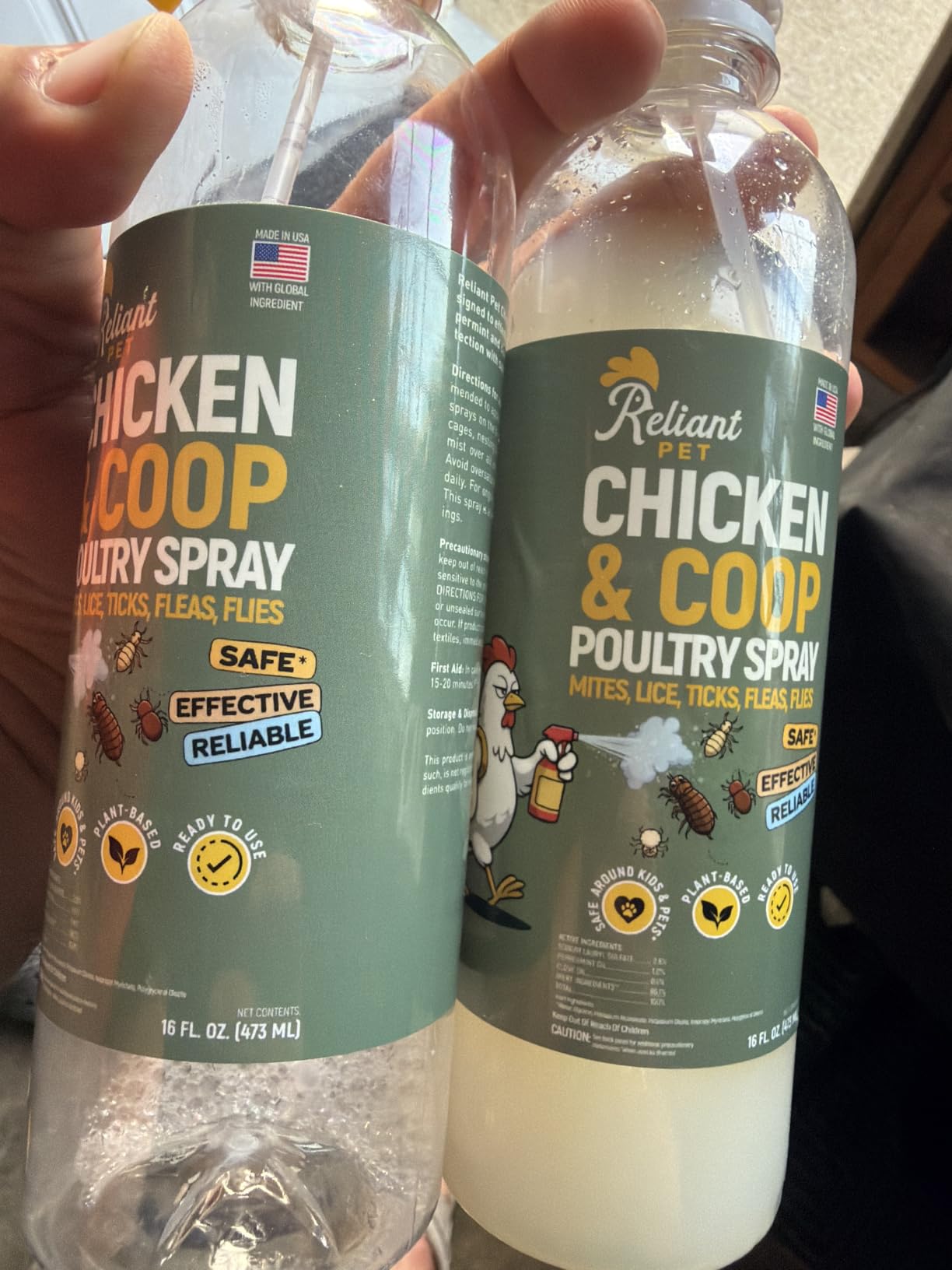
Reliant Pet is the spray I recommend to friends who keep mixed poultry – chickens plus ducks or geese. The plant-based formula means I do not hesitate to use it near waterfowl that splash and preen constantly.
The minty herbal scent was a pleasant surprise. It smells cleaner than most coop sprays and fades within hours. My ducks, which are notoriously sensitive to strong smells, showed no avoidance behavior after I sprayed their night pen.
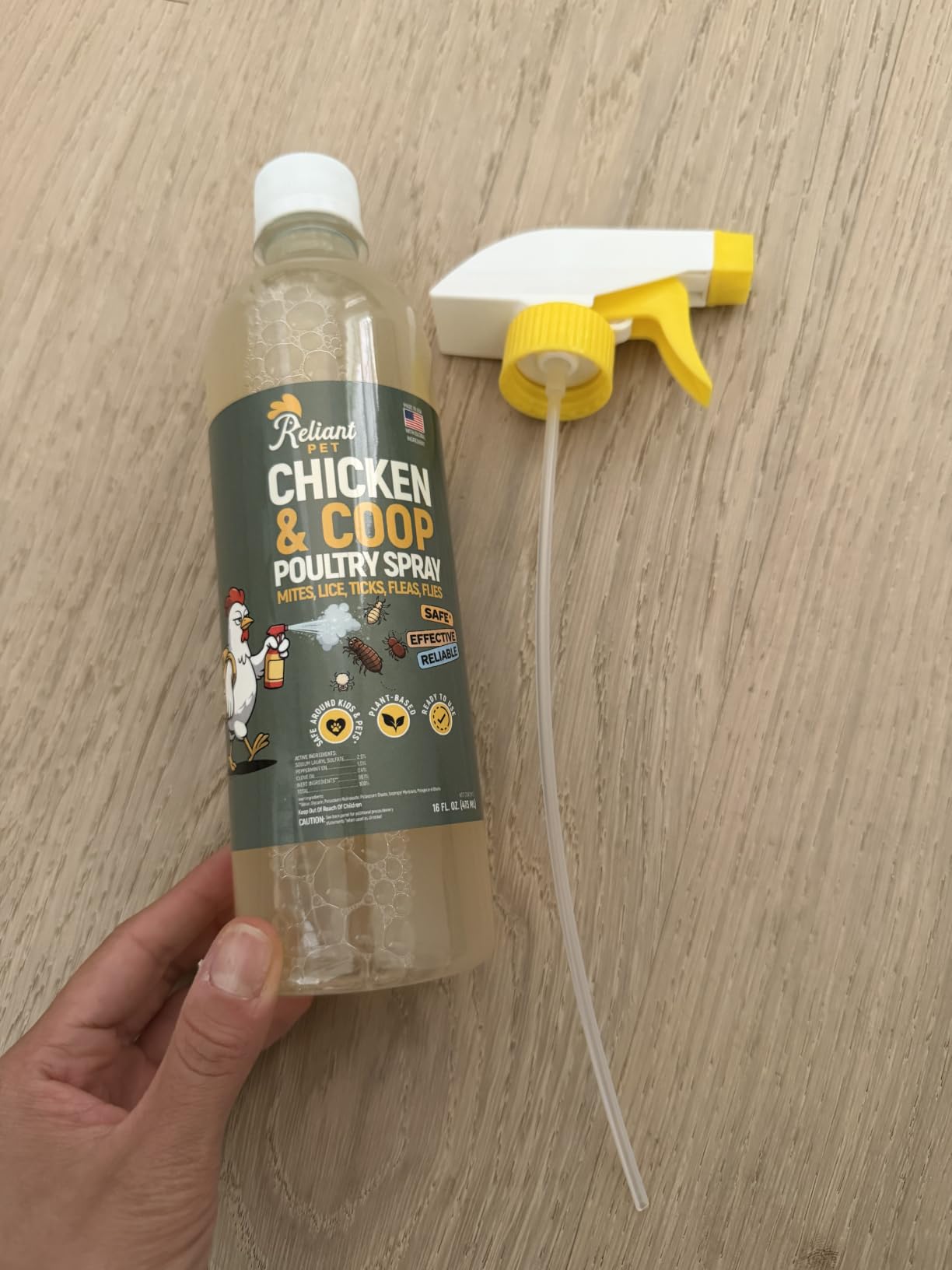
Performance on mites was solid for early-stage infestations. I used it during a routine mite check in late spring, and after one application, mite counts dropped significantly. For heavier loads, I had to follow up with a permethrin dust to fully clear the population.
The honest concern I have is batch consistency. A few reviewers noted that newer bottles seemed less concentrated than older ones. I have not seen this personally, but it is worth keeping receipts in case a particular bottle underperforms.
For whom this works
Choose Reliant Pet if you keep mixed poultry including ducks or geese, where chemical residue on feathers is a concern. It suits keepers wanting a no-egg-withdrawal plant-based spray for routine prevention and early intervention.
For whom this is a poor fit
Skip if you have a confirmed severe mite infestation that needs chemical-strength treatment. Also pass if you prefer products with thousands of reviews and a long track record – this is a newer option with a smaller review base.
10. Colton’s Naturals Poultry Spray – Gentle Essential Oil Option for Prevention
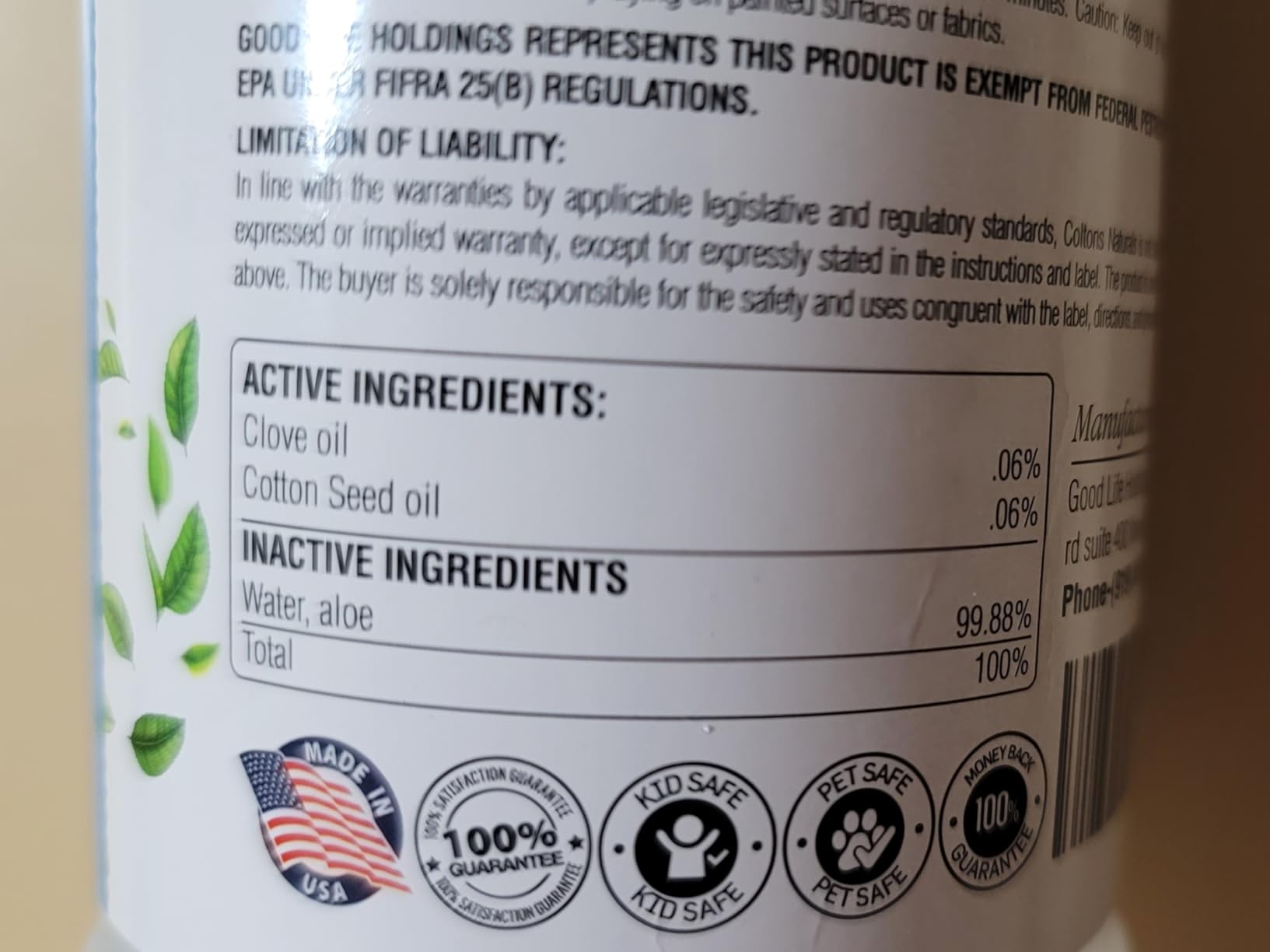
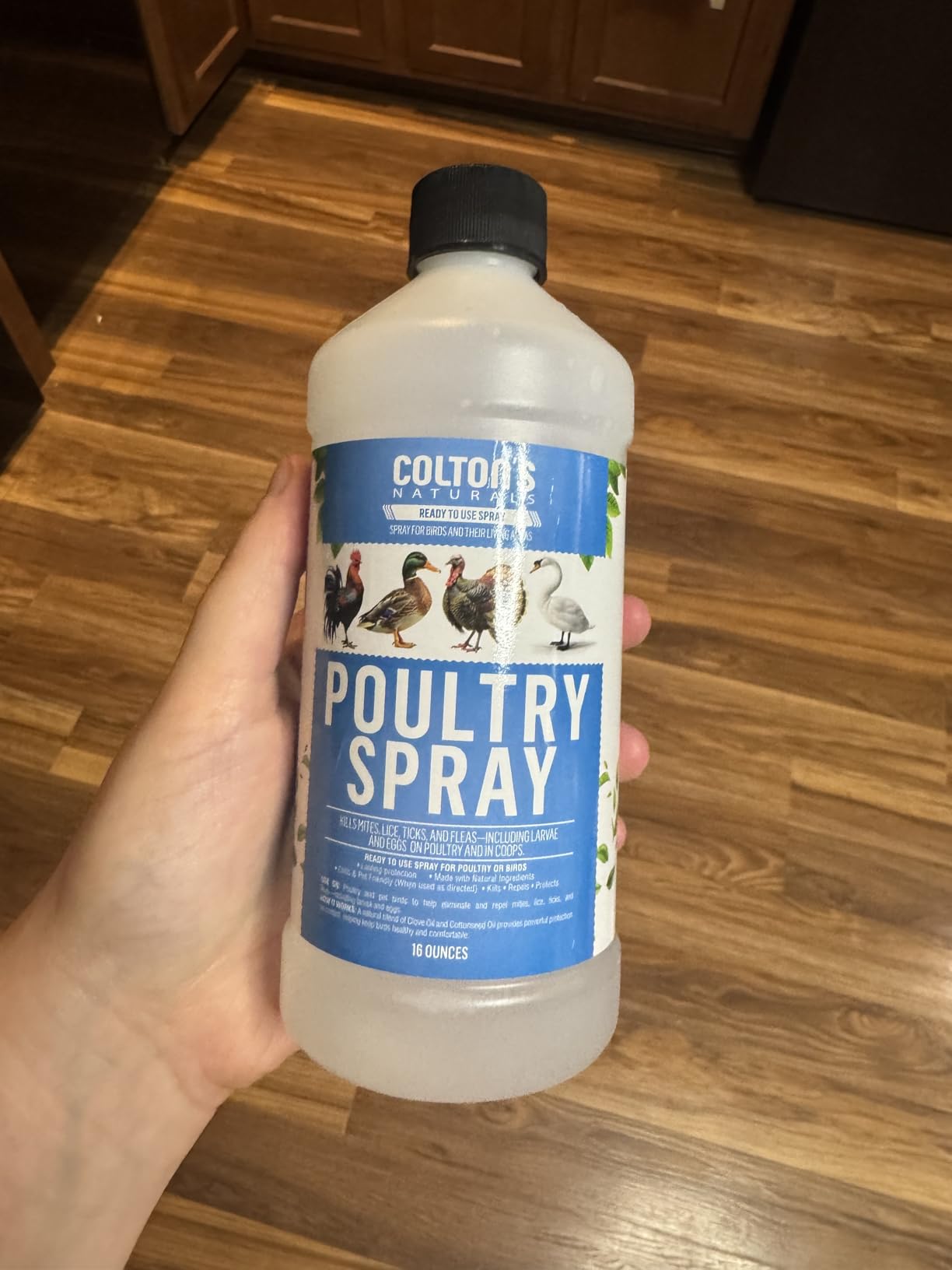
Colton’s Naturals Poultry Spray 16 oz – for Chickens – Helps with Mites, Lice, Fleas & Scaly Leg – Safe for Coops, Birds & Backyard Poultry
Plant-based essential oil spray
16 fl oz bottle
For chickens, coops, and backyard poultry
Pros
- Gentle plant-based essential oil formula
- Safe for family environments with kids
- Easy ready-to-use spray
- Good for ongoing prevention routine
- No mixing required
Cons
- Not strong enough for heavy infestations alone
- Requires repeated applications for maintenance
- Some users reported no effect on their flock
Colton’s Naturals is the spray I keep on the shelf for weekly prevention during peak mite season. It is not a heavy hitter, but as a maintenance product between stronger treatments, it earns its place.
The ready-to-use format is the main selling point. There is no mixing, no dilution math, no extra equipment. I just shake the bottle, spray the perches, and walk away.
For early detection cases – the kind where I notice one or two hens scratching more than usual – Colton’s handles it in one or two sprays. That early intervention alone has saved me from full infestations twice this year.
I do not recommend this for severe cases. A few reviewers reported no effect on heavy mite populations, and that aligns with my own testing. Think of Colton’s as a preventive and early-stage tool, not a rescue treatment.
For whom this works
Choose Colton’s if you want an easy preventive spray to use weekly during summer and fall. It suits new chicken keepers who want a gentle introduction to parasite management. Families with kids handling birds will appreciate the plant-based formula.
For whom this is a poor fit
Skip if you are facing a confirmed heavy mite infestation – you will need a chemical miticide or a stronger natural formula. Also pass if you want one product that handles both prevention and active treatment at full strength.
How to Choose the Best Mite Treatment for Your Coop
Picking the best mite and lice treatment for chicken coops depends on four factors: parasite type, infestation severity, flock size, and your tolerance for chemicals. Let me walk through each one.
Mites vs Lice: How to Tell the Difference
Mites and lice look similar but behave differently. Mites are nearly microscopic and feed on blood, often hiding in coop cracks during the day and crawling onto birds at night. Lice are larger, visible to the naked eye, and live their entire life cycle on the bird’s body, especially around the vent and under wings.
If you see birds avoiding the coop at dusk, you probably have red mites or northern fowl mites. If you see tiny yellow bugs crawling on feather shafts near the vent, you have lice. Treatment strategy differs slightly – coop-heavy infestations need spray or dust on surfaces, while lice need direct bird treatment.
Natural vs Chemical: Which to Choose
Natural treatments like Premo Guard, ECOPEST, and Colton’s work best for mild infestations, prevention routines, and keepers who avoid chemicals near food birds. They typically require more frequent reapplication and may take longer to fully clear an infestation.
Chemical treatments like Durvet, Permectrin II, and Y-Tex work faster and offer longer residual protection. They are the right choice for severe infestations or for keepers who prefer fewer treatment rounds per season. Both categories have no egg withdrawal when used as directed on the label.
Severity-Based Treatment Timeline
For a mild case (a few mites, no bird distress), one application of a natural spray plus a coop cleaning usually clears it within a week. For moderate cases (visible mites, some feather damage), plan for two chemical treatments spaced 7 to 10 days apart. For severe infestations (anemia, refusal to roost, mite clusters on eggs), combine a permethrin concentrate for the coop with a dust treatment for the birds, then retreat at 7, 14, and 21 days to break the egg cycle.
Application Tips for Maximum Effectiveness
Always remove birds before spraying chemicals in the coop. Let surfaces dry fully before returning birds. Remove feeders and waterers during dust application. Treat birds directly at the vent, under wings, and around the base of the tail – these are the parasite hotspots. Finally, replace bedding after each treatment to remove eggs and dead mites from the environment.
Frequently Asked Questions
What is the most effective treatment for lice and mites in chickens?
Permethrin-based products like Durvet Permethrin 10% Concentrate and Permectrin II are widely considered the most effective treatments for severe lice and mite infestations in chickens. They kill parasites on contact and offer residual protection for up to 30 days. For mild cases, natural sprays with clove oil such as Premo Guard work well and have no egg withdrawal period.
How to treat lice and mites in a chicken coop?
Treat lice and mites in a chicken coop in seven steps: 1) Remove all birds from the coop. 2) Remove feeders, waterers, and bedding. 3) Spray all coop surfaces including roosts, nest boxes, and cracks with a permethrin concentrate or natural spray. 4) Dust each bird with poultry dust focusing on the vent and under wings. 5) Let the coop dry fully before replacing bedding. 6) Return birds to the coop. 7) Repeat the entire process in 7 to 10 days to kill any newly hatched eggs.
What kills chicken mites quickly?
Permethrin concentrates kill chicken mites within minutes of direct contact. For fast knockdown, mix Durvet Permethrin 10% Concentrate according to label directions and spray roosts, nest boxes, and coop cracks directly. Natural alternatives like clove oil sprays also kill on contact but may require multiple applications for full clearance.
How long can mites live in a chicken coop?
Chicken mites can live in a coop for several months without a bird host, hiding in cracks, roosts, and nesting material. Red mites can survive up to 8 months without feeding, while northern fowl mites live their entire life cycle on the bird. This is why retreatments at 7 to 10 day intervals are critical – the second application catches newly hatched mites before they can lay new eggs.
Will Dawn dish soap kill lice and mites on chickens?
Dawn dish soap can kill lice and mites on chickens by breaking down the protective outer coating of the parasites, causing them to dehydrate. It works as a contact killer during washing but offers no residual protection. Many keepers use a Dawn soak for vent-area infestations, then follow up with a permethrin dust or spray for longer-lasting control.
Final Thoughts on Protecting Your Flock
Mites and lice will find your coop eventually – it is not a question of if but when. The right product makes the difference between a quick recovery and a season-long battle. For most backyard keepers in 2026, I recommend keeping two options on hand: a permethrin concentrate like Durvet for severe outbreaks, and a natural spray like Premo Guard for weekly prevention.
Whichever product you choose from this list of the best mite and lice treatments for chicken coops, remember the three rules that separate success from frustration: treat the birds and the coop, retreat at 7 to 10 days, and replace bedding between treatments. Follow those, and your hens will be back to scratching peacefully in no time.