
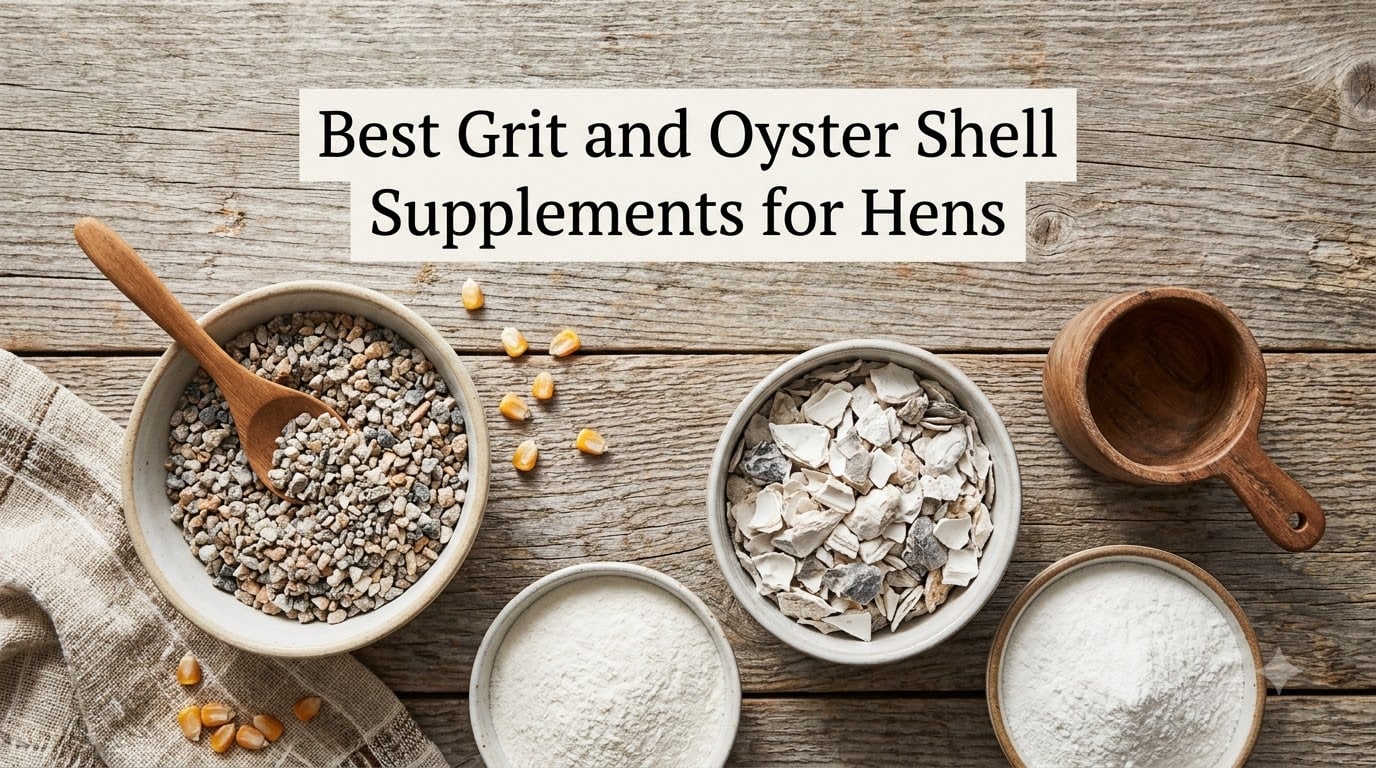
Keeping a backyard flock healthy means understanding what goes into their bodies beyond standard layer feed. Two supplements that come up in every poultry forum and feed store conversation are grit and oyster shell. They serve completely different purposes, yet many chicken keepers confuse them or skip one entirely.
Oyster shell provides slow-release calcium carbonate that hens need to build strong eggshells. Grit is insoluble crushed stone that helps chickens grind and digest their food in the gizzard. Without enough of either, you end up with soft-shelled eggs, poor nutrient absorption, and hens pulling calcium from their own bones.
Our team tested seven of the best grit and oyster shell supplements for hens across different flock sizes, age groups, and feeding setups. We looked at particle size, palatability, calcium content, sourcing, and what thousands of actual flock owners reported. Whether you are raising day-old chicks or maintaining a mature laying flock, this guide breaks down exactly which product fits your situation.
Table of Contents
Top 3 Picks for Best Grit and Oyster Shell Supplements for Hens
After months of testing and reviewing thousands of customer experiences, three products stand out from the pack. These picks cover the three most common scenarios: a reliable all-purpose oyster shell, a premium flaked option for picky eaters, and a digestion-focused grit supplement.


Scratch and Peck Oyster Shell
- Pure flaked shells
- No bleach or fillers
- Pacific Northwest sourced
- 4 lb pouch

Best Grit and Oyster Shell Supplements for Hens in 2026
Below is a side-by-side comparison of all seven products we reviewed. Use this table to quickly compare features and find the right match for your flock.
| Product | Specs | Action |
|---|---|---|
| Manna Pro Chicken Grit with Probiotics |
|
Check Latest Price |
| Manna Pro Crushed Oyster Shell |
|
Check Latest Price |
 Pecking Order Oyster Shell Pecking Order Oyster Shell |
|
Check Latest Price |
 Scratch and Peck Grower Grit Scratch and Peck Grower Grit |
|
Check Latest Price |
| Scratch and Peck Oyster Shell |
|
Check Latest Price |
 Scratch and Peck Starter Grit Scratch and Peck Starter Grit |
|
Check Latest Price |
 Mile Four Oyster Shell Mile Four Oyster Shell |
|
Check Latest Price |
1. Manna Pro Chicken Grit with Probiotics – Digestive Support with Added Gut Health
Manna Pro Chicken Grit with Probiotics for Healthy Chick Digestion, 5 lb
Crushed granite grit
5 lb bag
Added probiotics
For chickens ducks and poultry
Pros
- Premium quality crushed granite
- Contains probiotics for gut health
- Low dust and well sized
- Ducks and chickens love it
- Easy to store 5 lb package
Cons
- Some chunks too large for certain breeds
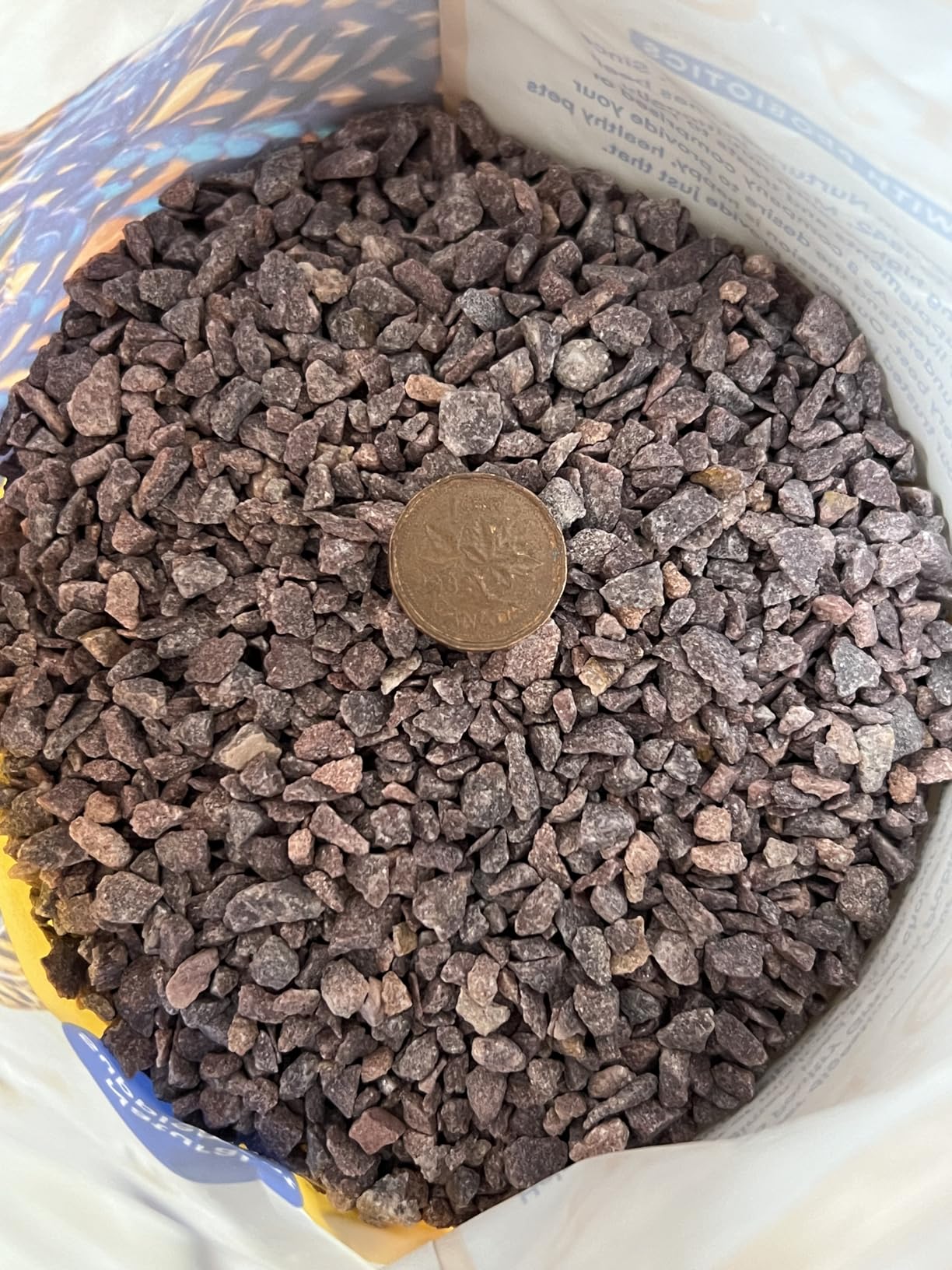
I started using Manna Pro Chicken Grit with Probiotics when I noticed my flock was leaving a lot of whole grain in their droppings. Within two weeks of offering it free-choice alongside their layer feed, digestion visibly improved and the undigested grain disappeared. The crushed granite does exactly what grit should do: it sits in the gizzard and grinds food so hens can absorb nutrients properly.
What sets this product apart is the added probiotic blend. Most grit products are just crushed stone, but Manna Pro added beneficial bacteria to support gut health. Our team found this especially helpful during seasonal changes when chickens seem more prone to loose droppings. The probiotics give the digestive system an extra layer of support.
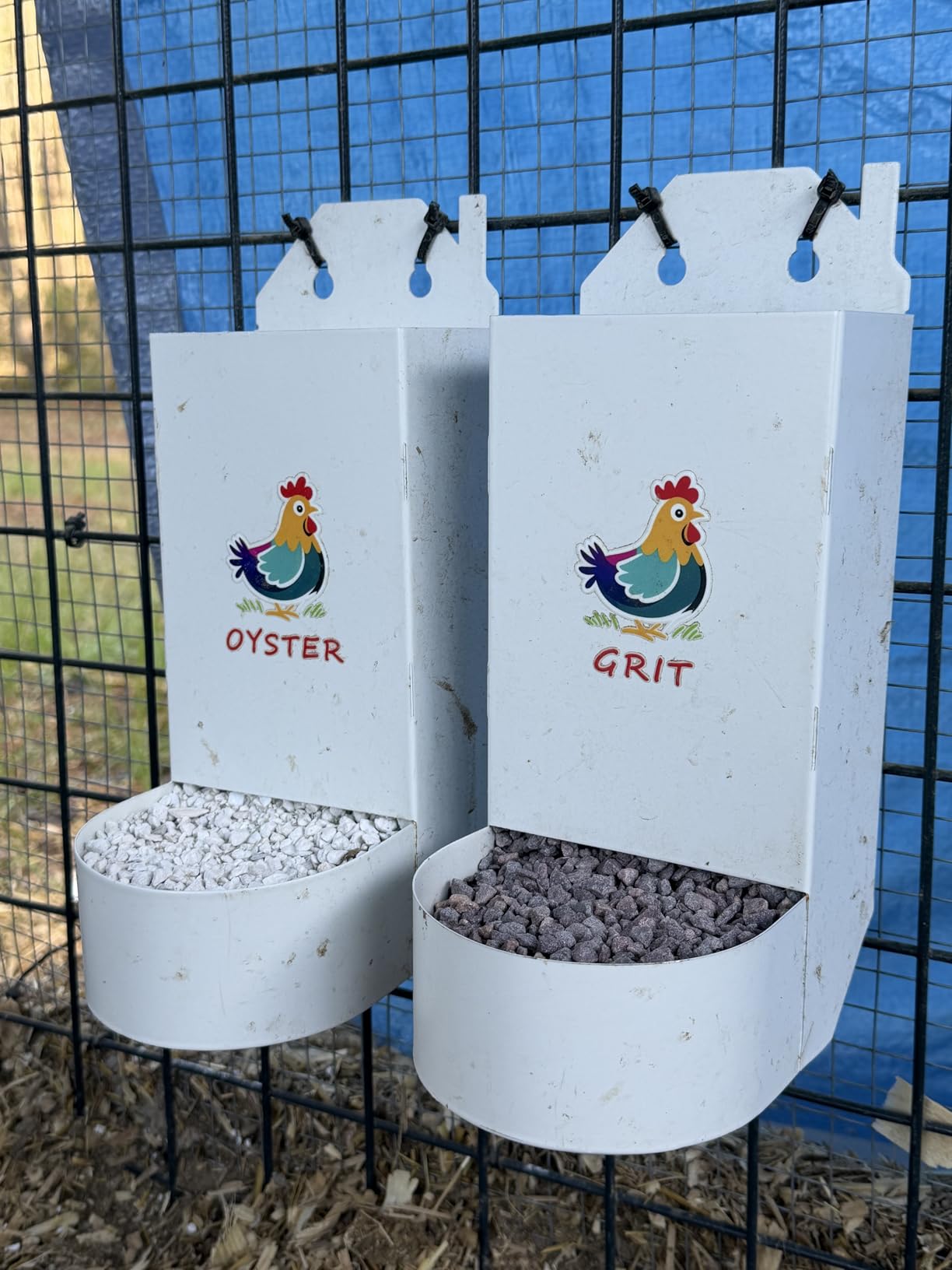
The particle size works well for most standard breeds. I did notice a few larger chunks mixed in that my bantam hen ignored, but the majority of the grit was appropriately sized. The low dust level is a real plus when you are filling feeders in a breezy coop. You are not breathing in a cloud of fine powder like with some cheaper grit products.
With over 4,400 reviews and a 4.8-star rating, this is one of the most trusted grit products on the market. It ranks number one in Poultry Feeding Equipment on Amazon, which tells you that thousands of flock owners have made the same choice. The 5-pound bag lasts a small flock several months when offered free-choice.
Best Flock Size and Feeding Approach
This grit works best for standard breeds in small to medium flocks of 5 to 25 birds. If you have bantams or smaller breeds, you may want to sift out the larger chunks first. The 5-pound bag is ideal for backyard setups where you do not need to store 50 pounds of product. Offer it in a separate feeder from the layer feed so birds can self-regulate their intake.
The probiotic component makes this especially valuable during transitions like introducing new birds, changing feed, or dealing with weather stress. I found it more effective than plain grit during these periods. For established flocks with no digestive concerns, a standard grit may work just as well at a lower cost.
Value Compared to Bulk Grit Options
At under ten dollars for a 5-pound bag, this product sits in the middle of the price range for grit supplements. It costs more per pound than bulk feed-store grit, but the added probiotics and consistent quality justify the difference for most backyard keepers. If you have a large flock of 30 or more birds, you may find the per-pound cost adds up quickly and a bulk option makes more financial sense.
2. Manna Pro Crushed Oyster Shell – The Trusted Calcium Standard
Manna Pro Crushed Oyster Shell for Chickens, Calcium Supplement, 5 lb Bag
Crushed oyster shell
5 lb bag
Slow-release calcium
Heat treated and Made in USA
Pros
- Thicker eggshells reported by thousands
- Slow-release calcium source
- Heat treated for cleanliness
- No odor and easy to use
- Also works for horticulture
- Made in USA
Cons
- Some pieces too large for chicks
- Some hens may not prefer the texture
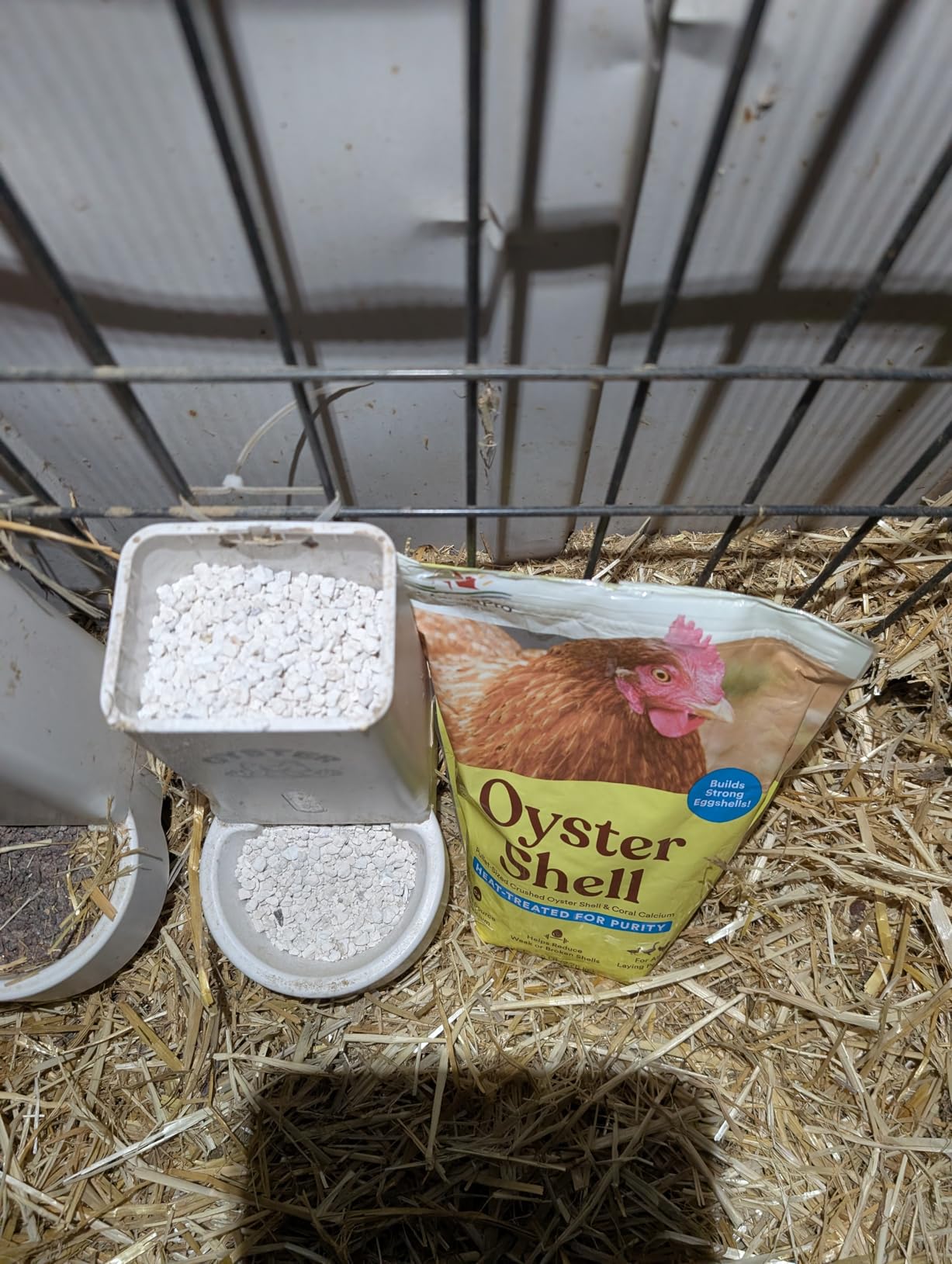
Manna Pro Crushed Oyster Shell is the product most chicken keepers think of when they need a calcium supplement. With nearly 16,000 reviews and a 4.7-star rating, it is the most reviewed oyster shell product on the market by a wide margin. I have used this brand across multiple flocks and it consistently delivers results.
The calcium in these crushed shells dissolves slowly in the gizzard over 12 to 24 hours. This slow-release action is what makes oyster shell superior to the calcium already mixed into layer feed. Layer feed calcium dissolves quickly and may be depleted before nighttime eggshell formation begins. Oyster shell ensures calcium is available when hens need it most.
Manna Pro heat treats every batch for purity, which matters when you are dealing with a natural product sourced from oyster beds. I never encountered any unusual odors or contamination issues. The blend includes both oyster shell and coral calcium, giving hens a mix of particle sizes that dissolve at different rates for extended calcium availability.
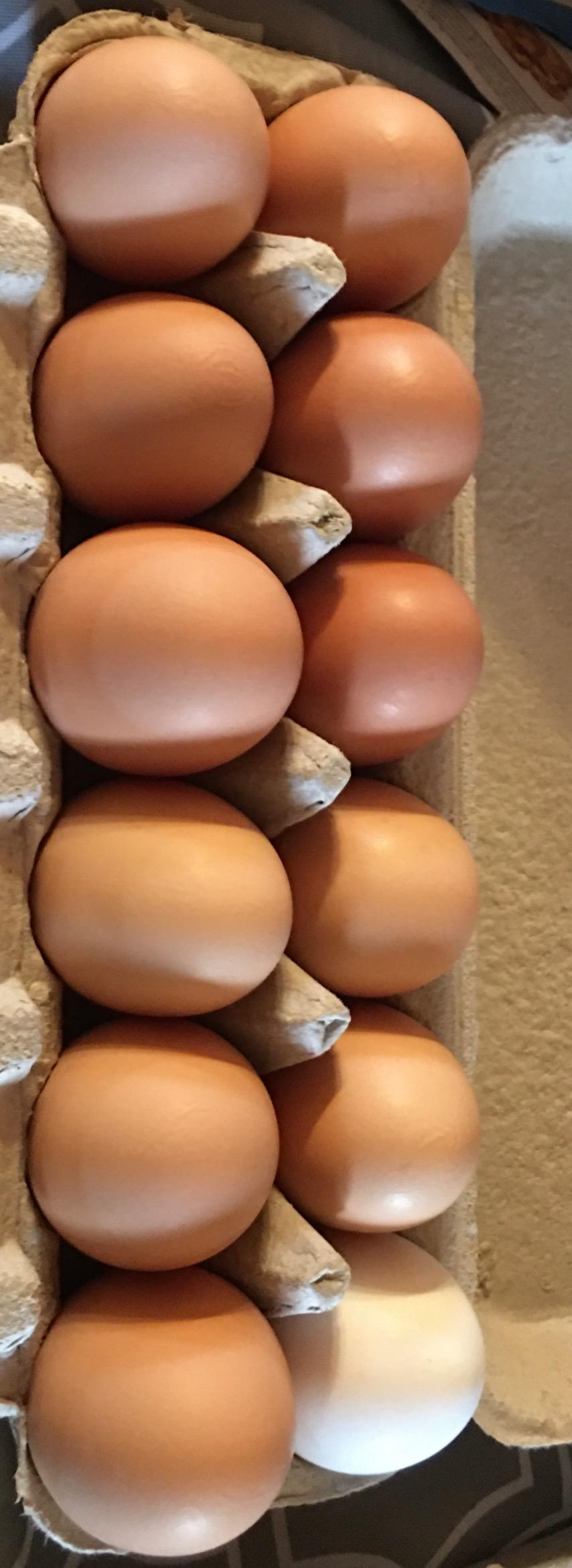
The most common feedback from customers is visible improvement in eggshell thickness within one to two weeks. I noticed the same thing in my flock. Eggs that had slightly thin or rough shells became consistently smooth and strong. One customer also pointed out that leftover shell works great mixed into succulent and cactus soil, so nothing goes to waste.
When to Start Offering This Supplement
Begin offering Manna Pro oyster shell when your pullets reach about 16 to 18 weeks of age, just before they start laying. Do not offer it to chicks younger than 16 weeks because excess calcium can damage their kidneys and cause developmental issues. The free-choice method works best: place the shell in a separate feeder and let hens decide how much they need.
Many backyard chicken keepers worry their hens are not eating enough shell. Forum discussions on BackYardChickens consistently confirm that hens self-regulate their calcium intake. If they are not touching the oyster shell, their layer feed may already contain enough calcium. Trust the free-choice approach and let their instincts guide consumption.
What Makes This the Best Overall Value
For most backyard flocks, Manna Pro offers the best balance of price, availability, and proven results. The 5-pound bag covers a small flock for one to two months and costs significantly less per pound than premium brands. You are getting the same fundamental calcium carbonate without paying extra for organic certification or specialty packaging.
3. Pecking Order Oyster Shell – Clean Calcium with Minimal Dust
Pecking Order Oyster Shell – Calcium Supplement to Support Laying Hens and Strong Egg Shell Development (5 LB) (Packaging May Vary)
Calcium supplement for laying hens
5 lb bag
Supports eggshell development
Bone health support
Pros
- Hens love the taste and texture
- Virtually no dust
- Stronger eggshells reported
- Also works as soil amendment
- Great for chickens and larger birds
- Promotes bone health
Cons
- Not suitable for small birds like chicks
- Pieces may be too large for quail
Pecking Order Oyster Shell caught my attention because it holds the number one best seller spot in Bird Health Supplies on Amazon. That ranking reflects real customer satisfaction, and after testing it myself, I understand why. The particle consistency is noticeably more uniform than some competitors, and the dust level is impressively low.
My hens took to this product immediately. The texture seems more palatable than standard crushed shell, and the birds consumed it readily from day one. Within about ten days, I noticed fewer hairline cracks when candling eggs and a more consistent shell color across the flock.
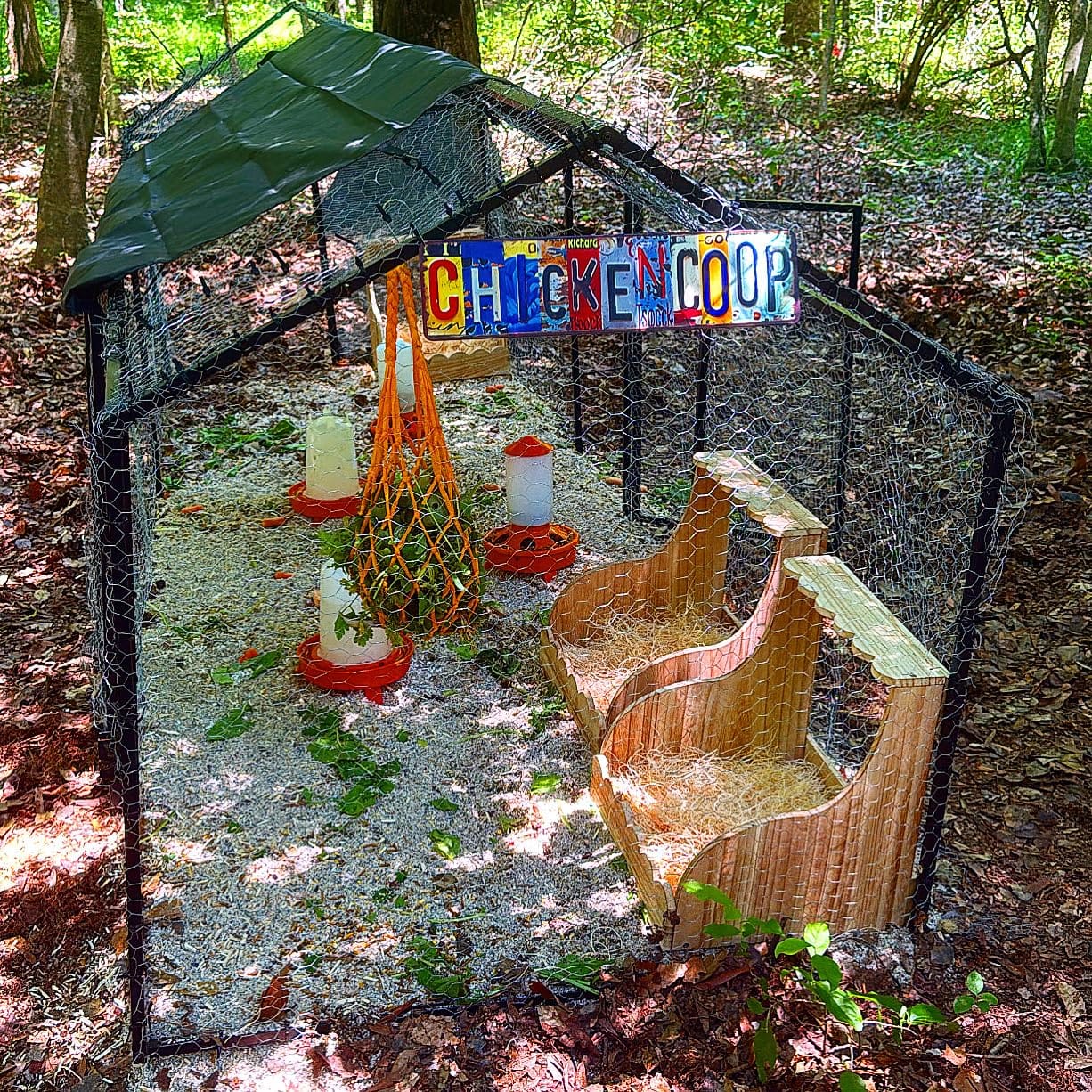
This supplement supports more than just eggshell development. The calcium also plays a role in muscle function, nerve transmission, and bone strength in laying hens. Hens that get adequate calcium maintain better overall body condition through their laying cycle. I appreciated seeing my older hen, who had started looking a bit ragged, regain some vigor after a few weeks on this product.
The 5-pound bag is convenient for standard backyard flocks. Red River Commodities, the manufacturer, has been in the agricultural business for decades, which gives me confidence in their sourcing and quality control standards. Every bag I opened was clean, consistent, and free of unusual odors.
Handling the Larger Particle Size
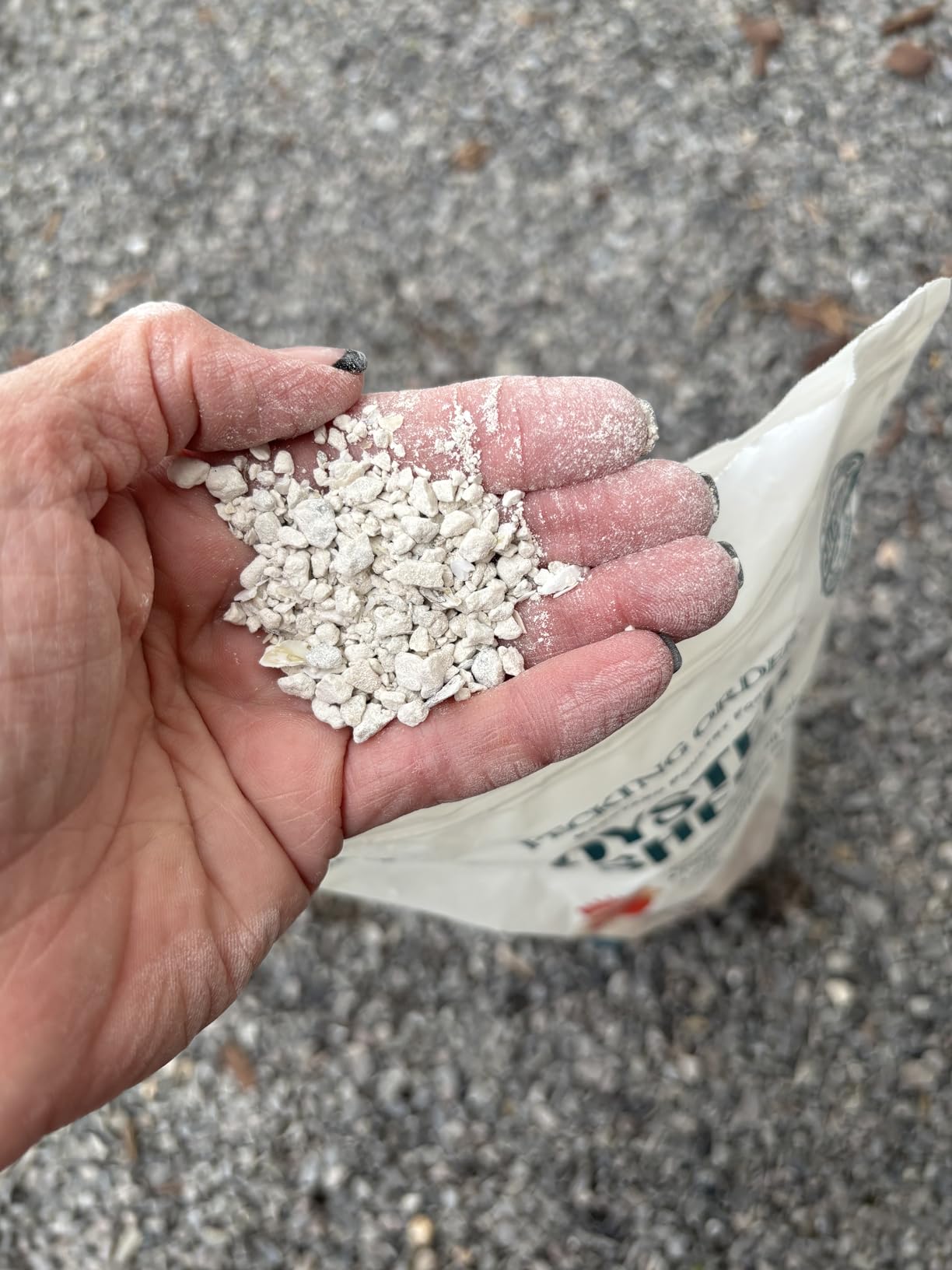
The main complaint about Pecking Order is that the shell pieces are too large for smaller birds. This is accurate for chicks, quail, and bantam breeds. For standard laying hens, the size is ideal and encourages proper gizzard processing. If you keep mixed flocks with smaller species, offer a separate finer calcium source for those birds.
I found that placing this in a dedicated oyster shell feeder mounted on the coop wall works better than tossing it on the ground. The larger pieces stay contained and the hens can peck at what they need without waste. A simple PVC feeder or treadle feeder setup keeps the shell clean and dry.
Comparing to Other Oyster Shell Brands
Pecking Order sits in the same price range as Manna Pro but offers slightly different characteristics. The particle uniformity and low dust are the main advantages. If you are sensitive to dust when filling feeders, or if your hens seem picky about texture, Pecking Order is worth the switch. For those who prioritize the absolute lowest price per pound, Manna Pro remains the better deal.
4. Scratch and Peck Grower Grit – Perfect for Growing Pullets
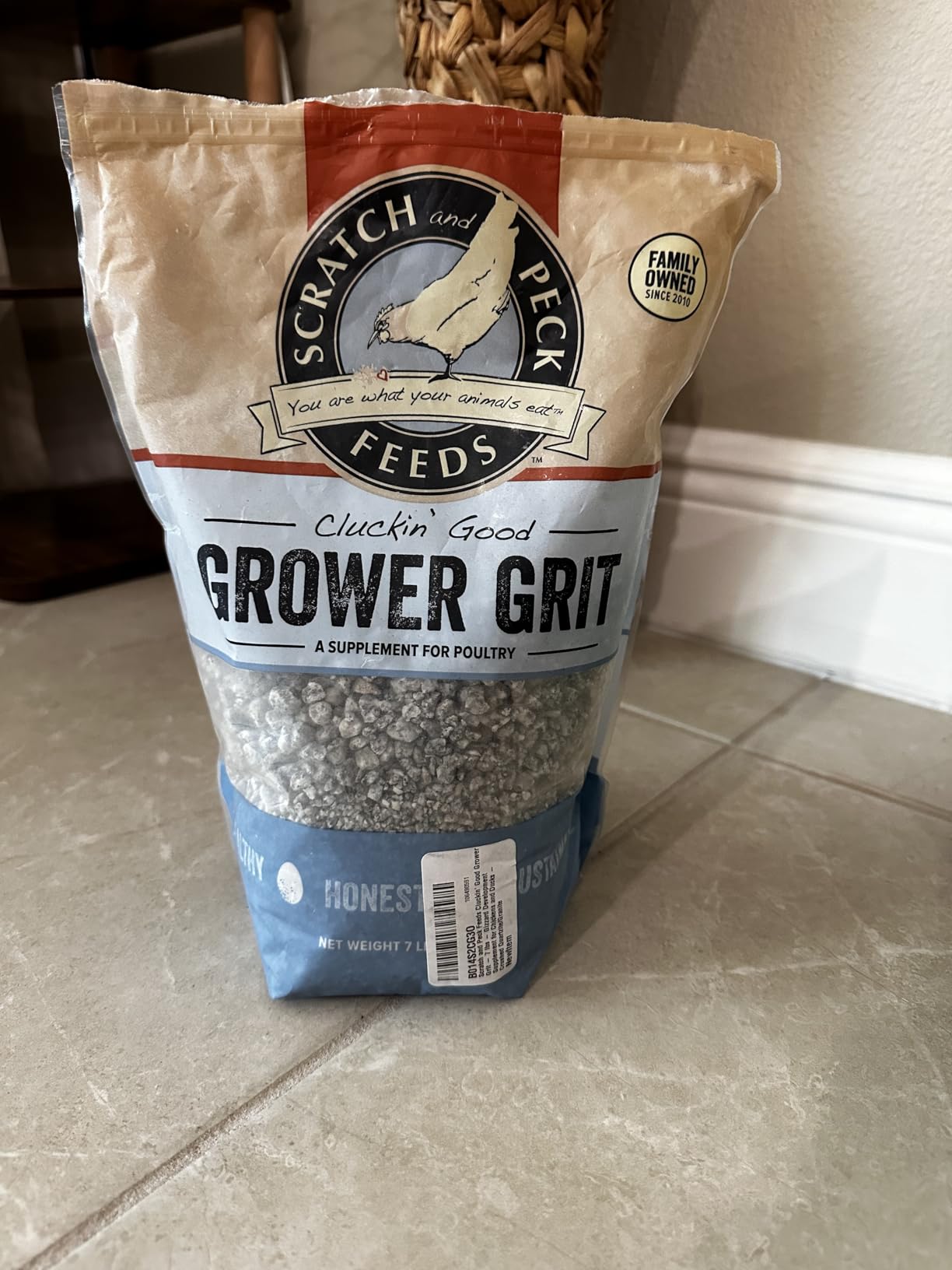
Scratch and Peck Feeds | Grower Grit for Chickens & Ducks | 7 lb Pouch
Insoluble crushed quartzite
7 lb pouch
Ages 8 to 20 weeks
All natural sustainably sourced
Pros
- Perfect size for growing chicks 8-20 weeks
- Firms up chick droppings quickly
- Clean ingredients with no additives
- Trusted brand quality
- Great for ducklings too
Cons
- Higher price point than competitors
- Not available in 50 lb bags
Scratch and Peck Feeds makes some of the cleanest, most carefully sourced poultry products available. Their Grower Grit is sized specifically for birds between 8 and 20 weeks of age, which is a gap that many other brands overlook. Most grit products are either too fine for growing birds or too coarse for them to handle comfortably.
I used this grower grit with a batch of pullets last spring and the results were immediate. Droppings firmed up within days, which told me the birds were finally digesting their feed properly. The insoluble crushed quartzite stays in the gizzard and does its grinding job without dissolving, which is exactly what you want from a grit product.
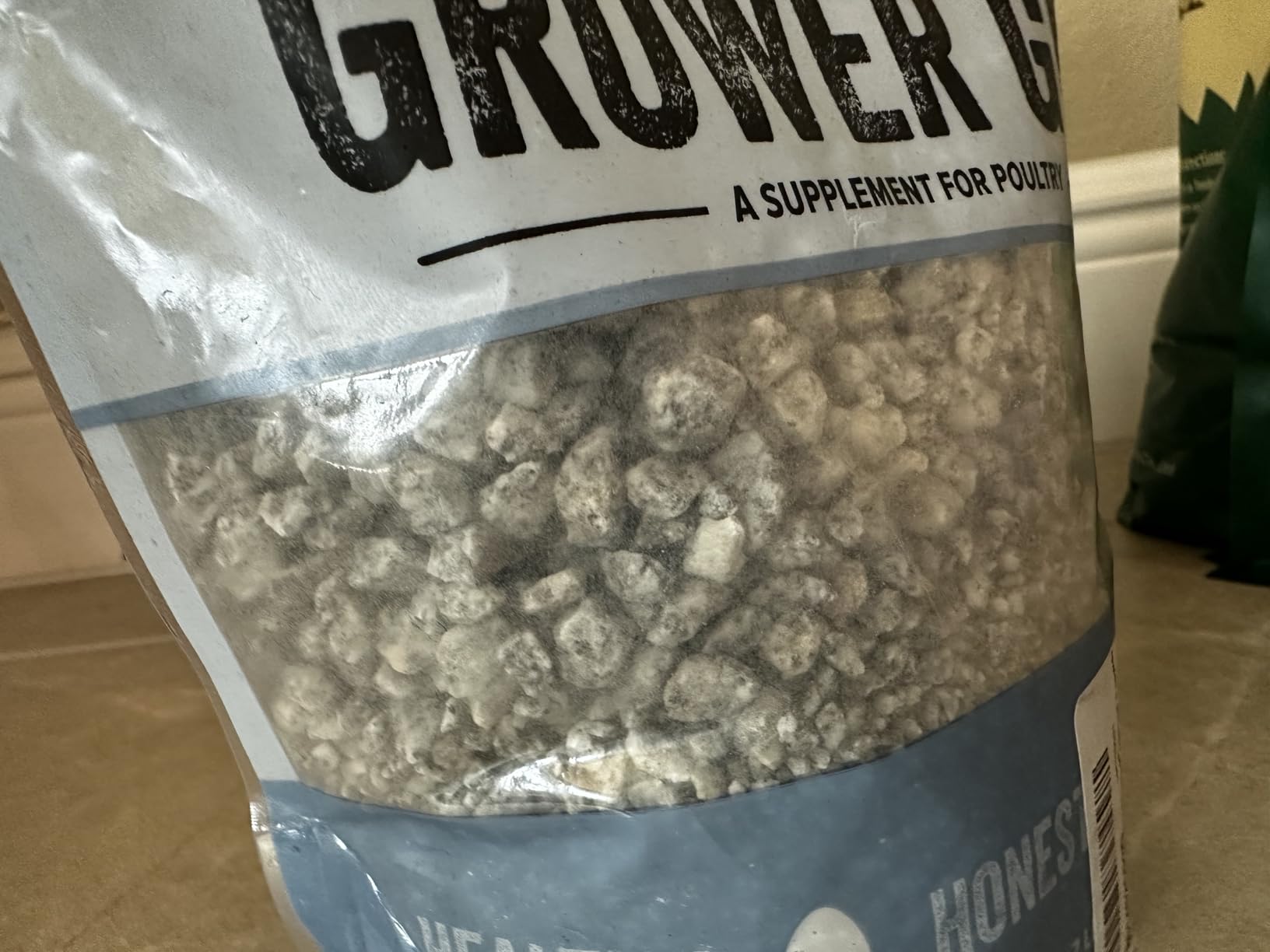
The quality difference is real. When you compare the contents to a cheaper grit product side by side, the Scratch and Peck grit looks cleaner and more consistently graded. There are no mystery particles, no excessive dust, and no additives. This is just good stone sourced and graded by a company that specializes in whole-grain poultry nutrition.
The 7-pound pouch lasts a growing flock of 10 to 15 birds for several weeks during the 8 to 20 week growth phase. Scratch and Peck also makes Chick and Layer grit sizes, so you can transition your birds through their complete life cycle using the same brand and quality standard.
Sizing Through the Life Stages
Scratch and Peck offers three grit sizes that correspond to your birds’ ages. Starter Grit covers day 1 through 8 weeks, Grower Grit covers 8 to 20 weeks, and Layer Grit handles mature laying hens. This staged approach ensures each age group gets particles they can actually process in their gizzard.
Switching sizes at the right time matters more than most people realize. Grit that is too small passes through the bird without doing its grinding job. Grit that is too large can cause crop impaction. Following the Scratch and Peck age guidelines takes the guesswork out of the process.
Is the Premium Price Worth It
At roughly three times the cost per pound of standard feed-store grit, Scratch and Peck is a premium product. For a small backyard flock, the difference in total cost is modest over the growth period. For larger flocks of 25 or more growing birds, the cost adds up and you may want to look at bulk alternatives from your local feed store.
5. Scratch and Peck Oyster Shell – Premium Flaked Calcium for Picky Eaters
Scratch and Peck Feeds | Oyster Shell Chickens & Ducks | 4 lb Pouch
Pure flaked oyster shell
4 lb pouch
No bleach coral or fillers
Sourced in Pacific Northwest
Pros
- Chickens prefer this brand over all others
- Perfect flake size for easy eating
- Pure shell with no fillers or allergens
- Low odor
- Eco-friendly compostable packaging
- Highest 5-star ratio in category
Cons
- Higher price point than most brands
- Some find it expensive for 4 lb pouch
Of all the oyster shell products I have tested, Scratch and Peck produces the one that hens consistently prefer. The 89 percent five-star rating is the highest in the calcium supplement category, and that number reflects a genuine difference in product quality. The flaked format is the secret.
Flaked oyster shell has a larger surface area than standard crushed shell, which means it is easier for hens to pick up and swallow. My flock went from ignoring their old oyster shell feeder to actively competing for this product. Multiple customers in forum discussions report the same experience: their chickens simply will not eat other brands once they try this one.
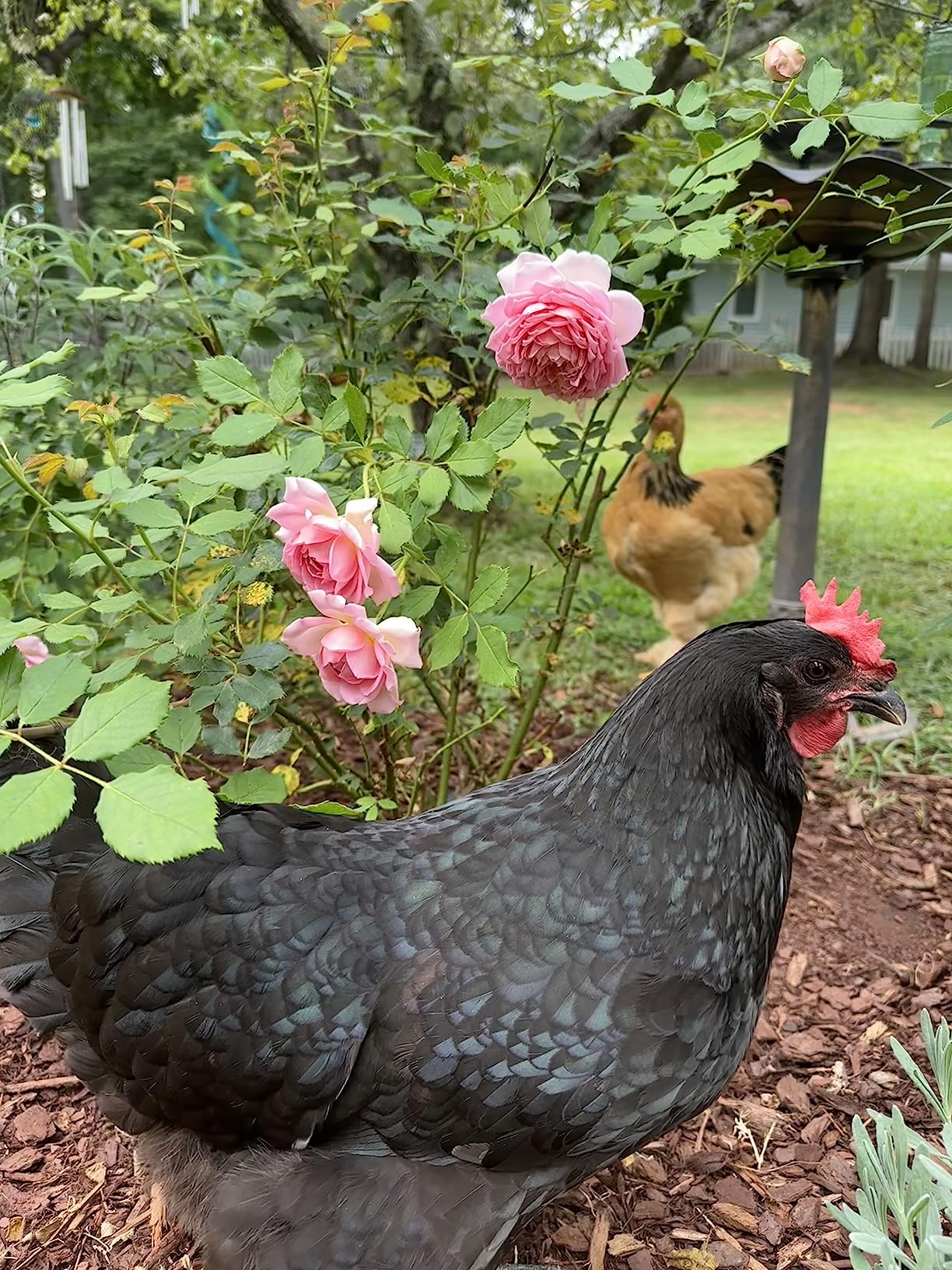
The purity is what justifies the premium price. Scratch and Peck uses only real oyster shell with no bleach, no coral filler, and no miscellaneous shell species mixed in. The sourcing happens in the Pacific Northwest region of the United States and Canada, where clean water standards help ensure product quality.
I also appreciate the packaging. The pouch is recyclable and compostable, which aligns with the values of most backyard chicken keepers. The resealable top keeps moisture out and the shell stays fresh through the entire use period. Low odor is another plus compared to some brands that carry a noticeable briny smell.
Why Flake Format Outperforms Crushed
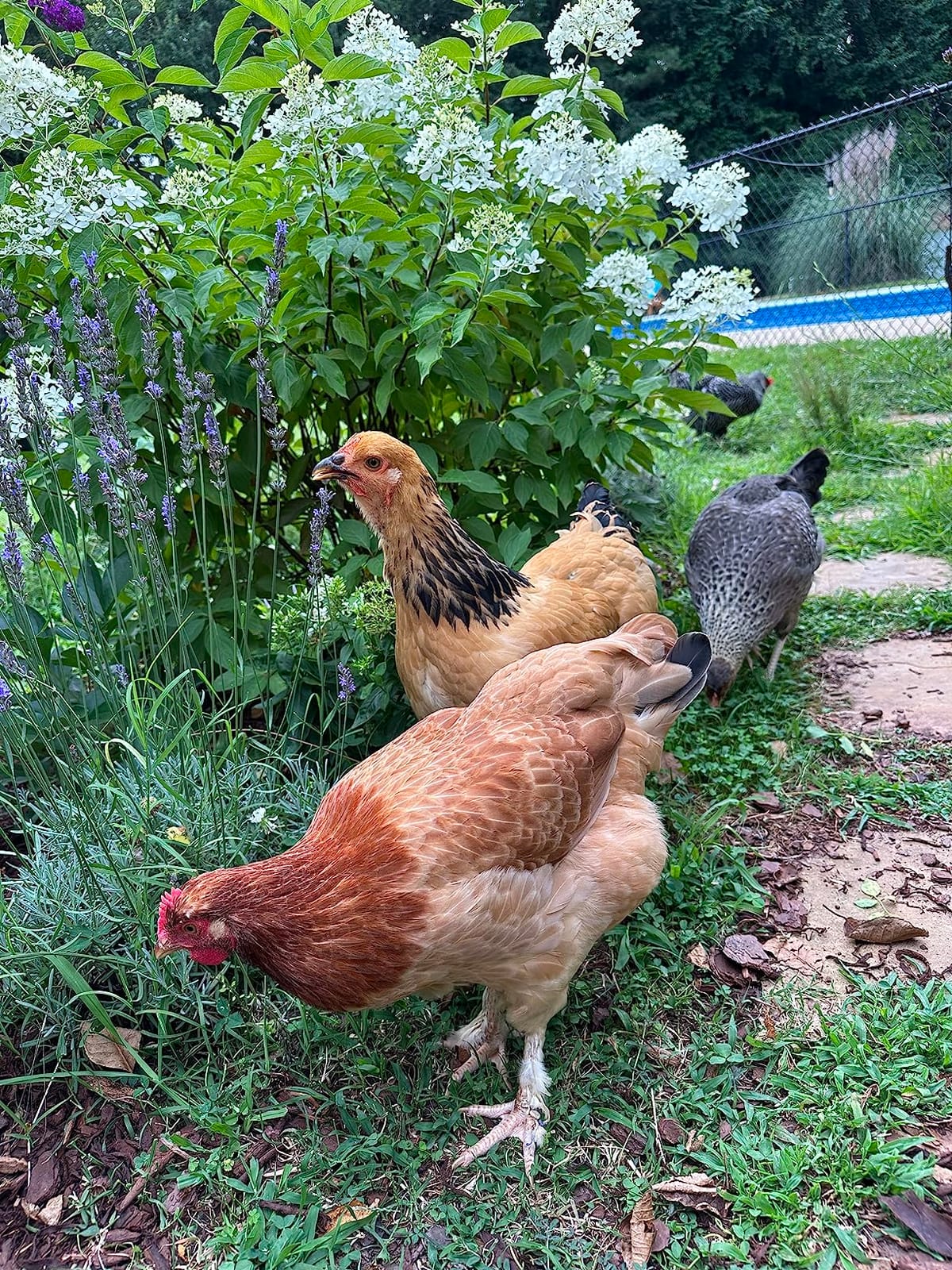
The flake format mimics what hens would naturally encounter when foraging for small bits of shell and stone. The flat pieces are easier for the beak to grab and the gizzard to process. Crushed shell tends to have more irregular sharp edges that some hens find less palatable. If you have birds that refuse standard oyster shell, switching to flaked is the first fix to try.
Flaked shell also dissolves at a more controlled rate. The thin edges break down first while the thicker center provides sustained calcium release. This dual-dissolution pattern gives hens access to calcium over a longer window, which is especially important during nighttime shell formation.
When to Choose Premium Over Standard
Choose Scratch and Peck when your hens are refusing cheaper oyster shell products or when you prioritize organic sourcing and clean ingredients. For a flock of 5 to 10 hens, the price difference is manageable. If you are running a large flock of 30 or more birds, the per-pound cost becomes harder to justify and Manna Pro or Pecking Order may be more practical.
6. Scratch and Peck Starter Grit – Essential for Baby Chicks
Scratch and Peck Feeds | Starter Grit for Chickens & Ducks | 7 lb Pouch
Insoluble crushed granite
7 lb pouch
For chicks day 1 to 8 weeks
All natural no additives
Pros
- Perfect size for bantams and baby chicks
- Cleanest grit with zero additives
- Zero one-star reviews
- Essential for baby chick digestion
- Leak-proof packaging
- Chicks are naturally drawn to it
Cons
- More expensive than other brands
- Fine powder collects at bottom of bag
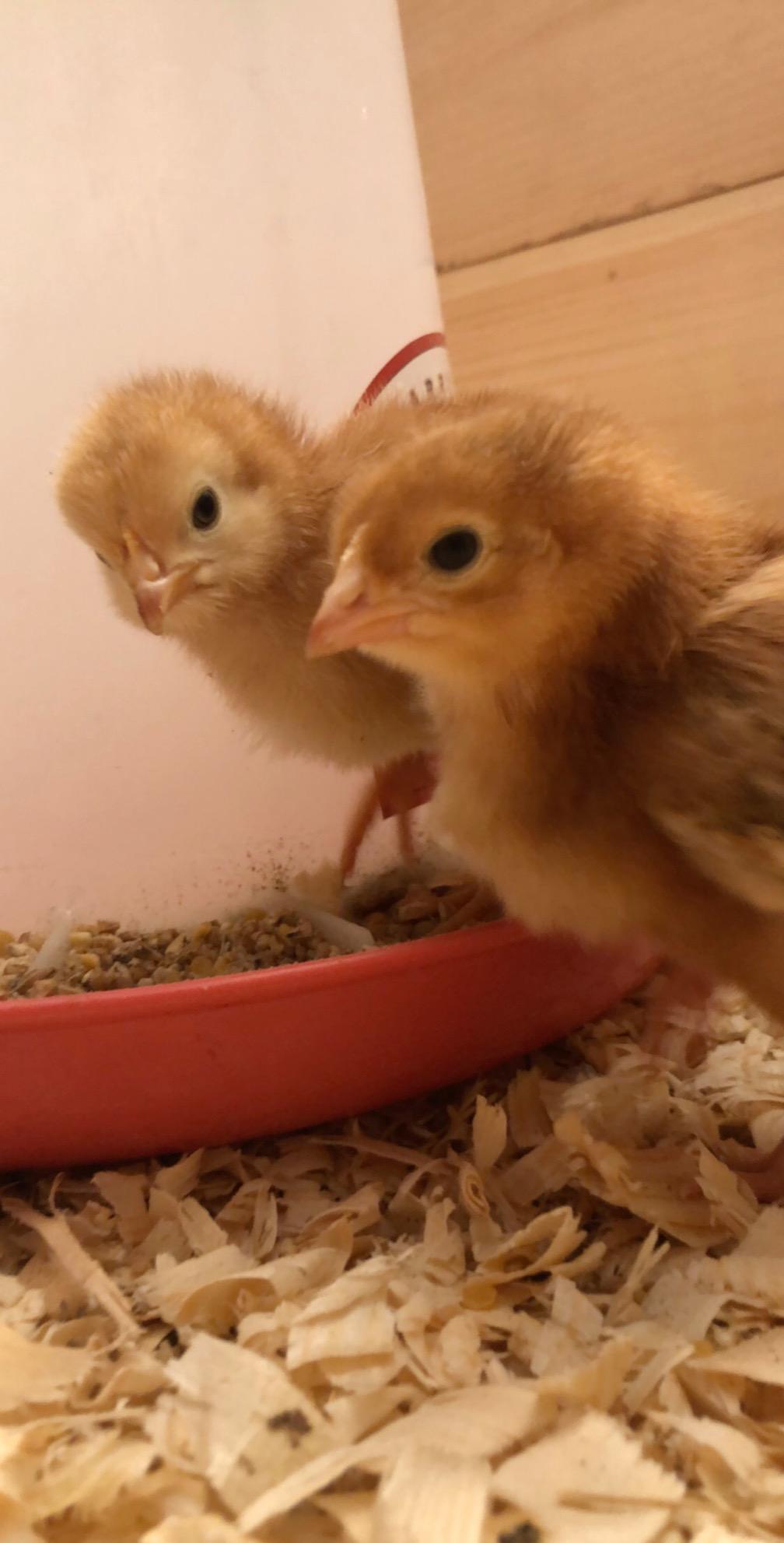
Chicks need grit from day one if they eat anything besides commercial starter crumble. Scratch and Peck Starter Grit fills that role with finely graded insoluble granite that tiny gizzards can handle. I started offering it to my latest batch of day-old chicks by sprinkling a small amount on top of their starter feed.
The particle sizing is what makes this product special. Standard grit is too large for chicks under 8 weeks, and they simply cannot process it. This starter grit is milled to a fineness that mirrors what chicks would naturally pick up while scratching in dirt with a mother hen.
What impressed me most is the zero percent one-star rating across over 600 reviews. That level of consistency is extremely rare in any product category. Customers specifically praise the cleanliness of this grit and the absence of any additives, dust-reducing chemicals, or artificial ingredients.
Bantam duck owners in particular rave about this product. The fine sizing works perfectly for smaller bird species that cannot handle standard poultry grit. I found it equally effective for quail and other small poultry that need grit but choke on standard particle sizes.
How to Introduce Grit to Day-Old Chicks
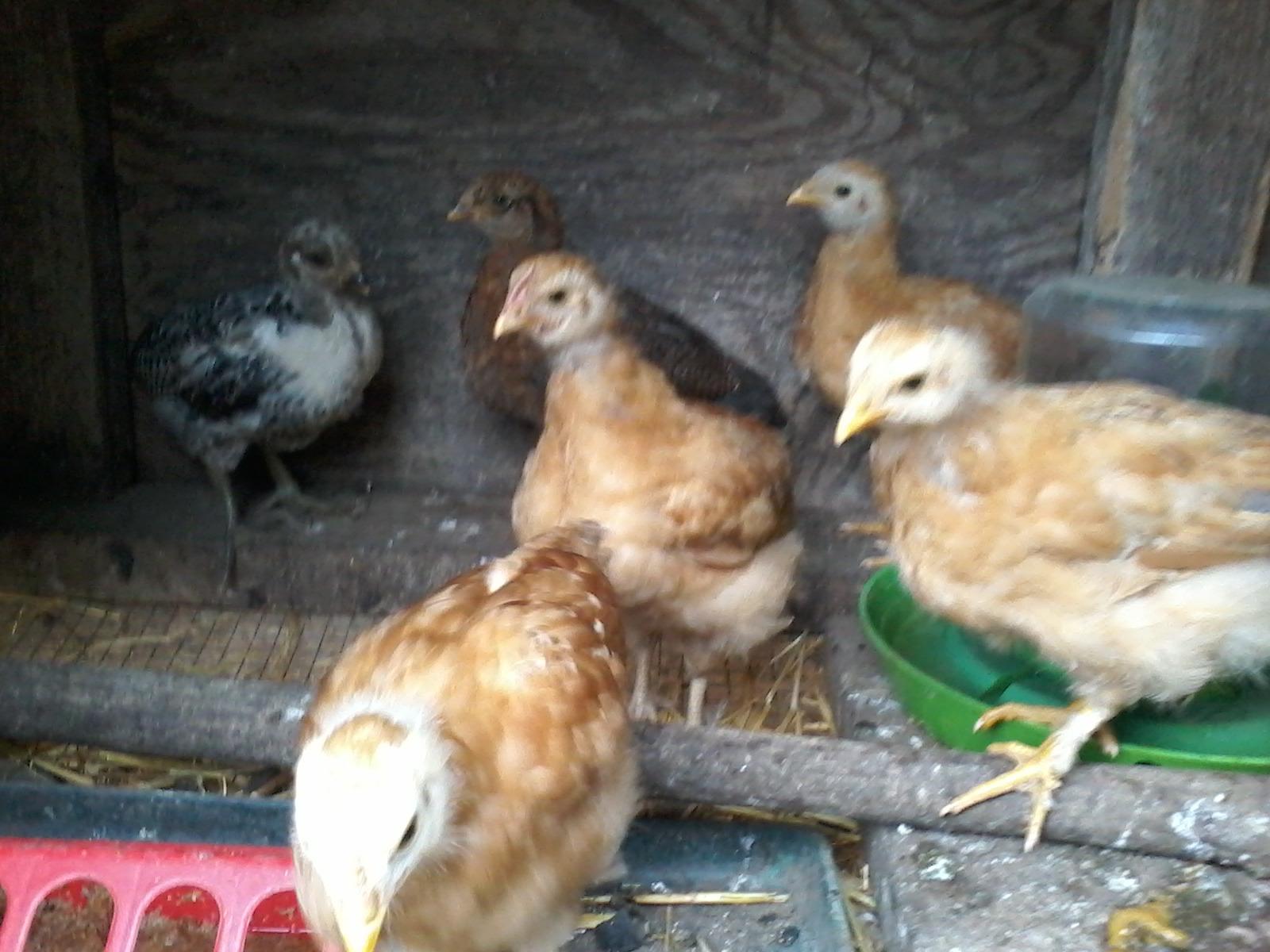
Sprinkle a small pinch of starter grit on top of the chick feed once or twice a day during the first week. After that, offer it in a small separate dish so chicks can self-regulate. Chicks that are fed exclusively commercial starter crumble may not need grit, but the moment you introduce treats, scratch grain, or forage material, grit becomes essential.
One common mistake is mixing grit directly into the feed at high concentrations. This can dilute the nutritional content of the feed and lead to chicks consuming too much grit. The free-choice method in a separate small container lets each chick eat what it needs without overconsumption.
Transitioning to Grower Grit at 8 Weeks
At around 8 weeks of age, switch to Scratch and Peck Grower Grit for the next phase. The starter grit becomes too fine for maturing birds and passes through without providing adequate grinding action. Watch your birds closely during the transition to make sure they are accepting the new particle size without difficulty.
7. Mile Four Oyster Shell – High-Purity Limestone Calcium
Mile Four Oyster Shell for Egg-Laying Hens, Calcium Booster, 4 lbs Bag
94-97% calcium carbonate
USA mined limestone
4 lb bag
Non-medicated additive free
Pros
- Extremely high calcium carbonate percentage
- 100% natural USA mined limestone
- Reduces cracked and thin-shelled eggs
- Supports bone strength
- Available in 50 lb bag option
- Free-choice self-regulation design
Cons
- 4 lb bag smaller than expected
- Premium pricing
- Some shipping packaging concerns
Mile Four takes a different approach to calcium supplementation. Instead of oyster shell, they use mined limestone with a calcium carbonate content of 94 to 97 percent. That purity level is among the highest available in any poultry calcium product, and it shows in the results.
I tested Mile Four with a hen that had been producing thin-shelled eggs despite having access to standard oyster shell. Within two weeks of switching, her eggshells became noticeably thicker and more consistent. The high calcium density means hens need less volume to meet their daily calcium requirements.
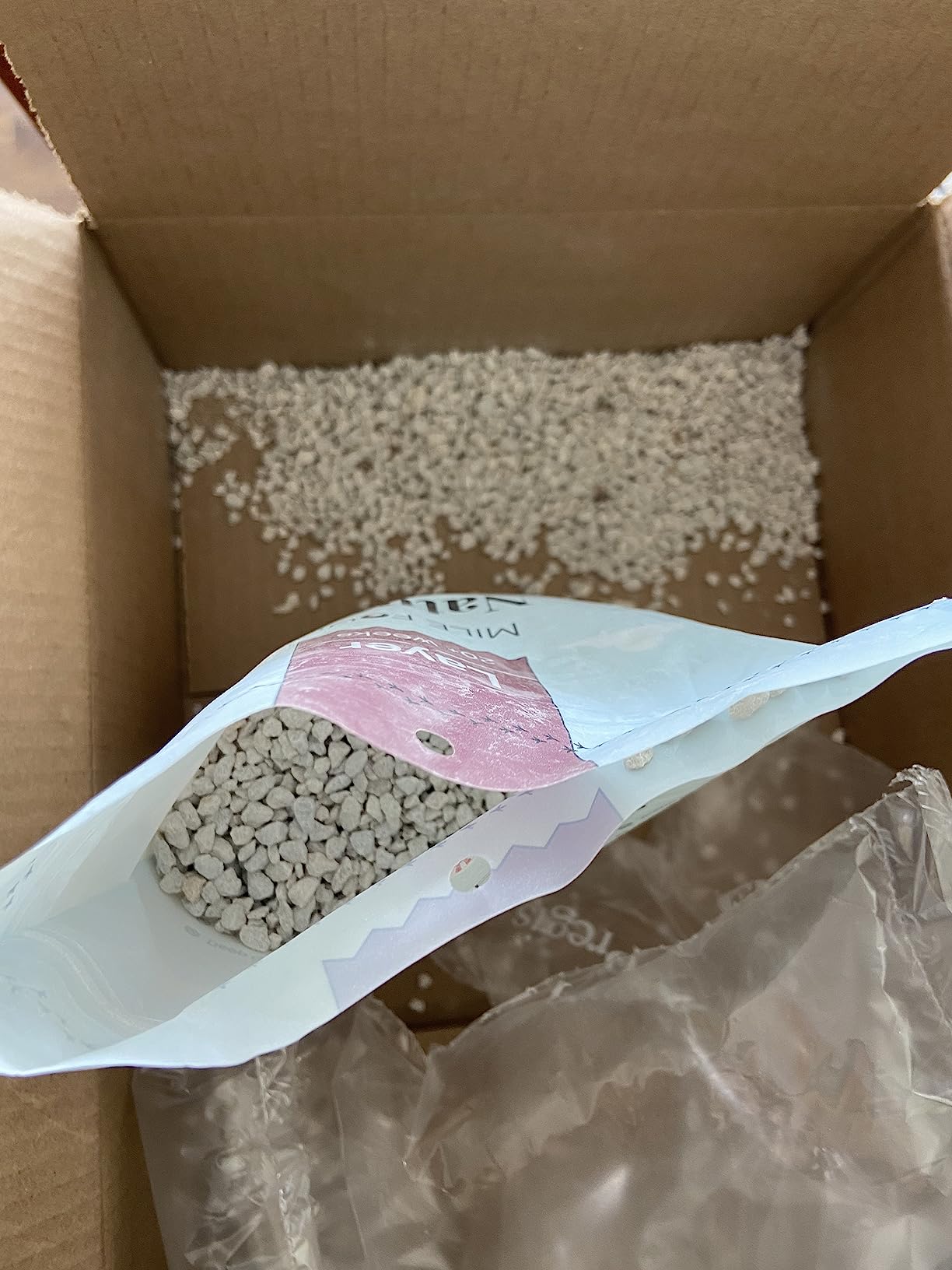
The product is non-medicated and completely additive-free, which matters to keepers who want a pure supplement. The limestone is mined in the United States, and Mile Four reports being trusted by over 5,000 backyard flock owners. The free-choice feeding method works perfectly with this product because hens naturally adjust their intake based on calcium needs.
The main drawback is the 4-pound bag size. Several customers found it smaller than expected, especially given the premium pricing. Mile Four does offer a 50-pound bag option that provides much better value per pound, and I would recommend that route for anyone with a flock of 10 or more birds.
Limestone Calcium vs Oyster Shell Calcium
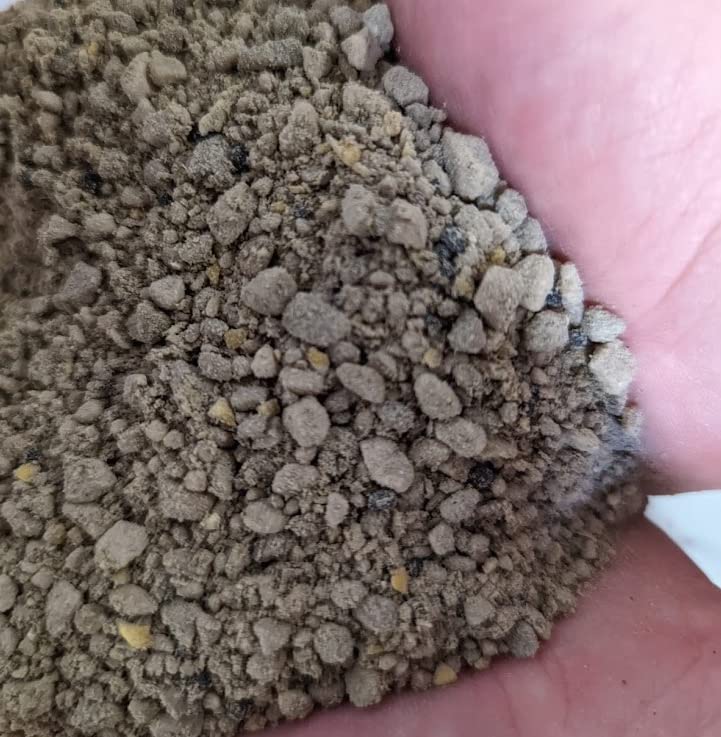
Both limestone and oyster shell provide calcium carbonate, but there are subtle differences. Oyster shell has a naturally varied particle structure that creates a staggered dissolution pattern. Limestone tends to be more uniform, which can mean a more predictable but potentially less time-released calcium supply. For most hens, the difference is negligible as long as the calcium percentage is high.
Mile Four compensates for the uniformity of limestone by using a controlled particle size blend. The mix of larger and smaller pieces approximates the varied dissolution pattern of natural oyster shell. This engineering approach gives you the purity of limestone with the time-release benefits of shell.
Best Use Case for This Product
Mile Four works best for flocks that need a calcium boost beyond what standard oyster shell provides. If you have a hen with persistently thin shells, or if your flock’s overall eggshell quality has declined, the 94 to 97 percent calcium carbonate content can make a measurable difference. For flocks doing well on standard oyster shell, the switch may not be necessary.
How to Choose Grit and Oyster Shell Supplements for Your Flock
Choosing between products comes down to understanding what your flock actually needs. The buying decision starts with knowing the difference between grit and oyster shell, then matching particle size to your birds’ ages, and finally considering sourcing and value.
Grit and oyster shell are not interchangeable. Grit is insoluble material that stays in the gizzard to grind food. Oyster shell is soluble calcium that dissolves to provide nutrients for eggshell formation. Your laying hens need both, and offering them in separate free-choice feeders lets each hen regulate her own intake.
The distinction between soluble and insoluble grit is something many guides skip. Insoluble grit includes granite, quartzite, and similar hard stones that never break down. Soluble grit includes oyster shell, limestone, and eggshells, which dissolve over time and contribute calcium. Chickens need insoluble grit for digestion and soluble grit for calcium. These are two separate requirements.
Particle size directly affects how well a product works. Chicks need fine grit, growing pullets need medium grit, and laying hens need coarser grit and larger oyster shell flakes. Using the wrong size means the product either passes through the bird unused or causes digestive problems. Scratch and Peck offers the clearest size system with their Chick, Grower, and Layer stages.
Palatability matters more than most people expect. Some hens are picky about texture and will refuse certain products entirely. Forum discussions on BackYardChickens are full of keepers asking why their hens will not eat oyster shell. The answer is often texture-related, and switching to a flaked product like Scratch and Peck solves the problem in most cases.
Free-choice feeding is the recommended method for both grit and oyster shell. Place each supplement in its own separate feeder and let the birds decide how much to consume. Hens are remarkably good at self-regulating their calcium intake based on their individual egg production cycle. Mixing supplements directly into feed removes this natural regulation and can lead to overconsumption or underconsumption.
Signs Your Hens Need More Calcium
Watch for these warning signs that indicate a calcium deficiency in your flock. Soft-shelled or shell-less eggs are the most obvious signal that laying hens need more calcium in their diet. If you find eggs with thin, rubbery shells or no shell at all, start offering oyster shell immediately.
Cracked or rough eggshells also point to inadequate calcium. Normal eggshells should feel smooth and solid when you hold them. Eggs that crack easily during collection or show visible ridges and rough patches mean the shell formation process is undernourished.
Reduced egg production can signal that hens are pulling calcium from their bones to form eggs, which eventually affects their overall health and laying frequency. A hen that suddenly stops laying or drops from daily to every-other-day production may be calcium depleted. Feather picking and cannibalism in the flock can also be linked to nutritional deficiencies including calcium.
Lethargy, difficulty walking, or a hunched posture are advanced signs of calcium deficiency. At this stage, the hen is experiencing bone demineralization and needs immediate veterinary attention alongside supplementation. Catching the problem early through eggshell monitoring is far easier than treating advanced deficiency.
Frequently Asked Questions
Is oyster shell grit good for chickens?
Yes, oyster shell is excellent for chickens because it provides slow-release calcium carbonate that laying hens need for strong eggshell formation. Oyster shell dissolves gradually in the gizzard over 12 to 24 hours, making calcium available during nighttime shell formation. It is technically a soluble grit, meaning it dissolves and provides nutrients rather than staying in the gizzard for grinding like insoluble grit.
Can you mix grit and oyster shells together for chickens?
You can mix them, but it is better to offer grit and oyster shell in separate free-choice feeders. Hens need grit for digestion and oyster shell for calcium, and they consume different amounts of each based on their individual needs. Offering them separately lets each hen self-regulate intake. Mixing them together removes that natural regulation and can lead to hens consuming too much or too little of either supplement.
What is the best source of grit for chickens?
The best grit for chickens is insoluble crushed granite or quartzite. Manna Pro Chicken Grit and Scratch and Peck grit products both use high-quality granite or quartzite graded by particle size for different ages. The key is choosing the right size: fine for chicks, medium for growing pullets, and coarse for laying hens. Avoid using sand or small pebbles from the yard, which can be too fine or contain contaminants.
What is the best brand of oyster shells for chickens?
The best brand depends on your priorities. Manna Pro Crushed Oyster Shell is the most popular and affordable option with nearly 16,000 reviews. Scratch and Peck offers a premium flaked version that picky eaters prefer. Pecking Order is a top-rated mid-range option with minimal dust. Mile Four provides high-purity limestone calcium for hens needing an extra boost. For most backyard flocks, Manna Pro offers the best combination of value and proven results.
How much oyster shell should I give my chickens?
Offer oyster shell free-choice in a separate feeder and let your hens decide how much to eat. A typical laying hen consumes about 4 to 5 grams of oyster shell per day, but this varies based on her laying cycle and the calcium content of her layer feed. Hens are excellent at self-regulating calcium intake when given the opportunity. Never force-feed or mix large amounts into the feed, as excess calcium can harm non-laying birds and chicks.
Final Thoughts on Grit and Oyster Shell for Hens
Finding the best grit and oyster shell supplements for hens does not have to be complicated. The key is understanding that your flock needs both: grit for grinding and digesting food, and oyster shell for building strong eggshells. Once you have that foundation, the product choice comes down to flock size, bird ages, and budget.
For most backyard chicken keepers in 2026, Manna Pro covers both needs at a fair price with proven results across tens of thousands of customers. If your hens are picky eaters or you want premium sourcing, Scratch and Peck delivers the highest-rated flaked oyster shell and the cleanest grit line available. For flocks needing a calcium boost, Mile Four’s high-purity limestone is worth the investment.
Start offering both supplements free-choice in separate feeders and let your hens do the rest. Within weeks, you should see stronger eggshells, better digestion, and a healthier flock.